
拉菲 BTC
324 Posts

拉菲 BTC
Report
Block User
程序员 | Crypto 投资者。专注 BTC 趋势交易、链上数据、量化策略与 Web3 项目研究。用技术理解市场,用数据验证逻辑。独立思考,寻找市场预期差。
11 Following
66 Followers
150 Liked
Posts
All
Quotes
Videos
·
--
On December 3, $BIGTIME is expected to unlock 600 million tokens, equivalent to about 20.5% of the current circulating supply—another classic case of market makers stirring things up ahead of an unlock.
On December 3, $BIGTIME is expected to unlock 600 million tokens, equivalent to about 20.5% of the current circulating supply—another classic case of market makers stirring things up ahead of an unlock.
352
·
--
$BIGTIME Among the 8 exchanges tracked by CoinGaja, Upbit accounted for about 73% of BIGTIME spot trading volume, with its 24-hour trading volume reaching 18.3 times the daily average over the past 7 days.
Koreans are stirring things up again.
$BIGTIME Among the 8 exchanges tracked by CoinGaja, Upbit accounted for about 73% of BIGTIME spot trading volume, with its 24-hour trading volume reaching 18.3 times the daily average over the past 7 days.
Koreans are stirring things up again.
Koreans are stirring things up again.
286
·
--
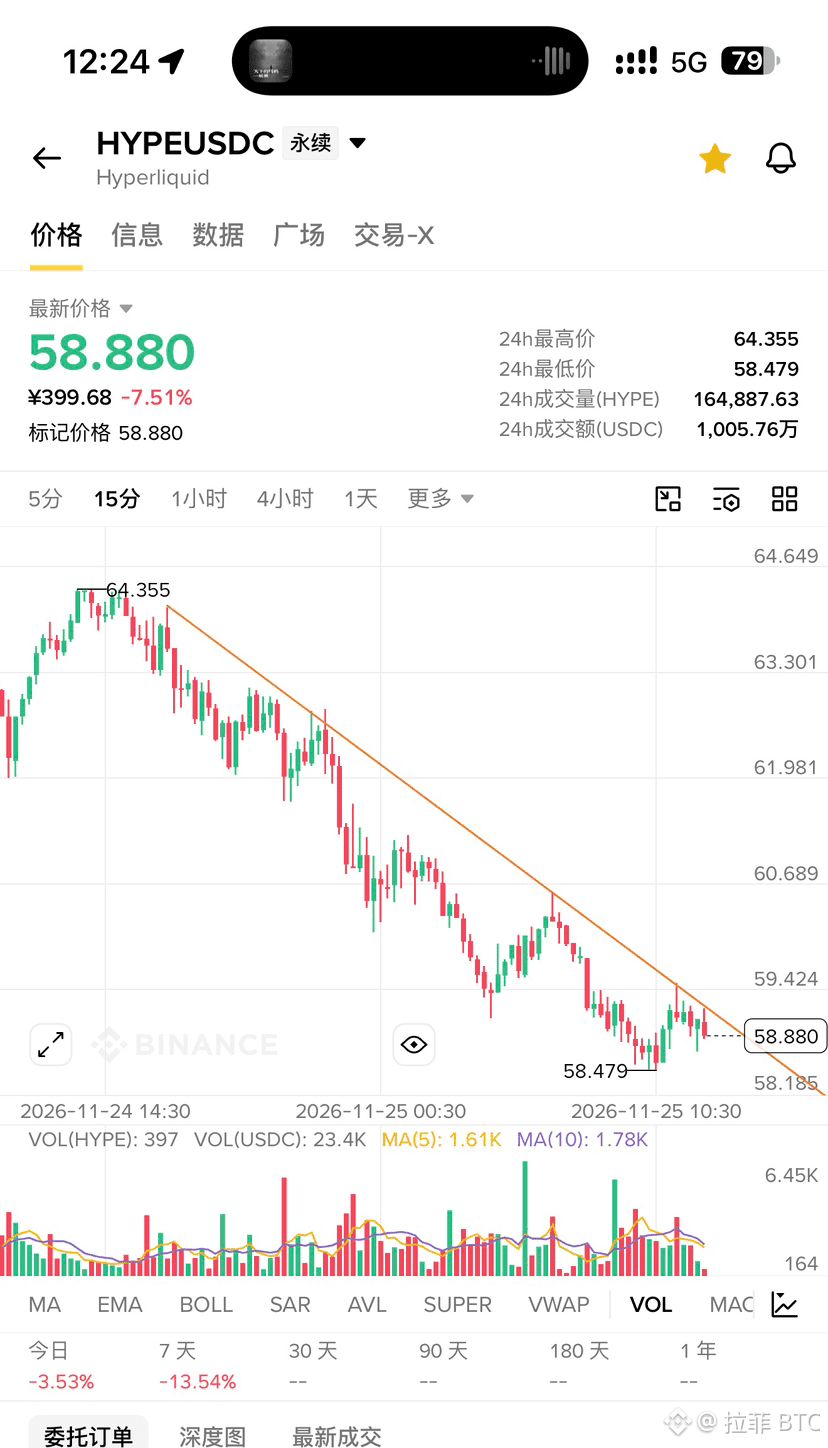
$HYPE has begun a steady downward trend.
$HYPE has begun a steady downward trend.
拉菲 BTC
·
--
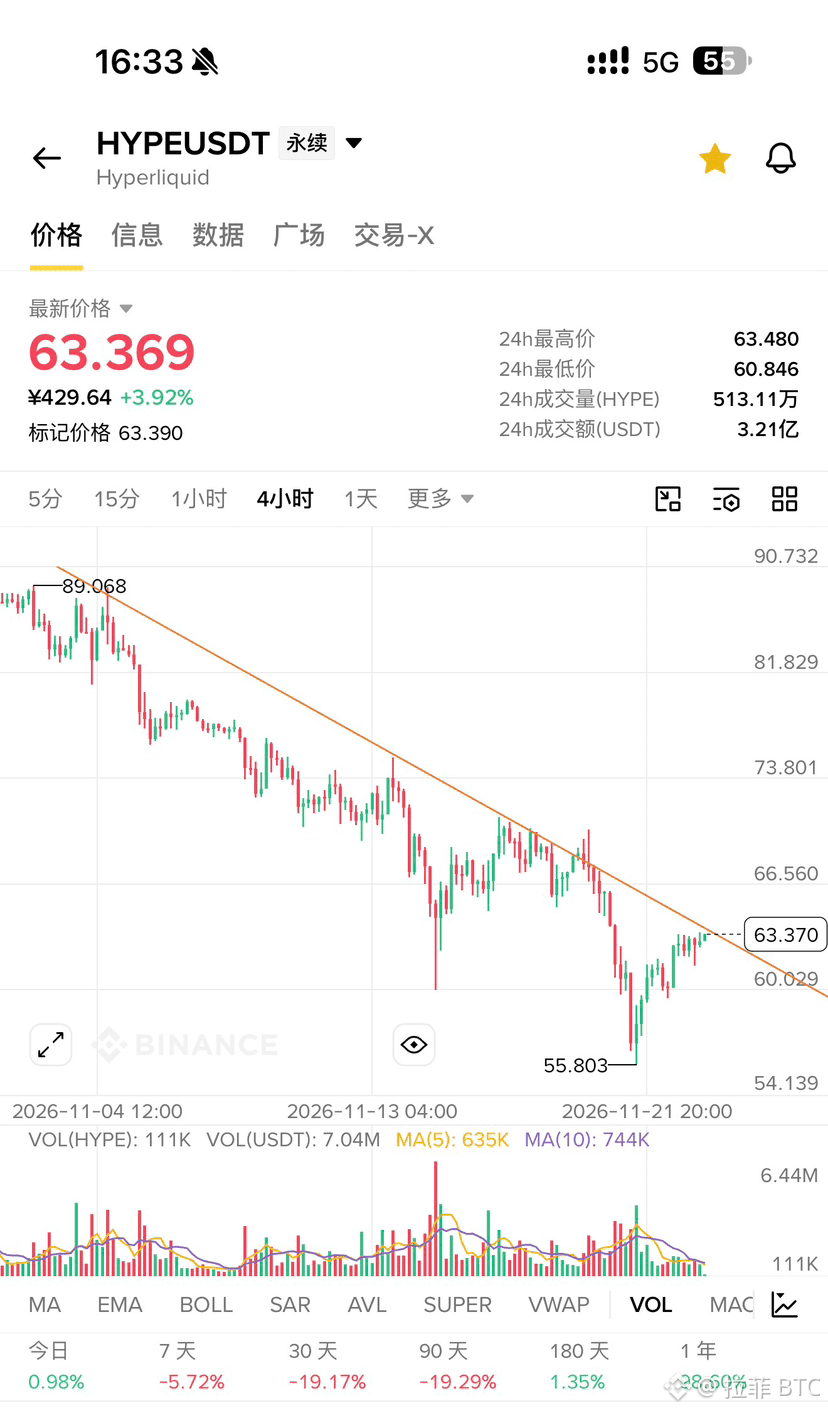
Bearish$HYPE On the 4h chart, the rebound has reached near trend resistance. It feels like we can look for an opportunity to try going short.
157
·
--
Bearish
$HYPE On the 4h chart, the rebound has reached near trend resistance. It feels like we can look for an opportunity to try going short.
$HYPE On the 4h chart, the rebound has reached near trend resistance. It feels like we can look for an opportunity to try going short.
1
1
398
·
--
What is trend trading?
Trend trading isn’t about predicting whether prices will rise or fall; it’s about following the trend. Hold firm as long as the structure remains intact; exit decisively once it’s broken.
#趋势交易
What is trend trading?
Trend trading isn’t about predicting whether prices will rise or fall; it’s about following the trend. Hold firm as long as the structure remains intact; exit decisively once it’s broken.
#趋势交易
Trend trading isn’t about predicting whether prices will rise or fall; it’s about following the trend. Hold firm as long as the structure remains intact; exit decisively once it’s broken.
#趋势交易
1
27
·
--
You may be used to constantly asking yourself:
“Will the price go up or down next?”
But for a long position that’s already profitable, you should instead ask:
“Do the market conditions that originally supported holding this long position still exist?”
These are two very different questions.
The first requires you to constantly predict short-term direction, making it easy to be swayed by every candlestick.
The second requires you to assess whether the logic behind the trade still holds, based on predefined rules.
#交易
#交易策略误区
50
·
--
Bearish
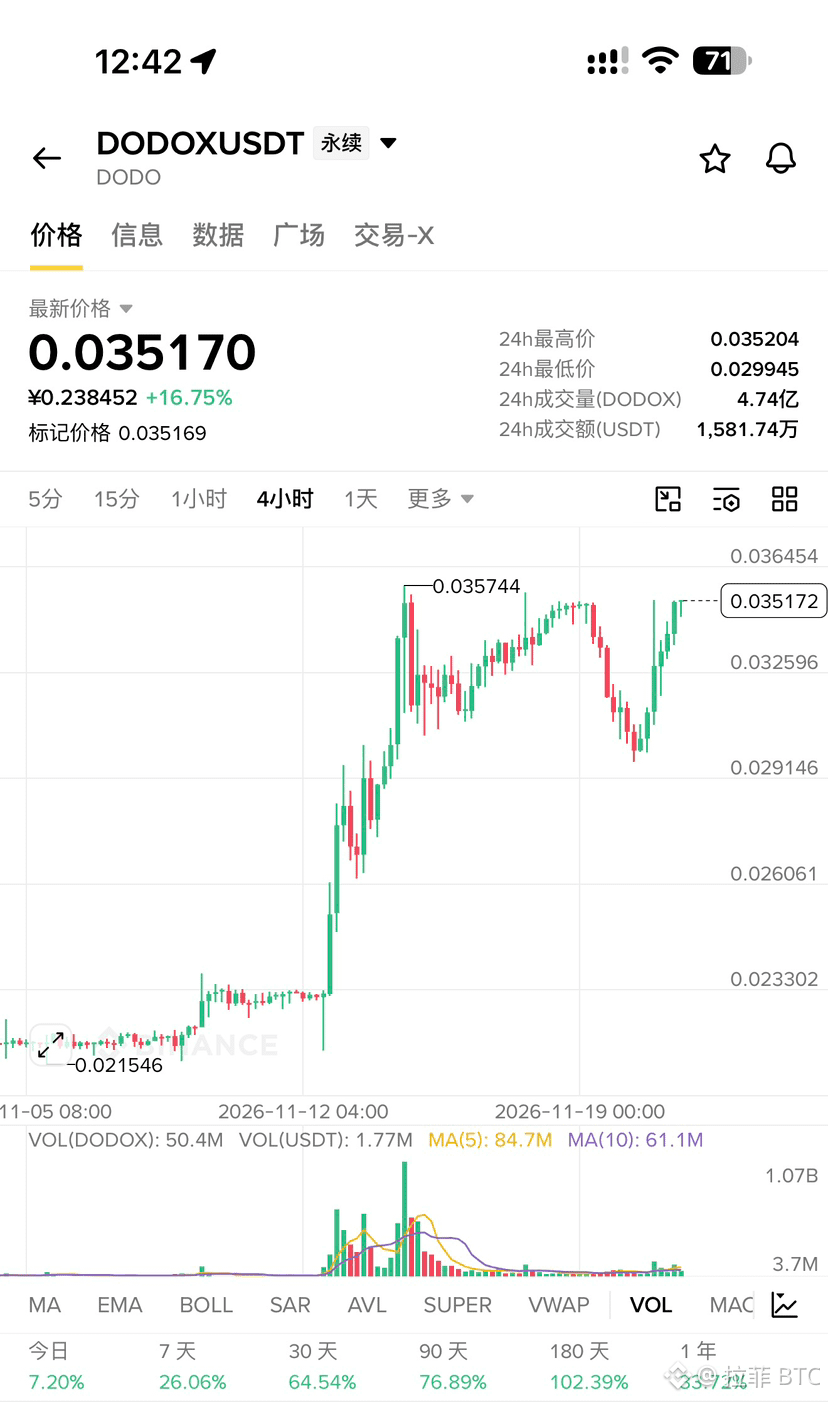
$DODOX What a perfect shorting position. After a new high, you can just stop loss.
$DODO
$DODOX What a perfect shorting position. After a new high, you can just stop loss.
$DODO
$DODO
1
1
803
·
--
Livermore's trading strategy was actually very simple:
Determine the market's overall direction → wait for a favorable entry point → test the waters with a small position → add to the position after the market confirms the analysis is correct → hold profitable positions → exit when the trend changes.
#交易训练
#交易
$BTC
{spot}(BTCUSDT)
Livermore's trading strategy was actually very simple:
Determine the market's overall direction → wait for a favorable entry point → test the waters with a small position → add to the position after the market confirms the analysis is correct → hold profitable positions → exit when the trend changes.
#交易训练
#交易
$BTC
Determine the market's overall direction → wait for a favorable entry point → test the waters with a small position → add to the position after the market confirms the analysis is correct → hold profitable positions → exit when the trend changes.
#交易训练
#交易
$BTC
595
·
--
Bearish
I thought $BTC wouldn’t drop over the weekend and that it was time to take a break. I didn’t expect it to drop so sharply.
I thought $BTC wouldn’t drop over the weekend and that it was time to take a break. I didn’t expect it to drop so sharply.
456
·
--
Bullish
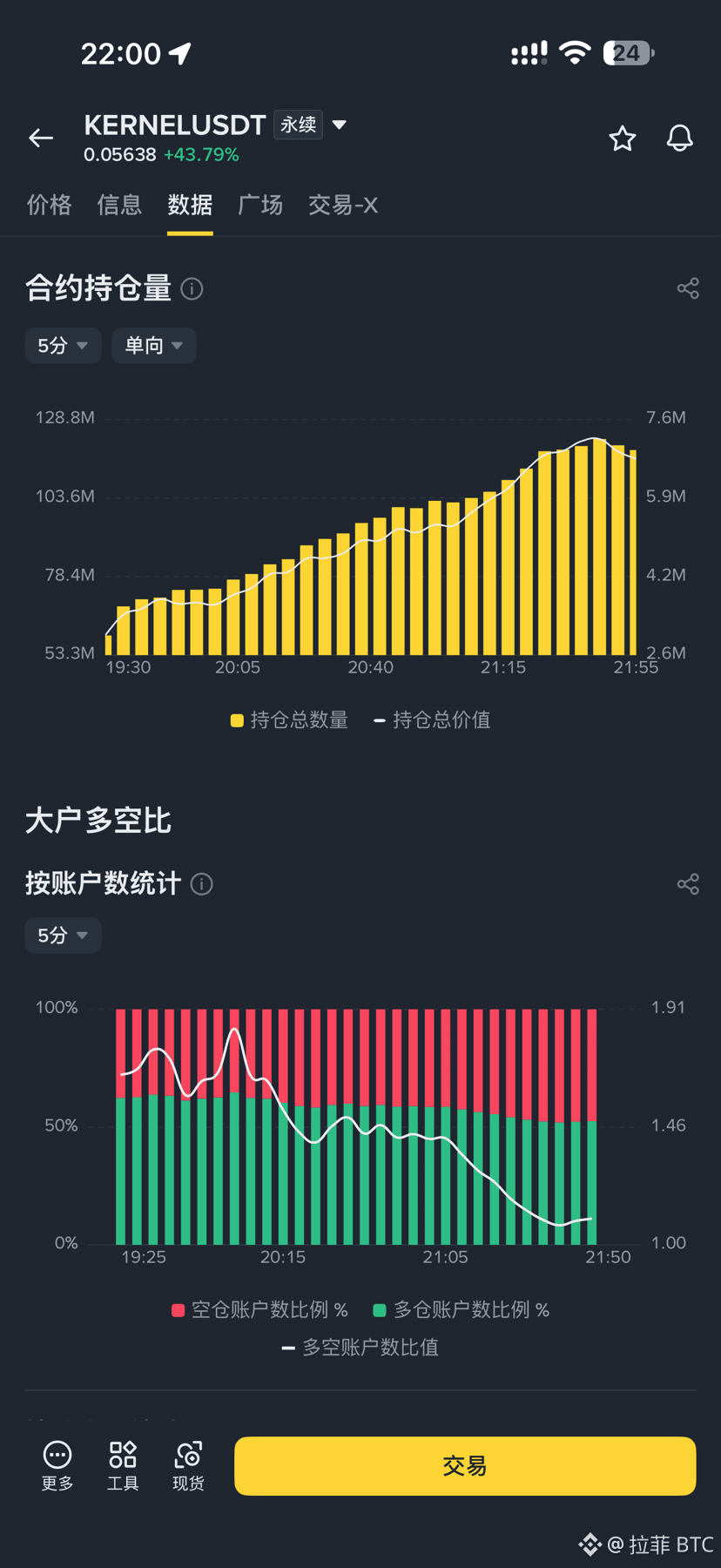
Open interest on the $KERNEL contract is still rising, and the negative funding rate is maxed out. It feels like the shorts are providing plenty of fuel. This setup looks like it could keep rising—at least until all the shorts have been liquidated.
Open interest on the $KERNEL contract is still rising, and the negative funding rate is maxed out. It feels like the shorts are providing plenty of fuel. This setup looks like it could keep rising—at least until all the shorts have been liquidated.
550
·
--
What’s truly difficult in trading isn’t judging a single rise or fall, but identifying the broader trend and sticking to the right position.
#交易
What’s truly difficult in trading isn’t judging a single rise or fall, but identifying the broader trend and sticking to the right position.
#交易
#交易
82
·
--
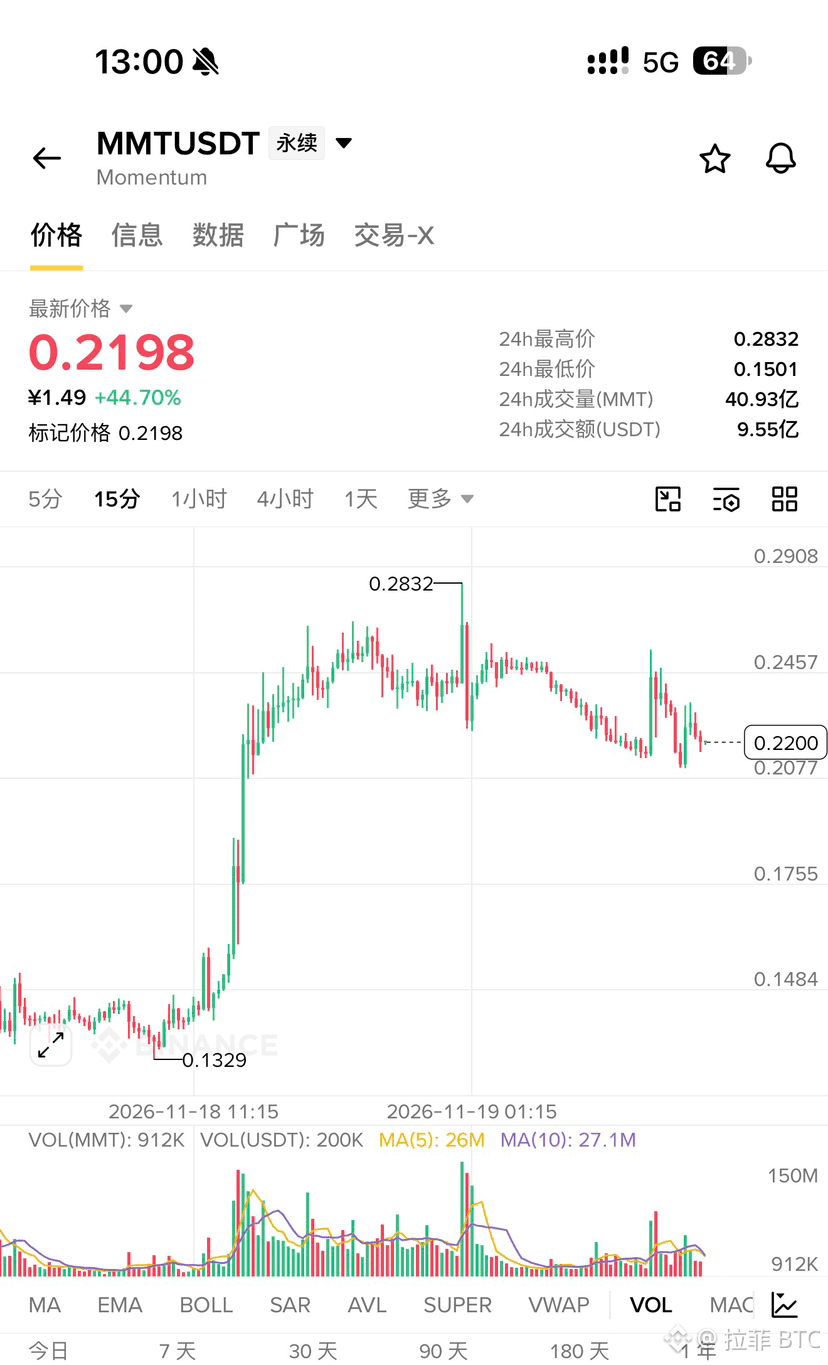
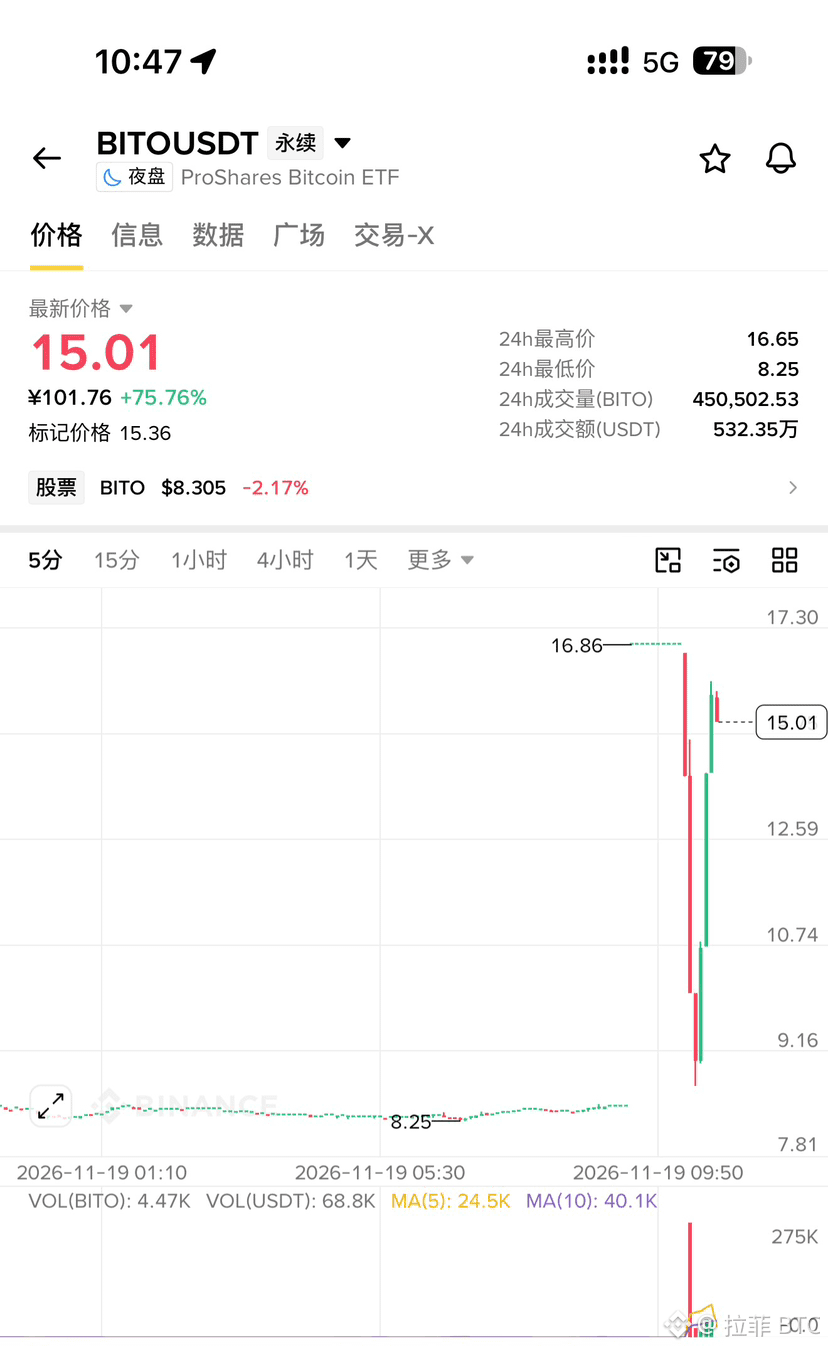
The chart pattern $MMT is perfect for shorting, similar to $PIPPIN . It's a classic double top, with resistance at the daily chart level above. The stop-loss order is also relatively easy to place.
The chart pattern $MMT is perfect for shorting, similar to $PIPPIN . It's a classic double top, with resistance at the daily chart level above. The stop-loss order is also relatively easy to place.
626
·
--
1
2
4.6k
·
--
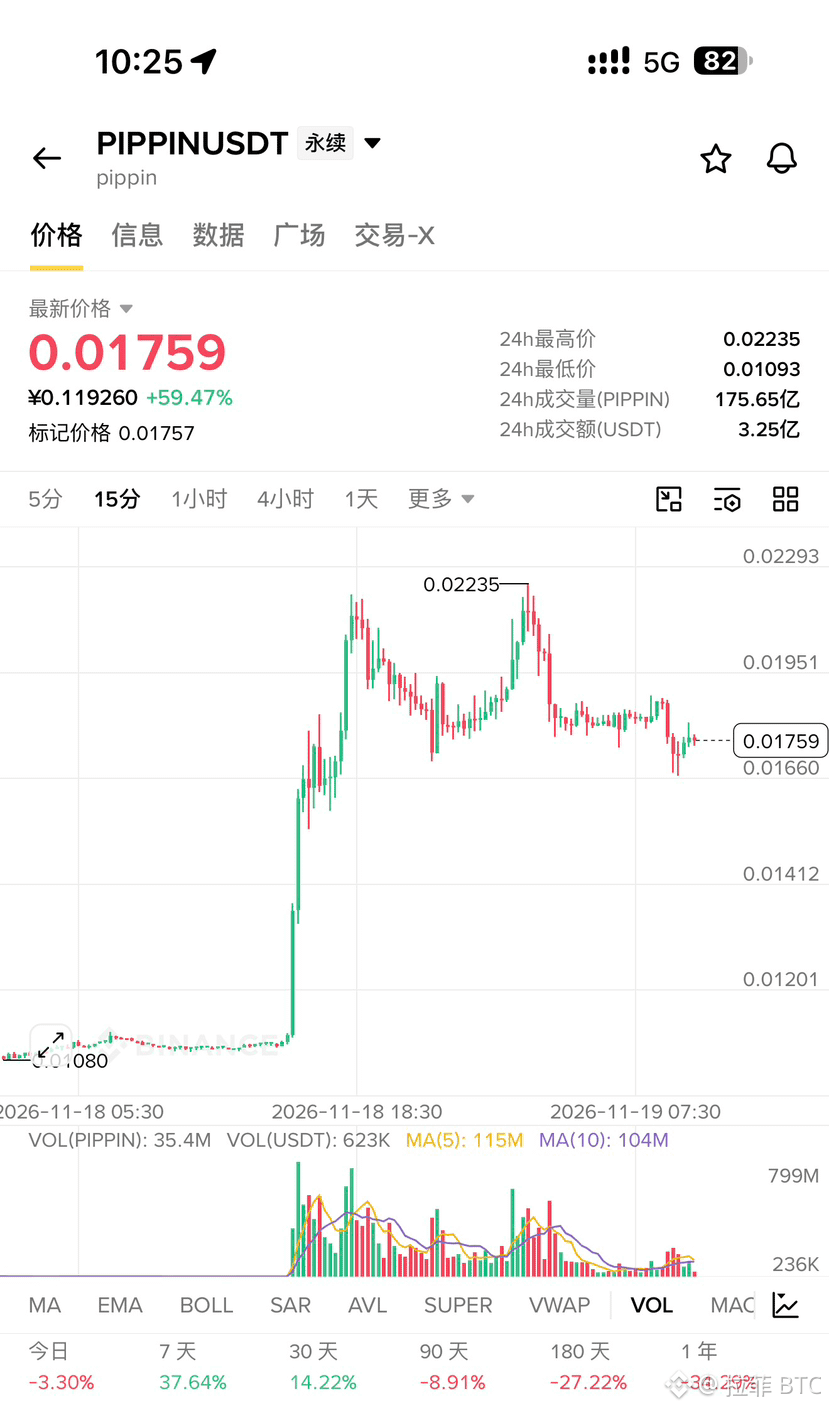
$PIPPIN is a typical double-top pattern, with strong daily resistance above, making it ideal for shorting.
$PIPPIN is a typical double-top pattern, with strong daily resistance above, making it ideal for shorting.
494
·
--
$BTC is performing very weakly; so far, there are no signs of a reversal.
$BTC is performing very weakly; so far, there are no signs of a reversal.
95
·
--

Article
The most dangerous trading habit: opening your trading app and wanting to place an order.Many stock and crypto traders share a common problem:
No matter what price structure BTC is in or whether the market offers good trading opportunities, as soon as they open Binance and glance at the candlestick chart, they can't help wanting to go long or short.
This is a classic case of overtrading.
Why does this happen?
① The brain becomes dependent on trading stimuli
After placing an order, every price movement can bring excitement, anxiety, and anticipation. Over time, trading itself becomes a reward.
② FOMO: Fear of missing out on market moves
You always feel that BTC could surge or plunge at any moment, and that not holding a position means missing out on a chance to make money.
The most dangerous trading habit: opening your trading app and wanting to place an order.
Many stock and crypto traders share a common problem:
No matter what price structure BTC is in or whether the market offers good trading opportunities, as soon as they open Binance and glance at the candlestick chart, they can't help wanting to go long or short.
This is a classic case of overtrading.
Why does this happen?
① The brain becomes dependent on trading stimuli
After placing an order, every price movement can bring excitement, anxiety, and anticipation. Over time, trading itself becomes a reward.
② FOMO: Fear of missing out on market moves
You always feel that BTC could surge or plunge at any moment, and that not holding a position means missing out on a chance to make money.
100
·
--
Article
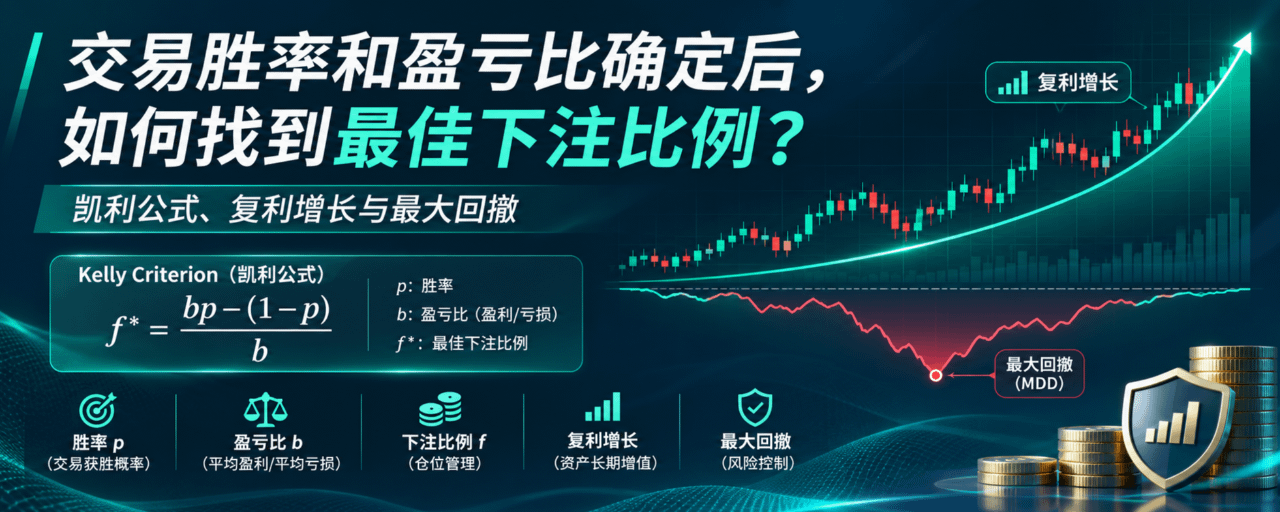
Once You Know Your Trading Win Rate and Risk-Reward Ratio, How Do You Find the Optimal Bet Size? — The Kelly Formula, Compound Growth, and Maximum DrawdownIn trading, many people focus on two metrics: win rate and the risk-reward ratio.
For example, a trading system has a 60% win rate, and its average winning trade is three times the size of its average losing trade.
Clearly, this is a trading system with positive expected value.
But there’s another easily overlooked question that directly determines long-term returns and the ability to stay in the game:
How much of your capital should you risk on each trade to achieve the best returns?
Is it 5%, 10%, 20%, or 50%?
The answer isn’t that the more you bet, the more you’ll ultimately earn.
To answer this question, you need to understand four concepts: expected value, compound growth, the Kelly formula, and maximum drawdown.
Once You Know Your Trading Win Rate and Risk-Reward Ratio, How Do You Find the Optimal Bet Size? — The Kelly Formula, Compound Growth, and Maximum Drawdown
In trading, many people focus on two metrics: win rate and the risk-reward ratio.
For example, a trading system has a 60% win rate, and its average winning trade is three times the size of its average losing trade.
Clearly, this is a trading system with positive expected value.
But there’s another easily overlooked question that directly determines long-term returns and the ability to stay in the game:
How much of your capital should you risk on each trade to achieve the best returns?
Is it 5%, 10%, 20%, or 50%?
The answer isn’t that the more you bet, the more you’ll ultimately earn.
To answer this question, you need to understand four concepts: expected value, compound growth, the Kelly formula, and maximum drawdown.
155
·
--
A seasoned trader doesn’t need to know whether BTC will go up or down next, but rather when it’s worth placing a bet and when it isn’t.
$BTC
A seasoned trader doesn’t need to know whether BTC will go up or down next, but rather when it’s worth placing a bet and when it isn’t.
$BTC
$BTC
179
·
--
Goldman Sachs's latest view is that gold could reach $4,650 by the end of 2027 and rise to $5,600 by the end of 2028. Their forecast is based mainly on the Fed's rate-hiking cycle. A rate hike by the Fed in December is all but certain; there may be another one or two hikes in the first quarter of next year, followed by a return to rate cuts in the third and fourth quarters. Overall, commodities will be pressured by the dollar's rate hikes.
$XAU $XAG
$XAU $XAG
397
Log in to explore more content
Join global crypto users on Binance Square
⚡️ Get latest and useful information about crypto.
💬 Trusted by the world’s largest crypto exchange.
👍 Discover real insights from verified creators.
Email / Phone number
Trending Topics
CorePCEBeatLiftsFedHikeOdds
20,132 views
396 Discussing
U.S. October PCE Price Index at 0.3% Month Over Month, Versus 0.30% Expected and 0.50% Prior
Binance News
·8 Likes
·13.2k views
BitcoinAndStocksSlipAgainAmidTrump’sTariffPlans
107,523 views
1,344 Discussing
JensenHuangSaysNvidiaDoesn’tNeedASuccessionPlan
56,427 views
782 Discussing