
BolsaDeValoresCrypto
1.9k Posts

BolsaDeValoresCrypto
🏦 Gestión de Capital y Disciplina de Mercado. 📈 Mentoría en Acción del Precio y Velas Japonesas.🚀 Te ayudo a operar con estrategia, no con emociones.
Frequent Trader
1.3 Years
0 Following
1.0K+ Followers
4.0K+ Liked
Posts
All
Quotes
Videos

The U.S. Department of the Treasury's Financial Crimes Enforcement Network identified US$12.7 billion in cryptocurrency transactions carried out by overseas scam centers. The operations are concentrated mainly in industrial compounds and complexes in Southeast Asia, many of which operate with people who are victims of human trafficking forced to carry out investment fraud.
Scammers build long-term trust or romantic relationships with victims through social media and then persuade them to "invest" in fake cryptocurrency platforms. Although victims begin payments in assets such as ETH, #Bitcoin or USDC, the funds are quickly converted into stablecoins such as USDT and processed through DeFi protocols and offshore exchanges to launder the money.
Scammers build long-term trust or romantic relationships with victims through social media and then persuade them to "invest" in fake cryptocurrency platforms. Although victims begin payments in assets such as ETH, #Bitcoin or USDC, the funds are quickly converted into stablecoins such as USDT and processed through DeFi protocols and offshore exchanges to launder the money.

U.S. spot Bitcoin exchange-traded funds have accumulated US$3.8 billion in net inflows over the past three weeks, consolidating the strongest capital-raising stretch so far in 2026. The strong inflows recorded between mid-August and the first days of September helped reverse the weakness seen earlier in the year, driven by a rebound in BTC's price toward the US$80,000 range.
While institutional investment interest was heavily concentrated in Bitcoin, other digital asset exchange-traded funds such as $ETH and $XRP experienced noticeably flatter or more muted performance over the same period.
While institutional investment interest was heavily concentrated in Bitcoin, other digital asset exchange-traded funds such as $ETH and $XRP experienced noticeably flatter or more muted performance over the same period.
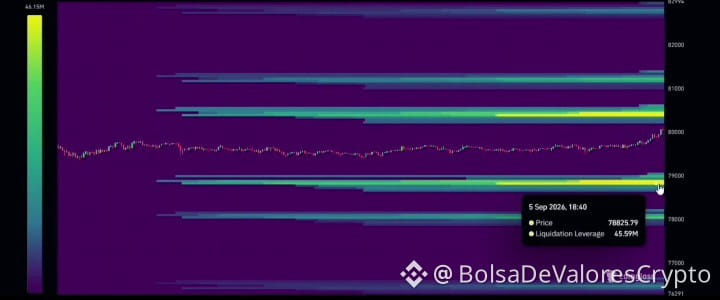
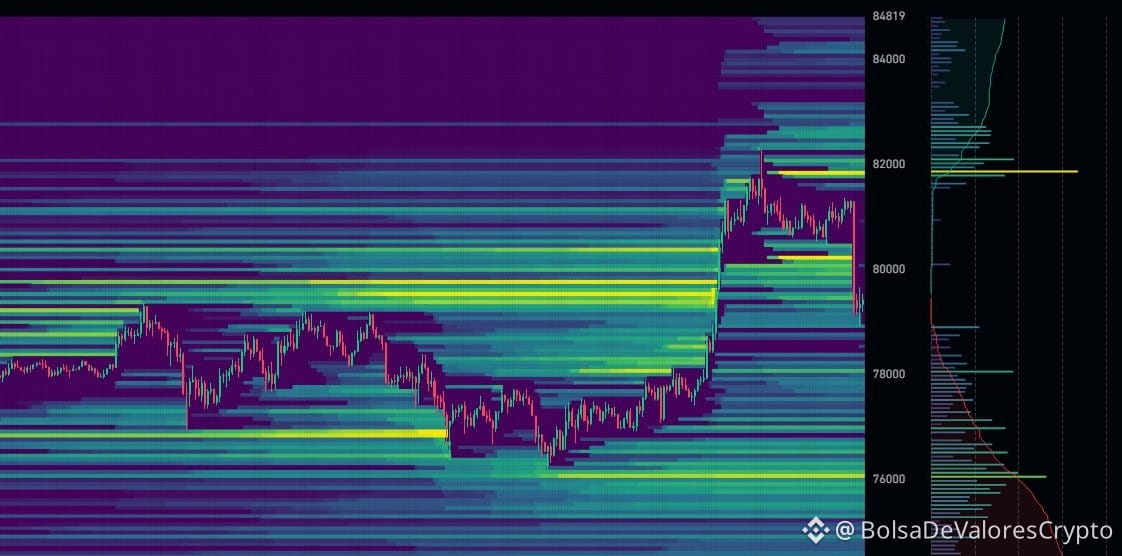
🚨 BTC LIQUIDATION MAP
THE PRICE IS SURROUNDED BY LIQUIDATIONS 👀
🔥 A HUGE POOL OF LIQUIDATIONS IS BUILDING NEAR $80,000–$81,000
⚠️ BELOW, THERE IS ALSO A LOT OF LIQUIDITY BETWEEN $78,000–$79,000
BITCOIN COULD MOVE TO TARGET ONE OF THESE ZONES BEFORE THE NEXT BIG MOVE.
UP FIRST OR DOWN FIRST? 👀
THE PRICE IS SURROUNDED BY LIQUIDATIONS 👀
🔥 A HUGE POOL OF LIQUIDATIONS IS BUILDING NEAR $80,000–$81,000
⚠️ BELOW, THERE IS ALSO A LOT OF LIQUIDITY BETWEEN $78,000–$79,000
BITCOIN COULD MOVE TO TARGET ONE OF THESE ZONES BEFORE THE NEXT BIG MOVE.
UP FIRST OR DOWN FIRST? 👀
Partly True
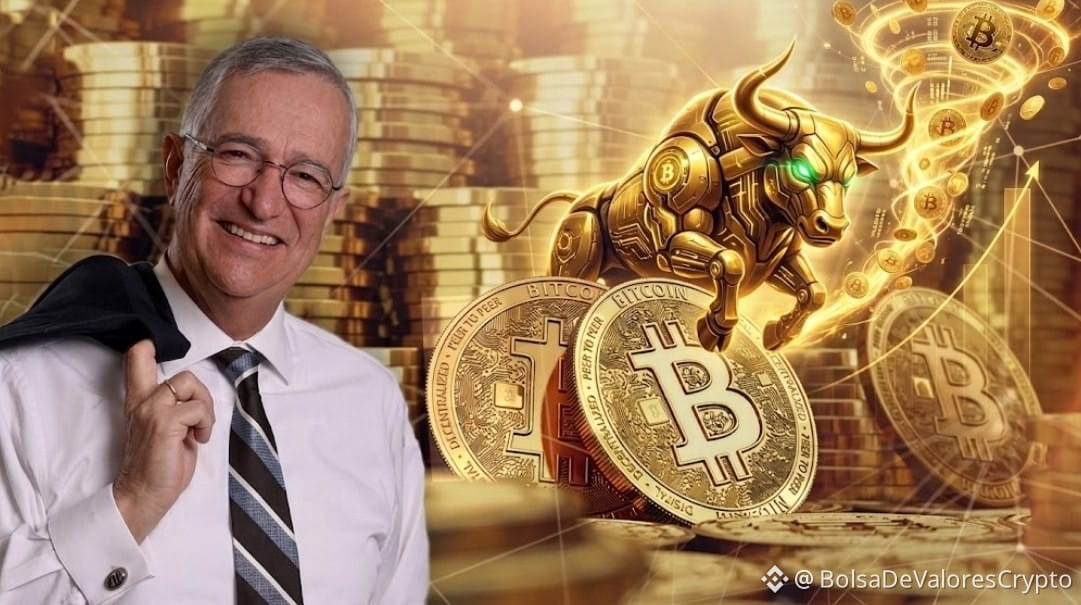
Billionaire Ricardo Salinas Pliego indicated that #Bitcoin would need to reach US$1.8 million per coin to achieve parity with the total market value of gold, stating that it is still very early. The global adoption curve of BTC as a digital store of value remains in its initial stages compared to gold, which has been established for thousands of years.
Salinas has stated that he holds between 70% and 80% of his liquid portfolio in BTC and related assets. His main argument is not only competition with gold, but protection against inflation and devaluation suffered by currencies issued by central banks.
Salinas has stated that he holds between 70% and 80% of his liquid portfolio in BTC and related assets. His main argument is not only competition with gold, but protection against inflation and devaluation suffered by currencies issued by central banks.
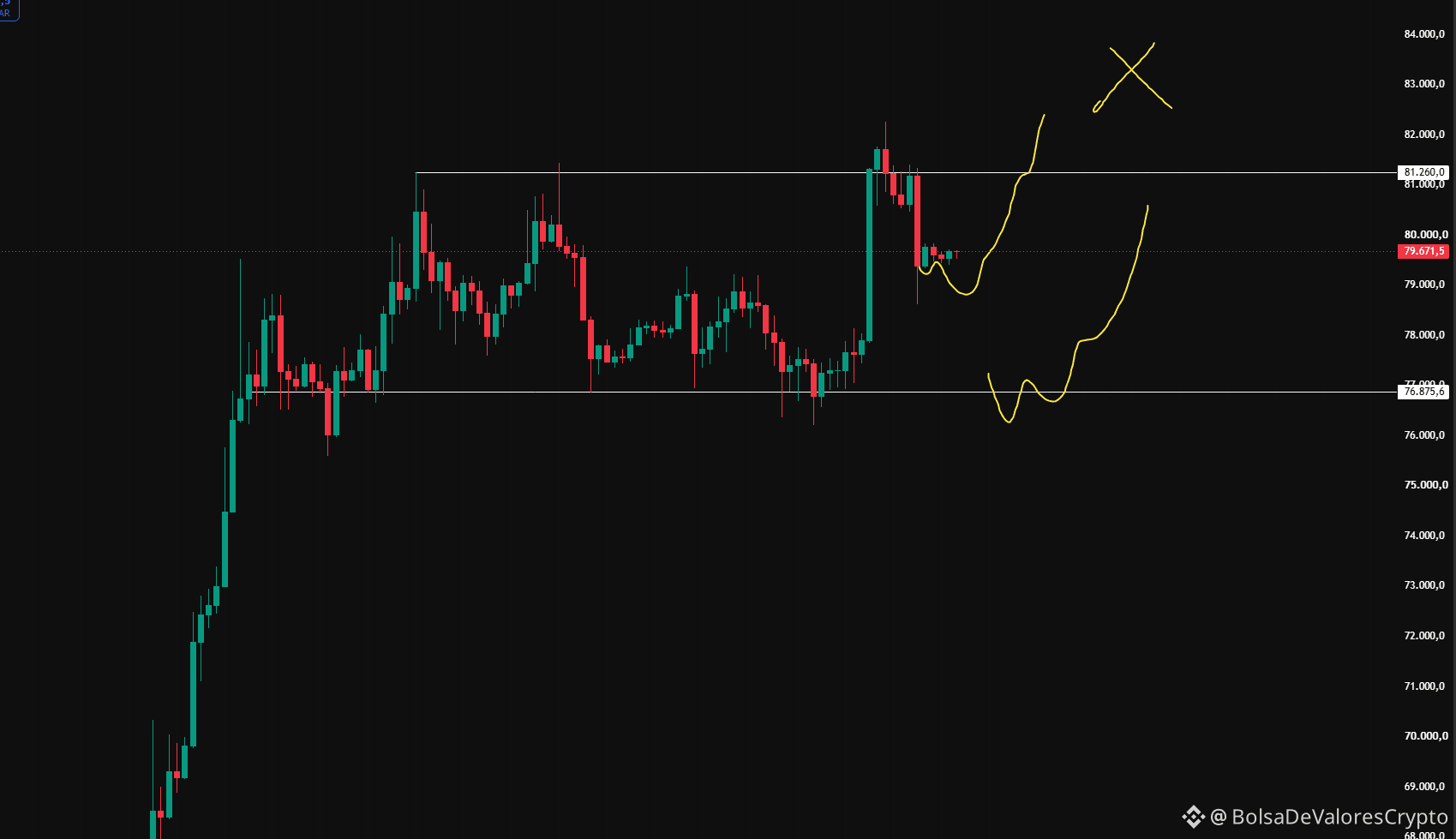
$BTC 4H
In both scenarios the objective is the same: look for 82.8k 📈
You can choose the risk and trade it from here at 79.6k, or wait for a drop to the lower part of the range 👉 77k
Bitcoin remains strong, a weekend of consolidation before a new bullish leg 📈
In both scenarios the objective is the same: look for 82.8k 📈
You can choose the risk and trade it from here at 79.6k, or wait for a drop to the lower part of the range 👉 77k
Bitcoin remains strong, a weekend of consolidation before a new bullish leg 📈
The scope of the data breach that affected the cold wallet company Trezor turned out to be larger than announced. The breach did not originate directly on Trezor’s servers, but in the systems of its logistics provider ShipMonk. The exposure of personal information for approximately 67,000 additional customers in the U.S. was confirmed. The exposed data includes names, email addresses, phone numbers, physical shipping addresses, and order numbers.
Trezor stated that it had requested and received written confirmation from ShipMonk that the old data had been deleted according to their contractual agreements. However, the information was not deleted from the provider’s systems. Affected users remain exposed to advanced phishing campaigns via email, text messages, or calls, as well as social engineering attempts that use their real data.
Trezor stated that it had requested and received written confirmation from ShipMonk that the old data had been deleted according to their contractual agreements. However, the information was not deleted from the provider’s systems. Affected users remain exposed to advanced phishing campaigns via email, text messages, or calls, as well as social engineering attempts that use their real data.

The world’s largest decentralized prediction platform, #Polymarket, launched perpetual futures trading with leverage of up to 20X on cryptocurrencies, stocks, indices, and commodities. Polymarket began operations with dozens of contracts covering cryptocurrencies such as #BTC, ETH, SOL, and HYPE, individual stocks such as Apple, Nvidia, Tesla, and Amazon, stock indexes such as S&P 500 and Nasdaq 100, and commodities such as gold, silver, WTI oil, and Brent.
The leverage allows trading both long or bullish positions and short or bearish positions with leverage of up to 20X on major assets. Trades are settled using pUSD, a token backed by USDC on the Polygon network. The service is available internationally only to users in jurisdictions where leveraged derivatives trading is legal.
The leverage allows trading both long or bullish positions and short or bearish positions with leverage of up to 20X on major assets. Trades are settled using pUSD, a token backed by USDC on the Polygon network. The service is available internationally only to users in jurisdictions where leveraged derivatives trading is legal.
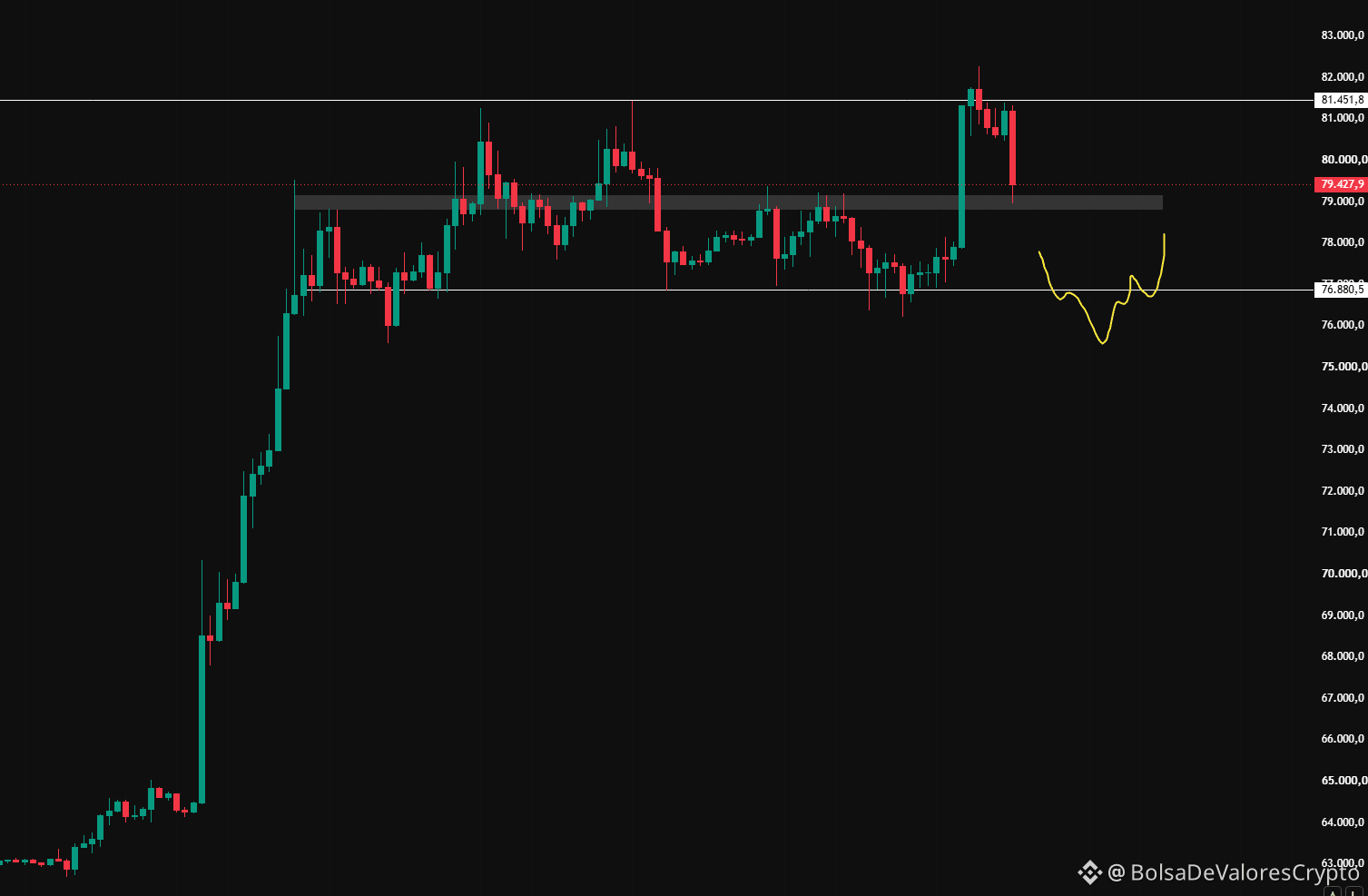
$BTC 4H
Sideways range where it swept the low and now the high 🧹
Bitcoin plunged more than 2000$ 🩸 after the U.S. employment data, which were stronger than expected 🧐👉 that increases the probability of INTEREST RATE HIKES on Sept. 16.
I will wait for a sweep of the lower part of the range 🧹📉 to trade.
Sideways range where it swept the low and now the high 🧹
Bitcoin plunged more than 2000$ 🩸 after the U.S. employment data, which were stronger than expected 🧐👉 that increases the probability of INTEREST RATE HIKES on Sept. 16.
I will wait for a sweep of the lower part of the range 🧹📉 to trade.
🚨ATTENTION🚨
More than 200 MILLION in longs have been liquidated in the last hour after BTC's spike to 79k 👀‼️
More than 200 MILLION in longs have been liquidated in the last hour after BTC's spike to 79k 👀‼️
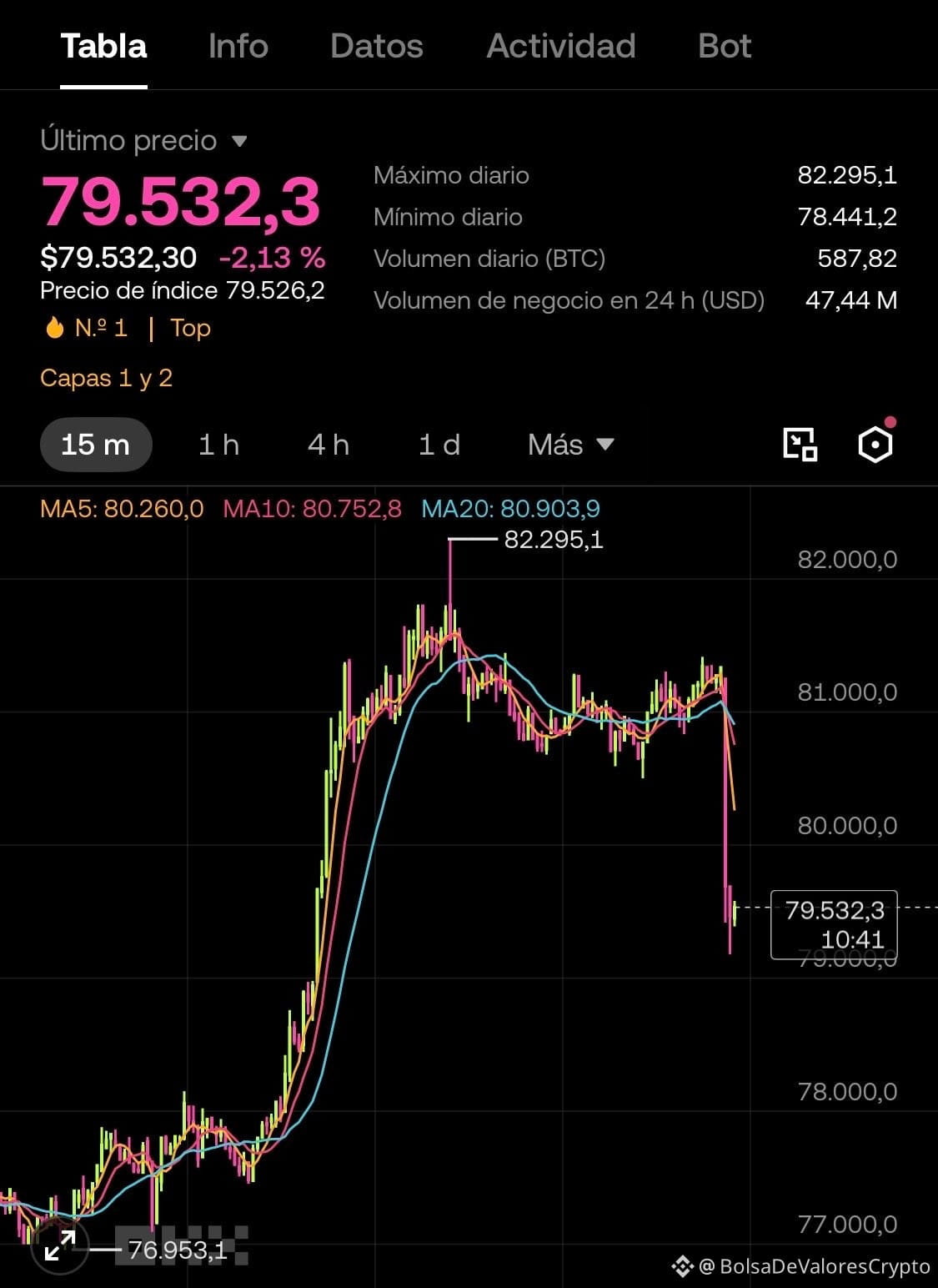
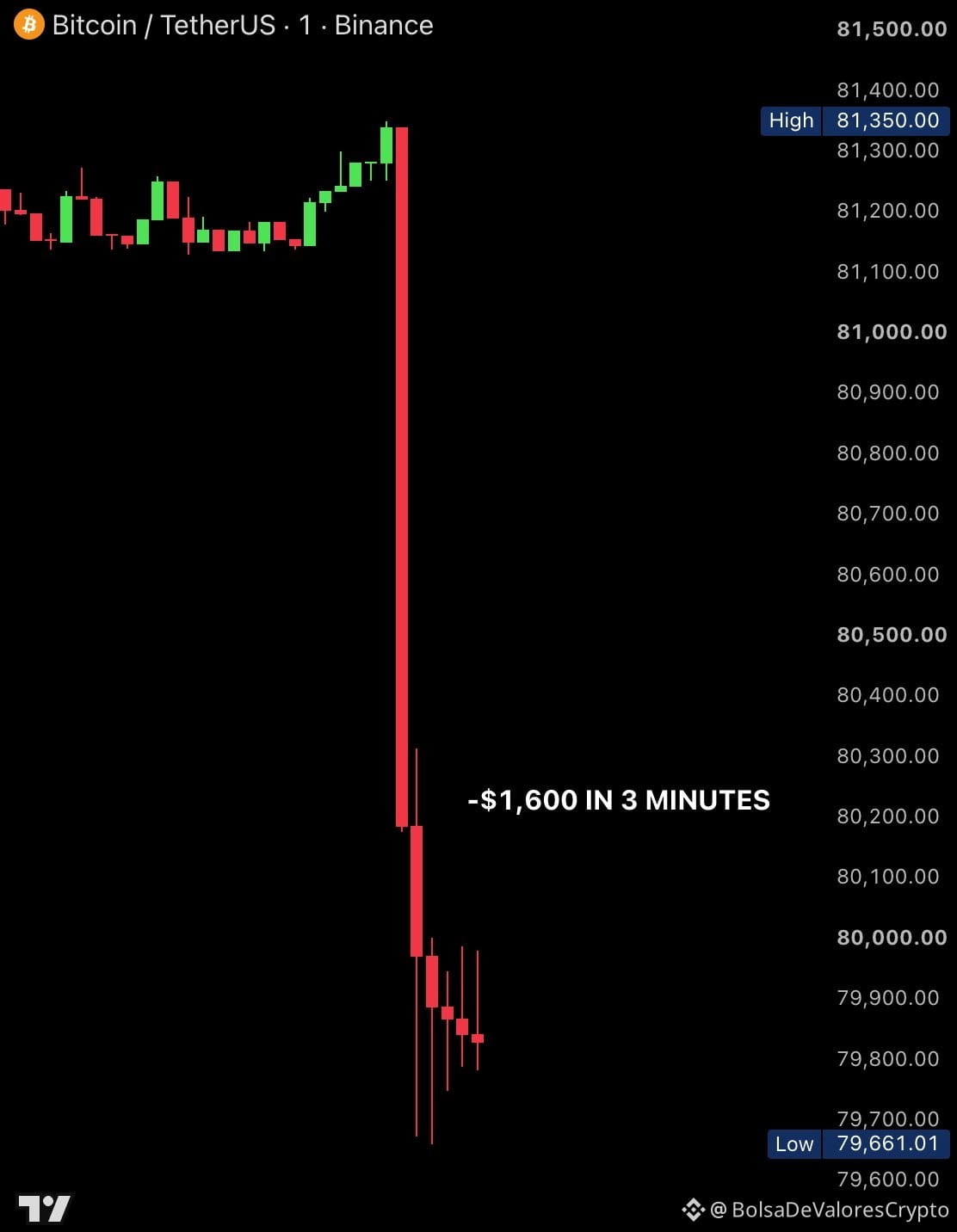
💥EXCLUSIVE: Bitcoin plunges below $80,000 while Ethereum falls below $2,500.
Strong NFP and unemployment data suggest the labor market remains solid, reducing the odds of a rate cut. $BTC
Strong NFP and unemployment data suggest the labor market remains solid, reducing the odds of a rate cut. $BTC
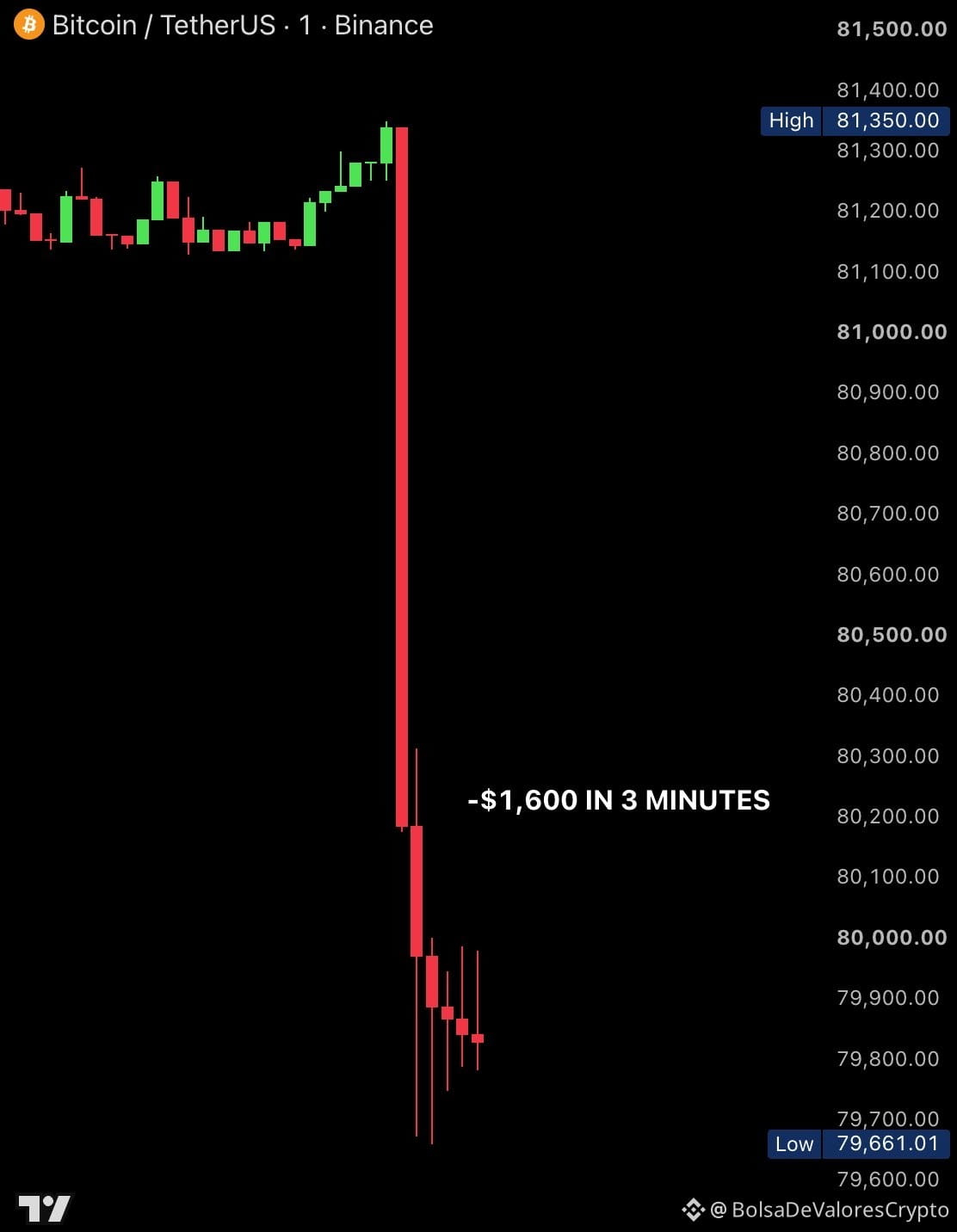
BitMEX co-founder and Maelstrom CIO Arthur Hayes claimed that France’s debt crisis will force French GSIB banks to exit U.S. repo markets, pressuring the U.S. Fed to expand its balance sheet, which could help push #Ethereum toward US$10,000 this year.
A move in the #ETH token from its current levels to US$10,000 requires an approximate 4X increase over a very short time horizon. To validate this thesis in real time, it is advisable to track French debt yield spreads versus German debt, the SOFR rate versus Fed benchmark rates, and weekly changes in the Federal Reserve’s balance sheet.
A move in the #ETH token from its current levels to US$10,000 requires an approximate 4X increase over a very short time horizon. To validate this thesis in real time, it is advisable to track French debt yield spreads versus German debt, the SOFR rate versus Fed benchmark rates, and weekly changes in the Federal Reserve’s balance sheet.
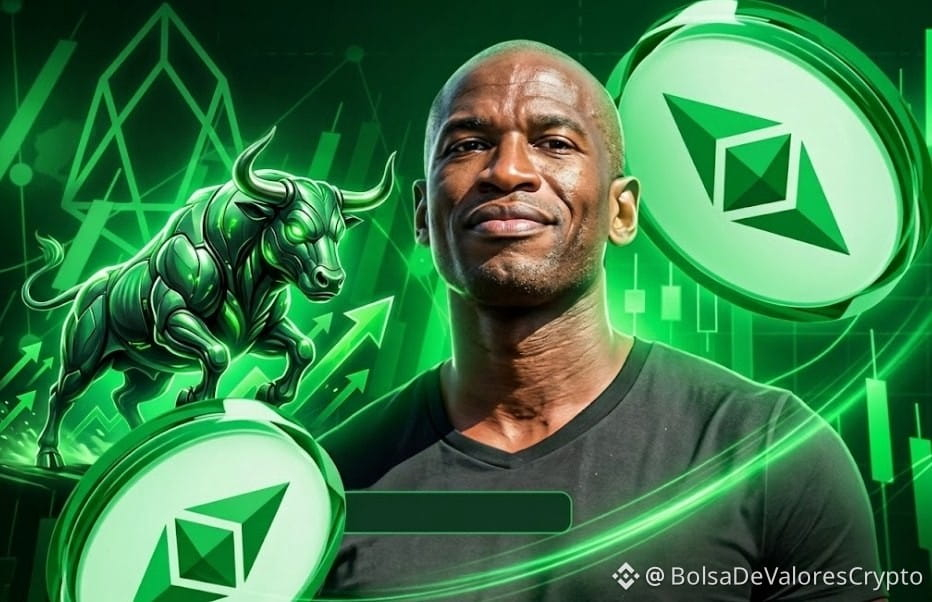
#Nvidia agreed to acquire Hugging Face for US$12.93 billion, expanding its reach into the software and tools developers use to create artificial intelligence. The transaction is expected to be formally completed in the first half of 2027, subject to regulatory approvals. Hugging Face operates as the go-to hub for the global AI community. It serves more than 18 million users, 3 million models, 500,000 datasets, and 1 million applications.
Although Nvidia dominates AI acceleration chips, controlling the software distribution platform gives it direct access to the infrastructure where developers test, fine-tune, and deploy models.
Although Nvidia dominates AI acceleration chips, controlling the software distribution platform gives it direct access to the infrastructure where developers test, fine-tune, and deploy models.

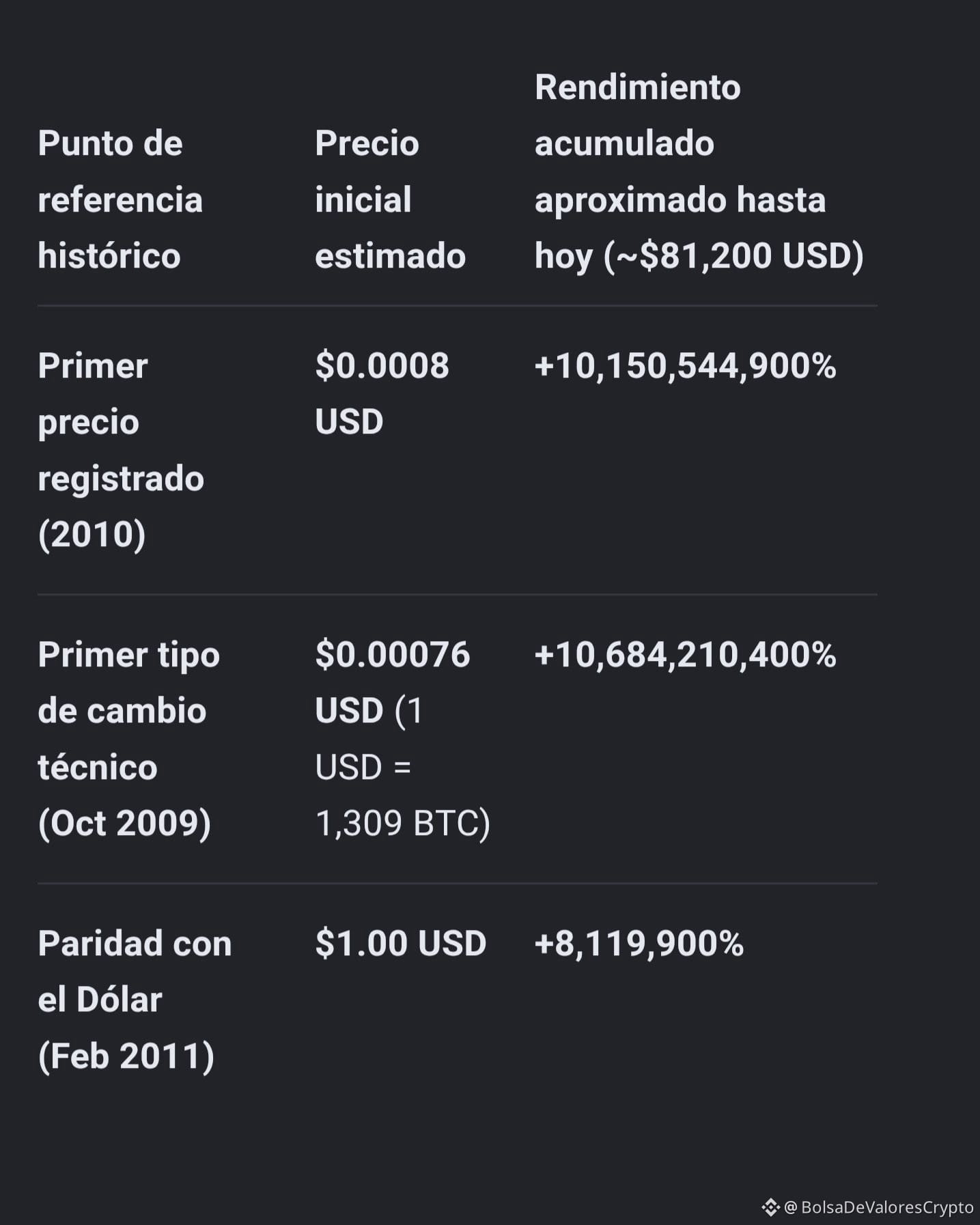
Bitcoin has risen by approximately 10,150,544,900% (more than ten billion percent) since its earliest recorded historical prices. 📈
Bitcoin doesn’t set bullish traps to liquidate you.
The ones that set traps are the shitcoin shillers who always become popular during a bear market.
Bitcoin is a capital-saving technology.
$BTC
Bitcoin doesn’t set bullish traps to liquidate you.
The ones that set traps are the shitcoin shillers who always become popular during a bear market.
Bitcoin is a capital-saving technology.
$BTC
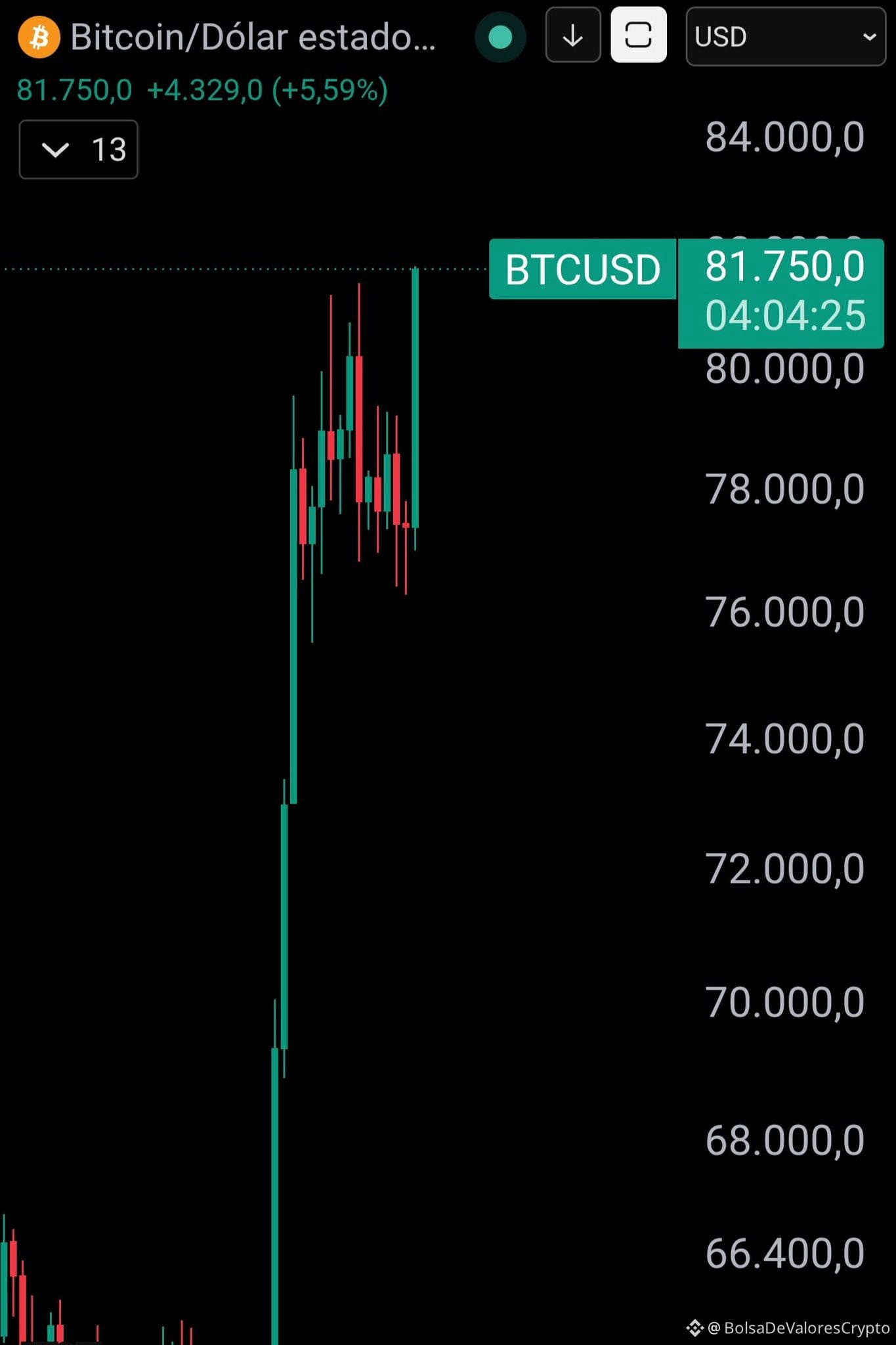
Bitcoin marking new highs near $82k. 🟢
Now I can already imagine tomorrow the candle-gazers saying that Bitcoin is going to the moon.
And this is how they play with the algorithm depending on price sentiment.
They told you to blindly trust charts and mathematical patterns.
That fundamentals don’t matter.
So how do they explain that they’ve been wrong two times in a row?
1) At Bitcoin’s bottom.
2) In the 15% pullback for being September 🤷
The big finale will be in October if Bitcoin is above 100k.
This game is won when you understand that trying to predict tops and bottoms is a mistake.
$BTC
Now I can already imagine tomorrow the candle-gazers saying that Bitcoin is going to the moon.
And this is how they play with the algorithm depending on price sentiment.
They told you to blindly trust charts and mathematical patterns.
That fundamentals don’t matter.
So how do they explain that they’ve been wrong two times in a row?
1) At Bitcoin’s bottom.
2) In the 15% pullback for being September 🤷
The big finale will be in October if Bitcoin is above 100k.
This game is won when you understand that trying to predict tops and bottoms is a mistake.
$BTC
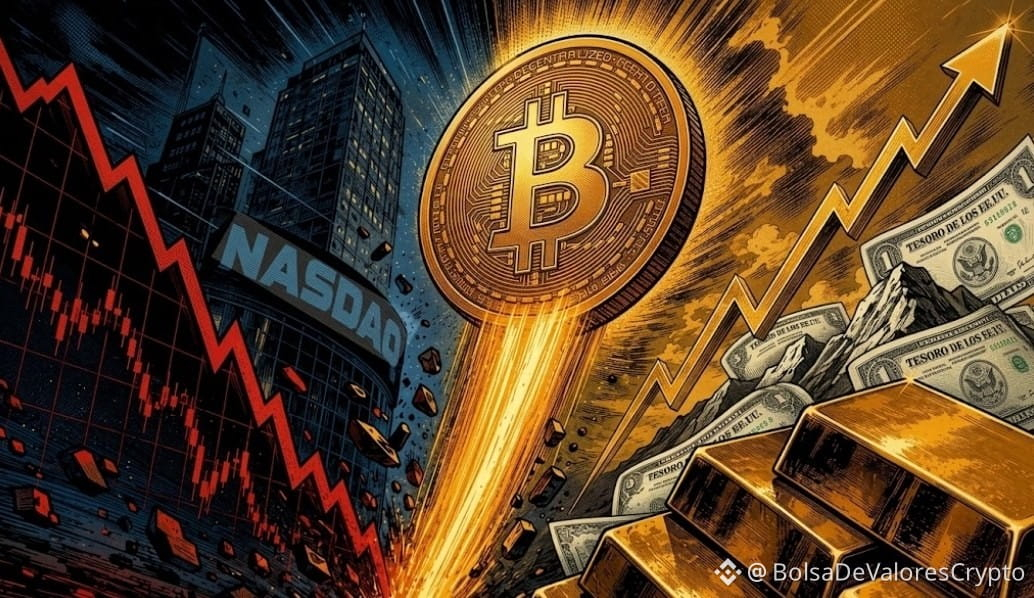
According to Eric Balchunas of Bloomberg Intelligence, #Bitcoin has had a lower correlation with US stocks than gold, small caps, emerging markets, and even Treasuries over the past six months. While gold and US Treasury bonds have increased their linkage with US equities in recent months, BTC’s correlation with traditional equities has remained moderate, around 0.4.
This divergence shows that BTC is not simply behaving as a proxy or a leveraged version of the Nasdaq-100 technology index. The lower correlation versus traditional safe-haven assets and equity indexes suggests that the volatility and returns of BTC are currently driven by its own supply/demand ecosystem catalysts, rather than only by Wall Street’s overall risk appetite.
This divergence shows that BTC is not simply behaving as a proxy or a leveraged version of the Nasdaq-100 technology index. The lower correlation versus traditional safe-haven assets and equity indexes suggests that the volatility and returns of BTC are currently driven by its own supply/demand ecosystem catalysts, rather than only by Wall Street’s overall risk appetite.
Verified
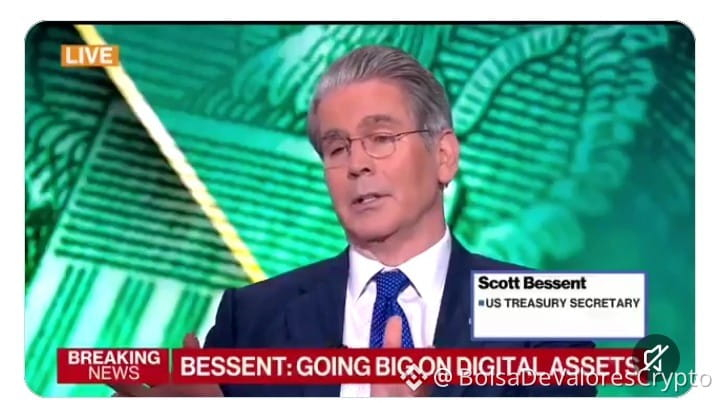
🇺🇸 US TREASURY SECRETARY BESSENT SAYS "WE'RE GOING BIG" WITH #BITCOIN AND CRYPTO AND THAT REGULATION IS ON THE WAY
AMERICA IS LEADING. THE CLARITY LAW WILL BE APPROVED.
LET'S GO! 🚀 $BTC
AMERICA IS LEADING. THE CLARITY LAW WILL BE APPROVED.
LET'S GO! 🚀 $BTC
Log in to explore more content