
Blvck_Trigger97
385 Posts

Blvck_Trigger97
Report
Block User
127 Following
194 Followers
598 Liked
Posts
All
Quotes
Videos
Live
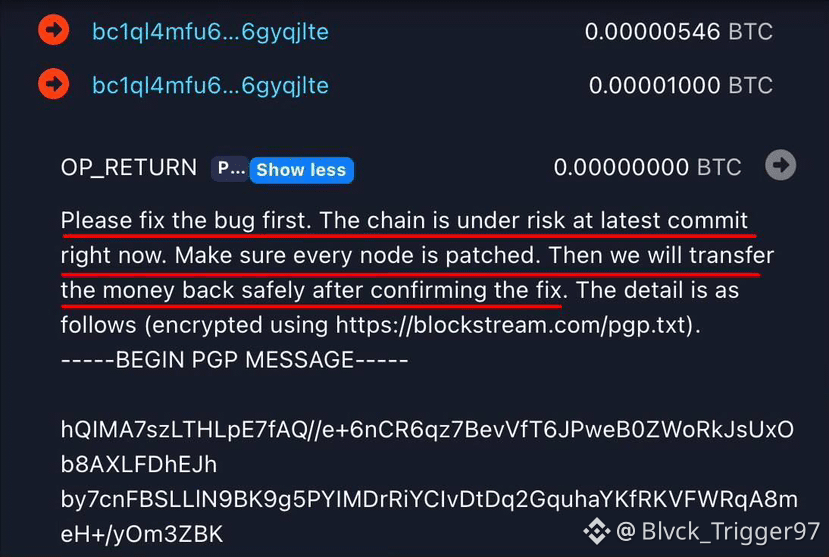
🧠💭4,000 Bitcoin worth $320 million withdrawn following Liquid Network hack.
The hacker is now communicating with network maintainers through on-chain Bitcoin transactions & intends to return the $BTC after the vulnerability is fixed.
#HackerAlert #btc #blockchain
$BNB
{future}(BNBUSDT)
$SOL
{future}(SOLUSDT)
🧠💭4,000 Bitcoin worth $320 million withdrawn following Liquid Network hack.
The hacker is now communicating with network maintainers through on-chain Bitcoin transactions & intends to return the $BTC after the vulnerability is fixed.
#HackerAlert #btc #blockchain
$BNB
$SOL
The hacker is now communicating with network maintainers through on-chain Bitcoin transactions & intends to return the $BTC after the vulnerability is fixed.
#HackerAlert #btc #blockchain
$BNB
$SOL
1
41
🇸🇬 JUST IN: Singapore proposes BANNING stablecoin issuers from paying yield to holders.
The Monetary Authority of Singapore wants 100% reserve backing at all times, segregated custody, stress testing, and mandatory wind-down plans.
Only licensed issuers can call their tokens "MAS-regulated stablecoins."
The US GENIUS Act, the EU's MiCA, Hong Kong, and Japan already enforce similar rules.
FIVE of the world's biggest financial hubs now regulate stablecoins as payment tools, not investments.
#stablecoin #yield
$BNB
{future}(BNBUSDT)
$ZEC
{future}(ZECUSDT)
$BTC
{future}(BTCUSDT)
🇸🇬 JUST IN: Singapore proposes BANNING stablecoin issuers from paying yield to holders.
The Monetary Authority of Singapore wants 100% reserve backing at all times, segregated custody, stress testing, and mandatory wind-down plans.
Only licensed issuers can call their tokens "MAS-regulated stablecoins."
The US GENIUS Act, the EU's MiCA, Hong Kong, and Japan already enforce similar rules.
FIVE of the world's biggest financial hubs now regulate stablecoins as payment tools, not investments.
#stablecoin #yield
$BNB
$ZEC
$BTC
The Monetary Authority of Singapore wants 100% reserve backing at all times, segregated custody, stress testing, and mandatory wind-down plans.
Only licensed issuers can call their tokens "MAS-regulated stablecoins."
The US GENIUS Act, the EU's MiCA, Hong Kong, and Japan already enforce similar rules.
FIVE of the world's biggest financial hubs now regulate stablecoins as payment tools, not investments.
#stablecoin #yield
$BNB
$ZEC
$BTC

1
66
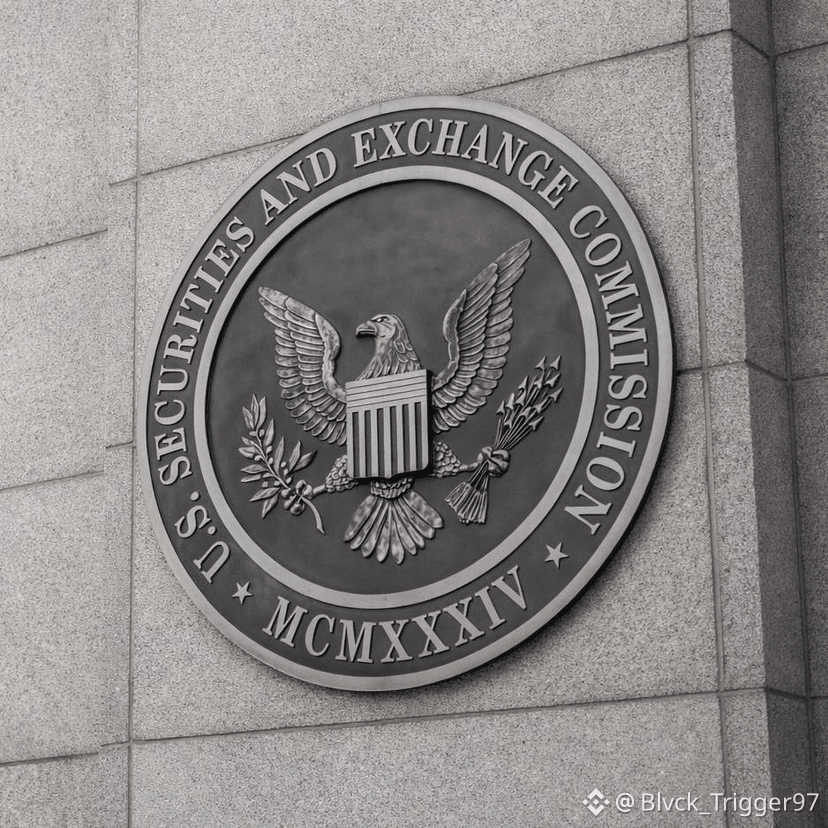
🇺🇸 The SEC proposed modernizing transfer agent rules, last updated in the early 80s, to reflect the use of blockchain in securities offerings and share transfers.
#us $BNB
{future}(BNBUSDT)
$BTC
{future}(BTCUSDT)
$SOL
{future}(SOLUSDT)
🇺🇸 The SEC proposed modernizing transfer agent rules, last updated in the early 80s, to reflect the use of blockchain in securities offerings and share transfers.
#us $BNB
$BTC
$SOL
#us $BNB
$BTC
$SOL
1
143
🇪🇺🇮🇪 JUST IN: The EU is recommending member states EXCLUDE crypto from tax-advantaged savings accounts.
Ireland is following the guidance, labeling crypto "highly complex and risky" while allowing stocks, bonds and ETFs including crypto ETFs.
That means your Bitcoin ETF gets tax benefits, but holding actual Bitcoin does not.
#eu #crypto
$BTC
{future}(BTCUSDT)
$BNB
{future}(BNBUSDT)
$KITE
{future}(KITEUSDT)
🇪🇺🇮🇪 JUST IN: The EU is recommending member states EXCLUDE crypto from tax-advantaged savings accounts.
Ireland is following the guidance, labeling crypto "highly complex and risky" while allowing stocks, bonds and ETFs including crypto ETFs.
That means your Bitcoin ETF gets tax benefits, but holding actual Bitcoin does not.
#eu #crypto
$BTC
$BNB
$KITE
Ireland is following the guidance, labeling crypto "highly complex and risky" while allowing stocks, bonds and ETFs including crypto ETFs.
That means your Bitcoin ETF gets tax benefits, but holding actual Bitcoin does not.
#eu #crypto
$BTC
$BNB
$KITE

3
⚠️A hacker drained an estimated $75 MILLION from a Cronos lending protocol, forcing the entire blockchain to HALT mid-attack.
The attacker reportedly pumped Tectonic’s thinly traded TONIC token 100x in just 20 minutes, then used the inflated collateral to borrow millions in other assets.
Cronos froze the network before most of the funds could escape, leaving roughly $69M trapped on-chain while only about $6M was bridged to Ethereum.
Tectonic had roughly $122M in TVL and $83M in active loans before the exploit. The $75M estimate has not yet been independently confirmed by Tectonic or Cronos.
Crypto .com says its app and exchange were not compromised, while its security team is assisting with the investigation.
#Cronos #HackerAlert #TONIC
$BNB
{future}(BNBUSDT)
$BTC
{future}(BTCUSDT)
⚠️A hacker drained an estimated $75 MILLION from a Cronos lending protocol, forcing the entire blockchain to HALT mid-attack.
The attacker reportedly pumped Tectonic’s thinly traded TONIC token 100x in just 20 minutes, then used the inflated collateral to borrow millions in other assets.
Cronos froze the network before most of the funds could escape, leaving roughly $69M trapped on-chain while only about $6M was bridged to Ethereum.
Tectonic had roughly $122M in TVL and $83M in active loans before the exploit. The $75M estimate has not yet been independently confirmed by Tectonic or Cronos.
Crypto .com says its app and exchange were not compromised, while its security team is assisting with the investigation.
#Cronos #HackerAlert #TONIC
$BNB
$BTC
The attacker reportedly pumped Tectonic’s thinly traded TONIC token 100x in just 20 minutes, then used the inflated collateral to borrow millions in other assets.
Cronos froze the network before most of the funds could escape, leaving roughly $69M trapped on-chain while only about $6M was bridged to Ethereum.
Tectonic had roughly $122M in TVL and $83M in active loans before the exploit. The $75M estimate has not yet been independently confirmed by Tectonic or Cronos.
Crypto .com says its app and exchange were not compromised, while its security team is assisting with the investigation.
#Cronos #HackerAlert #TONIC
$BNB
$BTC


1
69
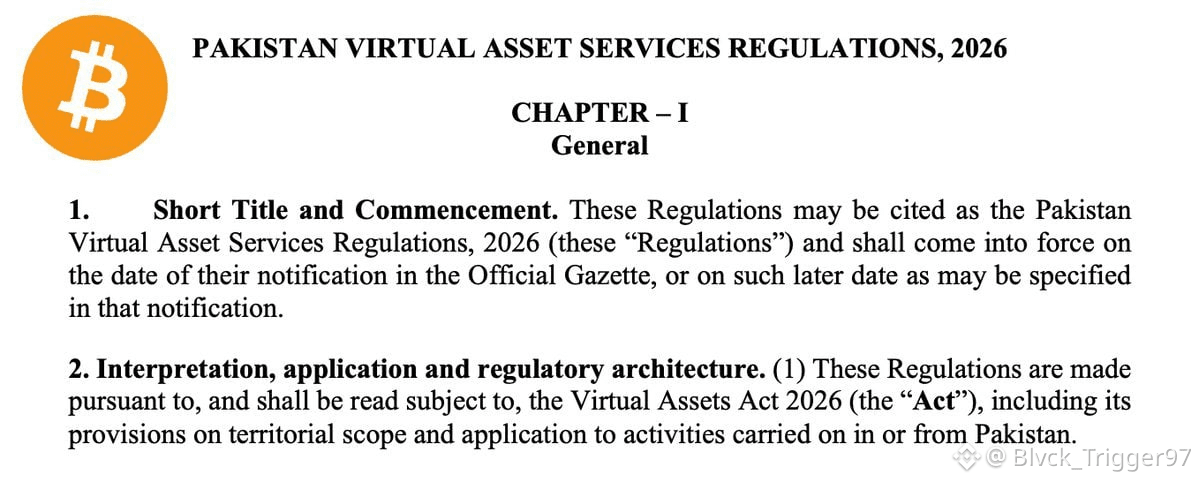
🚀🧨NEW: 🇵🇰 Pakistan introduces new regulatory framework for Bitcoin and crypto 👀
They have “the rules, the regulator and the licensing framework to bring virtual assets into the economy, protect consumers and build the foundation for the next generation", says PVARA Chairman 🚀
#crypto #bitcoin #pakistanicrypto
$BTC
{future}(BTCUSDT)
$BNB
{future}(BNBUSDT)
$ETH
{future}(ETHUSDT)
🚀🧨NEW: 🇵🇰 Pakistan introduces new regulatory framework for Bitcoin and crypto 👀
They have “the rules, the regulator and the licensing framework to bring virtual assets into the economy, protect consumers and build the foundation for the next generation", says PVARA Chairman 🚀
#crypto #bitcoin #pakistanicrypto
$BTC
$BNB
$ETH
They have “the rules, the regulator and the licensing framework to bring virtual assets into the economy, protect consumers and build the foundation for the next generation", says PVARA Chairman 🚀
#crypto #bitcoin #pakistanicrypto
$BTC
$BNB
$ETH
1
78
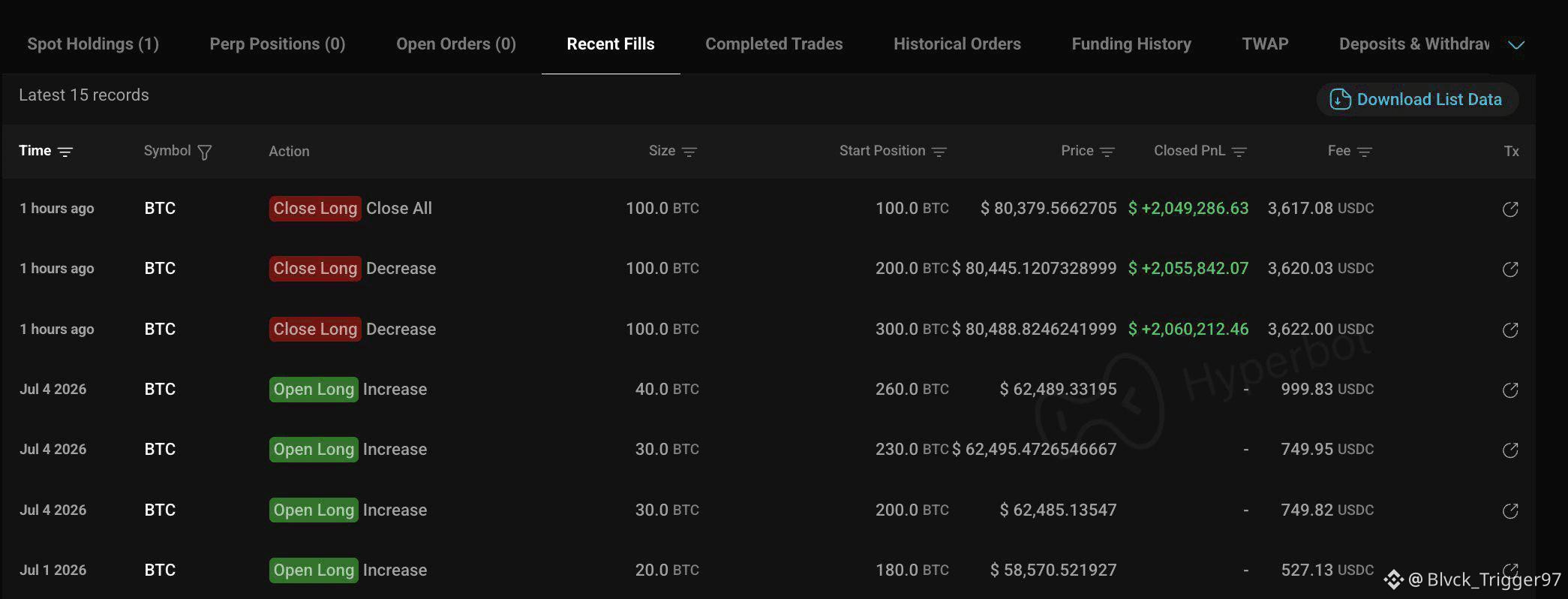
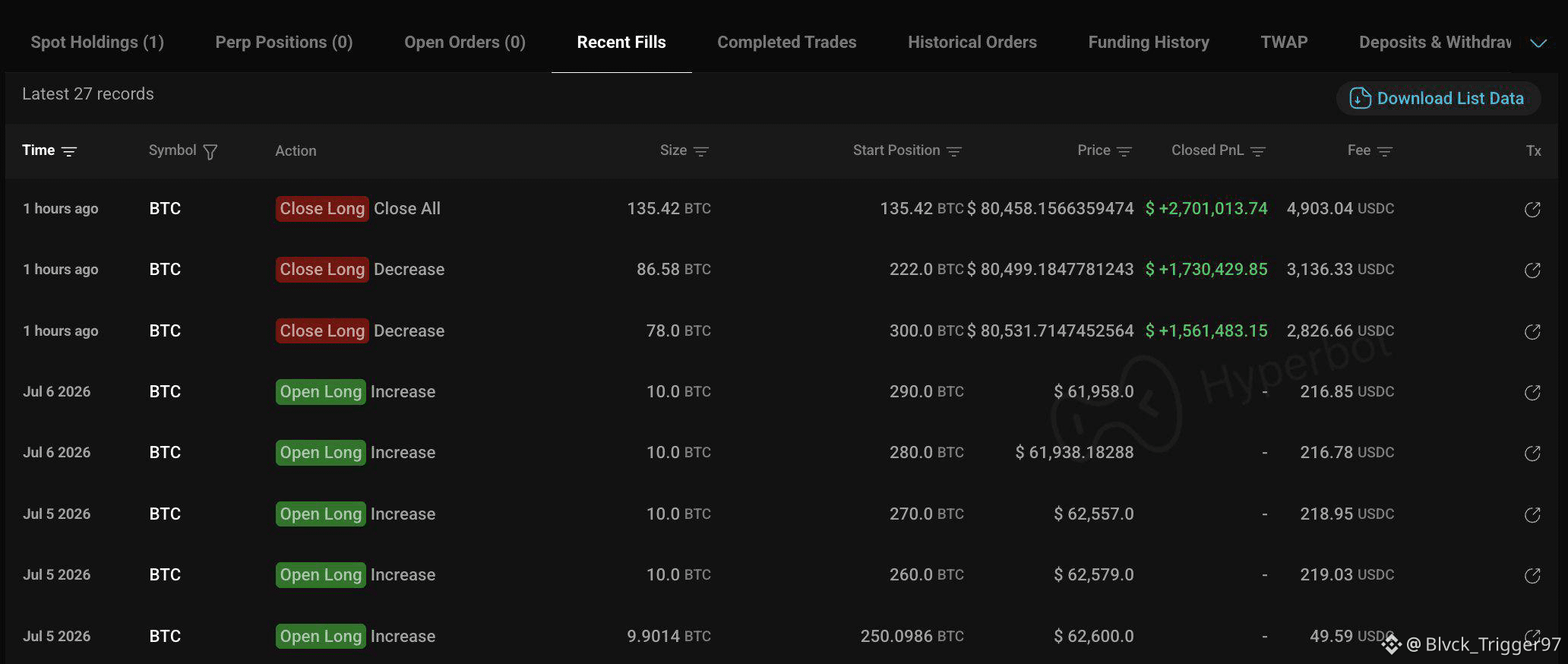
Kit closed his long positions with a profit of $11.6 million.
His two wallets appeared very frequently in the screeners—he had been holding the position since early July, with 300 BTC in each wallet.
Many were surprised that he hadn’t locked in his profits yet (especially since everyone was expecting an August sell-off).
But today, at $80k, he finally closed out the entire position, netting $11.6 million.
Why now, rather than holding on for the bull run, considering that the leverage was low?
#kit #btc
$BTC
{future}(BTCUSDT)
$BNB
{future}(BNBUSDT)
$ETH
{future}(ETHUSDT)
Kit closed his long positions with a profit of $11.6 million.
His two wallets appeared very frequently in the screeners—he had been holding the position since early July, with 300 BTC in each wallet.
Many were surprised that he hadn’t locked in his profits yet (especially since everyone was expecting an August sell-off).
But today, at $80k, he finally closed out the entire position, netting $11.6 million.
Why now, rather than holding on for the bull run, considering that the leverage was low?
#kit #btc
$BTC
$BNB
$ETH
His two wallets appeared very frequently in the screeners—he had been holding the position since early July, with 300 BTC in each wallet.
Many were surprised that he hadn’t locked in his profits yet (especially since everyone was expecting an August sell-off).
But today, at $80k, he finally closed out the entire position, netting $11.6 million.
Why now, rather than holding on for the bull run, considering that the leverage was low?
#kit #btc
$BTC
$BNB
$ETH
1
168
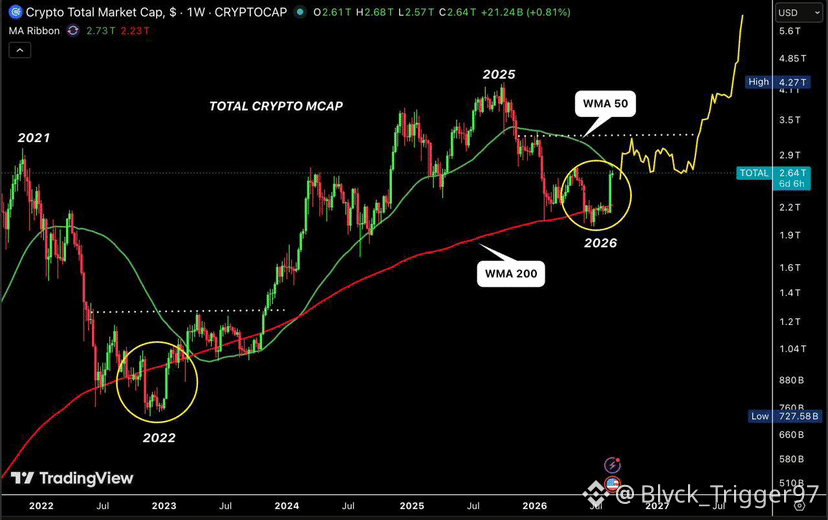
Crypto market cap added $474 Billion in a single week, the largest ever in crypto history.
That’s a 22% pump and the largest weekly candle since February 2021, coming after nearly 3 months of sideways consolidation.
The setup now looks similar to the 2022 bottom, where the market built a base before starting a multi-year rally.
Next resistance is WMA 50 at $2.73 Trillion. A clean breakout above this level could open the path toward $3.25 Trillion.
In 2022, a similar base eventually led to a major multi-year rally.
#crypto #marketcap #bullish #bearish
$BTC
{future}(BTCUSDT)
$BNB
{future}(BNBUSDT)
$ETH
{future}(ETHUSDT)
Crypto market cap added $474 Billion in a single week, the largest ever in crypto history.
That’s a 22% pump and the largest weekly candle since February 2021, coming after nearly 3 months of sideways consolidation.
The setup now looks similar to the 2022 bottom, where the market built a base before starting a multi-year rally.
Next resistance is WMA 50 at $2.73 Trillion. A clean breakout above this level could open the path toward $3.25 Trillion.
In 2022, a similar base eventually led to a major multi-year rally.
#crypto #marketcap #bullish #bearish
$BTC
$BNB
$ETH
That’s a 22% pump and the largest weekly candle since February 2021, coming after nearly 3 months of sideways consolidation.
The setup now looks similar to the 2022 bottom, where the market built a base before starting a multi-year rally.
Next resistance is WMA 50 at $2.73 Trillion. A clean breakout above this level could open the path toward $3.25 Trillion.
In 2022, a similar base eventually led to a major multi-year rally.
#crypto #marketcap #bullish #bearish
$BTC
$BNB
$ETH
2
74
🇺🇸 THIS COULD BE HUGE:
The U.S. Treasury is reportedly weighing a plan to use nearly $1 TRILLION of its own funds to buy back government bonds.
That could inject a massive wave of liquidity into financial markets. 💰🌊
Potentially bullish for stocks, gold and crypto. 📈₿
#UStreasury #Bulish #crypto #stocks
$BNB
{future}(BNBUSDT)
$BTC
{future}(BTCUSDT)
$ETH
{future}(ETHUSDT)
🇺🇸 THIS COULD BE HUGE:
The U.S. Treasury is reportedly weighing a plan to use nearly $1 TRILLION of its own funds to buy back government bonds.
That could inject a massive wave of liquidity into financial markets. 💰🌊
Potentially bullish for stocks, gold and crypto. 📈₿
#UStreasury #Bulish #crypto #stocks
$BNB
$BTC
$ETH
The U.S. Treasury is reportedly weighing a plan to use nearly $1 TRILLION of its own funds to buy back government bonds.
That could inject a massive wave of liquidity into financial markets. 💰🌊
Potentially bullish for stocks, gold and crypto. 📈₿
#UStreasury #Bulish #crypto #stocks
$BNB
$BTC
$ETH
1
96
If you want to get rich off crypto, you only need to understand one thing 👇
Crypto has followed the same trading pattern its entire existence.
Each bull market lasts 3 years. Each bear market lasts 1 year. It has never broken this pattern ONCE.
So where are we now?
Crypto topped out in October 2025 and entered into a bear market.
That means the bottom hits early October 2026. Just weeks from now the bull will begin.
Every bear market, people convince themselves the cycle is dead. That this time is “different.”
They said it in 2015. They said it in 2018. They said it in 2022. It was never different. The ones who trusted the pattern got rich. The ones who doubted it lost everything.
The biggest gains of the entire cycle will come off the October 2026 low. That’s where the 10x-100x entries are.
You don’t get rich buying the top when everyone’s excited. You get rich buying the bottom when everyone’s gone.
A few weeks left to decide… miss it again or retire your bloodline?
#bullish #crypto #memecoin🚀🚀🚀 ##BullRunAhead
$BNB
{future}(BNBUSDT)
$BTC
{future}(BTCUSDT)
$ETH
{future}(ETHUSDT)
If you want to get rich off crypto, you only need to understand one thing 👇
Crypto has followed the same trading pattern its entire existence.
Each bull market lasts 3 years. Each bear market lasts 1 year. It has never broken this pattern ONCE.
So where are we now?
Crypto topped out in October 2025 and entered into a bear market.
That means the bottom hits early October 2026. Just weeks from now the bull will begin.
Every bear market, people convince themselves the cycle is dead. That this time is “different.”
They said it in 2015. They said it in 2018. They said it in 2022. It was never different. The ones who trusted the pattern got rich. The ones who doubted it lost everything.
The biggest gains of the entire cycle will come off the October 2026 low. That’s where the 10x-100x entries are.
You don’t get rich buying the top when everyone’s excited. You get rich buying the bottom when everyone’s gone.
A few weeks left to decide… miss it again or retire your bloodline?
#bullish #crypto #memecoin🚀🚀🚀 ##BullRunAhead
$BNB
$BTC
$ETH
Crypto has followed the same trading pattern its entire existence.
Each bull market lasts 3 years. Each bear market lasts 1 year. It has never broken this pattern ONCE.
So where are we now?
Crypto topped out in October 2025 and entered into a bear market.
That means the bottom hits early October 2026. Just weeks from now the bull will begin.
Every bear market, people convince themselves the cycle is dead. That this time is “different.”
They said it in 2015. They said it in 2018. They said it in 2022. It was never different. The ones who trusted the pattern got rich. The ones who doubted it lost everything.
The biggest gains of the entire cycle will come off the October 2026 low. That’s where the 10x-100x entries are.
You don’t get rich buying the top when everyone’s excited. You get rich buying the bottom when everyone’s gone.
A few weeks left to decide… miss it again or retire your bloodline?
#bullish #crypto #memecoin🚀🚀🚀 ##BullRunAhead
$BNB
$BTC
$ETH

1
133
👍 Soon, even millionaires won’t be able to afford 1 BTC
No market review today—the situation remains the same as yesterday. So, let’s do a little math.
As of today, 20.07 million BTC have been mined—95.6% of the total supply. Only 4.4% remains, which will be mined by the year 2140.
But the actual amount of BTC in circulation is even smaller:
16.7% of coins are considered lost forever, and 5.2% are in Satoshi’s wallets—meaning ~22% of the supply can effectively be ruled out. In reality, about 75% of all BTC is actually available.
And the available supply will continue to decline: look at how much BTC large companies and funds are snapping up, and another portion will be lost or burned.
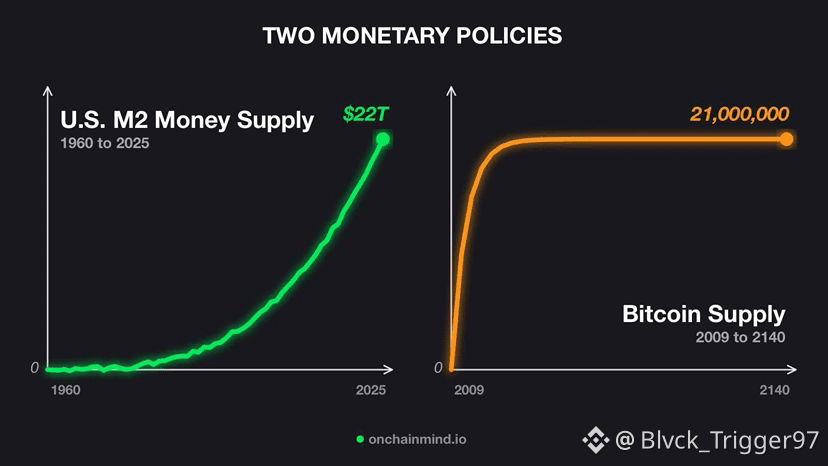
And finally, the most interesting part—a comparison with M2 (global money supply), which is constantly growing: the economy and inflation are structured in such a way that there is always more money in the world.
The rest is simple: BTC issuance is limited, the money supply is growing → part of it flows into BTC → the price rises. No cycles, bull markets, or other factors. Just math.
And one day, there will come a time when even $1 million won’t be enough to buy 1 BTC. To some, this sounds like a fairy tale, but when BTC was worth $100, a price of $100k also seemed like a fairy tale. #btc #crypto #bnb $BTC $BNB $
{future}(BTCUSDT)
{future}(BNBUSDT)
👍 Soon, even millionaires won’t be able to afford 1 BTC
No market review today—the situation remains the same as yesterday. So, let’s do a little math.
As of today, 20.07 million BTC have been mined—95.6% of the total supply. Only 4.4% remains, which will be mined by the year 2140.
But the actual amount of BTC in circulation is even smaller:
16.7% of coins are considered lost forever, and 5.2% are in Satoshi’s wallets—meaning ~22% of the supply can effectively be ruled out. In reality, about 75% of all BTC is actually available.
And the available supply will continue to decline: look at how much BTC large companies and funds are snapping up, and another portion will be lost or burned.
And finally, the most interesting part—a comparison with M2 (global money supply), which is constantly growing: the economy and inflation are structured in such a way that there is always more money in the world.
The rest is simple: BTC issuance is limited, the money supply is growing → part of it flows into BTC → the price rises. No cycles, bull markets, or other factors. Just math.
And one day, there will come a time when even $1 million won’t be enough to buy 1 BTC. To some, this sounds like a fairy tale, but when BTC was worth $100, a price of $100k also seemed like a fairy tale. #btc #crypto #bnb $BTC $BNB $
No market review today—the situation remains the same as yesterday. So, let’s do a little math.
As of today, 20.07 million BTC have been mined—95.6% of the total supply. Only 4.4% remains, which will be mined by the year 2140.
But the actual amount of BTC in circulation is even smaller:
16.7% of coins are considered lost forever, and 5.2% are in Satoshi’s wallets—meaning ~22% of the supply can effectively be ruled out. In reality, about 75% of all BTC is actually available.
And the available supply will continue to decline: look at how much BTC large companies and funds are snapping up, and another portion will be lost or burned.
And finally, the most interesting part—a comparison with M2 (global money supply), which is constantly growing: the economy and inflation are structured in such a way that there is always more money in the world.
The rest is simple: BTC issuance is limited, the money supply is growing → part of it flows into BTC → the price rises. No cycles, bull markets, or other factors. Just math.
And one day, there will come a time when even $1 million won’t be enough to buy 1 BTC. To some, this sounds like a fairy tale, but when BTC was worth $100, a price of $100k also seemed like a fairy tale. #btc #crypto #bnb $BTC $BNB $
2
80
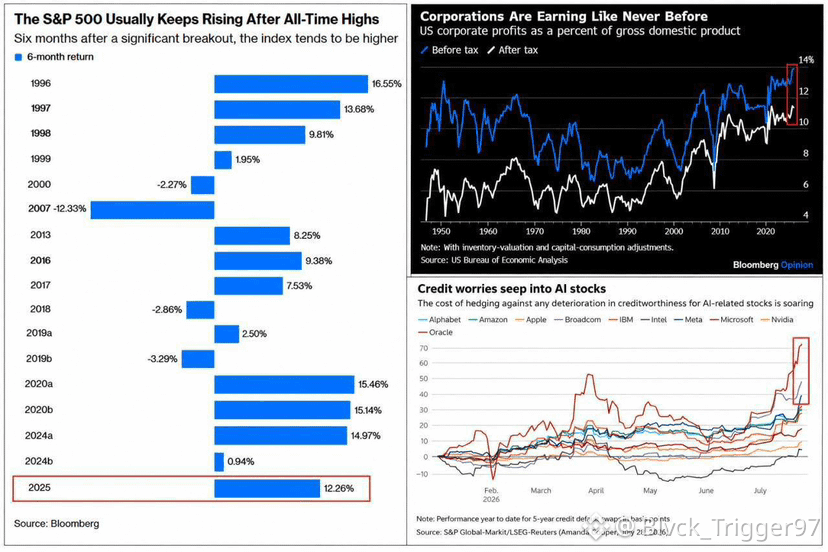
Over the past 30 years, the S&P 500 has continued to rise after reaching an ATH (All-Time High) in 13 out of 17 cases – gaining an average of +6.3% over the following six months. That is precisely what Wall Street bankers are pricing into their forecasts: between 7,900 and 8,100 points by the end of the year.
#S&P500 #CorporateInvestment
#forcast
Over the past 30 years, the S&P 500 has continued to rise after reaching an ATH (All-Time High) in 13 out of 17 cases – gaining an average of +6.3% over the following six months. That is precisely what Wall Street bankers are pricing into their forecasts: between 7,900 and 8,100 points by the end of the year.
#S&P500 #CorporateInvestment
#forcast
#S&P500 #CorporateInvestment
#forcast
2
78
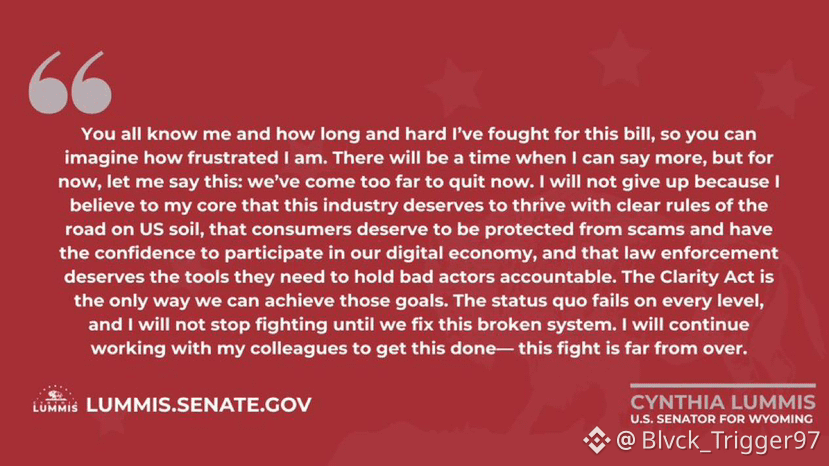
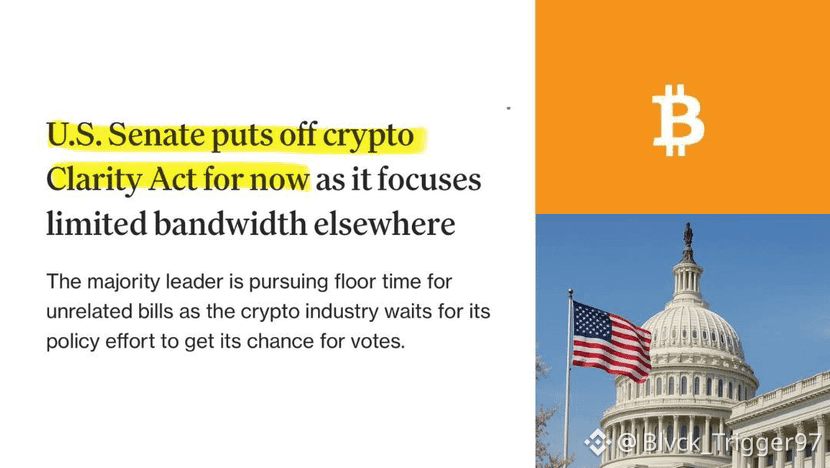
Senator Cynthia Lummis says she “will not stop fighting” for the Clarity Act after its latest setback, vowing the fight for U.S. crypto legislation is “far from over.”
#CLARITYAct #us #crypto $BNB
{future}(BNBUSDT)
$BTC
{future}(BTCUSDT)
$ETH
{future}(ETHUSDT)
Senator Cynthia Lummis says she “will not stop fighting” for the Clarity Act after its latest setback, vowing the fight for U.S. crypto legislation is “far from over.”
#CLARITYAct #us #crypto $BNB
$BTC
$ETH
#CLARITYAct #us #crypto $BNB
$BTC
$ETH
1
86
💵 Tron Processes $4.76 Trillion in Stablecoin Transfers in 2026
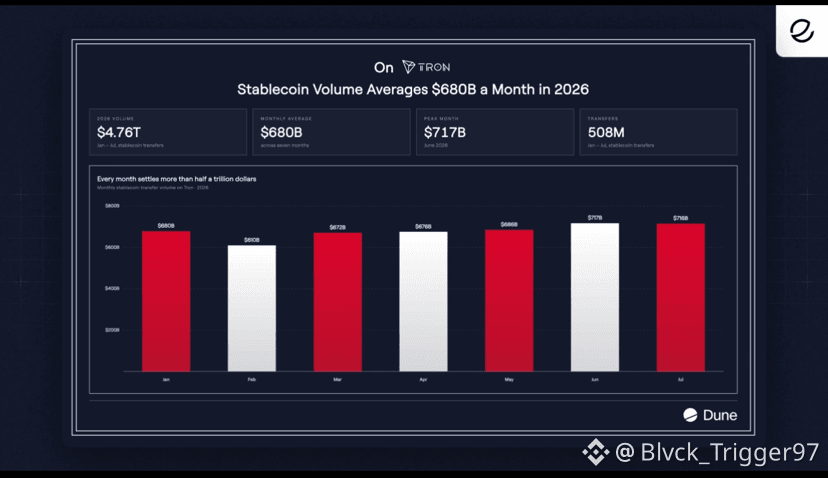
🔗 The Tron blockchain recorded an impressive $4.76 trillion in stablecoin transaction volume during the first seven months of 2026, underscoring its dominant role in the stablecoin ecosystem.
This translates to an average monthly transfer volume of approximately $680 billion, highlighting the network's massive on-chain activity and growing adoption for fast, low-cost stablecoin payments.
The figures reinforce Tron's position as one of the leading blockchains for stablecoin settlements, driven by strong demand from both retail users and institutional participants. 🚀
#tron #blockchain #Stablecoins #ecosystem $BNB
{future}(BNBUSDT)
$BTC
{future}(BTCUSDT)
$TRON.US
{stock_us}(TRON.US)
💵 Tron Processes $4.76 Trillion in Stablecoin Transfers in 2026
🔗 The Tron blockchain recorded an impressive $4.76 trillion in stablecoin transaction volume during the first seven months of 2026, underscoring its dominant role in the stablecoin ecosystem.
This translates to an average monthly transfer volume of approximately $680 billion, highlighting the network's massive on-chain activity and growing adoption for fast, low-cost stablecoin payments.
The figures reinforce Tron's position as one of the leading blockchains for stablecoin settlements, driven by strong demand from both retail users and institutional participants. 🚀
#tron #blockchain #Stablecoins #ecosystem $BNB
$BTC
$TRON.US
🔗 The Tron blockchain recorded an impressive $4.76 trillion in stablecoin transaction volume during the first seven months of 2026, underscoring its dominant role in the stablecoin ecosystem.
This translates to an average monthly transfer volume of approximately $680 billion, highlighting the network's massive on-chain activity and growing adoption for fast, low-cost stablecoin payments.
The figures reinforce Tron's position as one of the leading blockchains for stablecoin settlements, driven by strong demand from both retail users and institutional participants. 🚀
#tron #blockchain #Stablecoins #ecosystem $BNB
$BTC
$TRON.US
1
105
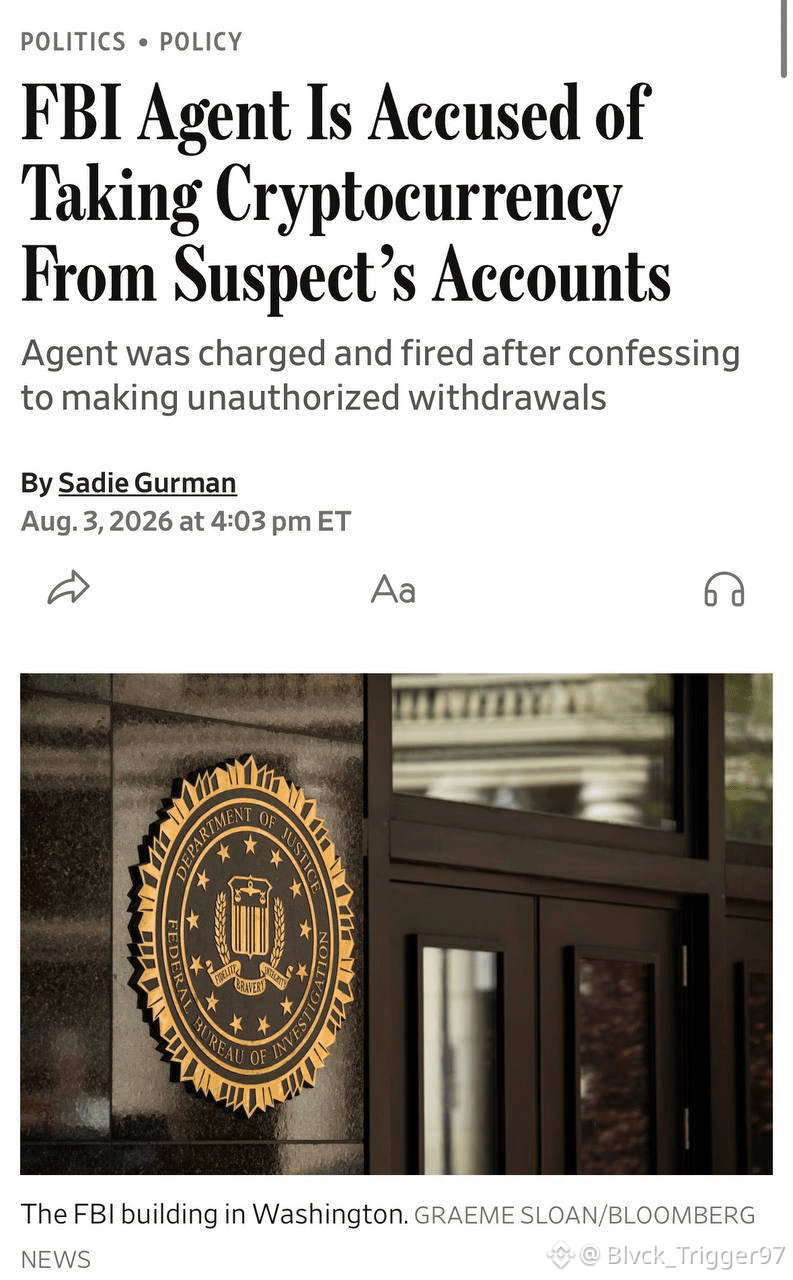
An FBI agent allegedly stole $1M in crypto - and then asked ChatGPT what to do next.
According to reports, he took crypto from the accounts of a suspect in an active case, then started asking AI for advice about investments and moving to Europe.
In the end, he was fired and arrested after investigators traced the digital footprint and his conversations with artificial intelligence.
He calculated everything.
Except the part where the internet remembers everything.
#crypto #FBI #chatgpt #Aİ #Binance
$BNB
{future}(BNBUSDT)
$BTC
{future}(BTCUSDT)
$HOME
{future}(HOMEUSDT)
An FBI agent allegedly stole $1M in crypto - and then asked ChatGPT what to do next.
According to reports, he took crypto from the accounts of a suspect in an active case, then started asking AI for advice about investments and moving to Europe.
In the end, he was fired and arrested after investigators traced the digital footprint and his conversations with artificial intelligence.
He calculated everything.
Except the part where the internet remembers everything.
#crypto #FBI #chatgpt #Aİ #Binance
$BNB
$BTC
$HOME
According to reports, he took crypto from the accounts of a suspect in an active case, then started asking AI for advice about investments and moving to Europe.
In the end, he was fired and arrested after investigators traced the digital footprint and his conversations with artificial intelligence.
He calculated everything.
Except the part where the internet remembers everything.
#crypto #FBI #chatgpt #Aİ #Binance
$BNB
$BTC
$HOME
1
170
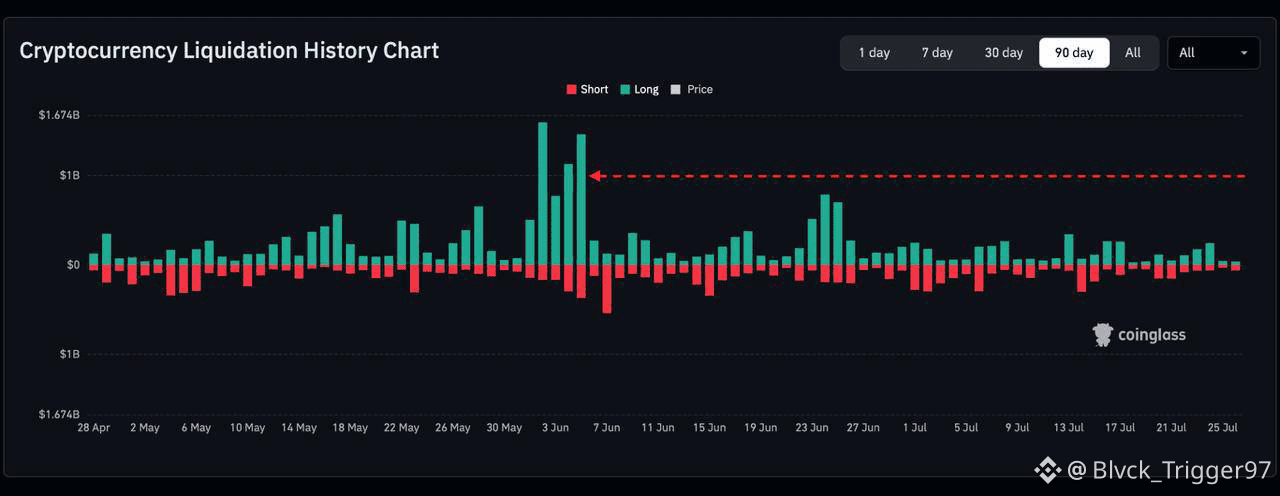
It has been quite a while since we last saw $1B in liquidations.
And it feels like that may change soon.
Volatility is slowly building up again, leverage is returning, and the market is getting closer to a point where one sharp move could trigger a large liquidation cascade.
So be careful with futures here.
The next big move may be much more aggressive than it looks right now.
#Liquidations #crypto #Leverage: #volatility
$BTC
{future}(BTCUSDT)
$BNB
{future}(BNBUSDT)
$AAPL.US
It has been quite a while since we last saw $1B in liquidations.
And it feels like that may change soon.
Volatility is slowly building up again, leverage is returning, and the market is getting closer to a point where one sharp move could trigger a large liquidation cascade.
So be careful with futures here.
The next big move may be much more aggressive than it looks right now.
#Liquidations #crypto #Leverage: #volatility
$BTC
$BNB
$AAPL.US
And it feels like that may change soon.
Volatility is slowly building up again, leverage is returning, and the market is getting closer to a point where one sharp move could trigger a large liquidation cascade.
So be careful with futures here.
The next big move may be much more aggressive than it looks right now.
#Liquidations #crypto #Leverage: #volatility
$BTC
$BNB
$AAPL.US
1
29
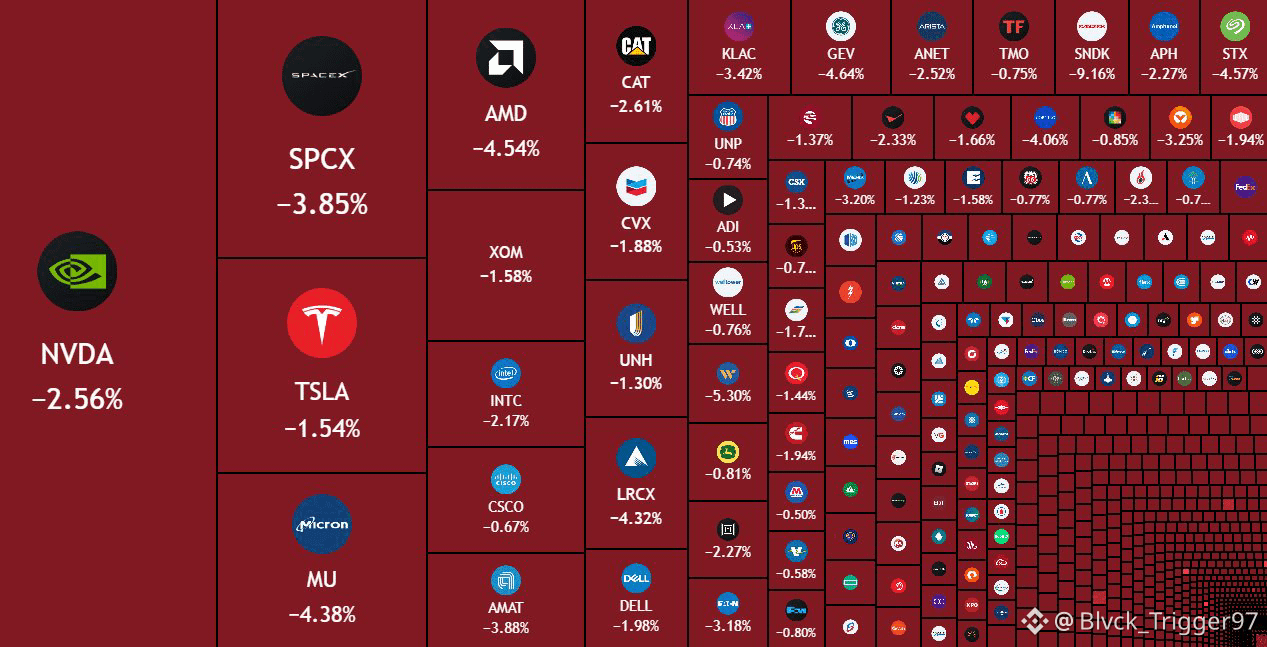
$600,000,000,000 wiped out from the US stock market in just 40 minutes after Iran said it's not holding peace talks with the US.
The shitshow continues.
#StocksDown #IranUSRelations
$600,000,000,000 wiped out from the US stock market in just 40 minutes after Iran said it's not holding peace talks with the US.
The shitshow continues.
#StocksDown #IranUSRelations
The shitshow continues.
#StocksDown #IranUSRelations
1
417
Log in to explore more content
Join global crypto users on Binance Square
⚡️ Get latest and useful information about crypto.
💬 Trusted by the world’s largest crypto exchange.
👍 Discover real insights from verified creators.
Email / Phone number
Trending Topics
CPIWatch
86.1M views
499,072 Discussing
Share & Win Traffic Reward in our Trending Hashtag Campaign
✨Topic: Will CPI Trigger Rate Hike?
👉How to Join:
Publish a short post or article with hashtag #CPIWatch
Create content based on the below two angles:
- Nonfarm payrolls beat expectations and CPI is around the corner, do you think the Fed will hike or hold the rate?
- Bullish or bearish? Share your take and showcase your stocks or gold trade/holdings with our trade sharing widget.
🚀Campaign Period:
- 2026-09-11 3:00 - 2026-09-12 9:00 UTC
🎁Reward:
- Qualified posts that comply with the above guidelines and contain more than 100 words will be reviewed and may receive a random traffic boost of 500 to 3,000 views. You will receive a notification from your feed secretary if your post is selected.
- Get a chance to have your article featured on Binance Square Official
Need ideas for your post? Visit the topic page #CPIWatch or the Square Guide on How to Post for Better Reach.
Binance Square Official
·199 Likes
·329.1k views
USToSanctionBigBankMonday
471 views
44 Discussing
TrumpDeclinesSaudiRequestToStrikeHouthis
6,837 views
179 Discussing