
区块博士
631 Posts

区块博士
Report
Block User
区块博士陪你了解加密金融
53 Following
285 Followers
709 Liked
Posts
All
Quotes
Videos
·
--
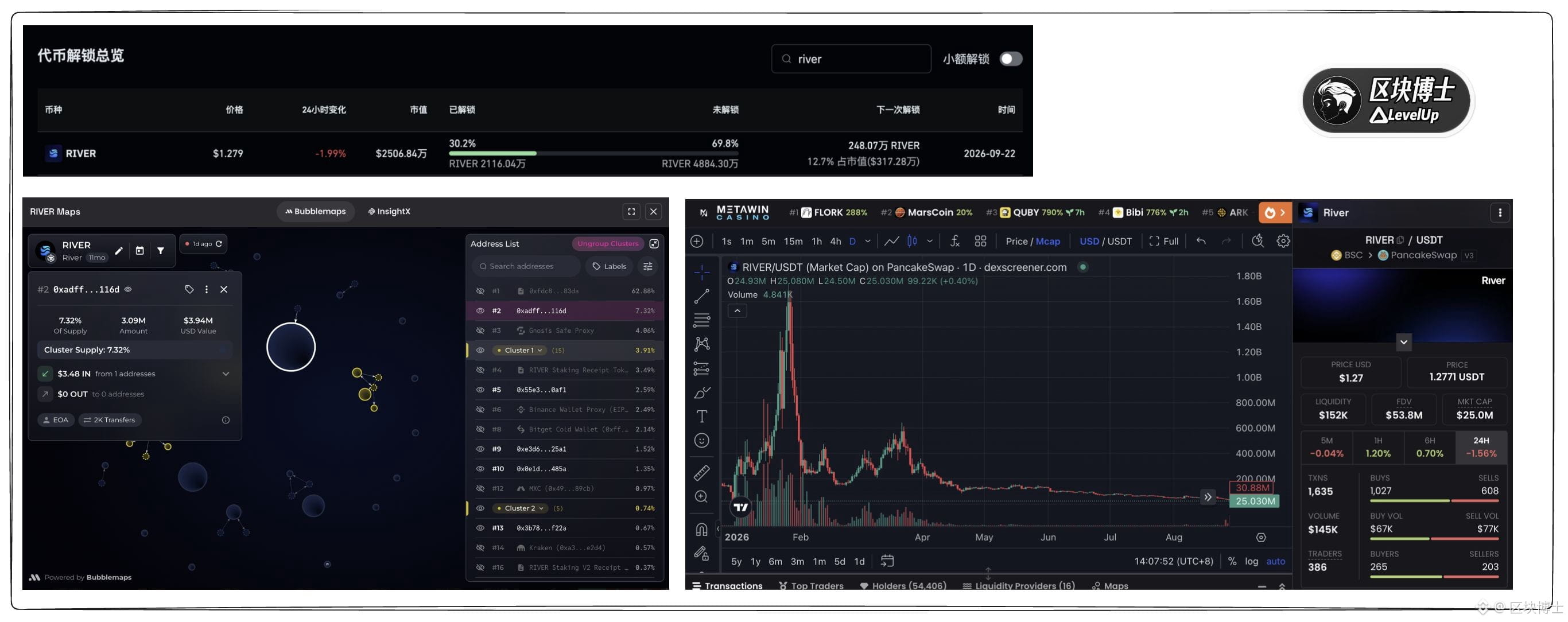
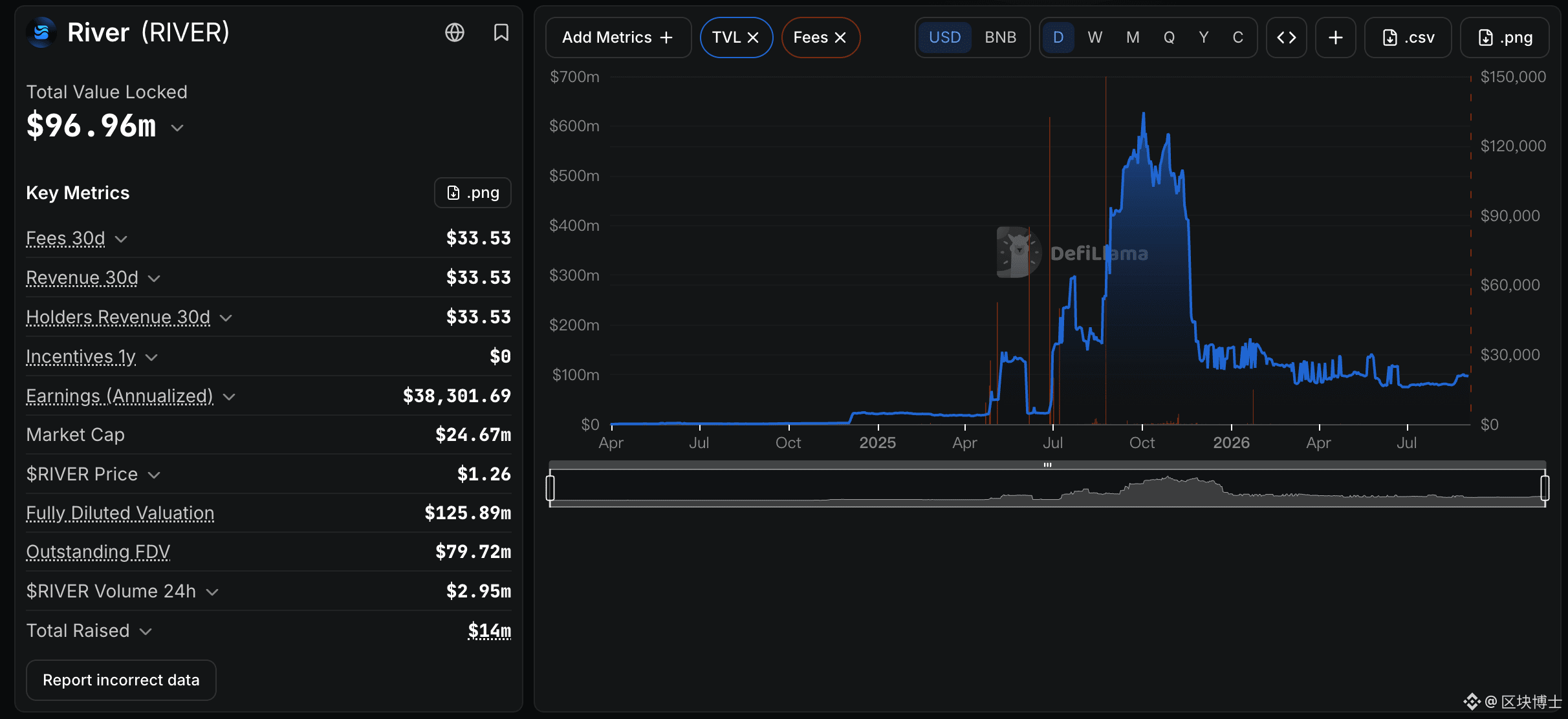
Normal unlocking means the spiral returns to zero,
Should I still wait for the right moment to take another shot?
Does River still have a chance to make another surge? $RIVER
{future}(RIVERUSDT)
Normal unlocking means the spiral returns to zero,
Should I still wait for the right moment to take another shot?
Does River still have a chance to make another surge? $RIVER
Should I still wait for the right moment to take another shot?
Does River still have a chance to make another surge? $RIVER
3
3k
·
--
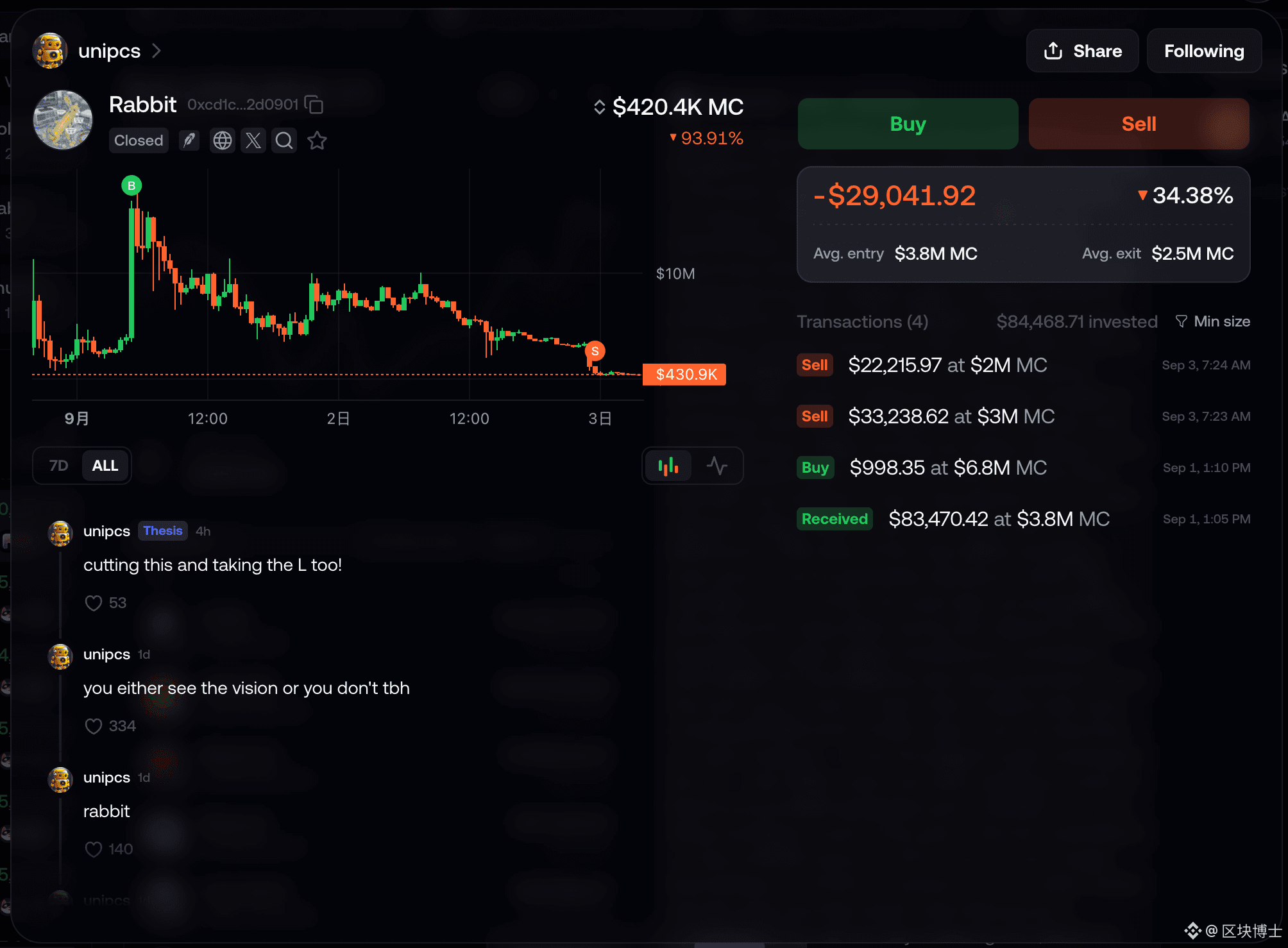
The front of the vehicle's damage potential is really too strong. It was at 2kw the day before yesterday, now it's back to zero today.
Reduce unnecessary operations—study thoroughly before making a move.
Don’t just track the front of the vehicle; track the thinking logic that FOMO and pumps share.
Remember: fortune doesn’t enter through impatient doors. Every time you see a pull-up with high momentum, it’s both risk and opportunity.
The front of the vehicle's damage potential is really too strong. It was at 2kw the day before yesterday, now it's back to zero today.
Reduce unnecessary operations—study thoroughly before making a move.
Don’t just track the front of the vehicle; track the thinking logic that FOMO and pumps share.
Remember: fortune doesn’t enter through impatient doors. Every time you see a pull-up with high momentum, it’s both risk and opportunity.
Reduce unnecessary operations—study thoroughly before making a move.
Don’t just track the front of the vehicle; track the thinking logic that FOMO and pumps share.
Remember: fortune doesn’t enter through impatient doors. Every time you see a pull-up with high momentum, it’s both risk and opportunity.
988
·
--
Sun Yuchen’s money—why Bloomberg only recognizes half
How much money does Sun Yuchen actually have? It depends on who you ask.
When Forbes updated its rich list in 2025, it interviewed him. He reported it as $40 billion. In the end, Forbes only recognized $8.5 billion, for a very straightforward reason: Sun Yuchen did not authorize his crypto wallets, so any parts that couldn’t be verified were simply excluded.
Bloomberg also contacted Sun Yuchen’s financial team last year and obtained wallet information. More than 6.0 billion TRX, 17,000 BTC, 224,000 ETH, 700 million USDT—plus HTX’s 90% equity stake. Based on then-current prices, that adds up to a paper net worth of $23 billion.
But Bloomberg was only willing to endorse $12 billion. The missing $11 billion is almost entirely in TRX. Bloomberg applied a 75% liquidity discount to TRX and counted only 25% as actual value. The reason isn’t mysterious. The batch of TRX Sun Yuchen holds has a single-address position that exceeds 60% of the circulating supply. If he tried to sell it at market prices, the price would drop before his tokens could be sold off. So while the on-paper figure is $23 billion, the portion that can be treated as “real money”—liquid and realizable—is only $12 billion.
That difference is the key. Old money and new elites don’t really hold much cash either, but when they do need to use money, their path to liquidation is much shorter. Sun Yuchen’s wealth is highly concentrated in TRX—a super-concentrated position. His truly liquid assets are far lower than the book number.
Even funnier, Sun Yuchen later sued Bloomberg. His logic was: I show you my wallet so you can confirm I’m not lying and add up the totals—you’re not supposed to write out the details of my holdings. If you publicly reveal that my TRX holdings are more than 60% of the circulating supply, how am I supposed to run?
In the end, the lawsuit ended with him withdrawing it. There’s no evidence Bloomberg promised confidentiality, so the case couldn’t go forward.
Whether it’s $8.5 billion or $12 billion, both are astronomical figures for ordinary people. I also don’t believe Sun Yuchen specifically went to ask an AI whether it should give $50 million—but the confidence behind his remark—that even if it did, it wouldn’t affect existing assets—seems to hold. $50 million divided by $12 billion is 0.4%. Put that into the shoes of someone with just $10,000, and it’s like $40.
It’s just that most people genuinely don’t care about $40. Sun Yuchen does—so he keeps his money tightly controlled, and that’s how he’s made it to today. The irony of this whole episode is more interesting than the numbers themselves.
Sun Yuchen’s money—why Bloomberg only recognizes half
How much money does Sun Yuchen actually have? It depends on who you ask.
When Forbes updated its rich list in 2025, it interviewed him. He reported it as $40 billion. In the end, Forbes only recognized $8.5 billion, for a very straightforward reason: Sun Yuchen did not authorize his crypto wallets, so any parts that couldn’t be verified were simply excluded.
Bloomberg also contacted Sun Yuchen’s financial team last year and obtained wallet information. More than 6.0 billion TRX, 17,000 BTC, 224,000 ETH, 700 million USDT—plus HTX’s 90% equity stake. Based on then-current prices, that adds up to a paper net worth of $23 billion.
But Bloomberg was only willing to endorse $12 billion. The missing $11 billion is almost entirely in TRX. Bloomberg applied a 75% liquidity discount to TRX and counted only 25% as actual value. The reason isn’t mysterious. The batch of TRX Sun Yuchen holds has a single-address position that exceeds 60% of the circulating supply. If he tried to sell it at market prices, the price would drop before his tokens could be sold off. So while the on-paper figure is $23 billion, the portion that can be treated as “real money”—liquid and realizable—is only $12 billion.
That difference is the key. Old money and new elites don’t really hold much cash either, but when they do need to use money, their path to liquidation is much shorter. Sun Yuchen’s wealth is highly concentrated in TRX—a super-concentrated position. His truly liquid assets are far lower than the book number.
Even funnier, Sun Yuchen later sued Bloomberg. His logic was: I show you my wallet so you can confirm I’m not lying and add up the totals—you’re not supposed to write out the details of my holdings. If you publicly reveal that my TRX holdings are more than 60% of the circulating supply, how am I supposed to run?
In the end, the lawsuit ended with him withdrawing it. There’s no evidence Bloomberg promised confidentiality, so the case couldn’t go forward.
Whether it’s $8.5 billion or $12 billion, both are astronomical figures for ordinary people. I also don’t believe Sun Yuchen specifically went to ask an AI whether it should give $50 million—but the confidence behind his remark—that even if it did, it wouldn’t affect existing assets—seems to hold. $50 million divided by $12 billion is 0.4%. Put that into the shoes of someone with just $10,000, and it’s like $40.
It’s just that most people genuinely don’t care about $40. Sun Yuchen does—so he keeps his money tightly controlled, and that’s how he’s made it to today. The irony of this whole episode is more interesting than the numbers themselves.
How much money does Sun Yuchen actually have? It depends on who you ask.
When Forbes updated its rich list in 2025, it interviewed him. He reported it as $40 billion. In the end, Forbes only recognized $8.5 billion, for a very straightforward reason: Sun Yuchen did not authorize his crypto wallets, so any parts that couldn’t be verified were simply excluded.
Bloomberg also contacted Sun Yuchen’s financial team last year and obtained wallet information. More than 6.0 billion TRX, 17,000 BTC, 224,000 ETH, 700 million USDT—plus HTX’s 90% equity stake. Based on then-current prices, that adds up to a paper net worth of $23 billion.
But Bloomberg was only willing to endorse $12 billion. The missing $11 billion is almost entirely in TRX. Bloomberg applied a 75% liquidity discount to TRX and counted only 25% as actual value. The reason isn’t mysterious. The batch of TRX Sun Yuchen holds has a single-address position that exceeds 60% of the circulating supply. If he tried to sell it at market prices, the price would drop before his tokens could be sold off. So while the on-paper figure is $23 billion, the portion that can be treated as “real money”—liquid and realizable—is only $12 billion.
That difference is the key. Old money and new elites don’t really hold much cash either, but when they do need to use money, their path to liquidation is much shorter. Sun Yuchen’s wealth is highly concentrated in TRX—a super-concentrated position. His truly liquid assets are far lower than the book number.
Even funnier, Sun Yuchen later sued Bloomberg. His logic was: I show you my wallet so you can confirm I’m not lying and add up the totals—you’re not supposed to write out the details of my holdings. If you publicly reveal that my TRX holdings are more than 60% of the circulating supply, how am I supposed to run?
In the end, the lawsuit ended with him withdrawing it. There’s no evidence Bloomberg promised confidentiality, so the case couldn’t go forward.
Whether it’s $8.5 billion or $12 billion, both are astronomical figures for ordinary people. I also don’t believe Sun Yuchen specifically went to ask an AI whether it should give $50 million—but the confidence behind his remark—that even if it did, it wouldn’t affect existing assets—seems to hold. $50 million divided by $12 billion is 0.4%. Put that into the shoes of someone with just $10,000, and it’s like $40.
It’s just that most people genuinely don’t care about $40. Sun Yuchen does—so he keeps his money tightly controlled, and that’s how he’s made it to today. The irony of this whole episode is more interesting than the numbers themselves.

4
6
8.5k
·
--
Verified
Follow Dusk’s recent developments—what I care about isn’t the privacy narrative itself, but the OpenDusk vote: the block rewards that were originally meant to be burned—should they be redirected to a community treasury? We’ll know by August 31. It puts the question of “team-led governance or community co-governance” right on the table. On the other side, Dusk Trade is leveraging the Dutch licensed exchange NPEX and using Chainlink to move regulated assets like bonds and stocks to DuskEVM—tokenized securities worth over €300 million are lined up. Default privacy, and when necessary, auditability—that’s the door institutions are willing to walk through. @Dusk $DUSK #dusk
Follow Dusk’s recent developments—what I care about isn’t the privacy narrative itself, but the OpenDusk vote: the block rewards that were originally meant to be burned—should they be redirected to a community treasury? We’ll know by August 31. It puts the question of “team-led governance or community co-governance” right on the table. On the other side, Dusk Trade is leveraging the Dutch licensed exchange NPEX and using Chainlink to move regulated assets like bonds and stocks to DuskEVM—tokenized securities worth over €300 million are lined up. Default privacy, and when necessary, auditability—that’s the door institutions are willing to walk through. @Dusk $DUSK #dusk
3
4
995
·
--
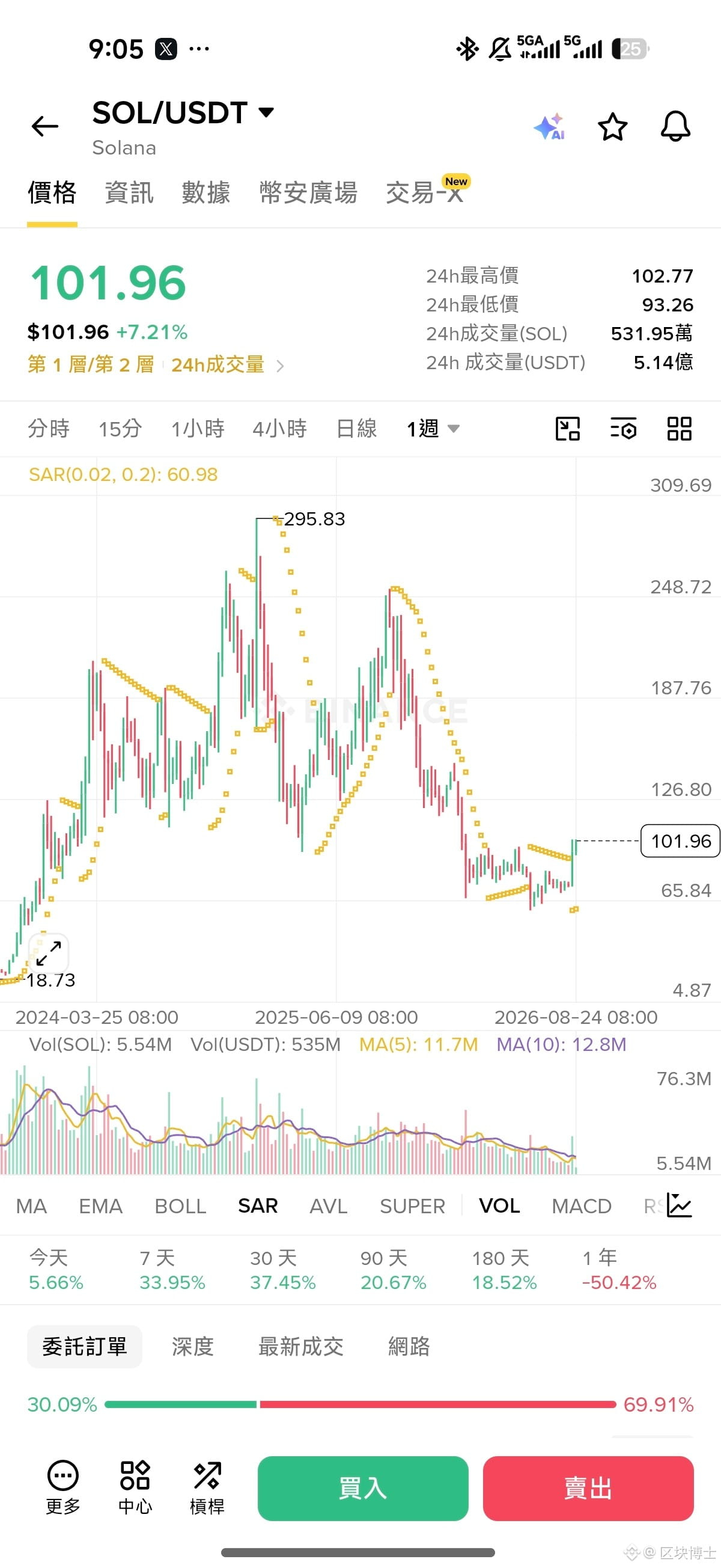
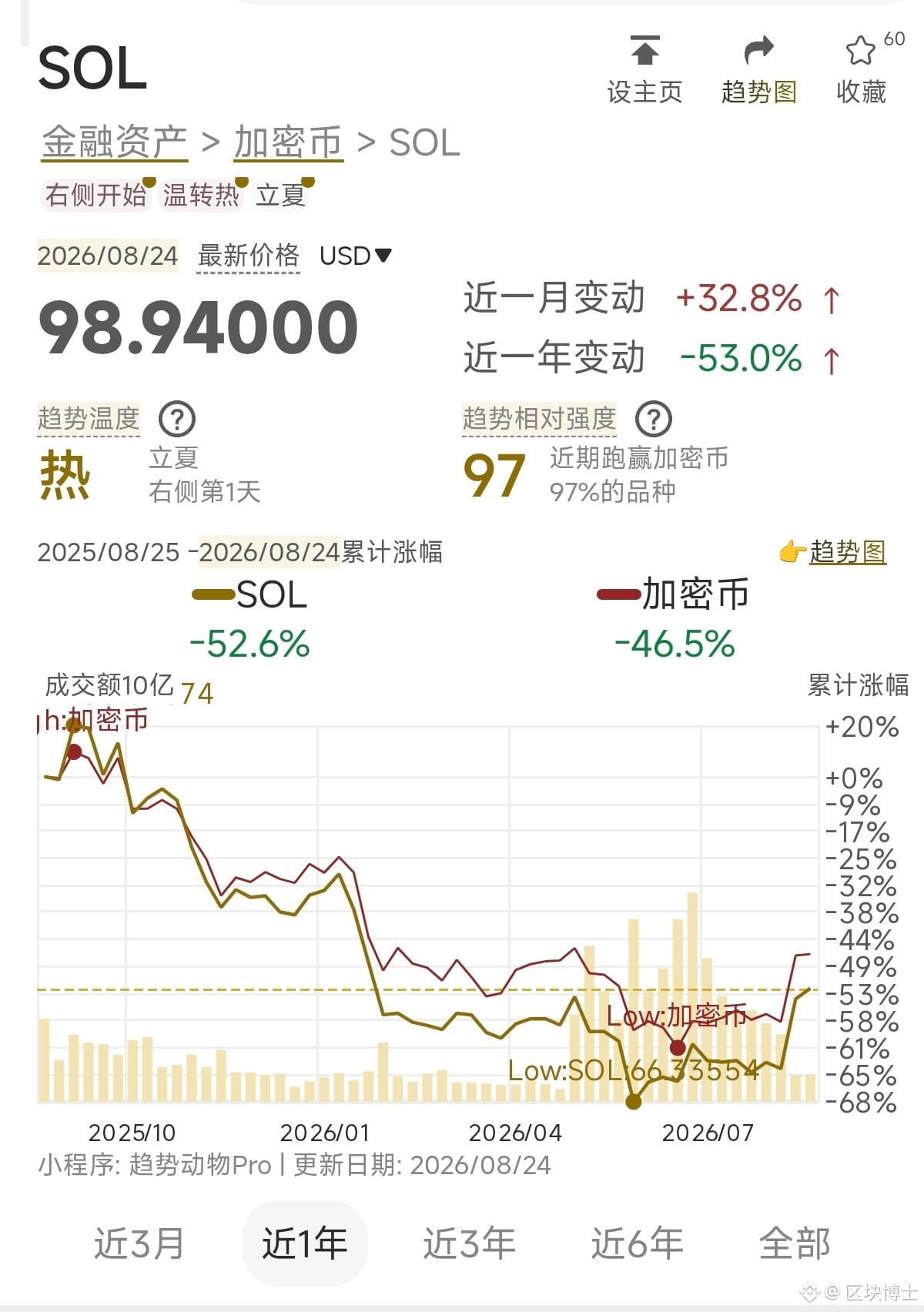
Bullish
1.6k
·
--
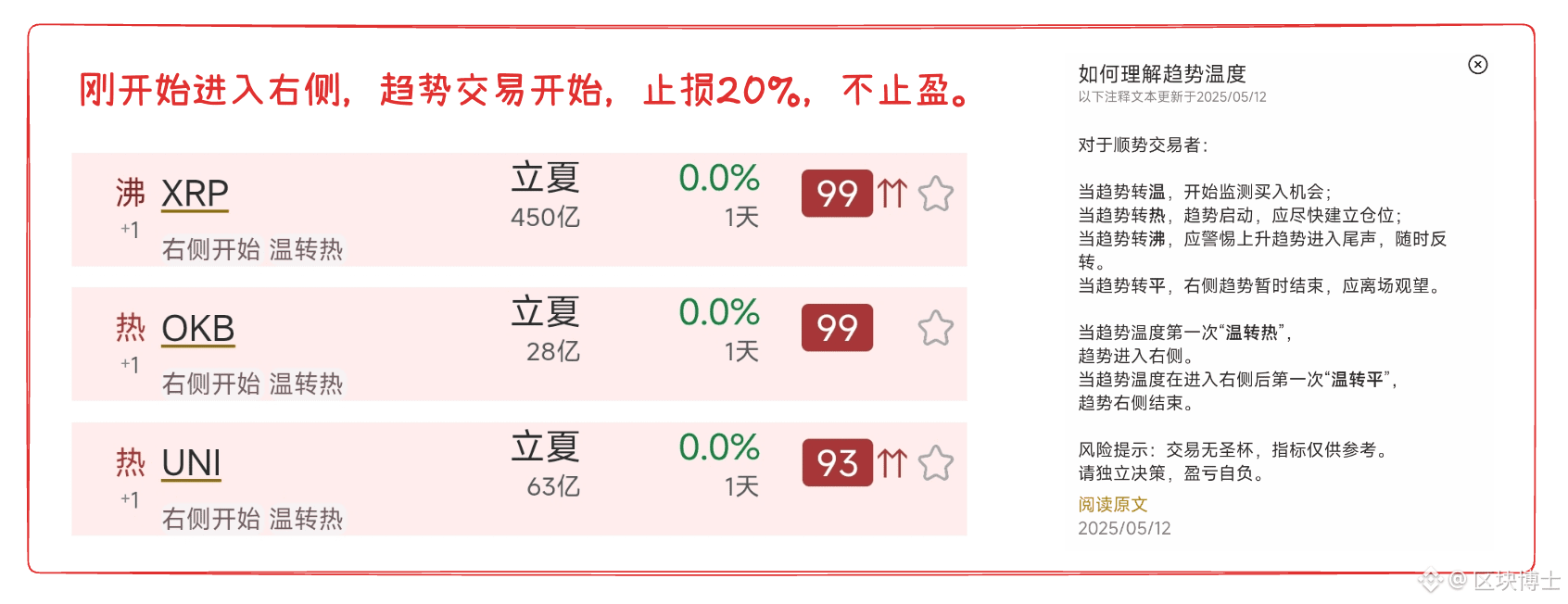
Follow trends, trend trading.
$XRP $UNI
{future}(XRPUSDT)
Follow trends, trend trading.
$XRP $UNI
$XRP $UNI
1
3
2.4k
·
--
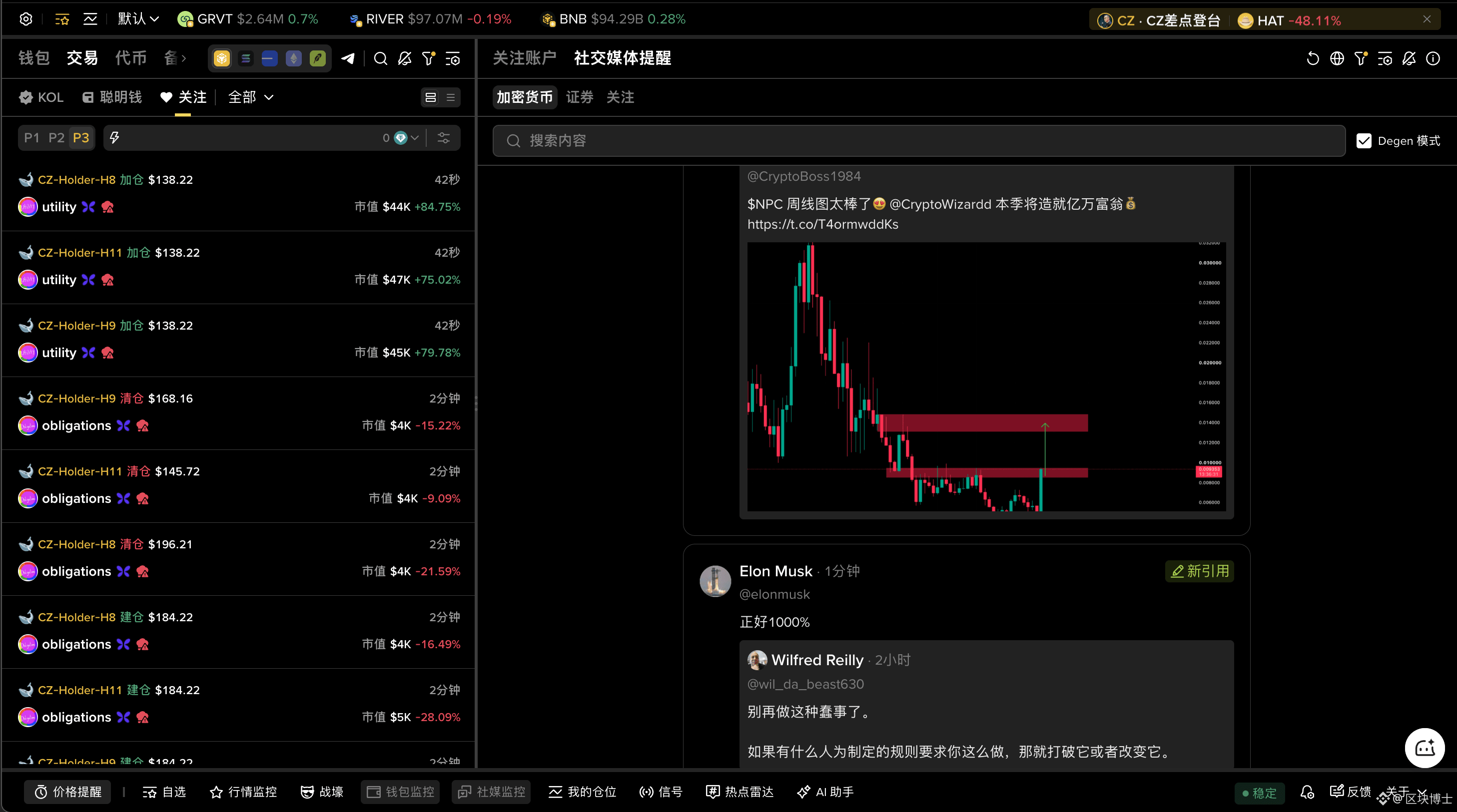
Using the Binance wallet to do the grind is way more comfortable than that
Using the Binance wallet to do the grind is way more comfortable than that
2
5.6k
·
--
Bullish
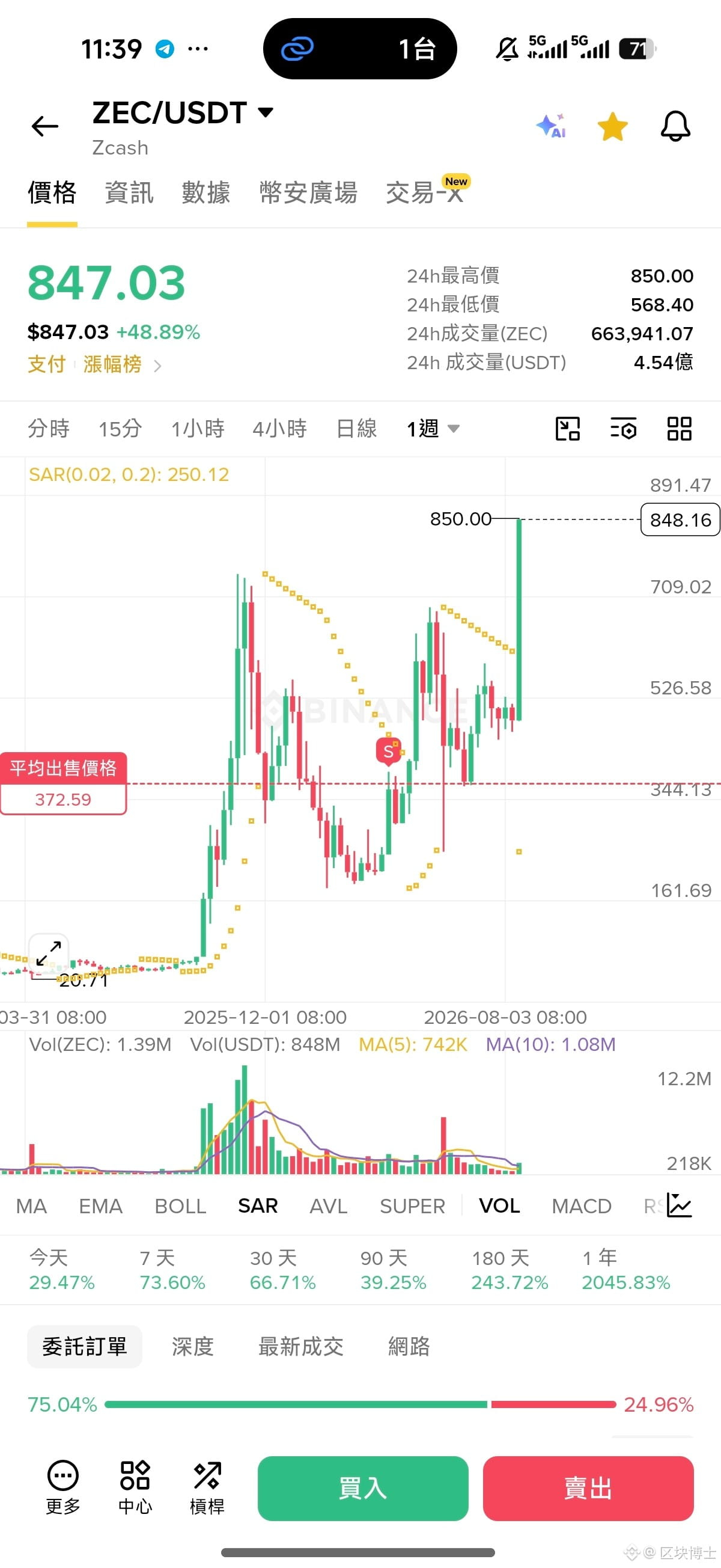
ZEC keeps going without end
That’s too much
$ZEC
{spot}(ZECUSDT)
ZEC keeps going without end
That’s too much
$ZEC
That’s too much
$ZEC
4
1
9.7k
·
--
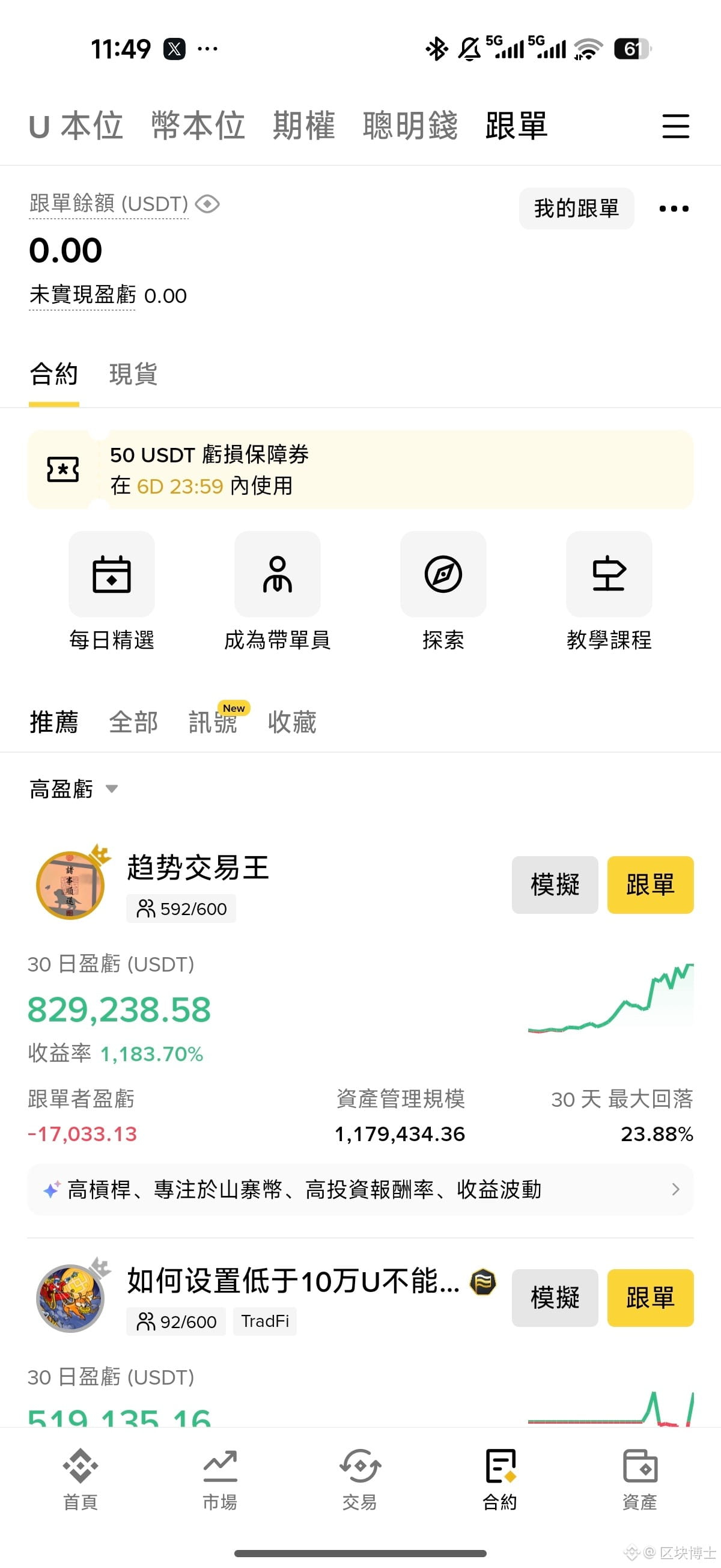
You can check whether the tracking coupons have been updated
I just received a 50 USDT coupon
You can check whether the tracking coupons have been updated
I just received a 50 USDT coupon
I just received a 50 USDT coupon
7
8
9.3k
·
--
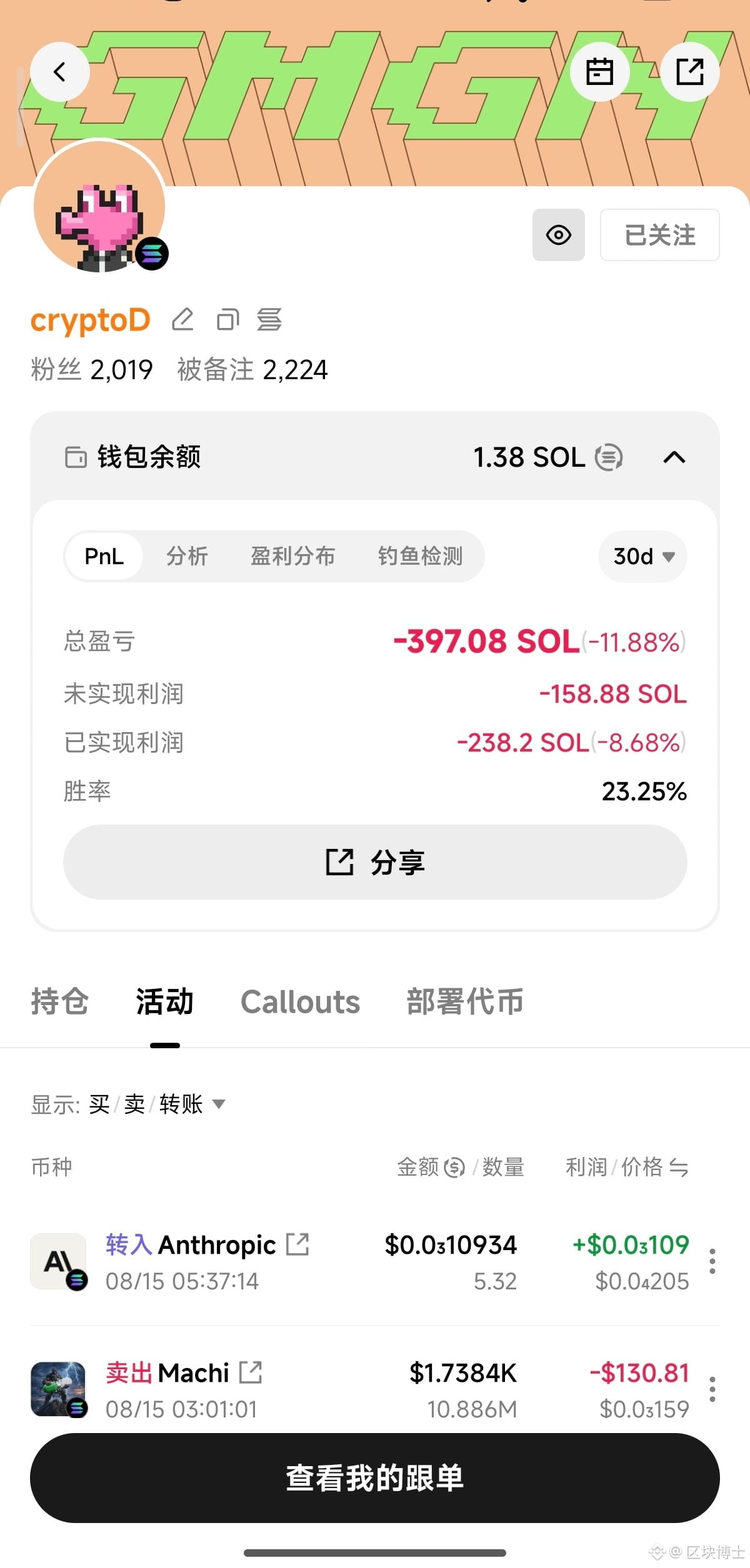
CryptoD has just returned to its previous condition, and things are really not great.
Over the past few days, the market has also really not been giving diamond hands any good outcome.
It's just too hard.
CryptoD has just returned to its previous condition, and things are really not great.
Over the past few days, the market has also really not been giving diamond hands any good outcome.
It's just too hard.
Over the past few days, the market has also really not been giving diamond hands any good outcome.
It's just too hard.
1
783
·
--
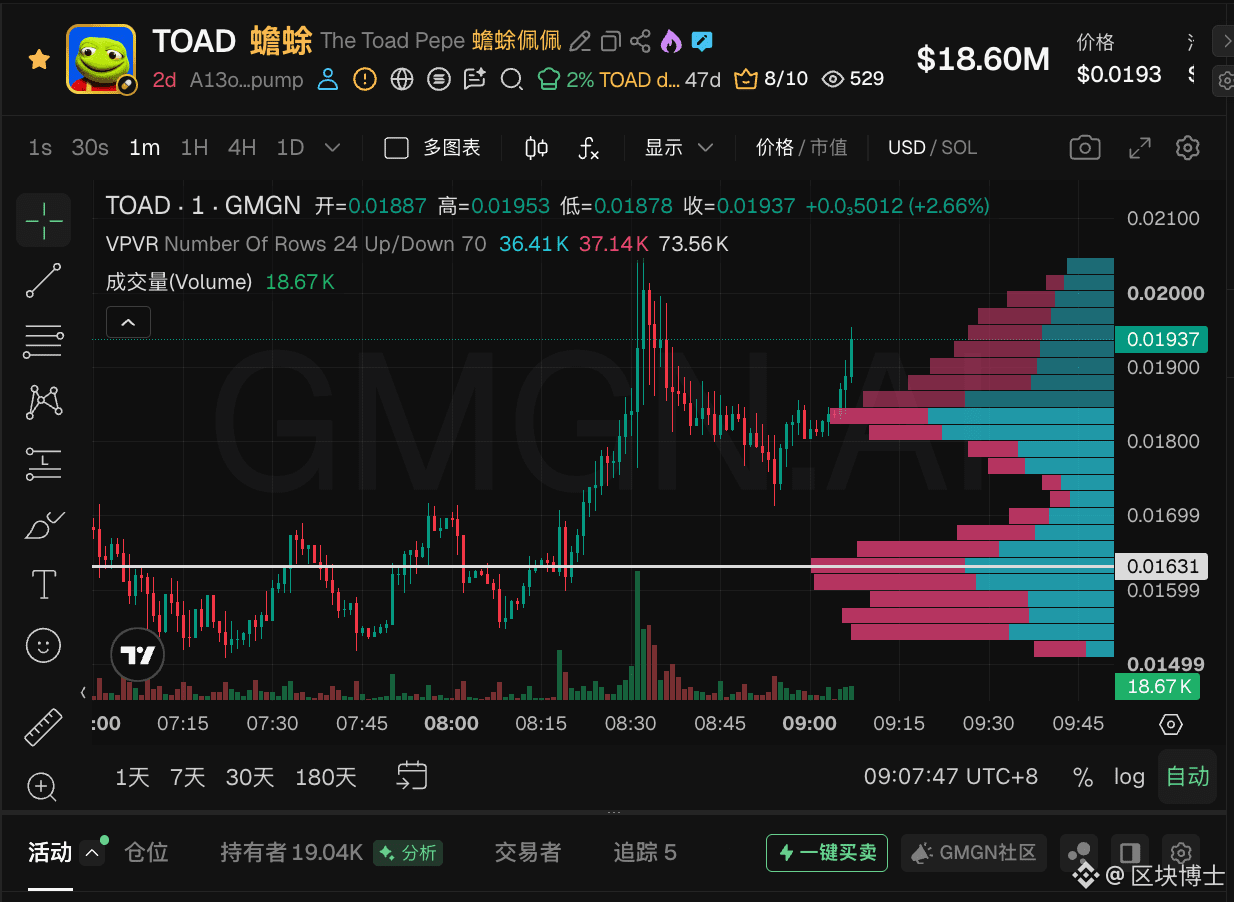
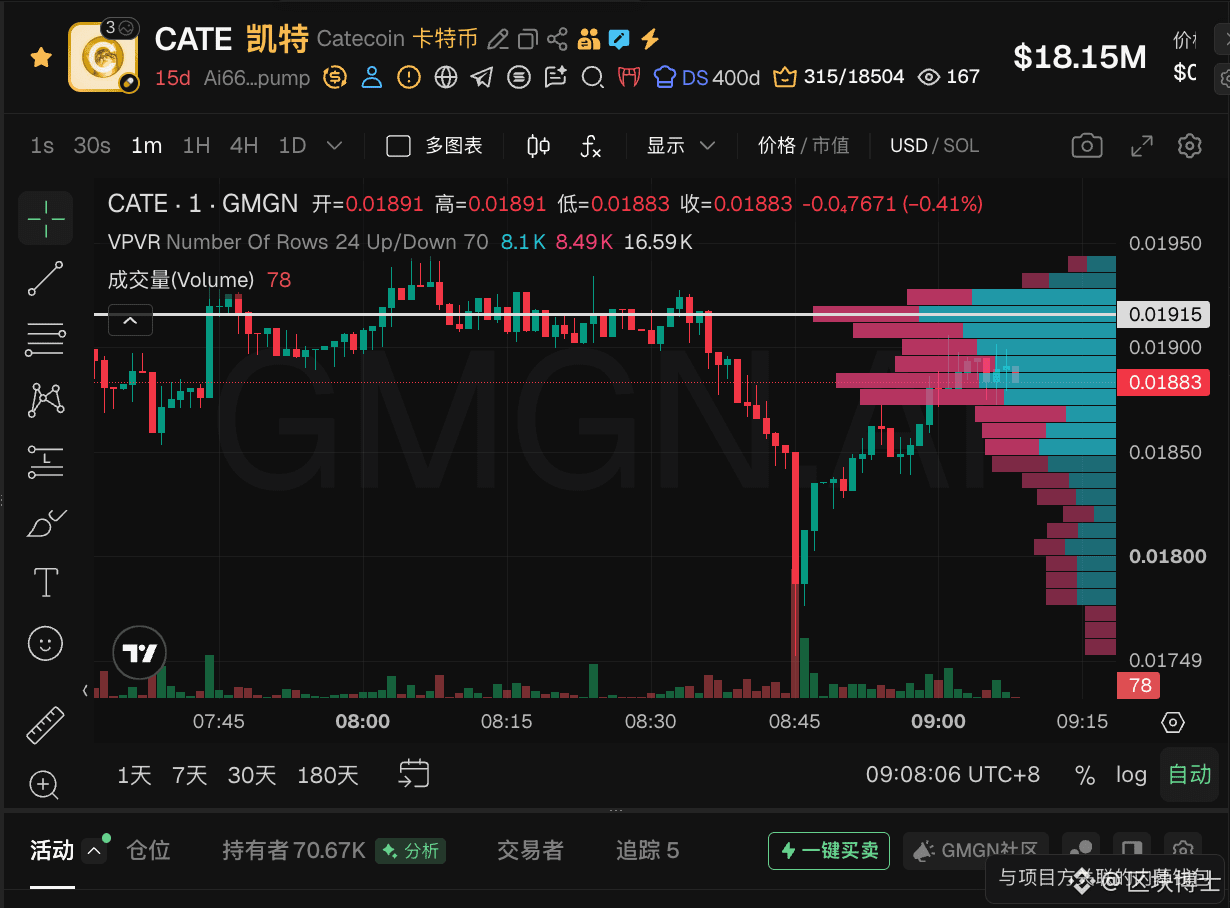
TOAD’s market cap is now higher than CATE’s
TOAD has a chance to go even higher. I also think CATE has a chance to enter a second leg. CATE’s overseas community consensus is very strong.
TOAD’s market cap is now higher than CATE’s
TOAD has a chance to go even higher. I also think CATE has a chance to enter a second leg. CATE’s overseas community consensus is very strong.
TOAD has a chance to go even higher. I also think CATE has a chance to enter a second leg. CATE’s overseas community consensus is very strong.
945
·
--
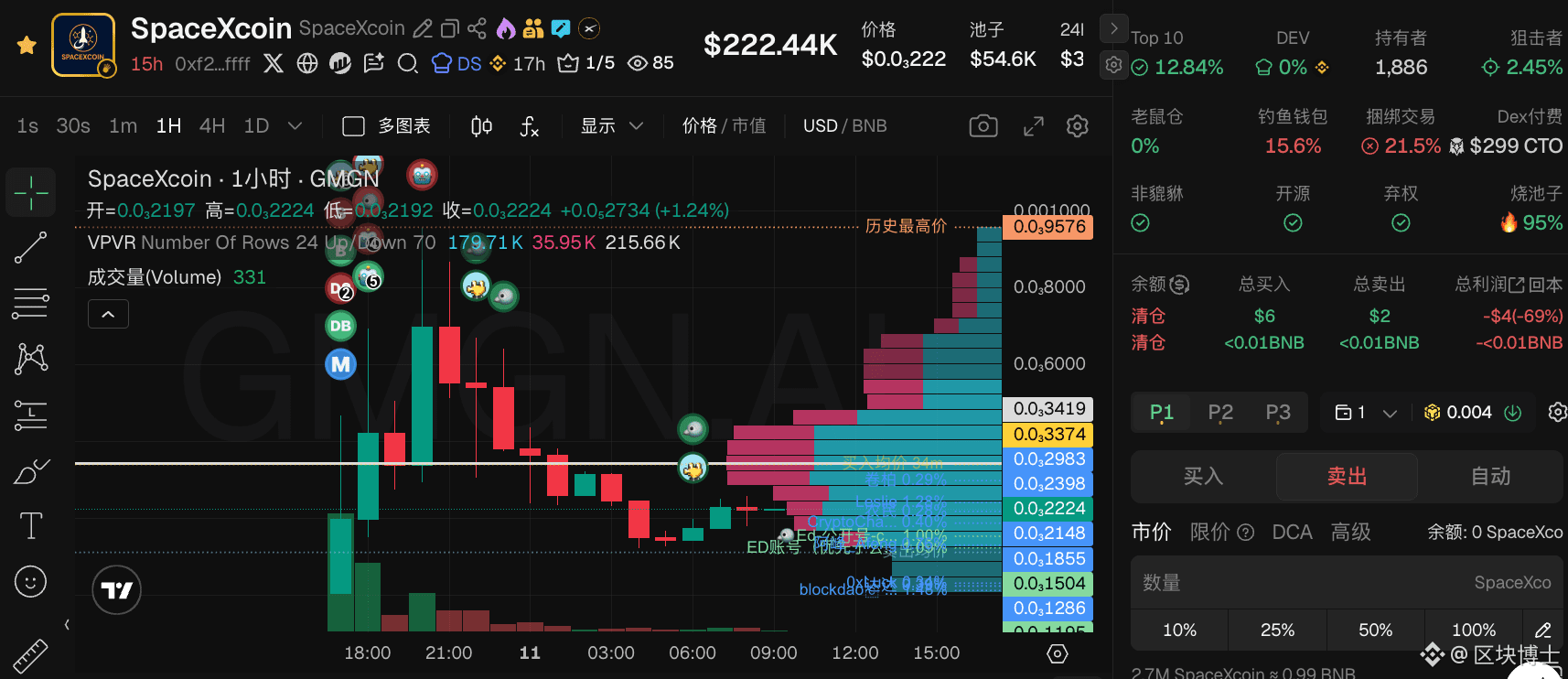
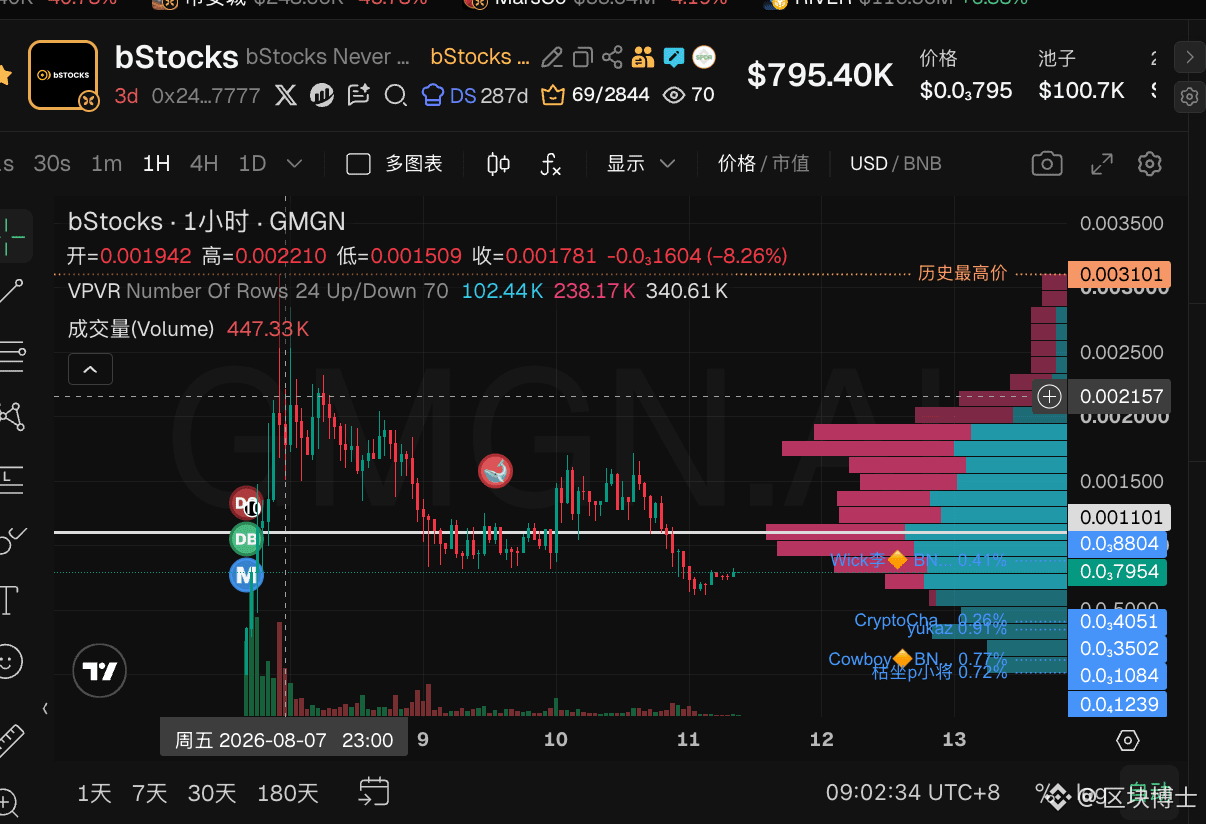
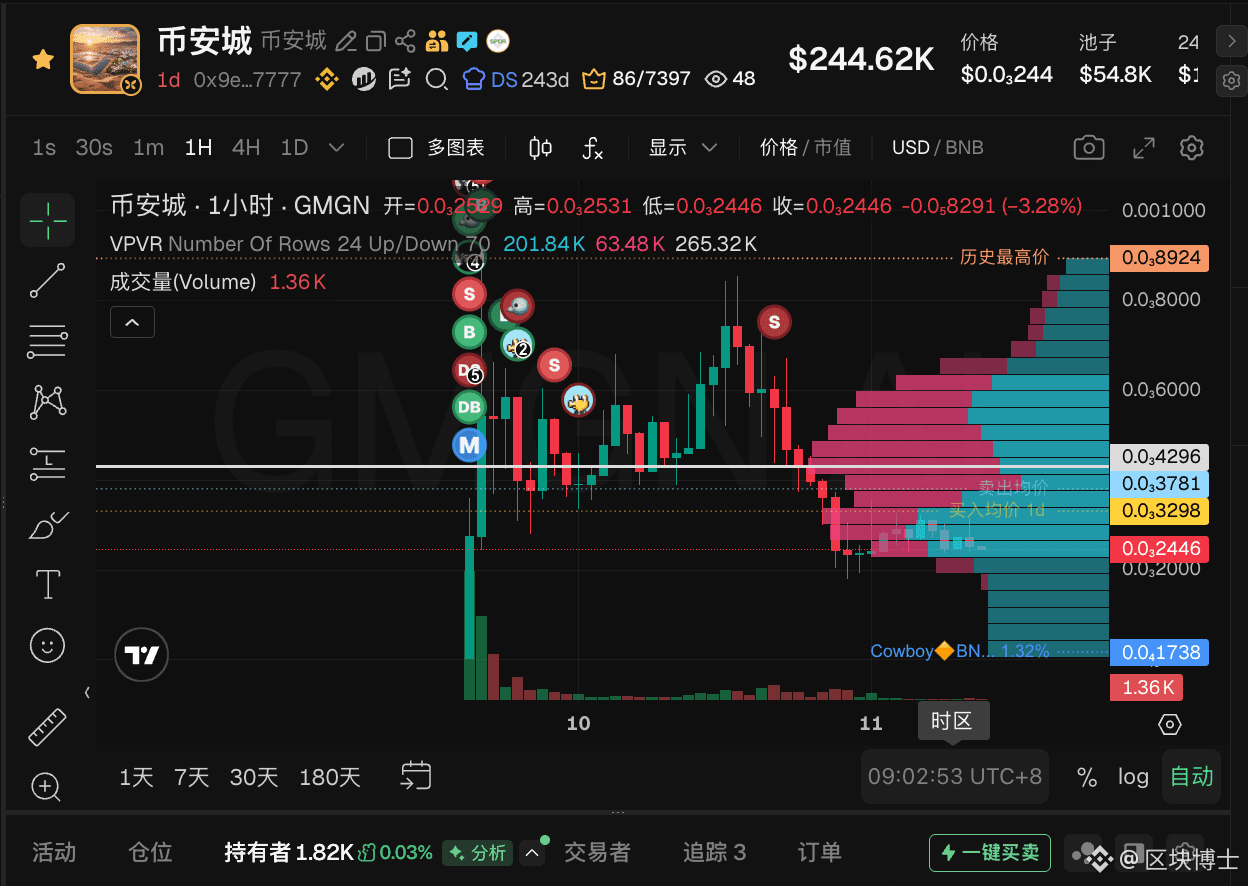
On BSC it's all memes that don’t stay overnight
Right now, I’m bullish on the second leg for bStocks, and Binancetown (there was a livestream mention that it might be involved)
On BSC it's all memes that don’t stay overnight
Right now, I’m bullish on the second leg for bStocks, and Binancetown (there was a livestream mention that it might be involved)
Right now, I’m bullish on the second leg for bStocks, and Binancetown (there was a livestream mention that it might be involved)
4
1
1.4k
·
--
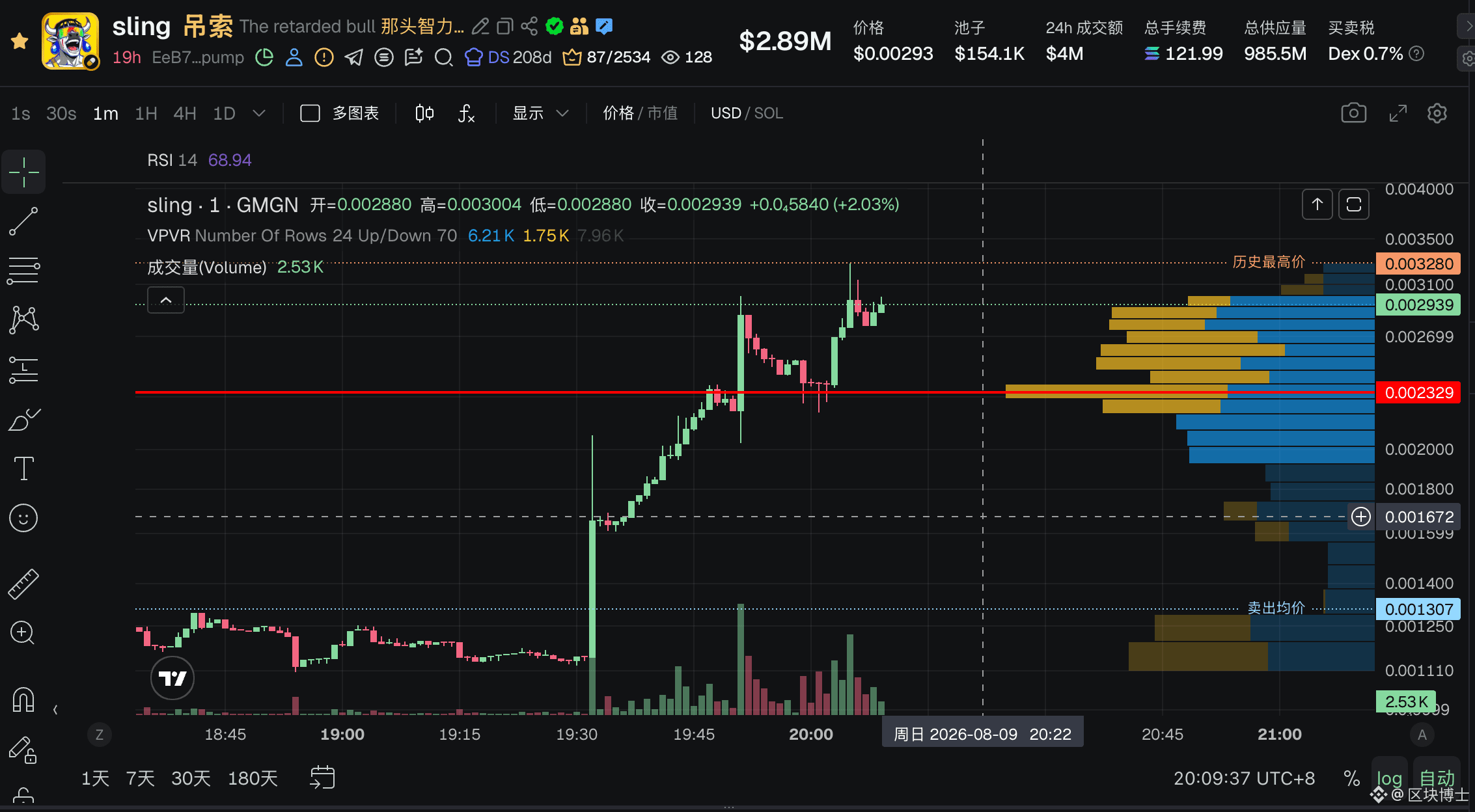
2.8m, but there’s a 69% chance it won’t be sold
The actual market value can be considered around 900k
2.8m, but there’s a 69% chance it won’t be sold
The actual market value can be considered around 900k
The actual market value can be considered around 900k
1
3.4k
·
--
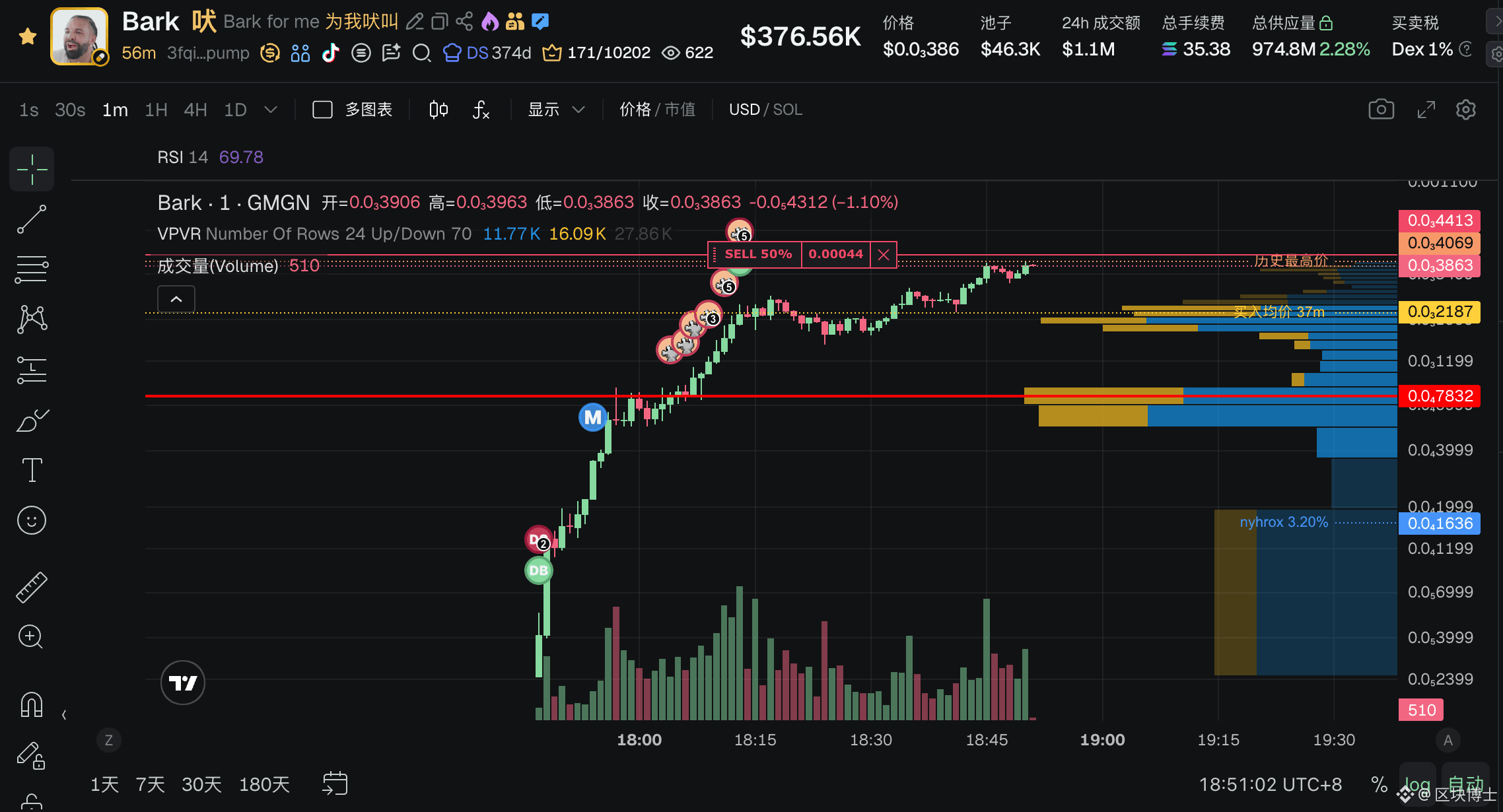
This girl is quite well-endowed $BARK
Bark for me?
An interesting meme phrase
This girl is quite well-endowed $BARK
Bark for me?
An interesting meme phrase
Bark for me?
An interesting meme phrase

758
·
--
Binance City Meeting
Binance City Meeting


Binance Angels
·
--
POV: It’s 2080 and you just entered Binance City. 🏙️💛
Crypto is everywhere, the future is already here, and your Binance account is basically your passport. 😀💪
cc @Builder 7 @Binance TG Community #BinanceSquareTG
$BNB
Crypto is everywhere, the future is already here, and your Binance account is basically your passport. 😀💪
cc @Builder 7 @Binance TG Community #BinanceSquareTG
$BNB

1
105
·
--
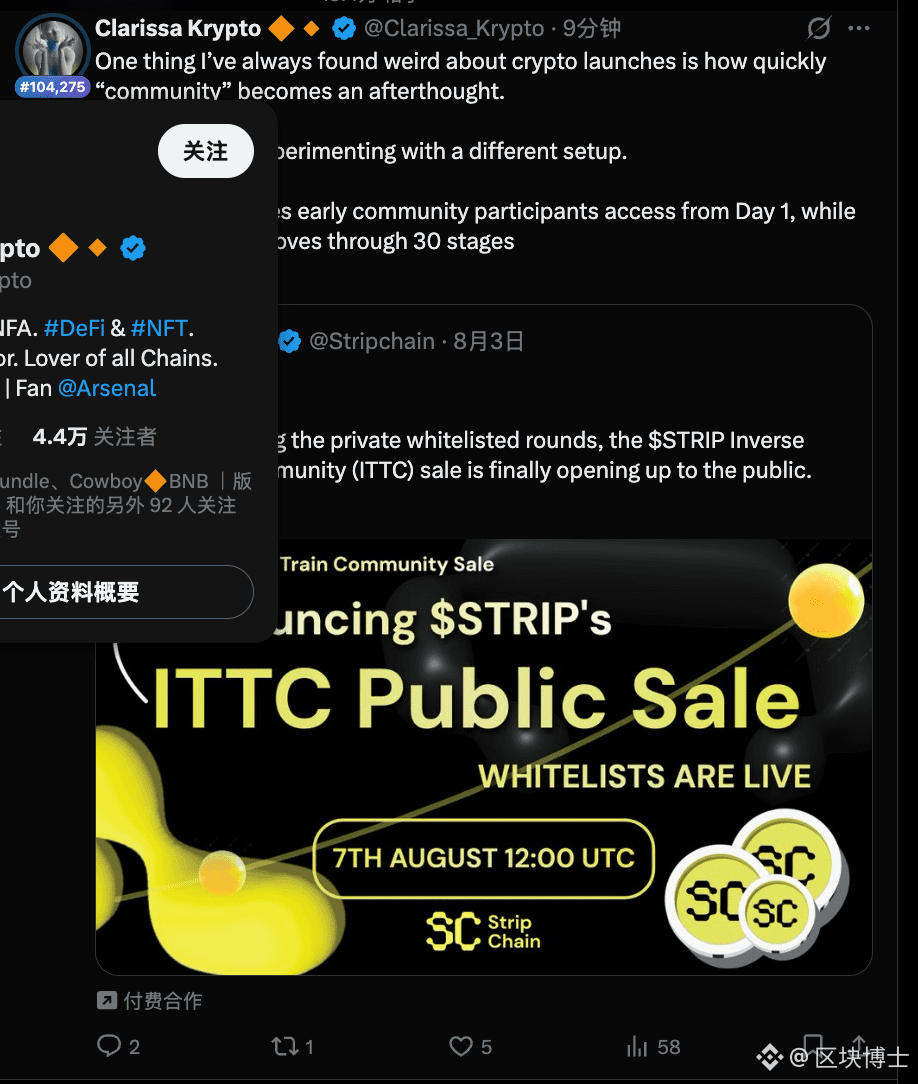
If you still need to find someone to promote this kind of project, and the speed of placing new listings and the promotion efficiency are both very poor, then there’s probably no need to play with it, right?
If you still need to find someone to promote this kind of project, and the speed of placing new listings and the promotion efficiency are both very poor, then there’s probably no need to play with it, right?
2
3k
·
--
Bullish
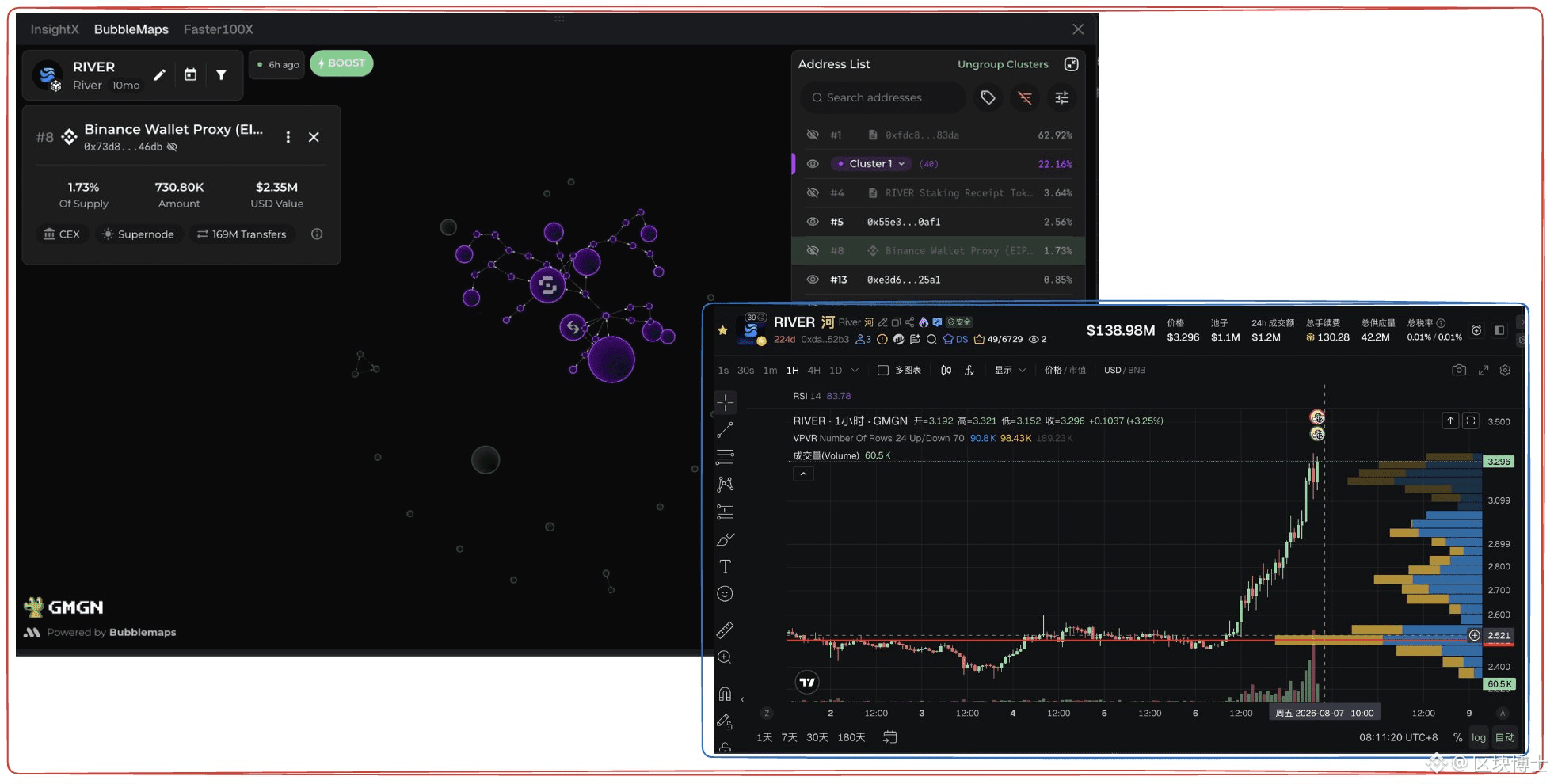
So long after, the market maker of $RIVER is finally starting work!
This time, buy along—pay close attention to how the “coin accumulating (屯币) wallet” acts to judge the market maker’s intent (directly copy the JSON format in the comments section to import into your Binance wallet). Current fundamentals: no catalysts, mixed messaging, and extremely centralized control.
1️⃣ No new catalysts: within 14 days, no CEX listings/updates, no news—just behavior within the existing supply.
2️⃣ Distribution: 89% of the chips are in Top 10 wallets, with the “treasury vault” holding 62.9%—in essence, a “one person sets the price” market.
3️⃣ Trading volume: net buys are minimal, overbought, and volume is concentrated on CEX.
4️⃣ 24h成交 (trading) is $1.1–1.2M, but net buys are only about $38K (buys $613K / sells $575K). What pushed it +29% was actually the leverage effect of low liquidity—not an influx of funds. The endgame may be to pump up to attract visitors and then wait for distribution, but the sell-off/distribution segment hasn’t started yet. And River market maker capability is very strong—they can keep pulling the price using contract funding-rate收益 (funding-rate returns). Right now Binance funding rate is positive; when they raise it to a certain level and the rate turns negative, that’s when it gets most violent.
At present, 7 wallets are laying down low-cost positions (≈$2.50) → a small amount of capital steps up the price +29%. Stage two is underway: they create profit effect through overbought conditions to attract the follower crowd—the current buying is “customers” drawn in. Stage three hasn’t started: 9 key wallets haven’t moved at all (verified address by address), indicating it’s not yet in the distribution phase. Once they begin transferring out to DEX/CEX, they’re using you as liquidity.
Conclusion: this is the first half of the “accumulation-pump-wait for distribution” script. You can ride the same train, but your “get off” signal is when those 9 addresses show activity + volume stalls up above $3.30.
So long after, the market maker of $RIVER is finally starting work!
This time, buy along—pay close attention to how the “coin accumulating (屯币) wallet” acts to judge the market maker’s intent (directly copy the JSON format in the comments section to import into your Binance wallet). Current fundamentals: no catalysts, mixed messaging, and extremely centralized control.
1️⃣ No new catalysts: within 14 days, no CEX listings/updates, no news—just behavior within the existing supply.
2️⃣ Distribution: 89% of the chips are in Top 10 wallets, with the “treasury vault” holding 62.9%—in essence, a “one person sets the price” market.
3️⃣ Trading volume: net buys are minimal, overbought, and volume is concentrated on CEX.
4️⃣ 24h成交 (trading) is $1.1–1.2M, but net buys are only about $38K (buys $613K / sells $575K). What pushed it +29% was actually the leverage effect of low liquidity—not an influx of funds. The endgame may be to pump up to attract visitors and then wait for distribution, but the sell-off/distribution segment hasn’t started yet. And River market maker capability is very strong—they can keep pulling the price using contract funding-rate收益 (funding-rate returns). Right now Binance funding rate is positive; when they raise it to a certain level and the rate turns negative, that’s when it gets most violent.
At present, 7 wallets are laying down low-cost positions (≈$2.50) → a small amount of capital steps up the price +29%. Stage two is underway: they create profit effect through overbought conditions to attract the follower crowd—the current buying is “customers” drawn in. Stage three hasn’t started: 9 key wallets haven’t moved at all (verified address by address), indicating it’s not yet in the distribution phase. Once they begin transferring out to DEX/CEX, they’re using you as liquidity.
Conclusion: this is the first half of the “accumulation-pump-wait for distribution” script. You can ride the same train, but your “get off” signal is when those 9 addresses show activity + volume stalls up above $3.30.
This time, buy along—pay close attention to how the “coin accumulating (屯币) wallet” acts to judge the market maker’s intent (directly copy the JSON format in the comments section to import into your Binance wallet). Current fundamentals: no catalysts, mixed messaging, and extremely centralized control.
1️⃣ No new catalysts: within 14 days, no CEX listings/updates, no news—just behavior within the existing supply.
2️⃣ Distribution: 89% of the chips are in Top 10 wallets, with the “treasury vault” holding 62.9%—in essence, a “one person sets the price” market.
3️⃣ Trading volume: net buys are minimal, overbought, and volume is concentrated on CEX.
4️⃣ 24h成交 (trading) is $1.1–1.2M, but net buys are only about $38K (buys $613K / sells $575K). What pushed it +29% was actually the leverage effect of low liquidity—not an influx of funds. The endgame may be to pump up to attract visitors and then wait for distribution, but the sell-off/distribution segment hasn’t started yet. And River market maker capability is very strong—they can keep pulling the price using contract funding-rate收益 (funding-rate returns). Right now Binance funding rate is positive; when they raise it to a certain level and the rate turns negative, that’s when it gets most violent.
At present, 7 wallets are laying down low-cost positions (≈$2.50) → a small amount of capital steps up the price +29%. Stage two is underway: they create profit effect through overbought conditions to attract the follower crowd—the current buying is “customers” drawn in. Stage three hasn’t started: 9 key wallets haven’t moved at all (verified address by address), indicating it’s not yet in the distribution phase. Once they begin transferring out to DEX/CEX, they’re using you as liquidity.
Conclusion: this is the first half of the “accumulation-pump-wait for distribution” script. You can ride the same train, but your “get off” signal is when those 9 addresses show activity + volume stalls up above $3.30.
1
3
2.7k
Log in to explore more content
Join global crypto users on Binance Square
⚡️ Get latest and useful information about crypto.
💬 Trusted by the world’s largest crypto exchange.
👍 Discover real insights from verified creators.
Email / Phone number
Trending Topics
HKCompletesFirstHKDStablecoinUseCase
9 views
12 Discussing
#HKCompletesFirstHKDStablecoinUseCase
🇭🇰 HONG KONG JUST OPENED A NEW DOOR FOR DIGITAL FINANCE 🚪🌐
#HKCompletesFirstHKDStablecoinUseCase
Something important is happening in Hong Kong’s digital-asset space—and it may be bigger than it looks at first glance.
Hong Kong has completed its first HKD stablecoin use case in a digital-asset investment, involving HKDAP, a Hong Kong-dollar stablecoin issued by Anchorpoint Financial.
💡 Why is this important?
For years, stablecoins have mainly been associated with crypto trading and moving liquidity across exchanges. But the bigger story is what happens when stablecoins start connecting directly with real financial products, regulated institutions and on-chain settlement.
That is where this development becomes interesting.
An HKD-backed stablecoin creates a potential bridge between traditional finance and blockchain infrastructure—bringing Hong Kong’s local currency into a programmable digital environment.
🏦 Traditional Finance
⬇️
💵 HKD Stablecoin
⬇️
⛓️ Blockchain Infrastructure
⬇️
🌐 Digital Assets & Tokenized Finance
This is the direction many investors are watching closely.
Hong Kong has been building its regulatory framework for stablecoins and digital assets, and real-world use cases like this could help demonstrate how regulated stablecoins can move beyond simple trading liquidity.
🚀 The bigger narrative:
Stablecoins → RWA → Tokenization → Institutional Adoption
If this trend continues, HKD stablecoins could become part of a much larger digital-finance ecosystem.
👀 I’m keeping this narrative on my radar.
Not because every headline means an immediate pump—but because real-world adoption is what can turn blockchain technology from a market narrative into financial infrastructure.
🇭🇰 Hong Kong is building.
💵 HKD is going on-chain.
⛓️ Digital finance is evolving.
The next question is: How big can this narrative become? 👀🔥
$AKE
$AR
$BR
⚠️ DYOR. NFA.
#Crypto #RWA #Tokenization #Web3
Shourov Saha-01
·0 Likes
·86 views
VietnamPlansFirstCryptoLicensesIn2026
5 views
3 Discussing
BTCBreaks80K
185,647 views
3,037 Discussing