

Bitrelix
4.5k Posts

Bitrelix
 Square Verified
Report
Block User
X (Twitter): @Bitrelix_786 | Bitcoin Analyst | Price Action & Market Structure | Daily Bitcoin Charts & Real-Time Market Updates
Open Trade
Frequent Trader
1.6 Years
42 Following
33.4K+ Followers
21.7K+ Liked
Posts
Portfolio
All
Quotes
Videos
·
--
Bullish
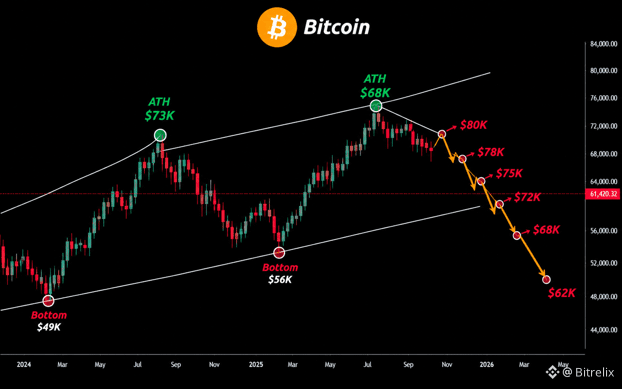
🚨 WARNING: BITCOIN’S NEXT MOVE FAVORS THE BEARS — $BTC NEAR $80K Bitcoin has lost the $80.5K–$81K support zone, and sellers currently have the short-term advantage
A breakdown below $78K could expose $75K and potentially $72K, while a strong reclaim above $80.6K would weaken this bearish setup.
The current bias is bearish, not a guaranteed crash; price confirmation matters more than blind conviction.
$80K → $78K → $75K → $72K → $68K → $62K
don't rush into longs. save this post and compare these levels over the coming weeks. follow and enable alerts. the next update matters. i'll post every major development as it happens.
{future}(BTCUSDT)
🚨 WARNING: BITCOIN’S NEXT MOVE FAVORS THE BEARS — $BTC NEAR $80K Bitcoin has lost the $80.5K–$81K support zone, and sellers currently have the short-term advantage
A breakdown below $78K could expose $75K and potentially $72K, while a strong reclaim above $80.6K would weaken this bearish setup.
The current bias is bearish, not a guaranteed crash; price confirmation matters more than blind conviction.
$80K → $78K → $75K → $72K → $68K → $62K
don't rush into longs. save this post and compare these levels over the coming weeks. follow and enable alerts. the next update matters. i'll post every major development as it happens.
A breakdown below $78K could expose $75K and potentially $72K, while a strong reclaim above $80.6K would weaken this bearish setup.
The current bias is bearish, not a guaranteed crash; price confirmation matters more than blind conviction.
$80K → $78K → $75K → $72K → $68K → $62K
don't rush into longs. save this post and compare these levels over the coming weeks. follow and enable alerts. the next update matters. i'll post every major development as it happens.
8
94
·
--
Bullish
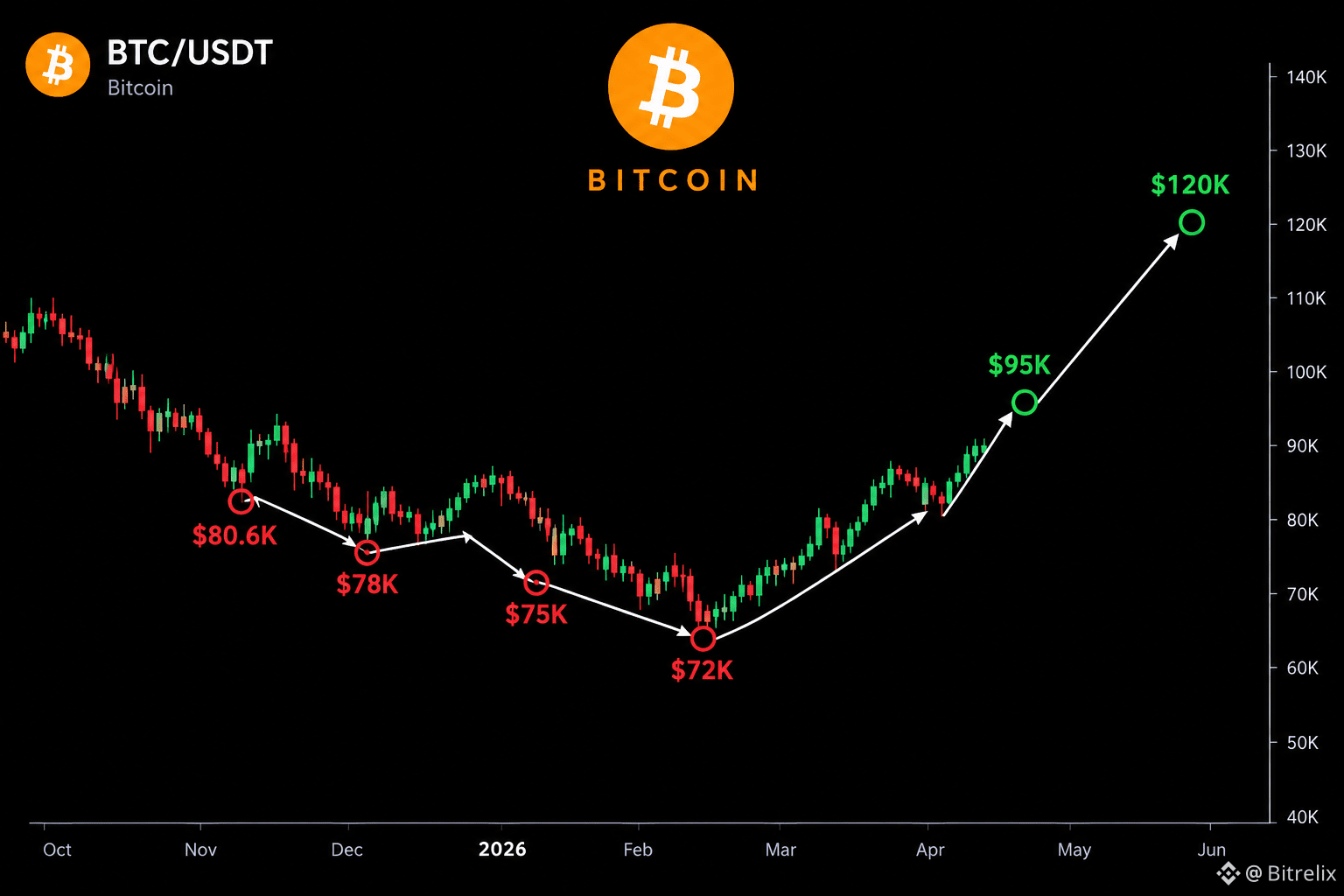
🚨 THE FINAL $BTC SHAKEOUT COULD CATCH EVERYONE OFF GUARD
Bitcoin is trading near $80.6K after a sharp rejection from the $84K zone. If buyers lose $80K,
the next liquidity test could trigger a deeper flush before recovery begins.
My execution plan remains focused on key levels, confirmation,
and the next major market shift. $80.6K → $78K → $75K → $72K → $95K → $120K save this chart and compare it again in a few weeks.
follow me and turn on notifications. don't be late. i'll post every major development as it happens.
🚨 THE FINAL $BTC SHAKEOUT COULD CATCH EVERYONE OFF GUARD
Bitcoin is trading near $80.6K after a sharp rejection from the $84K zone. If buyers lose $80K,
the next liquidity test could trigger a deeper flush before recovery begins.
My execution plan remains focused on key levels, confirmation,
and the next major market shift. $80.6K → $78K → $75K → $72K → $95K → $120K save this chart and compare it again in a few weeks.
follow me and turn on notifications. don't be late. i'll post every major development as it happens.
Bitcoin is trading near $80.6K after a sharp rejection from the $84K zone. If buyers lose $80K,
the next liquidity test could trigger a deeper flush before recovery begins.
My execution plan remains focused on key levels, confirmation,
and the next major market shift. $80.6K → $78K → $75K → $72K → $95K → $120K save this chart and compare it again in a few weeks.
follow me and turn on notifications. don't be late. i'll post every major development as it happens.
1
13
3.4k
·
--
🚨 BITCOIN IS STILL ALIVE 🚨
$BTC is still trading above its 50 week MA. In previous cycles, it pumped 680% in 2020–2021 and 415% in 2023–2025.
It has survived the U.S.–Iran war, Ledger hack FUD, quantum FUD and selling by BlackRock & the U.S. government. We're fine. 🚀
🚨 BITCOIN IS STILL ALIVE 🚨
$BTC is still trading above its 50 week MA. In previous cycles, it pumped 680% in 2020–2021 and 415% in 2023–2025.
It has survived the U.S.–Iran war, Ledger hack FUD, quantum FUD and selling by BlackRock & the U.S. government. We're fine. 🚀
$BTC is still trading above its 50 week MA. In previous cycles, it pumped 680% in 2020–2021 and 415% in 2023–2025.
It has survived the U.S.–Iran war, Ledger hack FUD, quantum FUD and selling by BlackRock & the U.S. government. We're fine. 🚀
1
6
707
·
--
Bullish
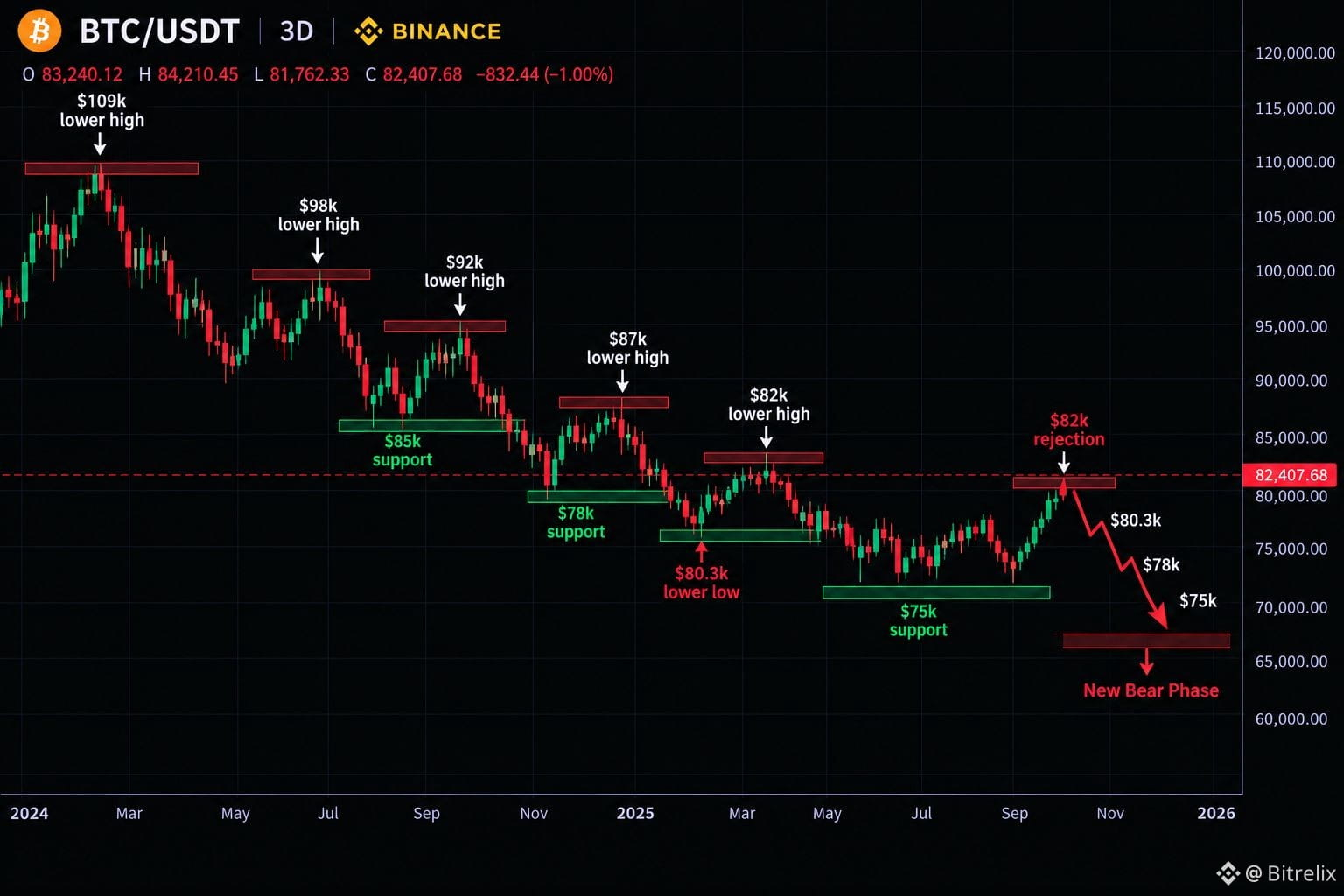
🚨 WARNING: DON’T LONG $BTC YET
The final $BTC dump is inevitable.
This week, the final liquidation phase begins.
Everything is playing out exactly as i predicted weeks ago.
$82K → $80.3K → $78K → $75K → New Bear Phase
Save this now. check the results next week.
Follow and turn on notification. the next update matters.
i’ll post every key development as it happens.
#BinancePick #ChinaSeeksToSeize61800BTC
🚨 WARNING: DON’T LONG $BTC YET
The final $BTC dump is inevitable.
This week, the final liquidation phase begins.
Everything is playing out exactly as i predicted weeks ago.
$82K → $80.3K → $78K → $75K → New Bear Phase
Save this now. check the results next week.
Follow and turn on notification. the next update matters.
i’ll post every key development as it happens.
#BinancePick #ChinaSeeksToSeize61800BTC
The final $BTC dump is inevitable.
This week, the final liquidation phase begins.
Everything is playing out exactly as i predicted weeks ago.
$82K → $80.3K → $78K → $75K → New Bear Phase
Save this now. check the results next week.
Follow and turn on notification. the next update matters.
i’ll post every key development as it happens.
#BinancePick #ChinaSeeksToSeize61800BTC
5
2.5k
·
--
Bullish
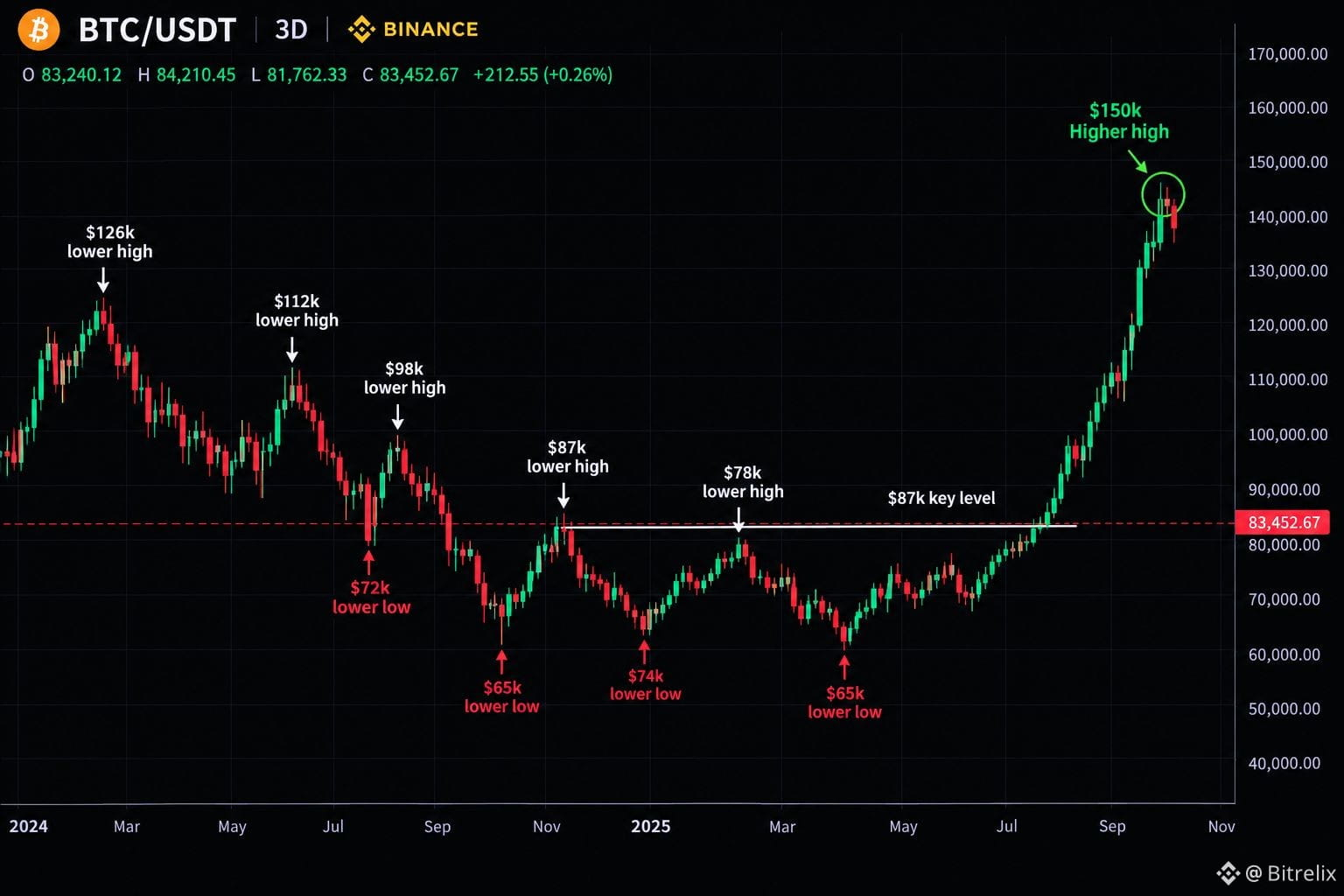
🚨 ALERT: DON’T SHORT $BTC YET
The final $BTC breakout is inevitable.
This week, the final accumulation phase begins.
Everything is playing out exactly as i predicted weeks ago.
$83.4K → $84K → $85.5K → $87K → New Bull Run
Save this now. check the results next week.
Follow and turn on notification. the next update matters.
i'll post every key development as it happens.
#EarningsSeason
{future}(BTCUSDT)
🚨 ALERT: DON’T SHORT $BTC YET
The final $BTC breakout is inevitable.
This week, the final accumulation phase begins.
Everything is playing out exactly as i predicted weeks ago.
$83.4K → $84K → $85.5K → $87K → New Bull Run
Save this now. check the results next week.
Follow and turn on notification. the next update matters.
i'll post every key development as it happens.
#EarningsSeason
The final $BTC breakout is inevitable.
This week, the final accumulation phase begins.
Everything is playing out exactly as i predicted weeks ago.
$83.4K → $84K → $85.5K → $87K → New Bull Run
Save this now. check the results next week.
Follow and turn on notification. the next update matters.
i'll post every key development as it happens.
#EarningsSeason
3
6
2.6k
·
--
Bullish
🚨 WARNING: BTC MARKET UPDATE 🚨
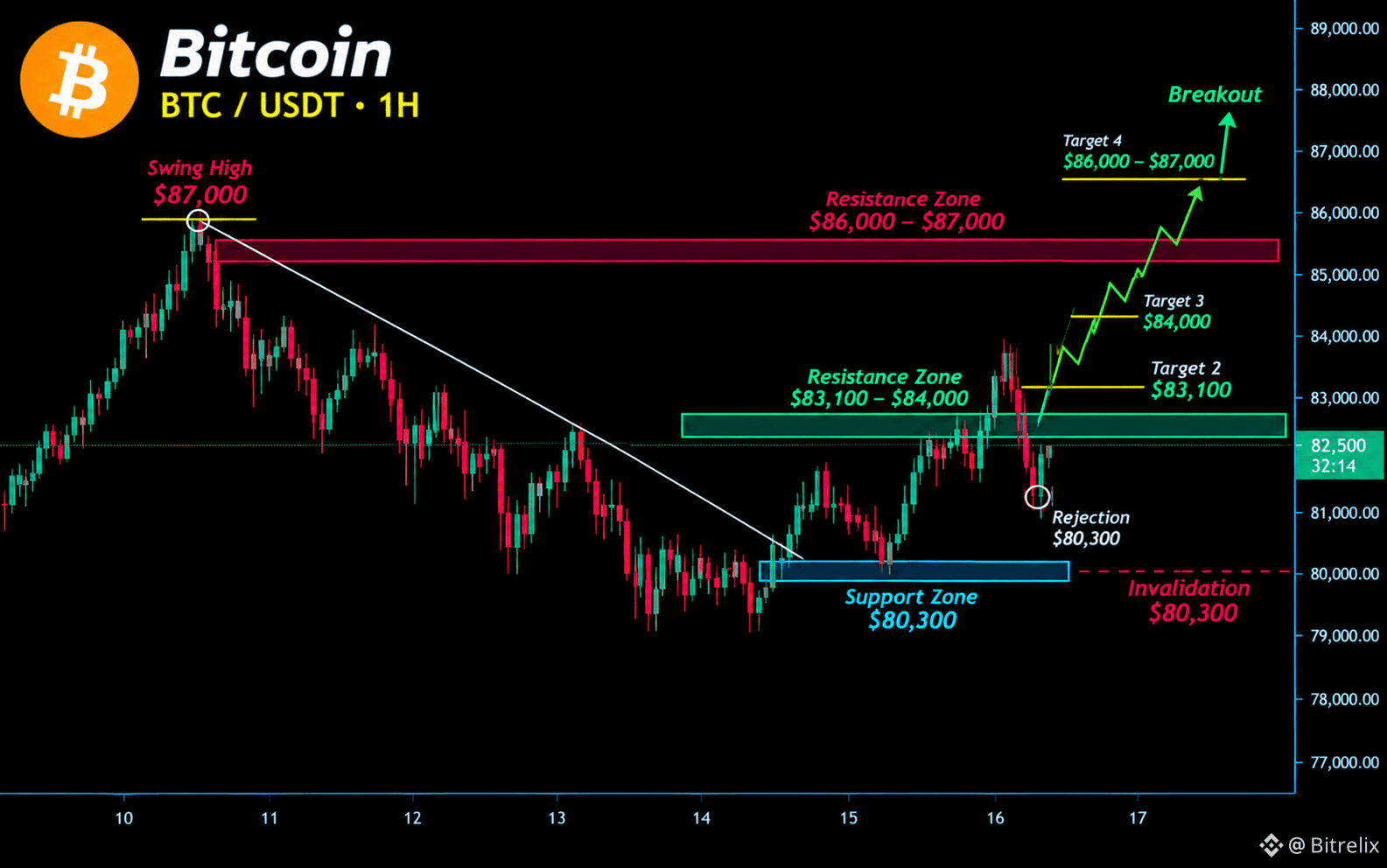
$BTC is rebounding near $82,500, but the broader structure remains range-bound after rejection near $87,000.
Bulls need a confirmed breakout above $83,100–$84,000; losing $80,300 could trigger another downside sweep.
📈 Path:
$82,500 ➡️ $83,100 ➡️ $84,000 ➡️ $86,000–$87,000 ➡️ Breakout.
Don't rush the retest. The real expansion happens after key resistance breaks. Save this post and check back in a few weeks. 👇
{future}(BTCUSDT)
🚨 WARNING: BTC MARKET UPDATE 🚨
$BTC is rebounding near $82,500, but the broader structure remains range-bound after rejection near $87,000.
Bulls need a confirmed breakout above $83,100–$84,000; losing $80,300 could trigger another downside sweep.
📈 Path:
$82,500 ➡️ $83,100 ➡️ $84,000 ➡️ $86,000–$87,000 ➡️ Breakout.
Don't rush the retest. The real expansion happens after key resistance breaks. Save this post and check back in a few weeks. 👇
$BTC is rebounding near $82,500, but the broader structure remains range-bound after rejection near $87,000.
Bulls need a confirmed breakout above $83,100–$84,000; losing $80,300 could trigger another downside sweep.
📈 Path:
$82,500 ➡️ $83,100 ➡️ $84,000 ➡️ $86,000–$87,000 ➡️ Breakout.
Don't rush the retest. The real expansion happens after key resistance breaks. Save this post and check back in a few weeks. 👇
6
964
·
--
Bullish
Partly True
Beyond the Announcement: Why Kite's Next Move Matters
Most partnerships create headlines. The more interesting question is whether they create momentum that continues long after the announcement has passed.
That is why I'm watching Kite from a different perspective. Becoming the exclusive Premium Partner of The Blockchain creates an opportunity to introduce its vision to a much wider audience, but it also raises expectations. More people will begin asking what makes Kite different and whether its approach to the agent economy can translate into real adoption.
What interests me most is whether this increased exposure encourages more builders, researchers, and creators to engage with the ecosystem. Strong communities are rarely built by announcements alone. They grow when people continue discussing ideas, testing products, and finding practical use cases over time.
I'm less interested in short-term excitement than in the progress that follows after the spotlight begins to fade. If this partnership leads to stronger participation and meaningful ecosystem growth, it could become much more significant than a single headline.
For now, I'm watching the direction rather than the noise, because the next chapter is usually where the real story begins.
$KITE #KiteBBW @GoKiteAI
Beyond the Announcement: Why Kite's Next Move Matters
Most partnerships create headlines. The more interesting question is whether they create momentum that continues long after the announcement has passed.
That is why I'm watching Kite from a different perspective. Becoming the exclusive Premium Partner of The Blockchain creates an opportunity to introduce its vision to a much wider audience, but it also raises expectations. More people will begin asking what makes Kite different and whether its approach to the agent economy can translate into real adoption.
What interests me most is whether this increased exposure encourages more builders, researchers, and creators to engage with the ecosystem. Strong communities are rarely built by announcements alone. They grow when people continue discussing ideas, testing products, and finding practical use cases over time.
I'm less interested in short-term excitement than in the progress that follows after the spotlight begins to fade. If this partnership leads to stronger participation and meaningful ecosystem growth, it could become much more significant than a single headline.
For now, I'm watching the direction rather than the noise, because the next chapter is usually where the real story begins.
$KITE #KiteBBW @KITE AI 中文
Most partnerships create headlines. The more interesting question is whether they create momentum that continues long after the announcement has passed.
That is why I'm watching Kite from a different perspective. Becoming the exclusive Premium Partner of The Blockchain creates an opportunity to introduce its vision to a much wider audience, but it also raises expectations. More people will begin asking what makes Kite different and whether its approach to the agent economy can translate into real adoption.
What interests me most is whether this increased exposure encourages more builders, researchers, and creators to engage with the ecosystem. Strong communities are rarely built by announcements alone. They grow when people continue discussing ideas, testing products, and finding practical use cases over time.
I'm less interested in short-term excitement than in the progress that follows after the spotlight begins to fade. If this partnership leads to stronger participation and meaningful ecosystem growth, it could become much more significant than a single headline.
For now, I'm watching the direction rather than the noise, because the next chapter is usually where the real story begins.
$KITE #KiteBBW @KITE AI 中文

1
10
133
·
--
Bullish
🚨 WARNING: BITCOIN MARKET UPDATE 🚨
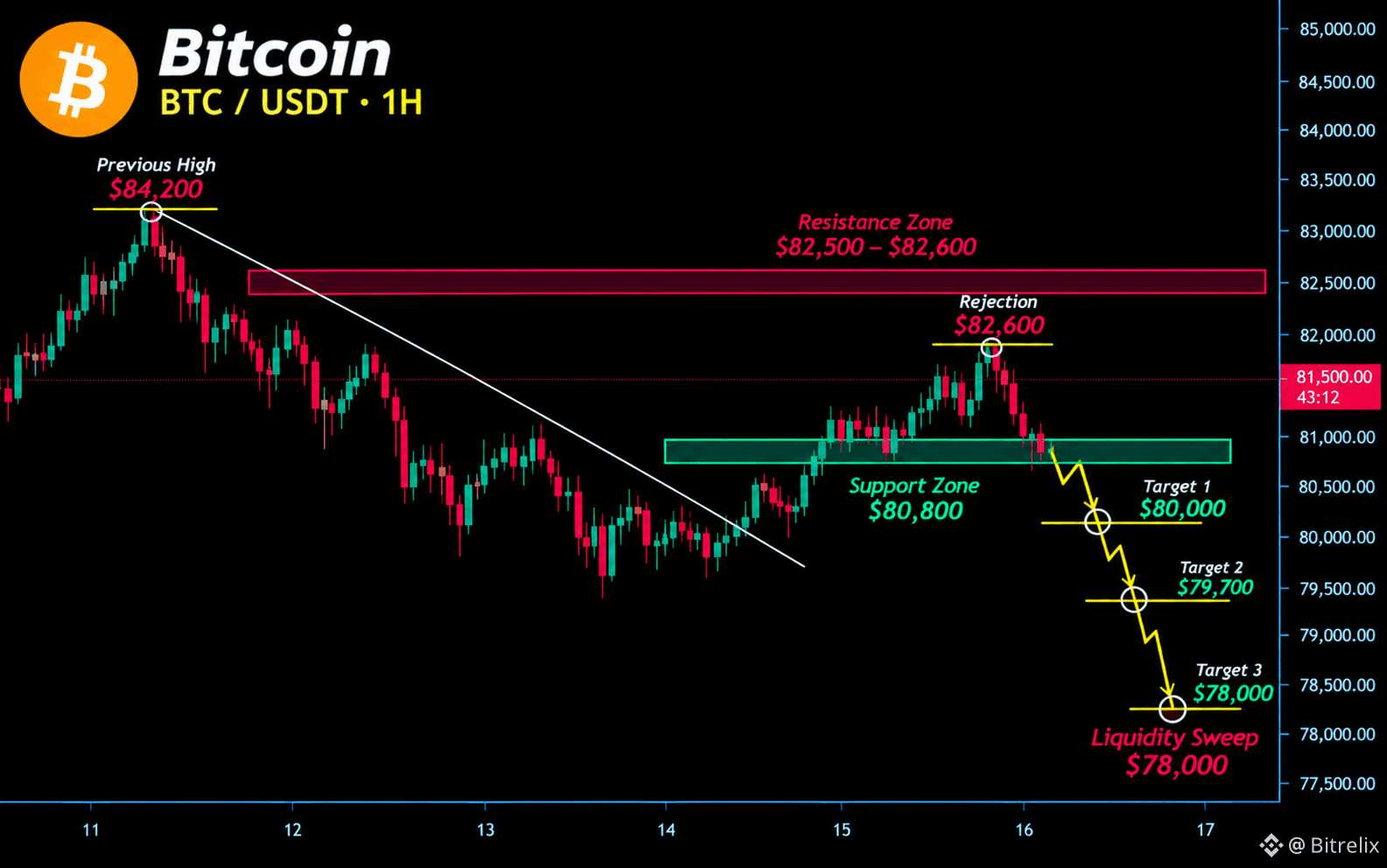
Bitcoin is trading near $81,500 as short-term momentum remains weak and sellers defend the $82,500–$82,600 resistance zone.
📉 A breakdown below $80,800 could expose lower support zones, with $79,700 as a key downside level.
📉 Path: $80,800 ➡️ $80,000 ➡️ $79,700 ➡️ $78,000 Liquidity Sweep.
Don't panic into the liquidity sweep. The real accumulation happens after the dump. Save this post and check back in a few weeks. 👇
🚨 WARNING: BITCOIN MARKET UPDATE 🚨
Bitcoin is trading near $81,500 as short-term momentum remains weak and sellers defend the $82,500–$82,600 resistance zone.
📉 A breakdown below $80,800 could expose lower support zones, with $79,700 as a key downside level.
📉 Path: $80,800 ➡️ $80,000 ➡️ $79,700 ➡️ $78,000 Liquidity Sweep.
Don't panic into the liquidity sweep. The real accumulation happens after the dump. Save this post and check back in a few weeks. 👇
Bitcoin is trading near $81,500 as short-term momentum remains weak and sellers defend the $82,500–$82,600 resistance zone.
📉 A breakdown below $80,800 could expose lower support zones, with $79,700 as a key downside level.
📉 Path: $80,800 ➡️ $80,000 ➡️ $79,700 ➡️ $78,000 Liquidity Sweep.
Don't panic into the liquidity sweep. The real accumulation happens after the dump. Save this post and check back in a few weeks. 👇
3
163
·
--
Bullish
🚨 WARNING: BITCOIN MARKET UPDATE 🚨
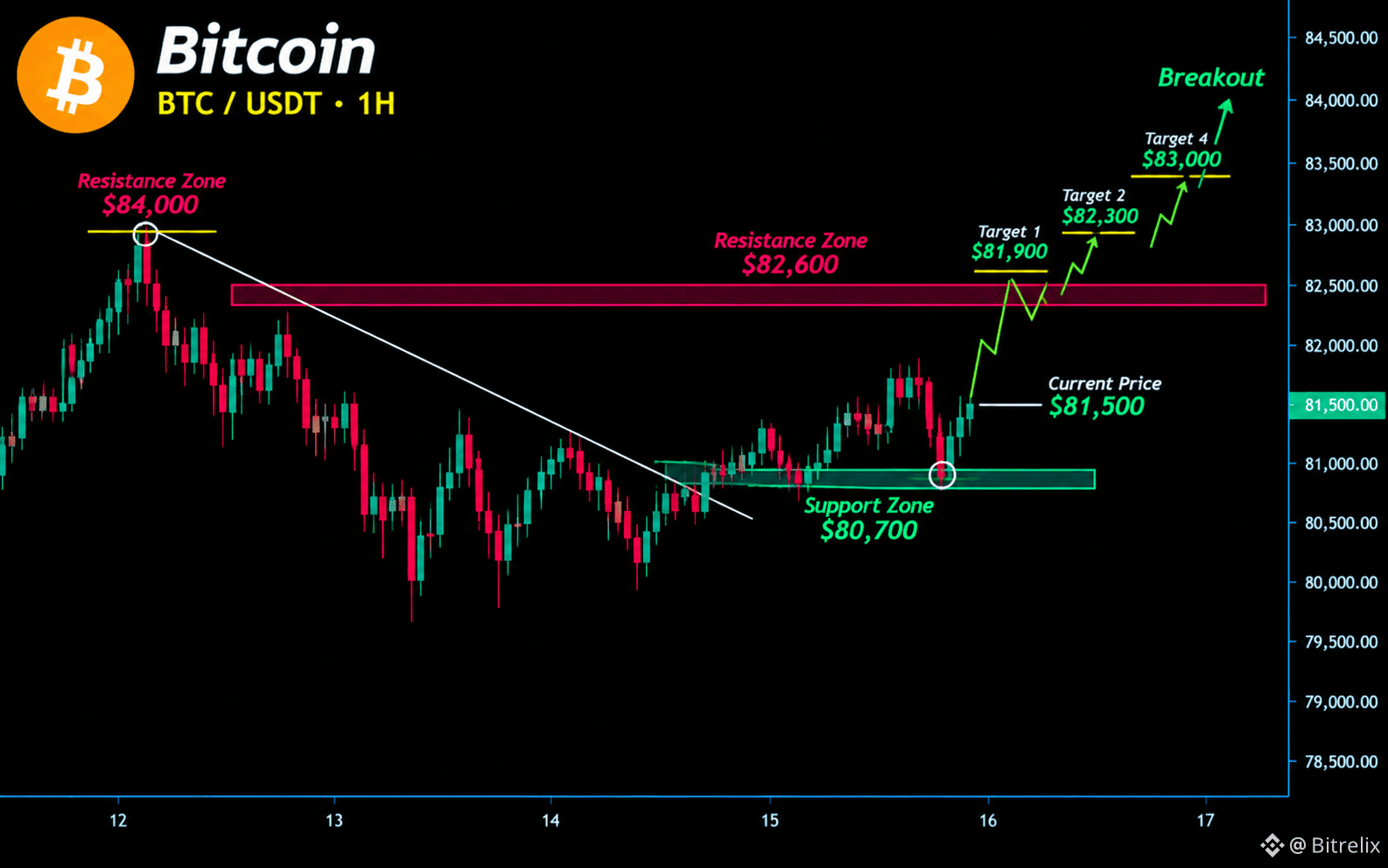
Bitcoin is stabilizing near $81,500 after buyers defended the $80,700 support zone. 📈
Bulls now need to reclaim $81,900–$82,300 to build momentum toward $82,600 resistance. A breakout could open the door to further upside.
📈 Path:
$81,900 ➡️ $82,300 ➡️ $82,600 ➡️ $83,000 ➡️ Breakout.
Don't rush the retest. The real expansion happens after key resistance breaks. Save this post and check back in a few weeks. 👇
$BTC
{future}(BTCUSDT)
🚨 WARNING: BITCOIN MARKET UPDATE 🚨
Bitcoin is stabilizing near $81,500 after buyers defended the $80,700 support zone. 📈
Bulls now need to reclaim $81,900–$82,300 to build momentum toward $82,600 resistance. A breakout could open the door to further upside.
📈 Path:
$81,900 ➡️ $82,300 ➡️ $82,600 ➡️ $83,000 ➡️ Breakout.
Don't rush the retest. The real expansion happens after key resistance breaks. Save this post and check back in a few weeks. 👇
$BTC
Bitcoin is stabilizing near $81,500 after buyers defended the $80,700 support zone. 📈
Bulls now need to reclaim $81,900–$82,300 to build momentum toward $82,600 resistance. A breakout could open the door to further upside.
📈 Path:
$81,900 ➡️ $82,300 ➡️ $82,600 ➡️ $83,000 ➡️ Breakout.
Don't rush the retest. The real expansion happens after key resistance breaks. Save this post and check back in a few weeks. 👇
$BTC
1
3
141
·
--
Bullish
🚨 WARNING: ETHEREUM MARKET UPDATE 🚨
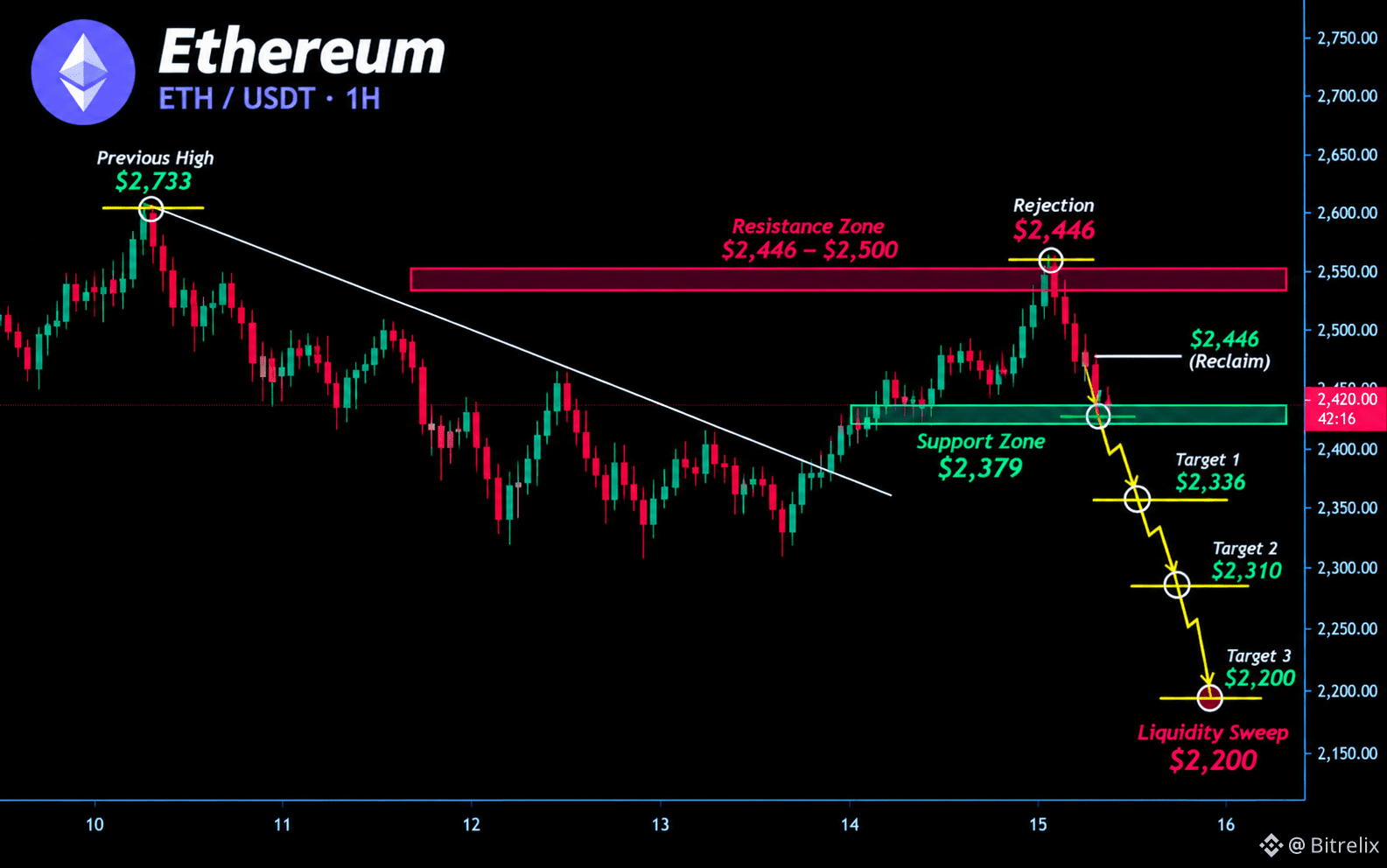
Ethereum is trading near $2,420, facing short-term bearish pressure below key resistance. 📉
Bulls need to reclaim $2,446, while losing $2,379 could trigger another downside move.
📉 Path:
$2,379 ➡️ $2,336 ➡️ $2,310 ➡️ $2,200 Liquidity Sweep.
Don't panic into the liquidity sweep. The real accumulation happens after the dump. Save this post and check back in a few weeks. 👇
#ETHDropsBelow2400USDT
🚨 WARNING: ETHEREUM MARKET UPDATE 🚨
Ethereum is trading near $2,420, facing short-term bearish pressure below key resistance. 📉
Bulls need to reclaim $2,446, while losing $2,379 could trigger another downside move.
📉 Path:
$2,379 ➡️ $2,336 ➡️ $2,310 ➡️ $2,200 Liquidity Sweep.
Don't panic into the liquidity sweep. The real accumulation happens after the dump. Save this post and check back in a few weeks. 👇
#ETHDropsBelow2400USDT
Ethereum is trading near $2,420, facing short-term bearish pressure below key resistance. 📉
Bulls need to reclaim $2,446, while losing $2,379 could trigger another downside move.
📉 Path:
$2,379 ➡️ $2,336 ➡️ $2,310 ➡️ $2,200 Liquidity Sweep.
Don't panic into the liquidity sweep. The real accumulation happens after the dump. Save this post and check back in a few weeks. 👇
#ETHDropsBelow2400USDT
1
2
196
·
--
Bullish
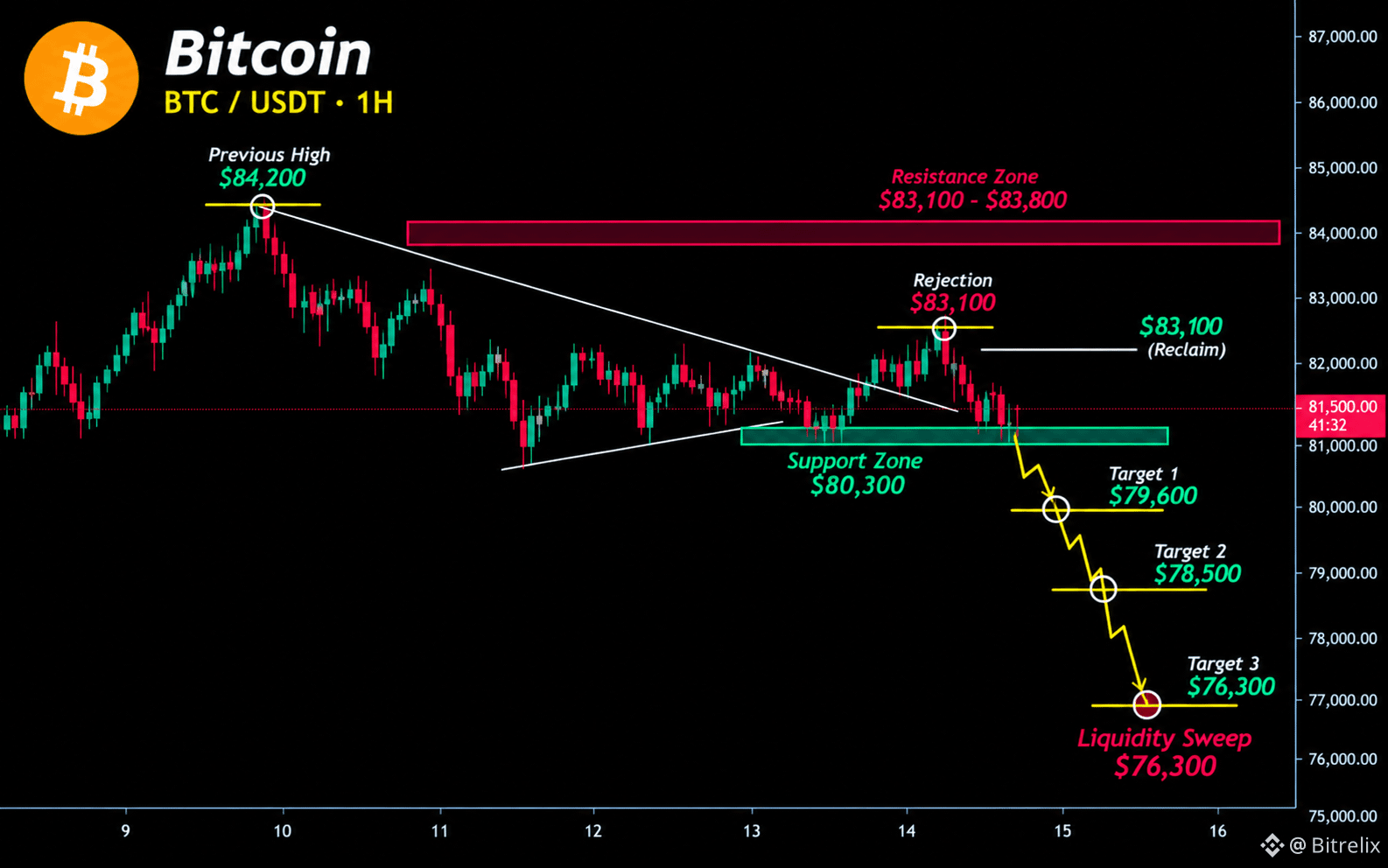
🚨 WARNING: $BTC MARKET UPDATE 🚨
Bitcoin is trading near $81,500, facing short-term bearish pressure after rejection from higher levels. 📉
Bulls need to reclaim $83,100, while a break below $80,300 could open the door to another downside move.
📉 Path:
$80,300 ➡️ $79,600 ➡️ $78,500 ➡️ $76,300 Liquidity Sweep.
Don't panic into the liquidity sweep. The real accumulation happens after the dump. Save this post and check back in a few weeks. 👇
{future}(BTCUSDT)
🚨 WARNING: $BTC MARKET UPDATE 🚨
Bitcoin is trading near $81,500, facing short-term bearish pressure after rejection from higher levels. 📉
Bulls need to reclaim $83,100, while a break below $80,300 could open the door to another downside move.
📉 Path:
$80,300 ➡️ $79,600 ➡️ $78,500 ➡️ $76,300 Liquidity Sweep.
Don't panic into the liquidity sweep. The real accumulation happens after the dump. Save this post and check back in a few weeks. 👇
Bitcoin is trading near $81,500, facing short-term bearish pressure after rejection from higher levels. 📉
Bulls need to reclaim $83,100, while a break below $80,300 could open the door to another downside move.
📉 Path:
$80,300 ➡️ $79,600 ➡️ $78,500 ➡️ $76,300 Liquidity Sweep.
Don't panic into the liquidity sweep. The real accumulation happens after the dump. Save this post and check back in a few weeks. 👇
2
147
·
--
Bullish
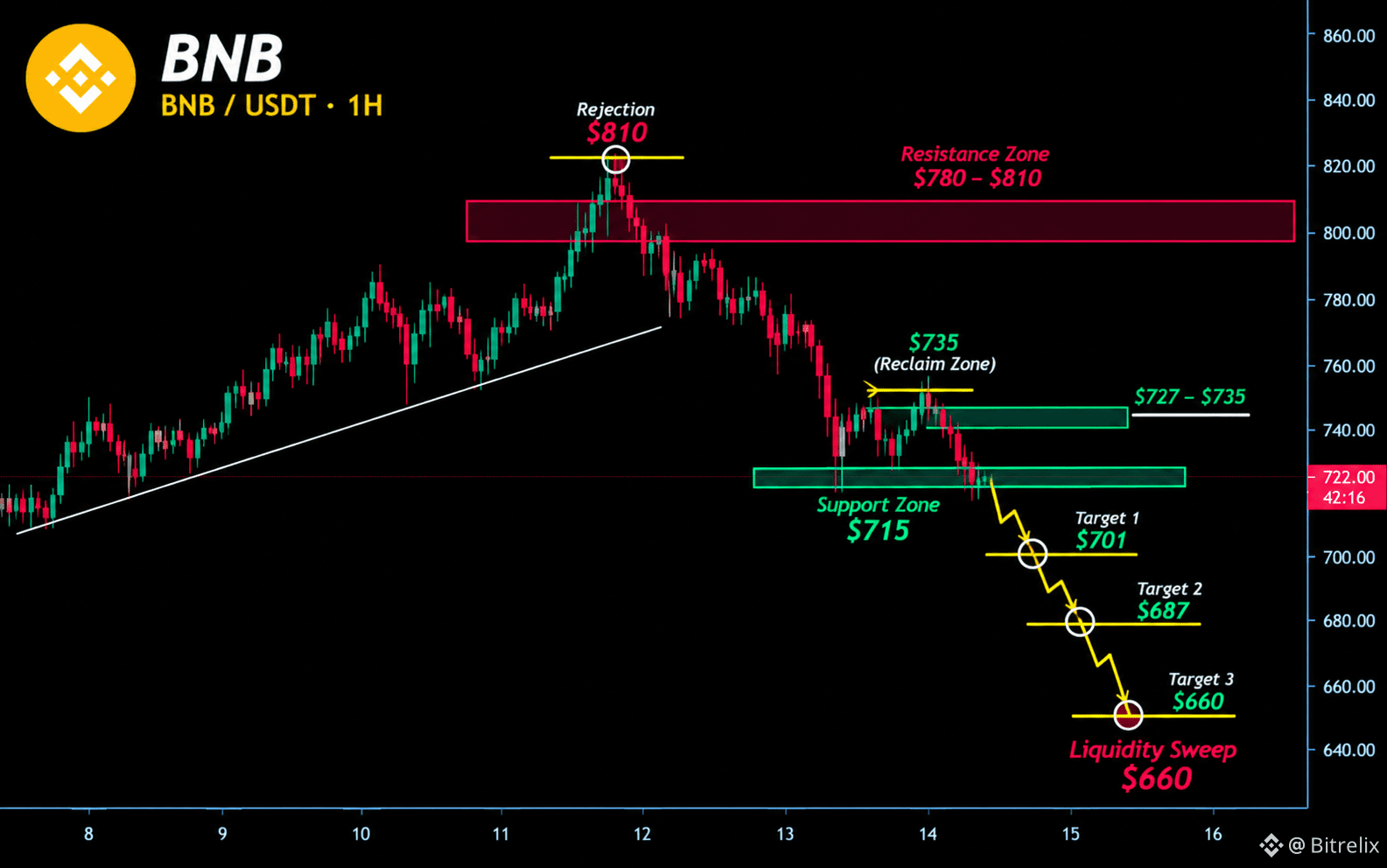
🚨 WARNING: BNB MARKET UPDATE 🚨
$BNB is trading near $722, facing short-term bearish pressure after rejection near $810. 📉
Buyers need to reclaim $727–$735, while losing $715 could trigger another downside move.
📉 Path:
$715 ➡️ $701 ➡️ $687 ➡️ $660 Liquidity Sweep.
Don't panic into the liquidity sweep. The real accumulation happens after the dump. Save this post and check back in a few weeks. 👇
{future}(BNBUSDT)
🚨 WARNING: BNB MARKET UPDATE 🚨
$BNB is trading near $722, facing short-term bearish pressure after rejection near $810. 📉
Buyers need to reclaim $727–$735, while losing $715 could trigger another downside move.
📉 Path:
$715 ➡️ $701 ➡️ $687 ➡️ $660 Liquidity Sweep.
Don't panic into the liquidity sweep. The real accumulation happens after the dump. Save this post and check back in a few weeks. 👇
$BNB is trading near $722, facing short-term bearish pressure after rejection near $810. 📉
Buyers need to reclaim $727–$735, while losing $715 could trigger another downside move.
📉 Path:
$715 ➡️ $701 ➡️ $687 ➡️ $660 Liquidity Sweep.
Don't panic into the liquidity sweep. The real accumulation happens after the dump. Save this post and check back in a few weeks. 👇
1
109
·
--
Bullish
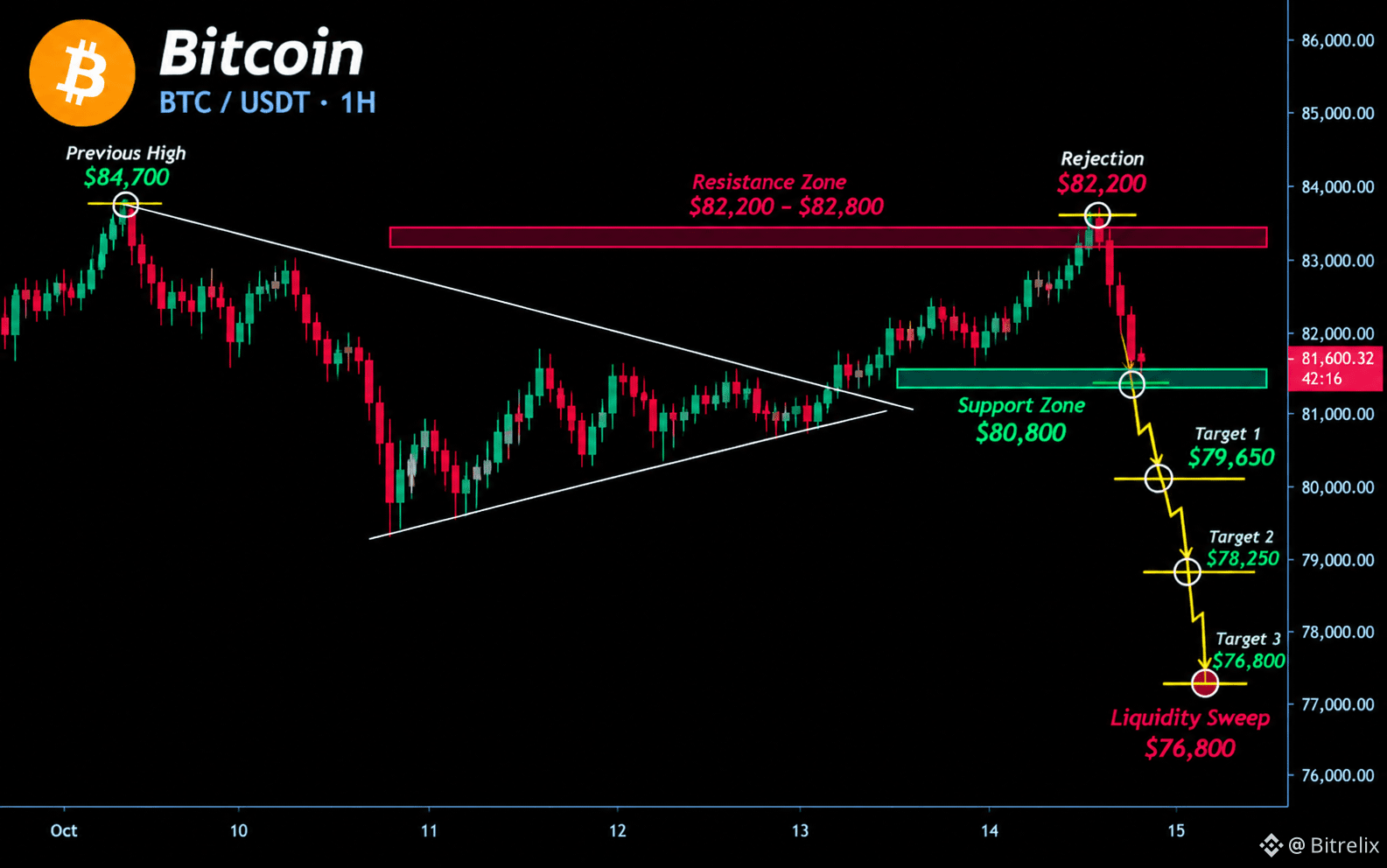
🚨 WARNING: BTC MARKET UPDATE 🚨
$BTC is trading near $81,600 after a sharp sell-off, with short-term momentum still under pressure. 📉
Bulls need to reclaim $82,200, while a break below $80,800 could open the door to another downside move.
📉 Path:
$80,800 ➡️ $79,650 ➡️ $78,250 ➡️ $76,800 Liquidity Sweep.
Don't panic into the liquidity sweep. The real accumulation happens after the dump. Save this post and check back in a few weeks. 👇
{future}(BTCUSDT)
#BitcoinShortTermHoldersReach4.08MBTC
🚨 WARNING: BTC MARKET UPDATE 🚨
$BTC is trading near $81,600 after a sharp sell-off, with short-term momentum still under pressure. 📉
Bulls need to reclaim $82,200, while a break below $80,800 could open the door to another downside move.
📉 Path:
$80,800 ➡️ $79,650 ➡️ $78,250 ➡️ $76,800 Liquidity Sweep.
Don't panic into the liquidity sweep. The real accumulation happens after the dump. Save this post and check back in a few weeks. 👇
#BitcoinShortTermHoldersReach4.08MBTC
$BTC is trading near $81,600 after a sharp sell-off, with short-term momentum still under pressure. 📉
Bulls need to reclaim $82,200, while a break below $80,800 could open the door to another downside move.
📉 Path:
$80,800 ➡️ $79,650 ➡️ $78,250 ➡️ $76,800 Liquidity Sweep.
Don't panic into the liquidity sweep. The real accumulation happens after the dump. Save this post and check back in a few weeks. 👇
#BitcoinShortTermHoldersReach4.08MBTC
1
214
·
--
Bullish
I’ve been spending some time researching Nillion, and I find its approach to blind computation genuinely interesting.
Instead of exposing sensitive information, Nillion aims to enable computation on encrypted data. This could be useful for AI agents, trading strategies, and applications that need to process valuable data without unnecessarily revealing it.
What interests me most is the real problem being addressed: how can we make data useful without sacrificing privacy?
Of course, adoption will depend on performance, security, developer experience, and real-world demand. I’ll be watching for practical applications, active developers, and users who keep coming back.
Do you know any real-world use cases where Nillion’s blind computation could make a meaningful difference?
#nil $NIL @nillionnetwork
I’ve been spending some time researching Nillion, and I find its approach to blind computation genuinely interesting.
Instead of exposing sensitive information, Nillion aims to enable computation on encrypted data. This could be useful for AI agents, trading strategies, and applications that need to process valuable data without unnecessarily revealing it.
What interests me most is the real problem being addressed: how can we make data useful without sacrificing privacy?
Of course, adoption will depend on performance, security, developer experience, and real-world demand. I’ll be watching for practical applications, active developers, and users who keep coming back.
Do you know any real-world use cases where Nillion’s blind computation could make a meaningful difference?
#nil $NIL @Nillion
Instead of exposing sensitive information, Nillion aims to enable computation on encrypted data. This could be useful for AI agents, trading strategies, and applications that need to process valuable data without unnecessarily revealing it.
What interests me most is the real problem being addressed: how can we make data useful without sacrificing privacy?
Of course, adoption will depend on performance, security, developer experience, and real-world demand. I’ll be watching for practical applications, active developers, and users who keep coming back.
Do you know any real-world use cases where Nillion’s blind computation could make a meaningful difference?
#nil $NIL @Nillion

4
136
·
--
Bullish
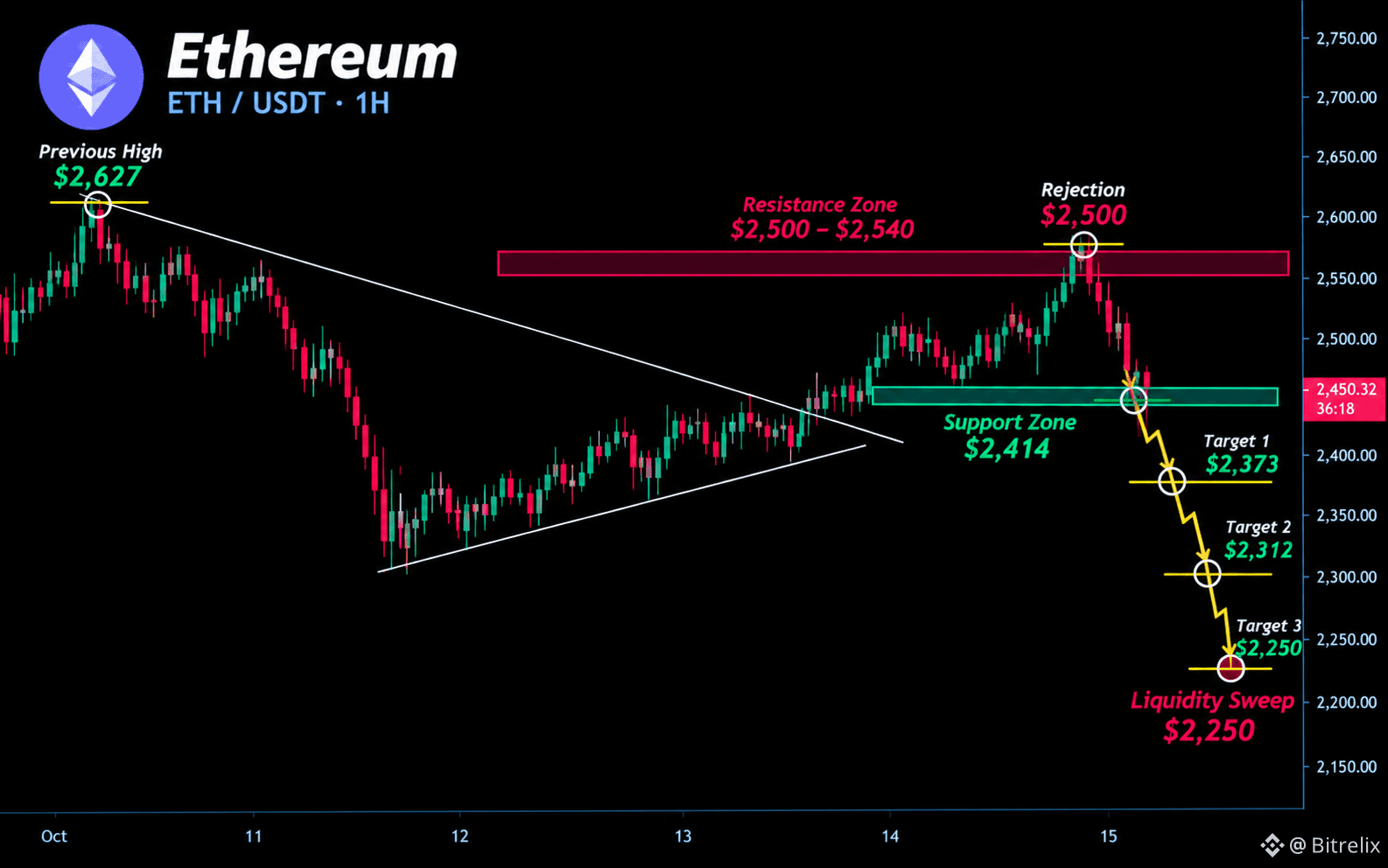
🚨 WARNING: ETH MARKET UPDATE 🚨
$ETH is trading near $2,450 after a relief bounce, but the broader short-term structure remains under pressure. 📉
Bulls need to reclaim $2,500, while losing $2,414 could trigger another downside move.
📉 Path:
$2,414 ➡️ $2,373 ➡️ $2,312 ➡️ $2,250 Liquidity Sweep.
Don't panic into the liquidity sweep. The real accumulation happens after the dump. Save this post and check back in a few weeks. 👇
🚨 WARNING: ETH MARKET UPDATE 🚨
$ETH is trading near $2,450 after a relief bounce, but the broader short-term structure remains under pressure. 📉
Bulls need to reclaim $2,500, while losing $2,414 could trigger another downside move.
📉 Path:
$2,414 ➡️ $2,373 ➡️ $2,312 ➡️ $2,250 Liquidity Sweep.
Don't panic into the liquidity sweep. The real accumulation happens after the dump. Save this post and check back in a few weeks. 👇
$ETH is trading near $2,450 after a relief bounce, but the broader short-term structure remains under pressure. 📉
Bulls need to reclaim $2,500, while losing $2,414 could trigger another downside move.
📉 Path:
$2,414 ➡️ $2,373 ➡️ $2,312 ➡️ $2,250 Liquidity Sweep.
Don't panic into the liquidity sweep. The real accumulation happens after the dump. Save this post and check back in a few weeks. 👇
5
157
·
--
Bullish
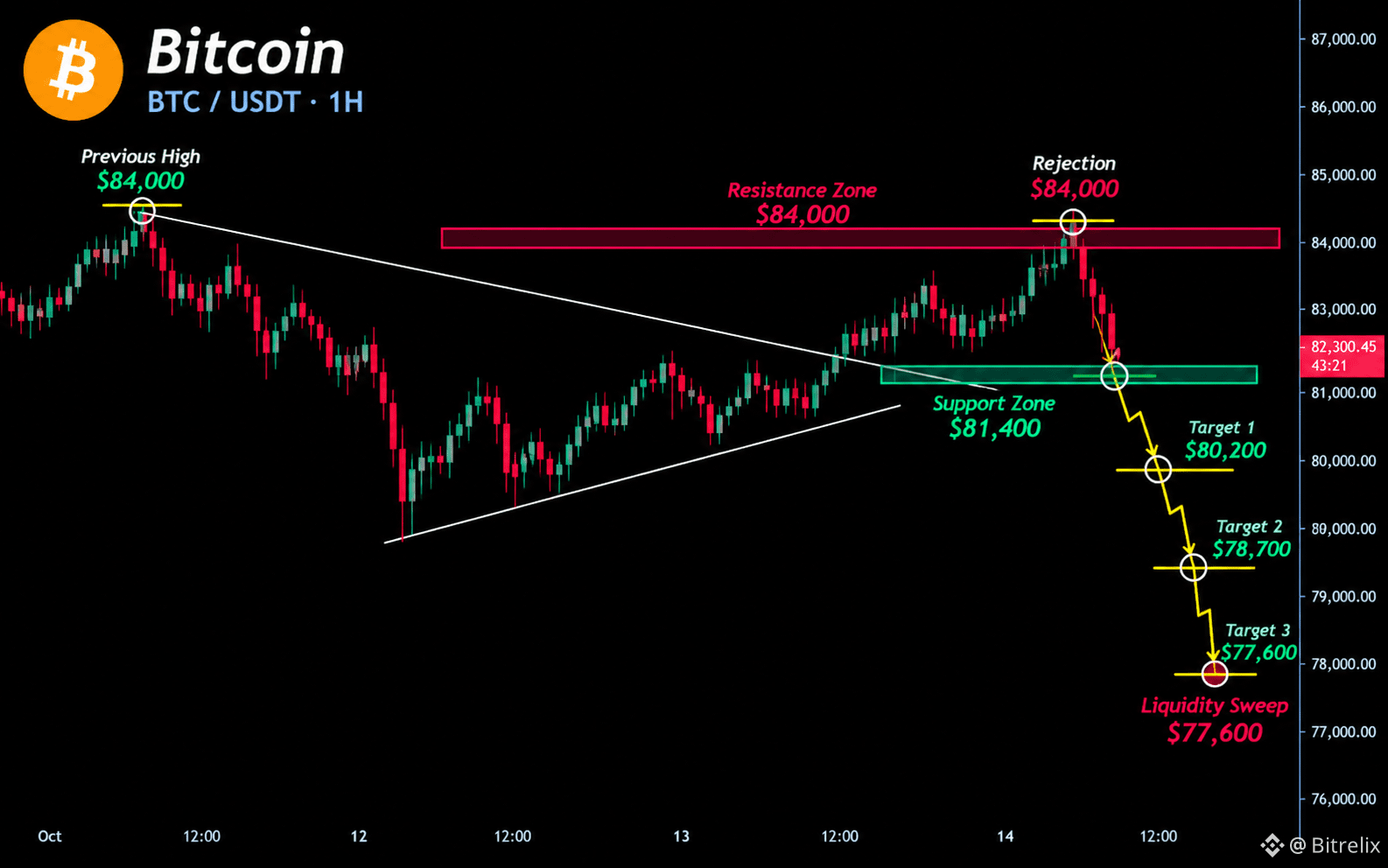
🚨 WARNING: BTC MARKET UPDATE 🚨
$BTC is trading near $82,300 after a sharp rejection from $84,000, with short-term selling pressure still in play. 📉
Buyers must defend $81,400 to prevent another downside move; reclaiming $83,800 could revive bullish momentum.
📉 Path:
$81,400 ➡️ $80,200 ➡️ $78,700 ➡️ $77,600 Liquidity Sweep.
Don't panic into the liquidity sweep. The real accumulation happens after the dump. Save this post and check back in a few weeks. 👇
{future}(BTCUSDT)
🚨 WARNING: BTC MARKET UPDATE 🚨
$BTC is trading near $82,300 after a sharp rejection from $84,000, with short-term selling pressure still in play. 📉
Buyers must defend $81,400 to prevent another downside move; reclaiming $83,800 could revive bullish momentum.
📉 Path:
$81,400 ➡️ $80,200 ➡️ $78,700 ➡️ $77,600 Liquidity Sweep.
Don't panic into the liquidity sweep. The real accumulation happens after the dump. Save this post and check back in a few weeks. 👇
$BTC is trading near $82,300 after a sharp rejection from $84,000, with short-term selling pressure still in play. 📉
Buyers must defend $81,400 to prevent another downside move; reclaiming $83,800 could revive bullish momentum.
📉 Path:
$81,400 ➡️ $80,200 ➡️ $78,700 ➡️ $77,600 Liquidity Sweep.
Don't panic into the liquidity sweep. The real accumulation happens after the dump. Save this post and check back in a few weeks. 👇
3
777
·
--
Bullish
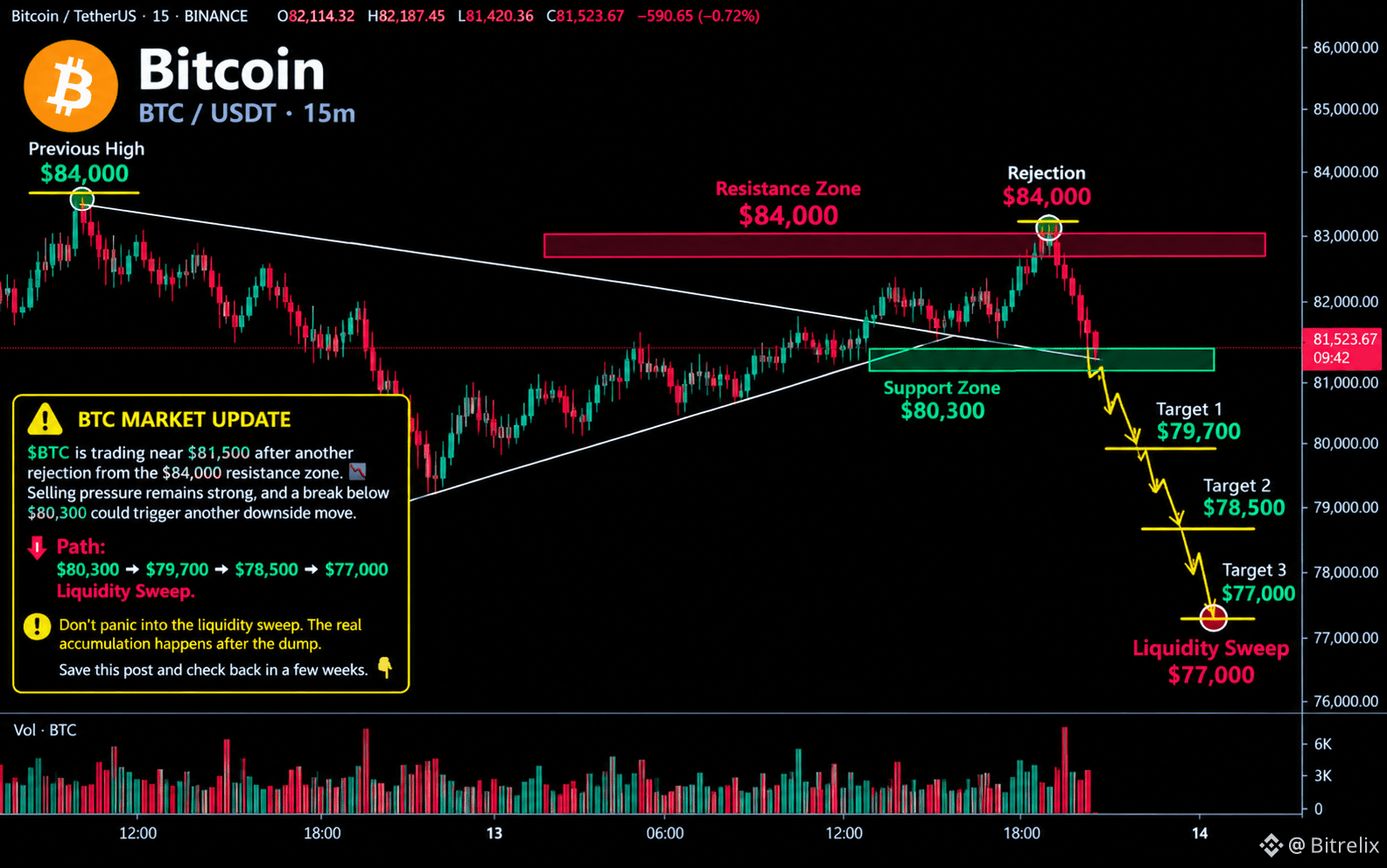
🚨 WARNING: BTC MARKET UPDATE 🚨
$BTC is trading near $81,500 after another rejection from the $84,000 resistance zone. 📉
Selling pressure remains strong, and a break below $80,300 could trigger another downside move.
📉 Path:
$80,300 ➡️ $79,700 ➡️ $78,500 ➡️ $77,000 Liquidity Sweep.
Don't panic into the liquidity sweep. The real accumulation happens after the dump. Save this post and check back in a few weeks. 👇
#CPIWatch
{future}(BTCUSDT)
🚨 WARNING: BTC MARKET UPDATE 🚨
$BTC is trading near $81,500 after another rejection from the $84,000 resistance zone. 📉
Selling pressure remains strong, and a break below $80,300 could trigger another downside move.
📉 Path:
$80,300 ➡️ $79,700 ➡️ $78,500 ➡️ $77,000 Liquidity Sweep.
Don't panic into the liquidity sweep. The real accumulation happens after the dump. Save this post and check back in a few weeks. 👇
#CPIWatch
$BTC is trading near $81,500 after another rejection from the $84,000 resistance zone. 📉
Selling pressure remains strong, and a break below $80,300 could trigger another downside move.
📉 Path:
$80,300 ➡️ $79,700 ➡️ $78,500 ➡️ $77,000 Liquidity Sweep.
Don't panic into the liquidity sweep. The real accumulation happens after the dump. Save this post and check back in a few weeks. 👇
#CPIWatch
1
2
163
·
--
Bullish
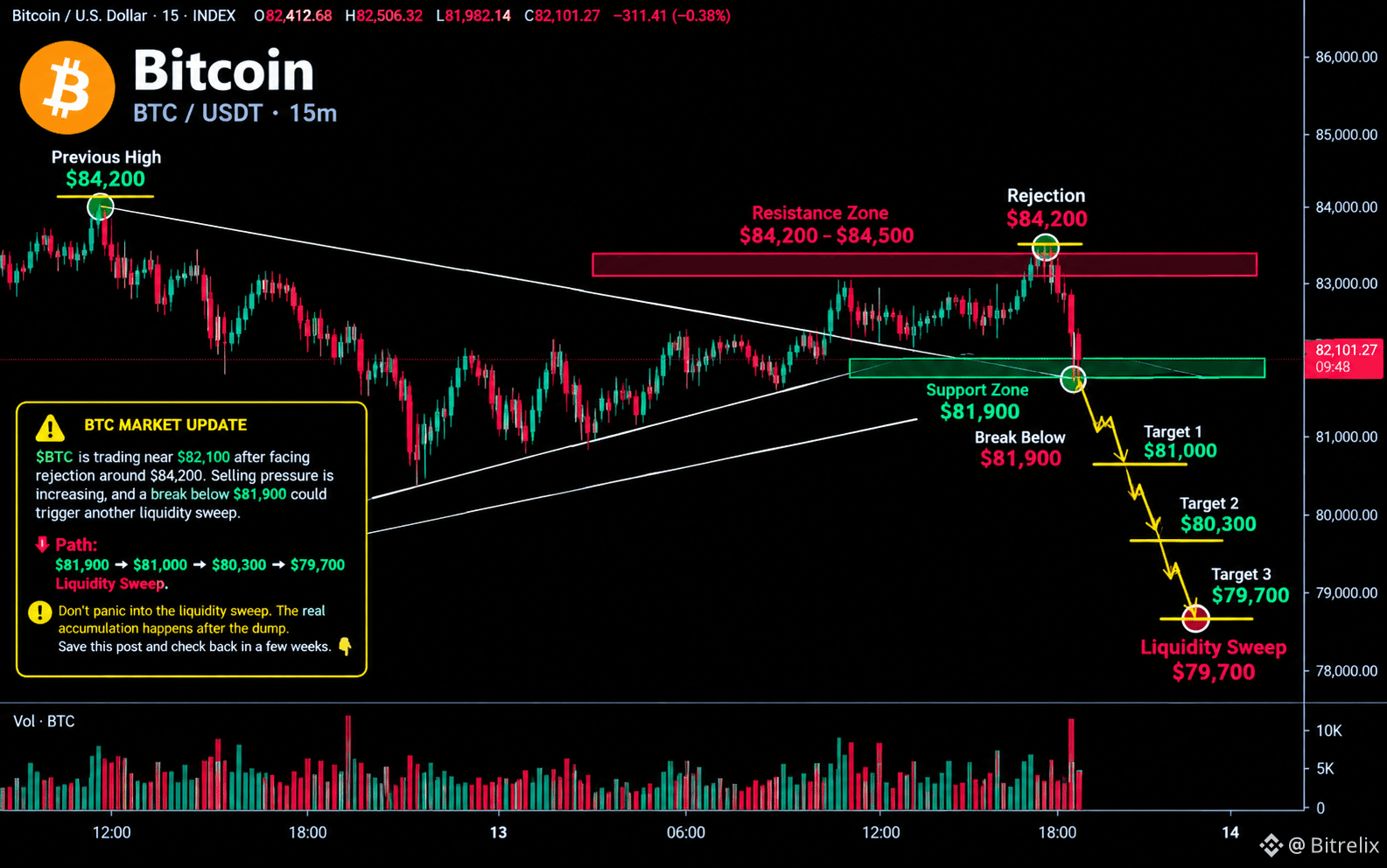
🚨 WARNING: BTC MARKET UPDATE 🚨
$BTC is trading near $82,100 after facing rejection around $84,200. 📉
Selling pressure is increasing, and a break below $81,900 could trigger another liquidity sweep.
📉 Path:
$81,900 ➡️ $81,000 ➡️ $80,300 ➡️ $79,700 Liquidity Sweep.
Don't panic into the liquidity sweep. The real accumulation happens after the dump. Save this post and check back in a few weeks. 👇
{future}(BTCUSDT)
#CPIWatch #BTC
🚨 WARNING: BTC MARKET UPDATE 🚨
$BTC is trading near $82,100 after facing rejection around $84,200. 📉
Selling pressure is increasing, and a break below $81,900 could trigger another liquidity sweep.
📉 Path:
$81,900 ➡️ $81,000 ➡️ $80,300 ➡️ $79,700 Liquidity Sweep.
Don't panic into the liquidity sweep. The real accumulation happens after the dump. Save this post and check back in a few weeks. 👇
#CPIWatch #BTC
$BTC is trading near $82,100 after facing rejection around $84,200. 📉
Selling pressure is increasing, and a break below $81,900 could trigger another liquidity sweep.
📉 Path:
$81,900 ➡️ $81,000 ➡️ $80,300 ➡️ $79,700 Liquidity Sweep.
Don't panic into the liquidity sweep. The real accumulation happens after the dump. Save this post and check back in a few weeks. 👇
#CPIWatch #BTC
2
140
·
--
Bullish
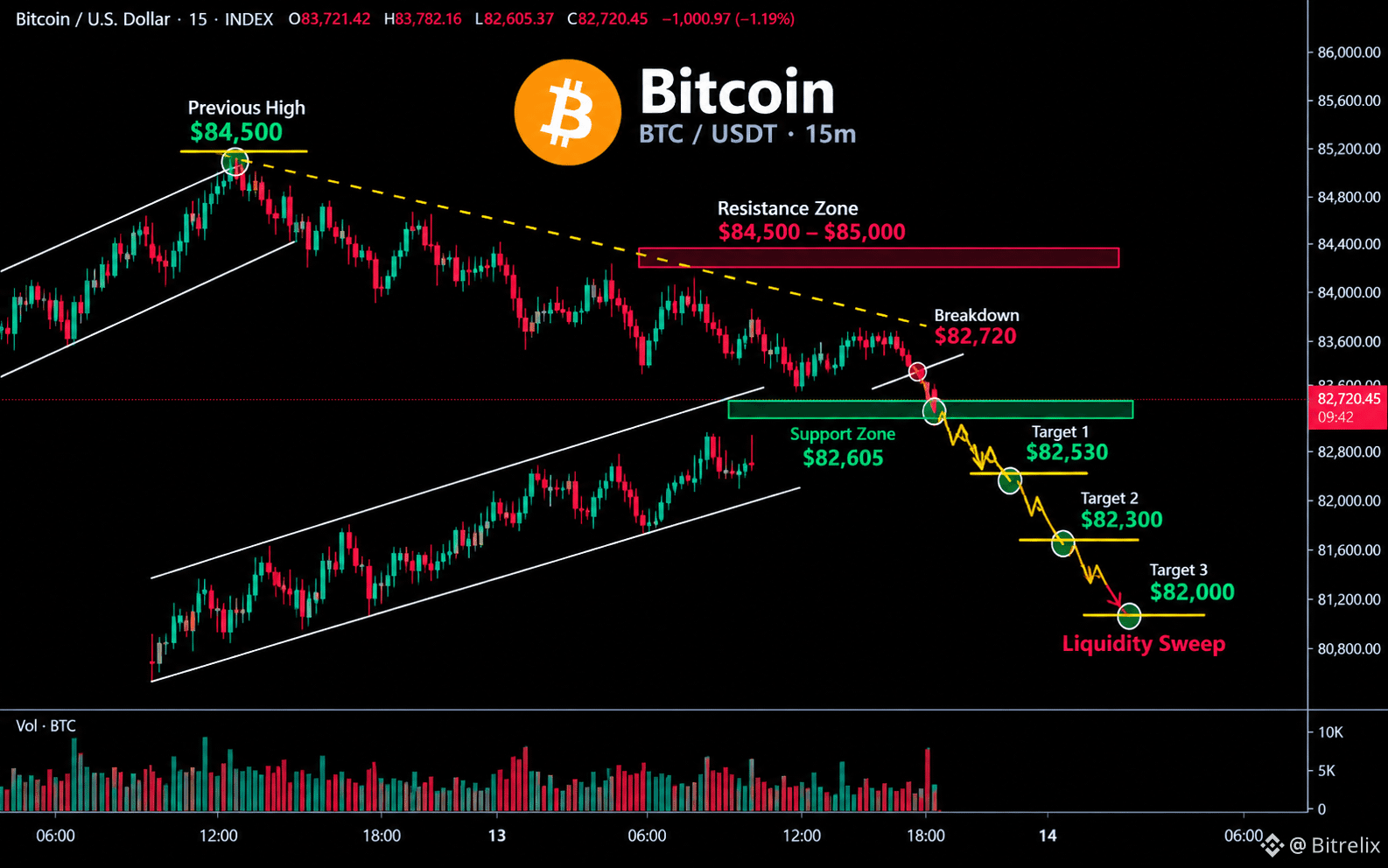
🚨 WARNING: BTC MARKET UPDATE 🚨
$BTC is facing strong selling pressure near $82,720 after a sharp 15-minute breakdown. 📉
The $82,605 support is critical; a clean break could trigger another liquidity sweep.
📉 Path:
$82,605 ➡️ $82,530 ➡️ $82,300 ➡️ $82,000 Liquidity Sweep.
Don't panic into the liquidity sweep. The real accumulation happens after the dump. Save this post and check back in a few weeks. 👇
{future}(BTCUSDT)
#BitcoinOptionsVolatilityHitsFiveYearLow #BTC
🚨 WARNING: BTC MARKET UPDATE 🚨
$BTC is facing strong selling pressure near $82,720 after a sharp 15-minute breakdown. 📉
The $82,605 support is critical; a clean break could trigger another liquidity sweep.
📉 Path:
$82,605 ➡️ $82,530 ➡️ $82,300 ➡️ $82,000 Liquidity Sweep.
Don't panic into the liquidity sweep. The real accumulation happens after the dump. Save this post and check back in a few weeks. 👇
#BitcoinOptionsVolatilityHitsFiveYearLow #BTC
$BTC is facing strong selling pressure near $82,720 after a sharp 15-minute breakdown. 📉
The $82,605 support is critical; a clean break could trigger another liquidity sweep.
📉 Path:
$82,605 ➡️ $82,530 ➡️ $82,300 ➡️ $82,000 Liquidity Sweep.
Don't panic into the liquidity sweep. The real accumulation happens after the dump. Save this post and check back in a few weeks. 👇
#BitcoinOptionsVolatilityHitsFiveYearLow #BTC
269
·
--
Bullish
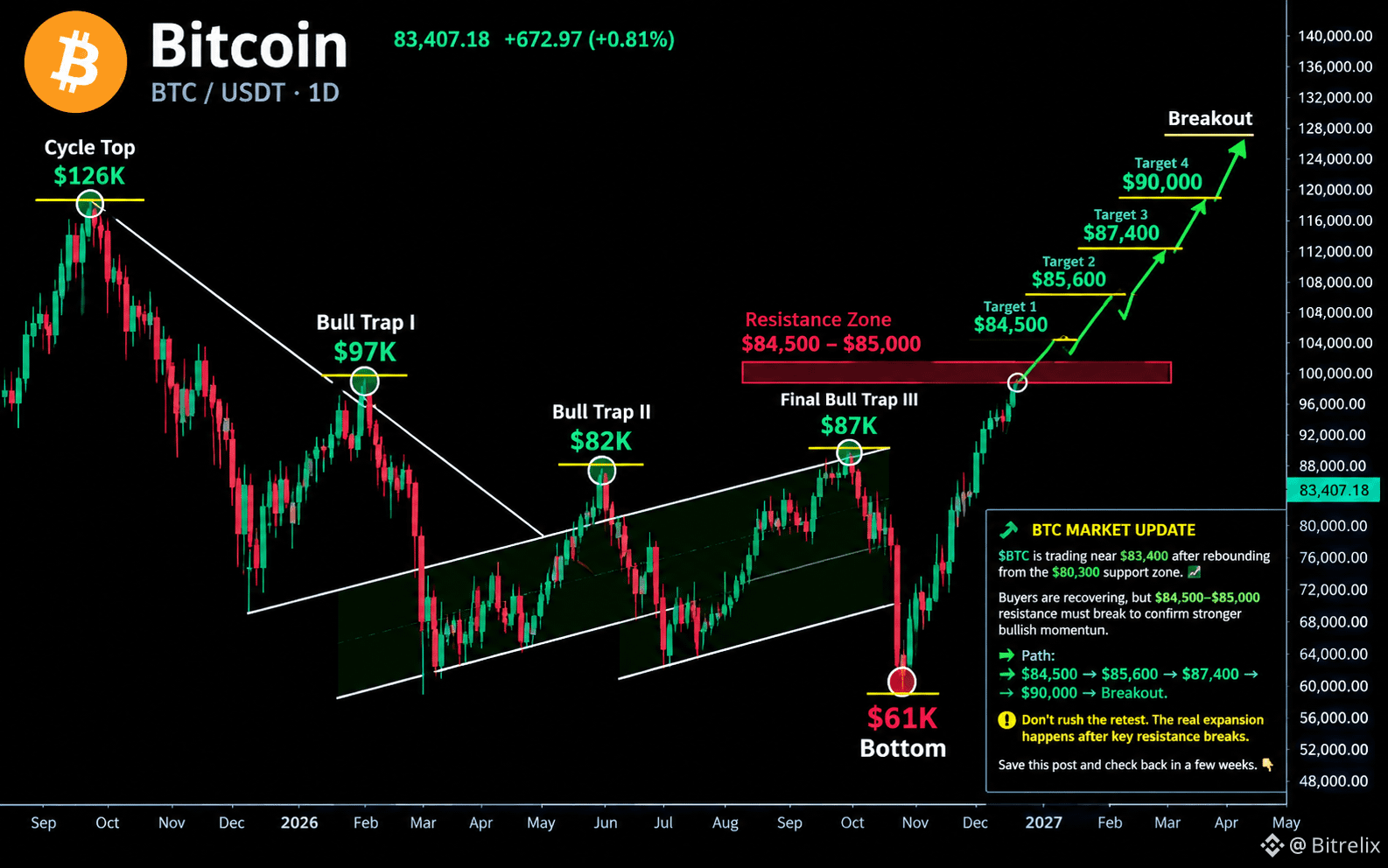
🚨 WARNING: BTC MARKET UPDATE 🚨
$BTC is trading near $83,400 after rebounding from the $80,300 support zone. 📈
Buyers are recovering, but $84,500–$85,000 resistance must break to confirm stronger bullish momentum.
📈 Path:
$84,500 → $85,600 → $87,400 → $90,000 → Breakout.
Don't rush the retest. The real expansion happens after key resistance breaks. Save this post and check back in a few weeks. 👇#BitcoinOptionsVolatilityHitsFiveYearLow
🚨 WARNING: BTC MARKET UPDATE 🚨
$BTC is trading near $83,400 after rebounding from the $80,300 support zone. 📈
Buyers are recovering, but $84,500–$85,000 resistance must break to confirm stronger bullish momentum.
📈 Path:
$84,500 → $85,600 → $87,400 → $90,000 → Breakout.
Don't rush the retest. The real expansion happens after key resistance breaks. Save this post and check back in a few weeks. 👇#BitcoinOptionsVolatilityHitsFiveYearLow
$BTC is trading near $83,400 after rebounding from the $80,300 support zone. 📈
Buyers are recovering, but $84,500–$85,000 resistance must break to confirm stronger bullish momentum.
📈 Path:
$84,500 → $85,600 → $87,400 → $90,000 → Breakout.
Don't rush the retest. The real expansion happens after key resistance breaks. Save this post and check back in a few weeks. 👇#BitcoinOptionsVolatilityHitsFiveYearLow
3
11
162
Log in to explore more content
Join global crypto users on Binance Square
⚡️ Get latest and useful information about crypto.
💬 Trusted by the world’s largest crypto exchange.
👍 Discover real insights from verified creators.
Email / Phone number
Trending Topics
BinancePick
2.5M views
138,435 Discussing
Join #EarningsSeason: Predict Earnings on Binance Pick, Share Your Take on Binance Square!
Binance Square Official
·400 Likes
·337.3k views
EarningsSeason
4.9M views
23,968 Discussing
ElectrumWalletBugLetRogueServersStealFunds
2,948 views
153 Discussing