
AZ__
8.4k Posts

AZ__
 Square Verified+
Report
Block User
Data Over Narratives | On-Chain Intelligence | Mechanism & Market Structure Research |
X: @AZ_Asif01
High-Frequency Trader
1.8 Years
309 Following
43.8K+ Followers
21.1K+ Liked
Posts
All
Quotes
Videos
Live
·
--
Bullish
Where Could Bitcoin Find Its Next Strong Support?
$KERNEL
{future}(KERNELUSDT)
$RARE
{future}(RAREUSDT)
$BTW
{future}(BTWUSDT)
Where Could Bitcoin Find Its Next Strong Support?
$KERNEL
$RARE
$BTW
$KERNEL
$RARE
$BTW
🟢 $60K–$61K
🔵 $58K–$60K
🟡 $55K–$58K
🔴 Below $55K
17 hr(s) left
1
1.3k
·
--
Bearish
Bitcoin Near $61K: What's Your Next Move?
$CYBER
{future}(CYBERUSDT)
$EVAA
{future}(EVAAUSDT)
$HUMA
{future}(HUMAUSDT)
Bitcoin Near $61K: What's Your Next Move?
$CYBER
$EVAA
$HUMA
$CYBER
$EVAA
$HUMA
📉 More downside ahead
🐂 Time to buy the dip
⏳ Waiting for confirmation
🔄 Sideways consolidation
16 hr(s) left
1
3.7k
·
--
Bearish
Which headline could move markets the most today?
$EVAA
{future}(EVAAUSDT)
$INIT
{future}(INITUSDT)
$RAVE
{future}(RAVEUSDT)
Which headline could move markets the most today?
$EVAA
$INIT
$RAVE
$EVAA
$INIT
$RAVE
🤖 Nvidia CEO testimony
31%
🛒 Costco panic buying
10%
🇺🇸🇨🇳 Trump-Xi summit
50%
📈 Nvidia earnings boost
9%
32 votes • Voting closed
1
6.3k
·
--
December Fed Decision: 25bps or 50bps?
The inflation debate is becoming increasingly important as the Fed approaches its December meeting.
Core CPI reaching the 0.3% threshold highlighted by Christopher Waller adds another reason for policymakers to remain cautious about inflation.
But one question deserves more attention: does a single inflation reading justify a more aggressive rate hike, or does the Fed need stronger evidence that inflation is becoming persistent?
A 25bps hike would signal continued tightening, while a 50bps move would represent a much more aggressive response.
For financial markets, the difference matters. Higher rates can tighten liquidity and create additional pressure on risk assets, including Bitcoin.
I believe the next move should be judged through the broader inflation trend, not one data point.
What's your expectation for December: 25bps or 50bps? And how do you think Bitcoin will react?
#WillFedHike50bps
263
·
--
Bullish
Verified
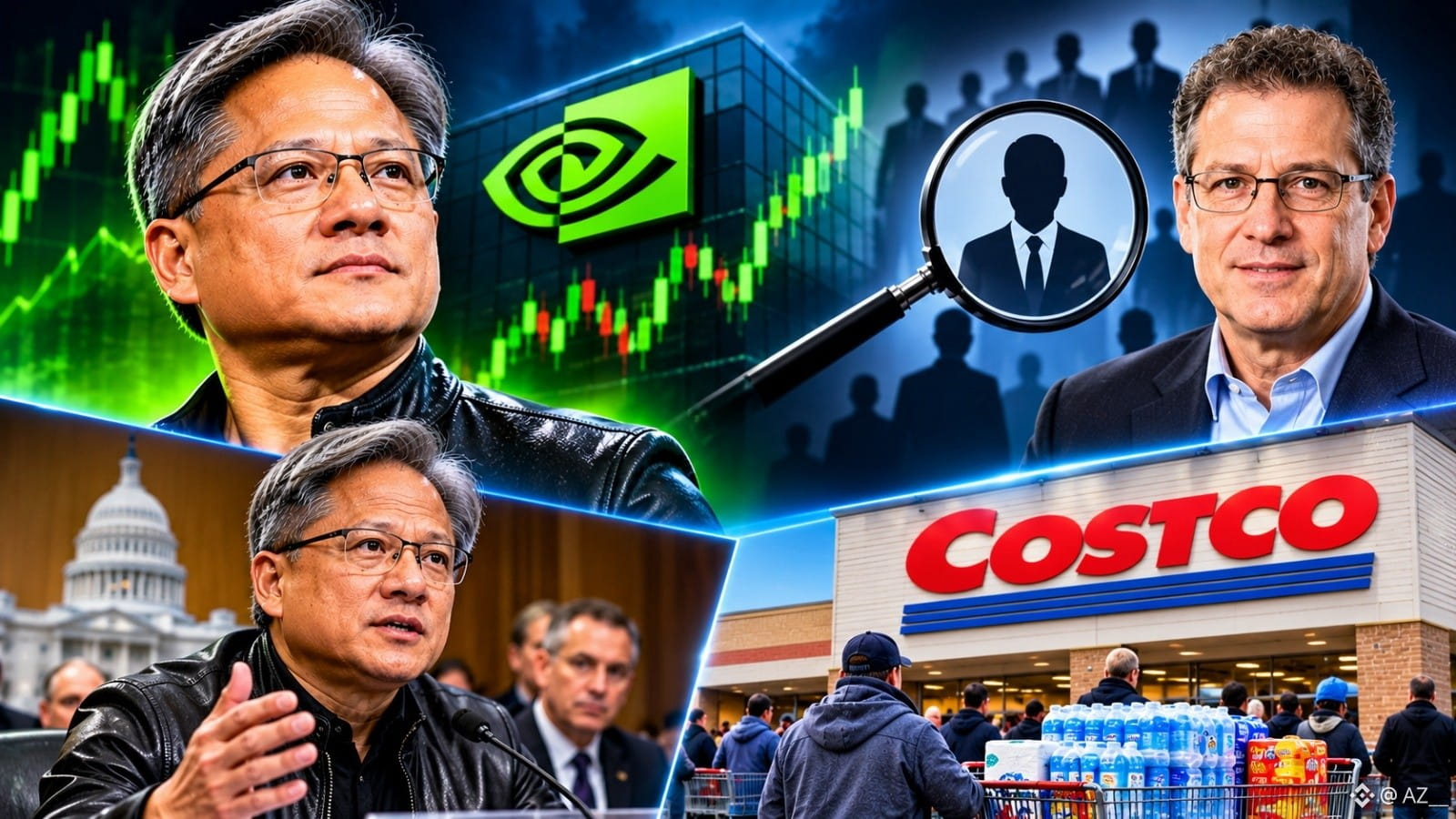
🚨 Wall Street has 3 major stories to watch today!
🟢 NVIDIA: CEO search heats up as Rene Haas emerges as a potential candidate.
🏛️ Jensen Huang: Agrees to testify before the U.S. Senate amid growing scrutiny.
🛒 Costco: Shoppers are stockpiling essentials, generators, water, and batteries amid disruption fears.
From AI leadership uncertainty to consumer panic, which story could have the biggest impact on markets? 👀
$BITO
{future}(BITOUSDT)
$IRYS
{future}(IRYSUSDT)
$VELVET
{future}(VELVETUSDT)
🚨 Wall Street has 3 major stories to watch today!
🟢 NVIDIA: CEO search heats up as Rene Haas emerges as a potential candidate.
🏛️ Jensen Huang: Agrees to testify before the U.S. Senate amid growing scrutiny.
🛒 Costco: Shoppers are stockpiling essentials, generators, water, and batteries amid disruption fears.
From AI leadership uncertainty to consumer panic, which story could have the biggest impact on markets? 👀
$BITO
$IRYS
$VELVET
854
·
--
Bullish
Who should lead Nvidia in the post-Jensen era?
$EVAA
{future}(EVAAUSDT)
$SOPH
{future}(SOPHUSDT)
$PIEVERSE
{future}(PIEVERSEUSDT)
Who should lead Nvidia in the post-Jensen era?
$EVAA
$SOPH
$PIEVERSE
$EVAA
$SOPH
$PIEVERSE
🚀 Rene Haas (Arm CEO)
39%
🧠 Ian Buck (Nvidia VP)
19%
💼 Colette Kress (CFO)
15%
🔥 External fresh talent
27%
26 votes • Voting closed
5.4k
·
--
Bullish
Will Nvidia's strong earnings reignite the AI rally?
$BREV
{future}(BREVUSDT)
$PIPPIN
{future}(PIPPINUSDT)
$MMT
{future}(MMTUSDT)
Will Nvidia's strong earnings reignite the AI rally?
$BREV
$PIPPIN
$MMT
$BREV
$PIPPIN
$MMT
🚀 AI rally returns
50%
📈 More upside ahead
17%
⚠️ Rally won't last
33%
🤔 Markets stay cautious
0%
12 votes • Voting closed
1
1.6k
·
--
Bullish
Could Nvidia's legal risks trigger more pain for shareholders?
$HUMA
{future}(HUMAUSDT)
$EVAA
{future}(EVAAUSDT)
$BULLA
{future}(BULLAUSDT)
Could Nvidia's legal risks trigger more pain for shareholders?
$HUMA
$EVAA
$BULLA
$HUMA
$EVAA
$BULLA
⚖️ Yes, costly lawsuits
47%
📉 More downside ahead
28%
🛡️ Insurance may help
6%
🤔 Risk already priced in
19%
32 votes • Voting closed
4.2k
·
--
Bullish
Should Nvidia bring Jensen Huang back as CEO?
$RARE
{future}(RAREUSDT)
$SPACE
{future}(SPACEUSDT)
$SHELL
{future}(SHELLUSDT)
Should Nvidia bring Jensen Huang back as CEO?
$RARE
$SPACE
$SHELL
$RARE
$SPACE
$SHELL
🔥 Yes, he's the best
84%
⚖️ Let the board decide
0%
🚫 No, fresh leadership
13%
📉 Too much uncertainty
3%
67 votes • Voting closed
1
2.2k
·
--
Bullish
Will this rocket failure significantly delay Amazon's Starlink rival?
$DASH
{future}(DASHUSDT)
$SUI
{future}(SUIUSDT)
$SPACE
{future}(SPACEUSDT)
Will this rocket failure significantly delay Amazon's Starlink rival?
$DASH
$SUI
$SPACE
$DASH
$SUI
$SPACE
🚀 Major rollout delay
72%
📉 AMZN takes a hit
0%
⏳ Short-term setback
14%
💪 Amazon recovers fast
14%
7 votes • Voting closed
1.6k
·
--
Bearish
What's driving the Asian market selloff?
$JCT
{future}(JCTUSDT)
$RARE
{future}(RAREUSDT)
$EVAA
{future}(EVAAUSDT)
What's driving the Asian market selloff?
$JCT
$RARE
$EVAA
$JCT
$RARE
$EVAA
📉 Weak China data
37%
🇯🇵 Japan's GDP slump
10%
🤖 Nvidia earnings risk
24%
🌍 Global market selloff
29%
51 votes • Voting closed
1
1
5.3k
·
--
🎙️ BTC took the stairs down… and missed every step. 😂
End
02 h 06 m 58 s
427
4
1
·
--
Bullish
The digital world has no permanently locked doors.
Every layer of security has its limitations, and every system requires constant protection.
Never confuse a locked screen with a secure identity.
Stay aware. Stay protected. 🔐
$AKE
{future}(AKEUSDT)
$SHELL
{future}(SHELLUSDT)
$TAC
{future}(TACUSDT)
The digital world has no permanently locked doors.
Every layer of security has its limitations, and every system requires constant protection.
Never confuse a locked screen with a secure identity.
Stay aware. Stay protected. 🔐
$AKE
$SHELL
$TAC
Every layer of security has its limitations, and every system requires constant protection.
Never confuse a locked screen with a secure identity.
Stay aware. Stay protected. 🔐
$AKE
$SHELL
$TAC
$BTC - 62K 🔻 🔴 📉
56%
$BTC - 72K 🔺 🟢 📈
44%
9 votes • Voting closed
3
587
·
--
Bullish
We live in a world where walls have ears, screens have eyes, and even your secrets have a backdoor.
Your conversations, searches, and movements leave digital footprints.
The question is: Who's watching when you think nobody is? 👁️
$ARIA
{future}(ARIAUSDT)
$KGEN
{future}(KGENUSDT)
$AKE
{future}(AKEUSDT)
We live in a world where walls have ears, screens have eyes, and even your secrets have a backdoor.
Your conversations, searches, and movements leave digital footprints.
The question is: Who's watching when you think nobody is? 👁️
$ARIA
$KGEN
$AKE
Your conversations, searches, and movements leave digital footprints.
The question is: Who's watching when you think nobody is? 👁️
$ARIA
$KGEN
$AKE
2
845
·
--
Bullish
Every system has a weakness.
Every secret has a price.
Every fortress has a backdoor.
Technology keeps evolving, but so do the threats against it.
The strongest security isn't the one that never gets tested. It's the one prepared for when it does.
$AKE
{future}(AKEUSDT)
$BARD
{future}(BARDUSDT)
$SOPH
{future}(SOPHUSDT)
Every system has a weakness.
Every secret has a price.
Every fortress has a backdoor.
Technology keeps evolving, but so do the threats against it.
The strongest security isn't the one that never gets tested. It's the one prepared for when it does.
$AKE
$BARD
$SOPH
Every secret has a price.
Every fortress has a backdoor.
Technology keeps evolving, but so do the threats against it.
The strongest security isn't the one that never gets tested. It's the one prepared for when it does.
$AKE
$BARD
$SOPH
750
·
--
Bullish
Verified
AI is only as reliable as the data behind its decisions. But what if that data could be cryptographically verified?
That's one of the most important challenges emerging at the intersection of AI and Web3.
AI agents are becoming more capable of analyzing financial activity, evaluating protocols, and processing complex information. But capability alone isn't enough. They also need trustworthy data.
This is where @SpaceandTimeDB comes into the picture.
Space and Time is building a verifiable data infrastructure that connects blockchain and offchain data with cryptographic proofs, allowing applications to verify supported query results instead of simply trusting the output.
Think about some real-world possibilities:
1. AI: An AI agent evaluating a DeFi protocol could use verifiable query results about its historical fees and activity.
2. DeFi: Applications can use proven historical transaction data to support reward eligibility and protocol rules.
3. Tokenization: Financial applications can verify calculations involving asset holdings, cashflows, and valuations.
What makes this approach interesting is that it brings data verification into the application layer, helping developers build systems where results can be checked rather than blindly trusted.
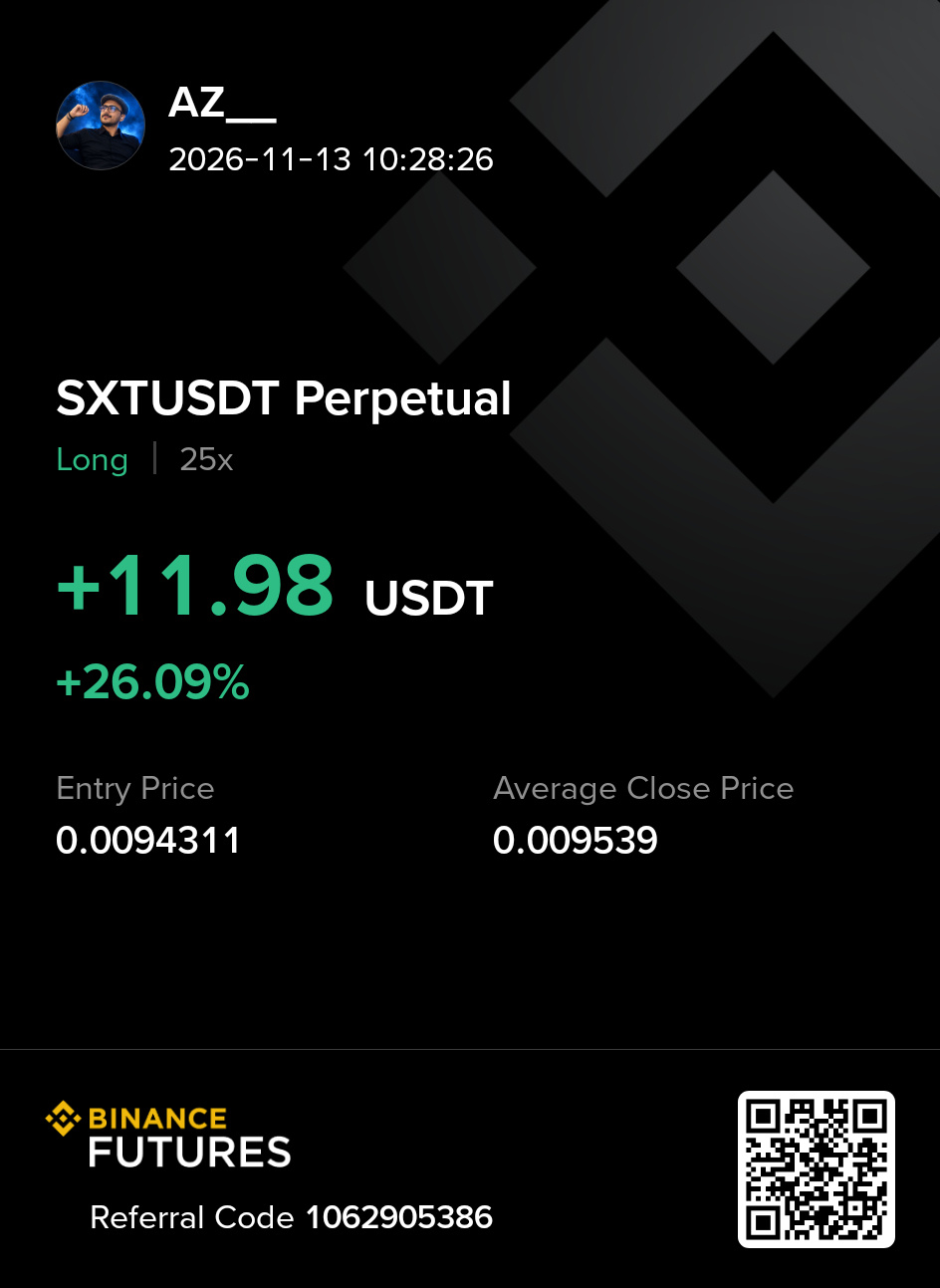
And the network has a clear utility for $SXT : paying for network workloads and supporting validator security through staking.
For me, the bigger vision isn't simply about collecting more data. It's about making data trustworthy enough to power the next generation of AI and financial applications.
Because in the future of Web3, verification shouldn't be an option. It should be the foundation.
#sxt $SXT @SpaceandTimeDB
AI is only as reliable as the data behind its decisions. But what if that data could be cryptographically verified?
That's one of the most important challenges emerging at the intersection of AI and Web3.
AI agents are becoming more capable of analyzing financial activity, evaluating protocols, and processing complex information. But capability alone isn't enough. They also need trustworthy data.
This is where @SpaceandTime comes into the picture.
Space and Time is building a verifiable data infrastructure that connects blockchain and offchain data with cryptographic proofs, allowing applications to verify supported query results instead of simply trusting the output.
Think about some real-world possibilities:
1. AI: An AI agent evaluating a DeFi protocol could use verifiable query results about its historical fees and activity.
2. DeFi: Applications can use proven historical transaction data to support reward eligibility and protocol rules.
3. Tokenization: Financial applications can verify calculations involving asset holdings, cashflows, and valuations.
What makes this approach interesting is that it brings data verification into the application layer, helping developers build systems where results can be checked rather than blindly trusted.
And the network has a clear utility for $SXT : paying for network workloads and supporting validator security through staking.
For me, the bigger vision isn't simply about collecting more data. It's about making data trustworthy enough to power the next generation of AI and financial applications.
Because in the future of Web3, verification shouldn't be an option. It should be the foundation.
#sxt $SXT @SpaceandTime
3
299
·
--
Bullish
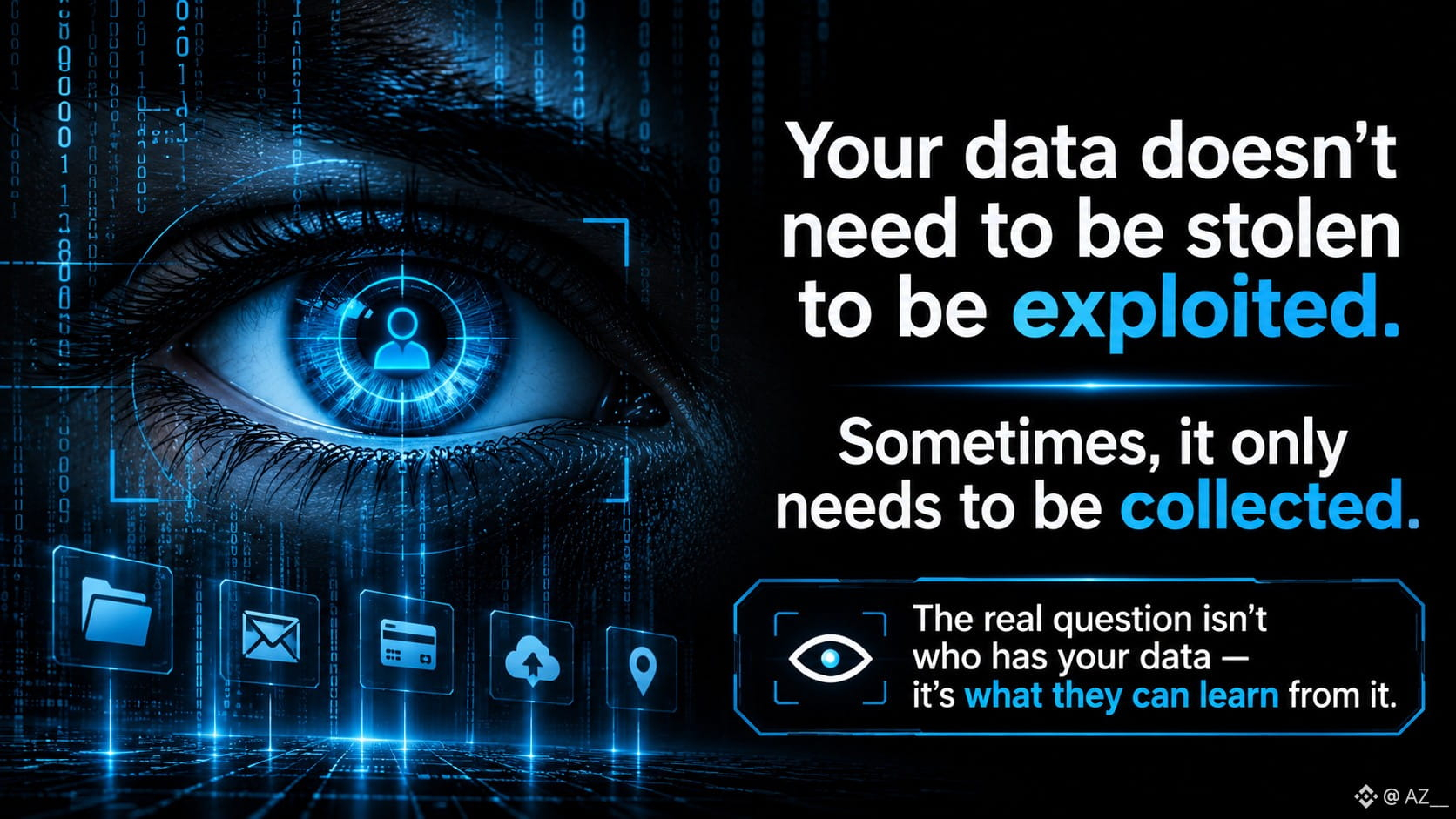
Your data doesn't need to be stolen to be exploited.
Sometimes, it only needs to be collected.
The real question isn't who has your data - it's what they can learn from it. 👁️
$MAGMA
{future}(MAGMAUSDT)
$KGEN
{future}(KGENUSDT)
$AGT
{future}(AGTUSDT)
Your data doesn't need to be stolen to be exploited.
Sometimes, it only needs to be collected.
The real question isn't who has your data - it's what they can learn from it. 👁️
$MAGMA
$KGEN
$AGT
Sometimes, it only needs to be collected.
The real question isn't who has your data - it's what they can learn from it. 👁️
$MAGMA
$KGEN
$AGT
1
772
·
--
Bullish
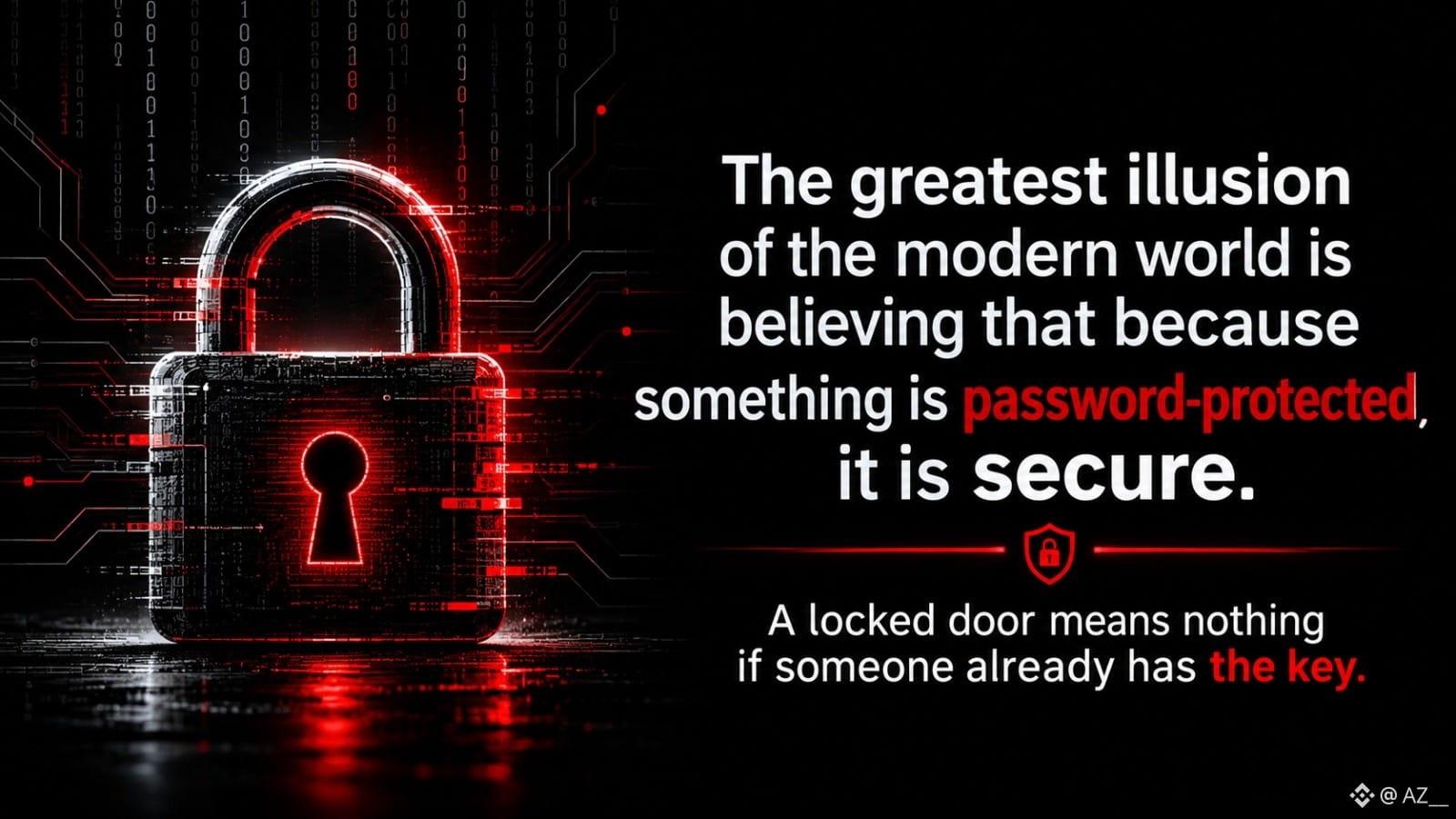
The greatest illusion of the modern world is believing that because something is password-protected, it is secure.
A locked door means nothing if someone already has the key. 🔐
$ONDO
{future}(ONDOUSDT)
$SUI
{future}(SUIUSDT)
$INJ
{future}(INJUSDT)
The greatest illusion of the modern world is believing that because something is password-protected, it is secure.
A locked door means nothing if someone already has the key. 🔐
$ONDO
$SUI
$INJ
A locked door means nothing if someone already has the key. 🔐
$ONDO
$SUI
$INJ
3
1k
·
--
Bullish
You're living in a digital hell where anything can be hacked, everyone can be watched, and nothing - not even your identity - is truly yours.
$INIT
{future}(INITUSDT)
$AIN
{future}(AINUSDT)
$BTW
{future}(BTWUSDT)
You're living in a digital hell where anything can be hacked, everyone can be watched, and nothing - not even your identity - is truly yours.
$INIT
$AIN
$BTW
$INIT
$AIN
$BTW
2
1k
·
--
Bullish
Welcome to hell, where nothing is private, everything is hackable, and trust is just another vulnerability.
$INIT
{future}(INITUSDT)
$ARIA
{future}(ARIAUSDT)
$ONE
{future}(ONEUSDT)
Welcome to hell, where nothing is private, everything is hackable, and trust is just another vulnerability.
$INIT
$ARIA
$ONE
$INIT
$ARIA
$ONE
2
645
Log in to explore more content
Join global crypto users on Binance Square
⚡️ Get latest and useful information about crypto.
💬 Trusted by the world’s largest crypto exchange.
👍 Discover real insights from verified creators.
Email / Phone number
Trending Topics
CanBTCReboundAfterFallingBelow60K?
0 views
404 Discussing
Bitcoin News | Bitcoin Falls Below $60,000 for the First Time Since July as IBIT Posts Record $541 Million Outflow
Binance News
·35 Likes
·58.5k views
GlobalStocksFaceLongestLosingStreakSince2023
0 views
441 Discussing
AnthropicPlungesTowardIPOPriceonDay2
0 views
150 Discussing