
Aura Ria
93 Posts

Aura Ria
Don’t be greedy! Play and trade safe. Success is not built in days; it is built over years of consistency 📈🙌🏻💎
Occasional Trader
5.4 Years
0 Following
2.1K+ Followers
2.2K+ Liked
Posts
All
Quotes
PINNED
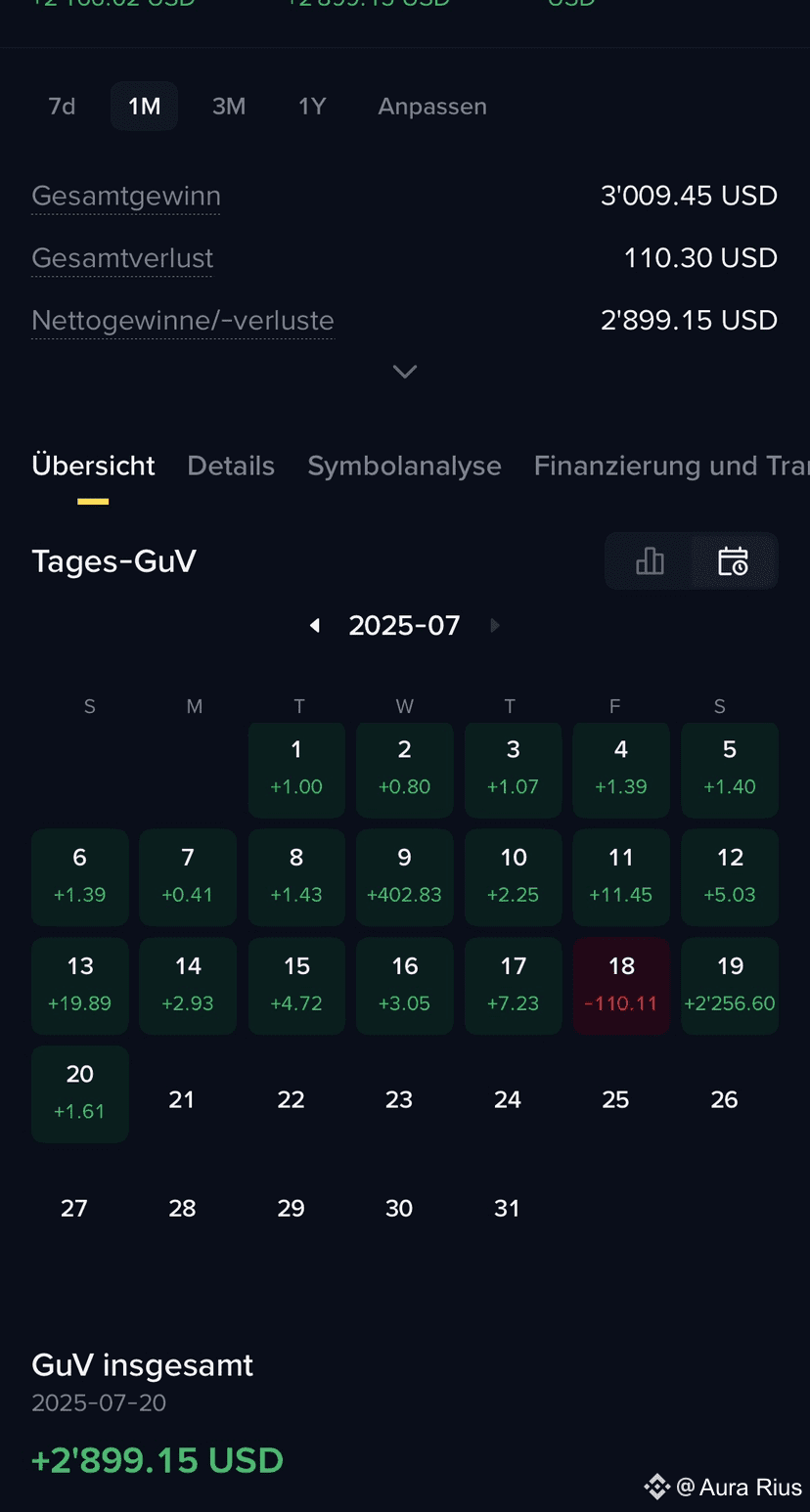
OMG 🎯
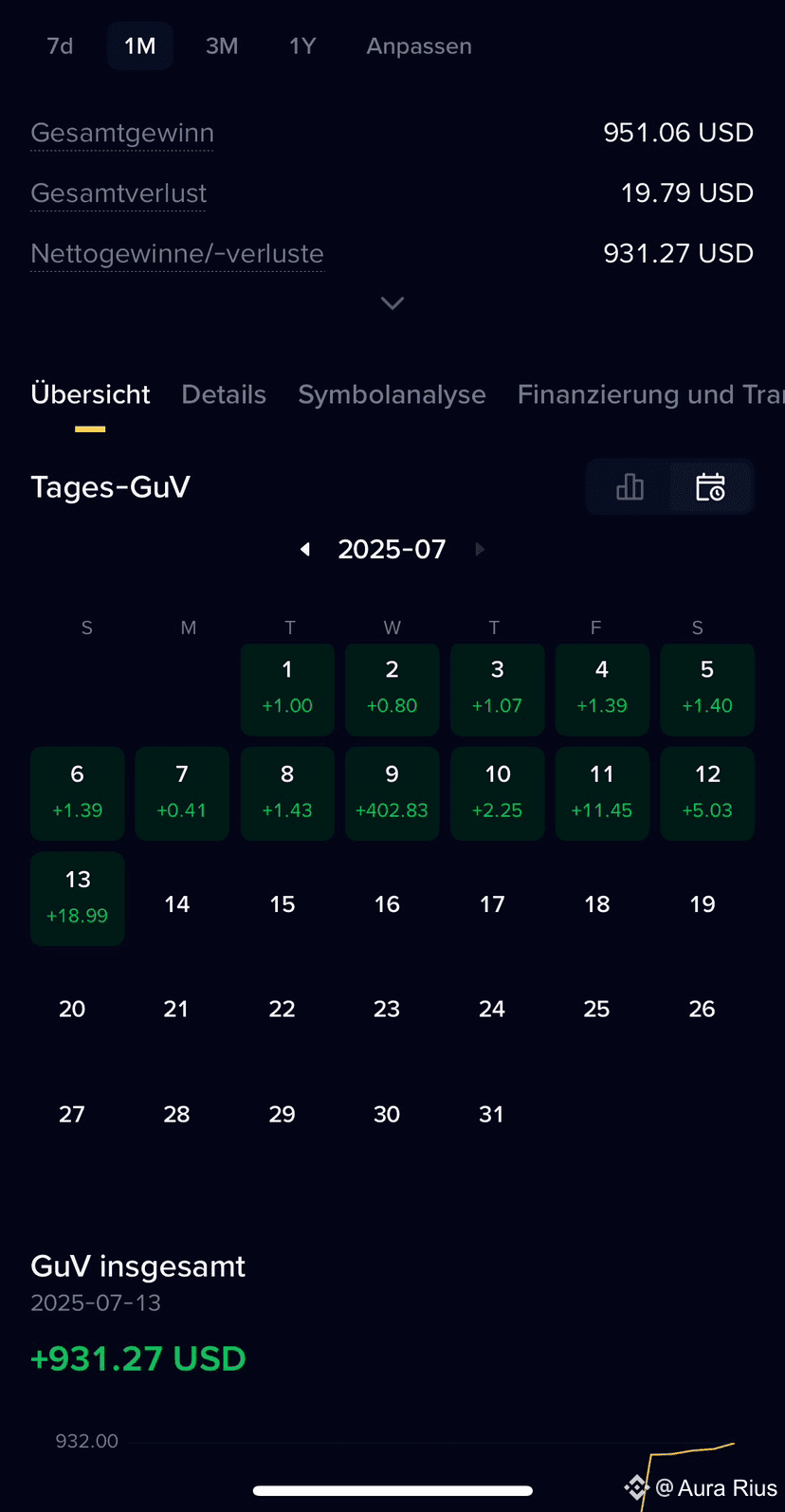
100$ ➡️ 3’000$ ⁉️🤯💥
The last 30 Days were hard but we all
Managed to walk away with profit 🙌🏻✨🥰
My prayers go to all the people who had to suffer in this time. 🙏🏻
Did you walk away with profit so far? 🥳
I wish you all a great evening and a succesfull
Time✨💪🏻
#StablecoinLaw
100$ ➡️ 3’000$ ⁉️🤯💥
The last 30 Days were hard but we all
Managed to walk away with profit 🙌🏻✨🥰
My prayers go to all the people who had to suffer in this time. 🙏🏻
Did you walk away with profit so far? 🥳
I wish you all a great evening and a succesfull
Time✨💪🏻
#StablecoinLaw
PINNED
Turn 50$ to 1000$ 😎💰‼️
THIS Could be YOUR Money 💰🫵🏻
HOW To trade Succesfull Futures⁉️🎯🔥
These 5 Tips helped me to get rich!!😱😎
1. Risk Management > Everything 📊
• Only risk 1–2% of your capital per trade. It’s not about being right often, it’s about surviving.
• Use hard stop-losses — no exceptions. Never “wait and see” on a losing position.
• Position size should be proportional to your stop-loss distance. Use a calculator.
2. Have a Clear, Tested Strategy ♟️
• You need a repeatable edge. That can be based on price action, order flow, funding rates, etc.
• Backtest your setup. If it doesn’t show positive expectancy over 100+ trades, don’t use it.
• Only trade when your setup appears — no impulse trades, no “just a hunch”.
3. Control Your Psychology💡
• Futures = leverage = emotion amplifier. Don’t revenge trade or overtrade after a loss.
• Get comfortable with missing moves — there are always more setups.
• Your #1 goal is capital preservation, not making money today.
4. Journal Every Trade📝
• Record: entry, stop, take-profit, rationale, result, and emotions.
• Review weekly. Look for patterns in mistakes. Improve 1% per week = massive gains.
• Journaling = edge building. No pro skips this.
5. Follow Market Context 📈📉
• Always be aware of macro news, $BTC dominance, DXY, interest rates, VIX. These move crypto.
• Understand the funding rate and open interest shifts.
• Use the higher timeframes (4h–1D) to guide direction, trade lower ones for precision.
If you want to trade succesfull, learn those 5 Rules. Please write a comment, Follow me and share this Text ✨🙌🏻 I teach you how to trade😎✨ Let‘s make together Money 📈
#Megadrop #Liquidations
THIS Could be YOUR Money 💰🫵🏻
HOW To trade Succesfull Futures⁉️🎯🔥
These 5 Tips helped me to get rich!!😱😎
1. Risk Management > Everything 📊
• Only risk 1–2% of your capital per trade. It’s not about being right often, it’s about surviving.
• Use hard stop-losses — no exceptions. Never “wait and see” on a losing position.
• Position size should be proportional to your stop-loss distance. Use a calculator.
2. Have a Clear, Tested Strategy ♟️
• You need a repeatable edge. That can be based on price action, order flow, funding rates, etc.
• Backtest your setup. If it doesn’t show positive expectancy over 100+ trades, don’t use it.
• Only trade when your setup appears — no impulse trades, no “just a hunch”.
3. Control Your Psychology💡
• Futures = leverage = emotion amplifier. Don’t revenge trade or overtrade after a loss.
• Get comfortable with missing moves — there are always more setups.
• Your #1 goal is capital preservation, not making money today.
4. Journal Every Trade📝
• Record: entry, stop, take-profit, rationale, result, and emotions.
• Review weekly. Look for patterns in mistakes. Improve 1% per week = massive gains.
• Journaling = edge building. No pro skips this.
5. Follow Market Context 📈📉
• Always be aware of macro news, $BTC dominance, DXY, interest rates, VIX. These move crypto.
• Understand the funding rate and open interest shifts.
• Use the higher timeframes (4h–1D) to guide direction, trade lower ones for precision.
If you want to trade succesfull, learn those 5 Rules. Please write a comment, Follow me and share this Text ✨🙌🏻 I teach you how to trade😎✨ Let‘s make together Money 📈
#Megadrop #Liquidations

I MADE 2’000 $ IN OCTOBER😍😍😍💥
I had a break for 3 months, but now i am back stronger than ever! 💪🏻
The last 30 Days were hard but we all
Managed to walk away with profit 🙌🏻✨🥰
My prayers go to all the people who had to suffer in this time. We will get your loss back 🙏🏻
Join my journey reaching 100‘000 via future trades✨
I wish you all a great evening and a succesfull
Start in the new month✨💪🏻
#KITEBinanceLaunchpool
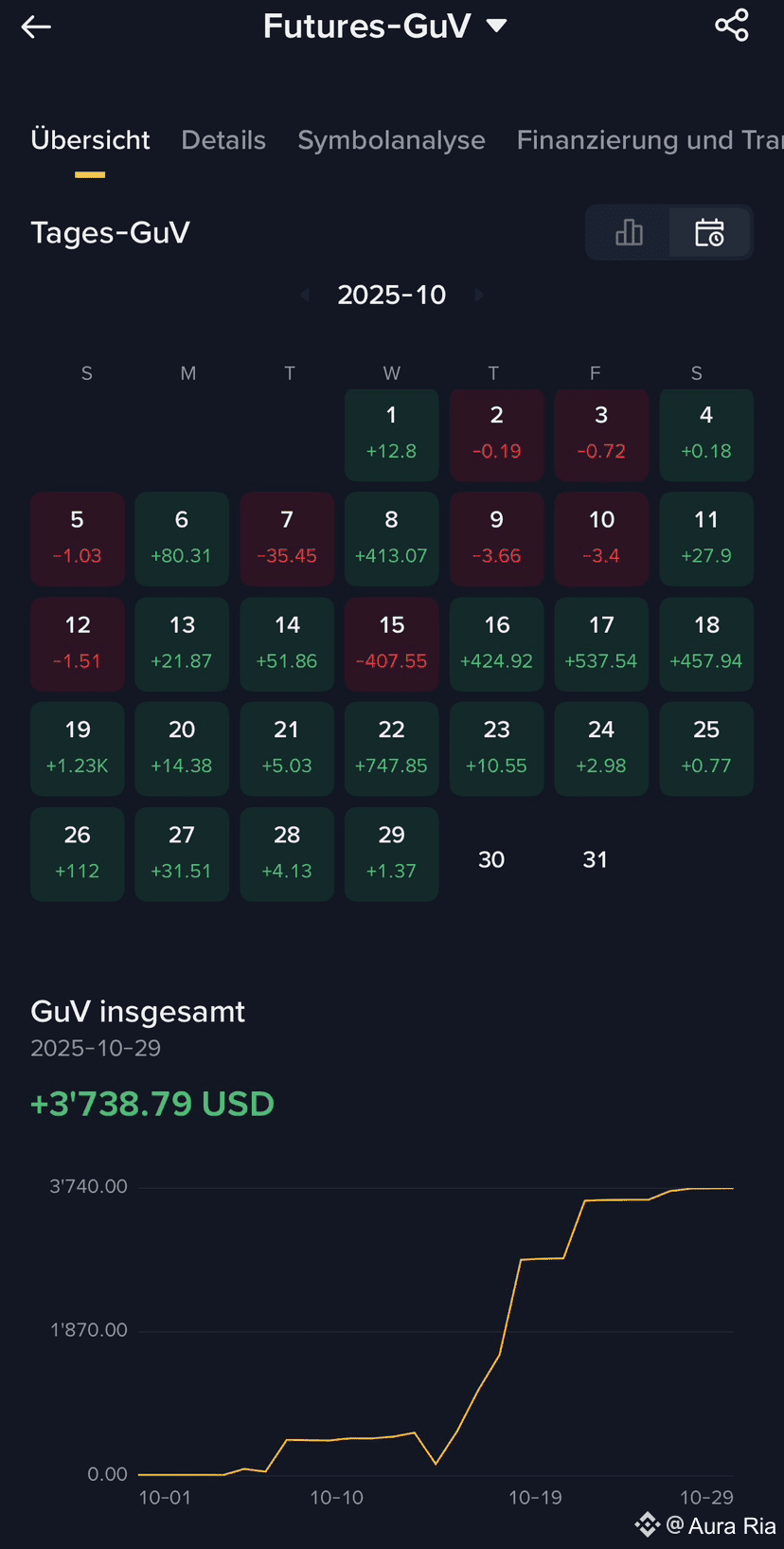
I MADE 4’000$ IN OCTOBER⁉️🤯💥
I had a break for 3 months, but now i am back stronger than ever! 💪🏻
The last 30 Days were hard but we all
Managed to walk away with profit 🙌🏻✨🥰
My prayers go to all the people who had to suffer in this time. We will get your loss back 🙏🏻
Join my journey reaching 100‘000 via future trades✨
I wish you all a great evening and a succesfull
Start in the new month✨💪🏻
#marketpullback #FOMCMeeting
I had a break for 3 months, but now i am back stronger than ever! 💪🏻
The last 30 Days were hard but we all
Managed to walk away with profit 🙌🏻✨🥰
My prayers go to all the people who had to suffer in this time. We will get your loss back 🙏🏻
Join my journey reaching 100‘000 via future trades✨
I wish you all a great evening and a succesfull
Start in the new month✨💪🏻
#marketpullback #FOMCMeeting
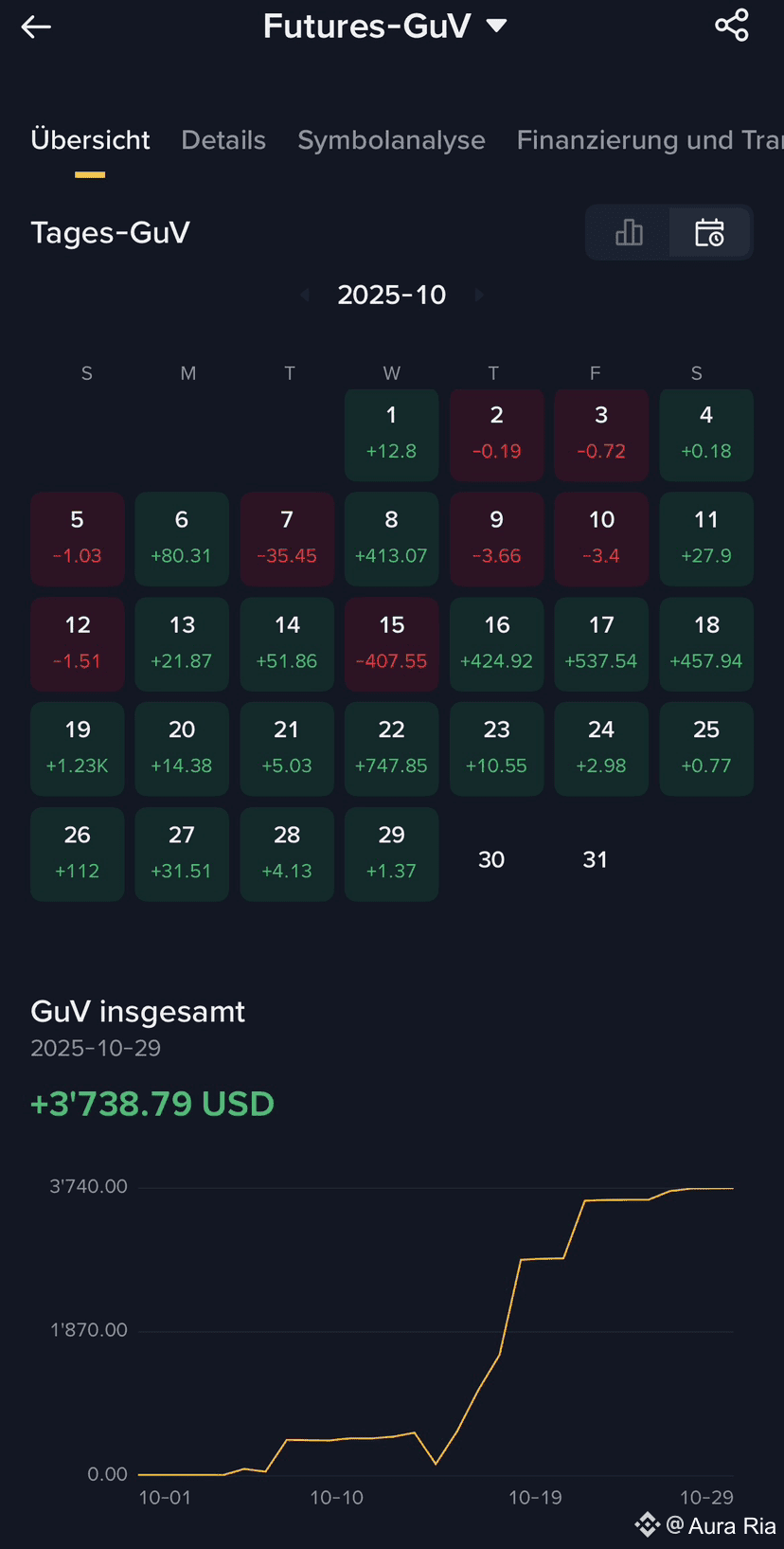
OMG 🎯
300$ ➡️ 3’000$ ⁉️🤯💥
The last 30 Days were hard but we all
Managed to walk away with profit 🙌🏻✨🥰
My prayers go to all the people who had to suffer in this time. We will get your loss back 🙏🏻
Join my journey reaching 100‘000 via future trades✨
I wish you all a great evening and a succesfull
Start in the new month✨💪🏻
#MarketPullback #TrumpTariffs
300$ ➡️ 3’000$ ⁉️🤯💥
The last 30 Days were hard but we all
Managed to walk away with profit 🙌🏻✨🥰
My prayers go to all the people who had to suffer in this time. We will get your loss back 🙏🏻
Join my journey reaching 100‘000 via future trades✨
I wish you all a great evening and a succesfull
Start in the new month✨💪🏻
#MarketPullback #TrumpTariffs
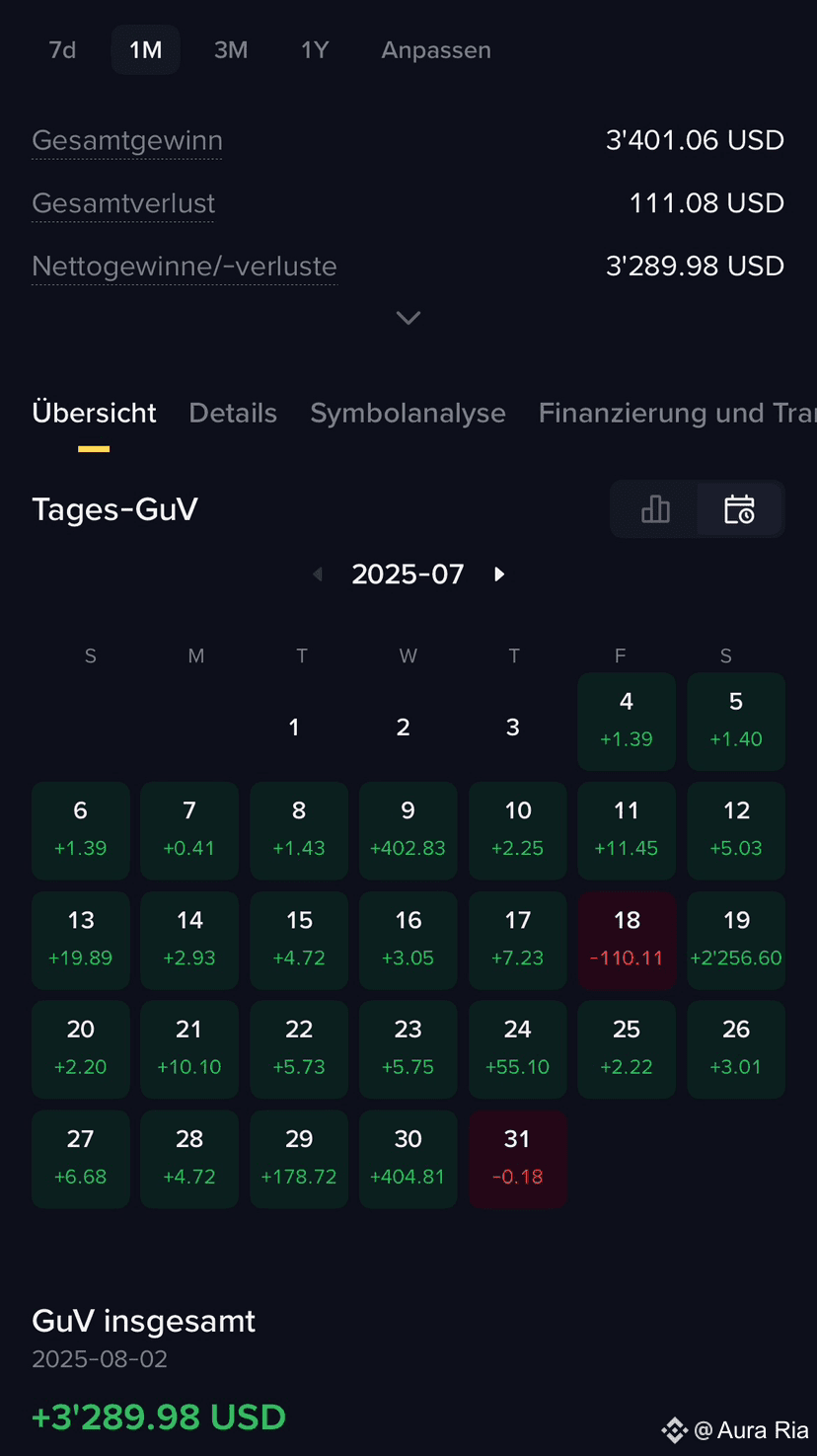
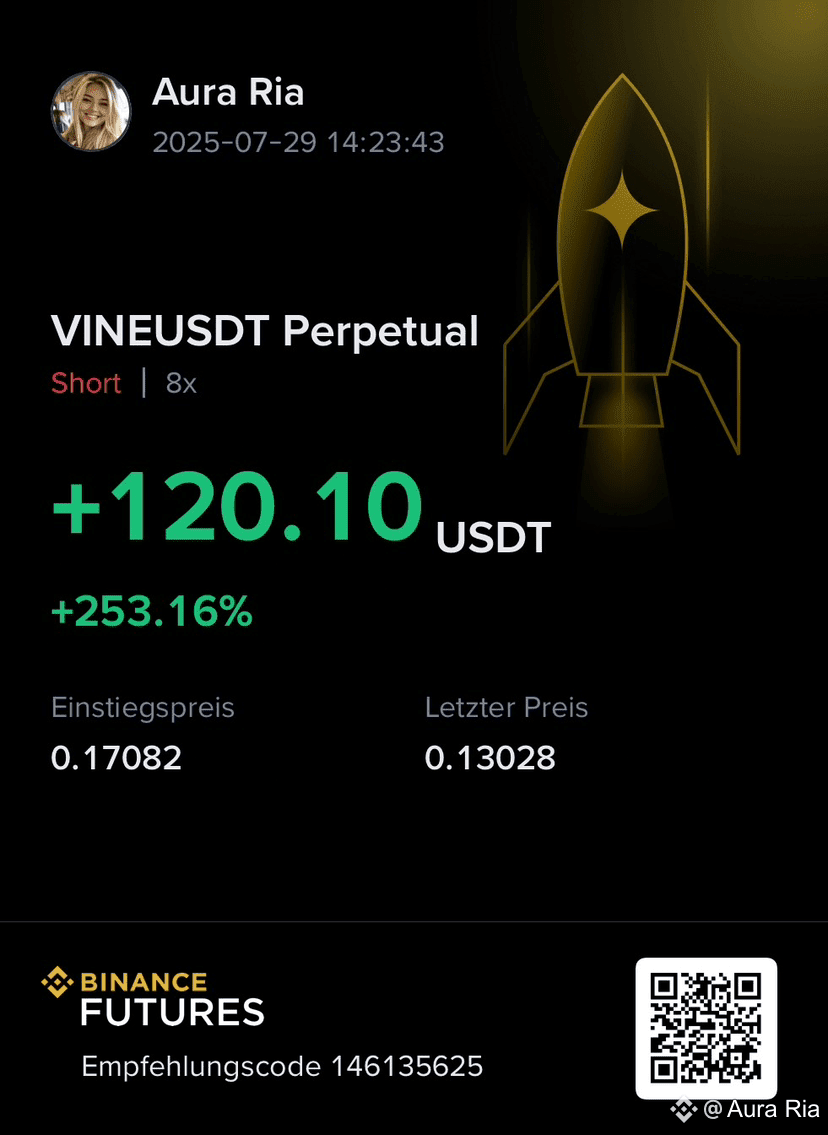
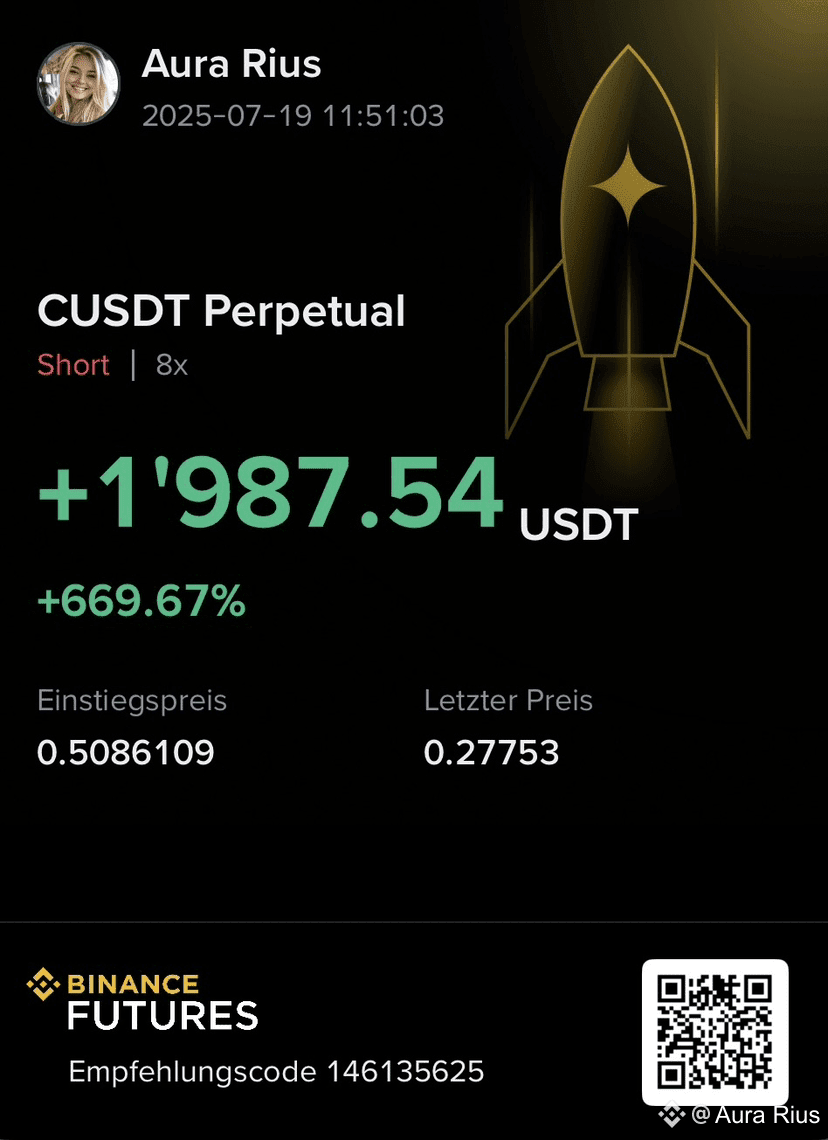
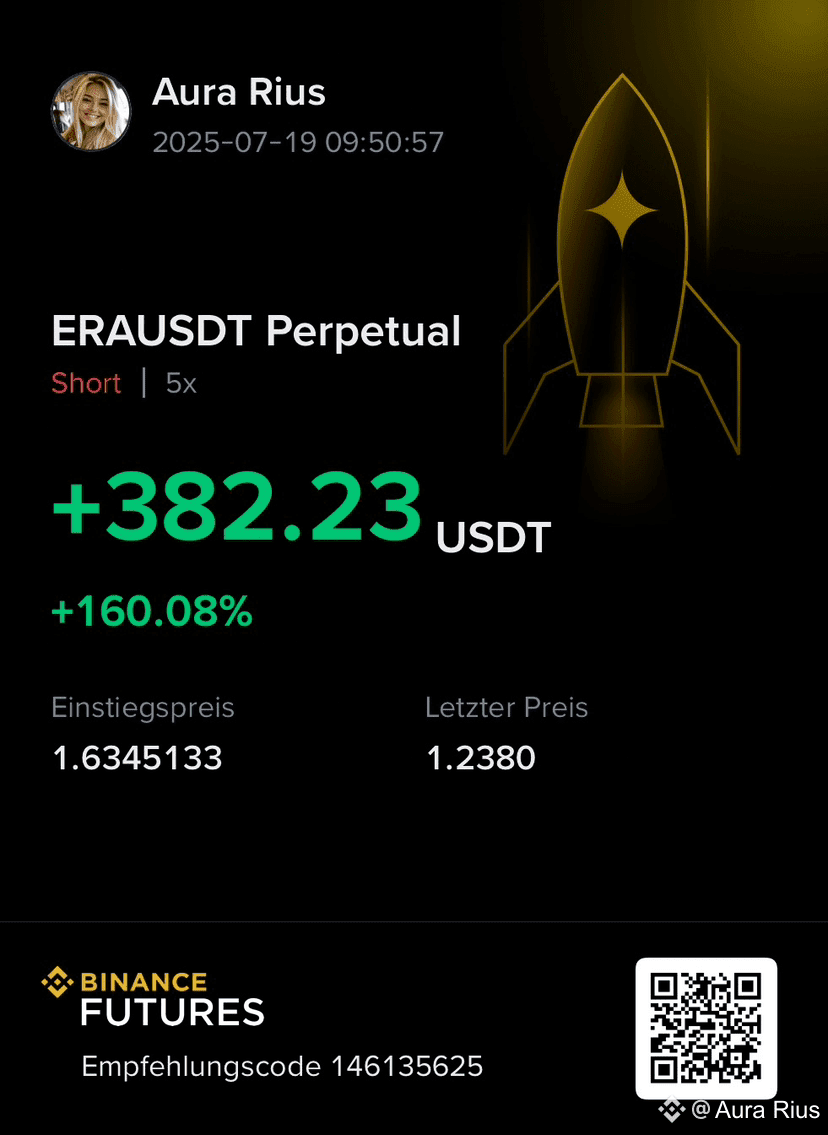

I turned 300$ into 2000$ in 12 hours‼️💥🤯
This is my little secret…🤫 📉 🎯
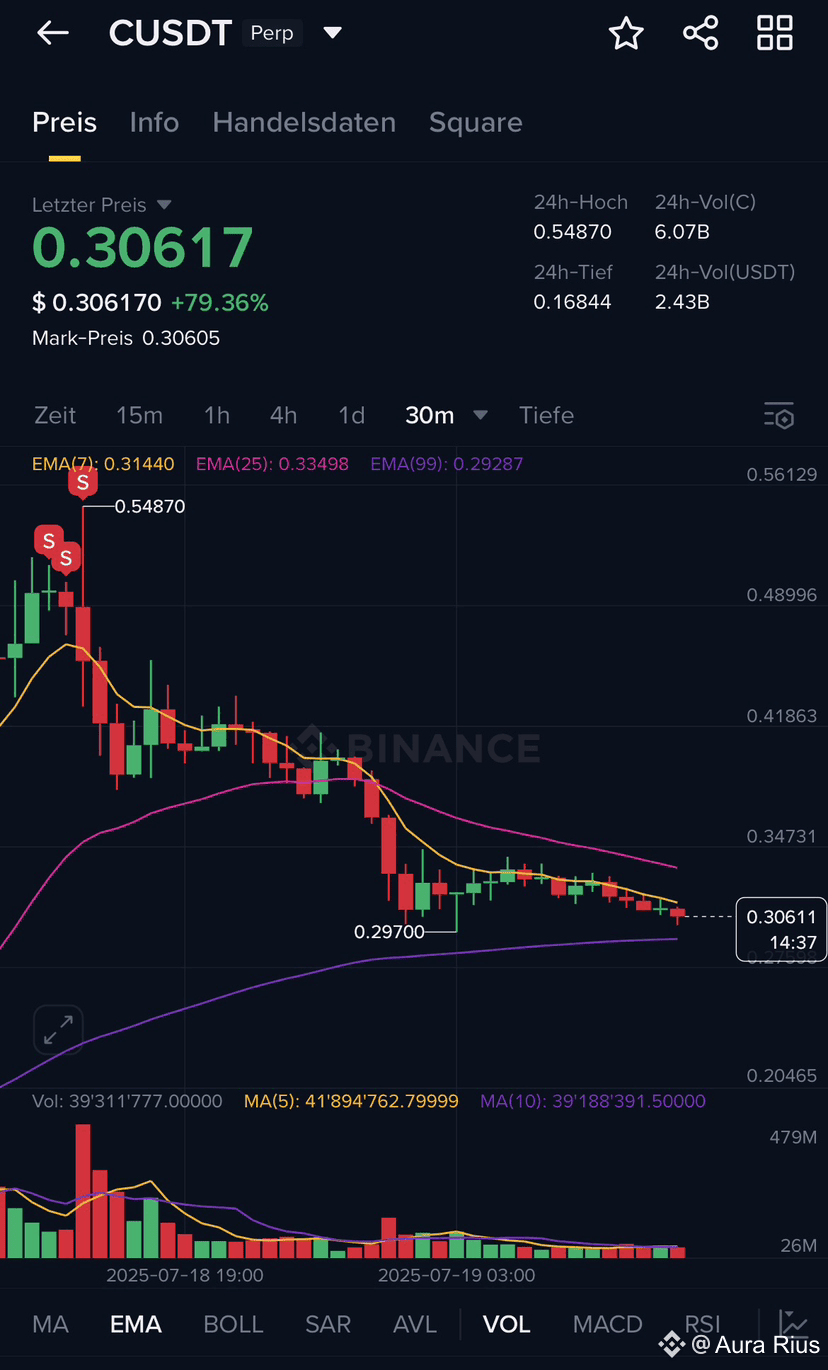
4 Reasons why C went down 💰
🔻 1. Post‑listing sell‑off & Binance-effect fade
• The token soared following a Binance HODLer airdrop announcement and listing on July 18 . After the initial hype, early holders likely sold to lock in profits, driving the price down.
• It’s a common pattern: tokens spike on listing and then retrace as initial excitement subsides.
2. “Buy the rumor, sell the news” dynamics
• Much of the rally ahead of listing was driven by speculation. Once the event passed, there was no new fundamental news to propel price, leading to the 28% drop over 24 hours .
3. Overheated technical indicators
• As of the past week, C had rallied over 1,300% , suggesting it was extremely overbought.
• When assets spike too fast, profit-taking and reversion often follow, even without any negative catalysts.
4. Thin liquidity amplifies moves
• Despite Binance listing, total circulating supply (~159 M tokens) and liquidity remain modest .
• That means large trades, whether from whales or panic sellers, can move the price more dramatically.
✅ Summary
• Listing hype drove initial gains
• Immediate profit-taking triggered the drop
• Overbought conditions nudged technical pullback
• Light liquidity magnified the decline
🔍 What to monitor next
• Volume & order-book depth, if liquidity improves, price may stabilize.
• New adoption signals, like ecosystem integrations, network activity, or roadmap milestones.
• Overall market sentiment, broad crypto conditions could amplify or cushion C’s price movement.
If you want to receive signals, follow and comment. I give regularely signals here on #BinanceSquareTalks
#BinanceHODLerC
This is my little secret…🤫 📉 🎯
4 Reasons why C went down 💰
🔻 1. Post‑listing sell‑off & Binance-effect fade
• The token soared following a Binance HODLer airdrop announcement and listing on July 18 . After the initial hype, early holders likely sold to lock in profits, driving the price down.
• It’s a common pattern: tokens spike on listing and then retrace as initial excitement subsides.
2. “Buy the rumor, sell the news” dynamics
• Much of the rally ahead of listing was driven by speculation. Once the event passed, there was no new fundamental news to propel price, leading to the 28% drop over 24 hours .
3. Overheated technical indicators
• As of the past week, C had rallied over 1,300% , suggesting it was extremely overbought.
• When assets spike too fast, profit-taking and reversion often follow, even without any negative catalysts.
4. Thin liquidity amplifies moves
• Despite Binance listing, total circulating supply (~159 M tokens) and liquidity remain modest .
• That means large trades, whether from whales or panic sellers, can move the price more dramatically.
✅ Summary
• Listing hype drove initial gains
• Immediate profit-taking triggered the drop
• Overbought conditions nudged technical pullback
• Light liquidity magnified the decline
🔍 What to monitor next
• Volume & order-book depth, if liquidity improves, price may stabilize.
• New adoption signals, like ecosystem integrations, network activity, or roadmap milestones.
• Overall market sentiment, broad crypto conditions could amplify or cushion C’s price movement.
If you want to receive signals, follow and comment. I give regularely signals here on #BinanceSquareTalks
#BinanceHODLerC
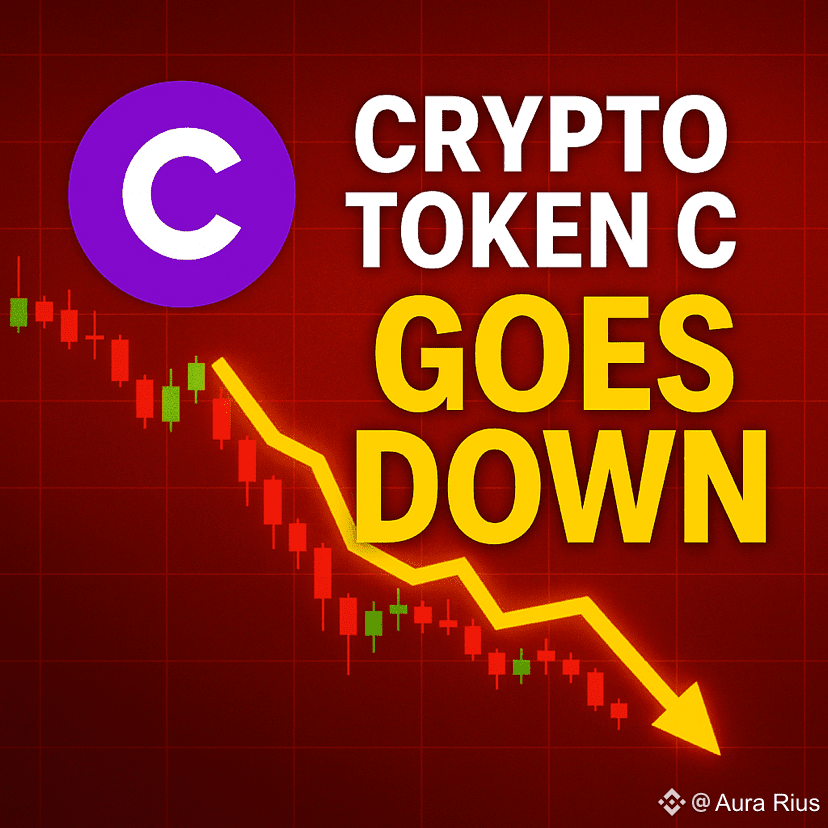
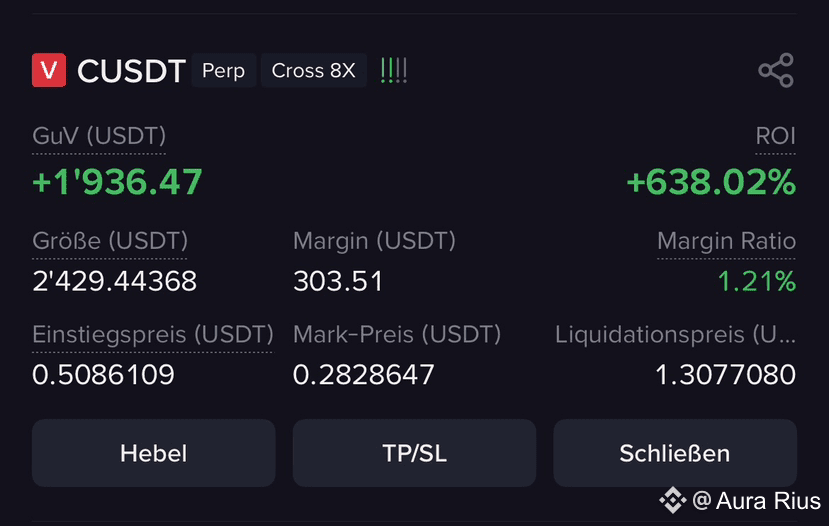
OMG🤯 💥
I just made 1500$ over night‼️🔥💰
I am so happy, that my strategy and analysis worked 🥰 So many of my Followers heared my signal and made lots of money✨🙌🏻
Thank you $C 🥰
And you can do this aswell!! 😎🫵🏻
I have faith and I believe in you! ✨
If you want to learn how to trade succesfully futures follow me and comment 🙌🏻✨
#Future #GENIUSAct
I just made 1500$ over night‼️🔥💰
I am so happy, that my strategy and analysis worked 🥰 So many of my Followers heared my signal and made lots of money✨🙌🏻
Thank you $C 🥰
And you can do this aswell!! 😎🫵🏻
I have faith and I believe in you! ✨
If you want to learn how to trade succesfully futures follow me and comment 🙌🏻✨
#Future #GENIUSAct
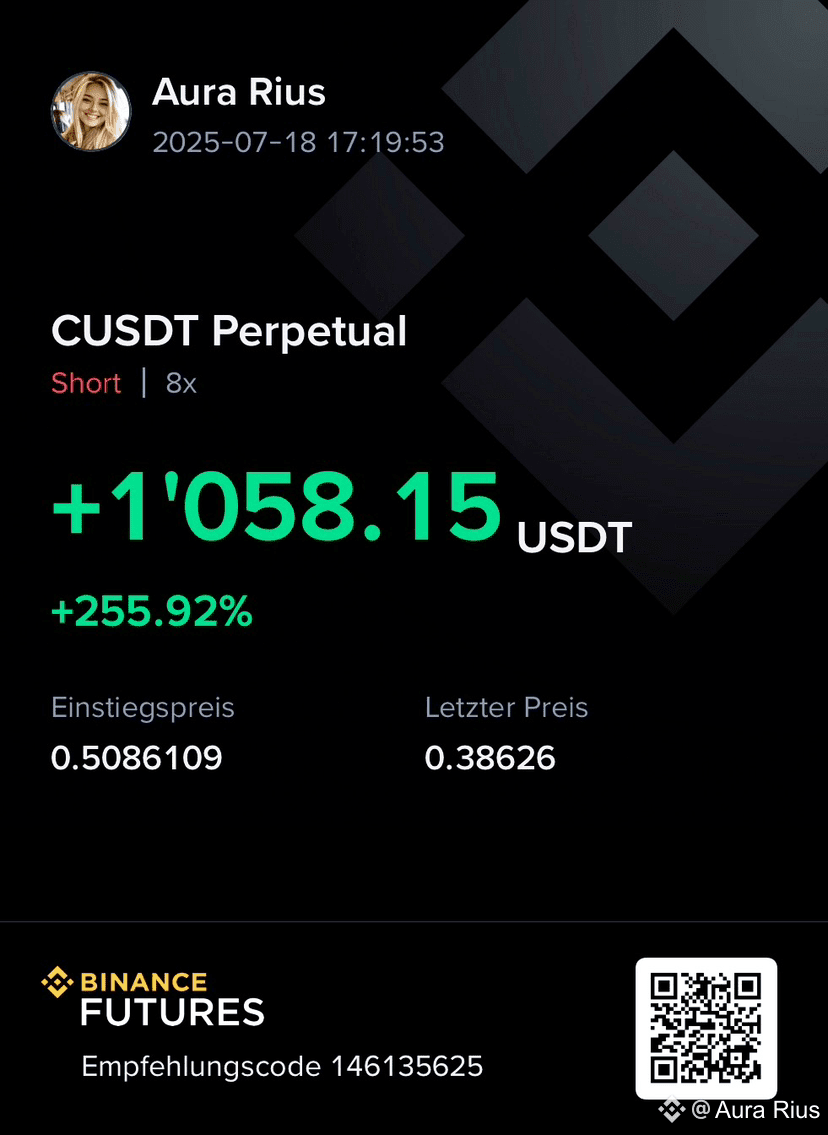
1000$ in 2h‼️🎯💥🤯
Over 250% Profit 🥳💰
I posted a Signal here on Binance and everybody who followed got insane profit🙌🏻🥳✨
Congratulations to everybody, we did it! 💰
Now lets relax and enjoy our easy Money🥰✨
Don‘t miss out my next signal 🙌🏻
#AltcoinBreakout $BTC
Over 250% Profit 🥳💰
I posted a Signal here on Binance and everybody who followed got insane profit🙌🏻🥳✨
Congratulations to everybody, we did it! 💰
Now lets relax and enjoy our easy Money🥰✨
Don‘t miss out my next signal 🙌🏻
#AltcoinBreakout $BTC
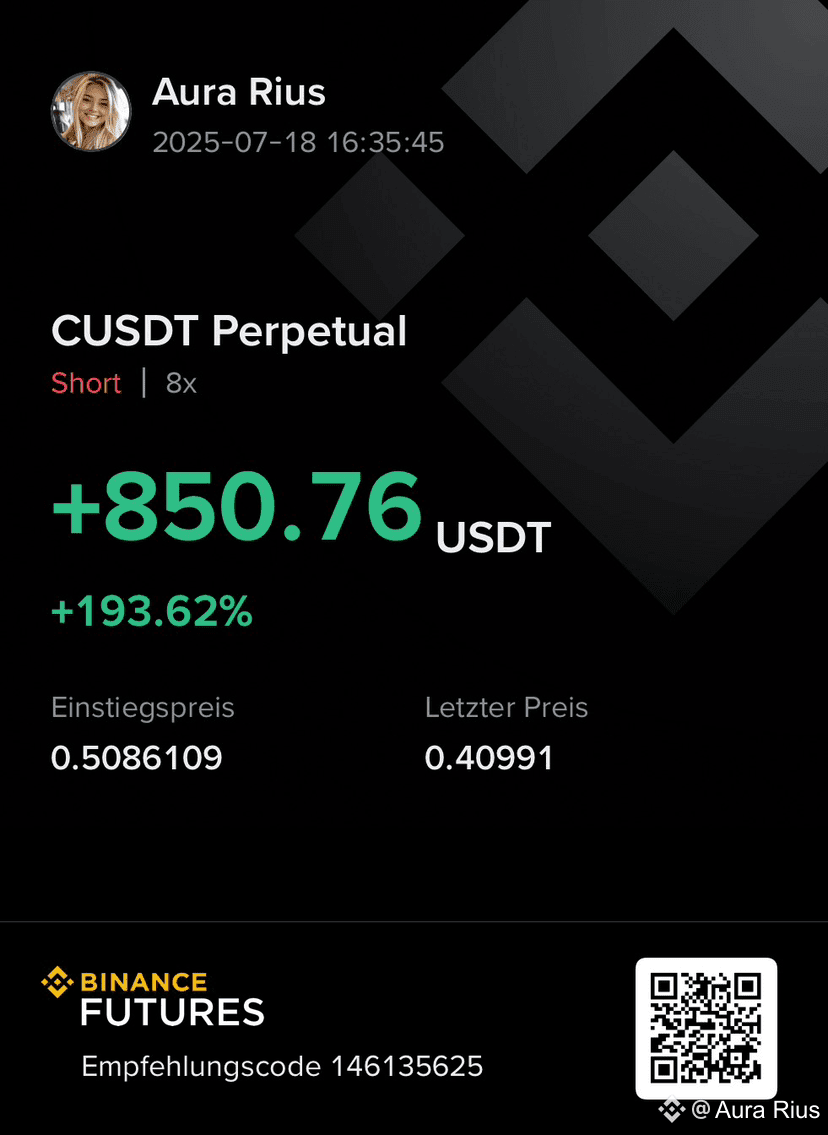
800$ in 1h‼️🤯🔥
I hope you all followed my Signal, because we are printing money 💰🙌🏻✨
Congratulations for those, who made it!
If you are new, follow and don‘t miss out again🥰✨
We let it ride for a bit and take the big profit over 1000$💥🎯
#FutureTradingSignals
I hope you all followed my Signal, because we are printing money 💰🙌🏻✨
Congratulations for those, who made it!
If you are new, follow and don‘t miss out again🥰✨
We let it ride for a bit and take the big profit over 1000$💥🎯
#FutureTradingSignals
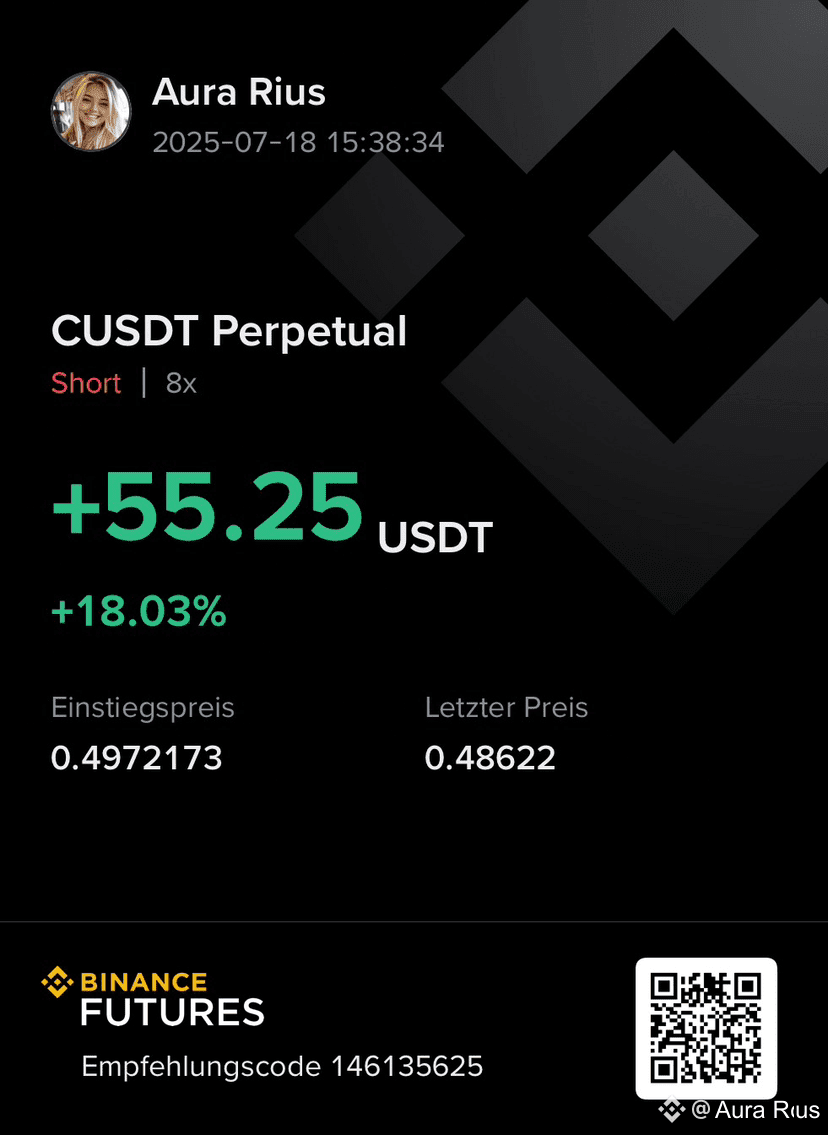
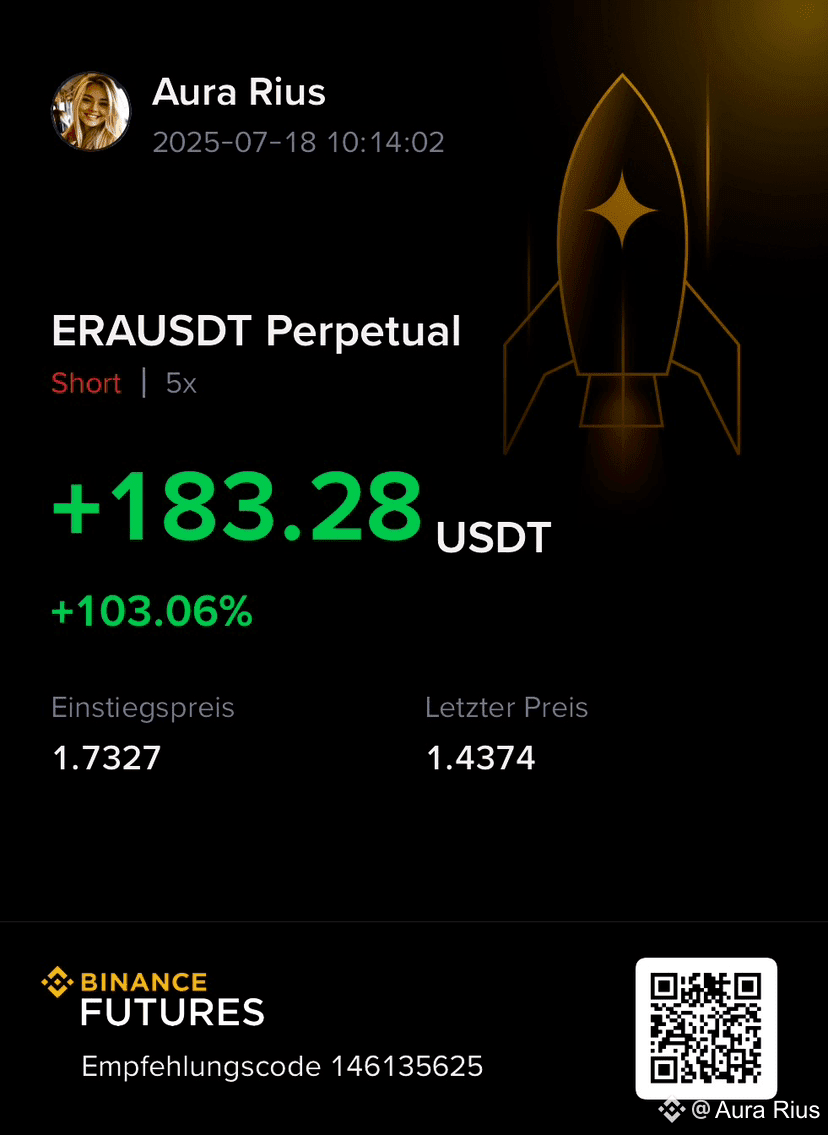
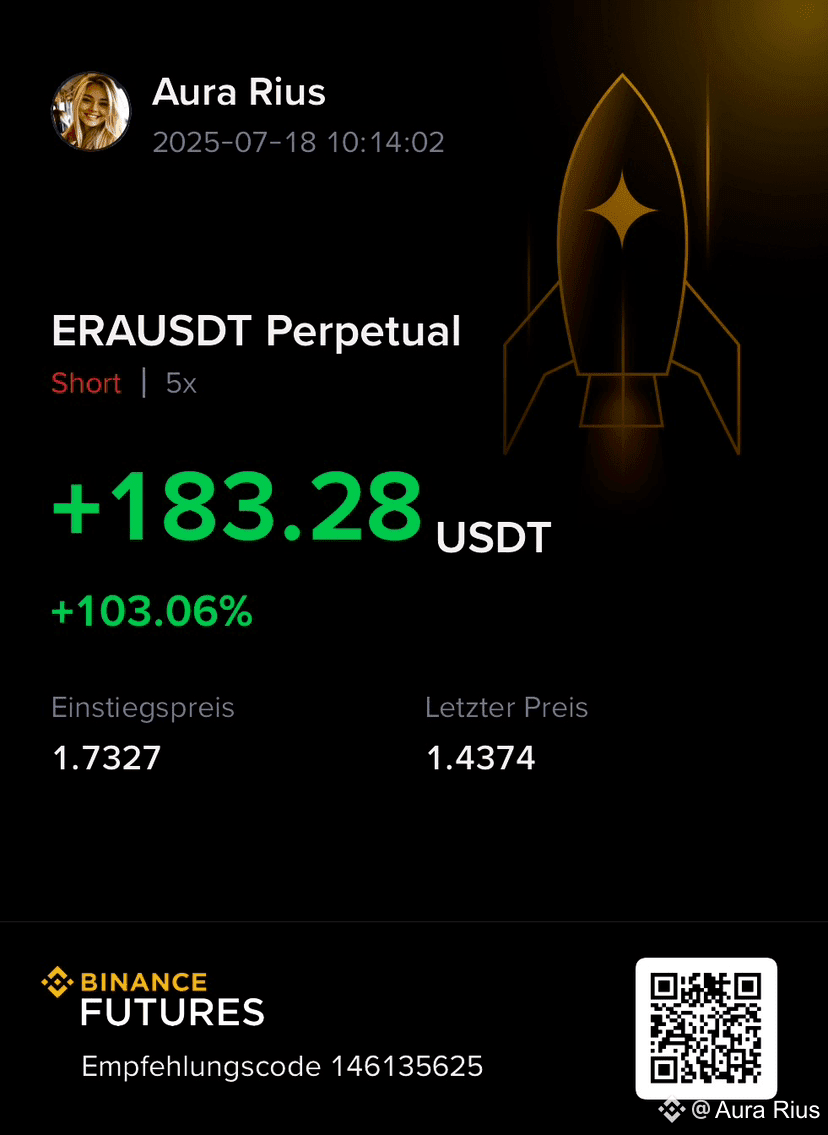
Here are the key reasons ERA token is likely to drop following its recent hype-driven rally:
📉 1. Airdrop-driven sell pressure
• The ERA airdrop (20 million tokens) is now live for claim, and recipients often sell immediately upon receiving, increasing circulating supply and triggering downward pressure ().
• As the airdrop window continues to open until July 31 UTC, expect more supply hitting the market and more selling.
2. Overbought conditions & short-term pullback
• ERA surged from ~$0.20 to near $2 then cooled off to around $1.50–$1.60, typical of an overbought asset undergoing profit-taking.
• Early traders likely locked in gains; decreasing volume and dropping below short-term moving averages (EMA7) suggest more downside ahead ().
3. Low liquidity & high volatility risk
• Despite listings on Binance Alpha and Coinbase, actual on-chain and DEX liquidity remain shallow ().
• Low volume means even moderate sell orders can cause sharp price drops (liquidity crunch).
4. Regulatory & “experimental” tags
• ERA is labeled ‘experimental’ on major exchanges, warning it’s new, under-evaluated, and prone to volatility ().
• Broader regulatory scrutiny around crypto could pressure high-risk tokens like ERA more severely if sentiment shifts.
📌 Summary
• Airdrop selling flooding the market
• Profit-taking by early investors
• Thin liquidity exacerbating price moves
• “Experimental” status exposing it to risk-off trading
All combined, these factors point to a likely short-term pullback or even a more sustained correction until market demand catches up with increased supply.
#ERA #FutureTarding #Write2Earn $BTC
📉 1. Airdrop-driven sell pressure
• The ERA airdrop (20 million tokens) is now live for claim, and recipients often sell immediately upon receiving, increasing circulating supply and triggering downward pressure ().
• As the airdrop window continues to open until July 31 UTC, expect more supply hitting the market and more selling.
2. Overbought conditions & short-term pullback
• ERA surged from ~$0.20 to near $2 then cooled off to around $1.50–$1.60, typical of an overbought asset undergoing profit-taking.
• Early traders likely locked in gains; decreasing volume and dropping below short-term moving averages (EMA7) suggest more downside ahead ().
3. Low liquidity & high volatility risk
• Despite listings on Binance Alpha and Coinbase, actual on-chain and DEX liquidity remain shallow ().
• Low volume means even moderate sell orders can cause sharp price drops (liquidity crunch).
4. Regulatory & “experimental” tags
• ERA is labeled ‘experimental’ on major exchanges, warning it’s new, under-evaluated, and prone to volatility ().
• Broader regulatory scrutiny around crypto could pressure high-risk tokens like ERA more severely if sentiment shifts.
📌 Summary
• Airdrop selling flooding the market
• Profit-taking by early investors
• Thin liquidity exacerbating price moves
• “Experimental” status exposing it to risk-off trading
All combined, these factors point to a likely short-term pullback or even a more sustained correction until market demand catches up with increased supply.
#ERA #FutureTarding #Write2Earn $BTC
OMG 🎯
100$ ➡️ 1000$ ⁉️🤯💥
The last 30 Days were hard but we all
Managed to walk away with profit 🙌🏻✨🥰
My prayers go to all the people who had to suffer in this time. 🙏🏻
I wish you all a great evening and a succesfull
Start in the new week✨💪🏻
#BTCBreaksATH $BTC
100$ ➡️ 1000$ ⁉️🤯💥
The last 30 Days were hard but we all
Managed to walk away with profit 🙌🏻✨🥰
My prayers go to all the people who had to suffer in this time. 🙏🏻
I wish you all a great evening and a succesfull
Start in the new week✨💪🏻
#BTCBreaksATH $BTC
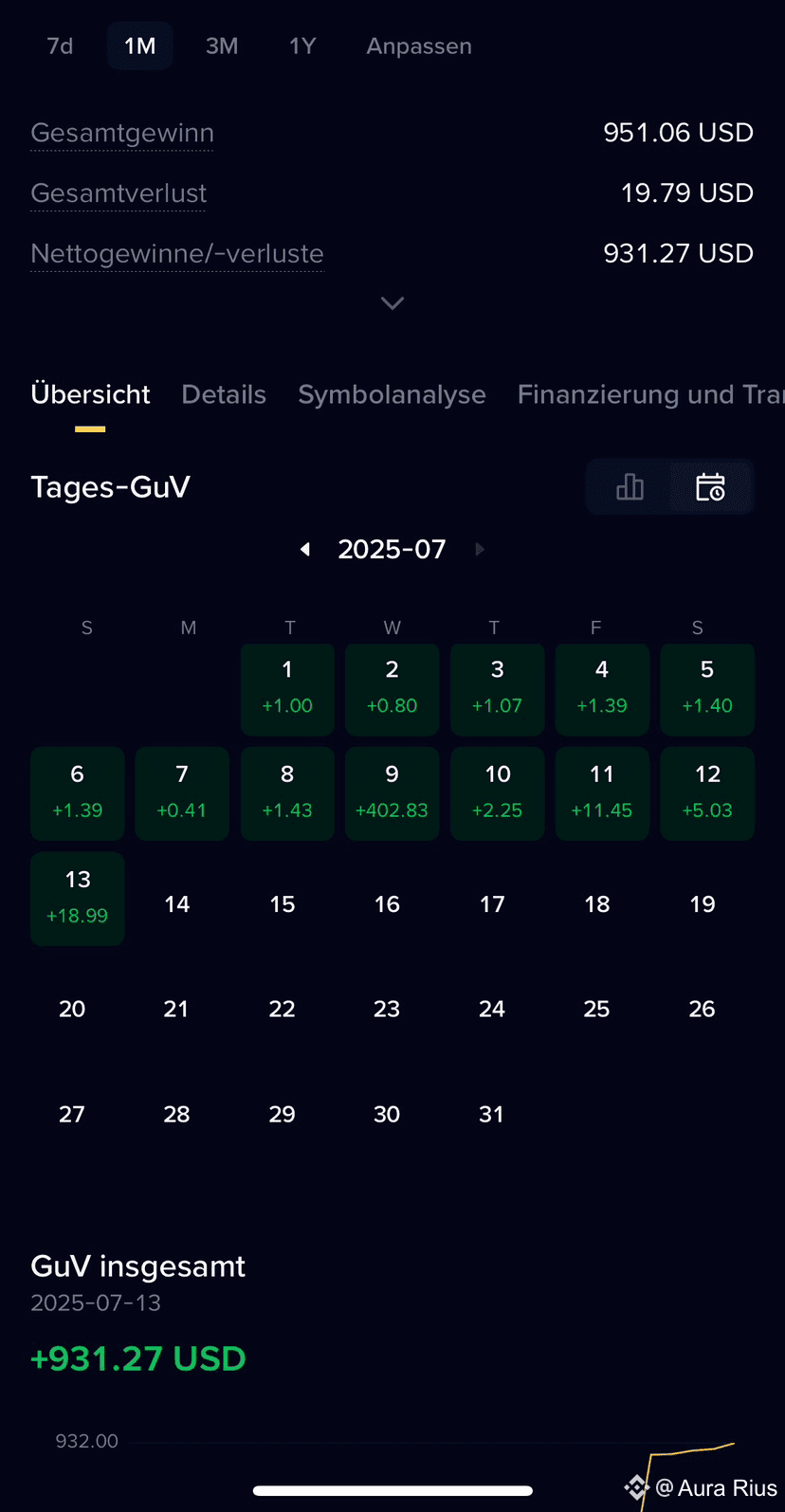
100$ ➡️ 1‘200$ ⁉️🤯💥
The last 30 Days were hard but we all
Managed to walk away with profit 🙌🏻✨🥰
My prayers go to all the people who had to suffer in this time. 🙏🏻
If you are interested in learning how to make this much money, follow ✨🙌🏻 I post regularely trades 📈
#Write2Earn #Write2Earn!
The last 30 Days were hard but we all
Managed to walk away with profit 🙌🏻✨🥰
My prayers go to all the people who had to suffer in this time. 🙏🏻
If you are interested in learning how to make this much money, follow ✨🙌🏻 I post regularely trades 📈
#Write2Earn #Write2Earn!
Log in to explore more content