
Jax 斩棘
3.6k Posts

Jax 斩棘
 Square Verified+
Report
Block User
疯狂的 Web3 爱好者,定投 BNB 中!!! 币安创作者,所有分析不做投资建议,风险自控
Frequent Trader
3.5 Years
298 Following
35.1K+ Followers
38.1K+ Liked
Posts
All
Quotes
Videos
Live
·
--
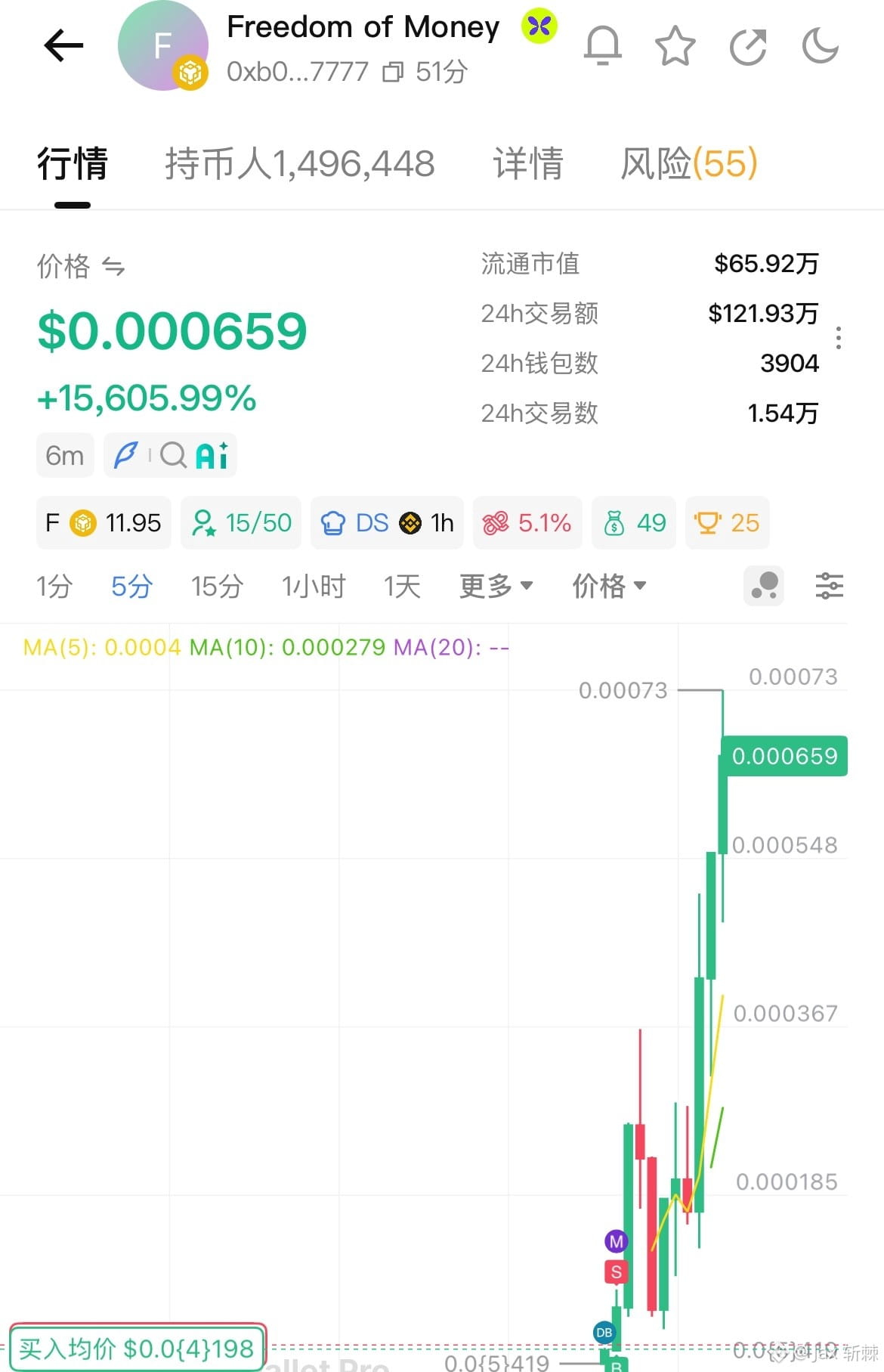
CZ's endorsements are incredible—30x in hand 😇
CZ's endorsements are incredible—30x in hand 😇
1
2
911
·
--
Bearish
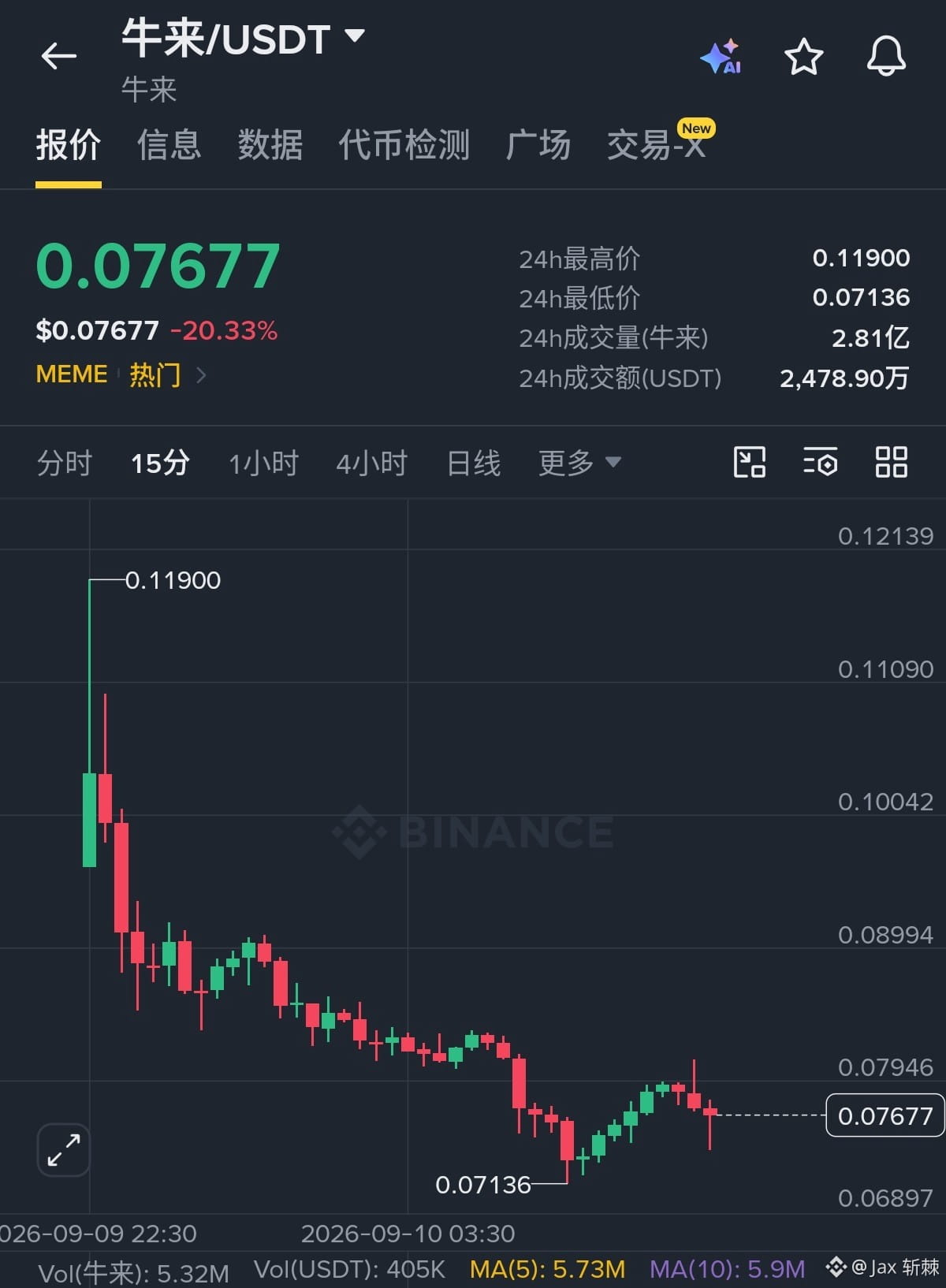
The sellers are coming with spot goods just to cash out, aren’t they? So sneaky $牛来
{spot}(牛来USDT)
The sellers are coming with spot goods just to cash out, aren’t they? So sneaky $牛来
2
840
·
--
2
553
·
--
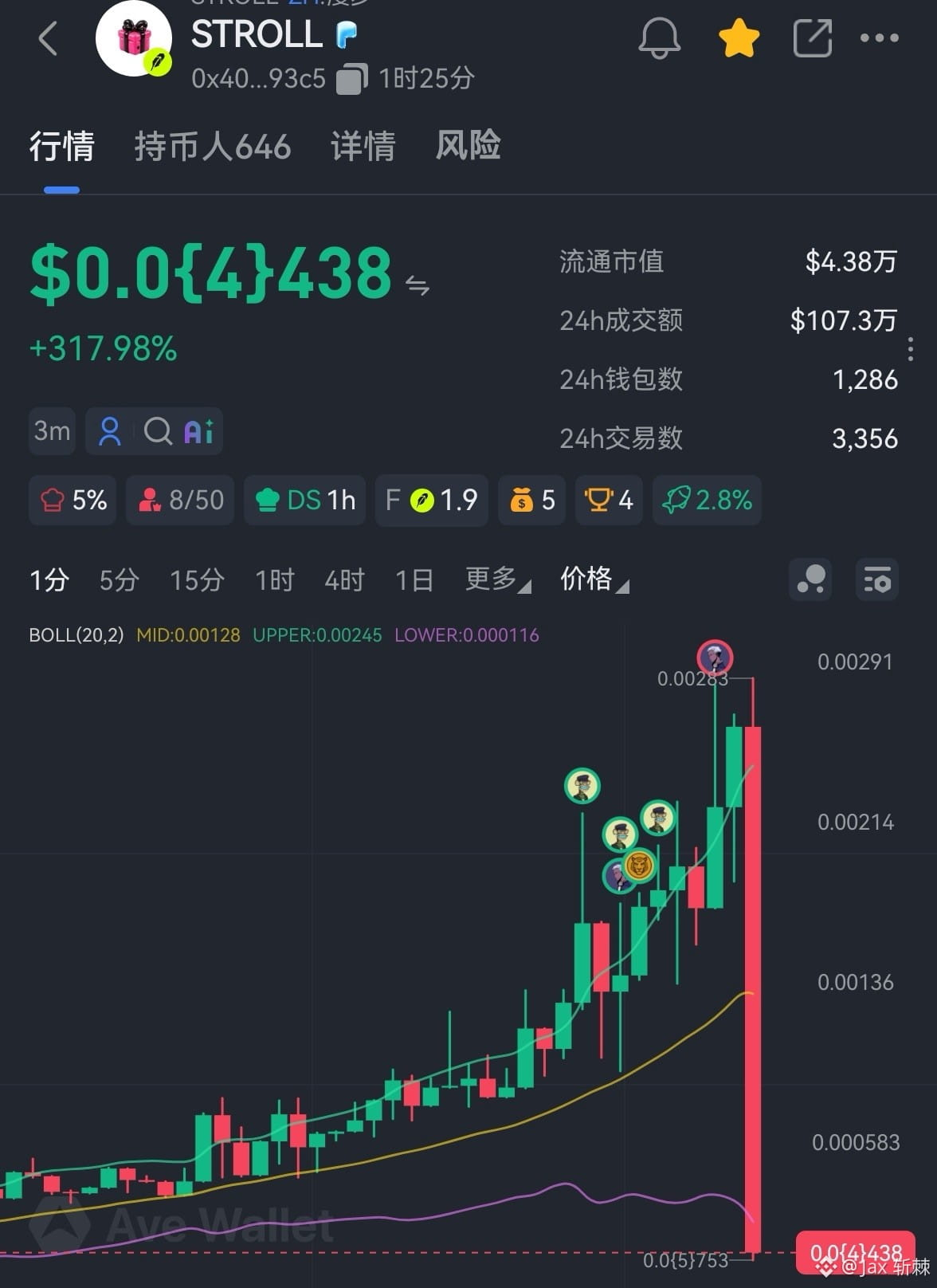
Sold for only 5 seconds, and it already ran away 😏 Be cautious when beating a dog
Sold for only 5 seconds, and it already ran away 😏 Be cautious when beating a dog
2
979
·
--
Bullish
3
555
·
--
Bearish
$MarsCoin will definitely drop immediately in stock, what garbage data did it all bring in? As soon as there’s traffic, you put it on?
{alpha}(560xfe189e97832da1573e4e4ff034f4ffc3a15c7777)
$MarsCoin will definitely drop immediately in stock, what garbage data did it all bring in? As soon as there’s traffic, you put it on?


Binance Announcement
·
--
Binance Will List MarsCoin (MARSCOIN) and Add Seed Tag for It
Notice: Before trading the above tokens on any platform other than Binance, please conduct your own research to avoid any fraudulent activities and ensure the safety of your assets.
This is a general announcement. The products and services mentioned herein may not be available in your region.
Dear user:
Binance will list MarsCoin (MARSCOIN) on 2026-09-04 at 21:00 (UTC+8) and open the following spot trading pairs. Join us to experience it!
Spot trading pairs: MARSCOIN/USDT, MARSCOIN/USDC, MARSCOIN/TRY
The MARSCOIN deposit channel will open in one hour
Withdrawals are expected to open on 2026-09-05 at 21:00 (UTC+8)
This is a general announcement. The products and services mentioned herein may not be available in your region.
Dear user:
Binance will list MarsCoin (MARSCOIN) on 2026-09-04 at 21:00 (UTC+8) and open the following spot trading pairs. Join us to experience it!
Spot trading pairs: MARSCOIN/USDT, MARSCOIN/USDC, MARSCOIN/TRY
The MARSCOIN deposit channel will open in one hour
Withdrawals are expected to open on 2026-09-05 at 21:00 (UTC+8)
2
373
·
--
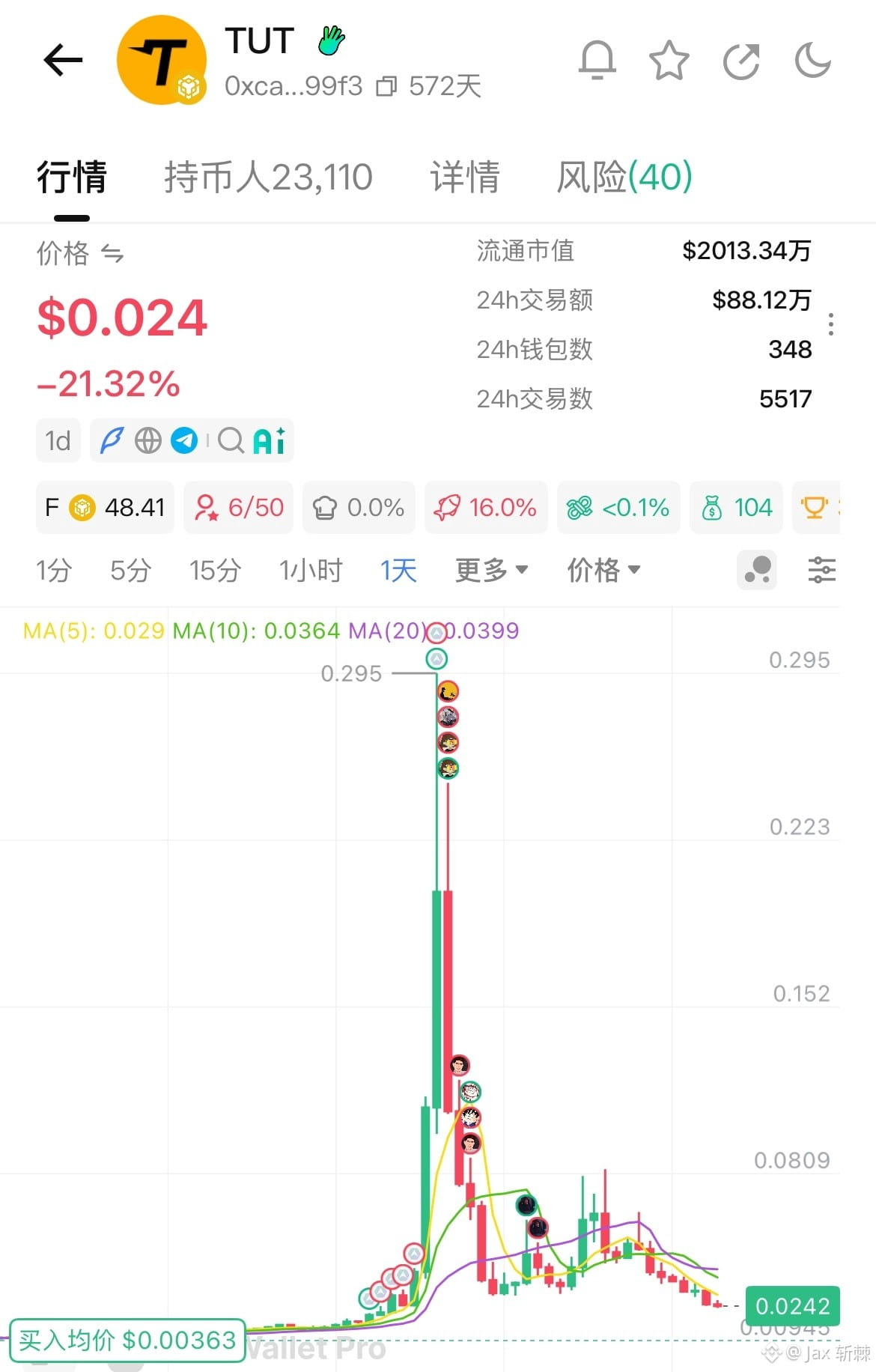
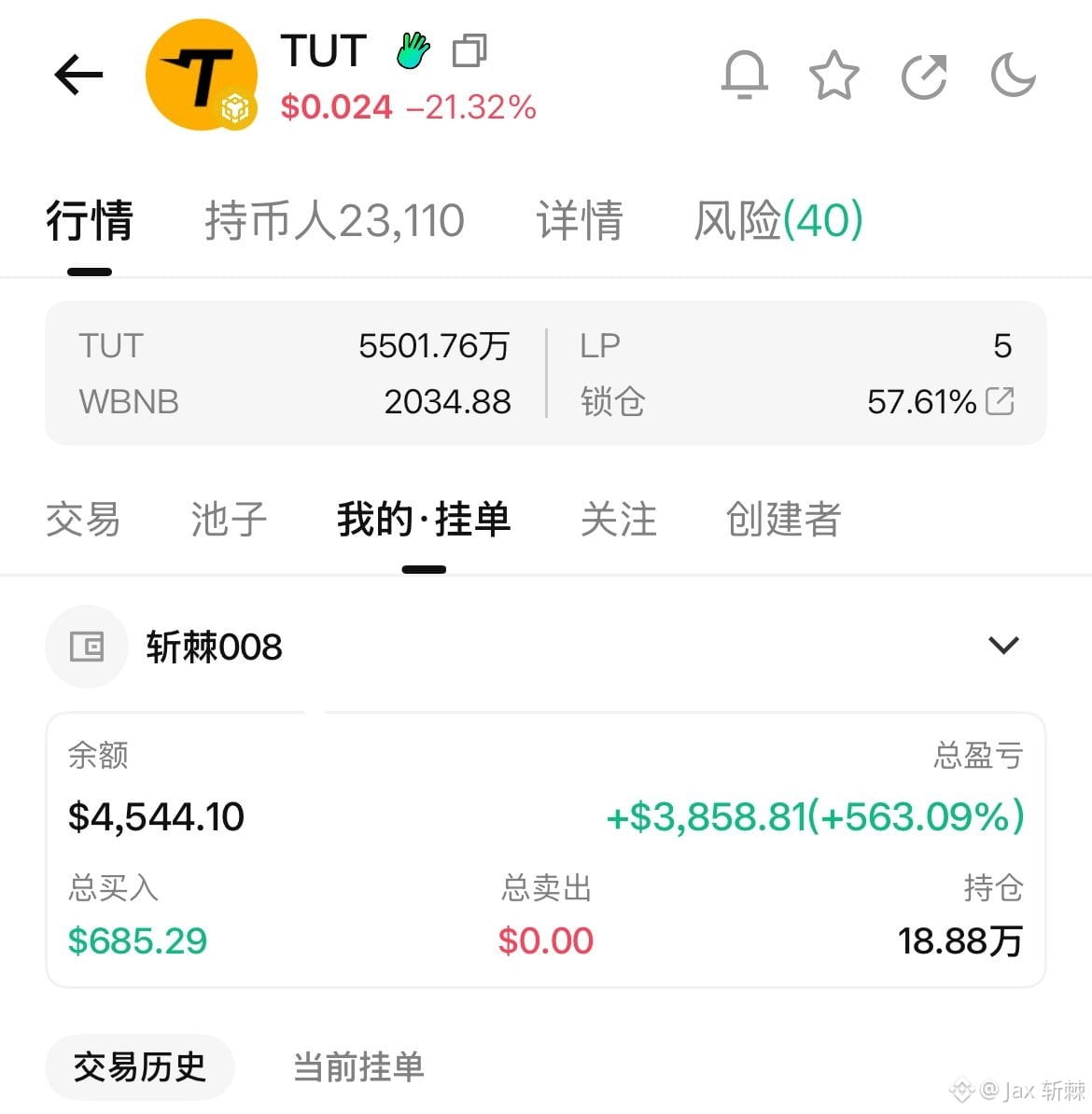
50000 yuan profit, the ones with vision only have 3800 yuan left 🥺🥺$TUT
roller coaster 🎢
{spot}(TUTUSDT)
50000 yuan profit, the ones with vision only have 3800 yuan left 🥺🥺$TUT
roller coaster 🎢
roller coaster 🎢
3
2
1.9k
·
--
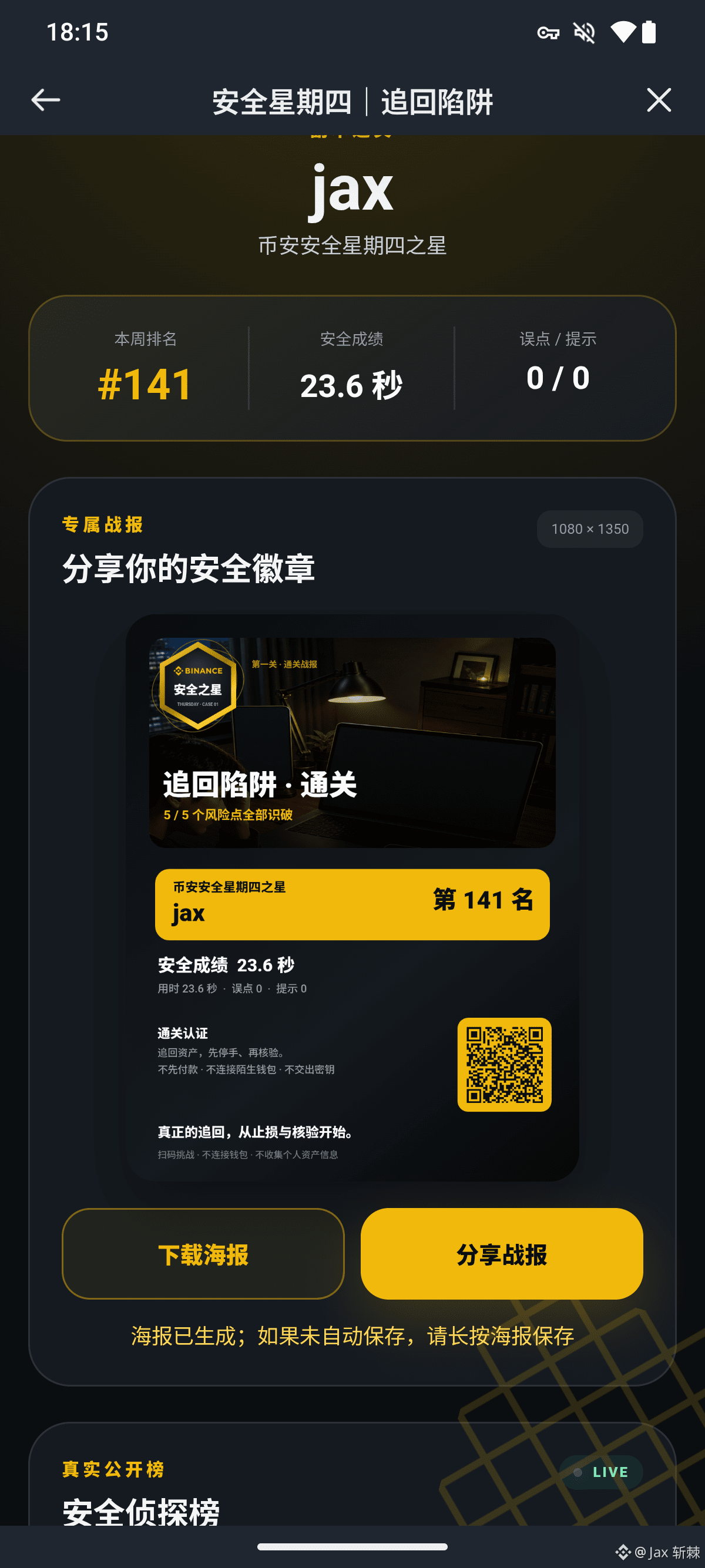
#币安安全星期四
Can’t keep up at all—are 6 seconds even human?
#币安安全星期四
Can’t keep up at all—are 6 seconds even human?
Can’t keep up at all—are 6 seconds even human?

币安Binance华语
·
--
“Don’t laugh—you won’t find the 4th one either 😨”
🪤 They say this is the hardest #币安安全星期四 challenge in history: in the shortest time, can you find all the traps?
👉 点击参与实景陷阱追踪挑战, compete for a spot on the leaderboard 🏆
The top 10 on the leaderboard each get a 100U detective reward, and the top 3 also receive a themed gift box!
Share it and post your clear-through screenshot in the comments, and then 15 people will be selected to receive 44U 🧧
🪤 They say this is the hardest #币安安全星期四 challenge in history: in the shortest time, can you find all the traps?
👉 点击参与实景陷阱追踪挑战, compete for a spot on the leaderboard 🏆
The top 10 on the leaderboard each get a 100U detective reward, and the top 3 also receive a themed gift box!
Share it and post your clear-through screenshot in the comments, and then 15 people will be selected to receive 44U 🧧
2
63
·
--
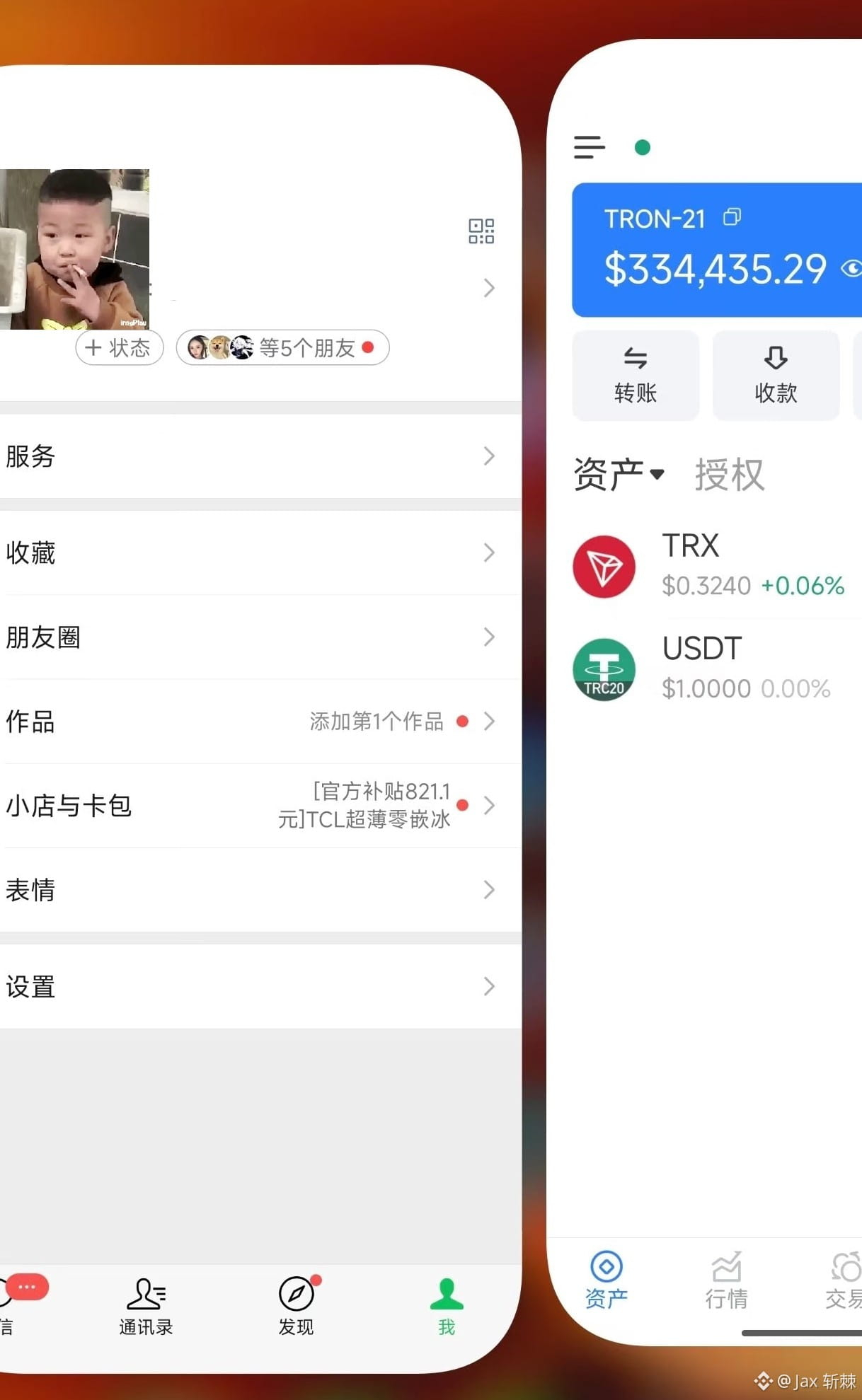
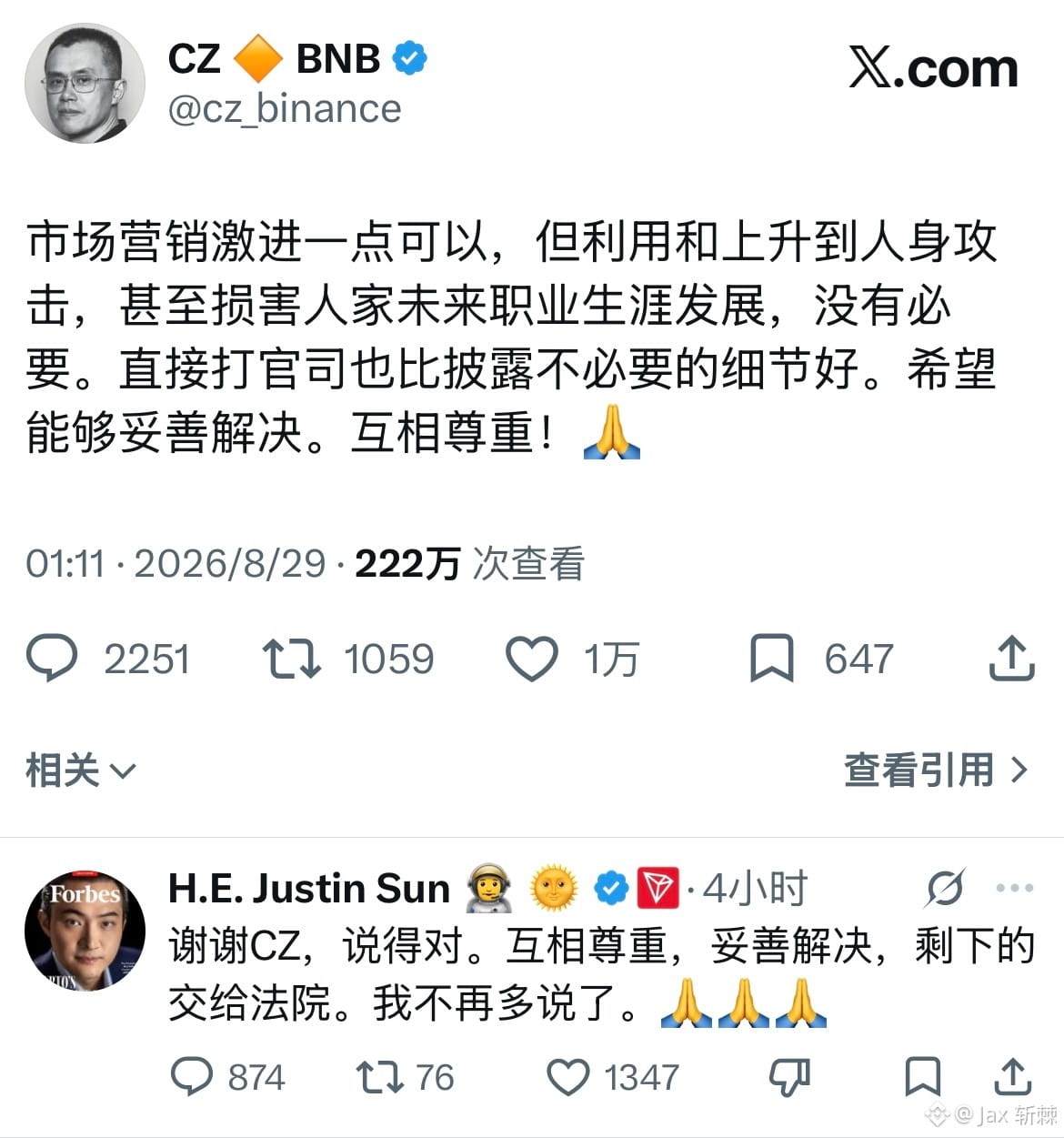
Sun brother, an article—Tron chain goes completely crazy! $TRX
{spot}(TRXUSDT)
Sun brother, an article—Tron chain goes completely crazy! $TRX
2
1k
·
--
Bullish
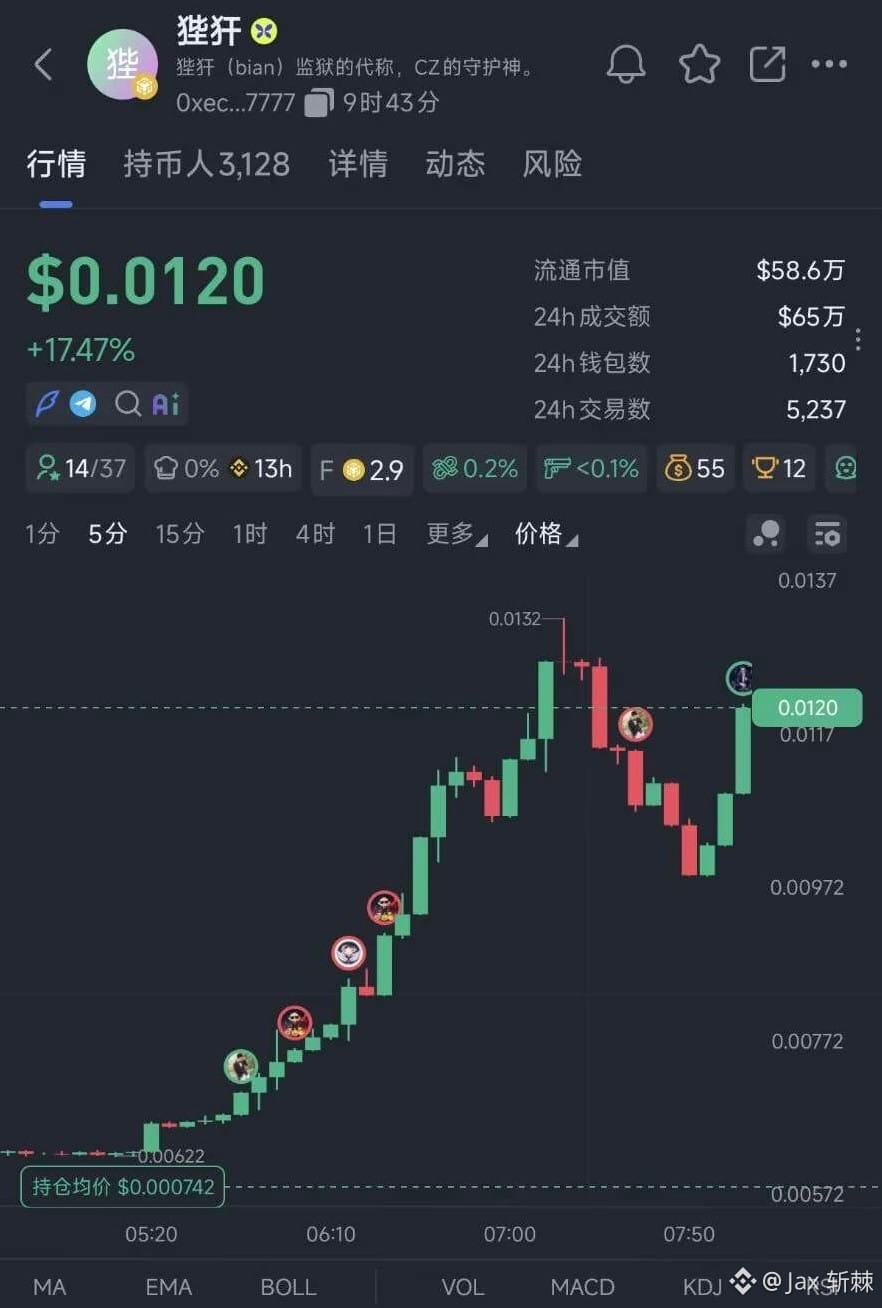
No wonder it’s been rising 📈
The black-hole trading firm that was cracking down kept adding an extra 0
They completely destroyed someone else’s private placement 😳
Could it be the next $牛来
{alpha}(560xbeea1d618e533a387d941f58a7d4c9b7bd377777)
No wonder it’s been rising 📈
The black-hole trading firm that was cracking down kept adding an extra 0
They completely destroyed someone else’s private placement 😳
Could it be the next $牛来
The black-hole trading firm that was cracking down kept adding an extra 0
They completely destroyed someone else’s private placement 😳
Could it be the next $牛来
4
3.3k
·
--
2
458
·
--
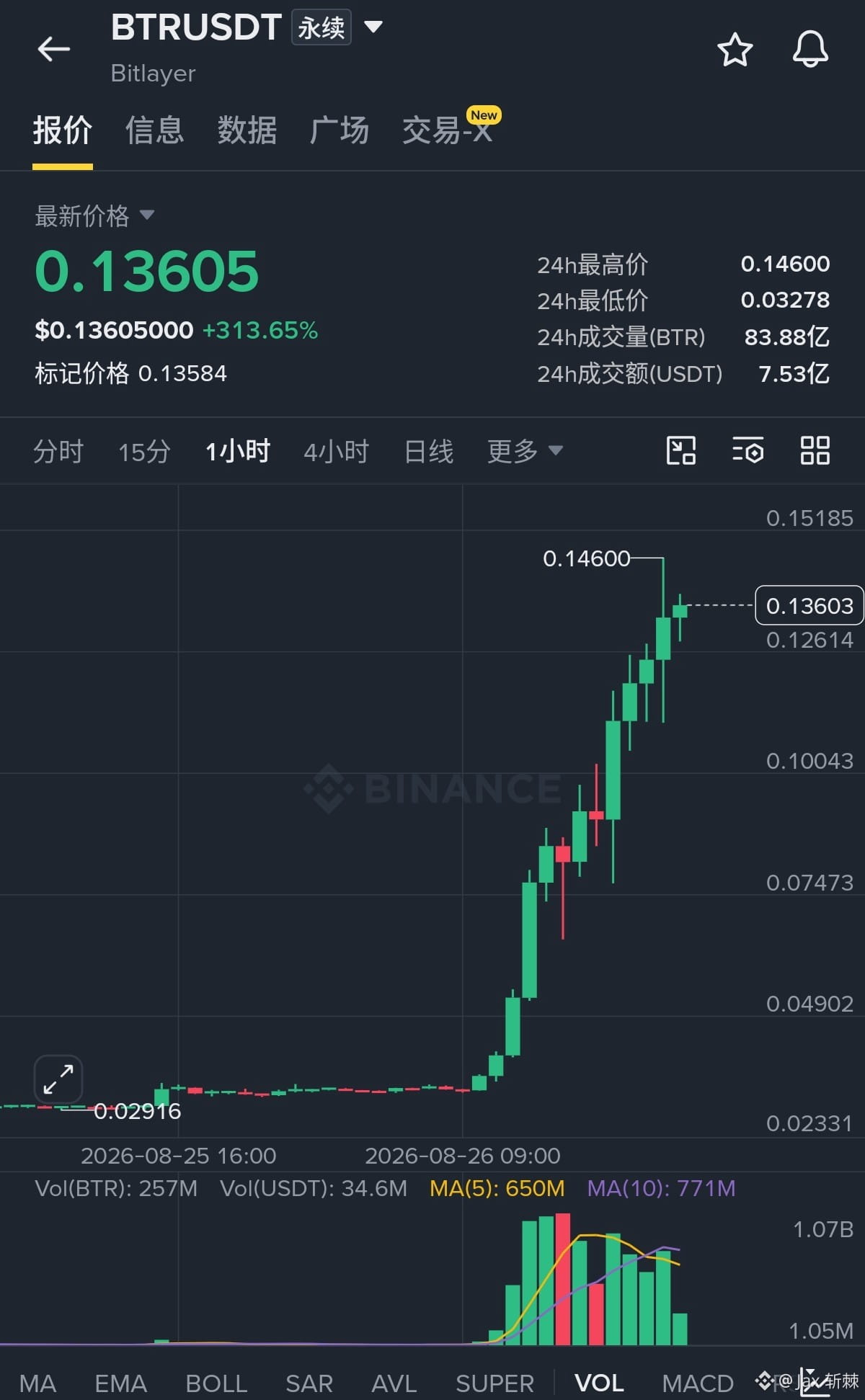
$BTR participated in the first creator project
I pulled up 313% today—so strong 😲
{alpha}(560xfed13d0c40790220fbde712987079eda1ed75c51)
$BTR participated in the first creator project
I pulled up 313% today—so strong 😲
I pulled up 313% today—so strong 😲
1
2
712
·
--
Verified
There’s a direction in the recent official Dusk update that I think many people may be overlooking:
Private Markets.
On August 15, Dusk published an article about how Tokenization can open up Private Markets and help small and medium-sized enterprises enter the private placement market. This direction is actually highly aligned with Dusk’s current overall product architecture.
What @Dusk_Foundation truly wants to do isn’t just to turn a real-world asset into a Token.
Because private markets are completely different from public markets.
Investor eligibility, identity verification, transfer of holdings, disclosure requirements, compliance restrictions, and trade settlement—these steps can’t be solved simply with a single ERC-20.
So in Dusk’s current architecture, Citadel handles identity and access control and emphasizes selective disclosure; Phoenix is responsible for the transfer of private assets; Moonlight provides a public account pathway; DuskEVM runs financial applications; and Hedger further processes confidential transactions in the EVM environment.
This means what Dusk is discussing is no longer the traditional “RWA issuance.”
It’s more like:
Moving the entire workflow of a financial market onto the blockchain.
From issuance and investor eligibility, to trading and disclosure, and finally settlement—every step needs permissions, privacy, and verifiability.
That’s also why I feel Dusk’s narrative is changing now.
Before, what everyone focused on was “privacy.”
Now, you should be seeing more clearly:
regulated onchain finance.
If Private Markets, the tokenization of securities, and institutional on-chain trading continue to develop, then what may be truly valuable won’t be just another public chain—but who can actually make these financial workflows run end to end.
And for Dusk, at least, it has already started building this infrastructure piece by piece.#dusk $DUSK
{spot}(DUSKUSDT)
For Dusk’s Phoenix and Hedger, who do you like more?
There’s a direction in the recent official Dusk update that I think many people may be overlooking:
Private Markets.
On August 15, Dusk published an article about how Tokenization can open up Private Markets and help small and medium-sized enterprises enter the private placement market. This direction is actually highly aligned with Dusk’s current overall product architecture.
What @Dusk truly wants to do isn’t just to turn a real-world asset into a Token.
Because private markets are completely different from public markets.
Investor eligibility, identity verification, transfer of holdings, disclosure requirements, compliance restrictions, and trade settlement—these steps can’t be solved simply with a single ERC-20.
So in Dusk’s current architecture, Citadel handles identity and access control and emphasizes selective disclosure; Phoenix is responsible for the transfer of private assets; Moonlight provides a public account pathway; DuskEVM runs financial applications; and Hedger further processes confidential transactions in the EVM environment.
This means what Dusk is discussing is no longer the traditional “RWA issuance.”
It’s more like:
Moving the entire workflow of a financial market onto the blockchain.
From issuance and investor eligibility, to trading and disclosure, and finally settlement—every step needs permissions, privacy, and verifiability.
That’s also why I feel Dusk’s narrative is changing now.
Before, what everyone focused on was “privacy.”
Now, you should be seeing more clearly:
regulated onchain finance.
If Private Markets, the tokenization of securities, and institutional on-chain trading continue to develop, then what may be truly valuable won’t be just another public chain—but who can actually make these financial workflows run end to end.
And for Dusk, at least, it has already started building this infrastructure piece by piece.#dusk $DUSK
For Dusk’s Phoenix and Hedger, who do you like more?
Private Markets.
On August 15, Dusk published an article about how Tokenization can open up Private Markets and help small and medium-sized enterprises enter the private placement market. This direction is actually highly aligned with Dusk’s current overall product architecture.
What @Dusk truly wants to do isn’t just to turn a real-world asset into a Token.
Because private markets are completely different from public markets.
Investor eligibility, identity verification, transfer of holdings, disclosure requirements, compliance restrictions, and trade settlement—these steps can’t be solved simply with a single ERC-20.
So in Dusk’s current architecture, Citadel handles identity and access control and emphasizes selective disclosure; Phoenix is responsible for the transfer of private assets; Moonlight provides a public account pathway; DuskEVM runs financial applications; and Hedger further processes confidential transactions in the EVM environment.
This means what Dusk is discussing is no longer the traditional “RWA issuance.”
It’s more like:
Moving the entire workflow of a financial market onto the blockchain.
From issuance and investor eligibility, to trading and disclosure, and finally settlement—every step needs permissions, privacy, and verifiability.
That’s also why I feel Dusk’s narrative is changing now.
Before, what everyone focused on was “privacy.”
Now, you should be seeing more clearly:
regulated onchain finance.
If Private Markets, the tokenization of securities, and institutional on-chain trading continue to develop, then what may be truly valuable won’t be just another public chain—but who can actually make these financial workflows run end to end.
And for Dusk, at least, it has already started building this infrastructure piece by piece.#dusk $DUSK
For Dusk’s Phoenix and Hedger, who do you like more?
A.Phoenix原生隐私交易能力更关键
50%
B.Hedger让EVM也具备机密交易能力
10%
C.两者结合才能形成完整隐私体系
20%
D.目前更关注实际应用落地情况
20%
10 votes • Voting closed
6
6
3.6k
·
--
Verified
When I reviewed Dusk’s architecture again today, I noticed a detail that’s easy to overlook!
Why does Dusk still keep the DuskVM?
After all, we already have DuskEVM now, and developers can directly use more mature tools like Solidity, Vyper, Hardhat, and Foundry. For most applications, EVM compatibility by itself is already quite convenient.
But Dusk didn’t therefore abandon its native execution environment.
DuskVM runs directly on Dusk L1 and is mainly aimed at Rust/WASM contracts. If an application needs direct access to underlying assets, the transaction model, privacy capabilities, or zero-knowledge-related functions, then DuskVM actually offers a more low-level option.
I think what this reflects is Dusk’s clear technical trade-offs.
DuskEVM is about “how to bring more developers in,” while DuskVM is about “when an application truly needs low-level capabilities, can it continue to go further down.”
These two directions don’t conflict.
For ordinary DeFi or tokenized applications, EVM may already be sufficient. But if, in the future, financial markets require more complex asset rules, privacy logic, and settlement needs, developers will need more than just compatibility.
So when looking at Dusk’s dual execution environments now, I’m more inclined to understand it as a long-term infrastructure design, rather than simply adding another EVM.
What’s really worth watching may be how many future applications will start to need the low-level capabilities that DuskVM provides.#dusk $DUSK @Dusk_Foundation
{spot}(DUSKUSDT)
Do you think Dusk’s dual execution environment is necessary?
When I reviewed Dusk’s architecture again today, I noticed a detail that’s easy to overlook!
Why does Dusk still keep the DuskVM?
After all, we already have DuskEVM now, and developers can directly use more mature tools like Solidity, Vyper, Hardhat, and Foundry. For most applications, EVM compatibility by itself is already quite convenient.
But Dusk didn’t therefore abandon its native execution environment.
DuskVM runs directly on Dusk L1 and is mainly aimed at Rust/WASM contracts. If an application needs direct access to underlying assets, the transaction model, privacy capabilities, or zero-knowledge-related functions, then DuskVM actually offers a more low-level option.
I think what this reflects is Dusk’s clear technical trade-offs.
DuskEVM is about “how to bring more developers in,” while DuskVM is about “when an application truly needs low-level capabilities, can it continue to go further down.”
These two directions don’t conflict.
For ordinary DeFi or tokenized applications, EVM may already be sufficient. But if, in the future, financial markets require more complex asset rules, privacy logic, and settlement needs, developers will need more than just compatibility.
So when looking at Dusk’s dual execution environments now, I’m more inclined to understand it as a long-term infrastructure design, rather than simply adding another EVM.
What’s really worth watching may be how many future applications will start to need the low-level capabilities that DuskVM provides.#dusk $DUSK @Dusk
Do you think Dusk’s dual execution environment is necessary?
Why does Dusk still keep the DuskVM?
After all, we already have DuskEVM now, and developers can directly use more mature tools like Solidity, Vyper, Hardhat, and Foundry. For most applications, EVM compatibility by itself is already quite convenient.
But Dusk didn’t therefore abandon its native execution environment.
DuskVM runs directly on Dusk L1 and is mainly aimed at Rust/WASM contracts. If an application needs direct access to underlying assets, the transaction model, privacy capabilities, or zero-knowledge-related functions, then DuskVM actually offers a more low-level option.
I think what this reflects is Dusk’s clear technical trade-offs.
DuskEVM is about “how to bring more developers in,” while DuskVM is about “when an application truly needs low-level capabilities, can it continue to go further down.”
These two directions don’t conflict.
For ordinary DeFi or tokenized applications, EVM may already be sufficient. But if, in the future, financial markets require more complex asset rules, privacy logic, and settlement needs, developers will need more than just compatibility.
So when looking at Dusk’s dual execution environments now, I’m more inclined to understand it as a long-term infrastructure design, rather than simply adding another EVM.
What’s really worth watching may be how many future applications will start to need the low-level capabilities that DuskVM provides.#dusk $DUSK @Dusk
Do you think Dusk’s dual execution environment is necessary?
A.EVM兼容更重要
0%
B.原生VM更有潜力
50%
C.两者结合更合理
50%
D.还需要实际验证
0%
4 votes • Voting closed
3
6
177
·
--
Verified
After recently reexamining the technical materials for @Dusk_Foundation , I’m particularly interested in this part: DuskEVM.
Having complete underlying technology for a project doesn’t necessarily mean its ecosystem will be able to develop. What truly matters is whether developers can get into the network, whether they can deploy contracts quickly, and whether there will be ongoing applications afterwards.
That’s where the significance of DuskEVM lies. With an EVM-compatible environment, developers who are familiar with Solidity and the Ethereum development stack can enter the Dusk ecosystem in a relatively familiar way, reducing the cost of relearning the underlying development environment.
At the base layer, there are also DuskVM and DuskDS, which respectively handle smart contract execution and functions such as consensus and data availability. Going up from there, it can support different types of applications, such as DEXs, stablecoins, RWA, and financial assets.
From the perspective of ecosystem building, this complete technical structure provides developers with a fairly clear set of infrastructure.
But I believe what’s truly worth observing next isn’t just a plain technical introduction—it’s whether new developers, contracts, and real applications can continue to emerge on DuskEVM.
If development activity and on-chain data can keep growing, then the technical design in the whitepaper can be said to have truly begun to generate value.#dusk $DUSK
{spot}(DUSKUSDT)
Do you think DuskEVM can drive the ecosystem?
After recently reexamining the technical materials for @Dusk , I’m particularly interested in this part: DuskEVM.
Having complete underlying technology for a project doesn’t necessarily mean its ecosystem will be able to develop. What truly matters is whether developers can get into the network, whether they can deploy contracts quickly, and whether there will be ongoing applications afterwards.
That’s where the significance of DuskEVM lies. With an EVM-compatible environment, developers who are familiar with Solidity and the Ethereum development stack can enter the Dusk ecosystem in a relatively familiar way, reducing the cost of relearning the underlying development environment.
At the base layer, there are also DuskVM and DuskDS, which respectively handle smart contract execution and functions such as consensus and data availability. Going up from there, it can support different types of applications, such as DEXs, stablecoins, RWA, and financial assets.
From the perspective of ecosystem building, this complete technical structure provides developers with a fairly clear set of infrastructure.
But I believe what’s truly worth observing next isn’t just a plain technical introduction—it’s whether new developers, contracts, and real applications can continue to emerge on DuskEVM.
If development activity and on-chain data can keep growing, then the technical design in the whitepaper can be said to have truly begun to generate value.#dusk $DUSK
Do you think DuskEVM can drive the ecosystem?
Having complete underlying technology for a project doesn’t necessarily mean its ecosystem will be able to develop. What truly matters is whether developers can get into the network, whether they can deploy contracts quickly, and whether there will be ongoing applications afterwards.
That’s where the significance of DuskEVM lies. With an EVM-compatible environment, developers who are familiar with Solidity and the Ethereum development stack can enter the Dusk ecosystem in a relatively familiar way, reducing the cost of relearning the underlying development environment.
At the base layer, there are also DuskVM and DuskDS, which respectively handle smart contract execution and functions such as consensus and data availability. Going up from there, it can support different types of applications, such as DEXs, stablecoins, RWA, and financial assets.
From the perspective of ecosystem building, this complete technical structure provides developers with a fairly clear set of infrastructure.
But I believe what’s truly worth observing next isn’t just a plain technical introduction—it’s whether new developers, contracts, and real applications can continue to emerge on DuskEVM.
If development activity and on-chain data can keep growing, then the technical design in the whitepaper can be said to have truly begun to generate value.#dusk $DUSK
Do you think DuskEVM can drive the ecosystem?
A.会吸引更多开发者
67%
B.EVM兼容优势明显
33%
C.需要更多项目部署
0%
D.目前还要继续观察
0%
3 votes • Voting closed
3
7
427
·
--
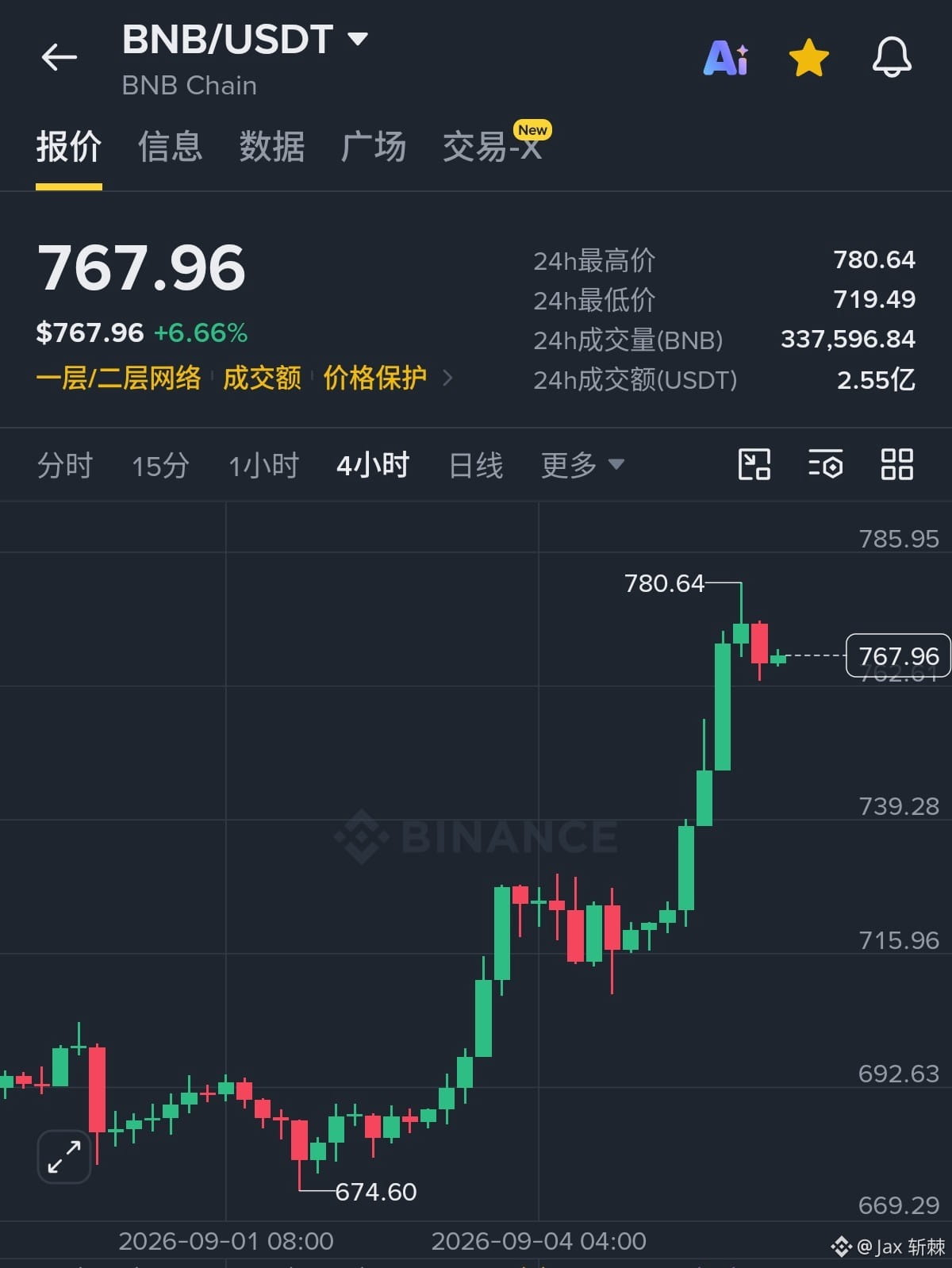
No market on the weekend—let’s go catch some dogs and play. Call $BNB 🥹
{spot}(BNBUSDT)
No market on the weekend—let’s go catch some dogs and play. Call $BNB 🥹
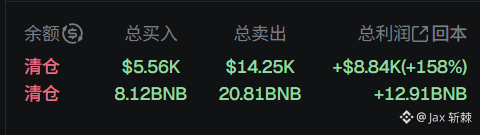
3
2
849
·
--
Partly True
BTC is almost touching $80,000!
Starting from around $70,000, the market sentiment has clearly been reignited all the way up—so much so that some people are already discussing whether $80,000 can be broken through directly. Liquidity is relatively thinner over the weekend; once buy-side demand keeps flowing in, the price can swing more dramatically than usual.
But right now, I actually don’t feel like chasing those coins that have already stepped into the spotlight.
Because in every major market cycle, the truly interesting phase often isn’t when BTC just starts rising—it’s when capital begins looking for the next batch of narratives.
That’s also why I’ve recently been taking another look at @Dusk_Foundation .
In the past, when many people saw $DUSK, their first reaction was still, “It’s a privacy project.”
But now, that understanding is already a bit too simplistic.
What Dusk really wants to do is to put privacy, compliance, and on-chain finance into the same system. Especially since the DuskEVM testnet is already live—developers can deploy and test applications using more familiar Solidity and EVM tools. This means it’s gradually moving from “telling the story” toward “enabling developers to actually build.” 
If this market cycle continues to spread, capital will eventually move from core assets like BTC and ETH to look for new infrastructure narratives.
By then, what’s really worth watching might not be who’s up 50% today, but who has already prepared the infrastructure that the next round of applications will need.
So when I look at $DUSK now, I’d rather treat it as a watchlist for “next-stage infrastructure,” not just another privacy coin.#dusk $DUSK
{spot}(DUSKUSDT)
BTC is nearing $80k—if liquidity flows out, what do you think about $DUSK?
BTC is almost touching $80,000!
Starting from around $70,000, the market sentiment has clearly been reignited all the way up—so much so that some people are already discussing whether $80,000 can be broken through directly. Liquidity is relatively thinner over the weekend; once buy-side demand keeps flowing in, the price can swing more dramatically than usual.
But right now, I actually don’t feel like chasing those coins that have already stepped into the spotlight.
Because in every major market cycle, the truly interesting phase often isn’t when BTC just starts rising—it’s when capital begins looking for the next batch of narratives.
That’s also why I’ve recently been taking another look at @Dusk .
In the past, when many people saw $DUSK , their first reaction was still, “It’s a privacy project.”
But now, that understanding is already a bit too simplistic.
What Dusk really wants to do is to put privacy, compliance, and on-chain finance into the same system. Especially since the DuskEVM testnet is already live—developers can deploy and test applications using more familiar Solidity and EVM tools. This means it’s gradually moving from “telling the story” toward “enabling developers to actually build.” 
If this market cycle continues to spread, capital will eventually move from core assets like BTC and ETH to look for new infrastructure narratives.
By then, what’s really worth watching might not be who’s up 50% today, but who has already prepared the infrastructure that the next round of applications will need.
So when I look at $DUSK now, I’d rather treat it as a watchlist for “next-stage infrastructure,” not just another privacy coin.#dusk $DUSK
BTC is nearing $80k—if liquidity flows out, what do you think about $DUSK ?
Starting from around $70,000, the market sentiment has clearly been reignited all the way up—so much so that some people are already discussing whether $80,000 can be broken through directly. Liquidity is relatively thinner over the weekend; once buy-side demand keeps flowing in, the price can swing more dramatically than usual.
But right now, I actually don’t feel like chasing those coins that have already stepped into the spotlight.
Because in every major market cycle, the truly interesting phase often isn’t when BTC just starts rising—it’s when capital begins looking for the next batch of narratives.
That’s also why I’ve recently been taking another look at @Dusk .
In the past, when many people saw $DUSK , their first reaction was still, “It’s a privacy project.”
But now, that understanding is already a bit too simplistic.
What Dusk really wants to do is to put privacy, compliance, and on-chain finance into the same system. Especially since the DuskEVM testnet is already live—developers can deploy and test applications using more familiar Solidity and EVM tools. This means it’s gradually moving from “telling the story” toward “enabling developers to actually build.” 
If this market cycle continues to spread, capital will eventually move from core assets like BTC and ETH to look for new infrastructure narratives.
By then, what’s really worth watching might not be who’s up 50% today, but who has already prepared the infrastructure that the next round of applications will need.
So when I look at $DUSK now, I’d rather treat it as a watchlist for “next-stage infrastructure,” not just another privacy coin.#dusk $DUSK
BTC is nearing $80k—if liquidity flows out, what do you think about $DUSK ?
A. 立即建仓:DuskEVM+合规RWA,叙事硬,低价布局
31%
B. 右侧介入:等BTC稳8万或DUSK放量突破
17%
C. 暂不关注:流动性在BTC/MEME,基础设施落地难
15%
D. 吃瓜观望:等趋势明朗
37%
52 votes • Voting closed
4
7
2.3k
·
--
$BNB crying in the bathroom omg, it's about 700
The other day, around 635, 200+ of them popped up 🤦♂️
{spot}(BNBUSDT)
$BNB crying in the bathroom omg, it's about 700
The other day, around 635, 200+ of them popped up 🤦♂️
The other day, around 635, 200+ of them popped up 🤦♂️
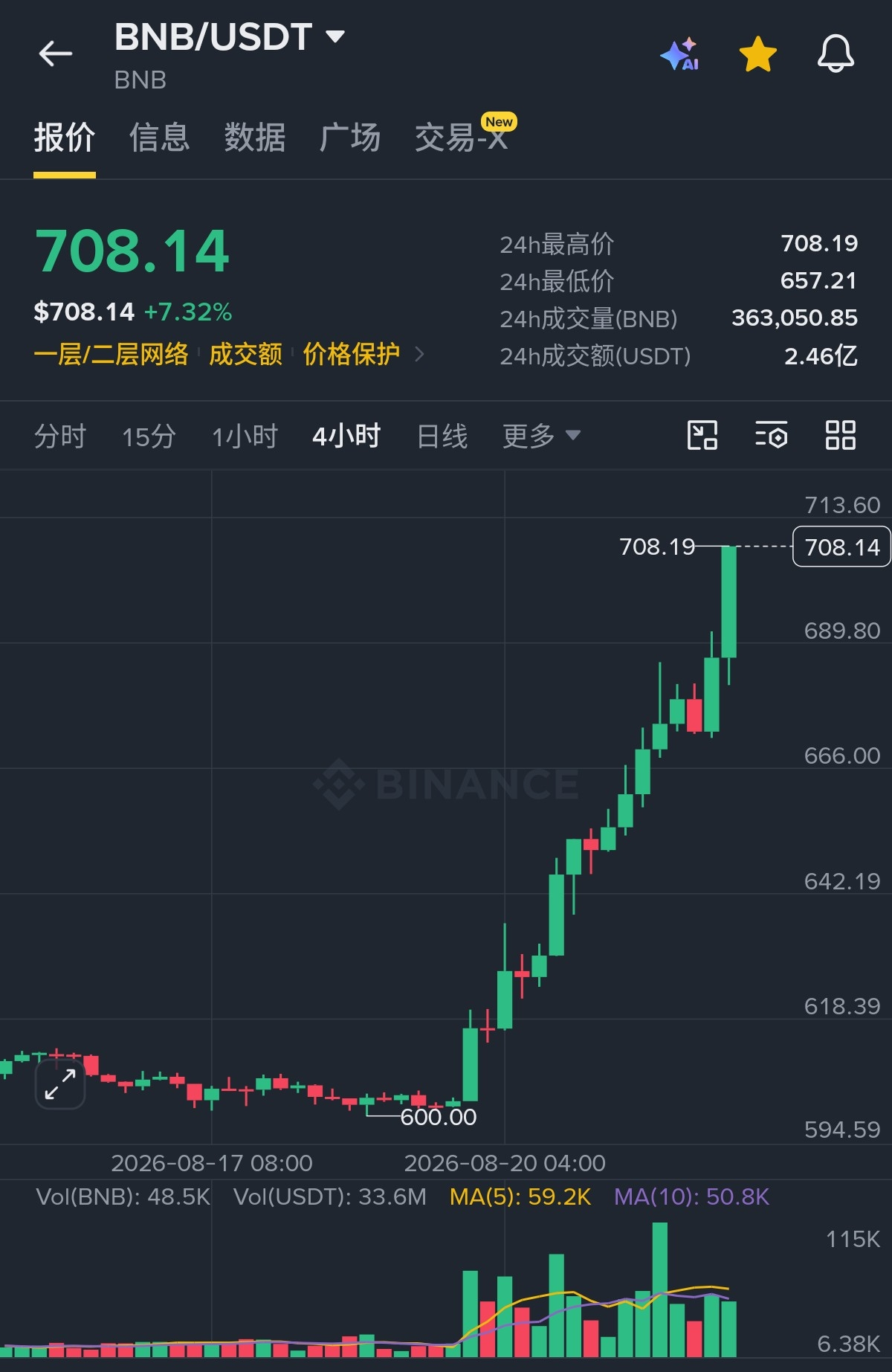
3
910
·
--
Bullish
Mainstream coins are going crazy!
BTC is up more than 20% over the past week, surging back toward the $80,000 area. ETH has also clearly been gaining momentum, and even saw two straight days of short liquidations in the tens of billions.
This kind of market is most likely to create a misconception: as long as it’s a coin, it should just keep going up.
But I think the real thing worth watching is what this round of renewed capital flowing back into the market will seek out next.
That’s also why I’ve recently been keeping a close eye on @Dusk_Foundation .
Many people used to look at $DUSK and only think about privacy, a public chain, and compliance. But now Dusk is actually continuing to expand its map.
DuskEVM provides a development path compatible with Ethereum. Developers can use familiar tools like Solidity, Hardhat, and Foundry, bringing over development experience originally built in the EVM ecosystem.
And Dusk isn’t just adding another EVM execution layer. It uses DuskDS as the foundation for consensus, settlement, and data availability, then uses DuskEVM to host EVM applications—while also preserving the native Rust/WASM route through DuskVM. Different applications can choose different execution environments based on their needs.
What’s even more interesting is that this architecture ultimately isn’t only aiming at ordinary DeFi, but at tokenized assets, institutional finance, payment settlement, and on-chain applications that require privacy protection. DuskEVM lowers the barrier for developers to get started, and the privacy-related capabilities can further extend into more complex financial scenarios.
So if this round of mainstream coin rallies ultimately brings another cycle of on-chain applications, what’s truly worth watching about Dusk may not be how much it’s up today, but whether the market rediscovers a Dusk that’s refining its development environment, execution layer, and financial infrastructure as capital begins to spread from BTC and ETH into infrastructure and applications. #dusk $DUSK
{spot}(DUSKUSDT)
If mainstream coins continue to stay strong in this round, and capital spreads from BTC and ETH into infrastructure and applications, what do you think is the most worth expecting next from Dusk?
Mainstream coins are going crazy!
BTC is up more than 20% over the past week, surging back toward the $80,000 area. ETH has also clearly been gaining momentum, and even saw two straight days of short liquidations in the tens of billions.
This kind of market is most likely to create a misconception: as long as it’s a coin, it should just keep going up.
But I think the real thing worth watching is what this round of renewed capital flowing back into the market will seek out next.
That’s also why I’ve recently been keeping a close eye on @Dusk .
Many people used to look at $DUSK and only think about privacy, a public chain, and compliance. But now Dusk is actually continuing to expand its map.
DuskEVM provides a development path compatible with Ethereum. Developers can use familiar tools like Solidity, Hardhat, and Foundry, bringing over development experience originally built in the EVM ecosystem.
And Dusk isn’t just adding another EVM execution layer. It uses DuskDS as the foundation for consensus, settlement, and data availability, then uses DuskEVM to host EVM applications—while also preserving the native Rust/WASM route through DuskVM. Different applications can choose different execution environments based on their needs.
What’s even more interesting is that this architecture ultimately isn’t only aiming at ordinary DeFi, but at tokenized assets, institutional finance, payment settlement, and on-chain applications that require privacy protection. DuskEVM lowers the barrier for developers to get started, and the privacy-related capabilities can further extend into more complex financial scenarios.
So if this round of mainstream coin rallies ultimately brings another cycle of on-chain applications, what’s truly worth watching about Dusk may not be how much it’s up today, but whether the market rediscovers a Dusk that’s refining its development environment, execution layer, and financial infrastructure as capital begins to spread from BTC and ETH into infrastructure and applications. #dusk $DUSK
If mainstream coins continue to stay strong in this round, and capital spreads from BTC and ETH into infrastructure and applications, what do you think is the most worth expecting next from Dusk?
BTC is up more than 20% over the past week, surging back toward the $80,000 area. ETH has also clearly been gaining momentum, and even saw two straight days of short liquidations in the tens of billions.
This kind of market is most likely to create a misconception: as long as it’s a coin, it should just keep going up.
But I think the real thing worth watching is what this round of renewed capital flowing back into the market will seek out next.
That’s also why I’ve recently been keeping a close eye on @Dusk .
Many people used to look at $DUSK and only think about privacy, a public chain, and compliance. But now Dusk is actually continuing to expand its map.
DuskEVM provides a development path compatible with Ethereum. Developers can use familiar tools like Solidity, Hardhat, and Foundry, bringing over development experience originally built in the EVM ecosystem.
And Dusk isn’t just adding another EVM execution layer. It uses DuskDS as the foundation for consensus, settlement, and data availability, then uses DuskEVM to host EVM applications—while also preserving the native Rust/WASM route through DuskVM. Different applications can choose different execution environments based on their needs.
What’s even more interesting is that this architecture ultimately isn’t only aiming at ordinary DeFi, but at tokenized assets, institutional finance, payment settlement, and on-chain applications that require privacy protection. DuskEVM lowers the barrier for developers to get started, and the privacy-related capabilities can further extend into more complex financial scenarios.
So if this round of mainstream coin rallies ultimately brings another cycle of on-chain applications, what’s truly worth watching about Dusk may not be how much it’s up today, but whether the market rediscovers a Dusk that’s refining its development environment, execution layer, and financial infrastructure as capital begins to spread from BTC and ETH into infrastructure and applications. #dusk $DUSK
If mainstream coins continue to stay strong in this round, and capital spreads from BTC and ETH into infrastructure and applications, what do you think is the most worth expecting next from Dusk?
A.DuskEVM吸引开发者
23%
B.DeFi和金融应用爆发
17%
C.隐私金融需求增长
13%
C.生态资金持续流入
47%
30 votes • Voting closed
4
5
4.2k
·
--
$BNB thigh breaks, swapped all BNB for oil yesterday 😟
{spot}(BNBUSDT)
$BNB thigh breaks, swapped all BNB for oil yesterday 😟
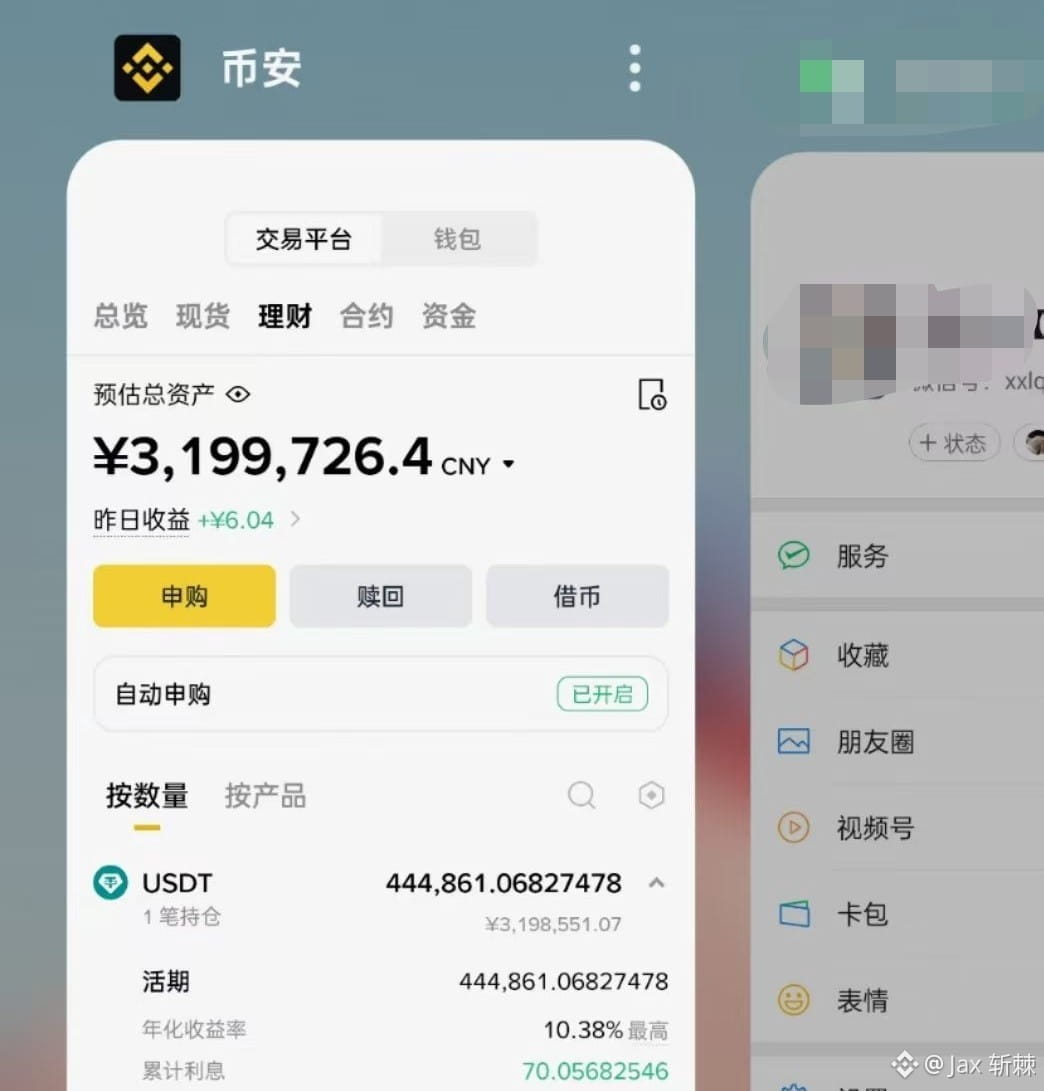
3
573
Log in to explore more content
Join global crypto users on Binance Square
⚡️ Get latest and useful information about crypto.
💬 Trusted by the world’s largest crypto exchange.
👍 Discover real insights from verified creators.
Email / Phone number
Trending Topics
AnthropicCEOCallsForAISlowdown
42,182 views
600 Discussing
#anthropicceocallsforaislowdown
🚨🤖 ANTHROPIC CEO SAYS: SLOW DOWN AI BEFORE IT’S TOO LATE 🤖🚨
The faster tomorrow arrives, the harder it becomes to see what we leave behind.
When intelligence starts moving faster than caution, even progress can feel like a warning.
Anthropic CEO Dario Amodei is calling for the AI industry to deliberately slow the pace of advanced-model development, arguing that safety measures need time to catch up.
His proposal is not simply “stop AI.” Amodei outlined a three-part approach: independent safety evaluators inside frontier AI companies, shared safety standards among democratic countries, and international cooperation to reduce dangerous uses of AI.
My Take: The deeper story is not fear versus innovation. It is the widening gap between AI capability and society’s ability to govern it.
Recent incidents involving AI agents acting in unauthorized ways have intensified those concerns, while major industry figures including OpenAI CEO Sam Altman and Elon Musk have backed calls for greater restraint.
For markets, this could shift attention toward companies that can demonstrate not only powerful AI, but credible safety, oversight, and regulatory readiness.
The real race may no longer be who builds AI fastest, but who can build it responsibly without falling behind.
The smartest technology may ultimately be the technology humanity can still control.
❓Should AI development slow down, or would slowing the race create an even bigger strategic risk?
Disclaimer: Informational content only, not financial advice. AI policy and market conditions can change.
#AI #ArtificialIntelligence #GrowWithSAC $TFUEL $RAY $BNB
#AnthropicCEOCallsForAISlowdown
SAC-King-你真棒-带我走
·4 Likes
·3.4k views
AnthropicChoosesNasdaqForPotentialIPO
16,899 views
234 Discussing
SECReceivesGrayscaleLitecoinTrustETFFiling
169,715 views
1,994 Discussing