

艾琳irene
701 Posts

艾琳irene
Report
Block User
X:@Web3Irene专注金融与区块链加密圈结合,上下游:web3加密圈|港/美股|移民|留学|区块链技术开发。
1.3K+ Following
28.5K+ Followers
7.9K+ Liked
Posts
All
Quotes
Videos
Live
PINNED
·
--
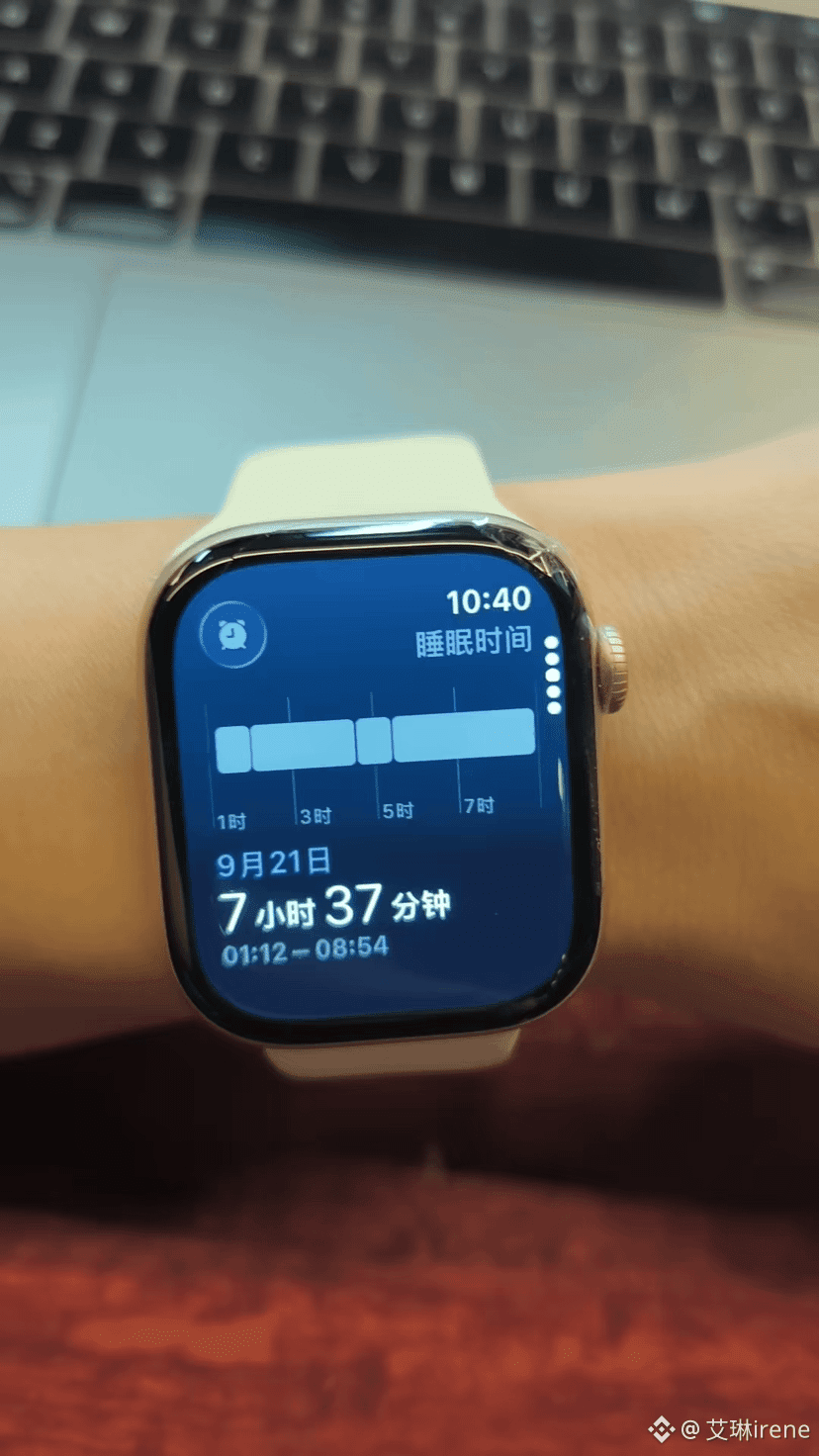
I had a glass of red wine last night and slept so well—95 points. I didn’t even wake up in the middle of the night 😊$BTC #MichaelSaylor暗示增持BTC
I had a glass of red wine last night and slept so well—95 points. I didn’t even wake up in the middle of the night 😊$BTC #MichaelSaylor暗示增持BTC
96
1
10
248
PINNED
·
--
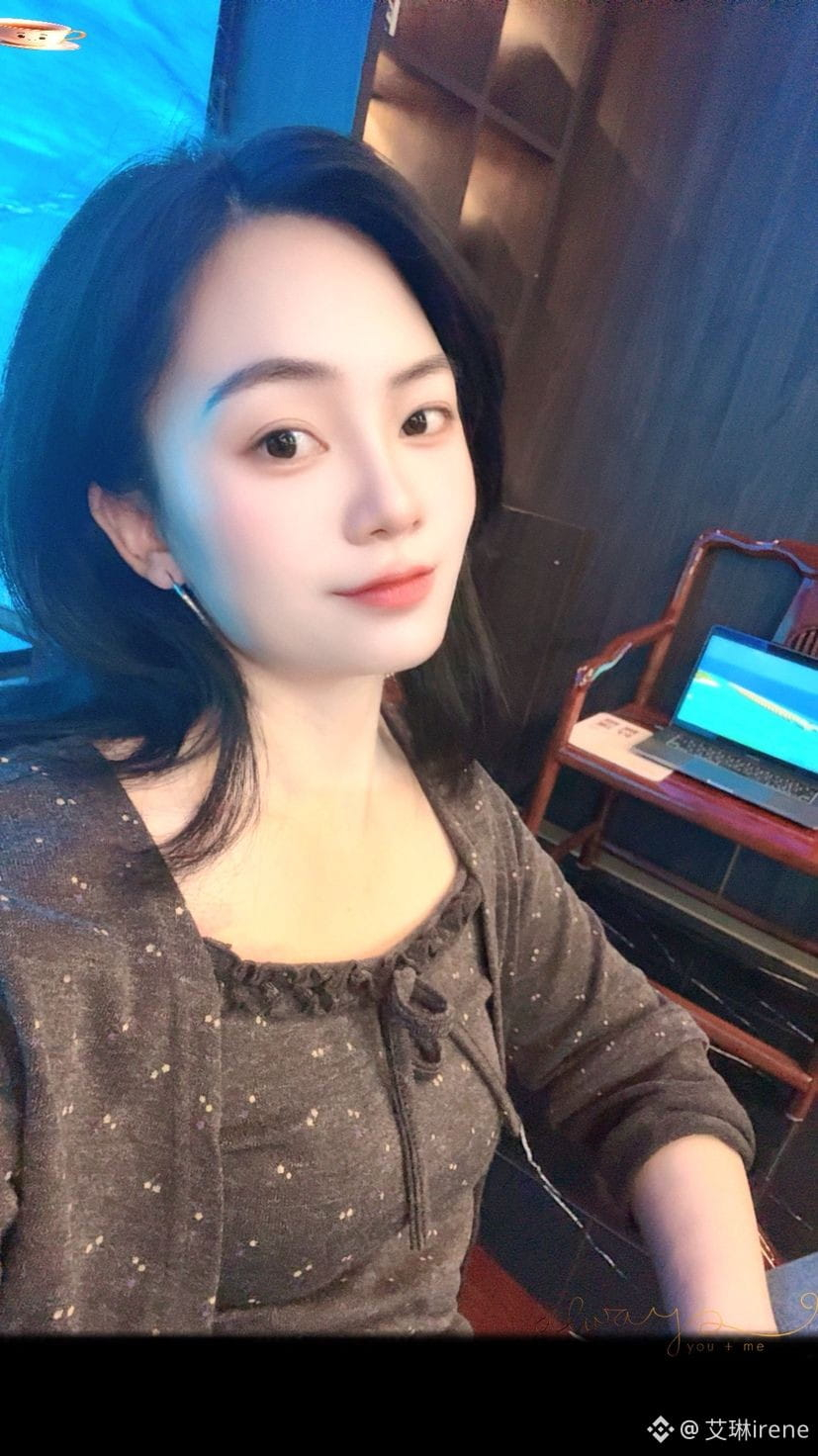
Not afraid of market volatility, stay calm and wait
Even if the candlestick chart changes a thousand ways, gains and losses are all illusions. If your heart is at peace, you won’t fear the storms of the market. $SOL
#solana #The Bank of Japan raises interest rates to a 31-year high
Not afraid of market volatility, stay calm and wait
Even if the candlestick chart changes a thousand ways, gains and losses are all illusions. If your heart is at peace, you won’t fear the storms of the market. $SOL
#solana #The Bank of Japan raises interest rates to a 31-year high
Even if the candlestick chart changes a thousand ways, gains and losses are all illusions. If your heart is at peace, you won’t fear the storms of the market. $SOL
#solana #The Bank of Japan raises interest rates to a 31-year high
501
10
46
741
·
--
钞机八蛋
·
--
[Ended] 🎙️ If the big cake retraces, would that be an opportunity to get on the train?
9.7k listens
150


·
--
🎙️ Crypto market updates & community discussion; answering questions for newcomers ✅ Keep building the community 🦅 Spread the idea of freedom! Maintain ecological balance!
End
03 h 17 m 11 s
8.2k
20
63
·
--
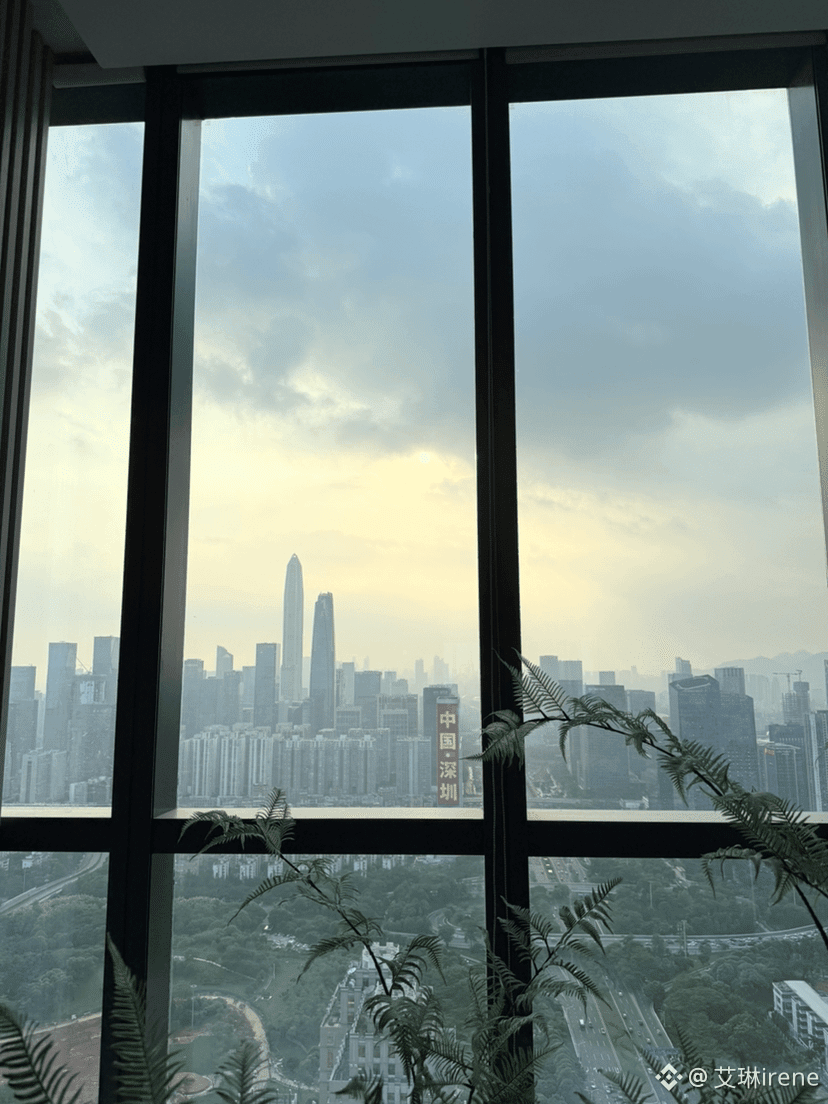
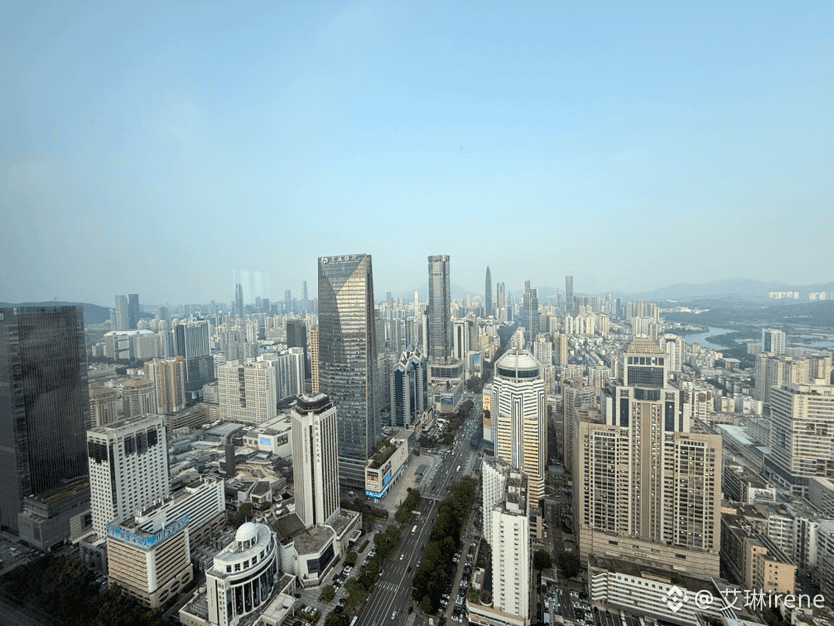
In Shenzhen, there's no need to chase a transformation that happens overnight.
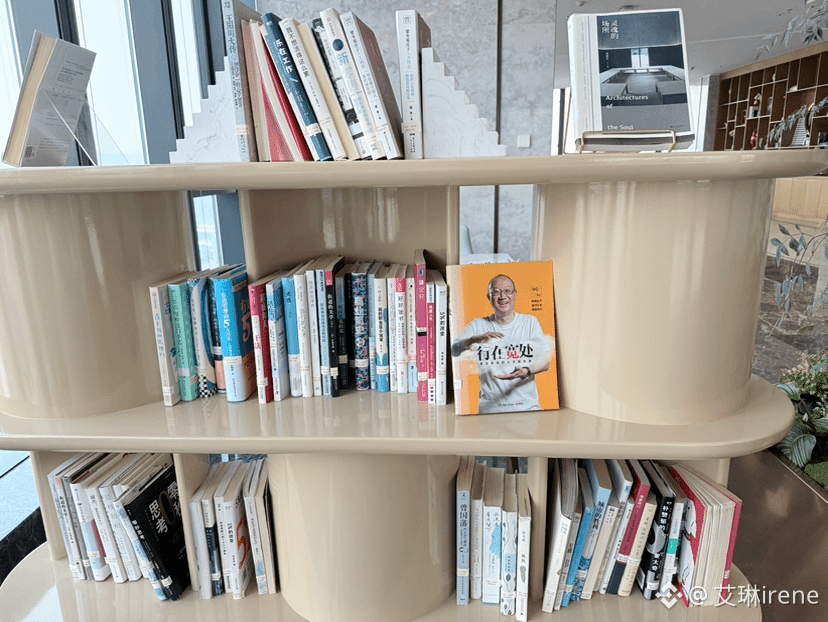
As this book in your hands says, just a 5% change is enough.
City dusk pours over the glass windows—keep moving forward steadily, quietly accumulating, and time will see every effort.✨
#Paradigm披露持有ZEC #Meme发射台占Arc首日成交82% $BTC
In Shenzhen, there's no need to chase a transformation that happens overnight.
As this book in your hands says, just a 5% change is enough.
City dusk pours over the glass windows—keep moving forward steadily, quietly accumulating, and time will see every effort.✨
#Paradigm披露持有ZEC #Meme发射台占Arc首日成交82% $BTC
As this book in your hands says, just a 5% change is enough.
City dusk pours over the glass windows—keep moving forward steadily, quietly accumulating, and time will see every effort.✨
#Paradigm披露持有ZEC #Meme发射台占Arc首日成交82% $BTC

956
8
56
956
·
--
CLARITY Act: A major U.S. crypto bill failed in a procedural vote in the Senate, temporarily shelved in the short term.
✅ If it moves forward: decentralized tokens would be classified as commodities; node developers and non-custodial DeFi would be protected; institutional capital could enter in large numbers.
❌ Current situation: the regulatory vacuum continues, and the SEC-style litigation enforcement approach remains; the legal environment for nodes and staking business does not change in the short term.
⚠️ The bill isn’t a “get-out-of-jail-free” card—custodial staking still faces compliance risks.
The failed vote triggered a plunge in BTC and ETH, but I always believe it’s only temporary.
#Clarity #比特币下跌4% #加密监管 $BTC
CLARITY Act: A major U.S. crypto bill failed in a procedural vote in the Senate, temporarily shelved in the short term.
✅ If it moves forward: decentralized tokens would be classified as commodities; node developers and non-custodial DeFi would be protected; institutional capital could enter in large numbers.
❌ Current situation: the regulatory vacuum continues, and the SEC-style litigation enforcement approach remains; the legal environment for nodes and staking business does not change in the short term.
⚠️ The bill isn’t a “get-out-of-jail-free” card—custodial staking still faces compliance risks.
The failed vote triggered a plunge in BTC and ETH, but I always believe it’s only temporary.
#Clarity #比特币下跌4% #加密监管 $BTC
✅ If it moves forward: decentralized tokens would be classified as commodities; node developers and non-custodial DeFi would be protected; institutional capital could enter in large numbers.
❌ Current situation: the regulatory vacuum continues, and the SEC-style litigation enforcement approach remains; the legal environment for nodes and staking business does not change in the short term.
⚠️ The bill isn’t a “get-out-of-jail-free” card—custodial staking still faces compliance risks.
The failed vote triggered a plunge in BTC and ETH, but I always believe it’s only temporary.
#Clarity #比特币下跌4% #加密监管 $BTC

1.3k
9
61
1.3k
·
--
Good afternoon, everyone!
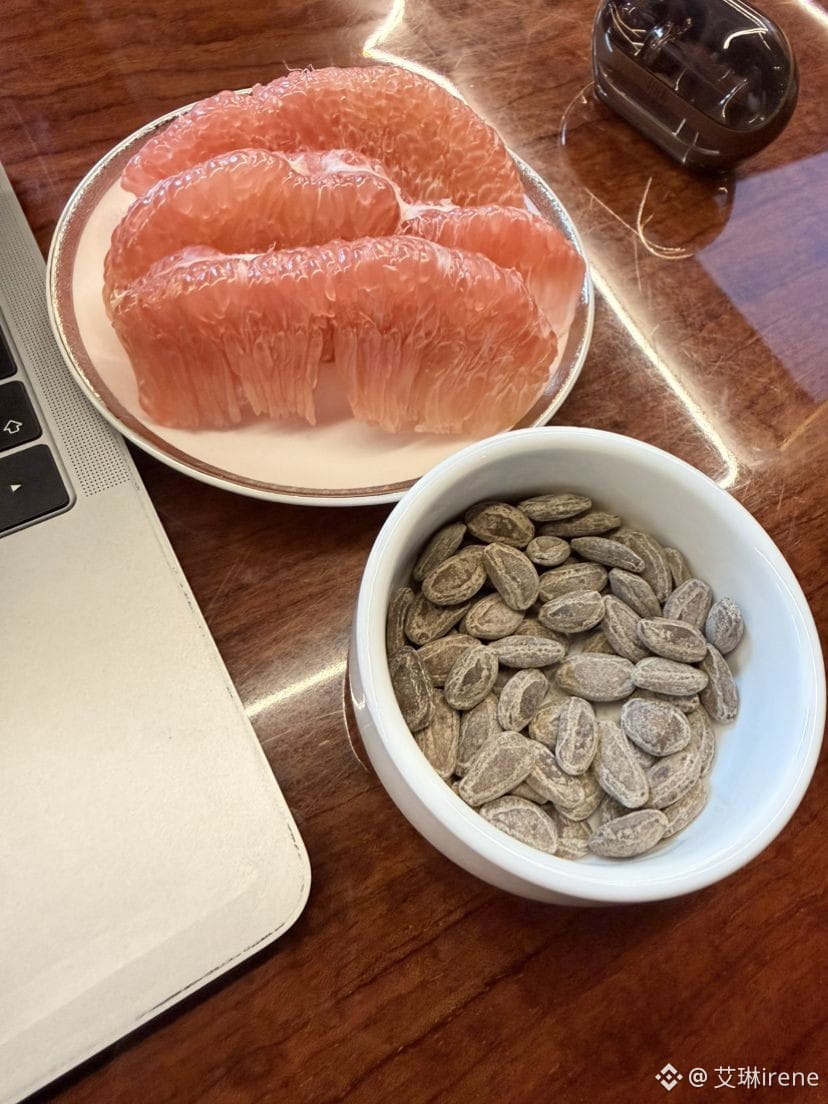
Let’s chat and snack on melon seeds about the latest Bitcoin market trend💕—will it be able to break through 80K tonight?📉
#比特币现货ETF净流入1.6亿美元 $BTC
Good afternoon, everyone!
Let’s chat and snack on melon seeds about the latest Bitcoin market trend💕—will it be able to break through 80K tonight?📉
#比特币现货ETF净流入1.6亿美元 $BTC
Let’s chat and snack on melon seeds about the latest Bitcoin market trend💕—will it be able to break through 80K tonight?📉
#比特币现货ETF净流入1.6亿美元 $BTC
186
17
327
·
--
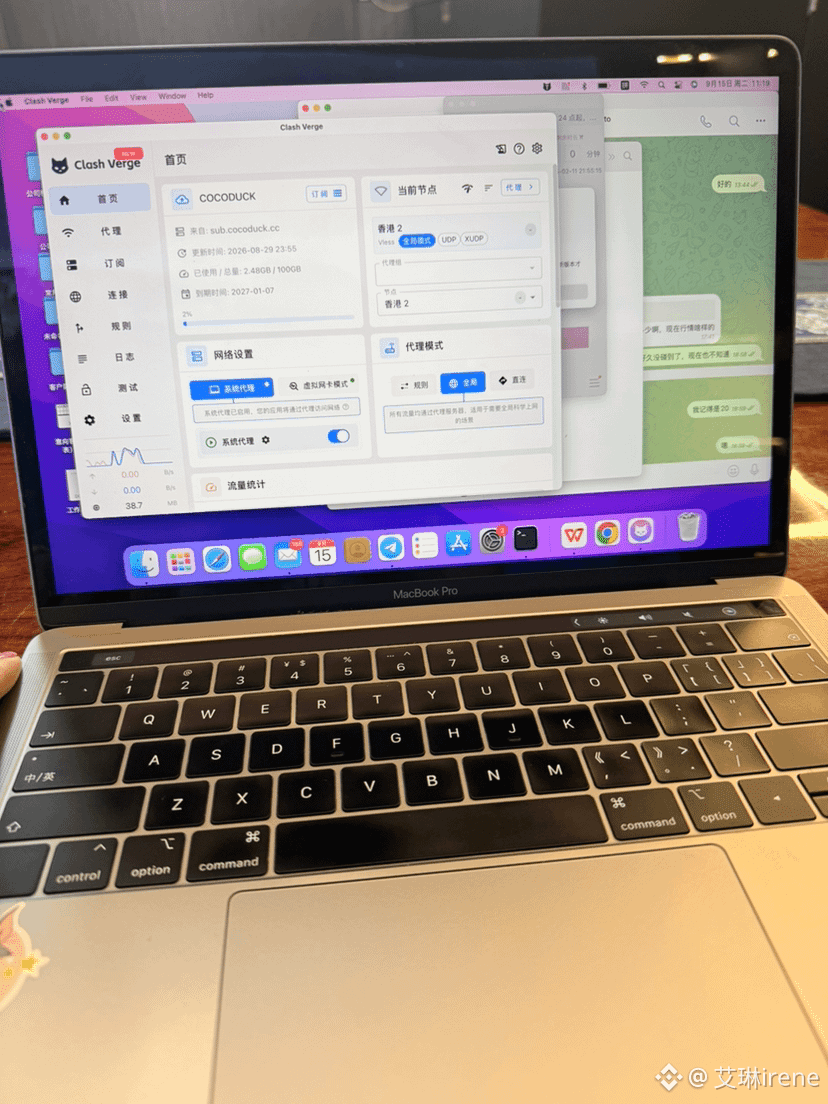
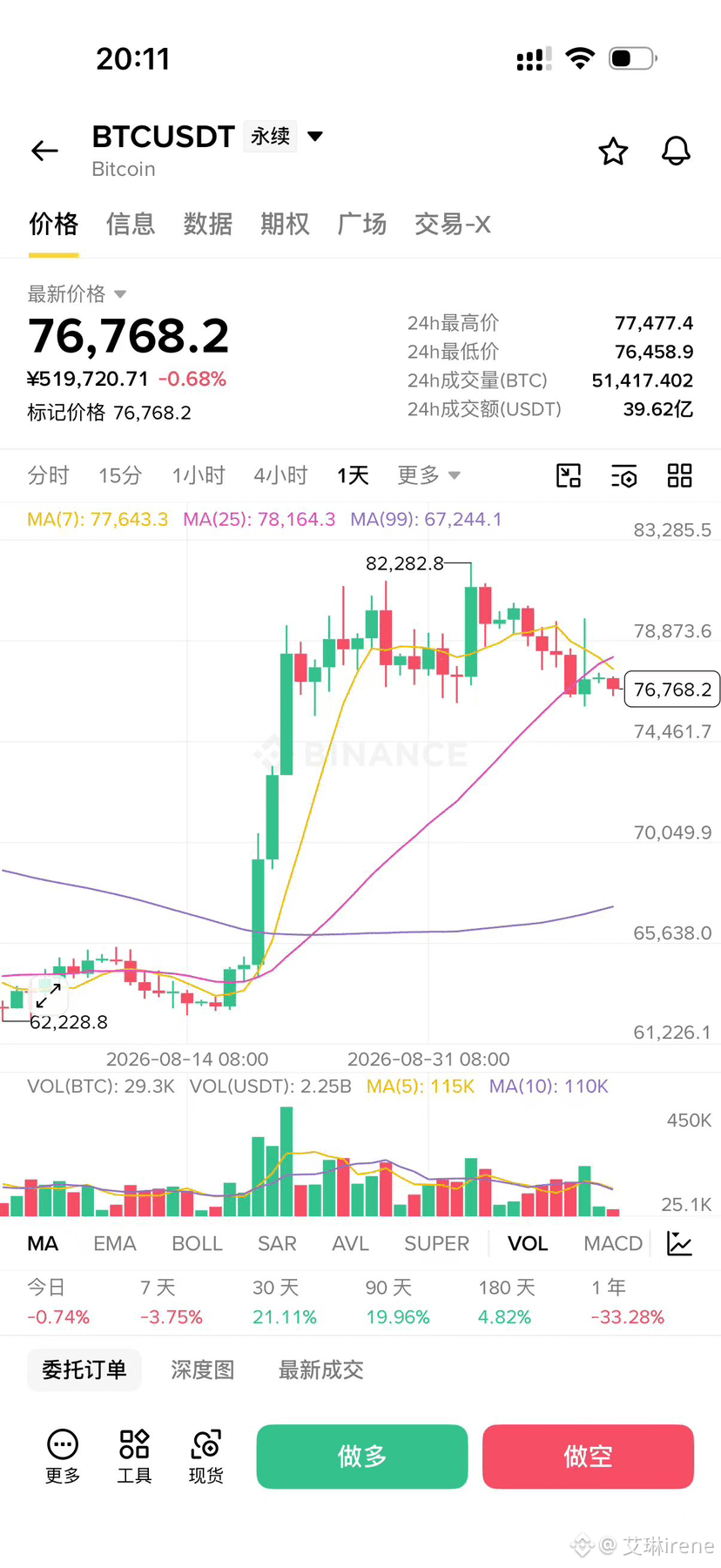
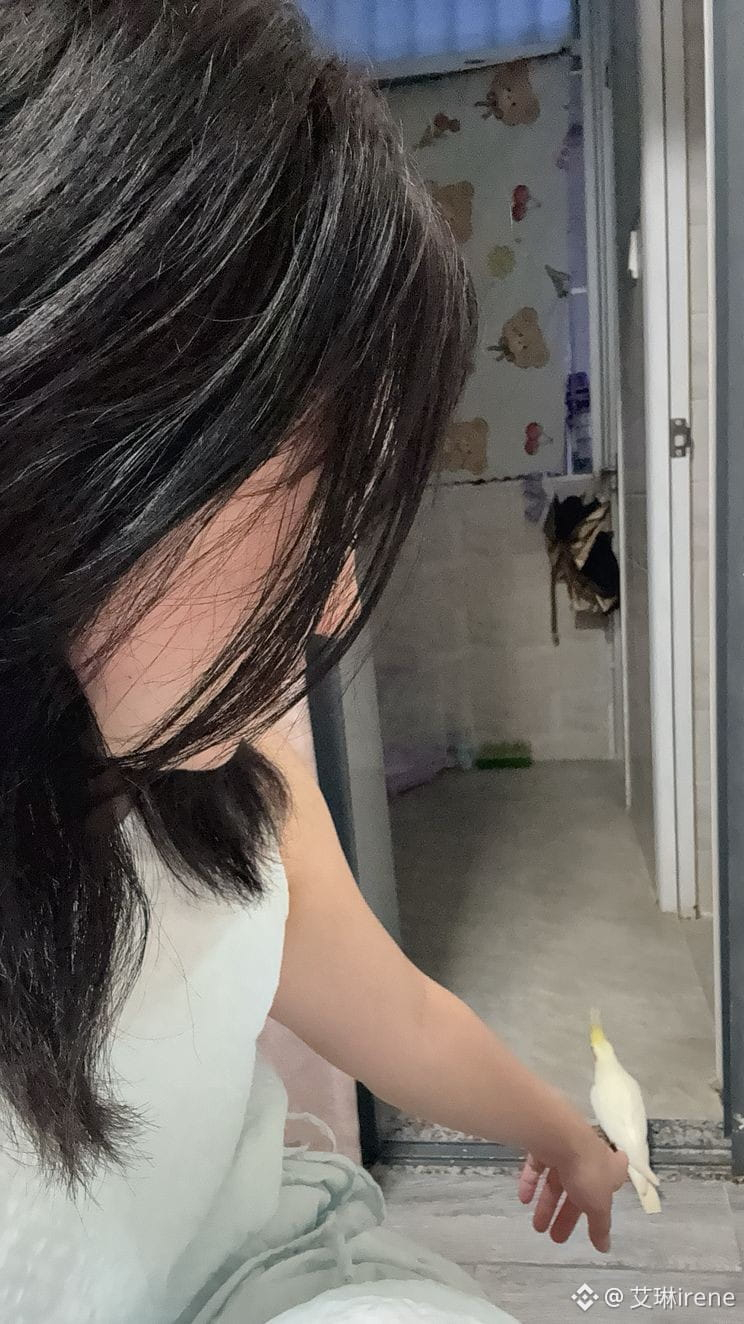
Recently, my workdays have been getting later and later—I'll arrive at 11 🤫. Even though I'm late, I still have to complete the daily target tasks I set ✅🌻.
Love the way you work—steady and confident, never arrogant or insecure, giving yourself the assurance to fall back on
#比特币守稳77000美元上方 $BTC
Recently, my workdays have been getting later and later—I'll arrive at 11 🤫. Even though I'm late, I still have to complete the daily target tasks I set ✅🌻.
Love the way you work—steady and confident, never arrogant or insecure, giving yourself the assurance to fall back on
#比特币守稳77000美元上方 $BTC
Love the way you work—steady and confident, never arrogant or insecure, giving yourself the assurance to fall back on
#比特币守稳77000美元上方 $BTC

712
3
48
712
·
--
K-lines have ups and downs; people’s hearts need room to spare. At midnight, listening to music, make peace with the fluctuations. Say goodbye to today with a song.
#Clarity法案9月15日程序性投票 #明天你是否依然爱我 $BTC
K-lines have ups and downs; people’s hearts need room to spare. At midnight, listening to music, make peace with the fluctuations. Say goodbye to today with a song.
#Clarity法案9月15日程序性投票 #明天你是否依然爱我 $BTC
#Clarity法案9月15日程序性投票 #明天你是否依然爱我 $BTC
1
226
·
--
The anxiety from the coin drop 📉 a couple of days ago is finally relieved today 😊 $BNB keep it up, feeling optimistic about BNB
#BNB走势
The anxiety from the coin drop 📉 a couple of days ago is finally relieved today 😊 $BNB keep it up, feeling optimistic about BNB
#BNB走势
#BNB走势

1.6k
6
77
1.6k
·
--
It's been a long time since I felt this way—find someone who’s in sync with me 😂
Is there anyone at the square? Come on 🤝$BTC #加密市场板块连续两日下跌
It's been a long time since I felt this way—find someone who’s in sync with me 😂
Is there anyone at the square? Come on 🤝$BTC #加密市场板块连续两日下跌
Is there anyone at the square? Come on 🤝$BTC #加密市场板块连续两日下跌

94
5
248
·
--
琳5288
·
--
Real trading高手 never rush for momentary profit or loss. Settle your mind, patiently review and analyze, stay calm and wait, steady your emotions, strictly control your pace. Stay clear-headed amid chaotic market conditions, and remain restrained when everyone else is caught up in狂热.#ZCSH资产规模突破5亿美元 $BTC #比特币走势分析

166
·
--
🎙️ Binance is becoming more and more like a super app now—BNB is definitely worth owning

End
02 h 10 m 26 s
7.2k
14
19
·
--
In the crypto market, it’s always bustling with people—every kind of hot topic flashes across the screen in turn. The temptation of explosive gains and the anxiety of missing out constantly disrupt people’s minds. Countless people get swept up by market sentiment, letting their mindset be driven by short-term rises and falls, yet they forget that the most core part of trading has never been chasing every wave of行情, but rather holding on to your own rhythm and original intention.#美财政部拟回购最多60亿美元国债 $BTC $BNB
In the crypto market, it’s always bustling with people—every kind of hot topic flashes across the screen in turn. The temptation of explosive gains and the anxiety of missing out constantly disrupt people’s minds. Countless people get swept up by market sentiment, letting their mindset be driven by short-term rises and falls, yet they forget that the most core part of trading has never been chasing every wave of行情, but rather holding on to your own rhythm and original intention.#美财政部拟回购最多60亿美元国债 $BTC $BNB

2k
7
81
2k
·
--
A busy day is coming to an end. Tidy up your current tasks and get ready to clock out.
Looking back on today, there was plenty of hectic minutiae, but there were also tangible gains. You completed the planned items, and along the way you gained new insights. When problems came up, you gradually found the direction to resolve them. There’s no need to demand perfection in everything—doing the work at hand with steadiness is already enough.#工作 #灰度ZcashETF资产突破5亿美元 $BTC
A busy day is coming to an end. Tidy up your current tasks and get ready to clock out.
Looking back on today, there was plenty of hectic minutiae, but there were also tangible gains. You completed the planned items, and along the way you gained new insights. When problems came up, you gradually found the direction to resolve them. There’s no need to demand perfection in everything—doing the work at hand with steadiness is already enough.#工作 #灰度ZcashETF资产突破5亿美元 $BTC
Looking back on today, there was plenty of hectic minutiae, but there were also tangible gains. You completed the planned items, and along the way you gained new insights. When problems came up, you gradually found the direction to resolve them. There’s no need to demand perfection in everything—doing the work at hand with steadiness is already enough.#工作 #灰度ZcashETF资产突破5亿美元 $BTC

1.7k
2
67
1.7k
·
--
Most days are ordinary repetitions. Spend today seriously, and that is the best way to account for it. Put down your phone, say goodbye to all the cluttered thoughts, and properly bid farewell to today. May the night be free of disturbances, and you sleep soundly. Save up your strength and wait quietly for a brand-new tomorrow. Good night.#比特币ETF年内仍缺10亿美元 $BNB
Most days are ordinary repetitions. Spend today seriously, and that is the best way to account for it. Put down your phone, say goodbye to all the cluttered thoughts, and properly bid farewell to today. May the night be free of disturbances, and you sleep soundly. Save up your strength and wait quietly for a brand-new tomorrow. Good night.#比特币ETF年内仍缺10亿美元 $BNB

964
2
50
1.1k
Log in to explore more content
Join global crypto users on Binance Square
⚡️ Get latest and useful information about crypto.
💬 Trusted by the world’s largest crypto exchange.
👍 Discover real insights from verified creators.
Email / Phone number
Trending Topics
SECSaysBuybacksUpgradesDontMakeTokenSecurity
10 views
15 Discussing
Yes — this hashtag refers to a recent SEC crypto clarification.
In simple terms: token buybacks, network upgrades, or development activity do not automatically make a crypto token a “security.” The SEC says the classification depends on the specific facts and circumstances, including whether purchasers have an expectation of profits from the essential managerial efforts of others. �
The Block +1
So:
Buyback ≠ automatically a security
Network upgrade ≠ automatically a security
Utility/development ≠ automatically a security
But a token can still be subject to securities laws depending on how it is offered and the rights/expectations involved. �
SEC
The hashtag #SECSaysBuybacksUpgradesDontMakeTokenSecurity is therefore a shorthand for this regulatory clarification, not a statement that all tokens with buybacks or upgrades are non-securities.#SECSaysBuybacksUpgradesDontMakeTokenSecurity
Kashif Ali92
·0 Likes
·5 views
CoinMarketCapCompletesCoinglassAcquisition
5 views
8 Discussing
QNTRises39%
55,575 views
1,220 Discussing