

俞明
6.4k Posts

俞明
Report
Block User
聊天室ID:29bqh7 跟单合作.非诚勿扰,公众号:盘面论者
5 Following
1.5K+ Followers
5.2K+ Liked
Posts
All
Quotes
Videos
PINNED
·
--
Save the QR code. Go to the Scan QR code feature to upload it—then you can add me as a friend directly and contact me at $ETH $SNDKB $HYPE
{spot}(ETHUSDT)
Save the QR code. Go to the Scan QR code feature to upload it—then you can add me as a friend directly and contact me at $ETH $SNDKB $HYPE

6
6
66
·
--
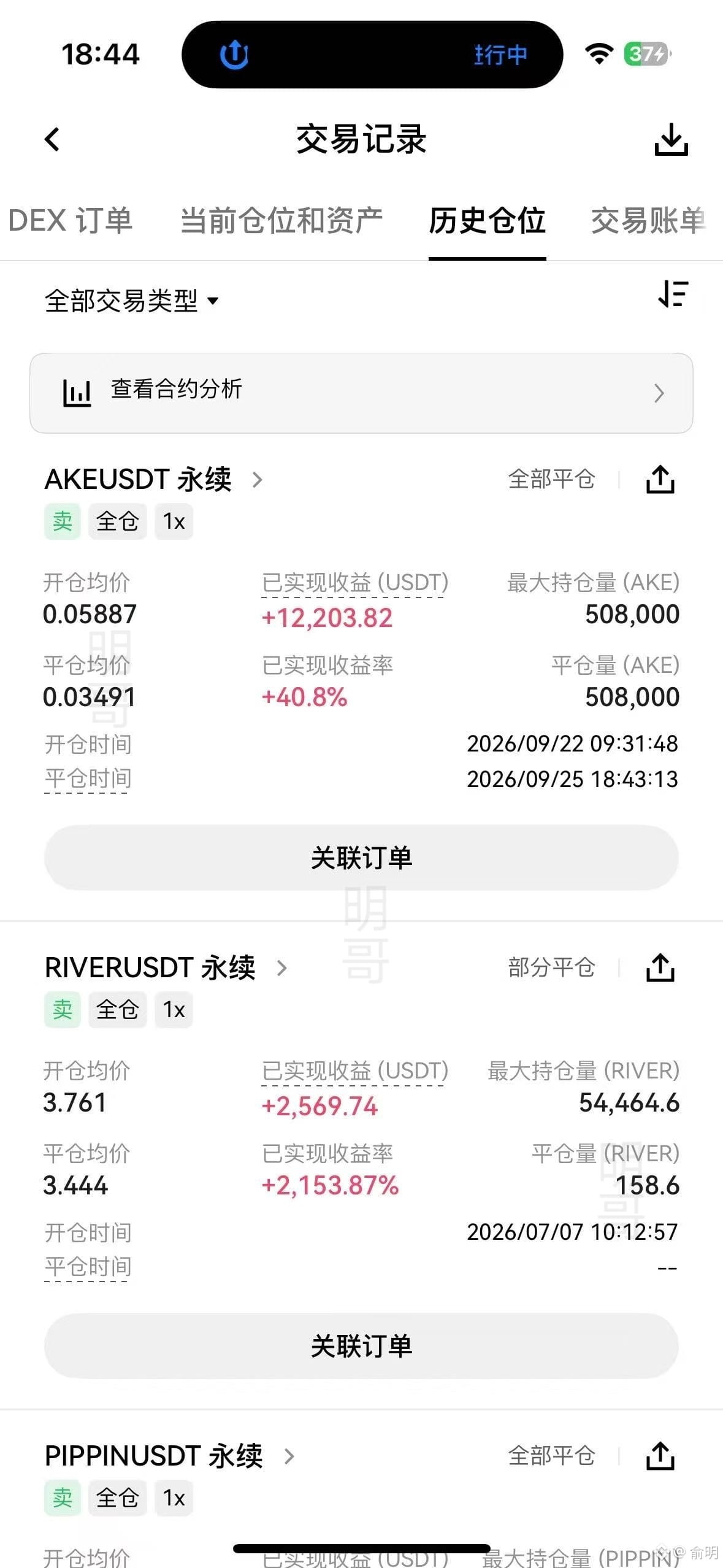
The day you can’t take losses anymore is the true starting point of change. Accept that you might be wrong, accept that rules matter more than feelings, accept that you can move slowly. If the heart won’t die, the way won’t perish; if desire won’t extinguish, the way won’t cease. Let go of the obsession with getting rich quick, let go of the lucky thinking of carrying the whole position, and let go of frequent overtrading. Imprint stop-loss into your bones, and size your position so you can sleep at night. Losses teach what nothing else can; pain will teach you. If you endure and get through it, then you’re truly starting to enter—this is the beginning of enlightenment. #以太坊突破2700美元 #比特币现货ETF净流入1.91亿美元 $AKE
The day you can’t take losses anymore is the true starting point of change. Accept that you might be wrong, accept that rules matter more than feelings, accept that you can move slowly. If the heart won’t die, the way won’t perish; if desire won’t extinguish, the way won’t cease. Let go of the obsession with getting rich quick, let go of the lucky thinking of carrying the whole position, and let go of frequent overtrading. Imprint stop-loss into your bones, and size your position so you can sleep at night. Losses teach what nothing else can; pain will teach you. If you endure and get through it, then you’re truly starting to enter—this is the beginning of enlightenment. #以太坊突破2700美元 #比特币现货ETF净流入1.91亿美元 $AKE
2
2.3k
·
--
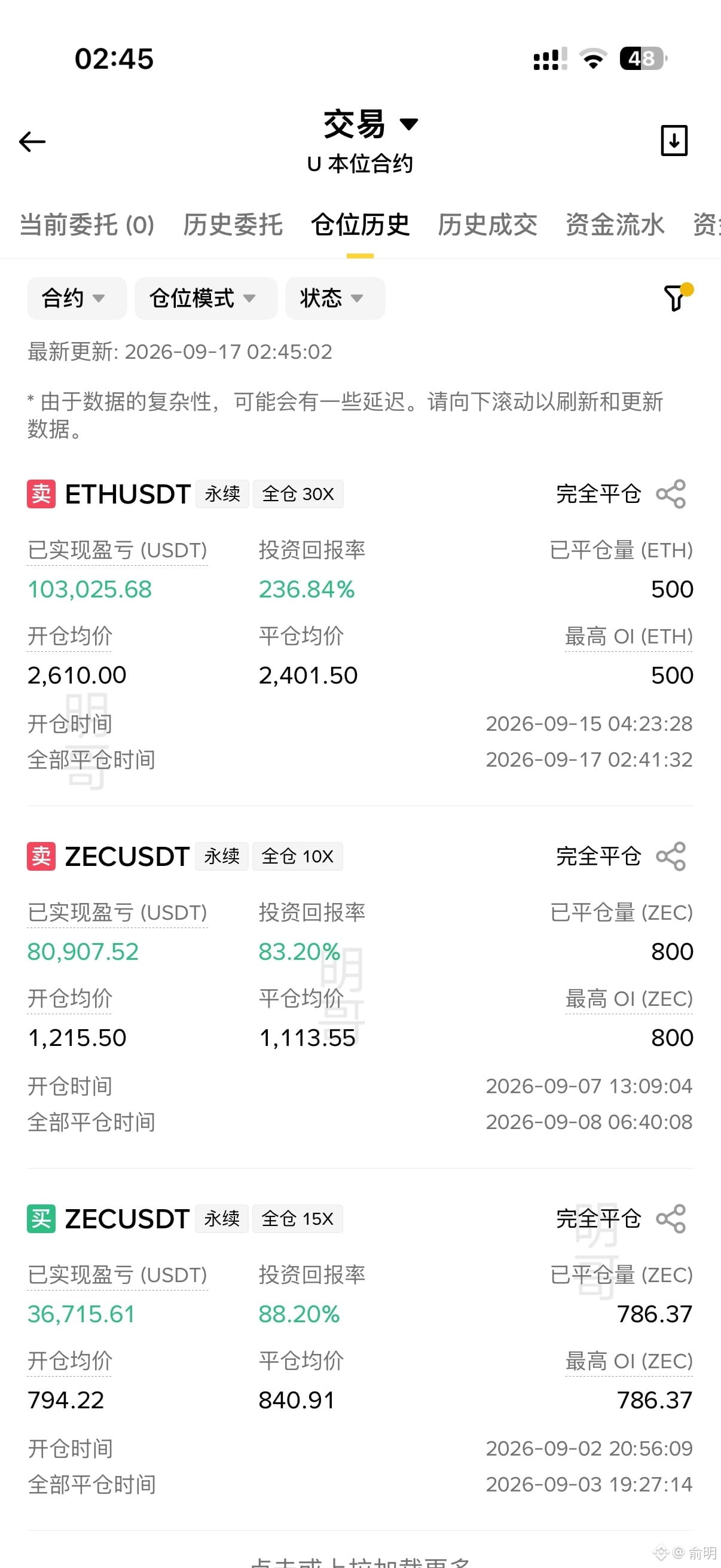
Go all-in and it feels great, but any decent pullback can wipe out all your profits. Position sizing isn’t being timid—it’s about staying alive. How much you profit is up to the market; how much you lose is up to yourself. #比特币市值超越特斯拉 #以太坊重回2600美元 $ETH $ZEC
Go all-in and it feels great, but any decent pullback can wipe out all your profits. Position sizing isn’t being timid—it’s about staying alive. How much you profit is up to the market; how much you lose is up to yourself. #比特币市值超越特斯拉 #以太坊重回2600美元 $ETH $ZEC
1
537
·
--
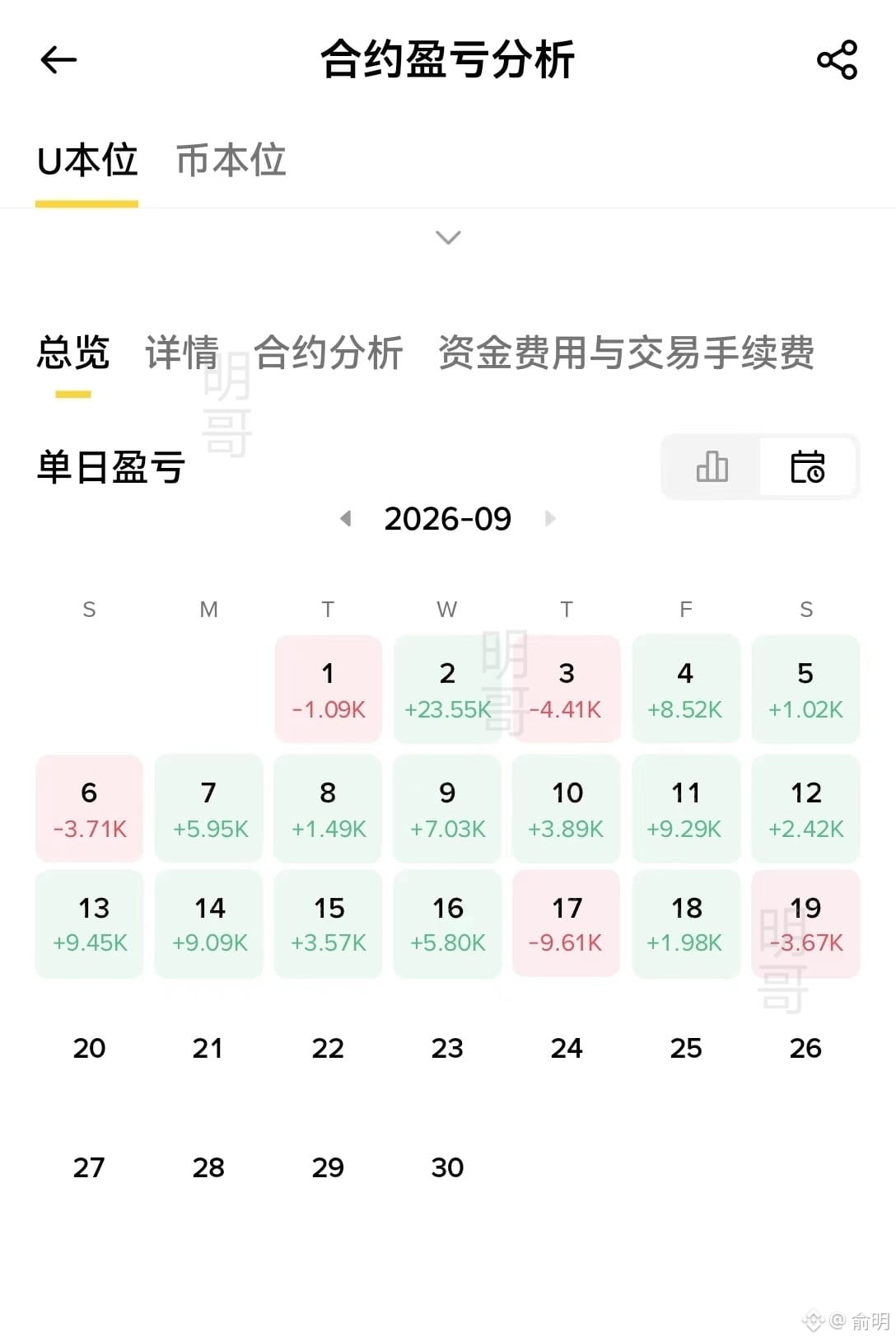
Staying out of the market isn’t embarrassing. Losing money isn’t embarrassing either. What’s embarrassing is making the same mistake over and over, and in the end fiddling away the principal. Pause—it's much better than acting blindly. The market is always there; if the money is gone, it’s truly gone.$AAPL.US #比特币突破8万美元大关 #华夏基金完成港元稳定币投资用例 $BTC
Staying out of the market isn’t embarrassing. Losing money isn’t embarrassing either. What’s embarrassing is making the same mistake over and over, and in the end fiddling away the principal. Pause—it's much better than acting blindly. The market is always there; if the money is gone, it’s truly gone.$AAPL.US #比特币突破8万美元大关 #华夏基金完成港元稳定币投资用例 $BTC
BTC-2.49%
AAPLUS+0.78%
243
·
--
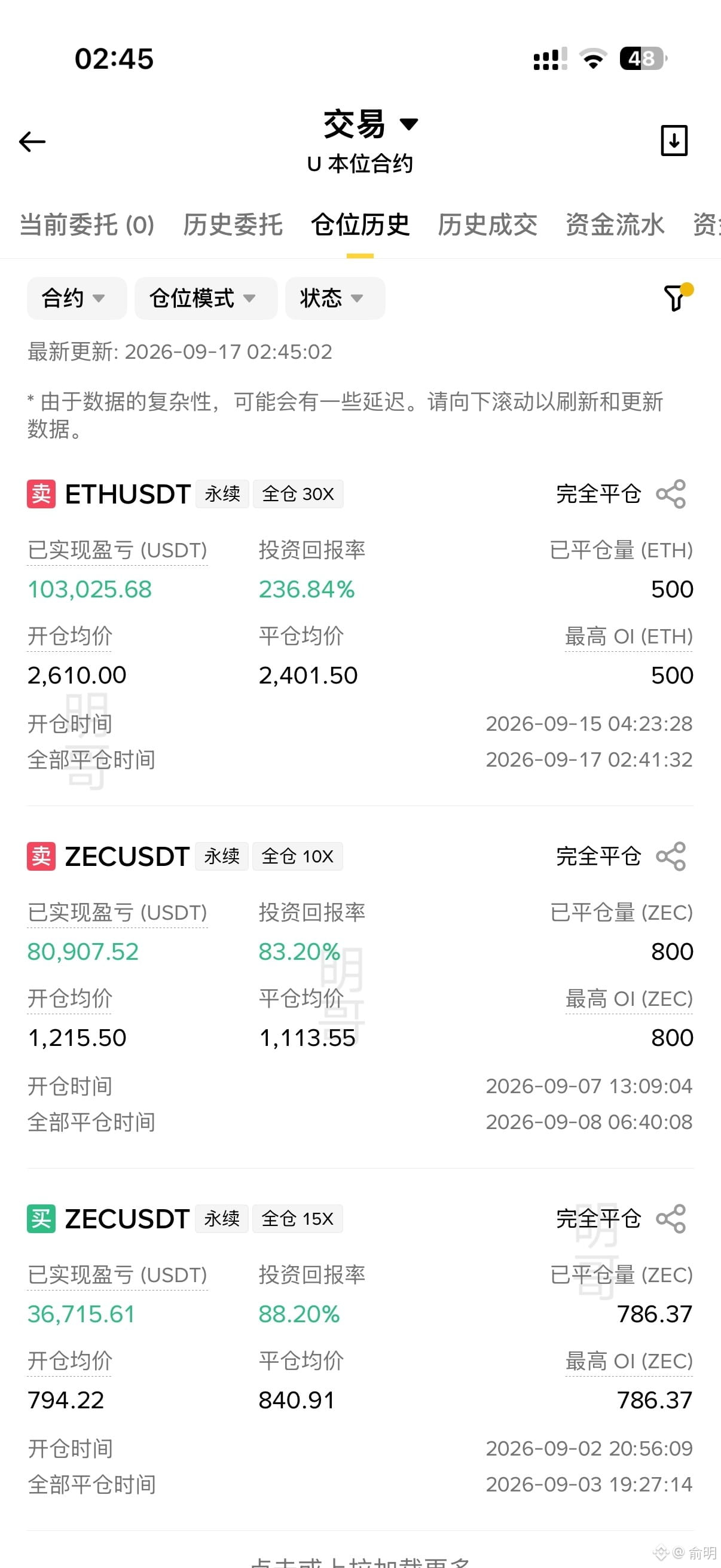
No message is used as a basis to open a position. Follow the trend, focus on price and volume. If there’s a signal, act; if there isn’t, wait. Don’t treat someone else’s insider information as an opportunity—it’s very likely a trap laid for you. Be a bit tougher on what you hear, and your account will land softly.#SOL涨约10% #以太坊重回2600美元 $SOL $SNDKB
No message is used as a basis to open a position. Follow the trend, focus on price and volume. If there’s a signal, act; if there isn’t, wait. Don’t treat someone else’s insider information as an opportunity—it’s very likely a trap laid for you. Be a bit tougher on what you hear, and your account will land softly.#SOL涨约10% #以太坊重回2600美元 $SOL $SNDKB
2
577
·
--
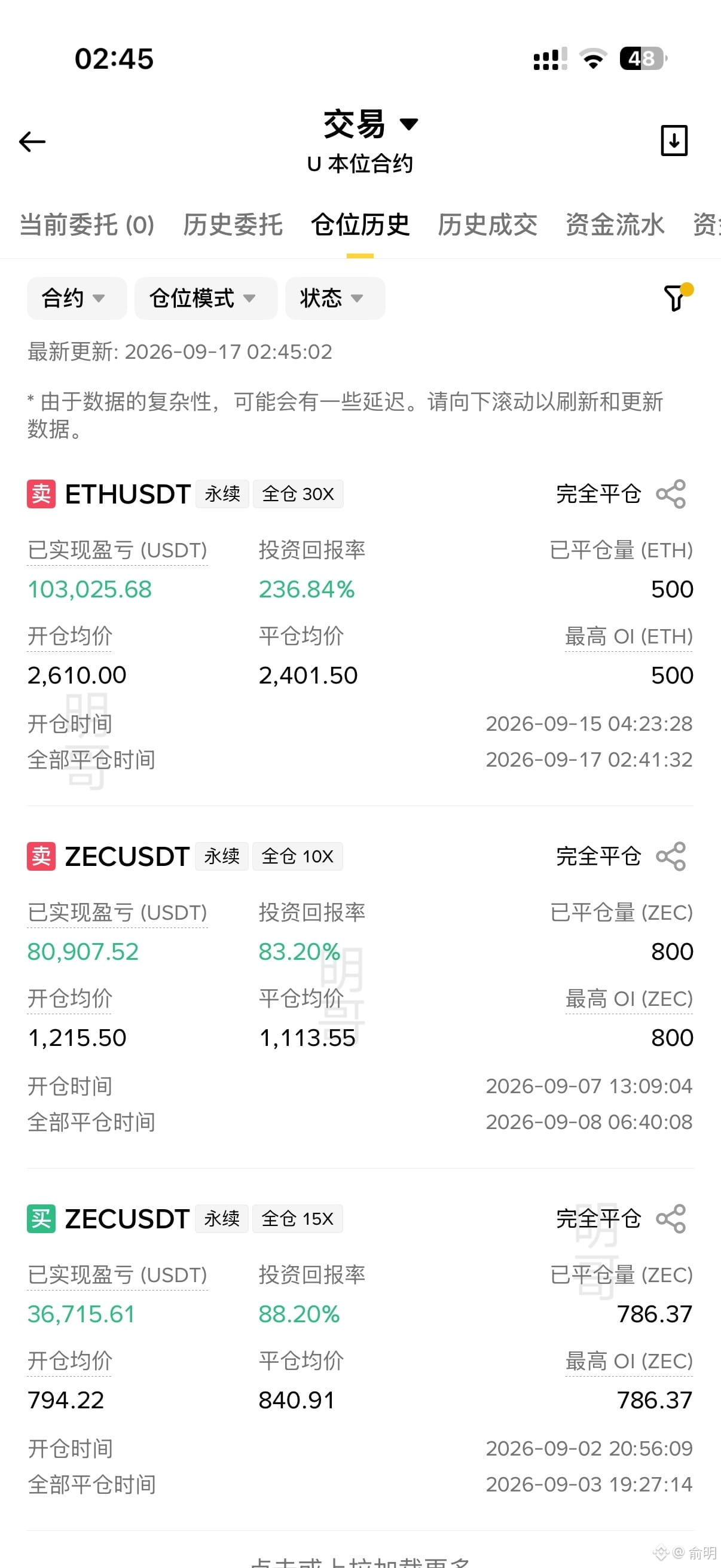
#比特币市值超越特斯拉 #比特币突破8万美元大关 $BTC Real earners don't tell you about money-making opportunities. If they tell you, it's usually because they want you to buy their goods. Now I only watch the market chart; I don't check groups. Price and trading volume don't lie—news does. If someone tells you insider information, think first: what do they want from you? Guard your ears; it's even more important than guarding your hands. Opportunities you hear about are often traps designed by others $GOOGL.US
#比特币市值超越特斯拉 #比特币突破8万美元大关 $BTC Real earners don't tell you about money-making opportunities. If they tell you, it's usually because they want you to buy their goods. Now I only watch the market chart; I don't check groups. Price and trading volume don't lie—news does. If someone tells you insider information, think first: what do they want from you? Guard your ears; it's even more important than guarding your hands. Opportunities you hear about are often traps designed by others $GOOGL.US
356
·
--
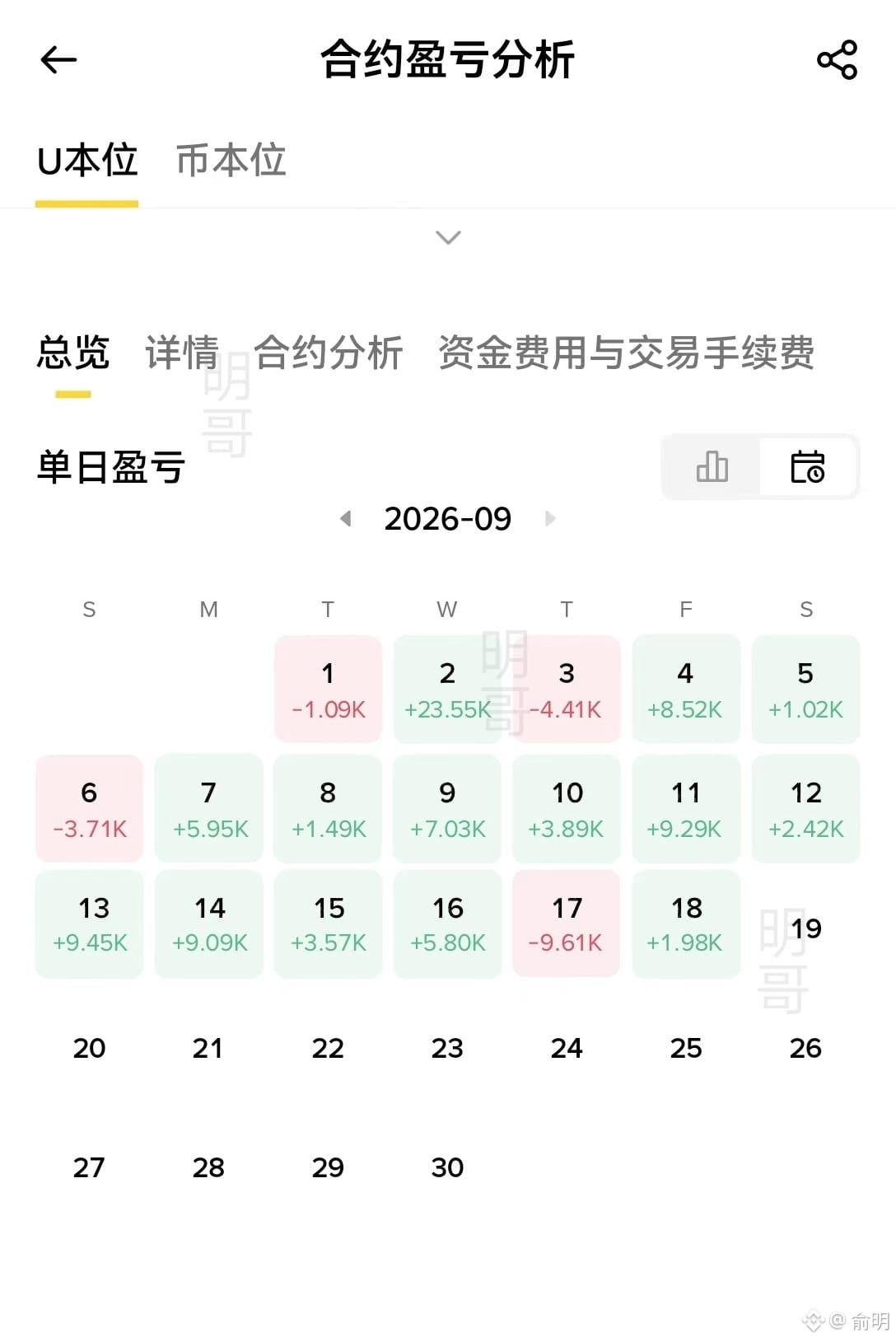
When it surges, don’t be greedy; when it plunges, don’t panic. When it sharply rallies, don’t chase; profits are meant to be waited for. When it crashes, don’t cut in panic—first see whether the logic has changed. Impulsive entries, adding positions based on emotion, chasing rallies and selling in panic—all are the roots of losses. Trading relies on rules, not feelings.#比特币突破8万美元大关 $BTC #TRM报告YouTube骗局窃274.6枚ETH $ZEC
When it surges, don’t be greedy; when it plunges, don’t panic. When it sharply rallies, don’t chase; profits are meant to be waited for. When it crashes, don’t cut in panic—first see whether the logic has changed. Impulsive entries, adding positions based on emotion, chasing rallies and selling in panic—all are the roots of losses. Trading relies on rules, not feelings.#比特币突破8万美元大关 $BTC #TRM报告YouTube骗局窃274.6枚ETH $ZEC
297
·
--
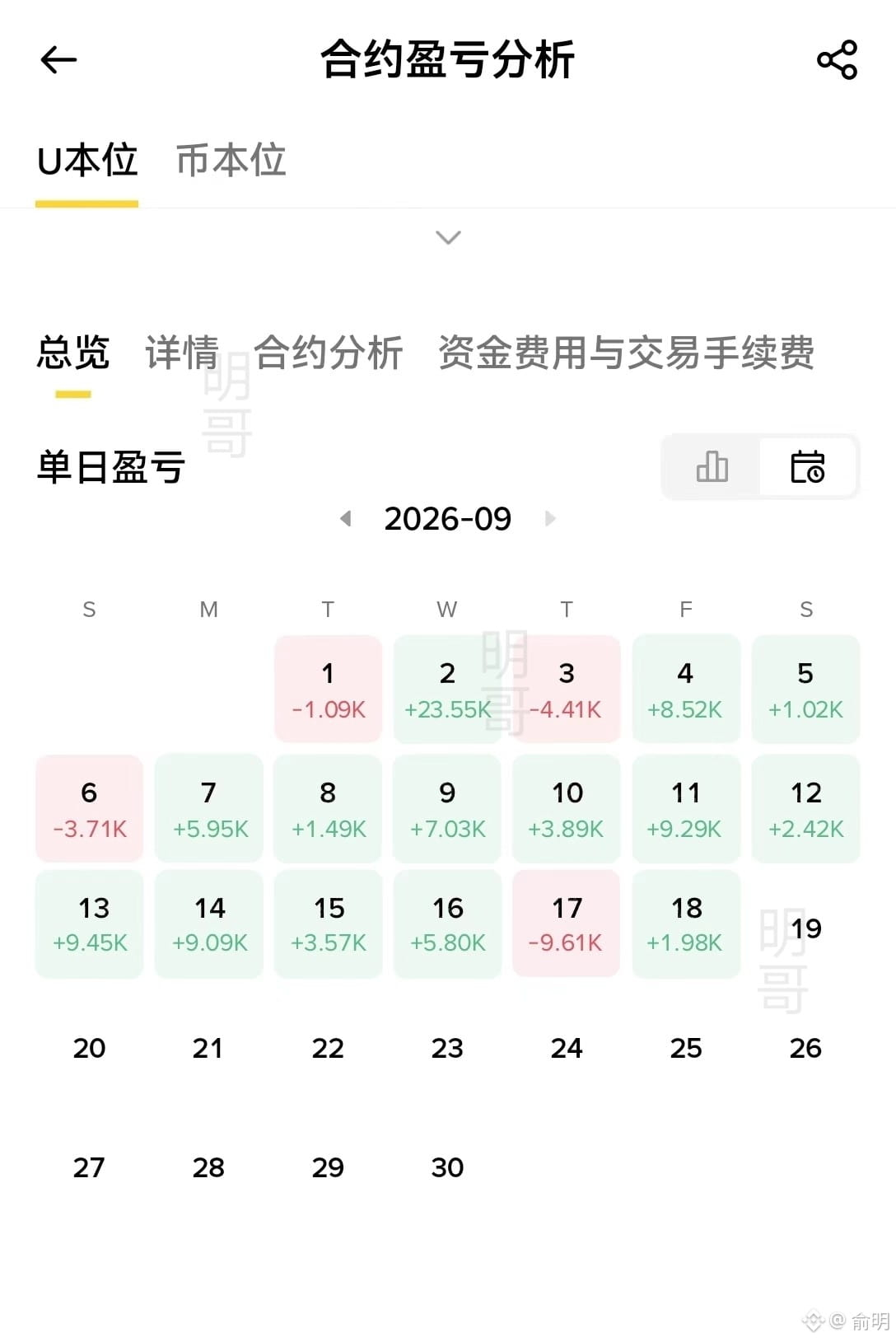
Position sizing is the life preserver. Going all-in and going all at once—one pullback can wipe out all your profits. When you’re heavily loaded, your mindset easily gets thrown off and your trading starts to warp. Only a light position can withstand market swings, and you can wait for the trend. Set a hard limit on loss per trade—if you’re wrong, exit. Take profits in batches, keep your principal in the safe zone. Don’t think about flipping everything with one move—first, stay alive. Only if you can control your position size are you worthy of discussing long-term profitability. Slow is fast, steady is profitable. #SOL涨约10% #以太坊重回2600美元 $SNDKB $ETH
Position sizing is the life preserver. Going all-in and going all at once—one pullback can wipe out all your profits. When you’re heavily loaded, your mindset easily gets thrown off and your trading starts to warp. Only a light position can withstand market swings, and you can wait for the trend. Set a hard limit on loss per trade—if you’re wrong, exit. Take profits in batches, keep your principal in the safe zone. Don’t think about flipping everything with one move—first, stay alive. Only if you can control your position size are you worthy of discussing long-term profitability. Slow is fast, steady is profitable. #SOL涨约10% #以太坊重回2600美元 $SNDKB $ETH
1
419
·
--
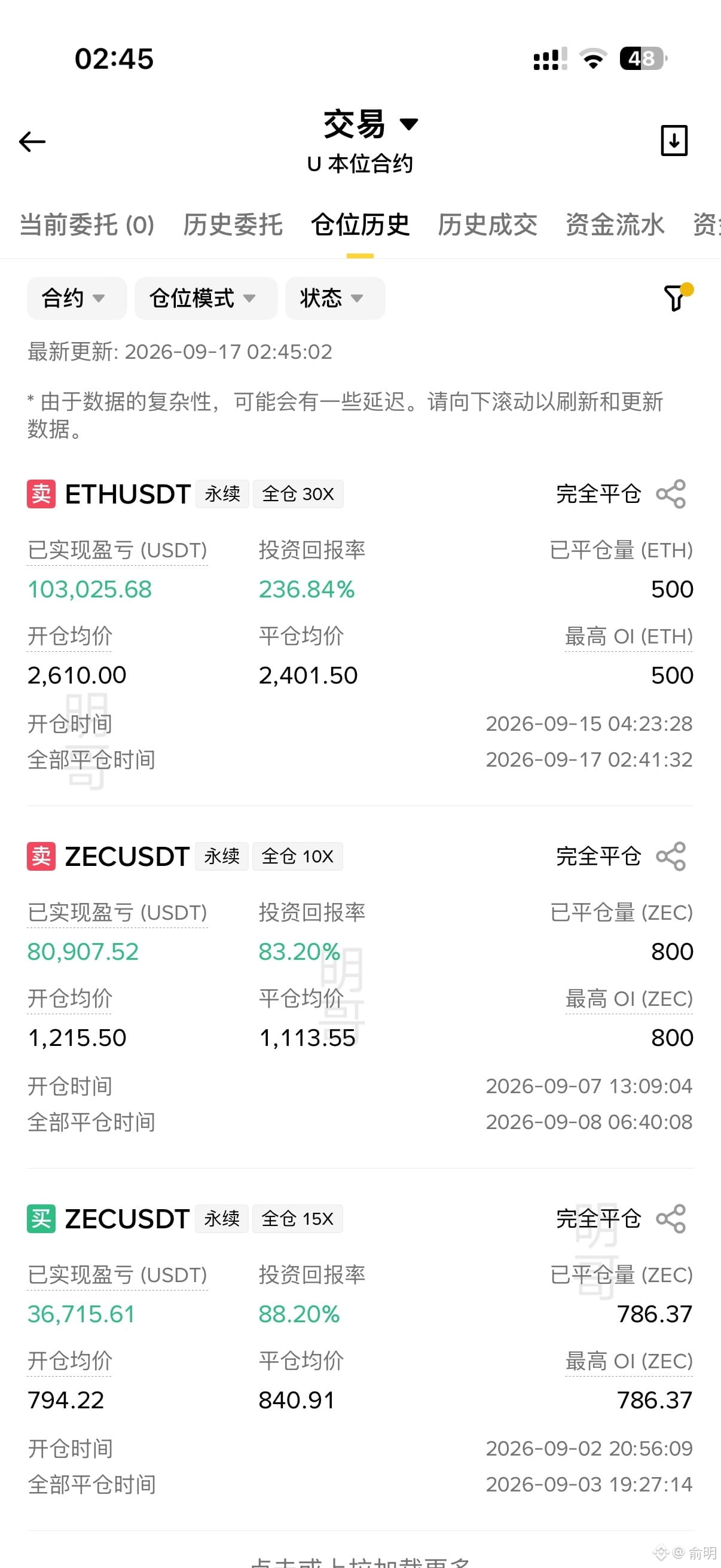
You have the right to choose not to trade. Holding no position won’t lose money. If you’re still afraid of being short for a few days and missing opportunities, then this kind of person either hasn’t suffered big enough losses yet, or they’ve already lost so much that they’re numb.#SEC批准代币化NMS股票交易临时创新豁免 #Paradigm披露持有ZEC $ZEC $ETH
You have the right to choose not to trade. Holding no position won’t lose money. If you’re still afraid of being short for a few days and missing opportunities, then this kind of person either hasn’t suffered big enough losses yet, or they’ve already lost so much that they’re numb.#SEC批准代币化NMS股票交易临时创新豁免 #Paradigm披露持有ZEC $ZEC $ETH
266
·
--
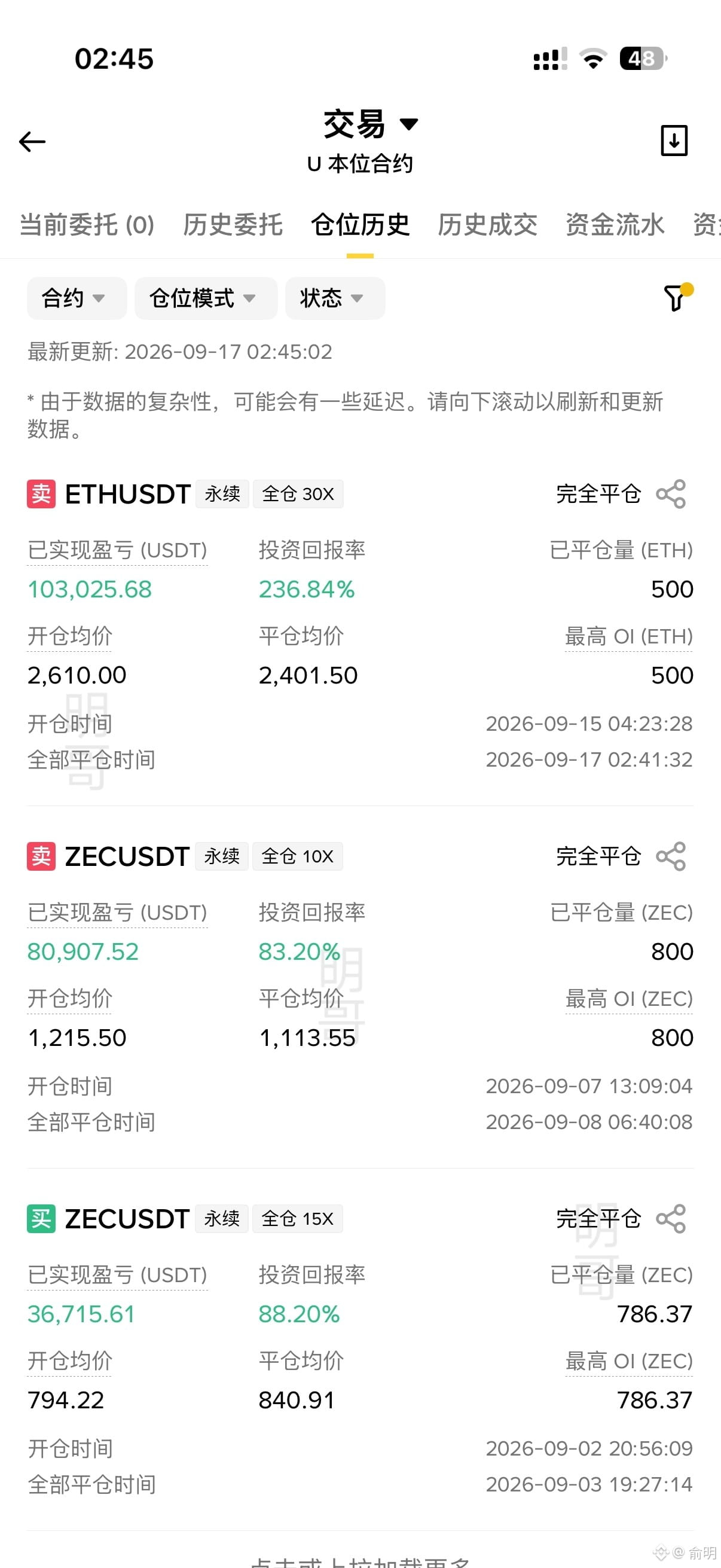
Missing out feels worse than losing money, which is illogical on paper, but it’s definitely common. The pain of being down 10% is greater than the joy of being up 10%. Missing out means someone else profited while you didn’t; you then assume that if you had held the position, you would have made money, so you treat missing out as a loss. But unlike losses from holding a position—where the loss can be attributed to not being skilled enough—missing out only means you didn’t participate; it doesn’t indicate you’re less capable. Therefore, people who feel this way often have a relatively high level of self-approval.$XAU #美众院推进比特币储备法案 #美联储SEP预计2026利率4.1% $BTC
Missing out feels worse than losing money, which is illogical on paper, but it’s definitely common. The pain of being down 10% is greater than the joy of being up 10%. Missing out means someone else profited while you didn’t; you then assume that if you had held the position, you would have made money, so you treat missing out as a loss. But unlike losses from holding a position—where the loss can be attributed to not being skilled enough—missing out only means you didn’t participate; it doesn’t indicate you’re less capable. Therefore, people who feel this way often have a relatively high level of self-approval.$XAU #美众院推进比特币储备法案 #美联储SEP预计2026利率4.1% $BTC
4
688
·
--
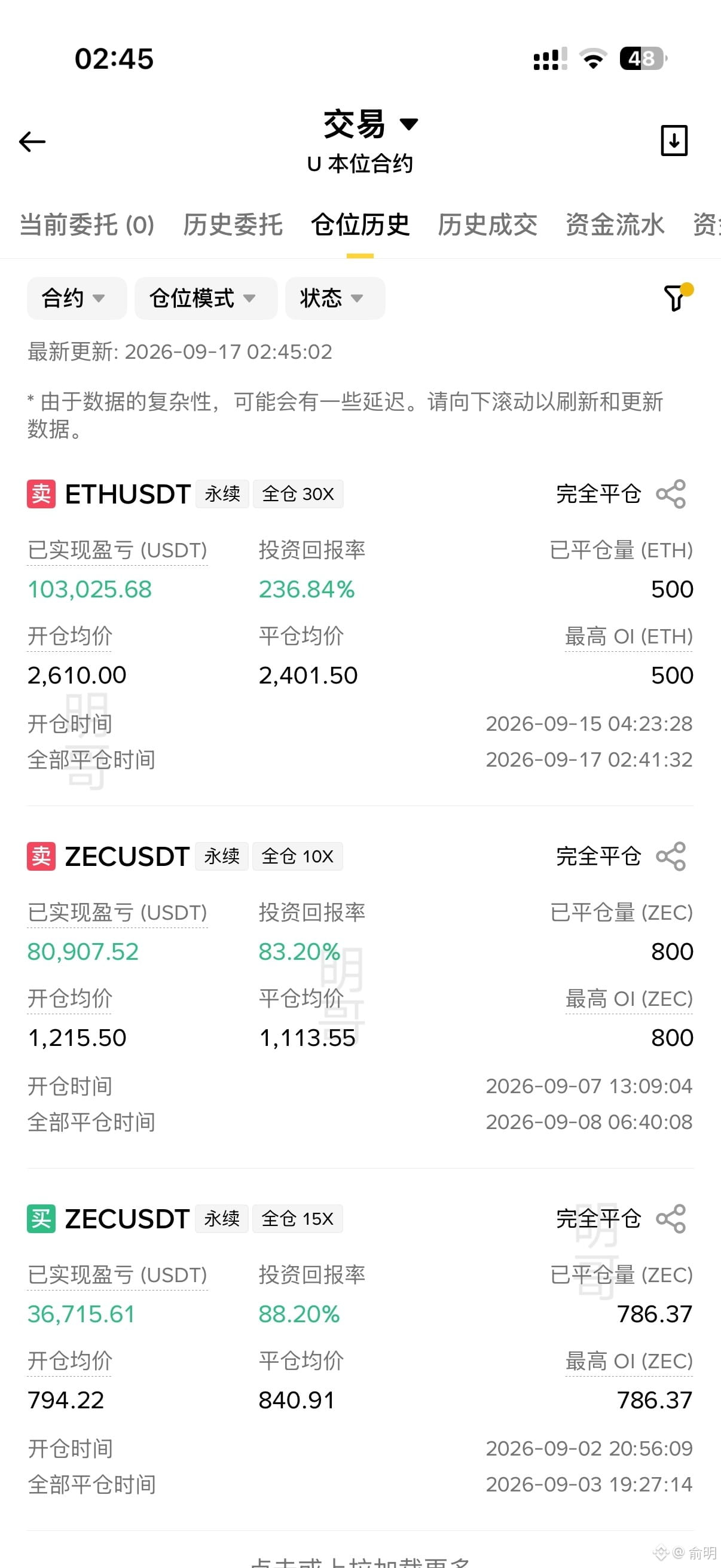
When someone succeeds once, it builds confidence. After consecutive successes, confidence skyrockets—your judgment becomes one hundred percent affirmed. You will absolutely not let yourself miss any earning opportunity. If you see a promising trend, you enter right away. Even if you stop-loss and take a small loss, it won’t reduce your confidence much. Only when you suffer a large loss will your confidence drop significantly. Once confidence declines, your actions become extremely cautious, and you begin to continuously think about learning.#美众院推进比特币储备法案 $ETH #点阵图预示2026年再加息一次 $SNDKB
When someone succeeds once, it builds confidence. After consecutive successes, confidence skyrockets—your judgment becomes one hundred percent affirmed. You will absolutely not let yourself miss any earning opportunity. If you see a promising trend, you enter right away. Even if you stop-loss and take a small loss, it won’t reduce your confidence much. Only when you suffer a large loss will your confidence drop significantly. Once confidence declines, your actions become extremely cautious, and you begin to continuously think about learning.#美众院推进比特币储备法案 $ETH #点阵图预示2026年再加息一次 $SNDKB
1
346
·
--
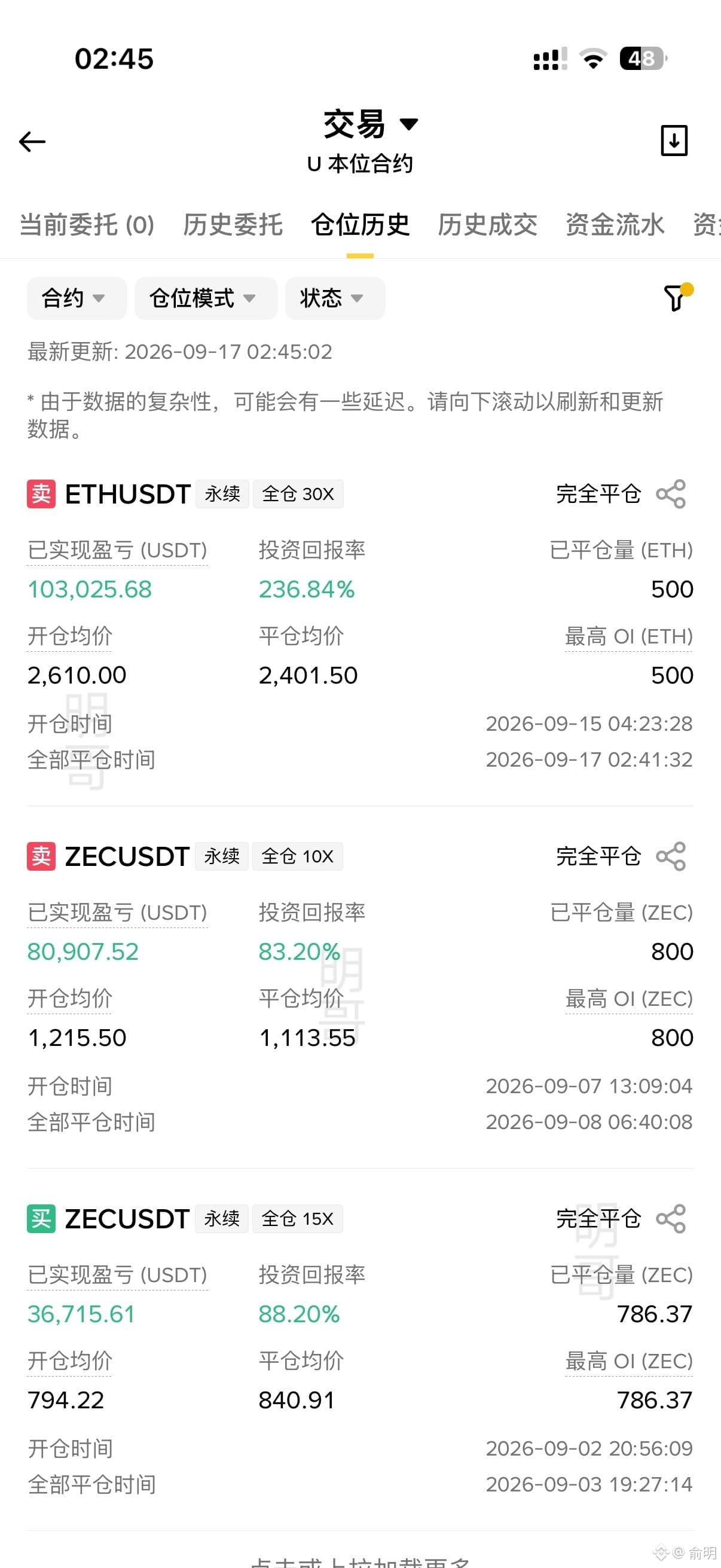
The biggest weakness is mindset. After getting into the trade, it feels like life suddenly drops into a low point—nothing seems appealing and I lose interest in everything. But as soon as I catch a move in the right direction, it’s like seeing a seaside villa beckoning to me; my confidence skyrockets in an instant. Sometimes I’m highly motivated in the morning, but by afternoon I’m drained. When you’re overly confident, you often end up losing money. In that moment, my subjective bias is especially strong—I never doubt my judgment. I only think about buying in quickly, afraid of missing out on a chance to profit. Decisions made in that state are usually wrong. After losing money, overconfidence turns into discouragement and dejection, and I end up becoming less and less attentive with my actions, until I fall into a vicious cycle. This is the issue I most need to overcome: no matter what, I must not lose my rationality.#萨尔瓦多政府持仓增至7777枚BTC #美联储SEP预计2026利率4.1% $BTC $ZEC
The biggest weakness is mindset. After getting into the trade, it feels like life suddenly drops into a low point—nothing seems appealing and I lose interest in everything. But as soon as I catch a move in the right direction, it’s like seeing a seaside villa beckoning to me; my confidence skyrockets in an instant. Sometimes I’m highly motivated in the morning, but by afternoon I’m drained. When you’re overly confident, you often end up losing money. In that moment, my subjective bias is especially strong—I never doubt my judgment. I only think about buying in quickly, afraid of missing out on a chance to profit. Decisions made in that state are usually wrong. After losing money, overconfidence turns into discouragement and dejection, and I end up becoming less and less attentive with my actions, until I fall into a vicious cycle. This is the issue I most need to overcome: no matter what, I must not lose my rationality.#萨尔瓦多政府持仓增至7777枚BTC #美联储SEP预计2026利率4.1% $BTC $ZEC
85
·
--
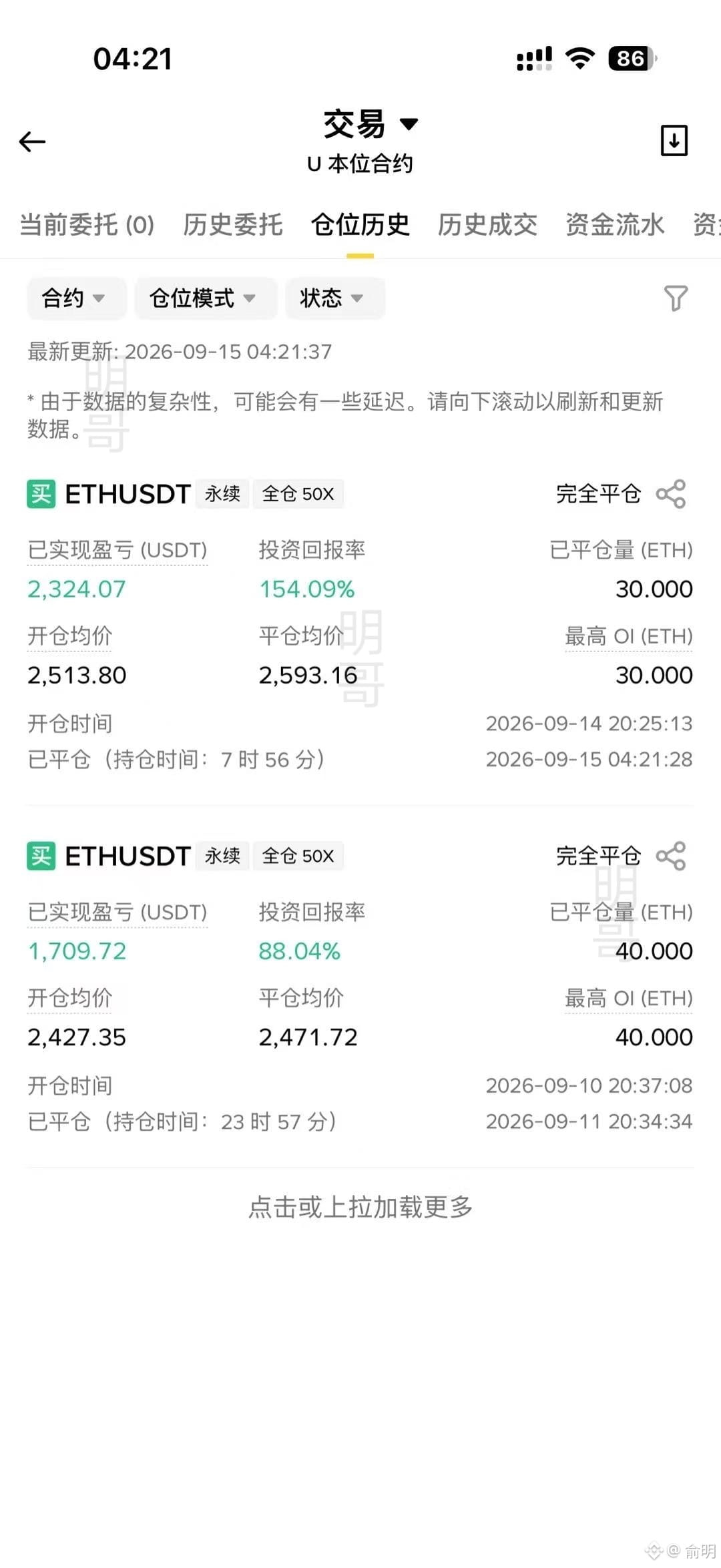
Being in a zero-position isn’t idle—it’s waiting for the most certain buy point. At that spot, the win rate is highest and the risk is lowest. If you keep getting it right repeatedly, compounding can really start to take off. Many people move early and, when the real opportunity finally arrives, they’ve already got no ammunition left, so they can only watch the market run away. Regret for a while, then next time you make the same mistake again. Remember: if you can’t wait for the best entry, it’s better not to act. $AAPL.US #以太坊跌破2400美元 #美参议院否决CLARITY法案 $ETH
Being in a zero-position isn’t idle—it’s waiting for the most certain buy point. At that spot, the win rate is highest and the risk is lowest. If you keep getting it right repeatedly, compounding can really start to take off. Many people move early and, when the real opportunity finally arrives, they’ve already got no ammunition left, so they can only watch the market run away. Regret for a while, then next time you make the same mistake again. Remember: if you can’t wait for the best entry, it’s better not to act. $AAPL.US #以太坊跌破2400美元 #美参议院否决CLARITY法案 $ETH
ETH-4.13%
AAPLUS+0.78%
207
·
--
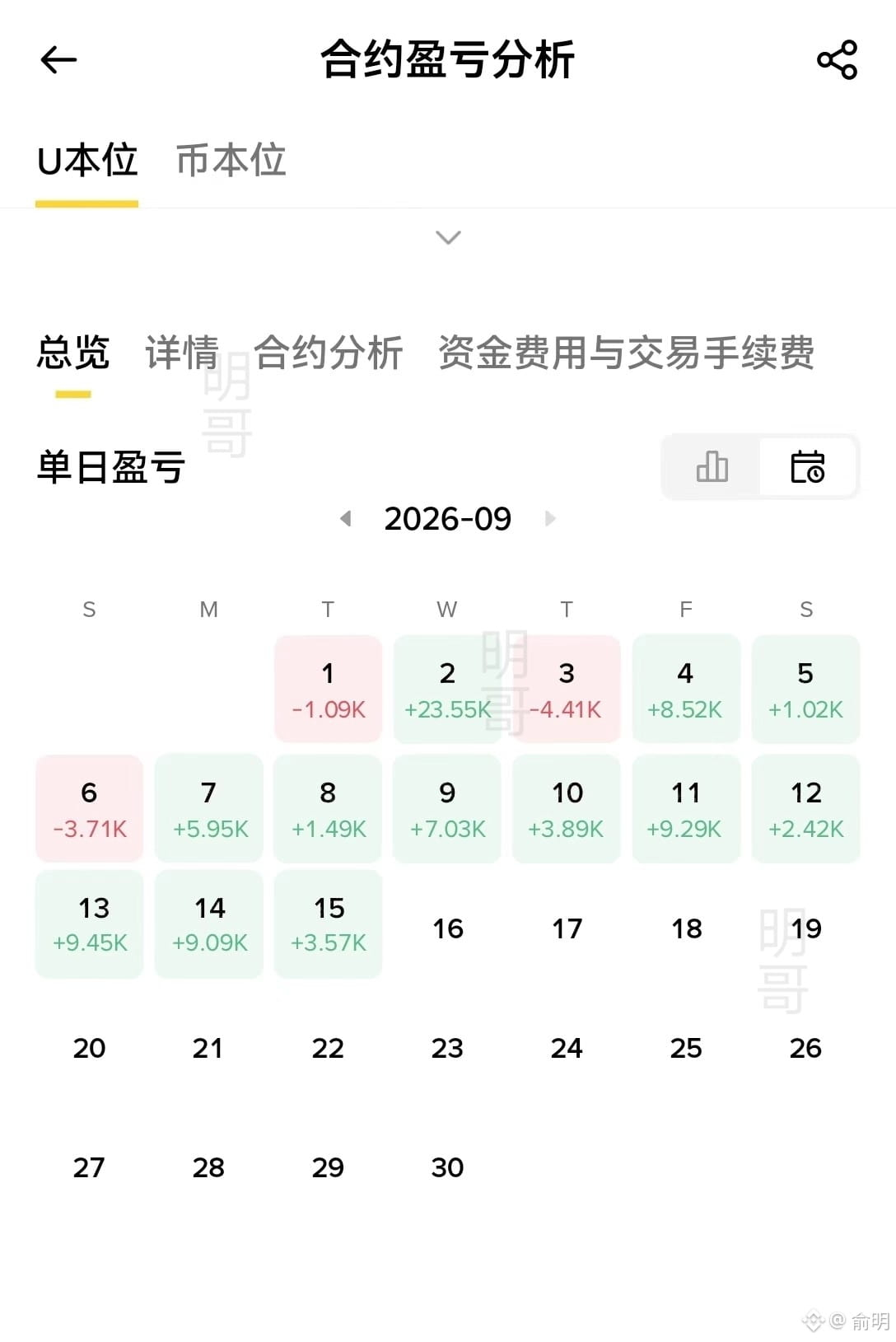
If it’s wrong, cut it—don’t fantasize. Operation and profit are two different things. You just do the right thing; whether you make money is decided by the market. If you reach your stop-loss, you leave—no holding on, no averaging down. If it’s right, hold; if it’s wrong, acknowledge the loss. View each trade independently and don’t let the last one affect the next. Keep your hands under control and wait for opportunities. As long as the principal is there, opportunities exist. The market will always have the next wave—only if you’re alive do you have the right to talk about profits. Follow the rules strictly, and time will give you the answer. Trades are only right or wrong; let the market handle the gains and losses. $NVDA.US .#美联储加息是否已成定局 #比特币下跌4% $BTC
If it’s wrong, cut it—don’t fantasize. Operation and profit are two different things. You just do the right thing; whether you make money is decided by the market. If you reach your stop-loss, you leave—no holding on, no averaging down. If it’s right, hold; if it’s wrong, acknowledge the loss. View each trade independently and don’t let the last one affect the next. Keep your hands under control and wait for opportunities. As long as the principal is there, opportunities exist. The market will always have the next wave—only if you’re alive do you have the right to talk about profits. Follow the rules strictly, and time will give you the answer. Trades are only right or wrong; let the market handle the gains and losses. $NVDA.US .#美联储加息是否已成定局 #比特币下跌4% $BTC
BTC-2.49%
NVDAUS-0.71%
237
·
--
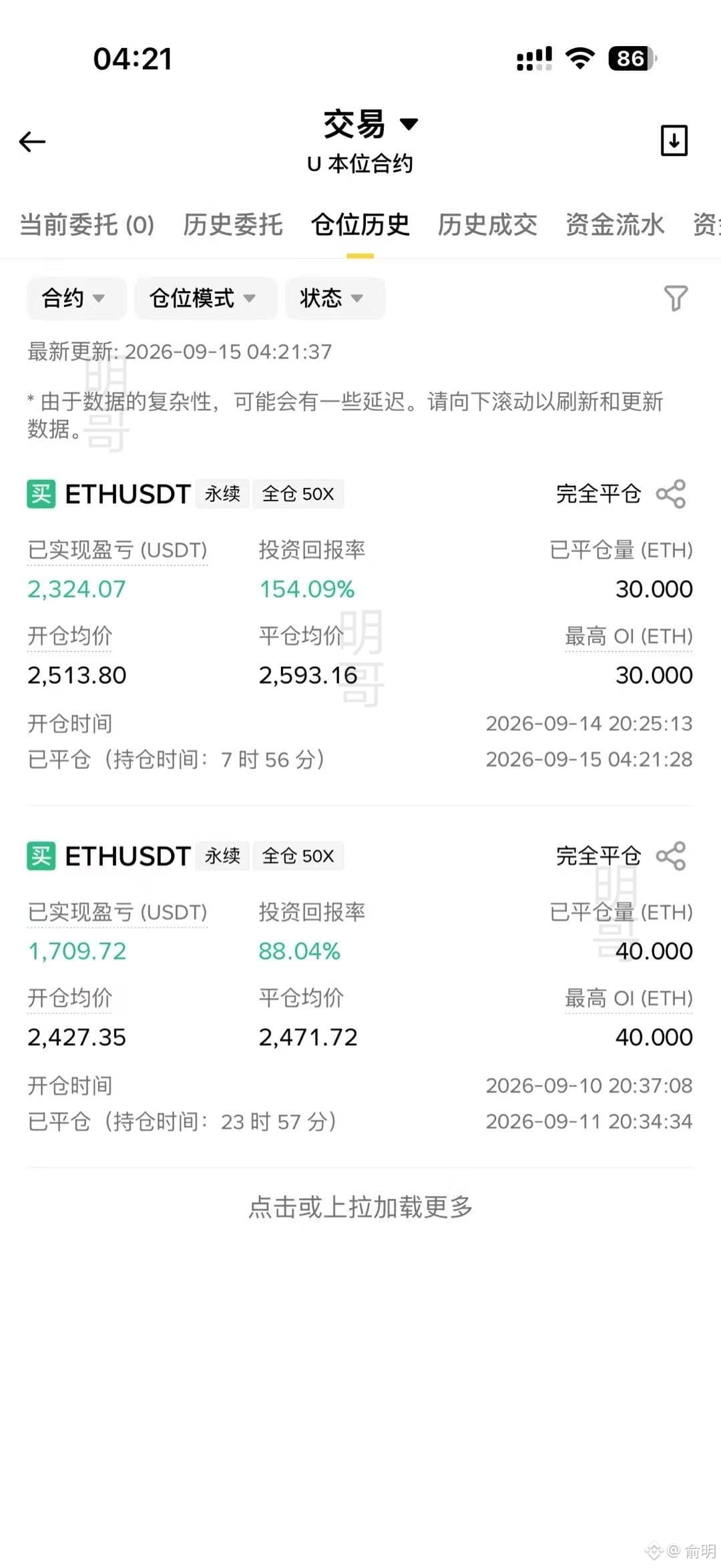
A liquidation isn’t an accident—it’s treating risk like it doesn’t matter. Trading contracts rely on risk control. Make a little profit and get cocky, and you’ll be cleared out for乱来; lose money and you’ll stare at the screen all night, getting trapped deeper and deeper. Most of the time, top traders are waiting—only about 30% of the time do they act on clear opportunities. Three iron rules: risk no more than 2% on any single trade—if you’re wrong, get out; at most two trades per day; when floating profit reaches 50%, set a break-even stop and lock in gains first. The market isn’t short of people who rush in—it’s short of people who can last. $SNDKB #Solana交易V1上线主网 #美联储加息概率升至89% $BTC
A liquidation isn’t an accident—it’s treating risk like it doesn’t matter. Trading contracts rely on risk control. Make a little profit and get cocky, and you’ll be cleared out for乱来; lose money and you’ll stare at the screen all night, getting trapped deeper and deeper. Most of the time, top traders are waiting—only about 30% of the time do they act on clear opportunities. Three iron rules: risk no more than 2% on any single trade—if you’re wrong, get out; at most two trades per day; when floating profit reaches 50%, set a break-even stop and lock in gains first. The market isn’t short of people who rush in—it’s short of people who can last. $SNDKB #Solana交易V1上线主网 #美联储加息概率升至89% $BTC
333
·
--
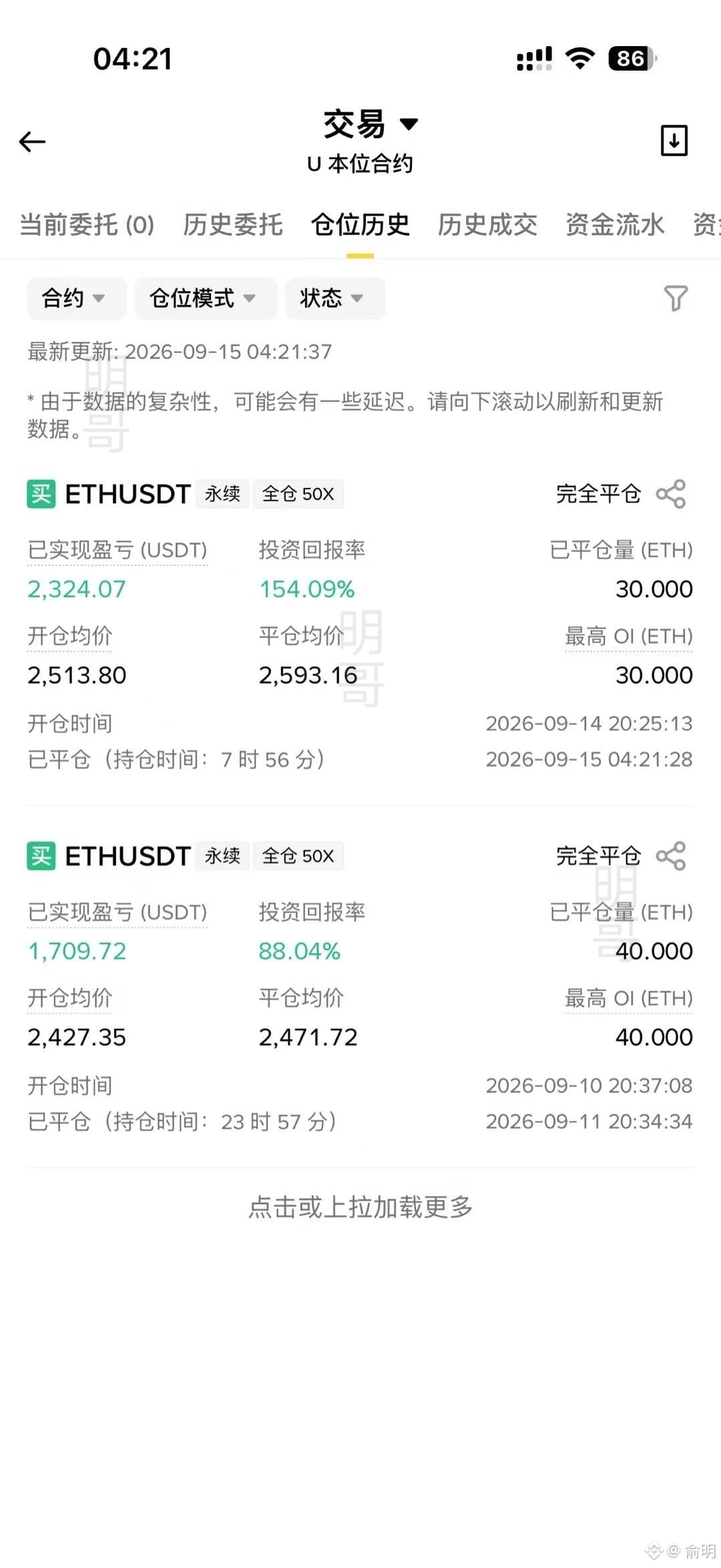
Trade only trending markets—don’t burn your principal. Most of the time the market is range-bound; frequent trading just drains you on fees. If there’s no trend, wait—act only after the signal is confirmed. Take profit: when a single trade reaches 12%, exit half first—locking in gains is the real profit. Go only for high-probability opportunities; never chase or blindly follow. The iron rule is to keep your hand on the brake—don’t let emotions make the decision for you. Cut losses unconditionally at -1.2%. At +2.5% take half off first. After a loss, never add to average down (no “martingale” additions). You don’t need to do it every time, but for every trade follow rule $DOGE .#比特币现货ETF净流入1.6亿美元 #Solana交易V1上线主网 $ETH
Trade only trending markets—don’t burn your principal. Most of the time the market is range-bound; frequent trading just drains you on fees. If there’s no trend, wait—act only after the signal is confirmed. Take profit: when a single trade reaches 12%, exit half first—locking in gains is the real profit. Go only for high-probability opportunities; never chase or blindly follow. The iron rule is to keep your hand on the brake—don’t let emotions make the decision for you. Cut losses unconditionally at -1.2%. At +2.5% take half off first. After a loss, never add to average down (no “martingale” additions). You don’t need to do it every time, but for every trade follow rule $DOGE .#比特币现货ETF净流入1.6亿美元 #Solana交易V1上线主网 $ETH
1
397
·
--
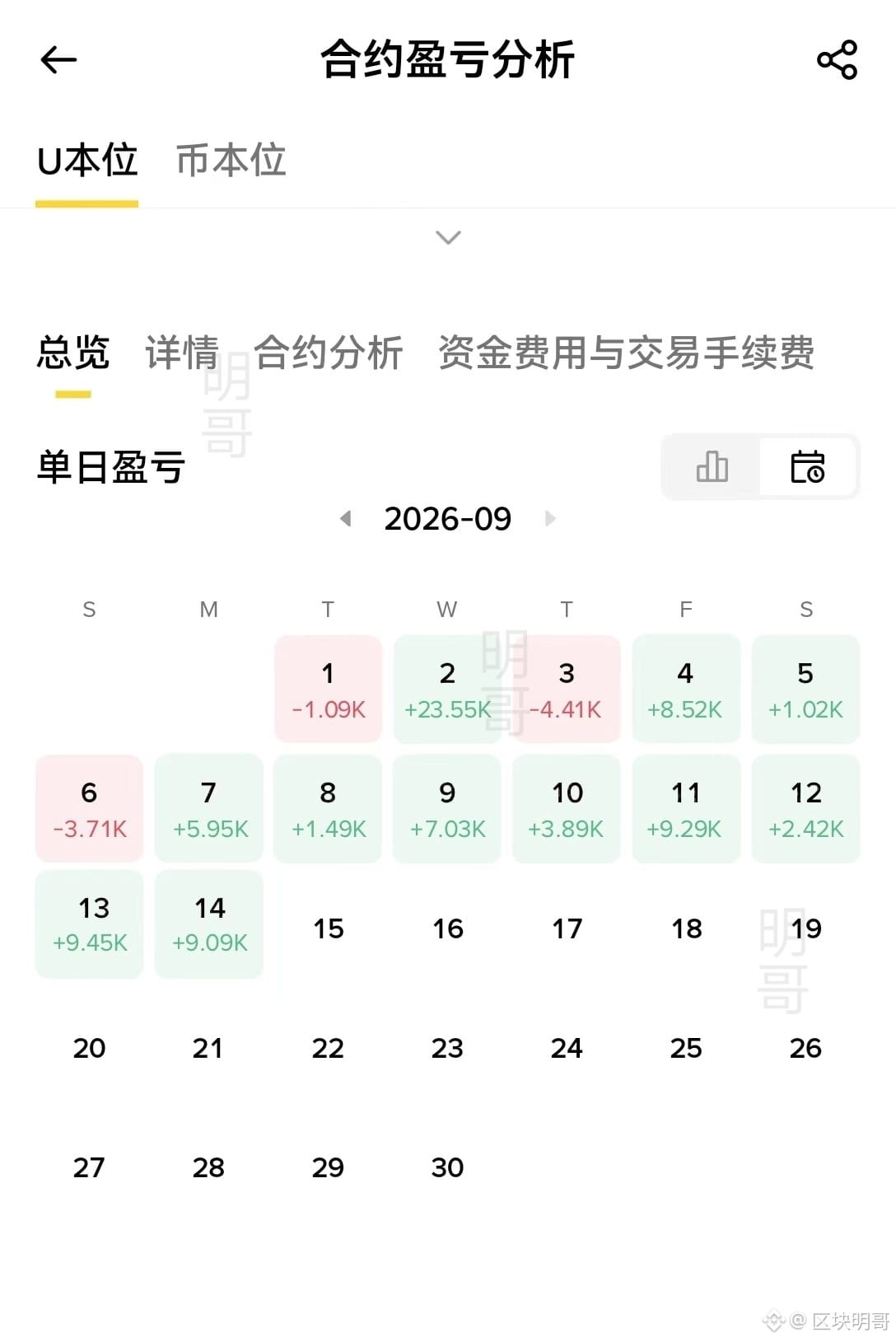
The most dangerous thing isn’t losing money—it’s trading that ruins your life. After trading a few thousand U futures contracts, earning tens of thousands, you become addicted and spend the whole day staring at the charts. When the market reverses and collapses, you keep averaging in and stubbornly hold on—until you lose it all. You can’t go back to the way things were; even a slight move in the candlesticks can throw you off. Many people get addicted to what they don’t truly understand, chasing the thrill. Those who survive rely on discipline and a steady rhythm. You can trade, but don’t let the market control your life. If it keeps you up at night and makes you chaotic, then it isn’t wealth—it’s a burden. Stay away from gamblers; steadiness is the right path. #比特币四周内第三次单块重组 #以太坊跌破2500美元 $ETH $ZEC
The most dangerous thing isn’t losing money—it’s trading that ruins your life. After trading a few thousand U futures contracts, earning tens of thousands, you become addicted and spend the whole day staring at the charts. When the market reverses and collapses, you keep averaging in and stubbornly hold on—until you lose it all. You can’t go back to the way things were; even a slight move in the candlesticks can throw you off. Many people get addicted to what they don’t truly understand, chasing the thrill. Those who survive rely on discipline and a steady rhythm. You can trade, but don’t let the market control your life. If it keeps you up at night and makes you chaotic, then it isn’t wealth—it’s a burden. Stay away from gamblers; steadiness is the right path. #比特币四周内第三次单块重组 #以太坊跌破2500美元 $ETH $ZEC
284
·
--
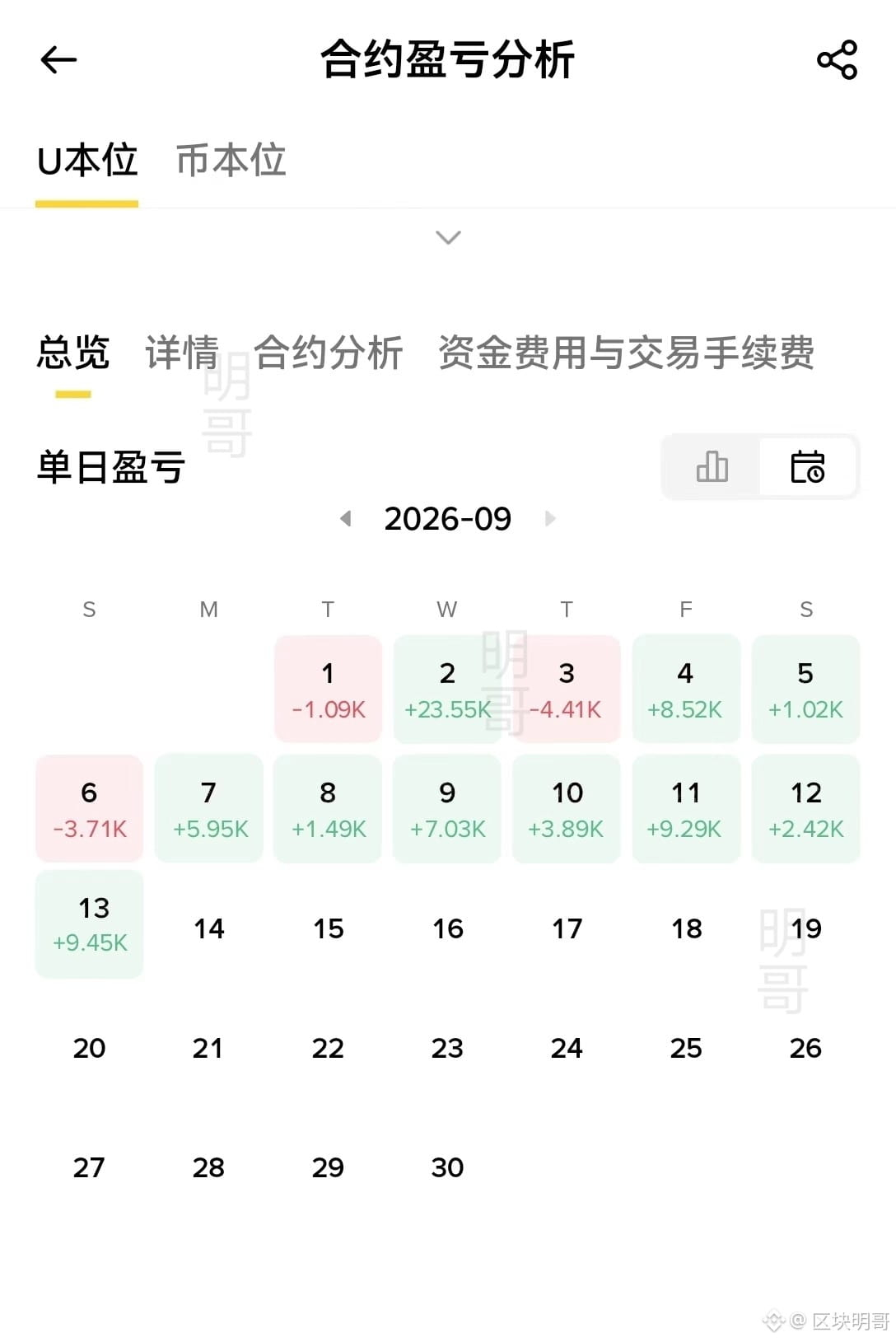
Encryption isn’t about a “du field”; the key is being able to stick with it. For beginners, starting with a few thousand U, do three things: split your funds into three parts—short-term, trend-following, and risk control—never go all-in; if you can’t understand it, don’t trade—wait for signals during consolidation; set a stop-loss in advance, accept when the time comes, take profits in batches, and don’t add more just to hard-hold. A small capital isn’t scary—the real fear is always wanting to turn everything around in one move. Set your position sizing, stop-loss, and rhythm; survive first—making money is just a matter of time.#AnthropicCEO呼吁放缓AI发展 #比特币四周内第三次单块重组 $BTC $SNDKB
Encryption isn’t about a “du field”; the key is being able to stick with it. For beginners, starting with a few thousand U, do three things: split your funds into three parts—short-term, trend-following, and risk control—never go all-in; if you can’t understand it, don’t trade—wait for signals during consolidation; set a stop-loss in advance, accept when the time comes, take profits in batches, and don’t add more just to hard-hold. A small capital isn’t scary—the real fear is always wanting to turn everything around in one move. Set your position sizing, stop-loss, and rhythm; survive first—making money is just a matter of time.#AnthropicCEO呼吁放缓AI发展 #比特币四周内第三次单块重组 $BTC $SNDKB
168
·
--
First secure your exit route before discussing entry
A comfortable trade isn’t chasing the screen; it’s waiting for price to enter your predefined zone.$ETH
#比特币CPI后反弹站上79000美元
Before placing an order, clearly write out your exit plan: as long as the 60-day moving average still holds and the pattern hasn’t broken, you keep holding; once you confirm it has broken down through, stop out and leave—don’t drag it out.
#比特币未平仓合约占比升至42.1%
After you have unrealized profit, don’t try to swallow the entire move. Take partial profit on the first wave, and then when it gets stronger later, reduce more—keep a bit of position so the trend can run on its own.
$BTC
I don’t really believe in “random adjustments during the session.” When people are making money, they get greedy; when they’re losing, they get stubborn.
#CPI数据来袭能否触发9月加息
A system you can actually execute: before placing a trade, only decide three things—your entry point, your stop-loss point, and your take-profit / position-reduction rules.
$ZEC
If you write these down in advance, trading becomes much simpler.
First secure your exit route before discussing entry
A comfortable trade isn’t chasing the screen; it’s waiting for price to enter your predefined zone.$ETH
#比特币CPI后反弹站上79000美元
Before placing an order, clearly write out your exit plan: as long as the 60-day moving average still holds and the pattern hasn’t broken, you keep holding; once you confirm it has broken down through, stop out and leave—don’t drag it out.
#比特币未平仓合约占比升至42.1%
After you have unrealized profit, don’t try to swallow the entire move. Take partial profit on the first wave, and then when it gets stronger later, reduce more—keep a bit of position so the trend can run on its own.
$BTC
I don’t really believe in “random adjustments during the session.” When people are making money, they get greedy; when they’re losing, they get stubborn.
#CPI数据来袭能否触发9月加息
A system you can actually execute: before placing a trade, only decide three things—your entry point, your stop-loss point, and your take-profit / position-reduction rules.
$ZEC
If you write these down in advance, trading becomes much simpler.
A comfortable trade isn’t chasing the screen; it’s waiting for price to enter your predefined zone.$ETH
#比特币CPI后反弹站上79000美元
Before placing an order, clearly write out your exit plan: as long as the 60-day moving average still holds and the pattern hasn’t broken, you keep holding; once you confirm it has broken down through, stop out and leave—don’t drag it out.
#比特币未平仓合约占比升至42.1%
After you have unrealized profit, don’t try to swallow the entire move. Take partial profit on the first wave, and then when it gets stronger later, reduce more—keep a bit of position so the trend can run on its own.
$BTC
I don’t really believe in “random adjustments during the session.” When people are making money, they get greedy; when they’re losing, they get stubborn.
#CPI数据来袭能否触发9月加息
A system you can actually execute: before placing a trade, only decide three things—your entry point, your stop-loss point, and your take-profit / position-reduction rules.
$ZEC
If you write these down in advance, trading becomes much simpler.

1
827
·
--
The challenge isn’t buying—it’s knowing when to sell. You make money and still expect it to keep rising, only to see a reversal and give back your gains, turning profit into loss. I’ve been there too. I always wanted to sell at the highest point, but later I understood: hesitation is the great enemy. Before entering a trade, set your exit conditions, and execute when the time comes. Take profits in portions—keep a smaller position for the trend, and if the signal fails, leave. Making a little less isn’t a problem; the real skill is preserving your profits. The market isn’t short of opportunities. Protect your gains, and next time you’ll have principal <a>#CPI数据来袭能否触发9月加息 $ZEC $BTC #腾讯投资燧原科技9.11亿美元IPO后上市 </a>
The challenge isn’t buying—it’s knowing when to sell. You make money and still expect it to keep rising, only to see a reversal and give back your gains, turning profit into loss. I’ve been there too. I always wanted to sell at the highest point, but later I understood: hesitation is the great enemy. Before entering a trade, set your exit conditions, and execute when the time comes. Take profits in portions—keep a smaller position for the trend, and if the signal fails, leave. Making a little less isn’t a problem; the real skill is preserving your profits. The market isn’t short of opportunities. Protect your gains, and next time you’ll have principal <a>#CPI数据来袭能否触发9月加息 $ZEC $BTC #腾讯投资燧原科技9.11亿美元IPO后上市 </a>


242
Log in to explore more content
Join global crypto users on Binance Square
⚡️ Get latest and useful information about crypto.
💬 Trusted by the world’s largest crypto exchange.
👍 Discover real insights from verified creators.
Email / Phone number
Trending Topics
FedMinutesFocusOnOctoberPause
215,747 views
1,464 Discussing
🚨 HIGH ALERT ‼️ PLEASE DON’T TRADE BLINDLY FOR THE NEXT HOUR 🚨
Guys, we have FOMC Minutes coming in less than 1 hour.
And after the kind of volatility we already saw today, I really don’t want anyone opening random high-leverage positions just before this release.
The biggest reaction I’m watching will be in Gold (XAU), Silver (XAG), BTC and ETH. Then coins like SOL and other highly leveraged mid/low-cap alts can exaggerate whatever move BTC makes.
Gold and Silver are especially sensitive tonight because the market is already reacting to the US dollar + Treasury yields, and both metals have been under heavy pressure ahead of the Fed minutes.
Briefly speaking
📉Hawkish Fed Minutes → Dollar/yields can push higher → pressure on BTC, crypto, Gold & silver
📈Dovish Fed Minutes → Dollar/yields can cool → BTC, Gold, Silver and risk assets can bounce hard.
And please remember the first candle can be a trap. We can get a pump, immediate dump, liquidations on both sides, and then the real direction.
So for now, protect your positions, reduce unnecessary leverage and don’t FOMO into the first move.
Tonight I’m watching $XAU , $XAG and $BTC first. These will tell us very quickly how the market is reading the Fed.
I will Update you guys on time
Follow @Panda Traders and Turn on Your notifications right now
#FedMinutesFocusOnOctoberPause
Panda Traders
·19 Likes
·4.3k views
BinanceLaunchesBinanceIntelligence
1.2M views
6,638 Discussing
EvernorthDelaysNasdaqDebutToOct12
22,709 views
345 Discussing