

痞子范
1.3k Posts

痞子范
Report
Block User
🔸推特:@0xpizi🔸web3扫链佛系选手,低倍合约爱好者,现货囤币执行者🔸币安手续费8折邀请码:PZ666🔸
Frequent Trader
8.9 Years
332 Following
5.8K+ Followers
6.2K+ Liked
Posts
All
Quotes
Videos
Live
PINNED
·
--

Article
Where does the money in the next cycle come from?Let’s say something blunt: most of the time in the crypto space, money doesn’t grow out of "narrative"—it grows out of "there are people outside who genuinely need this thing."
Narrative is the megaphone; demand is the engine. What was the engine in the last cycle? DeFi LEGO + liquidity mining. The cycle before that? An ICO shell game. It’s the same every time—first people really use it, then the narrative chases after it, and finally the narrative runs ahead of demand, and that’s when the bubble comes.
At this point in time, I see two main storylines that have engines, two more that are still looking for engines. And I’ll add a few more that others haven’t mentioned but that I think should be mentioned.
Where does the money in the next cycle come from?
Let’s say something blunt: most of the time in the crypto space, money doesn’t grow out of "narrative"—it grows out of "there are people outside who genuinely need this thing."
Narrative is the megaphone; demand is the engine. What was the engine in the last cycle? DeFi LEGO + liquidity mining. The cycle before that? An ICO shell game. It’s the same every time—first people really use it, then the narrative chases after it, and finally the narrative runs ahead of demand, and that’s when the bubble comes.
At this point in time, I see two main storylines that have engines, two more that are still looking for engines. And I’ll add a few more that others haven’t mentioned but that I think should be mentioned.
2
1.8k
·
--
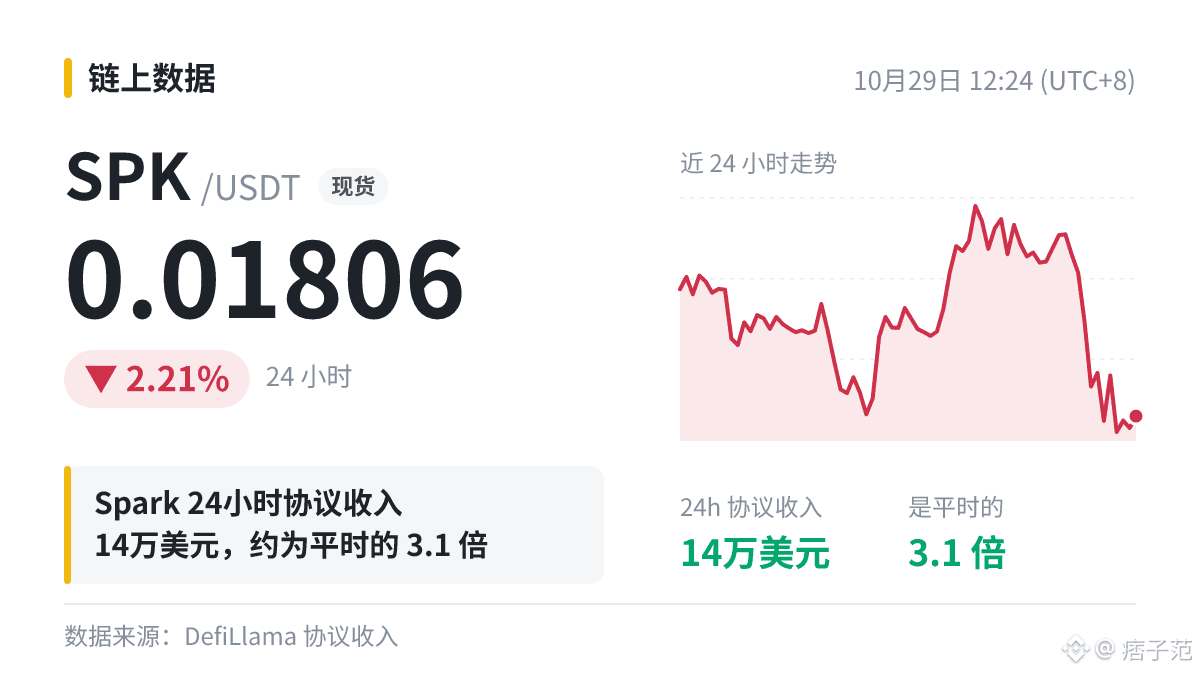
$SPK Spark's protocol revenue for the day was $140,000, equivalent to about 3.1 days' worth at the usual rate.
Such a sharp jump often means trading activity has surged: it may be driven by increased volatility, or by a single large trader or one-off event. From a capital perspective, what I care more about is whether that capital sticks around. The token is down 2.21% over 24h.
It's more reliable to look at on-chain data alongside trading volume.
55
·
--
Capital is voting with its feet:
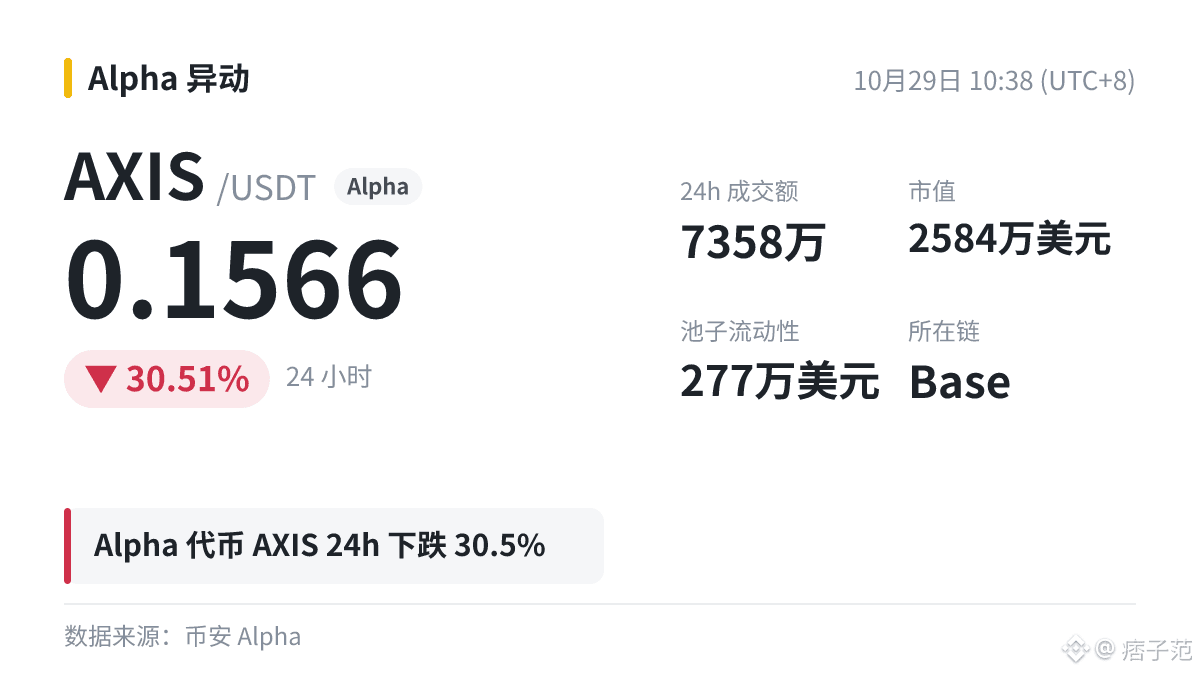
Alpha $AXIS 24h -30.51%, trading volume $73.58 million, market cap $25.84 million.
After such a steep drop, the key is to watch whether large holders are buying at the lows. Only when volume contracts and the price stops making new lows can we talk about stabilization.
Did anyone get out early? Share your takeaways.
1
185
·
--
Pizi Ge’s Crypto + AI Morning Brief · 2026-10-29Pizi Ge’s Crypto + AI Morning Brief · 2026-10-29 (Thursday)
【1】Alipay Officially Debunks Rumor: Peer’s USDC Trading Claims Are False
Alipay responded on X, saying it does not support cryptocurrency trading or related services. Peer’s claim that it “supports buying and selling USDC through Alipay” is false and unauthorized.
→ When a project claims to be backed by a major platform, don’t trust its screenshots—verify the claim through the platform’s official account. The platform has already warned that people are using its name as a cover, and more projects will try to ride on its reputation.
【2】HyperLabs Requests to Redeem 180,000 HYPE; Funds Expected on November 4
The Hyperliquid development team has requested to redeem 179,706 HYPE from staking, worth approximately $14.49 million. The process is the same as for the team’s previous token unlocks: after the tokens are released, they will first be distributed to team members, then sold through market makers.
Pizi Ge’s Crypto + AI Morning Brief · 2026-10-29
Pizi Ge’s Crypto + AI Morning Brief · 2026-10-29 (Thursday)
【1】Alipay Officially Debunks Rumor: Peer’s USDC Trading Claims Are False
Alipay responded on X, saying it does not support cryptocurrency trading or related services. Peer’s claim that it “supports buying and selling USDC through Alipay” is false and unauthorized.
→ When a project claims to be backed by a major platform, don’t trust its screenshots—verify the claim through the platform’s official account. The platform has already warned that people are using its name as a cover, and more projects will try to ride on its reputation.
【2】HyperLabs Requests to Redeem 180,000 HYPE; Funds Expected on November 4
The Hyperliquid development team has requested to redeem 179,706 HYPE from staking, worth approximately $14.49 million. The process is the same as for the team’s previous token unlocks: after the tokens are released, they will first be distributed to team members, then sold through market makers.
165
·
--
Article
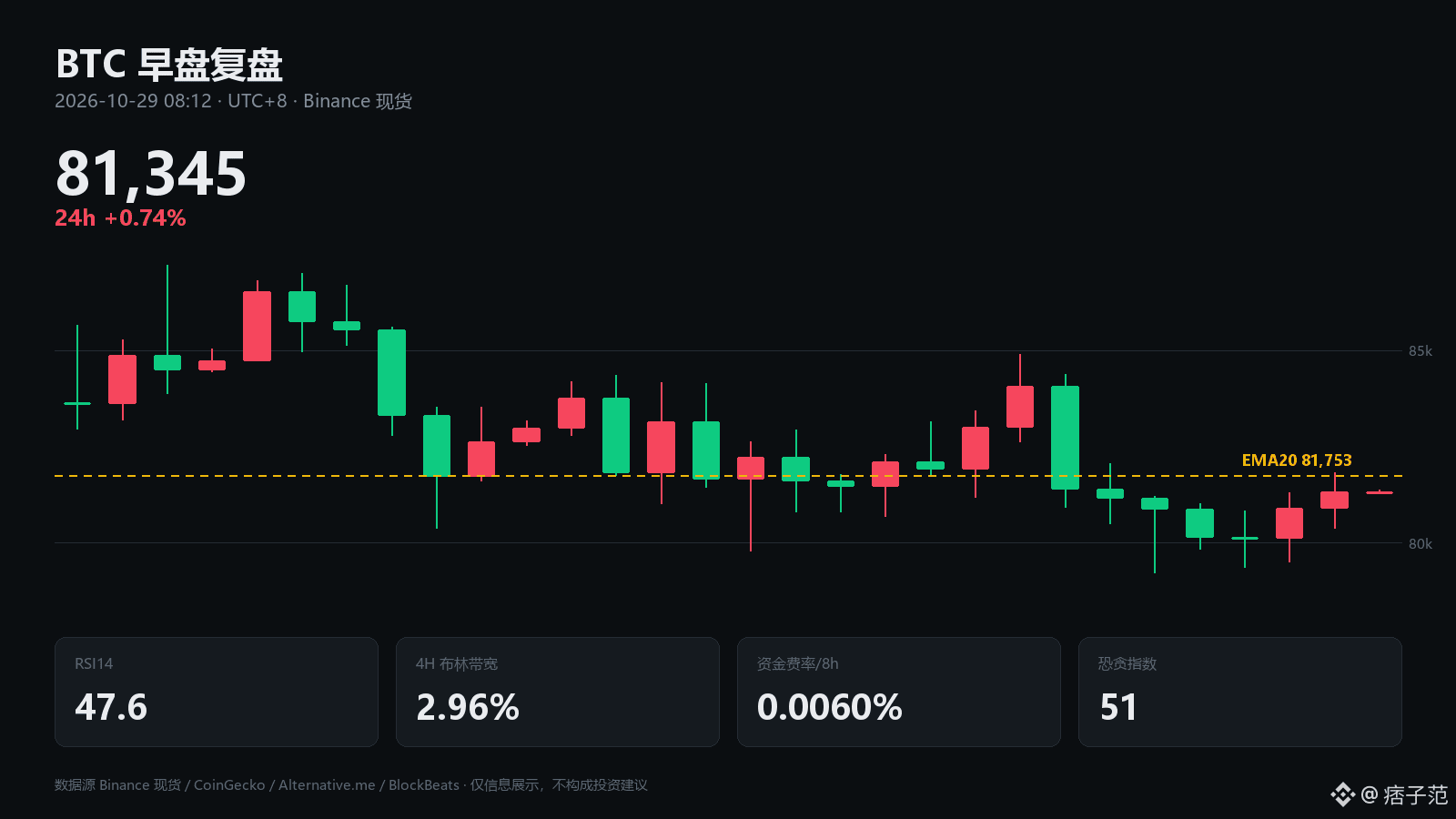
Highs have risen for two days, while open interest is down 0.25%BTC is currently at 81,345 (as of the 10-29 08:12 snapshot), up 0.74% over 24 hours, with an intraday high of 81,823 and a low of 80,397.
The Fear and Greed Index is at 51, unchanged from yesterday, and has been fluctuating between 48 and 54 for four consecutive days. BTC is 35.55% below its all-time high of 126,080, and people who bought a year ago are now down 28%.
Over three days, the low rose from 79,369 to 80,397, and the high rose from 80,845 to 81,823. This is the first time both the high and low have moved up since the big bearish candle on 10-22.
In the same snapshot, open interest fell from 96,026 to 95,786, down 0.25% in a day. It’s down 1.46% over the past 12 hours. 24-hour trading volume was $1.056 billion, 34% below the $1.601 billion recorded on the crash candle of 10-22. The funding rate was 0.006%, compared with 0.0052% yesterday—essentially unchanged.
Highs have risen for two days, while open interest is down 0.25%
BTC is currently at 81,345 (as of the 10-29 08:12 snapshot), up 0.74% over 24 hours, with an intraday high of 81,823 and a low of 80,397.
The Fear and Greed Index is at 51, unchanged from yesterday, and has been fluctuating between 48 and 54 for four consecutive days. BTC is 35.55% below its all-time high of 126,080, and people who bought a year ago are now down 28%.
Over three days, the low rose from 79,369 to 80,397, and the high rose from 80,845 to 81,823. This is the first time both the high and low have moved up since the big bearish candle on 10-22.
In the same snapshot, open interest fell from 96,026 to 95,786, down 0.25% in a day. It’s down 1.46% over the past 12 hours. 24-hour trading volume was $1.056 billion, 34% below the $1.601 billion recorded on the crash candle of 10-22. The funding rate was 0.006%, compared with 0.0052% yesterday—essentially unchanged.
216
·
--
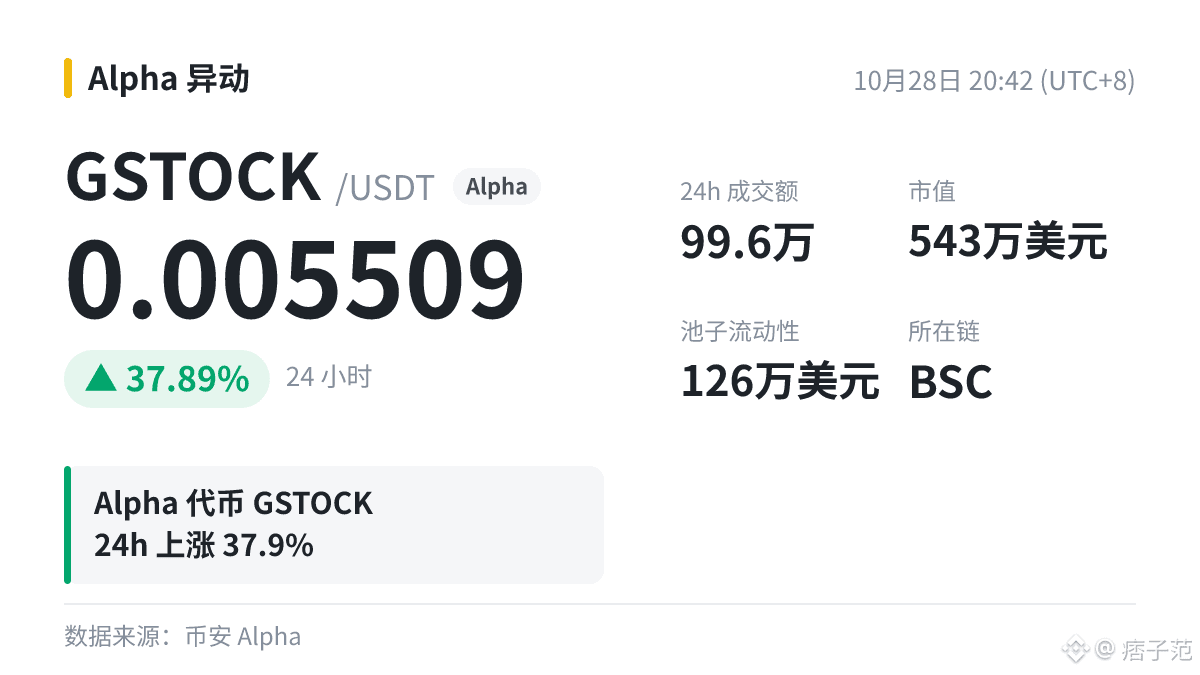
Alpha leads the gains: $GSTOCK 24h +37.89%, current price 0.005509, market cap $5.43 million.
The biggest risks when trading Alpha are going in too heavy and stubbornly holding on. Can the bulls hold onto their gains?
Alpha leads the gains: $GSTOCK 24h +37.89%, current price 0.005509, market cap $5.43 million.
The biggest risks when trading Alpha are going in too heavy and stubbornly holding on. Can the bulls hold onto their gains?
The biggest risks when trading Alpha are going in too heavy and stubbornly holding on. Can the bulls hold onto their gains?
58
·
--
Whale Watch:
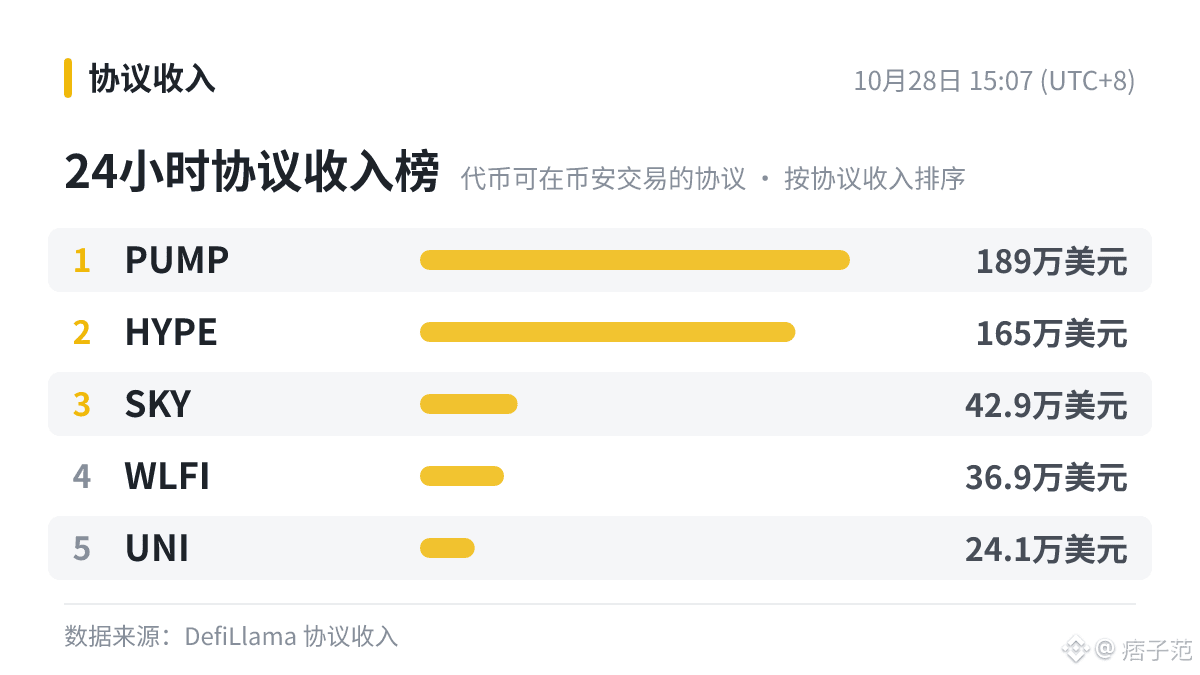
Where users’ fees flow is easiest to see in the protocol revenue rankings—24 hours (only protocols whose tokens have trading pairs on Binance):
$PUMP Pump | $1.89 million
$HYPE Hyperliquid | $1.65 million
$SKY Sky | $429,000
WLFI World Liberty Financial | $369,000
UNI Uniswap | $241,000
Pump’s $1.89 million puts it at the top of the rankings, meaning users paid more to this protocol than to any other listed during the period. Whales often use revenue as a fundamental reference when evaluating projects, but revenue rankings should be considered alongside token holder distribution.
Also, sudden spikes in fees often coincide with large liquidations, so that revenue may not be sustainable. Whales pay closer attention to the projects that consistently make the rankings.
Based on past experience, DeFi revenue tends to concentrate among the top protocols, making it difficult for newcomers to break into the rankings. When a new name appears, it’s worth taking a closer look.
119
·
--
What a fucking genius—this idea is incredible 👍
What a fucking genius—this idea is incredible 👍

2
1.1k
·
--
Has big money entered the market?
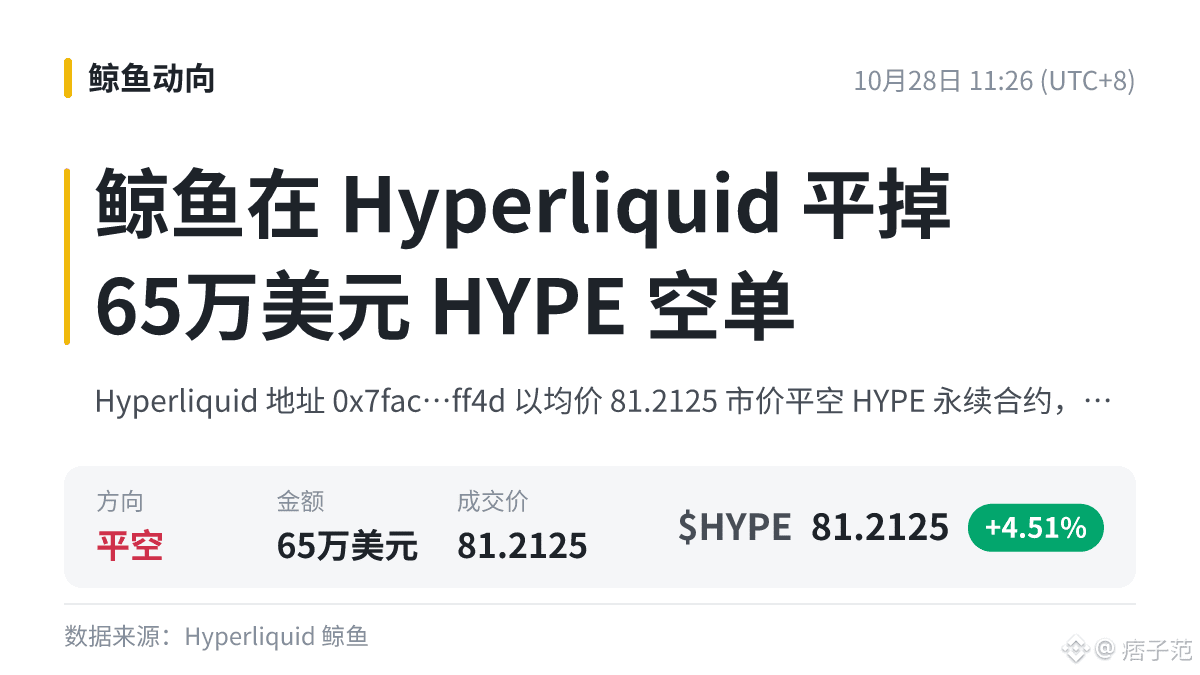
$HYPE : 0x7fac…ff4d closed a $650,000 short position at 81.2125.
Closing a short means buying back. Closing a position doesn’t necessarily mean reversing—it could simply be taking profits.
What do you think?
Has big money entered the market?
$HYPE : 0x7fac…ff4d closed a $650,000 short position at 81.2125.
Closing a short means buying back. Closing a position doesn’t necessarily mean reversing—it could simply be taking profits.
What do you think?
$HYPE : 0x7fac…ff4d closed a $650,000 short position at 81.2125.
Closing a short means buying back. Closing a position doesn’t necessarily mean reversing—it could simply be taking profits.
What do you think?
196
·
--
I can't take it anymore—a little kid called me Grandpa today😱
Maybe it's because I've got a bit of gray hair at my temples
But do I really look that old?
That's it, I'm going to get a haircut
I'm shaving my temples completely clean—not leaving a single hair 😎
I can't take it anymore—a little kid called me Grandpa today😱
Maybe it's because I've got a bit of gray hair at my temples
But do I really look that old?
That's it, I'm going to get a haircut
I'm shaving my temples completely clean—not leaving a single hair 😎
Maybe it's because I've got a bit of gray hair at my temples
But do I really look that old?
That's it, I'm going to get a haircut
I'm shaving my temples completely clean—not leaving a single hair 😎
1
160
·
--
Pizi Ge’s Crypto + AI Morning Brief · 2026-10-28Pizi Ge’s Crypto + AI Morning Brief · 2026-10-28 (Wednesday)
[1] Robinhood’s crypto revenue plunged 55% as money shifted to event betting
Crypto trading revenue was $120 million, down 55% year over year. Options rose 31% and event contracts grew sixfold, while overall trading revenue still climbed 19% to $867 million. REX says prediction markets are just a second channel for the same group of users, not a source of new customers.
→ People are still in the app, but money has shifted from buying crypto to betting on events. If crypto revenue falls another 50% next quarter while event contracts double again, that means the retail pool is shrinking.
[2] Anthropic stock is the most valuable part of FTX creditors’ payouts
Pizi Ge’s Crypto + AI Morning Brief · 2026-10-28
Pizi Ge’s Crypto + AI Morning Brief · 2026-10-28 (Wednesday)
[1] Robinhood’s crypto revenue plunged 55% as money shifted to event betting
Crypto trading revenue was $120 million, down 55% year over year. Options rose 31% and event contracts grew sixfold, while overall trading revenue still climbed 19% to $867 million. REX says prediction markets are just a second channel for the same group of users, not a source of new customers.
→ People are still in the app, but money has shifted from buying crypto to betting on events. If crypto revenue falls another 50% next quarter while event contracts double again, that means the retail pool is shrinking.
[2] Anthropic stock is the most valuable part of FTX creditors’ payouts
307
·
--
Article
81,300 broken, but trading volume was lower than on the down dayKey conclusion
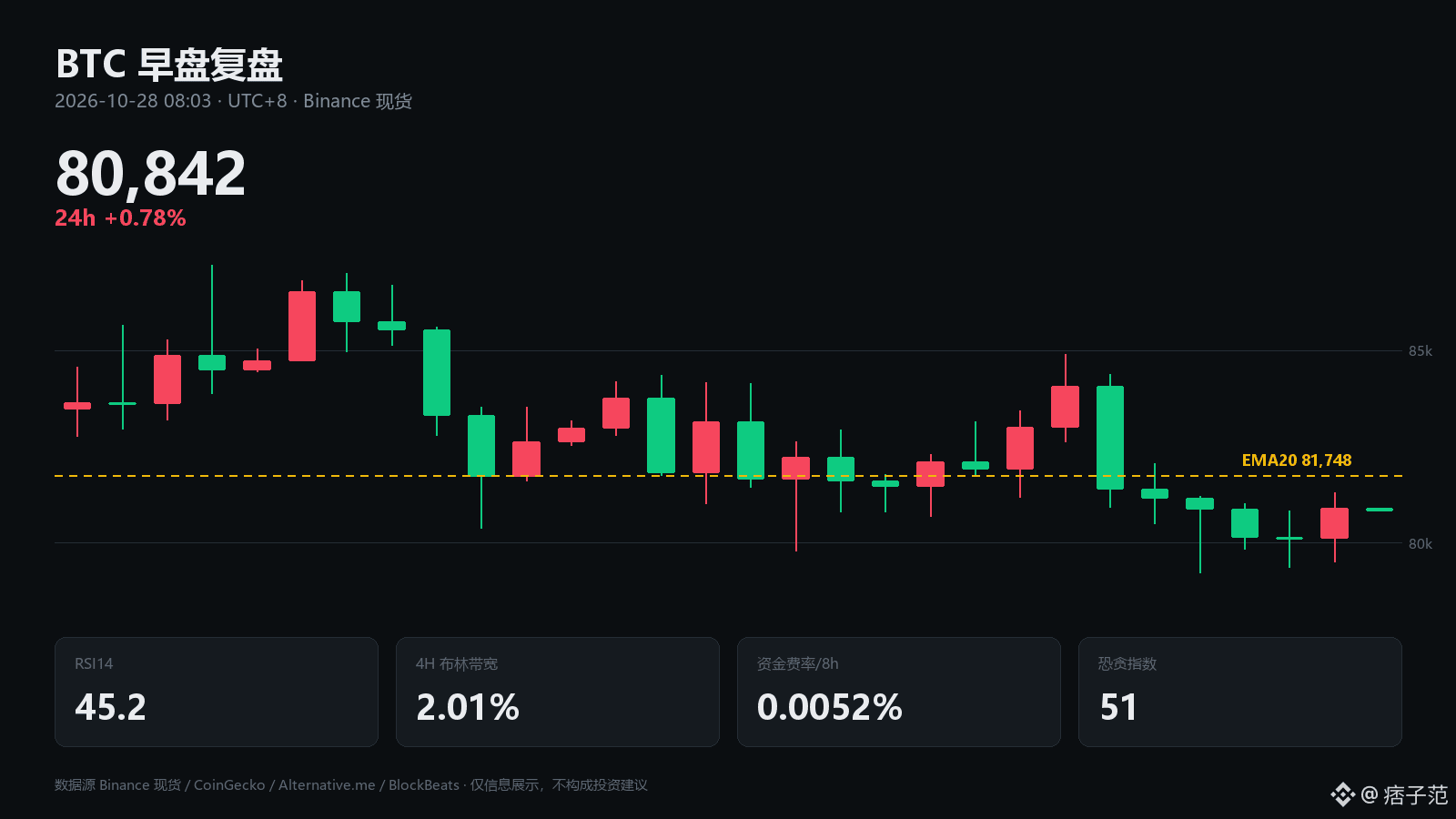
BTC is currently at 80,842 (snapshot as of 10-28 08:03), up 0.78% over 24 hours, with an intraday high of 81,300 and low of 79,506. The bearish scenario I outlined yesterday did not play out: there was no break below 79,650, nor did the price move above 81,250. Instead, it spent another day trading between 79,506 and 81,300.
A material change in structure. The 10-27 high of 81,300 broke above the descending line formed by 81,213, 81,033, and 80,844. This is the first time in five days.
The concern is volume. Trading volume on the 10-27 rebound day was $1.062 billion, versus $1.231 billion on the 10-26 down day. Volume was lower on the up day than on the down day.
81,300 broken, but trading volume was lower than on the down day
Key conclusion
BTC is currently at 80,842 (snapshot as of 10-28 08:03), up 0.78% over 24 hours, with an intraday high of 81,300 and low of 79,506. The bearish scenario I outlined yesterday did not play out: there was no break below 79,650, nor did the price move above 81,250. Instead, it spent another day trading between 79,506 and 81,300.
A material change in structure. The 10-27 high of 81,300 broke above the descending line formed by 81,213, 81,033, and 80,844. This is the first time in five days.
The concern is volume. Trading volume on the 10-27 rebound day was $1.062 billion, versus $1.231 billion on the 10-26 down day. Volume was lower on the up day than on the down day.
158
·
--
Learned a new skill today: making lotus root starch
The reason is that we still hadn’t eaten the lotus root starch my wife’s friend gave us last time, and she didn’t feel like having dinner, so she asked me to learn how to make it on the spot 😁. I have to say, it turned out really well on my first try ✌️
Next time you make lotus root starch for your wife, just follow these steps and you’re guaranteed to get it right on the first try 😎:
Step 1: First, mix it evenly with cold water. The ratio of cold water to lotus root starch should be about 2:1. The amount of cold water determines how thick it will be.
Step 2: Pour in boiling water at 100°C to make the lotus root starch set.
⚠️ The key tip: If it hasn’t set yet, don’t stop pouring in the boiling water.
And that’s it—a perfect cup of lotus root starch!
102
·
--
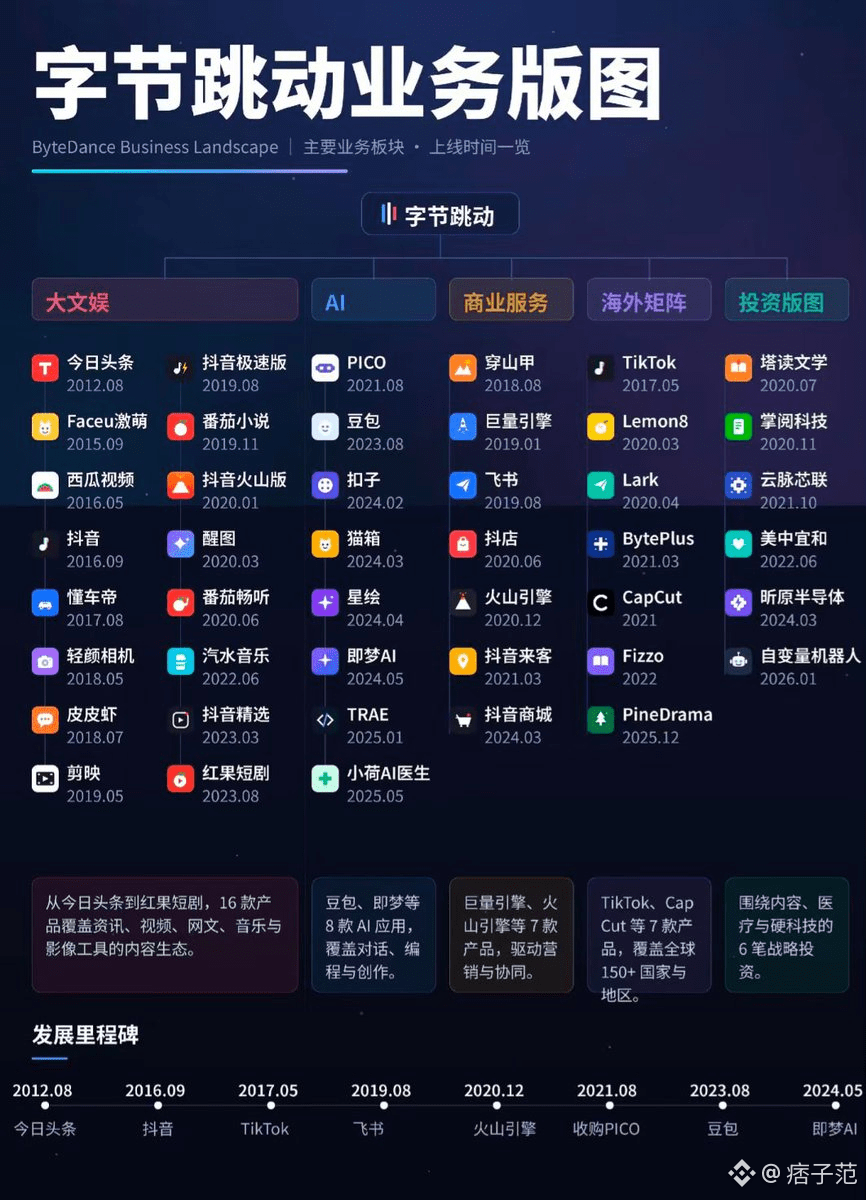
Do you know why Zhang Yiming has once again become China's richest person?
Do you know why Zhang Yiming has once again become China's richest person?
1
2
1.8k
·
--
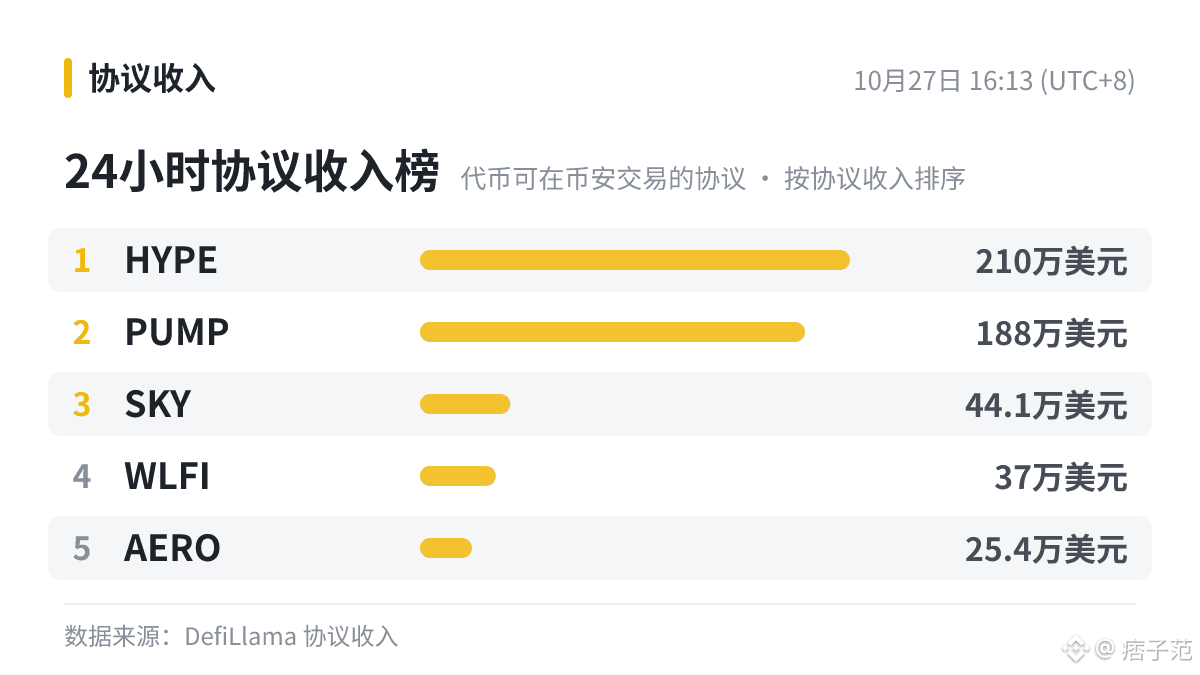
24-hour protocol revenue rankings from a capital perspective (only including protocols whose tokens are tradable on Binance):
$HYPE Hyperliquid | $2.1 million
$PUMP Pump | $1.88 million
$SKY Sky | $441,000
WLFI World Liberty Financial | $370,000
AERO Aero | $254,000
The total for these protocols is $5.05 million—a testament to genuine user demand. Hyperliquid alone contributed $2.1 million.
What we care about is whether high-revenue protocols have mechanisms to return value to their tokens. That determines whether the revenue can flow through to tokenholders.
Following the approach of large investors, revenue analysis usually combines two metrics: circulating market cap divided by annualized revenue (similar to the price-to-sales ratio), and the share of revenue that goes back to tokenholders. These are just starting points; we also need to look into token distribution and how the team’s tokens are allocated. What would you do in this situation?
1
230
·
--
Over the past couple of days, I found some time to tidy up my following list.
A lot of accounts haven’t posted a tweet in over a year,
and quite a few NFT artists from back in the day have stopped creating too.
Some DAO accounts seem to have frozen in time…
Compared with other industries,
trends in Web3 change so fast.
Never leave the table—that’s how you keep up 👣
A lot of accounts haven’t posted a tweet in over a year,
and quite a few NFT artists from back in the day have stopped creating too.
Some DAO accounts seem to have frozen in time…
Compared with other industries,
trends in Web3 change so fast.
Never leave the table—that’s how you keep up 👣
77
·
--
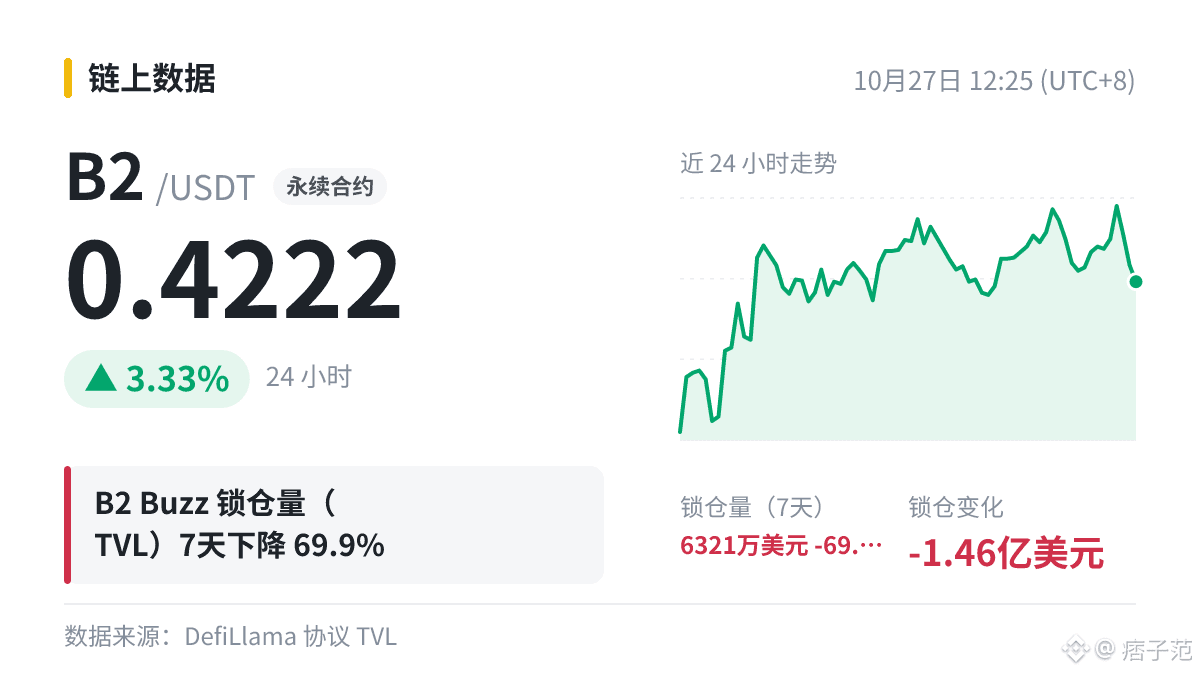
B2 Buzz locked value (TVL) 7-day -69.85%, currently $63.21 million, related tokens $B2 .
The decrease in TVL may be due to withdrawals or to falling asset prices, but it does not necessarily move in sync with the coin price.
B2 Buzz locked value (TVL) 7-day -69.85%, currently $63.21 million, related tokens $B2 .
The decrease in TVL may be due to withdrawals or to falling asset prices, but it does not necessarily move in sync with the coin price.
The decrease in TVL may be due to withdrawals or to falling asset prices, but it does not necessarily move in sync with the coin price.
72
·
--
Funds watch:
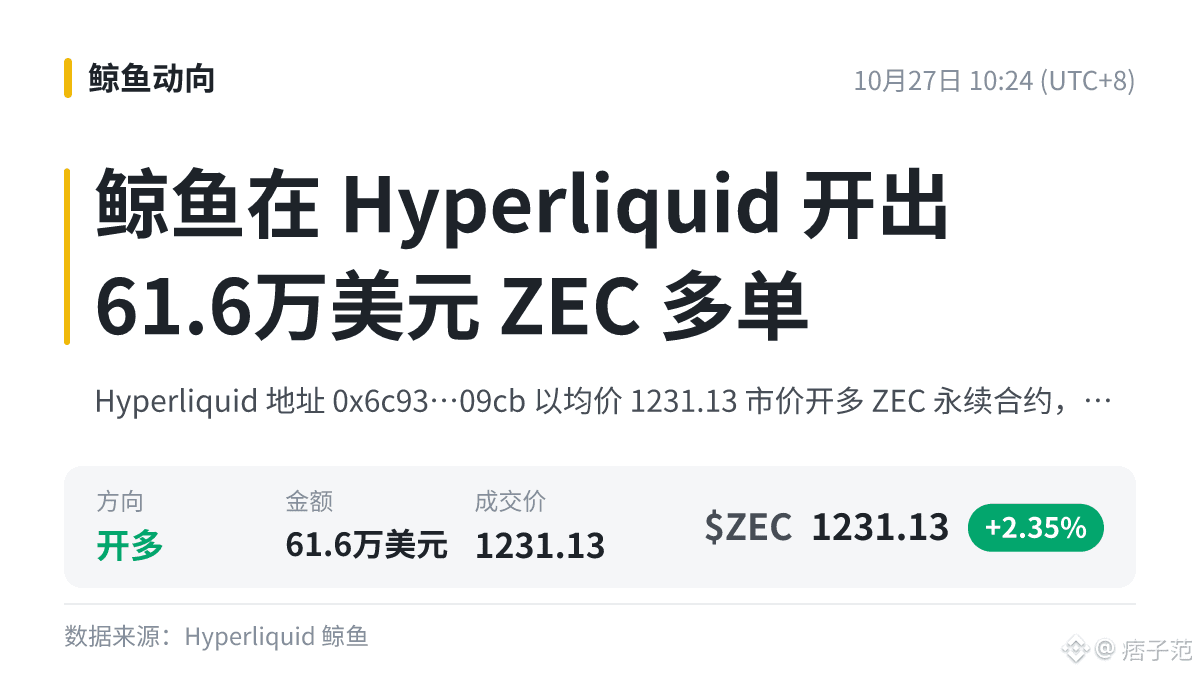
0x6c93…09cb just opened a long position in $ZEC on Hyperliquid, worth $616,000, at around 1231.13.
This is a bullish move. Watch this address to see whether it adds to the position or reverses and exits.
If you found this useful, please like
Funds watch:
0x6c93…09cb just opened a long position in $ZEC on Hyperliquid, worth $616,000, at around 1231.13.
This is a bullish move. Watch this address to see whether it adds to the position or reverses and exits.
If you found this useful, please like
0x6c93…09cb just opened a long position in $ZEC on Hyperliquid, worth $616,000, at around 1231.13.
This is a bullish move. Watch this address to see whether it adds to the position or reverses and exits.
If you found this useful, please like
412
·
--
Pizi Ge’s Crypto + AI Morning Brief · 2026-10-27Pizi Ge’s Crypto + AI Morning Brief · 2026-10-27 (Tuesday)
【1】Stablecoins are flowing into Binance faster: its share of reserves has risen from 58% to 75%
According to CryptoQuant data, stablecoin reserves on Binance and Binance.US account for nearly 75% of the total across monitored platforms. That figure was 58% in mid-2025, leaving just 25% for all the others combined.
→ A rising share doesn’t mean new buying; it could mean reserves elsewhere are falling. Watch the total: only a rising total is real growth; a flat total just means funds are moving around.
【2】Blink Wallet charges an inactivity fee: custodial accounts inactive for 12 months are charged $1 per month until the balance reaches zero
About 100,000 accounts qualify, with over $800,000 in total. The first round of fees totaled $45,000. Logging back in gets you a full refund; self-custody accounts are unaffected.
Pizi Ge’s Crypto + AI Morning Brief · 2026-10-27
Pizi Ge’s Crypto + AI Morning Brief · 2026-10-27 (Tuesday)
【1】Stablecoins are flowing into Binance faster: its share of reserves has risen from 58% to 75%
According to CryptoQuant data, stablecoin reserves on Binance and Binance.US account for nearly 75% of the total across monitored platforms. That figure was 58% in mid-2025, leaving just 25% for all the others combined.
→ A rising share doesn’t mean new buying; it could mean reserves elsewhere are falling. Watch the total: only a rising total is real growth; a flat total just means funds are moving around.
【2】Blink Wallet charges an inactivity fee: custodial accounts inactive for 12 months are charged $1 per month until the balance reaches zero
About 100,000 accounts qualify, with over $800,000 in total. The first round of fees totaled $45,000. Logging back in gets you a full refund; self-custody accounts are unaffected.
107
·
--
Article
Three wicks below 80,000 in three days—which side will blink first this time?Three wicks below 80,000 in three days—which side will blink first this time?
Key takeaway
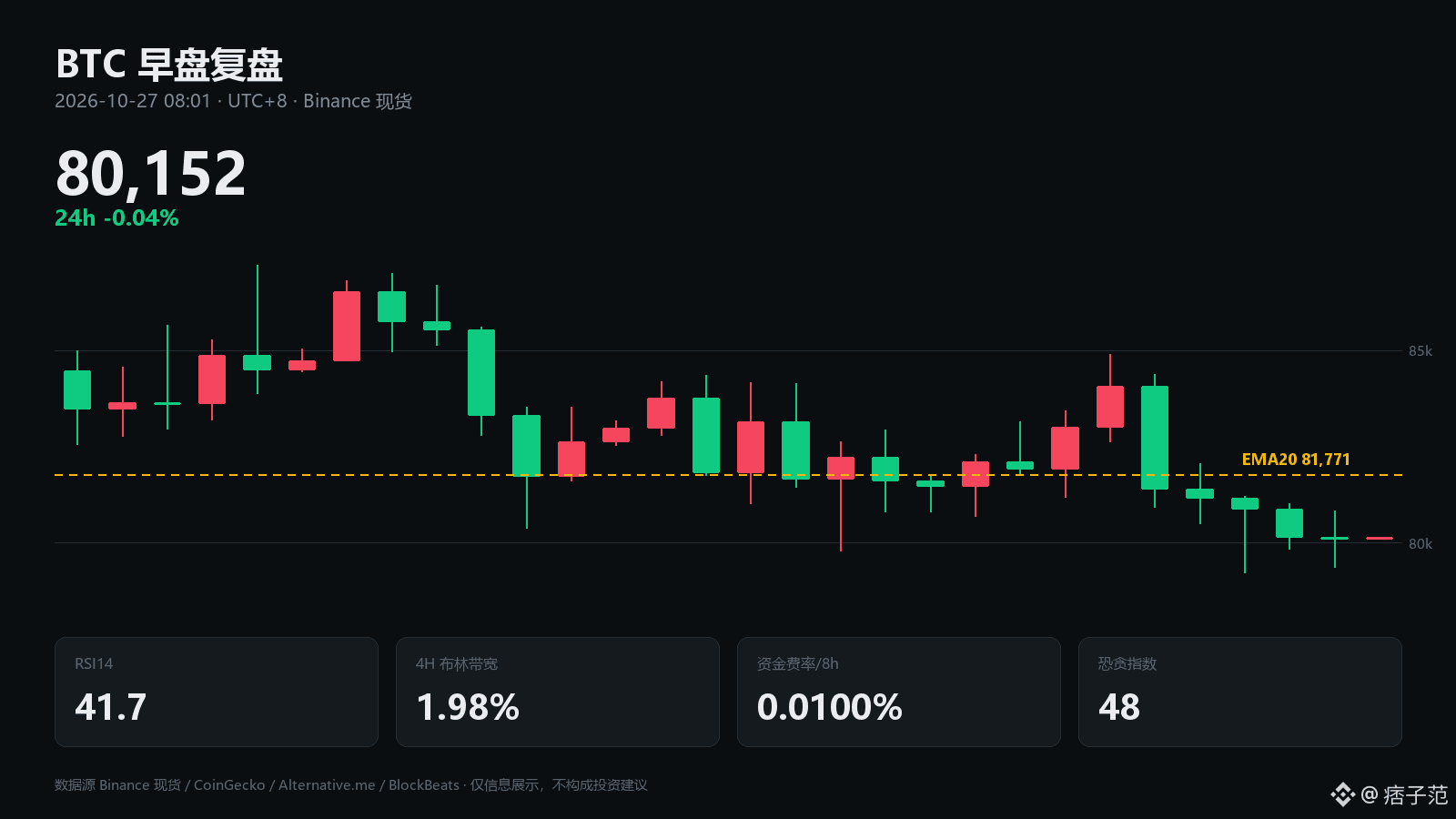
BTC is currently at 80,152 (snapshot as of 10-27 08:01), down a slight 0.03% over 24 hours. But it once again dipped below 80,000 intraday, to 79,368, before recovering. Over the past three days, the price has wicked below 80,000 three times (79,220, 79,845, and 79,368), and each time buyers pushed it back up. Meanwhile, the highs have fallen day by day, from 81,213 to 80,844. Buyers are stepping in at the lows, but the price can't break higher, and the trading range is getting narrower by the day. The price has barely moved in three days, but derivatives data has: open interest has rebounded 2.4% from the same time yesterday (from 93,244 contracts to 95,514), while the funding rate remains pinned at the neutral 0.01% level. Low prices, a narrow range, new positions, and neutral direction—when all four conditions line up, it's a classic setup before a major move. I'm leaning slightly bearish, for the reasons I'll explain below.
Three wicks below 80,000 in three days—which side will blink first this time?
Three wicks below 80,000 in three days—which side will blink first this time?
Key takeaway
BTC is currently at 80,152 (snapshot as of 10-27 08:01), down a slight 0.03% over 24 hours. But it once again dipped below 80,000 intraday, to 79,368, before recovering. Over the past three days, the price has wicked below 80,000 three times (79,220, 79,845, and 79,368), and each time buyers pushed it back up. Meanwhile, the highs have fallen day by day, from 81,213 to 80,844. Buyers are stepping in at the lows, but the price can't break higher, and the trading range is getting narrower by the day. The price has barely moved in three days, but derivatives data has: open interest has rebounded 2.4% from the same time yesterday (from 93,244 contracts to 95,514), while the funding rate remains pinned at the neutral 0.01% level. Low prices, a narrow range, new positions, and neutral direction—when all four conditions line up, it's a classic setup before a major move. I'm leaning slightly bearish, for the reasons I'll explain below.
1
2
1.2k
Log in to explore more content
Join global crypto users on Binance Square
⚡️ Get latest and useful information about crypto.
💬 Trusted by the world’s largest crypto exchange.
👍 Discover real insights from verified creators.
Email / Phone number