
WOLF 狼
10.4k Posts

WOLF 狼
The Market Hunter | KOL | Crypto Trader | Technical Analyst | Write2Earn Specialist | X: @Wolf_Official17
Open Trade
High-Frequency Trader
2 Years
1.3K+ Following
45.6K+ Followers
31.3K+ Liked
Posts
Portfolio
All
Quotes
Videos
Live
PINNED



Leo - F0
·
--
Bullish🧧🧧🔥GOOD MORNING FROM DUBAİ, FAMİLY. I'VE PREPARED A SPECIAL GİFT FOR YOU.🔥🧧🧧
I told you to buy $ZEC 💛 when it was at $30.
As I told you before, $ZEC 💛 will be 3K.💎
$BTC 🔥🔥🧧🧧
#1688家族family 💚 @周周1688
#比特币突破8万美元 @Hawk自由哥 #AnthropicCEOCallsForAISlowdown #xrp #doge
I told you to buy $ZEC 💛 when it was at $30.
As I told you before, $ZEC 💛 will be 3K.💎
$BTC 🔥🔥🧧🧧
#1688家族family 💚 @周周1688
#比特币突破8万美元 @Hawk自由哥 #AnthropicCEOCallsForAISlowdown #xrp #doge


静姐6888
·
--
Borrow peace from the mountains, and meet the gentleness of the world.
English translation: Borrow peace from the mountains, and meet the gentleness of the world.
English translation: Borrow peace from the mountains, and meet the gentleness of the world.


白鲨观点
·
--
On Monday’s open, let me share something from the heart with everyone: Monday’s market is the easiest to fool people.
After you’ve been trading for a while, you’ll feel it too—on Monday morning, the ups and downs are often fake. Over the weekend, people build up two days’ worth of emotion. Once the market opens, it all gets released immediately—buy when you should buy, sell when you should sell, and it gets lively. But once this burst of emotion passes, you may find that the price moves back along the same path after all.
I’ve personally suffered Monday losses many times. If I see some good news over the weekend, I’ll rush in as soon as Monday opens—only to buy at the highest point, and I end up trapped in the trade that day. Or if I hear some bad news over the weekend, I panic and cut in the morning—only to cut at the lowest point, and then it bounces back in the afternoon.
Later, I learned the hard way: don’t act on Monday morning. Watch for half a day first, and wait until the emotions have cooled before deciding.
Trading is not so urgent. Waiting a few hours to enter might mean you earn a little less—but it also might help you avoid a big trap. Compared with stepping into a pit, that small amount of missed profit is nothing.
I won’t predict how this week’s market will move, but I’d like to leave everyone with one piece of advice: don’t make decisions when your emotions are at their most激动.
Whether you’re buying or selling, wait—then wait a little longer.
Once you’ve calmed down, it won’t be too late to take action.
At 4 p.m., I’ll chat in the group about a few key levels for this week. If you’re interested, come by and sit in.
$BTC #BinanceSquare #行情分析📈 #Trading心得
After you’ve been trading for a while, you’ll feel it too—on Monday morning, the ups and downs are often fake. Over the weekend, people build up two days’ worth of emotion. Once the market opens, it all gets released immediately—buy when you should buy, sell when you should sell, and it gets lively. But once this burst of emotion passes, you may find that the price moves back along the same path after all.
I’ve personally suffered Monday losses many times. If I see some good news over the weekend, I’ll rush in as soon as Monday opens—only to buy at the highest point, and I end up trapped in the trade that day. Or if I hear some bad news over the weekend, I panic and cut in the morning—only to cut at the lowest point, and then it bounces back in the afternoon.
Later, I learned the hard way: don’t act on Monday morning. Watch for half a day first, and wait until the emotions have cooled before deciding.
Trading is not so urgent. Waiting a few hours to enter might mean you earn a little less—but it also might help you avoid a big trap. Compared with stepping into a pit, that small amount of missed profit is nothing.
I won’t predict how this week’s market will move, but I’d like to leave everyone with one piece of advice: don’t make decisions when your emotions are at their most激动.
Whether you’re buying or selling, wait—then wait a little longer.
Once you’ve calmed down, it won’t be too late to take action.
At 4 p.m., I’ll chat in the group about a few key levels for this week. If you’re interested, come by and sit in.
$BTC #BinanceSquare #行情分析📈 #Trading心得


Ahli Hidaya
·
--
Bullish🚨 BREAKING: Senate Republicans Drop Final Offer on the Clarity Act!
Senate Republicans have officially released the new Clarity Act text, featuring a revised ethics proposal signed off by Trump. This is being called their final offer to Democrats ahead of Tuesday’s crucial cloture vote.
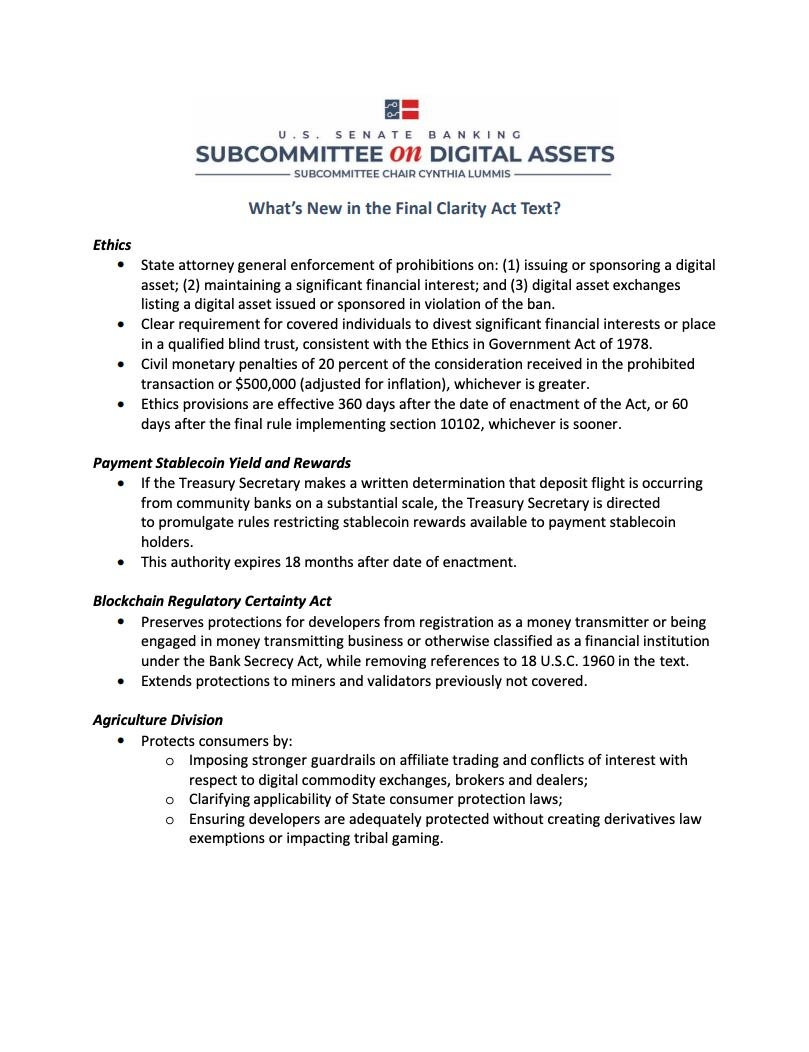
Here is a breakdown of what's inside the final text:
Ethics & Enforcement: State AG enforcement against illegal digital asset issuance or banned exchange listings. Strict divestment requirements for covered individuals or placement in a qualified blind trust under the Ethics in Government Act of 1978. Civil penalties hit 20% of the transaction consideration or $500,000 (adjusted for inflation), whichever is greater. Provisions take effect 360 days post-enactment or 60 days after final rule implementation, whichever is sooner.
Payment Stablecoin Yield & Rewards: If the Treasury Secretary determines community bank deposit flight is happening on a substantial scale, they are directed to promulgate rules restricting stablecoin rewards (authority expires 18 months post-enactment).
Blockchain Regulatory Certainty Act: Preserves developer protections from being classified as money transmitters/financial institutions under the Bank Secrecy Act while removing references to 18 U.S.C. 1960. Extends protections to previously uncovered miners and validators.
Agriculture Division: Stronger guardrails on affiliate trading and conflicts of interest for digital commodity exchanges/brokers/dealers, clarifies state consumer protection laws, and protects developers without impacting tribal gaming.
With Tuesday's cloture vote fast approaching, the pressure is now on Democrats. Will this final offer push the Clarity Act across the finish line?
What are your thoughts on these new terms? Let’s discuss in the comments below! 👇
#ClarityAct #CryptoRegulation #USCrypto #Senate #CryptoNews #BinanceSquare$BTC $BNB $USDC #dyor
Senate Republicans have officially released the new Clarity Act text, featuring a revised ethics proposal signed off by Trump. This is being called their final offer to Democrats ahead of Tuesday’s crucial cloture vote.
Here is a breakdown of what's inside the final text:
Ethics & Enforcement: State AG enforcement against illegal digital asset issuance or banned exchange listings. Strict divestment requirements for covered individuals or placement in a qualified blind trust under the Ethics in Government Act of 1978. Civil penalties hit 20% of the transaction consideration or $500,000 (adjusted for inflation), whichever is greater. Provisions take effect 360 days post-enactment or 60 days after final rule implementation, whichever is sooner.
Payment Stablecoin Yield & Rewards: If the Treasury Secretary determines community bank deposit flight is happening on a substantial scale, they are directed to promulgate rules restricting stablecoin rewards (authority expires 18 months post-enactment).
Blockchain Regulatory Certainty Act: Preserves developer protections from being classified as money transmitters/financial institutions under the Bank Secrecy Act while removing references to 18 U.S.C. 1960. Extends protections to previously uncovered miners and validators.
Agriculture Division: Stronger guardrails on affiliate trading and conflicts of interest for digital commodity exchanges/brokers/dealers, clarifies state consumer protection laws, and protects developers without impacting tribal gaming.
With Tuesday's cloture vote fast approaching, the pressure is now on Democrats. Will this final offer push the Clarity Act across the finish line?
What are your thoughts on these new terms? Let’s discuss in the comments below! 👇
#ClarityAct #CryptoRegulation #USCrypto #Senate #CryptoNews #BinanceSquare$BTC $BNB $USDC #dyor

DIJA BNB
·
--
🎁 $DOGE Reward Alert! 🧧
Your $DOGE reward may be waiting for you!
Check your reward now and make sure to claim it before the opportunity ends. Don’t miss out!
Good luck & enjoy your $DOGE reward! 🚀
Your $DOGE reward may be waiting for you!
Check your reward now and make sure to claim it before the opportunity ends. Don’t miss out!
Good luck & enjoy your $DOGE reward! 🚀


Z O N E P R I M E
·
--
Bullish🎁 ZONE PRIME BTC SURPRISE DROP! 🎁
✨ The Red Packet is full and ready to open! ✨
👇 Simple Steps to Participate 👇
❤️ Follow ZONE PRIME
🔁 Like & Share
💬 Comment “BTC”
🔔 Stay connected and active for upcoming surprise drops!
#BTC #Crypto #ZONEPRIME #RedPacket #Binance $BTC
✨ The Red Packet is full and ready to open! ✨
👇 Simple Steps to Participate 👇
❤️ Follow ZONE PRIME
🔁 Like & Share
💬 Comment “BTC”
🔔 Stay connected and active for upcoming surprise drops!
#BTC #Crypto #ZONEPRIME #RedPacket #Binance $BTC



Mhd_Fzlul
·
--
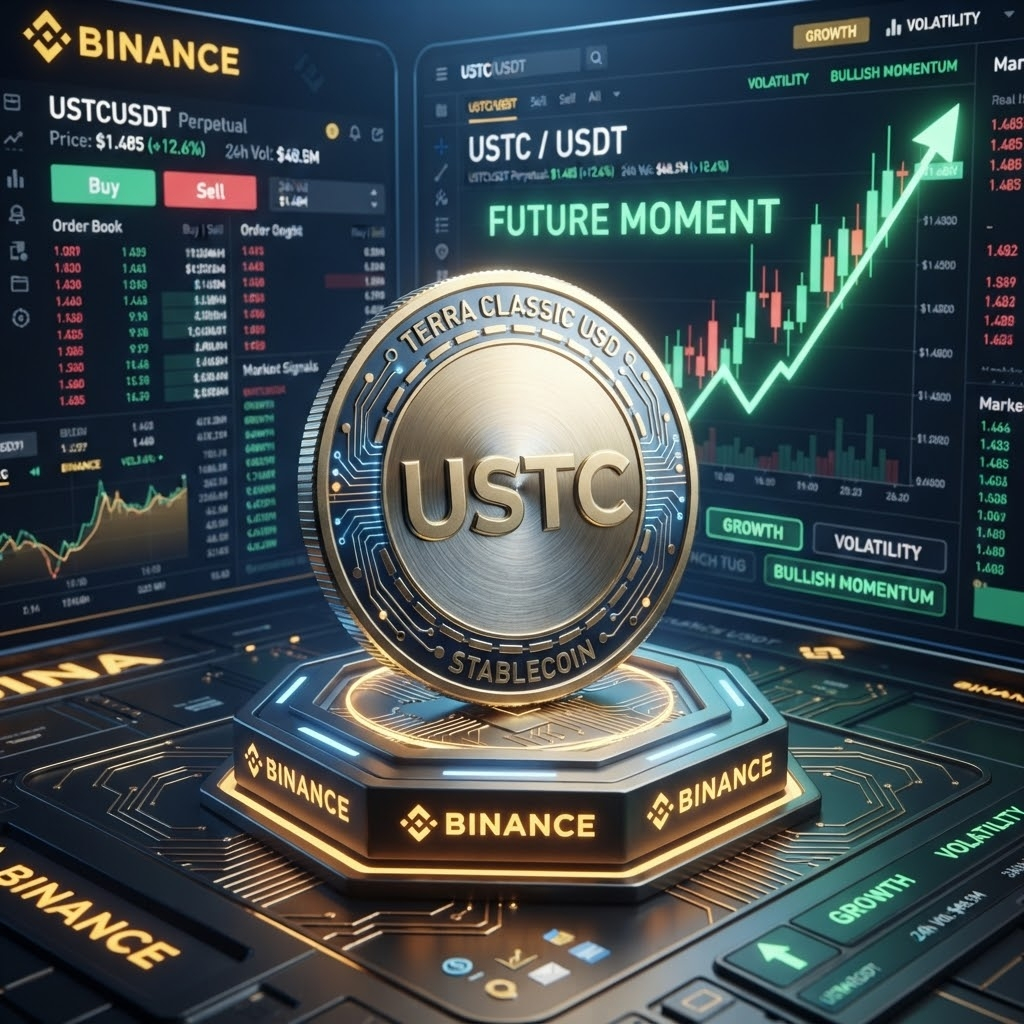
Bullish🧧🧧🧧🧧🧧CLAIM $USTC REWARDS🧧🧧🧧🧧🧧
💲Comment 📩
💲Like 👍🏻
💲Repost 🔁
💲Share ➡️
Don't miss out on your big #USTC reward💲💲💲
1️⃣ Follow "Mhd_Fzlul" for more alerts and Red Packets.📈🧧💲
2️⃣ Comment on "Ok"... ❕️
3️⃣ Claim your Red Packet in the Binance Pay section now💰💱
Click here to Trade👇🏻
$BTC
#Write2Earn #BTC #USTC/USDT
💲Comment 📩
💲Like 👍🏻
💲Repost 🔁
💲Share ➡️
Don't miss out on your big #USTC reward💲💲💲
1️⃣ Follow "Mhd_Fzlul" for more alerts and Red Packets.📈🧧💲
2️⃣ Comment on "Ok"... ❕️
3️⃣ Claim your Red Packet in the Binance Pay section now💰💱
Click here to Trade👇🏻
$BTC
#Write2Earn #BTC #USTC/USDT

Mahi_玛希BNB
·
--
Bullish$BNB: Rally followed by a correction — which way is the next move? 👀📊
BNB showed strong momentum at the start of September and moved up to $780+, but now noticeable selling pressure is showing in the market. After the recent drop, the $700 zone has become an important level for traders.
For now, it’s important to closely watch volume + support confirmation. 🔥
1️⃣ **Follow MAHI BNB** ✅
2️⃣ **Like & Comment “BTC”** ✅
3️⃣ **Repost This Post** 🔄✅
4️⃣ **Stay Tuned for the Next Gift 🎁🧧** ✅
Watching: $BNB 👀$BTC $ETH
#BNB #BNBChain #Binance #Crypto #CryptoMarketMoves #Altcoins #BNBUpdate #BinanceSquareFamily #writetoearn #CryptoTrading #Web3
BNB showed strong momentum at the start of September and moved up to $780+, but now noticeable selling pressure is showing in the market. After the recent drop, the $700 zone has become an important level for traders.
For now, it’s important to closely watch volume + support confirmation. 🔥
1️⃣ **Follow MAHI BNB** ✅
2️⃣ **Like & Comment “BTC”** ✅
3️⃣ **Repost This Post** 🔄✅
4️⃣ **Stay Tuned for the Next Gift 🎁🧧** ✅
Watching: $BNB 👀$BTC $ETH
#BNB #BNBChain #Binance #Crypto #CryptoMarketMoves #Altcoins #BNBUpdate #BinanceSquareFamily #writetoearn #CryptoTrading #Web3


橙子Joyce
·
--
BullishWill the Federal Reserve raise rates as expected this week? Wall Street is debating: will it end the U.S. stock bull market?
After an unexpectedly strong U.S. CPI report came out last Friday, traders generally expect the Federal Reserve to begin raising rates at this week’s policy meeting—marking the first rate hike in more than three years.
Historically, previous rounds of rate hikes have offered a reference point for today’s market. Based on past experience (though history of course can’t guarantee the future), U.S. stocks may first weaken, then rebound.
Among the six tightening cycles since 1994, during the first four months after the rate-hike cycle began, the S&P 500’s average return was negative.
This suggests that once the “rate-hike shoe” drops, U.S. stocks may look lackluster through the beginning of next year.
As of the close last Friday, the benchmark U.S. equity index, the S&P 500, is up nearly 12% year to date. Strong corporate earnings and a fairly resilient economy have provided solid support for bulls in the stock market.
If you extend the time horizon, the S&P 500’s performance tends to improve gradually: in the 12 months after the start of a rate-hiking cycle, the index’s average return is close to 7%, with a median return of about 11%. (Using median-based statistics helps remove distortions from extreme outliers—for example, the index surged more than 40% after hikes began in March 1997.)
If the Federal Reserve implements a rate hike this Wednesday, it will be the first hike since July 2023—when the Fed raised rates to a range of 5.25% to 5.50%.
Currently, the federal funds rate in the U.S. is at 3.50% to 3.75%. According to the CME Group’s FedWatch tool, futures traders currently assign an 86% probability to a 25-basis-point hike this week.
One positive factor for the market is that mega-scale cloud service providers are still driving growth in excess returns through large-scale AI spending. The S&P 500 component stocks’ forecast for earnings growth in 2027 is expected to reach double digits. If the outlook for AI spending remains unchanged, it may be enough to offset any cooling in optimistic sentiment caused by the rate hikes.
Another bright spot for equities is that although inflation remains sticky, it appears to be slowing. The inflation rate has fallen from a May peak of 4.2%. This should allow the Federal Reserve to take a more gradual approach, and the data shows that the pace of rate hikes is crucial for stock performance—slower pacing gives investors more time to absorb policy changes!
$BZ
$CL
Energy
After an unexpectedly strong U.S. CPI report came out last Friday, traders generally expect the Federal Reserve to begin raising rates at this week’s policy meeting—marking the first rate hike in more than three years.
Historically, previous rounds of rate hikes have offered a reference point for today’s market. Based on past experience (though history of course can’t guarantee the future), U.S. stocks may first weaken, then rebound.
Among the six tightening cycles since 1994, during the first four months after the rate-hike cycle began, the S&P 500’s average return was negative.
This suggests that once the “rate-hike shoe” drops, U.S. stocks may look lackluster through the beginning of next year.
As of the close last Friday, the benchmark U.S. equity index, the S&P 500, is up nearly 12% year to date. Strong corporate earnings and a fairly resilient economy have provided solid support for bulls in the stock market.
If you extend the time horizon, the S&P 500’s performance tends to improve gradually: in the 12 months after the start of a rate-hiking cycle, the index’s average return is close to 7%, with a median return of about 11%. (Using median-based statistics helps remove distortions from extreme outliers—for example, the index surged more than 40% after hikes began in March 1997.)
If the Federal Reserve implements a rate hike this Wednesday, it will be the first hike since July 2023—when the Fed raised rates to a range of 5.25% to 5.50%.
Currently, the federal funds rate in the U.S. is at 3.50% to 3.75%. According to the CME Group’s FedWatch tool, futures traders currently assign an 86% probability to a 25-basis-point hike this week.
One positive factor for the market is that mega-scale cloud service providers are still driving growth in excess returns through large-scale AI spending. The S&P 500 component stocks’ forecast for earnings growth in 2027 is expected to reach double digits. If the outlook for AI spending remains unchanged, it may be enough to offset any cooling in optimistic sentiment caused by the rate hikes.
Another bright spot for equities is that although inflation remains sticky, it appears to be slowing. The inflation rate has fallen from a May peak of 4.2%. This should allow the Federal Reserve to take a more gradual approach, and the data shows that the pace of rate hikes is crucial for stock performance—slower pacing gives investors more time to absorb policy changes!
$BZ
$CL
Energy

Evie埃维利里什
·
--
Wishing you good health, good luck, and plenty of green candles!
RED PACKET DROP!
Follow
Like
Comment
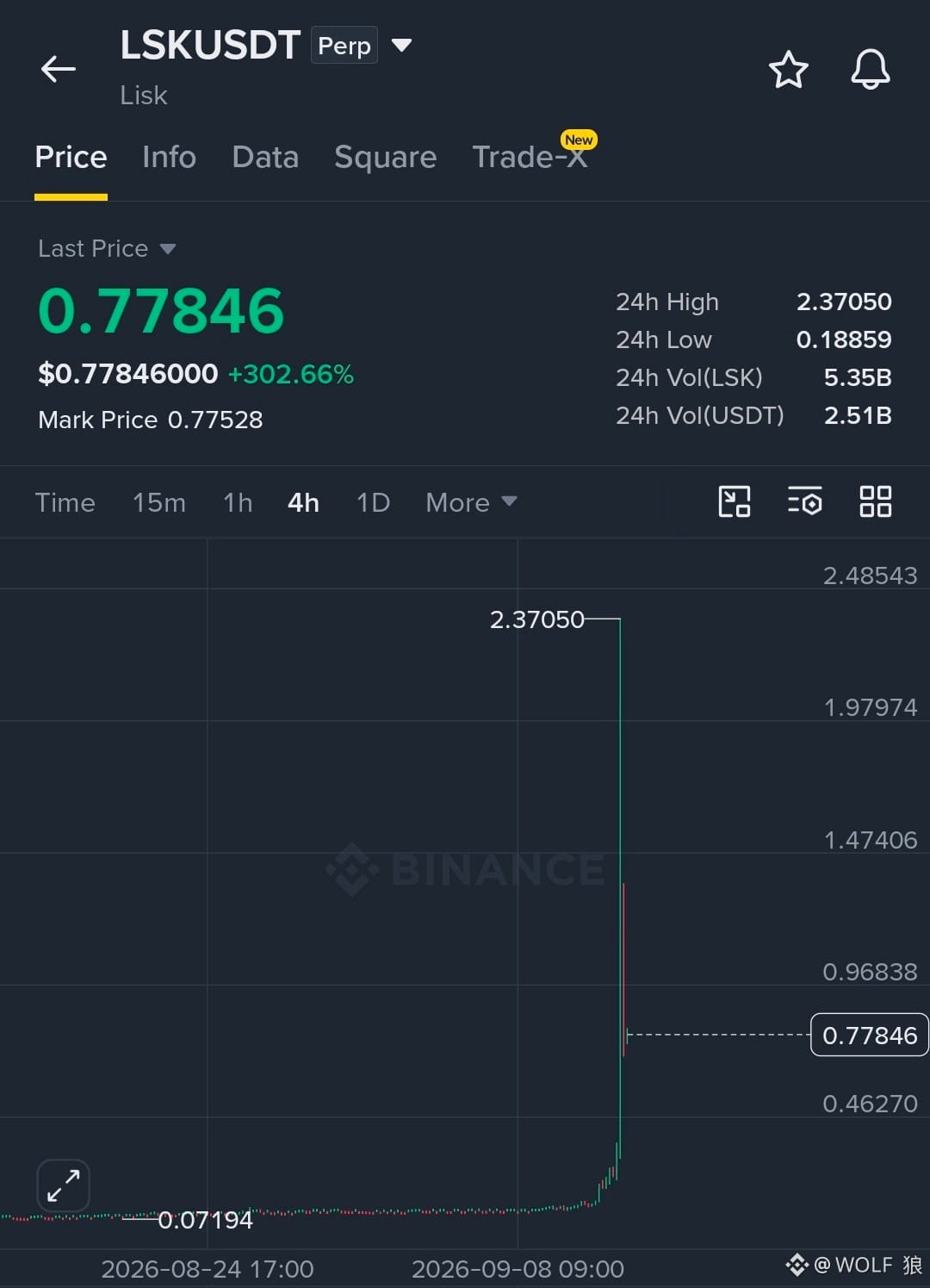
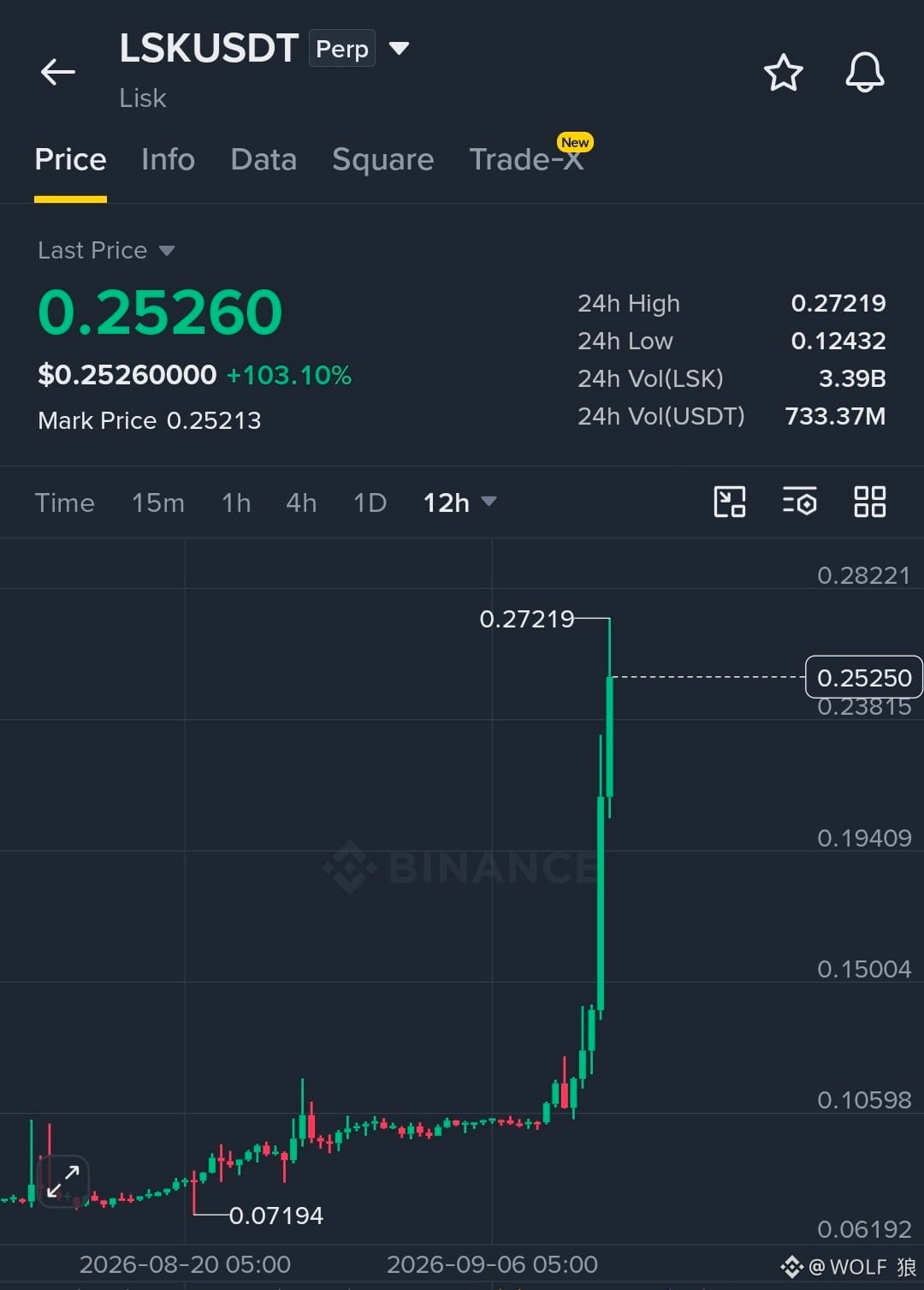
$LSK
RED PACKET DROP!
Follow
Like
Comment
$LSK


AbdullRauf
·
--
GIVEAWAY ALERT for our Square Family! 🧧
As a huge thank you, we're giving away 2000 gifts to our amazing community.
To Enter:
✅ Follow us
✅ Share this post
✅ Comment 666
Winners chosen randomly. Good luck & thanks for being part of our journey!
#SquareGiveaway
As a huge thank you, we're giving away 2000 gifts to our amazing community.
To Enter:
✅ Follow us
✅ Share this post
✅ Comment 666
Winners chosen randomly. Good luck & thanks for being part of our journey!
#SquareGiveaway
Log in to explore more content