
The idea of a U.S. Bitcoin Reserve has moved from fringe debate into serious policy discussion. As governments worldwide reassess monetary strategy in a rapidly digitizing economy, Bitcoin is increasingly viewed not just as a speculative asset—but as a strategic financial instrument.
This article breaks down the discussion, the motivations behind it, and the potential implications for both traditional markets and crypto investors.
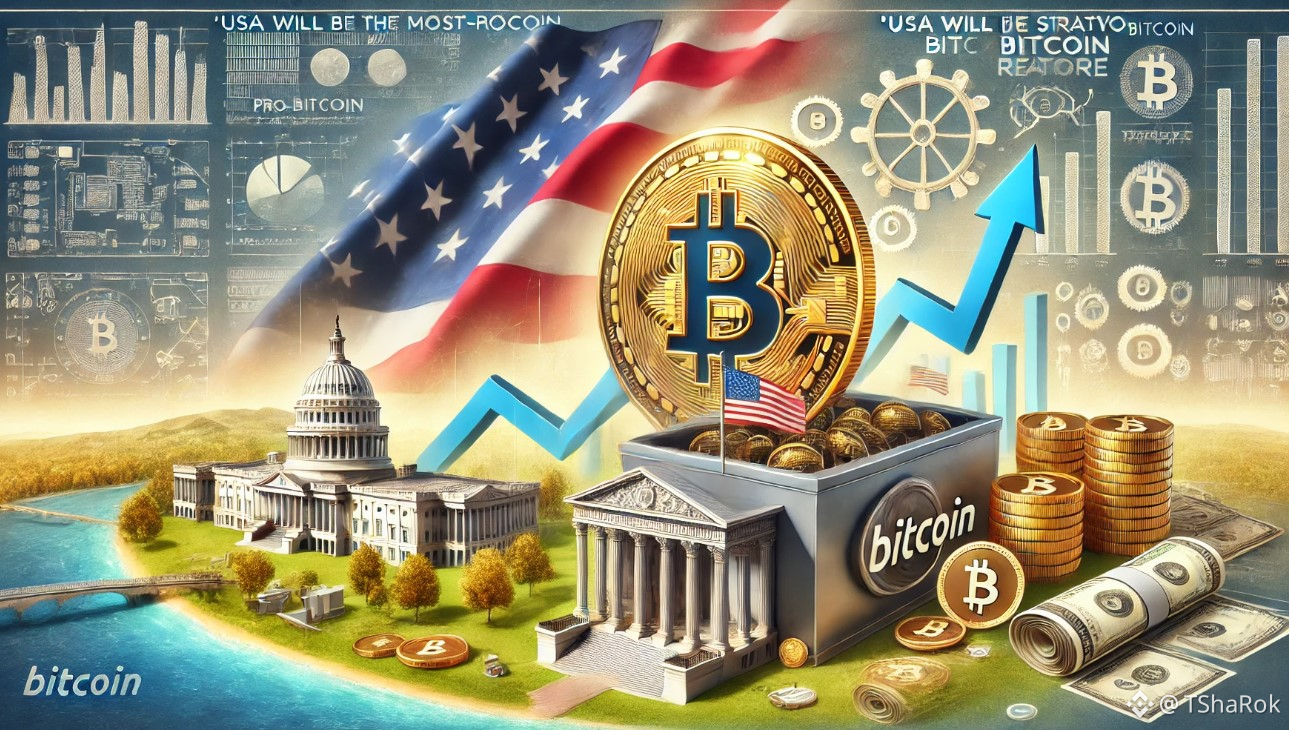
🔍 What Is the US Bitcoin Reserve Discussion?
The US Bitcoin Reserve Discussion centers on whether the United States should:
Hold Bitcoin as part of its national reserves
Treat Bitcoin as a strategic asset similar to gold
Integrate Bitcoin into long-term monetary and fiscal planning
This does not necessarily mean replacing the US dollar, but rather diversifying national reserves in response to evolving global financial dynamics.
🏛️ Why Is This Being Discussed Now?
Several macroeconomic and geopolitical factors are driving the conversation:
1. Rising National Debt
The U.S. debt load continues to grow, prompting policymakers to explore assets that can preserve long-term value.
2. Global De-dollarization Trends
Some countries are reducing reliance on the dollar in trade and reserves, pushing the U.S. to reinforce its financial leadership.
3. Bitcoin’s Maturation
Bitcoin has evolved from a niche technology to:
A trillion-dollar asset class
An institutional-grade investment
A hedge against monetary debasement
4. Digital Asset Competition
Other nations are experimenting with:
Bitcoin mining reserves
Central Bank Digital Currencies (CBDCs)
Crypto-friendly regulatory frameworks
🪙 Why Bitcoin Specifically?
Bitcoin offers unique properties that align with reserve-asset logic:
Fixed supply (21 million cap)
Decentralized and censorship-resistant
Globally liquid and borderless
Not tied to any single government
These characteristics make Bitcoin fundamentally different from fiat currencies and even gold.
📊 Potential Implications for Financial Markets
🔹 If the U.S. Embraces Bitcoin Strategically:
Increased institutional and sovereign demand
Greater price stability over time
Acceleration of crypto regulatory clarity
Reinforcement of Bitcoin as “digital gold”
🔹 For Investors:
Long-term confidence in Bitcoin’s legitimacy
Stronger narrative for BTC as a reserve-grade asset
Reduced existential risk perception
⚠️ Key Challenges and Concerns
Despite growing interest, hurdles remain:
Volatility: Bitcoin’s price swings are still significant
Political resistance: Not all policymakers support crypto
Custody and security: Managing national-scale holdings is complex
Regulatory balance: Innovation vs. control remains delicate
🧠 The Bigger Picture
The US Bitcoin Reserve Discussion reflects a broader truth:
The global financial system is evolving.
Bitcoin is no longer just a speculative instrument—it is part of serious conversations about sovereignty, reserves, and future monetary power.
Whether or not the U.S. formally adopts Bitcoin as a reserve asset, the fact that the discussion exists signals a structural shift in how digital assets are perceived.
🧾 Final Thoughts
Bitcoin doesn’t need government approval to function—but government recognition can accelerate adoption and legitimacy.
For investors, analysts, and policymakers, one thing is clear:
Ignoring Bitcoin is no longer an option.
#USBitcoinReserveDiscussion #bitcoin #DigitalGold #MacroEconomics #CryptoPolicy #FinancialMarkets #BTC #TSharokcommunity
