
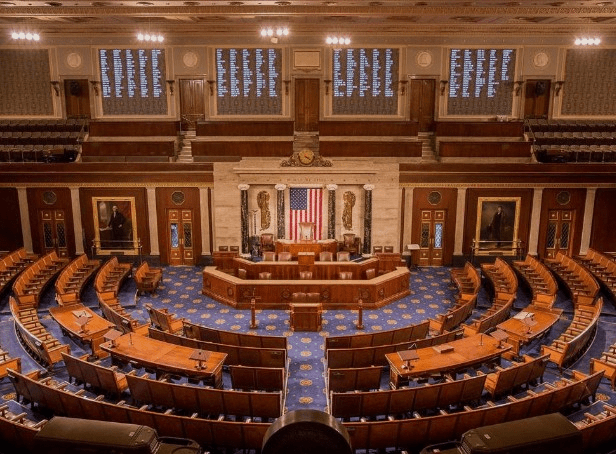
Two representatives from the United States, a Republican from Ohio named Max Miller and a Democrat from Nevada, Steven Horsford, decided to join forces and present a bill to modify taxes on digital assets. The name of the bill is Digital Asset PARITY Act.
👨⚖️ What are they wanting?
- Today, even small purchases with crypto can become a headache because you have to calculate capital gains and pay taxes.
- To give some breathing room, they are proposing that transactions with regulated stablecoin pegged to the dollar, up to 200 dollars, be tax-free.
- But it's not for just any currency, only for stablecoins that follow the exact rules: they must be issued by an authorized entity, be pegged to the value of the dollar, and maintain price stability.
💰 About staking and mining
- The IRS, which is like their tax authority, says that staking or mining rewards are already considered income when they hit the account.
- There are people who advocate only taxing when the asset is sold.
- This project comes with a middle ground: the taxpayer can choose to defer the tax for five years. After that, they pay it as normal income, based on market value.
📜 Other rules they want to implement
- Applying to cryptos some rules that already exist in the stock market, like:
- Wash sale: you can't sell at a loss and immediately repurchase just to offset taxes.
- Constructive sale: avoid maneuvers to push taxes forward.
- Lending liquid and fungible crypto may not be taxed, but NFT and illiquid assets are excluded.
- Professional traders could use mark-to-market accounting.
- Donations of large digital assets (over 10 billion in capitalization) would have fewer evaluation requirements.
- Passive staking done by investment funds would not be considered commercial activity.
📅 Deadline and expectations
- The part about stablecoins would start to apply for fiscal years after December 31, 2025.
- Miller believes a larger package could come out by August 2026.
- And, according to Bloomberg, the Trump administration has been signaling support for some tax relief for the crypto sector.
In summary: they are trying to adjust the law so it doesn't tighten things too much for people using stablecoin daily and give a fairer approach for staking rewards. It's a mix of relieving taxes on small purchases and organizing the system to resemble stock market rules.