
In the volatile world of cryptocurrency trading, where fortunes can be made or lost in hours, pump and dump schemes remain one of the most insidious threats to novice investors. These manipulative tactics, often orchestrated by coordinated groups or influential individuals, prey on the fear of missing out (FOMO) and lack of due diligence among beginners. Drawing from regulatory advisories, academic research, and recent market observations, this article dissects the mechanics of pump and dump operations, highlights overlooked warning signs, and offers strategies for protection. As we navigate the 2025 crypto landscape—marked by regulatory scrutiny and maturing markets—understanding these schemes is crucial for sustainable participation.

Defining Pump and Dump: A Scholarly Overview
A pump and dump scheme is a form of market manipulation involving two distinct phases: the "pump," where the price of a low-liquidity asset is artificially inflated through hype and coordinated buying, and the "dump," where perpetrators sell off their holdings at peak prices, leaving late entrants with worthless tokens. According to the U.S. Commodity Futures Trading Commission (CFTC), such schemes are prevalent in thinly traded or emerging cryptocurrencies, exploiting the unregulated nature of many altcoins. Similarly, the UK's Financial Conduct Authority (FCA) describes it as a deliberate act to mislead investors for personal gain.
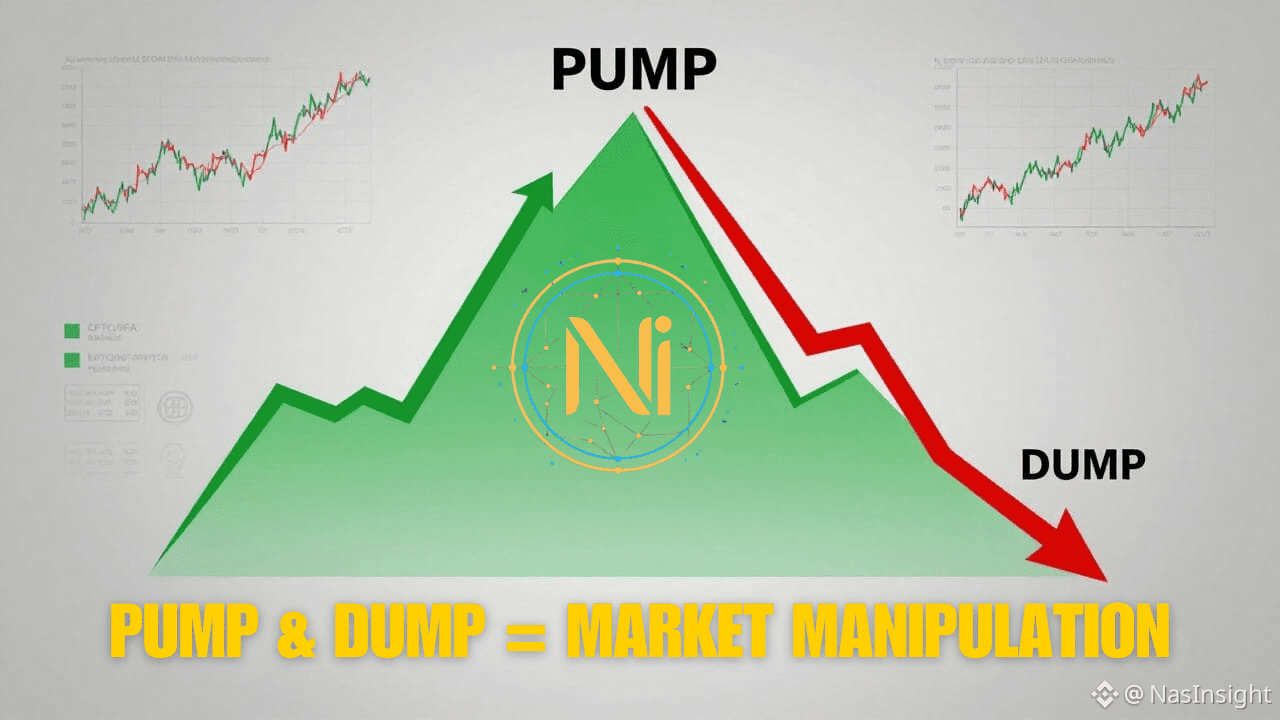
Academic analysis, such as the University of Chicago's examination of nearly 2,000 cryptocurrencies, reveals how these schemes thrive in decentralized ecosystems, with perpetrators using social media, Telegram groups, and influencers to amplify false narratives. Chainalysis reports that actors often target low-market-cap tokens, investing early, promoting aggressively, and exiting swiftly once retail interest peaks. In essence, these operations mimic classic stock market frauds but are amplified by crypto's 24/7 accessibility and pseudonymity.
Overlooked Signs: What Beginners Miss
Beginners often chase hype without scrutinizing underlying patterns. Here are key indicators, grounded in empirical observations and regulatory insights:

Sudden, Unexplained Price Surges:
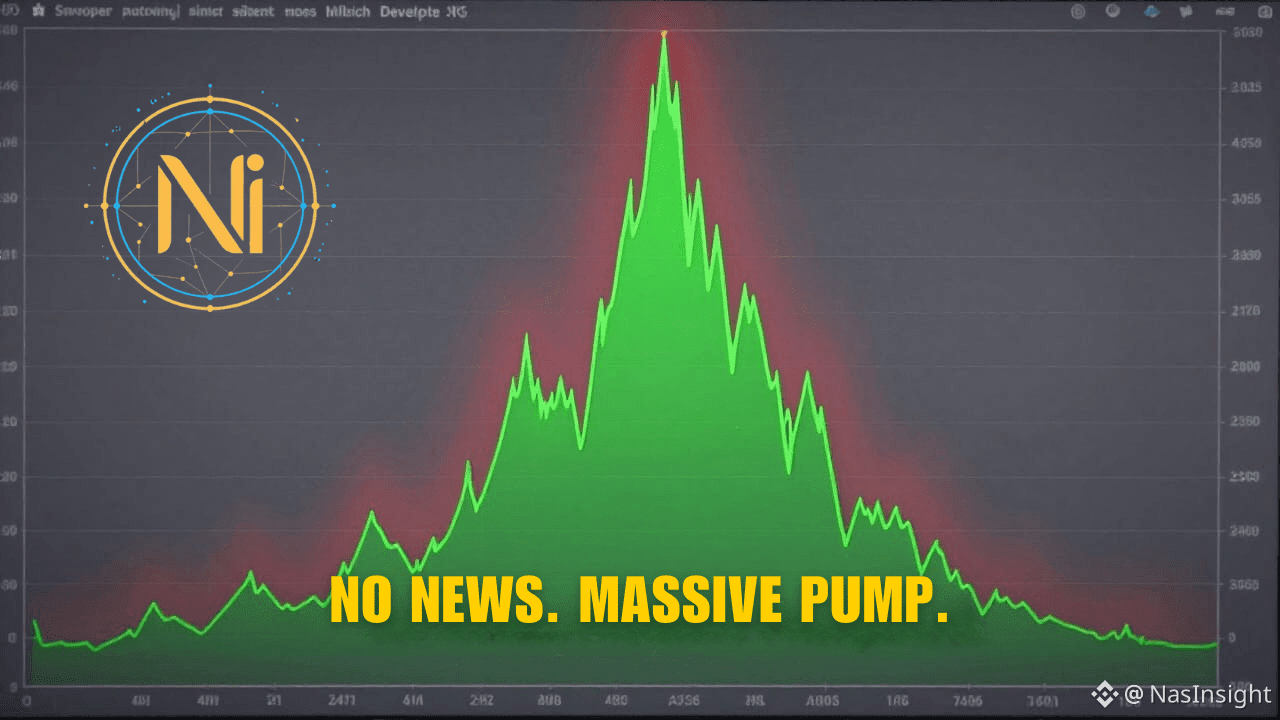
A token with minimal trading volume suddenly spikes 100-500% in hours, absent major news like partnerships or listings. The Global Alliance for Secure Assets (GASA) notes that low-cap altcoins and memecoins are prime targets due to their susceptibility to manipulation. For instance, if a coin's price rockets without corresponding on-chain activity or developer updates, it's a red flag.
Coordinated Social Media Hype:
Influencers, anonymous accounts, or Telegram channels flood platforms with bullish posts, often using phrases like "to the moon" or "hidden gem." Recent X (formerly Twitter) discussions highlight how bots and fake accounts create artificial buzz, as seen in investigations of tokens like $LIGHT, where unknown wallets simulated volume for pump-and-dump setups.

The Massachusetts government warns of scammers convincing masses to invest via orchestrated promotions.
Low Liquidity and High Volatility: Check the order book—thin liquidity means small buys can inflate prices dramatically.
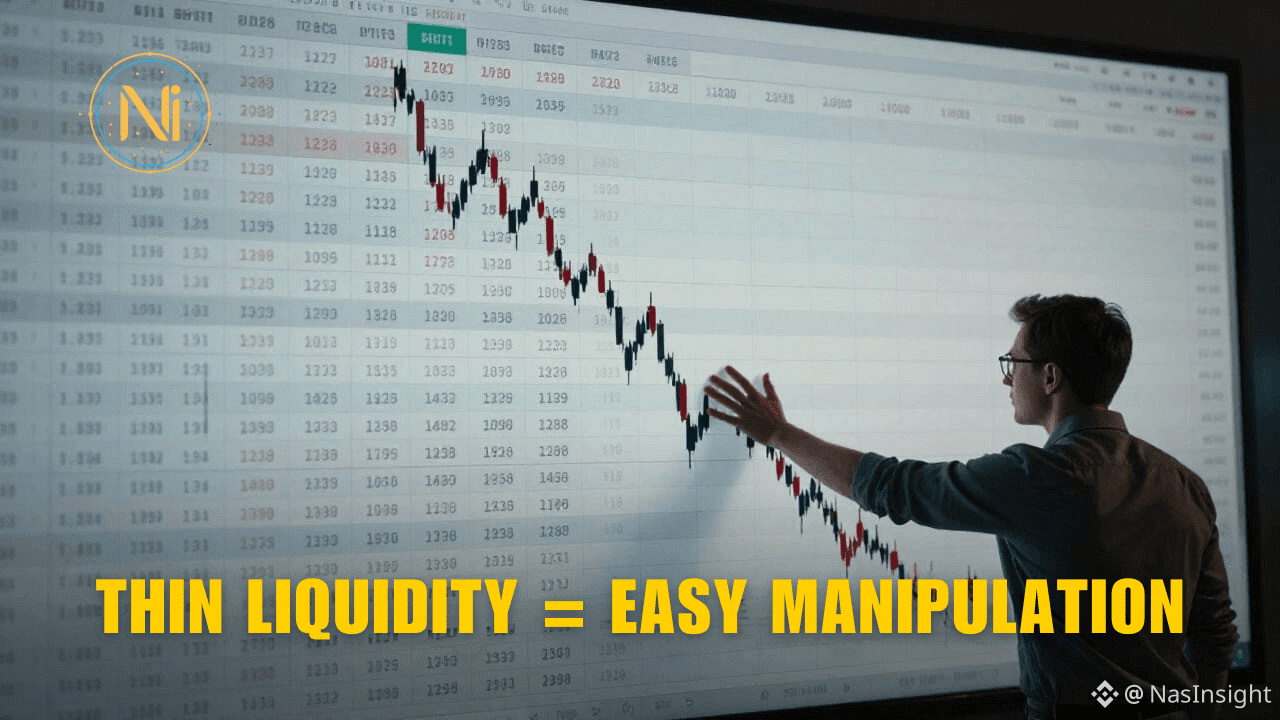
FINRA emphasizes how fraudsters accumulate shares quietly before spreading false positives to pump values. In crypto, this manifests as rapid pumps followed by dumps, often in illiquid pairs on decentralized exchanges (DEXs).
Anonymous Teams and Vague Roadmaps: Projects with pseudonymous developers, no verifiable audits, or generic whitepapers scream caution.

1st Source Bank cites famous schemes where hype overrides fundamentals, leading to rug pulls. Recent X posts, like those criticizing Solana tokens as "pump and dump," underscore this in meme coin ecosystems.
Insider Selling Patterns: Use tools like Etherscan to track wallet activity. Large holders (whales) dumping post-pump is a classic sign.
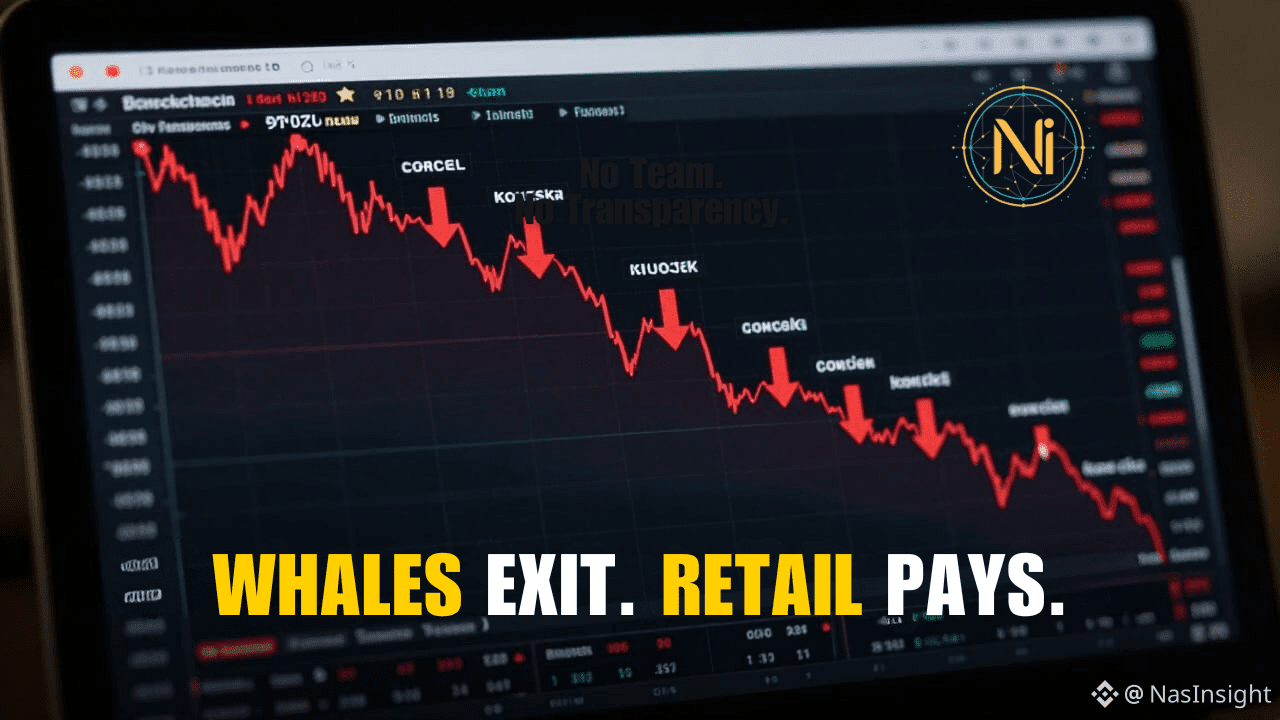
Investor.gov parallels this to stock frauds with misleading statements. In 2025 examples, such as $LIGHT's fake volume from bot-like wallets, early buyers exited en masse after retail influx.
Pressure Tactics and FOMO Inducement: Urgent calls like "Buy now before it's too late" or limited-time "airdrops" are manipulative.

X threads reveal how projects like Helvetiacoin distance themselves from such "shady fast money" offers to build legitimacy.
Historical and Recent Examples
Historically, schemes like the 2018 Bitconnect collapse exemplified pump and dumps, where promoters hyped unsustainable yields before exiting.

In 2025, amid bull market euphoria, we've seen echoes in small-cap pumps, such as weekend Bitcoin volatility debates on X, where traders warn of "pump till end of Jan—then dump." The $LIGHT investigation uncovered bot-driven volume mimicking organic growth, a tactic enabling dumps. These cases illustrate how beginners, ignoring signs, bear the brunt.
Consequences and Regulatory Landscape
Victims face substantial losses, eroded trust, and market instability.

Regulators like the CFTC and FCA are ramping up enforcement, with fines and bans for perpetrators. Yet, in decentralized finance (DeFi), self-custody demands personal vigilance.
Strategies to Avoid Pump and Dumps
DYOR Thoroughly: Verify teams, audits, and tokenomics.
Use Reputable Exchanges: Stick to Binance or regulated platforms.
Set Stop-Losses: Protect against dumps.
Diversify and Be Patient: Avoid FOMO-driven decisions.
Report Suspicious Activity: To platforms or authorities.

In conclusion, pump and dump schemes exploit informational asymmetry, but awareness of these ignored signs empowers beginners to navigate crypto safely. As markets evolve, prioritize education over speculation.
What pump and dump red flags have YOU spotted lately? Share in the comments! 👇


#CryptoScams #pumpanddump #tradingtips #BinanceSquare
Follow for more scholarly insights and stay vigilant! 📚🚨
