
Macro volatility is quietly building beneath global markets, and by 2026, it may become impossible to ignore. While 2024 proved resilient for crypto—allowing Bitcoin (BTC) to close the year with strong returns—2025 has told a very different story. Risk appetite has faded, volatility has increased, and Bitcoin has struggled to regain sustained momentum.
The shift isn’t random. It’s rooted in macroeconomic stress, mounting debt, and the growing cost of maintaining the U.S. financial system.
What Changed After 2024?
The macro backdrop deteriorated sharply in 2025. A combination of renewed trade tariffs, aggressive fiscal spending, and higher-for-longer interest rates has driven U.S. debt to historic levels.
U.S. national debt: ~$38 trillion
FY2025 debt added: $2.17 trillion
Debt-to-GDP ratio: 124.3% (highest in four years)
This means the U.S. is now carrying significantly more debt relative to its economic output, reducing fiscal flexibility and increasing reliance on monetary policy support.
The Dollar Is Cracking Under Pressure
One of the clearest signals of stress is the U.S. Dollar Index (DXY).
DXY down ~9.16% YTD, marking its worst annual performance since 2017
Weak dollar = higher import inflation for a consumption-driven economy
For markets, this creates uncertainty. A falling dollar initially pressures risk assets as inflation concerns rise, but over time, it often becomes a tailwind for scarce, non-sovereign assets like Bitcoin.
The $8 Trillion Problem No One Can Ignore
The real catalyst lies ahead.
In 2026, the U.S. government must roll over nearly $8 trillion in pandemic-era debt. Unlike 2020–2021, this debt will be refinanced in a high-interest-rate environment, dramatically increasing borrowing costs.
This creates a serious dilemma:
Higher rates → exploding debt servicing costs
Lower rates → inflation risk and currency debasement
Historically, when faced with this tradeoff, policymakers choose liquidity.
Why Liquidity Injection Looks Inevitable
With refinancing costs surging, analysts increasingly expect the Federal Reserve to step in through:
Rate cuts
Balance sheet expansion
Liquidity facilities
Political signaling supports this view. Recent statements suggest future Fed leadership may favor lower rates to ease Treasury stress—an approach that would directly increase system-wide liquidity.
For Bitcoin, this matters more than almost anything else.
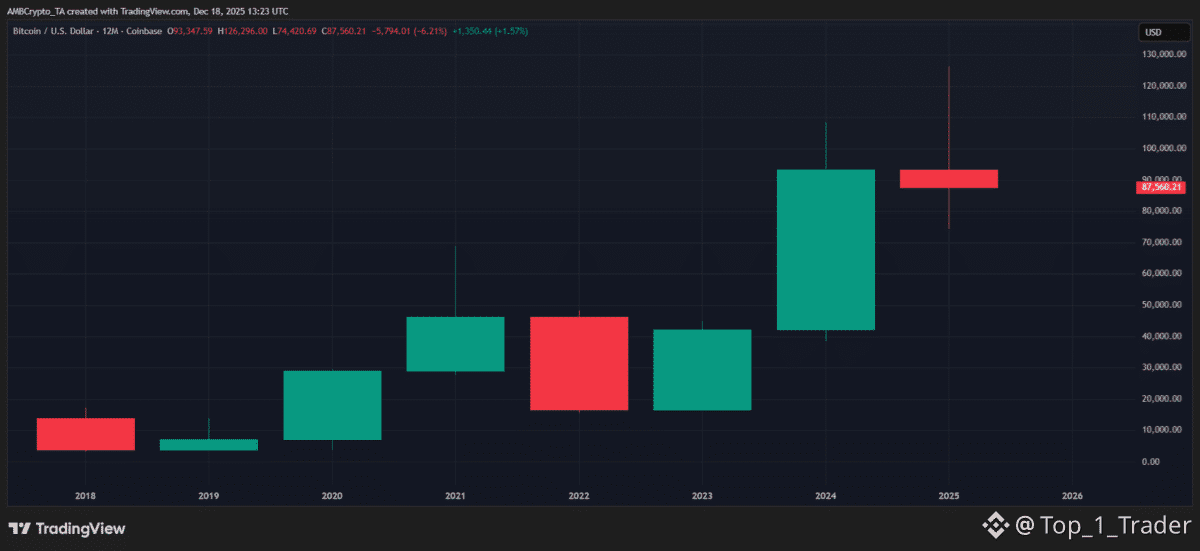
Bitcoin and Liquidity: A Proven Relationship
Bitcoin has consistently tracked global liquidity cycles:
Liquidity expansion → BTC rallies
Liquidity contraction → BTC drawdowns
If the Fed is forced to inject liquidity to manage the $8T rollover, Bitcoin could once again benefit as:
A hedge against currency debasement
A liquidity-sensitive risk asset
A scarce alternative in an inflationary environment
Unlike equities or bonds, Bitcoin has no earnings risk or refinancing exposure—making it structurally attractive during debt-driven macro stress.
Why 2026 Stands Out
Several forces converge in 2026:
Record U.S. debt levels
Expensive refinancing conditions
A weakening dollar
Persistent inflation risks
Likely Fed intervention
Taken together, this creates a macro regime shift—from restriction to accommodation.
If liquidity returns meaningfully, Bitcoin could enter a new expansion phase, with Q2 2026 emerging as a potential breakout window.
Final Thoughts
The $8 trillion U.S. debt rollover isn’t just a fiscal issue—it’s a macro catalyst.
With debt servicing costs rising and economic flexibility shrinking, the Federal Reserve may have little choice but to inject liquidity back into the system. Historically, such environments have favored Bitcoin.
While 2025 remains challenging, 2026 could mark the return of a macro-driven Bitcoin bull cycle, fueled not by hype—but by necessity.


