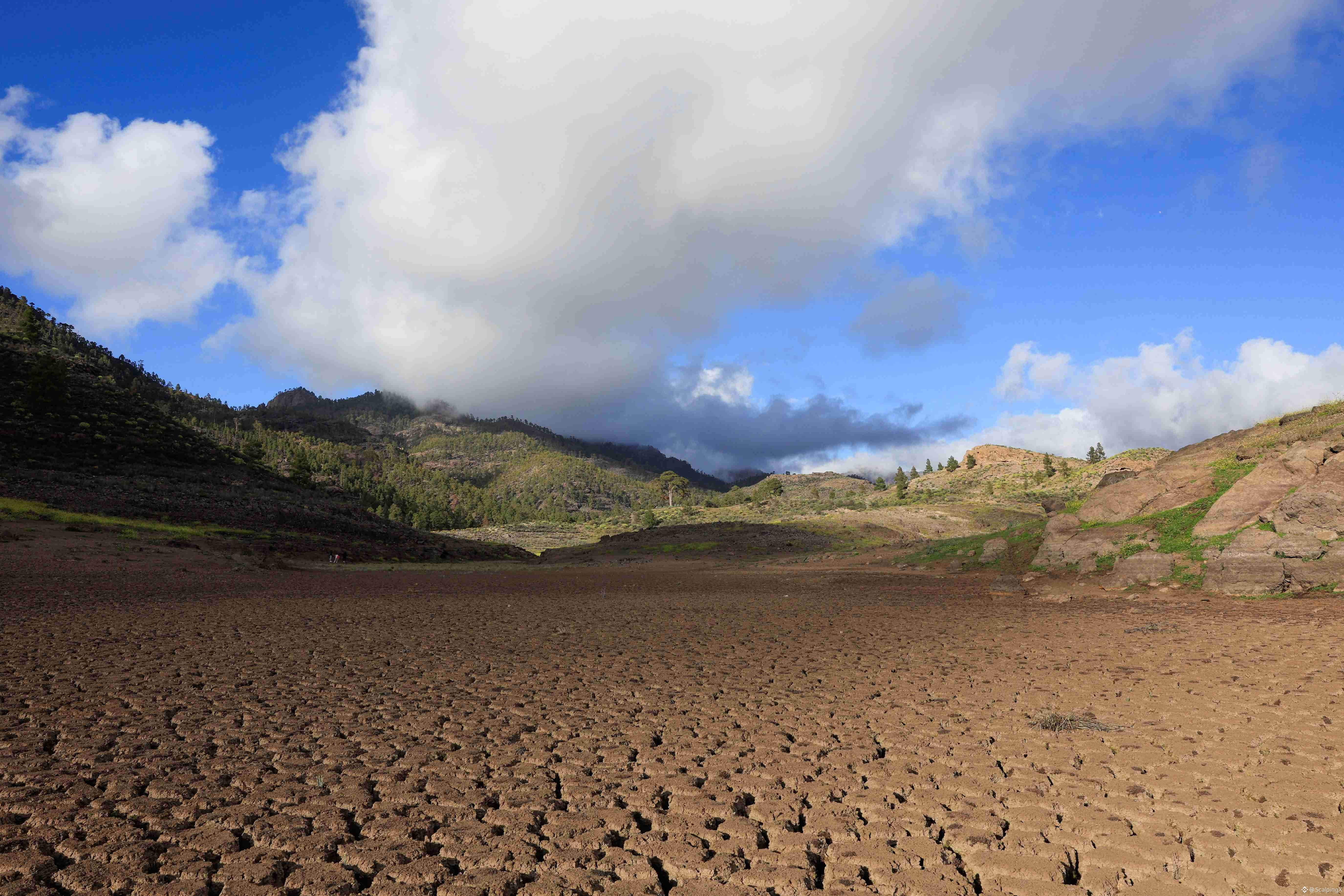
El Niño’s 82% probability is becoming an early signal for weather, agricultural commodity and food inflation risks in the second half of 2026
📌 The latest CPC/NOAA forecast shows the probability of El Niño developing during May–July 2026 has risen to 82%, significantly higher than last month. If this scenario extends into the Northern Hemisphere winter, agricultural markets could enter a more sensitive phase from Q3 onward.
🌾 The most notable impact is likely to be in Southeast Asia and Australia, where El Niño is usually linked to hotter, drier weather and below-normal rainfall. This could pressure palm oil, rice, coffee, rubber and wheat, especially as many producing regions are already facing higher fertilizer and fuel costs.
⚠️ Indonesia is a key area to watch, as crude palm oil output this year could fall by up to 2 million tons compared with 2025 due to dry conditions and rising input costs. If CPO supply tightens, vegetable oil prices across Asia could react more sharply in the coming months.
🔎 Rice risk is also worth monitoring, as Asian farmers may reduce planting areas if unfavorable weather overlaps with high production costs. With global food supply already sensitive, El Niño could become a factor that amplifies price volatility.
⏱️ Although the probability of El Niño forming is already high, its peak intensity remains uncertain. Markets are therefore likely to react step by step to Niño-3.4 updates, monthly CPC reports and actual production signals from major growing regions.
✅ For agricultural commodities, this should be viewed as an early warning rather than an immediate trading signal. Palm oil, rice, wheat, corn and soybeans may become key markets to watch once weather risks start showing more clearly in supply-demand dynamics.
#AgriculturalCommodities $BTC $TON $DOGE
📌 The latest CPC/NOAA forecast shows the probability of El Niño developing during May–July 2026 has risen to 82%, significantly higher than last month. If this scenario extends into the Northern Hemisphere winter, agricultural markets could enter a more sensitive phase from Q3 onward.
🌾 The most notable impact is likely to be in Southeast Asia and Australia, where El Niño is usually linked to hotter, drier weather and below-normal rainfall. This could pressure palm oil, rice, coffee, rubber and wheat, especially as many producing regions are already facing higher fertilizer and fuel costs.
⚠️ Indonesia is a key area to watch, as crude palm oil output this year could fall by up to 2 million tons compared with 2025 due to dry conditions and rising input costs. If CPO supply tightens, vegetable oil prices across Asia could react more sharply in the coming months.
🔎 Rice risk is also worth monitoring, as Asian farmers may reduce planting areas if unfavorable weather overlaps with high production costs. With global food supply already sensitive, El Niño could become a factor that amplifies price volatility.
⏱️ Although the probability of El Niño forming is already high, its peak intensity remains uncertain. Markets are therefore likely to react step by step to Niño-3.4 updates, monthly CPC reports and actual production signals from major growing regions.
✅ For agricultural commodities, this should be viewed as an early warning rather than an immediate trading signal. Palm oil, rice, wheat, corn and soybeans may become key markets to watch once weather risks start showing more clearly in supply-demand dynamics.
#AgriculturalCommodities $BTC $TON $DOGE