

#wotd
wotd
3.3M views
24,789 Discussing
Hot
Latest

【entity-Binance¦canonical_name=Binance】 WOTD Answers Today (Sep 28 - Oct 4)
Theme: IPOs Are Moving On-Chain
Prize Pool: 10,000 USDC
Stop searching, here are the answers:
3L: IPO, WEB, KYC
4L: BOND, FUND, COIN, DEFI
5L: TOKEN, STOCK, SHARE, ASSET, CHAIN
6L: EQUITY, MARKET, ACCESS
7L: ONCHAIN, CAPITAL, TRADING
8L: SECURITY, INVESTOR, ISSUANCE
Play 2 games daily. Free money if you are consistent.
Save this post. Share with a friend who needs it.
$BNB $BTC #WOTD #CryptoPakistan #Binance
【entity-Binance¦canonical_name=Binance】 WOTD Answers Today (Sep 28 - Oct 4)
Theme: IPOs Are Moving On-Chain
Prize Pool: 10,000 USDC
Stop searching, here are the answers:
3L: IPO, WEB, KYC
4L: BOND, FUND, COIN, DEFI
5L: TOKEN, STOCK, SHARE, ASSET, CHAIN
6L: EQUITY, MARKET, ACCESS
7L: ONCHAIN, CAPITAL, TRADING
8L: SECURITY, INVESTOR, ISSUANCE
Play 2 games daily. Free money if you are consistent.
Save this post. Share with a friend who needs it.
$BNB $BTC #WOTD #CryptoPakistan #Binance
Theme: IPOs Are Moving On-Chain
Prize Pool: 10,000 USDC
Stop searching, here are the answers:
3L: IPO, WEB, KYC
4L: BOND, FUND, COIN, DEFI
5L: TOKEN, STOCK, SHARE, ASSET, CHAIN
6L: EQUITY, MARKET, ACCESS
7L: ONCHAIN, CAPITAL, TRADING
8L: SECURITY, INVESTOR, ISSUANCE
Play 2 games daily. Free money if you are consistent.
Save this post. Share with a friend who needs it.
$BNB $BTC #WOTD #CryptoPakistan #Binance
45

·
--
2/6 today and that's the week done. 5 out of 5 🙌
🟨🟨🟨⬛🟨⬛
🟩🟩🟩🟩🟩🟩
Kinda got lucky on the second guess ngl. First one told me 4 of the letters were in there and I just went with the first word that fit the theme.
No spoilers, but it's 6 letters today and pretty much everyone here has at least one of them.
Today's the last day, so if you're sitting on 4 wins go grab the 5th. Extra free word here if you need it:
https://www.binance.com/activity/word-of-the-day/Keeps-AI-Agents-in-Check?ref=CPA_00DWMMOG96
How did your week go?
#WOTD $BNB
2/6 today and that's the week done. 5 out of 5 🙌
🟨🟨🟨⬛🟨⬛
🟩🟩🟩🟩🟩🟩
Kinda got lucky on the second guess ngl. First one told me 4 of the letters were in there and I just went with the first word that fit the theme.
No spoilers, but it's 6 letters today and pretty much everyone here has at least one of them.
Today's the last day, so if you're sitting on 4 wins go grab the 5th. Extra free word here if you need it:
https://www.binance.com/activity/word-of-the-day/Keeps-AI-Agents-in-Check?ref=CPA_00DWMMOG96
How did your week go?
#WOTD $BNB
🟨🟨🟨⬛🟨⬛
🟩🟩🟩🟩🟩🟩
Kinda got lucky on the second guess ngl. First one told me 4 of the letters were in there and I just went with the first word that fit the theme.
No spoilers, but it's 6 letters today and pretty much everyone here has at least one of them.
Today's the last day, so if you're sitting on 4 wins go grab the 5th. Extra free word here if you need it:
https://www.binance.com/activity/word-of-the-day/Keeps-AI-Agents-in-Check?ref=CPA_00DWMMOG96
How did your week go?
#WOTD $BNB
228

·
--
#WOTD #每日一词
2026/09/28-2026/10/04
Topic: IPOs Are Moving ON-Chain
[活動連結 link](https://www.binance.com/activity/word-of-the-day/IPOs-Are-Moving-On-Chain?ref=CPA_00E9CHO4AJ)
Join the event and share the rewards: $USDC ~
3️⃣ Word count: N/A
4️⃣ Word count: BOND、RULE
5️⃣ Word count: PRICE、TRADE、VALUE、CHAIN、TOKEN、SHARE、STOCK、OFFER、ASSET、ISSUE
6️⃣ Word count: MARKET、EQUITY、SETTLE、ACCESS
7️⃣ Word count: UTILITY、TRADING、ONCHAIN
8️⃣ Word count: SECURITY、ISSUANCE、TRANSFER
If you answer the question correctly, you’ll receive the reward.
Answer correctly + complete at least 50u in trading for an extra reward~
New answers will be updated directly—feel free to add and submit additional answers~ Hi there, thank you🥰
#WOTD #每日一词
2026/09/28-2026/10/04
Topic: IPOs Are Moving ON-Chain
活動連結 link
Join the event and share the rewards: $USDC ~
3️⃣ Word count: N/A
4️⃣ Word count: BOND、RULE
5️⃣ Word count: PRICE、TRADE、VALUE、CHAIN、TOKEN、SHARE、STOCK、OFFER、ASSET、ISSUE
6️⃣ Word count: MARKET、EQUITY、SETTLE、ACCESS
7️⃣ Word count: UTILITY、TRADING、ONCHAIN
8️⃣ Word count: SECURITY、ISSUANCE、TRANSFER
If you answer the question correctly, you’ll receive the reward.
Answer correctly + complete at least 50u in trading for an extra reward~
New answers will be updated directly—feel free to add and submit additional answers~ Hi there, thank you🥰
2026/09/28-2026/10/04
Topic: IPOs Are Moving ON-Chain
活動連結 link
Join the event and share the rewards: $USDC ~
3️⃣ Word count: N/A
4️⃣ Word count: BOND、RULE
5️⃣ Word count: PRICE、TRADE、VALUE、CHAIN、TOKEN、SHARE、STOCK、OFFER、ASSET、ISSUE
6️⃣ Word count: MARKET、EQUITY、SETTLE、ACCESS
7️⃣ Word count: UTILITY、TRADING、ONCHAIN
8️⃣ Word count: SECURITY、ISSUANCE、TRANSFER
If you answer the question correctly, you’ll receive the reward.
Answer correctly + complete at least 50u in trading for an extra reward~
New answers will be updated directly—feel free to add and submit additional answers~ Hi there, thank you🥰
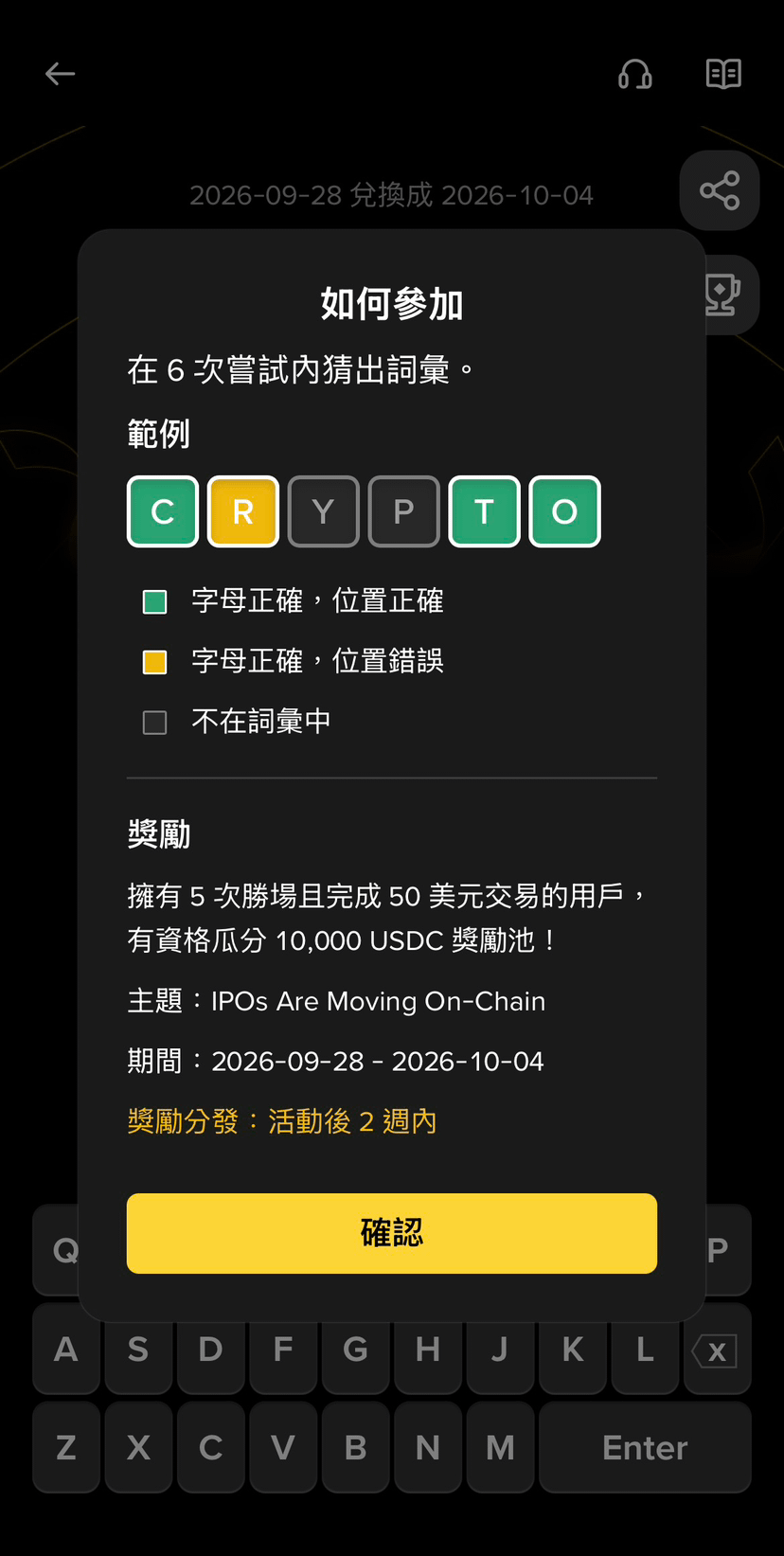
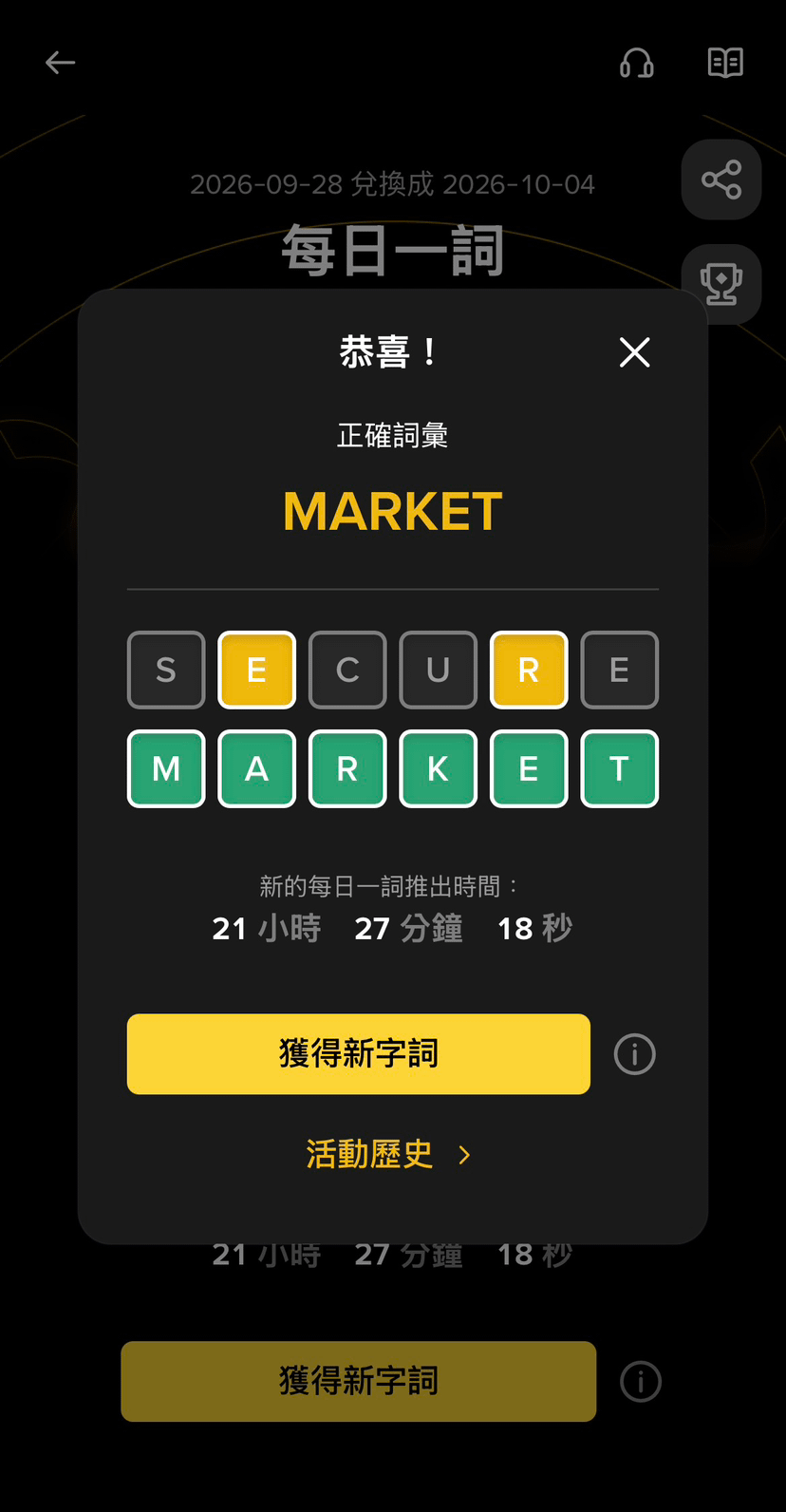
ZhuTakerr:
谢谢
20
2
13
1.6k

·
--
🚨 WE’RE WINNING FOR FREE 🚨
Today Monday 28 Sep 2026
This week’s topic is: IPOs Are Moving On-Chain
The Word of the Day on Binance cost me only 1 try 😏 and the best part: there are 10,000 #USDC✅ to share 🤑💸
✅ Play for free every day
✅ Win prizes in #USDC
✅ You only need 5 minutes
How to participate:
- Look for it in the Binance options #WOTD
- View the rules of how to play and the rewards you can get.
- View the board that prevents copy/paste; here type the word according to the number of letters, according to the topic:
Direct way to participate:
🔗 Enter here:[Ingresa aquí o copia y pega en un navegador el enlace](https://www.binance.com/activity/word-of-the-day/Binance-Stock-Options?ref=CPA_006HP76GGU)
https://www.binance.com/activity/word-of-the-day/Binance-Stock-Options?ref=CPA_006HP76GGU
🎫 Code: CPA_006HP76GGU
By clicking this link, you’ll give me one more chance to enter another word.
Next week, after the event ends,
look for #ZONA for the reward and that’s where your won USDC will be.
👇 The words that go with:
3
* IPO
* KYC
* WEB
4
* DEFI
* COIN
* FUND
5
* PRICE
* CHAIN
* TOKEN
* STOCK
* TRADE
* SHARE
* VALUE
* OFFER
* ASSET
* ISSUE
6
* MARKET
* ACCESS
* EQUITY
* SETTLE
7
* TRADING
* CAPITAL
8
* INVESTOR
* ISSUANCE
$ONDO
🚨 WE’RE WINNING FOR FREE 🚨
Today Monday 28 Sep 2026
This week’s topic is: IPOs Are Moving On-Chain
The Word of the Day on Binance cost me only 1 try 😏 and the best part: there are 10,000 #USDC✅ to share 🤑💸
✅ Play for free every day
✅ Win prizes in #USDC
✅ You only need 5 minutes
How to participate:
- Look for it in the Binance options #WOTD
- View the rules of how to play and the rewards you can get.
- View the board that prevents copy/paste; here type the word according to the number of letters, according to the topic:
Direct way to participate:
🔗 Enter here:Ingresa aquí o copia y pega en un navegador el enlace
https://www.binance.com/activity/word-of-the-day/Binance-Stock-Options?ref=CPA_006HP76GGU
🎫 Code: CPA_006HP76GGU
By clicking this link, you’ll give me one more chance to enter another word.
Next week, after the event ends,
look for #ZONA for the reward and that’s where your won USDC will be.
👇 The words that go with:
3
* IPO
* KYC
* WEB
4
* DEFI
* COIN
* FUND
5
* PRICE
* CHAIN
* TOKEN
* STOCK
* TRADE
* SHARE
* VALUE
* OFFER
* ASSET
* ISSUE
6
* MARKET
* ACCESS
* EQUITY
* SETTLE
7
* TRADING
* CAPITAL
8
* INVESTOR
* ISSUANCE
$ONDO
Today Monday 28 Sep 2026
This week’s topic is: IPOs Are Moving On-Chain
The Word of the Day on Binance cost me only 1 try 😏 and the best part: there are 10,000 #USDC✅ to share 🤑💸
✅ Play for free every day
✅ Win prizes in #USDC
✅ You only need 5 minutes
How to participate:
- Look for it in the Binance options #WOTD
- View the rules of how to play and the rewards you can get.
- View the board that prevents copy/paste; here type the word according to the number of letters, according to the topic:
Direct way to participate:
🔗 Enter here:Ingresa aquí o copia y pega en un navegador el enlace
https://www.binance.com/activity/word-of-the-day/Binance-Stock-Options?ref=CPA_006HP76GGU
🎫 Code: CPA_006HP76GGU
By clicking this link, you’ll give me one more chance to enter another word.
Next week, after the event ends,
look for #ZONA for the reward and that’s where your won USDC will be.
👇 The words that go with:
3
* IPO
* KYC
* WEB
4
* DEFI
* COIN
* FUND
5
* PRICE
* CHAIN
* TOKEN
* STOCK
* TRADE
* SHARE
* VALUE
* OFFER
* ASSET
* ISSUE
6
* MARKET
* ACCESS
* EQUITY
* SETTLE
7
* TRADING
* CAPITAL
8
* INVESTOR
* ISSUANCE
$ONDO
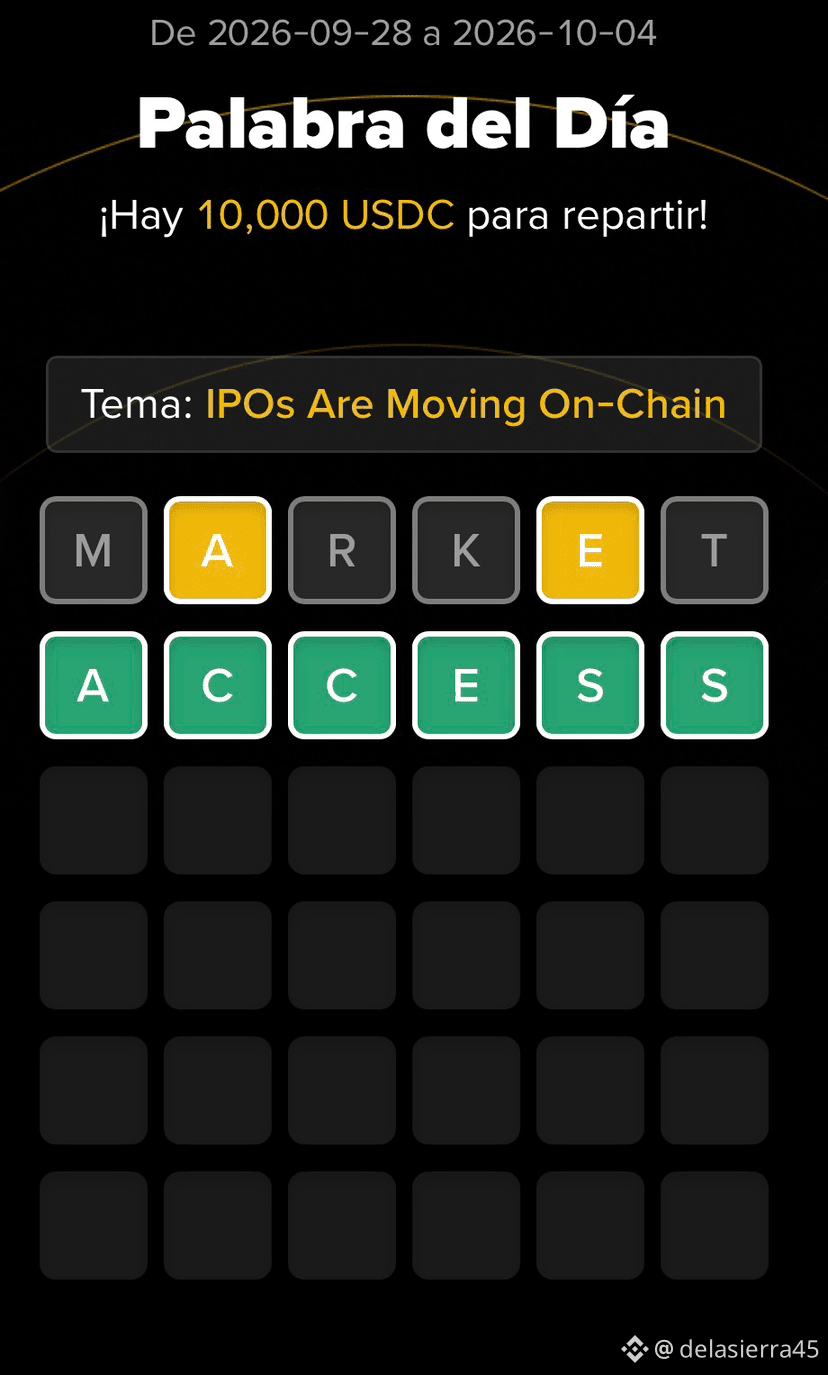
143
·
--
Bullish
Holding $USDC 2.5 USDT
Solved a new Word of the Day (WOTD) from Binance! 🧩
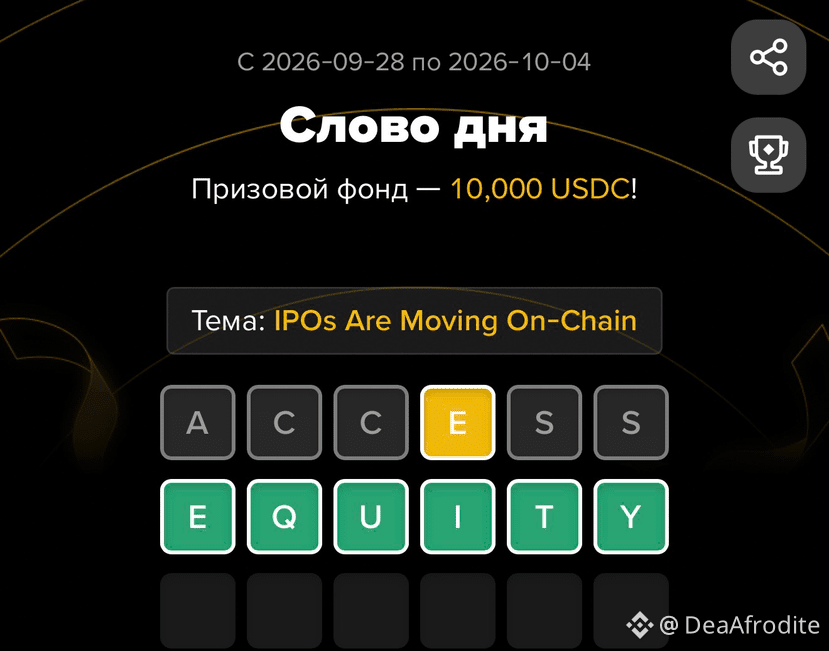
Started a new weekly theme — IPOs Are Moving On-Chain, and today’s correct answer of 6 letters:
🟢 EQUITY
We’re starting a new week and stacking points to take part in the 10,000 USDC prize fund distribution! 💰
Have you solved today’s word yet? On which attempt did you get it? Share in the comments! 👇
#BNBUSDC #WOTD #BinanceSquare #Crypto
$USDC
Solved a new Word of the Day (WOTD) from Binance! 🧩
Started a new weekly theme — IPOs Are Moving On-Chain, and today’s correct answer of 6 letters:
🟢 EQUITY
We’re starting a new week and stacking points to take part in the 10,000 USDC prize fund distribution! 💰
Have you solved today’s word yet? On which attempt did you get it? Share in the comments! 👇
#BNBUSDC #WOTD #BinanceSquare #Crypto
$USDC
Started a new weekly theme — IPOs Are Moving On-Chain, and today’s correct answer of 6 letters:
🟢 EQUITY
We’re starting a new week and stacking points to take part in the 10,000 USDC prize fund distribution! 💰
Have you solved today’s word yet? On which attempt did you get it? Share in the comments! 👇
#BNBUSDC #WOTD #BinanceSquare #Crypto
$USDC
130

·
--
Bullish
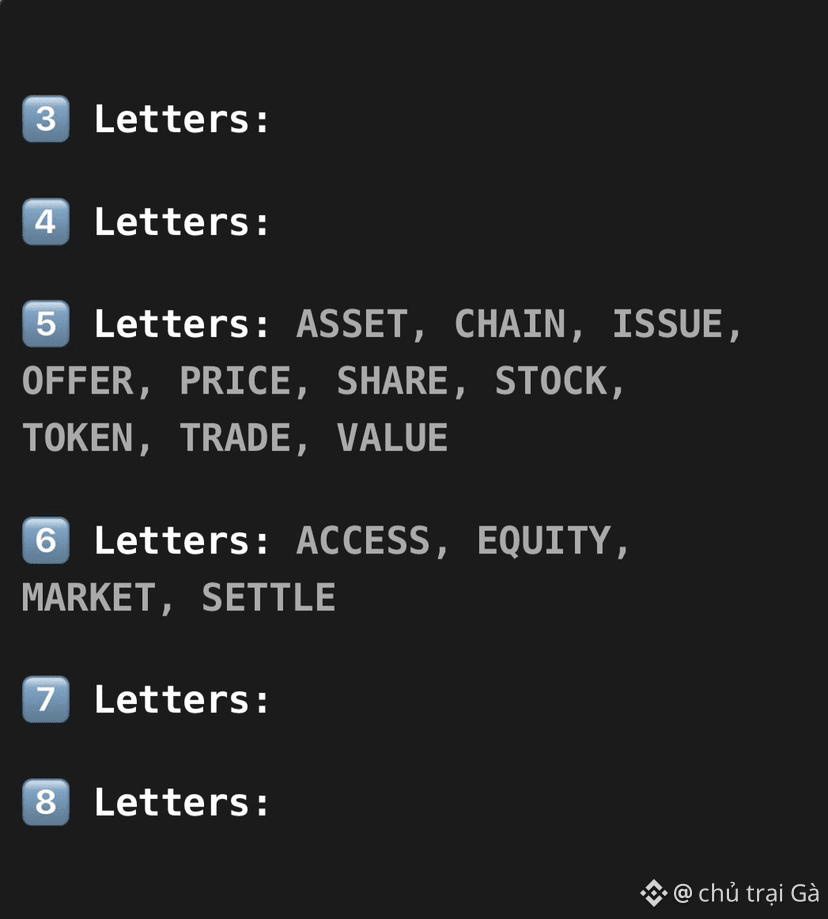
This week’s WOTD is finally completed with the topic: IPOs Are Coming On-Chain.
This week’s topic is quite interesting because it aligns perfectly with a trend I’m seeing becoming increasingly noticeable: more and more traditional assets and financial models are being brought onto the blockchain. If future IPOs also follow a stronger on-chain direction, then people’s approach to investing could change a lot.
What I like about topics like this is that it doesn’t only talk about crypto in terms of price going up or down—it also opens up a broader perspective on how the financial market is shifting.
Posting it so I can keep the full results of this week. Since everyone has done WOTD this week too, go check and see how the results turned out nhé.
#WOTD #BNB #BTC
This week’s WOTD is finally completed with the topic: IPOs Are Coming On-Chain.
This week’s topic is quite interesting because it aligns perfectly with a trend I’m seeing becoming increasingly noticeable: more and more traditional assets and financial models are being brought onto the blockchain. If future IPOs also follow a stronger on-chain direction, then people’s approach to investing could change a lot.
What I like about topics like this is that it doesn’t only talk about crypto in terms of price going up or down—it also opens up a broader perspective on how the financial market is shifting.
Posting it so I can keep the full results of this week. Since everyone has done WOTD this week too, go check and see how the results turned out nhé.
#WOTD #BNB #BTC
This week’s topic is quite interesting because it aligns perfectly with a trend I’m seeing becoming increasingly noticeable: more and more traditional assets and financial models are being brought onto the blockchain. If future IPOs also follow a stronger on-chain direction, then people’s approach to investing could change a lot.
What I like about topics like this is that it doesn’t only talk about crypto in terms of price going up or down—it also opens up a broader perspective on how the financial market is shifting.
Posting it so I can keep the full results of this week. Since everyone has done WOTD this week too, go check and see how the results turned out nhé.
#WOTD #BNB #BTC
1
249

·
--
Bullish
Holding $ETH 2.6K USDT
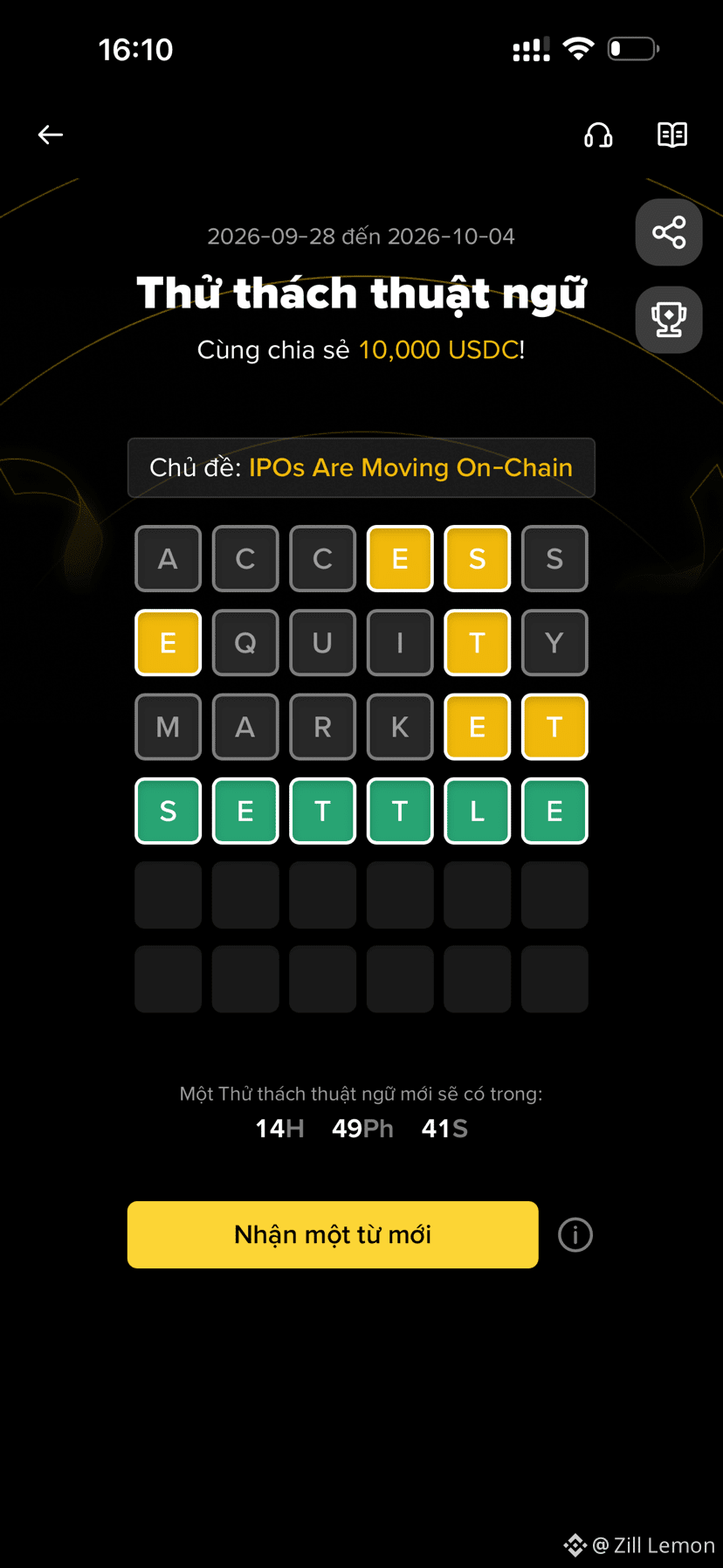
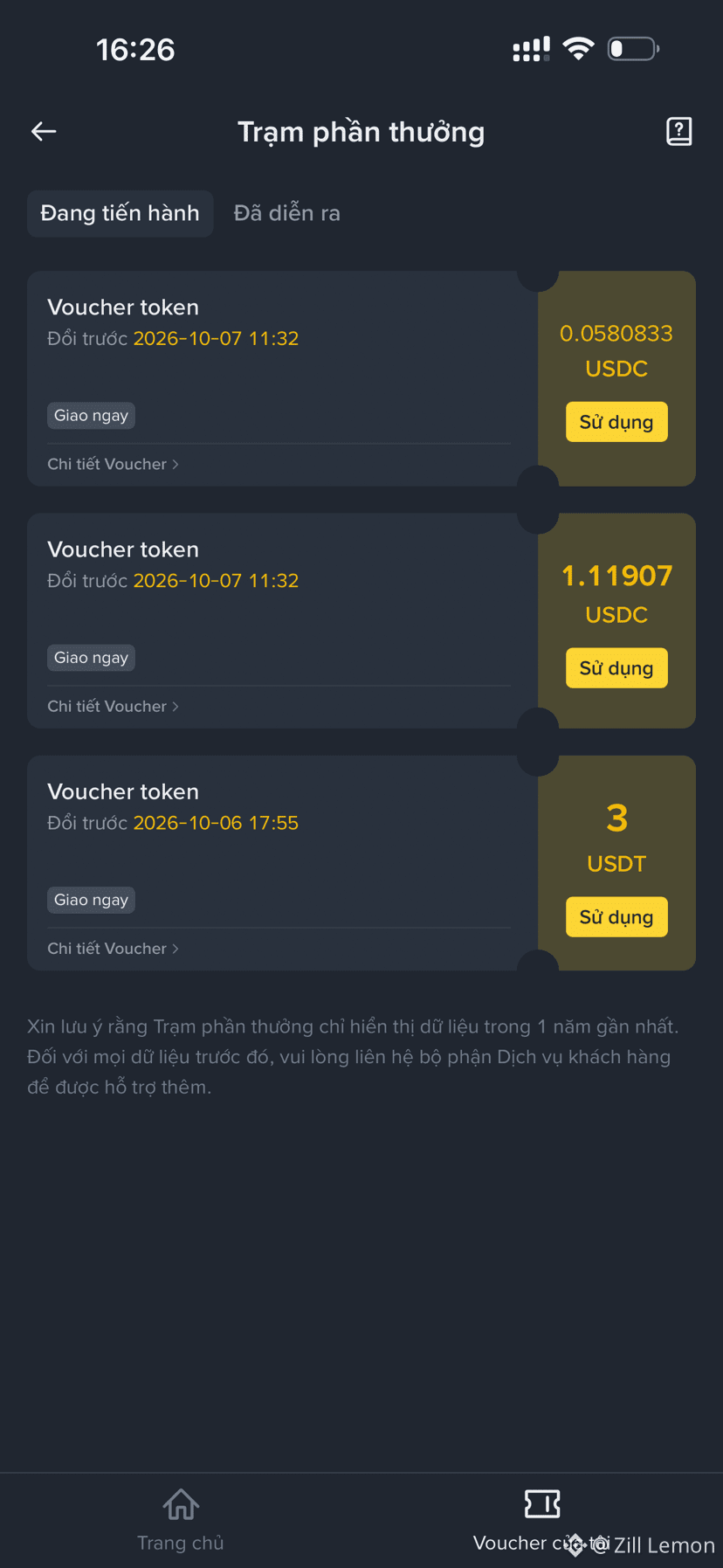
If you want to pick up small change without investing any money, you can play the word-guessing game happening weekly this time.
- The main prize is for guessing the 2 keywords correctly over 7 days.
- The secondary prize is for having enough for 6 keywords.
- Everyone needs the keywords to solve it, so please leave a comment with them.
#WOTD $ETH
If you want to pick up small change without investing any money, you can play the word-guessing game happening weekly this time.
- The main prize is for guessing the 2 keywords correctly over 7 days.
- The secondary prize is for having enough for 6 keywords.
- Everyone needs the keywords to solve it, so please leave a comment with them.
#WOTD $ETH
- The main prize is for guessing the 2 keywords correctly over 7 days.
- The secondary prize is for having enough for 6 keywords.
- Everyone needs the keywords to solve it, so please leave a comment with them.
#WOTD $ETH
7
322
·
--
Bullish
Holding $USDC 2.5 USDT
Solved yet another Word of the Day (WOTD) from Binance! 🧩
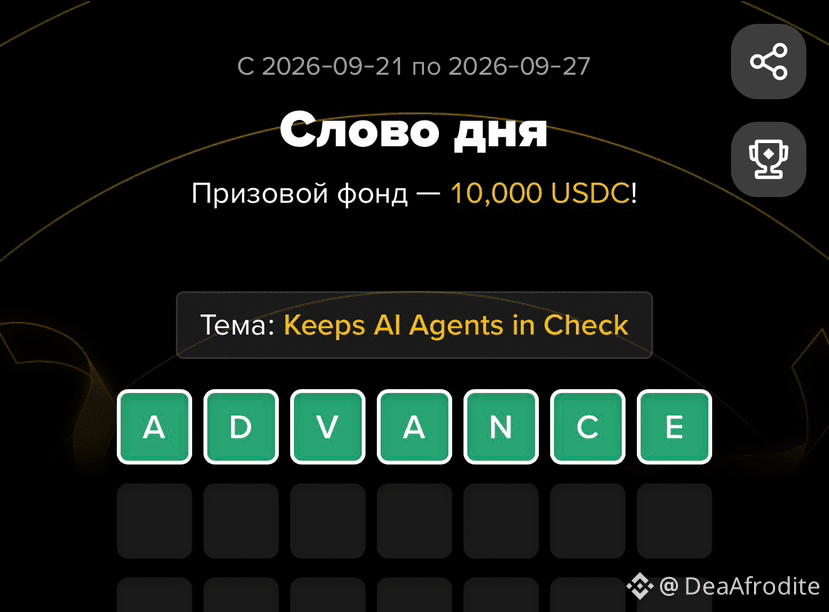
This week’s theme — Keeping AI Agents in Check, and today’s correct answer is 7 letters:
🟢 ADVANCE
Let’s add our attempt to the stash and move confidently toward our share of the prize pool of 10,000 USDC! 💰
How are you doing with today’s word? Did you get the check mark? Share in the comments! 👇
#BNBUSDC #WOTD #BinanceSquare #Crypto $USDC
Solved yet another Word of the Day (WOTD) from Binance! 🧩
This week’s theme — Keeping AI Agents in Check, and today’s correct answer is 7 letters:
🟢 ADVANCE
Let’s add our attempt to the stash and move confidently toward our share of the prize pool of 10,000 USDC! 💰
How are you doing with today’s word? Did you get the check mark? Share in the comments! 👇
#BNBUSDC #WOTD #BinanceSquare #Crypto $USDC
This week’s theme — Keeping AI Agents in Check, and today’s correct answer is 7 letters:
🟢 ADVANCE
Let’s add our attempt to the stash and move confidently toward our share of the prize pool of 10,000 USDC! 💰
How are you doing with today’s word? Did you get the check mark? Share in the comments! 👇
#BNBUSDC #WOTD #BinanceSquare #Crypto $USDC
388
·
--
$LSK 🚀🚀🚀
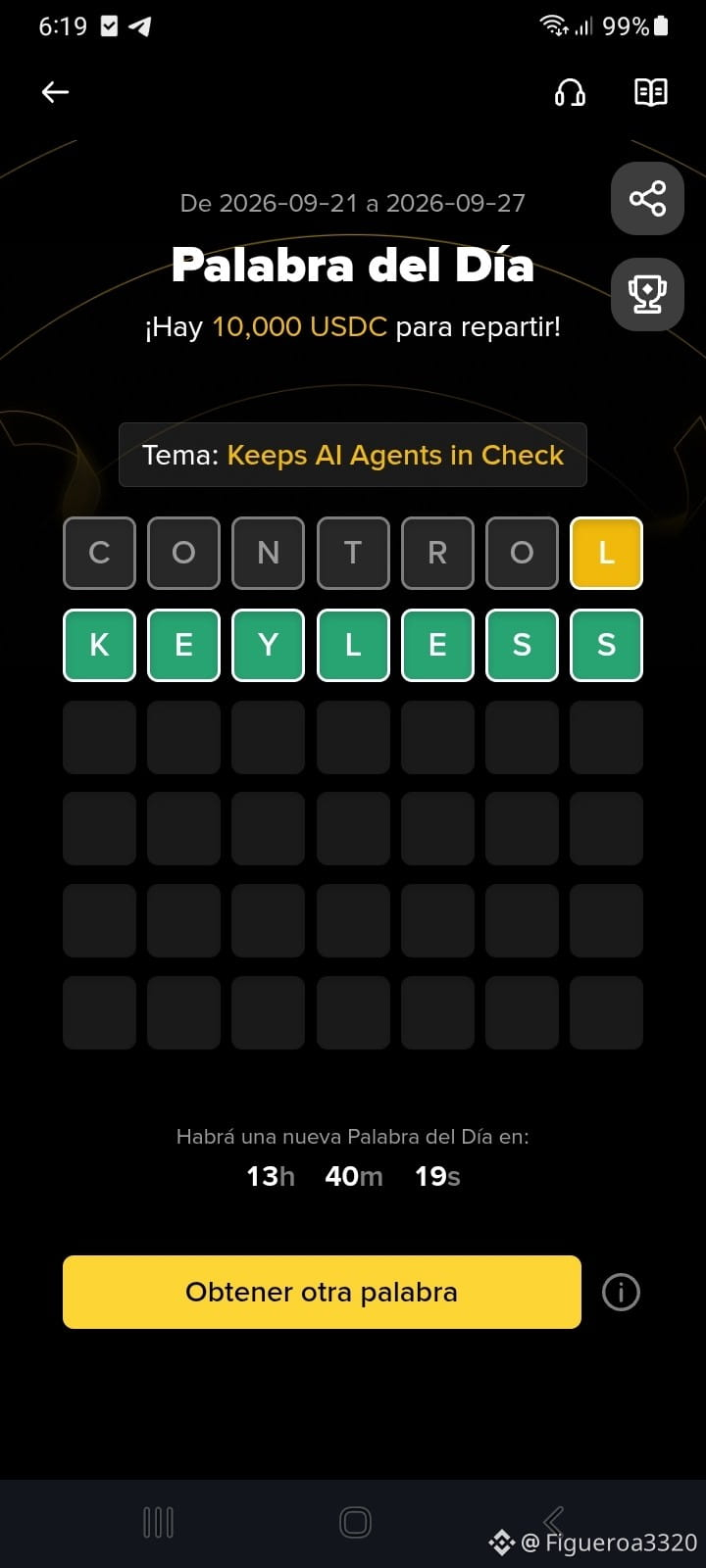
🟩 ¡KEYLESS! I got Word of the Day right on Binance Crypto WOTD 🎯
[👉 Click Here To Play](https://www.binance.com/activity/word-of-the-day/Keeps-AI-Agents-in-Check?ref=CPA_00ACY7OZME)
This week's topic: "Keeps AI Agents in Check" 🤖🔒
And the fourth word of today was exactly that: KEYLESS
[👉 WOTD](https://www.binance.com/activity/word-of-the-day/Keeps-AI-Agents-in-Check?ref=CPA_00ACY7OZME)
Have you played today's WOTD yet? How many tries did it take you? 👇
#BinanceSquare #WOTD #wodl #AIAgents #BNBChain
$LSK 🚀🚀🚀
🟩 ¡KEYLESS! I got Word of the Day right on Binance Crypto WOTD 🎯
👉 Click Here To Play
This week's topic: "Keeps AI Agents in Check" 🤖🔒
And the fourth word of today was exactly that: KEYLESS
👉 WOTD
Have you played today's WOTD yet? How many tries did it take you? 👇
#BinanceSquare #WOTD #wodl #AIAgents #BNBChain
🟩 ¡KEYLESS! I got Word of the Day right on Binance Crypto WOTD 🎯
👉 Click Here To Play
This week's topic: "Keeps AI Agents in Check" 🤖🔒
And the fourth word of today was exactly that: KEYLESS
👉 WOTD
Have you played today's WOTD yet? How many tries did it take you? 👇
#BinanceSquare #WOTD #wodl #AIAgents #BNBChain
2
375

Day surpassed in Binance's Word of the Day! 🎯 Today’s answer was BALANCE for the AI agents topic. A great way to get your mind going in the morning and keep accumulating rewards in USDC. Who else has already completed it today? 🚀 #BinanceSquare #WOTD #USDC #Write2Earn
Day surpassed in Binance's Word of the Day! 🎯 Today’s answer was BALANCE for the AI agents topic. A great way to get your mind going in the morning and keep accumulating rewards in USDC. Who else has already completed it today? 🚀 #BinanceSquare #WOTD #USDC #Write2Earn
1
195

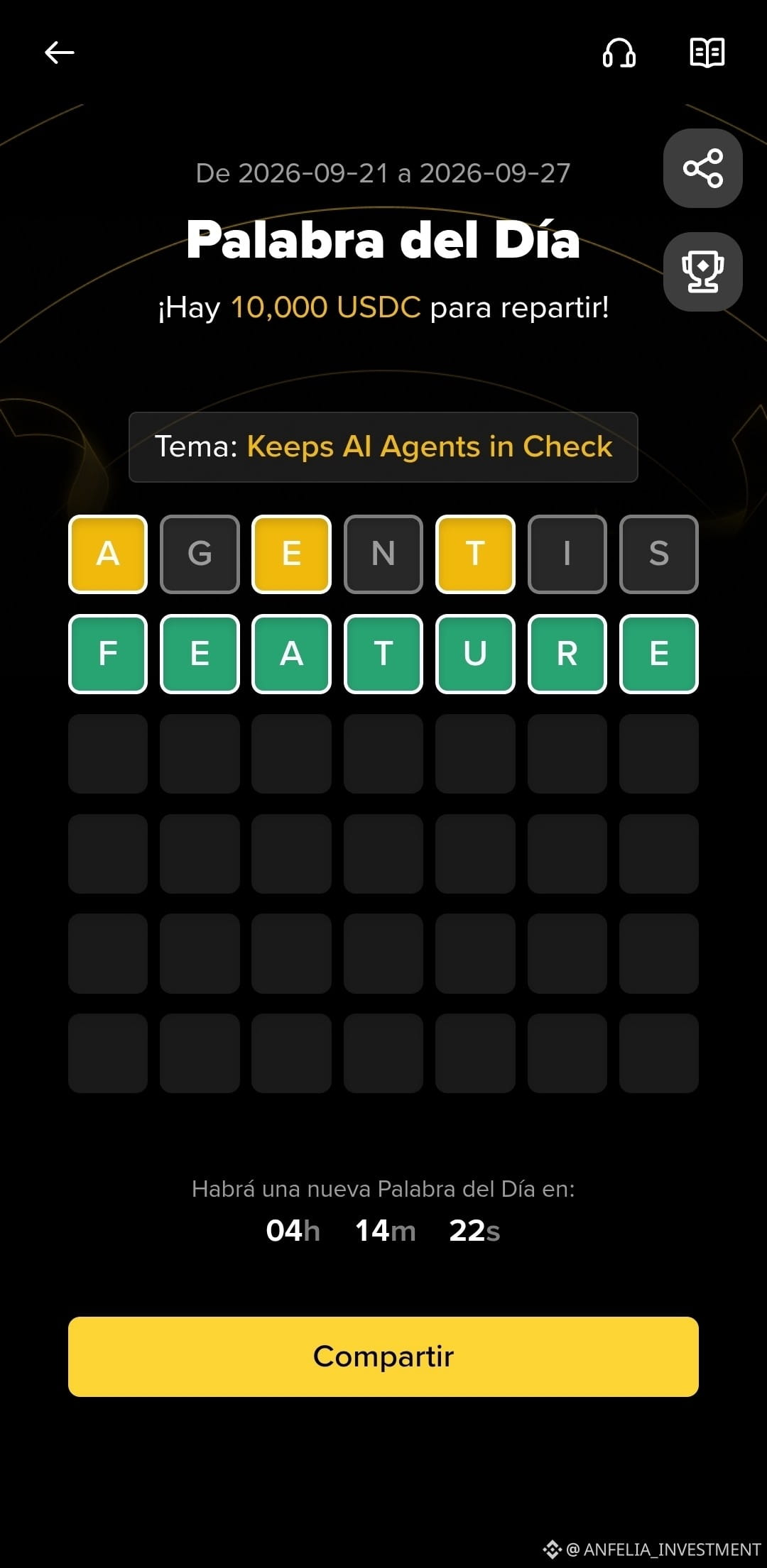
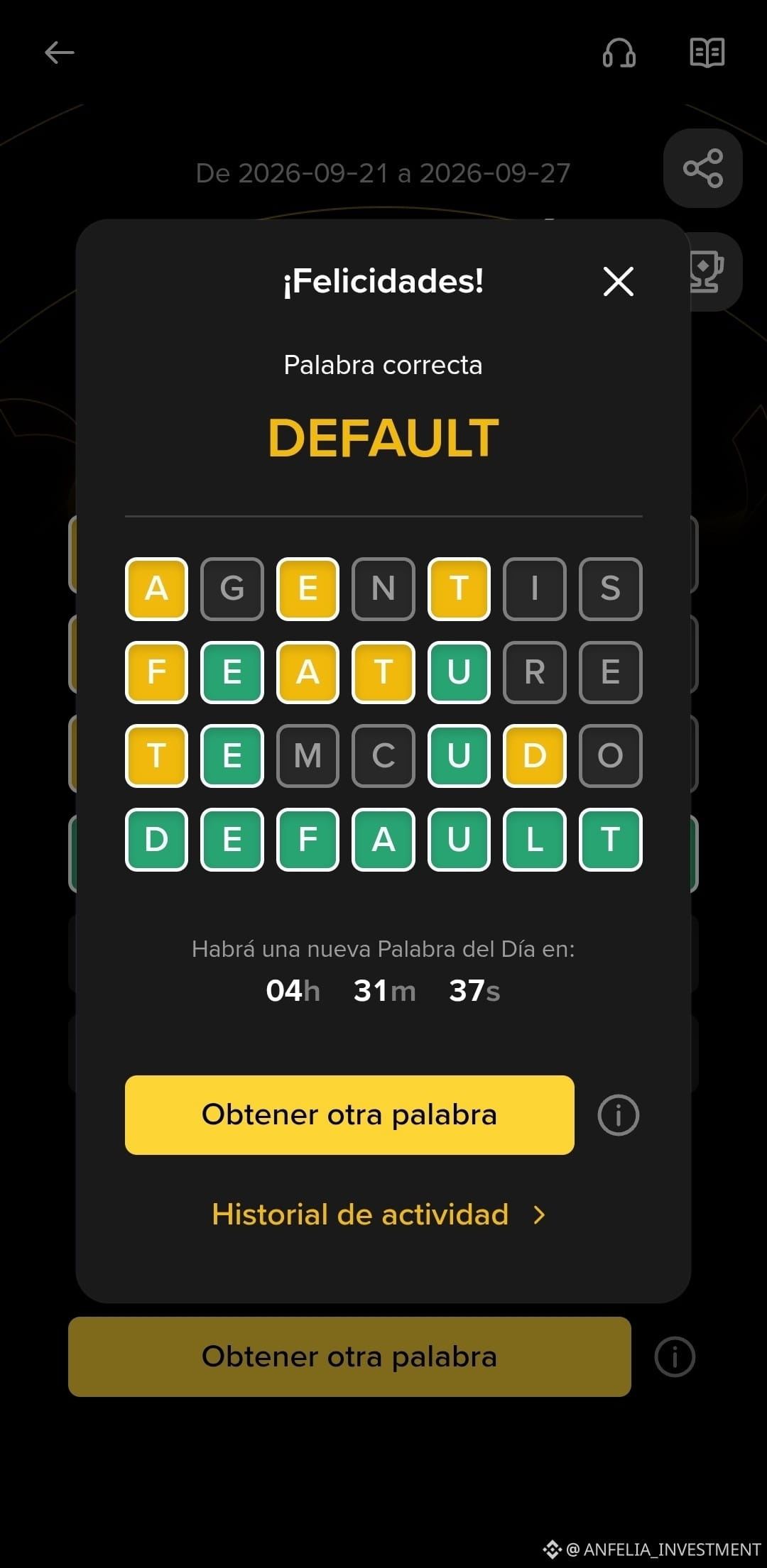
🟩🟩 ¡2 of 2 in today’s Crypto WOTD! ✅
🧩 Word 1: FEATURE
🧩 Word 2: DEFAULT
Week theme: "Keeps AI Agents in Check" 🤖🔒
Coincidence? Not at all. In crypto, knowledge is the best strategy.
💡 Did you know that in the world of AI Agents, these two concepts are key?
▪️ FEATURE → The features that define how an AI agent can or cannot act within a protocol.
▪️ DEFAULT → The default parameters that limit agents’ automatic actions to protect users’ funds.
Knowing these terms isn’t just about winning the game — it’s about understanding where the future of DeFi and automated trading is headed.
How many words did you get right today? 👇
#BinanceSquare #WOTD #AIAgents #AnfeliaInvestment
🟩🟩 ¡2 of 2 in today’s Crypto WOTD! ✅
🧩 Word 1: FEATURE
🧩 Word 2: DEFAULT
Week theme: "Keeps AI Agents in Check" 🤖🔒
Coincidence? Not at all. In crypto, knowledge is the best strategy.
💡 Did you know that in the world of AI Agents, these two concepts are key?
▪️ FEATURE → The features that define how an AI agent can or cannot act within a protocol.
▪️ DEFAULT → The default parameters that limit agents’ automatic actions to protect users’ funds.
Knowing these terms isn’t just about winning the game — it’s about understanding where the future of DeFi and automated trading is headed.
How many words did you get right today? 👇
#BinanceSquare #WOTD #AIAgents #AnfeliaInvestment
🧩 Word 1: FEATURE
🧩 Word 2: DEFAULT
Week theme: "Keeps AI Agents in Check" 🤖🔒
Coincidence? Not at all. In crypto, knowledge is the best strategy.
💡 Did you know that in the world of AI Agents, these two concepts are key?
▪️ FEATURE → The features that define how an AI agent can or cannot act within a protocol.
▪️ DEFAULT → The default parameters that limit agents’ automatic actions to protect users’ funds.
Knowing these terms isn’t just about winning the game — it’s about understanding where the future of DeFi and automated trading is headed.
How many words did you get right today? 👇
#BinanceSquare #WOTD #AIAgents #AnfeliaInvestment
5
947

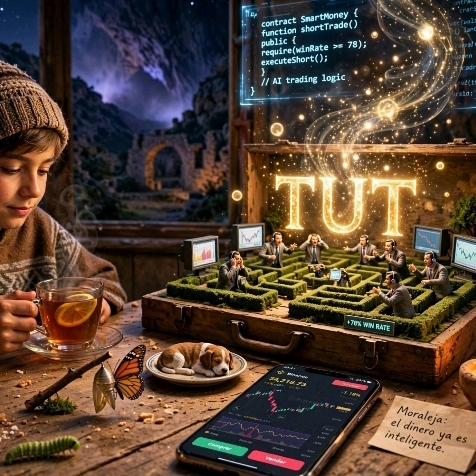
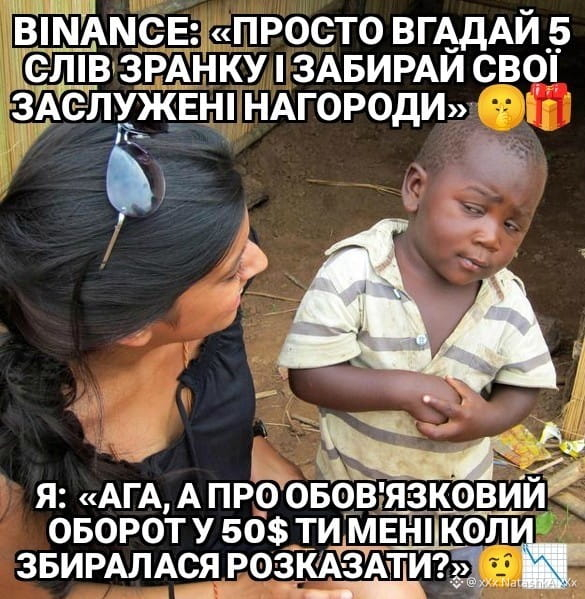
New conditions in the WOTD game now call for nothing but this skeptical look! 🤨📉
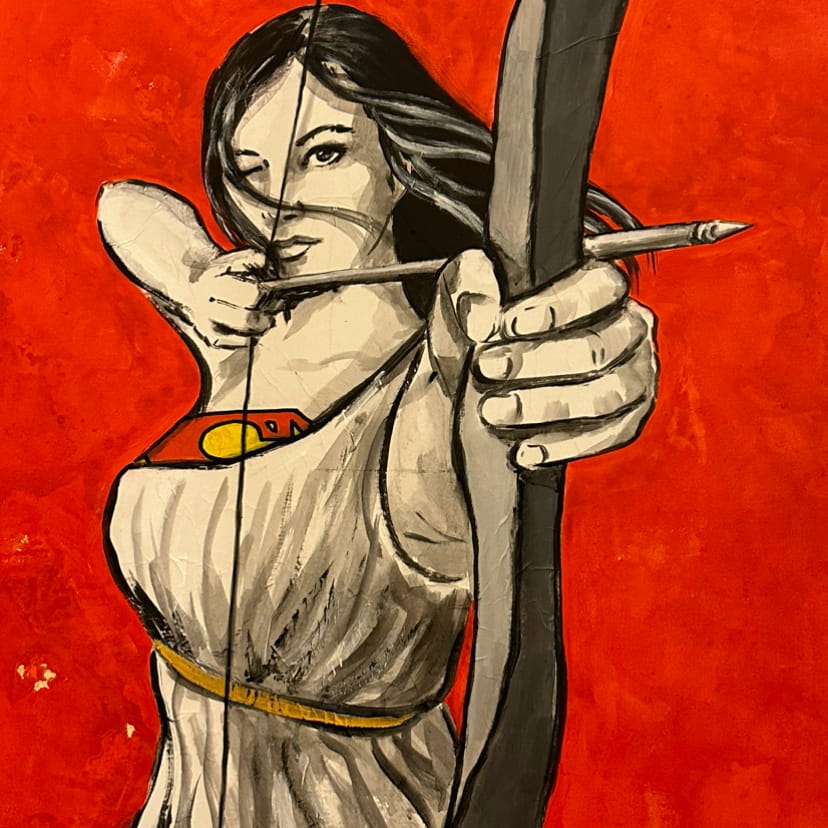
Earlier, the morning word-guessing was an easy and pleasant tradition for bonuses. Now, without the mandatory $50 trading volume requirement, you just won’t get the reward. True crypto-reality rolled in overnight. I’m looking at these updates exactly like this guy in the picture.
Is anyone else still doing these quests, or did you skeptically close the topic for yourself too? 👇
#BinanceSquare #CryptoGirl #TradingPsychology #WomenInCrypto #CryptoUkraine #TradingMeme #BinanceMeme #WOTD #BTC #ETH #BNB
New conditions in the WOTD game now call for nothing but this skeptical look! 🤨📉
Earlier, the morning word-guessing was an easy and pleasant tradition for bonuses. Now, without the mandatory $50 trading volume requirement, you just won’t get the reward. True crypto-reality rolled in overnight. I’m looking at these updates exactly like this guy in the picture.
Is anyone else still doing these quests, or did you skeptically close the topic for yourself too? 👇
#BinanceSquare #CryptoGirl #TradingPsychology #WomenInCrypto #CryptoUkraine #TradingMeme #BinanceMeme #WOTD #BTC #ETH #BNB
Earlier, the morning word-guessing was an easy and pleasant tradition for bonuses. Now, without the mandatory $50 trading volume requirement, you just won’t get the reward. True crypto-reality rolled in overnight. I’m looking at these updates exactly like this guy in the picture.
Is anyone else still doing these quests, or did you skeptically close the topic for yourself too? 👇
#BinanceSquare #CryptoGirl #TradingPsychology #WomenInCrypto #CryptoUkraine #TradingMeme #BinanceMeme #WOTD #BTC #ETH #BNB
Vovan69:
За слово дня мені не приходять вже два тижні(
4
6
1.1k

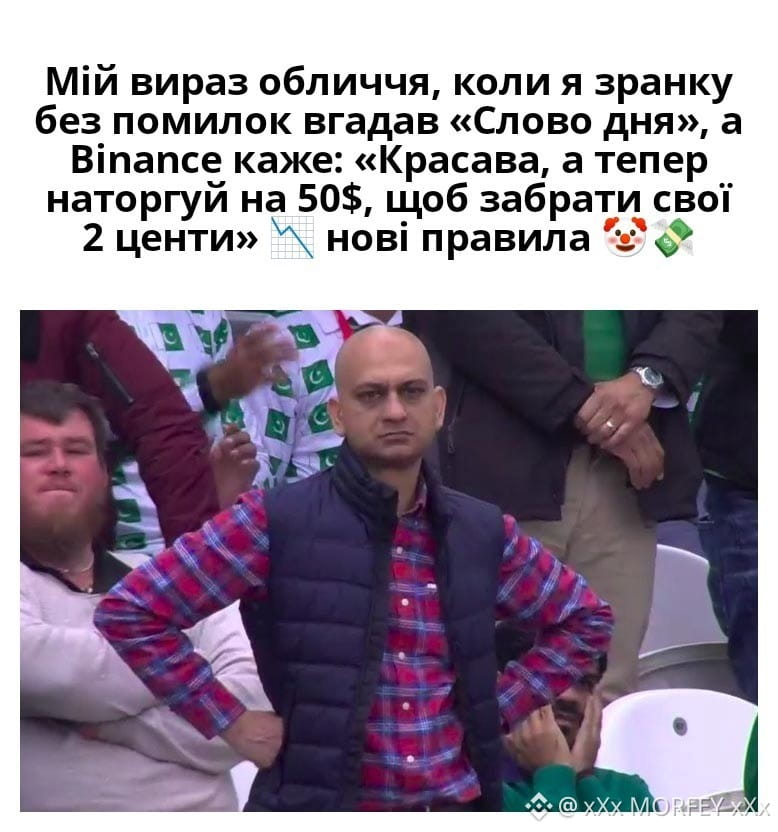
New WOTD game rules are simply a separate kind of art from the moderators. 📉🤷♂️
Earlier, you would just drop by in the morning, guess a word, and calmly collect your bonus points. Now the scheme has become “much simpler”: guess the word, complete the quest, trade up volume for $50, and maybe at the end of the week you’ll get a couple of cents from the total pool. The emotions from such an improvement are through the roof.
What do you think of these updates in the game? Do you keep guessing, or did you also shut this topic for yourself? 👇
#BinanceSquare #TradingPsychology #CryptoUkraine #TradingMeme #BinanceMeme #WOTD #BTC #ETH #BNB #Scalping
New WOTD game rules are simply a separate kind of art from the moderators. 📉🤷♂️
Earlier, you would just drop by in the morning, guess a word, and calmly collect your bonus points. Now the scheme has become “much simpler”: guess the word, complete the quest, trade up volume for $50, and maybe at the end of the week you’ll get a couple of cents from the total pool. The emotions from such an improvement are through the roof.
What do you think of these updates in the game? Do you keep guessing, or did you also shut this topic for yourself? 👇
#BinanceSquare #TradingPsychology #CryptoUkraine #TradingMeme #BinanceMeme #WOTD #BTC #ETH #BNB #Scalping
Earlier, you would just drop by in the morning, guess a word, and calmly collect your bonus points. Now the scheme has become “much simpler”: guess the word, complete the quest, trade up volume for $50, and maybe at the end of the week you’ll get a couple of cents from the total pool. The emotions from such an improvement are through the roof.
What do you think of these updates in the game? Do you keep guessing, or did you also shut this topic for yourself? 👇
#BinanceSquare #TradingPsychology #CryptoUkraine #TradingMeme #BinanceMeme #WOTD #BTC #ETH #BNB #Scalping
2
478
·
--
Bullish
Holding $USDC 2.4 USDT
Solved another Word of the Day (WOTD) from Binance! 🧩
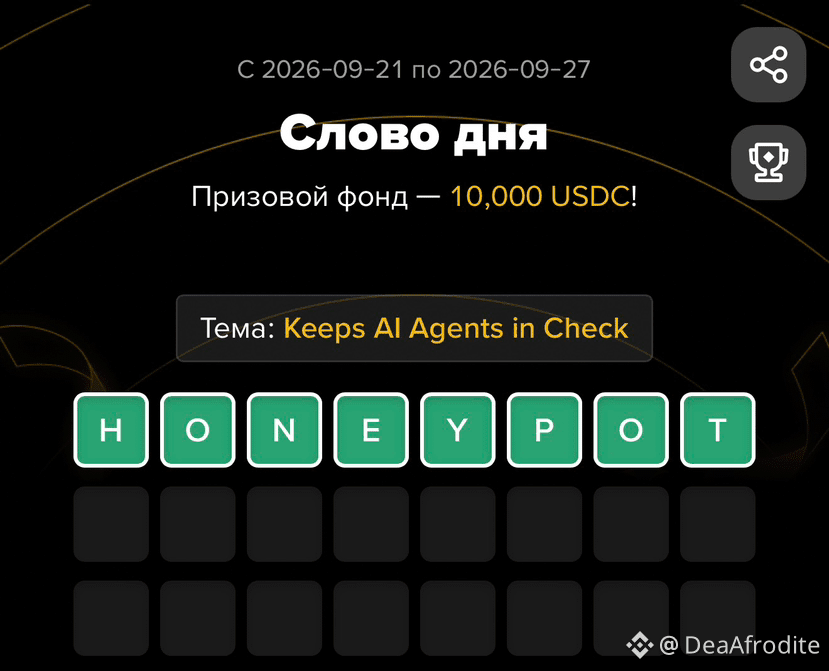
This week’s new theme — Keeps AI Agents in Check, and today’s word is 8 letters:
🟢 HONEYPOT
We’re still farming rewards from the 10,000 USDC prize pool! 💰
Have you already grabbed your correct attempt today? Share in the comments how many letters you got! 👇
#BNBUSDC #WOTD #BinanceSquare #Crypto #USDC $USDC
Solved another Word of the Day (WOTD) from Binance! 🧩
This week’s new theme — Keeps AI Agents in Check, and today’s word is 8 letters:
🟢 HONEYPOT
We’re still farming rewards from the 10,000 USDC prize pool! 💰
Have you already grabbed your correct attempt today? Share in the comments how many letters you got! 👇
#BNBUSDC #WOTD #BinanceSquare #Crypto #USDC $USDC
This week’s new theme — Keeps AI Agents in Check, and today’s word is 8 letters:
🟢 HONEYPOT
We’re still farming rewards from the 10,000 USDC prize pool! 💰
Have you already grabbed your correct attempt today? Share in the comments how many letters you got! 👇
#BNBUSDC #WOTD #BinanceSquare #Crypto #USDC $USDC
3
558
*Title: I Finally Cracked Binance WOTD 🔥 My 5-Day Winning Strategy*
Binance WOTD is not luck — it's pattern! 👇
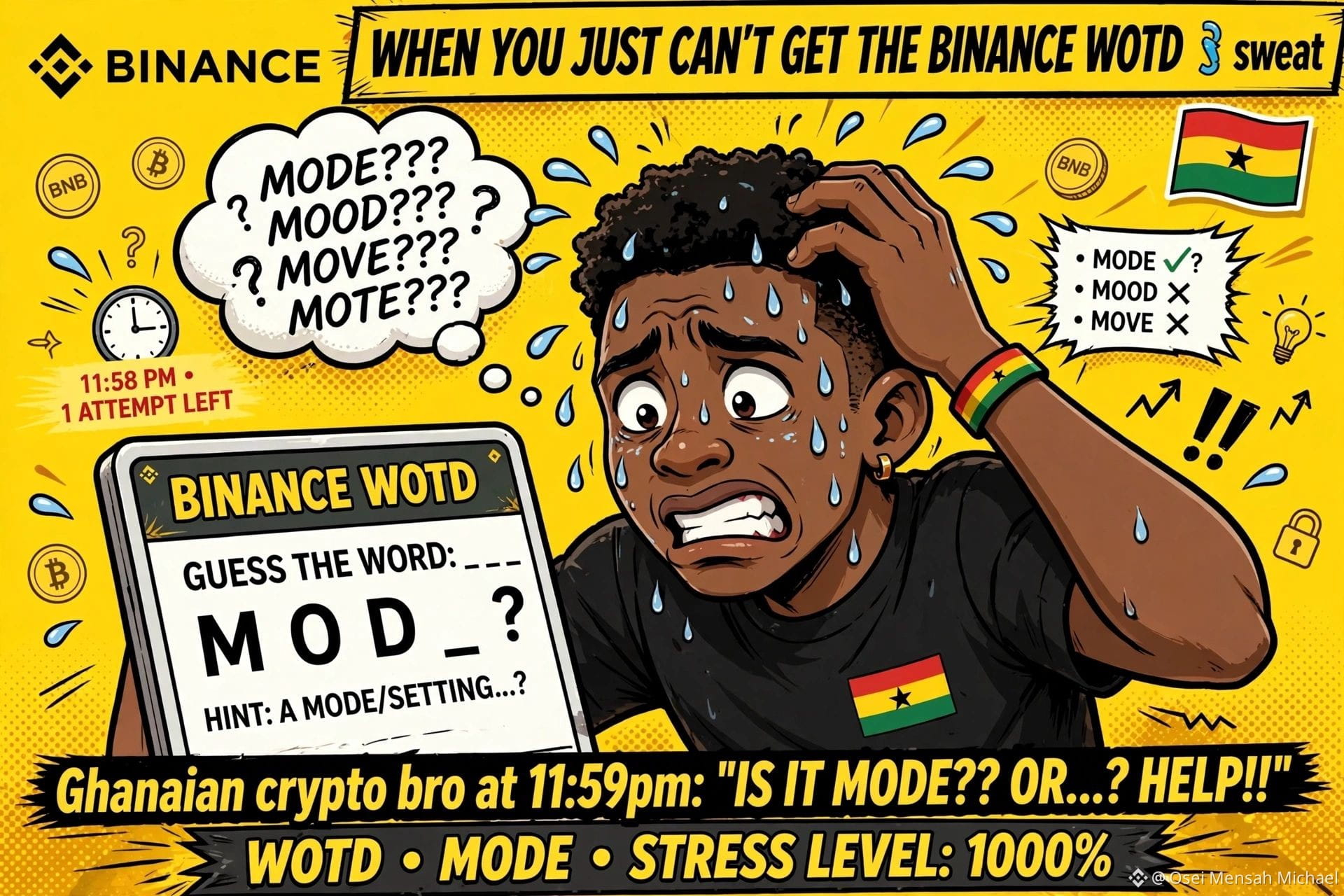
After missing HEDGE, MODE and all those tricky words, I learned the trick:
*1. This Week Theme (Sept 21-27): "Keeps AI Agents in Check"*
My answers so far:
- 4 Letters: RULE, SAFE, NODE, MODE
- 5 Letters: GUARD, LIMIT, CHECK, AUDIT
- 6 Letters: SAFETY, WALLET, POLICY, VERIFY
*2. My Strategy:*
Don't guess random! Start with CHART / RULE / OPTION — they cover the theme keywords.
*3. Rewards:*
Get 5 correct in 7 days = share 10,000 USDC pool! Points come in Rewards Hub within 14 days.
Who else is playing this week? Drop your word length below, I will help you guess! Let's win together 🚀
#WOTD #BinanceWOTD #CryptoTips #BinanceSquare
---
*Title: I Finally Cracked Binance WOTD 🔥 My 5-Day Winning Strategy*
Binance WOTD is not luck — it's pattern! 👇
After missing HEDGE, MODE and all those tricky words, I learned the trick:
*1. This Week Theme (Sept 21-27): "Keeps AI Agents in Check"*
My answers so far:
- 4 Letters: RULE, SAFE, NODE, MODE
- 5 Letters: GUARD, LIMIT, CHECK, AUDIT
- 6 Letters: SAFETY, WALLET, POLICY, VERIFY
*2. My Strategy:*
Don't guess random! Start with CHART / RULE / OPTION — they cover the theme keywords.
*3. Rewards:*
Get 5 correct in 7 days = share 10,000 USDC pool! Points come in Rewards Hub within 14 days.
Who else is playing this week? Drop your word length below, I will help you guess! Let's win together 🚀
#WOTD #BinanceWOTD #CryptoTips #BinanceSquare
---
Binance WOTD is not luck — it's pattern! 👇
After missing HEDGE, MODE and all those tricky words, I learned the trick:
*1. This Week Theme (Sept 21-27): "Keeps AI Agents in Check"*
My answers so far:
- 4 Letters: RULE, SAFE, NODE, MODE
- 5 Letters: GUARD, LIMIT, CHECK, AUDIT
- 6 Letters: SAFETY, WALLET, POLICY, VERIFY
*2. My Strategy:*
Don't guess random! Start with CHART / RULE / OPTION — they cover the theme keywords.
*3. Rewards:*
Get 5 correct in 7 days = share 10,000 USDC pool! Points come in Rewards Hub within 14 days.
Who else is playing this week? Drop your word length below, I will help you guess! Let's win together 🚀
#WOTD #BinanceWOTD #CryptoTips #BinanceSquare
---
253

·
--
🚀 Binance launches the new "Word of the Day" challenge: test your knowledge of AI and win your share of 10,000 USDC!🎯 A golden opportunity awaits you on the Binance Square platform!
Binance has just announced the launch of a new and exciting round of the game "Word of the Day" (WOTD). This time, it’s titled something truly intriguing: "Keeps AI Agents in Check." If you’re a fan of crypto and modern technology, this is your chance to boost your vocabulary, deepen your understanding of the intersection between AI and blockchain, and most importantly... earn real rewards in stablecoin USDC! 💰
🚀 Binance launches the new "Word of the Day" challenge: test your knowledge of AI and win your share of 10,000 USDC!
🎯 A golden opportunity awaits you on the Binance Square platform!
Binance has just announced the launch of a new and exciting round of the game "Word of the Day" (WOTD). This time, it’s titled something truly intriguing: "Keeps AI Agents in Check." If you’re a fan of crypto and modern technology, this is your chance to boost your vocabulary, deepen your understanding of the intersection between AI and blockchain, and most importantly... earn real rewards in stablecoin USDC! 💰
Binance has just announced the launch of a new and exciting round of the game "Word of the Day" (WOTD). This time, it’s titled something truly intriguing: "Keeps AI Agents in Check." If you’re a fan of crypto and modern technology, this is your chance to boost your vocabulary, deepen your understanding of the intersection between AI and blockchain, and most importantly... earn real rewards in stablecoin USDC! 💰
72
🟩 ¡ADVANCE! You Got Word of the Day right on Binance Crypto WOTD 🎯
This week’s topic: "Keeps AI Agents in Check" 🤖🔒
And the second word of today was exactly that: ADVANCE—because in crypto, whoever moves first wins.
💡 Did you know that in the context of AI Agents in blockchain, an "advance" represents the ability to anticipate market moves before they happen?
AI agents are changing the rules of the game in DeFi and automated trading. Knowing these concepts isn’t optional—it’s a competitive advantage.
Have you played today’s WOTD yet? How many tries did it take you? 👇
#BinanceSquare #WOTD #wodl #AIAgents #BNBChain
🟩 ¡ADVANCE! You Got Word of the Day right on Binance Crypto WOTD 🎯
This week’s topic: "Keeps AI Agents in Check" 🤖🔒
And the second word of today was exactly that: ADVANCE—because in crypto, whoever moves first wins.
💡 Did you know that in the context of AI Agents in blockchain, an "advance" represents the ability to anticipate market moves before they happen?
AI agents are changing the rules of the game in DeFi and automated trading. Knowing these concepts isn’t optional—it’s a competitive advantage.
Have you played today’s WOTD yet? How many tries did it take you? 👇
#BinanceSquare #WOTD #wodl #AIAgents #BNBChain
This week’s topic: "Keeps AI Agents in Check" 🤖🔒
And the second word of today was exactly that: ADVANCE—because in crypto, whoever moves first wins.
💡 Did you know that in the context of AI Agents in blockchain, an "advance" represents the ability to anticipate market moves before they happen?
AI agents are changing the rules of the game in DeFi and automated trading. Knowing these concepts isn’t optional—it’s a competitive advantage.
Have you played today’s WOTD yet? How many tries did it take you? 👇
#BinanceSquare #WOTD #wodl #AIAgents #BNBChain
Branden Nebred jnNJ:
done
4
602

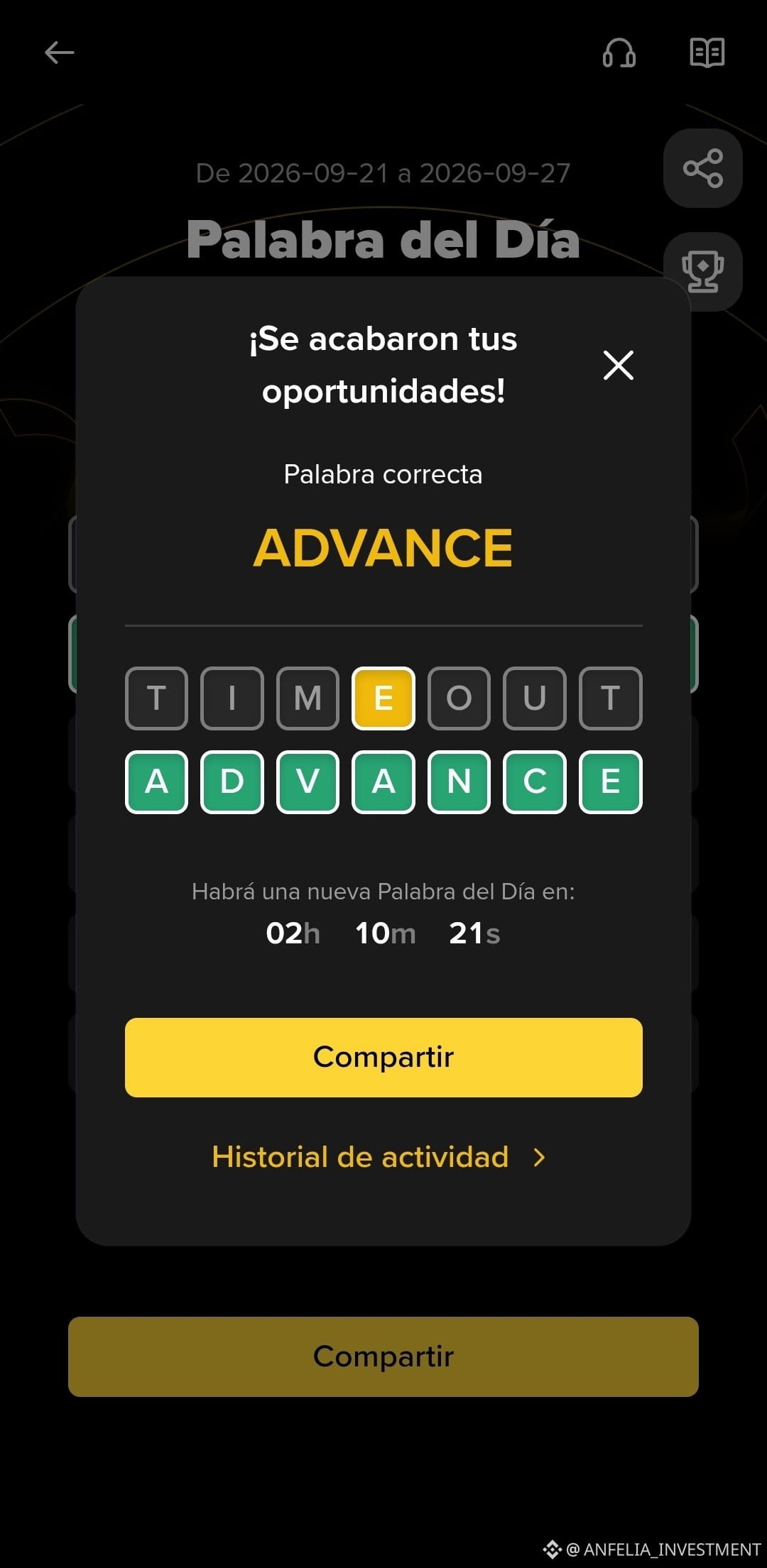
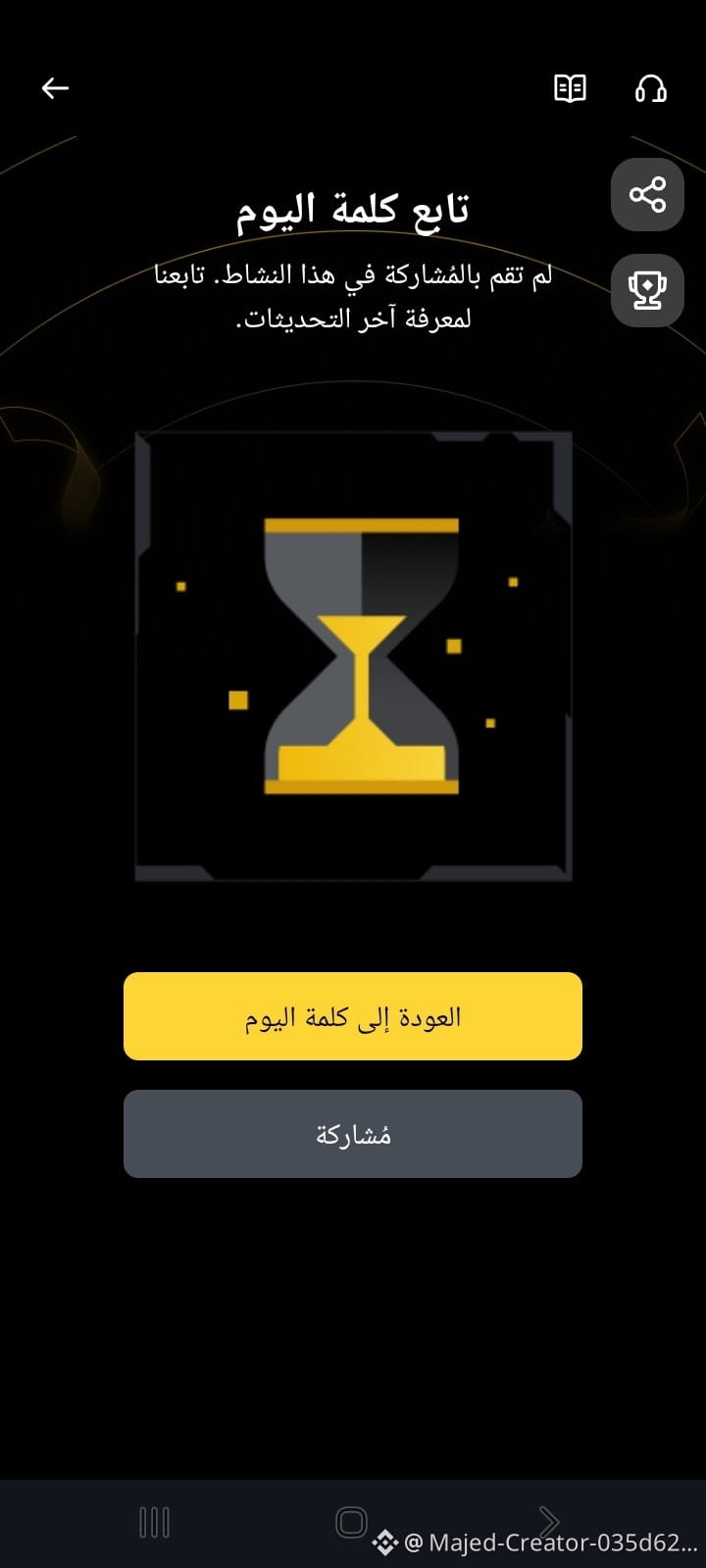
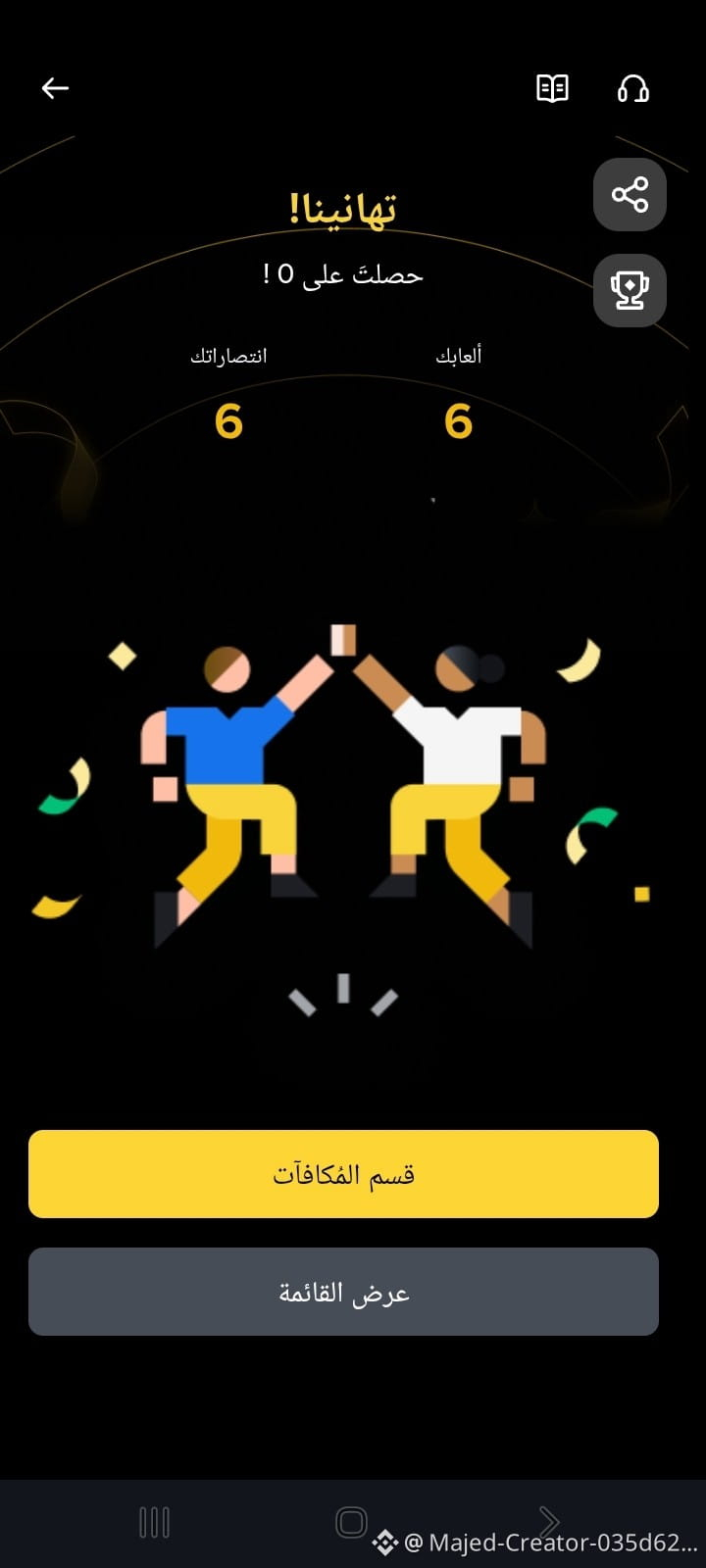
Young people, I’ve been participating in the Word of the Day (WOTD) activity on Binance for two weeks. I solve 6/6, and the last thing that shows up is 0, and I got 0. It then shows me "You have not participated in this activity," like in the picture.
Has anyone else experienced the same problem?
Young people, I’ve been participating in the Word of the Day (WOTD) activity on Binance for two weeks. I solve 6/6, and the last thing that shows up is 0, and I got 0. It then shows me "You have not participated in this activity," like in the picture.
Has anyone else experienced the same problem?
Has anyone else experienced the same problem?
Younis 09:
حصل معايا
1
1
1
582

·
--
🤖 AI Agents are changing the way we interact with Web3 — but who keeps these agents under control?
Today’s Binance WOTD theme is “Keeps AI Agents in Check” 🔐
When we talk about AI Agents, three key ideas are fundamental:
🛡️ SECURITY — protect agents, users, and assets from threats.
🍯 HONEYPOT — a security technique that can help detect suspicious behavior.
🤝 INTERACT — agents need to interact with users, systems, and other agents in a controlled manner.
The evolution of AI in Web3 brings great possibilities, but it also raises an important question:
The more autonomous an agent is, the more important it becomes to have rules, security, and control mechanisms.
💬 Which of these words do you think best represents today’s topic?
#Binance #BinanceSquare #WOTD #AI #AIAgents #Web3 #Crypto #Blockchain #ArtificialIntelligence #BinanceWOTD
🤖 AI Agents are changing the way we interact with Web3 — but who keeps these agents under control?
Today’s Binance WOTD theme is “Keeps AI Agents in Check” 🔐
When we talk about AI Agents, three key ideas are fundamental:
🛡️ SECURITY — protect agents, users, and assets from threats.
🍯 HONEYPOT — a security technique that can help detect suspicious behavior.
🤝 INTERACT — agents need to interact with users, systems, and other agents in a controlled manner.
The evolution of AI in Web3 brings great possibilities, but it also raises an important question:
The more autonomous an agent is, the more important it becomes to have rules, security, and control mechanisms.
💬 Which of these words do you think best represents today’s topic?
#Binance #BinanceSquare #WOTD #AI #AIAgents #Web3 #Crypto #Blockchain #ArtificialIntelligence #BinanceWOTD
Today’s Binance WOTD theme is “Keeps AI Agents in Check” 🔐
When we talk about AI Agents, three key ideas are fundamental:
🛡️ SECURITY — protect agents, users, and assets from threats.
🍯 HONEYPOT — a security technique that can help detect suspicious behavior.
🤝 INTERACT — agents need to interact with users, systems, and other agents in a controlled manner.
The evolution of AI in Web3 brings great possibilities, but it also raises an important question:
The more autonomous an agent is, the more important it becomes to have rules, security, and control mechanisms.
💬 Which of these words do you think best represents today’s topic?
#Binance #BinanceSquare #WOTD #AI #AIAgents #Web3 #Crypto #Blockchain #ArtificialIntelligence #BinanceWOTD
142
·
--
#WOTD #每日一词
2026/09/21-2026/09/27
Topic: Keeps AI Agents in Check
[活動連結 link](https://www.binance.com/activity/word-of-the-day/Keeps-AI-Agents-in-Check?ref=CPA_00E9CHO4AJ)
Join the event and share the rewards together $USDC ~
3️⃣ letters: Unknown
4️⃣ letters: MODE
5️⃣ letters: Unknown
6️⃣ letters: SAFETY、STRIKE、WALLET
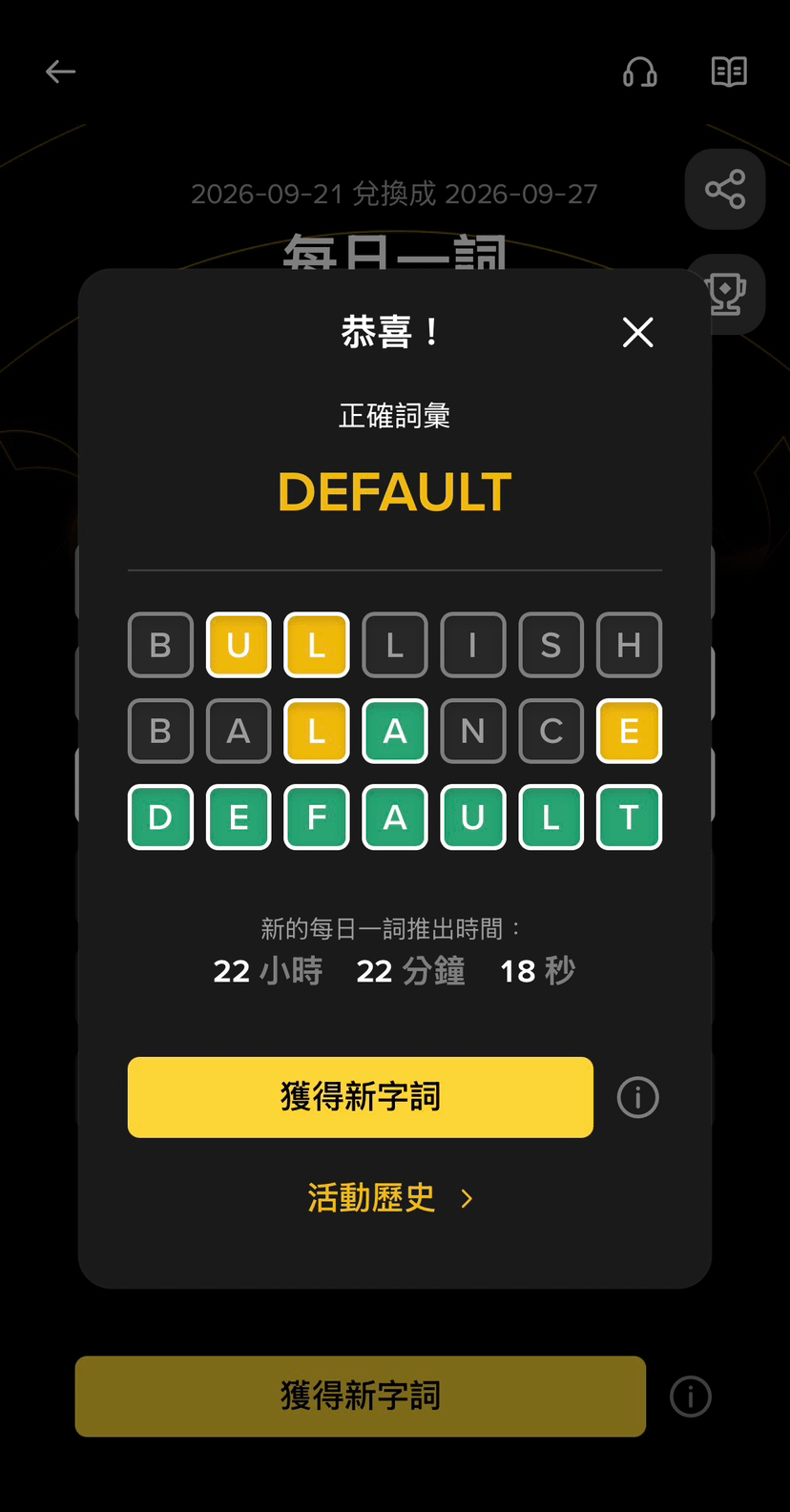
7️⃣ letters: DEFAULT、TIMEOUT、ADVANCE、BALANCE、FEATURE、KEYLESS、TRIGGER
8️⃣ letters: INTERACT、HONEYPOT、SECURITY
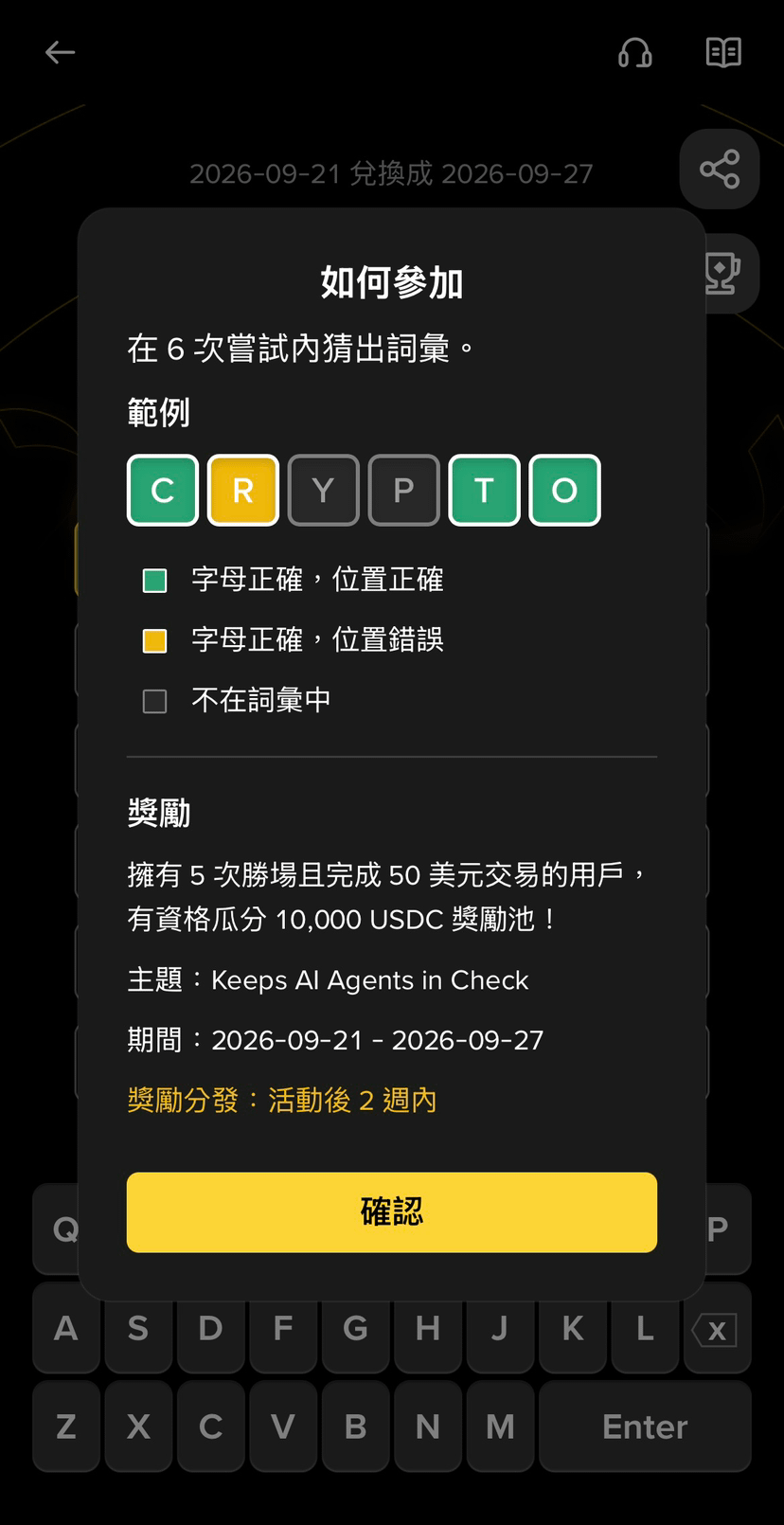
If you answer the questions correctly, you will receive a reward.
In addition, if you answer correctly and complete transactions totaling 50u, you’ll get an extra reward~
New answers will be updated directly. Feel free to add and submit new answers~ Hi! Thank you so much 🥰
#WOTD #每日一词
2026/09/21-2026/09/27
Topic: Keeps AI Agents in Check
活動連結 link
Join the event and share the rewards together $USDC ~
3️⃣ letters: Unknown
4️⃣ letters: MODE
5️⃣ letters: Unknown
6️⃣ letters: SAFETY、STRIKE、WALLET
7️⃣ letters: DEFAULT、TIMEOUT、ADVANCE、BALANCE、FEATURE、KEYLESS、TRIGGER
8️⃣ letters: INTERACT、HONEYPOT、SECURITY
If you answer the questions correctly, you will receive a reward.
In addition, if you answer correctly and complete transactions totaling 50u, you’ll get an extra reward~
New answers will be updated directly. Feel free to add and submit new answers~ Hi! Thank you so much 🥰
2026/09/21-2026/09/27
Topic: Keeps AI Agents in Check
活動連結 link
Join the event and share the rewards together $USDC ~
3️⃣ letters: Unknown
4️⃣ letters: MODE
5️⃣ letters: Unknown
6️⃣ letters: SAFETY、STRIKE、WALLET
7️⃣ letters: DEFAULT、TIMEOUT、ADVANCE、BALANCE、FEATURE、KEYLESS、TRIGGER
8️⃣ letters: INTERACT、HONEYPOT、SECURITY
If you answer the questions correctly, you will receive a reward.
In addition, if you answer correctly and complete transactions totaling 50u, you’ll get an extra reward~
New answers will be updated directly. Feel free to add and submit new answers~ Hi! Thank you so much 🥰
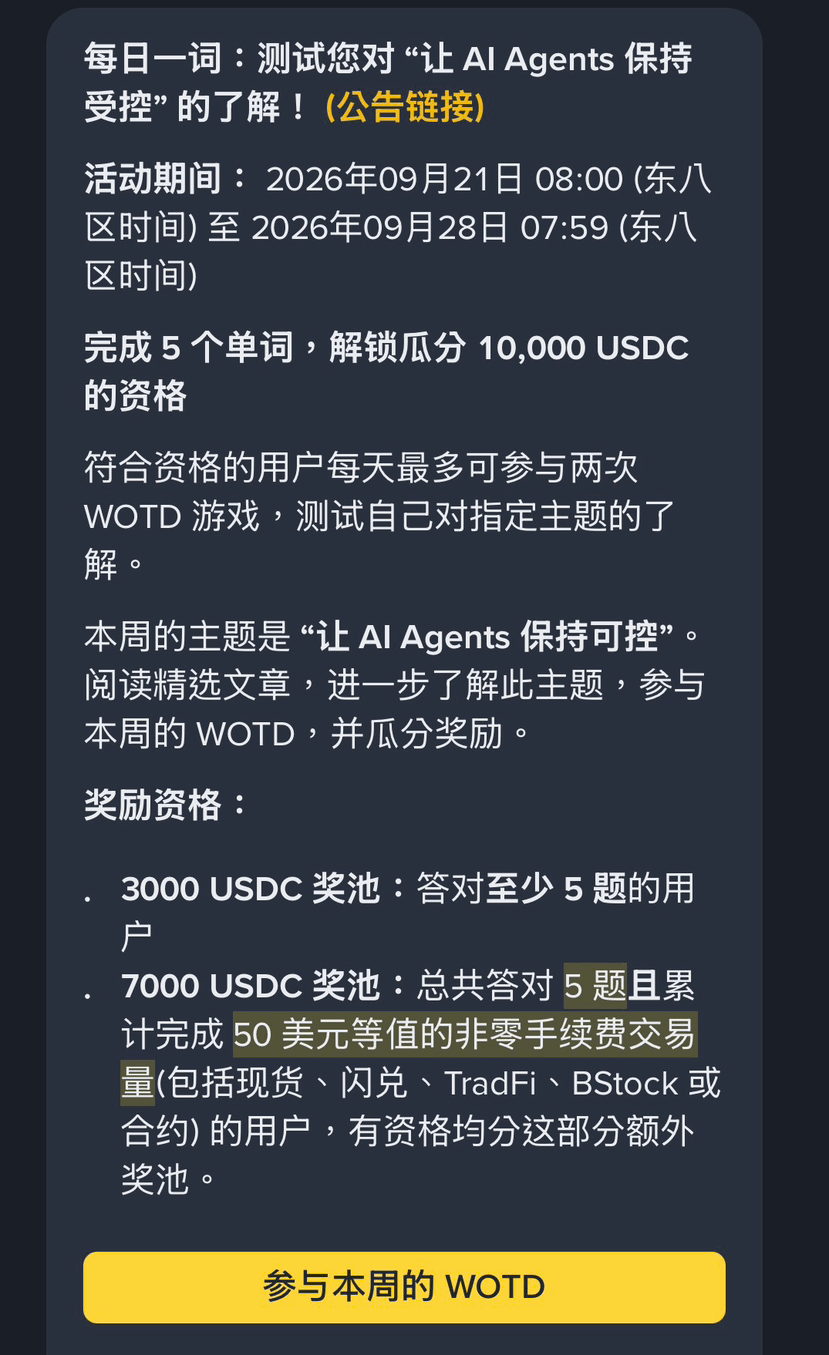
User-624c65e5:
我是7次 就减半了🤔
22
38
3.6k
Log in to explore more content
Join global crypto users on Binance Square
⚡️ Get latest and useful information about crypto.
💬 Trusted by the world’s largest crypto exchange.
👍 Discover real insights from verified creators.
Email / Phone number
Trending Topics
1
#UKFCAWinsCourtOrderToRecover851400Pounds
0 views
1 Discussing
2
#ChainlinkLaunchesCCIP2WithEnterpriseVerification
4,998 views
319 Discussing
3
#GoldFallsTo$4144
3,311 views
87 Discussing
4
#QNTFallsOver40%FromMorningHigh
28,782 views
736 Discussing
5
#USDTAdds845900HoldersInPast7Days
213 views
55 Discussing
6
#KospiFalls2.7%SamsungSKHynixDropOver5%
5,760 views
331 Discussing
7
#BitgetCEOConfirms$388MStolenInHack
2,351 views
35 Discussing
8
#BTCFallsBelow$83000
15,770 views
130 Discussing
9
#BitgetDetailsSecurityIncidentTimeline
16,792 views
480 Discussing
10
#BitcoinSpotETFs$2.39BWeeklyNetInflow
6,605 views
30 Discussing