
#signdigitalsovereigninfra
signdigitalsovereigninfra
12.2M views
97,300 Discussing
Hot
Latest

·
--
#openledger $OPEN Focus on Sovereign Infrastructure
Empowering regions with robust decentralized architecture is the next massive frontier for Web3. By building foundational digital sovereign infrastructure, @SignOfficial is positioning itself perfectly to drive real-world economic growth and scale utility. Looking forward to seeing the long-term impact of $SIGN across emerging markets. #SignDigitalSovereignInfra
#openledger $OPEN Focus on Sovereign Infrastructure
Empowering regions with robust decentralized architecture is the next massive frontier for Web3. By building foundational digital sovereign infrastructure, @SignOfficial is positioning itself perfectly to drive real-world economic growth and scale utility. Looking forward to seeing the long-term impact of $SIGN across emerging markets. #SignDigitalSovereignInfra
Empowering regions with robust decentralized architecture is the next massive frontier for Web3. By building foundational digital sovereign infrastructure, @SignOfficial is positioning itself perfectly to drive real-world economic growth and scale utility. Looking forward to seeing the long-term impact of $SIGN across emerging markets. #SignDigitalSovereignInfra
265




·
--
Bullish
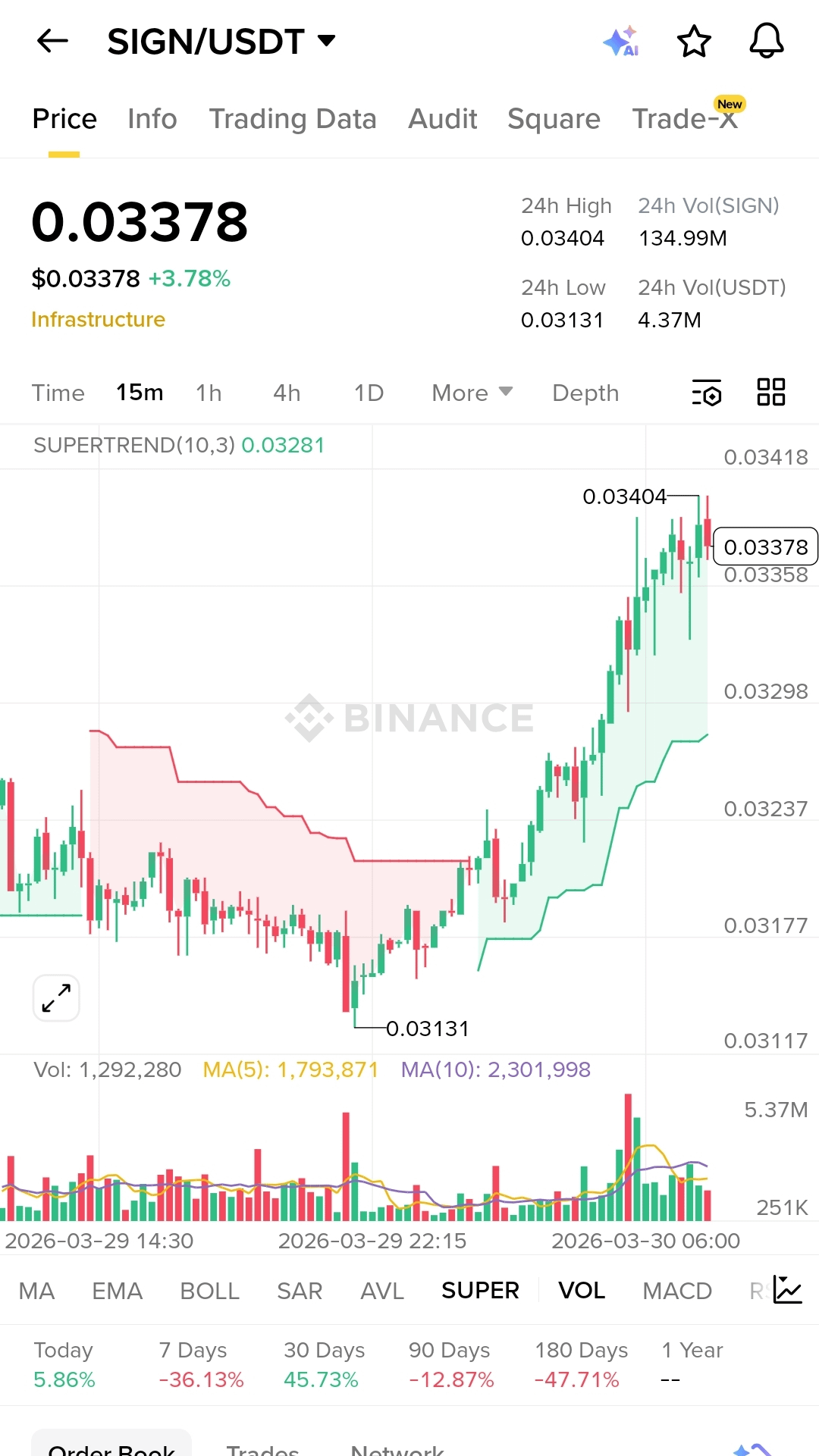
SIGN: When Timing Doesn’t Affect Your Proof
While thinking about SIGN, something that came to mind is how much timing usually affects things online. In a lot of systems, when you do something matters almost as much as what you do. If you’re early, you get recognized. If you’re late, even if you did the same thing, it might not count in the same way. That’s always felt a bit inconsistent. With SIGN, it doesn’t really seem tied to timing like that. If something is verified, it stays valid regardless of when it’s used. You’re not rushing to prove something at the “right moment” just to make sure it counts. That felt different to me, because it takes away some of that pressure. You’re not chasing timing, you’re just making sure what you did can be proven. And once it’s there, it doesn’t really lose value just because time has passed. I’m not completely sure how this plays out across every use case, but the idea itself feels more stable. It’s less about catching the right moment and more about having something that holds up whenever it’s needed. And that shift, even though it’s subtle, could change how people approach participation over time.#signdigitalsovereigninfra @SignOfficial $SIGN
{spot}(SIGNUSDT)
SIGN: When Timing Doesn’t Affect Your Proof
While thinking about SIGN, something that came to mind is how much timing usually affects things online. In a lot of systems, when you do something matters almost as much as what you do. If you’re early, you get recognized. If you’re late, even if you did the same thing, it might not count in the same way. That’s always felt a bit inconsistent. With SIGN, it doesn’t really seem tied to timing like that. If something is verified, it stays valid regardless of when it’s used. You’re not rushing to prove something at the “right moment” just to make sure it counts. That felt different to me, because it takes away some of that pressure. You’re not chasing timing, you’re just making sure what you did can be proven. And once it’s there, it doesn’t really lose value just because time has passed. I’m not completely sure how this plays out across every use case, but the idea itself feels more stable. It’s less about catching the right moment and more about having something that holds up whenever it’s needed. And that shift, even though it’s subtle, could change how people approach participation over time.#signdigitalsovereigninfra @SignOfficial $SIGN
While thinking about SIGN, something that came to mind is how much timing usually affects things online. In a lot of systems, when you do something matters almost as much as what you do. If you’re early, you get recognized. If you’re late, even if you did the same thing, it might not count in the same way. That’s always felt a bit inconsistent. With SIGN, it doesn’t really seem tied to timing like that. If something is verified, it stays valid regardless of when it’s used. You’re not rushing to prove something at the “right moment” just to make sure it counts. That felt different to me, because it takes away some of that pressure. You’re not chasing timing, you’re just making sure what you did can be proven. And once it’s there, it doesn’t really lose value just because time has passed. I’m not completely sure how this plays out across every use case, but the idea itself feels more stable. It’s less about catching the right moment and more about having something that holds up whenever it’s needed. And that shift, even though it’s subtle, could change how people approach participation over time.#signdigitalsovereigninfra @SignOfficial $SIGN
276
9
75
6.2k

·
--
This evolution turns trust into a valuable asset in crypto. Verified actions, history, and credentials become part of a user’s on-chain reputation, which can be leveraged across DeFi, DAOs, and applications.
With Sign Protocol, trust is no longer assumed it’s proven, portable, and programmable, unlocking a more secure and efficient decentralized future.
@SignOfficial #signdigitalsovereigninfra $SIGN
This evolution turns trust into a valuable asset in crypto. Verified actions, history, and credentials become part of a user’s on-chain reputation, which can be leveraged across DeFi, DAOs, and applications.
With Sign Protocol, trust is no longer assumed it’s proven, portable, and programmable, unlocking a more secure and efficient decentralized future.
@SignOfficial #signdigitalsovereigninfra $SIGN
With Sign Protocol, trust is no longer assumed it’s proven, portable, and programmable, unlocking a more secure and efficient decentralized future.
@SignOfficial #signdigitalsovereigninfra $SIGN
77
22
82
4.2k
·
--
$SIGN transforms Web3 from just a network of transactions into a system of trusted interactions. It enables users to carry their reputation across platforms, reduces fraud, and builds a more reliable ecosystem making decentralized applications not just open, but also trustworthy and scalable.
@SignOfficial #signdigitalsovereigninfra $SIGN
$SIGN transforms Web3 from just a network of transactions into a system of trusted interactions. It enables users to carry their reputation across platforms, reduces fraud, and builds a more reliable ecosystem making decentralized applications not just open, but also trustworthy and scalable.
@SignOfficial #signdigitalsovereigninfra $SIGN
@SignOfficial #signdigitalsovereigninfra $SIGN
44
14
61
2.5k

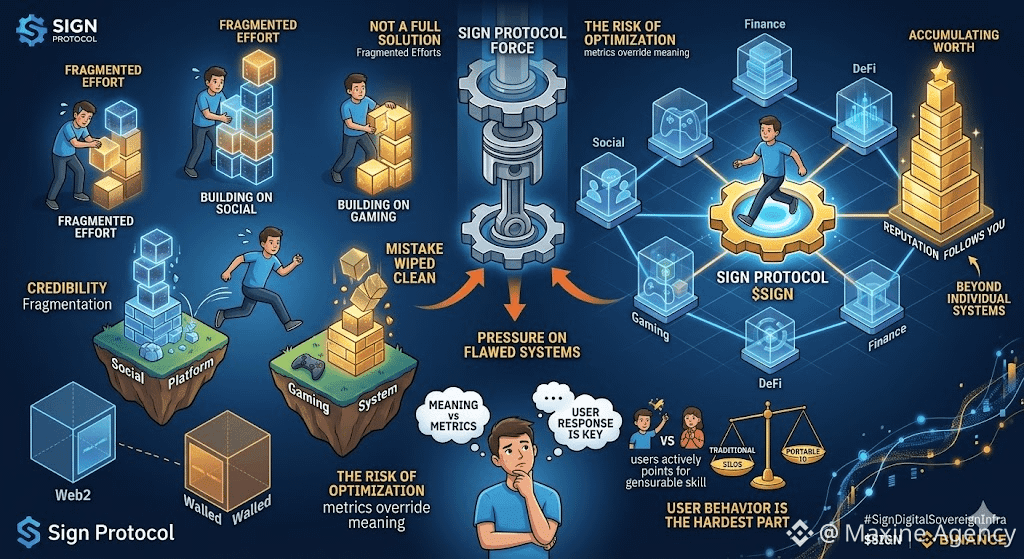
I keep coming back to SIGN, not because it feels complete, but because it creates a kind of "offbeat" that I can't ignore.
It touches on something I see repeating across many cycles: online reputation rarely accompanies you. You prove your abilities, you build something, but as soon as you step into a different environment, everything seems to get wiped clean.
The idea that this could change is truly remarkable. If reputation could be carried along, then effort would no longer be fragmented across different platforms. It accumulates, connects, and begins to have weight beyond a singular system.
But that very point also makes me hesitate.
Because as soon as reputation is framed and standardized, it also becomes something that can be "optimized." I've seen too many systems initially designed to reflect value, but gradually turn into goals to chase after. At that point, behavior no longer focuses on meaning, but rather on what is easily measurable.
Sounds familiar.
So I don't see SIGN as a complete solution. It's like a pressure on problematic systems—but at the same time, it's a pressure pushing back against the users themselves.
And perhaps, the hardest part doesn't lie in the technology.
But in how we will respond to it.
@SignOfficial #SignDigitalSovereignInfra $SIGN
{future}(SIGNUSDT)
$GUA $SIREN
I keep coming back to SIGN, not because it feels complete, but because it creates a kind of "offbeat" that I can't ignore.
It touches on something I see repeating across many cycles: online reputation rarely accompanies you. You prove your abilities, you build something, but as soon as you step into a different environment, everything seems to get wiped clean.
The idea that this could change is truly remarkable. If reputation could be carried along, then effort would no longer be fragmented across different platforms. It accumulates, connects, and begins to have weight beyond a singular system.
But that very point also makes me hesitate.
Because as soon as reputation is framed and standardized, it also becomes something that can be "optimized." I've seen too many systems initially designed to reflect value, but gradually turn into goals to chase after. At that point, behavior no longer focuses on meaning, but rather on what is easily measurable.
Sounds familiar.
So I don't see SIGN as a complete solution. It's like a pressure on problematic systems—but at the same time, it's a pressure pushing back against the users themselves.
And perhaps, the hardest part doesn't lie in the technology.
But in how we will respond to it.
@SignOfficial #SignDigitalSovereignInfra $SIGN
$GUA $SIREN
It touches on something I see repeating across many cycles: online reputation rarely accompanies you. You prove your abilities, you build something, but as soon as you step into a different environment, everything seems to get wiped clean.
The idea that this could change is truly remarkable. If reputation could be carried along, then effort would no longer be fragmented across different platforms. It accumulates, connects, and begins to have weight beyond a singular system.
But that very point also makes me hesitate.
Because as soon as reputation is framed and standardized, it also becomes something that can be "optimized." I've seen too many systems initially designed to reflect value, but gradually turn into goals to chase after. At that point, behavior no longer focuses on meaning, but rather on what is easily measurable.
Sounds familiar.
So I don't see SIGN as a complete solution. It's like a pressure on problematic systems—but at the same time, it's a pressure pushing back against the users themselves.
And perhaps, the hardest part doesn't lie in the technology.
But in how we will respond to it.
@SignOfficial #SignDigitalSovereignInfra $SIGN
$GUA $SIREN
5
3
574

·
--
Bro, $SIGN just released an amazing Orange Basic Income! 100 million token rewards for true holders, self-custody on-chain. No more hard staking. Season 1 is live, 9M $SIGN has entered. Old staking ended on 28/4, withdraw to your self-managed wallet quickly or you'll regret it.
#signdigitalsovereigninfra $SIGN
{future}(SIGNUSDT)
@SignOfficial
Bro, $SIGN just released an amazing Orange Basic Income! 100 million token rewards for true holders, self-custody on-chain. No more hard staking. Season 1 is live, 9M $SIGN has entered. Old staking ended on 28/4, withdraw to your self-managed wallet quickly or you'll regret it.
#signdigitalsovereigninfra $SIGN
@SignOfficial
#signdigitalsovereigninfra $SIGN
@SignOfficial

5
3
107

·
--
Bullish
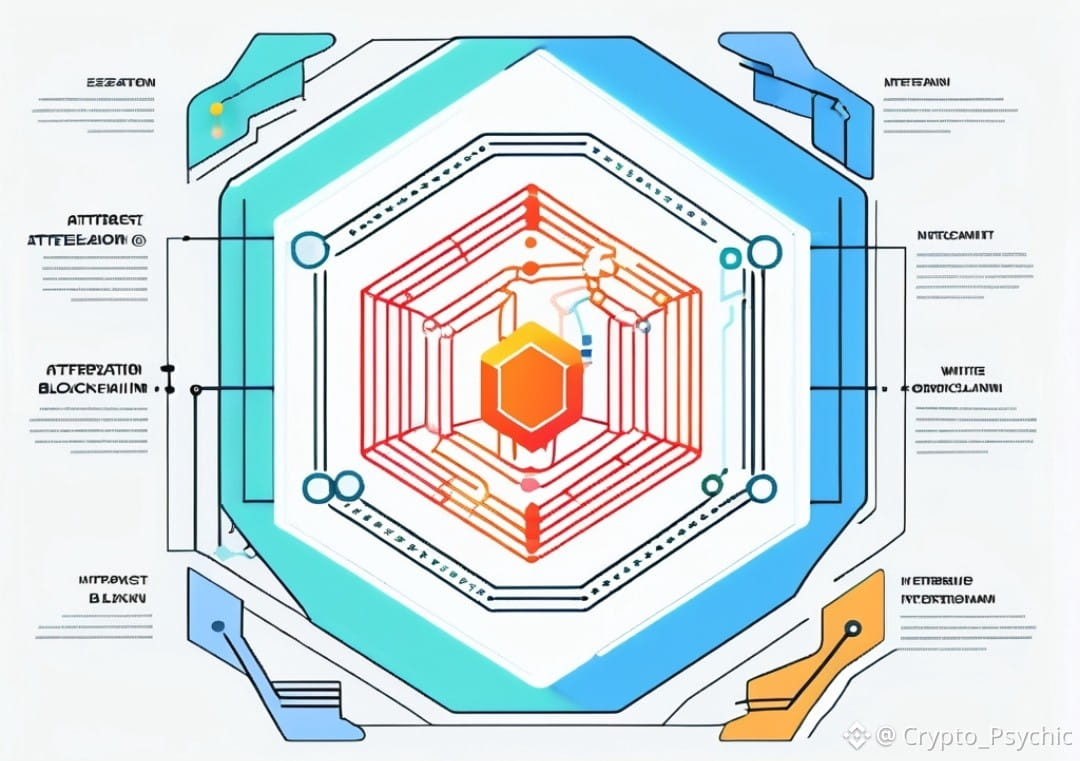
$SIGN — The quiet infrastructure play most people overlook
I took a deeper look at $SIGN again, and the more I think about it, the clearer its role becomes:
It’s not trying to be where apps live —
it’s trying to become what--apps rely on to trust users.
🧠 The core idea: Attestations as infrastructure
At its simplest, SIGN lets you answer one question on-chain:
“Can this claim about a user be trusted?”
Instead of rebuilding logic every time, projects can use SIGN to verify:
Eligibility (airdrops, mints)
Contributions (tasks, roles)
Identity signals (real vs sybil)
Reputation history
This turns SIGN into a shared trust layer across apps.
⚙️ Why this is a big deal
Right now, most crypto apps are blind:
They don’t know who the user really is
They can’t easily filter bots
They struggle to reward real contributors
So every project keeps reinventing the same systems.
SIGN changes that by making trust:
👉 Reusable
👉 Composable
👉 On-chain verifiable
🔗 Where it fits in the stack
Think of it like this:
L1/L2 → execution
Apps → user interaction
SIGN → truth verification layer
It’s closer to an identity + reputation protocol than a chain.
📊 The underrated angle
Most people look for:
New chains
Faster TPS
Bigger narratives
But SIGN plays a different game:
👉 It grows as more apps depend on it
👉 Not as users directly interact with it
That’s a very Web2-style moat —
like APIs that power everything but stay invisible.
🧩 My perspective
This is one of those projects where:
Adoption > hype
Integrations > price action
Usage > narrative
If SIGN succeeds, you won’t notice it directly —
you’ll just see better airdrops, cleaner DAOs, and fewer bots everywhere.
#SignDigitalSovereignInfra @SignOfficial
$SIGN — The quiet infrastructure play most people overlook
I took a deeper look at $SIGN again, and the more I think about it, the clearer its role becomes:
It’s not trying to be where apps live —
it’s trying to become what--apps rely on to trust users.
🧠 The core idea: Attestations as infrastructure
At its simplest, SIGN lets you answer one question on-chain:
“Can this claim about a user be trusted?”
Instead of rebuilding logic every time, projects can use SIGN to verify:
Eligibility (airdrops, mints)
Contributions (tasks, roles)
Identity signals (real vs sybil)
Reputation history
This turns SIGN into a shared trust layer across apps.
⚙️ Why this is a big deal
Right now, most crypto apps are blind:
They don’t know who the user really is
They can’t easily filter bots
They struggle to reward real contributors
So every project keeps reinventing the same systems.
SIGN changes that by making trust:
👉 Reusable
👉 Composable
👉 On-chain verifiable
🔗 Where it fits in the stack
Think of it like this:
L1/L2 → execution
Apps → user interaction
SIGN → truth verification layer
It’s closer to an identity + reputation protocol than a chain.
📊 The underrated angle
Most people look for:
New chains
Faster TPS
Bigger narratives
But SIGN plays a different game:
👉 It grows as more apps depend on it
👉 Not as users directly interact with it
That’s a very Web2-style moat —
like APIs that power everything but stay invisible.
🧩 My perspective
This is one of those projects where:
Adoption > hype
Integrations > price action
Usage > narrative
If SIGN succeeds, you won’t notice it directly —
you’ll just see better airdrops, cleaner DAOs, and fewer bots everywhere.
#SignDigitalSovereignInfra @SignOfficial
I took a deeper look at $SIGN again, and the more I think about it, the clearer its role becomes:
It’s not trying to be where apps live —
it’s trying to become what--apps rely on to trust users.
🧠 The core idea: Attestations as infrastructure
At its simplest, SIGN lets you answer one question on-chain:
“Can this claim about a user be trusted?”
Instead of rebuilding logic every time, projects can use SIGN to verify:
Eligibility (airdrops, mints)
Contributions (tasks, roles)
Identity signals (real vs sybil)
Reputation history
This turns SIGN into a shared trust layer across apps.
⚙️ Why this is a big deal
Right now, most crypto apps are blind:
They don’t know who the user really is
They can’t easily filter bots
They struggle to reward real contributors
So every project keeps reinventing the same systems.
SIGN changes that by making trust:
👉 Reusable
👉 Composable
👉 On-chain verifiable
🔗 Where it fits in the stack
Think of it like this:
L1/L2 → execution
Apps → user interaction
SIGN → truth verification layer
It’s closer to an identity + reputation protocol than a chain.
📊 The underrated angle
Most people look for:
New chains
Faster TPS
Bigger narratives
But SIGN plays a different game:
👉 It grows as more apps depend on it
👉 Not as users directly interact with it
That’s a very Web2-style moat —
like APIs that power everything but stay invisible.
🧩 My perspective
This is one of those projects where:
Adoption > hype
Integrations > price action
Usage > narrative
If SIGN succeeds, you won’t notice it directly —
you’ll just see better airdrops, cleaner DAOs, and fewer bots everywhere.
#SignDigitalSovereignInfra @SignOfficial

2
4
773

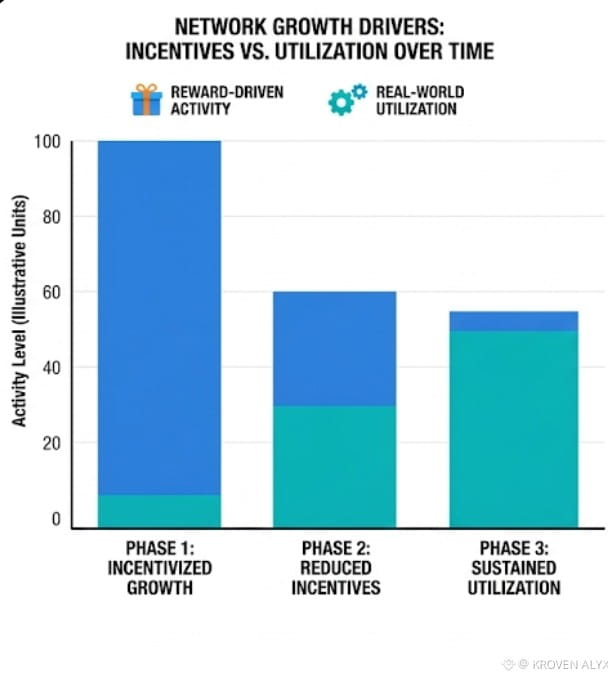
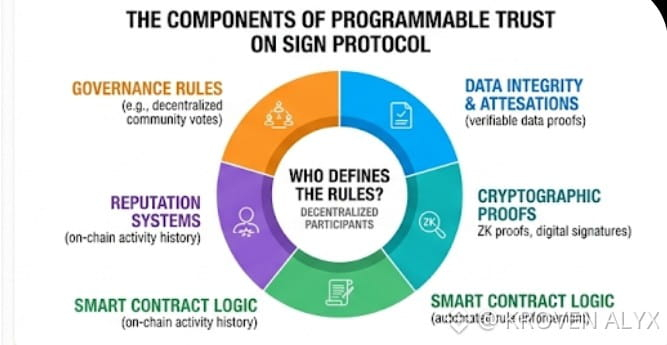
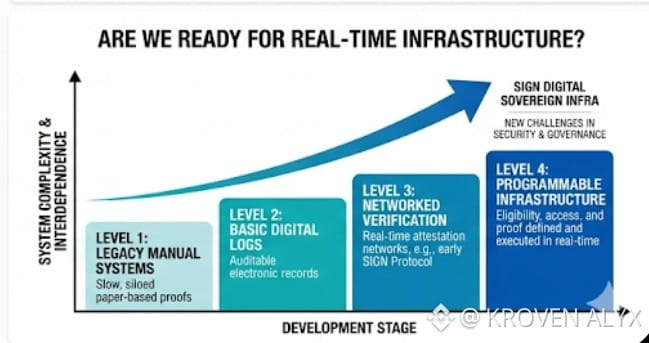
The more I think about SIGN Protocol, the more basic questions come to mind. Is this just reward-driven activity, or are we watching real usage take shape? If incentives slow down, does the behavior stay? If trust becomes programmable, who defines the rules? And if digital systems start deciding eligibility, access, and proof in real time, are we ready for that level of infrastructure? That is why @SignOfficial feels interesting to me. $SIGN is not only about distribution or credentials. It raises a bigger question: are we building systems people use for rewards, or systems they actually need?
#SignDigitalSovereignInfra
The more I think about SIGN Protocol, the more basic questions come to mind. Is this just reward-driven activity, or are we watching real usage take shape? If incentives slow down, does the behavior stay? If trust becomes programmable, who defines the rules? And if digital systems start deciding eligibility, access, and proof in real time, are we ready for that level of infrastructure? That is why @SignOfficial feels interesting to me. $SIGN is not only about distribution or credentials. It raises a bigger question: are we building systems people use for rewards, or systems they actually need?
#SignDigitalSovereignInfra
#SignDigitalSovereignInfra
13
18
541

·
--
Article
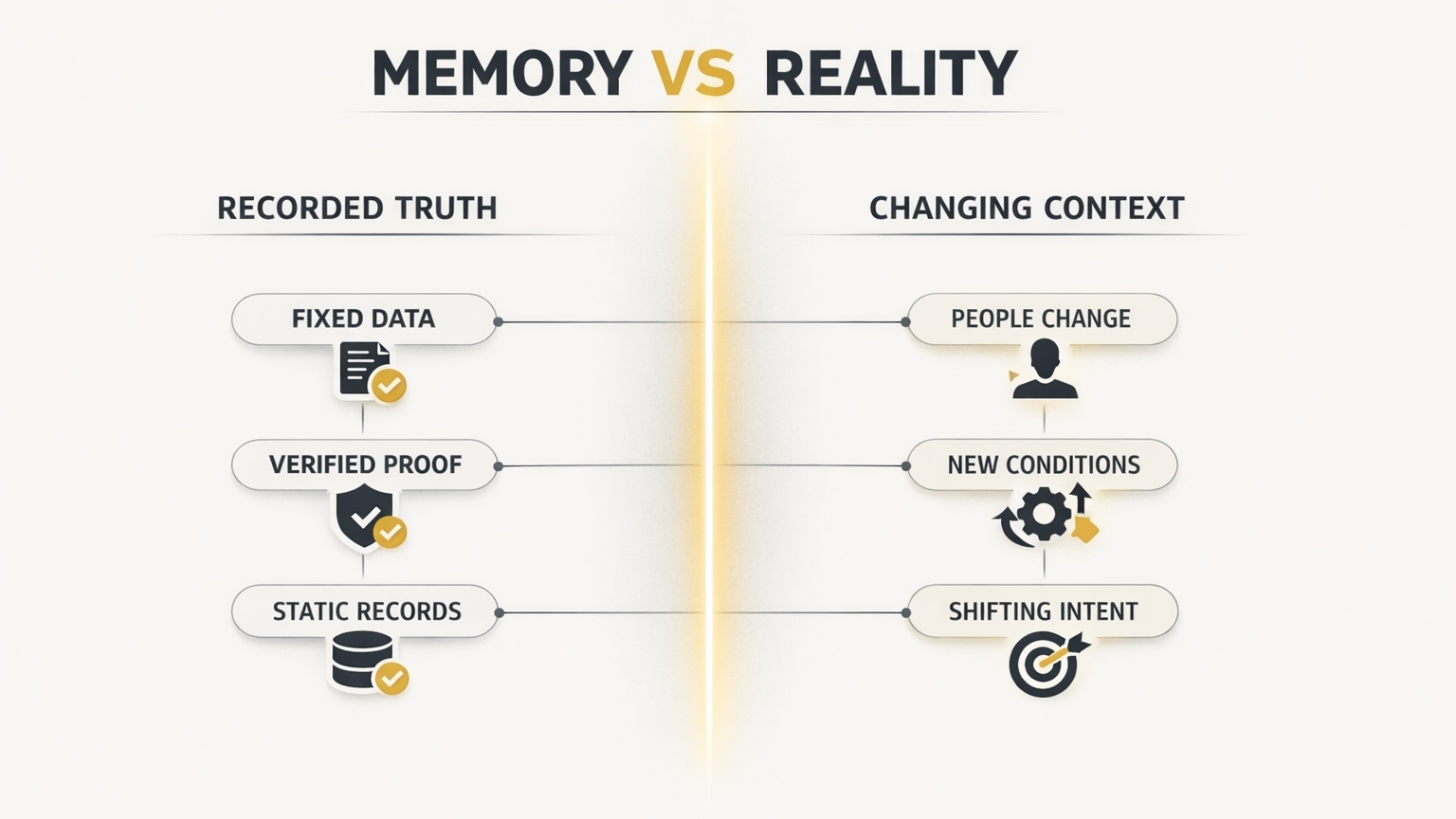
When systems remember everything… but understand nothingI didn’t expect this thought to come from looking at @SignOfficial and $SIGN …
but the more I sit with it, the more it feels like we’re building systems that remember perfectly… without actually understanding anything.
At first, I saw Sign in a very straightforward way.
Data gets attested.
Records become reusable.
Verification becomes portable.
It felt like we were finally solving fragmentation.
But lately, something feels slightly off to me.
Because these systems are incredibly good at remembering states…
but not very good at understanding context.
An attestation proves something was true… at a specific moment… under specific conditions.
But real life doesn’t stay still like that.
People change.
Situations evolve.
Intent shifts.
And yet, the system continues to treat past proofs like stable references.
That’s where things get uncomfortable.
Because over time, decisions start leaning more on recorded history than present reality.
Not because it’s more accurate…
but because it’s easier to trust what’s already verified.
In something like #SignDigitalSovereignInfra , especially in fast-growing digital economies, this becomes even more amplified.
Systems scale faster than human judgment can adapt.
And maybe the real question isn’t whether verification works…
but whether a system that remembers everything…
can ever truly understand anything.
@SignOfficial $SIGN
When systems remember everything… but understand nothing
I didn’t expect this thought to come from looking at @SignOfficial and $SIGN …
but the more I sit with it, the more it feels like we’re building systems that remember perfectly… without actually understanding anything.
At first, I saw Sign in a very straightforward way.
Data gets attested.
Records become reusable.
Verification becomes portable.
It felt like we were finally solving fragmentation.
But lately, something feels slightly off to me.
Because these systems are incredibly good at remembering states…
but not very good at understanding context.
An attestation proves something was true… at a specific moment… under specific conditions.
But real life doesn’t stay still like that.
People change.
Situations evolve.
Intent shifts.
And yet, the system continues to treat past proofs like stable references.
That’s where things get uncomfortable.
Because over time, decisions start leaning more on recorded history than present reality.
Not because it’s more accurate…
but because it’s easier to trust what’s already verified.
In something like #SignDigitalSovereignInfra , especially in fast-growing digital economies, this becomes even more amplified.
Systems scale faster than human judgment can adapt.
And maybe the real question isn’t whether verification works…
but whether a system that remembers everything…
can ever truly understand anything.
@SignOfficial $SIGN
but the more I sit with it, the more it feels like we’re building systems that remember perfectly… without actually understanding anything.
At first, I saw Sign in a very straightforward way.
Data gets attested.
Records become reusable.
Verification becomes portable.
It felt like we were finally solving fragmentation.
But lately, something feels slightly off to me.
Because these systems are incredibly good at remembering states…
but not very good at understanding context.
An attestation proves something was true… at a specific moment… under specific conditions.
But real life doesn’t stay still like that.
People change.
Situations evolve.
Intent shifts.
And yet, the system continues to treat past proofs like stable references.
That’s where things get uncomfortable.
Because over time, decisions start leaning more on recorded history than present reality.
Not because it’s more accurate…
but because it’s easier to trust what’s already verified.
In something like #SignDigitalSovereignInfra , especially in fast-growing digital economies, this becomes even more amplified.
Systems scale faster than human judgment can adapt.
And maybe the real question isn’t whether verification works…
but whether a system that remembers everything…
can ever truly understand anything.
@SignOfficial $SIGN
1
96

#signdigitalsovereigninfra $SIGN
Building digital sovereignty is no longer an option but a necessity for modern economic growth. Together with @SignOfficial, we see how digital sovereignty infrastructure becomes key to economic transformation in the Middle East. With the adoption of the $SIGN token, data transparency and security become stronger, creating a self-sufficient and efficient ecosystem for industry players. Let's support the future of stronger infrastructure! 🚀
#SignDigitalSovereignInfras $BTC
#signdigitalsovereigninfra $SIGN
Building digital sovereignty is no longer an option but a necessity for modern economic growth. Together with @SignOfficial, we see how digital sovereignty infrastructure becomes key to economic transformation in the Middle East. With the adoption of the $SIGN token, data transparency and security become stronger, creating a self-sufficient and efficient ecosystem for industry players. Let's support the future of stronger infrastructure! 🚀
#SignDigitalSovereignInfras $BTC
Building digital sovereignty is no longer an option but a necessity for modern economic growth. Together with @SignOfficial, we see how digital sovereignty infrastructure becomes key to economic transformation in the Middle East. With the adoption of the $SIGN token, data transparency and security become stronger, creating a self-sufficient and efficient ecosystem for industry players. Let's support the future of stronger infrastructure! 🚀
#SignDigitalSovereignInfras $BTC
3
17

·
--
#signdigitalsovereigninfra $SIGN @SignOfficial On Sign, once a field slips position and one surface starts reading amount like time, or deadline like business value, this is no longer formatting. It is operational truth drift. The record is live. The meaning is not.
That matters more than people like to pretend.
A failed transaction is almost easier to respect. At least failure tells the truth. What bothered me here was how polite the error was. The attestation still looked healthy. One surface could still show a clean record. Another was already one bad decode away from moving money, opening permission, or approving the next action off the wrong meaning. That is worse than a crash. A crash stops you. A clean looking lie keeps moving.
On Sign, schema discipline is not presentation discipline. It is meaning discipline. Field order is part of the fact. Decoder assumptions are part of the fact. Rendering logic is part of the fact. If the schema, the hook, the explorer, and the app stop reading the same thing from the same bytes, then the attestation does not just get messy.
#signdigitalsovereigninfra $SIGN @SignOfficial On Sign, once a field slips position and one surface starts reading amount like time, or deadline like business value, this is no longer formatting. It is operational truth drift. The record is live. The meaning is not.
That matters more than people like to pretend.
A failed transaction is almost easier to respect. At least failure tells the truth. What bothered me here was how polite the error was. The attestation still looked healthy. One surface could still show a clean record. Another was already one bad decode away from moving money, opening permission, or approving the next action off the wrong meaning. That is worse than a crash. A crash stops you. A clean looking lie keeps moving.
On Sign, schema discipline is not presentation discipline. It is meaning discipline. Field order is part of the fact. Decoder assumptions are part of the fact. Rendering logic is part of the fact. If the schema, the hook, the explorer, and the app stop reading the same thing from the same bytes, then the attestation does not just get messy.
That matters more than people like to pretend.
A failed transaction is almost easier to respect. At least failure tells the truth. What bothered me here was how polite the error was. The attestation still looked healthy. One surface could still show a clean record. Another was already one bad decode away from moving money, opening permission, or approving the next action off the wrong meaning. That is worse than a crash. A crash stops you. A clean looking lie keeps moving.
On Sign, schema discipline is not presentation discipline. It is meaning discipline. Field order is part of the fact. Decoder assumptions are part of the fact. Rendering logic is part of the fact. If the schema, the hook, the explorer, and the app stop reading the same thing from the same bytes, then the attestation does not just get messy.
9
12
359

·
--
I remember joiNIng a whitelist campaign where everything looked simple complete tasks, stay active and qualify.I followed every step carefully and even rechecked all reQuirements. But when the final results came out, it didn’t match reality. Some inactive wallets were included, while many real contributors were missing.That moment made me question hOw systems actually verify effort.
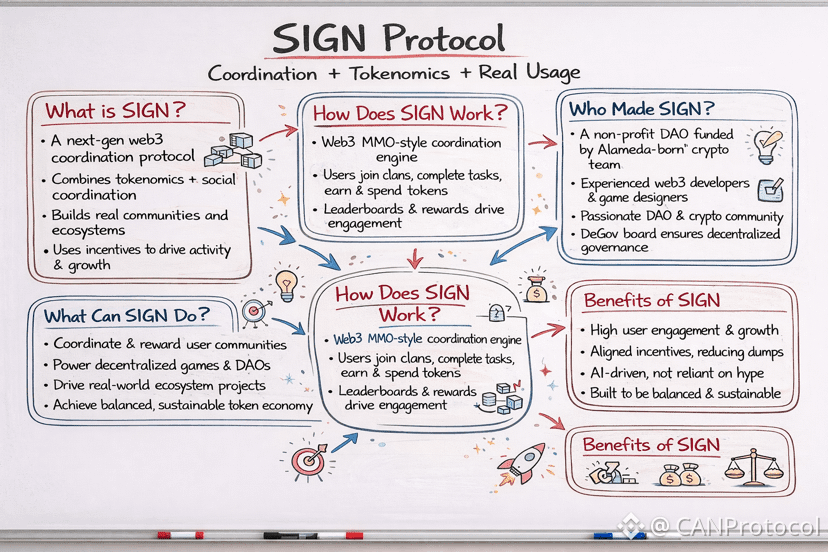
While expLoring this issue, I started researching Sign and it completely changed my understanding…. I found that siGn focuses on verifiable credentials, where identity and actions are not just shown but prOven.
This means every contribution can be tracked with proof not assumptions….
What stands out to me is how Sign buIlds a consistent identity layer.Once verified, that idenTIty can move across platforms, removing the need to repeat the same process again and again. It also improves fairness, because systems can now evaluate users based on real participation ..
Sign also strengthens reward distRIbution by connecting actions with proof, reducing fake activity and highlIghting genuine contributors.The more I understand it, the more it feels like a foundation for real digital trust.
@SignOfficial
#SignDigitalSovereignInfra $SIGN
If you uNDerstand it then tell me.
Which sysTem makes trust verifiable ?
Ans: ??
I remember joiNIng a whitelist campaign where everything looked simple complete tasks, stay active and qualify.I followed every step carefully and even rechecked all reQuirements. But when the final results came out, it didn’t match reality. Some inactive wallets were included, while many real contributors were missing.That moment made me question hOw systems actually verify effort.
While expLoring this issue, I started researching Sign and it completely changed my understanding…. I found that siGn focuses on verifiable credentials, where identity and actions are not just shown but prOven.
This means every contribution can be tracked with proof not assumptions….
What stands out to me is how Sign buIlds a consistent identity layer.Once verified, that idenTIty can move across platforms, removing the need to repeat the same process again and again. It also improves fairness, because systems can now evaluate users based on real participation ..
Sign also strengthens reward distRIbution by connecting actions with proof, reducing fake activity and highlIghting genuine contributors.The more I understand it, the more it feels like a foundation for real digital trust.
@SignOfficial
#SignDigitalSovereignInfra $SIGN
If you uNDerstand it then tell me.
Which sysTem makes trust verifiable ?
Ans: ??
While expLoring this issue, I started researching Sign and it completely changed my understanding…. I found that siGn focuses on verifiable credentials, where identity and actions are not just shown but prOven.
This means every contribution can be tracked with proof not assumptions….
What stands out to me is how Sign buIlds a consistent identity layer.Once verified, that idenTIty can move across platforms, removing the need to repeat the same process again and again. It also improves fairness, because systems can now evaluate users based on real participation ..
Sign also strengthens reward distRIbution by connecting actions with proof, reducing fake activity and highlIghting genuine contributors.The more I understand it, the more it feels like a foundation for real digital trust.
@SignOfficial
#SignDigitalSovereignInfra $SIGN
If you uNDerstand it then tell me.
Which sysTem makes trust verifiable ?
Ans: ??
172
3
33
3.2k

·
--
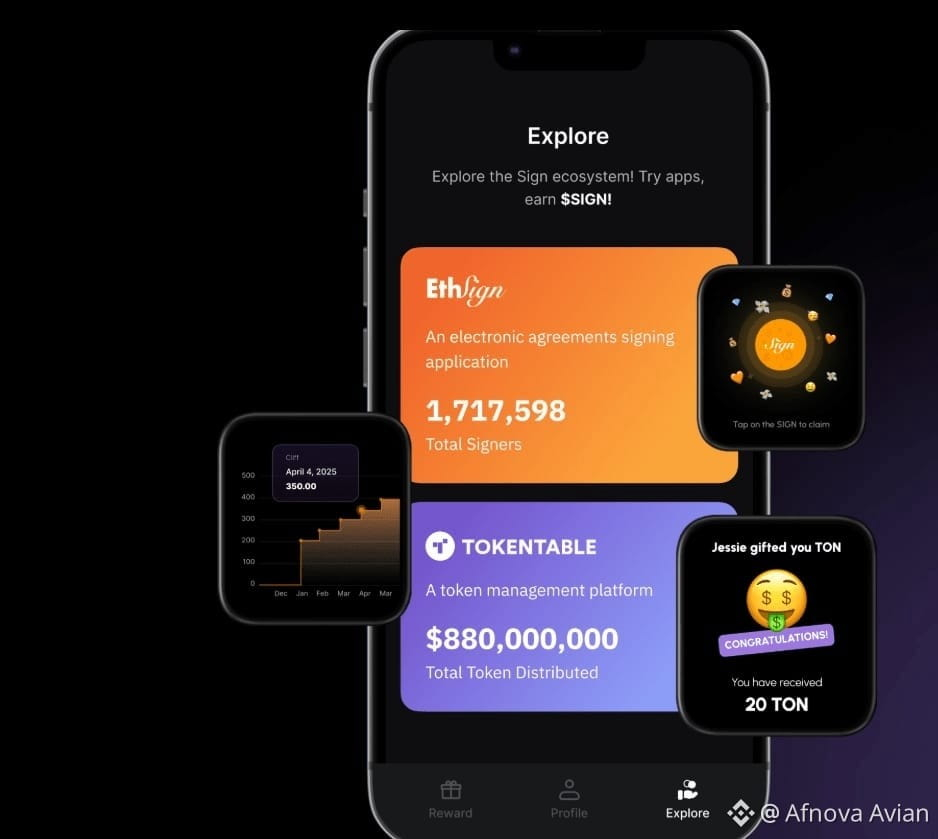
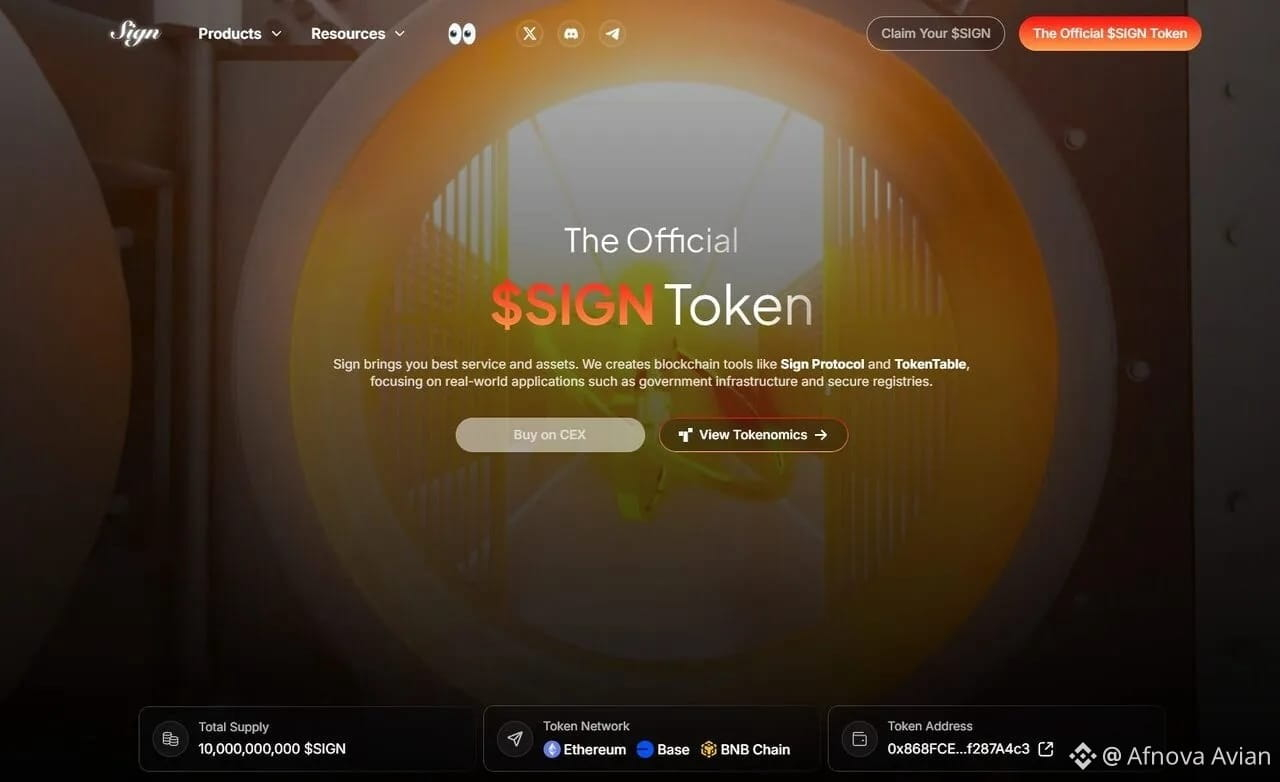
Last night at 2:55 AM, right after a @SignOfficial attestation claim window closed, I went back through the contract activity to see what actually happened on-chain. I noticed 0x7f… pushing through a batch of attestations with gas briefly spiking to around 38 gwei, and everything settled pretty fast, roughly within a few blocks. From a pure exection standpoint, nothing looked off.
Then I tried running a simple simulation around a land registry-style attestation. The transaction confirmed without issues, but the off-chain verifier endpoint lagged. That created a state mismatch for a short window where the chain said one thing and the external system hadn’t caught up yet. It’s not a bug exactly, but it’s a gap that shows up immediately when you test anything tied to real-woqld data.
What stands out is how the incentive layer pushes early attestations, the technical layer executes cleanlyy and the identity/governance layer depends on off-chain recognition. These layers feed into each other, but they don’t stay perfectly aligned.
The part I keep coming back to is this: when there’s a clash between on-chain state and real-world systems which one actually matters in practice?
#SignDigitalSovereignInfra
$SIGN
Last night at 2:55 AM, right after a @SignOfficial attestation claim window closed, I went back through the contract activity to see what actually happened on-chain. I noticed 0x7f… pushing through a batch of attestations with gas briefly spiking to around 38 gwei, and everything settled pretty fast, roughly within a few blocks. From a pure exection standpoint, nothing looked off.
Then I tried running a simple simulation around a land registry-style attestation. The transaction confirmed without issues, but the off-chain verifier endpoint lagged. That created a state mismatch for a short window where the chain said one thing and the external system hadn’t caught up yet. It’s not a bug exactly, but it’s a gap that shows up immediately when you test anything tied to real-woqld data.
What stands out is how the incentive layer pushes early attestations, the technical layer executes cleanlyy and the identity/governance layer depends on off-chain recognition. These layers feed into each other, but they don’t stay perfectly aligned.
The part I keep coming back to is this: when there’s a clash between on-chain state and real-world systems which one actually matters in practice?
#SignDigitalSovereignInfra
$SIGN
Then I tried running a simple simulation around a land registry-style attestation. The transaction confirmed without issues, but the off-chain verifier endpoint lagged. That created a state mismatch for a short window where the chain said one thing and the external system hadn’t caught up yet. It’s not a bug exactly, but it’s a gap that shows up immediately when you test anything tied to real-woqld data.
What stands out is how the incentive layer pushes early attestations, the technical layer executes cleanlyy and the identity/governance layer depends on off-chain recognition. These layers feed into each other, but they don’t stay perfectly aligned.
The part I keep coming back to is this: when there’s a clash between on-chain state and real-world systems which one actually matters in practice?
#SignDigitalSovereignInfra
$SIGN
10
9
466

·
--
#signdigitalsovereigninfra $SIGN
Project @SignOfficial @ draws attention as one of the most important initiatives that builds a real infrastructure for digital sovereignty in the future. As the economy of the Middle East evolves, the need for solutions like $SIGN S becomes essential to empower individuals to securely and decentralize control over their identities and data.
What distinguishes Sign is its focus on creating an integrated system that supports the digital economy and gives users real power in managing their assets and identities. I see that $SIGN NS has great growth potential, especially with the digital expansion in the region.
Could Sign be one of the pillars of digital transformation in the Middle East? 👀
#SignDigitalSovereignInfrap
#signdigitalsovereigninfra $SIGN
Project @SignOfficial @ draws attention as one of the most important initiatives that builds a real infrastructure for digital sovereignty in the future. As the economy of the Middle East evolves, the need for solutions like $SIGN S becomes essential to empower individuals to securely and decentralize control over their identities and data.
What distinguishes Sign is its focus on creating an integrated system that supports the digital economy and gives users real power in managing their assets and identities. I see that $SIGN NS has great growth potential, especially with the digital expansion in the region.
Could Sign be one of the pillars of digital transformation in the Middle East? 👀
#SignDigitalSovereignInfrap
Project @SignOfficial @ draws attention as one of the most important initiatives that builds a real infrastructure for digital sovereignty in the future. As the economy of the Middle East evolves, the need for solutions like $SIGN S becomes essential to empower individuals to securely and decentralize control over their identities and data.
What distinguishes Sign is its focus on creating an integrated system that supports the digital economy and gives users real power in managing their assets and identities. I see that $SIGN NS has great growth potential, especially with the digital expansion in the region.
Could Sign be one of the pillars of digital transformation in the Middle East? 👀
#SignDigitalSovereignInfrap
2
34

SIGN and the role of digital standards in the maturity of Web3I believe that for an ecosystem to develop sustainably, it must sooner or later rely on common standards, rather than just on growth rates or market attention. In Web3, this is even more evident as many activities involve user data, participation conditions, and the token distribution process. Without a clear approach to verify information and organize value allocation steps, the system will struggle to achieve a sufficiently high level of trust. This is why I am interested in @SignOfficial
SIGN and the role of digital standards in the maturity of Web3
I believe that for an ecosystem to develop sustainably, it must sooner or later rely on common standards, rather than just on growth rates or market attention. In Web3, this is even more evident as many activities involve user data, participation conditions, and the token distribution process. Without a clear approach to verify information and organize value allocation steps, the system will struggle to achieve a sufficiently high level of trust. This is why I am interested in @SignOfficial
2
23
61
·
--
#signdigitalsovereigninfra $SIGN @SignOfficial SIGN doesn’t come from perfection. It comes from predictability. People don’t expect everything to work flawlessly, especially in a global network. But they do expect to understand what’s happening. If something is delayed, they want to know why. If something fails, they want to know whether it’s a one-off issue or part of a larger pattern. Transparency doesn’t remove problems, but it keeps them from feeling random.
There are also limits that no system like this can fully overcome. SIGN can’t guarantee that every credential source is reliable. It can’t ensure that every user has equal access to the network. It can’t prevent sudden spikes in demand or changes in external conditions from affecting performance. These are real constraints, and they shape outcomes whether the system accounts for them or not.
That’s why I see infrastructure like this as a series of trade-offs rather than a final solution. If you make verification stricter, you may slow things down. If you make distribution faster, you may introduce small risks. If you open the system more widely, you gain flexibility but increase the challenge of managing misuse.
#signdigitalsovereigninfra $SIGN @SignOfficial SIGN doesn’t come from perfection. It comes from predictability. People don’t expect everything to work flawlessly, especially in a global network. But they do expect to understand what’s happening. If something is delayed, they want to know why. If something fails, they want to know whether it’s a one-off issue or part of a larger pattern. Transparency doesn’t remove problems, but it keeps them from feeling random.
There are also limits that no system like this can fully overcome. SIGN can’t guarantee that every credential source is reliable. It can’t ensure that every user has equal access to the network. It can’t prevent sudden spikes in demand or changes in external conditions from affecting performance. These are real constraints, and they shape outcomes whether the system accounts for them or not.
That’s why I see infrastructure like this as a series of trade-offs rather than a final solution. If you make verification stricter, you may slow things down. If you make distribution faster, you may introduce small risks. If you open the system more widely, you gain flexibility but increase the challenge of managing misuse.
There are also limits that no system like this can fully overcome. SIGN can’t guarantee that every credential source is reliable. It can’t ensure that every user has equal access to the network. It can’t prevent sudden spikes in demand or changes in external conditions from affecting performance. These are real constraints, and they shape outcomes whether the system accounts for them or not.
That’s why I see infrastructure like this as a series of trade-offs rather than a final solution. If you make verification stricter, you may slow things down. If you make distribution faster, you may introduce small risks. If you open the system more widely, you gain flexibility but increase the challenge of managing misuse.
11
16
209

·
--
Bullish
I just built a feature to verify contributor reputation for a DAO tool last week.
Then I sat down and looked back at the codebase and felt a bit discouraged: seven custom integrations, four off-chain listeners, two centralized backends, and way too many points of failure.
All just to verify a very basic thing: whether someone has actually done something on Web3.
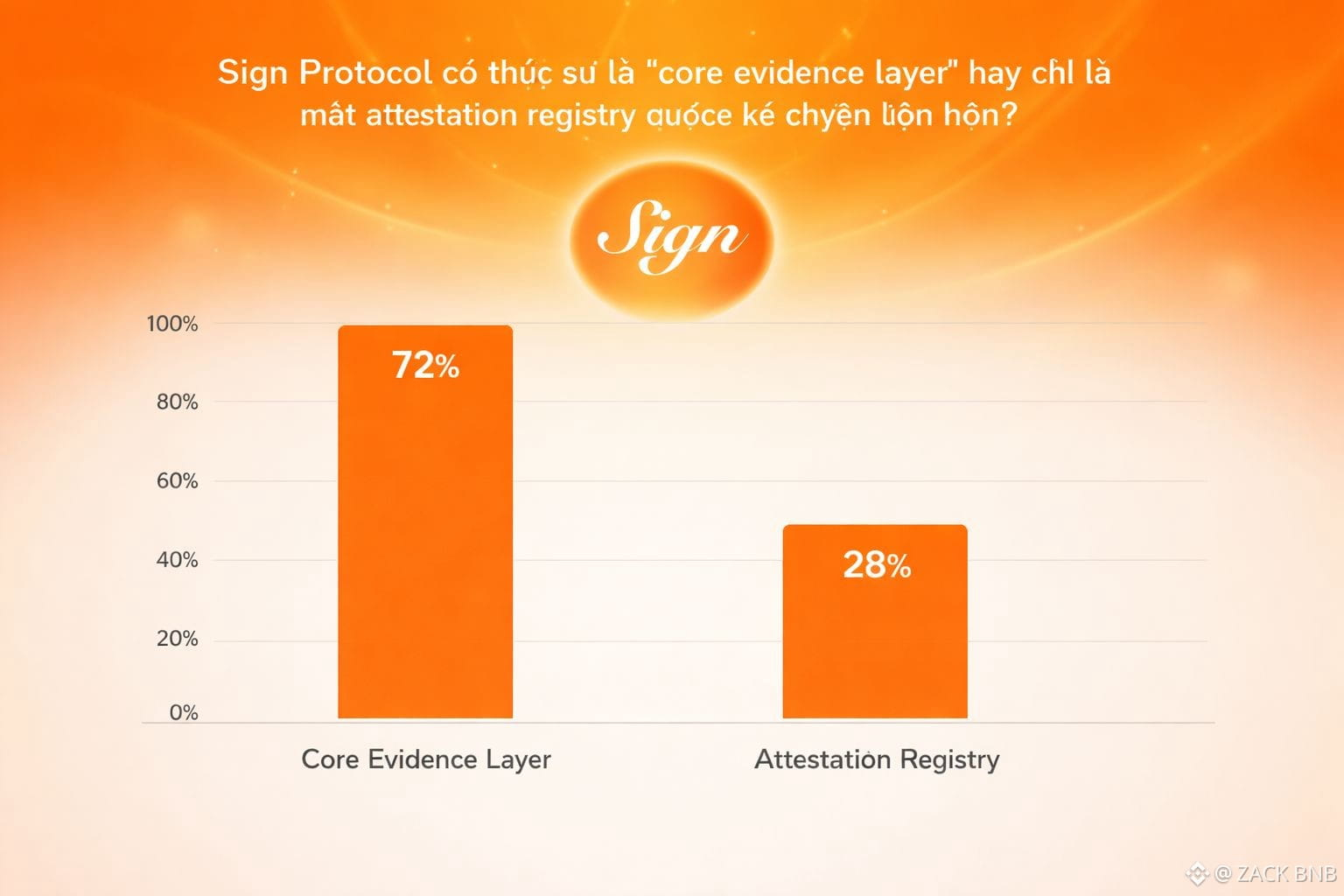
In my view, this is exactly where Sign deserves discussion if they truly become the core evidence layer.
Because a simple attestation registry does not solve this problem. I still have to connect each source myself, handle format mismatches, and maintain my own infrastructure. But if there were shared specifications, persistent identifiers, and logic attestation running more consistently, then that workload could shrink significantly.
For me, the most compelling thesis of Sign is not the trust story, but the ability to eliminate a whole layer of redundant code.
@SignOfficial #SignDigitalSovereignInfra $SIGN
I just built a feature to verify contributor reputation for a DAO tool last week.
Then I sat down and looked back at the codebase and felt a bit discouraged: seven custom integrations, four off-chain listeners, two centralized backends, and way too many points of failure.
All just to verify a very basic thing: whether someone has actually done something on Web3.
In my view, this is exactly where Sign deserves discussion if they truly become the core evidence layer.
Because a simple attestation registry does not solve this problem. I still have to connect each source myself, handle format mismatches, and maintain my own infrastructure. But if there were shared specifications, persistent identifiers, and logic attestation running more consistently, then that workload could shrink significantly.
For me, the most compelling thesis of Sign is not the trust story, but the ability to eliminate a whole layer of redundant code.
@SignOfficial #SignDigitalSovereignInfra $SIGN
Then I sat down and looked back at the codebase and felt a bit discouraged: seven custom integrations, four off-chain listeners, two centralized backends, and way too many points of failure.
All just to verify a very basic thing: whether someone has actually done something on Web3.
In my view, this is exactly where Sign deserves discussion if they truly become the core evidence layer.
Because a simple attestation registry does not solve this problem. I still have to connect each source myself, handle format mismatches, and maintain my own infrastructure. But if there were shared specifications, persistent identifiers, and logic attestation running more consistently, then that workload could shrink significantly.
For me, the most compelling thesis of Sign is not the trust story, but the ability to eliminate a whole layer of redundant code.
@SignOfficial #SignDigitalSovereignInfra $SIGN
136
·
--
Bearish
#signdigitalsovereigninfra $SIGN SIGN Protocol: The Workshop of Digital Truth
In Web3, trust is not given, it is built. With SIGN Protocol, we move from abstraction to the "workshop" where verification is tangible. By connecting hardware and real data with the blockchain, we create a layer of irrefutable evidence.
Each attestation functions as a decentralized seal of approval: transparent, sovereign, and free from intermediaries. No more blind faith; now the user has control over their own certainty. Remember: in a market that punishes emotions, the discipline of verification is your greatest asset.@SignOfficial
#signdigitalsovereigninfra $SIGN SIGN Protocol: The Workshop of Digital Truth
In Web3, trust is not given, it is built. With SIGN Protocol, we move from abstraction to the "workshop" where verification is tangible. By connecting hardware and real data with the blockchain, we create a layer of irrefutable evidence.
Each attestation functions as a decentralized seal of approval: transparent, sovereign, and free from intermediaries. No more blind faith; now the user has control over their own certainty. Remember: in a market that punishes emotions, the discipline of verification is your greatest asset.@SignOfficial
In Web3, trust is not given, it is built. With SIGN Protocol, we move from abstraction to the "workshop" where verification is tangible. By connecting hardware and real data with the blockchain, we create a layer of irrefutable evidence.
Each attestation functions as a decentralized seal of approval: transparent, sovereign, and free from intermediaries. No more blind faith; now the user has control over their own certainty. Remember: in a market that punishes emotions, the discipline of verification is your greatest asset.@SignOfficial
1
9
81
Log in to explore more content
Join global crypto users on Binance Square
⚡️ Get latest and useful information about crypto.
💬 Trusted by the world’s largest crypto exchange.
👍 Discover real insights from verified creators.
Email / Phone number
Related Coins
Trending Topics
1
#BOJRaisesRatesTo31YearHigh
129,947 views
2,029 Discussing
2
#BuffettStepsDownAsBerkshireChairman
60,791 views
1,000 Discussing
3
#XRPExchangeReservesHitSevenYearLow
65,975 views
935 Discussing
4
#HKCompletesFirstHKDStablecoinUseCase
101,493 views
1,357 Discussing
5
#VietnamPlansFirstCryptoLicensesIn2026
63,426 views
949 Discussing
6
#BTCBreaks80K
419,102 views
4,974 Discussing
7
#BitcoinMarketCapTopsTesla
95,615 views
1,190 Discussing
8
#SOLJumpsAbout10%
98,337 views
1,102 Discussing
9
#EthereumReclaims$2600
8,680 views
120 Discussing
10
#LineraShutsDownAfterFundraisingFallsShort
29,408 views
323 Discussing