

#sui
sui
39.6M views
81,374 Discussing
Hot
Latest


Article
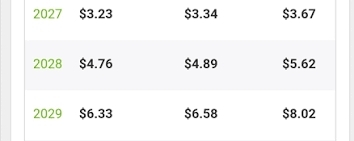
🚨Will Sui Crypto reach $10📉.Sui realistic price prediction 🚨$SUI Crypto traders use a variety of tools to try and determine the direction in which the SUI market is likely to head next.
What is the $SUI Crypto price prediction for 2026📉
Sui Crypto is forecasted to trade within a range of $ 0.6376 and $ 0.9517. If it reaches the upper price target, SUI could decrease by -0.77% and reach $ 0.9017
What is the Sui Crypto price prediction for 2031📉
The Sui Crypto price prediction for 2031 is between $ 2.07 on the lower end and $ 3.84 on the high end. Based on our SUI price prediction chart, the price of Sui Crypto could gain 300.79% and reach $ 3.84 if it reaches the upper price target.
Will Sui Crypto reach $10📉
$SUI need to gain 988.45% to reach $10. According to our Sui Crypto price prediction algorithm, Sui Crypto will hit $10 in August 1, 2035.
{spot}(SUIUSDT)
#BinancePick
#EarningsSeason
#sui
🚨Will Sui Crypto reach $10📉.Sui realistic price prediction 🚨
$SUI Crypto traders use a variety of tools to try and determine the direction in which the SUI market is likely to head next.
What is the $SUI Crypto price prediction for 2026📉
Sui Crypto is forecasted to trade within a range of $ 0.6376 and $ 0.9517. If it reaches the upper price target, SUI could decrease by -0.77% and reach $ 0.9017
What is the Sui Crypto price prediction for 2031📉
The Sui Crypto price prediction for 2031 is between $ 2.07 on the lower end and $ 3.84 on the high end. Based on our SUI price prediction chart, the price of Sui Crypto could gain 300.79% and reach $ 3.84 if it reaches the upper price target.
Will Sui Crypto reach $10📉
$SUI need to gain 988.45% to reach $10. According to our Sui Crypto price prediction algorithm, Sui Crypto will hit $10 in August 1, 2035.
#BinancePick
#EarningsSeason
#sui
What is the $SUI Crypto price prediction for 2026📉
Sui Crypto is forecasted to trade within a range of $ 0.6376 and $ 0.9517. If it reaches the upper price target, SUI could decrease by -0.77% and reach $ 0.9017
What is the Sui Crypto price prediction for 2031📉
The Sui Crypto price prediction for 2031 is between $ 2.07 on the lower end and $ 3.84 on the high end. Based on our SUI price prediction chart, the price of Sui Crypto could gain 300.79% and reach $ 3.84 if it reaches the upper price target.
Will Sui Crypto reach $10📉
$SUI need to gain 988.45% to reach $10. According to our Sui Crypto price prediction algorithm, Sui Crypto will hit $10 in August 1, 2035.
#BinancePick
#EarningsSeason
#sui
olmertrade:
2025 хайп и 5.6 , потом 2026-2027, 0.6350-1.29 полнейший скам !!!!!!!и в 2027 году будет 3 )))))))))))жди чюда )))
1
1
1.1k

·
--
$SUI /USDT — 24-hour spot signal
$SUI (SUI)
Binance
$0.923
Latest reported price; verify your exchange quote.
CoinMarketCap+1
Signal
WAIT / cautious
$SUI is bouncing from oversold levels, but its 4-hour and weekly trends remain weak. The upcoming November 1 token unlock adds a potential supply risk.
CoinMarketCap+1
Conditional entry plan
Setup
Price (USDT)
Buy on support bounce
$0.902–$0.910, only after bullish confirmation
Stop-loss
$0.885
Take-profit 1
$0.941
Take-profit 2
$0.960
Take-profit 3
$0.978
Safer breakout entry: Wait for a 15-minute candle to close above $0.941, then enter only if a retest holds. The next resistance zone is around $0.960–$0.970.
COINOTAG+1
Invalidation: A break below $0.895 weakens the bounce setup; the next support area is near $0.850.
My decision
I would wait rather than buy immediately near $0.923. The best confirmation would be a support bounce with increasing volume or a breakout above $0.941 followed by a successful retest.
These levels are conditional, not guaranteed profits or verified live execution prices. Use spot only, avoid leverage, and confirm the price on your exchange before placing an order.
#sui #Binance #BTC #Squar2earn #altcoins
{spot}(SUIUSDT)
$SUI /USDT — 24-hour spot signal
$SUI (SUI)
Binance
$0.923
Latest reported price; verify your exchange quote.
CoinMarketCap+1
Signal
WAIT / cautious
$SUI is bouncing from oversold levels, but its 4-hour and weekly trends remain weak. The upcoming November 1 token unlock adds a potential supply risk.
CoinMarketCap+1
Conditional entry plan
Setup
Price (USDT)
Buy on support bounce
$0.902–$0.910, only after bullish confirmation
Stop-loss
$0.885
Take-profit 1
$0.941
Take-profit 2
$0.960
Take-profit 3
$0.978
Safer breakout entry: Wait for a 15-minute candle to close above $0.941, then enter only if a retest holds. The next resistance zone is around $0.960–$0.970.
COINOTAG+1
Invalidation: A break below $0.895 weakens the bounce setup; the next support area is near $0.850.
My decision
I would wait rather than buy immediately near $0.923. The best confirmation would be a support bounce with increasing volume or a breakout above $0.941 followed by a successful retest.
These levels are conditional, not guaranteed profits or verified live execution prices. Use spot only, avoid leverage, and confirm the price on your exchange before placing an order.
#sui #Binance #BTC #Squar2earn #altcoins
$SUI (SUI)
Binance
$0.923
Latest reported price; verify your exchange quote.
CoinMarketCap+1
Signal
WAIT / cautious
$SUI is bouncing from oversold levels, but its 4-hour and weekly trends remain weak. The upcoming November 1 token unlock adds a potential supply risk.
CoinMarketCap+1
Conditional entry plan
Setup
Price (USDT)
Buy on support bounce
$0.902–$0.910, only after bullish confirmation
Stop-loss
$0.885
Take-profit 1
$0.941
Take-profit 2
$0.960
Take-profit 3
$0.978
Safer breakout entry: Wait for a 15-minute candle to close above $0.941, then enter only if a retest holds. The next resistance zone is around $0.960–$0.970.
COINOTAG+1
Invalidation: A break below $0.895 weakens the bounce setup; the next support area is near $0.850.
My decision
I would wait rather than buy immediately near $0.923. The best confirmation would be a support bounce with increasing volume or a breakout above $0.941 followed by a successful retest.
These levels are conditional, not guaranteed profits or verified live execution prices. Use spot only, avoid leverage, and confirm the price on your exchange before placing an order.
#sui #Binance #BTC #Squar2earn #altcoins
1
418

·
--
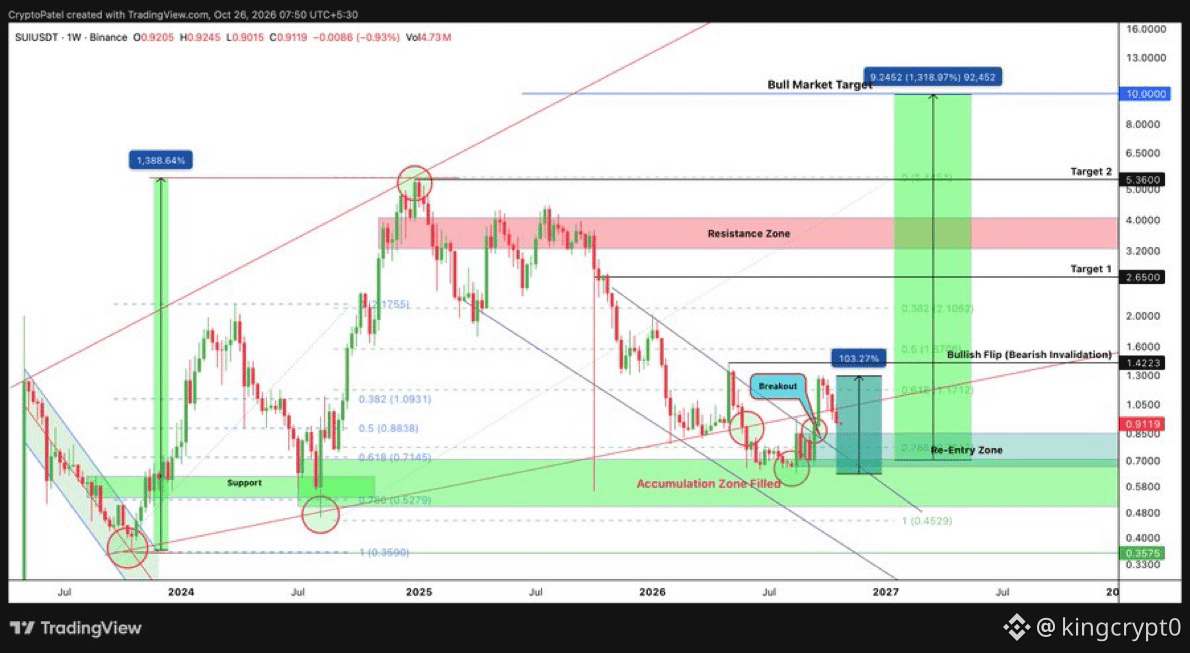
SAMSUNG + $500M+ BACKING + AI… IS $SUI THE NEXT 1000% CRYPTO OPPORTUNITY?
👉 Samsung Wallet: USDC transfers targeting 82M U.S. Galaxy devices.
👉 $30M investment in DATA Network.
👉 $500M+ committed to Hashi Bitcoin finance.
👉 Cetus brings AI agents into DeFi.
Could These Sui Network Catalysts Fuel A Rally Toward $10–$20?
BULLISH BREAKOUT OR OVERHYPED NARRATIVE? 👇 WHAT'S YOUR #SUI TARGET?
{spot}(SUIUSDT)
SAMSUNG + $500M+ BACKING + AI… IS $SUI THE NEXT 1000% CRYPTO OPPORTUNITY?
👉 Samsung Wallet: USDC transfers targeting 82M U.S. Galaxy devices.
👉 $30M investment in DATA Network.
👉 $500M+ committed to Hashi Bitcoin finance.
👉 Cetus brings AI agents into DeFi.
Could These Sui Network Catalysts Fuel A Rally Toward $10–$20?
BULLISH BREAKOUT OR OVERHYPED NARRATIVE? 👇 WHAT'S YOUR #SUI TARGET?
👉 Samsung Wallet: USDC transfers targeting 82M U.S. Galaxy devices.
👉 $30M investment in DATA Network.
👉 $500M+ committed to Hashi Bitcoin finance.
👉 Cetus brings AI agents into DeFi.
Could These Sui Network Catalysts Fuel A Rally Toward $10–$20?
BULLISH BREAKOUT OR OVERHYPED NARRATIVE? 👇 WHAT'S YOUR #SUI TARGET?
1
686

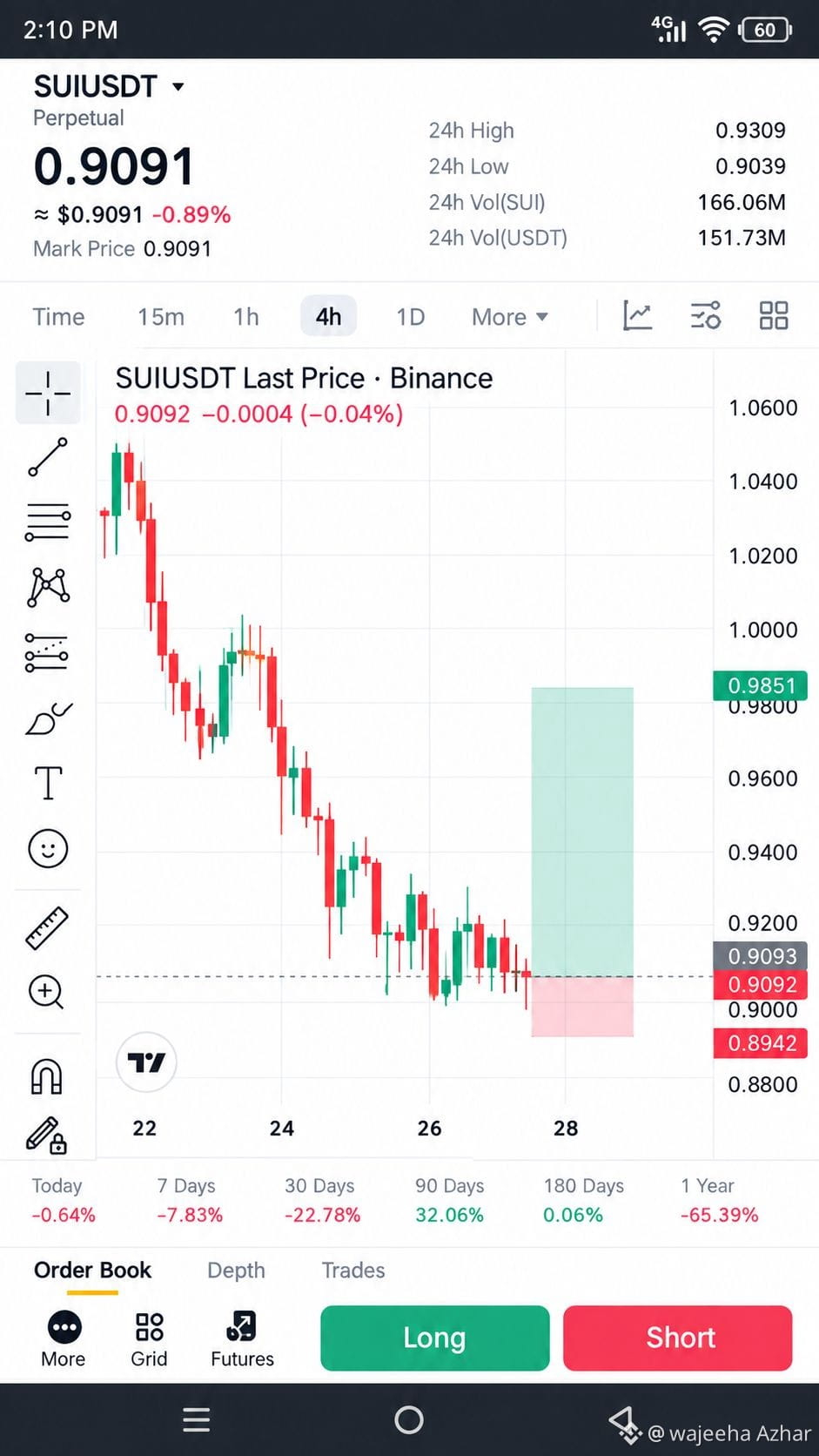
🚀 $SUI BIG LONG SETUP! 🟢 BULLS EYEING A BOUNCE!
$SUI is approaching a key support zone at $0.8996–$0.9039. If buyers defend this area, we could see a rebound toward $0.9172 and potentially higher resistance levels. 📈
🔥 LONG $SUI
🎯 Entry Zone: $0.9000 – $0.9040
🛑 Stop Loss: $0.8940
💰 Take-Profit Targets:
- TP1: $0.9100
- TP2: $0.9172
- TP3: $0.9309
- TP4: $0.9400
📊 SUIUSDT Perpetual: $0.9108
⚡ Watch the support zone closely and wait for confirmation before entering. This is a speculative countertrend setup, so manage your risk carefully.
👇 Trade $SUI and share your thoughts!
#SUI #SUIUSDT #cryptotrading #BinanceSquare #Altcoins #LongSetupb
🚀 $SUI BIG LONG SETUP! 🟢 BULLS EYEING A BOUNCE!
$SUI is approaching a key support zone at $0.8996–$0.9039. If buyers defend this area, we could see a rebound toward $0.9172 and potentially higher resistance levels. 📈
🔥 LONG $SUI
🎯 Entry Zone: $0.9000 – $0.9040
🛑 Stop Loss: $0.8940
💰 Take-Profit Targets:
- TP1: $0.9100
- TP2: $0.9172
- TP3: $0.9309
- TP4: $0.9400
📊 SUIUSDT Perpetual: $0.9108
⚡ Watch the support zone closely and wait for confirmation before entering. This is a speculative countertrend setup, so manage your risk carefully.
👇 Trade $SUI and share your thoughts!
#SUI #SUIUSDT #cryptotrading #BinanceSquare #Altcoins #LongSetupb
$SUI is approaching a key support zone at $0.8996–$0.9039. If buyers defend this area, we could see a rebound toward $0.9172 and potentially higher resistance levels. 📈
🔥 LONG $SUI
🎯 Entry Zone: $0.9000 – $0.9040
🛑 Stop Loss: $0.8940
💰 Take-Profit Targets:
- TP1: $0.9100
- TP2: $0.9172
- TP3: $0.9309
- TP4: $0.9400
📊 SUIUSDT Perpetual: $0.9108
⚡ Watch the support zone closely and wait for confirmation before entering. This is a speculative countertrend setup, so manage your risk carefully.
👇 Trade $SUI and share your thoughts!
#SUI #SUIUSDT #cryptotrading #BinanceSquare #Altcoins #LongSetupb
103

·
--
Article
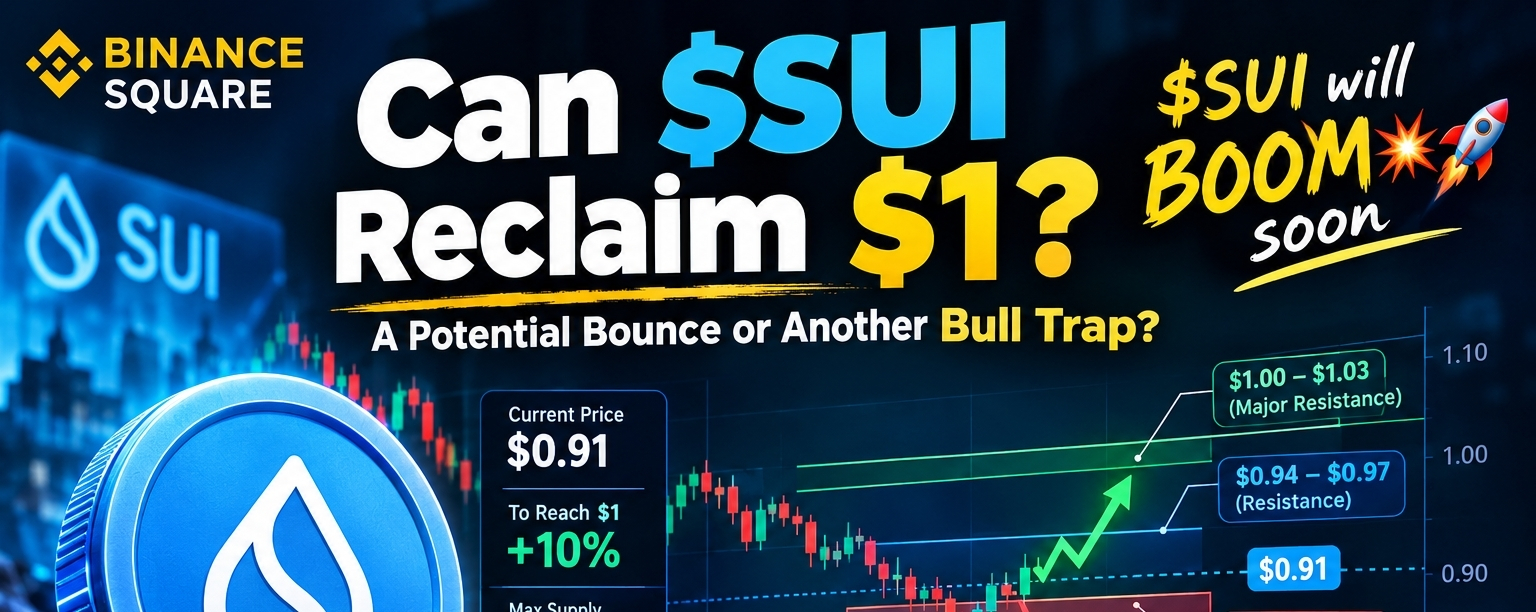
Can $SUI Reclaim $1? A Potential Bounce or Another Bull Trap? 📊SUI is trading below the psychological $1 level, but could this pullback create an opportunity for the next recovery?
Every trader wants to catch the next big move. But experienced traders know that a falling price alone doesn't mean a token is ready to explode.
As of October 26, 2026, $SUI is trading around $0.91, down from above $1 earlier this month. The $1 level is now a key area to watch.
Let's break down the setup.
📊 1. Can $SUI Return to $1?
Yes, a recovery to $1 is possible. At the current price of approximately $0.91, SUI needs a gain of around 10% to reclaim that level.
However, the real question is whether buyers can sustain the move.
Here are the key price zones I'm watching:
Support: $0.90–$0.91 — Buyers need to defend this area to prevent further weakness.
Resistance: $0.94–$0.97 — Reclaiming this zone could improve short-term momentum.
Major resistance: $1.00–$1.03 — A daily close above this area, supported by strong volume, would strengthen the bullish case.
These are potential technical zones based on recent price action, not guaranteed turning points.
🚀 2. What Could Trigger a Bullish Move?
Three factors could help SUI recover:
1. Strong buying volume: A price increase accompanied by rising spot volume would provide better evidence of genuine demand.
2. Bitcoin stability: If BTC stabilizes and broader market sentiment improves, altcoins such as SUI could benefit.
3. A breakout above $1: Reclaiming $1 and holding it as support would be more convincing than briefly moving above it before falling back.
Remember, a green candle is not enough. Confirmation matters.
⚠️ 3. What Could Go Wrong?
Let's look at the other side of the trade.
If SUI loses the $0.90 area and selling pressure increases, the price could move toward $0.85 or even $0.80.
Token supply is another factor worth monitoring. SUI has a maximum supply of 10 billion tokens, and scheduled token unlocks can increase the amount available in circulation. The next reported unlock is scheduled for November 3, 2026.
An unlock does not automatically mean the price will fall, but it is a factor traders should consider alongside market demand.
🎯 4. My Trading Plan for SUI
Rather than buying simply because the price looks cheap, I'd watch how the market behaves around key levels.
Bullish scenario:
SUI holds the $0.90–$0.91 support zone.
Buyers push the price above $0.94–$0.97.
A confirmed breakout could open the way for a retest of $1.00–$1.03.
Bearish scenario:
SUI breaks below $0.90.
Selling volume increases.
The price risks moving toward $0.85–$0.80.
For risk management, traders could wait for a confirmed breakout or a clear support reaction before entering. Position size should reflect the distance to the stop-loss, and risking only a small percentage of trading capital on one setup can help limit losses.
Never use excessive leverage to chase a recovery.
🧠 5. The Mindset That Separates Traders
When a coin falls, some traders panic. Others buy immediately because they believe the bottom is in.
Both reactions can be costly.
A disciplined trader waits for evidence, defines the invalidation level, and accepts that sometimes the best trade is no trade at all.
My view: SUI returning to $1 is a realistic possibility, but a sustained recovery needs stronger buying pressure and confirmation from price action. Until then, $1 remains a level to reclaim—not a guaranteed target.
💬 Your Turn
Do you think $SUI will reclaim $1 soon, or could we see another dip toward $0.85 first?
Share your price target and explain why you're bullish or bearish. Let's discuss the setup with facts, not just hype! 🔥
Disclaimer: This article is for educational purposes only and is not financial advice. Cryptocurrency markets are volatile. Always do your own research (DYOR) and manage your risk.
{spot}(SUIUSDT)
#SUİ #SUI #BinancePick #cryptouniverseofficial #Binance
Can $SUI Reclaim $1? A Potential Bounce or Another Bull Trap? 📊
SUI is trading below the psychological $1 level, but could this pullback create an opportunity for the next recovery?
Every trader wants to catch the next big move. But experienced traders know that a falling price alone doesn't mean a token is ready to explode.
As of October 26, 2026, $SUI is trading around $0.91, down from above $1 earlier this month. The $1 level is now a key area to watch.
Let's break down the setup.
📊 1. Can $SUI Return to $1?
Yes, a recovery to $1 is possible. At the current price of approximately $0.91, SUI needs a gain of around 10% to reclaim that level.
However, the real question is whether buyers can sustain the move.
Here are the key price zones I'm watching:
Support: $0.90–$0.91 — Buyers need to defend this area to prevent further weakness.
Resistance: $0.94–$0.97 — Reclaiming this zone could improve short-term momentum.
Major resistance: $1.00–$1.03 — A daily close above this area, supported by strong volume, would strengthen the bullish case.
These are potential technical zones based on recent price action, not guaranteed turning points.
🚀 2. What Could Trigger a Bullish Move?
Three factors could help SUI recover:
1. Strong buying volume: A price increase accompanied by rising spot volume would provide better evidence of genuine demand.
2. Bitcoin stability: If BTC stabilizes and broader market sentiment improves, altcoins such as SUI could benefit.
3. A breakout above $1: Reclaiming $1 and holding it as support would be more convincing than briefly moving above it before falling back.
Remember, a green candle is not enough. Confirmation matters.
⚠️ 3. What Could Go Wrong?
Let's look at the other side of the trade.
If SUI loses the $0.90 area and selling pressure increases, the price could move toward $0.85 or even $0.80.
Token supply is another factor worth monitoring. SUI has a maximum supply of 10 billion tokens, and scheduled token unlocks can increase the amount available in circulation. The next reported unlock is scheduled for November 3, 2026.
An unlock does not automatically mean the price will fall, but it is a factor traders should consider alongside market demand.
🎯 4. My Trading Plan for SUI
Rather than buying simply because the price looks cheap, I'd watch how the market behaves around key levels.
Bullish scenario:
SUI holds the $0.90–$0.91 support zone.
Buyers push the price above $0.94–$0.97.
A confirmed breakout could open the way for a retest of $1.00–$1.03.
Bearish scenario:
SUI breaks below $0.90.
Selling volume increases.
The price risks moving toward $0.85–$0.80.
For risk management, traders could wait for a confirmed breakout or a clear support reaction before entering. Position size should reflect the distance to the stop-loss, and risking only a small percentage of trading capital on one setup can help limit losses.
Never use excessive leverage to chase a recovery.
🧠 5. The Mindset That Separates Traders
When a coin falls, some traders panic. Others buy immediately because they believe the bottom is in.
Both reactions can be costly.
A disciplined trader waits for evidence, defines the invalidation level, and accepts that sometimes the best trade is no trade at all.
My view: SUI returning to $1 is a realistic possibility, but a sustained recovery needs stronger buying pressure and confirmation from price action. Until then, $1 remains a level to reclaim—not a guaranteed target.
💬 Your Turn
Do you think $SUI will reclaim $1 soon, or could we see another dip toward $0.85 first?
Share your price target and explain why you're bullish or bearish. Let's discuss the setup with facts, not just hype! 🔥
Disclaimer: This article is for educational purposes only and is not financial advice. Cryptocurrency markets are volatile. Always do your own research (DYOR) and manage your risk.
#SUİ #SUI #BinancePick #cryptouniverseofficial #Binance
Every trader wants to catch the next big move. But experienced traders know that a falling price alone doesn't mean a token is ready to explode.
As of October 26, 2026, $SUI is trading around $0.91, down from above $1 earlier this month. The $1 level is now a key area to watch.
Let's break down the setup.
📊 1. Can $SUI Return to $1?
Yes, a recovery to $1 is possible. At the current price of approximately $0.91, SUI needs a gain of around 10% to reclaim that level.
However, the real question is whether buyers can sustain the move.
Here are the key price zones I'm watching:
Support: $0.90–$0.91 — Buyers need to defend this area to prevent further weakness.
Resistance: $0.94–$0.97 — Reclaiming this zone could improve short-term momentum.
Major resistance: $1.00–$1.03 — A daily close above this area, supported by strong volume, would strengthen the bullish case.
These are potential technical zones based on recent price action, not guaranteed turning points.
🚀 2. What Could Trigger a Bullish Move?
Three factors could help SUI recover:
1. Strong buying volume: A price increase accompanied by rising spot volume would provide better evidence of genuine demand.
2. Bitcoin stability: If BTC stabilizes and broader market sentiment improves, altcoins such as SUI could benefit.
3. A breakout above $1: Reclaiming $1 and holding it as support would be more convincing than briefly moving above it before falling back.
Remember, a green candle is not enough. Confirmation matters.
⚠️ 3. What Could Go Wrong?
Let's look at the other side of the trade.
If SUI loses the $0.90 area and selling pressure increases, the price could move toward $0.85 or even $0.80.
Token supply is another factor worth monitoring. SUI has a maximum supply of 10 billion tokens, and scheduled token unlocks can increase the amount available in circulation. The next reported unlock is scheduled for November 3, 2026.
An unlock does not automatically mean the price will fall, but it is a factor traders should consider alongside market demand.
🎯 4. My Trading Plan for SUI
Rather than buying simply because the price looks cheap, I'd watch how the market behaves around key levels.
Bullish scenario:
SUI holds the $0.90–$0.91 support zone.
Buyers push the price above $0.94–$0.97.
A confirmed breakout could open the way for a retest of $1.00–$1.03.
Bearish scenario:
SUI breaks below $0.90.
Selling volume increases.
The price risks moving toward $0.85–$0.80.
For risk management, traders could wait for a confirmed breakout or a clear support reaction before entering. Position size should reflect the distance to the stop-loss, and risking only a small percentage of trading capital on one setup can help limit losses.
Never use excessive leverage to chase a recovery.
🧠 5. The Mindset That Separates Traders
When a coin falls, some traders panic. Others buy immediately because they believe the bottom is in.
Both reactions can be costly.
A disciplined trader waits for evidence, defines the invalidation level, and accepts that sometimes the best trade is no trade at all.
My view: SUI returning to $1 is a realistic possibility, but a sustained recovery needs stronger buying pressure and confirmation from price action. Until then, $1 remains a level to reclaim—not a guaranteed target.
💬 Your Turn
Do you think $SUI will reclaim $1 soon, or could we see another dip toward $0.85 first?
Share your price target and explain why you're bullish or bearish. Let's discuss the setup with facts, not just hype! 🔥
Disclaimer: This article is for educational purposes only and is not financial advice. Cryptocurrency markets are volatile. Always do your own research (DYOR) and manage your risk.
#SUİ #SUI #BinancePick #cryptouniverseofficial #Binance
4
521

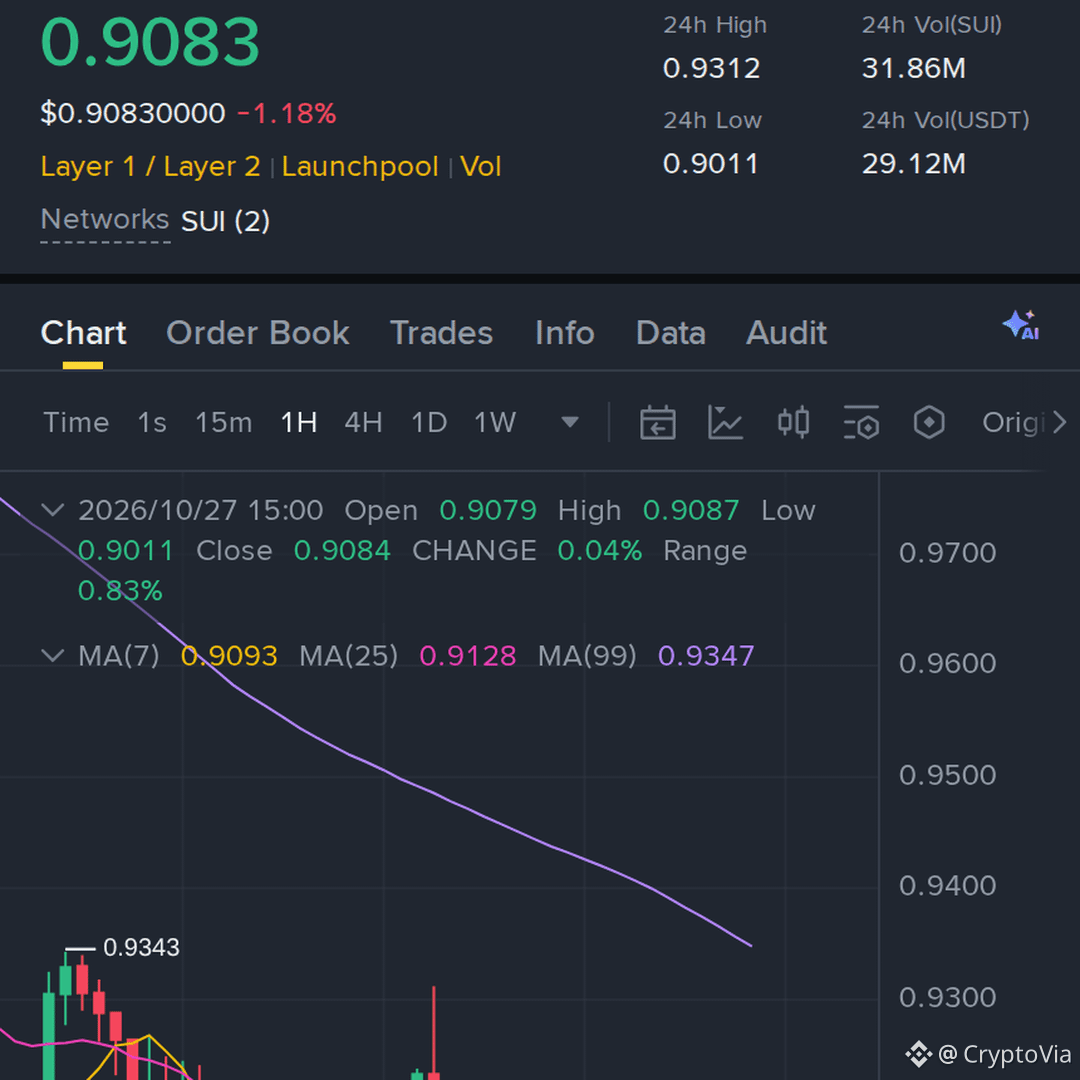

·
--
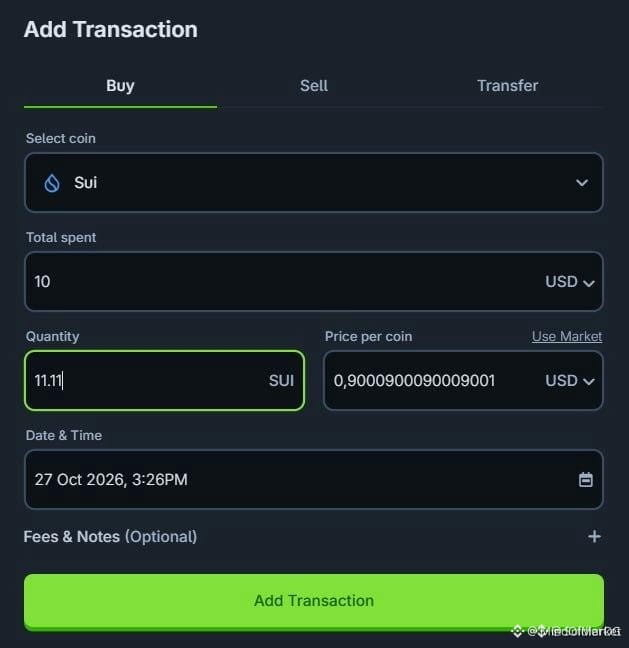
🚨 $SUI ACCUMULATION SURGES TO 2,210.376 AT $0.90 – IS IT A SMART MONEY SWEEP? 💥
On‑chain data shows a fresh 10 USDC buy at $0.90, pushing the supply pool to 2,210.376 SUI. This demand block aligns with a classic smart‑money liquidity sweep, where institutional actors absorb marginal sellers before a directional push. 📊
The price now rests on a narrow range, and the order block at $0.90 has held three consecutive tests, suggesting a potential retest‑and‑break scenario. ⚡ If buying pressure sustains, we could see a short‑term rally; a swift reversal would likely trigger a correction back to the $0.85 zone. 🦈
💬 Do you view this as a bullish catalyst or a fleeting spike? 👇
⚠️ Not financial advice. Always manage your risk. 🛡️
🏷️ #SUI #SmartMoney #Accumulation #Crypto
🦈 🚀
🚨 $SUI ACCUMULATION SURGES TO 2,210.376 AT $0.90 – IS IT A SMART MONEY SWEEP? 💥
On‑chain data shows a fresh 10 USDC buy at $0.90, pushing the supply pool to 2,210.376 SUI. This demand block aligns with a classic smart‑money liquidity sweep, where institutional actors absorb marginal sellers before a directional push. 📊
The price now rests on a narrow range, and the order block at $0.90 has held three consecutive tests, suggesting a potential retest‑and‑break scenario. ⚡ If buying pressure sustains, we could see a short‑term rally; a swift reversal would likely trigger a correction back to the $0.85 zone. 🦈
💬 Do you view this as a bullish catalyst or a fleeting spike? 👇
⚠️ Not financial advice. Always manage your risk. 🛡️
🏷️ #SUI #SmartMoney #Accumulation #Crypto
🦈 🚀
On‑chain data shows a fresh 10 USDC buy at $0.90, pushing the supply pool to 2,210.376 SUI. This demand block aligns with a classic smart‑money liquidity sweep, where institutional actors absorb marginal sellers before a directional push. 📊
The price now rests on a narrow range, and the order block at $0.90 has held three consecutive tests, suggesting a potential retest‑and‑break scenario. ⚡ If buying pressure sustains, we could see a short‑term rally; a swift reversal would likely trigger a correction back to the $0.85 zone. 🦈
💬 Do you view this as a bullish catalyst or a fleeting spike? 👇
⚠️ Not financial advice. Always manage your risk. 🛡️
🏷️ #SUI #SmartMoney #Accumulation #Crypto
🦈 🚀
1

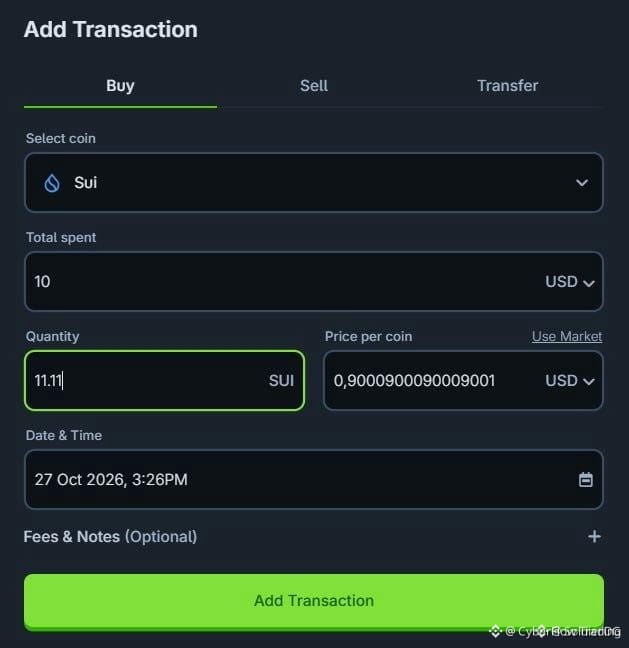
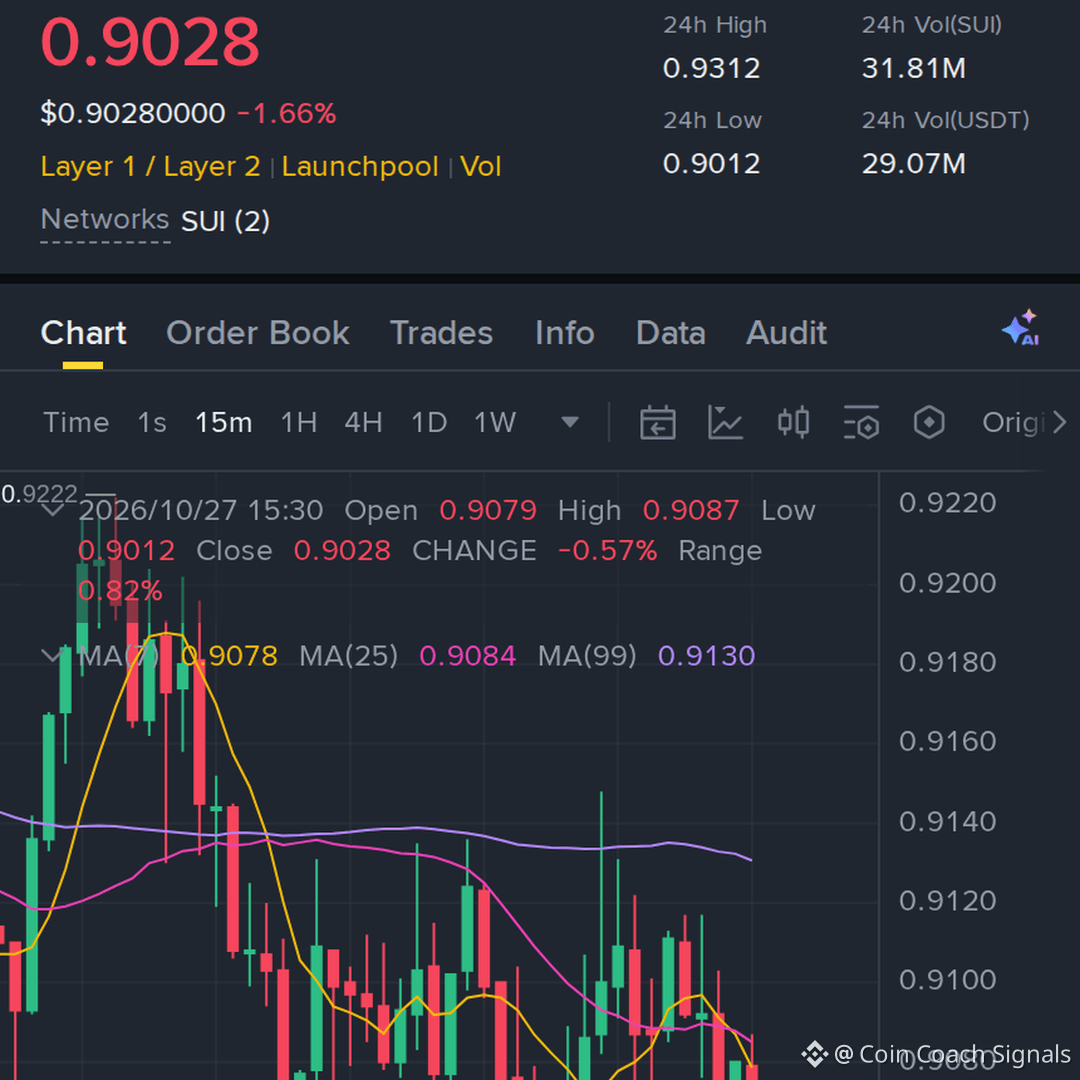
🚨 $SUI ACCUMULATION SURGE AT $0.90 – BULLISH OR FLASH SPIKE? 📈
Entry: 0.90 ⚡
📊 Smart money snapped up 2,210.376 SUI with a modest 10 USDC daily bite, signaling a fresh demand block on‑chain. 🦈 The order flow shows buyers stepping in faster than sellers, hinting at a potential upside thrust. 📈 Yet the rapid spike could also be a short‑term liquidity grab, primed for a quick correction if the buying pressure fizzles. 💡
💬 Are you seeing a genuine catalyst to lift $SUI higher, or just a fleeting demand flash? 👇
⚠️ Not financial advice. Always manage your risk. 🛡️
🏷️ #SUI #Accumulation #BullishSetup #Crypto
🔥 💎
🚨 $SUI ACCUMULATION SURGE AT $0.90 – BULLISH OR FLASH SPIKE? 📈
Entry: 0.90 ⚡
📊 Smart money snapped up 2,210.376 SUI with a modest 10 USDC daily bite, signaling a fresh demand block on‑chain. 🦈 The order flow shows buyers stepping in faster than sellers, hinting at a potential upside thrust. 📈 Yet the rapid spike could also be a short‑term liquidity grab, primed for a quick correction if the buying pressure fizzles. 💡
💬 Are you seeing a genuine catalyst to lift $SUI higher, or just a fleeting demand flash? 👇
⚠️ Not financial advice. Always manage your risk. 🛡️
🏷️ #SUI #Accumulation #BullishSetup #Crypto
🔥 💎
Entry: 0.90 ⚡
📊 Smart money snapped up 2,210.376 SUI with a modest 10 USDC daily bite, signaling a fresh demand block on‑chain. 🦈 The order flow shows buyers stepping in faster than sellers, hinting at a potential upside thrust. 📈 Yet the rapid spike could also be a short‑term liquidity grab, primed for a quick correction if the buying pressure fizzles. 💡
💬 Are you seeing a genuine catalyst to lift $SUI higher, or just a fleeting demand flash? 👇
⚠️ Not financial advice. Always manage your risk. 🛡️
🏷️ #SUI #Accumulation #BullishSetup #Crypto
🔥 💎
1


·
--
Bullish
{spot}(SUIUSDT)
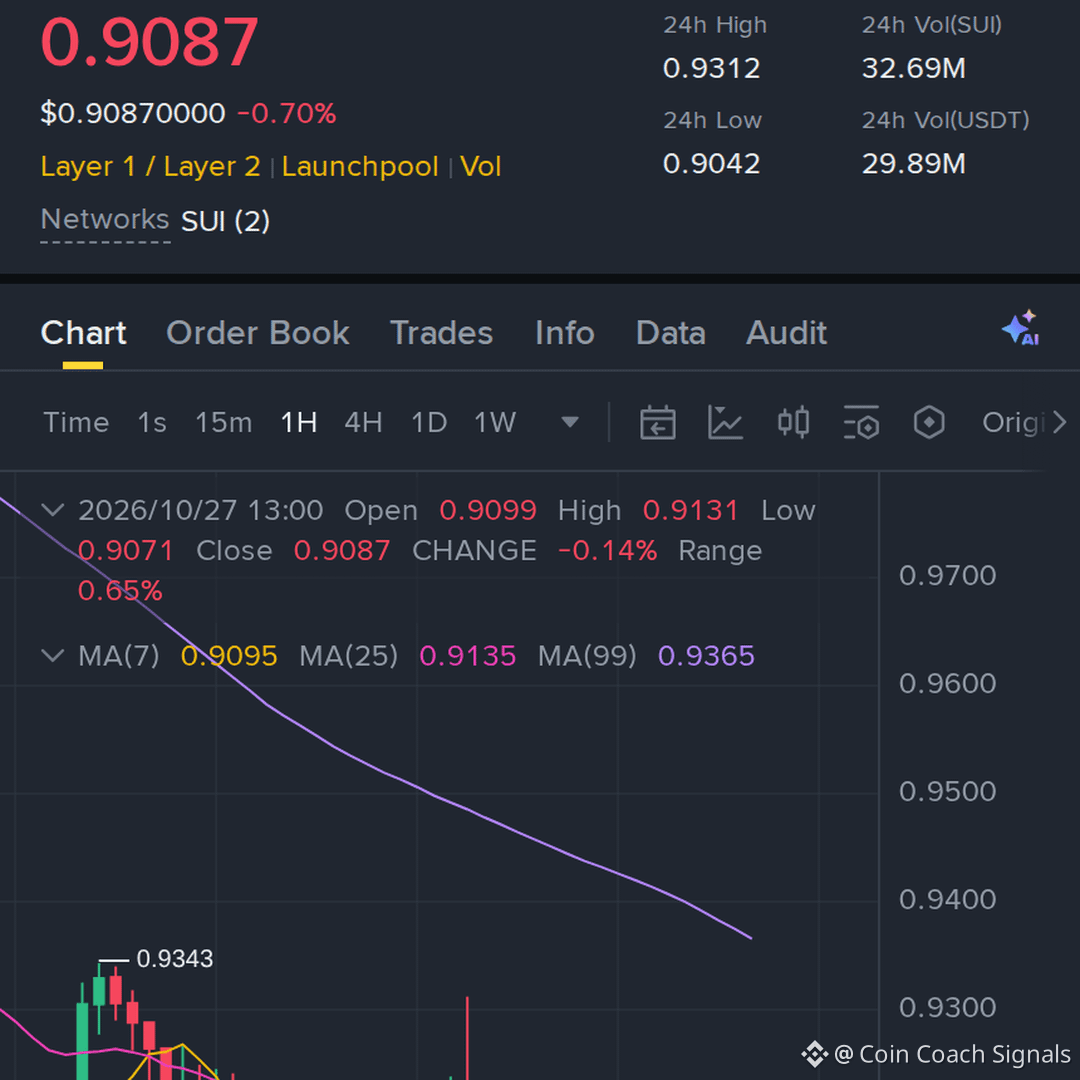
$SUI Bounces — But Is the Recovery Strong Enough?
$SUI gained 1.06% to $0.924 in CoinMarketCap's October 26 analysis after its seven-day RSI fell to 25.5, indicating deeply oversold conditions. �
CoinMarketCap
📈 Resistance: Around $0.977
⚠️ Support: Around $0.90
My View: This may be a relief bounce rather than a confirmed trend reversal.
👀 Can $SUI reclaim $1?
#SUI #CryptoAnalysis #altcoins
$SUI Bounces — But Is the Recovery Strong Enough?
$SUI gained 1.06% to $0.924 in CoinMarketCap's October 26 analysis after its seven-day RSI fell to 25.5, indicating deeply oversold conditions. �
CoinMarketCap
📈 Resistance: Around $0.977
⚠️ Support: Around $0.90
My View: This may be a relief bounce rather than a confirmed trend reversal.
👀 Can $SUI reclaim $1?
#SUI #CryptoAnalysis #altcoins
$SUI gained 1.06% to $0.924 in CoinMarketCap's October 26 analysis after its seven-day RSI fell to 25.5, indicating deeply oversold conditions. �
CoinMarketCap
📈 Resistance: Around $0.977
⚠️ Support: Around $0.90
My View: This may be a relief bounce rather than a confirmed trend reversal.
👀 Can $SUI reclaim $1?
#SUI #CryptoAnalysis #altcoins
27

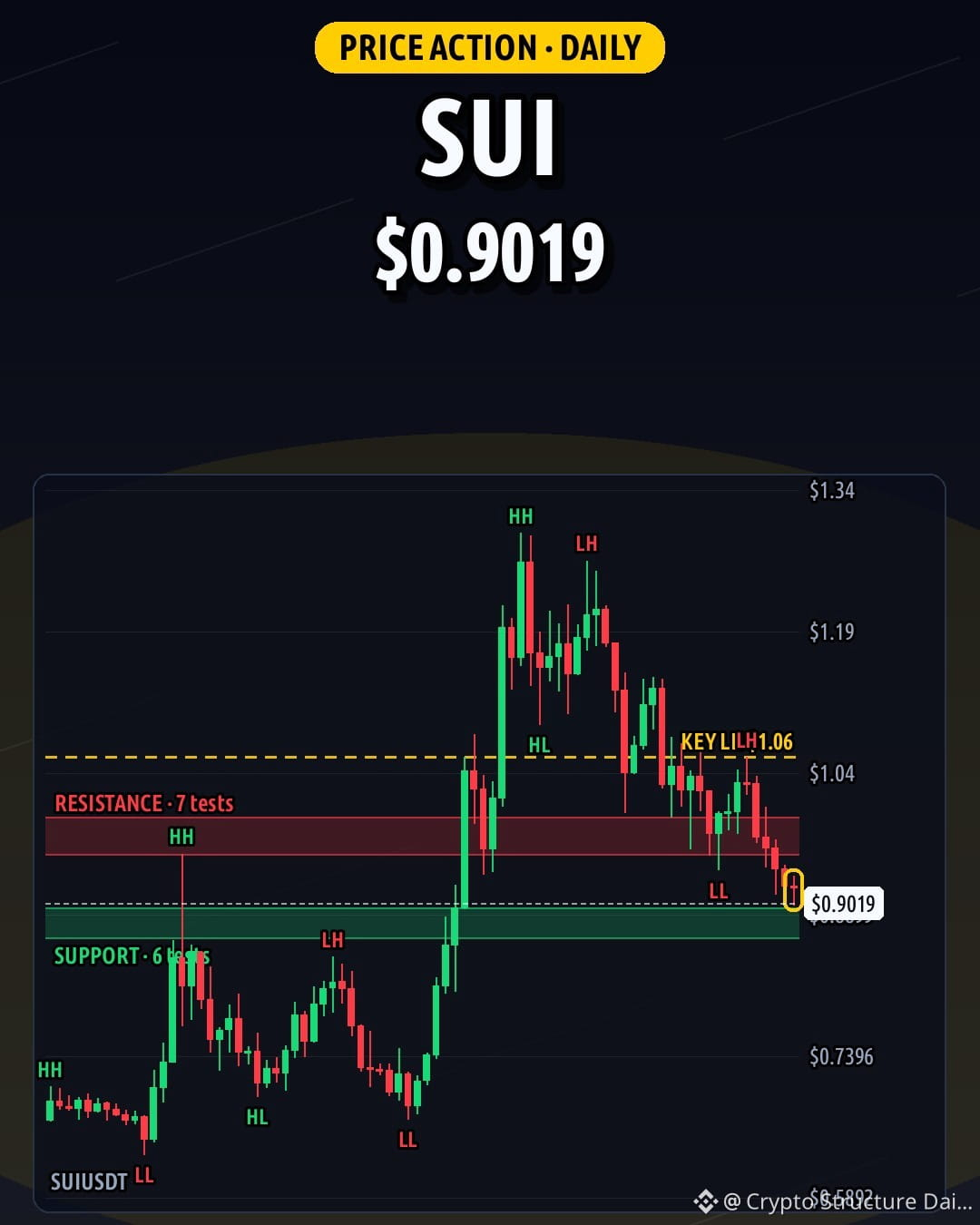
Daily hammer just printed for $SUI at 0.9019. 4H closed a doji right under resistance at 0.9342 (4 tests).
Daily shows lower highs/lows with support at 0.8811 (6 tests) and resistance at 0.9735 (7 tests). Weekly holds higher highs/lows with support at 0.7838 (3 tests).
If the daily closes above 0.9931, the next zone is 1.02. Lose 0.8654 and 0.8322 is in play.
Reversal here or just a pause? 📊
NFA #SUI #PriceAction #CryptoAnalysis
Daily hammer just printed for $SUI at 0.9019. 4H closed a doji right under resistance at 0.9342 (4 tests).
Daily shows lower highs/lows with support at 0.8811 (6 tests) and resistance at 0.9735 (7 tests). Weekly holds higher highs/lows with support at 0.7838 (3 tests).
If the daily closes above 0.9931, the next zone is 1.02. Lose 0.8654 and 0.8322 is in play.
Reversal here or just a pause? 📊
NFA #SUI #PriceAction #CryptoAnalysis
Daily shows lower highs/lows with support at 0.8811 (6 tests) and resistance at 0.9735 (7 tests). Weekly holds higher highs/lows with support at 0.7838 (3 tests).
If the daily closes above 0.9931, the next zone is 1.02. Lose 0.8654 and 0.8322 is in play.
Reversal here or just a pause? 📊
NFA #SUI #PriceAction #CryptoAnalysis
42

·
--
Bearish
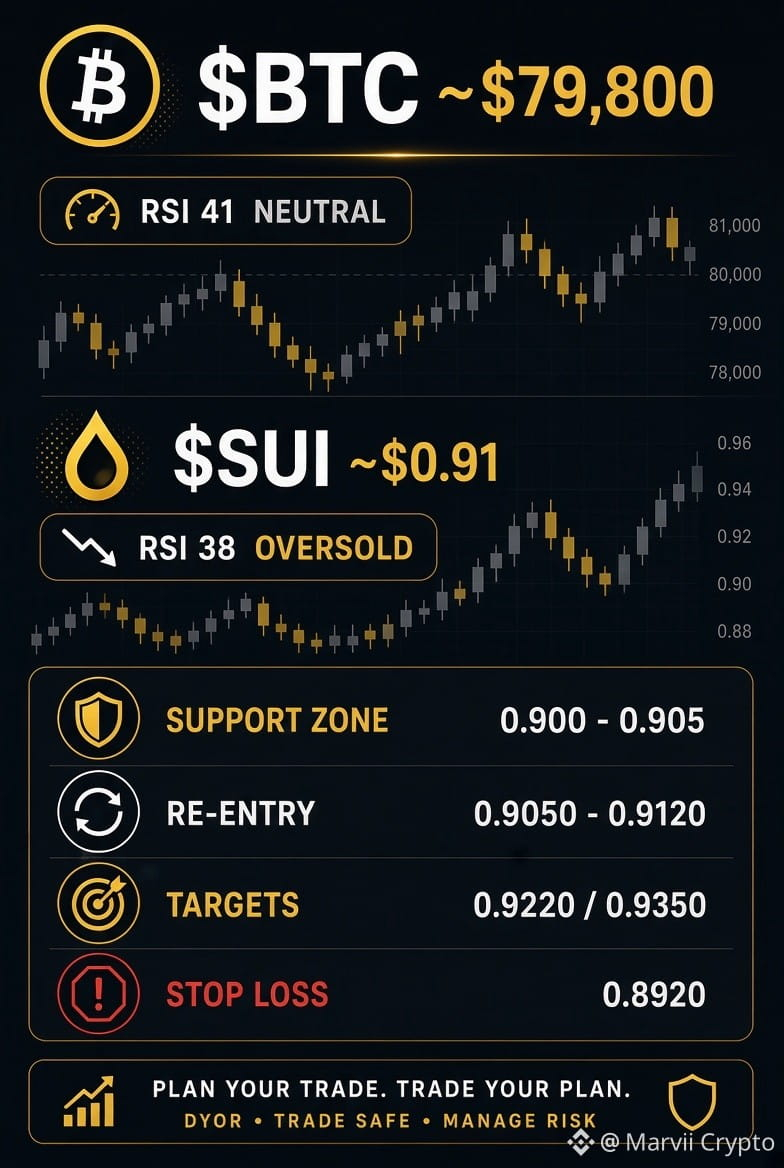
My daily market update (Oct 27):
$BTC hovering ~$79,650–$79,900 (slightly red, -0.3% to -0.5%). RSI ~40–42 (neutral, not extreme oversold). Still below 50-SMA (~$81.8k) but holding
above 200-SMA. Looking for a reclaim of $80.5k–$81k for bullish momentum.
$SUI at ~$0.91 (flat to slightly green). Testing strong support zone $0.900–$0.905 with RSI ~37–38 (oversold territory) + some volume interest.
👉 SUI re-entry zone: 0.9050 – 0.9120
👉 Targets: 0.9220 / 0.9350
👉 Stop Loss: 0.8920
Will $SUI hold $0.90 and bounce toward $0.92+
today while BTC stabilizes above 80k?
NFA / DYOR
{spot}(SUIUSDT)
{spot}(BTCUSDT)
#BTC #SUI #Crypto
My daily market update (Oct 27):
$BTC hovering ~$79,650–$79,900 (slightly red, -0.3% to -0.5%). RSI ~40–42 (neutral, not extreme oversold). Still below 50-SMA (~$81.8k) but holding
above 200-SMA. Looking for a reclaim of $80.5k–$81k for bullish momentum.
$SUI at ~$0.91 (flat to slightly green). Testing strong support zone $0.900–$0.905 with RSI ~37–38 (oversold territory) + some volume interest.
👉 SUI re-entry zone: 0.9050 – 0.9120
👉 Targets: 0.9220 / 0.9350
👉 Stop Loss: 0.8920
Will $SUI hold $0.90 and bounce toward $0.92+
today while BTC stabilizes above 80k?
NFA / DYOR
#BTC #SUI #Crypto
$BTC hovering ~$79,650–$79,900 (slightly red, -0.3% to -0.5%). RSI ~40–42 (neutral, not extreme oversold). Still below 50-SMA (~$81.8k) but holding
above 200-SMA. Looking for a reclaim of $80.5k–$81k for bullish momentum.
$SUI at ~$0.91 (flat to slightly green). Testing strong support zone $0.900–$0.905 with RSI ~37–38 (oversold territory) + some volume interest.
👉 SUI re-entry zone: 0.9050 – 0.9120
👉 Targets: 0.9220 / 0.9350
👉 Stop Loss: 0.8920
Will $SUI hold $0.90 and bounce toward $0.92+
today while BTC stabilizes above 80k?
NFA / DYOR
#BTC #SUI #Crypto
1
35

🚀 SUI HOLDERS, LET’S TALK! 🔥
🎯 Can $SUI reach $2–$3 by 2027? 📈
SUI has long-term potential, but can it really hit $2–$3 by 2027? 🤔
💎 SUI Holders, what’s your prediction?
👇 Comment below!
🟢 $2
🚀 $3
🔥 Even higher?
Let’s hear your thoughts, SUI Army! 💙
#SUI #SUIArmy #Crypto #Altcoins #BinanceSquare $SUI
🚀 SUI HOLDERS, LET’S TALK! 🔥
🎯 Can $SUI reach $2–$3 by 2027? 📈
SUI has long-term potential, but can it really hit $2–$3 by 2027? 🤔
💎 SUI Holders, what’s your prediction?
👇 Comment below!
🟢 $2
🚀 $3
🔥 Even higher?
Let’s hear your thoughts, SUI Army! 💙
#SUI #SUIArmy #Crypto #Altcoins #BinanceSquare $SUI
🎯 Can $SUI reach $2–$3 by 2027? 📈
SUI has long-term potential, but can it really hit $2–$3 by 2027? 🤔
💎 SUI Holders, what’s your prediction?
👇 Comment below!
🟢 $2
🚀 $3
🔥 Even higher?
Let’s hear your thoughts, SUI Army! 💙
#SUI #SUIArmy #Crypto #Altcoins #BinanceSquare $SUI

137

⚡ $SUI BREAKOUT RETEST IS PRINTING A HIGH-PROBABILITY CONTINUATION SETUP! 💥
Entry: 0.7521 - 0.7547 ⚡
Target: 0.7724 - 0.7892 🚀
Stop Loss: 0.7358 ⚠️
Buyers are defending the 1H breakout flip with precision, turning former resistance into fresh demand. 📌 As liquidity pools above recent highs remain untouched, order flow signals that momentum is priming for another leg up once entry confirmation triggers inside the 0.7521 demand zone. 📊
💡 Scaling out systematically across targets up to 0.7892 allows for clean risk control while keeping our stop loss locked tightly below 0.7358. 🤔 Are you waiting for the micro-structure retest or stepping into the bid early? 👇
⚠️ Not financial advice. Always manage your risk. 🛡️
🏷️ #SUI #LongSetup #Breakout #Crypto
🔥 💎
⚡ $SUI BREAKOUT RETEST IS PRINTING A HIGH-PROBABILITY CONTINUATION SETUP! 💥
Entry: 0.7521 - 0.7547 ⚡
Target: 0.7724 - 0.7892 🚀
Stop Loss: 0.7358 ⚠️
Buyers are defending the 1H breakout flip with precision, turning former resistance into fresh demand. 📌 As liquidity pools above recent highs remain untouched, order flow signals that momentum is priming for another leg up once entry confirmation triggers inside the 0.7521 demand zone. 📊
💡 Scaling out systematically across targets up to 0.7892 allows for clean risk control while keeping our stop loss locked tightly below 0.7358. 🤔 Are you waiting for the micro-structure retest or stepping into the bid early? 👇
⚠️ Not financial advice. Always manage your risk. 🛡️
🏷️ #SUI #LongSetup #Breakout #Crypto
🔥 💎
Entry: 0.7521 - 0.7547 ⚡
Target: 0.7724 - 0.7892 🚀
Stop Loss: 0.7358 ⚠️
Buyers are defending the 1H breakout flip with precision, turning former resistance into fresh demand. 📌 As liquidity pools above recent highs remain untouched, order flow signals that momentum is priming for another leg up once entry confirmation triggers inside the 0.7521 demand zone. 📊
💡 Scaling out systematically across targets up to 0.7892 allows for clean risk control while keeping our stop loss locked tightly below 0.7358. 🤔 Are you waiting for the micro-structure retest or stepping into the bid early? 👇
⚠️ Not financial advice. Always manage your risk. 🛡️
🏷️ #SUI #LongSetup #Breakout #Crypto
🔥 💎
3

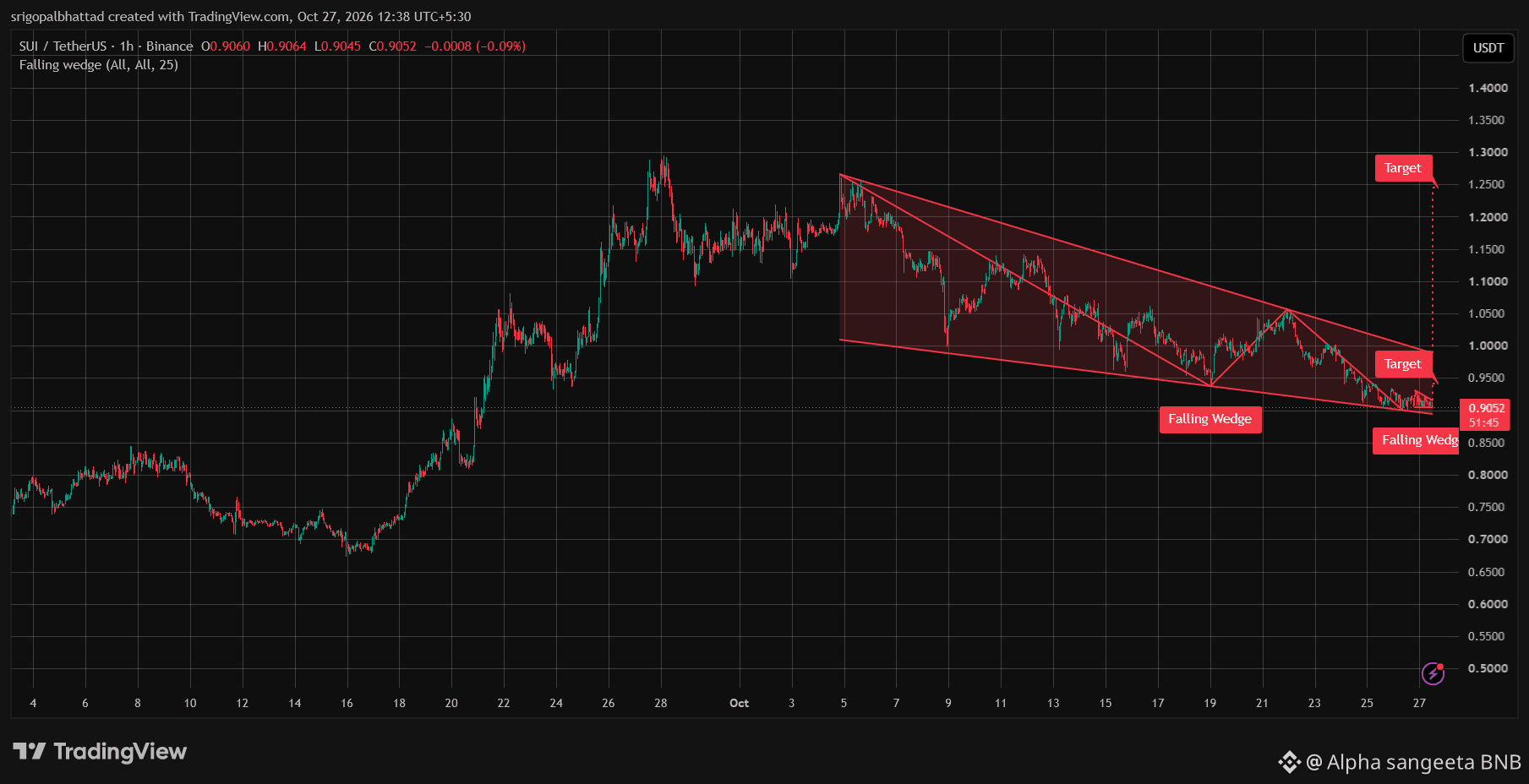
$SUI printing a potential Falling Wedge on the 1H chart 👀📈
Price is hovering near $0.905 as the wedge tightens. Sellers remain in control, but repeated support tests could set the stage for a bullish reversal if buyers step in.
A confirmed breakout above resistance could push $SUI toward $1.05–$1.25 📈🔥 Bulls need to reclaim key levels to flip momentum!
$SUI $BTC $ETH
#Sui #Crypto #Altcoins #trading #bullish
{spot}(SUIUSDT)
$SUI printing a potential Falling Wedge on the 1H chart 👀📈
Price is hovering near $0.905 as the wedge tightens. Sellers remain in control, but repeated support tests could set the stage for a bullish reversal if buyers step in.
A confirmed breakout above resistance could push $SUI toward $1.05–$1.25 📈🔥 Bulls need to reclaim key levels to flip momentum!
$SUI $BTC $ETH
#Sui #Crypto #Altcoins #trading #bullish
Price is hovering near $0.905 as the wedge tightens. Sellers remain in control, but repeated support tests could set the stage for a bullish reversal if buyers step in.
A confirmed breakout above resistance could push $SUI toward $1.05–$1.25 📈🔥 Bulls need to reclaim key levels to flip momentum!
$SUI $BTC $ETH
#Sui #Crypto #Altcoins #trading #bullish
1
45
⚡ $SUI BREAKING OUT ON SHARP VOLUME AS BUYERS STEP UP THE ACCELERATION! 🎯
Entry: 0.758 ⚡
Target: 0.805 🚀
Stop Loss: 0.739 ⚠️
Buyers are aggressively absorbing sell orders around $0.758 as $SUI builds a clean higher-low structure on the lower timeframes. 📊 The immediate order flow confirms sustained buyer aggression, signaling a tight scalp expansion toward upper resistance targets. ⚡
📌 Keeping position size controlled and risk tightly managed while momentum remains firmly in buyer hands. 💡 Are you riding this swift scalp to $0.805 or waiting for a pullback to reload your bids? 👇
⚠️ Not financial advice. Always manage your risk. 🛡️
🏷️ #SUI #ScalpSetup #Crypto #Altcoins #Trading
🔥 🎯
⚡ $SUI BREAKING OUT ON SHARP VOLUME AS BUYERS STEP UP THE ACCELERATION! 🎯
Entry: 0.758 ⚡
Target: 0.805 🚀
Stop Loss: 0.739 ⚠️
Buyers are aggressively absorbing sell orders around $0.758 as $SUI builds a clean higher-low structure on the lower timeframes. 📊 The immediate order flow confirms sustained buyer aggression, signaling a tight scalp expansion toward upper resistance targets. ⚡
📌 Keeping position size controlled and risk tightly managed while momentum remains firmly in buyer hands. 💡 Are you riding this swift scalp to $0.805 or waiting for a pullback to reload your bids? 👇
⚠️ Not financial advice. Always manage your risk. 🛡️
🏷️ #SUI #ScalpSetup #Crypto #Altcoins #Trading
🔥 🎯
Entry: 0.758 ⚡
Target: 0.805 🚀
Stop Loss: 0.739 ⚠️
Buyers are aggressively absorbing sell orders around $0.758 as $SUI builds a clean higher-low structure on the lower timeframes. 📊 The immediate order flow confirms sustained buyer aggression, signaling a tight scalp expansion toward upper resistance targets. ⚡
📌 Keeping position size controlled and risk tightly managed while momentum remains firmly in buyer hands. 💡 Are you riding this swift scalp to $0.805 or waiting for a pullback to reload your bids? 👇
⚠️ Not financial advice. Always manage your risk. 🛡️
🏷️ #SUI #ScalpSetup #Crypto #Altcoins #Trading
🔥 🎯
1

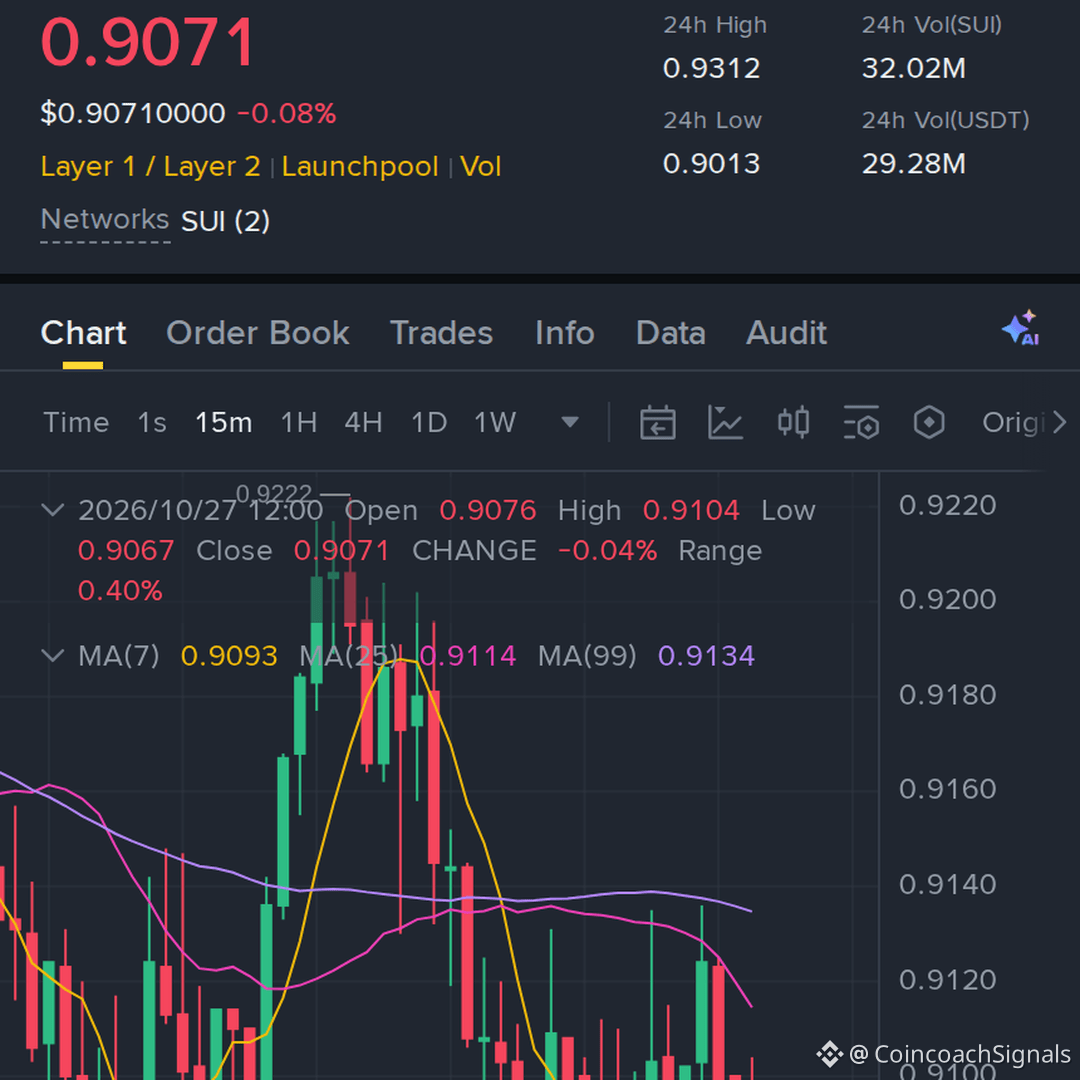
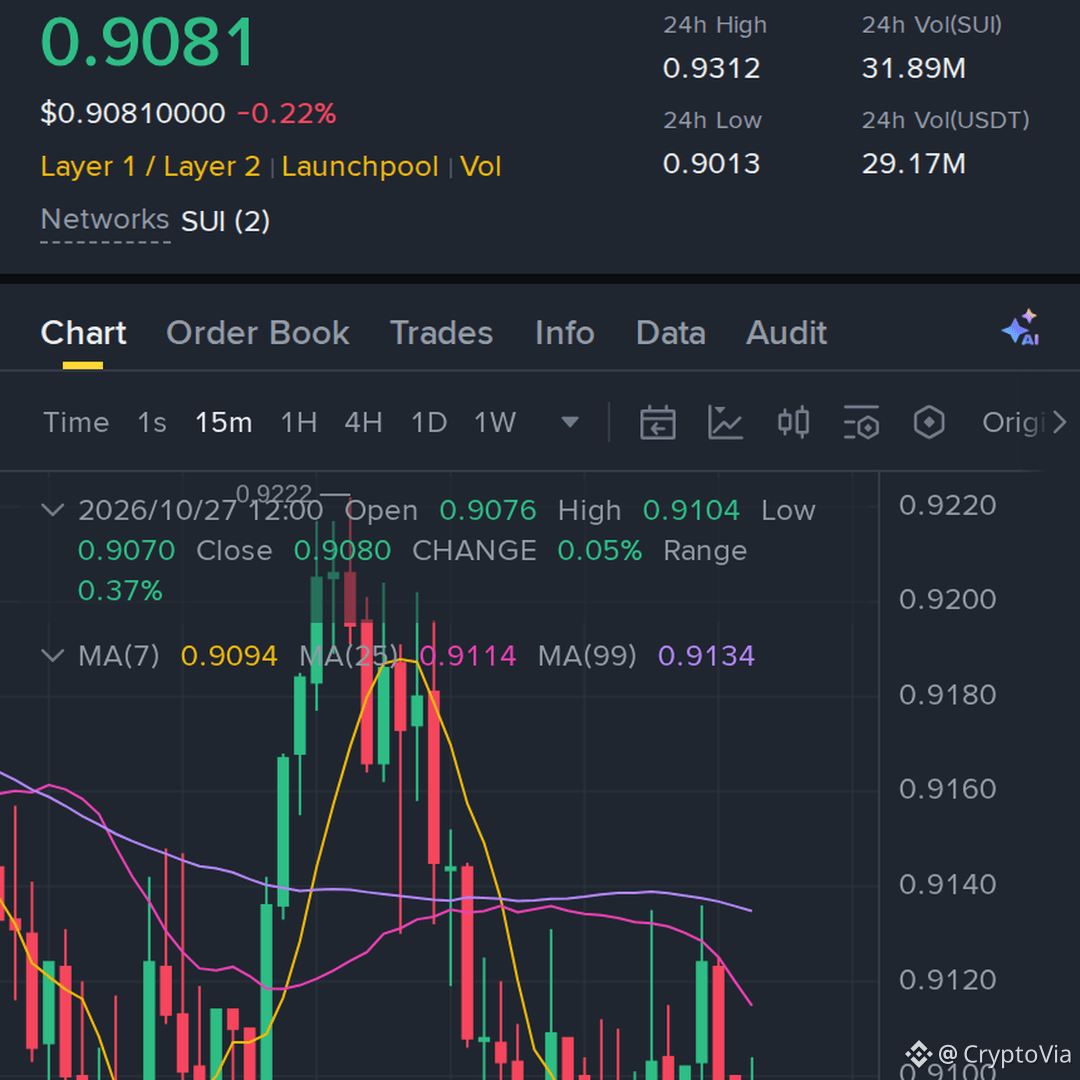
$SUI BEARS ARE GETTING LIQUIDATED AS BUYERS FORCE AN EXPLOSIVE MOMENTUM BREAKOUT! ⚡ 🚀
Entry: 0.758 ⚡
Target: 0.780 - 0.805 🚀
Stop Loss: 0.739 ⚠️
Aggressive buyers are completely trapping short sellers right now, driving violent momentum waves across lower timeframes. 📊 Market orders are relentlessly chewing through overhead liquidity, setting up a sharp order flow squeeze.
This scalp structure leans heavily toward rapid upside expansion as trapped shorts get forced to cover. 💡 Hesitating on raw bid velocity like this usually means watching the candle blast straight past resistance without you.
💬 Are you riding this bid velocity upward or waiting on the sidelines for a pullback? 👇
⚠️ Not financial advice. Always manage your risk. 🛡️
🏷️ #SUI #LongSetup #Crypto #Scalp #Breakout
🔥 💎
$SUI BEARS ARE GETTING LIQUIDATED AS BUYERS FORCE AN EXPLOSIVE MOMENTUM BREAKOUT! ⚡ 🚀
Entry: 0.758 ⚡
Target: 0.780 - 0.805 🚀
Stop Loss: 0.739 ⚠️
Aggressive buyers are completely trapping short sellers right now, driving violent momentum waves across lower timeframes. 📊 Market orders are relentlessly chewing through overhead liquidity, setting up a sharp order flow squeeze.
This scalp structure leans heavily toward rapid upside expansion as trapped shorts get forced to cover. 💡 Hesitating on raw bid velocity like this usually means watching the candle blast straight past resistance without you.
💬 Are you riding this bid velocity upward or waiting on the sidelines for a pullback? 👇
⚠️ Not financial advice. Always manage your risk. 🛡️
🏷️ #SUI #LongSetup #Crypto #Scalp #Breakout
🔥 💎
Entry: 0.758 ⚡
Target: 0.780 - 0.805 🚀
Stop Loss: 0.739 ⚠️
Aggressive buyers are completely trapping short sellers right now, driving violent momentum waves across lower timeframes. 📊 Market orders are relentlessly chewing through overhead liquidity, setting up a sharp order flow squeeze.
This scalp structure leans heavily toward rapid upside expansion as trapped shorts get forced to cover. 💡 Hesitating on raw bid velocity like this usually means watching the candle blast straight past resistance without you.
💬 Are you riding this bid velocity upward or waiting on the sidelines for a pullback? 👇
⚠️ Not financial advice. Always manage your risk. 🛡️
🏷️ #SUI #LongSetup #Crypto #Scalp #Breakout
🔥 💎
16
Log in to explore more content
Join global crypto users on Binance Square
⚡️ Get latest and useful information about crypto.
💬 Trusted by the world’s largest crypto exchange.
👍 Discover real insights from verified creators.
Email / Phone number
Trending Topics
1
#BitcoinSlipsBelow$80KAgain
1,794 views
30 Discussing
2
#ThailandLaunchesWORPTStablecoinToQRPaymentApp
2,258 views
94 Discussing
3
#StrategySkipsBitcoinPurchasesSpends$205MOnSTRCBuybacks
3,146 views
70 Discussing
4
#BitmineAdds10452ETH
33,988 views
559 Discussing
5
#SouthKoreaConsidersEducationTaxOnCryptoExchanges
19,981 views
441 Discussing
6
#OCCUrgesCommunityBanksToEnterStablecoinPayments
15,164 views
287 Discussing
7
#RippleWinsFullApprovalAsNationalTrustBank
20,716 views
286 Discussing
8
#AkashSelectsSolanaAsMigrationTarget
11,070 views
147 Discussing
9
#OndoToOpenSubscriptionsForOpenAIPreIPOTokenizedNotes
602 views
25 Discussing
10
#AnthropicTTMRevenueGrewAbout1200%
69,400 views
678 Discussing