
#geopolitics
geopolitics
13.1M views
35,919 Discussing
Hot
Latest

·
--
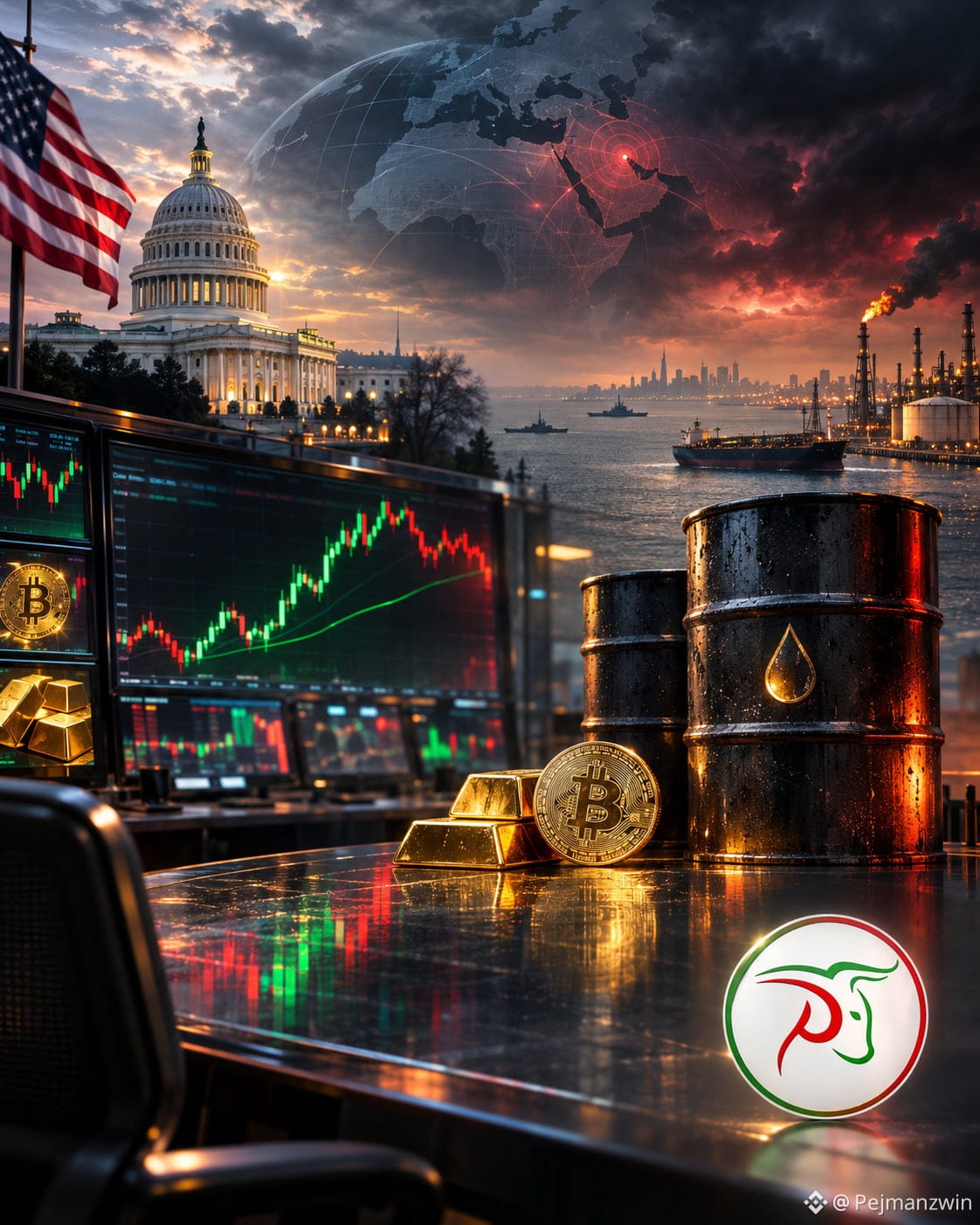
Did the U.S. Election Really Reduce Iran War Risk?
⠀
After the Republican defeat in the U.S. midterms, oil dropped sharply and markets started pricing a lower risk of another Iran escalation.
⠀
But for me, the geopolitical risk is far from over.
⠀
The new Democratic-controlled Congress does not begin until January 3, 2027. Even after that, presidential authority over foreign policy and military decisions remains significant, although Congress can increase political, budgetary, and oversight pressure.
⠀
Trump has continued defending the Iran war, while additional military options reportedly remain under consideration.
⠀
The U.S. military presence in the region also remains heavy, with multiple carrier strike groups in or near the Middle East.
⠀
Israel adds another layer of uncertainty. Netanyahu remains caretaker prime minister while coalition negotiations continue, and any political transition could still take weeks.
⠀
This is why I’m still paying special attention to Thursdays and Fridays.
⠀
Recently, when weekend geopolitical risk rises, oil tends to strengthen while U.S. equities, crypto, and sometimes precious metals come under pressure.
⠀
That does not mean every weekend must become bearish — but I still respect the risk.
⠀
Lower oil and stronger risk assets are positive signals, but they do not mean the geopolitical premium is permanently gone.
⠀
If tensions return, oil could react quickly, and I would immediately watch $BTC , $ETH , $XAUT , and the S&P 500 for renewed pressure.
⠀
For now, I’m managing positions more carefully into each weekend.
⠀
The election changed the political environment.
⠀
It did not eliminate geopolitical risk.
⠀
Do you think the market is becoming too comfortable with the idea that escalation risk is over?
⠀
#Geopolitics
⠀
After the Republican defeat in the U.S. midterms, oil dropped sharply and markets started pricing a lower risk of another Iran escalation.
⠀
But for me, the geopolitical risk is far from over.
⠀
The new Democratic-controlled Congress does not begin until January 3, 2027. Even after that, presidential authority over foreign policy and military decisions remains significant, although Congress can increase political, budgetary, and oversight pressure.
⠀
Trump has continued defending the Iran war, while additional military options reportedly remain under consideration.
⠀
The U.S. military presence in the region also remains heavy, with multiple carrier strike groups in or near the Middle East.
⠀
Israel adds another layer of uncertainty. Netanyahu remains caretaker prime minister while coalition negotiations continue, and any political transition could still take weeks.
⠀
This is why I’m still paying special attention to Thursdays and Fridays.
⠀
Recently, when weekend geopolitical risk rises, oil tends to strengthen while U.S. equities, crypto, and sometimes precious metals come under pressure.
⠀
That does not mean every weekend must become bearish — but I still respect the risk.
⠀
Lower oil and stronger risk assets are positive signals, but they do not mean the geopolitical premium is permanently gone.
⠀
If tensions return, oil could react quickly, and I would immediately watch $BTC , $ETH , $XAUT , and the S&P 500 for renewed pressure.
⠀
For now, I’m managing positions more carefully into each weekend.
⠀
The election changed the political environment.
⠀
It did not eliminate geopolitical risk.
⠀
Do you think the market is becoming too comfortable with the idea that escalation risk is over?
⠀
#Geopolitics
1
1.2k

·
--
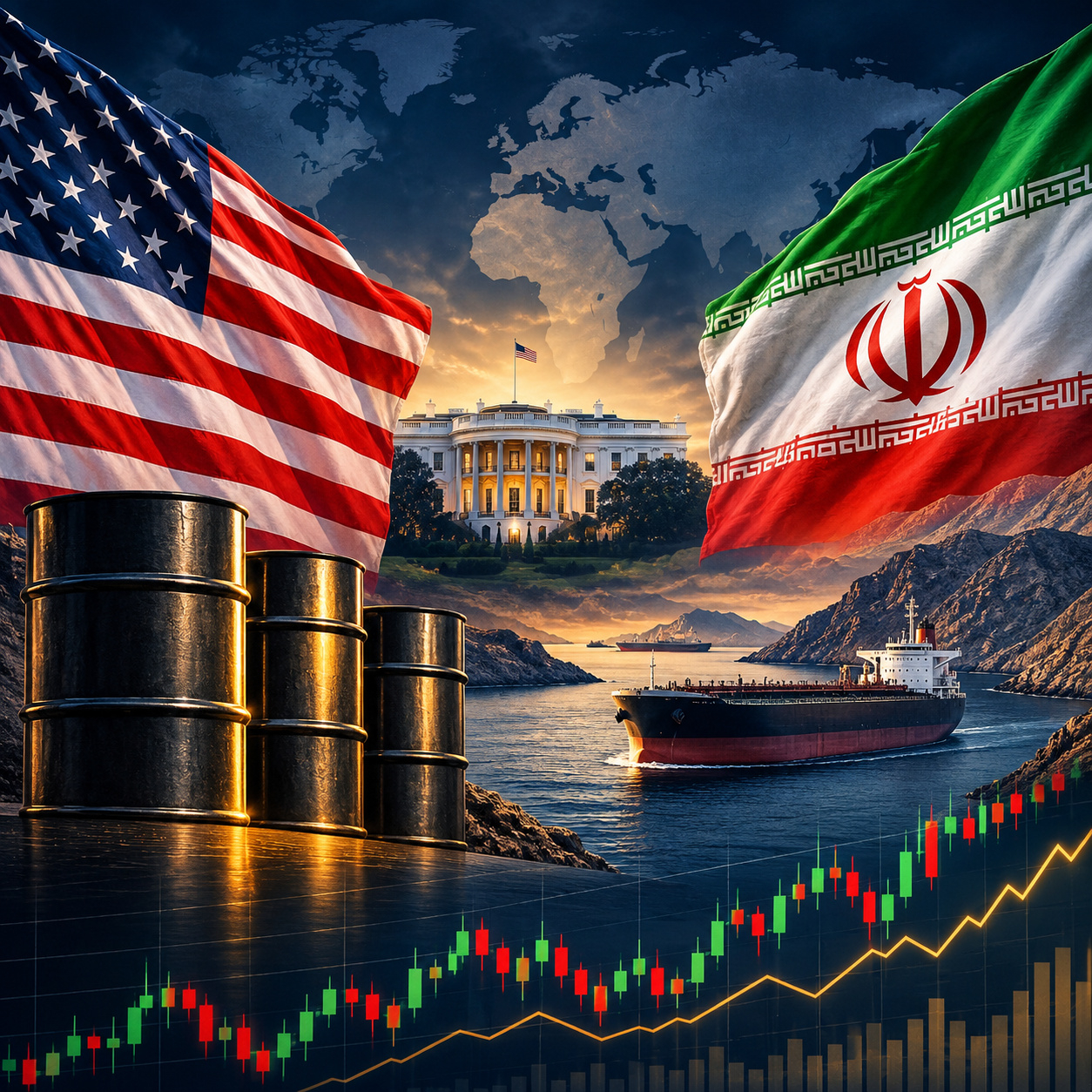
🚨 TRUMP: IRAN WAR COST REPUBLICANS THE ELECTION, BUT HE SAYS IT WAS NECESSARY!
🇺🇸 President Donald Trump has acknowledged that the war with Iran played a major role in the Republican Party's election losses.
But here's the interesting part…
Trump says he would make the same decision again, arguing that the U.S. cannot allow Iran to develop nuclear weapons.
The conflict has already created serious political and economic pressure, especially with rising fuel prices and uncertainty around global energy supplies.
Now the big question is: Will this conflict continue, or will both sides finally move toward a deal?
⚠️ For crypto traders, this situation is worth watching closely. Any major escalation could bring fresh volatility to Bitcoin, oil, gold and global markets.
$BTC $XAUT $XAG
#Bitcoin #IranWar #Trump #CryptoMarket #Geopolitics
1
626

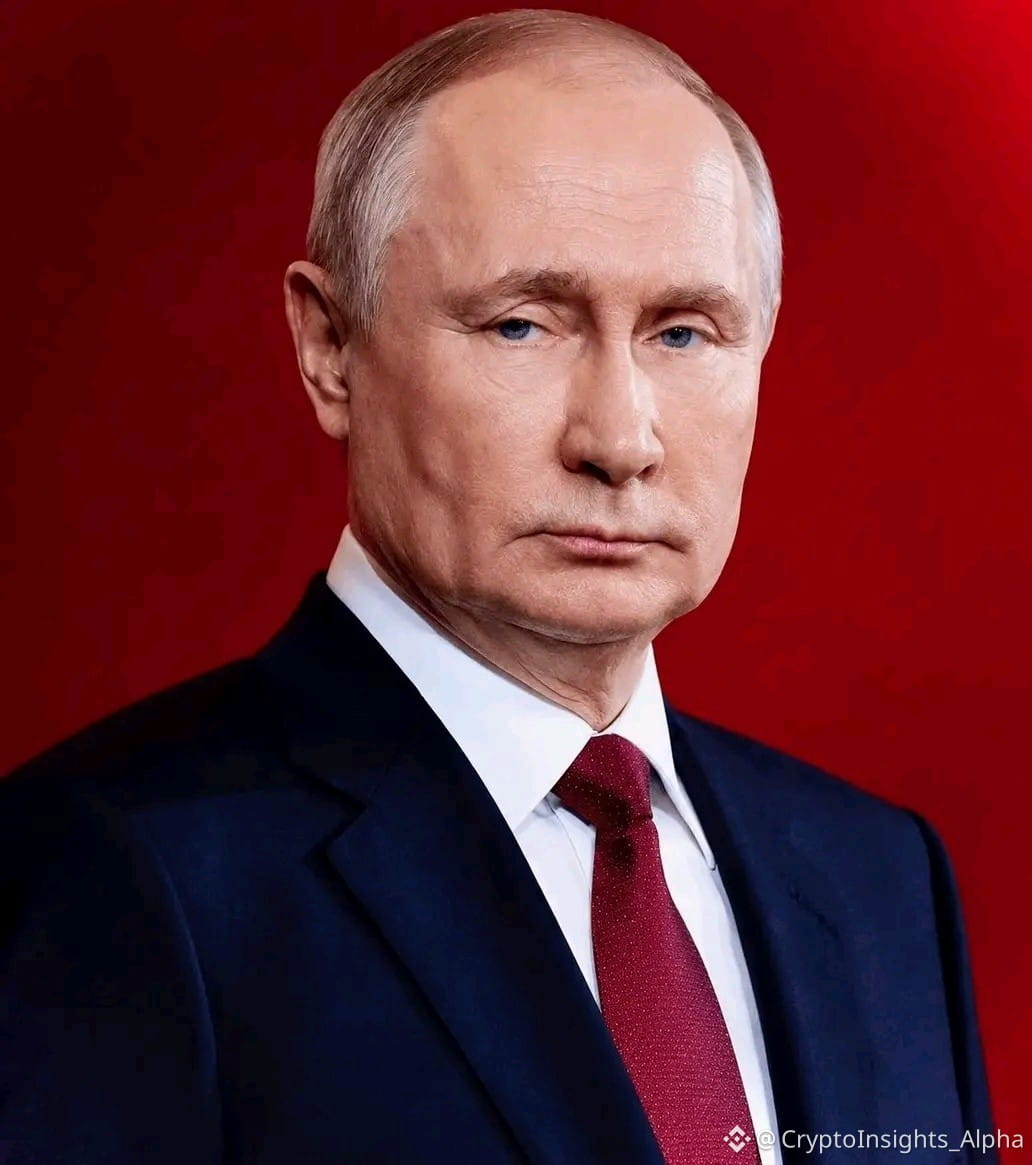
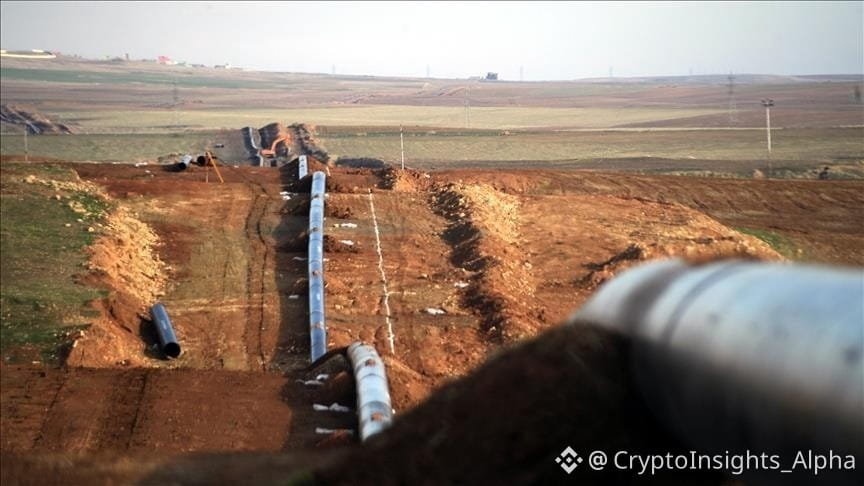
🚨 🇷🇺🇮🇷 PUTIN AND IRAN DISCUSS RUSSIAN GAS PIPELINE PROJECT
Russian President Vladimir Putin has discussed plans for a natural-gas pipeline connecting Russia and Iran during talks with Iranian security official Mohsen Rezaei in Moscow.
The proposed project has two major objectives:
🔹 Help Iran address domestic natural-gas shortages.
🔹 Give Russia another route to supply gas to neighbouring markets.
The discussions also covered regional security and the future of the conflict involving Iran and the United States.
Both countries are under extensive Western sanctions, making energy cooperation strategically significant.
Could a Russia–Iran energy corridor reshape regional gas trade and strengthen cooperation between the two countries?
#Russia #Iran #Putin #Energy #NaturalGas #Geopolitics
180

⚖️ Trump Weighs Iran Options After Security Briefing 🪝
President Trump met with his national security team to discuss next steps on Iran following the midterms. He indicated a decision on further actions including possible escalation economic pressure or diplomacy is expected soon.
Markets will closely watch the outcome for impacts on energy prices regional stability and global risk sentiment. Clear communication and a preference for non military paths could help reduce uncertainty for investors monitoring geopolitical developments.
$USO.ETF $CL $USOon #CoinVahini #TrumpIranDecision #Geopolitics #MarketWatch
2

·
--
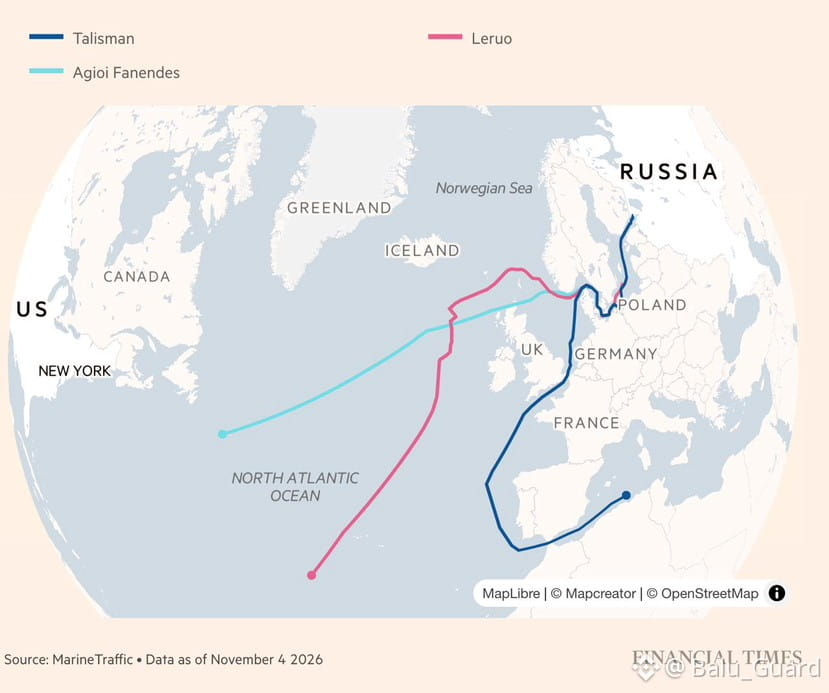
🛢️ High-Seas U-Turns: Oil & Macro Volatility
A striking Financial Times map tracks three tankers carrying Russian crude, with two making sudden mid-voyage diversions:
Talisman: Skirted Western Europe and diverted into the Mediterranean.
Leruo: Turned sharply south in the middle of the North Atlantic.
Agioi Fanendes: Continues on a direct course toward North America.
Supply chain friction and geopolitical disruptions hit tanker freight rates and crude prices first. Higher energy costs drive inflation, delaying central bank rate cuts and tightening the fiat liquidity that fuels Bitcoin and crypto markets.
Shifts on naval tracking maps often signal the next wave of volatility for risk assets.
Do you expect commodity shocks to pressure crypto this quarter? 👇
$CL $BZ
#Macro #oil #Geopolitics #BinanceSquare #Crypto
{future}(BZUSDT)
{future}(CLUSDT)
🛢️ High-Seas U-Turns: Oil & Macro Volatility
A striking Financial Times map tracks three tankers carrying Russian crude, with two making sudden mid-voyage diversions:
Talisman: Skirted Western Europe and diverted into the Mediterranean.
Leruo: Turned sharply south in the middle of the North Atlantic.
Agioi Fanendes: Continues on a direct course toward North America.
Supply chain friction and geopolitical disruptions hit tanker freight rates and crude prices first. Higher energy costs drive inflation, delaying central bank rate cuts and tightening the fiat liquidity that fuels Bitcoin and crypto markets.
Shifts on naval tracking maps often signal the next wave of volatility for risk assets.
Do you expect commodity shocks to pressure crypto this quarter? 👇
$CL $BZ
#Macro #oil #Geopolitics #BinanceSquare #Crypto
1
85

·
--
#USStocksSlipandCryptoMarketUnderBroadPressure
Binance Square Post
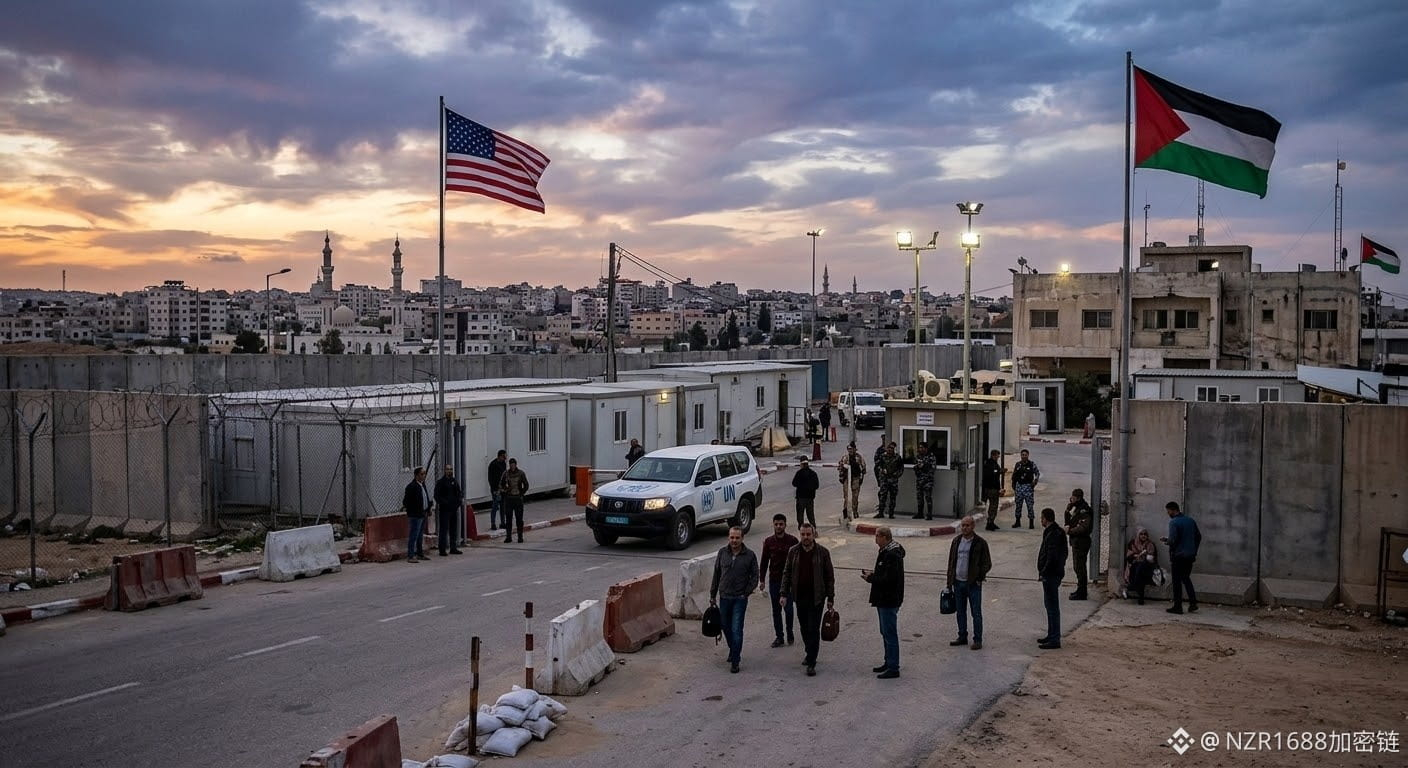
🌍 Geopolitics & Global Markets: Shifting Dynamics in the US, Palestine, and the Middle East!
Recent global developments are bringing a profound shift to Middle Eastern politics and US foreign policy. Amid the ongoing humanitarian crisis and conflict in Gaza and the West Bank, notable policy discussions are emerging regarding international aid and regional strategies.
🔹 Key Updates:
• Shifting Aid Policies: Discussions in Washington have increasingly focused on reshaping long-term military and economic assistance frameworks in the region, steering away from traditional unconditional aid toward commercial defense agreements and structural bilateral pacts.
• Global & Market Impact: Major geopolitical realignments invariably send ripples through the global economy, commodity markets (particularly energy), and safe-haven assets. Whenever macro policies shift, overall market sentiment adjusts in tandem.
💡 Why It Matters for the Crypto Community:
Global macroeconomic uncertainty and geopolitical tensions directly influence fiat currencies, investor sentiment, and risk appetite. Staying informed on global macro trends is essential for navigating changing market cycles.
What are your thoughts on these evolving geopolitical dynamics? Do you think these shifts will change the regional landscape? Let’s discuss in the comments below! 👇
#Geopolitics #MiddleEast #GlobalEconomy #BinanceSquare #MarketInsights #CryptoTrends $TRUMP $AAPLB $TSLAB
1
2
86

·
--
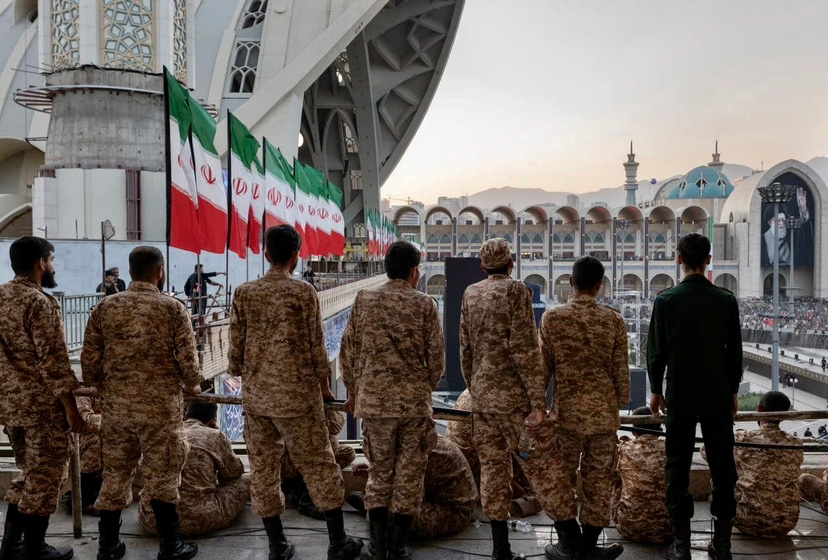
🇮🇱 ISRAELI INTELLIGENCE CLAIMS & MIDDLE EAST RISK ESCALATION 🇮🇷🇺🇸⚡️
💎 $AIOT $ARIA 💎
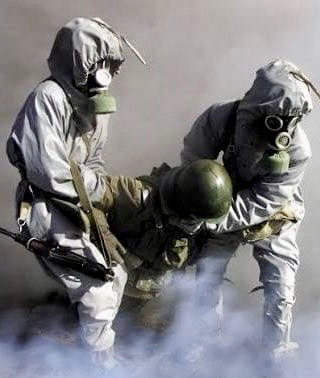
🔥 Reports of retaliatory chemical threats or non-conventional deployment serve as high-stakes psychological warfare and strategic deterrence. Standard military doctrine relies on extended nuclear air/missile defense layers (e.g., Arrow 3, Thaad) and immediate counter-value retaliation strikes, making non-conventional deployment a catastrophic threshold escalation that guarantees severe global isolation.
Macro Risk-Off & Energy Supply Vulnerability 📉: Escalating kinetic tension across Middle Eastern operational theaters maintains elevated risk premiums across international crude oil markets and U.S. 10-Year Treasury yields. Persistent macro uncertainty drags on liquidity across derivative markets, capping sustainable upside expansion for crypto assets.
🛡️: Maintain complete immunity to headline-driven narrative FOMO. Cap high-risk altcoin allocations strictly at 0.5%–1% of total portfolio equity, limit perpetual leverage to 2x–3x max, and enforce hard horizontal Stop-Loss (SL) parameters across all active trade setups.
#Geopolitics #AIOT #ARIA #Binance
51
·
--
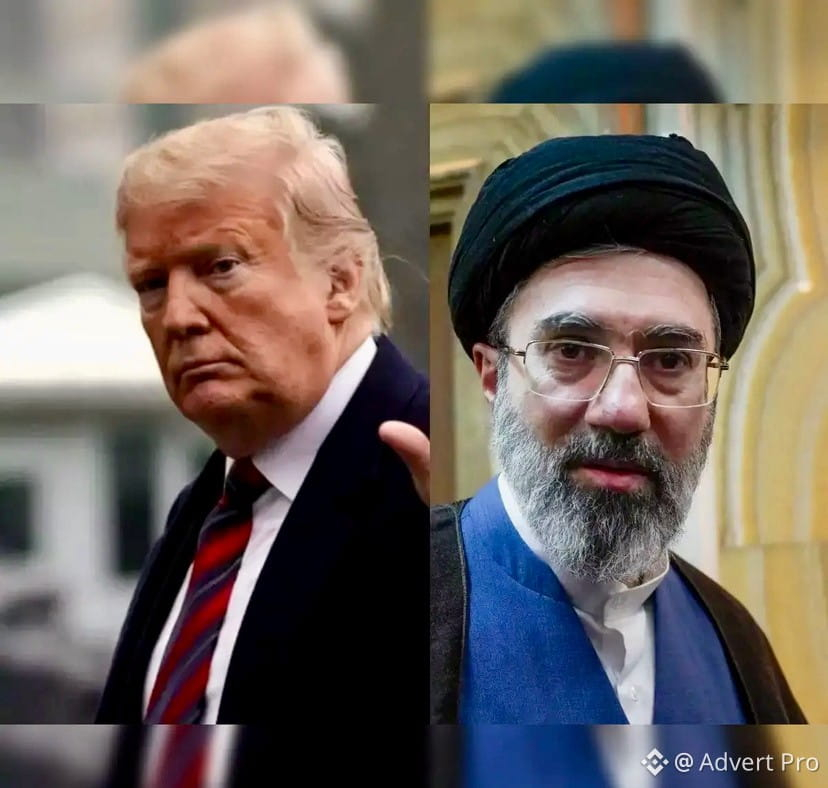
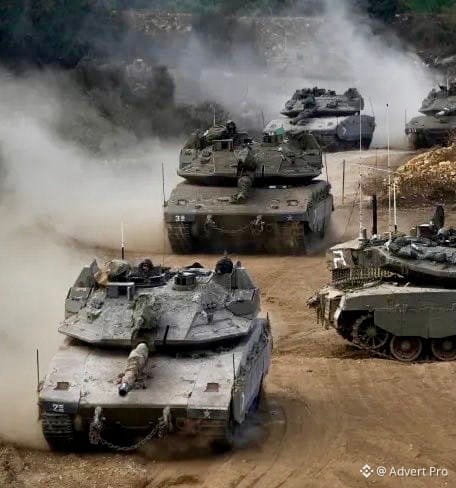
🚨 U.S.-IRAN MILITARY CONFLICT & SPECULATIVE ALTCOIN ATTACHMENTS 🇺🇸🇮🇷🇪🇺
🔥 Geopolitical Friction, Congressional Realities, and Unrelated Micro-Cap Traps
Bullet Military Escalation & Ground Force Dynamics 🏛️: Reports of U.S. force posture shifts across the Middle East highlight escalating regional tensions. However, the strategic likelihood of an extended, multi-year U.S. ground war targeting complete occupation remains low—defense doctrine relies heavily on standoff strike packages, air/naval blockades, and targeted infrastructure disruption rather than multi-year troop deployments.
Bullet Macro Risk-Off & Oil Supply Vulnerability 📉: Sustained conflict threat vectors keep global energy markets volatile, maintaining upward pressure on inflation expectations and U.S. 10-Year Treasury yields (>5.0%). Persistent macro liquidity drag continues to suppress broad risk-on capital, keeping crypto liquidity strictly defensive.
👀 Bullet Unrelated Speculative Token Tagging ($DGAI , $LYN ,$POP ) 🪦: Micro-cap altcoins ($DGAI, $LYN,$POP) tagged in geopolitical military headlines possess zero fundamental integration with defense spending or Middle Eastern geopolitical outcomes. Chasing lower-timeframe green expansion candles on headline-tagged tokens exposes accounts to severe illiquidity and immediate distribution dumps into thin order books.
Capital Defense & Risk Protocol 🛡️: Maintain zero emotional exposure to war headlines. Keep speculative altcoin allocations strictly capped at 0.5%–1% of total account equity, limit perpetual leverage to 2x–3x max, and enforce hard horizontal Stop-Loss (SL) parameters across all active trades.
#Geopolitics #LYN #POP #Binance
🚨 U.S.-IRAN MILITARY CONFLICT & SPECULATIVE ALTCOIN ATTACHMENTS 🇺🇸🇮🇷🇪🇺
🔥 Geopolitical Friction, Congressional Realities, and Unrelated Micro-Cap Traps
Bullet Military Escalation & Ground Force Dynamics 🏛️: Reports of U.S. force posture shifts across the Middle East highlight escalating regional tensions. However, the strategic likelihood of an extended, multi-year U.S. ground war targeting complete occupation remains low—defense doctrine relies heavily on standoff strike packages, air/naval blockades, and targeted infrastructure disruption rather than multi-year troop deployments.
Bullet Macro Risk-Off & Oil Supply Vulnerability 📉: Sustained conflict threat vectors keep global energy markets volatile, maintaining upward pressure on inflation expectations and U.S. 10-Year Treasury yields (>5.0%). Persistent macro liquidity drag continues to suppress broad risk-on capital, keeping crypto liquidity strictly defensive.
👀 Bullet Unrelated Speculative Token Tagging ($DGAI , $LYN ,$POP ) 🪦: Micro-cap altcoins ($DGAI , $LYN ,$POP ) tagged in geopolitical military headlines possess zero fundamental integration with defense spending or Middle Eastern geopolitical outcomes. Chasing lower-timeframe green expansion candles on headline-tagged tokens exposes accounts to severe illiquidity and immediate distribution dumps into thin order books.
Capital Defense & Risk Protocol 🛡️: Maintain zero emotional exposure to war headlines. Keep speculative altcoin allocations strictly capped at 0.5%–1% of total account equity, limit perpetual leverage to 2x–3x max, and enforce hard horizontal Stop-Loss (SL) parameters across all active trades.
#Geopolitics #LYN #POP #Binance
47

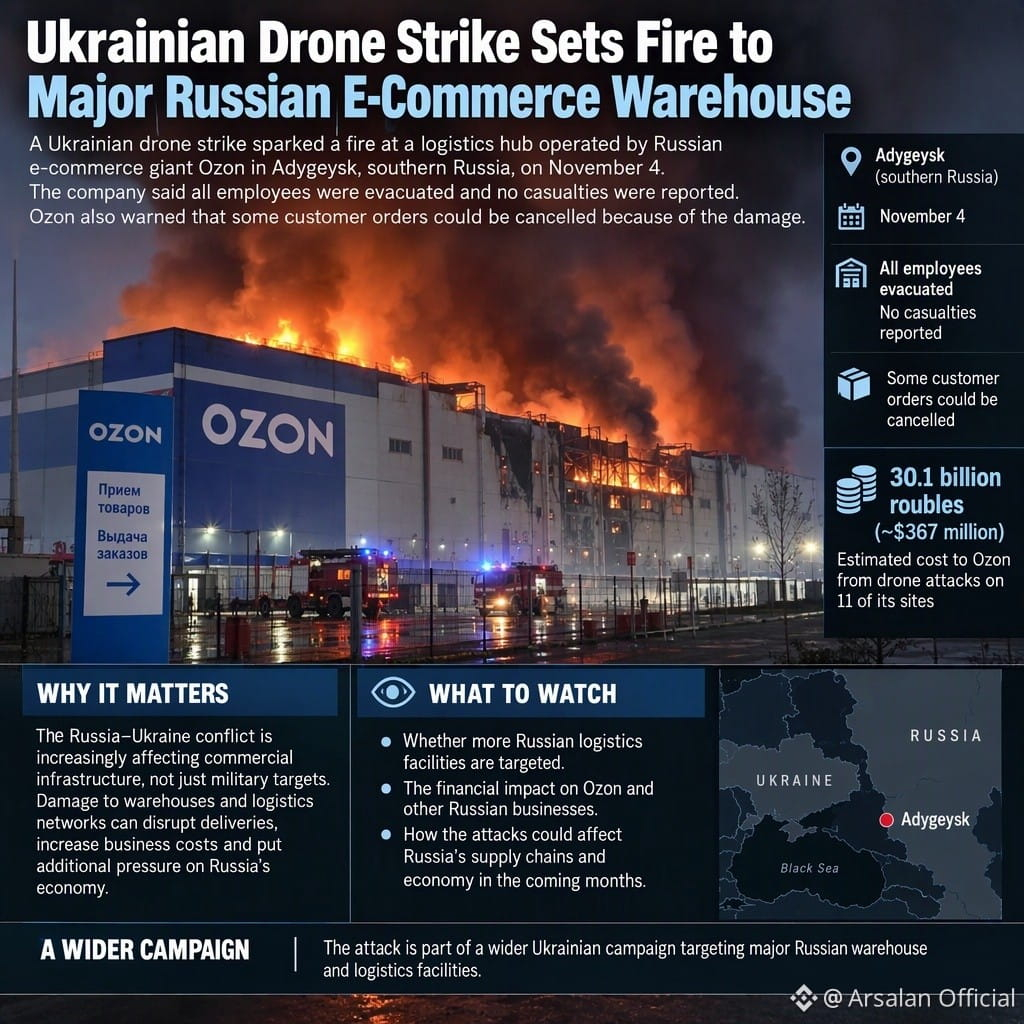
🇷🇺 Ukrainian Drone Strike Sets Fire to Major Russian E-Commerce Warehouse A Ukrainian drone strike sparked a fire at a logistics hub operated by Russian e-commerce giant Ozon in Adygeysk, southern Russia, on November 4. The company said all employees were evacuated and no casualties were reported. Ozon also warned that some customer orders could be cancelled because of the damage. The attack is part of a wider Ukrainian campaign targeting major Russian warehouse and logistics facilities. Ozon previously estimated that drone attacks on 11 of its sites could cost the company around 30.1 billion roubles ($367 million) Why It Matters The Russia–Ukraine conflict is increasingly affecting commercial infrastructure, not just military targets. Damage to warehouses and logistics networks can disrupt deliveries, increase business costs and put additional pressure on Russia's economy. 👀 What to Watch - Whether more Russian logistics facilities are targeted. - The financial impact on Ozon and other retailers. - Possible Russian retaliation against Ukrainian infrastructure. - Planned US-mediated Russia–Ukraine peace talks in Abu Dhabi on November 10–11. 💬 Discussion: Are attacks on commercial logistics networks becoming a major part of modern economic warfare? #Russia #Ukraine #DroneStrike #Geopolitics #EconomicWarfare #WorldNews #GlobalSecurity Tokens: $OZK.US · $LMT · $BTC
🇷🇺 Ukrainian Drone Strike Sets Fire to Major Russian E-Commerce Warehouse A Ukrainian drone strike sparked a fire at a logistics hub operated by Russian e-commerce giant Ozon in Adygeysk, southern Russia, on November 4. The company said all employees were evacuated and no casualties were reported. Ozon also warned that some customer orders could be cancelled because of the damage. The attack is part of a wider Ukrainian campaign targeting major Russian warehouse and logistics facilities. Ozon previously estimated that drone attacks on 11 of its sites could cost the company around 30.1 billion roubles ($367 million) Why It Matters The Russia–Ukraine conflict is increasingly affecting commercial infrastructure, not just military targets. Damage to warehouses and logistics networks can disrupt deliveries, increase business costs and put additional pressure on Russia's economy. 👀 What to Watch - Whether more Russian logistics facilities are targeted. - The financial impact on Ozon and other retailers. - Possible Russian retaliation against Ukrainian infrastructure. - Planned US-mediated Russia–Ukraine peace talks in Abu Dhabi on November 10–11. 💬 Discussion: Are attacks on commercial logistics networks becoming a major part of modern economic warfare? #Russia #Ukraine #DroneStrike #Geopolitics #EconomicWarfare #WorldNews #GlobalSecurity Tokens: $OZK.US · $LMT · $BTC
3
1.2k

·
--
Bullish
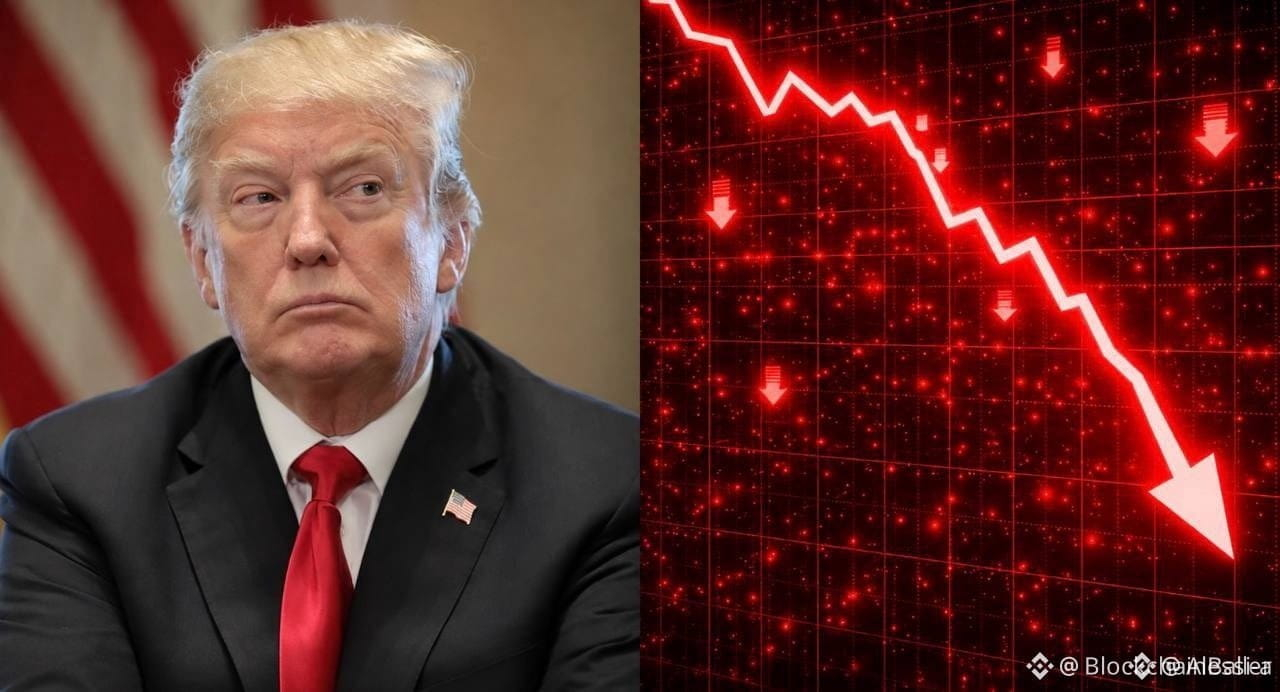
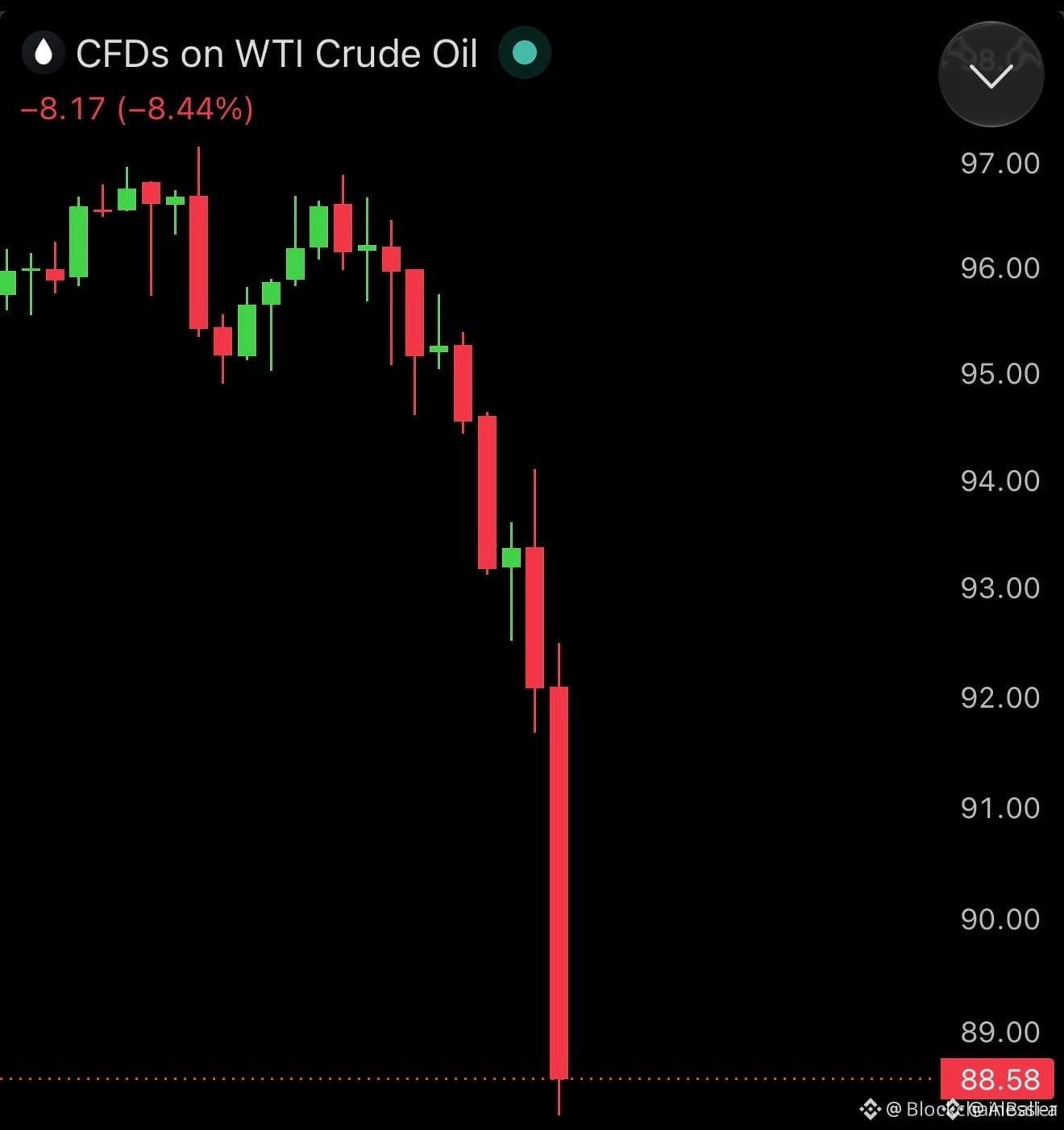
🩸 OIL MARKET CRASH!
#Oil has plunged nearly 8% following Trump's midterm election setback, as Chuck Schumer signals efforts to bring the Iran war to an end.
Markets are increasingly pricing in the possibility of peace, sending oil prices sharply lower.
Is the geopolitical risk premium finally starting to unwind?
$CL | $BZ
#CrudeOil #OilPrices #EnergyMarkets #Geopolitics
1
359
🚨 🇺🇦 ZELENSKYY SPEAKS WITH TRUMP'S ENVOYS AHEAD OF US-RUSSIA-UKRAINE PEACE TALKS
A new diplomatic push to end the war is taking shape as Ukraine prepares for trilateral negotiations with the United States and Russia.
Ukrainian President Volodymyr Zelenskyy has held a 90-minute conversation with US special envoys Steve Witkoff and Jared Kushner ahead of the next round of talks.
📍 ABU DHABI — NOVEMBER 10–11
The upcoming negotiations are expected to focus on:
• Ending the war and possible de-escalation.
• Postwar security guarantees for Ukraine.
• Humanitarian measures.
• The next steps toward a potential peace agreement.
🇪🇺 EUROPE ALSO ENTERS THE PICTURE
Meanwhile, officials from Ukraine, the United States, France, Britain, Germany, the EU, NATO and the World Bank met in Brussels to discuss Ukraine's postwar reconstruction and economic recovery.
A separate session on security guarantees is scheduled to follow.
⚠️ THE BIG QUESTION
Ukraine wants lasting security guarantees, while the territorial and political differences between Kyiv and Moscow remain significant.
The upcoming Abu Dhabi meeting could become another important test of whether Washington can bring both sides closer to an agreement.
Can these negotiations finally move the war toward peace, or are the biggest obstacles still unresolved?
#Ukraine #Russia #Zelenskyy #Trump #PeaceTalks #AbuDhabi #Geopolitics

3
913


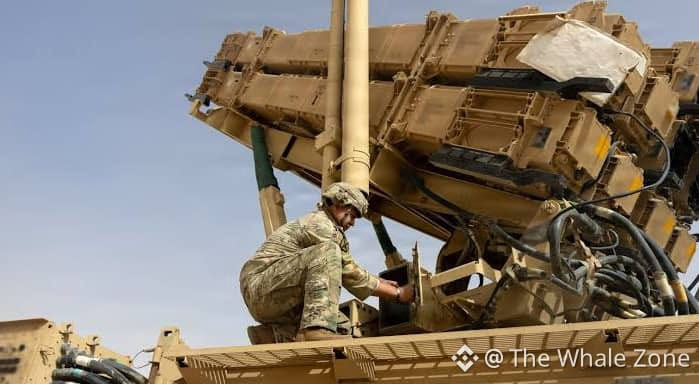
🚨 BREAKING: US MILITARY PREPARES FOR POSSIBLE NEW IRAN STRIKES!
The US military is finalizing preparations to resume large-scale combat operations against Iran, Axios reports, citing American officials.
However, President Trump has not made a final decision on launching a new offensive.
⚠️ Rising Middle East tensions could put global oil markets and crypto volatility back in focus.
#iran #usa #Geopolitics #Crypto
1
129
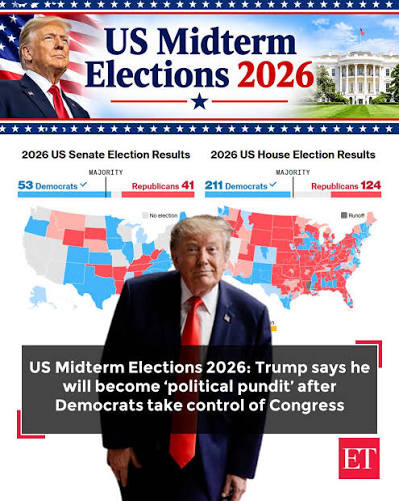
🚨 IRAN FIRES BACK AFTER DEMOCRATIC ELECTION VICTORY!
Iranian Parliament Speaker Mohammad Bagher Ghalibaf reacts to the Republicans’ midterm losses:
“Americans said NO TO WAR… and we endorse this message.”
A pointed political message from Tehran following the Democrats’ major election gains in the US.
#iran #uselections #Geopolitics #BinanceSquare
Iranian Parliament Speaker Mohammad Bagher Ghalibaf reacts to the Republicans’ midterm losses:
“Americans said NO TO WAR… and we endorse this message.”
A pointed political message from Tehran following the Democrats’ major election gains in the US.
#iran #uselections #Geopolitics #BinanceSquare
3
2.7k

·
--
Bearish
Verified
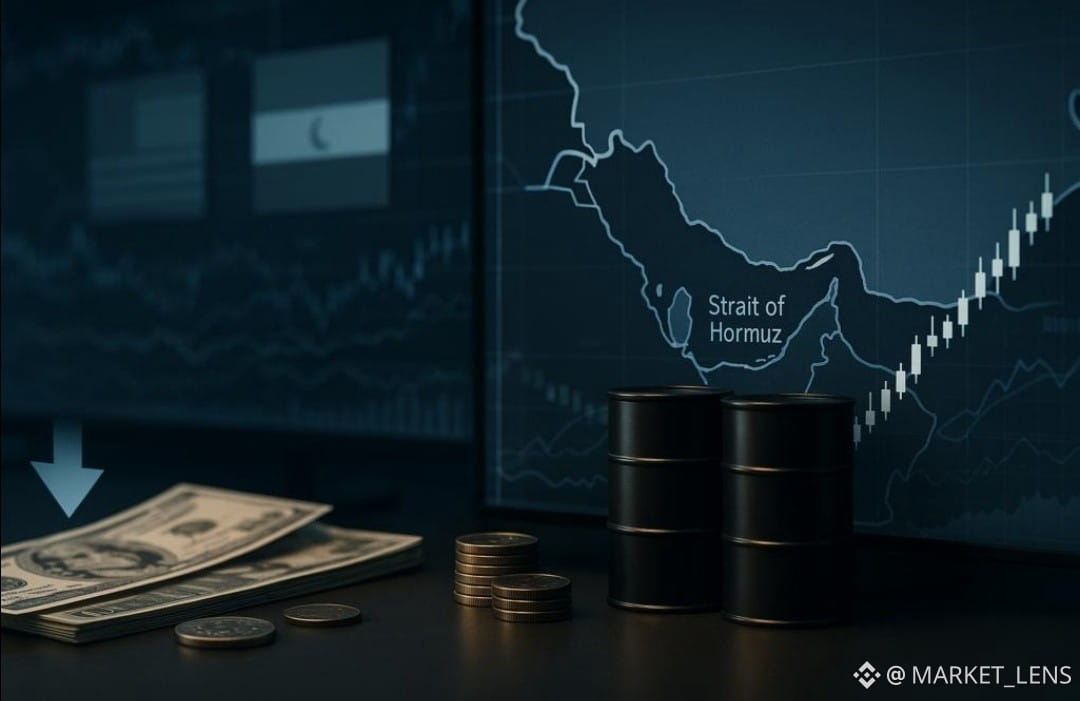
🛢️ OIL SLIDES BELOW $95 — IS THE IRAN WAR RISK PREMIUM FINALLY UNWINDING?
Brent plunged 9.2% to $94.11 in a US-midday market snapshot on November 4, as political pressure on Washington to end the Iran conflict intensified.
US Vice President JD Vance openly blamed the war for the Republican midterm defeat, adding to expectations of a possible shift in US policy.
Why markets are reacting:
Political pressure is increasing expectations of de-escalation.
Oil traders are repricing some of the geopolitical supply-risk premium.
US crude inventories fell, but the decline was smaller than expected.
Lower oil prices could ease inflation and import-cost pressure, while supporting energy-importing economies.
The risk traders cannot ignore:
Political pressure is not a peace agreement. Hormuz shipping conditions and Middle Eastern supply risks remain critical. Any confirmed escalation could quickly rebuild the oil risk premium.
MarketLens View: Near-term oil pressure remains bearish if de-escalation expectations translate into real progress and supply flows improve. Without $confirmation, a sharp rebound remains possible.
Are oil markets pricing in peace before it is confirmed?
MarketLens | SEE BEYOND THE PRICE.
{stock_us}(WTI.US)
#MarketLens #BrentCrudeUp4.6% #OilMarket #Geopolitics #Macro
🛢️ OIL SLIDES BELOW $95 — IS THE IRAN WAR RISK PREMIUM FINALLY UNWINDING?
Brent plunged 9.2% to $94.11 in a US-midday market snapshot on November 4, as political pressure on Washington to end the Iran conflict intensified.
US Vice President JD Vance openly blamed the war for the Republican midterm defeat, adding to expectations of a possible shift in US policy.
Why markets are reacting:
Political pressure is increasing expectations of de-escalation.
Oil traders are repricing some of the geopolitical supply-risk premium.
US crude inventories fell, but the decline was smaller than expected.
Lower oil prices could ease inflation and import-cost pressure, while supporting energy-importing economies.
The risk traders cannot ignore:
Political pressure is not a peace agreement. Hormuz shipping conditions and Middle Eastern supply risks remain critical. Any confirmed escalation could quickly rebuild the oil risk premium.
MarketLens View: Near-term oil pressure remains bearish if de-escalation expectations translate into real progress and supply flows improve. Without $confirmation, a sharp rebound remains possible.
Are oil markets pricing in peace before it is confirmed?
MarketLens | SEE BEYOND THE PRICE.
#MarketLens #BrentCrudeUp4.6% #OilMarket #Geopolitics #Macro
1
572

BREAKING: JD VANCE SAYS THE IRAN WAR COST REPUBLICANS THE MIDTERMS. 🇺🇸
Vice President JD Vance reportedly acknowledges that the war became a major factor in the Republican defeat.
His message highlights growing voter frustration:
Trump's 2024 supporters reportedly switched to Democrats.
Voters want the Iran war ended and the cost of living reduced.
Some also want a change in America's relationship with Israel.
Vance's reported response to war critics: "You're right, you did tell us so."
The political message is clear: Foreign policy and the cost of living can carry major consequences at the ballot box.
#JDVance #IranWar #USPolitics #Midterms #Geopolitics

1
82
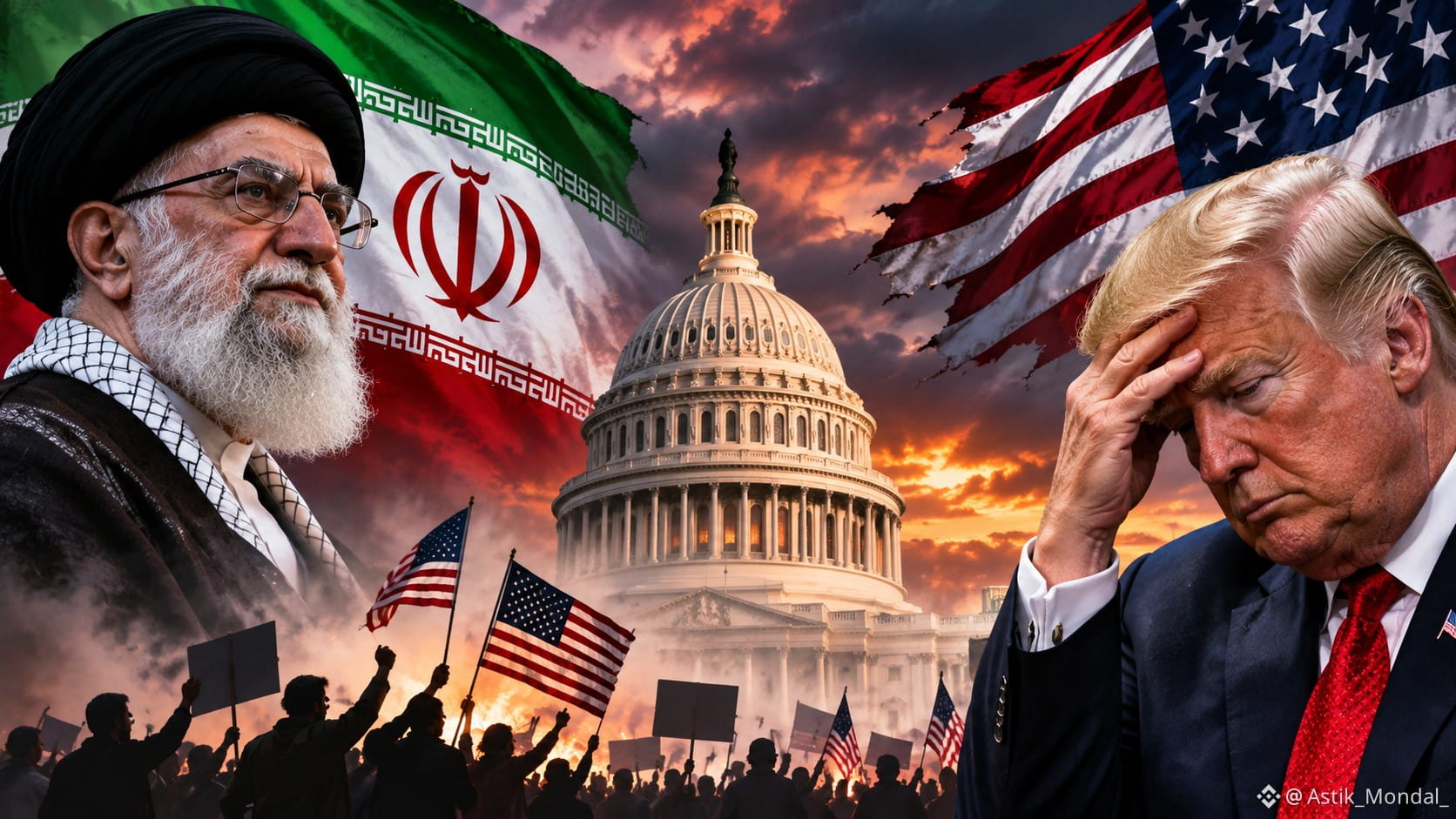
🚨 BREAKING: HAS IRAN JUST EXPOSED A DEEPER POLITICAL CRISIS INSIDE THE UNITED STATES?
The provocative claim that “Iran has accomplished regime change in the United States” is raising eyebrows.
But the bigger question isn't whether Iran has changed America's government.
It's whether the conflict is exposing divisions, political vulnerabilities, and strategic weaknesses within Washington itself.
The consequences could extend far beyond the Middle East.
🇺🇸 America's domestic politics. 🌍 Global geopolitical influence. 🛢️ Oil markets and energy security. 📉 Investor confidence and financial markets.
In modern geopolitics, winning isn't always about controlling territory.
Sometimes, the biggest victory is changing the political calculations of your opponent.
The real question: Is Washington still controlling the narrative, or is the conflict turning into a political liability?
#Iran #USA #Geopolitics #BreakingNews #GlobalMarkets $CL $BZ
1
688

Article
Geopolitical Escalation North Korea Rejects US Talks Over $6B BinanceThe geopolitical tension between North Korea and the United States has reached a new flashpoint centered on digital asset security. Kim Yo Jong has explicitly dismissed US diplomatic overtures citing the FBI allegation that Binance was involved in a $6B hack.
This development represents a massive escalation in the narrative of state sponsored cyber warfare and its impact on exchange liability. For institutional players the primary risk is no longer just regulatory compliance but the increasing weaponization of crypto ecosystems in global conflicts.
The $6B figure cited by the FBI is significant enough to trigger massive volatility if formal legal actions or sanctions follow. Traders must monitor for any secondary impacts on exchange liquidity and regulatory scrutiny of high volume platforms.
#Geopolitics #Binance
Geopolitical Escalation North Korea Rejects US Talks Over $6B Binance
The geopolitical tension between North Korea and the United States has reached a new flashpoint centered on digital asset security. Kim Yo Jong has explicitly dismissed US diplomatic overtures citing the FBI allegation that Binance was involved in a $6B hack.
This development represents a massive escalation in the narrative of state sponsored cyber warfare and its impact on exchange liability. For institutional players the primary risk is no longer just regulatory compliance but the increasing weaponization of crypto ecosystems in global conflicts.
The $6B figure cited by the FBI is significant enough to trigger massive volatility if formal legal actions or sanctions follow. Traders must monitor for any secondary impacts on exchange liquidity and regulatory scrutiny of high volume platforms.
#Geopolitics #Binance
1
19

·
--
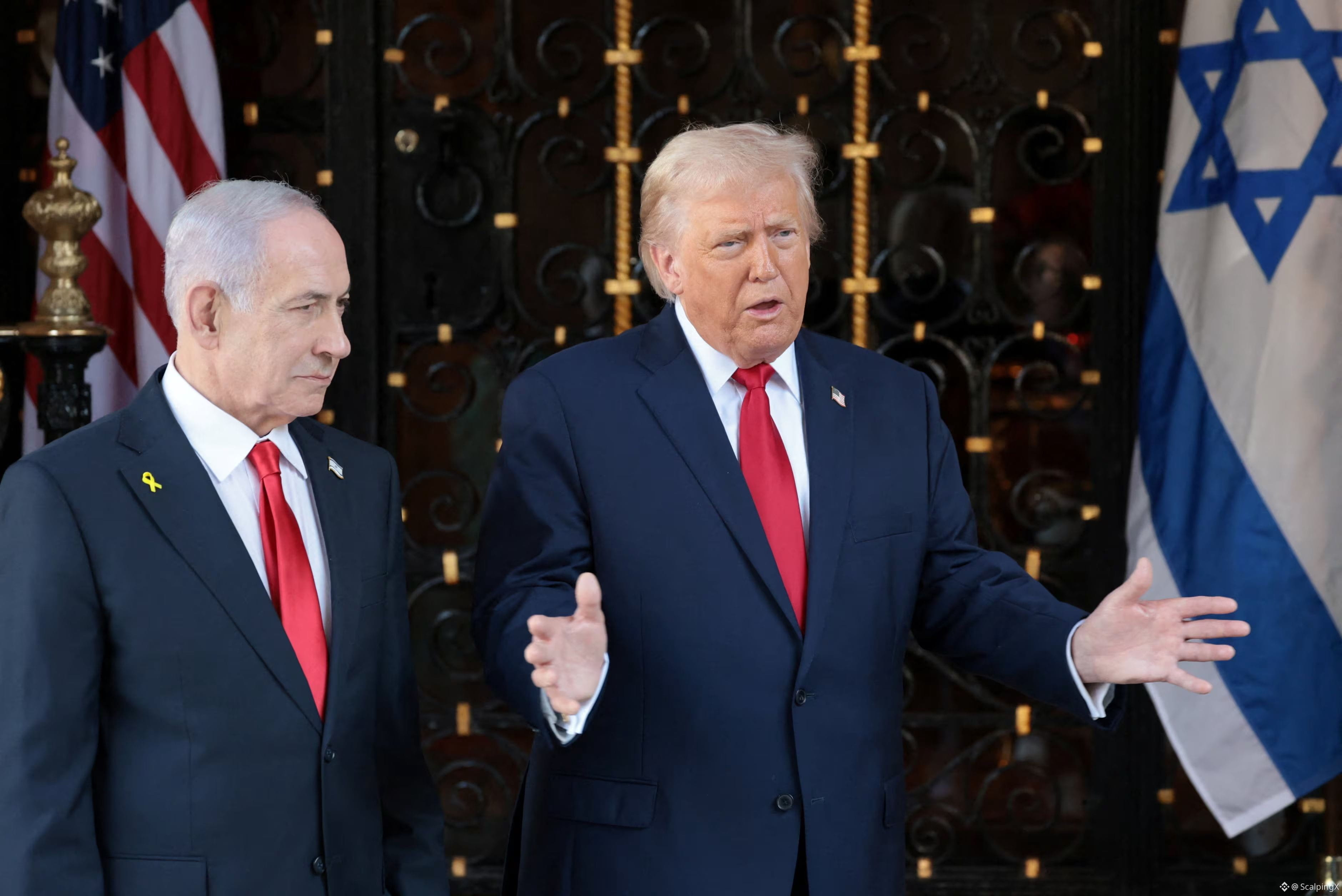
Trump says US aid to Israel will end after 2026
🏛️ On November 3, Trump said the US would stop providing roughly 4 billion annually to Israel after year-end, arguing it can fund its own needs.
📌 The existing MOU provides $3.8 billion in annual military aid through September 2028. Trump has not explained how an early cutoff would work.
🗳️ The announcement came on midterm election morning. Trump directly linked the aid to political attacks against Republicans.
🛡️ Israel could still buy US weapons. However, future orders would depend on replacement funding, leaving the impact on defense contractors uncertain.
🔎 The next focus is confirmation from Israel and an implementation plan from Washington. For now, the statement does not establish that aid flows have actually stopped.
#Geopolitics $TRUMP
2k
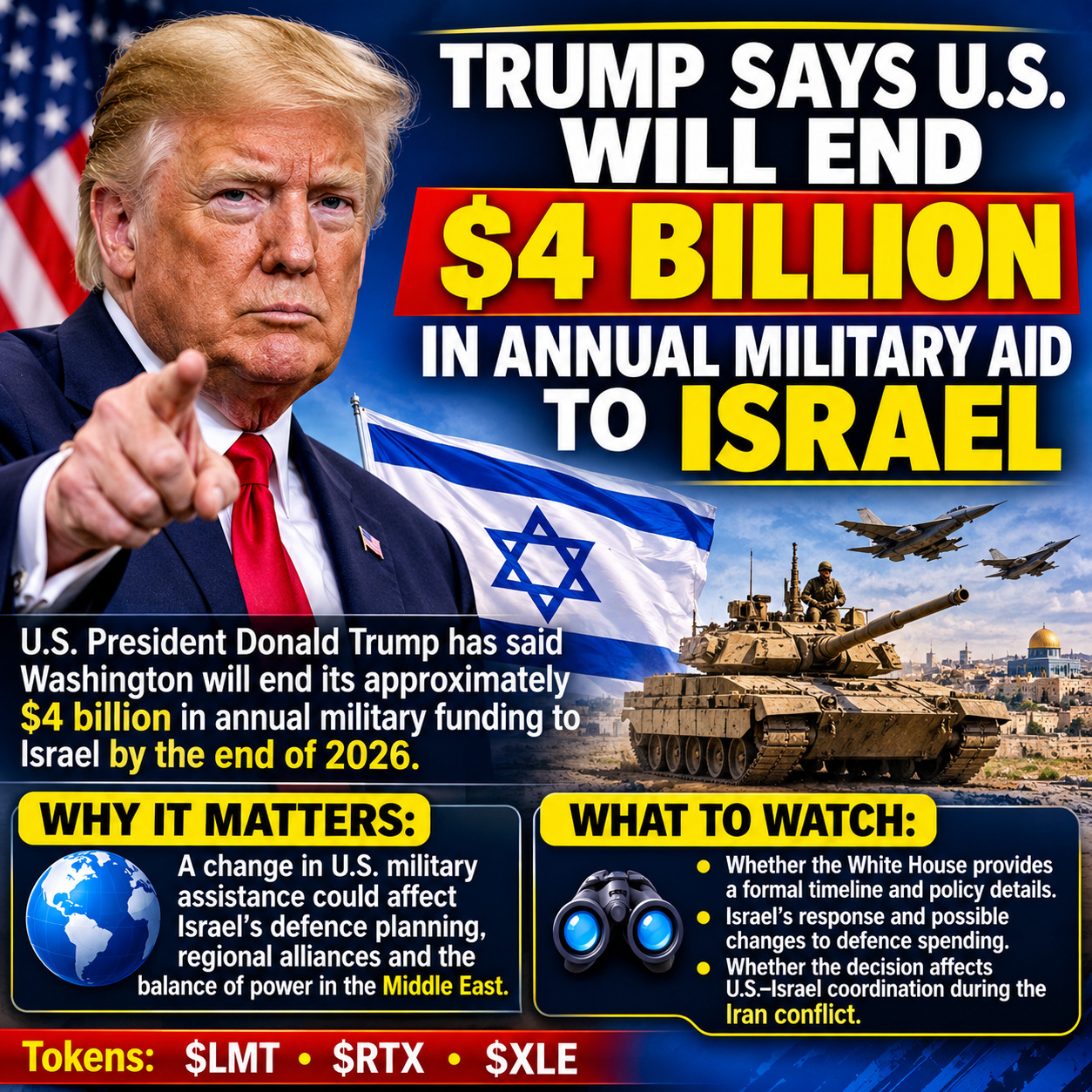
🇺🇸 Trump Says U.S. Will End $4 Billion in Annual Military Aid to Israel U.S. President Donald Trump has said Washington will end its approximately $4 billion in annual military funding to Israel by the end of 2026. The announcement comes amid the ongoing Iran conflict and growing uncertainty over regional security. The move could mark a significant change in the long-standing U.S.–Israel security relationship. Why it matters: A change in U.S. military assistance could affect Israel’s defence planning, regional alliances and the balance of power in the Middle East. It may also influence investor sentiment toward defence and energy markets. What to watch: - Whether the White House provides a formal timeline and policy details. - Israel’s response and possible changes to defence spending. - Whether the decision affects U.S.–Israel coordination during the Iran conflict. #USA #Israel #MiddleEast #USForeignPolicy #Geopolitics Tokens: $LMT · $RTX · $XLE
🇺🇸 Trump Says U.S. Will End $4 Billion in Annual Military Aid to Israel U.S. President Donald Trump has said Washington will end its approximately $4 billion in annual military funding to Israel by the end of 2026. The announcement comes amid the ongoing Iran conflict and growing uncertainty over regional security. The move could mark a significant change in the long-standing U.S.–Israel security relationship. Why it matters: A change in U.S. military assistance could affect Israel’s defence planning, regional alliances and the balance of power in the Middle East. It may also influence investor sentiment toward defence and energy markets. What to watch: - Whether the White House provides a formal timeline and policy details. - Israel’s response and possible changes to defence spending. - Whether the decision affects U.S.–Israel coordination during the Iran conflict. #USA #Israel #MiddleEast #USForeignPolicy #Geopolitics Tokens: $LMT · $RTX · $XLE
1
15
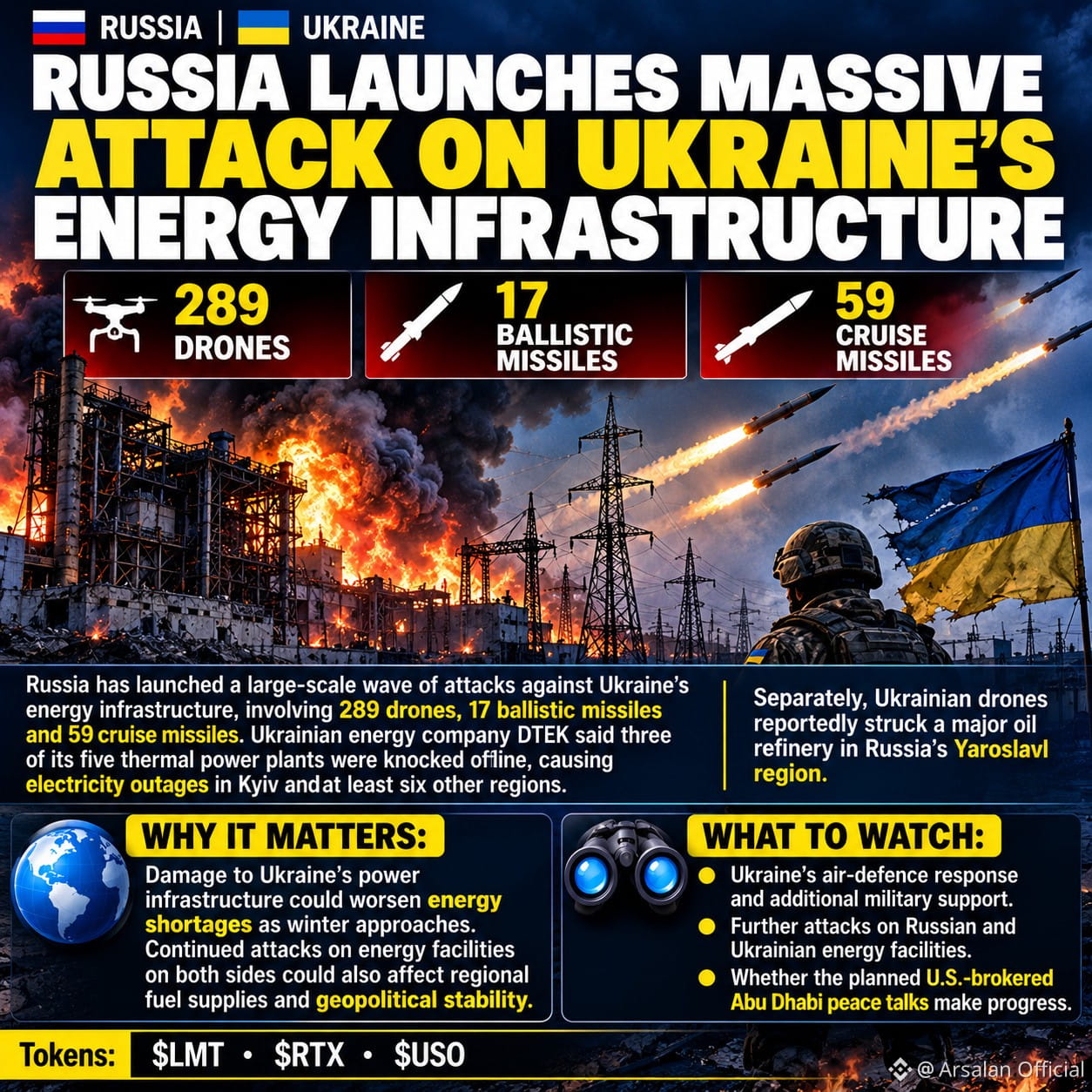
🇺🇦 Russia Launches Massive Attack on Ukraine’s Energy Infrastructure Russia has launched a large-scale wave of attacks against Ukraine’s energy infrastructure, reportedly involving 289 drones, 17 ballistic missiles and 59 cruise missiles. Ukrainian energy company DTEK said three of its five thermal power plants were knocked offline, causing electricity outages in Kyiv and at least six other regions. Separately, Ukrainian drones reportedly struck a major oil refinery in Russia’s Yaroslavl region. Why it matters: Damage to Ukraine’s power infrastructure could worsen energy shortages as winter approaches. Continued attacks on energy facilities on both sides could also affect regional fuel supplies and geopolitical stability. What to watch: - Ukraine’s air-defence response and additional military support. - Further attacks on Russian and Ukrainian energy facilities. - Whether the planned U.S.-brokered Abu Dhabi peace talks make progress.#RussiaUkraineWar #Ukraine #EnergyCrisis #Geopolitics #WorldNews Tokens: $LMT · $RTX.US · $USO.ETF
🇺🇦 Russia Launches Massive Attack on Ukraine’s Energy Infrastructure Russia has launched a large-scale wave of attacks against Ukraine’s energy infrastructure, reportedly involving 289 drones, 17 ballistic missiles and 59 cruise missiles. Ukrainian energy company DTEK said three of its five thermal power plants were knocked offline, causing electricity outages in Kyiv and at least six other regions. Separately, Ukrainian drones reportedly struck a major oil refinery in Russia’s Yaroslavl region. Why it matters: Damage to Ukraine’s power infrastructure could worsen energy shortages as winter approaches. Continued attacks on energy facilities on both sides could also affect regional fuel supplies and geopolitical stability. What to watch: - Ukraine’s air-defence response and additional military support. - Further attacks on Russian and Ukrainian energy facilities. - Whether the planned U.S.-brokered Abu Dhabi peace talks make progress.#RussiaUkraineWar #Ukraine #EnergyCrisis #Geopolitics #WorldNews Tokens: $LMT · $RTX.US · $USO.ETF
RTXUS-3.51%
USOETF+2.74%
1
103
Log in to explore more content
Join global crypto users on Binance Square
⚡️ Get latest and useful information about crypto.
💬 Trusted by the world’s largest crypto exchange.
👍 Discover real insights from verified creators.
Email / Phone number
Trending Topics
1
#BinanceReopensWithdrawalsForMoreAssets
956,271 views
4,908 Discussing
2
#USStocksSlipandCryptoMarketUnderBroadPressure
41,804 views
371 Discussing
3
#StrategySTRCResumesIssuanceAfterOver170Days
34,974 views
497 Discussing
4
#Nasdaq100Tumbles6%
11 views
19 Discussing
5
#GreekParliamentPasses10%CryptoCapitalGainsTaxBill
94 views
13 Discussing
6
#KospiSlideTriggersCircuitBreaker
101 views
14 Discussing
7
#ADPUSPrivateEmployersAdd86000JobsInOctober
53,608 views
636 Discussing
8
#KazakhstanReportedlyInvests$100MInCryptoFunds
3,912 views
65 Discussing
9
#SouthKoreaSeeksCryptoTaxDelayUntil2029
30,717 views
287 Discussing
10
#US10YearTreasuryYieldFallsTo4.845%
50,225 views
228 Discussing