
#europe
europe
931,879 views
1,656 Discussing
Hot
Latest
·
--
Binance’s position in Europe is back under the microscope.
A new report argues that the world’s largest crypto exchange is still doing business across the region despite Europe’s new crypto rules—and months after an expected departure from certain markets.
Why this matters: Europe is becoming a major test case for how large exchanges adapt when regulatory frameworks tighten. The question is no longer whether rules are coming. It’s whether platforms can maintain services while licensing, local entities and compliance expectations are still being worked through.
For users, this is about more than headlines. Availability, product access and local protections can all shift when an exchange’s regulatory status changes.
The next key development is whether European regulators clarify Binance’s operating position—or take action that forces a more defined market-by-market approach.
Will Europe’s new framework ultimately create clearer access for crypto users, or more fragmentation between countries?
#Binance #CryptoRegulation #Europe
Binance’s position in Europe is back under the microscope.
A new report argues that the world’s largest crypto exchange is still doing business across the region despite Europe’s new crypto rules—and months after an expected departure from certain markets.
Why this matters: Europe is becoming a major test case for how large exchanges adapt when regulatory frameworks tighten. The question is no longer whether rules are coming. It’s whether platforms can maintain services while licensing, local entities and compliance expectations are still being worked through.
For users, this is about more than headlines. Availability, product access and local protections can all shift when an exchange’s regulatory status changes.
The next key development is whether European regulators clarify Binance’s operating position—or take action that forces a more defined market-by-market approach.
Will Europe’s new framework ultimately create clearer access for crypto users, or more fragmentation between countries?
#Binance #CryptoRegulation #Europe
A new report argues that the world’s largest crypto exchange is still doing business across the region despite Europe’s new crypto rules—and months after an expected departure from certain markets.
Why this matters: Europe is becoming a major test case for how large exchanges adapt when regulatory frameworks tighten. The question is no longer whether rules are coming. It’s whether platforms can maintain services while licensing, local entities and compliance expectations are still being worked through.
For users, this is about more than headlines. Availability, product access and local protections can all shift when an exchange’s regulatory status changes.
The next key development is whether European regulators clarify Binance’s operating position—or take action that forces a more defined market-by-market approach.
Will Europe’s new framework ultimately create clearer access for crypto users, or more fragmentation between countries?
#Binance #CryptoRegulation #Europe
1
113

⚠️ Diesel supply challenges threaten Europe: Morgan Stanley warns of falling inventories
Morgan Stanley warned that diesel inventories in Europe could reach their lowest levels in years by the end of 2026. This comes amid a 170% increase in refining margins and geopolitical shifts affecting global supply.
━━━━━━━━━━━━━━
📊 Impact: 📊 Medium
🏷️ OTHER
#Europe #DieselSupply #EnergyCrisis #MorganStanley #Geopolitics
🔗 Source: https://cryptobriefing.com/morgan-stanley-europe-diesel-squeeze/
⚠️ Diesel supply challenges threaten Europe: Morgan Stanley warns of falling inventories
Morgan Stanley warned that diesel inventories in Europe could reach their lowest levels in years by the end of 2026. This comes amid a 170% increase in refining margins and geopolitical shifts affecting global supply.
━━━━━━━━━━━━━━
📊 Impact: 📊 Medium
🏷️ OTHER
#Europe #DieselSupply #EnergyCrisis #MorganStanley #Geopolitics
🔗 Source: https://cryptobriefing.com/morgan-stanley-europe-diesel-squeeze/
Morgan Stanley warned that diesel inventories in Europe could reach their lowest levels in years by the end of 2026. This comes amid a 170% increase in refining margins and geopolitical shifts affecting global supply.
━━━━━━━━━━━━━━
📊 Impact: 📊 Medium
🏷️ OTHER
#Europe #DieselSupply #EnergyCrisis #MorganStanley #Geopolitics
🔗 Source: https://cryptobriefing.com/morgan-stanley-europe-diesel-squeeze/
29

·
--
Here's what happened when a crypto exchange stopped feeling like an app on your phone and started showing up in everyday European neighborhoods.
For traders, the hard part is knowing whether attention is real adoption or just another marketing cycle. We’ve all seen people FOMO into $BTC, $ETH, or $BNB because a brand suddenly feels “everywhere,” only to realize visibility does not always equal timing.
The interesting case here is simple: more people are spotting Binance branding around Europe lately, not just online, but in physical spaces. That matters because crypto trust is still being rebuilt after the old CEX confidence shock of 2022, when many users learned the hard way that name recognition alone was not enough.
Compared with the 2021 cycle, when crypto brands chased stadiums, celebrities, and loud hype, this feels more local. Neighborhood-level visibility is a different signal. It says the battleground is no longer just traders on charts, but everyday users deciding which platform feels familiar enough to try.
For $BNB, that kind of presence can support brand gravity, but it does not remove market risk. The lesson is to separate awareness from entry timing: strong visibility can confirm mindshare, but smart traders still look at liquidity, regulation, product use, and price structure before making a move.
Are you seeing Binance more often around Europe too, or is this still only showing up in certain cities?
#Binance #Crypto #Europe
Here's what happened when a crypto exchange stopped feeling like an app on your phone and started showing up in everyday European neighborhoods.
For traders, the hard part is knowing whether attention is real adoption or just another marketing cycle. We’ve all seen people FOMO into $BTC , $ETH , or $BNB because a brand suddenly feels “everywhere,” only to realize visibility does not always equal timing.
The interesting case here is simple: more people are spotting Binance branding around Europe lately, not just online, but in physical spaces. That matters because crypto trust is still being rebuilt after the old CEX confidence shock of 2022, when many users learned the hard way that name recognition alone was not enough.
Compared with the 2021 cycle, when crypto brands chased stadiums, celebrities, and loud hype, this feels more local. Neighborhood-level visibility is a different signal. It says the battleground is no longer just traders on charts, but everyday users deciding which platform feels familiar enough to try.
For $BNB , that kind of presence can support brand gravity, but it does not remove market risk. The lesson is to separate awareness from entry timing: strong visibility can confirm mindshare, but smart traders still look at liquidity, regulation, product use, and price structure before making a move.
Are you seeing Binance more often around Europe too, or is this still only showing up in certain cities?
#Binance #Crypto #Europe
For traders, the hard part is knowing whether attention is real adoption or just another marketing cycle. We’ve all seen people FOMO into $BTC , $ETH , or $BNB because a brand suddenly feels “everywhere,” only to realize visibility does not always equal timing.
The interesting case here is simple: more people are spotting Binance branding around Europe lately, not just online, but in physical spaces. That matters because crypto trust is still being rebuilt after the old CEX confidence shock of 2022, when many users learned the hard way that name recognition alone was not enough.
Compared with the 2021 cycle, when crypto brands chased stadiums, celebrities, and loud hype, this feels more local. Neighborhood-level visibility is a different signal. It says the battleground is no longer just traders on charts, but everyday users deciding which platform feels familiar enough to try.
For $BNB , that kind of presence can support brand gravity, but it does not remove market risk. The lesson is to separate awareness from entry timing: strong visibility can confirm mindshare, but smart traders still look at liquidity, regulation, product use, and price structure before making a move.
Are you seeing Binance more often around Europe too, or is this still only showing up in certain cities?
#Binance #Crypto #Europe
33

Article
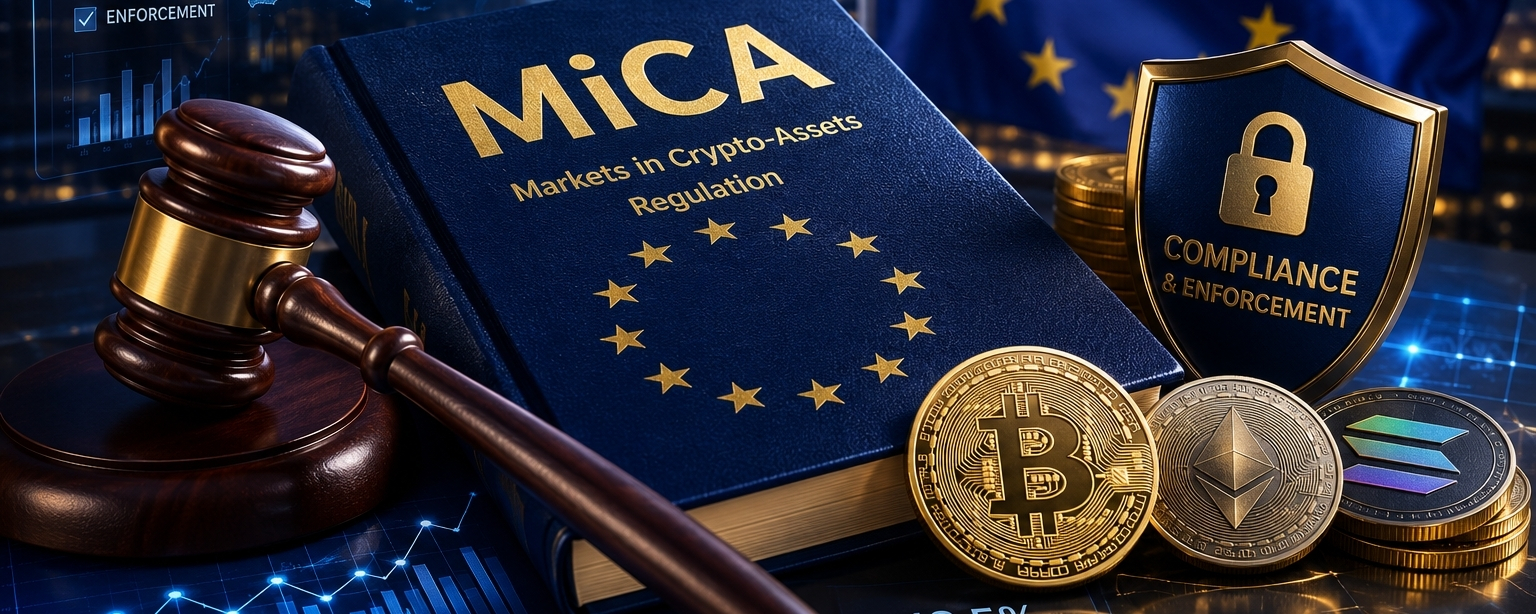
🇪🇺 Europe Is Entering a New Crypto Era — Compliance Is Becoming the Real ChallengeFor years, crypto companies in Europe have been racing to secure MiCA licenses.
Now, the race is changing.
The focus is no longer just on getting approved—it's on staying compliant every single day.
According to recent regulatory developments, the European Banking Authority (EBA) is preparing a stricter enforcement framework for crypto asset issuers that fail to meet MiCA requirements.
And the potential penalties are significant.
Companies issuing regulated crypto assets could face fines worth up to 12.5% of their annual revenue in certain cases, while others may face penalties of up to 10%, depending on the type of asset involved.
This sends a clear message:
Regulatory compliance is no longer optional—it's becoming a core business strategy.
With the MiCA transition period coming to an end, crypto exchanges, stablecoin issuers, and blockchain projects operating in Europe will likely face much closer scrutiny.
The challenge isn't simply launching a product anymore.
It's maintaining transparent reserves, meeting disclosure obligations, handling redemptions properly, and operating across borders without violating regulatory standards.
For many companies, these requirements could become just as important as attracting new users.
In my opinion, the biggest winners of the next crypto cycle may not be the projects that grow the fastest.
They'll be the ones that can scale responsibly while remaining fully compliant with global regulations.
Europe is clearly moving from crypto licensing to crypto enforcement—and that could reshape the entire industry over the coming years.
💬 What's your view?
Will stricter MiCA enforcement create a safer and stronger crypto ecosystem, or will it encourage innovation to move outside Europe?
#Crypto #MiCA #Europe #StaySafeCryptoCommunity blecoins #Binance #Web3 #CryptoNews #BTC #ETH #SOL #Abdullah_Mohammad_Sejan
🇪🇺 Europe Is Entering a New Crypto Era — Compliance Is Becoming the Real Challenge
For years, crypto companies in Europe have been racing to secure MiCA licenses.
Now, the race is changing.
The focus is no longer just on getting approved—it's on staying compliant every single day.
According to recent regulatory developments, the European Banking Authority (EBA) is preparing a stricter enforcement framework for crypto asset issuers that fail to meet MiCA requirements.
And the potential penalties are significant.
Companies issuing regulated crypto assets could face fines worth up to 12.5% of their annual revenue in certain cases, while others may face penalties of up to 10%, depending on the type of asset involved.
This sends a clear message:
Regulatory compliance is no longer optional—it's becoming a core business strategy.
With the MiCA transition period coming to an end, crypto exchanges, stablecoin issuers, and blockchain projects operating in Europe will likely face much closer scrutiny.
The challenge isn't simply launching a product anymore.
It's maintaining transparent reserves, meeting disclosure obligations, handling redemptions properly, and operating across borders without violating regulatory standards.
For many companies, these requirements could become just as important as attracting new users.
In my opinion, the biggest winners of the next crypto cycle may not be the projects that grow the fastest.
They'll be the ones that can scale responsibly while remaining fully compliant with global regulations.
Europe is clearly moving from crypto licensing to crypto enforcement—and that could reshape the entire industry over the coming years.
💬 What's your view?
Will stricter MiCA enforcement create a safer and stronger crypto ecosystem, or will it encourage innovation to move outside Europe?
#Crypto #MiCA #Europe #StaySafeCryptoCommunity blecoins #Binance #Web3 #CryptoNews #BTC #ETH #SOL #Abdullah_Mohammad_Sejan
Now, the race is changing.
The focus is no longer just on getting approved—it's on staying compliant every single day.
According to recent regulatory developments, the European Banking Authority (EBA) is preparing a stricter enforcement framework for crypto asset issuers that fail to meet MiCA requirements.
And the potential penalties are significant.
Companies issuing regulated crypto assets could face fines worth up to 12.5% of their annual revenue in certain cases, while others may face penalties of up to 10%, depending on the type of asset involved.
This sends a clear message:
Regulatory compliance is no longer optional—it's becoming a core business strategy.
With the MiCA transition period coming to an end, crypto exchanges, stablecoin issuers, and blockchain projects operating in Europe will likely face much closer scrutiny.
The challenge isn't simply launching a product anymore.
It's maintaining transparent reserves, meeting disclosure obligations, handling redemptions properly, and operating across borders without violating regulatory standards.
For many companies, these requirements could become just as important as attracting new users.
In my opinion, the biggest winners of the next crypto cycle may not be the projects that grow the fastest.
They'll be the ones that can scale responsibly while remaining fully compliant with global regulations.
Europe is clearly moving from crypto licensing to crypto enforcement—and that could reshape the entire industry over the coming years.
💬 What's your view?
Will stricter MiCA enforcement create a safer and stronger crypto ecosystem, or will it encourage innovation to move outside Europe?
#Crypto #MiCA #Europe #StaySafeCryptoCommunity blecoins #Binance #Web3 #CryptoNews #BTC #ETH #SOL #Abdullah_Mohammad_Sejan
1
120

🚨 EUROPE IS ACCELERATING CRYPTO ADOPTION.
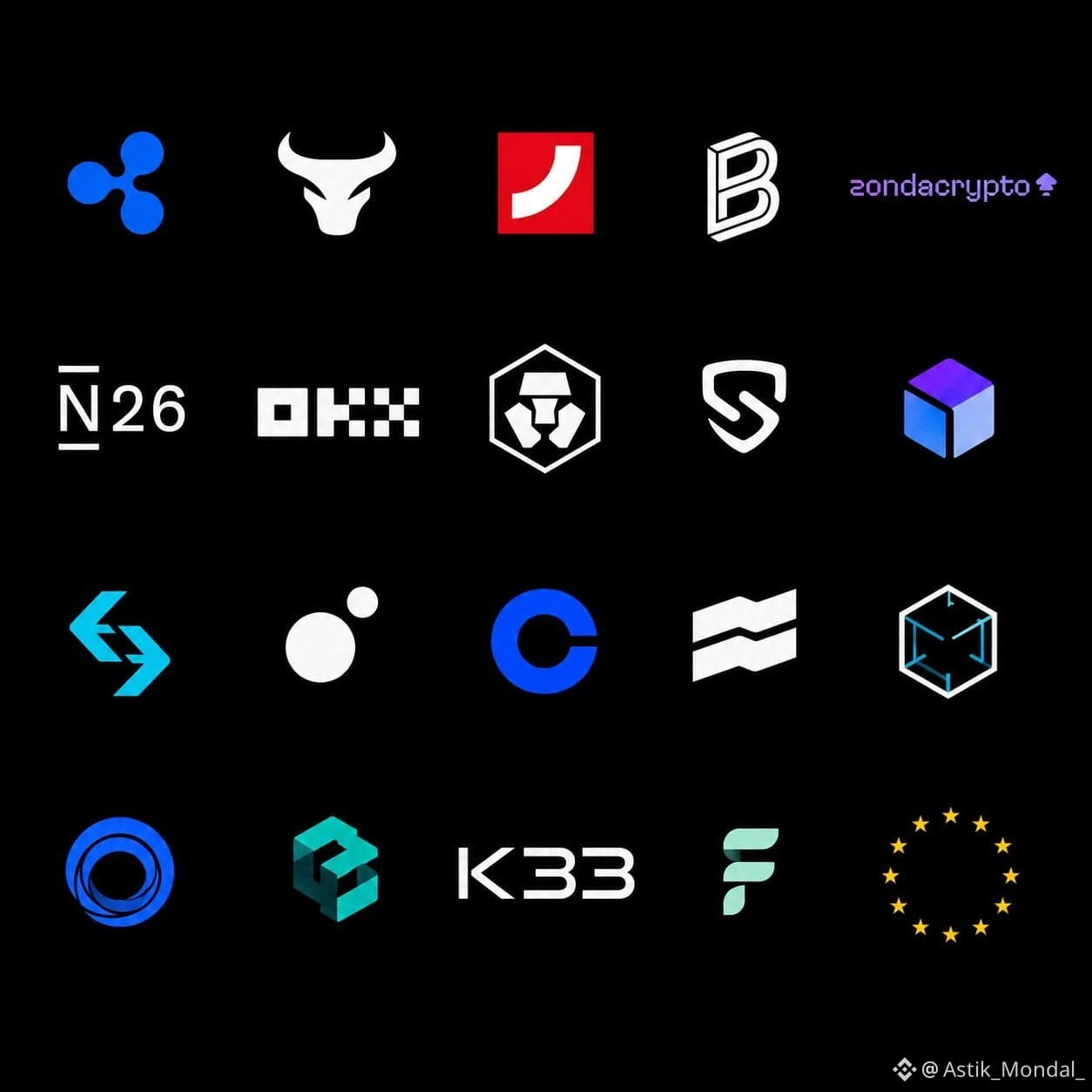
🇪🇺 ESMA has expanded the MiCA register, bringing the total number of licensed crypto firms to 294 after adding 14 new companies.
The latest additions include Ripple Payments Europe, Bison Bank, Croatia's state-owned HPB, and 11 other crypto service providers.
This is more than just a regulatory update.
Every new MiCA license strengthens the legal foundation for crypto across the European Union, giving institutions and users greater clarity while encouraging broader adoption.
As more firms secure approval, Europe is steadily positioning itself as one of the world's most crypto-friendly regulated markets.
#Crypto #Bitcoin #XRP #Europe #Blockchain
🚨 EUROPE IS ACCELERATING CRYPTO ADOPTION.
🇪🇺 ESMA has expanded the MiCA register, bringing the total number of licensed crypto firms to 294 after adding 14 new companies.
The latest additions include Ripple Payments Europe, Bison Bank, Croatia's state-owned HPB, and 11 other crypto service providers.
This is more than just a regulatory update.
Every new MiCA license strengthens the legal foundation for crypto across the European Union, giving institutions and users greater clarity while encouraging broader adoption.
As more firms secure approval, Europe is steadily positioning itself as one of the world's most crypto-friendly regulated markets.
#Crypto #Bitcoin #XRP #Europe #Blockchain
🇪🇺 ESMA has expanded the MiCA register, bringing the total number of licensed crypto firms to 294 after adding 14 new companies.
The latest additions include Ripple Payments Europe, Bison Bank, Croatia's state-owned HPB, and 11 other crypto service providers.
This is more than just a regulatory update.
Every new MiCA license strengthens the legal foundation for crypto across the European Union, giving institutions and users greater clarity while encouraging broader adoption.
As more firms secure approval, Europe is steadily positioning itself as one of the world's most crypto-friendly regulated markets.
#Crypto #Bitcoin #XRP #Europe #Blockchain
1
57

#crypto #regulation #europe #Virtualtraders
The Spanish financial regulator (CNMV) has said there will be no exceptions or extensions to MiCA's licensing period, which expires at the end of June in the EU. Unlicensed crypto firms must either obtain permission or cease their operations in the EU — RTRS
#crypto #regulation #europe #Virtualtraders
The Spanish financial regulator (CNMV) has said there will be no exceptions or extensions to MiCA's licensing period, which expires at the end of June in the EU. Unlicensed crypto firms must either obtain permission or cease their operations in the EU — RTRS
The Spanish financial regulator (CNMV) has said there will be no exceptions or extensions to MiCA's licensing period, which expires at the end of June in the EU. Unlicensed crypto firms must either obtain permission or cease their operations in the EU — RTRS
2
1.1k

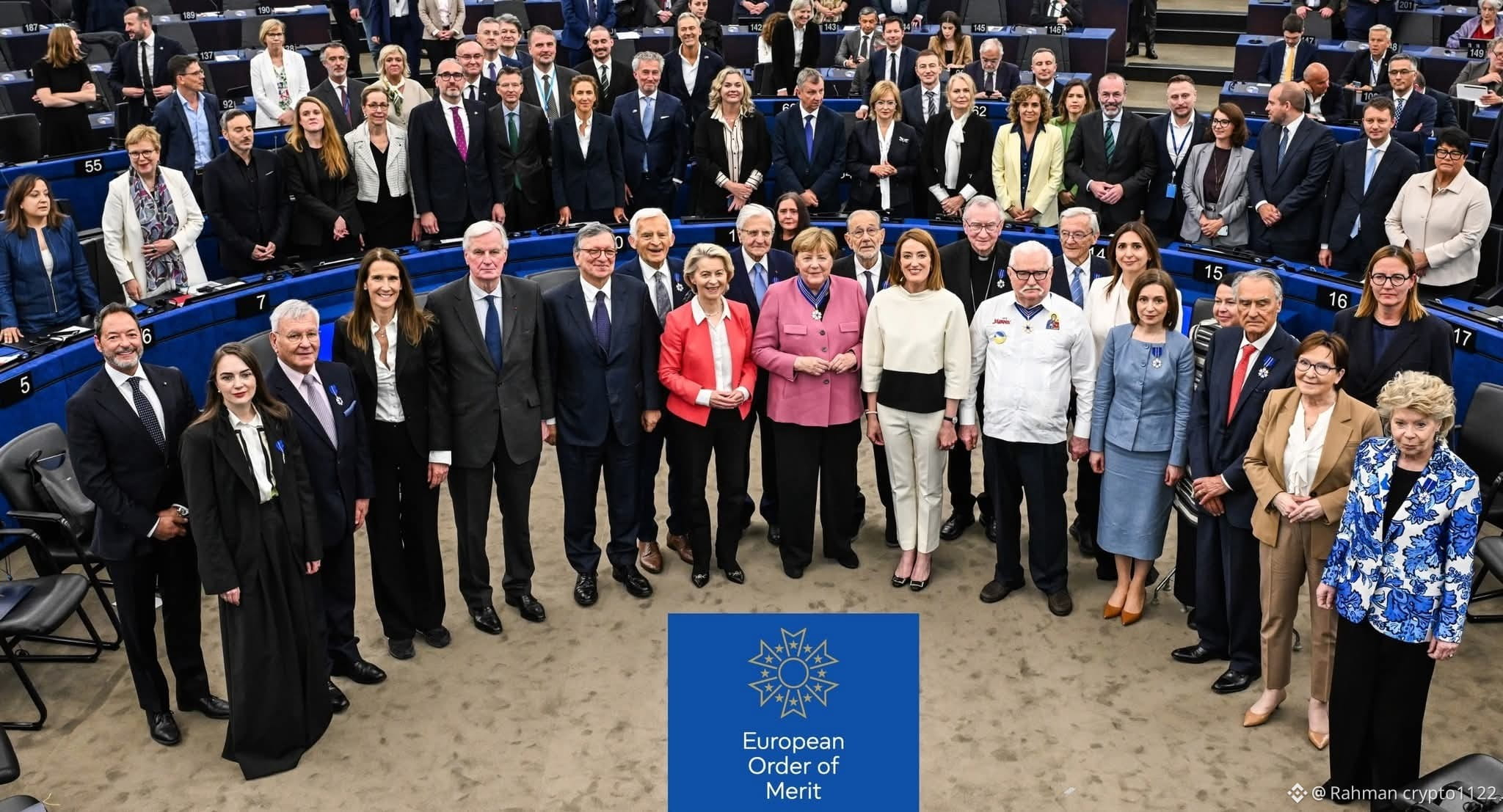
🇪🇺 For the people who build Europe — through courage, vision, unity, and dedication to democratic values.
The European Order of Merit honors those whose work and commitment continue to shape a stronger and more united Europe for future generations. 👏
Reference: European Parliament initiative recognizing the first laureates of the European Order of Merit 2026.
#EuropeanOrderOfMerit #Europe #EuropeanParliament #EU
$BNB $ETH $XRP
🇪🇺 For the people who build Europe — through courage, vision, unity, and dedication to democratic values.
The European Order of Merit honors those whose work and commitment continue to shape a stronger and more united Europe for future generations. 👏
Reference: European Parliament initiative recognizing the first laureates of the European Order of Merit 2026.
#EuropeanOrderOfMerit #Europe #EuropeanParliament #EU
$BNB $ETH $XRP
The European Order of Merit honors those whose work and commitment continue to shape a stronger and more united Europe for future generations. 👏
Reference: European Parliament initiative recognizing the first laureates of the European Order of Merit 2026.
#EuropeanOrderOfMerit #Europe #EuropeanParliament #EU
$BNB $ETH $XRP
49

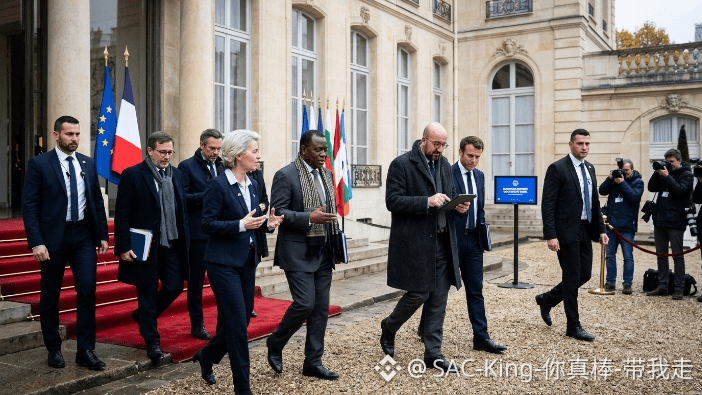
🌍🔥 World Leaders Prepare for Critical Diplomatic Week Across Europe 🔥🌍
🚶 I was on my evening walk when I checked a few international headlines, and this one really stood out.
🇪🇺 World leaders are preparing for a critical diplomatic week across Europe, with several high level meetings and discussions expected to shape conversations on security, trade, and international cooperation.
📰 It feels like one of those weeks where a lot can happen behind closed doors.
🤝 Diplomatic gatherings may not always grab attention like breaking news does, but they often influence major decisions that affect millions of people around the world. That's why so many eyes are on Europe right now.
🌐 What interests me most is how these meetings bring together leaders with different priorities, yet they still have to find common ground on complex global issues.
☕ For everyday people, the headlines may seem distant, but the outcomes can impact economies, policies, and future relationships between countries.
💭🗺️ Do you think diplomacy still plays the biggest role in solving global challenges today?
#Europe #Diplomacy #WorldNews #Write2Earn #GrowWithSAC
🌍🔥 World Leaders Prepare for Critical Diplomatic Week Across Europe 🔥🌍
🚶 I was on my evening walk when I checked a few international headlines, and this one really stood out.
🇪🇺 World leaders are preparing for a critical diplomatic week across Europe, with several high level meetings and discussions expected to shape conversations on security, trade, and international cooperation.
📰 It feels like one of those weeks where a lot can happen behind closed doors.
🤝 Diplomatic gatherings may not always grab attention like breaking news does, but they often influence major decisions that affect millions of people around the world. That's why so many eyes are on Europe right now.
🌐 What interests me most is how these meetings bring together leaders with different priorities, yet they still have to find common ground on complex global issues.
☕ For everyday people, the headlines may seem distant, but the outcomes can impact economies, policies, and future relationships between countries.
💭🗺️ Do you think diplomacy still plays the biggest role in solving global challenges today?
#Europe #Diplomacy #WorldNews #Write2Earn #GrowWithSAC
🚶 I was on my evening walk when I checked a few international headlines, and this one really stood out.
🇪🇺 World leaders are preparing for a critical diplomatic week across Europe, with several high level meetings and discussions expected to shape conversations on security, trade, and international cooperation.
📰 It feels like one of those weeks where a lot can happen behind closed doors.
🤝 Diplomatic gatherings may not always grab attention like breaking news does, but they often influence major decisions that affect millions of people around the world. That's why so many eyes are on Europe right now.
🌐 What interests me most is how these meetings bring together leaders with different priorities, yet they still have to find common ground on complex global issues.
☕ For everyday people, the headlines may seem distant, but the outcomes can impact economies, policies, and future relationships between countries.
💭🗺️ Do you think diplomacy still plays the biggest role in solving global challenges today?
#Europe #Diplomacy #WorldNews #Write2Earn #GrowWithSAC
308

·
--
Bullish
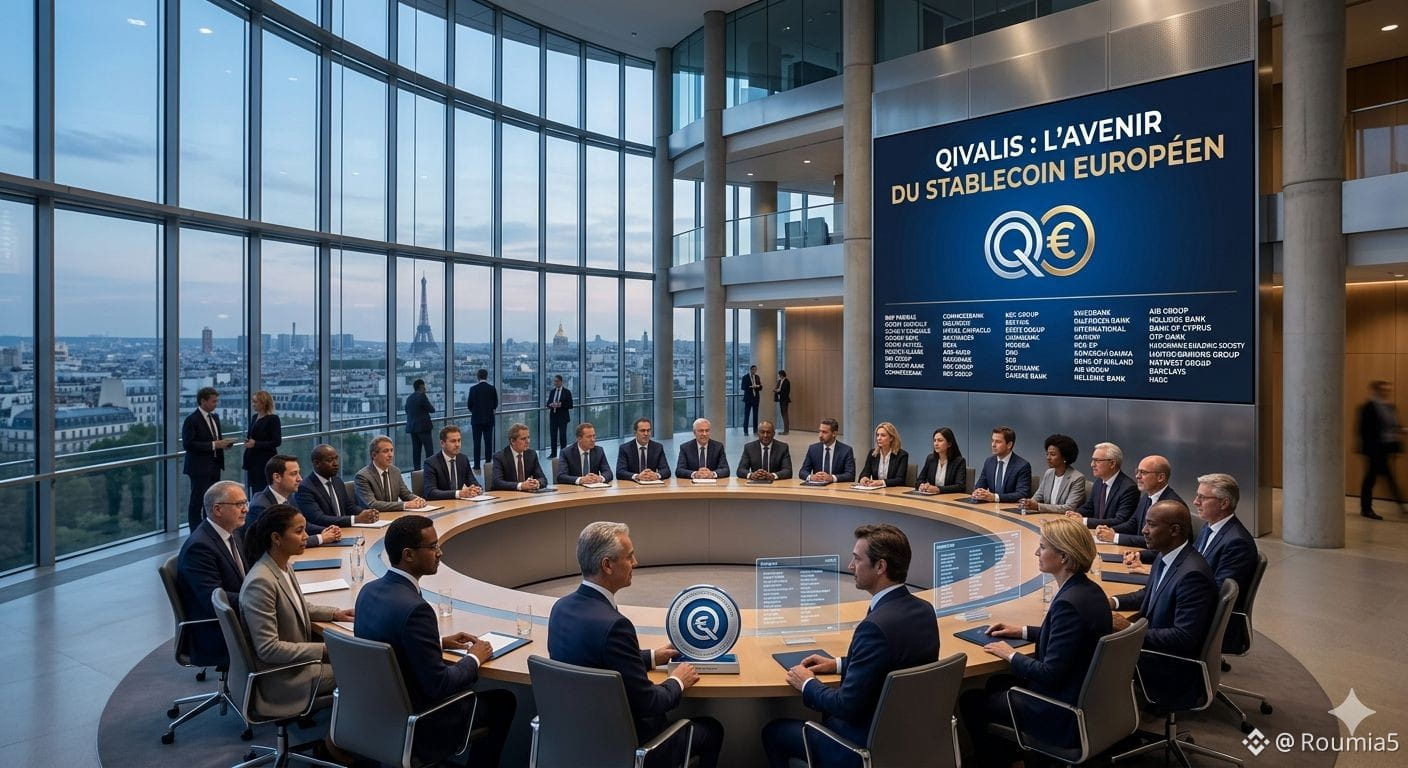
What to keep in mind about stablecoins and Europe in 4 points:
1-A stablecoin is a stable cryptocurrency pegged to a real currency ($1 or €1) to dodge volatility.
2-The public digital Euro (ECB) will be the electronic equivalent of our banknotes, issued by the state, with a launch set for 2029.
3-The private project (Qivalis) is a euro stablecoin created by 37 European banks (BNP, ING...), expected by the end of 2026.
4-The European MiCA law tightly regulates these assets to eliminate scams and secure users.
#stable #coin #Europe
What to keep in mind about stablecoins and Europe in 4 points:
1-A stablecoin is a stable cryptocurrency pegged to a real currency ($1 or €1) to dodge volatility.
2-The public digital Euro (ECB) will be the electronic equivalent of our banknotes, issued by the state, with a launch set for 2029.
3-The private project (Qivalis) is a euro stablecoin created by 37 European banks (BNP, ING...), expected by the end of 2026.
4-The European MiCA law tightly regulates these assets to eliminate scams and secure users.
#stable #coin #Europe
1-A stablecoin is a stable cryptocurrency pegged to a real currency ($1 or €1) to dodge volatility.
2-The public digital Euro (ECB) will be the electronic equivalent of our banknotes, issued by the state, with a launch set for 2029.
3-The private project (Qivalis) is a euro stablecoin created by 37 European banks (BNP, ING...), expected by the end of 2026.
4-The European MiCA law tightly regulates these assets to eliminate scams and secure users.
#stable #coin #Europe
2
154
#Europe #crypto #DekaBank
🚀 European banking revolution: 50 million Germans will have access to crypto via regular banking apps!
DekaBank, the central investment wing of the German Sparkassen savings bank chain, is integrating direct access to cryptocurrencies into its mobile apps.
This is not just another news from the crypto world - it is a fundamental shift for the conservative financial market in Europe.
🔄 A major 180-degree U-turn
Sparkassen's path to digital assets has been thorny and full of skepticism:
2015: Complete blocking of crypto transactions.
2022: Cancellation of the Bitcoin pilot project.
2023: Management votes against the introduction of digital assets.
June 30, 2025: Complete board U-turn and adoption of a historic decision on integration.
📊 What does this mean in practice?
Thanks to the new European regulatory framework MiCA (Markets in Crypto-Assets), which has given banks clear and understandable rules of the game:
Around 50 million retail customers will have direct access to buying Bitcoin and Ethereum.
The service will appear in the apps of more than 370 savings banks throughout Germany.
Crypto is becoming a part of everyday banking alongside classic savings and shares.
🧠 Key takeaways and things to watch out for:
1. MiCA regulation triumph: Clear European laws are doing what years of talk couldn’t do – forcing super-conservative institutional giants to trust crypto.
2. Pressure on Ethereum and Bitcoin: Institutional recognition and the influx of millions of new potential buyers traditionally play in favor of the growth of the value of the main cryptocurrencies (which is already reflected in the sentiment of the forecast markets).
3. Domino effect: We will keep an eye on how quickly the Sparkassen network will expand and which of the major European banks will announce such an integration next.
Europe is confidently heading towards legal and mass crypto integration. The future of finance is already in our smartphones! 📱✨
#Europe #crypto #DekaBank
🚀 European banking revolution: 50 million Germans will have access to crypto via regular banking apps!
DekaBank, the central investment wing of the German Sparkassen savings bank chain, is integrating direct access to cryptocurrencies into its mobile apps.
This is not just another news from the crypto world - it is a fundamental shift for the conservative financial market in Europe.
🔄 A major 180-degree U-turn
Sparkassen's path to digital assets has been thorny and full of skepticism:
2015: Complete blocking of crypto transactions.
2022: Cancellation of the Bitcoin pilot project.
2023: Management votes against the introduction of digital assets.
June 30, 2025: Complete board U-turn and adoption of a historic decision on integration.
📊 What does this mean in practice?
Thanks to the new European regulatory framework MiCA (Markets in Crypto-Assets), which has given banks clear and understandable rules of the game:
Around 50 million retail customers will have direct access to buying Bitcoin and Ethereum.
The service will appear in the apps of more than 370 savings banks throughout Germany.
Crypto is becoming a part of everyday banking alongside classic savings and shares.
🧠 Key takeaways and things to watch out for:
1. MiCA regulation triumph: Clear European laws are doing what years of talk couldn’t do – forcing super-conservative institutional giants to trust crypto.
2. Pressure on Ethereum and Bitcoin: Institutional recognition and the influx of millions of new potential buyers traditionally play in favor of the growth of the value of the main cryptocurrencies (which is already reflected in the sentiment of the forecast markets).
3. Domino effect: We will keep an eye on how quickly the Sparkassen network will expand and which of the major European banks will announce such an integration next.
Europe is confidently heading towards legal and mass crypto integration. The future of finance is already in our smartphones! 📱✨
🚀 European banking revolution: 50 million Germans will have access to crypto via regular banking apps!
DekaBank, the central investment wing of the German Sparkassen savings bank chain, is integrating direct access to cryptocurrencies into its mobile apps.
This is not just another news from the crypto world - it is a fundamental shift for the conservative financial market in Europe.
🔄 A major 180-degree U-turn
Sparkassen's path to digital assets has been thorny and full of skepticism:
2015: Complete blocking of crypto transactions.
2022: Cancellation of the Bitcoin pilot project.
2023: Management votes against the introduction of digital assets.
June 30, 2025: Complete board U-turn and adoption of a historic decision on integration.
📊 What does this mean in practice?
Thanks to the new European regulatory framework MiCA (Markets in Crypto-Assets), which has given banks clear and understandable rules of the game:
Around 50 million retail customers will have direct access to buying Bitcoin and Ethereum.
The service will appear in the apps of more than 370 savings banks throughout Germany.
Crypto is becoming a part of everyday banking alongside classic savings and shares.
🧠 Key takeaways and things to watch out for:
1. MiCA regulation triumph: Clear European laws are doing what years of talk couldn’t do – forcing super-conservative institutional giants to trust crypto.
2. Pressure on Ethereum and Bitcoin: Institutional recognition and the influx of millions of new potential buyers traditionally play in favor of the growth of the value of the main cryptocurrencies (which is already reflected in the sentiment of the forecast markets).
3. Domino effect: We will keep an eye on how quickly the Sparkassen network will expand and which of the major European banks will announce such an integration next.
Europe is confidently heading towards legal and mass crypto integration. The future of finance is already in our smartphones! 📱✨
1
88
·
--
🚨 MiCA Deadline Hits Europe: Crypto Shake-Up Begins.
Europe's MiCA transition period officially expires on July 1, 2026, and regulators have made one thing clear: there will be no extensions.$BNB
⚠️ An estimated 80% of Europe's 3,000+ registered crypto providers are still awaiting full authorization, creating significant uncertainty across the industry.
📉 Market Impact • Several exchanges, including Binance, have suspended or restricted certain EU services. • More than $400 million in user withdrawals have reportedly been triggered amid regulatory uncertainty. • The European Banking Authority (EBA) has introduced a tougher enforcement framework, with potential fines of up to 12.5% of annual revenue for non-compliant issuers.$ETH
💡 What It Means The coming weeks could reshape Europe's crypto landscape. Fully licensed firms may gain a competitive advantage, while unlicensed providers face the risk of service disruptions, penalties, or market exit.$BTC
📊 Trading View: Expect elevated volatility for EU-focused crypto businesses. Long-term, clearer regulation could strengthen institutional confidence, but the short-term transition may remain turbulent.
#Crypto #Bitcoin #MiCA #Europe
{spot}(BTCUSDT)
{spot}(ETHUSDT)
{spot}(BNBUSDT)
🚨 MiCA Deadline Hits Europe: Crypto Shake-Up Begins.
Europe's MiCA transition period officially expires on July 1, 2026, and regulators have made one thing clear: there will be no extensions.$BNB
⚠️ An estimated 80% of Europe's 3,000+ registered crypto providers are still awaiting full authorization, creating significant uncertainty across the industry.
📉 Market Impact • Several exchanges, including Binance, have suspended or restricted certain EU services. • More than $400 million in user withdrawals have reportedly been triggered amid regulatory uncertainty. • The European Banking Authority (EBA) has introduced a tougher enforcement framework, with potential fines of up to 12.5% of annual revenue for non-compliant issuers.$ETH
💡 What It Means The coming weeks could reshape Europe's crypto landscape. Fully licensed firms may gain a competitive advantage, while unlicensed providers face the risk of service disruptions, penalties, or market exit.$BTC
📊 Trading View: Expect elevated volatility for EU-focused crypto businesses. Long-term, clearer regulation could strengthen institutional confidence, but the short-term transition may remain turbulent.
#Crypto #Bitcoin #MiCA #Europe
Europe's MiCA transition period officially expires on July 1, 2026, and regulators have made one thing clear: there will be no extensions.$BNB
⚠️ An estimated 80% of Europe's 3,000+ registered crypto providers are still awaiting full authorization, creating significant uncertainty across the industry.
📉 Market Impact • Several exchanges, including Binance, have suspended or restricted certain EU services. • More than $400 million in user withdrawals have reportedly been triggered amid regulatory uncertainty. • The European Banking Authority (EBA) has introduced a tougher enforcement framework, with potential fines of up to 12.5% of annual revenue for non-compliant issuers.$ETH
💡 What It Means The coming weeks could reshape Europe's crypto landscape. Fully licensed firms may gain a competitive advantage, while unlicensed providers face the risk of service disruptions, penalties, or market exit.$BTC
📊 Trading View: Expect elevated volatility for EU-focused crypto businesses. Long-term, clearer regulation could strengthen institutional confidence, but the short-term transition may remain turbulent.
#Crypto #Bitcoin #MiCA #Europe
64

Article
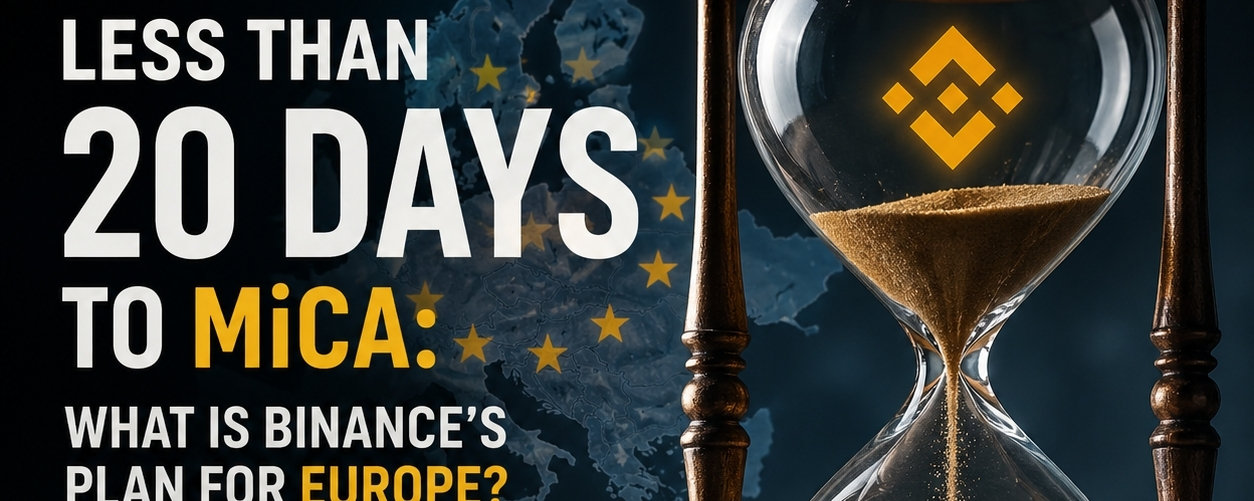
🇪🇺 Less than 16 days to MiCA: What is Binance's plan for Europe?I'm not spreading FUD. I'm a Binance user and simply looking for transparency before July 1.
Binance, we are now less than 16 days away from the end of the MiCA transition period in Europe.
Many EU users still don't know what to expect after July 1st.
Can Binance publish an official update covering:
• MiCA license status
• Greece authorization progress
• Impact on Spot
• Impact on Margin
• Impact on Staking
• Impact on Alpha / Launchpool
• Stablecoin policy
No drama, just transparency.
Thank you.
#MiCa
#Europe
🇪🇺 Less than 16 days to MiCA: What is Binance's plan for Europe?
I'm not spreading FUD. I'm a Binance user and simply looking for transparency before July 1.
Binance, we are now less than 16 days away from the end of the MiCA transition period in Europe.
Many EU users still don't know what to expect after July 1st.
Can Binance publish an official update covering:
• MiCA license status
• Greece authorization progress
• Impact on Spot
• Impact on Margin
• Impact on Staking
• Impact on Alpha / Launchpool
• Stablecoin policy
No drama, just transparency.
Thank you.
#MiCa
#Europe
Binance, we are now less than 16 days away from the end of the MiCA transition period in Europe.
Many EU users still don't know what to expect after July 1st.
Can Binance publish an official update covering:
• MiCA license status
• Greece authorization progress
• Impact on Spot
• Impact on Margin
• Impact on Staking
• Impact on Alpha / Launchpool
• Stablecoin policy
No drama, just transparency.
Thank you.
#MiCa
#Europe
7
2
132
🇪🇺 Europe launches outstanding Bitcoin-backed shares as demand rises!
Europe is seeing the launch of outstanding Bitcoin-backed shares, reflecting growing investor and institutional interest in using cryptocurrencies as financial assets. This move strengthens Bitcoin’s position as an investment tool and provides new ways for traditional investors to gain exposure to the emerging crypto market.
━━━━━━━━━━━━━━
📊 Impact: 📈 High
🏷️ BITCOIN
#Bitcoin #Europe #Crypto #Investment #PreferredStock
🔗 Source: http://www.newsbtc.com/news/europe-bitcoin-backed-preferred-stock-treasury-demand/
🇪🇺 Europe launches outstanding Bitcoin-backed shares as demand rises!
Europe is seeing the launch of outstanding Bitcoin-backed shares, reflecting growing investor and institutional interest in using cryptocurrencies as financial assets. This move strengthens Bitcoin’s position as an investment tool and provides new ways for traditional investors to gain exposure to the emerging crypto market.
━━━━━━━━━━━━━━
📊 Impact: 📈 High
🏷️ BITCOIN
#Bitcoin #Europe #Crypto #Investment #PreferredStock
🔗 Source: http://www.newsbtc.com/news/europe-bitcoin-backed-preferred-stock-treasury-demand/
Europe is seeing the launch of outstanding Bitcoin-backed shares, reflecting growing investor and institutional interest in using cryptocurrencies as financial assets. This move strengthens Bitcoin’s position as an investment tool and provides new ways for traditional investors to gain exposure to the emerging crypto market.
━━━━━━━━━━━━━━
📊 Impact: 📈 High
🏷️ BITCOIN
#Bitcoin #Europe #Crypto #Investment #PreferredStock
🔗 Source: http://www.newsbtc.com/news/europe-bitcoin-backed-preferred-stock-treasury-demand/
35
🇪🇺 European Leaders Shift Focus Toward Long-Term Competitiveness Instead of Short-Term Relief 🚀
It is interesting how the hardest choices are often the ones that do not deliver instant applause. Yet those are the decisions that can shape the next decade instead of the next news cycle.
Across Europe, discussions are increasingly centered on strengthening long term competitiveness through innovation, productivity, investment, and industrial resilience. The goal is not only to respond to today's challenges, but to prepare for tomorrow's opportunities.
That perspective resonates with me. Lasting progress usually comes from building stronger foundations rather than applying temporary fixes. Sustainable growth is rarely dramatic, but it is often the most meaningful.
Economies evolve when strategy outlasts uncertainty. Every investment in skills, technology, and infrastructure is a reminder that resilience is built one decision at a time.
The strongest future is often created long before the results become visible. 💬 Which long term priority do you think will matter most for Europe's competitiveness in the years ahead?
Disclaimer: This post is for educational purposes only and is not financial advice.
#Europe #Competitiveness #EconomicStrategy #Write2Earn #GrowWithSAC
🇪🇺 European Leaders Shift Focus Toward Long-Term Competitiveness Instead of Short-Term Relief 🚀
It is interesting how the hardest choices are often the ones that do not deliver instant applause. Yet those are the decisions that can shape the next decade instead of the next news cycle.
Across Europe, discussions are increasingly centered on strengthening long term competitiveness through innovation, productivity, investment, and industrial resilience. The goal is not only to respond to today's challenges, but to prepare for tomorrow's opportunities.
That perspective resonates with me. Lasting progress usually comes from building stronger foundations rather than applying temporary fixes. Sustainable growth is rarely dramatic, but it is often the most meaningful.
Economies evolve when strategy outlasts uncertainty. Every investment in skills, technology, and infrastructure is a reminder that resilience is built one decision at a time.
The strongest future is often created long before the results become visible. 💬 Which long term priority do you think will matter most for Europe's competitiveness in the years ahead?
Disclaimer: This post is for educational purposes only and is not financial advice.
#Europe #Competitiveness #EconomicStrategy #Write2Earn #GrowWithSAC
It is interesting how the hardest choices are often the ones that do not deliver instant applause. Yet those are the decisions that can shape the next decade instead of the next news cycle.
Across Europe, discussions are increasingly centered on strengthening long term competitiveness through innovation, productivity, investment, and industrial resilience. The goal is not only to respond to today's challenges, but to prepare for tomorrow's opportunities.
That perspective resonates with me. Lasting progress usually comes from building stronger foundations rather than applying temporary fixes. Sustainable growth is rarely dramatic, but it is often the most meaningful.
Economies evolve when strategy outlasts uncertainty. Every investment in skills, technology, and infrastructure is a reminder that resilience is built one decision at a time.
The strongest future is often created long before the results become visible. 💬 Which long term priority do you think will matter most for Europe's competitiveness in the years ahead?
Disclaimer: This post is for educational purposes only and is not financial advice.
#Europe #Competitiveness #EconomicStrategy #Write2Earn #GrowWithSAC

1
381

·
--
Bullish
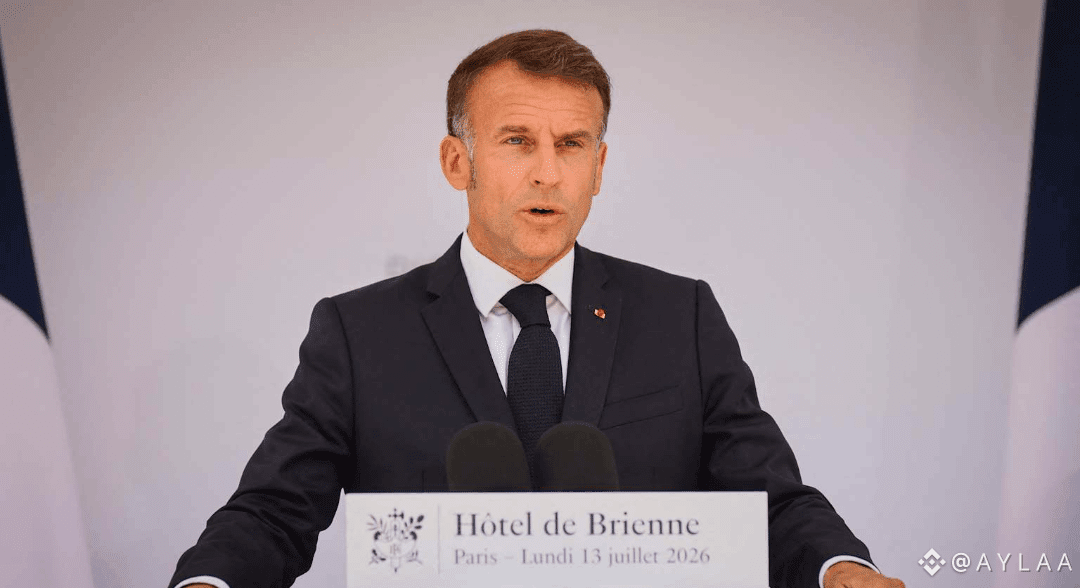
🇫🇷 Macron isn't mincing words: Europe will defend freedom and the rule of law "at the cost of blood if necessary."
Paris just hosted ~35 Coalition of the Willing leaders, and Tuesday's Bastille Day parade will include Ukrainian troops marching for the first time 🇺🇦
France also says its rearmament pledge is on track — defence spending headed toward €64B by 2027, double 2017 levels 💶
Words and numbers both pointing the same direction right now.
#Macron #Europe #Ukraine #BastilleDay
🇫🇷 Macron isn't mincing words: Europe will defend freedom and the rule of law "at the cost of blood if necessary."
Paris just hosted ~35 Coalition of the Willing leaders, and Tuesday's Bastille Day parade will include Ukrainian troops marching for the first time 🇺🇦
France also says its rearmament pledge is on track — defence spending headed toward €64B by 2027, double 2017 levels 💶
Words and numbers both pointing the same direction right now.
#Macron #Europe #Ukraine #BastilleDay
Paris just hosted ~35 Coalition of the Willing leaders, and Tuesday's Bastille Day parade will include Ukrainian troops marching for the first time 🇺🇦
France also says its rearmament pledge is on track — defence spending headed toward €64B by 2027, double 2017 levels 💶
Words and numbers both pointing the same direction right now.
#Macron #Europe #Ukraine #BastilleDay
158

·
--
🚨 CZ Sounds the Alarm: Is Europe Blocking Access to Global Crypto Liquidity?
The crypto landscape in Europe could be facing a major shift. 🌍
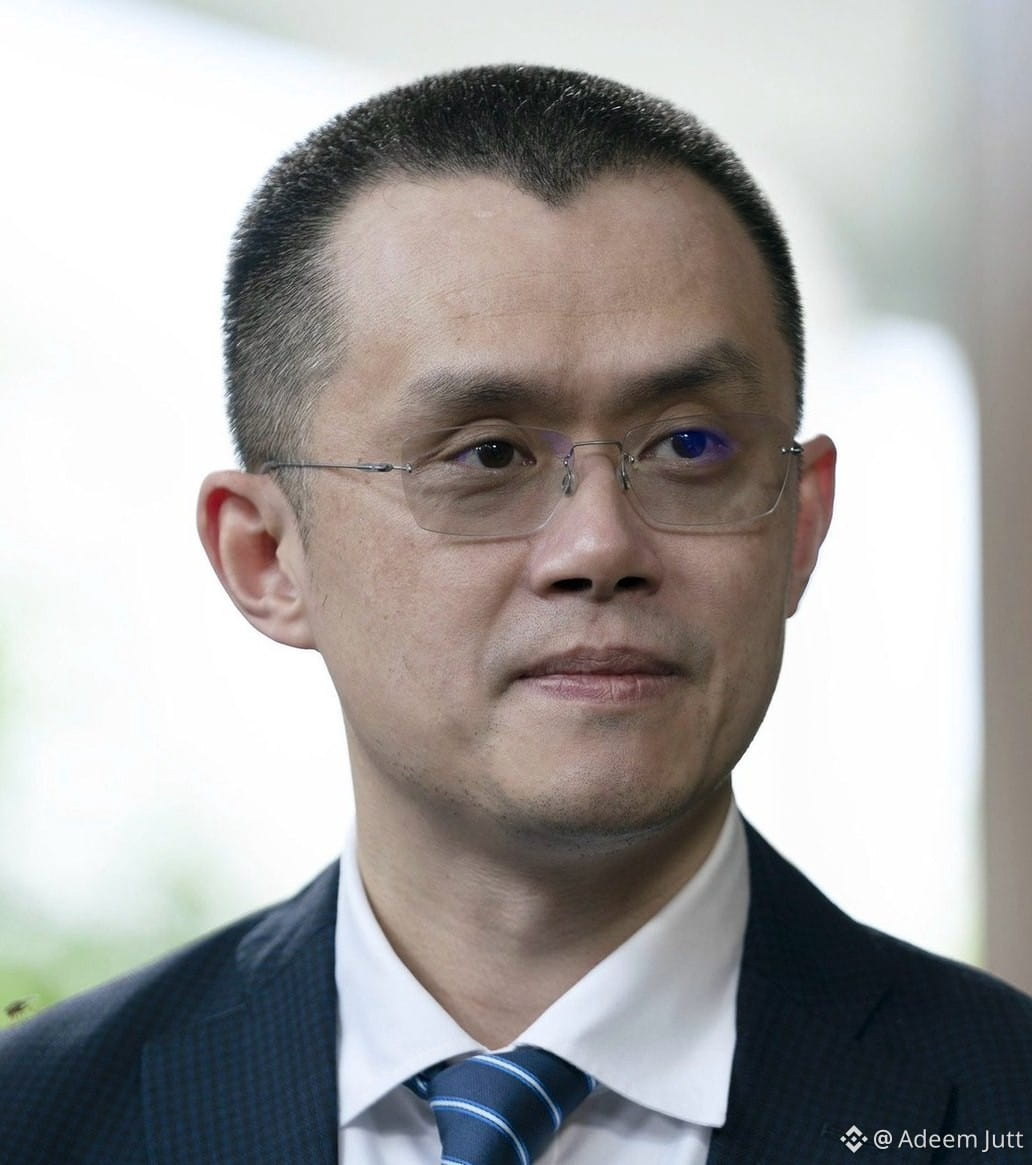
According to CZ, the founder of Binance, the EU's decision not to grant Binance a MiCA license is cutting users off from what he describes as the deepest liquidity in the global crypto market.
If true, this could mean fewer trading opportunities, wider spreads, and reduced market efficiency for many European users.
As regulatory battles continue, one question remains:
Will stricter rules strengthen the industry—or push traders away from the best markets? 🤔
💬 What's your take? Is the EU protecting investors, or limiting their access to global liquidity? Share your thoughts below! 👇
$HEI $MAGMA $BNB
{spot}(BNBUSDT)
{future}(MAGMAUSDT)
{spot}(HEIUSDT)
#CZ #Europe #CryptoNews #BinanceNews
🚨 CZ Sounds the Alarm: Is Europe Blocking Access to Global Crypto Liquidity?
The crypto landscape in Europe could be facing a major shift. 🌍
According to CZ, the founder of Binance, the EU's decision not to grant Binance a MiCA license is cutting users off from what he describes as the deepest liquidity in the global crypto market.
If true, this could mean fewer trading opportunities, wider spreads, and reduced market efficiency for many European users.
As regulatory battles continue, one question remains:
Will stricter rules strengthen the industry—or push traders away from the best markets? 🤔
💬 What's your take? Is the EU protecting investors, or limiting their access to global liquidity? Share your thoughts below! 👇
$HEI $MAGMA $BNB
#CZ #Europe #CryptoNews #BinanceNews
The crypto landscape in Europe could be facing a major shift. 🌍
According to CZ, the founder of Binance, the EU's decision not to grant Binance a MiCA license is cutting users off from what he describes as the deepest liquidity in the global crypto market.
If true, this could mean fewer trading opportunities, wider spreads, and reduced market efficiency for many European users.
As regulatory battles continue, one question remains:
Will stricter rules strengthen the industry—or push traders away from the best markets? 🤔
💬 What's your take? Is the EU protecting investors, or limiting their access to global liquidity? Share your thoughts below! 👇
$HEI $MAGMA $BNB
#CZ #Europe #CryptoNews #BinanceNews
5
2
173

·
--
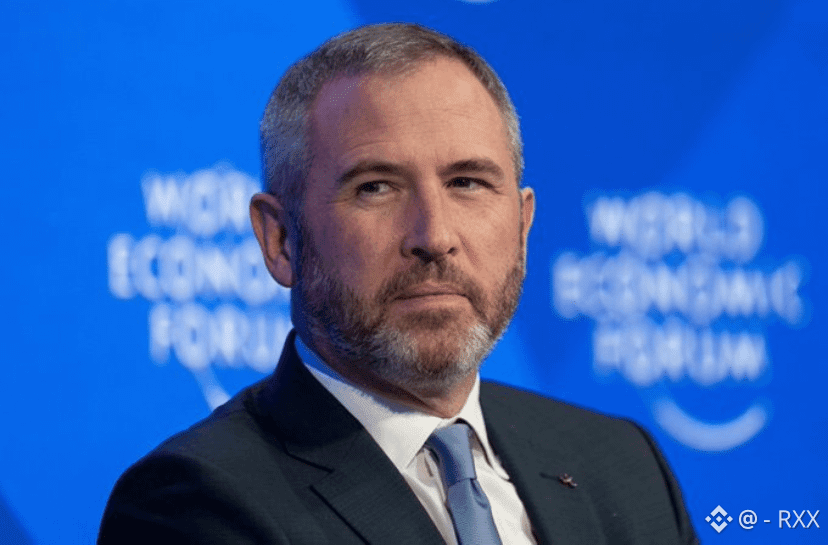
🚨 BREAKING: RIPPLE JUST UNLOCKED ALL OF EUROPE.
Ripple has officially received full MiCA approval, allowing it to offer regulated crypto services across the European Economic Area (EEA).
This is a huge milestone.
$MON
It means Ripple can now expand its services to banks, fintech companies, payment providers, and businesses across Europe under one regulatory framework.
Why does this matter??
Europe is becoming one of the world’s largest regulated crypto markets, and companies with MiCA approval have a major advantage as adoption grows.
This isn’t just a win for Ripple.
$ZEUS
It’s another sign that crypto is moving deeper into the global financial system.
$XRP now has a stronger regulatory foundation in one of the world’s biggest markets.
XRP could benefit as Ripple expands partnerships across Europe.
And XRP is once again in the spotlight as institutional adoption continues to grow.
Could this be one of the biggest catalysts for Ripple in years? 👀
#XRP #Ripple #Crypto #MiCA #Europe
{future}(XRPUSDT)
{alpha}(560xa2be3e48170a60119b5f0400c65f65f3158fbeee)
{future}(MONUSDT)
🚨 BREAKING: RIPPLE JUST UNLOCKED ALL OF EUROPE.
Ripple has officially received full MiCA approval, allowing it to offer regulated crypto services across the European Economic Area (EEA).
This is a huge milestone.
$MON
It means Ripple can now expand its services to banks, fintech companies, payment providers, and businesses across Europe under one regulatory framework.
Why does this matter??
Europe is becoming one of the world’s largest regulated crypto markets, and companies with MiCA approval have a major advantage as adoption grows.
This isn’t just a win for Ripple.
$ZEUS
It’s another sign that crypto is moving deeper into the global financial system.
$XRP now has a stronger regulatory foundation in one of the world’s biggest markets.
XRP could benefit as Ripple expands partnerships across Europe.
And XRP is once again in the spotlight as institutional adoption continues to grow.
Could this be one of the biggest catalysts for Ripple in years? 👀
#XRP #Ripple #Crypto #MiCA #Europe
Ripple has officially received full MiCA approval, allowing it to offer regulated crypto services across the European Economic Area (EEA).
This is a huge milestone.
$MON
It means Ripple can now expand its services to banks, fintech companies, payment providers, and businesses across Europe under one regulatory framework.
Why does this matter??
Europe is becoming one of the world’s largest regulated crypto markets, and companies with MiCA approval have a major advantage as adoption grows.
This isn’t just a win for Ripple.
$ZEUS
It’s another sign that crypto is moving deeper into the global financial system.
$XRP now has a stronger regulatory foundation in one of the world’s biggest markets.
XRP could benefit as Ripple expands partnerships across Europe.
And XRP is once again in the spotlight as institutional adoption continues to grow.
Could this be one of the biggest catalysts for Ripple in years? 👀
#XRP #Ripple #Crypto #MiCA #Europe
2
6
2.8k

·
--
🇪🇺 EU CRYPTO REGULATIONS ARE ENTERING A NEW ERA.
LATEST: International law firm Reed Smith has launched an automated MiCA compliance platform to help crypto companies navigate the European Union's new regulatory framework.
As the MiCA transition period comes to an end, crypto firms are now operating under full regulatory supervision, increasing demand for compliance and legal technology solutions.
👀 Will clearer regulations accelerate institutional crypto adoption across Europe?
#MiCA #crypto #Regulation #Europe #BinanceSquare
🇪🇺 EU CRYPTO REGULATIONS ARE ENTERING A NEW ERA.
LATEST: International law firm Reed Smith has launched an automated MiCA compliance platform to help crypto companies navigate the European Union's new regulatory framework.
As the MiCA transition period comes to an end, crypto firms are now operating under full regulatory supervision, increasing demand for compliance and legal technology solutions.
👀 Will clearer regulations accelerate institutional crypto adoption across Europe?
#MiCA #crypto #Regulation #Europe #BinanceSquare
LATEST: International law firm Reed Smith has launched an automated MiCA compliance platform to help crypto companies navigate the European Union's new regulatory framework.
As the MiCA transition period comes to an end, crypto firms are now operating under full regulatory supervision, increasing demand for compliance and legal technology solutions.
👀 Will clearer regulations accelerate institutional crypto adoption across Europe?
#MiCA #crypto #Regulation #Europe #BinanceSquare
86

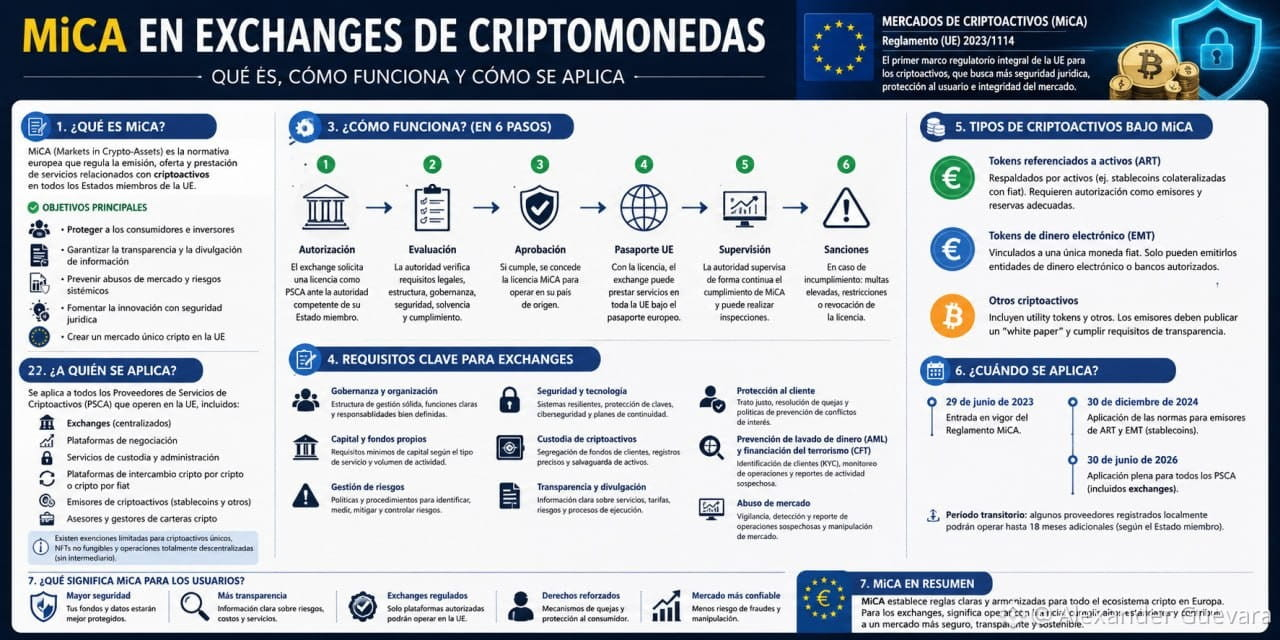
🚨 On July 1st, crypto regulation in Europe is entering a new phase.
Will Binance, Byb1t, 0K×, Co1nbas3, or B1ng× be able to keep trading? What is MiCA and how does it impact millions of users?
We've prepared a comprehensive guide with a list of exchanges, analysis, FAQs, and an infographic to help you understand the biggest regulatory shift in the sector.
🔗 #Europe #MiCA #exchange #regulacion #comunidad $EURI $BTC
🚨 On July 1st, crypto regulation in Europe is entering a new phase.
Will Binance, Byb1t, 0K×, Co1nbas3, or B1ng× be able to keep trading? What is MiCA and how does it impact millions of users?
We've prepared a comprehensive guide with a list of exchanges, analysis, FAQs, and an infographic to help you understand the biggest regulatory shift in the sector.
🔗 #Europe #MiCA #exchange #regulacion #comunidad $EURI $BTC
Will Binance, Byb1t, 0K×, Co1nbas3, or B1ng× be able to keep trading? What is MiCA and how does it impact millions of users?
We've prepared a comprehensive guide with a list of exchanges, analysis, FAQs, and an infographic to help you understand the biggest regulatory shift in the sector.
🔗 #Europe #MiCA #exchange #regulacion #comunidad $EURI $BTC
3
48

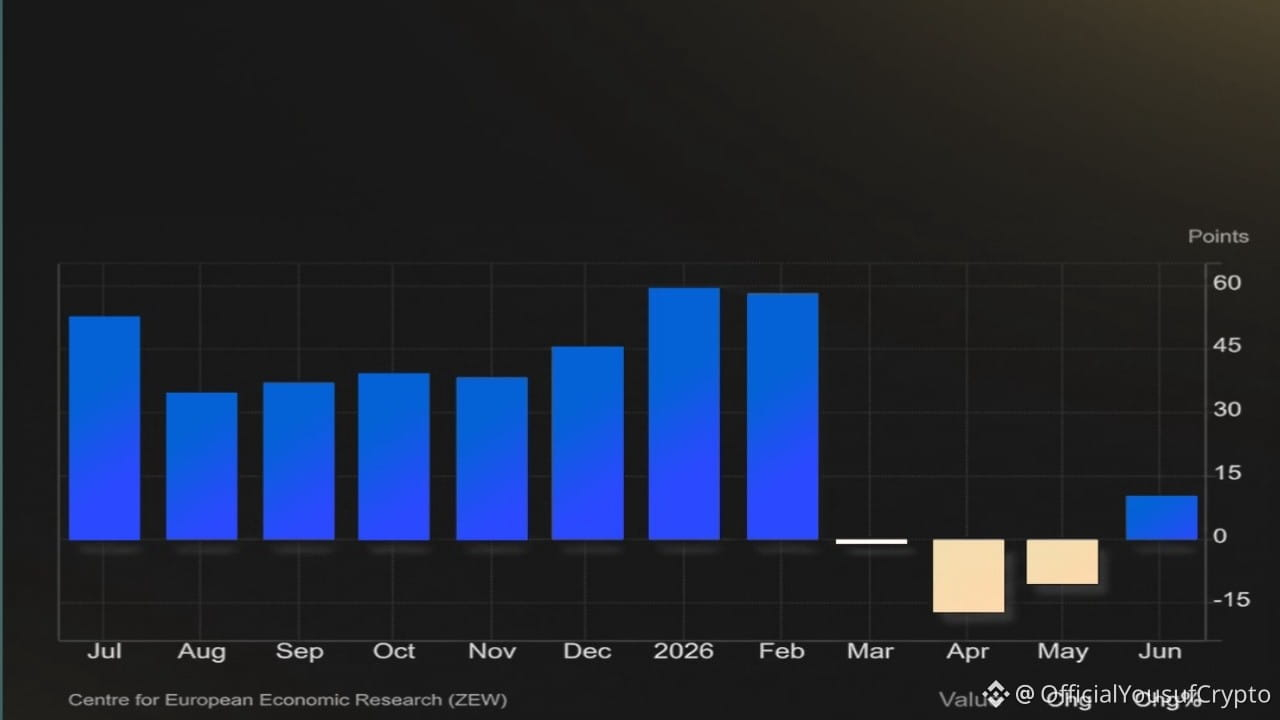
🔥 IRAN DEAL IS ALREADY BOOSTING EUROPEAN MARKETS
German investor confidence surged to 10.5, beating forecasts of -5.5, as hopes for an end to the Iran conflict improve the economic outlook.
The same indicator plunged after disruptions around the Strait of Hormuz earlier this year. With energy fears easing and oil prices falling, investors are turning bullish on Europe again. 📈
#Germany #Europe #IranDeal #Markets
$JTO
{future}(JTOUSDT)
$SPCXB
{spot}(SPCXBUSDT)
$EPIC
{future}(EPICUSDT)
🔥 IRAN DEAL IS ALREADY BOOSTING EUROPEAN MARKETS
German investor confidence surged to 10.5, beating forecasts of -5.5, as hopes for an end to the Iran conflict improve the economic outlook.
The same indicator plunged after disruptions around the Strait of Hormuz earlier this year. With energy fears easing and oil prices falling, investors are turning bullish on Europe again. 📈
#Germany #Europe #IranDeal #Markets
$JTO
$SPCXB
$EPIC
German investor confidence surged to 10.5, beating forecasts of -5.5, as hopes for an end to the Iran conflict improve the economic outlook.
The same indicator plunged after disruptions around the Strait of Hormuz earlier this year. With energy fears easing and oil prices falling, investors are turning bullish on Europe again. 📈
#Germany #Europe #IranDeal #Markets
$JTO
$SPCXB
$EPIC
165
Log in to explore more content
Join global crypto users on Binance Square
⚡️ Get latest and useful information about crypto.
💬 Trusted by the world’s largest crypto exchange.
👍 Discover real insights from verified creators.
Email / Phone number
Trending Topics
1
#FedRateWatch
79,426 views
444 Discussing
2
#BitcoinReboundsTo$79K
38,238 views
302 Discussing
3
#BessentEndorsesFinalClarityActDraft
7,544 views
216 Discussing
4
#ZamaOpens16ConfidentialMorphoVaults
3,728 views
123 Discussing
5
#USDCOnChainVolumeTops$100Trillion
680 views
25 Discussing
6
#BitcoinSpotETFsNetInflow$160M
1,643 views
77 Discussing
7
#SouthKoreaCryptoTaxDelayPetitionTops50000
30,959 views
813 Discussing
8
#SolanaTransactionV1GoesLiveOnMainnet
22,288 views
540 Discussing
9
#RussianCentralBankFlagsCryptoAsFinancialRisk
16,123 views
445 Discussing
10
#GrayscalePutsXRPAt26.11%InAdvisorPortfolio
35,835 views
587 Discussing