

Bit_Guru
44.1k Posts

Bit_Guru
 Square Verified+
Report
Block User
Only Live Trader on Binance Square 💛 // Binance, CMC & X kols handle @bitgu_ru // PnL is always Live

Live Trader

Creator Awards 2024
Open Trade
Frequent Trader
2.7 Years
63 Following
156.8K+ Followers
301.7K+ Liked
3 Badges
Posts
Portfolio
All
Quotes
Videos
Live
PINNED
·
--
Article
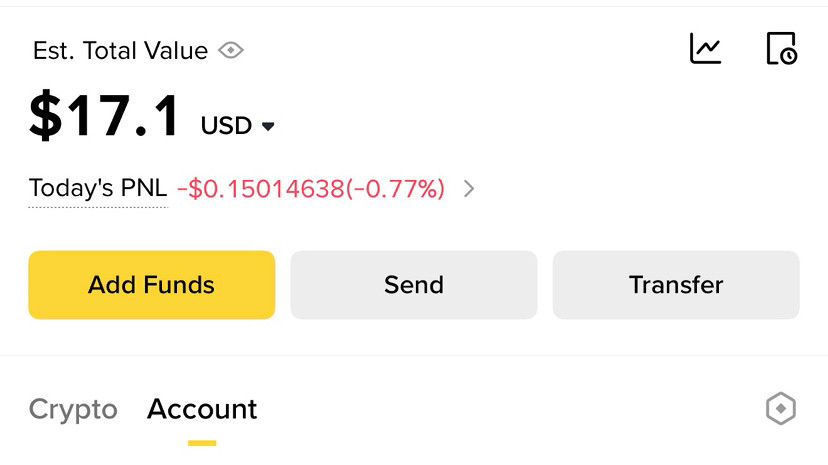
Is it possible to make $100 with only $17Many people think you need a big account to make real money in trading. That’s not true. The truth is simple it’s not about how much you start with, it’s about how you manage what you have.
Yes, it is absolutely possible to turn $17 into $100. But not by luck, not by gambling, and definitely not by chasing every pump you see. It requires discipline, patience, and a clear plan.
First, you need to understand one thing: small capital requires smart execution. You can’t afford big mistakes. One bad trade with high risk can wipe out your account. That’s why risk management becomes your strongest weapon.
Set a daily target. It doesn’t need to be huge. Even 3%–5% per day is enough. It may sound small, but consistency compounds faster than you think. If you stay disciplined, those small wins start building into something big.
Second, patience is everything. You don’t need to trade every day or every setup. Wait for clear opportunities strong support and resistance, clean breakouts, or obvious rejection zones. The market always gives chances, but only patient traders take the right ones.
Third, control your emotions. With a small account, people often overtrade because they want fast results. That’s where most fail. They increase leverage, take random entries, and ignore their plan. You have to do the opposite stay calm, follow your setup, and accept slow growth.
Another important point is consistency over hype. You don’t need one big win. You need many small correct decisions. That’s what builds your account. Even if you grow your account from $17 to $20, then $25, then $35 you are already winning.
Also, protect your capital at all costs. If you lose your account, the journey ends. If you protect it, you always have another chance.
In simple terms:
You don’t grow a small account by rushing
You grow it by repeating a disciplined process again and again
So yes, turning $17 into $100 is possible. But only for those who are willing to stay patient, follow a plan, and trade with control instead of emotion.
The market rewards consistency, not desperation
Start small
Stay focused
And let your discipline do the work
Trade Only coins Like $ETH , $BNB & $SOL
#cryptotradingpro #RiskManagementMastery
{future}(ETHUSDT)
{future}(BNBUSDT)
{future}(SOLUSDT)
Is it possible to make $100 with only $17
Many people think you need a big account to make real money in trading. That’s not true. The truth is simple it’s not about how much you start with, it’s about how you manage what you have.
Yes, it is absolutely possible to turn $17 into $100. But not by luck, not by gambling, and definitely not by chasing every pump you see. It requires discipline, patience, and a clear plan.
First, you need to understand one thing: small capital requires smart execution. You can’t afford big mistakes. One bad trade with high risk can wipe out your account. That’s why risk management becomes your strongest weapon.
Set a daily target. It doesn’t need to be huge. Even 3%–5% per day is enough. It may sound small, but consistency compounds faster than you think. If you stay disciplined, those small wins start building into something big.
Second, patience is everything. You don’t need to trade every day or every setup. Wait for clear opportunities strong support and resistance, clean breakouts, or obvious rejection zones. The market always gives chances, but only patient traders take the right ones.
Third, control your emotions. With a small account, people often overtrade because they want fast results. That’s where most fail. They increase leverage, take random entries, and ignore their plan. You have to do the opposite stay calm, follow your setup, and accept slow growth.
Another important point is consistency over hype. You don’t need one big win. You need many small correct decisions. That’s what builds your account. Even if you grow your account from $17 to $20, then $25, then $35 you are already winning.
Also, protect your capital at all costs. If you lose your account, the journey ends. If you protect it, you always have another chance.
In simple terms:
You don’t grow a small account by rushing
You grow it by repeating a disciplined process again and again
So yes, turning $17 into $100 is possible. But only for those who are willing to stay patient, follow a plan, and trade with control instead of emotion.
The market rewards consistency, not desperation
Start small
Stay focused
And let your discipline do the work
Trade Only coins Like $ETH , $BNB & $SOL
#cryptotradingpro #RiskManagementMastery
Yes, it is absolutely possible to turn $17 into $100. But not by luck, not by gambling, and definitely not by chasing every pump you see. It requires discipline, patience, and a clear plan.
First, you need to understand one thing: small capital requires smart execution. You can’t afford big mistakes. One bad trade with high risk can wipe out your account. That’s why risk management becomes your strongest weapon.
Set a daily target. It doesn’t need to be huge. Even 3%–5% per day is enough. It may sound small, but consistency compounds faster than you think. If you stay disciplined, those small wins start building into something big.
Second, patience is everything. You don’t need to trade every day or every setup. Wait for clear opportunities strong support and resistance, clean breakouts, or obvious rejection zones. The market always gives chances, but only patient traders take the right ones.
Third, control your emotions. With a small account, people often overtrade because they want fast results. That’s where most fail. They increase leverage, take random entries, and ignore their plan. You have to do the opposite stay calm, follow your setup, and accept slow growth.
Another important point is consistency over hype. You don’t need one big win. You need many small correct decisions. That’s what builds your account. Even if you grow your account from $17 to $20, then $25, then $35 you are already winning.
Also, protect your capital at all costs. If you lose your account, the journey ends. If you protect it, you always have another chance.
In simple terms:
You don’t grow a small account by rushing
You grow it by repeating a disciplined process again and again
So yes, turning $17 into $100 is possible. But only for those who are willing to stay patient, follow a plan, and trade with control instead of emotion.
The market rewards consistency, not desperation
Start small
Stay focused
And let your discipline do the work
Trade Only coins Like $ETH , $BNB & $SOL
#cryptotradingpro #RiskManagementMastery
322
57
761
689.1k
PINNED
·
--
Bullish
It took me 4 years in the crypto market to realize these things & you only need 2 minutes to read: 🤏
1. No matter the market condition, one thing stays the same: 8% of people will own 21 million Bitcoin.
2. Financial, capital, and risk management skills are 100 times more important than technical analysis or crypto research.
3. Earning while you sleep: There are many ways to make money in the crypto market without actively trading.
On average, #Bitcoin has increased more than 100% per year over the past 15 years. Yet, why do so few people make money? Because getting rich quickly is a common mentality. If you can't dedicate at least 4 hours a day to crypto, stick to Bitcoin and ETH—70% in BTC and 30% in ETH.
Trust no one: Trust leads to hope, disappointment, and errors. Learn independently and take responsibility for your actions. This is how to gain automatic minting experience!
The ultimate goal of investing: Make life more meaningful. If crypto investing can achieve that, do it. If not, reconsider.
Crypto is now a financial market: Originally born from technology, it's now influenced by macroeconomics and connected to mainstream financial markets.
People may discourage you from buying Bitcoin, but remember, once something is widely accepted, the opportunity might be gone. Seize your chance now!
Invest wisely, make meaningful choices, and let crypto pave the way to a better future.
#CryptoInvesting #ethbeta #Write2Earn! #BinanceTurns7 $BTC $ETH $SOL
{spot}(SOLUSDT)
{spot}(ETHUSDT)
{spot}(BTCUSDT)
It took me 4 years in the crypto market to realize these things & you only need 2 minutes to read: 🤏
1. No matter the market condition, one thing stays the same: 8% of people will own 21 million Bitcoin.
2. Financial, capital, and risk management skills are 100 times more important than technical analysis or crypto research.
3. Earning while you sleep: There are many ways to make money in the crypto market without actively trading.
On average, #Bitcoin has increased more than 100% per year over the past 15 years. Yet, why do so few people make money? Because getting rich quickly is a common mentality. If you can't dedicate at least 4 hours a day to crypto, stick to Bitcoin and ETH—70% in BTC and 30% in ETH.
Trust no one: Trust leads to hope, disappointment, and errors. Learn independently and take responsibility for your actions. This is how to gain automatic minting experience!
The ultimate goal of investing: Make life more meaningful. If crypto investing can achieve that, do it. If not, reconsider.
Crypto is now a financial market: Originally born from technology, it's now influenced by macroeconomics and connected to mainstream financial markets.
People may discourage you from buying Bitcoin, but remember, once something is widely accepted, the opportunity might be gone. Seize your chance now!
Invest wisely, make meaningful choices, and let crypto pave the way to a better future.
#CryptoInvesting #ethbeta #Write2Earn! #BinanceTurns7 $BTC $ETH $SOL
1. No matter the market condition, one thing stays the same: 8% of people will own 21 million Bitcoin.
2. Financial, capital, and risk management skills are 100 times more important than technical analysis or crypto research.
3. Earning while you sleep: There are many ways to make money in the crypto market without actively trading.
On average, #Bitcoin has increased more than 100% per year over the past 15 years. Yet, why do so few people make money? Because getting rich quickly is a common mentality. If you can't dedicate at least 4 hours a day to crypto, stick to Bitcoin and ETH—70% in BTC and 30% in ETH.
Trust no one: Trust leads to hope, disappointment, and errors. Learn independently and take responsibility for your actions. This is how to gain automatic minting experience!
The ultimate goal of investing: Make life more meaningful. If crypto investing can achieve that, do it. If not, reconsider.
Crypto is now a financial market: Originally born from technology, it's now influenced by macroeconomics and connected to mainstream financial markets.
People may discourage you from buying Bitcoin, but remember, once something is widely accepted, the opportunity might be gone. Seize your chance now!
Invest wisely, make meaningful choices, and let crypto pave the way to a better future.
#CryptoInvesting #ethbeta #Write2Earn! #BinanceTurns7 $BTC $ETH $SOL

302
102
2.2k
1.1M
·
--
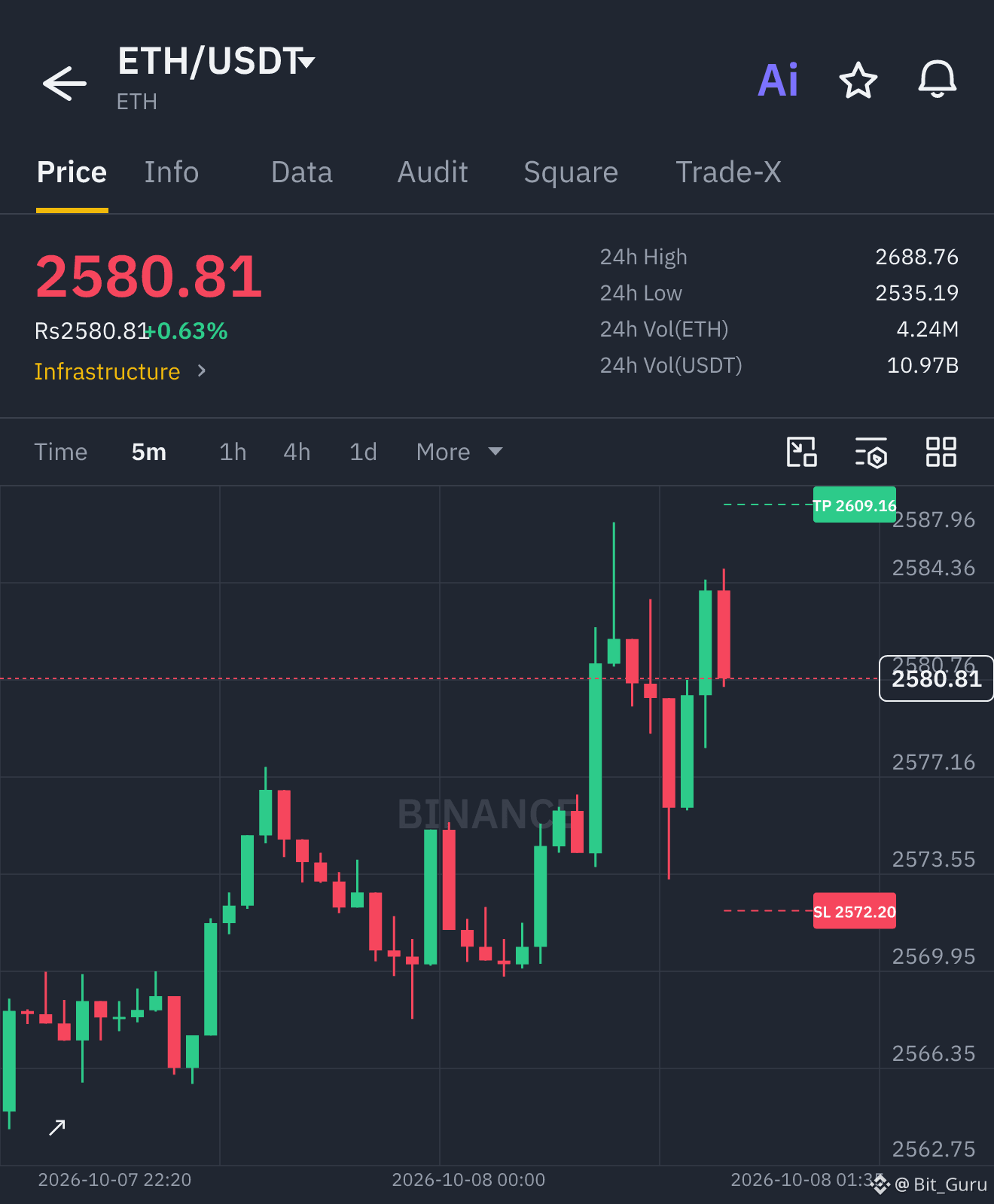
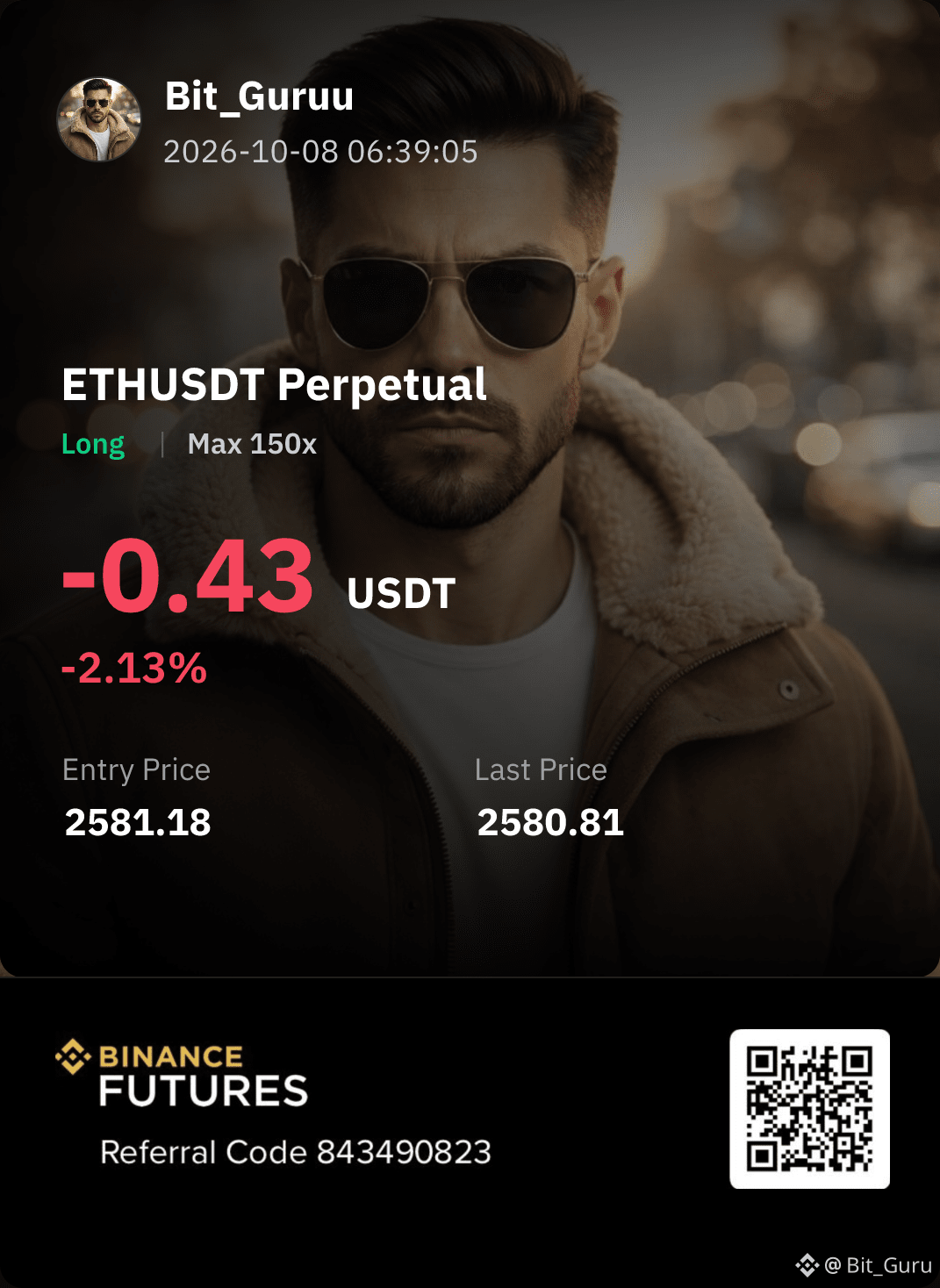
The setup is getting interesting on $ETH 🔥 Support is holding and momentum is turning up. Entry now, target 2592.7, SL 2572.2..!!
LONG entry: 2579.9 – 2582.5
The setup is getting interesting on $ETH 🔥 Support is holding and momentum is turning up. Entry now, target 2592.7, SL 2572.2..!!
LONG entry: 2579.9 – 2582.5
LONG entry: 2579.9 – 2582.5
62
·
--
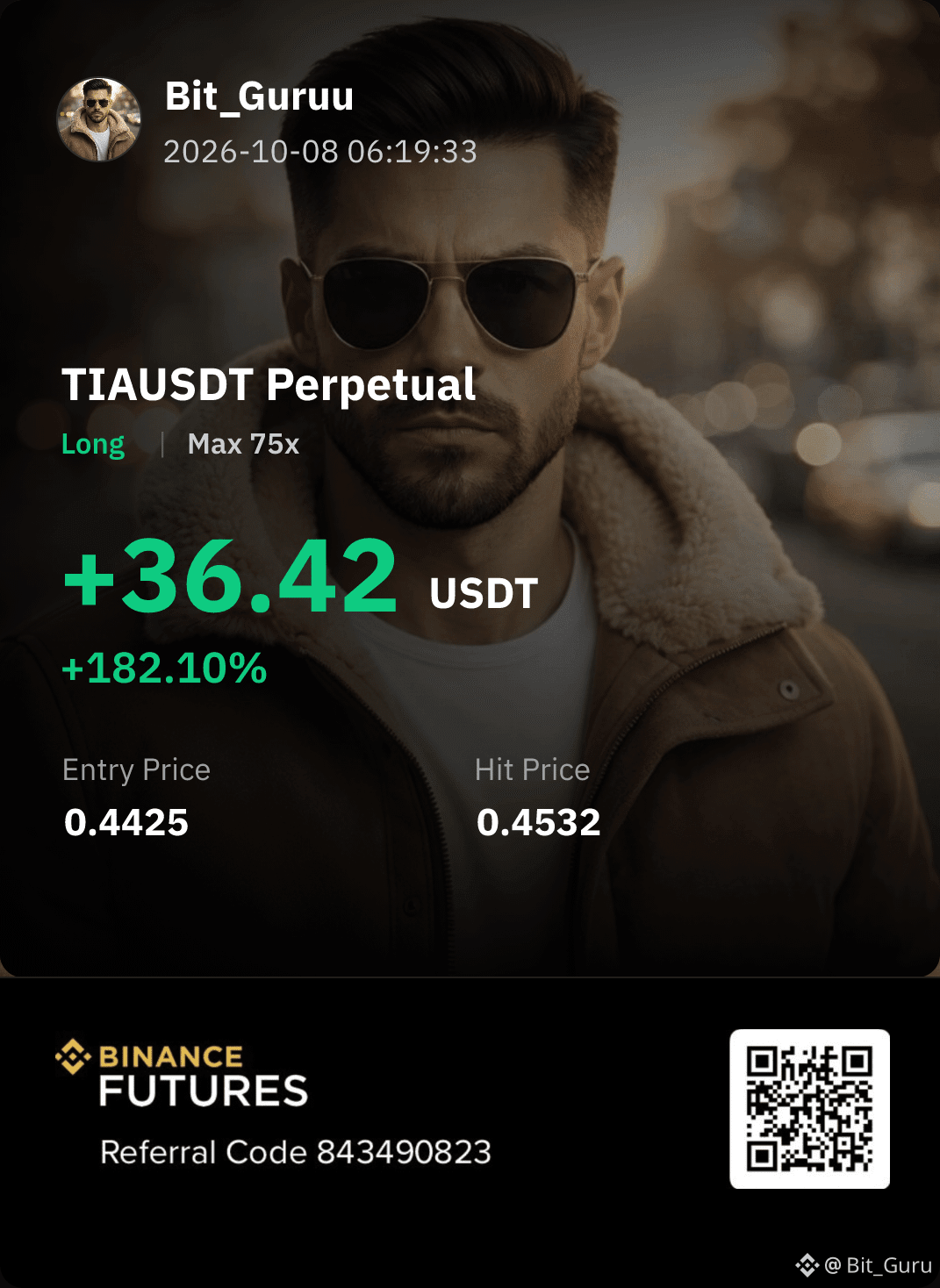
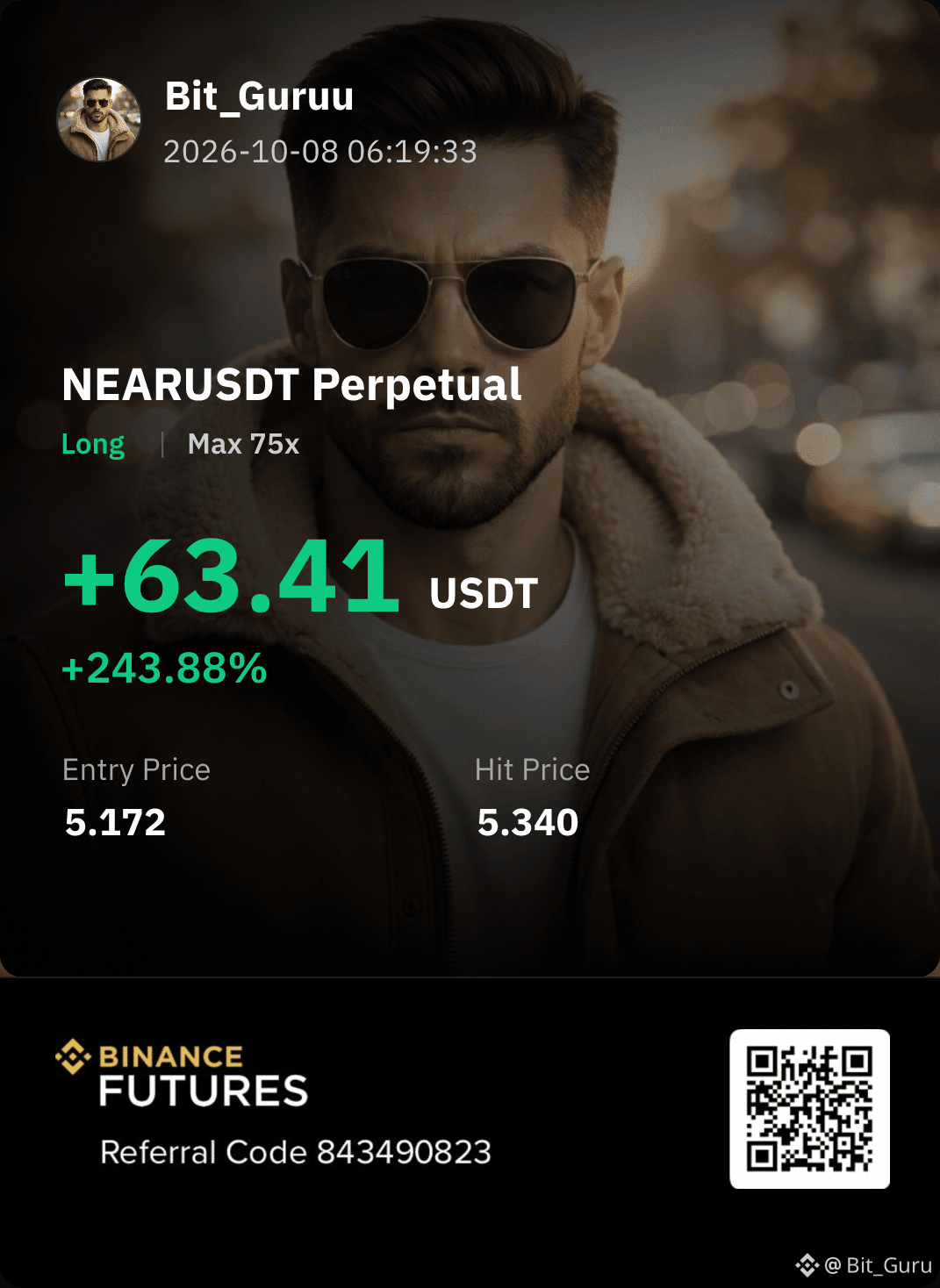
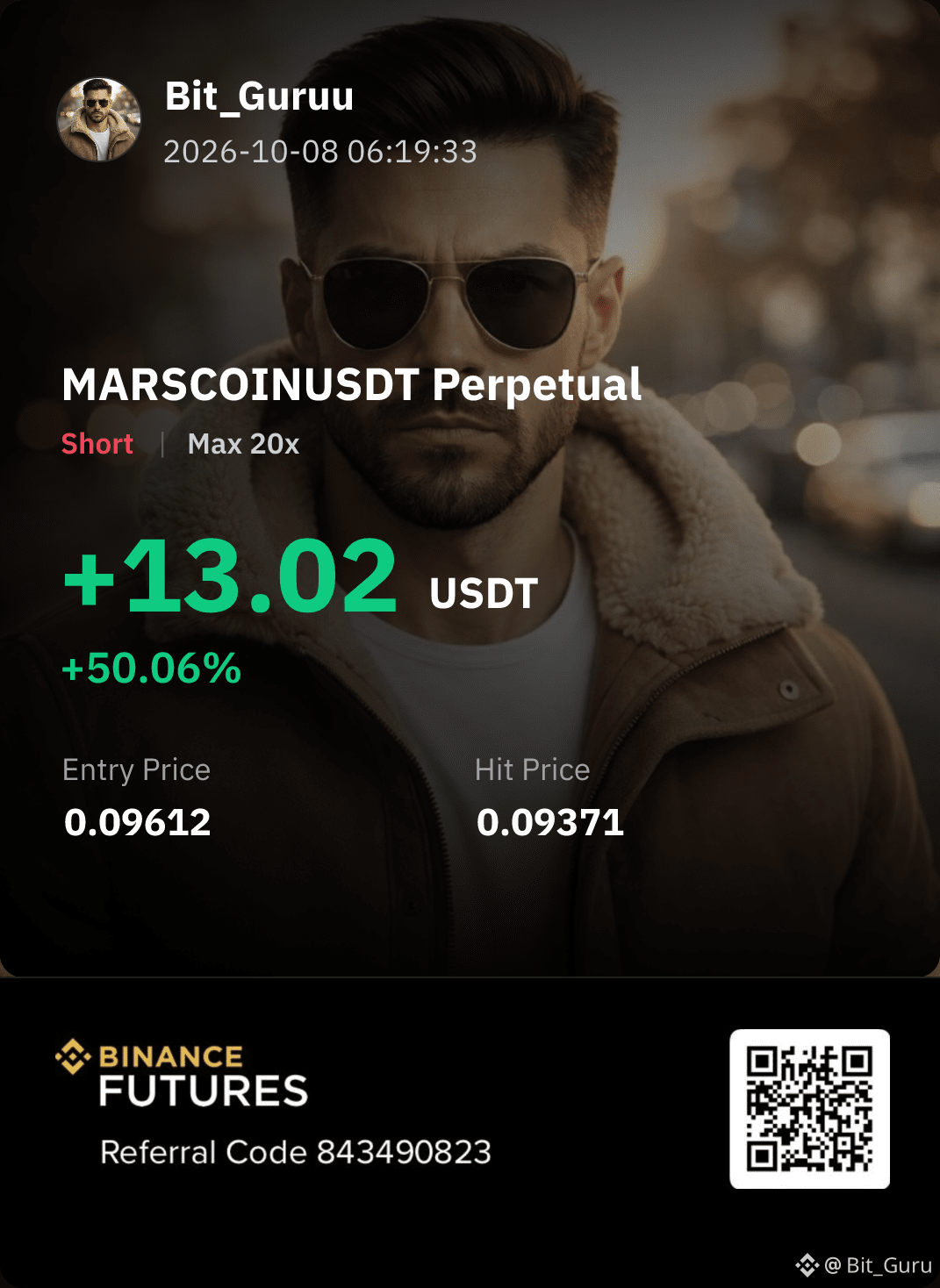
We shared the levels, and now $TIA, $NEAR and $MARSCOIN have reached their targets. Thank you for following the setups with me.
$TIA LONG — TP3 HIT
Entry 0.44246 → Target 0.45308
$NEAR LONG — TP3 HIT
Entry 5.172 → Target 5.334
$MARSCOIN SHORT — TP2 HIT
Entry 0.09612 → Target 0.09390
If you missed the move, there is no need to chase it. What would help you prepare better for the next setup?
Cards show simulated signal PnL at the recorded hit price, not verified account profit.
We shared the levels, and now $TIA , $NEAR and $MARSCOIN have reached their targets. Thank you for following the setups with me.
$TIA LONG — TP3 HIT
Entry 0.44246 → Target 0.45308
$NEAR LONG — TP3 HIT
Entry 5.172 → Target 5.334
$MARSCOIN SHORT — TP2 HIT
Entry 0.09612 → Target 0.09390
If you missed the move, there is no need to chase it. What would help you prepare better for the next setup?
Cards show simulated signal PnL at the recorded hit price, not verified account profit.
$TIA LONG — TP3 HIT
Entry 0.44246 → Target 0.45308
$NEAR LONG — TP3 HIT
Entry 5.172 → Target 5.334
$MARSCOIN SHORT — TP2 HIT
Entry 0.09612 → Target 0.09390
If you missed the move, there is no need to chase it. What would help you prepare better for the next setup?
Cards show simulated signal PnL at the recorded hit price, not verified account profit.
170
·
--
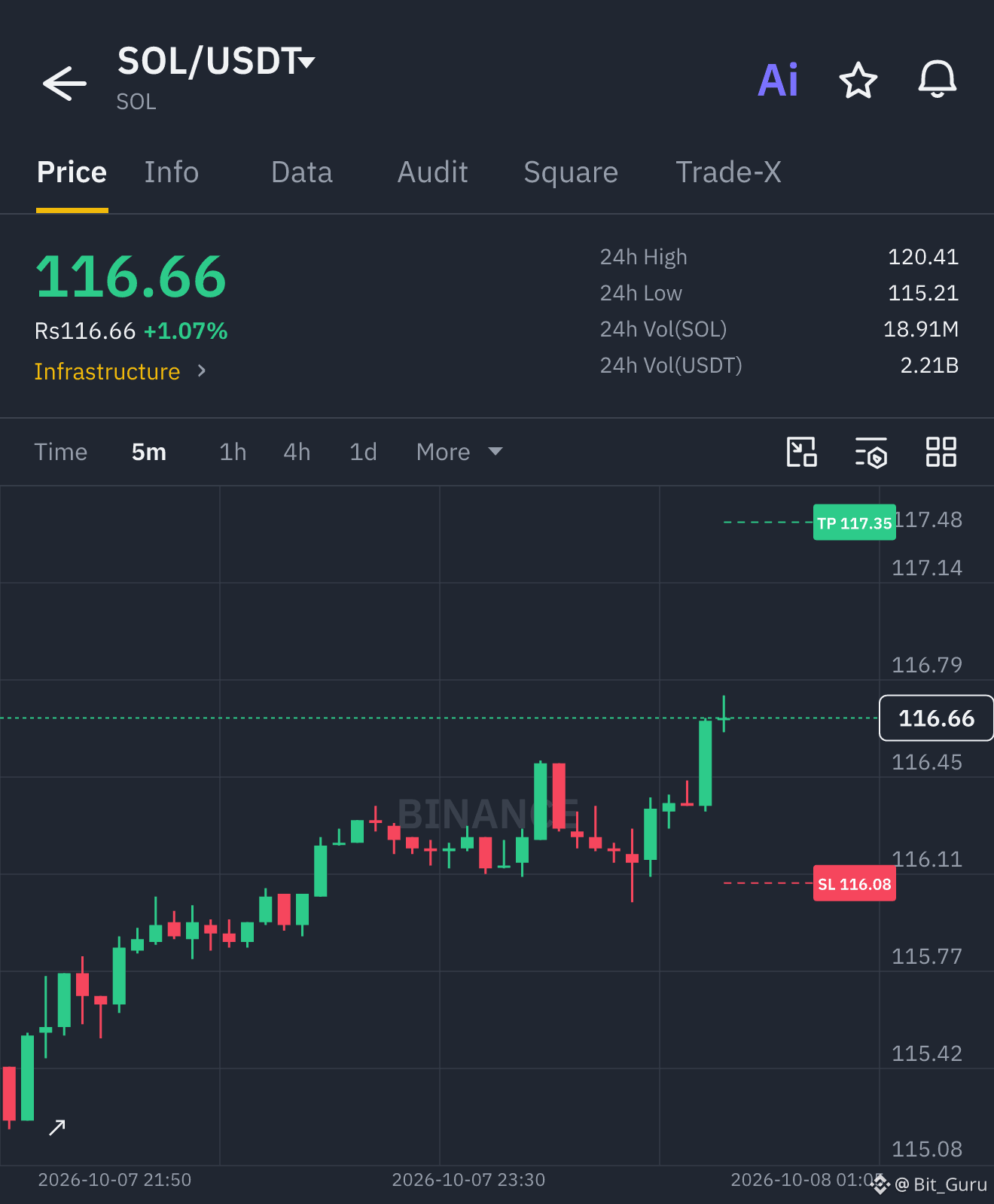
Watching $SOL closely here ‼️ Buyers are defending this zone. Entry now, next target 116.785 and SL 116.078..!!
LONG entry: 116.315 – 116.432
Watching $SOL closely here ‼️ Buyers are defending this zone. Entry now, next target 116.785 and SL 116.078..!!
LONG entry: 116.315 – 116.432
LONG entry: 116.315 – 116.432
1
218
·
--
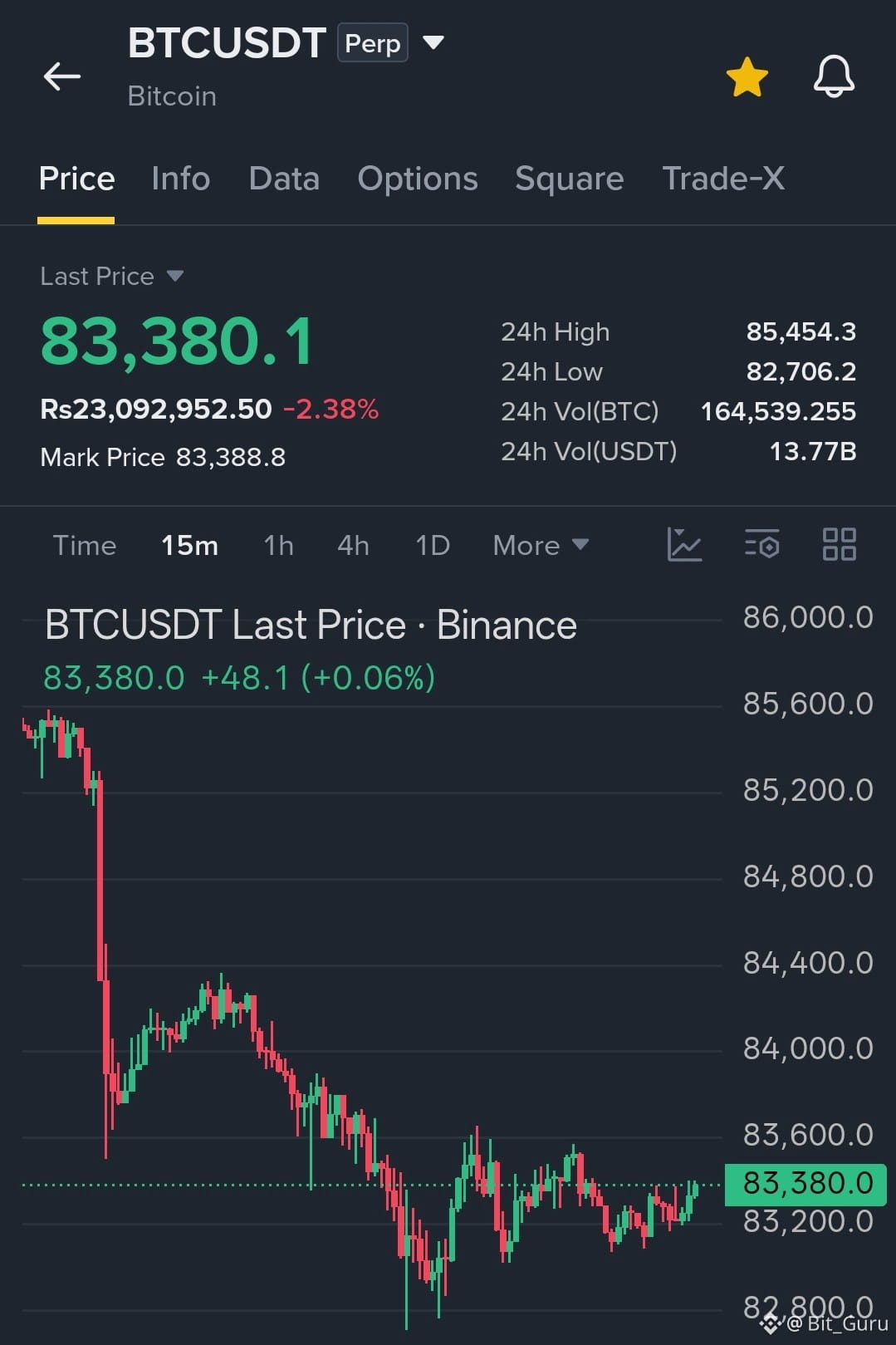
🚨 $BTC BULLISH RECOVERY — $84K NEXT?
Long Entry: 83,200–83,400
SL: 82,850
TP1: 83,600
TP2: 84,000
TP3: 84,400
{spot}(BTCUSDT)
🚨 $BTC BULLISH RECOVERY — $84K NEXT?
Long Entry: 83,200–83,400
SL: 82,850
TP1: 83,600
TP2: 84,000
TP3: 84,400
Long Entry: 83,200–83,400
SL: 82,850
TP1: 83,600
TP2: 84,000
TP3: 84,400
1
1
223
·
--
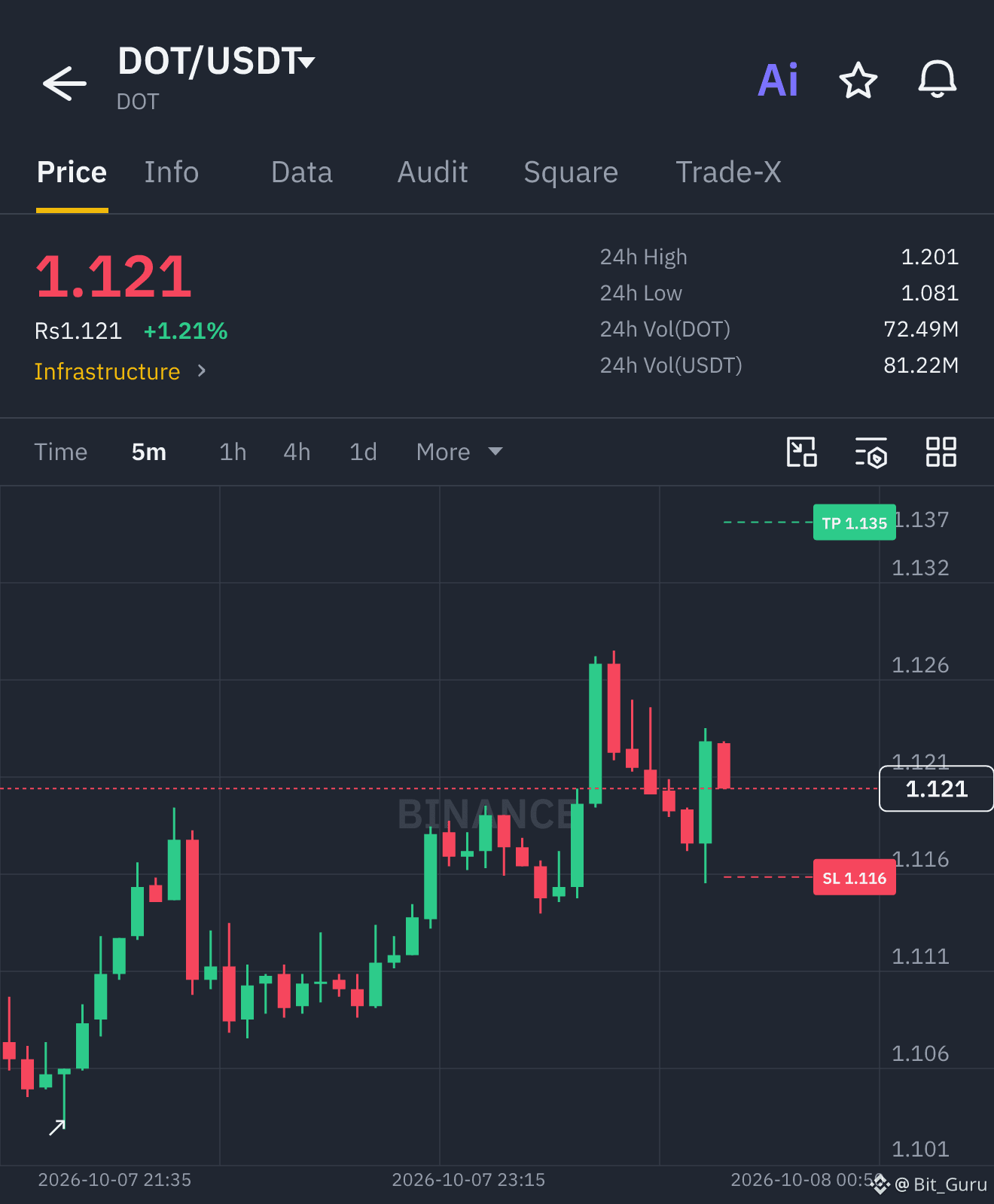
$DOT is showing strength again ⚡ This is the area I am watching for a LONG entry. Next target is 1.126 and SL is 1.116..
LONG entry: 1.120 – 1.121
$DOT is showing strength again ⚡ This is the area I am watching for a LONG entry. Next target is 1.126 and SL is 1.116..
LONG entry: 1.120 – 1.121
LONG entry: 1.120 – 1.121
129
·
--
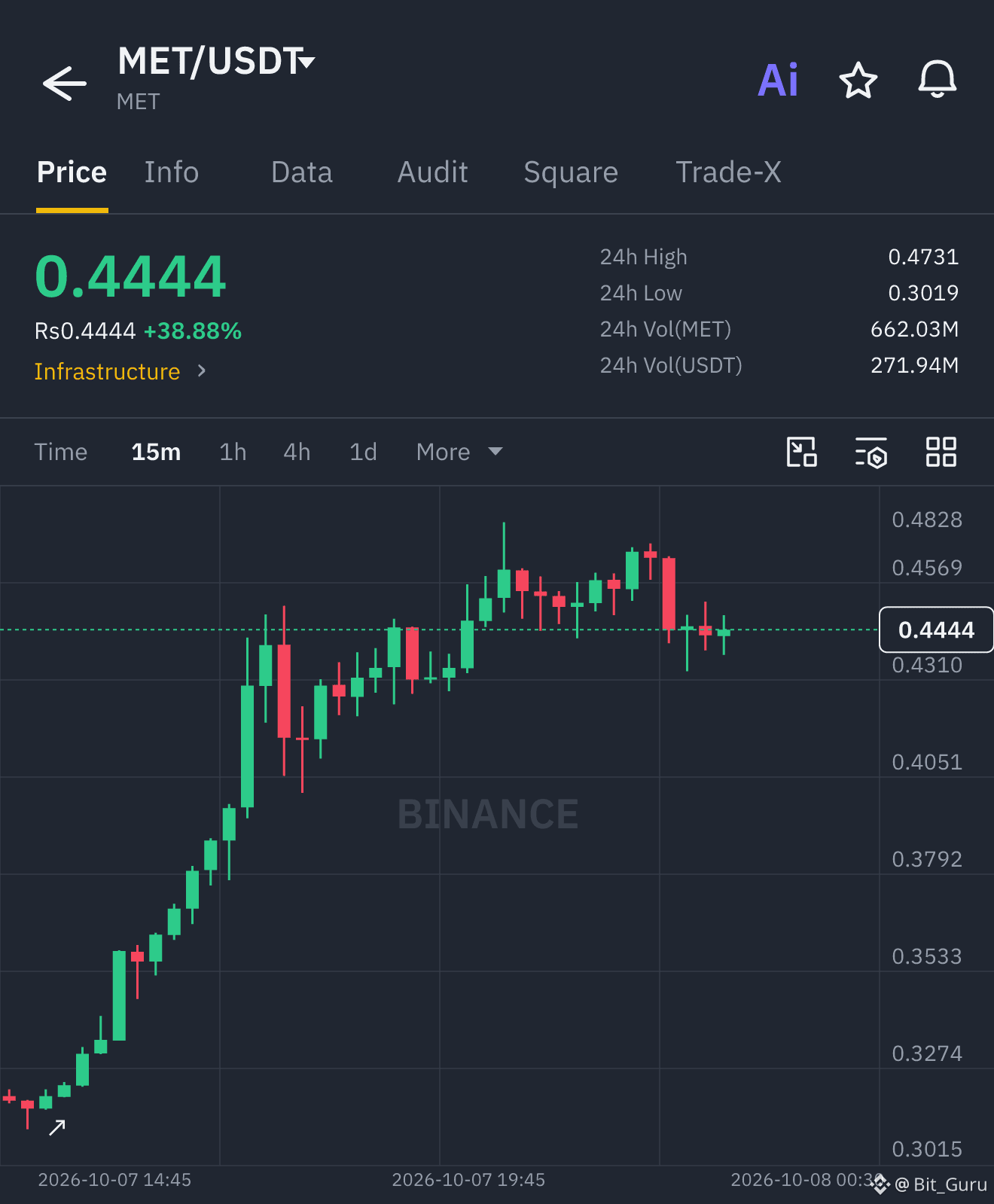
Market movers ‼️
$MET +36.2%
$GTC +32.3%
$GRIFFAIN -30.9%
Momentum is strong, but I’m not chasing. Which one are you watching?
No fresh signal from my filters right now. This is a market snapshot, not an entry call.
Market movers ‼️
$MET +36.2%
$GTC +32.3%
$GRIFFAIN -30.9%
Momentum is strong, but I’m not chasing. Which one are you watching?
No fresh signal from my filters right now. This is a market snapshot, not an entry call.
$MET +36.2%
$GTC +32.3%
$GRIFFAIN -30.9%
Momentum is strong, but I’m not chasing. Which one are you watching?
No fresh signal from my filters right now. This is a market snapshot, not an entry call.
244
·
--
🚀🔥 THREE ALTCOINS ARE SHOWING SERIOUS STRENGTH!
The market is seeing some impressive movers right now 👀📈
🟢 $MET — +35.95%
🟢 $BSP — +23.41%
🟢 $BTW — +8.14%
MET and BSP are leading the move, while BTW is also holding strong momentum. BTW has recently attracted significant attention after a sharp rally, with its trading activity remaining elevated.
🔥 Momentum is clearly building around these names — but after such strong moves, volatility can increase quickly. Manage risk and don't chase blindly.
Watch these three closely. 👀🚀
{future}(BTWUSDT)
🚀🔥 THREE ALTCOINS ARE SHOWING SERIOUS STRENGTH!
The market is seeing some impressive movers right now 👀📈
🟢 $MET — +35.95%
🟢 $BSP — +23.41%
🟢 $BTW — +8.14%
MET and BSP are leading the move, while BTW is also holding strong momentum. BTW has recently attracted significant attention after a sharp rally, with its trading activity remaining elevated.
🔥 Momentum is clearly building around these names — but after such strong moves, volatility can increase quickly. Manage risk and don't chase blindly.
Watch these three closely. 👀🚀
The market is seeing some impressive movers right now 👀📈
🟢 $MET — +35.95%
🟢 $BSP — +23.41%
🟢 $BTW — +8.14%
MET and BSP are leading the move, while BTW is also holding strong momentum. BTW has recently attracted significant attention after a sharp rally, with its trading activity remaining elevated.
🔥 Momentum is clearly building around these names — but after such strong moves, volatility can increase quickly. Manage risk and don't chase blindly.
Watch these three closely. 👀🚀
1
302
·
--
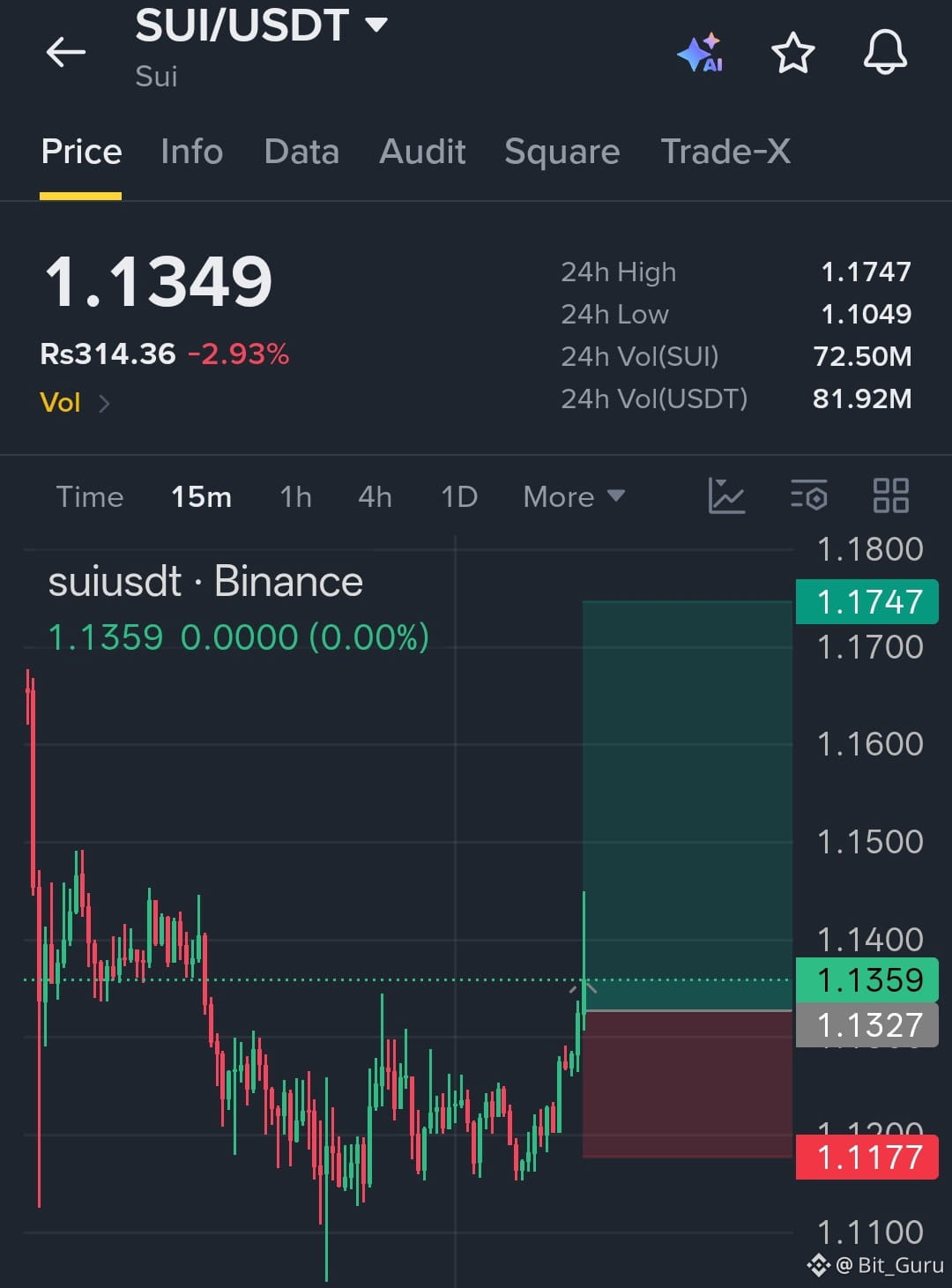
🚀 $SUI BREAKOUT SETUP — BULLS TARGET $1.17!
Long Entry: $1.132–$1.138
SL: $1.117
TP1: $1.150
TP2: $1.160
TP3: $1.175
{spot}(SUIUSDT)
🚀 $SUI BREAKOUT SETUP — BULLS TARGET $1.17!
Long Entry: $1.132–$1.138
SL: $1.117
TP1: $1.150
TP2: $1.160
TP3: $1.175
Long Entry: $1.132–$1.138
SL: $1.117
TP1: $1.150
TP2: $1.160
TP3: $1.175
1
310
·
--
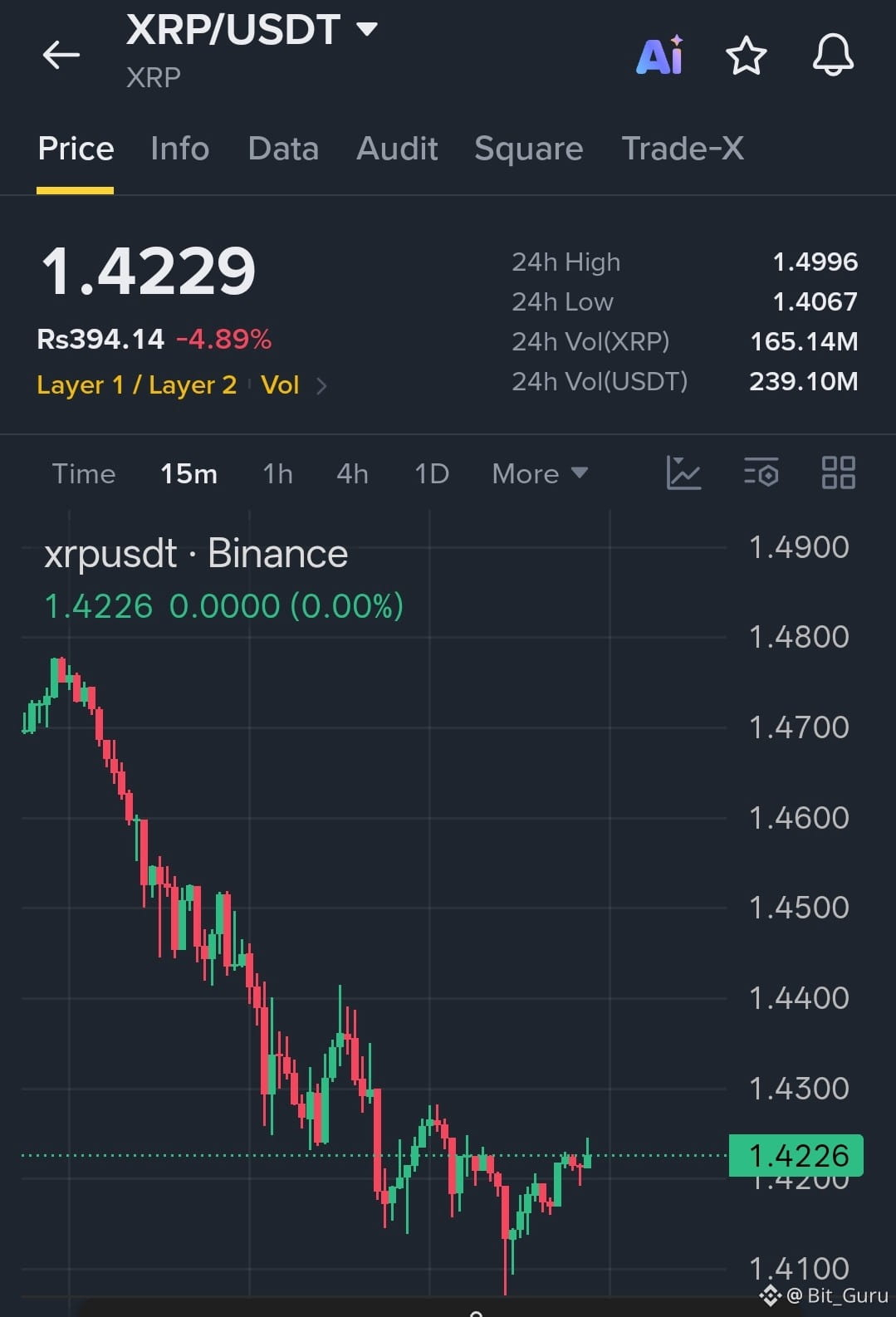
⚠️ $XRP SELL-OFF — BOUNCE ZONE UNDER PRESSURE!
Long Entry: $1.415–$1.425
SL: $1.405
TP1: $1.440
TP2: $1.455
TP3: $1.475
{spot}(XRPUSDT)
⚠️ $XRP SELL-OFF — BOUNCE ZONE UNDER PRESSURE!
Long Entry: $1.415–$1.425
SL: $1.405
TP1: $1.440
TP2: $1.455
TP3: $1.475
Long Entry: $1.415–$1.425
SL: $1.405
TP1: $1.440
TP2: $1.455
TP3: $1.475
1
194
·
--
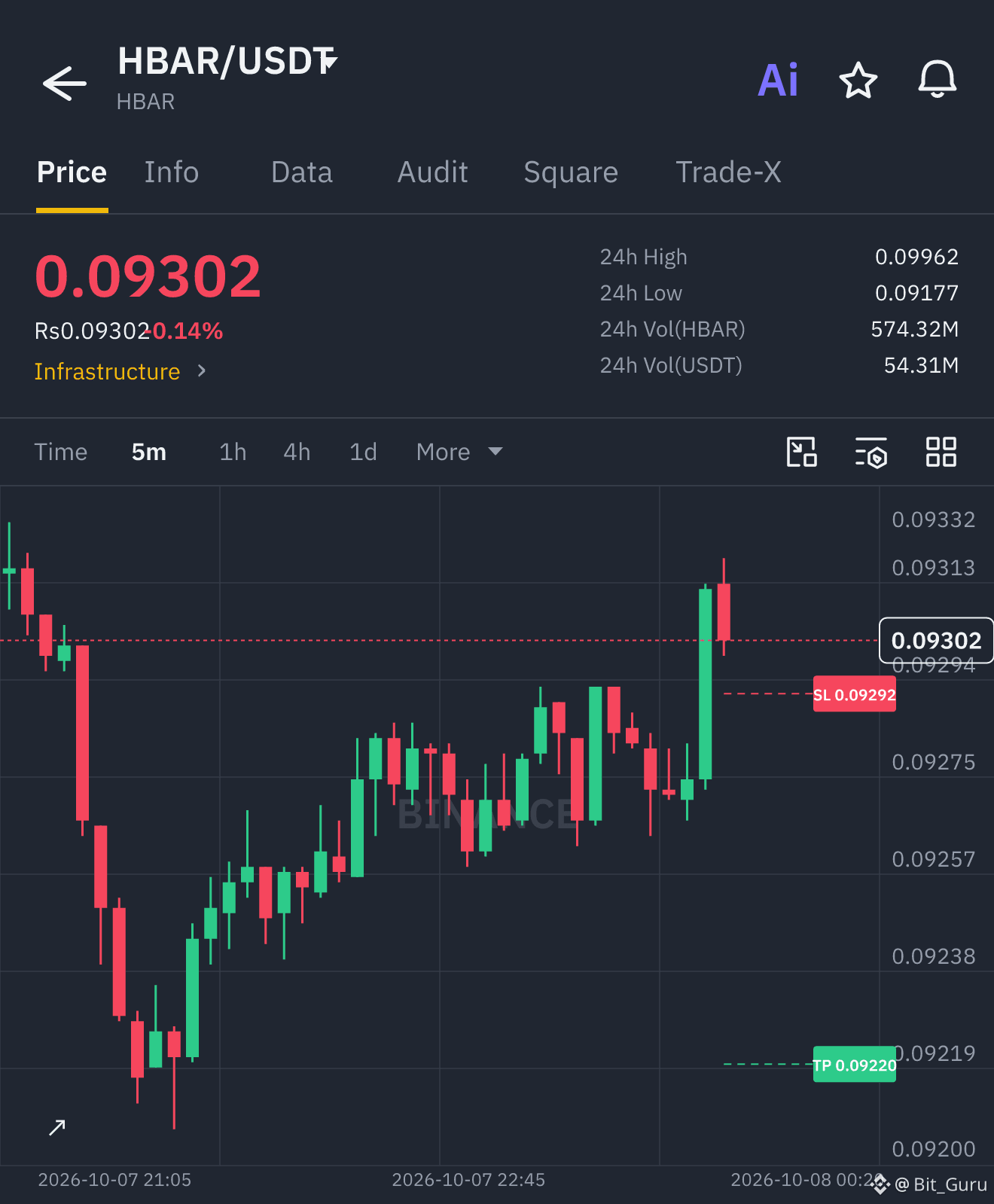
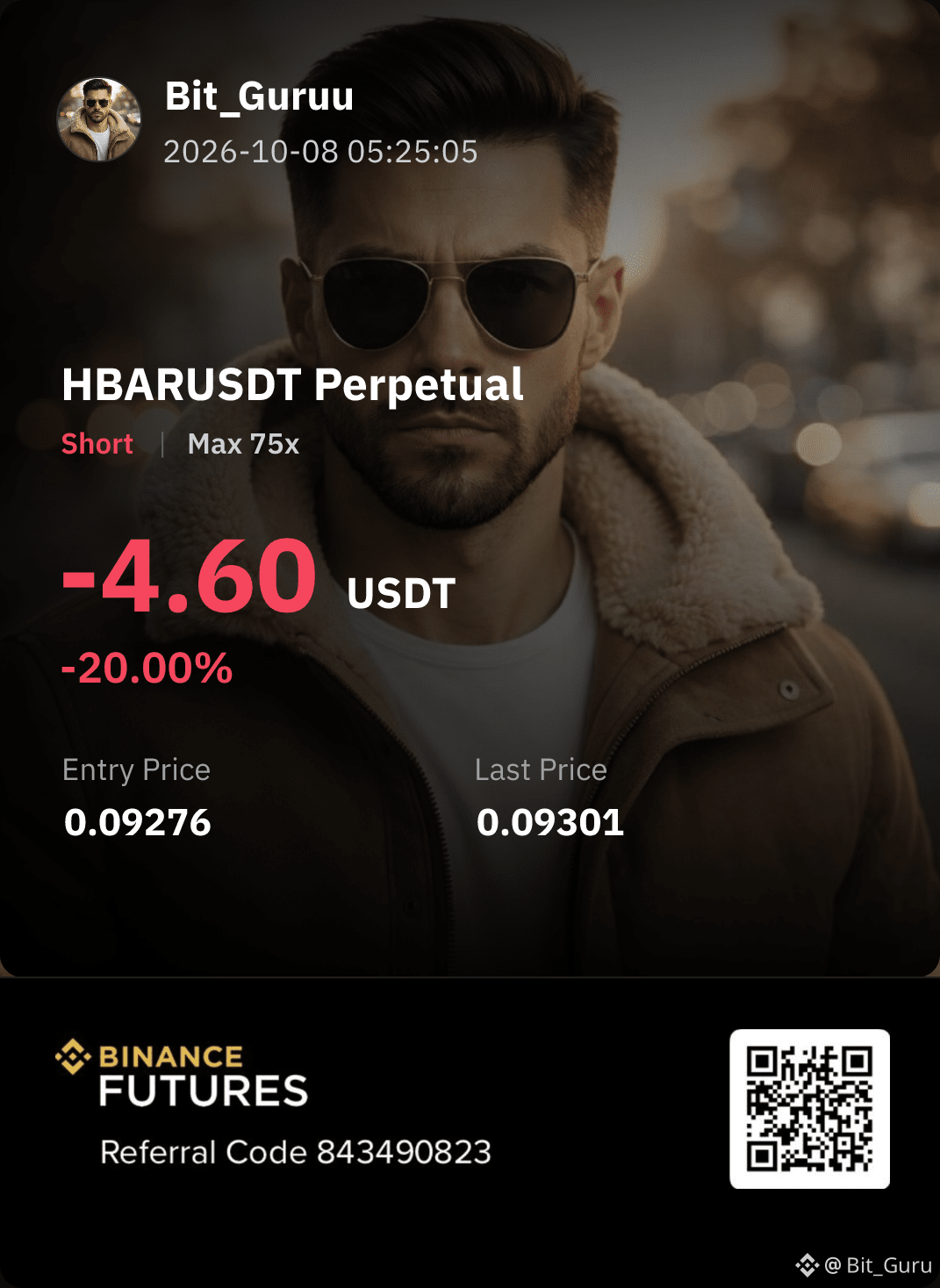
Guys, are you ready..!! $HBAR is back near a strong resistance level and sellers are active 🔥 Entry now in this zone, next target is 0.09252 and SL is 0.09292.. Let's ride the move with defined risk..!!
SHORT entry: 0.09272 – 0.09281
Guys, are you ready..!! $HBAR is back near a strong resistance level and sellers are active 🔥 Entry now in this zone, next target is 0.09252 and SL is 0.09292.. Let's ride the move with defined risk..!!
SHORT entry: 0.09272 – 0.09281
SHORT entry: 0.09272 – 0.09281
152
·
--
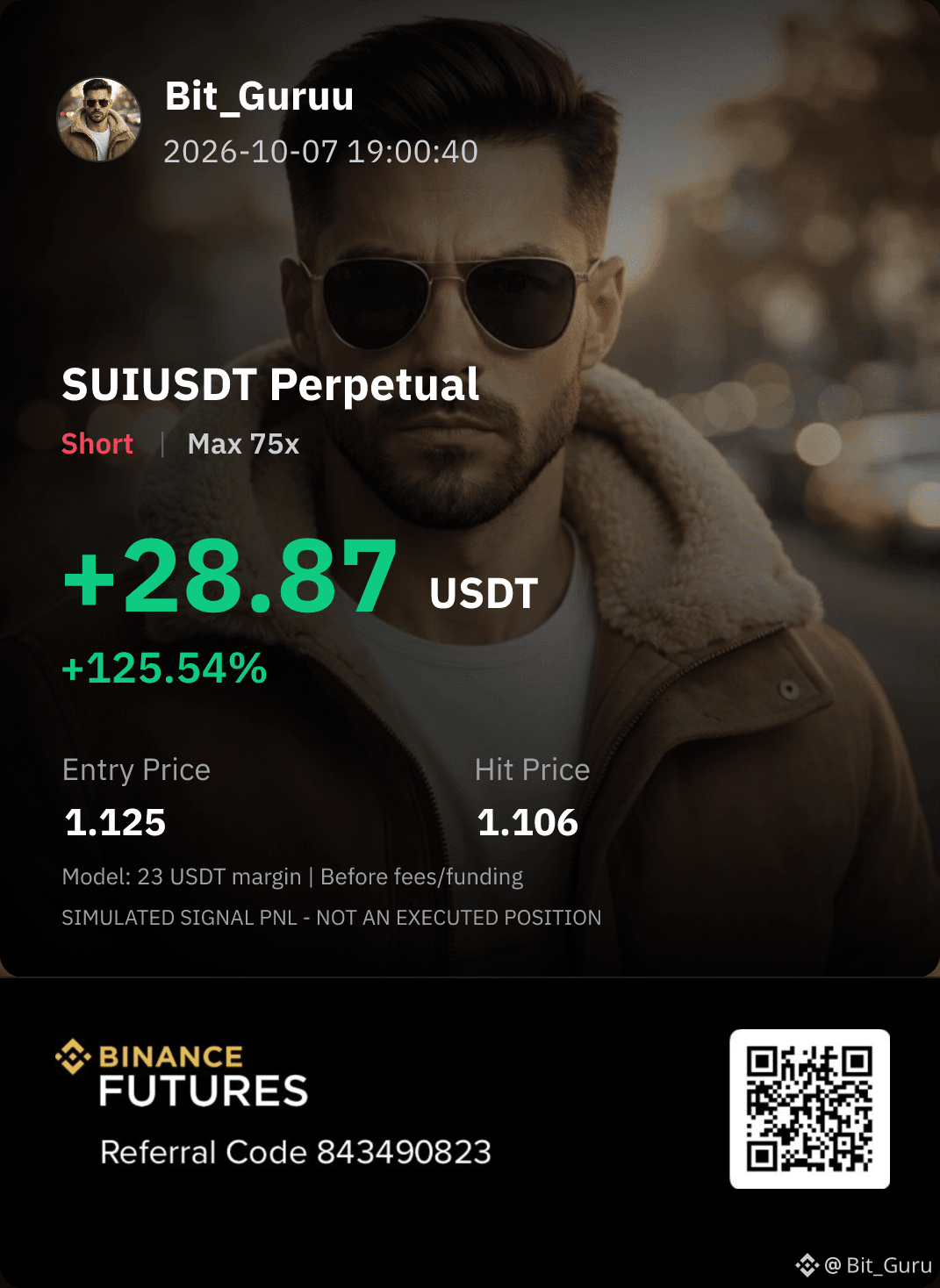
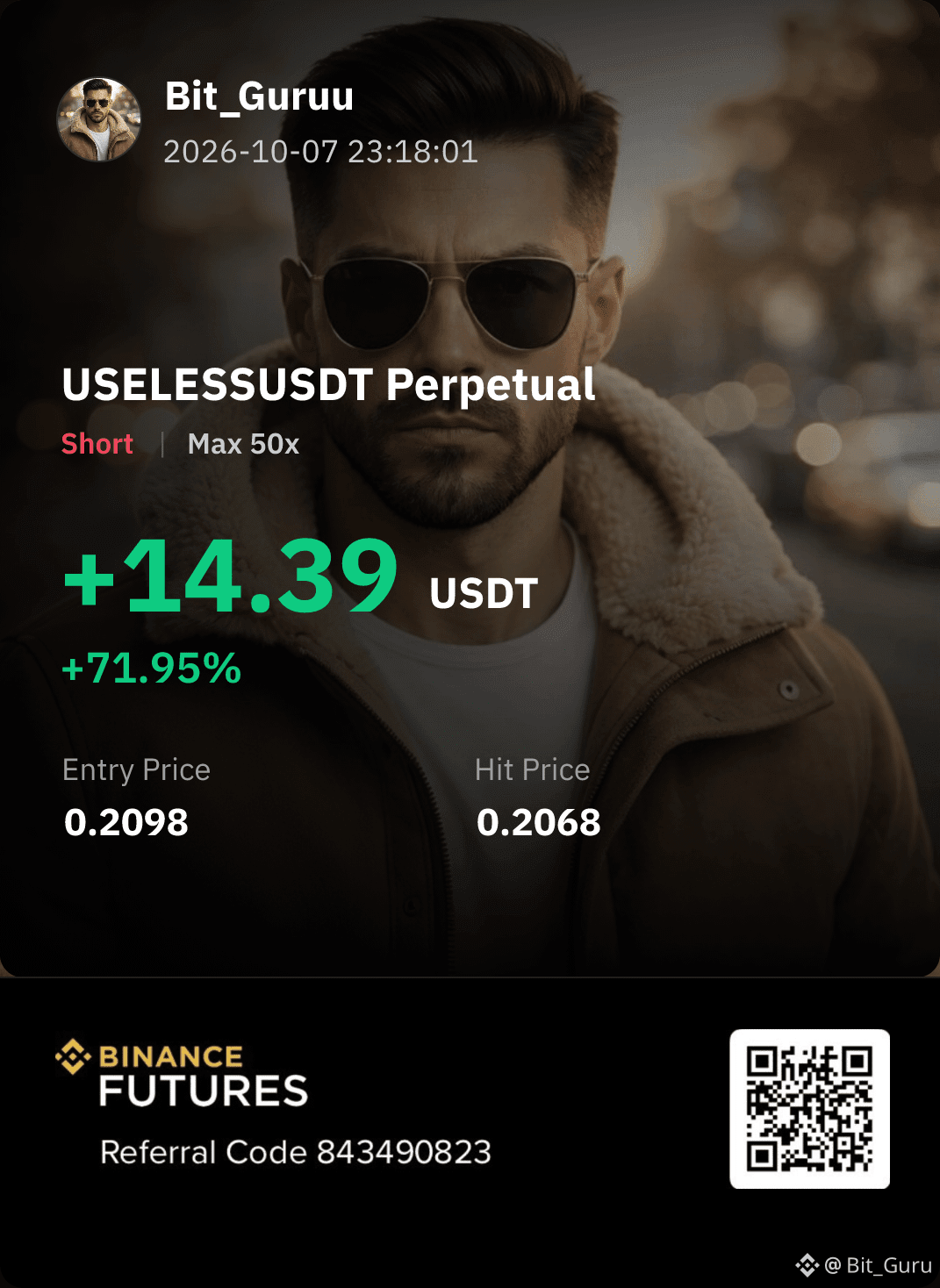
Remember the setups on $SUI and $USELESS? Here is where those plans stand now.
$SUI SHORT — TP3 HIT
Entry 1.125 → Target 1.106
$USELESS SHORT — TP1 HIT
Entry 0.20984 → Target 0.20694
Which setup were you watching? Let me know what I can make clearer for you next time.
Cards show simulated signal PnL at the recorded hit price, not verified account profit.
Remember the setups on $SUI and $USELESS ? Here is where those plans stand now.
$SUI SHORT — TP3 HIT
Entry 1.125 → Target 1.106
$USELESS SHORT — TP1 HIT
Entry 0.20984 → Target 0.20694
Which setup were you watching? Let me know what I can make clearer for you next time.
Cards show simulated signal PnL at the recorded hit price, not verified account profit.
$SUI SHORT — TP3 HIT
Entry 1.125 → Target 1.106
$USELESS SHORT — TP1 HIT
Entry 0.20984 → Target 0.20694
Which setup were you watching? Let me know what I can make clearer for you next time.
Cards show simulated signal PnL at the recorded hit price, not verified account profit.
1
227
·
--
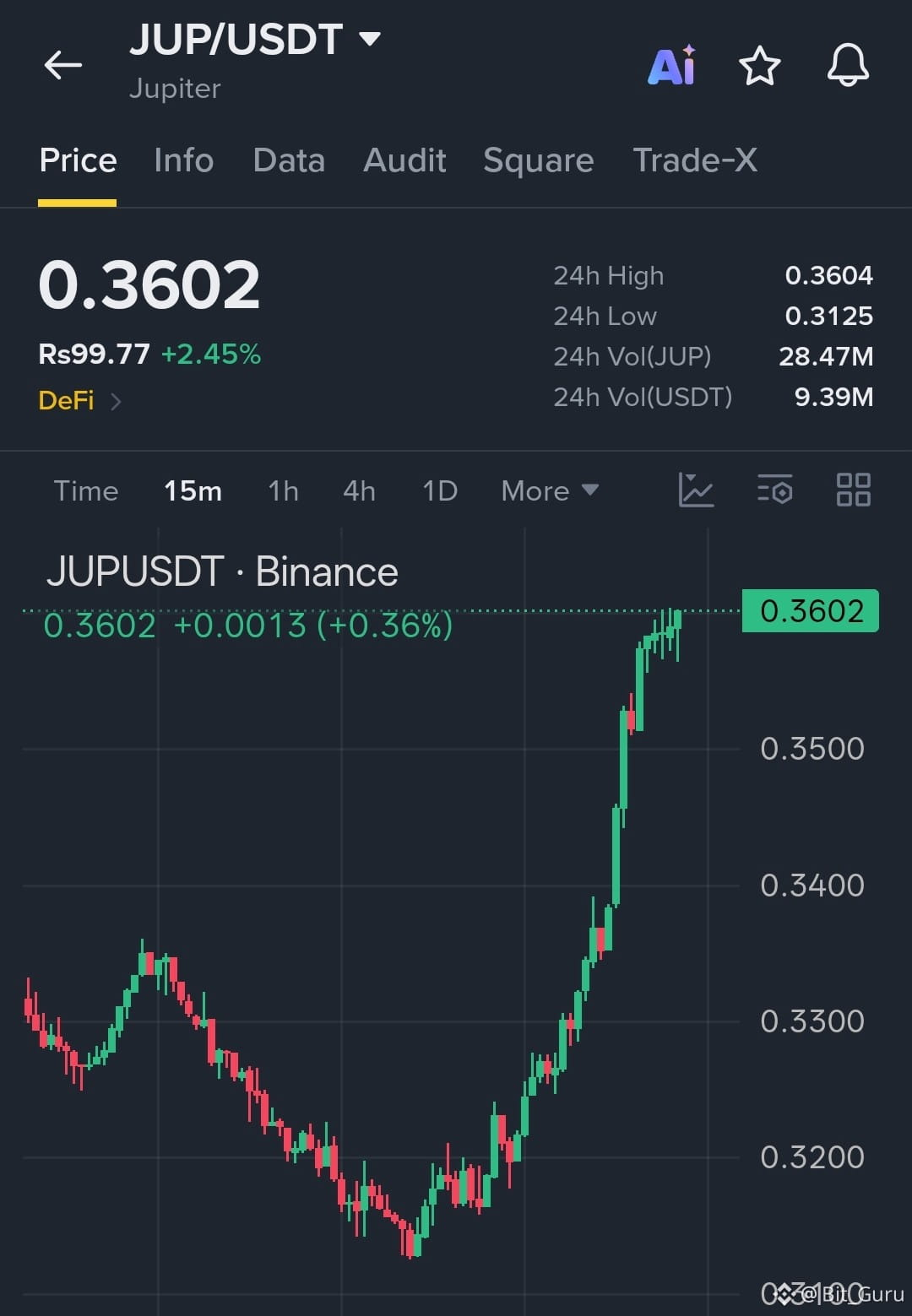
🔥 $JUP STRONG BREAKOUT — BULLS TARGET $0.40!
Long Entry: $0.354–$0.360
SL: $0.345
TP1: $0.370
TP2: $0.385
TP3: $0.400
{spot}(JUPUSDT)
🔥 $JUP STRONG BREAKOUT — BULLS TARGET $0.40!
Long Entry: $0.354–$0.360
SL: $0.345
TP1: $0.370
TP2: $0.385
TP3: $0.400
Long Entry: $0.354–$0.360
SL: $0.345
TP1: $0.370
TP2: $0.385
TP3: $0.400
1
246
·
--
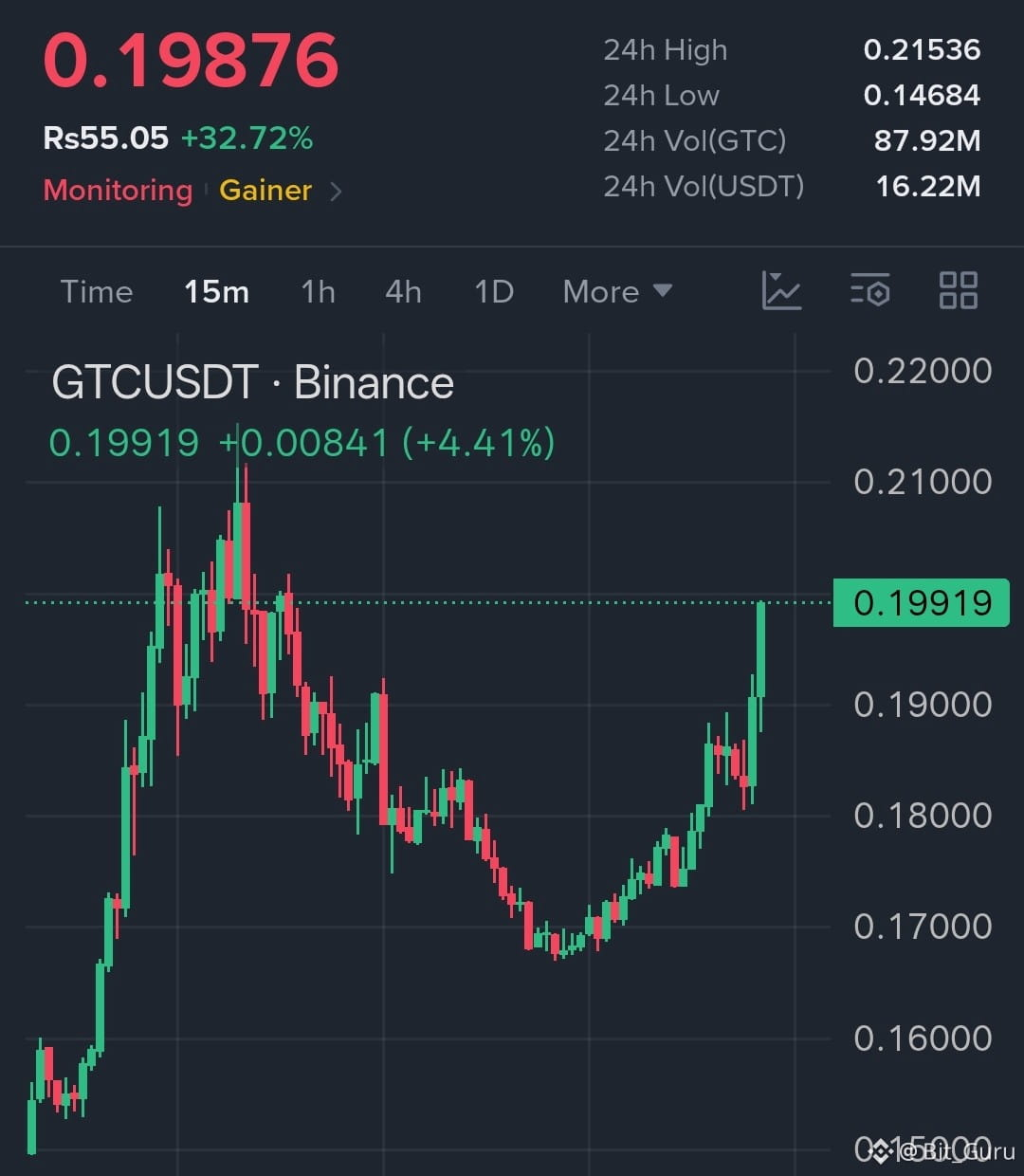
🚀 $GTC BREAKOUT MOMENTUM — $0.22 NEXT?
Long Entry: $0.195–$0.200
SL: $0.185
TP1: $0.210
TP2: $0.220
TP3: $0.235
{spot}(GTCUSDT)
🚀 $GTC BREAKOUT MOMENTUM — $0.22 NEXT?
Long Entry: $0.195–$0.200
SL: $0.185
TP1: $0.210
TP2: $0.220
TP3: $0.235
Long Entry: $0.195–$0.200
SL: $0.185
TP1: $0.210
TP2: $0.220
TP3: $0.235
2
473
·
--
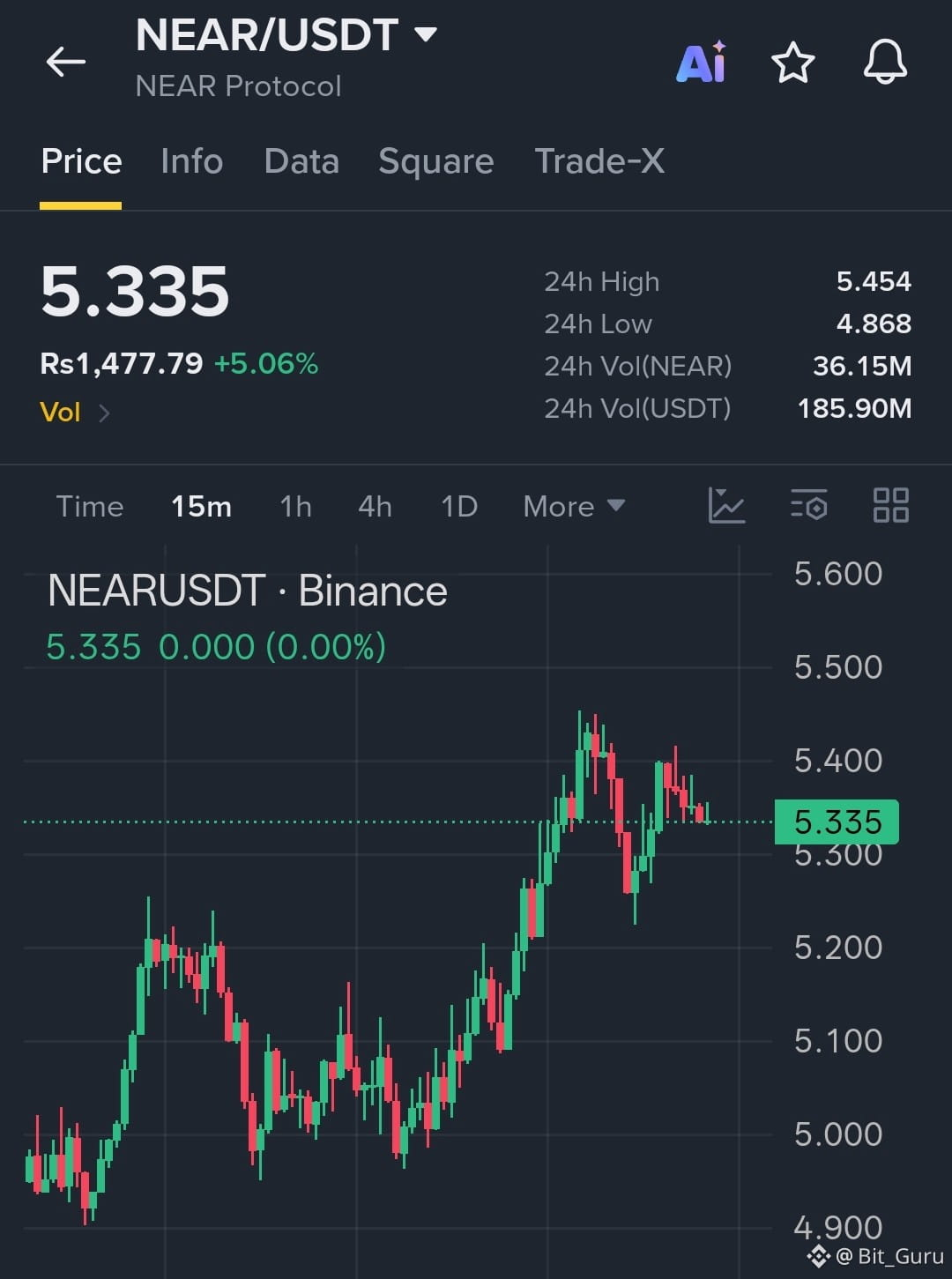
🚀 $NEAR BREAKOUT SETUP — BULLS EYEING $5.60!
Long Entry: $5.30–$5.34
SL: $5.20
TP1: $5.45
TP2: $5.55
TP3: $5.65
{spot}(NEARUSDT)
🚀 $NEAR BREAKOUT SETUP — BULLS EYEING $5.60!
Long Entry: $5.30–$5.34
SL: $5.20
TP1: $5.45
TP2: $5.55
TP3: $5.65
Long Entry: $5.30–$5.34
SL: $5.20
TP1: $5.45
TP2: $5.55
TP3: $5.65
1
172
·
--
The buyers are not giving up on $API3 🔥 Entry from this zone, next target 0.31388 and SL 0.30961. Let price confirm the move..
LONG entry: 0.31143 – 0.31174
The buyers are not giving up on $API3 🔥 Entry from this zone, next target 0.31388 and SL 0.30961. Let price confirm the move..
LONG entry: 0.31143 – 0.31174
LONG entry: 0.31143 – 0.31174
178
·
--
🚨 CRYPTO MARKET UPDATE — SELLING PRESSURE IS RISING! 📉
The market is seeing a broad pullback today. BTC is around $83.2K, while ETH, XRP and SOL are also under pressure. Rising Treasury yields, stronger USD and higher oil prices are weighing on risk assets.
But there are still some standout gainers 👀
🟢 RAY: +11%
🟢 $BITWAY: +6%
🟢 NEAR: +2.8%
These are currently showing relative strength while the broader market is red.
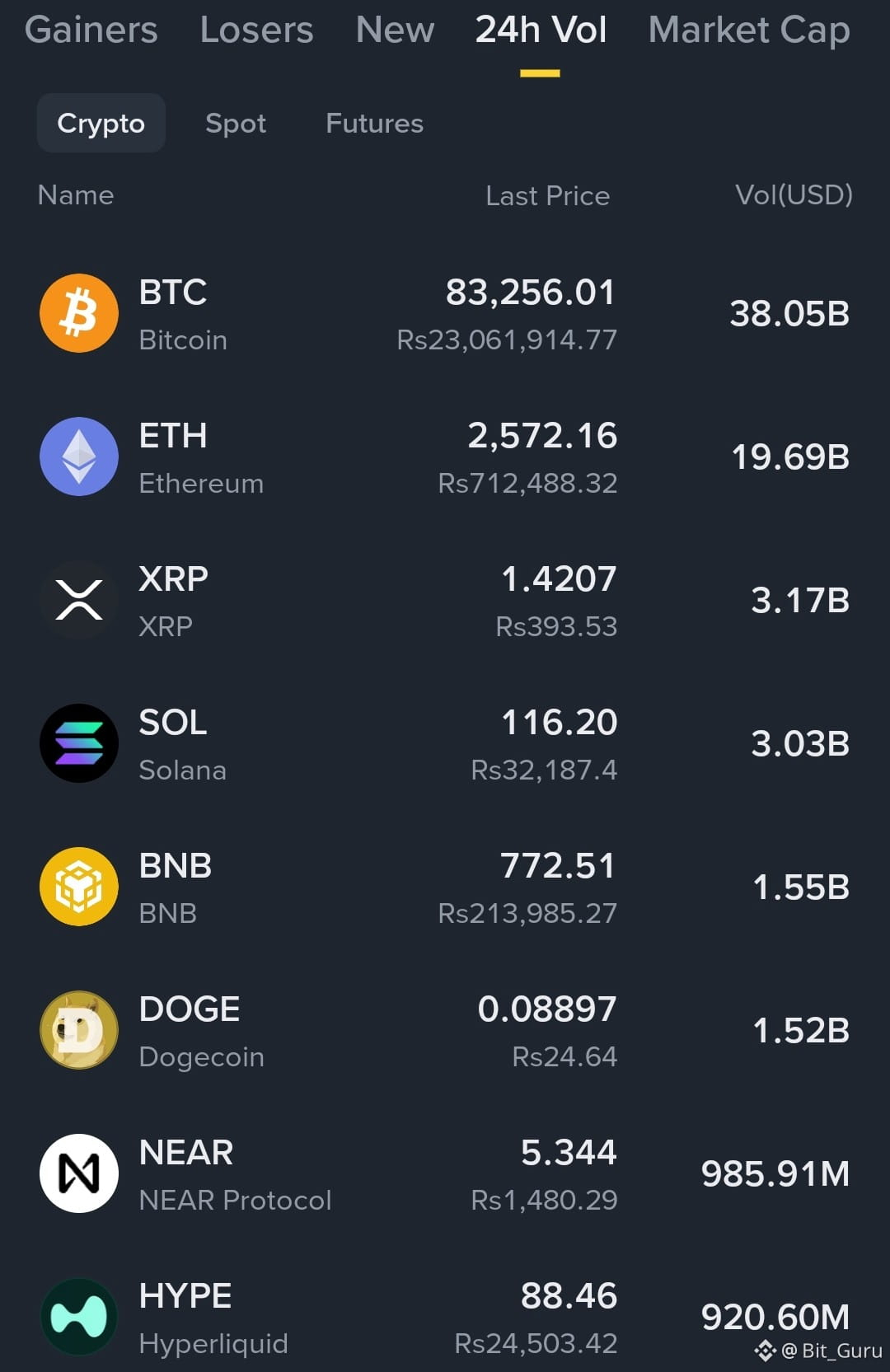
📊 Volume leaders from your screenshot:
$BTC — $38.05B
$ETH — $19.69B
$XRP — $3.17B
#SOL — $3.03B
#BNB — $1.55B
⚠️ Key BTC levels: A recovery above $86.5K–$87K would improve the short-term structure, while losing $83K could expose the market to a move toward $80K.
Bottom line: Market sentiment is cautious, but money is still rotating into selected altcoins. RAY, BITWAY and NEAR are the names showing the clearest strength right now. DYOR and manage risk carefully.
🚨 CRYPTO MARKET UPDATE — SELLING PRESSURE IS RISING! 📉
The market is seeing a broad pullback today. BTC is around $83.2K, while ETH, XRP and SOL are also under pressure. Rising Treasury yields, stronger USD and higher oil prices are weighing on risk assets.
But there are still some standout gainers 👀
🟢 RAY: +11%
🟢 $BITWAY: +6%
🟢 NEAR: +2.8%
These are currently showing relative strength while the broader market is red.
📊 Volume leaders from your screenshot:
$BTC — $38.05B
$ETH — $19.69B
$XRP — $3.17B
#SOL — $3.03B
#BNB — $1.55B
⚠️ Key BTC levels: A recovery above $86.5K–$87K would improve the short-term structure, while losing $83K could expose the market to a move toward $80K.
Bottom line: Market sentiment is cautious, but money is still rotating into selected altcoins. RAY, BITWAY and NEAR are the names showing the clearest strength right now. DYOR and manage risk carefully.
The market is seeing a broad pullback today. BTC is around $83.2K, while ETH, XRP and SOL are also under pressure. Rising Treasury yields, stronger USD and higher oil prices are weighing on risk assets.
But there are still some standout gainers 👀
🟢 RAY: +11%
🟢 $BITWAY: +6%
🟢 NEAR: +2.8%
These are currently showing relative strength while the broader market is red.
📊 Volume leaders from your screenshot:
$BTC — $38.05B
$ETH — $19.69B
$XRP — $3.17B
#SOL — $3.03B
#BNB — $1.55B
⚠️ Key BTC levels: A recovery above $86.5K–$87K would improve the short-term structure, while losing $83K could expose the market to a move toward $80K.
Bottom line: Market sentiment is cautious, but money is still rotating into selected altcoins. RAY, BITWAY and NEAR are the names showing the clearest strength right now. DYOR and manage risk carefully.
1
254
·
--
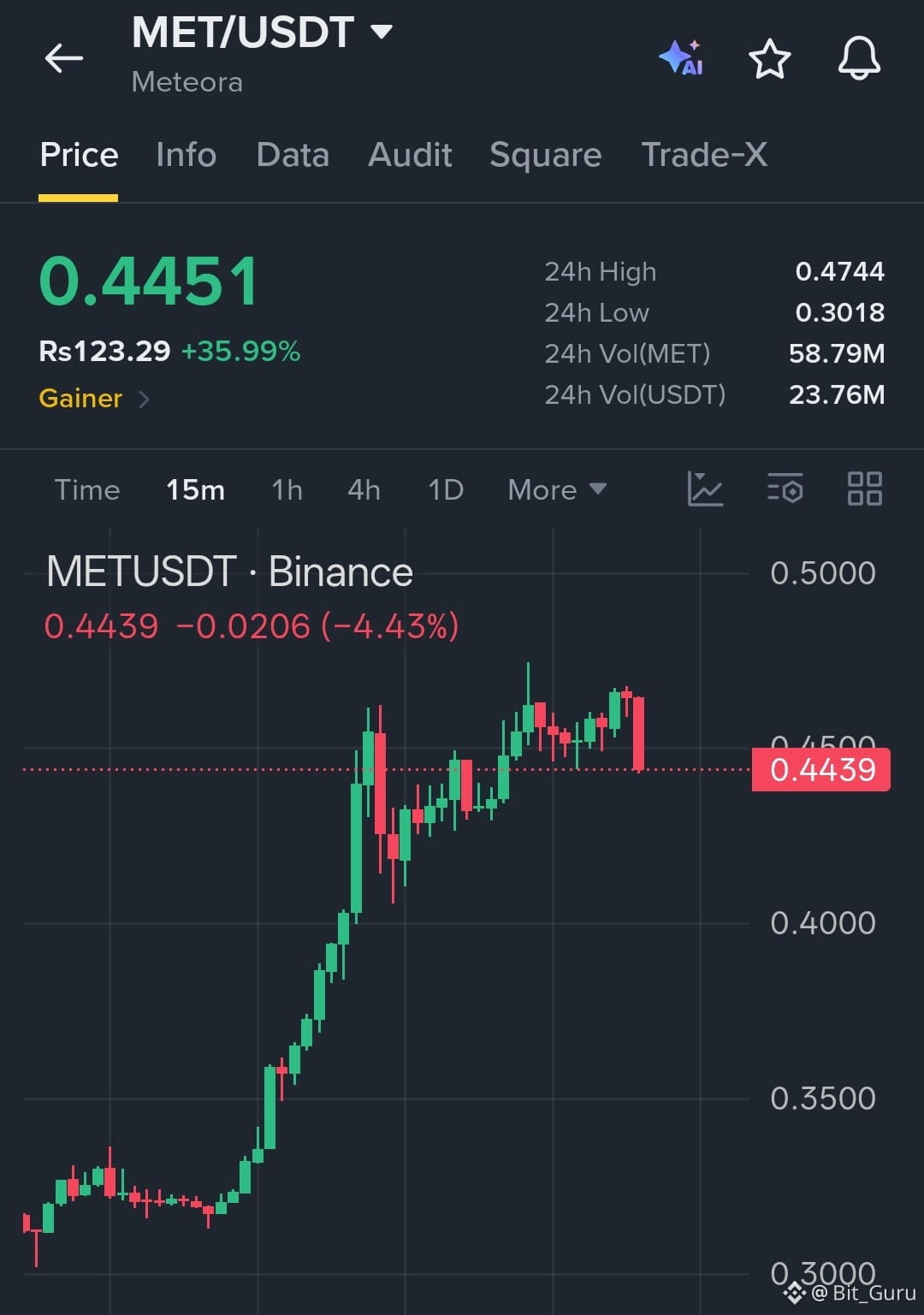
🚨 $MET BULLS EYEING A FRESH BREAKOUT TOWARD $0.50
Long Entry: 0.438–0.445
SL: 0.420
TP1: 0.460
TP2: 0.475
TP3: 0.500
{spot}(METUSDT)
🚨 $MET BULLS EYEING A FRESH BREAKOUT TOWARD $0.50
Long Entry: 0.438–0.445
SL: 0.420
TP1: 0.460
TP2: 0.475
TP3: 0.500
Long Entry: 0.438–0.445
SL: 0.420
TP1: 0.460
TP2: 0.475
TP3: 0.500
1
240
·
--
$MON looks ready for another move lower from resistance ⚡ I am watching this SHORT entry now. Target 0.02537 and invalidation at 0.02591..!!
SHORT entry: 0.02564 – 0.02567
$MON looks ready for another move lower from resistance ⚡ I am watching this SHORT entry now. Target 0.02537 and invalidation at 0.02591..!!
SHORT entry: 0.02564 – 0.02567
SHORT entry: 0.02564 – 0.02567
248
Log in to explore more content
Join global crypto users on Binance Square
⚡️ Get latest and useful information about crypto.
💬 Trusted by the world’s largest crypto exchange.
👍 Discover real insights from verified creators.
Email / Phone number
Trending Topics
FedMinutesFocusOnOctoberPause
229,390 views
1,503 Discussing
🚨 HIGH ALERT ‼️ PLEASE DON’T TRADE BLINDLY FOR THE NEXT HOUR 🚨
Guys, we have FOMC Minutes coming in less than 1 hour.
And after the kind of volatility we already saw today, I really don’t want anyone opening random high-leverage positions just before this release.
The biggest reaction I’m watching will be in Gold (XAU), Silver (XAG), BTC and ETH. Then coins like SOL and other highly leveraged mid/low-cap alts can exaggerate whatever move BTC makes.
Gold and Silver are especially sensitive tonight because the market is already reacting to the US dollar + Treasury yields, and both metals have been under heavy pressure ahead of the Fed minutes.
Briefly speaking
📉Hawkish Fed Minutes → Dollar/yields can push higher → pressure on BTC, crypto, Gold & silver
📈Dovish Fed Minutes → Dollar/yields can cool → BTC, Gold, Silver and risk assets can bounce hard.
And please remember the first candle can be a trap. We can get a pump, immediate dump, liquidations on both sides, and then the real direction.
So for now, protect your positions, reduce unnecessary leverage and don’t FOMO into the first move.
Tonight I’m watching $XAU , $XAG and $BTC first. These will tell us very quickly how the market is reading the Fed.
I will Update you guys on time
Follow @Panda Traders and Turn on Your notifications right now
#FedMinutesFocusOnOctoberPause
Panda Traders
·19 Likes
·4.4k views
BinanceLaunchesBinanceIntelligence
1.2M views
6,679 Discussing
EvernorthDelaysNasdaqDebutToOct12
25,318 views
361 Discussing