Binance Square

tooba raj

"Hey everyone! I'm a Spot Trader expert specializing in Intra-Day Trading, Dollar-Cost Averaging (DCA), and Swing Trading. Follow me for the latest market updat
Trade eröffnen
XPL Halter
XPL Halter
Hochfrequenz-Trader
10.3 Monate
2.0K+ Following
13.8K+ Follower
4.7K+ Like gegeben
640 Geteilt
Beiträge
Portfolio
·
--
Übersetzung ansehen
Fogo: When the Chain Stops Interrupting YouI didn’t find Fogo by reading reports or chasing hype. I found it because I was irritated. If you’ve traded on-chain during heavy volatility, you know the real stress isn’t always direction — it’s timing. You click confirm… and then you wait. Will it execute in time? Will the network lag? Should I have adjusted the gas? Even on chains that call themselves “fast,” that small doubt creeps in. And that doubt changes behavior. You size smaller. You hesitate. You over-adjust just in case. The first time I really paid attention to Fogo, what stood out wasn’t the block time metrics. It was the absence of hesitation. Activity looked steady. No sudden stalls. No feeling that something might freeze under pressure. Not flashy. Not dramatic. Just smooth. Fogo runs on the Solana Virtual Machine (SVM) — the same execution model that powers Solana. Anyone who has used SVM-based environments understands what that implies: parallel execution, high throughput, and load handling proven through DeFi waves, NFT cycles, and meme coin surges. That foundation isn’t new. What feels different is the constraint. Fogo doesn’t try to be everything. It feels intentionally narrow. Instead of chasing gaming, social, AI, RWAs, and every emerging narrative, it leans into one category where timing directly determines outcomes: Trading. Real-time systems. High-frequency environments. And the architecture reflects that focus. Multi-Local Consensus Coordinated validator zones Firedancer-only client Each design choice reduces variance somewhere in the system. And variance is what usually ruins user experience. Many networks advertise peak TPS numbers. But traders don’t live in peak conditions — they live in volatility. Spikes. Stress. Surges. That’s where inconsistency shows up. Fogo feels built for consistency, not for marketing screenshots. Multi-Local Consensus (in simple terms) tightens coordination. Instead of spreading validation in ways that introduce unpredictable communication overhead, it organizes it into more structured zones. Less coordination drag means fewer random slowdowns. Coordinated validator zones reinforce that structure. It’s engineered predictability over distributed chaos. Then there’s the Firedancer-only decision. In the Solana ecosystem, Firedancer is known as a high-performance validator client built to increase throughput and reduce latency. By relying exclusively on it, Fogo is clearly signaling something: Performance discipline > client diversity. Some decentralization purists won’t love that. Multiple clients can reduce systemic risk. But they can also introduce performance variance. Fogo is making a trade-off — and doing it openly. That clarity is rare. The more I observed, the more I realized something: Many chains optimize for technical benchmarks. Fogo feels like it optimizes for emotional stability. When you’re not expecting hiccups, you behave differently. You don’t overcompensate. You don’t refresh explorers. You don’t brace for congestion. The infrastructure fades away. And when a chain becomes invisible, that’s powerful. It’s also quiet. No grand promise to dominate every sector. No roadmap claiming to replace everything. No narrative overload. Just focus. It’s almost uncomfortable in how narrow it is. It’s as if someone looked at the SVM ecosystem and asked: Where does timing matter most? The answer is trading — where milliseconds change outcomes. That’s where Fogo positions itself. Reality still exists. Solana already has ecosystem gravity — users, builders, liquidity, culture. Liquidity clusters where liquidity already lives. That network effect is real. So I don’t know if Fogo becomes a dominant liquidity hub. But I’ve learned something in crypto: The strongest infrastructure isn’t always the loudest. Sometimes it’s the one traders quietly migrate to because it feels better under pressure. Right now, Fogo feels built for traders who are tired of being surprised by their base layer. Not revolutionary in a marketing sense. Disciplined. Multi-Local Consensus reduces coordination friction Validator zones improve predictability Firedancer-only enforces performance focus SVM execution enables strong parallel capacity All pointing toward one objective: Stable timing. I’m not all in. I’m not blindly bullish. I’m not dismissing it either. I’m just noticing something simple: When I watch Fogo, I stop thinking about the chain. I focus on the trade. And when infrastructure stops demanding attention, that might be the strongest signal of all. @fogo #fogo $FOGO

Fogo: When the Chain Stops Interrupting You

I didn’t find Fogo by reading reports or chasing hype.
I found it because I was irritated.
If you’ve traded on-chain during heavy volatility, you know the real stress isn’t always direction — it’s timing. You click confirm… and then you wait.

Will it execute in time?
Will the network lag?
Should I have adjusted the gas?
Even on chains that call themselves “fast,” that small doubt creeps in.
And that doubt changes behavior.
You size smaller.
You hesitate.
You over-adjust just in case.
The first time I really paid attention to Fogo, what stood out wasn’t the block time metrics.
It was the absence of hesitation.
Activity looked steady.
No sudden stalls.
No feeling that something might freeze under pressure.
Not flashy.
Not dramatic.
Just smooth.
Fogo runs on the Solana Virtual Machine (SVM) — the same execution model that powers Solana. Anyone who has used SVM-based environments understands what that implies: parallel execution, high throughput, and load handling proven through DeFi waves, NFT cycles, and meme coin surges.

That foundation isn’t new.
What feels different is the constraint.
Fogo doesn’t try to be everything.
It feels intentionally narrow.
Instead of chasing gaming, social, AI, RWAs, and every emerging narrative, it leans into one category where timing directly determines outcomes:
Trading.
Real-time systems.
High-frequency environments.
And the architecture reflects that focus.
Multi-Local Consensus
Coordinated validator zones
Firedancer-only client
Each design choice reduces variance somewhere in the system.
And variance is what usually ruins user experience.
Many networks advertise peak TPS numbers. But traders don’t live in peak conditions — they live in volatility. Spikes. Stress. Surges. That’s where inconsistency shows up.
Fogo feels built for consistency, not for marketing screenshots.
Multi-Local Consensus (in simple terms) tightens coordination.
Instead of spreading validation in ways that introduce unpredictable communication overhead, it organizes it into more structured zones. Less coordination drag means fewer random slowdowns.
Coordinated validator zones reinforce that structure.
It’s engineered predictability over distributed chaos.
Then there’s the Firedancer-only decision.
In the Solana ecosystem, Firedancer is known as a high-performance validator client built to increase throughput and reduce latency. By relying exclusively on it, Fogo is clearly signaling something:
Performance discipline > client diversity.
Some decentralization purists won’t love that. Multiple clients can reduce systemic risk. But they can also introduce performance variance. Fogo is making a trade-off — and doing it openly.
That clarity is rare.
The more I observed, the more I realized something:
Many chains optimize for technical benchmarks.
Fogo feels like it optimizes for emotional stability.
When you’re not expecting hiccups, you behave differently.
You don’t overcompensate.
You don’t refresh explorers.
You don’t brace for congestion.
The infrastructure fades away.
And when a chain becomes invisible, that’s powerful.
It’s also quiet.
No grand promise to dominate every sector.
No roadmap claiming to replace everything.
No narrative overload.
Just focus.
It’s almost uncomfortable in how narrow it is.
It’s as if someone looked at the SVM ecosystem and asked:
Where does timing matter most?
The answer is trading — where milliseconds change outcomes.
That’s where Fogo positions itself.
Reality still exists.
Solana already has ecosystem gravity — users, builders, liquidity, culture. Liquidity clusters where liquidity already lives. That network effect is real.
So I don’t know if Fogo becomes a dominant liquidity hub.
But I’ve learned something in crypto:
The strongest infrastructure isn’t always the loudest.
Sometimes it’s the one traders quietly migrate to because it feels better under pressure.
Right now, Fogo feels built for traders who are tired of being surprised by their base layer.
Not revolutionary in a marketing sense.
Disciplined.
Multi-Local Consensus reduces coordination friction
Validator zones improve predictability
Firedancer-only enforces performance focus
SVM execution enables strong parallel capacity
All pointing toward one objective:

Stable timing.
I’m not all in.
I’m not blindly bullish.
I’m not dismissing it either.
I’m just noticing something simple:
When I watch Fogo, I stop thinking about the chain.
I focus on the trade.
And when infrastructure stops demanding attention,
that might be the strongest signal of all.
@Fogo Official #fogo $FOGO
Ramadan Punkte Kampagne abgeschlossen $200 Handel 200 Punkte erhalten Berechtigung: 600 Punkte benötigt Detailliertes Video: MEIN Kampagnenlink:👉 Hier klicken $USD1 {spot}(USD1USDT)
Ramadan Punkte Kampagne abgeschlossen $200 Handel 200 Punkte erhalten
Berechtigung: 600 Punkte benötigt
Detailliertes Video: MEIN
Kampagnenlink:👉 Hier klicken
$USD1
#fogo $FOGO @fogo Latenzsteuer: Die Kosten, die Krypto vorgibt, nicht zu haben Es gibt eine versteckte Kosten beim Krypto-Handel, die selten in Dashboards angezeigt wird. Es ist nicht Gas. Es ist nicht sichtbare Slippage. Aber es zieht trotzdem stillschweigend Kapital ab. Nennen wir es Latenzsteuer. Jede Millisekunde zwischen Absicht und Ausführung schafft ein Fenster. In diesem Fenster verschieben sich die Preise. Liquidität verschwindet. Arbitrage schließt. In ruhigen Märkten fühlt sich diese Lücke handhabbar an. In volatilen Märkten wird es zum Unterschied zwischen dem Erfassen eines Vorteils und dessen Aufgabe. Die meisten Layer-1-Blockchains konkurrieren immer noch um die Schlagzeilen-Durchsatz — Transaktionen pro Sekunde, theoretische Kapazität, Spitzenbenchmarks. Aber Durchsatz garantiert keine Timing-Präzision. Es beseitigt keine Ausführungsverzögerung. Fogo stellt das Gespräch neu dar. Anstatt rohe TPS zu vermarkten, konzentriert es seine Architektur auf ultra-niedrige Ausführungslatenz. Die Implikation ist subtil, aber mächtig: Geschwindigkeit ist kein Schönheitsmaß — es ist finanzielle Infrastruktur. Für Marktteilnehmer, Perpetual-Trader, Liquidationsmotoren und Basisstrategien formen Determinismus und Timing-Konsistenz die Rentabilität mehr als jeder Spitzen-Durchsatz es je tun wird. Wenn Systeme schneller und vorhersehbarer reagieren, kumuliert der Vorteil, anstatt sich abzunutzen. Was eine unangenehme Frage aufwirft: Wenn Latenz direkt die PnL beeinflusst, besteuern die meisten Chains effektiv ihre Benutzer durch Verzögerung? Und wenn die Ausführungsgeschwindigkeit wirklich diese versteckte Steuer reduziert, kann ein Latenz-erster Netzwerk technische Präzision in nachhaltig Liquiditäts-Gravitation umwandeln? Der Markt wird das nicht ewig debattieren. Er wird es bepreisen.
#fogo $FOGO @Fogo Official
Latenzsteuer: Die Kosten, die Krypto vorgibt, nicht zu haben
Es gibt eine versteckte Kosten beim Krypto-Handel, die selten in Dashboards angezeigt wird.
Es ist nicht Gas.
Es ist nicht sichtbare Slippage.
Aber es zieht trotzdem stillschweigend Kapital ab.
Nennen wir es Latenzsteuer.
Jede Millisekunde zwischen Absicht und Ausführung schafft ein Fenster. In diesem Fenster verschieben sich die Preise. Liquidität verschwindet. Arbitrage schließt. In ruhigen Märkten fühlt sich diese Lücke handhabbar an. In volatilen Märkten wird es zum Unterschied zwischen dem Erfassen eines Vorteils und dessen Aufgabe.
Die meisten Layer-1-Blockchains konkurrieren immer noch um die Schlagzeilen-Durchsatz — Transaktionen pro Sekunde, theoretische Kapazität, Spitzenbenchmarks. Aber Durchsatz garantiert keine Timing-Präzision. Es beseitigt keine Ausführungsverzögerung.
Fogo stellt das Gespräch neu dar.
Anstatt rohe TPS zu vermarkten, konzentriert es seine Architektur auf ultra-niedrige Ausführungslatenz. Die Implikation ist subtil, aber mächtig: Geschwindigkeit ist kein Schönheitsmaß — es ist finanzielle Infrastruktur.
Für Marktteilnehmer, Perpetual-Trader, Liquidationsmotoren und Basisstrategien formen Determinismus und Timing-Konsistenz die Rentabilität mehr als jeder Spitzen-Durchsatz es je tun wird. Wenn Systeme schneller und vorhersehbarer reagieren, kumuliert der Vorteil, anstatt sich abzunutzen.
Was eine unangenehme Frage aufwirft:
Wenn Latenz direkt die PnL beeinflusst, besteuern die meisten Chains effektiv ihre Benutzer durch Verzögerung?
Und wenn die Ausführungsgeschwindigkeit wirklich diese versteckte Steuer reduziert, kann ein Latenz-erster Netzwerk technische Präzision in nachhaltig Liquiditäts-Gravitation umwandeln?
Der Markt wird das nicht ewig debattieren.
Er wird es bepreisen.
Übersetzung ansehen
$BNB | BNB Chain Enters Turbo Mode In 2025, BNB Chain didn’t just ship upgrades — it re-engineered performance from the ground up. Through four major hardforks — Pascal, Lorentz, Maxwell, and Fermi — BNB Chain has dramatically transformed its core metrics: ⚡ Block time: 3s → 0.45s ⚡ Finality: 7.5s → 1.1s ⚡ Throughput: 133M gas per second ⚡ Gas fees: 1 gwei → 0.05 gwei That means near-instant confirmations, ultra-fast settlement, higher bandwidth, and transaction costs that are practically negligible. This isn’t incremental improvement — it’s structural acceleration. BNB Chain is clearly optimizing for: • Speed • Scalability • Capital efficiency • Serious L1 competition At this performance tier, it’s hard to label it “just another chain.” The real question now: Who keeps up in the Layer 1 race? #Crypto #BNB $BNB {future}(BNBUSDT)
$BNB | BNB Chain Enters Turbo Mode
In 2025, BNB Chain didn’t just ship upgrades — it re-engineered performance from the ground up.
Through four major hardforks — Pascal, Lorentz, Maxwell, and Fermi — BNB Chain has dramatically transformed its core metrics:
⚡ Block time: 3s → 0.45s
⚡ Finality: 7.5s → 1.1s
⚡ Throughput: 133M gas per second
⚡ Gas fees: 1 gwei → 0.05 gwei
That means near-instant confirmations, ultra-fast settlement, higher bandwidth, and transaction costs that are practically negligible.
This isn’t incremental improvement — it’s structural acceleration.
BNB Chain is clearly optimizing for: • Speed
• Scalability
• Capital efficiency
• Serious L1 competition
At this performance tier, it’s hard to label it “just another chain.”
The real question now:
Who keeps up in the Layer 1 race?

#Crypto #BNB $BNB
Übersetzung ansehen
Thanks ❤️
Thanks ❤️
Binance Square Official
·
--
„Write to Earn” Offen für Alle — Verdiene Bis zu 50% Provision + Teile 5.000 USDC!
Um die “Write to Earn” Promotion zu feiern, die jetzt für alle Kreatoren auf Binance Square geöffnet ist, kann jeder KYC-verifizierte Benutzer die Vorteile automatisch genießen—keine Registrierung erforderlich!
Nimm an unserer zeitlich begrenzten Feier teil und verdiene doppelte Belohnungen, wenn du auf Binance Square postest:
✅ Bis zu 50% Handelsgebührenprovision
✅ Teile einen zeitlich begrenzten Bonuspool von 5.000 USDC!
Aktivitätszeitraum: 2026-02-09 00:00 (UTC) bis 2026-03-08 23:59 (UTC)
*Dies ist eine allgemeine Kampagnenankündigung und Produkte sind möglicherweise nicht in deiner Region verfügbar.
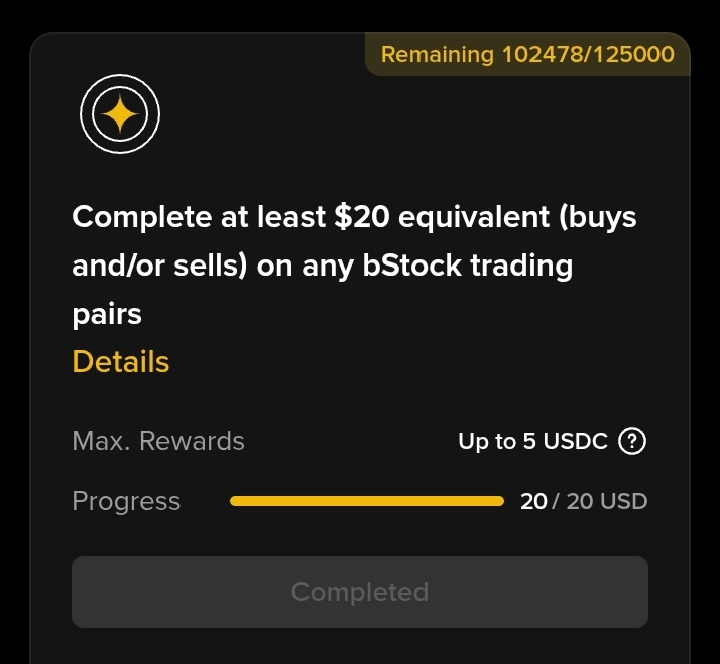
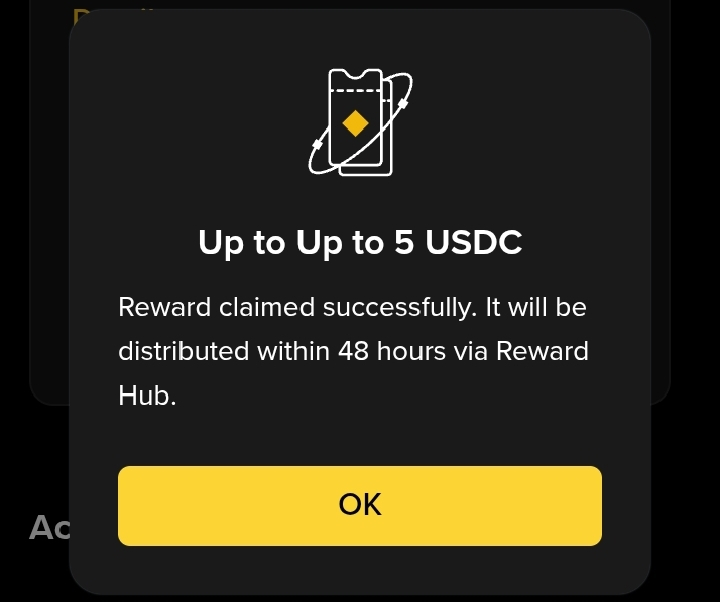
Binance ist eine gute Plattform Allhmdullha🤲 Überprüfen Sie das Belohnungszentrum $XPL CreatorPad Teil 2 Gutschein.
Binance ist eine gute Plattform
Allhmdullha🤲 Überprüfen Sie das Belohnungszentrum $XPL CreatorPad Teil 2 Gutschein.
Übersetzung ansehen
When Speed Becomes the Story: The Strategic Risk Facing FogoNarratives are powerful. They compress complexity into clarity. They give projects identity. They attract early believers. But when a project’s identity becomes tightly anchored to a single variable, clarity can turn into fragility. Fogo has positioned itself with precision: eliminate latency tax and deliver the best on-chain trading experience possible. It’s a sharp thesis. It resonates deeply with traders. It frames performance not as an upgrade, but as a structural correction to existing market infrastructure. Yet building a long-term ecosystem around one dominant narrative carries strategic risk. Speed is measurable. And what is measurable becomes competitive. What is competitive becomes contested. If performance becomes the primary axis of differentiation, competitors will respond directly. Other SVM-based chains can optimize block times. Parallel execution models can evolve. Hardware improves. Infrastructure matures. Over time, raw speed tends to converge. When that convergence happens, what remains? Crypto history offers perspective. What was once unique to Ethereum — flexible smart contracts — became industry standard. High throughput, once strongly associated with Solana, is now pursued across multiple ecosystems. Privacy, modularity, interoperability — each began as differentiation and gradually blended into broader evolution. For Fogo, the real question is whether speed becomes a gateway or a ceiling. If the chain is perceived purely as “the fast one,” it risks being benchmarked rather than trusted. Benchmarks compress value into rankings. Rankings create interchangeability. Traders may migrate to whichever network is marginally faster tomorrow. Durability requires embedding performance into a broader financial architecture. Speed can enable sophisticated derivatives markets. It can support refined order book mechanics. It can attract high-frequency liquidity strategies that are structurally difficult to replicate in slower environments. In that context, speed becomes foundational — not promotional. There is also an adoption nuance. Retail participants respond to narratives. Institutional capital evaluates systems. Governance design. Validator distribution. Stress resilience. Operational transparency. If Fogo intends to host serious capital, it must communicate institutional-grade reliability alongside millisecond performance gains. Then comes the macro dimension. In high-volatility bull markets, execution quality is prized. Activity is dense. Margins matter. But in quieter cycles, trading volume contracts. A value proposition tightly coupled to speculative intensity can become cyclical. This doesn’t invalidate Fogo’s strategy — it sharpens it. The stronger path may be using speed as the entry point while building depth in liquidity partnerships, infrastructure resilience, and financial-native developer tooling. In that scenario, performance is the visible edge of a much deeper system. There is also a philosophical undertone. Crypto continuously oscillates between ideals and pragmatism. Decentralization purity versus execution efficiency. Governance romanticism versus capital optimization. Fogo’s emphasis on trading performance signals a pragmatic orientation. It prioritizes execution quality. That may align with a maturing market. But pragmatism must still coexist with credible trust assumptions. Speed attracts attention. Reliability earns loyalty. Ecosystem depth creates inertia. If Fogo succeeds, it will not be because it is merely faster than its peers. It will be because it integrates performance into a financial infrastructure that traders depend on. Narratives ignite cycles. Infrastructure sustains them. The risk of centering everything on speed is that when the race tightens, differentiation narrows. The opportunity is to let speed open the door to something structurally harder to replicate. Whether Fogo remains a headline about latency — or evolves into a foundational trading venue — will depend on how it navigates that transition. #fogo #FOGO #FOGOUSDT @fogo $FOGO {future}(FOGOUSDT)

When Speed Becomes the Story: The Strategic Risk Facing Fogo

Narratives are powerful. They compress complexity into clarity. They give projects identity. They attract early believers.
But when a project’s identity becomes tightly anchored to a single variable, clarity can turn into fragility.
Fogo has positioned itself with precision: eliminate latency tax and deliver the best on-chain trading experience possible. It’s a sharp thesis. It resonates deeply with traders. It frames performance not as an upgrade, but as a structural correction to existing market infrastructure.
Yet building a long-term ecosystem around one dominant narrative carries strategic risk.
Speed is measurable. And what is measurable becomes competitive. What is competitive becomes contested.
If performance becomes the primary axis of differentiation, competitors will respond directly. Other SVM-based chains can optimize block times. Parallel execution models can evolve. Hardware improves. Infrastructure matures. Over time, raw speed tends to converge.
When that convergence happens, what remains?
Crypto history offers perspective. What was once unique to Ethereum — flexible smart contracts — became industry standard. High throughput, once strongly associated with Solana, is now pursued across multiple ecosystems. Privacy, modularity, interoperability — each began as differentiation and gradually blended into broader evolution.
For Fogo, the real question is whether speed becomes a gateway or a ceiling.
If the chain is perceived purely as “the fast one,” it risks being benchmarked rather than trusted. Benchmarks compress value into rankings. Rankings create interchangeability. Traders may migrate to whichever network is marginally faster tomorrow.
Durability requires embedding performance into a broader financial architecture.
Speed can enable sophisticated derivatives markets. It can support refined order book mechanics. It can attract high-frequency liquidity strategies that are structurally difficult to replicate in slower environments. In that context, speed becomes foundational — not promotional.
There is also an adoption nuance.
Retail participants respond to narratives. Institutional capital evaluates systems. Governance design. Validator distribution. Stress resilience. Operational transparency. If Fogo intends to host serious capital, it must communicate institutional-grade reliability alongside millisecond performance gains.
Then comes the macro dimension.
In high-volatility bull markets, execution quality is prized. Activity is dense. Margins matter. But in quieter cycles, trading volume contracts. A value proposition tightly coupled to speculative intensity can become cyclical.
This doesn’t invalidate Fogo’s strategy — it sharpens it.
The stronger path may be using speed as the entry point while building depth in liquidity partnerships, infrastructure resilience, and financial-native developer tooling. In that scenario, performance is the visible edge of a much deeper system.
There is also a philosophical undertone.
Crypto continuously oscillates between ideals and pragmatism. Decentralization purity versus execution efficiency. Governance romanticism versus capital optimization. Fogo’s emphasis on trading performance signals a pragmatic orientation. It prioritizes execution quality.
That may align with a maturing market.
But pragmatism must still coexist with credible trust assumptions.
Speed attracts attention.
Reliability earns loyalty.
Ecosystem depth creates inertia.
If Fogo succeeds, it will not be because it is merely faster than its peers. It will be because it integrates performance into a financial infrastructure that traders depend on.
Narratives ignite cycles. Infrastructure sustains them.
The risk of centering everything on speed is that when the race tightens, differentiation narrows. The opportunity is to let speed open the door to something structurally harder to replicate.
Whether Fogo remains a headline about latency — or evolves into a foundational trading venue — will depend on how it navigates that transition.
#fogo #FOGO #FOGOUSDT
@Fogo Official $FOGO
Übersetzung ansehen
I put serious money into the Fogo mainnet this week — not to farm tokens, not to speculate, but to test whether it actually works. I wanted to see if Fogo can make decentralized finance feel more like traditional finance. The short answer? Yes. Closer than anything I’ve used on-chain. I tried running high-frequency strategies on decentralized exchanges, and something became clear: when execution is fast enough, the entire mindset changes. You stop worrying about whether your order will fill. You stop thinking about UI lag, failed transactions, or unpredictable confirmation times. You start thinking about your strategy. That’s how traders in traditional markets operate. Execution is assumed. Edge comes from decision-making. On Fogo, it doesn’t feel like you’re clicking a button and waiting for the blockchain to respond. That delay — that uncertainty — disappears. When speed becomes reliable, behavior changes. Is Fogo perfect? No. But it’s the first blockchain that genuinely made me rethink what on-chain infrastructure can actually support. When my transaction finalized before I even lifted my finger off the screen, I understood something: this isn’t just incremental improvement. It’s a shift in experience. I didn’t need a pitch deck or a roadmap to convince me. I used real capital. I tested it under real conditions. And I saw the difference. $FOGO #fogo @fogo
I put serious money into the Fogo mainnet this week — not to farm tokens, not to speculate, but to test whether it actually works.
I wanted to see if Fogo can make decentralized finance feel more like traditional finance.
The short answer? Yes. Closer than anything I’ve used on-chain.
I tried running high-frequency strategies on decentralized exchanges, and something became clear: when execution is fast enough, the entire mindset changes. You stop worrying about whether your order will fill. You stop thinking about UI lag, failed transactions, or unpredictable confirmation times.
You start thinking about your strategy.
That’s how traders in traditional markets operate. Execution is assumed. Edge comes from decision-making.
On Fogo, it doesn’t feel like you’re clicking a button and waiting for the blockchain to respond. That delay — that uncertainty — disappears. When speed becomes reliable, behavior changes.
Is Fogo perfect? No.
But it’s the first blockchain that genuinely made me rethink what on-chain infrastructure can actually support.
When my transaction finalized before I even lifted my finger off the screen, I understood something: this isn’t just incremental improvement. It’s a shift in experience.
I didn’t need a pitch deck or a roadmap to convince me. I used real capital. I tested it under real conditions. And I saw the difference.

$FOGO #fogo @Fogo Official
Übersetzung ansehen
share live
share live
Der zitierte Inhalt wurde entfernt.
Übersetzung ansehen
just refer friend earn up 1000 $HAEDAL . And trade in future only 100$ win reward form 33M $HAEDAL 🎉 🎁
just refer friend earn up 1000 $HAEDAL .
And trade in future only 100$ win reward form 33M $HAEDAL 🎉 🎁
·
--
Bullisch
Übersetzung ansehen
Übersetzung ansehen
#fogo $FOGO @fogo FOGO Is Built for Speed — But Is Speed Enough? I’ve been taking a closer look at FOGO, and the positioning is very intentional. This isn’t a general-purpose chain trying to host every possible use case. It’s engineered for latency-sensitive participants first. Think: Market makers Perpetual traders High-frequency strategies Real-time auction environments FOGO operates as an SVM-based Layer 1 with Solana compatibility, targeting ~40ms block times and near-instant confirmation. The pitch is simple: execution that feels immediate. In competitive trading environments, milliseconds aren’t cosmetic — they’re structural edge. But the real debate isn’t whether speed matters. It does. The deeper question is sustainability. Can FOGO maintain: Deep and sticky liquidity High-quality validator participation Stable performance under real-world load Tooling that actually supports serious capital Ultra-low latency only compounds value if order flow and market depth grow in parallel. Speed without liquidity density becomes an empty metric. What makes FOGO interesting is the potential vertical alignment. If infrastructure, liquidity providers, and active traders are integrated into a tightly optimized execution environment, that’s fundamentally different from a generic chain that simply hosts DEXs. Right now, the market seems to be valuing it like another emerging Layer 1. But if the enshrined exchange thesis gains traction and real trading activity anchors the ecosystem, the re-rating case becomes more compelling. Speed is the entry point. Network effects are the moat. The next two quarters will likely tell us whether FOGO becomes infrastructure — or just another fast chain.
#fogo $FOGO @Fogo Official
FOGO Is Built for Speed — But Is Speed Enough?
I’ve been taking a closer look at FOGO, and the positioning is very intentional. This isn’t a general-purpose chain trying to host every possible use case. It’s engineered for latency-sensitive participants first.
Think:
Market makers
Perpetual traders
High-frequency strategies
Real-time auction environments
FOGO operates as an SVM-based Layer 1 with Solana compatibility, targeting ~40ms block times and near-instant confirmation. The pitch is simple: execution that feels immediate. In competitive trading environments, milliseconds aren’t cosmetic — they’re structural edge.
But the real debate isn’t whether speed matters. It does.
The deeper question is sustainability.
Can FOGO maintain:
Deep and sticky liquidity
High-quality validator participation
Stable performance under real-world load
Tooling that actually supports serious capital
Ultra-low latency only compounds value if order flow and market depth grow in parallel. Speed without liquidity density becomes an empty metric.
What makes FOGO interesting is the potential vertical alignment. If infrastructure, liquidity providers, and active traders are integrated into a tightly optimized execution environment, that’s fundamentally different from a generic chain that simply hosts DEXs.
Right now, the market seems to be valuing it like another emerging Layer 1. But if the enshrined exchange thesis gains traction and real trading activity anchors the ecosystem, the re-rating case becomes more compelling.
Speed is the entry point.
Network effects are the moat.
The next two quarters will likely tell us whether FOGO becomes infrastructure — or just another fast chain.
Übersetzung ansehen
Fogo: Turning Performance Into Adoption Fogo’s future will be defined less by architecture and more by execution. As a high-performance Layer 1 built on the Solana Virtual Machine, the technical foundation is already compelling. What matters now is whether that performance can translate into sustained real-world adoption. The Layer 1 arena is intensely competitive. To stand out, Fogo must prove consistent uptime, fair validator economics, and governance that feels transparent rather than experimental. Performance benchmarks attract attention — reliability retains it. For developers, infrastructure alone is not enough. They will look for mature tooling, responsive documentation, active ecosystem support, and predictable upgrade paths before committing long term. A chain that is fast but difficult to build on will struggle to retain serious builders. Interoperability is another key lever. In a multi-chain landscape, seamless asset mobility and cross-chain compatibility are no longer optional. Networks that isolate themselves lose liquidity and relevance. If Fogo can integrate smoothly while preserving security and decentralization, its performance advantage becomes strategically meaningful. The opportunity for @fogo and $FOGO is clear: convert technical strength into ecosystem depth. If Fogo balances speed, stability, decentralization, and usability, it can evolve from a promising high-performance chain into a foundational layer of Web3 infrastructure. #fogo @fogo $FOGO {future}(FOGOUSDT)
Fogo: Turning Performance Into Adoption
Fogo’s future will be defined less by architecture and more by execution. As a high-performance Layer 1 built on the Solana Virtual Machine, the technical foundation is already compelling. What matters now is whether that performance can translate into sustained real-world adoption.
The Layer 1 arena is intensely competitive. To stand out, Fogo must prove consistent uptime, fair validator economics, and governance that feels transparent rather than experimental. Performance benchmarks attract attention — reliability retains it.
For developers, infrastructure alone is not enough. They will look for mature tooling, responsive documentation, active ecosystem support, and predictable upgrade paths before committing long term. A chain that is fast but difficult to build on will struggle to retain serious builders.
Interoperability is another key lever. In a multi-chain landscape, seamless asset mobility and cross-chain compatibility are no longer optional. Networks that isolate themselves lose liquidity and relevance. If Fogo can integrate smoothly while preserving security and decentralization, its performance advantage becomes strategically meaningful.
The opportunity for @Fogo Official and $FOGO is clear: convert technical strength into ecosystem depth. If Fogo balances speed, stability, decentralization, and usability, it can evolve from a promising high-performance chain into a foundational layer of Web3 infrastructure.
#fogo @Fogo Official $FOGO
Übersetzung ansehen
share live
share live
Anna-汤圆
·
--
[Wiederholung] 🎙️ 今天继续空下去,有没有一起的?
05 h 59 m 59 s · 31.6k Zuhörer
Wenn Marktgeräusche verstummen, spricht die StrukturJeder Zyklus beginnt auf die gleiche Weise: Liquidität beschleunigt sich, Erzählungen wechseln schnell und die Aufmerksamkeit richtet sich auf das Vermögen, das sich am schnellsten bewegt. Aber wenn der Schwung nachlässt, ersetzt eine diszipliniertere Frage die Aufregung – welche Netzwerke sind tatsächlich darauf ausgelegt, anhaltende Nachfrage zu bewältigen? Echte Skalierbarkeit betrifft nicht theoretische TPS-Zahlen. Es geht um Gelassenheit unter Druck. Wenn mehrere Anwendungen gleichzeitig um Blockplatz konkurrieren, werden die Unterscheidungsmerkmale deutlich: Ausführungsarchitektur, Vorhersagbarkeit von Bestätigungen und Kostenstabilität. Infrastruktur ist kein Hintergrundmerkmal mehr. Es ist die These.

Wenn Marktgeräusche verstummen, spricht die Struktur

Jeder Zyklus beginnt auf die gleiche Weise: Liquidität beschleunigt sich, Erzählungen wechseln schnell und die Aufmerksamkeit richtet sich auf das Vermögen, das sich am schnellsten bewegt. Aber wenn der Schwung nachlässt, ersetzt eine diszipliniertere Frage die Aufregung – welche Netzwerke sind tatsächlich darauf ausgelegt, anhaltende Nachfrage zu bewältigen?
Echte Skalierbarkeit betrifft nicht theoretische TPS-Zahlen. Es geht um Gelassenheit unter Druck. Wenn mehrere Anwendungen gleichzeitig um Blockplatz konkurrieren, werden die Unterscheidungsmerkmale deutlich: Ausführungsarchitektur, Vorhersagbarkeit von Bestätigungen und Kostenstabilität. Infrastruktur ist kein Hintergrundmerkmal mehr. Es ist die These.
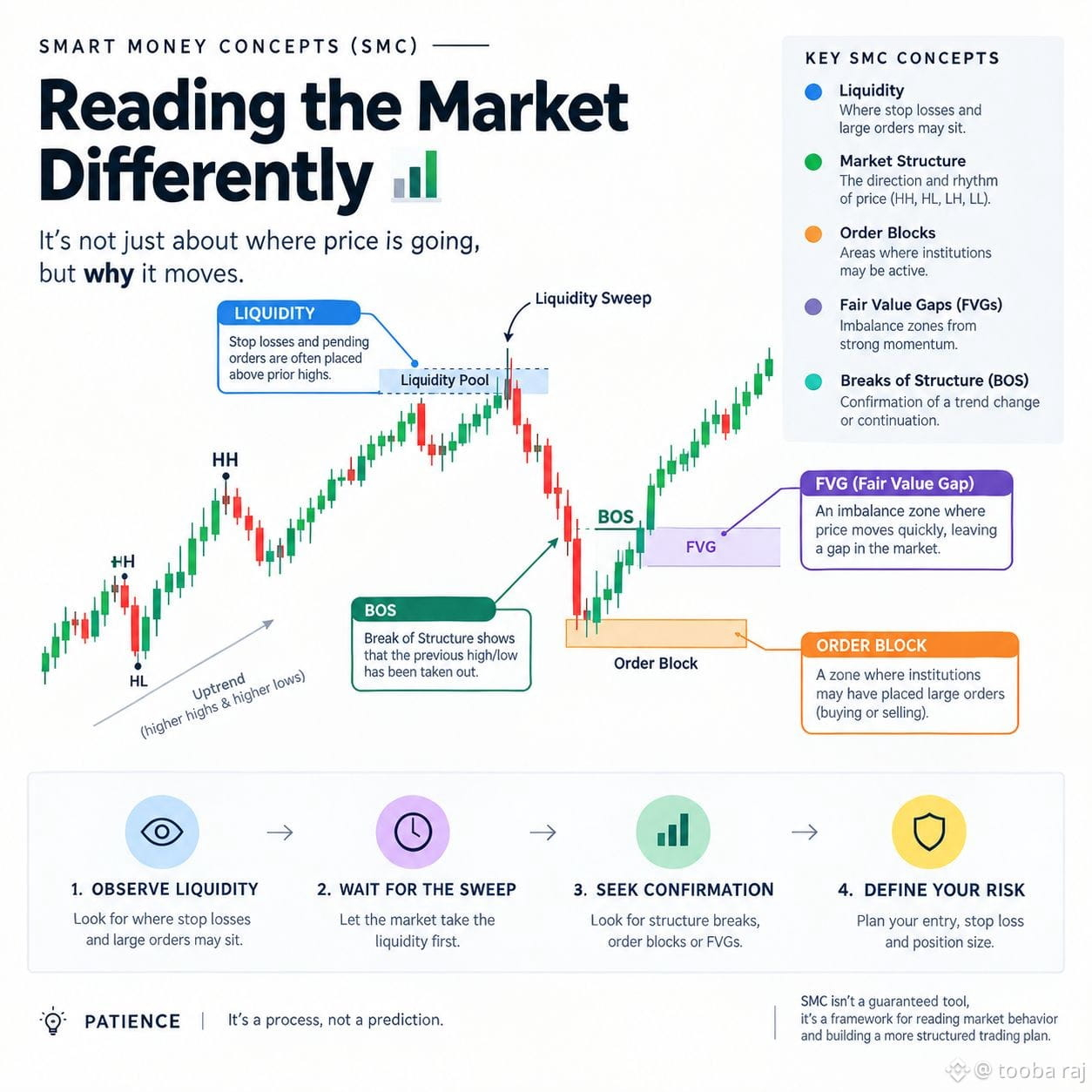
$BTC zeigt in letzter Zeit einen klaren intraday Rhythmus, insbesondere während der wichtigsten Handelssitzungen. In den letzten Tagen hat Asien konsequent als Käufer eingegriffen, stetige Gebote abgegeben und frühe Sitzungsstärke bereitgestellt. Dann verschiebt sich das Muster. London kommt online und beginnt, die Bewegung abzubauen, indem Verkaufsdruck in den früheren Anstieg ausgeübt wird. Wenn New York öffnet, sehen wir oft einen Liquiditätssweep über den vorherigen Hochs — Stopps werden ausgelöst, Ausbruchshändler werden angezogen — und dann kehrt der Preis spät in der New Yorker Sitzung um. Kurz gesagt, es war ein wiederholbarer Zyklus: Asien akkumuliert → London verteilt → New York läuft die Hochs → Umkehr spät in der Sitzung. Bis diese Struktur bricht, bleibt der sitzungsbasierte Fluss eine der saubersten Möglichkeiten, um kurzfristige $BTC-Positionierungen zu rahmen.
$BTC zeigt in letzter Zeit einen klaren intraday Rhythmus, insbesondere während der wichtigsten Handelssitzungen.
In den letzten Tagen hat Asien konsequent als Käufer eingegriffen, stetige Gebote abgegeben und frühe Sitzungsstärke bereitgestellt.
Dann verschiebt sich das Muster.
London kommt online und beginnt, die Bewegung abzubauen, indem Verkaufsdruck in den früheren Anstieg ausgeübt wird. Wenn New York öffnet, sehen wir oft einen Liquiditätssweep über den vorherigen Hochs — Stopps werden ausgelöst, Ausbruchshändler werden angezogen — und dann kehrt der Preis spät in der New Yorker Sitzung um.
Kurz gesagt, es war ein wiederholbarer Zyklus: Asien akkumuliert → London verteilt → New York läuft die Hochs → Umkehr spät in der Sitzung.
Bis diese Struktur bricht, bleibt der sitzungsbasierte Fluss eine der saubersten Möglichkeiten, um kurzfristige $BTC-Positionierungen zu rahmen.
Markt & Makro-Überblick📌 Markt & Makro-Überblick • Preisaktion & Volatilität: Bitcoin handelt weiterhin in einer unruhigen Spanne, da breitere Krypto-Schwächen und makroökonomische Unsicherheiten die Stimmung belasten. Gemischte wirtschaftliche Signale und geopolitische Risiken halten die Trader vorsichtig. Analysten warnen, dass enttäuschende Wirtschaftsdaten erneuten Abwärtsdruck auslösen könnten. • Technische Einrichtung: Auf niedrigeren und höheren Zeitrahmen konsolidiert BTC innerhalb eines Dreiecksmusters. Diese Kompressionsphase geht typischerweise einem scharfen Move voraus, während Trader einen potenziellen Ausbruch von bis zu ~15% je nach Richtung im Auge haben. Ein bestätigter Ausbruch über den Widerstand könnte die bullische Dynamik neu entfachen, während ein Rückgang den Verkaufsdruck beschleunigen könnte.

Markt & Makro-Überblick

📌 Markt & Makro-Überblick

• Preisaktion & Volatilität:
Bitcoin handelt weiterhin in einer unruhigen Spanne, da breitere Krypto-Schwächen und makroökonomische Unsicherheiten die Stimmung belasten. Gemischte wirtschaftliche Signale und geopolitische Risiken halten die Trader vorsichtig. Analysten warnen, dass enttäuschende Wirtschaftsdaten erneuten Abwärtsdruck auslösen könnten.
• Technische Einrichtung:
Auf niedrigeren und höheren Zeitrahmen konsolidiert BTC innerhalb eines Dreiecksmusters. Diese Kompressionsphase geht typischerweise einem scharfen Move voraus, während Trader einen potenziellen Ausbruch von bis zu ~15% je nach Richtung im Auge haben. Ein bestätigter Ausbruch über den Widerstand könnte die bullische Dynamik neu entfachen, während ein Rückgang den Verkaufsdruck beschleunigen könnte.
Übersetzung ansehen
Fogo is live — and I got in early. Here’s what I’ve actually seen so far. First, the infrastructure is no joke. The 40ms finality isn’t just marketing language — it genuinely feels fast. On Valiant, perp trading feels closer to a centralized exchange than a typical on-chain experience. Orders fill smoothly, execution feels tight, and the latency is barely noticeable. On the performance side, @fogo has clearly delivered. $FOGO isn’t built on hype when it comes to raw speed. But when you zoom out, the picture gets more complex. Take Pyron liquidity. At first looks solid. Dig deeper and you realize a large portion of that capital is incentive-driven — people farming for Fogo points and Pyron tokens. If rewards slow down or expectations aren’t met, that liquidity can evaporate quickly. We’ve seen this cycle play out across multiple ecosystems before. Incentive liquidity is not the same as sticky liquidity. The bigger issue right now is utilization. Fogo’s infrastructure feels capable of handling serious throughput — almost like exchange-grade rails. But what is it being used for? Mostly rotating major crypto assets and farming incentives. The system feels ready for high-value, high-frequency use cases… yet it’s not powering anything mission-critical. It reminds me of a brand-new, ultra-modern mall: perfect lighting, powerful air conditioning, fast elevators — but only a handful of stores open inside. Technology and ecosystem strength are two different things. Just because Fogo’s core performance is impressive doesn’t automatically mean the ecosystem is healthy or sustainable. The real test will come after the airdrop phase. What happens when incentives cool down? Does liquidity stay? Do real users remain? That’s when we’ll see what #Fogo truly is. $FOGO #fogo @fogo
Fogo is live — and I got in early. Here’s what I’ve actually seen so far.
First, the infrastructure is no joke. The 40ms finality isn’t just marketing language — it genuinely feels fast. On Valiant, perp trading feels closer to a centralized exchange than a typical on-chain experience. Orders fill smoothly, execution feels tight, and the latency is barely noticeable. On the performance side, @Fogo Official has clearly delivered. $FOGO isn’t built on hype when it comes to raw speed.
But when you zoom out, the picture gets more complex.
Take Pyron liquidity. At first looks solid. Dig deeper and you realize a large portion of that capital is incentive-driven — people farming for Fogo points and Pyron tokens. If rewards slow down or expectations aren’t met, that liquidity can evaporate quickly. We’ve seen this cycle play out across multiple ecosystems before. Incentive liquidity is not the same as sticky liquidity.
The bigger issue right now is utilization.
Fogo’s infrastructure feels capable of handling serious throughput — almost like exchange-grade rails. But what is it being used for? Mostly rotating major crypto assets and farming incentives. The system feels ready for high-value, high-frequency use cases… yet it’s not powering anything mission-critical.
It reminds me of a brand-new, ultra-modern mall: perfect lighting, powerful air conditioning, fast elevators — but only a handful of stores open inside.
Technology and ecosystem strength are two different things. Just because Fogo’s core performance is impressive doesn’t automatically mean the ecosystem is healthy or sustainable.
The real test will come after the airdrop phase. What happens when incentives cool down? Does liquidity stay? Do real users remain? That’s when we’ll see what #Fogo truly is.
$FOGO #fogo @Fogo Official
Übersetzung ansehen
share live
share live
Luna春婷
·
--
[Wiederholung] 🎙️ 穿仓时闻钟磬响,未平仓里藏轮回
05 h 59 m 59 s · 46k Zuhörer
Übersetzung ansehen
Fogo: Advancing Parallel Execution InfrastructureThe blockchain industry rarely asks the uncomfortable question: when a network achieves extreme throughput, who actually pays for it — and in what currency? The answer isn’t fees. It’s physics. Fogo brings this reality to the surface. Built on a stripped-down SVM foundation inspired by Solana, Fogo targets ~40ms finality — a threshold close to human perceptual limits. Below that, latency becomes invisible. Above it, users feel friction. Unlike Solana, which maintained broader hardware accessibility, Fogo removes compatibility scaffolding. Its parallel execution engine is designed to saturate NVMe throughput. But saturation requires capability. If validators lack high-performance NVMe storage, the IOPS demand under block pressure can push them behind the chain tip abruptly. This is the core tension: the performance metrics are real — and so are the hardware requirements. Comparing Fogo to Monad highlights two philosophies. Monad retrofits an existing execution model with improvements. Fogo optimizes aggressively for the architecture it has chosen. That enables speed — but also sharper failure modes. Against Sui, the contrast is architectural. Sui resolves many conflicts at the data-structure level via object ownership, minimizing write contention but struggling with globally contested state. Fogo doesn’t eliminate contention — it isolates and prices it through local fee market segmentation, containing blast radius while sacrificing some fungibility of blockspace. High-performance chains are no longer competing on raw TPS. They are competing on how their bottlenecks behave. Predictable degradation is manageable. Sudden collapse is not. The future belongs to teams that understand latency not just between nodes on a map, but between architecture and the physical hardware sustaining it. @fogo #FOGO $FOGO

Fogo: Advancing Parallel Execution Infrastructure

The blockchain industry rarely asks the uncomfortable question: when a network achieves extreme throughput, who actually pays for it — and in what currency?
The answer isn’t fees. It’s physics.
Fogo brings this reality to the surface. Built on a stripped-down SVM foundation inspired by Solana, Fogo targets ~40ms finality — a threshold close to human perceptual limits. Below that, latency becomes invisible. Above it, users feel friction.

Unlike Solana, which maintained broader hardware accessibility, Fogo removes compatibility scaffolding. Its parallel execution engine is designed to saturate NVMe throughput. But saturation requires capability. If validators lack high-performance NVMe storage, the IOPS demand under block pressure can push them behind the chain tip abruptly.
This is the core tension: the performance metrics are real — and so are the hardware requirements.
Comparing Fogo to Monad highlights two philosophies. Monad retrofits an existing execution model with improvements. Fogo optimizes aggressively for the architecture it has chosen. That enables speed — but also sharper failure modes.
Against Sui, the contrast is architectural. Sui resolves many conflicts at the data-structure level via object ownership, minimizing write contention but struggling with globally contested state. Fogo doesn’t eliminate contention — it isolates and prices it through local fee market segmentation, containing blast radius while sacrificing some fungibility of blockspace.
High-performance chains are no longer competing on raw TPS. They are competing on how their bottlenecks behave.
Predictable degradation is manageable. Sudden collapse is not.
The future belongs to teams that understand latency not just between nodes on a map, but between architecture and the physical hardware sustaining it.
@Fogo Official #FOGO $FOGO
Melde dich an, um weitere Inhalte zu entdecken
Bleib immer am Ball mit den neuesten Nachrichten aus der Kryptowelt
⚡️ Beteilige dich an aktuellen Diskussionen rund um Kryptothemen
💬 Interagiere mit deinen bevorzugten Content-Erstellern
👍 Entdecke für dich interessante Inhalte
E-Mail-Adresse/Telefonnummer
Sitemap
Cookie-Präferenzen
Nutzungsbedingungen der Plattform