

TYSON BNB
10.5k Beiträge

TYSON BNB
 Square Verified
Melden
Nutzer blockieren
💵 Learn and Earn 💵 xid: @7_hax86268
Trade eröffnen

ETH Halter
Hochfrequenz-Trader
2 Jahre
580 Following
33.8K+ Follower
19.7K+ Like gegeben
Beiträge
Portfolio
Alle
Zitierungen
Videos
Live
PINNED
·
--
Bullisch
Warum folgst du meinem Signal? 🫡
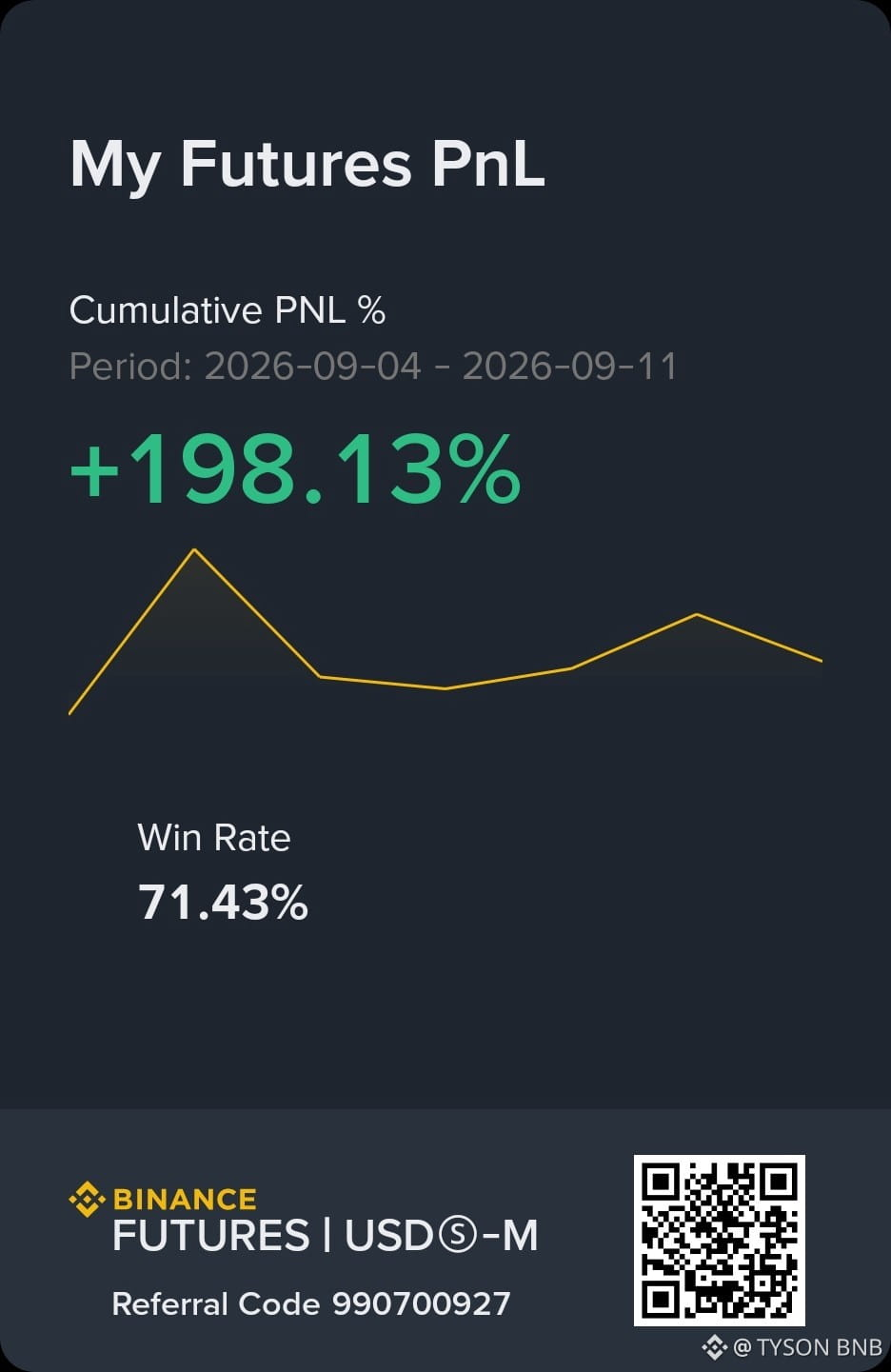
71,43% WIn RATE
+198,13% KUMULATIVER PNL
Ich poste nicht einfach nur LONG/SHORT-Calls.
Ich teile die Vorgehensweise, den Einstieg, SL & Ziele und zeige dann das Ergebnis.
Wenn du hier für qualitativ hochwertige Trading-Setups bist,
bist du hier genau richtig. Und komm auch in unseren Chart-Raum ☺️
Warum folgst du meinem Signal? 🫡
71,43% WIn RATE
+198,13% KUMULATIVER PNL
Ich poste nicht einfach nur LONG/SHORT-Calls.
Ich teile die Vorgehensweise, den Einstieg, SL & Ziele und zeige dann das Ergebnis.
Wenn du hier für qualitativ hochwertige Trading-Setups bist,
bist du hier genau richtig. Und komm auch in unseren Chart-Raum ☺️
71,43% WIn RATE
+198,13% KUMULATIVER PNL
Ich poste nicht einfach nur LONG/SHORT-Calls.
Ich teile die Vorgehensweise, den Einstieg, SL & Ziele und zeige dann das Ergebnis.
Wenn du hier für qualitativ hochwertige Trading-Setups bist,
bist du hier genau richtig. Und komm auch in unseren Chart-Raum ☺️
2
2
50
·
--
Bullisch
30D-Trade $SOL 19.2K USDT
Übersetzung ansehen
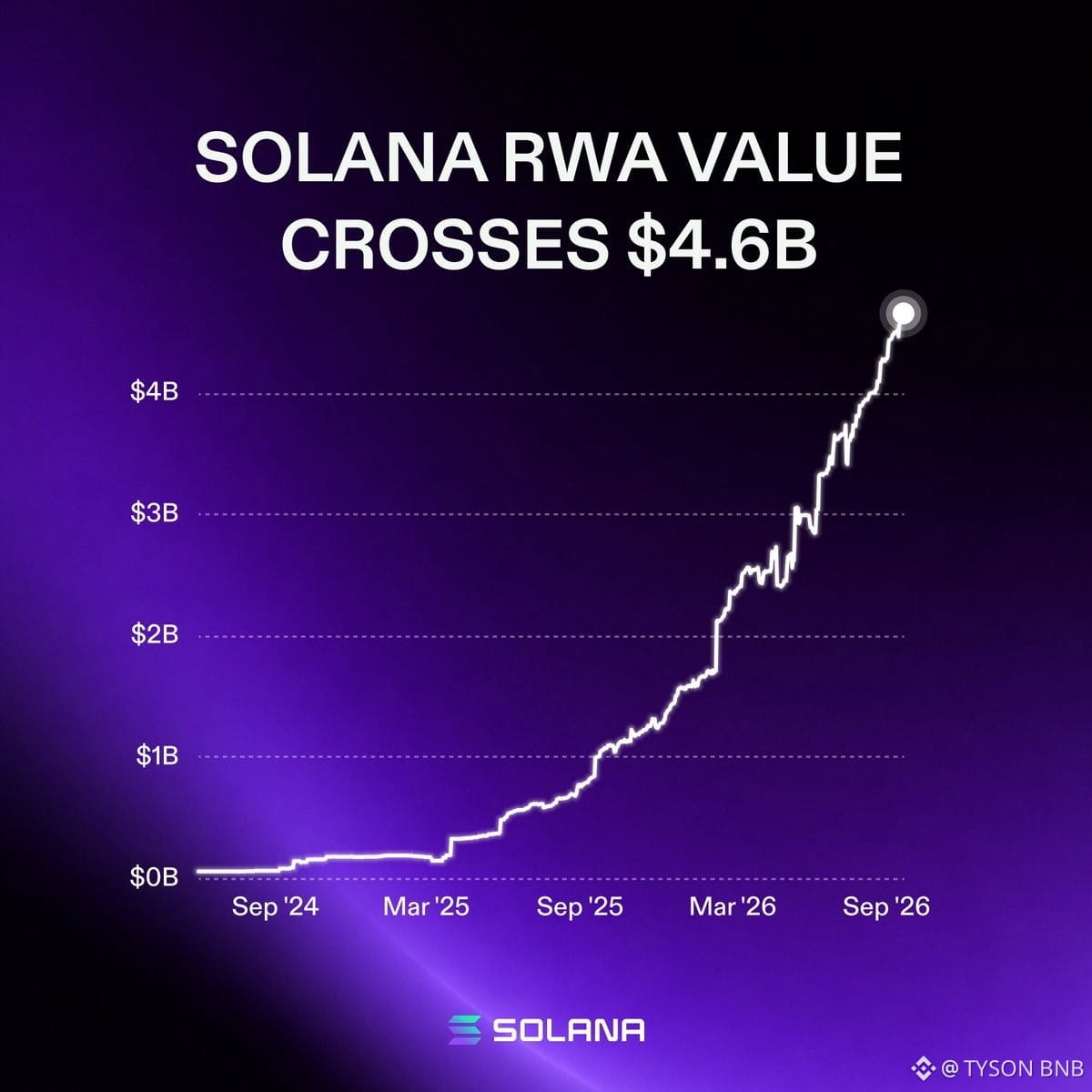
SOLANA RWA JUST HIT $4.6B 🚀
Real-world assets on Solana keep expanding.
From around $4.2B earlier this month to a new ATH of $4.6B+ today.
That means more tokenized financial assets are moving on-chain — equities, funds, credit and other real-world products.
The number itself is impressive, but I’m watching one thing more closely:
Is this growth translating into real trading activity and adoption?
Because RWA value going up looks good on the chart.
But actual usage is what matters long term.
Solana is definitely becoming one of the major networks to watch in the tokenization race.
#SolanaStrong #AIStocksWhatNext $SOL
SOLANA RWA JUST HIT $4.6B 🚀
Real-world assets on Solana keep expanding.
From around $4.2B earlier this month to a new ATH of $4.6B+ today.
That means more tokenized financial assets are moving on-chain — equities, funds, credit and other real-world products.
The number itself is impressive, but I’m watching one thing more closely:
Is this growth translating into real trading activity and adoption?
Because RWA value going up looks good on the chart.
But actual usage is what matters long term.
Solana is definitely becoming one of the major networks to watch in the tokenization race.
#SolanaStrong #AIStocksWhatNext $SOL
Real-world assets on Solana keep expanding.
From around $4.2B earlier this month to a new ATH of $4.6B+ today.
That means more tokenized financial assets are moving on-chain — equities, funds, credit and other real-world products.
The number itself is impressive, but I’m watching one thing more closely:
Is this growth translating into real trading activity and adoption?
Because RWA value going up looks good on the chart.
But actual usage is what matters long term.
Solana is definitely becoming one of the major networks to watch in the tokenization race.
#SolanaStrong #AIStocksWhatNext $SOL
1
307
·
--
Bärisch
🔻 $BNB Short Setup 👀
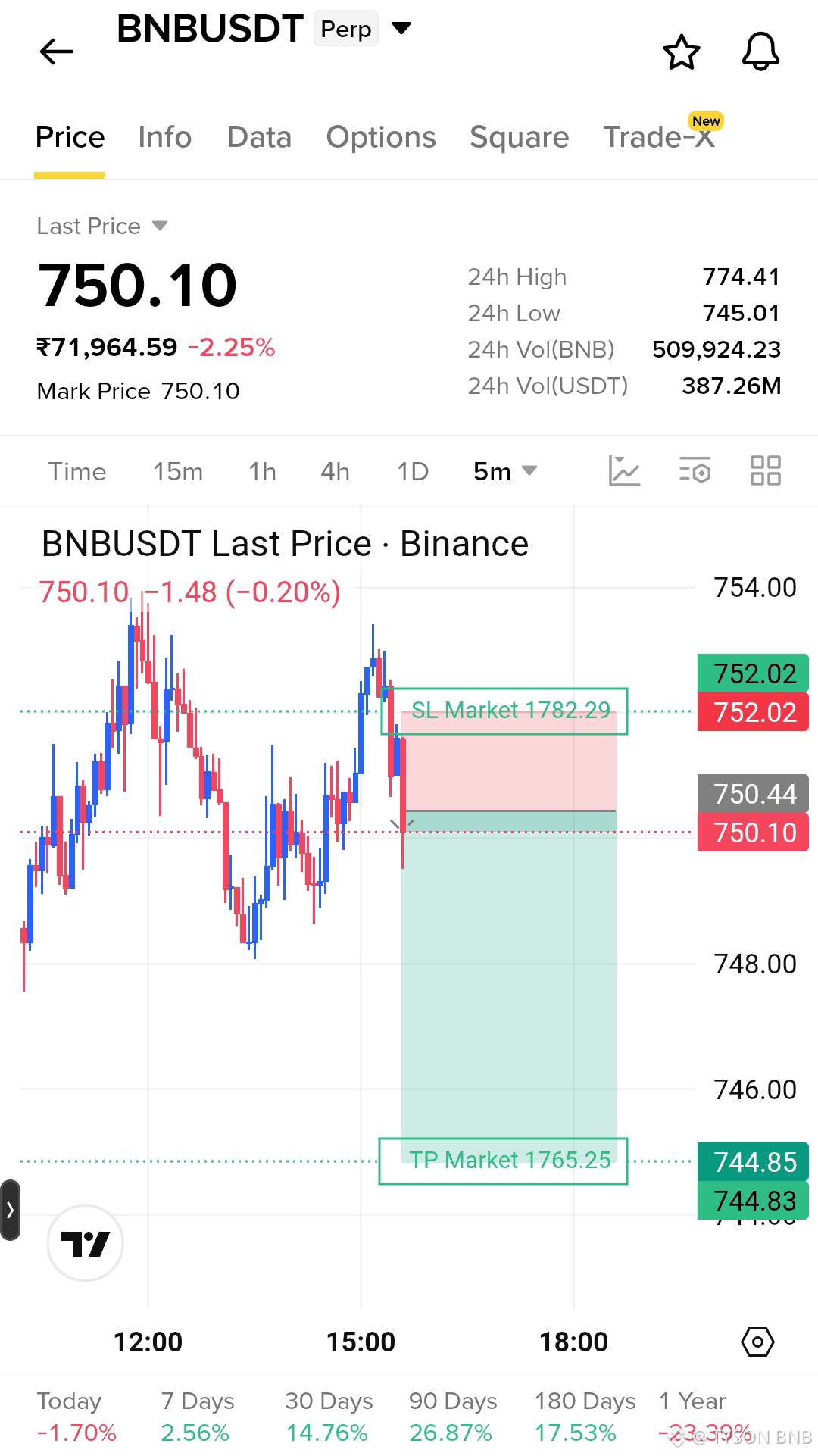
Also… BNB wurde in den Widerstand gedrückt und abgewiesen.
Jetzt beobachte ich, wie es tiefer geht. 📉
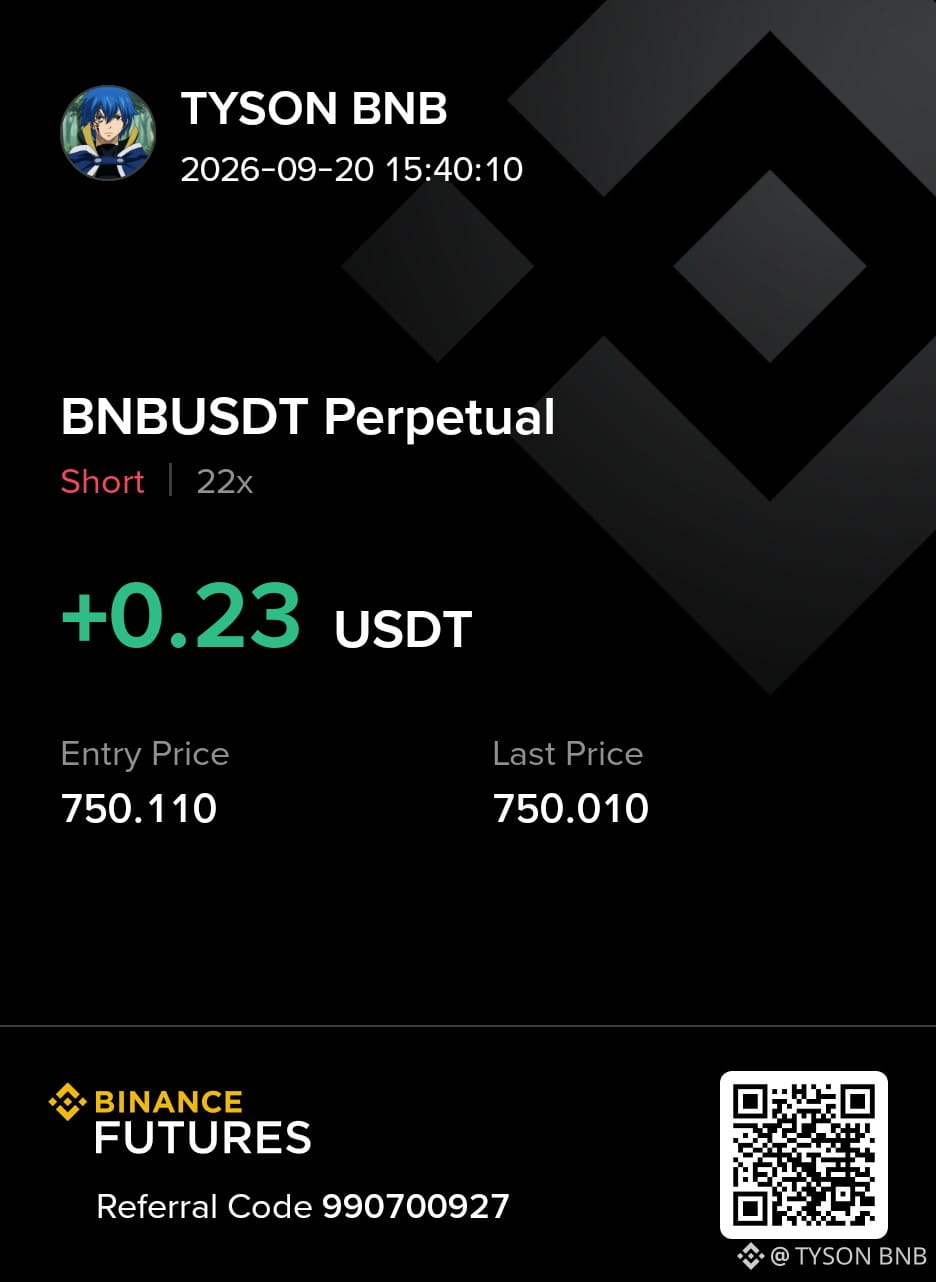
🔴 SHORT
Einstieg: 750.1
🛑 SL: 752.0
🎯 TP: 744.85
lavrage 5x-20x
Hmm… enges Setup, also ist die Invalidation klar.
Mal sehen, ob die Verkäufer es in Richtung TP drücken können. 👀
BNB war in letzter Zeit in diesem Bereich volatil, daher ist Risikomanagement wichtig.
Wenn du profitablere Trades möchtest, kannst du unserem Chart-Room beitreten ☺️ .
Der Trade ist hier 👇 $BNB
{future}(BNBUSDT)
🔻 $BNB Short Setup 👀
Also… BNB wurde in den Widerstand gedrückt und abgewiesen.
Jetzt beobachte ich, wie es tiefer geht. 📉
🔴 SHORT
Einstieg: 750.1
🛑 SL: 752.0
🎯 TP: 744.85
lavrage 5x-20x
Hmm… enges Setup, also ist die Invalidation klar.
Mal sehen, ob die Verkäufer es in Richtung TP drücken können. 👀
BNB war in letzter Zeit in diesem Bereich volatil, daher ist Risikomanagement wichtig.
Wenn du profitablere Trades möchtest, kannst du unserem Chart-Room beitreten ☺️ .
Der Trade ist hier 👇 $BNB
Also… BNB wurde in den Widerstand gedrückt und abgewiesen.
Jetzt beobachte ich, wie es tiefer geht. 📉
🔴 SHORT
Einstieg: 750.1
🛑 SL: 752.0
🎯 TP: 744.85
lavrage 5x-20x
Hmm… enges Setup, also ist die Invalidation klar.
Mal sehen, ob die Verkäufer es in Richtung TP drücken können. 👀
BNB war in letzter Zeit in diesem Bereich volatil, daher ist Risikomanagement wichtig.
Wenn du profitablere Trades möchtest, kannst du unserem Chart-Room beitreten ☺️ .
Der Trade ist hier 👇 $BNB
4
168
·
--
Bullisch
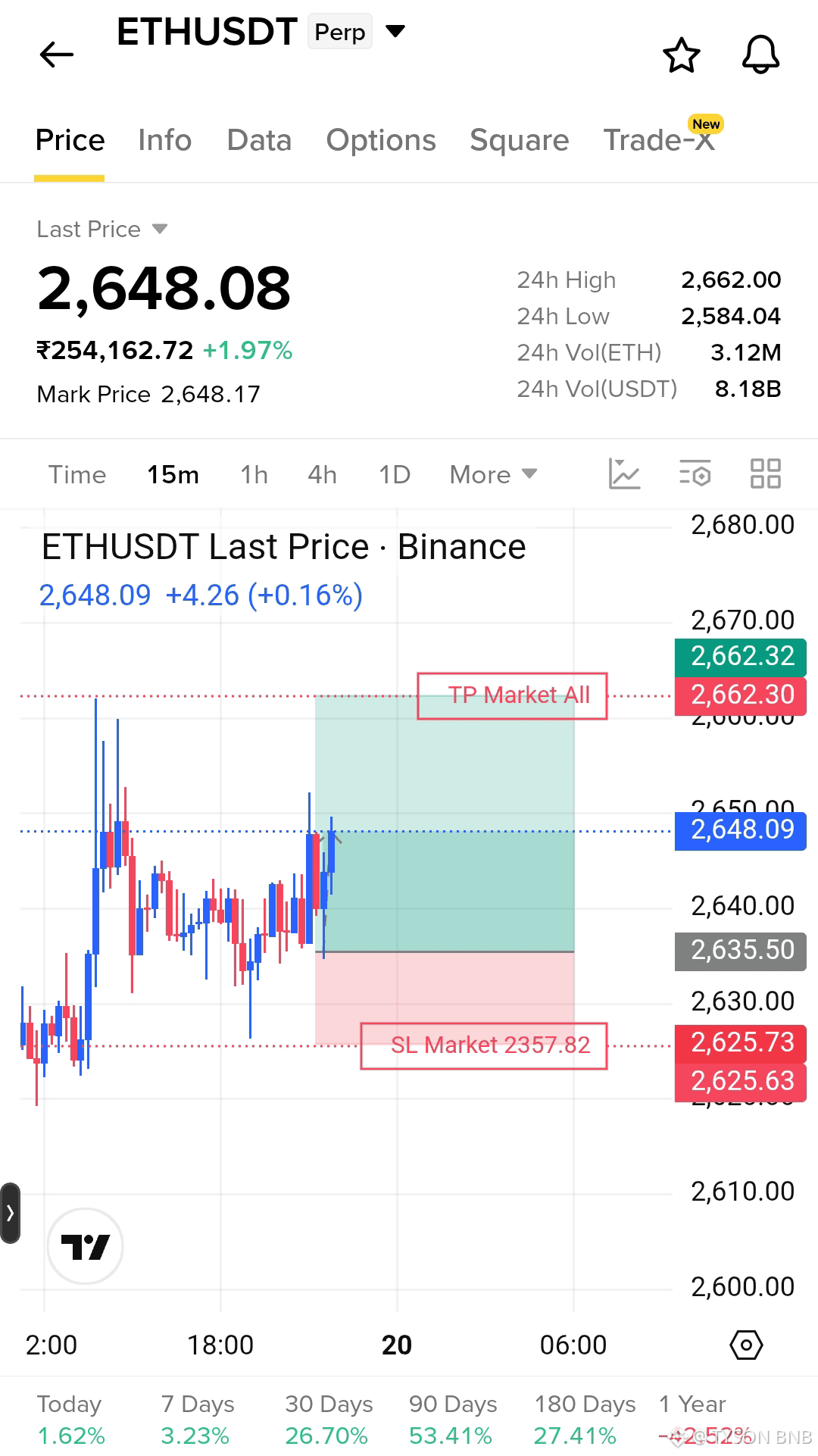
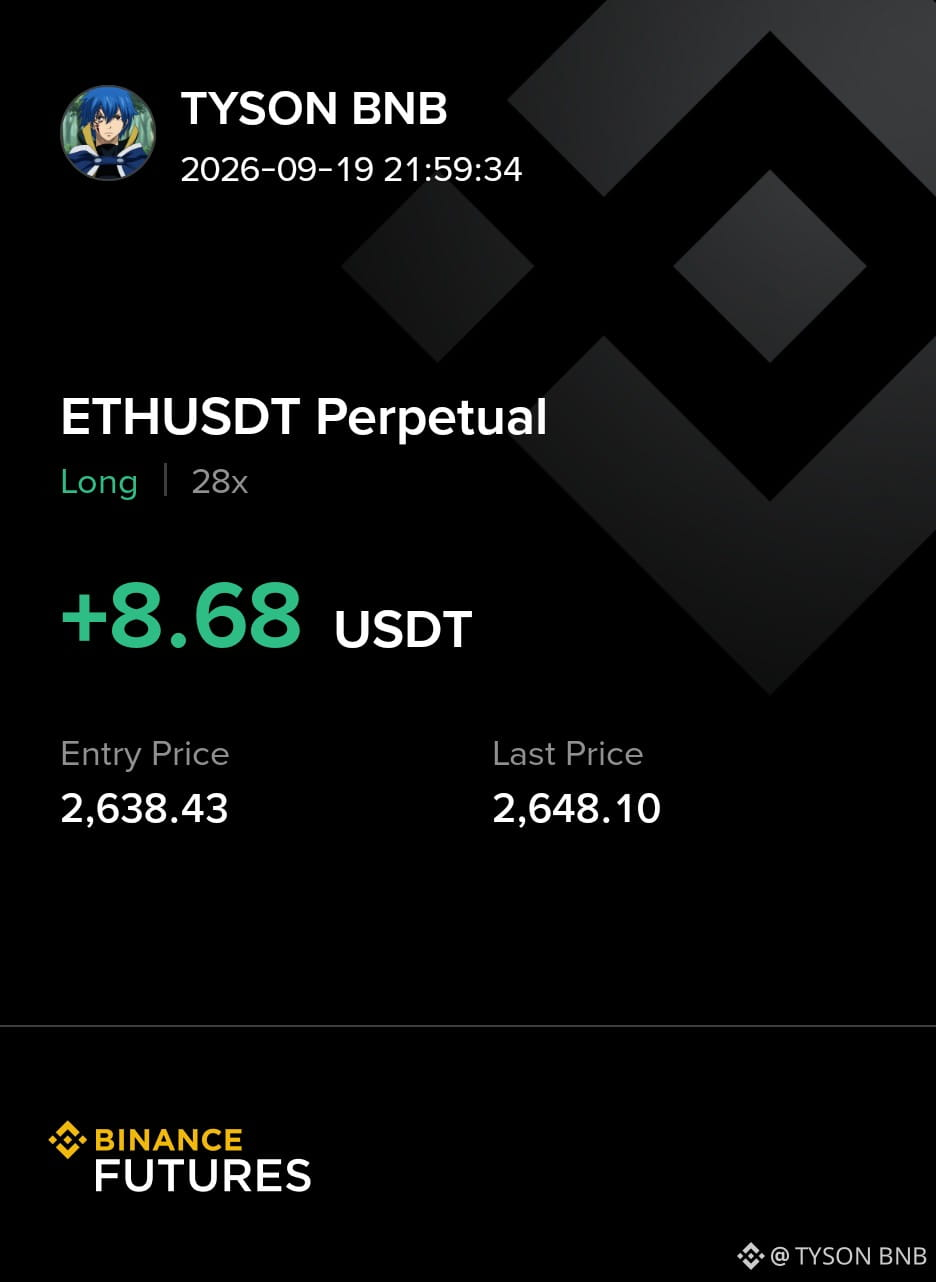
Also… $ETH hält die Zone und drückt nach oben zurück.
Ich gehe hier LONG rein und beobachte das Upside. 📈
🟢 Einstieg: 2635–2648
🎯 TP: 2662
🛑 SL: 2625
lavrage 10x-20x
Hmm… das Setup sieht sauber aus, aber ETH bewegt sich heute schnell.
Mal sehen, ob die Bullen dieses TP holen können. 👀🔥
28x im Screenshot gezeigt – manage das Risiko sorgfältig.
wenn du mehr profitable Trades willst, kannst du unserem Chart-Room beitreten ☺️ .
der Trade ist hier 👇 $ETH
{future}(ETHUSDT)
Also… $ETH hält die Zone und drückt nach oben zurück.
Ich gehe hier LONG rein und beobachte das Upside. 📈
🟢 Einstieg: 2635–2648
🎯 TP: 2662
🛑 SL: 2625
lavrage 10x-20x
Hmm… das Setup sieht sauber aus, aber ETH bewegt sich heute schnell.
Mal sehen, ob die Bullen dieses TP holen können. 👀🔥
28x im Screenshot gezeigt – manage das Risiko sorgfältig.
wenn du mehr profitable Trades willst, kannst du unserem Chart-Room beitreten ☺️ .
der Trade ist hier 👇 $ETH
Ich gehe hier LONG rein und beobachte das Upside. 📈
🟢 Einstieg: 2635–2648
🎯 TP: 2662
🛑 SL: 2625
lavrage 10x-20x
Hmm… das Setup sieht sauber aus, aber ETH bewegt sich heute schnell.
Mal sehen, ob die Bullen dieses TP holen können. 👀🔥
28x im Screenshot gezeigt – manage das Risiko sorgfältig.
wenn du mehr profitable Trades willst, kannst du unserem Chart-Room beitreten ☺️ .
der Trade ist hier 👇 $ETH
1
289
·
--
Bärisch
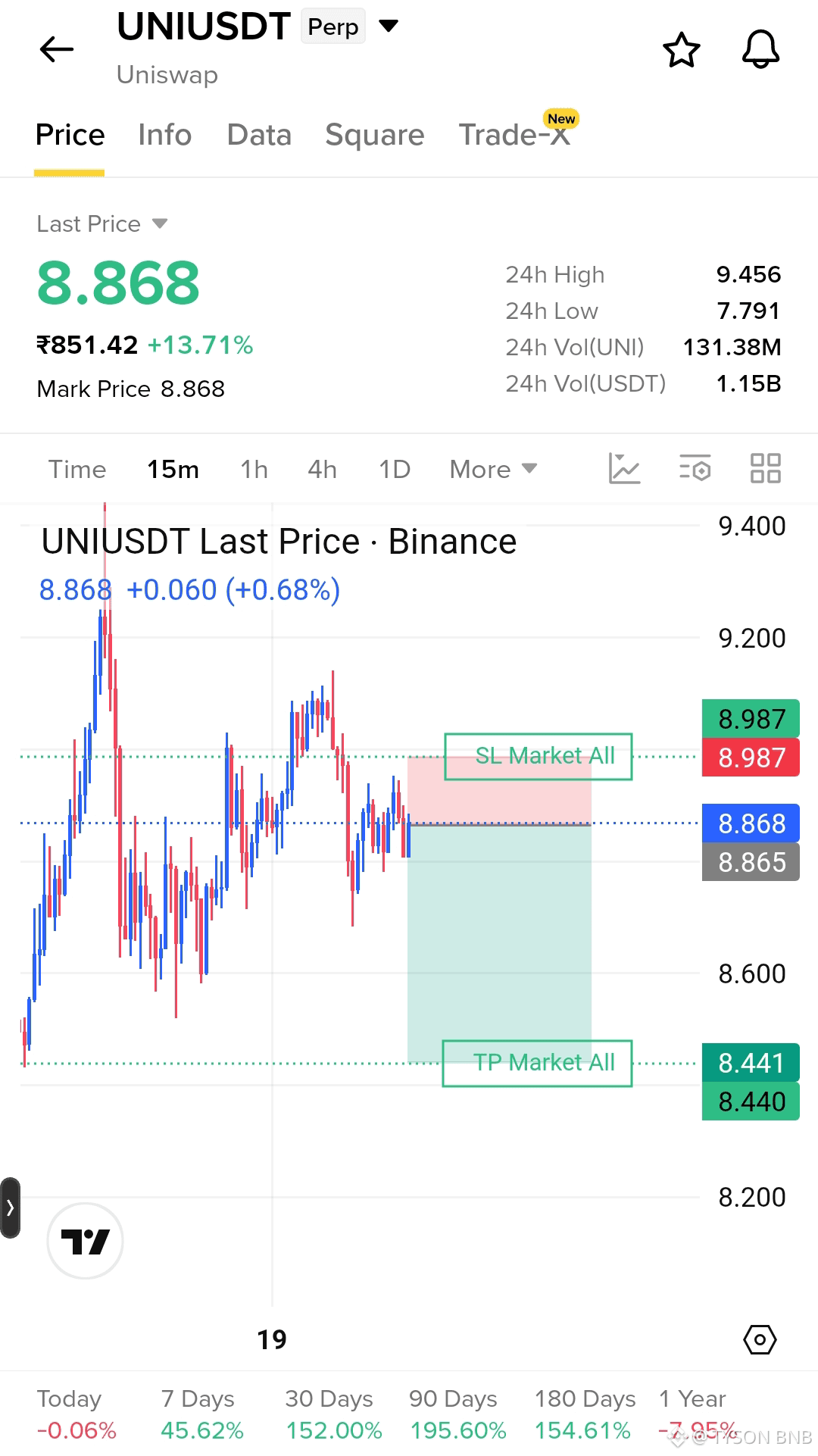
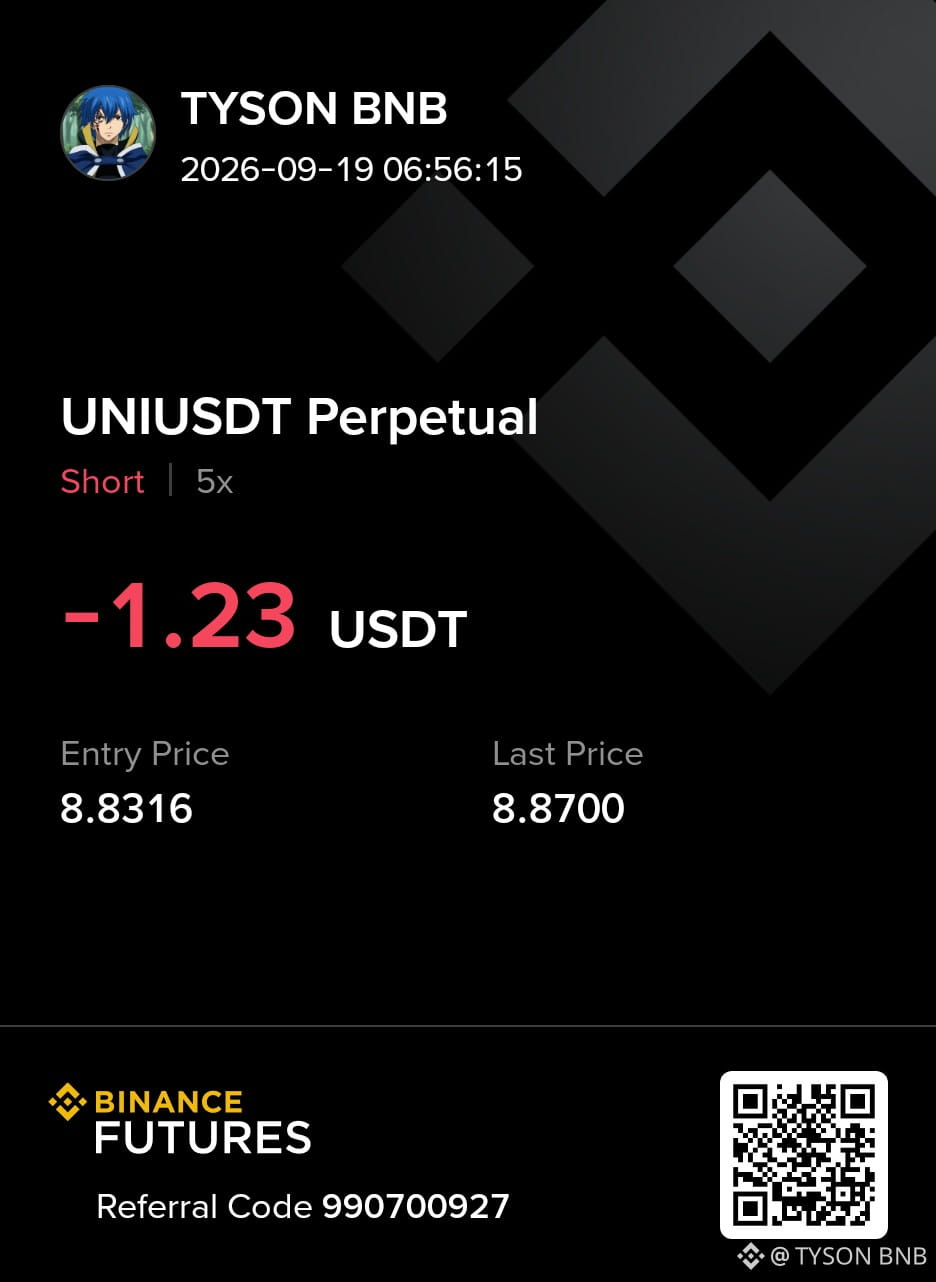
Okay… $UNI verliert diesen Trendlinien-Support gerade.
Wenn der Breakdown hält, beobachte ich eine weitere Abwärtsbewegung. 📉
🔴 SHORT
🎯 TP: 8.44
🛑 SL: 8.99
lavrage 5x-10x
Hmm… kein Hinterherlaufen hier.
Schauen wir mal, ob die Verkäufer wirklich die Kontrolle übernehmen können. 👀
UNI bewegt sich in letzter Zeit ziemlich aggressiv, also ist die Volatilität hoch.
wenn du mehr profitable Trades machen willst, kannst du unserem Chart-Room beitreten ☺️ .
Der Trade ist hier 👇 $UNI
{future}(UNIUSDT)
Okay… $UNI verliert diesen Trendlinien-Support gerade.
Wenn der Breakdown hält, beobachte ich eine weitere Abwärtsbewegung. 📉
🔴 SHORT
🎯 TP: 8.44
🛑 SL: 8.99
lavrage 5x-10x
Hmm… kein Hinterherlaufen hier.
Schauen wir mal, ob die Verkäufer wirklich die Kontrolle übernehmen können. 👀
UNI bewegt sich in letzter Zeit ziemlich aggressiv, also ist die Volatilität hoch.
wenn du mehr profitable Trades machen willst, kannst du unserem Chart-Room beitreten ☺️ .
Der Trade ist hier 👇 $UNI
Wenn der Breakdown hält, beobachte ich eine weitere Abwärtsbewegung. 📉
🔴 SHORT
🎯 TP: 8.44
🛑 SL: 8.99
lavrage 5x-10x
Hmm… kein Hinterherlaufen hier.
Schauen wir mal, ob die Verkäufer wirklich die Kontrolle übernehmen können. 👀
UNI bewegt sich in letzter Zeit ziemlich aggressiv, also ist die Volatilität hoch.
wenn du mehr profitable Trades machen willst, kannst du unserem Chart-Room beitreten ☺️ .
Der Trade ist hier 👇 $UNI
226
·
--
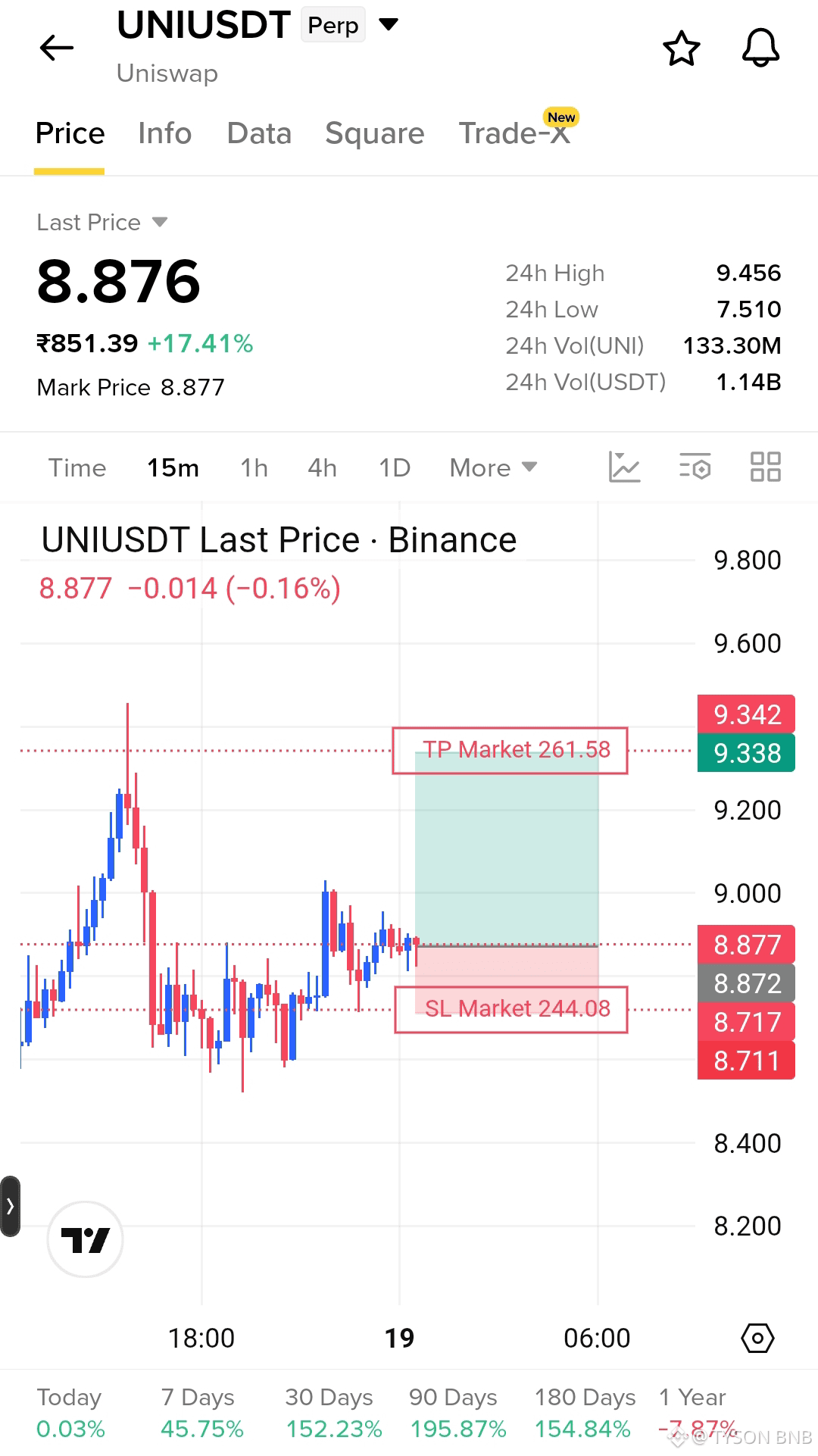
Bullisch
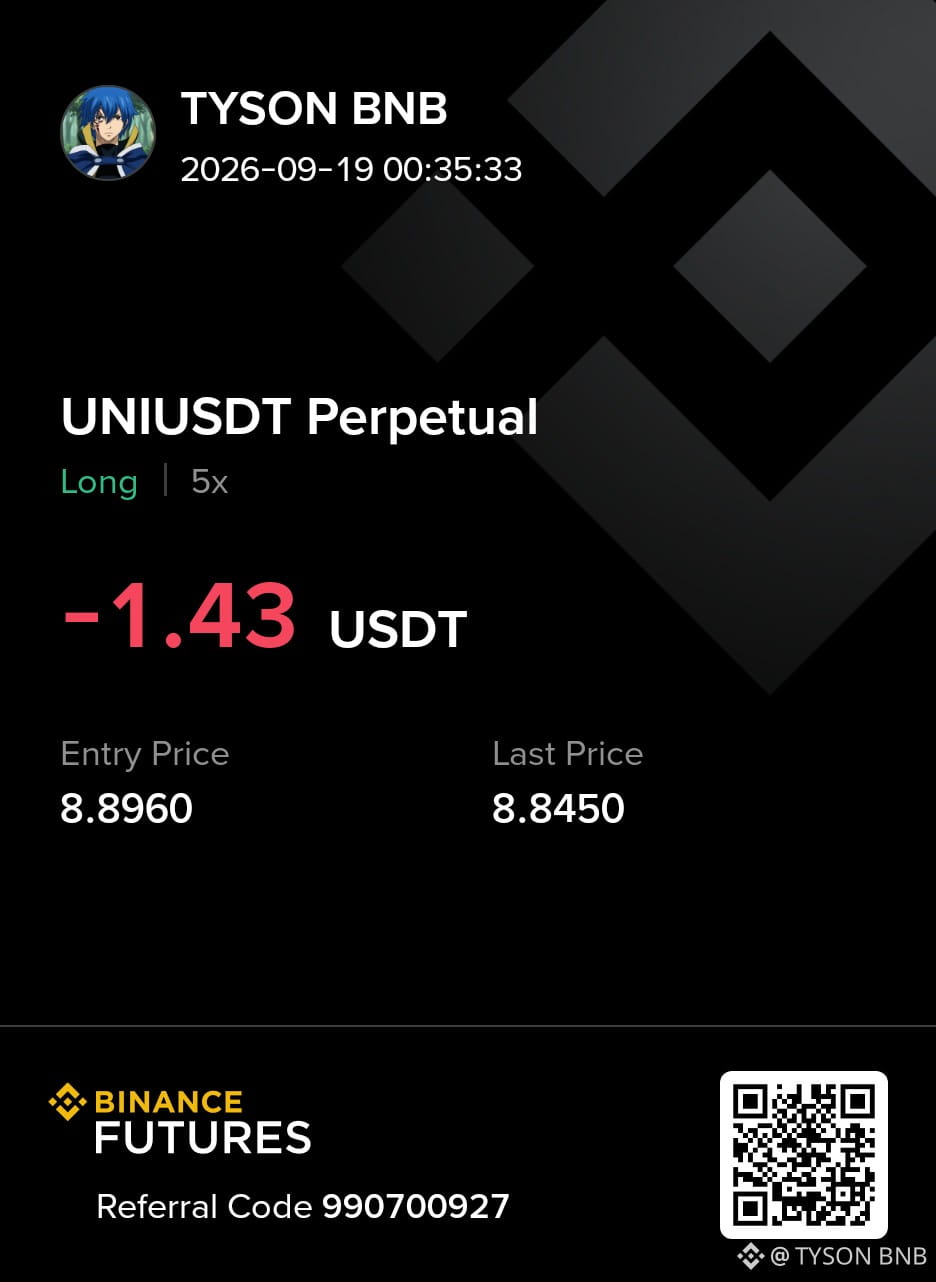
Also… $UNI hält die Trendlinien-Unterstützung ziemlich gut.
Ich beobachte diese Zone für ein aggressives LONG, falls die Unterstützung weiterhin hält. 📈
🟢 LONG
🎯 TP: 9.34
🛑 SL: 8.71
lavrage 5x-10x
Hmm… Bullen müssen diesen Bereich jetzt verteidigen.
Mal sehen, ob UNI von hier aus noch weiter nach oben drücken kann. 👀🔥
Risiko im Griff — kein FOMO
wenn du mehr profitable Trades machen möchtest, kannst du unserem Chart-Raum beitreten ☺️.
Trade ist hier 👇$UNI
{future}(UNIUSDT)
Also… $UNI hält die Trendlinien-Unterstützung ziemlich gut.
Ich beobachte diese Zone für ein aggressives LONG, falls die Unterstützung weiterhin hält. 📈
🟢 LONG
🎯 TP: 9.34
🛑 SL: 8.71
lavrage 5x-10x
Hmm… Bullen müssen diesen Bereich jetzt verteidigen.
Mal sehen, ob UNI von hier aus noch weiter nach oben drücken kann. 👀🔥
Risiko im Griff — kein FOMO
wenn du mehr profitable Trades machen möchtest, kannst du unserem Chart-Raum beitreten ☺️.
Trade ist hier 👇$UNI
Ich beobachte diese Zone für ein aggressives LONG, falls die Unterstützung weiterhin hält. 📈
🟢 LONG
🎯 TP: 9.34
🛑 SL: 8.71
lavrage 5x-10x
Hmm… Bullen müssen diesen Bereich jetzt verteidigen.
Mal sehen, ob UNI von hier aus noch weiter nach oben drücken kann. 👀🔥
Risiko im Griff — kein FOMO
wenn du mehr profitable Trades machen möchtest, kannst du unserem Chart-Raum beitreten ☺️.
Trade ist hier 👇$UNI
147
·
--
Bullisch
🐸 Welches #meme versteckt das 1000x?
Okay… ich bin neugierig 👀
Welcher Meme-Coin, den du hältst, kann deiner Meinung nach wirklich ein 1000x schaffen?
Gib das Ticker unten an.
Keine langweiligen Antworten — ich will die wilden sehen. 😂
Schick mir deine Favoriten. Ich schaue zu. 👀
$PEPE $SHIB
{spot}(SHIBUSDT)
{spot}(PEPEUSDT)
🐸 Welches #meme versteckt das 1000x?
Okay… ich bin neugierig 👀
Welcher Meme-Coin, den du hältst, kann deiner Meinung nach wirklich ein 1000x schaffen?
Gib das Ticker unten an.
Keine langweiligen Antworten — ich will die wilden sehen. 😂
Schick mir deine Favoriten. Ich schaue zu. 👀
$PEPE $SHIB
Okay… ich bin neugierig 👀
Welcher Meme-Coin, den du hältst, kann deiner Meinung nach wirklich ein 1000x schaffen?
Gib das Ticker unten an.
Keine langweiligen Antworten — ich will die wilden sehen. 😂
Schick mir deine Favoriten. Ich schaue zu. 👀
$PEPE $SHIB

4
2
128
·
--
Bullisch
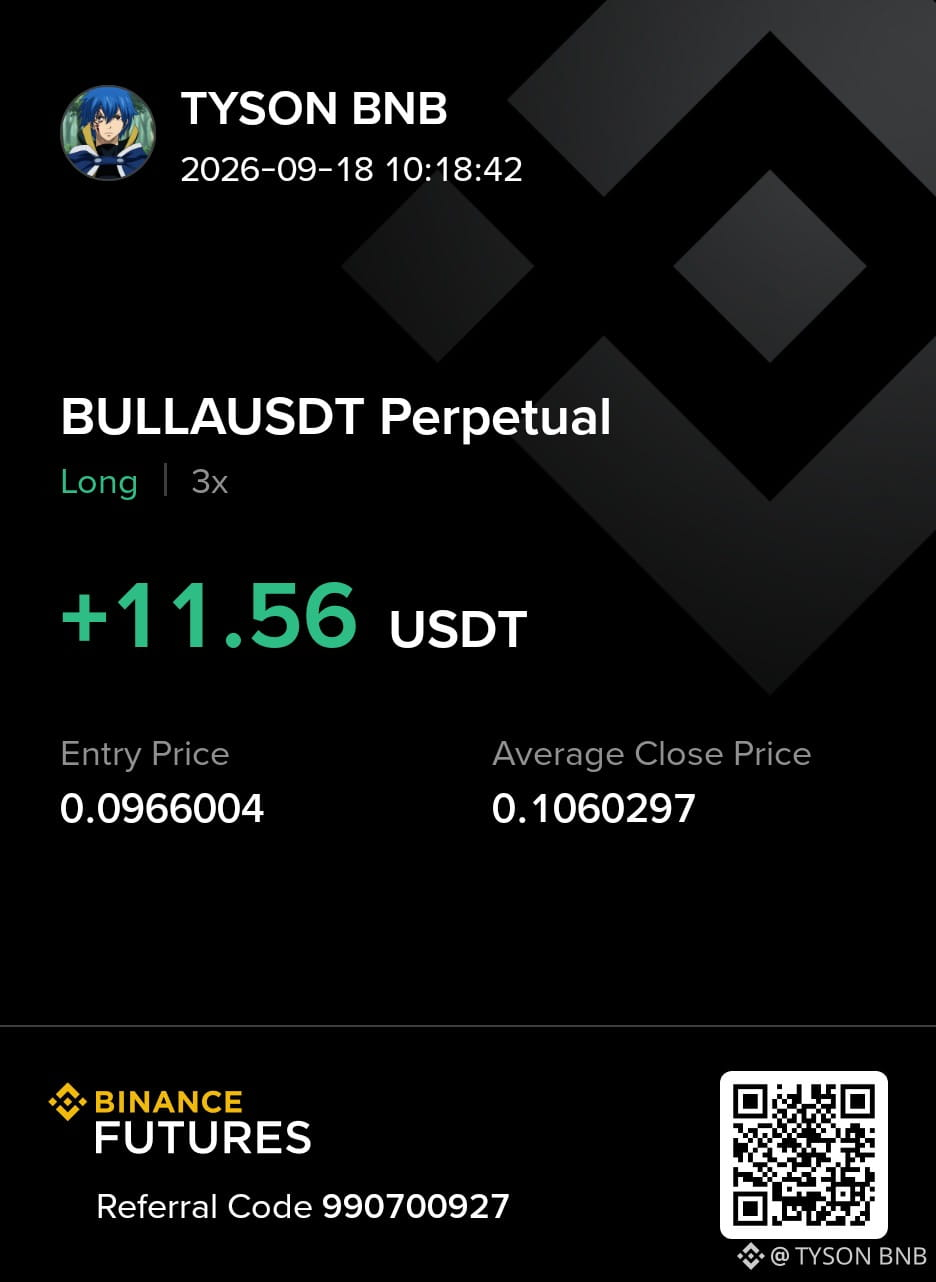
🎯 $BULLA TP HIT! Also… der Ausbruch hat tatsächlich geliefert. 💸📈
LONG im Gewinn geschlossen: +11,56 USDT
Chart sagte Ausbruch — wir haben ihn genommen.
Ziel erreicht. Einfach. Sauber. 🎯
Nächste Set-up? Wir warten. Kein FOMO.
wenn du mehr profitable Trades willst, kannst du unserem Chart-Room beitreten ☺️.
Coin ist hier 👉 $BULLA
{future}(BULLAUSDT)
🎯 $BULLA TP HIT! Also… der Ausbruch hat tatsächlich geliefert. 💸📈
LONG im Gewinn geschlossen: +11,56 USDT
Chart sagte Ausbruch — wir haben ihn genommen.
Ziel erreicht. Einfach. Sauber. 🎯
Nächste Set-up? Wir warten. Kein FOMO.
wenn du mehr profitable Trades willst, kannst du unserem Chart-Room beitreten ☺️.
Coin ist hier 👉 $BULLA
LONG im Gewinn geschlossen: +11,56 USDT
Chart sagte Ausbruch — wir haben ihn genommen.
Ziel erreicht. Einfach. Sauber. 🎯
Nächste Set-up? Wir warten. Kein FOMO.
wenn du mehr profitable Trades willst, kannst du unserem Chart-Room beitreten ☺️.
Coin ist hier 👉 $BULLA
TYSON BNB
·
--
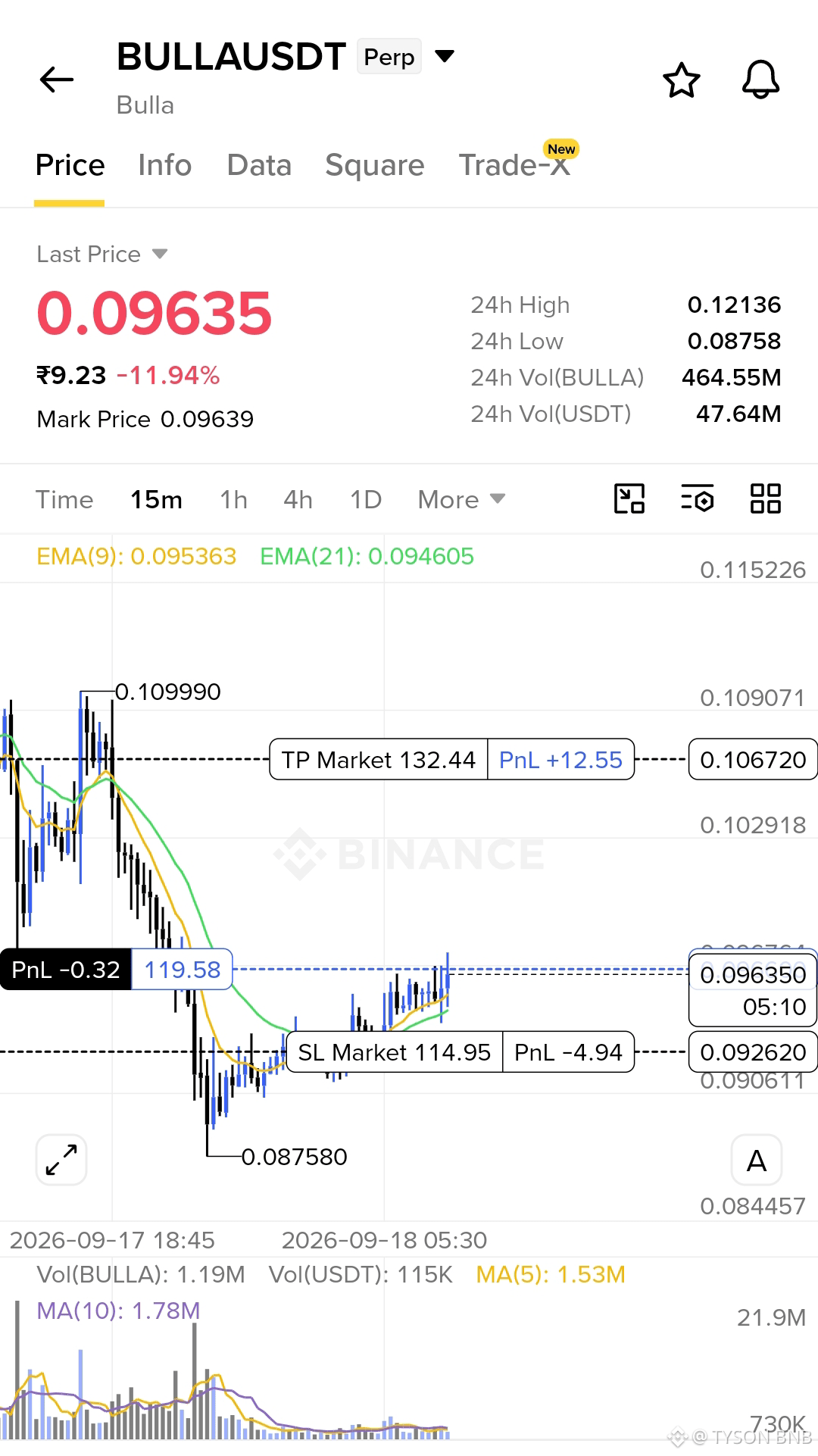
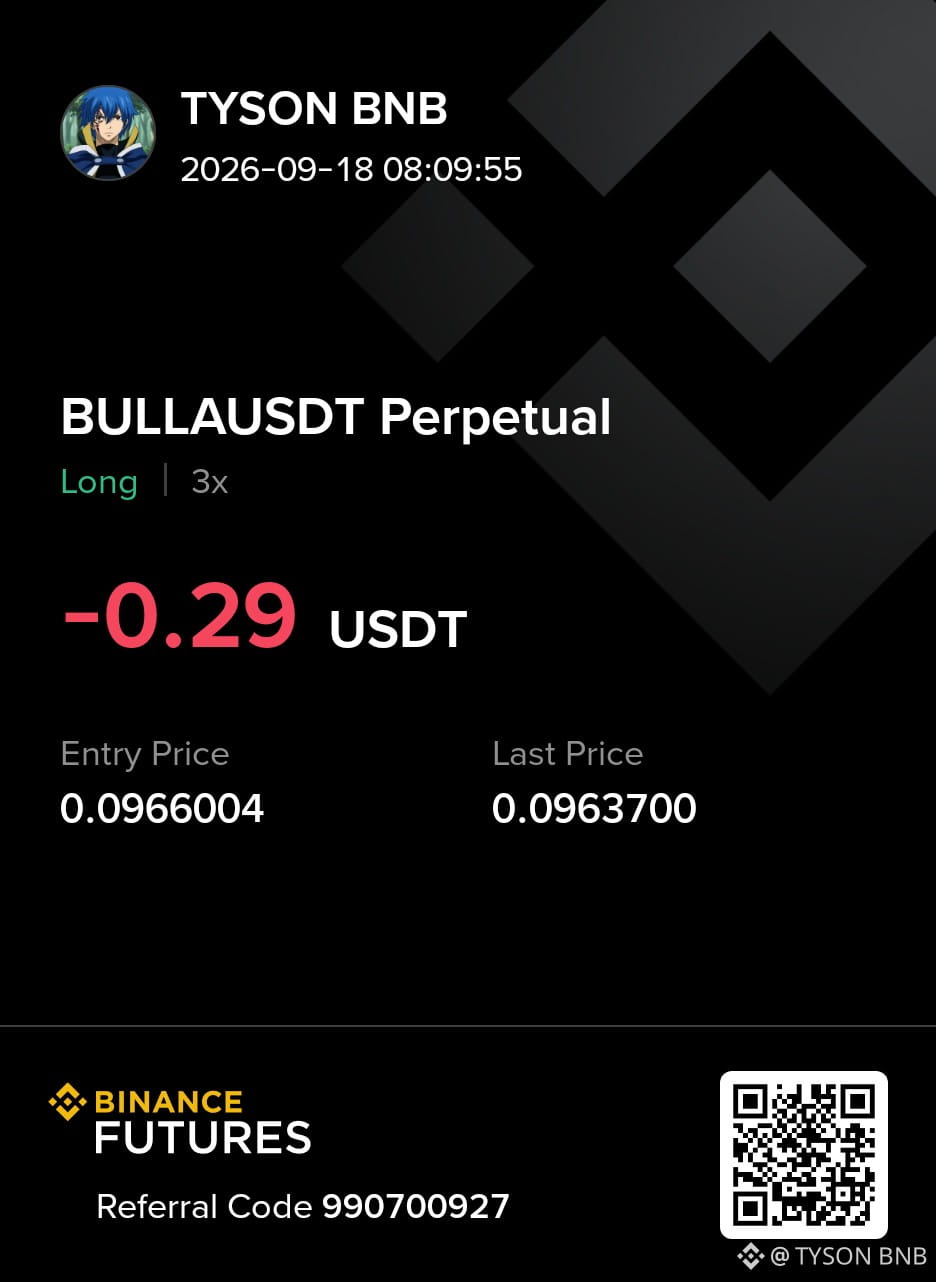
BullischSo… $BULLA ist endlich nach diesem Dumping ausgebrochen. 👀
Wenn dieser Ausbruch hält, schaue ich auf das Upside.
🟢 LONG
🎯 TP: 0.1067
🛑 SL: 0.0926
lavrage: 3x-5x
Mal sehen, ob BULLA dieses Mal wirklich ausbrechen kann. 👀📈
Risiko managen — ein Ausbruch kann auch fehlschlagen.
wenn du mehr profitable Trades willst, kannst du unserem Chart-Room beitreten ☺️
der Trade ist hier 👇 $BULLA
Wenn dieser Ausbruch hält, schaue ich auf das Upside.
🟢 LONG
🎯 TP: 0.1067
🛑 SL: 0.0926
lavrage: 3x-5x
Mal sehen, ob BULLA dieses Mal wirklich ausbrechen kann. 👀📈
Risiko managen — ein Ausbruch kann auch fehlschlagen.
wenn du mehr profitable Trades willst, kannst du unserem Chart-Room beitreten ☺️
der Trade ist hier 👇 $BULLA
161
·
--
Bullisch
So… $BULLA ist endlich nach diesem Dumping ausgebrochen. 👀
Wenn dieser Ausbruch hält, schaue ich auf das Upside.
🟢 LONG
🎯 TP: 0.1067
🛑 SL: 0.0926
lavrage: 3x-5x
Mal sehen, ob BULLA dieses Mal wirklich ausbrechen kann. 👀📈
Risiko managen — ein Ausbruch kann auch fehlschlagen.
wenn du mehr profitable Trades willst, kannst du unserem Chart-Room beitreten ☺️
der Trade ist hier 👇 $BULLA
{future}(BULLAUSDT)
So… $BULLA ist endlich nach diesem Dumping ausgebrochen. 👀
Wenn dieser Ausbruch hält, schaue ich auf das Upside.
🟢 LONG
🎯 TP: 0.1067
🛑 SL: 0.0926
lavrage: 3x-5x
Mal sehen, ob BULLA dieses Mal wirklich ausbrechen kann. 👀📈
Risiko managen — ein Ausbruch kann auch fehlschlagen.
wenn du mehr profitable Trades willst, kannst du unserem Chart-Room beitreten ☺️
der Trade ist hier 👇 $BULLA
Wenn dieser Ausbruch hält, schaue ich auf das Upside.
🟢 LONG
🎯 TP: 0.1067
🛑 SL: 0.0926
lavrage: 3x-5x
Mal sehen, ob BULLA dieses Mal wirklich ausbrechen kann. 👀📈
Risiko managen — ein Ausbruch kann auch fehlschlagen.
wenn du mehr profitable Trades willst, kannst du unserem Chart-Room beitreten ☺️
der Trade ist hier 👇 $BULLA
1
198
·
--
Bärisch
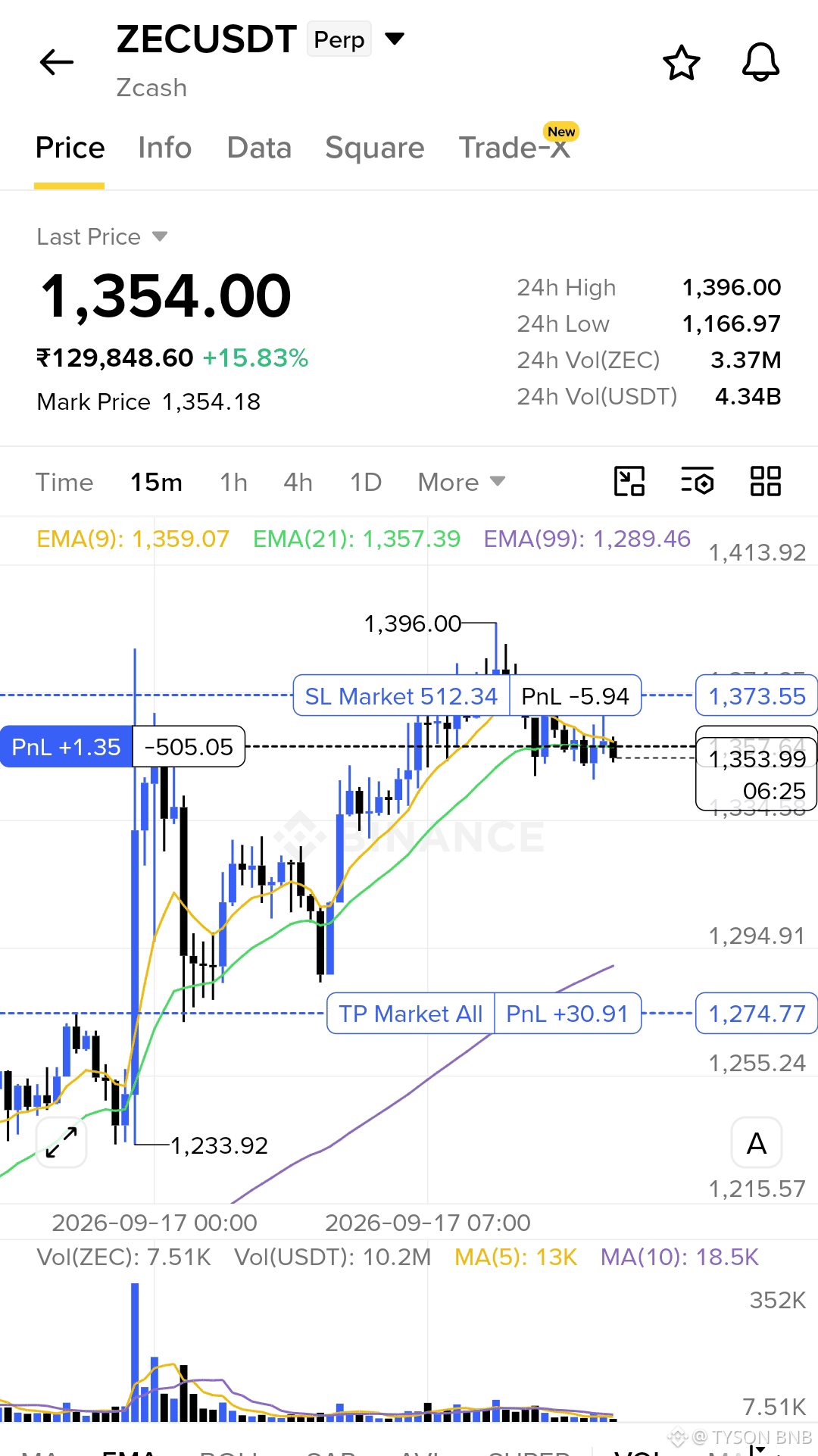
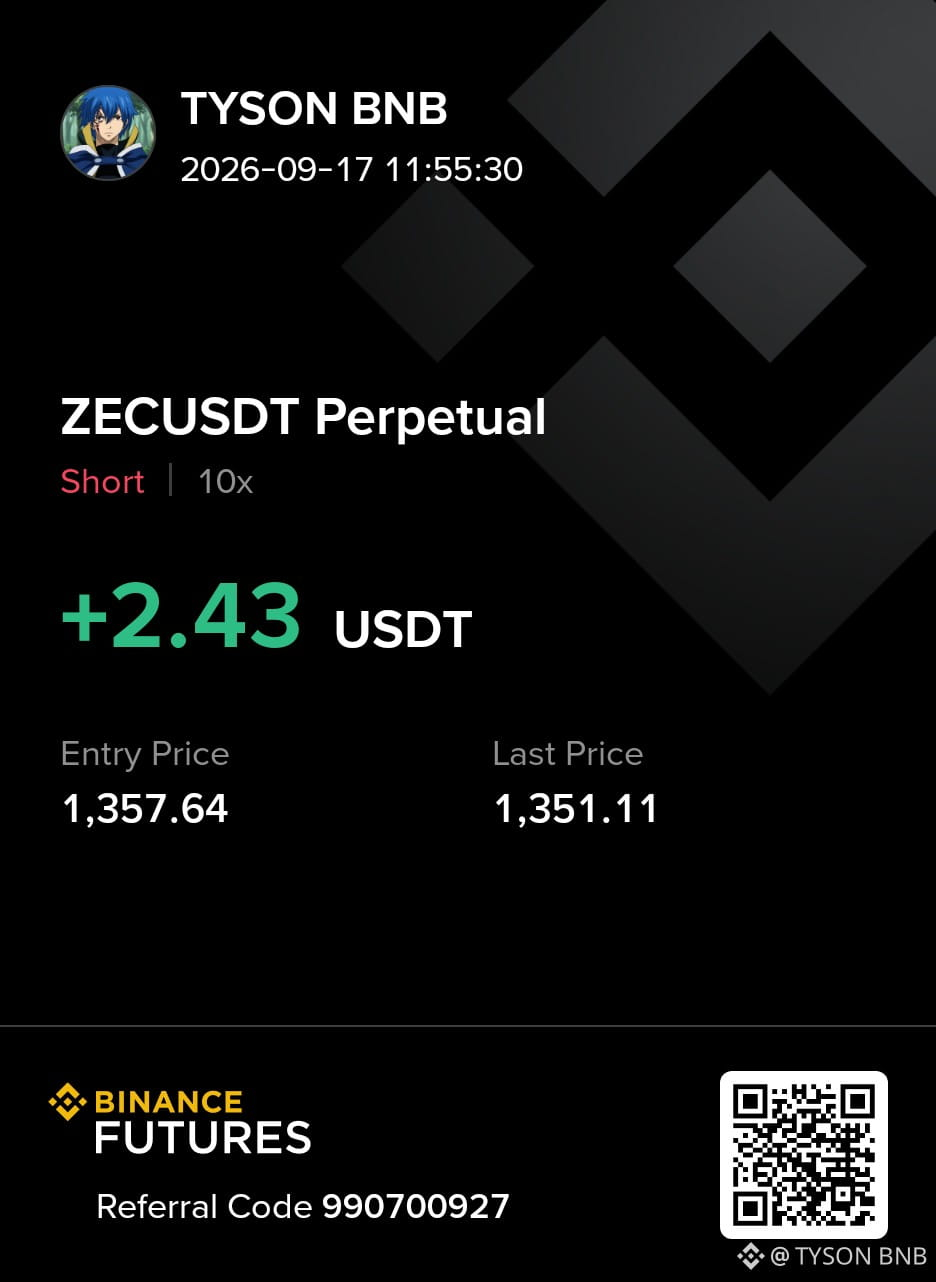
$ZEC sieht nach der Ablehnung von den Hochs schwer aus.
Ich gehe short und beobachte die Abwärtsbewegung genau. 👀📉
ZECUSDT — SHORT 🔴
Einstieg: ~1354
SL: 1373,5
TP: 1274,8
Hebel: 5x–10x
Lass uns sehen, ob die Verkäufer die Kontrolle übernehmen. 🎯
Keine Finanzberatung. DYOR.
Wenn du zu profitableren Trades kommen möchtest, kannst du unserem Chart-Room beitreten ☺️
Der Trade ist hier 👇 $ZEC $BR
{future}(ZECUSDT)
$ZEC sieht nach der Ablehnung von den Hochs schwer aus.
Ich gehe short und beobachte die Abwärtsbewegung genau. 👀📉
ZECUSDT — SHORT 🔴
Einstieg: ~1354
SL: 1373,5
TP: 1274,8
Hebel: 5x–10x
Lass uns sehen, ob die Verkäufer die Kontrolle übernehmen. 🎯
Keine Finanzberatung. DYOR.
Wenn du zu profitableren Trades kommen möchtest, kannst du unserem Chart-Room beitreten ☺️
Der Trade ist hier 👇 $ZEC $BR
Ich gehe short und beobachte die Abwärtsbewegung genau. 👀📉
ZECUSDT — SHORT 🔴
Einstieg: ~1354
SL: 1373,5
TP: 1274,8
Hebel: 5x–10x
Lass uns sehen, ob die Verkäufer die Kontrolle übernehmen. 🎯
Keine Finanzberatung. DYOR.
Wenn du zu profitableren Trades kommen möchtest, kannst du unserem Chart-Room beitreten ☺️
Der Trade ist hier 👇 $ZEC $BR
2
155
·
--
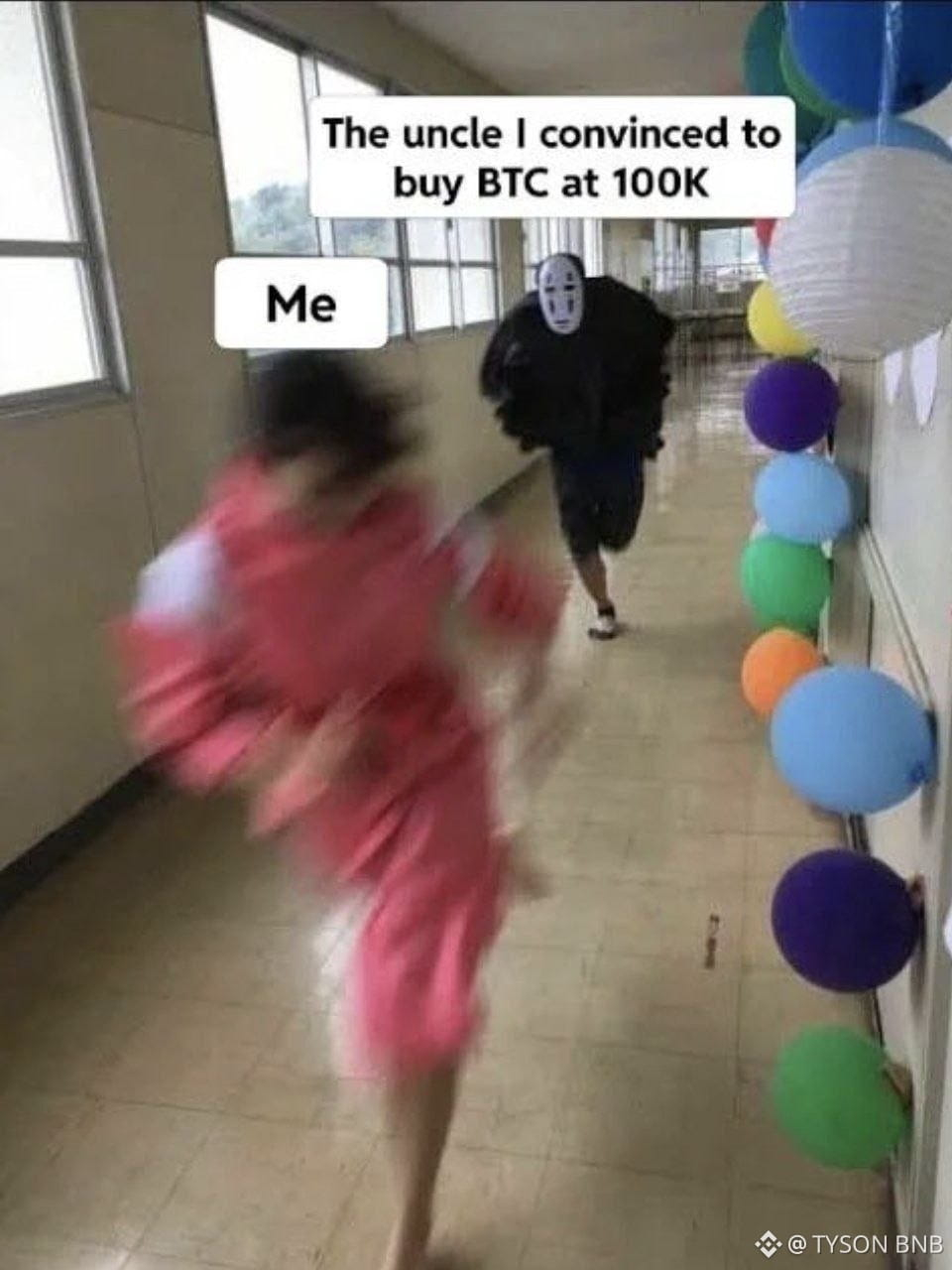
😂 POV: $BTC at 100.000 $
Ich: „Onkel, $BTC ist auf dem Weg zum Mond 🚀“
Onkel: Für 100.000 $ gekauft 💀
{future}(BTCUSDT)
😂 POV: $BTC at 100.000 $
Ich: „Onkel, $BTC ist auf dem Weg zum Mond 🚀“
Onkel: Für 100.000 $ gekauft 💀
Ich: „Onkel, $BTC ist auf dem Weg zum Mond 🚀“
Onkel: Für 100.000 $ gekauft 💀
3
100
·
--
Bärisch
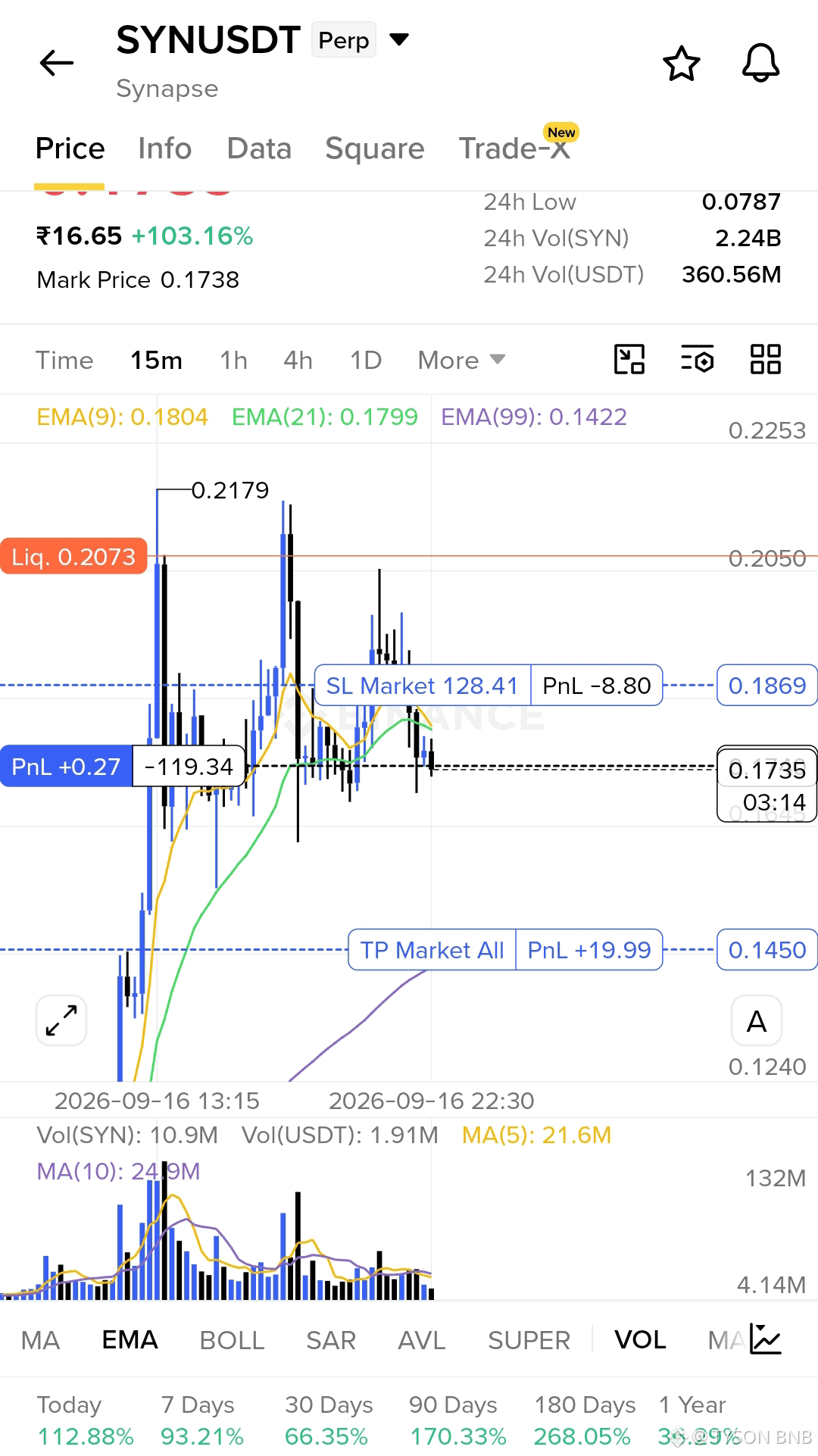
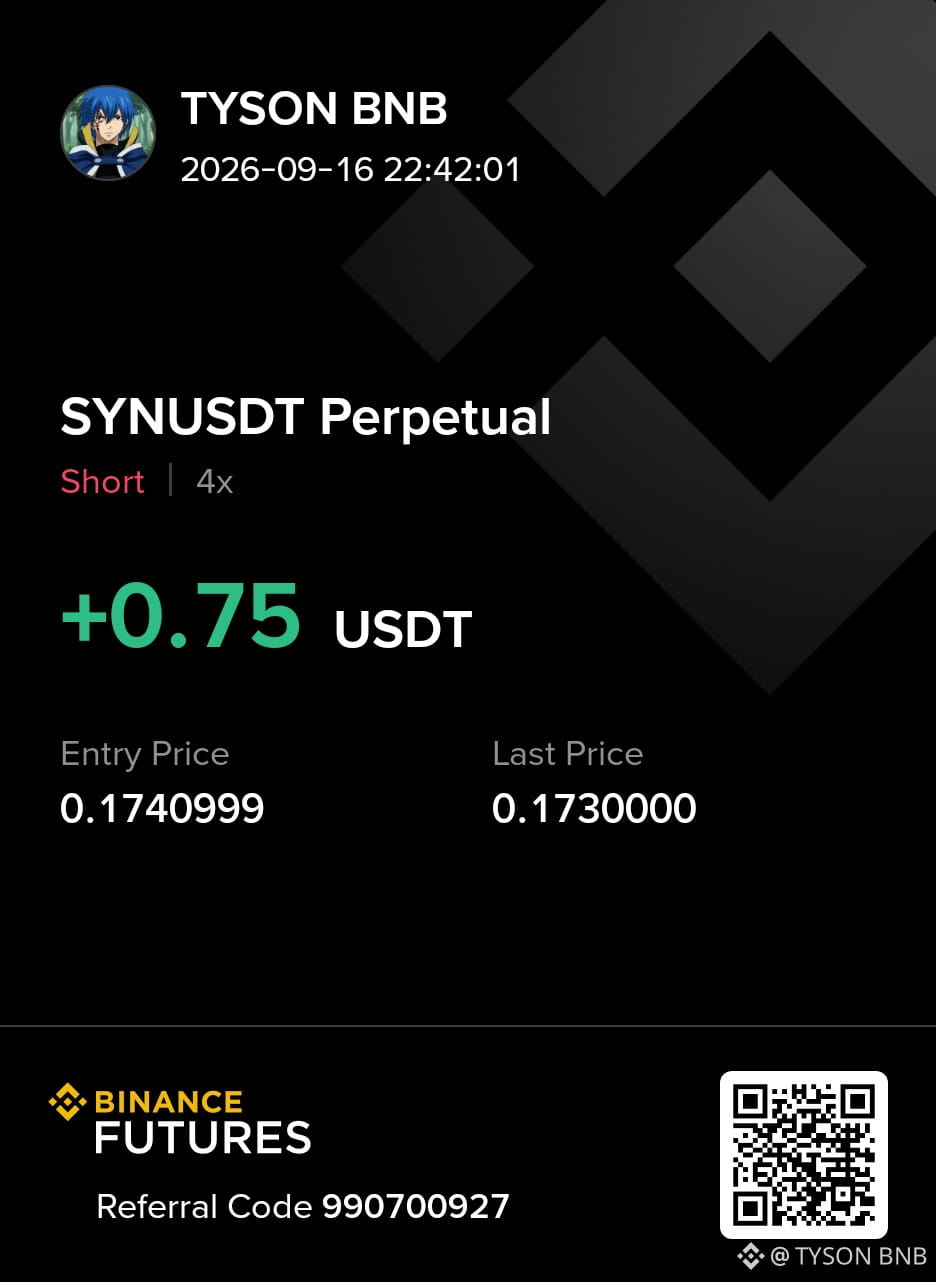
$SYN Hmm… Die Verkäufer sind zurück 👀
Ich mache hier noch einen KURZEN Trade. Mal sehen, ob es dieses Mal noch tiefer rutscht. 👀
🔴 Einstieg: 0.1735
🛑 SL: 0.1869
🎯 TP: 0.1450
Kein Stress, kein FOMO.
Lass den Chart sprechen.
Wenn du mehr profitable Trades möchtest, kannst du unserem Chart-Raum beitreten ☺️.
Der Trade ist hier 👇$SYN
{future}(SYNUSDT)
$SYN Hmm… Die Verkäufer sind zurück 👀
Ich mache hier noch einen KURZEN Trade. Mal sehen, ob es dieses Mal noch tiefer rutscht. 👀
🔴 Einstieg: 0.1735
🛑 SL: 0.1869
🎯 TP: 0.1450
Kein Stress, kein FOMO.
Lass den Chart sprechen.
Wenn du mehr profitable Trades möchtest, kannst du unserem Chart-Raum beitreten ☺️.
Der Trade ist hier 👇$SYN
Ich mache hier noch einen KURZEN Trade. Mal sehen, ob es dieses Mal noch tiefer rutscht. 👀
🔴 Einstieg: 0.1735
🛑 SL: 0.1869
🎯 TP: 0.1450
Kein Stress, kein FOMO.
Lass den Chart sprechen.
Wenn du mehr profitable Trades möchtest, kannst du unserem Chart-Raum beitreten ☺️.
Der Trade ist hier 👇$SYN
2
140
·
--
Bärisch
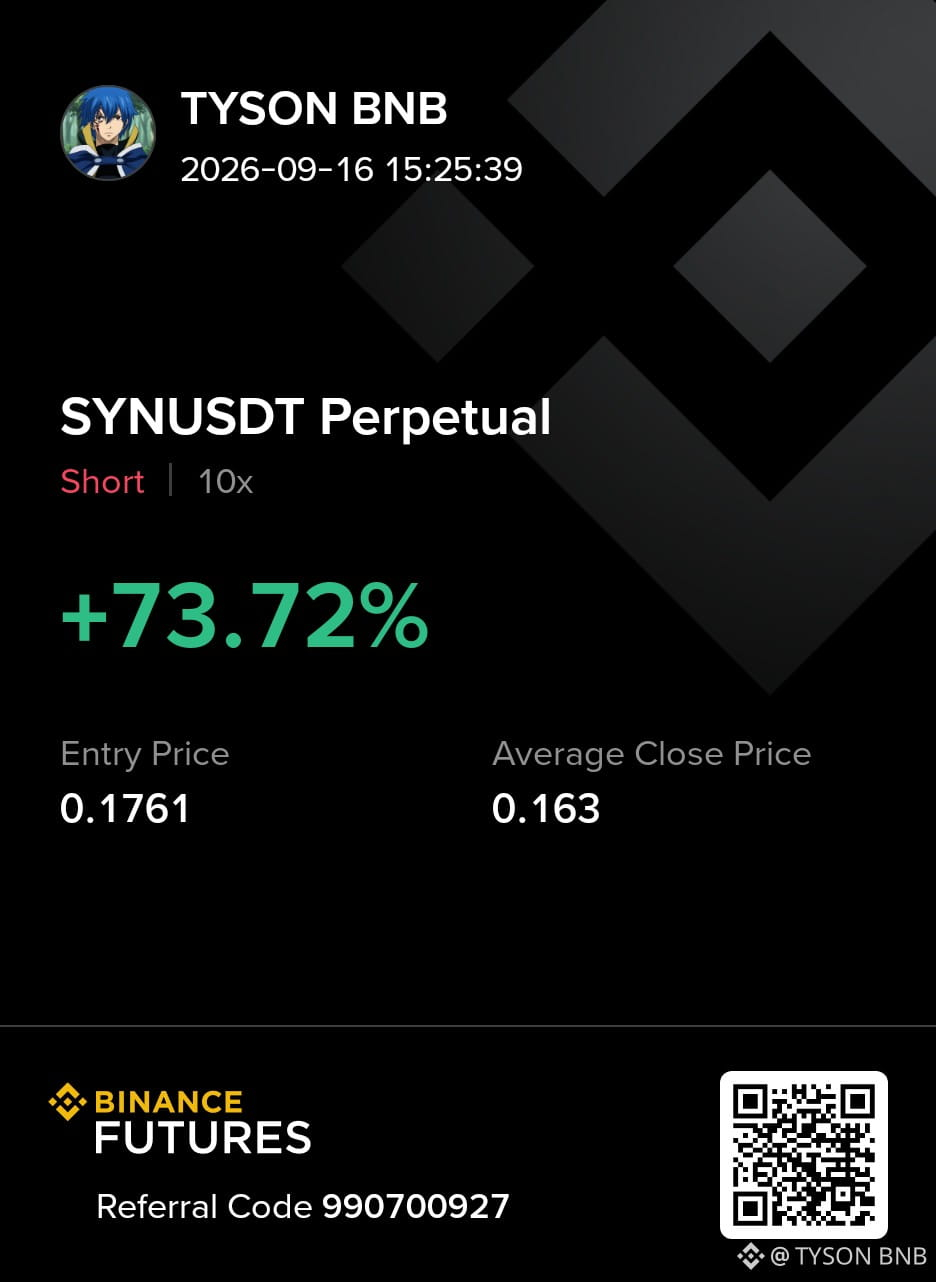
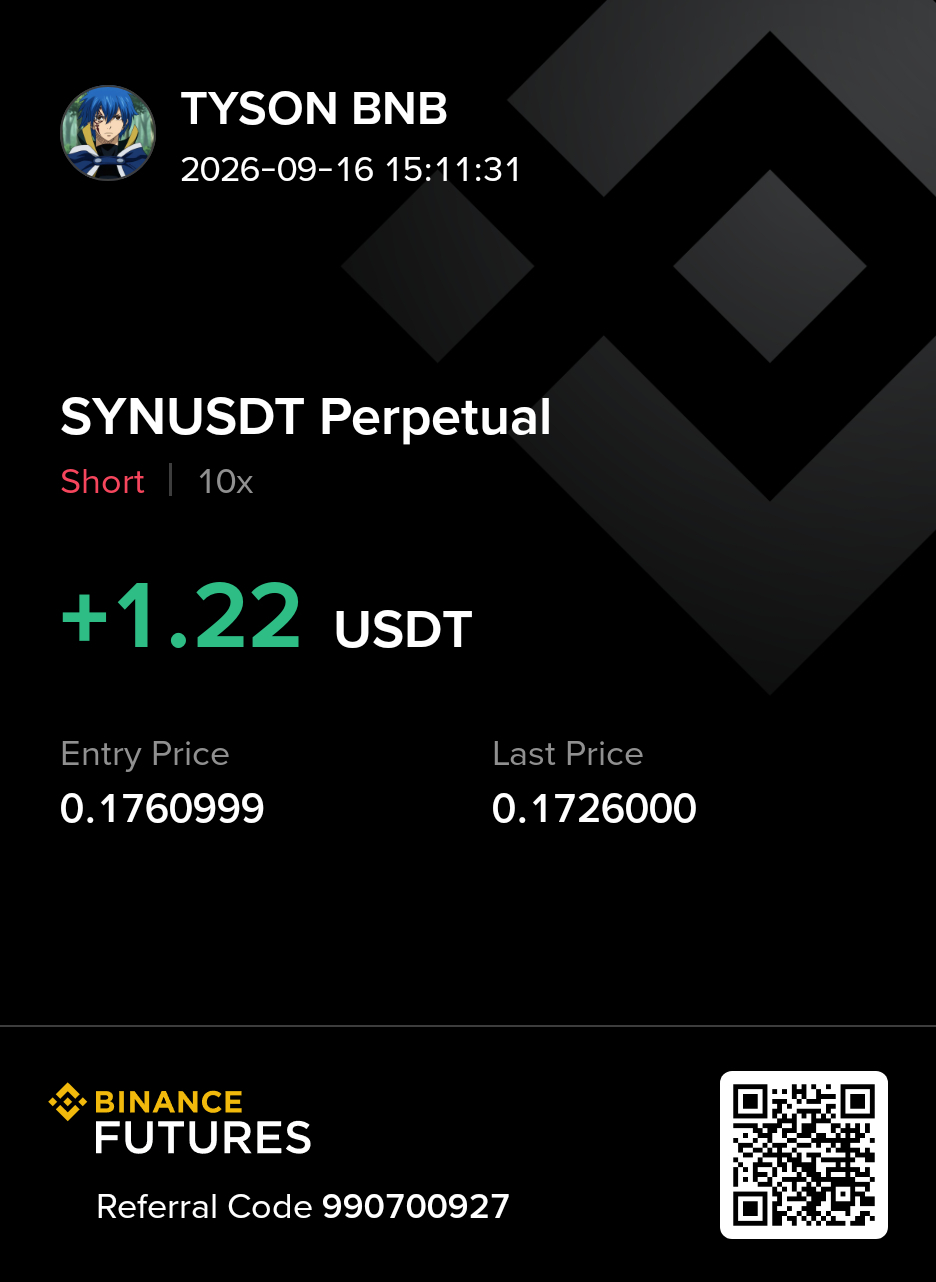
$SYN quick skalp TP-Treffer 🎯
Also… dieses kurze Setup ist wirklich gut aufgegangen.
Einstieg: 0.1761
Durchschnittlicher Close: 0.1630
+73,72% 🔥
Noch ein sauberes Setup.
Nimm den Gewinn und warte auf das nächste — kein Grund, einen Trade erzwingen zu müssen. 👀
Wenn du noch profitablere Trades möchtest, kannst du unserem Chart-Raum beitreten ☺️.
Coin ist hier 👇$SYN
{future}(SYNUSDT)
$SYN quick skalp TP-Treffer 🎯
Also… dieses kurze Setup ist wirklich gut aufgegangen.
Einstieg: 0.1761
Durchschnittlicher Close: 0.1630
+73,72% 🔥
Noch ein sauberes Setup.
Nimm den Gewinn und warte auf das nächste — kein Grund, einen Trade erzwingen zu müssen. 👀
Wenn du noch profitablere Trades möchtest, kannst du unserem Chart-Raum beitreten ☺️.
Coin ist hier 👇$SYN
Also… dieses kurze Setup ist wirklich gut aufgegangen.
Einstieg: 0.1761
Durchschnittlicher Close: 0.1630
+73,72% 🔥
Noch ein sauberes Setup.
Nimm den Gewinn und warte auf das nächste — kein Grund, einen Trade erzwingen zu müssen. 👀
Wenn du noch profitablere Trades möchtest, kannst du unserem Chart-Raum beitreten ☺️.
Coin ist hier 👇$SYN
TYSON BNB
·
--
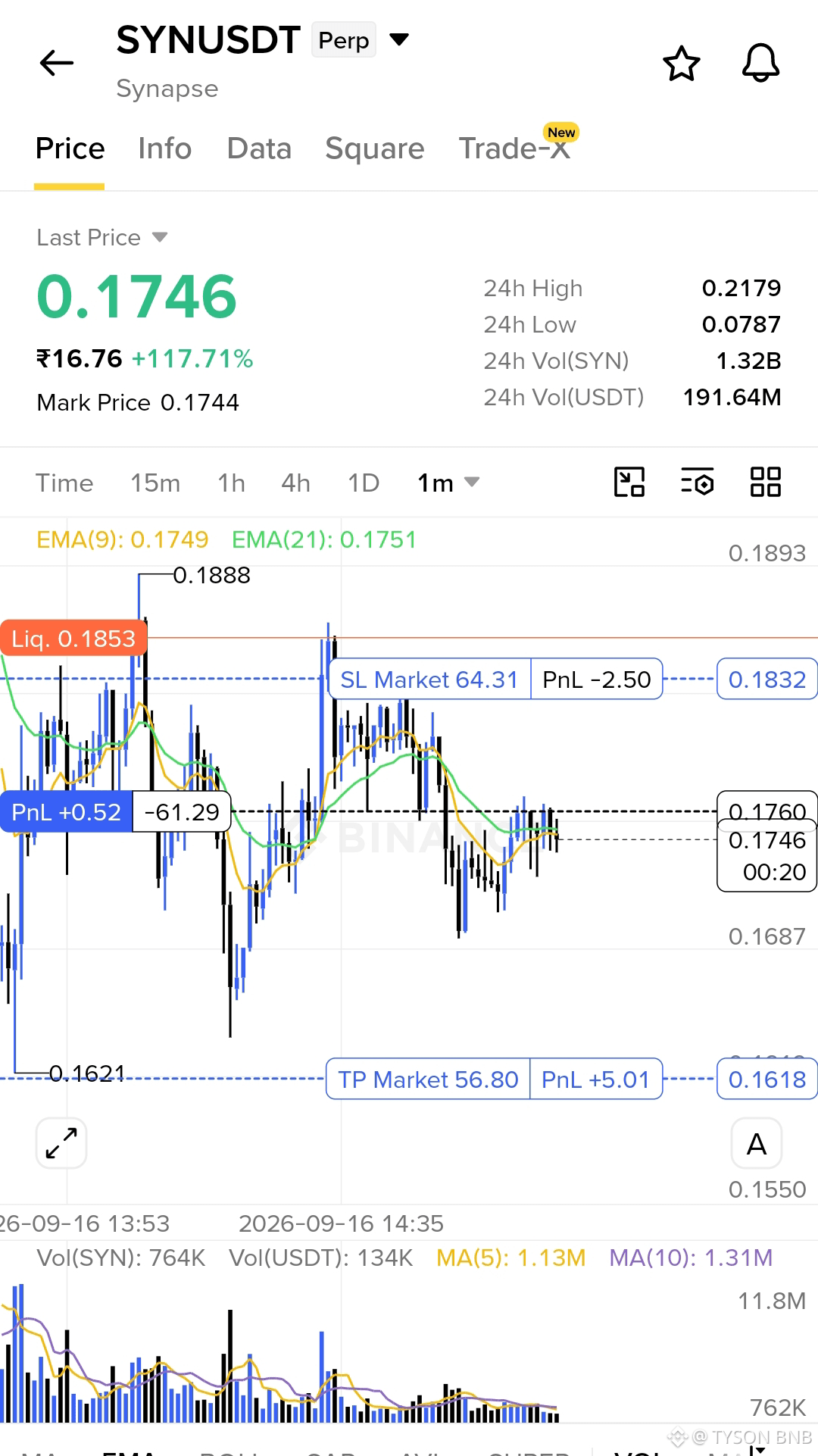
Bärisch$SYN So… der Preis kämpft sich in dieser Zone.
Ich beobachte eine Zurückweisung und einen weiteren Abwärtsimpuls.
🔴 SHORT: SYNUSDT
🎯 Einstieg: 0.1746
🛑 SL: 0.1832
💰 TP: 0.1618
✅ Leverage: 5x-10x
Lass uns sehen, was die Verkäufer hier machen. 👀
Kein FOMO — kontrolliere das Risiko.
Wenn du mehr profitable Trades haben willst, kannst du unserem Chart-Room beitreten ☺️ .
Der Trade ist hier 👇 $SYN
Ich beobachte eine Zurückweisung und einen weiteren Abwärtsimpuls.
🔴 SHORT: SYNUSDT
🎯 Einstieg: 0.1746
🛑 SL: 0.1832
💰 TP: 0.1618
✅ Leverage: 5x-10x
Lass uns sehen, was die Verkäufer hier machen. 👀
Kein FOMO — kontrolliere das Risiko.
Wenn du mehr profitable Trades haben willst, kannst du unserem Chart-Room beitreten ☺️ .
Der Trade ist hier 👇 $SYN
1
146
·
--
Bärisch
$SYN So… der Preis kämpft sich in dieser Zone.
Ich beobachte eine Zurückweisung und einen weiteren Abwärtsimpuls.
🔴 SHORT: SYNUSDT
🎯 Einstieg: 0.1746
🛑 SL: 0.1832
💰 TP: 0.1618
✅ Leverage: 5x-10x
Lass uns sehen, was die Verkäufer hier machen. 👀
Kein FOMO — kontrolliere das Risiko.
Wenn du mehr profitable Trades haben willst, kannst du unserem Chart-Room beitreten ☺️ .
Der Trade ist hier 👇 $SYN
{future}(SYNUSDT)
$SYN So… der Preis kämpft sich in dieser Zone.
Ich beobachte eine Zurückweisung und einen weiteren Abwärtsimpuls.
🔴 SHORT: SYNUSDT
🎯 Einstieg: 0.1746
🛑 SL: 0.1832
💰 TP: 0.1618
✅ Leverage: 5x-10x
Lass uns sehen, was die Verkäufer hier machen. 👀
Kein FOMO — kontrolliere das Risiko.
Wenn du mehr profitable Trades haben willst, kannst du unserem Chart-Room beitreten ☺️ .
Der Trade ist hier 👇 $SYN
Ich beobachte eine Zurückweisung und einen weiteren Abwärtsimpuls.
🔴 SHORT: SYNUSDT
🎯 Einstieg: 0.1746
🛑 SL: 0.1832
💰 TP: 0.1618
✅ Leverage: 5x-10x
Lass uns sehen, was die Verkäufer hier machen. 👀
Kein FOMO — kontrolliere das Risiko.
Wenn du mehr profitable Trades haben willst, kannst du unserem Chart-Room beitreten ☺️ .
Der Trade ist hier 👇 $SYN
1
1
107
·
--
Bullisch
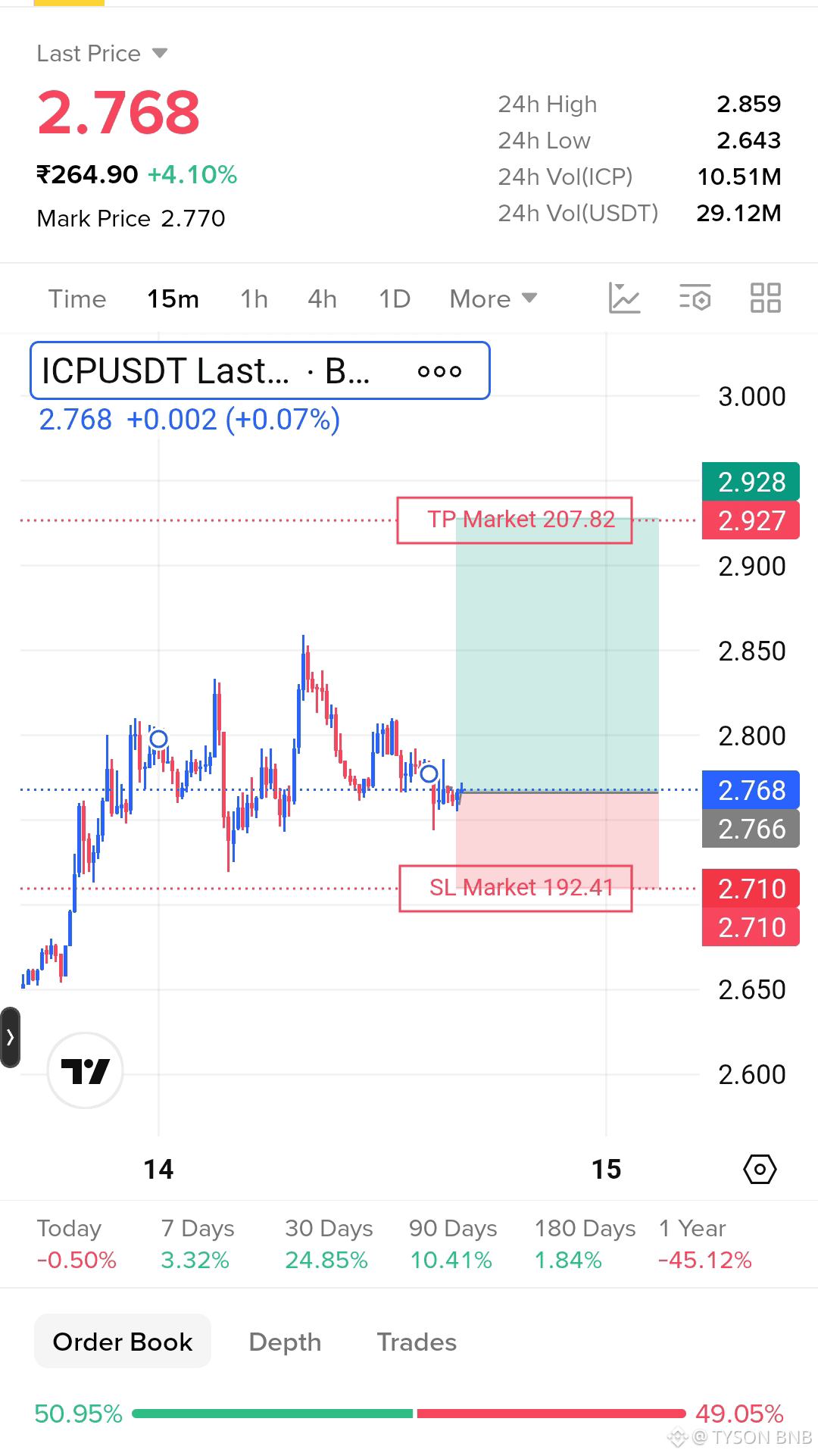
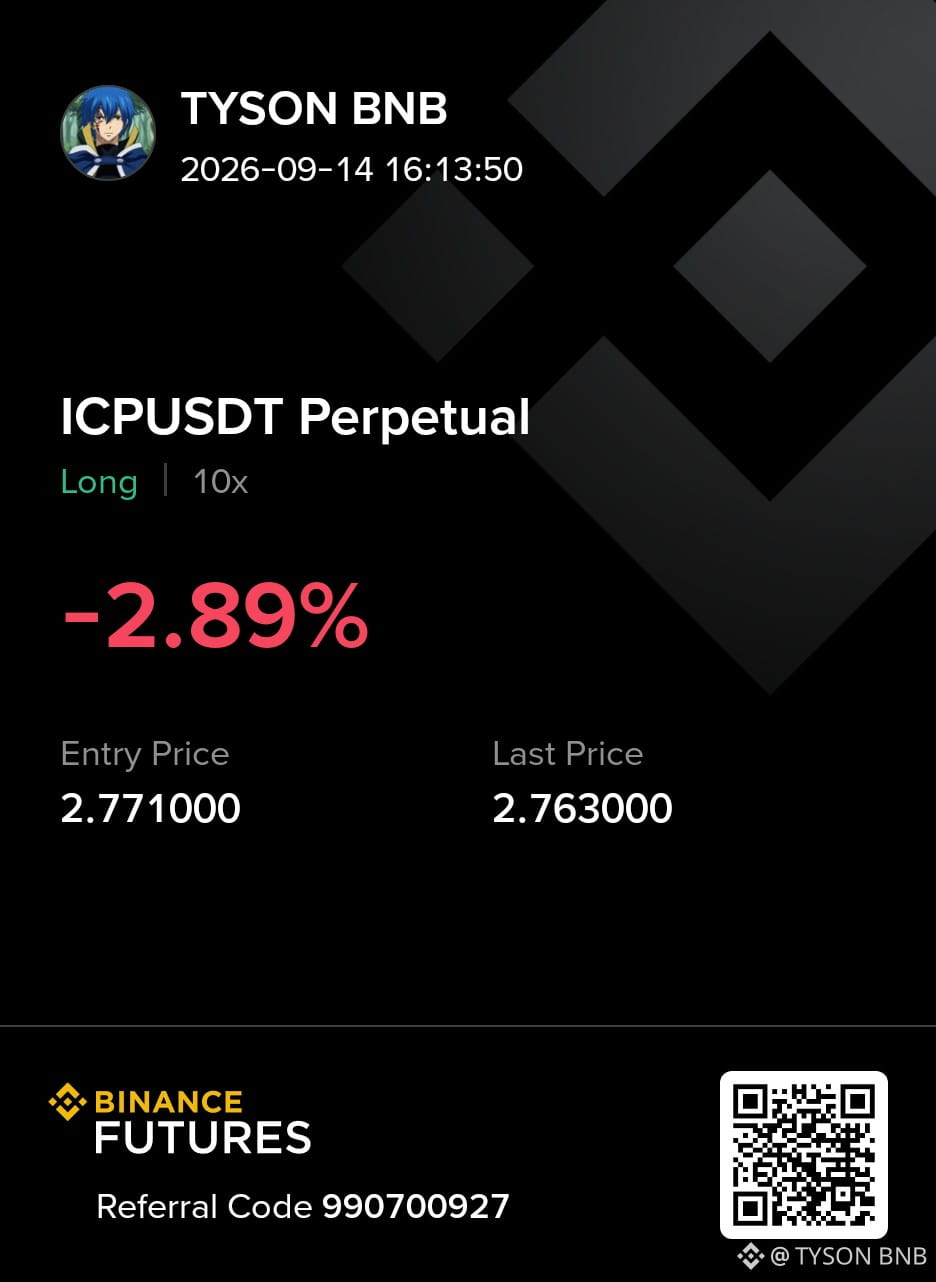
Jungs.. macht auf, groß und lang $ICP und bedankt euch später 😉
Einstieg: Marktpreis
SL: 2.710
TP: 2.927
Hebel: 5x-10x
Mal sehen, ob ICP noch einen weiteren Move nach oben hat. 👀
Risiko klein. Lasst das Setup ablaufen.
Wenn du mehr profitable Trades willst, komm in unseren Chart-Raum ☺️.
klick hier und trade 👇$ICP $BTW
{future}(ICPUSDT)
Jungs.. macht auf, groß und lang $ICP und bedankt euch später 😉
Einstieg: Marktpreis
SL: 2.710
TP: 2.927
Hebel: 5x-10x
Mal sehen, ob ICP noch einen weiteren Move nach oben hat. 👀
Risiko klein. Lasst das Setup ablaufen.
Wenn du mehr profitable Trades willst, komm in unseren Chart-Raum ☺️.
klick hier und trade 👇$ICP $BTW
Einstieg: Marktpreis
SL: 2.710
TP: 2.927
Hebel: 5x-10x
Mal sehen, ob ICP noch einen weiteren Move nach oben hat. 👀
Risiko klein. Lasst das Setup ablaufen.
Wenn du mehr profitable Trades willst, komm in unseren Chart-Raum ☺️.
klick hier und trade 👇$ICP $BTW
1
167
·
--
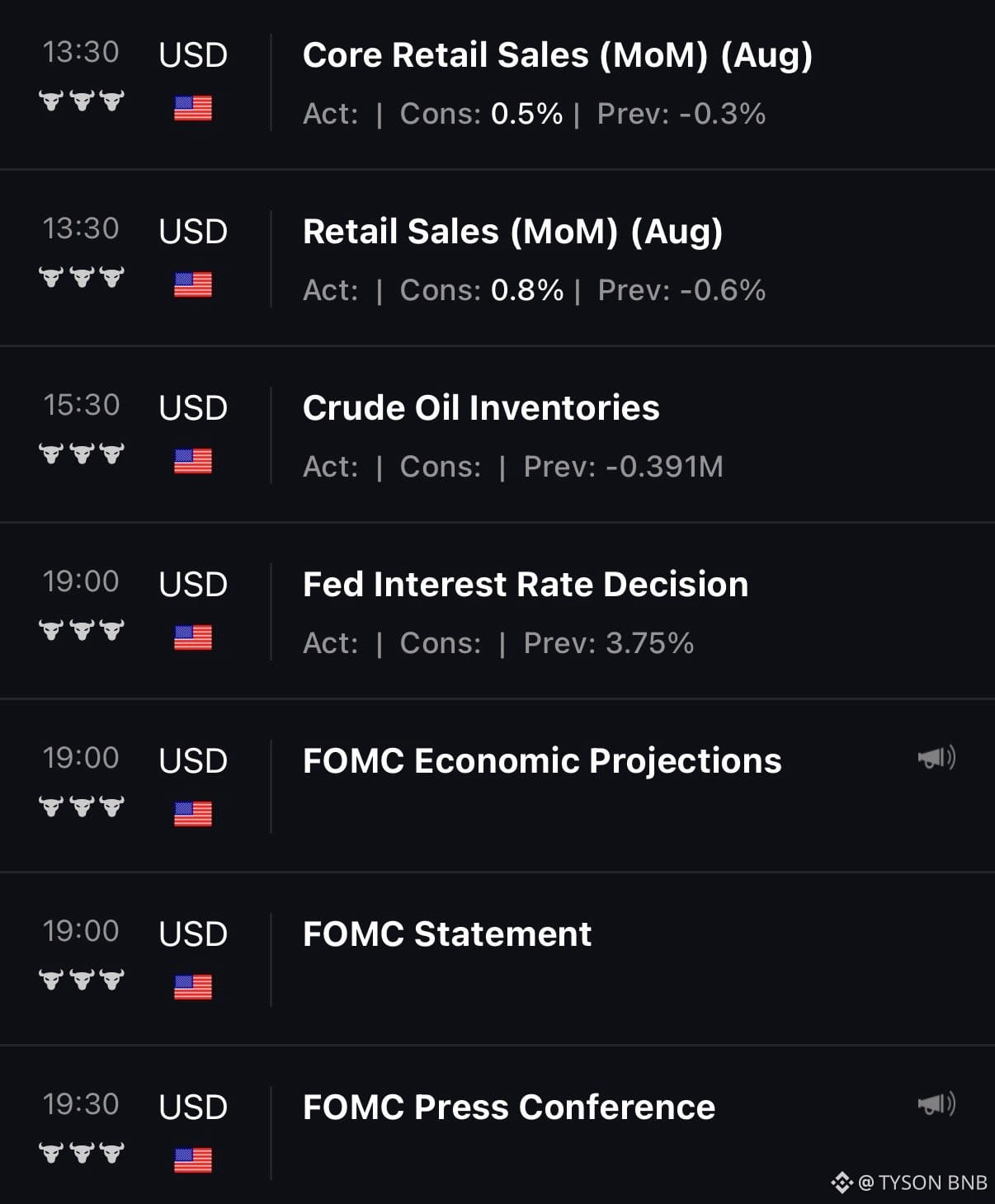
🚨 NÄCHSTE WOCHE WIRD DAS SCHICKSAL DER MÄRKTE ENTSCHEIDEN
Drei entscheidende Ereignisse, die starke Volatilität garantieren:
15. September – Clarity Act
Ein gescheiterter Votum wird erwartet. Der Markt hat das bereits eingepreist. Aber wenn der Gesetzentwurf unerwartet angenommen wird, könnte Krypto deutlich steigen.
16. September – Fed-Entscheidung
Die Wahrscheinlichkeit einer Zinserhöhung liegt bei 87%, was für risikoreiche Assets negativ ist. Wenn es eine Pause gibt, ist eine starke Rally in den globalen Märkten möglich.
18. September – BOJ-Entscheidung
Eine Anhebung um 25 Basispunkte wird erwartet. Wenn sie weitere Zinsschritte signalisieren, könnte mit dem Abbau des Yen-Carry-Trades begonnen werden, was die Märkte treffen würde. Wenn sie eine Pause andeuten, werden die Märkte höher tendieren.
Volatilität ist garantiert.
#CRYPTO #Macro $BTC $ETH $BNB
🚨 NÄCHSTE WOCHE WIRD DAS SCHICKSAL DER MÄRKTE ENTSCHEIDEN
Drei entscheidende Ereignisse, die starke Volatilität garantieren:
15. September – Clarity Act
Ein gescheiterter Votum wird erwartet. Der Markt hat das bereits eingepreist. Aber wenn der Gesetzentwurf unerwartet angenommen wird, könnte Krypto deutlich steigen.
16. September – Fed-Entscheidung
Die Wahrscheinlichkeit einer Zinserhöhung liegt bei 87%, was für risikoreiche Assets negativ ist. Wenn es eine Pause gibt, ist eine starke Rally in den globalen Märkten möglich.
18. September – BOJ-Entscheidung
Eine Anhebung um 25 Basispunkte wird erwartet. Wenn sie weitere Zinsschritte signalisieren, könnte mit dem Abbau des Yen-Carry-Trades begonnen werden, was die Märkte treffen würde. Wenn sie eine Pause andeuten, werden die Märkte höher tendieren.
Volatilität ist garantiert.
#CRYPTO #Macro $BTC $ETH $BNB
Drei entscheidende Ereignisse, die starke Volatilität garantieren:
15. September – Clarity Act
Ein gescheiterter Votum wird erwartet. Der Markt hat das bereits eingepreist. Aber wenn der Gesetzentwurf unerwartet angenommen wird, könnte Krypto deutlich steigen.
16. September – Fed-Entscheidung
Die Wahrscheinlichkeit einer Zinserhöhung liegt bei 87%, was für risikoreiche Assets negativ ist. Wenn es eine Pause gibt, ist eine starke Rally in den globalen Märkten möglich.
18. September – BOJ-Entscheidung
Eine Anhebung um 25 Basispunkte wird erwartet. Wenn sie weitere Zinsschritte signalisieren, könnte mit dem Abbau des Yen-Carry-Trades begonnen werden, was die Märkte treffen würde. Wenn sie eine Pause andeuten, werden die Märkte höher tendieren.
Volatilität ist garantiert.
#CRYPTO #Macro $BTC $ETH $BNB
1
58
·
--
Bärisch
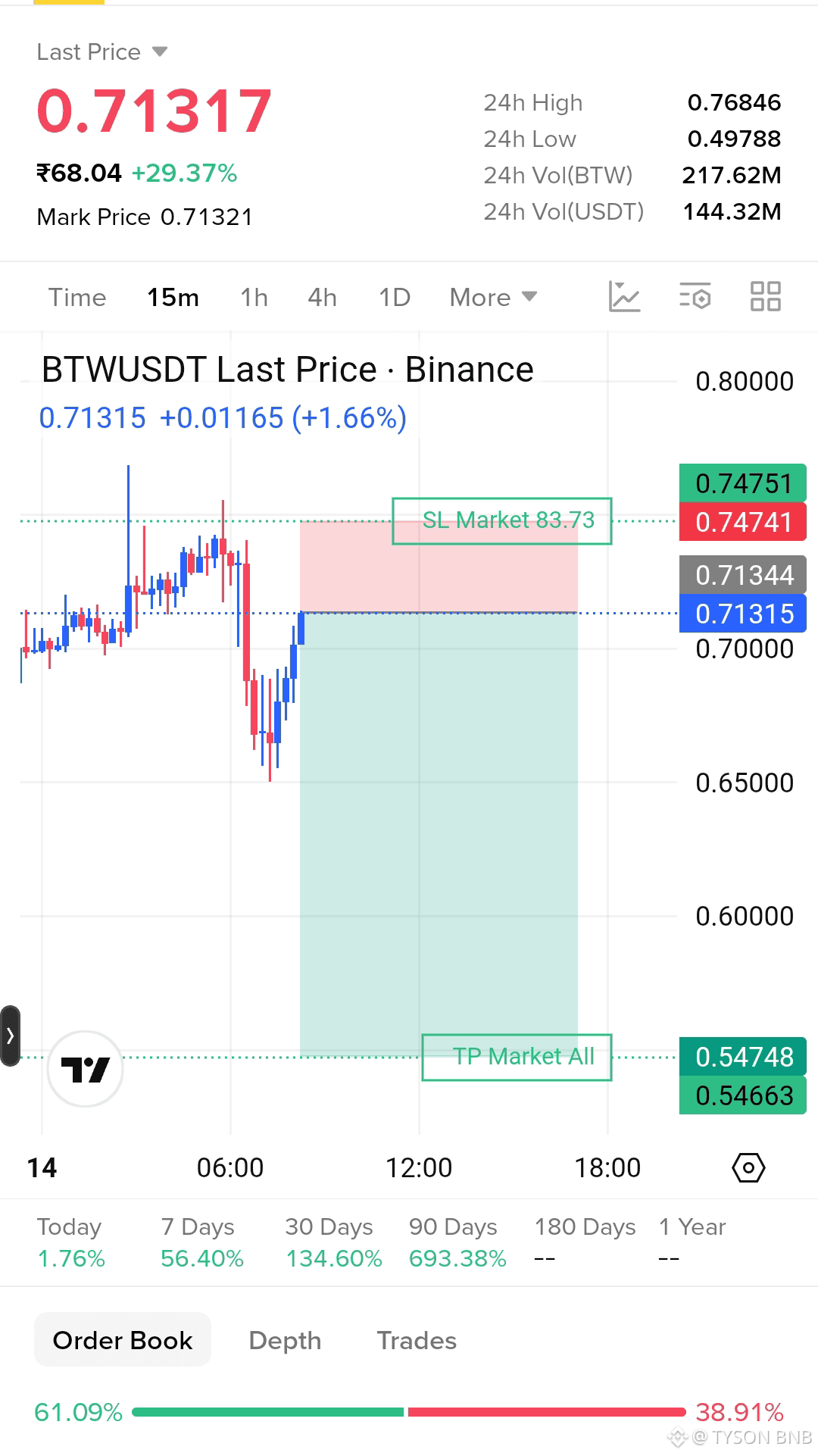
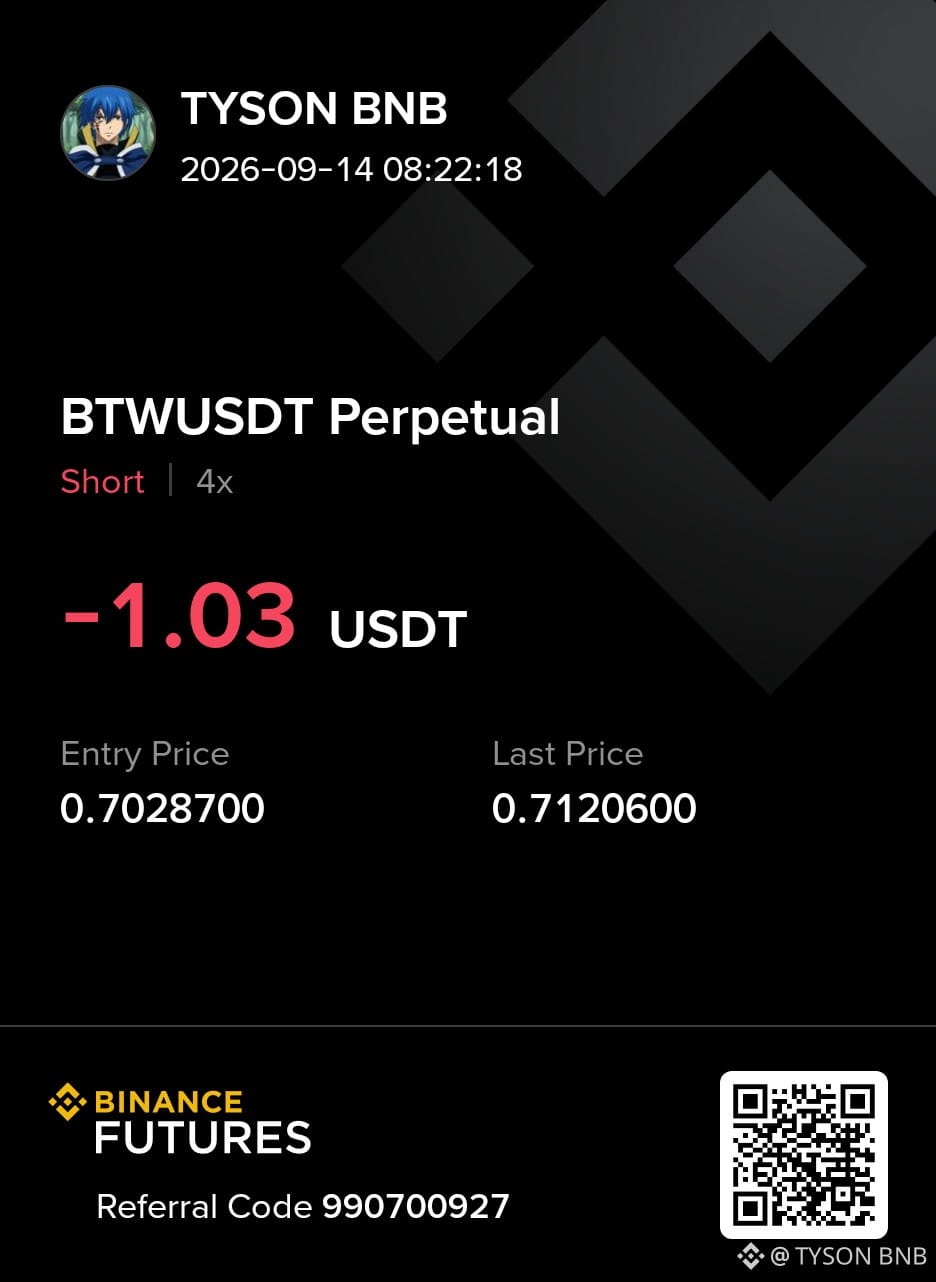
Leute.. ich eröffne gerade die Big Short $BTW mach den Trade – danke mir später 😉
Short-Signal
Entry: 0.71315
SL: 0.74750
TP: 0.54748
Hebel 5x-10x
Mal sehen, ob es sich von hier aus wieder beruhigt. 👀
Risiko managen — nicht überhebeln.
Wenn du mehr profitable Trades willst, kannst du unserem Chart-Room beitreten ☺️.
{future}(BTWUSDT)
Leute.. ich eröffne gerade die Big Short $BTW mach den Trade – danke mir später 😉
Short-Signal
Entry: 0.71315
SL: 0.74750
TP: 0.54748
Hebel 5x-10x
Mal sehen, ob es sich von hier aus wieder beruhigt. 👀
Risiko managen — nicht überhebeln.
Wenn du mehr profitable Trades willst, kannst du unserem Chart-Room beitreten ☺️.
Short-Signal
Entry: 0.71315
SL: 0.74750
TP: 0.54748
Hebel 5x-10x
Mal sehen, ob es sich von hier aus wieder beruhigt. 👀
Risiko managen — nicht überhebeln.
Wenn du mehr profitable Trades willst, kannst du unserem Chart-Room beitreten ☺️.
1
82
·
--
Bullisch
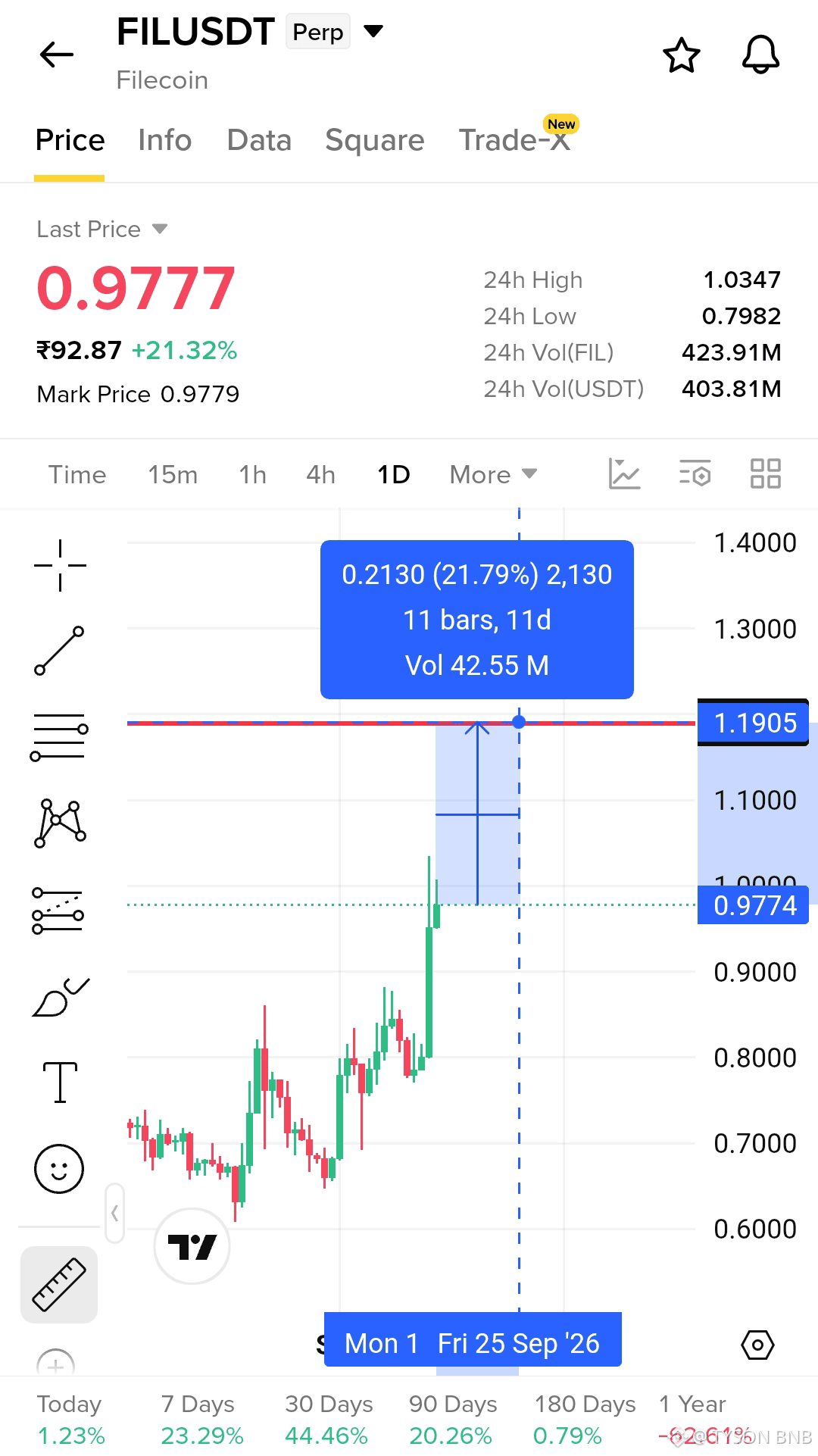
$FIL all liquidiätsspirale… meine nächste stufe $1.20
Also… kein grund, das hier zu überstürzen.
Ich beobachte zuerst $1.20.
Schauen wir mal, ob FIL es wirklich erreichen kann. 📈
und meine trading-familie ich habe es dir die ganze zeit gesagt: bitte befolge das risiko und die chance (risk and reward). und wenn du mehr profitable trades willst, kannst du unserem chart-room beitreten ☺️.
klick hier und trade 👇$FIL $CAKE
{future}(FILUSDT)
$FIL all liquidiätsspirale… meine nächste stufe $1.20
Also… kein grund, das hier zu überstürzen.
Ich beobachte zuerst $1.20.
Schauen wir mal, ob FIL es wirklich erreichen kann. 📈
und meine trading-familie ich habe es dir die ganze zeit gesagt: bitte befolge das risiko und die chance (risk and reward). und wenn du mehr profitable trades willst, kannst du unserem chart-room beitreten ☺️.
klick hier und trade 👇$FIL $CAKE
Also… kein grund, das hier zu überstürzen.
Ich beobachte zuerst $1.20.
Schauen wir mal, ob FIL es wirklich erreichen kann. 📈
und meine trading-familie ich habe es dir die ganze zeit gesagt: bitte befolge das risiko und die chance (risk and reward). und wenn du mehr profitable trades willst, kannst du unserem chart-room beitreten ☺️.
klick hier und trade 👇$FIL $CAKE
113
·
--
Bullisch
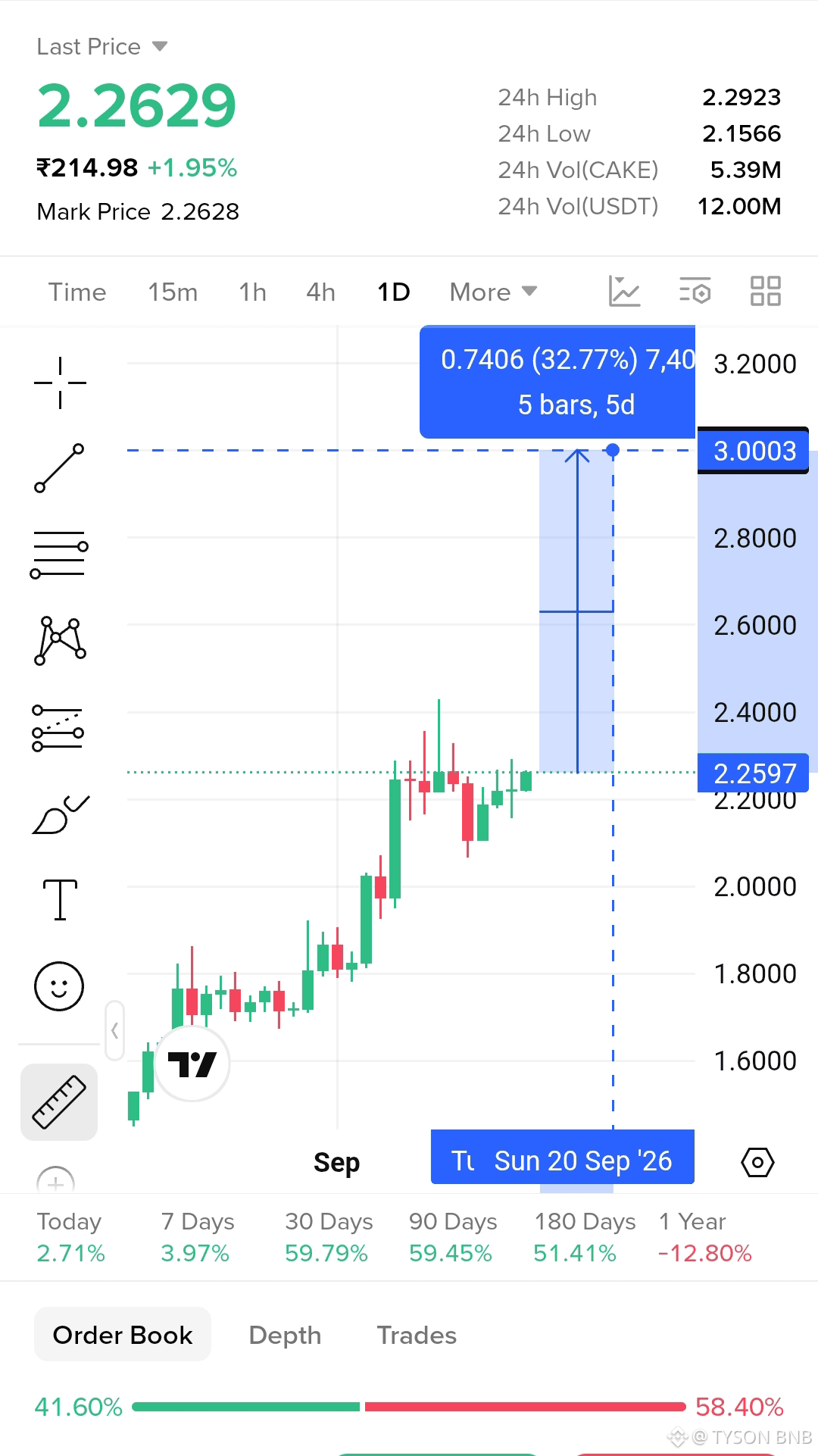
Nicht mehr scrollen.. Leute, schaut $CAKE
Die nächste Stufe, die ich mir anschaue, sind $3.00.
und meine Trading-Familie: Bitte folgt dem Risiko und der Belohnung. Wenn ihr mehr profitable Trades wollt, könnt ihr unserem Chart-Raum beitreten ☺️.
Klick hier und trade 👉$CAKE $MTL
{future}(CAKEUSDT)
Nicht mehr scrollen.. Leute, schaut $CAKE
Die nächste Stufe, die ich mir anschaue, sind $3.00.
und meine Trading-Familie: Bitte folgt dem Risiko und der Belohnung. Wenn ihr mehr profitable Trades wollt, könnt ihr unserem Chart-Raum beitreten ☺️.
Klick hier und trade 👉$CAKE $MTL
Die nächste Stufe, die ich mir anschaue, sind $3.00.
und meine Trading-Familie: Bitte folgt dem Risiko und der Belohnung. Wenn ihr mehr profitable Trades wollt, könnt ihr unserem Chart-Raum beitreten ☺️.
Klick hier und trade 👉$CAKE $MTL
1
91
·
--
Bärisch
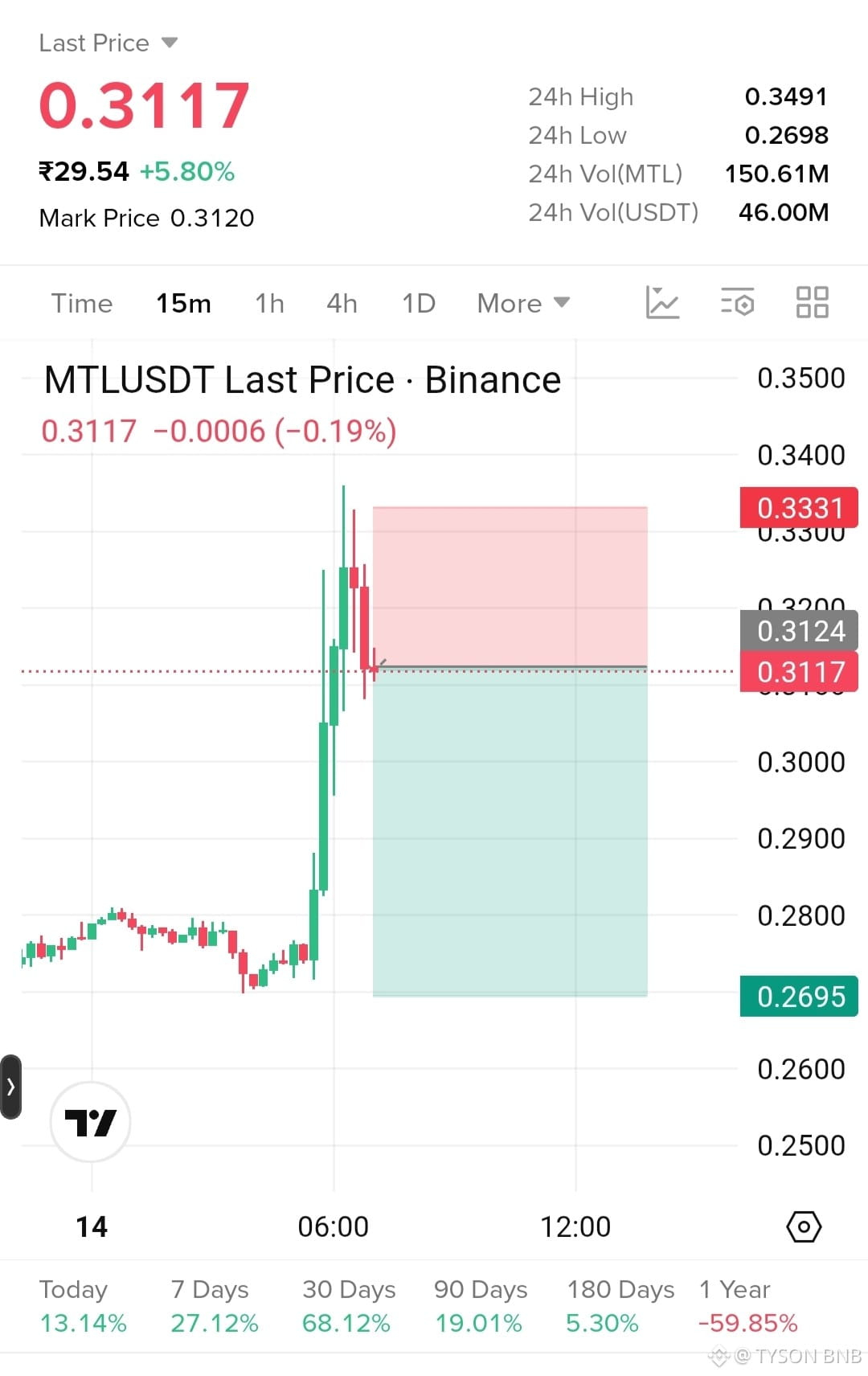
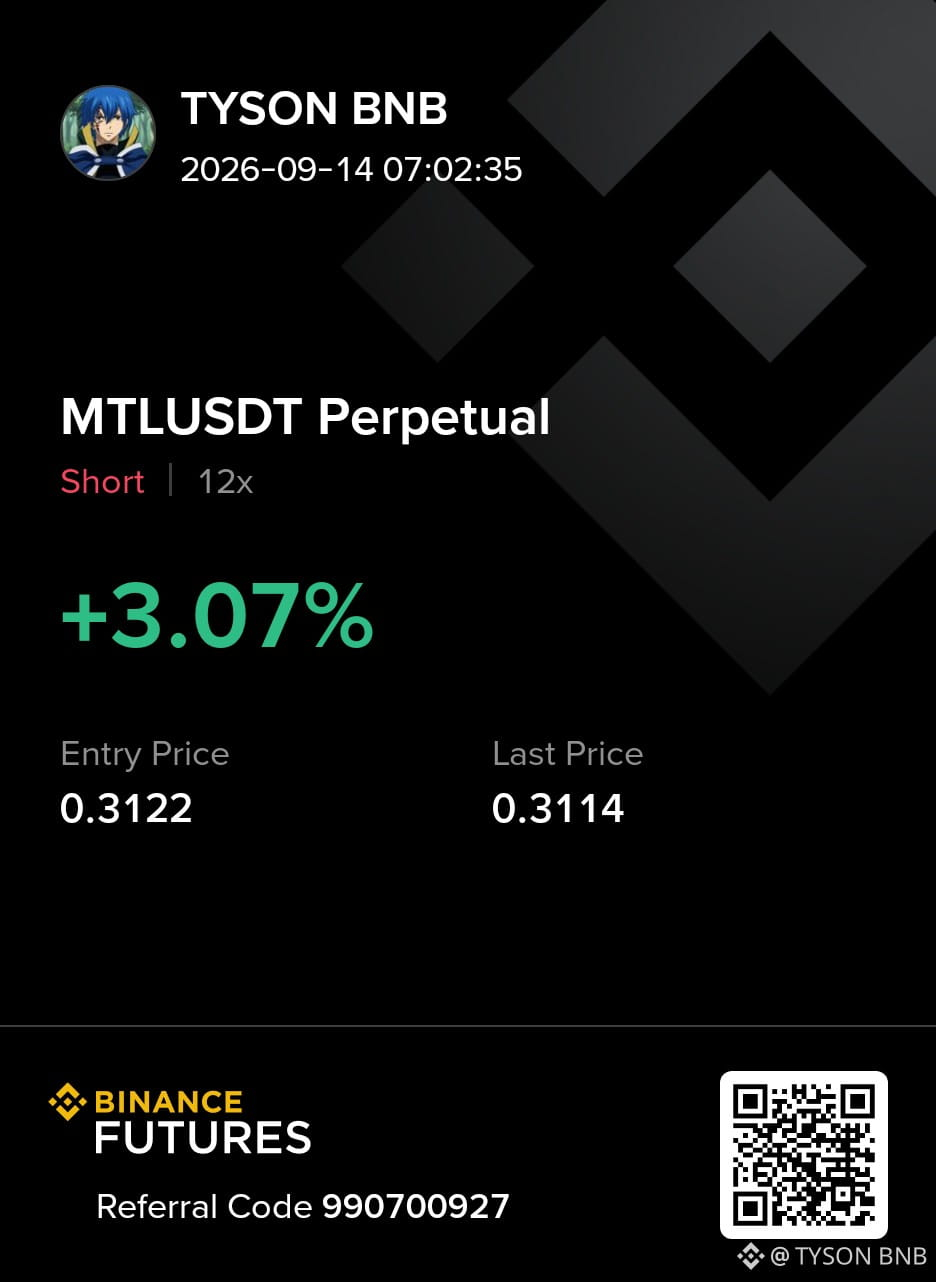
$MTL Nehmen wir den kurzen Weg und zielen wir nach unten.
großer Short 📉
Einstieg: 0.3122
SL: 0.3331
TP: 0.2695
Hebel: 5x-10x
Schauen wir mal, ob MTL den Bären endlich etwas Spielraum gibt. 🐻📉
Wenn du mehr profitable Trades machen willst, kannst du unserem Chart-Raum beitreten ☺️.
klick hier und trade mit mir 👉 $MTL $LSK
{future}(MTLUSDT)
$MTL Nehmen wir den kurzen Weg und zielen wir nach unten.
großer Short 📉
Einstieg: 0.3122
SL: 0.3331
TP: 0.2695
Hebel: 5x-10x
Schauen wir mal, ob MTL den Bären endlich etwas Spielraum gibt. 🐻📉
Wenn du mehr profitable Trades machen willst, kannst du unserem Chart-Raum beitreten ☺️.
klick hier und trade mit mir 👉 $MTL $LSK
großer Short 📉
Einstieg: 0.3122
SL: 0.3331
TP: 0.2695
Hebel: 5x-10x
Schauen wir mal, ob MTL den Bären endlich etwas Spielraum gibt. 🐻📉
Wenn du mehr profitable Trades machen willst, kannst du unserem Chart-Raum beitreten ☺️.
klick hier und trade mit mir 👉 $MTL $LSK
100
Anmelden und weiter Inhalte entdecken
Krypto-Nutzer weltweit auf Binance Square kennenlernen
⚡️ Bleib in Sachen Krypto stets am Puls.
💬 Die weltgrößte Kryptobörse vertraut darauf.
👍 Erhalte verlässliche Einblicke von verifizierten Creators.
E-Mail-Adresse/Telefonnummer
Trendthemen
FortitudeRaisesCreditLineTo$50M
264 Aufrufe
40 Kommentare
#FortitudeRaisesCreditLineTo$50M
Ein bedeutender Anlass für das Team bei Fortitude Capital! 📈 Wir freuen uns, die erfolgreiche Erweiterung unserer Kreditlinie auf beeindruckende 50 Millionen US-Dollar bekanntzugeben. Dieses wichtige Etappenziel, das durch eine feierliche Unterzeichnungszeremonie auf der Börsenhandelsfläche markiert wurde, ist ein Beleg für die harte Arbeit und die strategische Weitsicht aller Beteiligten.
Dieses zusätzliche Kapital wird es uns ermöglichen, neue Investitionsmöglichkeiten zu verfolgen, weiteres Wachstum zu fördern und unsere Kunden noch besser zu betreuen. Wir sind unseren Partnern und Stakeholdern, die diesen Erfolg möglich gemacht haben, außerordentlich dankbar.
Während wir voller neuer Zuversicht in die Zukunft blicken, freuen wir uns darauf, weiterhin Innovationen voranzutreiben und außergewöhnliche Ergebnisse zu liefern. Auf eine gesicherte Zukunft und weiterhin anhaltenden Erfolg!
#FortitudeRaisesCreditLineTo$50M #FortitudeCapital #Wachstum #Erweiterung #Kapitalbeschaffung
Zusätzlich drei handelbare Coins (illustrativ):
Um diesen Erfolg weiter gebührend zu feiern und ihn mit der modernen Finanzlandschaft in Einklang zu bringen, haben wir drei handelbare Coins symbolisch integriert:
$FTDR.US (Fortitude Token): Eine hypothetische Münze, die eine Beteiligung am zukünftigen Erfolg von Fortitude Capital repräsentiert und möglicherweise exklusive Vorteile oder Investitionsmöglichkeiten bietet.
$USDC (USD Coin): Ein weithin anerkannter Stablecoin, der den greifbaren USD-Wert der Erhöhung der Kreditlinie darstellt und für Liquidität sorgt.
$ETH (Ethereum): Eine führende Krypto-Plattform, die unser Bekenntnis zu Innovation und die Zukunft des Finanzwesens symbolisiert.
Bitte beachten Sie, dass diese Coins nur zu Illustrations- und Symbolzwecken enthalten sind und keine Finanzberatung darstellen. Anlageentscheidungen sollten stets auf gründlicher Recherche und den jeweiligen individuellen Umständen basieren.
#market #US #ETH
Axiom AlphA
·0 Likes
·12 Aufrufe
USWeighsPromotingDollarStablecoinsAbroad
6,598 Aufrufe
454 Kommentare
US10YTreasuryYieldHits19YearHigh
5,651 Aufrufe
363 Kommentare