
Talma1947
331 Beiträge
Talma1947
Melden
Nutzer blockieren
Talma1947,Crypto Builder, BNB, BTC maxi, P2P Spot Risk s
Trade eröffnen
Gelegenheitstrader
5.4 Jahre
641 Following
514 Follower
120 Like gegeben
Beiträge
Portfolio
Alle
Zitierungen
PINNED
·
--
🧠 BNB INTELLIGENCE BRIEF | 2. Mai 2026 | 8:30 Uhr
1. MARKTKONTEXT
BTC-Dominanz bei 54% → Alts bluten, wenn BTC sich bewegt. BNB korreliert zu 0,82 mit BTC.
Schlüsselniveau: Wenn BTC $63k hält, wird BNB wahrscheinlich die Unterstützung bei $590 verteidigen.
2. ON-CHAIN / BÖRDEN-DATEN
BNB-Nettofluss in den letzten 24h: -2,1M BNB aus Börsen.
Übersetzung: Wale akkumulieren, verkaufen nicht. Bullishes Signal für die HODLer.
3. RENDITECHANCE HEUTE
Launchpool-Projekt „XYZ“ Snapshot in 3h.
BNB Vault APY: 4,2% Basis + geschätzte 0,8% täglicher Airdrop APR.
$100 gestaked = ~$4,8/Jahr + kostenlose Tokens. Kein Trading erforderlich.
4. TRADEPLAN - KEIN FOMO
- Bull-Case: $590 halten → Ziel $615, dann $640
- Bear-Case: Verlust bei $590 → nächste Unterstützung $565
- Spiel: Setze Limit-Buy bei $585, wenn du es verpasst hast. Kauf nicht im Markt grün.
5. RISIKOHINWEIS
APY-Änderungen. DYOR. Stake nur das, was du 30+ Tage halten kannst.
DEINE MEINUNG:
Antworte mit deinem BNB-Ziel für heute 👇 Ich werde auf die beste Analyse antworten.
Speichere diesen Post. Schau um 20 Uhr für das Abendupdate vorbei.
#BNB
#Binance
#CryptoAnalysis
#YieldFarming
#smartmoney
🧠 BNB INTELLIGENCE BRIEF | 2. Mai 2026 | 8:30 Uhr
1. MARKTKONTEXT
BTC-Dominanz bei 54% → Alts bluten, wenn BTC sich bewegt. BNB korreliert zu 0,82 mit BTC.
Schlüsselniveau: Wenn BTC $63k hält, wird BNB wahrscheinlich die Unterstützung bei $590 verteidigen.
2. ON-CHAIN / BÖRDEN-DATEN
BNB-Nettofluss in den letzten 24h: -2,1M BNB aus Börsen.
Übersetzung: Wale akkumulieren, verkaufen nicht. Bullishes Signal für die HODLer.
3. RENDITECHANCE HEUTE
Launchpool-Projekt „XYZ“ Snapshot in 3h.
BNB Vault APY: 4,2% Basis + geschätzte 0,8% täglicher Airdrop APR.
$100 gestaked = ~$4,8/Jahr + kostenlose Tokens. Kein Trading erforderlich.
4. TRADEPLAN - KEIN FOMO
- Bull-Case: $590 halten → Ziel $615, dann $640
- Bear-Case: Verlust bei $590 → nächste Unterstützung $565
- Spiel: Setze Limit-Buy bei $585, wenn du es verpasst hast. Kauf nicht im Markt grün.
5. RISIKOHINWEIS
APY-Änderungen. DYOR. Stake nur das, was du 30+ Tage halten kannst.
DEINE MEINUNG:
Antworte mit deinem BNB-Ziel für heute 👇 Ich werde auf die beste Analyse antworten.
Speichere diesen Post. Schau um 20 Uhr für das Abendupdate vorbei.
#BNB
#Binance
#CryptoAnalysis
#YieldFarming
#smartmoney
1. MARKTKONTEXT
BTC-Dominanz bei 54% → Alts bluten, wenn BTC sich bewegt. BNB korreliert zu 0,82 mit BTC.
Schlüsselniveau: Wenn BTC $63k hält, wird BNB wahrscheinlich die Unterstützung bei $590 verteidigen.
2. ON-CHAIN / BÖRDEN-DATEN
BNB-Nettofluss in den letzten 24h: -2,1M BNB aus Börsen.
Übersetzung: Wale akkumulieren, verkaufen nicht. Bullishes Signal für die HODLer.
3. RENDITECHANCE HEUTE
Launchpool-Projekt „XYZ“ Snapshot in 3h.
BNB Vault APY: 4,2% Basis + geschätzte 0,8% täglicher Airdrop APR.
$100 gestaked = ~$4,8/Jahr + kostenlose Tokens. Kein Trading erforderlich.
4. TRADEPLAN - KEIN FOMO
- Bull-Case: $590 halten → Ziel $615, dann $640
- Bear-Case: Verlust bei $590 → nächste Unterstützung $565
- Spiel: Setze Limit-Buy bei $585, wenn du es verpasst hast. Kauf nicht im Markt grün.
5. RISIKOHINWEIS
APY-Änderungen. DYOR. Stake nur das, was du 30+ Tage halten kannst.
DEINE MEINUNG:
Antworte mit deinem BNB-Ziel für heute 👇 Ich werde auf die beste Analyse antworten.
Speichere diesen Post. Schau um 20 Uhr für das Abendupdate vorbei.
#BNB
#Binance
#CryptoAnalysis
#YieldFarming
#smartmoney
89
·
--
[join the Campaign and win exclusive rewards 50k USDT](https://www.binance.com/referral/mystery-box/pakistan-exclusive-game-of-referrals/claim?ref=GRO_100001020_2F0CJ)
join the Campaign and win exclusive rewards 50k USDT
24
·
--
📉 Krypto Bärisch & Marktdynamik
Jeder fragt sich: "Wann endet der Dip?" Falsche Frage.
Frage stattdessen: "Was machen die smarten Trader JETZT?"
3 Regeln, denen ich folge:
1. Kapital > FOMO
USDT/Bargeld IST eine Position. Kein Ammo = keine Käufe am Boden
2. DCA in die Unterstützungszone
BNB hält sich bei $580-$600. Klein rein skalieren. Wenn es auf $540 wickelt, mehr kaufen.
3. Verdienen während des Wartens
BNB Vault + Launchpool = 3-5% APY. Dein Stack wächst, auch wenn die Velas nicht.
Bär Märkte testen Geduld. Bullen Läufe belohnen sie.
Speichere diesen Post. Du wirst ihn beim nächsten Dump brauchen.
Mit welcher Regel hast du am meisten zu kämpfen? Kommentiere 1, 2 oder 3 👇
#BNB
#BearMarket
#MarketDynamics
#LearnAndEarn
#Talma1947
Keine Finanzberatung. DYOR
📉 Krypto Bärisch & Marktdynamik
Jeder fragt sich: "Wann endet der Dip?" Falsche Frage.
Frage stattdessen: "Was machen die smarten Trader JETZT?"
3 Regeln, denen ich folge:
1. Kapital > FOMO
USDT/Bargeld IST eine Position. Kein Ammo = keine Käufe am Boden
2. DCA in die Unterstützungszone
BNB hält sich bei $580-$600. Klein rein skalieren. Wenn es auf $540 wickelt, mehr kaufen.
3. Verdienen während des Wartens
BNB Vault + Launchpool = 3-5% APY. Dein Stack wächst, auch wenn die Velas nicht.
Bär Märkte testen Geduld. Bullen Läufe belohnen sie.
Speichere diesen Post. Du wirst ihn beim nächsten Dump brauchen.
Mit welcher Regel hast du am meisten zu kämpfen? Kommentiere 1, 2 oder 3 👇
#BNB
#BearMarket
#MarketDynamics
#LearnAndEarn
#Talma1947
Keine Finanzberatung. DYOR
Jeder fragt sich: "Wann endet der Dip?" Falsche Frage.
Frage stattdessen: "Was machen die smarten Trader JETZT?"
3 Regeln, denen ich folge:
1. Kapital > FOMO
USDT/Bargeld IST eine Position. Kein Ammo = keine Käufe am Boden
2. DCA in die Unterstützungszone
BNB hält sich bei $580-$600. Klein rein skalieren. Wenn es auf $540 wickelt, mehr kaufen.
3. Verdienen während des Wartens
BNB Vault + Launchpool = 3-5% APY. Dein Stack wächst, auch wenn die Velas nicht.
Bär Märkte testen Geduld. Bullen Läufe belohnen sie.
Speichere diesen Post. Du wirst ihn beim nächsten Dump brauchen.
Mit welcher Regel hast du am meisten zu kämpfen? Kommentiere 1, 2 oder 3 👇
#BNB
#BearMarket
#MarketDynamics
#LearnAndEarn
#Talma1947
Keine Finanzberatung. DYOR
1
121
·
--
Artikel
Crypto Bärisch & Markt-Dynamiken: 3 Dinge, die du wissen musst1. Warum Crypto gerade bärisch ist
Märkte crashen nicht ohne Grund. Aktuelle Treiber:
BTC Dominanz > 55% - Kapital wechselt zu BTC. Alts wie BNB bluten, da Trader ihre Risiken reduzieren
Hohe Zinsen, niedrige Liquidität - Kein „billiges Geld“ von Banken. Weniger frisches Kapital fließt in Crypto
Niedriges Volumen = Fake Pumps - Kleine Kauforders erzeugen grüne Kerzen und werden dann verkauft
2. Markt-Dynamiken im Spiel
Das ist kein kompletter Crash. Es ist Rotation:
Liquiditätssweeps - Preis wicks hoch/runter, um Stop-Losses auszulösen, dann dreht es sich. Wale jagen Liquidität
Crypto Bärisch & Markt-Dynamiken: 3 Dinge, die du wissen musst
1. Warum Crypto gerade bärisch ist
Märkte crashen nicht ohne Grund. Aktuelle Treiber:
BTC Dominanz > 55% - Kapital wechselt zu BTC. Alts wie BNB bluten, da Trader ihre Risiken reduzieren
Hohe Zinsen, niedrige Liquidität - Kein „billiges Geld“ von Banken. Weniger frisches Kapital fließt in Crypto
Niedriges Volumen = Fake Pumps - Kleine Kauforders erzeugen grüne Kerzen und werden dann verkauft
2. Markt-Dynamiken im Spiel
Das ist kein kompletter Crash. Es ist Rotation:
Liquiditätssweeps - Preis wicks hoch/runter, um Stop-Losses auszulösen, dann dreht es sich. Wale jagen Liquidität
Märkte crashen nicht ohne Grund. Aktuelle Treiber:
BTC Dominanz > 55% - Kapital wechselt zu BTC. Alts wie BNB bluten, da Trader ihre Risiken reduzieren
Hohe Zinsen, niedrige Liquidität - Kein „billiges Geld“ von Banken. Weniger frisches Kapital fließt in Crypto
Niedriges Volumen = Fake Pumps - Kleine Kauforders erzeugen grüne Kerzen und werden dann verkauft
2. Markt-Dynamiken im Spiel
Das ist kein kompletter Crash. Es ist Rotation:
Liquiditätssweeps - Preis wicks hoch/runter, um Stop-Losses auszulösen, dann dreht es sich. Wale jagen Liquidität
1
133
·
--

1
19
·
--
💰 $100 auf Binance: Wo solltest du es anlegen?
BNB Vault vs Flexible Savings — 2026 Aufschlüsselung
1. Flexible Savings
- Rate: ~1-3% APY, täglich wechselnd
- Flexibilität: Jederzeit abhebbar, sofort
- Am besten für: Notfallfonds, kurzfristige Parkplätze
- $100 = ~$1-$3/Jahr passiv
2. BNB Vault
- Rate: ~2-5% APY + Launchpool Airdrops
- Flexibilität: 24h Freischaltung, weiterhin liquide
- Am besten für: Holder, die maximale Rendite wollen
- $100 = ~$2-$5/Jahr + KOSTENLOSE neue Coin Airdrops
Gewinner für Einnahmen: BNB Vault
Du bekommst die Basis-APY + Bonus-Token aus dem Launchpool. Doppelte Einkommensquelle bei gleichem Risiko.
Mein Move mit $100:
70% BNB Vault für Rendite + Airdrops
30% Flexible Savings für schnellen Zugriff
Lass dein Geld arbeiten, während du schläfst 📈
Keine Finanzberatung. APY ändert sich täglich. DYOR.
[Sign up here for 10% fee discount and bonuses](https://www.binance.com/referral/earn-together/refer2earn-usdc/claim?hl=en&ref=GRO_28502_R5F1Z&utm_source=referral_entrance&utm_medium=web_share_copy)
#Binance
#BNBVault
#PassiveIncome
#CryptoYield
#EarnCrypto
💰 $100 auf Binance: Wo solltest du es anlegen?
BNB Vault vs Flexible Savings — 2026 Aufschlüsselung
1. Flexible Savings
- Rate: ~1-3% APY, täglich wechselnd
- Flexibilität: Jederzeit abhebbar, sofort
- Am besten für: Notfallfonds, kurzfristige Parkplätze
- $100 = ~$1-$3/Jahr passiv
2. BNB Vault
- Rate: ~2-5% APY + Launchpool Airdrops
- Flexibilität: 24h Freischaltung, weiterhin liquide
- Am besten für: Holder, die maximale Rendite wollen
- $100 = ~$2-$5/Jahr + KOSTENLOSE neue Coin Airdrops
Gewinner für Einnahmen: BNB Vault
Du bekommst die Basis-APY + Bonus-Token aus dem Launchpool. Doppelte Einkommensquelle bei gleichem Risiko.
Mein Move mit $100:
70% BNB Vault für Rendite + Airdrops
30% Flexible Savings für schnellen Zugriff
Lass dein Geld arbeiten, während du schläfst 📈
Keine Finanzberatung. APY ändert sich täglich. DYOR.
Sign up here for 10% fee discount and bonuses
#Binance
#BNBVault
#PassiveIncome
#CryptoYield
#EarnCrypto
BNB Vault vs Flexible Savings — 2026 Aufschlüsselung
1. Flexible Savings
- Rate: ~1-3% APY, täglich wechselnd
- Flexibilität: Jederzeit abhebbar, sofort
- Am besten für: Notfallfonds, kurzfristige Parkplätze
- $100 = ~$1-$3/Jahr passiv
2. BNB Vault
- Rate: ~2-5% APY + Launchpool Airdrops
- Flexibilität: 24h Freischaltung, weiterhin liquide
- Am besten für: Holder, die maximale Rendite wollen
- $100 = ~$2-$5/Jahr + KOSTENLOSE neue Coin Airdrops
Gewinner für Einnahmen: BNB Vault
Du bekommst die Basis-APY + Bonus-Token aus dem Launchpool. Doppelte Einkommensquelle bei gleichem Risiko.
Mein Move mit $100:
70% BNB Vault für Rendite + Airdrops
30% Flexible Savings für schnellen Zugriff
Lass dein Geld arbeiten, während du schläfst 📈
Keine Finanzberatung. APY ändert sich täglich. DYOR.
Sign up here for 10% fee discount and bonuses
#Binance
#BNBVault
#PassiveIncome
#CryptoYield
#EarnCrypto
1
17
·
--
Wie ich P2P-Betrügereien auf Binance in 10 Sekunden erkenne 🛡️
Talma1947 | P2P-Tipps
Nach über 100 Trades nutzen Betrüger alle die gleichen Tricks. Überprüfe diese 3 Dinge, bevor du auf "Transfer" klickst:
1. Profilcheck → 3 Sekunden
Abschlussquote <90%? Neues Konto <1 Monat? Rote Flagge. Ich trade nur mit 95%+ und über 6 Monaten Historie.
2. Chat-Druck → 3 Sekunden
„Geld schnell senden“, „Außerhalb von Binance“, „Zuerst Screenshot senden“. Echte Trader drängen dich nie. Wenn sie Druck machen, breche ich ab.
3. Zahlungsnachweis → 4 Sekunden
Falsche Bankbenachrichtigungen + bearbeitete Screenshots sind überall. Ich warte auf echte Bank-SMS/App-Benachrichtigung mit passendem Betrag + Namen. Keine SMS = keine Crypto-Freigabe.
Goldene Regel: Wenn es sich gedrängt anfühlt, ist es eine Falle. Geduld hält dein Geld sicher.
Bleib sicher da draußen. Was war die skurrilste P2P-Nachricht, die du erhalten hast? Schreib sie unten 👇
#BinanceP2P
#CryptoSafety
#Talma1947 #Binance
#bitcoin
Wie ich P2P-Betrügereien auf Binance in 10 Sekunden erkenne 🛡️
Talma1947 | P2P-Tipps
Nach über 100 Trades nutzen Betrüger alle die gleichen Tricks. Überprüfe diese 3 Dinge, bevor du auf "Transfer" klickst:
1. Profilcheck → 3 Sekunden
Abschlussquote <90%? Neues Konto <1 Monat? Rote Flagge. Ich trade nur mit 95%+ und über 6 Monaten Historie.
2. Chat-Druck → 3 Sekunden
„Geld schnell senden“, „Außerhalb von Binance“, „Zuerst Screenshot senden“. Echte Trader drängen dich nie. Wenn sie Druck machen, breche ich ab.
3. Zahlungsnachweis → 4 Sekunden
Falsche Bankbenachrichtigungen + bearbeitete Screenshots sind überall. Ich warte auf echte Bank-SMS/App-Benachrichtigung mit passendem Betrag + Namen. Keine SMS = keine Crypto-Freigabe.
Goldene Regel: Wenn es sich gedrängt anfühlt, ist es eine Falle. Geduld hält dein Geld sicher.
Bleib sicher da draußen. Was war die skurrilste P2P-Nachricht, die du erhalten hast? Schreib sie unten 👇
#BinanceP2P
#CryptoSafety
#Talma1947 #Binance
#bitcoin
Talma1947 | P2P-Tipps
Nach über 100 Trades nutzen Betrüger alle die gleichen Tricks. Überprüfe diese 3 Dinge, bevor du auf "Transfer" klickst:
1. Profilcheck → 3 Sekunden
Abschlussquote <90%? Neues Konto <1 Monat? Rote Flagge. Ich trade nur mit 95%+ und über 6 Monaten Historie.
2. Chat-Druck → 3 Sekunden
„Geld schnell senden“, „Außerhalb von Binance“, „Zuerst Screenshot senden“. Echte Trader drängen dich nie. Wenn sie Druck machen, breche ich ab.
3. Zahlungsnachweis → 4 Sekunden
Falsche Bankbenachrichtigungen + bearbeitete Screenshots sind überall. Ich warte auf echte Bank-SMS/App-Benachrichtigung mit passendem Betrag + Namen. Keine SMS = keine Crypto-Freigabe.
Goldene Regel: Wenn es sich gedrängt anfühlt, ist es eine Falle. Geduld hält dein Geld sicher.
Bleib sicher da draußen. Was war die skurrilste P2P-Nachricht, die du erhalten hast? Schreib sie unten 👇
#BinanceP2P
#CryptoSafety
#Talma1947 #Binance
#bitcoin
1
244
·
--
Artikel
Trumps letzte Ankündigungen – Mai 2026Hier ist, was in den letzten Tagen die Schlagzeilen dominiert hat:
1. Iran-Deal + Straße von Hormuz – Top-Priorität
- „Endgültige Bestimmung“ Sitzung: Trump sagte am Freitag, er würde sich im gesicherten Raum des Weißen Hauses treffen, um über eine 60-tägige Waffenstillstandsverlängerung mit Iran zu entscheiden.
- Wichtige Forderungen: Iran muss 1) niemals eine Nuklearwaffe haben, 2) die Straße von Hormuz „sofort, ohne Gebühren, ungehinderter Schiffsverkehr in beide Richtungen“ wiedereröffnen.
- Deal auf dem Tisch: Verhandlungsführer haben ein Memo erreicht - Iran entfernt Minen aus Hormuz in 30 Tagen, die USA heben die Blockade + einige Ölsanktionen auf, $12B gefrorene iranische Vermögenswerte werden freigegeben. Trump hat noch nicht unterschrieben.
Trumps letzte Ankündigungen – Mai 2026
Hier ist, was in den letzten Tagen die Schlagzeilen dominiert hat:
1. Iran-Deal + Straße von Hormuz – Top-Priorität
- „Endgültige Bestimmung“ Sitzung: Trump sagte am Freitag, er würde sich im gesicherten Raum des Weißen Hauses treffen, um über eine 60-tägige Waffenstillstandsverlängerung mit Iran zu entscheiden.
- Wichtige Forderungen: Iran muss 1) niemals eine Nuklearwaffe haben, 2) die Straße von Hormuz „sofort, ohne Gebühren, ungehinderter Schiffsverkehr in beide Richtungen“ wiedereröffnen.
- Deal auf dem Tisch: Verhandlungsführer haben ein Memo erreicht - Iran entfernt Minen aus Hormuz in 30 Tagen, die USA heben die Blockade + einige Ölsanktionen auf, $12B gefrorene iranische Vermögenswerte werden freigegeben. Trump hat noch nicht unterschrieben.
1. Iran-Deal + Straße von Hormuz – Top-Priorität
- „Endgültige Bestimmung“ Sitzung: Trump sagte am Freitag, er würde sich im gesicherten Raum des Weißen Hauses treffen, um über eine 60-tägige Waffenstillstandsverlängerung mit Iran zu entscheiden.
- Wichtige Forderungen: Iran muss 1) niemals eine Nuklearwaffe haben, 2) die Straße von Hormuz „sofort, ohne Gebühren, ungehinderter Schiffsverkehr in beide Richtungen“ wiedereröffnen.
- Deal auf dem Tisch: Verhandlungsführer haben ein Memo erreicht - Iran entfernt Minen aus Hormuz in 30 Tagen, die USA heben die Blockade + einige Ölsanktionen auf, $12B gefrorene iranische Vermögenswerte werden freigegeben. Trump hat noch nicht unterschrieben.
1
126
·
--
Artikel
Aktueller geopolitischer Einfluss auf Krypto – Mai 2026Krypto handelt momentan im Grunde genommen nach Schlagzeilen, nicht nur nach Candlesticks. Der Markt ist „Makro-Geopolitik zuerst, Krypto zweitens“
1. Naher Osten / Ölkanalrisiko = Größter Druck
- US-Iran-Konflikt flammt wieder auf: US-Luftangriffe im Süden des Iran + Angriffe auf US-Luftbasen. Waffenstillstands-Hoffnungen zerbrechen ständig
- Engpass von Hormuz: ∼20% des weltweiten Ölflusses gehen durch Hormuz. Angst vor Unterbrechungen = Ölpreis nahe $100. Das schürt Inflationsängste, hebt die Anleihenrenditen auf Mehrjahreshöhen und die Anleihenrenditen drücken direkt auf BTC/ETH
Aktueller geopolitischer Einfluss auf Krypto – Mai 2026
Krypto handelt momentan im Grunde genommen nach Schlagzeilen, nicht nur nach Candlesticks. Der Markt ist „Makro-Geopolitik zuerst, Krypto zweitens“
1. Naher Osten / Ölkanalrisiko = Größter Druck
- US-Iran-Konflikt flammt wieder auf: US-Luftangriffe im Süden des Iran + Angriffe auf US-Luftbasen. Waffenstillstands-Hoffnungen zerbrechen ständig
- Engpass von Hormuz: ∼20% des weltweiten Ölflusses gehen durch Hormuz. Angst vor Unterbrechungen = Ölpreis nahe $100. Das schürt Inflationsängste, hebt die Anleihenrenditen auf Mehrjahreshöhen und die Anleihenrenditen drücken direkt auf BTC/ETH
1. Naher Osten / Ölkanalrisiko = Größter Druck
- US-Iran-Konflikt flammt wieder auf: US-Luftangriffe im Süden des Iran + Angriffe auf US-Luftbasen. Waffenstillstands-Hoffnungen zerbrechen ständig
- Engpass von Hormuz: ∼20% des weltweiten Ölflusses gehen durch Hormuz. Angst vor Unterbrechungen = Ölpreis nahe $100. Das schürt Inflationsängste, hebt die Anleihenrenditen auf Mehrjahreshöhen und die Anleihenrenditen drücken direkt auf BTC/ETH
1
185
·
--
Artikel
BNB Unter $630: Was kommt als Nächstes? Vollständiger Bericht – 27. Mai 2026BNB ist gerade unter $630 gefallen und handelt um $631-$635, ein Rückgang von ∼3% in den letzten 24h. Hier ist die Aufschlüsselung, wohin es als nächstes gehen könnte.
1. Aktuelle Marktsituation
- Preis: $631,24 - $634,84
- 24h Veränderung: -2,97% bis -3,16%
- 24h Spanne: $628,22 Tief bis $659,90 Hoch
- Marktkapitalisierung: ∼$85B-$88B
- Vom ATH gefallen: ∼54-67% unter dem Allzeithoch von $1,369-$1,904
BNB übertrifft den breiteren Kryptomarkt über 7 Tage: -2,9% im Vergleich zu -5% für den Gesamtmarkt.
2. Technische Niveaus, die man beobachten sollte
Kurzfristig bärisch, mittelfristig neutral, solange unter dem Hoch vom 6. Mai bei $664.
BNB Unter $630: Was kommt als Nächstes? Vollständiger Bericht – 27. Mai 2026
BNB ist gerade unter $630 gefallen und handelt um $631-$635, ein Rückgang von ∼3% in den letzten 24h. Hier ist die Aufschlüsselung, wohin es als nächstes gehen könnte.
1. Aktuelle Marktsituation
- Preis: $631,24 - $634,84
- 24h Veränderung: -2,97% bis -3,16%
- 24h Spanne: $628,22 Tief bis $659,90 Hoch
- Marktkapitalisierung: ∼$85B-$88B
- Vom ATH gefallen: ∼54-67% unter dem Allzeithoch von $1,369-$1,904
BNB übertrifft den breiteren Kryptomarkt über 7 Tage: -2,9% im Vergleich zu -5% für den Gesamtmarkt.
2. Technische Niveaus, die man beobachten sollte
Kurzfristig bärisch, mittelfristig neutral, solange unter dem Hoch vom 6. Mai bei $664.
1. Aktuelle Marktsituation
- Preis: $631,24 - $634,84
- 24h Veränderung: -2,97% bis -3,16%
- 24h Spanne: $628,22 Tief bis $659,90 Hoch
- Marktkapitalisierung: ∼$85B-$88B
- Vom ATH gefallen: ∼54-67% unter dem Allzeithoch von $1,369-$1,904
BNB übertrifft den breiteren Kryptomarkt über 7 Tage: -2,9% im Vergleich zu -5% für den Gesamtmarkt.
2. Technische Niveaus, die man beobachten sollte
Kurzfristig bärisch, mittelfristig neutral, solange unter dem Hoch vom 6. Mai bei $664.
1
117
·
--
Artikel
ETH unter $2K: Was kommt als Nächstes? Vollständiger Bericht – 27. Mai 2026ETH ist gerade unter $2K gefallen und wird um $1.980-$1.992 gehandelt, was einem Rückgang von 4,5-5% in 24h entspricht. Das ist ein wichtiger psychologischer Level, der verloren ging. Hier ist, was die Daten über den nächsten Halt sagen.
1. Wo ETH gerade steht
- Preis: $1.980-$1.992
- 24h Veränderung: -4,5% bis -5%
- Marktkapitalisierung: $238B-$252B
- 7D Veränderung: -6,9% bis -7,9%
- Rückgang vom ATH: 58-60%
ETH schneidet diese Woche schlechter ab als BTC und SOL.
2. Das technische Bild
ETH steckt in einem bärischen Wimpel-Muster, das nach dem starken Rückgang Anfang dieses Jahres entstanden ist.
Wichtige Level:
ETH unter $2K: Was kommt als Nächstes? Vollständiger Bericht – 27. Mai 2026
ETH ist gerade unter $2K gefallen und wird um $1.980-$1.992 gehandelt, was einem Rückgang von 4,5-5% in 24h entspricht. Das ist ein wichtiger psychologischer Level, der verloren ging. Hier ist, was die Daten über den nächsten Halt sagen.
1. Wo ETH gerade steht
- Preis: $1.980-$1.992
- 24h Veränderung: -4,5% bis -5%
- Marktkapitalisierung: $238B-$252B
- 7D Veränderung: -6,9% bis -7,9%
- Rückgang vom ATH: 58-60%
ETH schneidet diese Woche schlechter ab als BTC und SOL.
2. Das technische Bild
ETH steckt in einem bärischen Wimpel-Muster, das nach dem starken Rückgang Anfang dieses Jahres entstanden ist.
Wichtige Level:
1. Wo ETH gerade steht
- Preis: $1.980-$1.992
- 24h Veränderung: -4,5% bis -5%
- Marktkapitalisierung: $238B-$252B
- 7D Veränderung: -6,9% bis -7,9%
- Rückgang vom ATH: 58-60%
ETH schneidet diese Woche schlechter ab als BTC und SOL.
2. Das technische Bild
ETH steckt in einem bärischen Wimpel-Muster, das nach dem starken Rückgang Anfang dieses Jahres entstanden ist.
Wichtige Level:
2
109
·
--
Artikel
Iran-USA: Aktuelle Situation am 27. Mai 2026Der Waffenstillstand vom 8. April hält technisch, aber beide Seiten haben in den letzten 24 Stunden Angriffe ausgetauscht und die Situation um die Straße von Hormuz ist angespannt.
Was ist in den letzten 24 Stunden passiert?
US-Angriffe: Das US-Zentralkommando führte am Mittwoch Angriffe durch, die auf eine iranische Drohnenoperation nahe Bandar Abbas abzielten.
- Hat 4 iranische Einweg-Angriffsdrohnen abgeschossen, die die Straße von Hormuz bedrohten.
- Hat eine Bodenstation in Bandar Abbas angegriffen, die kurz davor war, eine 5. Drohne zu starten.
Irans Antwort: Irans IRGC behauptete, eine US-Luftbasis als Vergeltung "ins Visier genommen" zu haben.
Iran-USA: Aktuelle Situation am 27. Mai 2026
Der Waffenstillstand vom 8. April hält technisch, aber beide Seiten haben in den letzten 24 Stunden Angriffe ausgetauscht und die Situation um die Straße von Hormuz ist angespannt.
Was ist in den letzten 24 Stunden passiert?
US-Angriffe: Das US-Zentralkommando führte am Mittwoch Angriffe durch, die auf eine iranische Drohnenoperation nahe Bandar Abbas abzielten.
- Hat 4 iranische Einweg-Angriffsdrohnen abgeschossen, die die Straße von Hormuz bedrohten.
- Hat eine Bodenstation in Bandar Abbas angegriffen, die kurz davor war, eine 5. Drohne zu starten.
Irans Antwort: Irans IRGC behauptete, eine US-Luftbasis als Vergeltung "ins Visier genommen" zu haben.
Was ist in den letzten 24 Stunden passiert?
US-Angriffe: Das US-Zentralkommando führte am Mittwoch Angriffe durch, die auf eine iranische Drohnenoperation nahe Bandar Abbas abzielten.
- Hat 4 iranische Einweg-Angriffsdrohnen abgeschossen, die die Straße von Hormuz bedrohten.
- Hat eine Bodenstation in Bandar Abbas angegriffen, die kurz davor war, eine 5. Drohne zu starten.
Irans Antwort: Irans IRGC behauptete, eine US-Luftbasis als Vergeltung "ins Visier genommen" zu haben.
1
329
·
--

Artikel
Solana (SOL) und der Markttrend: Wo steht man im Mai 2026Solana gehört seit 2021 zu den am meisten beobachteten Layer 1s, und im Moment steht es an einem Scheideweg. Der Preis ist ruhig, aber die On-Chain-Geschichte ist laut. Hier ist das komplette Bild.
1. Aktuelle Position auf einen Blick
- Preis: $83.99-$86.50
- 24h Veränderung: Stabil bis +0.5%
- Marktkapitalisierung: $48.3B-$48.8B
- Rang: #7
- Umlaufversorgung: 578M SOL
- Allzeithoch: $293.31-$294.85, also liegt SOL ∼71% unter dem Hoch
Der Tape ist seitwärts. Nach einem Höchststand von $146 im Januar 2026 fiel SOL um 51% auf $68 im April, erholte sich dann auf $85-$87. Momentan konsolidiert es zwischen der Unterstützung bei $82 und dem Widerstand bei $98-$100.
Solana (SOL) und der Markttrend: Wo steht man im Mai 2026
Solana gehört seit 2021 zu den am meisten beobachteten Layer 1s, und im Moment steht es an einem Scheideweg. Der Preis ist ruhig, aber die On-Chain-Geschichte ist laut. Hier ist das komplette Bild.
1. Aktuelle Position auf einen Blick
- Preis: $83.99-$86.50
- 24h Veränderung: Stabil bis +0.5%
- Marktkapitalisierung: $48.3B-$48.8B
- Rang: #7
- Umlaufversorgung: 578M SOL
- Allzeithoch: $293.31-$294.85, also liegt SOL ∼71% unter dem Hoch
Der Tape ist seitwärts. Nach einem Höchststand von $146 im Januar 2026 fiel SOL um 51% auf $68 im April, erholte sich dann auf $85-$87. Momentan konsolidiert es zwischen der Unterstützung bei $82 und dem Widerstand bei $98-$100.
1. Aktuelle Position auf einen Blick
- Preis: $83.99-$86.50
- 24h Veränderung: Stabil bis +0.5%
- Marktkapitalisierung: $48.3B-$48.8B
- Rang: #7
- Umlaufversorgung: 578M SOL
- Allzeithoch: $293.31-$294.85, also liegt SOL ∼71% unter dem Hoch
Der Tape ist seitwärts. Nach einem Höchststand von $146 im Januar 2026 fiel SOL um 51% auf $68 im April, erholte sich dann auf $85-$87. Momentan konsolidiert es zwischen der Unterstützung bei $82 und dem Widerstand bei $98-$100.
1
133
·
--
LUNC = Terra Luna Classic - hier ist die aktuelle Position vom 27. Mai 2026:
Aktueller Preis & Position
- Preis: ∼$0.000090 - $0.000093
- 24h Veränderung: Hoch um 12-15%
- 24h Spanne: $0.000079 Tief bis $0.000093 Hoch
-Marktkapitalisierung: ∼$498M - $510M
- Rang: #85-86 auf CoinGecko/MEXC
- 24h Volumen: $1M - $87M je nach Quelle
Wichtiger Kontext
- Zirkulierendes Angebot: 5.54T LUNC
- Allzeithoch: $119.18 - es ist um 100% von diesem Peak gefallen
- 7-Tage Leistung: Hoch um 17-20%, outperformt den breiteren Krypto-Markt, der leicht gefallen ist cc1b0f45ea86
Preise variieren ein wenig zwischen den Börsen und Aktualisierungszeiten mit starken 24h Gewinnen.
#$LUNC
#bitcoin
#BTC走势分析
#cryptouniverseofficial
LUNC = Terra Luna Classic - hier ist die aktuelle Position vom 27. Mai 2026:
Aktueller Preis & Position
- Preis: ∼$0.000090 - $0.000093
- 24h Veränderung: Hoch um 12-15%
- 24h Spanne: $0.000079 Tief bis $0.000093 Hoch
-Marktkapitalisierung: ∼$498M - $510M
- Rang: #85-86 auf CoinGecko/MEXC
- 24h Volumen: $1M - $87M je nach Quelle
Wichtiger Kontext
- Zirkulierendes Angebot: 5.54T LUNC
- Allzeithoch: $119.18 - es ist um 100% von diesem Peak gefallen
- 7-Tage Leistung: Hoch um 17-20%, outperformt den breiteren Krypto-Markt, der leicht gefallen ist cc1b0f45ea86
Preise variieren ein wenig zwischen den Börsen und Aktualisierungszeiten mit starken 24h Gewinnen.
#$LUNC
#bitcoin
#BTC走势分析
#cryptouniverseofficial
Aktueller Preis & Position
- Preis: ∼$0.000090 - $0.000093
- 24h Veränderung: Hoch um 12-15%
- 24h Spanne: $0.000079 Tief bis $0.000093 Hoch
-Marktkapitalisierung: ∼$498M - $510M
- Rang: #85-86 auf CoinGecko/MEXC
- 24h Volumen: $1M - $87M je nach Quelle
Wichtiger Kontext
- Zirkulierendes Angebot: 5.54T LUNC
- Allzeithoch: $119.18 - es ist um 100% von diesem Peak gefallen
- 7-Tage Leistung: Hoch um 17-20%, outperformt den breiteren Krypto-Markt, der leicht gefallen ist cc1b0f45ea86
Preise variieren ein wenig zwischen den Börsen und Aktualisierungszeiten mit starken 24h Gewinnen.
#$LUNC
#bitcoin
#BTC走势分析
#cryptouniverseofficial
75
·
--
Artikel
US/Iran-Krieg – aktuelle Situation (Stand Ende Mai 2026)Der Konflikt begann am 28. Februar 2026 mit US- und israelischen Luftschlägen auf den Iran. Er läuft jetzt seit ∼3 Monaten.
So steht es gerade:
1. Fragiler Waffenstillstand seit dem 8. April, aber er ist wackelig. Am Dienstag führten die USA Luftschläge in der südiranischen Provinz Hormozgan durch, die auf Raketenstellungen und Boote abzielten, die Minen legen. Die USA bezeichnen es als 'defensiv', der Iran nennt es eine 'grobe Verletzung' des Waffenstillstands.
2. Die Straße von Hormuz bleibt größtenteils geschlossen. Normalerweise transportiert sie ∼20% des globalen Öl/LNG. Ihre Wiedereröffnung ist die Hauptbedingung für das Halten des Waffenstillstands. Gespräche laufen in Katar/Islamabad, aber noch kein unterschriebener Deal.
US/Iran-Krieg – aktuelle Situation (Stand Ende Mai 2026)
Der Konflikt begann am 28. Februar 2026 mit US- und israelischen Luftschlägen auf den Iran. Er läuft jetzt seit ∼3 Monaten.
So steht es gerade:
1. Fragiler Waffenstillstand seit dem 8. April, aber er ist wackelig. Am Dienstag führten die USA Luftschläge in der südiranischen Provinz Hormozgan durch, die auf Raketenstellungen und Boote abzielten, die Minen legen. Die USA bezeichnen es als 'defensiv', der Iran nennt es eine 'grobe Verletzung' des Waffenstillstands.
2. Die Straße von Hormuz bleibt größtenteils geschlossen. Normalerweise transportiert sie ∼20% des globalen Öl/LNG. Ihre Wiedereröffnung ist die Hauptbedingung für das Halten des Waffenstillstands. Gespräche laufen in Katar/Islamabad, aber noch kein unterschriebener Deal.
So steht es gerade:
1. Fragiler Waffenstillstand seit dem 8. April, aber er ist wackelig. Am Dienstag führten die USA Luftschläge in der südiranischen Provinz Hormozgan durch, die auf Raketenstellungen und Boote abzielten, die Minen legen. Die USA bezeichnen es als 'defensiv', der Iran nennt es eine 'grobe Verletzung' des Waffenstillstands.
2. Die Straße von Hormuz bleibt größtenteils geschlossen. Normalerweise transportiert sie ∼20% des globalen Öl/LNG. Ihre Wiedereröffnung ist die Hauptbedingung für das Halten des Waffenstillstands. Gespräche laufen in Katar/Islamabad, aber noch kein unterschriebener Deal.
1
232
·
--
Artikel
Geopolitische Aussichten für 2026Das große Thema in den Berichten ist Fragmentierung und geokonomische Konfrontation.
1. Das Risiko im Energiesektor im Nahen Osten ist der Hauptfaktor für die Schwankungen
- Der Konflikt zwischen Iran und Israel sowie den USA hat bereits den Versand durch die Straße von Hormuz gestört, die etwa 20% des globalen Öl- und Gasverkehrs abwickelt.
- Barclays hält an einer Prognose von 100 $/bbl für Brent bis 2026 fest, sagt aber, dass die Risiken aufgrund der sinkenden Bestände und niedrigen Exporte durch Hormuz nach oben verzerrt sind.
- Die EU hat das Wachstum der Eurozone für 2026 auf 0,9% gesenkt und die Inflation auf 3,0% angehoben, unter Berufung auf den Energieschock.
Geopolitische Aussichten für 2026
Das große Thema in den Berichten ist Fragmentierung und geokonomische Konfrontation.
1. Das Risiko im Energiesektor im Nahen Osten ist der Hauptfaktor für die Schwankungen
- Der Konflikt zwischen Iran und Israel sowie den USA hat bereits den Versand durch die Straße von Hormuz gestört, die etwa 20% des globalen Öl- und Gasverkehrs abwickelt.
- Barclays hält an einer Prognose von 100 $/bbl für Brent bis 2026 fest, sagt aber, dass die Risiken aufgrund der sinkenden Bestände und niedrigen Exporte durch Hormuz nach oben verzerrt sind.
- Die EU hat das Wachstum der Eurozone für 2026 auf 0,9% gesenkt und die Inflation auf 3,0% angehoben, unter Berufung auf den Energieschock.
1. Das Risiko im Energiesektor im Nahen Osten ist der Hauptfaktor für die Schwankungen
- Der Konflikt zwischen Iran und Israel sowie den USA hat bereits den Versand durch die Straße von Hormuz gestört, die etwa 20% des globalen Öl- und Gasverkehrs abwickelt.
- Barclays hält an einer Prognose von 100 $/bbl für Brent bis 2026 fest, sagt aber, dass die Risiken aufgrund der sinkenden Bestände und niedrigen Exporte durch Hormuz nach oben verzerrt sind.
- Die EU hat das Wachstum der Eurozone für 2026 auf 0,9% gesenkt und die Inflation auf 3,0% angehoben, unter Berufung auf den Energieschock.
1
190
·
--
Artikel
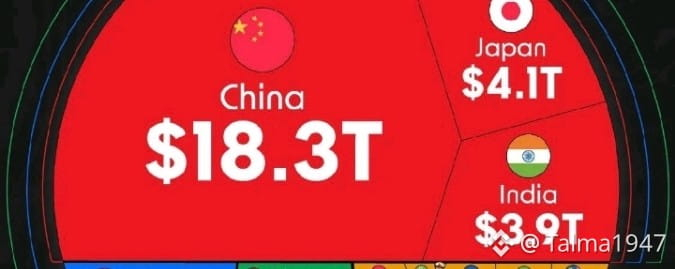
DIE WIRTSCHAFT ASIENS UND DER MARKTDie Wirtschaft Asiens beträgt jetzt ungefähr $40 Billionen BIP im Jahr 2024 und macht es zur größten regionalen Wirtschaft auf dem Planeten. Das sind etwa 40% des globalen BIP und treibt ∼60% des gesamten globalen Wachstums.
So wirkt sich das Gewicht von $40T tatsächlich auf die Märkte aus:
1. Woher die $40T kommen
- China: ∼$18,3T, 46% des BIP Asiens. Herstellung, Technologie, Exporte, KI, grüne Energie.
- Japan: ∼$4,1T. Stark in Autos, Robotik, fortschrittlicher Technologie.
- Indien: ∼$3,9T und wächst rasant. Prognose, Deutschland bis 2029 als #3 zu überholen.
DIE WIRTSCHAFT ASIENS UND DER MARKT
Die Wirtschaft Asiens beträgt jetzt ungefähr $40 Billionen BIP im Jahr 2024 und macht es zur größten regionalen Wirtschaft auf dem Planeten. Das sind etwa 40% des globalen BIP und treibt ∼60% des gesamten globalen Wachstums.
So wirkt sich das Gewicht von $40T tatsächlich auf die Märkte aus:
1. Woher die $40T kommen
- China: ∼$18,3T, 46% des BIP Asiens. Herstellung, Technologie, Exporte, KI, grüne Energie.
- Japan: ∼$4,1T. Stark in Autos, Robotik, fortschrittlicher Technologie.
- Indien: ∼$3,9T und wächst rasant. Prognose, Deutschland bis 2029 als #3 zu überholen.
So wirkt sich das Gewicht von $40T tatsächlich auf die Märkte aus:
1. Woher die $40T kommen
- China: ∼$18,3T, 46% des BIP Asiens. Herstellung, Technologie, Exporte, KI, grüne Energie.
- Japan: ∼$4,1T. Stark in Autos, Robotik, fortschrittlicher Technologie.
- Indien: ∼$3,9T und wächst rasant. Prognose, Deutschland bis 2029 als #3 zu überholen.
1
210
·
--
Artikel
Krypto vs Aktien vs AnleihenKrypto vs Aktien vs Anleihen kommt auf Risiko, Besitz und was die Renditen antreibt.
Hier ist die Aufschlüsselung:
1. Was du tatsächlich besitzt
- Aktien: Ein Stück eines Unternehmens. Du profitierst, wenn das Unternehmen wächst und wertvoller wird, plus Dividenden, wenn sie ausgezahlt werden.
- Anleihen: Ein IOU von einer Regierung oder Firma. Du leihst Geld und bekommst feste Zinsen + Kapital am Fälligkeitstag zurück.
- Krypto: Ein digitales Token auf einer Blockchain. Der Wert kommt von der Nutzung des Netzwerks, Spekulation und Angebot/Nachfrage. Kein Cashflow, es sei denn, du stake oder yield farmst es.
Krypto vs Aktien vs Anleihen
Krypto vs Aktien vs Anleihen kommt auf Risiko, Besitz und was die Renditen antreibt.
Hier ist die Aufschlüsselung:
1. Was du tatsächlich besitzt
- Aktien: Ein Stück eines Unternehmens. Du profitierst, wenn das Unternehmen wächst und wertvoller wird, plus Dividenden, wenn sie ausgezahlt werden.
- Anleihen: Ein IOU von einer Regierung oder Firma. Du leihst Geld und bekommst feste Zinsen + Kapital am Fälligkeitstag zurück.
- Krypto: Ein digitales Token auf einer Blockchain. Der Wert kommt von der Nutzung des Netzwerks, Spekulation und Angebot/Nachfrage. Kein Cashflow, es sei denn, du stake oder yield farmst es.
Hier ist die Aufschlüsselung:
1. Was du tatsächlich besitzt
- Aktien: Ein Stück eines Unternehmens. Du profitierst, wenn das Unternehmen wächst und wertvoller wird, plus Dividenden, wenn sie ausgezahlt werden.
- Anleihen: Ein IOU von einer Regierung oder Firma. Du leihst Geld und bekommst feste Zinsen + Kapital am Fälligkeitstag zurück.
- Krypto: Ein digitales Token auf einer Blockchain. Der Wert kommt von der Nutzung des Netzwerks, Spekulation und Angebot/Nachfrage. Kein Cashflow, es sei denn, du stake oder yield farmst es.
1
98
Anmelden und weiter Inhalte entdecken
Krypto-Nutzer weltweit auf Binance Square kennenlernen
⚡️ Bleib in Sachen Krypto stets am Puls.
💬 Die weltgrößte Kryptobörse vertraut darauf.
👍 Erhalte verlässliche Einblicke von verifizierten Creators.
E-Mail-Adresse/Telefonnummer
Trendthemen
BitcoinReboundsTo$79K
7,260 Aufrufe
83 Kommentare
🚨 $BTC steigt weiter.
Bitcoin handelt bei etwa 78.804 $ und liegt damit ungefähr 1,9 % im Plus, nachdem die Marke von 78K zurückerobert wurde. Die nächste zu beobachtende Zone ist das Tageshoch im Intraday-Bereich nahe 78.905 $.
Ein klarer Ausbruch über diese Marke könnte den Weg in Richtung 79K–80K ebnen. Wenn BTC abgewiesen wird, liegt der Support bei etwa 78.300 $ und danach bei 77.975 $.
Die Bullen haben Momentum, aber BTC muss über 78K bleiben.
#Bitcoin #BTC #CryptoTrading #CryptoMarket #CryptoAnalysis
PulseON
·8 Likes
·7.9k Aufrufe
GrayscalePutsXRPAt26.11%InAdvisorPortfolio
0 Aufrufe
3 Kommentare
PhiladelphiaSemiconductorIndexFalls5.9%
0 Aufrufe
2 Kommentare