
Hanan Goraya
141 Beiträge

Hanan Goraya
Trade eröffnen
19 Tage
7 Following
1 Follower
0 Like gegeben
Beiträge
Portfolio
Übersetzung ansehen
⚛️ The Quantum Question Is Coming to Blockchain
Blockchain security is designed around cryptography—but technology doesn't stand still.
Ethereum is now discussing a path toward a quantum-safe Layer 1, with a longer-term goal of preparing the network for potential advances in quantum computing. �
The Block
Why is this important?
Because preparing for future threats is very different from waiting until those threats become immediate.
🔐 Stronger cryptography
🛡️ Future-proof infrastructure
⛓️ More resilient networks
⚙️ Long-term blockchain security
Quantum computing may still be developing, but blockchain networks are designed to operate for decades.
Preparing early could be one of the most important security decisions of the next era.
💬 Do you think quantum resistance should already be a priority for major blockchains?
#Ethereum #QuantumComputing #Blockchain #CryptoSecurity #Web3
Blockchain security is designed around cryptography—but technology doesn't stand still.
Ethereum is now discussing a path toward a quantum-safe Layer 1, with a longer-term goal of preparing the network for potential advances in quantum computing. �
The Block
Why is this important?
Because preparing for future threats is very different from waiting until those threats become immediate.
🔐 Stronger cryptography
🛡️ Future-proof infrastructure
⛓️ More resilient networks
⚙️ Long-term blockchain security
Quantum computing may still be developing, but blockchain networks are designed to operate for decades.
Preparing early could be one of the most important security decisions of the next era.
💬 Do you think quantum resistance should already be a priority for major blockchains?
#Ethereum #QuantumComputing #Blockchain #CryptoSecurity #Web3
Übersetzung ansehen
🛡️ Crypto Security Is Becoming a Bigger Story Than Price
A major recent security incident involving the Liquid Network reportedly resulted in roughly 4,000 BTC leaving a federation wallet, highlighting how important infrastructure security remains for the crypto industry. �
CoinStats +1
This is a reminder that crypto innovation isn't only about:
📈 Faster networks
💰 New tokens
🤖 AI
🌐 New applications
It is also about building systems that can withstand sophisticated attacks.
As the industry grows, security has to evolve alongside it.
The future of crypto won't be measured only by how much value it can move—but by how safely it can move that value.
💬 What deserves more attention in crypto: Innovation or security?
#CryptoSecurity #Blockchain #Bitcoin #Web3 #CyberSecurity #Crypto
A major recent security incident involving the Liquid Network reportedly resulted in roughly 4,000 BTC leaving a federation wallet, highlighting how important infrastructure security remains for the crypto industry. �
CoinStats +1
This is a reminder that crypto innovation isn't only about:
📈 Faster networks
💰 New tokens
🤖 AI
🌐 New applications
It is also about building systems that can withstand sophisticated attacks.
As the industry grows, security has to evolve alongside it.
The future of crypto won't be measured only by how much value it can move—but by how safely it can move that value.
💬 What deserves more attention in crypto: Innovation or security?
#CryptoSecurity #Blockchain #Bitcoin #Web3 #CyberSecurity #Crypto
Übersetzung ansehen
⛽ Ethereum Is Changing the Gas-Fee Experience
One of Ethereum's biggest user-experience challenges has always been understanding and managing gas fees.
Now Ethereum is working toward allowing users to pay gas fees without necessarily holding ETH themselves, which could make interacting with blockchain applications simpler for newcomers. �
CoinDesk
Think about the difference:
Today, a beginner may ask:
“Why do I need ETH just to use another application?”
Better user experience could make blockchain applications feel much more like normal digital apps.
🌐 Easier onboarding
⚙️ Better UX
💳 Simpler transactions
🚀 More accessible Web3
Technology doesn't become mainstream only by becoming powerful.
It becomes mainstream when it becomes easier to use.
💬 What is the biggest barrier keeping beginners away from Web3: Complexity, fees, or security?
#Ethereum #ETH #Web3 #Blockchain #CryptoEducation
One of Ethereum's biggest user-experience challenges has always been understanding and managing gas fees.
Now Ethereum is working toward allowing users to pay gas fees without necessarily holding ETH themselves, which could make interacting with blockchain applications simpler for newcomers. �
CoinDesk
Think about the difference:
Today, a beginner may ask:
“Why do I need ETH just to use another application?”
Better user experience could make blockchain applications feel much more like normal digital apps.
🌐 Easier onboarding
⚙️ Better UX
💳 Simpler transactions
🚀 More accessible Web3
Technology doesn't become mainstream only by becoming powerful.
It becomes mainstream when it becomes easier to use.
💬 What is the biggest barrier keeping beginners away from Web3: Complexity, fees, or security?
#Ethereum #ETH #Web3 #Blockchain #CryptoEducation
Übersetzung ansehen
💡 The Next Crypto Growth Story May Be Infrastructure
One interesting signal from this week's crypto ecosystem is the amount of activity happening behind the scenes.
Between September 7–13, reported crypto funding activity included projects across DeFi, infrastructure, DePIN, AI, gaming, PayFi and other sectors. �
Hotcoin
That tells us something important:
The industry isn't only building new tokens.
It's building the infrastructure underneath the next generation of digital finance.
💻 Infrastructure
💰 PayFi
🌐 DeFi
📡 DePIN
🤖 AI
🛠️ Developer tools
The projects that matter long-term may not always be the ones making the loudest noise today.
Sometimes the most important innovation is happening under the surface.
💬 Which sector do you think will build the strongest crypto infrastructure: DeFi, DePIN, AI, or PayFi?
#Crypto #DeFi #DePIN #PayFi #AI #Blockchain #Web3
One interesting signal from this week's crypto ecosystem is the amount of activity happening behind the scenes.
Between September 7–13, reported crypto funding activity included projects across DeFi, infrastructure, DePIN, AI, gaming, PayFi and other sectors. �
Hotcoin
That tells us something important:
The industry isn't only building new tokens.
It's building the infrastructure underneath the next generation of digital finance.
💻 Infrastructure
💰 PayFi
🌐 DeFi
📡 DePIN
🤖 AI
🛠️ Developer tools
The projects that matter long-term may not always be the ones making the loudest noise today.
Sometimes the most important innovation is happening under the surface.
💬 Which sector do you think will build the strongest crypto infrastructure: DeFi, DePIN, AI, or PayFi?
#Crypto #DeFi #DePIN #PayFi #AI #Blockchain #Web3
Übersetzung ansehen
⚡ Solana Is Preparing for More Complex On-Chain Activity
Solana is moving toward an important infrastructure upgrade that would triple the maximum transaction size, giving applications more room for complex transactions. �
CoinDesk +1
Why does that matter?
Because blockchain adoption isn't only about having more users.
It is also about giving developers enough infrastructure to build more sophisticated applications.
🔗 More transaction capacity
⚙️ More complex application logic
📱 Better room for on-chain applications
🚀 Stronger infrastructure for future growth
The interesting question isn't simply:
“Will SOL go up?”
It's:
“What new applications become possible when blockchain infrastructure becomes more capable?”
💬 What would you like to see built on Solana next?
#Solana #SOL #Blockchain #Web3 #Crypto #CryptoEducation
Solana is moving toward an important infrastructure upgrade that would triple the maximum transaction size, giving applications more room for complex transactions. �
CoinDesk +1
Why does that matter?
Because blockchain adoption isn't only about having more users.
It is also about giving developers enough infrastructure to build more sophisticated applications.
🔗 More transaction capacity
⚙️ More complex application logic
📱 Better room for on-chain applications
🚀 Stronger infrastructure for future growth
The interesting question isn't simply:
“Will SOL go up?”
It's:
“What new applications become possible when blockchain infrastructure becomes more capable?”
💬 What would you like to see built on Solana next?
#Solana #SOL #Blockchain #Web3 #Crypto #CryptoEducation
Übersetzung ansehen
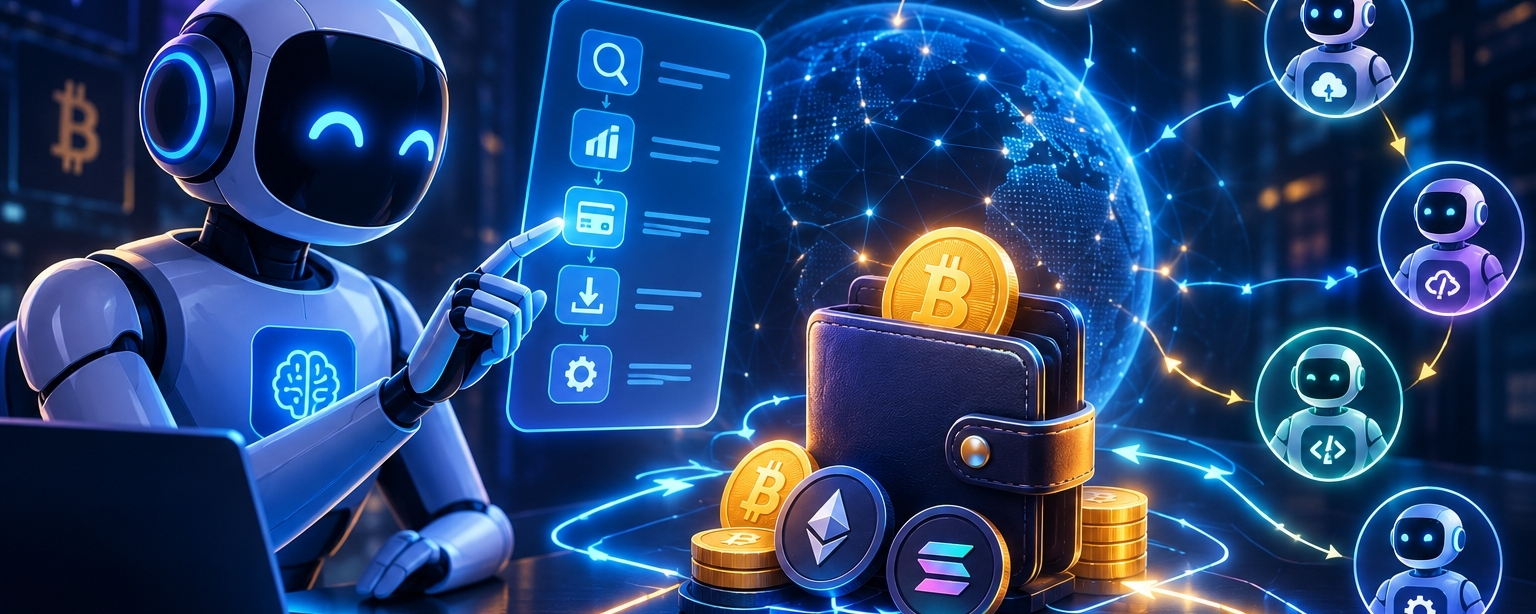
🧠 AI Can Analyze Crypto Data — But Can It Actually Beat the Market?
AI is increasingly being used for crypto research, portfolio analysis, market data and automated decision-making.
But there's an important difference between:
“AI can analyze markets.”
and
“AI can consistently beat markets.”
Recent research reviewing AI applications across financial and crypto markets found meaningful progress in prediction, research and portfolio workflows—but much weaker evidence for persistent, risk-adjusted profits after real-world costs. �
arXiv
That distinction matters.
AI can help process enormous amounts of information.
But markets change.
Signals can stop working.
And historical performance doesn't guarantee future results.
So perhaps the best use of AI isn't asking:
“Tell me what coin will go up.”
It's asking:
“Help me understand the information I might be missing.”
💬 Would you use AI mainly for Crypto Research, Data Analysis, or Portfolio Management?
#AI #Crypto #ArtificialIntelligence #CryptoResearch #Blockchain #TradingEducation
AI is increasingly being used for crypto research, portfolio analysis, market data and automated decision-making.
But there's an important difference between:
“AI can analyze markets.”
and
“AI can consistently beat markets.”
Recent research reviewing AI applications across financial and crypto markets found meaningful progress in prediction, research and portfolio workflows—but much weaker evidence for persistent, risk-adjusted profits after real-world costs. �
arXiv
That distinction matters.
AI can help process enormous amounts of information.
But markets change.
Signals can stop working.
And historical performance doesn't guarantee future results.
So perhaps the best use of AI isn't asking:
“Tell me what coin will go up.”
It's asking:
“Help me understand the information I might be missing.”
💬 Would you use AI mainly for Crypto Research, Data Analysis, or Portfolio Management?
#AI #Crypto #ArtificialIntelligence #CryptoResearch #Blockchain #TradingEducation
Übersetzung ansehen
💻 Crypto Could Become the Payment Layer for Machines
Humans aren't the only ones entering the digital economy.
As AI agents and connected devices become more capable, machines may increasingly need to pay for services, data, computing power, or access automatically.
That creates an interesting possibility:
Machine-to-machine payments.
Imagine:
🤖 AI agent → pays for data
💻 Software → pays for computing
📡 Device → pays for network access
⚙️ Application → pays for an API
Blockchain-based payments could potentially make these tiny automated transactions programmable and verifiable.
The idea is still developing, but it connects three major trends:
AI + Blockchain + Automated Payments
And that could become a fascinating part of Web3's next chapter.
💬 Would you use a system where your AI automatically pays for digital services?
#AI #Crypto #Blockchain #AIAgents #Web3 #DigitalPayments
Humans aren't the only ones entering the digital economy.
As AI agents and connected devices become more capable, machines may increasingly need to pay for services, data, computing power, or access automatically.
That creates an interesting possibility:
Machine-to-machine payments.
Imagine:
🤖 AI agent → pays for data
💻 Software → pays for computing
📡 Device → pays for network access
⚙️ Application → pays for an API
Blockchain-based payments could potentially make these tiny automated transactions programmable and verifiable.
The idea is still developing, but it connects three major trends:
AI + Blockchain + Automated Payments
And that could become a fascinating part of Web3's next chapter.
💬 Would you use a system where your AI automatically pays for digital services?
#AI #Crypto #Blockchain #AIAgents #Web3 #DigitalPayments
Übersetzung ansehen
⚛️ Could Quantum Computing Change Crypto Security?
There's a new question quietly becoming more important in blockchain:
Is today's cryptography ready for tomorrow's computers?
Quantum computing is still developing, but researchers are already studying post-quantum cryptography—security methods designed to withstand future quantum attacks. Recent research is actively exploring quantum-resistant cryptographic systems and hardware. �
arXiv
For blockchain networks, this raises important questions about:
🔐 Digital signatures
🛡️ Wallet security
⛓️ Network infrastructure
🔑 Key management
🚀 Long-term blockchain resilience
This isn't a prediction that crypto is suddenly becoming unsafe.
It's about preparing infrastructure before a potential technological shift becomes urgent.
The best security upgrade is often the one you make before you need it.
💬 Do you think quantum-resistant blockchain technology will become essential in the future?
#Blockchain #QuantumComputing #CryptoSecurity #Web3 #CyberSecurity
There's a new question quietly becoming more important in blockchain:
Is today's cryptography ready for tomorrow's computers?
Quantum computing is still developing, but researchers are already studying post-quantum cryptography—security methods designed to withstand future quantum attacks. Recent research is actively exploring quantum-resistant cryptographic systems and hardware. �
arXiv
For blockchain networks, this raises important questions about:
🔐 Digital signatures
🛡️ Wallet security
⛓️ Network infrastructure
🔑 Key management
🚀 Long-term blockchain resilience
This isn't a prediction that crypto is suddenly becoming unsafe.
It's about preparing infrastructure before a potential technological shift becomes urgent.
The best security upgrade is often the one you make before you need it.
💬 Do you think quantum-resistant blockchain technology will become essential in the future?
#Blockchain #QuantumComputing #CryptoSecurity #Web3 #CyberSecurity
Übersetzung ansehen
🌐 DePIN Could Turn Physical Infrastructure Into a Crypto Economy
What if thousands of people could collectively provide computing power, storage, wireless connectivity or other physical resources—and blockchain helped coordinate the network?
That's the idea behind DePIN: Decentralized Physical Infrastructure Networks.
Instead of infrastructure being controlled entirely by one company, DePIN models can coordinate distributed resources through blockchain-based systems and incentives. �
arXiv +1
Think:
📡 Wireless networks
💻 Computing power
💾 Storage
🔋 Energy infrastructure
🚗 Connected devices
This is where crypto starts moving beyond screens and into the real physical world.
The technology is still developing, but the concept is worth watching.
💬 Which DePIN use case sounds most useful to you: Computing, Storage, Wireless, or Energy?
#DePIN #Crypto #Blockchain #Web3 #Decentralization #FutureTech
What if thousands of people could collectively provide computing power, storage, wireless connectivity or other physical resources—and blockchain helped coordinate the network?
That's the idea behind DePIN: Decentralized Physical Infrastructure Networks.
Instead of infrastructure being controlled entirely by one company, DePIN models can coordinate distributed resources through blockchain-based systems and incentives. �
arXiv +1
Think:
📡 Wireless networks
💻 Computing power
💾 Storage
🔋 Energy infrastructure
🚗 Connected devices
This is where crypto starts moving beyond screens and into the real physical world.
The technology is still developing, but the concept is worth watching.
💬 Which DePIN use case sounds most useful to you: Computing, Storage, Wireless, or Energy?
#DePIN #Crypto #Blockchain #Web3 #Decentralization #FutureTech
Übersetzung ansehen
🤖 What Happens When AI Agents Start Using Crypto?
AI is no longer only about generating answers.
The next interesting step is AI agents interacting with digital systems and making transactions on their own.
Imagine an AI agent that can:
🤖 Choose a service
💲 Make a small payment
🔗 Interact with a blockchain
📊 Verify information
⚙️ Complete a task automatically
This is still an emerging area, and the technology is experimental—but it could create an entirely new relationship between AI, payments and blockchain. �
ethereum.org
The bigger question isn't “Which AI token will pump?”
It's:
“What happens when software becomes an active participant in the digital economy?”
💬 Would you trust an AI agent to make a small crypto payment for you?
#AI #Crypto #Blockchain #AIAgents #Web3 #FutureOfFinance
AI is no longer only about generating answers.
The next interesting step is AI agents interacting with digital systems and making transactions on their own.
Imagine an AI agent that can:
🤖 Choose a service
💲 Make a small payment
🔗 Interact with a blockchain
📊 Verify information
⚙️ Complete a task automatically
This is still an emerging area, and the technology is experimental—but it could create an entirely new relationship between AI, payments and blockchain. �
ethereum.org
The bigger question isn't “Which AI token will pump?”
It's:
“What happens when software becomes an active participant in the digital economy?”
💬 Would you trust an AI agent to make a small crypto payment for you?
#AI #Crypto #Blockchain #AIAgents #Web3 #FutureOfFinance
Übersetzung ansehen
⚖️ Crypto Regulation Could Change the Next Chapter
Crypto is entering a stage where regulation is becoming just as important as technology.
In the U.S., the CLARITY Act is receiving significant attention because of its potential impact on digital-asset market structure and the roles of financial regulators. �
Bitcoin Foundation
Why does regulation matter?
Clearer rules could potentially help:
🏦 Institutions participate
🛡️ Improve consumer protections
🌐 Define market responsibilities
💰 Build financial infrastructure
📈 Increase confidence in the industry
But regulation also needs balance.
Too little clarity can create uncertainty.
Too much complexity can make innovation harder.
The real challenge is creating rules that protect users without unnecessarily blocking useful technology.
Crypto's next major phase may be shaped not only by developers and investors—but also by policymakers.
💬 What matters more for crypto's future: Innovation or clearer regulation?
#CryptoRegulation #Blockchain #Crypto #DigitalAssets #Web3 #FinTech
Crypto is entering a stage where regulation is becoming just as important as technology.
In the U.S., the CLARITY Act is receiving significant attention because of its potential impact on digital-asset market structure and the roles of financial regulators. �
Bitcoin Foundation
Why does regulation matter?
Clearer rules could potentially help:
🏦 Institutions participate
🛡️ Improve consumer protections
🌐 Define market responsibilities
💰 Build financial infrastructure
📈 Increase confidence in the industry
But regulation also needs balance.
Too little clarity can create uncertainty.
Too much complexity can make innovation harder.
The real challenge is creating rules that protect users without unnecessarily blocking useful technology.
Crypto's next major phase may be shaped not only by developers and investors—but also by policymakers.
💬 What matters more for crypto's future: Innovation or clearer regulation?
#CryptoRegulation #Blockchain #Crypto #DigitalAssets #Web3 #FinTech
Übersetzung ansehen
📱 What If Stocks Could Trade Like Crypto?
Traditional stock markets have fixed trading hours.
Blockchain technology is challenging that model.
The London Stock Exchange Group has announced plans involving tokenized UK shares, with a proposed 24-hour trading venue expected to launch in 2027, subject to regulatory approval. �
Reuters
Why is this interesting?
Because tokenization could potentially bring features associated with blockchain into traditional markets:
🕐 Longer trading availability
🔗 Blockchain-based settlement
🌍 Broader digital access
⚡ Faster transfer of assets
This doesn't mean traditional markets will suddenly disappear.
Instead, we may be watching the beginning of a hybrid financial system where traditional assets and blockchain infrastructure increasingly interact.
The future of finance might not be “TradFi vs Crypto.”
It could be TradFi + Blockchain.
💬 Would you prefer traditional stocks or tokenized stocks if both offered similar exposure?
#Tokenization #Stocks #Blockchain #Crypto #FinTech #Web3
Traditional stock markets have fixed trading hours.
Blockchain technology is challenging that model.
The London Stock Exchange Group has announced plans involving tokenized UK shares, with a proposed 24-hour trading venue expected to launch in 2027, subject to regulatory approval. �
Reuters
Why is this interesting?
Because tokenization could potentially bring features associated with blockchain into traditional markets:
🕐 Longer trading availability
🔗 Blockchain-based settlement
🌍 Broader digital access
⚡ Faster transfer of assets
This doesn't mean traditional markets will suddenly disappear.
Instead, we may be watching the beginning of a hybrid financial system where traditional assets and blockchain infrastructure increasingly interact.
The future of finance might not be “TradFi vs Crypto.”
It could be TradFi + Blockchain.
💬 Would you prefer traditional stocks or tokenized stocks if both offered similar exposure?
#Tokenization #Stocks #Blockchain #Crypto #FinTech #Web3
🏦 Real-World Assets gehen On-Chain
Stell dir vor, traditionelle Finanzanlagen werden digital auf einer Blockchain abgebildet.
Das ist die Idee hinter der Tokenisierung von Real-World Assets (RWA).
Der Sektor wächst in Bereichen wie:
🏦 Finanzanlagen
💵 Fonds
🏠 Realer Wert
📜 Wertpapiere
💰 Kreditmärkte
Aktuelle Marktdaten zeigen ein anhaltendes Wachstum tokenisierter Assets, während neue Infrastruktur entwickelt wird, um diese Vermögenswerte leichter auszugeben und zu handeln. �
Chainwire +1
Das Interessante ist nicht einfach, ein Asset „auf eine Blockchain zu bringen“.
Die eigentliche Herausforderung besteht darin, eine Infrastruktur zu schaffen, die Folgendes bietet:
🔐 Sicherheit
📋 Compliance
💧 Liquidität
🌐 Zugänglichkeit
Die Tokenisierung könnte zu einer der wichtigsten Verbindungen zwischen traditionellem Finanzwesen und Web3 werden.
💬 Würdest du einer blockchainbasierten Darstellung einer traditionellen Finanzanlage vertrauen? Warum oder warum nicht?
#RWA #Tokenisierung #Blockchain #Krypto #ZukunftDesFinanzwesens
Stell dir vor, traditionelle Finanzanlagen werden digital auf einer Blockchain abgebildet.
Das ist die Idee hinter der Tokenisierung von Real-World Assets (RWA).
Der Sektor wächst in Bereichen wie:
🏦 Finanzanlagen
💵 Fonds
🏠 Realer Wert
📜 Wertpapiere
💰 Kreditmärkte
Aktuelle Marktdaten zeigen ein anhaltendes Wachstum tokenisierter Assets, während neue Infrastruktur entwickelt wird, um diese Vermögenswerte leichter auszugeben und zu handeln. �
Chainwire +1
Das Interessante ist nicht einfach, ein Asset „auf eine Blockchain zu bringen“.
Die eigentliche Herausforderung besteht darin, eine Infrastruktur zu schaffen, die Folgendes bietet:
🔐 Sicherheit
📋 Compliance
💧 Liquidität
🌐 Zugänglichkeit
Die Tokenisierung könnte zu einer der wichtigsten Verbindungen zwischen traditionellem Finanzwesen und Web3 werden.
💬 Würdest du einer blockchainbasierten Darstellung einer traditionellen Finanzanlage vertrauen? Warum oder warum nicht?
#RWA #Tokenisierung #Blockchain #Krypto #ZukunftDesFinanzwesens
Übersetzung ansehen
💵 Stablecoins Are Becoming Bigger Than Just “Crypto Dollars”
Stablecoins are moving into a much bigger conversation.
They were originally known mainly as a way to keep value close to a fiat currency while staying inside the crypto ecosystem.
Now the discussion is expanding toward:
💵 Digital payments
🌍 Cross-border transactions
🏦 Banking infrastructure
🔗 On-chain settlement
💰 Global financial access
A particularly interesting development: a group of 21 financial institutions has announced plans for a U.S.-dollar stablecoin targeted for 2027. �
Reuters
That raises a bigger question:
Could stablecoins become an important bridge between traditional finance and blockchain?
The technology is developing quickly—but adoption, regulation and security will ultimately determine how far it goes.
💬 Do you see stablecoins mainly as a crypto tool—or as future payment infrastructure?
#Stablecoins #Crypto #Blockchain #FinTech #Web3
Stablecoins are moving into a much bigger conversation.
They were originally known mainly as a way to keep value close to a fiat currency while staying inside the crypto ecosystem.
Now the discussion is expanding toward:
💵 Digital payments
🌍 Cross-border transactions
🏦 Banking infrastructure
🔗 On-chain settlement
💰 Global financial access
A particularly interesting development: a group of 21 financial institutions has announced plans for a U.S.-dollar stablecoin targeted for 2027. �
Reuters
That raises a bigger question:
Could stablecoins become an important bridge between traditional finance and blockchain?
The technology is developing quickly—but adoption, regulation and security will ultimately determine how far it goes.
💬 Do you see stablecoins mainly as a crypto tool—or as future payment infrastructure?
#Stablecoins #Crypto #Blockchain #FinTech #Web3
Übersetzung ansehen
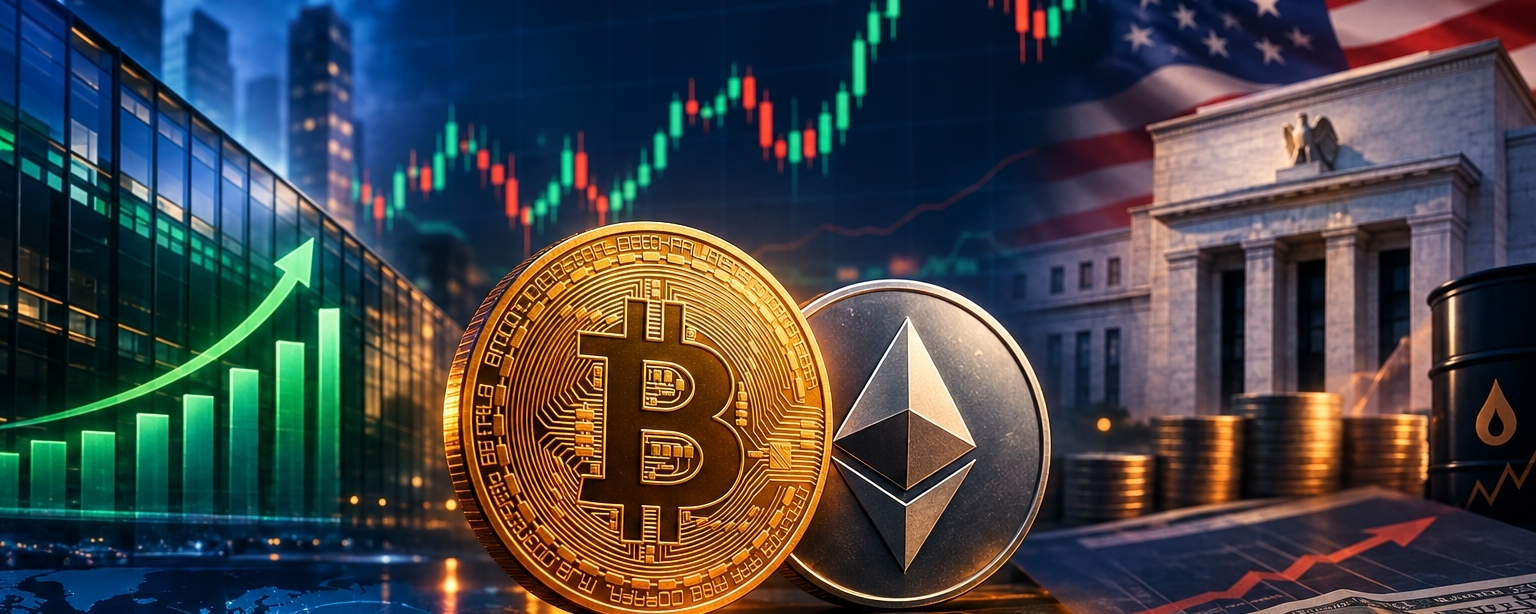
🧠 The Market Is Sending Mixed Signals — And That's Important
Crypto markets don't always give a simple bullish or bearish answer.
Right now, Bitcoin is holding around $80K, ETF demand has improved, but stronger U.S. economic data and rising oil prices are keeping inflation and interest-rate concerns alive. �
KuCoin +1
That's a mixed signal environment.
And mixed markets require patience.
Instead of looking for one headline to confirm your opinion, compare:
📈 Price action
🏦 Capital flows
🌍 Macro conditions
📊 Market activity
🧠 Investor sentiment
When different signals disagree, that's usually a reason to analyze more—not react faster.
The best market question isn't always:
“Bullish or bearish?”
Sometimes it's:
“What information am I missing?”
💬 How would you describe the market right now in one word?
👇 Bullish | Bearish | Uncertain | Accumulation
#CryptoMarket #Bitcoin #CryptoAnalysis #TradingPsychology #CryptoEducation
Crypto markets don't always give a simple bullish or bearish answer.
Right now, Bitcoin is holding around $80K, ETF demand has improved, but stronger U.S. economic data and rising oil prices are keeping inflation and interest-rate concerns alive. �
KuCoin +1
That's a mixed signal environment.
And mixed markets require patience.
Instead of looking for one headline to confirm your opinion, compare:
📈 Price action
🏦 Capital flows
🌍 Macro conditions
📊 Market activity
🧠 Investor sentiment
When different signals disagree, that's usually a reason to analyze more—not react faster.
The best market question isn't always:
“Bullish or bearish?”
Sometimes it's:
“What information am I missing?”
💬 How would you describe the market right now in one word?
👇 Bullish | Bearish | Uncertain | Accumulation
#CryptoMarket #Bitcoin #CryptoAnalysis #TradingPsychology #CryptoEducation
Übersetzung ansehen
⚡ Ethereum Has Its Own Story
While Bitcoin is dominating the headlines, Ethereum deserves attention too.
ETH is trading around the $2,500 area, while spot Ether ETFs recorded roughly $218.4M in net inflows last week. �
KuCoin +1
But Ethereum's story isn't only about price.
Its broader ecosystem includes:
🔗 Smart contracts
🌐 DeFi
⚡ Layer-2 networks
🛠️ Decentralized applications
💰 Tokenized assets
This makes ETH an interesting asset to follow even when the market is heavily focused on Bitcoin.
The important question isn't simply:
“Will ETH pump?”
It's:
“Is activity and demand across the Ethereum ecosystem continuing to grow?”
💬 What interests you more about Ethereum right now: ETH itself, DeFi, or Layer-2 technology?
#Ethereum #ETH #DeFi #Web3 #Blockchain #CryptoEducation
While Bitcoin is dominating the headlines, Ethereum deserves attention too.
ETH is trading around the $2,500 area, while spot Ether ETFs recorded roughly $218.4M in net inflows last week. �
KuCoin +1
But Ethereum's story isn't only about price.
Its broader ecosystem includes:
🔗 Smart contracts
🌐 DeFi
⚡ Layer-2 networks
🛠️ Decentralized applications
💰 Tokenized assets
This makes ETH an interesting asset to follow even when the market is heavily focused on Bitcoin.
The important question isn't simply:
“Will ETH pump?”
It's:
“Is activity and demand across the Ethereum ecosystem continuing to grow?”
💬 What interests you more about Ethereum right now: ETH itself, DeFi, or Layer-2 technology?
#Ethereum #ETH #DeFi #Web3 #Blockchain #CryptoEducation
Übersetzung ansehen
🌍 Crypto Is Watching Inflation Again
The crypto market isn't only watching crypto news.
It's watching inflation.
With stronger-than-expected U.S. employment data increasing attention on Federal Reserve policy, upcoming inflation figures have become an important focus for investors. �
KuCoin +1
Why does this matter?
Because inflation can influence expectations about interest rates—and interest-rate expectations can affect risk assets, including crypto.
So the market conversation is shifting from:
“Will Bitcoin go up?”
to:
“What economic information could change investor expectations?”
That is a much bigger question.
🌍 Inflation
💵 Rates
📊 Liquidity
₿ Bitcoin
🧠 Sentiment
Crypto doesn't move in isolation.
💬 Which macro factor do you watch most closely: Inflation, Interest Rates, or the Dollar?
#Crypto #Bitcoin #Inflation #FederalReserve #Macro #MarketAnalysis
The crypto market isn't only watching crypto news.
It's watching inflation.
With stronger-than-expected U.S. employment data increasing attention on Federal Reserve policy, upcoming inflation figures have become an important focus for investors. �
KuCoin +1
Why does this matter?
Because inflation can influence expectations about interest rates—and interest-rate expectations can affect risk assets, including crypto.
So the market conversation is shifting from:
“Will Bitcoin go up?”
to:
“What economic information could change investor expectations?”
That is a much bigger question.
🌍 Inflation
💵 Rates
📊 Liquidity
₿ Bitcoin
🧠 Sentiment
Crypto doesn't move in isolation.
💬 Which macro factor do you watch most closely: Inflation, Interest Rates, or the Dollar?
#Crypto #Bitcoin #Inflation #FederalReserve #Macro #MarketAnalysis
Anmelden und weiter Inhalte entdecken