
Mfkmalik
4.6k Beiträge

Mfkmalik
Crypto enthusiast | Trader | Blockchain believer|Passionate about decentralized finance and cryptocurrency|Learning and growing in the crypto space.
Trade eröffnen

BABY Halter
Regelmäßiger Trader
4.3 Jahre
101 Following
10.4K+ Follower
36.7K+ Like gegeben
Beiträge
Portfolio
Alle
Zitierungen
Live
PINNED
Guten Morgen 🌞
🚀 Neue Woche, neue Möglichkeiten im Kryptobereich! 📈
Während eine frische Handelswoche beginnt, ist es an der Zeit, die Strategien neu auszurichten, wichtige Levels zu überprüfen und mögliche Marktkatalysatoren zu planen.
Wochenaktionsplan:
Makro & News: Behalte die anstehenden Veröffentlichungen wichtiger Wirtschaftsdaten, Kommentare der Zentralbanken und wichtige Branchenankündigungen genau im Blick.
Technische Levels: Beobachte die wichtigen Unterstützungs- und Widerstandsbereiche für große Assets wie $BTC und $ETH , bevor du neue Positionen eingehst.
Risikomanagement: Lege immer deine Stop-Losses fest und passe die Positionsgrößen an die aktuelle Volatilität an.
Welche Assets stehen diese Woche auf deiner Watchlist? Teile deine Trading-Ideen und Analysen unten! 👇@大丽7613 $SKR
#Mfkmalik #BİNANCE #Squarefam #GoldFalls3.24%ThisWeek
🚀 Neue Woche, neue Möglichkeiten im Kryptobereich! 📈
Während eine frische Handelswoche beginnt, ist es an der Zeit, die Strategien neu auszurichten, wichtige Levels zu überprüfen und mögliche Marktkatalysatoren zu planen.
Wochenaktionsplan:
Makro & News: Behalte die anstehenden Veröffentlichungen wichtiger Wirtschaftsdaten, Kommentare der Zentralbanken und wichtige Branchenankündigungen genau im Blick.
Technische Levels: Beobachte die wichtigen Unterstützungs- und Widerstandsbereiche für große Assets wie $BTC und $ETH , bevor du neue Positionen eingehst.
Risikomanagement: Lege immer deine Stop-Losses fest und passe die Positionsgrößen an die aktuelle Volatilität an.
Welche Assets stehen diese Woche auf deiner Watchlist? Teile deine Trading-Ideen und Analysen unten! 👇@大丽7613 $SKR
#Mfkmalik #BİNANCE #Squarefam #GoldFalls3.24%ThisWeek
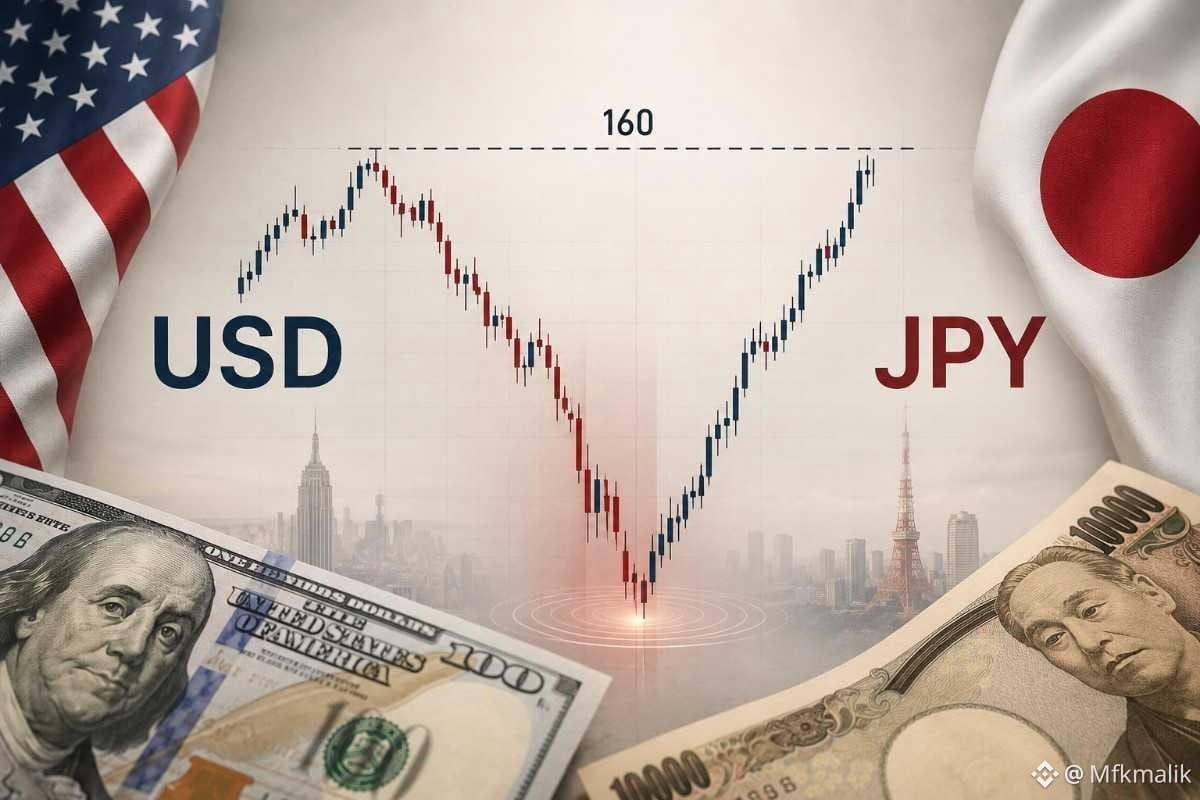
🚨 USD/JPY bricht 160: Was das für Krypto & Märkte bedeutet 🚨
Der Japanische Yen hat die psychologisch wichtige Marke von 160 gegenüber dem US-Dollar durchbrochen und erreicht damit Schwäche auf Mehrdezenniveau.
Deshalb achten Krypto-Trader besonders genau darauf:
Druck der Zentralbank: Ein schwächerer Yen befeuert Spekulationen über mögliche Eingriffe durch das japanische Finanzministerium oder über Zinserhöhungen durch die Bank of Japan (BoJ).
Makro-Volatilität: Starke Ausschläge im FX-Handel schlagen häufig auf globale Risiko-Assets durch – einschließlich Bitcoin ($BTC) und Ethereum ($ETH).
Carry-Trade-Dynamik: Änderungen bei den japanischen Renditen können globale Liquiditätsumschichtungen auslösen und damit die Liquidität in den Märkten über Devisen und Krypto hinweg beeinflussen.
Hedgst du deine Positionen oder suchst du Kaufgelegenheiten bei Makro-Dips? 💬👇
#YenBreaks160AgainstDollar #About67MAmericansHoldCrypto #Mfkmalik
Der Japanische Yen hat die psychologisch wichtige Marke von 160 gegenüber dem US-Dollar durchbrochen und erreicht damit Schwäche auf Mehrdezenniveau.
Deshalb achten Krypto-Trader besonders genau darauf:
Druck der Zentralbank: Ein schwächerer Yen befeuert Spekulationen über mögliche Eingriffe durch das japanische Finanzministerium oder über Zinserhöhungen durch die Bank of Japan (BoJ).
Makro-Volatilität: Starke Ausschläge im FX-Handel schlagen häufig auf globale Risiko-Assets durch – einschließlich Bitcoin ($BTC) und Ethereum ($ETH).
Carry-Trade-Dynamik: Änderungen bei den japanischen Renditen können globale Liquiditätsumschichtungen auslösen und damit die Liquidität in den Märkten über Devisen und Krypto hinweg beeinflussen.
Hedgst du deine Positionen oder suchst du Kaufgelegenheiten bei Makro-Dips? 💬👇
#YenBreaks160AgainstDollar #About67MAmericansHoldCrypto #Mfkmalik
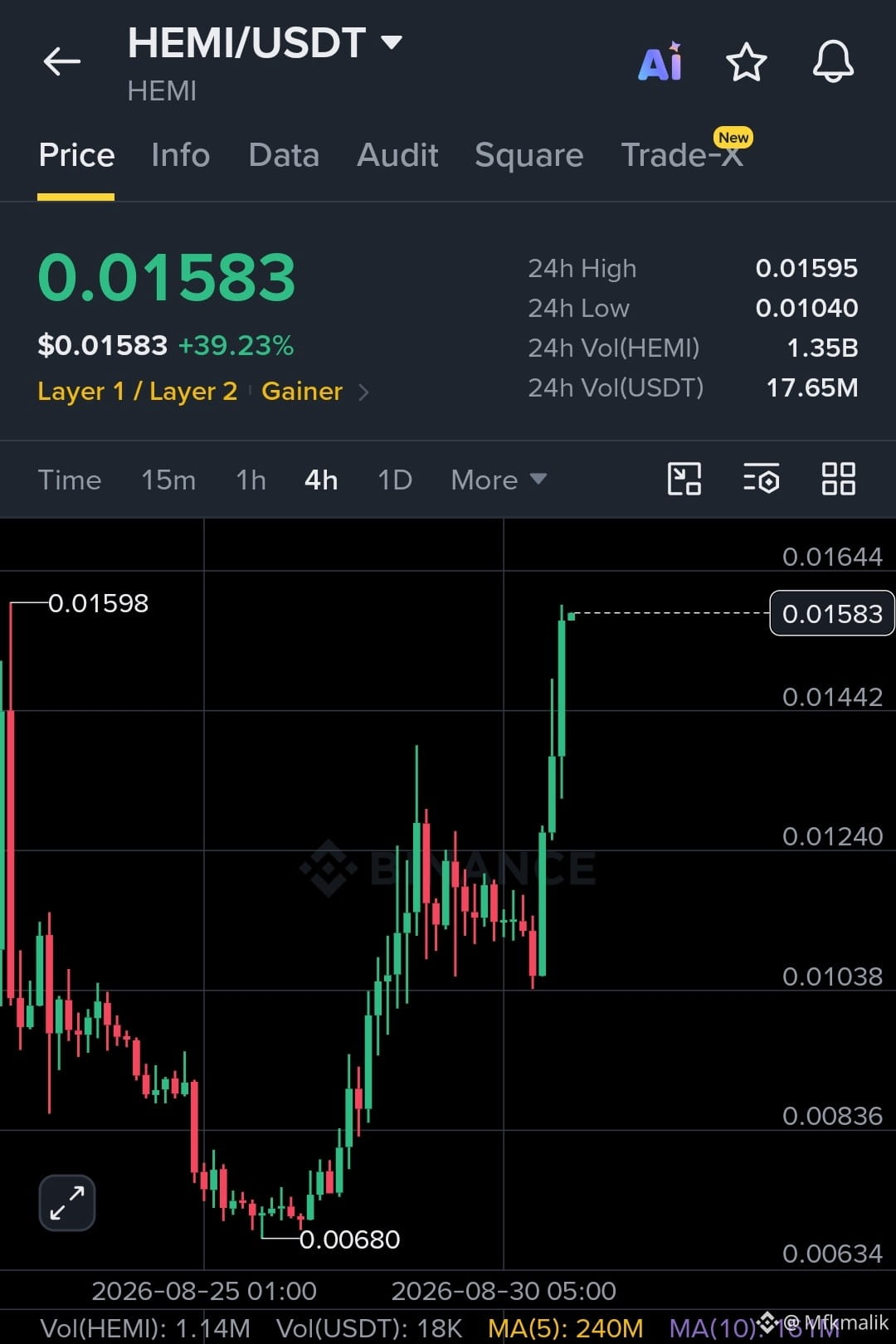
$HEMI Sag Ich Euch Jungs, Kauft Den Dip Und Haltet Für Gute Renditen — Jetzt Seht Genau, Wie Es Erwartet Läuft.
Derzeit Wird Für 0,01583 $ Gehandelt, Plus 39,23 %
$HEMI Schreibt Unten 👇 Wenn Ihr Haltet?
Klick Hier, Um Das Diagramm Zu Sehen $HEMI
#YenBreaks160AgainstDollar #USStrikesIranianRocketLaunchers #About67MAmericansHoldCrypto #HEMI #Mfkmalik
Derzeit Wird Für 0,01583 $ Gehandelt, Plus 39,23 %
$HEMI Schreibt Unten 👇 Wenn Ihr Haltet?
Klick Hier, Um Das Diagramm Zu Sehen $HEMI
#YenBreaks160AgainstDollar #USStrikesIranianRocketLaunchers #About67MAmericansHoldCrypto #HEMI #Mfkmalik
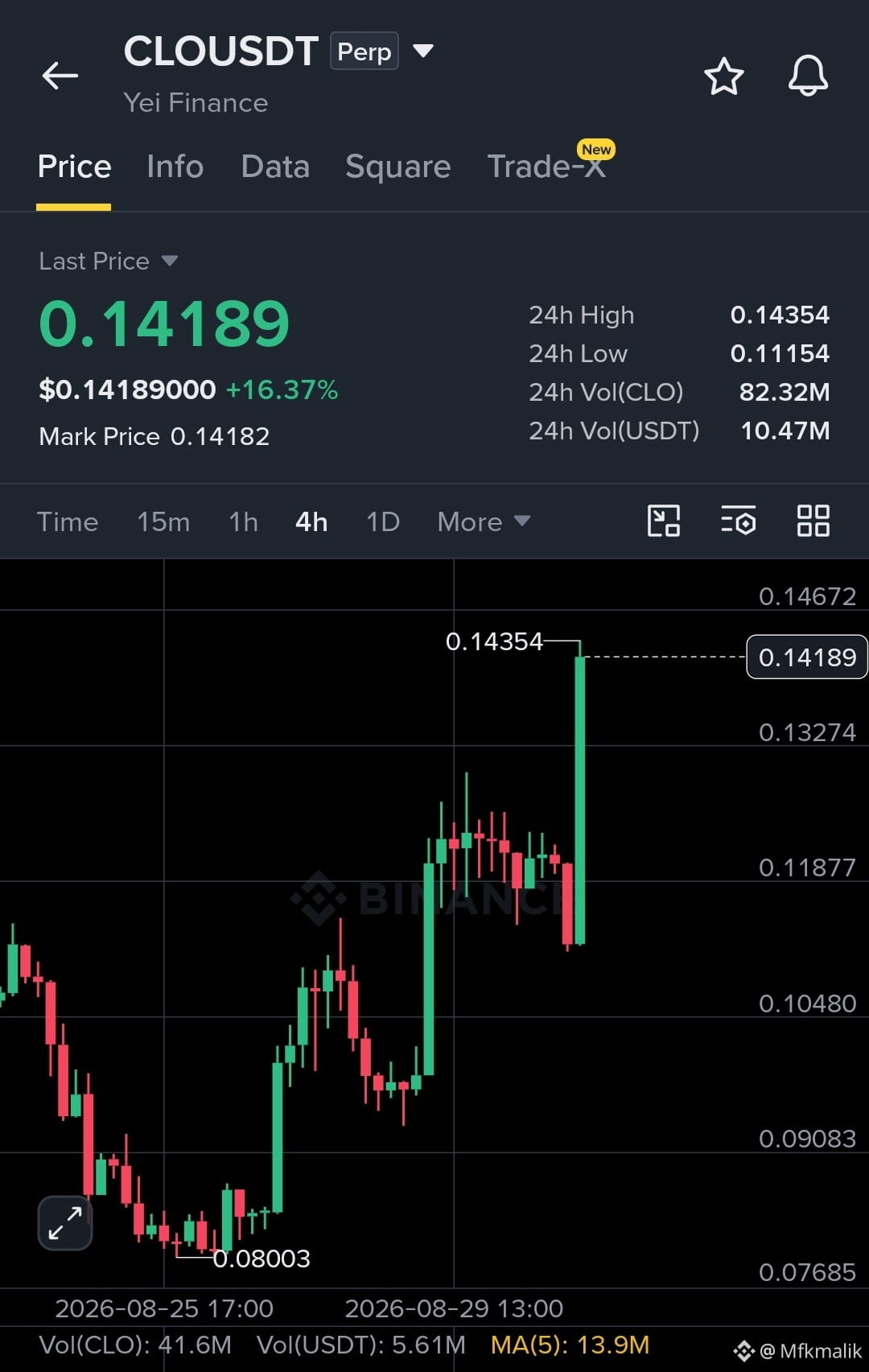
$CLO Setzt seinen bullischen Aufwärtstrend fort. Habt es euch doch gesagt: Kauft und haltet.
Derzeit handelt er bei 0,14189 $ und ist um 16,37 % gestiegen.
$CLO Käufer sind wieder am Steuer und drücken den Preis nach oben. Verpasst es nicht—haltet eure Augen drauf und reitet die Welle 🌊🌊 Zielkurs: 0,1850 $ bis 0,2250 $ oder höher, falls der Momentum weiter anzieht 💪💪
Klickt hier, um das Diagramm zu sehen $CLO
#About67MAmericansHoldCrypto #HormuzStraitFightingReignites #CLO #Bullish #Mfkmalik
Derzeit handelt er bei 0,14189 $ und ist um 16,37 % gestiegen.
$CLO Käufer sind wieder am Steuer und drücken den Preis nach oben. Verpasst es nicht—haltet eure Augen drauf und reitet die Welle 🌊🌊 Zielkurs: 0,1850 $ bis 0,2250 $ oder höher, falls der Momentum weiter anzieht 💪💪
Klickt hier, um das Diagramm zu sehen $CLO
#About67MAmericansHoldCrypto #HormuzStraitFightingReignites #CLO #Bullish #Mfkmalik
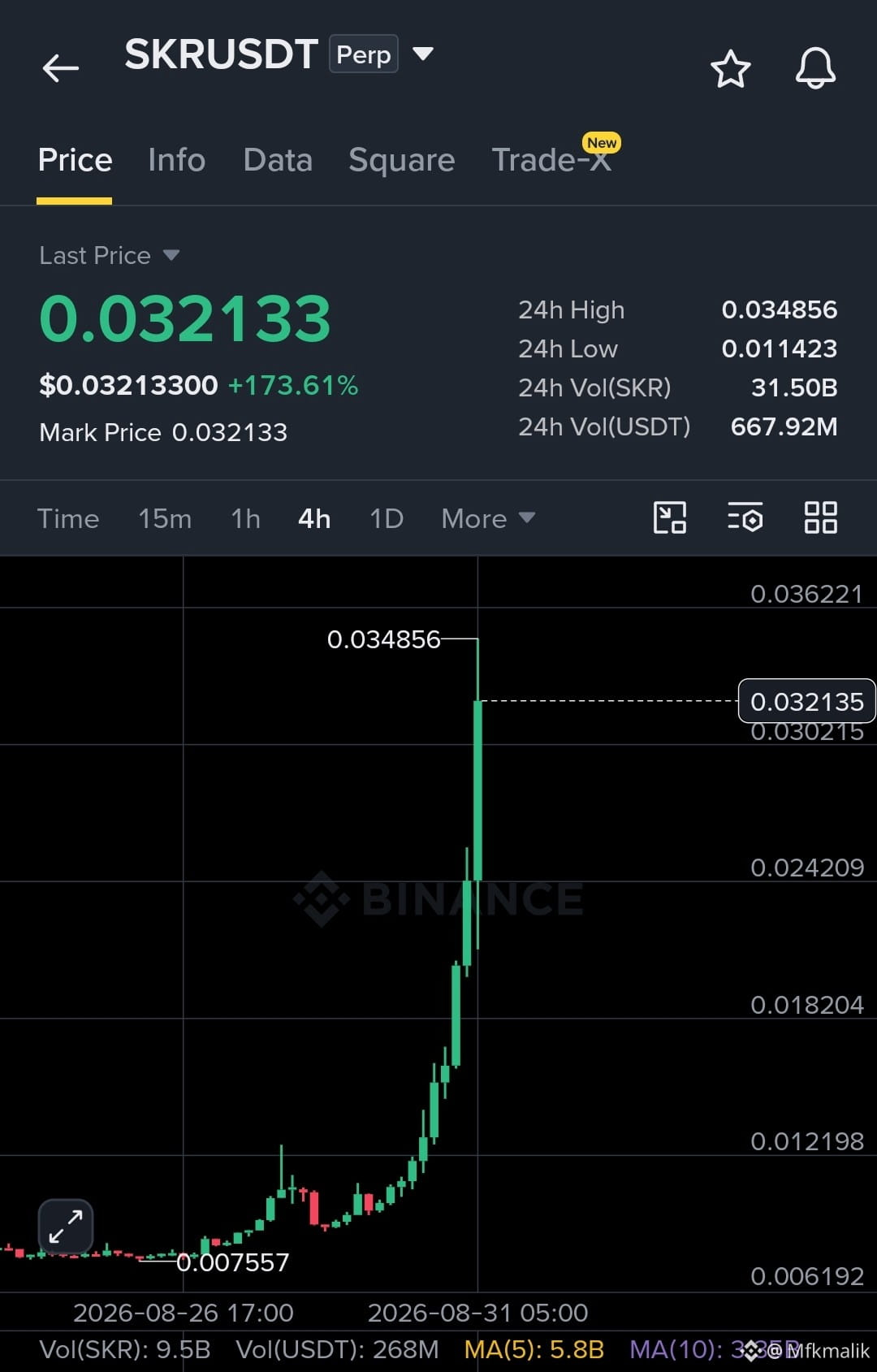
$SKR Nicht Verlangsamend, bullischer Schwung baut sich weiter auf – stärker 💪💪
Derzeit wird für 0,032133 $ gehandelt, ein Plus von 173,61%
$SKR Was für ein explosiver Momentum! Hoffe, ihr verpasst das nicht?
Schreibt unten in die Kommentare 👇 wenn ihr diese Bewegung erwischt.
Klick hier, um das Diagramm zu sehen $SKR
#SKR #USStrikesIranianRocketLaunchers #About67MAmericansHoldCrypto #Bullish #Mfkmalik
Derzeit wird für 0,032133 $ gehandelt, ein Plus von 173,61%
$SKR Was für ein explosiver Momentum! Hoffe, ihr verpasst das nicht?
Schreibt unten in die Kommentare 👇 wenn ihr diese Bewegung erwischt.
Klick hier, um das Diagramm zu sehen $SKR
#SKR #USStrikesIranianRocketLaunchers #About67MAmericansHoldCrypto #Bullish #Mfkmalik
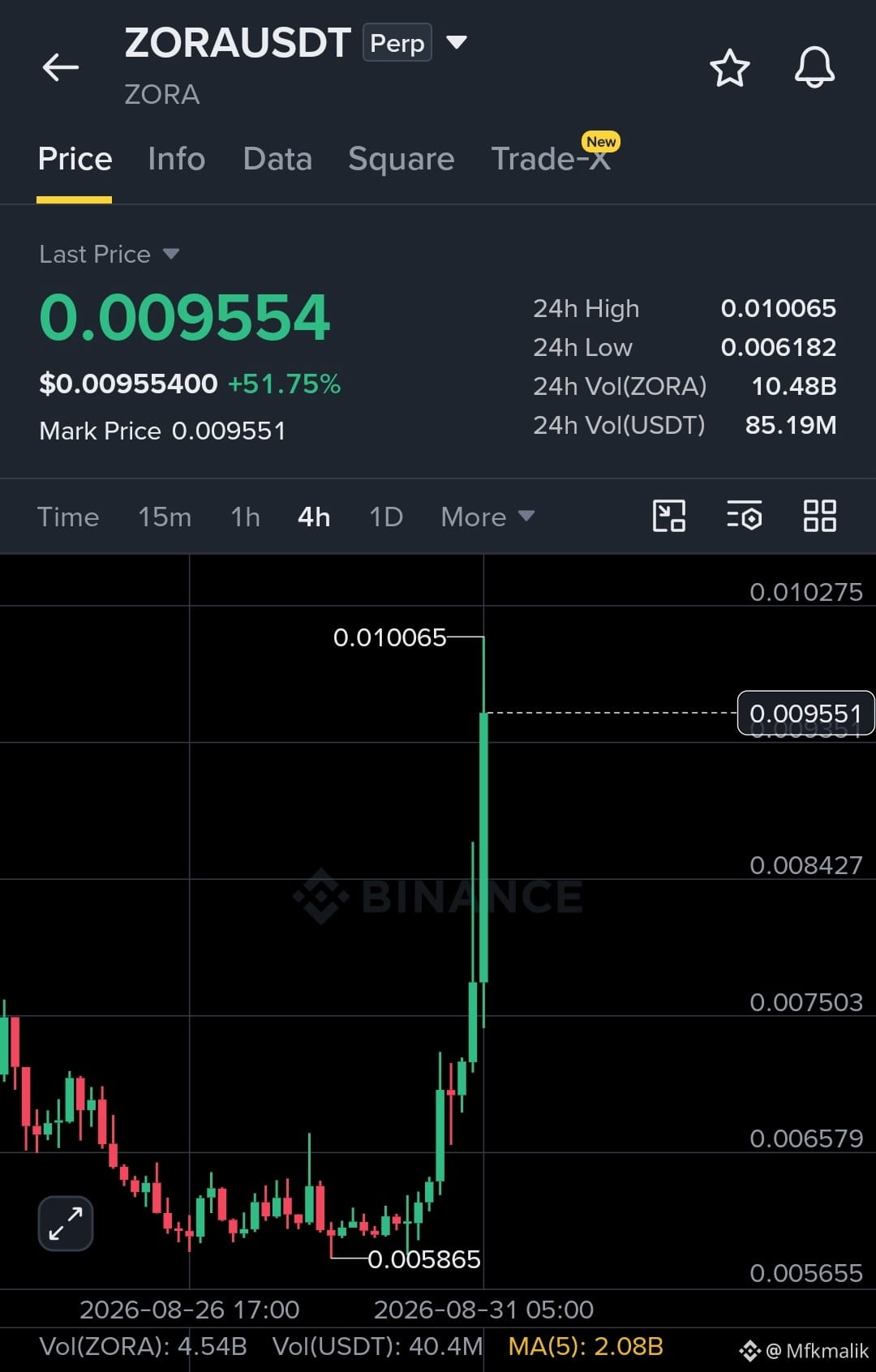
$ZORA Zeige starke bullische Dynamik, die weiter wächst und stärker wird 💪💪
Derzeit bei 0,009554 $ im Handel, ein Plus von 51,75%
$ZORA Käufer sind wieder in der Verantwortung und drücken den Preis nach oben. Verpass es nicht—halt deine Augen darauf und reite die Welle 🌊🌊🌊
Kommentiere unten, wenn du diese Bewegung mitmachst.
Klicke hier, um das Diagramm zu sehen $ZORA
#About67MAmericansHoldCrypto #HormuzStraitFightingReignites #Bullish #ZORA #Mfkmalik
Derzeit bei 0,009554 $ im Handel, ein Plus von 51,75%
$ZORA Käufer sind wieder in der Verantwortung und drücken den Preis nach oben. Verpass es nicht—halt deine Augen darauf und reite die Welle 🌊🌊🌊
Kommentiere unten, wenn du diese Bewegung mitmachst.
Klicke hier, um das Diagramm zu sehen $ZORA
#About67MAmericansHoldCrypto #HormuzStraitFightingReignites #Bullish #ZORA #Mfkmalik
·
--
🎙️ Lass uns über deine Gewinne in der Krypto-Welt sprechen: BNB
Beenden
02 h 20 m 37 s
14.3k
35
$01 Was ist mit dieser Münze—irgendwelche Ideen?
@Binance Square Official Schätzen Sie Ihre Aktion Gegen Sie.


Binance Square Official
·
--
Ankündigung zur Community-Governance von Binance Square (17. Aug – 23. Aug)
Eine sichere und respektvolle Community ist das, was Binance Square zu einem Ort macht, dem man gern angehört.
1. Nutzer auf eine Drittplattform zu verweisen, Spenden anzufordern oder persönliche Kontaktdaten zu teilen – in einem Chatroom, in einem Kommentar oder über ein Wasserzeichen in einem Video – verstößt gegen unsere Regeln. In schwerwiegenden oder wiederholten Fällen kann dies dazu führen, dass die Erlaubnis zum Veröffentlichen und Kommentieren entzogen wird.
2. Das gilt auch für Konten, die sich an betrügerischem Verhalten beteiligen oder andere Nutzer schikanieren, belästigen, die Privatsphäre verletzen, beleidigen oder persönlich angreifen. Dadurch werden Menschen und ihre Vermögenswerte gefährdet; in schwerwiegenden Fällen kann es außerdem dazu kommen, dass die Berechtigung zum Veröffentlichen und Kommentieren dauerhaft entzogen wird.
1. Nutzer auf eine Drittplattform zu verweisen, Spenden anzufordern oder persönliche Kontaktdaten zu teilen – in einem Chatroom, in einem Kommentar oder über ein Wasserzeichen in einem Video – verstößt gegen unsere Regeln. In schwerwiegenden oder wiederholten Fällen kann dies dazu führen, dass die Erlaubnis zum Veröffentlichen und Kommentieren entzogen wird.
2. Das gilt auch für Konten, die sich an betrügerischem Verhalten beteiligen oder andere Nutzer schikanieren, belästigen, die Privatsphäre verletzen, beleidigen oder persönlich angreifen. Dadurch werden Menschen und ihre Vermögenswerte gefährdet; in schwerwiegenden Fällen kann es außerdem dazu kommen, dass die Berechtigung zum Veröffentlichen und Kommentieren dauerhaft entzogen wird.
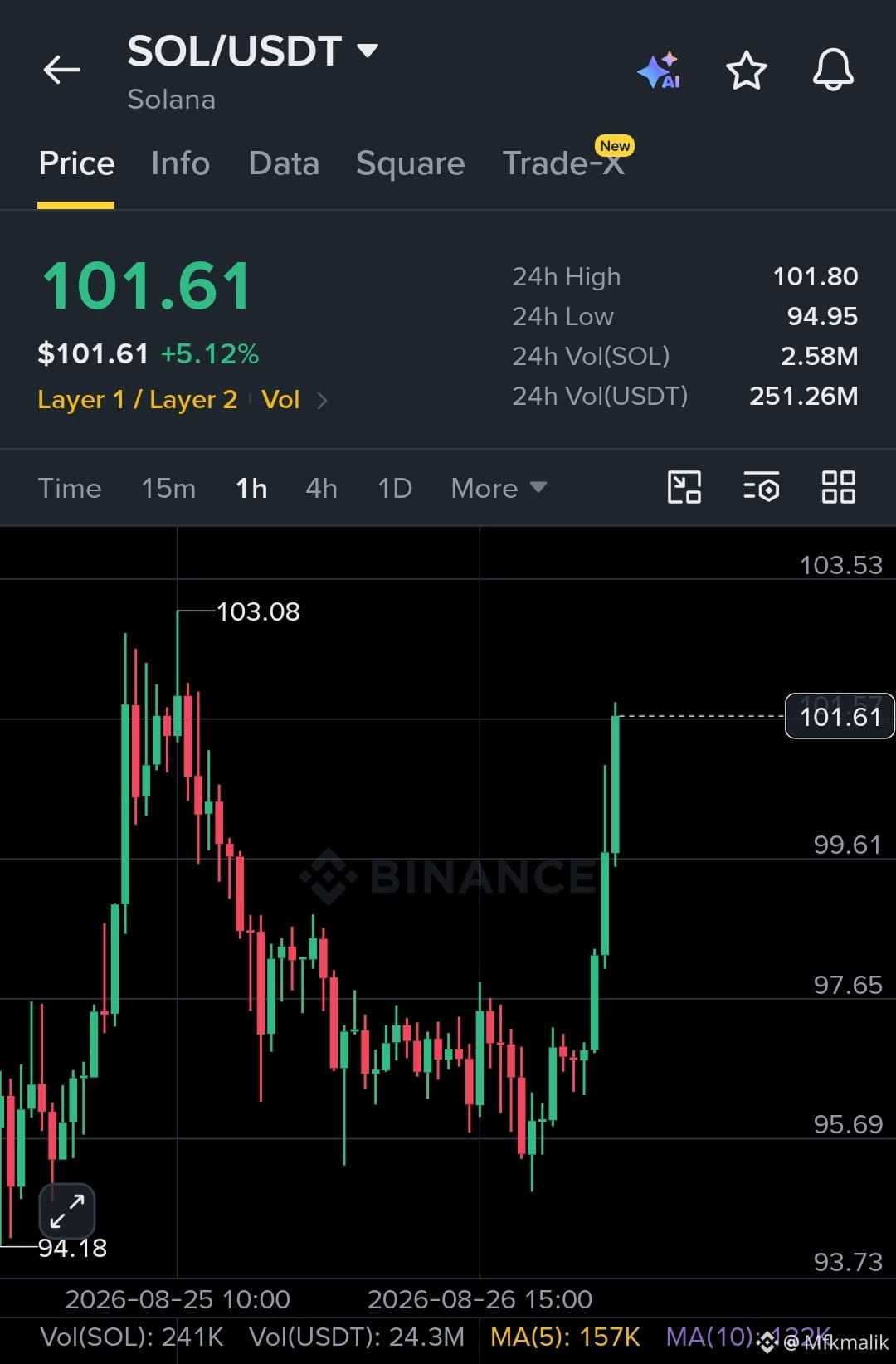
$SOL Zeige Starke Bullische Dynamik Nach Einem Deutlichen Rücksetzer.
Derzeit Bei 101,61 $ Handelnd, Plus 5,12 %
$SOL Die Bullen Sind Wieder Am Ruder Und Drücken Den Kurs Höher — Verpasse Es Nicht! Behalte Es Im Blick Und Reite Die Welle 🌊🌊
Kommentiere Unten 👇 Wenn Du Den Dip Kaufst.
Klicke Hier, Um Das Diagramm Zu Sehen $SOL
#SECSendsCryptoCustodyRuleToWhiteHouse #IranSaysHormuzOmanDealNotFinalized #SOL #Bullish #Mfkmalik
Derzeit Bei 101,61 $ Handelnd, Plus 5,12 %
$SOL Die Bullen Sind Wieder Am Ruder Und Drücken Den Kurs Höher — Verpasse Es Nicht! Behalte Es Im Blick Und Reite Die Welle 🌊🌊
Kommentiere Unten 👇 Wenn Du Den Dip Kaufst.
Klicke Hier, Um Das Diagramm Zu Sehen $SOL
#SECSendsCryptoCustodyRuleToWhiteHouse #IranSaysHormuzOmanDealNotFinalized #SOL #Bullish #Mfkmalik
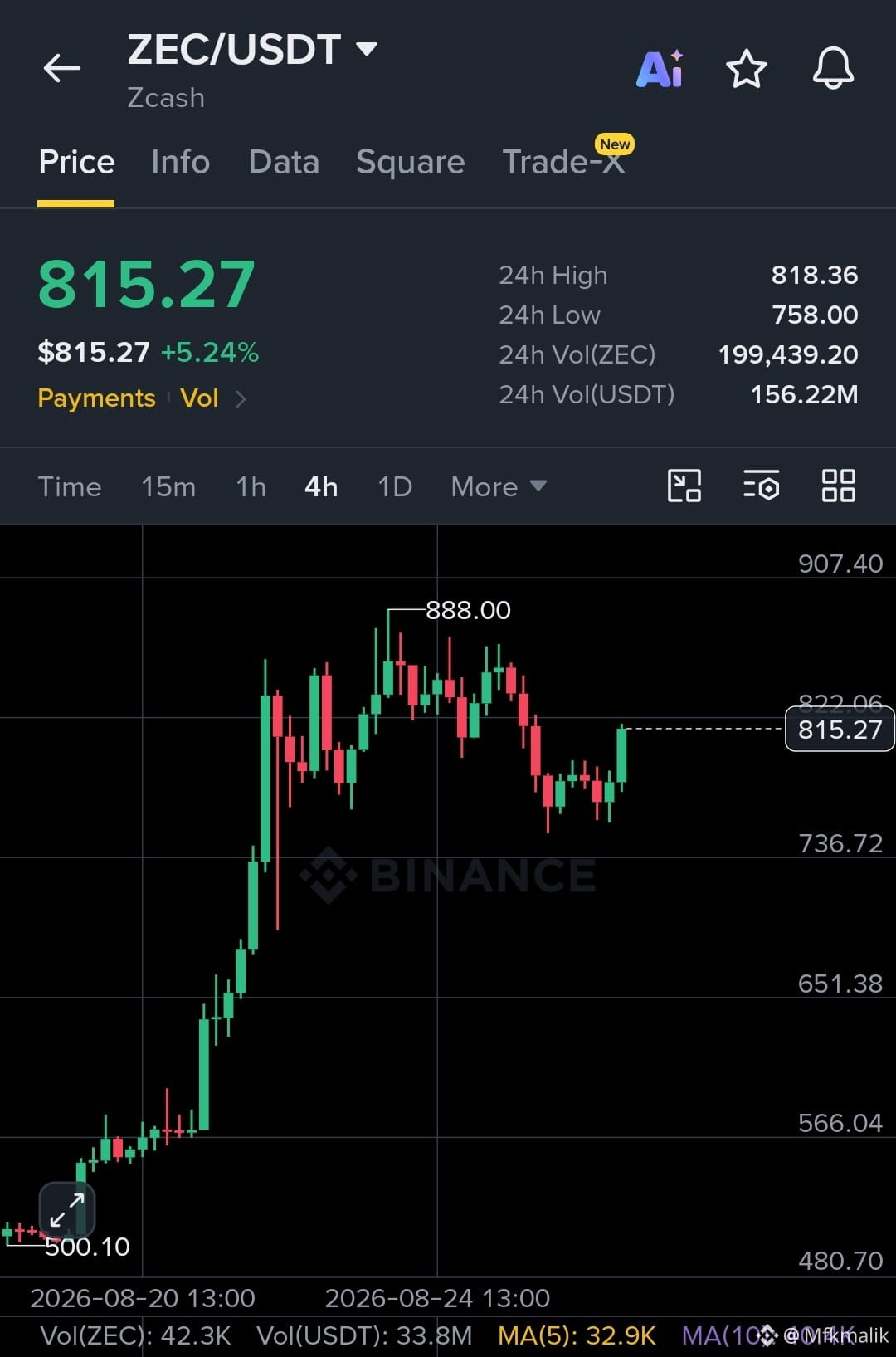
$ZEC I Ich erinnere mich noch an den Preis, als ich euch Jungs meinen ersten Anruf gemacht habe, um zu kaufen, und HOLD für 45 $.
Jetzt seht ihr: Der Preis ist immer noch viel höher.
Dann sagte ich euch Jungs, kauft den Dip nochmal.
Derzeit bei 815,27 $ im Handel, +5,24 %.
$ZEC Bulls haben die Kontrolle und drücken den Preis nach oben. Verpasst es nicht – behaltet es im Blick und reitet die Welle 🌊🌊🌊
Schreibt unten 👇: Zu welchem Preis habt ihr es gekauft?
Klick hier, um das Chart zu sehen $ZEC
#SECSendsCryptoCustodyRuleToWhiteHouse #IranSaysHormuzOmanDealNotFinalized #ZEC #ZCash #Mfkmalik
Jetzt seht ihr: Der Preis ist immer noch viel höher.
Dann sagte ich euch Jungs, kauft den Dip nochmal.
Derzeit bei 815,27 $ im Handel, +5,24 %.
$ZEC Bulls haben die Kontrolle und drücken den Preis nach oben. Verpasst es nicht – behaltet es im Blick und reitet die Welle 🌊🌊🌊
Schreibt unten 👇: Zu welchem Preis habt ihr es gekauft?
Klick hier, um das Chart zu sehen $ZEC
#SECSendsCryptoCustodyRuleToWhiteHouse #IranSaysHormuzOmanDealNotFinalized #ZEC #ZCash #Mfkmalik
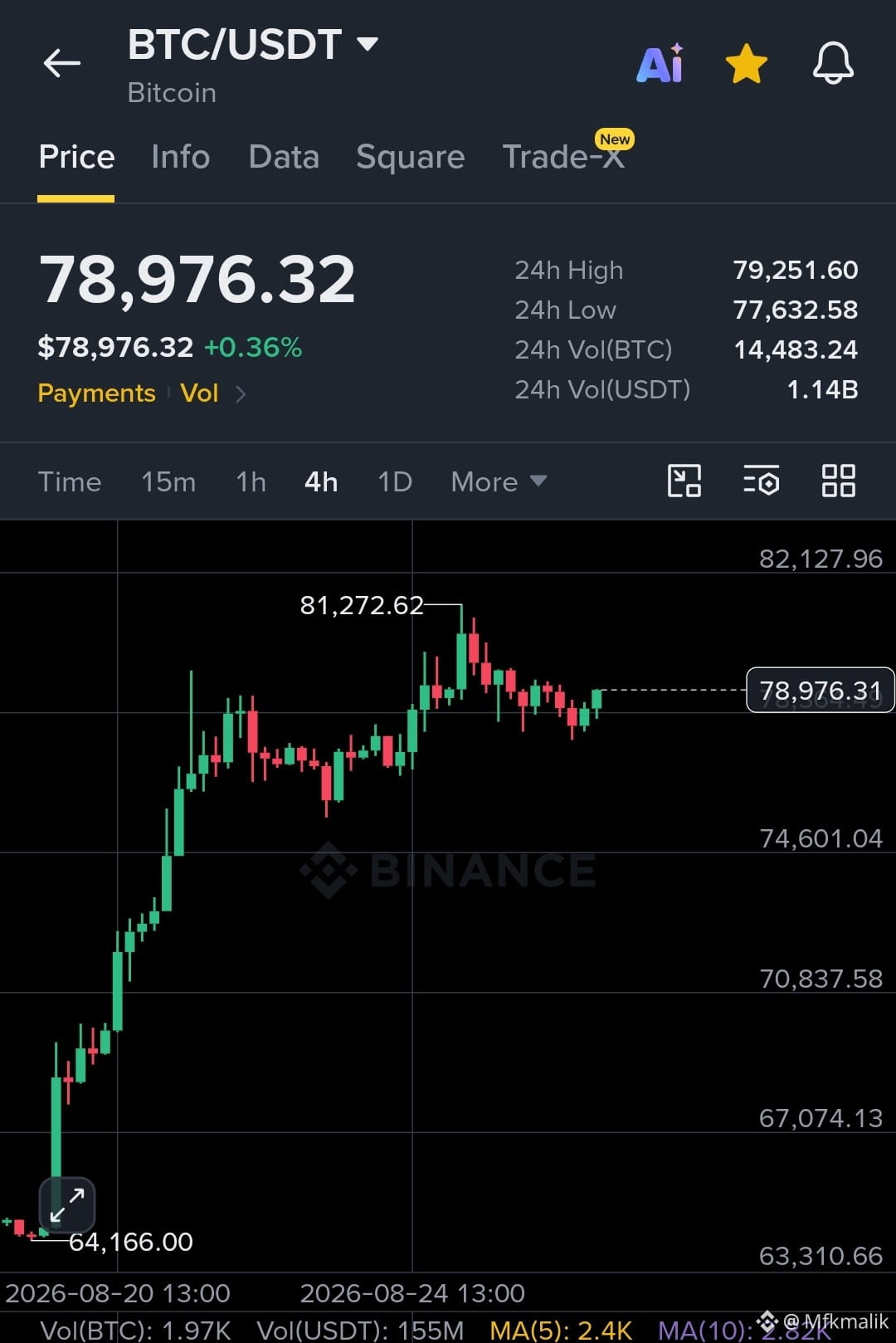
$BTC King 👑👑 ist bereit für den nächsten Schritt oder nicht – teile deine wertvollen Gedanken 💭 in den Kommentaren unten 👇
Derzeit bei 78.976,32 $ im Handel, +0,36 %
$BTC Käufer sind wieder am Steuer und drücken den Preis nach oben – verpass es nicht. Behalte es im Blick und reite die Welle 🌊🌊🌊
Klicke hier, um das Diagramm zu sehen $BTC
#SECSendsCryptoCustodyRuleToWhiteHouse #IranSaysHormuzOmanDealNotFinalized #BTC #Bullish #Mfkmalik
Derzeit bei 78.976,32 $ im Handel, +0,36 %
$BTC Käufer sind wieder am Steuer und drücken den Preis nach oben – verpass es nicht. Behalte es im Blick und reite die Welle 🌊🌊🌊
Klicke hier, um das Diagramm zu sehen $BTC
#SECSendsCryptoCustodyRuleToWhiteHouse #IranSaysHormuzOmanDealNotFinalized #BTC #Bullish #Mfkmalik
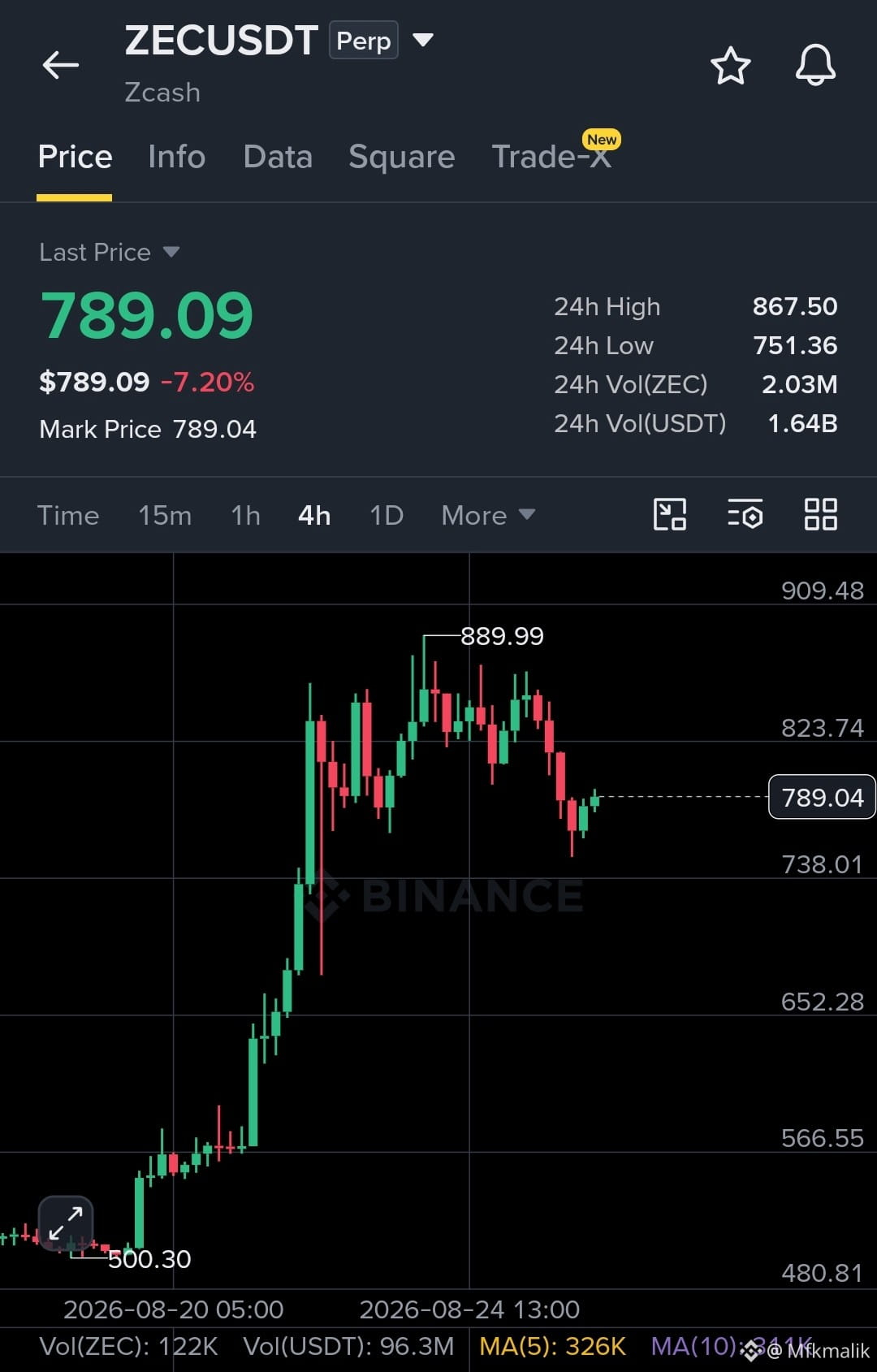
$ZEC Seid ihr Jungs immer noch dabei oder nicht? Kommentiert unten 👇
Sagt auch euer Zielpreis für ZEC?
Derzeit handelt es bei 789,09 $ und ist um -7,20% gefallen
Wird $ZEC in diesem Monat 🎯🎯 die Marke von über 1.000 $ erreichen können? Teilt eure Gedanken 💭 in den Kommentaren unten 👇
Klick hier, um den Chart zu sehen: $ZEC
#USIranReportedlyReachCeasefireConsensus #USTreasuryLaunchesQuantumReadinessWorkingGroup #ZEC #ZCash #Mfkmalik
Sagt auch euer Zielpreis für ZEC?
Derzeit handelt es bei 789,09 $ und ist um -7,20% gefallen
Wird $ZEC in diesem Monat 🎯🎯 die Marke von über 1.000 $ erreichen können? Teilt eure Gedanken 💭 in den Kommentaren unten 👇
Klick hier, um den Chart zu sehen: $ZEC
#USIranReportedlyReachCeasefireConsensus #USTreasuryLaunchesQuantumReadinessWorkingGroup #ZEC #ZCash #Mfkmalik
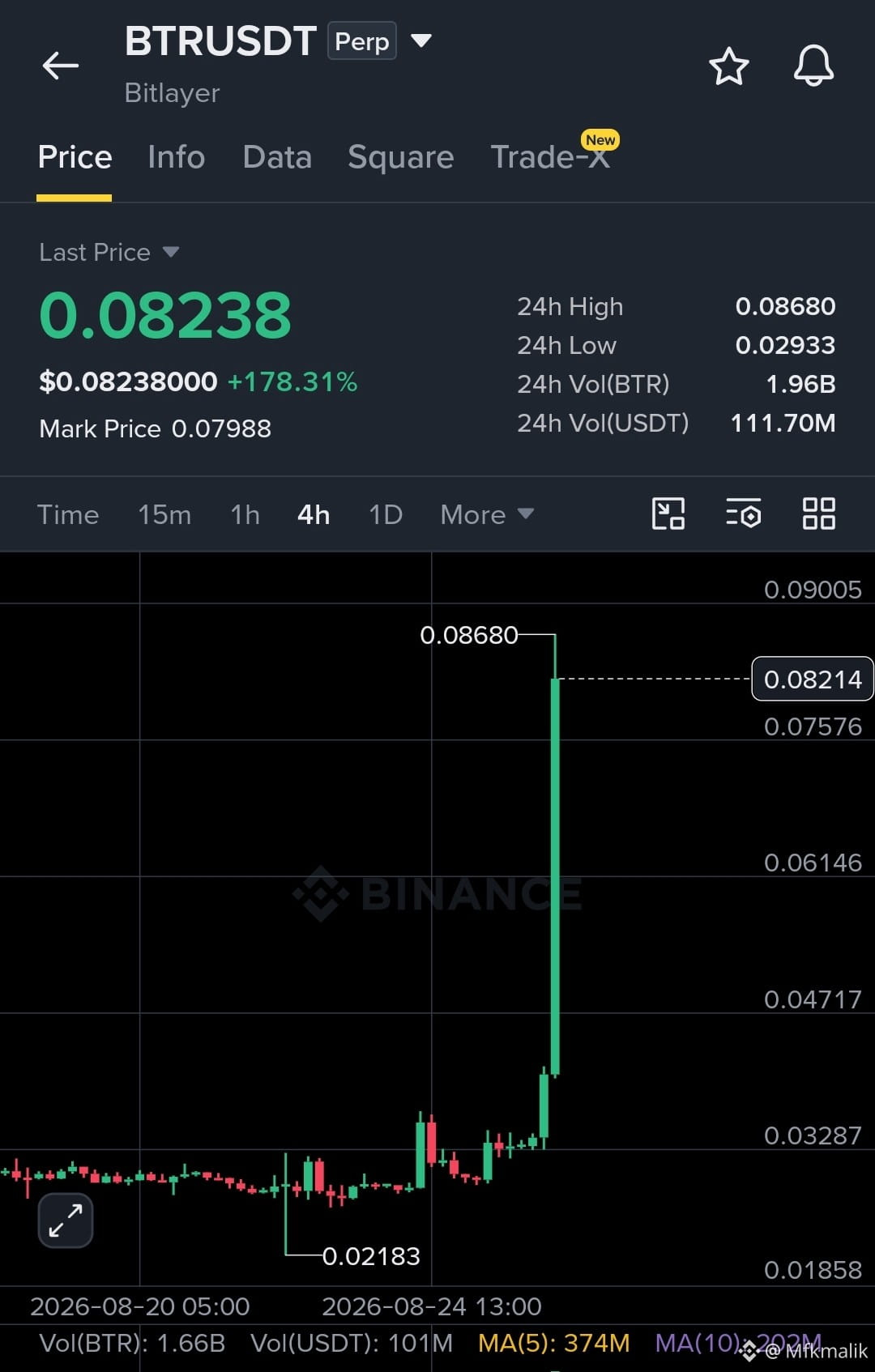
$BTR Was für ein explosiver 🧨 Impuls-Ziel 🎯💯💯 in nur 20 Minuten trifft
Derzeit bei 0,08238 $ im Handel, ein Plus von 178,31%
$BTR Die Bullen haben das Sagen und treiben den Kurs immer weiter nach oben. Schreib unten einen Kommentar 👇 wenn du diese Bewegung erwischst?
Klicke hier, um das Diagramm zu sehen $BTR
#USIranReportedlyReachCeasefireConsensus #USCryptoEquityIndexRises5.04% #BTR #Bullish #Mfkmalik
Derzeit bei 0,08238 $ im Handel, ein Plus von 178,31%
$BTR Die Bullen haben das Sagen und treiben den Kurs immer weiter nach oben. Schreib unten einen Kommentar 👇 wenn du diese Bewegung erwischst?
Klicke hier, um das Diagramm zu sehen $BTR
#USIranReportedlyReachCeasefireConsensus #USCryptoEquityIndexRises5.04% #BTR #Bullish #Mfkmalik
Mfkmalik
·
--
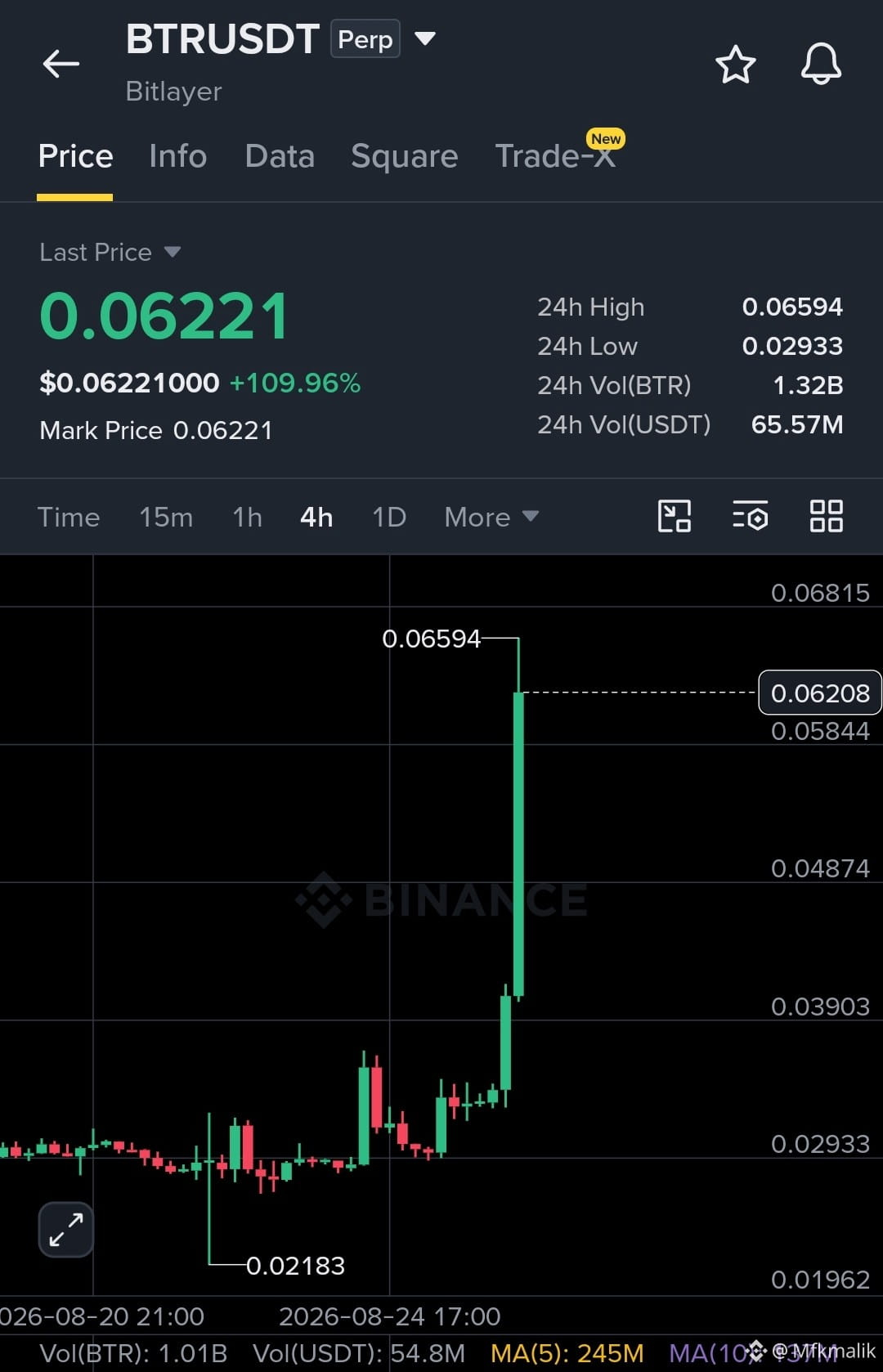
Bullisch$BTR Zeigt Explosiven Bullischen Schwung, der weiter aufbaut und sich stärker entwickelt 💪
Aktuell bei $0.06221 im Handel, um 109,96% gestiegen
$BTR Käufer sind wieder am Steuer und treiben den Preis nach oben. Verpasse es nicht – behalte es im Blick und reite die Welle 🌊🌊🌊 Richtung $0.07550 bis $0.08250
Klicke hier, um das Diagramm zu sehen $BTR
#BTR #USIranReportedlyReachCeasefireConsensus #USCryptoEquityIndexRises5.04% #Bullish #Mfkmalik
Aktuell bei $0.06221 im Handel, um 109,96% gestiegen
$BTR Käufer sind wieder am Steuer und treiben den Preis nach oben. Verpasse es nicht – behalte es im Blick und reite die Welle 🌊🌊🌊 Richtung $0.07550 bis $0.08250
Klicke hier, um das Diagramm zu sehen $BTR
#BTR #USIranReportedlyReachCeasefireConsensus #USCryptoEquityIndexRises5.04% #Bullish #Mfkmalik
$BTR Zeigt Explosiven Bullischen Schwung, der weiter aufbaut und sich stärker entwickelt 💪
Aktuell bei $0.06221 im Handel, um 109,96% gestiegen
$BTR Käufer sind wieder am Steuer und treiben den Preis nach oben. Verpasse es nicht – behalte es im Blick und reite die Welle 🌊🌊🌊 Richtung $0.07550 bis $0.08250
Klicke hier, um das Diagramm zu sehen $BTR
#BTR #USIranReportedlyReachCeasefireConsensus #USCryptoEquityIndexRises5.04% #Bullish #Mfkmalik
Aktuell bei $0.06221 im Handel, um 109,96% gestiegen
$BTR Käufer sind wieder am Steuer und treiben den Preis nach oben. Verpasse es nicht – behalte es im Blick und reite die Welle 🌊🌊🌊 Richtung $0.07550 bis $0.08250
Klicke hier, um das Diagramm zu sehen $BTR
#BTR #USIranReportedlyReachCeasefireConsensus #USCryptoEquityIndexRises5.04% #Bullish #Mfkmalik
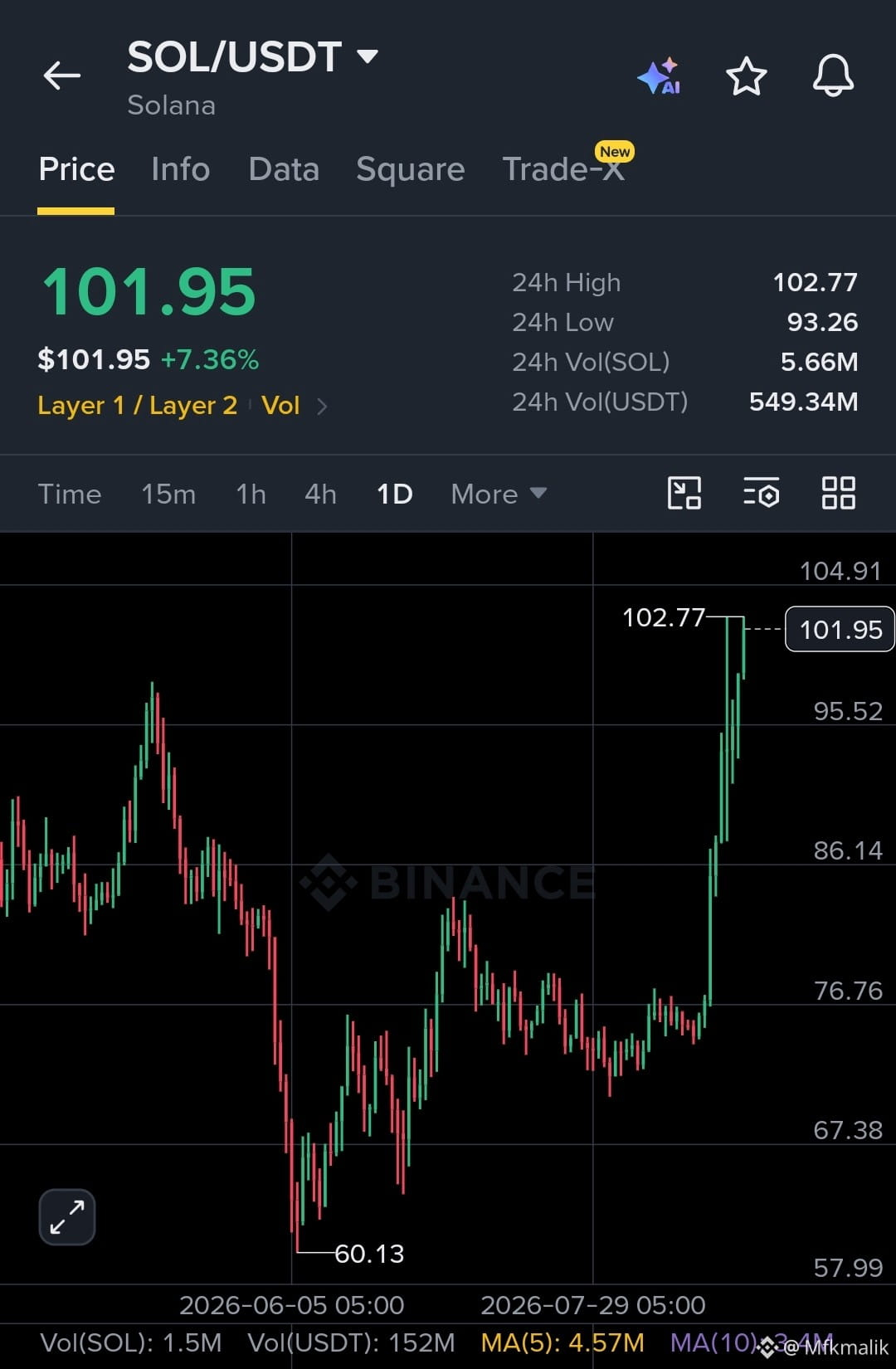
$SOL Vor ein paar Tagen habe ich euch gesagt, dass eine große Veränderung unterwegs ist. Jetzt seht genau, dass es sich so erfüllt, wie ich es euch gesagt habe.
Derzeit handeln wir bei 101,95 $ — ein Plus von 7,36 %
$SOL Die Käufer sind wieder am Steuer und schieben den Preis nach oben. Verpasst das nicht — behaltet es im Blick und reitet die Welle 🌊🌊🌊
Schreibt unten 👇 in die Kommentare, wenn ihr den Dip kauft oder diese Bewegung mitnehmt?
Klick hier, um den Chart zu sehen $SOL
#ZECBreaksKeyResistanceUp75.5% #BitcoinRises23.6%Weekly #SOL #Bullish #Mfkmalik
Derzeit handeln wir bei 101,95 $ — ein Plus von 7,36 %
$SOL Die Käufer sind wieder am Steuer und schieben den Preis nach oben. Verpasst das nicht — behaltet es im Blick und reitet die Welle 🌊🌊🌊
Schreibt unten 👇 in die Kommentare, wenn ihr den Dip kauft oder diese Bewegung mitnehmt?
Klick hier, um den Chart zu sehen $SOL
#ZECBreaksKeyResistanceUp75.5% #BitcoinRises23.6%Weekly #SOL #Bullish #Mfkmalik
Mfkmalik
·
--
Bullisch$SOL Der große Durchbruch ist auf dem Weg Seid ihr Jungs schon eingestiegen – oder wartet ihr noch auf den Dip?
Derzeit bei 76,98 $ im Handel, 2,01 % im Plus
$SOL Käufer steigen ein und drücken den Kurs nach oben Verpasst das nicht – behaltet es im Blick und reitet die Welle 🌊🌊
Klick hier, um den Chart zu sehen $SOL
#EthereumOpensGlamsterdamEarlyTestnet #SOL #Solana #Bullish #Mfkmalik
Derzeit bei 76,98 $ im Handel, 2,01 % im Plus
$SOL Käufer steigen ein und drücken den Kurs nach oben Verpasst das nicht – behaltet es im Blick und reitet die Welle 🌊🌊
Klick hier, um den Chart zu sehen $SOL
#EthereumOpensGlamsterdamEarlyTestnet #SOL #Solana #Bullish #Mfkmalik
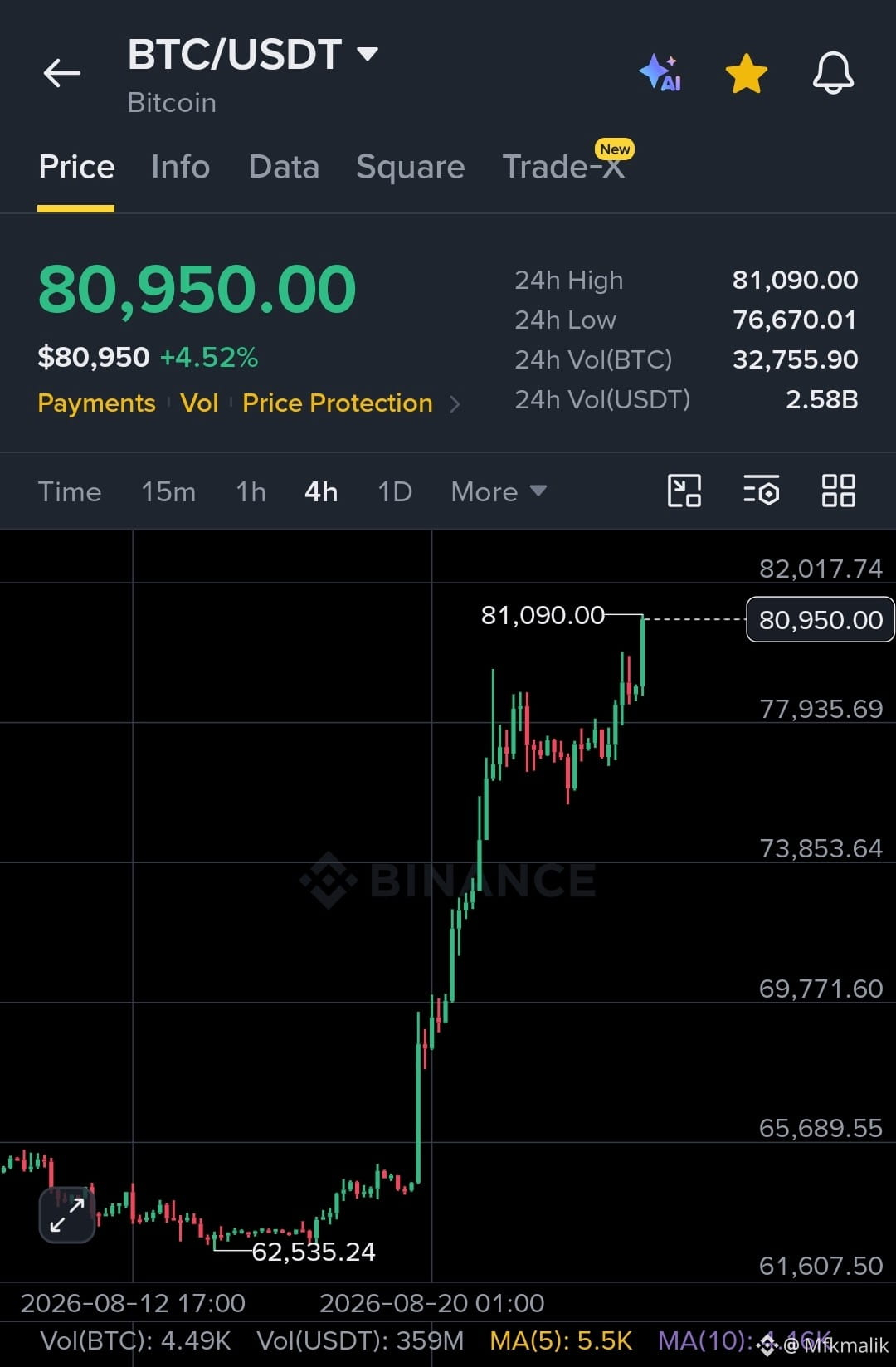
$BTC Kommen Sie wieder über 80.000 $!
Derzeit wird bei 89.950,00 $ gehandelt, ein Plus von 4,52 %
$BTC Käufer sind wieder am Steuer und drücken den Preis nach oben – verpasst es nicht. Behaltet es im Blick und reitet die Welle 🌊🌊 Zielt auf 81.500 $ bis 82.500 $
Kommentiert unten 👇 Wenn ihr den Dip kauft oder diese Bewegung mitnehmt?
Klick hier, um das Diagramm zu sehen $BTC
#ZECBreaksKeyResistanceUp75.5% #BitcoinOpenInterestFallsToTwoMonthLow #BitcoinRises23.6%Weekly #SP500FuturesFall #Mfkmalik
Derzeit wird bei 89.950,00 $ gehandelt, ein Plus von 4,52 %
$BTC Käufer sind wieder am Steuer und drücken den Preis nach oben – verpasst es nicht. Behaltet es im Blick und reitet die Welle 🌊🌊 Zielt auf 81.500 $ bis 82.500 $
Kommentiert unten 👇 Wenn ihr den Dip kauft oder diese Bewegung mitnehmt?
Klick hier, um das Diagramm zu sehen $BTC
#ZECBreaksKeyResistanceUp75.5% #BitcoinOpenInterestFallsToTwoMonthLow #BitcoinRises23.6%Weekly #SP500FuturesFall #Mfkmalik
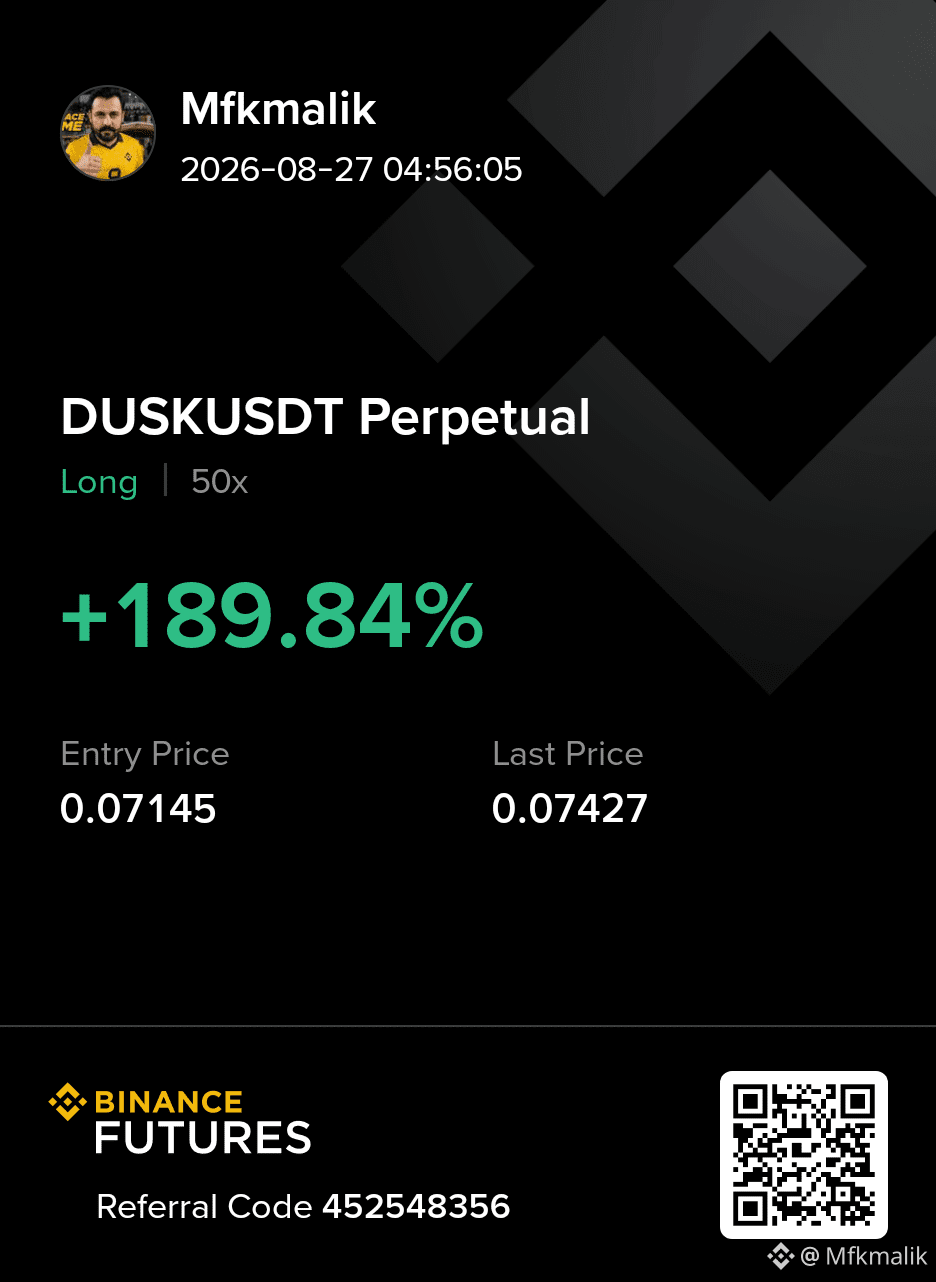
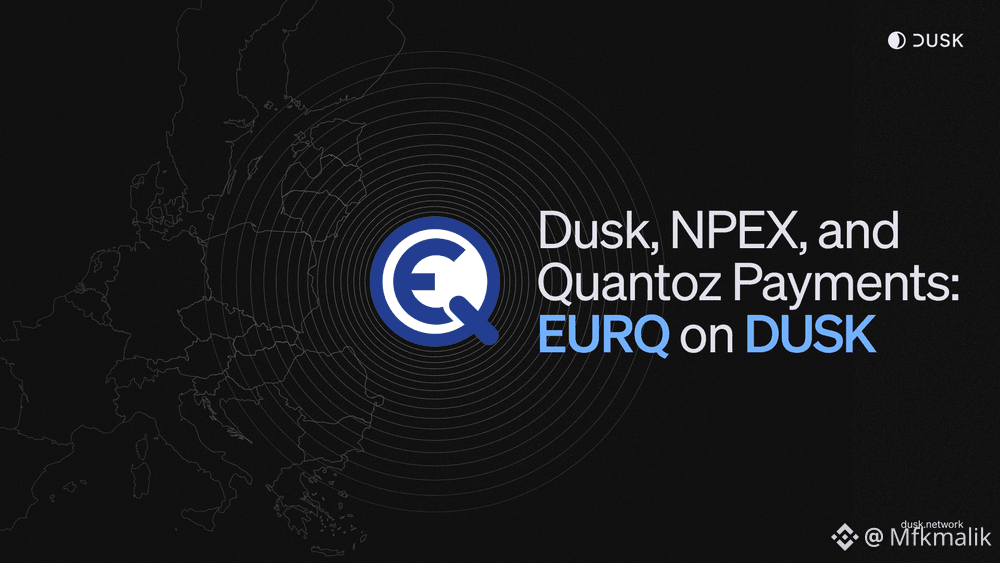
Vergiss den "Tokenize Everything"-Hype. So $DUSK verändert tatsächlich TradFi.
Die meisten schauen sich die Partnerschaft von NPEX und Dusk an und denken: "Cool, eine weitere Plattform für tokenisierte Aktien."
Sie übersehen das große Ganze. Es geht nicht um Tokenisierung—sondern um Workflows. 🧠👇
Vor $DUSK bedeutete das Verschieben eines einzelnen Wertpapiers, 6 fragmentierte Schritte zu durchlaufen:
1️⃣ Strukturierung
2️⃣ Onboarding
3️⃣ Emission
4️⃣ Abwicklung
5️⃣ Servicing
6️⃣ Sekundärhandel
Jeder Schritt läuft über isolierte Legacy-Software, was Berge manueller Abstimmungen erfordert und wochenlanges Hin-und-Her.
Hier kommt Dusk:
Dusk sitzt direkt inmitten dieses operativen Chaos. Es macht komplexe Transferregeln und Besitzstände zu programmierbarer Logik.
⚡ Der Realitätstest:
Dusk ersetzt keine Banken, Verwahrer, Steuercodes oder Regulierungsbehörden. Es wird nicht über Nacht magisch Liquidität in ein Asset einspeisen.
Der echte Plan ist nicht, Institutionen zu ersetzen—sondern die Reibung zwischen ihnen zu beseitigen. 🤝
Wenn Besitzdatensätze automatisch synchronisieren, ohne menschliche Verzögerungen, passieren Abwicklungen sofort.
💬 Die große Frage:
Können sich diese "langweiligen" Back-End-Effizienzen weit genug verstärken, um komplett umzuschreiben, wie mehr Billionen große regulierte Märkte funktionieren?
Teile deine Gedanken unten! 👇
$DUSK $ZEC
#dusk @Dusk
Die meisten schauen sich die Partnerschaft von NPEX und Dusk an und denken: "Cool, eine weitere Plattform für tokenisierte Aktien."
Sie übersehen das große Ganze. Es geht nicht um Tokenisierung—sondern um Workflows. 🧠👇
Vor $DUSK bedeutete das Verschieben eines einzelnen Wertpapiers, 6 fragmentierte Schritte zu durchlaufen:
1️⃣ Strukturierung
2️⃣ Onboarding
3️⃣ Emission
4️⃣ Abwicklung
5️⃣ Servicing
6️⃣ Sekundärhandel
Jeder Schritt läuft über isolierte Legacy-Software, was Berge manueller Abstimmungen erfordert und wochenlanges Hin-und-Her.
Hier kommt Dusk:
Dusk sitzt direkt inmitten dieses operativen Chaos. Es macht komplexe Transferregeln und Besitzstände zu programmierbarer Logik.
⚡ Der Realitätstest:
Dusk ersetzt keine Banken, Verwahrer, Steuercodes oder Regulierungsbehörden. Es wird nicht über Nacht magisch Liquidität in ein Asset einspeisen.
Der echte Plan ist nicht, Institutionen zu ersetzen—sondern die Reibung zwischen ihnen zu beseitigen. 🤝
Wenn Besitzdatensätze automatisch synchronisieren, ohne menschliche Verzögerungen, passieren Abwicklungen sofort.
💬 Die große Frage:
Können sich diese "langweiligen" Back-End-Effizienzen weit genug verstärken, um komplett umzuschreiben, wie mehr Billionen große regulierte Märkte funktionieren?
Teile deine Gedanken unten! 👇
$DUSK $ZEC
#dusk @Dusk
Anmelden und weiter Inhalte entdecken