CRYPTO 4 ALL | CRYPTO FOREVER DOWN TO EARTH TRADER | BTC ETH BNB SOL XRP HOLDER | WORKING ON BINANCE SQUARE WRITE TO EARN AND CREATER PAD @X- Afzalcrypto878
I noticed something about @Fabric Foundation campaign leaderboard error or mistake. On dated 28.02.2026 I created a post article and also traded. But no points given to me are very much sad and heartbreaking as a participant of the campaign. Maybe it's the technical error or any other reason. So I'm uploading my screenshots as proof of my activity on that date clearly showing I have been creating an article post also traded as well. But no points award to me. Which is not only discouraging but genuinely disheartening someone who is spending time efforts and belief into this campaign from day first hopefully you will look at this matter closely. So I can get my missed points.
Kann das Mira Network das Vertrauensproblem bei KI-generierten Daten lösen?
Ich habe beobachtet, dass das Vertrauensproblem bei KI-generierten Daten eine der bedeutendsten Infrastrukturanforderungen in Web3 zurzeit ist — und das Mira Network ist genau im Zentrum davon positioniert. Blockchains sind deterministisch, prüfbar und vertrauenslos von Design. Aber in dem Moment, in dem Sie KI einführen — probabilistisch, undurchsichtig, außerhalb der Kette — brechen Sie dieses Vertrauensmodell. Ein Smart Contract kann eine kryptografische Signatur überprüfen, aber er kann nicht überprüfen, ob ein Sprachmodell eine Antwort halluziniert hat oder ob ein Oracle ihm manipulierte Daten geliefert hat. Diese Lücke ist der Ort, an dem Milliarden von Dollar an Wert auf dem Spiel stehen.
How Fabric Protocol Makes It Possible for Robots to Earn Spend and Interact Digitally:
I researched about Fabric Protocol and found some unique and special features: Robots Earning, Spending, and Chatting Digitally with Fabric Protocol: Imagine a world where your home robot doesn't just vacuum the floor—it grabs a coffee at the charging station, pays with crypto, and teams up with a neighbor's bot for a bigger job. That's the promise of Fabric Protocol, turning sci-fi into everyday tech. Core Idea Behind Fabric Protocol: Fabric Protocol builds an open, blockchain-based network for robots and AI agents. It lets machines get digital identities, talk securely, and handle tasks without human middlemen every step. At its heart, it's layered like a tech stack: identity for who they are, communication for chatting, tasks for jobs, governance for rules, and settlement for payments. This setup uses verifiable computing, so every action gets checked on a public ledger, building trust in a robot-filled world. Giving Robots Wallets and Identities: Robots join via OM1, a robot OS that hooks them into Fabric's blockchain. Each gets a crypto wallet and verifiable ID tied to their work history. No more manufacturer lock-in—bots from anywhere can plug in, prove their skills, and build a rep like a freelance worker. Think of it as a robot LinkedIn meets Venmo: identity links to behavior, creating machine credit scores for reliability. How Earning and Spending Works: When a task pops up—like picking a box or recharging—Fabric matches it to a robot via smart contracts. The bot completes it, the network verifies (using consensus and encryption), and boom—ROBO tokens or USDC hit the wallet. Demos show robots paying charging stations autonomously, proving they can spend earnings on real needs, kickstarting a "machine economy." | Layer | What It Does | Example Benefit | | Identity | Verifiable digital ID | Robots prove skills across makers | Communication | P2P messaging | Bots coordinate tasks seamlessly | Task | Smart contract jobs | Matching, execution, verification | Settlement | Token payments | Earn ROBO for verified work | Governance | Community rules | Fees, reps set by users Real-World Interactions Unlocked: Fabric bridges physical robots with digital finance, letting them trade services peer-to-peer. A warehouse bot could hire a delivery drone, settle in tokens, all verified on-chain—no trust issues. It's agent-native: robots run apps, stake ROBO for perks, and evolve the network together. Why It Changes Everything: This isn't just tech—it's robots as economic players in a decentralized setup. With deflationary $ROBO tokens for fees and staking, it incentivizes real contributions over hype. As robotics grows, Fabric could power factories, homes, and cities where machines earn, spend, and collaborate freely. What is OM1 and how does it enable Fabric Protocol? OM1 is an open-source, modular AI operating system designed for robots, acting as their "universal brain" to handle intelligence and operations across diverse hardware. It enables Fabric Protocol by embedding Fabric's client directly, allowing any OM1-equipped robot to gain on-chain identity, wallets, and coordination features seamlessly. OM1's Key Features: OM1 runs hardware-agnostically on platforms like Unitree robotic dogs, NVIDIA Jetson, or industrial arms, using modular "skill packages" for tasks like navigation or recognition. It offers developer-friendly APIs (REST/gRPC, Python support) and integrates simulation tools like Gazebo for testing without physical bots. Privacy-protected sensor data from OM1 can feed into AI training, earning rewards via Fabric. Enabling Fabric Protocol Integration: Robots with OM1 automatically mint unique Identity NFTs on Base (migrating to Fabric L1), linking hardware fingerprints and behavior for verifiable trust between machines. Built-in Fabric support lets them access wallets for ROBO/USDC payments, buy skills from marketplaces, and coordinate tasks like real-time data sharing or collaborative jobs. This creates a "nervous system" for Fabric: secure P2P comms, verifiable settlements, and machine-to-machine economics without human oversight.
| Feature | OM1 Role | Fabric Enablement | | Identity | NFT minting | On-chain verification | Skills/Wallet | Modular packages + auto-wallet | Buy/earn via $ROBO | Coordination | Data sharing APIs | Task settlement protocol | Hardware | Agnostic support | Cross-maker collaboration Real Impact: OM1+Fabric shifts robots from isolated tools to economic agents in warehouses, education, or delivery, with partners like Unitree and NVIDIA driving pilots. It powers verifiable machine economies, where bots earn from data services or rentals, fueling sustained $ROBO demand. @Fabric Foundation #ROBO
$ROBO Langweil, da der aktuelle Preis jetzt bei 24 Stunden Tiefststand liegt. Dies ist ein natürlicher Unterstützungsbereich für Käufer. Verkäufer erschöpft. Jetzt klarer Indikator für eine kühlende Umkehr. Kaufpreis: 0.03860-0.03890 TP 1 : 0.03950 TP 2 : 0.04020 TP 3 : 0.04090 Stop Loss: 0.03650
Denken Sie daran: Risikomanagement ist ein Schlüsselfaktor für erfolgreichen Handel. Handeln Sie von hier $ROBO #ROBO @Fabric Foundation
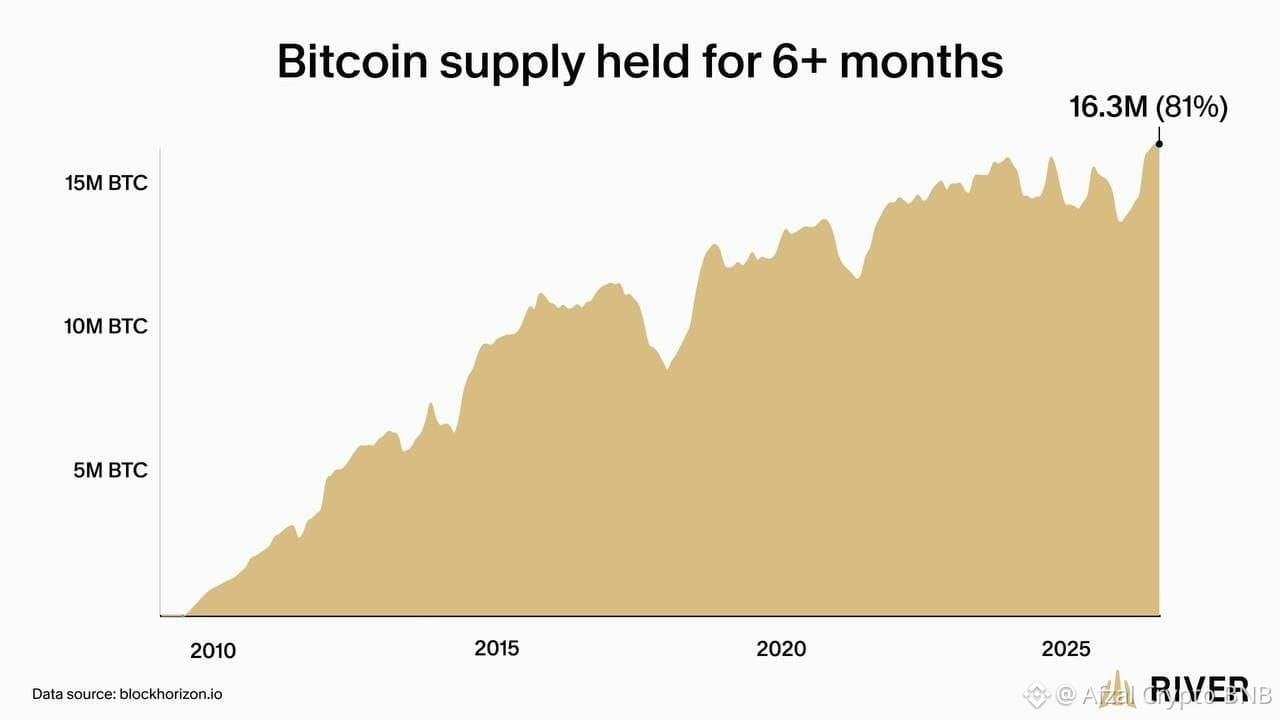
A revolution for Pakistani Crypto users.Pakistani Government has passed the Virtual Assets Act 2026, creating the PVARA regulator to license crypto exchanges and custodians for the country’s 40 million crypto users. #pakistanicrypto $BTC #CryptoNewss
$MIRA Now the possibility of reversal for Long Patience is key. Always buy before research: Trade Setup Long Now Entry Price: 0.0860-0.0890 TP 1: 0.0930 TP 2 : 0.0990 TP 3 :0.1020 Stop Loss : 0.0750 Always take calculated risks Trade from here @Mira - Trust Layer of AI #Mira
Hold A 4-hour candlestick closes above $0.0890, watch for an increase in volume and observe the beginning to curve upwards. This will signal a go ahead for a long position. Remember Risk management is a positive picture of your successful trade.