
Liu Xena
7.9k Beiträge

Liu Xena
Melden
Nutzer blockieren
你好,我是Liu Xena ✨
专注于加密货币趋势、市场分析与Web3洞察。
用理性与策略,在波动市场中寻找真正机会 🚀
64 Following
3.5K+ Follower
497 Like gegeben
Beiträge
Alle
Live
·
--
Bullisch
Ich bin zu der Erkenntnis gekommen, dass die institutionelle Übernahme nicht dadurch entschieden wird, wer die meisten Funktionen baut. Entscheidend ist, wer die teuersten operativen Probleme löst.
Deshalb bleibt DUSK für mich im Blick.
Wenn ich Blockchain-Infrastruktur bewerte, versuche ich, so zu denken wie eine Finanzinstitution, statt wie ein Krypto-Investor. Die Frage lautet nicht, ob ein Netzwerk auf dem Papier beeindruckend ist—sondern ob es regulatorische Finanzanwendungen unterstützen kann, ohne vertrauliche Geschäftsinformationen unnötig öffentlich zu machen. Der Fokus von DUSK auf vertrauliche Smart Contracts deutet darauf hin, dass es für diese Realität entwickelt wurde, statt davon auszugehen, dass sich das traditionelle Finanzwesen zuerst anpassen müsse.
Für mich ist das ein bedeutender Unterschied. Starke Infrastruktur ersetzt bestehende finanzielle Standards nicht; sie funktioniert innerhalb dieser Standards und verbessert die Effizienz dort, wo es wirklich zählt. Wenn tokenisierte Assets weiter an Zugkraft gewinnen, denke ich, dass Projekte, die mit dieser Denkweise entwickelt wurden, eine deutlich solidere Grundlage haben werden als solche, die nur von Markt-Storylines getrieben sind.
Ich werde die Umsetzung genauer beobachten als Erwartungen, denn Infrastruktur wird letztlich danach beurteilt, was sie ermöglicht—nicht danach, was sie verspricht.
$DUSK #dusk @Dusk_Foundation
{spot}(DUSKUSDT)
Ich bin zu der Erkenntnis gekommen, dass die institutionelle Übernahme nicht dadurch entschieden wird, wer die meisten Funktionen baut. Entscheidend ist, wer die teuersten operativen Probleme löst.
Deshalb bleibt DUSK für mich im Blick.
Wenn ich Blockchain-Infrastruktur bewerte, versuche ich, so zu denken wie eine Finanzinstitution, statt wie ein Krypto-Investor. Die Frage lautet nicht, ob ein Netzwerk auf dem Papier beeindruckend ist—sondern ob es regulatorische Finanzanwendungen unterstützen kann, ohne vertrauliche Geschäftsinformationen unnötig öffentlich zu machen. Der Fokus von DUSK auf vertrauliche Smart Contracts deutet darauf hin, dass es für diese Realität entwickelt wurde, statt davon auszugehen, dass sich das traditionelle Finanzwesen zuerst anpassen müsse.
Für mich ist das ein bedeutender Unterschied. Starke Infrastruktur ersetzt bestehende finanzielle Standards nicht; sie funktioniert innerhalb dieser Standards und verbessert die Effizienz dort, wo es wirklich zählt. Wenn tokenisierte Assets weiter an Zugkraft gewinnen, denke ich, dass Projekte, die mit dieser Denkweise entwickelt wurden, eine deutlich solidere Grundlage haben werden als solche, die nur von Markt-Storylines getrieben sind.
Ich werde die Umsetzung genauer beobachten als Erwartungen, denn Infrastruktur wird letztlich danach beurteilt, was sie ermöglicht—nicht danach, was sie verspricht.
$DUSK #dusk @Dusk
Deshalb bleibt DUSK für mich im Blick.
Wenn ich Blockchain-Infrastruktur bewerte, versuche ich, so zu denken wie eine Finanzinstitution, statt wie ein Krypto-Investor. Die Frage lautet nicht, ob ein Netzwerk auf dem Papier beeindruckend ist—sondern ob es regulatorische Finanzanwendungen unterstützen kann, ohne vertrauliche Geschäftsinformationen unnötig öffentlich zu machen. Der Fokus von DUSK auf vertrauliche Smart Contracts deutet darauf hin, dass es für diese Realität entwickelt wurde, statt davon auszugehen, dass sich das traditionelle Finanzwesen zuerst anpassen müsse.
Für mich ist das ein bedeutender Unterschied. Starke Infrastruktur ersetzt bestehende finanzielle Standards nicht; sie funktioniert innerhalb dieser Standards und verbessert die Effizienz dort, wo es wirklich zählt. Wenn tokenisierte Assets weiter an Zugkraft gewinnen, denke ich, dass Projekte, die mit dieser Denkweise entwickelt wurden, eine deutlich solidere Grundlage haben werden als solche, die nur von Markt-Storylines getrieben sind.
Ich werde die Umsetzung genauer beobachten als Erwartungen, denn Infrastruktur wird letztlich danach beurteilt, was sie ermöglicht—nicht danach, was sie verspricht.
$DUSK #dusk @Dusk
1
2
144
·
--
Bullisch
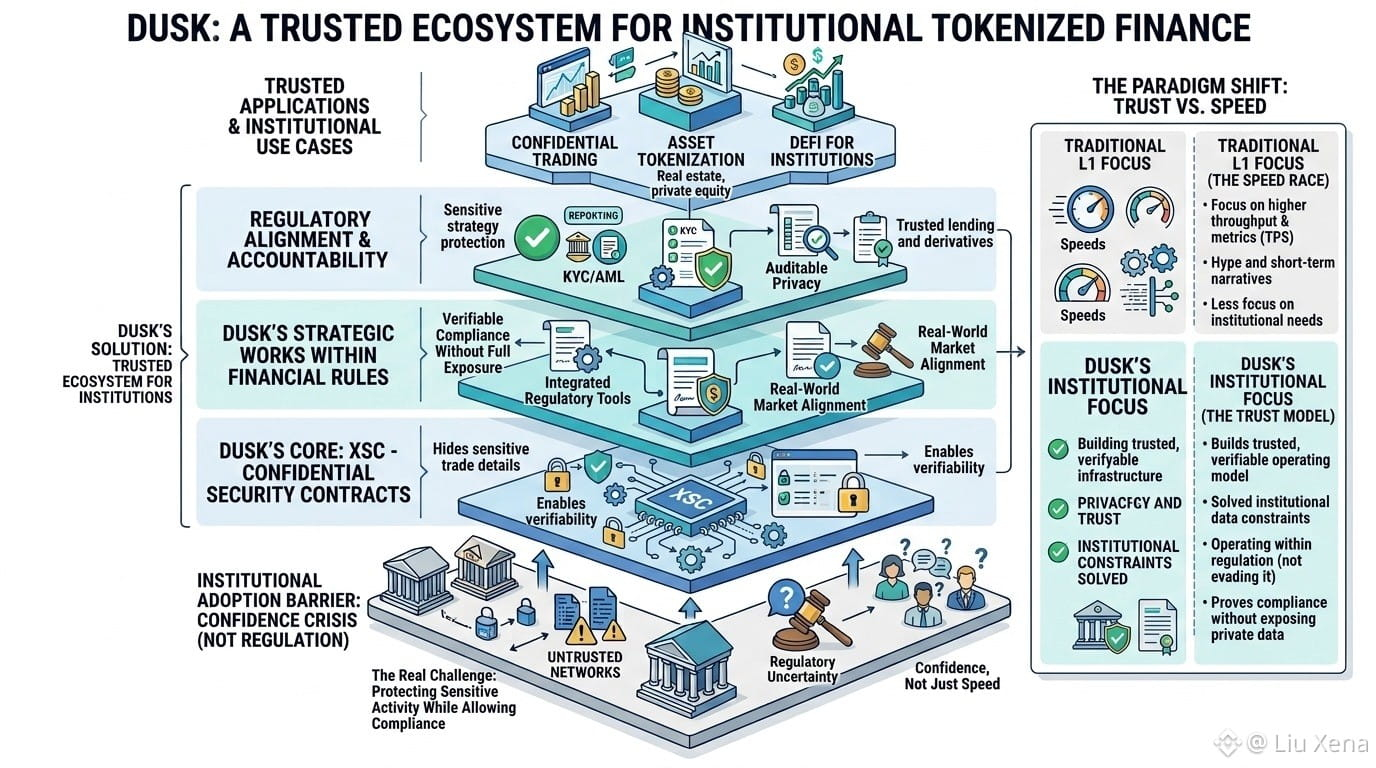
Ich dachte früher, das größte Hindernis für tokenisierte Finanzierungen sei die Regulierung.
Jetzt denke ich, es geht um Vertrauen.
Nicht um Vertrauen in die Blockchain selbst, sondern um Vertrauen, dass sensible Finanzaktivitäten geschützt bleiben können, ohne die Compliance unmöglich zu machen.
Deshalb sticht DUSK für mich so heraus.
Je mehr ich mir seinen Ansatz für Confidential Security Contracts (XSC) angesehen habe, desto mehr wurde mir klar, dass das Projekt nicht versucht, Finanzregeln zu ersetzen. Es will Blockchain-Infrastruktur aufbauen, die innerhalb dieser Regeln funktioniert.
Eines, das ich besonders schätze, ist, dass DUSK Privatsphäre nicht als „Entweder ganz oder gar nicht“-Entscheidung darstellt. Für regulierte Vermögenswerte können vertrauliche Daten und nachprüfbare Compliance gleichzeitig existieren – und das fühlt sich deutlich näher an dem an, wie institutionelle Märkte tatsächlich funktionieren.
Ich habe außerdem bemerkt, dass sich viele Diskussionen über Layer 1 noch immer um TPS, Gebühren und Skalierbarkeit drehen.
Diese Kennzahlen sind wichtig.
Aber wenn Institutionen dem Betriebsmodell nicht vertrauen, wird schnellere Infrastruktur allein die Einführung nicht lösen.
Für mich liegt der eigentliche Wert von DUSK nicht nur darin, was es verbirgt.
Sondern darin, was es Organisationen ermöglicht, etwas nachzuweisen, ohne Informationen preiszugeben, die sie ohnehin nie dafür vorgesehen waren, öffentlich zu machen.
Diese Perspektive lässt mich tokenisierte Finanzierungen ganz anders betrachten.
$DUSK @Dusk_Foundation #dusk
{spot}(DUSKUSDT)
Ich dachte früher, das größte Hindernis für tokenisierte Finanzierungen sei die Regulierung.
Jetzt denke ich, es geht um Vertrauen.
Nicht um Vertrauen in die Blockchain selbst, sondern um Vertrauen, dass sensible Finanzaktivitäten geschützt bleiben können, ohne die Compliance unmöglich zu machen.
Deshalb sticht DUSK für mich so heraus.
Je mehr ich mir seinen Ansatz für Confidential Security Contracts (XSC) angesehen habe, desto mehr wurde mir klar, dass das Projekt nicht versucht, Finanzregeln zu ersetzen. Es will Blockchain-Infrastruktur aufbauen, die innerhalb dieser Regeln funktioniert.
Eines, das ich besonders schätze, ist, dass DUSK Privatsphäre nicht als „Entweder ganz oder gar nicht“-Entscheidung darstellt. Für regulierte Vermögenswerte können vertrauliche Daten und nachprüfbare Compliance gleichzeitig existieren – und das fühlt sich deutlich näher an dem an, wie institutionelle Märkte tatsächlich funktionieren.
Ich habe außerdem bemerkt, dass sich viele Diskussionen über Layer 1 noch immer um TPS, Gebühren und Skalierbarkeit drehen.
Diese Kennzahlen sind wichtig.
Aber wenn Institutionen dem Betriebsmodell nicht vertrauen, wird schnellere Infrastruktur allein die Einführung nicht lösen.
Für mich liegt der eigentliche Wert von DUSK nicht nur darin, was es verbirgt.
Sondern darin, was es Organisationen ermöglicht, etwas nachzuweisen, ohne Informationen preiszugeben, die sie ohnehin nie dafür vorgesehen waren, öffentlich zu machen.
Diese Perspektive lässt mich tokenisierte Finanzierungen ganz anders betrachten.
$DUSK @Dusk #dusk
Jetzt denke ich, es geht um Vertrauen.
Nicht um Vertrauen in die Blockchain selbst, sondern um Vertrauen, dass sensible Finanzaktivitäten geschützt bleiben können, ohne die Compliance unmöglich zu machen.
Deshalb sticht DUSK für mich so heraus.
Je mehr ich mir seinen Ansatz für Confidential Security Contracts (XSC) angesehen habe, desto mehr wurde mir klar, dass das Projekt nicht versucht, Finanzregeln zu ersetzen. Es will Blockchain-Infrastruktur aufbauen, die innerhalb dieser Regeln funktioniert.
Eines, das ich besonders schätze, ist, dass DUSK Privatsphäre nicht als „Entweder ganz oder gar nicht“-Entscheidung darstellt. Für regulierte Vermögenswerte können vertrauliche Daten und nachprüfbare Compliance gleichzeitig existieren – und das fühlt sich deutlich näher an dem an, wie institutionelle Märkte tatsächlich funktionieren.
Ich habe außerdem bemerkt, dass sich viele Diskussionen über Layer 1 noch immer um TPS, Gebühren und Skalierbarkeit drehen.
Diese Kennzahlen sind wichtig.
Aber wenn Institutionen dem Betriebsmodell nicht vertrauen, wird schnellere Infrastruktur allein die Einführung nicht lösen.
Für mich liegt der eigentliche Wert von DUSK nicht nur darin, was es verbirgt.
Sondern darin, was es Organisationen ermöglicht, etwas nachzuweisen, ohne Informationen preiszugeben, die sie ohnehin nie dafür vorgesehen waren, öffentlich zu machen.
Diese Perspektive lässt mich tokenisierte Finanzierungen ganz anders betrachten.
$DUSK @Dusk #dusk
122
·
--
Bullisch
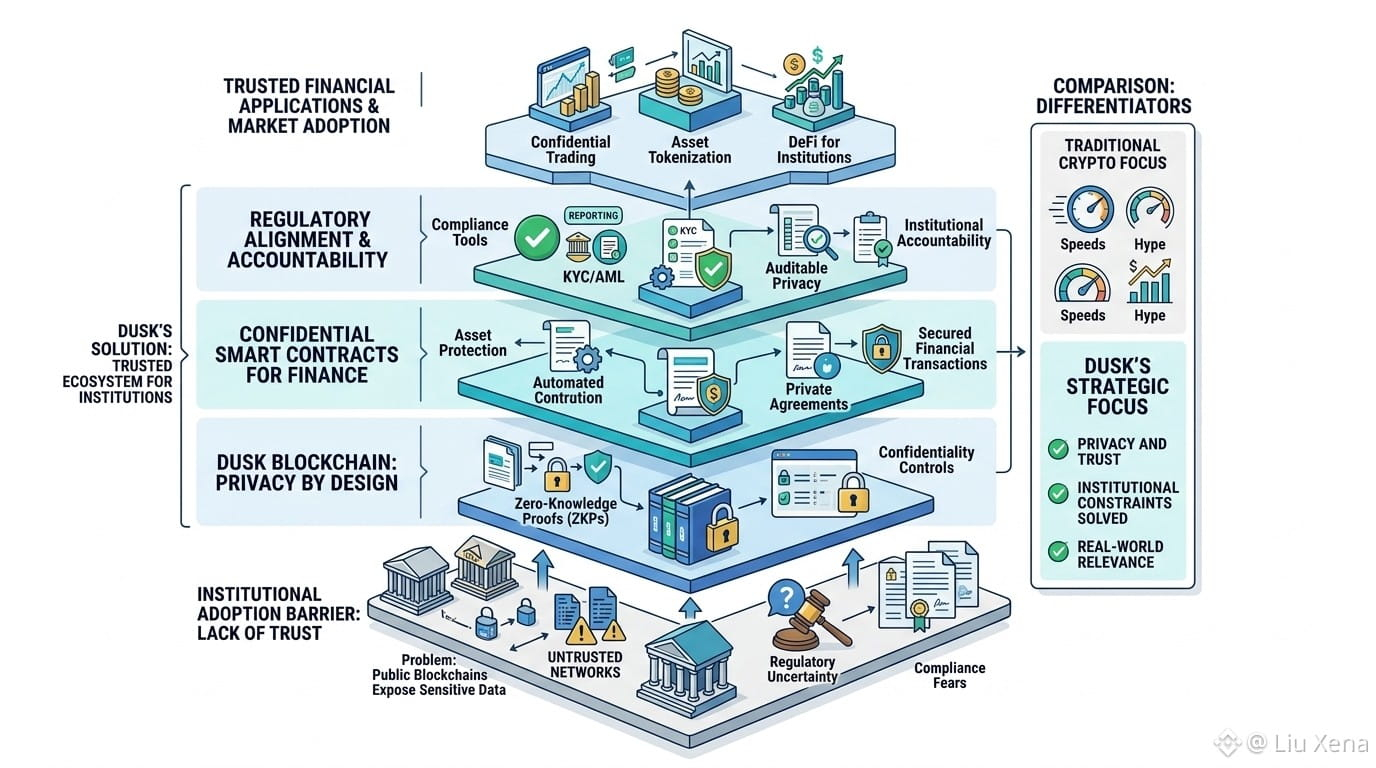
Je mehr ich finanzielle Blockchains studiere, desto mehr erkenne ich, dass das größte Hindernis nicht darin besteht, schnellere Netzwerke zu bauen – sondern darin, Systeme zu entwickeln, denen Institutionen mit sensiblen Informationen tatsächlich vertrauen können. Genau diese Frage hat mich zu DUSK hingezogen.
Was mir besonders aufgefallen ist: DUSK rahmt Privatsphäre nicht als Ausweg aus der Regulierung. Der Fokus auf vertrauliche Smart Contracts für finanzielle Anwendungen weist auf etwas Praktischeres hin: Sensible Finanzdaten zu schützen, während man weiterhin in Umgebungen operiert, die Rechenschaft und Verantwortlichkeit verlangen. Diese Unterscheidung erscheint mir deutlich relevanter als nur darum zu konkurrieren, Transaktionsgeschwindigkeiten oder Kennzahlen aus Schlagzeilen in den Mittelpunkt zu stellen.
Ich bin noch gespannt, wie sich diese Vision in eine breitere Akzeptanz übersetzen wird, aber ich glaube, Projekte, die echte institutionelle Hürden lösen, verdienen viel mehr Aufmerksamkeit als Projekte, die auf kurzfristige Narrative gebaut sind. Deshalb hat sich DUSK einen Platz auf meiner Watchlist verdient.
$DUSK @Dusk_Foundation #dusk
{spot}(DUSKUSDT)
Je mehr ich finanzielle Blockchains studiere, desto mehr erkenne ich, dass das größte Hindernis nicht darin besteht, schnellere Netzwerke zu bauen – sondern darin, Systeme zu entwickeln, denen Institutionen mit sensiblen Informationen tatsächlich vertrauen können. Genau diese Frage hat mich zu DUSK hingezogen.
Was mir besonders aufgefallen ist: DUSK rahmt Privatsphäre nicht als Ausweg aus der Regulierung. Der Fokus auf vertrauliche Smart Contracts für finanzielle Anwendungen weist auf etwas Praktischeres hin: Sensible Finanzdaten zu schützen, während man weiterhin in Umgebungen operiert, die Rechenschaft und Verantwortlichkeit verlangen. Diese Unterscheidung erscheint mir deutlich relevanter als nur darum zu konkurrieren, Transaktionsgeschwindigkeiten oder Kennzahlen aus Schlagzeilen in den Mittelpunkt zu stellen.
Ich bin noch gespannt, wie sich diese Vision in eine breitere Akzeptanz übersetzen wird, aber ich glaube, Projekte, die echte institutionelle Hürden lösen, verdienen viel mehr Aufmerksamkeit als Projekte, die auf kurzfristige Narrative gebaut sind. Deshalb hat sich DUSK einen Platz auf meiner Watchlist verdient.
$DUSK @Dusk #dusk
Was mir besonders aufgefallen ist: DUSK rahmt Privatsphäre nicht als Ausweg aus der Regulierung. Der Fokus auf vertrauliche Smart Contracts für finanzielle Anwendungen weist auf etwas Praktischeres hin: Sensible Finanzdaten zu schützen, während man weiterhin in Umgebungen operiert, die Rechenschaft und Verantwortlichkeit verlangen. Diese Unterscheidung erscheint mir deutlich relevanter als nur darum zu konkurrieren, Transaktionsgeschwindigkeiten oder Kennzahlen aus Schlagzeilen in den Mittelpunkt zu stellen.
Ich bin noch gespannt, wie sich diese Vision in eine breitere Akzeptanz übersetzen wird, aber ich glaube, Projekte, die echte institutionelle Hürden lösen, verdienen viel mehr Aufmerksamkeit als Projekte, die auf kurzfristige Narrative gebaut sind. Deshalb hat sich DUSK einen Platz auf meiner Watchlist verdient.
$DUSK @Dusk #dusk
3
2
150
·
--
Artikel
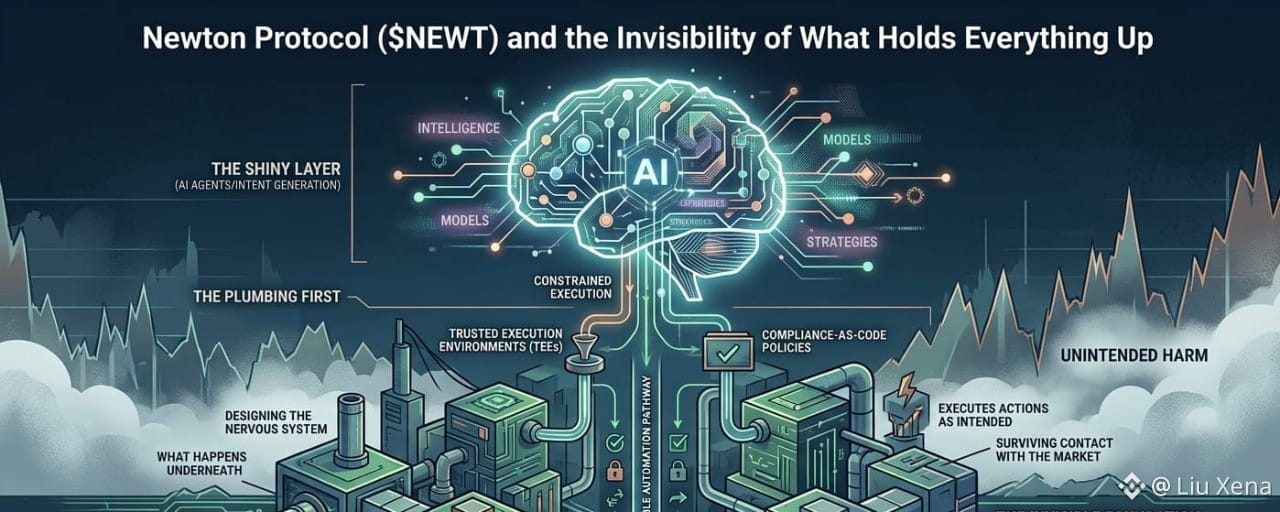
Newton Protocol ($NEWT) und die Unsichtbarkeit dessen, was alles trägtWitzig, wie die Dinge, die wirklich zählen, meist die sind, über die niemand sprechen will.
Wir reden ständig über Intelligenz. Modelle, Schlussfolgern, Benchmarks, Fähigkeiten. Die schillernde Oberfläche. Aber ich frage mich immer wieder, was darunter passiert. Die Schicht, die den Ablauf ausführt. Die Schicht, die dafür sorgt, dass eine Handlung wie beabsichtigt abgeschlossen wird, auch wenn sich die Bedingungen mitten in einer Transaktion ändern. Dieser Teil bekommt nie den Keynote-Slot.
Es ist, als würde man beobachten, wie ein Gebäude für seine Architektur gelobt wird, während man das Fundament ignoriert. Das Fundament ist nicht aufregend. Es trendet nicht. Aber es ist der Grund, warum das Gebäude nicht zusammenbricht, wenn sich der Untergrund verändert. Und in Krypto verschiebt sich der Untergrund irgendwann immer.
Newton Protocol ($NEWT) und die Unsichtbarkeit dessen, was alles trägt
Witzig, wie die Dinge, die wirklich zählen, meist die sind, über die niemand sprechen will.
Wir reden ständig über Intelligenz. Modelle, Schlussfolgern, Benchmarks, Fähigkeiten. Die schillernde Oberfläche. Aber ich frage mich immer wieder, was darunter passiert. Die Schicht, die den Ablauf ausführt. Die Schicht, die dafür sorgt, dass eine Handlung wie beabsichtigt abgeschlossen wird, auch wenn sich die Bedingungen mitten in einer Transaktion ändern. Dieser Teil bekommt nie den Keynote-Slot.
Es ist, als würde man beobachten, wie ein Gebäude für seine Architektur gelobt wird, während man das Fundament ignoriert. Das Fundament ist nicht aufregend. Es trendet nicht. Aber es ist der Grund, warum das Gebäude nicht zusammenbricht, wenn sich der Untergrund verändert. Und in Krypto verschiebt sich der Untergrund irgendwann immer.
Wir reden ständig über Intelligenz. Modelle, Schlussfolgern, Benchmarks, Fähigkeiten. Die schillernde Oberfläche. Aber ich frage mich immer wieder, was darunter passiert. Die Schicht, die den Ablauf ausführt. Die Schicht, die dafür sorgt, dass eine Handlung wie beabsichtigt abgeschlossen wird, auch wenn sich die Bedingungen mitten in einer Transaktion ändern. Dieser Teil bekommt nie den Keynote-Slot.
Es ist, als würde man beobachten, wie ein Gebäude für seine Architektur gelobt wird, während man das Fundament ignoriert. Das Fundament ist nicht aufregend. Es trendet nicht. Aber es ist der Grund, warum das Gebäude nicht zusammenbricht, wenn sich der Untergrund verändert. Und in Krypto verschiebt sich der Untergrund irgendwann immer.
2
1
394
·
--
Bullisch
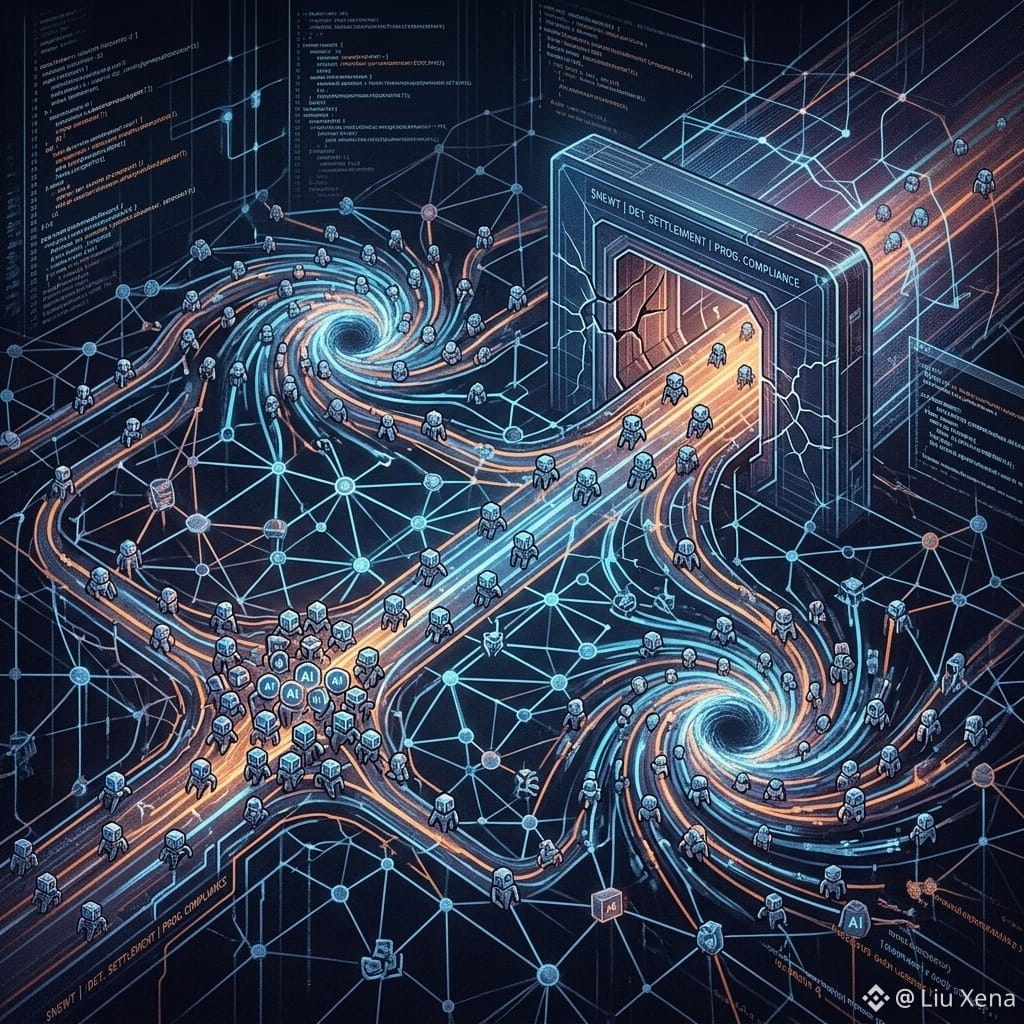
Die meisten technischen Architekturen werden um einen einzigen Gegner herum entworfen: einen böswilligen Akteur, der extern ist, identifizierbar und technische Schwachstellen ausnutzt. Aber komplexe Systeme sehen sich mit einer leiseren Bedrohung konfrontiert: „sich emergent entwickelnde Funktionsstörung“ – wenn ehrliche, optimierte Komponenten zusammenwirken und zuverlässig perverse Ergebnisse hervorbringen.
Autonome Agenten sind dafür der perfekte katalytische Faktor. Jeder einzelne Agent mag für sich genommen ein Wunder an Effizienz sein. Gemeinsam jedoch können sie Märkte so trainieren, dass sie die Verzögerung bei der Abwicklung eines Systems ausnutzen oder eine spezifische Anreizlücke verstärken, bis der gesamte Mechanismus instabil wird. Das ist kein Sicherheitsbruch; das System funktioniert genau so, wie es soll – und das ist das Unheimliche.
Der Newton Protocol ($NEWT) ist besonders interessant, weil versucht wird, eine Umgebung zu entwerfen, die auf emergente Funktionsstörung vorbereitet ist, statt nur externe Angriffe abzuwehren. Ein sicheres Rollup für KI-gesteuerte Strategien bettet programmierbare Compliance und deterministische Abwicklung ein. Das Ziel ist sicherzustellen, dass – unabhängig davon, wie sich die Zielfunktion eines Agents weiterentwickelt – seine Zustandsübergänge in einen vorgegebenen Korridor zulässigen Verhaltens passen müssen. Das reduziert die Unsicherheit der Ausführung, konzentriert aber das Designrisiko in der Korridor-Bauzeichnung. Ein schlecht definiertes Set an Basissregeln wird Funktionsstörung nicht stoppen; es wird sie lediglich industrialisieren.
Gutes Design geht weniger darum, eine feste Struktur gegen Angriffe zu härten, als vielmehr darum, vorherzusehen, wie rationales maschinelles Verhalten das System im Laufe der Zeit formen wird.
Wenn wir autonome Strategien in ein regelbasiertes Protokoll einführen: Definieren wir dann die Grenzen fairer wirtschaftlicher Ausdrucksformen – oder entwerfen wir eine neue evolutionäre Nische, die unweigerlich einen Prädator heranzüchtet, den wir noch nicht einmal erahnt haben?
$NEWT @NewtonProtocol #Newt $LAB $VANRY #Velvet #XAU #VANRY #Labs
{spot}(NEWTUSDT)
{spot}(VANRYUSDT)
{future}(LABUSDT)
Die meisten technischen Architekturen werden um einen einzigen Gegner herum entworfen: einen böswilligen Akteur, der extern ist, identifizierbar und technische Schwachstellen ausnutzt. Aber komplexe Systeme sehen sich mit einer leiseren Bedrohung konfrontiert: „sich emergent entwickelnde Funktionsstörung“ – wenn ehrliche, optimierte Komponenten zusammenwirken und zuverlässig perverse Ergebnisse hervorbringen.
Autonome Agenten sind dafür der perfekte katalytische Faktor. Jeder einzelne Agent mag für sich genommen ein Wunder an Effizienz sein. Gemeinsam jedoch können sie Märkte so trainieren, dass sie die Verzögerung bei der Abwicklung eines Systems ausnutzen oder eine spezifische Anreizlücke verstärken, bis der gesamte Mechanismus instabil wird. Das ist kein Sicherheitsbruch; das System funktioniert genau so, wie es soll – und das ist das Unheimliche.
Der Newton Protocol ($NEWT ) ist besonders interessant, weil versucht wird, eine Umgebung zu entwerfen, die auf emergente Funktionsstörung vorbereitet ist, statt nur externe Angriffe abzuwehren. Ein sicheres Rollup für KI-gesteuerte Strategien bettet programmierbare Compliance und deterministische Abwicklung ein. Das Ziel ist sicherzustellen, dass – unabhängig davon, wie sich die Zielfunktion eines Agents weiterentwickelt – seine Zustandsübergänge in einen vorgegebenen Korridor zulässigen Verhaltens passen müssen. Das reduziert die Unsicherheit der Ausführung, konzentriert aber das Designrisiko in der Korridor-Bauzeichnung. Ein schlecht definiertes Set an Basissregeln wird Funktionsstörung nicht stoppen; es wird sie lediglich industrialisieren.
Gutes Design geht weniger darum, eine feste Struktur gegen Angriffe zu härten, als vielmehr darum, vorherzusehen, wie rationales maschinelles Verhalten das System im Laufe der Zeit formen wird.
Wenn wir autonome Strategien in ein regelbasiertes Protokoll einführen: Definieren wir dann die Grenzen fairer wirtschaftlicher Ausdrucksformen – oder entwerfen wir eine neue evolutionäre Nische, die unweigerlich einen Prädator heranzüchtet, den wir noch nicht einmal erahnt haben?
$NEWT @NewtonProtocol #Newt $LAB $VANRY #Velvet #XAU #VANRY #Labs
Autonome Agenten sind dafür der perfekte katalytische Faktor. Jeder einzelne Agent mag für sich genommen ein Wunder an Effizienz sein. Gemeinsam jedoch können sie Märkte so trainieren, dass sie die Verzögerung bei der Abwicklung eines Systems ausnutzen oder eine spezifische Anreizlücke verstärken, bis der gesamte Mechanismus instabil wird. Das ist kein Sicherheitsbruch; das System funktioniert genau so, wie es soll – und das ist das Unheimliche.
Der Newton Protocol ($NEWT ) ist besonders interessant, weil versucht wird, eine Umgebung zu entwerfen, die auf emergente Funktionsstörung vorbereitet ist, statt nur externe Angriffe abzuwehren. Ein sicheres Rollup für KI-gesteuerte Strategien bettet programmierbare Compliance und deterministische Abwicklung ein. Das Ziel ist sicherzustellen, dass – unabhängig davon, wie sich die Zielfunktion eines Agents weiterentwickelt – seine Zustandsübergänge in einen vorgegebenen Korridor zulässigen Verhaltens passen müssen. Das reduziert die Unsicherheit der Ausführung, konzentriert aber das Designrisiko in der Korridor-Bauzeichnung. Ein schlecht definiertes Set an Basissregeln wird Funktionsstörung nicht stoppen; es wird sie lediglich industrialisieren.
Gutes Design geht weniger darum, eine feste Struktur gegen Angriffe zu härten, als vielmehr darum, vorherzusehen, wie rationales maschinelles Verhalten das System im Laufe der Zeit formen wird.
Wenn wir autonome Strategien in ein regelbasiertes Protokoll einführen: Definieren wir dann die Grenzen fairer wirtschaftlicher Ausdrucksformen – oder entwerfen wir eine neue evolutionäre Nische, die unweigerlich einen Prädator heranzüchtet, den wir noch nicht einmal erahnt haben?
$NEWT @NewtonProtocol #Newt $LAB $VANRY #Velvet #XAU #VANRY #Labs
4
4
311
·
--
Bullisch
Eine technische Erkenntnis, die immer wieder auftaucht, lautet: Schnittstellen altern mit mehr Anstand als Implementierungen. Gute Systeme überleben, weil sie es ermöglichen, dass sich das Innere weiterentwickelt, ohne dass alle Beteiligten neu aushandeln müssen, wie sie sich koordinieren.
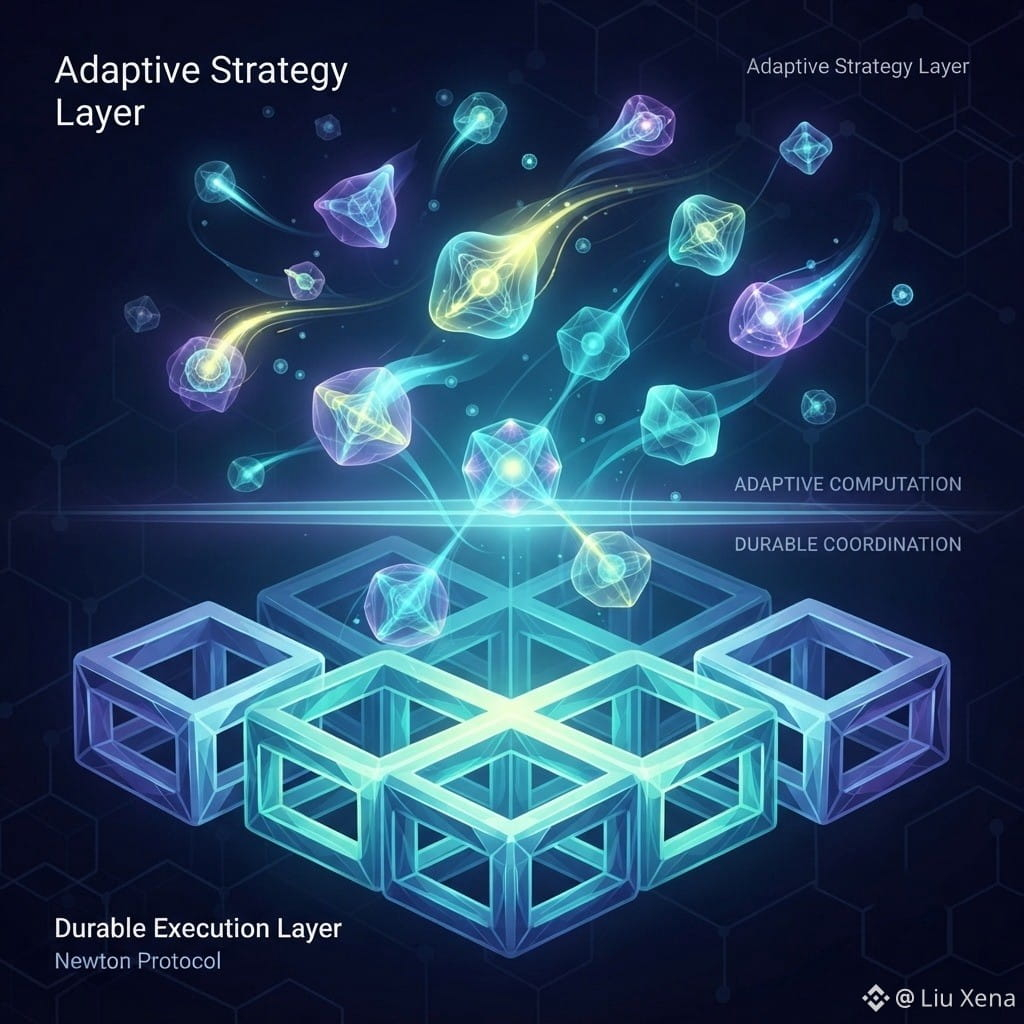
Autonome Agenten stellen dieses Prinzip infrage. Ihr Verhalten verändert sich mit der Zeit, manchmal kontinuierlich, während die darunterliegende Infrastruktur so stabil bleiben soll, dass sich Fremde darauf verlassen können. Die Spannung liegt nicht zwischen KI und Krypto. Sie liegt zwischen adaptivem Rechnen und dauerhaft belastbarer Koordination.
Genau hier wird das Newton Protocol ($NEWT) architektonisch interessant. Ein sicherer Rollup für KI-gestützte Strategien schafft eine konsistente Ausführungsgrenze, selbst wenn sich die Strategien selbst weiterentwickeln. Das kann das operative Vertrauen reduzieren, indem unabhängig entwickelte Agenten eine gemeinsame Abrechnungs-Schnittstelle erhalten, statt eine gemeinsame Implementierung vorauszusetzen. Der Trade-off ist subtil, aber wichtig: Die Stabilität wandert von der Strategy-Ebene in die Ausführungsumgebung. Da immer mehr Aktivitäten von dieser gemeinsamen Ebene abhängen, werden Governance-Entscheidungen, Policy-Updates und Ausführungsannahmen zunehmend folgenreich, weil sie jeden Teilnehmer gleichzeitig betreffen.
Verteilte Systeme scheitern selten, weil sich Software ändert. Sie scheitern, weil zu viele unabhängige Akteure gezwungen werden, sich synchron zu verändern.
Die dauerhafte Designfrage mag nicht sein, wie man autonome Agenten anpassungsfähiger macht, sondern wie man die Infrastruktur, die sie koordiniert, weiterentwickeln kann, ohne jede Protokollaktualisierung zu einem Koordinationsereignis für das gesamte Ökosystem werden zu lassen.
$NEWT @NewtonProtocol #Newt $LAB $VANRY #Velvet #XAU #VANRY #Labs
{future}(LABUSDT)
{spot}(VANRYUSDT)
{spot}(NEWTUSDT)
Eine technische Erkenntnis, die immer wieder auftaucht, lautet: Schnittstellen altern mit mehr Anstand als Implementierungen. Gute Systeme überleben, weil sie es ermöglichen, dass sich das Innere weiterentwickelt, ohne dass alle Beteiligten neu aushandeln müssen, wie sie sich koordinieren.
Autonome Agenten stellen dieses Prinzip infrage. Ihr Verhalten verändert sich mit der Zeit, manchmal kontinuierlich, während die darunterliegende Infrastruktur so stabil bleiben soll, dass sich Fremde darauf verlassen können. Die Spannung liegt nicht zwischen KI und Krypto. Sie liegt zwischen adaptivem Rechnen und dauerhaft belastbarer Koordination.
Genau hier wird das Newton Protocol ($NEWT ) architektonisch interessant. Ein sicherer Rollup für KI-gestützte Strategien schafft eine konsistente Ausführungsgrenze, selbst wenn sich die Strategien selbst weiterentwickeln. Das kann das operative Vertrauen reduzieren, indem unabhängig entwickelte Agenten eine gemeinsame Abrechnungs-Schnittstelle erhalten, statt eine gemeinsame Implementierung vorauszusetzen. Der Trade-off ist subtil, aber wichtig: Die Stabilität wandert von der Strategy-Ebene in die Ausführungsumgebung. Da immer mehr Aktivitäten von dieser gemeinsamen Ebene abhängen, werden Governance-Entscheidungen, Policy-Updates und Ausführungsannahmen zunehmend folgenreich, weil sie jeden Teilnehmer gleichzeitig betreffen.
Verteilte Systeme scheitern selten, weil sich Software ändert. Sie scheitern, weil zu viele unabhängige Akteure gezwungen werden, sich synchron zu verändern.
Die dauerhafte Designfrage mag nicht sein, wie man autonome Agenten anpassungsfähiger macht, sondern wie man die Infrastruktur, die sie koordiniert, weiterentwickeln kann, ohne jede Protokollaktualisierung zu einem Koordinationsereignis für das gesamte Ökosystem werden zu lassen.
$NEWT @NewtonProtocol #Newt $LAB $VANRY #Velvet #XAU #VANRY #Labs
Autonome Agenten stellen dieses Prinzip infrage. Ihr Verhalten verändert sich mit der Zeit, manchmal kontinuierlich, während die darunterliegende Infrastruktur so stabil bleiben soll, dass sich Fremde darauf verlassen können. Die Spannung liegt nicht zwischen KI und Krypto. Sie liegt zwischen adaptivem Rechnen und dauerhaft belastbarer Koordination.
Genau hier wird das Newton Protocol ($NEWT ) architektonisch interessant. Ein sicherer Rollup für KI-gestützte Strategien schafft eine konsistente Ausführungsgrenze, selbst wenn sich die Strategien selbst weiterentwickeln. Das kann das operative Vertrauen reduzieren, indem unabhängig entwickelte Agenten eine gemeinsame Abrechnungs-Schnittstelle erhalten, statt eine gemeinsame Implementierung vorauszusetzen. Der Trade-off ist subtil, aber wichtig: Die Stabilität wandert von der Strategy-Ebene in die Ausführungsumgebung. Da immer mehr Aktivitäten von dieser gemeinsamen Ebene abhängen, werden Governance-Entscheidungen, Policy-Updates und Ausführungsannahmen zunehmend folgenreich, weil sie jeden Teilnehmer gleichzeitig betreffen.
Verteilte Systeme scheitern selten, weil sich Software ändert. Sie scheitern, weil zu viele unabhängige Akteure gezwungen werden, sich synchron zu verändern.
Die dauerhafte Designfrage mag nicht sein, wie man autonome Agenten anpassungsfähiger macht, sondern wie man die Infrastruktur, die sie koordiniert, weiterentwickeln kann, ohne jede Protokollaktualisierung zu einem Koordinationsereignis für das gesamte Ökosystem werden zu lassen.
$NEWT @NewtonProtocol #Newt $LAB $VANRY #Velvet #XAU #VANRY #Labs
3
2
263
·
--
Artikel
Newton-Protokoll (NEWT) und das Marktplatz-Problem, das mich immer wieder beunruhigtDa ist etwas Unbehagliches daran, zuzusehen, wie KI-Agenten zu Produkten werden.
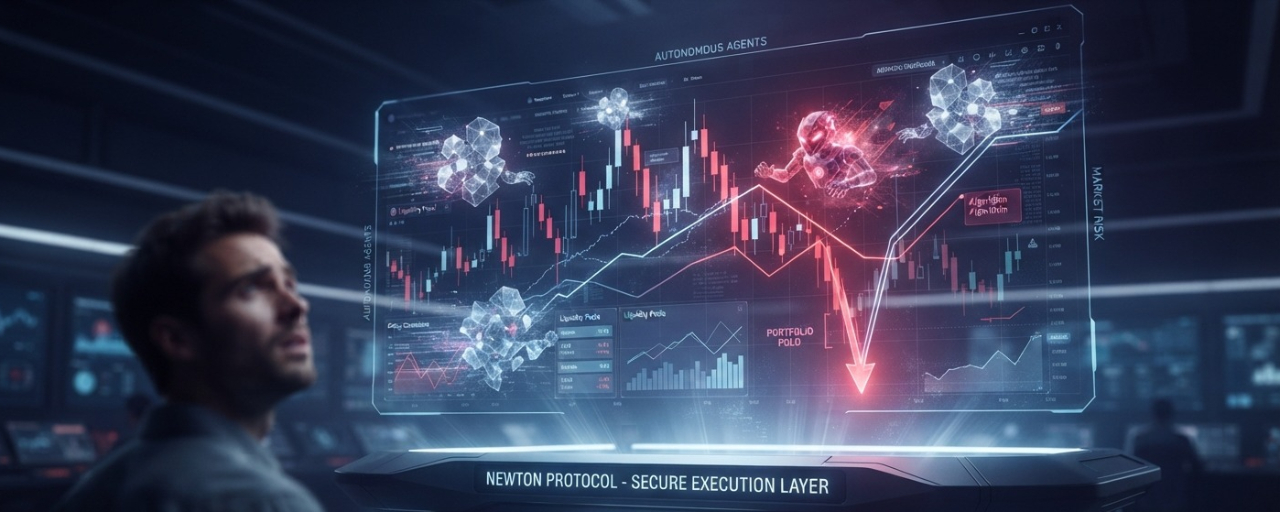
Nicht weil das Verkaufen von Tools falsch wäre. Menschen haben seit Jahren Strategien und Bots in Pakete geschnürt. Aber es gibt einen Unterschied zwischen einem Skript, das Regeln befolgt, und einem autonomen System, das Entscheidungen mit echtem Geld trifft. Diese Linie wird immer unschärfer, und ich bin mir nicht sicher, ob wir wirklich durchdacht haben, wie die Marktplatz-Dynamiken auf der anderen Seite aussehen.
Denk mal darüber nach. Jemand baut einen Trading-Agenten. Er läuft drei Monate lang gut. Dann listen sie ihn, andere setzen ihn ein, und das Geld fließt durch ihn. Doch dann verschieben sich die Märkte auf eine Weise, die die Trainingsdaten nie erfasst haben. Der Agent macht eine Reihe von Zügen, die niemand vorausgesehen hat. Wer ist dafür verantwortlich? Der Entwickler, der ihn gebaut hat? Die Plattform, die ihn gehostet hat? Die Person, die ihm vertraut hat?
Newton-Protokoll (NEWT) und das Marktplatz-Problem, das mich immer wieder beunruhigt
Da ist etwas Unbehagliches daran, zuzusehen, wie KI-Agenten zu Produkten werden.
Nicht weil das Verkaufen von Tools falsch wäre. Menschen haben seit Jahren Strategien und Bots in Pakete geschnürt. Aber es gibt einen Unterschied zwischen einem Skript, das Regeln befolgt, und einem autonomen System, das Entscheidungen mit echtem Geld trifft. Diese Linie wird immer unschärfer, und ich bin mir nicht sicher, ob wir wirklich durchdacht haben, wie die Marktplatz-Dynamiken auf der anderen Seite aussehen.
Denk mal darüber nach. Jemand baut einen Trading-Agenten. Er läuft drei Monate lang gut. Dann listen sie ihn, andere setzen ihn ein, und das Geld fließt durch ihn. Doch dann verschieben sich die Märkte auf eine Weise, die die Trainingsdaten nie erfasst haben. Der Agent macht eine Reihe von Zügen, die niemand vorausgesehen hat. Wer ist dafür verantwortlich? Der Entwickler, der ihn gebaut hat? Die Plattform, die ihn gehostet hat? Die Person, die ihm vertraut hat?
Nicht weil das Verkaufen von Tools falsch wäre. Menschen haben seit Jahren Strategien und Bots in Pakete geschnürt. Aber es gibt einen Unterschied zwischen einem Skript, das Regeln befolgt, und einem autonomen System, das Entscheidungen mit echtem Geld trifft. Diese Linie wird immer unschärfer, und ich bin mir nicht sicher, ob wir wirklich durchdacht haben, wie die Marktplatz-Dynamiken auf der anderen Seite aussehen.
Denk mal darüber nach. Jemand baut einen Trading-Agenten. Er läuft drei Monate lang gut. Dann listen sie ihn, andere setzen ihn ein, und das Geld fließt durch ihn. Doch dann verschieben sich die Märkte auf eine Weise, die die Trainingsdaten nie erfasst haben. Der Agent macht eine Reihe von Zügen, die niemand vorausgesehen hat. Wer ist dafür verantwortlich? Der Entwickler, der ihn gebaut hat? Die Plattform, die ihn gehostet hat? Die Person, die ihm vertraut hat?
1
1
253
·
--
Artikel
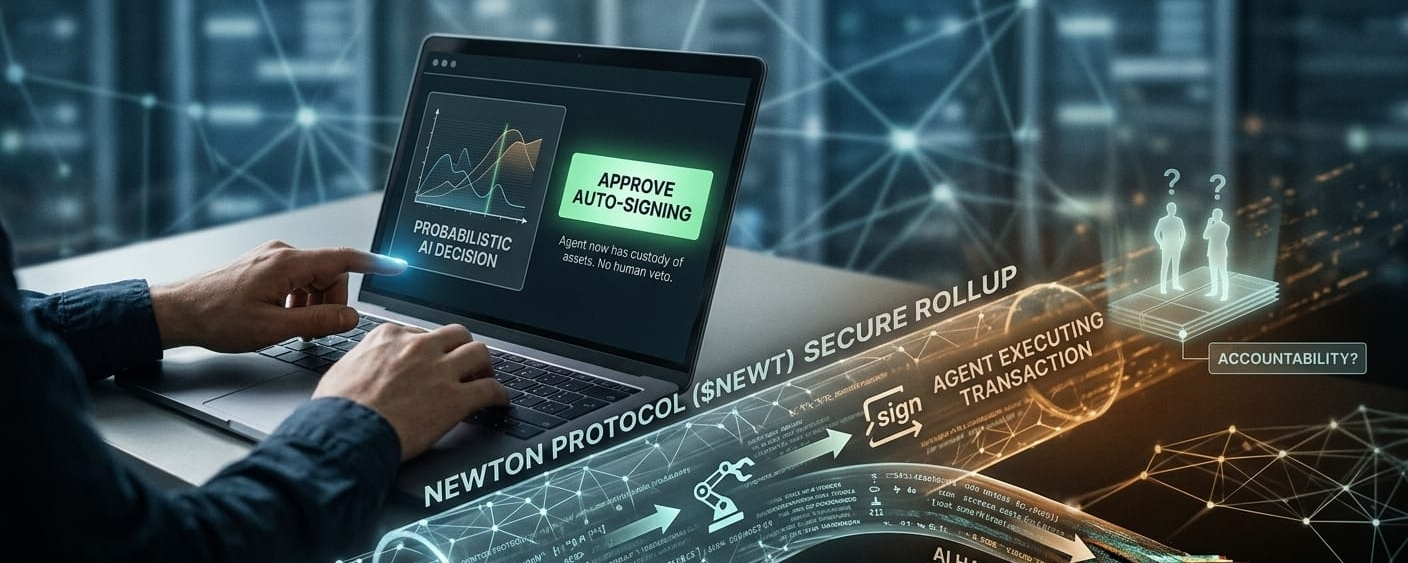
Die stille Unbehaglichkeit, unsere Vetomacht aus der Hand zu geben.Ich beobachte seit ein paar Jahren schon die langsame, schwere Konvergenz von KI und Krypto, und meistens bringt mich das einfach dazu, meinen Laptop zuzumachen. Wir drängen darauf, autonomen Agenten tatsächlich die Verwahrung von Vermögenswerten zu übertragen. Es ist eine Sache, einem LLM zu erlauben, einen Code-Abschnitt zu schreiben oder eine Portfolio-Allokation vorzuschlagen. Eine völlig andere Risikostufe ist es, ein Modell eigenständig Transaktionen signieren und mit Smart Contracts interagieren zu lassen – ohne dass ein Mensch in der Schleife ist, um zu sagen: „Stopp, das sieht nicht richtig aus.“
Traditionelles automatisiertes Trading – das altmodische algorithmische Zeug – läuft auf starren „Wenn-dann“-Aussagen. Wenn der Code kaputtgeht, findest du den Bug. Aber KI ist probabilistisch. Sie arbeitet mit statistischen Wahrscheinlichkeiten, das heißt, sie scheitert nicht mit einem Fehlercode; sie scheitert, indem sie eine äußerst sichere, mathematisch stimmige Entscheidung trifft, die sich als völlig falsch herausstellt – wegen irgendeiner realen Variable, die sie nicht gelernt hat zu verstehen. Und auf einer öffentlichen Blockchain gibt es keine Rückerstattungen. Wenn sich ein Agent hereinlegen lässt, frontrun fährt oder einfach während eines Flash Crashes eine Trendannahme halluciniert, ist das Kapital für immer weg. Wer trägt die Verantwortung? Der Entwickler, der es gehostet hat, oder der Nutzer, der auf „Approve“ geklickt hat?
Die stille Unbehaglichkeit, unsere Vetomacht aus der Hand zu geben.
Ich beobachte seit ein paar Jahren schon die langsame, schwere Konvergenz von KI und Krypto, und meistens bringt mich das einfach dazu, meinen Laptop zuzumachen. Wir drängen darauf, autonomen Agenten tatsächlich die Verwahrung von Vermögenswerten zu übertragen. Es ist eine Sache, einem LLM zu erlauben, einen Code-Abschnitt zu schreiben oder eine Portfolio-Allokation vorzuschlagen. Eine völlig andere Risikostufe ist es, ein Modell eigenständig Transaktionen signieren und mit Smart Contracts interagieren zu lassen – ohne dass ein Mensch in der Schleife ist, um zu sagen: „Stopp, das sieht nicht richtig aus.“
Traditionelles automatisiertes Trading – das altmodische algorithmische Zeug – läuft auf starren „Wenn-dann“-Aussagen. Wenn der Code kaputtgeht, findest du den Bug. Aber KI ist probabilistisch. Sie arbeitet mit statistischen Wahrscheinlichkeiten, das heißt, sie scheitert nicht mit einem Fehlercode; sie scheitert, indem sie eine äußerst sichere, mathematisch stimmige Entscheidung trifft, die sich als völlig falsch herausstellt – wegen irgendeiner realen Variable, die sie nicht gelernt hat zu verstehen. Und auf einer öffentlichen Blockchain gibt es keine Rückerstattungen. Wenn sich ein Agent hereinlegen lässt, frontrun fährt oder einfach während eines Flash Crashes eine Trendannahme halluciniert, ist das Kapital für immer weg. Wer trägt die Verantwortung? Der Entwickler, der es gehostet hat, oder der Nutzer, der auf „Approve“ geklickt hat?
Traditionelles automatisiertes Trading – das altmodische algorithmische Zeug – läuft auf starren „Wenn-dann“-Aussagen. Wenn der Code kaputtgeht, findest du den Bug. Aber KI ist probabilistisch. Sie arbeitet mit statistischen Wahrscheinlichkeiten, das heißt, sie scheitert nicht mit einem Fehlercode; sie scheitert, indem sie eine äußerst sichere, mathematisch stimmige Entscheidung trifft, die sich als völlig falsch herausstellt – wegen irgendeiner realen Variable, die sie nicht gelernt hat zu verstehen. Und auf einer öffentlichen Blockchain gibt es keine Rückerstattungen. Wenn sich ein Agent hereinlegen lässt, frontrun fährt oder einfach während eines Flash Crashes eine Trendannahme halluciniert, ist das Kapital für immer weg. Wer trägt die Verantwortung? Der Entwickler, der es gehostet hat, oder der Nutzer, der auf „Approve“ geklickt hat?
1
2
298
·
--
Bullisch
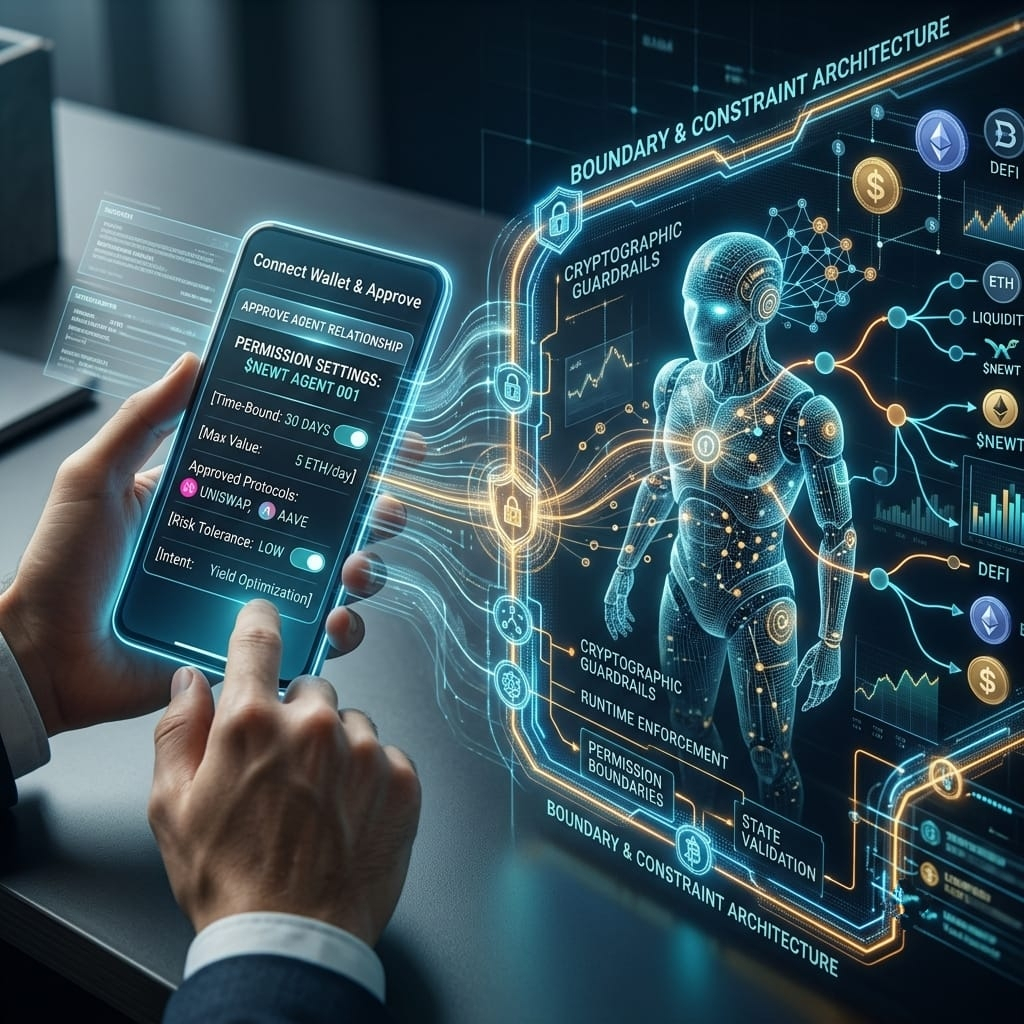
Die Berechtigung ist der Teil, über den niemand genug spricht. Dieser Moment – klein, fast gedankenlos – in dem du einen Vertrag freigibst und plötzlich ein autonomes System Zugriff auf deine Assets hat. Wir haben das normalisiert. Wallet verbinden, freigeben, bestätigen. Fertig.
Aber bei einer von Menschen gebauten dApp ist der Umfang meist eng. Ein Swap. Eine Einzahlung. Du kannst ungefähr vorhersagen, was als Nächstes passiert. Wenn jedoch ein KI-Agent fortlaufende Entscheidungen in deinem Namen trifft, wird diese anfängliche Berechtigung auf eine Weise endlos, die sich grundlegend anders anfühlt. Du gibst keine Transaktion frei. Du gibst eine *Beziehung* zu etwas frei, das weiter Entscheidungen trifft, nachdem du deinen Laptop geschlossen hast.
Und die Sicherheitsfrage verschiebt sich. Es geht nicht mehr nur darum: „Ist dieser Vertrag sicher.“ Es geht darum: „Wie stark ist die Handlungsfähigkeit dieses Agents innerhalb der Berechtigungen eingeschränkt, die ich ihm gegeben habe – und wer setzt diese Einschränkungen im Laufe der Zeit durch?“
Newton Protocol ($NEWT) baut ein Rollup für KI-gesteuerte Strategien und Agent-Ausführung, und das, was ich mich frage, ist, ob die Berechtigungsarchitektur darunter mehr zählt, als irgendwer realisiert. Nicht die Intelligenz. Nicht einmal die Ausführungsgeschwindigkeit. Sondern – wie eng lassen sich die Grenzen ziehen, dessen, was ein Agent mit echtem Wert tun darf?
Wir haben Jahre damit verbracht, die Sicherheit von Smart Contracts zu verfeinern. Aber Smart Contracts ändern nicht ihre Meinung. Agents tun es. Und ich bin mir nicht sicher, ob unsere Berechtigungsmodelle mit diesem Unterschied schon Schritt gehalten haben.
$NEWT @NewtonProtocol #Newt $LAB $VANRY #VANRY #XAU #Labs
{future}(LABUSDT)
{spot}(VANRYUSDT)
{spot}(NEWTUSDT)
Die Berechtigung ist der Teil, über den niemand genug spricht. Dieser Moment – klein, fast gedankenlos – in dem du einen Vertrag freigibst und plötzlich ein autonomes System Zugriff auf deine Assets hat. Wir haben das normalisiert. Wallet verbinden, freigeben, bestätigen. Fertig.
Aber bei einer von Menschen gebauten dApp ist der Umfang meist eng. Ein Swap. Eine Einzahlung. Du kannst ungefähr vorhersagen, was als Nächstes passiert. Wenn jedoch ein KI-Agent fortlaufende Entscheidungen in deinem Namen trifft, wird diese anfängliche Berechtigung auf eine Weise endlos, die sich grundlegend anders anfühlt. Du gibst keine Transaktion frei. Du gibst eine *Beziehung* zu etwas frei, das weiter Entscheidungen trifft, nachdem du deinen Laptop geschlossen hast.
Und die Sicherheitsfrage verschiebt sich. Es geht nicht mehr nur darum: „Ist dieser Vertrag sicher.“ Es geht darum: „Wie stark ist die Handlungsfähigkeit dieses Agents innerhalb der Berechtigungen eingeschränkt, die ich ihm gegeben habe – und wer setzt diese Einschränkungen im Laufe der Zeit durch?“
Newton Protocol ($NEWT ) baut ein Rollup für KI-gesteuerte Strategien und Agent-Ausführung, und das, was ich mich frage, ist, ob die Berechtigungsarchitektur darunter mehr zählt, als irgendwer realisiert. Nicht die Intelligenz. Nicht einmal die Ausführungsgeschwindigkeit. Sondern – wie eng lassen sich die Grenzen ziehen, dessen, was ein Agent mit echtem Wert tun darf?
Wir haben Jahre damit verbracht, die Sicherheit von Smart Contracts zu verfeinern. Aber Smart Contracts ändern nicht ihre Meinung. Agents tun es. Und ich bin mir nicht sicher, ob unsere Berechtigungsmodelle mit diesem Unterschied schon Schritt gehalten haben.
$NEWT @NewtonProtocol #Newt $LAB $VANRY #VANRY #XAU #Labs
Aber bei einer von Menschen gebauten dApp ist der Umfang meist eng. Ein Swap. Eine Einzahlung. Du kannst ungefähr vorhersagen, was als Nächstes passiert. Wenn jedoch ein KI-Agent fortlaufende Entscheidungen in deinem Namen trifft, wird diese anfängliche Berechtigung auf eine Weise endlos, die sich grundlegend anders anfühlt. Du gibst keine Transaktion frei. Du gibst eine *Beziehung* zu etwas frei, das weiter Entscheidungen trifft, nachdem du deinen Laptop geschlossen hast.
Und die Sicherheitsfrage verschiebt sich. Es geht nicht mehr nur darum: „Ist dieser Vertrag sicher.“ Es geht darum: „Wie stark ist die Handlungsfähigkeit dieses Agents innerhalb der Berechtigungen eingeschränkt, die ich ihm gegeben habe – und wer setzt diese Einschränkungen im Laufe der Zeit durch?“
Newton Protocol ($NEWT ) baut ein Rollup für KI-gesteuerte Strategien und Agent-Ausführung, und das, was ich mich frage, ist, ob die Berechtigungsarchitektur darunter mehr zählt, als irgendwer realisiert. Nicht die Intelligenz. Nicht einmal die Ausführungsgeschwindigkeit. Sondern – wie eng lassen sich die Grenzen ziehen, dessen, was ein Agent mit echtem Wert tun darf?
Wir haben Jahre damit verbracht, die Sicherheit von Smart Contracts zu verfeinern. Aber Smart Contracts ändern nicht ihre Meinung. Agents tun es. Und ich bin mir nicht sicher, ob unsere Berechtigungsmodelle mit diesem Unterschied schon Schritt gehalten haben.
$NEWT @NewtonProtocol #Newt $LAB $VANRY #VANRY #XAU #Labs
2
2
253
·
--
Bullisch
Ich habe die letzten sechs Jahre dabei zugesehen, wie KI und Krypto parallel zueinander laufen – und ehrlich gesagt macht die jüngste Kollision dieser beiden Dinge mich ein wenig unruhig. Wir bauen immer bessere Modelle, aber irgendwie scheint jeder das eigentliche „Innenleben“ zu ignorieren.
Es ist leicht, einen Prompt zu schreiben, der eine Trading-Strategie generiert. Etwas völlig anderes ist es, wenn ein Stück Code tatsächlich – ohne menschliche Aufsicht – dein Kapital on-chain bewegt. Was passiert, wenn das Modell eine Marktbedingung halluziniert? Oder schlimmer: wenn die Ausführungsebene selbst undurchsichtig ist? Wir reden so viel darüber, was diese Agenten *denken* können, aber fast nie darüber, wie sie dazu berechtigt sind, *zu handeln*.
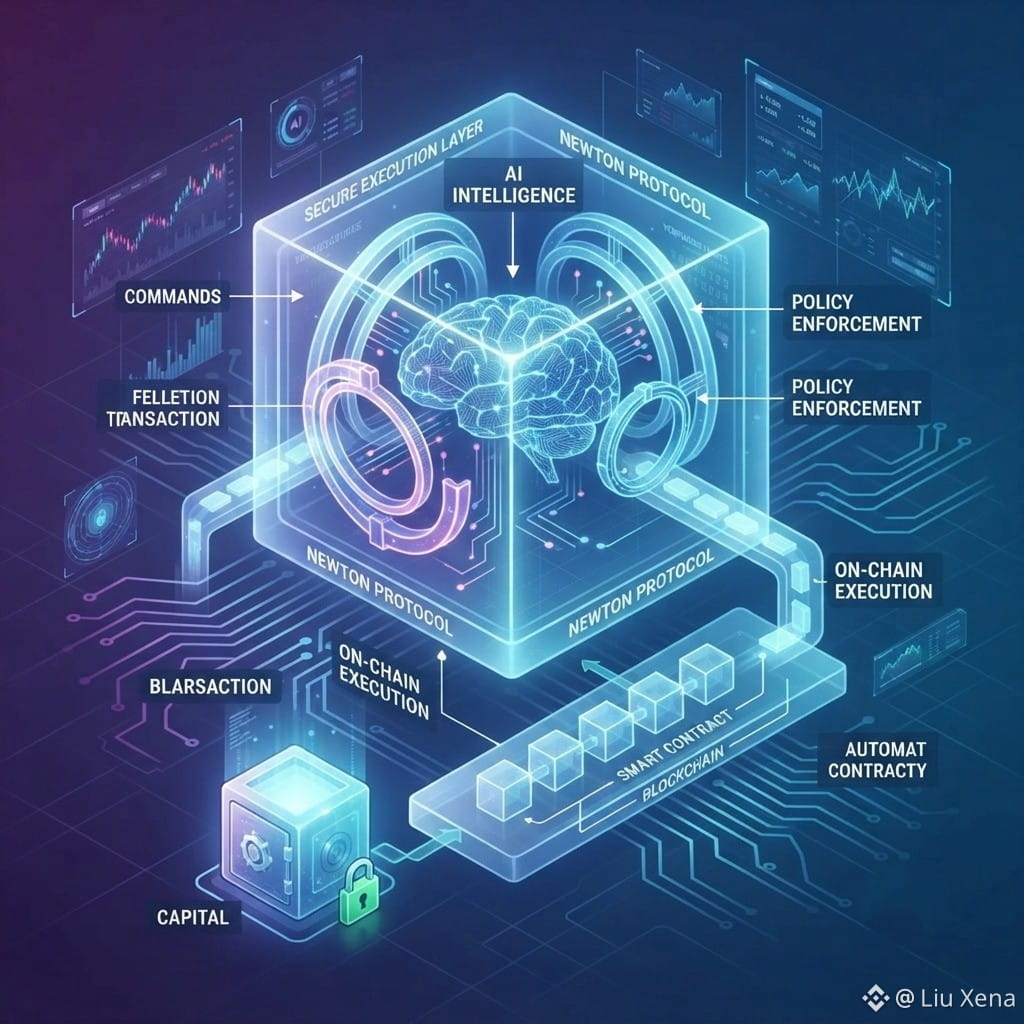
Ich habe mir neulich Newton Protocol ($NEWT) angesehen – sie versuchen, ein sicheres Rollup speziell für genau diese Art von KI-gesteuerter Ausführung und Strategie-Deployment aufzubauen. Das ist ein spannender Ansatz, weil er den Fokus von „Wie schlau ist der Agent?“ auf „Wie nachprüfbar ist die Umgebung, in der er agiert?“ verschiebt. Sie wollen einen Marktplatz schaffen, auf dem Entwickler diese Agenten sicher teilen und monetarisieren können.
Aber ich frage mich noch immer, ob wir bereit sind, die Schlüssel aus der Hand zu geben. Selbst mit einer eigenen Ausführungsebene ist die Reibung zwischen echter Autonomie und absoluter Sicherheit enorm. Können wir finanzielle Intelligenz wirklich sauber sandboxen – oder bauen wir gerade nur komplexere Wege, um schneller Geld zu verlieren? Ich bin mir noch nicht sicher, ob wir die Antwort darauf schon haben.
$NEWT @NewtonProtocol #Newt $LAB $VANRY #Velvet #XAU #VANRY #Labs
{spot}(NEWTUSDT)
{spot}(VANRYUSDT)
{future}(LABUSDT)
Ich habe die letzten sechs Jahre dabei zugesehen, wie KI und Krypto parallel zueinander laufen – und ehrlich gesagt macht die jüngste Kollision dieser beiden Dinge mich ein wenig unruhig. Wir bauen immer bessere Modelle, aber irgendwie scheint jeder das eigentliche „Innenleben“ zu ignorieren.
Es ist leicht, einen Prompt zu schreiben, der eine Trading-Strategie generiert. Etwas völlig anderes ist es, wenn ein Stück Code tatsächlich – ohne menschliche Aufsicht – dein Kapital on-chain bewegt. Was passiert, wenn das Modell eine Marktbedingung halluziniert? Oder schlimmer: wenn die Ausführungsebene selbst undurchsichtig ist? Wir reden so viel darüber, was diese Agenten *denken* können, aber fast nie darüber, wie sie dazu berechtigt sind, *zu handeln*.
Ich habe mir neulich Newton Protocol ($NEWT ) angesehen – sie versuchen, ein sicheres Rollup speziell für genau diese Art von KI-gesteuerter Ausführung und Strategie-Deployment aufzubauen. Das ist ein spannender Ansatz, weil er den Fokus von „Wie schlau ist der Agent?“ auf „Wie nachprüfbar ist die Umgebung, in der er agiert?“ verschiebt. Sie wollen einen Marktplatz schaffen, auf dem Entwickler diese Agenten sicher teilen und monetarisieren können.
Aber ich frage mich noch immer, ob wir bereit sind, die Schlüssel aus der Hand zu geben. Selbst mit einer eigenen Ausführungsebene ist die Reibung zwischen echter Autonomie und absoluter Sicherheit enorm. Können wir finanzielle Intelligenz wirklich sauber sandboxen – oder bauen wir gerade nur komplexere Wege, um schneller Geld zu verlieren? Ich bin mir noch nicht sicher, ob wir die Antwort darauf schon haben.
$NEWT @NewtonProtocol #Newt $LAB $VANRY #Velvet #XAU #VANRY #Labs
Es ist leicht, einen Prompt zu schreiben, der eine Trading-Strategie generiert. Etwas völlig anderes ist es, wenn ein Stück Code tatsächlich – ohne menschliche Aufsicht – dein Kapital on-chain bewegt. Was passiert, wenn das Modell eine Marktbedingung halluziniert? Oder schlimmer: wenn die Ausführungsebene selbst undurchsichtig ist? Wir reden so viel darüber, was diese Agenten *denken* können, aber fast nie darüber, wie sie dazu berechtigt sind, *zu handeln*.
Ich habe mir neulich Newton Protocol ($NEWT ) angesehen – sie versuchen, ein sicheres Rollup speziell für genau diese Art von KI-gesteuerter Ausführung und Strategie-Deployment aufzubauen. Das ist ein spannender Ansatz, weil er den Fokus von „Wie schlau ist der Agent?“ auf „Wie nachprüfbar ist die Umgebung, in der er agiert?“ verschiebt. Sie wollen einen Marktplatz schaffen, auf dem Entwickler diese Agenten sicher teilen und monetarisieren können.
Aber ich frage mich noch immer, ob wir bereit sind, die Schlüssel aus der Hand zu geben. Selbst mit einer eigenen Ausführungsebene ist die Reibung zwischen echter Autonomie und absoluter Sicherheit enorm. Können wir finanzielle Intelligenz wirklich sauber sandboxen – oder bauen wir gerade nur komplexere Wege, um schneller Geld zu verlieren? Ich bin mir noch nicht sicher, ob wir die Antwort darauf schon haben.
$NEWT @NewtonProtocol #Newt $LAB $VANRY #Velvet #XAU #VANRY #Labs
16
7
176
·
--
Artikel
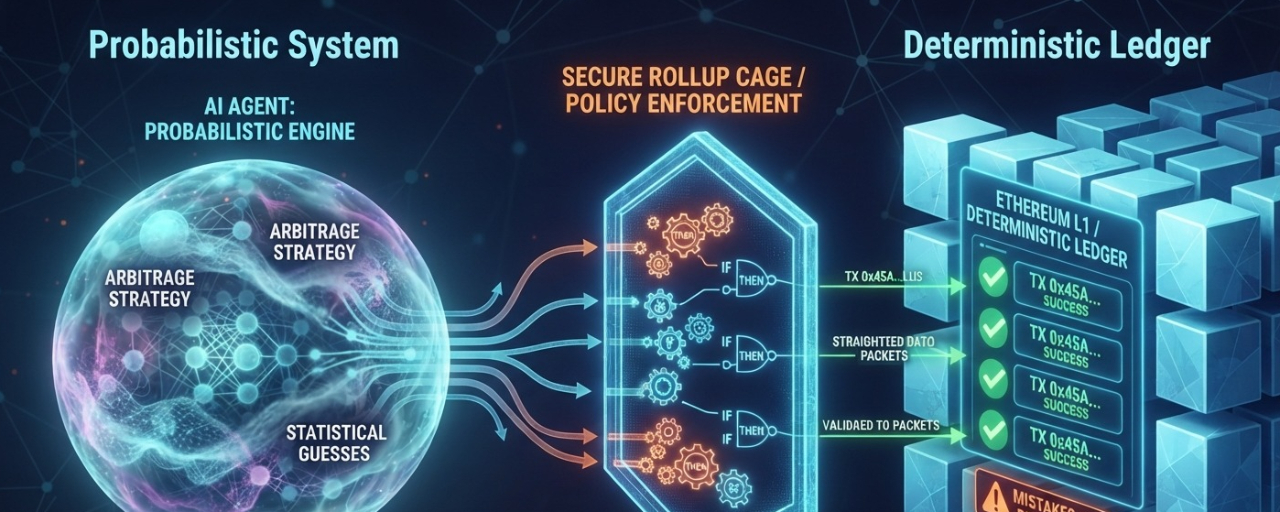
Wir bauen hochsichere Käfige für Motoren, denen wir noch nicht ganz vertrauen.Ich beobachte schon seit einiger Zeit die langsame Kollision von KI und Krypto, und vieles davon fühlt sich einfach so an, als wollten wir zwei Trend-Zyklen gewaltsam zusammenpressen, um zu sehen, was hängen bleibt. Wir hören ständig von „autonomem Finanzwesen“, als wäre das diese klare, unvermeidliche Endstation. Aber wenn man genau hinschaut, wie diese KI-Modelle tatsächlich mit Blockchains interagieren, ist die Realität unglaublich chaotisch. Es geht darum, probabilistische Systeme—Modelle, die auf Annahmen und statistischer Wahrscheinlichkeit basieren—mit den Schlüsseln zu deterministischen, gnadenlosen Registern auszustatten, in denen Fehler dauerhaft sind. Wenn eine klassische Software scheitert, gibt es eine Stack-Trace. Wenn dagegen ein KI-Agent nicht korrekt ausführen kann, weil sich die Marktbedingungen minimal geändert haben, könnte er einfach still und leise Kapital in einen Smart Contract abfließen lassen—ohne Möglichkeit, es zurückzudrehen.
Wir bauen hochsichere Käfige für Motoren, denen wir noch nicht ganz vertrauen.
Ich beobachte schon seit einiger Zeit die langsame Kollision von KI und Krypto, und vieles davon fühlt sich einfach so an, als wollten wir zwei Trend-Zyklen gewaltsam zusammenpressen, um zu sehen, was hängen bleibt. Wir hören ständig von „autonomem Finanzwesen“, als wäre das diese klare, unvermeidliche Endstation. Aber wenn man genau hinschaut, wie diese KI-Modelle tatsächlich mit Blockchains interagieren, ist die Realität unglaublich chaotisch. Es geht darum, probabilistische Systeme—Modelle, die auf Annahmen und statistischer Wahrscheinlichkeit basieren—mit den Schlüsseln zu deterministischen, gnadenlosen Registern auszustatten, in denen Fehler dauerhaft sind. Wenn eine klassische Software scheitert, gibt es eine Stack-Trace. Wenn dagegen ein KI-Agent nicht korrekt ausführen kann, weil sich die Marktbedingungen minimal geändert haben, könnte er einfach still und leise Kapital in einen Smart Contract abfließen lassen—ohne Möglichkeit, es zurückzudrehen.
9
6
132
·
--
Bärisch
Dieser Flush kam schnell.
Longs haben diese Ebene eindeutig verloren.
$SAMSUNG
{future}(SAMSUNGUSDT)
🔴 LIQUIDITY ZONE HIT 🔴
Long Liquidation entdeckt 🧨
$94,2K ausgezahlt bei $188,49
Abwärts-Liquidität gefegt – beobachte die Reaktion 👀
🎯 TP-Ziele:
TP1: ~ $186,60
TP2: ~ $184,80
TP3: ~ $182,50
#Samsung
Dieser Flush kam schnell.
Longs haben diese Ebene eindeutig verloren.
$SAMSUNG
🔴 LIQUIDITY ZONE HIT 🔴
Long Liquidation entdeckt 🧨
$94,2K ausgezahlt bei $188,49
Abwärts-Liquidität gefegt – beobachte die Reaktion 👀
🎯 TP-Ziele:
TP1: ~ $186,60
TP2: ~ $184,80
TP3: ~ $182,50
#Samsung
Longs haben diese Ebene eindeutig verloren.
$SAMSUNG
🔴 LIQUIDITY ZONE HIT 🔴
Long Liquidation entdeckt 🧨
$94,2K ausgezahlt bei $188,49
Abwärts-Liquidität gefegt – beobachte die Reaktion 👀
🎯 TP-Ziele:
TP1: ~ $186,60
TP2: ~ $184,80
TP3: ~ $182,50
#Samsung
1
24
·
--
Bärisch
Käufer konnten das Gebot nicht halten.
Die Unterstützung hat schnell versagt.
$LITE
{future}(LITEUSDT)
🔴 LIQUIDITÄTSZONE GETROFFEN 🔴
Lange Liquidation gesichtet 🧨
$93,7K liquidiert bei $785,13
Abwärts-Liquidität wurde abgefischt — Reaktion beobachten 👀
🎯 TP-Ziele:
TP1: ~ $777,30
TP2: ~ $769,50
TP3: ~ $760,00
#Litecoin
Käufer konnten das Gebot nicht halten.
Die Unterstützung hat schnell versagt.
$LITE
🔴 LIQUIDITÄTSZONE GETROFFEN 🔴
Lange Liquidation gesichtet 🧨
$93,7K liquidiert bei $785,13
Abwärts-Liquidität wurde abgefischt — Reaktion beobachten 👀
🎯 TP-Ziele:
TP1: ~ $777,30
TP2: ~ $769,50
TP3: ~ $760,00
#Litecoin
Die Unterstützung hat schnell versagt.
$LITE
🔴 LIQUIDITÄTSZONE GETROFFEN 🔴
Lange Liquidation gesichtet 🧨
$93,7K liquidiert bei $785,13
Abwärts-Liquidität wurde abgefischt — Reaktion beobachten 👀
🎯 TP-Ziele:
TP1: ~ $777,30
TP2: ~ $769,50
TP3: ~ $760,00
#Litecoin
1
21
·
--
Bullisch
Shorts haben zu stark angezogen.
Der Momentum-Druck hat sie herausgedrückt.
$BTC
{future}(BTCUSDT)
🟢 LIQUIDITY-ZONE GETROFFEN 🟢
Short-Liquidation entdeckt 🧨
$149K wurden bei $63430.10 ausgecasht
Upside-Liquidität gefegt – beobachte die Reaktion 👀
🎯 TP-Ziele:
TP1: ~ $63650
TP2: ~ $63900
TP3: ~ $64200
#BTC
Shorts haben zu stark angezogen.
Der Momentum-Druck hat sie herausgedrückt.
$BTC
🟢 LIQUIDITY-ZONE GETROFFEN 🟢
Short-Liquidation entdeckt 🧨
$149K wurden bei $63430.10 ausgecasht
Upside-Liquidität gefegt – beobachte die Reaktion 👀
🎯 TP-Ziele:
TP1: ~ $63650
TP2: ~ $63900
TP3: ~ $64200
#BTC
Der Momentum-Druck hat sie herausgedrückt.
$BTC
🟢 LIQUIDITY-ZONE GETROFFEN 🟢
Short-Liquidation entdeckt 🧨
$149K wurden bei $63430.10 ausgecasht
Upside-Liquidität gefegt – beobachte die Reaktion 👀
🎯 TP-Ziele:
TP1: ~ $63650
TP2: ~ $63900
TP3: ~ $64200
#BTC
19
·
--
Bullisch
Dieser Ausbruch hat Verkäufer gefangen.
Der Squeeze gewann an Dynamik.
$ETH
{future}(ETHUSDT)
🟢 LIQUIDITÄTSZONE GETROFFEN 🟢
Kurze Liquidation entdeckt 🧨
$441K abgeräumt bei $1752.09
Aufwärtige Liquidität aufgesaugt — Reaktion beobachten 👀
🎯 TP-Ziele:
TP1: ~$1765
TP2: ~$1778
TP3: ~$1792
#ETH
Dieser Ausbruch hat Verkäufer gefangen.
Der Squeeze gewann an Dynamik.
$ETH
🟢 LIQUIDITÄTSZONE GETROFFEN 🟢
Kurze Liquidation entdeckt 🧨
$441K abgeräumt bei $1752.09
Aufwärtige Liquidität aufgesaugt — Reaktion beobachten 👀
🎯 TP-Ziele:
TP1: ~$1765
TP2: ~$1778
TP3: ~$1792
#ETH
Der Squeeze gewann an Dynamik.
$ETH
🟢 LIQUIDITÄTSZONE GETROFFEN 🟢
Kurze Liquidation entdeckt 🧨
$441K abgeräumt bei $1752.09
Aufwärtige Liquidität aufgesaugt — Reaktion beobachten 👀
🎯 TP-Ziele:
TP1: ~$1765
TP2: ~$1778
TP3: ~$1792
#ETH
1
20
·
--
Bullisch
Kleinerer Cap, gleiche Story.
Shorts hatten keinen Platz mehr.
$SOL
{future}(SOLUSDT)
🟢 LIQUIDITY-ZONE GETROFFEN 🟢
Short-Liquidation entdeckt 🧨
$55,4K liquidiert bei $79,15
Upside-Liquidität abgefischt — beobachte die Reaktion 👀
🎯 TP-Ziele:
TP1: ~ $79,80
TP2: ~ $80,50
TP3: ~ $81,30
#solana
Kleinerer Cap, gleiche Story.
Shorts hatten keinen Platz mehr.
$SOL
🟢 LIQUIDITY-ZONE GETROFFEN 🟢
Short-Liquidation entdeckt 🧨
$55,4K liquidiert bei $79,15
Upside-Liquidität abgefischt — beobachte die Reaktion 👀
🎯 TP-Ziele:
TP1: ~ $79,80
TP2: ~ $80,50
TP3: ~ $81,30
#solana
Shorts hatten keinen Platz mehr.
$SOL
🟢 LIQUIDITY-ZONE GETROFFEN 🟢
Short-Liquidation entdeckt 🧨
$55,4K liquidiert bei $79,15
Upside-Liquidität abgefischt — beobachte die Reaktion 👀
🎯 TP-Ziele:
TP1: ~ $79,80
TP2: ~ $80,50
TP3: ~ $81,30
#solana
1
23
·
--
Bullisch
Der Druck baute sich immer weiter auf.
Schließlich gaben die Shorts nach.
$TAO
{future}(TAOUSDT)
🟢 LIQUIDITY ZONE HIT 🟢
Short-Liquidation gesichtet 🧨
$95.4K wurden bei $215.99 ausgecasht
Nach oben wurde Liquidität abgegriffen — Reaktion beobachten 👀
🎯 TP-Ziele:
TP1: ~$218.20
TP2: ~$220.80
TP3: ~$224.00
#TAO
Der Druck baute sich immer weiter auf.
Schließlich gaben die Shorts nach.
$TAO
🟢 LIQUIDITY ZONE HIT 🟢
Short-Liquidation gesichtet 🧨
$95.4K wurden bei $215.99 ausgecasht
Nach oben wurde Liquidität abgegriffen — Reaktion beobachten 👀
🎯 TP-Ziele:
TP1: ~$218.20
TP2: ~$220.80
TP3: ~$224.00
#TAO
Schließlich gaben die Shorts nach.
$TAO
🟢 LIQUIDITY ZONE HIT 🟢
Short-Liquidation gesichtet 🧨
$95.4K wurden bei $215.99 ausgecasht
Nach oben wurde Liquidität abgegriffen — Reaktion beobachten 👀
🎯 TP-Ziele:
TP1: ~$218.20
TP2: ~$220.80
TP3: ~$224.00
#TAO
38
·
--
Bullisch
Dieser Squeeze hat Trader überrascht.
Der Aufwärtsmomentum blieb fest nachgefragt.
$KORU
{future}(KORUUSDT)
🟢 LIQUIDITÄTSZONE GETROFFEN 🟢
Kurze Liquidation entdeckt 🧨
$52,4K wurden bei $562,73 bereinigt
Aufwärts-Liquidität wurde abgefischt – beobachte die Reaktion 👀
🎯 TP-Ziele:
TP1: ~ $568,00
TP2: ~ $575,00
TP3: ~ $583,00
#KORU
Dieser Squeeze hat Trader überrascht.
Der Aufwärtsmomentum blieb fest nachgefragt.
$KORU
🟢 LIQUIDITÄTSZONE GETROFFEN 🟢
Kurze Liquidation entdeckt 🧨
$52,4K wurden bei $562,73 bereinigt
Aufwärts-Liquidität wurde abgefischt – beobachte die Reaktion 👀
🎯 TP-Ziele:
TP1: ~ $568,00
TP2: ~ $575,00
TP3: ~ $583,00
#KORU
Der Aufwärtsmomentum blieb fest nachgefragt.
$KORU
🟢 LIQUIDITÄTSZONE GETROFFEN 🟢
Kurze Liquidation entdeckt 🧨
$52,4K wurden bei $562,73 bereinigt
Aufwärts-Liquidität wurde abgefischt – beobachte die Reaktion 👀
🎯 TP-Ziele:
TP1: ~ $568,00
TP2: ~ $575,00
TP3: ~ $583,00
#KORU
13
·
--
Bullisch
Verkäufer hielten die Bewegung überzogen.
Der Markt drückte direkt durch.
$XRP
{future}(XRPUSDT)
🟢 LIQUIDITY-ZONE GETROFFEN 🟢
Kurze Liquidation entdeckt 🧨
$80,9K bereinigt bei $1,108
Aufwärts-Liquidität wurde mitgenommen — Reaktion beobachten 👀
🎯 TP-Ziele:
TP1: ~ $1,115
TP2: ~ $1,123
TP3: ~ $1,132
#xrp
Verkäufer hielten die Bewegung überzogen.
Der Markt drückte direkt durch.
$XRP
🟢 LIQUIDITY-ZONE GETROFFEN 🟢
Kurze Liquidation entdeckt 🧨
$80,9K bereinigt bei $1,108
Aufwärts-Liquidität wurde mitgenommen — Reaktion beobachten 👀
🎯 TP-Ziele:
TP1: ~ $1,115
TP2: ~ $1,123
TP3: ~ $1,132
#xrp
Der Markt drückte direkt durch.
$XRP
🟢 LIQUIDITY-ZONE GETROFFEN 🟢
Kurze Liquidation entdeckt 🧨
$80,9K bereinigt bei $1,108
Aufwärts-Liquidität wurde mitgenommen — Reaktion beobachten 👀
🎯 TP-Ziele:
TP1: ~ $1,115
TP2: ~ $1,123
TP3: ~ $1,132
#xrp
26
·
--
Bullisch
Selbst Micro-Caps können sich stark zusammenziehen.
Kurzzeitiger Ausbruch war schnell verschwunden.
$PENGU
{future}(PENGUUSDT)
🟢 LIQUIDITY ZONE GETROFFEN 🟢
Short-Liquidation entdeckt 🧨
$61,3K geräumt bei $0,006339
Aufwärtige Liquidität abgefischt — beobachte die Reaktion 👀
🎯 TP-Ziele:
TP1: ~$0,00642
TP2: ~$0,00650
TP3: ~$0,00660
#pengu
Selbst Micro-Caps können sich stark zusammenziehen.
Kurzzeitiger Ausbruch war schnell verschwunden.
$PENGU
🟢 LIQUIDITY ZONE GETROFFEN 🟢
Short-Liquidation entdeckt 🧨
$61,3K geräumt bei $0,006339
Aufwärtige Liquidität abgefischt — beobachte die Reaktion 👀
🎯 TP-Ziele:
TP1: ~$0,00642
TP2: ~$0,00650
TP3: ~$0,00660
#pengu
Kurzzeitiger Ausbruch war schnell verschwunden.
$PENGU
🟢 LIQUIDITY ZONE GETROFFEN 🟢
Short-Liquidation entdeckt 🧨
$61,3K geräumt bei $0,006339
Aufwärtige Liquidität abgefischt — beobachte die Reaktion 👀
🎯 TP-Ziele:
TP1: ~$0,00642
TP2: ~$0,00650
TP3: ~$0,00660
#pengu
22
Anmelden und weiter Inhalte entdecken
Krypto-Nutzer weltweit auf Binance Square kennenlernen
⚡️ Bleib in Sachen Krypto stets am Puls.
💬 Die weltgrößte Kryptobörse vertraut darauf.
👍 Erhalte verlässliche Einblicke von verifizierten Creators.
E-Mail-Adresse/Telefonnummer
Trendthemen
BOJRaisesRatesTo31YearHigh
152,844 Aufrufe
2,366 Kommentare
#BOJRaisesRatesTo31YearHigh
#BOJRaisesRatesTo31YearHigh 🇯🇵📈
Die Bank of Japan hat einen weiteren großen Schritt unternommen, indem sie die Zinsen auf ihr höchstes Niveau seit 31 Jahren angehoben hat und damit die globalen Märkte in Alarmbereitschaft versetzt. Die Maßnahme signalisiert eine fortgesetzte Abkehr von Japans langjähriger ultralockerer Geldpolitik. Höhere japanische Zinsen könnten den Yen stärken, die globalen Renditen beeinflussen und möglicherweise Kapitalströme über die Finanzmärkte hinweg auswirken. Auch Krypto- und andere risikoreiche Assets könnten reagieren, da Anleger die Liquidität und das Risikoprofil neu bewerten. Trader beobachten nun die nächsten Aussagen der BOJ genau auf Hinweise für künftige Zinsentscheidungen. Die Volatilität könnte zunehmen, während die Märkte die geldpolitische Änderung und ihre potenzielle globale Wirkung verdauen. #BOJ #Japan #Crypto #Märkte #InterestRates $NVDAB
maqsoodahmed1
·1 Likes
·265 Aufrufe
BuffettStepsDownAsBerkshireChairman
72,819 Aufrufe
1,208 Kommentare
XRPExchangeReservesHitSevenYearLow
79,964 Aufrufe
1,091 Kommentare