
Helen_Rose
4.6k Beiträge

Helen_Rose
Melden
Nutzer blockieren
Beyond the charts, makin' moves | invest, hustle, repeat #cryptolife | 24/7 market watch | No financial advise, always #DYOR X: @miyarose09
Trade eröffnen
Gelegenheitstrader
2.5 Jahre
336 Following
15.6K+ Follower
12.2K+ Like gegeben
Beiträge
Portfolio
Alle
Zitierungen
Videos
Live
PINNED
·
--
$SUI
{spot}(SUIUSDT)
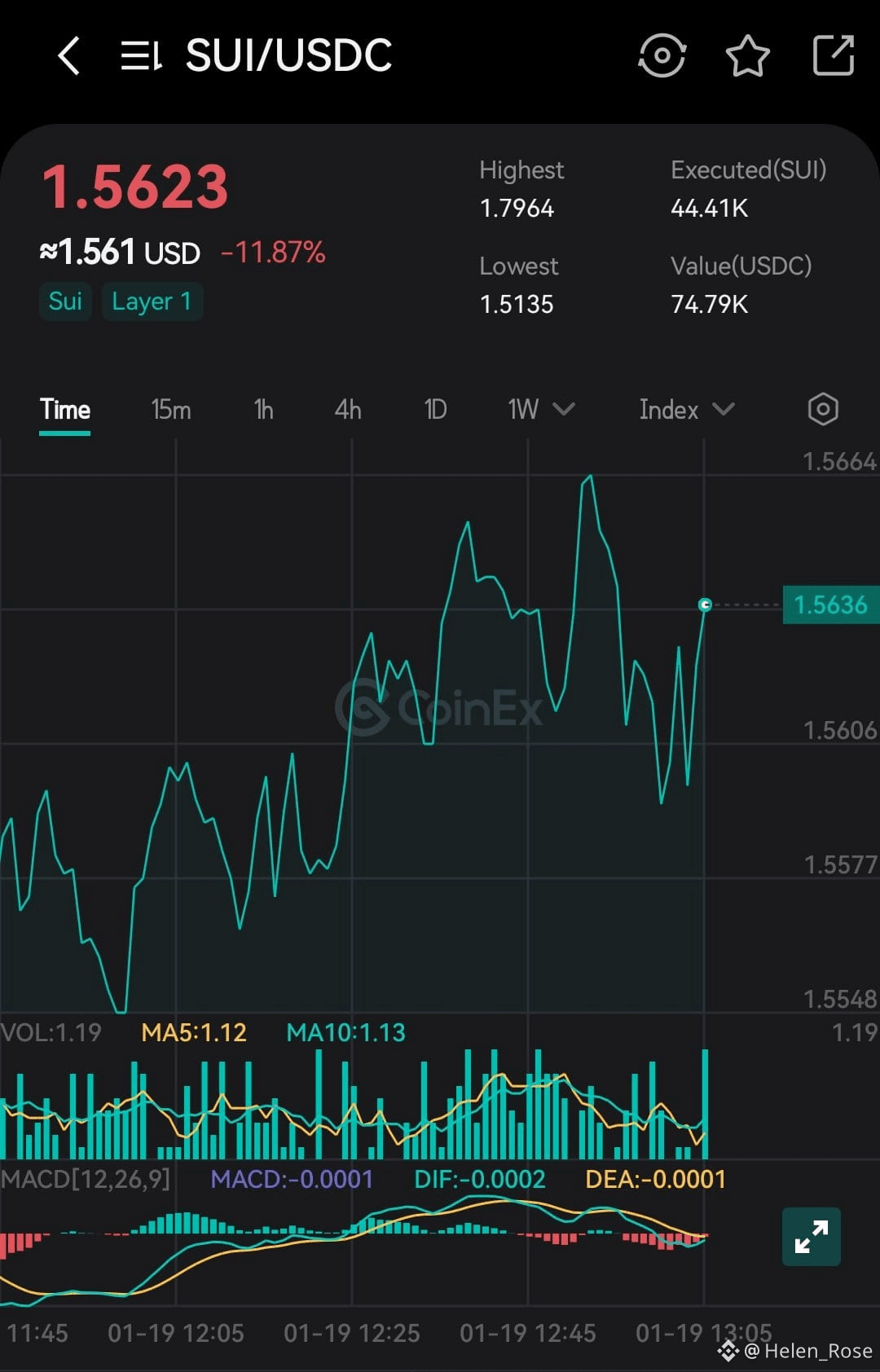
nimmt das Rampenlicht zurück und erholt sich auf $1.85 nach der Wochenendvolatilität.
Mit dem v2-Upgrade, das jetzt live ist, ist $SUI offiziell die schnellste institutionelle Chain auf dem Markt.
Wale wechseln von hochinflationären RWA-Spielen zurück zu leistungsstarken L1s
$2 ist die nächste psychologische Barriere. Mal sehen, wie es läuft
#MarketRebound #BTC100kNext?
$SUI
nimmt das Rampenlicht zurück und erholt sich auf $1.85 nach der Wochenendvolatilität.
Mit dem v2-Upgrade, das jetzt live ist, ist $SUI offiziell die schnellste institutionelle Chain auf dem Markt.
Wale wechseln von hochinflationären RWA-Spielen zurück zu leistungsstarken L1s
$2 ist die nächste psychologische Barriere. Mal sehen, wie es läuft
#MarketRebound #BTC100kNext?
nimmt das Rampenlicht zurück und erholt sich auf $1.85 nach der Wochenendvolatilität.
Mit dem v2-Upgrade, das jetzt live ist, ist $SUI offiziell die schnellste institutionelle Chain auf dem Markt.
Wale wechseln von hochinflationären RWA-Spielen zurück zu leistungsstarken L1s
$2 ist die nächste psychologische Barriere. Mal sehen, wie es läuft
#MarketRebound #BTC100kNext?
290
100
38
290
·
--
Übersetzung ansehen
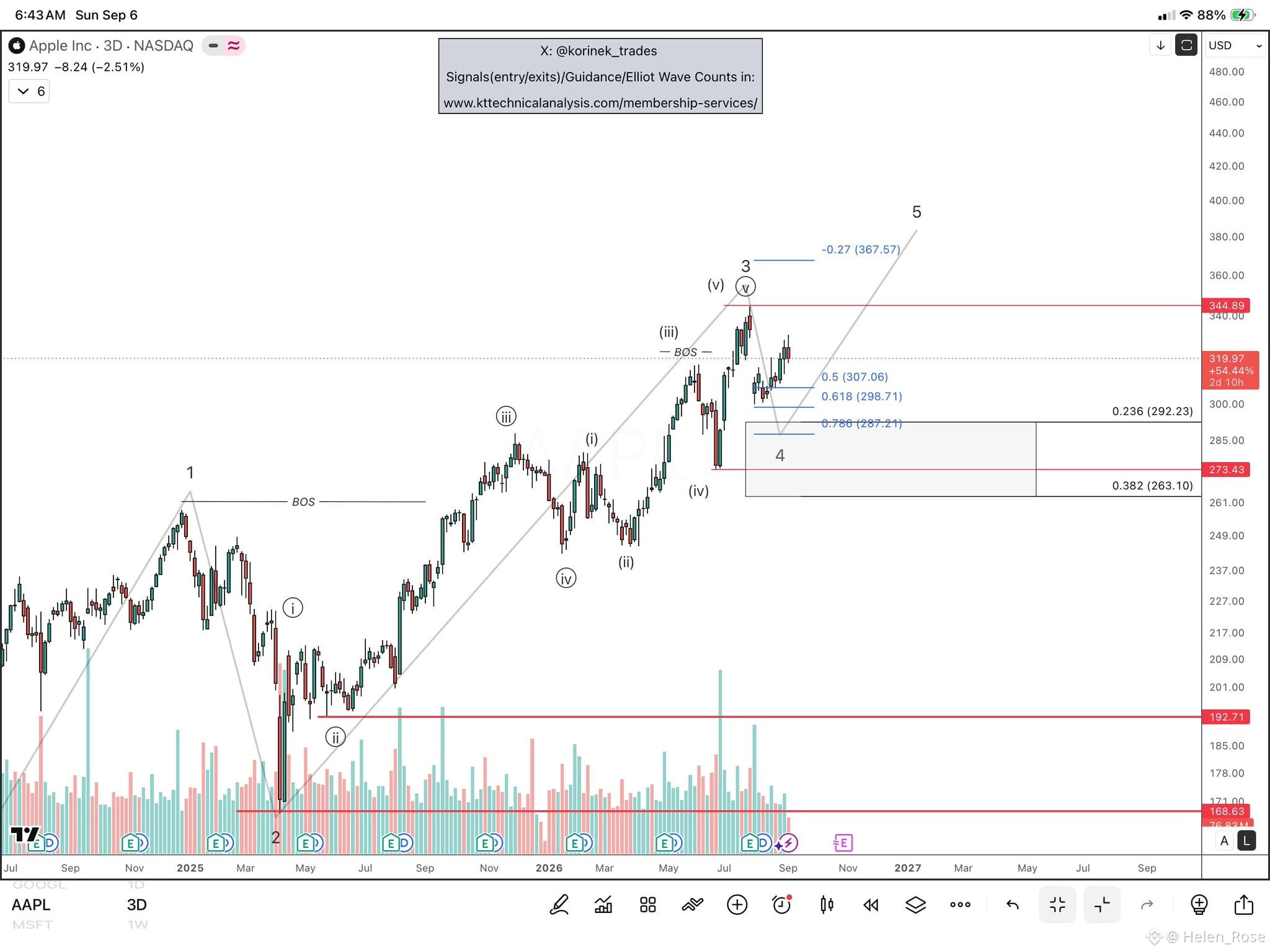
$AAPL Textbook bull pennant breakout. 🍏
When I first started trading I was impressed by the fact that there were patterns you could identify and actually make money with. Still does to this day.
Over the years my style of trading has evolved to incorporate other things, but at the root of it all is an understanding and appreciation for classical technical analysis.
Patterns like this have been around for 100 years and will be around for many, many more.
The market always changes. Human behavior doesn't.
#CPIWatch #USBankCompletesCrossBorderPaymentPilotOnStellar #EtherRalliesAsBearishBetsLiquidate
$AAPL Textbook bull pennant breakout. 🍏
When I first started trading I was impressed by the fact that there were patterns you could identify and actually make money with. Still does to this day.
Over the years my style of trading has evolved to incorporate other things, but at the root of it all is an understanding and appreciation for classical technical analysis.
Patterns like this have been around for 100 years and will be around for many, many more.
The market always changes. Human behavior doesn't.
#CPIWatch #USBankCompletesCrossBorderPaymentPilotOnStellar #EtherRalliesAsBearishBetsLiquidate
When I first started trading I was impressed by the fact that there were patterns you could identify and actually make money with. Still does to this day.
Over the years my style of trading has evolved to incorporate other things, but at the root of it all is an understanding and appreciation for classical technical analysis.
Patterns like this have been around for 100 years and will be around for many, many more.
The market always changes. Human behavior doesn't.
#CPIWatch #USBankCompletesCrossBorderPaymentPilotOnStellar #EtherRalliesAsBearishBetsLiquidate
135
·
--
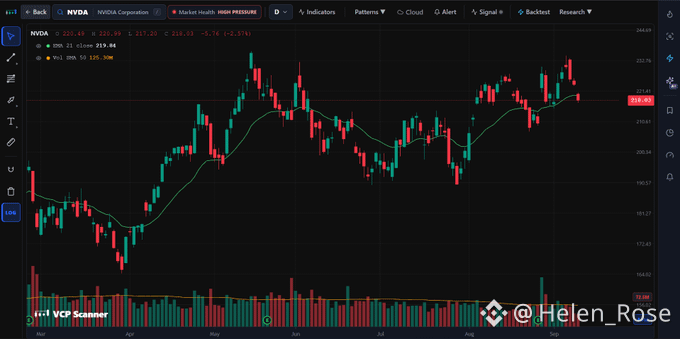
$NVDA muss noch über $230 ausbrechen, um in diesem Zyklus einen finalen Pop zu bekommen; andernfalls ist als Nächstes Wave 2 für einen erneuten Test seines 200 WMA dran
Und dann findet der WIRKLICHE KI-Boom statt, nachdem das passiert ist
Zyklus Wave 3 für $NVDA.
$NVDA bei seinem 200 WMA hinzuzufügen ist der Traum-Kauf.
#CoinDeskRevealsGateRWAPerpetualsTop3Globally #AugustCoreCPIBeatsExpectations
$NVDA muss noch über $230 ausbrechen, um in diesem Zyklus einen finalen Pop zu bekommen; andernfalls ist als Nächstes Wave 2 für einen erneuten Test seines 200 WMA dran
Und dann findet der WIRKLICHE KI-Boom statt, nachdem das passiert ist
Zyklus Wave 3 für $NVDA .
$NVDA bei seinem 200 WMA hinzuzufügen ist der Traum-Kauf.
#CoinDeskRevealsGateRWAPerpetualsTop3Globally #AugustCoreCPIBeatsExpectations
Und dann findet der WIRKLICHE KI-Boom statt, nachdem das passiert ist
Zyklus Wave 3 für $NVDA .
$NVDA bei seinem 200 WMA hinzuzufügen ist der Traum-Kauf.
#CoinDeskRevealsGateRWAPerpetualsTop3Globally #AugustCoreCPIBeatsExpectations
1
216
·
--
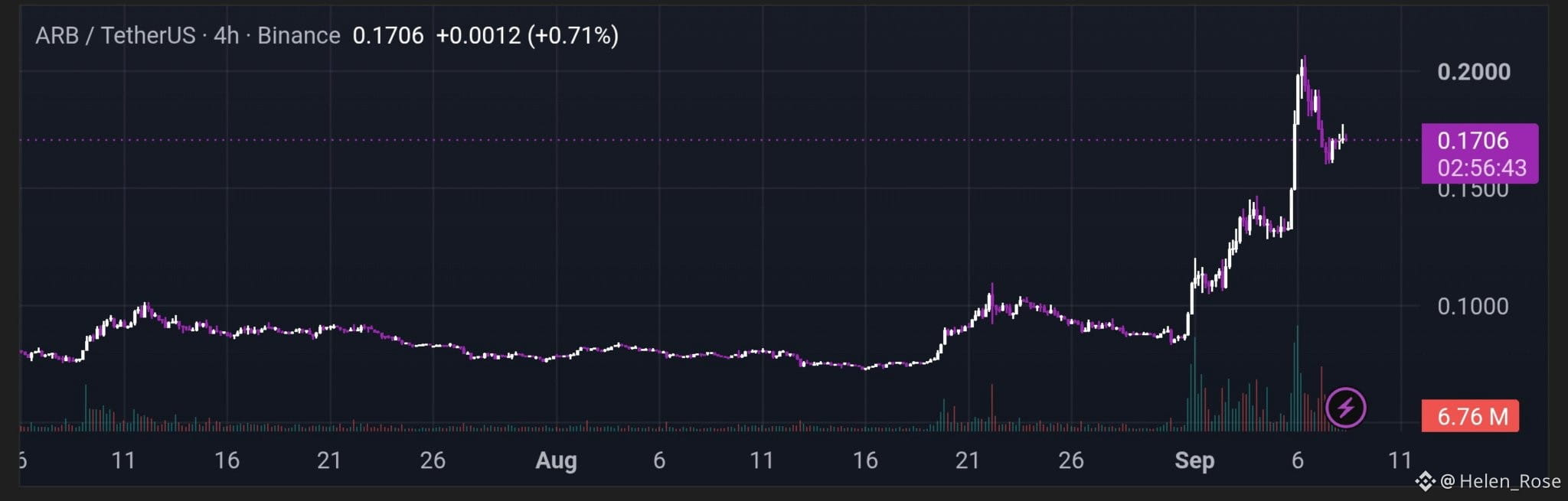
$ARB hat sich in einer Woche mehr als verdoppelt und darüber spricht so gut wie niemand.
Vor einer Woche lag es bei 0,087 $. Dann hat es letzte Nacht drei 4H-Kerzen von 0,1325 $ auf 0,198 $ in 12 Stunden gebracht, mit einem Hoch bei 0,204 $ und der erste rote Kerze, die gerade bei 0,1925 $ gedruckt wurde.
0,177 ist jetzt die Linie, von der aus diese letzte Kerze gestartet ist. Haltet sie fest, dann denke ich, dass 0,204 geht und 0,25 ins Spiel kommt.
Wenn ihr sie verliert, ist die nächste Stufe bei 0,15 $.
#Arbitrium $ARB
$ARB hat sich in einer Woche mehr als verdoppelt und darüber spricht so gut wie niemand.
Vor einer Woche lag es bei 0,087 $. Dann hat es letzte Nacht drei 4H-Kerzen von 0,1325 $ auf 0,198 $ in 12 Stunden gebracht, mit einem Hoch bei 0,204 $ und der erste rote Kerze, die gerade bei 0,1925 $ gedruckt wurde.
0,177 ist jetzt die Linie, von der aus diese letzte Kerze gestartet ist. Haltet sie fest, dann denke ich, dass 0,204 geht und 0,25 ins Spiel kommt.
Wenn ihr sie verliert, ist die nächste Stufe bei 0,15 $.
#Arbitrium $ARB
Vor einer Woche lag es bei 0,087 $. Dann hat es letzte Nacht drei 4H-Kerzen von 0,1325 $ auf 0,198 $ in 12 Stunden gebracht, mit einem Hoch bei 0,204 $ und der erste rote Kerze, die gerade bei 0,1925 $ gedruckt wurde.
0,177 ist jetzt die Linie, von der aus diese letzte Kerze gestartet ist. Haltet sie fest, dann denke ich, dass 0,204 geht und 0,25 ins Spiel kommt.
Wenn ihr sie verliert, ist die nächste Stufe bei 0,15 $.
#Arbitrium $ARB
2
93
·
--
$NVDA $SNDK BTC erholte sich auf etwa 63,8k, nachdem es bei 62,2k den Tiefpunkt erreicht hatte, während ETH bei rund $1.860 schwach blieb und der Fear & Greed Index bei 25 lag. US-Spot-BTC-ETFs verzeichneten gestern Nettozuflüsse von $170 Millionen, während ETH-ETFs moderate Abflüsse von $11,9 Millionen meldeten. Strategy verkaufte 1.638 BTC für $105 Millionen, und Saylor stellte klar, dass es sich dabei um eine Kapitalmaßnahme des Unternehmens handelte und er persönlich keine Coins verkauft hatte. Die institutionelle On-Chain-Adoption beschleunigt sich: BlackRock brachte zwei tokenisierte Geldmarktfonds auf den Markt, Mastercard übernahm den Stablecoin-Infrastrukturanbieter BVNK für $1,8 Milliarden, und Robinhood erhielt die FCA-Registrierung für Krypto-Aktivitäten in Großbritannien. Eine Coldcard-Sicherheitslücke führte zum Diebstahl von etwa 449–1755 BTC und verstärkte die Sicherheitswarnungen. $ETH $NVDAB
$NVDA $SNDK BTC erholte sich auf etwa 63,8k, nachdem es bei 62,2k den Tiefpunkt erreicht hatte, während ETH bei rund $1.860 schwach blieb und der Fear & Greed Index bei 25 lag. US-Spot-BTC-ETFs verzeichneten gestern Nettozuflüsse von $170 Millionen, während ETH-ETFs moderate Abflüsse von $11,9 Millionen meldeten. Strategy verkaufte 1.638 BTC für $105 Millionen, und Saylor stellte klar, dass es sich dabei um eine Kapitalmaßnahme des Unternehmens handelte und er persönlich keine Coins verkauft hatte. Die institutionelle On-Chain-Adoption beschleunigt sich: BlackRock brachte zwei tokenisierte Geldmarktfonds auf den Markt, Mastercard übernahm den Stablecoin-Infrastrukturanbieter BVNK für $1,8 Milliarden, und Robinhood erhielt die FCA-Registrierung für Krypto-Aktivitäten in Großbritannien. Eine Coldcard-Sicherheitslücke führte zum Diebstahl von etwa 449–1755 BTC und verstärkte die Sicherheitswarnungen. $ETH $NVDAB
1
1
44
·
--
$ENA ENA / USDT - Professionelles Projekt und technische Analyse
Live-Daten: Preis 0.16195 USDT +8.18% | 24h-Hoch 0.16700 / Tief 0.14629 / Volumen 37.54M ENA / Umsatz 5.89M USDT | Perp 0.16176 +8.21% | Rang NO.25 und NO.36 | 1h EMA5:0.16139 EMA10:0.15959 EMA30:0.15558 | MFI:61.10 | Performance heute +8.68% / 7d +12.68% / 30d +81.58% / 90d +49.55% / 180d +38.68% / 1y -73.80% | Chart-Tief 0.13486 - Hoch 0.18987
1. PROJEKTDETAILS - WAS IST ENA / ETHENA?
Ethena ist ein DeFi-Protokoll auf Ethereum, das USDe ausgibt, einen synthetischen Dollar.
Es ist kein klassischer Stablecoin wie USDT. USDe zielt darauf ab, mithilfe einer delta-neutralen Absicherungsstrategie in der Nähe von 1 $ zu bleiben. Das System prägt und löst USDe über Smart Contracts ein, abgesichert durch gestaktes ETH/BTC und Short-Perpetual-Futures-Positionen. Die Funding-Rate aus Shorts plus Staking-Ertrag erzeugt die "Internet Bond"-Rendite, die an die Nutzer ausgeschüttet wird.
• ENA-Token: Governance-Token von Ethena. 750M ENA (5 % des Gesamtangebots) wurden beim Start im April 2024 per Airdrop verteilt. Inhaber stimmen über das Protokoll ab.
• Wachstum: USDe überschritt innerhalb von 2 Monaten nach dem öffentlichen Start ein Angebot von 2 Milliarden US-Dollar, wurde damals zum fünftgrößten Stablecoin und zu einem der am schnellsten wachsenden Stablecoins in der Geschichte. Später überschritt es 14 Mrd. • Deckungsmodell: Spot-ETH/BTC halten + ETH/BTC-Perps short = delta-neutral. Nun wird die Deckung auf Equity-Perpetuals ausgeweitet, um die Renditequellen zu verbreitern. 95 % der Protokolleinnahmen sollen für ENA-Rückkäufe verwendet werden, sobald der 14-Tage-Durchschnitt des USDe-Angebots 7,5 Mrd. US-Dollar überschreitet.
• Unterschied zu Meme: ENA ist kein Meme. Es ist ein Fundamentaldaten-DeFi-Infrastrukturprojekt mit echtem TVL, unterstützt von Dragonfly, Arthur Hayes, Franklin Templeton und einer 100-Millionen-Dollar-Finanzierungsrunde für die TradFi-Expansion.
Dies ist das Gegenteil von MARSCOIN - institutionelle Qualität, geprüft, umsatzgenerierend.
2. WORAUF ZU ACHTEN IST - KRITISCHE PUNKTE
A. Bullische Struktur: 30d +81.58% zeigt einen starken Erholungstrend. Der Rückgang vom Hoch bei 0.18987 zum Tief bei 0.13486 wurde zurückgeholt. Der Preis erobert nun nach einer langen Konsolidierung vom 29.-31. Aug. den EMA30 zurück.
NFA DYOR!!!
$ENA
{spot}(ENAUSDT)
$ENA ENA / USDT - Professionelles Projekt und technische Analyse
Live-Daten: Preis 0.16195 USDT +8.18% | 24h-Hoch 0.16700 / Tief 0.14629 / Volumen 37.54M ENA / Umsatz 5.89M USDT | Perp 0.16176 +8.21% | Rang NO.25 und NO.36 | 1h EMA5:0.16139 EMA10:0.15959 EMA30:0.15558 | MFI:61.10 | Performance heute +8.68% / 7d +12.68% / 30d +81.58% / 90d +49.55% / 180d +38.68% / 1y -73.80% | Chart-Tief 0.13486 - Hoch 0.18987
1. PROJEKTDETAILS - WAS IST ENA / ETHENA?
Ethena ist ein DeFi-Protokoll auf Ethereum, das USDe ausgibt, einen synthetischen Dollar.
Es ist kein klassischer Stablecoin wie USDT. USDe zielt darauf ab, mithilfe einer delta-neutralen Absicherungsstrategie in der Nähe von 1 $ zu bleiben. Das System prägt und löst USDe über Smart Contracts ein, abgesichert durch gestaktes ETH/BTC und Short-Perpetual-Futures-Positionen. Die Funding-Rate aus Shorts plus Staking-Ertrag erzeugt die "Internet Bond"-Rendite, die an die Nutzer ausgeschüttet wird.
• ENA-Token: Governance-Token von Ethena. 750M ENA (5 % des Gesamtangebots) wurden beim Start im April 2024 per Airdrop verteilt. Inhaber stimmen über das Protokoll ab.
• Wachstum: USDe überschritt innerhalb von 2 Monaten nach dem öffentlichen Start ein Angebot von 2 Milliarden US-Dollar, wurde damals zum fünftgrößten Stablecoin und zu einem der am schnellsten wachsenden Stablecoins in der Geschichte. Später überschritt es 14 Mrd. • Deckungsmodell: Spot-ETH/BTC halten + ETH/BTC-Perps short = delta-neutral. Nun wird die Deckung auf Equity-Perpetuals ausgeweitet, um die Renditequellen zu verbreitern. 95 % der Protokolleinnahmen sollen für ENA-Rückkäufe verwendet werden, sobald der 14-Tage-Durchschnitt des USDe-Angebots 7,5 Mrd. US-Dollar überschreitet.
• Unterschied zu Meme: ENA ist kein Meme. Es ist ein Fundamentaldaten-DeFi-Infrastrukturprojekt mit echtem TVL, unterstützt von Dragonfly, Arthur Hayes, Franklin Templeton und einer 100-Millionen-Dollar-Finanzierungsrunde für die TradFi-Expansion.
Dies ist das Gegenteil von MARSCOIN - institutionelle Qualität, geprüft, umsatzgenerierend.
2. WORAUF ZU ACHTEN IST - KRITISCHE PUNKTE
A. Bullische Struktur: 30d +81.58% zeigt einen starken Erholungstrend. Der Rückgang vom Hoch bei 0.18987 zum Tief bei 0.13486 wurde zurückgeholt. Der Preis erobert nun nach einer langen Konsolidierung vom 29.-31. Aug. den EMA30 zurück.
NFA DYOR!!!
$ENA
Live-Daten: Preis 0.16195 USDT +8.18% | 24h-Hoch 0.16700 / Tief 0.14629 / Volumen 37.54M ENA / Umsatz 5.89M USDT | Perp 0.16176 +8.21% | Rang NO.25 und NO.36 | 1h EMA5:0.16139 EMA10:0.15959 EMA30:0.15558 | MFI:61.10 | Performance heute +8.68% / 7d +12.68% / 30d +81.58% / 90d +49.55% / 180d +38.68% / 1y -73.80% | Chart-Tief 0.13486 - Hoch 0.18987
1. PROJEKTDETAILS - WAS IST ENA / ETHENA?
Ethena ist ein DeFi-Protokoll auf Ethereum, das USDe ausgibt, einen synthetischen Dollar.
Es ist kein klassischer Stablecoin wie USDT. USDe zielt darauf ab, mithilfe einer delta-neutralen Absicherungsstrategie in der Nähe von 1 $ zu bleiben. Das System prägt und löst USDe über Smart Contracts ein, abgesichert durch gestaktes ETH/BTC und Short-Perpetual-Futures-Positionen. Die Funding-Rate aus Shorts plus Staking-Ertrag erzeugt die "Internet Bond"-Rendite, die an die Nutzer ausgeschüttet wird.
• ENA-Token: Governance-Token von Ethena. 750M ENA (5 % des Gesamtangebots) wurden beim Start im April 2024 per Airdrop verteilt. Inhaber stimmen über das Protokoll ab.
• Wachstum: USDe überschritt innerhalb von 2 Monaten nach dem öffentlichen Start ein Angebot von 2 Milliarden US-Dollar, wurde damals zum fünftgrößten Stablecoin und zu einem der am schnellsten wachsenden Stablecoins in der Geschichte. Später überschritt es 14 Mrd. • Deckungsmodell: Spot-ETH/BTC halten + ETH/BTC-Perps short = delta-neutral. Nun wird die Deckung auf Equity-Perpetuals ausgeweitet, um die Renditequellen zu verbreitern. 95 % der Protokolleinnahmen sollen für ENA-Rückkäufe verwendet werden, sobald der 14-Tage-Durchschnitt des USDe-Angebots 7,5 Mrd. US-Dollar überschreitet.
• Unterschied zu Meme: ENA ist kein Meme. Es ist ein Fundamentaldaten-DeFi-Infrastrukturprojekt mit echtem TVL, unterstützt von Dragonfly, Arthur Hayes, Franklin Templeton und einer 100-Millionen-Dollar-Finanzierungsrunde für die TradFi-Expansion.
Dies ist das Gegenteil von MARSCOIN - institutionelle Qualität, geprüft, umsatzgenerierend.
2. WORAUF ZU ACHTEN IST - KRITISCHE PUNKTE
A. Bullische Struktur: 30d +81.58% zeigt einen starken Erholungstrend. Der Rückgang vom Hoch bei 0.18987 zum Tief bei 0.13486 wurde zurückgeholt. Der Preis erobert nun nach einer langen Konsolidierung vom 29.-31. Aug. den EMA30 zurück.
NFA DYOR!!!
$ENA
118
·
--
STRATEGY KAUFT WIEDER BITCOIN — UND DER 370-MIO.-$-SCHRITT SENDT EIN STÄRKERES SIGNAL ALS DIE ZAHL ALLEIN
Strategy ist offiziell zur aggressiven Bitcoin-Akkumulation zurückgekehrt.
Das Unternehmen gab den Kauf von 4.603 BTC für rund 370 Millionen Dollar bekannt, zu einem durchschnittlichen Kaufpreis von 81.418 Dollar pro Bitcoin, einschließlich Gebühren und Ausgaben. Der Schritt erhöhte Strategies gesamten Bitcoin-Bestand auf außergewöhnliche 845.050 BTC, die zu den jüngsten Marktpreisen rund 66,4 Milliarden Dollar wert sind.
Das entspricht etwa 4,02 % des maximalen Angebots von 21 Millionen Bitcoin.
Mit anderen Worten: Strategy kontrolliert faktisch etwa einen von 25 Bitcoins, die jemals existieren werden.
Der wichtigste Teil dieser Ankündigung ist jedoch möglicherweise nicht die Höhe des Kaufs.
Es ist das Timing.
Strategy hatte seit dem 22. Juni, als das Unternehmen 520 BTC hinzufügte, keinen Bitcoin-Kauf mehr gemeldet. Das führte zu einer etwa zehntägigen Akkumulationspause, während der sich die Bitcoin-Bestände bei rund 840.447 BTC hielten.
Dann postete Executive Chairman Michael Saylor am 30. August auf X zwei einfache Worte:
„We’re back.“
Einen Tag später machte das Unternehmen den Kauf von 4.603 BTC öffentlich.
Diese Abfolge macht die Botschaft schwer zu ignorieren: Strategies Bitcoin-Akkumulationsmaschine scheint wieder zu laufen.
Und die Bilanz erzählt eine noch tiefere Geschichte.
Neben dem Bitcoin-Kauf erhöhte Strategy seine US-Dollar-Cash-Position um 29 Millionen Dollar und brachte die gesamten USD-Assets auf etwa 6,71 Milliarden Dollar. Das Unternehmen kaufte außerdem Vorzugsaktien der Serie STRC im Wert von rund 152 Millionen Dollar zurück und meldete gleichzeitig einen Netto-Leverage von 0,0 %.
Das war also nicht einfach nur ein Bitcoin-Kauf.
Strategy erhöhte gleichzeitig das BTC-Exposure, hielt eine beträchtliche Barreserve aufrecht und reduzierte das Vorzugsaktien-Exposure.
Das schafft eine deutlich stärkere Finanzstruktur für künftige Käufe.
Auch das breitere Rennen um Bitcoin in der Unternehmenswelt wird zunehmend wettbewerbsintensiver. Strive fügte kürzlich rund 1.800 BTC im Wert von etwa 143 Millionen Dollar hinzu, gekauft zu einem durchschnittlichen Preis von rund 79.431 Dollar, während andere Unternehmens-Treasury-Firmen wie Metaplanet ihre Bitcoin-Positionen weiter ausbauen.
$NVDAB $BTC
STRATEGY KAUFT WIEDER BITCOIN — UND DER 370-MIO.-$-SCHRITT SENDT EIN STÄRKERES SIGNAL ALS DIE ZAHL ALLEIN
Strategy ist offiziell zur aggressiven Bitcoin-Akkumulation zurückgekehrt.
Das Unternehmen gab den Kauf von 4.603 BTC für rund 370 Millionen Dollar bekannt, zu einem durchschnittlichen Kaufpreis von 81.418 Dollar pro Bitcoin, einschließlich Gebühren und Ausgaben. Der Schritt erhöhte Strategies gesamten Bitcoin-Bestand auf außergewöhnliche 845.050 BTC, die zu den jüngsten Marktpreisen rund 66,4 Milliarden Dollar wert sind.
Das entspricht etwa 4,02 % des maximalen Angebots von 21 Millionen Bitcoin.
Mit anderen Worten: Strategy kontrolliert faktisch etwa einen von 25 Bitcoins, die jemals existieren werden.
Der wichtigste Teil dieser Ankündigung ist jedoch möglicherweise nicht die Höhe des Kaufs.
Es ist das Timing.
Strategy hatte seit dem 22. Juni, als das Unternehmen 520 BTC hinzufügte, keinen Bitcoin-Kauf mehr gemeldet. Das führte zu einer etwa zehntägigen Akkumulationspause, während der sich die Bitcoin-Bestände bei rund 840.447 BTC hielten.
Dann postete Executive Chairman Michael Saylor am 30. August auf X zwei einfache Worte:
„We’re back.“
Einen Tag später machte das Unternehmen den Kauf von 4.603 BTC öffentlich.
Diese Abfolge macht die Botschaft schwer zu ignorieren: Strategies Bitcoin-Akkumulationsmaschine scheint wieder zu laufen.
Und die Bilanz erzählt eine noch tiefere Geschichte.
Neben dem Bitcoin-Kauf erhöhte Strategy seine US-Dollar-Cash-Position um 29 Millionen Dollar und brachte die gesamten USD-Assets auf etwa 6,71 Milliarden Dollar. Das Unternehmen kaufte außerdem Vorzugsaktien der Serie STRC im Wert von rund 152 Millionen Dollar zurück und meldete gleichzeitig einen Netto-Leverage von 0,0 %.
Das war also nicht einfach nur ein Bitcoin-Kauf.
Strategy erhöhte gleichzeitig das BTC-Exposure, hielt eine beträchtliche Barreserve aufrecht und reduzierte das Vorzugsaktien-Exposure.
Das schafft eine deutlich stärkere Finanzstruktur für künftige Käufe.
Auch das breitere Rennen um Bitcoin in der Unternehmenswelt wird zunehmend wettbewerbsintensiver. Strive fügte kürzlich rund 1.800 BTC im Wert von etwa 143 Millionen Dollar hinzu, gekauft zu einem durchschnittlichen Preis von rund 79.431 Dollar, während andere Unternehmens-Treasury-Firmen wie Metaplanet ihre Bitcoin-Positionen weiter ausbauen.
$NVDAB $BTC
Strategy ist offiziell zur aggressiven Bitcoin-Akkumulation zurückgekehrt.
Das Unternehmen gab den Kauf von 4.603 BTC für rund 370 Millionen Dollar bekannt, zu einem durchschnittlichen Kaufpreis von 81.418 Dollar pro Bitcoin, einschließlich Gebühren und Ausgaben. Der Schritt erhöhte Strategies gesamten Bitcoin-Bestand auf außergewöhnliche 845.050 BTC, die zu den jüngsten Marktpreisen rund 66,4 Milliarden Dollar wert sind.
Das entspricht etwa 4,02 % des maximalen Angebots von 21 Millionen Bitcoin.
Mit anderen Worten: Strategy kontrolliert faktisch etwa einen von 25 Bitcoins, die jemals existieren werden.
Der wichtigste Teil dieser Ankündigung ist jedoch möglicherweise nicht die Höhe des Kaufs.
Es ist das Timing.
Strategy hatte seit dem 22. Juni, als das Unternehmen 520 BTC hinzufügte, keinen Bitcoin-Kauf mehr gemeldet. Das führte zu einer etwa zehntägigen Akkumulationspause, während der sich die Bitcoin-Bestände bei rund 840.447 BTC hielten.
Dann postete Executive Chairman Michael Saylor am 30. August auf X zwei einfache Worte:
„We’re back.“
Einen Tag später machte das Unternehmen den Kauf von 4.603 BTC öffentlich.
Diese Abfolge macht die Botschaft schwer zu ignorieren: Strategies Bitcoin-Akkumulationsmaschine scheint wieder zu laufen.
Und die Bilanz erzählt eine noch tiefere Geschichte.
Neben dem Bitcoin-Kauf erhöhte Strategy seine US-Dollar-Cash-Position um 29 Millionen Dollar und brachte die gesamten USD-Assets auf etwa 6,71 Milliarden Dollar. Das Unternehmen kaufte außerdem Vorzugsaktien der Serie STRC im Wert von rund 152 Millionen Dollar zurück und meldete gleichzeitig einen Netto-Leverage von 0,0 %.
Das war also nicht einfach nur ein Bitcoin-Kauf.
Strategy erhöhte gleichzeitig das BTC-Exposure, hielt eine beträchtliche Barreserve aufrecht und reduzierte das Vorzugsaktien-Exposure.
Das schafft eine deutlich stärkere Finanzstruktur für künftige Käufe.
Auch das breitere Rennen um Bitcoin in der Unternehmenswelt wird zunehmend wettbewerbsintensiver. Strive fügte kürzlich rund 1.800 BTC im Wert von etwa 143 Millionen Dollar hinzu, gekauft zu einem durchschnittlichen Preis von rund 79.431 Dollar, während andere Unternehmens-Treasury-Firmen wie Metaplanet ihre Bitcoin-Positionen weiter ausbauen.
$NVDAB $BTC
45
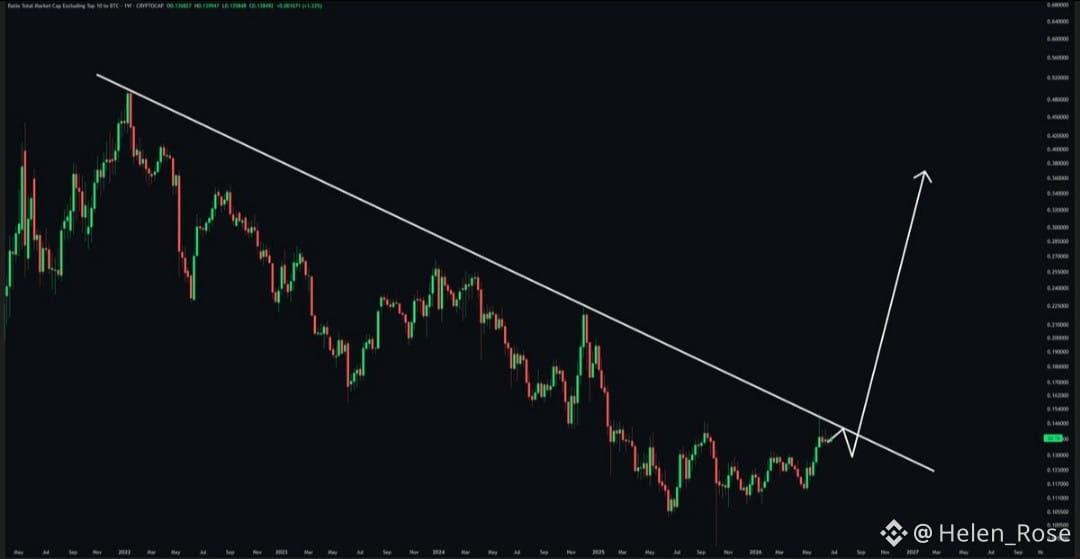
·
--
SpaceX-bezogener $SPCXG
SpaceX-bezogener SPCXG notiert nach einem Rückgang von 2,54 % nahe 139,94. Ich beobachte, ob Käufer diesen Rücksetzer in eine Erholung verwandeln können, statt den Verkäufern die Kontrolle über die nächste Bewegung zu überlassen.
Unterstützung: 137,50–139,00
Widerstand: 142,00–145,00
Einstieg: 139,50–140,50
TP1: 142,00
TP2: 145,00
TP3: 150,00
Stop-Loss: 136,00
Ein überzeugender Rückeroberung von 142 könnte frischen Schwung bringen und den Kurs in Richtung 145 und möglicherweise 150 treiben. Wenn jedoch 137,50 klar bricht, ist Geduld besser als eine erzwungene Long-Position. Profi-Tipp: Achte auf das Volumen im Bereich des Widerstands. Ein Ausbruch ohne Teilnahme kann schnell zu einem Fehlausbruch werden.
#GateFuturesRegistersWithCFTCJoinsNFA
#UNISurgesOver13%
#StrategyAdds4603BTC
SpaceX-bezogener $SPCXG
SpaceX-bezogener SPCXG notiert nach einem Rückgang von 2,54 % nahe 139,94. Ich beobachte, ob Käufer diesen Rücksetzer in eine Erholung verwandeln können, statt den Verkäufern die Kontrolle über die nächste Bewegung zu überlassen.
Unterstützung: 137,50–139,00
Widerstand: 142,00–145,00
Einstieg: 139,50–140,50
TP1: 142,00
TP2: 145,00
TP3: 150,00
Stop-Loss: 136,00
Ein überzeugender Rückeroberung von 142 könnte frischen Schwung bringen und den Kurs in Richtung 145 und möglicherweise 150 treiben. Wenn jedoch 137,50 klar bricht, ist Geduld besser als eine erzwungene Long-Position. Profi-Tipp: Achte auf das Volumen im Bereich des Widerstands. Ein Ausbruch ohne Teilnahme kann schnell zu einem Fehlausbruch werden.
#GateFuturesRegistersWithCFTCJoinsNFA
#UNISurgesOver13%
#StrategyAdds4603BTC
SpaceX-bezogener SPCXG notiert nach einem Rückgang von 2,54 % nahe 139,94. Ich beobachte, ob Käufer diesen Rücksetzer in eine Erholung verwandeln können, statt den Verkäufern die Kontrolle über die nächste Bewegung zu überlassen.
Unterstützung: 137,50–139,00
Widerstand: 142,00–145,00
Einstieg: 139,50–140,50
TP1: 142,00
TP2: 145,00
TP3: 150,00
Stop-Loss: 136,00
Ein überzeugender Rückeroberung von 142 könnte frischen Schwung bringen und den Kurs in Richtung 145 und möglicherweise 150 treiben. Wenn jedoch 137,50 klar bricht, ist Geduld besser als eine erzwungene Long-Position. Profi-Tipp: Achte auf das Volumen im Bereich des Widerstands. Ein Ausbruch ohne Teilnahme kann schnell zu einem Fehlausbruch werden.
#GateFuturesRegistersWithCFTCJoinsNFA
#UNISurgesOver13%
#StrategyAdds4603BTC
88
·
--
$TRUMP /USDT Perp – "Ausbruch unter die Durchschnitte – Short
Handelsplan Short $TRUMP
Einstieg: 2.305 – 2.315
SL: 2.335
TP1: 2.250
TP2: 2.220
TRUMP liegt bei 2.297 mit -4.61 % im Minus, fällt unter das obere Band bei 2.302 und wird vom Hoch bei 2.350 abgewiesen. MACD ist bärisch. TP zielt auf das mittlere Band bei 2.260 und das untere Band bei 2.217. SL über dem oberen Band.
#GateEventContractTradeSharingChallenge
$TRUMP /USDT Perp – "Ausbruch unter die Durchschnitte – Short
Handelsplan Short $TRUMP
Einstieg: 2.305 – 2.315
SL: 2.335
TP1: 2.250
TP2: 2.220
TRUMP liegt bei 2.297 mit -4.61 % im Minus, fällt unter das obere Band bei 2.302 und wird vom Hoch bei 2.350 abgewiesen. MACD ist bärisch. TP zielt auf das mittlere Band bei 2.260 und das untere Band bei 2.217. SL über dem oberen Band.
#GateEventContractTradeSharingChallenge
Handelsplan Short $TRUMP
Einstieg: 2.305 – 2.315
SL: 2.335
TP1: 2.250
TP2: 2.220
TRUMP liegt bei 2.297 mit -4.61 % im Minus, fällt unter das obere Band bei 2.302 und wird vom Hoch bei 2.350 abgewiesen. MACD ist bärisch. TP zielt auf das mittlere Band bei 2.260 und das untere Band bei 2.217. SL über dem oberen Band.
#GateEventContractTradeSharingChallenge
176
·
--
Die Alibaba-Aktie fiel auf 112,09 USD, den niedrigsten Stand seit Juli 2026. In den vergangenen 4 Wochen verlor Alibaba 11,87 %, und in den letzten 12 Monaten sank sie um 19,07 %.
Die Alibaba-Aktie fiel auf 112,09 USD, den niedrigsten Stand seit Juli 2026. In den vergangenen 4 Wochen verlor Alibaba 11,87 %, und in den letzten 12 Monaten sank sie um 19,07 %.
54
·
--
Haha, $BTC- und $ETH-Short-Positionen sind bereit zum Glattstellen
BTC hält seit 63.500 bis jetzt, mit zwei zusätzlichen Positionen, die dazwischen hinzugefügt wurden. Da Shorts auf den niedrigen Niveaus herausgefordert wurden—welchen Grund gibt es dann, nicht auch weiter bei den hohen Niveaus zu shorten?
Manchmal ist es einfacher, sich nur auf eine Richtung zu konzentrieren, um zu gewinnen. Bitcoin und Ethereum pendeln derzeit auf hohen Niveaus. Wenn du Shorts schließt, um long zu gehen, könntest du an beiden Enden gefangen werden, was dein Mindset viel leichter beeinflussen kann.
Außer es kommt zu einer großen Trendwende und Bitcoin und Ethereum spiralen nach oben, durchbrechen direkt $100.000—das Glattstellen der 70.000 Short-Positionen ist nur eine Frage der Zeit.
Außerdem, falls es wirklich wagt, zu steigen, habe ich noch ausstehende Orders oberhalb, um weiter Positionen hinzuzufügen, und ich habe im Moment nicht vor, sie zu stornieren.
#BTC走势分析 #btc70k
Haha, $BTC- und $ETH-Short-Positionen sind bereit zum Glattstellen
BTC hält seit 63.500 bis jetzt, mit zwei zusätzlichen Positionen, die dazwischen hinzugefügt wurden. Da Shorts auf den niedrigen Niveaus herausgefordert wurden—welchen Grund gibt es dann, nicht auch weiter bei den hohen Niveaus zu shorten?
Manchmal ist es einfacher, sich nur auf eine Richtung zu konzentrieren, um zu gewinnen. Bitcoin und Ethereum pendeln derzeit auf hohen Niveaus. Wenn du Shorts schließt, um long zu gehen, könntest du an beiden Enden gefangen werden, was dein Mindset viel leichter beeinflussen kann.
Außer es kommt zu einer großen Trendwende und Bitcoin und Ethereum spiralen nach oben, durchbrechen direkt $100.000—das Glattstellen der 70.000 Short-Positionen ist nur eine Frage der Zeit.
Außerdem, falls es wirklich wagt, zu steigen, habe ich noch ausstehende Orders oberhalb, um weiter Positionen hinzuzufügen, und ich habe im Moment nicht vor, sie zu stornieren.
#BTC走势分析 #btc70k
BTC hält seit 63.500 bis jetzt, mit zwei zusätzlichen Positionen, die dazwischen hinzugefügt wurden. Da Shorts auf den niedrigen Niveaus herausgefordert wurden—welchen Grund gibt es dann, nicht auch weiter bei den hohen Niveaus zu shorten?
Manchmal ist es einfacher, sich nur auf eine Richtung zu konzentrieren, um zu gewinnen. Bitcoin und Ethereum pendeln derzeit auf hohen Niveaus. Wenn du Shorts schließt, um long zu gehen, könntest du an beiden Enden gefangen werden, was dein Mindset viel leichter beeinflussen kann.
Außer es kommt zu einer großen Trendwende und Bitcoin und Ethereum spiralen nach oben, durchbrechen direkt $100.000—das Glattstellen der 70.000 Short-Positionen ist nur eine Frage der Zeit.
Außerdem, falls es wirklich wagt, zu steigen, habe ich noch ausstehende Orders oberhalb, um weiter Positionen hinzuzufügen, und ich habe im Moment nicht vor, sie zu stornieren.
#BTC走势分析 #btc70k
109
·
--
Ein Short-Positionen-Überhang von 1 Milliarde Dollar schwebt über dem Markt! Sobald 81338 durchbrochen wird, beginnt sofort eine neue Runde des Fleischwolf-Marktes
Der $BTC im September hat ein sehr fragmentiertes Spektakel gezeigt.
Bitcoin pendelt seit drei vollen Tagen um 77000 herum, der Markt wirkt eher lauwarm, aber oberhalb von 81000 gibt es bereits eine Liquidationswand von Short-Positionen von über 1 Milliarde Dollar, wie eine Bombe, die über dem Kopf hängt.
Rückblickend auf das bisherige Hoch von 81455 löste schon das Überschreiten der Marke von 80.000 eine direkte Liquidation von Short-Positionen im Wert von 2,77 Milliarden Dollar aus und löschte unzählige gehebelte Short-Konten aus.
Jetzt wiederholt sich die Geschichte: Eine große Zahl von Shorts sammelt sich erneut auf hohem Niveau und reiht sich ein, um vom Markt liquidiert zu werden.
Der faszinierendste Long-Short-Widerspruch liegt hier:
✅ Auf der Spot-Seite haben Wall-Street-Spot-ETFs im August wahnsinnig 3,5 Milliarden Dollar aufgesaugt und damit den höchsten Zufluss seit fast einem Jahr erzielt, wobei Institutionen mit echtem Geld und ohne Hebel eingestiegen sind.
❌ Auf der Kontraktseite wurden die Funding-Rates negativ, viele Trader mit hohem Hebel wetteten fest auf einen Rückgang und eröffneten aggressiv Short-Positionen.
Auf der einen Seite stehen Spot-Institutionen mit echtem Geld und ohne Hebel, auf der anderen Seite Kontrakt-Trader mit gehebelten bärischen Überzeugungen. In diesem Spiel wird eine Seite zuerst blinzeln.
Die Logik eines Short Squeeze ist einfach:
Sobald der Preis über 81338 ausbricht, lösen die darüber liegenden Short-Positionen im Wert von 1 Milliarde Dollar gebündelte Stop-Losses aus.
Short-Stop-Losses bedeuten passives Kaufen, was den Preis weiter nach oben treibt; kontinuierliche Stop-Losses ziehen den Kurs immer höher, der Fleischwolf-Markt beginnt, und Shorts sehen sich Kettenliquidationen gegenüber.
Doch wir müssen klar sein: Die Schatten geopolitischer Konflikte und makroökonomischer Zinserhöhungserwartungen hängen weiterhin über dem Markt; ein Short Squeeze nach oben ist kein garantiertes Drehbuch.
Wenn der Markt unter Druck gerät und fällt, werden auch Longs, die auf hohem Niveau den Boden fischen, abgeschlachtet; Liquidationen in beide Richtungen sind im Kryptomarkt die Norm.
Ein Short-Positionen-Überhang von 1 Milliarde Dollar schwebt über dem Markt! Sobald 81338 durchbrochen wird, beginnt sofort eine neue Runde des Fleischwolf-Marktes
Der $BTC im September hat ein sehr fragmentiertes Spektakel gezeigt.
Bitcoin pendelt seit drei vollen Tagen um 77000 herum, der Markt wirkt eher lauwarm, aber oberhalb von 81000 gibt es bereits eine Liquidationswand von Short-Positionen von über 1 Milliarde Dollar, wie eine Bombe, die über dem Kopf hängt.
Rückblickend auf das bisherige Hoch von 81455 löste schon das Überschreiten der Marke von 80.000 eine direkte Liquidation von Short-Positionen im Wert von 2,77 Milliarden Dollar aus und löschte unzählige gehebelte Short-Konten aus.
Jetzt wiederholt sich die Geschichte: Eine große Zahl von Shorts sammelt sich erneut auf hohem Niveau und reiht sich ein, um vom Markt liquidiert zu werden.
Der faszinierendste Long-Short-Widerspruch liegt hier:
✅ Auf der Spot-Seite haben Wall-Street-Spot-ETFs im August wahnsinnig 3,5 Milliarden Dollar aufgesaugt und damit den höchsten Zufluss seit fast einem Jahr erzielt, wobei Institutionen mit echtem Geld und ohne Hebel eingestiegen sind.
❌ Auf der Kontraktseite wurden die Funding-Rates negativ, viele Trader mit hohem Hebel wetteten fest auf einen Rückgang und eröffneten aggressiv Short-Positionen.
Auf der einen Seite stehen Spot-Institutionen mit echtem Geld und ohne Hebel, auf der anderen Seite Kontrakt-Trader mit gehebelten bärischen Überzeugungen. In diesem Spiel wird eine Seite zuerst blinzeln.
Die Logik eines Short Squeeze ist einfach:
Sobald der Preis über 81338 ausbricht, lösen die darüber liegenden Short-Positionen im Wert von 1 Milliarde Dollar gebündelte Stop-Losses aus.
Short-Stop-Losses bedeuten passives Kaufen, was den Preis weiter nach oben treibt; kontinuierliche Stop-Losses ziehen den Kurs immer höher, der Fleischwolf-Markt beginnt, und Shorts sehen sich Kettenliquidationen gegenüber.
Doch wir müssen klar sein: Die Schatten geopolitischer Konflikte und makroökonomischer Zinserhöhungserwartungen hängen weiterhin über dem Markt; ein Short Squeeze nach oben ist kein garantiertes Drehbuch.
Wenn der Markt unter Druck gerät und fällt, werden auch Longs, die auf hohem Niveau den Boden fischen, abgeschlachtet; Liquidationen in beide Richtungen sind im Kryptomarkt die Norm.
Der $BTC im September hat ein sehr fragmentiertes Spektakel gezeigt.
Bitcoin pendelt seit drei vollen Tagen um 77000 herum, der Markt wirkt eher lauwarm, aber oberhalb von 81000 gibt es bereits eine Liquidationswand von Short-Positionen von über 1 Milliarde Dollar, wie eine Bombe, die über dem Kopf hängt.
Rückblickend auf das bisherige Hoch von 81455 löste schon das Überschreiten der Marke von 80.000 eine direkte Liquidation von Short-Positionen im Wert von 2,77 Milliarden Dollar aus und löschte unzählige gehebelte Short-Konten aus.
Jetzt wiederholt sich die Geschichte: Eine große Zahl von Shorts sammelt sich erneut auf hohem Niveau und reiht sich ein, um vom Markt liquidiert zu werden.
Der faszinierendste Long-Short-Widerspruch liegt hier:
✅ Auf der Spot-Seite haben Wall-Street-Spot-ETFs im August wahnsinnig 3,5 Milliarden Dollar aufgesaugt und damit den höchsten Zufluss seit fast einem Jahr erzielt, wobei Institutionen mit echtem Geld und ohne Hebel eingestiegen sind.
❌ Auf der Kontraktseite wurden die Funding-Rates negativ, viele Trader mit hohem Hebel wetteten fest auf einen Rückgang und eröffneten aggressiv Short-Positionen.
Auf der einen Seite stehen Spot-Institutionen mit echtem Geld und ohne Hebel, auf der anderen Seite Kontrakt-Trader mit gehebelten bärischen Überzeugungen. In diesem Spiel wird eine Seite zuerst blinzeln.
Die Logik eines Short Squeeze ist einfach:
Sobald der Preis über 81338 ausbricht, lösen die darüber liegenden Short-Positionen im Wert von 1 Milliarde Dollar gebündelte Stop-Losses aus.
Short-Stop-Losses bedeuten passives Kaufen, was den Preis weiter nach oben treibt; kontinuierliche Stop-Losses ziehen den Kurs immer höher, der Fleischwolf-Markt beginnt, und Shorts sehen sich Kettenliquidationen gegenüber.
Doch wir müssen klar sein: Die Schatten geopolitischer Konflikte und makroökonomischer Zinserhöhungserwartungen hängen weiterhin über dem Markt; ein Short Squeeze nach oben ist kein garantiertes Drehbuch.
Wenn der Markt unter Druck gerät und fällt, werden auch Longs, die auf hohem Niveau den Boden fischen, abgeschlachtet; Liquidationen in beide Richtungen sind im Kryptomarkt die Norm.
39
·
--
$SPCX Guten Morgen an alle Short-Seller!
Gestern Abend gab es viele Kommentare zum großen Rocket.
Mehr als die Hälfte der Leute sagte mir, ich solle schnell die Verluste begrenzen, da es jetzt nicht mehr weiter fallen könne.
Einige fragten auch, wann ich explodieren würde und wann sie Gewinne mitnehmen.
Man muss nicht viel zu den Grundlagen des großen Rockets sagen.
Aber die Grundlagen derjenigen, die den großen Rocket halten, sind sehr solide.
All die Nachrichten über den großen Rocket auf dem Markt sind derzeit positiv.
Aber übersieht nicht, dass es im September zwei Freigaben gibt.
Wenn es nach diesen beiden Freigaben immer noch nicht fällt, dann werde ich die Niederlage akzeptieren
$SPCX Guten Morgen an alle Short-Seller!
Gestern Abend gab es viele Kommentare zum großen Rocket.
Mehr als die Hälfte der Leute sagte mir, ich solle schnell die Verluste begrenzen, da es jetzt nicht mehr weiter fallen könne.
Einige fragten auch, wann ich explodieren würde und wann sie Gewinne mitnehmen.
Man muss nicht viel zu den Grundlagen des großen Rockets sagen.
Aber die Grundlagen derjenigen, die den großen Rocket halten, sind sehr solide.
All die Nachrichten über den großen Rocket auf dem Markt sind derzeit positiv.
Aber übersieht nicht, dass es im September zwei Freigaben gibt.
Wenn es nach diesen beiden Freigaben immer noch nicht fällt, dann werde ich die Niederlage akzeptieren
Gestern Abend gab es viele Kommentare zum großen Rocket.
Mehr als die Hälfte der Leute sagte mir, ich solle schnell die Verluste begrenzen, da es jetzt nicht mehr weiter fallen könne.
Einige fragten auch, wann ich explodieren würde und wann sie Gewinne mitnehmen.
Man muss nicht viel zu den Grundlagen des großen Rockets sagen.
Aber die Grundlagen derjenigen, die den großen Rocket halten, sind sehr solide.
All die Nachrichten über den großen Rocket auf dem Markt sind derzeit positiv.
Aber übersieht nicht, dass es im September zwei Freigaben gibt.
Wenn es nach diesen beiden Freigaben immer noch nicht fällt, dann werde ich die Niederlage akzeptieren
128
·
--
📉 SHORT GANG | BLEIB DISZIPLINIERT
$BTC & $ETH Shorts nähern sich der Zone, in der es Zeit sein könnte, sie zu schließen.
Das Setup bleibt:
1️⃣ $BTC/$ETH haben Schwierigkeiten, weiter nach oben zu drücken → potenzielle Distribution
2️⃣ Aus Angst oder FOMO auf Long zu wechseln, könnte dazu führen, dass man auf beiden Seiten in die Falle gerät
3️⃣ Bleib bei deiner Überzeugung → auf jede Preisbewegung zu reagieren, erzeugt nur unnötiges Rauschen.
📉 SHORT GANG | BLEIB DISZIPLINIERT
$BTC & $ETH Shorts nähern sich der Zone, in der es Zeit sein könnte, sie zu schließen.
Das Setup bleibt:
1️⃣ $BTC /$ETH haben Schwierigkeiten, weiter nach oben zu drücken → potenzielle Distribution
2️⃣ Aus Angst oder FOMO auf Long zu wechseln, könnte dazu führen, dass man auf beiden Seiten in die Falle gerät
3️⃣ Bleib bei deiner Überzeugung → auf jede Preisbewegung zu reagieren, erzeugt nur unnötiges Rauschen.
$BTC & $ETH Shorts nähern sich der Zone, in der es Zeit sein könnte, sie zu schließen.
Das Setup bleibt:
1️⃣ $BTC /$ETH haben Schwierigkeiten, weiter nach oben zu drücken → potenzielle Distribution
2️⃣ Aus Angst oder FOMO auf Long zu wechseln, könnte dazu führen, dass man auf beiden Seiten in die Falle gerät
3️⃣ Bleib bei deiner Überzeugung → auf jede Preisbewegung zu reagieren, erzeugt nur unnötiges Rauschen.
26
·
--
Heute Nacht werden unzählige Community-Building-Positionen massiv leerverkauft, wobei 318 Millionen über Nacht verloren gingen und 86.000 Menschen direkt ausgelöscht wurden. BTC fiel von 79.800 auf 76.200, ETH rutschte unter 2.370, SOL konnte nicht einmal 98,5 halten, und BNB zog sich auf 681 zurück. Über 152 Millionen Long-Positionen wurden in etwas mehr als einer Stunde liquidiert, wobei die größte ETH-Long-Position im Wert von 12,2 Millionen Dollar sofort ausgelöscht wurde – das ist keine Korrektur, das ist eine gezielte Explosion.
Am Ende gibt es zwei Hauptgründe: Die US-Militärluftangriffe auf Iran ließen die Ölpreise an einem Tag um 4,7 % steigen, was die Inflationserwartungen anheizte und die Wahrscheinlichkeit von Zinserhöhungen auf 60 % erhöhte; die Renditen von US-Staatsanleihen stiegen auf 4,80 %, die globale Liquidität verschärfte sich gleichzeitig, und alle Risikoanlagen brachen ein. US-Aktien, angeführt von Speicherchips, stürzten ab – SanDisk fiel um 1,9 %, SK Hynix sank um 2,3 %.
Wenn BTC unter 76.200 fällt, liegen die nächsten Unterstützungszonen bei 74.800 und sogar 73.000, echte Vakuumzonen. Der Widerstand bei 79.800–80.000 ist sehr stark und wird von denen gestützt, die zuvor gefangen waren.
Versuche nicht, den Boden zu erraten; wer rät, wird getroffen. Wer Positionen hält, sollte schnell Stop-Losses bei 76.000 setzen, um zu überleben, und wer keine Positionen hat, sollte warten, bis sich der Konflikt beruhigt, oder bis BTC wieder auf 78.000 steigt, bevor er handelt. Die Erwartungen für die US-Non-Farm Payrolls am Freitag liegen bei 61.000 bei einer Arbeitslosenquote von 4,0 % – das ist der eigentliche Teufel. Jetzt voll investiert zu sein, ist Glücksspiel mit deinem Leben; am Leben zu bleiben ist wichtiger als alles andere. $BTC $ETH $SNDK
Heute Nacht werden unzählige Community-Building-Positionen massiv leerverkauft, wobei 318 Millionen über Nacht verloren gingen und 86.000 Menschen direkt ausgelöscht wurden. BTC fiel von 79.800 auf 76.200, ETH rutschte unter 2.370, SOL konnte nicht einmal 98,5 halten, und BNB zog sich auf 681 zurück. Über 152 Millionen Long-Positionen wurden in etwas mehr als einer Stunde liquidiert, wobei die größte ETH-Long-Position im Wert von 12,2 Millionen Dollar sofort ausgelöscht wurde – das ist keine Korrektur, das ist eine gezielte Explosion.
Am Ende gibt es zwei Hauptgründe: Die US-Militärluftangriffe auf Iran ließen die Ölpreise an einem Tag um 4,7 % steigen, was die Inflationserwartungen anheizte und die Wahrscheinlichkeit von Zinserhöhungen auf 60 % erhöhte; die Renditen von US-Staatsanleihen stiegen auf 4,80 %, die globale Liquidität verschärfte sich gleichzeitig, und alle Risikoanlagen brachen ein. US-Aktien, angeführt von Speicherchips, stürzten ab – SanDisk fiel um 1,9 %, SK Hynix sank um 2,3 %.
Wenn BTC unter 76.200 fällt, liegen die nächsten Unterstützungszonen bei 74.800 und sogar 73.000, echte Vakuumzonen. Der Widerstand bei 79.800–80.000 ist sehr stark und wird von denen gestützt, die zuvor gefangen waren.
Versuche nicht, den Boden zu erraten; wer rät, wird getroffen. Wer Positionen hält, sollte schnell Stop-Losses bei 76.000 setzen, um zu überleben, und wer keine Positionen hat, sollte warten, bis sich der Konflikt beruhigt, oder bis BTC wieder auf 78.000 steigt, bevor er handelt. Die Erwartungen für die US-Non-Farm Payrolls am Freitag liegen bei 61.000 bei einer Arbeitslosenquote von 4,0 % – das ist der eigentliche Teufel. Jetzt voll investiert zu sein, ist Glücksspiel mit deinem Leben; am Leben zu bleiben ist wichtiger als alles andere. $BTC $ETH $SNDK
Am Ende gibt es zwei Hauptgründe: Die US-Militärluftangriffe auf Iran ließen die Ölpreise an einem Tag um 4,7 % steigen, was die Inflationserwartungen anheizte und die Wahrscheinlichkeit von Zinserhöhungen auf 60 % erhöhte; die Renditen von US-Staatsanleihen stiegen auf 4,80 %, die globale Liquidität verschärfte sich gleichzeitig, und alle Risikoanlagen brachen ein. US-Aktien, angeführt von Speicherchips, stürzten ab – SanDisk fiel um 1,9 %, SK Hynix sank um 2,3 %.
Wenn BTC unter 76.200 fällt, liegen die nächsten Unterstützungszonen bei 74.800 und sogar 73.000, echte Vakuumzonen. Der Widerstand bei 79.800–80.000 ist sehr stark und wird von denen gestützt, die zuvor gefangen waren.
Versuche nicht, den Boden zu erraten; wer rät, wird getroffen. Wer Positionen hält, sollte schnell Stop-Losses bei 76.000 setzen, um zu überleben, und wer keine Positionen hat, sollte warten, bis sich der Konflikt beruhigt, oder bis BTC wieder auf 78.000 steigt, bevor er handelt. Die Erwartungen für die US-Non-Farm Payrolls am Freitag liegen bei 61.000 bei einer Arbeitslosenquote von 4,0 % – das ist der eigentliche Teufel. Jetzt voll investiert zu sein, ist Glücksspiel mit deinem Leben; am Leben zu bleiben ist wichtiger als alles andere. $BTC $ETH $SNDK
1
99
·
--
Weißt du, warum $UNI
{future}(UNIUSDT)
in letzter Zeit so stark gestiegen ist?
Der Kern eines Kursanstiegs liegt darin, dass Kaufaufträge die Verkaufsaufträge übertreffen. UNI hat zuletzt vom boomenden On-Chain-Markt profitiert.
Was die Einnahmen betrifft, haben die Protokollgebühren in den letzten 24 Stunden zehn Millionen USD überstiegen, wodurch CRCL überholt und der zweite Platz im gesamten Krypto-Sektor erreicht wurde – nur 6 Millionen USD hinter dem ersten Platz, Tether.
Aber als Emittent des Stablecoins USDT verdient Tether Zinsen. Streng genommen sind die Protokollgebühren von UNI derzeit die höchsten im Krypto-Sektor.
Zusätzlich zeigen Daten, dass der jüngste Rückkauf und Burn von UNI fortlaufend neue Rekorde aufgestellt hat: Tägliche Burns übersteigen 100.000 Tokens und belaufen sich auf etwa 600.000 USD.
Diese zwei Faktoren – gestiegene Einnahmen und Rückkauf-Burn – treiben den Kurs kontinuierlich nach oben.
Und schließlich, und am wichtigsten: Die beiden anderen „Druckmaschinen“ $PUMP und $HYPE sind bereits mehrfach von ihren jeweiligen Tiefpunkten aus gestiegen. Im Vergleich dazu ist UNI im Verhältnis betrachtet günstiger und kann man sagen, dass es gerade erst angefangen hat!
Weißt du, warum $UNI
in letzter Zeit so stark gestiegen ist?
Der Kern eines Kursanstiegs liegt darin, dass Kaufaufträge die Verkaufsaufträge übertreffen. UNI hat zuletzt vom boomenden On-Chain-Markt profitiert.
Was die Einnahmen betrifft, haben die Protokollgebühren in den letzten 24 Stunden zehn Millionen USD überstiegen, wodurch CRCL überholt und der zweite Platz im gesamten Krypto-Sektor erreicht wurde – nur 6 Millionen USD hinter dem ersten Platz, Tether.
Aber als Emittent des Stablecoins USDT verdient Tether Zinsen. Streng genommen sind die Protokollgebühren von UNI derzeit die höchsten im Krypto-Sektor.
Zusätzlich zeigen Daten, dass der jüngste Rückkauf und Burn von UNI fortlaufend neue Rekorde aufgestellt hat: Tägliche Burns übersteigen 100.000 Tokens und belaufen sich auf etwa 600.000 USD.
Diese zwei Faktoren – gestiegene Einnahmen und Rückkauf-Burn – treiben den Kurs kontinuierlich nach oben.
Und schließlich, und am wichtigsten: Die beiden anderen „Druckmaschinen“ $PUMP und $HYPE sind bereits mehrfach von ihren jeweiligen Tiefpunkten aus gestiegen. Im Vergleich dazu ist UNI im Verhältnis betrachtet günstiger und kann man sagen, dass es gerade erst angefangen hat!
in letzter Zeit so stark gestiegen ist?
Der Kern eines Kursanstiegs liegt darin, dass Kaufaufträge die Verkaufsaufträge übertreffen. UNI hat zuletzt vom boomenden On-Chain-Markt profitiert.
Was die Einnahmen betrifft, haben die Protokollgebühren in den letzten 24 Stunden zehn Millionen USD überstiegen, wodurch CRCL überholt und der zweite Platz im gesamten Krypto-Sektor erreicht wurde – nur 6 Millionen USD hinter dem ersten Platz, Tether.
Aber als Emittent des Stablecoins USDT verdient Tether Zinsen. Streng genommen sind die Protokollgebühren von UNI derzeit die höchsten im Krypto-Sektor.
Zusätzlich zeigen Daten, dass der jüngste Rückkauf und Burn von UNI fortlaufend neue Rekorde aufgestellt hat: Tägliche Burns übersteigen 100.000 Tokens und belaufen sich auf etwa 600.000 USD.
Diese zwei Faktoren – gestiegene Einnahmen und Rückkauf-Burn – treiben den Kurs kontinuierlich nach oben.
Und schließlich, und am wichtigsten: Die beiden anderen „Druckmaschinen“ $PUMP und $HYPE sind bereits mehrfach von ihren jeweiligen Tiefpunkten aus gestiegen. Im Vergleich dazu ist UNI im Verhältnis betrachtet günstiger und kann man sagen, dass es gerade erst angefangen hat!
462
·
--
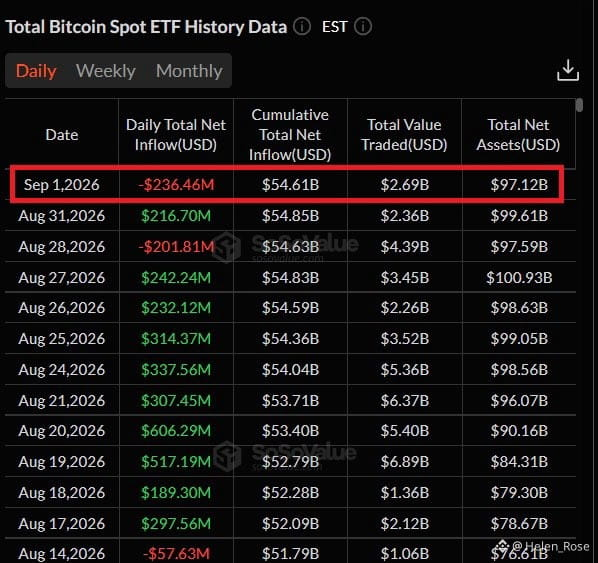
Der Verkauf von Bitcoin-ETFs nimmt zu
Spot-ETFs $BTC verzeichneten gestern 236,46 Mio. US-Dollar an Nettoabflüssen und damit den größten Ein-Tages-Abfluss seit vier Wochen
Nach Wochen starker institutioneller Nachfrage ist das ein Geldfluss, den man genau beobachten sollte
$BTC
Der Verkauf von Bitcoin-ETFs nimmt zu
Spot-ETFs $BTC verzeichneten gestern 236,46 Mio. US-Dollar an Nettoabflüssen und damit den größten Ein-Tages-Abfluss seit vier Wochen
Nach Wochen starker institutioneller Nachfrage ist das ein Geldfluss, den man genau beobachten sollte
$BTC
Spot-ETFs $BTC verzeichneten gestern 236,46 Mio. US-Dollar an Nettoabflüssen und damit den größten Ein-Tages-Abfluss seit vier Wochen
Nach Wochen starker institutioneller Nachfrage ist das ein Geldfluss, den man genau beobachten sollte
$BTC
175
·
--
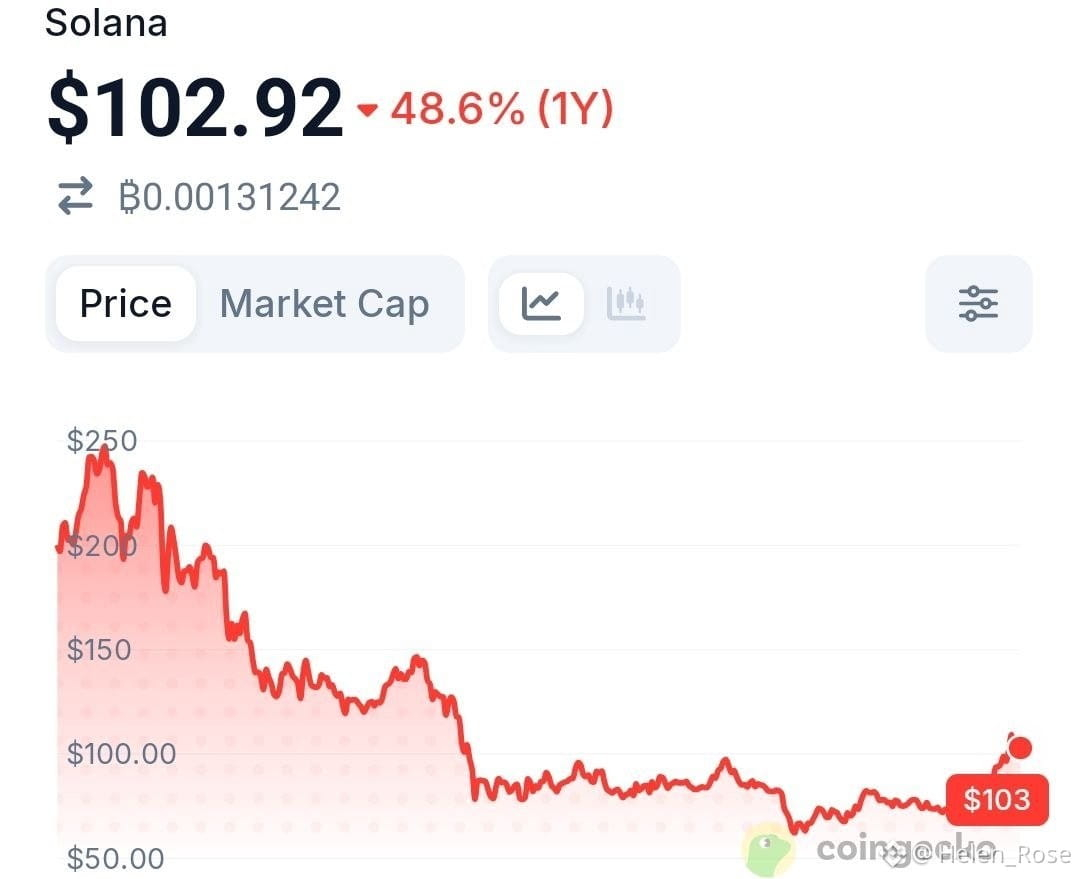
Eine Wette von 5,47 Mio. $ auf $SOL endete mit einem Verlust von 2,2 Mio. $.
Der Trader kaufte SOL für rund 182 $, staked es für ein Jahr und verdiente sogar 1.860 SOL zusätzlich.
Doch da SOL über das Jahr hinweg um etwa 49 % gefallen war, verkaufte er schließlich alles für rund 3,25 Mio. $.
Ein ganzes Jahr Halten und Staking, aber mal sehen, wie es läuft
$SOL
Eine Wette von 5,47 Mio. $ auf $SOL endete mit einem Verlust von 2,2 Mio. $.
Der Trader kaufte SOL für rund 182 $, staked es für ein Jahr und verdiente sogar 1.860 SOL zusätzlich.
Doch da SOL über das Jahr hinweg um etwa 49 % gefallen war, verkaufte er schließlich alles für rund 3,25 Mio. $.
Ein ganzes Jahr Halten und Staking, aber mal sehen, wie es läuft
$SOL
Der Trader kaufte SOL für rund 182 $, staked es für ein Jahr und verdiente sogar 1.860 SOL zusätzlich.
Doch da SOL über das Jahr hinweg um etwa 49 % gefallen war, verkaufte er schließlich alles für rund 3,25 Mio. $.
Ein ganzes Jahr Halten und Staking, aber mal sehen, wie es läuft
$SOL
159
·
--
🚀 UNI steigt um über 13% — DeFi-Momentum heizt sich auf
$UNIhat eine starke Bewegung geliefert, ist um mehr als 13% gestiegen und rückt den Fokus wieder auf den DeFi-Sektor.
Eine Bewegung dieser Größenordnung ist mehr als nur eine grüne Kerze. Sie zeigt, dass Trader erneut den Blick auf dezentrale Finanzen, Liquidität, Governance-Tokens und die breitere DeFi-Story richten.
📈 Warum diese Bewegung wichtig ist
UNI ist einer der bekanntesten Tokens im DeFi-Ökosystem — daher kann ein steiler Anstieg frische Aufmerksamkeit sowohl bei Tradern als auch bei Investoren anziehen.
Nach einem starken Ausbruch ist die entscheidende Frage nicht mehr nur „Wie hoch kann UNI gehen?“ — viel wichtiger ist, ob Käufer das Momentum aufrechterhalten und die neuen Unterstützungszonen verteidigen können, die während der Bewegung entstanden sind.
🔥 Worauf Trader achten sollten
Wenn UNI weiterhin oberhalb seines Ausbruchbereichs mit gesundem Volumen hält, könnte sich eine weitere Fortsetzungsbewegung entwickeln.
Allerdings ist nach einem Surge von 13%+ kurzfristige Gewinnmitnahme völlig normal. Ein Pullback bedeutet nicht automatisch, dass der Trend gescheitert ist. Entscheidend ist, ob Käufer an wichtigen Unterstützungsniveaus zurückkehren.
Für kurzfristige Trader geht es bei dem Setup um Bestätigung, Volumen, Support und Risikomanagement — nicht darum, einer grünen Kerze hinterherzulaufen.
⚠️ Chase nicht den Pump
Starke Rallyes können sehr schnell FOMO auslösen. Statt einzusteigen, nur weil sich der Preis schnell bewegt, sollten Trader auf Bestätigung warten und ihre Ungültigkeitsgrenze festlegen, bevor sie eine Position eröffnen.
Der jüngste Surge von UNI bringt DeFi wieder auf den Radar — jetzt muss der Markt beweisen, ob dies der Beginn eines größeren Trends ist oder lediglich ein kurzfristiger Momentum-Burst.
Handle das Setup, nicht die Emotion. 📊
#UNI #Crypto $UNI #Uniswap’s
🚀 UNI steigt um über 13% — DeFi-Momentum heizt sich auf
$UNIhat eine starke Bewegung geliefert, ist um mehr als 13% gestiegen und rückt den Fokus wieder auf den DeFi-Sektor.
Eine Bewegung dieser Größenordnung ist mehr als nur eine grüne Kerze. Sie zeigt, dass Trader erneut den Blick auf dezentrale Finanzen, Liquidität, Governance-Tokens und die breitere DeFi-Story richten.
📈 Warum diese Bewegung wichtig ist
UNI ist einer der bekanntesten Tokens im DeFi-Ökosystem — daher kann ein steiler Anstieg frische Aufmerksamkeit sowohl bei Tradern als auch bei Investoren anziehen.
Nach einem starken Ausbruch ist die entscheidende Frage nicht mehr nur „Wie hoch kann UNI gehen?“ — viel wichtiger ist, ob Käufer das Momentum aufrechterhalten und die neuen Unterstützungszonen verteidigen können, die während der Bewegung entstanden sind.
🔥 Worauf Trader achten sollten
Wenn UNI weiterhin oberhalb seines Ausbruchbereichs mit gesundem Volumen hält, könnte sich eine weitere Fortsetzungsbewegung entwickeln.
Allerdings ist nach einem Surge von 13%+ kurzfristige Gewinnmitnahme völlig normal. Ein Pullback bedeutet nicht automatisch, dass der Trend gescheitert ist. Entscheidend ist, ob Käufer an wichtigen Unterstützungsniveaus zurückkehren.
Für kurzfristige Trader geht es bei dem Setup um Bestätigung, Volumen, Support und Risikomanagement — nicht darum, einer grünen Kerze hinterherzulaufen.
⚠️ Chase nicht den Pump
Starke Rallyes können sehr schnell FOMO auslösen. Statt einzusteigen, nur weil sich der Preis schnell bewegt, sollten Trader auf Bestätigung warten und ihre Ungültigkeitsgrenze festlegen, bevor sie eine Position eröffnen.
Der jüngste Surge von UNI bringt DeFi wieder auf den Radar — jetzt muss der Markt beweisen, ob dies der Beginn eines größeren Trends ist oder lediglich ein kurzfristiger Momentum-Burst.
Handle das Setup, nicht die Emotion. 📊
#UNI #Crypto $UNI #Uniswap’s
$UNIhat eine starke Bewegung geliefert, ist um mehr als 13% gestiegen und rückt den Fokus wieder auf den DeFi-Sektor.
Eine Bewegung dieser Größenordnung ist mehr als nur eine grüne Kerze. Sie zeigt, dass Trader erneut den Blick auf dezentrale Finanzen, Liquidität, Governance-Tokens und die breitere DeFi-Story richten.
📈 Warum diese Bewegung wichtig ist
UNI ist einer der bekanntesten Tokens im DeFi-Ökosystem — daher kann ein steiler Anstieg frische Aufmerksamkeit sowohl bei Tradern als auch bei Investoren anziehen.
Nach einem starken Ausbruch ist die entscheidende Frage nicht mehr nur „Wie hoch kann UNI gehen?“ — viel wichtiger ist, ob Käufer das Momentum aufrechterhalten und die neuen Unterstützungszonen verteidigen können, die während der Bewegung entstanden sind.
🔥 Worauf Trader achten sollten
Wenn UNI weiterhin oberhalb seines Ausbruchbereichs mit gesundem Volumen hält, könnte sich eine weitere Fortsetzungsbewegung entwickeln.
Allerdings ist nach einem Surge von 13%+ kurzfristige Gewinnmitnahme völlig normal. Ein Pullback bedeutet nicht automatisch, dass der Trend gescheitert ist. Entscheidend ist, ob Käufer an wichtigen Unterstützungsniveaus zurückkehren.
Für kurzfristige Trader geht es bei dem Setup um Bestätigung, Volumen, Support und Risikomanagement — nicht darum, einer grünen Kerze hinterherzulaufen.
⚠️ Chase nicht den Pump
Starke Rallyes können sehr schnell FOMO auslösen. Statt einzusteigen, nur weil sich der Preis schnell bewegt, sollten Trader auf Bestätigung warten und ihre Ungültigkeitsgrenze festlegen, bevor sie eine Position eröffnen.
Der jüngste Surge von UNI bringt DeFi wieder auf den Radar — jetzt muss der Markt beweisen, ob dies der Beginn eines größeren Trends ist oder lediglich ein kurzfristiger Momentum-Burst.
Handle das Setup, nicht die Emotion. 📊
#UNI #Crypto $UNI #Uniswap’s
324
Anmelden und weiter Inhalte entdecken
Krypto-Nutzer weltweit auf Binance Square kennenlernen
⚡️ Bleib in Sachen Krypto stets am Puls.
💬 Die weltgrößte Kryptobörse vertraut darauf.
👍 Erhalte verlässliche Einblicke von verifizierten Creators.
E-Mail-Adresse/Telefonnummer
Trendthemen
FedRateWatch
871,245 Aufrufe
4,182 Kommentare
Teile & gewinne Traffic-Belohnungen in unserer Kampagne mit angesagtem Hashtag
✨Thema: FOMC September, Was ist der nächste Schritt der Fed?
👉So nimmst du teil:
Veröffentliche einen kurzen Beitrag oder Artikel mit dem Hashtag #FedRateWatch
Erstelle Inhalte basierend auf den folgenden Blickwinkeln:
- Der August-Core-CPI stieg um 0,3% im Monatsvergleich, und die Wahrscheinlichkeit für eine 25bp-Erhöhung diese Woche liegt nun bei fast 90%. Erwartest du diese Woche eine Zinserhöhung? Handelt es sich um einen einmaligen Schritt oder den Beginn eines längeren Zinserhöhungszyklus?
- Wenn die Erhöhung erfolgt: Wie entwickelt sich das für BTC, Tech-Aktien und Gold? Aufwärts- oder abwärtsgerichtet?
- Wie planst du als Nächstes zu handeln? Teile deinen BTC-, Aktien- oder Gold-Trade/Bestände mit unserem Trade-Sharing-Widget.
⏰Kampagnenzeitraum:
- 2026-09-15 11:00 - 2026-09-17 3:00 UTC
🎁Belohnung:
- Qualifizierte Beiträge, die die oben genannten Richtlinien erfüllen und mehr als 100 Wörter enthalten, werden überprüft und erhalten möglicherweise einen zufälligen Traffic-Boost von 500 bis 3.000 Aufrufen. Du erhältst eine Benachrichtigung von deiner Feed-Secretary, wenn dein Beitrag ausgewählt wird.
- Erhalte die Chance, dass dein Artikel auf Binance Square Official vorgestellt wird
Du brauchst Ideen für deinen Beitrag? Besuche die Themenseite #FedRateWatch oder die Square Guide on How to Post for Better Reach.
Binance Square Official
·509 Likes
·1.1M Aufrufe
MSTRTradingVolumeSurpassesMorganStanley
0 Aufrufe
18 Kommentare
BitcoinFalls4%
5,697 Aufrufe
273 Kommentare