Binance Square

EthioCoinGiram1

@EthioCoinGram delivers the latest on crypto markets, trends, blockchain, ETFs, Web3, and media news — simple, fresh, and made for traders and enthusiasts alike
Trade eröffnen
Hochfrequenz-Trader
1.8 Jahre
2.5K+ Following
4.8K+ Follower
4.9K+ Like gegeben
1.1K+ Geteilt
Beiträge
Portfolio
·
--
Übersetzung ansehen
Ramadan Riddle Rush 2026: Solve Daily Riddles & Share $25,000 in Crypto Rewards | Sign up as a Binance user to get 100 USD worth of trading fee rebates now! https://www.bnappweb.black/en/support/announcement/detail/01edce195c8b4fca8a1c8bb805f0f23c?utm_source=new_share&ref=CPA_000DO9QQ4V&utm_medium=app_share_link
Ramadan Riddle Rush 2026: Solve Daily Riddles & Share $25,000 in Crypto Rewards | Sign up as a Binance user to get 100 USD worth of trading fee rebates now!

https://www.bnappweb.black/en/support/announcement/detail/01edce195c8b4fca8a1c8bb805f0f23c?utm_source=new_share&ref=CPA_000DO9QQ4V&utm_medium=app_share_link
#mira $MIRA Ein Anfängerleitfaden zu dezentralen KI-Validierungsprotokollen KI kann das Spiel verändern, keine Frage. Aber seien wir ehrlich – manchmal erfindet sie einfach Dinge. Stell dir Folgendes vor: Du handelst basierend auf einem KI-Signal, aber das Signal stimmt nicht. Oder du startest einen KI-Agenten, und er beginnt, Daten aus dem Nichts zu erfinden. Hier kommt die nächste Welle von Web3 ins Spiel: Dezentrale KI-Validierungsprotokolle. Diese Systeme ermöglichen es jedem, zu überprüfen, zu auditieren und tatsächlich nachzuweisen, dass die Ausgabe einer KI legitim ist – direkt auf der Blockchain. Lass es uns für Händler und alle Neugierigen aufschlüsseln 👇 🧩 Was ist ein dezentrales KI-Validierungsprotokoll? Hier ist das Wesentliche: Es ist ein Blockchain-System, das überprüft, ob die Antwort einer KI tatsächlich richtig ist – bevor du ihr vertraust. Anstatt nur einem Unternehmen zu glauben, verteilst du die Verantwortung auf ein Netzwerk unabhängiger Knoten. Sie verwenden Kryptographie und Gruppenkonsens, um sicherzustellen, dass alles zusammenpasst. Denk daran wie folgt: 🔍 KI = Der Schüler 🧑‍⚖️ Validatoren = Die Prüfer 🔗 Blockchain = Das permanente Zeugnis ⚙️ Wie es funktioniert 1️⃣ KI gibt eine Vorhersage aus Nehmen wir an, ein Handelsbot behauptet, BTC wird $70K überschreiten. 2️⃣ Es wird ein Beweis generiert Technologien wie Zero-Knowledge-Proofs, verifizierbare Berechnungen oder eine Gruppenprüfung kommen ins Spiel. 3️⃣ Validatoren prüfen oder rechnen neu Unabhängige Knoten überprüfen doppelt: – Hat das Modell tatsächlich wie behauptet funktioniert? – Waren die Daten legitim? – Macht die Ausgabe Sinn? 4️⃣ Die Antwort wird on-chain gesperrt Sie ist für jeden sichtbar, und niemand kann damit herumspielen. 🏗 Wer baut das? Einige Projekte, die den Weg weisen: Mira Network – Validiert KI-Ausgaben mit verteiltem Konsens Fabric Protocol – Baut Infrastruktur für verifizierbare Off-Chain-Berechnungen Gensyn – Betreibt einen Marktplatz für dezentrales KI-Training Bittensor – Verbindet und belohnt Beiträge zu KI-Modellen." @mira_network $MIRA #Mira
#mira $MIRA

Ein Anfängerleitfaden zu dezentralen KI-Validierungsprotokollen

KI kann das Spiel verändern, keine Frage. Aber seien wir ehrlich – manchmal erfindet sie einfach Dinge.

Stell dir Folgendes vor: Du handelst basierend auf einem KI-Signal, aber das Signal stimmt nicht. Oder du startest einen KI-Agenten, und er beginnt, Daten aus dem Nichts zu erfinden.

Hier kommt die nächste Welle von Web3 ins Spiel: Dezentrale KI-Validierungsprotokolle. Diese Systeme ermöglichen es jedem, zu überprüfen, zu auditieren und tatsächlich nachzuweisen, dass die Ausgabe einer KI legitim ist – direkt auf der Blockchain.

Lass es uns für Händler und alle Neugierigen aufschlüsseln 👇

🧩 Was ist ein dezentrales KI-Validierungsprotokoll?

Hier ist das Wesentliche:

Es ist ein Blockchain-System, das überprüft, ob die Antwort einer KI tatsächlich richtig ist – bevor du ihr vertraust.

Anstatt nur einem Unternehmen zu glauben, verteilst du die Verantwortung auf ein Netzwerk unabhängiger Knoten. Sie verwenden Kryptographie und Gruppenkonsens, um sicherzustellen, dass alles zusammenpasst.

Denk daran wie folgt:

🔍 KI = Der Schüler
🧑‍⚖️ Validatoren = Die Prüfer
🔗 Blockchain = Das permanente Zeugnis

⚙️ Wie es funktioniert

1️⃣ KI gibt eine Vorhersage aus
Nehmen wir an, ein Handelsbot behauptet, BTC wird $70K überschreiten.

2️⃣ Es wird ein Beweis generiert
Technologien wie Zero-Knowledge-Proofs, verifizierbare Berechnungen oder eine Gruppenprüfung kommen ins Spiel.

3️⃣ Validatoren prüfen oder rechnen neu
Unabhängige Knoten überprüfen doppelt:
– Hat das Modell tatsächlich wie behauptet funktioniert?
– Waren die Daten legitim?
– Macht die Ausgabe Sinn?

4️⃣ Die Antwort wird on-chain gesperrt
Sie ist für jeden sichtbar, und niemand kann damit herumspielen.

🏗 Wer baut das?

Einige Projekte, die den Weg weisen:

Mira Network – Validiert KI-Ausgaben mit verteiltem Konsens
Fabric Protocol – Baut Infrastruktur für verifizierbare Off-Chain-Berechnungen
Gensyn – Betreibt einen Marktplatz für dezentrales KI-Training
Bittensor – Verbindet und belohnt Beiträge zu KI-Modellen."
@Mira - Trust Layer of AI $MIRA #Mira
Übersetzung ansehen
Decentralized AI Validation Protocols: Building Trust for Autonomous Intelligence@mira_network AI keeps getting smarter, fast. But here’s the thing—who’s actually checking the AI’s work? In crypto, we don’t just take things at face value. We verify everything. Now that AI models are running market analysis, making trades, and powering on-chain agents, making sure their outputs are legit is more important than ever. That’s where Decentralized AI Validation Protocols come in. They’re the backbone for trust—built to make sure AI outputs are accurate, provable, and can’t be tampered with. What Are Decentralized AI Validation Protocols? Basically, these are blockchain-based systems that: 1. Double-check AI model outputs 2. Catch hallucinations or bad results 3. Create cryptographic receipts for every computation 4. Spread trust across a whole network, not just one authority Picture it like this: AI is the brain. The validation protocol? That’s the lie detector and the audit log rolled into one. Why Does This Matter for Crypto and Web3? Traditional AI is kind of a black box. You can’t see how it thinks, and you’re just supposed to trust the results. There’s no proof baked in. But Web3 is different. Smart contracts need to be predictable. Financial decisions need receipts. Autonomous agents are moving real money around. If an AI agent screws up a trade or misinterprets data, who pays for the mistake? That’s why decentralized validation matters. How Are People Validating AI? 1. Verifiable Computing Some protocols use cryptographic proofs to confirm the AI did its job right, the input data wasn’t tampered with, and the output is repeatable. Stuff like zero-knowledge proofs (ZKML), fraud proofs, or interactive verification systems. 2. Validator Consensus Multiple independent validators re-run the AI’s calculations, compare notes, and punish anyone trying to cheat. It’s like blockchain consensus, but for AI results. 3. Hybrid AI + Blockchain Models Some projects run heavy AI work off-chain, but bring the proof on-chain. That way, you don’t clog up the blockchain, but you still get trust guarantees. Who’s Building This? - Mira Network: Decentralized layers that verify AI outputs, catch hallucinations, and make sure only good results get used on-chain. - Fabric Foundation: Building verifiable computing tools so AI can run securely in decentralized setups. - Gensyn: A compute network that spreads machine learning tasks across lots of nodes, with validation baked in. The Real Risk: AI Hallucinations + Money Picture an AI trading bot that sees a fake liquidity number for BTC and makes a terrible trade. If nobody validates the output, money’s gone, contracts execute blindly, and there’s no one to appeal to. With decentralized validation, every AI output has to pass cryptographic or consensus checks. Bad or malicious results get tossed out. Trust shifts from “the AI model says so” to “the network agrees.” Why Validation Matters for AI Agents Autonomous AI agents are already: - Trading on DEXs - Managing DAO treasuries - Running yield strategies Validation is becoming as critical as smart contract audits. The future stack? You’ll have your settlement layer (Layer 1), your scaling layer (Layer 2), and your AI validation layer—so you can actually trust machine intelligence. Why This Matters Now Most people are still stuck on the question, “Is AI centralized?” But the real question is, “How do we verify AI in a decentralized world?” Decentralized AI validation is shaping up to be the middleware between AI and DeFi, a compliance layer for AI-driven finance, and the safety standard for autonomous agents. Key Takeaways - AI outputs in Web3 have to be verifiable - Cryptographic proofs and consensus models are leading the way - Projects like Mira Network and Gensyn are already moving - Integrating AI and crypto needs a trust layer

Decentralized AI Validation Protocols: Building Trust for Autonomous Intelligence

@Mira - Trust Layer of AI
AI keeps getting smarter, fast. But here’s the thing—who’s actually checking the AI’s work?

In crypto, we don’t just take things at face value. We verify everything. Now that AI models are running market analysis, making trades, and powering on-chain agents, making sure their outputs are legit is more important than ever.

That’s where Decentralized AI Validation Protocols come in. They’re the backbone for trust—built to make sure AI outputs are accurate, provable, and can’t be tampered with.

What Are Decentralized AI Validation Protocols?

Basically, these are blockchain-based systems that:

1. Double-check AI model outputs
2. Catch hallucinations or bad results
3. Create cryptographic receipts for every computation
4. Spread trust across a whole network, not just one authority

Picture it like this:

AI is the brain. The validation protocol? That’s the lie detector and the audit log rolled into one.

Why Does This Matter for Crypto and Web3?

Traditional AI is kind of a black box. You can’t see how it thinks, and you’re just supposed to trust the results. There’s no proof baked in.

But Web3 is different. Smart contracts need to be predictable. Financial decisions need receipts. Autonomous agents are moving real money around.

If an AI agent screws up a trade or misinterprets data, who pays for the mistake? That’s why decentralized validation matters.

How Are People Validating AI?

1. Verifiable Computing

Some protocols use cryptographic proofs to confirm the AI did its job right, the input data wasn’t tampered with, and the output is repeatable. Stuff like zero-knowledge proofs (ZKML), fraud proofs, or interactive verification systems.

2. Validator Consensus

Multiple independent validators re-run the AI’s calculations, compare notes, and punish anyone trying to cheat. It’s like blockchain consensus, but for AI results.

3. Hybrid AI + Blockchain Models

Some projects run heavy AI work off-chain, but bring the proof on-chain. That way, you don’t clog up the blockchain, but you still get trust guarantees.

Who’s Building This?

- Mira Network: Decentralized layers that verify AI outputs, catch hallucinations, and make sure only good results get used on-chain.
- Fabric Foundation: Building verifiable computing tools so AI can run securely in decentralized setups.
- Gensyn: A compute network that spreads machine learning tasks across lots of nodes, with validation baked in.

The Real Risk: AI Hallucinations + Money

Picture an AI trading bot that sees a fake liquidity number for BTC and makes a terrible trade. If nobody validates the output, money’s gone, contracts execute blindly, and there’s no one to appeal to.

With decentralized validation, every AI output has to pass cryptographic or consensus checks. Bad or malicious results get tossed out. Trust shifts from “the AI model says so” to “the network agrees.”

Why Validation Matters for AI Agents

Autonomous AI agents are already:

- Trading on DEXs
- Managing DAO treasuries
- Running yield strategies

Validation is becoming as critical as smart contract audits. The future stack? You’ll have your settlement layer (Layer 1), your scaling layer (Layer 2), and your AI validation layer—so you can actually trust machine intelligence.

Why This Matters Now

Most people are still stuck on the question, “Is AI centralized?” But the real question is, “How do we verify AI in a decentralized world?”

Decentralized AI validation is shaping up to be the middleware between AI and DeFi, a compliance layer for AI-driven finance, and the safety standard for autonomous agents.

Key Takeaways

- AI outputs in Web3 have to be verifiable
- Cryptographic proofs and consensus models are leading the way
- Projects like Mira Network and Gensyn are already moving
- Integrating AI and crypto needs a trust layer
Übersetzung ansehen
Sharp Drop in French New Car Registrations New numbers from NGC-Data® show new car registrations in France took a big hit in February 2026. Compared to last year, the drop was steep—no way to sugarcoat it. The whole start to 2026 has just been slow for the French auto market. Numbers differ a bit depending on who you ask, but several industry reports, like L’Argus, agree: registrations fell by double digits, hovering around -14.7%. That’s a serious slide. Tesla’s Remarkable Surge Now, while most traditional brands—Renault, Peugeot, Volkswagen, Dacia—struggled, Tesla did the opposite. Late February, Tesla’s registrations jumped, up nearly 49% compared to the same period last year. In a shrinking market, that kind of leap stands out. Broader European Context Zooming out, Europe as a whole didn’t look much better in January. New car registrations dropped by about 3.5–3.9% year-on-year. There’s a twist, though—while gas and diesel cars keep losing ground, electric and hybrid models are taking a bigger slice of the pie. That said, Tesla’s numbers across Europe weren’t as rosy in January. Their registrations actually slipped year-on-year, so it’s not all sunshine for them everywhere. The market’s all over the place, changing from country to country, month to month. What It All Suggests Bottom line: the French car market is cooling off. Blame it on the economy, changing tastes, and the slow goodbye to combustion engines. But even as most brands lose ground, Tesla’s riding a wave in France, probably helped by special deals, price cuts, or hot models. It’s a rare bright spot just before February’s numbers closed. Meanwhile, the EV scene in Europe keeps shaking up. Competition from brands like BYD is heating up, and electrified cars keep grabbing more market share—even if some brands, including Tesla in certain countries, are seeing their sales shrink year-on-year."#Write2Earn @FabricFND @mira_network @EthioCoinGram1
Sharp Drop in French New Car Registrations

New numbers from NGC-Data® show new car registrations in France took a big hit in February 2026. Compared to last year, the drop was steep—no way to sugarcoat it. The whole start to 2026 has just been slow for the French auto market.

Numbers differ a bit depending on who you ask, but several industry reports, like L’Argus, agree: registrations fell by double digits, hovering around -14.7%. That’s a serious slide.

Tesla’s Remarkable Surge

Now, while most traditional brands—Renault, Peugeot, Volkswagen, Dacia—struggled, Tesla did the opposite. Late February, Tesla’s registrations jumped, up nearly 49% compared to the same period last year. In a shrinking market, that kind of leap stands out.

Broader European Context

Zooming out, Europe as a whole didn’t look much better in January. New car registrations dropped by about 3.5–3.9% year-on-year. There’s a twist, though—while gas and diesel cars keep losing ground, electric and hybrid models are taking a bigger slice of the pie.

That said, Tesla’s numbers across Europe weren’t as rosy in January. Their registrations actually slipped year-on-year, so it’s not all sunshine for them everywhere. The market’s all over the place, changing from country to country, month to month.

What It All Suggests

Bottom line: the French car market is cooling off. Blame it on the economy, changing tastes, and the slow goodbye to combustion engines.

But even as most brands lose ground, Tesla’s riding a wave in France, probably helped by special deals, price cuts, or hot models. It’s a rare bright spot just before February’s numbers closed.

Meanwhile, the EV scene in Europe keeps shaking up. Competition from brands like BYD is heating up, and electrified cars keep grabbing more market share—even if some brands, including Tesla in certain countries, are seeing their sales shrink year-on-year."#Write2Earn @Fabric Foundation @Mira - Trust Layer of AI @EthioCoinGiram1
Übersetzung ansehen
Why Fabric Protocol Matters for Human–Machine Collaboration@FabricFND AI isn’t just writing code or making trades anymore—it’s writing legal briefs, running robots, and making decisions that used to be strictly human territory. So now the big question is: how do we actually work with these machines, trust them, and verify what they’re doing, without just handing over the keys and hoping for the best? That’s where Fabric Protocol comes in. What Is Fabric Protocol? Fabric Protocol, built by the Fabric Foundation, is a Web3 infrastructure layer that lets machines prove their work—without spilling all their secrets. It’s not just another backend tool. It’s the missing “trust bridge” between people and AI. Think of it as a way to check the receipts on every AI decision, a transparency engine for automated systems. With Fabric, you don’t have to just “trust the AI.” You can actually verify its work. The Core Problem: Trust in the Age of Automation Look at what AI can do now: Crunch financial data Trade crypto Approve loans Run robots Validate blockchain transactions But here’s the catch: most AI systems are black boxes. You see the output, but you have no idea how it got there. In crypto especially, this is risky. You get false signals, bots that “hallucinate,” trades you can’t check, and automation that could be manipulated. Fabric Protocol changes the game by bringing cryptographic proof into the mix. Now, machines can actually prove they did what they say they did. Why Fabric Matters for Human–Machine Collaboration 1. Verifiable AI Means You Don’t Have to Just Trust Picture this: an AI trading bot tells you to buy BTC. Instead of just going along with it, you get hard proof—the strategy really ran the way it was supposed to, the data wasn’t tampered with, and the logic followed the rules. That flips everything. You’re not just a believer anymore. You’re a verifier. 2. Humans and Machines, Sharing Accountability Normally, when AI screws up, it’s either a vague “operator error” or nobody knows what happened at all. With Fabric, every calculation and decision leaves a trail you can audit. Responsibility is clear. That’s huge for DeFi, DAOs, robotics, and serious trading tools. 3. Oversight Without Slowing Down Automation moves fast—faster than teams of humans can review every step. Fabric lets AI act on its own, but you can still verify results quickly. It’s how you scale trust without endless micromanaging. 4. Safer Robotics and Physical AI The real world isn’t just code. Robots, driverless cars, industrial AI—they all need to prove they’re following the rules and staying safe. Fabric makes sure machines in the physical world are still accountable to humans. Why This Goes Beyond Crypto In Web3, smart contracts are open books. But AI, especially off-chain, is still a mystery. Fabric links these worlds. AI outputs can be validated on-chain. Off-chain computing can be proven to smart contracts. Humans get the tools to audit machines. This is the backbone for AI + DeFi, AI-powered DAOs, decentralized robotics, and secure data markets. The Big Picture The way humans and machines work together will shape the next decade. There are two futures: one where we’re stuck with black-box AI we can’t understand, and another where we work side-by-side with machines that can prove everything they do. Fabric is building for the second future. Simple Analogy If AI is the brain, Fabric is the lie detector. It doesn’t stop machines from thinking. It just makes them prove it. Why This Matters for You, Especially in Crypto If you’re making high-stakes market content, this is a game-changer. Verifiable AI tools cut down on misinformation. Automated trading becomes something you can actually check. Institutions get the compliance they need. On-chain + AI suddenly feels a lot safer. This is where Web3 is headed. Final Thought The real revolution isn’t about AI replacing humans. It’s about AI proving itself to humans. Protocols like Fabric are building the tracks for that future. If you want, I can: Turn this into a Binance Square–optimized post Dive deeper technically Add an investment angle Compare Fabric to other verifiable AI projects Create a multimedia explainer thread Just let me know what you want next.

Why Fabric Protocol Matters for Human–Machine Collaboration

@Fabric Foundation
AI isn’t just writing code or making trades anymore—it’s writing legal briefs, running robots, and making decisions that used to be strictly human territory. So now the big question is: how do we actually work with these machines, trust them, and verify what they’re doing, without just handing over the keys and hoping for the best?

That’s where Fabric Protocol comes in.

What Is Fabric Protocol?

Fabric Protocol, built by the Fabric Foundation, is a Web3 infrastructure layer that lets machines prove their work—without spilling all their secrets. It’s not just another backend tool. It’s the missing “trust bridge” between people and AI. Think of it as a way to check the receipts on every AI decision, a transparency engine for automated systems.

With Fabric, you don’t have to just “trust the AI.” You can actually verify its work.

The Core Problem: Trust in the Age of Automation

Look at what AI can do now:

Crunch financial data

Trade crypto

Approve loans

Run robots

Validate blockchain transactions

But here’s the catch: most AI systems are black boxes. You see the output, but you have no idea how it got there. In crypto especially, this is risky. You get false signals, bots that “hallucinate,” trades you can’t check, and automation that could be manipulated.

Fabric Protocol changes the game by bringing cryptographic proof into the mix. Now, machines can actually prove they did what they say they did.

Why Fabric Matters for Human–Machine Collaboration

1. Verifiable AI Means You Don’t Have to Just Trust

Picture this: an AI trading bot tells you to buy BTC. Instead of just going along with it, you get hard proof—the strategy really ran the way it was supposed to, the data wasn’t tampered with, and the logic followed the rules.

That flips everything. You’re not just a believer anymore. You’re a verifier.

2. Humans and Machines, Sharing Accountability

Normally, when AI screws up, it’s either a vague “operator error” or nobody knows what happened at all. With Fabric, every calculation and decision leaves a trail you can audit. Responsibility is clear. That’s huge for DeFi, DAOs, robotics, and serious trading tools.

3. Oversight Without Slowing Down

Automation moves fast—faster than teams of humans can review every step. Fabric lets AI act on its own, but you can still verify results quickly. It’s how you scale trust without endless micromanaging.

4. Safer Robotics and Physical AI

The real world isn’t just code. Robots, driverless cars, industrial AI—they all need to prove they’re following the rules and staying safe. Fabric makes sure machines in the physical world are still accountable to humans.

Why This Goes Beyond Crypto

In Web3, smart contracts are open books. But AI, especially off-chain, is still a mystery. Fabric links these worlds. AI outputs can be validated on-chain. Off-chain computing can be proven to smart contracts. Humans get the tools to audit machines.

This is the backbone for AI + DeFi, AI-powered DAOs, decentralized robotics, and secure data markets.

The Big Picture

The way humans and machines work together will shape the next decade. There are two futures: one where we’re stuck with black-box AI we can’t understand, and another where we work side-by-side with machines that can prove everything they do. Fabric is building for the second future.

Simple Analogy

If AI is the brain, Fabric is the lie detector. It doesn’t stop machines from thinking. It just makes them prove it.

Why This Matters for You, Especially in Crypto

If you’re making high-stakes market content, this is a game-changer. Verifiable AI tools cut down on misinformation. Automated trading becomes something you can actually check. Institutions get the compliance they need. On-chain + AI suddenly feels a lot safer.

This is where Web3 is headed.

Final Thought

The real revolution isn’t about AI replacing humans. It’s about AI proving itself to humans. Protocols like Fabric are building the tracks for that future.

If you want, I can:

Turn this into a Binance Square–optimized post

Dive deeper technically

Add an investment angle

Compare Fabric to other verifiable AI projects

Create a multimedia explainer thread

Just let me know what you want next.
Übersetzung ansehen
#robo $ROBO Fabric Foundation’s Fabric Protocol is a Web3 infrastructure layer designed to enable verifiable computing — meaning machines can prove that their outputs are correct without revealing all internal steps. Think of it as: A trust bridge between humans and AI A verification layer for machine-generated decisions A transparency engine for automated systems Instead of asking users to “just trust the AI,” Fabric makes systems provable." @FabricFND $ROBO #ROBO
#robo $ROBO Fabric Foundation’s Fabric Protocol is a Web3 infrastructure layer designed to enable verifiable computing — meaning machines can prove that their outputs are correct without revealing all internal steps.
Think of it as:
A trust bridge between humans and AI
A verification layer for machine-generated decisions
A transparency engine for automated systems
Instead of asking users to “just trust the AI,” Fabric makes systems provable."
@Fabric Foundation $ROBO #ROBO
Übersetzung ansehen
Israel's Strategic Influence in the Middle East: A Comprehensive OverviewHere’s a closer look at how Israel shapes the Middle East, from its historic roots and military power to its high-tech economy, diplomatic maneuvers, and the ripple effects across the region. All of this is set against the backdrop of shifting dynamics in early 2026. 1. Historical & Strategic Roots Israel’s story in the region really begins in 1948 with its founding and the wars that followed. Those early conflicts with its Arab neighbors left deep security scars and forced Israel to build a defense strategy focused on deterrence, intelligence, and staying ahead militarily. Over the years, Israel’s approach shifted. It moved from simply defending its borders to taking a more active role across the region, sometimes reaching well beyond its immediate neighbors. 2. Military Power & Security Reach When it comes to defense, Israel stands out. The IDF isn’t just well-trained—it’s high-tech, fast to mobilize, and built for precision. On the intelligence front, Israel keeps pushing boundaries. With satellites like Ofek 19, it keeps a close eye on the region, giving it an edge in both awareness and deterrence. The main military concern? Iran. Israel has spent years trying to push back against Iranian influence, especially as Iran backs groups like Hezbollah and Hamas. Israeli leaders see this as an effort to surround them with threats. In 2026, things escalated. Israel and the U.S. carried out a joint strike against Iran itself—not just its proxies—making it clear that Israel is ready to take the fight directly to Tehran. 3. Diplomatic Moves & Regional Partnerships The Abraham Accords in 2020 opened the door for Israel to build real ties with several Arab states, like the UAE and Bahrain. These relationships go deeper than just handshakes—think defense tech deals, joint military logistics, and a shared wariness of Iran. Still, these new friendships aren’t always smooth. Tensions over Gaza and other regional flashpoints have created friction, and some Gulf states are rethinking just how close they want to be. But the official ties remain, and Israel’s partnerships in the Gulf are still a core part of its regional game plan. 4. Economic & Tech Impact Israel punches above its weight economically, especially in tech. Its start-up scene draws global investment, and Israeli companies are a common sight on the NASDAQ. Tech is more than just business—it’s a diplomatic tool. With strengths in cybersecurity, surveillance, aerospace, and defense, Israel forges partnerships across the region and beyond. Defense exports, in particular, are a big deal. Israeli-made systems end up around the world, tightening military and economic bonds. 5. Facing Rival Powers Iran remains the main rival, and Israel’s efforts to weaken Tehran’s networks stretch from Lebanon to Iraq and the Gulf. The direct clashes of 2026 mark a new level in this long-running feud. Relations with Turkey are tense, too. Israel’s growing ties with Cyprus, Greece, and some Gulf states act as a counterbalance to Turkish ambitions in the East Mediterranean, especially when it comes to energy and naval influence. 6. Regional Stability & Big-Picture Impact Israel’s influence shifts the balance of power. It puts pressure on Iranian proxies in places like Lebanon and Syria, opening up new contests for regional sway. At the same time, it nudges Gulf countries to look beyond Iran—and even diversify their security partnerships, especially with the U.S. The results are mixed. On the plus side, Israel’s actions deter adversaries, strengthen bonds with Arab partners, and push tech integration. On the flip side, they fuel tensions with Iran and its allies, sometimes strain normalization deals, and spark the occasional flare-up in the region. @EthioCoinGram1 #Write2Earn Israel isn’t just another player in the Middle East. It’s a major pivot point for regional politics—setting the pace in military power, shaping alliances, and driving both conflict and cooperation. Its military muscle sets the standard for deterrence in the region, and its influence touches just about every corner of Middle Eastern geopolitics right now.

Israel's Strategic Influence in the Middle East: A Comprehensive Overview

Here’s a closer look at how Israel shapes the Middle East, from its historic roots and military power to its high-tech economy, diplomatic maneuvers, and the ripple effects across the region. All of this is set against the backdrop of shifting dynamics in early 2026.

1. Historical & Strategic Roots

Israel’s story in the region really begins in 1948 with its founding and the wars that followed. Those early conflicts with its Arab neighbors left deep security scars and forced Israel to build a defense strategy focused on deterrence, intelligence, and staying ahead militarily.

Over the years, Israel’s approach shifted. It moved from simply defending its borders to taking a more active role across the region, sometimes reaching well beyond its immediate neighbors.

2. Military Power & Security Reach

When it comes to defense, Israel stands out. The IDF isn’t just well-trained—it’s high-tech, fast to mobilize, and built for precision.

On the intelligence front, Israel keeps pushing boundaries. With satellites like Ofek 19, it keeps a close eye on the region, giving it an edge in both awareness and deterrence.

The main military concern? Iran. Israel has spent years trying to push back against Iranian influence, especially as Iran backs groups like Hezbollah and Hamas. Israeli leaders see this as an effort to surround them with threats. In 2026, things escalated. Israel and the U.S. carried out a joint strike against Iran itself—not just its proxies—making it clear that Israel is ready to take the fight directly to Tehran.

3. Diplomatic Moves & Regional Partnerships

The Abraham Accords in 2020 opened the door for Israel to build real ties with several Arab states, like the UAE and Bahrain. These relationships go deeper than just handshakes—think defense tech deals, joint military logistics, and a shared wariness of Iran.

Still, these new friendships aren’t always smooth. Tensions over Gaza and other regional flashpoints have created friction, and some Gulf states are rethinking just how close they want to be. But the official ties remain, and Israel’s partnerships in the Gulf are still a core part of its regional game plan.

4. Economic & Tech Impact

Israel punches above its weight economically, especially in tech. Its start-up scene draws global investment, and Israeli companies are a common sight on the NASDAQ.

Tech is more than just business—it’s a diplomatic tool. With strengths in cybersecurity, surveillance, aerospace, and defense, Israel forges partnerships across the region and beyond. Defense exports, in particular, are a big deal. Israeli-made systems end up around the world, tightening military and economic bonds.

5. Facing Rival Powers

Iran remains the main rival, and Israel’s efforts to weaken Tehran’s networks stretch from Lebanon to Iraq and the Gulf. The direct clashes of 2026 mark a new level in this long-running feud.

Relations with Turkey are tense, too. Israel’s growing ties with Cyprus, Greece, and some Gulf states act as a counterbalance to Turkish ambitions in the East Mediterranean, especially when it comes to energy and naval influence.

6. Regional Stability & Big-Picture Impact

Israel’s influence shifts the balance of power. It puts pressure on Iranian proxies in places like Lebanon and Syria, opening up new contests for regional sway. At the same time, it nudges Gulf countries to look beyond Iran—and even diversify their security partnerships, especially with the U.S.

The results are mixed. On the plus side, Israel’s actions deter adversaries, strengthen bonds with Arab partners, and push tech integration. On the flip side, they fuel tensions with Iran and its allies, sometimes strain normalization deals, and spark the occasional flare-up in the region.
@EthioCoinGiram1 #Write2Earn

Israel isn’t just another player in the Middle East. It’s a major pivot point for regional politics—setting the pace in military power, shaping alliances, and driving both conflict and cooperation. Its military muscle sets the standard for deterrence in the region, and its influence touches just about every corner of Middle Eastern geopolitics right now.
Übersetzung ansehen
follow me back
follow me back
Der zitierte Inhalt wurde entfernt.
#USIsraelStrikeIran Der Hashtag #USIsraelStrikeIran explodiert gerade. Die Leute sprechen über mögliche militärische Aktionen, an denen die USA, Israel und der Iran beteiligt sind – einige sagen, es geschieht bereits, andere sehen es einfach kommen. Hier ist, worauf der Hashtag normalerweise hinweist und warum die Märkte aufmerksam sind: Was hinter dem Hashtag steckt Meistens läuft es auf drei Hauptsachen hinaus: 1. Gemeinsame oder koordinierte Angriffe Das bedeutet Luftangriffe auf iranische Militärziele, Nuklearstandorte oder Gruppen, die vom Iran unterstützt werden. Es ist oft mit steigenden Spannungen mit der Hisbollah, Syrien, dem Irak oder rund um den Golf verbunden. 2. Vergeltung Manchmal geht es um Rache für Angriffe auf US-Stützpunkte oder in Israel. Sie werden dies nach Raketenfeuer oder Drohnenangriffen sehen, die mit Irans Verbündeten an Orten wie Libanon, Jemen oder Irak verbunden sind. 3. Sorgen um präventive Angriffe Vieles dreht sich um das iranische Atomprogramm und ob jemand kurz davorsteht, Maßnahmen zu ergreifen, bevor die Dinge schlimmer werden. Die Führer auf beiden Seiten erhöhen ihre Drohungen, und die Gerüchteküche dreht durch. Warum die Welt sich kümmert Öl Iran pumpt eine Menge Öl. Wenn Kämpfe beginnen oder sogar möglich erscheinen, machen sich die Leute Sorgen, dass die Versorgung unterbrochen wird – insbesondere durch die Straße von Hormuz. Die Ölpreise steigen normalerweise, wenn Konflikte im Nahen Osten in der Luft liegen. Aktien Unsicherheit macht Investoren nervös. Verteidigungsaktien könnten einen Schub bekommen, aber Technologie- und hochfliegende Unternehmen tendieren dazu, zu fallen. Krypto Krypto wird schnell volatil. Bitcoin verhält sich manchmal wie ein sicherer Hafen, aber ehrlich gesagt, es ist eine gemischte Tüte. Wenn die Dinge angespannt werden, bewegen sich die Leute oft in Stablecoins, nur um wilde Schwankungen zu vermeiden. Ein schneller Realitätscheck Hashtags können explodieren, bevor die Fakten klar sind. Haufenweise Gerüchte treffen die Märkte, bevor Sie jemals etwas Offizielles vom Weißen Haus, Pentagon, israelischen Militär oder iranischen Nachrichten hören. Vertrauen Sie nicht nur dem Trend. Überprüfen Sie solide Nachrichtenquellen, bevor Sie große Entscheidungen mit Ihrem Geld treffen. Wenn Sie möchten, kann ich: Einen Handelsplan für Krypto-Händler für diese Art von Nachrichten zusammenstellen #USIsraelStrikeIran #Write2Earn
#USIsraelStrikeIran Der Hashtag #USIsraelStrikeIran explodiert gerade. Die Leute sprechen über mögliche militärische Aktionen, an denen die USA, Israel und der Iran beteiligt sind – einige sagen, es geschieht bereits, andere sehen es einfach kommen.

Hier ist, worauf der Hashtag normalerweise hinweist und warum die Märkte aufmerksam sind:

Was hinter dem Hashtag steckt

Meistens läuft es auf drei Hauptsachen hinaus:

1. Gemeinsame oder koordinierte Angriffe

Das bedeutet Luftangriffe auf iranische Militärziele, Nuklearstandorte oder Gruppen, die vom Iran unterstützt werden. Es ist oft mit steigenden Spannungen mit der Hisbollah, Syrien, dem Irak oder rund um den Golf verbunden.

2. Vergeltung

Manchmal geht es um Rache für Angriffe auf US-Stützpunkte oder in Israel. Sie werden dies nach Raketenfeuer oder Drohnenangriffen sehen, die mit Irans Verbündeten an Orten wie Libanon, Jemen oder Irak verbunden sind.

3. Sorgen um präventive Angriffe

Vieles dreht sich um das iranische Atomprogramm und ob jemand kurz davorsteht, Maßnahmen zu ergreifen, bevor die Dinge schlimmer werden. Die Führer auf beiden Seiten erhöhen ihre Drohungen, und die Gerüchteküche dreht durch.

Warum die Welt sich kümmert

Öl

Iran pumpt eine Menge Öl. Wenn Kämpfe beginnen oder sogar möglich erscheinen, machen sich die Leute Sorgen, dass die Versorgung unterbrochen wird – insbesondere durch die Straße von Hormuz. Die Ölpreise steigen normalerweise, wenn Konflikte im Nahen Osten in der Luft liegen.

Aktien

Unsicherheit macht Investoren nervös. Verteidigungsaktien könnten einen Schub bekommen, aber Technologie- und hochfliegende Unternehmen tendieren dazu, zu fallen.

Krypto

Krypto wird schnell volatil. Bitcoin verhält sich manchmal wie ein sicherer Hafen, aber ehrlich gesagt, es ist eine gemischte Tüte. Wenn die Dinge angespannt werden, bewegen sich die Leute oft in Stablecoins, nur um wilde Schwankungen zu vermeiden.

Ein schneller Realitätscheck

Hashtags können explodieren, bevor die Fakten klar sind. Haufenweise Gerüchte treffen die Märkte, bevor Sie jemals etwas Offizielles vom Weißen Haus, Pentagon, israelischen Militär oder iranischen Nachrichten hören.

Vertrauen Sie nicht nur dem Trend. Überprüfen Sie solide Nachrichtenquellen, bevor Sie große Entscheidungen mit Ihrem Geld treffen.

Wenn Sie möchten, kann ich:

Einen Handelsplan für Krypto-Händler für diese Art von Nachrichten zusammenstellen

#USIsraelStrikeIran #Write2Earn
Die Insolvenz von Market Financial Solutions weckt Bedenken im privaten KreditsektorHier ist, was mit Market Financial Solutions (MFS) passiert und warum die Menschen sich mehr Sorgen um mehr als nur ein Unternehmen machen, das pleite geht. Was ist mit MFS passiert Market Financial Solutions, oder MFS, ist ein britischer Kreditgeber, der sich auf durch Immobilien gesicherte Kredite spezialisiert hat – Dinge wie Überbrückungskredite und buy-to-let Hypotheken. In dieser Woche landete das Unternehmen in der Verwaltung (im Grunde genommen Insolvenz), nachdem Gläubiger es vor Gericht gezogen hatten. Der große Grund? Beweise für finanzielle Unregelmäßigkeiten, von denen die Gläubiger sagen, dass sie weit über einen einfachen Papierfehler hinausgehen.

Die Insolvenz von Market Financial Solutions weckt Bedenken im privaten Kreditsektor

Hier ist, was mit Market Financial Solutions (MFS) passiert und warum die Menschen sich mehr Sorgen um mehr als nur ein Unternehmen machen, das pleite geht.

Was ist mit MFS passiert

Market Financial Solutions, oder MFS, ist ein britischer Kreditgeber, der sich auf durch Immobilien gesicherte Kredite spezialisiert hat – Dinge wie Überbrückungskredite und buy-to-let Hypotheken. In dieser Woche landete das Unternehmen in der Verwaltung (im Grunde genommen Insolvenz), nachdem Gläubiger es vor Gericht gezogen hatten. Der große Grund? Beweise für finanzielle Unregelmäßigkeiten, von denen die Gläubiger sagen, dass sie weit über einen einfachen Papierfehler hinausgehen.
SpaceX, das an die Börse geht, könnte eine ganz neue Welle von riesigen Tech-IPO's im Jahr 2026 auslösen. OpenAI und Anthropic beobachten genau und denken wahrscheinlich auch darüber nach, einzusteigen. Wenn SpaceX das schafft, ist es nicht nur eine weitere große Schlagzeile. Es verändert, wie Investoren sowohl Raumfahrt- als auch KI-Infrastrukturunternehmen bewerten. Die Auswirkungen auf die globalen Märkte? Riesig. Diese Art von Bewegung setzt nicht nur Trends – sie verändert das Spiel."#Write2Earn
Übersetzung ansehen
Iran’s leaders have been thrown into the spotlight after a huge escalation. On February 28, 2026, the United States and Israel launched a joint military offensive—Operation Epic Fury—hitting several major targets around Iran. They went after sites tied to top officials and key military infrastructure. Now, Israeli officials say they see “many signs” that Supreme Leader Ayatollah Ali Khamenei is dead after one of the strikes hit his compound. But so far, neither U.S. nor Iranian authorities have confirmed anything. Iran’s foreign ministry says Khamenei is alive. Their foreign minister told U.S. media that Iran’s top leaders are safe and still running military operations, calling their actions self-defense. Iranian state media, quoting people close to Khamenei’s office, insist he’s “firmly and confidently commanding operations from crisis headquarters.” They say he’s hands-on, just like during earlier conflicts, and personally directing the military’s response. Khamenei’s role isn’t new. He’s always been Iran’s top commander, holding total power over the government and military, and calling the shots on everything from foreign policy to internal security. During past clashes—like the 12-day Iran-Israel war in 2025—he refused any surrender and pushed for retaliation, making it clear he’s the face and strategist behind Iran’s war plans. Right now, though, there’s a lot of confusion. Israeli and U.S. sources claim Khamenei might have died in these latest strikes, but Iranian officials and state media keep saying he’s alive and still leading the fight. No one knows for sure." #USIsraelStrikeIran #AnthropicUSGovClash #Write2Earn @EthioCoinGram1
Iran’s leaders have been thrown into the spotlight after a huge escalation. On February 28, 2026, the United States and Israel launched a joint military offensive—Operation Epic Fury—hitting several major targets around Iran. They went after sites tied to top officials and key military infrastructure.

Now, Israeli officials say they see “many signs” that Supreme Leader Ayatollah Ali Khamenei is dead after one of the strikes hit his compound. But so far, neither U.S. nor Iranian authorities have confirmed anything.

Iran’s foreign ministry says Khamenei is alive. Their foreign minister told U.S. media that Iran’s top leaders are safe and still running military operations, calling their actions self-defense.

Iranian state media, quoting people close to Khamenei’s office, insist he’s “firmly and confidently commanding operations from crisis headquarters.” They say he’s hands-on, just like during earlier conflicts, and personally directing the military’s response.

Khamenei’s role isn’t new. He’s always been Iran’s top commander, holding total power over the government and military, and calling the shots on everything from foreign policy to internal security. During past clashes—like the 12-day Iran-Israel war in 2025—he refused any surrender and pushed for retaliation, making it clear he’s the face and strategist behind Iran’s war plans.

Right now, though, there’s a lot of confusion. Israeli and U.S. sources claim Khamenei might have died in these latest strikes, but Iranian officials and state media keep saying he’s alive and still leading the fight. No one knows for sure."
#USIsraelStrikeIran #AnthropicUSGovClash #Write2Earn @EthioCoinGiram1
Übersetzung ansehen
BTC’s sitting at about $67,037 right now, up 2.16% over the last 24 hours. So, yeah, we’re back above $67K—thanks to some heavy trading and a bit of buzz. What’s behind the move? Well, Bitcoin just broke past that $67,000 mark after hanging around support zones for a while. That’s a sign of new momentum kicking in. On top of that, there’s been bigger money flowing into crypto overall. The total market cap keeps climbing, and it’s not just Bitcoin—Ethereum and other altcoins are tagging along for the ride. Zooming out, the market’s been pretty jumpy lately. We’ve seen some sharp dips and quick rebounds over the last few weeks. Lately, inflows into spot Bitcoin ETFs and a general sense of optimism about the macro picture have helped push BTC back up toward the high $60,000s. That’s kept investors interested, for sure. What are traders focusing on? They’re eyeing support somewhere in the mid-$60,000s as a safety net. If Bitcoin can hang out above $67,000 or even break into $68,000, that’s a good sign for more gains soon. Still, sentiment is mixed. Even with this price jump, metrics like Fear & Greed show people are staying cautious." #Write2Earn #MarketRebound #BitcoinGoogleSearchesSurge @EthioCoinGram1
BTC’s sitting at about $67,037 right now, up 2.16% over the last 24 hours. So, yeah, we’re back above $67K—thanks to some heavy trading and a bit of buzz.

What’s behind the move? Well, Bitcoin just broke past that $67,000 mark after hanging around support zones for a while. That’s a sign of new momentum kicking in. On top of that, there’s been bigger money flowing into crypto overall. The total market cap keeps climbing, and it’s not just Bitcoin—Ethereum and other altcoins are tagging along for the ride.

Zooming out, the market’s been pretty jumpy lately. We’ve seen some sharp dips and quick rebounds over the last few weeks. Lately, inflows into spot Bitcoin ETFs and a general sense of optimism about the macro picture have helped push BTC back up toward the high $60,000s. That’s kept investors interested, for sure.

What are traders focusing on? They’re eyeing support somewhere in the mid-$60,000s as a safety net. If Bitcoin can hang out above $67,000 or even break into $68,000, that’s a good sign for more gains soon. Still, sentiment is mixed. Even with this price jump, metrics like Fear & Greed show people are staying cautious."
#Write2Earn #MarketRebound #BitcoinGoogleSearchesSurge @EthioCoinGiram1
7D-Asset-Bestand-Änderung
+$0,01
+101.47%
Hier ist ein kurzer, unkomplizierter Blick auf die Ergebnisse der vierten Quartals des S&P 500 und wie sich die Unternehmen im Vergleich zu den üblichen Erwartungen geschlagen haben: Q4 Ergebnisse: Nicht schlecht, nicht erstaunlich Fangen wir mit den Grundlagen an. Viele S&P 500 Unternehmen haben solide Ergebnisse für Q4 2025 erzielt. Insgesamt sind die Ergebnisse im Vergleich zum Vorjahr um etwa 13% gewachsen, was nichts ist, worüber man die Nase rümpfen sollte. Aber wenn man sich die Details ansieht, wird die Geschichte etwas weniger aufregend. Sicher, etwa 74% der Unternehmen haben ihre Schätzungen zum Ergebnis je Aktie (EPS) übertroffen, aber das liegt tatsächlich etwas unter dem Fünf-Jahres-Durchschnitt von 78%. Und die Größe dieser Übertreffungen? Ziemlich durchschnittlich – nichts im Vergleich zu den herausragenden Ergebnissen, die wir in einigen früheren Quartalen gesehen haben. Warum sich das anders anfühlt Normalerweise verbringen Analysten das Quartal damit, ihre Gewinnschätzungen nach unten zu korrigieren, sodass die Unternehmen, wenn die Ergebnisse vorliegen, es einfacher haben, diese zu übertreffen. Diesmal jedoch haben die Analysten ihre Schätzungen tatsächlich ein wenig nach oben korrigiert, bevor die Ergebnis-Saison begann. Das ist selten – und hat die Messlatte höher gelegt. Selbst mit vielen Unternehmen, die die Schätzungen übertreffen, waren die Erfolge einfach nicht so beeindruckend wie in einigen früheren Phasen. Deshalb fühlt es sich, auch wenn die Zahlen auf dem Papier gut aussehen, nicht nach einem durchschlagenden Erfolg an. Was Investoren sehen Die Unternehmensgewinne sind gestiegen – aber wir haben schon Besseres gesehen Das Gewinnwachstum ist gesund, und die Gewinne steigen weiter. Aber wenn man dieses Quartal mit den Blockbuster-Zeiträumen vergleicht, die von großen Technologieunternehmen angetrieben wurden, fehlt der Überraschungsfaktor einfach. Aktien springen nicht bei guten Nachrichten Große Namen wie NVIDIA sind manchmal nach der Veröffentlichung solider Ergebnisse gefallen, weil der Markt auf noch mehr hoffte. Investoren scheinen weniger beeindruckt von einfachen Gewinnübertreffungen zu sein und achten genauer darauf, was Unternehmen über die Zukunft sagen und wie stark diese Gewinne wirklich sind. Die Bewertungen sind hoch, und das Geld bewegt sich Da der Index weiterhin zu hohen Bewertungen gehandelt wird und starke Gewinne bereits erwartet werden, haben wir gesehen, dass etwas Geld aus dem hochfliegenden Tech-Sektor in andere Sektoren rotiert ist."#USIsraelStrikeIran #JaneStreet10AMDump #BlockAILayoffs @EthioCoinGram1
Hier ist ein kurzer, unkomplizierter Blick auf die Ergebnisse der vierten Quartals des S&P 500 und wie sich die Unternehmen im Vergleich zu den üblichen Erwartungen geschlagen haben:

Q4 Ergebnisse: Nicht schlecht, nicht erstaunlich

Fangen wir mit den Grundlagen an. Viele S&P 500 Unternehmen haben solide Ergebnisse für Q4 2025 erzielt. Insgesamt sind die Ergebnisse im Vergleich zum Vorjahr um etwa 13% gewachsen, was nichts ist, worüber man die Nase rümpfen sollte.

Aber wenn man sich die Details ansieht, wird die Geschichte etwas weniger aufregend. Sicher, etwa 74% der Unternehmen haben ihre Schätzungen zum Ergebnis je Aktie (EPS) übertroffen, aber das liegt tatsächlich etwas unter dem Fünf-Jahres-Durchschnitt von 78%. Und die Größe dieser Übertreffungen? Ziemlich durchschnittlich – nichts im Vergleich zu den herausragenden Ergebnissen, die wir in einigen früheren Quartalen gesehen haben.

Warum sich das anders anfühlt

Normalerweise verbringen Analysten das Quartal damit, ihre Gewinnschätzungen nach unten zu korrigieren, sodass die Unternehmen, wenn die Ergebnisse vorliegen, es einfacher haben, diese zu übertreffen. Diesmal jedoch haben die Analysten ihre Schätzungen tatsächlich ein wenig nach oben korrigiert, bevor die Ergebnis-Saison begann. Das ist selten – und hat die Messlatte höher gelegt.

Selbst mit vielen Unternehmen, die die Schätzungen übertreffen, waren die Erfolge einfach nicht so beeindruckend wie in einigen früheren Phasen. Deshalb fühlt es sich, auch wenn die Zahlen auf dem Papier gut aussehen, nicht nach einem durchschlagenden Erfolg an.

Was Investoren sehen

Die Unternehmensgewinne sind gestiegen – aber wir haben schon Besseres gesehen

Das Gewinnwachstum ist gesund, und die Gewinne steigen weiter. Aber wenn man dieses Quartal mit den Blockbuster-Zeiträumen vergleicht, die von großen Technologieunternehmen angetrieben wurden, fehlt der Überraschungsfaktor einfach.

Aktien springen nicht bei guten Nachrichten

Große Namen wie NVIDIA sind manchmal nach der Veröffentlichung solider Ergebnisse gefallen, weil der Markt auf noch mehr hoffte. Investoren scheinen weniger beeindruckt von einfachen Gewinnübertreffungen zu sein und achten genauer darauf, was Unternehmen über die Zukunft sagen und wie stark diese Gewinne wirklich sind.

Die Bewertungen sind hoch, und das Geld bewegt sich

Da der Index weiterhin zu hohen Bewertungen gehandelt wird und starke Gewinne bereits erwartet werden, haben wir gesehen, dass etwas Geld aus dem hochfliegenden Tech-Sektor in andere Sektoren rotiert ist."#USIsraelStrikeIran #JaneStreet10AMDump #BlockAILayoffs @EthioCoinGiram1
Übersetzung ansehen
good content 👍👍
good content 👍👍
Dire Crypto Media
·
--
#robo $ROBO Open Robotics Networks: A Beginner’s Guide 🤖🌐

Open robotics networks are all about robots working together, not just on their own or under one company’s control. They connect, talk, and coordinate through shared standards and open systems—think of it like an internet built just for robots.

Picture a web where machines, no matter who made them, can instantly share info, split up jobs, and get smarter together.

1. What’s an Open Robotics Network?

In these networks, you get:

- Robots from different brands working side by side.
- Developers building on open-source software.
- Real-time sharing—data, tasks, ideas—between robots.

Nobody’s in charge; no company owns the whole thing. It’s like how the internet links computers, or how blockchains connect people and businesses. Here, open robotics networks link up machines in the real world.

2. The Main Pieces

🤖 Robots (The Physical Layer)
We’re talking about drones, self-driving cars, warehouse bots, service robots—the works. Each one’s a node, plugged into the network.

🔌 Communication Layer
Robots chat over Wi-Fi, 5G, mesh networks, or edge-to-cloud setups. A lot of them use ROS (Robot Operating System), which gives them a common language to talk, sense, and act.

🧠 Coordination & Intelligence
Robots swap sensor data, share what they’ve learned, and split up to-dos on the fly. Sometimes there’s a central brain (in the cloud), sometimes it’s all peer-to-peer, and sometimes it’s a mix.
@Fabric Foundation $ROBO #ROBO

🌍 Open Standards & Governance
“Open” means public APIs, open-source code, and improvements driven by the community. Groups like Open Robotics help keep things moving and fair."
🎙️ go go live
background
avatar
Beenden
01 h 58 m 32 s
85
10
0
Übersetzung ansehen
A Beginner’s Guide to Verifiable Computing on Fabric Protocol Trust costs a lot in crypto. But being able to check things for yourself? That’s priceless. Now, with AI models getting sharper and blockchains speeding up, there’s this nagging issue: how do you know that someone did their big calculations honestly, especially when all that work happens off-chain? You don’t want to redo it all yourself. Who has the time? This is where verifiable computing comes in. Fabric Protocol is one of the projects tackling this. Here’s the idea, in plain English: 🧠 What is Verifiable Computing? Verifiable computing lets people run heavy computations off-chain—think AI predictions, crunching huge data sets, or running simulations. After they’re done, they don’t just hand you the answer. They also give you a cryptographic proof that shows their result is legit. And get this: you can check that proof almost instantly, without repeating any of the hard work. Picture a student solving 100 math problems. You don’t want to grade every single one. Instead, they hand you a special proof saying, “All my answers are right.” You just check the proof, and if it checks out, you know they did everything correctly. No need to sift through every answer yourself." @FabricFND $ROBO #ROBO
A Beginner’s Guide to Verifiable Computing on Fabric Protocol

Trust costs a lot in crypto. But being able to check things for yourself? That’s priceless.

Now, with AI models getting sharper and blockchains speeding up, there’s this nagging issue: how do you know that someone did their big calculations honestly, especially when all that work happens off-chain? You don’t want to redo it all yourself. Who has the time?

This is where verifiable computing comes in. Fabric Protocol is one of the projects tackling this.

Here’s the idea, in plain English:

🧠 What is Verifiable Computing?

Verifiable computing lets people run heavy computations off-chain—think AI predictions, crunching huge data sets, or running simulations. After they’re done, they don’t just hand you the answer. They also give you a cryptographic proof that shows their result is legit. And get this: you can check that proof almost instantly, without repeating any of the hard work.

Picture a student solving 100 math problems. You don’t want to grade every single one. Instead, they hand you a special proof saying, “All my answers are right.” You just check the proof, and if it checks out, you know they did everything correctly. No need to sift through every answer yourself."
@Fabric Foundation $ROBO #ROBO
🇺🇦 Die Position der Ukraine: Solidarität, aber keine Verwirrung 1. Unterstützung des iranischen Volkes Das Ministerium für auswärtige Angelegenheiten der Ukraine erklärt, dass es an der Seite des iranischen Volkes steht. Nicht das Regime — die Menschen. Sie wollen Sicherheit, Freiheit und ein besseres Leben, und die Ukraine versteht das. Offizielle machten klar: Ihre Unterstützung gilt den gewöhnlichen Iranern, nicht den Mächtigen. Kiew warnte auch die Ukrainer: Reisen Sie jetzt nicht nach Iran, und wenn Sie in der Nähe sind, seien Sie vorsichtig. 2. Starke Worte für Teheran Die Ukraine hat keine Worte über die Führung Irans gescheut. Sie haben Teheran wegen jahrelanger Repression im Inland, der Unterstützung von Militanten in der Region und — vor allem — wegen der Hilfe für Russlands Krieg in der Ukraine kritisiert. Diese Shahed-Drohnen, die in Iran hergestellt und von Moskau verwendet werden? Die Ukraine hat das nicht vergessen. Präsident Selenskyj ging weiter und nannte die iranische Regierung ein „Terrorregime“ und einen Schlüsselverbündeten Russlands. Er möchte, dass die Iraner eine echte Chance auf Freiheit haben. 3. Drängen auf Maßnahmen, aber kein Feuer entfachen Selenskyj hat die harten Schritte gegen das Regime Irans gelobt, insbesondere die jüngste Reaktion der USA. Aber, sagt er, lassen Sie dies nicht in einen größeren Krieg in der Region ausarten. Die Ukraine betonte, dass sie Iran nie direkt bedroht hat — das Problem ist die enge Beziehung Teherans zu Moskau und der Schmerz, den in Iran hergestellte Waffen in der Ukraine verursacht haben. 🌍 Die Welt reagiert Nicht jeder sieht die neuesten US-israelischen Angriffe auf die gleiche Weise. Frankreich, Deutschland und das Vereinigte Königreich setzen alles auf Deeskalation und Diplomatie. Russland? Sie sind wütend, und die Spannungen verschärfen sich nur. Die Ukraine hingegen unterstützt die militärischen Maßnahmen prinzipiell. Ihre Hauptsorge ist einfach: Irans Unterstützung für Russland bedeutet mehr Gefahr für die Ukrainer. 📌 Fazit Die Ukraine steht an der Seite des iranischen Volkes und ihres Kampfes um Freiheit. Gleichzeitig hat sie null Geduld für das Regime in Teheran — insbesondere angesichts der Rolle Irans bei der Anheizung von Russlands Krieg gegen die Ukraine." #Write2Earn! #JaneStreet10AMDump #EthioCoinGiram
🇺🇦 Die Position der Ukraine: Solidarität, aber keine Verwirrung

1. Unterstützung des iranischen Volkes
Das Ministerium für auswärtige Angelegenheiten der Ukraine erklärt, dass es an der Seite des iranischen Volkes steht. Nicht das Regime — die Menschen. Sie wollen Sicherheit, Freiheit und ein besseres Leben, und die Ukraine versteht das. Offizielle machten klar: Ihre Unterstützung gilt den gewöhnlichen Iranern, nicht den Mächtigen.
Kiew warnte auch die Ukrainer: Reisen Sie jetzt nicht nach Iran, und wenn Sie in der Nähe sind, seien Sie vorsichtig.

2. Starke Worte für Teheran
Die Ukraine hat keine Worte über die Führung Irans gescheut. Sie haben Teheran wegen jahrelanger Repression im Inland, der Unterstützung von Militanten in der Region und — vor allem — wegen der Hilfe für Russlands Krieg in der Ukraine kritisiert. Diese Shahed-Drohnen, die in Iran hergestellt und von Moskau verwendet werden? Die Ukraine hat das nicht vergessen.
Präsident Selenskyj ging weiter und nannte die iranische Regierung ein „Terrorregime“ und einen Schlüsselverbündeten Russlands. Er möchte, dass die Iraner eine echte Chance auf Freiheit haben.

3. Drängen auf Maßnahmen, aber kein Feuer entfachen
Selenskyj hat die harten Schritte gegen das Regime Irans gelobt, insbesondere die jüngste Reaktion der USA. Aber, sagt er, lassen Sie dies nicht in einen größeren Krieg in der Region ausarten. Die Ukraine betonte, dass sie Iran nie direkt bedroht hat — das Problem ist die enge Beziehung Teherans zu Moskau und der Schmerz, den in Iran hergestellte Waffen in der Ukraine verursacht haben.

🌍 Die Welt reagiert
Nicht jeder sieht die neuesten US-israelischen Angriffe auf die gleiche Weise. Frankreich, Deutschland und das Vereinigte Königreich setzen alles auf Deeskalation und Diplomatie. Russland? Sie sind wütend, und die Spannungen verschärfen sich nur.
Die Ukraine hingegen unterstützt die militärischen Maßnahmen prinzipiell. Ihre Hauptsorge ist einfach: Irans Unterstützung für Russland bedeutet mehr Gefahr für die Ukrainer.

📌 Fazit
Die Ukraine steht an der Seite des iranischen Volkes und ihres Kampfes um Freiheit. Gleichzeitig hat sie null Geduld für das Regime in Teheran — insbesondere angesichts der Rolle Irans bei der Anheizung von Russlands Krieg gegen die Ukraine."
#Write2Earn! #JaneStreet10AMDump #EthioCoinGiram
Übersetzung ansehen
Here’s what’s happening right now: Trump will speak to the nation Saturday morning. That’s what Axios is reporting, quoting a U.S. official. The White House hasn’t said anything about it yet, but with U.S. airstrikes hitting Iran, all eyes are on what he’ll say. The U.S. and Israel just launched joint strikes on several targets inside Iran. Explosions have rocked Tehran and other cities. This is a major jump in the long-running standoff over Iran’s nuclear ambitions and its role in the region. Trump isn’t downplaying things. He’s calling this the start of “major combat operations” against Iran’s military, saying Tehran is a direct threat, and these attacks are about keeping America safe. Iran isn’t sitting back. Reports say they’ve fired missiles at U.S. bases in the Gulf, including a Navy site in Bahrain—at least one person is confirmed dead. Flights are grounded, regional airspace is closing, and it looks like this is spiraling fast. All of this is happening after months of rising U.S.–Iran tension, failed talks over Iran’s nuclear program, and plenty of saber-rattling on all sides. Gulf countries and others have warned that a wider war could be looming, and right now, it’s looking a lot more real." #USIsraelStrikeIran #AnthropicUSGovClash #TrumpStateoftheUnion #writetoearn
Here’s what’s happening right now:

Trump will speak to the nation Saturday morning. That’s what Axios is reporting, quoting a U.S. official. The White House hasn’t said anything about it yet, but with U.S. airstrikes hitting Iran, all eyes are on what he’ll say.

The U.S. and Israel just launched joint strikes on several targets inside Iran. Explosions have rocked Tehran and other cities. This is a major jump in the long-running standoff over Iran’s nuclear ambitions and its role in the region.

Trump isn’t downplaying things. He’s calling this the start of “major combat operations” against Iran’s military, saying Tehran is a direct threat, and these attacks are about keeping America safe.

Iran isn’t sitting back. Reports say they’ve fired missiles at U.S. bases in the Gulf, including a Navy site in Bahrain—at least one person is confirmed dead. Flights are grounded, regional airspace is closing, and it looks like this is spiraling fast.

All of this is happening after months of rising U.S.–Iran tension, failed talks over Iran’s nuclear program, and plenty of saber-rattling on all sides. Gulf countries and others have warned that a wider war could be looming, and right now, it’s looking a lot more real."
#USIsraelStrikeIran #AnthropicUSGovClash #TrumpStateoftheUnion #writetoearn
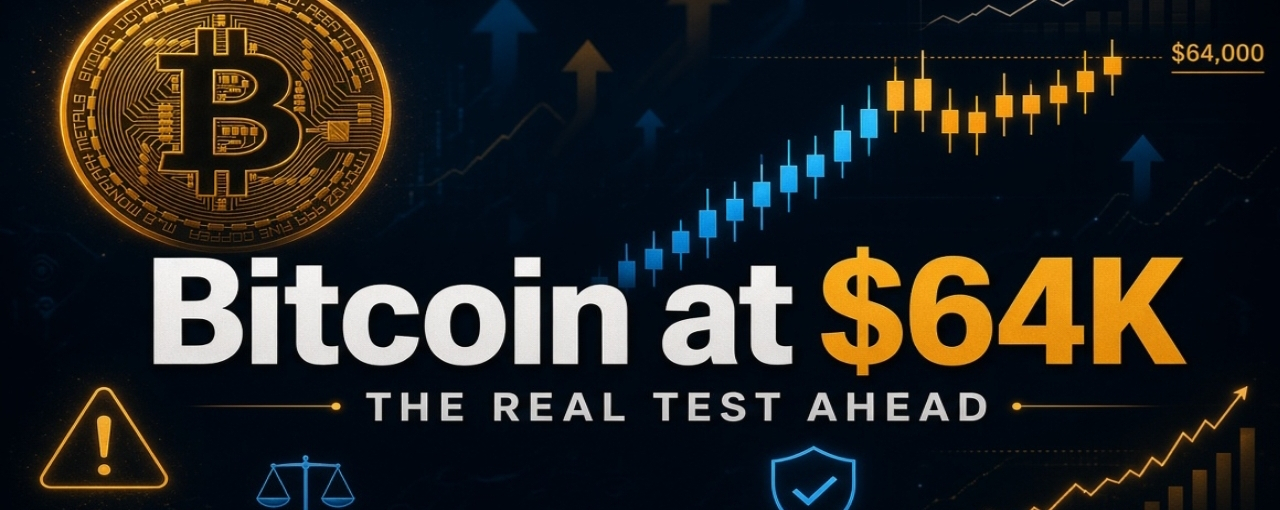
Hier ist das Neueste zu Bitcoin nach dem jüngsten Rückgang, den du erwähnt hast. Im Moment wird Bitcoin unter $65.000 gehandelt. Dieser Rückgang hat definitiv die Aufmerksamkeit der Leute auf sich gezogen, insbesondere da es sich um eine wichtige psychologische Marke handelt. In den letzten 24 Stunden fiel BTC um etwa 4%, vielleicht ein wenig mehr, was mit dem übereinstimmt, was du zuvor gesehen hast. Was treibt das Ganze an? Zuerst gibt es da draußen viel Unsicherheit. Globale Schlagzeilen und wackelige wirtschaftliche Nachrichten haben die Investoren nervös gemacht, sodass viele von ihnen sich von riskanteren Wetten wie Bitcoin zurückziehen. Dann hast du die großen Spieler – die sogenannten „Wale“. Einige von ihnen haben begonnen, zu verkaufen, und als der Preis unter $65K fiel, löste das noch mehr erzwungenes Verkaufen und Liquidationen aus. Im Grunde genommen wurde es ein bisschen wie ein Dominoeffekt. Außerdem sehen einige Bitcoin-ETFs Geldabflüsse statt -zuflüsse. Das ist normalerweise ein Zeichen dafür, dass große Institutionen sich kurzfristig nicht so sicher fühlen, was den Druck auf den Preis noch erhöht. Schließlich, als Bitcoin unter $65.000 fiel, sprangen technische Händler ein. Stop-Loss-Orders traten in Kraft, Momentum-Verkäufer kamen hinzu, und das Verkaufen beschleunigte sich einfach. Was bedeutet das, wenn du handelst? Zuerst einmal erschüttert ein Fall unter $65K die Nerven der Menschen. Es ist ein Niveau, das viele Händler im Auge behalten, sodass das Brechen dieses Niveaus dazu führen kann, dass die Leute ihre nächsten Schritte in Frage stellen. Analysten beobachten, was rund um $60.000 passiert. Wenn Bitcoin dort nicht halten kann, könnte der Verkaufsdruck zunehmen. Insgesamt ist es immer noch ein ziemlich wilder Markt. Liquidationen finden statt, der Nachrichtenzyklus ist nervös, und die kurzfristige Volatilität ist hoch. Wenn du möchtest, kann ich genauer darauf eingehen, was das alles für die zukünftige Entwicklung von Bitcoin bedeutet, sowohl kurzfristig als auch langfristig, oder einen Blick darauf werfen, wie andere große Kryptowährungen abschneiden. Lass es mich einfach wissen.#BitcoinGoogleSearchesSurge #Write2Earn @EthioCoinGram1 $BTC {spot}(BTCUSDT)
Hier ist das Neueste zu Bitcoin nach dem jüngsten Rückgang, den du erwähnt hast.

Im Moment wird Bitcoin unter $65.000 gehandelt. Dieser Rückgang hat definitiv die Aufmerksamkeit der Leute auf sich gezogen, insbesondere da es sich um eine wichtige psychologische Marke handelt. In den letzten 24 Stunden fiel BTC um etwa 4%, vielleicht ein wenig mehr, was mit dem übereinstimmt, was du zuvor gesehen hast.

Was treibt das Ganze an?

Zuerst gibt es da draußen viel Unsicherheit. Globale Schlagzeilen und wackelige wirtschaftliche Nachrichten haben die Investoren nervös gemacht, sodass viele von ihnen sich von riskanteren Wetten wie Bitcoin zurückziehen.

Dann hast du die großen Spieler – die sogenannten „Wale“. Einige von ihnen haben begonnen, zu verkaufen, und als der Preis unter $65K fiel, löste das noch mehr erzwungenes Verkaufen und Liquidationen aus. Im Grunde genommen wurde es ein bisschen wie ein Dominoeffekt.

Außerdem sehen einige Bitcoin-ETFs Geldabflüsse statt -zuflüsse. Das ist normalerweise ein Zeichen dafür, dass große Institutionen sich kurzfristig nicht so sicher fühlen, was den Druck auf den Preis noch erhöht.

Schließlich, als Bitcoin unter $65.000 fiel, sprangen technische Händler ein. Stop-Loss-Orders traten in Kraft, Momentum-Verkäufer kamen hinzu, und das Verkaufen beschleunigte sich einfach.

Was bedeutet das, wenn du handelst?

Zuerst einmal erschüttert ein Fall unter $65K die Nerven der Menschen. Es ist ein Niveau, das viele Händler im Auge behalten, sodass das Brechen dieses Niveaus dazu führen kann, dass die Leute ihre nächsten Schritte in Frage stellen. Analysten beobachten, was rund um $60.000 passiert. Wenn Bitcoin dort nicht halten kann, könnte der Verkaufsdruck zunehmen.

Insgesamt ist es immer noch ein ziemlich wilder Markt. Liquidationen finden statt, der Nachrichtenzyklus ist nervös, und die kurzfristige Volatilität ist hoch.

Wenn du möchtest, kann ich genauer darauf eingehen, was das alles für die zukünftige Entwicklung von Bitcoin bedeutet, sowohl kurzfristig als auch langfristig, oder einen Blick darauf werfen, wie andere große Kryptowährungen abschneiden. Lass es mich einfach wissen.#BitcoinGoogleSearchesSurge #Write2Earn @EthioCoinGiram1 $BTC
Melde dich an, um weitere Inhalte zu entdecken
Bleib immer am Ball mit den neuesten Nachrichten aus der Kryptowelt
⚡️ Beteilige dich an aktuellen Diskussionen rund um Kryptothemen
💬 Interagiere mit deinen bevorzugten Content-Erstellern
👍 Entdecke für dich interessante Inhalte
E-Mail-Adresse/Telefonnummer
Sitemap
Cookie-Präferenzen
Nutzungsbedingungen der Plattform