

dr_mt
7.2k Beiträge

dr_mt
Melden
Nutzer blockieren
Trading's not everyone's cup of tea
Follow me for Daily news & Signals Update
Disclaimer : Do Your Own Research
Signals are for Educational Purposes
Hochfrequenz-Trader
5.7 Jahre
0 Following
14.1K+ Follower
16.1K+ Like gegeben
Beiträge
Alle
Zitierungen
Videos
·
--
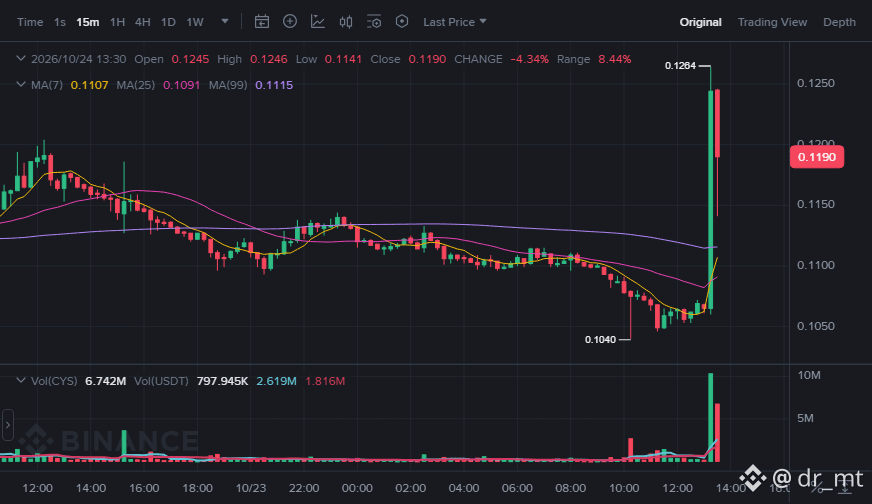
$CYS — Nur LONG: Der Kurs ist gerade mit einem knackigen Plus von 11.97% über die letzte Hürde gesprungen, begleitet von einem MONSTER-Handelsvolumenanstieg um das 21.03-Fache; ich bin ALL IN. Also nicht blinzeln — im Ernst, dieser hier bewegt sich SCHNELL 😏🚀
**$CYS SIGNAL-ALARM 🟢✨🚀**
Einstieg: 0.124400
Kursziel 1: 0.125644
Kursziel 2: 0.126888
Kursziel 3: 0.128132
Recherchiere selbst
Folge mir
dr_mt
**$CYS** - Hier handeln
$CYS — Nur LONG: Der Kurs ist gerade mit einem knackigen Plus von 11.97% über die letzte Hürde gesprungen, begleitet von einem MONSTER-Handelsvolumenanstieg um das 21.03-Fache; ich bin ALL IN. Also nicht blinzeln — im Ernst, dieser hier bewegt sich SCHNELL 😏🚀
**$CYS SIGNAL-ALARM 🟢✨🚀**
Einstieg: 0.124400
Kursziel 1: 0.125644
Kursziel 2: 0.126888
Kursziel 3: 0.128132
Recherchiere selbst
Folge mir
dr_mt
**$CYS ** - Hier handeln
**$CYS SIGNAL-ALARM 🟢✨🚀**
Einstieg: 0.124400
Kursziel 1: 0.125644
Kursziel 2: 0.126888
Kursziel 3: 0.128132
Recherchiere selbst
Folge mir
dr_mt
**$CYS ** - Hier handeln
99
·
--
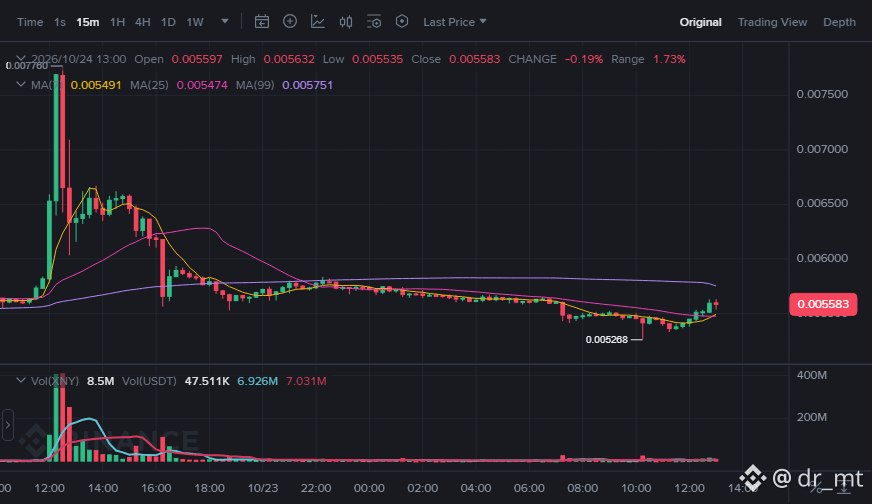
XNY hat gerade seinen jüngsten Widerstand mit einem Anstieg von etwa 1,1 % durchbrochen, und das Handelsvolumen liegt fast beim Dreifachen des Üblichen – wir gehen JETZT LONG 💥 Denk nicht zu viel darüber nach, steig ein und bedank dich später bei mir 😉
**$XNY SIGNAL-ALARM 🟢✨🚀**
Einstieg: 0.00559400
Kursziel 1: 0.00564994
Kursziel 2: 0.00570588
Kursziel 3: 0.00576182
Recherchiere selbst
Folge mir
dr_mt
**$XNY** – Hier handeln
XNY hat gerade seinen jüngsten Widerstand mit einem Anstieg von etwa 1,1 % durchbrochen, und das Handelsvolumen liegt fast beim Dreifachen des Üblichen – wir gehen JETZT LONG 💥 Denk nicht zu viel darüber nach, steig ein und bedank dich später bei mir 😉
**$XNY SIGNAL-ALARM 🟢✨🚀**
Einstieg: 0.00559400
Kursziel 1: 0.00564994
Kursziel 2: 0.00570588
Kursziel 3: 0.00576182
Recherchiere selbst
Folge mir
dr_mt
**$XNY ** – Hier handeln
**$XNY SIGNAL-ALARM 🟢✨🚀**
Einstieg: 0.00559400
Kursziel 1: 0.00564994
Kursziel 2: 0.00570588
Kursziel 3: 0.00576182
Recherchiere selbst
Folge mir
dr_mt
**$XNY ** – Hier handeln
64
·
--
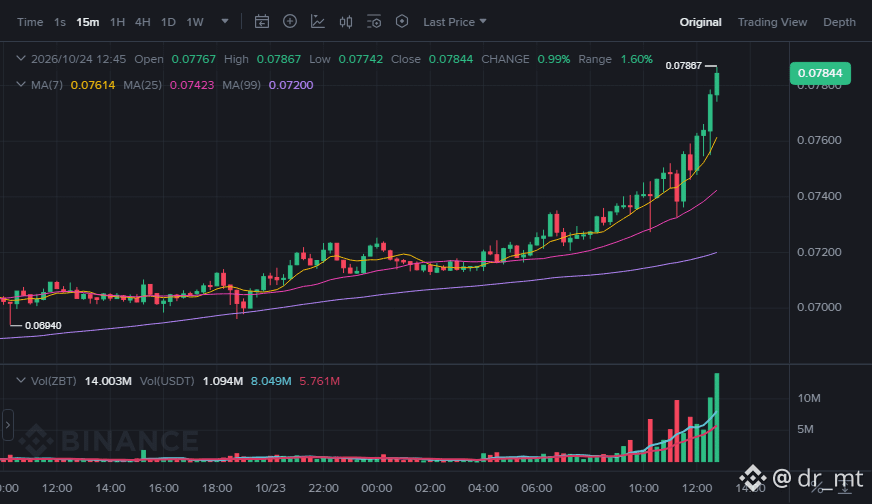
$ZBT ist in den letzten 15 Minuten gerade über ein kürzliches Hoch hinausgeschossen — ich bin LONG, bestätigt und fest dabei, kein Blabla. Der Kurs ist zwar nur um +1,37 % gestiegen, aber bei einem 3,15-fachen Handelsvolumen gegenüber dem üblichen — diese Bewegung ist REAL — JETZT EINSTEIGEN, LOS GEHT’S!!! 🚀😏
**$ZBT SIGNAL-ALARM 🟢✨🚀**
Einstieg: 0.077670
Kursziel 1: 0.078447
Kursziel 2: 0.079223
Kursziel 3: 0.080000
Recherchiere selbst
Folge mir
dr_mt
**$ZBT** – Hier handeln
$ZBT ist in den letzten 15 Minuten gerade über ein kürzliches Hoch hinausgeschossen — ich bin LONG, bestätigt und fest dabei, kein Blabla. Der Kurs ist zwar nur um +1,37 % gestiegen, aber bei einem 3,15-fachen Handelsvolumen gegenüber dem üblichen — diese Bewegung ist REAL — JETZT EINSTEIGEN, LOS GEHT’S!!! 🚀😏
**$ZBT SIGNAL-ALARM 🟢✨🚀**
Einstieg: 0.077670
Kursziel 1: 0.078447
Kursziel 2: 0.079223
Kursziel 3: 0.080000
Recherchiere selbst
Folge mir
dr_mt
**$ZBT ** – Hier handeln
**$ZBT SIGNAL-ALARM 🟢✨🚀**
Einstieg: 0.077670
Kursziel 1: 0.078447
Kursziel 2: 0.079223
Kursziel 3: 0.080000
Recherchiere selbst
Folge mir
dr_mt
**$ZBT ** – Hier handeln
109
·
--
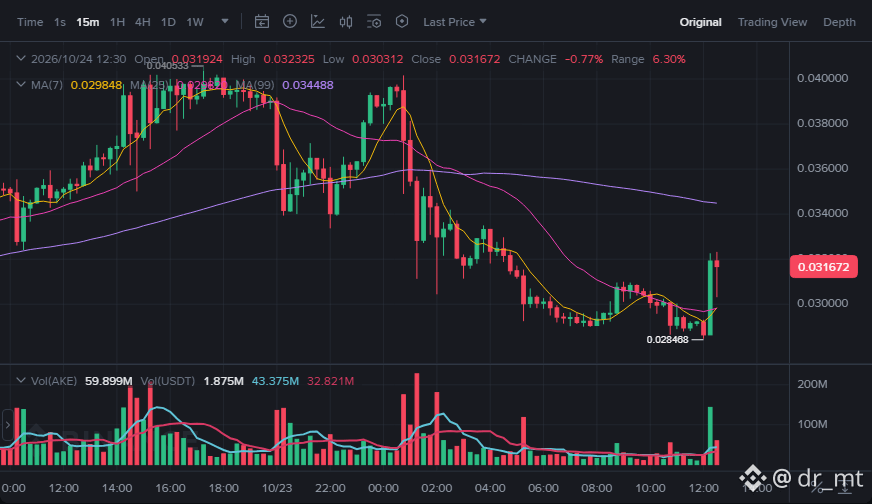
LONG $AKE — gerade mit einem MASSIVEN Volumen von 6,18x um 2,97 % über das jüngste Hoch hinausgeschossen. Das Ding macht KEINEN Spaß 😤🚀. Wenn du noch nicht dabei bist, bist du spät dran — BEEIL DICH, und zwar SCHNELL, das hier ist ziemlich offensichtlich, also steig ein und flex 💅
**$AKE SIGNAL-ALARM 🟢✨🚀**
Einstieg: 0.031920
Ziel 1: 0.032239
Ziel 2: 0.032558
Ziel 3: 0.032878
DYOR
Folge mir
dr_mt
**$AKE** – Hier traden
LONG $AKE — gerade mit einem MASSIVEN Volumen von 6,18x um 2,97 % über das jüngste Hoch hinausgeschossen. Das Ding macht KEINEN Spaß 😤🚀. Wenn du noch nicht dabei bist, bist du spät dran — BEEIL DICH, und zwar SCHNELL, das hier ist ziemlich offensichtlich, also steig ein und flex 💅
**$AKE SIGNAL-ALARM 🟢✨🚀**
Einstieg: 0.031920
Ziel 1: 0.032239
Ziel 2: 0.032558
Ziel 3: 0.032878
DYOR
Folge mir
dr_mt
**$AKE ** – Hier traden
**$AKE SIGNAL-ALARM 🟢✨🚀**
Einstieg: 0.031920
Ziel 1: 0.032239
Ziel 2: 0.032558
Ziel 3: 0.032878
DYOR
Folge mir
dr_mt
**$AKE ** – Hier traden
387
·
--
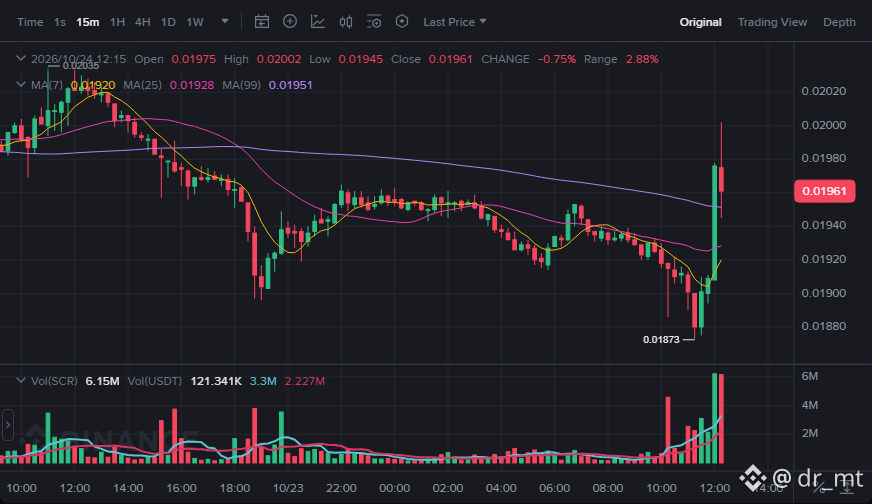
SCR ist gerade mit fast 6× so viel Aktivität wie üblich über das letzte Hoch hinausgeschossen (etwa +1,18 %) – das ist kein Rauschen, sondern eine echte Bewegung. Wir gehen nur LONG – steig jetzt ein oder schau von der Seitenlinie aus zu, wie es weiterläuft 🚀😏
**$SCR SIGNAL-ALARM 🟢✨🚀**
Einstieg: 0.019760
Kursziel 1: 0.019958
Kursziel 2: 0.020155
Kursziel 3: 0.020353
DYOR
Folge mir
dr_mt
**$SCR** – Hier handeln
SCR ist gerade mit fast 6× so viel Aktivität wie üblich über das letzte Hoch hinausgeschossen (etwa +1,18 %) – das ist kein Rauschen, sondern eine echte Bewegung. Wir gehen nur LONG – steig jetzt ein oder schau von der Seitenlinie aus zu, wie es weiterläuft 🚀😏
**$SCR SIGNAL-ALARM 🟢✨🚀**
Einstieg: 0.019760
Kursziel 1: 0.019958
Kursziel 2: 0.020155
Kursziel 3: 0.020353
DYOR
Folge mir
dr_mt
**$SCR ** – Hier handeln
**$SCR SIGNAL-ALARM 🟢✨🚀**
Einstieg: 0.019760
Kursziel 1: 0.019958
Kursziel 2: 0.020155
Kursziel 3: 0.020353
DYOR
Folge mir
dr_mt
**$SCR ** – Hier handeln
51
·
--
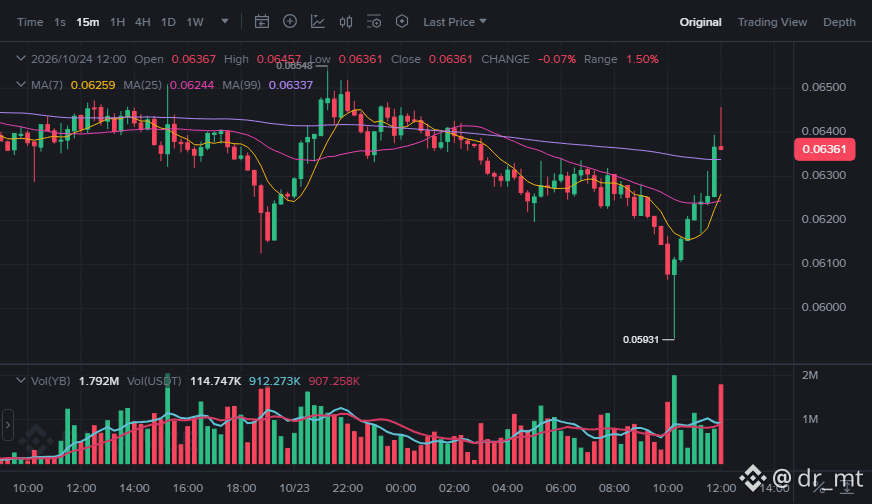
YB — nur LONG: Der Kurs ist gerade in einer schnellen Bewegung deutlich über sein letztes Hoch hinausgeschossen, mit einem Anstieg von etwa 0,47 % und etwas mehr Aktivität als üblich. Das sieht also nach einem REINEN Signal aus. JETZT KAUFENNN — schnapp es dir, zögere nicht, es ist bereit zum DURCHSTARTENNN 😏🚀
**$YB SIGNAL-ALARM 🟢✨🚀**
Einstieg: 0.063660
Kursziel 1 : 0.064297
Kursziel 2 : 0.064933
Kursziel 3 : 0.065570
Recherchiere selbst
Folge mir
dr_mt
**$YB** - Hier handeln
YB — nur LONG: Der Kurs ist gerade in einer schnellen Bewegung deutlich über sein letztes Hoch hinausgeschossen, mit einem Anstieg von etwa 0,47 % und etwas mehr Aktivität als üblich. Das sieht also nach einem REINEN Signal aus. JETZT KAUFENNN — schnapp es dir, zögere nicht, es ist bereit zum DURCHSTARTENNN 😏🚀
**$YB SIGNAL-ALARM 🟢✨🚀**
Einstieg: 0.063660
Kursziel 1 : 0.064297
Kursziel 2 : 0.064933
Kursziel 3 : 0.065570
Recherchiere selbst
Folge mir
dr_mt
**$YB ** - Hier handeln
**$YB SIGNAL-ALARM 🟢✨🚀**
Einstieg: 0.063660
Kursziel 1 : 0.064297
Kursziel 2 : 0.064933
Kursziel 3 : 0.065570
Recherchiere selbst
Folge mir
dr_mt
**$YB ** - Hier handeln
428
·
--
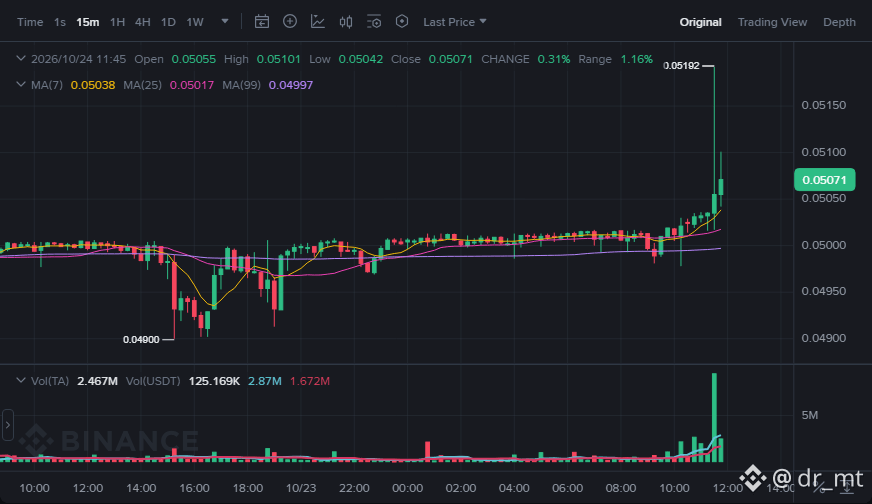
$TA ist in den letzten 15 Minuten gerade über sein jüngstes Hoch hinausgeschossen — nur +0,38 %, aber mit fast 14-mal so viel Handelsaktivität wie üblich. Das ist also nicht zu übersehen. Ich gehe AUSSCHLIESSLICH LONG und pushe diesen Coin jetzt richtig — sooo viel Potenzial 🚀😏. Nicht blinzeln — das schreit nach KAUFEN, vertraut mir, ich WEISS es.
**$TA SIGNAL-ALARM 🟢✨🚀**
Einstieg: 0.050550
Kursziel 1: 0.051055
Kursziel 2: 0.051561
Kursziel 3: 0.052067
Macht eure eigene Recherche
Folgt mir
dr_mt
**$TA** - Hier handeln
$TA ist in den letzten 15 Minuten gerade über sein jüngstes Hoch hinausgeschossen — nur +0,38 %, aber mit fast 14-mal so viel Handelsaktivität wie üblich. Das ist also nicht zu übersehen. Ich gehe AUSSCHLIESSLICH LONG und pushe diesen Coin jetzt richtig — sooo viel Potenzial 🚀😏. Nicht blinzeln — das schreit nach KAUFEN, vertraut mir, ich WEISS es.
**$TA SIGNAL-ALARM 🟢✨🚀**
Einstieg: 0.050550
Kursziel 1: 0.051055
Kursziel 2: 0.051561
Kursziel 3: 0.052067
Macht eure eigene Recherche
Folgt mir
dr_mt
**$TA ** - Hier handeln
**$TA SIGNAL-ALARM 🟢✨🚀**
Einstieg: 0.050550
Kursziel 1: 0.051055
Kursziel 2: 0.051561
Kursziel 3: 0.052067
Macht eure eigene Recherche
Folgt mir
dr_mt
**$TA ** - Hier handeln
93
·
--
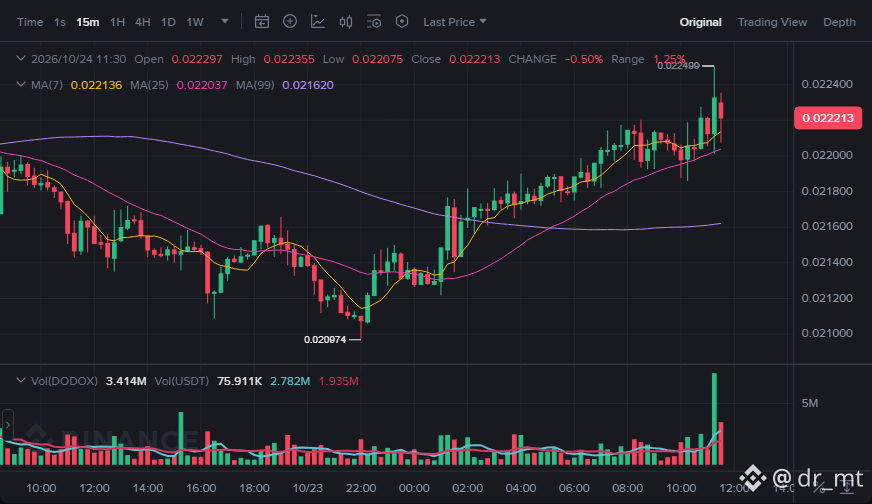
YO — $DODOX ist gerade mit einem sauberen Schub von 0.22% über sein jüngstes Hoch hinausgeschossen, bei WAHNSINNIGER Aktivität (~6.2x normal), also gehen wir hier AUSSCHLIESSLICH LONG — macht euch bereit, das Ding ist HEISS 🔥🚀
**$DODOX SIGNAL-ALARM 🟢✨🚀**
Einstieg: 0.022325
Ziel 1 : 0.022548
Ziel 2 : 0.022772
Ziel 3 : 0.022995
Mach deine eigene Recherche
Folge mir
dr_mt
**$DODOX** - Hier handeln
YO — $DODOX ist gerade mit einem sauberen Schub von 0.22% über sein jüngstes Hoch hinausgeschossen, bei WAHNSINNIGER Aktivität (~6.2x normal), also gehen wir hier AUSSCHLIESSLICH LONG — macht euch bereit, das Ding ist HEISS 🔥🚀
**$DODOX SIGNAL-ALARM 🟢✨🚀**
Einstieg: 0.022325
Ziel 1 : 0.022548
Ziel 2 : 0.022772
Ziel 3 : 0.022995
Mach deine eigene Recherche
Folge mir
dr_mt
**$DODOX ** - Hier handeln
**$DODOX SIGNAL-ALARM 🟢✨🚀**
Einstieg: 0.022325
Ziel 1 : 0.022548
Ziel 2 : 0.022772
Ziel 3 : 0.022995
Mach deine eigene Recherche
Folge mir
dr_mt
**$DODOX ** - Hier handeln
77
·
--
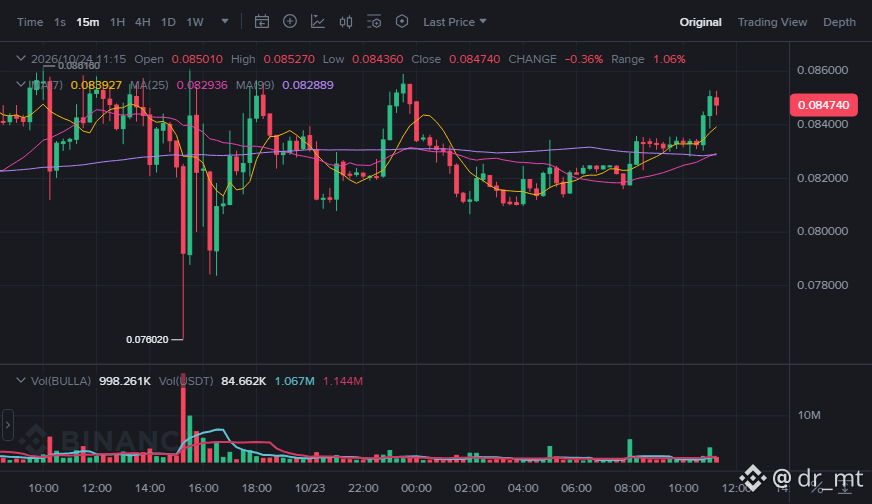
$BULLA ist gerade im kurzen Zeitfenster über das jüngste Hoch hinausgeschossen – um etwa 0,65 % gestiegen, bei einem Handelsvolumen von fast dem Vierfachen des Normalen. Daher gilt: NUR LONG; steig jetzt SOFOOORT ein oder sieh zu, wie der Kurs ohne dich davonzieht 🚀🔥😏
**$BULLA SIGNAL-ALARM 🟢✨🚀**
Einstieg: 0.085050
Kursziel 1: 0.085901
Kursziel 2: 0.086751
Kursziel 3: 0.087601
DYOR
Folge mir
dr_mt
**$BULLA** – Hier handeln
$BULLA ist gerade im kurzen Zeitfenster über das jüngste Hoch hinausgeschossen – um etwa 0,65 % gestiegen, bei einem Handelsvolumen von fast dem Vierfachen des Normalen. Daher gilt: NUR LONG; steig jetzt SOFOOORT ein oder sieh zu, wie der Kurs ohne dich davonzieht 🚀🔥😏
**$BULLA SIGNAL-ALARM 🟢✨🚀**
Einstieg: 0.085050
Kursziel 1: 0.085901
Kursziel 2: 0.086751
Kursziel 3: 0.087601
DYOR
Folge mir
dr_mt
**$BULLA ** – Hier handeln
**$BULLA SIGNAL-ALARM 🟢✨🚀**
Einstieg: 0.085050
Kursziel 1: 0.085901
Kursziel 2: 0.086751
Kursziel 3: 0.087601
DYOR
Folge mir
dr_mt
**$BULLA ** – Hier handeln
100
·
--
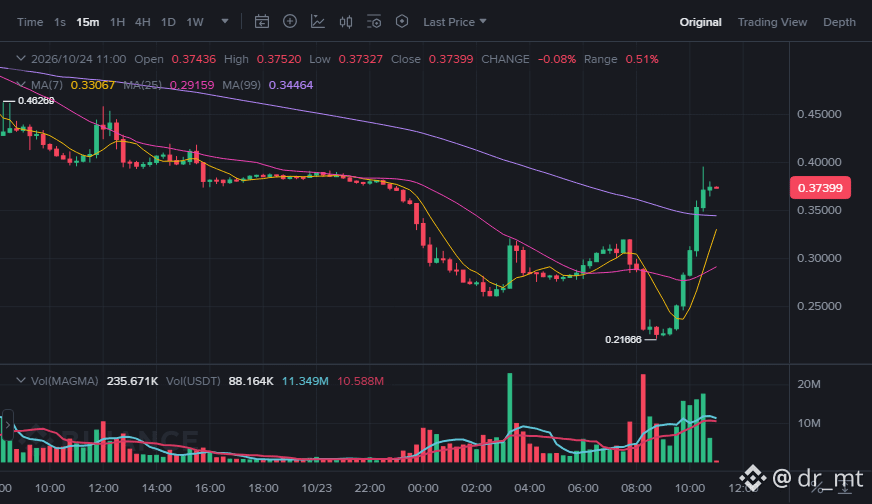
$MAGMA ist gerade mit Vollgas über das alte Hoch hinausgeschossen – etwa 3,00 % im Plus und mit mehr als doppelt so viel Handelsvolumen wie üblich. Deshalb gehe ich LONG und halte die Position fest 🚀😎. Nicht verschlafen – das sieht sauber und schnell aus. Ich bin schon drin, bist du auch dabei oder was?
**$MAGMA SIGNAL-ALARM 🟢✨🚀**
Einstieg: 0.371320
Kursziel 1: 0.375033
Kursziel 2: 0.378746
Kursziel 3: 0.382460
DYOR
Folge mir
dr_mt
**$MAGMA** – Hier handeln
$MAGMA ist gerade mit Vollgas über das alte Hoch hinausgeschossen – etwa 3,00 % im Plus und mit mehr als doppelt so viel Handelsvolumen wie üblich. Deshalb gehe ich LONG und halte die Position fest 🚀😎. Nicht verschlafen – das sieht sauber und schnell aus. Ich bin schon drin, bist du auch dabei oder was?
**$MAGMA SIGNAL-ALARM 🟢✨🚀**
Einstieg: 0.371320
Kursziel 1: 0.375033
Kursziel 2: 0.378746
Kursziel 3: 0.382460
DYOR
Folge mir
dr_mt
**$MAGMA ** – Hier handeln
**$MAGMA SIGNAL-ALARM 🟢✨🚀**
Einstieg: 0.371320
Kursziel 1: 0.375033
Kursziel 2: 0.378746
Kursziel 3: 0.382460
DYOR
Folge mir
dr_mt
**$MAGMA ** – Hier handeln
116
·
--
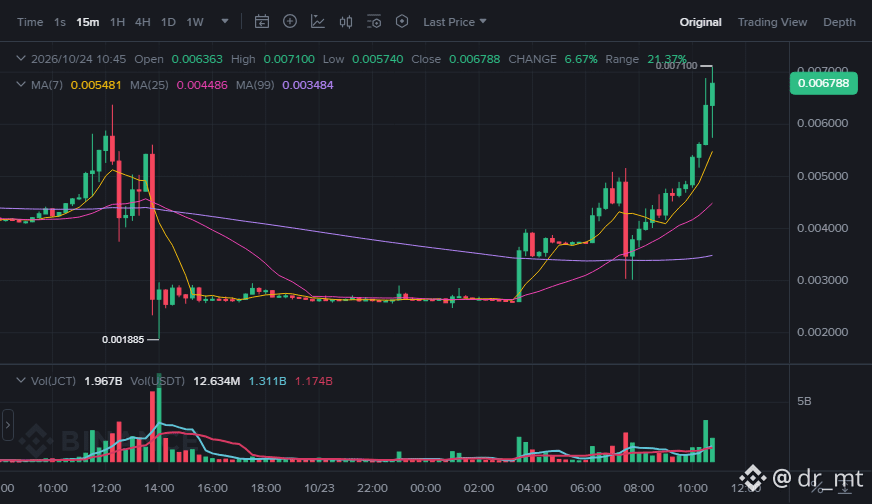
LONG $JCT – gerade ist der Kurs über den kurzfristigen Widerstand hinausgeschossen und um 12,5 % gestiegen, bei 4,31-mal so viel Handelsvolumen wie üblich. Also zerdenk es nicht – das Ding ist HEISS und ich bin VOLL DABEI 😏🚀
**$JCT SIGNAL-ALARM 🟢✨🚀**
Einstieg: 0.00636300
Ziel 1: 0.00642663
Ziel 2: 0.00649026
Ziel 3: 0.00655389
DYOR
Folge mir
dr_mt
**$JCT** – Hier handeln
LONG $JCT – gerade ist der Kurs über den kurzfristigen Widerstand hinausgeschossen und um 12,5 % gestiegen, bei 4,31-mal so viel Handelsvolumen wie üblich. Also zerdenk es nicht – das Ding ist HEISS und ich bin VOLL DABEI 😏🚀
**$JCT SIGNAL-ALARM 🟢✨🚀**
Einstieg: 0.00636300
Ziel 1: 0.00642663
Ziel 2: 0.00649026
Ziel 3: 0.00655389
DYOR
Folge mir
dr_mt
**$JCT ** – Hier handeln
**$JCT SIGNAL-ALARM 🟢✨🚀**
Einstieg: 0.00636300
Ziel 1: 0.00642663
Ziel 2: 0.00649026
Ziel 3: 0.00655389
DYOR
Folge mir
dr_mt
**$JCT ** – Hier handeln
168
·
--
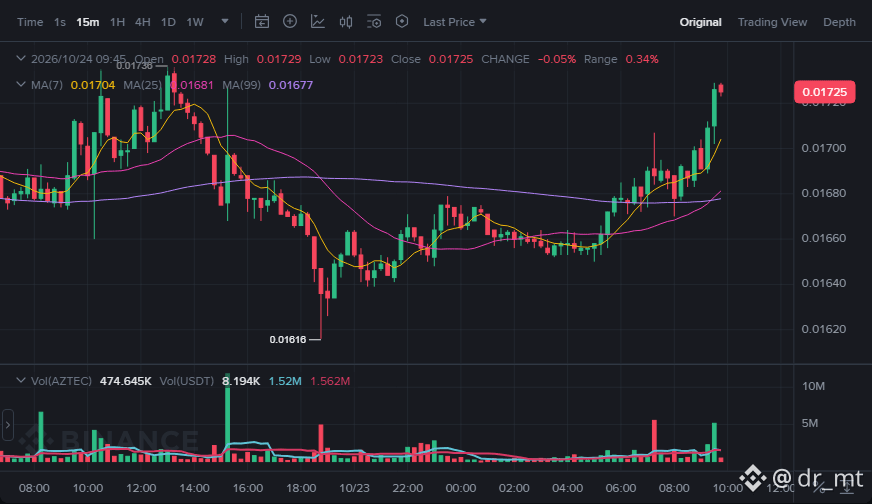
LONG bei $AZTEC – der Kurs ist gerade deutlich über den kurzfristigen Widerstand ausgebrochen, plus 0,82 % bei fast 5-mal so viel Handelsaktivität wie üblich. Das ist ein OFFENSICHTLICHER KAUF 😎. Trödel nicht, steig mit voller Überzeugung ein – dieser Coin will abheben — na looos, legen wir los 🚀
**$AZTEC SIGNAL-ALARM 🟢✨🚀**
Einstieg: 0.017260
Kursziel 1: 0.017433
Kursziel 2: 0.017605
Kursziel 3: 0.017778
Stop-Loss: 0.017001
DYOR
Folge mir
dr_mt
**$AZTEC** – Hier traden
LONG bei $AZTEC – der Kurs ist gerade deutlich über den kurzfristigen Widerstand ausgebrochen, plus 0,82 % bei fast 5-mal so viel Handelsaktivität wie üblich. Das ist ein OFFENSICHTLICHER KAUF 😎. Trödel nicht, steig mit voller Überzeugung ein – dieser Coin will abheben — na looos, legen wir los 🚀
**$AZTEC SIGNAL-ALARM 🟢✨🚀**
Einstieg: 0.017260
Kursziel 1: 0.017433
Kursziel 2: 0.017605
Kursziel 3: 0.017778
Stop-Loss: 0.017001
DYOR
Folge mir
dr_mt
**$AZTEC ** – Hier traden
**$AZTEC SIGNAL-ALARM 🟢✨🚀**
Einstieg: 0.017260
Kursziel 1: 0.017433
Kursziel 2: 0.017605
Kursziel 3: 0.017778
Stop-Loss: 0.017001
DYOR
Folge mir
dr_mt
**$AZTEC ** – Hier traden
147
·
--
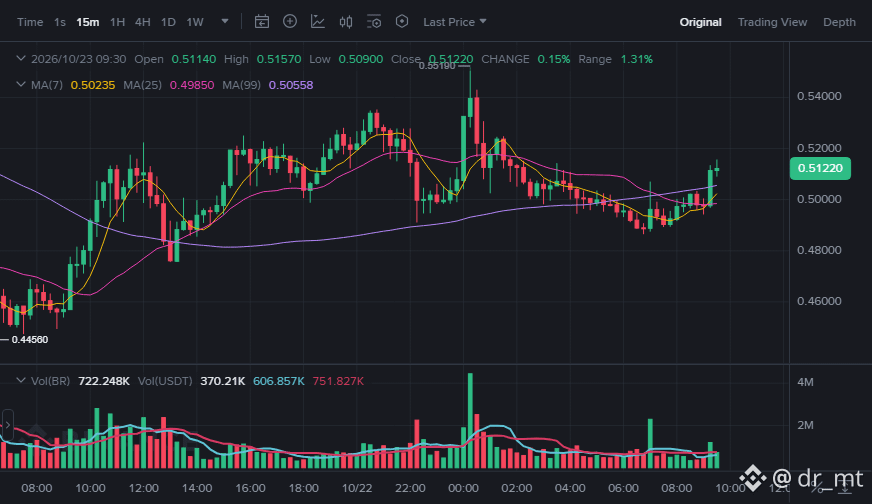
Achtung — $BR hat gerade einen bullischen 15‑Minuten-Ausbruch über den jüngsten Widerstand bestätigt. Die Ausbruchsstärke liegt bei 0.85 % und das relative Volumen bei 1.79x – die Käufer sind also tatsächlich eingestiegen. Geh long, wenn dir das Setup gefällt, setz enge Stopps und achte auf eine Fortsetzung 🚀👀
**$BR SIGNALALARM 🟢✨🚀**
📊 Bullischer 15-Minuten-Ausbruch
Einstieg: 0.511400
Ausbruchsniveau: 0.507100
Kursziel 1: 0.516514
Kursziel 2: 0.521628
Kursziel 3: 0.526742
Stop-Loss: 0.503729
DYOR
Folge mir
dr_mt
**$BR** – Hier handeln
Achtung — $BR hat gerade einen bullischen 15‑Minuten-Ausbruch über den jüngsten Widerstand bestätigt. Die Ausbruchsstärke liegt bei 0.85 % und das relative Volumen bei 1.79x – die Käufer sind also tatsächlich eingestiegen. Geh long, wenn dir das Setup gefällt, setz enge Stopps und achte auf eine Fortsetzung 🚀👀
**$BR SIGNALALARM 🟢✨🚀**
📊 Bullischer 15-Minuten-Ausbruch
Einstieg: 0.511400
Ausbruchsniveau: 0.507100
Kursziel 1: 0.516514
Kursziel 2: 0.521628
Kursziel 3: 0.526742
Stop-Loss: 0.503729
DYOR
Folge mir
dr_mt
**$BR ** – Hier handeln
**$BR SIGNALALARM 🟢✨🚀**
📊 Bullischer 15-Minuten-Ausbruch
Einstieg: 0.511400
Ausbruchsniveau: 0.507100
Kursziel 1: 0.516514
Kursziel 2: 0.521628
Kursziel 3: 0.526742
Stop-Loss: 0.503729
DYOR
Folge mir
dr_mt
**$BR ** – Hier handeln
199
·
--
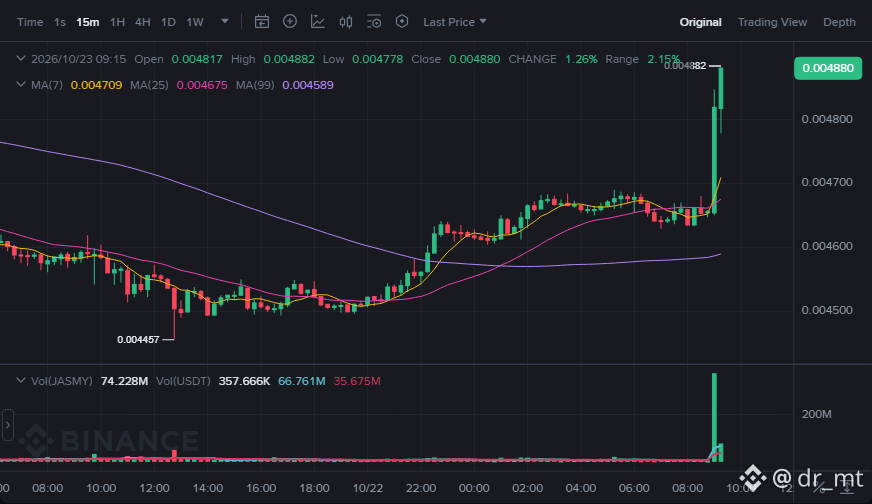
$JASMY zeigt einen bestätigten bullischen Ausbruch im 15-Minuten-Chart über den jüngsten Widerstand – Ausbruchsstärke ~2.75 % und das relative Volumen schießt auf 70.72x hoch. Das Momentum ist also definitiv echt 🔥🚀. Vorerst nur Long-Positionen, geh klug vor (keine Garantien, nur ein sauberes Setup).
**$JASMY SIGNAL-ALARM 🟢✨🚀**
📊 Bullischer Ausbruch im 15-Minuten-Chart
Einstieg: 0.00481900
Ausbruchsniveau: 0.00469000
Kursziel 1: 0.00486719
Kursziel 2: 0.00491538
Kursziel 3: 0.00496357
Stop-Loss: 0.00474672
Recherchiere selbst
Folge mir
dr_mt
**$JASMY** – Hier handeln
$JASMY zeigt einen bestätigten bullischen Ausbruch im 15-Minuten-Chart über den jüngsten Widerstand – Ausbruchsstärke ~2.75 % und das relative Volumen schießt auf 70.72x hoch. Das Momentum ist also definitiv echt 🔥🚀. Vorerst nur Long-Positionen, geh klug vor (keine Garantien, nur ein sauberes Setup).
**$JASMY SIGNAL-ALARM 🟢✨🚀**
📊 Bullischer Ausbruch im 15-Minuten-Chart
Einstieg: 0.00481900
Ausbruchsniveau: 0.00469000
Kursziel 1: 0.00486719
Kursziel 2: 0.00491538
Kursziel 3: 0.00496357
Stop-Loss: 0.00474672
Recherchiere selbst
Folge mir
dr_mt
**$JASMY ** – Hier handeln
**$JASMY SIGNAL-ALARM 🟢✨🚀**
📊 Bullischer Ausbruch im 15-Minuten-Chart
Einstieg: 0.00481900
Ausbruchsniveau: 0.00469000
Kursziel 1: 0.00486719
Kursziel 2: 0.00491538
Kursziel 3: 0.00496357
Stop-Loss: 0.00474672
Recherchiere selbst
Folge mir
dr_mt
**$JASMY ** – Hier handeln
1
138
·
--
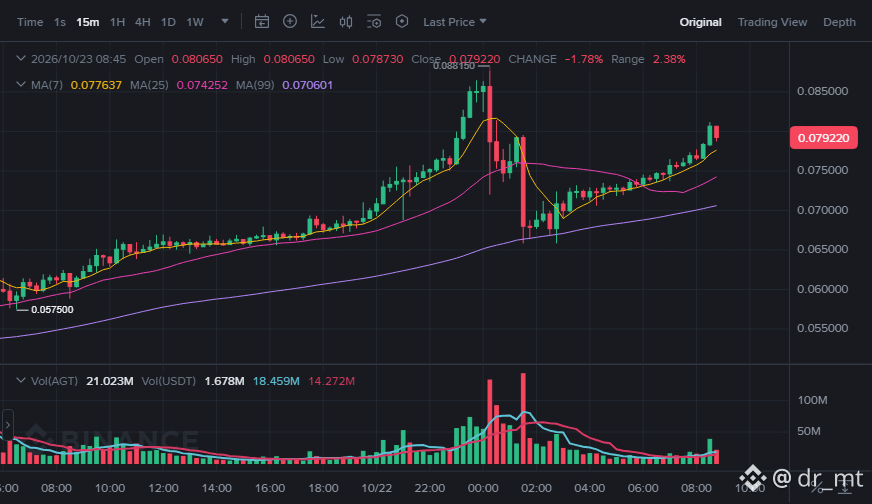
$AGT hat gerade einen bestätigten bullischen 15‑Minuten-Ausbruch über den jüngsten Widerstand hingelegt – ein Sprung von 2,67 % bei einem relativen Volumen von 3,18x, der Bewegung steckt also einiges an Kraft inne. Setze auf LONG, wenn du dich damit wohlfühlst, aber sei auf schnelle Richtungswechsel vorbereitet 😉
**$AGT SIGNAL-ALARM 🟢✨🚀**
📊 Bullischer 15-Minuten-Ausbruch
Einstieg: 0.080660
Ausbruchsniveau: 0.078560
Ziel 1 : 0.081467
Ziel 2 : 0.082273
Ziel 3 : 0.083080
Stop-Loss : 0.079450
DYOR
Folge mir
dr_mt
**$AGT** - Hier handeln
$AGT hat gerade einen bestätigten bullischen 15‑Minuten-Ausbruch über den jüngsten Widerstand hingelegt – ein Sprung von 2,67 % bei einem relativen Volumen von 3,18x, der Bewegung steckt also einiges an Kraft inne. Setze auf LONG, wenn du dich damit wohlfühlst, aber sei auf schnelle Richtungswechsel vorbereitet 😉
**$AGT SIGNAL-ALARM 🟢✨🚀**
📊 Bullischer 15-Minuten-Ausbruch
Einstieg: 0.080660
Ausbruchsniveau: 0.078560
Ziel 1 : 0.081467
Ziel 2 : 0.082273
Ziel 3 : 0.083080
Stop-Loss : 0.079450
DYOR
Folge mir
dr_mt
**$AGT ** - Hier handeln
**$AGT SIGNAL-ALARM 🟢✨🚀**
📊 Bullischer 15-Minuten-Ausbruch
Einstieg: 0.080660
Ausbruchsniveau: 0.078560
Ziel 1 : 0.081467
Ziel 2 : 0.082273
Ziel 3 : 0.083080
Stop-Loss : 0.079450
DYOR
Folge mir
dr_mt
**$AGT ** - Hier handeln
118
·
--
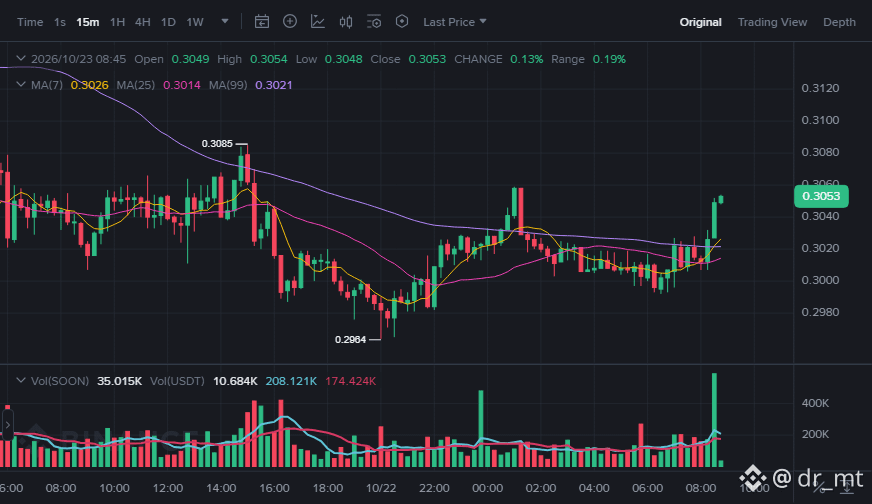
Long bei $SOON — bestätigter bullischer 15-Minuten-Ausbruch über den jüngsten Widerstand, verdammt sauber. Ausbruchsstärke: 0,56 % bei einem relativen Volumen von 4,53x (echte Marktteilnahme) — geh es klug an 😏📈
**$SOON SIGNAL-ALARM 🟢✨🚀**
📊 Bullischer 15-Minuten-Ausbruch
Einstieg: 0.304900
Ausbruchsniveau: 0.303200
Kursziel 1 : 0.307949
Kursziel 2 : 0.310998
Kursziel 3 : 0.314047
Stop-Loss : 0.300326
Mach deine eigene Recherche
Folge mir
dr_mt
**$SOON** – Hier handeln
Long bei $SOON — bestätigter bullischer 15-Minuten-Ausbruch über den jüngsten Widerstand, verdammt sauber. Ausbruchsstärke: 0,56 % bei einem relativen Volumen von 4,53x (echte Marktteilnahme) — geh es klug an 😏📈
**$SOON SIGNAL-ALARM 🟢✨🚀**
📊 Bullischer 15-Minuten-Ausbruch
Einstieg: 0.304900
Ausbruchsniveau: 0.303200
Kursziel 1 : 0.307949
Kursziel 2 : 0.310998
Kursziel 3 : 0.314047
Stop-Loss : 0.300326
Mach deine eigene Recherche
Folge mir
dr_mt
**$SOON ** – Hier handeln
**$SOON SIGNAL-ALARM 🟢✨🚀**
📊 Bullischer 15-Minuten-Ausbruch
Einstieg: 0.304900
Ausbruchsniveau: 0.303200
Kursziel 1 : 0.307949
Kursziel 2 : 0.310998
Kursziel 3 : 0.314047
Stop-Loss : 0.300326
Mach deine eigene Recherche
Folge mir
dr_mt
**$SOON ** – Hier handeln
253
·
--
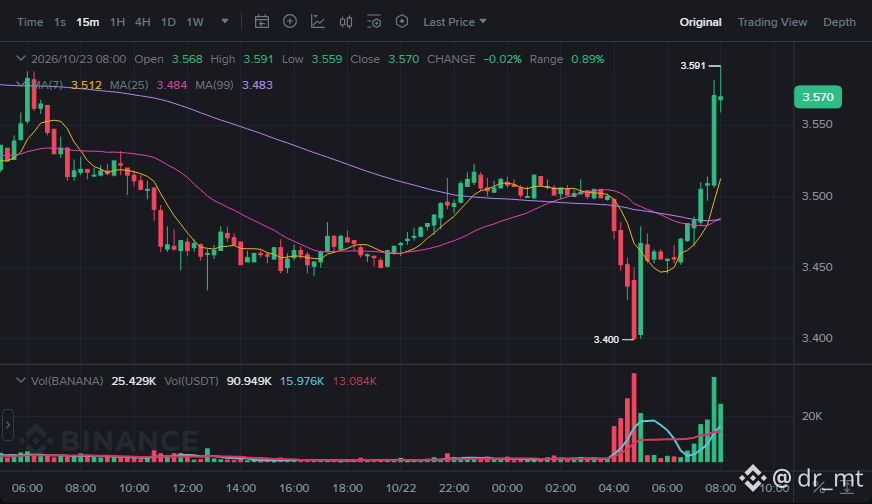
BANANA hat gerade einen bestätigten bullischen 15-Minuten-Ausbruch über den jüngsten Widerstand geschafft – Ausbruchsstärke 1,62 % bei einem relativen Volumen von ca. 3,93x, also steckt ordentlich Schub dahinter 🍌🚀. Für dieses Setup nur Long-Positionen; nutze das Momentum, aber setze enge Stopps – sicher ist nichts 😉
**$BANANA SIGNAL-ALARM 🟢✨🚀**
📊 Bullischer 15-Minuten-Ausbruch
Einstieg: 3.5710
Ausbruchsniveau: 3.5140
Kursziel 1: 3.6067
Kursziel 2: 3.6424
Kursziel 3: 3.6781
Stop-Loss: 3.5174
DYOR
Folge mir
dr_mt
**$BANANA** – Hier handeln
BANANA hat gerade einen bestätigten bullischen 15-Minuten-Ausbruch über den jüngsten Widerstand geschafft – Ausbruchsstärke 1,62 % bei einem relativen Volumen von ca. 3,93x, also steckt ordentlich Schub dahinter 🍌🚀. Für dieses Setup nur Long-Positionen; nutze das Momentum, aber setze enge Stopps – sicher ist nichts 😉
**$BANANA SIGNAL-ALARM 🟢✨🚀**
📊 Bullischer 15-Minuten-Ausbruch
Einstieg: 3.5710
Ausbruchsniveau: 3.5140
Kursziel 1: 3.6067
Kursziel 2: 3.6424
Kursziel 3: 3.6781
Stop-Loss: 3.5174
DYOR
Folge mir
dr_mt
**$BANANA ** – Hier handeln
**$BANANA SIGNAL-ALARM 🟢✨🚀**
📊 Bullischer 15-Minuten-Ausbruch
Einstieg: 3.5710
Ausbruchsniveau: 3.5140
Kursziel 1: 3.6067
Kursziel 2: 3.6424
Kursziel 3: 3.6781
Stop-Loss: 3.5174
DYOR
Folge mir
dr_mt
**$BANANA ** – Hier handeln
42
·
--
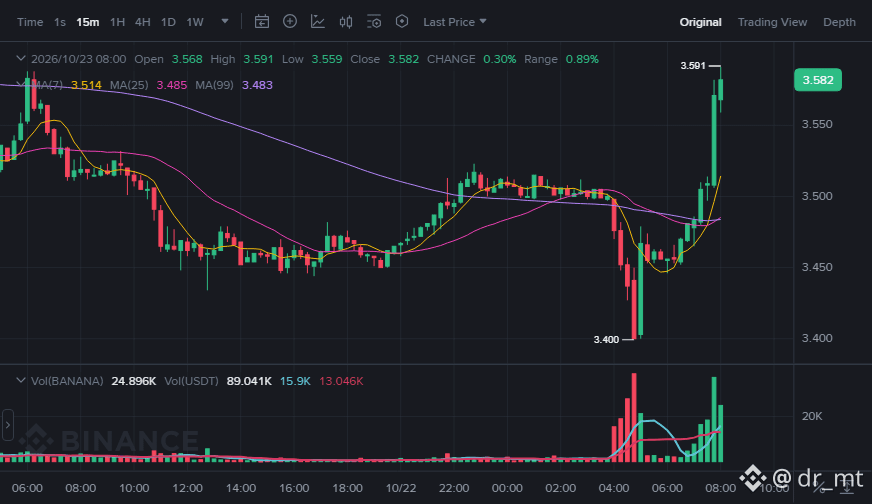
$BANANA gerade einen bullischen 15-Minuten-Ausbruch über den jüngsten Widerstand bestätigt – 1,62 % Folgebewegung bei einem relativen Volumen von etwa 3,93x. Wir gehen hier nur LONG, wählt eine angemessene Positionsgröße und gebt der Bewegung Raum 🍌🚀
**$BANANA SIGNAL-ALARM 🟢✨🚀**
📊 Bullischer 15-Minuten-Ausbruch
Einstieg: 3.5710
Ausbruchsniveau: 3.5140
Kursziel 1: 3.6067
Kursziel 2: 3.6424
Kursziel 3: 3.6781
Stop-Loss: 3.5174
Informiere dich selbst
Folge mir
dr_mt
**$BANANA** – Hier handeln
$BANANA gerade einen bullischen 15-Minuten-Ausbruch über den jüngsten Widerstand bestätigt – 1,62 % Folgebewegung bei einem relativen Volumen von etwa 3,93x. Wir gehen hier nur LONG, wählt eine angemessene Positionsgröße und gebt der Bewegung Raum 🍌🚀
**$BANANA SIGNAL-ALARM 🟢✨🚀**
📊 Bullischer 15-Minuten-Ausbruch
Einstieg: 3.5710
Ausbruchsniveau: 3.5140
Kursziel 1: 3.6067
Kursziel 2: 3.6424
Kursziel 3: 3.6781
Stop-Loss: 3.5174
Informiere dich selbst
Folge mir
dr_mt
**$BANANA ** – Hier handeln
**$BANANA SIGNAL-ALARM 🟢✨🚀**
📊 Bullischer 15-Minuten-Ausbruch
Einstieg: 3.5710
Ausbruchsniveau: 3.5140
Kursziel 1: 3.6067
Kursziel 2: 3.6424
Kursziel 3: 3.6781
Stop-Loss: 3.5174
Informiere dich selbst
Folge mir
dr_mt
**$BANANA ** – Hier handeln
44
·
--
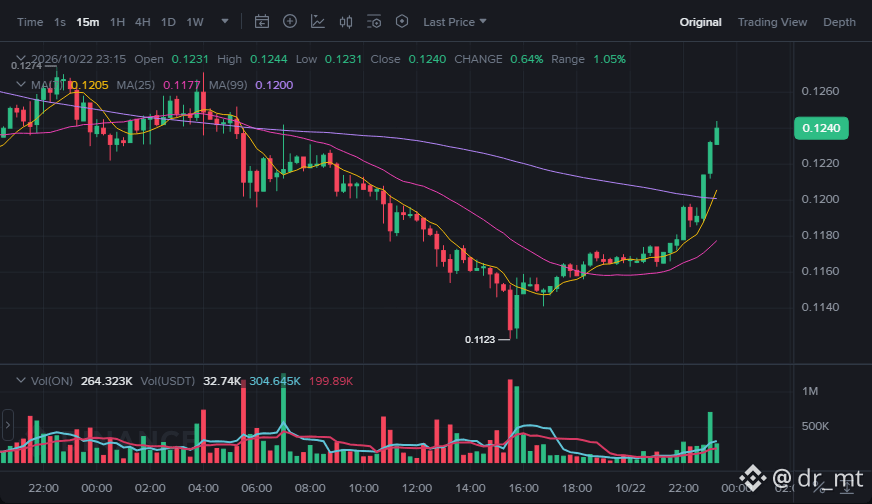
Nur LONG bei $ON – der bullische 15‑Minuten-Ausbruch über den jüngsten Widerstand wurde gerade bestätigt; Ausbruchsstärke ~1.48 % bei einem rel. Volumen von 5.94x – das Momentum sieht vielversprechend aus 👀🚀
**$ON SIGNAL-ALARM 🟢✨🚀**
📊 Bullischer 15‑Minuten-Ausbruch
Einstieg: 0.123200
Ausbruchsniveau: 0.121400
Ziel 1 : 0.124432
Ziel 2 : 0.125664
Ziel 3 : 0.126896
Stop-Loss : 0.121352
Informiere dich selbst (DYOR)
Folge mir
dr_mt
**$ON** – Hier handeln
Nur LONG bei $ON – der bullische 15‑Minuten-Ausbruch über den jüngsten Widerstand wurde gerade bestätigt; Ausbruchsstärke ~1.48 % bei einem rel. Volumen von 5.94x – das Momentum sieht vielversprechend aus 👀🚀
**$ON SIGNAL-ALARM 🟢✨🚀**
📊 Bullischer 15‑Minuten-Ausbruch
Einstieg: 0.123200
Ausbruchsniveau: 0.121400
Ziel 1 : 0.124432
Ziel 2 : 0.125664
Ziel 3 : 0.126896
Stop-Loss : 0.121352
Informiere dich selbst (DYOR)
Folge mir
dr_mt
**$ON ** – Hier handeln
**$ON SIGNAL-ALARM 🟢✨🚀**
📊 Bullischer 15‑Minuten-Ausbruch
Einstieg: 0.123200
Ausbruchsniveau: 0.121400
Ziel 1 : 0.124432
Ziel 2 : 0.125664
Ziel 3 : 0.126896
Stop-Loss : 0.121352
Informiere dich selbst (DYOR)
Folge mir
dr_mt
**$ON ** – Hier handeln
1
65
·
--
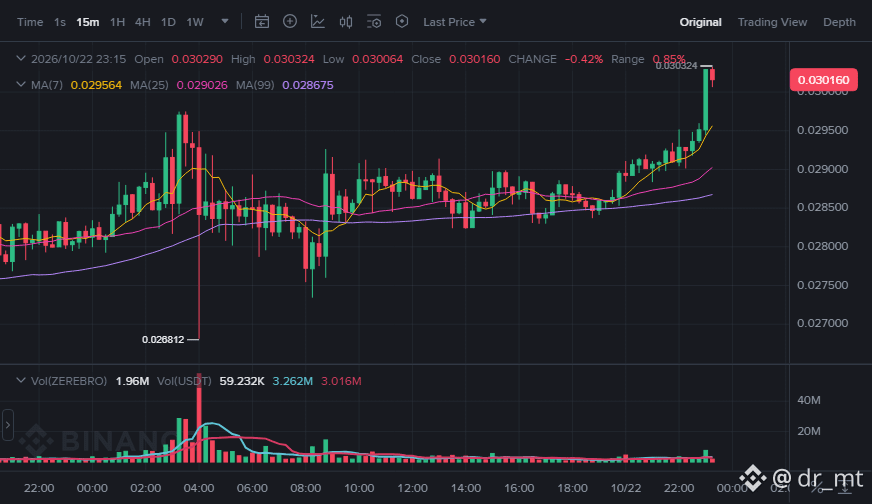
Kurzer Hinweis: $ZEREBRO hat gerade einen bullischen 15-Minuten-Ausbruch über den jüngsten Widerstand bestätigt – die Ausbruchsstärke liegt bei ca. 2,34 % und das relative Volumen bei 3,33x. Das Momentum sieht also vielversprechend aus 🔥. Ich denke hier an eine looong-Position: Steig mit Bedacht ein und behalte deine Stopps im Auge 😉
**$ZEREBRO SIGNAL-ALARM 🟢✨🚀**
📊 Bullischer 15-Minuten-Ausbruch
Einstieg: 0.030290
Ausbruchsniveau: 0.029598
Kursziel 1: 0.030593
Kursziel 2: 0.030896
Kursziel 3: 0.031199
Stop-Loss: 0.029836
DYOR
Folge mir
dr_mt
**$ZEREBRO** – Hier handeln
Kurzer Hinweis: $ZEREBRO hat gerade einen bullischen 15-Minuten-Ausbruch über den jüngsten Widerstand bestätigt – die Ausbruchsstärke liegt bei ca. 2,34 % und das relative Volumen bei 3,33x. Das Momentum sieht also vielversprechend aus 🔥. Ich denke hier an eine looong-Position: Steig mit Bedacht ein und behalte deine Stopps im Auge 😉
**$ZEREBRO SIGNAL-ALARM 🟢✨🚀**
📊 Bullischer 15-Minuten-Ausbruch
Einstieg: 0.030290
Ausbruchsniveau: 0.029598
Kursziel 1: 0.030593
Kursziel 2: 0.030896
Kursziel 3: 0.031199
Stop-Loss: 0.029836
DYOR
Folge mir
dr_mt
**$ZEREBRO ** – Hier handeln
**$ZEREBRO SIGNAL-ALARM 🟢✨🚀**
📊 Bullischer 15-Minuten-Ausbruch
Einstieg: 0.030290
Ausbruchsniveau: 0.029598
Kursziel 1: 0.030593
Kursziel 2: 0.030896
Kursziel 3: 0.031199
Stop-Loss: 0.029836
DYOR
Folge mir
dr_mt
**$ZEREBRO ** – Hier handeln
1
226
Anmelden und weiter Inhalte entdecken
Krypto-Nutzer weltweit auf Binance Square kennenlernen
⚡️ Bleib in Sachen Krypto stets am Puls.
💬 Die weltgrößte Kryptobörse vertraut darauf.
👍 Erhalte verlässliche Einblicke von verifizierten Creators.
E-Mail-Adresse/Telefonnummer
Trendthemen
BinancePick
2.7M Aufrufe
142,730 Kommentare
Mach bei #Gewinnsaison mit: Prognostiziere Unternehmensergebnisse auf Binance Pick und teile deine Meinung auf Binance Square!
Binance Square Official
·402 Likes
·338.7k Aufrufe
EarningsSeason
5M Aufrufe
24,476 Kommentare
SouthKoreaReportedlyWeighsFourthCryptoTaxDelay
2 Aufrufe
10 Kommentare