
CryptosNewss
1.3k Beiträge

CryptosNewss
Melden
Nutzer blockieren
CryptosNewss.com : Cryptocurrency Latest News: Get all latest & breaking news on Cryptocurrency, Bitcoin, Ethereum, Blockchain, NFT, Ripple, Defi news.
3 Following
756 Follower
859 Like gegeben
Beiträge
·
--
BINANCE-LISTING BALD?
Der nächste große Schritt für PANDA AI könnte näher sein, als du denkst…
PANDA × BINANCE — BALD KOMMT🟡🚀
Die Liquidität ist bereit
VON BAMBUS ZU MARS.
BINANCE-LISTING BALD?
Der nächste große Schritt für PANDA AI könnte näher sein, als du denkst…
PANDA × BINANCE — BALD KOMMT🟡🚀
Die Liquidität ist bereit
VON BAMBUS ZU MARS.
Der nächste große Schritt für PANDA AI könnte näher sein, als du denkst…
PANDA × BINANCE — BALD KOMMT🟡🚀
Die Liquidität ist bereit
VON BAMBUS ZU MARS.

17
·
--

Artikel
Neurabhasa schließt die Lücke bei mehrsprachigen KI-Daten—Was untermauert das potenzielle Nutzenspotenzial von NRBH?Von sprachlichem Fachwissen und professionellem Feedback bis hin zur Modellbewertung stellt Neurabhasa menschliches Wissen in den Mittelpunkt seines Produktdesigns – mit vorgeschlagenen Protokollfunktionen für NRBH, die auf Daten-Zusammenarbeit ausgerichtet sind.
Der Reiz eines KI-Token-Projekts muss letztlich auf einem konkreten geschäftlichen Zweck beruhen. Welches Problem soll gelöst werden? Wie würden seine Produkte funktionieren? Und welche Rolle würde der Token dabei spielen? Neurabhasa konzentriert sich auf menschliches Wissen, das sich nur schwer durch simples Daten-Scraping oder mechanische Übersetzung beschaffen lässt.
Neurabhasa schließt die Lücke bei mehrsprachigen KI-Daten—Was untermauert das potenzielle Nutzenspotenzial von NRBH?
Von sprachlichem Fachwissen und professionellem Feedback bis hin zur Modellbewertung stellt Neurabhasa menschliches Wissen in den Mittelpunkt seines Produktdesigns – mit vorgeschlagenen Protokollfunktionen für NRBH, die auf Daten-Zusammenarbeit ausgerichtet sind.
Der Reiz eines KI-Token-Projekts muss letztlich auf einem konkreten geschäftlichen Zweck beruhen. Welches Problem soll gelöst werden? Wie würden seine Produkte funktionieren? Und welche Rolle würde der Token dabei spielen? Neurabhasa konzentriert sich auf menschliches Wissen, das sich nur schwer durch simples Daten-Scraping oder mechanische Übersetzung beschaffen lässt.
Der Reiz eines KI-Token-Projekts muss letztlich auf einem konkreten geschäftlichen Zweck beruhen. Welches Problem soll gelöst werden? Wie würden seine Produkte funktionieren? Und welche Rolle würde der Token dabei spielen? Neurabhasa konzentriert sich auf menschliches Wissen, das sich nur schwer durch simples Daten-Scraping oder mechanische Übersetzung beschaffen lässt.
76
·
--
Artikel
Genius.fun geht auf der BNB Chain an den Start, um feindliche Übernahmen On-Chain zu bringenEin neues Launchpad ermöglicht Krypto-Communities, Tokens zu starten, Anteile börsennotierter Unternehmen anzusammeln und sich um die Unternehmensbeteiligung zu koordinieren
Ein neues Launchpad ermöglicht Krypto-Communities, Tokens zu starten, Anteile börsennotierter Unternehmen anzusammeln und sich um die Unternehmensbeteiligung zu koordinieren
Cayman (PinionNewswire)
Die Genius Foundation hat heute den Start von genius.fun bekanntgegeben, einem neuen BNB-Chain-Launchpad, das darauf ausgelegt ist, Online-Communities dabei zu helfen, Kapital zu koordinieren und Eigentümerschaft an börsennotierten Unternehmen anzustreben.
Genius.fun verbindet internetnative Tokens mit tokenisierten Anteilen börsennotierter Unternehmen und ermöglicht dezentralen Communities, sich um ein Unternehmen zu organisieren, dessen Eigenkapital anzusammeln und Initiativen für Aktionäre zu verfolgen, Vertretung im Vorstand zu erhalten oder sogar feindliche Übernahmen durchzuführen. Indem Krypto-nativen Märkten und bedingungsloser (permissionless) Koordination auf die Eigentümerschaft an börsennotierten Unternehmen angewendet werden, bietet es eine Alternative zu Strukturen, die traditionell von Investmentbanken, Private-Equity-Firmen und Aktivistenfonds dominiert werden.
Genius.fun geht auf der BNB Chain an den Start, um feindliche Übernahmen On-Chain zu bringen
Ein neues Launchpad ermöglicht Krypto-Communities, Tokens zu starten, Anteile börsennotierter Unternehmen anzusammeln und sich um die Unternehmensbeteiligung zu koordinieren
Ein neues Launchpad ermöglicht Krypto-Communities, Tokens zu starten, Anteile börsennotierter Unternehmen anzusammeln und sich um die Unternehmensbeteiligung zu koordinieren
Cayman (PinionNewswire)
Die Genius Foundation hat heute den Start von genius.fun bekanntgegeben, einem neuen BNB-Chain-Launchpad, das darauf ausgelegt ist, Online-Communities dabei zu helfen, Kapital zu koordinieren und Eigentümerschaft an börsennotierten Unternehmen anzustreben.
Genius.fun verbindet internetnative Tokens mit tokenisierten Anteilen börsennotierter Unternehmen und ermöglicht dezentralen Communities, sich um ein Unternehmen zu organisieren, dessen Eigenkapital anzusammeln und Initiativen für Aktionäre zu verfolgen, Vertretung im Vorstand zu erhalten oder sogar feindliche Übernahmen durchzuführen. Indem Krypto-nativen Märkten und bedingungsloser (permissionless) Koordination auf die Eigentümerschaft an börsennotierten Unternehmen angewendet werden, bietet es eine Alternative zu Strukturen, die traditionell von Investmentbanken, Private-Equity-Firmen und Aktivistenfonds dominiert werden.
Ein neues Launchpad ermöglicht Krypto-Communities, Tokens zu starten, Anteile börsennotierter Unternehmen anzusammeln und sich um die Unternehmensbeteiligung zu koordinieren
Cayman (PinionNewswire)
Die Genius Foundation hat heute den Start von genius.fun bekanntgegeben, einem neuen BNB-Chain-Launchpad, das darauf ausgelegt ist, Online-Communities dabei zu helfen, Kapital zu koordinieren und Eigentümerschaft an börsennotierten Unternehmen anzustreben.
Genius.fun verbindet internetnative Tokens mit tokenisierten Anteilen börsennotierter Unternehmen und ermöglicht dezentralen Communities, sich um ein Unternehmen zu organisieren, dessen Eigenkapital anzusammeln und Initiativen für Aktionäre zu verfolgen, Vertretung im Vorstand zu erhalten oder sogar feindliche Übernahmen durchzuführen. Indem Krypto-nativen Märkten und bedingungsloser (permissionless) Koordination auf die Eigentümerschaft an börsennotierten Unternehmen angewendet werden, bietet es eine Alternative zu Strukturen, die traditionell von Investmentbanken, Private-Equity-Firmen und Aktivistenfonds dominiert werden.
346
·
--

Artikel
Uk Financial Moonshot Token erwirbt Mayacoin und führt seine Blockchain-Historie seit 2018 fort &London, UK (PinionNewswire) (PinionNewswire)
Der Schritt bringt ungefähr 6.289 bestehende Token-Inhaber, eine achtjährige Blockchain-Historie, verifizierten Quellcode sowie eine aktuelle Sicherheitsüberprüfung mit null riskanten Elementen und null aufmerksamkeitsbezogenen Elementen in die Story des UK Financial Moonshot Token.
UKFLMS wird derzeit über die Moonshot App und die FOMO App gehandelt, wobei als nächstes die Ausweitung auf die Robinhood Chain geplant ist – wodurch UKFLMS offiziell als Multi-Chain-Token etabliert wird.
UK Financial Ltd gibt bekannt, dass UK Financial Moonshot Token (MAYA) die etablierte Blockchain-Historie der Maya Coin (MAYA) erworben hat und sie in die Zukunft fortführt – ursprünglich 2018 gestartet.
Uk Financial Moonshot Token erwirbt Mayacoin und führt seine Blockchain-Historie seit 2018 fort &
London, UK (PinionNewswire) (PinionNewswire)
Der Schritt bringt ungefähr 6.289 bestehende Token-Inhaber, eine achtjährige Blockchain-Historie, verifizierten Quellcode sowie eine aktuelle Sicherheitsüberprüfung mit null riskanten Elementen und null aufmerksamkeitsbezogenen Elementen in die Story des UK Financial Moonshot Token.
UKFLMS wird derzeit über die Moonshot App und die FOMO App gehandelt, wobei als nächstes die Ausweitung auf die Robinhood Chain geplant ist – wodurch UKFLMS offiziell als Multi-Chain-Token etabliert wird.
UK Financial Ltd gibt bekannt, dass UK Financial Moonshot Token (MAYA) die etablierte Blockchain-Historie der Maya Coin (MAYA) erworben hat und sie in die Zukunft fortführt – ursprünglich 2018 gestartet.
Der Schritt bringt ungefähr 6.289 bestehende Token-Inhaber, eine achtjährige Blockchain-Historie, verifizierten Quellcode sowie eine aktuelle Sicherheitsüberprüfung mit null riskanten Elementen und null aufmerksamkeitsbezogenen Elementen in die Story des UK Financial Moonshot Token.
UKFLMS wird derzeit über die Moonshot App und die FOMO App gehandelt, wobei als nächstes die Ausweitung auf die Robinhood Chain geplant ist – wodurch UKFLMS offiziell als Multi-Chain-Token etabliert wird.
UK Financial Ltd gibt bekannt, dass UK Financial Moonshot Token (MAYA) die etablierte Blockchain-Historie der Maya Coin (MAYA) erworben hat und sie in die Zukunft fortführt – ursprünglich 2018 gestartet.
89
·
--

Artikel
Zcash-Preis erreicht 979 US-Dollar: Mining-Profite und Anstieg der Netzwerk-HashrateZcash (ZEC) stieg am Donnerstag auf 979 US-Dollar und gewann innerhalb von 24 Stunden nahezu 17 %, nachdem die starke Kursentwicklung die Mining-Profite erhöht hat und die Netzwerk-Hashrate nahe an Rekordniveaus getrieben wurde.
ZEC hat in den vergangenen zwei Wochen um 64,7 % zugelegt und innerhalb von 30 Tagen gegenüber dem US-Dollar um 88,1 % gewonnen. Über sechs Monate ist die auf Datenschutz ausgerichtete Kryptowährung ungefähr um 353 % gestiegen.
Der Preisanstieg hat die Wirtschaftlichkeit für Zcash-Miner verbessert und dazu ermutigt, dass zusätzliche Rechenleistung in das Netzwerk gelangt. Bitcoin.com News hatte zuvor berichtet, dass Zcash bei etwa 27,87 GSol/s betrieben wird.
Zcash-Preis erreicht 979 US-Dollar: Mining-Profite und Anstieg der Netzwerk-Hashrate
Zcash (ZEC) stieg am Donnerstag auf 979 US-Dollar und gewann innerhalb von 24 Stunden nahezu 17 %, nachdem die starke Kursentwicklung die Mining-Profite erhöht hat und die Netzwerk-Hashrate nahe an Rekordniveaus getrieben wurde.
ZEC hat in den vergangenen zwei Wochen um 64,7 % zugelegt und innerhalb von 30 Tagen gegenüber dem US-Dollar um 88,1 % gewonnen. Über sechs Monate ist die auf Datenschutz ausgerichtete Kryptowährung ungefähr um 353 % gestiegen.
Der Preisanstieg hat die Wirtschaftlichkeit für Zcash-Miner verbessert und dazu ermutigt, dass zusätzliche Rechenleistung in das Netzwerk gelangt. Bitcoin.com News hatte zuvor berichtet, dass Zcash bei etwa 27,87 GSol/s betrieben wird.
ZEC hat in den vergangenen zwei Wochen um 64,7 % zugelegt und innerhalb von 30 Tagen gegenüber dem US-Dollar um 88,1 % gewonnen. Über sechs Monate ist die auf Datenschutz ausgerichtete Kryptowährung ungefähr um 353 % gestiegen.
Der Preisanstieg hat die Wirtschaftlichkeit für Zcash-Miner verbessert und dazu ermutigt, dass zusätzliche Rechenleistung in das Netzwerk gelangt. Bitcoin.com News hatte zuvor berichtet, dass Zcash bei etwa 27,87 GSol/s betrieben wird.
80
·
--

Artikel
Globale PR-Agentur Genius PR benennt sich um, um Wachstum in den Bereichen Krypto, KI sowie O-1- und EB-1-Visa-PR widerzuspiegelnFrüher als The PR Genius bekannt, hat die in London und Dubai ansässige Agentur mehr als 350 globale Marken vertreten und über 100 Unternehmern mit Pressestrategien für O-1- und EB-1-Anträge geholfen
DUBAI, VAE (PinionNewswire)
Genius, früher bekannt als The PR Genius, gab heute seine Umbenennung in Genius PR bekannt und spiegelt damit die Entwicklung der Agentur zu einer globalen Krypto- und KI-PR-Agentur sowie einem spezialisierten Anbieter von Pressenachweis-Strategien für Antragsteller von O-1- und EB-1-Visa wider.
Das Rebranding folgt auf eine Phase internationalen Wachstums für die Agentur, die weiterhin zwischen London und Dubai tätig ist und zugleich eine wachsende Kundenbasis in den Vereinigten Staaten aufbaut. Genius PR hat inzwischen mehr als 350 Marken weltweit vertreten und über 100 Unternehmern mit PR- und redaktionellen Pressestrategien im Zusammenhang mit O-1- und EB-1-Anträgen geholfen. Die Agentur unterstützt Gründer, Führungskräfte und Unternehmen dabei, glaubwürdige öffentliche Profile durch Medienstrategie, narrative Entwicklung und Multi-Channel-Verbreitung aufzubauen.
Globale PR-Agentur Genius PR benennt sich um, um Wachstum in den Bereichen Krypto, KI sowie O-1- und EB-1-Visa-PR widerzuspiegeln
Früher als The PR Genius bekannt, hat die in London und Dubai ansässige Agentur mehr als 350 globale Marken vertreten und über 100 Unternehmern mit Pressestrategien für O-1- und EB-1-Anträge geholfen
DUBAI, VAE (PinionNewswire)
Genius, früher bekannt als The PR Genius, gab heute seine Umbenennung in Genius PR bekannt und spiegelt damit die Entwicklung der Agentur zu einer globalen Krypto- und KI-PR-Agentur sowie einem spezialisierten Anbieter von Pressenachweis-Strategien für Antragsteller von O-1- und EB-1-Visa wider.
Das Rebranding folgt auf eine Phase internationalen Wachstums für die Agentur, die weiterhin zwischen London und Dubai tätig ist und zugleich eine wachsende Kundenbasis in den Vereinigten Staaten aufbaut. Genius PR hat inzwischen mehr als 350 Marken weltweit vertreten und über 100 Unternehmern mit PR- und redaktionellen Pressestrategien im Zusammenhang mit O-1- und EB-1-Anträgen geholfen. Die Agentur unterstützt Gründer, Führungskräfte und Unternehmen dabei, glaubwürdige öffentliche Profile durch Medienstrategie, narrative Entwicklung und Multi-Channel-Verbreitung aufzubauen.
DUBAI, VAE (PinionNewswire)
Genius, früher bekannt als The PR Genius, gab heute seine Umbenennung in Genius PR bekannt und spiegelt damit die Entwicklung der Agentur zu einer globalen Krypto- und KI-PR-Agentur sowie einem spezialisierten Anbieter von Pressenachweis-Strategien für Antragsteller von O-1- und EB-1-Visa wider.
Das Rebranding folgt auf eine Phase internationalen Wachstums für die Agentur, die weiterhin zwischen London und Dubai tätig ist und zugleich eine wachsende Kundenbasis in den Vereinigten Staaten aufbaut. Genius PR hat inzwischen mehr als 350 Marken weltweit vertreten und über 100 Unternehmern mit PR- und redaktionellen Pressestrategien im Zusammenhang mit O-1- und EB-1-Anträgen geholfen. Die Agentur unterstützt Gründer, Führungskräfte und Unternehmen dabei, glaubwürdige öffentliche Profile durch Medienstrategie, narrative Entwicklung und Multi-Channel-Verbreitung aufzubauen.
73
·
--
Artikel
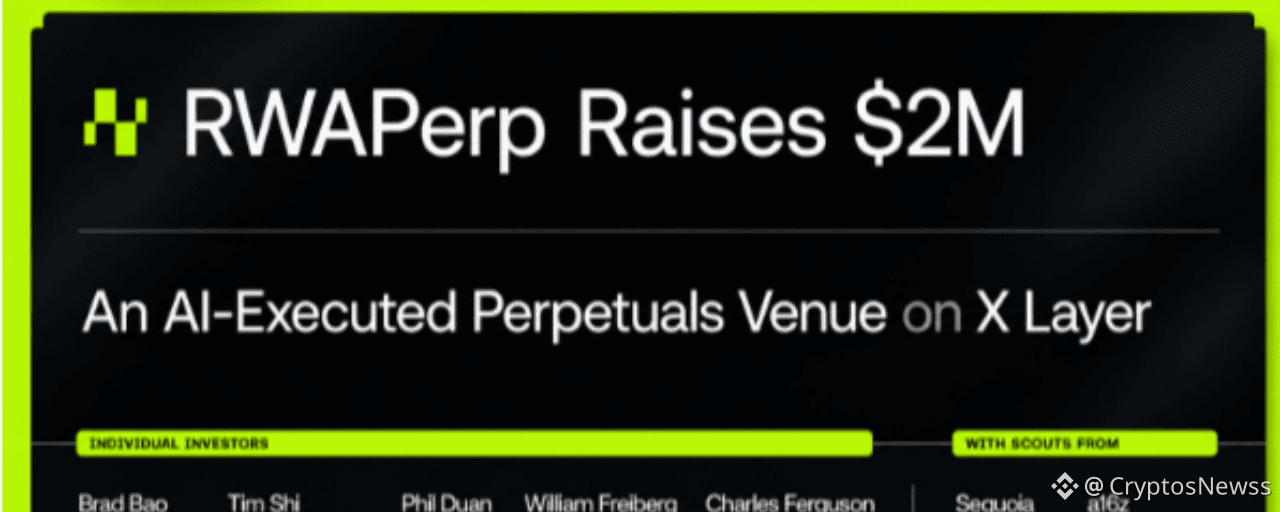
RWAperp startet KI-ausgeführte Perpetuals-Plattform auf OKX' X LayerPalo Alto, Kalifornien (PinionNewswire)
RWAperp hat die erste Perpetuals-Plattform auf X Layer gestartet, der von OKX entwickelten Ethereum-Layer-2, und eröffnet mit 19 Märkten aus Aktien, Indizes, Rohstoffen und Krypto, die alle in USDG von einem einzigen Konto aus abgewickelt werden.
Die Plattform startet, während Equity-Perpetuals zur am schnellsten wachsenden Kategorie im Krypto-Derivatemarkt werden. Das Volumen von Stock-Perpetual-Futures an zentralisierten Börsen erreichte im August 665,42 Milliarden US-Dollar, das 56-Fache des Januar-Niveaus, mit starker Konzentration auf Halbleiter- und Speicherwerte. Die Eröffnungs-Auswahl von RWAperp zielt direkt auf diese Nachfrage ab und listet SK Hynix, Samsung Electronics, SanDisk, Micron und Intel sowie einen DRAM-Index, der darauf ausgelegt ist, die Speicherpreise selbst nachzubilden.
RWAperp startet KI-ausgeführte Perpetuals-Plattform auf OKX' X Layer
Palo Alto, Kalifornien (PinionNewswire)
RWAperp hat die erste Perpetuals-Plattform auf X Layer gestartet, der von OKX entwickelten Ethereum-Layer-2, und eröffnet mit 19 Märkten aus Aktien, Indizes, Rohstoffen und Krypto, die alle in USDG von einem einzigen Konto aus abgewickelt werden.
Die Plattform startet, während Equity-Perpetuals zur am schnellsten wachsenden Kategorie im Krypto-Derivatemarkt werden. Das Volumen von Stock-Perpetual-Futures an zentralisierten Börsen erreichte im August 665,42 Milliarden US-Dollar, das 56-Fache des Januar-Niveaus, mit starker Konzentration auf Halbleiter- und Speicherwerte. Die Eröffnungs-Auswahl von RWAperp zielt direkt auf diese Nachfrage ab und listet SK Hynix, Samsung Electronics, SanDisk, Micron und Intel sowie einen DRAM-Index, der darauf ausgelegt ist, die Speicherpreise selbst nachzubilden.
RWAperp hat die erste Perpetuals-Plattform auf X Layer gestartet, der von OKX entwickelten Ethereum-Layer-2, und eröffnet mit 19 Märkten aus Aktien, Indizes, Rohstoffen und Krypto, die alle in USDG von einem einzigen Konto aus abgewickelt werden.
Die Plattform startet, während Equity-Perpetuals zur am schnellsten wachsenden Kategorie im Krypto-Derivatemarkt werden. Das Volumen von Stock-Perpetual-Futures an zentralisierten Börsen erreichte im August 665,42 Milliarden US-Dollar, das 56-Fache des Januar-Niveaus, mit starker Konzentration auf Halbleiter- und Speicherwerte. Die Eröffnungs-Auswahl von RWAperp zielt direkt auf diese Nachfrage ab und listet SK Hynix, Samsung Electronics, SanDisk, Micron und Intel sowie einen DRAM-Index, der darauf ausgelegt ist, die Speicherpreise selbst nachzubilden.
197
·
--
Artikel
Binance startet Optionen auf 1.000+ US-Aktien und ETFs für berechtigte Nicht-US-Nutzer
Binance hat den Optionshandel für mehr als 1.000 US-Aktien und börsengehandelte Fonds (ETFs) für berechtigte Nutzer außerhalb der Vereinigten Staaten gestartet und erweitert damit sein Angebot im Bereich traditioneller Finanzprodukte um physisch erfüllte Kontrakte.
Das Angebot wird über den von Abu Dhabi regulierten Broker-Dealer von Binance betrieben, Nest Trading, während die in den USA registrierte Alpaca Securities die Orderausführung, das Clearing, die Abwicklung und die Verwahrung übernimmt.
Die Einführung erstreckt sich auf Binances bestehende Aktienplattform, die über ein einziges Binance-Konto Zugriff auf mehr als 7.000 US-Aktien und ETFs bietet.
Binance hat den Optionshandel für mehr als 1.000 US-Aktien und börsengehandelte Fonds (ETFs) für berechtigte Nutzer außerhalb der Vereinigten Staaten gestartet und erweitert damit sein Angebot im Bereich traditioneller Finanzprodukte um physisch erfüllte Kontrakte.
Das Angebot wird über den von Abu Dhabi regulierten Broker-Dealer von Binance betrieben, Nest Trading, während die in den USA registrierte Alpaca Securities die Orderausführung, das Clearing, die Abwicklung und die Verwahrung übernimmt.
Die Einführung erstreckt sich auf Binances bestehende Aktienplattform, die über ein einziges Binance-Konto Zugriff auf mehr als 7.000 US-Aktien und ETFs bietet.
Binance startet Optionen auf 1.000+ US-Aktien und ETFs für berechtigte Nicht-US-Nutzer
Binance hat den Optionshandel für mehr als 1.000 US-Aktien und börsengehandelte Fonds (ETFs) für berechtigte Nutzer außerhalb der Vereinigten Staaten gestartet und erweitert damit sein Angebot im Bereich traditioneller Finanzprodukte um physisch erfüllte Kontrakte.
Das Angebot wird über den von Abu Dhabi regulierten Broker-Dealer von Binance betrieben, Nest Trading, während die in den USA registrierte Alpaca Securities die Orderausführung, das Clearing, die Abwicklung und die Verwahrung übernimmt.
Die Einführung erstreckt sich auf Binances bestehende Aktienplattform, die über ein einziges Binance-Konto Zugriff auf mehr als 7.000 US-Aktien und ETFs bietet.
156
·
--
Artikel
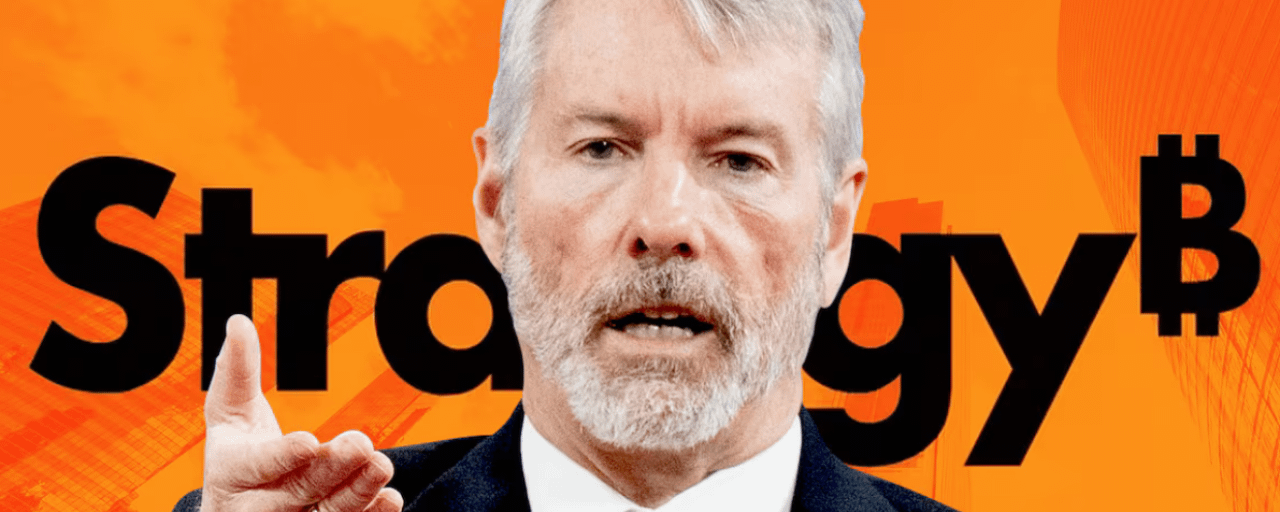
Strategy kauft 370 Millionen US-Dollar in Bitcoin, während Michael Saylor sagt: „Wir sind zurück“Die Strategie ist mit einem Kauf von 370 Millionen US-Dollar in den Bitcoin-Markt zurückgekehrt und beendet damit eine rund zweimonatige Pause bei Unternehmenskäufen von BTC.
Das Unternehmen kaufte 4.603 Bitcoin zu einem durchschnittlichen Preis von 80.318 US-Dollar und erhöhte damit seine gesamten Bestände auf 845.050 BTC. Das geht aus einer am Montag eingereichten 8-K-Meldung bei der US-Börsenaufsicht SEC hervor.
Der Kauf ist die erste Bitcoin-Transaktion des größten Corporate-BTC-Inhabers seit Mitte Juni. Er erfolgt, während Strategy gleichzeitig Bargeldreserven aufbaut und seine STRC-Vorzugsaktien zurückkauft.
Strategy kauft 370 Millionen US-Dollar in Bitcoin, während Michael Saylor sagt: „Wir sind zurück“
Die Strategie ist mit einem Kauf von 370 Millionen US-Dollar in den Bitcoin-Markt zurückgekehrt und beendet damit eine rund zweimonatige Pause bei Unternehmenskäufen von BTC.
Das Unternehmen kaufte 4.603 Bitcoin zu einem durchschnittlichen Preis von 80.318 US-Dollar und erhöhte damit seine gesamten Bestände auf 845.050 BTC. Das geht aus einer am Montag eingereichten 8-K-Meldung bei der US-Börsenaufsicht SEC hervor.
Der Kauf ist die erste Bitcoin-Transaktion des größten Corporate-BTC-Inhabers seit Mitte Juni. Er erfolgt, während Strategy gleichzeitig Bargeldreserven aufbaut und seine STRC-Vorzugsaktien zurückkauft.
Das Unternehmen kaufte 4.603 Bitcoin zu einem durchschnittlichen Preis von 80.318 US-Dollar und erhöhte damit seine gesamten Bestände auf 845.050 BTC. Das geht aus einer am Montag eingereichten 8-K-Meldung bei der US-Börsenaufsicht SEC hervor.
Der Kauf ist die erste Bitcoin-Transaktion des größten Corporate-BTC-Inhabers seit Mitte Juni. Er erfolgt, während Strategy gleichzeitig Bargeldreserven aufbaut und seine STRC-Vorzugsaktien zurückkauft.
108
·
--
Artikel
Swapzone erweitert den Bereich „Partner“, um Ihnen beim Recherchieren von Krypto-Anbietern vor dem Handel zu helfenMiami, FL (PinionNewswire)
Ein neuer Bereich „Partner“ bündelt Anbieterdaten, betriebliche Informationen und Feedback aus der Community, damit Sie einen Krypto-Dienst recherchieren können, bevor Sie <span>Ihre</span> Gelder senden.
Sie können einen besseren Wechselkurs finden und erhalten trotzdem weniger als erwartet. In einer einmonatigen Studie mit 150.000 abgeschlossenen Swaps fand Bitcoin.com Research Ausführungszeit-Unterschiede von bis zu 45x zwischen nicht verwahrenden Anbietern. In einem Szenario von 1.000 USDT in ETH führte eine 45-minütige Ausführung zu einem Wertverlust von 160 $, verglichen mit 5 $, wenn der Swap in einer Minute abgeschlossen wurde.
Swapzone erweitert den Bereich „Partner“, um Ihnen beim Recherchieren von Krypto-Anbietern vor dem Handel zu helfen
Miami, FL (PinionNewswire)
Ein neuer Bereich „Partner“ bündelt Anbieterdaten, betriebliche Informationen und Feedback aus der Community, damit Sie einen Krypto-Dienst recherchieren können, bevor Sie <span>Ihre</span> Gelder senden.
Sie können einen besseren Wechselkurs finden und erhalten trotzdem weniger als erwartet. In einer einmonatigen Studie mit 150.000 abgeschlossenen Swaps fand Bitcoin.com Research Ausführungszeit-Unterschiede von bis zu 45x zwischen nicht verwahrenden Anbietern. In einem Szenario von 1.000 USDT in ETH führte eine 45-minütige Ausführung zu einem Wertverlust von 160 $, verglichen mit 5 $, wenn der Swap in einer Minute abgeschlossen wurde.
Ein neuer Bereich „Partner“ bündelt Anbieterdaten, betriebliche Informationen und Feedback aus der Community, damit Sie einen Krypto-Dienst recherchieren können, bevor Sie <span>Ihre</span> Gelder senden.
Sie können einen besseren Wechselkurs finden und erhalten trotzdem weniger als erwartet. In einer einmonatigen Studie mit 150.000 abgeschlossenen Swaps fand Bitcoin.com Research Ausführungszeit-Unterschiede von bis zu 45x zwischen nicht verwahrenden Anbietern. In einem Szenario von 1.000 USDT in ETH führte eine 45-minütige Ausführung zu einem Wertverlust von 160 $, verglichen mit 5 $, wenn der Swap in einer Minute abgeschlossen wurde.
108
·
--

Artikel
Polygon Behebt Sicherheitslücken Still und Bevor Sie Öffentlich Bekannt WurdenPolygon Labs hat offengelegt, dass zwei kürzlich durchgeführte Hard Forks stillschweigend Sicherheitslücken behoben haben, die sein Proof-of-Stake-Netzwerk betrafen, bevor die Probleme öffentlich bekannt wurden.
Der Austin-Hard-Fork im Polygon-Bor-Client und der Kyoto-Hard-Fork im Heimdall-Client waren darauf ausgelegt, Risiken im Zusammenhang mit Denial-of-Service und Konsens zu beseitigen. Polygon erklärte, es gebe keine Hinweise darauf, dass die Schwachstellen im Mainnet ausgenutzt worden seien.
Die Offenlegung macht auf einen oft übersehenen Aspekt der Blockchain-Sicherheit aufmerksam: Einige der wichtigsten Netzwerkerweiterungen passieren ohne vorherige große Ankündigung, weil das frühzeitige Bekanntmachen der Schwachstelle das Risiko einer Ausnutzung erhöhen könnte.
Polygon Behebt Sicherheitslücken Still und Bevor Sie Öffentlich Bekannt Wurden
Polygon Labs hat offengelegt, dass zwei kürzlich durchgeführte Hard Forks stillschweigend Sicherheitslücken behoben haben, die sein Proof-of-Stake-Netzwerk betrafen, bevor die Probleme öffentlich bekannt wurden.
Der Austin-Hard-Fork im Polygon-Bor-Client und der Kyoto-Hard-Fork im Heimdall-Client waren darauf ausgelegt, Risiken im Zusammenhang mit Denial-of-Service und Konsens zu beseitigen. Polygon erklärte, es gebe keine Hinweise darauf, dass die Schwachstellen im Mainnet ausgenutzt worden seien.
Die Offenlegung macht auf einen oft übersehenen Aspekt der Blockchain-Sicherheit aufmerksam: Einige der wichtigsten Netzwerkerweiterungen passieren ohne vorherige große Ankündigung, weil das frühzeitige Bekanntmachen der Schwachstelle das Risiko einer Ausnutzung erhöhen könnte.
Der Austin-Hard-Fork im Polygon-Bor-Client und der Kyoto-Hard-Fork im Heimdall-Client waren darauf ausgelegt, Risiken im Zusammenhang mit Denial-of-Service und Konsens zu beseitigen. Polygon erklärte, es gebe keine Hinweise darauf, dass die Schwachstellen im Mainnet ausgenutzt worden seien.
Die Offenlegung macht auf einen oft übersehenen Aspekt der Blockchain-Sicherheit aufmerksam: Einige der wichtigsten Netzwerkerweiterungen passieren ohne vorherige große Ankündigung, weil das frühzeitige Bekanntmachen der Schwachstelle das Risiko einer Ausnutzung erhöhen könnte.
1
241
·
--

Artikel
Solana-Validatoren genehmigen schnellere Entinflation nur mit 0,33 Punkten UnterschiedSolana-Validatoren haben SGP-0002 knapp gebilligt. Der Vorschlag wird die jährliche Entinflationsrate des Netzwerks von 15% auf 30% beschleunigen.
Der Vorschlag verfehlte die erforderliche zweidrittelige Supermehrheit nur um 0,33 Prozentpunkte nicht – nachdem Kraken kurz vor Fristende den Großteil seines Stimmanteils von Opposition auf Zustimmung umgedreht hatte.
Das Ergebnis verändert Solanas Geldpolitik- bzw. Monetarisierungsplan, während sein langfristiges Inflationsziel unverändert bei 1,5% bleibt.
Ein Governance-Ergebnis auf Messers Schneide
Die finalen Governance-Daten zeigten, dass SGP-0002 67% Unterstützung erhielt, gegenüber 25,16% Ablehnung und 7,84% Enthaltungen.
Solana-Validatoren genehmigen schnellere Entinflation nur mit 0,33 Punkten Unterschied
Solana-Validatoren haben SGP-0002 knapp gebilligt. Der Vorschlag wird die jährliche Entinflationsrate des Netzwerks von 15% auf 30% beschleunigen.
Der Vorschlag verfehlte die erforderliche zweidrittelige Supermehrheit nur um 0,33 Prozentpunkte nicht – nachdem Kraken kurz vor Fristende den Großteil seines Stimmanteils von Opposition auf Zustimmung umgedreht hatte.
Das Ergebnis verändert Solanas Geldpolitik- bzw. Monetarisierungsplan, während sein langfristiges Inflationsziel unverändert bei 1,5% bleibt.
Ein Governance-Ergebnis auf Messers Schneide
Die finalen Governance-Daten zeigten, dass SGP-0002 67% Unterstützung erhielt, gegenüber 25,16% Ablehnung und 7,84% Enthaltungen.
Der Vorschlag verfehlte die erforderliche zweidrittelige Supermehrheit nur um 0,33 Prozentpunkte nicht – nachdem Kraken kurz vor Fristende den Großteil seines Stimmanteils von Opposition auf Zustimmung umgedreht hatte.
Das Ergebnis verändert Solanas Geldpolitik- bzw. Monetarisierungsplan, während sein langfristiges Inflationsziel unverändert bei 1,5% bleibt.
Ein Governance-Ergebnis auf Messers Schneide
Die finalen Governance-Daten zeigten, dass SGP-0002 67% Unterstützung erhielt, gegenüber 25,16% Ablehnung und 7,84% Enthaltungen.
142
·
--
Artikel
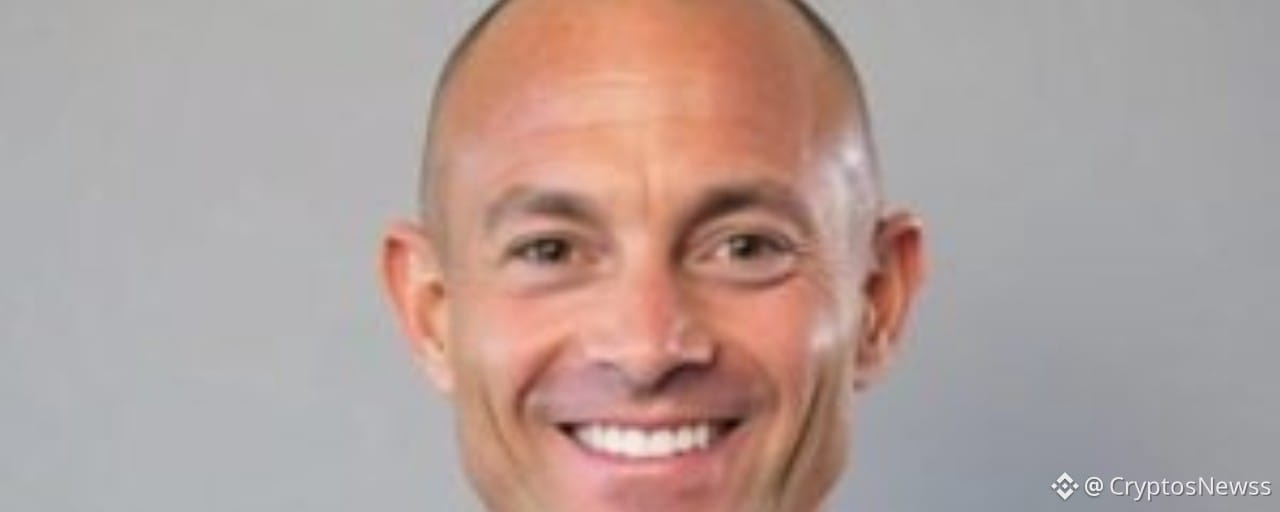
Brian Ferdinand über datenbasierte Entscheidungsfindung, während EverForward Trading seine proprietären Trading-Fähigkeiten weiter ausbautPALO ALTO, Kalifornien
Da sich die globalen Finanzmärkte weiterhin an veränderte wirtschaftliche Rahmenbedingungen, technologische Innovationen, geopolitische Entwicklungen und ein sich wandelndes Marktverhalten anpassen, hält EverForward Trading seinen Fokus auf proprietäre Forschung, disziplinierte Umsetzung und datenbasierte Entscheidungsfindung über liquide globale Märkte hinweg aufrecht.
EverForward Trading ist eine private, eigentümergeführte Trading-Firma, die sich ausschließlich dem Handel mit eigenem Kapital widmet. Das Unternehmen führt interne Marktforschung durch und entwickelt proprietäre Trading-Strategien, Systeme, Algorithmen, analytische Rahmenwerke und Methoden zum Risikomanagement ausschließlich für die eigenen Handelsaktivitäten.
Brian Ferdinand über datenbasierte Entscheidungsfindung, während EverForward Trading seine proprietären Trading-Fähigkeiten weiter ausbaut
PALO ALTO, Kalifornien
Da sich die globalen Finanzmärkte weiterhin an veränderte wirtschaftliche Rahmenbedingungen, technologische Innovationen, geopolitische Entwicklungen und ein sich wandelndes Marktverhalten anpassen, hält EverForward Trading seinen Fokus auf proprietäre Forschung, disziplinierte Umsetzung und datenbasierte Entscheidungsfindung über liquide globale Märkte hinweg aufrecht.
EverForward Trading ist eine private, eigentümergeführte Trading-Firma, die sich ausschließlich dem Handel mit eigenem Kapital widmet. Das Unternehmen führt interne Marktforschung durch und entwickelt proprietäre Trading-Strategien, Systeme, Algorithmen, analytische Rahmenwerke und Methoden zum Risikomanagement ausschließlich für die eigenen Handelsaktivitäten.
Da sich die globalen Finanzmärkte weiterhin an veränderte wirtschaftliche Rahmenbedingungen, technologische Innovationen, geopolitische Entwicklungen und ein sich wandelndes Marktverhalten anpassen, hält EverForward Trading seinen Fokus auf proprietäre Forschung, disziplinierte Umsetzung und datenbasierte Entscheidungsfindung über liquide globale Märkte hinweg aufrecht.
EverForward Trading ist eine private, eigentümergeführte Trading-Firma, die sich ausschließlich dem Handel mit eigenem Kapital widmet. Das Unternehmen führt interne Marktforschung durch und entwickelt proprietäre Trading-Strategien, Systeme, Algorithmen, analytische Rahmenwerke und Methoden zum Risikomanagement ausschließlich für die eigenen Handelsaktivitäten.
110
·
--

Artikel
Bitcoin steht vor einem Optionsverfall von 6,4 Mrd. US-Dollar, während 75.000 und 80.000 zu Schlüsselmarken werdenBitcoin steuert auf die große Derivate-Siedlung am Freitag zu, wobei der Markt zwischen zwei genau beobachteten Optionsniveaus gefangen ist: 75.000 und 80.000 US-Dollar.
Rund 81.700 BTC-Optionen im Wert von ungefähr 6,4 Milliarden US-Dollar sollen am Deribit um 08:00 UTC am 28. August auslaufen. Dadurch könnten die beiden Niveaus wichtige Bezugspunkte für die kurzfristige Positionierung des Marktes werden.
Bitcoin-Optionen-Verfallsposten $75.000 und $80.000 rücken in den Fokus
Laut aktualisierten Deribit-BTC-Optionsdaten lag der Referenzpreis für Bitcoin während des Untersuchungszeitraums bei rund 78.514 US-Dollar.
Bitcoin steht vor einem Optionsverfall von 6,4 Mrd. US-Dollar, während 75.000 und 80.000 zu Schlüsselmarken werden
Bitcoin steuert auf die große Derivate-Siedlung am Freitag zu, wobei der Markt zwischen zwei genau beobachteten Optionsniveaus gefangen ist: 75.000 und 80.000 US-Dollar.
Rund 81.700 BTC-Optionen im Wert von ungefähr 6,4 Milliarden US-Dollar sollen am Deribit um 08:00 UTC am 28. August auslaufen. Dadurch könnten die beiden Niveaus wichtige Bezugspunkte für die kurzfristige Positionierung des Marktes werden.
Bitcoin-Optionen-Verfallsposten $75.000 und $80.000 rücken in den Fokus
Laut aktualisierten Deribit-BTC-Optionsdaten lag der Referenzpreis für Bitcoin während des Untersuchungszeitraums bei rund 78.514 US-Dollar.
Rund 81.700 BTC-Optionen im Wert von ungefähr 6,4 Milliarden US-Dollar sollen am Deribit um 08:00 UTC am 28. August auslaufen. Dadurch könnten die beiden Niveaus wichtige Bezugspunkte für die kurzfristige Positionierung des Marktes werden.
Bitcoin-Optionen-Verfallsposten $75.000 und $80.000 rücken in den Fokus
Laut aktualisierten Deribit-BTC-Optionsdaten lag der Referenzpreis für Bitcoin während des Untersuchungszeitraums bei rund 78.514 US-Dollar.
134
·
--
Artikel
Bitcoin-Miner Sphere 3D von potenzieller 2,2-Mio.-US-Dollar-Zollhaftung getroffenSphere 3D könnte mit zusätzlichen US-Zöllen in Höhe von etwa 2,2 Millionen US-Dollar konfrontiert sein, die mit im Jahr 2022 gekaufter Ausrüstung für das Bitcoin-Mining zusammenhängen. Eine potenzielle Haftung, die einen erheblichen Teil der verfügbaren Barmittel des Unternehmens ausmachen würde.
Die Forderung, die gesetzliche Zinsen ausschließt, geht auf eine Streitigkeit mit dem U.S. Customs and Border Protection (CBP) über die Herkunft von Minern zurück, die von einer Tochtergesellschaft importiert wurden, die inzwischen von Sphere 3D übernommen wurde.
Das Unternehmen legte die potenzielle Haftung in einer Einreichung vom 24. August offen und argumentierte dabei, dass die Position von CBP unbegründet sei, und erklärte, dass es die Bewertung anfechten wolle.
Bitcoin-Miner Sphere 3D von potenzieller 2,2-Mio.-US-Dollar-Zollhaftung getroffen
Sphere 3D könnte mit zusätzlichen US-Zöllen in Höhe von etwa 2,2 Millionen US-Dollar konfrontiert sein, die mit im Jahr 2022 gekaufter Ausrüstung für das Bitcoin-Mining zusammenhängen. Eine potenzielle Haftung, die einen erheblichen Teil der verfügbaren Barmittel des Unternehmens ausmachen würde.
Die Forderung, die gesetzliche Zinsen ausschließt, geht auf eine Streitigkeit mit dem U.S. Customs and Border Protection (CBP) über die Herkunft von Minern zurück, die von einer Tochtergesellschaft importiert wurden, die inzwischen von Sphere 3D übernommen wurde.
Das Unternehmen legte die potenzielle Haftung in einer Einreichung vom 24. August offen und argumentierte dabei, dass die Position von CBP unbegründet sei, und erklärte, dass es die Bewertung anfechten wolle.
Die Forderung, die gesetzliche Zinsen ausschließt, geht auf eine Streitigkeit mit dem U.S. Customs and Border Protection (CBP) über die Herkunft von Minern zurück, die von einer Tochtergesellschaft importiert wurden, die inzwischen von Sphere 3D übernommen wurde.
Das Unternehmen legte die potenzielle Haftung in einer Einreichung vom 24. August offen und argumentierte dabei, dass die Position von CBP unbegründet sei, und erklärte, dass es die Bewertung anfechten wolle.
98
·
--

Artikel
Shazir Mucklai: Aufbau an der Schnittstelle von KI, Finanzen, Recht und MedienPALO ALTO, Kalifornien
Shazir Mucklai ist der Gründer und CEO von Imperium AI, einem sozialen Netzwerk, das Unternehmen, Unternehmer und Creator dabei helfen soll, kostenlos in den Nachrichten vorgestellt zu werden. Die Plattform basiert auf einer einfachen Idee: Kleine Unternehmen und unabhängige Creator sollen die gleiche Chance haben, Aufmerksamkeit zu erlangen und gehört zu werden – unabhängig von ihrer Größe, ihrem Budget oder bestehenden Medienkontakten. Mucklai baut Imperium AI mit einem ehrgeizigen langfristigen Ziel, weltweit eine Milliarde Nutzer zu erreichen. Das Unternehmen sagt, es erlebe täglich ein starkes Nutzerwachstum, da immer mehr Menschen der Plattform beitreten, um Inhalte zu veröffentlichen, ihre Online-Präsenz aufzubauen und eine größere mediale Sichtbarkeit zu verfolgen.
Shazir Mucklai: Aufbau an der Schnittstelle von KI, Finanzen, Recht und Medien
PALO ALTO, Kalifornien
Shazir Mucklai ist der Gründer und CEO von Imperium AI, einem sozialen Netzwerk, das Unternehmen, Unternehmer und Creator dabei helfen soll, kostenlos in den Nachrichten vorgestellt zu werden. Die Plattform basiert auf einer einfachen Idee: Kleine Unternehmen und unabhängige Creator sollen die gleiche Chance haben, Aufmerksamkeit zu erlangen und gehört zu werden – unabhängig von ihrer Größe, ihrem Budget oder bestehenden Medienkontakten. Mucklai baut Imperium AI mit einem ehrgeizigen langfristigen Ziel, weltweit eine Milliarde Nutzer zu erreichen. Das Unternehmen sagt, es erlebe täglich ein starkes Nutzerwachstum, da immer mehr Menschen der Plattform beitreten, um Inhalte zu veröffentlichen, ihre Online-Präsenz aufzubauen und eine größere mediale Sichtbarkeit zu verfolgen.
Shazir Mucklai ist der Gründer und CEO von Imperium AI, einem sozialen Netzwerk, das Unternehmen, Unternehmer und Creator dabei helfen soll, kostenlos in den Nachrichten vorgestellt zu werden. Die Plattform basiert auf einer einfachen Idee: Kleine Unternehmen und unabhängige Creator sollen die gleiche Chance haben, Aufmerksamkeit zu erlangen und gehört zu werden – unabhängig von ihrer Größe, ihrem Budget oder bestehenden Medienkontakten. Mucklai baut Imperium AI mit einem ehrgeizigen langfristigen Ziel, weltweit eine Milliarde Nutzer zu erreichen. Das Unternehmen sagt, es erlebe täglich ein starkes Nutzerwachstum, da immer mehr Menschen der Plattform beitreten, um Inhalte zu veröffentlichen, ihre Online-Präsenz aufzubauen und eine größere mediale Sichtbarkeit zu verfolgen.
108
·
--

Artikel
BNB steht vor dem $700-Test: 8,5-Millionen-USD-Wal-Position bringt frischen MarktimpulsBinance Coin (BNB) hält sich über der Marke von $700; eine große Wal-Position, ein bevorstehendes Netzwerk-Upgrade und sich verändernde Markt-Dynamik rücken erneut die Frage in den Fokus, ob der Token seinen jüngsten Breakout beibehalten kann.
Ein Wal soll mehr als 8,5 Millionen US-Dollar in eine gehebelte BNB-Strategie investiert haben, die Venus Protocol nutzt, während das BNB-Ökosystem sich auf den Pasteur Hardfork vorbereitet. Zusammen haben die Entwicklungen eine weitere Ebene zu einem bereits eng beobachteten technischen Setup hinzugefügt.
Wal baut eine 8,5-Millionen-USD-BNB-Position auf
BNB steht vor dem $700-Test: 8,5-Millionen-USD-Wal-Position bringt frischen Marktimpuls
Binance Coin (BNB) hält sich über der Marke von $700; eine große Wal-Position, ein bevorstehendes Netzwerk-Upgrade und sich verändernde Markt-Dynamik rücken erneut die Frage in den Fokus, ob der Token seinen jüngsten Breakout beibehalten kann.
Ein Wal soll mehr als 8,5 Millionen US-Dollar in eine gehebelte BNB-Strategie investiert haben, die Venus Protocol nutzt, während das BNB-Ökosystem sich auf den Pasteur Hardfork vorbereitet. Zusammen haben die Entwicklungen eine weitere Ebene zu einem bereits eng beobachteten technischen Setup hinzugefügt.
Wal baut eine 8,5-Millionen-USD-BNB-Position auf
Ein Wal soll mehr als 8,5 Millionen US-Dollar in eine gehebelte BNB-Strategie investiert haben, die Venus Protocol nutzt, während das BNB-Ökosystem sich auf den Pasteur Hardfork vorbereitet. Zusammen haben die Entwicklungen eine weitere Ebene zu einem bereits eng beobachteten technischen Setup hinzugefügt.
Wal baut eine 8,5-Millionen-USD-BNB-Position auf
106
·
--
Artikel
Warum Tether seinen Bitcoin-Miningbetrieb in Uruguay abgeschaltet hatTether hat seinen Bitcoin-Miningbetrieb in Uruguay nach einem langwierigen Streit mit dem staatlichen Energieversorger des Landes über die Stromkapazität beendet. Damit endete ein Projekt, das einst als potenzieller Startpunkt für Tethers breiteren südamerikanischen Mining-Ausbau eingeordnet worden war.
Der Streit betraf zwei Mining-Standorte in Florida, Uruguay, und drehte sich darum, wie viel Strom die lokale Einheit von Tether, Microfin, gemäß ihrer Vereinbarung mit UTE erhalten durfte.
The Block berichtete von der Entwicklung am 23. August.
Warum Tether seinen Bitcoin-Miningbetrieb in Uruguay abgeschaltet hat
Tether hat seinen Bitcoin-Miningbetrieb in Uruguay nach einem langwierigen Streit mit dem staatlichen Energieversorger des Landes über die Stromkapazität beendet. Damit endete ein Projekt, das einst als potenzieller Startpunkt für Tethers breiteren südamerikanischen Mining-Ausbau eingeordnet worden war.
Der Streit betraf zwei Mining-Standorte in Florida, Uruguay, und drehte sich darum, wie viel Strom die lokale Einheit von Tether, Microfin, gemäß ihrer Vereinbarung mit UTE erhalten durfte.
The Block berichtete von der Entwicklung am 23. August.
Der Streit betraf zwei Mining-Standorte in Florida, Uruguay, und drehte sich darum, wie viel Strom die lokale Einheit von Tether, Microfin, gemäß ihrer Vereinbarung mit UTE erhalten durfte.
The Block berichtete von der Entwicklung am 23. August.
132
·
--

Artikel
Imperium-AI-CEO Shazir Mucklai stellt sich ein futuristisches „Mr. & Mrs. Smith“-Wiedersehen für Brad Pitt vorBeverly Hills, CA
Imperium-AI-CEO Shazir Mucklai stellt sich ein futuristisches „Mr. & Mrs. Smith“-Wiedersehen für Brad Pitt und Angelina Jolie vor
Der CEO, Gründer und Filmemacher von Imperium AI, Shazir Mucklai, hat ein Hollywood-Wiedersehen, das er gerne sehen würde: Brad Pitt und Angelina Jolie kehren gemeinsam auf die Leinwand zurück – für einen futuristischen neuen Ansatz, inspiriert von „Mr. & Mrs. Smith“.
Mehr als zwei Jahrzehnte, nachdem die Action-Komödie von 2005 zum Popkultur-Phänomen wurde, glaubt Mucklai, dass das Publikum fasziniert wäre, wenn Pitt und Jolie erneut gemeinsam auf der Leinwand zu sehen wären – diesmal in einer Geschichte, die für eine neue technologische Ära entworfen wurde.
Imperium-AI-CEO Shazir Mucklai stellt sich ein futuristisches „Mr. & Mrs. Smith“-Wiedersehen für Brad Pitt vor
Beverly Hills, CA
Imperium-AI-CEO Shazir Mucklai stellt sich ein futuristisches „Mr. & Mrs. Smith“-Wiedersehen für Brad Pitt und Angelina Jolie vor
Der CEO, Gründer und Filmemacher von Imperium AI, Shazir Mucklai, hat ein Hollywood-Wiedersehen, das er gerne sehen würde: Brad Pitt und Angelina Jolie kehren gemeinsam auf die Leinwand zurück – für einen futuristischen neuen Ansatz, inspiriert von „Mr. & Mrs. Smith“.
Mehr als zwei Jahrzehnte, nachdem die Action-Komödie von 2005 zum Popkultur-Phänomen wurde, glaubt Mucklai, dass das Publikum fasziniert wäre, wenn Pitt und Jolie erneut gemeinsam auf der Leinwand zu sehen wären – diesmal in einer Geschichte, die für eine neue technologische Ära entworfen wurde.
Imperium-AI-CEO Shazir Mucklai stellt sich ein futuristisches „Mr. & Mrs. Smith“-Wiedersehen für Brad Pitt und Angelina Jolie vor
Der CEO, Gründer und Filmemacher von Imperium AI, Shazir Mucklai, hat ein Hollywood-Wiedersehen, das er gerne sehen würde: Brad Pitt und Angelina Jolie kehren gemeinsam auf die Leinwand zurück – für einen futuristischen neuen Ansatz, inspiriert von „Mr. & Mrs. Smith“.
Mehr als zwei Jahrzehnte, nachdem die Action-Komödie von 2005 zum Popkultur-Phänomen wurde, glaubt Mucklai, dass das Publikum fasziniert wäre, wenn Pitt und Jolie erneut gemeinsam auf der Leinwand zu sehen wären – diesmal in einer Geschichte, die für eine neue technologische Ära entworfen wurde.
40
·
--

Artikel
Imperium AI-Gründer und Filmemacher Shazir Mucklai wägt Tom Holland und Zendaya oder Kylie Jenner abDas Konzept sieht ein neues globales Superhelden-Universum vor, das Action im Stil von Hollywood mit Bollywood-Storytelling, Musik und Spektakel kombiniert. Yash Raj Films wird dabei als potenzieller Produktionspartner in Betracht gezogen
LOS ANGELES — 21. August 2026 — Shazir Mucklai, CEO und Gründer von Imperium AI sowie Filmemacher, entwickelt ein vorgeschlagenes Konzept für einen internationalen Superheldenfilm, das die Dimension einer großen Ensemble-Superhelden-Storyline mit dem Storytelling, der Musik, der Romantik und dem visuellen Spektakel verbindet, die mit Bollywood assoziiert werden.
Imperium AI-Gründer und Filmemacher Shazir Mucklai wägt Tom Holland und Zendaya oder Kylie Jenner ab
Das Konzept sieht ein neues globales Superhelden-Universum vor, das Action im Stil von Hollywood mit Bollywood-Storytelling, Musik und Spektakel kombiniert. Yash Raj Films wird dabei als potenzieller Produktionspartner in Betracht gezogen
LOS ANGELES — 21. August 2026 — Shazir Mucklai, CEO und Gründer von Imperium AI sowie Filmemacher, entwickelt ein vorgeschlagenes Konzept für einen internationalen Superheldenfilm, das die Dimension einer großen Ensemble-Superhelden-Storyline mit dem Storytelling, der Musik, der Romantik und dem visuellen Spektakel verbindet, die mit Bollywood assoziiert werden.
LOS ANGELES — 21. August 2026 — Shazir Mucklai, CEO und Gründer von Imperium AI sowie Filmemacher, entwickelt ein vorgeschlagenes Konzept für einen internationalen Superheldenfilm, das die Dimension einer großen Ensemble-Superhelden-Storyline mit dem Storytelling, der Musik, der Romantik und dem visuellen Spektakel verbindet, die mit Bollywood assoziiert werden.
112
Anmelden und weiter Inhalte entdecken
Krypto-Nutzer weltweit auf Binance Square kennenlernen
⚡️ Bleib in Sachen Krypto stets am Puls.
💬 Die weltgrößte Kryptobörse vertraut darauf.
👍 Erhalte verlässliche Einblicke von verifizierten Creators.
E-Mail-Adresse/Telefonnummer
Trendthemen
CardanoAddedToX402KitForADAPayments
640 Aufrufe
98 Kommentare
🚨 $ADA HAT SOEBEN EINEN NEUEN AI-PAYMENTS-TREIBER BEKOMMEN.
Cardano wurde dem offiziellen x402 SDK hinzugefügt, wodurch Entwickler Apps und KI-Agenten bauen können, die online Dienste mit ADA oder nativen Cardano-Tokens direkt per Webanfrage bezahlen.
Das ist wichtig, weil x402 für Zahlungen von Maschine zu Maschine ausgelegt ist – also KI-Agenten, die automatisch für APIs, Daten, Tools oder Services bezahlen, ohne einen traditionellen Checkout-Flow. Durch die Integration ist Cardano jetzt im selben entstehenden Rennen um Agenten-Zahlungen wie andere große Ketten.
Die Story wird stärker:
KI-Agenten → automatisierte Zahlungen → Onchain-Abwicklung → echter Nutzen für ADA.
Ein wichtiger Hinweis: Der Vermittler hat Transaktionen auf Cardano in der Pre-Production abgeschlossen, aber eine breite kommerzielle Nutzung auf dem Mainnet wurde bisher noch nicht in großem Maßstab bewiesen.
Der eigentliche Auslöser ist also:
Mainnet-Übernahme + Entwickler-Integrationen + steigendes x402-Zahlungsvolumen = $ADA bekommt eine neue Nutzwert-Story jenseits von Staking und DeFi.
Wenn agentisches Commerce zu einem großen Krypto-Thema wird, hat Cardano jetzt einen Platz am Tisch.
$ADA jagt nicht nur noch Zahlungen – es jagt KI-native Zahlungen. 👀
#cardanoaddedtox402kitforadapayments #XRPRises8% #AMDHits$1TrillionMarketCap #BitcoinSpotETFs$999MNetInflow #AppleGoogleSeekStablecoinTokenizedDepositTalent
KimHotbae
·0 Likes
·91 Aufrufe
XRPRises8%
8,136 Aufrufe
440 Kommentare
AMDHits$1TrillionMarketCap
149 Aufrufe
21 Kommentare