
S E L E N E
12.7k Beiträge

S E L E N E
 Square Verified+
Turning Volatility Into Opportunity 📈🚀
688 Following
32.6K+ Follower
28.7K+ Like gegeben
Beiträge
Portfolio
Alle
Zitierungen
Live
Übersetzung ansehen
Tokenization sounds like the future of finance, but simply putting an asset on-chain does not solve the deeper problems of traditional markets. If custody clearing, reconciliation, and settlement still happen off-chain, the system remains dependent on old infrastructure.
@Dusk takes a different approach with native issuance. Instead of representing an asset through an external ledger, its lifecycle can be managed directly on-chain—from issuance and transfer to settlement.
This becomes especially important for regulated financial markets. When assets and transactions operate within the same environment, settlement can become more direct, reducing operational friction and reconciliation requirements.
Privacy is another key piece. Through zero-knowledge proofs and selective disclosure, Dusk aims to make information verifiable without exposing sensitive data publicly. That creates a potential balance between institutional privacy and regulatory oversight.
The bigger idea is simple: real financial infrastructure needs more than tokenized assets. It needs on-chain settlement, compliance, and lifecycle management. Dusk is positioning itself around that deeper infrastructure layer.
#dusk
$DUSK
@Dusk takes a different approach with native issuance. Instead of representing an asset through an external ledger, its lifecycle can be managed directly on-chain—from issuance and transfer to settlement.
This becomes especially important for regulated financial markets. When assets and transactions operate within the same environment, settlement can become more direct, reducing operational friction and reconciliation requirements.
Privacy is another key piece. Through zero-knowledge proofs and selective disclosure, Dusk aims to make information verifiable without exposing sensitive data publicly. That creates a potential balance between institutional privacy and regulatory oversight.
The bigger idea is simple: real financial infrastructure needs more than tokenized assets. It needs on-chain settlement, compliance, and lifecycle management. Dusk is positioning itself around that deeper infrastructure layer.
#dusk
$DUSK
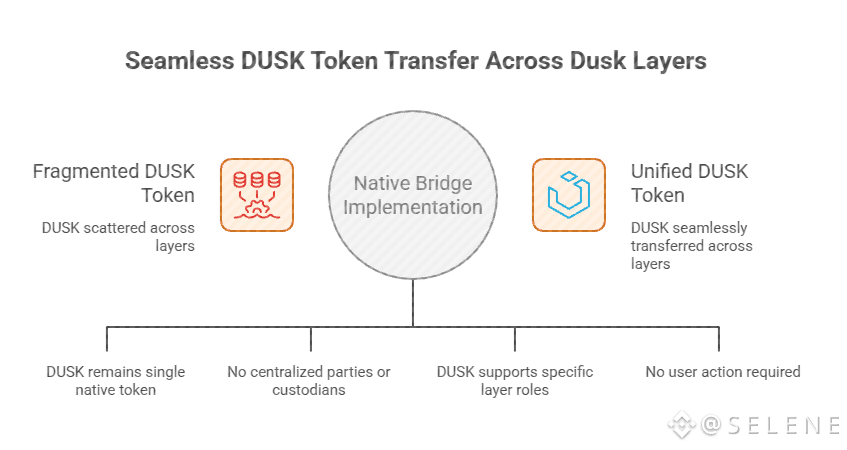
Dusk als finanzielle Infrastruktur
Dusk versucht nicht nur, Blockchain-Transaktionen privat zu machen.
Der spannendere Aspekt ist, wie es Infrastruktur für den gesamten Lebenszyklus regulierter Vermögenswerte aufbaut — von Emission und Compliance bis hin zu Handel und Abwicklung.
Seine modulare Architektur trennt zentrale Verantwortlichkeiten:
• DuskDS konzentriert sich auf Abwicklung und Finalität
• DuskEVM bringt vertraibare EVM-Kompatibilität
• Citadel übernimmt datenschutzfreundlichen Zugriff und Anspruchsberechtigung
• Zedger zielt auf Workflows für regulierte Vermögenswerte
Das ist entscheidend, weil institutionelles Finanzwesen mehr braucht als nur Tokenisierung.
Vermögenswerte benötigen kontrollierten Zugriff, Datenschutz, Compliance, transparente Verifizierbarkeit und eine vorhersehbare Abwicklung — die alle nahtlos zusammenarbeiten.
Hier wird Duks Ansatz besonders interessant.
Der echte Test ist nicht, ob Blockchain finanzielle Vermögenswerte abbilden kann.
Sondern ob Infrastruktur wie Dusk regulierte On-Chain-Märkte in großem Maßstab praktikabel machen kann.
$DUSK
@Dusk #dusk
$TRUMP
Dusk versucht nicht nur, Blockchain-Transaktionen privat zu machen.
Der spannendere Aspekt ist, wie es Infrastruktur für den gesamten Lebenszyklus regulierter Vermögenswerte aufbaut — von Emission und Compliance bis hin zu Handel und Abwicklung.
Seine modulare Architektur trennt zentrale Verantwortlichkeiten:
• DuskDS konzentriert sich auf Abwicklung und Finalität
• DuskEVM bringt vertraibare EVM-Kompatibilität
• Citadel übernimmt datenschutzfreundlichen Zugriff und Anspruchsberechtigung
• Zedger zielt auf Workflows für regulierte Vermögenswerte
Das ist entscheidend, weil institutionelles Finanzwesen mehr braucht als nur Tokenisierung.
Vermögenswerte benötigen kontrollierten Zugriff, Datenschutz, Compliance, transparente Verifizierbarkeit und eine vorhersehbare Abwicklung — die alle nahtlos zusammenarbeiten.
Hier wird Duks Ansatz besonders interessant.
Der echte Test ist nicht, ob Blockchain finanzielle Vermögenswerte abbilden kann.
Sondern ob Infrastruktur wie Dusk regulierte On-Chain-Märkte in großem Maßstab praktikabel machen kann.
$DUSK
@Dusk #dusk
$TRUMP
Transparent verification
0%
EVM compatibility
0%
0 Stimmen • Abstimmung beendet
Dusk: Aufbau fairerer On-Chain-Märkte
Dusk baut nicht einfach nur eine weitere datenschutzorientierte Blockchain. Das größere Ziel ist die Schaffung von Märkten, in denen Vertraulichkeit und Fairness gemeinsam funktionieren können.
Auf öffentlichen Blockchains werden Handelsabsichten, Ordergrößen und die Aktivität von Wallets oft bereits sichtbar, bevor die Abwicklung erfolgt. Das kann Möglichkeiten für Front-Running, das Kopieren von Strategien und Marktmanipulation eröffnen. Dusk verfolgt einen anderen Ansatz: Sensible Informationen sollen privat bleiben, während Transaktionen bei Bedarf dennoch verifiziert und geprüft werden können.
Die Architektur kombiniert verschleierte Transaktionen, Zero-Knowledge-Beweise und vertrauliche Ausführung mit transparenter Aktivität, wenn dies angemessen ist. Auch die Solidity-Kompatibilität macht es Entwicklern leichter, vertraute Anwendungen zu bauen – und dabei die Datenschutzinfrastruktur von Dusk zu nutzen.
Über Transaktionen hinaus konzentriert sich Dusk auf zuverlässige Marktdaten, Interoperabilität und regulierte Finanzassets, einschließlich Integrationen, die auf Chainlink-Standards basieren.
Die Kernidee ist einfach: Datenschutz sollte nicht Verschwiegenheit ohne Verantwortlichkeit bedeuten. Er sollte sensible Informationen schützen, während zugleich Verifikation, Compliance und fairer Marktzugang erhalten bleiben.
Damit ist Dusk weniger eine Privacy-Coin und eher eine Infrastruktur für faireres On-Chain-Financing.
@Dusk
#dusk
$DUSK
$ONG
Dusk baut nicht einfach nur eine weitere datenschutzorientierte Blockchain. Das größere Ziel ist die Schaffung von Märkten, in denen Vertraulichkeit und Fairness gemeinsam funktionieren können.
Auf öffentlichen Blockchains werden Handelsabsichten, Ordergrößen und die Aktivität von Wallets oft bereits sichtbar, bevor die Abwicklung erfolgt. Das kann Möglichkeiten für Front-Running, das Kopieren von Strategien und Marktmanipulation eröffnen. Dusk verfolgt einen anderen Ansatz: Sensible Informationen sollen privat bleiben, während Transaktionen bei Bedarf dennoch verifiziert und geprüft werden können.
Die Architektur kombiniert verschleierte Transaktionen, Zero-Knowledge-Beweise und vertrauliche Ausführung mit transparenter Aktivität, wenn dies angemessen ist. Auch die Solidity-Kompatibilität macht es Entwicklern leichter, vertraute Anwendungen zu bauen – und dabei die Datenschutzinfrastruktur von Dusk zu nutzen.
Über Transaktionen hinaus konzentriert sich Dusk auf zuverlässige Marktdaten, Interoperabilität und regulierte Finanzassets, einschließlich Integrationen, die auf Chainlink-Standards basieren.
Die Kernidee ist einfach: Datenschutz sollte nicht Verschwiegenheit ohne Verantwortlichkeit bedeuten. Er sollte sensible Informationen schützen, während zugleich Verifikation, Compliance und fairer Marktzugang erhalten bleiben.
Damit ist Dusk weniger eine Privacy-Coin und eher eine Infrastruktur für faireres On-Chain-Financing.
@Dusk
#dusk
$DUSK
$ONG
Transaction Privacy
100%
MEV & Front-Running Protection
0%
Compliance & Transparency
0%
1 Stimmen • Abstimmung beendet
Verifiziert
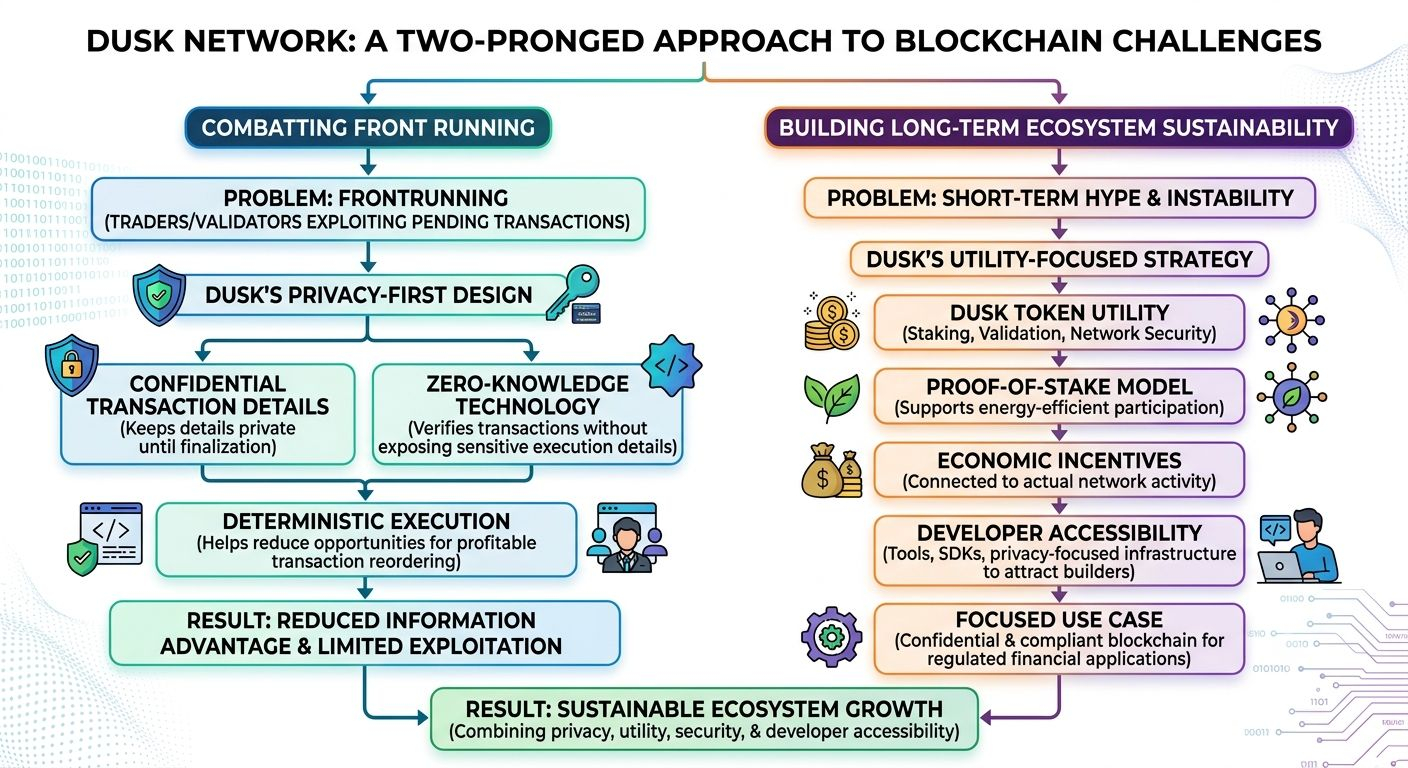
Dusk Network verfolgt bei zwei großen Blockchain-Herausforderungen einen anderen Ansatz: Front-Running und langfristige Ökosystem-Nachhaltigkeit. Indem Dusk Transaktionsdetails vertraulich behandelt, bis die Finalisierung erfolgt, verringert es den Informationsvorsprung, der es Händlern und Validierern ermöglicht, aus ausstehenden Transaktionen Profit zu schlagen. Seine Zero-Knowledge-Technologie ermöglicht es, Transaktionen zu verifizieren, ohne sensible Ausführungsdetails offenzulegen, während deterministische Ausführung dabei hilft, Möglichkeiten für profitable Transaktionsumstellungen zu reduzieren.
Dieses datenschutzorientierte Design unterstützt auch Dusk’s umfassendere Nachhaltigkeitsstrategie. Das @Dusk token hat einen praktischen Nutzen durch Staking-Validierung und Netzwerksicherheit und verknüpft damit ökonomische Anreize mit tatsächlicher Netzwerkaktivität. Sein Proof-of-Stake-Modell unterstützt eine energieeffiziente Teilnahme, während Entwickler-Tools (SDKs) und datenschutzorientierte Infrastruktur darauf abzielen, langfristig Entwickler anzuziehen.
Anstatt sich auf kurzfristigen Hype zu verlassen, baut Dusk um einen klar fokussierten Use Case herum: vertrauliche und regelkonforme Blockchain-Infrastruktur für regulierte Finanzanwendungen. Diese Kombination aus Datenschutz, Nutzen, Sicherheit und Entwicklerzugänglichkeit kann ein nachhaltiges Wachstum des Ökosystems unterstützen.
#dusk
$DUSK
$BOME
Dieses datenschutzorientierte Design unterstützt auch Dusk’s umfassendere Nachhaltigkeitsstrategie. Das @Dusk token hat einen praktischen Nutzen durch Staking-Validierung und Netzwerksicherheit und verknüpft damit ökonomische Anreize mit tatsächlicher Netzwerkaktivität. Sein Proof-of-Stake-Modell unterstützt eine energieeffiziente Teilnahme, während Entwickler-Tools (SDKs) und datenschutzorientierte Infrastruktur darauf abzielen, langfristig Entwickler anzuziehen.
Anstatt sich auf kurzfristigen Hype zu verlassen, baut Dusk um einen klar fokussierten Use Case herum: vertrauliche und regelkonforme Blockchain-Infrastruktur für regulierte Finanzanwendungen. Diese Kombination aus Datenschutz, Nutzen, Sicherheit und Entwicklerzugänglichkeit kann ein nachhaltiges Wachstum des Ökosystems unterstützen.
#dusk
$DUSK
$BOME
DUSK: INFRASTRUKTUR FÜR REALE FINANZMÄRKTE AUFBAUEN
Dusk verfolgt einen anderen Ansatz für die Blockchain. Statt kurzfristigem Hype hinterherzulaufen, konzentriert es sich darauf, die Probleme zu lösen, die für regulierte Finanzmärkte wirklich relevant sind: Datenschutz, Compliance, verlässliche Daten und vorhersehbare Abwicklung.
Das Projekt ist vor allem deshalb interessant, weil diese Bausteine zusammenspielen. Institutionen können nicht jede sensible Transaktion oder jede Information eines Kunden vollständig öffentlich sichtbar machen, aber sie brauchen dennoch Systeme, die von Aufsichtsbehörden geprüft sowie & auditiert werden können. #dusk ist genau auf dieses Gleichgewicht ausgelegt: mit Privacy-Technologie, während Compliance und Transparenz dort gewährleistet werden, wo sie entscheidend sind.
Die Arbeit rund um regulierte Assets, Stablecoins, Marktdaten & EVM-Kompatibilität eröffnet Entwicklern und Finanzinstitutionen zudem einen praktischen Weg in Onchain-Märkte.
Der eigentliche Test liegt nun in der Akzeptanz. Allein die Technologie reicht nicht. Dusk braucht echte Assets, echte Nutzer, Liquidität und eine nachhaltige institutionelle Aktivität.
Wenn es diese liefern kann, könnte @Dusk mehr werden als nur eine weitere Blockchain-Erzählung—es könnte zur echten Infrastruktur für programmierbare Finanzmärkte werden.
$DUSK
$HEMI
Dusk verfolgt einen anderen Ansatz für die Blockchain. Statt kurzfristigem Hype hinterherzulaufen, konzentriert es sich darauf, die Probleme zu lösen, die für regulierte Finanzmärkte wirklich relevant sind: Datenschutz, Compliance, verlässliche Daten und vorhersehbare Abwicklung.
Das Projekt ist vor allem deshalb interessant, weil diese Bausteine zusammenspielen. Institutionen können nicht jede sensible Transaktion oder jede Information eines Kunden vollständig öffentlich sichtbar machen, aber sie brauchen dennoch Systeme, die von Aufsichtsbehörden geprüft sowie & auditiert werden können. #dusk ist genau auf dieses Gleichgewicht ausgelegt: mit Privacy-Technologie, während Compliance und Transparenz dort gewährleistet werden, wo sie entscheidend sind.
Die Arbeit rund um regulierte Assets, Stablecoins, Marktdaten & EVM-Kompatibilität eröffnet Entwicklern und Finanzinstitutionen zudem einen praktischen Weg in Onchain-Märkte.
Der eigentliche Test liegt nun in der Akzeptanz. Allein die Technologie reicht nicht. Dusk braucht echte Assets, echte Nutzer, Liquidität und eine nachhaltige institutionelle Aktivität.
Wenn es diese liefern kann, könnte @Dusk mehr werden als nur eine weitere Blockchain-Erzählung—es könnte zur echten Infrastruktur für programmierbare Finanzmärkte werden.
$DUSK
$HEMI
Liquidity + market activity
50%
Real-world asset adoption
50%
2 Stimmen • Abstimmung beendet
$WBETH
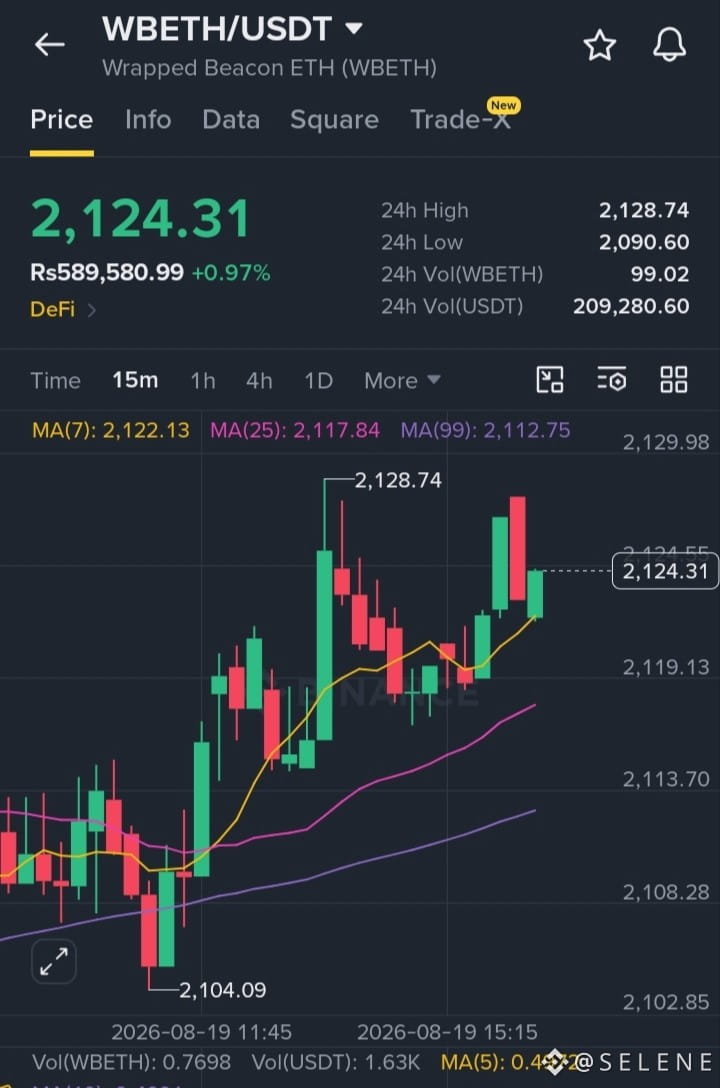
Preis-Konsolidierung nahe den aktuellen Kursniveaus bietet eine High-Probability-Chance, die nächsten Widerstandsniveaus anzusteuern.
Einstieg: 2.120,00 – 2.124,50
Tp1: 2.132,00
Tp2: 2.145,00
Tp3: 2.160,00
Stop-Loss: 2.102,00
$WBETH
#WBETH
Preis-Konsolidierung nahe den aktuellen Kursniveaus bietet eine High-Probability-Chance, die nächsten Widerstandsniveaus anzusteuern.
Einstieg: 2.120,00 – 2.124,50
Tp1: 2.132,00
Tp2: 2.145,00
Tp3: 2.160,00
Stop-Loss: 2.102,00
$WBETH
#WBETH
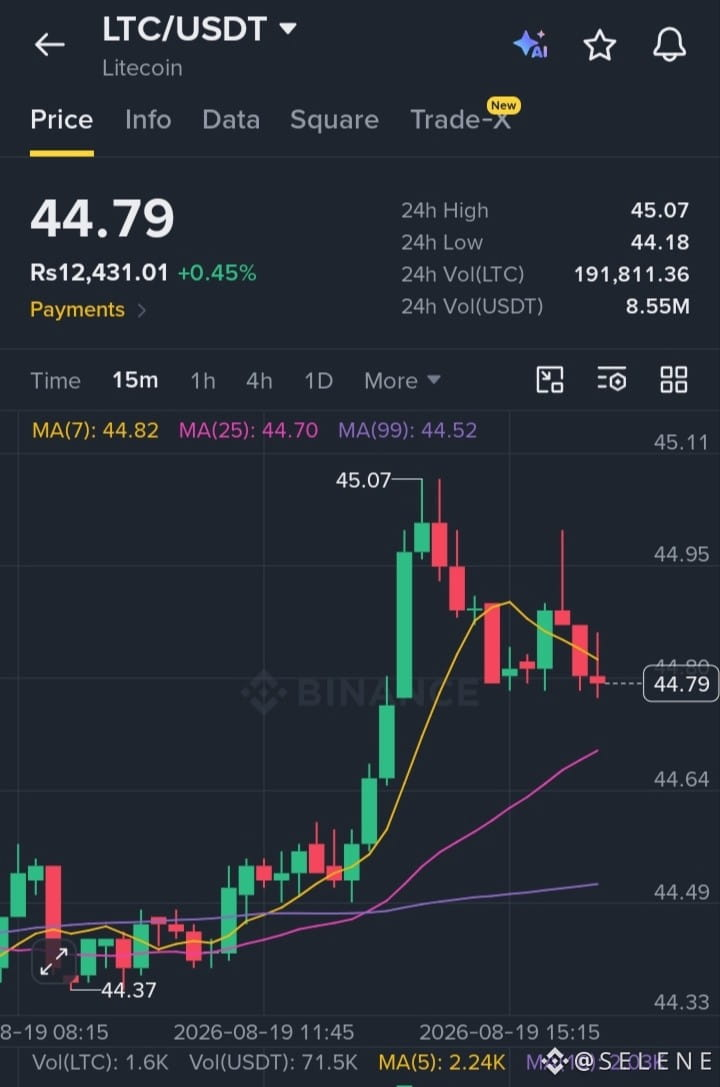
$LTC Aufrechterhaltung einer soliden bullischen Struktur, während der Support gehalten wird.
Solange über dem lokalen Support bleibt, ergibt sich ein sauberer Long-Einstieg mit dem Ziel eines Re-tests der jüngsten Hochs und höherer Expansionsziele.
Einstieg: 44.60 – 44.80
Tp1: 45.05
Tp2: 45.40
Tp3: 46.00
Stop loss: 44.30
#LTC
Solange über dem lokalen Support bleibt, ergibt sich ein sauberer Long-Einstieg mit dem Ziel eines Re-tests der jüngsten Hochs und höherer Expansionsziele.
Einstieg: 44.60 – 44.80
Tp1: 45.05
Tp2: 45.40
Tp3: 46.00
Stop loss: 44.30
#LTC
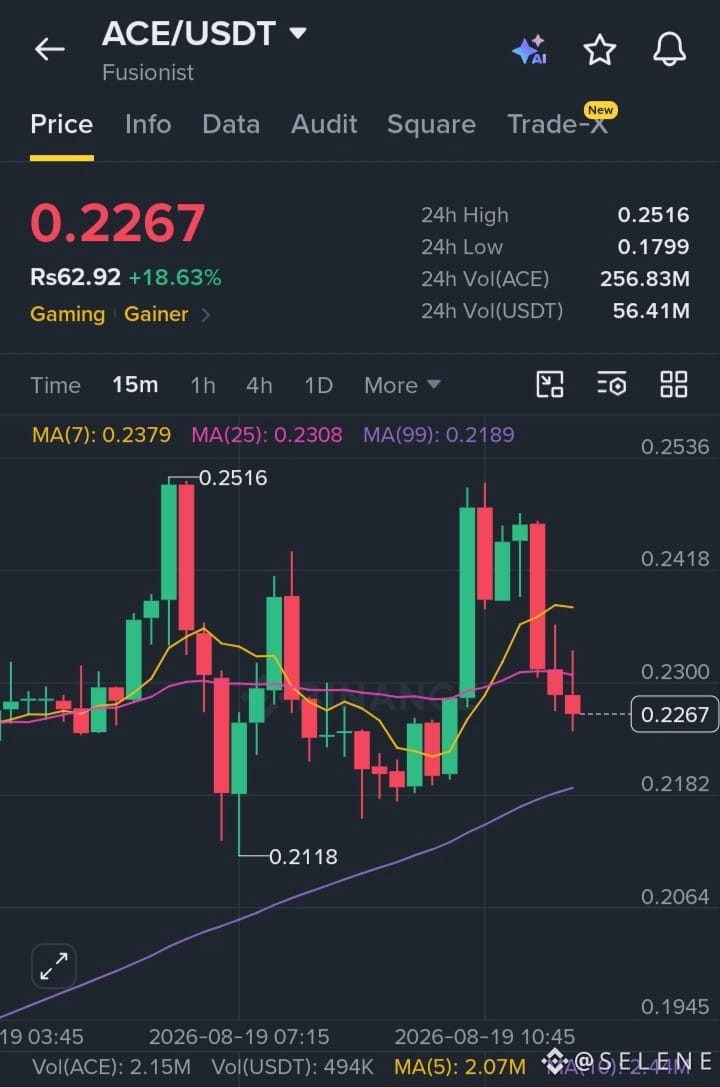
$ACE zieht sich zurück in Richtung wichtiger gleitender Durchschnitts-Unterstützung, nachdem es zu einem doppelten Test des lokalen Widerstands bei 0.2516 kam.
Ein sauberer Halt über dieser unteren Unterstützungszone schafft eine potenzielle Rückbewegung in Richtung der jüngsten Spanne-Hochs.
Einstieg: 0.2220 – 0.2270
TP1: 0.2380
TP2: 0.2510
TP3: 0.2650
Stop Loss: 0.2150
#ACE
Ein sauberer Halt über dieser unteren Unterstützungszone schafft eine potenzielle Rückbewegung in Richtung der jüngsten Spanne-Hochs.
Einstieg: 0.2220 – 0.2270
TP1: 0.2380
TP2: 0.2510
TP3: 0.2650
Stop Loss: 0.2150
#ACE
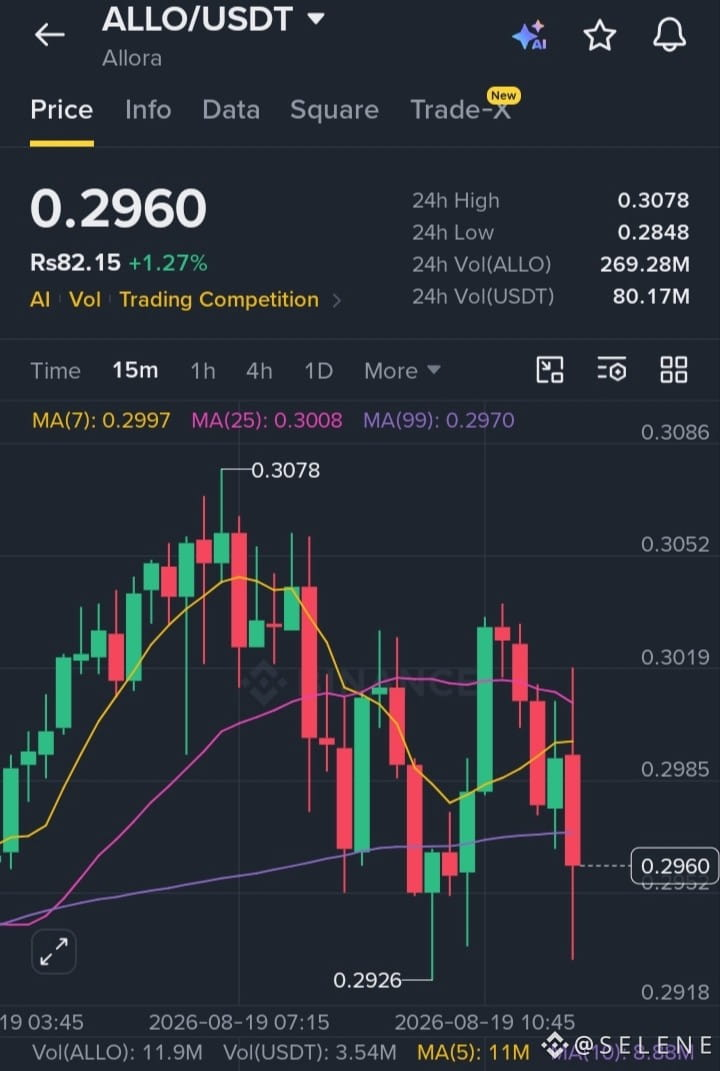
$ALLO testet den wichtigen Support nahe der Zone von 0.2920 nach einem Rücksetzer von den lokalen Hochs bei 0.3078.
Ein erfolgreicher Rebound von dieser Nachfragezone zielt auf eine Erholung zurück über den wichtigen gleitenden Durchschnitt als Widerstand ab.
Entry: 0.2930 – 0.2965
TP1: 0.3000
TP2: 0.3080
TP3: 0.3150
Stop Loss: 0.2890
$HEMI
#ALLO
Ein erfolgreicher Rebound von dieser Nachfragezone zielt auf eine Erholung zurück über den wichtigen gleitenden Durchschnitt als Widerstand ab.
Entry: 0.2930 – 0.2965
TP1: 0.3000
TP2: 0.3080
TP3: 0.3150
Stop Loss: 0.2890
$HEMI
#ALLO
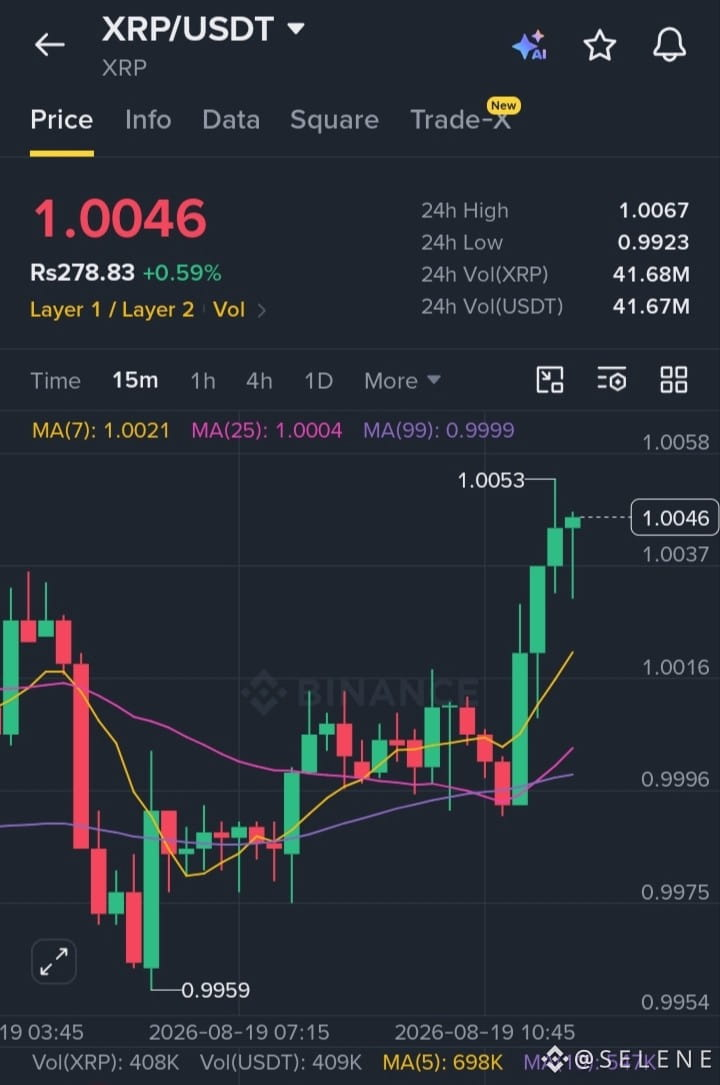
$XRP übernimmt zurückgewonnene wichtige gleitende Durchschnitte auf dem 15m-Chart, nachdem es scharf von einem lokalen Unterstützungsbereich bei 0.9959 abgeprallt ist.
Anhaltender Momentum über 1.00 bereitet ein mögliches Re-Testen der jüngsten Widerstandsbereiche vor.
Einstieg: 1.0010 – 1.0046
TP1: 1.0067
TP2: 1.0120
TP3: 1.0200
Stop Loss: 0.9980
#Xrp🔥🔥
Anhaltender Momentum über 1.00 bereitet ein mögliches Re-Testen der jüngsten Widerstandsbereiche vor.
Einstieg: 1.0010 – 1.0046
TP1: 1.0067
TP2: 1.0120
TP3: 1.0200
Stop Loss: 0.9980
#Xrp🔥🔥
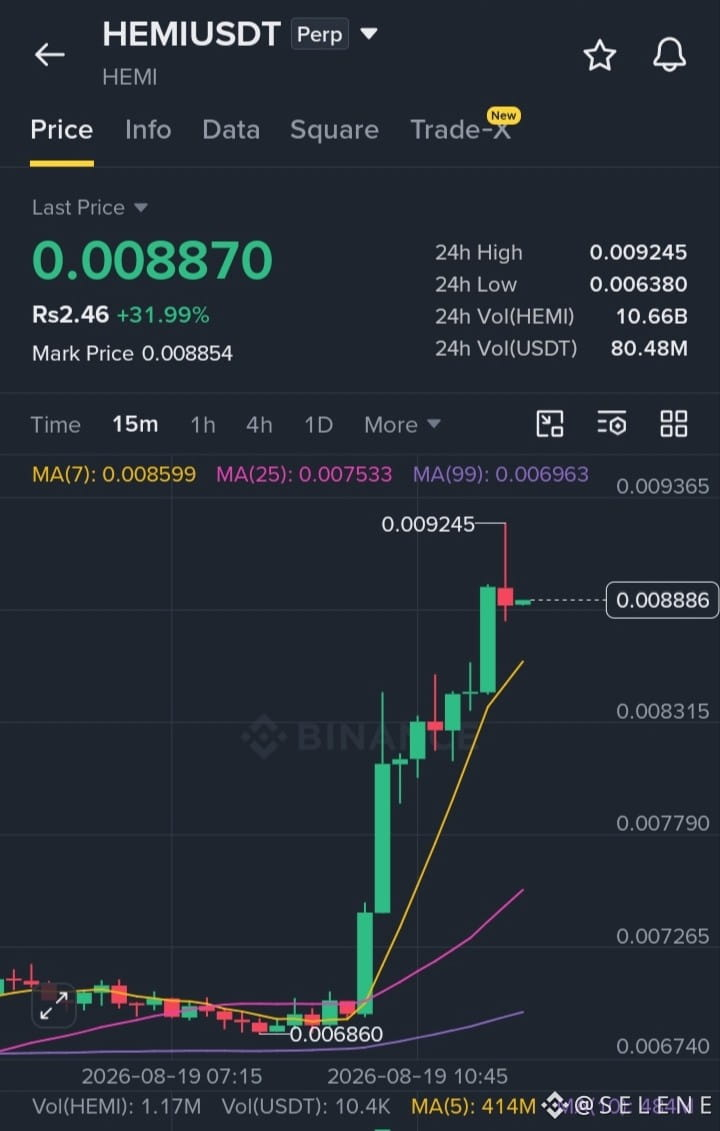
$HEMI
starker bullischer Momentum-Anstieg nach einem erfolgreichen Ausbruch über die 0.0068-Basis.
Einstieg: 0.00860 – 0.00887
TP1: 0.00925
TP2: 0.00965
TP3: 0.01020
Stop Loss: 0.00830
#HEMI
starker bullischer Momentum-Anstieg nach einem erfolgreichen Ausbruch über die 0.0068-Basis.
Einstieg: 0.00860 – 0.00887
TP1: 0.00925
TP2: 0.00965
TP3: 0.01020
Stop Loss: 0.00830
#HEMI
Verifiziert
Der Dämmerungsschimmer geht über die reine Blockchain-Abwicklung hinaus und bringt regulierte, hochintegritätsfähige Finanzdaten on-chain. Über die Standards von NPEX und Chainlink können offizielle Marktdaten überprüfbar, revisionssicher und von Smart Contracts nutzbar werden. Das ist entscheidend für tokenisierte Anleihen, Wertpapiere, Abwicklung, Compliance und institutionelles Finanzwesen.
Der größere Wandel ist klar: Blockchains benötigen mehr als nur dezentrale Rechenleistung – sie brauchen vertrauenswürdige Daten. @Dusk verbindet Datenschutz, Compliance und maßgebliche Marktdaten, um eine Infrastruktur für regulierte Finanzmärkte zu schaffen.
Mit Zero-Knowledge-Technologie, schneller Finalität und Daten auf institutionellem Qualitätsniveau positioniert sich Dusk als Brücke zwischen traditionellem Finanzwesen und programmierbaren On-Chain-Märkten.
Die Zukunft des Blockchain-Finanzwesens hängt möglicherweise nicht nur davon ab, wo Vermögenswerte abgewickelt werden, sondern auch davon, ob die Daten hinter jeder Entscheidung als vertrauenswürdig gelten können.
#dusk
@Dusk $DUSK
$RED
$TUT
Der größere Wandel ist klar: Blockchains benötigen mehr als nur dezentrale Rechenleistung – sie brauchen vertrauenswürdige Daten. @Dusk verbindet Datenschutz, Compliance und maßgebliche Marktdaten, um eine Infrastruktur für regulierte Finanzmärkte zu schaffen.
Mit Zero-Knowledge-Technologie, schneller Finalität und Daten auf institutionellem Qualitätsniveau positioniert sich Dusk als Brücke zwischen traditionellem Finanzwesen und programmierbaren On-Chain-Märkten.
Die Zukunft des Blockchain-Finanzwesens hängt möglicherweise nicht nur davon ab, wo Vermögenswerte abgewickelt werden, sondern auch davon, ob die Daten hinter jeder Entscheidung als vertrauenswürdig gelten können.
#dusk
@Dusk $DUSK
$RED
$TUT
A) Trusted market data
50%
B) Private execution
33%
C) Regulatory-ready settlement
17%
6 Stimmen • Abstimmung beendet
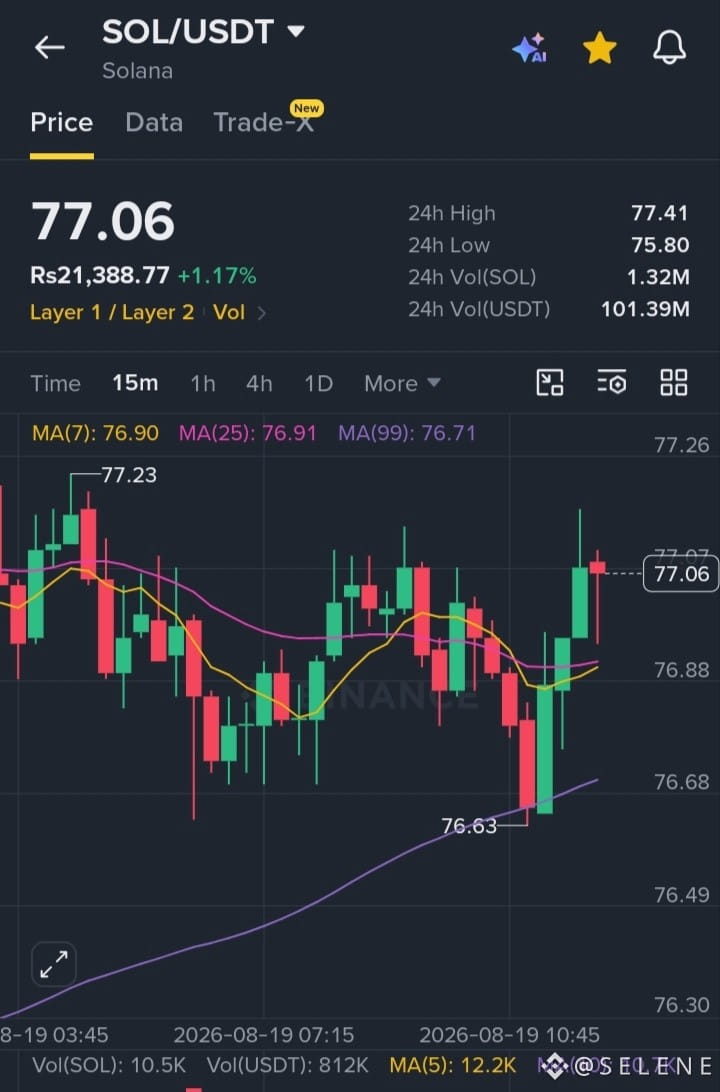
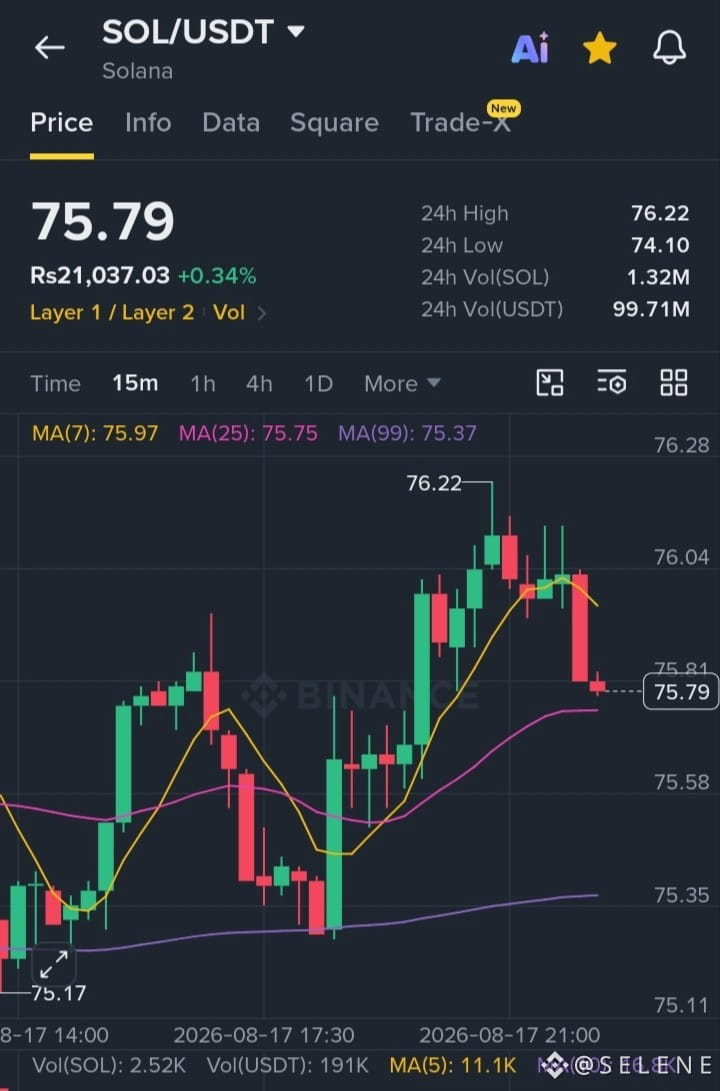
$SOL
Halten der Unterstützung nahe dem 25-Perioden-MA bei etwa 75,75, nachdem von dem lokalen Hoch bei 76,22 zurückgezogen wurde. Ein Bounce aus dieser Zone bereitet einen sauberen Retest der kurzfristigen Widerstandsziele vor.
Einstieg: 75,60 – 75,80
TP1: 76,20
TP2: 76,80
TP3: 77,50
Stop Loss: 75,10
#solana
Halten der Unterstützung nahe dem 25-Perioden-MA bei etwa 75,75, nachdem von dem lokalen Hoch bei 76,22 zurückgezogen wurde. Ein Bounce aus dieser Zone bereitet einen sauberen Retest der kurzfristigen Widerstandsziele vor.
Einstieg: 75,60 – 75,80
TP1: 76,20
TP2: 76,80
TP3: 77,50
Stop Loss: 75,10
#solana
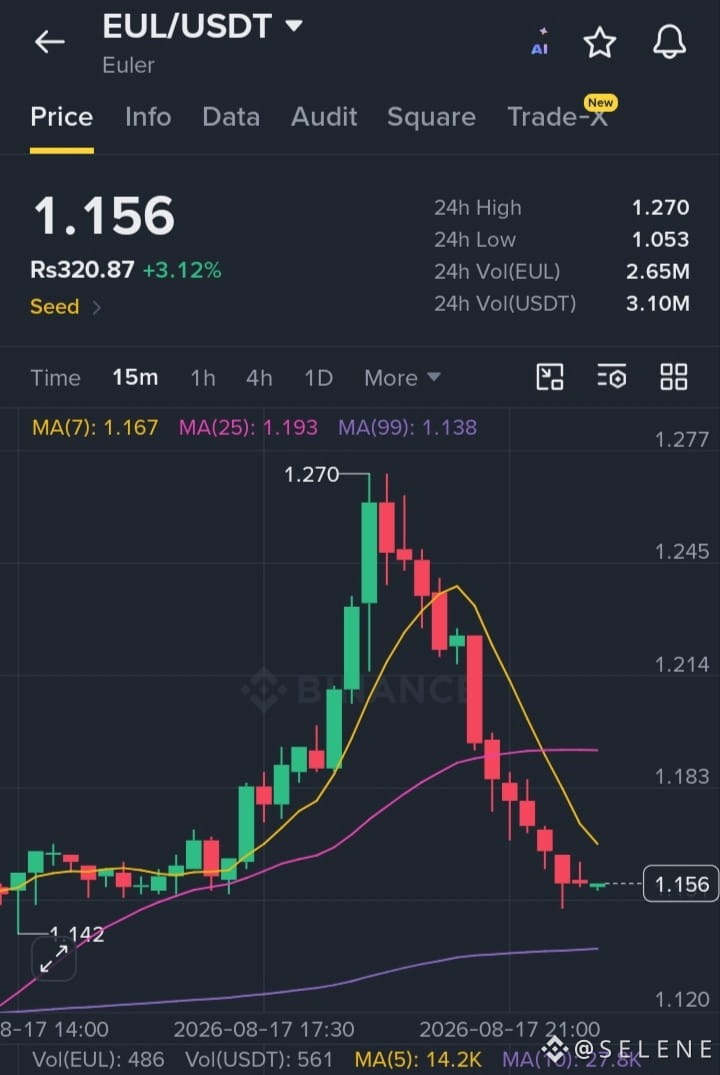
$EUL
Konsolidiert um 1,156 nach einem scharfen Rücksetzer von seinem Hoch bei 1,270. Der Halt der Unterstützung nahe dem MA(99) schafft die Grundlage für einen möglichen Erholungsimpuls zurück in Richtung des kurzfristigen Widerstands.
Entry: 1.145 – 1.160
TP1: 1.195
TP2: 1.240
TP3: 1.270
Stop loss: 1.120
#EUL
Konsolidiert um 1,156 nach einem scharfen Rücksetzer von seinem Hoch bei 1,270. Der Halt der Unterstützung nahe dem MA(99) schafft die Grundlage für einen möglichen Erholungsimpuls zurück in Richtung des kurzfristigen Widerstands.
Entry: 1.145 – 1.160
TP1: 1.195
TP2: 1.240
TP3: 1.270
Stop loss: 1.120
#EUL
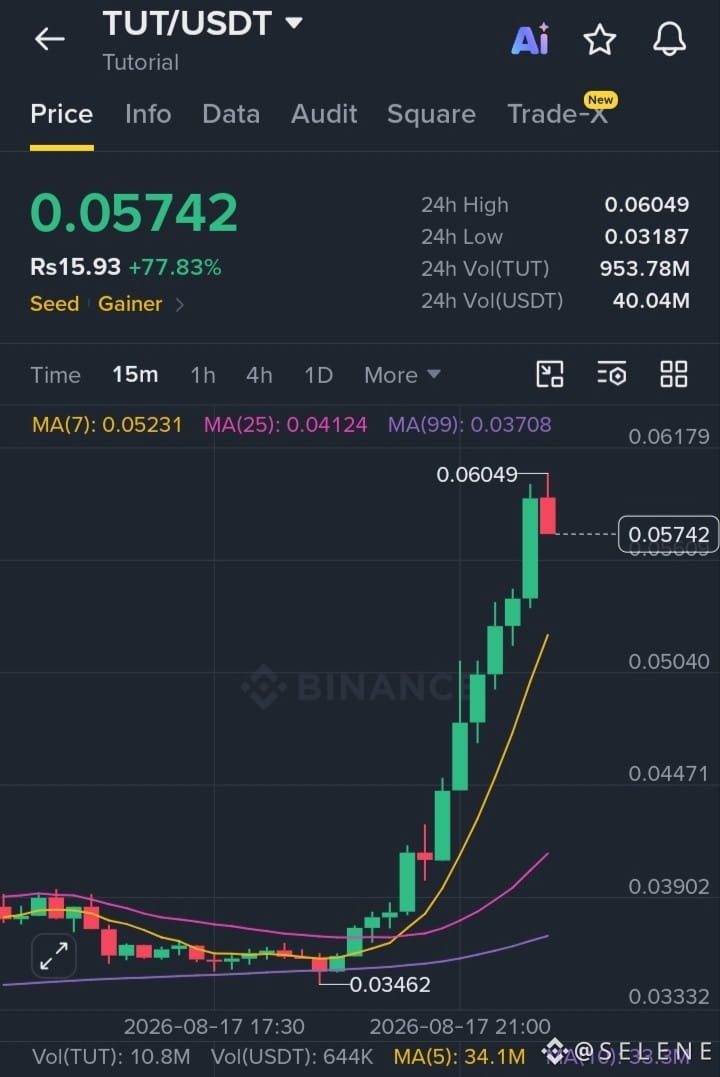
$TUT starke bullische Dynamik nach einem massiven Impuls-Rallye in Richtung seines Hochs bei $0.06049. Ein Halten der Unterstützung oberhalb des MA(7)-Niveaus nahe $0.052 eröffnet die Möglichkeit für eine Fortsetzung nach oben.
Einstieg: 0.05400 – 0.05700
TP1: 0.06050
TP2: 0.06500
TP3: 0.07100
Stop-Loss: 0.05000
#Tutorial
Einstieg: 0.05400 – 0.05700
TP1: 0.06050
TP2: 0.06500
TP3: 0.07100
Stop-Loss: 0.05000
#Tutorial
DUSK-PRIVACY OHNE VERZICHT AUF VERIFIZIERUNG
Dusk hat meine Aufmerksamkeit erregt, weil finanzielle Privatsphäre nicht wirklich darum geht, alles zu verbergen.
Es geht darum, zu steuern, was wann und wem offengelegt wird.
Echte finanzielle Abläufe beinhalten sensible Daten wie Kontostände, Gegenparteien, Zahlungen und Compliance-Prüfungen.
All das öffentlich auf die On-Chain zu stellen ist nicht immer praktisch.
Was ich an @Dusk interessant finde, ist die Idee, dass Transaktionen privat bleiben können und dennoch bei Bedarf verifizierbar sind. Das fühlt sich deutlich näher an dem an, wie reale Finanzmärkte tatsächlich funktionieren.
Für mich stellt sich die Frage nicht mehr, ob Privatsphäre nützlich ist.
Sondern ob #dusk in der Lage ist, programmierbare Privatsphäre zu einer Infrastruktur zu machen, die Institutionen wirklich nutzen.
@Dusk
#ChinaJulyOutputRetailInvestmentAllMiss
#CMESeptemberHikeOddsFallTo30.6%
$DUSK
$GPS
$PORTAL
Dusk hat meine Aufmerksamkeit erregt, weil finanzielle Privatsphäre nicht wirklich darum geht, alles zu verbergen.
Es geht darum, zu steuern, was wann und wem offengelegt wird.
Echte finanzielle Abläufe beinhalten sensible Daten wie Kontostände, Gegenparteien, Zahlungen und Compliance-Prüfungen.
All das öffentlich auf die On-Chain zu stellen ist nicht immer praktisch.
Was ich an @Dusk interessant finde, ist die Idee, dass Transaktionen privat bleiben können und dennoch bei Bedarf verifizierbar sind. Das fühlt sich deutlich näher an dem an, wie reale Finanzmärkte tatsächlich funktionieren.
Für mich stellt sich die Frage nicht mehr, ob Privatsphäre nützlich ist.
Sondern ob #dusk in der Lage ist, programmierbare Privatsphäre zu einer Infrastruktur zu machen, die Institutionen wirklich nutzen.
@Dusk
#ChinaJulyOutputRetailInvestmentAllMiss
#CMESeptemberHikeOddsFallTo30.6%
$DUSK
$GPS
$PORTAL
Privacy 🔐
0%
Institutional adoption 🏦
0%
Real on-chain usage 📊
0%
0 Stimmen • Abstimmung beendet
Teilweise korrekt
DUSK-NETZWERKDATENSCHUTZ-INFRASTRUKTUR FÜR REGELKONFORME FINANZEN
Dusk bewegt sich über die einfache Privacy-Coin-Erzählung hinaus. Die neueste Ausrichtung konzentriert sich auf regulierte digitale Assets, vertrauliche Smart Contracts, selektive Offenlegung und deterministische Abwicklung.
Mit DuskEVM, DuskVM Citadel und einer datenschutzorientierten Asset-Infrastruktur ist das Ziel, echte Finanz-Workflows On-Chain zu ermöglichen, ohne standardmäßig sensible Positionen, Guthaben oder Eignungsdaten offenzulegen.
Das Netzwerk meldet nun 300M+ bestätigte Emissionen mit Institutionen und 210M+ DUSK, die eingesetzt wurden.
Die Partnerschaft mit NPEX und die Übernahme von Chainlink-Standards deuten zudem auf eine Interoperabilität regulierter Wertpapiere und eine konforme Abwicklung hin – nicht nur auf eine weitere Privacy-Erzählung.
Der eigentliche Test besteht jetzt in der Adoption: Kann Dusk Privacy + Compliance in eine Infrastruktur verwandeln, die Institutionen tatsächlich nutzen?
@Dusk #dusk $DUSK
$HEMI
$CHIP
Dusk bewegt sich über die einfache Privacy-Coin-Erzählung hinaus. Die neueste Ausrichtung konzentriert sich auf regulierte digitale Assets, vertrauliche Smart Contracts, selektive Offenlegung und deterministische Abwicklung.
Mit DuskEVM, DuskVM Citadel und einer datenschutzorientierten Asset-Infrastruktur ist das Ziel, echte Finanz-Workflows On-Chain zu ermöglichen, ohne standardmäßig sensible Positionen, Guthaben oder Eignungsdaten offenzulegen.
Das Netzwerk meldet nun 300M+ bestätigte Emissionen mit Institutionen und 210M+ DUSK, die eingesetzt wurden.
Die Partnerschaft mit NPEX und die Übernahme von Chainlink-Standards deuten zudem auf eine Interoperabilität regulierter Wertpapiere und eine konforme Abwicklung hin – nicht nur auf eine weitere Privacy-Erzählung.
Der eigentliche Test besteht jetzt in der Adoption: Kann Dusk Privacy + Compliance in eine Infrastruktur verwandeln, die Institutionen tatsächlich nutzen?
@Dusk #dusk $DUSK
$HEMI
$CHIP
Regulated Finance
83%
Privacy + Compliance
17%
6 Stimmen • Abstimmung beendet
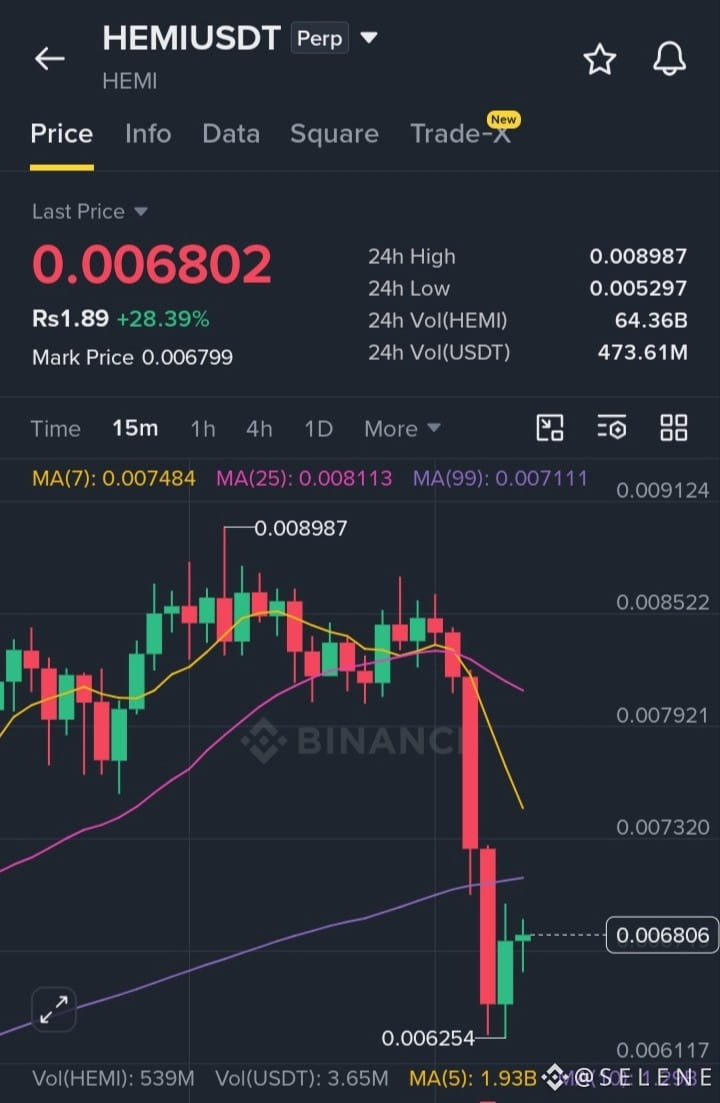
$HEMI stabilisiert sich in der Nähe der lokalen Nachfrage nach einem scharfen Rücksetzer von den jüngsten Hochs. Käufer versuchen, die Unterstützung auf einem festen Niveau zu verteidigen, um eine mögliche Erholungsrally auszulösen, die zurück in Richtung der wichtigen Widerstandsniveaus führen könnte.
Entry: 0.00670 – 0.00685
TP1: 0.00715
TP2: 0.00750
TP3: 0.00790
Stop Loss: 0.00620
#HEMI
Entry: 0.00670 – 0.00685
TP1: 0.00715
TP2: 0.00750
TP3: 0.00790
Stop Loss: 0.00620
#HEMI
Anmelden und weiter Inhalte entdecken