
BitcoinKE
3.1k Beiträge

BitcoinKE
 Square Verified+
Melden
Nutzer blockieren
BitKE is a leading crypto and Web3 focussed media outlet in Africa publishing daily informative and investment news and content.
1 Following
28.3K+ Follower
5.0K+ Like gegeben
Beiträge
Alle
Zitierungen
·
--
Übersetzung ansehen
CRYPTO MARKETS | August Was the Strongest Month for Bitcoin ETFs in 2026 So FarU.S. spot Bitcoin ETFs pulled in $3.52 billion in net inflows in August 2026, up sharply from just $172 million in July 2026, as BTC gained about 25% – its best monthly performance since November 2024.
The inflows came across 16 of 21 trading sessions including a 9-day streak.
ETF assets also jumped 31% to $99.6 billion while monthly trading volume rose nearly 49% to $58.6 billion.
In terms of outflows:
June had the biggest outflow at $4.51 billion, followed by
May at $2.43 billion, and
January at $1.61 billion.
MILESTONE | June Records the Largest Monthly Outflows for Bitcoin ETFs in 2026
The August rally showed strong institutional demand. September will test whether that demand can sustain Bitcoin’s momentum.
REPORT | Institutions Accounted for Over 70% of Crypto Trading Volumes in H1 2026, Says Latest Research
Stay tuned to BitKE for updates on crypto markets developments.
Join our WhatsApp channel here.
Follow us on X for the latest posts and updates
Join and interact with our Telegram community
___________
CRYPTO MARKETS | August Was the Strongest Month for Bitcoin ETFs in 2026 So Far
U.S. spot Bitcoin ETFs pulled in $3.52 billion in net inflows in August 2026, up sharply from just $172 million in July 2026, as BTC gained about 25% – its best monthly performance since November 2024.
The inflows came across 16 of 21 trading sessions including a 9-day streak.
ETF assets also jumped 31% to $99.6 billion while monthly trading volume rose nearly 49% to $58.6 billion.
In terms of outflows:
June had the biggest outflow at $4.51 billion, followed by
May at $2.43 billion, and
January at $1.61 billion.
MILESTONE | June Records the Largest Monthly Outflows for Bitcoin ETFs in 2026
The August rally showed strong institutional demand. September will test whether that demand can sustain Bitcoin’s momentum.
REPORT | Institutions Accounted for Over 70% of Crypto Trading Volumes in H1 2026, Says Latest Research
Stay tuned to BitKE for updates on crypto markets developments.
Join our WhatsApp channel here.
Follow us on X for the latest posts and updates
Join and interact with our Telegram community
___________
The inflows came across 16 of 21 trading sessions including a 9-day streak.
ETF assets also jumped 31% to $99.6 billion while monthly trading volume rose nearly 49% to $58.6 billion.
In terms of outflows:
June had the biggest outflow at $4.51 billion, followed by
May at $2.43 billion, and
January at $1.61 billion.
MILESTONE | June Records the Largest Monthly Outflows for Bitcoin ETFs in 2026
The August rally showed strong institutional demand. September will test whether that demand can sustain Bitcoin’s momentum.
REPORT | Institutions Accounted for Over 70% of Crypto Trading Volumes in H1 2026, Says Latest Research
Stay tuned to BitKE for updates on crypto markets developments.
Join our WhatsApp channel here.
Follow us on X for the latest posts and updates
Join and interact with our Telegram community
___________
73
·
--
Übersetzung ansehen
CASE STUDY | Core DAO Validators Compromise the Monetary Policy Encoded in the Protocol ItselfCore DAO is preparing an emergency hard fork after a small group of validators were able to accrue CORE rewards above the level intended by the protocol — exposing a different class of blockchain vulnerability: validators exploiting the network’s own issuance mechanism.
Core says the issue has been contained and that malicious validators can no longer claim excess rewards. The upgrade will be forward-only, meaning previously confirmed transactions will not be reversed.
The immediate concern is supply.
Core has not disclosed how much additional CORE was issued, how long the exploit lasted, or whether any of the excess tokens entered circulation. Exchanges including Coinbase, Bithumb, and CoinOne restricted CORE transfers amid the incident.
That makes this more than a routine software bug.
Validators sit at the heart of proof-of-stake networks, where they help determine blocks and receive protocol rewards. Core’s own documentation says validator rewards include newly minted CORE, with 90% of the reward allocation going to validators and their delegators.
Two Addresses Control Over 45% of Ethereum Validator Nodes Post Merge
The precedent is the bigger story.
This is not the first time validator infrastructure has been exploited to create unintended economic outcomes. Shardeum previously disclosed a validator-software flaw that improperly credited about 500,000 SHM after an attacker manipulated certificate-validation logic.
Core therefore highlights a broader security risk for blockchain networks:
a vulnerability does not need to compromise user wallets or reverse transactions to threaten network economics. If validators can influence issuance, rewards, or consensus accounting, they can potentially alter the monetary policy encoded in the protocol itself.
CASE STUDY | Bitcoin Payment Infrastructure Hit by Exploit Targeting Lightning Nodes
The eventual Core post-mortem will be important. Until the project discloses the root cause and the amount of excess CORE created, the full scale of the vulnerability, and how easily similar reward mechanisms could be exploited elsewhere, remains unclear.
The key unanswered question for the industry is therefore not just “Can validators steal funds?” but “Can a validator exploit protocol accounting to mint or claim assets the network never intended to issue?”
CASE STUDY | Cronos Blockchain Halts After an Exploit on its Largest Lending Protocol
Stay tuned to BitKE for updates on crypto markets developments.
Join our WhatsApp channel here.
Follow us on X for the latest posts and updates
Join and interact with our Telegram community
___________
CASE STUDY | Core DAO Validators Compromise the Monetary Policy Encoded in the Protocol Itself
Core DAO is preparing an emergency hard fork after a small group of validators were able to accrue CORE rewards above the level intended by the protocol — exposing a different class of blockchain vulnerability: validators exploiting the network’s own issuance mechanism.
Core says the issue has been contained and that malicious validators can no longer claim excess rewards. The upgrade will be forward-only, meaning previously confirmed transactions will not be reversed.
The immediate concern is supply.
Core has not disclosed how much additional CORE was issued, how long the exploit lasted, or whether any of the excess tokens entered circulation. Exchanges including Coinbase, Bithumb, and CoinOne restricted CORE transfers amid the incident.
That makes this more than a routine software bug.
Validators sit at the heart of proof-of-stake networks, where they help determine blocks and receive protocol rewards. Core’s own documentation says validator rewards include newly minted CORE, with 90% of the reward allocation going to validators and their delegators.
Two Addresses Control Over 45% of Ethereum Validator Nodes Post Merge
The precedent is the bigger story.
This is not the first time validator infrastructure has been exploited to create unintended economic outcomes. Shardeum previously disclosed a validator-software flaw that improperly credited about 500,000 SHM after an attacker manipulated certificate-validation logic.
Core therefore highlights a broader security risk for blockchain networks:
a vulnerability does not need to compromise user wallets or reverse transactions to threaten network economics. If validators can influence issuance, rewards, or consensus accounting, they can potentially alter the monetary policy encoded in the protocol itself.
CASE STUDY | Bitcoin Payment Infrastructure Hit by Exploit Targeting Lightning Nodes
The eventual Core post-mortem will be important. Until the project discloses the root cause and the amount of excess CORE created, the full scale of the vulnerability, and how easily similar reward mechanisms could be exploited elsewhere, remains unclear.
The key unanswered question for the industry is therefore not just “Can validators steal funds?” but “Can a validator exploit protocol accounting to mint or claim assets the network never intended to issue?”
CASE STUDY | Cronos Blockchain Halts After an Exploit on its Largest Lending Protocol
Stay tuned to BitKE for updates on crypto markets developments.
Join our WhatsApp channel here.
Follow us on X for the latest posts and updates
Join and interact with our Telegram community
___________
Core says the issue has been contained and that malicious validators can no longer claim excess rewards. The upgrade will be forward-only, meaning previously confirmed transactions will not be reversed.
The immediate concern is supply.
Core has not disclosed how much additional CORE was issued, how long the exploit lasted, or whether any of the excess tokens entered circulation. Exchanges including Coinbase, Bithumb, and CoinOne restricted CORE transfers amid the incident.
That makes this more than a routine software bug.
Validators sit at the heart of proof-of-stake networks, where they help determine blocks and receive protocol rewards. Core’s own documentation says validator rewards include newly minted CORE, with 90% of the reward allocation going to validators and their delegators.
Two Addresses Control Over 45% of Ethereum Validator Nodes Post Merge
The precedent is the bigger story.
This is not the first time validator infrastructure has been exploited to create unintended economic outcomes. Shardeum previously disclosed a validator-software flaw that improperly credited about 500,000 SHM after an attacker manipulated certificate-validation logic.
Core therefore highlights a broader security risk for blockchain networks:
a vulnerability does not need to compromise user wallets or reverse transactions to threaten network economics. If validators can influence issuance, rewards, or consensus accounting, they can potentially alter the monetary policy encoded in the protocol itself.
CASE STUDY | Bitcoin Payment Infrastructure Hit by Exploit Targeting Lightning Nodes
The eventual Core post-mortem will be important. Until the project discloses the root cause and the amount of excess CORE created, the full scale of the vulnerability, and how easily similar reward mechanisms could be exploited elsewhere, remains unclear.
The key unanswered question for the industry is therefore not just “Can validators steal funds?” but “Can a validator exploit protocol accounting to mint or claim assets the network never intended to issue?”
CASE STUDY | Cronos Blockchain Halts After an Exploit on its Largest Lending Protocol
Stay tuned to BitKE for updates on crypto markets developments.
Join our WhatsApp channel here.
Follow us on X for the latest posts and updates
Join and interact with our Telegram community
___________
152
·
--
Übersetzung ansehen
CASE STUDY | Why Circulation, Not Velocity, Is What Currently Drives Stablecoins RevenueThe key point is that USDC velocity shows how heavily the network is being used, but circulation determines the size of the asset base Circle can earn interest on. Circle’s own filings make that distinction clear: reserve income is calculated from the amount of USDC in circulation and the reserve return rate, not from how many times those dollars move.
USDC is moving trillions. But circulation – not velocity – is what is driving Circle’s revenue.
Circle processed $14.8 trillion in USDC onchain transaction volume in the second quarter, up 151% year-on-year. Coin Metrics estimates adjusted USDC transfer volume reached $32 trillion in 2026, with each dollar turning over 741 times on an annualized basis.
STABLECOINS | USDC Circulation Rises ~20%, On-Chain Transation Volume Up 151% YoY
Those figures show how deeply USDC is embedded in crypto markets. But they do not translate directly into Circle revenue.
Circle generated $701.3 million in revenue and reserve income in Q2 2026, with $667.7 million, or 95.2%, coming from reserve income. Transaction revenue was just $5.3 million.
The more important number was USDC circulation.
USDC in circulation reached $73.3 billion at the end of Q2 2026, up 19% year-on-year, while average daily circulation rose 25.2%. Circle said that increase in average circulation added about $147.4 million to year-on-year reserve income.
STABLECOINS | Circulation of Stablecoins Doubled in the Past 18 Months, Says McKinsey
Falling interest rates took roughly $113.9 million away from that gain as the average reserve yield fell 66 basis points.
The result: reserve income still increased $33.5 million, or 5.3%.
That is the important distinction.
A USDC dollar can move hundreds of times without generating hundreds of revenue events for Circle. But every additional dollar that remains in circulation expands the reserves backing USDC and, at a given yield, creates another dollar of interest-earning assets.
In other words:
Velocity proves USDC has utility. Circulation monetizes that utility – at least for Circle today.
That also explains the strategic importance of Circle’s push beyond reserve income. Its upcoming Arc blockchain and other infrastructure products are attempts to turn the enormous activity around USDC into direct, recurring fees.
Until that happens, the economics of Circle remain much closer to a float business than a transaction-fee business.
And that makes the size of USDC’s circulating supply, and the interest-rate environment, more important to current revenue than the headline trillions of dollars moving across the network.
The figures above are drawn from Circle’s Q2 filing/results and the CryptoSlate/Coin Metrics analysis.
STABLECOINS | USDC Dominates ~70% of Adjusted Transaction Volume in H1 2026
Stay tuned to BitKE for updates into stablecoins markets developments.
Join our WhatsApp channel here.
Follow us on X for the latest posts and updates
Join and interact with our Telegram community
_________
CASE STUDY | Why Circulation, Not Velocity, Is What Currently Drives Stablecoins Revenue
The key point is that USDC velocity shows how heavily the network is being used, but circulation determines the size of the asset base Circle can earn interest on. Circle’s own filings make that distinction clear: reserve income is calculated from the amount of USDC in circulation and the reserve return rate, not from how many times those dollars move.
USDC is moving trillions. But circulation – not velocity – is what is driving Circle’s revenue.
Circle processed $14.8 trillion in USDC onchain transaction volume in the second quarter, up 151% year-on-year. Coin Metrics estimates adjusted USDC transfer volume reached $32 trillion in 2026, with each dollar turning over 741 times on an annualized basis.
STABLECOINS | USDC Circulation Rises ~20%, On-Chain Transation Volume Up 151% YoY
Those figures show how deeply USDC is embedded in crypto markets. But they do not translate directly into Circle revenue.
Circle generated $701.3 million in revenue and reserve income in Q2 2026, with $667.7 million, or 95.2%, coming from reserve income. Transaction revenue was just $5.3 million.
The more important number was USDC circulation.
USDC in circulation reached $73.3 billion at the end of Q2 2026, up 19% year-on-year, while average daily circulation rose 25.2%. Circle said that increase in average circulation added about $147.4 million to year-on-year reserve income.
STABLECOINS | Circulation of Stablecoins Doubled in the Past 18 Months, Says McKinsey
Falling interest rates took roughly $113.9 million away from that gain as the average reserve yield fell 66 basis points.
The result: reserve income still increased $33.5 million, or 5.3%.
That is the important distinction.
A USDC dollar can move hundreds of times without generating hundreds of revenue events for Circle. But every additional dollar that remains in circulation expands the reserves backing USDC and, at a given yield, creates another dollar of interest-earning assets.
In other words:
Velocity proves USDC has utility. Circulation monetizes that utility – at least for Circle today.
That also explains the strategic importance of Circle’s push beyond reserve income. Its upcoming Arc blockchain and other infrastructure products are attempts to turn the enormous activity around USDC into direct, recurring fees.
Until that happens, the economics of Circle remain much closer to a float business than a transaction-fee business.
And that makes the size of USDC’s circulating supply, and the interest-rate environment, more important to current revenue than the headline trillions of dollars moving across the network.
The figures above are drawn from Circle’s Q2 filing/results and the CryptoSlate/Coin Metrics analysis.
STABLECOINS | USDC Dominates ~70% of Adjusted Transaction Volume in H1 2026
Stay tuned to BitKE for updates into stablecoins markets developments.
Join our WhatsApp channel here.
Follow us on X for the latest posts and updates
Join and interact with our Telegram community
_________
USDC is moving trillions. But circulation – not velocity – is what is driving Circle’s revenue.
Circle processed $14.8 trillion in USDC onchain transaction volume in the second quarter, up 151% year-on-year. Coin Metrics estimates adjusted USDC transfer volume reached $32 trillion in 2026, with each dollar turning over 741 times on an annualized basis.
STABLECOINS | USDC Circulation Rises ~20%, On-Chain Transation Volume Up 151% YoY
Those figures show how deeply USDC is embedded in crypto markets. But they do not translate directly into Circle revenue.
Circle generated $701.3 million in revenue and reserve income in Q2 2026, with $667.7 million, or 95.2%, coming from reserve income. Transaction revenue was just $5.3 million.
The more important number was USDC circulation.
USDC in circulation reached $73.3 billion at the end of Q2 2026, up 19% year-on-year, while average daily circulation rose 25.2%. Circle said that increase in average circulation added about $147.4 million to year-on-year reserve income.
STABLECOINS | Circulation of Stablecoins Doubled in the Past 18 Months, Says McKinsey
Falling interest rates took roughly $113.9 million away from that gain as the average reserve yield fell 66 basis points.
The result: reserve income still increased $33.5 million, or 5.3%.
That is the important distinction.
A USDC dollar can move hundreds of times without generating hundreds of revenue events for Circle. But every additional dollar that remains in circulation expands the reserves backing USDC and, at a given yield, creates another dollar of interest-earning assets.
In other words:
Velocity proves USDC has utility. Circulation monetizes that utility – at least for Circle today.
That also explains the strategic importance of Circle’s push beyond reserve income. Its upcoming Arc blockchain and other infrastructure products are attempts to turn the enormous activity around USDC into direct, recurring fees.
Until that happens, the economics of Circle remain much closer to a float business than a transaction-fee business.
And that makes the size of USDC’s circulating supply, and the interest-rate environment, more important to current revenue than the headline trillions of dollars moving across the network.
The figures above are drawn from Circle’s Q2 filing/results and the CryptoSlate/Coin Metrics analysis.
STABLECOINS | USDC Dominates ~70% of Adjusted Transaction Volume in H1 2026
Stay tuned to BitKE for updates into stablecoins markets developments.
Join our WhatsApp channel here.
Follow us on X for the latest posts and updates
Join and interact with our Telegram community
_________
129
·
--
Übersetzung ansehen
MILESTONE | Euro Stablecoins At Record High As MiCA Drives GrowthEuro-backed stablecoins are gaining ground in Europe, with their combined market capitalization reaching a record $776 million in August 2026 as the European Union’s crypto rules accelerate demand for regulated digital euros.
The market grew 6% in August 2026 and 68.2% from a year earlier even as dollar-backed stablecoins continued to dominate the global market. Euro stablecoins still represent less than 1% of the roughly $311 billion global stablecoin market highlighting both their rapid growth and the size of the gap they still have to close.
Circle’s EURC has emerged as the leading Euro stablecoin.
Its circulation surpassed €400 million ($463 million) in August 2026 for the first time, more than doubling over the past year. Circle has attributed the growth to rising use across exchanges, payments, and institutional workflows with the token operating under the EU’s MiCA framework.
STABLECOINS | Spain Leads European Retail Market for This Euro Stablecoin in Q1 2026
The expansion is also attracting major financial and fintech players.
Revolut launched EURR, a euro-backed stablecoin issued by Stripe-owned Bridge, initially rolling it out to customers in Denmark, Poland and Portugal. Revolut has more than 80 million retail customers and over 16 million crypto users, giving the token a potentially significant distribution channel.
INTRODUCING | UK Leading Fintech, Revolut, Launches EURR, a Euro-Backed Stablecoin
Trading activity is growing alongside supply. Centralized-exchange trading volume for Euro-denominated stablecoins reached $745 million by Aug. 26, up 12.3% from the comparable period in July 2026.
The broader shift is significant because Europe’s stablecoin market has historically been overwhelmingly dependent on dollar-denominated tokens such as USDT and USDC. MiCA is now creating a regulatory environment in which Euro-denominated alternatives can compete more directly.
STABLECOINS | Europe Should Develop More Euro-Backed Stablecoins to Counter Dollar-Pegged Assets, Says French Finance Minister
That competition is likely to intensify.
A separate consortium of major banks preparing a stablecoin initiative has said it plans to prioritize Euro and other G7 currency-denominated stablecoins after initially focusing on the U.S. dollar.
REALITY CHECK | Wall Street Banks Unite to Build Stablecoin Rival
Another group of 37 financial institutions is preparing a Euro-pegged stablecoin in Europe.
INSTITUTIONAL | Meet Europe’s Largest Stablecoin Project by the Number of Backers
For now, the numbers remain small compared with the dollar market.
But the direction is changing:
MiCA is turning the Euro stablecoin from a niche crypto product into a potential piece of Europe’s digital payments and settlement infrastructure.
The question is no longer whether Euro stablecoins can grow. It is whether they can capture a meaningful share of the European payments, trading, and tokenization markets that have historically relied on dollar-based digital assets.
REGULATION | France Pushes for Tighter MiCA Limits on Non-Euro Stablecoin Payments
Stay tuned to BitKE for deeper insights into the European stablecoin space.
Join our WhatsApp channel here.
Follow us on X for the latest posts and updates
Join and interact with our Telegram community
___________
MILESTONE | Euro Stablecoins At Record High As MiCA Drives Growth
Euro-backed stablecoins are gaining ground in Europe, with their combined market capitalization reaching a record $776 million in August 2026 as the European Union’s crypto rules accelerate demand for regulated digital euros.
The market grew 6% in August 2026 and 68.2% from a year earlier even as dollar-backed stablecoins continued to dominate the global market. Euro stablecoins still represent less than 1% of the roughly $311 billion global stablecoin market highlighting both their rapid growth and the size of the gap they still have to close.
Circle’s EURC has emerged as the leading Euro stablecoin.
Its circulation surpassed €400 million ($463 million) in August 2026 for the first time, more than doubling over the past year. Circle has attributed the growth to rising use across exchanges, payments, and institutional workflows with the token operating under the EU’s MiCA framework.
STABLECOINS | Spain Leads European Retail Market for This Euro Stablecoin in Q1 2026
The expansion is also attracting major financial and fintech players.
Revolut launched EURR, a euro-backed stablecoin issued by Stripe-owned Bridge, initially rolling it out to customers in Denmark, Poland and Portugal. Revolut has more than 80 million retail customers and over 16 million crypto users, giving the token a potentially significant distribution channel.
INTRODUCING | UK Leading Fintech, Revolut, Launches EURR, a Euro-Backed Stablecoin
Trading activity is growing alongside supply. Centralized-exchange trading volume for Euro-denominated stablecoins reached $745 million by Aug. 26, up 12.3% from the comparable period in July 2026.
The broader shift is significant because Europe’s stablecoin market has historically been overwhelmingly dependent on dollar-denominated tokens such as USDT and USDC. MiCA is now creating a regulatory environment in which Euro-denominated alternatives can compete more directly.
STABLECOINS | Europe Should Develop More Euro-Backed Stablecoins to Counter Dollar-Pegged Assets, Says French Finance Minister
That competition is likely to intensify.
A separate consortium of major banks preparing a stablecoin initiative has said it plans to prioritize Euro and other G7 currency-denominated stablecoins after initially focusing on the U.S. dollar.
REALITY CHECK | Wall Street Banks Unite to Build Stablecoin Rival
Another group of 37 financial institutions is preparing a Euro-pegged stablecoin in Europe.
INSTITUTIONAL | Meet Europe’s Largest Stablecoin Project by the Number of Backers
For now, the numbers remain small compared with the dollar market.
But the direction is changing:
MiCA is turning the Euro stablecoin from a niche crypto product into a potential piece of Europe’s digital payments and settlement infrastructure.
The question is no longer whether Euro stablecoins can grow. It is whether they can capture a meaningful share of the European payments, trading, and tokenization markets that have historically relied on dollar-based digital assets.
REGULATION | France Pushes for Tighter MiCA Limits on Non-Euro Stablecoin Payments
Stay tuned to BitKE for deeper insights into the European stablecoin space.
Join our WhatsApp channel here.
Follow us on X for the latest posts and updates
Join and interact with our Telegram community
___________
The market grew 6% in August 2026 and 68.2% from a year earlier even as dollar-backed stablecoins continued to dominate the global market. Euro stablecoins still represent less than 1% of the roughly $311 billion global stablecoin market highlighting both their rapid growth and the size of the gap they still have to close.
Circle’s EURC has emerged as the leading Euro stablecoin.
Its circulation surpassed €400 million ($463 million) in August 2026 for the first time, more than doubling over the past year. Circle has attributed the growth to rising use across exchanges, payments, and institutional workflows with the token operating under the EU’s MiCA framework.
STABLECOINS | Spain Leads European Retail Market for This Euro Stablecoin in Q1 2026
The expansion is also attracting major financial and fintech players.
Revolut launched EURR, a euro-backed stablecoin issued by Stripe-owned Bridge, initially rolling it out to customers in Denmark, Poland and Portugal. Revolut has more than 80 million retail customers and over 16 million crypto users, giving the token a potentially significant distribution channel.
INTRODUCING | UK Leading Fintech, Revolut, Launches EURR, a Euro-Backed Stablecoin
Trading activity is growing alongside supply. Centralized-exchange trading volume for Euro-denominated stablecoins reached $745 million by Aug. 26, up 12.3% from the comparable period in July 2026.
The broader shift is significant because Europe’s stablecoin market has historically been overwhelmingly dependent on dollar-denominated tokens such as USDT and USDC. MiCA is now creating a regulatory environment in which Euro-denominated alternatives can compete more directly.
STABLECOINS | Europe Should Develop More Euro-Backed Stablecoins to Counter Dollar-Pegged Assets, Says French Finance Minister
That competition is likely to intensify.
A separate consortium of major banks preparing a stablecoin initiative has said it plans to prioritize Euro and other G7 currency-denominated stablecoins after initially focusing on the U.S. dollar.
REALITY CHECK | Wall Street Banks Unite to Build Stablecoin Rival
Another group of 37 financial institutions is preparing a Euro-pegged stablecoin in Europe.
INSTITUTIONAL | Meet Europe’s Largest Stablecoin Project by the Number of Backers
For now, the numbers remain small compared with the dollar market.
But the direction is changing:
MiCA is turning the Euro stablecoin from a niche crypto product into a potential piece of Europe’s digital payments and settlement infrastructure.
The question is no longer whether Euro stablecoins can grow. It is whether they can capture a meaningful share of the European payments, trading, and tokenization markets that have historically relied on dollar-based digital assets.
REGULATION | France Pushes for Tighter MiCA Limits on Non-Euro Stablecoin Payments
Stay tuned to BitKE for deeper insights into the European stablecoin space.
Join our WhatsApp channel here.
Follow us on X for the latest posts and updates
Join and interact with our Telegram community
___________
20
·
--
Übersetzung ansehen
STABLECOINS | Standard Bank Becomes Only African Bank in Global Stablecoin ConsortiumStandard Bank has joined a group of 21 major financial institutions preparing to launch a global stablecoin making the South African lender the only African bank in an initiative that brings together some of the world’s biggest banks and asset managers.
The consortium plans to establish a new company to issue a U.S. dollar-denominated stablecoin in the first half of 2027. It also plans to expand into other G7 currencies with the Euro identified as a priority.
REALITY CHECK | Wall Street Banks Unite to Build Stablecoin Rival
The group comprises of:
North America: Bank of America, Capital One, Citi, Fidelity Investments, Goldman Sachs, PNC Financial Services, Scotiabank, TD Bank Group, Wells Fargo, WisdomTree
Europe: Banco Santander, BBVA, Commerzbank, Crédit Agricole, Deutsche Bank, Lloyds Banking Group, Coöperatieve Rabobank U.A., UBS
East Asia: MUFG Bank
Middle East: Sirius International Holding
Africa: Standard Bank
The planned stablecoin is intended for wholesale, institutional, and retail use, including cross-border payments and digital-asset settlement. The venture is expected to operate within the requirements of the U.S. GENIUS Act and Europe’s MiCA framework, where applicable.
For Standard Bank, the move extends a digital-assets strategy that has increasingly positioned Africa’s largest bank by assets at the intersection of traditional banking and on-chain financial infrastructure.
Standard Bank has made stablecoins, tokenised deposits, digital-asset custody, and investment solutions a formal part of its strategic priorities. The bank says it is building regulated on- and off-ramps that allow customers to access digital-asset networks while keeping transactions anchored to the banking system.
That strategy has already moved beyond experimentation.
In 2025, Standard Bank supported the launch of ZARU, a rand-denominated stablecoin developed by Luno, Sanlam Specialised Asset Management, EasyEquities, and Lesaka. Standard Bank serves as the stablecoin’s banker with the reserves held within the South African financial system.
INTRODUCING | Leading South African Exchange, Luno, Introduces ZARU, an Institutional, Rand-Backed Stablecoin
The bank is also leveraging its existing blockchain infrastructure for payments. Its Aroko on-chain cross-border settlement rail has processed more than R1 trillion in flows, according to the bank. Standard Bank says it is positioning the infrastructure to support settlement involving stablecoins and other digital assets.
The scale of Standard Bank’s existing payments business gives the initiative added significance in Africa.
The bank processed more than R164 trillion ($9.1 trillion) in payments in 2025 across 20 million clients and correspondent-banking relationships, equivalent to more than R300 million flowing through its infrastructure every minute.
It processed 2.3 billion individual payments while
cross-border payment flows rose 12%.
Standard Bank holds about 31% of the South African payments market and
17% across its broader African footprint,
according to the bank.
Standard Bank is also expanding its role in alternative international payment rails.
In 2025, it became the first African bank to connect directly to China’s Cross-Border Interbank Payment System, or CIPS. By July 2026, it had processed more than CNY8 billion ($1.2 billion) through the system with CIPS access expanded to Angola, Ghana, Kenya, Lesotho, and Tanzania.
MILESTONE | Standard Bank Processes Over $1 Billion in Yuan Payments Across Africa in One Year
In June 2026, China’s central bank authorised Standard Bank and China’s ICBC to jointly operate the Renminbi Clearing Bank of Africa providing RMB clearing capabilities across 19 African countries. Standard Bank became the first African-based bank to receive the authorisation.
The moves fit a broader strategy of connecting African customers to global financial networks rather than relying solely on traditional correspondent banking.
Standard Bank’s participation in the global stablecoin consortium therefore represents more than an African seat at a major international banking initiative. It gives the continent’s largest bank by assets a role in helping shape a potential new global settlement rail at a time when banks are increasingly moving from researching stablecoins to building regulated infrastructure around them.
The bank reported R49.2 billion ($2.97 billion) in 2025 headline earnings, up 11% from the previous year, underscoring the scale of the institution entering the digital-money race.
BANKING | South Africa’s Largest Bank, Standard Bank, Reveals Over 120% Increase in Number of Offshore Accounts Since 2021
With Standard Bank already operating across more than 20 African markets and processing trillions of rand through its payments infrastructure, its involvement could give the consortium an important distribution and settlement foothold in a region where cross-border payments remain fragmented and expensive.
For Africa, the significance is therefore less about Standard Bank issuing another stablecoin and more about an African banking giant having a seat at the table as the world’s largest financial institutions attempt to determine what bank-issued digital money will look like across borders.
STABLECOINS | Standard Chartered Becomes First Bank to Distribute a Regulated Hong Kong Stablecoin
Stay tuned to BitKE for updates into the evolving stablecoin space.
Join our WhatsApp channel here.
Follow us on X for the latest posts and updates
Join and interact with our Telegram community
___________
STABLECOINS | Standard Bank Becomes Only African Bank in Global Stablecoin Consortium
Standard Bank has joined a group of 21 major financial institutions preparing to launch a global stablecoin making the South African lender the only African bank in an initiative that brings together some of the world’s biggest banks and asset managers.
The consortium plans to establish a new company to issue a U.S. dollar-denominated stablecoin in the first half of 2027. It also plans to expand into other G7 currencies with the Euro identified as a priority.
REALITY CHECK | Wall Street Banks Unite to Build Stablecoin Rival
The group comprises of:
North America: Bank of America, Capital One, Citi, Fidelity Investments, Goldman Sachs, PNC Financial Services, Scotiabank, TD Bank Group, Wells Fargo, WisdomTree
Europe: Banco Santander, BBVA, Commerzbank, Crédit Agricole, Deutsche Bank, Lloyds Banking Group, Coöperatieve Rabobank U.A., UBS
East Asia: MUFG Bank
Middle East: Sirius International Holding
Africa: Standard Bank
The planned stablecoin is intended for wholesale, institutional, and retail use, including cross-border payments and digital-asset settlement. The venture is expected to operate within the requirements of the U.S. GENIUS Act and Europe’s MiCA framework, where applicable.
For Standard Bank, the move extends a digital-assets strategy that has increasingly positioned Africa’s largest bank by assets at the intersection of traditional banking and on-chain financial infrastructure.
Standard Bank has made stablecoins, tokenised deposits, digital-asset custody, and investment solutions a formal part of its strategic priorities. The bank says it is building regulated on- and off-ramps that allow customers to access digital-asset networks while keeping transactions anchored to the banking system.
That strategy has already moved beyond experimentation.
In 2025, Standard Bank supported the launch of ZARU, a rand-denominated stablecoin developed by Luno, Sanlam Specialised Asset Management, EasyEquities, and Lesaka. Standard Bank serves as the stablecoin’s banker with the reserves held within the South African financial system.
INTRODUCING | Leading South African Exchange, Luno, Introduces ZARU, an Institutional, Rand-Backed Stablecoin
The bank is also leveraging its existing blockchain infrastructure for payments. Its Aroko on-chain cross-border settlement rail has processed more than R1 trillion in flows, according to the bank. Standard Bank says it is positioning the infrastructure to support settlement involving stablecoins and other digital assets.
The scale of Standard Bank’s existing payments business gives the initiative added significance in Africa.
The bank processed more than R164 trillion ($9.1 trillion) in payments in 2025 across 20 million clients and correspondent-banking relationships, equivalent to more than R300 million flowing through its infrastructure every minute.
It processed 2.3 billion individual payments while
cross-border payment flows rose 12%.
Standard Bank holds about 31% of the South African payments market and
17% across its broader African footprint,
according to the bank.
Standard Bank is also expanding its role in alternative international payment rails.
In 2025, it became the first African bank to connect directly to China’s Cross-Border Interbank Payment System, or CIPS. By July 2026, it had processed more than CNY8 billion ($1.2 billion) through the system with CIPS access expanded to Angola, Ghana, Kenya, Lesotho, and Tanzania.
MILESTONE | Standard Bank Processes Over $1 Billion in Yuan Payments Across Africa in One Year
In June 2026, China’s central bank authorised Standard Bank and China’s ICBC to jointly operate the Renminbi Clearing Bank of Africa providing RMB clearing capabilities across 19 African countries. Standard Bank became the first African-based bank to receive the authorisation.
The moves fit a broader strategy of connecting African customers to global financial networks rather than relying solely on traditional correspondent banking.
Standard Bank’s participation in the global stablecoin consortium therefore represents more than an African seat at a major international banking initiative. It gives the continent’s largest bank by assets a role in helping shape a potential new global settlement rail at a time when banks are increasingly moving from researching stablecoins to building regulated infrastructure around them.
The bank reported R49.2 billion ($2.97 billion) in 2025 headline earnings, up 11% from the previous year, underscoring the scale of the institution entering the digital-money race.
BANKING | South Africa’s Largest Bank, Standard Bank, Reveals Over 120% Increase in Number of Offshore Accounts Since 2021
With Standard Bank already operating across more than 20 African markets and processing trillions of rand through its payments infrastructure, its involvement could give the consortium an important distribution and settlement foothold in a region where cross-border payments remain fragmented and expensive.
For Africa, the significance is therefore less about Standard Bank issuing another stablecoin and more about an African banking giant having a seat at the table as the world’s largest financial institutions attempt to determine what bank-issued digital money will look like across borders.
STABLECOINS | Standard Chartered Becomes First Bank to Distribute a Regulated Hong Kong Stablecoin
Stay tuned to BitKE for updates into the evolving stablecoin space.
Join our WhatsApp channel here.
Follow us on X for the latest posts and updates
Join and interact with our Telegram community
___________
The consortium plans to establish a new company to issue a U.S. dollar-denominated stablecoin in the first half of 2027. It also plans to expand into other G7 currencies with the Euro identified as a priority.
REALITY CHECK | Wall Street Banks Unite to Build Stablecoin Rival
The group comprises of:
North America: Bank of America, Capital One, Citi, Fidelity Investments, Goldman Sachs, PNC Financial Services, Scotiabank, TD Bank Group, Wells Fargo, WisdomTree
Europe: Banco Santander, BBVA, Commerzbank, Crédit Agricole, Deutsche Bank, Lloyds Banking Group, Coöperatieve Rabobank U.A., UBS
East Asia: MUFG Bank
Middle East: Sirius International Holding
Africa: Standard Bank
The planned stablecoin is intended for wholesale, institutional, and retail use, including cross-border payments and digital-asset settlement. The venture is expected to operate within the requirements of the U.S. GENIUS Act and Europe’s MiCA framework, where applicable.
For Standard Bank, the move extends a digital-assets strategy that has increasingly positioned Africa’s largest bank by assets at the intersection of traditional banking and on-chain financial infrastructure.
Standard Bank has made stablecoins, tokenised deposits, digital-asset custody, and investment solutions a formal part of its strategic priorities. The bank says it is building regulated on- and off-ramps that allow customers to access digital-asset networks while keeping transactions anchored to the banking system.
That strategy has already moved beyond experimentation.
In 2025, Standard Bank supported the launch of ZARU, a rand-denominated stablecoin developed by Luno, Sanlam Specialised Asset Management, EasyEquities, and Lesaka. Standard Bank serves as the stablecoin’s banker with the reserves held within the South African financial system.
INTRODUCING | Leading South African Exchange, Luno, Introduces ZARU, an Institutional, Rand-Backed Stablecoin
The bank is also leveraging its existing blockchain infrastructure for payments. Its Aroko on-chain cross-border settlement rail has processed more than R1 trillion in flows, according to the bank. Standard Bank says it is positioning the infrastructure to support settlement involving stablecoins and other digital assets.
The scale of Standard Bank’s existing payments business gives the initiative added significance in Africa.
The bank processed more than R164 trillion ($9.1 trillion) in payments in 2025 across 20 million clients and correspondent-banking relationships, equivalent to more than R300 million flowing through its infrastructure every minute.
It processed 2.3 billion individual payments while
cross-border payment flows rose 12%.
Standard Bank holds about 31% of the South African payments market and
17% across its broader African footprint,
according to the bank.
Standard Bank is also expanding its role in alternative international payment rails.
In 2025, it became the first African bank to connect directly to China’s Cross-Border Interbank Payment System, or CIPS. By July 2026, it had processed more than CNY8 billion ($1.2 billion) through the system with CIPS access expanded to Angola, Ghana, Kenya, Lesotho, and Tanzania.
MILESTONE | Standard Bank Processes Over $1 Billion in Yuan Payments Across Africa in One Year
In June 2026, China’s central bank authorised Standard Bank and China’s ICBC to jointly operate the Renminbi Clearing Bank of Africa providing RMB clearing capabilities across 19 African countries. Standard Bank became the first African-based bank to receive the authorisation.
The moves fit a broader strategy of connecting African customers to global financial networks rather than relying solely on traditional correspondent banking.
Standard Bank’s participation in the global stablecoin consortium therefore represents more than an African seat at a major international banking initiative. It gives the continent’s largest bank by assets a role in helping shape a potential new global settlement rail at a time when banks are increasingly moving from researching stablecoins to building regulated infrastructure around them.
The bank reported R49.2 billion ($2.97 billion) in 2025 headline earnings, up 11% from the previous year, underscoring the scale of the institution entering the digital-money race.
BANKING | South Africa’s Largest Bank, Standard Bank, Reveals Over 120% Increase in Number of Offshore Accounts Since 2021
With Standard Bank already operating across more than 20 African markets and processing trillions of rand through its payments infrastructure, its involvement could give the consortium an important distribution and settlement foothold in a region where cross-border payments remain fragmented and expensive.
For Africa, the significance is therefore less about Standard Bank issuing another stablecoin and more about an African banking giant having a seat at the table as the world’s largest financial institutions attempt to determine what bank-issued digital money will look like across borders.
STABLECOINS | Standard Chartered Becomes First Bank to Distribute a Regulated Hong Kong Stablecoin
Stay tuned to BitKE for updates into the evolving stablecoin space.
Join our WhatsApp channel here.
Follow us on X for the latest posts and updates
Join and interact with our Telegram community
___________
118
·
--
Übersetzung ansehen
REALITY CHECK | Wall Street Banks Unite to Build Stablecoin RivalA consortium of 21 major financial institutions plans to establish a company in H2 2026 to issue a U.S. dollar-backed stablecoin marking one of the biggest collective moves by traditional finance into the digital-asset market.
The group plans to launch the dollar stablecoin in the first half of 2027 initially targeting payments and digital-asset settlement. A euro-denominated token is expected to be the next priority, followed by stablecoins linked to other G7 currencies.
INTRODUCING | UK Leading Fintech, Revolut, Launches EURR, a Euro-Backed Stablecoin
The initiative has expanded significantly from 10 financial institutions when it was first announced in October 2025. The participants now include some of the world’s largest banks and asset managers effectively turning stablecoins from a crypto-native product into infrastructure that Wall Street itself wants to control.
The group now comprises of 21 leading financial institutions headquartered across major geographies, namely:
North America: Bank of America, Capital One, Citi, Fidelity Investments, Goldman Sachs, PNC Financial Services, Scotiabank, TD Bank Group, Wells Fargo, WisdomTree
Europe: Banco Santander, BBVA, Commerzbank, Crédit Agricole, Deutsche Bank, Lloyds Banking Group, Coöperatieve Rabobank U.A., UBS
East Asia: MUFG Bank
Middle East: Sirius International Holding
Africa: Standard Bank
The initiative intends to be GENIUS Act and MiCA-compliant, as applicable.
This puts the consortium in direct competition with Tether’s USDT and Circle’s USDC which currently dominate the stablecoin market. Tether alone has more than $180 billion of stablecoins in circulation while bank-issued alternatives have so far struggled to gain significant traction.
REPORT | USDT Stablecoin Dominates the Crypto Lending Market with Over 73% Market Share
The bigger shift is strategic:
Banks are no longer debating whether stablecoins belong in the financial system. They are positioning themselves to capture the payments, settlement, and cross-border transaction flows that stablecoins could eventually move away from traditional banking rails.
The challenge will be distribution. A bank-backed token may have regulatory and institutional advantages, but it still has to convince customers to use it over established networks such as USDT and USDC.
[Q&A] $USDT is Extremely Popular in Emerging Markets like Africa – A Chat with Chief Technology Officer, Tether
BitKE got an exclusive chat with Paolo Ardoino, the Chief Technology Officer at @Tether_to, the leading stablecoin in the worldhttps://t.co/w53pHUXVic pic.twitter.com/9x221zsyB4
— BitKE (@BitcoinKE) March 3, 2023
Wall Street is no longer watching the stablecoin market from the sidelines. It is building its own competitor.
OPINION | Why We Will See 1,000 Stablecoins (and Why Most Will Fail)
Stay tuned to BitKE on stablecoin developments.
Join our WhatsApp channel here.
Follow us on X for the latest posts and updates
Join and interact with our Telegram community
___________
REALITY CHECK | Wall Street Banks Unite to Build Stablecoin Rival
A consortium of 21 major financial institutions plans to establish a company in H2 2026 to issue a U.S. dollar-backed stablecoin marking one of the biggest collective moves by traditional finance into the digital-asset market.
The group plans to launch the dollar stablecoin in the first half of 2027 initially targeting payments and digital-asset settlement. A euro-denominated token is expected to be the next priority, followed by stablecoins linked to other G7 currencies.
INTRODUCING | UK Leading Fintech, Revolut, Launches EURR, a Euro-Backed Stablecoin
The initiative has expanded significantly from 10 financial institutions when it was first announced in October 2025. The participants now include some of the world’s largest banks and asset managers effectively turning stablecoins from a crypto-native product into infrastructure that Wall Street itself wants to control.
The group now comprises of 21 leading financial institutions headquartered across major geographies, namely:
North America: Bank of America, Capital One, Citi, Fidelity Investments, Goldman Sachs, PNC Financial Services, Scotiabank, TD Bank Group, Wells Fargo, WisdomTree
Europe: Banco Santander, BBVA, Commerzbank, Crédit Agricole, Deutsche Bank, Lloyds Banking Group, Coöperatieve Rabobank U.A., UBS
East Asia: MUFG Bank
Middle East: Sirius International Holding
Africa: Standard Bank
The initiative intends to be GENIUS Act and MiCA-compliant, as applicable.
This puts the consortium in direct competition with Tether’s USDT and Circle’s USDC which currently dominate the stablecoin market. Tether alone has more than $180 billion of stablecoins in circulation while bank-issued alternatives have so far struggled to gain significant traction.
REPORT | USDT Stablecoin Dominates the Crypto Lending Market with Over 73% Market Share
The bigger shift is strategic:
Banks are no longer debating whether stablecoins belong in the financial system. They are positioning themselves to capture the payments, settlement, and cross-border transaction flows that stablecoins could eventually move away from traditional banking rails.
The challenge will be distribution. A bank-backed token may have regulatory and institutional advantages, but it still has to convince customers to use it over established networks such as USDT and USDC.
[Q&A] $USDT is Extremely Popular in Emerging Markets like Africa – A Chat with Chief Technology Officer, Tether
BitKE got an exclusive chat with Paolo Ardoino, the Chief Technology Officer at @Tether_to, the leading stablecoin in the worldhttps://t.co/w53pHUXVic pic.twitter.com/9x221zsyB4
— BitKE (@BitcoinKE) March 3, 2023
Wall Street is no longer watching the stablecoin market from the sidelines. It is building its own competitor.
OPINION | Why We Will See 1,000 Stablecoins (and Why Most Will Fail)
Stay tuned to BitKE on stablecoin developments.
Join our WhatsApp channel here.
Follow us on X for the latest posts and updates
Join and interact with our Telegram community
___________
The group plans to launch the dollar stablecoin in the first half of 2027 initially targeting payments and digital-asset settlement. A euro-denominated token is expected to be the next priority, followed by stablecoins linked to other G7 currencies.
INTRODUCING | UK Leading Fintech, Revolut, Launches EURR, a Euro-Backed Stablecoin
The initiative has expanded significantly from 10 financial institutions when it was first announced in October 2025. The participants now include some of the world’s largest banks and asset managers effectively turning stablecoins from a crypto-native product into infrastructure that Wall Street itself wants to control.
The group now comprises of 21 leading financial institutions headquartered across major geographies, namely:
North America: Bank of America, Capital One, Citi, Fidelity Investments, Goldman Sachs, PNC Financial Services, Scotiabank, TD Bank Group, Wells Fargo, WisdomTree
Europe: Banco Santander, BBVA, Commerzbank, Crédit Agricole, Deutsche Bank, Lloyds Banking Group, Coöperatieve Rabobank U.A., UBS
East Asia: MUFG Bank
Middle East: Sirius International Holding
Africa: Standard Bank
The initiative intends to be GENIUS Act and MiCA-compliant, as applicable.
This puts the consortium in direct competition with Tether’s USDT and Circle’s USDC which currently dominate the stablecoin market. Tether alone has more than $180 billion of stablecoins in circulation while bank-issued alternatives have so far struggled to gain significant traction.
REPORT | USDT Stablecoin Dominates the Crypto Lending Market with Over 73% Market Share
The bigger shift is strategic:
Banks are no longer debating whether stablecoins belong in the financial system. They are positioning themselves to capture the payments, settlement, and cross-border transaction flows that stablecoins could eventually move away from traditional banking rails.
The challenge will be distribution. A bank-backed token may have regulatory and institutional advantages, but it still has to convince customers to use it over established networks such as USDT and USDC.
[Q&A] $USDT is Extremely Popular in Emerging Markets like Africa – A Chat with Chief Technology Officer, Tether
BitKE got an exclusive chat with Paolo Ardoino, the Chief Technology Officer at @Tether_to, the leading stablecoin in the worldhttps://t.co/w53pHUXVic pic.twitter.com/9x221zsyB4
— BitKE (@BitcoinKE) March 3, 2023
Wall Street is no longer watching the stablecoin market from the sidelines. It is building its own competitor.
OPINION | Why We Will See 1,000 Stablecoins (and Why Most Will Fail)
Stay tuned to BitKE on stablecoin developments.
Join our WhatsApp channel here.
Follow us on X for the latest posts and updates
Join and interact with our Telegram community
___________
124
·
--
Verifiziert
Artikel
Übersetzung ansehen
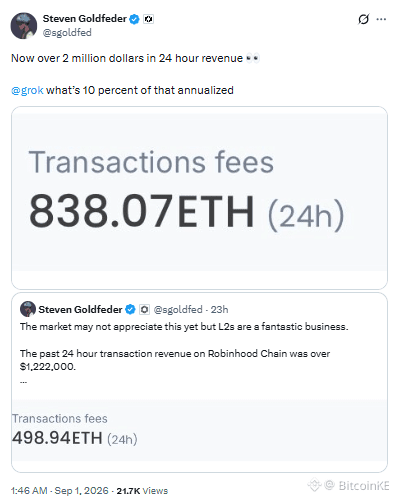
CASE STUDY | Robinhood Could Become Arbitrum’s Biggest Revenue EngineArbitrum’s ARB surged more than 30% after Robinhood Chain generated more than $2 million in 24-hour revenue, highlighting a business model that could be far more important than the token’s latest price move.
Robinhood Chain is an Arbitrum-powered Layer 2, and under its agreement, 10% of net protocol revenue flows back to the Arbitrum ecosystem.
8% goes to the ArbitrumDAO treasury, and
2% to the Developer Guild.
That means Robinhood’s growth is becoming Arbitrum’s revenue opportunity.
Robinhood Chain generated more than $2 million in transaction revenue in 24 hours making it a ‘fantastic business,’ according to the Co-Founder of OffChain Labs, the company behind Arbitrum Layer 2.
At the latest pace, even a 10% share would represent a meaningful recurring revenue stream for Arbitrum and the upside comes from scale.
Robinhood brings 28 million users and $307 billion in assets under management to an Arbitrum-based chain. The network was built to host tokenized stocks and other real-world assets, but its early growth has been driven heavily by memecoin trading and token launches.
That distinction matters.
If Robinhood eventually moves a meaningful share of its brokerage, crypto and tokenized-asset activity onchain, Arbitrum would collect revenue from the infrastructure underneath the activity rather than having to win those users itself.
For ARB, that could be the bigger story:
Robinhood isn’t just another chain using Arbitrum technology. It could become Arbitrum’s largest commercial customer – and potentially its biggest recurring revenue engine.
The question is no longer whether Arbitrum can attract chains.
It is whether those chains can generate enough economic activity to turn Arbitrum’s technology into a durable business.
CASE STUDY | This Protocol Activity Provides Strong Indication of Where the Market Sees the Opportunity
Want to keep up with insights into crypto markets developments?
Join our WhatsApp channel here.
Follow us on X for the latest posts and updates
Join and interact with our Telegram community
______________
CASE STUDY | Robinhood Could Become Arbitrum’s Biggest Revenue Engine
Arbitrum’s ARB surged more than 30% after Robinhood Chain generated more than $2 million in 24-hour revenue, highlighting a business model that could be far more important than the token’s latest price move.
Robinhood Chain is an Arbitrum-powered Layer 2, and under its agreement, 10% of net protocol revenue flows back to the Arbitrum ecosystem.
8% goes to the ArbitrumDAO treasury, and
2% to the Developer Guild.
That means Robinhood’s growth is becoming Arbitrum’s revenue opportunity.
Robinhood Chain generated more than $2 million in transaction revenue in 24 hours making it a ‘fantastic business,’ according to the Co-Founder of OffChain Labs, the company behind Arbitrum Layer 2.
At the latest pace, even a 10% share would represent a meaningful recurring revenue stream for Arbitrum and the upside comes from scale.
Robinhood brings 28 million users and $307 billion in assets under management to an Arbitrum-based chain. The network was built to host tokenized stocks and other real-world assets, but its early growth has been driven heavily by memecoin trading and token launches.
That distinction matters.
If Robinhood eventually moves a meaningful share of its brokerage, crypto and tokenized-asset activity onchain, Arbitrum would collect revenue from the infrastructure underneath the activity rather than having to win those users itself.
For ARB, that could be the bigger story:
Robinhood isn’t just another chain using Arbitrum technology. It could become Arbitrum’s largest commercial customer – and potentially its biggest recurring revenue engine.
The question is no longer whether Arbitrum can attract chains.
It is whether those chains can generate enough economic activity to turn Arbitrum’s technology into a durable business.
CASE STUDY | This Protocol Activity Provides Strong Indication of Where the Market Sees the Opportunity
Want to keep up with insights into crypto markets developments?
Join our WhatsApp channel here.
Follow us on X for the latest posts and updates
Join and interact with our Telegram community
______________
Robinhood Chain is an Arbitrum-powered Layer 2, and under its agreement, 10% of net protocol revenue flows back to the Arbitrum ecosystem.
8% goes to the ArbitrumDAO treasury, and
2% to the Developer Guild.
That means Robinhood’s growth is becoming Arbitrum’s revenue opportunity.
Robinhood Chain generated more than $2 million in transaction revenue in 24 hours making it a ‘fantastic business,’ according to the Co-Founder of OffChain Labs, the company behind Arbitrum Layer 2.
At the latest pace, even a 10% share would represent a meaningful recurring revenue stream for Arbitrum and the upside comes from scale.
Robinhood brings 28 million users and $307 billion in assets under management to an Arbitrum-based chain. The network was built to host tokenized stocks and other real-world assets, but its early growth has been driven heavily by memecoin trading and token launches.
That distinction matters.
If Robinhood eventually moves a meaningful share of its brokerage, crypto and tokenized-asset activity onchain, Arbitrum would collect revenue from the infrastructure underneath the activity rather than having to win those users itself.
For ARB, that could be the bigger story:
Robinhood isn’t just another chain using Arbitrum technology. It could become Arbitrum’s largest commercial customer – and potentially its biggest recurring revenue engine.
The question is no longer whether Arbitrum can attract chains.
It is whether those chains can generate enough economic activity to turn Arbitrum’s technology into a durable business.
CASE STUDY | This Protocol Activity Provides Strong Indication of Where the Market Sees the Opportunity
Want to keep up with insights into crypto markets developments?
Join our WhatsApp channel here.
Follow us on X for the latest posts and updates
Join and interact with our Telegram community
______________
157
·
--
Übersetzung ansehen
INTRODUCING | the London Stock Exchange Partners With XStocks Parent Company to Bring U.K Stocks ...The London Stock Exchange (LSE) Group is partnering with Payward, the parent of crypto exchange, Kraken, to bring some of the U.K.’s biggest listed companies on-chain adding another major traditional market to its rapidly expanding xStocks platform.
LSE plans to list xStocks on its new 24-hour venue, the LSE 24, in 2027 subject to regulatory approval.
The tokens will represent U.K.-listed shares and allow round-the-clock trading while maintaining the market safeguards and governance standards of traditional equities.
Julia Hoggett, the CEO of the London Stock Exchange, said that tokenization ‘must develop in a way that preserves the trust, rights and role of regulated markets.’
CASE STUDY | The SpaceX IPO On-Chain Allocations Failure Exposes the Biggest Underlying Risk Plaguing Tokenization
In a statement, Arjun Sethi, Co-CEO of Payward, said:
“For years, the assumption was that crypto and traditional finance were on a collision course, and one of them would have to lose. That was never the real story.”
The deal extends xStocks’ push beyond U.S. equities. Payward said in July 2026 it was expanding the platform to stocks from the U.K., Hong Kong, South Korea, and other markets, as exchanges and crypto firms compete to put global equities on blockchains.
INTRODUCING | Leading South African Crypto Exchange, VALR, Pioneers xStocks in South Africa
The scale of that expansion is becoming significant.
xStocks says it has surpassed $40 billion in cumulative transaction volume, including nearly $20 billion traded on-chain, with nearly 200,000 holders in just over a year. It has also expanded to more than 100 partners and seven blockchain ecosystems, with more than 500 tokenized equities in its pipeline.
STATISTICS | Tokenized Stock Transfer Volume Jump by Over 400% in August 2026
Stay tuned to BitKE on tokenization developments.
Join our WhatsApp channel here.
Follow us on X for the latest posts and updates
Join and interact with our Telegram community
___________
INTRODUCING | the London Stock Exchange Partners With XStocks Parent Company to Bring U.K Stocks ...
The London Stock Exchange (LSE) Group is partnering with Payward, the parent of crypto exchange, Kraken, to bring some of the U.K.’s biggest listed companies on-chain adding another major traditional market to its rapidly expanding xStocks platform.
LSE plans to list xStocks on its new 24-hour venue, the LSE 24, in 2027 subject to regulatory approval.
The tokens will represent U.K.-listed shares and allow round-the-clock trading while maintaining the market safeguards and governance standards of traditional equities.
Julia Hoggett, the CEO of the London Stock Exchange, said that tokenization ‘must develop in a way that preserves the trust, rights and role of regulated markets.’
CASE STUDY | The SpaceX IPO On-Chain Allocations Failure Exposes the Biggest Underlying Risk Plaguing Tokenization
In a statement, Arjun Sethi, Co-CEO of Payward, said:
“For years, the assumption was that crypto and traditional finance were on a collision course, and one of them would have to lose. That was never the real story.”
The deal extends xStocks’ push beyond U.S. equities. Payward said in July 2026 it was expanding the platform to stocks from the U.K., Hong Kong, South Korea, and other markets, as exchanges and crypto firms compete to put global equities on blockchains.
INTRODUCING | Leading South African Crypto Exchange, VALR, Pioneers xStocks in South Africa
The scale of that expansion is becoming significant.
xStocks says it has surpassed $40 billion in cumulative transaction volume, including nearly $20 billion traded on-chain, with nearly 200,000 holders in just over a year. It has also expanded to more than 100 partners and seven blockchain ecosystems, with more than 500 tokenized equities in its pipeline.
STATISTICS | Tokenized Stock Transfer Volume Jump by Over 400% in August 2026
Stay tuned to BitKE on tokenization developments.
Join our WhatsApp channel here.
Follow us on X for the latest posts and updates
Join and interact with our Telegram community
___________
LSE plans to list xStocks on its new 24-hour venue, the LSE 24, in 2027 subject to regulatory approval.
The tokens will represent U.K.-listed shares and allow round-the-clock trading while maintaining the market safeguards and governance standards of traditional equities.
Julia Hoggett, the CEO of the London Stock Exchange, said that tokenization ‘must develop in a way that preserves the trust, rights and role of regulated markets.’
CASE STUDY | The SpaceX IPO On-Chain Allocations Failure Exposes the Biggest Underlying Risk Plaguing Tokenization
In a statement, Arjun Sethi, Co-CEO of Payward, said:
“For years, the assumption was that crypto and traditional finance were on a collision course, and one of them would have to lose. That was never the real story.”
The deal extends xStocks’ push beyond U.S. equities. Payward said in July 2026 it was expanding the platform to stocks from the U.K., Hong Kong, South Korea, and other markets, as exchanges and crypto firms compete to put global equities on blockchains.
INTRODUCING | Leading South African Crypto Exchange, VALR, Pioneers xStocks in South Africa
The scale of that expansion is becoming significant.
xStocks says it has surpassed $40 billion in cumulative transaction volume, including nearly $20 billion traded on-chain, with nearly 200,000 holders in just over a year. It has also expanded to more than 100 partners and seven blockchain ecosystems, with more than 500 tokenized equities in its pipeline.
STATISTICS | Tokenized Stock Transfer Volume Jump by Over 400% in August 2026
Stay tuned to BitKE on tokenization developments.
Join our WhatsApp channel here.
Follow us on X for the latest posts and updates
Join and interact with our Telegram community
___________
77
·
--
Artikel
Übersetzung ansehen
LIST | 3 African Projects Among the Latest 16 Recipients of HRF’s Bitcoin Development Fund GrantsThe Human Rights Foundation (HRF) has announced its latest round of Bitcoin Development Fund (BDF) grants, distributing more than 500 million satoshis across 16 projects worldwide, including three with a direct footprint in Africa.
Announced on August 25, 2026, this round backs open-source Bitcoin and Nostr development, self-custody and wallet security, censorship-resistant messaging, mobile money-to-bitcoin integrations, and freedom tech education for people living under authoritarian regimes.
The grants touch Africa, Asia, Latin America, and the Caribbean, with a notable emphasis on giving people in repressive or financially excluded environments a private, non-custodial way onto Bitcoin.
Since launching in 2020, the BDF has now granted a cumulative $12.2 million in BTC to 383 projects across 70 countries.
The African Projects
1.) BitSpenda – Nigeria, Kenya, Cameroon, Uganda, Ghana
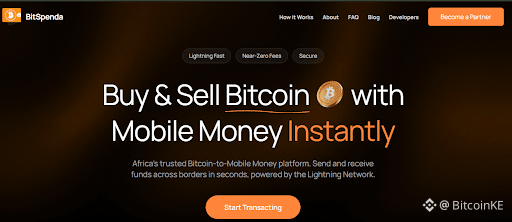
Cross-border money transfers across Africa remain slow, expensive, and dependent on intermediaries. BitSpenda is a non-custodial, account-free mobile money-to-bitcoin bridge that lets users in Nigeria, Kenya, Cameroon, Uganda, and Ghana send bitcoin from a Lightning wallet straight into a mobile money account, landing in local currency on the other end. HRF’s grant will help BitSpenda expand these payment tools to make cross-border transfers faster, cheaper, and more accessible across the region.
2.) Bitzed – Zambia
Mobile money is widely used in Zambia, but buying bitcoin has typically meant going through banks or centralized exchanges that keep identity records and control users’ assets. Bitzed, built by Bitcoin educator Humphrey, connects Zambia’s mobile money networks directly to Bitcoin, letting users buy with their existing mobile money accounts and receive funds straight into their own Lightning wallet.
HRF’s support will help extend this self-custodial on-ramp to more Zambians shut out of traditional banking and exposed to financial repression.
3.) Hack4Freedom – Nigeria, Kenya, Brazil
Women in Africa and Latin America are often excluded from the technical training needed to contribute to freedom tech. Hack4Freedom, created by Evento founder, Brianna Honkawa d’Estries, is a two-week developer education program training women in Africa and Brazil to build on Bitcoin and other open-source freedom tech with cohorts running in Lagos, Nairobi, and São Paulo.
HRF’s grant will cover event and travel costs opening up new opportunities for women to build financial and digital freedom tools.
Worth a mention: My First Bitcoin, a global free-education network active in more than 40 countries including Uganda, will also use its HRF grant to roughly double its trained educators from 60 to 120 — many of them serving communities under authoritarian rule.
The other 13 grantees span Bitcoin development, Nostr messaging, mining decentralization, and education:
Project Island Resilience (Jamaica/Caribbean) – building offline Bluetooth, NFC, and e-cash payments into the Flash wallet for use during protests and internet shutdowns.
Libbitcoinkernel – extracting Bitcoin Core’s security and consensus rules into reusable modules for developer yuvicc.
A Node in Every Wallet: Utreexo Wallet Integrations (Floresta) – a lightweight embeddable Bitcoin node, backed for developer Luis Schwab.
BDK-Dart – a Flutter-based Bitcoin wallet toolkit, supported for developer John Osezele.
WalletScrutiny – audits Bitcoin wallet apps to verify they match their open-source code.
Vector – a Nostr-based encrypted messenger expanding to iOS, desktop, and voice/video calls.
Flotilla Chat – a Discord-style, censorship-resistant platform built on Nostr by the Coracle team.
OpenAlert – a decentralized emergency alert system built on Nostr.
0xchat – a Nostr messaging app with Tor integration and a built-in Cashu wallet.
256 Foundation – open-sourcing Bitcoin mining hardware and software to reduce centralization.
Agora (Venezuela) – a Nostr/Bitcoin activist coordination platform running a 9-month civic infrastructure pilot.
HODL: Hands On Design Lab (India) – training early-career UI/UX designers for Bitcoin apps.
HRF did not disclose the individual grant amounts awarded to each project.
LIST | 4 African Projects, Out of 20 Globally, Among the Latest Recipients of Bitcoin Development Fund Grants by Human Rights Foundation (HRF)
Want to keep up with updates into bitcoin markets developments?
Join our WhatsApp channel here.
Follow us on X for the latest posts and updates
Join and interact with our Telegram community
________
LIST | 3 African Projects Among the Latest 16 Recipients of HRF’s Bitcoin Development Fund Grants
The Human Rights Foundation (HRF) has announced its latest round of Bitcoin Development Fund (BDF) grants, distributing more than 500 million satoshis across 16 projects worldwide, including three with a direct footprint in Africa.
Announced on August 25, 2026, this round backs open-source Bitcoin and Nostr development, self-custody and wallet security, censorship-resistant messaging, mobile money-to-bitcoin integrations, and freedom tech education for people living under authoritarian regimes.
The grants touch Africa, Asia, Latin America, and the Caribbean, with a notable emphasis on giving people in repressive or financially excluded environments a private, non-custodial way onto Bitcoin.
Since launching in 2020, the BDF has now granted a cumulative $12.2 million in BTC to 383 projects across 70 countries.
The African Projects
1.) BitSpenda – Nigeria, Kenya, Cameroon, Uganda, Ghana
Cross-border money transfers across Africa remain slow, expensive, and dependent on intermediaries. BitSpenda is a non-custodial, account-free mobile money-to-bitcoin bridge that lets users in Nigeria, Kenya, Cameroon, Uganda, and Ghana send bitcoin from a Lightning wallet straight into a mobile money account, landing in local currency on the other end. HRF’s grant will help BitSpenda expand these payment tools to make cross-border transfers faster, cheaper, and more accessible across the region.
2.) Bitzed – Zambia
Mobile money is widely used in Zambia, but buying bitcoin has typically meant going through banks or centralized exchanges that keep identity records and control users’ assets. Bitzed, built by Bitcoin educator Humphrey, connects Zambia’s mobile money networks directly to Bitcoin, letting users buy with their existing mobile money accounts and receive funds straight into their own Lightning wallet.
HRF’s support will help extend this self-custodial on-ramp to more Zambians shut out of traditional banking and exposed to financial repression.
3.) Hack4Freedom – Nigeria, Kenya, Brazil
Women in Africa and Latin America are often excluded from the technical training needed to contribute to freedom tech. Hack4Freedom, created by Evento founder, Brianna Honkawa d’Estries, is a two-week developer education program training women in Africa and Brazil to build on Bitcoin and other open-source freedom tech with cohorts running in Lagos, Nairobi, and São Paulo.
HRF’s grant will cover event and travel costs opening up new opportunities for women to build financial and digital freedom tools.
Worth a mention: My First Bitcoin, a global free-education network active in more than 40 countries including Uganda, will also use its HRF grant to roughly double its trained educators from 60 to 120 — many of them serving communities under authoritarian rule.
The other 13 grantees span Bitcoin development, Nostr messaging, mining decentralization, and education:
Project Island Resilience (Jamaica/Caribbean) – building offline Bluetooth, NFC, and e-cash payments into the Flash wallet for use during protests and internet shutdowns.
Libbitcoinkernel – extracting Bitcoin Core’s security and consensus rules into reusable modules for developer yuvicc.
A Node in Every Wallet: Utreexo Wallet Integrations (Floresta) – a lightweight embeddable Bitcoin node, backed for developer Luis Schwab.
BDK-Dart – a Flutter-based Bitcoin wallet toolkit, supported for developer John Osezele.
WalletScrutiny – audits Bitcoin wallet apps to verify they match their open-source code.
Vector – a Nostr-based encrypted messenger expanding to iOS, desktop, and voice/video calls.
Flotilla Chat – a Discord-style, censorship-resistant platform built on Nostr by the Coracle team.
OpenAlert – a decentralized emergency alert system built on Nostr.
0xchat – a Nostr messaging app with Tor integration and a built-in Cashu wallet.
256 Foundation – open-sourcing Bitcoin mining hardware and software to reduce centralization.
Agora (Venezuela) – a Nostr/Bitcoin activist coordination platform running a 9-month civic infrastructure pilot.
HODL: Hands On Design Lab (India) – training early-career UI/UX designers for Bitcoin apps.
HRF did not disclose the individual grant amounts awarded to each project.
LIST | 4 African Projects, Out of 20 Globally, Among the Latest Recipients of Bitcoin Development Fund Grants by Human Rights Foundation (HRF)
Want to keep up with updates into bitcoin markets developments?
Join our WhatsApp channel here.
Follow us on X for the latest posts and updates
Join and interact with our Telegram community
________
Announced on August 25, 2026, this round backs open-source Bitcoin and Nostr development, self-custody and wallet security, censorship-resistant messaging, mobile money-to-bitcoin integrations, and freedom tech education for people living under authoritarian regimes.
The grants touch Africa, Asia, Latin America, and the Caribbean, with a notable emphasis on giving people in repressive or financially excluded environments a private, non-custodial way onto Bitcoin.
Since launching in 2020, the BDF has now granted a cumulative $12.2 million in BTC to 383 projects across 70 countries.
The African Projects
1.) BitSpenda – Nigeria, Kenya, Cameroon, Uganda, Ghana
Cross-border money transfers across Africa remain slow, expensive, and dependent on intermediaries. BitSpenda is a non-custodial, account-free mobile money-to-bitcoin bridge that lets users in Nigeria, Kenya, Cameroon, Uganda, and Ghana send bitcoin from a Lightning wallet straight into a mobile money account, landing in local currency on the other end. HRF’s grant will help BitSpenda expand these payment tools to make cross-border transfers faster, cheaper, and more accessible across the region.
2.) Bitzed – Zambia
Mobile money is widely used in Zambia, but buying bitcoin has typically meant going through banks or centralized exchanges that keep identity records and control users’ assets. Bitzed, built by Bitcoin educator Humphrey, connects Zambia’s mobile money networks directly to Bitcoin, letting users buy with their existing mobile money accounts and receive funds straight into their own Lightning wallet.
HRF’s support will help extend this self-custodial on-ramp to more Zambians shut out of traditional banking and exposed to financial repression.
3.) Hack4Freedom – Nigeria, Kenya, Brazil
Women in Africa and Latin America are often excluded from the technical training needed to contribute to freedom tech. Hack4Freedom, created by Evento founder, Brianna Honkawa d’Estries, is a two-week developer education program training women in Africa and Brazil to build on Bitcoin and other open-source freedom tech with cohorts running in Lagos, Nairobi, and São Paulo.
HRF’s grant will cover event and travel costs opening up new opportunities for women to build financial and digital freedom tools.
Worth a mention: My First Bitcoin, a global free-education network active in more than 40 countries including Uganda, will also use its HRF grant to roughly double its trained educators from 60 to 120 — many of them serving communities under authoritarian rule.
The other 13 grantees span Bitcoin development, Nostr messaging, mining decentralization, and education:
Project Island Resilience (Jamaica/Caribbean) – building offline Bluetooth, NFC, and e-cash payments into the Flash wallet for use during protests and internet shutdowns.
Libbitcoinkernel – extracting Bitcoin Core’s security and consensus rules into reusable modules for developer yuvicc.
A Node in Every Wallet: Utreexo Wallet Integrations (Floresta) – a lightweight embeddable Bitcoin node, backed for developer Luis Schwab.
BDK-Dart – a Flutter-based Bitcoin wallet toolkit, supported for developer John Osezele.
WalletScrutiny – audits Bitcoin wallet apps to verify they match their open-source code.
Vector – a Nostr-based encrypted messenger expanding to iOS, desktop, and voice/video calls.
Flotilla Chat – a Discord-style, censorship-resistant platform built on Nostr by the Coracle team.
OpenAlert – a decentralized emergency alert system built on Nostr.
0xchat – a Nostr messaging app with Tor integration and a built-in Cashu wallet.
256 Foundation – open-sourcing Bitcoin mining hardware and software to reduce centralization.
Agora (Venezuela) – a Nostr/Bitcoin activist coordination platform running a 9-month civic infrastructure pilot.
HODL: Hands On Design Lab (India) – training early-career UI/UX designers for Bitcoin apps.
HRF did not disclose the individual grant amounts awarded to each project.
LIST | 4 African Projects, Out of 20 Globally, Among the Latest Recipients of Bitcoin Development Fund Grants by Human Rights Foundation (HRF)
Want to keep up with updates into bitcoin markets developments?
Join our WhatsApp channel here.
Follow us on X for the latest posts and updates
Join and interact with our Telegram community
________
146
·
--
Übersetzung ansehen
REGULATION | CFTC Hits White House Worker With Over $170K Penalty in Prediction-Market Insider Tr...U.S. regulators have imposed a $172,539 penalty on a former White House teleprompter operator who used advance access to presidential speeches to profit from prediction-market contracts, marking one of the clearest tests yet of insider trading rules in the rapidly expanding event-contracts market.
The Commodity Futures Trading Commission said that Gabriel Perez misappropriated material, nonpublic information obtained through his government job, to trade so-called ‘presidential mention’ contracts on prediction-market platform, Kalshi, between December 2025 and February 2026.
Perez had access to presidential speeches before they were delivered and used that information to trade contracts tied to whether specific words or phrases would be mentioned by the president, the CFTC said.
CASE STUDY | Prediction Markets Insider Trading Enters White House
The trades generated $107,539.02 in unlawful profits.
Under a settlement with the CFTC, Perez must return those profits, pay a $65,000 civil monetary penalty and accept a three-year ban from trading. He also agreed to cease and desist from further violations of the Commodity Exchange Act and CFTC regulations.
The CFTC said the $65,000 penalty represented a substantial discount under the agency’s new cooperation advisory because of Perez’s ‘exemplary cooperation’ with the investigation.
While the Santos case was 5 among new enforcement cases, the rest received temporary bans after cooperating with investigations.
“Mr. Santos faces additional financial penalties and will be banned permanently from trading on Kalshi given his lack of cooperation,” a Kalshi…
— BitKE (@BitcoinKE) September 1, 2026
The case is significant because it extends the familiar principles of insider trading enforcement into prediction markets, where traders bet on real-world events rather than traditional securities.
The Perez case now provides a concrete regulatory precedent:
Privileged government information can trigger enforcement when it is used to trade event contracts for personal gain.
REGULATION | Prediction Markets Fall Under Our Federal Mandate, Says Chairman, CFTC
The CFTC described the contracts as swaps and said Perez breached a duty of trust and confidence by using information obtained through his federal employment.
The agency also credited Kalshi with assisting in the investigation.
The enforcement action underscores a broader challenge for prediction-market platforms as they expand into areas traditionally occupied by financial exchanges, bookmakers, and polling organizations. The more markets are tied to sensitive political, economic, and corporate information, the greater the importance of surveillance and controls against traders with an informational advantage.
REGULATION | ‘Gambling by Another Name is Still Gambling,’ Says New York as It Sues Coinbase, Gemini Over Prediction Markets Offerings
For prediction markets, the case also establishes that the novelty of an event contract does not necessarily shield traders from traditional market-integrity rules.
The CFTC’s action signals that regulators are prepared to treat misuse of confidential information in these markets as a market-abuse issue, potentially setting a precedent for how insider trading is policed as prediction markets become a more established part of financial markets.
The key angle here is precedent rather than simply the penalty:
The CFTC is effectively demonstrating that insider trading principles can apply to prediction-market contracts, even when the underlying “asset” is something as unusual as whether a president says a particular word.
CASE STUDY | This Platform Sets Insider Trading Precedent on Enforcement Action for Prediction Markets
Want to keep up with the latest news on crypto regulations globally?
Join our WhatsApp channel here.
Follow us on X for the latest posts and updates
Join and interact with our Telegram community
________________
REGULATION | CFTC Hits White House Worker With Over $170K Penalty in Prediction-Market Insider Tr...
U.S. regulators have imposed a $172,539 penalty on a former White House teleprompter operator who used advance access to presidential speeches to profit from prediction-market contracts, marking one of the clearest tests yet of insider trading rules in the rapidly expanding event-contracts market.
The Commodity Futures Trading Commission said that Gabriel Perez misappropriated material, nonpublic information obtained through his government job, to trade so-called ‘presidential mention’ contracts on prediction-market platform, Kalshi, between December 2025 and February 2026.
Perez had access to presidential speeches before they were delivered and used that information to trade contracts tied to whether specific words or phrases would be mentioned by the president, the CFTC said.
CASE STUDY | Prediction Markets Insider Trading Enters White House
The trades generated $107,539.02 in unlawful profits.
Under a settlement with the CFTC, Perez must return those profits, pay a $65,000 civil monetary penalty and accept a three-year ban from trading. He also agreed to cease and desist from further violations of the Commodity Exchange Act and CFTC regulations.
The CFTC said the $65,000 penalty represented a substantial discount under the agency’s new cooperation advisory because of Perez’s ‘exemplary cooperation’ with the investigation.
While the Santos case was 5 among new enforcement cases, the rest received temporary bans after cooperating with investigations.
“Mr. Santos faces additional financial penalties and will be banned permanently from trading on Kalshi given his lack of cooperation,” a Kalshi…
— BitKE (@BitcoinKE) September 1, 2026
The case is significant because it extends the familiar principles of insider trading enforcement into prediction markets, where traders bet on real-world events rather than traditional securities.
The Perez case now provides a concrete regulatory precedent:
Privileged government information can trigger enforcement when it is used to trade event contracts for personal gain.
REGULATION | Prediction Markets Fall Under Our Federal Mandate, Says Chairman, CFTC
The CFTC described the contracts as swaps and said Perez breached a duty of trust and confidence by using information obtained through his federal employment.
The agency also credited Kalshi with assisting in the investigation.
The enforcement action underscores a broader challenge for prediction-market platforms as they expand into areas traditionally occupied by financial exchanges, bookmakers, and polling organizations. The more markets are tied to sensitive political, economic, and corporate information, the greater the importance of surveillance and controls against traders with an informational advantage.
REGULATION | ‘Gambling by Another Name is Still Gambling,’ Says New York as It Sues Coinbase, Gemini Over Prediction Markets Offerings
For prediction markets, the case also establishes that the novelty of an event contract does not necessarily shield traders from traditional market-integrity rules.
The CFTC’s action signals that regulators are prepared to treat misuse of confidential information in these markets as a market-abuse issue, potentially setting a precedent for how insider trading is policed as prediction markets become a more established part of financial markets.
The key angle here is precedent rather than simply the penalty:
The CFTC is effectively demonstrating that insider trading principles can apply to prediction-market contracts, even when the underlying “asset” is something as unusual as whether a president says a particular word.
CASE STUDY | This Platform Sets Insider Trading Precedent on Enforcement Action for Prediction Markets
Want to keep up with the latest news on crypto regulations globally?
Join our WhatsApp channel here.
Follow us on X for the latest posts and updates
Join and interact with our Telegram community
________________
The Commodity Futures Trading Commission said that Gabriel Perez misappropriated material, nonpublic information obtained through his government job, to trade so-called ‘presidential mention’ contracts on prediction-market platform, Kalshi, between December 2025 and February 2026.
Perez had access to presidential speeches before they were delivered and used that information to trade contracts tied to whether specific words or phrases would be mentioned by the president, the CFTC said.
CASE STUDY | Prediction Markets Insider Trading Enters White House
The trades generated $107,539.02 in unlawful profits.
Under a settlement with the CFTC, Perez must return those profits, pay a $65,000 civil monetary penalty and accept a three-year ban from trading. He also agreed to cease and desist from further violations of the Commodity Exchange Act and CFTC regulations.
The CFTC said the $65,000 penalty represented a substantial discount under the agency’s new cooperation advisory because of Perez’s ‘exemplary cooperation’ with the investigation.
While the Santos case was 5 among new enforcement cases, the rest received temporary bans after cooperating with investigations.
“Mr. Santos faces additional financial penalties and will be banned permanently from trading on Kalshi given his lack of cooperation,” a Kalshi…
— BitKE (@BitcoinKE) September 1, 2026
The case is significant because it extends the familiar principles of insider trading enforcement into prediction markets, where traders bet on real-world events rather than traditional securities.
The Perez case now provides a concrete regulatory precedent:
Privileged government information can trigger enforcement when it is used to trade event contracts for personal gain.
REGULATION | Prediction Markets Fall Under Our Federal Mandate, Says Chairman, CFTC
The CFTC described the contracts as swaps and said Perez breached a duty of trust and confidence by using information obtained through his federal employment.
The agency also credited Kalshi with assisting in the investigation.
The enforcement action underscores a broader challenge for prediction-market platforms as they expand into areas traditionally occupied by financial exchanges, bookmakers, and polling organizations. The more markets are tied to sensitive political, economic, and corporate information, the greater the importance of surveillance and controls against traders with an informational advantage.
REGULATION | ‘Gambling by Another Name is Still Gambling,’ Says New York as It Sues Coinbase, Gemini Over Prediction Markets Offerings
For prediction markets, the case also establishes that the novelty of an event contract does not necessarily shield traders from traditional market-integrity rules.
The CFTC’s action signals that regulators are prepared to treat misuse of confidential information in these markets as a market-abuse issue, potentially setting a precedent for how insider trading is policed as prediction markets become a more established part of financial markets.
The key angle here is precedent rather than simply the penalty:
The CFTC is effectively demonstrating that insider trading principles can apply to prediction-market contracts, even when the underlying “asset” is something as unusual as whether a president says a particular word.
CASE STUDY | This Platform Sets Insider Trading Precedent on Enforcement Action for Prediction Markets
Want to keep up with the latest news on crypto regulations globally?
Join our WhatsApp channel here.
Follow us on X for the latest posts and updates
Join and interact with our Telegram community
________________
117
·
--
Übersetzung ansehen
CASE STUDY | This Platform Sets Insider Trading Precedent on Enforcement Action for Prediction Ma...Kalshi’s lifetime ban of former U.S. congressman, George Santos, marks a significant step in how prediction markets may police insider trading extending market-integrity enforcement beyond traditional financial exchanges.
Kalshi has permanently banned former U.S. congressman, George Santos, and fined him $71,356 after finding ‘reasonable cause’ to believe he engaged in insider trading and market manipulation.
The prediction market, @Kalshi, fined the Republican nominee in a competitive House race and imposed its first-ever lifetime ban, against former Rep. George Santos, after insider trading investigations.https://t.co/9FCfc9WmvD#InsiderTrading #PredictionMarkets #Kalshi pic.twitter.com/fgCEPRPt9G
— BitKE (@BitcoinKE) August 31, 2026
Santos made $17,839 betting on whether he would attend the 2026 State of the Union address despite being prohibited from trading on an event he could directly influence. Kalshi said he also made public statements, some misleading, aimed at moving the market.
“Santos placed a series of large trades in a market where the underlying contracts depended upon his own attendance at the event,” Kalshi wrote in the disciplinary record posted on its site.
He then began making a series of public statements regarding his attendance at the event in an attempt to influence the price of Yes and No contracts, respectively. Some of these included false or misleading statements.”
Santos did not attend and that is where he ultimately put his money.
The lifetime ban is Kalshi’s first and sets a significant precedent for prediction markets which are increasingly being treated as financial markets requiring the same emphasis on
insider information,
conflicts of interest, and
market integrity.
CRYPTO CRIME | A Look at One of the First Criminal Prosecutions Explicitly Linked to Prediction Markets Insider Trading
The case also shows that enforcement is moving beyond government regulators. Kalshi referred the activity to the CFTC which separately fined Santos $35,000 and imposed a three-year trading ban.
Under the CFTC regulations, Kalshi is responsible for acting as a first line of defense against market manipulation.
While the Santos case was 5 among new enforcement cases, the rest received temporary bans after cooperating with investigations.
“Mr. Santos faces additional financial penalties and will be banned permanently from trading on Kalshi given his lack of cooperation,” a Kalshi spokesperson said in a statement.
As prediction markets expand into politics, sports, and financial events, platforms are likely to face growing pressure to detect and punish traders who have an informational or direct influence advantage.
Santos’ case suggests that lifetime exclusion could become the industry’s strongest deterrent against insider trading.
CASE STUDY | This Crypto Crime Could Set a Precedent Leading to Permanent Financial Ban for Founders
Stay tuned to BitKE for latest global crypto law enforcement updates.
Join our WhatsApp channel here.
Follow us on X for the latest posts and updates
Join and interact with our Telegram community
______________
CASE STUDY | This Platform Sets Insider Trading Precedent on Enforcement Action for Prediction Ma...
Kalshi’s lifetime ban of former U.S. congressman, George Santos, marks a significant step in how prediction markets may police insider trading extending market-integrity enforcement beyond traditional financial exchanges.
Kalshi has permanently banned former U.S. congressman, George Santos, and fined him $71,356 after finding ‘reasonable cause’ to believe he engaged in insider trading and market manipulation.
The prediction market, @Kalshi, fined the Republican nominee in a competitive House race and imposed its first-ever lifetime ban, against former Rep. George Santos, after insider trading investigations.https://t.co/9FCfc9WmvD#InsiderTrading #PredictionMarkets #Kalshi pic.twitter.com/fgCEPRPt9G
— BitKE (@BitcoinKE) August 31, 2026
Santos made $17,839 betting on whether he would attend the 2026 State of the Union address despite being prohibited from trading on an event he could directly influence. Kalshi said he also made public statements, some misleading, aimed at moving the market.
“Santos placed a series of large trades in a market where the underlying contracts depended upon his own attendance at the event,” Kalshi wrote in the disciplinary record posted on its site.
He then began making a series of public statements regarding his attendance at the event in an attempt to influence the price of Yes and No contracts, respectively. Some of these included false or misleading statements.”
Santos did not attend and that is where he ultimately put his money.
The lifetime ban is Kalshi’s first and sets a significant precedent for prediction markets which are increasingly being treated as financial markets requiring the same emphasis on
insider information,
conflicts of interest, and
market integrity.
CRYPTO CRIME | A Look at One of the First Criminal Prosecutions Explicitly Linked to Prediction Markets Insider Trading
The case also shows that enforcement is moving beyond government regulators. Kalshi referred the activity to the CFTC which separately fined Santos $35,000 and imposed a three-year trading ban.
Under the CFTC regulations, Kalshi is responsible for acting as a first line of defense against market manipulation.
While the Santos case was 5 among new enforcement cases, the rest received temporary bans after cooperating with investigations.
“Mr. Santos faces additional financial penalties and will be banned permanently from trading on Kalshi given his lack of cooperation,” a Kalshi spokesperson said in a statement.
As prediction markets expand into politics, sports, and financial events, platforms are likely to face growing pressure to detect and punish traders who have an informational or direct influence advantage.
Santos’ case suggests that lifetime exclusion could become the industry’s strongest deterrent against insider trading.
CASE STUDY | This Crypto Crime Could Set a Precedent Leading to Permanent Financial Ban for Founders
Stay tuned to BitKE for latest global crypto law enforcement updates.
Join our WhatsApp channel here.
Follow us on X for the latest posts and updates
Join and interact with our Telegram community
______________
Kalshi has permanently banned former U.S. congressman, George Santos, and fined him $71,356 after finding ‘reasonable cause’ to believe he engaged in insider trading and market manipulation.
The prediction market, @Kalshi, fined the Republican nominee in a competitive House race and imposed its first-ever lifetime ban, against former Rep. George Santos, after insider trading investigations.https://t.co/9FCfc9WmvD#InsiderTrading #PredictionMarkets #Kalshi pic.twitter.com/fgCEPRPt9G
— BitKE (@BitcoinKE) August 31, 2026
Santos made $17,839 betting on whether he would attend the 2026 State of the Union address despite being prohibited from trading on an event he could directly influence. Kalshi said he also made public statements, some misleading, aimed at moving the market.
“Santos placed a series of large trades in a market where the underlying contracts depended upon his own attendance at the event,” Kalshi wrote in the disciplinary record posted on its site.
He then began making a series of public statements regarding his attendance at the event in an attempt to influence the price of Yes and No contracts, respectively. Some of these included false or misleading statements.”
Santos did not attend and that is where he ultimately put his money.
The lifetime ban is Kalshi’s first and sets a significant precedent for prediction markets which are increasingly being treated as financial markets requiring the same emphasis on
insider information,
conflicts of interest, and
market integrity.
CRYPTO CRIME | A Look at One of the First Criminal Prosecutions Explicitly Linked to Prediction Markets Insider Trading
The case also shows that enforcement is moving beyond government regulators. Kalshi referred the activity to the CFTC which separately fined Santos $35,000 and imposed a three-year trading ban.
Under the CFTC regulations, Kalshi is responsible for acting as a first line of defense against market manipulation.
While the Santos case was 5 among new enforcement cases, the rest received temporary bans after cooperating with investigations.
“Mr. Santos faces additional financial penalties and will be banned permanently from trading on Kalshi given his lack of cooperation,” a Kalshi spokesperson said in a statement.
As prediction markets expand into politics, sports, and financial events, platforms are likely to face growing pressure to detect and punish traders who have an informational or direct influence advantage.
Santos’ case suggests that lifetime exclusion could become the industry’s strongest deterrent against insider trading.
CASE STUDY | This Crypto Crime Could Set a Precedent Leading to Permanent Financial Ban for Founders
Stay tuned to BitKE for latest global crypto law enforcement updates.
Join our WhatsApp channel here.
Follow us on X for the latest posts and updates
Join and interact with our Telegram community
______________
112
·
--
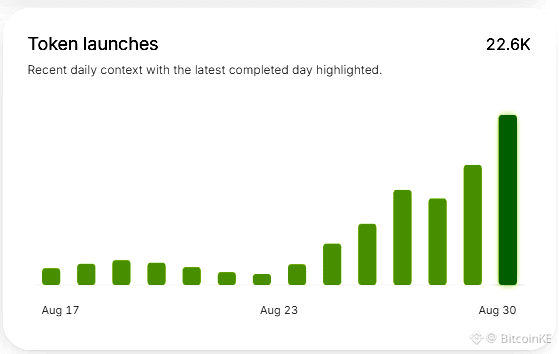
Artikel
FALLSTUDIE | Diese Protokoll-Aktivität liefert starke Hinweise darauf, wo der Markt die Chancen sieht …Robinhood Chain sieht inzwischen eher nach einem Memecoin-Casino aus als nach dem tokenisierten-Aktienmarkt, für den sie ursprünglich gebaut wurde.
Die zweimonatige Blockchain verarbeitete am 30. August 2026 einen Rekord von 5,52 Millionen Transaktionen, während dezentrale Börsen etwa 875 Millionen US-Dollar an Handelsvolumen verzeichneten.
Doch das klarste Zeichen dafür, was die Aktivität antreibt, ist:
Nutzer starteten an einem einzigen Tag rund 22.600 Tokens über das Pons-Launchpad.
Memecoin-Tools, GMGN und Pons, neben Uniswap, erzeugten laut DefiLlama-Daten rund 88% der 2,66 Millionen US-Dollar App-Umsätze der Chain innerhalb von 24 Stunden. Das war ungefähr doppelt so viel wie der App-Umsatz von Ethereum und das Sechsfache dessen von Base.
FALLSTUDIE | Diese Protokoll-Aktivität liefert starke Hinweise darauf, wo der Markt die Chancen sieht …
Robinhood Chain sieht inzwischen eher nach einem Memecoin-Casino aus als nach dem tokenisierten-Aktienmarkt, für den sie ursprünglich gebaut wurde.
Die zweimonatige Blockchain verarbeitete am 30. August 2026 einen Rekord von 5,52 Millionen Transaktionen, während dezentrale Börsen etwa 875 Millionen US-Dollar an Handelsvolumen verzeichneten.
Doch das klarste Zeichen dafür, was die Aktivität antreibt, ist:
Nutzer starteten an einem einzigen Tag rund 22.600 Tokens über das Pons-Launchpad.
Memecoin-Tools, GMGN und Pons, neben Uniswap, erzeugten laut DefiLlama-Daten rund 88% der 2,66 Millionen US-Dollar App-Umsätze der Chain innerhalb von 24 Stunden. Das war ungefähr doppelt so viel wie der App-Umsatz von Ethereum und das Sechsfache dessen von Base.
Die zweimonatige Blockchain verarbeitete am 30. August 2026 einen Rekord von 5,52 Millionen Transaktionen, während dezentrale Börsen etwa 875 Millionen US-Dollar an Handelsvolumen verzeichneten.
Doch das klarste Zeichen dafür, was die Aktivität antreibt, ist:
Nutzer starteten an einem einzigen Tag rund 22.600 Tokens über das Pons-Launchpad.
Memecoin-Tools, GMGN und Pons, neben Uniswap, erzeugten laut DefiLlama-Daten rund 88% der 2,66 Millionen US-Dollar App-Umsätze der Chain innerhalb von 24 Stunden. Das war ungefähr doppelt so viel wie der App-Umsatz von Ethereum und das Sechsfache dessen von Base.
49
·
--
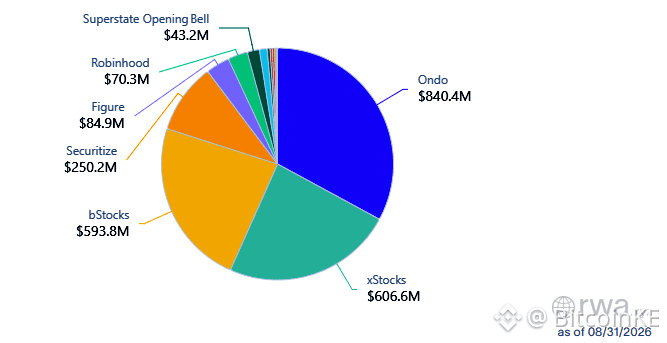
Artikel
STATISTIKEN | Das Übertragungsvolumen tokenisierter Aktien springt im August 2026 um mehr als 400 %Das Übertragungsvolumen tokenisierter Aktien sprang innerhalb von 30 Tagen um 415 % auf 29,5 Milliarden US-Dollar und unterstreicht eine starke Beschleunigung der On-Chain-Aktivität, wie Daten von RWA.xyz zeigen.
Der Anstieg ging mit einem Plus von 209 % bei den monatlich aktiven Adressen auf etwa 1,3 Millionen einher, während die Zahl der Inhaber tokenisierter Aktien um 167 % auf 2,36 Millionen stieg.
MEILENSTEIN | Inhaber tokenisierter Aktien vervielfachen sich im Juli 2026 mehr als und auch das monatliche Volumen steigt stark
Doch der zugrunde liegende Wert tokenisierter Wertpapiere wuchs deutlich langsamer.
Der Gesamtwert tokenisierter Aktien, die im On-Chain-Handel verteilt wurden, stieg im vergangenen Monat nur um 1,45 % auf 2,54 Milliarden US-Dollar, obwohl dieser Wert etwa 637 % höher ist als vor einem Jahr, als es 344 Millionen US-Dollar waren.
STATISTIKEN | Das Übertragungsvolumen tokenisierter Aktien springt im August 2026 um mehr als 400 %
Das Übertragungsvolumen tokenisierter Aktien sprang innerhalb von 30 Tagen um 415 % auf 29,5 Milliarden US-Dollar und unterstreicht eine starke Beschleunigung der On-Chain-Aktivität, wie Daten von RWA.xyz zeigen.
Der Anstieg ging mit einem Plus von 209 % bei den monatlich aktiven Adressen auf etwa 1,3 Millionen einher, während die Zahl der Inhaber tokenisierter Aktien um 167 % auf 2,36 Millionen stieg.
MEILENSTEIN | Inhaber tokenisierter Aktien vervielfachen sich im Juli 2026 mehr als und auch das monatliche Volumen steigt stark
Doch der zugrunde liegende Wert tokenisierter Wertpapiere wuchs deutlich langsamer.
Der Gesamtwert tokenisierter Aktien, die im On-Chain-Handel verteilt wurden, stieg im vergangenen Monat nur um 1,45 % auf 2,54 Milliarden US-Dollar, obwohl dieser Wert etwa 637 % höher ist als vor einem Jahr, als es 344 Millionen US-Dollar waren.
Der Anstieg ging mit einem Plus von 209 % bei den monatlich aktiven Adressen auf etwa 1,3 Millionen einher, während die Zahl der Inhaber tokenisierter Aktien um 167 % auf 2,36 Millionen stieg.
MEILENSTEIN | Inhaber tokenisierter Aktien vervielfachen sich im Juli 2026 mehr als und auch das monatliche Volumen steigt stark
Doch der zugrunde liegende Wert tokenisierter Wertpapiere wuchs deutlich langsamer.
Der Gesamtwert tokenisierter Aktien, die im On-Chain-Handel verteilt wurden, stieg im vergangenen Monat nur um 1,45 % auf 2,54 Milliarden US-Dollar, obwohl dieser Wert etwa 637 % höher ist als vor einem Jahr, als es 344 Millionen US-Dollar waren.
1
80
·
--
STATISTIKEN | Stellar wächst bei realen Vermögenswerten bisher um über 300% in 2026Der tokenisierte Markt für reale Vermögenswerte von Stellar ist in diesem Jahr um rund 360% gewachsen und liegt nun bei nahezu 4 Milliarden US-Dollar. Das unterstreicht die schnelle Ausweitung blockchainbasierter traditioneller Vermögenswerte – selbst wenn der breitere Kryptomarkt weiterhin volatil bleibt.
Der RWA-Wert des Netzwerks erreichte Ende August 2026 3,996 Milliarden US-Dollar – verglichen mit 868,8 Millionen US-Dollar Ende 2025. Grundlage ist ein von Stellar gepflegtes Dune-Analytics-Dashboard.
Das Wachstum konzentriert sich auf eine Handvoll von Emittenten.
Spiko führt mit 1,55 Milliarden US-Dollar, gefolgt von
Realiz mit 559 Millionen US-Dollar,
STATISTIKEN | Stellar wächst bei realen Vermögenswerten bisher um über 300% in 2026
Der tokenisierte Markt für reale Vermögenswerte von Stellar ist in diesem Jahr um rund 360% gewachsen und liegt nun bei nahezu 4 Milliarden US-Dollar. Das unterstreicht die schnelle Ausweitung blockchainbasierter traditioneller Vermögenswerte – selbst wenn der breitere Kryptomarkt weiterhin volatil bleibt.
Der RWA-Wert des Netzwerks erreichte Ende August 2026 3,996 Milliarden US-Dollar – verglichen mit 868,8 Millionen US-Dollar Ende 2025. Grundlage ist ein von Stellar gepflegtes Dune-Analytics-Dashboard.
Das Wachstum konzentriert sich auf eine Handvoll von Emittenten.
Spiko führt mit 1,55 Milliarden US-Dollar, gefolgt von
Realiz mit 559 Millionen US-Dollar,
Der RWA-Wert des Netzwerks erreichte Ende August 2026 3,996 Milliarden US-Dollar – verglichen mit 868,8 Millionen US-Dollar Ende 2025. Grundlage ist ein von Stellar gepflegtes Dune-Analytics-Dashboard.
Das Wachstum konzentriert sich auf eine Handvoll von Emittenten.
Spiko führt mit 1,55 Milliarden US-Dollar, gefolgt von
Realiz mit 559 Millionen US-Dollar,
322
·
--
INSTITUTIONELL | Die größte Bank in Russland plant kryptounterstützte Kredite vor der RegulierungRusslands größter Kreditgeber, Sberbank, plant, die durch Kryptowährungen abgesicherten Kredite auszuweiten und Ethereum sowie Tethers USDT zusätzlich zu Bitcoin hinzuzufügen, sobald die Assets für den öffentlichen Handel freigegeben sind. Dies teilte der leitende Manager Anatoly Popov lokalen Medien mit.
„Wir planen, nicht nur Bitcoin, sondern auch Ethereum und den Tether-Stablecoin als Sicherheit zu akzeptieren – natürlich nachdem die Zentralbank dies für den öffentlichen Umlauf zugelassen hat.“
Der Schritt erfolgt, während Russland darauf vorbereitet ist, am 1. September 2026 einen regulierten Kryptomarkt zu starten – im Rahmen eines im August 2026 von Präsident Wladimir Putin unterzeichneten Gesetzes. Die Bank von Russland wird festlegen, welche Kryptowährungen auf regulierten Plattformen gehandelt werden dürfen.
INSTITUTIONELL | Die größte Bank in Russland plant kryptounterstützte Kredite vor der Regulierung
Russlands größter Kreditgeber, Sberbank, plant, die durch Kryptowährungen abgesicherten Kredite auszuweiten und Ethereum sowie Tethers USDT zusätzlich zu Bitcoin hinzuzufügen, sobald die Assets für den öffentlichen Handel freigegeben sind. Dies teilte der leitende Manager Anatoly Popov lokalen Medien mit.
„Wir planen, nicht nur Bitcoin, sondern auch Ethereum und den Tether-Stablecoin als Sicherheit zu akzeptieren – natürlich nachdem die Zentralbank dies für den öffentlichen Umlauf zugelassen hat.“
Der Schritt erfolgt, während Russland darauf vorbereitet ist, am 1. September 2026 einen regulierten Kryptomarkt zu starten – im Rahmen eines im August 2026 von Präsident Wladimir Putin unterzeichneten Gesetzes. Die Bank von Russland wird festlegen, welche Kryptowährungen auf regulierten Plattformen gehandelt werden dürfen.
„Wir planen, nicht nur Bitcoin, sondern auch Ethereum und den Tether-Stablecoin als Sicherheit zu akzeptieren – natürlich nachdem die Zentralbank dies für den öffentlichen Umlauf zugelassen hat.“
Der Schritt erfolgt, während Russland darauf vorbereitet ist, am 1. September 2026 einen regulierten Kryptomarkt zu starten – im Rahmen eines im August 2026 von Präsident Wladimir Putin unterzeichneten Gesetzes. Die Bank von Russland wird festlegen, welche Kryptowährungen auf regulierten Plattformen gehandelt werden dürfen.
102
·
--

Artikel
FALLSTUDIE | Dieses Marketingbeispiel zeigt, wie Stablecoin-Unternehmen sich in Richtung Mainstream verschieben...Circle hat eine Partnerschaft mit dem Chelsea Football Club unterzeichnet, die seine USDC-Stablecoin-Marke ab der Saison 2026/27 auf den Trikots der Männer-, Frauen- und Nachwuchsteams des englischen Premier-League-Klubs platzieren wird.
Mit dem Deal wird Circle C helsea s Hauptpartner und offizieller Front-of-Shirt-Sponsor und sorgt dafür, dass USDC in einem der größten Sportpublikums der Welt sichtbar wird.
Die Partnerschaft markiert einen bedeutenden Wandel darin, wie Stablecoin-Unternehmen sich vermarkten:
Von kryptoaffinen Zielgruppen hin zu Mainstream-Verbrauchern.
FALLSTUDIE | Dieses Marketingbeispiel zeigt, wie Stablecoin-Unternehmen sich in Richtung Mainstream verschieben...
Circle hat eine Partnerschaft mit dem Chelsea Football Club unterzeichnet, die seine USDC-Stablecoin-Marke ab der Saison 2026/27 auf den Trikots der Männer-, Frauen- und Nachwuchsteams des englischen Premier-League-Klubs platzieren wird.
Mit dem Deal wird Circle C helsea s Hauptpartner und offizieller Front-of-Shirt-Sponsor und sorgt dafür, dass USDC in einem der größten Sportpublikums der Welt sichtbar wird.
Die Partnerschaft markiert einen bedeutenden Wandel darin, wie Stablecoin-Unternehmen sich vermarkten:
Von kryptoaffinen Zielgruppen hin zu Mainstream-Verbrauchern.
Mit dem Deal wird Circle C helsea s Hauptpartner und offizieller Front-of-Shirt-Sponsor und sorgt dafür, dass USDC in einem der größten Sportpublikums der Welt sichtbar wird.
Die Partnerschaft markiert einen bedeutenden Wandel darin, wie Stablecoin-Unternehmen sich vermarkten:
Von kryptoaffinen Zielgruppen hin zu Mainstream-Verbrauchern.
178
·
--
FALLSTUDIE | Cronos-Blockchain stoppt nach Exploit in seinem größten Lending-ProtokollCronos stoppte seine Blockchain, nachdem ein Angreifer Tectonic – sein größtes Lending-Protokoll – in einem Vorfall ausnutzte, der schätzungsweise etwa 75 Millionen US-Dollar an Vermögenswerten betroffen hatte.
Der Angriff soll beinhaltet haben, dass der Preis des dünn gehandelten TONIC-Tokens von Tectonic in etwa 20 Minuten nahezu um das 100-fache manipuliert wurde. So konnte der Angreifer die aufgeblähten Tokens als Sicherheit nutzen, um mehr liquide Vermögenswerte aufzunehmen.
Tectonic hielt vor dem Angriff etwa 121,7 Millionen US-Dollar an Total Value Locked (TVL), davon rund 82,7 Millionen US-Dollar in aktiven Krediten. Anschließend stürzte der TVL auf etwa 3 Millionen US-Dollar ab.
FALLSTUDIE | Cronos-Blockchain stoppt nach Exploit in seinem größten Lending-Protokoll
Cronos stoppte seine Blockchain, nachdem ein Angreifer Tectonic – sein größtes Lending-Protokoll – in einem Vorfall ausnutzte, der schätzungsweise etwa 75 Millionen US-Dollar an Vermögenswerten betroffen hatte.
Der Angriff soll beinhaltet haben, dass der Preis des dünn gehandelten TONIC-Tokens von Tectonic in etwa 20 Minuten nahezu um das 100-fache manipuliert wurde. So konnte der Angreifer die aufgeblähten Tokens als Sicherheit nutzen, um mehr liquide Vermögenswerte aufzunehmen.
Tectonic hielt vor dem Angriff etwa 121,7 Millionen US-Dollar an Total Value Locked (TVL), davon rund 82,7 Millionen US-Dollar in aktiven Krediten. Anschließend stürzte der TVL auf etwa 3 Millionen US-Dollar ab.
Der Angriff soll beinhaltet haben, dass der Preis des dünn gehandelten TONIC-Tokens von Tectonic in etwa 20 Minuten nahezu um das 100-fache manipuliert wurde. So konnte der Angreifer die aufgeblähten Tokens als Sicherheit nutzen, um mehr liquide Vermögenswerte aufzunehmen.
Tectonic hielt vor dem Angriff etwa 121,7 Millionen US-Dollar an Total Value Locked (TVL), davon rund 82,7 Millionen US-Dollar in aktiven Krediten. Anschließend stürzte der TVL auf etwa 3 Millionen US-Dollar ab.
197
·
--
MEILENSTEIN | TRON übertrifft 400 Millionen Konten mit niedrigen Transaktionsgebühren und tiefer USDT-Liquidität – ...TRON hat die Marke von 400 Millionen Konten überschritten – von 300 Millionen im April 2025. Gleichzeitig haben sich die kumulierten Transaktionen auf über 15,2 Milliarden erhöht und das gesamte Transfervolumen nähert sich 30 Billionen US-Dollar.
Der entscheidende Treiber ist USDT.
TRON hält mittlerweile mehr als 94 Milliarden USDT, was etwa 51,4 % des umlaufenden Angebots entspricht. Damit ist es eine der wichtigsten Abwicklungsplattformen für Krypto-Zahlungen in US-Dollar.
MEILENSTEIN | TRON dominiert Emission und Abwicklung des größten Stablecoins der Welt im H1 2026
Das Wachstum beschleunigt sich: TRON hat in etwa 16 Monaten die neuesten 100 Millionen Konten hinzugefügt, nachdem es 4 Jahre gedauert hatte, um die ersten 100 Millionen zu erreichen.
MEILENSTEIN | TRON übertrifft 400 Millionen Konten mit niedrigen Transaktionsgebühren und tiefer USDT-Liquidität – ...
TRON hat die Marke von 400 Millionen Konten überschritten – von 300 Millionen im April 2025. Gleichzeitig haben sich die kumulierten Transaktionen auf über 15,2 Milliarden erhöht und das gesamte Transfervolumen nähert sich 30 Billionen US-Dollar.
Der entscheidende Treiber ist USDT.
TRON hält mittlerweile mehr als 94 Milliarden USDT, was etwa 51,4 % des umlaufenden Angebots entspricht. Damit ist es eine der wichtigsten Abwicklungsplattformen für Krypto-Zahlungen in US-Dollar.
MEILENSTEIN | TRON dominiert Emission und Abwicklung des größten Stablecoins der Welt im H1 2026
Das Wachstum beschleunigt sich: TRON hat in etwa 16 Monaten die neuesten 100 Millionen Konten hinzugefügt, nachdem es 4 Jahre gedauert hatte, um die ersten 100 Millionen zu erreichen.
Der entscheidende Treiber ist USDT.
TRON hält mittlerweile mehr als 94 Milliarden USDT, was etwa 51,4 % des umlaufenden Angebots entspricht. Damit ist es eine der wichtigsten Abwicklungsplattformen für Krypto-Zahlungen in US-Dollar.
MEILENSTEIN | TRON dominiert Emission und Abwicklung des größten Stablecoins der Welt im H1 2026
Das Wachstum beschleunigt sich: TRON hat in etwa 16 Monaten die neuesten 100 Millionen Konten hinzugefügt, nachdem es 4 Jahre gedauert hatte, um die ersten 100 Millionen zu erreichen.
224
·
--
ASIA | Warum der Einsatz von Ripple Payments durch den Regionalbank-Giganten Südkoreas besonders bemerkenswert istRipple hat eine Partnerschaft mit der Jeonbuk Bank aus Südkorea geschlossen, um seine Ripple Payments-Plattform für grenzüberschreitende Überweisungen einzusetzen. Das ist das erste Mal, dass eine koreanische Regionalbank den Service übernommen hat.
Das Geschäft ist besonders hervorzuheben, weil die Jeonbuk Bank weit mehr ist als nur ein kleiner lokaler Kreditgeber. Die Bank verfügte Ende Q1 2026 über Vermögenswerte in Höhe von 26,8 Billionen Won (19 Milliarden US-Dollar) und hat in ihrem Heimatmarkt eine dominierende Position – mit 21,3% der Einlagen und 17,3% der Kredite in der Provinz Jeollabuk-do. Sie betreibt 82 Filialen und gehört zur JB Financial Group, einer der bedeutenden regionalen Finanzgruppen Südkoreas.
ASIA | Warum der Einsatz von Ripple Payments durch den Regionalbank-Giganten Südkoreas besonders bemerkenswert ist
Ripple hat eine Partnerschaft mit der Jeonbuk Bank aus Südkorea geschlossen, um seine Ripple Payments-Plattform für grenzüberschreitende Überweisungen einzusetzen. Das ist das erste Mal, dass eine koreanische Regionalbank den Service übernommen hat.
Das Geschäft ist besonders hervorzuheben, weil die Jeonbuk Bank weit mehr ist als nur ein kleiner lokaler Kreditgeber. Die Bank verfügte Ende Q1 2026 über Vermögenswerte in Höhe von 26,8 Billionen Won (19 Milliarden US-Dollar) und hat in ihrem Heimatmarkt eine dominierende Position – mit 21,3% der Einlagen und 17,3% der Kredite in der Provinz Jeollabuk-do. Sie betreibt 82 Filialen und gehört zur JB Financial Group, einer der bedeutenden regionalen Finanzgruppen Südkoreas.
Das Geschäft ist besonders hervorzuheben, weil die Jeonbuk Bank weit mehr ist als nur ein kleiner lokaler Kreditgeber. Die Bank verfügte Ende Q1 2026 über Vermögenswerte in Höhe von 26,8 Billionen Won (19 Milliarden US-Dollar) und hat in ihrem Heimatmarkt eine dominierende Position – mit 21,3% der Einlagen und 17,3% der Kredite in der Provinz Jeollabuk-do. Sie betreibt 82 Filialen und gehört zur JB Financial Group, einer der bedeutenden regionalen Finanzgruppen Südkoreas.
1
210
·
--
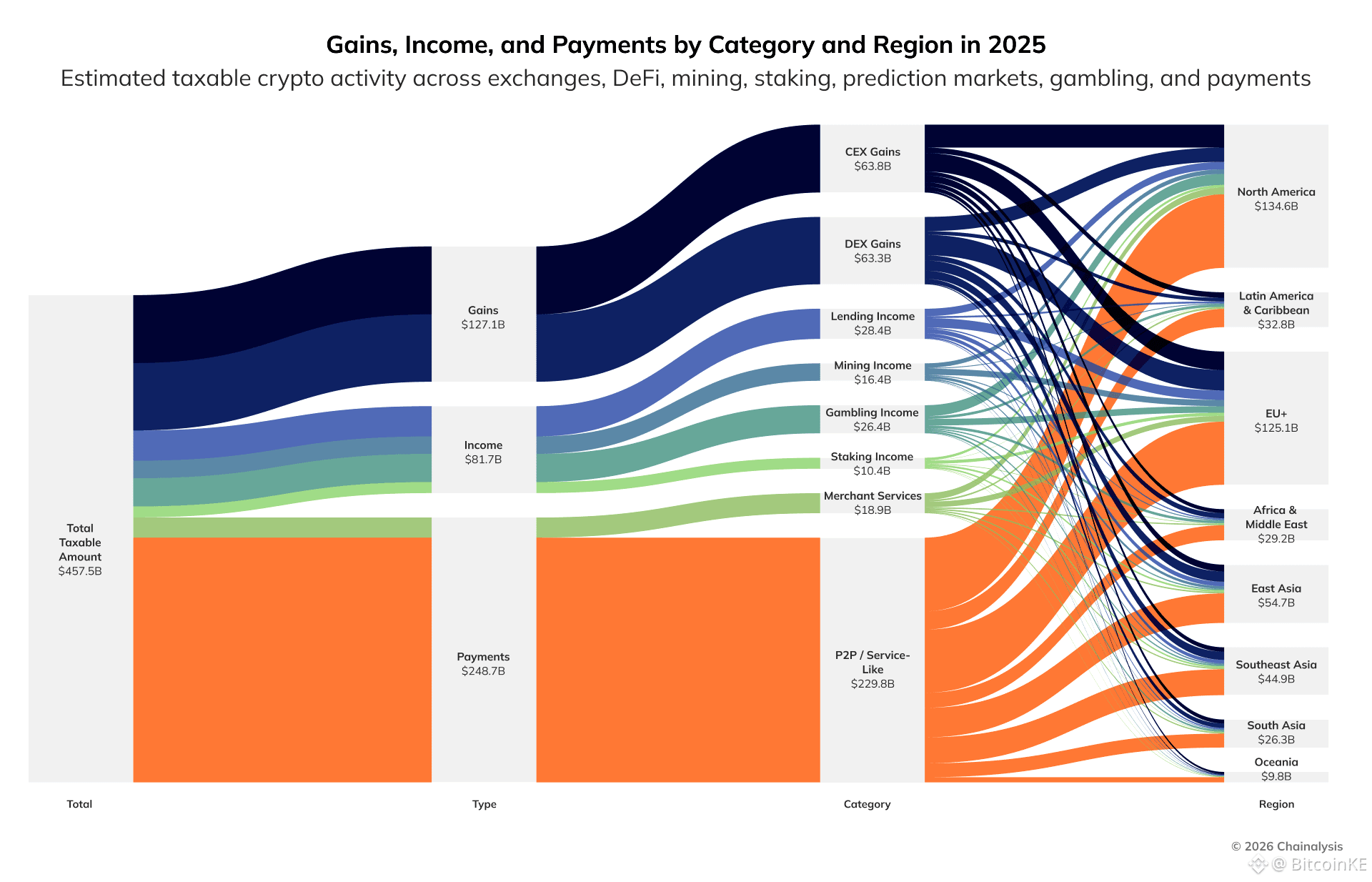
Artikel
MELDUNG | CARF lässt über 80 % steuerpflichtige Krypto-On-Chain-Aktivität außerhalb des Melderahmens, sagt ...Internationale Bemühungen, Krypto in das globale Steuermeldesystem zu bringen, könnten einen großen Teil des Marktes außerhalb des Blickfelds der Regulierungsbehörden lassen und damit eine wachsende Kluft zwischen traditionellen Meldevorschriften und der tatsächlichen Durchführung von Krypto-Transaktionen aufzeigen.
Das Blockchain-Analytics-Unternehmen Chainalysis schätzt, dass mindestens 457 Milliarden US-Dollar an potenziell steuerpflichtiger Krypto-Aktivität im Jahr 2025 weltweit On-Chain stattgefunden haben. Die Zahl umfasst
realisierte Gewinne,
Einkünfte aus Mining, Staking, Lending und Glücksspiel sowie
MELDUNG | CARF lässt über 80 % steuerpflichtige Krypto-On-Chain-Aktivität außerhalb des Melderahmens, sagt ...
Internationale Bemühungen, Krypto in das globale Steuermeldesystem zu bringen, könnten einen großen Teil des Marktes außerhalb des Blickfelds der Regulierungsbehörden lassen und damit eine wachsende Kluft zwischen traditionellen Meldevorschriften und der tatsächlichen Durchführung von Krypto-Transaktionen aufzeigen.
Das Blockchain-Analytics-Unternehmen Chainalysis schätzt, dass mindestens 457 Milliarden US-Dollar an potenziell steuerpflichtiger Krypto-Aktivität im Jahr 2025 weltweit On-Chain stattgefunden haben. Die Zahl umfasst
realisierte Gewinne,
Einkünfte aus Mining, Staking, Lending und Glücksspiel sowie
Das Blockchain-Analytics-Unternehmen Chainalysis schätzt, dass mindestens 457 Milliarden US-Dollar an potenziell steuerpflichtiger Krypto-Aktivität im Jahr 2025 weltweit On-Chain stattgefunden haben. Die Zahl umfasst
realisierte Gewinne,
Einkünfte aus Mining, Staking, Lending und Glücksspiel sowie
250
Anmelden und weiter Inhalte entdecken
Krypto-Nutzer weltweit auf Binance Square kennenlernen
⚡️ Bleib in Sachen Krypto stets am Puls.
💬 Die weltgrößte Kryptobörse vertraut darauf.
👍 Erhalte verlässliche Einblicke von verifizierten Creators.
E-Mail-Adresse/Telefonnummer
Trendthemen
SolanaFallsOver3%
29,834 Aufrufe
665 Kommentare
$SOL
SOL wird vom Markt mal wieder ordentlich durchgeschüttelt – minus über 3 % 😂
Heute ist die Kurslage ziemlich interessant
BTC fällt ein bisschen, SOL wird direkt verstärkt abverkauft
Der Markt wird nur leicht nervös
BTC: Okay, ich fall mal 2 % zuerst
SOL: Dann mach ich halt 3 %+
Das ist die Art von High-Beta-Assets
Wenn der Markt gut läuft, rennen sie schneller als alle anderen
Wenn der Markt nur kurz zittert, sind sie auch die Ersten, die von den Geldern rausgekickt werden 😂
Bei diesem SOL-Abverkauf
liegt es hauptsächlich an der Eskalation im Nahen Osten (USA-Iran) und an steigenden Ölpreisen
Die Renditen globaler Anleihen gehen weiterhin nach oben
Der Markt beginnt wieder stärker, sich Sorgen über Inflation und Zinsen zu machen
In so einem Umfeld
werden Gelder naturgemäß zuerst High-Risk-, High-Volatility-Assets kürzen
Darum ist diesmal SOL um 3 % gefallen
Das hat mit der reinen Fundamentallogik nicht viel zu tun
Es geht vor allem um die Marktstimmung
Sobald das Makro-Risiko hochfährt, kriegt der High-Beta-Spieler SOL als Erster eine Ohrfeige
Derzeit liegt der SOL-Preis bei etwa 99
Nach dem Anstieg auf rund 110 vor ein paar Tagen fällt er seitdem und korrigiert
Wenn er um die 97 herum stabil stehen kann,
kann man sagen: Das ist ein Rücksetzer (Pullback) nach dem Bruch
Die erste Unterstützung weiter unten liegt im Bereich 95,5–97,5
Long-Brüder können bei etwa 95 in Tranchen Long gehen
Die stärkste Unterstützung ist bei 93
Wenn das gebrochen wird, ist die Aufwärtstrend-Struktur in Gefahr
Dann wird es in der Zukunft schwerer zu sagen
Der erste Widerstand oben liegt bei etwa 102
Danach kommt 110
Ich denke, 130 sollte in Zukunft kein Problem sein
168 scheint auch machbar 😀
Die Lage ist derzeit noch unklar
Für den Langfrist-Einstieg kann man gestaffelt rein
Fällt es ein bisschen, kauft man ein bisschen
Für die kurzfristigen Brüder: vorsichtig mit Short
Am besten macht man Trades im Einklang mit dem großen Trend
Bei Trades strikt mit Stop-Loss arbeiten
#solanafallsover3%
孔大锤
·0 Likes
·2k Aufrufe
DellSurges8%OnEarningsBeat
29,562 Aufrufe
556 Kommentare
USAugADPJobsSmallestGainSinceJan
26,750 Aufrufe
461 Kommentare