
MR DAVRION
10.7k Beiträge

MR DAVRION
 Square Verified+
“Market hunter | Daily crypto signals & insights | Precision targets, sharp stop-losses, smart profits l BTC l. BNB l. Eth
Trade eröffnen
Regelmäßiger Trader
11.8 Monate
562 Following
30.4K+ Follower
18.6K+ Like gegeben
Beiträge
Portfolio
Alle
Zitierungen
Live
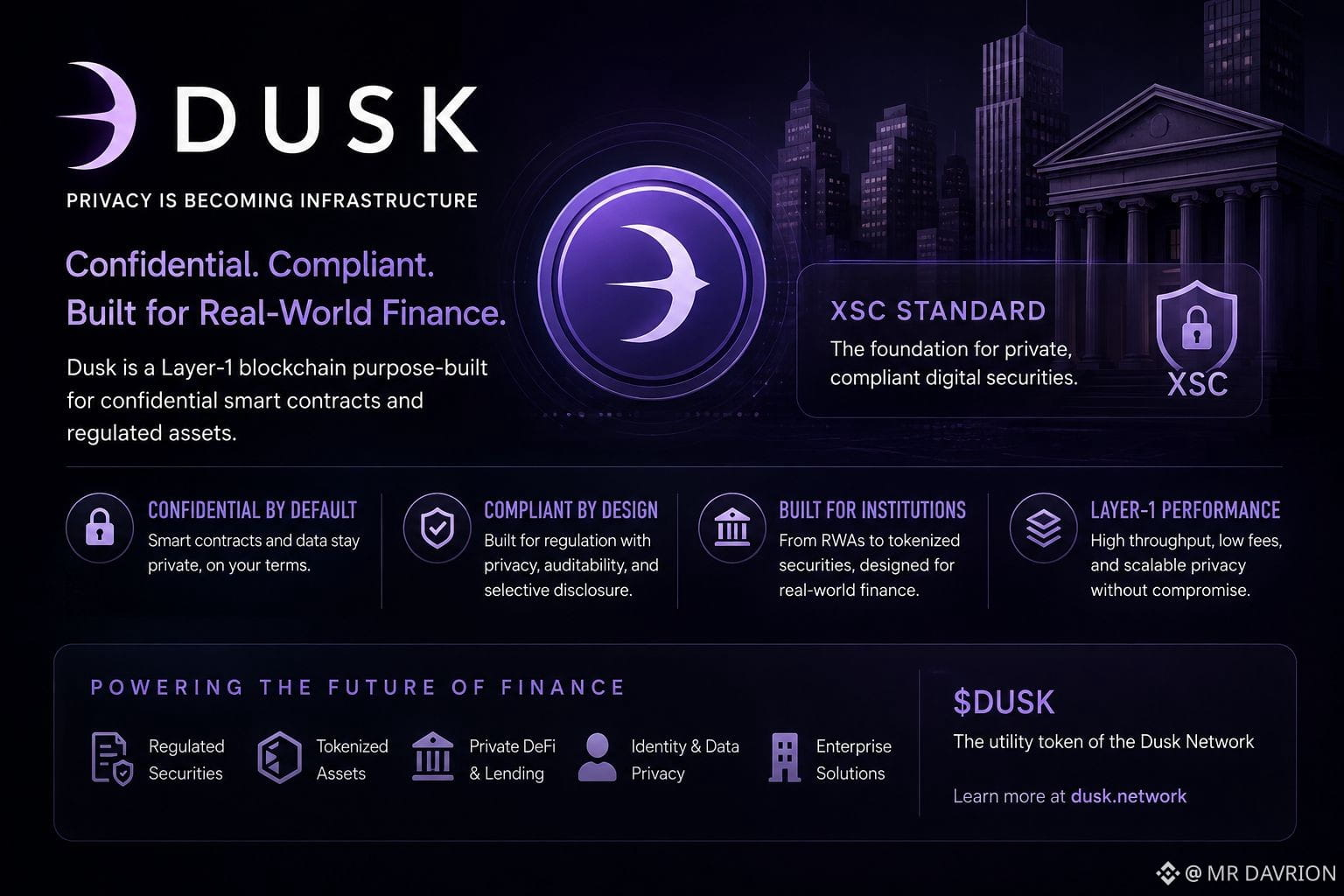
Privatsphäre wird zur Infrastruktur
TradFi braucht Privatsphäre, wenn reale Vermögenswerte auf die Blockchain gehen.
Institutionen können nicht komfortabel arbeiten, wenn Positionen, Gegenparteien und Handelsvolumina für alle sichtbar sind.
Genau hier wird der XSC-Ansatz von $DUSK interessant: vertrauliche Transaktionen mit überprüfbarer Compliance und Abwicklung.
Privatsphäre geht nicht darum, Finanzen zu verstecken. Es geht darum, dass Institutionen die Kontrolle darüber erhalten, wer was, wann und unter welchen Bedingungen sehen kann.
#dusk $DUSK @Dusk
TradFi braucht Privatsphäre, wenn reale Vermögenswerte auf die Blockchain gehen.
Institutionen können nicht komfortabel arbeiten, wenn Positionen, Gegenparteien und Handelsvolumina für alle sichtbar sind.
Genau hier wird der XSC-Ansatz von $DUSK interessant: vertrauliche Transaktionen mit überprüfbarer Compliance und Abwicklung.
Privatsphäre geht nicht darum, Finanzen zu verstecken. Es geht darum, dass Institutionen die Kontrolle darüber erhalten, wer was, wann und unter welchen Bedingungen sehen kann.
#dusk $DUSK @Dusk
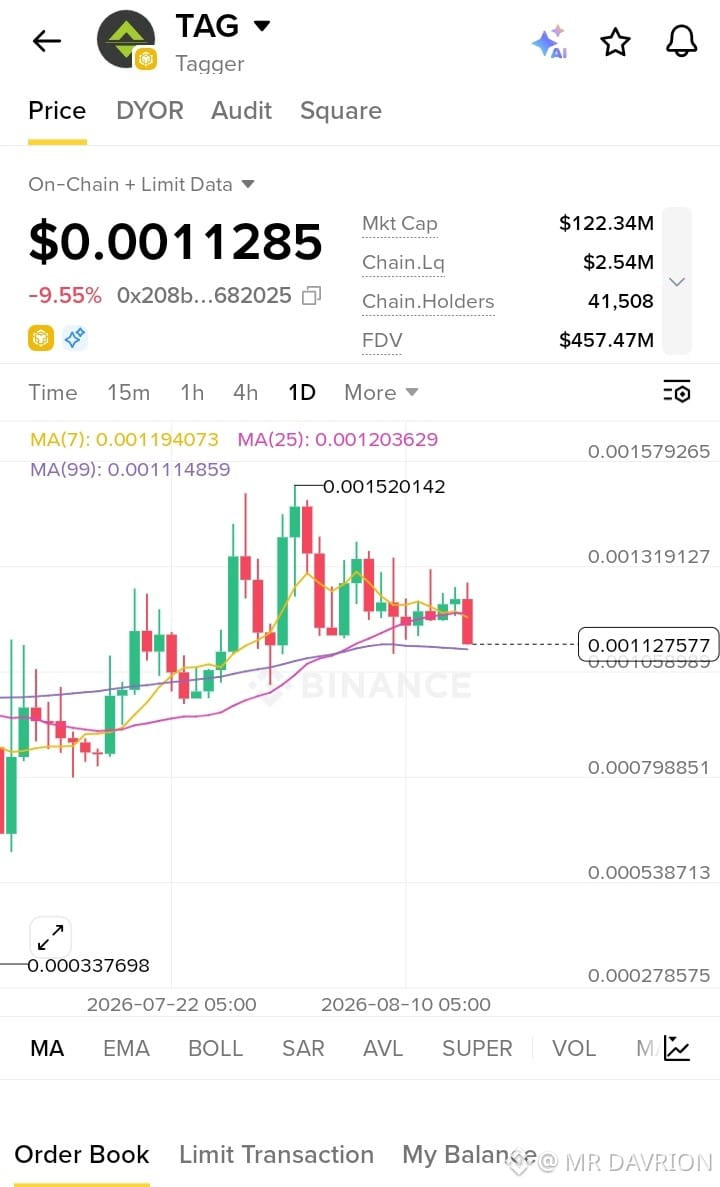
$TAG steht unter kurzfristigem Druck, fällt um 2,54 % bei einem sprunghaften Anstieg des Volumens um 650,6 %. Die starke Volumenexpansion deutet auf eine hohe Beteiligung hin. Entscheidend ist daher, ob Käufer die aktuelle Nachfragezone verteidigen können.
UNTERSTÜTZUNG
0.00112 – 0.00115
WIDERSTAND
0.00122 – 0.00125
EP
0.00114 – 0.00117
TP
0.00122
0.00128
0.00135
SL
0.00108$TAG
#TradersCutFedRateHikeBetsBeforeMid2027 #USAugust1YInflationExpectations4.3% #USAugust1YInflationExpectations4.3%
.
UNTERSTÜTZUNG
0.00112 – 0.00115
WIDERSTAND
0.00122 – 0.00125
EP
0.00114 – 0.00117
TP
0.00122
0.00128
0.00135
SL
0.00108$TAG
#TradersCutFedRateHikeBetsBeforeMid2027 #USAugust1YInflationExpectations4.3% #USAugust1YInflationExpectations4.3%
.
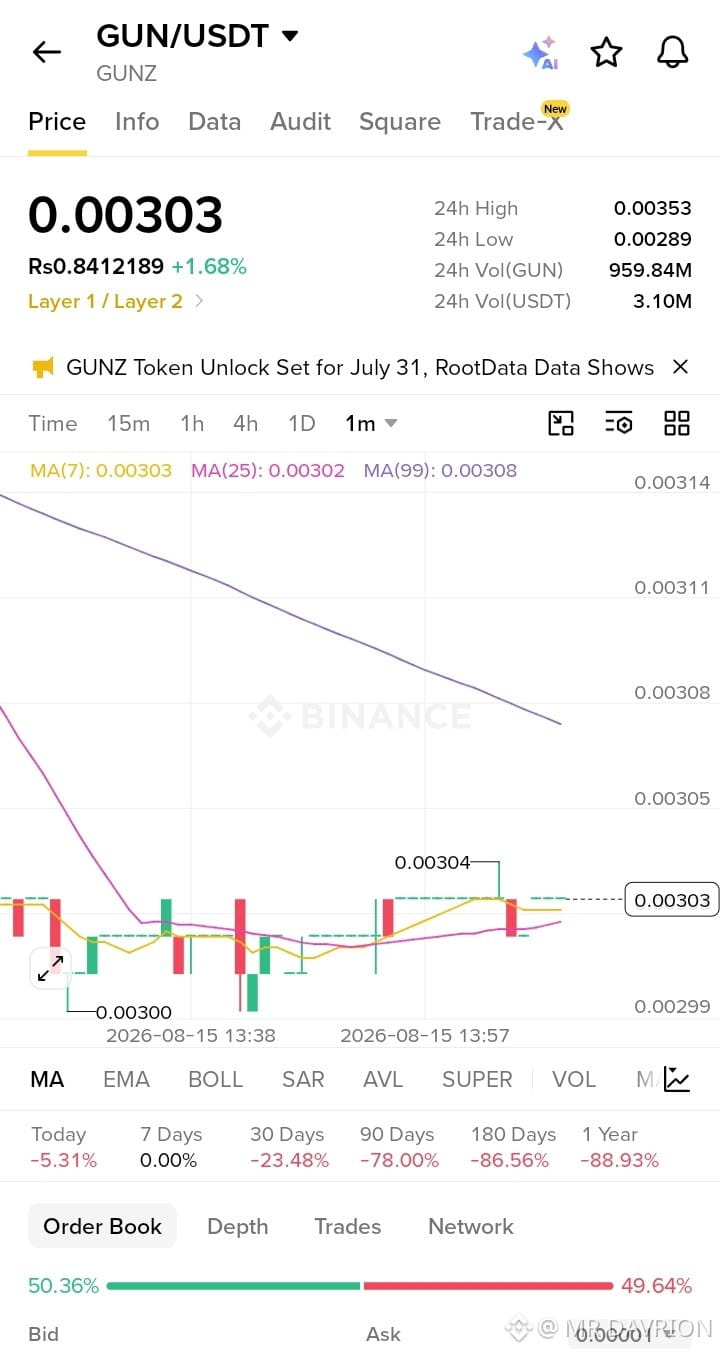
$GUN
zieht sich nach einer volatilen Session um 2,86 % zurück, während das Volumen um 1696,4 % gestiegen ist. Die erhöhte Aktivität signalisiert eine starke Beteiligung und das Potenzial für einen Momentum-Move.
EP
0.00290 – 0.00305
TP
0.00325
0.00355
0.00390
SL
0.00272
Wenn die Unterstützung bei 0.00290 gehalten wird, könnte die Erholungsstruktur intakt bleiben. Ein Reclaim von 0.00325 könnte den Weg zu höheren Zielen öffnen.
Let’s go $GUN #USAugust1YInflationExpectations4.3% #PolymarketOddsIranBlockadeEndFallTo23% #BerkshireAddsToDeltaAndAlphabetHoldings
zieht sich nach einer volatilen Session um 2,86 % zurück, während das Volumen um 1696,4 % gestiegen ist. Die erhöhte Aktivität signalisiert eine starke Beteiligung und das Potenzial für einen Momentum-Move.
EP
0.00290 – 0.00305
TP
0.00325
0.00355
0.00390
SL
0.00272
Wenn die Unterstützung bei 0.00290 gehalten wird, könnte die Erholungsstruktur intakt bleiben. Ein Reclaim von 0.00325 könnte den Weg zu höheren Zielen öffnen.
Let’s go $GUN #USAugust1YInflationExpectations4.3% #PolymarketOddsIranBlockadeEndFallTo23% #BerkshireAddsToDeltaAndAlphabetHoldings
Übersetzung ansehen
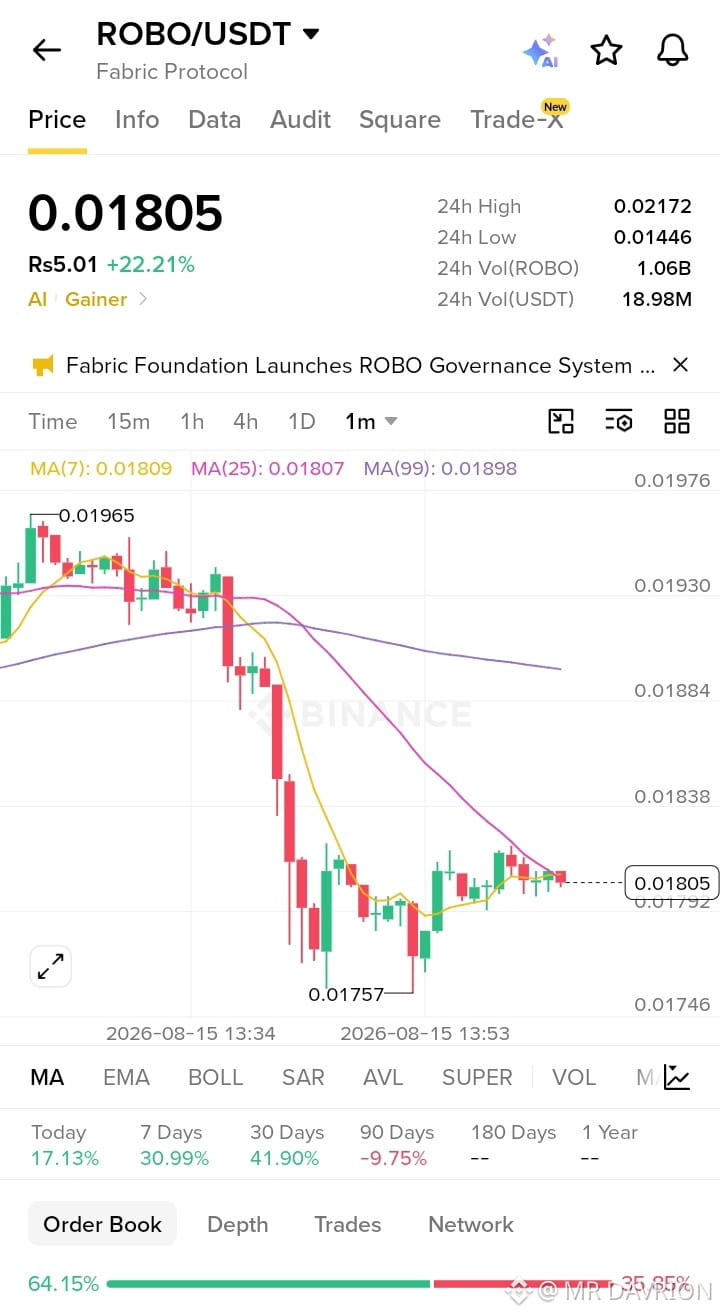
$ROBO is facing a sharp pullback after gaining 22.8% over 24h. Volume is up 257.5%, showing strong activity and elevated volatility.
EP
0.01720 – 0.01780
TP
0.01950
0.02100
0.02300
SL
0.01620
Holding the 0.01720 support zone could open the path toward higher targets. Momentum remains bullish while key support holds.
#PolymarketOddsIranBlockadeEndFallTo23% #BerkshireAddsToDeltaAndAlphabetHoldings #USAugust1YInflationExpectations4.3%
$ROBO
EP
0.01720 – 0.01780
TP
0.01950
0.02100
0.02300
SL
0.01620
Holding the 0.01720 support zone could open the path toward higher targets. Momentum remains bullish while key support holds.
#PolymarketOddsIranBlockadeEndFallTo23% #BerkshireAddsToDeltaAndAlphabetHoldings #USAugust1YInflationExpectations4.3%
$ROBO
Datenschutz wird zur Infrastruktur.
Traditionelles Finanzwesen braucht Vertraulichkeit, aber öffentliche Blockchains legen weit mehr offen, als Institutionen bequem tolerieren können.
Genau in dieser Spannung werden $DUSK und der XSC-Standard interessant.
Der größere Punkt ist nicht „Privatsphäre“ als Feature. Es geht um Privatsphäre als Infrastruktur.
Für RWAs und regulierte Wertpapiere kann vertrauliche Ausführung genauso wichtig sein wie die Abwicklung selbst. Institutionen müssen steuern, was sichtbar wird, für wen und unter welchen Bedingungen.
Die ehrliche Einschränkung: Die Einführung ist immer noch der schwierige Teil. Bessere Infrastruktur bedeutet nicht automatisch, dass Institutionen auf die On-Chain-Welt umsteigen.
Doch das Unterscheidungsmerkmal ist einfach: Institutionen suchen nicht zwangsläufig nach „Privatsphäre“, weil das die nächste Story ist. Sie wollen Kontrolle über Ausführung, Daten und die Sichtbarkeit.
Wenn $DUSK diese Anforderung in praktische Infrastruktur übersetzen kann, verlagert sich das Gespräch von Privatsphäre-Narrativen hin zu dem, was Unternehmen tatsächlich brauchen.#dusk $DUSK @Dusk
Traditionelles Finanzwesen braucht Vertraulichkeit, aber öffentliche Blockchains legen weit mehr offen, als Institutionen bequem tolerieren können.
Genau in dieser Spannung werden $DUSK und der XSC-Standard interessant.
Der größere Punkt ist nicht „Privatsphäre“ als Feature. Es geht um Privatsphäre als Infrastruktur.
Für RWAs und regulierte Wertpapiere kann vertrauliche Ausführung genauso wichtig sein wie die Abwicklung selbst. Institutionen müssen steuern, was sichtbar wird, für wen und unter welchen Bedingungen.
Die ehrliche Einschränkung: Die Einführung ist immer noch der schwierige Teil. Bessere Infrastruktur bedeutet nicht automatisch, dass Institutionen auf die On-Chain-Welt umsteigen.
Doch das Unterscheidungsmerkmal ist einfach: Institutionen suchen nicht zwangsläufig nach „Privatsphäre“, weil das die nächste Story ist. Sie wollen Kontrolle über Ausführung, Daten und die Sichtbarkeit.
Wenn $DUSK diese Anforderung in praktische Infrastruktur übersetzen kann, verlagert sich das Gespräch von Privatsphäre-Narrativen hin zu dem, was Unternehmen tatsächlich brauchen.#dusk $DUSK @Dusk
$PRL zeigt starke Dynamik: Der Kurs ist in 24 Stunden um 7,4% gestiegen, während das Volumen um 520,3% eingebrochen (sprunghaft gestiegen) ist. Die starke Ausweitung des Volumens deutet auf eine starke Marktteilnahme hin und stützt die aktuelle bullische Struktur.
EP
0.3320–0.3400
TP
0.3500
0.3650
0.3850
SL
0.3190
Ein anhaltendes Halten über dem Bereich von 0,34 könnte den Weg zu höheren Widerstandsniveaus ebnen. Die Dynamik bleibt bullisch, solange die Nachfrage anhält.
Auf geht’s $PRL
EP
0.3320–0.3400
TP
0.3500
0.3650
0.3850
SL
0.3190
Ein anhaltendes Halten über dem Bereich von 0,34 könnte den Weg zu höheren Widerstandsniveaus ebnen. Die Dynamik bleibt bullisch, solange die Nachfrage anhält.
Auf geht’s $PRL
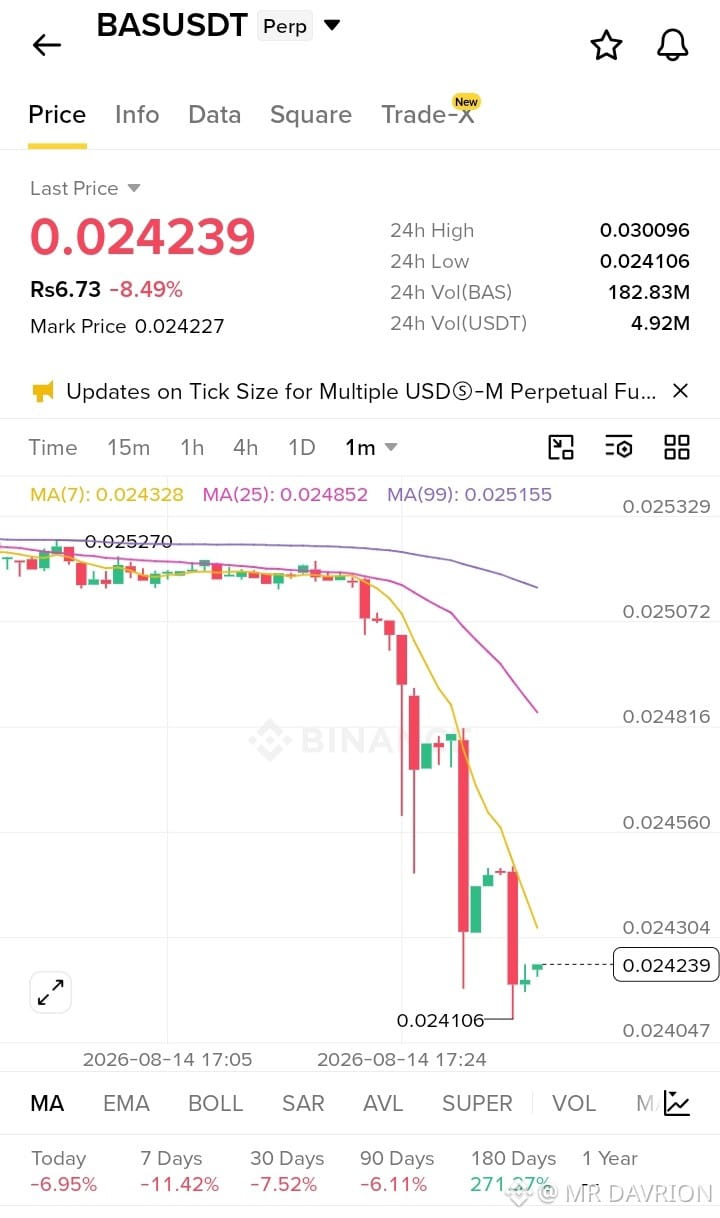
$BAS steht unter Verkaufsdruck, liegt 2,31% im Minus bei einem Kurs um 0.024316. Das Volumen ist um 878,7% gestiegen, was auf eine aggressive Marktteilnahme hinweist, während der Kurs weiterhin schwach bleibt.
EP
0.02380 – 0.02440
TP
0.02520
0.02620
0.02750
SL
0.02310
Das erhöhte Volumen könnte einen möglichen Richtungswechsel unterstützen, falls BAS den nahegelegenen Widerstand zurückerobert und über der Einstiegszone hält. Eine Bestätigung ist entscheidend, bevor man mit weiterem Aufwärtspotenzial rechnet.
Los geht’s
#DeepSeekLaunchesHarnessCodeAgentBeta #KOSPITops7000AtOpen #IranRequiresPermissionToTransitHormuz
EP
0.02380 – 0.02440
TP
0.02520
0.02620
0.02750
SL
0.02310
Das erhöhte Volumen könnte einen möglichen Richtungswechsel unterstützen, falls BAS den nahegelegenen Widerstand zurückerobert und über der Einstiegszone hält. Eine Bestätigung ist entscheidend, bevor man mit weiterem Aufwärtspotenzial rechnet.
Los geht’s
#DeepSeekLaunchesHarnessCodeAgentBeta #KOSPITops7000AtOpen #IranRequiresPermissionToTransitHormuz
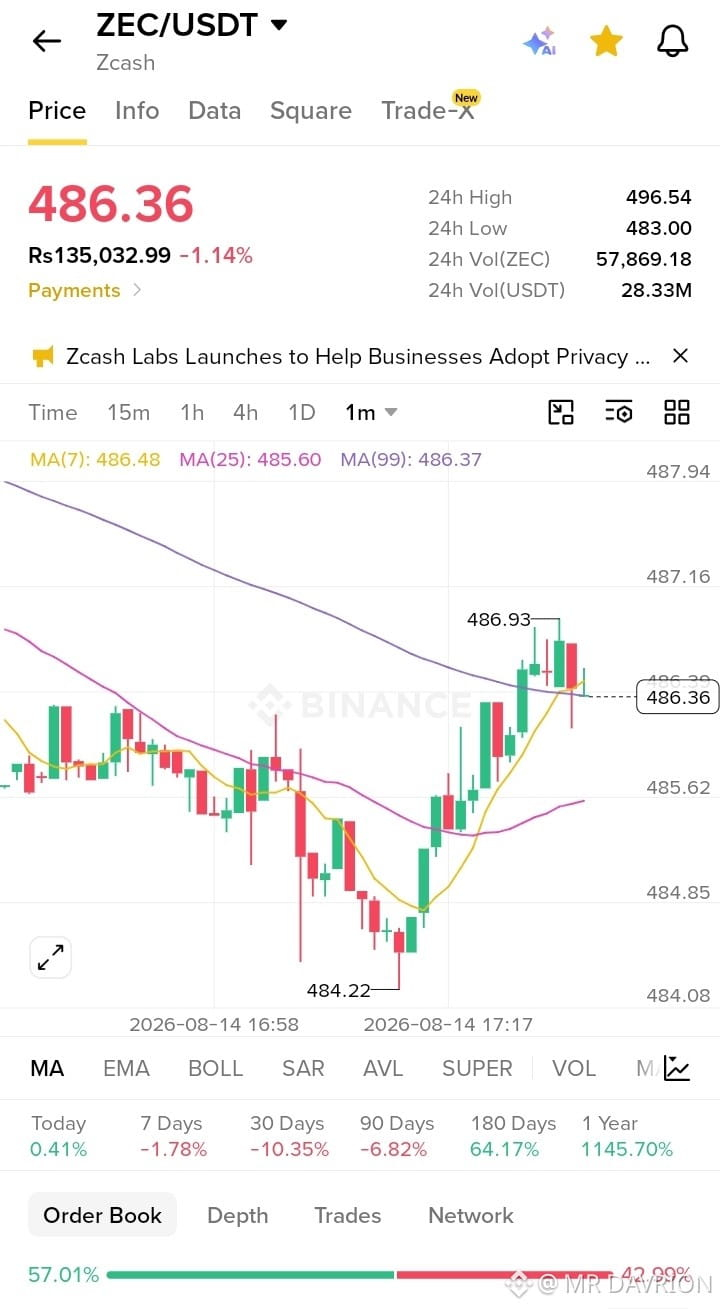
$ZEC hat kurzfristigen Verkaufsdruck, nachdem ein Whale in nur einer Minute 618,7 ZEC im Wert von ungefähr 300.000 US-Dollar bewegt hat. Der Preis hält sich nahe bei 485 US-Dollar, aber die große Verkaufsorder macht den Bereich 480–485 US-Dollar für Käufer besonders wichtig.
EP
$480 – $486
TP
$495
$510
$525
SL
$468
Ein Reclaim von $495 würde auf eine Verbesserung des Aufwärtsimpulses hinweisen, während ein Bruch unter $480 die Korrektur verlängern könnte. Halte das Risiko kontrolliert, solange der Whale-Verkauf aktiv bleibt.
Let’s go $ZEC
#TapestryFallsNearly15%OnEarnings #SanDiskExtendsGainsTo11% #KOSPITops7000AtOpen
EP
$480 – $486
TP
$495
$510
$525
SL
$468
Ein Reclaim von $495 würde auf eine Verbesserung des Aufwärtsimpulses hinweisen, während ein Bruch unter $480 die Korrektur verlängern könnte. Halte das Risiko kontrolliert, solange der Whale-Verkauf aktiv bleibt.
Let’s go $ZEC
#TapestryFallsNearly15%OnEarnings #SanDiskExtendsGainsTo11% #KOSPITops7000AtOpen
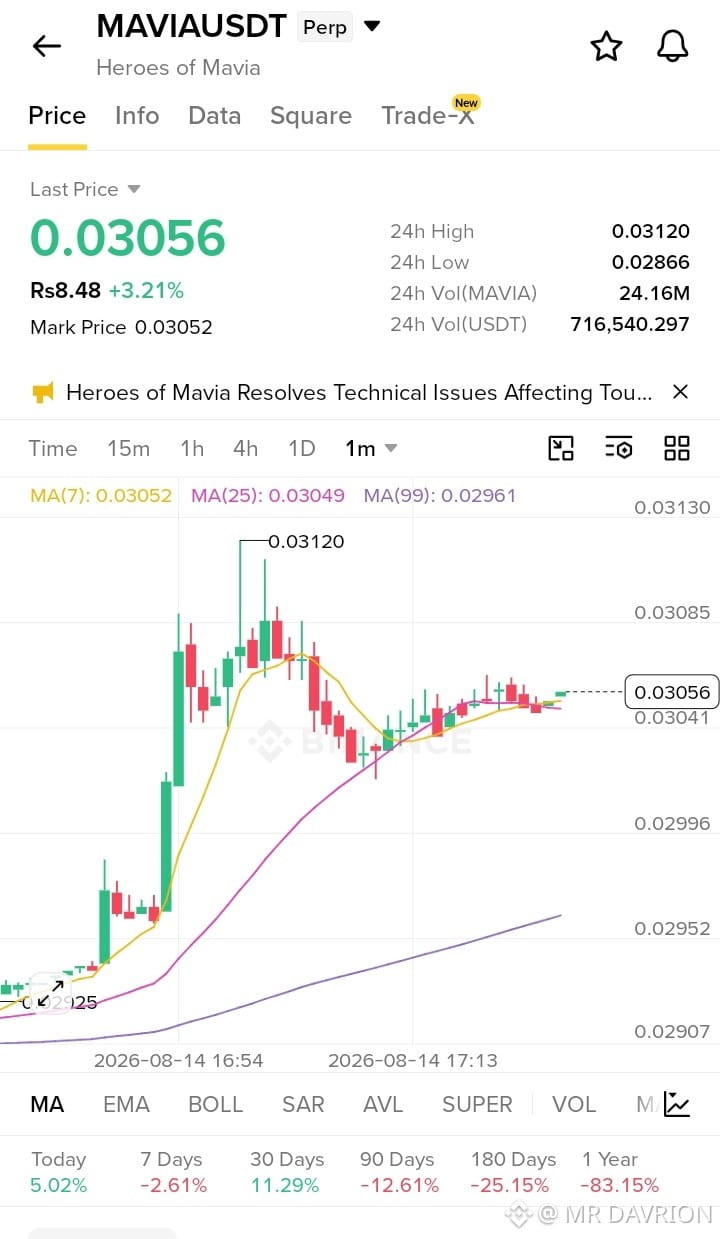
$MAVIA zeigt starke kurzfristige Dynamik: Der Preis ist um 3,7% gestiegen und das Volumen steigt um 636,1%. Die Ausweitung des Volumens signalisiert eine erhöhte Marktteilnahme und unterstützt eine mögliche Fortsetzung, falls der Widerstand zurückerobert wird.
EP
$0.03020 – $0.03080
TP
$0.03200
$0.03400
$0.03650
SL
$0.02880
Ein anhaltender Halt über $0.0300 hält die bullische Struktur intakt. Ein Ausbruch durch $0.0320 könnte die Dynamik beschleunigen und in Richtung der nächsten Widerstandsniveaus führen.
Let’s go $MAVIA #TapestryFallsNearly15%OnEarnings #US30YBondBidToCoverFallsTo2.39 #DeepSeekLaunchesHarnessCodeAgentBeta
EP
$0.03020 – $0.03080
TP
$0.03200
$0.03400
$0.03650
SL
$0.02880
Ein anhaltender Halt über $0.0300 hält die bullische Struktur intakt. Ein Ausbruch durch $0.0320 könnte die Dynamik beschleunigen und in Richtung der nächsten Widerstandsniveaus führen.
Let’s go $MAVIA #TapestryFallsNearly15%OnEarnings #US30YBondBidToCoverFallsTo2.39 #DeepSeekLaunchesHarnessCodeAgentBeta
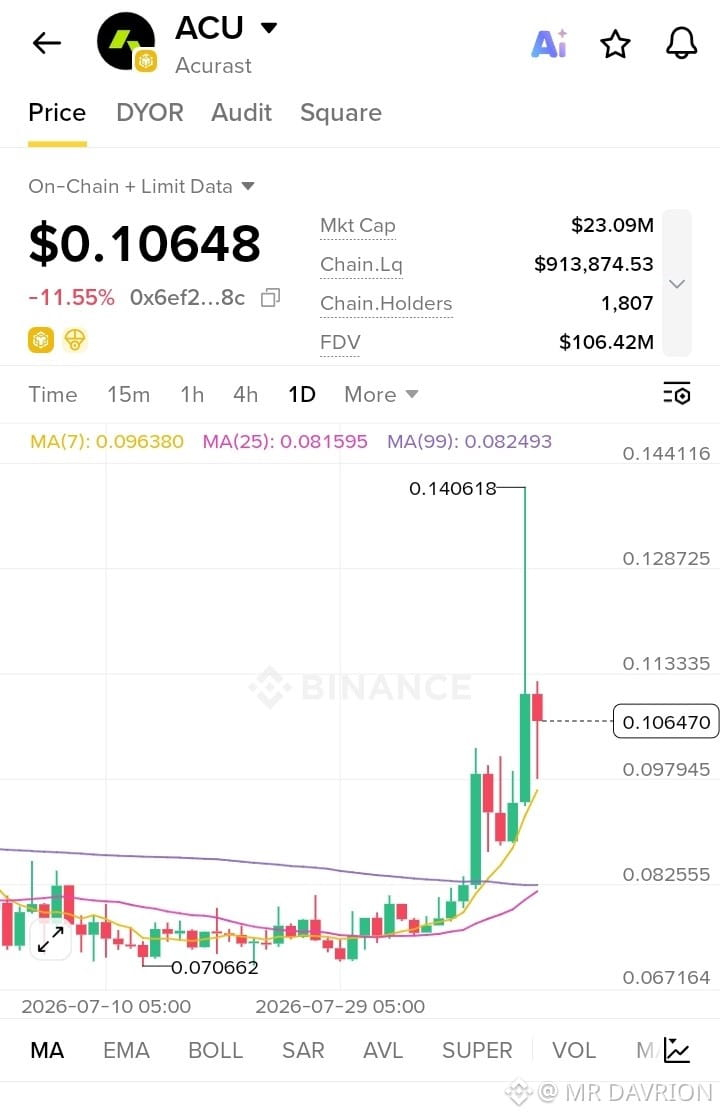
$ACU zeigt nach starkem 24H-Verkauf einen scharfen Rebound-Versuch, wobei das Volumen um über 1.000% anzieht. Die starke Aktivität deutet darauf hin, dass Käufer eingreifen, aber eine Bestätigung oberhalb des nahen Widerstands ist weiterhin erforderlich. Aktuelle Marktdaten zeigen zudem eine erhöhte Volatilität rund um die $0.10-Region.
EP
$0.1040 – $0.1080
TP
$0.1140
$0.1220
$0.1350
SL
$0.0980
Eine Rückeroberung von $0.1140 mit anhaltendem Volumen könnte das Erholungs-Setup stärken. Das Halten der $0.10-Supportzone hält das bullische Rebound-Szenario aktiv.
Los geht’s $ACU #DeepSeekLaunchesHarnessCodeAgentBeta #KOSPITops7000AtOpen #IranRequiresPermissionToTransitHormuz
EP
$0.1040 – $0.1080
TP
$0.1140
$0.1220
$0.1350
SL
$0.0980
Eine Rückeroberung von $0.1140 mit anhaltendem Volumen könnte das Erholungs-Setup stärken. Das Halten der $0.10-Supportzone hält das bullische Rebound-Szenario aktiv.
Los geht’s $ACU #DeepSeekLaunchesHarnessCodeAgentBeta #KOSPITops7000AtOpen #IranRequiresPermissionToTransitHormuz
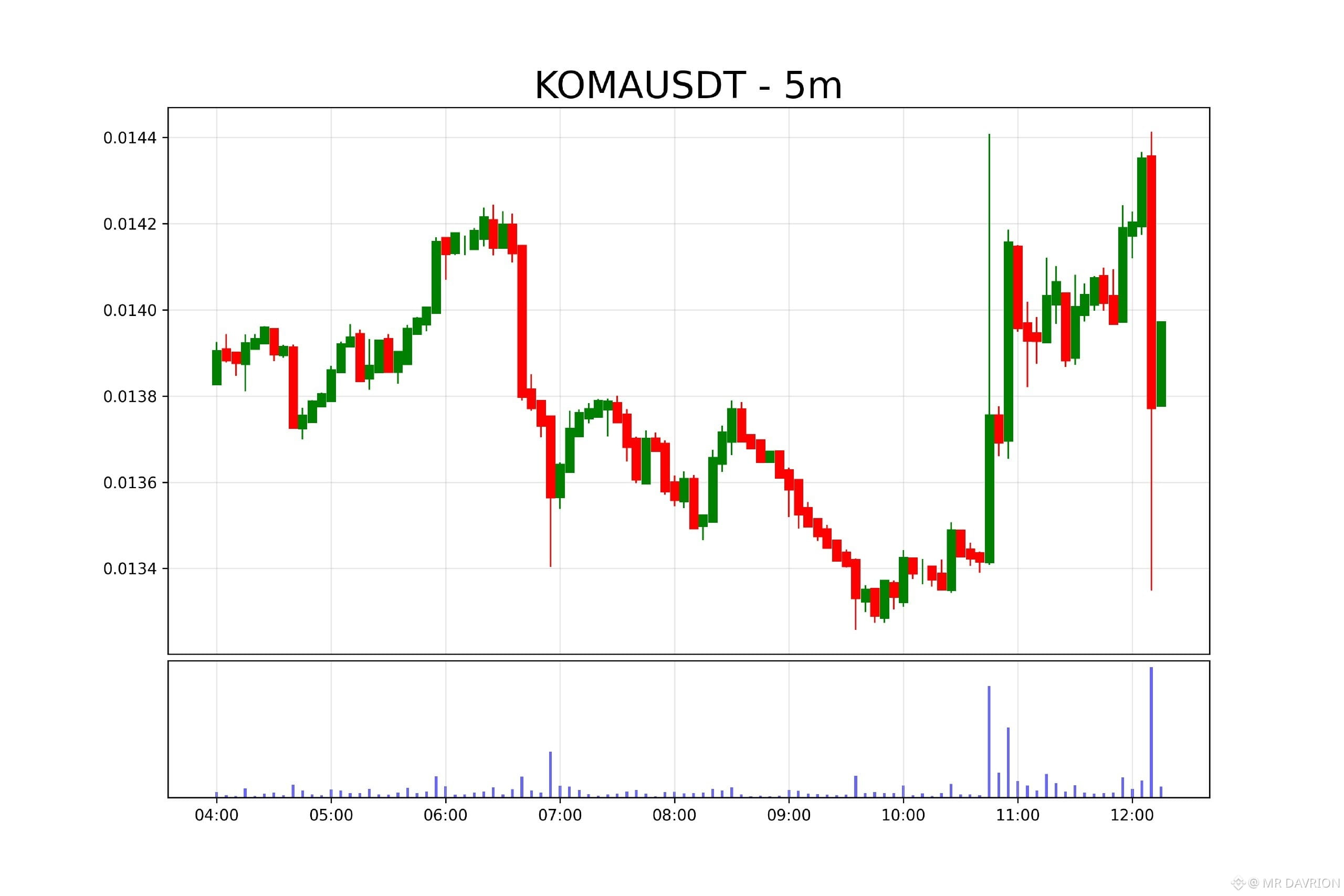
$KOMA Konsolidierung nach einem starken Rücksetzer, während die massive Volumenausweitung auf starke Marktaktivität hinweist. Der Preis hält sich in etwa im Bereich von 0,0138 $, wodurch das Rebound-Setup weiterhin aktiv bleibt.
EP
0,01350 $ – 0,01385 $
TP
0,01420 $
0,01480 $
0,01540 $
SL
0,01290 $
Die Volumenausweitung ist erheblich, aber eine Bestätigung oberhalb des nahegelegenen Widerstands bleibt wichtig, bevor man weiteres Upside erwartet. Eine Rückeroberung von 0,01420 $ könnte den Weg zu höheren Kurszielen öffnen.
Das bullische Setup bleibt gültig, solange der Support hält.
Los geht’s $KOMA #US30YBondAuctionYieldHighestSince2001 #EthereumFoundationDropsPoseidonForL1 #DeepSeekLaunchesHarnessCodeAgentBeta #DeepSeekLaunchesHarnessCodeAgentBeta
EP
0,01350 $ – 0,01385 $
TP
0,01420 $
0,01480 $
0,01540 $
SL
0,01290 $
Die Volumenausweitung ist erheblich, aber eine Bestätigung oberhalb des nahegelegenen Widerstands bleibt wichtig, bevor man weiteres Upside erwartet. Eine Rückeroberung von 0,01420 $ könnte den Weg zu höheren Kurszielen öffnen.
Das bullische Setup bleibt gültig, solange der Support hält.
Los geht’s $KOMA #US30YBondAuctionYieldHighestSince2001 #EthereumFoundationDropsPoseidonForL1 #DeepSeekLaunchesHarnessCodeAgentBeta #DeepSeekLaunchesHarnessCodeAgentBeta
Übersetzung ansehen
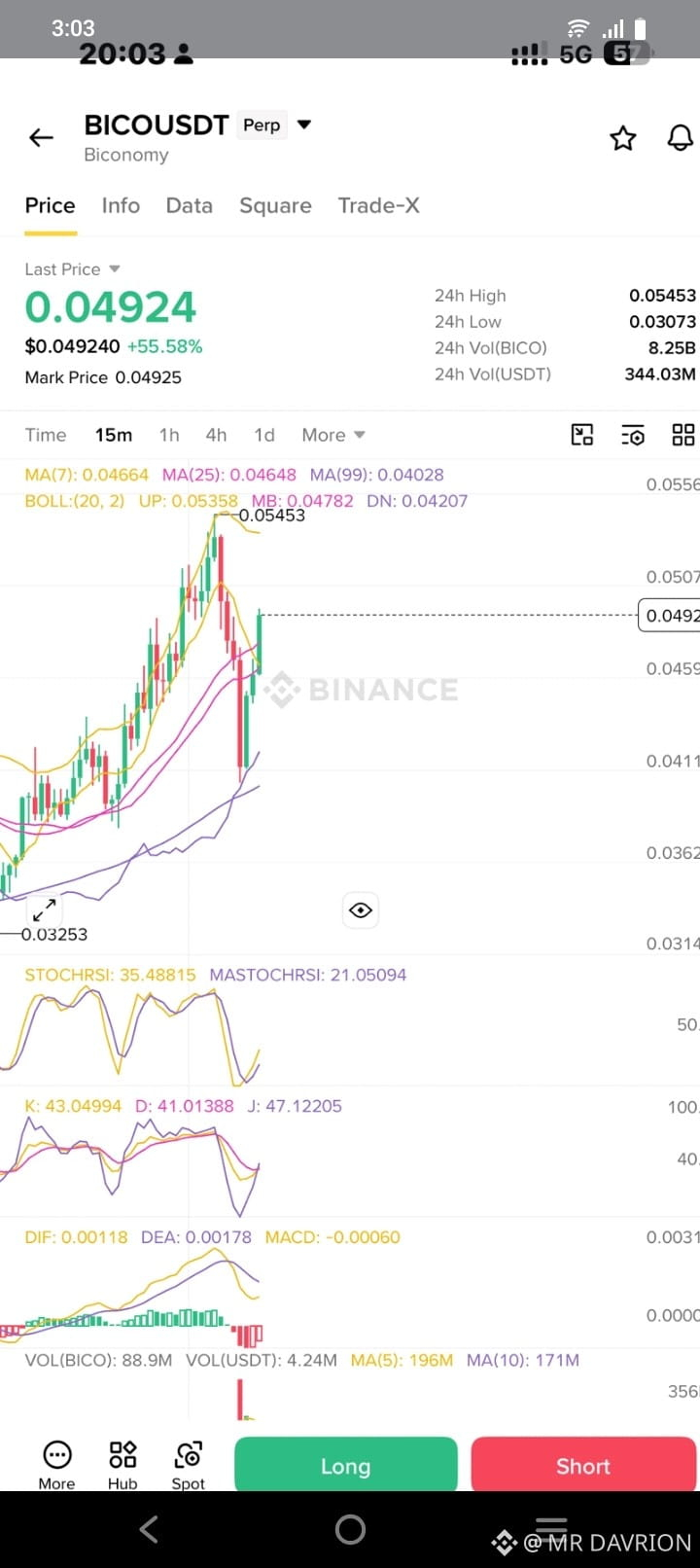
$BICO
small size short
📌 Sharing personal opinions only — not financial advice or a recommendation to buy/sell. Crypto is highly risky; DYOR and you are solely responsible. No coin promotion
#SouthKoreaProposesLooseningCryptoShareholderRules #VIXFallsToJanuaryLow #IraqOilExportsFall75% .
small size short
📌 Sharing personal opinions only — not financial advice or a recommendation to buy/sell. Crypto is highly risky; DYOR and you are solely responsible. No coin promotion
#SouthKoreaProposesLooseningCryptoShareholderRules #VIXFallsToJanuaryLow #IraqOilExportsFall75% .
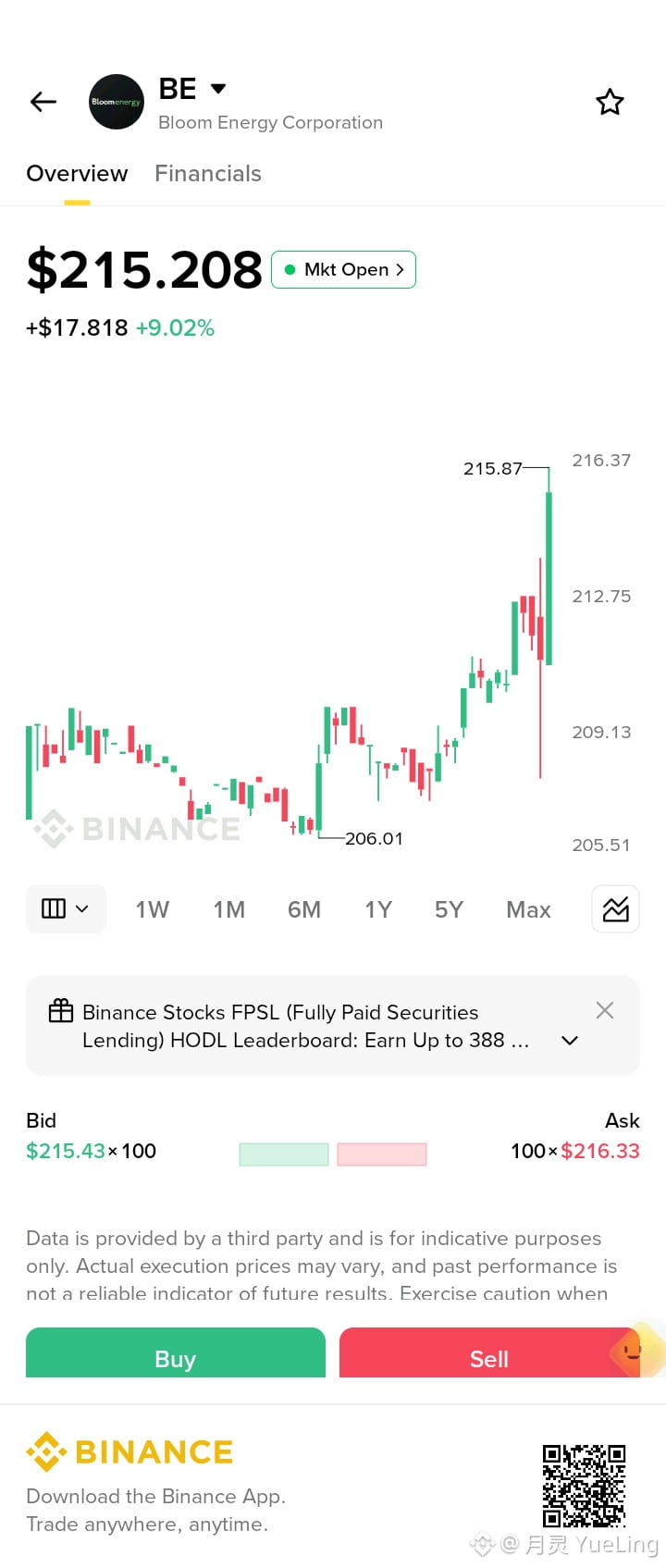
$BE (Bloom Energy)
BE handelt innerhalb eines bullischen Fortsetzungsmusters.
Unterstützung: 206–209
Widerstand: 220
EP: 211–214
TP1: 220
TP2: 230
TP3: 240
SL: 203
Pro-Tipp: Verfolge keine großen grünen Kerzen.$BE
#KoreanTradersCutLeverageToThreeMonthLow #SpaceXFirstMajorShareUnlockSetForAug6 #IranPresidentSaysFullScaleWarWithUS #GoldAndSilverExtendGains
BE handelt innerhalb eines bullischen Fortsetzungsmusters.
Unterstützung: 206–209
Widerstand: 220
EP: 211–214
TP1: 220
TP2: 230
TP3: 240
SL: 203
Pro-Tipp: Verfolge keine großen grünen Kerzen.$BE
#KoreanTradersCutLeverageToThreeMonthLow #SpaceXFirstMajorShareUnlockSetForAug6 #IranPresidentSaysFullScaleWarWithUS #GoldAndSilverExtendGains
Ich habe dem Newton-Protokoll anfangs nicht besonders viel Aufmerksamkeit geschenkt.
Vielleicht ist das einfach das, was passiert, wenn man jahrelang dabei zugesehen hat, wie sich die Krypto-Infrastruktur immer wieder denselben Kreislauf wiederholt: vielversprechende Ideen, wachsende Begeisterung, veränderte Anreize – und dann eine langsame Erkenntnis, dass die schwierigsten Probleme nie technischer Natur waren.
Je mehr ich darüber nachdachte, desto weniger interessierte ich mich für die KI-gestützten Strategien selbst, und desto mehr interessierte ich mich für alles, was darum herumliegt.
Wer entscheidet, was man als vertrauenswürdig erachten sollte?
Was passiert, wenn automatisierte Entscheidungen echte wirtschaftliche Folgen mit sich bringen?
Kann eine Infrastruktur neutral bleiben, sobald die Märkte damit beginnen, bestimmte Verhaltensweisen gegenüber anderen zu belohnen?
Diese Fragen wirken viel größer als jedes einzelne Protokoll.
Das Problem ist nicht wirklich KI. Es ist nicht einmal Automatisierung. Es ist Koordination. Entwickler, Nutzer, Märkte und Anreize bewegen sich alle in etwas unterschiedlichen Richtungen, und mit der Zeit haben diese kleinen Abweichungen die Eigenschaft, das System selbst umzuformen.
Darum ist es spannend, Projekten wie dem Newton-Protokoll zuzusehen – nicht, weil ich glaube, dass sie diese Probleme magisch lösen werden, sondern weil sie in einem Teil des Stacks arbeiten, den die Leute normalerweise erst beachten, wenn etwas kaputtgeht.
Vielleicht bin ich zu skeptisch.
Oder vielleicht haben mir Jahre des Beobachtens, wie Infrastruktur altert, beigebracht, dass die stärksten Systeme nicht die sind, die die lautesten Erzählungen haben. Es sind die, die überleben können, wenn diese Erzählungen verschwinden.
Ich schaue immer noch zu. Stelle immer noch Fragen. Und ich weiß immer noch nicht, ob das genug ist.
$APR
$MAGMA
$NEWT
Vielleicht ist das einfach das, was passiert, wenn man jahrelang dabei zugesehen hat, wie sich die Krypto-Infrastruktur immer wieder denselben Kreislauf wiederholt: vielversprechende Ideen, wachsende Begeisterung, veränderte Anreize – und dann eine langsame Erkenntnis, dass die schwierigsten Probleme nie technischer Natur waren.
Je mehr ich darüber nachdachte, desto weniger interessierte ich mich für die KI-gestützten Strategien selbst, und desto mehr interessierte ich mich für alles, was darum herumliegt.
Wer entscheidet, was man als vertrauenswürdig erachten sollte?
Was passiert, wenn automatisierte Entscheidungen echte wirtschaftliche Folgen mit sich bringen?
Kann eine Infrastruktur neutral bleiben, sobald die Märkte damit beginnen, bestimmte Verhaltensweisen gegenüber anderen zu belohnen?
Diese Fragen wirken viel größer als jedes einzelne Protokoll.
Das Problem ist nicht wirklich KI. Es ist nicht einmal Automatisierung. Es ist Koordination. Entwickler, Nutzer, Märkte und Anreize bewegen sich alle in etwas unterschiedlichen Richtungen, und mit der Zeit haben diese kleinen Abweichungen die Eigenschaft, das System selbst umzuformen.
Darum ist es spannend, Projekten wie dem Newton-Protokoll zuzusehen – nicht, weil ich glaube, dass sie diese Probleme magisch lösen werden, sondern weil sie in einem Teil des Stacks arbeiten, den die Leute normalerweise erst beachten, wenn etwas kaputtgeht.
Vielleicht bin ich zu skeptisch.
Oder vielleicht haben mir Jahre des Beobachtens, wie Infrastruktur altert, beigebracht, dass die stärksten Systeme nicht die sind, die die lautesten Erzählungen haben. Es sind die, die überleben können, wenn diese Erzählungen verschwinden.
Ich schaue immer noch zu. Stelle immer noch Fragen. Und ich weiß immer noch nicht, ob das genug ist.
$APR
$MAGMA
$NEWT
🤝 Coordination
100%
🔒 Security
0%
💰 Incentives
0%
🛡️ Trust
0%
4 Stimmen • Abstimmung beendet
Jeder scheint darauf fokussiert zu sein, KI-Agenten leistungsfähiger zu machen. Ich frage mich nur, was passiert, wenn diese Agenten anfangen, echten Mehrwert zu bewegen.
Das Newton-Protokoll hat meine Aufmerksamkeit erregt, weil es etwas aufgreift, das die meisten Gespräche meiden: Ausführung sollte überprüfbar sein, nicht nur beeindruckend.
Vielleicht reicht das. Vielleicht auch nicht.
Ich denke immer noch, dass sich Infrastruktur erst dann wirklich beweist, wenn niemand mehr zusieht.
@NewtonProtocol #Newt $NEWT
Das Newton-Protokoll hat meine Aufmerksamkeit erregt, weil es etwas aufgreift, das die meisten Gespräche meiden: Ausführung sollte überprüfbar sein, nicht nur beeindruckend.
Vielleicht reicht das. Vielleicht auch nicht.
Ich denke immer noch, dass sich Infrastruktur erst dann wirklich beweist, wenn niemand mehr zusieht.
@NewtonProtocol #Newt $NEWT
Ich habe Newton Protocol anfangs nicht ernst genommen. Vielleicht ist das einfach das, was jahrelange Krypto-Infrastruktur-Zyklen mit einem machen.
Alle sagen, dass KI mehr Entscheidungen automatisieren wird. Weniger Menschen fragen, was passiert, wenn diese Entscheidungen anfangen, echten Wert über Netzwerke hinweg zu bewegen.
Das Problem liegt nicht wirklich bei den Modellen. Sondern darunter. Verifikation. Rechenschaftspflicht. Was passiert, wenn die Anreize nicht mehr zueinander passen.
Newton Protocol scheint genau diesen unbequemen Bereich anzusteuern—den Ort, an dem KI-Ausführung, automatisierte Strategien und verifizierbare Infrastruktur nebeneinander existieren müssen, statt einfach einem weiteren Black Box zu vertrauen.
In der Theorie funktioniert es. Die meisten Dinge tun das.
Ich bin immer noch nicht sicher, was übrig bleibt, wenn echte Nutzer, echtes Kapital und echte Anreize dazukommen. Dieser Gedanke lässt mich mehr beunruhigen, als er sollte.
@NewtonProtocol #Newt $NEWT
Alle sagen, dass KI mehr Entscheidungen automatisieren wird. Weniger Menschen fragen, was passiert, wenn diese Entscheidungen anfangen, echten Wert über Netzwerke hinweg zu bewegen.
Das Problem liegt nicht wirklich bei den Modellen. Sondern darunter. Verifikation. Rechenschaftspflicht. Was passiert, wenn die Anreize nicht mehr zueinander passen.
Newton Protocol scheint genau diesen unbequemen Bereich anzusteuern—den Ort, an dem KI-Ausführung, automatisierte Strategien und verifizierbare Infrastruktur nebeneinander existieren müssen, statt einfach einem weiteren Black Box zu vertrauen.
In der Theorie funktioniert es. Die meisten Dinge tun das.
Ich bin immer noch nicht sicher, was übrig bleibt, wenn echte Nutzer, echtes Kapital und echte Anreize dazukommen. Dieser Gedanke lässt mich mehr beunruhigen, als er sollte.
@NewtonProtocol #Newt $NEWT
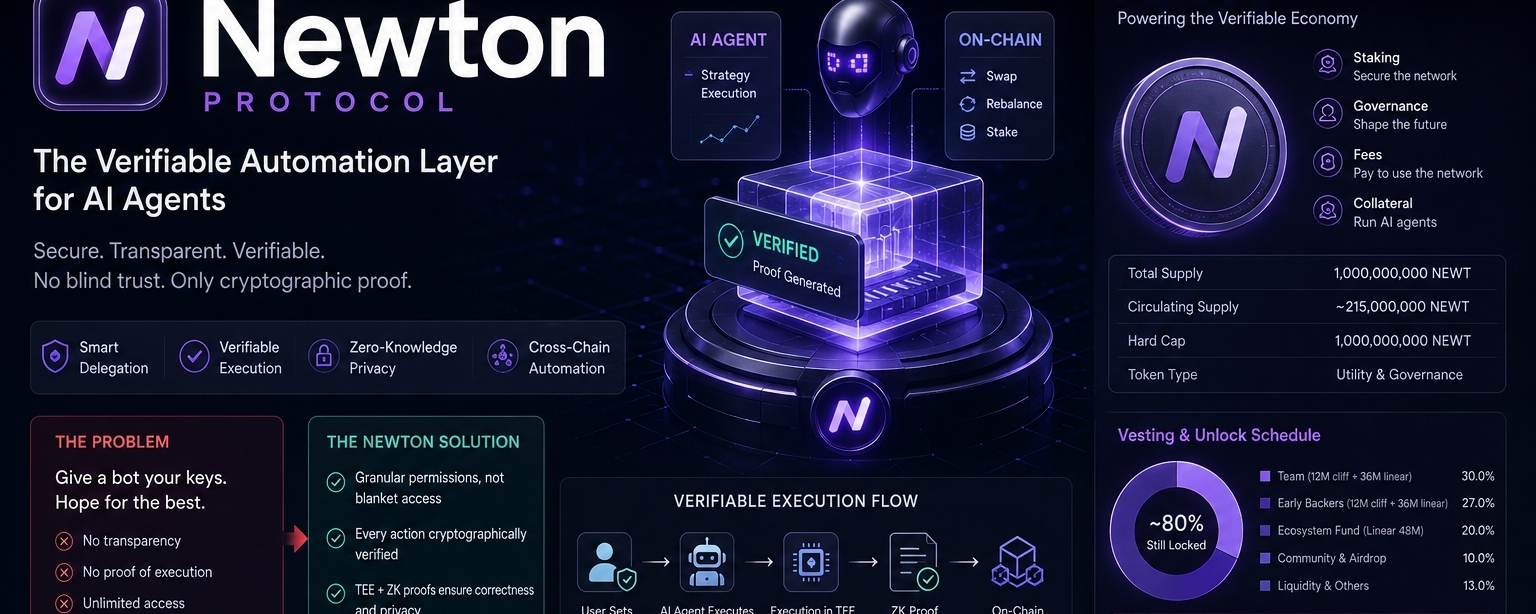
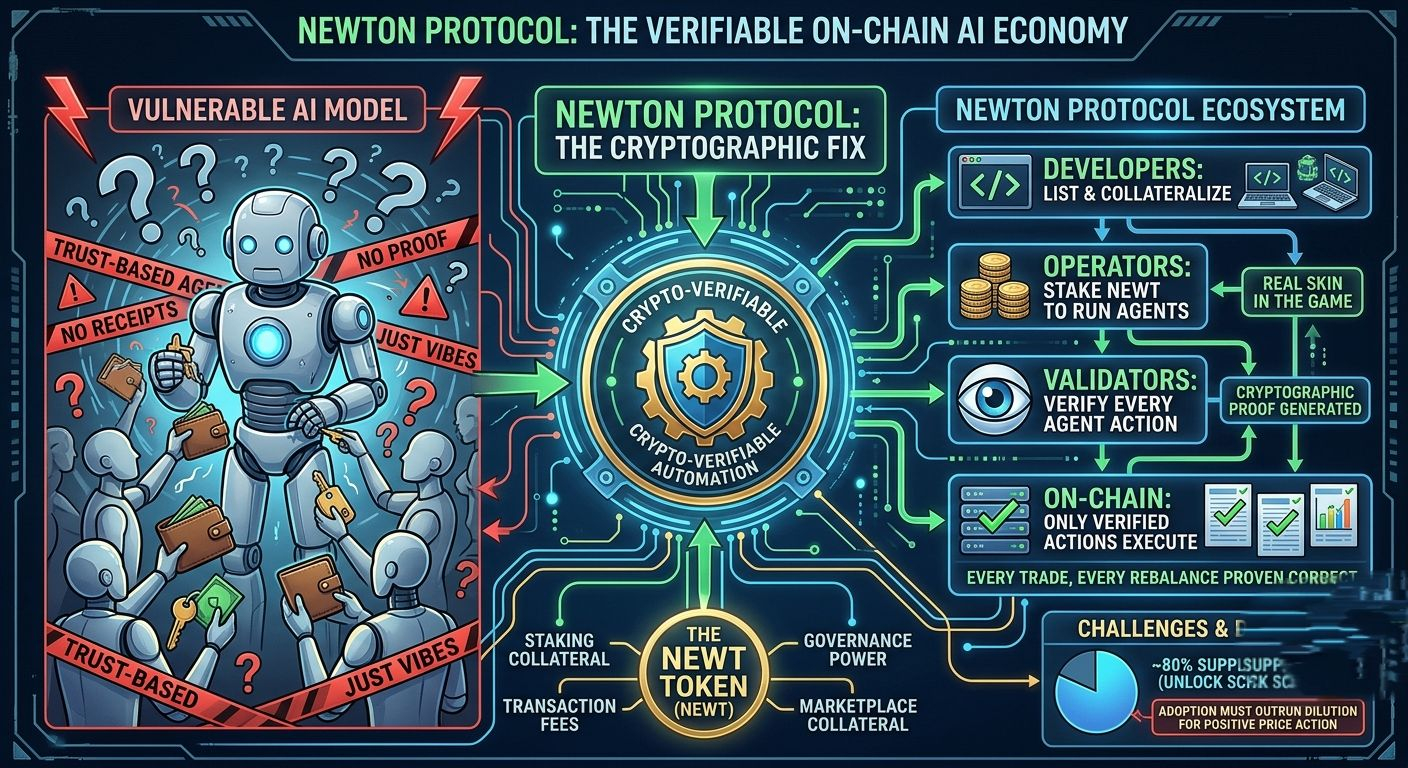
@NewtonProtocol Jeder reicht einfach die Schlüssel zu seinem Wallet an einen Bot weiter und hofft nur… Das war das ganze Sicherheitsmodell für On-Chain- KI-Agenten. Kein Beweis. Keine Quittungen. Nur Bauchgefühl. Newton Protocol sagte: Nein, das wird geändert. Die Idee: Vertraue nicht einem Agenten — verifiziere ihn. Kryptografisch. Jeder Trade, jedes Rebalancing — nachweislich korrekt on-chain, bevor es überhaupt zählt. Gebaut von Magic Labs, demselben Team, das Wallet-Infrastruktur betreibt und bereits unter 200K+ Entwickler unterstützt. Keine zufälligen Anons mit einem Telegram. NEWT betreibt die ganze Maschine — Staking, Gebühren, Marketplace-Collateral, Governance. Entwickler listen Agenten auf, Operatoren staken Collateral, Validatoren verifizieren alles. Auf jeder Seite echtes Risiko im Spiel. Hier aber der Haken: Fast 80% der Supply sind noch immer gesperrt. Große Unlocks landen weiterhin. Die Adoption muss schneller wachsen als die Verwässerung — sonst interessiert das Diagramm nicht, wie gut die Technologie ist. Verifizierbare Automatisierung ist die Wette. Ob sie aufgeht? Das hängt von der Nutzung ab, nicht vom Hype.#newt $NEWT
Anmelden und weiter Inhalte entdecken