
ZEN ARLO
10.2k منشورات

ZEN ARLO
 تحقُّق Binance Square الإضافي
إبلاغ
حظر المُستخدم
Code by day, charts by night. Sleep? Rarely. I try not to FOMO. LFG 🥂
30 تتابع
34.0K+ المتابعون
54.0K+ إعجاب
منشورات
الكل
Live
·
--
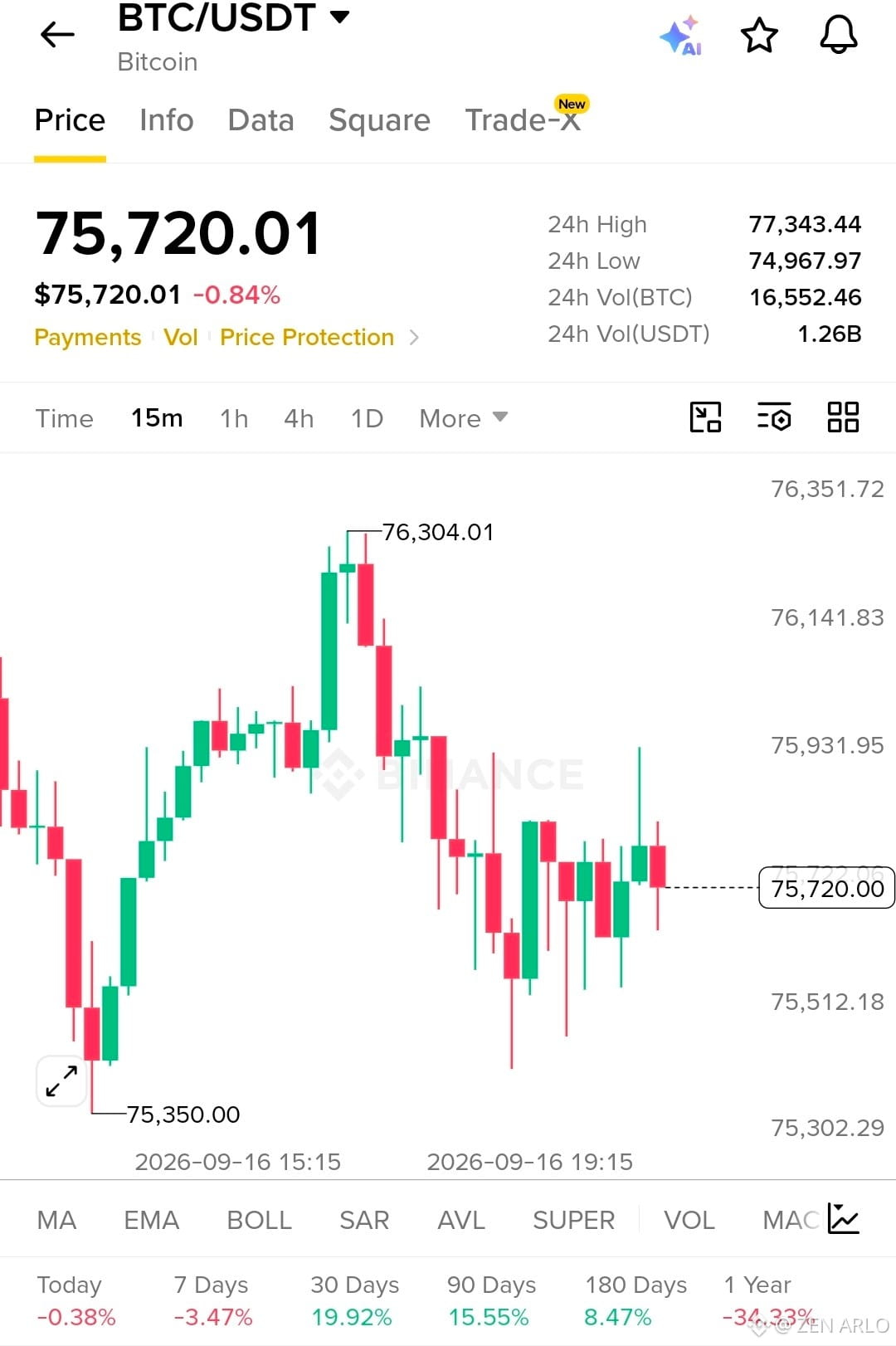
$BTC تُظهر قوة بعد الدفاع عن منطقة السيولة السفلية.
يستعيد المشترون السيطرة قصيرة المدى فوق أدنى سعر التفاعل عند 75,350 دولار.
EP 75,600–75,750
TP 75,932 76,142 76,304
SL 75,350
تم مسح السيولة حول النطاق الأدنى قبل حدوث رد فعل قوي من 75,350. إن الحفاظ على منطقة الدخول يبقي بنية التعافي سليمة، بينما يمكن أن يؤدي القبول فوق 75,932 إلى إعادة فتح الزخم نحو قمم السيولة السابقة.
لننطلق $BTC
{future}(BTCUSDT)
$BTC تُظهر قوة بعد الدفاع عن منطقة السيولة السفلية.
يستعيد المشترون السيطرة قصيرة المدى فوق أدنى سعر التفاعل عند 75,350 دولار.
EP 75,600–75,750
TP 75,932 76,142 76,304
SL 75,350
تم مسح السيولة حول النطاق الأدنى قبل حدوث رد فعل قوي من 75,350. إن الحفاظ على منطقة الدخول يبقي بنية التعافي سليمة، بينما يمكن أن يؤدي القبول فوق 75,932 إلى إعادة فتح الزخم نحو قمم السيولة السابقة.
لننطلق $BTC
يستعيد المشترون السيطرة قصيرة المدى فوق أدنى سعر التفاعل عند 75,350 دولار.
EP 75,600–75,750
TP 75,932 76,142 76,304
SL 75,350
تم مسح السيولة حول النطاق الأدنى قبل حدوث رد فعل قوي من 75,350. إن الحفاظ على منطقة الدخول يبقي بنية التعافي سليمة، بينما يمكن أن يؤدي القبول فوق 75,932 إلى إعادة فتح الزخم نحو قمم السيولة السابقة.
لننطلق $BTC
8
9
4.5k
·
--
صاعد
صحيح جزئيًا
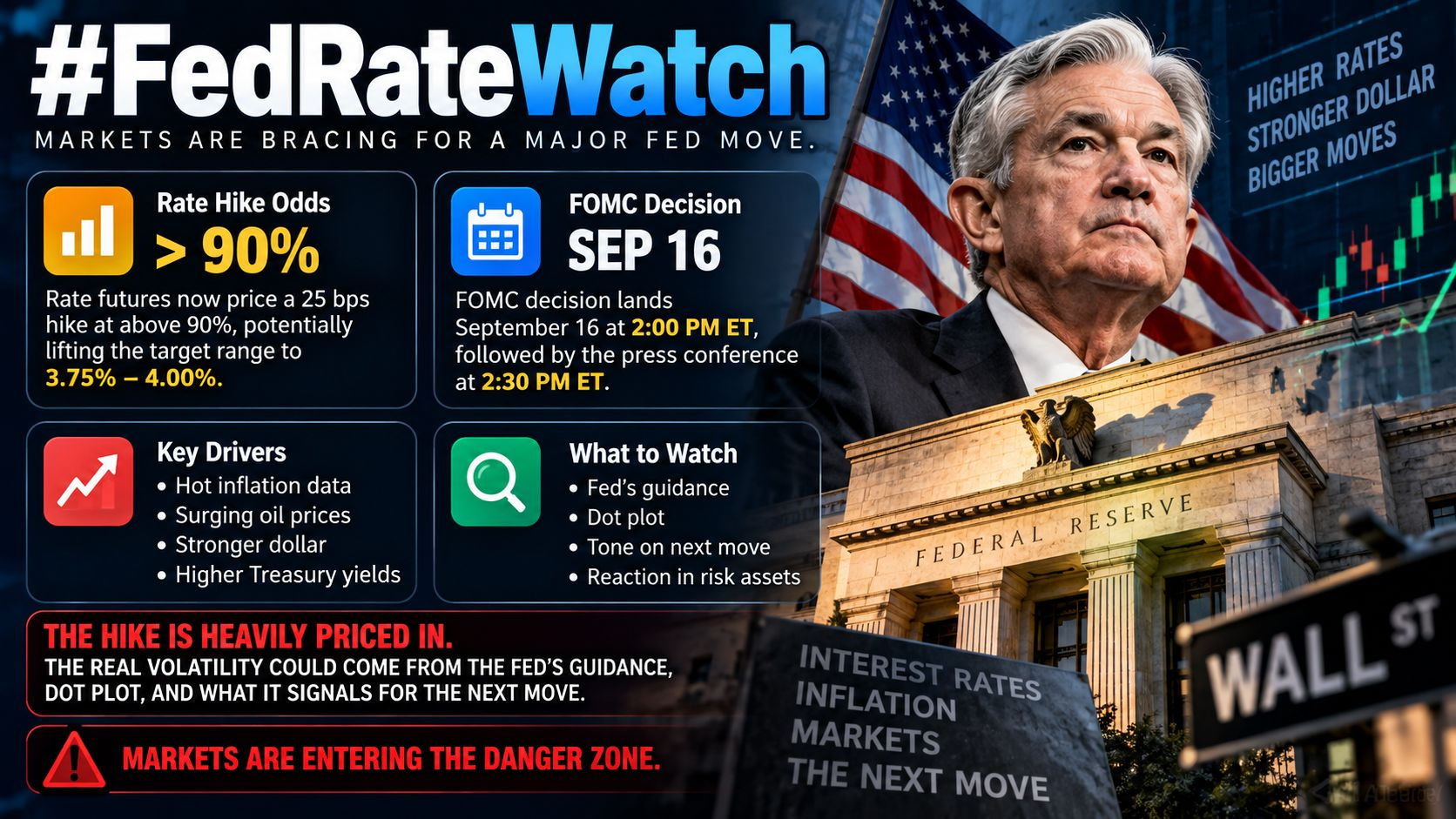
تستعد الأسواق لخطوة كبيرة من مجلس الاحتياطي الفيدرالي.
الآن تُسعِّر عقود أسعار الفائدة رفعًا بمقدار 25 نقطة أساس بنسبة تزيد عن 90%، ما قد يرفع نطاق الهدف إلى 3.75%–4.00%.
تأتي قرارات لجنة السوق الفيدرالية (FOMC) يوم 16 سبتمبر الساعة 2:00 مساءً بتوقيت شرق الولايات المتحدة، تليها الندوة الصحفية الساعة 2:30 مساءً بتوقيت شرق الولايات المتحدة.
وقد أدت موجة التضخم الساخن وارتفاع أسعار النفط بشكل حاد إلى قلب التوقعات بالكامل نحو سياسة أكثر تشددًا.
الرفع مُسعَّر بكثافة في الأسعار. وقد تتمثل التقلبات الحقيقية في التوجيهات الصادرة عن مجلس الاحتياطي الفيدرالي، ومخطط النقاط (dot plot)، وما تشير إليه بشأن الخطوة التالية.
تدخل الأسواق منطقة الخطر.
#FedRateWatch
تستعد الأسواق لخطوة كبيرة من مجلس الاحتياطي الفيدرالي.
الآن تُسعِّر عقود أسعار الفائدة رفعًا بمقدار 25 نقطة أساس بنسبة تزيد عن 90%، ما قد يرفع نطاق الهدف إلى 3.75%–4.00%.
تأتي قرارات لجنة السوق الفيدرالية (FOMC) يوم 16 سبتمبر الساعة 2:00 مساءً بتوقيت شرق الولايات المتحدة، تليها الندوة الصحفية الساعة 2:30 مساءً بتوقيت شرق الولايات المتحدة.
وقد أدت موجة التضخم الساخن وارتفاع أسعار النفط بشكل حاد إلى قلب التوقعات بالكامل نحو سياسة أكثر تشددًا.
الرفع مُسعَّر بكثافة في الأسعار. وقد تتمثل التقلبات الحقيقية في التوجيهات الصادرة عن مجلس الاحتياطي الفيدرالي، ومخطط النقاط (dot plot)، وما تشير إليه بشأن الخطوة التالية.
تدخل الأسواق منطقة الخطر.
#FedRateWatch
الآن تُسعِّر عقود أسعار الفائدة رفعًا بمقدار 25 نقطة أساس بنسبة تزيد عن 90%، ما قد يرفع نطاق الهدف إلى 3.75%–4.00%.
تأتي قرارات لجنة السوق الفيدرالية (FOMC) يوم 16 سبتمبر الساعة 2:00 مساءً بتوقيت شرق الولايات المتحدة، تليها الندوة الصحفية الساعة 2:30 مساءً بتوقيت شرق الولايات المتحدة.
وقد أدت موجة التضخم الساخن وارتفاع أسعار النفط بشكل حاد إلى قلب التوقعات بالكامل نحو سياسة أكثر تشددًا.
الرفع مُسعَّر بكثافة في الأسعار. وقد تتمثل التقلبات الحقيقية في التوجيهات الصادرة عن مجلس الاحتياطي الفيدرالي، ومخطط النقاط (dot plot)، وما تشير إليه بشأن الخطوة التالية.
تدخل الأسواق منطقة الخطر.
#FedRateWatch
12
37
3.8k
·
--
صاعد
تمّ التحقق
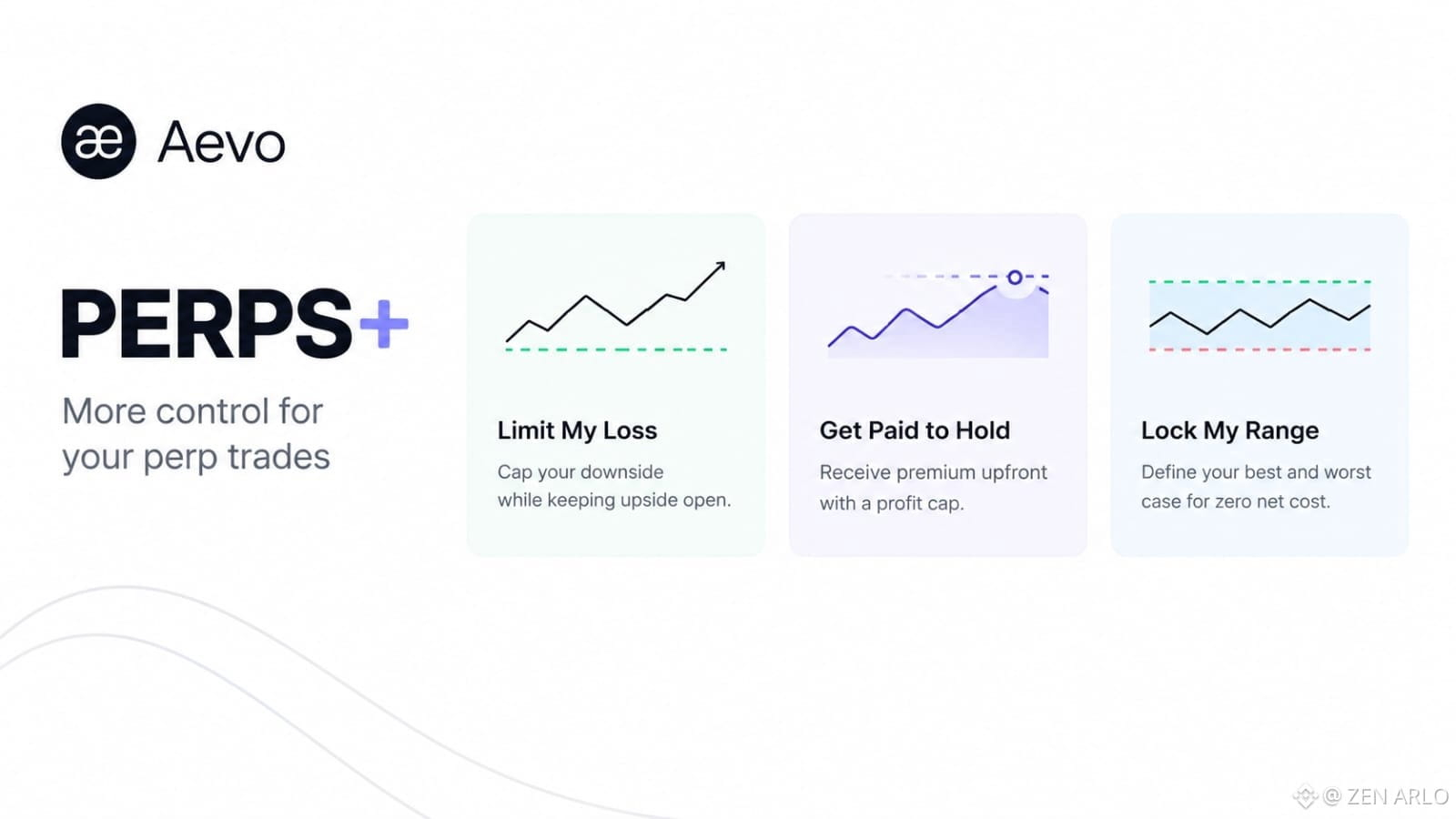
Aevo يجعل إدارة مخاطر عقود الـ Perp العادية تبدو وكأنها غير مكتملة.
معظم متداولي الـ Perp على $BTC ، $ETH ، $HYPE أو الأسواق إلى جانب أسماء مثل $ASTER و$LIT يعرفون المشكلة المتعلقة بوقف الخسارة (stops).
يمكن لشمعة متطرفة واحدة أن تُغلق الصفقة حتى عندما تتحقق الأطروحة الأصلية في النهاية.
$AEVO بنى PERPS+ حول هذه المشكلة.
“Limit My Loss” يتيح لمتداولي عقود Perp على BTC وETH تحديد حد أقصى لخسارتهم خلال مدة محددة مع إبقاء الارتفاع/الربح المحتمل مفتوحًا. الحماية مدمجة داخل الصفقة نفسها، لذلك لا يوجد وقف تقليدي ينتظر ليتم تفعيله بسبب ذيل الشمعة (wick).
“Get Paid to Hold” يتبع مسارًا آخر. تحصل على علاوة مقدمًا مقابل وضع حد للربح المحتمل، مما يساعد على دعم التمويل بدلًا من إلغائه.
“Lock My Range” يحدد الحدود لأفضل وأسوأ سيناريوهات بتكلفة صافية تقريبًا تساوي صفرًا.
يتم اختيار الخيارات الثلاثة عند الدخول في الصفقة، ولا تحتاج إلى فهم ميكانيكيات الخيارات لاستخدامها.
وهذا ما يجعل PERPS+ مثيرًا للاهتمام بالنسبة لمتداولي الـ Perp العاديين. فهو يأخذ النتائج المرتبطة عادةً بالخيارات ويحوّلها إلى إضافات بنقرة واحدة على صفقة مألوفة لعقد Perp على BTC أو ETH.
ربما لا تكون التطوّرة التالية في تداول الـ perp هي إضافة رافعة مالية أكثر.
ربما تتمثل في منح المتداولين مزيدًا من التحكم فيما يحدث عندما يتحرك السوق ضدهم.
معلومات فقط، وليست نصيحة مالية
#AEVO #PERPS #Crypto
Aevo يجعل إدارة مخاطر عقود الـ Perp العادية تبدو وكأنها غير مكتملة.
معظم متداولي الـ Perp على $BTC ، $ETH ، $HYPE أو الأسواق إلى جانب أسماء مثل $ASTER و$LIT يعرفون المشكلة المتعلقة بوقف الخسارة (stops).
يمكن لشمعة متطرفة واحدة أن تُغلق الصفقة حتى عندما تتحقق الأطروحة الأصلية في النهاية.
$AEVO بنى PERPS+ حول هذه المشكلة.
“Limit My Loss” يتيح لمتداولي عقود Perp على BTC وETH تحديد حد أقصى لخسارتهم خلال مدة محددة مع إبقاء الارتفاع/الربح المحتمل مفتوحًا. الحماية مدمجة داخل الصفقة نفسها، لذلك لا يوجد وقف تقليدي ينتظر ليتم تفعيله بسبب ذيل الشمعة (wick).
“Get Paid to Hold” يتبع مسارًا آخر. تحصل على علاوة مقدمًا مقابل وضع حد للربح المحتمل، مما يساعد على دعم التمويل بدلًا من إلغائه.
“Lock My Range” يحدد الحدود لأفضل وأسوأ سيناريوهات بتكلفة صافية تقريبًا تساوي صفرًا.
يتم اختيار الخيارات الثلاثة عند الدخول في الصفقة، ولا تحتاج إلى فهم ميكانيكيات الخيارات لاستخدامها.
وهذا ما يجعل PERPS+ مثيرًا للاهتمام بالنسبة لمتداولي الـ Perp العاديين. فهو يأخذ النتائج المرتبطة عادةً بالخيارات ويحوّلها إلى إضافات بنقرة واحدة على صفقة مألوفة لعقد Perp على BTC أو ETH.
ربما لا تكون التطوّرة التالية في تداول الـ perp هي إضافة رافعة مالية أكثر.
ربما تتمثل في منح المتداولين مزيدًا من التحكم فيما يحدث عندما يتحرك السوق ضدهم.
معلومات فقط، وليست نصيحة مالية
#AEVO #PERPS #Crypto
معظم متداولي الـ Perp على $BTC ، $ETH ، $HYPE أو الأسواق إلى جانب أسماء مثل $ASTER و$LIT يعرفون المشكلة المتعلقة بوقف الخسارة (stops).
يمكن لشمعة متطرفة واحدة أن تُغلق الصفقة حتى عندما تتحقق الأطروحة الأصلية في النهاية.
$AEVO بنى PERPS+ حول هذه المشكلة.
“Limit My Loss” يتيح لمتداولي عقود Perp على BTC وETH تحديد حد أقصى لخسارتهم خلال مدة محددة مع إبقاء الارتفاع/الربح المحتمل مفتوحًا. الحماية مدمجة داخل الصفقة نفسها، لذلك لا يوجد وقف تقليدي ينتظر ليتم تفعيله بسبب ذيل الشمعة (wick).
“Get Paid to Hold” يتبع مسارًا آخر. تحصل على علاوة مقدمًا مقابل وضع حد للربح المحتمل، مما يساعد على دعم التمويل بدلًا من إلغائه.
“Lock My Range” يحدد الحدود لأفضل وأسوأ سيناريوهات بتكلفة صافية تقريبًا تساوي صفرًا.
يتم اختيار الخيارات الثلاثة عند الدخول في الصفقة، ولا تحتاج إلى فهم ميكانيكيات الخيارات لاستخدامها.
وهذا ما يجعل PERPS+ مثيرًا للاهتمام بالنسبة لمتداولي الـ Perp العاديين. فهو يأخذ النتائج المرتبطة عادةً بالخيارات ويحوّلها إلى إضافات بنقرة واحدة على صفقة مألوفة لعقد Perp على BTC أو ETH.
ربما لا تكون التطوّرة التالية في تداول الـ perp هي إضافة رافعة مالية أكثر.
ربما تتمثل في منح المتداولين مزيدًا من التحكم فيما يحدث عندما يتحرك السوق ضدهم.
معلومات فقط، وليست نصيحة مالية
#AEVO #PERPS #Crypto
68
42
11.8k
·
--
صاعد
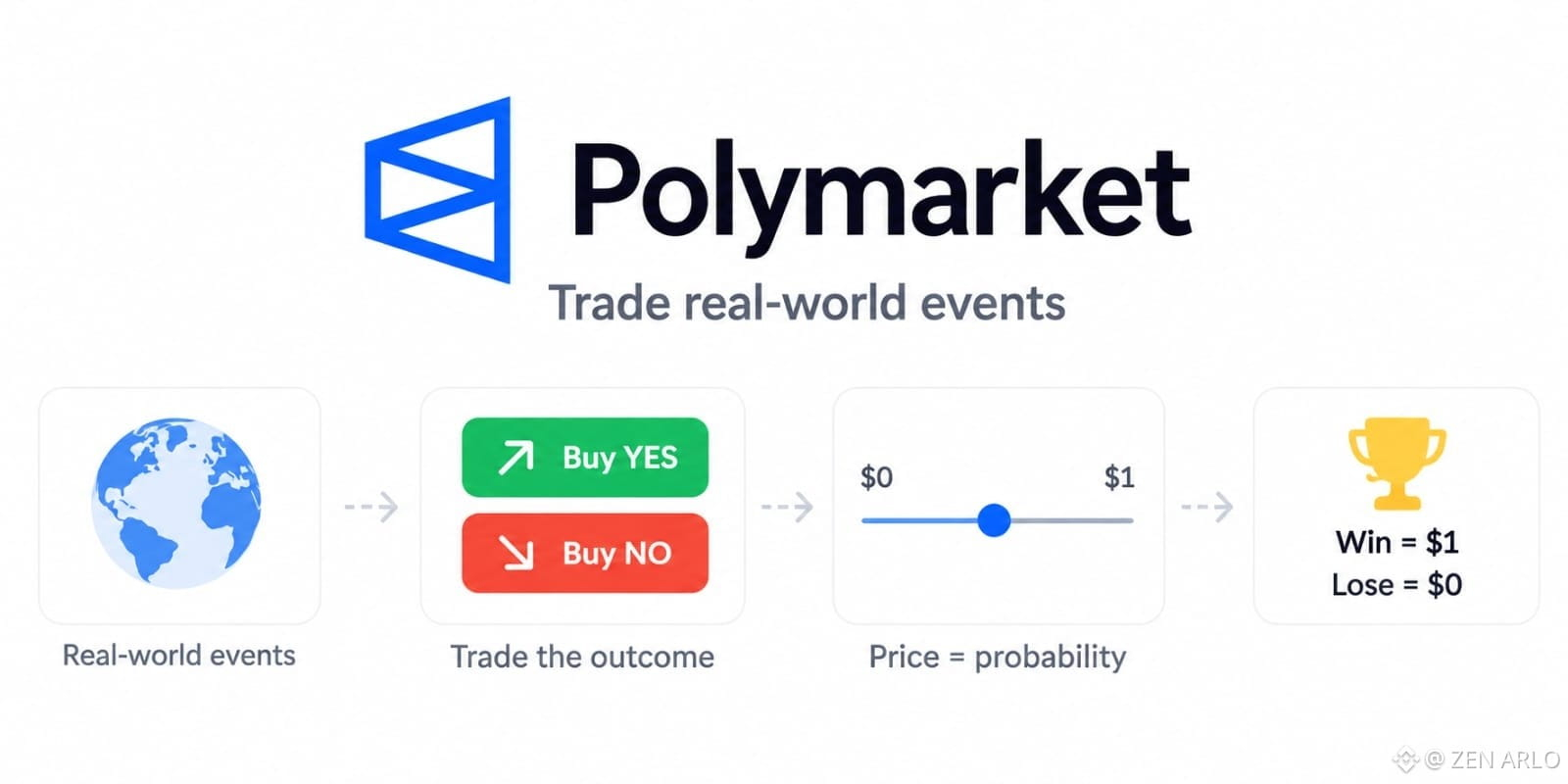
تصبح الأحداث الواقعية أسواقًا قابلة للتداول.
حوّلت Polymarket الأحداث الواقعية عبر مجالات مثل الكريبتو والسياسة والرياضة والتمويل والتقنية وغيرها إلى أسواق تنبؤات قابلة للتداول.
يتداول كل ناتج بين 0 و1 دولار، ما يعكس فعليًا الاحتمال الذي يخصّصه المتداولون لذلك النتيجة. تمثّل أسهم YES بسعر 0.40 تقريبًا احتمالًا سوقيًا بنسبة 40%.
هل تعتقد أن الاحتمال منخفض جدًا؟ اشترِ YES.
هل تعتقد أنه مرتفع جدًا؟ اشترِ NO.
ولا تحتاج دائمًا إلى انتظار النتيجة النهائية أيضًا. يمكن بيع المراكز قبل الحسم إذا تحرك السوق لصالحك أو إذا تغيّر رأيك.
توفر أوامر الحد مزيدًا من التحكم في سعر الدخول، بينما تتداول الأوامر الفورية مقابل السيولة المتاحة.
عند حسم الحدث، تصبح النتيجة الفائزة بقيمة 1 دولار لكل سهم، بينما تذهب الجهة الخاسرة إلى 0.
وهذا يجعل فهم قواعد الحسم والسيولة وعمق دفتر الأوامر بنفس أهمية التنبؤ بالحدث نفسه.
وبالنسبة لمستخدمي الكريبتو الذين يراقبون بالفعل الأنظمة البيئية حول $UMA و$GNO و$LINK ، تضيف أسواق التنبؤات زاوية أخرى: التداول بناءً على المعلومات والاحتمالات بدلًا من المراهنة ببساطة على اتجاه سعر الرمز.
السؤال الأكبر هو ما إذا كانت أسواق التنبؤ ستصبح في النهاية واحدة من أكثر أدوات الكريبتو فائدة لقياس ما يعتقده الناس فعليًا أنه سيحدث.
فقط معلومات وليست نصيحة مالية
#Polymarket #PredictionMarkets #Crypto
تصبح الأحداث الواقعية أسواقًا قابلة للتداول.
حوّلت Polymarket الأحداث الواقعية عبر مجالات مثل الكريبتو والسياسة والرياضة والتمويل والتقنية وغيرها إلى أسواق تنبؤات قابلة للتداول.
يتداول كل ناتج بين 0 و1 دولار، ما يعكس فعليًا الاحتمال الذي يخصّصه المتداولون لذلك النتيجة. تمثّل أسهم YES بسعر 0.40 تقريبًا احتمالًا سوقيًا بنسبة 40%.
هل تعتقد أن الاحتمال منخفض جدًا؟ اشترِ YES.
هل تعتقد أنه مرتفع جدًا؟ اشترِ NO.
ولا تحتاج دائمًا إلى انتظار النتيجة النهائية أيضًا. يمكن بيع المراكز قبل الحسم إذا تحرك السوق لصالحك أو إذا تغيّر رأيك.
توفر أوامر الحد مزيدًا من التحكم في سعر الدخول، بينما تتداول الأوامر الفورية مقابل السيولة المتاحة.
عند حسم الحدث، تصبح النتيجة الفائزة بقيمة 1 دولار لكل سهم، بينما تذهب الجهة الخاسرة إلى 0.
وهذا يجعل فهم قواعد الحسم والسيولة وعمق دفتر الأوامر بنفس أهمية التنبؤ بالحدث نفسه.
وبالنسبة لمستخدمي الكريبتو الذين يراقبون بالفعل الأنظمة البيئية حول $UMA و$GNO و$LINK ، تضيف أسواق التنبؤات زاوية أخرى: التداول بناءً على المعلومات والاحتمالات بدلًا من المراهنة ببساطة على اتجاه سعر الرمز.
السؤال الأكبر هو ما إذا كانت أسواق التنبؤ ستصبح في النهاية واحدة من أكثر أدوات الكريبتو فائدة لقياس ما يعتقده الناس فعليًا أنه سيحدث.
فقط معلومات وليست نصيحة مالية
#Polymarket #PredictionMarkets #Crypto
حوّلت Polymarket الأحداث الواقعية عبر مجالات مثل الكريبتو والسياسة والرياضة والتمويل والتقنية وغيرها إلى أسواق تنبؤات قابلة للتداول.
يتداول كل ناتج بين 0 و1 دولار، ما يعكس فعليًا الاحتمال الذي يخصّصه المتداولون لذلك النتيجة. تمثّل أسهم YES بسعر 0.40 تقريبًا احتمالًا سوقيًا بنسبة 40%.
هل تعتقد أن الاحتمال منخفض جدًا؟ اشترِ YES.
هل تعتقد أنه مرتفع جدًا؟ اشترِ NO.
ولا تحتاج دائمًا إلى انتظار النتيجة النهائية أيضًا. يمكن بيع المراكز قبل الحسم إذا تحرك السوق لصالحك أو إذا تغيّر رأيك.
توفر أوامر الحد مزيدًا من التحكم في سعر الدخول، بينما تتداول الأوامر الفورية مقابل السيولة المتاحة.
عند حسم الحدث، تصبح النتيجة الفائزة بقيمة 1 دولار لكل سهم، بينما تذهب الجهة الخاسرة إلى 0.
وهذا يجعل فهم قواعد الحسم والسيولة وعمق دفتر الأوامر بنفس أهمية التنبؤ بالحدث نفسه.
وبالنسبة لمستخدمي الكريبتو الذين يراقبون بالفعل الأنظمة البيئية حول $UMA و$GNO و$LINK ، تضيف أسواق التنبؤات زاوية أخرى: التداول بناءً على المعلومات والاحتمالات بدلًا من المراهنة ببساطة على اتجاه سعر الرمز.
السؤال الأكبر هو ما إذا كانت أسواق التنبؤ ستصبح في النهاية واحدة من أكثر أدوات الكريبتو فائدة لقياس ما يعتقده الناس فعليًا أنه سيحدث.
فقط معلومات وليست نصيحة مالية
#Polymarket #PredictionMarkets #Crypto
68
42
10.5k
·
--
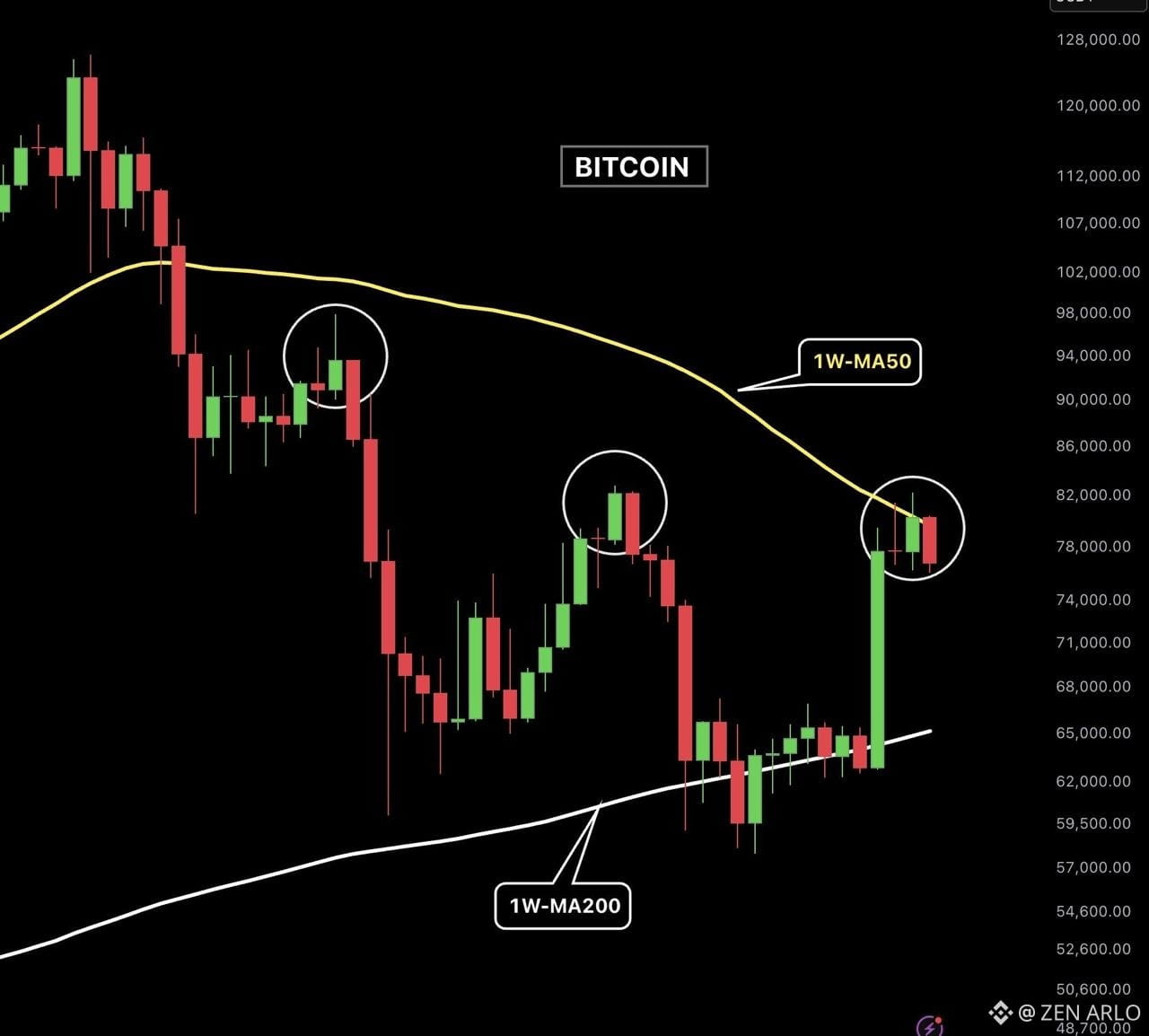
$BTC عند مستوى حاسم للغاية.
تم رفض البيتكوين للتو عند متوسطه المتحرك لـ 50 يومًا، وكانت آخر رفضين هنا تلاهما انهيارات كبيرة.
يحتاج الثيران إلى إغلاق أسبوعي يعود فوق متوسط 50 يومًا لتعزيز حجة أن 57 ألف دولار كان القاع.
إذا أغلق بيتكوين دونه، فإن 75,500 دولار هو مستوى الدعم الرئيسي التالي. وإذا فُقد ذلك، سيصبح متوسط 200 يوم بالقرب من 65 ألف دولار هو المستوى الأهم الذي يجب مراقبته.
قد يكون هذا الإغلاق الأسبوعي هو الذي يقرر الحركة الكبيرة القادمة للبيتكوين.
$BTC عند مستوى حاسم للغاية.
تم رفض البيتكوين للتو عند متوسطه المتحرك لـ 50 يومًا، وكانت آخر رفضين هنا تلاهما انهيارات كبيرة.
يحتاج الثيران إلى إغلاق أسبوعي يعود فوق متوسط 50 يومًا لتعزيز حجة أن 57 ألف دولار كان القاع.
إذا أغلق بيتكوين دونه، فإن 75,500 دولار هو مستوى الدعم الرئيسي التالي. وإذا فُقد ذلك، سيصبح متوسط 200 يوم بالقرب من 65 ألف دولار هو المستوى الأهم الذي يجب مراقبته.
قد يكون هذا الإغلاق الأسبوعي هو الذي يقرر الحركة الكبيرة القادمة للبيتكوين.
تم رفض البيتكوين للتو عند متوسطه المتحرك لـ 50 يومًا، وكانت آخر رفضين هنا تلاهما انهيارات كبيرة.
يحتاج الثيران إلى إغلاق أسبوعي يعود فوق متوسط 50 يومًا لتعزيز حجة أن 57 ألف دولار كان القاع.
إذا أغلق بيتكوين دونه، فإن 75,500 دولار هو مستوى الدعم الرئيسي التالي. وإذا فُقد ذلك، سيصبح متوسط 200 يوم بالقرب من 65 ألف دولار هو المستوى الأهم الذي يجب مراقبته.
قد يكون هذا الإغلاق الأسبوعي هو الذي يقرر الحركة الكبيرة القادمة للبيتكوين.
9
15
2.9k
·
--
صاعد
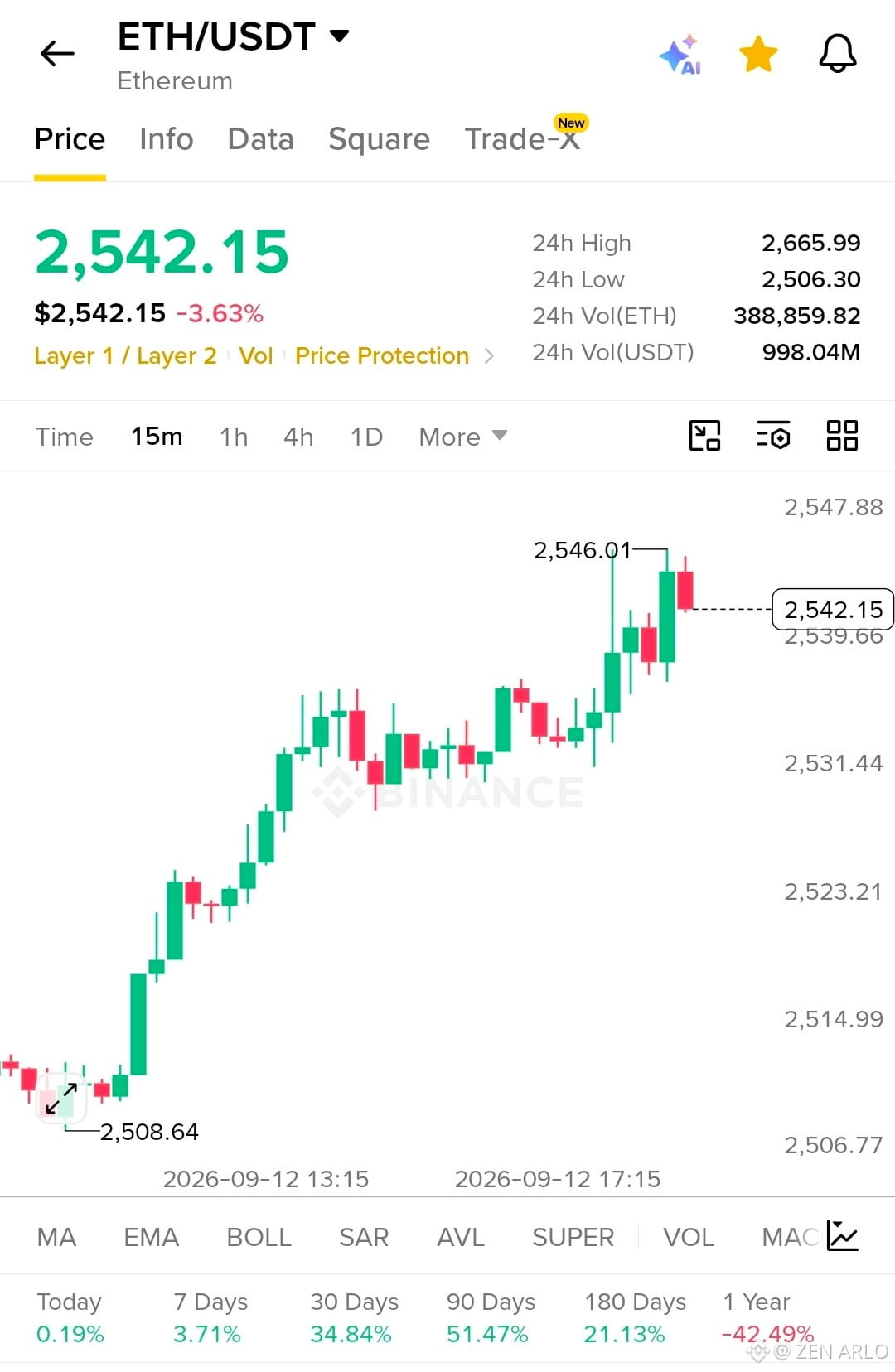
$ETH يُظهر تعافيًا قويًا على المدى القصير. لا يزال المشترون في السيطرة فوق البنية المستعادة.
السعر المستهدف EP $2,539.66–$2,542.15
الهدف TP $2,546.01 $2,547.88 $2,555.00
وقف الخسارة SL $2,531.44
تتزايد السيولة فوق أعلى مستوى حديث، بينما تستمر ردود الفعل من منطقة الاستعادة في دعم البنية الصعودية.
لننطلق $ETH
{future}(ETHUSDT)
$ETH يُظهر تعافيًا قويًا على المدى القصير. لا يزال المشترون في السيطرة فوق البنية المستعادة.
السعر المستهدف EP $2,539.66–$2,542.15
الهدف TP $2,546.01 $2,547.88 $2,555.00
وقف الخسارة SL $2,531.44
تتزايد السيولة فوق أعلى مستوى حديث، بينما تستمر ردود الفعل من منطقة الاستعادة في دعم البنية الصعودية.
لننطلق $ETH
السعر المستهدف EP $2,539.66–$2,542.15
الهدف TP $2,546.01 $2,547.88 $2,555.00
وقف الخسارة SL $2,531.44
تتزايد السيولة فوق أعلى مستوى حديث، بينما تستمر ردود الفعل من منطقة الاستعادة في دعم البنية الصعودية.
لننطلق $ETH
9
15
4.4k
·
--
صاعد
تمّ التحقق
تعود التضخم في الولايات المتحدة إلى دائرة الضوء.
توقعات مؤشر أسعار المستهلكين لشهر أغسطس:
الاجمالي: +0.4% شهريًا، +3.4% سنويًا
الأساسي (Core CPI): +0.2% شهريًا، +2.4% سنويًا
بلغ متوسط سعر البنزين 4.192 دولار للغالون في أغسطس، بينما أدى ارتفاع النفط فوق 100 دولار إلى زيادة ضغوط التضخم. قفز مؤشر أسعار المنتجين (PPI) لشهر أغسطس بالفعل بنسبة 0.4% على أساس شهري و5.4% على أساس سنوي.
تسعّر الأسواق حاليًا ما يقارب 70% من احتمال رفع الفائدة بمقدار 25 نقطة أساس في اجتماع 15–16 سبتمبر.
قد يؤدي مؤشر تضخم قوي (CPI) إلى ضرب الأسهم والسلع الرقمية (كريبتو) والذهب، مع دفع العوائد والدولار إلى الأعلى. أما قراءة أضعف فقد تُطلق حركة ارتياح حادة للأصول عالية المخاطر.
قد يتحرك هذا مؤشر CPI بكل شيء.
#CPIWatch
تعود التضخم في الولايات المتحدة إلى دائرة الضوء.
توقعات مؤشر أسعار المستهلكين لشهر أغسطس:
الاجمالي: +0.4% شهريًا، +3.4% سنويًا
الأساسي (Core CPI): +0.2% شهريًا، +2.4% سنويًا
بلغ متوسط سعر البنزين 4.192 دولار للغالون في أغسطس، بينما أدى ارتفاع النفط فوق 100 دولار إلى زيادة ضغوط التضخم. قفز مؤشر أسعار المنتجين (PPI) لشهر أغسطس بالفعل بنسبة 0.4% على أساس شهري و5.4% على أساس سنوي.
تسعّر الأسواق حاليًا ما يقارب 70% من احتمال رفع الفائدة بمقدار 25 نقطة أساس في اجتماع 15–16 سبتمبر.
قد يؤدي مؤشر تضخم قوي (CPI) إلى ضرب الأسهم والسلع الرقمية (كريبتو) والذهب، مع دفع العوائد والدولار إلى الأعلى. أما قراءة أضعف فقد تُطلق حركة ارتياح حادة للأصول عالية المخاطر.
قد يتحرك هذا مؤشر CPI بكل شيء.
#CPIWatch
توقعات مؤشر أسعار المستهلكين لشهر أغسطس:
الاجمالي: +0.4% شهريًا، +3.4% سنويًا
الأساسي (Core CPI): +0.2% شهريًا، +2.4% سنويًا
بلغ متوسط سعر البنزين 4.192 دولار للغالون في أغسطس، بينما أدى ارتفاع النفط فوق 100 دولار إلى زيادة ضغوط التضخم. قفز مؤشر أسعار المنتجين (PPI) لشهر أغسطس بالفعل بنسبة 0.4% على أساس شهري و5.4% على أساس سنوي.
تسعّر الأسواق حاليًا ما يقارب 70% من احتمال رفع الفائدة بمقدار 25 نقطة أساس في اجتماع 15–16 سبتمبر.
قد يؤدي مؤشر تضخم قوي (CPI) إلى ضرب الأسهم والسلع الرقمية (كريبتو) والذهب، مع دفع العوائد والدولار إلى الأعلى. أما قراءة أضعف فقد تُطلق حركة ارتياح حادة للأصول عالية المخاطر.
قد يتحرك هذا مؤشر CPI بكل شيء.
#CPIWatch

10
3
69
80.5k
·
--
صاعد
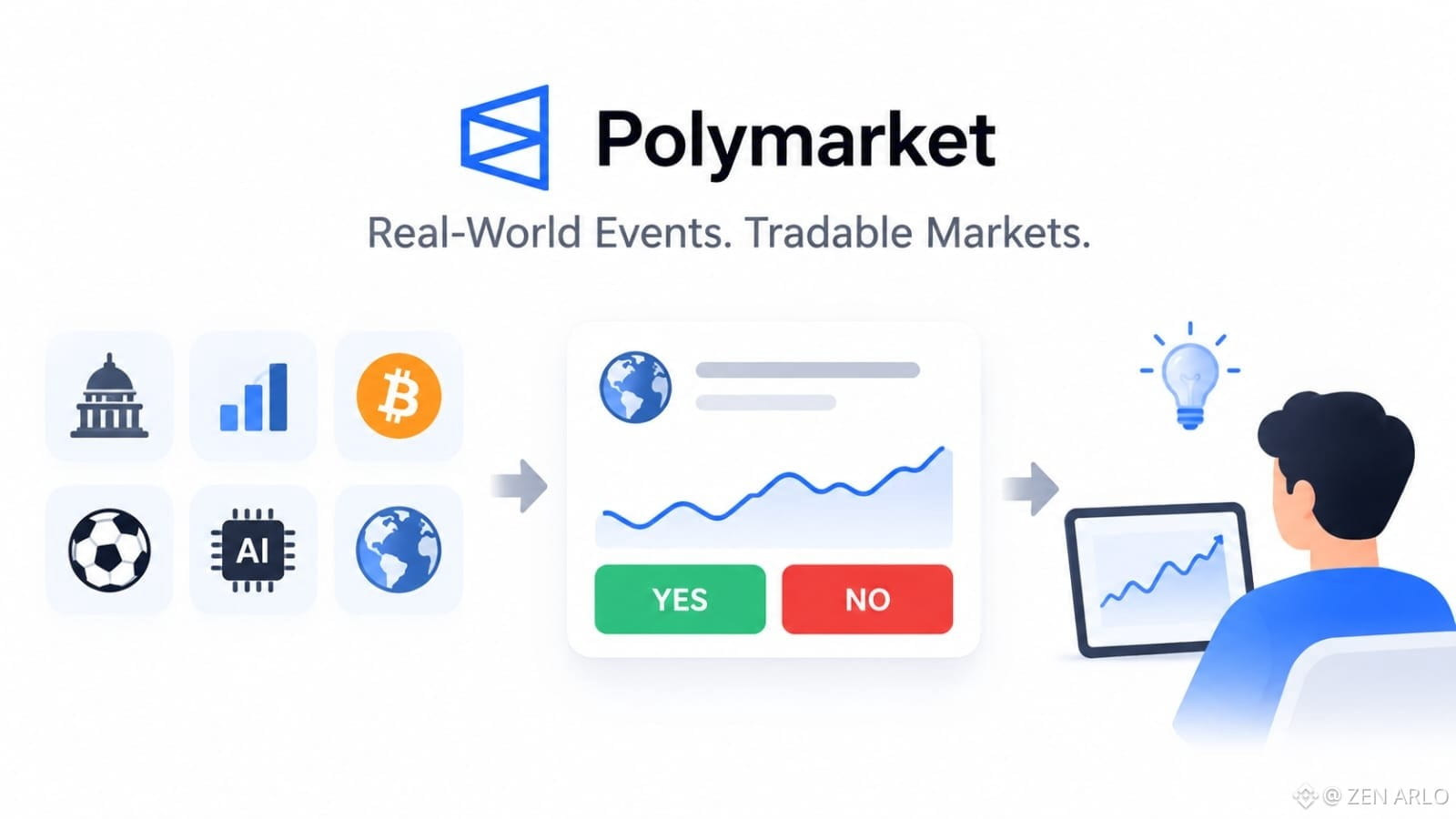
Polymarket يجعل المعرفة في العالم الحقيقي قابلة للتداول.
بدلًا من الاكتفاء بمشاهدة تحرّك الأسواق، يمكن للمستخدمين تداول النتائج عبر مجالات مثل العملات المشفرة والسياسة والذكاء الاصطناعي والاقتصاد والرياضة والترفيه.
تُبنى الأسواق على نتائج بسيطة بنعم أو لا.
يعكس السعر ما يعتقده المتداولون مجتمعين بشأن احتمال حدوث حدث ما.
إذا أشارت أبحاثك إلى نتيجة مختلفة، يمكنك اتخاذ الجانب الذي تعتقد أن السوق يقلّل من قيمته.
يمكن أيضًا إدارة المراكز مع تغيّر الظروف.
قد تؤدي المعلومات الجديدة إلى تغيير الاحتمالات بسرعة، ما يمنح المتداولين النشطين فرصًا دون الحاجة بالضرورة إلى انتظار استقرار الحدث.
تأتي الميزة الحقيقية من المعرفة.
شخص يفهم الذكاء الاصطناعي أو الجيوسياسة أو العملات المشفرة أو الرياضة بعمق يمكنه التركيز على الأسواق التي تكون فيها هذه الخبرة مهمة فعلًا.
بالنسبة للمتداولين الذين يتابعون بالفعل $BTC و $ETH و $SOL و $LINK، يوفّر ذلك طريقة أخرى لاستخدام أبحاث السوق بعيدًا عن مجرد التنبؤ بأسعار الرموز.
تجمع Polymarket بين المعلومات والاحتمالية والتداول في تجربة واحدة حيث يمكن أن تُحدث الأبحاث والتوقيت فرقًا.
معلومات فقط وليست نصيحة مالية
#Polymarket #PredictionMarkets #CryptoTrading
Polymarket يجعل المعرفة في العالم الحقيقي قابلة للتداول.
بدلًا من الاكتفاء بمشاهدة تحرّك الأسواق، يمكن للمستخدمين تداول النتائج عبر مجالات مثل العملات المشفرة والسياسة والذكاء الاصطناعي والاقتصاد والرياضة والترفيه.
تُبنى الأسواق على نتائج بسيطة بنعم أو لا.
يعكس السعر ما يعتقده المتداولون مجتمعين بشأن احتمال حدوث حدث ما.
إذا أشارت أبحاثك إلى نتيجة مختلفة، يمكنك اتخاذ الجانب الذي تعتقد أن السوق يقلّل من قيمته.
يمكن أيضًا إدارة المراكز مع تغيّر الظروف.
قد تؤدي المعلومات الجديدة إلى تغيير الاحتمالات بسرعة، ما يمنح المتداولين النشطين فرصًا دون الحاجة بالضرورة إلى انتظار استقرار الحدث.
تأتي الميزة الحقيقية من المعرفة.
شخص يفهم الذكاء الاصطناعي أو الجيوسياسة أو العملات المشفرة أو الرياضة بعمق يمكنه التركيز على الأسواق التي تكون فيها هذه الخبرة مهمة فعلًا.
بالنسبة للمتداولين الذين يتابعون بالفعل $BTC و $ETH و $SOL و $LINK، يوفّر ذلك طريقة أخرى لاستخدام أبحاث السوق بعيدًا عن مجرد التنبؤ بأسعار الرموز.
تجمع Polymarket بين المعلومات والاحتمالية والتداول في تجربة واحدة حيث يمكن أن تُحدث الأبحاث والتوقيت فرقًا.
معلومات فقط وليست نصيحة مالية
#Polymarket #PredictionMarkets #CryptoTrading
بدلًا من الاكتفاء بمشاهدة تحرّك الأسواق، يمكن للمستخدمين تداول النتائج عبر مجالات مثل العملات المشفرة والسياسة والذكاء الاصطناعي والاقتصاد والرياضة والترفيه.
تُبنى الأسواق على نتائج بسيطة بنعم أو لا.
يعكس السعر ما يعتقده المتداولون مجتمعين بشأن احتمال حدوث حدث ما.
إذا أشارت أبحاثك إلى نتيجة مختلفة، يمكنك اتخاذ الجانب الذي تعتقد أن السوق يقلّل من قيمته.
يمكن أيضًا إدارة المراكز مع تغيّر الظروف.
قد تؤدي المعلومات الجديدة إلى تغيير الاحتمالات بسرعة، ما يمنح المتداولين النشطين فرصًا دون الحاجة بالضرورة إلى انتظار استقرار الحدث.
تأتي الميزة الحقيقية من المعرفة.
شخص يفهم الذكاء الاصطناعي أو الجيوسياسة أو العملات المشفرة أو الرياضة بعمق يمكنه التركيز على الأسواق التي تكون فيها هذه الخبرة مهمة فعلًا.
بالنسبة للمتداولين الذين يتابعون بالفعل $BTC و $ETH و $SOL و $LINK، يوفّر ذلك طريقة أخرى لاستخدام أبحاث السوق بعيدًا عن مجرد التنبؤ بأسعار الرموز.
تجمع Polymarket بين المعلومات والاحتمالية والتداول في تجربة واحدة حيث يمكن أن تُحدث الأبحاث والتوقيت فرقًا.
معلومات فقط وليست نصيحة مالية
#Polymarket #PredictionMarkets #CryptoTrading
60
51
15k
·
--
صاعد
$ETH لقد نجوت للتو من موجة سيولة حادة.
انخفض الإيثيريوم إلى 2,470.57 دولارًا قبل أن يرتد مرة أخرى نحو 2,490 على مخطط 15M.
الحالي: 2,490 دولار
أعلى مستوى خلال 24 ساعة: 2,523.30 دولار
أدنى مستوى خلال 24 ساعة: 2,470.57 دولار
حجم التداول خلال 24 ساعة: 688.85 مليون دولار
دعم رئيسي: 2,479–2,470 دولار
المقاومة: 2,503 → 2,514 → 2,523 دولار
لا يزال سعر ETH مرتفعًا بنسبة +3.16% خلال 7 أيام و+29.59% خلال 30 يومًا. استعادة 2,503 قد تعيد السيطرة للثيران، بينما فقدان 2,470 سيفتح ضغطًا هبوطيًا جديدًا.
$ETH لقد نجوت للتو من موجة سيولة حادة.
انخفض الإيثيريوم إلى 2,470.57 دولارًا قبل أن يرتد مرة أخرى نحو 2,490 على مخطط 15M.
الحالي: 2,490 دولار
أعلى مستوى خلال 24 ساعة: 2,523.30 دولار
أدنى مستوى خلال 24 ساعة: 2,470.57 دولار
حجم التداول خلال 24 ساعة: 688.85 مليون دولار
دعم رئيسي: 2,479–2,470 دولار
المقاومة: 2,503 → 2,514 → 2,523 دولار
لا يزال سعر ETH مرتفعًا بنسبة +3.16% خلال 7 أيام و+29.59% خلال 30 يومًا. استعادة 2,503 قد تعيد السيطرة للثيران، بينما فقدان 2,470 سيفتح ضغطًا هبوطيًا جديدًا.
انخفض الإيثيريوم إلى 2,470.57 دولارًا قبل أن يرتد مرة أخرى نحو 2,490 على مخطط 15M.
الحالي: 2,490 دولار
أعلى مستوى خلال 24 ساعة: 2,523.30 دولار
أدنى مستوى خلال 24 ساعة: 2,470.57 دولار
حجم التداول خلال 24 ساعة: 688.85 مليون دولار
دعم رئيسي: 2,479–2,470 دولار
المقاومة: 2,503 → 2,514 → 2,523 دولار
لا يزال سعر ETH مرتفعًا بنسبة +3.16% خلال 7 أيام و+29.59% خلال 30 يومًا. استعادة 2,503 قد تعيد السيطرة للثيران، بينما فقدان 2,470 سيفتح ضغطًا هبوطيًا جديدًا.

1
6
2.3k
·
--
صاعد
تمّ التحقق
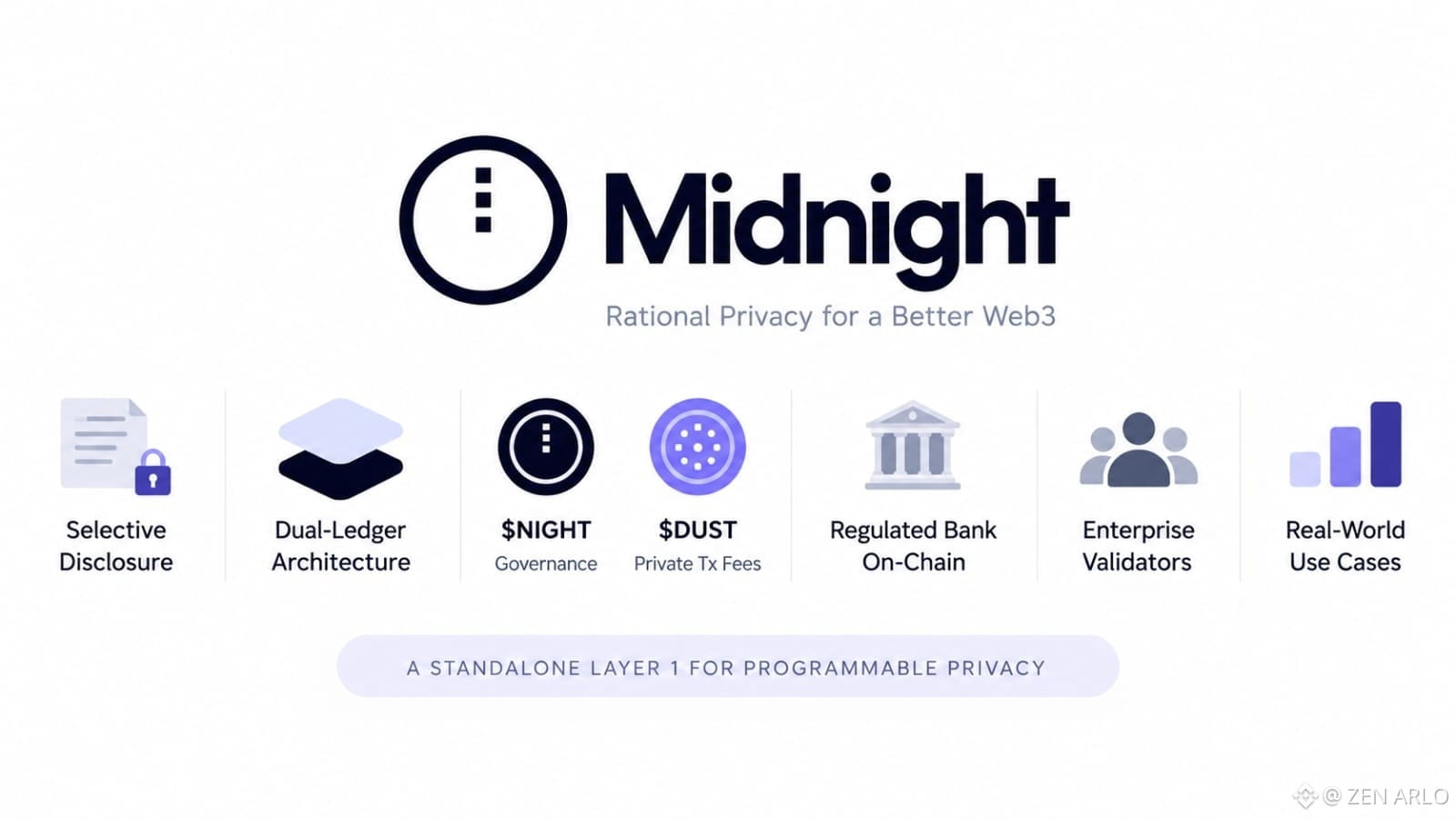
يقترب منتصف الليل من خصوصية المعاملات على السلسلة بمبدأ بسيط: أثبت ما يهم، ولا تكشف شيئًا أكثر.
Midnight عبارة عن طبقة 1 مستقلة للخصوصية القابلة للبرمجة، تستخدم الإفصاح الانتقائي لإثبات أن شيئًا ما صحيح دون تعريض البيانات الأساسية.
يفصل هيكل دفترَي حسابات بين التنسيق العام وبيانات تعريف المعاملة عن التنفيذ المحمي، مع الحفاظ على التفاصيل الحساسة خاصة.
يمنح نموذج التوكنات المزدوجة كل أصل دورًا واضحًا.
$NIGHT T هو أصل الحوكمة والقيمة القابل للتحويل.
$DUST هو مورد غير قابل للتحويل ومتجدد يُستخدم للمعاملات الخاصة. إن امتلاك NIGHT يولّد DUST تلقائيًا.
يأخذ التبنّي في العالم الحقيقي شكله.
تعمل مؤسسة منظَّمة من بنك إنجلترا على توكنة ما يصل إلى 250 مليون جنيه إسترليني من ودائع العملاء على Midnight.
تشارك أيضًا شركات عالمية كبرى في البنية التحتية الخاصة بالمُحقِّقين.
يعمل المطورون على توكنة الأصول الواقعية (RWA)، والتداول الخاص المؤسسي، وحلول الهوية وKYC، والتصويت الخاص.
تم تشغيل الشبكة الرئيسية اللامركزية (federated mainnet) منذ 31 مارس 2026، مع شحن Node الإصدار 1.0.0 وإطلاق لغة العقود الذكية الخاصة بـ Compact.
شارك أكثر من 8M محفظة فريدة عبر ثمانية أنظمة بيئية في Glacier Drop.
صُمِّمت بواسطة Input Output، ولا تزال Midnight بمثابة L1 مستقلة بذاتها، وليست سلسلة فرعية لِـ Cardano ولا حل Layer 2. NIGHT متميز عن $ADA.
بينما يتصل $ZEC و$ADA و$XRP بشكل طبيعي بسرديات أوسع حول الخصوصية والبلوكتشين المؤسسي، تركز Midnight على خصوصية يمكنها إثبات الامتثال دون تعريض بيانات المستخدم دون داعٍ.
هذا الوسط بين الشفافية التامة والسرية التامة يجعل الإفصاح الانتقائي أكثر صلة بالموضوع بالنسبة للمستخدمين والمؤسسات والتمويل في العالم الحقيقي.
فقط معلومات ليست نصيحة مالية
#Midnight #Privacy #Web3
يقترب منتصف الليل من خصوصية المعاملات على السلسلة بمبدأ بسيط: أثبت ما يهم، ولا تكشف شيئًا أكثر.
Midnight عبارة عن طبقة 1 مستقلة للخصوصية القابلة للبرمجة، تستخدم الإفصاح الانتقائي لإثبات أن شيئًا ما صحيح دون تعريض البيانات الأساسية.
يفصل هيكل دفترَي حسابات بين التنسيق العام وبيانات تعريف المعاملة عن التنفيذ المحمي، مع الحفاظ على التفاصيل الحساسة خاصة.
يمنح نموذج التوكنات المزدوجة كل أصل دورًا واضحًا.
$NIGHT T هو أصل الحوكمة والقيمة القابل للتحويل.
$DUST هو مورد غير قابل للتحويل ومتجدد يُستخدم للمعاملات الخاصة. إن امتلاك NIGHT يولّد DUST تلقائيًا.
يأخذ التبنّي في العالم الحقيقي شكله.
تعمل مؤسسة منظَّمة من بنك إنجلترا على توكنة ما يصل إلى 250 مليون جنيه إسترليني من ودائع العملاء على Midnight.
تشارك أيضًا شركات عالمية كبرى في البنية التحتية الخاصة بالمُحقِّقين.
يعمل المطورون على توكنة الأصول الواقعية (RWA)، والتداول الخاص المؤسسي، وحلول الهوية وKYC، والتصويت الخاص.
تم تشغيل الشبكة الرئيسية اللامركزية (federated mainnet) منذ 31 مارس 2026، مع شحن Node الإصدار 1.0.0 وإطلاق لغة العقود الذكية الخاصة بـ Compact.
شارك أكثر من 8M محفظة فريدة عبر ثمانية أنظمة بيئية في Glacier Drop.
صُمِّمت بواسطة Input Output، ولا تزال Midnight بمثابة L1 مستقلة بذاتها، وليست سلسلة فرعية لِـ Cardano ولا حل Layer 2. NIGHT متميز عن $ADA .
بينما يتصل $ZEC و$ADA و$XRP بشكل طبيعي بسرديات أوسع حول الخصوصية والبلوكتشين المؤسسي، تركز Midnight على خصوصية يمكنها إثبات الامتثال دون تعريض بيانات المستخدم دون داعٍ.
هذا الوسط بين الشفافية التامة والسرية التامة يجعل الإفصاح الانتقائي أكثر صلة بالموضوع بالنسبة للمستخدمين والمؤسسات والتمويل في العالم الحقيقي.
فقط معلومات ليست نصيحة مالية
#Midnight #Privacy #Web3
Midnight عبارة عن طبقة 1 مستقلة للخصوصية القابلة للبرمجة، تستخدم الإفصاح الانتقائي لإثبات أن شيئًا ما صحيح دون تعريض البيانات الأساسية.
يفصل هيكل دفترَي حسابات بين التنسيق العام وبيانات تعريف المعاملة عن التنفيذ المحمي، مع الحفاظ على التفاصيل الحساسة خاصة.
يمنح نموذج التوكنات المزدوجة كل أصل دورًا واضحًا.
$NIGHT T هو أصل الحوكمة والقيمة القابل للتحويل.
$DUST هو مورد غير قابل للتحويل ومتجدد يُستخدم للمعاملات الخاصة. إن امتلاك NIGHT يولّد DUST تلقائيًا.
يأخذ التبنّي في العالم الحقيقي شكله.
تعمل مؤسسة منظَّمة من بنك إنجلترا على توكنة ما يصل إلى 250 مليون جنيه إسترليني من ودائع العملاء على Midnight.
تشارك أيضًا شركات عالمية كبرى في البنية التحتية الخاصة بالمُحقِّقين.
يعمل المطورون على توكنة الأصول الواقعية (RWA)، والتداول الخاص المؤسسي، وحلول الهوية وKYC، والتصويت الخاص.
تم تشغيل الشبكة الرئيسية اللامركزية (federated mainnet) منذ 31 مارس 2026، مع شحن Node الإصدار 1.0.0 وإطلاق لغة العقود الذكية الخاصة بـ Compact.
شارك أكثر من 8M محفظة فريدة عبر ثمانية أنظمة بيئية في Glacier Drop.
صُمِّمت بواسطة Input Output، ولا تزال Midnight بمثابة L1 مستقلة بذاتها، وليست سلسلة فرعية لِـ Cardano ولا حل Layer 2. NIGHT متميز عن $ADA .
بينما يتصل $ZEC و$ADA و$XRP بشكل طبيعي بسرديات أوسع حول الخصوصية والبلوكتشين المؤسسي، تركز Midnight على خصوصية يمكنها إثبات الامتثال دون تعريض بيانات المستخدم دون داعٍ.
هذا الوسط بين الشفافية التامة والسرية التامة يجعل الإفصاح الانتقائي أكثر صلة بالموضوع بالنسبة للمستخدمين والمؤسسات والتمويل في العالم الحقيقي.
فقط معلومات ليست نصيحة مالية
#Midnight #Privacy #Web3
57
1
40
15.9k
·
--
صاعد
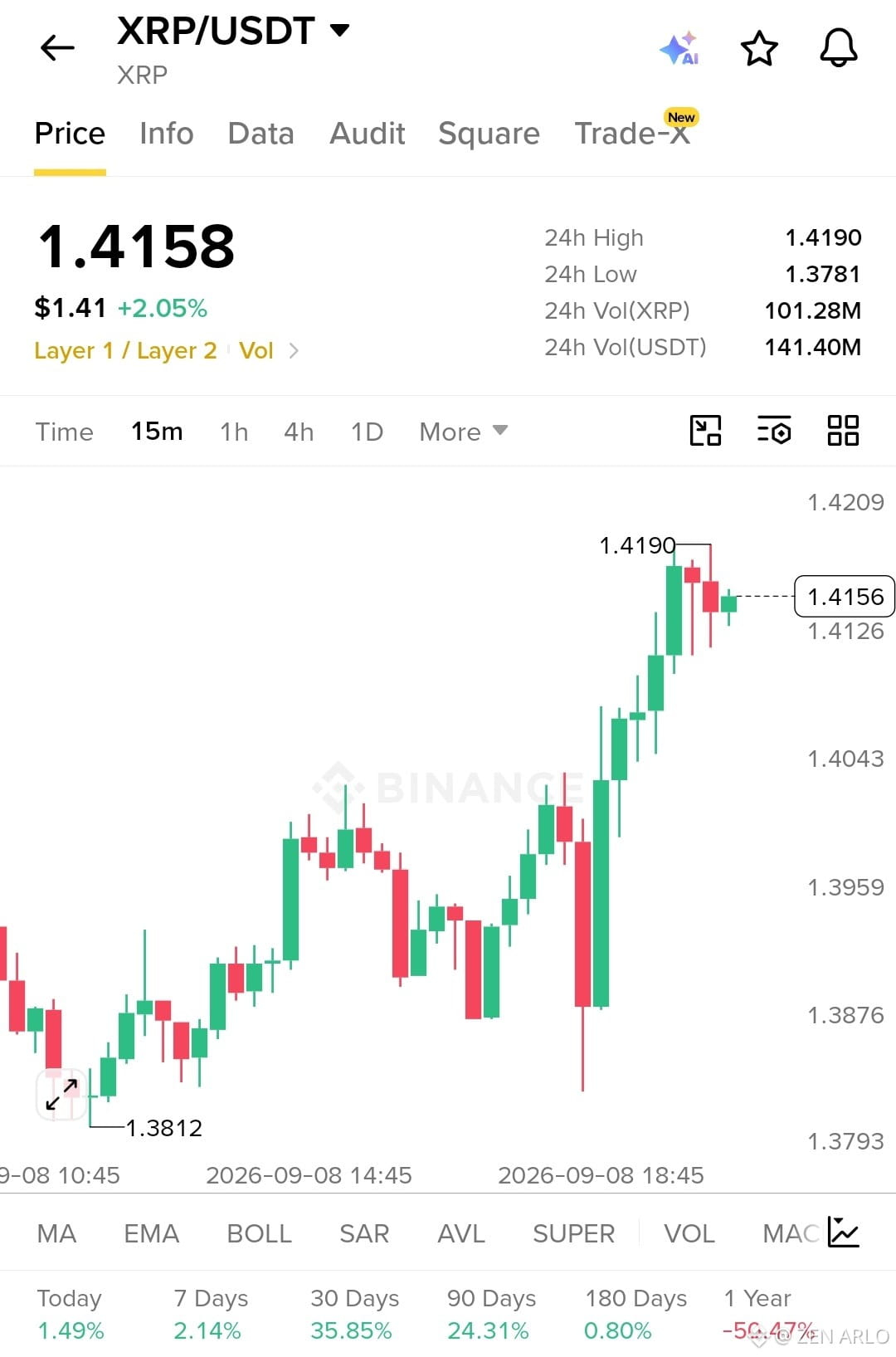
$XRP is في ازدياد، مرتفعًا بنسبة 2.05% إلى 1.4158 دولارًا بعد الارتداد من 1.3812 دولارًا.
دفعت عمليات الشراء السعر إلى مستوى 1.4190 وهو أعلى مستوى خلال 24 ساعة. يمكن أن يؤدي الاختراق الواضح فوق 1.4190 إلى استمرار الزخم، بينما يُعد 1.4043 دعمًا رئيسيًا.
$XRP is في ازدياد، مرتفعًا بنسبة 2.05% إلى 1.4158 دولارًا بعد الارتداد من 1.3812 دولارًا.
دفعت عمليات الشراء السعر إلى مستوى 1.4190 وهو أعلى مستوى خلال 24 ساعة. يمكن أن يؤدي الاختراق الواضح فوق 1.4190 إلى استمرار الزخم، بينما يُعد 1.4043 دعمًا رئيسيًا.
دفعت عمليات الشراء السعر إلى مستوى 1.4190 وهو أعلى مستوى خلال 24 ساعة. يمكن أن يؤدي الاختراق الواضح فوق 1.4190 إلى استمرار الزخم، بينما يُعد 1.4043 دعمًا رئيسيًا.
4
34
28.6k
·
--
صاعد
تجعل Polymarket أسواق التنبؤ أسهل للفهم والتداول.
بدلاً من الاكتفاء بمراقبة الرسوم البيانية، يمكن للمستخدمين اتخاذ مراكز على نتائج واقعية عبر مجالات العملات المشفرة، والذكاء الاصطناعي، والاقتصاد، والجغرافيا السياسية، والرياضة، والموسيقى، وغيرها من الأحداث الكبرى.
يعتمد المنتج على أسواق بسيطة قائمة على النتائج.
تختار حدثًا، وتراجع النتائج المتاحة، وتشتري الجهة التي تعتقد أن سعرها منخفض أكثر من اللازم مقارنة باحتمالها الحقيقي.
تعمل أسعار السوق كاحتمالات ضمنية.
إذا كان أحد النتائج يتداول قرب 0.70، فإن السوق يقيّمه تقريبًا كاحتمال قدره 70%.
عندما تغيّر المعلومات الجديدة التوقعات، يمكن لهذه الأسعار أن تتحرك بسرعة.
وهذا يخلق نوعًا مختلفًا من فرص التداول.
تأتي الأفضلية من البحث، والتوقيت، وفهم موضوع محدد بشكل أفضل من السوق الأوسع.
يمكن للمستخدمين أيضًا إدارة المراكز قبل التسوية بدلًا من مجرد انتظار النتيجة النهائية. وهذا يعني أن المتداولين يمكنهم التفاعل مع تغيّر السرديات، أو البيانات، أو التطورات العاجلة التي تغيّر الاحتمالات.
تم تصميم البدء وفق بساطة Web3.
قم بربط محفظة متوافقة، وموّلها بأصل مدعوم، واختر السوق الذي تفهمه، وحدد نتيجتك، ثم قرر مقدار التعرض الذي تريده.
بالنسبة للمستخدمين العاديين، يفتح هذا أسواقًا تتجاوز $BTC ، $ETH ، $SOL ، وحركة سعر $LINK.
يمكن لشخص يتابع بيانات الاقتصاد الكلي، أو تطورات الذكاء الاصطناعي، أو الرياضة، أو الأحداث العالمية عن كثب أن يتداول مباشرةً بناءً على تلك المعرفة بدلًا من إجبار كل فكرة على أن تكون صفقة توكن.
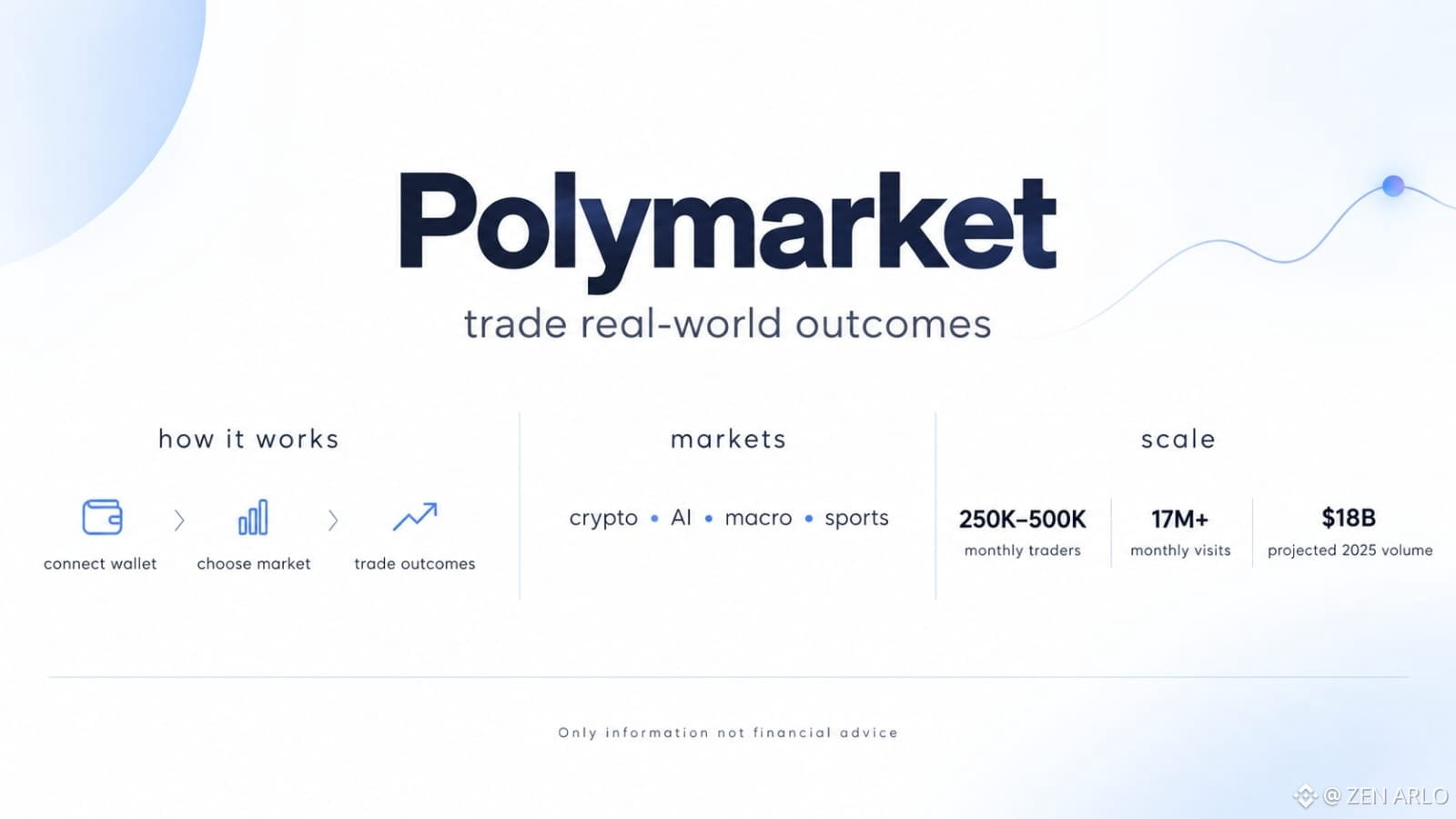
كما تُظهر أرقام الحملة الحجم الذي وصلت إليه Polymarket، مع نحو 250 ألف–500 ألف متداول نشط شهريًا، وأكثر من 17 مليون زيارة شهرية، وحجم تداول متوقع لعام 2025 يبلغ 18 مليار دولار.
تكمن أكبر قوة لدى Polymarket في تحويل المعلومات، والاحتمال، والقناعة إلى منتج تداول يمكن أن تكون فيه المعرفة المتخصصة ذات قيمة فعلية.
معلومات فقط وليست نصيحة مالية
#Polymarket #PredictionMarkets #Crypto
تجعل Polymarket أسواق التنبؤ أسهل للفهم والتداول.
بدلاً من الاكتفاء بمراقبة الرسوم البيانية، يمكن للمستخدمين اتخاذ مراكز على نتائج واقعية عبر مجالات العملات المشفرة، والذكاء الاصطناعي، والاقتصاد، والجغرافيا السياسية، والرياضة، والموسيقى، وغيرها من الأحداث الكبرى.
يعتمد المنتج على أسواق بسيطة قائمة على النتائج.
تختار حدثًا، وتراجع النتائج المتاحة، وتشتري الجهة التي تعتقد أن سعرها منخفض أكثر من اللازم مقارنة باحتمالها الحقيقي.
تعمل أسعار السوق كاحتمالات ضمنية.
إذا كان أحد النتائج يتداول قرب 0.70، فإن السوق يقيّمه تقريبًا كاحتمال قدره 70%.
عندما تغيّر المعلومات الجديدة التوقعات، يمكن لهذه الأسعار أن تتحرك بسرعة.
وهذا يخلق نوعًا مختلفًا من فرص التداول.
تأتي الأفضلية من البحث، والتوقيت، وفهم موضوع محدد بشكل أفضل من السوق الأوسع.
يمكن للمستخدمين أيضًا إدارة المراكز قبل التسوية بدلًا من مجرد انتظار النتيجة النهائية. وهذا يعني أن المتداولين يمكنهم التفاعل مع تغيّر السرديات، أو البيانات، أو التطورات العاجلة التي تغيّر الاحتمالات.
تم تصميم البدء وفق بساطة Web3.
قم بربط محفظة متوافقة، وموّلها بأصل مدعوم، واختر السوق الذي تفهمه، وحدد نتيجتك، ثم قرر مقدار التعرض الذي تريده.
بالنسبة للمستخدمين العاديين، يفتح هذا أسواقًا تتجاوز $BTC ، $ETH ، $SOL ، وحركة سعر $LINK.
يمكن لشخص يتابع بيانات الاقتصاد الكلي، أو تطورات الذكاء الاصطناعي، أو الرياضة، أو الأحداث العالمية عن كثب أن يتداول مباشرةً بناءً على تلك المعرفة بدلًا من إجبار كل فكرة على أن تكون صفقة توكن.
كما تُظهر أرقام الحملة الحجم الذي وصلت إليه Polymarket، مع نحو 250 ألف–500 ألف متداول نشط شهريًا، وأكثر من 17 مليون زيارة شهرية، وحجم تداول متوقع لعام 2025 يبلغ 18 مليار دولار.
تكمن أكبر قوة لدى Polymarket في تحويل المعلومات، والاحتمال، والقناعة إلى منتج تداول يمكن أن تكون فيه المعرفة المتخصصة ذات قيمة فعلية.
معلومات فقط وليست نصيحة مالية
#Polymarket #PredictionMarkets #Crypto
بدلاً من الاكتفاء بمراقبة الرسوم البيانية، يمكن للمستخدمين اتخاذ مراكز على نتائج واقعية عبر مجالات العملات المشفرة، والذكاء الاصطناعي، والاقتصاد، والجغرافيا السياسية، والرياضة، والموسيقى، وغيرها من الأحداث الكبرى.
يعتمد المنتج على أسواق بسيطة قائمة على النتائج.
تختار حدثًا، وتراجع النتائج المتاحة، وتشتري الجهة التي تعتقد أن سعرها منخفض أكثر من اللازم مقارنة باحتمالها الحقيقي.
تعمل أسعار السوق كاحتمالات ضمنية.
إذا كان أحد النتائج يتداول قرب 0.70، فإن السوق يقيّمه تقريبًا كاحتمال قدره 70%.
عندما تغيّر المعلومات الجديدة التوقعات، يمكن لهذه الأسعار أن تتحرك بسرعة.
وهذا يخلق نوعًا مختلفًا من فرص التداول.
تأتي الأفضلية من البحث، والتوقيت، وفهم موضوع محدد بشكل أفضل من السوق الأوسع.
يمكن للمستخدمين أيضًا إدارة المراكز قبل التسوية بدلًا من مجرد انتظار النتيجة النهائية. وهذا يعني أن المتداولين يمكنهم التفاعل مع تغيّر السرديات، أو البيانات، أو التطورات العاجلة التي تغيّر الاحتمالات.
تم تصميم البدء وفق بساطة Web3.
قم بربط محفظة متوافقة، وموّلها بأصل مدعوم، واختر السوق الذي تفهمه، وحدد نتيجتك، ثم قرر مقدار التعرض الذي تريده.
بالنسبة للمستخدمين العاديين، يفتح هذا أسواقًا تتجاوز $BTC ، $ETH ، $SOL ، وحركة سعر $LINK.
يمكن لشخص يتابع بيانات الاقتصاد الكلي، أو تطورات الذكاء الاصطناعي، أو الرياضة، أو الأحداث العالمية عن كثب أن يتداول مباشرةً بناءً على تلك المعرفة بدلًا من إجبار كل فكرة على أن تكون صفقة توكن.
كما تُظهر أرقام الحملة الحجم الذي وصلت إليه Polymarket، مع نحو 250 ألف–500 ألف متداول نشط شهريًا، وأكثر من 17 مليون زيارة شهرية، وحجم تداول متوقع لعام 2025 يبلغ 18 مليار دولار.
تكمن أكبر قوة لدى Polymarket في تحويل المعلومات، والاحتمال، والقناعة إلى منتج تداول يمكن أن تكون فيه المعرفة المتخصصة ذات قيمة فعلية.
معلومات فقط وليست نصيحة مالية
#Polymarket #PredictionMarkets #Crypto
57
32
11.7k
·
--
هابط
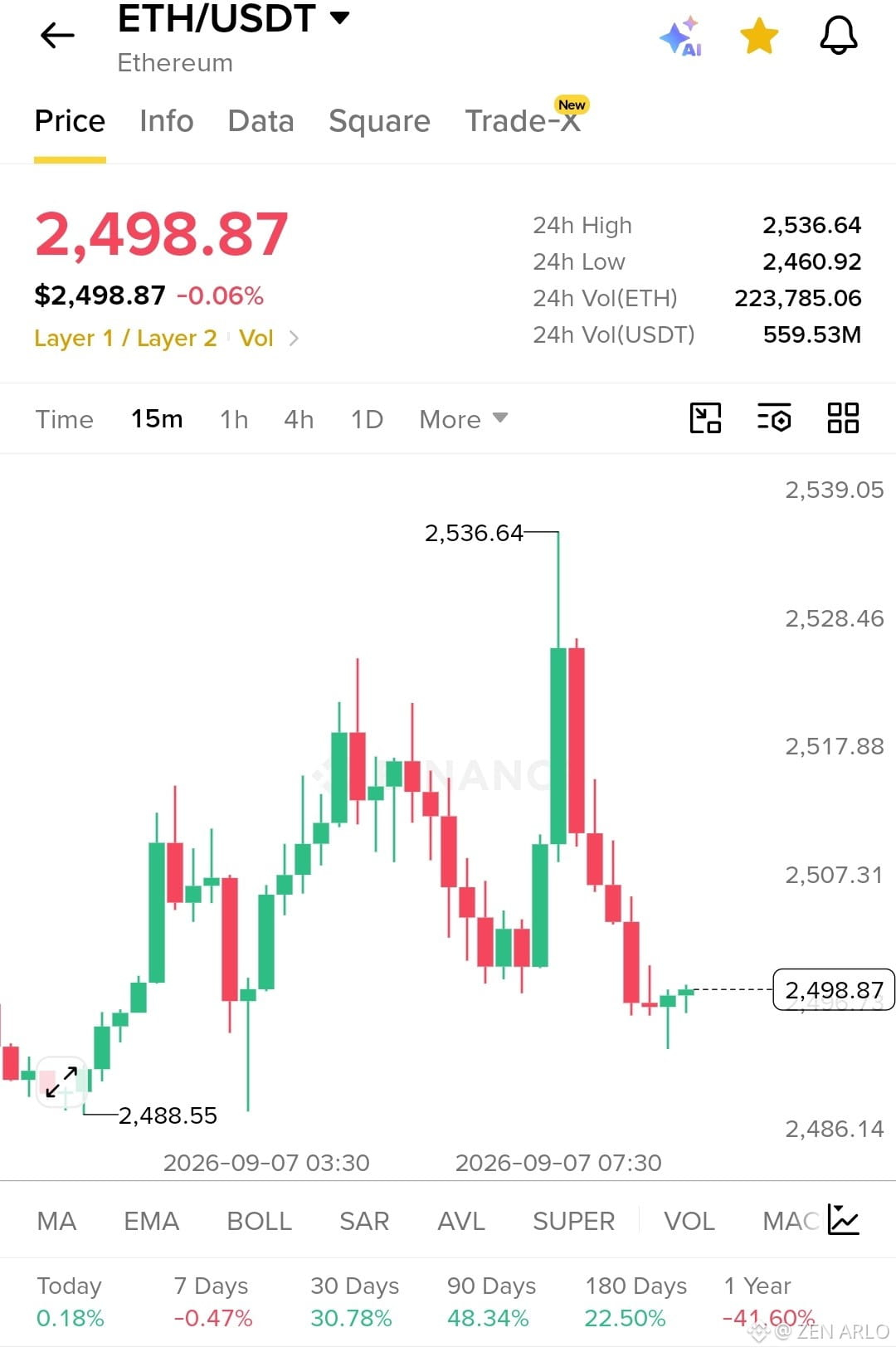
$ETH تم الرفض بقوة من $2,536.64 وتراجع إلى $2,498.87.
الدعم: $2,488.55
المقاومة: $2,507.31 / $2,517.88
المقاومة الرئيسية: $2,536.64
البائعون يسيطرون على الحركة قصيرة الأجل، لكن الثبات فوق $2,488 قد يمنح المشترين فرصة أخرى للوصول إلى $2,507+.
{future}(ETHUSDT)
$ETH تم الرفض بقوة من $2,536.64 وتراجع إلى $2,498.87.
الدعم: $2,488.55
المقاومة: $2,507.31 / $2,517.88
المقاومة الرئيسية: $2,536.64
البائعون يسيطرون على الحركة قصيرة الأجل، لكن الثبات فوق $2,488 قد يمنح المشترين فرصة أخرى للوصول إلى $2,507+.
الدعم: $2,488.55
المقاومة: $2,507.31 / $2,517.88
المقاومة الرئيسية: $2,536.64
البائعون يسيطرون على الحركة قصيرة الأجل، لكن الثبات فوق $2,488 قد يمنح المشترين فرصة أخرى للوصول إلى $2,507+.
4
19
8.1k
·
--
صاعد
تمّ التحقق
تبني Aevo هيكلًا اقتصاديًا أنظف حول $AEVO
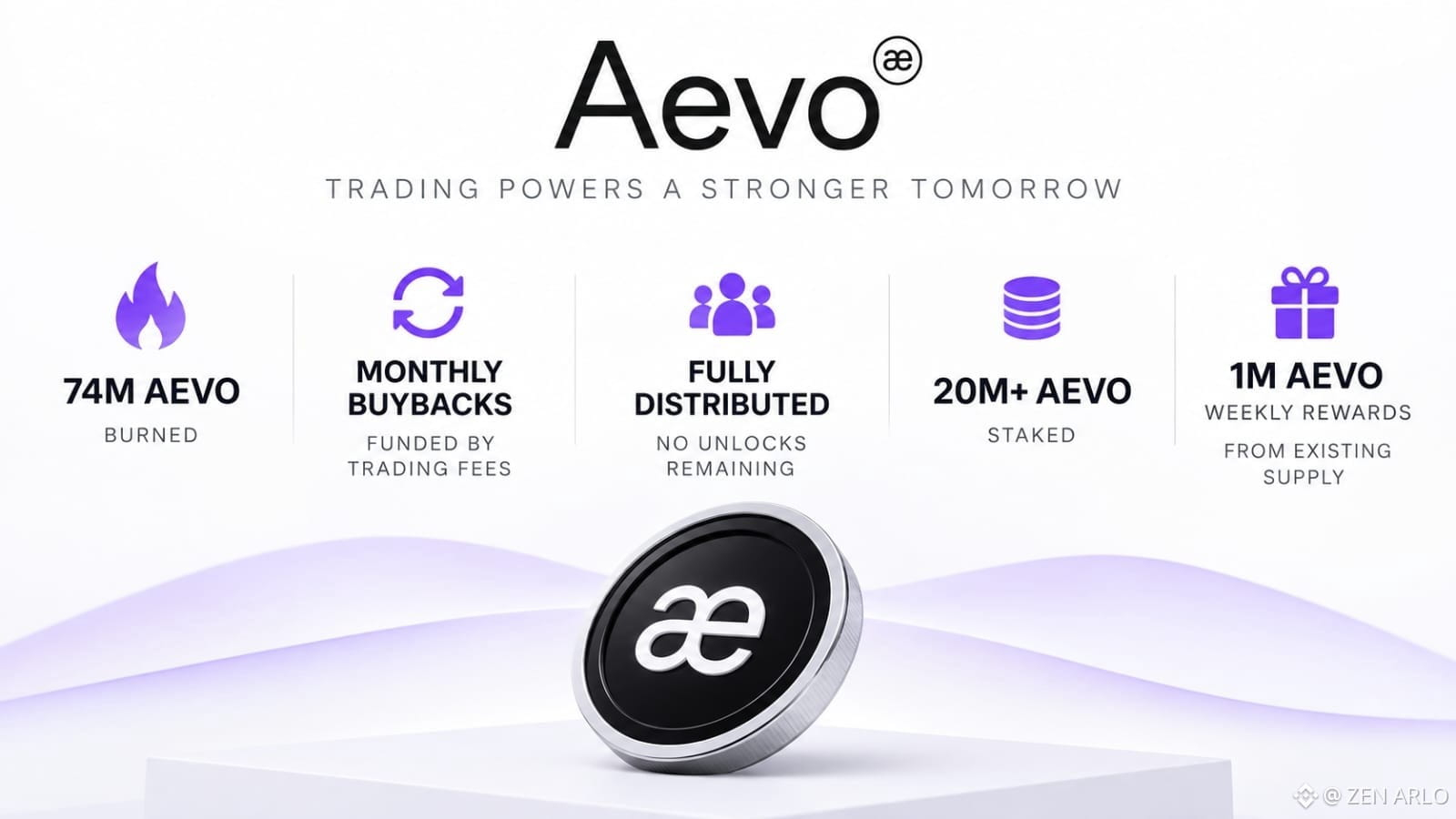
جاء أكبر تحول عبر AGP-3. تم حرق ما مجموعه 74 مليون AEVO حتى الآن، بينما تستمر عمليات إعادة الشراء الشهرية باستخدام الرسوم المتولدة من نشاط التداول.
الآلية بسيطة.
كلما زاد نشاط التداول زادت رسوم المنصة. وتُستخدم تلك الرسوم لتمويل إعادة الشراء من السوق، ثم يُزال AEVO الذي تم شراؤه نهائيًا من التداول.
كما أن AEVO موزعة بالكامل، ولا توجد أي عمليات فك قفل مجدولة متبقية.
وهذا يزيل القلق المعتاد بشأن النوافذ الكبيرة القادمة الخاصة بمستثمري رأس المال المخاطر أو المخصصات الخاصة بالفريق التي تدخل السوق تدريجيًا.
يوجد أيضًا أكثر من 20 مليون AEVO مكدسة حاليًا.
يحصل المتداولون النشطون على 1 مليون AEVO في مكافآت كل حقبة أسبوعية، لكن هذا لا ينشئ رموزًا جديدة. تأتي المكافآت من المعروض الثابت الحالي البالغ 1 مليار.
لذلك يمكن أن توجد المكافآت وتقليص المعروض في الوقت نفسه من دون إدخال إصدار جديد.
وبالمقارنة مع رموز مثل $AAVE ، $AVAX ، $LIT و$ASTER، تقدم Aevo مثالًا مثيرًا للاهتمام على كيفية ربط آليات الرمز ارتباطًا أوثق بالنشاط الفعلي للبروتوكول.
بالنسبة للمستخدمين العاديين، هذه هي النقطة الأهم. فالبنية تعتمد على نشاط قابل للقياس بدلًا من الوعود بالنمو المستقبلي.
لقد تجاوز AEVO كونه مجرد رمز حوكمة. أصبحت اقتصاده الآن يربط بين نشاط التداول والمكافآت والرهان والتقليص المستمر للمعروض.
وهذه بنية رمزية تستحق الفهم بعيدًا عن ضجيج السوق المعتاد.
معلومات فقط وليست نصيحة مالية
#AEVO #DeFi #Crypto
تبني Aevo هيكلًا اقتصاديًا أنظف حول $AEVO
جاء أكبر تحول عبر AGP-3. تم حرق ما مجموعه 74 مليون AEVO حتى الآن، بينما تستمر عمليات إعادة الشراء الشهرية باستخدام الرسوم المتولدة من نشاط التداول.
الآلية بسيطة.
كلما زاد نشاط التداول زادت رسوم المنصة. وتُستخدم تلك الرسوم لتمويل إعادة الشراء من السوق، ثم يُزال AEVO الذي تم شراؤه نهائيًا من التداول.
كما أن AEVO موزعة بالكامل، ولا توجد أي عمليات فك قفل مجدولة متبقية.
وهذا يزيل القلق المعتاد بشأن النوافذ الكبيرة القادمة الخاصة بمستثمري رأس المال المخاطر أو المخصصات الخاصة بالفريق التي تدخل السوق تدريجيًا.
يوجد أيضًا أكثر من 20 مليون AEVO مكدسة حاليًا.
يحصل المتداولون النشطون على 1 مليون AEVO في مكافآت كل حقبة أسبوعية، لكن هذا لا ينشئ رموزًا جديدة. تأتي المكافآت من المعروض الثابت الحالي البالغ 1 مليار.
لذلك يمكن أن توجد المكافآت وتقليص المعروض في الوقت نفسه من دون إدخال إصدار جديد.
وبالمقارنة مع رموز مثل $AAVE ، $AVAX ، $LIT و$ASTER، تقدم Aevo مثالًا مثيرًا للاهتمام على كيفية ربط آليات الرمز ارتباطًا أوثق بالنشاط الفعلي للبروتوكول.
بالنسبة للمستخدمين العاديين، هذه هي النقطة الأهم. فالبنية تعتمد على نشاط قابل للقياس بدلًا من الوعود بالنمو المستقبلي.
لقد تجاوز AEVO كونه مجرد رمز حوكمة. أصبحت اقتصاده الآن يربط بين نشاط التداول والمكافآت والرهان والتقليص المستمر للمعروض.
وهذه بنية رمزية تستحق الفهم بعيدًا عن ضجيج السوق المعتاد.
معلومات فقط وليست نصيحة مالية
#AEVO #DeFi #Crypto
جاء أكبر تحول عبر AGP-3. تم حرق ما مجموعه 74 مليون AEVO حتى الآن، بينما تستمر عمليات إعادة الشراء الشهرية باستخدام الرسوم المتولدة من نشاط التداول.
الآلية بسيطة.
كلما زاد نشاط التداول زادت رسوم المنصة. وتُستخدم تلك الرسوم لتمويل إعادة الشراء من السوق، ثم يُزال AEVO الذي تم شراؤه نهائيًا من التداول.
كما أن AEVO موزعة بالكامل، ولا توجد أي عمليات فك قفل مجدولة متبقية.
وهذا يزيل القلق المعتاد بشأن النوافذ الكبيرة القادمة الخاصة بمستثمري رأس المال المخاطر أو المخصصات الخاصة بالفريق التي تدخل السوق تدريجيًا.
يوجد أيضًا أكثر من 20 مليون AEVO مكدسة حاليًا.
يحصل المتداولون النشطون على 1 مليون AEVO في مكافآت كل حقبة أسبوعية، لكن هذا لا ينشئ رموزًا جديدة. تأتي المكافآت من المعروض الثابت الحالي البالغ 1 مليار.
لذلك يمكن أن توجد المكافآت وتقليص المعروض في الوقت نفسه من دون إدخال إصدار جديد.
وبالمقارنة مع رموز مثل $AAVE ، $AVAX ، $LIT و$ASTER، تقدم Aevo مثالًا مثيرًا للاهتمام على كيفية ربط آليات الرمز ارتباطًا أوثق بالنشاط الفعلي للبروتوكول.
بالنسبة للمستخدمين العاديين، هذه هي النقطة الأهم. فالبنية تعتمد على نشاط قابل للقياس بدلًا من الوعود بالنمو المستقبلي.
لقد تجاوز AEVO كونه مجرد رمز حوكمة. أصبحت اقتصاده الآن يربط بين نشاط التداول والمكافآت والرهان والتقليص المستمر للمعروض.
وهذه بنية رمزية تستحق الفهم بعيدًا عن ضجيج السوق المعتاد.
معلومات فقط وليست نصيحة مالية
#AEVO #DeFi #Crypto
53
1
31
13.8k
·
--
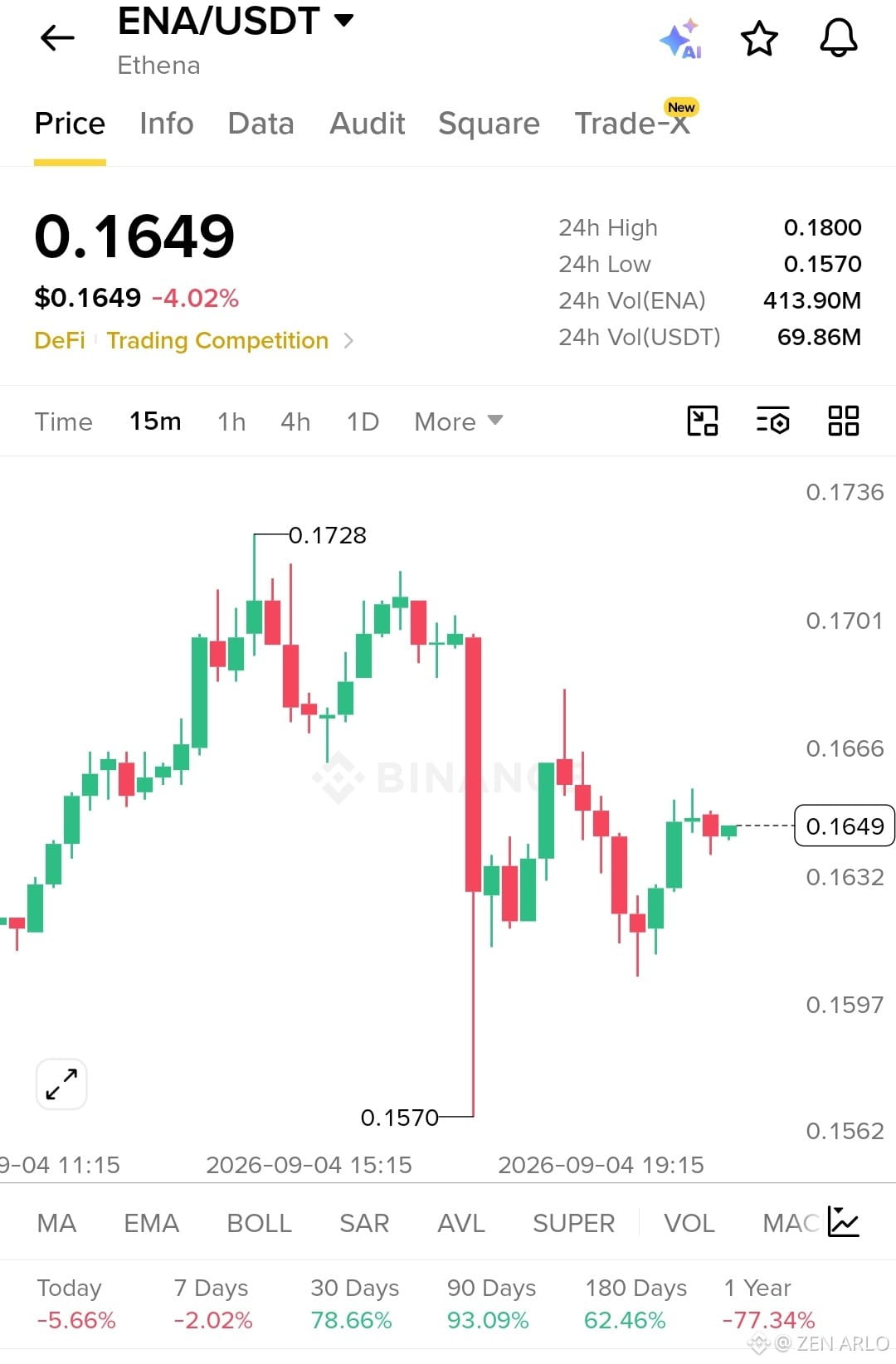
$ENA يُظهر زخم ارتداد قويًا من القاع عند $0.1570. المشترون يتفاعلون، لكن البنية قصيرة الأجل لا تزال تحت الضغط دون $0.1666.
EP $0.1632–$0.1649
TP TP1 $0.1666 TP2 $0.1701 TP3 $0.1728
SL $0.1570
تم سحب السيولة بالقرب من $0.1570 وأدى ذلك إلى رد فعل حاد، لكن المشترين يحتاجون إلى استعادة $0.1666 لتعزيز هيكل التعافي.
لننطلق $ENA
{future}(ENAUSDT)
$ENA يُظهر زخم ارتداد قويًا من القاع عند $0.1570. المشترون يتفاعلون، لكن البنية قصيرة الأجل لا تزال تحت الضغط دون $0.1666.
EP $0.1632–$0.1649
TP TP1 $0.1666 TP2 $0.1701 TP3 $0.1728
SL $0.1570
تم سحب السيولة بالقرب من $0.1570 وأدى ذلك إلى رد فعل حاد، لكن المشترين يحتاجون إلى استعادة $0.1666 لتعزيز هيكل التعافي.
لننطلق $ENA
EP $0.1632–$0.1649
TP TP1 $0.1666 TP2 $0.1701 TP3 $0.1728
SL $0.1570
تم سحب السيولة بالقرب من $0.1570 وأدى ذلك إلى رد فعل حاد، لكن المشترين يحتاجون إلى استعادة $0.1666 لتعزيز هيكل التعافي.
لننطلق $ENA
1
12
1.9k
·
--
صاعد
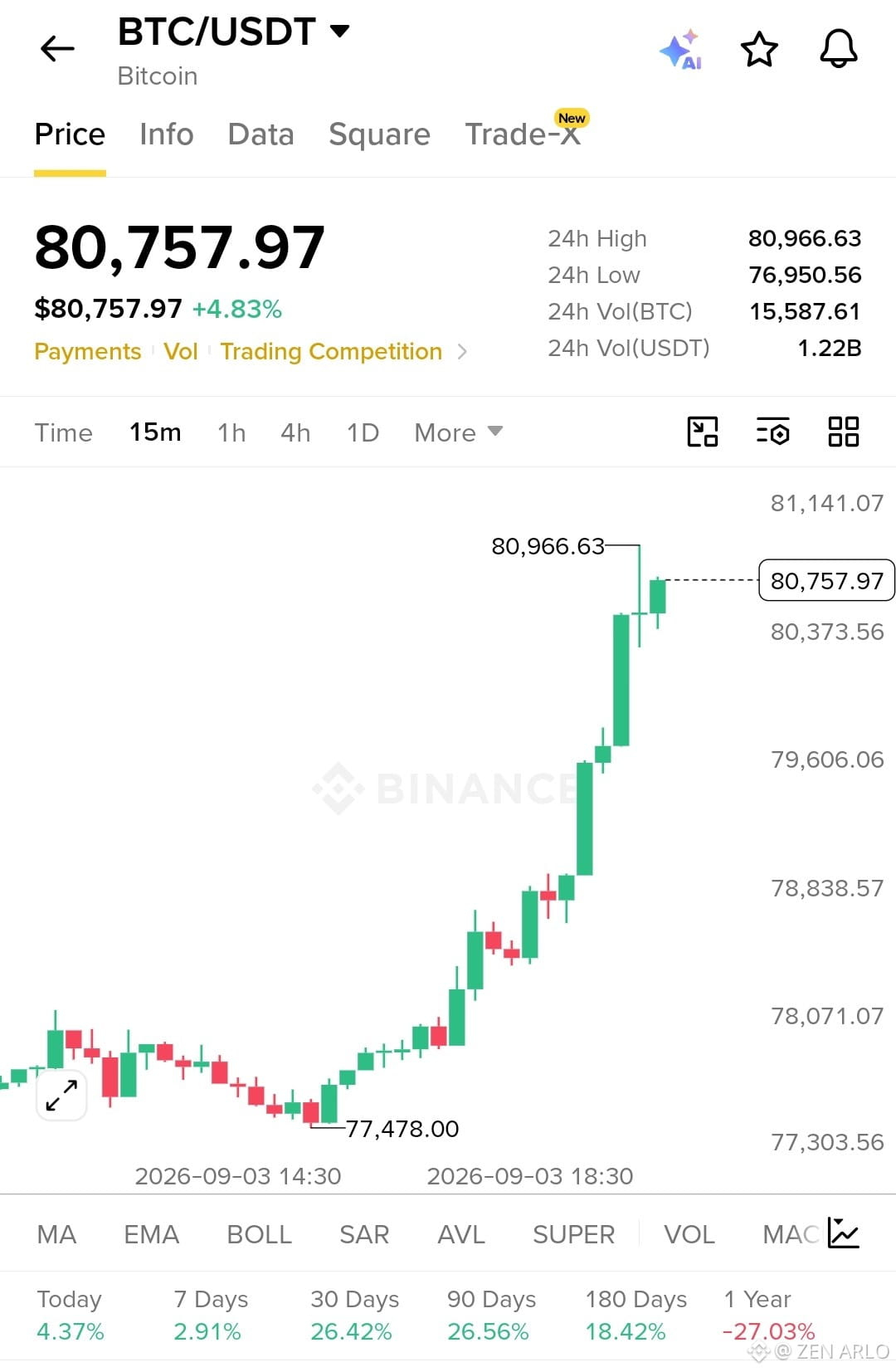
$BTC is يظهر زخمًا صعوديًا قويًا من أدنى مستوى عند $77,478.00. المشترون هم المسيطرون، لكن البنية على المدى القصير تقترب من مقاومة بالقرب من $80,966.63.
سعر الدخول EP $80,373.56–$80,757.97
الأهداف TP TP1 $80,966.63 TP2 $81,141.07 TP3 غير متاح
إيقاف الخسارة SL $80,373.56
تمدد السيولة بشكل حاد فوق $79,606.06 وأطلق استمرارًا قويًا، لكن يحتاج المشترون إلى تجاوز $80,966.63 لتعزيز بنية الاختراق.
لنذهب $BTC
{future}(BTCUSDT)
$BTC is يظهر زخمًا صعوديًا قويًا من أدنى مستوى عند $77,478.00. المشترون هم المسيطرون، لكن البنية على المدى القصير تقترب من مقاومة بالقرب من $80,966.63.
سعر الدخول EP $80,373.56–$80,757.97
الأهداف TP TP1 $80,966.63 TP2 $81,141.07 TP3 غير متاح
إيقاف الخسارة SL $80,373.56
تمدد السيولة بشكل حاد فوق $79,606.06 وأطلق استمرارًا قويًا، لكن يحتاج المشترون إلى تجاوز $80,966.63 لتعزيز بنية الاختراق.
لنذهب $BTC
سعر الدخول EP $80,373.56–$80,757.97
الأهداف TP TP1 $80,966.63 TP2 $81,141.07 TP3 غير متاح
إيقاف الخسارة SL $80,373.56
تمدد السيولة بشكل حاد فوق $79,606.06 وأطلق استمرارًا قويًا، لكن يحتاج المشترون إلى تجاوز $80,966.63 لتعزيز بنية الاختراق.
لنذهب $BTC
2
11
1.8k
·
--
صاعد
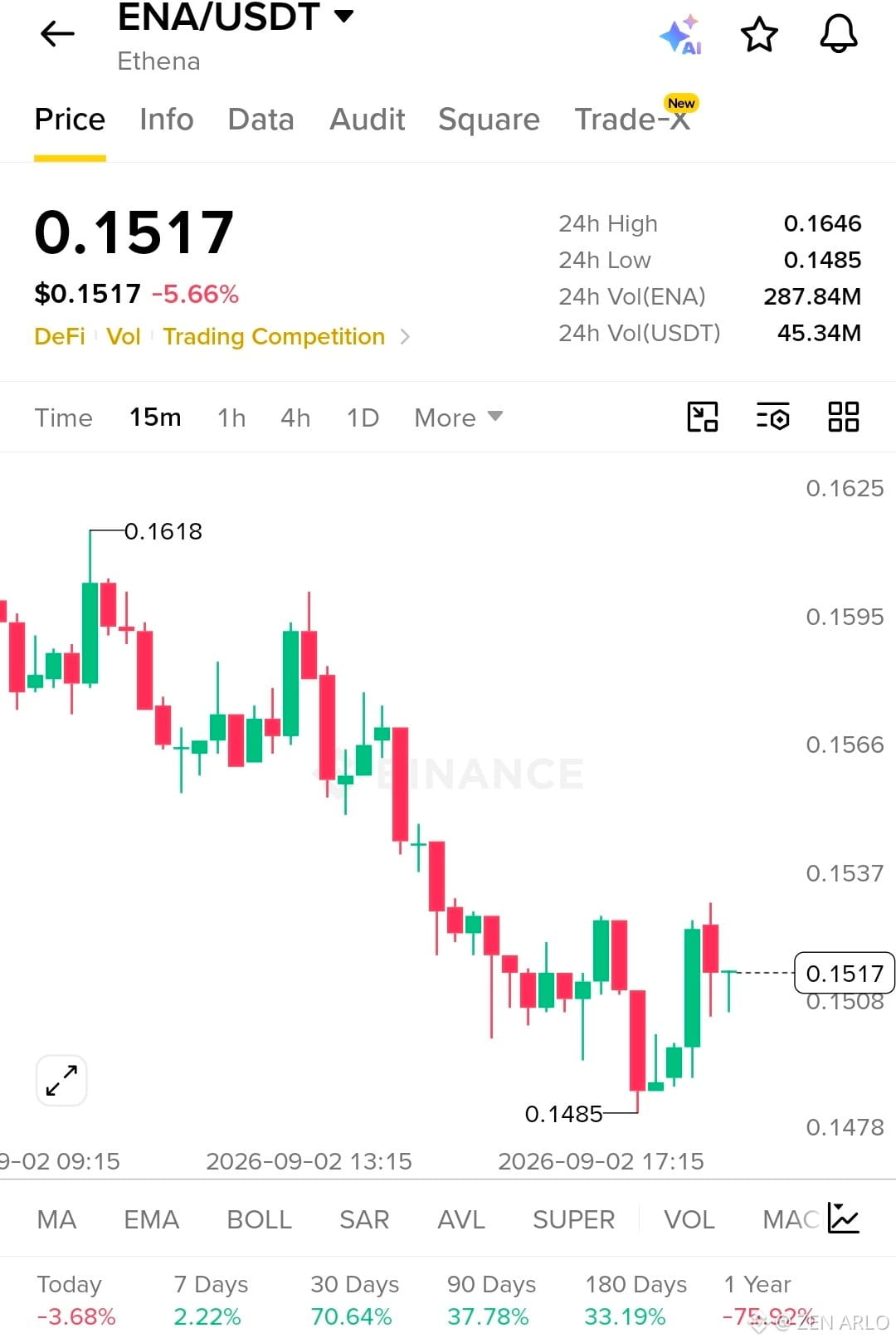
$ENA يظهر ارتدادًا قويًا من أدنى مستوى عند $0.1485. يقوم المشترون بردّ الفعل، لكن يبقى الهيكل قصير الأجل تحت ضغط أسفل $0.1537.
EP $0.1508–$0.1517
TP TP1 $0.1537 TP2 $0.1566 TP3 $0.1595
SL $0.1485
تم اجتياح السيولة قرب $0.1485 وتم تفعيل رد فعل حاد، لكن يحتاج المشترون إلى استعادة $0.1537 لتعزيز بنية التعافي.
هيا نذهب
$ENA يظهر ارتدادًا قويًا من أدنى مستوى عند $0.1485. يقوم المشترون بردّ الفعل، لكن يبقى الهيكل قصير الأجل تحت ضغط أسفل $0.1537.
EP $0.1508–$0.1517
TP TP1 $0.1537 TP2 $0.1566 TP3 $0.1595
SL $0.1485
تم اجتياح السيولة قرب $0.1485 وتم تفعيل رد فعل حاد، لكن يحتاج المشترون إلى استعادة $0.1537 لتعزيز بنية التعافي.
هيا نذهب
EP $0.1508–$0.1517
TP TP1 $0.1537 TP2 $0.1566 TP3 $0.1595
SL $0.1485
تم اجتياح السيولة قرب $0.1485 وتم تفعيل رد فعل حاد، لكن يحتاج المشترون إلى استعادة $0.1537 لتعزيز بنية التعافي.
هيا نذهب
1
9
2.1k
·
--
صاعد
تمّ التحقق
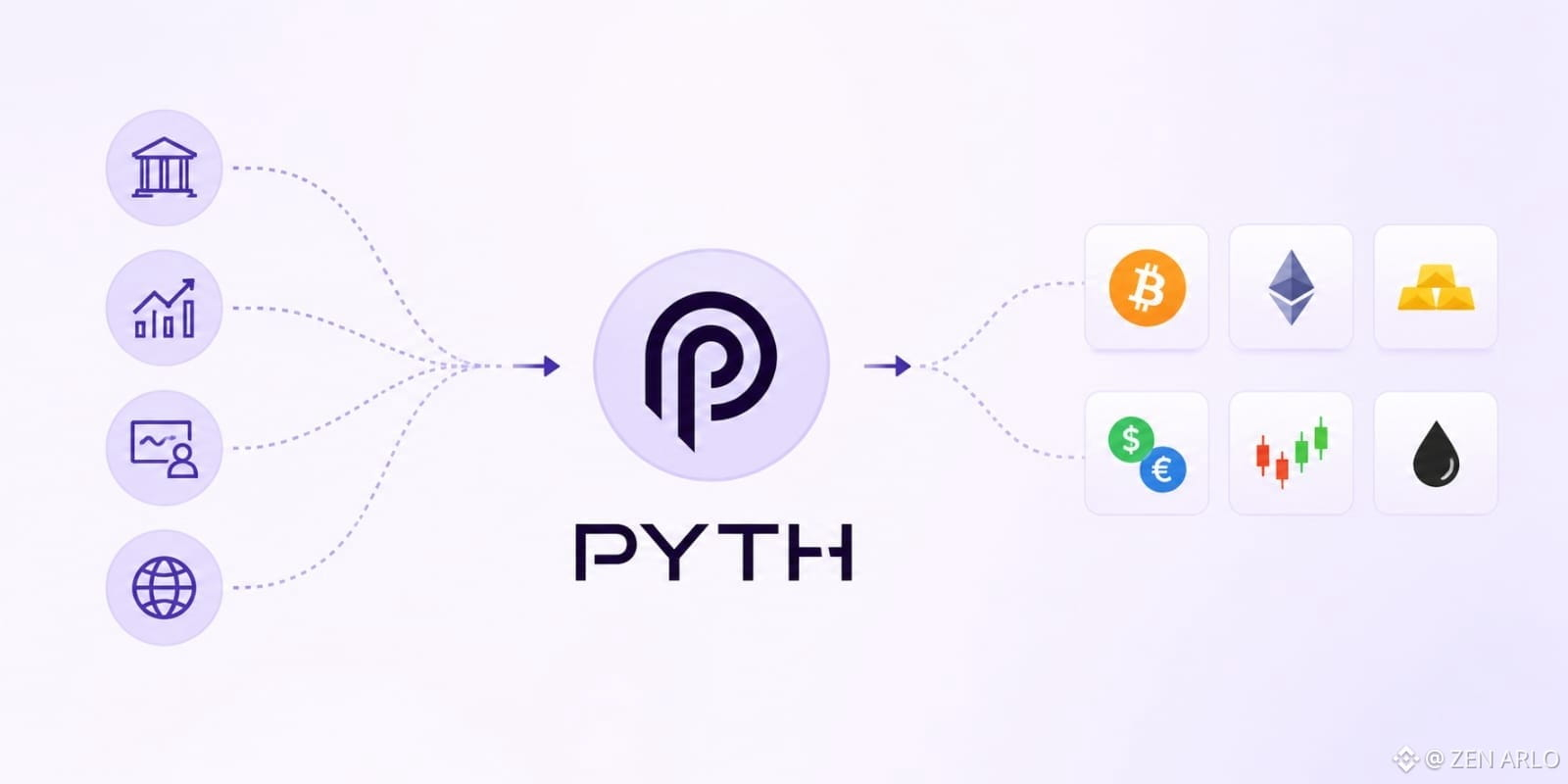
تقوم شبكة Pyth بهدوء بإعادة بناء طريقة حصول الأسواق المالية على بياناتها.
تتم معالجة أغلب بيانات السوق في اتجاهٍ لاحق. تتجه Pyth للأعلى—وتقوم بجلب الأسعار مباشرة من المؤسسات والمتداولين الذين ينشئونها.
الحجم بالفعل كبير:
710+ شركة تستخدم بيانات Pyth
3.25 تريليون دولار+ حجم تراكمي مُؤمَّن
60% من سوق العقود الدائمة على السلسلة
125+ ناشريْن مؤسسيين
114+ سلاسل بلوك تشين تستقبل تغذيات
3,000+ تغذية سعرية عبر الأسواق العالمية
تأخذ Pyth Pro هذه البنية التحتية إلى مستوى المؤسسات، حيث تُقدّم 2,200+ أداة عبر فئات أصول متعددة من خلال تكامل واحد، مع زمن تأخير من طرف إلى طرف أقل من 100 مللي ثانية وضمانات توافر 99.99%.
وهذا يهم المستخدمين العاديين لأن البيانات الأساسية الأفضل يمكن أن تدعم تسعيرًا أكثر موثوقية، وتقييم الضمانات، وإجراءات التصفية، والتسوية، ومنتجات مالية متاحة على مدار الساعة طوال أيام الأسبوع.
أما Pyth Terminal فيجعل النظام البيئي نفسه أسهل للفحص، إذ يتيح للمستخدمين استكشاف التغذيات المباشرة، ومقارنة التسعير مع مؤشرات مرجعية، ومعرفة مصدر البيانات.
ثم توجد طبقتان إضافيتان: Pyth Data Marketplace لتوزيع مجموعات بيانات مؤسسية حصرية، وPyth Indices لتوفير تسعير دائم التشغيل عبر الأصول الفردية والسلال.
تأخذ Pyth Pro لوكلاء الذكاء الاصطناعي هذا الأمر إلى ما هو أبعد ضمن التمويل الذاتي، حيث تحتاج الآلات إلى بيانات مالية موثوقة ومنظمة لاتخاذ قرارات.
كما يتسارع أيضًا التبنّي التجاري. تجاوزت Pyth Pro 6 ملايين دولار من ARR خلال أشهر من الإطلاق، ونمت قيمة الاشتراكات من ARR بنسبة 109% على أساس ربع سنوي (QoQ)، وأفادت Pyth بثلاثة أشهر متتالية فوق 1 مليون دولار في صافي ARR الجديد الإجمالي.
للسياق، يتداخل $LINK مع بنية بيانات مؤسسية، و$ONDO مع الـRWAs، و$HYPE مع أسواق العقود الدائمة، و$TAO مع سردية وكيل الذكاء الاصطناعي الناشئة.
السؤال الأكبر ليس فقط من يوفّر البيانات على السلسلة. بل من سيصبح طبقة بيانات السوق للأسواق المالية التي لا تتوقف أبدًا.
معلومات فقط وليست نصيحة مالية
#PythNetwork #MarketData #DeFi
تقوم شبكة Pyth بهدوء بإعادة بناء طريقة حصول الأسواق المالية على بياناتها.
تتم معالجة أغلب بيانات السوق في اتجاهٍ لاحق. تتجه Pyth للأعلى—وتقوم بجلب الأسعار مباشرة من المؤسسات والمتداولين الذين ينشئونها.
الحجم بالفعل كبير:
710+ شركة تستخدم بيانات Pyth
3.25 تريليون دولار+ حجم تراكمي مُؤمَّن
60% من سوق العقود الدائمة على السلسلة
125+ ناشريْن مؤسسيين
114+ سلاسل بلوك تشين تستقبل تغذيات
3,000+ تغذية سعرية عبر الأسواق العالمية
تأخذ Pyth Pro هذه البنية التحتية إلى مستوى المؤسسات، حيث تُقدّم 2,200+ أداة عبر فئات أصول متعددة من خلال تكامل واحد، مع زمن تأخير من طرف إلى طرف أقل من 100 مللي ثانية وضمانات توافر 99.99%.
وهذا يهم المستخدمين العاديين لأن البيانات الأساسية الأفضل يمكن أن تدعم تسعيرًا أكثر موثوقية، وتقييم الضمانات، وإجراءات التصفية، والتسوية، ومنتجات مالية متاحة على مدار الساعة طوال أيام الأسبوع.
أما Pyth Terminal فيجعل النظام البيئي نفسه أسهل للفحص، إذ يتيح للمستخدمين استكشاف التغذيات المباشرة، ومقارنة التسعير مع مؤشرات مرجعية، ومعرفة مصدر البيانات.
ثم توجد طبقتان إضافيتان: Pyth Data Marketplace لتوزيع مجموعات بيانات مؤسسية حصرية، وPyth Indices لتوفير تسعير دائم التشغيل عبر الأصول الفردية والسلال.
تأخذ Pyth Pro لوكلاء الذكاء الاصطناعي هذا الأمر إلى ما هو أبعد ضمن التمويل الذاتي، حيث تحتاج الآلات إلى بيانات مالية موثوقة ومنظمة لاتخاذ قرارات.
كما يتسارع أيضًا التبنّي التجاري. تجاوزت Pyth Pro 6 ملايين دولار من ARR خلال أشهر من الإطلاق، ونمت قيمة الاشتراكات من ARR بنسبة 109% على أساس ربع سنوي (QoQ)، وأفادت Pyth بثلاثة أشهر متتالية فوق 1 مليون دولار في صافي ARR الجديد الإجمالي.
للسياق، يتداخل $LINK مع بنية بيانات مؤسسية، و$ONDO مع الـRWAs، و$HYPE مع أسواق العقود الدائمة، و$TAO مع سردية وكيل الذكاء الاصطناعي الناشئة.
السؤال الأكبر ليس فقط من يوفّر البيانات على السلسلة. بل من سيصبح طبقة بيانات السوق للأسواق المالية التي لا تتوقف أبدًا.
معلومات فقط وليست نصيحة مالية
#PythNetwork #MarketData #DeFi
تتم معالجة أغلب بيانات السوق في اتجاهٍ لاحق. تتجه Pyth للأعلى—وتقوم بجلب الأسعار مباشرة من المؤسسات والمتداولين الذين ينشئونها.
الحجم بالفعل كبير:
710+ شركة تستخدم بيانات Pyth
3.25 تريليون دولار+ حجم تراكمي مُؤمَّن
60% من سوق العقود الدائمة على السلسلة
125+ ناشريْن مؤسسيين
114+ سلاسل بلوك تشين تستقبل تغذيات
3,000+ تغذية سعرية عبر الأسواق العالمية
تأخذ Pyth Pro هذه البنية التحتية إلى مستوى المؤسسات، حيث تُقدّم 2,200+ أداة عبر فئات أصول متعددة من خلال تكامل واحد، مع زمن تأخير من طرف إلى طرف أقل من 100 مللي ثانية وضمانات توافر 99.99%.
وهذا يهم المستخدمين العاديين لأن البيانات الأساسية الأفضل يمكن أن تدعم تسعيرًا أكثر موثوقية، وتقييم الضمانات، وإجراءات التصفية، والتسوية، ومنتجات مالية متاحة على مدار الساعة طوال أيام الأسبوع.
أما Pyth Terminal فيجعل النظام البيئي نفسه أسهل للفحص، إذ يتيح للمستخدمين استكشاف التغذيات المباشرة، ومقارنة التسعير مع مؤشرات مرجعية، ومعرفة مصدر البيانات.
ثم توجد طبقتان إضافيتان: Pyth Data Marketplace لتوزيع مجموعات بيانات مؤسسية حصرية، وPyth Indices لتوفير تسعير دائم التشغيل عبر الأصول الفردية والسلال.
تأخذ Pyth Pro لوكلاء الذكاء الاصطناعي هذا الأمر إلى ما هو أبعد ضمن التمويل الذاتي، حيث تحتاج الآلات إلى بيانات مالية موثوقة ومنظمة لاتخاذ قرارات.
كما يتسارع أيضًا التبنّي التجاري. تجاوزت Pyth Pro 6 ملايين دولار من ARR خلال أشهر من الإطلاق، ونمت قيمة الاشتراكات من ARR بنسبة 109% على أساس ربع سنوي (QoQ)، وأفادت Pyth بثلاثة أشهر متتالية فوق 1 مليون دولار في صافي ARR الجديد الإجمالي.
للسياق، يتداخل $LINK مع بنية بيانات مؤسسية، و$ONDO مع الـRWAs، و$HYPE مع أسواق العقود الدائمة، و$TAO مع سردية وكيل الذكاء الاصطناعي الناشئة.
السؤال الأكبر ليس فقط من يوفّر البيانات على السلسلة. بل من سيصبح طبقة بيانات السوق للأسواق المالية التي لا تتوقف أبدًا.
معلومات فقط وليست نصيحة مالية
#PythNetwork #MarketData #DeFi
85
1
59
17.6k
·
--
صاعد
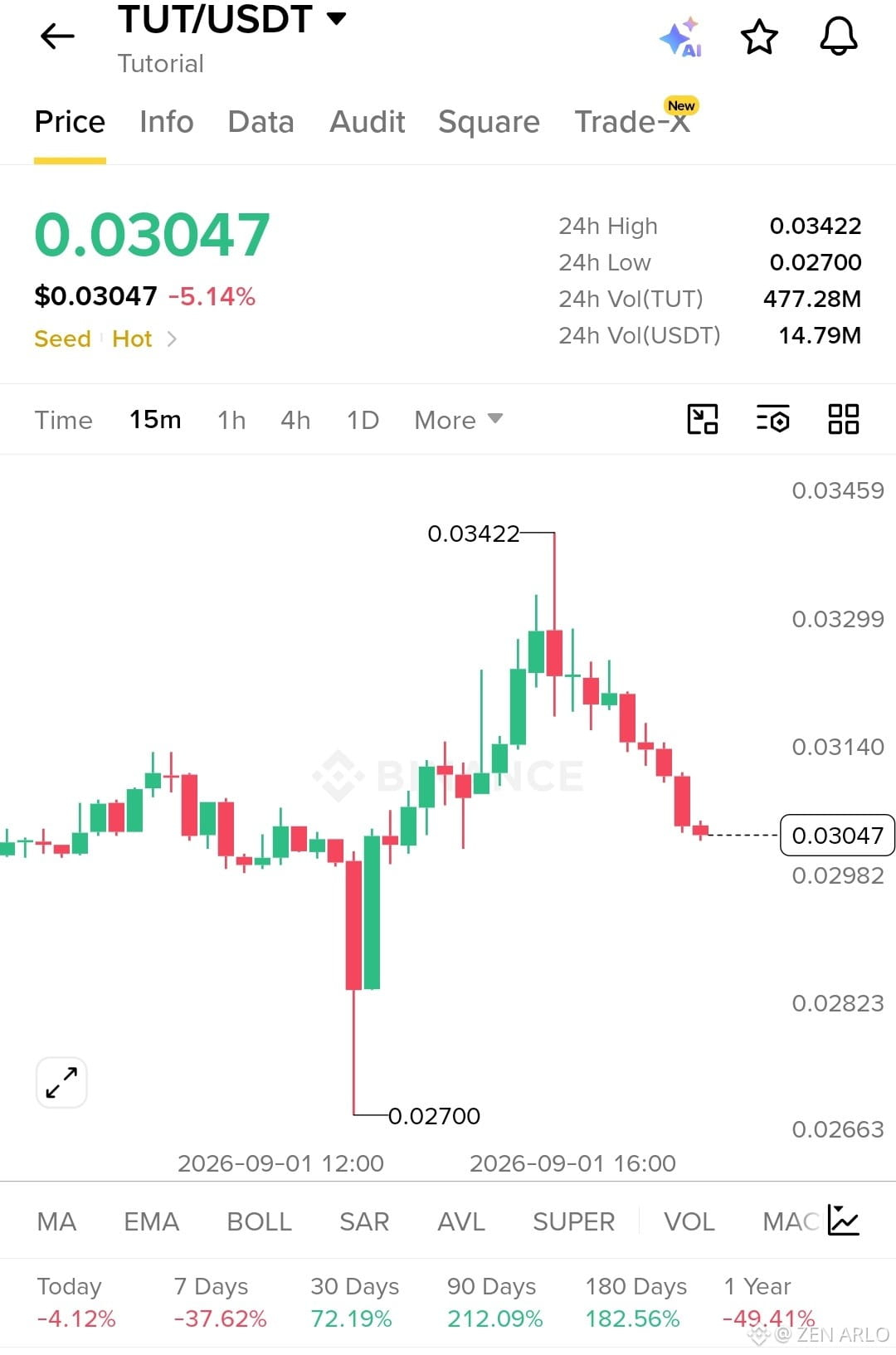
$TUT يظهر رد فعل حول منطقة 0.03047. يحتاج المشترون إلى استعادة 0.03140 لاستعادة السيطرة على المدى القصير.
EP 0.02982–0.03047
TP 0.03140 0.03299 0.03422
SL 0.02700
تفاعلت السيولة بشكل حاد من 0.02700، لكن السعر يقوم الآن بإعادة اختبار الدعم بعد الرفض من 0.03422. الحفاظ على المنطقة الحالية يضمن بقاء هيكل التعافي سليمًا.
لنذهب $TUT
{future}(TUTUSDT)
$TUT يظهر رد فعل حول منطقة 0.03047. يحتاج المشترون إلى استعادة 0.03140 لاستعادة السيطرة على المدى القصير.
EP 0.02982–0.03047
TP 0.03140 0.03299 0.03422
SL 0.02700
تفاعلت السيولة بشكل حاد من 0.02700، لكن السعر يقوم الآن بإعادة اختبار الدعم بعد الرفض من 0.03422. الحفاظ على المنطقة الحالية يضمن بقاء هيكل التعافي سليمًا.
لنذهب $TUT
EP 0.02982–0.03047
TP 0.03140 0.03299 0.03422
SL 0.02700
تفاعلت السيولة بشكل حاد من 0.02700، لكن السعر يقوم الآن بإعادة اختبار الدعم بعد الرفض من 0.03422. الحفاظ على المنطقة الحالية يضمن بقاء هيكل التعافي سليمًا.
لنذهب $TUT
2
1
12
3k
·
--
صاعد
تمّ التحقق
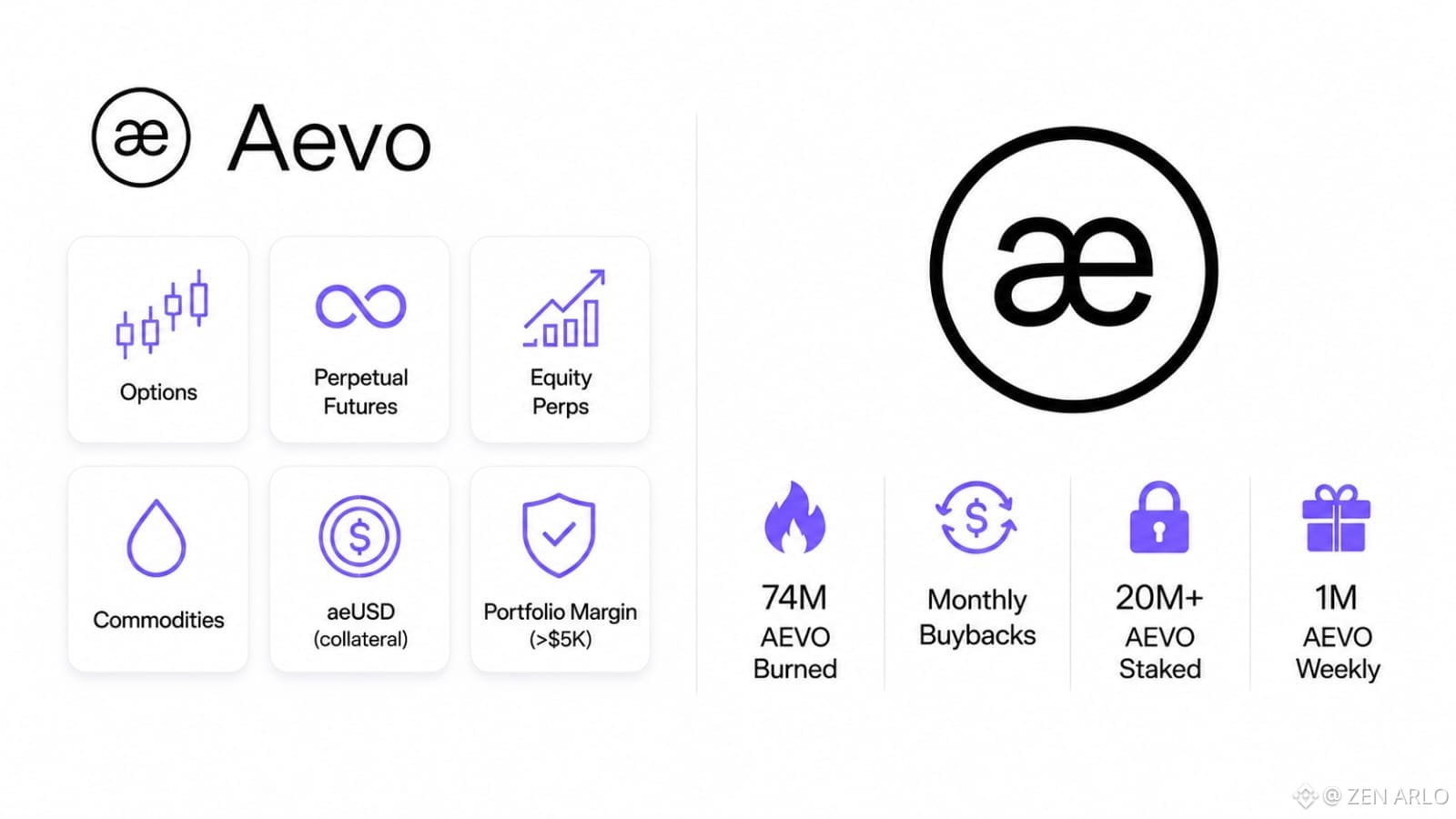
تقوم Aevo بتغيير هادئ لكيفية عمل تداول المشتقات.
بدلًا من توزيع رأس المال عبر منتجات مختلفة، تجمع Aevo الخيارات والعقود الآجلة الدائمة (Perpetual Futures) وEQUITY PERPS والسلع تحت حساب واحد وبحوض ضمانات واحد.
يمنح PERPS+ متداولي عقود BTC وETH الدائمة مزيدًا من التحكم عند الدخول.
يمكن لميزة Limit My Loss تقييد الخسارة لفترة زمنية محددة دون الاعتماد على وقف خسارة قد يتم تنفيذه بسبب ذيل (wick).
أما Get Paid to Hold فيوفر علاوة (premium) مقدمًا مقابل وضع حد للربح، بينما تحدد Lock My Range أفضل وأسوأ سيناريو لحالة تقارب الصفر من التكلفة الصافية.
ثم تأتي aeUSD.
إنها تحقق عائدًا بينما تُستخدم كضمان، ما يعني أن رأس المال يمكنه الاستمرار في العمل أثناء دعم الصفقات.
يُفعّل Portfolio Margin عند تجاوز $5,000 ويسمح للمراكز بتعويض بعضها بعضًا، وربما يترك رأس مال إضافيًا متاحًا للتداول.
لقد تطورت أيضًا $AEVO .
تم حرق 74M AEVO حتى الآن، بما في ذلك 69M عبر AGP-3. تستخدم عمليات إعادة الشراء الشهرية رسوم التداول لشراء AEVO وإزالته نهائيًا.
يتم راهن أكثر من 20M AEVO حاليًا.
إن الـ 1M AEVO الموزعة أسبوعيًا على المتداولين تأتي من إجمالي العرض الثابت البالغ 1B الحالي، وليست من إصدار جديد.
بالنسبة للمتداولين الملمين بـ $HYPE و$ASTER و$LIT و$AAVE، تتمثل الفكرة الأكبر هنا في كفاءة رأس المال: مشتقات أكثر، وضمانات مشتركة وأدوات مخاطر مُهيكلة دون إدارة حسابات منفصلة.
فقط معلومات وليست نصيحة مالية
#AEVO #DeFi #Crypto
تقوم Aevo بتغيير هادئ لكيفية عمل تداول المشتقات.
بدلًا من توزيع رأس المال عبر منتجات مختلفة، تجمع Aevo الخيارات والعقود الآجلة الدائمة (Perpetual Futures) وEQUITY PERPS والسلع تحت حساب واحد وبحوض ضمانات واحد.
يمنح PERPS+ متداولي عقود BTC وETH الدائمة مزيدًا من التحكم عند الدخول.
يمكن لميزة Limit My Loss تقييد الخسارة لفترة زمنية محددة دون الاعتماد على وقف خسارة قد يتم تنفيذه بسبب ذيل (wick).
أما Get Paid to Hold فيوفر علاوة (premium) مقدمًا مقابل وضع حد للربح، بينما تحدد Lock My Range أفضل وأسوأ سيناريو لحالة تقارب الصفر من التكلفة الصافية.
ثم تأتي aeUSD.
إنها تحقق عائدًا بينما تُستخدم كضمان، ما يعني أن رأس المال يمكنه الاستمرار في العمل أثناء دعم الصفقات.
يُفعّل Portfolio Margin عند تجاوز $5,000 ويسمح للمراكز بتعويض بعضها بعضًا، وربما يترك رأس مال إضافيًا متاحًا للتداول.
لقد تطورت أيضًا $AEVO .
تم حرق 74M AEVO حتى الآن، بما في ذلك 69M عبر AGP-3. تستخدم عمليات إعادة الشراء الشهرية رسوم التداول لشراء AEVO وإزالته نهائيًا.
يتم راهن أكثر من 20M AEVO حاليًا.
إن الـ 1M AEVO الموزعة أسبوعيًا على المتداولين تأتي من إجمالي العرض الثابت البالغ 1B الحالي، وليست من إصدار جديد.
بالنسبة للمتداولين الملمين بـ $HYPE و$ASTER و$LIT و$AAVE، تتمثل الفكرة الأكبر هنا في كفاءة رأس المال: مشتقات أكثر، وضمانات مشتركة وأدوات مخاطر مُهيكلة دون إدارة حسابات منفصلة.
فقط معلومات وليست نصيحة مالية
#AEVO #DeFi #Crypto
بدلًا من توزيع رأس المال عبر منتجات مختلفة، تجمع Aevo الخيارات والعقود الآجلة الدائمة (Perpetual Futures) وEQUITY PERPS والسلع تحت حساب واحد وبحوض ضمانات واحد.
يمنح PERPS+ متداولي عقود BTC وETH الدائمة مزيدًا من التحكم عند الدخول.
يمكن لميزة Limit My Loss تقييد الخسارة لفترة زمنية محددة دون الاعتماد على وقف خسارة قد يتم تنفيذه بسبب ذيل (wick).
أما Get Paid to Hold فيوفر علاوة (premium) مقدمًا مقابل وضع حد للربح، بينما تحدد Lock My Range أفضل وأسوأ سيناريو لحالة تقارب الصفر من التكلفة الصافية.
ثم تأتي aeUSD.
إنها تحقق عائدًا بينما تُستخدم كضمان، ما يعني أن رأس المال يمكنه الاستمرار في العمل أثناء دعم الصفقات.
يُفعّل Portfolio Margin عند تجاوز $5,000 ويسمح للمراكز بتعويض بعضها بعضًا، وربما يترك رأس مال إضافيًا متاحًا للتداول.
لقد تطورت أيضًا $AEVO .
تم حرق 74M AEVO حتى الآن، بما في ذلك 69M عبر AGP-3. تستخدم عمليات إعادة الشراء الشهرية رسوم التداول لشراء AEVO وإزالته نهائيًا.
يتم راهن أكثر من 20M AEVO حاليًا.
إن الـ 1M AEVO الموزعة أسبوعيًا على المتداولين تأتي من إجمالي العرض الثابت البالغ 1B الحالي، وليست من إصدار جديد.
بالنسبة للمتداولين الملمين بـ $HYPE و$ASTER و$LIT و$AAVE، تتمثل الفكرة الأكبر هنا في كفاءة رأس المال: مشتقات أكثر، وضمانات مشتركة وأدوات مخاطر مُهيكلة دون إدارة حسابات منفصلة.
فقط معلومات وليست نصيحة مالية
#AEVO #DeFi #Crypto
80
44
14.7k
سجّل الدخول لاستكشاف المزيد من المُحتوى
انضم إلى مُستخدمي العملات الرقمية حول العالم على Binance Square
⚡️ احصل على أحدث المعلومات المفيدة عن العملات الرقمية.
💬 موثوقة من قبل أكبر منصّة لتداول العملات الرقمية في العالم.
👍 اكتشف الرؤى الحقيقية من صنّاع المُحتوى الموثوقين.
البريد الإلكتروني / رقم الهاتف