
Crypto_Athlete 7
36.5k منشورات

Crypto_Athlete 7
إبلاغ
حظر المُستخدم
Passionate Crypto Trader 🚀 | Technical Analysis | Market Insights | Long-Term Vision | Always Learning
فتح تداول
مُتداول مُتكرر
10.3 أشهر
327 تتابع
23.1K+ المتابعون
17.7K+ إعجاب
منشورات
الحافظة الاستثمارية
الكل
اقتباسات
Live
PINNED
الجزء المثير للاهتمام في اجتماع مجلس الاحتياطي الفيدرالي هذا ليس مجرد معرفة ما إذا كنا سنشهد زيادة قدرها 25 نقطة أساس. الأسواق تتجه بالفعل بشكل كبير نحو هذا التحرك، إذ تتراوح توقعات الزيادة بنحو 90% بعد بيانات تضخم أغسطس.
السؤال الأكبر هو: ماذا سيأتي بعد ذلك.
ارتفع مؤشر أسعار المستهلكين في أغسطس بنسبة 0.4% على أساس شهري وبنسبة 3.4% على أساس سنوي، بينما زاد التضخم الأساسي بنسبة 0.3% على أساس شهري و2.4% على أساس سنوي. إن وصول التضخم الأساسي أعلى من التوقعات يبقي الضغط على الاحتياطي الفيدرالي قائماً، حتى مع كون جزء من الارتفاع في الرقم الرئيسي مدفوعاً بالوقود.
لكن على المتداولين ألا يتعاملوا مع الزيادة باعتبارها القصة كلها.
يتوقع بنك مورغان ستانلي الآن زيادة أخرى قدرها 25 نقطة أساس في ديسمبر. وإذا لقي هذا التوقع دعماً من توقعات الاحتياطي الفيدرالي ولغته، فقد تبدأ الأسواق في تسعير فترة أطول من السياسة التقييدية بدلاً من اعتبارها تحركاً لمرة واحدة.
وهذا سيكون له تأثير على الأصول ذات المخاطر.
قد يواجه البيتكوين تقلباً جديداً مع تزايد توقعات تشديد السيولة، ما يضغط على الأصول المضارِية. كما قد تتعرض أسهم التكنولوجيا لضغط أيضاً لأن ارتفاع العوائد يجعل تقييمات النمو باهظة التكاليف أكثر صعوبة في تبريرها. أما الذهب فالأمر أكثر تعقيداً: إذ يمكن أن تؤذي العوائد المرتفعة قيمته، لكن استمرار التضخم والمخاطر الجيوسياسية قد يحافظان على قوة الطلب على المعدن.
نهجي بسيط: أفضل الانتظار لرسالة مجلس الاحتياطي الفيدرالي بدل مطاردة أول حركة. زيادة 25 نقطة أساس متوقعة إلى حد كبير. المفاجأة قد تأتي مما يشير إليه صناع السياسات بشأن ديسمبر وما بعده.
قرار الفائدة هو مجرد العنوان.
القصة الحقيقية هي المسار بعد ذلك.
#FedRateWatch
$POWER
{future}(POWERUSDT)
$AIN
{future}(AINUSDT)
$AKE
{future}(AKEUSDT)
الجزء المثير للاهتمام في اجتماع مجلس الاحتياطي الفيدرالي هذا ليس مجرد معرفة ما إذا كنا سنشهد زيادة قدرها 25 نقطة أساس. الأسواق تتجه بالفعل بشكل كبير نحو هذا التحرك، إذ تتراوح توقعات الزيادة بنحو 90% بعد بيانات تضخم أغسطس.
السؤال الأكبر هو: ماذا سيأتي بعد ذلك.
ارتفع مؤشر أسعار المستهلكين في أغسطس بنسبة 0.4% على أساس شهري وبنسبة 3.4% على أساس سنوي، بينما زاد التضخم الأساسي بنسبة 0.3% على أساس شهري و2.4% على أساس سنوي. إن وصول التضخم الأساسي أعلى من التوقعات يبقي الضغط على الاحتياطي الفيدرالي قائماً، حتى مع كون جزء من الارتفاع في الرقم الرئيسي مدفوعاً بالوقود.
لكن على المتداولين ألا يتعاملوا مع الزيادة باعتبارها القصة كلها.
يتوقع بنك مورغان ستانلي الآن زيادة أخرى قدرها 25 نقطة أساس في ديسمبر. وإذا لقي هذا التوقع دعماً من توقعات الاحتياطي الفيدرالي ولغته، فقد تبدأ الأسواق في تسعير فترة أطول من السياسة التقييدية بدلاً من اعتبارها تحركاً لمرة واحدة.
وهذا سيكون له تأثير على الأصول ذات المخاطر.
قد يواجه البيتكوين تقلباً جديداً مع تزايد توقعات تشديد السيولة، ما يضغط على الأصول المضارِية. كما قد تتعرض أسهم التكنولوجيا لضغط أيضاً لأن ارتفاع العوائد يجعل تقييمات النمو باهظة التكاليف أكثر صعوبة في تبريرها. أما الذهب فالأمر أكثر تعقيداً: إذ يمكن أن تؤذي العوائد المرتفعة قيمته، لكن استمرار التضخم والمخاطر الجيوسياسية قد يحافظان على قوة الطلب على المعدن.
نهجي بسيط: أفضل الانتظار لرسالة مجلس الاحتياطي الفيدرالي بدل مطاردة أول حركة. زيادة 25 نقطة أساس متوقعة إلى حد كبير. المفاجأة قد تأتي مما يشير إليه صناع السياسات بشأن ديسمبر وما بعده.
قرار الفائدة هو مجرد العنوان.
القصة الحقيقية هي المسار بعد ذلك.
#FedRateWatch
$POWER
$AIN
$AKE
السؤال الأكبر هو: ماذا سيأتي بعد ذلك.
ارتفع مؤشر أسعار المستهلكين في أغسطس بنسبة 0.4% على أساس شهري وبنسبة 3.4% على أساس سنوي، بينما زاد التضخم الأساسي بنسبة 0.3% على أساس شهري و2.4% على أساس سنوي. إن وصول التضخم الأساسي أعلى من التوقعات يبقي الضغط على الاحتياطي الفيدرالي قائماً، حتى مع كون جزء من الارتفاع في الرقم الرئيسي مدفوعاً بالوقود.
لكن على المتداولين ألا يتعاملوا مع الزيادة باعتبارها القصة كلها.
يتوقع بنك مورغان ستانلي الآن زيادة أخرى قدرها 25 نقطة أساس في ديسمبر. وإذا لقي هذا التوقع دعماً من توقعات الاحتياطي الفيدرالي ولغته، فقد تبدأ الأسواق في تسعير فترة أطول من السياسة التقييدية بدلاً من اعتبارها تحركاً لمرة واحدة.
وهذا سيكون له تأثير على الأصول ذات المخاطر.
قد يواجه البيتكوين تقلباً جديداً مع تزايد توقعات تشديد السيولة، ما يضغط على الأصول المضارِية. كما قد تتعرض أسهم التكنولوجيا لضغط أيضاً لأن ارتفاع العوائد يجعل تقييمات النمو باهظة التكاليف أكثر صعوبة في تبريرها. أما الذهب فالأمر أكثر تعقيداً: إذ يمكن أن تؤذي العوائد المرتفعة قيمته، لكن استمرار التضخم والمخاطر الجيوسياسية قد يحافظان على قوة الطلب على المعدن.
نهجي بسيط: أفضل الانتظار لرسالة مجلس الاحتياطي الفيدرالي بدل مطاردة أول حركة. زيادة 25 نقطة أساس متوقعة إلى حد كبير. المفاجأة قد تأتي مما يشير إليه صناع السياسات بشأن ديسمبر وما بعده.
قرار الفائدة هو مجرد العنوان.
القصة الحقيقية هي المسار بعد ذلك.
#FedRateWatch
$POWER
$AIN
$AKE

4
536
HYPE للتو قدم نوع الحركة التي تُثير حماس جداول زمن العملات المشفرة، لكن نسبة الارتفاع ليست القصة كاملة.
ذكرت أخبار Binance أن عملة Hyperliquid HYPE قفزت بأكثر من 11% إلى ما يقرب من 89 دولارًا يوم الجمعة، لتصبح واحدة من أقوى التحركات ضمن أكبر الرموز السائلة في ذلك الوقت.
ما لفت انتباهي هو التموضع خلف الحركة. أظهرت بيانات سوق Hyperliquid أن HYPE كانت عند حوالي 87–90 دولارًا في لقطات حديثة، مع ما يقرب من 1.9 مليار دولار في الفائدة المفتوحة وأكثر من 640 مليون دولار في حجم تداول العقود الآجلة الدائمة خلال 24 ساعة. هذا مقدار كبير من التعرض المُدار بالرافعة المالية مستقر خلف حركة السعر.
كما كانت التمويلات إيجابية قليلًا، ما يعني أن المراكز الطويلة كانت تدفع للمراكز القصيرة. هذا لا يعني تلقائيًا أن الصعود غير صحي، لكنه يخبرنا أن المتداولين باتوا أكثر استعدادًا لدفع ثمن التعرض الصعودي.
هناك أيضًا جزء آخر يستحق المتابعة: تتبّع عمليات إعادة الشراء يقدّر أن Hyperliquid أعاد شراء ما يقارب 62.4 مليون دولار من HYPE خلال الأيام الـ30 الماضية، بينما سجلت صناديق US HYPE الفورية المتداولة بالبورصة تدفقات صافية تقارب 4.25 مليون دولار في 17 سبتمبر.
لذا نعم، HYPE يتحرك بسرعة. لكن السؤال الأكبر هو ما إذا كان الطلب الفعلي قادرًا على الاستمرار في دعم السعر بعد أن يخفت حماس اللحظة.
هذه هي الجزء الذي أراقبه.
#HYPEJumpsOver11%
$ONE
{future}(ONEUSDT)
$G
{future}(GUSDT)
$MYX
{future}(MYXUSDT)
HYPE للتو قدم نوع الحركة التي تُثير حماس جداول زمن العملات المشفرة، لكن نسبة الارتفاع ليست القصة كاملة.
ذكرت أخبار Binance أن عملة Hyperliquid HYPE قفزت بأكثر من 11% إلى ما يقرب من 89 دولارًا يوم الجمعة، لتصبح واحدة من أقوى التحركات ضمن أكبر الرموز السائلة في ذلك الوقت.
ما لفت انتباهي هو التموضع خلف الحركة. أظهرت بيانات سوق Hyperliquid أن HYPE كانت عند حوالي 87–90 دولارًا في لقطات حديثة، مع ما يقرب من 1.9 مليار دولار في الفائدة المفتوحة وأكثر من 640 مليون دولار في حجم تداول العقود الآجلة الدائمة خلال 24 ساعة. هذا مقدار كبير من التعرض المُدار بالرافعة المالية مستقر خلف حركة السعر.
كما كانت التمويلات إيجابية قليلًا، ما يعني أن المراكز الطويلة كانت تدفع للمراكز القصيرة. هذا لا يعني تلقائيًا أن الصعود غير صحي، لكنه يخبرنا أن المتداولين باتوا أكثر استعدادًا لدفع ثمن التعرض الصعودي.
هناك أيضًا جزء آخر يستحق المتابعة: تتبّع عمليات إعادة الشراء يقدّر أن Hyperliquid أعاد شراء ما يقارب 62.4 مليون دولار من HYPE خلال الأيام الـ30 الماضية، بينما سجلت صناديق US HYPE الفورية المتداولة بالبورصة تدفقات صافية تقارب 4.25 مليون دولار في 17 سبتمبر.
لذا نعم، HYPE يتحرك بسرعة. لكن السؤال الأكبر هو ما إذا كان الطلب الفعلي قادرًا على الاستمرار في دعم السعر بعد أن يخفت حماس اللحظة.
هذه هي الجزء الذي أراقبه.
#HYPEJumpsOver11%
$ONE
$G
$MYX
ذكرت أخبار Binance أن عملة Hyperliquid HYPE قفزت بأكثر من 11% إلى ما يقرب من 89 دولارًا يوم الجمعة، لتصبح واحدة من أقوى التحركات ضمن أكبر الرموز السائلة في ذلك الوقت.
ما لفت انتباهي هو التموضع خلف الحركة. أظهرت بيانات سوق Hyperliquid أن HYPE كانت عند حوالي 87–90 دولارًا في لقطات حديثة، مع ما يقرب من 1.9 مليار دولار في الفائدة المفتوحة وأكثر من 640 مليون دولار في حجم تداول العقود الآجلة الدائمة خلال 24 ساعة. هذا مقدار كبير من التعرض المُدار بالرافعة المالية مستقر خلف حركة السعر.
كما كانت التمويلات إيجابية قليلًا، ما يعني أن المراكز الطويلة كانت تدفع للمراكز القصيرة. هذا لا يعني تلقائيًا أن الصعود غير صحي، لكنه يخبرنا أن المتداولين باتوا أكثر استعدادًا لدفع ثمن التعرض الصعودي.
هناك أيضًا جزء آخر يستحق المتابعة: تتبّع عمليات إعادة الشراء يقدّر أن Hyperliquid أعاد شراء ما يقارب 62.4 مليون دولار من HYPE خلال الأيام الـ30 الماضية، بينما سجلت صناديق US HYPE الفورية المتداولة بالبورصة تدفقات صافية تقارب 4.25 مليون دولار في 17 سبتمبر.
لذا نعم، HYPE يتحرك بسرعة. لكن السؤال الأكبر هو ما إذا كان الطلب الفعلي قادرًا على الاستمرار في دعم السعر بعد أن يخفت حماس اللحظة.
هذه هي الجزء الذي أراقبه.
#HYPEJumpsOver11%
$ONE
$G
$MYX

472
·
--
صاعد


VICTORIA _777
·
--
صاعدقد يرفع بنك الاحتياطي الفيدرالي أسعار الفائدة.
ولكن بصراحة، لا أعتقد أن رفع الفائدة نفسه هو أكبر مخاطرة.
الأسواق كانت تتوقع ذلك بالفعل.
السؤال الحقيقي هو ما الذي يقوله باول بعد القرار.
إذا أشار الاحتياطي الفيدرالي إلى أن الأمر مجرد تعديل لمرة واحدة، فقد تتنفس الأصول ذات المخاطر من جديد.
لكن إذا كانت الرسالة واضحة بأن المزيد من التشديد قادم، فهذا يغيّر كل شيء.
ارتفاع العوائد.
دولار أقوى.
مزيد من الضغط على التكنولوجيا.
مزيد من الضغط على الذهب.
ويمكن أن يشهد البيتكوين (BTC) بعض تقلبات كبيرة.
لهذا السبب لست مهتمًا بمطاردة العنوان.
أنا أراقب رد الفعل.
البيتكوين أولاً.
ثم الذهب.
ثم التكنولوجيا.
إذا حافظ البيتكوين على مستواه بينما تبقى العوائد مرتفعة، فهذا يخبرني بشيء.
إذا انهار البيتكوين واستمر الدولار في الدفع للأعلى، فهذا يخبرني بشيء آخر.
رفع الفائدة هو العنوان.
الإرشادات هي الصفقة.
وأحيانًا تأتي أكبر حركة بعد أن يظن الجميع أن الحدث مسعّر بالفعل.
#FedRateWatch
$AIN
$AKE
$POWER
ولكن بصراحة، لا أعتقد أن رفع الفائدة نفسه هو أكبر مخاطرة.
الأسواق كانت تتوقع ذلك بالفعل.
السؤال الحقيقي هو ما الذي يقوله باول بعد القرار.
إذا أشار الاحتياطي الفيدرالي إلى أن الأمر مجرد تعديل لمرة واحدة، فقد تتنفس الأصول ذات المخاطر من جديد.
لكن إذا كانت الرسالة واضحة بأن المزيد من التشديد قادم، فهذا يغيّر كل شيء.
ارتفاع العوائد.
دولار أقوى.
مزيد من الضغط على التكنولوجيا.
مزيد من الضغط على الذهب.
ويمكن أن يشهد البيتكوين (BTC) بعض تقلبات كبيرة.
لهذا السبب لست مهتمًا بمطاردة العنوان.
أنا أراقب رد الفعل.
البيتكوين أولاً.
ثم الذهب.
ثم التكنولوجيا.
إذا حافظ البيتكوين على مستواه بينما تبقى العوائد مرتفعة، فهذا يخبرني بشيء.
إذا انهار البيتكوين واستمر الدولار في الدفع للأعلى، فهذا يخبرني بشيء آخر.
رفع الفائدة هو العنوان.
الإرشادات هي الصفقة.
وأحيانًا تأتي أكبر حركة بعد أن يظن الجميع أن الحدث مسعّر بالفعل.
#FedRateWatch
$AIN
$AKE
$POWER

1
481
·
--
صاعد
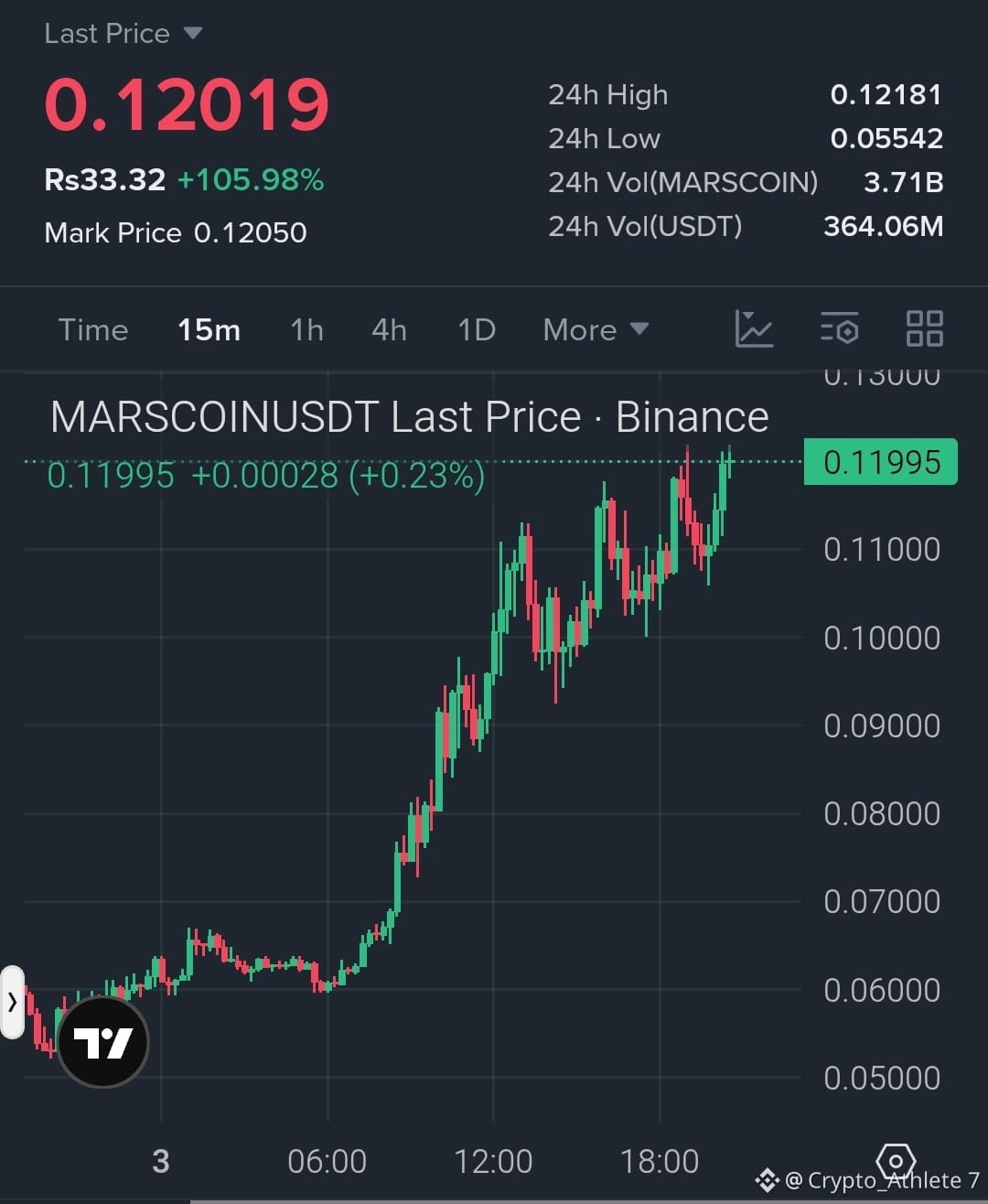
$MARSCOIN إعداد الاختراق بات أكثر إثارة حول 0.1200.
صفقة شراء $MARSCOIN
الدخول: 0.1195-0.1210
SL: 0.1160
TP1: 0.1240
TP2: 0.1280
TP3: 0.1350
الزخم قوي مع ضغط السعر على منطقة الاختراق وعودة حجم التداول. استعادة نظيفة فوق 0.1210 قد تُطلق التوسع التالي للأعلى.
إدارة المخاطر. انتبهوا جيدًا. 🚀
$MARSCOIN إعداد الاختراق بات أكثر إثارة حول 0.1200.
صفقة شراء $MARSCOIN
الدخول: 0.1195-0.1210
SL: 0.1160
TP1: 0.1240
TP2: 0.1280
TP3: 0.1350
الزخم قوي مع ضغط السعر على منطقة الاختراق وعودة حجم التداول. استعادة نظيفة فوق 0.1210 قد تُطلق التوسع التالي للأعلى.
إدارة المخاطر. انتبهوا جيدًا. 🚀
صفقة شراء $MARSCOIN
الدخول: 0.1195-0.1210
SL: 0.1160
TP1: 0.1240
TP2: 0.1280
TP3: 0.1350
الزخم قوي مع ضغط السعر على منطقة الاختراق وعودة حجم التداول. استعادة نظيفة فوق 0.1210 قد تُطلق التوسع التالي للأعلى.
إدارة المخاطر. انتبهوا جيدًا. 🚀
1
486
·
--
صاعد
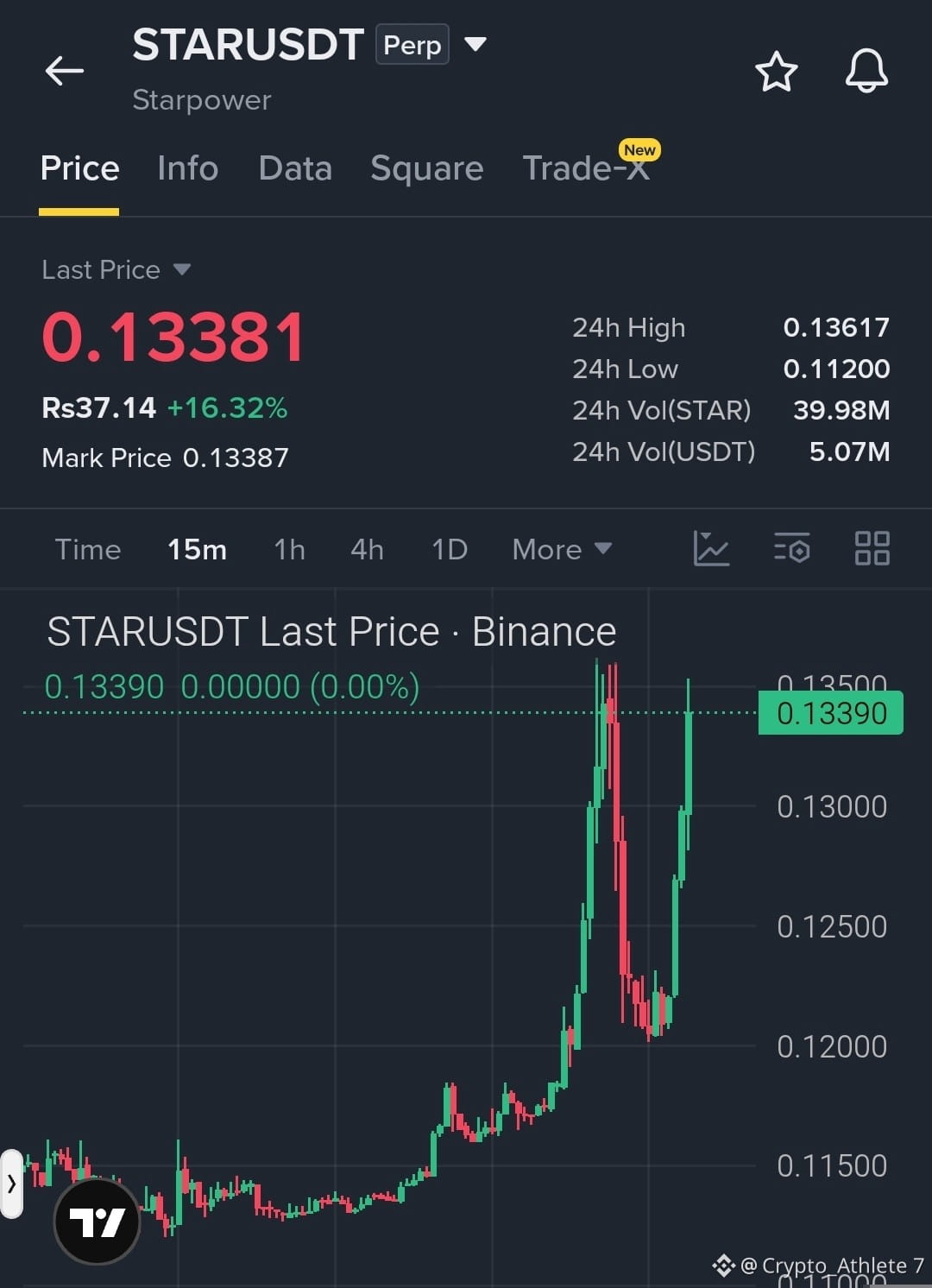
$STAR — انتعاش صعودي
قامت STAR بحركة حادة من 0.112 باتجاه 0.136، تلتها عملية سحب قوية إلى حوالي 0.120. لقد دفع المشترون الآن السعر مرة أخرى قرب القمة السابقة.
0.1362 هي المقاومة الرئيسية. قد يؤدي الاختراق المؤكد إلى استمرار التعافي، بينما قد يؤدي الرفض إلى عودة السعر نحو 0.130 / 0.125.
الدخول: 0.1310 - 0.1340
SL: 0.1260
TP1: 0.1362
TP2: 0.1400
TP3: 0.1450
⚠️ تذبذب مرتفع بعد الحركة الحادة — التأكيد مهم.
{alpha}(560x8fce7206e3043dd360f115afa956ee31b90b787c)
$STAR — انتعاش صعودي
قامت STAR بحركة حادة من 0.112 باتجاه 0.136، تلتها عملية سحب قوية إلى حوالي 0.120. لقد دفع المشترون الآن السعر مرة أخرى قرب القمة السابقة.
0.1362 هي المقاومة الرئيسية. قد يؤدي الاختراق المؤكد إلى استمرار التعافي، بينما قد يؤدي الرفض إلى عودة السعر نحو 0.130 / 0.125.
الدخول: 0.1310 - 0.1340
SL: 0.1260
TP1: 0.1362
TP2: 0.1400
TP3: 0.1450
⚠️ تذبذب مرتفع بعد الحركة الحادة — التأكيد مهم.
قامت STAR بحركة حادة من 0.112 باتجاه 0.136، تلتها عملية سحب قوية إلى حوالي 0.120. لقد دفع المشترون الآن السعر مرة أخرى قرب القمة السابقة.
0.1362 هي المقاومة الرئيسية. قد يؤدي الاختراق المؤكد إلى استمرار التعافي، بينما قد يؤدي الرفض إلى عودة السعر نحو 0.130 / 0.125.
الدخول: 0.1310 - 0.1340
SL: 0.1260
TP1: 0.1362
TP2: 0.1400
TP3: 0.1450
⚠️ تذبذب مرتفع بعد الحركة الحادة — التأكيد مهم.
152
·
--
صاعد
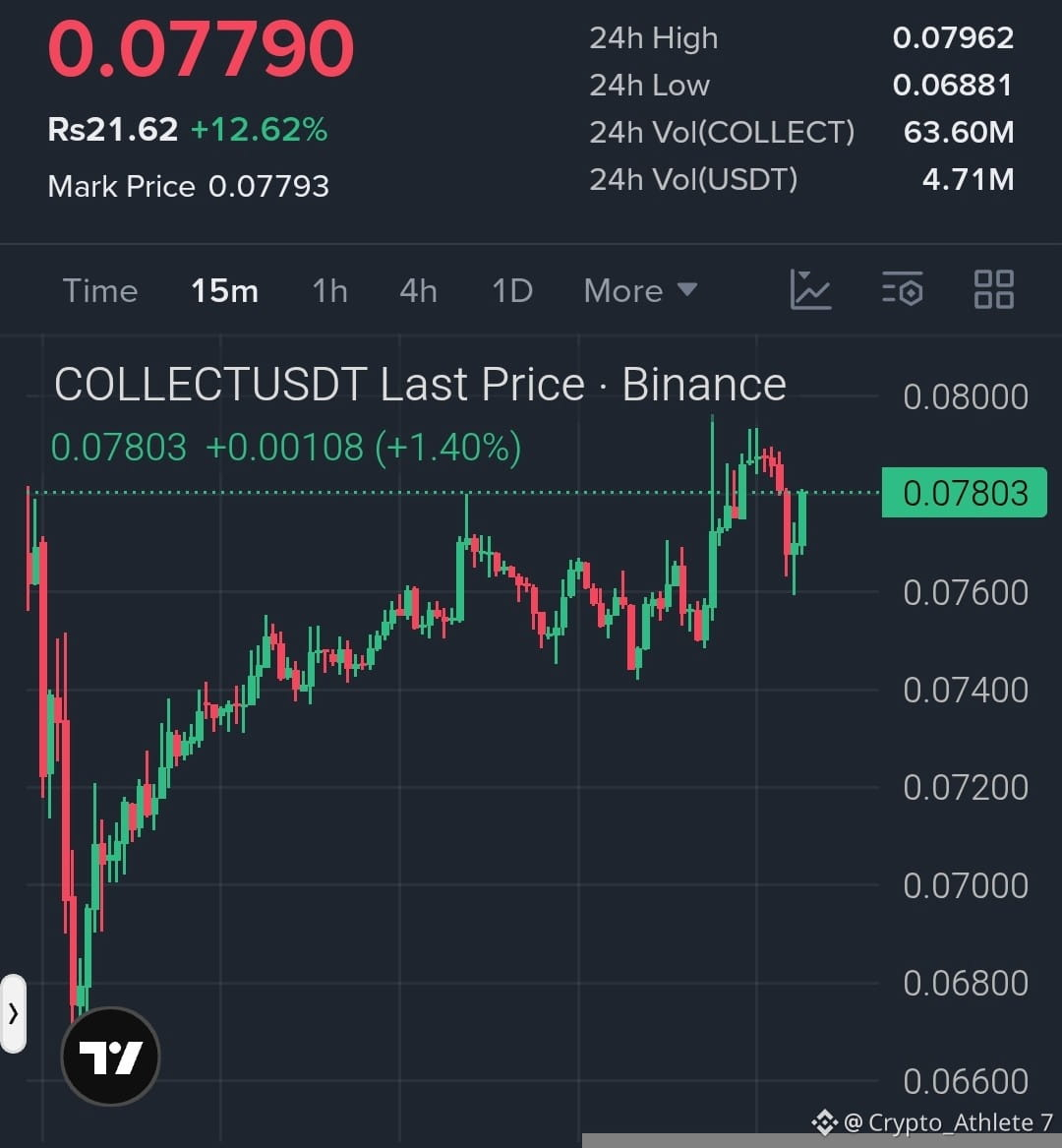
$COLLECT — استمرار صعودي
تُظهر COLLECT اتجاهًا صعوديًا واضحًا قصير المدى على مخطط 15 دقيقة بعد التعافي من 0.068. السعر الآن عاد بالقرب من 0.078، مع اعتبار القمة الأخيرة عند حوالي 0.0796 كمقاومة.
قد يؤدي اختراق واضح فوق 0.0796 إلى فتح الطريق نحو 0.080+. أما فقدان 0.076 فيُضعف الإعداد.
الدخول: 0.0775 - 0.0782
إيقاف الخسارة (SL): 0.0758
الأهداف (TP1): 0.0796
( TP2): 0.0810
( TP3): 0.0830
⚡ المستوى الرئيسي: مقاومة 0.0796.
{alpha}(560x4b3d30992f003c8167699735f5ab2831b2a087d3)
$COLLECT — استمرار صعودي
تُظهر COLLECT اتجاهًا صعوديًا واضحًا قصير المدى على مخطط 15 دقيقة بعد التعافي من 0.068. السعر الآن عاد بالقرب من 0.078، مع اعتبار القمة الأخيرة عند حوالي 0.0796 كمقاومة.
قد يؤدي اختراق واضح فوق 0.0796 إلى فتح الطريق نحو 0.080+. أما فقدان 0.076 فيُضعف الإعداد.
الدخول: 0.0775 - 0.0782
إيقاف الخسارة (SL): 0.0758
الأهداف (TP1): 0.0796
( TP2): 0.0810
( TP3): 0.0830
⚡ المستوى الرئيسي: مقاومة 0.0796.
تُظهر COLLECT اتجاهًا صعوديًا واضحًا قصير المدى على مخطط 15 دقيقة بعد التعافي من 0.068. السعر الآن عاد بالقرب من 0.078، مع اعتبار القمة الأخيرة عند حوالي 0.0796 كمقاومة.
قد يؤدي اختراق واضح فوق 0.0796 إلى فتح الطريق نحو 0.080+. أما فقدان 0.076 فيُضعف الإعداد.
الدخول: 0.0775 - 0.0782
إيقاف الخسارة (SL): 0.0758
الأهداف (TP1): 0.0796
( TP2): 0.0810
( TP3): 0.0830
⚡ المستوى الرئيسي: مقاومة 0.0796.
167
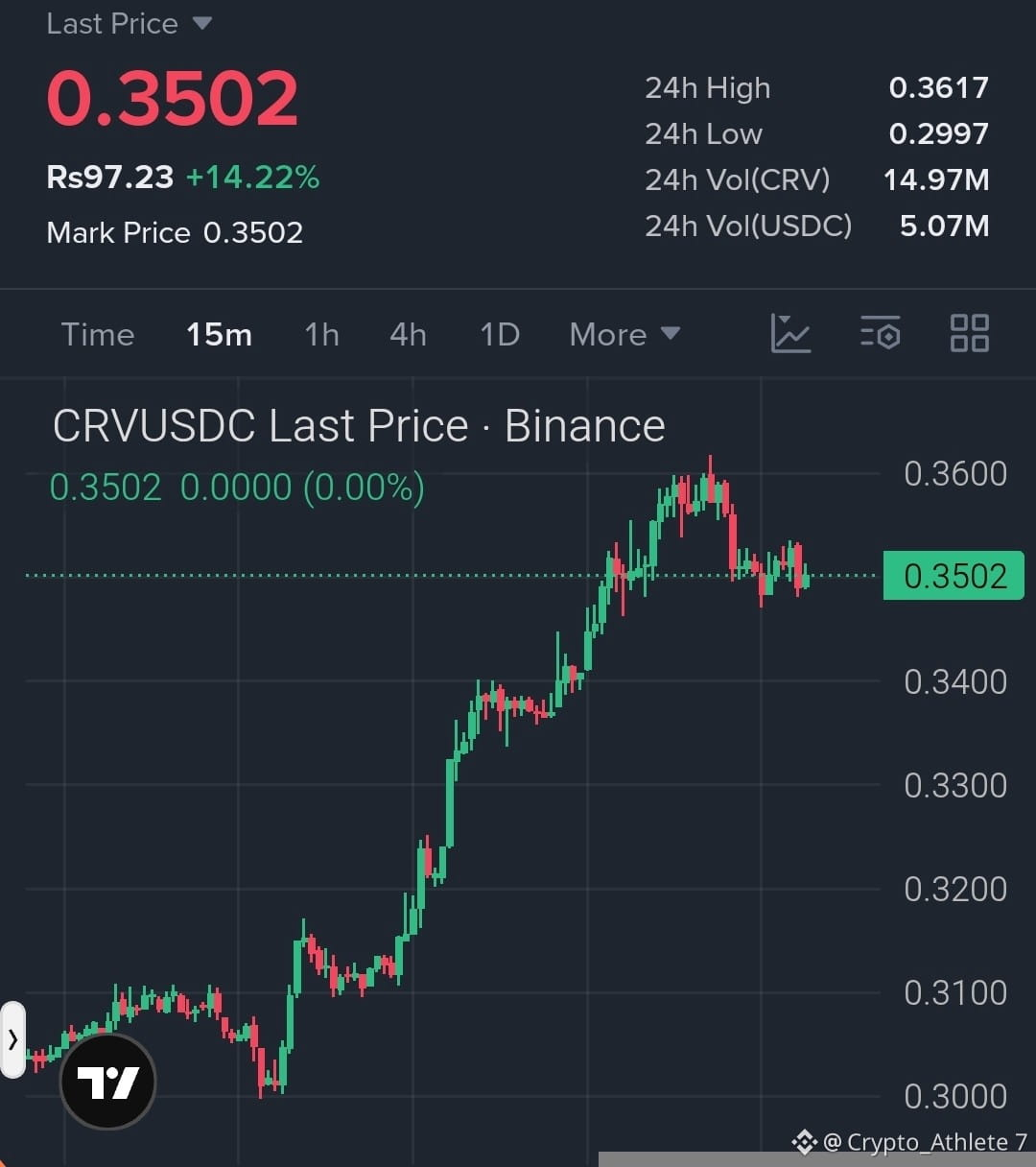
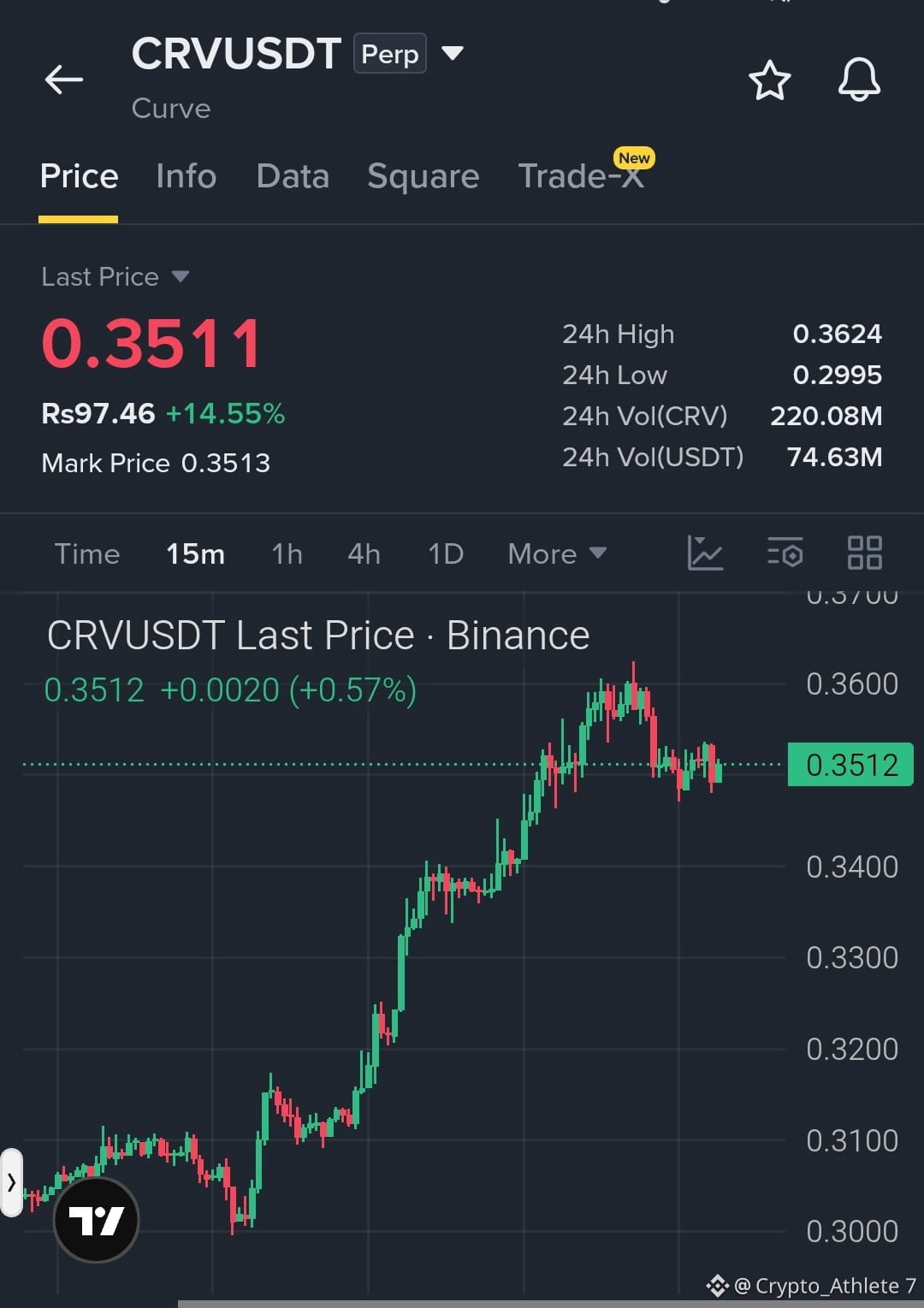
$CRV — استمرار صعودي
دفعت CRV من 0.30 إلى منطقة 0.36 وهي الآن تتداول في نطاق تماسك حول 0.35 بعد الرفض من القمة الأخيرة.
منطقة 0.345–0.350 تحافظ على نفسها في الوقت الحالي. سيكون الاختراق الواضح فوق 0.3617 تأكيدًا صعوديًا أقوى، بينما قد يشير فقدان 0.345 إلى تراجع أعمق.
الدخول: 0.348 - 0.352
SL: 0.342
TP1: 0.360
TP2: 0.370
TP3: 0.385
⚡ المستوى الرئيسي: مقاومة عند 0.3617.
$CRV — استمرار صعودي
دفعت CRV من 0.30 إلى منطقة 0.36 وهي الآن تتداول في نطاق تماسك حول 0.35 بعد الرفض من القمة الأخيرة.
منطقة 0.345–0.350 تحافظ على نفسها في الوقت الحالي. سيكون الاختراق الواضح فوق 0.3617 تأكيدًا صعوديًا أقوى، بينما قد يشير فقدان 0.345 إلى تراجع أعمق.
الدخول: 0.348 - 0.352
SL: 0.342
TP1: 0.360
TP2: 0.370
TP3: 0.385
⚡ المستوى الرئيسي: مقاومة عند 0.3617.
دفعت CRV من 0.30 إلى منطقة 0.36 وهي الآن تتداول في نطاق تماسك حول 0.35 بعد الرفض من القمة الأخيرة.
منطقة 0.345–0.350 تحافظ على نفسها في الوقت الحالي. سيكون الاختراق الواضح فوق 0.3617 تأكيدًا صعوديًا أقوى، بينما قد يشير فقدان 0.345 إلى تراجع أعمق.
الدخول: 0.348 - 0.352
SL: 0.342
TP1: 0.360
TP2: 0.370
TP3: 0.385
⚡ المستوى الرئيسي: مقاومة عند 0.3617.
82
·
--
صاعد
$CRV — استمرار صعودي
تحرك CRV بقوة من منطقة 0.30 وهو الآن يتداول بشكل جانبي حول 0.35 بعد اختبار مقاومة 0.36.
يظل هيكل إطار 15 دقيقة صعوديًا طالما أن 0.345–0.350 يحافظ عليها السعر. قد يؤدي الاختراق الواضح فوق 0.3624 إلى فتح موجة الصعود التالية.
الدخول: 0.348 - 0.353
SL: 0.340
TP1: 0.360
TP2: 0.370
TP3: 0.385
⚡ المستوى الرئيسي: مقاومة 0.3624.
{future}(CRVUSDT)
$CRV — استمرار صعودي
تحرك CRV بقوة من منطقة 0.30 وهو الآن يتداول بشكل جانبي حول 0.35 بعد اختبار مقاومة 0.36.
يظل هيكل إطار 15 دقيقة صعوديًا طالما أن 0.345–0.350 يحافظ عليها السعر. قد يؤدي الاختراق الواضح فوق 0.3624 إلى فتح موجة الصعود التالية.
الدخول: 0.348 - 0.353
SL: 0.340
TP1: 0.360
TP2: 0.370
TP3: 0.385
⚡ المستوى الرئيسي: مقاومة 0.3624.
تحرك CRV بقوة من منطقة 0.30 وهو الآن يتداول بشكل جانبي حول 0.35 بعد اختبار مقاومة 0.36.
يظل هيكل إطار 15 دقيقة صعوديًا طالما أن 0.345–0.350 يحافظ عليها السعر. قد يؤدي الاختراق الواضح فوق 0.3624 إلى فتح موجة الصعود التالية.
الدخول: 0.348 - 0.353
SL: 0.340
TP1: 0.360
TP2: 0.370
TP3: 0.385
⚡ المستوى الرئيسي: مقاومة 0.3624.
73
·
--
صاعد
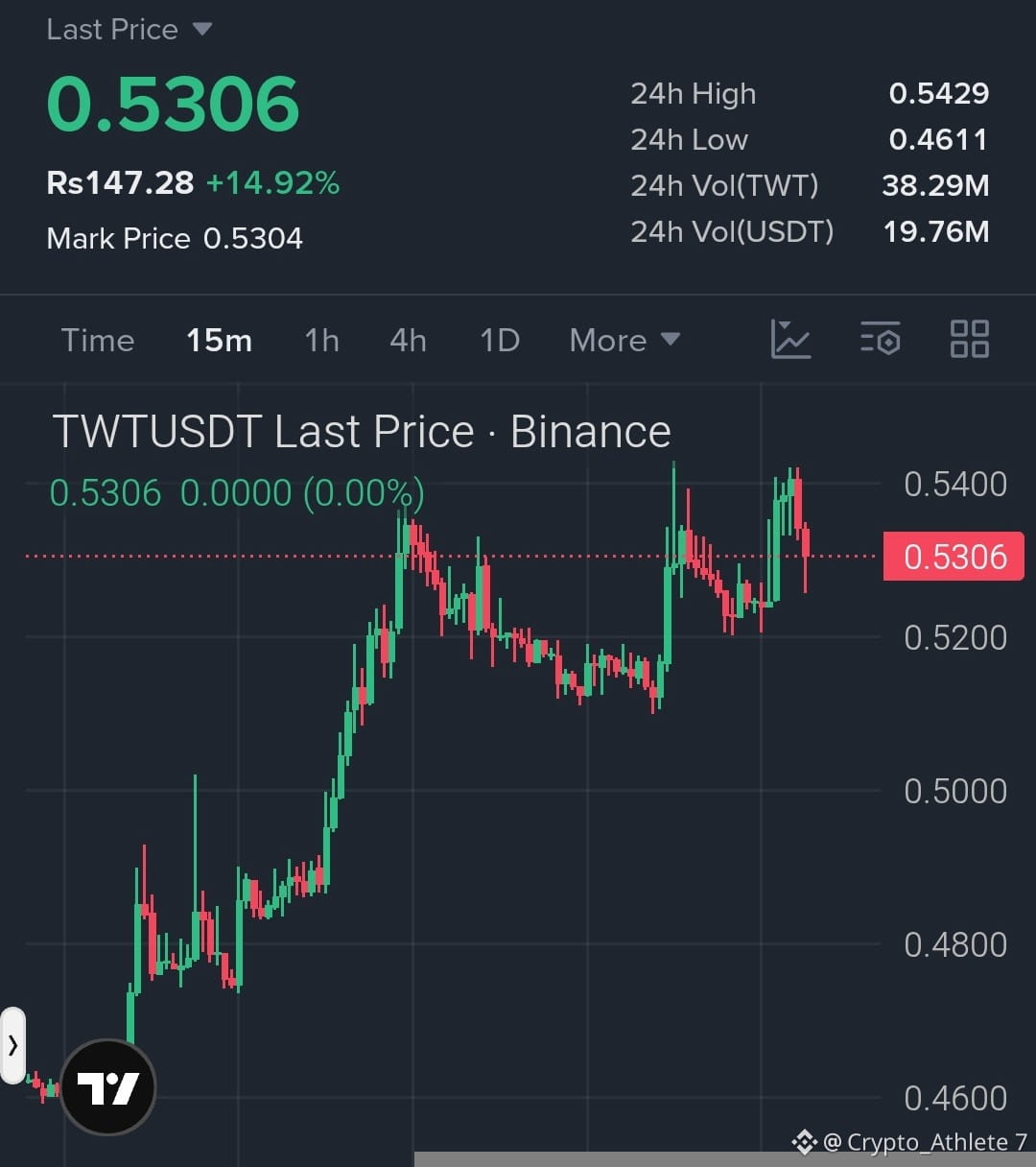
$TWT — إعداد استمرارية صعودية
TWT حققت حركة قوية من منطقة 0.46 باتجاه 0.54. على مخطط 15 دقيقة، السعر يسحب للخلف من مقاومة 0.54 مع الحفاظ على البقاء فوق منطقة 0.52.
استعادة مستوى 0.54 ستعزز الإعداد الصعودي. فقدان 0.52 قد يؤدي إلى سحب أعمق.
الدخول: 0.525 - 0.532
SL: 0.515
TP1: 0.540
TP2: 0.550
TP3: 0.565
⚠️ تقلبات عالية بعد حركة قوية — التأكيد مهم.
{future}(TWTUSDT)
$TWT — إعداد استمرارية صعودية
TWT حققت حركة قوية من منطقة 0.46 باتجاه 0.54. على مخطط 15 دقيقة، السعر يسحب للخلف من مقاومة 0.54 مع الحفاظ على البقاء فوق منطقة 0.52.
استعادة مستوى 0.54 ستعزز الإعداد الصعودي. فقدان 0.52 قد يؤدي إلى سحب أعمق.
الدخول: 0.525 - 0.532
SL: 0.515
TP1: 0.540
TP2: 0.550
TP3: 0.565
⚠️ تقلبات عالية بعد حركة قوية — التأكيد مهم.
TWT حققت حركة قوية من منطقة 0.46 باتجاه 0.54. على مخطط 15 دقيقة، السعر يسحب للخلف من مقاومة 0.54 مع الحفاظ على البقاء فوق منطقة 0.52.
استعادة مستوى 0.54 ستعزز الإعداد الصعودي. فقدان 0.52 قد يؤدي إلى سحب أعمق.
الدخول: 0.525 - 0.532
SL: 0.515
TP1: 0.540
TP2: 0.550
TP3: 0.565
⚠️ تقلبات عالية بعد حركة قوية — التأكيد مهم.
77
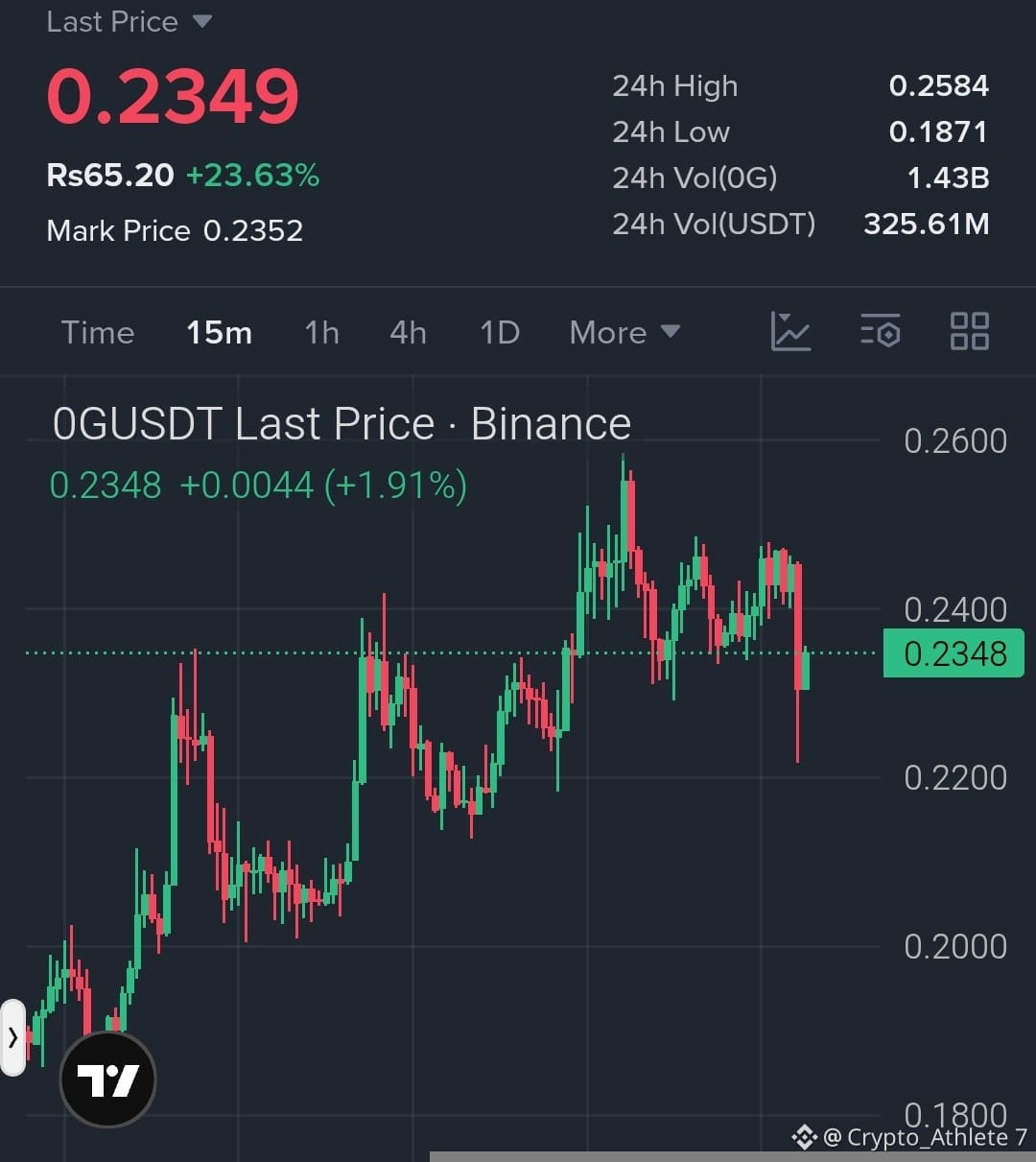
$OG — انتعاش صعودي، لكن لا يزال خطر الرفض قائمًا
دفعت OG من منطقة 0.18 باتجاه 0.25+، لكن مخطط الـ15 دقيقة يُظهر رفضًا متكررًا حول 0.24–0.25.
وصل آخر هبوط إلى قرب 0.22 ثم ارتد، لذا تُعد 0.23 مستوى مهمًا على المدى القصير. استعادة 0.24 من شأنها تحسين الزخم؛ أما فقدان 0.22 فسيضعف البنية.
الدعم: 0.230 / 0.220
المقاومة: 0.240 / 0.250
منطقة الصعود التالية: 0.258
⚠️ ملاحظة على الرسم فقط. هذه الحركة متقلبة جدًا بالفعل، لذا تجنب اعتبار هذه المستويات مداخل أو أهدافًا مضمونة.
{spot}(0GUSDT)
$OG — انتعاش صعودي، لكن لا يزال خطر الرفض قائمًا
دفعت OG من منطقة 0.18 باتجاه 0.25+، لكن مخطط الـ15 دقيقة يُظهر رفضًا متكررًا حول 0.24–0.25.
وصل آخر هبوط إلى قرب 0.22 ثم ارتد، لذا تُعد 0.23 مستوى مهمًا على المدى القصير. استعادة 0.24 من شأنها تحسين الزخم؛ أما فقدان 0.22 فسيضعف البنية.
الدعم: 0.230 / 0.220
المقاومة: 0.240 / 0.250
منطقة الصعود التالية: 0.258
⚠️ ملاحظة على الرسم فقط. هذه الحركة متقلبة جدًا بالفعل، لذا تجنب اعتبار هذه المستويات مداخل أو أهدافًا مضمونة.
دفعت OG من منطقة 0.18 باتجاه 0.25+، لكن مخطط الـ15 دقيقة يُظهر رفضًا متكررًا حول 0.24–0.25.
وصل آخر هبوط إلى قرب 0.22 ثم ارتد، لذا تُعد 0.23 مستوى مهمًا على المدى القصير. استعادة 0.24 من شأنها تحسين الزخم؛ أما فقدان 0.22 فسيضعف البنية.
الدعم: 0.230 / 0.220
المقاومة: 0.240 / 0.250
منطقة الصعود التالية: 0.258
⚠️ ملاحظة على الرسم فقط. هذه الحركة متقلبة جدًا بالفعل، لذا تجنب اعتبار هذه المستويات مداخل أو أهدافًا مضمونة.
112
·
--
صاعد
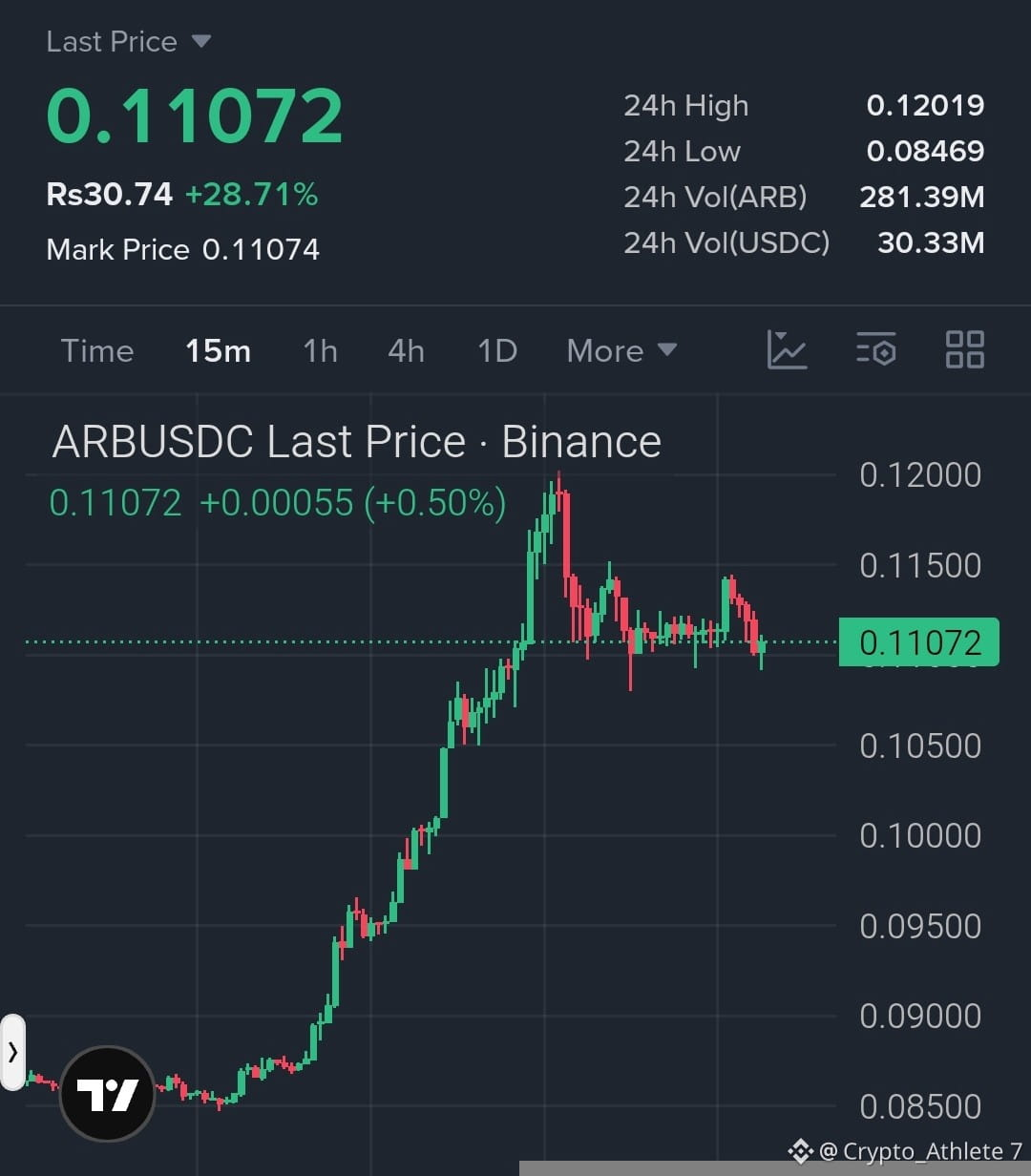
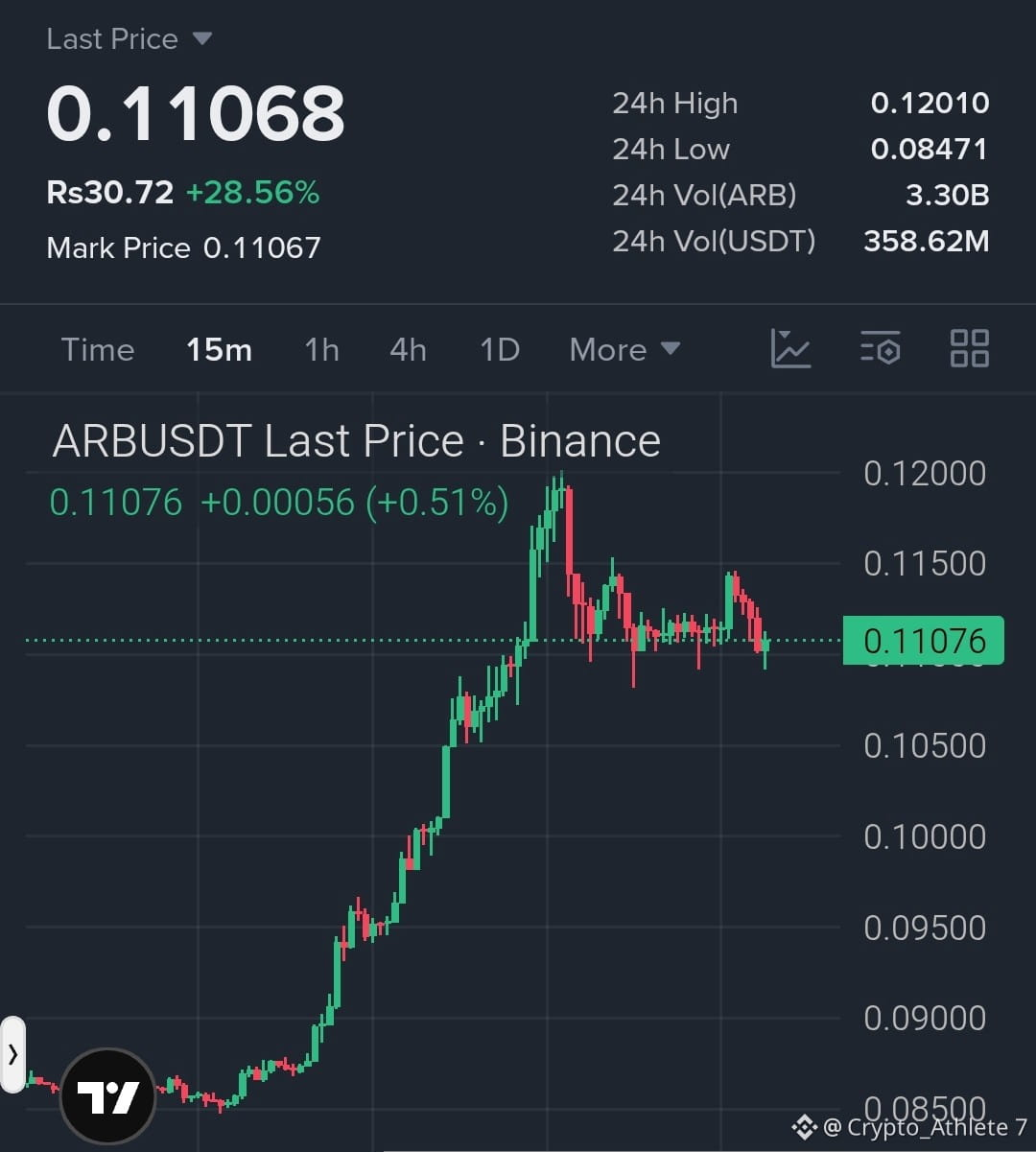
$ARB — يبرد الزخم الصعودي
حقق ARB حركة قوية من منطقة 0.085 باتجاه 0.120، لكن مخطط 15 دقيقة يُظهر الآن تذبذبًا/تجميعًا حول 0.110–0.115.
لا يزال المشترون يتمسكون بمنطقة الاختراق الأخيرة، بينما تبقى منطقة المقاومة الرئيسية بين 0.115–0.120.
إن تحقق استمرار الحركة فوق 0.120 فسيعزز ذلك البنية الصعودية. أما فقدان 0.110 فقد يشير إلى تراجع/سحب أعمق.
الدعم: 0.110 / 0.105
المقاومة: 0.115 / 0.120
ملاحظة على الرسم فقط — ليست إشارة تداول مضمونة.
$ARB — يبرد الزخم الصعودي
حقق ARB حركة قوية من منطقة 0.085 باتجاه 0.120، لكن مخطط 15 دقيقة يُظهر الآن تذبذبًا/تجميعًا حول 0.110–0.115.
لا يزال المشترون يتمسكون بمنطقة الاختراق الأخيرة، بينما تبقى منطقة المقاومة الرئيسية بين 0.115–0.120.
إن تحقق استمرار الحركة فوق 0.120 فسيعزز ذلك البنية الصعودية. أما فقدان 0.110 فقد يشير إلى تراجع/سحب أعمق.
الدعم: 0.110 / 0.105
المقاومة: 0.115 / 0.120
ملاحظة على الرسم فقط — ليست إشارة تداول مضمونة.
حقق ARB حركة قوية من منطقة 0.085 باتجاه 0.120، لكن مخطط 15 دقيقة يُظهر الآن تذبذبًا/تجميعًا حول 0.110–0.115.
لا يزال المشترون يتمسكون بمنطقة الاختراق الأخيرة، بينما تبقى منطقة المقاومة الرئيسية بين 0.115–0.120.
إن تحقق استمرار الحركة فوق 0.120 فسيعزز ذلك البنية الصعودية. أما فقدان 0.110 فقد يشير إلى تراجع/سحب أعمق.
الدعم: 0.110 / 0.105
المقاومة: 0.115 / 0.120
ملاحظة على الرسم فقط — ليست إشارة تداول مضمونة.
100
·
--
صاعد
$ARB — إعداد استمرار صاعد
تعافٍ قوي خلال 15 دقيقة من منطقة 0.085 دفع ARB نحو 0.120. بعد هذه الحركة الحادة، يجري السعر في تذبذب حول 0.110–0.114 بدلًا من الانهيار بشكل عدواني.
قد يعيد الاستحواذ النظيف على 0.115 التركيز مرة أخرى على 0.120.
الدخول: 0.1095 - 0.1115
SL: 0.1065
TP1: 0.1150
TP2: 0.1200
TP3: 0.1250
⚠️ بعد حركة يومية بلغت +28%، تكون التقلبات مرتفعة. هذا إعداد مبني على الشارت وليس صفقة مضمونة.
{future}(ARBUSDT)
$ARB — إعداد استمرار صاعد
تعافٍ قوي خلال 15 دقيقة من منطقة 0.085 دفع ARB نحو 0.120. بعد هذه الحركة الحادة، يجري السعر في تذبذب حول 0.110–0.114 بدلًا من الانهيار بشكل عدواني.
قد يعيد الاستحواذ النظيف على 0.115 التركيز مرة أخرى على 0.120.
الدخول: 0.1095 - 0.1115
SL: 0.1065
TP1: 0.1150
TP2: 0.1200
TP3: 0.1250
⚠️ بعد حركة يومية بلغت +28%، تكون التقلبات مرتفعة. هذا إعداد مبني على الشارت وليس صفقة مضمونة.
تعافٍ قوي خلال 15 دقيقة من منطقة 0.085 دفع ARB نحو 0.120. بعد هذه الحركة الحادة، يجري السعر في تذبذب حول 0.110–0.114 بدلًا من الانهيار بشكل عدواني.
قد يعيد الاستحواذ النظيف على 0.115 التركيز مرة أخرى على 0.120.
الدخول: 0.1095 - 0.1115
SL: 0.1065
TP1: 0.1150
TP2: 0.1200
TP3: 0.1250
⚠️ بعد حركة يومية بلغت +28%، تكون التقلبات مرتفعة. هذا إعداد مبني على الشارت وليس صفقة مضمونة.
100
·
--
صاعد
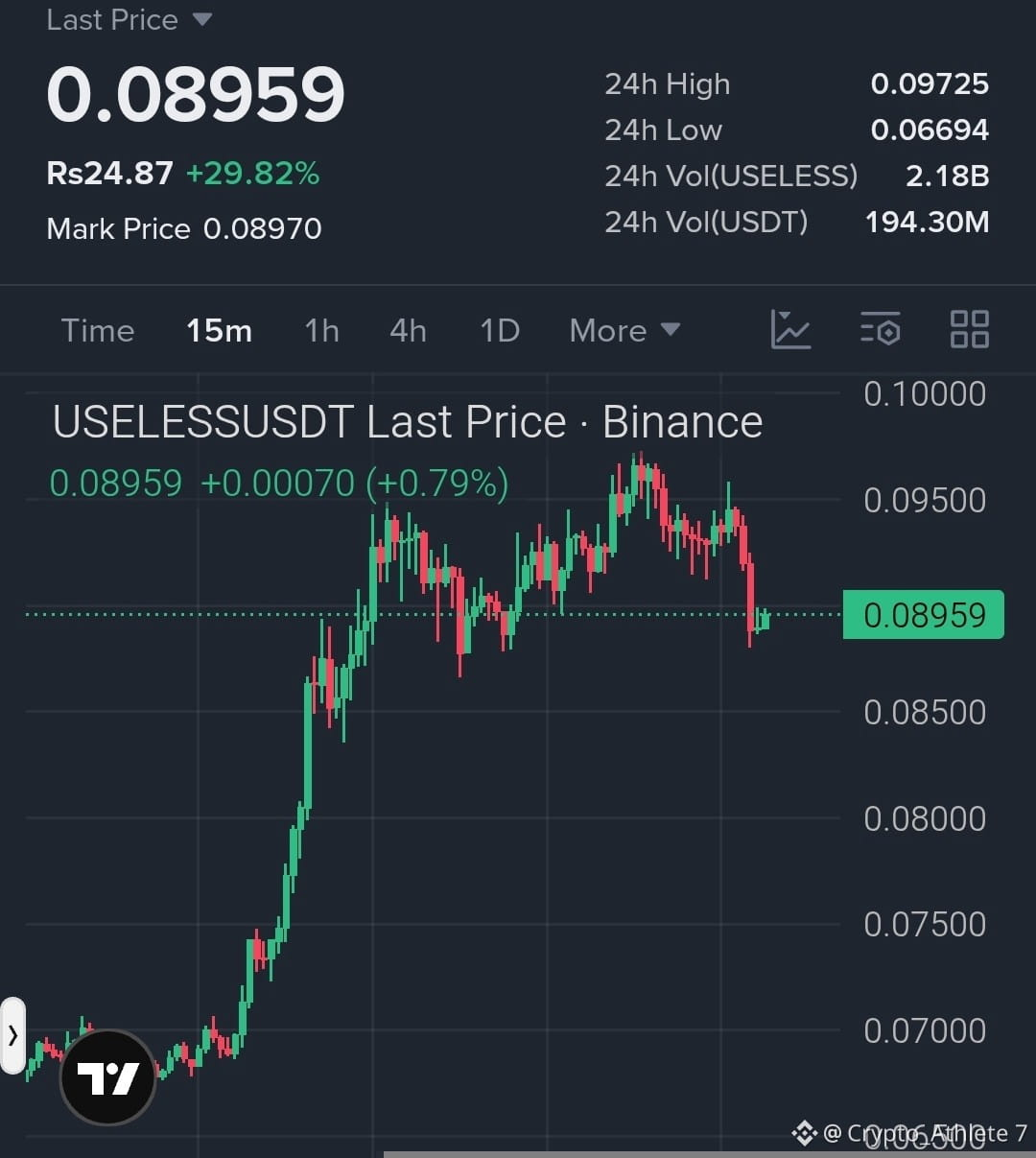
$USELESS — استمرار هبوطي عدواني
رفض حاد من منطقة 0.095–0.097 دفع السعر للعودة نحو 0.089. يُظهر البائعون قوة بعد الارتفاع الأخير، بينما أصبح 0.090 هو المستوى الرئيسي لاستعادته.
قد يؤدي فشل الاستعادة إلى كشف منطقة دعم 0.085.
الدخول: 0.0895 - 0.0910
SL: 0.0938
TP1: 0.0870
TP2: 0.0850
TP3: 0.0820
⚠️ تذبذب مرتفع — يعتمد السيناريو فقط على مخطط 15 دقيقة المعروض.
{alpha}(560xba38b3c706f7a515ff7c8db04daa0a134ec46d2b)
$USELESS — استمرار هبوطي عدواني
رفض حاد من منطقة 0.095–0.097 دفع السعر للعودة نحو 0.089. يُظهر البائعون قوة بعد الارتفاع الأخير، بينما أصبح 0.090 هو المستوى الرئيسي لاستعادته.
قد يؤدي فشل الاستعادة إلى كشف منطقة دعم 0.085.
الدخول: 0.0895 - 0.0910
SL: 0.0938
TP1: 0.0870
TP2: 0.0850
TP3: 0.0820
⚠️ تذبذب مرتفع — يعتمد السيناريو فقط على مخطط 15 دقيقة المعروض.
رفض حاد من منطقة 0.095–0.097 دفع السعر للعودة نحو 0.089. يُظهر البائعون قوة بعد الارتفاع الأخير، بينما أصبح 0.090 هو المستوى الرئيسي لاستعادته.
قد يؤدي فشل الاستعادة إلى كشف منطقة دعم 0.085.
الدخول: 0.0895 - 0.0910
SL: 0.0938
TP1: 0.0870
TP2: 0.0850
TP3: 0.0820
⚠️ تذبذب مرتفع — يعتمد السيناريو فقط على مخطط 15 دقيقة المعروض.
151
·
--
صاعد
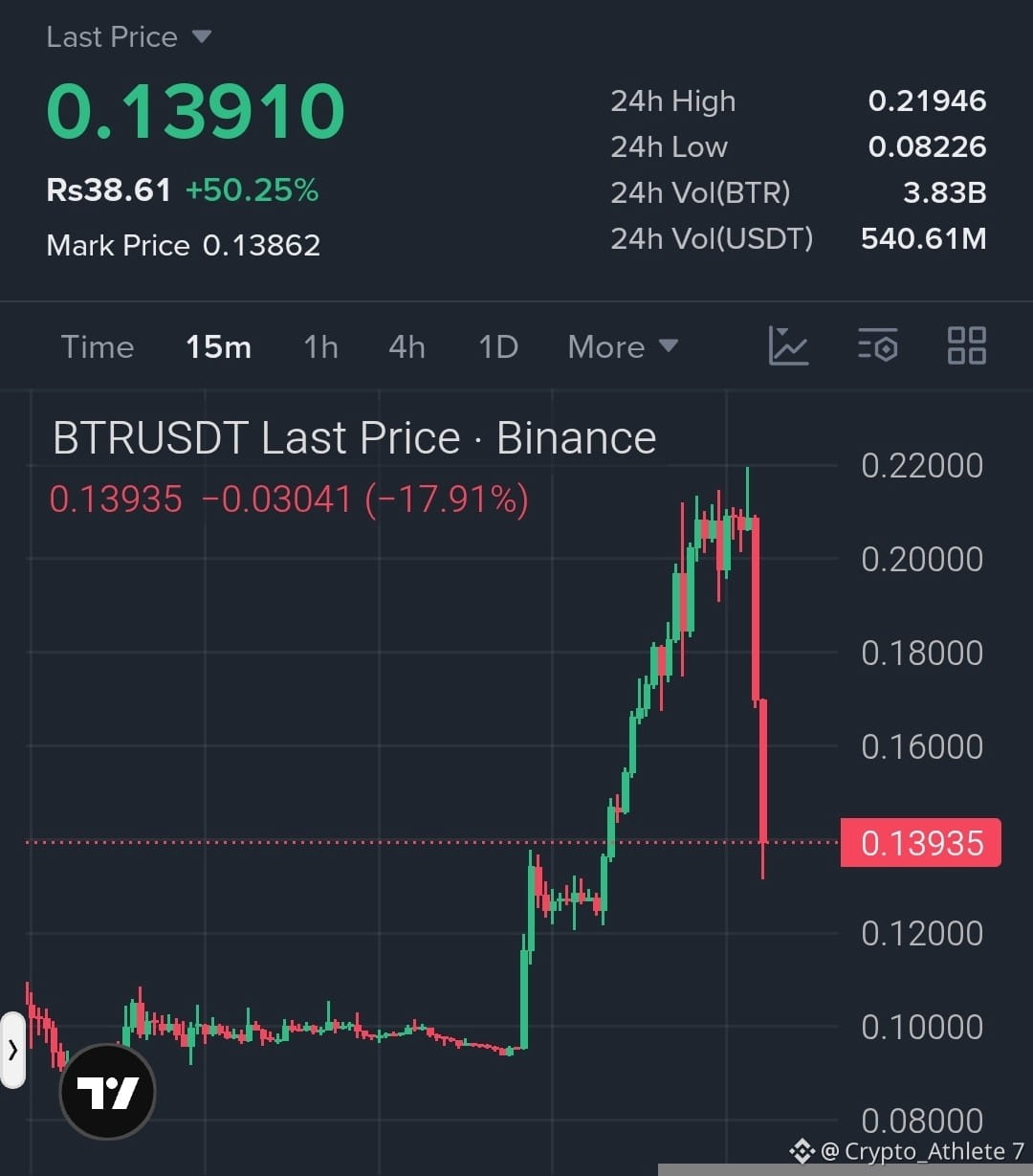
$BTR — استمرار هبوطي عدواني
واجهت الحركة شبه المكافئة رفضًا حادًا من منطقة 0.20–0.21. بعد ذلك، انخفض السعر بشكل قوي من منطقة 0.17، ما يُظهر ضغط بيع قوي.
قد يواجه الارتداد الضعيف إلى 0.14–0.15 رفضًا إضافيًا. مستويات الهبوط الرئيسية هي 0.13 و0.12.
الدخول: 0.142 - 0.148
SL: 0.158
TP1: 0.132
TP2: 0.125
TP3: 0.115
⚠️ شديد التقلب بعد حركة يومية +50%. التأكيد مهم.
{alpha}(560xfed13d0c40790220fbde712987079eda1ed75c51)
$BTR — استمرار هبوطي عدواني
واجهت الحركة شبه المكافئة رفضًا حادًا من منطقة 0.20–0.21. بعد ذلك، انخفض السعر بشكل قوي من منطقة 0.17، ما يُظهر ضغط بيع قوي.
قد يواجه الارتداد الضعيف إلى 0.14–0.15 رفضًا إضافيًا. مستويات الهبوط الرئيسية هي 0.13 و0.12.
الدخول: 0.142 - 0.148
SL: 0.158
TP1: 0.132
TP2: 0.125
TP3: 0.115
⚠️ شديد التقلب بعد حركة يومية +50%. التأكيد مهم.
واجهت الحركة شبه المكافئة رفضًا حادًا من منطقة 0.20–0.21. بعد ذلك، انخفض السعر بشكل قوي من منطقة 0.17، ما يُظهر ضغط بيع قوي.
قد يواجه الارتداد الضعيف إلى 0.14–0.15 رفضًا إضافيًا. مستويات الهبوط الرئيسية هي 0.13 و0.12.
الدخول: 0.142 - 0.148
SL: 0.158
TP1: 0.132
TP2: 0.125
TP3: 0.115
⚠️ شديد التقلب بعد حركة يومية +50%. التأكيد مهم.
302
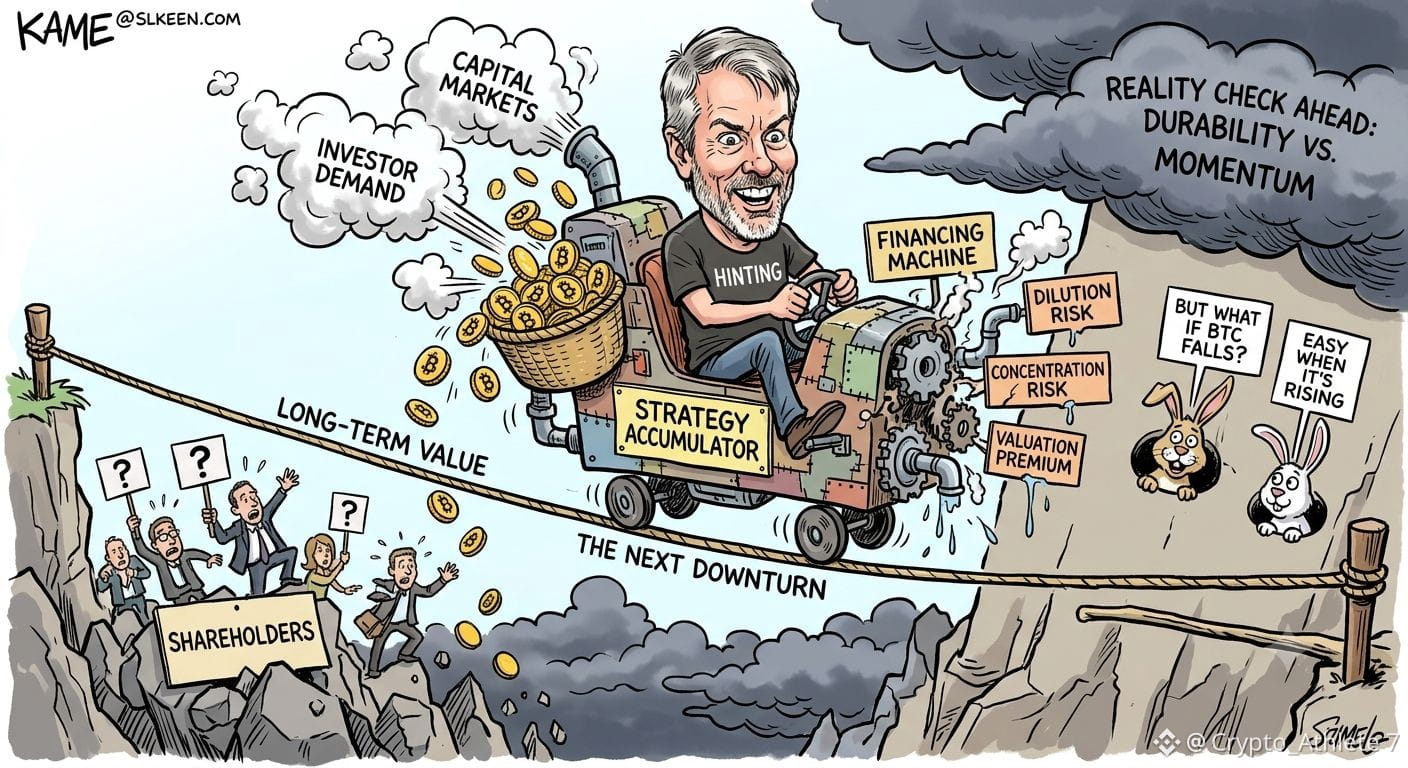
#SaylorHintsStrategyBitcoinBuy Saylor يشير إلى أن شراء بيتكوين آخر أكبر من مجرد إشارة صعودية بسيطة.
لقد بَنَت الاستراتيجية كامل هويتها حول تجميع BTC، لكن السؤال الحقيقي هو إلى متى يمكن لآلة التمويل الاستمرار في العمل بسلاسة.
شراء بيتكوين سهل عندما تكون الأسواق الرأسمالية ودّية، والطلب لدى المستثمرين قوي، وBTC يرتفع.
الاختبار الحقيقي يأتي عندما تنعكس تلك الظروف.
يخلق رصيد ضخم من BTC مكاسب كبيرة محتملة، لكنه أيضًا يخلق تركّزًا ومخاطر تمويل. إذا هبطت عملة البيتكوين لفترة طويلة بما يكفي، فقد ينكمش علاوة تقييم Strategy، وقد يصبح رأس المال أغلى، وقد يبدأ المساهمون في التساؤل حول التخفيف.
قد يكون سايلور محقًا بشأن القيمة طويلة الأجل للبيتكوين.
لكن ذلك لا يعني تلقائيًا أن كل عملية شراء من Strategy صفقة جيدة.
سيكشف الهبوط القادم ما إذا كانت هذه استراتيجية متينة أم زخمًا يعتمد على ظروف السوق.
$BTC $CL
#SaylorHintsStrategyBitcoinBuy Saylor يشير إلى أن شراء بيتكوين آخر أكبر من مجرد إشارة صعودية بسيطة.
لقد بَنَت الاستراتيجية كامل هويتها حول تجميع BTC، لكن السؤال الحقيقي هو إلى متى يمكن لآلة التمويل الاستمرار في العمل بسلاسة.
شراء بيتكوين سهل عندما تكون الأسواق الرأسمالية ودّية، والطلب لدى المستثمرين قوي، وBTC يرتفع.
الاختبار الحقيقي يأتي عندما تنعكس تلك الظروف.
يخلق رصيد ضخم من BTC مكاسب كبيرة محتملة، لكنه أيضًا يخلق تركّزًا ومخاطر تمويل. إذا هبطت عملة البيتكوين لفترة طويلة بما يكفي، فقد ينكمش علاوة تقييم Strategy، وقد يصبح رأس المال أغلى، وقد يبدأ المساهمون في التساؤل حول التخفيف.
قد يكون سايلور محقًا بشأن القيمة طويلة الأجل للبيتكوين.
لكن ذلك لا يعني تلقائيًا أن كل عملية شراء من Strategy صفقة جيدة.
سيكشف الهبوط القادم ما إذا كانت هذه استراتيجية متينة أم زخمًا يعتمد على ظروف السوق.
$BTC $CL
لقد بَنَت الاستراتيجية كامل هويتها حول تجميع BTC، لكن السؤال الحقيقي هو إلى متى يمكن لآلة التمويل الاستمرار في العمل بسلاسة.
شراء بيتكوين سهل عندما تكون الأسواق الرأسمالية ودّية، والطلب لدى المستثمرين قوي، وBTC يرتفع.
الاختبار الحقيقي يأتي عندما تنعكس تلك الظروف.
يخلق رصيد ضخم من BTC مكاسب كبيرة محتملة، لكنه أيضًا يخلق تركّزًا ومخاطر تمويل. إذا هبطت عملة البيتكوين لفترة طويلة بما يكفي، فقد ينكمش علاوة تقييم Strategy، وقد يصبح رأس المال أغلى، وقد يبدأ المساهمون في التساؤل حول التخفيف.
قد يكون سايلور محقًا بشأن القيمة طويلة الأجل للبيتكوين.
لكن ذلك لا يعني تلقائيًا أن كل عملية شراء من Strategy صفقة جيدة.
سيكشف الهبوط القادم ما إذا كانت هذه استراتيجية متينة أم زخمًا يعتمد على ظروف السوق.
$BTC $CL
1
105
·
--
هابط
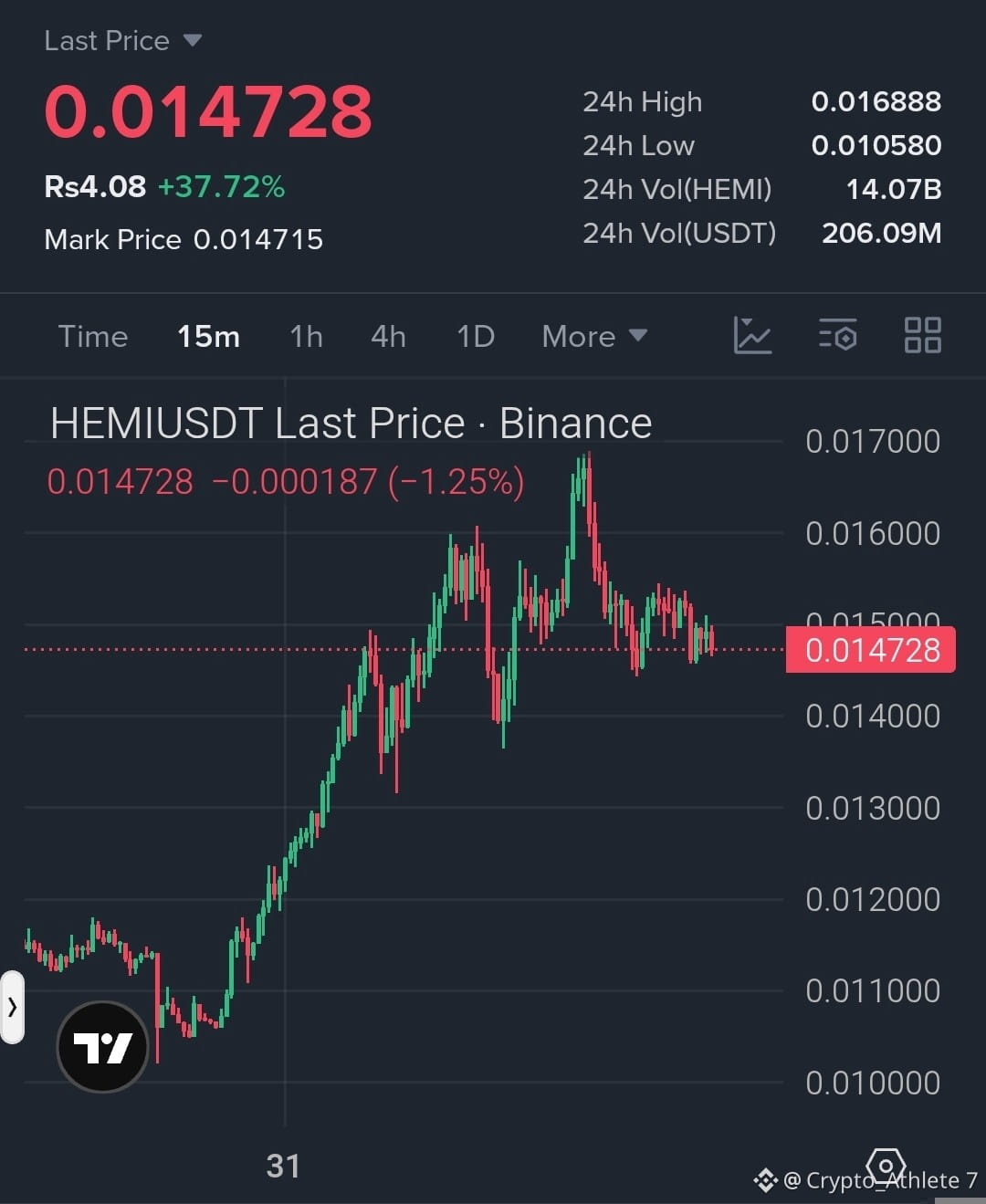
$HEMI — استمرار هبوطي عدواني
يتم رفض منطقة المقاومة 0.0150–0.0153 بعد ارتفاع حاد. يقوم البائعون بامتصاص الارتدادات، بينما تتشكل بنية إطار 15 دقيقة على هيئة قمم أدنى قرب المقاومة.
قد يؤدي الاختراق الواضح أسفل 0.0145 إلى تسريع الحركة الهبوطية.
الدخول: 0.01465 - 0.01485
SL: 0.01545
TP1: 0.01400
TP2: 0.01340
TP3: 0.01280
عالية التقلب — انتظر التأكيد قبل الدخول.
$HEMI — استمرار هبوطي عدواني
يتم رفض منطقة المقاومة 0.0150–0.0153 بعد ارتفاع حاد. يقوم البائعون بامتصاص الارتدادات، بينما تتشكل بنية إطار 15 دقيقة على هيئة قمم أدنى قرب المقاومة.
قد يؤدي الاختراق الواضح أسفل 0.0145 إلى تسريع الحركة الهبوطية.
الدخول: 0.01465 - 0.01485
SL: 0.01545
TP1: 0.01400
TP2: 0.01340
TP3: 0.01280
عالية التقلب — انتظر التأكيد قبل الدخول.
يتم رفض منطقة المقاومة 0.0150–0.0153 بعد ارتفاع حاد. يقوم البائعون بامتصاص الارتدادات، بينما تتشكل بنية إطار 15 دقيقة على هيئة قمم أدنى قرب المقاومة.
قد يؤدي الاختراق الواضح أسفل 0.0145 إلى تسريع الحركة الهبوطية.
الدخول: 0.01465 - 0.01485
SL: 0.01545
TP1: 0.01400
TP2: 0.01340
TP3: 0.01280
عالية التقلب — انتظر التأكيد قبل الدخول.
114
·
--
صاعد
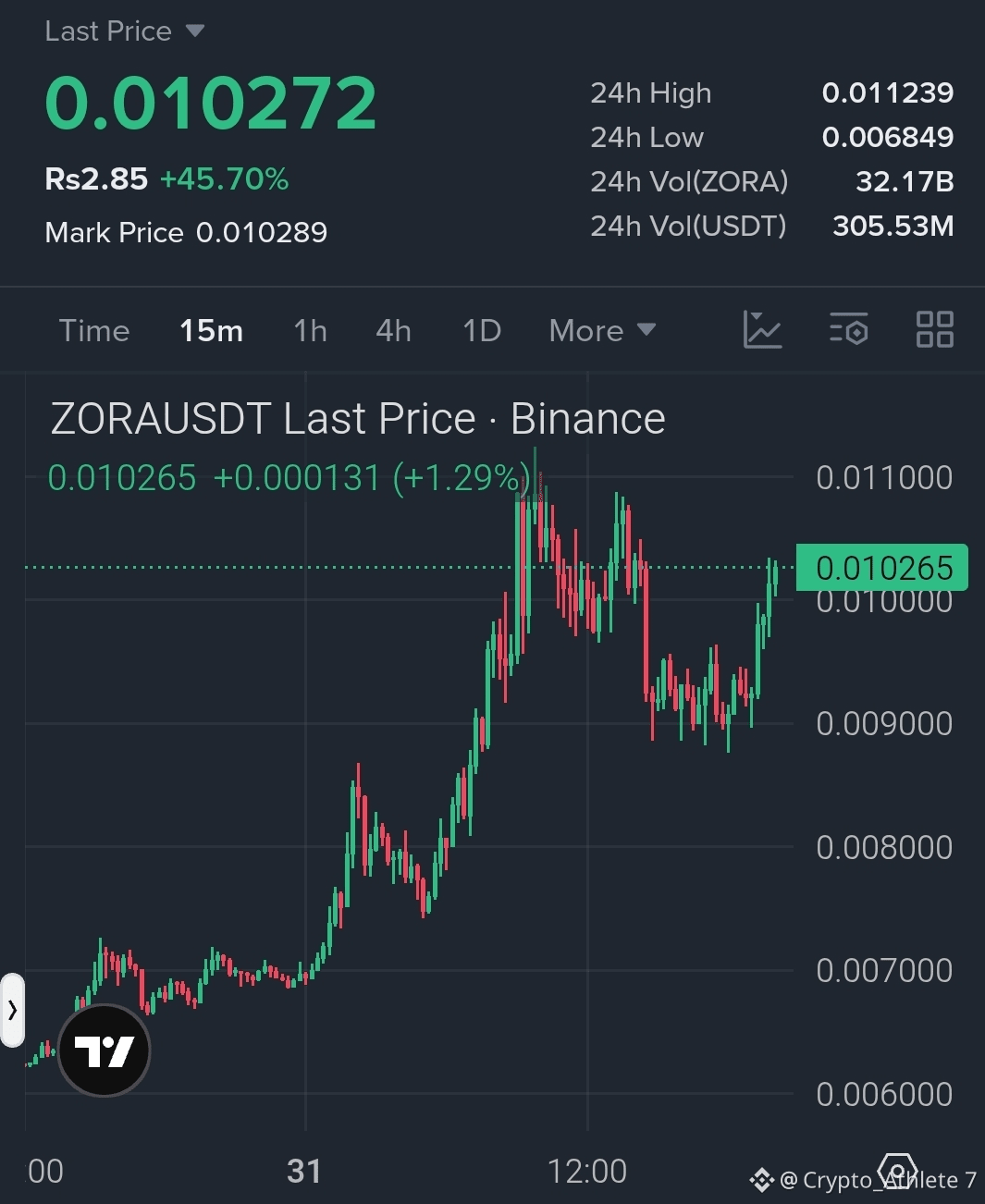
$ZORA — استمرار صعودي عدواني
ما زخم الاختراق قويًا بعد استعادة منطقة 0.0100. يدفع المشترون السعر للعودة نحو منطقة المقاومة 0.0110–0.01124، وتُظهر الشموع الأخيرة قوة مُجددة.
قد يؤدي اختراق واضح فوق 0.01124 إلى تسريع الحركة التالية.
الدخول: 0.01000 - 0.01030
SL: 0.00920
TP1: 0.01080
TP2: 0.01120
TP3: 0.01180
تقلب عالي — التأكيد هو المفتاح.
$ZORA — استمرار صعودي عدواني
ما زخم الاختراق قويًا بعد استعادة منطقة 0.0100. يدفع المشترون السعر للعودة نحو منطقة المقاومة 0.0110–0.01124، وتُظهر الشموع الأخيرة قوة مُجددة.
قد يؤدي اختراق واضح فوق 0.01124 إلى تسريع الحركة التالية.
الدخول: 0.01000 - 0.01030
SL: 0.00920
TP1: 0.01080
TP2: 0.01120
TP3: 0.01180
تقلب عالي — التأكيد هو المفتاح.
ما زخم الاختراق قويًا بعد استعادة منطقة 0.0100. يدفع المشترون السعر للعودة نحو منطقة المقاومة 0.0110–0.01124، وتُظهر الشموع الأخيرة قوة مُجددة.
قد يؤدي اختراق واضح فوق 0.01124 إلى تسريع الحركة التالية.
الدخول: 0.01000 - 0.01030
SL: 0.00920
TP1: 0.01080
TP2: 0.01120
TP3: 0.01180
تقلب عالي — التأكيد هو المفتاح.
159
·
--
صاعد
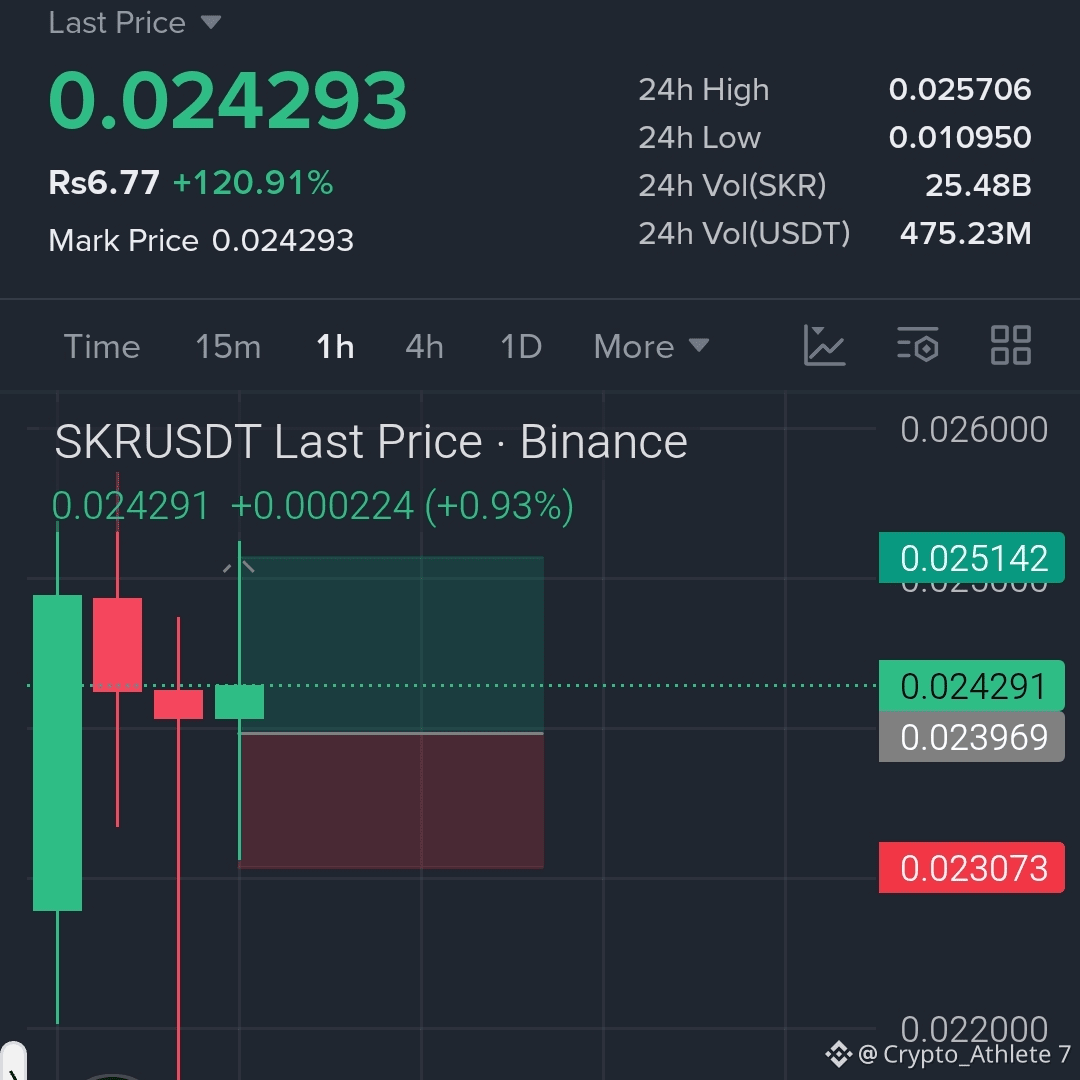
$SKR — متابعة صعودية عدوانية
اندفاع زخم ضخم مع ثبات السعر فوق منطقة 0.0240 بعد اختراق حاد. ما زال المشترون في السيطرة، لكن التقلبات مرتفعة للغاية بعد الاندفاع +120%.
قد يؤدي اختراق واضح فوق 0.02570 إلى إشعال موجة صعود أخرى.
الدخول: 0.02395 - 0.02430
إيقاف الخسارة (SL): 0.02305
الهدف 1 (TP1): 0.02515
الهدف 2 (TP2): 0.02570
الهدف 3 (TP3): 0.02650
إعداد عالي المخاطر — التَأكيد مهم.
$SKR — متابعة صعودية عدوانية
اندفاع زخم ضخم مع ثبات السعر فوق منطقة 0.0240 بعد اختراق حاد. ما زال المشترون في السيطرة، لكن التقلبات مرتفعة للغاية بعد الاندفاع +120%.
قد يؤدي اختراق واضح فوق 0.02570 إلى إشعال موجة صعود أخرى.
الدخول: 0.02395 - 0.02430
إيقاف الخسارة (SL): 0.02305
الهدف 1 (TP1): 0.02515
الهدف 2 (TP2): 0.02570
الهدف 3 (TP3): 0.02650
إعداد عالي المخاطر — التَأكيد مهم.
اندفاع زخم ضخم مع ثبات السعر فوق منطقة 0.0240 بعد اختراق حاد. ما زال المشترون في السيطرة، لكن التقلبات مرتفعة للغاية بعد الاندفاع +120%.
قد يؤدي اختراق واضح فوق 0.02570 إلى إشعال موجة صعود أخرى.
الدخول: 0.02395 - 0.02430
إيقاف الخسارة (SL): 0.02305
الهدف 1 (TP1): 0.02515
الهدف 2 (TP2): 0.02570
الهدف 3 (TP3): 0.02650
إعداد عالي المخاطر — التَأكيد مهم.
1
291
·
--
صاعد
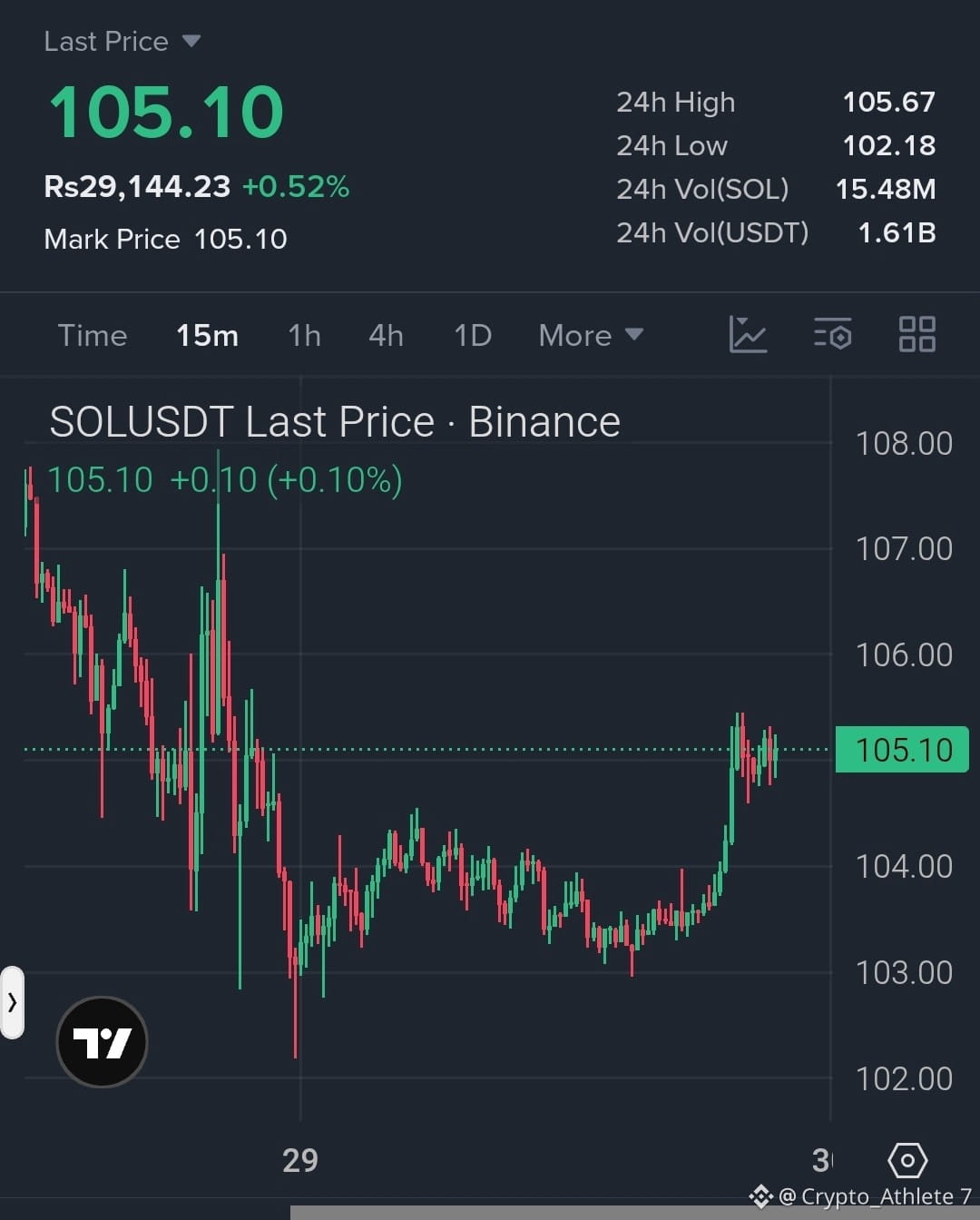
$SOL — استمرار صعودي عدواني
اختراق نطاق التجميع 103–104 بات الآن ثابتًا فوق 105. يجري الدفاع عن الاختراق من قبل المشترين، لكن منطقة المقاومة الرئيسية لا تزال 105.60–106.00.
قد يدفع اختراق مؤكد فوق 105.70 الحركة إلى الأعلى.
الدخول: 104.80 - 105.20
إيقاف الخسارة: 103.90
الهدف 1: 106.00
الهدف 2: 107.00
الهدف 3: 108.00
انتظر التأكيد؛ هذه المستويات مبنية فقط على مخطط 15 دقيقة المعروض.
$SOL — استمرار صعودي عدواني
اختراق نطاق التجميع 103–104 بات الآن ثابتًا فوق 105. يجري الدفاع عن الاختراق من قبل المشترين، لكن منطقة المقاومة الرئيسية لا تزال 105.60–106.00.
قد يدفع اختراق مؤكد فوق 105.70 الحركة إلى الأعلى.
الدخول: 104.80 - 105.20
إيقاف الخسارة: 103.90
الهدف 1: 106.00
الهدف 2: 107.00
الهدف 3: 108.00
انتظر التأكيد؛ هذه المستويات مبنية فقط على مخطط 15 دقيقة المعروض.
اختراق نطاق التجميع 103–104 بات الآن ثابتًا فوق 105. يجري الدفاع عن الاختراق من قبل المشترين، لكن منطقة المقاومة الرئيسية لا تزال 105.60–106.00.
قد يدفع اختراق مؤكد فوق 105.70 الحركة إلى الأعلى.
الدخول: 104.80 - 105.20
إيقاف الخسارة: 103.90
الهدف 1: 106.00
الهدف 2: 107.00
الهدف 3: 108.00
انتظر التأكيد؛ هذه المستويات مبنية فقط على مخطط 15 دقيقة المعروض.
144
سجّل الدخول لاستكشاف المزيد من المُحتوى
انضم إلى مُستخدمي العملات الرقمية حول العالم على Binance Square
⚡️ احصل على أحدث المعلومات المفيدة عن العملات الرقمية.
💬 موثوقة من قبل أكبر منصّة لتداول العملات الرقمية في العالم.
👍 اكتشف الرؤى الحقيقية من صنّاع المُحتوى الموثوقين.
البريد الإلكتروني / رقم الهاتف
المواضيع الرائجة
BOJRaisesRatesTo31YearHigh
97,876 مشاهدات
1,522 يقومون بالنقاش
#bojraisesratesto31yearhigh ¿هل بنك اليابان في أعلى مستوياته منذ 31 عامًا والبتكوين يرتفع؟ النضج المؤسسي لـ $BTC في رسم بياني واحد 🇯🇵📈⚡
رفعت بنك اليابان سعر الفائدة إلى 1.25% (أعلى مستوى تاريخي في أكثر من ثلاثة عقود)، وما كان يتوقعه كثيرون على أنه انهيار لحركة الكاري تراد انتهى بإظهار أقوى صورة في سوق العملات الرقمية.
🧠 3 قراءات رئيسية من الطاولة الفنية:
1️⃣ انفصال ماكرو: لم يتقوَّ الين كما توقّع المحللون التقليديون، وBTC ردّ بقفزة قوية، ما يثبت أن الطلب في السوق الفوري ما يزال قائمًا.
2️⃣ التفوق على عمالقة التكنولوجيا: مع قيمة سوقية تتجاوز 1.63 تريليون دولار، يعود البيتكوين ليضع نفسه في المقدمة أمام تسلا (1.438B دولار)، مؤكدًا مجددًا دوره كأصل احتياطي وملاذ سيولة عالمي.
3️⃣ البنية على 4H و1D: الامتصاص عند مستويات الدعم يؤكد أن تصحيحات الماكرو هي نوافذ لتجميع المؤسسات، وليست مرحلة استسلام.
$بينما يدخل الأفراد في حالة هلع بسبب عناوين أسعار الفائدة، تستمر الإدارة الاحترافية في تتبع السيولة الحقيقية. 💎🛡️
💬 نقاش للمجتمع: هل تعتقدون أن هذا الانفصال يؤكد بداية الجزء الأخير من الدورة الصاعدة نحو قمم تاريخية جديدة، أم أن السيولة العالمية ستختبر مستويات الدعم مرة أخرى؟ اتركوا تحليلكم في الأسفل! 👇🔥
متابعة من فضلكم
#bojraisesratesto31yearhigh #MacroEconomy #Trading #BinanceSquare
Shamika Metting
·5 إعجاب
·3.7k مشاهدات
BuffettStepsDownAsBerkshireChairman
44,720 مشاهدات
714 يقومون بالنقاش
XRPExchangeReservesHitSevenYearLow
49,549 مشاهدات
684 يقومون بالنقاش