
BIGG BOSSS
40 منشورات

BIGG BOSSS
إبلاغ
حظر المُستخدم
Trading
فتح تداول
مُتداول عرضي
2.5 سنوات
23 تتابع
4 المتابعون
9 إعجاب
منشورات
الحافظة الاستثمارية
الكل
اقتباسات
مقاطع فيديو
·
--
تنشئ Binance حساب استراتيجية مخصصًا عندما ينشر العميل استراتيجية ذكاء اصطناعي. وتقول المنصة: «لا يُسمح إلا بالتحويلات بين حساباتك الخاصة».
وتقول Binance إن وكيل الذكاء الاصطناعي لديها لا يستطيع سحب الأصول أو تحويلها إلى عناوين خارجية. وتستخدم منصة منفصلة للتداول بالذكاء الاصطناعي أُطلقت في أغسطس ضوابط مماثلة، إذ تشترط أن يمول المستخدمون الحسابات بأنفسهم، من دون منح الوكلاء الآليين صلاحية سحب الأموال إلى جهات خارجية.
ويكتسب الفرق بين التحويلات الداخلية وعمليات السحب أهمية في ما يتعلق بالاتهامات: فنقل الأصول من حساب تداول فوري إلى حساب استراتيجية على Binance لا يعادل إرسالها إلى محفظة خارجية. وتوضح وثائق منتجات Binance الآلية التي وصفتها يي هي، لكنها لا تؤكد بشكل مستقل نشاط حسابها تحديدًا، ولا تحدد القيود التي كانت مفروضة على حسابها.
كانت Binance تعيد فتح عمليات السحب بعد الاختراق الذي بلغت خسائره 6.3 مليارات دولار
تتعلق الاتهامات بالأيام المحيطة بالاختراق الأمني الذي تعرضت له Binance في 29 أكتوبر، وأثر في عملات مشفرة بقيمة نحو 6.3 مليارات دولار محفوظة في محافظ المنصة. ونفذ الهجوم عبر تحويلات غير مصرح بها بعد اختراق الأنظمة الداخلية، وعلقت Binance مؤقتًا عمليات سحب العملاء خلال التحقيق. وبدأت المنصة في 1 نوفمبر إعادة فتح عمليات سحب Bitcoin وبعض خدمات الشبكات. ومع ذلك، كان على العملاء التحقق من حالة كل أصل وشبكة على حدة، إذ أُعيد فتح مسارات السحب في أوقات مختلفة.
وفي تحديث بتاريخ 14 نوفمبر، قالت Binance إنها أعادت فتح عمليات السحب على 87 شبكة خلال الأسبوع السابق، وإنها تستهدف استعادة الخدمات المتبقية بحلول نهاية الأسبوع التالي. وقالت الشركة في 13 نوفمبر إنها أتمت تعويض الأصول المتضررة باستخدام موارد الشركة، فيما شمل تقرير إثبات الاحتياطيات الصادر في 12 نوفمبر أرصدة 198 رمزًا.
16
·
--
عرض الترجمة
An X post by Web3 Dao Ge drew attention to the apparent losses, asking who was making money in the falling market. Another account, Crypto Suy, alleged that “He Yi transferred all her money out of Binance on the day of the hack” and questioned whether Dao Ge had been pressured to delete a post.
The dispute drew further criticism over the restrictions that ordinary users experienced after the attack. In a translated post, trader @yff5188 argued that customers were unable to withdraw while Yi He could supposedly move assets “under the pretext of ‘trying out an AI strategy.'” The posts did not supply transaction records establishing an external withdrawal or evidence that anyone had forced the removal of a post.
He Yi says the funds moved into an AI Pro account
Yi He explained that she had switched accounts to test automated trading. “During that time, I switched to a sub-account to try running strategies with AI pro, but it was still being tweaked and wasn’t running smoothly, so I switched back to spot trading,” she wrote, according to the English translation of her response.
An account posting as @yayabinance separately told critics that the funds “weren’t transferred out” and directed them to Yi He’s explanation. Neither post specified how much money was transferred or provided a transaction-by-transaction account history confirming the precise timing of the movements.
Binance AI Pro uses sub-accounts, not outside wallets
Binance launched AI Pro on October 19, ten days before the hack. The product lets customers describe trading ideas in conversational language, test strategies using simulated money and approve those strategies before using real assets.
Under its published rules, live strategies run in dedicated virtual sub-accounts isolated from a user’s main Binance account. Users must manually move funds into those accounts and can return them to their main account. Existing sub-accounts cannot be connected to the product.
1
·
--
عرض الترجمة
Binance’s He Yi explains AI Pro transfers after hack-day withdrawal claims
Binance co-CEO Yi He has attributed disputed movements in her trading account to an AI strategy test, responding to online allegations that she withdrew funds from the exchange during its $6.3 billion security breach.
Binance co-CEO Yi He attributed disputed account movements to testing AI Pro strategies in subaccounts.Her account screenshot showed a $101.3 million decline across October 17 through November 16 inclusive.Online users alleged hack-day withdrawals, but the shared posts did not establish any external transfer.Binance says AI Pro strategies use dedicated accounts and cannot send assets to external wallets.Binance reported restoring withdrawals across 87 networks during its recovery from the October security breach.
In a November 16 response, Yi He said she had moved assets to a sub-account to try Binance AI Pro before returning to spot trading. Her explanation followed questions about a performance screenshot she shared on Binance Square and claims that she was able to move money while Binance customers encountered withdrawal restrictions after the hack.
You might also like:Bitcoin price selloff is normal, Binance CEO says as US trading pressure grows
He Yi’s $101 million account drop sparks accusations
On November 16, Yi He published a 30-day account summary covering October 17 through November 16. It showed a total change of negative $101.32 million, including negative $97.32 million under trading profit and loss and negative $3.99 million under transfers and other adjustments. “The pullback is temporary; spot holders have nothing to fear,” she wrote alongside the figures.
The displayed totals measure changes in the account over 30 days. They do not establish that Yi He realized $101 million in trading losses or withdrew that amount from Binance. The public dashboard did not show individual transactions or identify destinations for any funds moved between accounts.
3
·
--
عرض الترجمة
HSBC launched its RedCoin stablecoin through its PayMe payment platform on Oct. 23, initially offering wallet services and payments through its existing customer network.
Anchorpoint, meanwhile, introduced its HKDAP stablecoin in August, initially providing access to institutional distributors and professional investors for payments, currency conversion and tokenized asset settlement.
Chan said Hong Kong’s approach to stablecoin licensing prioritizes genuine business applications and credible operating models, particularly where digital currencies can address existing problems in financial services.
Cross-border payments were among the examples he identified as a potential use case for regulated stablecoins.
Tokenized funds grow sevenfold in Hong Kong
Hong Kong’s tokenization market has recorded substantial growth over the past year, with Chan reporting that publicly offered tokenized funds have grown approximately sevenfold during the period.
Since October, two tokenized money market funds have been available for round-the-clock trading on a licensed platform, allowing investors to trade the products outside conventional market hours.
The development follows recent efforts by Hong Kong regulators to bring tokenized investment products into regular financial market operations.
Earlier this month, the Hong Kong Monetary Authority expanded its EnsembleTX infrastructure to support continuous settlement of tokenized transactions, while preparing trials involving regulated stablecoins and tokenized government debt.
Chan said Hong Kong would continue applying the same regulatory requirements used for conventional financial products to their tokenized counterparts, with additional safeguards addressing risks associated with the technology.
4
·
--
كانت هيئة الخدمات المالية ومكتب الخزانة ولجنة الأوراق المالية والعقود الآجلة قد أكملت بالفعل مشاورات شملت الأنشطة الأربعة، مع توقع طرح القواعد المقترحة من خلال تعديلات على قانون مكافحة غسل الأموال وتمويل الإرهاب.
وبموجب المقترحات، ستخضع شركات تداول العملات المشفرة لمتطلبات ترخيص مستوحاة جزئياً من القواعد التي تنظم تداول الأوراق المالية. أما الخدمات الاستشارية فستتبع معايير مشابهة لتلك المستخدمة مع مستشاري الأوراق المالية، في حين ستُنظَّم أعمال إدارة الأصول الافتراضية على غرار مديري الأصول التقليديين.
وستركز متطلبات الحفظ على الشركات المسؤولة عن حماية العملات المشفرة والمفاتيح الخاصة للعملاء، بما في ذلك الضوابط المتعلقة بكيفية تخزين أصول العملاء وحمايتها.
بدأت الحكومة التشاور بشأن ترخيص التداول والحفظ في يونيو 2025، وتلقت أكثر من 190 ردًا قبل أن تنشر استنتاجاتها في ديسمبر من ذلك العام.
وأدى مشاورة منفصلة بشأن خدمات الاستشارات والإدارة إلى جذب 51 ردًا، حيث أكد المنظمون استنتاجاتهم في مايو 2026.
وجدد تشان تأكيد النهج التنظيمي للحكومة خلال خطاب يوم الاثنين، قائلاً إن شركات الأصول الرقمية ينبغي أن تخضع لمتطلبات مماثلة عندما تنطوي أنشطتها على مخاطر متشابهة.
"إن اللامركزية لا تعني انخفاض المساءلة،" قال.
تراخيص لاثنين فقط من أصل 36 متقدمًا على العملات المستقرة
إلى جانب التشريع المرتقب، قدّم تشان تحديثًا حول سوق العملات المستقرة في هونغ كونغ، مؤكدًا أن اثنين فقط من أصل 36 متقدمًا في جولة الترخيص الأولى حصلا على الموافقة في أبريل.
ومنذ ذلك الحين، أطلق كل من المصدرين المرخصين عملات مستقرة مدعومة بدولار هونغ كونغ، ما أدخل الإطار المنظم للعملات المستقرة في المدينة إلى الاستخدام التجاري.
وقد ذهبت التراخيص إلى إتش إس بي سي وAnchorpoint Financial المدعومة من ستاندرد تشارترد، والتي حصلت على الموافقة من سلطة النقد في هونغ كونغ في 10 أبريل.
#StablecoinRevolution
HSBCUS+0.84%
27
·
--
عرض الترجمة
Hong Kong has confirmed plans to introduce a bill before the end of 2026 to expand cryptocurrency licensing requirements to dealers, advisers, asset managers and custodians, as the city moves ahead with its regulated stablecoin and tokenization initiatives.
Summary
Hong Kong plans to introduce a bill before the end of 2026 to expand licensing requirements to crypto dealers, advisers, asset managers and custodians. Financial Secretary Paul Chan confirmed that only two of 36 stablecoin applicants received licenses in April, with both issuers since launching Hong Kong dollar stablecoins. Publicly offered tokenized funds in Hong Kong have grown approximately sevenfold over the past year, while two money market funds began trading around the clock in October.
In a keynote speech at the Bloomberg Global Regulatory Forum on Nov. 16, Financial Secretary Paul Chan said the government would bring the four digital asset activities under its licensing framework, while highlighting recent progress in Hong Kong’s stablecoin market and tokenized investment products.
“Before the end of this year, we will introduce a bill to complete the regulatory perimeter,” Chan said, referring to the planned licensing requirements for businesses dealing in, advising on, managing and holding digital assets.
The proposed legislation would bring more cryptocurrency service providers under formal regulatory supervision, adding to the licensing systems already in place for virtual asset trading platforms and stablecoin issuers.
Hong Kong prepares licensing rules for four crypto services
Hong Kong has spent much of the past year developing the proposed licensing framework, with regulators holding consultations on the requirements for businesses providing different cryptocurrency services.
Secretary for Financial Services and the Treasury Christopher Hui confirmed in October that the government intended to submit the legislation before the end of 2026.
1
34
·
--
مهاجم مشتبه به يحوّل USDC إلى ETH
وفي سياق منفصل، رصد حساب MLM onchain لمتابعة المعاملات على السلسلة محفظةً يُقال إنها سحبت 10.39 مليون دولار من USDC من عقد الطبقة الأولى الخاص بـLighter. ويُقال إن المحفظة تلقت نحو 10,000 دولار عبر تحويل من خلال وسيط قبل نحو نصف ساعة من عملية السحب المشبوهة.
وفقًا للملاحظات التي شاركها 0xTria، استبدلت المحفظة لاحقًا عملات USDC المسحوبة بنحو 5,400 ETH عبر CoW Swap.
ويُقال إن الأموال قُسّمت بعد ذلك إلى تحويلات أصغر، بلغت قيمة كل منها نحو 160 ETH، ووُزّعت عبر معاملات متعددة.
برز هذا النشاط المشبوه في وقت واصلت فيه Lighter توسيع بنيتها التحتية للمشتقات اللامركزية وخدمات التداول.
في أكتوبر، أطلقت المنصة شبكة تطوير متوافقة مع EVM تتيح للعقود الذكية إدارة أوامر التداول ونقل الأصول بين بيئتها المتوافقة مع إيثريوم وLighter Core.
كما أقامت المنصة شراكة مع Robinhood Wallet، تتيح للمستخدمين المؤهلين الوصول إلى تداول العقود الآجلة الدائمة عبر البنية التحتية لـLighter.
وفي الوقت نفسه، واجه الرمز الأصلي لـLighter، وهو LIT، ضغوط بيع عقب تقارير عن الحادث الأمني.
ويُقال إن الرمز انخفض بأكثر من 17% في إحدى المراحل يوم 16 نوفمبر، قبل أن يسترد بعض خسائره، مع ورود تقارير لاحقًا عن تداوله عند نحو 2.50 إلى 2.66 دولار.
وجاء هذا التراجع بعد فترة سابقة من تجدد اهتمام المستثمرين بـLIT، الذي ارتفع بأكثر من 20% في أكتوبر وسط الاهتمام بالتكامل مع Robinhood.
ويُقال إن منصتي تداول العملات المشفرة الكوريتين الجنوبيتين Upbit وBithumb علّقتا إيداعات LIT وسحوباته عقب الحادث الأمني.
ولم تعلن Lighter جدولًا زمنيًا لاستئناف السحوبات أو السماح للمستخدمين بإنشاء مجمعات سيولة جديدة.
222
·
--
أوقفت منصة Lighter، وهي بورصة لامركزية للعقود الآجلة الدائمة، مؤقتًا جميع عمليات السحب وإنشاء مجمعات السيولة، عقب اختراق أمني مشتبه به شمل نحو 15.5 مليون دولار من عملة USDC من حسابين لصانعي السوق.
الملخص
أوقفت Lighter مؤقتًا عمليات السحب وإنشاء مجمعات السيولة، فيما تحقق في حادث أمني قد يكون طرف خارجي مخترق متورطًا فيه.ويقدّر باحثون على السلسلة أن نحو 15.5 مليون دولار من عملة USDC سُحبت من حسابين لصانعي السوق، بخسائر مشتبه بها قدرها 10.39 مليون دولار و5.09 مليون دولار.ويشتبه الباحثون في أن تسريب مفاتيح API أتاح للمهاجم إنشاء مجمع سيولة عبر حساب مخترق، ثم تحويل الأموال من خلاله.وأفادت التقارير بأن محفظة مرتبطة بالنشاط المشبوه حوّلت 10.39 مليون دولار من عملة USDC إلى نحو 5,400 ETH عبر CoW Swap، قبل تقسيم الأموال إلى تحويلات أصغر.
في بيان صدر في 16 نوفمبر، أكد فريق Lighter أنه يحقق في حادث أمني يبدو أنه ينطوي على اختراق طرف خارجي واحد، لكنه لم يحدد الجهة المتأثرة أو يكشف عن المبلغ المعني.
وقالت المنصة: «نحقق حاليًا في حادث أمني يبدو أنه ينطوي على اختراق طرف خارجي واحد».
وقالت Lighter إنها علّقت عمليات السحب وإنشاء مجمعات سيولة جديدة كإجراء احترازي، بينما يحقق فريقها في ملابسات الحادث ويقيّم كامل نطاق تأثيره.
وجاء الإعلان عقب تقارير من مراقبين على السلسلة رصدوا معاملات غير اعتيادية تضمنت خروج ملايين الدولارات من عقد المنصة على شبكة Ethereum Layer 1.
وأشارت النتائج الأولية التي نشرها باحث البلوك تشين MLM onchain إلى أن مهاجمًا سحب نحو 10.39 مليون دولار من عملة USDC، قبل تحويل الأموال إلى Ether عبر منصة التداول اللامركزية CoW Swap.
ثم أشار تحليل إضافي إلى وجود حساب ثانٍ متأثر، ليرتفع إجمالي المبلغ المقدّر إلى نحو 15.48 مليون دولار.
72
·
--
عرض الترجمة
Solana ETF outflows extend to six consecutive weeks
Institutional demand through U.S.-listed Solana ETFs has weakened since October, with investors continuing to withdraw capital from the products.
Data from Farside Investors showed that spot Solana ETFs recorded roughly $32.05 million in net outflows during the week ending November 13, extending their losing streak to six consecutive weeks.
The withdrawals have reached approximately $197.4 million over the six-week period, following a previous run of 14 consecutive weeks of net inflows.
Selling was recorded throughout the latest trading week. On November 10, the products lost around $13.4 million, followed by $5.9 million on November 11 and another $3.1 million on November 13.
Fidelity’s FSOL accounted for the November 13 withdrawals, while Bitwise’s BSOL recorded some of the largest redemptions during the preceding sessions.
The latest figures add to the selling pressure that had already pushed Solana below $100 in October.
As crypto.news previously reported, SOL fell below $100 on October 29 after spot ETFs recorded $24.82 million in combined withdrawals over two trading sessions.
Broader crypto market selloff weighs on SOL
Solana’s decline has followed losses across major cryptocurrencies, with Bitcoin trading near $64,000 and Ethereum around $1,800 on November 16.
According to CoinMarketCap, the Crypto Fear & Greed Index stood at 12, indicating extreme fear, while total cryptocurrency market capitalization declined 3.73% to approximately $2.18 trillion.
Over the past seven days, Solana has fallen more heavily than Bitcoin and Ethereum, reflecting the continued weakness in its recent price performance.
The latest losses have left SOL with seven consecutive lower weekly closes. Sunday’s closing price of $72.71 was down 40.4% from the September 27 weekly close of $121.96.
#solana
81
·
--
صاعد
يعمل بالفعل
يعمل بالفعل

KG_18
·
--
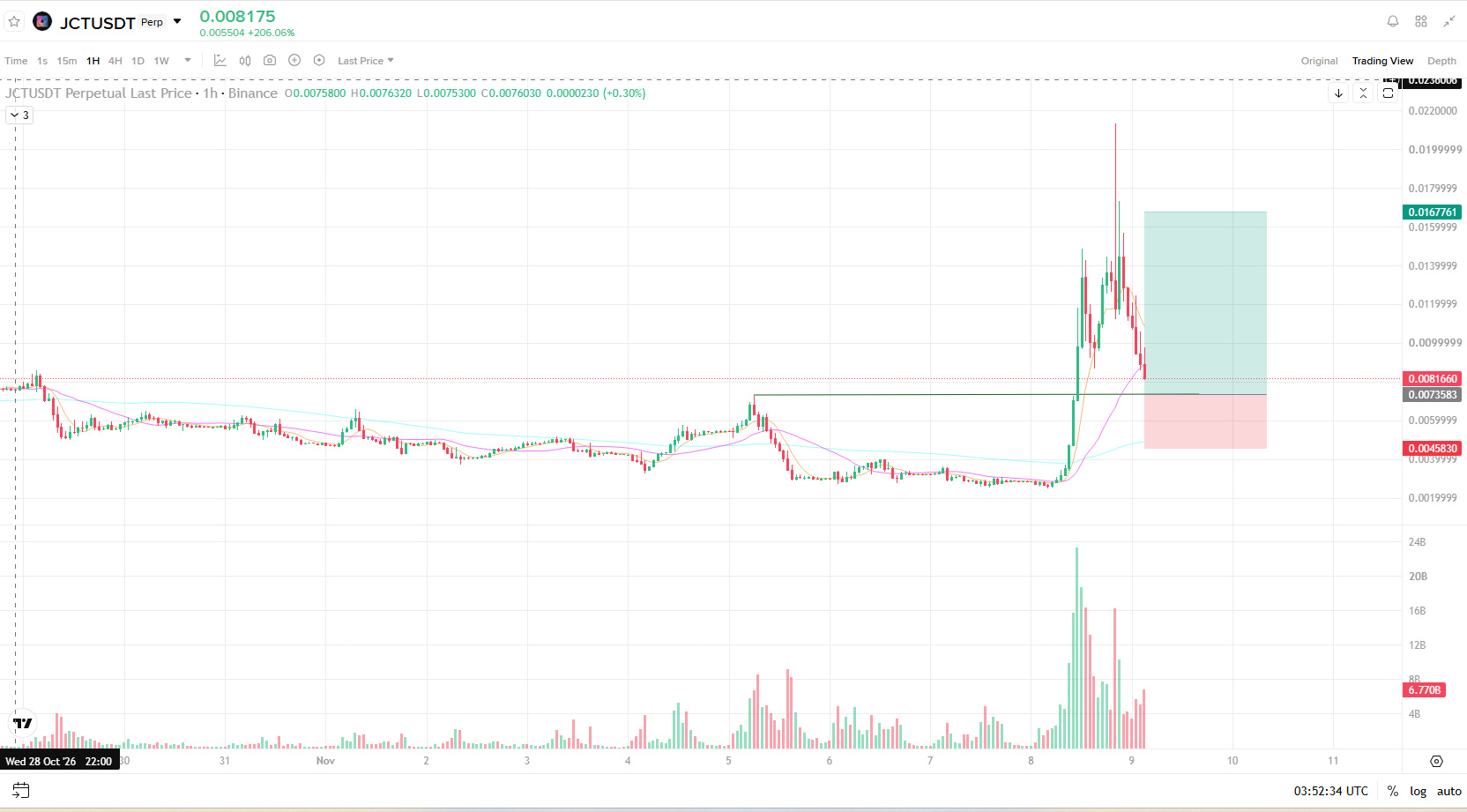
خطتي الحالية عند $JCT مع وقف خسارة ضيق. ألقِ نظرة بسرعة قبل أن يُفعَّل أخيرًا، فنحن حاليًا في جلسة لندن من السوق.
تابع وابقَ نشطًا للمزيد...
تابع وابقَ نشطًا للمزيد...
1
7
·
--
التعليم
التعليم
KG_18
·
--
من الأرض إلى التروس والشيفرات: كيف تطور التعليم (ولماذا لا تحكي الشهادات القصة كاملة)
نعيش في عالم سريع التغير، حيث يمكن لورقة واحدة أن تفتح الأبواب أمامك، أو أن تفشل تمامًا في إعدادك لمواجهة الواقع. وعند استعراض تاريخ البشرية، نرى أن الغاية من التعليم ظلت تتغير مع تغير الأزمنة:
🌾 العصر الزراعي: كانت الأرض صاحبة السيادة. وكان البقاء على قيد الحياة يتطلب معرفة الفترات الشمسية الأربع والعشرين، لا قراءة الكتب. وكان التعليم رفاهية حصرية لا يحظى بها سوى نخبة قليلة جدًا.
⚙️ العصر الصناعي: تحولت المدارس إلى مصانع. احتاج المجتمع إلى تروس دقيقة لآلة ضخمة، مما أدى إلى تعميم التعليم وتخصص المهن.

1
1
10

·
--
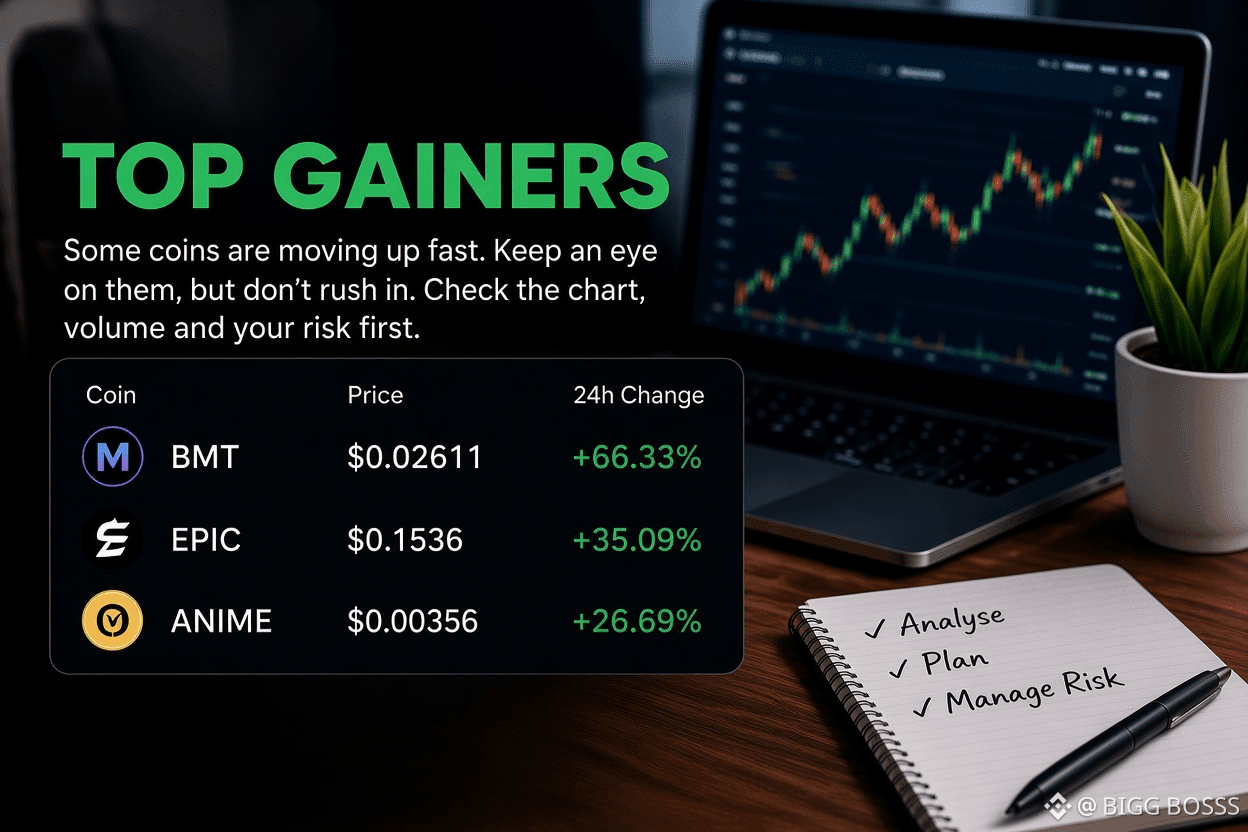
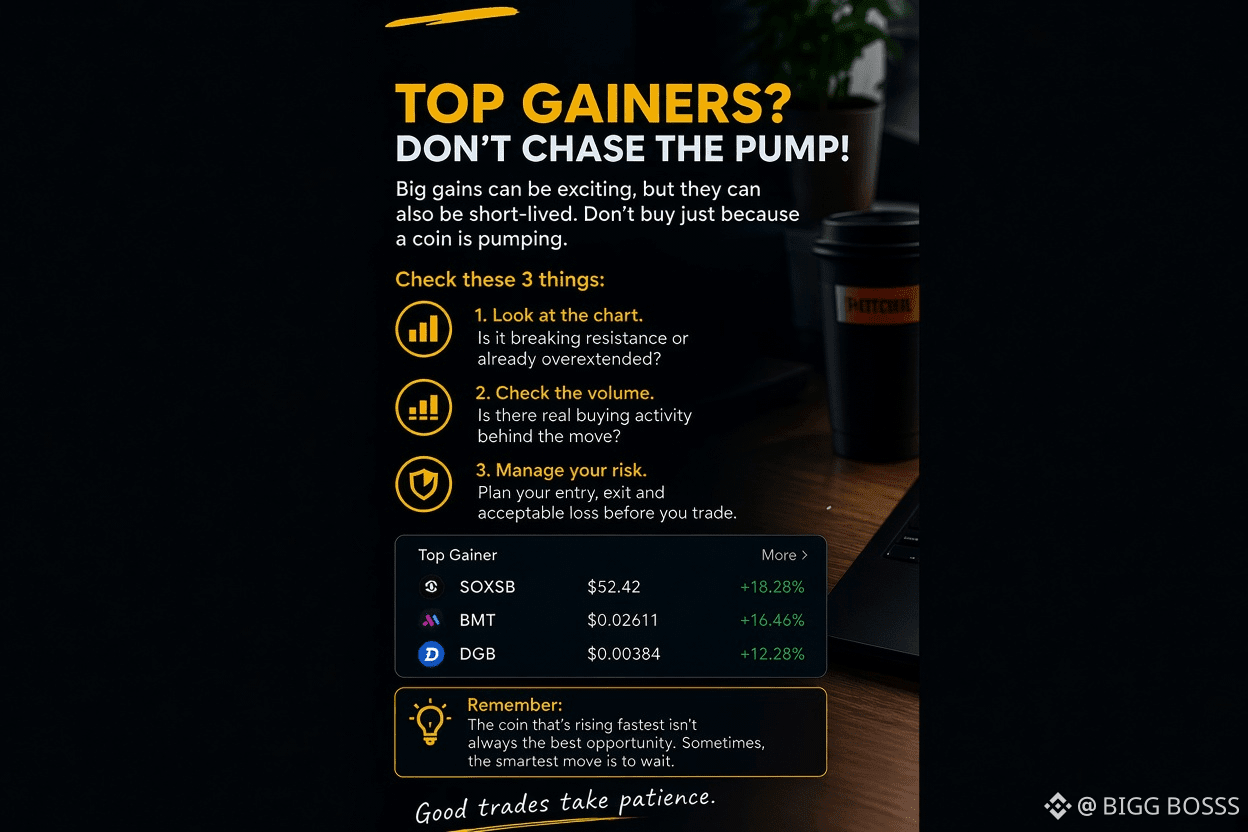
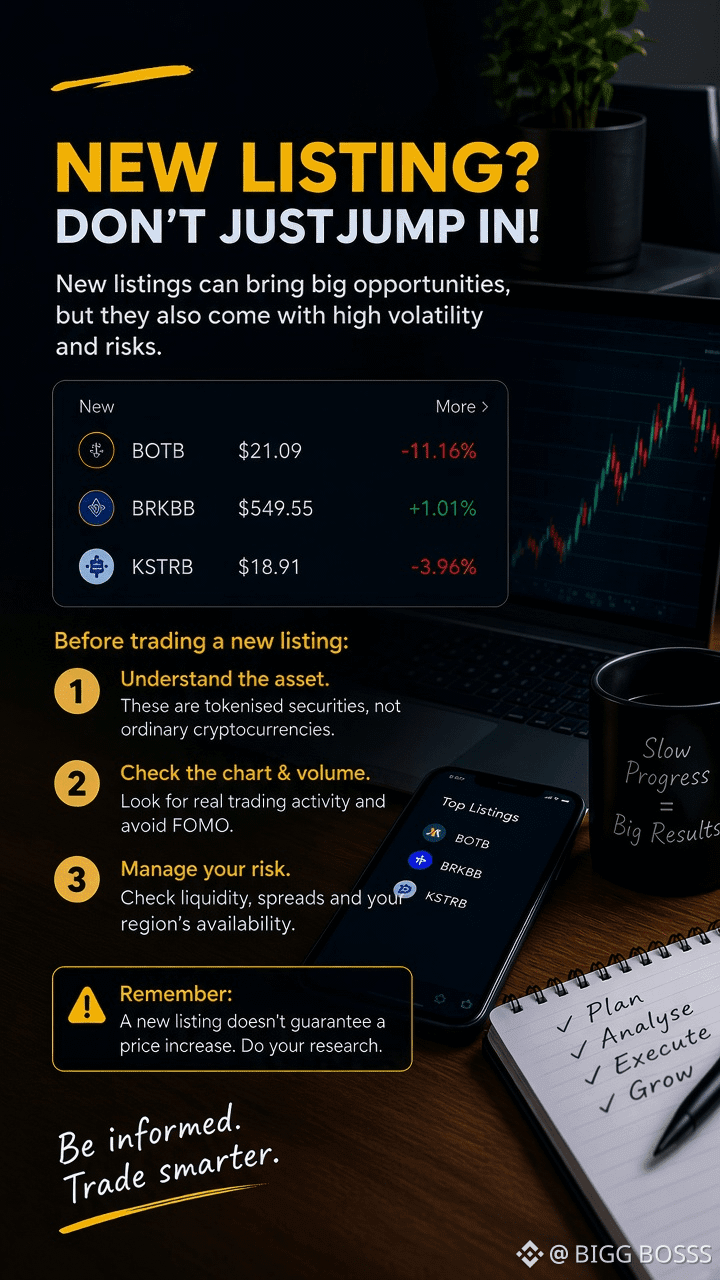
🚀 أكبر الرابحين اليوم: SOXSB وBMT وDGB! 👀📊
ألقِ نظرة على هذه الأرقام من لقطة الشاشة:
🟢 SOXSB: $52.42 | +18.28%
🟢 BMT: $0.02611 | +16.46%
🟢 DGB: $0.00384 | +12.28%
🔥 اللون الأخضر في كل مكان! لكن هل يعني ذلك أن الوقت قد حان للشراء؟ ليس بهذه السرعة!
💡 درس التداول اليوم: لا تطارد الارتفاع المفاجئ.
قبل الدخول في عملة من بين أكبر الرابحين، تحقق من هذه الأمور الثلاثة:
1️⃣ افحص الرسم البياني. هل يخترق السعر مستوى المقاومة أم أنه ارتفع بالفعل أكثر من اللازم بعد صعود حاد؟
2️⃣ افحص حجم التداول. هل هناك نشاط تداول ملحوظ يدعم هذا التحرك؟ تذكّر أن ارتفاع حجم التداول وحده لا يضمن استمرار الصعود.
3️⃣ أدر المخاطر. خطط لنقطتي الدخول والخروج، وحدد مقدار ما أنت مستعد لخسارته قبل التداول.
⚠️ مهم: قد يكون SOXSB ورقة مالية مُرمّزة، وليس عملة مشفرة تقليدية. تحقّق مما تشتريه بالضبط قبل التداول.
🧠 تذكّر: العملة الأسرع ارتفاعًا ليست بالضرورة أفضل فرصة. أحيانًا يكون الانتظار هو القرار الأذكى.
🎯 سؤال اليوم
عملة ارتفعت بنسبة 18% اليوم. ماذا ستفعل؟
🅰️ أشتري فورًا 🚀
🅱️ أحلّل أولًا 🔍
🅲 أنتظر فرصة أفضل ⏳
👇 علّق بـ A أو B أو C!
#CryptoEducation💡🚀 #TopGainers #tradingtips #digibyte #RiskManagement

282
سجّل الدخول لاستكشاف المزيد من المُحتوى
انضم إلى مُستخدمي العملات الرقمية حول العالم على Binance Square
⚡️ احصل على أحدث المعلومات المفيدة عن العملات الرقمية.
💬 موثوقة من قبل أكبر منصّة لتداول العملات الرقمية في العالم.
👍 اكتشف الرؤى الحقيقية من صنّاع المُحتوى الموثوقين.
البريد الإلكتروني / رقم الهاتف