
溪月 Xīyuè
8k منشورات

溪月 Xīyuè
 تحقُّق Binance Square الإضافي
إبلاغ
حظر المُستخدم
加密分析师 | 市场洞察短期与长期信号 | 比特币、以太坊及其他币种分享实时设置与基于研究的观点 与加密女王👸
فتح تداول
مُتداول مُتكرر
2.5 سنوات
655 تتابع
30.0K+ المتابعون
4.7K+ إعجاب
منشورات
الحافظة الاستثمارية
الكل
اقتباسات
Live
·
--
صاعد
#BitwiseNEARStakingETPAssetsTop$100M
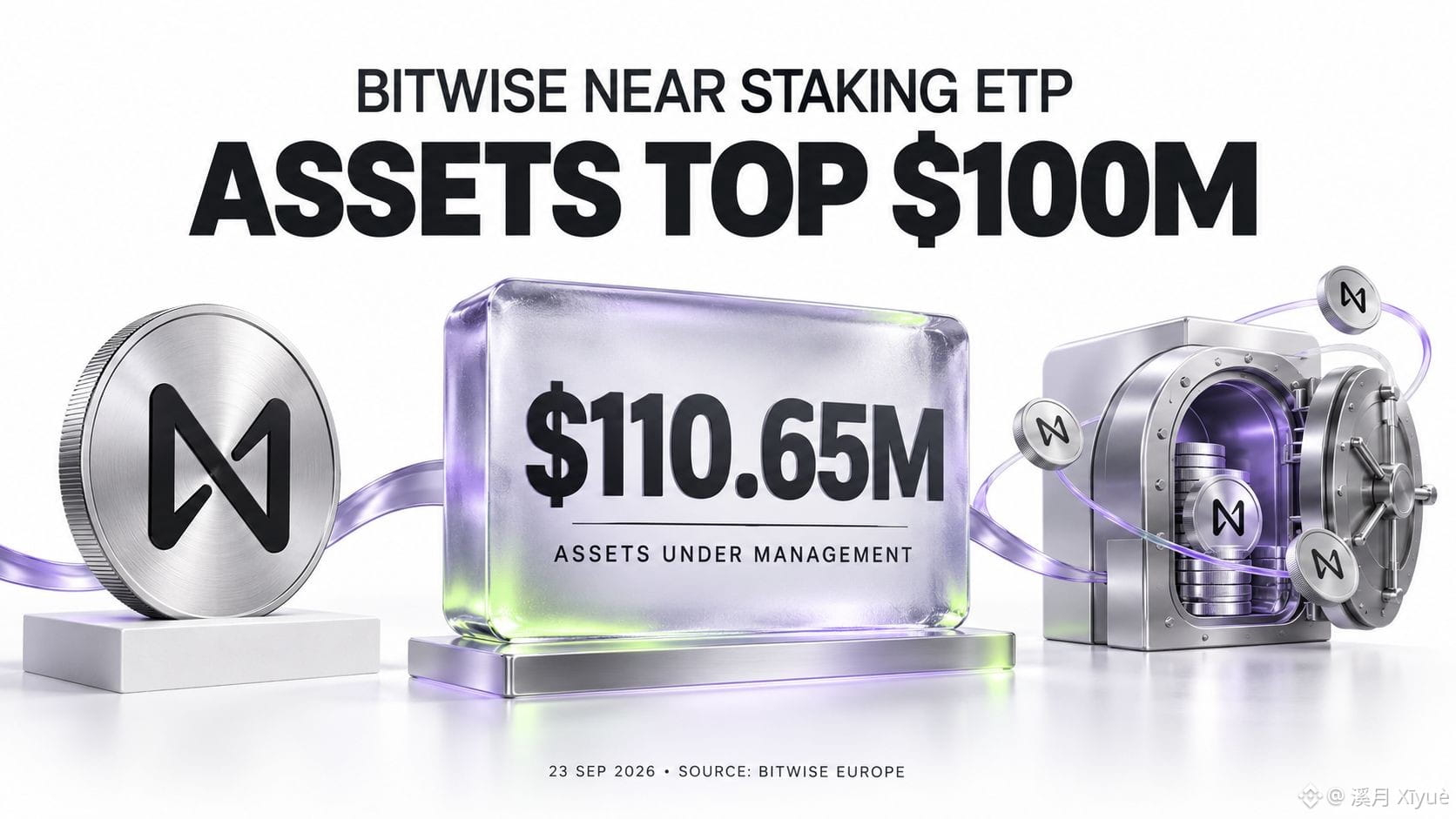
صندوق تداول بيتوايز لرهان NEAR يتجاوز 100 مليون دولار مع وصول الأصول إلى 110.65 مليون دولار
تخطّى استثمار بيتوايز في شكل استثمارات متداولة عبر البورصة (ETP) علامة فارقة ملحوظة.
تُفيد تقارير بيتوايز بأن أصولها تحت الإدارة بلغت 110.65 مليون دولار اعتبارًا من 23 سبتمبر 2026. ويحتوي صندوق بيتوايز لرهان NEAR (NEAR Staking ETP) على نحو 25.43 مليون رمز NEAR عبر 4.91 مليون وحدة قائمة.
يوفّر المنتج الأوروبي تعرضًا لـ NEAR عبر حساب وساطة. وهو مدعوم بالكامل بالرموز المحتفظ بها لدى جهة حفظ احترافية، مع تجميع مكافآت الرهان داخل المنتج. وتختلف تلك المكافآت، كما تؤثر الرسوم في العوائد.
رأيي: هذا يعدّ إنجازًا مهمًا من حيث حجم المنتج، لكن السؤال التالي هو: ما مقدار النمو الناتج عن الاشتراكات الجديدة. تتغير الأصول تحت الإدارة مع أسعار الرموز، أو عمليات الإنشاء/الاسترداد، وباستحقاقات الرهان. إن ارتفاع رصيد الدولار وحده لا يكفي لتحديد مقدار الأموال الجديدة التي التزم بها المستثمرون.
إن مراقبة عدد الوحدات القائمة بمرور الوقت ستساعد على فصل طلب المستثمرين عن تقدير السوق. إذا استمرت الوحدات في التوسع بينما يستقر سعر NEAR، فهذا سيعزّز حالة وجود طلب أوسع عبر قناة الاستثمار هذه.
وبالنسبة لتوقعات NEAR على المدى الأطول، سأقارن أيضًا نمو المنتج مع نشاط الشبكة. إن سهولة الوصول إلى الاستثمار واستخدام البلوك تشين بشكل أقوى يجيب كل منهما عن أسئلة مختلفة حول مدى التبنّي.
ما الذي ستراقبه عن كثب أكثر: إجمالي الأصول تحت الإدارة أم نمو وحدات ETP؟
#Near #staking
$MUBARAK $MARSCOIN $USELESS
{future}(USELESSUSDT)
{future}(MARSCOINUSDT)
{future}(MUBARAKUSDT)
#BitwiseNEARStakingETPAssetsTop$100M
صندوق تداول بيتوايز لرهان NEAR يتجاوز 100 مليون دولار مع وصول الأصول إلى 110.65 مليون دولار
تخطّى استثمار بيتوايز في شكل استثمارات متداولة عبر البورصة (ETP) علامة فارقة ملحوظة.
تُفيد تقارير بيتوايز بأن أصولها تحت الإدارة بلغت 110.65 مليون دولار اعتبارًا من 23 سبتمبر 2026. ويحتوي صندوق بيتوايز لرهان NEAR (NEAR Staking ETP) على نحو 25.43 مليون رمز NEAR عبر 4.91 مليون وحدة قائمة.
يوفّر المنتج الأوروبي تعرضًا لـ NEAR عبر حساب وساطة. وهو مدعوم بالكامل بالرموز المحتفظ بها لدى جهة حفظ احترافية، مع تجميع مكافآت الرهان داخل المنتج. وتختلف تلك المكافآت، كما تؤثر الرسوم في العوائد.
رأيي: هذا يعدّ إنجازًا مهمًا من حيث حجم المنتج، لكن السؤال التالي هو: ما مقدار النمو الناتج عن الاشتراكات الجديدة. تتغير الأصول تحت الإدارة مع أسعار الرموز، أو عمليات الإنشاء/الاسترداد، وباستحقاقات الرهان. إن ارتفاع رصيد الدولار وحده لا يكفي لتحديد مقدار الأموال الجديدة التي التزم بها المستثمرون.
إن مراقبة عدد الوحدات القائمة بمرور الوقت ستساعد على فصل طلب المستثمرين عن تقدير السوق. إذا استمرت الوحدات في التوسع بينما يستقر سعر NEAR، فهذا سيعزّز حالة وجود طلب أوسع عبر قناة الاستثمار هذه.
وبالنسبة لتوقعات NEAR على المدى الأطول، سأقارن أيضًا نمو المنتج مع نشاط الشبكة. إن سهولة الوصول إلى الاستثمار واستخدام البلوك تشين بشكل أقوى يجيب كل منهما عن أسئلة مختلفة حول مدى التبنّي.
ما الذي ستراقبه عن كثب أكثر: إجمالي الأصول تحت الإدارة أم نمو وحدات ETP؟
#Near #staking
$MUBARAK $MARSCOIN $USELESS
صندوق تداول بيتوايز لرهان NEAR يتجاوز 100 مليون دولار مع وصول الأصول إلى 110.65 مليون دولار
تخطّى استثمار بيتوايز في شكل استثمارات متداولة عبر البورصة (ETP) علامة فارقة ملحوظة.
تُفيد تقارير بيتوايز بأن أصولها تحت الإدارة بلغت 110.65 مليون دولار اعتبارًا من 23 سبتمبر 2026. ويحتوي صندوق بيتوايز لرهان NEAR (NEAR Staking ETP) على نحو 25.43 مليون رمز NEAR عبر 4.91 مليون وحدة قائمة.
يوفّر المنتج الأوروبي تعرضًا لـ NEAR عبر حساب وساطة. وهو مدعوم بالكامل بالرموز المحتفظ بها لدى جهة حفظ احترافية، مع تجميع مكافآت الرهان داخل المنتج. وتختلف تلك المكافآت، كما تؤثر الرسوم في العوائد.
رأيي: هذا يعدّ إنجازًا مهمًا من حيث حجم المنتج، لكن السؤال التالي هو: ما مقدار النمو الناتج عن الاشتراكات الجديدة. تتغير الأصول تحت الإدارة مع أسعار الرموز، أو عمليات الإنشاء/الاسترداد، وباستحقاقات الرهان. إن ارتفاع رصيد الدولار وحده لا يكفي لتحديد مقدار الأموال الجديدة التي التزم بها المستثمرون.
إن مراقبة عدد الوحدات القائمة بمرور الوقت ستساعد على فصل طلب المستثمرين عن تقدير السوق. إذا استمرت الوحدات في التوسع بينما يستقر سعر NEAR، فهذا سيعزّز حالة وجود طلب أوسع عبر قناة الاستثمار هذه.
وبالنسبة لتوقعات NEAR على المدى الأطول، سأقارن أيضًا نمو المنتج مع نشاط الشبكة. إن سهولة الوصول إلى الاستثمار واستخدام البلوك تشين بشكل أقوى يجيب كل منهما عن أسئلة مختلفة حول مدى التبنّي.
ما الذي ستراقبه عن كثب أكثر: إجمالي الأصول تحت الإدارة أم نمو وحدات ETP؟
#Near #staking
$MUBARAK $MARSCOIN $USELESS
29
·
--
صاعد
#dogecoinrises15%
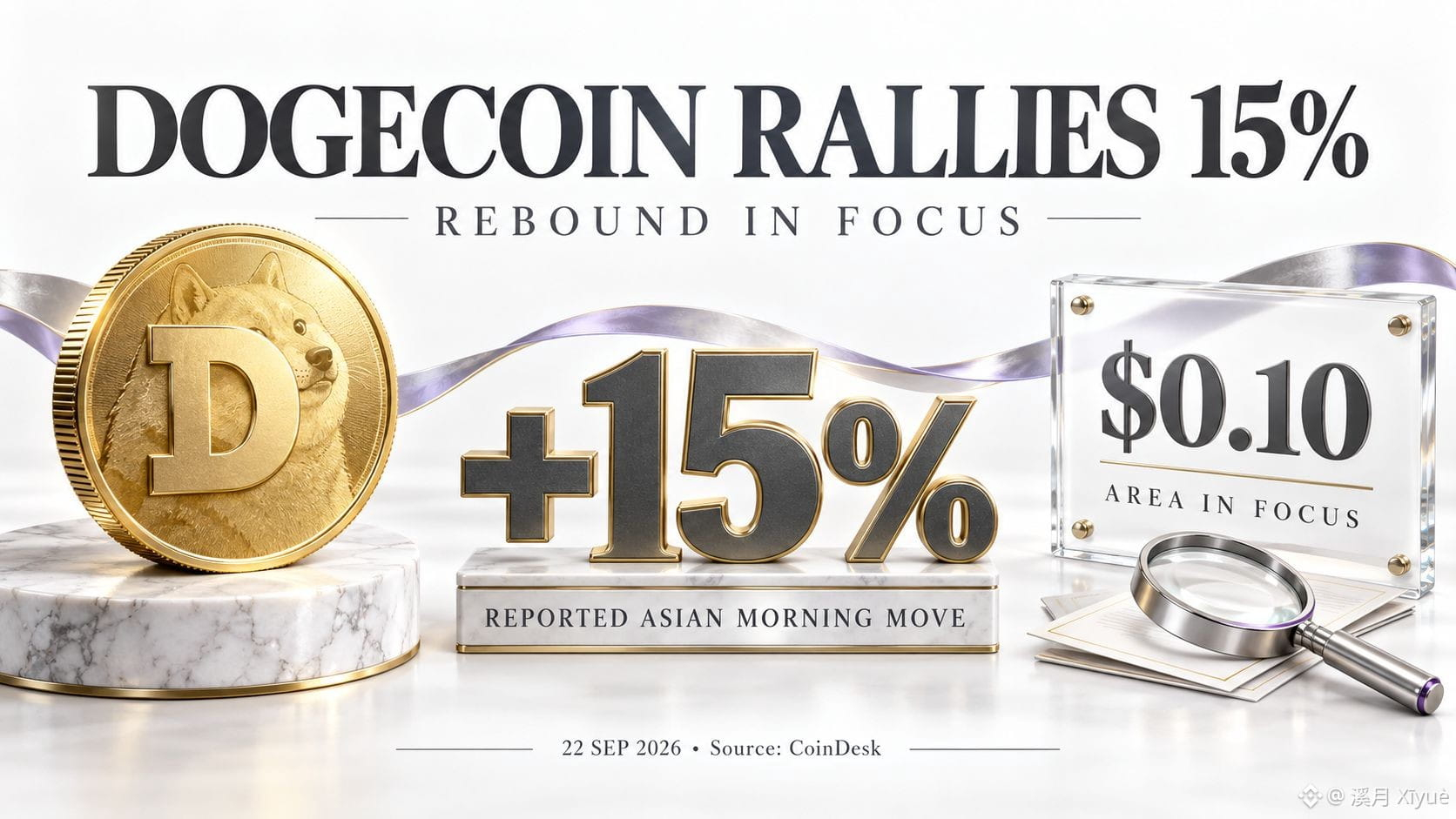
دفعة دوجكوين بنسبة 15% تضع منطقة 0.10 دولار في دائرة الضوء
قاد DOGE الارتداد المبكر، لكن اختبار المرحلة المقبلة هو الحفاظ على مكاسبه.
ارتفع دوجكوين بأكثر من 15% ليصل إلى ما يزيد قليلًا عن 0.10 دولار خلال تداولات صباح اليوم في آسيا يوم 22 سبتمبر 2026، وفقًا لـ CoinDesk. وكان أفضل أداء بين العملات الرقمية الرئيسية في تلك اللقطة.
وأظهرت لقطة لاحقة من CoinGecko أن DOGE كان عند حوالي 0.0996 دولار، دون أعلى مستوى له خلال 24 ساعة والذي بلغ 0.1056 دولار، مع حجم تداول يقارب 3.22 مليار دولار خلال اليوم السابق. لذلك فإن العنوان الذي يتحدث عن 15% يصف التحرك الذي جرى في وقت سابق.
رأيي: بعد القفزة الحادة، سأركز على ما إذا كان بإمكان DOGE استعادة منطقة 0.10 دولار والتمسك بها مع نشاط مستمر في السوق الفورية. قد يجذب الرقم المستدير الانتباه، لكن عمليات الشراء المتكررة خلال التصحيحات المعتادة ستقدم دليلًا أكثر فائدة على وجود طلب.
كما أن حجم التداول يحتاج إلى سياق: التداول النشط يشمل المشترين والبائعين. مقارنة مشاركة السوق الفوري مع تغيّرات الفائدة المفتوحة في العقود الآجلة يمكن أن يساعد في تقييم ما إذا كان التحرك يصبح بشكل متزايد معتمدًا على الرافعة.
ومن المتوقع أن تقدم الجلسات القليلة المقبلة صورة أوضح حول مقدار ما يمكن للمشترين الحفاظ عليه من الارتداد. ستكون القوة المستمرة بينما يستقر السوق الأوسع أكثر إفادة من مجرد قفزة النسبة المئوية الأولى.
ما الذي من شأنه تعزيز ثقتك في ارتداد DOGE: استمرار حجم التداول الفوري أم تثبيت أقوى فوق 0.10 دولار؟
#DogecoinRises15% #DOGE #CryptoMarket
$DOGE $MUBARAK $FLOCK
{future}(MUBARAKUSDT)
{future}(FLOCKUSDT)
{future}(DOGEUSDT)
#dogecoinrises15%
دفعة دوجكوين بنسبة 15% تضع منطقة 0.10 دولار في دائرة الضوء
قاد DOGE الارتداد المبكر، لكن اختبار المرحلة المقبلة هو الحفاظ على مكاسبه.
ارتفع دوجكوين بأكثر من 15% ليصل إلى ما يزيد قليلًا عن 0.10 دولار خلال تداولات صباح اليوم في آسيا يوم 22 سبتمبر 2026، وفقًا لـ CoinDesk. وكان أفضل أداء بين العملات الرقمية الرئيسية في تلك اللقطة.
وأظهرت لقطة لاحقة من CoinGecko أن DOGE كان عند حوالي 0.0996 دولار، دون أعلى مستوى له خلال 24 ساعة والذي بلغ 0.1056 دولار، مع حجم تداول يقارب 3.22 مليار دولار خلال اليوم السابق. لذلك فإن العنوان الذي يتحدث عن 15% يصف التحرك الذي جرى في وقت سابق.
رأيي: بعد القفزة الحادة، سأركز على ما إذا كان بإمكان DOGE استعادة منطقة 0.10 دولار والتمسك بها مع نشاط مستمر في السوق الفورية. قد يجذب الرقم المستدير الانتباه، لكن عمليات الشراء المتكررة خلال التصحيحات المعتادة ستقدم دليلًا أكثر فائدة على وجود طلب.
كما أن حجم التداول يحتاج إلى سياق: التداول النشط يشمل المشترين والبائعين. مقارنة مشاركة السوق الفوري مع تغيّرات الفائدة المفتوحة في العقود الآجلة يمكن أن يساعد في تقييم ما إذا كان التحرك يصبح بشكل متزايد معتمدًا على الرافعة.
ومن المتوقع أن تقدم الجلسات القليلة المقبلة صورة أوضح حول مقدار ما يمكن للمشترين الحفاظ عليه من الارتداد. ستكون القوة المستمرة بينما يستقر السوق الأوسع أكثر إفادة من مجرد قفزة النسبة المئوية الأولى.
ما الذي من شأنه تعزيز ثقتك في ارتداد DOGE: استمرار حجم التداول الفوري أم تثبيت أقوى فوق 0.10 دولار؟
#DogecoinRises15% #DOGE #CryptoMarket
$DOGE $MUBARAK $FLOCK
دفعة دوجكوين بنسبة 15% تضع منطقة 0.10 دولار في دائرة الضوء
قاد DOGE الارتداد المبكر، لكن اختبار المرحلة المقبلة هو الحفاظ على مكاسبه.
ارتفع دوجكوين بأكثر من 15% ليصل إلى ما يزيد قليلًا عن 0.10 دولار خلال تداولات صباح اليوم في آسيا يوم 22 سبتمبر 2026، وفقًا لـ CoinDesk. وكان أفضل أداء بين العملات الرقمية الرئيسية في تلك اللقطة.
وأظهرت لقطة لاحقة من CoinGecko أن DOGE كان عند حوالي 0.0996 دولار، دون أعلى مستوى له خلال 24 ساعة والذي بلغ 0.1056 دولار، مع حجم تداول يقارب 3.22 مليار دولار خلال اليوم السابق. لذلك فإن العنوان الذي يتحدث عن 15% يصف التحرك الذي جرى في وقت سابق.
رأيي: بعد القفزة الحادة، سأركز على ما إذا كان بإمكان DOGE استعادة منطقة 0.10 دولار والتمسك بها مع نشاط مستمر في السوق الفورية. قد يجذب الرقم المستدير الانتباه، لكن عمليات الشراء المتكررة خلال التصحيحات المعتادة ستقدم دليلًا أكثر فائدة على وجود طلب.
كما أن حجم التداول يحتاج إلى سياق: التداول النشط يشمل المشترين والبائعين. مقارنة مشاركة السوق الفوري مع تغيّرات الفائدة المفتوحة في العقود الآجلة يمكن أن يساعد في تقييم ما إذا كان التحرك يصبح بشكل متزايد معتمدًا على الرافعة.
ومن المتوقع أن تقدم الجلسات القليلة المقبلة صورة أوضح حول مقدار ما يمكن للمشترين الحفاظ عليه من الارتداد. ستكون القوة المستمرة بينما يستقر السوق الأوسع أكثر إفادة من مجرد قفزة النسبة المئوية الأولى.
ما الذي من شأنه تعزيز ثقتك في ارتداد DOGE: استمرار حجم التداول الفوري أم تثبيت أقوى فوق 0.10 دولار؟
#DogecoinRises15% #DOGE #CryptoMarket
$DOGE $MUBARAK $FLOCK
203
·
--
صاعد
تمّ التحقق
#bnbmarketcappassesbnymellon
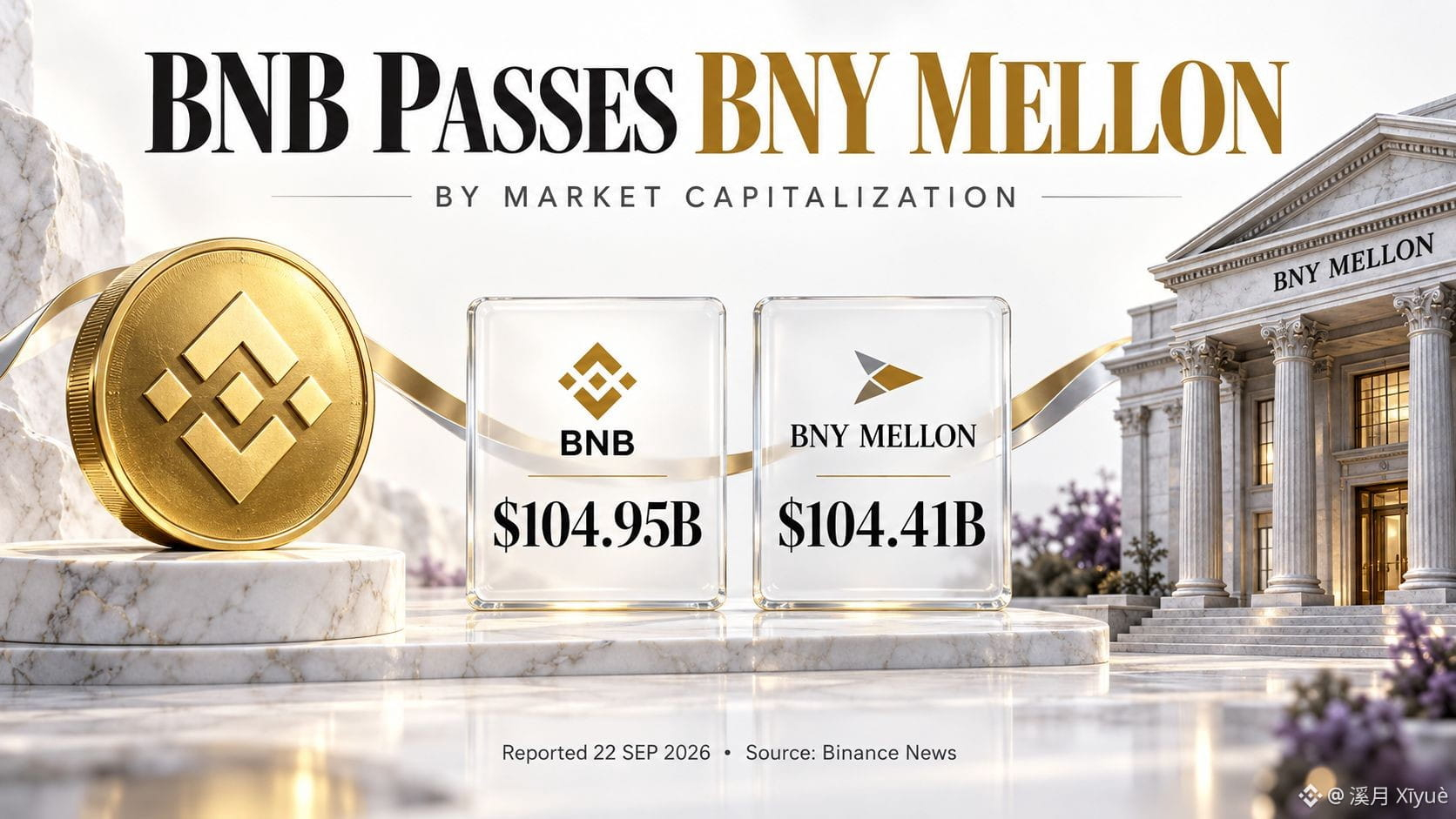
تجاوزت BNB BNY Mellon في القيمة السوقية — ماذا يعني ذلك؟
تقدّمت BNB على نحو بسيط على مؤسسة مالية تقليدية كبرى من حيث القيمة.
في 22 سبتمبر 2026، أفادت «Binance News» بأن القيمة السوقية لـ BNB بلغت 104.95 مليار دولار، مقارنةً بـ 104.41 مليار دولار لدى BNY Mellon. ويعني ذلك فجوة تقارب 540 مليون دولار، أو 0.5%، اعتمادًا على الأرقام المنشورة.
تحتاج هذه المقارنة إلى سياق. إذ إن رقم BNB يقيس قيمة الرموز المتداولة، بينما رقم BNY يقيس حقوق الملكية المدرجة للبنك. أما الأصول التي يحفظها BNY لصالح العملاء فهي مقياس منفصل.
رأيي: يوضح هذا الإنجاز حجم تقييم BNB، لكن تقييم ما إذا كانت هذه القيمة مدعومة يتطلب النظر إلى ما وراء الترتيب.
بالنسبة لـ BNB، سأتابع النشاط الشبكي المستمر، والطلب على رسوم المعاملات، والتغيرات في العرض، والسيولة في السوق. تساعد هذه العوامل على تفسير ما إذا كان الطلب على الرمز يمكن أن يستمر رغم تغيّر المزاج.
أما بالنسبة للبنك، فإن الأرباح وقوة رأس المال وتوزيعات المساهمين توفّر أساسًا مختلفًا للتقييم. لذا فإن القيم السوقية المماثلة تعكس تعرّضًا اقتصاديًا مختلفًا وحقوق ملكية مختلفة.
كما أن الفجوة الضيقة المذكورة لها أهميتها أيضًا. فالعملات التشفيرية تتداول بشكل مستمر، بينما تتبع أسهم البنوك جلسات سوق الأسهم، لذلك يمكن أن تتبدّل الترتيبات مع تحديث الأسعار والطوابع الزمنية.
المتابعة الأكثر فائدة هي ما إذا كانت BNB تنمّي نشاطها الأساسي بالتوازي مع تقييمها.
ما الذي يخبرك أكثر عن تقدّم BNB: ترتيب القيمة السوقية أم النمو المستمر في استخدام الشبكة؟
#BNBMarketCapPassesBNYMellon #bnb #CryptoMarket
$BNB $MUBARAK $NIL
{future}(NILUSDT)
{future}(MUBARAKUSDT)
{future}(BNBUSDT)
#bnbmarketcappassesbnymellon
تجاوزت BNB BNY Mellon في القيمة السوقية — ماذا يعني ذلك؟
تقدّمت BNB على نحو بسيط على مؤسسة مالية تقليدية كبرى من حيث القيمة.
في 22 سبتمبر 2026، أفادت «Binance News» بأن القيمة السوقية لـ BNB بلغت 104.95 مليار دولار، مقارنةً بـ 104.41 مليار دولار لدى BNY Mellon. ويعني ذلك فجوة تقارب 540 مليون دولار، أو 0.5%، اعتمادًا على الأرقام المنشورة.
تحتاج هذه المقارنة إلى سياق. إذ إن رقم BNB يقيس قيمة الرموز المتداولة، بينما رقم BNY يقيس حقوق الملكية المدرجة للبنك. أما الأصول التي يحفظها BNY لصالح العملاء فهي مقياس منفصل.
رأيي: يوضح هذا الإنجاز حجم تقييم BNB، لكن تقييم ما إذا كانت هذه القيمة مدعومة يتطلب النظر إلى ما وراء الترتيب.
بالنسبة لـ BNB، سأتابع النشاط الشبكي المستمر، والطلب على رسوم المعاملات، والتغيرات في العرض، والسيولة في السوق. تساعد هذه العوامل على تفسير ما إذا كان الطلب على الرمز يمكن أن يستمر رغم تغيّر المزاج.
أما بالنسبة للبنك، فإن الأرباح وقوة رأس المال وتوزيعات المساهمين توفّر أساسًا مختلفًا للتقييم. لذا فإن القيم السوقية المماثلة تعكس تعرّضًا اقتصاديًا مختلفًا وحقوق ملكية مختلفة.
كما أن الفجوة الضيقة المذكورة لها أهميتها أيضًا. فالعملات التشفيرية تتداول بشكل مستمر، بينما تتبع أسهم البنوك جلسات سوق الأسهم، لذلك يمكن أن تتبدّل الترتيبات مع تحديث الأسعار والطوابع الزمنية.
المتابعة الأكثر فائدة هي ما إذا كانت BNB تنمّي نشاطها الأساسي بالتوازي مع تقييمها.
ما الذي يخبرك أكثر عن تقدّم BNB: ترتيب القيمة السوقية أم النمو المستمر في استخدام الشبكة؟
#BNBMarketCapPassesBNYMellon #bnb #CryptoMarket
$BNB $MUBARAK $NIL
تجاوزت BNB BNY Mellon في القيمة السوقية — ماذا يعني ذلك؟
تقدّمت BNB على نحو بسيط على مؤسسة مالية تقليدية كبرى من حيث القيمة.
في 22 سبتمبر 2026، أفادت «Binance News» بأن القيمة السوقية لـ BNB بلغت 104.95 مليار دولار، مقارنةً بـ 104.41 مليار دولار لدى BNY Mellon. ويعني ذلك فجوة تقارب 540 مليون دولار، أو 0.5%، اعتمادًا على الأرقام المنشورة.
تحتاج هذه المقارنة إلى سياق. إذ إن رقم BNB يقيس قيمة الرموز المتداولة، بينما رقم BNY يقيس حقوق الملكية المدرجة للبنك. أما الأصول التي يحفظها BNY لصالح العملاء فهي مقياس منفصل.
رأيي: يوضح هذا الإنجاز حجم تقييم BNB، لكن تقييم ما إذا كانت هذه القيمة مدعومة يتطلب النظر إلى ما وراء الترتيب.
بالنسبة لـ BNB، سأتابع النشاط الشبكي المستمر، والطلب على رسوم المعاملات، والتغيرات في العرض، والسيولة في السوق. تساعد هذه العوامل على تفسير ما إذا كان الطلب على الرمز يمكن أن يستمر رغم تغيّر المزاج.
أما بالنسبة للبنك، فإن الأرباح وقوة رأس المال وتوزيعات المساهمين توفّر أساسًا مختلفًا للتقييم. لذا فإن القيم السوقية المماثلة تعكس تعرّضًا اقتصاديًا مختلفًا وحقوق ملكية مختلفة.
كما أن الفجوة الضيقة المذكورة لها أهميتها أيضًا. فالعملات التشفيرية تتداول بشكل مستمر، بينما تتبع أسهم البنوك جلسات سوق الأسهم، لذلك يمكن أن تتبدّل الترتيبات مع تحديث الأسعار والطوابع الزمنية.
المتابعة الأكثر فائدة هي ما إذا كانت BNB تنمّي نشاطها الأساسي بالتوازي مع تقييمها.
ما الذي يخبرك أكثر عن تقدّم BNB: ترتيب القيمة السوقية أم النمو المستمر في استخدام الشبكة؟
#BNBMarketCapPassesBNYMellon #bnb #CryptoMarket
$BNB $MUBARAK $NIL
2
1.1k
·
--
صاعد
#CryptoMarketCapReclaims$3Trillion
وصلت بيتكوين للتو إلى أعلى مستوى خلال ثمانية أشهر — لكن الإشارة الأكبر قد تكون في مكان آخر
ارتفع قطاع العملات الرقمية بهدوء إلى مستوى لم يره منذ أشهر — وقد يكون التحرك أقل ارتباطًا بالقطاع نفسه.
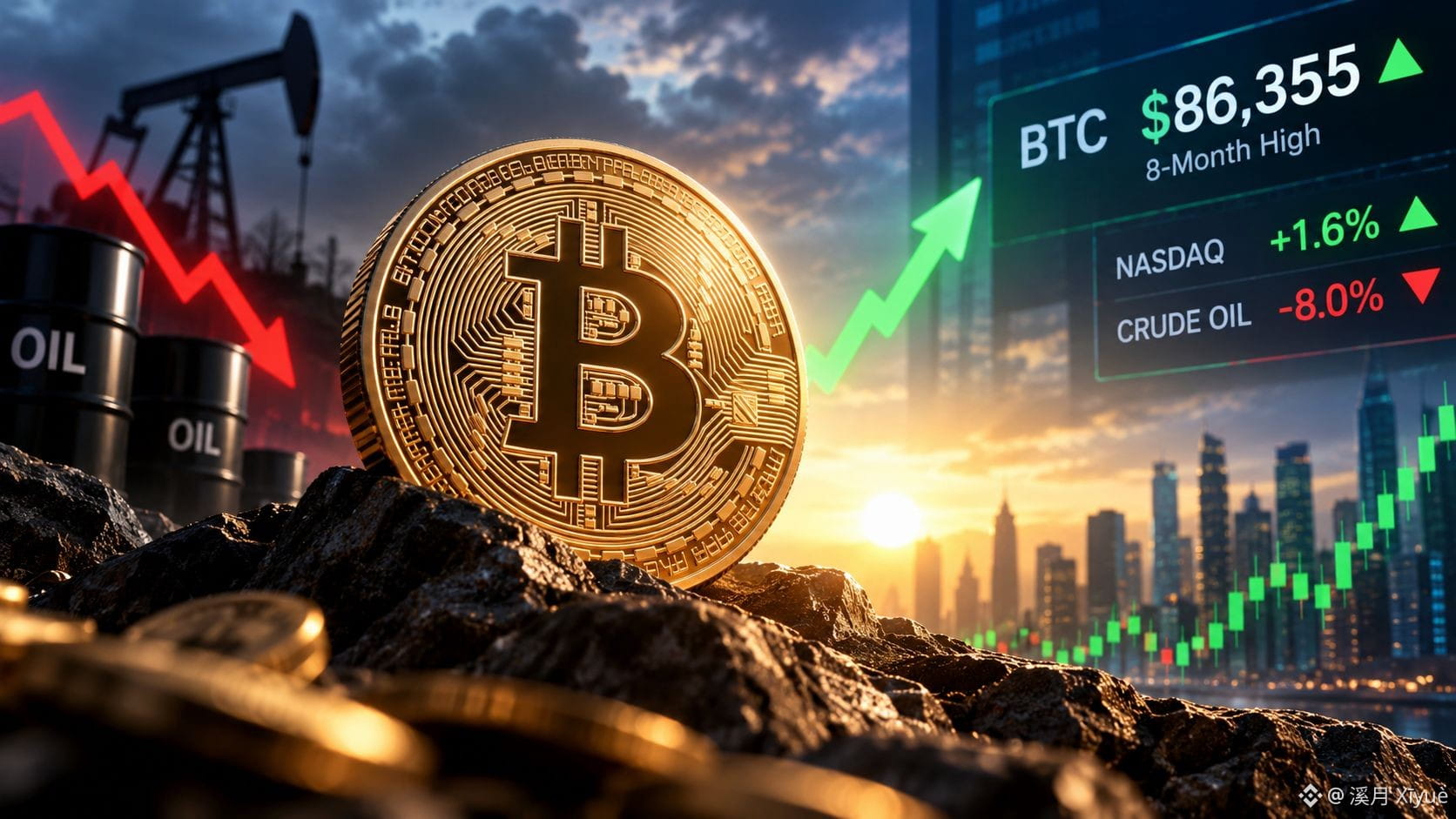
تداولت بيتكوين عند مستوى مرتفع بلغ 86,355 دولارًا يوم الاثنين، وهو أفضل مستوى منذ 29 يناير. تحرك السوق الأوسع معها أيضًا: كانت 106 من أكبر 125 عملة رقمية غير مستقرة (non-stablecoin) في المنطقة الخضراء. هذا يعني مشاركة أوسع، وليس مجرد تحرك في البيتكوين.
الأمر المثير للاهتمام هو ما حدث في أماكن أخرى. فقد انخفض خام غرب تكساس أكثر من 8%، بينما افتتح مؤشر ناسداك مرتفعًا بنسبة 1.6%. نفط أقل، وتكنولوجيا أعلى، وcrypto أعلى — جميعها في الوقت نفسه تقريبًا. قد يشير ذلك إلى تحول أوسع في شهية المخاطرة، رغم أن جلسة واحدة لا تكفي للقول إنه تحول مستمر.
كما تبدو صورة الرافعة المالية أكثر تحفظًا نسبيًا. معدلات التمويل الدائم قريبة من الصفر، بينما تتداول عقود المبادلة الخاصة ببيتكوين وإيثيريوم تحت مستويات المؤشر. وهذا يختلف كثيرًا عن ظروف الرافعة المفرطة التي غالبًا ما تُرى خلال الارتفاعات الأكثر تَخمينًا.
لا تزال الصورة الأكبر غير مكتملة. بلغت القيمة السوقية الإجمالية للعملات الرقمية ذروتها قرب 4.27 تريليون دولار في أكتوبر الماضي، ثم فقدت نحو الثلث قبل أن تتعافى فوق 2.8 تريليون دولار في وقت سابق من هذا الشهر.
حتى الآن، يبدو الأمر أقرب إلى التعافي منه إلى حالة من الحماس.
السؤال الحقيقي هو ما إذا كانت السيولة من حيث الاتساع والتمويل ستظل صحية إذا واصلت الأسعار الصعود.
$BTC $MUBARAK $ETH
{future}(ETHUSDT)
{future}(MUBARAKUSDT)
{future}(BTCUSDT)
#CryptoMarketCapReclaims$3Trillion
وصلت بيتكوين للتو إلى أعلى مستوى خلال ثمانية أشهر — لكن الإشارة الأكبر قد تكون في مكان آخر
ارتفع قطاع العملات الرقمية بهدوء إلى مستوى لم يره منذ أشهر — وقد يكون التحرك أقل ارتباطًا بالقطاع نفسه.
تداولت بيتكوين عند مستوى مرتفع بلغ 86,355 دولارًا يوم الاثنين، وهو أفضل مستوى منذ 29 يناير. تحرك السوق الأوسع معها أيضًا: كانت 106 من أكبر 125 عملة رقمية غير مستقرة (non-stablecoin) في المنطقة الخضراء. هذا يعني مشاركة أوسع، وليس مجرد تحرك في البيتكوين.
الأمر المثير للاهتمام هو ما حدث في أماكن أخرى. فقد انخفض خام غرب تكساس أكثر من 8%، بينما افتتح مؤشر ناسداك مرتفعًا بنسبة 1.6%. نفط أقل، وتكنولوجيا أعلى، وcrypto أعلى — جميعها في الوقت نفسه تقريبًا. قد يشير ذلك إلى تحول أوسع في شهية المخاطرة، رغم أن جلسة واحدة لا تكفي للقول إنه تحول مستمر.
كما تبدو صورة الرافعة المالية أكثر تحفظًا نسبيًا. معدلات التمويل الدائم قريبة من الصفر، بينما تتداول عقود المبادلة الخاصة ببيتكوين وإيثيريوم تحت مستويات المؤشر. وهذا يختلف كثيرًا عن ظروف الرافعة المفرطة التي غالبًا ما تُرى خلال الارتفاعات الأكثر تَخمينًا.
لا تزال الصورة الأكبر غير مكتملة. بلغت القيمة السوقية الإجمالية للعملات الرقمية ذروتها قرب 4.27 تريليون دولار في أكتوبر الماضي، ثم فقدت نحو الثلث قبل أن تتعافى فوق 2.8 تريليون دولار في وقت سابق من هذا الشهر.
حتى الآن، يبدو الأمر أقرب إلى التعافي منه إلى حالة من الحماس.
السؤال الحقيقي هو ما إذا كانت السيولة من حيث الاتساع والتمويل ستظل صحية إذا واصلت الأسعار الصعود.
$BTC $MUBARAK $ETH
وصلت بيتكوين للتو إلى أعلى مستوى خلال ثمانية أشهر — لكن الإشارة الأكبر قد تكون في مكان آخر
ارتفع قطاع العملات الرقمية بهدوء إلى مستوى لم يره منذ أشهر — وقد يكون التحرك أقل ارتباطًا بالقطاع نفسه.
تداولت بيتكوين عند مستوى مرتفع بلغ 86,355 دولارًا يوم الاثنين، وهو أفضل مستوى منذ 29 يناير. تحرك السوق الأوسع معها أيضًا: كانت 106 من أكبر 125 عملة رقمية غير مستقرة (non-stablecoin) في المنطقة الخضراء. هذا يعني مشاركة أوسع، وليس مجرد تحرك في البيتكوين.
الأمر المثير للاهتمام هو ما حدث في أماكن أخرى. فقد انخفض خام غرب تكساس أكثر من 8%، بينما افتتح مؤشر ناسداك مرتفعًا بنسبة 1.6%. نفط أقل، وتكنولوجيا أعلى، وcrypto أعلى — جميعها في الوقت نفسه تقريبًا. قد يشير ذلك إلى تحول أوسع في شهية المخاطرة، رغم أن جلسة واحدة لا تكفي للقول إنه تحول مستمر.
كما تبدو صورة الرافعة المالية أكثر تحفظًا نسبيًا. معدلات التمويل الدائم قريبة من الصفر، بينما تتداول عقود المبادلة الخاصة ببيتكوين وإيثيريوم تحت مستويات المؤشر. وهذا يختلف كثيرًا عن ظروف الرافعة المفرطة التي غالبًا ما تُرى خلال الارتفاعات الأكثر تَخمينًا.
لا تزال الصورة الأكبر غير مكتملة. بلغت القيمة السوقية الإجمالية للعملات الرقمية ذروتها قرب 4.27 تريليون دولار في أكتوبر الماضي، ثم فقدت نحو الثلث قبل أن تتعافى فوق 2.8 تريليون دولار في وقت سابق من هذا الشهر.
حتى الآن، يبدو الأمر أقرب إلى التعافي منه إلى حالة من الحماس.
السؤال الحقيقي هو ما إذا كانت السيولة من حيث الاتساع والتمويل ستظل صحية إذا واصلت الأسعار الصعود.
$BTC $MUBARAK $ETH
268
·
--
صاعد
#museovertakeschatgptastopfreeiosapp
تتفوق Muse على ChatGPT في مخطط iPhone الأمريكي
سباق الذكاء الاصطناعي الاستهلاكي يجد زعيمًا جديدًا في الترتيب.
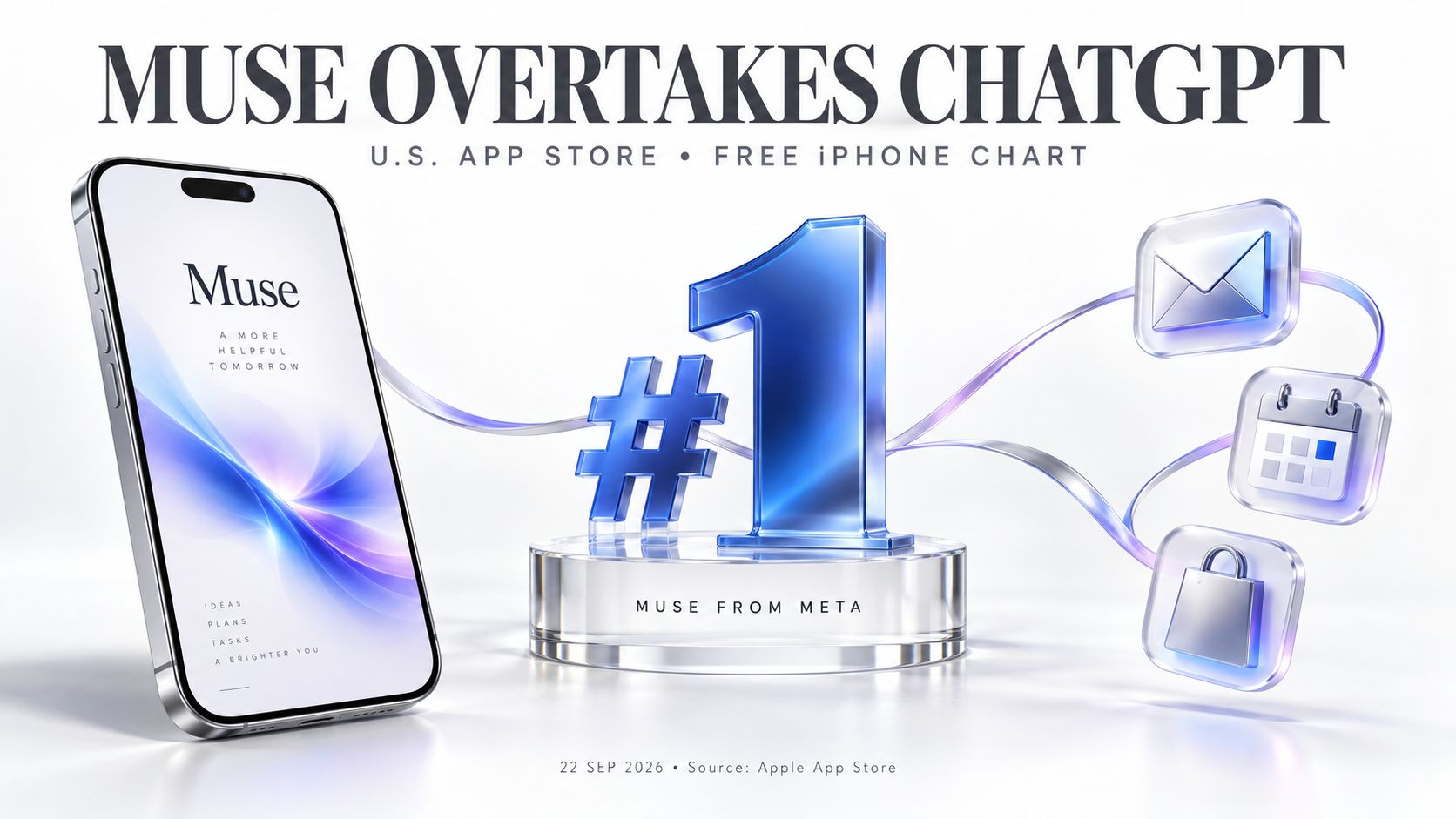
في 22 سبتمبر 2026، أدرجت Apple في متجر التطبيقات الأمريكي تطبيق Muse من Meta في المركز الأول بين التطبيقات المجانية على iPhone، متقدمًا على ChatGPT في المركز الثاني.
أطلقت Meta Muse في 8 سبتمبر كوكيل ذكاء اصطناعي شخصي مصمم للتعامل مع مهام مثل البريد الإلكتروني، وتخطيط السفر، والتسوق. وتقول الشركة إن المستخدمين يتحكمون في الوصول إلى الخدمات المتصلة ويوافقون على الإجراءات الحساسة، بما في ذلك إرسال الرسائل أو إجراء المشتريات. ويجمع بين الوصول المجاني وخيارات الاشتراك المدفوعة.
وجهة نظري: يمنح هذا الترتيب Meta انطلاقة قوية في المنافسة على استخدام الذكاء الاصطناعي في الحياة اليومية. الاختبار التجاري الأكبر يتمثل في ما إذا كان الناس سيواصلون تفويض مهام مفيدة بعد أن تخبو حماسة الإطلاق.
بالنسبة للمستثمرين، ستهم مع مرور الوقت العودة المتكررة للاستخدام، والإنجاز الناجح للمهام، والتحويل إلى الدفع. يوفر ترتيب التطبيقات على مستوى إقليمي إشارة مبكرة؛ أما التبني المستمر فيتطلب دلائل عبر عدة أشهر.
وكيل يتعامل مع المشتريات أو الرسائل يحتاج أيضًا إلى أذونات واضحة وقدرة موثوقة على الاستعادة عندما يحدث خطأ ما. يؤدي ربط المزيد من الخدمات إلى خلق فرص، لكن يجب أن توفر هذه الاتصالات وقتًا كافيًا لتصبح عادة.
ما الذي سيجعلك تستخدم وكيل ذكاء اصطناعي كل يوم: الاعتمادية أم الراحة أم السعر؟
#MuseOvertakesChatGPTAsTopFreeIOSApp #Aİ #Meta
$MUBARAK $NIL $KERNEL
{future}(KERNELUSDT)
{future}(NILUSDT)
{future}(MUBARAKUSDT)
#museovertakeschatgptastopfreeiosapp
تتفوق Muse على ChatGPT في مخطط iPhone الأمريكي
سباق الذكاء الاصطناعي الاستهلاكي يجد زعيمًا جديدًا في الترتيب.
في 22 سبتمبر 2026، أدرجت Apple في متجر التطبيقات الأمريكي تطبيق Muse من Meta في المركز الأول بين التطبيقات المجانية على iPhone، متقدمًا على ChatGPT في المركز الثاني.
أطلقت Meta Muse في 8 سبتمبر كوكيل ذكاء اصطناعي شخصي مصمم للتعامل مع مهام مثل البريد الإلكتروني، وتخطيط السفر، والتسوق. وتقول الشركة إن المستخدمين يتحكمون في الوصول إلى الخدمات المتصلة ويوافقون على الإجراءات الحساسة، بما في ذلك إرسال الرسائل أو إجراء المشتريات. ويجمع بين الوصول المجاني وخيارات الاشتراك المدفوعة.
وجهة نظري: يمنح هذا الترتيب Meta انطلاقة قوية في المنافسة على استخدام الذكاء الاصطناعي في الحياة اليومية. الاختبار التجاري الأكبر يتمثل في ما إذا كان الناس سيواصلون تفويض مهام مفيدة بعد أن تخبو حماسة الإطلاق.
بالنسبة للمستثمرين، ستهم مع مرور الوقت العودة المتكررة للاستخدام، والإنجاز الناجح للمهام، والتحويل إلى الدفع. يوفر ترتيب التطبيقات على مستوى إقليمي إشارة مبكرة؛ أما التبني المستمر فيتطلب دلائل عبر عدة أشهر.
وكيل يتعامل مع المشتريات أو الرسائل يحتاج أيضًا إلى أذونات واضحة وقدرة موثوقة على الاستعادة عندما يحدث خطأ ما. يؤدي ربط المزيد من الخدمات إلى خلق فرص، لكن يجب أن توفر هذه الاتصالات وقتًا كافيًا لتصبح عادة.
ما الذي سيجعلك تستخدم وكيل ذكاء اصطناعي كل يوم: الاعتمادية أم الراحة أم السعر؟
#MuseOvertakesChatGPTAsTopFreeIOSApp #Aİ #Meta
$MUBARAK $NIL $KERNEL
تتفوق Muse على ChatGPT في مخطط iPhone الأمريكي
سباق الذكاء الاصطناعي الاستهلاكي يجد زعيمًا جديدًا في الترتيب.
في 22 سبتمبر 2026، أدرجت Apple في متجر التطبيقات الأمريكي تطبيق Muse من Meta في المركز الأول بين التطبيقات المجانية على iPhone، متقدمًا على ChatGPT في المركز الثاني.
أطلقت Meta Muse في 8 سبتمبر كوكيل ذكاء اصطناعي شخصي مصمم للتعامل مع مهام مثل البريد الإلكتروني، وتخطيط السفر، والتسوق. وتقول الشركة إن المستخدمين يتحكمون في الوصول إلى الخدمات المتصلة ويوافقون على الإجراءات الحساسة، بما في ذلك إرسال الرسائل أو إجراء المشتريات. ويجمع بين الوصول المجاني وخيارات الاشتراك المدفوعة.
وجهة نظري: يمنح هذا الترتيب Meta انطلاقة قوية في المنافسة على استخدام الذكاء الاصطناعي في الحياة اليومية. الاختبار التجاري الأكبر يتمثل في ما إذا كان الناس سيواصلون تفويض مهام مفيدة بعد أن تخبو حماسة الإطلاق.
بالنسبة للمستثمرين، ستهم مع مرور الوقت العودة المتكررة للاستخدام، والإنجاز الناجح للمهام، والتحويل إلى الدفع. يوفر ترتيب التطبيقات على مستوى إقليمي إشارة مبكرة؛ أما التبني المستمر فيتطلب دلائل عبر عدة أشهر.
وكيل يتعامل مع المشتريات أو الرسائل يحتاج أيضًا إلى أذونات واضحة وقدرة موثوقة على الاستعادة عندما يحدث خطأ ما. يؤدي ربط المزيد من الخدمات إلى خلق فرص، لكن يجب أن توفر هذه الاتصالات وقتًا كافيًا لتصبح عادة.
ما الذي سيجعلك تستخدم وكيل ذكاء اصطناعي كل يوم: الاعتمادية أم الراحة أم السعر؟
#MuseOvertakesChatGPTAsTopFreeIOSApp #Aİ #Meta
$MUBARAK $NIL $KERNEL
1.1k
·
--
صاعد
تمّ التحقق
#tokenizedstockplatformscouldlaunchnextquarter
🏛️ الأسهم المرقمنة تقترب أكثر من التداول المنظّم عبر السلسلة
قد يبدأ الجسر بين الأسهم التقليدية وأسواق البلوك تشين في أن يصبح أكثر واقعية في الربع القادم.
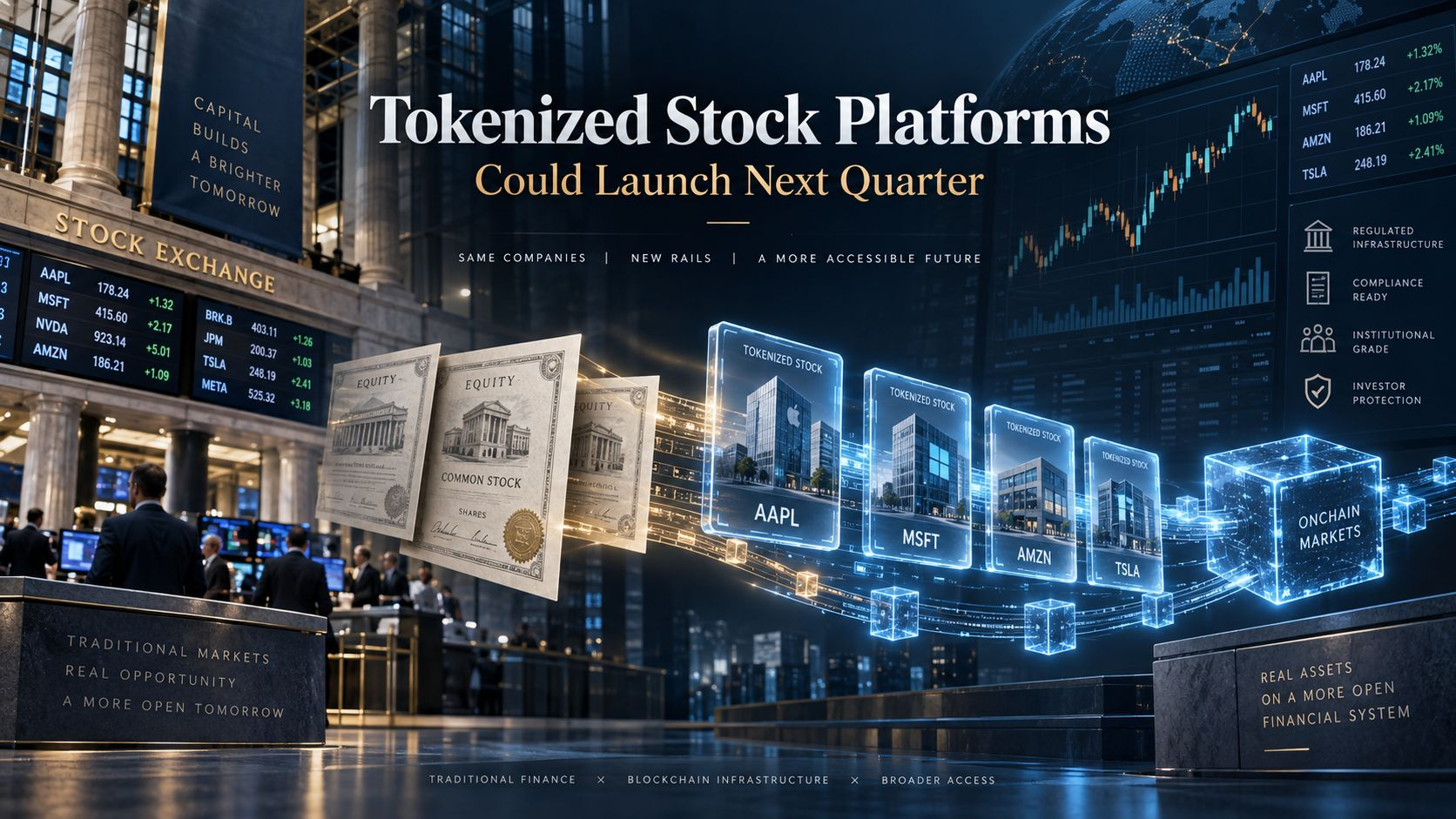
قال مسؤول كبير من فريق العمل المعني بالعملات المشفرة التابع للـ SEC إن الشركات المهتمة يمكن أن تبدأ في الربع القادم بنشر إشعارات تشغيلية لمراكز الأوراق المالية المرقمنة (TSVs). تأتي هذه التعليقات عقب “إعفاء الابتكار” المؤقت الجديد الذي أصدرته الـ SEC، والذي يسمح للمنصات المؤهلة بتسهيل تداول الأسهم الأمريكية المُدرجة والمُرقمنة عبر صناع سوق آليين ومن خلال مجمّعات سيولة مرخّصة.
ومن المهم أن الإطار ليس مساحة مفتوحة للجميع. يجب أن تمثل الأسهم المرقمنة المؤهلة الأوراق المالية الأساسية وأن تحافظ على الحقوق مثل توزيعات الأرباح والتصويت. كما تواجه المنصات شروط الشفافية وإمكانية الوصول وحفظ السجلات وحجم التداول.
لماذا هذا مهم:
إذا بدأت الشركات بالانتقال من الموافقات التنظيمية إلى البنية التحتية الفعلية، فقد تصبح الأسهم المرقمنة جزءًا أكثر وضوحًا من سوق الأصول الواقعية الأوسع. وسيكون السؤال الأكبر هو ما إذا كانت هذه المراكز قادرة على جذب سيولة ذات مغزى مع الالتزام بحماية أسواق الأوراق المالية التقليدية.
في الوقت الحالي، قد يكشف الربع القادم من هو المستعد فعليًا للبناء ضمن الإطار الجديد، وليس فقط من يبدّي اهتمامًا بالترميز.
ما الذي سيؤثر أكثر على اعتماد التقنية: الوصول على مدار الساعة وطيلة أيام الأسبوع، أم التسوية الأسرع، أم السيولة العميقة داخل السلسلة؟
$MUBARAK $NIL $FLOCK
{future}(FLOCKUSDT)
{future}(NILUSDT)
{future}(MUBARAKUSDT)
#tokenizedstockplatformscouldlaunchnextquarter
🏛️ الأسهم المرقمنة تقترب أكثر من التداول المنظّم عبر السلسلة
قد يبدأ الجسر بين الأسهم التقليدية وأسواق البلوك تشين في أن يصبح أكثر واقعية في الربع القادم.
قال مسؤول كبير من فريق العمل المعني بالعملات المشفرة التابع للـ SEC إن الشركات المهتمة يمكن أن تبدأ في الربع القادم بنشر إشعارات تشغيلية لمراكز الأوراق المالية المرقمنة (TSVs). تأتي هذه التعليقات عقب “إعفاء الابتكار” المؤقت الجديد الذي أصدرته الـ SEC، والذي يسمح للمنصات المؤهلة بتسهيل تداول الأسهم الأمريكية المُدرجة والمُرقمنة عبر صناع سوق آليين ومن خلال مجمّعات سيولة مرخّصة.
ومن المهم أن الإطار ليس مساحة مفتوحة للجميع. يجب أن تمثل الأسهم المرقمنة المؤهلة الأوراق المالية الأساسية وأن تحافظ على الحقوق مثل توزيعات الأرباح والتصويت. كما تواجه المنصات شروط الشفافية وإمكانية الوصول وحفظ السجلات وحجم التداول.
لماذا هذا مهم:
إذا بدأت الشركات بالانتقال من الموافقات التنظيمية إلى البنية التحتية الفعلية، فقد تصبح الأسهم المرقمنة جزءًا أكثر وضوحًا من سوق الأصول الواقعية الأوسع. وسيكون السؤال الأكبر هو ما إذا كانت هذه المراكز قادرة على جذب سيولة ذات مغزى مع الالتزام بحماية أسواق الأوراق المالية التقليدية.
في الوقت الحالي، قد يكشف الربع القادم من هو المستعد فعليًا للبناء ضمن الإطار الجديد، وليس فقط من يبدّي اهتمامًا بالترميز.
ما الذي سيؤثر أكثر على اعتماد التقنية: الوصول على مدار الساعة وطيلة أيام الأسبوع، أم التسوية الأسرع، أم السيولة العميقة داخل السلسلة؟
$MUBARAK $NIL $FLOCK
🏛️ الأسهم المرقمنة تقترب أكثر من التداول المنظّم عبر السلسلة
قد يبدأ الجسر بين الأسهم التقليدية وأسواق البلوك تشين في أن يصبح أكثر واقعية في الربع القادم.
قال مسؤول كبير من فريق العمل المعني بالعملات المشفرة التابع للـ SEC إن الشركات المهتمة يمكن أن تبدأ في الربع القادم بنشر إشعارات تشغيلية لمراكز الأوراق المالية المرقمنة (TSVs). تأتي هذه التعليقات عقب “إعفاء الابتكار” المؤقت الجديد الذي أصدرته الـ SEC، والذي يسمح للمنصات المؤهلة بتسهيل تداول الأسهم الأمريكية المُدرجة والمُرقمنة عبر صناع سوق آليين ومن خلال مجمّعات سيولة مرخّصة.
ومن المهم أن الإطار ليس مساحة مفتوحة للجميع. يجب أن تمثل الأسهم المرقمنة المؤهلة الأوراق المالية الأساسية وأن تحافظ على الحقوق مثل توزيعات الأرباح والتصويت. كما تواجه المنصات شروط الشفافية وإمكانية الوصول وحفظ السجلات وحجم التداول.
لماذا هذا مهم:
إذا بدأت الشركات بالانتقال من الموافقات التنظيمية إلى البنية التحتية الفعلية، فقد تصبح الأسهم المرقمنة جزءًا أكثر وضوحًا من سوق الأصول الواقعية الأوسع. وسيكون السؤال الأكبر هو ما إذا كانت هذه المراكز قادرة على جذب سيولة ذات مغزى مع الالتزام بحماية أسواق الأوراق المالية التقليدية.
في الوقت الحالي، قد يكشف الربع القادم من هو المستعد فعليًا للبناء ضمن الإطار الجديد، وليس فقط من يبدّي اهتمامًا بالترميز.
ما الذي سيؤثر أكثر على اعتماد التقنية: الوصول على مدار الساعة وطيلة أيام الأسبوع، أم التسوية الأسرع، أم السيولة العميقة داخل السلسلة؟
$MUBARAK $NIL $FLOCK
1
653
·
--
صاعد
تمّ التحقق
#strategyadds950bitcoin
🟠 الإستراتيجية تعود إلى شراء بيتكوين مرة أخرى — إضافة 950 BTC
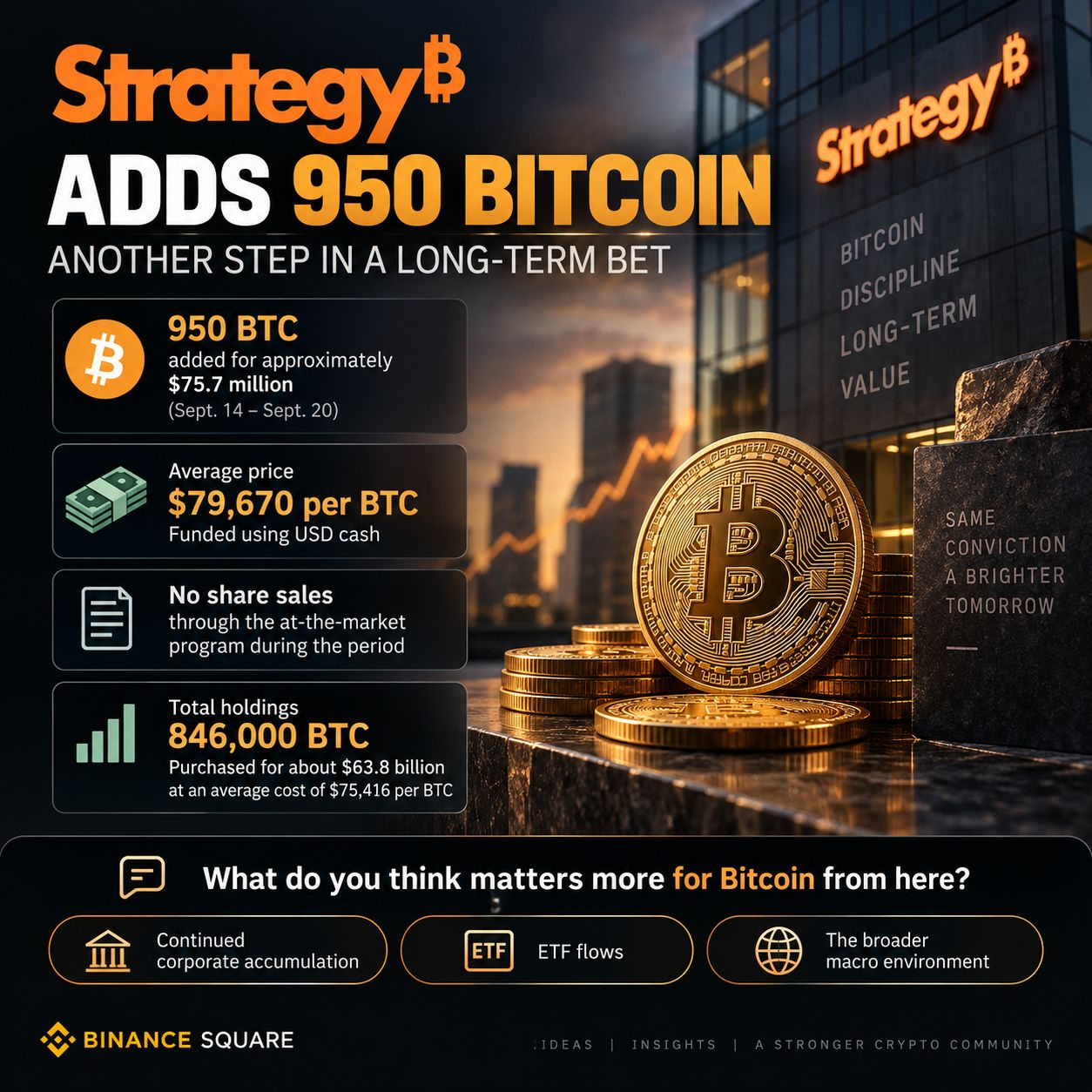
عادت الإستراتيجية إلى تراكم البيتكوين، مضيفة 950 BTC بحوالي 75.7 مليون دولار بين 14 سبتمبر و20 سبتمبر.
وفقًا لأحدث ملف تنظيمي لدى هيئة الأوراق المالية والبورصات (SEC) للشركة، تم إجراء عملية الشراء بسعر متوسط يقارب 79,670 دولارًا لكل بيتكوين، وتم تمويلها باستخدام نقد بالدولار الأمريكي. لم تقم Strategy ببيع أسهم عبر برنامجها في السوق خلال الفترة.
تجلب عملية الاستحواذ إجمالي ممتلكات Strategy إلى 846,000 BTC، تم شراؤها مقابل حوالي 63.8 مليار دولار بتكلفة متوسطة تقارب 75,416 دولارًا لكل بيتكوين.
لماذا هذا مهم:
تظل Strategy واحدة من أكبر حاملي البيتكوين من الشركات، لذلك تُراقَب تحركات الخزينة لديها عن كثب كمؤشر على قناعة المؤسسات. كانت الشركة قد مرت عدة أسابيع دون إضافة BTC، ما يجعل هذا العودة إلى التراكم أمرًا ملحوظًا.
وفي الوقت نفسه، فإن عملية شراء واحدة من شركة لا تحدد اتجاه بيتكوين الأوسع. ستظل الظروف الكلية، وتدفقات صناديق ETF، والسيولة، والطلب الأوسع من المستثمرين تلعب دورًا رئيسيًا.
ما الذي تعتقد أنه أكثر أهمية بالنسبة لبيتكوين من هنا: استمرار تراكم الشركات، أم تدفقات صناديق ETF، أم البيئة الاقتصادية الكلية الأوسع؟
$BTC $ETH $XRP
{future}(XRPUSDT)
{future}(ETHUSDT)
{future}(BTCUSDT)
#strategyadds950bitcoin
🟠 الإستراتيجية تعود إلى شراء بيتكوين مرة أخرى — إضافة 950 BTC
عادت الإستراتيجية إلى تراكم البيتكوين، مضيفة 950 BTC بحوالي 75.7 مليون دولار بين 14 سبتمبر و20 سبتمبر.
وفقًا لأحدث ملف تنظيمي لدى هيئة الأوراق المالية والبورصات (SEC) للشركة، تم إجراء عملية الشراء بسعر متوسط يقارب 79,670 دولارًا لكل بيتكوين، وتم تمويلها باستخدام نقد بالدولار الأمريكي. لم تقم Strategy ببيع أسهم عبر برنامجها في السوق خلال الفترة.
تجلب عملية الاستحواذ إجمالي ممتلكات Strategy إلى 846,000 BTC، تم شراؤها مقابل حوالي 63.8 مليار دولار بتكلفة متوسطة تقارب 75,416 دولارًا لكل بيتكوين.
لماذا هذا مهم:
تظل Strategy واحدة من أكبر حاملي البيتكوين من الشركات، لذلك تُراقَب تحركات الخزينة لديها عن كثب كمؤشر على قناعة المؤسسات. كانت الشركة قد مرت عدة أسابيع دون إضافة BTC، ما يجعل هذا العودة إلى التراكم أمرًا ملحوظًا.
وفي الوقت نفسه، فإن عملية شراء واحدة من شركة لا تحدد اتجاه بيتكوين الأوسع. ستظل الظروف الكلية، وتدفقات صناديق ETF، والسيولة، والطلب الأوسع من المستثمرين تلعب دورًا رئيسيًا.
ما الذي تعتقد أنه أكثر أهمية بالنسبة لبيتكوين من هنا: استمرار تراكم الشركات، أم تدفقات صناديق ETF، أم البيئة الاقتصادية الكلية الأوسع؟
$BTC $ETH $XRP
🟠 الإستراتيجية تعود إلى شراء بيتكوين مرة أخرى — إضافة 950 BTC
عادت الإستراتيجية إلى تراكم البيتكوين، مضيفة 950 BTC بحوالي 75.7 مليون دولار بين 14 سبتمبر و20 سبتمبر.
وفقًا لأحدث ملف تنظيمي لدى هيئة الأوراق المالية والبورصات (SEC) للشركة، تم إجراء عملية الشراء بسعر متوسط يقارب 79,670 دولارًا لكل بيتكوين، وتم تمويلها باستخدام نقد بالدولار الأمريكي. لم تقم Strategy ببيع أسهم عبر برنامجها في السوق خلال الفترة.
تجلب عملية الاستحواذ إجمالي ممتلكات Strategy إلى 846,000 BTC، تم شراؤها مقابل حوالي 63.8 مليار دولار بتكلفة متوسطة تقارب 75,416 دولارًا لكل بيتكوين.
لماذا هذا مهم:
تظل Strategy واحدة من أكبر حاملي البيتكوين من الشركات، لذلك تُراقَب تحركات الخزينة لديها عن كثب كمؤشر على قناعة المؤسسات. كانت الشركة قد مرت عدة أسابيع دون إضافة BTC، ما يجعل هذا العودة إلى التراكم أمرًا ملحوظًا.
وفي الوقت نفسه، فإن عملية شراء واحدة من شركة لا تحدد اتجاه بيتكوين الأوسع. ستظل الظروف الكلية، وتدفقات صناديق ETF، والسيولة، والطلب الأوسع من المستثمرين تلعب دورًا رئيسيًا.
ما الذي تعتقد أنه أكثر أهمية بالنسبة لبيتكوين من هنا: استمرار تراكم الشركات، أم تدفقات صناديق ETF، أم البيئة الاقتصادية الكلية الأوسع؟
$BTC $ETH $XRP
1.1k
·
--
#aistockswhatnext
🤖 أسهم الذكاء الاصطناعي ليست سوى جزء واحد من طفرة الذكاء الاصطناعي
تستحوذ أسهم شركات الذكاء الاصطناعي على معظم الاهتمام في الآونة الأخيرة.
إنفيديا، شركات تصنيع الرقائق، شركات الحوسبة السحابية — هناك تتركّز أغلب النقاشات.
لكنني أعود دائمًا إلى سؤال مختلف:
ماذا يحدث لكل ما يحيط بالذكاء الاصطناعي إذا استمر هذا الإنفاق في النمو؟
نتائج إنفيديا الأخيرة تعطينا فكرة عن حجم الصورة. فقد أعلنت الشركة عن 96.2 مليار دولار كإيرادات ربع سنوية، بينما ولّدت أعمال مركز البيانات لديها 89 مليار دولار، بزيادة 117% عن العام السابق.
ولم تأتي وحدات معالجة الرسوميات (GPUs) منفردة.
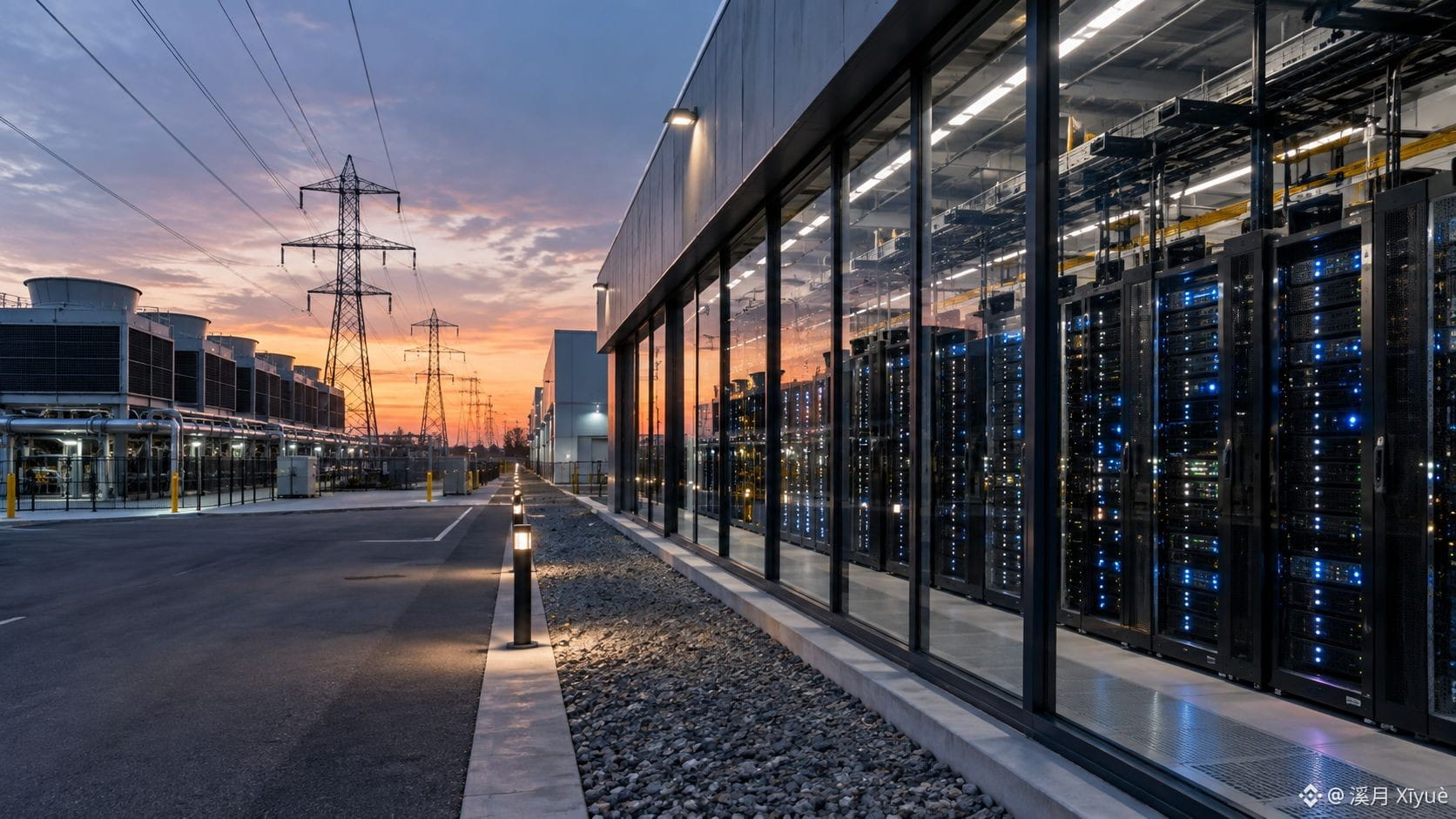
🔹 الطاقة: مراكز بيانات الذكاء الاصطناعي تحتاج إلى كميات هائلة من الكهرباء.
🔹 التبريد: يعني المزيد من الحوسبة مزيدًا من الحرارة، ما يخلق طلبًا على بنية التبريد التحتية.
🔹 الشبكات: آلاف الرقائق يجب أن تتواصل بسرعة، ما يضع مزيدًا من الضغط على الشبكات عالية السرعة.
🔹 معدات أشباه الموصلات: تتطلب الرقائق الأكثر تطورًا أيضًا الآلات والبنية التحتية المستخدمة في تصنيعها.
لذلك أعتقد أن قصة الذكاء الاصطناعي أكبر من مجرد متابعة أسهم الذكاء الاصطناعي.
هناك منظومة كاملة تدعم عملية البناء — من الكهرباء والتبريد إلى الشبكات وتصنيع أشباه الموصلات.
وبالطبع، توجد جهة أخرى من القصة. يتحرك إنفاق البنية التحتية للذكاء الاصطناعي بوتيرة هائلة، وإذا ما بدأت الشركات لاحقًا في تباطؤ إنفاقها، فقد تشعر بعض أجزاء تلك المنظومة بالتأثير.
لذا السؤال الذي أتابعه هو:
هل تستمر طفرة الذكاء الاصطناعي في الانتشار عبر سلسلة البنية التحتية، أم يبدأ الإنفاق في التهدئة في النهاية؟
أي جزء من منظومة الذكاء الاصطناعي تتابعه؟
#AIStocksWhatNext
ليس نصيحة مالية. قم بإجراء بحثك الخاص قبل اتخاذ قرارات الاستثمار.
#aistockswhatnext
🤖 أسهم الذكاء الاصطناعي ليست سوى جزء واحد من طفرة الذكاء الاصطناعي
تستحوذ أسهم شركات الذكاء الاصطناعي على معظم الاهتمام في الآونة الأخيرة.
إنفيديا، شركات تصنيع الرقائق، شركات الحوسبة السحابية — هناك تتركّز أغلب النقاشات.
لكنني أعود دائمًا إلى سؤال مختلف:
ماذا يحدث لكل ما يحيط بالذكاء الاصطناعي إذا استمر هذا الإنفاق في النمو؟
نتائج إنفيديا الأخيرة تعطينا فكرة عن حجم الصورة. فقد أعلنت الشركة عن 96.2 مليار دولار كإيرادات ربع سنوية، بينما ولّدت أعمال مركز البيانات لديها 89 مليار دولار، بزيادة 117% عن العام السابق.
ولم تأتي وحدات معالجة الرسوميات (GPUs) منفردة.
🔹 الطاقة: مراكز بيانات الذكاء الاصطناعي تحتاج إلى كميات هائلة من الكهرباء.
🔹 التبريد: يعني المزيد من الحوسبة مزيدًا من الحرارة، ما يخلق طلبًا على بنية التبريد التحتية.
🔹 الشبكات: آلاف الرقائق يجب أن تتواصل بسرعة، ما يضع مزيدًا من الضغط على الشبكات عالية السرعة.
🔹 معدات أشباه الموصلات: تتطلب الرقائق الأكثر تطورًا أيضًا الآلات والبنية التحتية المستخدمة في تصنيعها.
لذلك أعتقد أن قصة الذكاء الاصطناعي أكبر من مجرد متابعة أسهم الذكاء الاصطناعي.
هناك منظومة كاملة تدعم عملية البناء — من الكهرباء والتبريد إلى الشبكات وتصنيع أشباه الموصلات.
وبالطبع، توجد جهة أخرى من القصة. يتحرك إنفاق البنية التحتية للذكاء الاصطناعي بوتيرة هائلة، وإذا ما بدأت الشركات لاحقًا في تباطؤ إنفاقها، فقد تشعر بعض أجزاء تلك المنظومة بالتأثير.
لذا السؤال الذي أتابعه هو:
هل تستمر طفرة الذكاء الاصطناعي في الانتشار عبر سلسلة البنية التحتية، أم يبدأ الإنفاق في التهدئة في النهاية؟
أي جزء من منظومة الذكاء الاصطناعي تتابعه؟
#AIStocksWhatNext
ليس نصيحة مالية. قم بإجراء بحثك الخاص قبل اتخاذ قرارات الاستثمار.
🤖 أسهم الذكاء الاصطناعي ليست سوى جزء واحد من طفرة الذكاء الاصطناعي
تستحوذ أسهم شركات الذكاء الاصطناعي على معظم الاهتمام في الآونة الأخيرة.
إنفيديا، شركات تصنيع الرقائق، شركات الحوسبة السحابية — هناك تتركّز أغلب النقاشات.
لكنني أعود دائمًا إلى سؤال مختلف:
ماذا يحدث لكل ما يحيط بالذكاء الاصطناعي إذا استمر هذا الإنفاق في النمو؟
نتائج إنفيديا الأخيرة تعطينا فكرة عن حجم الصورة. فقد أعلنت الشركة عن 96.2 مليار دولار كإيرادات ربع سنوية، بينما ولّدت أعمال مركز البيانات لديها 89 مليار دولار، بزيادة 117% عن العام السابق.
ولم تأتي وحدات معالجة الرسوميات (GPUs) منفردة.
🔹 الطاقة: مراكز بيانات الذكاء الاصطناعي تحتاج إلى كميات هائلة من الكهرباء.
🔹 التبريد: يعني المزيد من الحوسبة مزيدًا من الحرارة، ما يخلق طلبًا على بنية التبريد التحتية.
🔹 الشبكات: آلاف الرقائق يجب أن تتواصل بسرعة، ما يضع مزيدًا من الضغط على الشبكات عالية السرعة.
🔹 معدات أشباه الموصلات: تتطلب الرقائق الأكثر تطورًا أيضًا الآلات والبنية التحتية المستخدمة في تصنيعها.
لذلك أعتقد أن قصة الذكاء الاصطناعي أكبر من مجرد متابعة أسهم الذكاء الاصطناعي.
هناك منظومة كاملة تدعم عملية البناء — من الكهرباء والتبريد إلى الشبكات وتصنيع أشباه الموصلات.
وبالطبع، توجد جهة أخرى من القصة. يتحرك إنفاق البنية التحتية للذكاء الاصطناعي بوتيرة هائلة، وإذا ما بدأت الشركات لاحقًا في تباطؤ إنفاقها، فقد تشعر بعض أجزاء تلك المنظومة بالتأثير.
لذا السؤال الذي أتابعه هو:
هل تستمر طفرة الذكاء الاصطناعي في الانتشار عبر سلسلة البنية التحتية، أم يبدأ الإنفاق في التهدئة في النهاية؟
أي جزء من منظومة الذكاء الاصطناعي تتابعه؟
#AIStocksWhatNext
ليس نصيحة مالية. قم بإجراء بحثك الخاص قبل اتخاذ قرارات الاستثمار.
98
·
--
صاعد
تمّ التحقق
#cardanoaddedtox402kitforadapayments
🤖 كاردانو ينتقل إلى طبقة مدفوعات الذكاء الاصطناعي
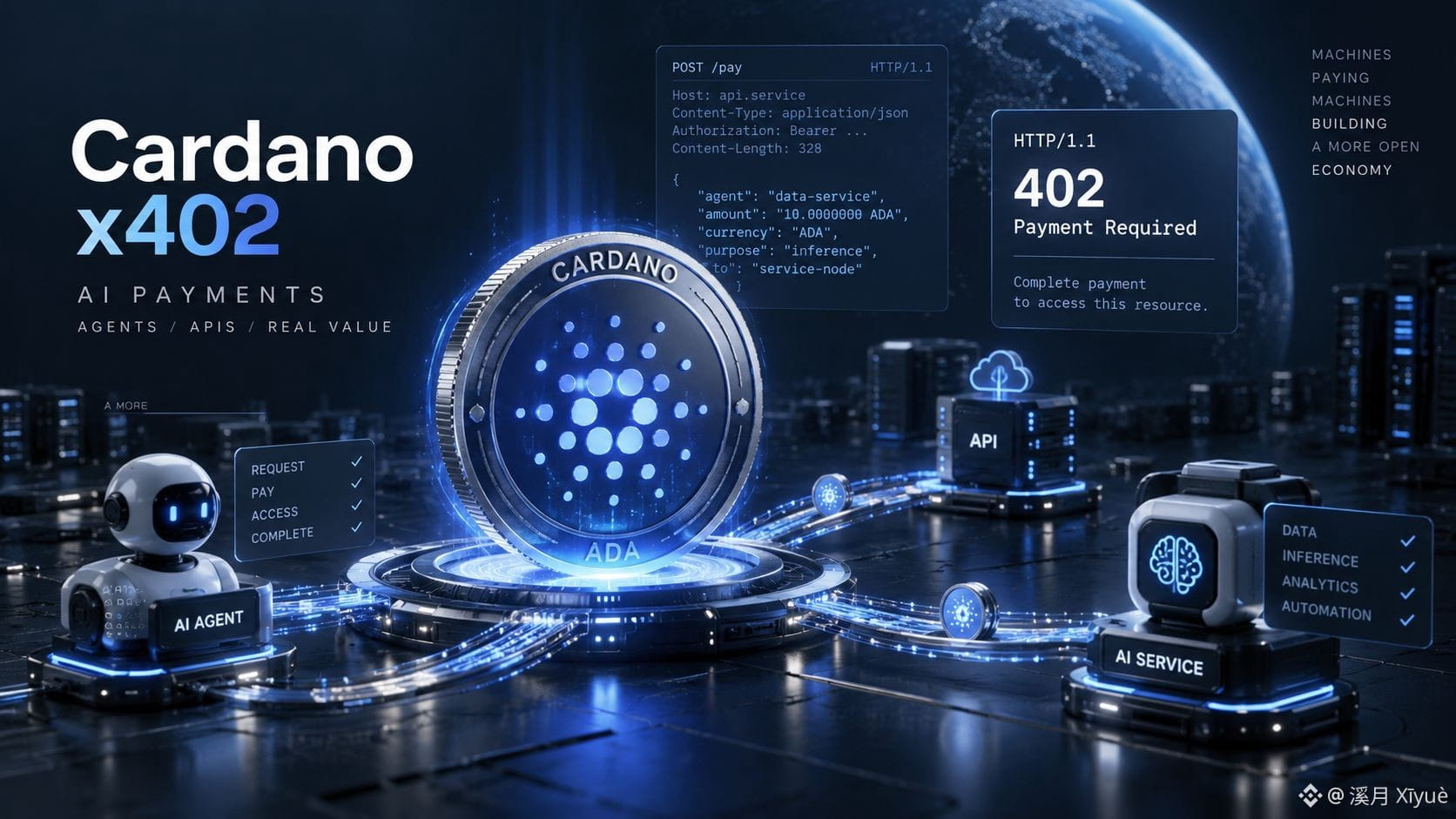
تم دمج كاردانو في حزمة x402 SDK، ما يفتح مسارًا جديدًا للتطبيقات ووكلاء الذكاء الاصطناعي لإجراء مدفوعات أصلية عبر HTTP باستخدام ADA والرموز الأصلية لكاردانو (CNTs).
x402 هو معيار دفع مفتوح مبني حول استجابة HTTP 402 “Payment Required”. الفكرة بسيطة: بدلًا من تمرير المستخدمين عبر تدفقات الدفع التقليدية، يمكن للبرمجيات طلب خدمة، والحصول على تعليمات الدفع، وتسوية المعاملة على السلسلة، ثم متابعة التشغيل تلقائيًا.
بالنسبة لكاردانو، هذا مهم لأنه يوسّع الدور المحتمل لـ ADA بما يتجاوز التحويلات وDeFi إلى مدفوعات بين الآلات، وواجهات برمجة تطبيقات مدفوعة، وخدمات وكلاء ذكاء اصطناعي، وتجارة رقمية رقمية آلية.
لا يزال هناك تمييز مهم بين “التكامل” و“التبنّي”. فقد أظهر مُيسّر x402 الخاص بكاردانو معاملات شاملة من البداية إلى النهاية على preprod، بينما تشير توثيقاته إلى أن تشغيل mainnet لم يُثبت بعد عبر هذا التنفيذ.
لذا قد لا تكون القصة الأكبر هي مجرد عملية التكامل، بل ما الذي سيقوم المطورون ببنائه فعليًا باستخدامه.
هل يمكن أن تصبح المدفوعات المدفوعة بالذكاء الاصطناعي طبقة منفعة جديدة ذات معنى لكاردانو، أم أن الاستخدام الحقيقي سيستغرق وقتًا أطول كي يظهر؟
#Cardano #x402 #Aİ #CryptoPayments
$MUBARAK $AKE $AGT
{future}(AGTUSDT)
{future}(AKEUSDT)
{future}(MUBARAKUSDT)
#cardanoaddedtox402kitforadapayments
🤖 كاردانو ينتقل إلى طبقة مدفوعات الذكاء الاصطناعي
تم دمج كاردانو في حزمة x402 SDK، ما يفتح مسارًا جديدًا للتطبيقات ووكلاء الذكاء الاصطناعي لإجراء مدفوعات أصلية عبر HTTP باستخدام ADA والرموز الأصلية لكاردانو (CNTs).
x402 هو معيار دفع مفتوح مبني حول استجابة HTTP 402 “Payment Required”. الفكرة بسيطة: بدلًا من تمرير المستخدمين عبر تدفقات الدفع التقليدية، يمكن للبرمجيات طلب خدمة، والحصول على تعليمات الدفع، وتسوية المعاملة على السلسلة، ثم متابعة التشغيل تلقائيًا.
بالنسبة لكاردانو، هذا مهم لأنه يوسّع الدور المحتمل لـ ADA بما يتجاوز التحويلات وDeFi إلى مدفوعات بين الآلات، وواجهات برمجة تطبيقات مدفوعة، وخدمات وكلاء ذكاء اصطناعي، وتجارة رقمية رقمية آلية.
لا يزال هناك تمييز مهم بين “التكامل” و“التبنّي”. فقد أظهر مُيسّر x402 الخاص بكاردانو معاملات شاملة من البداية إلى النهاية على preprod، بينما تشير توثيقاته إلى أن تشغيل mainnet لم يُثبت بعد عبر هذا التنفيذ.
لذا قد لا تكون القصة الأكبر هي مجرد عملية التكامل، بل ما الذي سيقوم المطورون ببنائه فعليًا باستخدامه.
هل يمكن أن تصبح المدفوعات المدفوعة بالذكاء الاصطناعي طبقة منفعة جديدة ذات معنى لكاردانو، أم أن الاستخدام الحقيقي سيستغرق وقتًا أطول كي يظهر؟
#Cardano #x402 #Aİ #CryptoPayments
$MUBARAK $AKE $AGT
🤖 كاردانو ينتقل إلى طبقة مدفوعات الذكاء الاصطناعي
تم دمج كاردانو في حزمة x402 SDK، ما يفتح مسارًا جديدًا للتطبيقات ووكلاء الذكاء الاصطناعي لإجراء مدفوعات أصلية عبر HTTP باستخدام ADA والرموز الأصلية لكاردانو (CNTs).
x402 هو معيار دفع مفتوح مبني حول استجابة HTTP 402 “Payment Required”. الفكرة بسيطة: بدلًا من تمرير المستخدمين عبر تدفقات الدفع التقليدية، يمكن للبرمجيات طلب خدمة، والحصول على تعليمات الدفع، وتسوية المعاملة على السلسلة، ثم متابعة التشغيل تلقائيًا.
بالنسبة لكاردانو، هذا مهم لأنه يوسّع الدور المحتمل لـ ADA بما يتجاوز التحويلات وDeFi إلى مدفوعات بين الآلات، وواجهات برمجة تطبيقات مدفوعة، وخدمات وكلاء ذكاء اصطناعي، وتجارة رقمية رقمية آلية.
لا يزال هناك تمييز مهم بين “التكامل” و“التبنّي”. فقد أظهر مُيسّر x402 الخاص بكاردانو معاملات شاملة من البداية إلى النهاية على preprod، بينما تشير توثيقاته إلى أن تشغيل mainnet لم يُثبت بعد عبر هذا التنفيذ.
لذا قد لا تكون القصة الأكبر هي مجرد عملية التكامل، بل ما الذي سيقوم المطورون ببنائه فعليًا باستخدامه.
هل يمكن أن تصبح المدفوعات المدفوعة بالذكاء الاصطناعي طبقة منفعة جديدة ذات معنى لكاردانو، أم أن الاستخدام الحقيقي سيستغرق وقتًا أطول كي يظهر؟
#Cardano #x402 #Aİ #CryptoPayments
$MUBARAK $AKE $AGT
1
544
·
--
صاعد
🚨 إضافة صناديق بيتكوين الفورية المتداولة: 999 مليون دولار — هل يمكن أن تستمر التدفقات؟
أدّت قرابة 1 مليار دولار من التدفقات الصافية الجديدة إلى إعادة تركيز طلب صناديق بيتكوين.
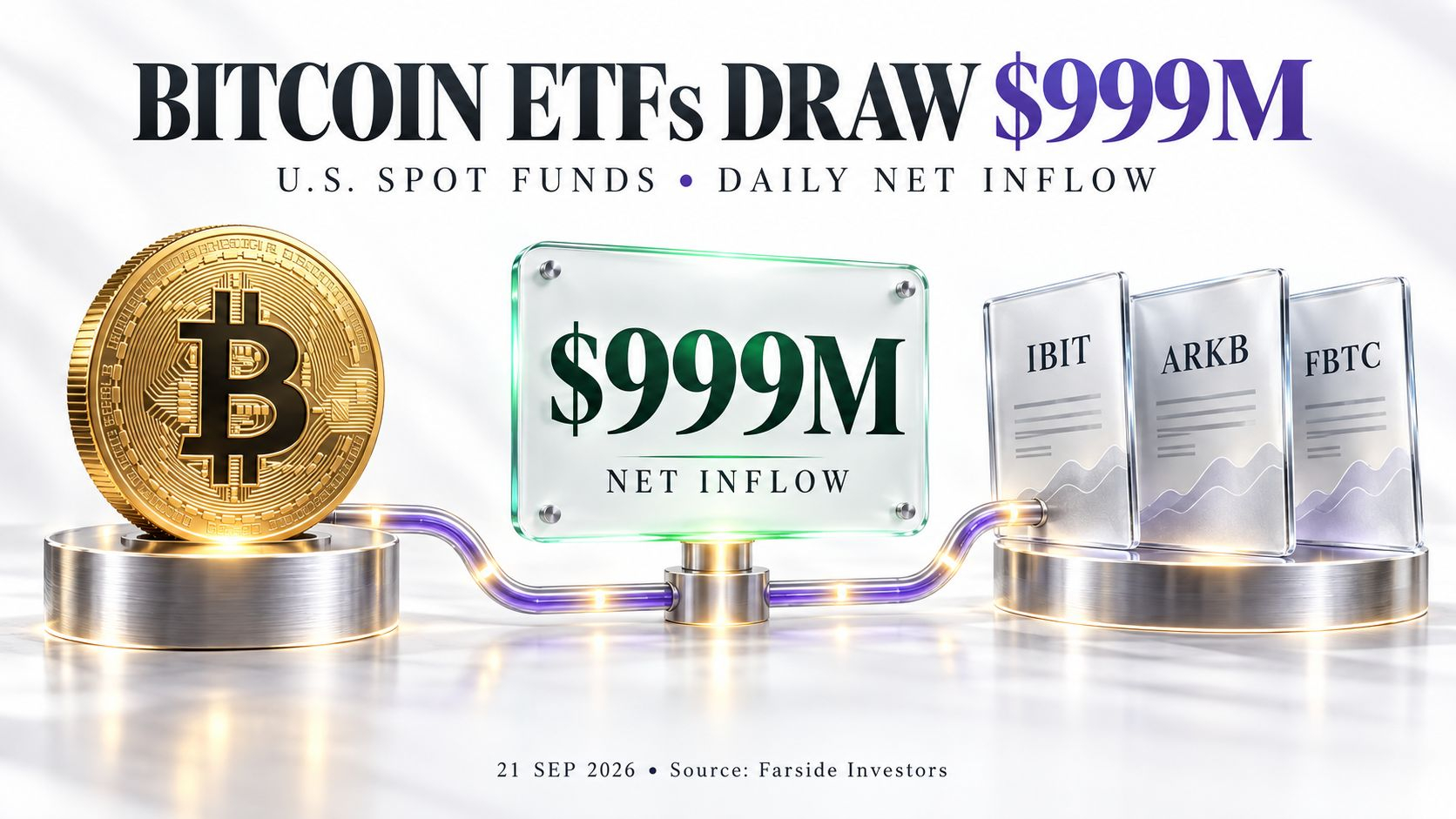
سجّلت صناديق بيتكوين الفورية في الولايات المتحدة تدفقات صافية قدرها 999 مليون دولار في 21 سبتمبر 2026، وفقًا لشركة Farside Investors.
أكبر المساهمين:
BlackRock’s IBIT: 381.4 مليون دولار
ARK/21Shares’ ARKB: 289.1 مليون دولار
Fidelity’s FBTC: 238.8 مليون دولار
معًا، ساهمت هذه الصناديق الثلاثة بما يقارب 91% من إجمالي التدفقات اليومية.
وقد مثّل ذلك ثالث جلسة تداول إيجابية على التوالي، ما رفع التدفقات الصافية المجمعة خلال 17 و18 و21 سبتمبر إلى نحو 1.59 مليار دولار.
رأيي: أقوى جزء في هذا العنوان هو استمرار التدفقات الإيجابية. الاشتراكات الصافية المتكررة تقدّم دليلًا أقوى على طلب مستمر مقارنةً بجلسة واحدة قوية بشكل غير معتاد.
لكن التركّز مهم. وبما أن ثلاثة منتجات تهيمن على الإجمالي، فإن مشاركة أوسع ستعزز الصورة. كما أن تدفقات صناديق الاستثمار المتداولة لا تخبرنا بهوية كل مشترٍ أو فترة الاحتفاظ المقصودة أو وضعياته في أماكن أخرى.
الإشارات الأكثر فائدة لاحقًا تتمثل في ما إذا كانت التدفقات تستمر، وما إذا كانت المزيد من الصناديق تساهم بشكل ملموس، وكيف يستجيب سعر بيتكوين إذا تباطأت الاشتراكات. يمكن للطلب القوي أن يدعم السوق، لكن تدفق يوم واحد لا يضع هدفًا سعريًا.
هل سيستمر بناء طلب صناديق الاستثمار المتداولة — أم أن بيتكوين بحاجة إلى محفّز آخر؟
#bitcoin #etf #BitcoinSpotETFs$999MNetInflow
$MUBARAK $BTC $AKE
{future}(AKEUSDT)
{future}(BTCUSDT)
{future}(MUBARAKUSDT)
🚨 إضافة صناديق بيتكوين الفورية المتداولة: 999 مليون دولار — هل يمكن أن تستمر التدفقات؟
أدّت قرابة 1 مليار دولار من التدفقات الصافية الجديدة إلى إعادة تركيز طلب صناديق بيتكوين.
سجّلت صناديق بيتكوين الفورية في الولايات المتحدة تدفقات صافية قدرها 999 مليون دولار في 21 سبتمبر 2026، وفقًا لشركة Farside Investors.
أكبر المساهمين:
BlackRock’s IBIT: 381.4 مليون دولار
ARK/21Shares’ ARKB: 289.1 مليون دولار
Fidelity’s FBTC: 238.8 مليون دولار
معًا، ساهمت هذه الصناديق الثلاثة بما يقارب 91% من إجمالي التدفقات اليومية.
وقد مثّل ذلك ثالث جلسة تداول إيجابية على التوالي، ما رفع التدفقات الصافية المجمعة خلال 17 و18 و21 سبتمبر إلى نحو 1.59 مليار دولار.
رأيي: أقوى جزء في هذا العنوان هو استمرار التدفقات الإيجابية. الاشتراكات الصافية المتكررة تقدّم دليلًا أقوى على طلب مستمر مقارنةً بجلسة واحدة قوية بشكل غير معتاد.
لكن التركّز مهم. وبما أن ثلاثة منتجات تهيمن على الإجمالي، فإن مشاركة أوسع ستعزز الصورة. كما أن تدفقات صناديق الاستثمار المتداولة لا تخبرنا بهوية كل مشترٍ أو فترة الاحتفاظ المقصودة أو وضعياته في أماكن أخرى.
الإشارات الأكثر فائدة لاحقًا تتمثل في ما إذا كانت التدفقات تستمر، وما إذا كانت المزيد من الصناديق تساهم بشكل ملموس، وكيف يستجيب سعر بيتكوين إذا تباطأت الاشتراكات. يمكن للطلب القوي أن يدعم السوق، لكن تدفق يوم واحد لا يضع هدفًا سعريًا.
هل سيستمر بناء طلب صناديق الاستثمار المتداولة — أم أن بيتكوين بحاجة إلى محفّز آخر؟
#bitcoin #etf #BitcoinSpotETFs$999MNetInflow
$MUBARAK $BTC $AKE
أدّت قرابة 1 مليار دولار من التدفقات الصافية الجديدة إلى إعادة تركيز طلب صناديق بيتكوين.
سجّلت صناديق بيتكوين الفورية في الولايات المتحدة تدفقات صافية قدرها 999 مليون دولار في 21 سبتمبر 2026، وفقًا لشركة Farside Investors.
أكبر المساهمين:
BlackRock’s IBIT: 381.4 مليون دولار
ARK/21Shares’ ARKB: 289.1 مليون دولار
Fidelity’s FBTC: 238.8 مليون دولار
معًا، ساهمت هذه الصناديق الثلاثة بما يقارب 91% من إجمالي التدفقات اليومية.
وقد مثّل ذلك ثالث جلسة تداول إيجابية على التوالي، ما رفع التدفقات الصافية المجمعة خلال 17 و18 و21 سبتمبر إلى نحو 1.59 مليار دولار.
رأيي: أقوى جزء في هذا العنوان هو استمرار التدفقات الإيجابية. الاشتراكات الصافية المتكررة تقدّم دليلًا أقوى على طلب مستمر مقارنةً بجلسة واحدة قوية بشكل غير معتاد.
لكن التركّز مهم. وبما أن ثلاثة منتجات تهيمن على الإجمالي، فإن مشاركة أوسع ستعزز الصورة. كما أن تدفقات صناديق الاستثمار المتداولة لا تخبرنا بهوية كل مشترٍ أو فترة الاحتفاظ المقصودة أو وضعياته في أماكن أخرى.
الإشارات الأكثر فائدة لاحقًا تتمثل في ما إذا كانت التدفقات تستمر، وما إذا كانت المزيد من الصناديق تساهم بشكل ملموس، وكيف يستجيب سعر بيتكوين إذا تباطأت الاشتراكات. يمكن للطلب القوي أن يدعم السوق، لكن تدفق يوم واحد لا يضع هدفًا سعريًا.
هل سيستمر بناء طلب صناديق الاستثمار المتداولة — أم أن بيتكوين بحاجة إلى محفّز آخر؟
#bitcoin #etf #BitcoinSpotETFs$999MNetInflow
$MUBARAK $BTC $AKE
1
64
·
--
مقالة
AMD تتجاوز 1 تريليون دولار — هل يمكن للأرباح مواكبة ذلك؟#AMDHits$1TrillionMarketCap
AMD تتجاوز 1 تريليون دولار — هل يمكن للأرباح مواكبة ذلك؟
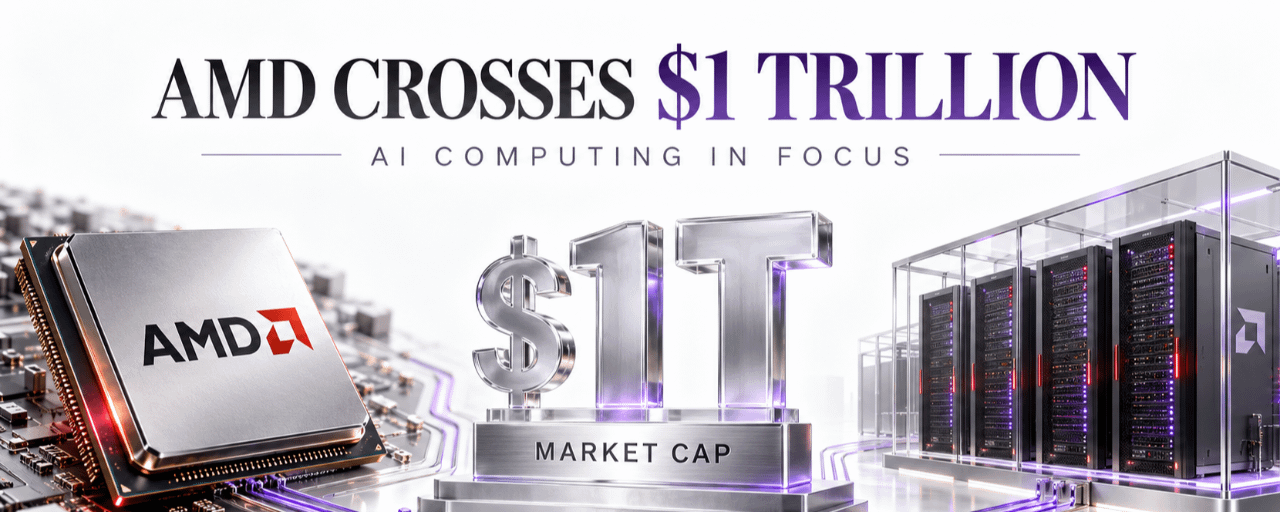
عبرت شركة AMD حاجز 1 تريليون دولار في القيمة السوقية لأول مرة في 21 سبتمبر 2026. أظهر تقرير رويترز خلال اليوم ارتفاعًا بنسبة 9.6% للأسهم عند 613.31 دولارًا، مع صعود أسهم شركات أشباه الموصلات مدفوعًا بحماس جديد تجاه الذكاء الاصطناعي.
توفر نتائج الشركة التشغيلية سياقًا مفيدًا. في الربع الثاني من عام 2026، أفادت AMD بإيرادات بلغت 11.5 مليار دولار، بزيادة قدرها 50% على أساس سنوي. ولقد ولّد نشاط مراكز البيانات 6.7 مليار دولار، بارتفاع 107%، مع استمرار الطلب على معالجات الخوادم ومسرّعات الذكاء الاصطناعي في دفع النمو.
AMD تتجاوز 1 تريليون دولار — هل يمكن للأرباح مواكبة ذلك؟
#AMDHits$1TrillionMarketCap
AMD تتجاوز 1 تريليون دولار — هل يمكن للأرباح مواكبة ذلك؟
عبرت شركة AMD حاجز 1 تريليون دولار في القيمة السوقية لأول مرة في 21 سبتمبر 2026. أظهر تقرير رويترز خلال اليوم ارتفاعًا بنسبة 9.6% للأسهم عند 613.31 دولارًا، مع صعود أسهم شركات أشباه الموصلات مدفوعًا بحماس جديد تجاه الذكاء الاصطناعي.
توفر نتائج الشركة التشغيلية سياقًا مفيدًا. في الربع الثاني من عام 2026، أفادت AMD بإيرادات بلغت 11.5 مليار دولار، بزيادة قدرها 50% على أساس سنوي. ولقد ولّد نشاط مراكز البيانات 6.7 مليار دولار، بارتفاع 107%، مع استمرار الطلب على معالجات الخوادم ومسرّعات الذكاء الاصطناعي في دفع النمو.
AMD تتجاوز 1 تريليون دولار — هل يمكن للأرباح مواكبة ذلك؟
عبرت شركة AMD حاجز 1 تريليون دولار في القيمة السوقية لأول مرة في 21 سبتمبر 2026. أظهر تقرير رويترز خلال اليوم ارتفاعًا بنسبة 9.6% للأسهم عند 613.31 دولارًا، مع صعود أسهم شركات أشباه الموصلات مدفوعًا بحماس جديد تجاه الذكاء الاصطناعي.
توفر نتائج الشركة التشغيلية سياقًا مفيدًا. في الربع الثاني من عام 2026، أفادت AMD بإيرادات بلغت 11.5 مليار دولار، بزيادة قدرها 50% على أساس سنوي. ولقد ولّد نشاط مراكز البيانات 6.7 مليار دولار، بارتفاع 107%، مع استمرار الطلب على معالجات الخوادم ومسرّعات الذكاء الاصطناعي في دفع النمو.
1
113
·
--
صاعد
#xrprises8%
XRP قرب 1.50 USDT — هل يستطيع المشترون الحفاظ على التعافي؟
جذب تعافي XRP اهتمامًا، وتمنح لقطة التبادل الأخيرة الحركة بعض السياق.
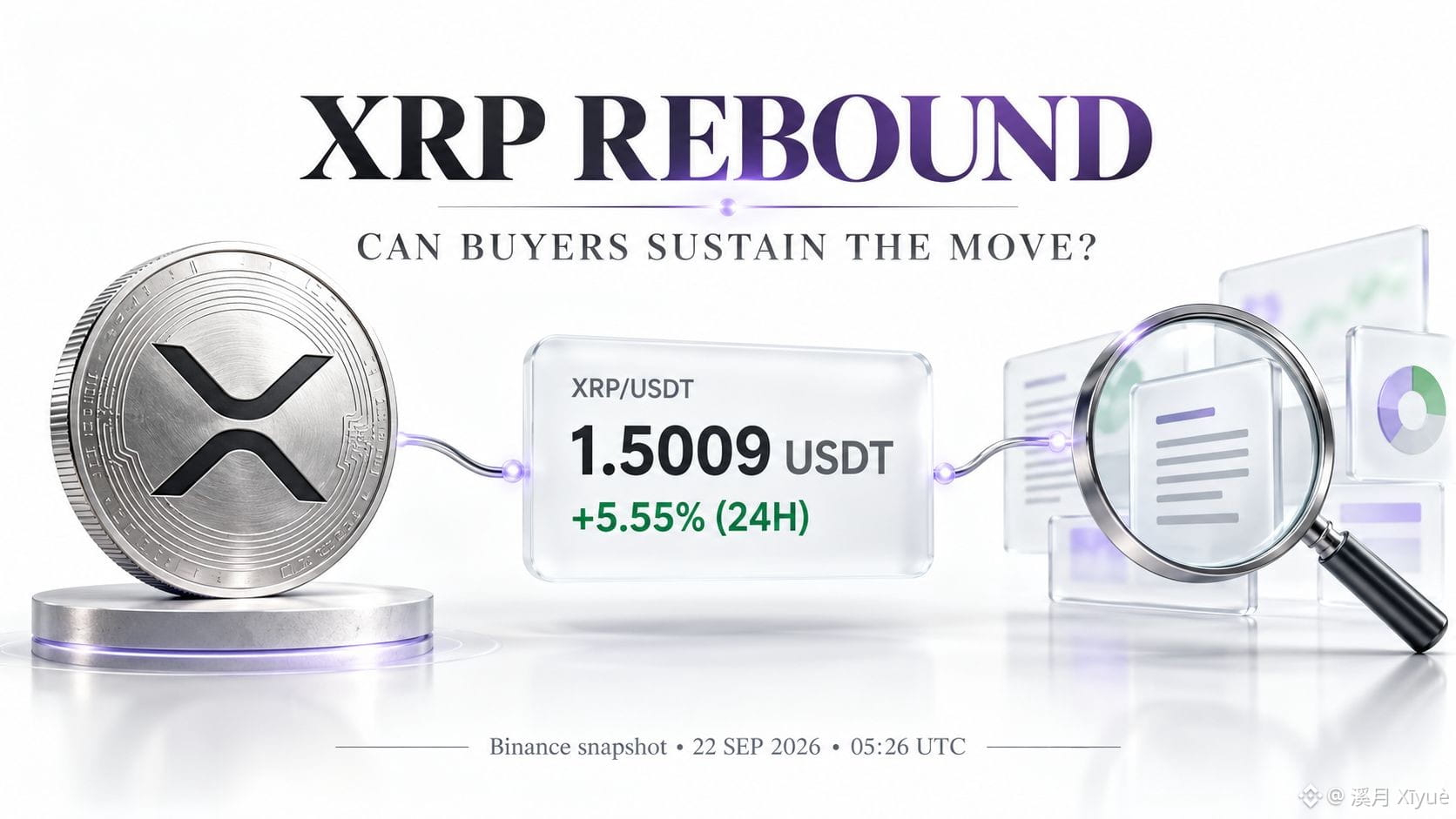
عند الساعة 05:26 بالتوقيت العالمي المنسق في 22 سبتمبر 2026، عرضت بينانس زوج XRP/USDT بسعر 1.5009 USDT، مرتفعًا بنسبة 5.55% مقارنةً بآخر 24 ساعة سابقة. رقم الاتجاه البالغ 8% لا يتطابق مع هذه اللقطة بعينها.
في نفس النافذة، تم تسجيل قمة عند 1.5743، وقاع عند 1.4220، وبقيمة تداول تقارب 534.3 مليون USDT على بينانس.
رأيي: لا يزال XRP أعلى خلال الفترة المُقاسة، لكنه تخلّى عن جزء من الارتفاع باتجاه قمته الأخيرة. وهذا يجعل قدرة السوق على الاحتفاظ بالمكاسب اختبارًا مفيدًا لاحقًا.
سيعزز السيناريو الإيجابي لزخم الحركة التعافي نحو 1.5743، المدعوم بنشاط مستمر في السوق الفوري. أما محاولات تعافٍ متكررة تجذب البيع بسرعة، فستشير إلى أن المشترين يواجهون مقاومة جوهرية حتى الآن.
كما أن رقم قيمة التداول يحتاج إلى سياق أيضًا. فهو يقيس النشاط في بورصة واحدة، وبدون فترة مقارنة لا يمكنه إثبات أن الحجم يتسارع. ولا يمكنه كذلك، بشكل مستقل، تأكيد تراكم الحيتان أو حدوث ضغط قصير (short squeeze).
سأراقب ما إذا كان التراجع القادم يستقر ويجذب طلبًا مجددًا. سيقدّم هذا السلوك دليلًا أقوى على الاستدامة مقارنةً بتغيير النسبة اليومية وحدها.
هل يُجمِّع XRP مكاسبه هنا، أم يكرر محاولة الوصول إلى القمة الأخيرة؟
#XRPRises8% #xrp #CryptoMarkets
$AKE $XRP $MUBARAK
{future}(MUBARAKUSDT)
{future}(XRPUSDT)
{future}(AKEUSDT)
#xrprises8%
XRP قرب 1.50 USDT — هل يستطيع المشترون الحفاظ على التعافي؟
جذب تعافي XRP اهتمامًا، وتمنح لقطة التبادل الأخيرة الحركة بعض السياق.
عند الساعة 05:26 بالتوقيت العالمي المنسق في 22 سبتمبر 2026، عرضت بينانس زوج XRP/USDT بسعر 1.5009 USDT، مرتفعًا بنسبة 5.55% مقارنةً بآخر 24 ساعة سابقة. رقم الاتجاه البالغ 8% لا يتطابق مع هذه اللقطة بعينها.
في نفس النافذة، تم تسجيل قمة عند 1.5743، وقاع عند 1.4220، وبقيمة تداول تقارب 534.3 مليون USDT على بينانس.
رأيي: لا يزال XRP أعلى خلال الفترة المُقاسة، لكنه تخلّى عن جزء من الارتفاع باتجاه قمته الأخيرة. وهذا يجعل قدرة السوق على الاحتفاظ بالمكاسب اختبارًا مفيدًا لاحقًا.
سيعزز السيناريو الإيجابي لزخم الحركة التعافي نحو 1.5743، المدعوم بنشاط مستمر في السوق الفوري. أما محاولات تعافٍ متكررة تجذب البيع بسرعة، فستشير إلى أن المشترين يواجهون مقاومة جوهرية حتى الآن.
كما أن رقم قيمة التداول يحتاج إلى سياق أيضًا. فهو يقيس النشاط في بورصة واحدة، وبدون فترة مقارنة لا يمكنه إثبات أن الحجم يتسارع. ولا يمكنه كذلك، بشكل مستقل، تأكيد تراكم الحيتان أو حدوث ضغط قصير (short squeeze).
سأراقب ما إذا كان التراجع القادم يستقر ويجذب طلبًا مجددًا. سيقدّم هذا السلوك دليلًا أقوى على الاستدامة مقارنةً بتغيير النسبة اليومية وحدها.
هل يُجمِّع XRP مكاسبه هنا، أم يكرر محاولة الوصول إلى القمة الأخيرة؟
#XRPRises8% #xrp #CryptoMarkets
$AKE $XRP $MUBARAK
XRP قرب 1.50 USDT — هل يستطيع المشترون الحفاظ على التعافي؟
جذب تعافي XRP اهتمامًا، وتمنح لقطة التبادل الأخيرة الحركة بعض السياق.
عند الساعة 05:26 بالتوقيت العالمي المنسق في 22 سبتمبر 2026، عرضت بينانس زوج XRP/USDT بسعر 1.5009 USDT، مرتفعًا بنسبة 5.55% مقارنةً بآخر 24 ساعة سابقة. رقم الاتجاه البالغ 8% لا يتطابق مع هذه اللقطة بعينها.
في نفس النافذة، تم تسجيل قمة عند 1.5743، وقاع عند 1.4220، وبقيمة تداول تقارب 534.3 مليون USDT على بينانس.
رأيي: لا يزال XRP أعلى خلال الفترة المُقاسة، لكنه تخلّى عن جزء من الارتفاع باتجاه قمته الأخيرة. وهذا يجعل قدرة السوق على الاحتفاظ بالمكاسب اختبارًا مفيدًا لاحقًا.
سيعزز السيناريو الإيجابي لزخم الحركة التعافي نحو 1.5743، المدعوم بنشاط مستمر في السوق الفوري. أما محاولات تعافٍ متكررة تجذب البيع بسرعة، فستشير إلى أن المشترين يواجهون مقاومة جوهرية حتى الآن.
كما أن رقم قيمة التداول يحتاج إلى سياق أيضًا. فهو يقيس النشاط في بورصة واحدة، وبدون فترة مقارنة لا يمكنه إثبات أن الحجم يتسارع. ولا يمكنه كذلك، بشكل مستقل، تأكيد تراكم الحيتان أو حدوث ضغط قصير (short squeeze).
سأراقب ما إذا كان التراجع القادم يستقر ويجذب طلبًا مجددًا. سيقدّم هذا السلوك دليلًا أقوى على الاستدامة مقارنةً بتغيير النسبة اليومية وحدها.
هل يُجمِّع XRP مكاسبه هنا، أم يكرر محاولة الوصول إلى القمة الأخيرة؟
#XRPRises8% #xrp #CryptoMarkets
$AKE $XRP $MUBARAK
252
·
--
صاعد
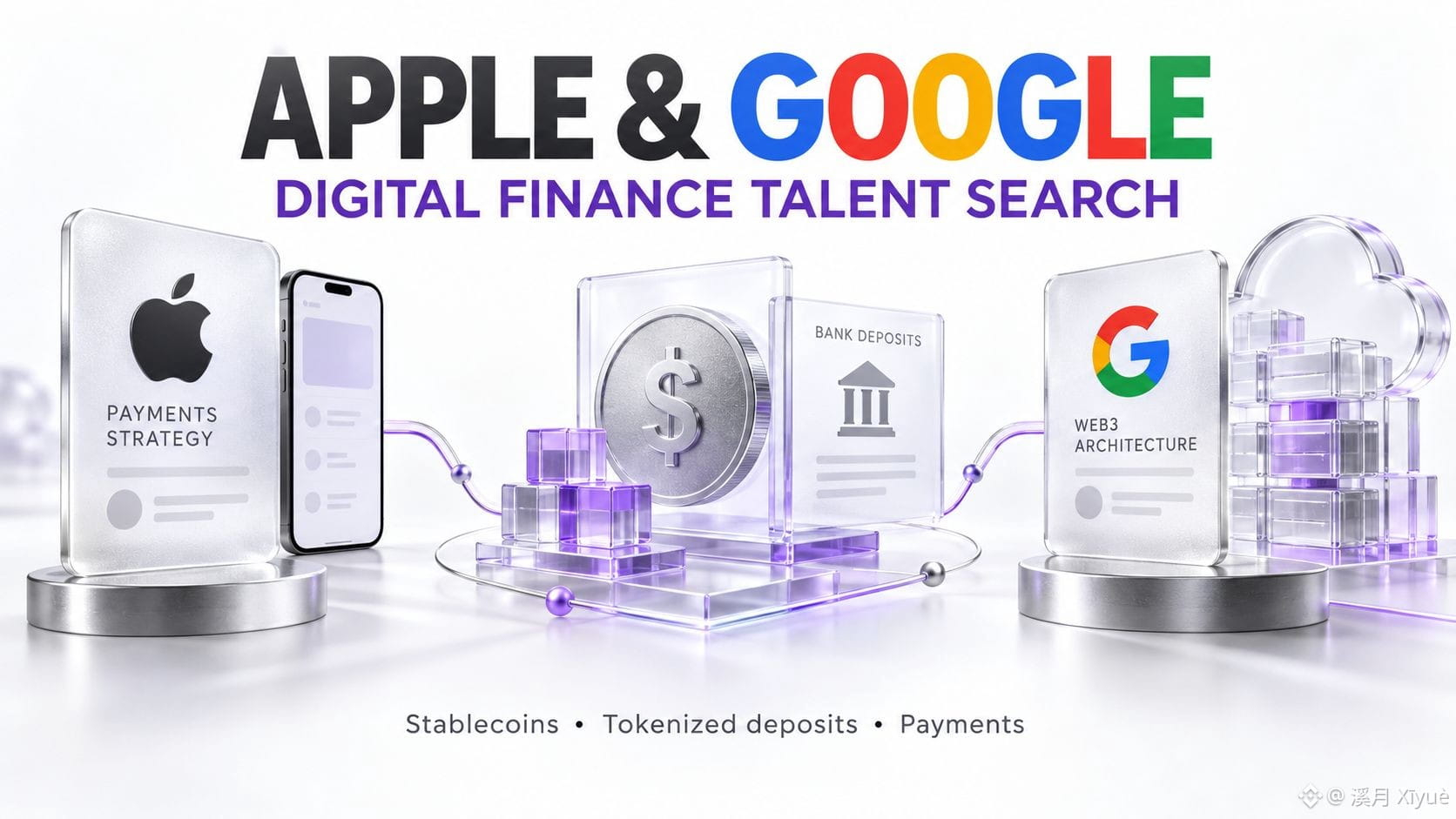
#applegoogleseekstablecointokenizeddeposittalent
توظيف Google في Web3 ودور Apple في المدفوعات: ما المؤكد
تكشف أوصاف الوظائف وراء هذا العنوان عن فرق مهم.
يذكر إعلان Google Cloud في هونغ كونغ، لمنصب مدير معماري رئيسي (Industry Principal Architect) متخصص في Web3، صراحةً معرفة مدفوعات العملات المستقرة (stablecoin) والودائع المرمّزة (tokenized deposits) وتجزئة الأصول (asset tokenization) والحفظ (custody) ضمن المؤهلات المفضلة. يخدم هذا الدور العملاء المؤسسيين وعملاء Web3 عبر منطقة آسيا والمحيط الهادئ.
يركز إعلان Apple عن منصب «Apple Pay Financial Product Strategy Lead» والمؤرخ 26 أغسطس 2026 على Apple Card وApple Cash واستراتيجية منتجات مالية. لا يذكر الإدراج الذي تحققت منه حاليًا عملات مستقرة أو ودائع مرمّزة أو بلوك تشين. ولا يزال شرطه المعلن بخصوص التشفير غير مُتحقق منه.
رأيي: تشير متطلبات Google إلى طلب على متخصصين قادرين على ربط التمويل المؤسسي ببنية بلوك تشين. تدعم شاغرة Apple تفسيرا أوسع لاستراتيجية المدفوعات؛ وسيحتاج تحديد خارطة طريق محددة للعملات المستقرة إلى أدلة إضافية.
بالنسبة للبنوك والمؤسسات، يعتمد تبنّي الحلول على الحفظ الآمن وتحديد المسؤوليات التشغيلية بوضوح والتكامل مع الأنظمة القائمة. وللتحويلات الأسرع قيمة محدودة إذا ظلّت عملية التسوية أو الامتثال أو الاسترداد صعبة.
ولهذا تجعل عمليات التكامل القابلة للعمل والفوائد القابلة للقياس إشارات أكثر فائدة من عناوين التوظيف وحدها. كما لا توفر هذه الإدراجات أي تأكيد على عملة مستقرة جديدة مُصدَرة من الشركة أو تاريخ إطلاقها.
ما الذي قد يدفع التبنّي أسرع: تكاملات مدفوعات للمستهلكين أم بنية تحتية للمؤسسات؟
#AppleGoogleSeekStablecoinTokenizedDepositTalent #Stablecoins #Tokenization
$AKE $GOOGL.US $AAPL.US
{stock_us}(AAPL.US)
{stock_us}(GOOGL.US)
{future}(AKEUSDT)
#applegoogleseekstablecointokenizeddeposittalent
توظيف Google في Web3 ودور Apple في المدفوعات: ما المؤكد
تكشف أوصاف الوظائف وراء هذا العنوان عن فرق مهم.
يذكر إعلان Google Cloud في هونغ كونغ، لمنصب مدير معماري رئيسي (Industry Principal Architect) متخصص في Web3، صراحةً معرفة مدفوعات العملات المستقرة (stablecoin) والودائع المرمّزة (tokenized deposits) وتجزئة الأصول (asset tokenization) والحفظ (custody) ضمن المؤهلات المفضلة. يخدم هذا الدور العملاء المؤسسيين وعملاء Web3 عبر منطقة آسيا والمحيط الهادئ.
يركز إعلان Apple عن منصب «Apple Pay Financial Product Strategy Lead» والمؤرخ 26 أغسطس 2026 على Apple Card وApple Cash واستراتيجية منتجات مالية. لا يذكر الإدراج الذي تحققت منه حاليًا عملات مستقرة أو ودائع مرمّزة أو بلوك تشين. ولا يزال شرطه المعلن بخصوص التشفير غير مُتحقق منه.
رأيي: تشير متطلبات Google إلى طلب على متخصصين قادرين على ربط التمويل المؤسسي ببنية بلوك تشين. تدعم شاغرة Apple تفسيرا أوسع لاستراتيجية المدفوعات؛ وسيحتاج تحديد خارطة طريق محددة للعملات المستقرة إلى أدلة إضافية.
بالنسبة للبنوك والمؤسسات، يعتمد تبنّي الحلول على الحفظ الآمن وتحديد المسؤوليات التشغيلية بوضوح والتكامل مع الأنظمة القائمة. وللتحويلات الأسرع قيمة محدودة إذا ظلّت عملية التسوية أو الامتثال أو الاسترداد صعبة.
ولهذا تجعل عمليات التكامل القابلة للعمل والفوائد القابلة للقياس إشارات أكثر فائدة من عناوين التوظيف وحدها. كما لا توفر هذه الإدراجات أي تأكيد على عملة مستقرة جديدة مُصدَرة من الشركة أو تاريخ إطلاقها.
ما الذي قد يدفع التبنّي أسرع: تكاملات مدفوعات للمستهلكين أم بنية تحتية للمؤسسات؟
#AppleGoogleSeekStablecoinTokenizedDepositTalent #Stablecoins #Tokenization
$AKE $GOOGL.US $AAPL.US
توظيف Google في Web3 ودور Apple في المدفوعات: ما المؤكد
تكشف أوصاف الوظائف وراء هذا العنوان عن فرق مهم.
يذكر إعلان Google Cloud في هونغ كونغ، لمنصب مدير معماري رئيسي (Industry Principal Architect) متخصص في Web3، صراحةً معرفة مدفوعات العملات المستقرة (stablecoin) والودائع المرمّزة (tokenized deposits) وتجزئة الأصول (asset tokenization) والحفظ (custody) ضمن المؤهلات المفضلة. يخدم هذا الدور العملاء المؤسسيين وعملاء Web3 عبر منطقة آسيا والمحيط الهادئ.
يركز إعلان Apple عن منصب «Apple Pay Financial Product Strategy Lead» والمؤرخ 26 أغسطس 2026 على Apple Card وApple Cash واستراتيجية منتجات مالية. لا يذكر الإدراج الذي تحققت منه حاليًا عملات مستقرة أو ودائع مرمّزة أو بلوك تشين. ولا يزال شرطه المعلن بخصوص التشفير غير مُتحقق منه.
رأيي: تشير متطلبات Google إلى طلب على متخصصين قادرين على ربط التمويل المؤسسي ببنية بلوك تشين. تدعم شاغرة Apple تفسيرا أوسع لاستراتيجية المدفوعات؛ وسيحتاج تحديد خارطة طريق محددة للعملات المستقرة إلى أدلة إضافية.
بالنسبة للبنوك والمؤسسات، يعتمد تبنّي الحلول على الحفظ الآمن وتحديد المسؤوليات التشغيلية بوضوح والتكامل مع الأنظمة القائمة. وللتحويلات الأسرع قيمة محدودة إذا ظلّت عملية التسوية أو الامتثال أو الاسترداد صعبة.
ولهذا تجعل عمليات التكامل القابلة للعمل والفوائد القابلة للقياس إشارات أكثر فائدة من عناوين التوظيف وحدها. كما لا توفر هذه الإدراجات أي تأكيد على عملة مستقرة جديدة مُصدَرة من الشركة أو تاريخ إطلاقها.
ما الذي قد يدفع التبنّي أسرع: تكاملات مدفوعات للمستهلكين أم بنية تحتية للمؤسسات؟
#AppleGoogleSeekStablecoinTokenizedDepositTalent #Stablecoins #Tokenization
$AKE $GOOGL.US $AAPL.US
1
796
·
--
صاعد
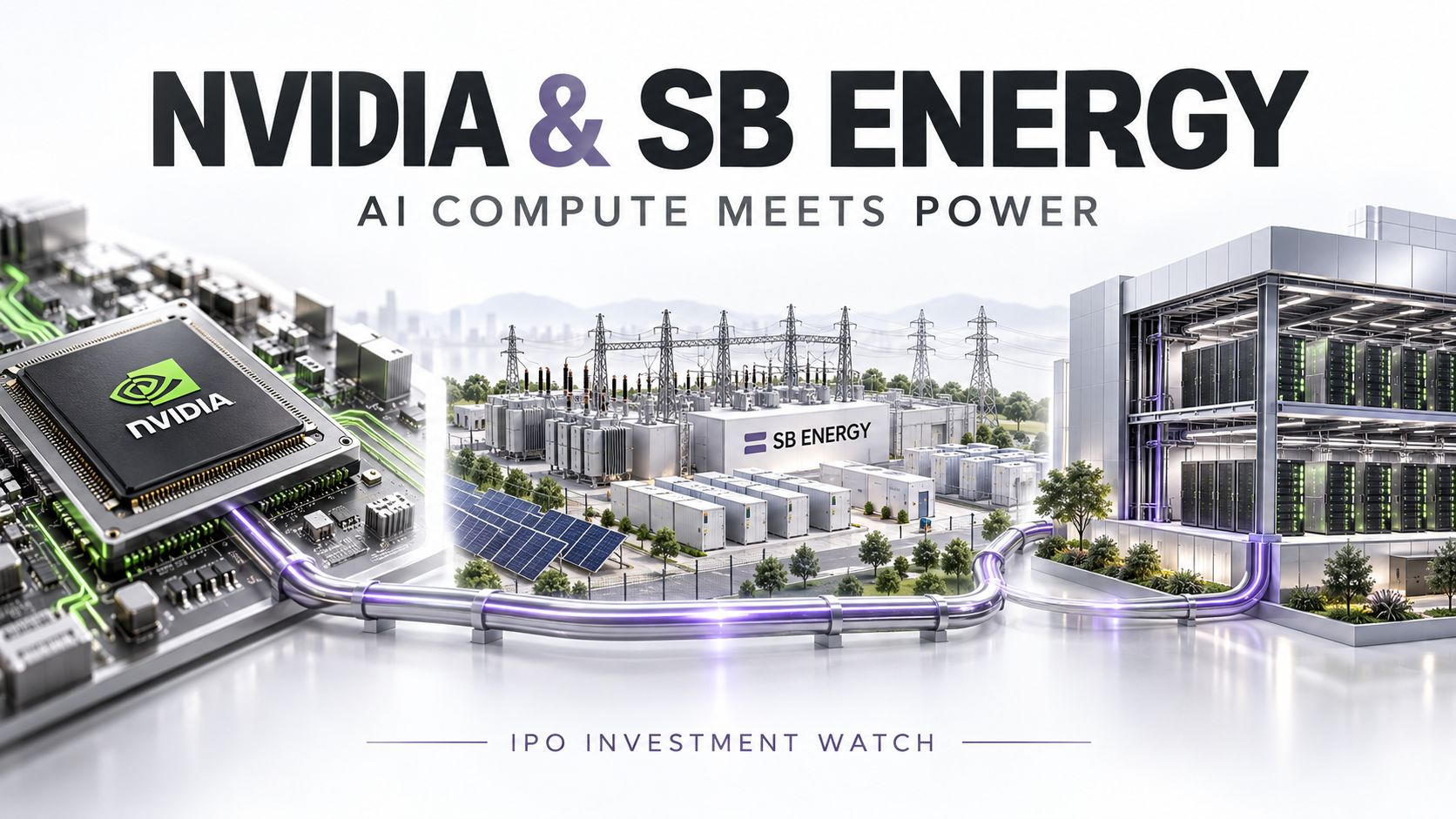
#NvidiaToBuyAnother$1.5BSBEnergySharesPreIPO
تلتزم إنفيديا بالمزيد من 1.5 مليار دولار لـ SB Energy — مع شرط الاكتتاب العام
يعتمد توسع الذكاء الاصطناعي على تجهيز الكهرباء والمباني جنبًا إلى جنب مع الشرائح.
تشير وثيقة SEC المُعدلة بتاريخ 21 سبتمبر 2026 إلى أن إنفيديا قد التزمت بشراء ما قيمته 1.5 مليار دولار إضافية من الأسهم غير ذات حق التصويت بسعر الاكتتاب. وتخضع عملية الشراء لظروف الطرح ومن المتوقع إتمامها بالتزامن مع الاكتتاب العام، وفقًا للشروط المعتادة.
وعلى نحو منفصل، تكون إنفيديا قد دفعت مسبقًا بالفعل 1.5 مليار دولار بموجب عقد يتم تسويته عند اكتمال الاكتتاب العام، على شكل أسهم تُسعّر عند 90% من سعر الطرح. وبذلك، تبلغ قيمة الترتيبات مجتمعة 3 مليارات دولار.
رأيي: المنطق الاستراتيجي واضح: نشر وحدات معالجة الرسوميات يحتاج إلى أرض، وكهرباء، وتبريد، ومرافق مكتملة. يمكن أن يساعد الاستثمار في مطور البنية التحتية إنفيديا على مواءمة تلك الموارد مع الطلب المستقبلي على الشرائح.
لكن الترتيب يربط أيضًا جزءًا أكبر من رأس مال إنفيديا بدورة التوسع نفسها في مجال الذكاء الاصطناعي. ستظل تأخيرات البناء، وربط الشبكة، وتكاليف التمويل، وطلب العملاء عوامل مهمة بعد أن يتلاشى عنوان الخبر عن الاستثمار.
سأتابع شروط الاكتتاب العام النهائية ومعالم تسليم المشروع، ولا سيما ما إذا كانت السعة المعلنة ستصبح بنية تحتية قابلة للاستخدام في الموعد. إن الالتزام بالتمويل يدعم التطوير؛ التنفيذ هو ما يحدد متى يمكن للعملاء فعليًا نشر القدرة الحاسوبية.
هل يمكن أن يصبح توفير الطاقة الموثوق به حاسمًا مثل أداء الرقاقة في نمو الذكاء الاصطناعي؟
#NVIDIA #AIInfrastructure #DePINRevolution
$MUBARAK $AGT $AKE
{future}(AKEUSDT)
{future}(AGTUSDT)
{future}(MUBARAKUSDT)
#NvidiaToBuyAnother$1.5BSBEnergySharesPreIPO
تلتزم إنفيديا بالمزيد من 1.5 مليار دولار لـ SB Energy — مع شرط الاكتتاب العام
يعتمد توسع الذكاء الاصطناعي على تجهيز الكهرباء والمباني جنبًا إلى جنب مع الشرائح.
تشير وثيقة SEC المُعدلة بتاريخ 21 سبتمبر 2026 إلى أن إنفيديا قد التزمت بشراء ما قيمته 1.5 مليار دولار إضافية من الأسهم غير ذات حق التصويت بسعر الاكتتاب. وتخضع عملية الشراء لظروف الطرح ومن المتوقع إتمامها بالتزامن مع الاكتتاب العام، وفقًا للشروط المعتادة.
وعلى نحو منفصل، تكون إنفيديا قد دفعت مسبقًا بالفعل 1.5 مليار دولار بموجب عقد يتم تسويته عند اكتمال الاكتتاب العام، على شكل أسهم تُسعّر عند 90% من سعر الطرح. وبذلك، تبلغ قيمة الترتيبات مجتمعة 3 مليارات دولار.
رأيي: المنطق الاستراتيجي واضح: نشر وحدات معالجة الرسوميات يحتاج إلى أرض، وكهرباء، وتبريد، ومرافق مكتملة. يمكن أن يساعد الاستثمار في مطور البنية التحتية إنفيديا على مواءمة تلك الموارد مع الطلب المستقبلي على الشرائح.
لكن الترتيب يربط أيضًا جزءًا أكبر من رأس مال إنفيديا بدورة التوسع نفسها في مجال الذكاء الاصطناعي. ستظل تأخيرات البناء، وربط الشبكة، وتكاليف التمويل، وطلب العملاء عوامل مهمة بعد أن يتلاشى عنوان الخبر عن الاستثمار.
سأتابع شروط الاكتتاب العام النهائية ومعالم تسليم المشروع، ولا سيما ما إذا كانت السعة المعلنة ستصبح بنية تحتية قابلة للاستخدام في الموعد. إن الالتزام بالتمويل يدعم التطوير؛ التنفيذ هو ما يحدد متى يمكن للعملاء فعليًا نشر القدرة الحاسوبية.
هل يمكن أن يصبح توفير الطاقة الموثوق به حاسمًا مثل أداء الرقاقة في نمو الذكاء الاصطناعي؟
#NVIDIA #AIInfrastructure #DePINRevolution
$MUBARAK $AGT $AKE
تلتزم إنفيديا بالمزيد من 1.5 مليار دولار لـ SB Energy — مع شرط الاكتتاب العام
يعتمد توسع الذكاء الاصطناعي على تجهيز الكهرباء والمباني جنبًا إلى جنب مع الشرائح.
تشير وثيقة SEC المُعدلة بتاريخ 21 سبتمبر 2026 إلى أن إنفيديا قد التزمت بشراء ما قيمته 1.5 مليار دولار إضافية من الأسهم غير ذات حق التصويت بسعر الاكتتاب. وتخضع عملية الشراء لظروف الطرح ومن المتوقع إتمامها بالتزامن مع الاكتتاب العام، وفقًا للشروط المعتادة.
وعلى نحو منفصل، تكون إنفيديا قد دفعت مسبقًا بالفعل 1.5 مليار دولار بموجب عقد يتم تسويته عند اكتمال الاكتتاب العام، على شكل أسهم تُسعّر عند 90% من سعر الطرح. وبذلك، تبلغ قيمة الترتيبات مجتمعة 3 مليارات دولار.
رأيي: المنطق الاستراتيجي واضح: نشر وحدات معالجة الرسوميات يحتاج إلى أرض، وكهرباء، وتبريد، ومرافق مكتملة. يمكن أن يساعد الاستثمار في مطور البنية التحتية إنفيديا على مواءمة تلك الموارد مع الطلب المستقبلي على الشرائح.
لكن الترتيب يربط أيضًا جزءًا أكبر من رأس مال إنفيديا بدورة التوسع نفسها في مجال الذكاء الاصطناعي. ستظل تأخيرات البناء، وربط الشبكة، وتكاليف التمويل، وطلب العملاء عوامل مهمة بعد أن يتلاشى عنوان الخبر عن الاستثمار.
سأتابع شروط الاكتتاب العام النهائية ومعالم تسليم المشروع، ولا سيما ما إذا كانت السعة المعلنة ستصبح بنية تحتية قابلة للاستخدام في الموعد. إن الالتزام بالتمويل يدعم التطوير؛ التنفيذ هو ما يحدد متى يمكن للعملاء فعليًا نشر القدرة الحاسوبية.
هل يمكن أن يصبح توفير الطاقة الموثوق به حاسمًا مثل أداء الرقاقة في نمو الذكاء الاصطناعي؟
#NVIDIA #AIInfrastructure #DePINRevolution
$MUBARAK $AGT $AKE
292
·
--
صاعد
تمّ التحقق
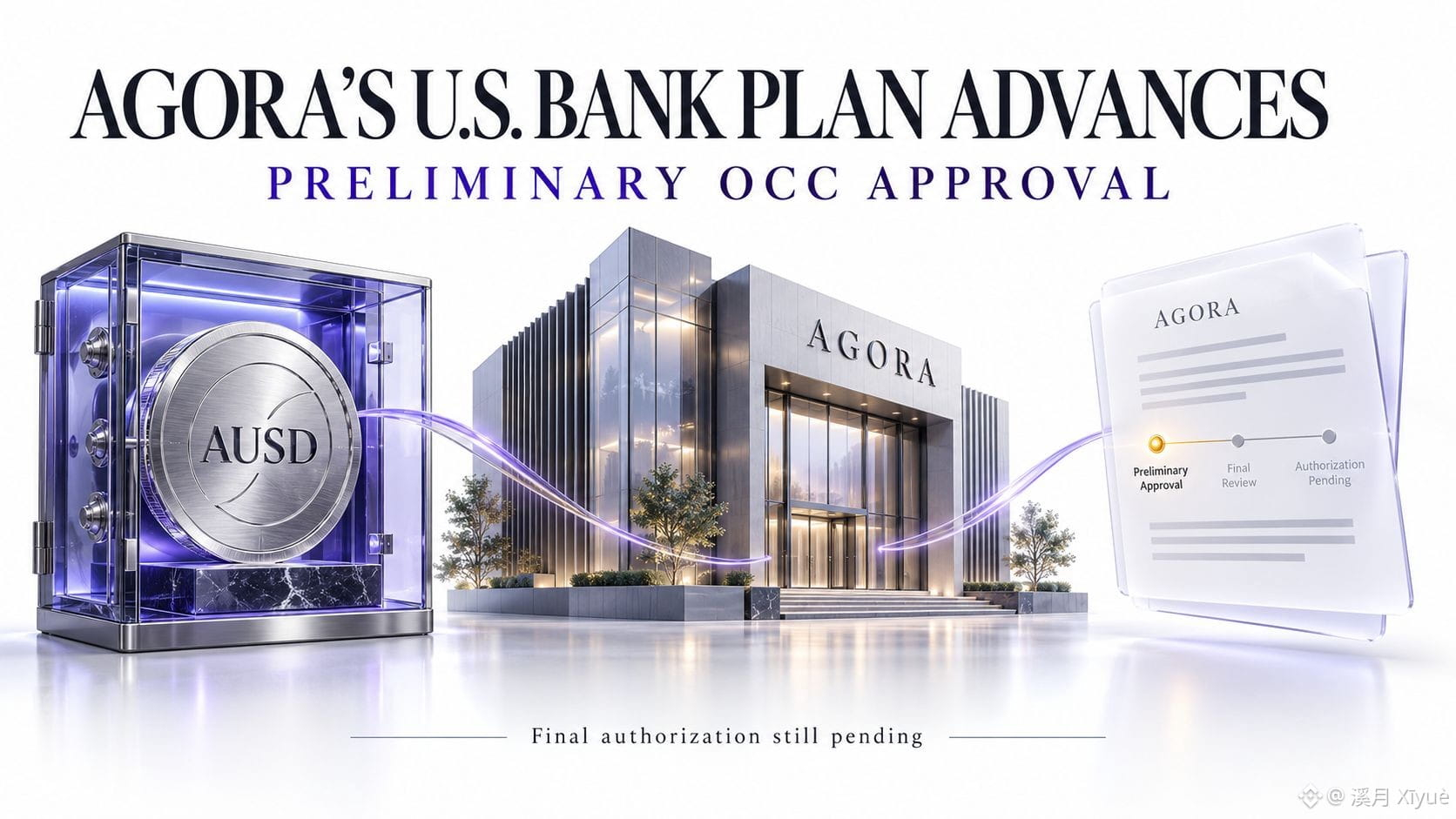
#agoragetspreliminaryoccapprovalfortrustbank
أغورا تحصل على موافقة أولية من OCC — خطة البنوك الأمريكية التابعة لـ AUSD تتقدم
حصلت شركة Agora على موافقة أولية مشروطة لإنشاء بنك Agora National Trust Bank في نيويورك. تاريخ قرار هيئة OCC هو 18 سبتمبر 2026؛ وقد أعلنت Agora عن هذا الإنجاز في 21 سبتمبر.
سيخدم البنك المقترح المؤسسات والشركات عبر إصدار العملات المستقرة (stablecoin)، وحضانة الأصول الرقمية وخدمات الدفع المرتبطة. كما تخطط Agora لنقل إصدار AUSD من كيانها في برمودا إلى البنك بعد إنشائه.
لا تزال هناك حاجة إلى الموافقة النهائية. إذ تعتمد صلاحية بدء العمليات على استيفاء متطلبات ما قبل الافتتاح لدى OCC.
رأيي: إن إدخال الإصدار والحضانة والمدفوعات ضمن مؤسسة واحدة خاضعة لإشراف اتحادي قد يجعل المسؤوليات التشغيلية أكثر وضوحًا بالنسبة للعملاء من الشركات. وهذا يهم عندما تقوم فرق الخزانة بتقييم من يدير الاحتياطيات ومن يعالج عمليات الاسترداد ومن يتولى التسوية.
وسيمثل الاختبار التجاري مدى قدرة Agora على تحويل هذا الهيكل إلى خدمة موثوقة وأعمال متكررة. ويعزز التقدم التنظيمي الإطار؛ إذ ستساعد إدارة الاحتياطيات، وموثوقية الاسترداد، وتكاليف الدفع في تحديد مدى فائدة المنتج.
وبالنسبة لسوق العملات المستقرة، فهذا خطوة ملموسة نحو بنية تحتية أكثر خضوعًا للإشراف الفيدرالي. وسيعتمد استمرار التبني على ما تقدمه Agora بمجرد استيفاء المتطلبات المتبقية.
هل يمكن أن يساعد هذا AUSD في الحصول على دور أكبر في المدفوعات المؤسسية؟
#AgoraGetsPreliminaryOCCApprovalForTrustBank #Stablecoins #aUSDT
$MUBARAK $AGT $AKE
{future}(AKEUSDT)
{future}(AGTUSDT)
{future}(MUBARAKUSDT)
#agoragetspreliminaryoccapprovalfortrustbank
أغورا تحصل على موافقة أولية من OCC — خطة البنوك الأمريكية التابعة لـ AUSD تتقدم
حصلت شركة Agora على موافقة أولية مشروطة لإنشاء بنك Agora National Trust Bank في نيويورك. تاريخ قرار هيئة OCC هو 18 سبتمبر 2026؛ وقد أعلنت Agora عن هذا الإنجاز في 21 سبتمبر.
سيخدم البنك المقترح المؤسسات والشركات عبر إصدار العملات المستقرة (stablecoin)، وحضانة الأصول الرقمية وخدمات الدفع المرتبطة. كما تخطط Agora لنقل إصدار AUSD من كيانها في برمودا إلى البنك بعد إنشائه.
لا تزال هناك حاجة إلى الموافقة النهائية. إذ تعتمد صلاحية بدء العمليات على استيفاء متطلبات ما قبل الافتتاح لدى OCC.
رأيي: إن إدخال الإصدار والحضانة والمدفوعات ضمن مؤسسة واحدة خاضعة لإشراف اتحادي قد يجعل المسؤوليات التشغيلية أكثر وضوحًا بالنسبة للعملاء من الشركات. وهذا يهم عندما تقوم فرق الخزانة بتقييم من يدير الاحتياطيات ومن يعالج عمليات الاسترداد ومن يتولى التسوية.
وسيمثل الاختبار التجاري مدى قدرة Agora على تحويل هذا الهيكل إلى خدمة موثوقة وأعمال متكررة. ويعزز التقدم التنظيمي الإطار؛ إذ ستساعد إدارة الاحتياطيات، وموثوقية الاسترداد، وتكاليف الدفع في تحديد مدى فائدة المنتج.
وبالنسبة لسوق العملات المستقرة، فهذا خطوة ملموسة نحو بنية تحتية أكثر خضوعًا للإشراف الفيدرالي. وسيعتمد استمرار التبني على ما تقدمه Agora بمجرد استيفاء المتطلبات المتبقية.
هل يمكن أن يساعد هذا AUSD في الحصول على دور أكبر في المدفوعات المؤسسية؟
#AgoraGetsPreliminaryOCCApprovalForTrustBank #Stablecoins #aUSDT
$MUBARAK $AGT $AKE
أغورا تحصل على موافقة أولية من OCC — خطة البنوك الأمريكية التابعة لـ AUSD تتقدم
حصلت شركة Agora على موافقة أولية مشروطة لإنشاء بنك Agora National Trust Bank في نيويورك. تاريخ قرار هيئة OCC هو 18 سبتمبر 2026؛ وقد أعلنت Agora عن هذا الإنجاز في 21 سبتمبر.
سيخدم البنك المقترح المؤسسات والشركات عبر إصدار العملات المستقرة (stablecoin)، وحضانة الأصول الرقمية وخدمات الدفع المرتبطة. كما تخطط Agora لنقل إصدار AUSD من كيانها في برمودا إلى البنك بعد إنشائه.
لا تزال هناك حاجة إلى الموافقة النهائية. إذ تعتمد صلاحية بدء العمليات على استيفاء متطلبات ما قبل الافتتاح لدى OCC.
رأيي: إن إدخال الإصدار والحضانة والمدفوعات ضمن مؤسسة واحدة خاضعة لإشراف اتحادي قد يجعل المسؤوليات التشغيلية أكثر وضوحًا بالنسبة للعملاء من الشركات. وهذا يهم عندما تقوم فرق الخزانة بتقييم من يدير الاحتياطيات ومن يعالج عمليات الاسترداد ومن يتولى التسوية.
وسيمثل الاختبار التجاري مدى قدرة Agora على تحويل هذا الهيكل إلى خدمة موثوقة وأعمال متكررة. ويعزز التقدم التنظيمي الإطار؛ إذ ستساعد إدارة الاحتياطيات، وموثوقية الاسترداد، وتكاليف الدفع في تحديد مدى فائدة المنتج.
وبالنسبة لسوق العملات المستقرة، فهذا خطوة ملموسة نحو بنية تحتية أكثر خضوعًا للإشراف الفيدرالي. وسيعتمد استمرار التبني على ما تقدمه Agora بمجرد استيفاء المتطلبات المتبقية.
هل يمكن أن يساعد هذا AUSD في الحصول على دور أكبر في المدفوعات المؤسسية؟
#AgoraGetsPreliminaryOCCApprovalForTrustBank #Stablecoins #aUSDT
$MUBARAK $AGT $AKE
944
·
--
صاعد
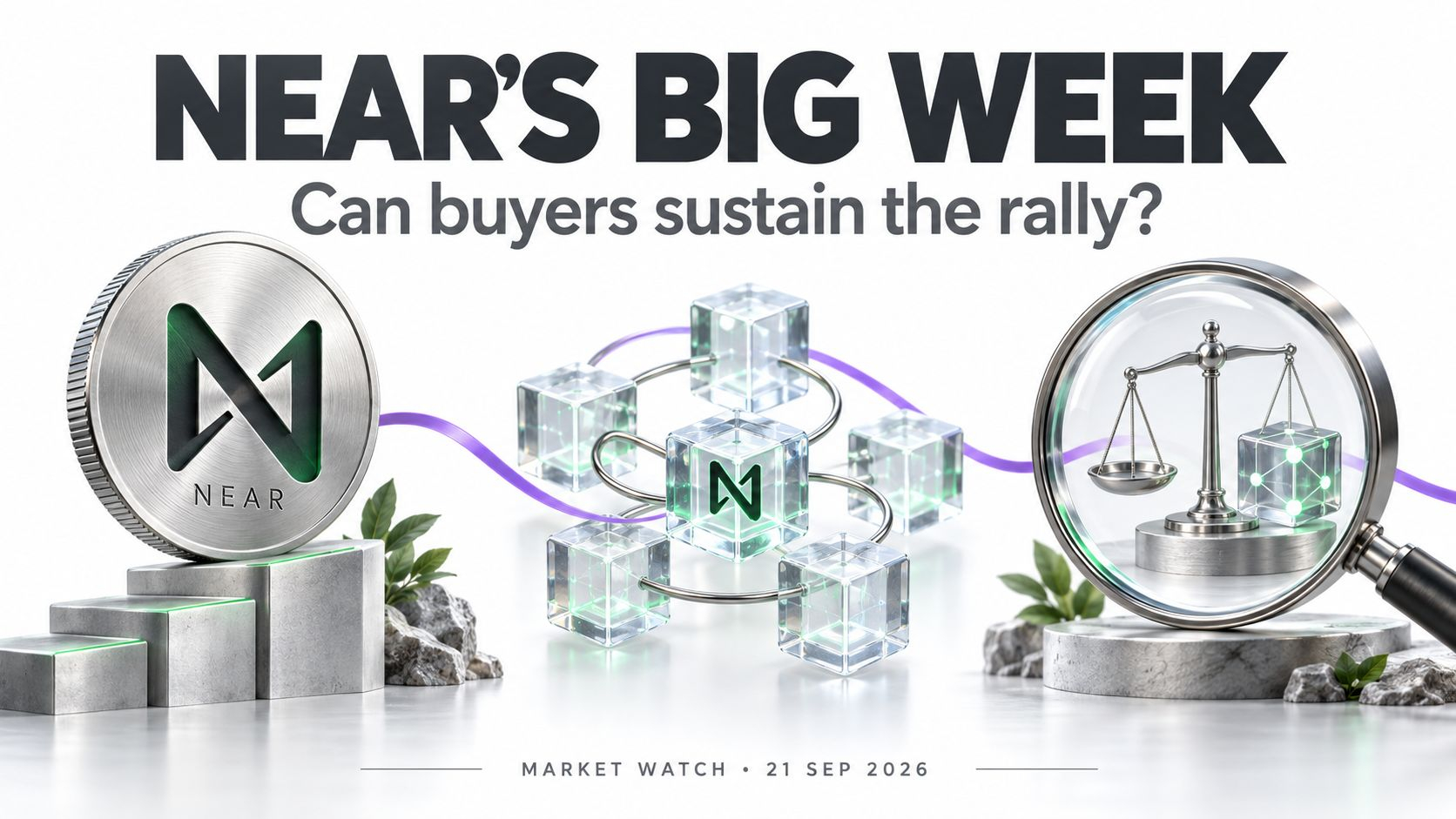
#nearrisesnearly80%inaweek
الأسبوع الكبير لـ NEAR يضع الطلب المستمر في دائرة الضوء
جذب NEAR الانتباه بعد صعود أسبوعي حاد. والاختبار التالي هو ما إذا كان بإمكان المشترين الحفاظ على تلك المكاسب بينما يتلاشى الحماس الأولي.
في 21 سبتمبر، أفادت “Binance News” بزيادة أسبوعية تقارب 80%، إلى جانب 29.3 مليار دولار من إجمالي حجم “NEAR Intents” المتراكم، وإيداعات سرّية تتجاوز 70 مليون دولار على near.com.
لقطة سعرية: أظهرت صفحة CoinGecko التي تم التحقق منها عند 15:36 بالتوقيت العالمي المنسق في 21 سبتمبر أن قيمة NEAR كانت قرابة 4.02 دولارات، مرتفعة بنسبة 71.1% خلال سبعة أيام. تختلف العوائد الأسبوعية وفقًا لوقت القياس ومزوّد البيانات.
رأيي: تعطي أرقام النشاط المستثمرين شيئًا ملموسًا للنظر فيه. يقيس الحجم التراكمي المعاملات التي تمت مع مرور الوقت؛ ويتطلب تقييم قيمته النظر إلى الاستخدام المتكرر، والرسوم المتولدة، وكيف يخلق هذا النشاط طلبًا على NEAR.
بعد هذا التقدم السريع، كنت سأراقب كيفية تصرف السعر أثناء عمليات التراجع. إن قيام المشترين بامتصاص ضغط البيع مع بقاء نشاط التداول صحيًا سيعزّز حجة حدوث حركة مستدامة. أما الارتدادات الضعيفة وتراجع المشاركة فستشير إلى أن الزخم يبرد.
السؤال الأبعد هو ما إذا كان المستخدمون يستمرون في اختيار هذه الخدمات بعد زوال الحوافز الترويجية واهتمام السوق. فالدليل على ذلك يستغرق وقتًا أطول في التطور من مجرد ارتفاع سعري أسبوعي.
ما الذي سيمنحك مزيدًا من الثقة: استخدام أقوى، أم حجمًا مستمرًا، أم إعادة اختبار ناجحة؟
#NEARRisesNearly80InAWeek #Near #nearprotocol
$XRP $NEAR
{future}(NEARUSDT)
{future}(XRPUSDT)
#nearrisesnearly80%inaweek
الأسبوع الكبير لـ NEAR يضع الطلب المستمر في دائرة الضوء
جذب NEAR الانتباه بعد صعود أسبوعي حاد. والاختبار التالي هو ما إذا كان بإمكان المشترين الحفاظ على تلك المكاسب بينما يتلاشى الحماس الأولي.
في 21 سبتمبر، أفادت “Binance News” بزيادة أسبوعية تقارب 80%، إلى جانب 29.3 مليار دولار من إجمالي حجم “NEAR Intents” المتراكم، وإيداعات سرّية تتجاوز 70 مليون دولار على near.com.
لقطة سعرية: أظهرت صفحة CoinGecko التي تم التحقق منها عند 15:36 بالتوقيت العالمي المنسق في 21 سبتمبر أن قيمة NEAR كانت قرابة 4.02 دولارات، مرتفعة بنسبة 71.1% خلال سبعة أيام. تختلف العوائد الأسبوعية وفقًا لوقت القياس ومزوّد البيانات.
رأيي: تعطي أرقام النشاط المستثمرين شيئًا ملموسًا للنظر فيه. يقيس الحجم التراكمي المعاملات التي تمت مع مرور الوقت؛ ويتطلب تقييم قيمته النظر إلى الاستخدام المتكرر، والرسوم المتولدة، وكيف يخلق هذا النشاط طلبًا على NEAR.
بعد هذا التقدم السريع، كنت سأراقب كيفية تصرف السعر أثناء عمليات التراجع. إن قيام المشترين بامتصاص ضغط البيع مع بقاء نشاط التداول صحيًا سيعزّز حجة حدوث حركة مستدامة. أما الارتدادات الضعيفة وتراجع المشاركة فستشير إلى أن الزخم يبرد.
السؤال الأبعد هو ما إذا كان المستخدمون يستمرون في اختيار هذه الخدمات بعد زوال الحوافز الترويجية واهتمام السوق. فالدليل على ذلك يستغرق وقتًا أطول في التطور من مجرد ارتفاع سعري أسبوعي.
ما الذي سيمنحك مزيدًا من الثقة: استخدام أقوى، أم حجمًا مستمرًا، أم إعادة اختبار ناجحة؟
#NEARRisesNearly80InAWeek #Near #nearprotocol
$XRP $NEAR
الأسبوع الكبير لـ NEAR يضع الطلب المستمر في دائرة الضوء
جذب NEAR الانتباه بعد صعود أسبوعي حاد. والاختبار التالي هو ما إذا كان بإمكان المشترين الحفاظ على تلك المكاسب بينما يتلاشى الحماس الأولي.
في 21 سبتمبر، أفادت “Binance News” بزيادة أسبوعية تقارب 80%، إلى جانب 29.3 مليار دولار من إجمالي حجم “NEAR Intents” المتراكم، وإيداعات سرّية تتجاوز 70 مليون دولار على near.com.
لقطة سعرية: أظهرت صفحة CoinGecko التي تم التحقق منها عند 15:36 بالتوقيت العالمي المنسق في 21 سبتمبر أن قيمة NEAR كانت قرابة 4.02 دولارات، مرتفعة بنسبة 71.1% خلال سبعة أيام. تختلف العوائد الأسبوعية وفقًا لوقت القياس ومزوّد البيانات.
رأيي: تعطي أرقام النشاط المستثمرين شيئًا ملموسًا للنظر فيه. يقيس الحجم التراكمي المعاملات التي تمت مع مرور الوقت؛ ويتطلب تقييم قيمته النظر إلى الاستخدام المتكرر، والرسوم المتولدة، وكيف يخلق هذا النشاط طلبًا على NEAR.
بعد هذا التقدم السريع، كنت سأراقب كيفية تصرف السعر أثناء عمليات التراجع. إن قيام المشترين بامتصاص ضغط البيع مع بقاء نشاط التداول صحيًا سيعزّز حجة حدوث حركة مستدامة. أما الارتدادات الضعيفة وتراجع المشاركة فستشير إلى أن الزخم يبرد.
السؤال الأبعد هو ما إذا كان المستخدمون يستمرون في اختيار هذه الخدمات بعد زوال الحوافز الترويجية واهتمام السوق. فالدليل على ذلك يستغرق وقتًا أطول في التطور من مجرد ارتفاع سعري أسبوعي.
ما الذي سيمنحك مزيدًا من الثقة: استخدام أقوى، أم حجمًا مستمرًا، أم إعادة اختبار ناجحة؟
#NEARRisesNearly80InAWeek #Near #nearprotocol
$XRP $NEAR
198
·
--
صاعد
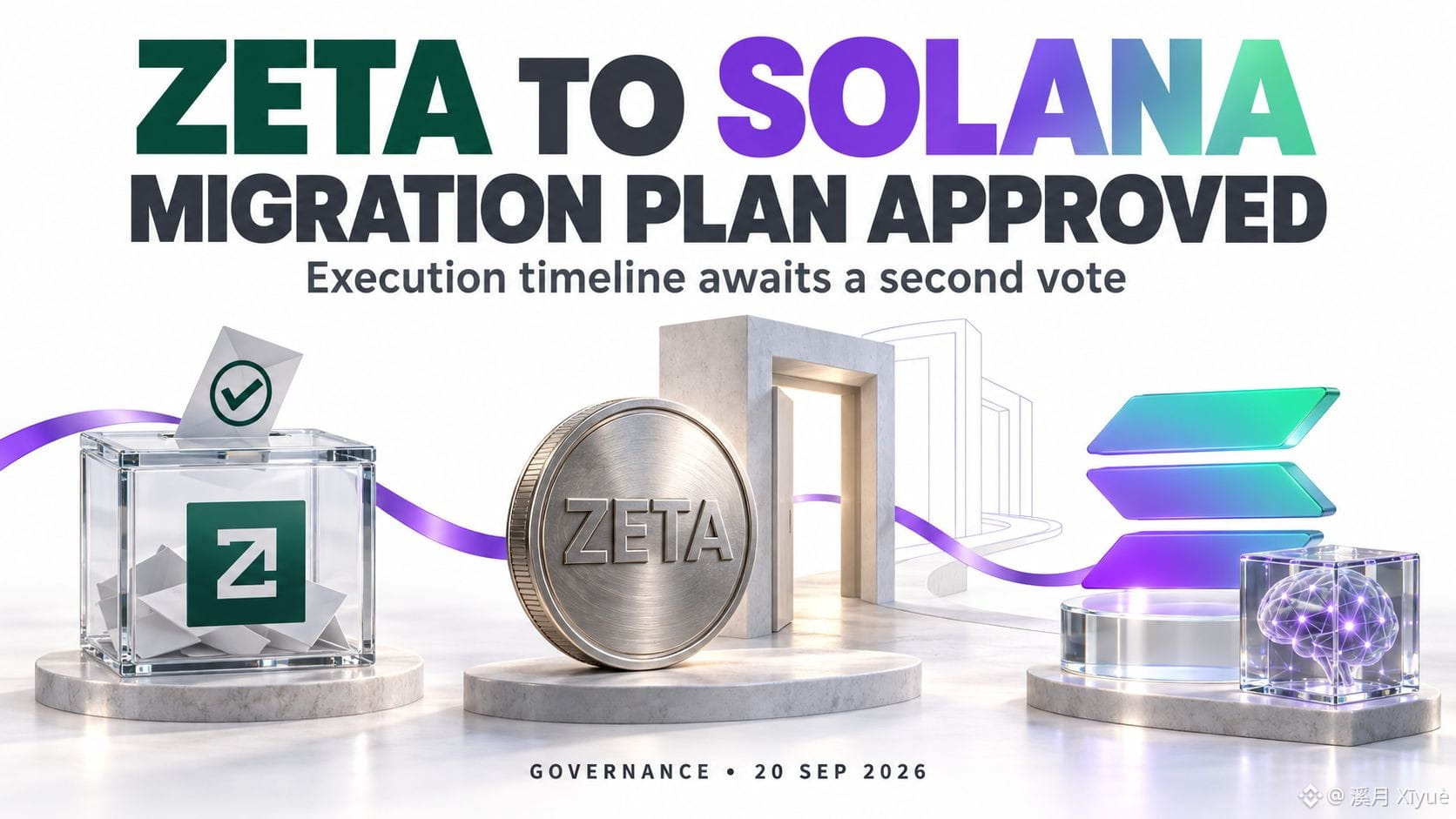
#zetachainvotestomigratezetatosolana
توافق ZetaChain على خطة لنقل ZETA إلى سولانا
قد تركز المرحلة التالية من ZetaChain على تطبيقات الذكاء الاصطناعي الخاصة، مع قيام سولانا بتوفير الشبكة الأساسية.
في 20 سبتمبر، وافق الاقتراح رقم 68 بنسبة دعم بلغت 99.4%، وفقًا لـ The Block. الاتجاه المعتمد سيؤدي إلى ترحيل ZETA إلى سولانا، وفي النهاية إيقاف تشغيل الطبقة الأولى (Layer 1) الخاصة بـ ZetaChain.
ما يزال الترحيل قيد الانتظار. يجب على اقتراح ثانٍ تحديد اللقطة (snapshot) وتوقيت الإيقاف وإجراءات المطالبة. يستمر تشغيل الشبكة أثناء تجهيز هذه الترتيبات.
تحدد خطة الفريق إجراء تحويل بنسبة 1:1 إلى رموز سولانا SPL الأصلية، مع الحفاظ على رمز ZETA، وإجمالي المعروض، وجداول الاستحقاق. ZETA على إيثيريوم وسلسلة BNB خارج نطاق هذا الاقتراح. ستركز عملية التطوير على Anuma، وهو تطبيق ذكاء اصطناعي خاص به، والبنية التحتية ذات الصلة.
رأيي: هذا يغيّر كيفية تقييم المستثمرين لـ ZETA. تتزايد أهمية فرضية الاستثمار اعتمادًا على استخدام الأشخاص لخدمات الذكاء الاصطناعي الخاصة بها وعلى كيفية خلق هذا النشاط طلبًا مستمرًا على الرموز. قد يؤدي نقل البنية التحتية إلى تحرير موارد التطوير، لكن التبني التجاري ما يزال بحاجة لإثبات نفسه.
بالنسبة للمحتفظين، تتمثل نقاط التفتيش العملية في دعم البورصات المؤكد، ومعاملة المراكز المُستَكَّة (staked)، وتعليمات ترحيل واضحة. يحافظ التحويل 1:1 على كميات الرموز؛ ويمكن أن تتغير القيمة السوقية ما يزال طوال فترة الانتقال.
هل يمكن لهذا التحول أن يحوّل نظامًا بيئيًا أوسع إلى طلب مستدام على ZETA؟
#ZetaChainVotesToMigrateZETAToSolana #zeta #solana
$ZETA $SOL
{future}(SOLUSDT)
{future}(ZETAUSDT)
#zetachainvotestomigratezetatosolana
توافق ZetaChain على خطة لنقل ZETA إلى سولانا
قد تركز المرحلة التالية من ZetaChain على تطبيقات الذكاء الاصطناعي الخاصة، مع قيام سولانا بتوفير الشبكة الأساسية.
في 20 سبتمبر، وافق الاقتراح رقم 68 بنسبة دعم بلغت 99.4%، وفقًا لـ The Block. الاتجاه المعتمد سيؤدي إلى ترحيل ZETA إلى سولانا، وفي النهاية إيقاف تشغيل الطبقة الأولى (Layer 1) الخاصة بـ ZetaChain.
ما يزال الترحيل قيد الانتظار. يجب على اقتراح ثانٍ تحديد اللقطة (snapshot) وتوقيت الإيقاف وإجراءات المطالبة. يستمر تشغيل الشبكة أثناء تجهيز هذه الترتيبات.
تحدد خطة الفريق إجراء تحويل بنسبة 1:1 إلى رموز سولانا SPL الأصلية، مع الحفاظ على رمز ZETA، وإجمالي المعروض، وجداول الاستحقاق. ZETA على إيثيريوم وسلسلة BNB خارج نطاق هذا الاقتراح. ستركز عملية التطوير على Anuma، وهو تطبيق ذكاء اصطناعي خاص به، والبنية التحتية ذات الصلة.
رأيي: هذا يغيّر كيفية تقييم المستثمرين لـ ZETA. تتزايد أهمية فرضية الاستثمار اعتمادًا على استخدام الأشخاص لخدمات الذكاء الاصطناعي الخاصة بها وعلى كيفية خلق هذا النشاط طلبًا مستمرًا على الرموز. قد يؤدي نقل البنية التحتية إلى تحرير موارد التطوير، لكن التبني التجاري ما يزال بحاجة لإثبات نفسه.
بالنسبة للمحتفظين، تتمثل نقاط التفتيش العملية في دعم البورصات المؤكد، ومعاملة المراكز المُستَكَّة (staked)، وتعليمات ترحيل واضحة. يحافظ التحويل 1:1 على كميات الرموز؛ ويمكن أن تتغير القيمة السوقية ما يزال طوال فترة الانتقال.
هل يمكن لهذا التحول أن يحوّل نظامًا بيئيًا أوسع إلى طلب مستدام على ZETA؟
#ZetaChainVotesToMigrateZETAToSolana #zeta #solana
$ZETA $SOL
توافق ZetaChain على خطة لنقل ZETA إلى سولانا
قد تركز المرحلة التالية من ZetaChain على تطبيقات الذكاء الاصطناعي الخاصة، مع قيام سولانا بتوفير الشبكة الأساسية.
في 20 سبتمبر، وافق الاقتراح رقم 68 بنسبة دعم بلغت 99.4%، وفقًا لـ The Block. الاتجاه المعتمد سيؤدي إلى ترحيل ZETA إلى سولانا، وفي النهاية إيقاف تشغيل الطبقة الأولى (Layer 1) الخاصة بـ ZetaChain.
ما يزال الترحيل قيد الانتظار. يجب على اقتراح ثانٍ تحديد اللقطة (snapshot) وتوقيت الإيقاف وإجراءات المطالبة. يستمر تشغيل الشبكة أثناء تجهيز هذه الترتيبات.
تحدد خطة الفريق إجراء تحويل بنسبة 1:1 إلى رموز سولانا SPL الأصلية، مع الحفاظ على رمز ZETA، وإجمالي المعروض، وجداول الاستحقاق. ZETA على إيثيريوم وسلسلة BNB خارج نطاق هذا الاقتراح. ستركز عملية التطوير على Anuma، وهو تطبيق ذكاء اصطناعي خاص به، والبنية التحتية ذات الصلة.
رأيي: هذا يغيّر كيفية تقييم المستثمرين لـ ZETA. تتزايد أهمية فرضية الاستثمار اعتمادًا على استخدام الأشخاص لخدمات الذكاء الاصطناعي الخاصة بها وعلى كيفية خلق هذا النشاط طلبًا مستمرًا على الرموز. قد يؤدي نقل البنية التحتية إلى تحرير موارد التطوير، لكن التبني التجاري ما يزال بحاجة لإثبات نفسه.
بالنسبة للمحتفظين، تتمثل نقاط التفتيش العملية في دعم البورصات المؤكد، ومعاملة المراكز المُستَكَّة (staked)، وتعليمات ترحيل واضحة. يحافظ التحويل 1:1 على كميات الرموز؛ ويمكن أن تتغير القيمة السوقية ما يزال طوال فترة الانتقال.
هل يمكن لهذا التحول أن يحوّل نظامًا بيئيًا أوسع إلى طلب مستدام على ZETA؟
#ZetaChainVotesToMigrateZETAToSolana #zeta #solana
$ZETA $SOL
205
·
--
صاعد
تمّ التحقق
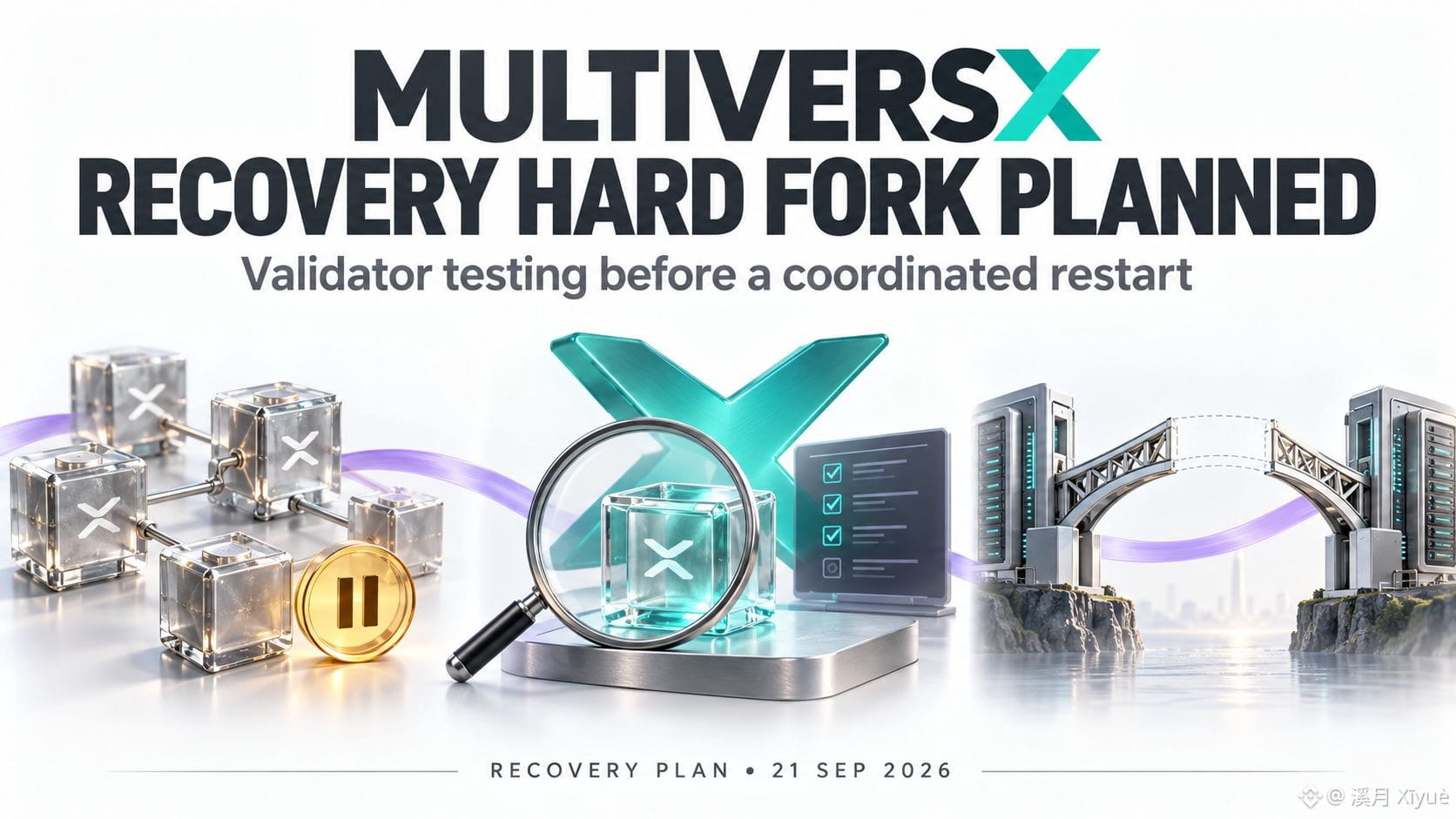
#multiversxplanshardforkrecovery
تخطط MultiversX لعملية استرداد بعد تعطل رئيسي (Hard Fork Recovery) عقب حادث في الشبكة الرئيسية
بالنسبة لحاملي EGLD، تتمثل المحطة التالية في إعادة تشغيل مُختبرة وضمان وصولٍ موثوق إلى الأموال.
في 21 سبتمبر، أفادت أخبار Binance بأن MultiversX تخطط لتنفيذ hard fork منسق انطلاقًا من نقطة تحقق معروفة وسليمة. وتتضمن عملية الاسترداد تدريبًا للمُدلّين (validators) على testnet وdevnet قبل إعادة تشغيل mainnet. وذُكر أن الكود قد نُشر، بينما ما زالت أعمال الاختبار جارية.
ويشير التوجيه المذكور إلى أن يُنصح المستخدمون بتجنب إرسال أو إعادة بث المعاملات، أو نقل EGLD/ESDT عبر البورصات أو الجسور حتى يتم تأكيد التعافي رسميًا. ومن المتوقع أن تعاود الخدمات العمل تدريجيًا.
ما زال التعافي مجرد خطة قيد الاختبار. عند التحقق في 21 سبتمبر، كانت صفحة الحالة الرسمية لـ MultiversX لا تزال تُظهر تدهورًا في الأداء عبر عدة خدمات، بما في ذلك المحافظ والجسور و xExchange.
وجهة نظري: إن الاسترداد الموثوق ينبغي أن يوضح ما الذي تغيّر، وكيف تم التحقق من الأرصدة، وما هي الضمانات التي تعالج سبب العطل الأساسي. وستساعد الأدلة الواضحة المستخدمين على تقييم ما إذا كانوا قادرين على الاعتماد على الشبكة مرةً أخرى.
قد تستأنف التحويلات عبر البورصات والجسور في أوقات مختلفة، مما يجعل توفر الخدمة محطة عملية إضافية. وبالنسبة لـ EGLD، فإن استقرار الشبكة على المدى المستمر وعودة الوصول العادي إلى السيولة سيقدمان دليلًا أقوى على التعافي من تحركات السعر قصيرة المدى وحدها.
ما الذي سيعيد بناء ثقتك أكثر: تقارير شفافة، اختبار مستقل، أم استمرارية تشغيل دون انقطاع؟
#MultiversXPlansHardForkRecovery #EGLD #BlockchainSecurity
$UAI $PTB $BTW
{future}(BTWUSDT)
{future}(PTBUSDT)
{future}(UAIUSDT)
#multiversxplanshardforkrecovery
تخطط MultiversX لعملية استرداد بعد تعطل رئيسي (Hard Fork Recovery) عقب حادث في الشبكة الرئيسية
بالنسبة لحاملي EGLD، تتمثل المحطة التالية في إعادة تشغيل مُختبرة وضمان وصولٍ موثوق إلى الأموال.
في 21 سبتمبر، أفادت أخبار Binance بأن MultiversX تخطط لتنفيذ hard fork منسق انطلاقًا من نقطة تحقق معروفة وسليمة. وتتضمن عملية الاسترداد تدريبًا للمُدلّين (validators) على testnet وdevnet قبل إعادة تشغيل mainnet. وذُكر أن الكود قد نُشر، بينما ما زالت أعمال الاختبار جارية.
ويشير التوجيه المذكور إلى أن يُنصح المستخدمون بتجنب إرسال أو إعادة بث المعاملات، أو نقل EGLD/ESDT عبر البورصات أو الجسور حتى يتم تأكيد التعافي رسميًا. ومن المتوقع أن تعاود الخدمات العمل تدريجيًا.
ما زال التعافي مجرد خطة قيد الاختبار. عند التحقق في 21 سبتمبر، كانت صفحة الحالة الرسمية لـ MultiversX لا تزال تُظهر تدهورًا في الأداء عبر عدة خدمات، بما في ذلك المحافظ والجسور و xExchange.
وجهة نظري: إن الاسترداد الموثوق ينبغي أن يوضح ما الذي تغيّر، وكيف تم التحقق من الأرصدة، وما هي الضمانات التي تعالج سبب العطل الأساسي. وستساعد الأدلة الواضحة المستخدمين على تقييم ما إذا كانوا قادرين على الاعتماد على الشبكة مرةً أخرى.
قد تستأنف التحويلات عبر البورصات والجسور في أوقات مختلفة، مما يجعل توفر الخدمة محطة عملية إضافية. وبالنسبة لـ EGLD، فإن استقرار الشبكة على المدى المستمر وعودة الوصول العادي إلى السيولة سيقدمان دليلًا أقوى على التعافي من تحركات السعر قصيرة المدى وحدها.
ما الذي سيعيد بناء ثقتك أكثر: تقارير شفافة، اختبار مستقل، أم استمرارية تشغيل دون انقطاع؟
#MultiversXPlansHardForkRecovery #EGLD #BlockchainSecurity
$UAI $PTB $BTW
تخطط MultiversX لعملية استرداد بعد تعطل رئيسي (Hard Fork Recovery) عقب حادث في الشبكة الرئيسية
بالنسبة لحاملي EGLD، تتمثل المحطة التالية في إعادة تشغيل مُختبرة وضمان وصولٍ موثوق إلى الأموال.
في 21 سبتمبر، أفادت أخبار Binance بأن MultiversX تخطط لتنفيذ hard fork منسق انطلاقًا من نقطة تحقق معروفة وسليمة. وتتضمن عملية الاسترداد تدريبًا للمُدلّين (validators) على testnet وdevnet قبل إعادة تشغيل mainnet. وذُكر أن الكود قد نُشر، بينما ما زالت أعمال الاختبار جارية.
ويشير التوجيه المذكور إلى أن يُنصح المستخدمون بتجنب إرسال أو إعادة بث المعاملات، أو نقل EGLD/ESDT عبر البورصات أو الجسور حتى يتم تأكيد التعافي رسميًا. ومن المتوقع أن تعاود الخدمات العمل تدريجيًا.
ما زال التعافي مجرد خطة قيد الاختبار. عند التحقق في 21 سبتمبر، كانت صفحة الحالة الرسمية لـ MultiversX لا تزال تُظهر تدهورًا في الأداء عبر عدة خدمات، بما في ذلك المحافظ والجسور و xExchange.
وجهة نظري: إن الاسترداد الموثوق ينبغي أن يوضح ما الذي تغيّر، وكيف تم التحقق من الأرصدة، وما هي الضمانات التي تعالج سبب العطل الأساسي. وستساعد الأدلة الواضحة المستخدمين على تقييم ما إذا كانوا قادرين على الاعتماد على الشبكة مرةً أخرى.
قد تستأنف التحويلات عبر البورصات والجسور في أوقات مختلفة، مما يجعل توفر الخدمة محطة عملية إضافية. وبالنسبة لـ EGLD، فإن استقرار الشبكة على المدى المستمر وعودة الوصول العادي إلى السيولة سيقدمان دليلًا أقوى على التعافي من تحركات السعر قصيرة المدى وحدها.
ما الذي سيعيد بناء ثقتك أكثر: تقارير شفافة، اختبار مستقل، أم استمرارية تشغيل دون انقطاع؟
#MultiversXPlansHardForkRecovery #EGLD #BlockchainSecurity
$UAI $PTB $BTW
1.8k
·
--
صاعد
#circlelaunchesinstitutionalbtcbackedborrowing
يفتح Circle الاقتراض المدعوم ببيتكوين للمؤسسات
يمكن أن تتيح حيازات البيتكوين الوصول إلى السيولة دون بيع فوري—لكن الاقتراض يفرض التزاماته الخاصة.
تتيح خدمة Circle للاقتراض المدعوم بالأصول الرقمية للعملاء المؤهلين لدى Circle Mint إيداع BTC، وإصدار cirBTC، وتعهد هذا الضمان في أسواق إقراض تمت الموافقة عليها مسبقًا عبر محفظة يتحكم بها العميل. ويصل USDC المقترض مباشرةً إلى حساب Mint الخاص بهم.
يعتمد الوصول على الولاية القضائية والأهلية، ويتم استبعاد عملاء نيويورك. ويصف Circle cirBTC بأنه مدعوم بنسبة 1:1 مقابل البيتكوين، مع إمكانية التحقق من الاحتياطيات على السلسلة.
رأيي: الفرصة العملية أبسط في إدارة الخزينة. يمكن لمؤسسة تمتلك بيتكوين الوصول إلى سيولة تشغيلية مع الحفاظ على التعرض لـ BTC. وربط الضمان والاقتراض بحساب قائم قد يقلل الاحتكاك التشغيلي.
إن جودة هذا التمويل لا تزال تعتمد على تكاليف الاقتراض ومتطلبات الضمان وقواعد التصفية. كما أن الاحتفاظ بالتعرض يعني الاحتفاظ أيضًا بمخاطر الهبوط: انخفاض أسعار BTC قد يضغط على مركز مُدعّم بضمان.
بالنسبة للمستثمرين الذين يقيّمون هذا التطور، ستكون عملية التبنّي أهم من العنوان الرئيسي. ومن المؤشرات المفيدة: استمرار الطلب على الاقتراض، وتكاليف التمويل التنافسية، وكيف تؤدي المراكز خلال الأسواق المتقلبة. إن توفر المنتج وحده لا يثبت وجود ضغط شراء جديد على البيتكوين.
هل يمكن أن يجعل الوصول الأسهل إلى USDC البيتكوين أكثر فائدة في عمليات الخزينة المؤسسية؟
#CircleLaunchesInstitutionalBTCBackedBorrowing #bitcoin #USDC
$BTC $USDC $XRP
{future}(XRPUSDT)
{future}(USDCUSDT)
{future}(BTCUSDT)
#circlelaunchesinstitutionalbtcbackedborrowing
يفتح Circle الاقتراض المدعوم ببيتكوين للمؤسسات
يمكن أن تتيح حيازات البيتكوين الوصول إلى السيولة دون بيع فوري—لكن الاقتراض يفرض التزاماته الخاصة.
تتيح خدمة Circle للاقتراض المدعوم بالأصول الرقمية للعملاء المؤهلين لدى Circle Mint إيداع BTC، وإصدار cirBTC، وتعهد هذا الضمان في أسواق إقراض تمت الموافقة عليها مسبقًا عبر محفظة يتحكم بها العميل. ويصل USDC المقترض مباشرةً إلى حساب Mint الخاص بهم.
يعتمد الوصول على الولاية القضائية والأهلية، ويتم استبعاد عملاء نيويورك. ويصف Circle cirBTC بأنه مدعوم بنسبة 1:1 مقابل البيتكوين، مع إمكانية التحقق من الاحتياطيات على السلسلة.
رأيي: الفرصة العملية أبسط في إدارة الخزينة. يمكن لمؤسسة تمتلك بيتكوين الوصول إلى سيولة تشغيلية مع الحفاظ على التعرض لـ BTC. وربط الضمان والاقتراض بحساب قائم قد يقلل الاحتكاك التشغيلي.
إن جودة هذا التمويل لا تزال تعتمد على تكاليف الاقتراض ومتطلبات الضمان وقواعد التصفية. كما أن الاحتفاظ بالتعرض يعني الاحتفاظ أيضًا بمخاطر الهبوط: انخفاض أسعار BTC قد يضغط على مركز مُدعّم بضمان.
بالنسبة للمستثمرين الذين يقيّمون هذا التطور، ستكون عملية التبنّي أهم من العنوان الرئيسي. ومن المؤشرات المفيدة: استمرار الطلب على الاقتراض، وتكاليف التمويل التنافسية، وكيف تؤدي المراكز خلال الأسواق المتقلبة. إن توفر المنتج وحده لا يثبت وجود ضغط شراء جديد على البيتكوين.
هل يمكن أن يجعل الوصول الأسهل إلى USDC البيتكوين أكثر فائدة في عمليات الخزينة المؤسسية؟
#CircleLaunchesInstitutionalBTCBackedBorrowing #bitcoin #USDC
$BTC $USDC $XRP
يفتح Circle الاقتراض المدعوم ببيتكوين للمؤسسات
يمكن أن تتيح حيازات البيتكوين الوصول إلى السيولة دون بيع فوري—لكن الاقتراض يفرض التزاماته الخاصة.
تتيح خدمة Circle للاقتراض المدعوم بالأصول الرقمية للعملاء المؤهلين لدى Circle Mint إيداع BTC، وإصدار cirBTC، وتعهد هذا الضمان في أسواق إقراض تمت الموافقة عليها مسبقًا عبر محفظة يتحكم بها العميل. ويصل USDC المقترض مباشرةً إلى حساب Mint الخاص بهم.
يعتمد الوصول على الولاية القضائية والأهلية، ويتم استبعاد عملاء نيويورك. ويصف Circle cirBTC بأنه مدعوم بنسبة 1:1 مقابل البيتكوين، مع إمكانية التحقق من الاحتياطيات على السلسلة.
رأيي: الفرصة العملية أبسط في إدارة الخزينة. يمكن لمؤسسة تمتلك بيتكوين الوصول إلى سيولة تشغيلية مع الحفاظ على التعرض لـ BTC. وربط الضمان والاقتراض بحساب قائم قد يقلل الاحتكاك التشغيلي.
إن جودة هذا التمويل لا تزال تعتمد على تكاليف الاقتراض ومتطلبات الضمان وقواعد التصفية. كما أن الاحتفاظ بالتعرض يعني الاحتفاظ أيضًا بمخاطر الهبوط: انخفاض أسعار BTC قد يضغط على مركز مُدعّم بضمان.
بالنسبة للمستثمرين الذين يقيّمون هذا التطور، ستكون عملية التبنّي أهم من العنوان الرئيسي. ومن المؤشرات المفيدة: استمرار الطلب على الاقتراض، وتكاليف التمويل التنافسية، وكيف تؤدي المراكز خلال الأسواق المتقلبة. إن توفر المنتج وحده لا يثبت وجود ضغط شراء جديد على البيتكوين.
هل يمكن أن يجعل الوصول الأسهل إلى USDC البيتكوين أكثر فائدة في عمليات الخزينة المؤسسية؟
#CircleLaunchesInstitutionalBTCBackedBorrowing #bitcoin #USDC
$BTC $USDC $XRP
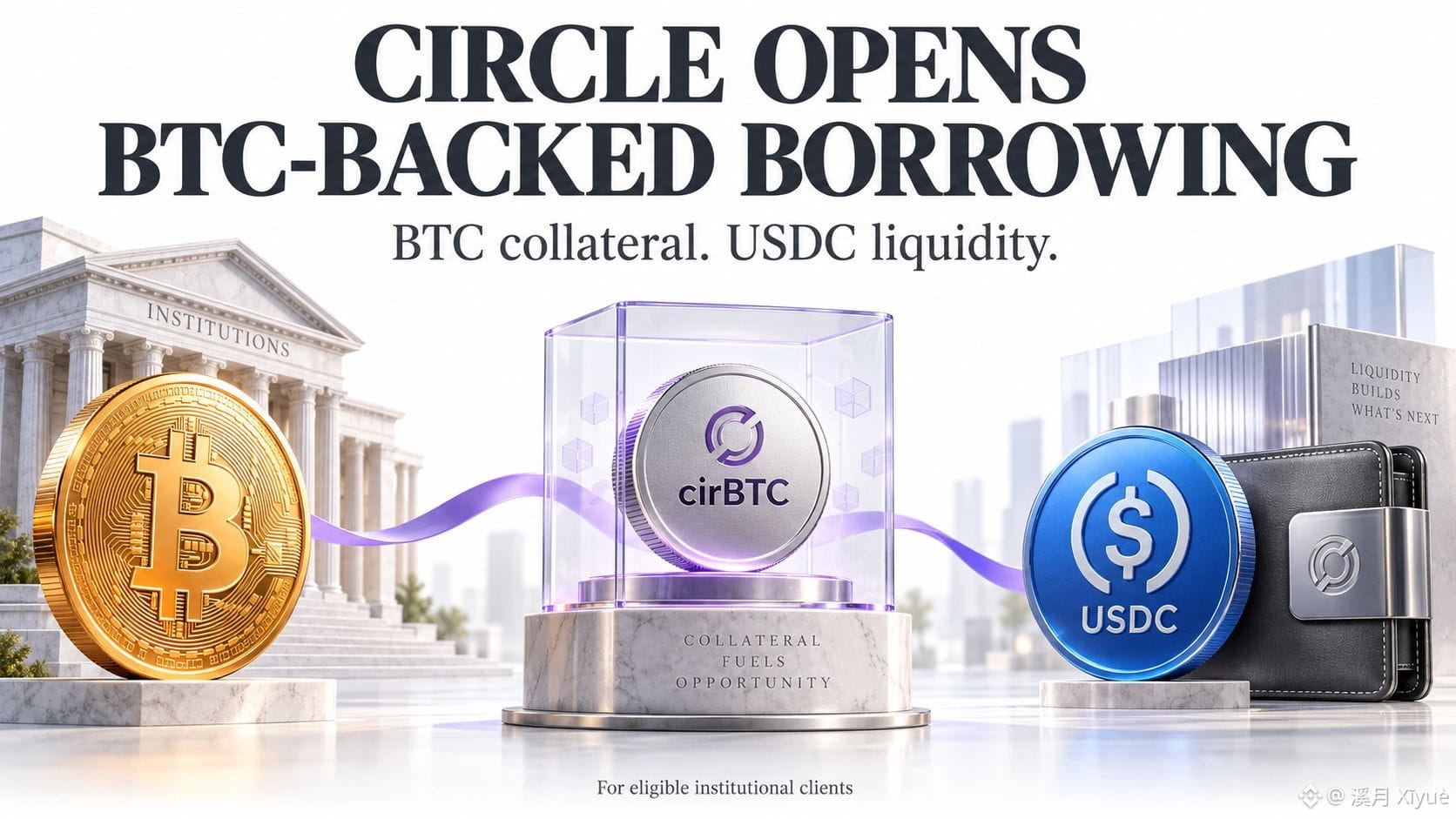
115
·
--
صاعد
تمّ التحقق
#ecbstartsblockchaineurosettlement
🏦 يطلق البنك المركزي الأوروبي Pontes: مسار تسوية جديد للأصول المُمثّلة كرموز
تملك الأسواق المالية الأوروبية المتداولة على شكل رموز الآن اتصالًا جديدًا بمال البنك المركزي.
في 21 سبتمبر 2026، أطلق نظام اليوروسystem (Eurosystem) Pontes، لربط منصات دفتر الأستاذ الموزع في السوق ببنية البنية التحتية لمدفوعات TARGET. يمكن للمؤسسات المؤهلة استخدامه لتسوية المعاملات بالجملة في الأصول المُمثّلة كرموز باستخدام أموال البنك المركزي، مع إدخال تحسينات إضافية على مراحل.
يرتبط هذا الإطلاق بالأسواق المالية بالجملة. أما اليورو الرقمي للأفراد مقابل المدفوعات اليومية فيظل مشروعًا منفصلًا قيد التطوير.
🔎 وجهة نظري: إصدار سند مُرمّز لا يحل سوى جزءًا من المشكلة. إذ تحتاج المؤسسات أيضًا إلى طريقة موثوقة لتبادل ذلك الضمان مقابل النقد، مع قواعد تسوية واضحة وأنظمة تعمل معًا.
قد يجعل Pontes الأوراق المالية الرقمية أكثر عملية عبر ربط جانبها الخاص بالمدفوعات ببنية تحتية راسخة تابعة للبنك المركزي. وستعتمد الفائدة التجارية على ما إذا كان هذا الربط يقلل العمل اليدوي والاحتكاك التشغيلي والتكلفة الإجمالية لإتمام المعاملات.
سأراقب أحجام التسوية المنتظمة، والمُصدرين المتكررين، والأدلة على أن المشاركين ينقلون أعمالهم اليومية إلى الخدمة. وستكشف هذه المؤشرات عن مستوى التبنّي أكثر من مجرد إعلانات الإطلاق.
كما أن الطرح على مراحل يعني أن الميزات المتاحة وترتيبات التشغيل ستظل عوامل مهمة بالنسبة للمؤسسات عند اتخاذ قرار بشأن كيفية استخدامها.
هل يمكن أن تساعد تسوية البنك المركزي السندات المُمثّلة كرموز على الوصول إلى استخدام مؤسسي أوسع؟
#ECBStartsBlockchainEuroSettlement #Tokenization #DigitalFinance $ZETA $PHA $PTB
{future}(PTBUSDT)
{future}(PHAUSDT)
{future}(ZETAUSDT)
#ecbstartsblockchaineurosettlement
🏦 يطلق البنك المركزي الأوروبي Pontes: مسار تسوية جديد للأصول المُمثّلة كرموز
تملك الأسواق المالية الأوروبية المتداولة على شكل رموز الآن اتصالًا جديدًا بمال البنك المركزي.
في 21 سبتمبر 2026، أطلق نظام اليوروسystem (Eurosystem) Pontes، لربط منصات دفتر الأستاذ الموزع في السوق ببنية البنية التحتية لمدفوعات TARGET. يمكن للمؤسسات المؤهلة استخدامه لتسوية المعاملات بالجملة في الأصول المُمثّلة كرموز باستخدام أموال البنك المركزي، مع إدخال تحسينات إضافية على مراحل.
يرتبط هذا الإطلاق بالأسواق المالية بالجملة. أما اليورو الرقمي للأفراد مقابل المدفوعات اليومية فيظل مشروعًا منفصلًا قيد التطوير.
🔎 وجهة نظري: إصدار سند مُرمّز لا يحل سوى جزءًا من المشكلة. إذ تحتاج المؤسسات أيضًا إلى طريقة موثوقة لتبادل ذلك الضمان مقابل النقد، مع قواعد تسوية واضحة وأنظمة تعمل معًا.
قد يجعل Pontes الأوراق المالية الرقمية أكثر عملية عبر ربط جانبها الخاص بالمدفوعات ببنية تحتية راسخة تابعة للبنك المركزي. وستعتمد الفائدة التجارية على ما إذا كان هذا الربط يقلل العمل اليدوي والاحتكاك التشغيلي والتكلفة الإجمالية لإتمام المعاملات.
سأراقب أحجام التسوية المنتظمة، والمُصدرين المتكررين، والأدلة على أن المشاركين ينقلون أعمالهم اليومية إلى الخدمة. وستكشف هذه المؤشرات عن مستوى التبنّي أكثر من مجرد إعلانات الإطلاق.
كما أن الطرح على مراحل يعني أن الميزات المتاحة وترتيبات التشغيل ستظل عوامل مهمة بالنسبة للمؤسسات عند اتخاذ قرار بشأن كيفية استخدامها.
هل يمكن أن تساعد تسوية البنك المركزي السندات المُمثّلة كرموز على الوصول إلى استخدام مؤسسي أوسع؟
#ECBStartsBlockchainEuroSettlement #Tokenization #DigitalFinance $ZETA $PHA $PTB
🏦 يطلق البنك المركزي الأوروبي Pontes: مسار تسوية جديد للأصول المُمثّلة كرموز
تملك الأسواق المالية الأوروبية المتداولة على شكل رموز الآن اتصالًا جديدًا بمال البنك المركزي.
في 21 سبتمبر 2026، أطلق نظام اليوروسystem (Eurosystem) Pontes، لربط منصات دفتر الأستاذ الموزع في السوق ببنية البنية التحتية لمدفوعات TARGET. يمكن للمؤسسات المؤهلة استخدامه لتسوية المعاملات بالجملة في الأصول المُمثّلة كرموز باستخدام أموال البنك المركزي، مع إدخال تحسينات إضافية على مراحل.
يرتبط هذا الإطلاق بالأسواق المالية بالجملة. أما اليورو الرقمي للأفراد مقابل المدفوعات اليومية فيظل مشروعًا منفصلًا قيد التطوير.
🔎 وجهة نظري: إصدار سند مُرمّز لا يحل سوى جزءًا من المشكلة. إذ تحتاج المؤسسات أيضًا إلى طريقة موثوقة لتبادل ذلك الضمان مقابل النقد، مع قواعد تسوية واضحة وأنظمة تعمل معًا.
قد يجعل Pontes الأوراق المالية الرقمية أكثر عملية عبر ربط جانبها الخاص بالمدفوعات ببنية تحتية راسخة تابعة للبنك المركزي. وستعتمد الفائدة التجارية على ما إذا كان هذا الربط يقلل العمل اليدوي والاحتكاك التشغيلي والتكلفة الإجمالية لإتمام المعاملات.
سأراقب أحجام التسوية المنتظمة، والمُصدرين المتكررين، والأدلة على أن المشاركين ينقلون أعمالهم اليومية إلى الخدمة. وستكشف هذه المؤشرات عن مستوى التبنّي أكثر من مجرد إعلانات الإطلاق.
كما أن الطرح على مراحل يعني أن الميزات المتاحة وترتيبات التشغيل ستظل عوامل مهمة بالنسبة للمؤسسات عند اتخاذ قرار بشأن كيفية استخدامها.
هل يمكن أن تساعد تسوية البنك المركزي السندات المُمثّلة كرموز على الوصول إلى استخدام مؤسسي أوسع؟
#ECBStartsBlockchainEuroSettlement #Tokenization #DigitalFinance $ZETA $PHA $PTB
954
سجّل الدخول لاستكشاف المزيد من المُحتوى
انضم إلى مُستخدمي العملات الرقمية حول العالم على Binance Square
⚡️ احصل على أحدث المعلومات المفيدة عن العملات الرقمية.
💬 موثوقة من قبل أكبر منصّة لتداول العملات الرقمية في العالم.
👍 اكتشف الرؤى الحقيقية من صنّاع المُحتوى الموثوقين.
البريد الإلكتروني / رقم الهاتف
المواضيع الرائجة
AIStocksWhatNext
461,268 مشاهدات
3,411 يقومون بالنقاش
شارك واربح مكافأة حركة المرور في حملة الهاشتاغ الرائجة لدينا
✨الموضوع: ما فرص الاستثمار الأخرى التي ما زالت قائمة مع استمرار ارتفاع أسهم الذكاء الاصطناعي؟
👉كيفية الانضمام:
انشر منشورًا قصيرًا أو مقالًا باستخدام هاشتاغ #AIStocksWhatNext
شارك ما إذا كنت متفائلًا أم متشائمًا، وانشر مقتنياتك من أسهم الذكاء الاصطناعي أو تداولك — قد يؤدي استخدام أداة التداول إلى تحسين أهليتك.
يمكنك أيضًا تعزيز منشورك بمشاركة بيانات أو مخططات، وتجنب الصور المُولدة بالذكاء الاصطناعي.
✍️أنشئ محتوى بناءً على الزوايا التالية:
- يقول نِفيديا إن مبيعات الرقائق ستتضاعف العام القادم، وتواصل كبرى شركات الذكاء الاصطناعي تحقيق إيرادات قياسية؛ إن إنفاق الحوسبة وراء ذلك مثير للإعجاب بنفس القدر. هل طلب الذكاء الاصطناعي يتصاعد فعلًا؟ وكم يمكن أن يستمر؟ أسهم الذكاء الاصطناعي مرتفعة على نطاق واسع. هل هذا اختراق حقيقي أم مجرد ارتداد قصير الأجل؟
- يدعو قادة الصناعة إلى إبطاء تطوير الذكاء الاصطناعي، بينما يخطط ترامب لبناء "قوة ذكاء اصطناعي"، مدعيًا أن الذكاء الاصطناعي قد يمثل 25% من الناتج المحلي الإجمالي الأمريكي في المستقبل. في أي جانب أنت؟ وهل الدعم على مستوى الولايات سيكون فوزًا طويل الأمد لأسهم الذكاء الاصطناعي؟
- هل تشتري أسهم الذكاء الاصطناعي؟ شارك تداولك/مقتنياتك المتعلقة بالذكاء الاصطناعي معنا عبر أداة مشاركة التداول.
⏰فترة الحملة:
- 2026-09-22 7:00 - 2026-09-24 4:00 بالتوقيت العالمي
🎁المكافأة:
- سيتم مراجعة المنشورات المؤهلة التي تلتزم بالإرشادات أعلاه وتتضمن أكثر من 100 كلمة، وقد تحصل على تعزيز عشوائي لحركة المرور من 500 إلى 3,000 مشاهدة. ستصلك إشعار من سكرتير موجزك إذا تم اختيار منشورك.
- احصل على فرصة لعرض مقالك في Binance Square Official
هل تحتاج إلى أفكار لمنشورك؟ تفضل بزيارة صفحة الموضوع #AIStocksWhatNext أو Square Guide on How to Post for Better Reach.
Binance Square Official
·410 إعجاب
·1M مشاهدات
BitcoinTops$87KAtEightMonthHigh
202 مشاهدات
14 يقومون بالنقاش
ZECBreaksAbove$1600AtRecordHigh
0 مشاهدات
0 يقومون بالنقاش