
Future Pulse
25.4k منشورات

Future Pulse
 تحقُّق Binance Square الإضافي
Hi, I'm passionate about crypto, technology, and innovation. I enjoy exploring ideas, sharing insights, and staying ahead of what's next.
فتح تداول
مُتداول بمُعدّل مرتفع
2.6 سنوات
4.0K+ تتابع
34.2K+ المتابعون
54.0K+ إعجاب
منشورات
الحافظة الاستثمارية
الكل
اقتباسات
Live
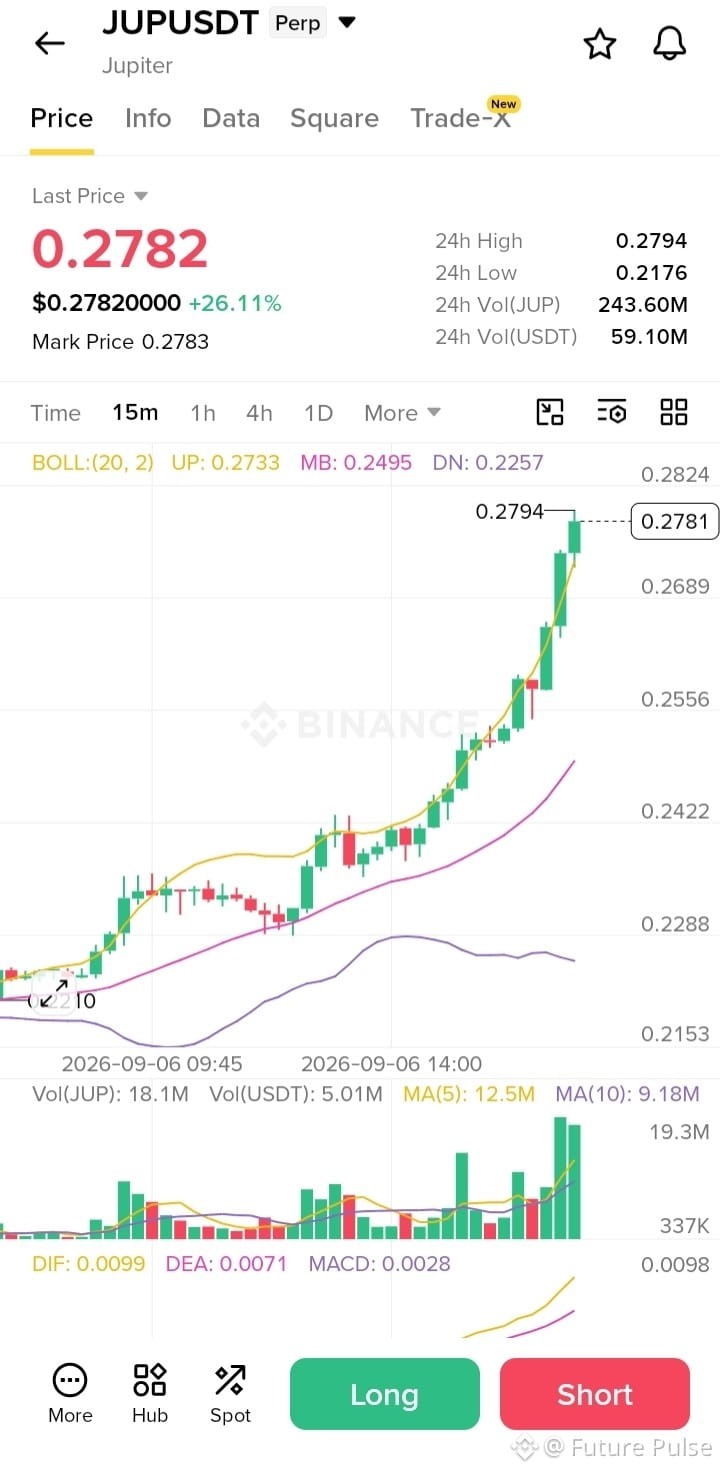
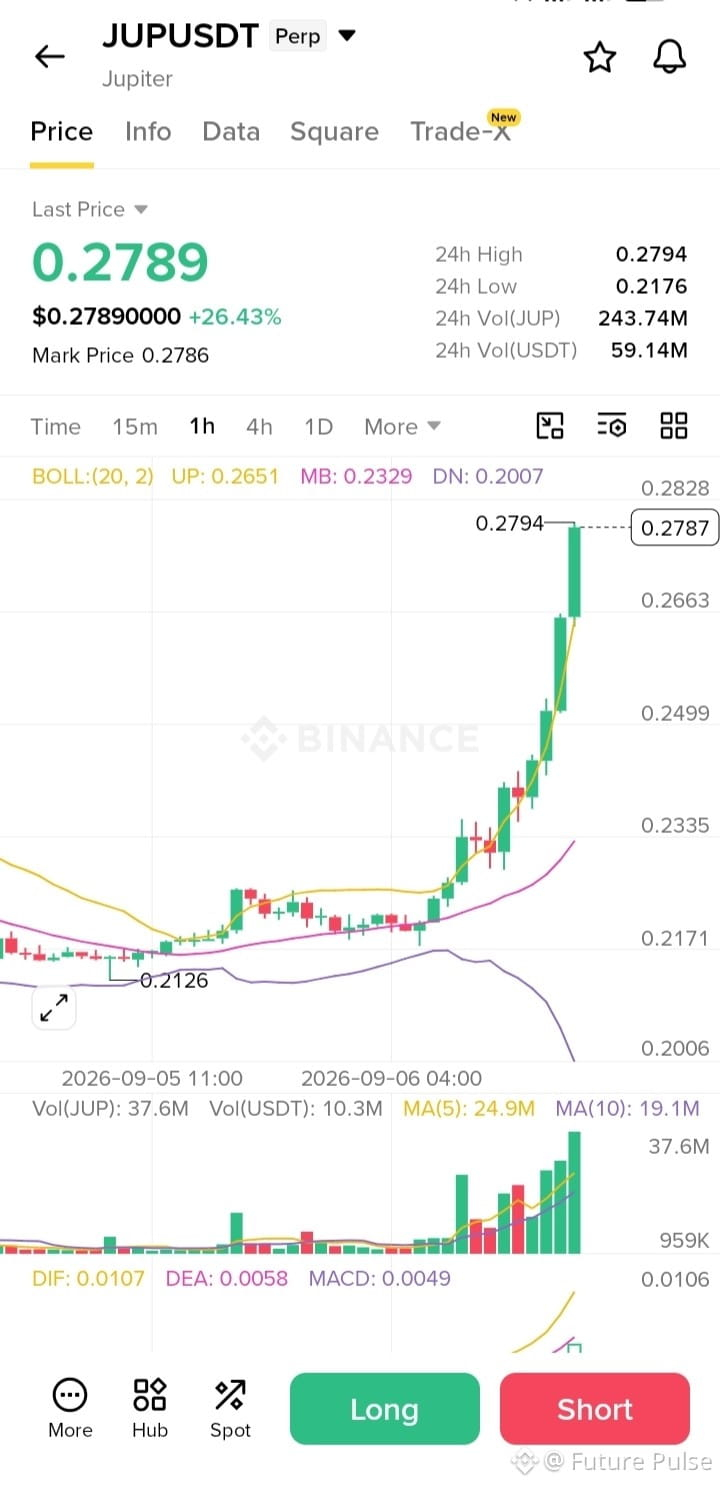
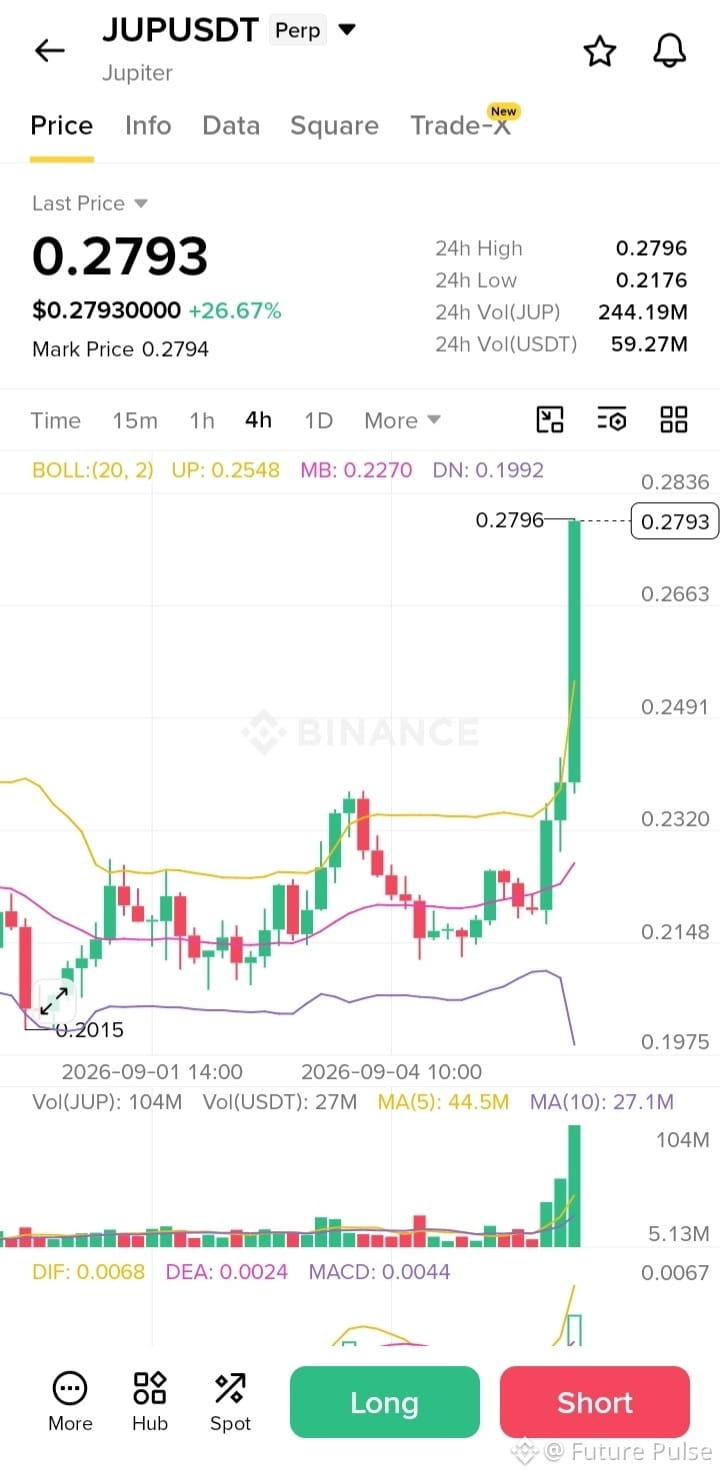
يُظهر Jupiter (JUP) اختراقًا قويًا، ويتداول حول $0.279 بعد حركة زخم حادة.
📈 4H: دفع السعر فوق النطاق العلوي لبولينجر ($0.255)، بينما يظل MACD صعوديًا بقوة. انفجرت أحجام التداول، مما يؤكد ضغط شراء عدواني.
🔥 1H: قمم أعلى قوية + ارتفاع في الحجم تشير إلى أن المشترين ما زالوا يسيطرون.
⚡ 15M: لا يزال الزخم صعوديًا، لكن السعر ممتد فوق النطاق العلوي لبولينجر، لذا قد يحدث تراجع قصير الأجل.
🎯 المقاومة: $0.280–$0.284
🎯 الهدف الصعودي: $0.300 → $0.320
🛡️ الدعم: $0.265 → $0.250 → $0.233
صعودي فوق $0.265. قد يفتح اختراق نظيف والثبات فوق $0.284 الباب نحو $0.30+. فقدان $0.250 سيضعف الإعداد الفني.
DYOR — منطقة تقلبات عالية. 📊
$ZEC
$PONS
$JUP
📈 4H: دفع السعر فوق النطاق العلوي لبولينجر ($0.255)، بينما يظل MACD صعوديًا بقوة. انفجرت أحجام التداول، مما يؤكد ضغط شراء عدواني.
🔥 1H: قمم أعلى قوية + ارتفاع في الحجم تشير إلى أن المشترين ما زالوا يسيطرون.
⚡ 15M: لا يزال الزخم صعوديًا، لكن السعر ممتد فوق النطاق العلوي لبولينجر، لذا قد يحدث تراجع قصير الأجل.
🎯 المقاومة: $0.280–$0.284
🎯 الهدف الصعودي: $0.300 → $0.320
🛡️ الدعم: $0.265 → $0.250 → $0.233
صعودي فوق $0.265. قد يفتح اختراق نظيف والثبات فوق $0.284 الباب نحو $0.30+. فقدان $0.250 سيضعف الإعداد الفني.
DYOR — منطقة تقلبات عالية. 📊
$ZEC
$PONS
$JUP
$WLD
$MARSCOIN
$PONS
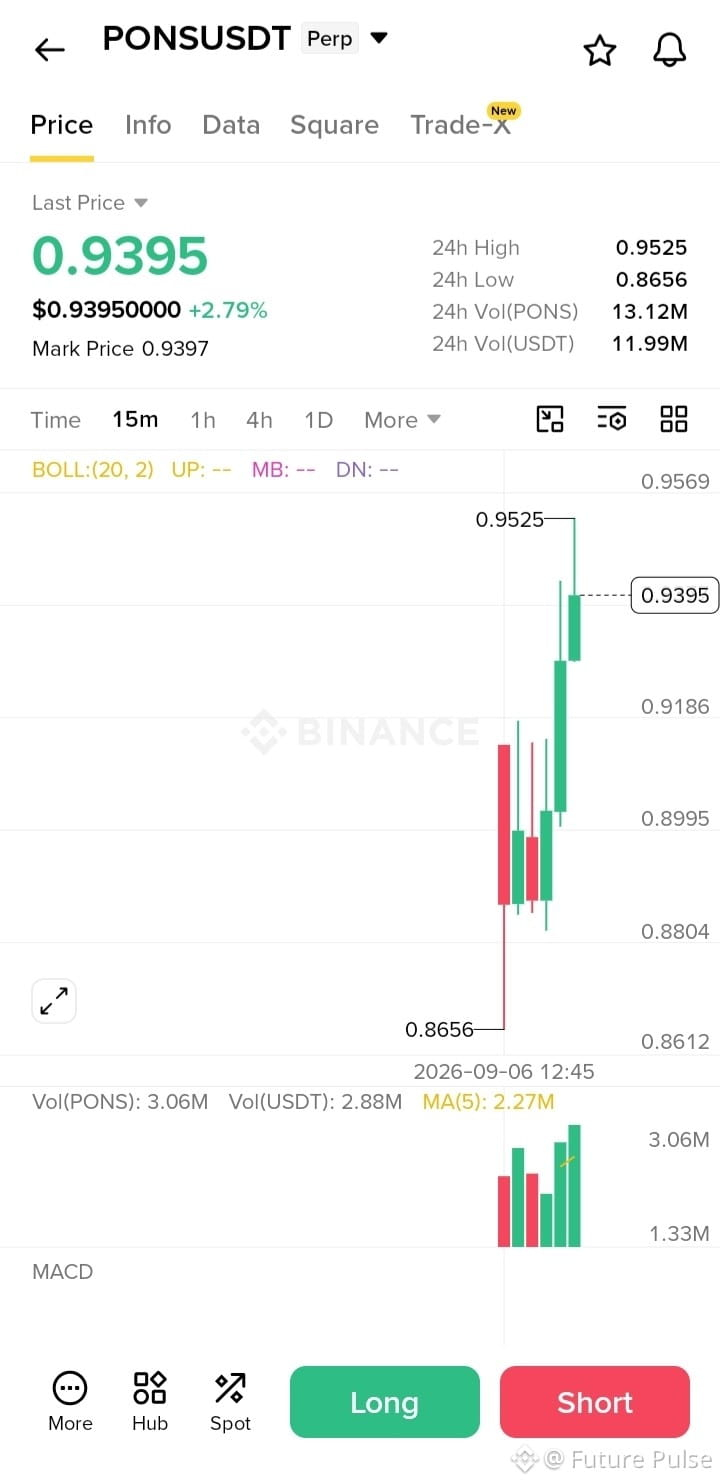
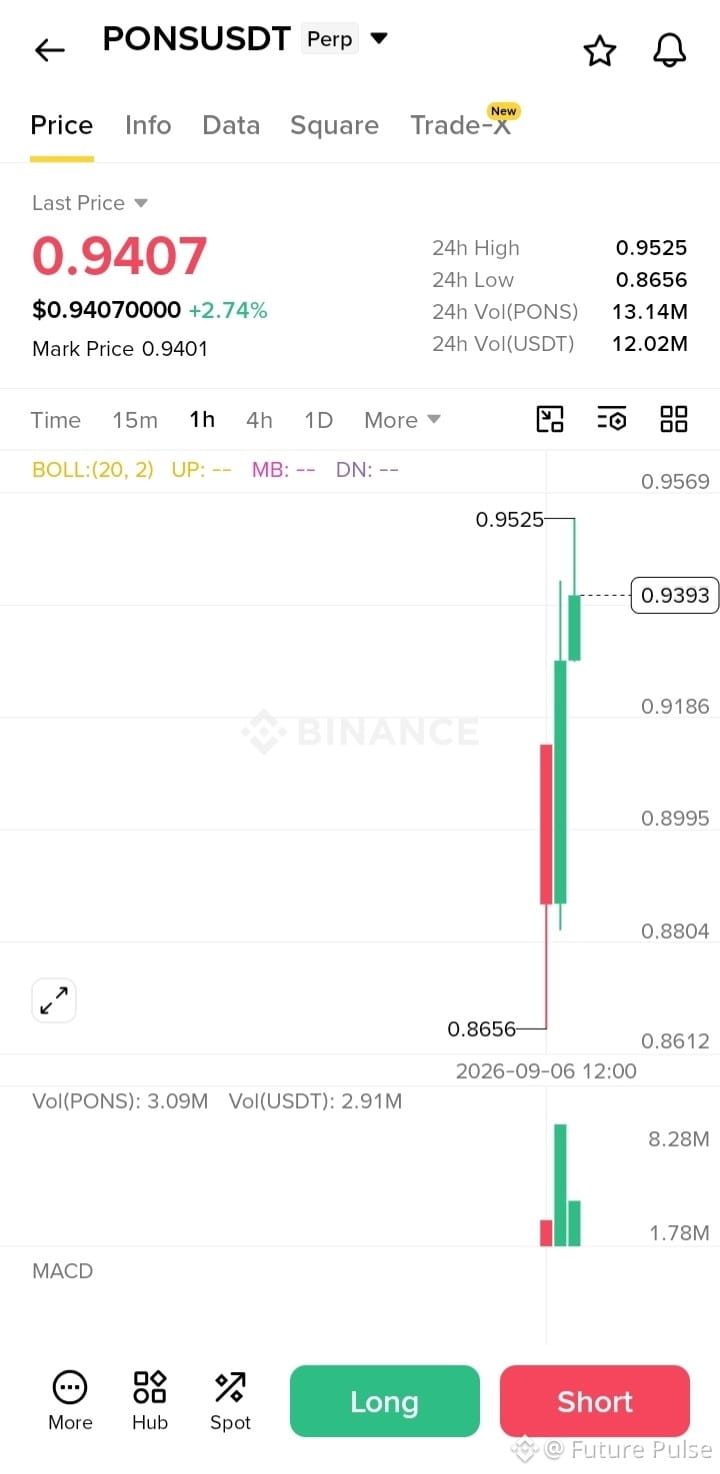
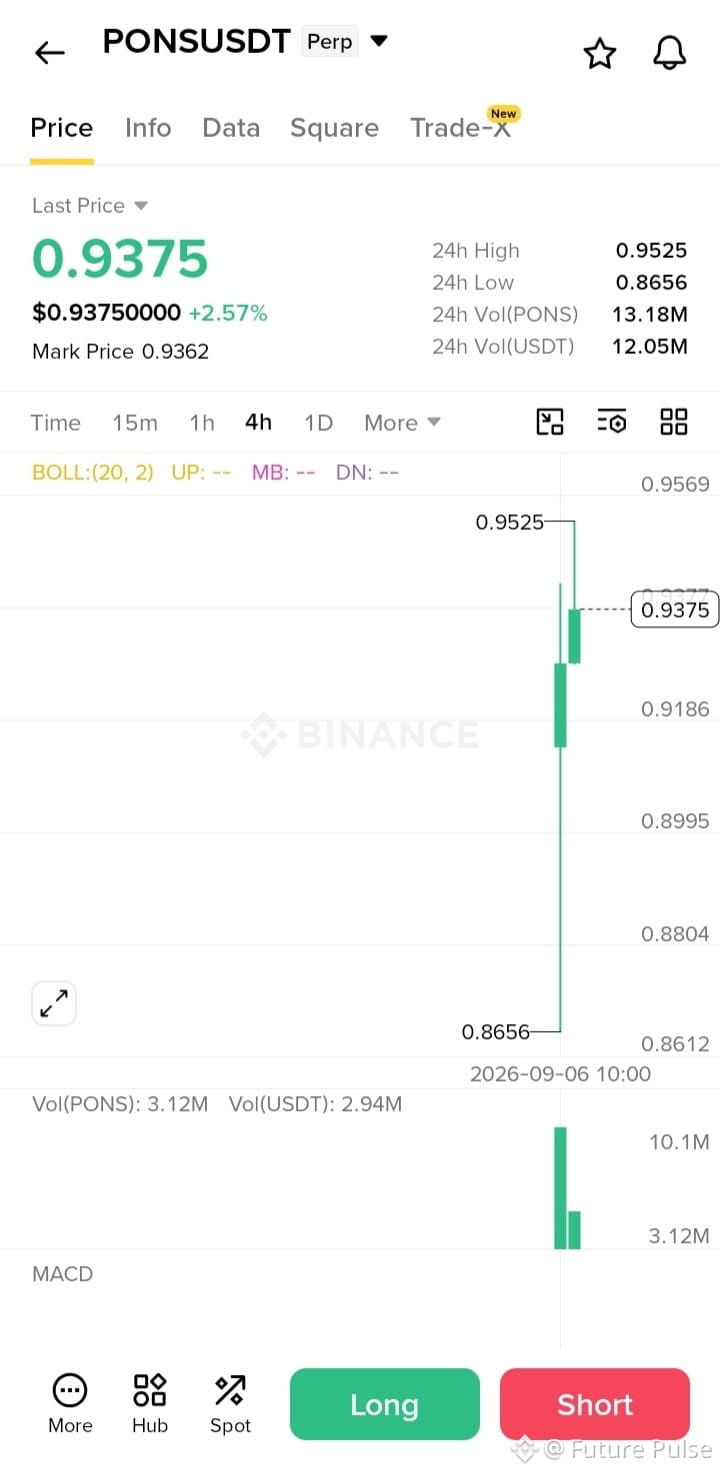
يُظهر PONS زخمًا صعوديًا قويًا بعد سحب سيولة حاد إلى 0.8656$، تلاه شراءٌ قوي. السعر الآن حول 0.9395$، مع ارتفاع الحجم مما يؤكد الارتداد.
🔹 المقاومة: 0.9525$–0.9569$
🔹 هدف الاختراق: 0.975$ → 1.00$
🔹 الدعم: 0.9186$
🔹 الدعم الرئيسي: 0.8995$–0.8804$
🔹 الإبطال: دون 0.8656$
البنية على إطار 15 دقيقة/1 ساعة صعودية، لكن السعر يقترب من المقاومة، لذا قد يحدث رفض أو تماسك قصير. إغلاق واضح على إطار 1 ساعة فوق 0.9569$ قد يفتح الطريق نحو المستوى النفسي 1.00$.
**الانحياز: 🟢 صعودي — لكن راقب منطقة الاختراق 0.9525$–0.9569$.**
$MARSCOIN
$PONS
يُظهر PONS زخمًا صعوديًا قويًا بعد سحب سيولة حاد إلى 0.8656$، تلاه شراءٌ قوي. السعر الآن حول 0.9395$، مع ارتفاع الحجم مما يؤكد الارتداد.
🔹 المقاومة: 0.9525$–0.9569$
🔹 هدف الاختراق: 0.975$ → 1.00$
🔹 الدعم: 0.9186$
🔹 الدعم الرئيسي: 0.8995$–0.8804$
🔹 الإبطال: دون 0.8656$
البنية على إطار 15 دقيقة/1 ساعة صعودية، لكن السعر يقترب من المقاومة، لذا قد يحدث رفض أو تماسك قصير. إغلاق واضح على إطار 1 ساعة فوق 0.9569$ قد يفتح الطريق نحو المستوى النفسي 1.00$.
**الانحياز: 🟢 صعودي — لكن راقب منطقة الاختراق 0.9525$–0.9569$.**
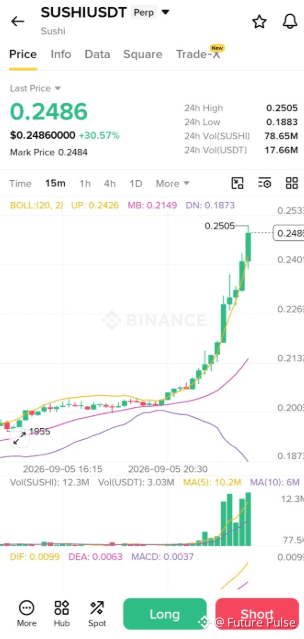
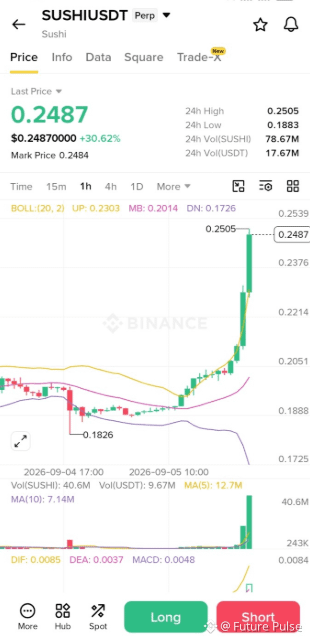
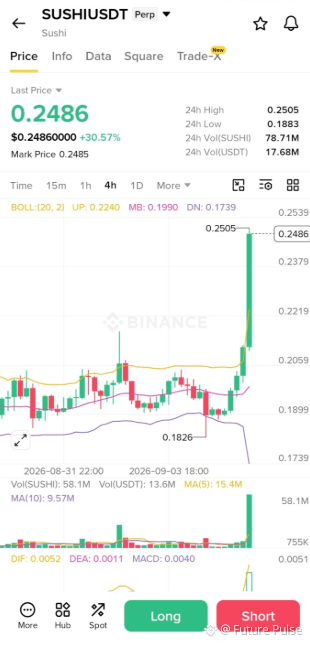
تُظهر SUSHI زخمًا صعوديًا انفجاريًا، وتتداول حول $0.2486 (+30.57%). لقد اخترق السعر بقوة فوق نطاقات بولينجر على مخططات 15M و1H و4H، بينما قفز الحجم — مما يؤكد مشاركة قوية من المشترين.
🔥 المقاومة الرئيسية: $0.2505 → $0.2535
🚀 قد يفتح اختراق نظيف فوق $0.2535 الطريق نحو $0.27–$0.28.
📍 مستويات الدعم عند التراجع: $0.240 → $0.230 → $0.221
يظل MACD صعوديًا بقوة عبر المخططات، لكن الحركة ممتدة جدًا، لذا فإن فترة تهدئة قصيرة أو إعادة اختبار ستكون صحية.
التحيز: صعودي فوق $0.230.
⚠️ تجنب مطاردة شمعة عمودية؛ ترقب تأكيد الاختراق/إعادة الاختبار.
$SKHYNIX
$SUSHI
$MARSCOIN
🔥 المقاومة الرئيسية: $0.2505 → $0.2535
🚀 قد يفتح اختراق نظيف فوق $0.2535 الطريق نحو $0.27–$0.28.
📍 مستويات الدعم عند التراجع: $0.240 → $0.230 → $0.221
يظل MACD صعوديًا بقوة عبر المخططات، لكن الحركة ممتدة جدًا، لذا فإن فترة تهدئة قصيرة أو إعادة اختبار ستكون صحية.
التحيز: صعودي فوق $0.230.
⚠️ تجنب مطاردة شمعة عمودية؛ ترقب تأكيد الاختراق/إعادة الاختبار.
$SKHYNIX
$SUSHI
$MARSCOIN
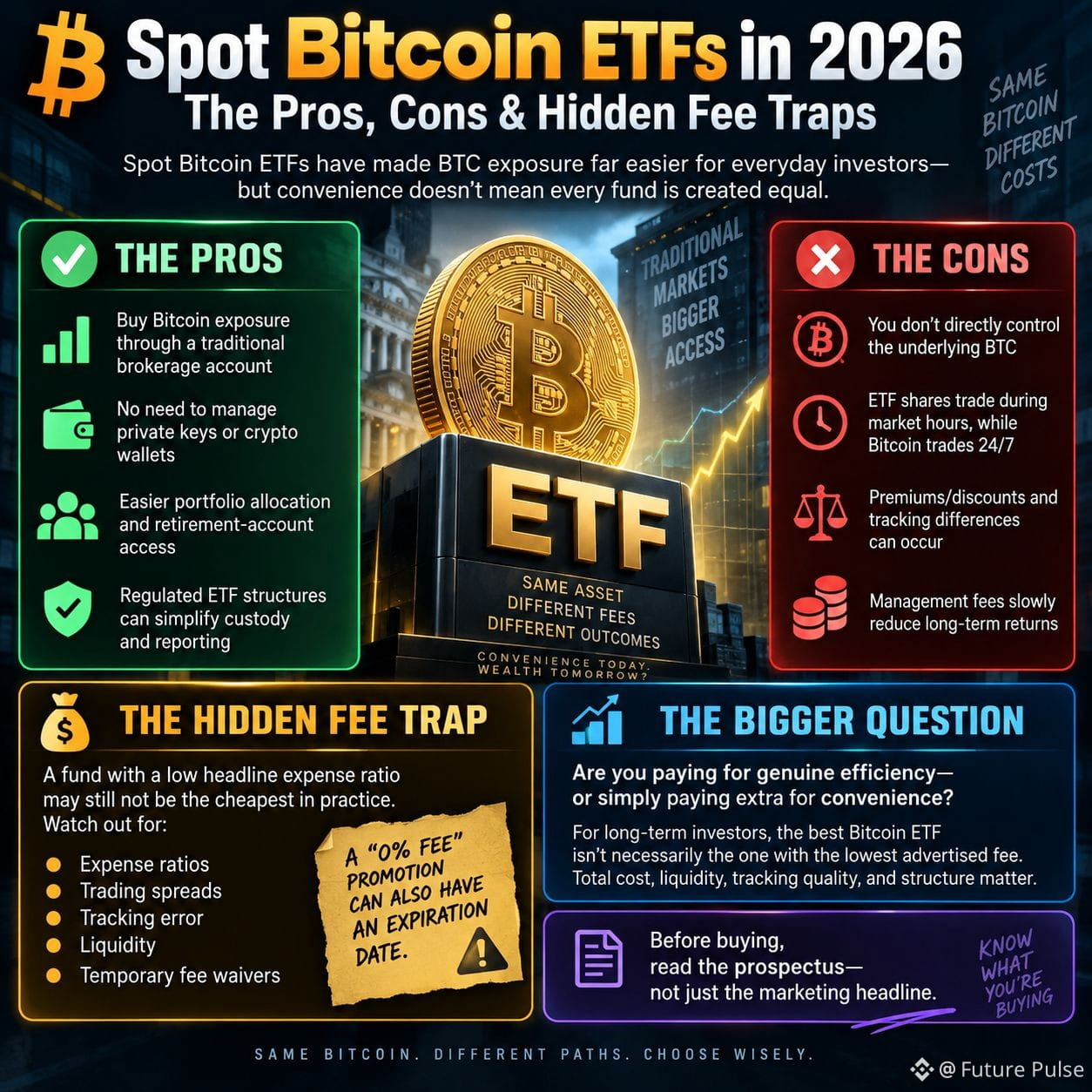
₿ صناديق الاستثمار المتداولة الفورية للبيتكوين في 2026: الإيجابيات والسلبيات ومصائد الرسوم الخفية
لقد جعلت صناديق الاستثمار المتداولة الفورية للبيتكوين التعرض لـ BTC أسهل بكثير للمستثمرين العاديين—لكن سهولة الاستخدام لا تعني أن كل صندوق متساوٍ.
✅ الإيجابيات:
• شراء التعرض للبيتكوين عبر حساب وساطة تقليدي
• لا حاجة لإدارة المفاتيح الخاصة أو محافظ العملات المشفرة
• تخصيص أسهل للمحفظة والوصول إلى حسابات التقاعد
• يمكن لهياكل صناديق ETF المنظمة أن تبسط الحفظ والإبلاغ
⚠️ السلبيات:
• لا تتحكم مباشرةً في BTC الأساسي
• تتداول أسهم ETF خلال ساعات السوق، بينما يتداول البيتكوين على مدار 24/7
• قد تحدث علاوات/خصومات واختلافات في التتبع
• الرسوم الإدارية تقلل العوائد طويلة الأجل تدريجيًا
💸 مصيدة الرسوم الخفية:
قد لا يكون الصندوق ذو نسبة المصروفات المنخفضة في العنوان هو الأرخص عمليًا. راقب نسب المصروفات، وفروق التداول، وخطأ التتبع، والسيولة، والإعفاءات المؤقتة من الرسوم. كما أن عرض "رسوم 0%" قد يكون له أيضًا تاريخ انتهاء.
📊 السؤال الأكبر:
هل تدفع مقابل كفاءة حقيقية—أم أنك تدفع ببساطة أكثر مقابل الراحة؟
بالنسبة للمستثمرين على المدى الطويل، فإن أفضل ETF للبيتكوين ليس بالضرورة هو الصندوق ذو الرسوم المعلنة الأدنى. التكلفة الإجمالية، والسيولة، وجودة التتبع، والبنية كلها أمور مهمة.
🔎 قبل الشراء، اقرأ نشرة الإصدار—not just the marketing headline.
$TUT
$ZEC
$BTC
لقد جعلت صناديق الاستثمار المتداولة الفورية للبيتكوين التعرض لـ BTC أسهل بكثير للمستثمرين العاديين—لكن سهولة الاستخدام لا تعني أن كل صندوق متساوٍ.
✅ الإيجابيات:
• شراء التعرض للبيتكوين عبر حساب وساطة تقليدي
• لا حاجة لإدارة المفاتيح الخاصة أو محافظ العملات المشفرة
• تخصيص أسهل للمحفظة والوصول إلى حسابات التقاعد
• يمكن لهياكل صناديق ETF المنظمة أن تبسط الحفظ والإبلاغ
⚠️ السلبيات:
• لا تتحكم مباشرةً في BTC الأساسي
• تتداول أسهم ETF خلال ساعات السوق، بينما يتداول البيتكوين على مدار 24/7
• قد تحدث علاوات/خصومات واختلافات في التتبع
• الرسوم الإدارية تقلل العوائد طويلة الأجل تدريجيًا
💸 مصيدة الرسوم الخفية:
قد لا يكون الصندوق ذو نسبة المصروفات المنخفضة في العنوان هو الأرخص عمليًا. راقب نسب المصروفات، وفروق التداول، وخطأ التتبع، والسيولة، والإعفاءات المؤقتة من الرسوم. كما أن عرض "رسوم 0%" قد يكون له أيضًا تاريخ انتهاء.
📊 السؤال الأكبر:
هل تدفع مقابل كفاءة حقيقية—أم أنك تدفع ببساطة أكثر مقابل الراحة؟
بالنسبة للمستثمرين على المدى الطويل، فإن أفضل ETF للبيتكوين ليس بالضرورة هو الصندوق ذو الرسوم المعلنة الأدنى. التكلفة الإجمالية، والسيولة، وجودة التتبع، والبنية كلها أمور مهمة.
🔎 قبل الشراء، اقرأ نشرة الإصدار—not just the marketing headline.
$TUT
$ZEC
$BTC
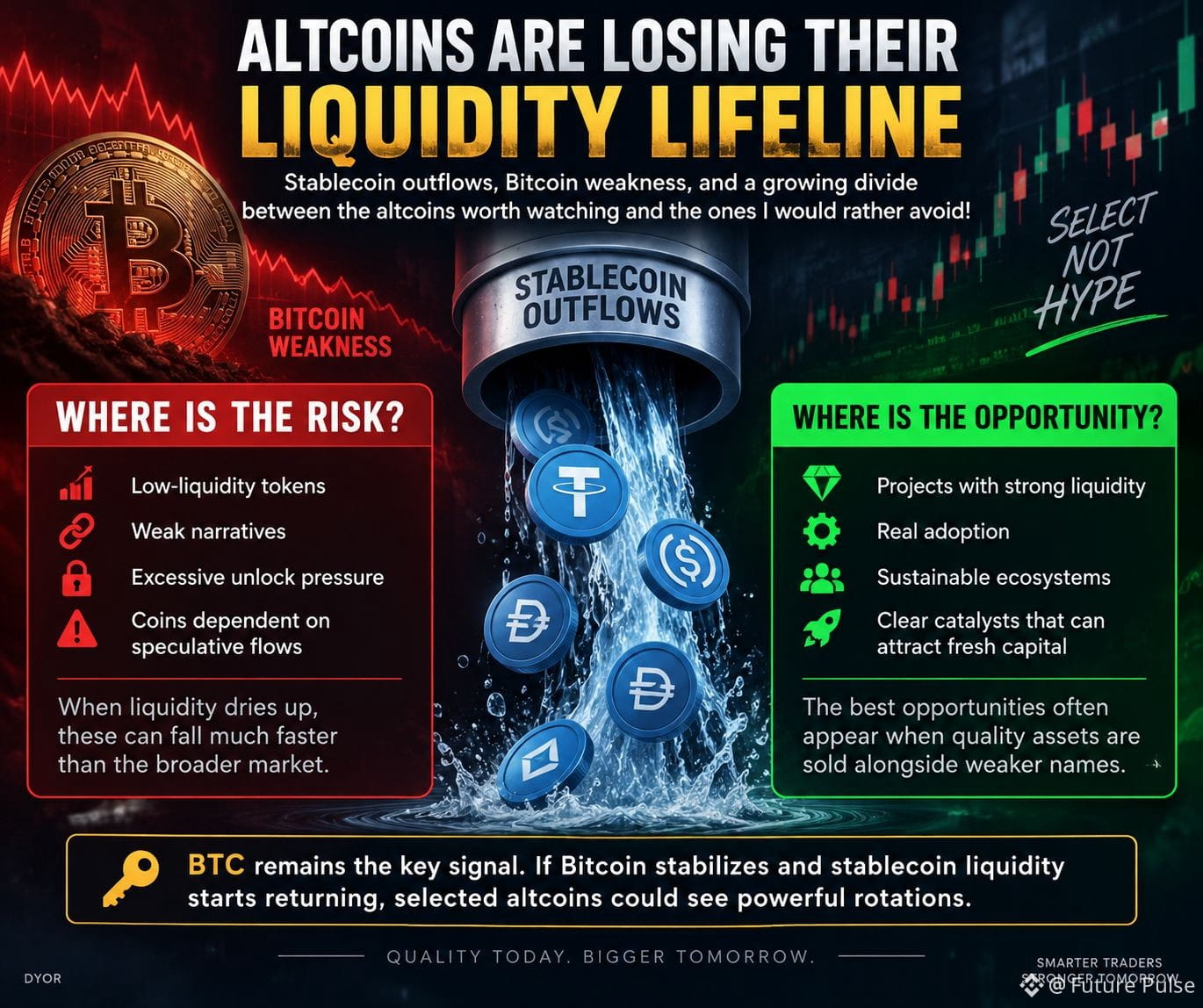
🚨 العملات البديلة تفقد شريان السيولة
يدخل سوق العملات البديلة مرحلة أكثر انتقائية. إنّ تدفقات الخروج من العملات المستقرة تشدّ على السيولة المتاحة، بينما يُقلّل ضعف البيتكوين من استعداد المتداولين لمطاردة الأصول الأعلى مخاطرة.
وهذا يخلق فجوة متزايدة: ليس كل عملة بديلة تستحق الانتباه.
🔴 أين تكمن المخاطرة؟
الرموز منخفضة السيولة، السرديات الضعيفة، ضغط فكّ القفل المفرط، والعملات التي تعتمد بالكامل تقريبًا على التدفقات المضاربية. عندما تجف السيولة، قد تهبط هذه بسرعة أكبر بكثير من السوق الأوسع.
🟢 أين تكمن الفرصة؟
ركّز على المشاريع ذات السيولة القوية، والتبنّي الحقيقي، والأنظمة البيئية المستدامة، والعوامل المحفِّزة التي يمكنها جذب رأس مال جديد. وغالبًا ما تظهر أفضل الفرص عندما تُباع الأصول الجيدة جنبًا إلى جنب مع الأسماء الأضعف.
يظل BTC الإشارة الأساسية. إذا استقرّ البيتكوين وبدأت سيولة العملات المستقرة في العودة، فقد تشهد بعض العملات البديلة المختارة تحرّكات قوية.
لكن إلى ذلك الحين، فهذه سوق للاختيار لا للشراء الأعمى.
قد تكافئ حركة العملات البديلة التالية الجودة — لا الضجة. 📊
$WLD
$MARSCOIN
$DASH
🗳️ سيولة العملات البديلة تتقلص — ماذا سيحدث بعد ذلك؟
يدخل سوق العملات البديلة مرحلة أكثر انتقائية. إنّ تدفقات الخروج من العملات المستقرة تشدّ على السيولة المتاحة، بينما يُقلّل ضعف البيتكوين من استعداد المتداولين لمطاردة الأصول الأعلى مخاطرة.
وهذا يخلق فجوة متزايدة: ليس كل عملة بديلة تستحق الانتباه.
🔴 أين تكمن المخاطرة؟
الرموز منخفضة السيولة، السرديات الضعيفة، ضغط فكّ القفل المفرط، والعملات التي تعتمد بالكامل تقريبًا على التدفقات المضاربية. عندما تجف السيولة، قد تهبط هذه بسرعة أكبر بكثير من السوق الأوسع.
🟢 أين تكمن الفرصة؟
ركّز على المشاريع ذات السيولة القوية، والتبنّي الحقيقي، والأنظمة البيئية المستدامة، والعوامل المحفِّزة التي يمكنها جذب رأس مال جديد. وغالبًا ما تظهر أفضل الفرص عندما تُباع الأصول الجيدة جنبًا إلى جنب مع الأسماء الأضعف.
يظل BTC الإشارة الأساسية. إذا استقرّ البيتكوين وبدأت سيولة العملات المستقرة في العودة، فقد تشهد بعض العملات البديلة المختارة تحرّكات قوية.
لكن إلى ذلك الحين، فهذه سوق للاختيار لا للشراء الأعمى.
قد تكافئ حركة العملات البديلة التالية الجودة — لا الضجة. 📊
$WLD
$MARSCOIN
$DASH
🗳️ سيولة العملات البديلة تتقلص — ماذا سيحدث بعد ذلك؟
🔥Quality alts absorb the flow
31%
🩸 Weak alts get flushed
16%
🐋 Capital waits for BTC
37%
🚀 Liquidity snaps back fast
16%
19 الأصوات • تمّ إغلاق التصويت
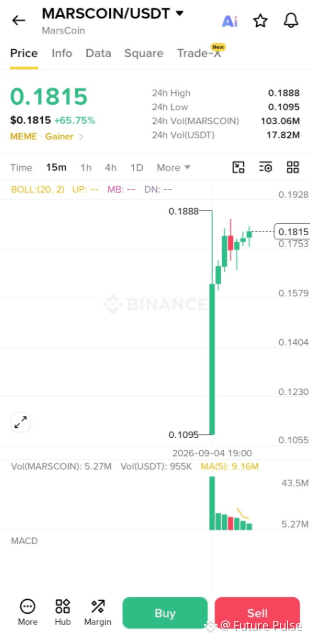
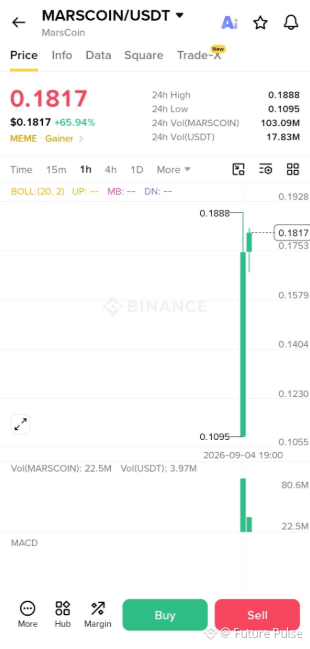
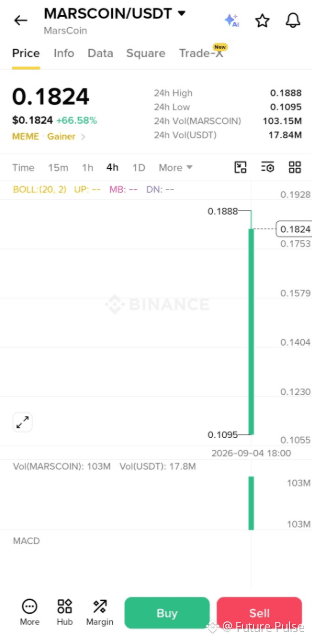
تُظهر MARSCOIN زخمًا انفجاريًا بعد اختراق ضخم، وتتداول قرب $0.1815 بعد أن لامست $0.1888. مخطط 15 دقيقة يتماسك قرب القمم، مما يشير إلى أن المشترين ما زالوا يدافعون عن منطقة الاختراق.
📈 المقاومة: $0.1888 → $0.1928
🎯 قد يفتح الاختراق فوق $0.1928 حركة جديدة لاكتشاف السعر.
🟢 الدعم: $0.1753 → $0.1579
⚠️ فقدان $0.1753 قد يطلق تصحيحًا أعمق نحو $0.1579.
ارتفع الحجم بشكل كبير عند الاختراق لكنه يهدأ الآن، لذا قد تظل التقلبات شديدة. كما أكدت Binance أيضًا إدراج MARSCOIN الفوري مع Seed Tag، مما يساعد على تفسير الزخم القوي لكنه يبرز أيضًا ارتفاع المخاطر.
اتجاه صاعد فوق $0.1753، لكن ملاحقة الحركة العمودية تحمل مخاطرة عالية.
$MARSCOIN
$SNXXB
$DASH
📈 المقاومة: $0.1888 → $0.1928
🎯 قد يفتح الاختراق فوق $0.1928 حركة جديدة لاكتشاف السعر.
🟢 الدعم: $0.1753 → $0.1579
⚠️ فقدان $0.1753 قد يطلق تصحيحًا أعمق نحو $0.1579.
ارتفع الحجم بشكل كبير عند الاختراق لكنه يهدأ الآن، لذا قد تظل التقلبات شديدة. كما أكدت Binance أيضًا إدراج MARSCOIN الفوري مع Seed Tag، مما يساعد على تفسير الزخم القوي لكنه يبرز أيضًا ارتفاع المخاطر.
اتجاه صاعد فوق $0.1753، لكن ملاحقة الحركة العمودية تحمل مخاطرة عالية.
$MARSCOIN
$SNXXB
$DASH
🚀 TermMax (TMX): التقلب قد يكون الفرصة
يتم تداول TermMax (TMX) حول 0.104$، مع بقاء التقلب داخل اليوم مرتفعًا مما يحافظ على يقظة المتداولين. تُظهر البيانات الأخيرة أن TMX هبط بشكل حاد من أعلى مستوى له على الإطلاق عند 0.2043$، بينما تظل أحجام التداول مرتفعة.
المنطقة الرئيسية التي يجب مراقبتها هي 0.105–0.115$. إن الاستمرار عند 0.105 قد يمنح الثيران فرصة لاستعادة 0.115، تليها 0.13–0.14. أما الاختراق الحاسم أسفل 0.105 فسوف يُضعف السيناريو ويكشف عن مستويات دعم أدنى.
وبعد أن سلطت Binance مؤخرًا الضوء على TMX من خلال مسابقة تداول بقيمة 200 ألف دولار، قد يستمر ارتفاع الاهتمام والسيولة.
TMX متقلب — لكن هل يهيّئ هذا الهبوط الخطوة التالية؟ 📈📉
$TMX
$ZEC
$PROM
#TermMax
#TMX
🗳️ TMX حول 0.104$ — ماذا سيفعل الرسم البياني بعد ذلك؟
يتم تداول TermMax (TMX) حول 0.104$، مع بقاء التقلب داخل اليوم مرتفعًا مما يحافظ على يقظة المتداولين. تُظهر البيانات الأخيرة أن TMX هبط بشكل حاد من أعلى مستوى له على الإطلاق عند 0.2043$، بينما تظل أحجام التداول مرتفعة.
المنطقة الرئيسية التي يجب مراقبتها هي 0.105–0.115$. إن الاستمرار عند 0.105 قد يمنح الثيران فرصة لاستعادة 0.115، تليها 0.13–0.14. أما الاختراق الحاسم أسفل 0.105 فسوف يُضعف السيناريو ويكشف عن مستويات دعم أدنى.
وبعد أن سلطت Binance مؤخرًا الضوء على TMX من خلال مسابقة تداول بقيمة 200 ألف دولار، قد يستمر ارتفاع الاهتمام والسيولة.
TMX متقلب — لكن هل يهيّئ هذا الهبوط الخطوة التالية؟ 📈📉
$TMX
$ZEC
$PROM
#TermMax
#TMX
🗳️ TMX حول 0.104$ — ماذا سيفعل الرسم البياني بعد ذلك؟
🚀 Break $0.115 → breakout
45%
📈 Reclaim $0.110 → bullish
5%
🐻 Lose $0.101 → sell-off
27%
⚡ Sweep both → volatility
23%
22 الأصوات • تمّ إغلاق التصويت
🚀 التحليل الفني لـ ARB | الثيران تسيطر
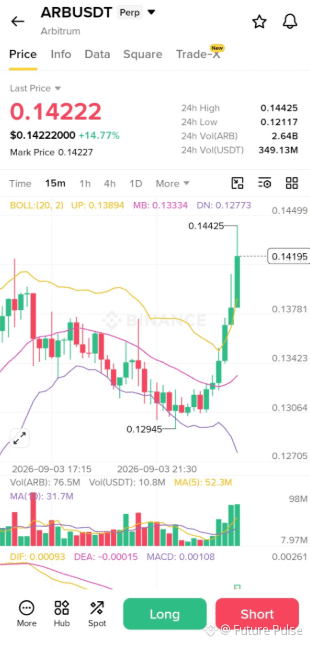
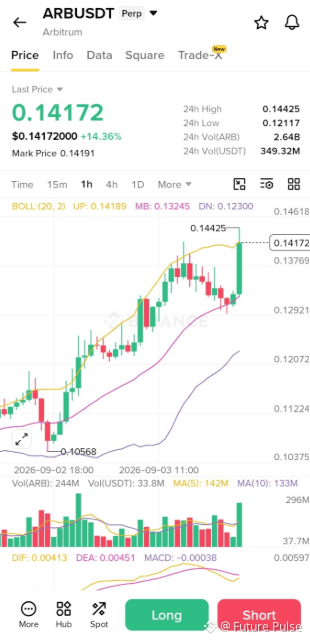
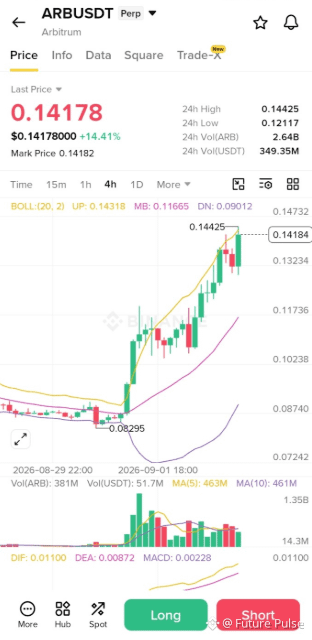
يُظهر ARB زخمًا صعوديًا قويًا بعد اختراقه منطقة التجميع بين $0.129–$0.134. السعر الآن حول $0.142، ويضغط على مقاومة $0.14425 الرئيسية ويتداول فوق النطاق المتوسط لـ Bollinger في إطارَي 1H/4H.
📈 1H: شمعة اختراق قوية مع ارتفاع في حجم التداول؛ وMACD يتحول إلى صعودي.
🔥 4H: يبقى السعر فوق النطاق المتوسط، وMACD إيجابي بثبات، مما يؤكد قوة الاتجاه.
🎯 المقاومة: $0.14425 → $0.14730
🛡️ الدعم: $0.1378 → $0.1333 → $0.1295
قد يؤدي الاختراق الواضح فوق $0.14425 إلى فتح الطريق نحو $0.147–$0.150. أما الفشل هنا فقد يُطلق جني أرباح/تصحيحًا باتجاه $0.138.
$ARB
$ZEC
$TRUMP
يُظهر ARB زخمًا صعوديًا قويًا بعد اختراقه منطقة التجميع بين $0.129–$0.134. السعر الآن حول $0.142، ويضغط على مقاومة $0.14425 الرئيسية ويتداول فوق النطاق المتوسط لـ Bollinger في إطارَي 1H/4H.
📈 1H: شمعة اختراق قوية مع ارتفاع في حجم التداول؛ وMACD يتحول إلى صعودي.
🔥 4H: يبقى السعر فوق النطاق المتوسط، وMACD إيجابي بثبات، مما يؤكد قوة الاتجاه.
🎯 المقاومة: $0.14425 → $0.14730
🛡️ الدعم: $0.1378 → $0.1333 → $0.1295
قد يؤدي الاختراق الواضح فوق $0.14425 إلى فتح الطريق نحو $0.147–$0.150. أما الفشل هنا فقد يُطلق جني أرباح/تصحيحًا باتجاه $0.138.
$ARB
$ZEC
$TRUMP
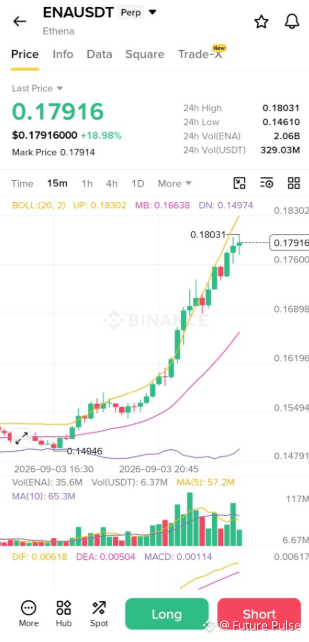
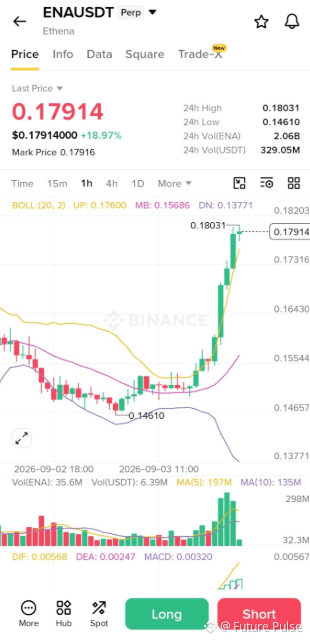
ENA تُظهر زخمًا صعوديًا قويًا، وتتداول حول 0.1792 دولار (+19%) بعد اختراق حاد من منطقة 0.15.
🔹 المقاومة: 0.1803 دولار، ثم 0.1830 دولار
🔹 الدعم: 0.1760 دولار → 0.1715 دولار → 0.1660 دولار
🔹 دعم 1H الرئيسي: 0.1569 دولار
🔹 الزخم: MACD ما زال صعوديًا، حيث يقع DIF أعلى من DEA.
🔹 الحجم: توسع واضح في حجم التداول يؤكد وجود اهتمام قوي بالشراء.
السعر يضغط على الحد العلوي لمؤشر بولنجر باند عبر شارتات 1H/4H، لذا قد يكون هناك تراجع قصير الأجل أو تماسك. الحفاظ فوق 0.176 دولار قد يساعد في إبقاء بنية الاختراق سليمة، بينما قد يؤدي اختراق واضح فوق 0.1803 دولار إلى فتح المجال نحو 0.183–0.19 دولار.
⚠️ تقلبات عالية—أدِر المخاطر بعناية.
$ENA
$XPL
$ZRO
#ethena
#ENA
🔹 المقاومة: 0.1803 دولار، ثم 0.1830 دولار
🔹 الدعم: 0.1760 دولار → 0.1715 دولار → 0.1660 دولار
🔹 دعم 1H الرئيسي: 0.1569 دولار
🔹 الزخم: MACD ما زال صعوديًا، حيث يقع DIF أعلى من DEA.
🔹 الحجم: توسع واضح في حجم التداول يؤكد وجود اهتمام قوي بالشراء.
السعر يضغط على الحد العلوي لمؤشر بولنجر باند عبر شارتات 1H/4H، لذا قد يكون هناك تراجع قصير الأجل أو تماسك. الحفاظ فوق 0.176 دولار قد يساعد في إبقاء بنية الاختراق سليمة، بينما قد يؤدي اختراق واضح فوق 0.1803 دولار إلى فتح المجال نحو 0.183–0.19 دولار.
⚠️ تقلبات عالية—أدِر المخاطر بعناية.
$ENA
$XPL
$ZRO
#ethena
#ENA
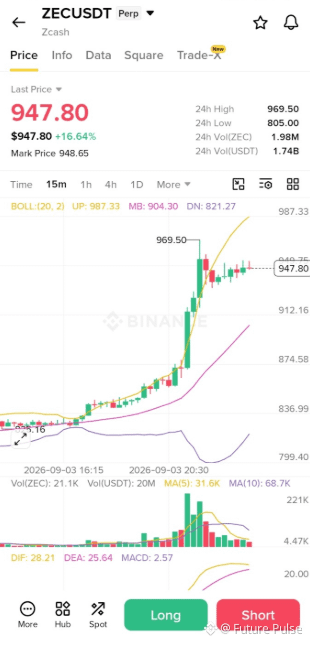
🚀 التحليل الفني لـ ZEC | الثيران تتولى زمام السيطرة
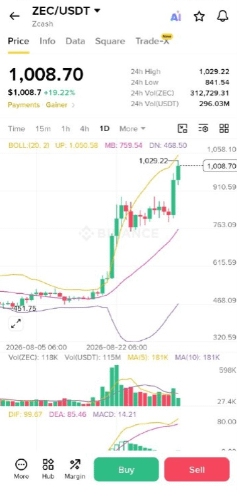
يُظهر كاش (ZEC) زخمًا شرائيًا قويًا للغاية، ويتداول قرب 948 دولارًا بعد حركة حادة من منطقة 800–850 دولار. على مخطط 15 دقيقة، يتماسك السعر حول 945–955 دولار بعد أن وصل إلى 969.50 دولار، ما يشير إلى أن المشترين يدافعون عن منطقة الاختراق.
📊 المستويات الرئيسية:
🟢 الدعم: 920–935 دولار
🔑 دعم رئيسي: 900 دولار
🚀 المقاومة: 969–970 دولار
🎯 هدف الاختراق: 987–1,000 دولار
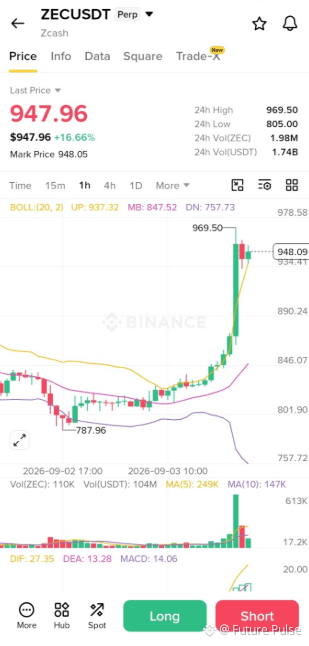
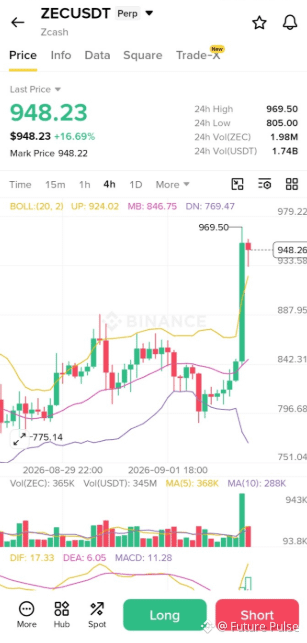
ما تزال مخططات ساعة واحدة و4 ساعات صعودية بقوة، مع بقاء السعر فوق منتصف نطاق بولينجر وMACD إيجابيًا بثبات. ومع ذلك، فإن الاندفاع العمودي وتراجع حجم التداول أثناء التماسك يزيدان من خطر حدوث هبوط تصحيحي قصير الأجل.
يمكن أن يؤدي اختراق واضح فوق 970 دولار إلى دفع موجة أخرى باتجاه 1,000 دولار. فقدان 920 دولار قد يؤدي إلى إعادة اختبار أعمق عند 900 دولار.
⚠️ تذبذب مرتفع = تعامل مع الرافعة المالية بحذر.
$ZEC
$NIGHT
$CATI
#zec
#night
#CATI
🗳️ لقد اخترق ZEC للتو 900 دولار — إلى أين يتجه بعد ذلك؟
يُظهر كاش (ZEC) زخمًا شرائيًا قويًا للغاية، ويتداول قرب 948 دولارًا بعد حركة حادة من منطقة 800–850 دولار. على مخطط 15 دقيقة، يتماسك السعر حول 945–955 دولار بعد أن وصل إلى 969.50 دولار، ما يشير إلى أن المشترين يدافعون عن منطقة الاختراق.
📊 المستويات الرئيسية:
🟢 الدعم: 920–935 دولار
🔑 دعم رئيسي: 900 دولار
🚀 المقاومة: 969–970 دولار
🎯 هدف الاختراق: 987–1,000 دولار
ما تزال مخططات ساعة واحدة و4 ساعات صعودية بقوة، مع بقاء السعر فوق منتصف نطاق بولينجر وMACD إيجابيًا بثبات. ومع ذلك، فإن الاندفاع العمودي وتراجع حجم التداول أثناء التماسك يزيدان من خطر حدوث هبوط تصحيحي قصير الأجل.
يمكن أن يؤدي اختراق واضح فوق 970 دولار إلى دفع موجة أخرى باتجاه 1,000 دولار. فقدان 920 دولار قد يؤدي إلى إعادة اختبار أعمق عند 900 دولار.
⚠️ تذبذب مرتفع = تعامل مع الرافعة المالية بحذر.
$ZEC
$NIGHT
$CATI
#zec
#night
#CATI
🗳️ لقد اخترق ZEC للتو 900 دولار — إلى أين يتجه بعد ذلك؟
🚀 Breaks $970 → $1,000
43%
📈 Holds $920 → New ATH
0%
🔄 Pulls back → $900
29%
🐻 Loses $900 → Deeper drop
28%
14 الأصوات • تمّ إغلاق التصويت
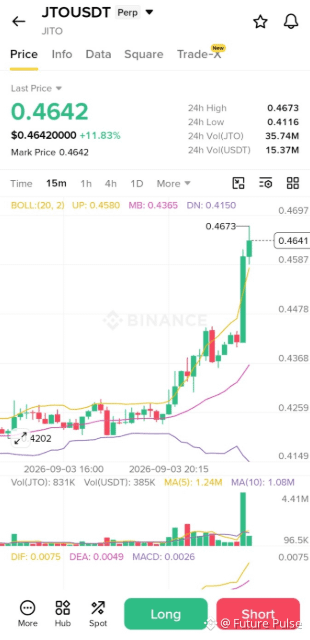
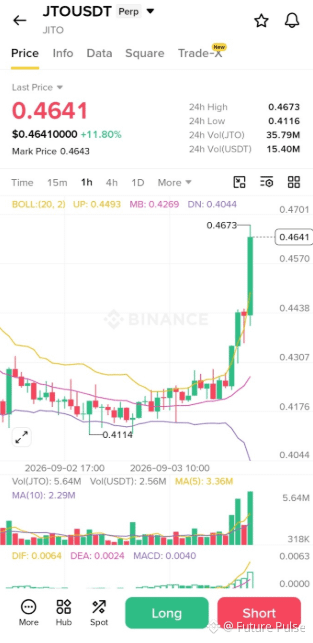
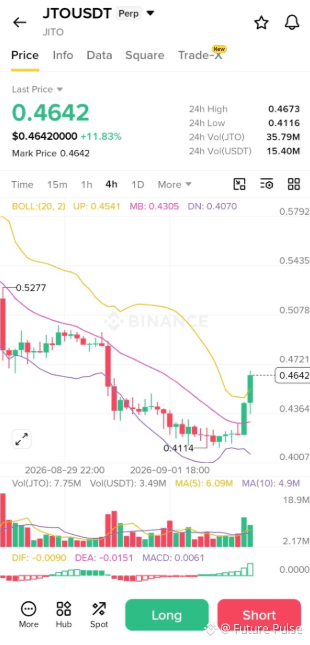
يُظهر JTO اختراقًا صعوديًا قويًا عبر مخططات 15m و1H و4H. السعر يدور حول $0.4642، مرتفعًا بنحو 12% تقريبًا، مع توسع حاد في حجم التداول مع سيطرة المشترين. على مخطط 1H، دفع السعر بقوة أعلى من النطاق الأوسط لبولينجر ($0.4269) وهو يختبر المنطقة العلوية. MACD إيجابي بقوة، ما يؤكد الزخم المتزايد.
🔹 المقاومة: $0.467–$0.472
🎯 الأهداف: $0.485 → $0.500 → $0.525
🔹 الدعم: $0.444 → $0.427 → $0.411
قد يؤدي اختراق واضح أعلى من $0.472 إلى تمديد الصعود. قد تؤدي عمليات الرفض إلى جني أرباح باتجاه $0.444–$0.427. احرص على إدارة المخاطر بعناية بعد الحركة الحادة.
$JTO
$NIGHT
$ZEC
🔹 المقاومة: $0.467–$0.472
🎯 الأهداف: $0.485 → $0.500 → $0.525
🔹 الدعم: $0.444 → $0.427 → $0.411
قد يؤدي اختراق واضح أعلى من $0.472 إلى تمديد الصعود. قد تؤدي عمليات الرفض إلى جني أرباح باتجاه $0.444–$0.427. احرص على إدارة المخاطر بعناية بعد الحركة الحادة.
$JTO
$NIGHT
$ZEC
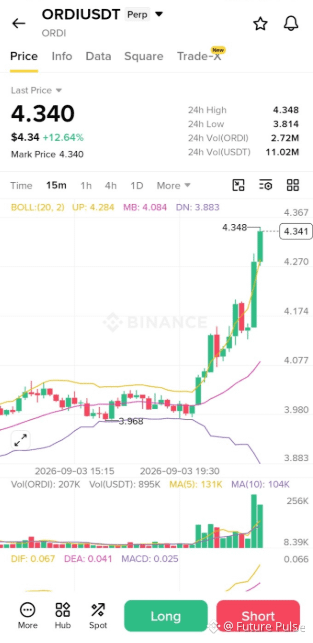
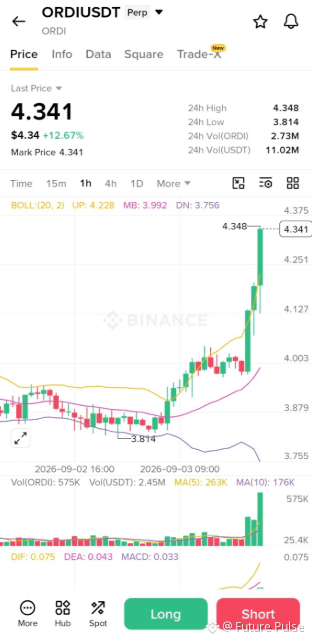
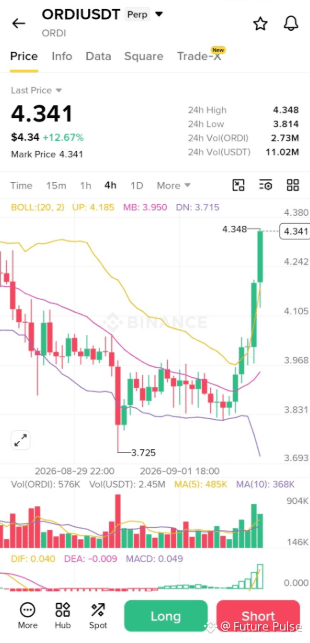
يُظهر ORDI اختراقًا صعوديًا قويًا عبر مخططات 15 دقيقة و1 ساعة و4 ساعات. السعر عند حوالي 4.34$، مرتفعًا بأكثر من 12%، مع تزايد الحجم (الـVolume) بما يؤكد ضغط شراء قوي. على مخطط الساعة (1H)، السعر أعلى بكثير من منتصف نطاق بولنجر (3.99$) ويدفع باتجاه النطاق العلوي (4.23$). يبقى مؤشر MACD صعوديًا وما زخم الحركة يتسارع.
🔹 المقاومة: 4.35$–4.38$
🔹 الأهداف: 4.50$ → 4.70$
🔹 الدعم: 4.17$ → 4.00$ → 3.88$
قد يؤدي الاختراق الواضح فوق 4.38$ إلى تمديد الصعود، بينما قد تؤدي عمليات الرفض إلى تصحيح نحو 4.17$–4.00$. احرص على إدارة المخاطر بعناية بعد هذه الحركة الحادة.
$ORDI
$TRUMP
$TRB
#ORDI
🔹 المقاومة: 4.35$–4.38$
🔹 الأهداف: 4.50$ → 4.70$
🔹 الدعم: 4.17$ → 4.00$ → 3.88$
قد يؤدي الاختراق الواضح فوق 4.38$ إلى تمديد الصعود، بينما قد تؤدي عمليات الرفض إلى تصحيح نحو 4.17$–4.00$. احرص على إدارة المخاطر بعناية بعد هذه الحركة الحادة.
$ORDI
$TRUMP
$TRB
#ORDI
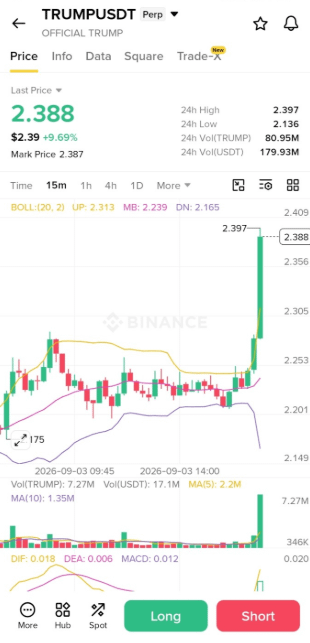
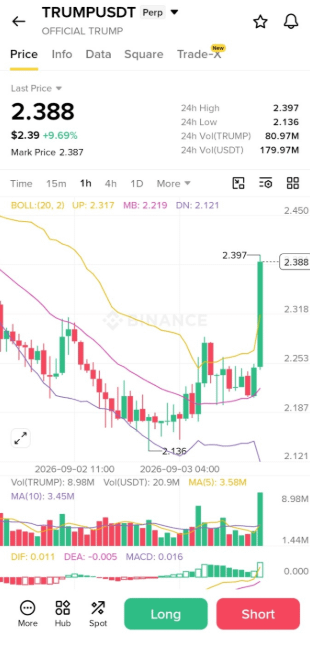
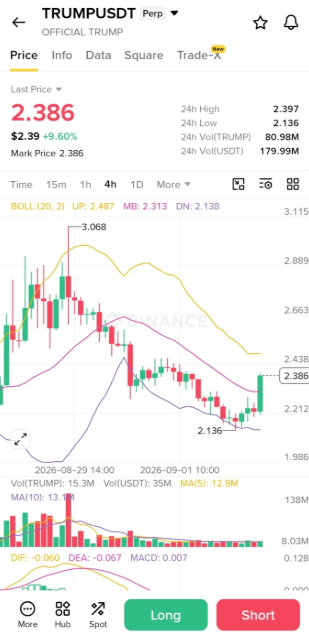
TRUMP يُظهر اختراقًا صاعدًا قويًا، ويتداول حول $2.388 (+9.6%) مع زيادة كبيرة في حجم التداول.
📈 4H: استعاد السعر خط منتصف بولينجر عند $2.313 ويواصل الدفع نحو النطاق العلوي قرب $2.487. يُعدّ أدنى مستوى مؤخرًا عند $2.136 منطقة دعم رئيسية الآن.
⚡ 1H: شمعة خضراء قوية اخترقت فوق الحد العلوي لبولينجر عند $2.317، بينما تحوّل MACD إلى الإيجابية — ما يؤكد زخمًا قويًا على المدى القصير.
🔥 15M: يزداد الزخم بوتيرة أسرع مع توسع حاد في حجم التداول وMACD صاعد.
🎯 المقاومة: $2.397 → $2.438 → $2.487
🛡️ الدعم: $2.313 → $2.253 → $2.212
الاتجاه: صاعد فوق $2.313. قد يفتح الاختراق الواضح لـ $2.397 الباب باتجاه $2.44–$2.49، لكن التحرك الحاد يعني أن حدوث تراجع/إعادة اختبار ممكن قبل الاستمرار.
$TRUMP
$SPK
$AR
📈 4H: استعاد السعر خط منتصف بولينجر عند $2.313 ويواصل الدفع نحو النطاق العلوي قرب $2.487. يُعدّ أدنى مستوى مؤخرًا عند $2.136 منطقة دعم رئيسية الآن.
⚡ 1H: شمعة خضراء قوية اخترقت فوق الحد العلوي لبولينجر عند $2.317، بينما تحوّل MACD إلى الإيجابية — ما يؤكد زخمًا قويًا على المدى القصير.
🔥 15M: يزداد الزخم بوتيرة أسرع مع توسع حاد في حجم التداول وMACD صاعد.
🎯 المقاومة: $2.397 → $2.438 → $2.487
🛡️ الدعم: $2.313 → $2.253 → $2.212
الاتجاه: صاعد فوق $2.313. قد يفتح الاختراق الواضح لـ $2.397 الباب باتجاه $2.44–$2.49، لكن التحرك الحاد يعني أن حدوث تراجع/إعادة اختبار ممكن قبل الاستمرار.
$TRUMP
$SPK
$AR
يشهد Chip زخمًا صعوديًا قويًا بعد اختراقه من منطقة $0.044. السعر الآن حول $0.0529، مرتفعًا بأكثر من 16%، مع أحجام تداول كبيرة تؤكد الحركة.
📈 4H: السعر فوق منتصف نطاق بولنجر ويدفع إلى ما وراء النطاق العلوي، ما يشير إلى زخم قوي لكنه يعزز أيضًا مخاطر التصحيح/الارتداد.
📊 1H: يبقى مؤشر MACD صعوديًا وتوسّع حجم التداول بشكل حاد.
⚡ 15M: تتكوّن عملية تجميع أسفل القمة $0.05383 بقليل.
🎯 المقاومة: $0.05383 → $0.0554
🟢 الدعم: $0.0509 → $0.0494 → $0.0439
🚀 قد يفتح اختراقٌ واضح فوق $0.05383 الطريق نحو $0.055–$0.060.
⚠️ بعد هذه الزيادة السريعة، سيكون إعادة اختبار مناطق الدعم قبل الاستمرار أمرًا صحيًا.
$ZAMA
$EGLD
$CHIP
📈 4H: السعر فوق منتصف نطاق بولنجر ويدفع إلى ما وراء النطاق العلوي، ما يشير إلى زخم قوي لكنه يعزز أيضًا مخاطر التصحيح/الارتداد.
📊 1H: يبقى مؤشر MACD صعوديًا وتوسّع حجم التداول بشكل حاد.
⚡ 15M: تتكوّن عملية تجميع أسفل القمة $0.05383 بقليل.
🎯 المقاومة: $0.05383 → $0.0554
🟢 الدعم: $0.0509 → $0.0494 → $0.0439
🚀 قد يفتح اختراقٌ واضح فوق $0.05383 الطريق نحو $0.055–$0.060.
⚠️ بعد هذه الزيادة السريعة، سيكون إعادة اختبار مناطق الدعم قبل الاستمرار أمرًا صحيًا.
$ZAMA
$EGLD
$CHIP
تمّ التحقق
🚨 سلسلة Robinhood قامت بهدوء بنشر حجم DEX يومي بقيمة 945 مليون دولار — ولم يطرف Crypto Twitter حتى بجفن.
سلسلة Layer 2 لا يتجاوز عمرها شهرين تقريبًا، مدعومة من شركة وساطة أسهم كبرى، تقوم بالفعل بمعالجة نشاط تداول على منصات تبادل لامركزية في يوم واحد أكثر من بعض السلاسل التي موجودة منذ سنوات.
هذا ليس مجرد رقم كبير. 👀
إنه يشير إلى أن Robinhood قد تكون تحوّل قاعدة مستخدميها الهائلة من التجزئة إلى ميزة توزيع قوية على السلسلة.
السؤال الأكبر: هل هذه بداية تحول Robinhood إلى قوة رئيسية في DeFi؟
قد يكون السوق متأخرًا في ملاحظة هذا الأمر. 🔥
$TAO
$ANKR
$WIN
#Robinhood
#Robinhood:
#RobinhoodWallet
#SolanaFallsOver3%
#OilSteadiesAfterThreeDayRally
🧠 ما الذي يقود بالفعل حجم DEX لسلسلة Robinhood البالغ 945 مليون دولار؟
سلسلة Layer 2 لا يتجاوز عمرها شهرين تقريبًا، مدعومة من شركة وساطة أسهم كبرى، تقوم بالفعل بمعالجة نشاط تداول على منصات تبادل لامركزية في يوم واحد أكثر من بعض السلاسل التي موجودة منذ سنوات.
هذا ليس مجرد رقم كبير. 👀
إنه يشير إلى أن Robinhood قد تكون تحوّل قاعدة مستخدميها الهائلة من التجزئة إلى ميزة توزيع قوية على السلسلة.
السؤال الأكبر: هل هذه بداية تحول Robinhood إلى قوة رئيسية في DeFi؟
قد يكون السوق متأخرًا في ملاحظة هذا الأمر. 🔥
$TAO
$ANKR
$WIN
#Robinhood
#Robinhood:
#RobinhoodWallet
#SolanaFallsOver3%
#OilSteadiesAfterThreeDayRally
🧠 ما الذي يقود بالفعل حجم DEX لسلسلة Robinhood البالغ 945 مليون دولار؟
🐋 Whales & big traders
67%
👥 Robinhood’s user base
0%
🔥 Speculation & incentives
33%
🚀 Genuine DeFi adoption
0%
6 الأصوات • تمّ إغلاق التصويت
قصة بيتكوين هذا الأسبوع بسيطة: جشع أقل، صبر أكثر، والبروتوكول يواصل العد.
تُظهر بيتكوين علامات على إعادة ضبط أكثر صحة للسوق. تحتفظ عملة BTC بالقرب من منطقة 77,000 دولار بينما يتلاشى الجشع المفرط في السوق.
قد يساعد تراجع المشاعر في تقليل الرافعة المالية والمضاربة، مما يمنح السوق مساحة لبناء قاعدة أقوى بدلًا من مطاردة المضخات قصيرة الأجل.
وفي الوقت نفسه، يواصل بروتوكول بيتكوين القيام بما صُمم لأجله—عدّ الكتل، ومعالجة المعاملات، وتأمين الشبكة بغضّ النظر عن مزاج السوق.
🔎 الخلاصة الرئيسية: يبقى 77 ألف دولار مستوى مهمًا يجب مراقبته. قد يساعد الحفاظ عليه في إبقاء البنية العامة بنّاءة، بينما قد يفتح الانهيار الحاسم الباب أمام مناطق دعم أعمق.
تتداول BTC بالقرب من 77 ألف دولار بينما يبرد جشع السوق. ماذا سيحدث بعد ذلك؟
$SNDKB
$NVDAB
$MUB
تُظهر بيتكوين علامات على إعادة ضبط أكثر صحة للسوق. تحتفظ عملة BTC بالقرب من منطقة 77,000 دولار بينما يتلاشى الجشع المفرط في السوق.
قد يساعد تراجع المشاعر في تقليل الرافعة المالية والمضاربة، مما يمنح السوق مساحة لبناء قاعدة أقوى بدلًا من مطاردة المضخات قصيرة الأجل.
وفي الوقت نفسه، يواصل بروتوكول بيتكوين القيام بما صُمم لأجله—عدّ الكتل، ومعالجة المعاملات، وتأمين الشبكة بغضّ النظر عن مزاج السوق.
🔎 الخلاصة الرئيسية: يبقى 77 ألف دولار مستوى مهمًا يجب مراقبته. قد يساعد الحفاظ عليه في إبقاء البنية العامة بنّاءة، بينما قد يفتح الانهيار الحاسم الباب أمام مناطق دعم أعمق.
تتداول BTC بالقرب من 77 ألف دولار بينما يبرد جشع السوق. ماذا سيحدث بعد ذلك؟
$SNDKB
$NVDAB
$MUB
🟢 Strong bounce — $80K+
38%
Sideways — $75K–$80K
12%
🟡 Deeper pullback — $70K–$75K
31%
🔴 Breakdown — Below $70K
19%
16 الأصوات • تمّ إغلاق التصويت
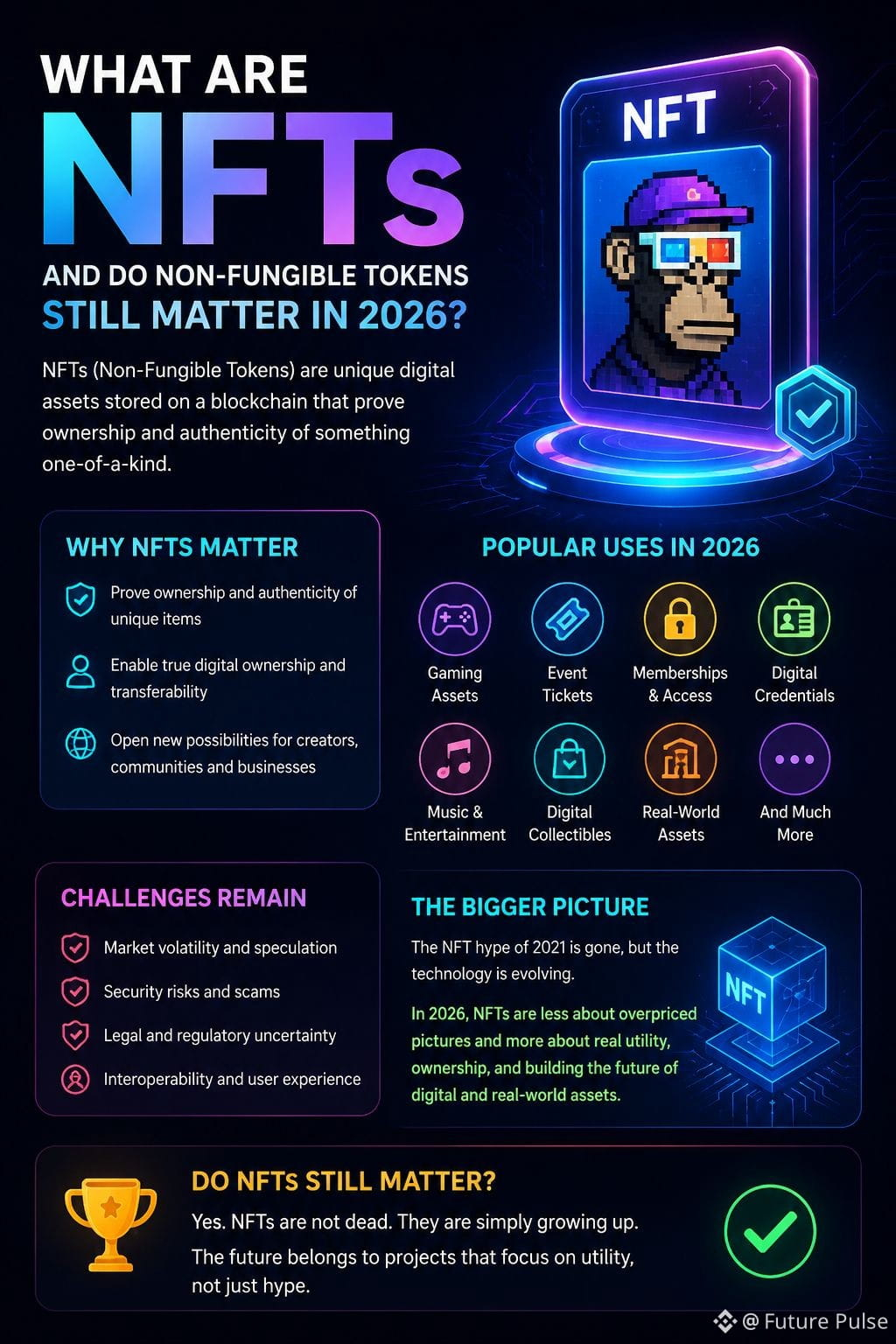
أصبحت الرموز غير القابلة للاستبدال (NFTs) واحدة من أكبر ترندات عالم العملات المشفرة خلال طفرة 2021–2022، عندما تم بيع الأعمال الفنية الرقمية والقطع التذكارية بأسعار استثنائية. لكن بعد أن خفت حدة الحماس المضاربي، بدأ كثيرون يطرحون سؤالًا: هل ما زالت NFTs ذات صلة في عام 2026؟
إن الـ NFT هو رمز فريد مبني على سلسلة الكتل (بلوك تشين) يمكنه تمثيل الملكية أو تقديم دليل على الأصالة لأصل رقمي أو مادي. وعلى عكس البيتكوين أو غيرها من الرموز القابلة للاستبدال، فإن كل NFT يتميز بخصائصه الخاصة ولا يمكن ببساطة استبداله برمز مطابق.
لم تعد NFTs محصورة في الصور الشخصية والفن الرقمي. فقد توسعت إمكاناتها لتشمل مستلزمات الألعاب، وتذاكر الفعاليات، والعضويات، والشهادات الرقمية، وأنظمة الهوية، والأصول الواقعية المُرمّزة. كما تُظهر الأبحاث الحالية أن تطوير NFTs يتجه من مجرد المقتنيات إلى تطبيقات عملية عبر مختلف الصناعات.
تُعد الألعاب أحد المجالات المهمة، حيث يمكن للـ NFTs أن تمثل شخصيات أو مقتنيات أو أصولًا داخل اللعبة. ويمكن للأنظمة الخاصة بالتذاكر والعضويات استخدام NFTs لتوفير ملكية قابلة للتحقق وإتاحة وصول قابلة للبرمجة. وفي الوقت نفسه، تُنشئ عملية “الترميز” طرقًا جديدة لتمثيل الأصول المادية والمالية الفريدة على شبكات البلوك تشين.
ومع ذلك، ما زالت NFTs تواجه تحديات. فقد يؤدي عدم اليقين القانوني، ومخاطر الأمن السيبراني، ومشكلات قابلية التشغيل البيني، وضعف تجربة المستخدم، وتقلبات السوق إلى الحد من تبنيها.
إذًا، هل NFTs ماتت في عام 2026؟ ليس تمامًا. لقد تبردت موجة الحماس المضاربي للـ NFTs، لكن التكنولوجيا الأساسية لا تزال ذات صلة. وأكبر تغيير هو أن NFTs أصبحت تُقيَّم بشكل متزايد بحسب فائدتها العملية (utility) بدلًا من كونها مجرد ضجة.
قد يكون مستقبل NFTs إذًا أقلّ ارتباطًا بشراء صورة رقمية باهظة وأكثر ارتباطًا بإثبات الملكية، والوصول إلى الخدمات، والتحقق من الأصالة، وربط الأصول الرقمية بالعالم الواقعي. في عام 2026، قد تهم NFTs—ليس لأنها عصرية، بل لأن ملكية الأصول الرقمية المبنية على البلوك تشين يمكنها حل مشكلات لا تستطيع الأنظمة التقليدية معالجتها بسهولة.
#nft
#NFT
#blockchain
#crypto
#Binance
$ARB
$MUBARAK
$T
إن الـ NFT هو رمز فريد مبني على سلسلة الكتل (بلوك تشين) يمكنه تمثيل الملكية أو تقديم دليل على الأصالة لأصل رقمي أو مادي. وعلى عكس البيتكوين أو غيرها من الرموز القابلة للاستبدال، فإن كل NFT يتميز بخصائصه الخاصة ولا يمكن ببساطة استبداله برمز مطابق.
لم تعد NFTs محصورة في الصور الشخصية والفن الرقمي. فقد توسعت إمكاناتها لتشمل مستلزمات الألعاب، وتذاكر الفعاليات، والعضويات، والشهادات الرقمية، وأنظمة الهوية، والأصول الواقعية المُرمّزة. كما تُظهر الأبحاث الحالية أن تطوير NFTs يتجه من مجرد المقتنيات إلى تطبيقات عملية عبر مختلف الصناعات.
تُعد الألعاب أحد المجالات المهمة، حيث يمكن للـ NFTs أن تمثل شخصيات أو مقتنيات أو أصولًا داخل اللعبة. ويمكن للأنظمة الخاصة بالتذاكر والعضويات استخدام NFTs لتوفير ملكية قابلة للتحقق وإتاحة وصول قابلة للبرمجة. وفي الوقت نفسه، تُنشئ عملية “الترميز” طرقًا جديدة لتمثيل الأصول المادية والمالية الفريدة على شبكات البلوك تشين.
ومع ذلك، ما زالت NFTs تواجه تحديات. فقد يؤدي عدم اليقين القانوني، ومخاطر الأمن السيبراني، ومشكلات قابلية التشغيل البيني، وضعف تجربة المستخدم، وتقلبات السوق إلى الحد من تبنيها.
إذًا، هل NFTs ماتت في عام 2026؟ ليس تمامًا. لقد تبردت موجة الحماس المضاربي للـ NFTs، لكن التكنولوجيا الأساسية لا تزال ذات صلة. وأكبر تغيير هو أن NFTs أصبحت تُقيَّم بشكل متزايد بحسب فائدتها العملية (utility) بدلًا من كونها مجرد ضجة.
قد يكون مستقبل NFTs إذًا أقلّ ارتباطًا بشراء صورة رقمية باهظة وأكثر ارتباطًا بإثبات الملكية، والوصول إلى الخدمات، والتحقق من الأصالة، وربط الأصول الرقمية بالعالم الواقعي. في عام 2026، قد تهم NFTs—ليس لأنها عصرية، بل لأن ملكية الأصول الرقمية المبنية على البلوك تشين يمكنها حل مشكلات لا تستطيع الأنظمة التقليدية معالجتها بسهولة.
#nft
#NFT
#blockchain
#crypto
#Binance
$ARB
$MUBARAK
$T
البنّاء الهادئ في الهوية الرقمية
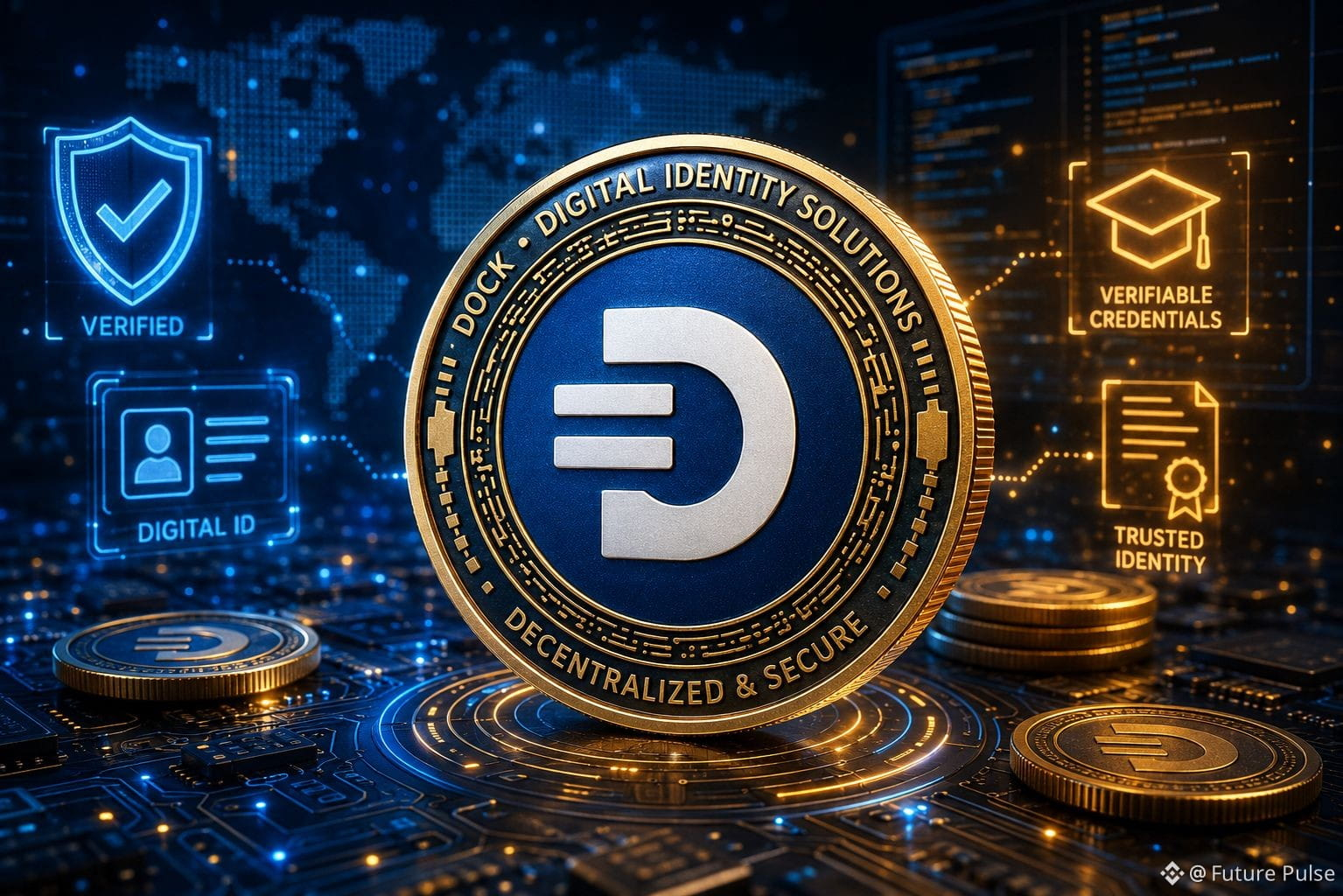
في حين أن سوق العملات المشفرة غالبًا ما يلاحق الضجيج، يتبع DOCK مسارًا مختلفًا—يبني حول مشكلة مهمة: الهوية الرقمية والاعتمادات القابلة للتحقق.
الفكرة بسيطة لكنها قوية. يهدف DOCK إلى تمكين الناس من التحكم في بيانات اعتمادهم الشخصية والتحقق منها دون تعريض المعلومات الحساسة للخطر دون داعٍ. تخيّل شهادات التعليم، والمؤهلات المهنية، والسير الذاتية الرقمية التي يمكن التحقق منها دون الاعتماد بالكامل على الورق التقليدي.
🔹 فائدة حقيقية: التحقق من بيانات الاعتماد والهوية اللامركزية
🔹 الميزة الرئيسية: مزيد من التحكم في البيانات الشخصية
🔹 الإمكانات: تزايد الطلب على بيانات الاعتماد الرقمية الموثوقة
🔹 أكبر تحدّ: التبنّي وتوسيع النظام البيئي
من منظور السوق، شهدت DOCK التقلبات المعتادة في عالم العملات المشفرة، لكن قصتها أقل ارتباطًا بالهياج الصاخب وأكثر تركيزًا على المنفعة طويلة المدى.
السؤال الكبير ليس ما إذا كانت الفكرة مثيرة للاهتمام—بل ما إذا كان التبنّي يمكنه تحويلها إلى طلب ذي معنى.
$DOCK
$AAVE
$GIGGLE
في حين أن سوق العملات المشفرة غالبًا ما يلاحق الضجيج، يتبع DOCK مسارًا مختلفًا—يبني حول مشكلة مهمة: الهوية الرقمية والاعتمادات القابلة للتحقق.
الفكرة بسيطة لكنها قوية. يهدف DOCK إلى تمكين الناس من التحكم في بيانات اعتمادهم الشخصية والتحقق منها دون تعريض المعلومات الحساسة للخطر دون داعٍ. تخيّل شهادات التعليم، والمؤهلات المهنية، والسير الذاتية الرقمية التي يمكن التحقق منها دون الاعتماد بالكامل على الورق التقليدي.
🔹 فائدة حقيقية: التحقق من بيانات الاعتماد والهوية اللامركزية
🔹 الميزة الرئيسية: مزيد من التحكم في البيانات الشخصية
🔹 الإمكانات: تزايد الطلب على بيانات الاعتماد الرقمية الموثوقة
🔹 أكبر تحدّ: التبنّي وتوسيع النظام البيئي
من منظور السوق، شهدت DOCK التقلبات المعتادة في عالم العملات المشفرة، لكن قصتها أقل ارتباطًا بالهياج الصاخب وأكثر تركيزًا على المنفعة طويلة المدى.
السؤال الكبير ليس ما إذا كانت الفكرة مثيرة للاهتمام—بل ما إذا كان التبنّي يمكنه تحويلها إلى طلب ذي معنى.
$DOCK
$AAVE
$GIGGLE
سجّل الدخول لاستكشاف المزيد من المُحتوى