
MrRUHUL
13.5k منشورات
MrRUHUL
 تحقُّق Binance Square الإضافي
إبلاغ
حظر المُستخدم
Twitter X:( @MrRUHUL77 ) News, Memes, Charts, Hopium, Market analysis and Latest crypto updates !
فتح تداول
مُتداول بمُعدّل مرتفع
4.1 سنوات
295 تتابع
83.0K+ المتابعون
67.9K+ إعجاب
منشورات
الحافظة الاستثمارية
الكل
اقتباسات
مقاطع فيديو
Live
PINNED
·
--
اتضح أن الجدة ليست متقاعدة (المفرش الكروشيه مجرد إدارة مخاطر) 🧧🎁💰💵🧧🎁💰💵🧧🎁💰💵
اتضح أن الجدة ليست متقاعدة (المفرش الكروشيه مجرد إدارة مخاطر) 🧧🎁💰💵🧧🎁💰💵🧧🎁💰💵

334
18
451
PINNED
·
--
مقالة
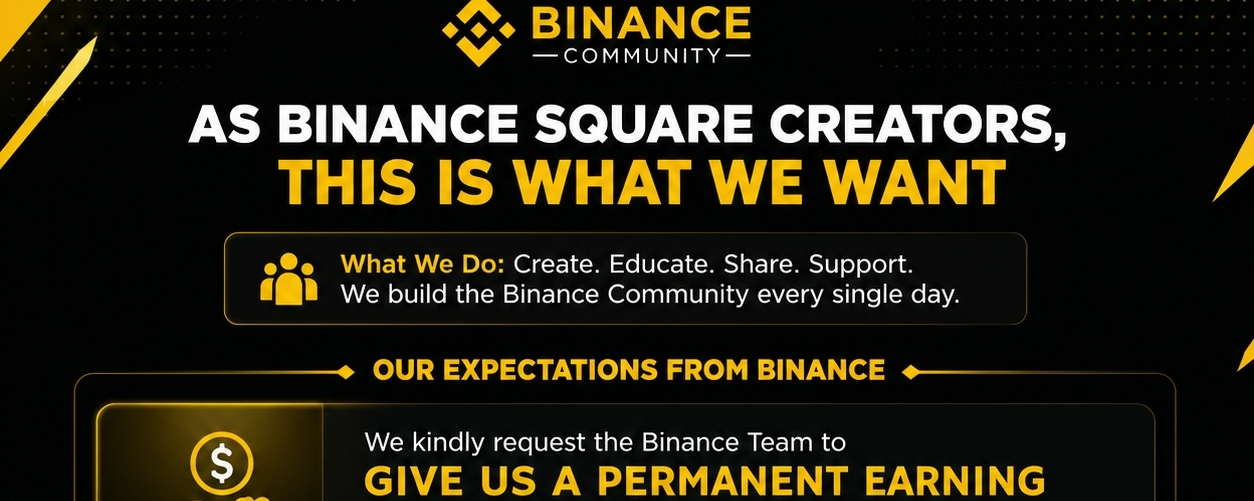
كمنشئ في بينانس سكوير، ماذا نريد... وما توقعاتنا من بينانسيا جماعة، اليوم سأقول شيئًا مهمًا لفريق بينانس بعد الاستماع إلى آراء الكثير من المبدعين... لذلك
عزيزي بينانس، نحن كمنشئين مخلصين نكرّس ونمنح وقتنا على مدار 24/7 للقيام بعمل يومًا بعد يوم، شهرًا بعد شهر، سنة بعد سنة، مع توقع أننا كمبدعين يمكننا تحقيق الكثير من المال. ومن منظور منشئ، نتوقع أن تقدم لنا بينانس بعض حلول دائمة لتحقيق دخل. لكن آمالنا وتوقعاتنا تتعرض بالكامل للانهيار.
نعلم أنه توجد مساحة للمبدعين، ويوجد قسم ألفا للكتابة والربح، لكن هذه ليست حلولًا دائمة. كما أننا نعرف ما الذي يحدث خلف الكواليس في قسم المدفوع للمبدعين أو قسم ألفا أو الكتابة والربح... إلخ.
كمنشئ في بينانس سكوير، ماذا نريد... وما توقعاتنا من بينانس
يا جماعة، اليوم سأقول شيئًا مهمًا لفريق بينانس بعد الاستماع إلى آراء الكثير من المبدعين... لذلك
عزيزي بينانس، نحن كمنشئين مخلصين نكرّس ونمنح وقتنا على مدار 24/7 للقيام بعمل يومًا بعد يوم، شهرًا بعد شهر، سنة بعد سنة، مع توقع أننا كمبدعين يمكننا تحقيق الكثير من المال. ومن منظور منشئ، نتوقع أن تقدم لنا بينانس بعض حلول دائمة لتحقيق دخل. لكن آمالنا وتوقعاتنا تتعرض بالكامل للانهيار.
نعلم أنه توجد مساحة للمبدعين، ويوجد قسم ألفا للكتابة والربح، لكن هذه ليست حلولًا دائمة. كما أننا نعرف ما الذي يحدث خلف الكواليس في قسم المدفوع للمبدعين أو قسم ألفا أو الكتابة والربح... إلخ.
عزيزي بينانس، نحن كمنشئين مخلصين نكرّس ونمنح وقتنا على مدار 24/7 للقيام بعمل يومًا بعد يوم، شهرًا بعد شهر، سنة بعد سنة، مع توقع أننا كمبدعين يمكننا تحقيق الكثير من المال. ومن منظور منشئ، نتوقع أن تقدم لنا بينانس بعض حلول دائمة لتحقيق دخل. لكن آمالنا وتوقعاتنا تتعرض بالكامل للانهيار.
نعلم أنه توجد مساحة للمبدعين، ويوجد قسم ألفا للكتابة والربح، لكن هذه ليست حلولًا دائمة. كما أننا نعرف ما الذي يحدث خلف الكواليس في قسم المدفوع للمبدعين أو قسم ألفا أو الكتابة والربح... إلخ.
37
12
57
6.1k
·
--
يَقتَرِب الوضوح أكثر. وبصراحة… هذا يبدو مختلفًا فعلًا. 🇺🇸 $ZEC
الرئيس ترامب يدفع باتجاه ذلك.
ويدعمه وول ستريت.
وتريد البنوك وضوحًا تنظيميًا.
وقد أقرّ مجلس النواب ذلك.
وقد تقدّم بالفعل أمام لجنة مجلس الشيوخ المصرفية.
والآن، اللحظة الكبيرة تبعد 4 أيام فقط.
التصويت النهائي.
على مدى سنوات، ظلّت العملات الرقمية في الولايات المتحدة عالقة في الدورة نفسها:
قواعد غير واضحة → حالة من عدم اليقين → دعاوى قضائية → شركات تغادر → مستثمرون في حيرة.
قد يكون الوضوح خطوة كبيرة نحو تغيير ذلك.
وأعتقد أن أكبر شيء يفوته الناس هو هذا:
الأمر ليس مجرد مشروع قانون آخر للعملات الرقمية.
إذا أنشأت الولايات المتحدة أخيرًا إطارًا أوضح للأصول الرقمية، فقد يمنح ذلك المؤسسات سببًا أقوى بكثير للبناء والاستثمار وإطلاق المنتجات داخل الولايات المتحدة.
فكّر في ما يحدث عندما يبدأ عدم اليقين بالاختفاء.
يمكن للبنوك التخطيط.
يمكن للشركات البناء.
يمكن للمؤسسات تخصيص رأس المال.
يمكن للمطوّرين التوقف عن القلق بشأن ما إذا كانت القواعد ستتغير بين ليلة وضحاها.
وأخيرًا يحصل المستثمرون الأفراد على سوق تكون فيه القواعد أسهل للفهم.
هذا لا يعني أن الوضوح سيُرسل بيتكوين أو بدائلها تلقائيًا إلى القمر.
لا شيء مضمون.
لكن الوضوح التنظيمي يمكن أن يزيل واحدة من أكبر العوائق التي كانت قائمة بين التمويل التقليدي والـ“كريبتو”.
ولهذا السبب أنا أتابع هذه الأيام الأربعة المقبلة عن كثب.
لقد انتظرنا سنوات حتى تصبح العملات الرقمية جزءًا حقيقيًا من النظام المالي.
ربما نحن الآن نقترب أخيرًا.
4 أيام.
لنرَ ما الذي سيحدث. 🇺🇸🔥
يَقتَرِب الوضوح أكثر. وبصراحة… هذا يبدو مختلفًا فعلًا. 🇺🇸 $ZEC
الرئيس ترامب يدفع باتجاه ذلك.
ويدعمه وول ستريت.
وتريد البنوك وضوحًا تنظيميًا.
وقد أقرّ مجلس النواب ذلك.
وقد تقدّم بالفعل أمام لجنة مجلس الشيوخ المصرفية.
والآن، اللحظة الكبيرة تبعد 4 أيام فقط.
التصويت النهائي.
على مدى سنوات، ظلّت العملات الرقمية في الولايات المتحدة عالقة في الدورة نفسها:
قواعد غير واضحة → حالة من عدم اليقين → دعاوى قضائية → شركات تغادر → مستثمرون في حيرة.
قد يكون الوضوح خطوة كبيرة نحو تغيير ذلك.
وأعتقد أن أكبر شيء يفوته الناس هو هذا:
الأمر ليس مجرد مشروع قانون آخر للعملات الرقمية.
إذا أنشأت الولايات المتحدة أخيرًا إطارًا أوضح للأصول الرقمية، فقد يمنح ذلك المؤسسات سببًا أقوى بكثير للبناء والاستثمار وإطلاق المنتجات داخل الولايات المتحدة.
فكّر في ما يحدث عندما يبدأ عدم اليقين بالاختفاء.
يمكن للبنوك التخطيط.
يمكن للشركات البناء.
يمكن للمؤسسات تخصيص رأس المال.
يمكن للمطوّرين التوقف عن القلق بشأن ما إذا كانت القواعد ستتغير بين ليلة وضحاها.
وأخيرًا يحصل المستثمرون الأفراد على سوق تكون فيه القواعد أسهل للفهم.
هذا لا يعني أن الوضوح سيُرسل بيتكوين أو بدائلها تلقائيًا إلى القمر.
لا شيء مضمون.
لكن الوضوح التنظيمي يمكن أن يزيل واحدة من أكبر العوائق التي كانت قائمة بين التمويل التقليدي والـ“كريبتو”.
ولهذا السبب أنا أتابع هذه الأيام الأربعة المقبلة عن كثب.
لقد انتظرنا سنوات حتى تصبح العملات الرقمية جزءًا حقيقيًا من النظام المالي.
ربما نحن الآن نقترب أخيرًا.
4 أيام.
لنرَ ما الذي سيحدث. 🇺🇸🔥
الرئيس ترامب يدفع باتجاه ذلك.
ويدعمه وول ستريت.
وتريد البنوك وضوحًا تنظيميًا.
وقد أقرّ مجلس النواب ذلك.
وقد تقدّم بالفعل أمام لجنة مجلس الشيوخ المصرفية.
والآن، اللحظة الكبيرة تبعد 4 أيام فقط.
التصويت النهائي.
على مدى سنوات، ظلّت العملات الرقمية في الولايات المتحدة عالقة في الدورة نفسها:
قواعد غير واضحة → حالة من عدم اليقين → دعاوى قضائية → شركات تغادر → مستثمرون في حيرة.
قد يكون الوضوح خطوة كبيرة نحو تغيير ذلك.
وأعتقد أن أكبر شيء يفوته الناس هو هذا:
الأمر ليس مجرد مشروع قانون آخر للعملات الرقمية.
إذا أنشأت الولايات المتحدة أخيرًا إطارًا أوضح للأصول الرقمية، فقد يمنح ذلك المؤسسات سببًا أقوى بكثير للبناء والاستثمار وإطلاق المنتجات داخل الولايات المتحدة.
فكّر في ما يحدث عندما يبدأ عدم اليقين بالاختفاء.
يمكن للبنوك التخطيط.
يمكن للشركات البناء.
يمكن للمؤسسات تخصيص رأس المال.
يمكن للمطوّرين التوقف عن القلق بشأن ما إذا كانت القواعد ستتغير بين ليلة وضحاها.
وأخيرًا يحصل المستثمرون الأفراد على سوق تكون فيه القواعد أسهل للفهم.
هذا لا يعني أن الوضوح سيُرسل بيتكوين أو بدائلها تلقائيًا إلى القمر.
لا شيء مضمون.
لكن الوضوح التنظيمي يمكن أن يزيل واحدة من أكبر العوائق التي كانت قائمة بين التمويل التقليدي والـ“كريبتو”.
ولهذا السبب أنا أتابع هذه الأيام الأربعة المقبلة عن كثب.
لقد انتظرنا سنوات حتى تصبح العملات الرقمية جزءًا حقيقيًا من النظام المالي.
ربما نحن الآن نقترب أخيرًا.
4 أيام.
لنرَ ما الذي سيحدث. 🇺🇸🔥

2
4
1k
·
--
$FF في وضع قطع مكافئ كامل. تم ضبط StochRSI على 99.5 بعد هذه الاندفاعة الرأسية، وهو الآن ممتد بشكل شديد.
يبدو قويًا، لكن مطاردة هذا الارتفاع محفوفة بالمخاطر. من الأفضل انتظار تراجع حقيقي.
الشراء فقط عند الهبوط العميق: $FF
الدخول: 0.140 – 0.150
SL: 0.125
TP1: 0.185
TP2: 0.210
$FF في وضع قطع مكافئ كامل. تم ضبط StochRSI على 99.5 بعد هذه الاندفاعة الرأسية، وهو الآن ممتد بشكل شديد.
يبدو قويًا، لكن مطاردة هذا الارتفاع محفوفة بالمخاطر. من الأفضل انتظار تراجع حقيقي.
الشراء فقط عند الهبوط العميق: $FF
الدخول: 0.140 – 0.150
SL: 0.125
TP1: 0.185
TP2: 0.210
يبدو قويًا، لكن مطاردة هذا الارتفاع محفوفة بالمخاطر. من الأفضل انتظار تراجع حقيقي.
الشراء فقط عند الهبوط العميق: $FF
الدخول: 0.140 – 0.150
SL: 0.125
TP1: 0.185
TP2: 0.210

2
272

·
--
يا رجل، لقد للتو لقطت هذا الجديد: المستشار الأبرز لترامب في مجال العملات الرقمية، باتريك ويت، يقول هنا إن الكونغرس على وشك نفاد الوقت تمامًا بشأن قانون CLARITY. $BTC $CL
نحن حرفيًا على بعد 5 أيام فقط من ذلك التصويت الإجرائي الحاسم في مجلس الشيوخ يوم الثلاثاء الخامس عشر. كان يخبر الطرفين معًا: ادخلوا على مشروع القانون، وحافظوا على استمرار العملية، لأنه إذا تأخر هذا الأمر فستكون النافذة عمليًا قد انتهت لفترة طويلة.
أحتاج إلى هذا الوضوح. كامل الصناعة يفعل. قواعد الطريق بين هيئة الأوراق المالية والبورصات (SEC) واللجنة الفيدرالية لتداول السلع الآجلة (CFTC)، إطار حقيقي حتى تتوقف المؤسسات عن الجلوس على الهامش. أمريكا بالفعل تتأخر بينما تتحرك دول أخرى. كان ويت متفائلًا، ويقول إنهم أحرزوا تقدمًا بشأن نقاط التعثر، لكن الساعة صاخبة الآن.
نحتاج إلى الوضوح. لِنَرَ ما إذا كانوا ينجزون فعلاً.
يا رجل، لقد للتو لقطت هذا الجديد: المستشار الأبرز لترامب في مجال العملات الرقمية، باتريك ويت، يقول هنا إن الكونغرس على وشك نفاد الوقت تمامًا بشأن قانون CLARITY. $BTC $CL
نحن حرفيًا على بعد 5 أيام فقط من ذلك التصويت الإجرائي الحاسم في مجلس الشيوخ يوم الثلاثاء الخامس عشر. كان يخبر الطرفين معًا: ادخلوا على مشروع القانون، وحافظوا على استمرار العملية، لأنه إذا تأخر هذا الأمر فستكون النافذة عمليًا قد انتهت لفترة طويلة.
أحتاج إلى هذا الوضوح. كامل الصناعة يفعل. قواعد الطريق بين هيئة الأوراق المالية والبورصات (SEC) واللجنة الفيدرالية لتداول السلع الآجلة (CFTC)، إطار حقيقي حتى تتوقف المؤسسات عن الجلوس على الهامش. أمريكا بالفعل تتأخر بينما تتحرك دول أخرى. كان ويت متفائلًا، ويقول إنهم أحرزوا تقدمًا بشأن نقاط التعثر، لكن الساعة صاخبة الآن.
نحتاج إلى الوضوح. لِنَرَ ما إذا كانوا ينجزون فعلاً.
نحن حرفيًا على بعد 5 أيام فقط من ذلك التصويت الإجرائي الحاسم في مجلس الشيوخ يوم الثلاثاء الخامس عشر. كان يخبر الطرفين معًا: ادخلوا على مشروع القانون، وحافظوا على استمرار العملية، لأنه إذا تأخر هذا الأمر فستكون النافذة عمليًا قد انتهت لفترة طويلة.
أحتاج إلى هذا الوضوح. كامل الصناعة يفعل. قواعد الطريق بين هيئة الأوراق المالية والبورصات (SEC) واللجنة الفيدرالية لتداول السلع الآجلة (CFTC)، إطار حقيقي حتى تتوقف المؤسسات عن الجلوس على الهامش. أمريكا بالفعل تتأخر بينما تتحرك دول أخرى. كان ويت متفائلًا، ويقول إنهم أحرزوا تقدمًا بشأن نقاط التعثر، لكن الساعة صاخبة الآن.
نحتاج إلى الوضوح. لِنَرَ ما إذا كانوا ينجزون فعلاً.

4
1.4k
·
--
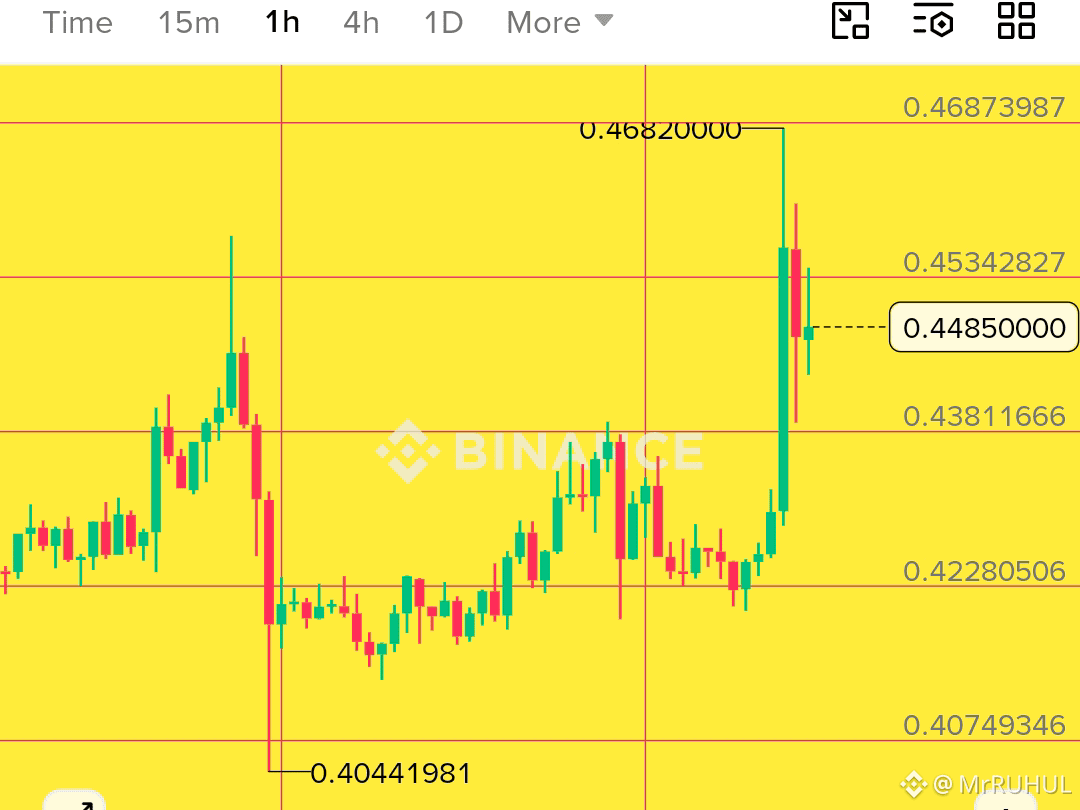
$B2 شهدت قفزة قوية ثم انخفضت إلى 0.468 والآن تعود إلى الخلف قليلاً. مؤشر StochRSI ما زال مرتفعاً عند 78، لذلك ما يزال الاندفاع ممتداً على المدى القصير.
الزخم واضح، لكن المستوى الحالي ليس أفضل نقطة دخول “نظيفة”. الأفضل الانتظار حتى يحدث هبوط أعمق.
الشراء عند الهبوط: $B2
الدخول: 0.420 – 0.435
SL: 0.400
TP1: 0.475
TP2: 0.500
إذا تمكن السعر من الثبات فوق 0.400، فستظل البنية صعودية.
$B2 شهدت قفزة قوية ثم انخفضت إلى 0.468 والآن تعود إلى الخلف قليلاً. مؤشر StochRSI ما زال مرتفعاً عند 78، لذلك ما يزال الاندفاع ممتداً على المدى القصير.
الزخم واضح، لكن المستوى الحالي ليس أفضل نقطة دخول “نظيفة”. الأفضل الانتظار حتى يحدث هبوط أعمق.
الشراء عند الهبوط: $B2
الدخول: 0.420 – 0.435
SL: 0.400
TP1: 0.475
TP2: 0.500
إذا تمكن السعر من الثبات فوق 0.400، فستظل البنية صعودية.
الزخم واضح، لكن المستوى الحالي ليس أفضل نقطة دخول “نظيفة”. الأفضل الانتظار حتى يحدث هبوط أعمق.
الشراء عند الهبوط: $B2
الدخول: 0.420 – 0.435
SL: 0.400
TP1: 0.475
TP2: 0.500
إذا تمكن السعر من الثبات فوق 0.400، فستظل البنية صعودية.
1
3
477
·
--
🎙️ 🎉2026 سوق صاعدة عنيفة، انطلقت البشائر، والفرصة في سلسلة BSC!! في 1 نوفمبر سيقوم ماسك بالاحتفال بعيد ميلاد كلب المريخ Marvin، لا بد أن تمسك بفرصة حركة السوق على السلسلة هذه!
إنهاء
03 ساعة 28 دقيقة 54 ثانية
15.1k
17
73
·
--
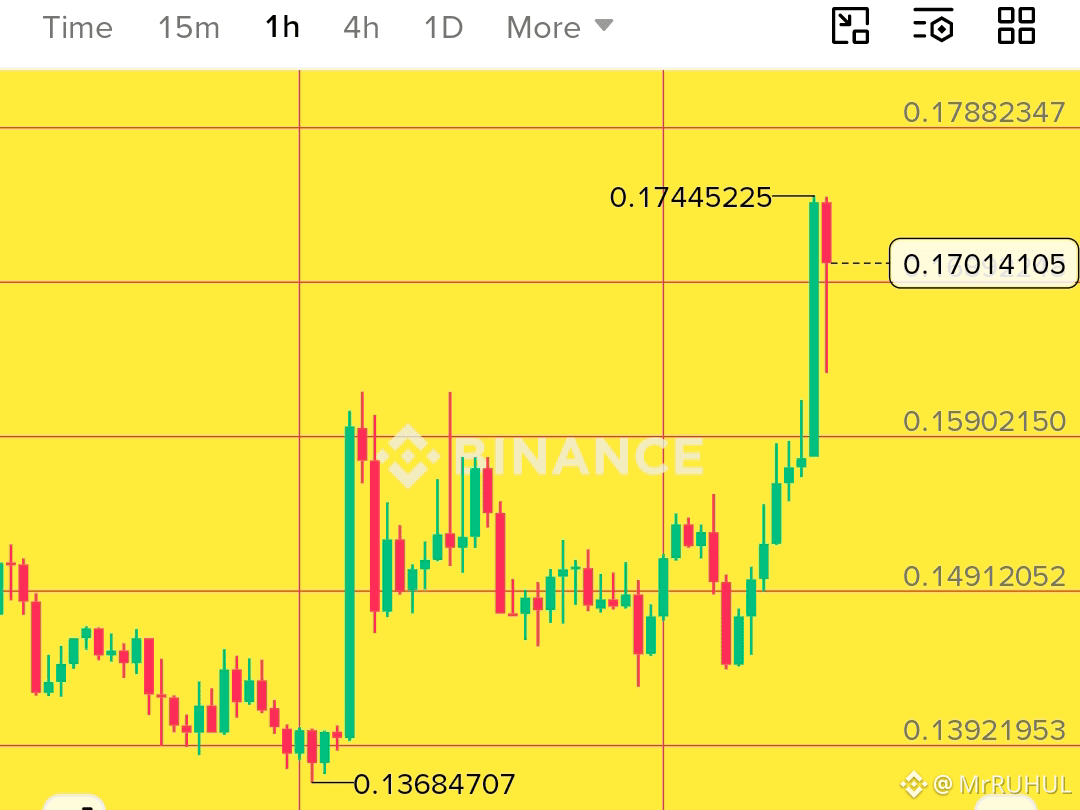
$ARX لقد ارتفع بقوة شديدة بشمعة خضراء كبيرة، وStochRSI عند 94. الحركة تبدو ممتدة بوضوح الآن.
الزخم قوي، لكن الشراء عند قمة هذه الشمعة ليس مثاليًا. الأفضل الانتظار لحدوث تراجع حتى يتحسن العائد مقابل المخاطر.
شراء عند الهبوط: $ARX
الدخول: 0.158 – 0.164
SL: 0.148
TP1: 0.182
TP2: 0.195
إذا استمر فوق 0.148 في أي تراجع، فإن الاتجاه الصاعد يظل قائمًا.
$ARX لقد ارتفع بقوة شديدة بشمعة خضراء كبيرة، وStochRSI عند 94. الحركة تبدو ممتدة بوضوح الآن.
الزخم قوي، لكن الشراء عند قمة هذه الشمعة ليس مثاليًا. الأفضل الانتظار لحدوث تراجع حتى يتحسن العائد مقابل المخاطر.
شراء عند الهبوط: $ARX
الدخول: 0.158 – 0.164
SL: 0.148
TP1: 0.182
TP2: 0.195
إذا استمر فوق 0.148 في أي تراجع، فإن الاتجاه الصاعد يظل قائمًا.
الزخم قوي، لكن الشراء عند قمة هذه الشمعة ليس مثاليًا. الأفضل الانتظار لحدوث تراجع حتى يتحسن العائد مقابل المخاطر.
شراء عند الهبوط: $ARX
الدخول: 0.158 – 0.164
SL: 0.148
TP1: 0.182
TP2: 0.195
إذا استمر فوق 0.148 في أي تراجع، فإن الاتجاه الصاعد يظل قائمًا.
342
·
--
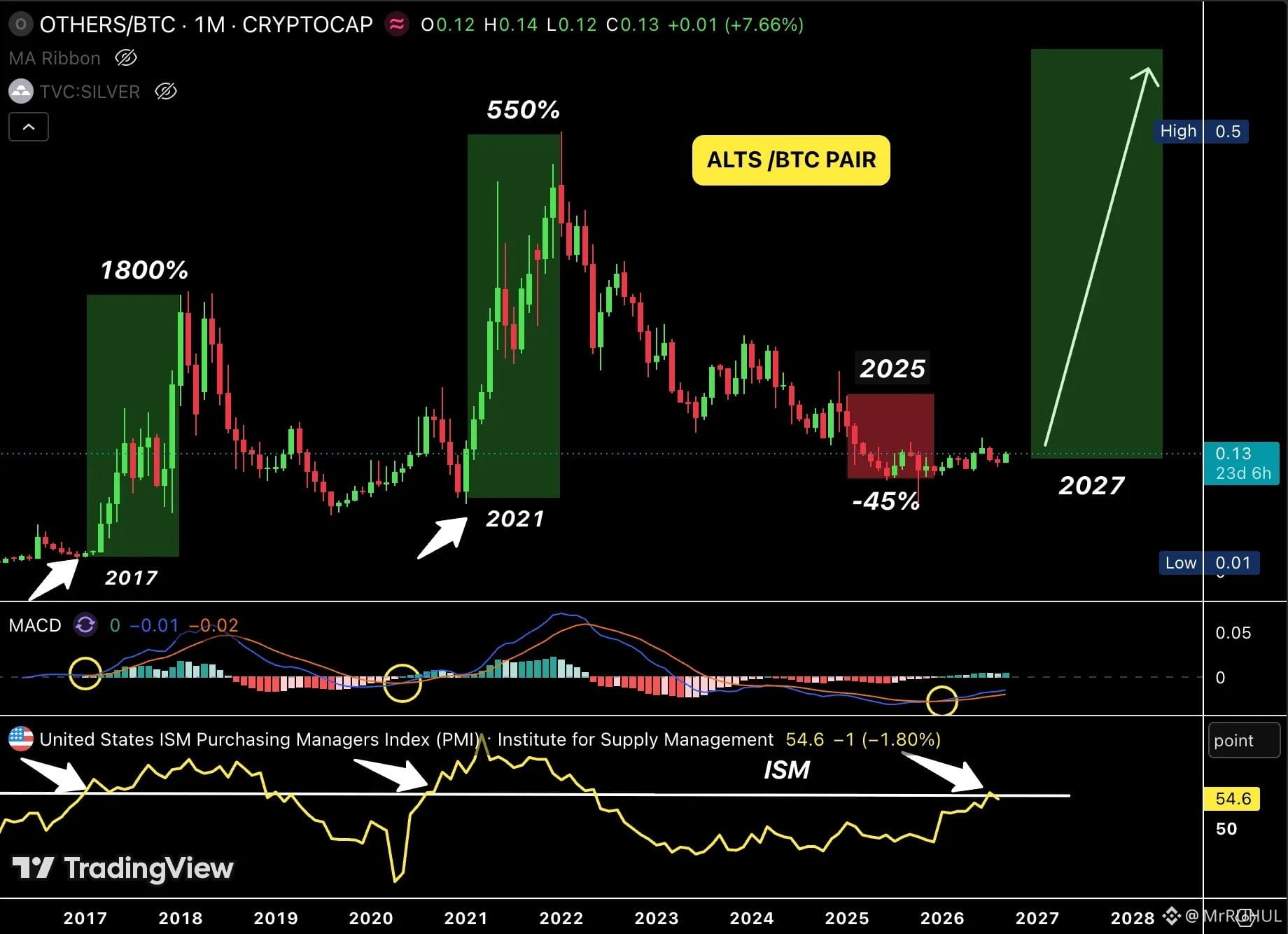
يشرح هذا الرسم لماذا لم يمنحنا عام 2025 ألتسيزن حقيقية. 👀 $ETH $BULLA
انظر إلى ما حدث في الدورات السابقة:
2017: ارتفع مؤشر ISM → انفجرت العملات البديلة +1,800% مقارنةً بالبيتكوين.
2021: ارتفع مؤشر ISM مرة أخرى → انفجرت العملات البديلة +550% مقارنةً بالبيتكوين.
2025: بقي مؤشر ISM تحت 50 → تراجعت العملات البديلة بنحو -45% مقارنةً بالبيتكوين، بينما ظل الـ MACD الشهري باللون الأحمر.
الخلفية السيولية/الاقتصادية ببساطة لم تكن موجودة لحدوث ألتسيزن نظيف وعريض النطاق.
لكن الآن، بدأت الأمور تتغير. 👀
كانت نسبة Alts/BTC تتماسك منذ وقت طويل، بينما عاد مؤشر ISM إلى الارتفاع فوق 54.
إذا استمر تحسّن مؤشر ISM وكسرت نسبة Alts/BTC أخيرًا نطاق التماسك متعدد السنوات هذا، فقد تصبح الإعدادات مختلفة جدًا.
أنا لا أقول إن الألتسيزن مضمون.
لكن إذا توافقت الإشارتان، فقد تكون 2027 هي الدورة التي تحصل فيها العملات البديلة أخيرًا على جريها الحقيقي. 🚀
المفتاح بسيط:
ISM ↑ + اختراق Alts/BTC = 👀🔥
يشرح هذا الرسم لماذا لم يمنحنا عام 2025 ألتسيزن حقيقية. 👀 $ETH $BULLA
انظر إلى ما حدث في الدورات السابقة:
2017: ارتفع مؤشر ISM → انفجرت العملات البديلة +1,800% مقارنةً بالبيتكوين.
2021: ارتفع مؤشر ISM مرة أخرى → انفجرت العملات البديلة +550% مقارنةً بالبيتكوين.
2025: بقي مؤشر ISM تحت 50 → تراجعت العملات البديلة بنحو -45% مقارنةً بالبيتكوين، بينما ظل الـ MACD الشهري باللون الأحمر.
الخلفية السيولية/الاقتصادية ببساطة لم تكن موجودة لحدوث ألتسيزن نظيف وعريض النطاق.
لكن الآن، بدأت الأمور تتغير. 👀
كانت نسبة Alts/BTC تتماسك منذ وقت طويل، بينما عاد مؤشر ISM إلى الارتفاع فوق 54.
إذا استمر تحسّن مؤشر ISM وكسرت نسبة Alts/BTC أخيرًا نطاق التماسك متعدد السنوات هذا، فقد تصبح الإعدادات مختلفة جدًا.
أنا لا أقول إن الألتسيزن مضمون.
لكن إذا توافقت الإشارتان، فقد تكون 2027 هي الدورة التي تحصل فيها العملات البديلة أخيرًا على جريها الحقيقي. 🚀
المفتاح بسيط:
ISM ↑ + اختراق Alts/BTC = 👀🔥
انظر إلى ما حدث في الدورات السابقة:
2017: ارتفع مؤشر ISM → انفجرت العملات البديلة +1,800% مقارنةً بالبيتكوين.
2021: ارتفع مؤشر ISM مرة أخرى → انفجرت العملات البديلة +550% مقارنةً بالبيتكوين.
2025: بقي مؤشر ISM تحت 50 → تراجعت العملات البديلة بنحو -45% مقارنةً بالبيتكوين، بينما ظل الـ MACD الشهري باللون الأحمر.
الخلفية السيولية/الاقتصادية ببساطة لم تكن موجودة لحدوث ألتسيزن نظيف وعريض النطاق.
لكن الآن، بدأت الأمور تتغير. 👀
كانت نسبة Alts/BTC تتماسك منذ وقت طويل، بينما عاد مؤشر ISM إلى الارتفاع فوق 54.
إذا استمر تحسّن مؤشر ISM وكسرت نسبة Alts/BTC أخيرًا نطاق التماسك متعدد السنوات هذا، فقد تصبح الإعدادات مختلفة جدًا.
أنا لا أقول إن الألتسيزن مضمون.
لكن إذا توافقت الإشارتان، فقد تكون 2027 هي الدورة التي تحصل فيها العملات البديلة أخيرًا على جريها الحقيقي. 🚀
المفتاح بسيط:
ISM ↑ + اختراق Alts/BTC = 👀🔥
2
1.1k
·
--
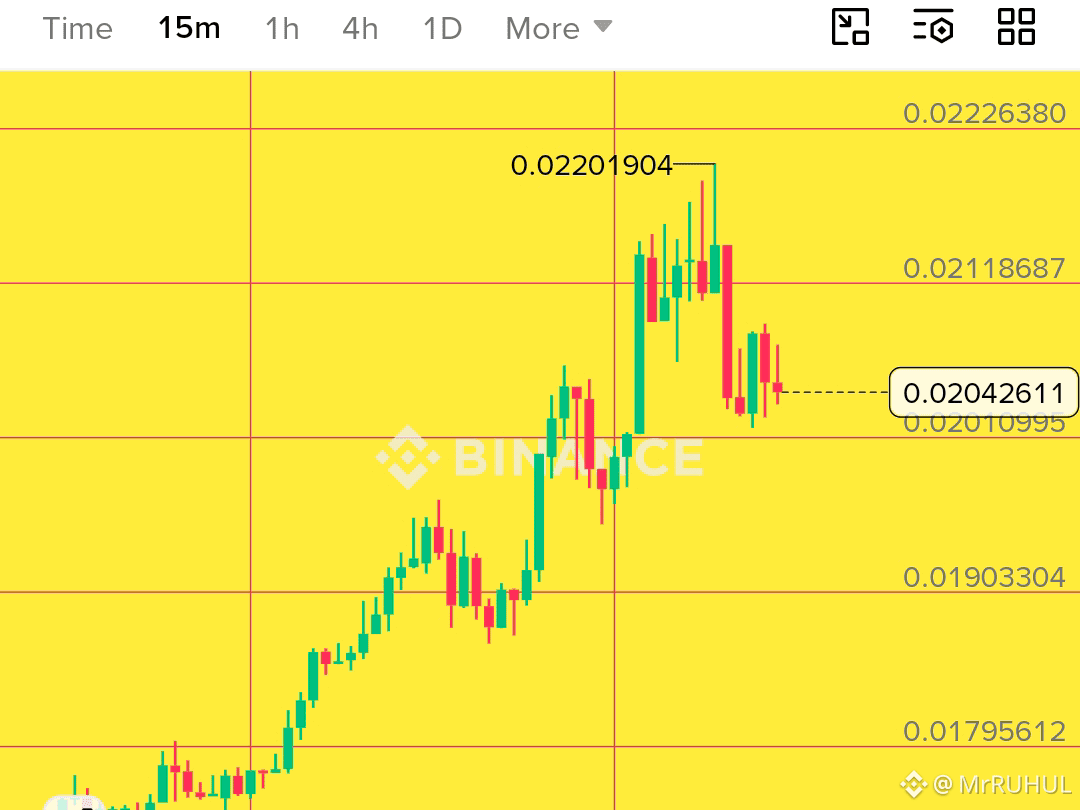
$COTI COTI لقد ارتفع بشكل جيد ثم يبرد الآن بعد القمة قرب 0.022. انخفض مؤشر StochRSI حتى 11، لذا يبدو أنه في منطقة ذروة بيع على المدى القصير.
ما زالت البنية العامة أعلى، وهذا يجعل هذا التصحيح أكثر إثارة للاهتمام كفرصة للشراء على المدى الطويل مقارنةً بالبيع.
إعداد طويل
الدخول: 0.0196 – 0.0202
SL: 0.0186
TP1: 0.0218
TP2: 0.0230
انتظر أن يستقر حول منطقة الدخول بدلًا من الإمساك بسهم يواصل الهبوط.
$COTI COTI لقد ارتفع بشكل جيد ثم يبرد الآن بعد القمة قرب 0.022. انخفض مؤشر StochRSI حتى 11، لذا يبدو أنه في منطقة ذروة بيع على المدى القصير.
ما زالت البنية العامة أعلى، وهذا يجعل هذا التصحيح أكثر إثارة للاهتمام كفرصة للشراء على المدى الطويل مقارنةً بالبيع.
إعداد طويل
الدخول: 0.0196 – 0.0202
SL: 0.0186
TP1: 0.0218
TP2: 0.0230
انتظر أن يستقر حول منطقة الدخول بدلًا من الإمساك بسهم يواصل الهبوط.
ما زالت البنية العامة أعلى، وهذا يجعل هذا التصحيح أكثر إثارة للاهتمام كفرصة للشراء على المدى الطويل مقارنةً بالبيع.
إعداد طويل
الدخول: 0.0196 – 0.0202
SL: 0.0186
TP1: 0.0218
TP2: 0.0230
انتظر أن يستقر حول منطقة الدخول بدلًا من الإمساك بسهم يواصل الهبوط.
2
1.1k

·
--
725
1
34
725
·
--
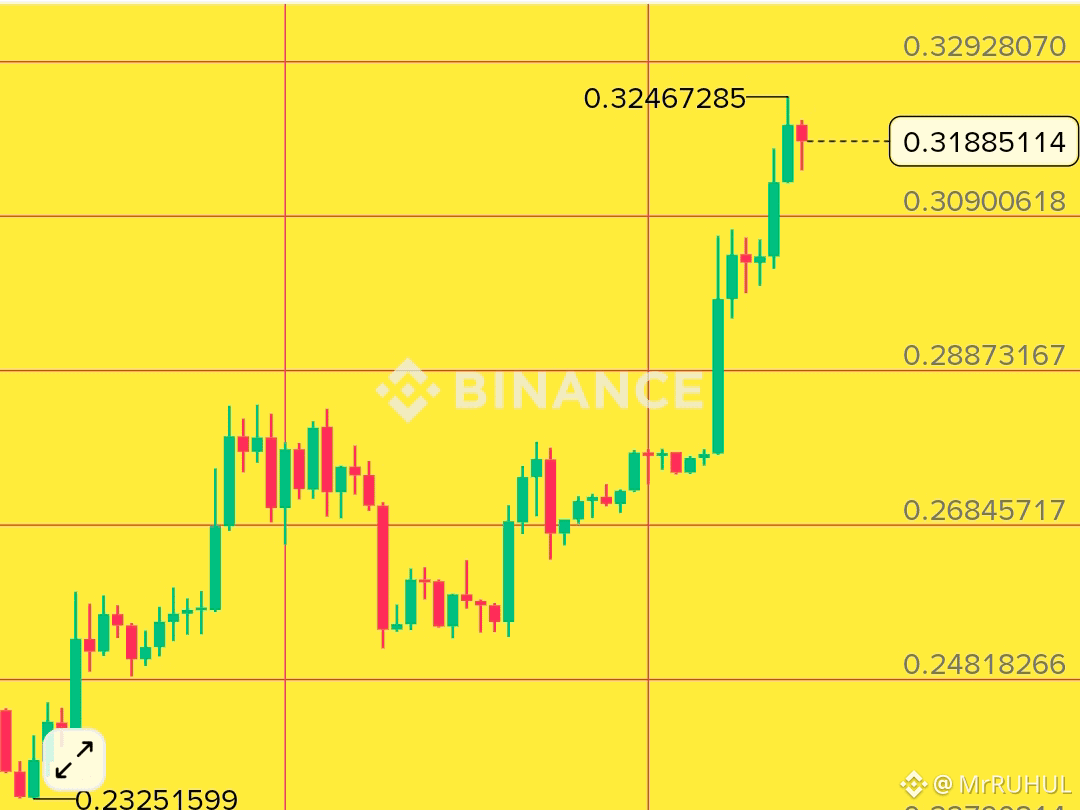
$BR يعمل بقوة الآن. لقد قام بدفعٍ واضح وصعودي، وStochRSI عند 96، وهذا يعني أن الحركة “ممتدة” على المدى القصير.
الزخم موجود بوضوح، لكن الشراء عند المستوى الحالي يبدو متأخرًا. الأفضل الانتظار لحدوث تراجع بسيط حتى تحصل على دخول أنظف مع عائد/مخاطرة أفضل.
إذا هبط باتجاه 0.295–0.305 ووجد دعمًا، فهذه منطقة أفضل للنظر في صفقة شراء طويلة. ضع وقف الخسارة تحت 0.275. الأهداف عند حوالي 0.340 أولًا، ثم 0.365 إذا استمر في الاندفاع.
الشراء الطويل على $BR :
الدخول: 0.295 – 0.305
SL: 0.275
TP1: 0.340
TP2: 0.365
$BR يعمل بقوة الآن. لقد قام بدفعٍ واضح وصعودي، وStochRSI عند 96، وهذا يعني أن الحركة “ممتدة” على المدى القصير.
الزخم موجود بوضوح، لكن الشراء عند المستوى الحالي يبدو متأخرًا. الأفضل الانتظار لحدوث تراجع بسيط حتى تحصل على دخول أنظف مع عائد/مخاطرة أفضل.
إذا هبط باتجاه 0.295–0.305 ووجد دعمًا، فهذه منطقة أفضل للنظر في صفقة شراء طويلة. ضع وقف الخسارة تحت 0.275. الأهداف عند حوالي 0.340 أولًا، ثم 0.365 إذا استمر في الاندفاع.
الشراء الطويل على $BR :
الدخول: 0.295 – 0.305
SL: 0.275
TP1: 0.340
TP2: 0.365
الزخم موجود بوضوح، لكن الشراء عند المستوى الحالي يبدو متأخرًا. الأفضل الانتظار لحدوث تراجع بسيط حتى تحصل على دخول أنظف مع عائد/مخاطرة أفضل.
إذا هبط باتجاه 0.295–0.305 ووجد دعمًا، فهذه منطقة أفضل للنظر في صفقة شراء طويلة. ضع وقف الخسارة تحت 0.275. الأهداف عند حوالي 0.340 أولًا، ثم 0.365 إذا استمر في الاندفاع.
الشراء الطويل على $BR :
الدخول: 0.295 – 0.305
SL: 0.275
TP1: 0.340
TP2: 0.365
1
1
237
·
--
🎙️ 🎉2026 سوق بقري عنيف، لقد تم عزف البوق، والأخبار في كل مكان على سلسلة BSC!! في 1 نوفمبر، سيقوم ماسك بالاحتفال بعيد ميلاد كلب المريخ Marvin، لا بد أن تلتقط موجة التداول على السلسلة هذه!
إنهاء
03 ساعة 58 دقيقة 46 ثانية
17.7k
25
90
·
--
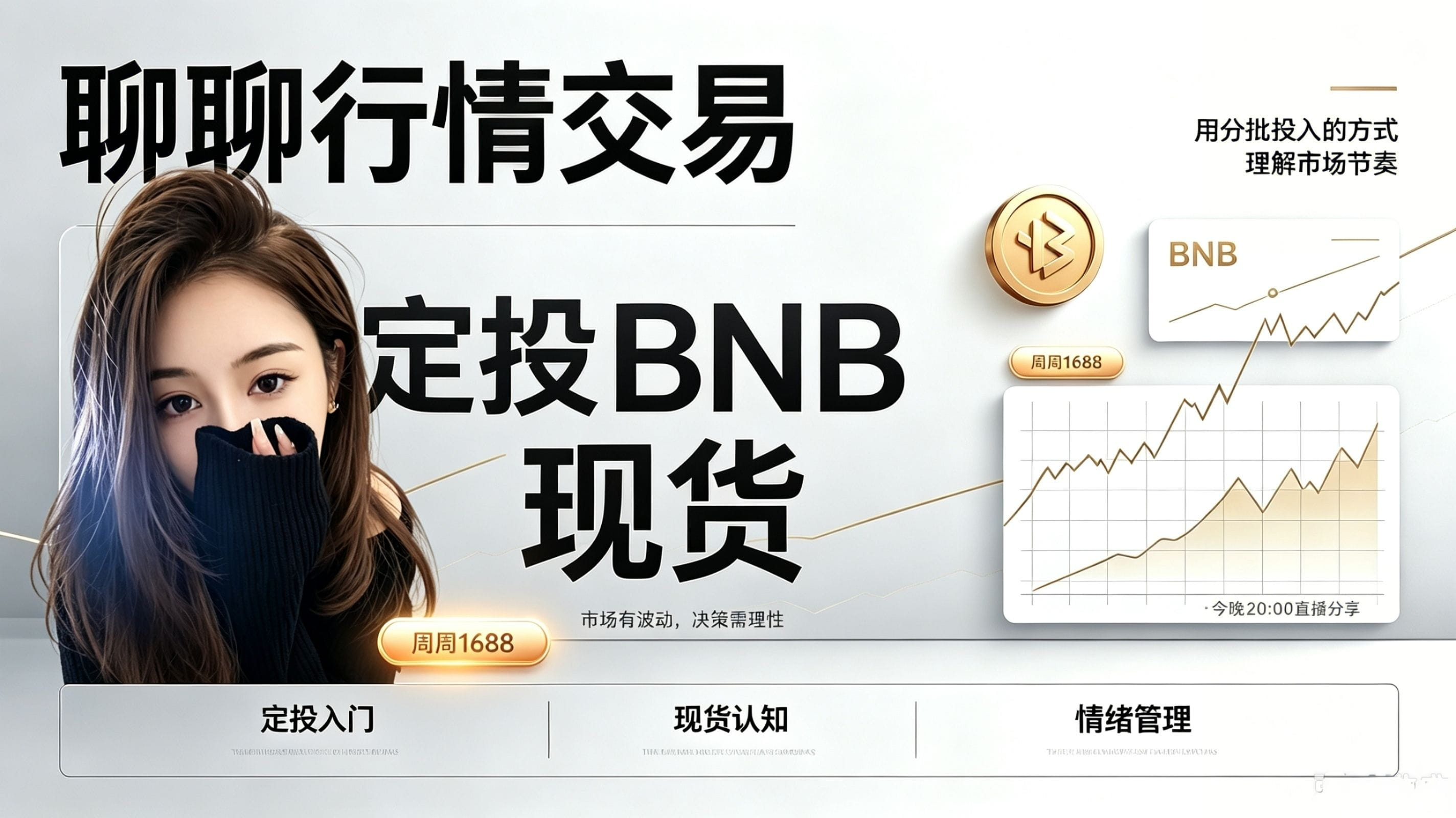
🎙️ تحدث عن اتجاهات السوق والتداول بالاستثمار الدوري (DCA) لـ BNB!
إنهاء
03 ساعة 26 دقيقة 27 ثانية
17.2k
39
32
·
--
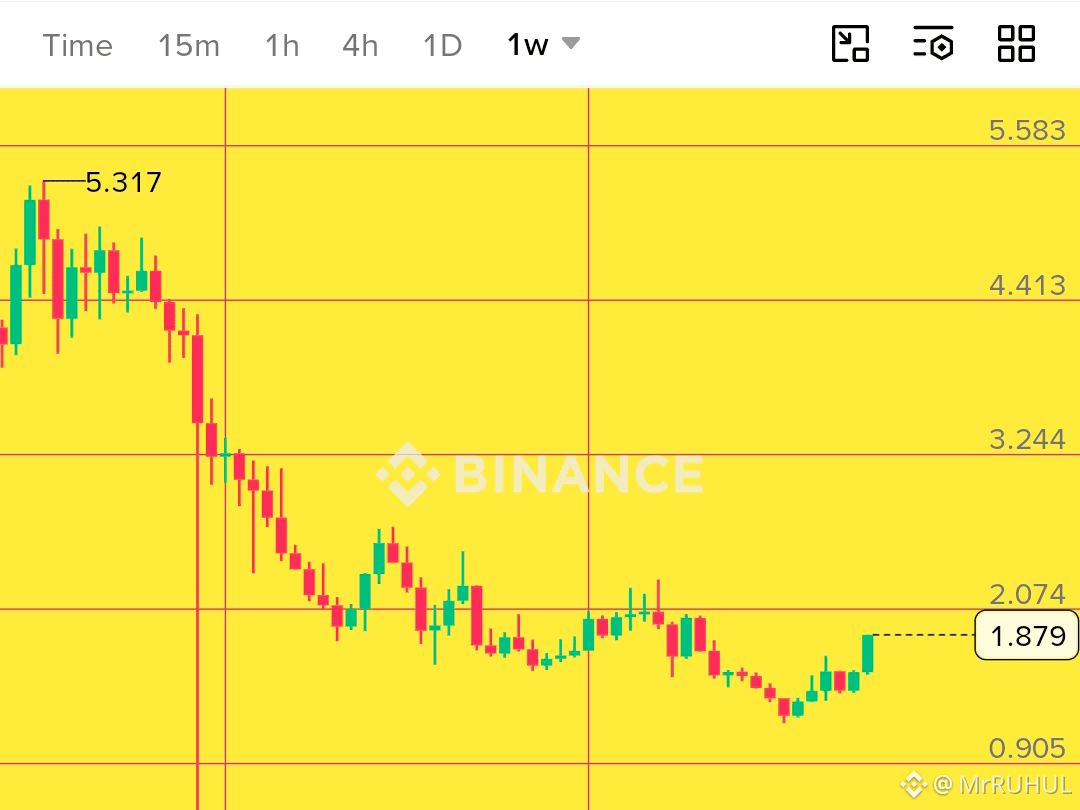
يا شباب، سأقوم بالشراء (Long) على $ATOM ، متفائل (Bullish) بشأن ATOM
$ATOM
الدخول: 1.70 – 1.78
SL: 1.55
TP1: 2.15
TP2: 2.40
ATOM يرتد بقوة على الإطار الأسبوعي بعد اتجاه هبوطي طويل. مؤشر StochRSI مرتفع بالفعل عند 84، لذلك يبدو أن التعافي يمتد على المدى القصير.
البنية تتحسن، لكنني سأنتظر حدوث تراجع.
شراء عند التراجعات:
يا شباب، سأقوم بالشراء (Long) على $ATOM ، متفائل (Bullish) بشأن ATOM
$ATOM
الدخول: 1.70 – 1.78
SL: 1.55
TP1: 2.15
TP2: 2.40
ATOM يرتد بقوة على الإطار الأسبوعي بعد اتجاه هبوطي طويل. مؤشر StochRSI مرتفع بالفعل عند 84، لذلك يبدو أن التعافي يمتد على المدى القصير.
البنية تتحسن، لكنني سأنتظر حدوث تراجع.
شراء عند التراجعات:
$ATOM
الدخول: 1.70 – 1.78
SL: 1.55
TP1: 2.15
TP2: 2.40
ATOM يرتد بقوة على الإطار الأسبوعي بعد اتجاه هبوطي طويل. مؤشر StochRSI مرتفع بالفعل عند 84، لذلك يبدو أن التعافي يمتد على المدى القصير.
البنية تتحسن، لكنني سأنتظر حدوث تراجع.
شراء عند التراجعات:
1
741
·
--
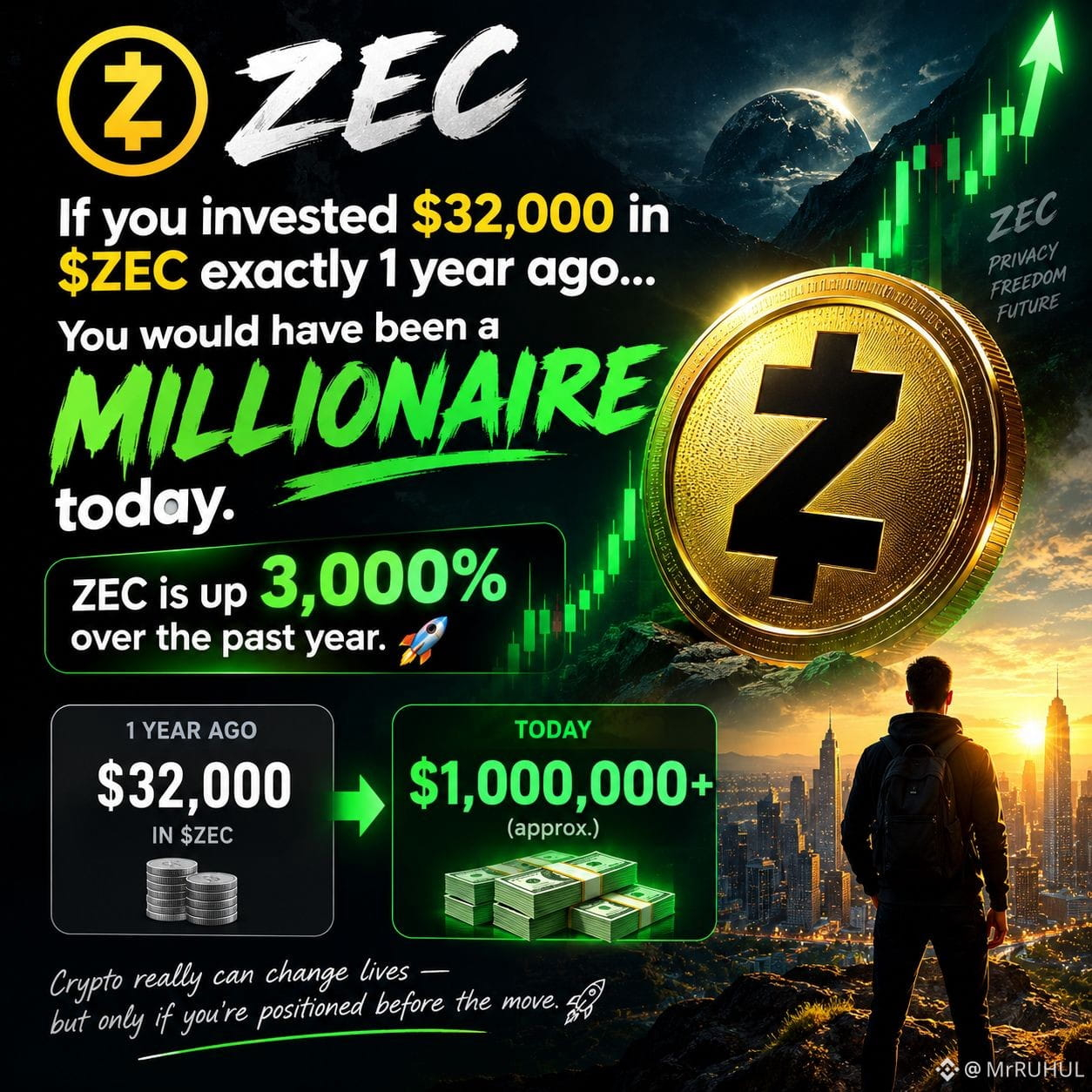
💰 تخيّل أنك وضعت 32000 دولار في $ZEC قبل عامٍ واحد بالضبط…
واليوم، ستكون هذه الاستثمارات بقيمة تزيد عن مليون دولار. 🤯
$ZEC شهدت قفزة هائلة بنحو 3,000% خلال 12 شهرًا فقط.
العملات المشفّرة قد تغيّر الحياة فعلًا — لكن فقط إذا كنت في مكانك قبل حدوث الحركة. 🚀
💰 تخيّل أنك وضعت 32000 دولار في $ZEC قبل عامٍ واحد بالضبط…
واليوم، ستكون هذه الاستثمارات بقيمة تزيد عن مليون دولار. 🤯
$ZEC شهدت قفزة هائلة بنحو 3,000% خلال 12 شهرًا فقط.
العملات المشفّرة قد تغيّر الحياة فعلًا — لكن فقط إذا كنت في مكانك قبل حدوث الحركة. 🚀
واليوم، ستكون هذه الاستثمارات بقيمة تزيد عن مليون دولار. 🤯
$ZEC شهدت قفزة هائلة بنحو 3,000% خلال 12 شهرًا فقط.
العملات المشفّرة قد تغيّر الحياة فعلًا — لكن فقط إذا كنت في مكانك قبل حدوث الحركة. 🚀
5
991
سجّل الدخول لاستكشاف المزيد من المُحتوى
انضم إلى مُستخدمي العملات الرقمية حول العالم على Binance Square
⚡️ احصل على أحدث المعلومات المفيدة عن العملات الرقمية.
💬 موثوقة من قبل أكبر منصّة لتداول العملات الرقمية في العالم.
👍 اكتشف الرؤى الحقيقية من صنّاع المُحتوى الموثوقين.
البريد الإلكتروني / رقم الهاتف
المواضيع الرائجة
CryptoLiquidations$674MIn24H
1,261 مشاهدات
30 يقومون بالنقاش
#CryptoLiquidations$674MIn24H
ضربت موجة التصفية القسرية للعملات المشفرة بقيمة 674 مليون دولار كلا جانبي الصفقة.
وفقًا لتقرير صادر في 12 سبتمبر عن ChainCatcher، بالاستناد إلى CoinGlass، بلغت عمليات التصفية نحو 674 مليون دولار خلال الـ 24 ساعة السابقة:
مراكز قصيرة: نحو 381 مليون دولار.
مراكز طويلة: نحو 292 مليون دولار.
كانت مراكز إيثيريوم القصيرة تمثل حوالي 215 مليون دولار، ما يجعلها جزءًا كبيرًا من تلك اللقطة.
قد تضيف التصفيات القصيرة ضغط شراء عندما تُغلق المراكز الهبوطية قسرًا. قد تضيف التصفيات الطويلة ضغط بيع. يمكن لهذه الآليات تضخيم تحركات السعر في الاتجاهين.
قراءتي: الخطوة التالية تحتاج إلى تأكيد من طلب السوق الفوري (spot).
مع وجود تصفيات كبيرة على الجانبين، سأتحلى بالحذر عند اعتبار الارتفاع المفاجئ في السعر دليلًا على أن المشترين قد سيطروا فعليًا.
المهم بالنسبة لي هو ما إذا كان المشترون يستمرون في دعم السوق بعد أن يبطئ إغلاق المراكز القصيرة القسرية. إن تعافٍ يحافظ على مكاسبه، ويجذب نشاطًا فوريًا مستمرًا في السوق، ويتجنب إعادة بناء عدوانية للرافعة المالية، سيعزز ثقتي.
إذا ارتُفع الفائدة المفتوحة بسرعة بينما يعجز السعر عن التقدم، سأصبح أكثر حذرًا بشأن حدوث انعكاس آخر.
تخبرنا قيمة التصفية بمدى إغلاق المراكز قسرًا خلال تلك الفترة. إن تقييم المخاطر المتبقية يتطلب أيضًا النظر إلى التموضع الحالي.
ما الذي تتابعه عن الأشد الآن: الشراء الفوري، أو معدلات التمويل، أم الفائدة المفتوحة؟
#CryptoLiquidations #bitcoin #Ethereum #CryptoMarket
$LSK $VTHO $ETHFI
溪月 Xīyuè
·2 إعجاب
·213 مشاهدات
RevolutConfirmsFakeGovEmailDataBreach
9,425 مشاهدات
282 يقومون بالنقاش
CanadaOSFISaysTokenizedDepositsEqualTraditionalDeposits
734 مشاهدات
38 يقومون بالنقاش