

ALPHA-BNB
28.2k منشورات

ALPHA-BNB
 تحقُّق Binance Square الإضافي
Crypto market charts & trading steup news and market insights. No hype just what i see.
مُتداول بمُعدّل مرتفع
2.2 سنوات
1.7K+ تتابع
34.1K+ المتابعون
39.4K+ إعجاب
منشورات
الكل
اقتباسات
مقاطع فيديو
Live
MrStar
·
--
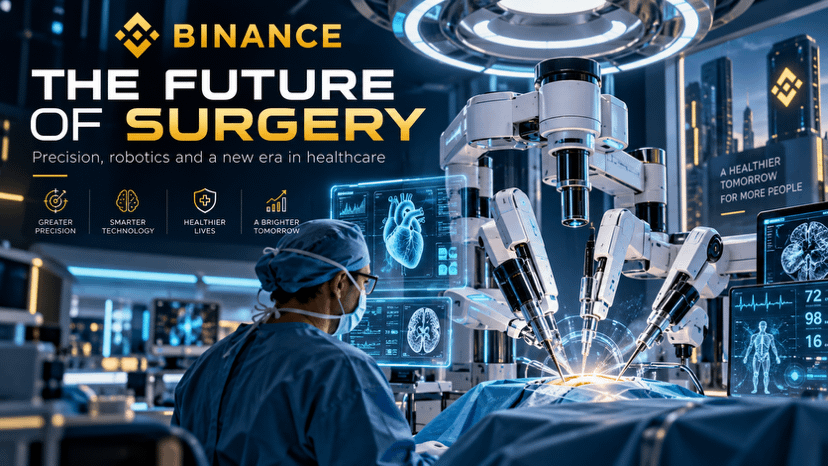
قد تبدو غرفة العمليات في المستقبل مختلفة جدًا عمّا نعرفه اليوم.
بعض العمليات الجراحية لا تزال مقيّدة بشيء شديد الإنسانية: دقّة أيدينا.
قد تتضمن الجراحة المجهرية الأوعية الدموية والأعصاب التي يقل قطرها عن 1 مليمتر. وحتى أفضل الجراحين يظلون يواجهون رجفانًا طبيعيًا وإرهاقًا وحركةً محدودةً في المناطق العميقة أو الصعبة من الجسم. وتُطوَّر الآن أنظمة جديدة للجراحة المجهرية الروبوتية لتقليل تلك القيود عبر “توسيع الحركة” (Motion scaling) و”تنقية الرجفان” (tremor filtration). وتُظهر الأبحاث السريرية الحديثة أن هذه الأنظمة يمكنها بالفعل تحسين الدقة في الإجراءات شديدة الحساسية.
الآن تخيّل ما يحدث عندما يصبح #Robotics be أصغر وأكثر دقة، ويُدمج مع الذكاء الاصطناعي.
الخطوة الكبرى الأولى لن تكون على الأرجح استبدال الروبوتات للجراحين.
بل ستكون الروبوتات تساعد الجراحين على الرؤية بوضوح أكبر، والتعرّف على التشريح، ورصد الأخطاء المحتملة، وتنفيذ حركات يصعب على يد الإنسان القيام بها. تشير الأبحاث الحالية إلى أن أنظمة الجراحة المدعومة بالذكاء الاصطناعي قد تُحسّن الإدراك والإرشاد أثناء الجراحة مع إبقاء الجراح في السيطرة.
وبعيدًا عن ذلك، قد نرى ميكرو-روبوتات تعمل داخل أجزاء من الجسم يصعب الوصول إليها جدًا اليوم. ويقوم الباحثون بالفعل بدراسة الجراحة الروبوتية الذاتية (autonomous) والجراحة الميكرو-روبوتية كاتجاهات طويلة المدى.
وبالنسبة للعملات المشفّرة، توجد أيضًا علاقة مثيرة للاهتمام.
تقوم مشاريع مثل $BIO ببناء بنية تحتية قائمة على سلسلة الكتل (blockchain) حول أبحاث التكنولوجيا الحيوية والتمويل العلمي اللامركزي. لا يعني ذلك أن $BIO a عبارة عن توكن لجراحة روبوتية. لكنّه يمثّل جزءًا آخر من المستقبل نفسه، حيث تصبح الأبحاث الطبية والتمويل والتقنية أكثر ترابطًا.
#Biotech
وجهة نظري بسيطة:
قد لا تأتي الثورة التالية في الرعاية الصحية من دواء جديد واحد. قد تأتي من منح الأطباء قدرات لم تكن موجودة لدى جسم الإنسان من قبل.
هل ستثق في جراح يستخدم #AI كروبوت مُساعد لإجراء لا يمكن تنفيذه بأمان باليد؟
أعتقد أنني لن أفعل :) هذا ما يجعلني خائفًا جدًا.
بعض العمليات الجراحية لا تزال مقيّدة بشيء شديد الإنسانية: دقّة أيدينا.
قد تتضمن الجراحة المجهرية الأوعية الدموية والأعصاب التي يقل قطرها عن 1 مليمتر. وحتى أفضل الجراحين يظلون يواجهون رجفانًا طبيعيًا وإرهاقًا وحركةً محدودةً في المناطق العميقة أو الصعبة من الجسم. وتُطوَّر الآن أنظمة جديدة للجراحة المجهرية الروبوتية لتقليل تلك القيود عبر “توسيع الحركة” (Motion scaling) و”تنقية الرجفان” (tremor filtration). وتُظهر الأبحاث السريرية الحديثة أن هذه الأنظمة يمكنها بالفعل تحسين الدقة في الإجراءات شديدة الحساسية.
الآن تخيّل ما يحدث عندما يصبح #Robotics be أصغر وأكثر دقة، ويُدمج مع الذكاء الاصطناعي.
الخطوة الكبرى الأولى لن تكون على الأرجح استبدال الروبوتات للجراحين.
بل ستكون الروبوتات تساعد الجراحين على الرؤية بوضوح أكبر، والتعرّف على التشريح، ورصد الأخطاء المحتملة، وتنفيذ حركات يصعب على يد الإنسان القيام بها. تشير الأبحاث الحالية إلى أن أنظمة الجراحة المدعومة بالذكاء الاصطناعي قد تُحسّن الإدراك والإرشاد أثناء الجراحة مع إبقاء الجراح في السيطرة.
وبعيدًا عن ذلك، قد نرى ميكرو-روبوتات تعمل داخل أجزاء من الجسم يصعب الوصول إليها جدًا اليوم. ويقوم الباحثون بالفعل بدراسة الجراحة الروبوتية الذاتية (autonomous) والجراحة الميكرو-روبوتية كاتجاهات طويلة المدى.
وبالنسبة للعملات المشفّرة، توجد أيضًا علاقة مثيرة للاهتمام.
تقوم مشاريع مثل $BIO ببناء بنية تحتية قائمة على سلسلة الكتل (blockchain) حول أبحاث التكنولوجيا الحيوية والتمويل العلمي اللامركزي. لا يعني ذلك أن $BIO a عبارة عن توكن لجراحة روبوتية. لكنّه يمثّل جزءًا آخر من المستقبل نفسه، حيث تصبح الأبحاث الطبية والتمويل والتقنية أكثر ترابطًا.
#Biotech
وجهة نظري بسيطة:
قد لا تأتي الثورة التالية في الرعاية الصحية من دواء جديد واحد. قد تأتي من منح الأطباء قدرات لم تكن موجودة لدى جسم الإنسان من قبل.
هل ستثق في جراح يستخدم #AI كروبوت مُساعد لإجراء لا يمكن تنفيذه بأمان باليد؟
أعتقد أنني لن أفعل :) هذا ما يجعلني خائفًا جدًا.
MrStar
·
--
[إعادة تشغيل] 🎙️ محادثات كريبتو | #مكافآت_بنانس | هل بدأ سوق صاعد أم لا؟ | مارفن
02 ساعة 01 دقيقة 44 ثانية · 4k يستمعون
·
--
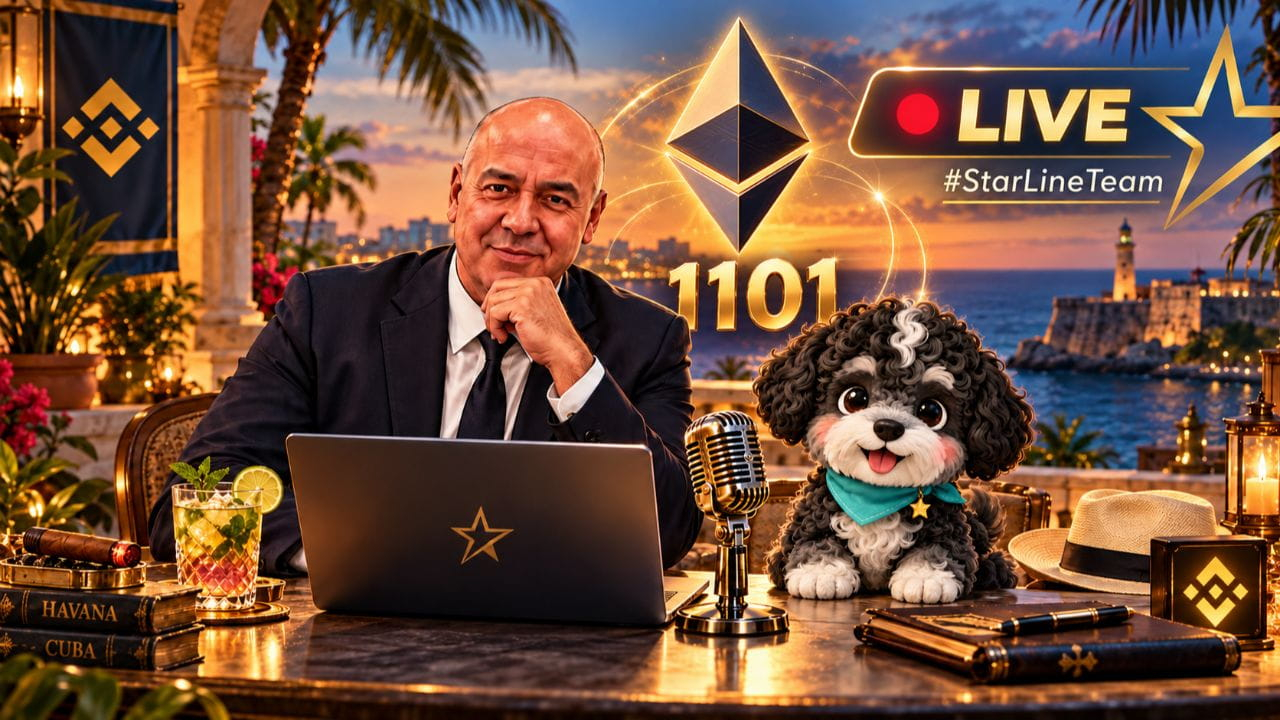
🎙️ كريبتو توكس | #Binance Rewards | هل بدأ سوق صاعد أم لا؟ | مارفين
إنهاء
02 ساعة 01 دقيقة 44 ثانية
3.7k
17

Manta 甜心
·
--
عند عدّاء الصباح في سيدني وهو يرفع معصمه ليتحقق من الوقت، لم يكن رجل أعمال في دبي قد استيقظ بعد.
8 مدن، 8 مناطق زمنية، ونفس السوق.
هذا هو معنى "تقاسم اللحظة نفسها عبر الآفاق".
كان القدماء يقيسون مسافة الشوق باستخدام القمر،
ويستخدم بينانس الربط للقضاء على مسافة المناطق الزمنية.
#币安中秋故事
8 مدن، 8 مناطق زمنية، ونفس السوق.
هذا هو معنى "تقاسم اللحظة نفسها عبر الآفاق".
كان القدماء يقيسون مسافة الشوق باستخدام القمر،
ويستخدم بينانس الربط للقضاء على مسافة المناطق الزمنية.
#币安中秋故事

星辰大海_
·
--
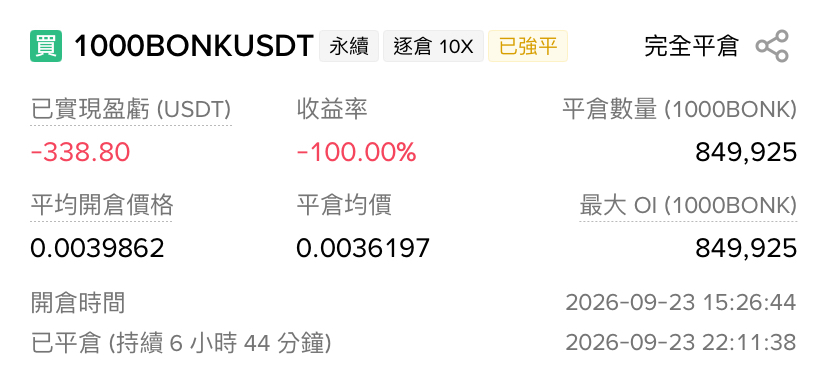
صاعدلقد فجرته يا رفاق
إذا تم تفجيري فهذا يعني أنني يجب أن أبدأ بالسحب
أعلن رسميًا أن موسم الميمات قد بدأ!
تابع التخطيط لفكرة ميم ماسك
$BTC $DOGE $ETH
إذا تم تفجيري فهذا يعني أنني يجب أن أبدأ بالسحب
أعلن رسميًا أن موسم الميمات قد بدأ!
تابع التخطيط لفكرة ميم ماسك
$BTC $DOGE $ETH
·
--
🎙️ هل يعلم الجميع؟ يمكن أيضًا تحقيق الربح من تداول الفوري
إنهاء
02 ساعة 12 دقيقة 45 ثانية
5.1k
11

POCHITA 2113 保拉
·
--
[انتهى] 🎙️ مرحبًا سعيد الثلاثاء ونجاحات للجميع
1.1k يستمعون
MrStar
·
--
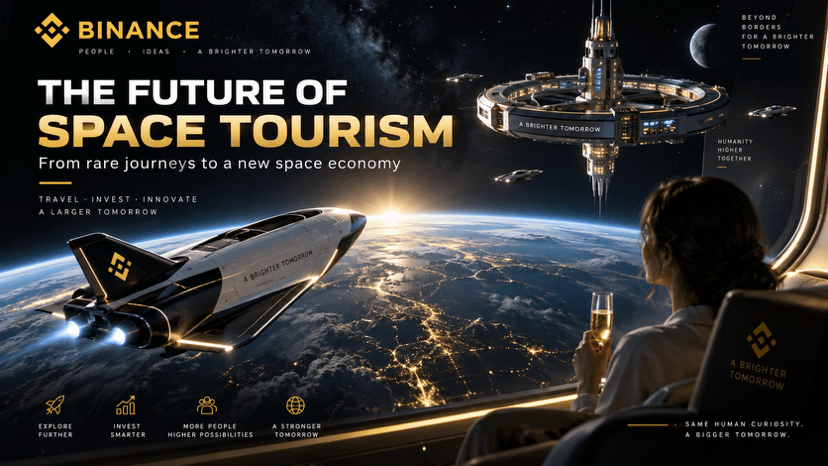
قد لا تكون وجهة الرفاهية القادمة بلدًا آخر. قد تكون مدارًا.
تتزايد بعثات رواد الفضاء الخاصة، بينما تستعد محطات الفضاء التجارية لمستقبل يتجاوز محطة الفضاء الدولية #Space .
اليوم لا يزال سياحة الفضاء باهظة الثمن ومحدودة للغاية على عدد قليل جدًا من الأشخاص. لكن الطيران بدأ بالطريقة نفسها.
قد لا تكون الفرصة الحقيقية هي التذكرة نفسها.
قد تكون كل ما سيحتاجه المسافرون بمجرد أن يبدأ المزيد من الناس في العيش والعمل خارج الأرض: النقل، والطاقة، والاتصالات، والغذاء، والخدمات الطبية، والبنية التحتية الرقمية.
عندها تتوقف سياحة الفضاء عن كونها مجرد عرض وتبدأ في أن تصبح اقتصادًا.
أكبر سؤال ليس متى سيزور الناس العاديون الفضاء. بل ما الصناعات التي سيتم إنشاؤها عندما يبدأ آلاف الأشخاص في العيش خارج الأرض.
$SPCX
قد تكون المرحلة التالية مختلفة جدًا.
تخيّل فنادق تدور في المدار.
محطات أبحاث خاصة.
ترفيه في انعدام الجاذبية.
التصنيع انطلاقًا من الفضاء.
رحلات حول القمر.
#SpaceX
ربما في يوم من الأيام حتى وسائل نقل منتظمة بين الأرض والمستوطنات الدائمة الممتدة إلى ما بعدها.
قد لا تكون أكبر فرصة هي بيع التذاكر.
قد تكون بناء كل ما سيحتاجه هؤلاء المسافرون.
النقل. الطاقة. الاتصالات. التأمين. الغذاء. الخدمات الطبية. الترفيه والبنية التحتية الرقمية.
عندها تتوقف سياحة الفضاء عن كونها مجرد عرض وتبدأ في أن تصبح اقتصادًا.
لا أعتقد أن السؤال الأهم هو متى سيزور الناس العاديون الفضاء.
السؤال الأفضل هو:
ما الصناعات التي سيتم إنشاؤها عندما يبدأ آلاف الأشخاص في العيش والعمل خارج الأرض؟
قد تبدأ حقبة سياحة الفضاء مع ركّاب أثرياء.
لكن التاريخ يشير إلى أن البنية التحتية التي بُنيت من أجل قلة قد يعاد تشكيلها في النهاية لتؤثر في حياة الملايين.
هل ستأخذ رحلة إلى المدار إذا أصبح السفر ميسورًا وآمنًا بما يكفي؟
$SPACE
تتزايد بعثات رواد الفضاء الخاصة، بينما تستعد محطات الفضاء التجارية لمستقبل يتجاوز محطة الفضاء الدولية #Space .
اليوم لا يزال سياحة الفضاء باهظة الثمن ومحدودة للغاية على عدد قليل جدًا من الأشخاص. لكن الطيران بدأ بالطريقة نفسها.
قد لا تكون الفرصة الحقيقية هي التذكرة نفسها.
قد تكون كل ما سيحتاجه المسافرون بمجرد أن يبدأ المزيد من الناس في العيش والعمل خارج الأرض: النقل، والطاقة، والاتصالات، والغذاء، والخدمات الطبية، والبنية التحتية الرقمية.
عندها تتوقف سياحة الفضاء عن كونها مجرد عرض وتبدأ في أن تصبح اقتصادًا.
أكبر سؤال ليس متى سيزور الناس العاديون الفضاء. بل ما الصناعات التي سيتم إنشاؤها عندما يبدأ آلاف الأشخاص في العيش خارج الأرض.
$SPCX
قد تكون المرحلة التالية مختلفة جدًا.
تخيّل فنادق تدور في المدار.
محطات أبحاث خاصة.
ترفيه في انعدام الجاذبية.
التصنيع انطلاقًا من الفضاء.
رحلات حول القمر.
#SpaceX
ربما في يوم من الأيام حتى وسائل نقل منتظمة بين الأرض والمستوطنات الدائمة الممتدة إلى ما بعدها.
قد لا تكون أكبر فرصة هي بيع التذاكر.
قد تكون بناء كل ما سيحتاجه هؤلاء المسافرون.
النقل. الطاقة. الاتصالات. التأمين. الغذاء. الخدمات الطبية. الترفيه والبنية التحتية الرقمية.
عندها تتوقف سياحة الفضاء عن كونها مجرد عرض وتبدأ في أن تصبح اقتصادًا.
لا أعتقد أن السؤال الأهم هو متى سيزور الناس العاديون الفضاء.
السؤال الأفضل هو:
ما الصناعات التي سيتم إنشاؤها عندما يبدأ آلاف الأشخاص في العيش والعمل خارج الأرض؟
قد تبدأ حقبة سياحة الفضاء مع ركّاب أثرياء.
لكن التاريخ يشير إلى أن البنية التحتية التي بُنيت من أجل قلة قد يعاد تشكيلها في النهاية لتؤثر في حياة الملايين.
هل ستأخذ رحلة إلى المدار إذا أصبح السفر ميسورًا وآمنًا بما يكفي؟
$SPACE
MrStar
·
--
تتحرك الذكاء الاصطناعي من كونه أداة ليصبح طبقة غير مرئية من الحياة اليومية.
$NEAR
قد لا تكون أكبر التغييرات هي أن الآلات ستصبح “أكثر ذكاءً”.
ربما أن الذكاء سيُدمَج في كل مكان.
خلال السنوات القادمة، قد يشكل الذكاء الاصطناعي بهدوء طريقة عملنا وتعلّمنا وتصميمنا وتواصلنا وتبادلنا التجاري وسفرنا واتخاذنا للقرارات. قد يتوقف كثيرون عن اعتباره تقنية منفصلة لأنّه سيصبح ببساطة جزءًا من الأنظمة المحيطة بهم.
وسيخلق ذلك تحولات هائلة من الفرص.
قد تتمكن فرق صغيرة من بناء ما كان يتطلب في السابق شركات كبيرة. وقد يحصل الأفراد على وصول إلى أدوات البحث والتحليل والإبداع التي كانت مكلفة أو صعبة الاستخدام من قبل. وقد ترتفع الإنتاجية بشكل حاد في القطاعات التي لا تزال تعتمد على العمل اليدوي المتكرر.
$IO
لكن هناك جانبًا آخر.
عندما يصبح الذكاء رخيصًا ومتّاحًا على نطاق واسع، يصبح الحكم أكثر قيمة.
قد يصبح معرفة ماذا نطلب، وماذا نثق به، وماذا نتحقق منه، ومتى لا ينبغي أتمتة الأمور، أكثر أهمية من مجرد امتلاك وصول إلى أدوات قوية.
قد لا يكون المستقبل لمن يستخدمون الذكاء الاصطناعي أكثر.
قد يكون لمن يعرف متى يستخدمه ومتى يفكر المرء بنفسه.
وهذا هو الجزء من ثورة الذكاء الاصطناعي الذي أجدُه الأكثر إثارة للاهتمام.
$WLD
ليس ما إذا كانت الآلات قادرة على استبدال البشر.
بل كيف سيُعيد البشر تعريف قيمتهم بمجرد توفر الذكاء تقريبًا في كل مكان.
قد يصبح الذكاء الاصطناعي شائعًا. وقد يصبح الحكم الجيد نادرًا.
#AI
$NEAR
قد لا تكون أكبر التغييرات هي أن الآلات ستصبح “أكثر ذكاءً”.
ربما أن الذكاء سيُدمَج في كل مكان.
خلال السنوات القادمة، قد يشكل الذكاء الاصطناعي بهدوء طريقة عملنا وتعلّمنا وتصميمنا وتواصلنا وتبادلنا التجاري وسفرنا واتخاذنا للقرارات. قد يتوقف كثيرون عن اعتباره تقنية منفصلة لأنّه سيصبح ببساطة جزءًا من الأنظمة المحيطة بهم.
وسيخلق ذلك تحولات هائلة من الفرص.
قد تتمكن فرق صغيرة من بناء ما كان يتطلب في السابق شركات كبيرة. وقد يحصل الأفراد على وصول إلى أدوات البحث والتحليل والإبداع التي كانت مكلفة أو صعبة الاستخدام من قبل. وقد ترتفع الإنتاجية بشكل حاد في القطاعات التي لا تزال تعتمد على العمل اليدوي المتكرر.
$IO
لكن هناك جانبًا آخر.
عندما يصبح الذكاء رخيصًا ومتّاحًا على نطاق واسع، يصبح الحكم أكثر قيمة.
قد يصبح معرفة ماذا نطلب، وماذا نثق به، وماذا نتحقق منه، ومتى لا ينبغي أتمتة الأمور، أكثر أهمية من مجرد امتلاك وصول إلى أدوات قوية.
قد لا يكون المستقبل لمن يستخدمون الذكاء الاصطناعي أكثر.
قد يكون لمن يعرف متى يستخدمه ومتى يفكر المرء بنفسه.
وهذا هو الجزء من ثورة الذكاء الاصطناعي الذي أجدُه الأكثر إثارة للاهتمام.
$WLD
ليس ما إذا كانت الآلات قادرة على استبدال البشر.
بل كيف سيُعيد البشر تعريف قيمتهم بمجرد توفر الذكاء تقريبًا في كل مكان.
قد يصبح الذكاء الاصطناعي شائعًا. وقد يصبح الحكم الجيد نادرًا.
#AI

MrStar
·
--
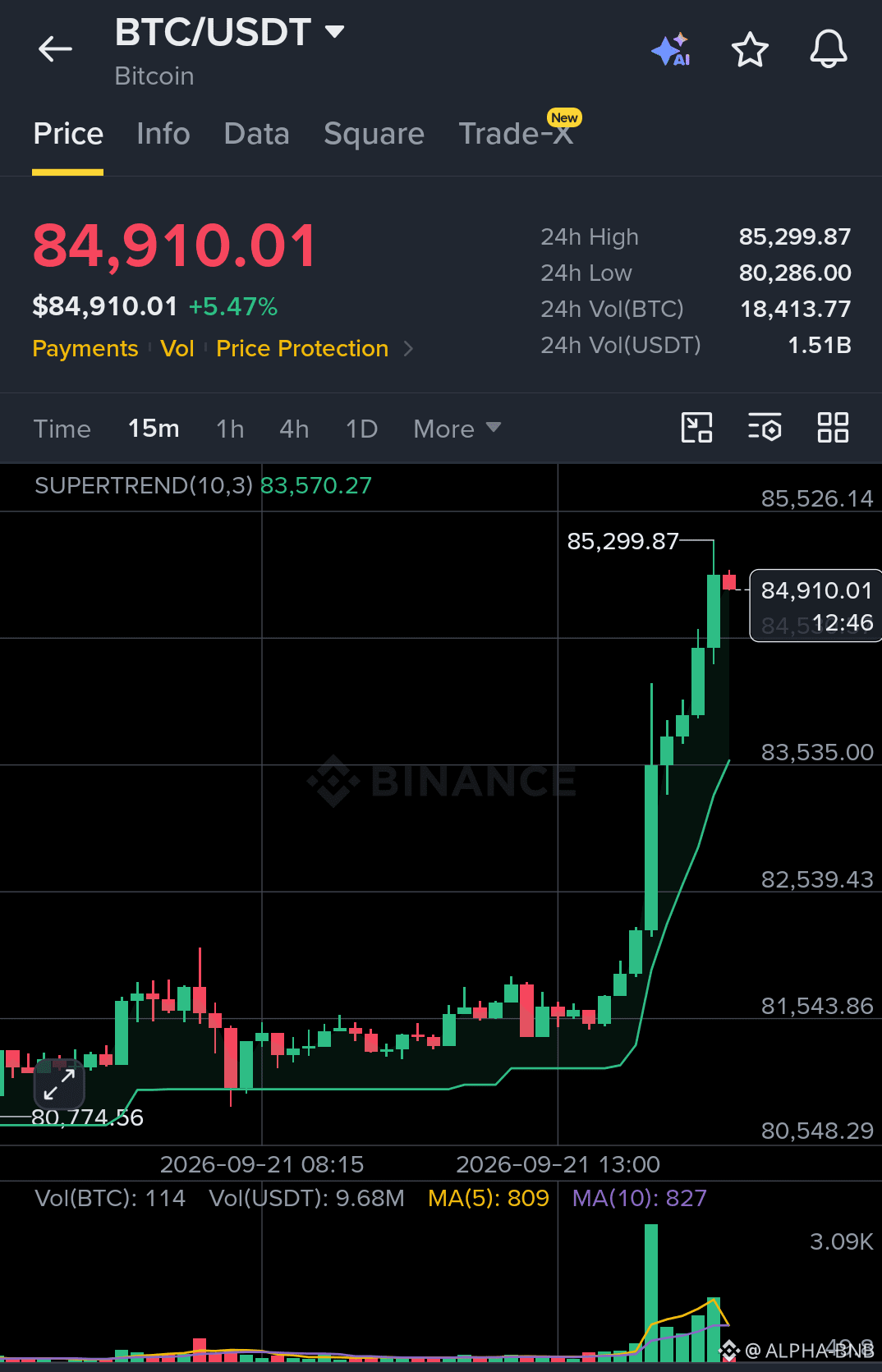
[إعادة تشغيل] 🎙️ Bull Run أو Bull Trap؟ | بيانات أسبوعية | مارفن 1101 | محادثات العملات الرقمية
02 ساعة 05 دقيقة 30 ثانية · 4.7k يستمعون
🔹 Alpha rotation
100%
🔹 New money
0%
🔹 Short squeeze
0%
🔹 Pure hype
0%
1 الأصوات • تمّ إغلاق التصويت
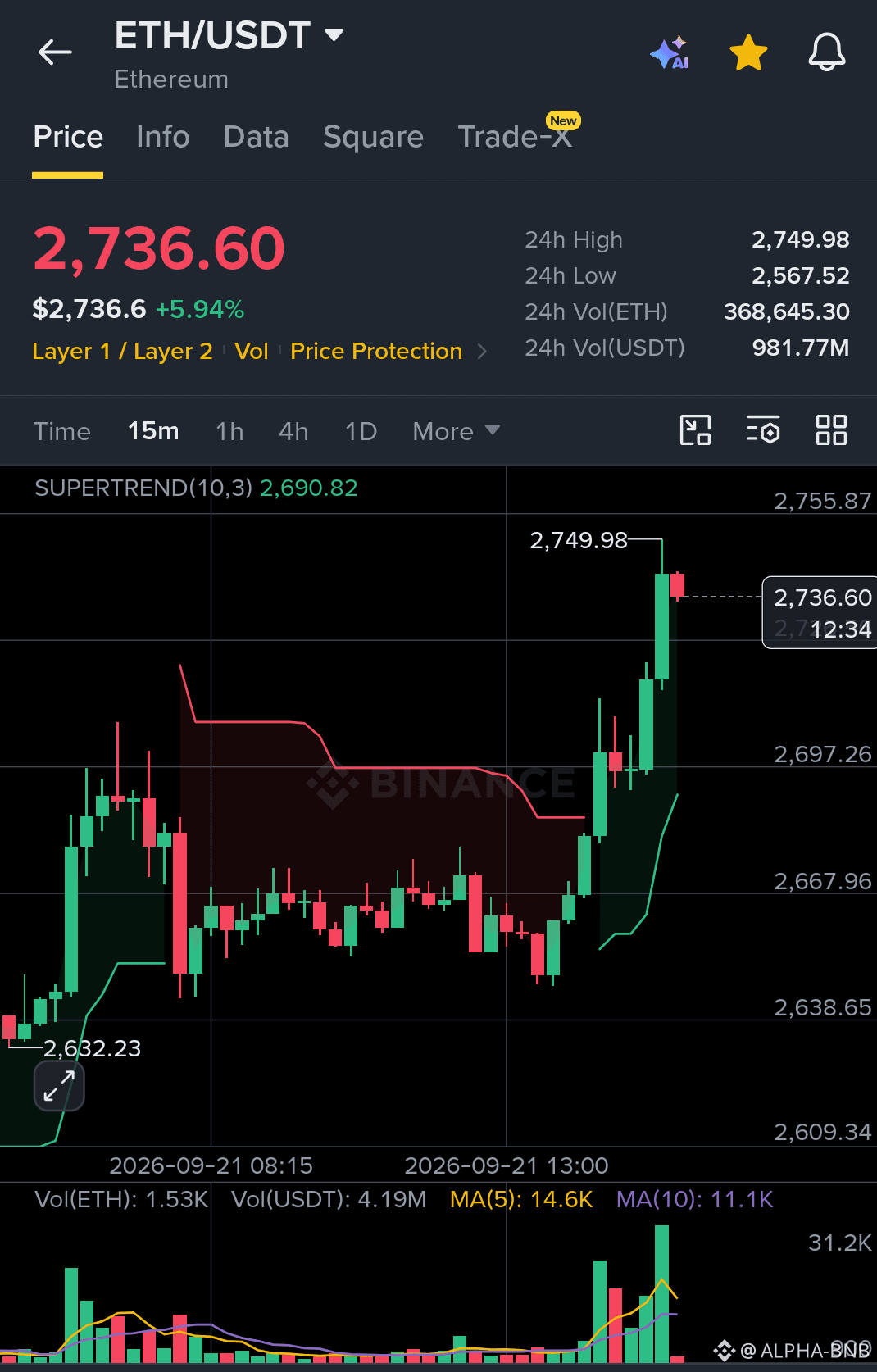
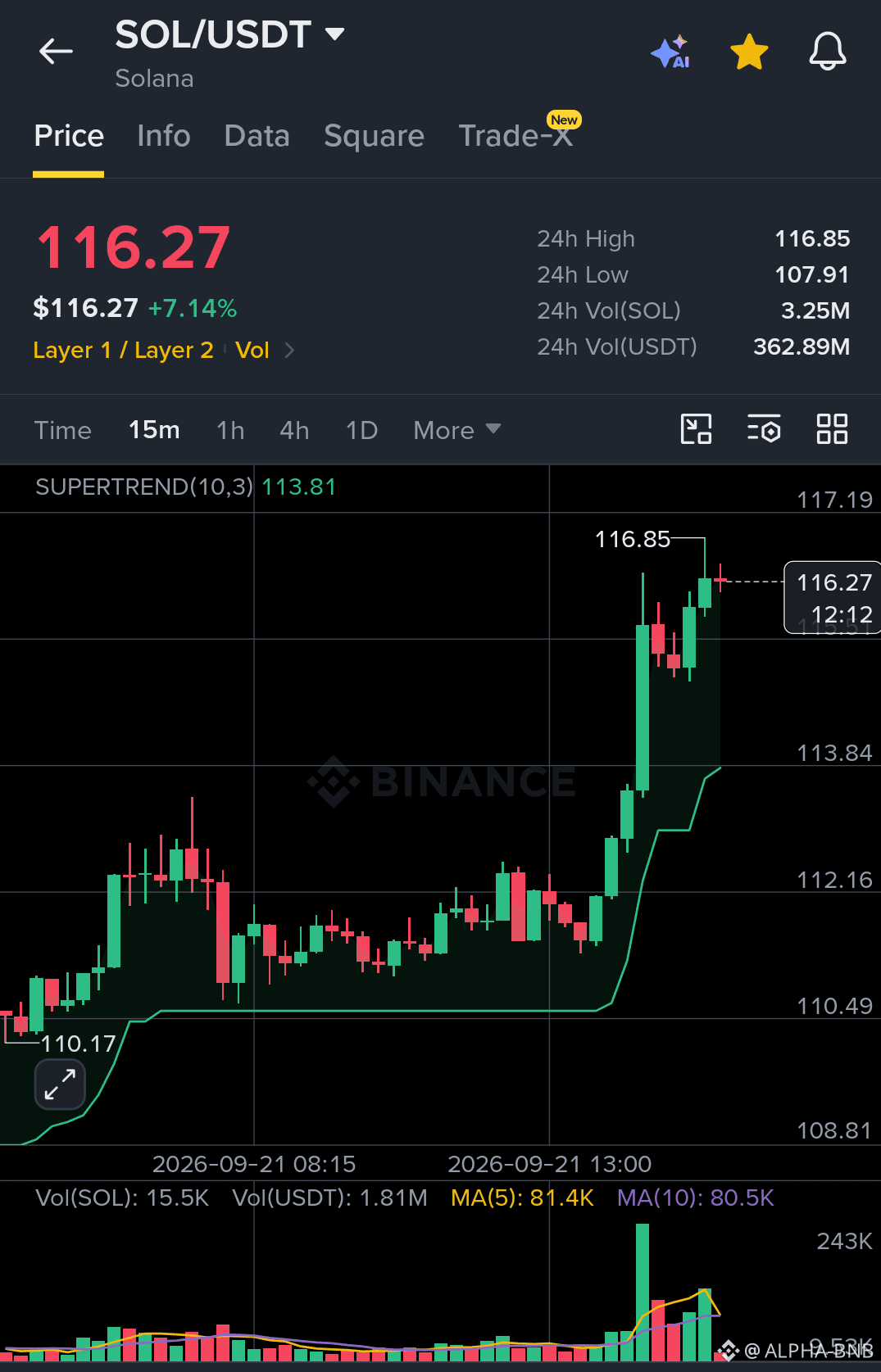
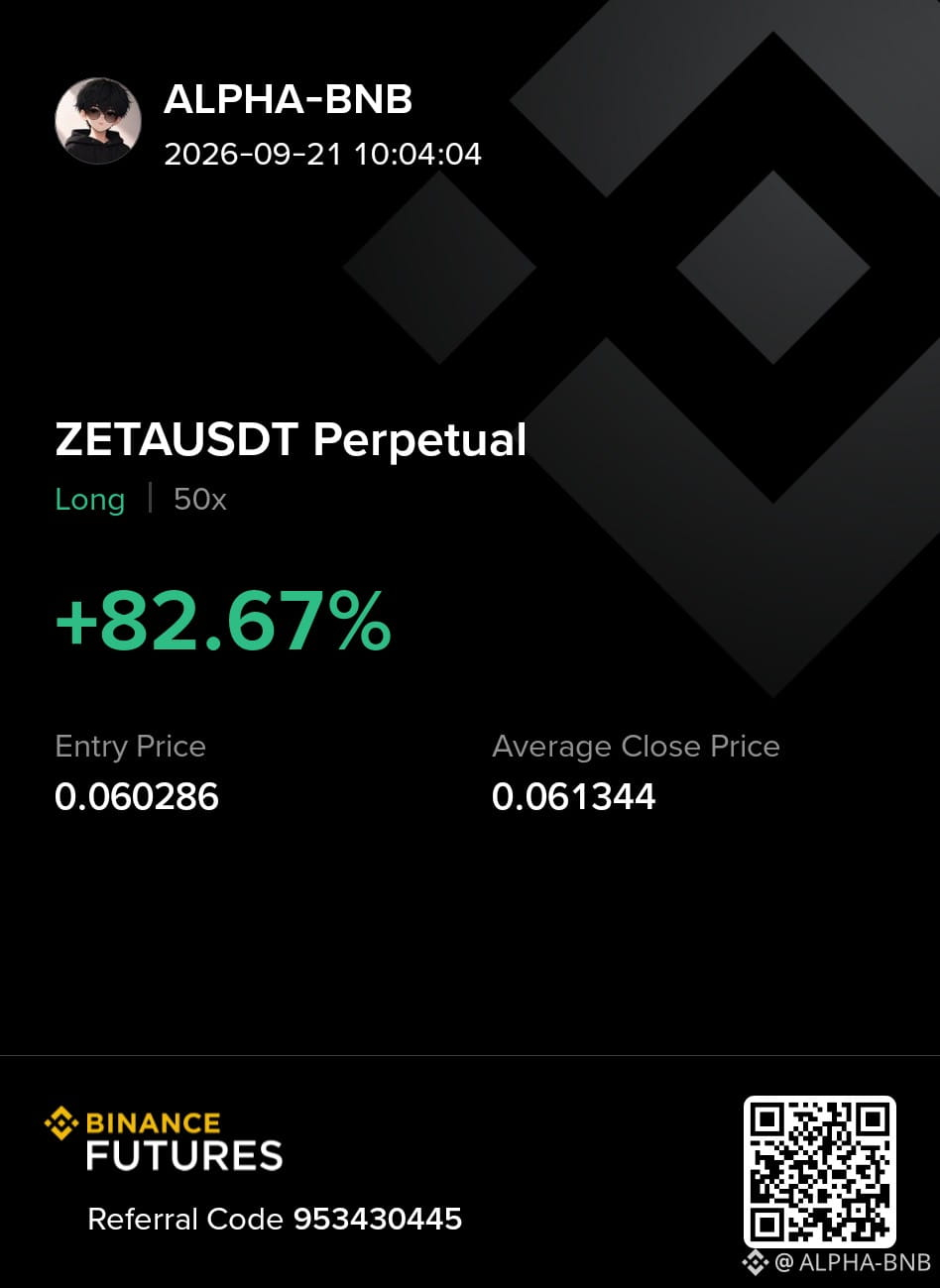
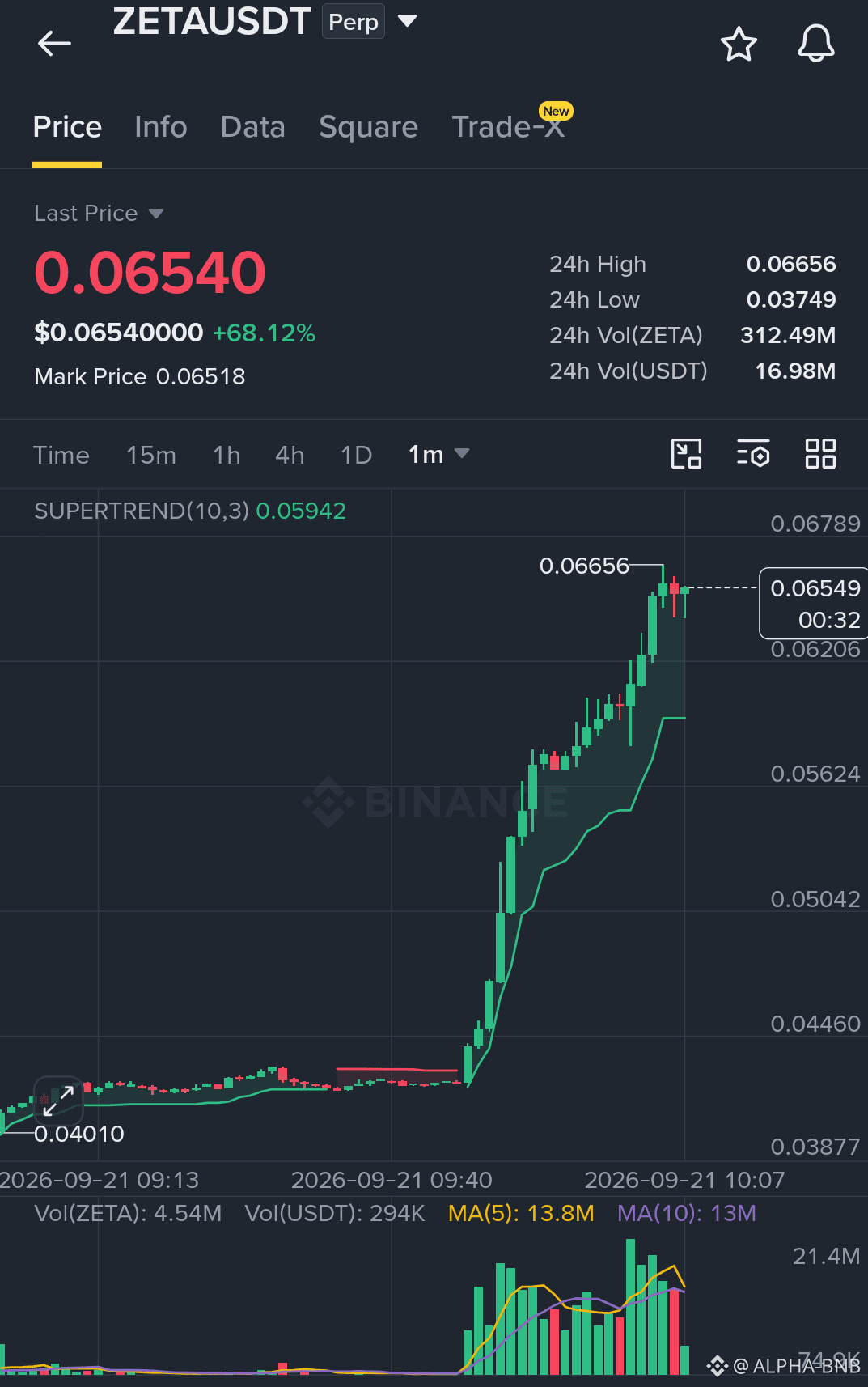
Alt rotation
56%
Short squeeze
6%
BTC spillover
19%
Just hype
19%
16 الأصوات • تمّ إغلاق التصويت
MrStar
·
--
[إعادة تشغيل] 🎙️ باينانس تتحدث | بيانات أسبوعية | مارفن | $BTC يثبت عند 80000
02 ساعة 18 دقيقة 14 ثانية · 4.5k يستمعون
Meme早班车
·
--
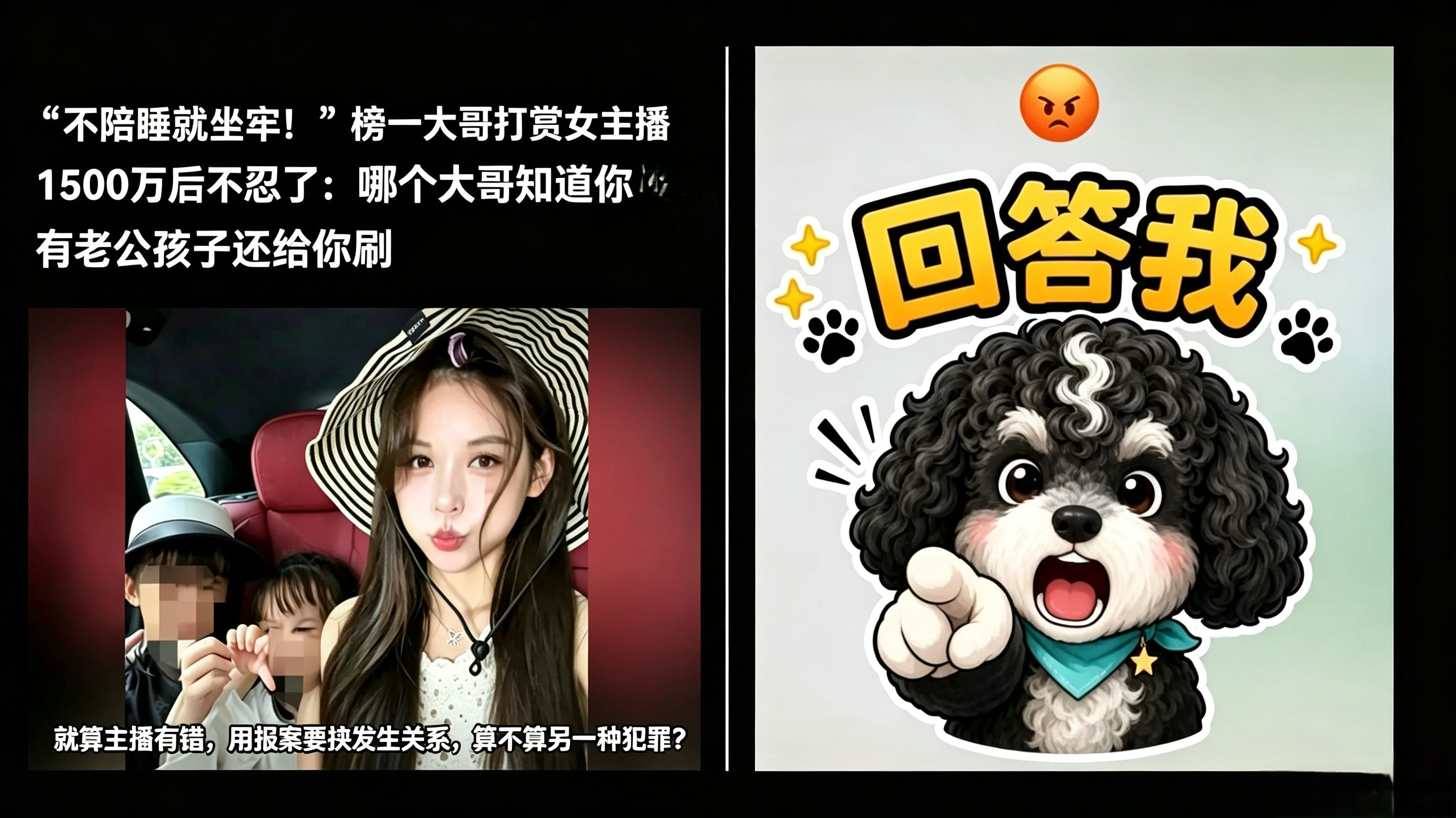
قضية احتيال تبرعات بملايين يوان من قبل مذيعة على منصة البث، ويي يينغ، ما رأي الجميع في هذا الموضوع؟
المذيعة ويي يينغ لديها زوج وأطفال، لكن على البث علنًا صوّرت نفسها للجمهور كشخص أعزب غير متزوج. في الخفاء كانت تحافظ على علاقة غامضة مع عدة من المعجبين الذكور، وتقدم وعودًا عاطفية، بهدف إغواء المعجبين بإرسال هدايا داخل غرفة البث.
- المتبرع صاحب المركز الأول وحده تبرع بمبلغ 15 مليونًا، أما الضحيتان الأخريان فكلٌ منهما 5 ملايين، ليصبح إجمالي التبرعات في القضية 25 مليونًا.
- بعد أن قام “الأخ الأكبر” بإرسال تبرعات ضخمة، أراد تطوير علاقة على أرض الواقع. وعندما علم أن المذيعة متزوجة ولديها أطفال، انهار نفسيًا وهددها: “إن لم تُرافقني في السرير سأبلّغ عنك وستقضي عقوبة السجن”، ثم قدّم بلاغًا ضدها متهمًا إياها بالاحتيال.
- جرى نظر القضية في محكمة مقاطعة/منطقة هينان الشعبية الأولى على مستوى الدرجة الأولى، ولم يصدر حكم بعد. وإذا ثبتت تهمة الاحتيال، فقد تصل مدة العقوبة إلى أكثر من 10 سنوات.
ادعاءات كل طرف
✅ الاتهام: اتهم المدعي العام المذيعة بأنها أخفت عمدًا كونها متزوجة، واختلقت شخصية العزباء، وجرّت المعجبين بعروض المواعدة كطُعم، لتضليلهم بإرسال تبرعات كبيرة، مما يشكل جريمة احتيال.
✅ المذيعة وذويها يدافعون:
1. التبرعات كانت استهلاكًا اختياريًا من جانب المعجبين، وليست خداعًا. وبعد خصم عمولة المنصة، فإن ما حصلت عليه المذيعة فعليًا لا يصل إلى 25 مليونًا.
2. بعض “الإخوة الكبار” المتبرعين أيضًا كانوا متزوجين.
3. ما فعلته الجهة الأخرى لاحقًا باستخدام البلاغ لابتزازها وإجبارها على إقامة علاقة جنسية، يُعد سلوكًا قائمًا على الإكراه.
هنا خلاف قانوني واقعي جدًا:
إخفاء سجل الزواج سرًّا في الخفاء، والاعتماد على وعود الحب لإغواء تبرعات كبيرة—هل يُعد نزاعًا عاطفيًا، أم احتيالًا جنائيًا؟
حتى لو كانت المذيعة مخطئة، وإذا استخدمت أحد الأطراف الابتزاز عبر التهديد بتقديم بلاغ لإقامة علاقة، فهل يُعد ذلك جريمة أخرى؟
ما رأيكم؟
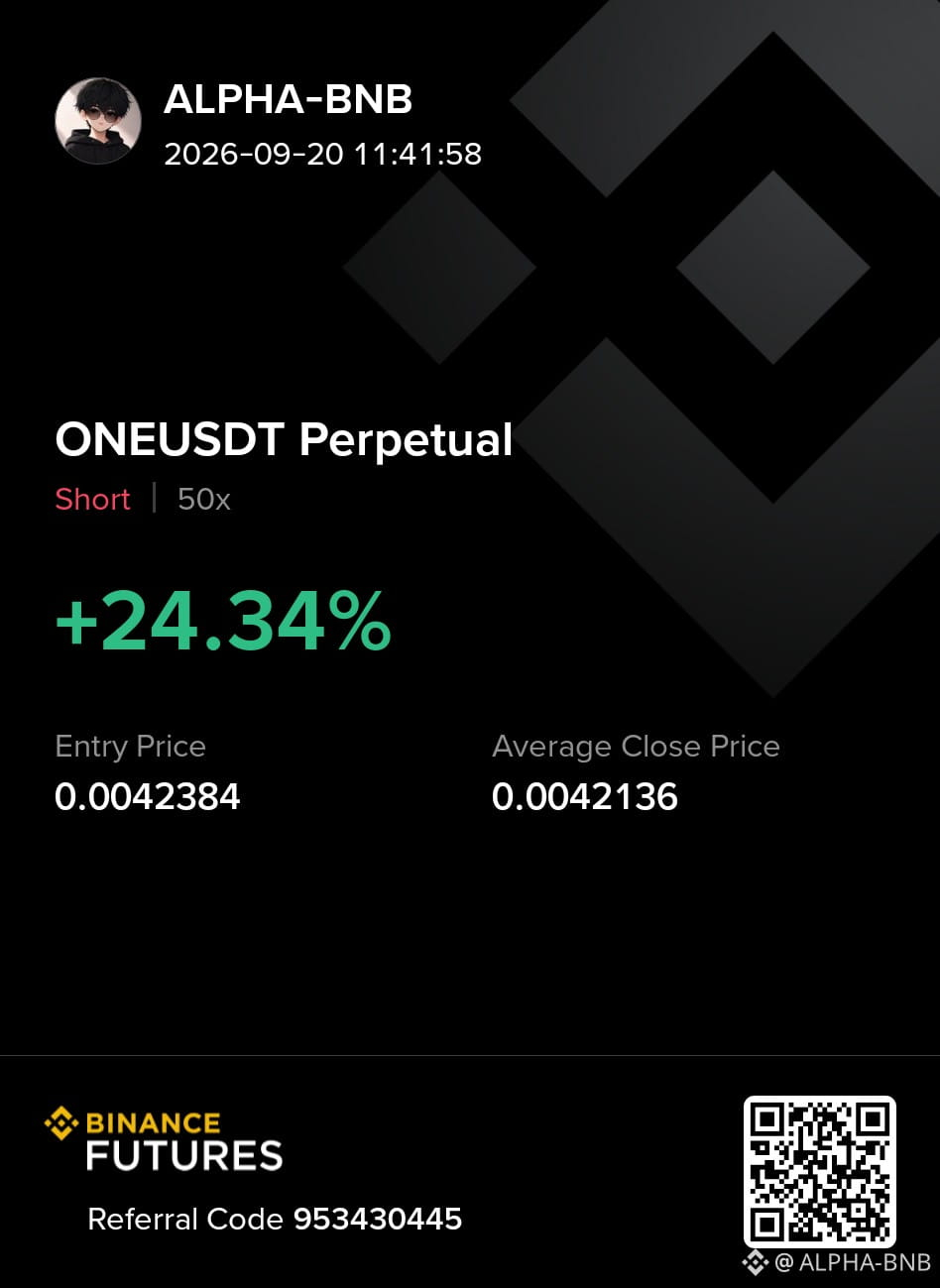
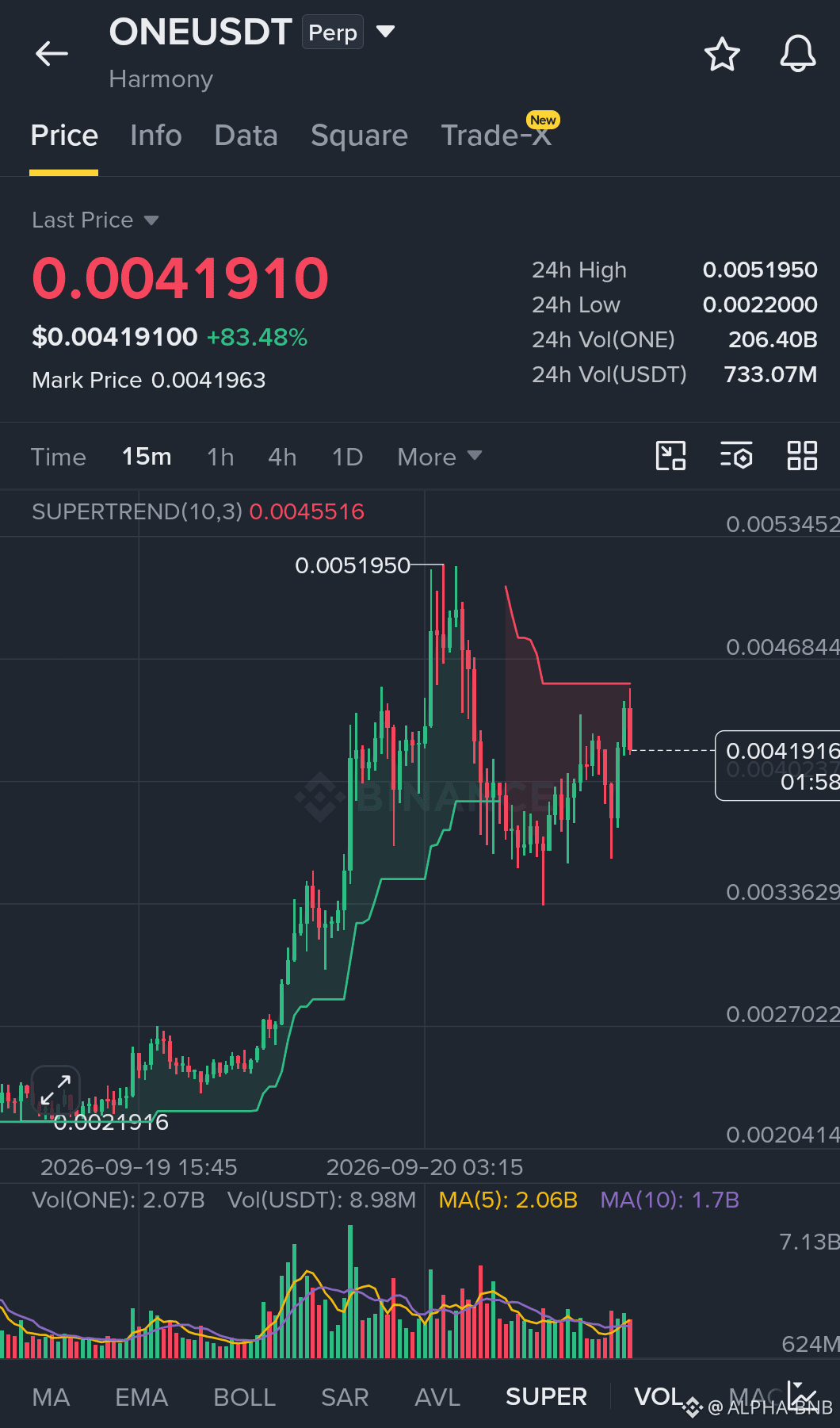
هل اليوم $CELR ، $G ، $ONE أكثر أم أقل؟
المذيعة ويي يينغ لديها زوج وأطفال، لكن على البث علنًا صوّرت نفسها للجمهور كشخص أعزب غير متزوج. في الخفاء كانت تحافظ على علاقة غامضة مع عدة من المعجبين الذكور، وتقدم وعودًا عاطفية، بهدف إغواء المعجبين بإرسال هدايا داخل غرفة البث.
- المتبرع صاحب المركز الأول وحده تبرع بمبلغ 15 مليونًا، أما الضحيتان الأخريان فكلٌ منهما 5 ملايين، ليصبح إجمالي التبرعات في القضية 25 مليونًا.
- بعد أن قام “الأخ الأكبر” بإرسال تبرعات ضخمة، أراد تطوير علاقة على أرض الواقع. وعندما علم أن المذيعة متزوجة ولديها أطفال، انهار نفسيًا وهددها: “إن لم تُرافقني في السرير سأبلّغ عنك وستقضي عقوبة السجن”، ثم قدّم بلاغًا ضدها متهمًا إياها بالاحتيال.
- جرى نظر القضية في محكمة مقاطعة/منطقة هينان الشعبية الأولى على مستوى الدرجة الأولى، ولم يصدر حكم بعد. وإذا ثبتت تهمة الاحتيال، فقد تصل مدة العقوبة إلى أكثر من 10 سنوات.
ادعاءات كل طرف
✅ الاتهام: اتهم المدعي العام المذيعة بأنها أخفت عمدًا كونها متزوجة، واختلقت شخصية العزباء، وجرّت المعجبين بعروض المواعدة كطُعم، لتضليلهم بإرسال تبرعات كبيرة، مما يشكل جريمة احتيال.
✅ المذيعة وذويها يدافعون:
1. التبرعات كانت استهلاكًا اختياريًا من جانب المعجبين، وليست خداعًا. وبعد خصم عمولة المنصة، فإن ما حصلت عليه المذيعة فعليًا لا يصل إلى 25 مليونًا.
2. بعض “الإخوة الكبار” المتبرعين أيضًا كانوا متزوجين.
3. ما فعلته الجهة الأخرى لاحقًا باستخدام البلاغ لابتزازها وإجبارها على إقامة علاقة جنسية، يُعد سلوكًا قائمًا على الإكراه.
هنا خلاف قانوني واقعي جدًا:
إخفاء سجل الزواج سرًّا في الخفاء، والاعتماد على وعود الحب لإغواء تبرعات كبيرة—هل يُعد نزاعًا عاطفيًا، أم احتيالًا جنائيًا؟
حتى لو كانت المذيعة مخطئة، وإذا استخدمت أحد الأطراف الابتزاز عبر التهديد بتقديم بلاغ لإقامة علاقة، فهل يُعد ذلك جريمة أخرى؟
ما رأيكم؟
هل اليوم $CELR ، $G ، $ONE أكثر أم أقل؟
سجّل الدخول لاستكشاف المزيد من المُحتوى