
Crypto Insider Trader
1.6k منشورات

Crypto Insider Trader
إبلاغ
حظر المُستخدم
Trading Expert || Informational Hub || Signal Provider. Everything can see experience on top. Let's start together
فتح تداول
مُتداول مُتكرر
4.3 سنوات
66 تتابع
262 المتابعون
607 إعجاب
منشورات
الحافظة الاستثمارية
الكل
اقتباسات
مقاطع فيديو
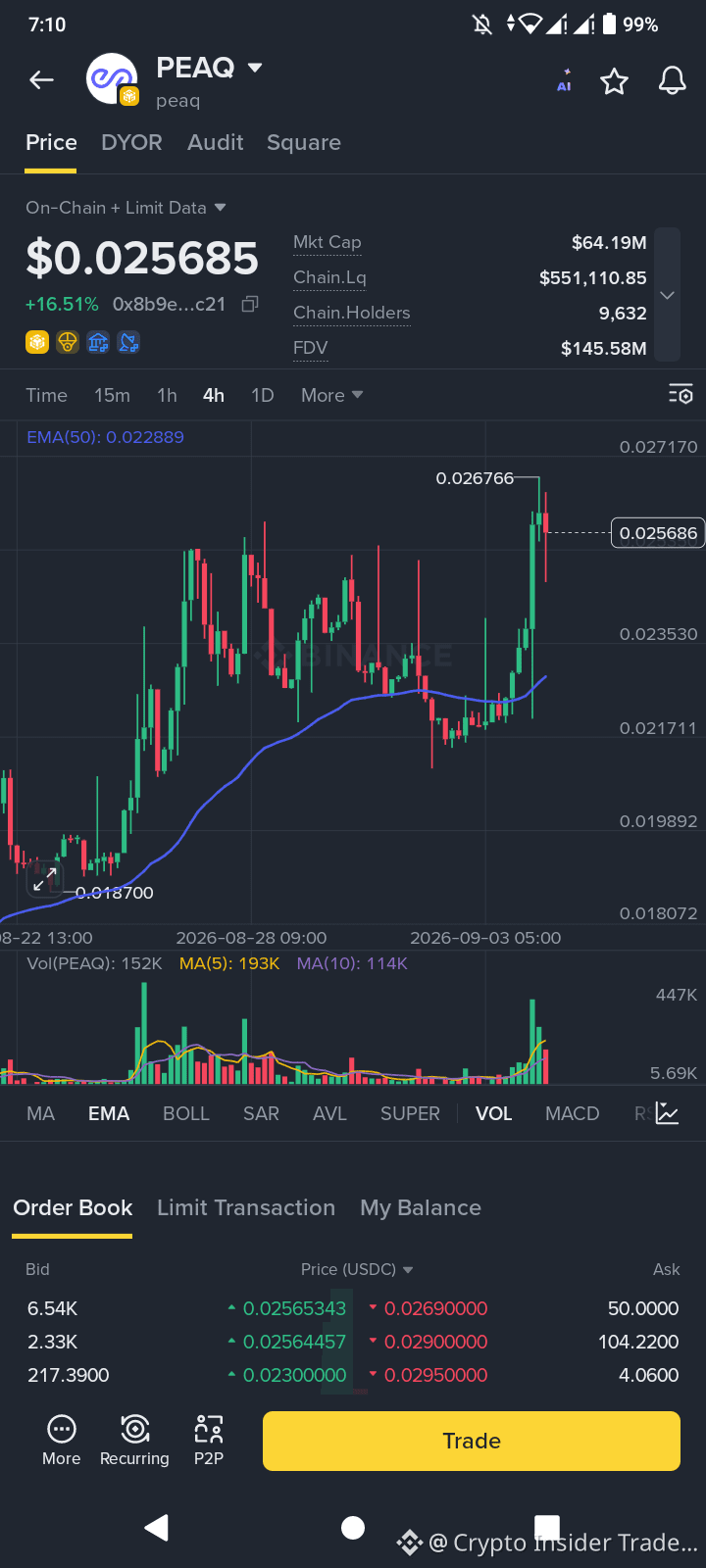
$PEAQ /USDT مراقبة الاختراق — بناء قوة DePIN ◆
◆━━━━━━━━━━━━━━━━━━━━━━━━━━━━━━━━◆
➤ نظرة عامة على السوق
✔︎ ارتفع PEAQ بنسبة +12.98%، ويتداول عند 0.02498 بعد أن سجل أعلى مستوى خلال 24 ساعة عند 0.02682.
✔︎ اخترق السعر مؤخرًا نطاق تجميع ممتد ويختبر مستويات أعلى.
◆━━━━━━━━━━━━━━━━━━━━━━━━━━━━━━━━◆
➤ التحليل الفني
① الاتجاه: بنية انعكاسية صعودية مع بقاء السعر فوق MA(50) = 0.02329.
② البنية: نمط قاع مستدير تلاه شمعة اختراق.
③ الحجم: تم تداول 10.55M PEAQ (حجم تداول 261.98K USDT).
④ دفتر الأوامر: متوازن عند 50% شراء / 50% بيع، مما يعكس تردد السوق.
◆━━━━━━━━━━━━━━━━━━━━━━━━━━━━━━━━◆
➤ تحليل السيناريوهات
🟢 صعودي: قد يستهدف الاختراق فوق 0.02682 مستوى 0.02775 وربما مستويات أعلى.
🔴 هبوطي: فقدان 0.02329 (MA50) قد يبطل الاختراق ويكشف 0.02204.
⚪ محايد: يظل التداول ضمن النطاق بين 0.0230–0.0268 ممكنًا.
◆━━━━━━━━━━━━━━━━━━━━━━━━━━━━━━━━◆
➤ المستويات الرئيسية
✔︎ المقاومة: R1 ➜ 0.02682 | R2 ➜ 0.02775
✔︎ الدعم: S1 ➜ 0.02329 | S2 ➜ 0.02204
◆━━━━━━━━━━━━━━━━━━━━━━━━━━━━━━━━◆
➤ الخلاصة
✔︎ يُظهر PEAQ علامات مبكرة على الانتقال من حركة محصورة ضمن نطاق إلى سوق ذي اتجاه.
✔︎ يشير توازن تدفق الأوامر إلى أن التأكيد لا يزال مطلوبًا.
✔︎ راقب مستويات المقاومة عن كثب للحصول على الإشارة الاتجاهية التالية.
هذه ليست نصيحة مالية.
#BitcoinETFsBiggestDailyInflowSinceJanuary #USAugustAvgHourlyEarningsRise3.1% #USAugustNonfarmPayrollsDueToday #AdobeSharesFall3%OnCEOTransition
$PEAQ /USDT مراقبة الاختراق — بناء قوة DePIN ◆
◆━━━━━━━━━━━━━━━━━━━━━━━━━━━━━━━━◆
➤ نظرة عامة على السوق
✔︎ ارتفع PEAQ بنسبة +12.98%، ويتداول عند 0.02498 بعد أن سجل أعلى مستوى خلال 24 ساعة عند 0.02682.
✔︎ اخترق السعر مؤخرًا نطاق تجميع ممتد ويختبر مستويات أعلى.
◆━━━━━━━━━━━━━━━━━━━━━━━━━━━━━━━━◆
➤ التحليل الفني
① الاتجاه: بنية انعكاسية صعودية مع بقاء السعر فوق MA(50) = 0.02329.
② البنية: نمط قاع مستدير تلاه شمعة اختراق.
③ الحجم: تم تداول 10.55M PEAQ (حجم تداول 261.98K USDT).
④ دفتر الأوامر: متوازن عند 50% شراء / 50% بيع، مما يعكس تردد السوق.
◆━━━━━━━━━━━━━━━━━━━━━━━━━━━━━━━━◆
➤ تحليل السيناريوهات
🟢 صعودي: قد يستهدف الاختراق فوق 0.02682 مستوى 0.02775 وربما مستويات أعلى.
🔴 هبوطي: فقدان 0.02329 (MA50) قد يبطل الاختراق ويكشف 0.02204.
⚪ محايد: يظل التداول ضمن النطاق بين 0.0230–0.0268 ممكنًا.
◆━━━━━━━━━━━━━━━━━━━━━━━━━━━━━━━━◆
➤ المستويات الرئيسية
✔︎ المقاومة: R1 ➜ 0.02682 | R2 ➜ 0.02775
✔︎ الدعم: S1 ➜ 0.02329 | S2 ➜ 0.02204
◆━━━━━━━━━━━━━━━━━━━━━━━━━━━━━━━━◆
➤ الخلاصة
✔︎ يُظهر PEAQ علامات مبكرة على الانتقال من حركة محصورة ضمن نطاق إلى سوق ذي اتجاه.
✔︎ يشير توازن تدفق الأوامر إلى أن التأكيد لا يزال مطلوبًا.
✔︎ راقب مستويات المقاومة عن كثب للحصول على الإشارة الاتجاهية التالية.
هذه ليست نصيحة مالية.
#BitcoinETFsBiggestDailyInflowSinceJanuary #USAugustAvgHourlyEarningsRise3.1% #USAugustNonfarmPayrollsDueToday #AdobeSharesFall3%OnCEOTransition
◆━━━━━━━━━━━━━━━━━━━━━━━━━━━━━━━━◆
➤ نظرة عامة على السوق
✔︎ ارتفع PEAQ بنسبة +12.98%، ويتداول عند 0.02498 بعد أن سجل أعلى مستوى خلال 24 ساعة عند 0.02682.
✔︎ اخترق السعر مؤخرًا نطاق تجميع ممتد ويختبر مستويات أعلى.
◆━━━━━━━━━━━━━━━━━━━━━━━━━━━━━━━━◆
➤ التحليل الفني
① الاتجاه: بنية انعكاسية صعودية مع بقاء السعر فوق MA(50) = 0.02329.
② البنية: نمط قاع مستدير تلاه شمعة اختراق.
③ الحجم: تم تداول 10.55M PEAQ (حجم تداول 261.98K USDT).
④ دفتر الأوامر: متوازن عند 50% شراء / 50% بيع، مما يعكس تردد السوق.
◆━━━━━━━━━━━━━━━━━━━━━━━━━━━━━━━━◆
➤ تحليل السيناريوهات
🟢 صعودي: قد يستهدف الاختراق فوق 0.02682 مستوى 0.02775 وربما مستويات أعلى.
🔴 هبوطي: فقدان 0.02329 (MA50) قد يبطل الاختراق ويكشف 0.02204.
⚪ محايد: يظل التداول ضمن النطاق بين 0.0230–0.0268 ممكنًا.
◆━━━━━━━━━━━━━━━━━━━━━━━━━━━━━━━━◆
➤ المستويات الرئيسية
✔︎ المقاومة: R1 ➜ 0.02682 | R2 ➜ 0.02775
✔︎ الدعم: S1 ➜ 0.02329 | S2 ➜ 0.02204
◆━━━━━━━━━━━━━━━━━━━━━━━━━━━━━━━━◆
➤ الخلاصة
✔︎ يُظهر PEAQ علامات مبكرة على الانتقال من حركة محصورة ضمن نطاق إلى سوق ذي اتجاه.
✔︎ يشير توازن تدفق الأوامر إلى أن التأكيد لا يزال مطلوبًا.
✔︎ راقب مستويات المقاومة عن كثب للحصول على الإشارة الاتجاهية التالية.
هذه ليست نصيحة مالية.
#BitcoinETFsBiggestDailyInflowSinceJanuary #USAugustAvgHourlyEarningsRise3.1% #USAugustNonfarmPayrollsDueToday #AdobeSharesFall3%OnCEOTransition
81
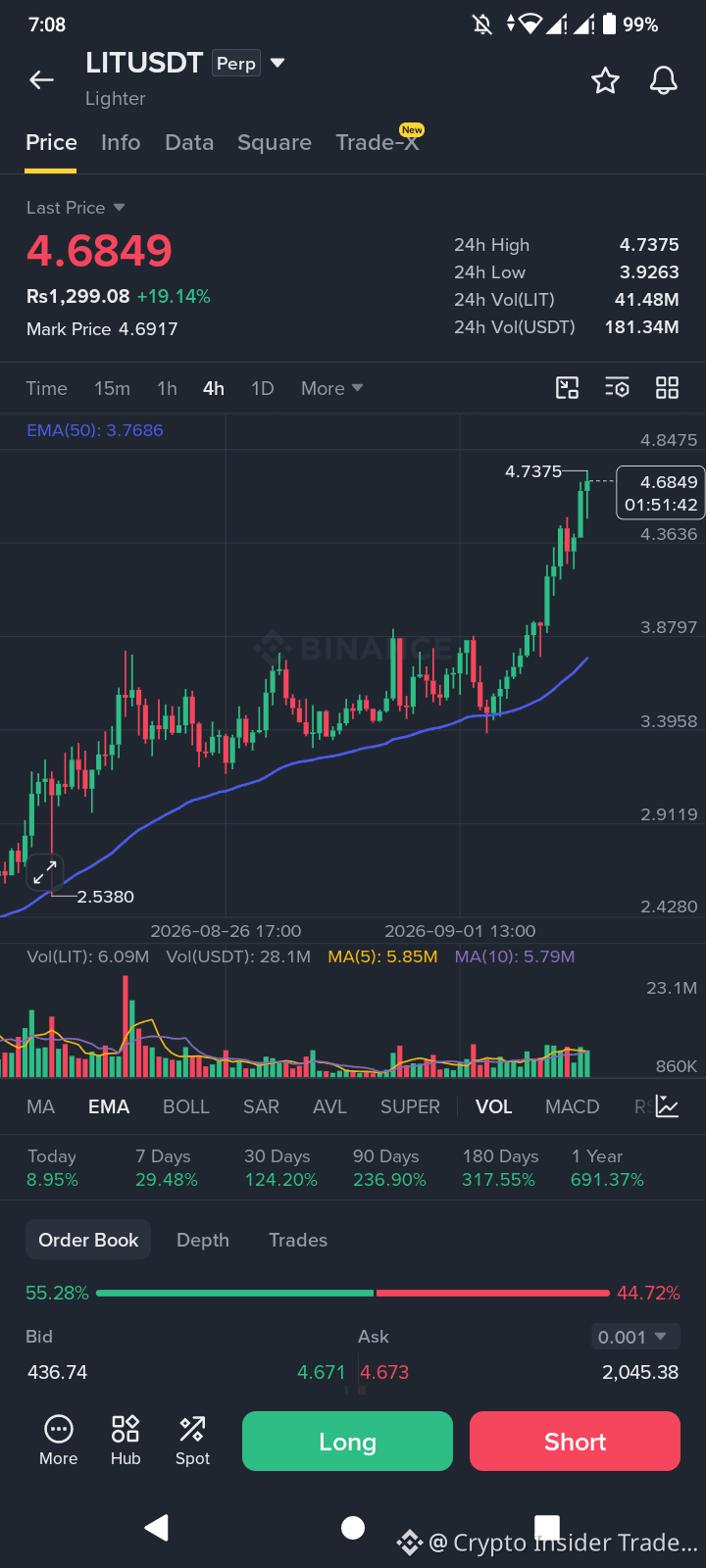
$LIT /USDT اندفاع الزخم قادم ◆
◆━━━━━━━━━━━━━━━━━━━━━━━━━━━━━━━━◆
➤ نظرة عامة على السوق
✔︎ ارتفع LIT بنسبة +18.99%، ويتداول عند 4.680 بعد أن سجل قمة محلية عند 4.742.
✔︎ صعد الرمز بقوة من قاع تأرجح حديث قرب 2.974.
◆━━━━━━━━━━━━━━━━━━━━━━━━━━━━━━━━◆
➤ التحليل الفني
① الاتجاه: صعودي بقوة، مع بقاء السعر أعلى بشكل مريح من MA(50) = 3.718.
② البنية: اختراق قوي من نطاق التجميع 3.7–3.9.
③ الحجم: تم تداول 985.47K LIT (دوران 4.28M USDT)، مما يؤكد الحركة.
④ دفتر الأوامر: هيمنة جانب الشراء بنسبة 58%، مما يعكس طلبًا صحيًا.
◆━━━━━━━━━━━━━━━━━━━━━━━━━━━━━━━━◆
➤ تحليل السيناريوهات
🟢 صعودي: الثبات فوق 4.403 قد يدعم الحركة نحو 4.742 و4.976.
🔴 هبوطي: كسر دون 3.718 (MA50) سيضعف البنية الصعودية.
⚪ محايد: تماسك بين 4.4–4.7 بينما يعيد الزخم ضبط نفسه.
◆━━━━━━━━━━━━━━━━━━━━━━━━━━━━━━━━◆
➤ المستويات الرئيسية
✔︎ المقاومة: R1 ➜ 4.742 | R2 ➜ 4.976
✔︎ الدعم: S1 ➜ 4.403 | S2 ➜ 3.718
◆━━━━━━━━━━━━━━━━━━━━━━━━━━━━━━━━◆
➤ ملاحظة أساسية
✔︎ قد يكون تجدد تدوير رأس المال إلى قطاع DeFi داعمًا لتفوق أداء LIT.
◆━━━━━━━━━━━━━━━━━━━━━━━━━━━━━━━━◆
➤ الخلاصة
✔︎ يبقى الاتجاه صعوديًا مع تأكيد قوي من حجم التداول.
✔︎ الثبات فوق MA50 يحافظ على البنية العامة سليمة.
ليست نصيحة مالية.
#BitcoinETFsBiggestDailyInflowSinceJanuary #USAugustJobGrowthNearlyTriplesForecast #USAugustAvgHourlyEarningsRise3.1% #USAugustNonfarmPayrollsDueToday
$LIT /USDT اندفاع الزخم قادم ◆
◆━━━━━━━━━━━━━━━━━━━━━━━━━━━━━━━━◆
➤ نظرة عامة على السوق
✔︎ ارتفع LIT بنسبة +18.99%، ويتداول عند 4.680 بعد أن سجل قمة محلية عند 4.742.
✔︎ صعد الرمز بقوة من قاع تأرجح حديث قرب 2.974.
◆━━━━━━━━━━━━━━━━━━━━━━━━━━━━━━━━◆
➤ التحليل الفني
① الاتجاه: صعودي بقوة، مع بقاء السعر أعلى بشكل مريح من MA(50) = 3.718.
② البنية: اختراق قوي من نطاق التجميع 3.7–3.9.
③ الحجم: تم تداول 985.47K LIT (دوران 4.28M USDT)، مما يؤكد الحركة.
④ دفتر الأوامر: هيمنة جانب الشراء بنسبة 58%، مما يعكس طلبًا صحيًا.
◆━━━━━━━━━━━━━━━━━━━━━━━━━━━━━━━━◆
➤ تحليل السيناريوهات
🟢 صعودي: الثبات فوق 4.403 قد يدعم الحركة نحو 4.742 و4.976.
🔴 هبوطي: كسر دون 3.718 (MA50) سيضعف البنية الصعودية.
⚪ محايد: تماسك بين 4.4–4.7 بينما يعيد الزخم ضبط نفسه.
◆━━━━━━━━━━━━━━━━━━━━━━━━━━━━━━━━◆
➤ المستويات الرئيسية
✔︎ المقاومة: R1 ➜ 4.742 | R2 ➜ 4.976
✔︎ الدعم: S1 ➜ 4.403 | S2 ➜ 3.718
◆━━━━━━━━━━━━━━━━━━━━━━━━━━━━━━━━◆
➤ ملاحظة أساسية
✔︎ قد يكون تجدد تدوير رأس المال إلى قطاع DeFi داعمًا لتفوق أداء LIT.
◆━━━━━━━━━━━━━━━━━━━━━━━━━━━━━━━━◆
➤ الخلاصة
✔︎ يبقى الاتجاه صعوديًا مع تأكيد قوي من حجم التداول.
✔︎ الثبات فوق MA50 يحافظ على البنية العامة سليمة.
ليست نصيحة مالية.
#BitcoinETFsBiggestDailyInflowSinceJanuary #USAugustJobGrowthNearlyTriplesForecast #USAugustAvgHourlyEarningsRise3.1% #USAugustNonfarmPayrollsDueToday
◆━━━━━━━━━━━━━━━━━━━━━━━━━━━━━━━━◆
➤ نظرة عامة على السوق
✔︎ ارتفع LIT بنسبة +18.99%، ويتداول عند 4.680 بعد أن سجل قمة محلية عند 4.742.
✔︎ صعد الرمز بقوة من قاع تأرجح حديث قرب 2.974.
◆━━━━━━━━━━━━━━━━━━━━━━━━━━━━━━━━◆
➤ التحليل الفني
① الاتجاه: صعودي بقوة، مع بقاء السعر أعلى بشكل مريح من MA(50) = 3.718.
② البنية: اختراق قوي من نطاق التجميع 3.7–3.9.
③ الحجم: تم تداول 985.47K LIT (دوران 4.28M USDT)، مما يؤكد الحركة.
④ دفتر الأوامر: هيمنة جانب الشراء بنسبة 58%، مما يعكس طلبًا صحيًا.
◆━━━━━━━━━━━━━━━━━━━━━━━━━━━━━━━━◆
➤ تحليل السيناريوهات
🟢 صعودي: الثبات فوق 4.403 قد يدعم الحركة نحو 4.742 و4.976.
🔴 هبوطي: كسر دون 3.718 (MA50) سيضعف البنية الصعودية.
⚪ محايد: تماسك بين 4.4–4.7 بينما يعيد الزخم ضبط نفسه.
◆━━━━━━━━━━━━━━━━━━━━━━━━━━━━━━━━◆
➤ المستويات الرئيسية
✔︎ المقاومة: R1 ➜ 4.742 | R2 ➜ 4.976
✔︎ الدعم: S1 ➜ 4.403 | S2 ➜ 3.718
◆━━━━━━━━━━━━━━━━━━━━━━━━━━━━━━━━◆
➤ ملاحظة أساسية
✔︎ قد يكون تجدد تدوير رأس المال إلى قطاع DeFi داعمًا لتفوق أداء LIT.
◆━━━━━━━━━━━━━━━━━━━━━━━━━━━━━━━━◆
➤ الخلاصة
✔︎ يبقى الاتجاه صعوديًا مع تأكيد قوي من حجم التداول.
✔︎ الثبات فوق MA50 يحافظ على البنية العامة سليمة.
ليست نصيحة مالية.
#BitcoinETFsBiggestDailyInflowSinceJanuary #USAugustJobGrowthNearlyTriplesForecast #USAugustAvgHourlyEarningsRise3.1% #USAugustNonfarmPayrollsDueToday
78
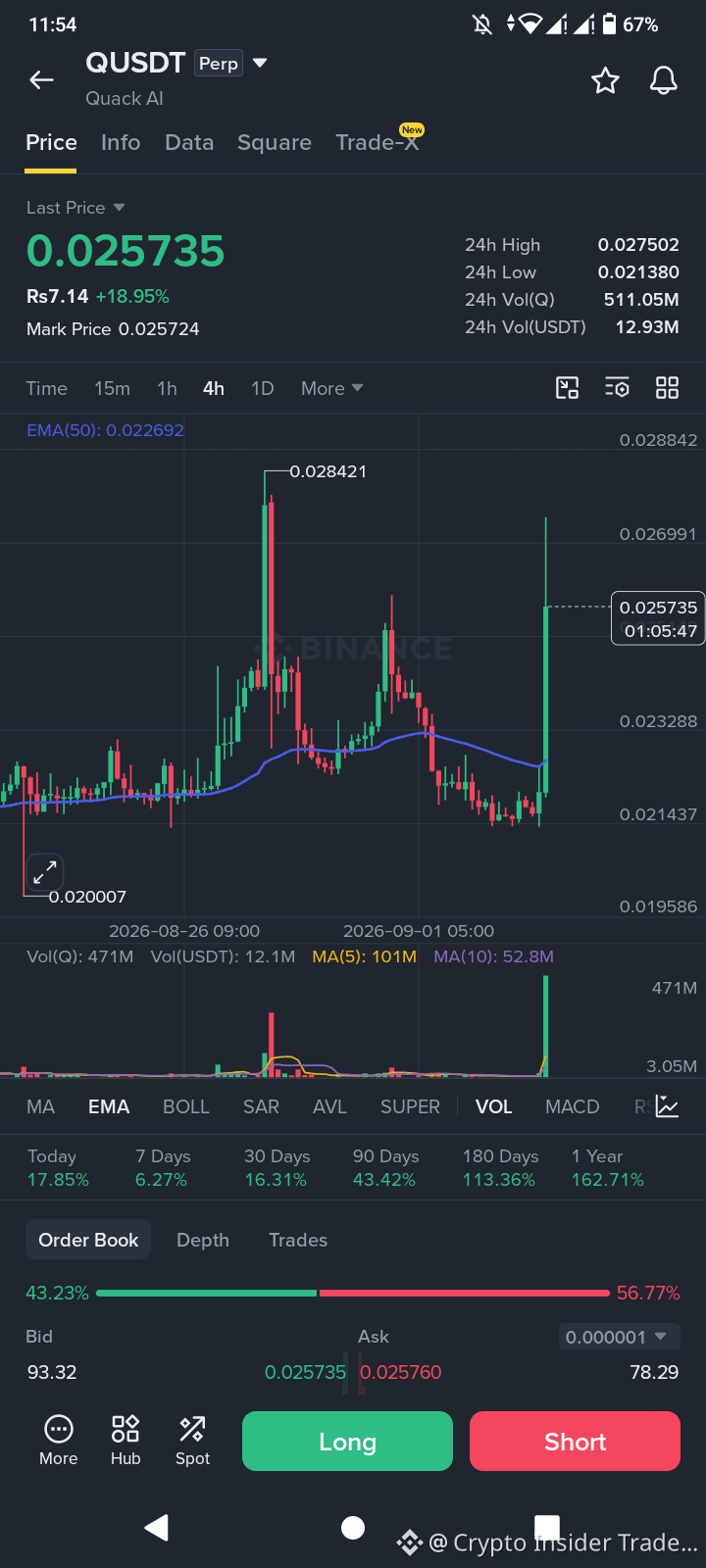
$Q /USDT انفجار اختراق — الثيران تستحوذ على السيطرة
◆━━━━━━━━━━━━━━━━━━━━━━━━━━━━━━━━◆
══════════════════════════════
نظرة عامة على السوق
✔︎ Q/USDT في حالة حماس اليوم، يرتفع بنسبة +20.87% للتداول عند 0.0260697$.
✔︎ بعد أيام من التماسك الضيق، اندفعت الأسعار للأعلى مع قفزة حادة، لتلامس لفترة وجيزة 0.0282201$ قبل أن تهدأ.
✔︎ تحوّل الزخم بوضوح نحو الاتجاه الصعودي، ويؤكد الحجم أن الحركة حقيقية — وليست اختراقًا كاذبًا.
══════════════════════════════
التحليل الفني
➤ اخترقت الأسعار بشكل حاسم أعلى متوسط MA(50) عند 0.0231009، لتقلب منطقة مقاومة سابقة إلى دعم.
➤ تُظهر بنية الشارت شمعة اختراق دافعة قوية بحجم مرتفع (6.79M)، ما يشير إلى اهتمام حقيقي من المشترين.
➤ السعر الحالي يتماسك قرب القمة الأخيرة، كاستراحة صحية بعد حركة عمودية.
✔︎ دفتر الأوامر: ضغط شراء 67% مقابل ضغط بيع 33%
══════════════════════════════
سيناريوهات التحليل
🟢 صعودي ➜ إغلاق أعلى من 0.0275293 مع استمرار حجم التداول قد يفتح الباب أمام قمم جديدة.
🔴 هبوطي ➜ هبوط مرة أخرى أسفل MA(50) عند 0.0231009 قد يشير إلى الإرهاق ويدفع لإعادة اختبار 0.0213434.
⚪ محايد ➜ تماسك جانبي بين 0.0231–0.0275 بينما يستوعب السوق الاندفاع.
══════════════════════════════
المستويات الرئيسية
① المقاومة R1: 0.0275293
② المقاومة R2: 0.0282201
① الدعم S1: 0.0231009
② الدعم S2: 0.0213434
══════════════════════════════
#USWeeklyInitialJoblessClaimsRiseTo206000 #SheinFalls17.5%SinceHKDebut #HousePressesSenateOnCLARITYAct
$Q /USDT انفجار اختراق — الثيران تستحوذ على السيطرة
◆━━━━━━━━━━━━━━━━━━━━━━━━━━━━━━━━◆
══════════════════════════════
نظرة عامة على السوق
✔︎ Q/USDT في حالة حماس اليوم، يرتفع بنسبة +20.87% للتداول عند 0.0260697$.
✔︎ بعد أيام من التماسك الضيق، اندفعت الأسعار للأعلى مع قفزة حادة، لتلامس لفترة وجيزة 0.0282201$ قبل أن تهدأ.
✔︎ تحوّل الزخم بوضوح نحو الاتجاه الصعودي، ويؤكد الحجم أن الحركة حقيقية — وليست اختراقًا كاذبًا.
══════════════════════════════
التحليل الفني
➤ اخترقت الأسعار بشكل حاسم أعلى متوسط MA(50) عند 0.0231009، لتقلب منطقة مقاومة سابقة إلى دعم.
➤ تُظهر بنية الشارت شمعة اختراق دافعة قوية بحجم مرتفع (6.79M)، ما يشير إلى اهتمام حقيقي من المشترين.
➤ السعر الحالي يتماسك قرب القمة الأخيرة، كاستراحة صحية بعد حركة عمودية.
✔︎ دفتر الأوامر: ضغط شراء 67% مقابل ضغط بيع 33%
══════════════════════════════
سيناريوهات التحليل
🟢 صعودي ➜ إغلاق أعلى من 0.0275293 مع استمرار حجم التداول قد يفتح الباب أمام قمم جديدة.
🔴 هبوطي ➜ هبوط مرة أخرى أسفل MA(50) عند 0.0231009 قد يشير إلى الإرهاق ويدفع لإعادة اختبار 0.0213434.
⚪ محايد ➜ تماسك جانبي بين 0.0231–0.0275 بينما يستوعب السوق الاندفاع.
══════════════════════════════
المستويات الرئيسية
① المقاومة R1: 0.0275293
② المقاومة R2: 0.0282201
① الدعم S1: 0.0231009
② الدعم S2: 0.0213434
══════════════════════════════
#USWeeklyInitialJoblessClaimsRiseTo206000 #SheinFalls17.5%SinceHKDebut #HousePressesSenateOnCLARITYAct
◆━━━━━━━━━━━━━━━━━━━━━━━━━━━━━━━━◆
══════════════════════════════
نظرة عامة على السوق
✔︎ Q/USDT في حالة حماس اليوم، يرتفع بنسبة +20.87% للتداول عند 0.0260697$.
✔︎ بعد أيام من التماسك الضيق، اندفعت الأسعار للأعلى مع قفزة حادة، لتلامس لفترة وجيزة 0.0282201$ قبل أن تهدأ.
✔︎ تحوّل الزخم بوضوح نحو الاتجاه الصعودي، ويؤكد الحجم أن الحركة حقيقية — وليست اختراقًا كاذبًا.
══════════════════════════════
التحليل الفني
➤ اخترقت الأسعار بشكل حاسم أعلى متوسط MA(50) عند 0.0231009، لتقلب منطقة مقاومة سابقة إلى دعم.
➤ تُظهر بنية الشارت شمعة اختراق دافعة قوية بحجم مرتفع (6.79M)، ما يشير إلى اهتمام حقيقي من المشترين.
➤ السعر الحالي يتماسك قرب القمة الأخيرة، كاستراحة صحية بعد حركة عمودية.
✔︎ دفتر الأوامر: ضغط شراء 67% مقابل ضغط بيع 33%
══════════════════════════════
سيناريوهات التحليل
🟢 صعودي ➜ إغلاق أعلى من 0.0275293 مع استمرار حجم التداول قد يفتح الباب أمام قمم جديدة.
🔴 هبوطي ➜ هبوط مرة أخرى أسفل MA(50) عند 0.0231009 قد يشير إلى الإرهاق ويدفع لإعادة اختبار 0.0213434.
⚪ محايد ➜ تماسك جانبي بين 0.0231–0.0275 بينما يستوعب السوق الاندفاع.
══════════════════════════════
المستويات الرئيسية
① المقاومة R1: 0.0275293
② المقاومة R2: 0.0282201
① الدعم S1: 0.0231009
② الدعم S2: 0.0213434
══════════════════════════════
#USWeeklyInitialJoblessClaimsRiseTo206000 #SheinFalls17.5%SinceHKDebut #HousePressesSenateOnCLARITYAct
45
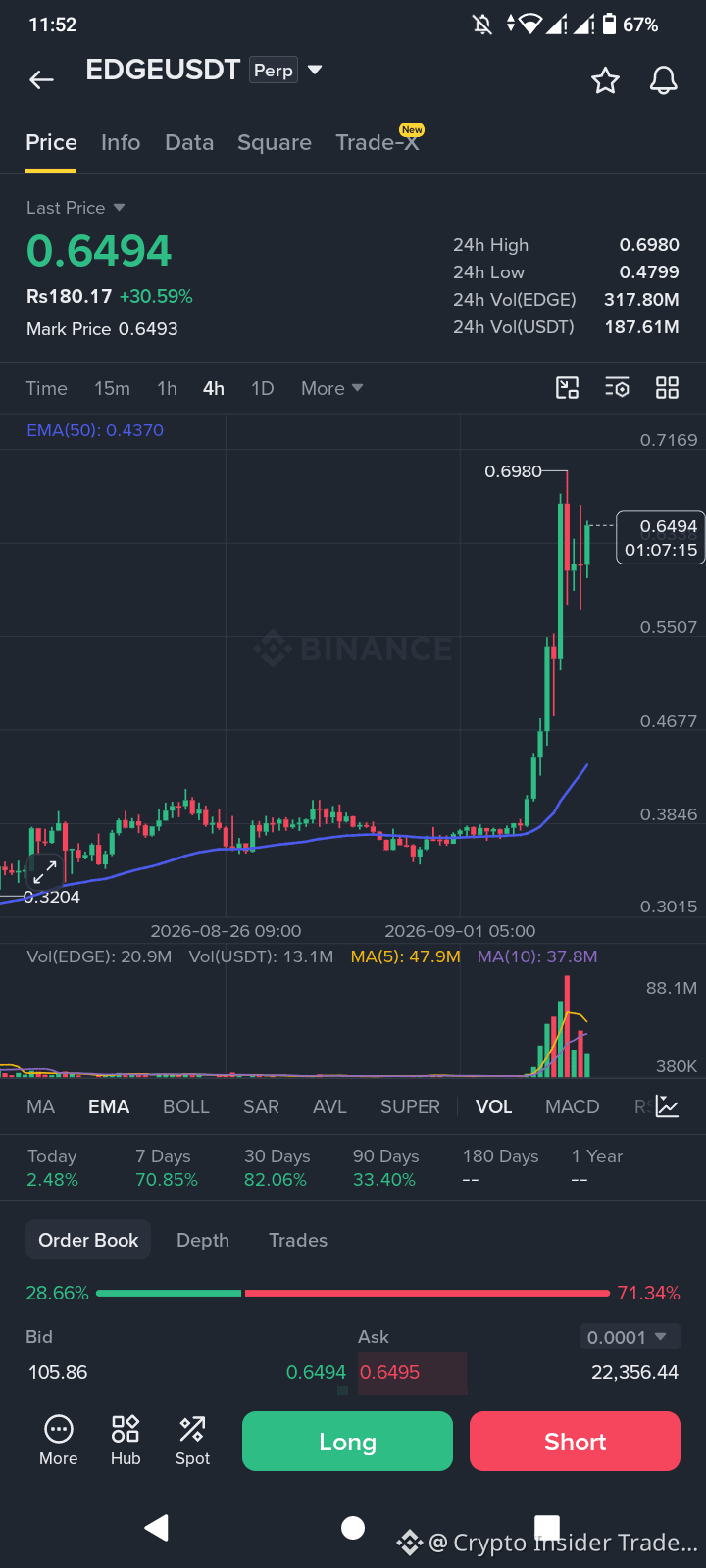
$EDGE /USDT اندفاع رأسي — متابعة تأكيد الاختراق
◆━━━━━━━━━━━━━━━━━━━━━━━━━━━━━━━━◆
══════════════════════════════
📊 نظرة عامة على السوق
✔︎ شهدت EDGE/USDT ارتفاعًا بنسبة +31.55%، وتتداول عند $0.6354.
✔︎ انفجرت الأسعار من نطاق تَجميع طويل جانبي ولمست لفترة قصيرة $0.6984.
══════════════════════════════
📈 التحليل الفني
➤ سبقت الاختراق أسابيع من التداول الجانبي بين 0.30–0.42.
➤ تجاوزت الأسعار بشكل حاسم المتوسط المتحرك MA(50) عند 0.4135.
➤ ارتفع حجم التداول إلى 1.13M، ما يشير إلى تراكم قوي.
✔︎ دفتر الأوامر: 44% شراء مقابل 56% بيع
✔︎ يظهر جني أرباح معتدل بعد الاندفاع الحاد.
══════════════════════════════
تحليل السيناريو
🟢 صعودي ➜ الاستمرار فوق 0.6076 واستعادة 0.6984 قد يفتح الطريق نحو قمم جديدة.
🔴 هبوطي ➜ كسر ما دون MA(50) عند 0.4135 سيضعف بنية الاختراق.
⚪ محايد ➜ تَجميع بين 0.55–0.70 بينما يتم امتصاص المكاسب الأخيرة.
══════════════════════════════
المستويات الرئيسية
① مقاومة R1: 0.6984
② مقاومة R2: قمم جديدة
① دعم S1: 0.4135
② دعم S2: 0.3447
══════════════════════════════
التوقعات
✔︎ أظهرت EDGE واحدًا من أنظف اختراقات التداول الفني لهذا اليوم.
✔︎ التراجعات بعد الاختراق أمر طبيعي، لذا راقب مناطق الدعم عن كثب.
✔︎ قم دائمًا بإجراء بحث مستقل (DYOR) وادِر المخاطر بعناية.
◆━━━━━━━━━━━━━━━━━━━━━━━━━━━━━━━━◆
#USWeeklyInitialJoblessClaimsRiseTo206000 #SheinFalls17.5%SinceHKDebut #HousePressesSenateOnCLARITYAct #US10YearTreasuryYieldHitsHighestSinceNov2023 #OpenAILaunchesGPT6Astra
$EDGE /USDT اندفاع رأسي — متابعة تأكيد الاختراق
◆━━━━━━━━━━━━━━━━━━━━━━━━━━━━━━━━◆
══════════════════════════════
📊 نظرة عامة على السوق
✔︎ شهدت EDGE/USDT ارتفاعًا بنسبة +31.55%، وتتداول عند $0.6354.
✔︎ انفجرت الأسعار من نطاق تَجميع طويل جانبي ولمست لفترة قصيرة $0.6984.
══════════════════════════════
📈 التحليل الفني
➤ سبقت الاختراق أسابيع من التداول الجانبي بين 0.30–0.42.
➤ تجاوزت الأسعار بشكل حاسم المتوسط المتحرك MA(50) عند 0.4135.
➤ ارتفع حجم التداول إلى 1.13M، ما يشير إلى تراكم قوي.
✔︎ دفتر الأوامر: 44% شراء مقابل 56% بيع
✔︎ يظهر جني أرباح معتدل بعد الاندفاع الحاد.
══════════════════════════════
تحليل السيناريو
🟢 صعودي ➜ الاستمرار فوق 0.6076 واستعادة 0.6984 قد يفتح الطريق نحو قمم جديدة.
🔴 هبوطي ➜ كسر ما دون MA(50) عند 0.4135 سيضعف بنية الاختراق.
⚪ محايد ➜ تَجميع بين 0.55–0.70 بينما يتم امتصاص المكاسب الأخيرة.
══════════════════════════════
المستويات الرئيسية
① مقاومة R1: 0.6984
② مقاومة R2: قمم جديدة
① دعم S1: 0.4135
② دعم S2: 0.3447
══════════════════════════════
التوقعات
✔︎ أظهرت EDGE واحدًا من أنظف اختراقات التداول الفني لهذا اليوم.
✔︎ التراجعات بعد الاختراق أمر طبيعي، لذا راقب مناطق الدعم عن كثب.
✔︎ قم دائمًا بإجراء بحث مستقل (DYOR) وادِر المخاطر بعناية.
◆━━━━━━━━━━━━━━━━━━━━━━━━━━━━━━━━◆
#USWeeklyInitialJoblessClaimsRiseTo206000 #SheinFalls17.5%SinceHKDebut #HousePressesSenateOnCLARITYAct #US10YearTreasuryYieldHitsHighestSinceNov2023 #OpenAILaunchesGPT6Astra
◆━━━━━━━━━━━━━━━━━━━━━━━━━━━━━━━━◆
══════════════════════════════
📊 نظرة عامة على السوق
✔︎ شهدت EDGE/USDT ارتفاعًا بنسبة +31.55%، وتتداول عند $0.6354.
✔︎ انفجرت الأسعار من نطاق تَجميع طويل جانبي ولمست لفترة قصيرة $0.6984.
══════════════════════════════
📈 التحليل الفني
➤ سبقت الاختراق أسابيع من التداول الجانبي بين 0.30–0.42.
➤ تجاوزت الأسعار بشكل حاسم المتوسط المتحرك MA(50) عند 0.4135.
➤ ارتفع حجم التداول إلى 1.13M، ما يشير إلى تراكم قوي.
✔︎ دفتر الأوامر: 44% شراء مقابل 56% بيع
✔︎ يظهر جني أرباح معتدل بعد الاندفاع الحاد.
══════════════════════════════
تحليل السيناريو
🟢 صعودي ➜ الاستمرار فوق 0.6076 واستعادة 0.6984 قد يفتح الطريق نحو قمم جديدة.
🔴 هبوطي ➜ كسر ما دون MA(50) عند 0.4135 سيضعف بنية الاختراق.
⚪ محايد ➜ تَجميع بين 0.55–0.70 بينما يتم امتصاص المكاسب الأخيرة.
══════════════════════════════
المستويات الرئيسية
① مقاومة R1: 0.6984
② مقاومة R2: قمم جديدة
① دعم S1: 0.4135
② دعم S2: 0.3447
══════════════════════════════
التوقعات
✔︎ أظهرت EDGE واحدًا من أنظف اختراقات التداول الفني لهذا اليوم.
✔︎ التراجعات بعد الاختراق أمر طبيعي، لذا راقب مناطق الدعم عن كثب.
✔︎ قم دائمًا بإجراء بحث مستقل (DYOR) وادِر المخاطر بعناية.
◆━━━━━━━━━━━━━━━━━━━━━━━━━━━━━━━━◆
#USWeeklyInitialJoblessClaimsRiseTo206000 #SheinFalls17.5%SinceHKDebut #HousePressesSenateOnCLARITYAct #US10YearTreasuryYieldHitsHighestSinceNov2023 #OpenAILaunchesGPT6Astra
49
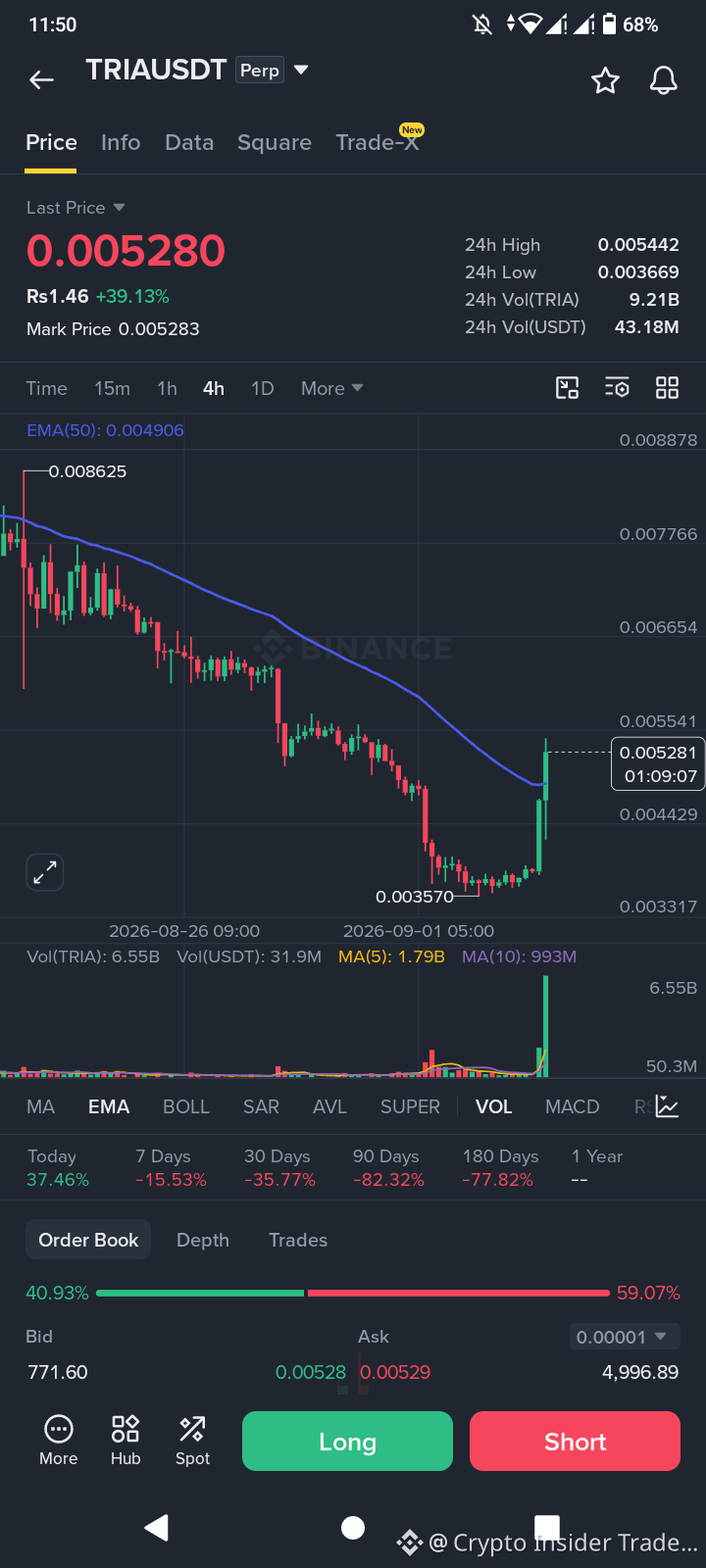
$TRIA /إشارة انعكاس حادة لـ USDT — هل يظهر القاع؟
◆━━━━━━━━━━━━━━━━━━━━━━━━━━━━━━━━◆
══════════════════════════════
نظرة عامة على السوق
✔︎ TRIA/USDT قفز بنسبة +37.43% إلى 0.005217 دولار.
✔︎ هذه الحركة كسرت اتجاه هبوط مستمر وجذبت اهتمامًا كبيرًا من المتداولين.
══════════════════════════════
التحليل الفني
➤ ظل السعر تحت المتوسط المتحرك الهابط MA(50) لمدة أشهر.
➤ شمعة الانعكاس اليوم ظهرت من أدنى مستوى عند 0.003579 مع حجم ضخم (112.88M).
➤ تشير هذه الحركة إلى تجميع حقيقي وليس تقلبًا عشوائيًا.
✔︎ دفتر الأوامر: 51% شراء مقابل 49% بيع
══════════════════════════════
تحليل السيناريوهات
🟢 صعودي ➜ إغلاق فوق MA(50) قرب 0.004962 قد يشير إلى انعكاس اتجاه يتكوّن.
🔴 هبوطي ➜ الرفض قرب المستويات الحالية قد يسبب هبوطًا نحو 0.003663.
⚪ محايد ➜ تَوحُّد بين 0.0037–0.0050 بينما يبقى الاتجاه غير واضح.
══════════════════════════════
مستويات مهمة
① مقاومة R1: 0.005338
② مقاومة R2: 0.007693
① دعم S1: 0.003663
② دعم S2: 0.003579
══════════════════════════════
التوقعات
✔︎ الارتداد قوي، لكن شمعة واحدة قوية لا تؤكد انعكاس اتجاه.
✔︎ راقب استمرار القوة فوق MA(50) قبل افتراض حدوث تغيّر أكبر في الاتجاه.
◆━━━━━━━━━━━━━━━━━━━━━━━━━━━━━━━━◆
#USWeeklyInitialJoblessClaimsRiseTo206000 #HousePressesSenateOnCLARITYAct #US10YearTreasuryYieldHitsHighestSinceNov2023 #SnowflakeSurges24%OnEarningsBeat
$TRIA /إشارة انعكاس حادة لـ USDT — هل يظهر القاع؟
◆━━━━━━━━━━━━━━━━━━━━━━━━━━━━━━━━◆
══════════════════════════════
نظرة عامة على السوق
✔︎ TRIA/USDT قفز بنسبة +37.43% إلى 0.005217 دولار.
✔︎ هذه الحركة كسرت اتجاه هبوط مستمر وجذبت اهتمامًا كبيرًا من المتداولين.
══════════════════════════════
التحليل الفني
➤ ظل السعر تحت المتوسط المتحرك الهابط MA(50) لمدة أشهر.
➤ شمعة الانعكاس اليوم ظهرت من أدنى مستوى عند 0.003579 مع حجم ضخم (112.88M).
➤ تشير هذه الحركة إلى تجميع حقيقي وليس تقلبًا عشوائيًا.
✔︎ دفتر الأوامر: 51% شراء مقابل 49% بيع
══════════════════════════════
تحليل السيناريوهات
🟢 صعودي ➜ إغلاق فوق MA(50) قرب 0.004962 قد يشير إلى انعكاس اتجاه يتكوّن.
🔴 هبوطي ➜ الرفض قرب المستويات الحالية قد يسبب هبوطًا نحو 0.003663.
⚪ محايد ➜ تَوحُّد بين 0.0037–0.0050 بينما يبقى الاتجاه غير واضح.
══════════════════════════════
مستويات مهمة
① مقاومة R1: 0.005338
② مقاومة R2: 0.007693
① دعم S1: 0.003663
② دعم S2: 0.003579
══════════════════════════════
التوقعات
✔︎ الارتداد قوي، لكن شمعة واحدة قوية لا تؤكد انعكاس اتجاه.
✔︎ راقب استمرار القوة فوق MA(50) قبل افتراض حدوث تغيّر أكبر في الاتجاه.
◆━━━━━━━━━━━━━━━━━━━━━━━━━━━━━━━━◆
#USWeeklyInitialJoblessClaimsRiseTo206000 #HousePressesSenateOnCLARITYAct #US10YearTreasuryYieldHitsHighestSinceNov2023 #SnowflakeSurges24%OnEarningsBeat
◆━━━━━━━━━━━━━━━━━━━━━━━━━━━━━━━━◆
══════════════════════════════
نظرة عامة على السوق
✔︎ TRIA/USDT قفز بنسبة +37.43% إلى 0.005217 دولار.
✔︎ هذه الحركة كسرت اتجاه هبوط مستمر وجذبت اهتمامًا كبيرًا من المتداولين.
══════════════════════════════
التحليل الفني
➤ ظل السعر تحت المتوسط المتحرك الهابط MA(50) لمدة أشهر.
➤ شمعة الانعكاس اليوم ظهرت من أدنى مستوى عند 0.003579 مع حجم ضخم (112.88M).
➤ تشير هذه الحركة إلى تجميع حقيقي وليس تقلبًا عشوائيًا.
✔︎ دفتر الأوامر: 51% شراء مقابل 49% بيع
══════════════════════════════
تحليل السيناريوهات
🟢 صعودي ➜ إغلاق فوق MA(50) قرب 0.004962 قد يشير إلى انعكاس اتجاه يتكوّن.
🔴 هبوطي ➜ الرفض قرب المستويات الحالية قد يسبب هبوطًا نحو 0.003663.
⚪ محايد ➜ تَوحُّد بين 0.0037–0.0050 بينما يبقى الاتجاه غير واضح.
══════════════════════════════
مستويات مهمة
① مقاومة R1: 0.005338
② مقاومة R2: 0.007693
① دعم S1: 0.003663
② دعم S2: 0.003579
══════════════════════════════
التوقعات
✔︎ الارتداد قوي، لكن شمعة واحدة قوية لا تؤكد انعكاس اتجاه.
✔︎ راقب استمرار القوة فوق MA(50) قبل افتراض حدوث تغيّر أكبر في الاتجاه.
◆━━━━━━━━━━━━━━━━━━━━━━━━━━━━━━━━◆
#USWeeklyInitialJoblessClaimsRiseTo206000 #HousePressesSenateOnCLARITYAct #US10YearTreasuryYieldHitsHighestSinceNov2023 #SnowflakeSurges24%OnEarningsBeat
1
61
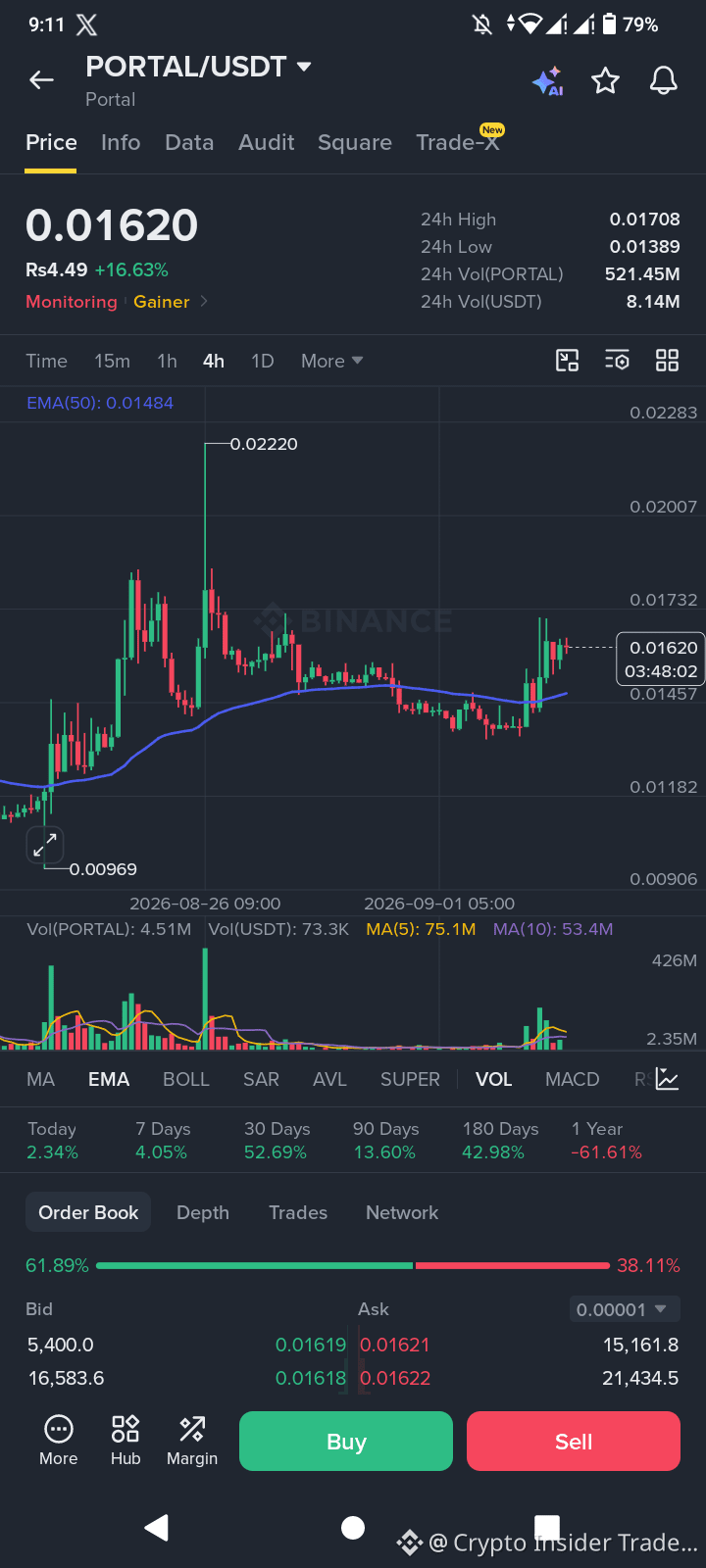
$PORTAL /USDT — ارتفاع تقلبات، اختبار محوري في الطريق
◆━━━━━━━━━━━━━━━━━━━━━━━━━━◆
➤ نظرة عامة على السوق
✔︎ ارتفع PORTAL بنسبة +17.5% خلال اليوم، متداولًا قرب 0.01630 بعد موجة سابقة بلغت 0.02222.
✔︎ يُظهر الرسم البياني أن توكن GameFi متقلبًا يحاول استعادة المتوسط المتحرك MA(50) بعد أسابيع من التداول ضمن نطاق محدد.
◆━━━━━━━━━━━━━━━━━━━━━━━━━━◆
➤ التحليل الفني
① الاتجاه: متذبذب، ضمن نطاق مع محاولة صعوديّة جديدة
② البنية: كسر السعر فوق MA(50) بعد تَحَضُّن/تجميع طويل
③ MA(50): 0.01504 — مُستعاد كمستوى دعم محتمل
④ الحجم: 4.68M مع ارتفاع واضح، ما يشير إلى اهتمام متجدد
⑤ الزخم: ضغط شراء قوي، لكن ما زال محاصرًا داخل بنية جانبية أوسع
◆━━━━━━━━━━━━━━━━━━━━━━━━━━◆
➜ تحليل السيناريوهات
🟢 سيناريو صعودي ✔︎ إغلاق أعلى من 0.01700 قد يستهدف 0.01780–0.02070
🔴 سيناريو هبوطي ✔︎ فقدان دعم 0.01500 قد يؤدي إلى نزول نحو 0.01390
⚪ سيناريو محايد ✔︎ استمرار التذبذب بين 0.0140–0.0170
◆━━━━━━━━━━━━━━━━━━━━━━━━━━◆
➤ المستويات الرئيسية
✔︎ المقاومة: ➜ R1: 0.01701 ➜ R2: 0.01779
✔︎ الدعم: ➜ S1: 0.01504 (MA50) ➜ S2: 0.01386
◆━━━━━━━━━━━━━━━━━━━━━━━━━━◆
✔︎ الخلاصة
لا يزال سعي PORTAL للاختراق يحتاج إلى تأكيد بالحجم من أجل التحرر الكامل من نطاقه.
ليس نصيحة مالية. تعامل بحذر عند تداول أصول GameFi عالية التقلب.
#USWeeklyInitialJoblessClaimsRiseTo206000 #SECNewCryptoRulesAimToBringFirmsBackToUS #SnowflakeSurges24%OnEarningsBeat #OpenAILaunchesGPT6Astra
{future}(PORTALUSDT)
$PORTAL /USDT — ارتفاع تقلبات، اختبار محوري في الطريق
◆━━━━━━━━━━━━━━━━━━━━━━━━━━◆
➤ نظرة عامة على السوق
✔︎ ارتفع PORTAL بنسبة +17.5% خلال اليوم، متداولًا قرب 0.01630 بعد موجة سابقة بلغت 0.02222.
✔︎ يُظهر الرسم البياني أن توكن GameFi متقلبًا يحاول استعادة المتوسط المتحرك MA(50) بعد أسابيع من التداول ضمن نطاق محدد.
◆━━━━━━━━━━━━━━━━━━━━━━━━━━◆
➤ التحليل الفني
① الاتجاه: متذبذب، ضمن نطاق مع محاولة صعوديّة جديدة
② البنية: كسر السعر فوق MA(50) بعد تَحَضُّن/تجميع طويل
③ MA(50): 0.01504 — مُستعاد كمستوى دعم محتمل
④ الحجم: 4.68M مع ارتفاع واضح، ما يشير إلى اهتمام متجدد
⑤ الزخم: ضغط شراء قوي، لكن ما زال محاصرًا داخل بنية جانبية أوسع
◆━━━━━━━━━━━━━━━━━━━━━━━━━━◆
➜ تحليل السيناريوهات
🟢 سيناريو صعودي ✔︎ إغلاق أعلى من 0.01700 قد يستهدف 0.01780–0.02070
🔴 سيناريو هبوطي ✔︎ فقدان دعم 0.01500 قد يؤدي إلى نزول نحو 0.01390
⚪ سيناريو محايد ✔︎ استمرار التذبذب بين 0.0140–0.0170
◆━━━━━━━━━━━━━━━━━━━━━━━━━━◆
➤ المستويات الرئيسية
✔︎ المقاومة: ➜ R1: 0.01701 ➜ R2: 0.01779
✔︎ الدعم: ➜ S1: 0.01504 (MA50) ➜ S2: 0.01386
◆━━━━━━━━━━━━━━━━━━━━━━━━━━◆
✔︎ الخلاصة
لا يزال سعي PORTAL للاختراق يحتاج إلى تأكيد بالحجم من أجل التحرر الكامل من نطاقه.
ليس نصيحة مالية. تعامل بحذر عند تداول أصول GameFi عالية التقلب.
#USWeeklyInitialJoblessClaimsRiseTo206000 #SECNewCryptoRulesAimToBringFirmsBackToUS #SnowflakeSurges24%OnEarningsBeat #OpenAILaunchesGPT6Astra
◆━━━━━━━━━━━━━━━━━━━━━━━━━━◆
➤ نظرة عامة على السوق
✔︎ ارتفع PORTAL بنسبة +17.5% خلال اليوم، متداولًا قرب 0.01630 بعد موجة سابقة بلغت 0.02222.
✔︎ يُظهر الرسم البياني أن توكن GameFi متقلبًا يحاول استعادة المتوسط المتحرك MA(50) بعد أسابيع من التداول ضمن نطاق محدد.
◆━━━━━━━━━━━━━━━━━━━━━━━━━━◆
➤ التحليل الفني
① الاتجاه: متذبذب، ضمن نطاق مع محاولة صعوديّة جديدة
② البنية: كسر السعر فوق MA(50) بعد تَحَضُّن/تجميع طويل
③ MA(50): 0.01504 — مُستعاد كمستوى دعم محتمل
④ الحجم: 4.68M مع ارتفاع واضح، ما يشير إلى اهتمام متجدد
⑤ الزخم: ضغط شراء قوي، لكن ما زال محاصرًا داخل بنية جانبية أوسع
◆━━━━━━━━━━━━━━━━━━━━━━━━━━◆
➜ تحليل السيناريوهات
🟢 سيناريو صعودي ✔︎ إغلاق أعلى من 0.01700 قد يستهدف 0.01780–0.02070
🔴 سيناريو هبوطي ✔︎ فقدان دعم 0.01500 قد يؤدي إلى نزول نحو 0.01390
⚪ سيناريو محايد ✔︎ استمرار التذبذب بين 0.0140–0.0170
◆━━━━━━━━━━━━━━━━━━━━━━━━━━◆
➤ المستويات الرئيسية
✔︎ المقاومة: ➜ R1: 0.01701 ➜ R2: 0.01779
✔︎ الدعم: ➜ S1: 0.01504 (MA50) ➜ S2: 0.01386
◆━━━━━━━━━━━━━━━━━━━━━━━━━━◆
✔︎ الخلاصة
لا يزال سعي PORTAL للاختراق يحتاج إلى تأكيد بالحجم من أجل التحرر الكامل من نطاقه.
ليس نصيحة مالية. تعامل بحذر عند تداول أصول GameFi عالية التقلب.
#USWeeklyInitialJoblessClaimsRiseTo206000 #SECNewCryptoRulesAimToBringFirmsBackToUS #SnowflakeSurges24%OnEarningsBeat #OpenAILaunchesGPT6Astra
33
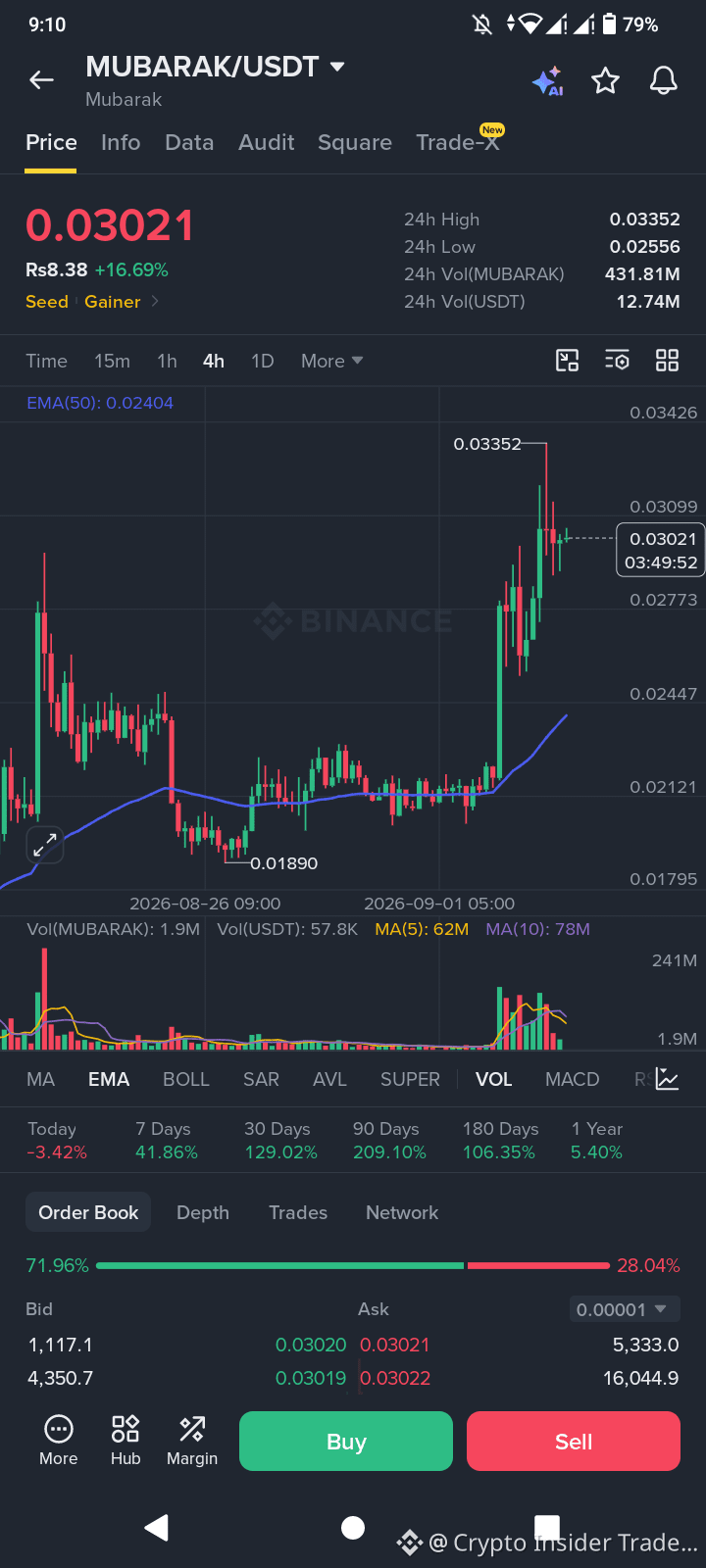
$MUBARAK /USDT — حركة عملة ميم متفجرة
◆━━━━━━━━━━━━━━━━━━━━━━━━━━◆
➤ نظرة عامة على السوق
✔︎ انفجرت MUBARAK لتصل إلى 0.03347 قبل أن تنسحب إلى 0.03000.
✔︎ رغم التراجع، تبقى قيمة الرمز مرتفعة +14.5% وتواصل جذب الاهتمام المضاربي.
◆━━━━━━━━━━━━━━━━━━━━━━━━━━◆
➤ التحليل الفني
① الاتجاه: اختراق صاعد جديد بعد تَجَمُّع/توطيد طويل
② البنية: حركة اندفاعية قوية فوق المتوسط المتحرك MA(50)
③ MA(50): 0.02279 — بعيد تحت السعر ويعمل كدعم للاتجاه
④ الحجم: حجم اختراق كبير مع الحاجة لاستكمال/تأكيد بالمتابعة
⑤ الزخم: مكاسب قوية على المدى الأطول رغم توقف بسيط اليوم
◆━━━━━━━━━━━━━━━━━━━━━━━━━━◆
➜ تحليل السيناريوهات
🟢 السيناريو الصعودي ✔︎ استعادة 0.0310+ قد تُحفّز دفعًا آخر نحو 0.0335+
🔴 السيناريو الهبوطي ✔︎ السقوط تحت 0.0260 قد يعرّض لتراجع أعمق
⚪ السيناريو المحايد ✔︎ تَجَمُّع بين 0.0260–0.0335
◆━━━━━━━━━━━━━━━━━━━━━━━━━━◆
➤ مستويات رئيسية
✔︎ المقاومة: ➜ R1: 0.03347 ➜ R2: 0.03503
✔︎ الدعم: ➜ S1: 0.02683 ➜ S2: 0.02279 (MA50)
◆━━━━━━━━━━━━━━━━━━━━━━━━━━◆
✔︎ الخلاصة
اختراق MUBARAK ملفت للنظر، لكن عملات الميم تظل شديدة التقلب.
ليس نصيحة مالية. تحديد حجم الصفقة وإدارة المخاطر أمران ضروريان.
#USWeeklyInitialJoblessClaimsRiseTo206000 #US10YearTreasuryYieldHitsHighestSinceNov2023 #OpenAILaunchesGPT6Astra #SnowflakeSurges24%OnEarningsBeat
{spot}(MUBARAKUSDT)
$MUBARAK /USDT — حركة عملة ميم متفجرة
◆━━━━━━━━━━━━━━━━━━━━━━━━━━◆
➤ نظرة عامة على السوق
✔︎ انفجرت MUBARAK لتصل إلى 0.03347 قبل أن تنسحب إلى 0.03000.
✔︎ رغم التراجع، تبقى قيمة الرمز مرتفعة +14.5% وتواصل جذب الاهتمام المضاربي.
◆━━━━━━━━━━━━━━━━━━━━━━━━━━◆
➤ التحليل الفني
① الاتجاه: اختراق صاعد جديد بعد تَجَمُّع/توطيد طويل
② البنية: حركة اندفاعية قوية فوق المتوسط المتحرك MA(50)
③ MA(50): 0.02279 — بعيد تحت السعر ويعمل كدعم للاتجاه
④ الحجم: حجم اختراق كبير مع الحاجة لاستكمال/تأكيد بالمتابعة
⑤ الزخم: مكاسب قوية على المدى الأطول رغم توقف بسيط اليوم
◆━━━━━━━━━━━━━━━━━━━━━━━━━━◆
➜ تحليل السيناريوهات
🟢 السيناريو الصعودي ✔︎ استعادة 0.0310+ قد تُحفّز دفعًا آخر نحو 0.0335+
🔴 السيناريو الهبوطي ✔︎ السقوط تحت 0.0260 قد يعرّض لتراجع أعمق
⚪ السيناريو المحايد ✔︎ تَجَمُّع بين 0.0260–0.0335
◆━━━━━━━━━━━━━━━━━━━━━━━━━━◆
➤ مستويات رئيسية
✔︎ المقاومة: ➜ R1: 0.03347 ➜ R2: 0.03503
✔︎ الدعم: ➜ S1: 0.02683 ➜ S2: 0.02279 (MA50)
◆━━━━━━━━━━━━━━━━━━━━━━━━━━◆
✔︎ الخلاصة
اختراق MUBARAK ملفت للنظر، لكن عملات الميم تظل شديدة التقلب.
ليس نصيحة مالية. تحديد حجم الصفقة وإدارة المخاطر أمران ضروريان.
#USWeeklyInitialJoblessClaimsRiseTo206000 #US10YearTreasuryYieldHitsHighestSinceNov2023 #OpenAILaunchesGPT6Astra #SnowflakeSurges24%OnEarningsBeat
◆━━━━━━━━━━━━━━━━━━━━━━━━━━◆
➤ نظرة عامة على السوق
✔︎ انفجرت MUBARAK لتصل إلى 0.03347 قبل أن تنسحب إلى 0.03000.
✔︎ رغم التراجع، تبقى قيمة الرمز مرتفعة +14.5% وتواصل جذب الاهتمام المضاربي.
◆━━━━━━━━━━━━━━━━━━━━━━━━━━◆
➤ التحليل الفني
① الاتجاه: اختراق صاعد جديد بعد تَجَمُّع/توطيد طويل
② البنية: حركة اندفاعية قوية فوق المتوسط المتحرك MA(50)
③ MA(50): 0.02279 — بعيد تحت السعر ويعمل كدعم للاتجاه
④ الحجم: حجم اختراق كبير مع الحاجة لاستكمال/تأكيد بالمتابعة
⑤ الزخم: مكاسب قوية على المدى الأطول رغم توقف بسيط اليوم
◆━━━━━━━━━━━━━━━━━━━━━━━━━━◆
➜ تحليل السيناريوهات
🟢 السيناريو الصعودي ✔︎ استعادة 0.0310+ قد تُحفّز دفعًا آخر نحو 0.0335+
🔴 السيناريو الهبوطي ✔︎ السقوط تحت 0.0260 قد يعرّض لتراجع أعمق
⚪ السيناريو المحايد ✔︎ تَجَمُّع بين 0.0260–0.0335
◆━━━━━━━━━━━━━━━━━━━━━━━━━━◆
➤ مستويات رئيسية
✔︎ المقاومة: ➜ R1: 0.03347 ➜ R2: 0.03503
✔︎ الدعم: ➜ S1: 0.02683 ➜ S2: 0.02279 (MA50)
◆━━━━━━━━━━━━━━━━━━━━━━━━━━◆
✔︎ الخلاصة
اختراق MUBARAK ملفت للنظر، لكن عملات الميم تظل شديدة التقلب.
ليس نصيحة مالية. تحديد حجم الصفقة وإدارة المخاطر أمران ضروريان.
#USWeeklyInitialJoblessClaimsRiseTo206000 #US10YearTreasuryYieldHitsHighestSinceNov2023 #OpenAILaunchesGPT6Astra #SnowflakeSurges24%OnEarningsBeat
51
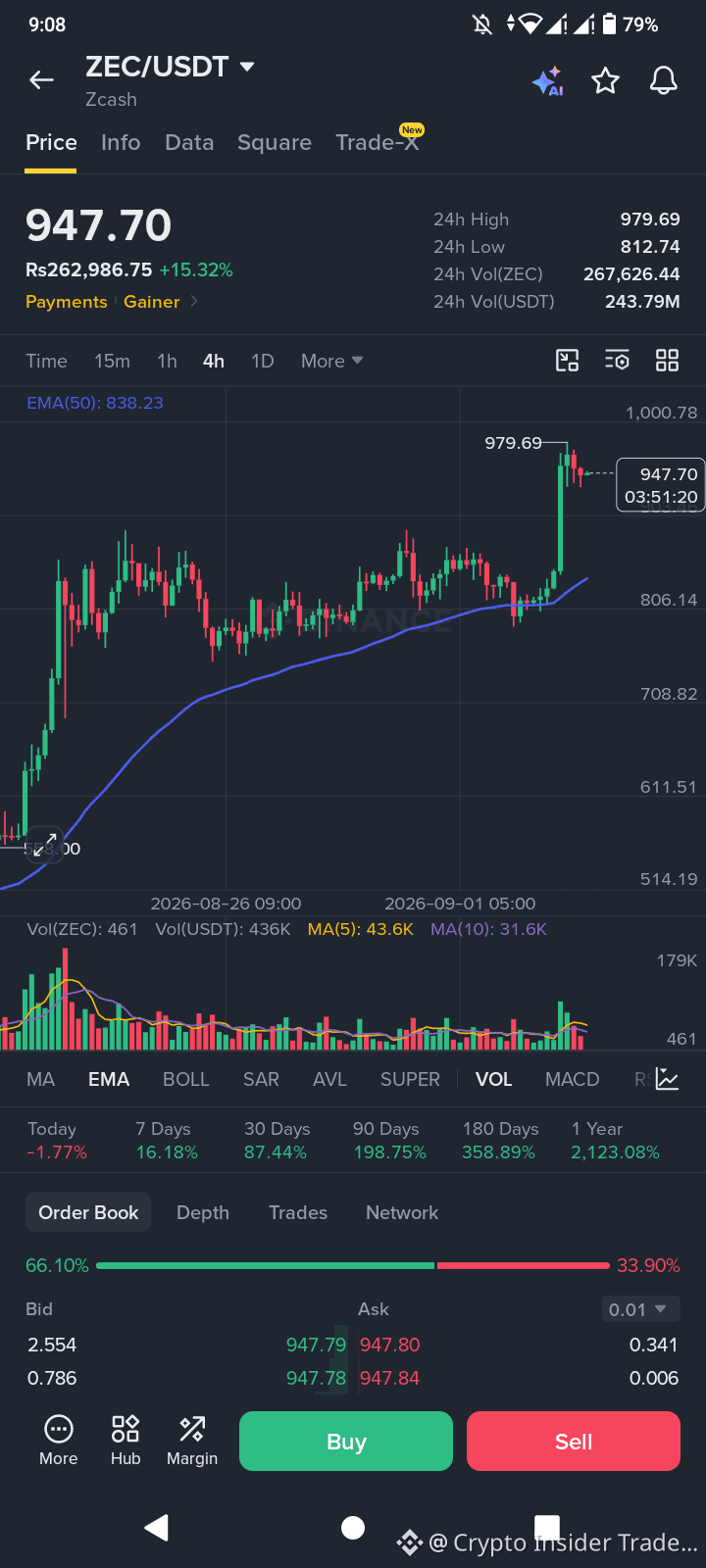
$ZEC /USDT — موجة زخم قادمة
◆━━━━━━━━━━━━━━━━━━━━━━━━━━◆
➤ نظرة عامة على السوق
✔︎ اندفع ZEC من نطاق 750 وصولًا إلى قمة عند 979.85 قبل أن يبرد إلى 946.46.
✔︎ ما زال مرتفعًا بنسبة +15.5%، مع أداء لافت خلال 90 يومًا (+161%) و180 يومًا (+378%).
◆━━━━━━━━━━━━━━━━━━━━━━━━━━◆
➤ التحليل الفني
① الاتجاه: اتجاه صعودي قوي مع تراجع صحي
② البنية: اختراق صعودي عمودي تلاه تماسك تحت القمم
③ متوسط متحرك MA(50): 834.14 — أقل بكثير من السعر الحالي
④ الحجم: ارتفاع معدل التداول (7.22M USDT) يؤكد وجود طلب حقيقي
⑤ الزخم: جني أرباح معتدل بعد الاندفاع يبدو أمرًا طبيعيًا
◆━━━━━━━━━━━━━━━━━━━━━━━━━━◆
➜ تحليل السيناريوهات
🟢 الحالة الصعودية ✔︎ قد يؤدي الحفاظ على مستوى أعلى من 900 إلى إعادة اختبار نطاق 979–1,025
🔴 الحالة الهابطة ✔︎ قد يؤدي كسر الدعم أسفل 850 إلى تصحيح أعمق
⚪ الحالة المحايدة ✔︎ تماسك جانبي بين 900–980
◆━━━━━━━━━━━━━━━━━━━━━━━━━━◆
➤ المستويات الرئيسية
✔︎ المقاومة: ➜ R1: 979.85 ➜ R2: 1,025.36
✔︎ الدعم: ➜ S1: 900.00 ➜ S2: 834.14 (MA50)
◆━━━━━━━━━━━━━━━━━━━━━━━━━━◆
✔︎ الخلاصة
لا يزال الاتجاه صعوديًا وبقوة، لكن الحفاظ على مستويات الدعم أمر حاسم لاستمرار المسار.
ليست نصيحة مالية. قم دائمًا بإجراء بحثك الخاص.
#SECNewCryptoRulesAimToBringFirmsBackToUS #SnowflakeSurges24%OnEarningsBeat #USWeeklyInitialJoblessClaimsRiseTo206000
$ZEC /USDT — موجة زخم قادمة
◆━━━━━━━━━━━━━━━━━━━━━━━━━━◆
➤ نظرة عامة على السوق
✔︎ اندفع ZEC من نطاق 750 وصولًا إلى قمة عند 979.85 قبل أن يبرد إلى 946.46.
✔︎ ما زال مرتفعًا بنسبة +15.5%، مع أداء لافت خلال 90 يومًا (+161%) و180 يومًا (+378%).
◆━━━━━━━━━━━━━━━━━━━━━━━━━━◆
➤ التحليل الفني
① الاتجاه: اتجاه صعودي قوي مع تراجع صحي
② البنية: اختراق صعودي عمودي تلاه تماسك تحت القمم
③ متوسط متحرك MA(50): 834.14 — أقل بكثير من السعر الحالي
④ الحجم: ارتفاع معدل التداول (7.22M USDT) يؤكد وجود طلب حقيقي
⑤ الزخم: جني أرباح معتدل بعد الاندفاع يبدو أمرًا طبيعيًا
◆━━━━━━━━━━━━━━━━━━━━━━━━━━◆
➜ تحليل السيناريوهات
🟢 الحالة الصعودية ✔︎ قد يؤدي الحفاظ على مستوى أعلى من 900 إلى إعادة اختبار نطاق 979–1,025
🔴 الحالة الهابطة ✔︎ قد يؤدي كسر الدعم أسفل 850 إلى تصحيح أعمق
⚪ الحالة المحايدة ✔︎ تماسك جانبي بين 900–980
◆━━━━━━━━━━━━━━━━━━━━━━━━━━◆
➤ المستويات الرئيسية
✔︎ المقاومة: ➜ R1: 979.85 ➜ R2: 1,025.36
✔︎ الدعم: ➜ S1: 900.00 ➜ S2: 834.14 (MA50)
◆━━━━━━━━━━━━━━━━━━━━━━━━━━◆
✔︎ الخلاصة
لا يزال الاتجاه صعوديًا وبقوة، لكن الحفاظ على مستويات الدعم أمر حاسم لاستمرار المسار.
ليست نصيحة مالية. قم دائمًا بإجراء بحثك الخاص.
#SECNewCryptoRulesAimToBringFirmsBackToUS #SnowflakeSurges24%OnEarningsBeat #USWeeklyInitialJoblessClaimsRiseTo206000
◆━━━━━━━━━━━━━━━━━━━━━━━━━━◆
➤ نظرة عامة على السوق
✔︎ اندفع ZEC من نطاق 750 وصولًا إلى قمة عند 979.85 قبل أن يبرد إلى 946.46.
✔︎ ما زال مرتفعًا بنسبة +15.5%، مع أداء لافت خلال 90 يومًا (+161%) و180 يومًا (+378%).
◆━━━━━━━━━━━━━━━━━━━━━━━━━━◆
➤ التحليل الفني
① الاتجاه: اتجاه صعودي قوي مع تراجع صحي
② البنية: اختراق صعودي عمودي تلاه تماسك تحت القمم
③ متوسط متحرك MA(50): 834.14 — أقل بكثير من السعر الحالي
④ الحجم: ارتفاع معدل التداول (7.22M USDT) يؤكد وجود طلب حقيقي
⑤ الزخم: جني أرباح معتدل بعد الاندفاع يبدو أمرًا طبيعيًا
◆━━━━━━━━━━━━━━━━━━━━━━━━━━◆
➜ تحليل السيناريوهات
🟢 الحالة الصعودية ✔︎ قد يؤدي الحفاظ على مستوى أعلى من 900 إلى إعادة اختبار نطاق 979–1,025
🔴 الحالة الهابطة ✔︎ قد يؤدي كسر الدعم أسفل 850 إلى تصحيح أعمق
⚪ الحالة المحايدة ✔︎ تماسك جانبي بين 900–980
◆━━━━━━━━━━━━━━━━━━━━━━━━━━◆
➤ المستويات الرئيسية
✔︎ المقاومة: ➜ R1: 979.85 ➜ R2: 1,025.36
✔︎ الدعم: ➜ S1: 900.00 ➜ S2: 834.14 (MA50)
◆━━━━━━━━━━━━━━━━━━━━━━━━━━◆
✔︎ الخلاصة
لا يزال الاتجاه صعوديًا وبقوة، لكن الحفاظ على مستويات الدعم أمر حاسم لاستمرار المسار.
ليست نصيحة مالية. قم دائمًا بإجراء بحثك الخاص.
#SECNewCryptoRulesAimToBringFirmsBackToUS #SnowflakeSurges24%OnEarningsBeat #USWeeklyInitialJoblessClaimsRiseTo206000
126
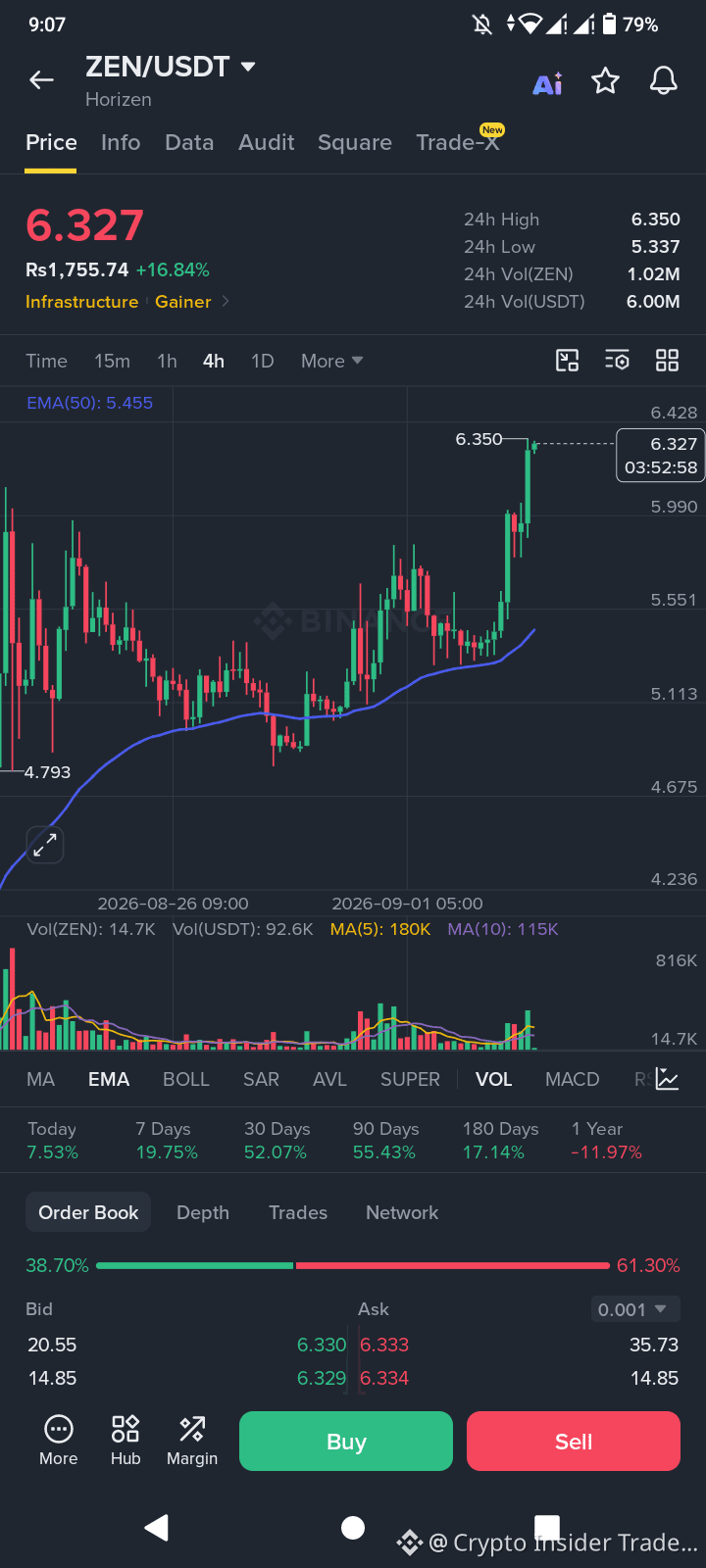
$ZEN /USDT — تنبيه اختراق: الثيران تستحوذ على زمام الأمور
◆━━━━━━━━━━━━━━━━━━━━━━━━━━◆
➤ نظرة عامة على السوق
✔︎ شهدت ZEN حركة انفجارية، لتصل إلى 6.333 ثم تستقر قرب 6.326، مرتفعة +17% خلال اليوم.
✔︎ بعد أسابيع من تذبذب جانبي إلى هبوطي تحت المتوسط المتحرك MA(50)، فقد اخترق السعر ذلك المستوى بشكل حاسم — تحول في بنية السوق يستحق المتابعة.
◆━━━━━━━━━━━━━━━━━━━━━━━━━━◆
➤ التحليل الفني
① الاتجاه: انعكاس صعودي جارٍ بعد اتجاه هبوطي طويل
② البنية: شمعة اختراق حادة من تَجمُّع قرب 5.3–5.4، تلتها موجة تراجع خفيف
③ MA(50): 5.357 — يعمل الآن كمستوى دعم ديناميكي
④ الحجم: ارتفاع ملحوظ في الحجم ترافق مع الاختراق، ما يشير إلى اهتمام شراء حقيقي بدل اختراق وهمي
⑤ الزخم: شموع قوية على إطار 4 ساعات تُظهر مشاركة شرائية عدوانية، رغم ظهور بعض التبريد قرب القمم
◆━━━━━━━━━━━━━━━━━━━━━━━━━━◆
➜ تحليل السيناريوهات
🟢 السيناريو الصعودي ✔︎ الحفاظ فوق 6.00 مع دعم من الحجم قد يفتح الطريق نحو 6.55+
🔴 السيناريو الهبوطي ✔︎ الرفض أسفل 5.75–5.80 قد يؤدي إلى إعادة اختبار MA(50) قرب 5.35
⚪ السيناريو المحايد ✔︎ تَجمُّع بين 5.90–6.33 بينما يقوم السوق بهضم المكاسب الأخيرة
◆━━━━━━━━━━━━━━━━━━━━━━━━━━◆
➤ المستويات الرئيسية
✔︎ المقاومة: ➜ R1: 6.333 ➜ R2: 6.559
✔︎ الدعم: ➜ S1: 5.780 ➜ S2: 5.357 (MA50)
◆━━━━━━━━━━━━━━━━━━━━━━━━━━◆
✔︎ الخلاصة
يبدو اختراق ZEN قويًا بنيويًا، لكن التأكيد فوق القمم الأخيرة لا يزال ضروريًا. راقب حجم التداول عن كثب في الدفع القادم.
ليس نصيحة مالية. دائمًا إدارة المخاطر.
#USWeeklyInitialJoblessClaimsRiseTo206000 #US10YearTreasuryYieldHitsHighestSinceNov2023 #OpenAILaunchesGPT6Astra #SnowflakeSurges24%OnEarningsBeat
$ZEN /USDT — تنبيه اختراق: الثيران تستحوذ على زمام الأمور
◆━━━━━━━━━━━━━━━━━━━━━━━━━━◆
➤ نظرة عامة على السوق
✔︎ شهدت ZEN حركة انفجارية، لتصل إلى 6.333 ثم تستقر قرب 6.326، مرتفعة +17% خلال اليوم.
✔︎ بعد أسابيع من تذبذب جانبي إلى هبوطي تحت المتوسط المتحرك MA(50)، فقد اخترق السعر ذلك المستوى بشكل حاسم — تحول في بنية السوق يستحق المتابعة.
◆━━━━━━━━━━━━━━━━━━━━━━━━━━◆
➤ التحليل الفني
① الاتجاه: انعكاس صعودي جارٍ بعد اتجاه هبوطي طويل
② البنية: شمعة اختراق حادة من تَجمُّع قرب 5.3–5.4، تلتها موجة تراجع خفيف
③ MA(50): 5.357 — يعمل الآن كمستوى دعم ديناميكي
④ الحجم: ارتفاع ملحوظ في الحجم ترافق مع الاختراق، ما يشير إلى اهتمام شراء حقيقي بدل اختراق وهمي
⑤ الزخم: شموع قوية على إطار 4 ساعات تُظهر مشاركة شرائية عدوانية، رغم ظهور بعض التبريد قرب القمم
◆━━━━━━━━━━━━━━━━━━━━━━━━━━◆
➜ تحليل السيناريوهات
🟢 السيناريو الصعودي ✔︎ الحفاظ فوق 6.00 مع دعم من الحجم قد يفتح الطريق نحو 6.55+
🔴 السيناريو الهبوطي ✔︎ الرفض أسفل 5.75–5.80 قد يؤدي إلى إعادة اختبار MA(50) قرب 5.35
⚪ السيناريو المحايد ✔︎ تَجمُّع بين 5.90–6.33 بينما يقوم السوق بهضم المكاسب الأخيرة
◆━━━━━━━━━━━━━━━━━━━━━━━━━━◆
➤ المستويات الرئيسية
✔︎ المقاومة: ➜ R1: 6.333 ➜ R2: 6.559
✔︎ الدعم: ➜ S1: 5.780 ➜ S2: 5.357 (MA50)
◆━━━━━━━━━━━━━━━━━━━━━━━━━━◆
✔︎ الخلاصة
يبدو اختراق ZEN قويًا بنيويًا، لكن التأكيد فوق القمم الأخيرة لا يزال ضروريًا. راقب حجم التداول عن كثب في الدفع القادم.
ليس نصيحة مالية. دائمًا إدارة المخاطر.
#USWeeklyInitialJoblessClaimsRiseTo206000 #US10YearTreasuryYieldHitsHighestSinceNov2023 #OpenAILaunchesGPT6Astra #SnowflakeSurges24%OnEarningsBeat
◆━━━━━━━━━━━━━━━━━━━━━━━━━━◆
➤ نظرة عامة على السوق
✔︎ شهدت ZEN حركة انفجارية، لتصل إلى 6.333 ثم تستقر قرب 6.326، مرتفعة +17% خلال اليوم.
✔︎ بعد أسابيع من تذبذب جانبي إلى هبوطي تحت المتوسط المتحرك MA(50)، فقد اخترق السعر ذلك المستوى بشكل حاسم — تحول في بنية السوق يستحق المتابعة.
◆━━━━━━━━━━━━━━━━━━━━━━━━━━◆
➤ التحليل الفني
① الاتجاه: انعكاس صعودي جارٍ بعد اتجاه هبوطي طويل
② البنية: شمعة اختراق حادة من تَجمُّع قرب 5.3–5.4، تلتها موجة تراجع خفيف
③ MA(50): 5.357 — يعمل الآن كمستوى دعم ديناميكي
④ الحجم: ارتفاع ملحوظ في الحجم ترافق مع الاختراق، ما يشير إلى اهتمام شراء حقيقي بدل اختراق وهمي
⑤ الزخم: شموع قوية على إطار 4 ساعات تُظهر مشاركة شرائية عدوانية، رغم ظهور بعض التبريد قرب القمم
◆━━━━━━━━━━━━━━━━━━━━━━━━━━◆
➜ تحليل السيناريوهات
🟢 السيناريو الصعودي ✔︎ الحفاظ فوق 6.00 مع دعم من الحجم قد يفتح الطريق نحو 6.55+
🔴 السيناريو الهبوطي ✔︎ الرفض أسفل 5.75–5.80 قد يؤدي إلى إعادة اختبار MA(50) قرب 5.35
⚪ السيناريو المحايد ✔︎ تَجمُّع بين 5.90–6.33 بينما يقوم السوق بهضم المكاسب الأخيرة
◆━━━━━━━━━━━━━━━━━━━━━━━━━━◆
➤ المستويات الرئيسية
✔︎ المقاومة: ➜ R1: 6.333 ➜ R2: 6.559
✔︎ الدعم: ➜ S1: 5.780 ➜ S2: 5.357 (MA50)
◆━━━━━━━━━━━━━━━━━━━━━━━━━━◆
✔︎ الخلاصة
يبدو اختراق ZEN قويًا بنيويًا، لكن التأكيد فوق القمم الأخيرة لا يزال ضروريًا. راقب حجم التداول عن كثب في الدفع القادم.
ليس نصيحة مالية. دائمًا إدارة المخاطر.
#USWeeklyInitialJoblessClaimsRiseTo206000 #US10YearTreasuryYieldHitsHighestSinceNov2023 #OpenAILaunchesGPT6Astra #SnowflakeSurges24%OnEarningsBeat
88

مقالة
العواصف الجيوسياسية تدفع صعود WTI: كيف تعيد النزاعات كتابة قواعد لعب النفط$CL
◆━━━━━━━━━━━━━━━━━━━━━━━━━━━━━━━━◆
➤ لا تقتصر نقاط التوتر الجيوسياسي على صناعة العناوين الرئيسية — بل تُحرّك الأسواق بسرعة شديدة وبقوة.
✔︎ في الوقت الحالي، يتم تداول نفط WTI الخام قرب 92.17 دولارًا، بينما تُظهر أحدث مخططات الساعة (1H) أن متوسط MA(50) عند 91.383.
✔︎ أعلى سعر خلال اليوم: 92.443 دولار
✔︎ أدنى سعر خلال اليوم: 91.694 دولار
✔︎ يبقى السعر أعلى بكثير من المستويات التي شوهدت قبل أسابيع قليلة.
➜ هذا ليس ضجيجًا عشوائيًا في السوق. بل يعكس علاوة المخاطر الجيوسياسية المستمرة المرتبطة بتوترات الشرق الأوسط المطوّلة، ولا سيما حول مضيق هرمز.
العواصف الجيوسياسية تدفع صعود WTI: كيف تعيد النزاعات كتابة قواعد لعب النفط
$CL
◆━━━━━━━━━━━━━━━━━━━━━━━━━━━━━━━━◆
➤ لا تقتصر نقاط التوتر الجيوسياسي على صناعة العناوين الرئيسية — بل تُحرّك الأسواق بسرعة شديدة وبقوة.
✔︎ في الوقت الحالي، يتم تداول نفط WTI الخام قرب 92.17 دولارًا، بينما تُظهر أحدث مخططات الساعة (1H) أن متوسط MA(50) عند 91.383.
✔︎ أعلى سعر خلال اليوم: 92.443 دولار
✔︎ أدنى سعر خلال اليوم: 91.694 دولار
✔︎ يبقى السعر أعلى بكثير من المستويات التي شوهدت قبل أسابيع قليلة.
➜ هذا ليس ضجيجًا عشوائيًا في السوق. بل يعكس علاوة المخاطر الجيوسياسية المستمرة المرتبطة بتوترات الشرق الأوسط المطوّلة، ولا سيما حول مضيق هرمز.
◆━━━━━━━━━━━━━━━━━━━━━━━━━━━━━━━━◆
➤ لا تقتصر نقاط التوتر الجيوسياسي على صناعة العناوين الرئيسية — بل تُحرّك الأسواق بسرعة شديدة وبقوة.
✔︎ في الوقت الحالي، يتم تداول نفط WTI الخام قرب 92.17 دولارًا، بينما تُظهر أحدث مخططات الساعة (1H) أن متوسط MA(50) عند 91.383.
✔︎ أعلى سعر خلال اليوم: 92.443 دولار
✔︎ أدنى سعر خلال اليوم: 91.694 دولار
✔︎ يبقى السعر أعلى بكثير من المستويات التي شوهدت قبل أسابيع قليلة.
➜ هذا ليس ضجيجًا عشوائيًا في السوق. بل يعكس علاوة المخاطر الجيوسياسية المستمرة المرتبطة بتوترات الشرق الأوسط المطوّلة، ولا سيما حول مضيق هرمز.
143
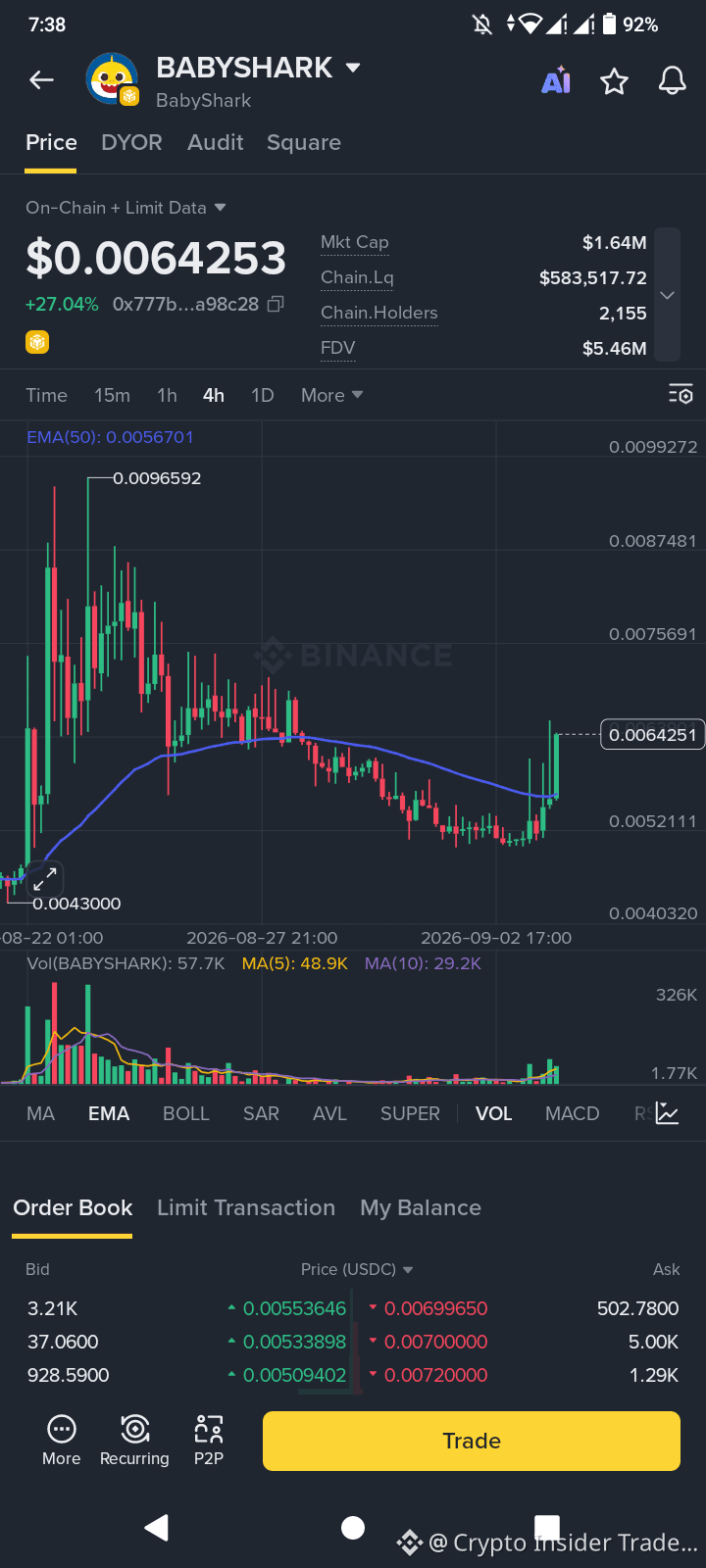
$BABYSHARK /USDT — ارتداد من أدنى مستويات ممتدة
═══════════════════════════════════
◆ نظرة عامة على السوق
➤ يتداول BABYSHARK عند 0.00593، بارتفاع +17.66% اليوم.
➤ وجد السعر دعمًا مؤخرًا قرب 0.00488 بعد أسابيع من التراجع.
➤ تظهر إشارات استقرار مبكرة.
═══════════════════════════════════
◆ التحليل الفني
✔︎ الاتجاه: لا يزال الاتجاه على المدى المتوسط هابطًا.
✔︎ البنية: هبوط طويل من 0.00900 تلاه نمط تمركز/تجميع.
✔︎ الحجم: زيادة النشاط تدعم محاولة الارتداد.
✔︎ تدفق الأوامر: متوازن تقريبًا (46% مشترين مقابل 54% بائعين).
✔︎ الزخم: ① 7-Day: -5.87% ② 30-Day: +17.89%
➜ تتطور محاولات التعافي لكن ما تزال غير مؤكدة.
═══════════════════════════════════
◆ تحليل السيناريوهات
🟢 صاعد ➤ قد يؤدي الثبات فوق MA50 (0.00579) والاختراق فوق 0.00650 إلى تعزيز الزخم.
🔴 هابط ➤ قد يؤدي الرفض إلى اختبار جديد عند 0.00488.
⚪ محايد ➤ من المرجح استمرار الحركة الجانبية بين 0.00503 – 0.00650.
═══════════════════════════════════
◆ المستويات الرئيسية
➤ المقاومة: ① 0.00650 ② 0.00900
➤ الدعم: ① 0.00503 ② 0.00488
═══════════════════════════════════
◆ التوقعات
✔︎ يجري العمل على الاستقرار بعد تراجع طويل.
✔︎ يحتاج الصاعدون إلى اختراق مؤكد قبل أن يمكن مناقشة انعكاس الاتجاه.
#USWeeklyInitialJoblessClaimsRiseTo206000 #SnowflakeSurges24%OnEarningsBeat #USISMServicesRisesTo55.4InAugust #SECNewCryptoRulesAimToBringFirmsBackToUS
ليس نصيحة مالية. استخدم دائمًا إدارة مخاطر مناسبة.
$BABYSHARK /USDT — ارتداد من أدنى مستويات ممتدة
═══════════════════════════════════
◆ نظرة عامة على السوق
➤ يتداول BABYSHARK عند 0.00593، بارتفاع +17.66% اليوم.
➤ وجد السعر دعمًا مؤخرًا قرب 0.00488 بعد أسابيع من التراجع.
➤ تظهر إشارات استقرار مبكرة.
═══════════════════════════════════
◆ التحليل الفني
✔︎ الاتجاه: لا يزال الاتجاه على المدى المتوسط هابطًا.
✔︎ البنية: هبوط طويل من 0.00900 تلاه نمط تمركز/تجميع.
✔︎ الحجم: زيادة النشاط تدعم محاولة الارتداد.
✔︎ تدفق الأوامر: متوازن تقريبًا (46% مشترين مقابل 54% بائعين).
✔︎ الزخم: ① 7-Day: -5.87% ② 30-Day: +17.89%
➜ تتطور محاولات التعافي لكن ما تزال غير مؤكدة.
═══════════════════════════════════
◆ تحليل السيناريوهات
🟢 صاعد ➤ قد يؤدي الثبات فوق MA50 (0.00579) والاختراق فوق 0.00650 إلى تعزيز الزخم.
🔴 هابط ➤ قد يؤدي الرفض إلى اختبار جديد عند 0.00488.
⚪ محايد ➤ من المرجح استمرار الحركة الجانبية بين 0.00503 – 0.00650.
═══════════════════════════════════
◆ المستويات الرئيسية
➤ المقاومة: ① 0.00650 ② 0.00900
➤ الدعم: ① 0.00503 ② 0.00488
═══════════════════════════════════
◆ التوقعات
✔︎ يجري العمل على الاستقرار بعد تراجع طويل.
✔︎ يحتاج الصاعدون إلى اختراق مؤكد قبل أن يمكن مناقشة انعكاس الاتجاه.
#USWeeklyInitialJoblessClaimsRiseTo206000 #SnowflakeSurges24%OnEarningsBeat #USISMServicesRisesTo55.4InAugust #SECNewCryptoRulesAimToBringFirmsBackToUS
ليس نصيحة مالية. استخدم دائمًا إدارة مخاطر مناسبة.
═══════════════════════════════════
◆ نظرة عامة على السوق
➤ يتداول BABYSHARK عند 0.00593، بارتفاع +17.66% اليوم.
➤ وجد السعر دعمًا مؤخرًا قرب 0.00488 بعد أسابيع من التراجع.
➤ تظهر إشارات استقرار مبكرة.
═══════════════════════════════════
◆ التحليل الفني
✔︎ الاتجاه: لا يزال الاتجاه على المدى المتوسط هابطًا.
✔︎ البنية: هبوط طويل من 0.00900 تلاه نمط تمركز/تجميع.
✔︎ الحجم: زيادة النشاط تدعم محاولة الارتداد.
✔︎ تدفق الأوامر: متوازن تقريبًا (46% مشترين مقابل 54% بائعين).
✔︎ الزخم: ① 7-Day: -5.87% ② 30-Day: +17.89%
➜ تتطور محاولات التعافي لكن ما تزال غير مؤكدة.
═══════════════════════════════════
◆ تحليل السيناريوهات
🟢 صاعد ➤ قد يؤدي الثبات فوق MA50 (0.00579) والاختراق فوق 0.00650 إلى تعزيز الزخم.
🔴 هابط ➤ قد يؤدي الرفض إلى اختبار جديد عند 0.00488.
⚪ محايد ➤ من المرجح استمرار الحركة الجانبية بين 0.00503 – 0.00650.
═══════════════════════════════════
◆ المستويات الرئيسية
➤ المقاومة: ① 0.00650 ② 0.00900
➤ الدعم: ① 0.00503 ② 0.00488
═══════════════════════════════════
◆ التوقعات
✔︎ يجري العمل على الاستقرار بعد تراجع طويل.
✔︎ يحتاج الصاعدون إلى اختراق مؤكد قبل أن يمكن مناقشة انعكاس الاتجاه.
#USWeeklyInitialJoblessClaimsRiseTo206000 #SnowflakeSurges24%OnEarningsBeat #USISMServicesRisesTo55.4InAugust #SECNewCryptoRulesAimToBringFirmsBackToUS
ليس نصيحة مالية. استخدم دائمًا إدارة مخاطر مناسبة.
306

مقالة
بيتكوين تتحرر: فكّ شفرة الوقود خلف الاندفاع المفاجئ للبيتكوين ➜◆━━━━━━━━━━━━━━━━━━━━━━━━━━━━━━━━◆
استيقظت، وتفقدت الرسوم البيانية، وها هو — البيتكوين يخترق المقاومة مباشرةً كأنه لديه مكان عاجل يجب أن يصل إليه.
إذا كنت تحدق في شاشتك خلال الساعات القليلة الماضية وتتساءل: "انتظر، لماذا يفعل البيتكوين فجأة هذا؟" — فأنت لست وحدك.
➤ لنحلل الأمر معًا — بدون مصطلحات معقدة، فقط كلام مباشر.
◆━━━━━━━━━━━━━━━━━━━━━━━━━━━━━━━━◆
بيتكوين تتحرر: فكّ شفرة الوقود خلف الاندفاع المفاجئ للبيتكوين ➜
◆━━━━━━━━━━━━━━━━━━━━━━━━━━━━━━━━◆
استيقظت، وتفقدت الرسوم البيانية، وها هو — البيتكوين يخترق المقاومة مباشرةً كأنه لديه مكان عاجل يجب أن يصل إليه.
إذا كنت تحدق في شاشتك خلال الساعات القليلة الماضية وتتساءل: "انتظر، لماذا يفعل البيتكوين فجأة هذا؟" — فأنت لست وحدك.
➤ لنحلل الأمر معًا — بدون مصطلحات معقدة، فقط كلام مباشر.
◆━━━━━━━━━━━━━━━━━━━━━━━━━━━━━━━━◆
استيقظت، وتفقدت الرسوم البيانية، وها هو — البيتكوين يخترق المقاومة مباشرةً كأنه لديه مكان عاجل يجب أن يصل إليه.
إذا كنت تحدق في شاشتك خلال الساعات القليلة الماضية وتتساءل: "انتظر، لماذا يفعل البيتكوين فجأة هذا؟" — فأنت لست وحدك.
➤ لنحلل الأمر معًا — بدون مصطلحات معقدة، فقط كلام مباشر.
◆━━━━━━━━━━━━━━━━━━━━━━━━━━━━━━━━◆
1
129
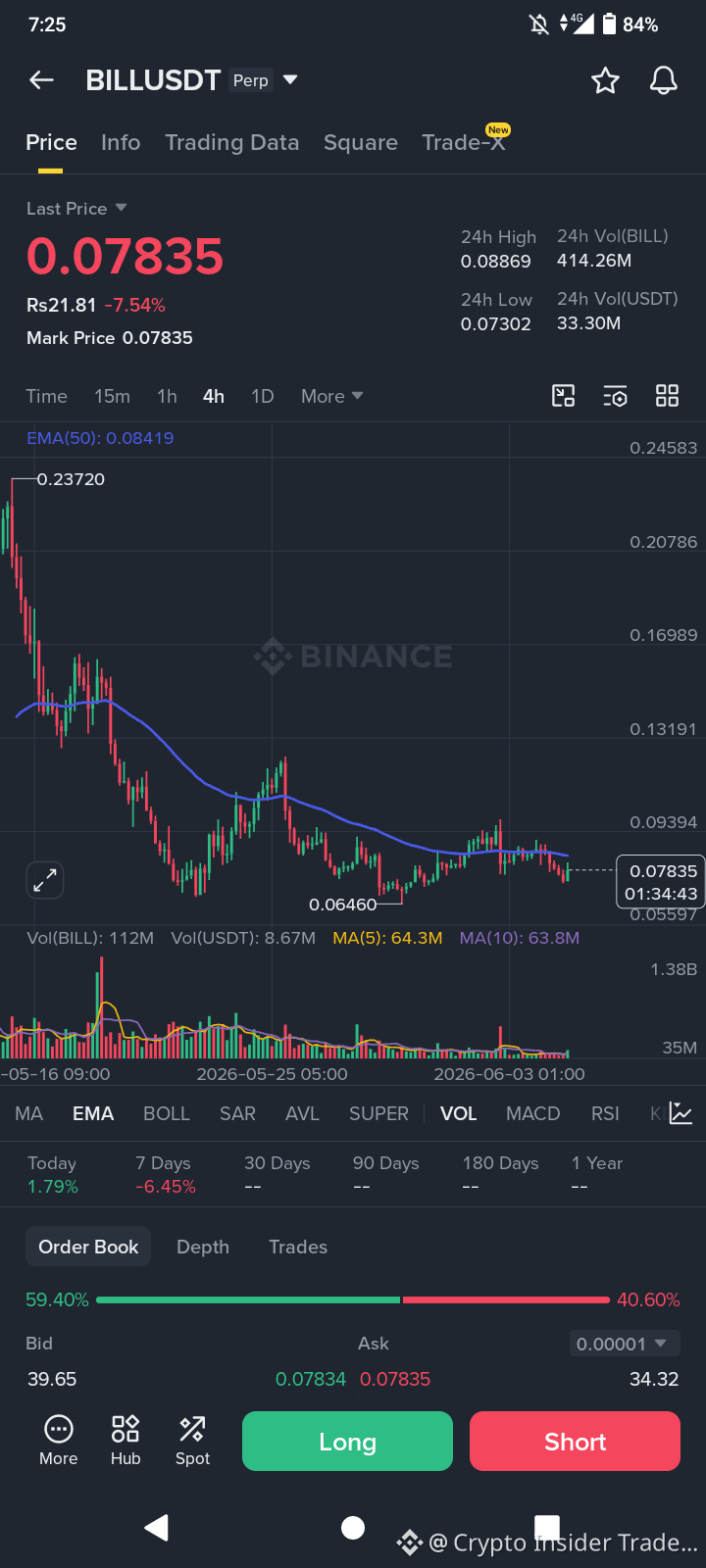
$BILL /USDT — استراتيجية استرداد مع مجال للتحرك
══════════════════════════════════════════════════
📊 نظرة عامة على السوق
➤ يتم تداول $BILL بسعر 0.07927 دولار، بزيادة +7.44% اليوم
➤ الاسترداد من انخفاض 0.16021 دولار مستمر
➤ +12.43% (7 أيام) يظهر زخم انتعاش مستقر
══════════════════════════════════════════════════
📈 التحليل الفني
✔︎ هيكل يشبه القاع المزدوج بالقرب من 0.06455
✔︎ MA5: 0.07789 (السعر فوق → تحول صعودي مبكر)
➤ MA10: 0.08181 | MA20: 0.08406 تبقى مقاومة
➤ ارتفاع قوي في الحجم عند القاع = إشارة تراكم
➤ 24.7 مليون دولار حجم التداول يؤكد المشاركة النشطة
══════════════════════════════════════════════════
🧩 تحليل السيناريو
➤ ① صعودي: كسر فوق 0.08181 → 0.09000–0.10000
➤ ② هبوطي: انخفاض تحت 0.07303 → عودة السيطرة الهبوطية
➤ ③ محايد: نطاق 0.07500–0.08200
══════════════════════════════════════════════════
📌 المستويات الرئيسية
➤ R1: 0.08181 | R2: 0.09000
➤ S1: 0.07303 | S2: 0.06455
══════════════════════════════════════════════════
◆ التوقعات
➤ اختبار رئيسي عند MA10 (0.08181)
➤ الانتعاش المدعوم بالحجم لا يزال سليمًا
➤ ليست نصيحة مالية
══════════════════════════════════════════════════
#BILL ZECFallsBelow$515Down16Pct#XRPDrops7%ToFourMonthLow CryptoMarket$1.72BLiquidated24h#CLARITYActSupportsCryptoRegulation #IranStrikesKuwaitAirportCryptoLiquidations #SpaceXAppliesForNasdaqListing
{future}(BILLUSDT)
$BILL /USDT — استراتيجية استرداد مع مجال للتحرك
══════════════════════════════════════════════════
📊 نظرة عامة على السوق
➤ يتم تداول $BILL بسعر 0.07927 دولار، بزيادة +7.44% اليوم
➤ الاسترداد من انخفاض 0.16021 دولار مستمر
➤ +12.43% (7 أيام) يظهر زخم انتعاش مستقر
══════════════════════════════════════════════════
📈 التحليل الفني
✔︎ هيكل يشبه القاع المزدوج بالقرب من 0.06455
✔︎ MA5: 0.07789 (السعر فوق → تحول صعودي مبكر)
➤ MA10: 0.08181 | MA20: 0.08406 تبقى مقاومة
➤ ارتفاع قوي في الحجم عند القاع = إشارة تراكم
➤ 24.7 مليون دولار حجم التداول يؤكد المشاركة النشطة
══════════════════════════════════════════════════
🧩 تحليل السيناريو
➤ ① صعودي: كسر فوق 0.08181 → 0.09000–0.10000
➤ ② هبوطي: انخفاض تحت 0.07303 → عودة السيطرة الهبوطية
➤ ③ محايد: نطاق 0.07500–0.08200
══════════════════════════════════════════════════
📌 المستويات الرئيسية
➤ R1: 0.08181 | R2: 0.09000
➤ S1: 0.07303 | S2: 0.06455
══════════════════════════════════════════════════
◆ التوقعات
➤ اختبار رئيسي عند MA10 (0.08181)
➤ الانتعاش المدعوم بالحجم لا يزال سليمًا
➤ ليست نصيحة مالية
══════════════════════════════════════════════════
#BILL ZECFallsBelow$515Down16Pct#XRPDrops7%ToFourMonthLow CryptoMarket$1.72BLiquidated24h#CLARITYActSupportsCryptoRegulation #IranStrikesKuwaitAirportCryptoLiquidations #SpaceXAppliesForNasdaqListing
══════════════════════════════════════════════════
📊 نظرة عامة على السوق
➤ يتم تداول $BILL بسعر 0.07927 دولار، بزيادة +7.44% اليوم
➤ الاسترداد من انخفاض 0.16021 دولار مستمر
➤ +12.43% (7 أيام) يظهر زخم انتعاش مستقر
══════════════════════════════════════════════════
📈 التحليل الفني
✔︎ هيكل يشبه القاع المزدوج بالقرب من 0.06455
✔︎ MA5: 0.07789 (السعر فوق → تحول صعودي مبكر)
➤ MA10: 0.08181 | MA20: 0.08406 تبقى مقاومة
➤ ارتفاع قوي في الحجم عند القاع = إشارة تراكم
➤ 24.7 مليون دولار حجم التداول يؤكد المشاركة النشطة
══════════════════════════════════════════════════
🧩 تحليل السيناريو
➤ ① صعودي: كسر فوق 0.08181 → 0.09000–0.10000
➤ ② هبوطي: انخفاض تحت 0.07303 → عودة السيطرة الهبوطية
➤ ③ محايد: نطاق 0.07500–0.08200
══════════════════════════════════════════════════
📌 المستويات الرئيسية
➤ R1: 0.08181 | R2: 0.09000
➤ S1: 0.07303 | S2: 0.06455
══════════════════════════════════════════════════
◆ التوقعات
➤ اختبار رئيسي عند MA10 (0.08181)
➤ الانتعاش المدعوم بالحجم لا يزال سليمًا
➤ ليست نصيحة مالية
══════════════════════════════════════════════════
#BILL ZECFallsBelow$515Down16Pct#XRPDrops7%ToFourMonthLow CryptoMarket$1.72BLiquidated24h#CLARITYActSupportsCryptoRegulation #IranStrikesKuwaitAirportCryptoLiquidations #SpaceXAppliesForNasdaqListing
1
357
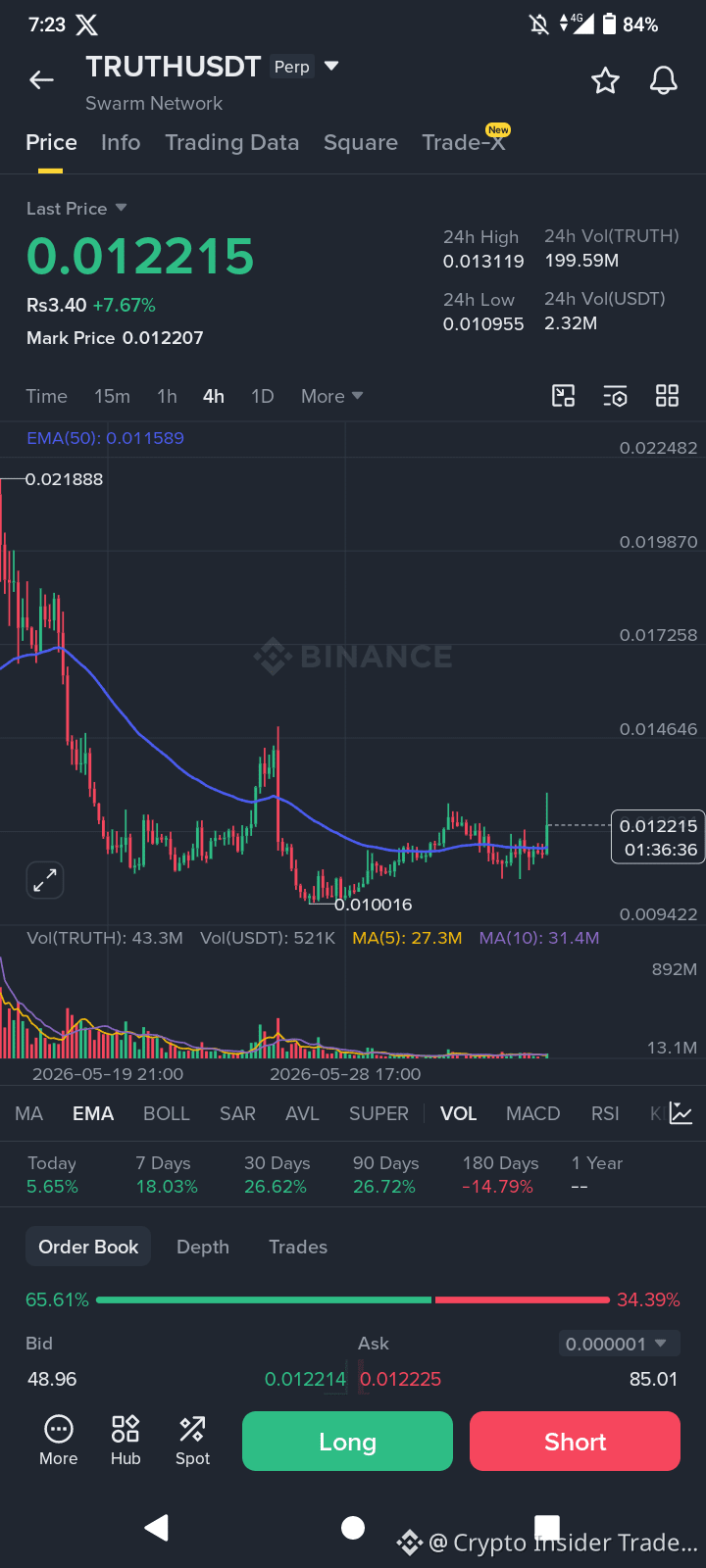
$TRUTH /USDT — قوة هادئة تتشكل تحت المقاومة
══════════════════════════════════════════════════
📊 نظرة عامة على السوق
➤ $TRUTH تتداول بسعر $0.012215، مرتفعة +7.21% اليوم
➤ +27.61% (30 يوم) تشير إلى تراكم مستدام، وليس ضخ ليوم واحد
➤ تستمر عملية التعافي من قاع $0.010009
══════════════════════════════════════════════════
📈 التحليل الفني
✔︎ تعافي على شكل V متبوع بتوحيد
✔︎ MA5: 0.01157 | MA10: 0.01150 | MA20: 0.01158 (ضغط ضيق)
➤ السعر فوق جميع المتوسطات المتحركة = هيكل صعودي على المدى القصير
➤ حجم التداول عاد لطبيعته بعد قفزة = سلوك صحي
══════════════════════════════════════════════════
🧩 تحليل السيناريو
➤ ① صعودي: كسر فوق 0.01225 مع حجم → 0.01350–0.01400
➤ ② هبوطي: رفض → العودة إلى 0.01155 أو 0.01095
➤ ③ محايد: نطاق 0.01190–0.01225
══════════════════════════════════════════════════
📌 المستويات الأساسية
➤ R1: 0.01225 | R2: 0.01400
➤ S1: 0.01155 | S2: 0.01095
══════════════════════════════════════════════════
◆ النظرة المستقبلية
➤ هيكل الضغط يشير إلى إمكانية التوسع
➤ الكسر فوق 0.01225 هو منطقة الزناد الأساسية
➤ ليست نصيحة مالية
══════════════════════════════════════════════════
#truth #TruthSocial ZECسقطت تحت$515انخفاض16%#XRPDrops7%ToFourMonthLow سوق الكريبتو$1.72Bتم تصفيته خلال 24 ساعة#IranStrikesKuwaitAirportCryptoLiquidations #HoskinsonStepsBackFromCardano
{future}(TRUTHUSDT)
$TRUTH /USDT — قوة هادئة تتشكل تحت المقاومة
══════════════════════════════════════════════════
📊 نظرة عامة على السوق
➤ $TRUTH تتداول بسعر $0.012215، مرتفعة +7.21% اليوم
➤ +27.61% (30 يوم) تشير إلى تراكم مستدام، وليس ضخ ليوم واحد
➤ تستمر عملية التعافي من قاع $0.010009
══════════════════════════════════════════════════
📈 التحليل الفني
✔︎ تعافي على شكل V متبوع بتوحيد
✔︎ MA5: 0.01157 | MA10: 0.01150 | MA20: 0.01158 (ضغط ضيق)
➤ السعر فوق جميع المتوسطات المتحركة = هيكل صعودي على المدى القصير
➤ حجم التداول عاد لطبيعته بعد قفزة = سلوك صحي
══════════════════════════════════════════════════
🧩 تحليل السيناريو
➤ ① صعودي: كسر فوق 0.01225 مع حجم → 0.01350–0.01400
➤ ② هبوطي: رفض → العودة إلى 0.01155 أو 0.01095
➤ ③ محايد: نطاق 0.01190–0.01225
══════════════════════════════════════════════════
📌 المستويات الأساسية
➤ R1: 0.01225 | R2: 0.01400
➤ S1: 0.01155 | S2: 0.01095
══════════════════════════════════════════════════
◆ النظرة المستقبلية
➤ هيكل الضغط يشير إلى إمكانية التوسع
➤ الكسر فوق 0.01225 هو منطقة الزناد الأساسية
➤ ليست نصيحة مالية
══════════════════════════════════════════════════
#truth #TruthSocial ZECسقطت تحت$515انخفاض16%#XRPDrops7%ToFourMonthLow سوق الكريبتو$1.72Bتم تصفيته خلال 24 ساعة#IranStrikesKuwaitAirportCryptoLiquidations #HoskinsonStepsBackFromCardano
══════════════════════════════════════════════════
📊 نظرة عامة على السوق
➤ $TRUTH تتداول بسعر $0.012215، مرتفعة +7.21% اليوم
➤ +27.61% (30 يوم) تشير إلى تراكم مستدام، وليس ضخ ليوم واحد
➤ تستمر عملية التعافي من قاع $0.010009
══════════════════════════════════════════════════
📈 التحليل الفني
✔︎ تعافي على شكل V متبوع بتوحيد
✔︎ MA5: 0.01157 | MA10: 0.01150 | MA20: 0.01158 (ضغط ضيق)
➤ السعر فوق جميع المتوسطات المتحركة = هيكل صعودي على المدى القصير
➤ حجم التداول عاد لطبيعته بعد قفزة = سلوك صحي
══════════════════════════════════════════════════
🧩 تحليل السيناريو
➤ ① صعودي: كسر فوق 0.01225 مع حجم → 0.01350–0.01400
➤ ② هبوطي: رفض → العودة إلى 0.01155 أو 0.01095
➤ ③ محايد: نطاق 0.01190–0.01225
══════════════════════════════════════════════════
📌 المستويات الأساسية
➤ R1: 0.01225 | R2: 0.01400
➤ S1: 0.01155 | S2: 0.01095
══════════════════════════════════════════════════
◆ النظرة المستقبلية
➤ هيكل الضغط يشير إلى إمكانية التوسع
➤ الكسر فوق 0.01225 هو منطقة الزناد الأساسية
➤ ليست نصيحة مالية
══════════════════════════════════════════════════
#truth #TruthSocial ZECسقطت تحت$515انخفاض16%#XRPDrops7%ToFourMonthLow سوق الكريبتو$1.72Bتم تصفيته خلال 24 ساعة#IranStrikesKuwaitAirportCryptoLiquidations #HoskinsonStepsBackFromCardano
134
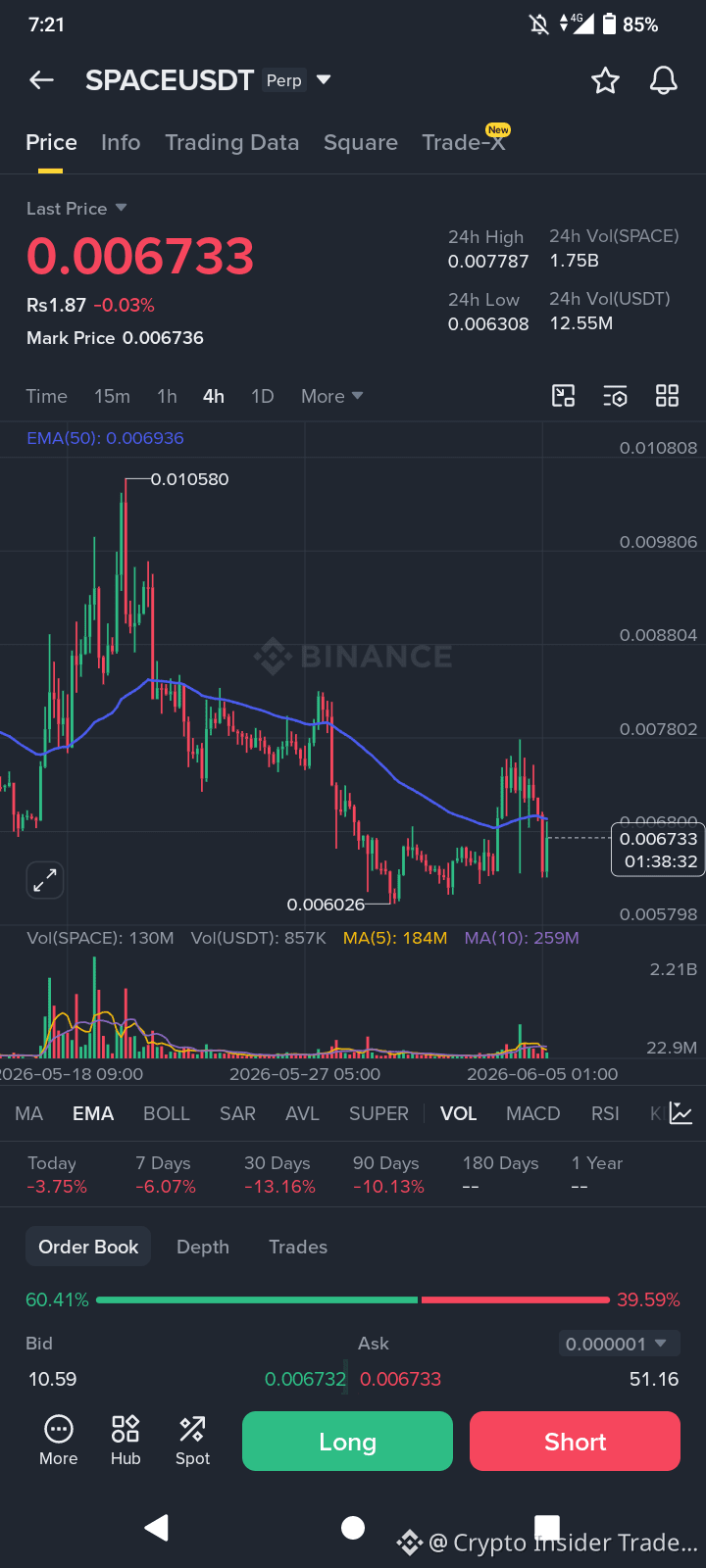
$SPACE /USDT — تقلبات إدراج جديدة تستقر في الهيكل
══════════════════════════════════════════════════
📊 نظرة عامة على السوق
➤ $SPACE يتم تداوله بسعر 0.006876 دولار، بزيادة +7.79% اليوم
➤ إطلاق انفجاري إلى 0.010586 تلاها تصحيح حاد
➤ الآن تحاول تشكيل قاعدة بعد تقلبات ما بعد الإطلاق
══════════════════════════════════════════════════
📉 التحليل الفني
✔︎ هيكل إدراج جديد كلاسيكي: قمة → بيع → قاعدة
✔︎ منطقة دعم تتشكل بالقرب من 0.006039
➤ MA5: 0.006949 (فوق السعر مباشرة)
➤ MA10: 0.007133 | MA20: 0.006885 (إشارات استقرار مختلطة)
➤ حجم مرتفع يبقي خطر التقلب نشطًا
══════════════════════════════════════════════════
🧩 تحليل السيناريو
➤ ① صعودي: استعادة MA5 و MA10 → 0.00800–0.00850
➤ ② هبوطي: كسر تحت 0.006039 → المزيد من الهبوط
➤ ③ محايد: نطاق 0.00650–0.00720
══════════════════════════════════════════════════
📌 المستويات الرئيسية
➤ R1: 0.007133 | R2: 0.008000
➤ S1: 0.006500 | S2: 0.006039
══════════════════════════════════════════════════
◆ التوقعات
➤ تستمر مرحلة الاستقرار بعد الإطلاق
➤ تأكيد MA مطلوب لهيكل التعافي
➤ ليس نصيحة مالية
══════════════════════════════════════════════════
#space #spacx #XRPDrops7%ToFourMonthLow #HoskinsonStepsBackFromCardano #SpaceXAppliesForNasdaqListing
{future}(SPACEUSDT)
$SPACE /USDT — تقلبات إدراج جديدة تستقر في الهيكل
══════════════════════════════════════════════════
📊 نظرة عامة على السوق
➤ $SPACE يتم تداوله بسعر 0.006876 دولار، بزيادة +7.79% اليوم
➤ إطلاق انفجاري إلى 0.010586 تلاها تصحيح حاد
➤ الآن تحاول تشكيل قاعدة بعد تقلبات ما بعد الإطلاق
══════════════════════════════════════════════════
📉 التحليل الفني
✔︎ هيكل إدراج جديد كلاسيكي: قمة → بيع → قاعدة
✔︎ منطقة دعم تتشكل بالقرب من 0.006039
➤ MA5: 0.006949 (فوق السعر مباشرة)
➤ MA10: 0.007133 | MA20: 0.006885 (إشارات استقرار مختلطة)
➤ حجم مرتفع يبقي خطر التقلب نشطًا
══════════════════════════════════════════════════
🧩 تحليل السيناريو
➤ ① صعودي: استعادة MA5 و MA10 → 0.00800–0.00850
➤ ② هبوطي: كسر تحت 0.006039 → المزيد من الهبوط
➤ ③ محايد: نطاق 0.00650–0.00720
══════════════════════════════════════════════════
📌 المستويات الرئيسية
➤ R1: 0.007133 | R2: 0.008000
➤ S1: 0.006500 | S2: 0.006039
══════════════════════════════════════════════════
◆ التوقعات
➤ تستمر مرحلة الاستقرار بعد الإطلاق
➤ تأكيد MA مطلوب لهيكل التعافي
➤ ليس نصيحة مالية
══════════════════════════════════════════════════
#space #spacx #XRPDrops7%ToFourMonthLow #HoskinsonStepsBackFromCardano #SpaceXAppliesForNasdaqListing
══════════════════════════════════════════════════
📊 نظرة عامة على السوق
➤ $SPACE يتم تداوله بسعر 0.006876 دولار، بزيادة +7.79% اليوم
➤ إطلاق انفجاري إلى 0.010586 تلاها تصحيح حاد
➤ الآن تحاول تشكيل قاعدة بعد تقلبات ما بعد الإطلاق
══════════════════════════════════════════════════
📉 التحليل الفني
✔︎ هيكل إدراج جديد كلاسيكي: قمة → بيع → قاعدة
✔︎ منطقة دعم تتشكل بالقرب من 0.006039
➤ MA5: 0.006949 (فوق السعر مباشرة)
➤ MA10: 0.007133 | MA20: 0.006885 (إشارات استقرار مختلطة)
➤ حجم مرتفع يبقي خطر التقلب نشطًا
══════════════════════════════════════════════════
🧩 تحليل السيناريو
➤ ① صعودي: استعادة MA5 و MA10 → 0.00800–0.00850
➤ ② هبوطي: كسر تحت 0.006039 → المزيد من الهبوط
➤ ③ محايد: نطاق 0.00650–0.00720
══════════════════════════════════════════════════
📌 المستويات الرئيسية
➤ R1: 0.007133 | R2: 0.008000
➤ S1: 0.006500 | S2: 0.006039
══════════════════════════════════════════════════
◆ التوقعات
➤ تستمر مرحلة الاستقرار بعد الإطلاق
➤ تأكيد MA مطلوب لهيكل التعافي
➤ ليس نصيحة مالية
══════════════════════════════════════════════════
#space #spacx #XRPDrops7%ToFourMonthLow #HoskinsonStepsBackFromCardano #SpaceXAppliesForNasdaqListing
369
مقالة
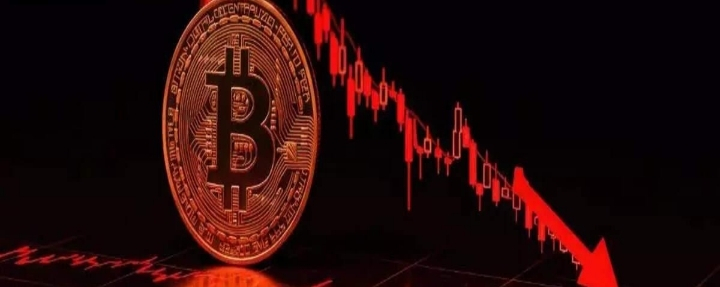
🔴 نزيف البيتكوين حقيقي — إليك كل ما تحتاج لمعرفته الآن$BTC
════════════════════════
◆━━━━━━━━━━━━━━━━━━━━━━◆
⚠️ هذه المقالة لأغراض تعليمية وإعلامية فقط. لا تشكل نصيحة مالية أو توصية لشراء أو بيع أي أصل. تداول العملات المشفرة ينطوي على مخاطر كبيرة. يرجى القيام بأبحاثك الخاصة واستشارة محترف مالي مؤهل قبل اتخاذ أي قرارات استثمارية.
════════════════════════
🔴 نزيف البيتكوين حقيقي — إليك كل ما تحتاج لمعرفته الآن
$BTC
════════════════════════
◆━━━━━━━━━━━━━━━━━━━━━━◆
⚠️ هذه المقالة لأغراض تعليمية وإعلامية فقط. لا تشكل نصيحة مالية أو توصية لشراء أو بيع أي أصل. تداول العملات المشفرة ينطوي على مخاطر كبيرة. يرجى القيام بأبحاثك الخاصة واستشارة محترف مالي مؤهل قبل اتخاذ أي قرارات استثمارية.
════════════════════════
════════════════════════
◆━━━━━━━━━━━━━━━━━━━━━━◆
⚠️ هذه المقالة لأغراض تعليمية وإعلامية فقط. لا تشكل نصيحة مالية أو توصية لشراء أو بيع أي أصل. تداول العملات المشفرة ينطوي على مخاطر كبيرة. يرجى القيام بأبحاثك الخاصة واستشارة محترف مالي مؤهل قبل اتخاذ أي قرارات استثمارية.
════════════════════════
5
367
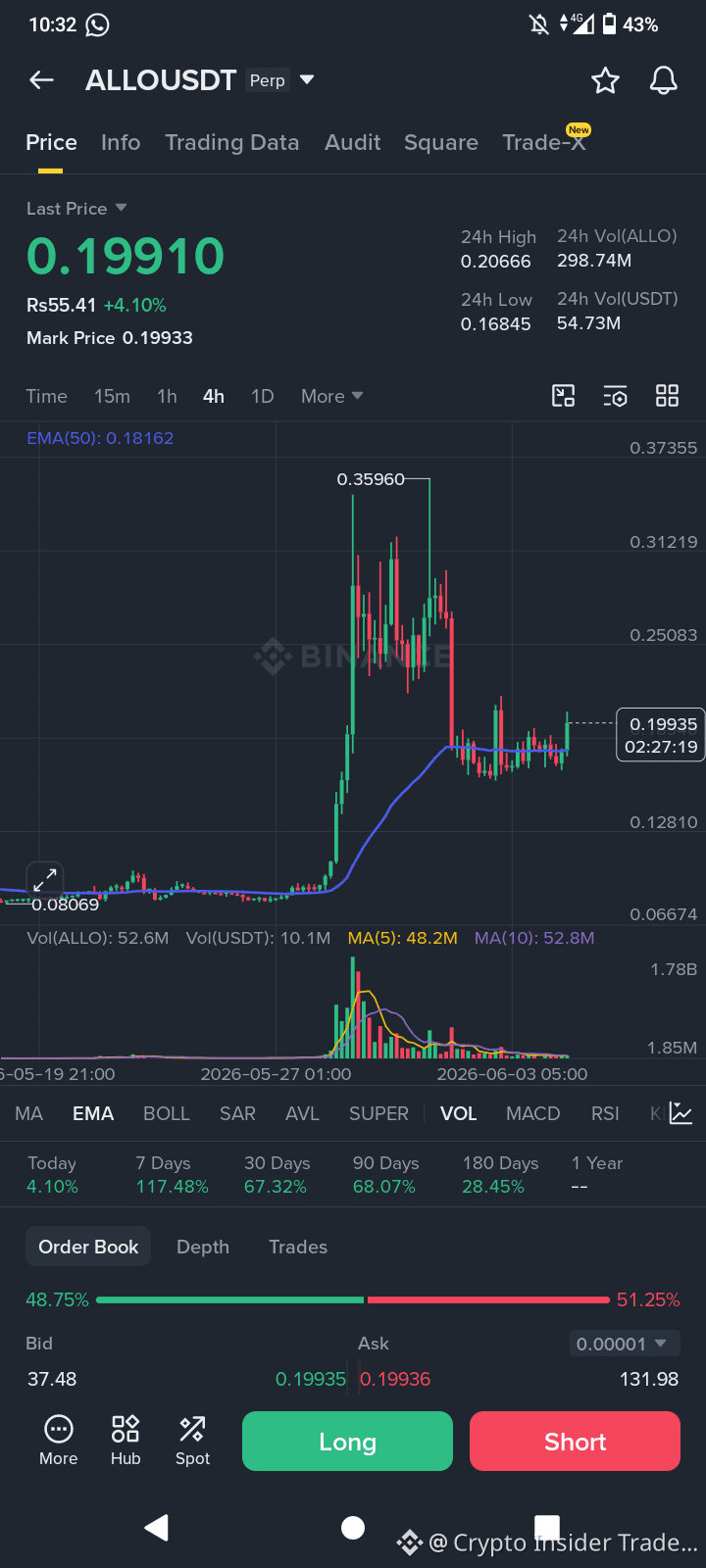
$ALLO /USDT — تجميع ما بعد الارتفاع عند مفترق الطرق
═══════════════════════════
◆ $ALLO ارتفعت من 0.08 إلى 0.3596 قبل أن تدخل في مرحلة تصحيح مطولة.
✔︎ السعر الحالي: 0.1991
✔︎ EMA(50): 0.1816
✔︎ استقرار السعر بعد تراجع بنسبة 45%
◆ الهيكل الفني
➤ ضخ عالي الحجم تلاه توزيع
➤ ضغط البيع يتلاشى تدريجياً
➤ انكماش الحجم يشير إلى تجميع
➤ هيكل محتمل لبناء قاعدة يظهر
◆ المستويات الرئيسية
① R1: 0.2067
② R2: 0.2508
① S1: 0.1816 (EMA-50)
② S2: 0.1685 (أرضية هيكلية)
◆ السيناريوهات
🟢 الحالة الصعودية
➜ الحفاظ على دعم EMA
➜ اختراق 0.2067
➜ الأهداف 0.25–0.28
🔴 الحالة الهبوطية
➜ فقدان 0.1816 مع الحجم
➜ إعادة اختبار 0.16 وأقل
⚪ الحالة المحايدة
➜ تجميع بين 0.185–0.207
◆ التوقعات
✔︎ ALLO تحاول بناء قاعدة ما بعد الارتفاع.
✔︎ لا يوجد محفز كبير ظاهر حتى الآن.
✔︎ سعة الحجم بالقرب من 0.20 ستحدد على الأرجح الحركة الاتجاهية التالية.
هذا ليس نصيحة مالية. قم ببحثك الخاص.
═══════════════════════════
#ALLO #USJoblessClaimsHit225K #IranStrikesKuwaitAirport #SpaceXInitiatesIPORoadshowWith555MShares #SpaceXFilesForNasdaqListing
{future}(ALLOUSDT)
$ALLO /USDT — تجميع ما بعد الارتفاع عند مفترق الطرق
═══════════════════════════
◆ $ALLO ارتفعت من 0.08 إلى 0.3596 قبل أن تدخل في مرحلة تصحيح مطولة.
✔︎ السعر الحالي: 0.1991
✔︎ EMA(50): 0.1816
✔︎ استقرار السعر بعد تراجع بنسبة 45%
◆ الهيكل الفني
➤ ضخ عالي الحجم تلاه توزيع
➤ ضغط البيع يتلاشى تدريجياً
➤ انكماش الحجم يشير إلى تجميع
➤ هيكل محتمل لبناء قاعدة يظهر
◆ المستويات الرئيسية
① R1: 0.2067
② R2: 0.2508
① S1: 0.1816 (EMA-50)
② S2: 0.1685 (أرضية هيكلية)
◆ السيناريوهات
🟢 الحالة الصعودية
➜ الحفاظ على دعم EMA
➜ اختراق 0.2067
➜ الأهداف 0.25–0.28
🔴 الحالة الهبوطية
➜ فقدان 0.1816 مع الحجم
➜ إعادة اختبار 0.16 وأقل
⚪ الحالة المحايدة
➜ تجميع بين 0.185–0.207
◆ التوقعات
✔︎ ALLO تحاول بناء قاعدة ما بعد الارتفاع.
✔︎ لا يوجد محفز كبير ظاهر حتى الآن.
✔︎ سعة الحجم بالقرب من 0.20 ستحدد على الأرجح الحركة الاتجاهية التالية.
هذا ليس نصيحة مالية. قم ببحثك الخاص.
═══════════════════════════
#ALLO #USJoblessClaimsHit225K #IranStrikesKuwaitAirport #SpaceXInitiatesIPORoadshowWith555MShares #SpaceXFilesForNasdaqListing
═══════════════════════════
◆ $ALLO ارتفعت من 0.08 إلى 0.3596 قبل أن تدخل في مرحلة تصحيح مطولة.
✔︎ السعر الحالي: 0.1991
✔︎ EMA(50): 0.1816
✔︎ استقرار السعر بعد تراجع بنسبة 45%
◆ الهيكل الفني
➤ ضخ عالي الحجم تلاه توزيع
➤ ضغط البيع يتلاشى تدريجياً
➤ انكماش الحجم يشير إلى تجميع
➤ هيكل محتمل لبناء قاعدة يظهر
◆ المستويات الرئيسية
① R1: 0.2067
② R2: 0.2508
① S1: 0.1816 (EMA-50)
② S2: 0.1685 (أرضية هيكلية)
◆ السيناريوهات
🟢 الحالة الصعودية
➜ الحفاظ على دعم EMA
➜ اختراق 0.2067
➜ الأهداف 0.25–0.28
🔴 الحالة الهبوطية
➜ فقدان 0.1816 مع الحجم
➜ إعادة اختبار 0.16 وأقل
⚪ الحالة المحايدة
➜ تجميع بين 0.185–0.207
◆ التوقعات
✔︎ ALLO تحاول بناء قاعدة ما بعد الارتفاع.
✔︎ لا يوجد محفز كبير ظاهر حتى الآن.
✔︎ سعة الحجم بالقرب من 0.20 ستحدد على الأرجح الحركة الاتجاهية التالية.
هذا ليس نصيحة مالية. قم ببحثك الخاص.
═══════════════════════════
#ALLO #USJoblessClaimsHit225K #IranStrikesKuwaitAirport #SpaceXInitiatesIPORoadshowWith555MShares #SpaceXFilesForNasdaqListing
359
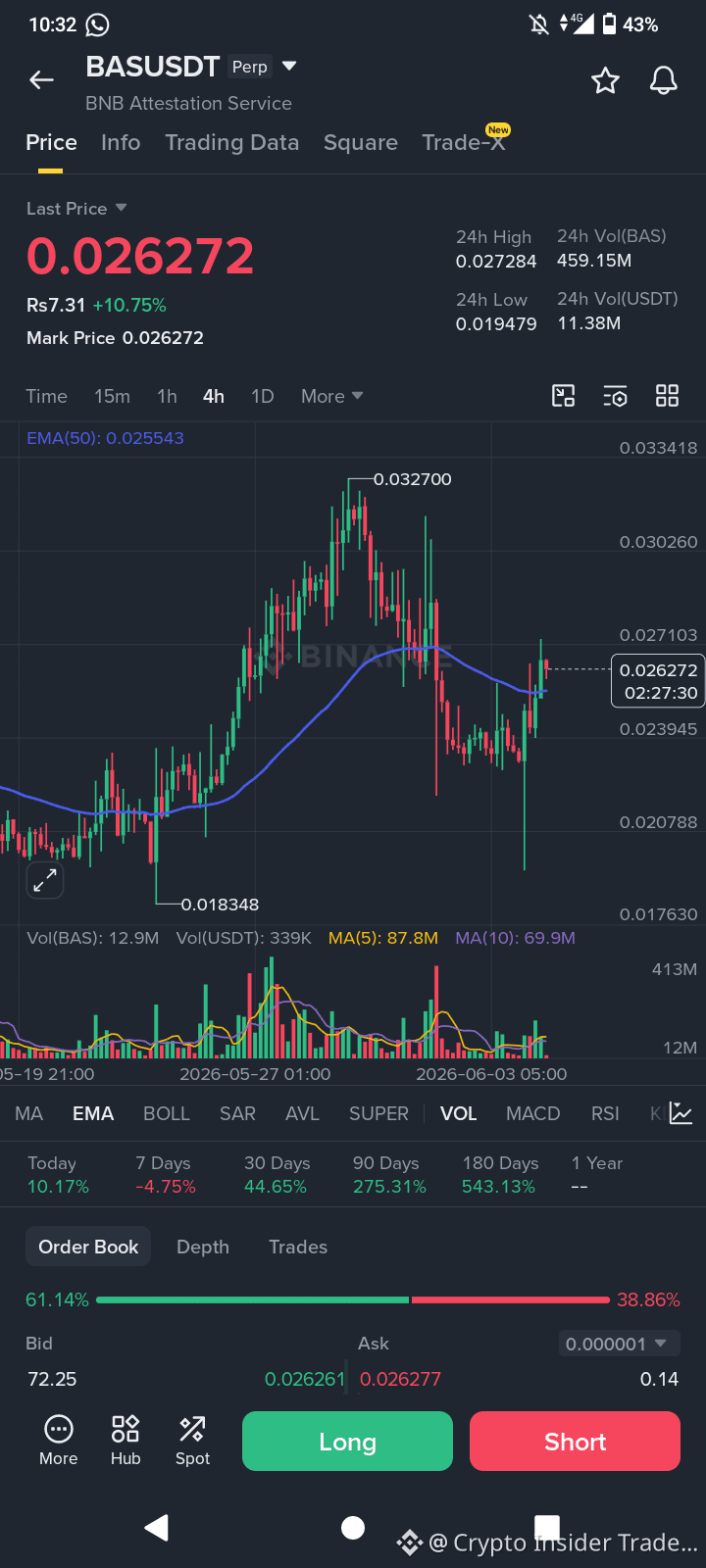
$BAS /USDT — سحب ما بعد القمة بحثًا عن الدعم
═══════════════════════════
◆ $BAS /USDT ارتفع بشكل حاد إلى 0.03270 قبل الدخول في مرحلة تصحيح واضحة.
✔︎ السعر الحالي: 0.02627
✔︎ EMA(50): 0.02554
✔︎ منطقة الدعم الحرجة تُختبر
◆ الهيكل الفني
➤ ارتفاع قوي تلاه قمم منخفضة
➤ حجم التداول يتناقص خلال التصحيح
➤ EMA(50) يعمل كنقطة قرار رئيسية
➤ محاولة ارتداد جارية حاليًا
◆ المستويات الرئيسية
① R1: 0.02730 ② R2: 0.03270
① S1: 0.02554 (EMA-50) ② S2: 0.01948 (سقف هيكلي)
◆ السيناريوهات
🟢 الحالة الصعودية
➜ دعم EMA ثابت
➜ عودة الحجم
➜ الأهداف 0.0295–0.0327
🔴 الحالة الهبوطية
➜ كسر EMA عند إغلاق الشمعة
➜ الاتجاه نحو الأسفل نحو 0.0195
⚪ الحالة المحايدة
➜ النطاق بين 0.0255–0.0280
◆ النظرة المستقبلية
✔︎ BAS يجلس عند نقطة تحول حرجة.
✔︎ دفاع EMA ضروري للثيران.
✔︎ تابع الحجم عن كثب للحصول على تأكيد.
ليس نصيحة مالية. قم ببحثك الخاص.
═══════════════════════════
#bas #IranStrikesKuwaitAirport #IranStrikesKuwaitAirport #SpaceXRetailInvestorsInstitutionalPrice #SpaceXFilesForNasdaqListing
{future}(BASUSDT)
$BAS /USDT — سحب ما بعد القمة بحثًا عن الدعم
═══════════════════════════
◆ $BAS /USDT ارتفع بشكل حاد إلى 0.03270 قبل الدخول في مرحلة تصحيح واضحة.
✔︎ السعر الحالي: 0.02627
✔︎ EMA(50): 0.02554
✔︎ منطقة الدعم الحرجة تُختبر
◆ الهيكل الفني
➤ ارتفاع قوي تلاه قمم منخفضة
➤ حجم التداول يتناقص خلال التصحيح
➤ EMA(50) يعمل كنقطة قرار رئيسية
➤ محاولة ارتداد جارية حاليًا
◆ المستويات الرئيسية
① R1: 0.02730 ② R2: 0.03270
① S1: 0.02554 (EMA-50) ② S2: 0.01948 (سقف هيكلي)
◆ السيناريوهات
🟢 الحالة الصعودية
➜ دعم EMA ثابت
➜ عودة الحجم
➜ الأهداف 0.0295–0.0327
🔴 الحالة الهبوطية
➜ كسر EMA عند إغلاق الشمعة
➜ الاتجاه نحو الأسفل نحو 0.0195
⚪ الحالة المحايدة
➜ النطاق بين 0.0255–0.0280
◆ النظرة المستقبلية
✔︎ BAS يجلس عند نقطة تحول حرجة.
✔︎ دفاع EMA ضروري للثيران.
✔︎ تابع الحجم عن كثب للحصول على تأكيد.
ليس نصيحة مالية. قم ببحثك الخاص.
═══════════════════════════
#bas #IranStrikesKuwaitAirport #IranStrikesKuwaitAirport #SpaceXRetailInvestorsInstitutionalPrice #SpaceXFilesForNasdaqListing
═══════════════════════════
◆ $BAS /USDT ارتفع بشكل حاد إلى 0.03270 قبل الدخول في مرحلة تصحيح واضحة.
✔︎ السعر الحالي: 0.02627
✔︎ EMA(50): 0.02554
✔︎ منطقة الدعم الحرجة تُختبر
◆ الهيكل الفني
➤ ارتفاع قوي تلاه قمم منخفضة
➤ حجم التداول يتناقص خلال التصحيح
➤ EMA(50) يعمل كنقطة قرار رئيسية
➤ محاولة ارتداد جارية حاليًا
◆ المستويات الرئيسية
① R1: 0.02730 ② R2: 0.03270
① S1: 0.02554 (EMA-50) ② S2: 0.01948 (سقف هيكلي)
◆ السيناريوهات
🟢 الحالة الصعودية
➜ دعم EMA ثابت
➜ عودة الحجم
➜ الأهداف 0.0295–0.0327
🔴 الحالة الهبوطية
➜ كسر EMA عند إغلاق الشمعة
➜ الاتجاه نحو الأسفل نحو 0.0195
⚪ الحالة المحايدة
➜ النطاق بين 0.0255–0.0280
◆ النظرة المستقبلية
✔︎ BAS يجلس عند نقطة تحول حرجة.
✔︎ دفاع EMA ضروري للثيران.
✔︎ تابع الحجم عن كثب للحصول على تأكيد.
ليس نصيحة مالية. قم ببحثك الخاص.
═══════════════════════════
#bas #IranStrikesKuwaitAirport #IranStrikesKuwaitAirport #SpaceXRetailInvestorsInstitutionalPrice #SpaceXFilesForNasdaqListing
41
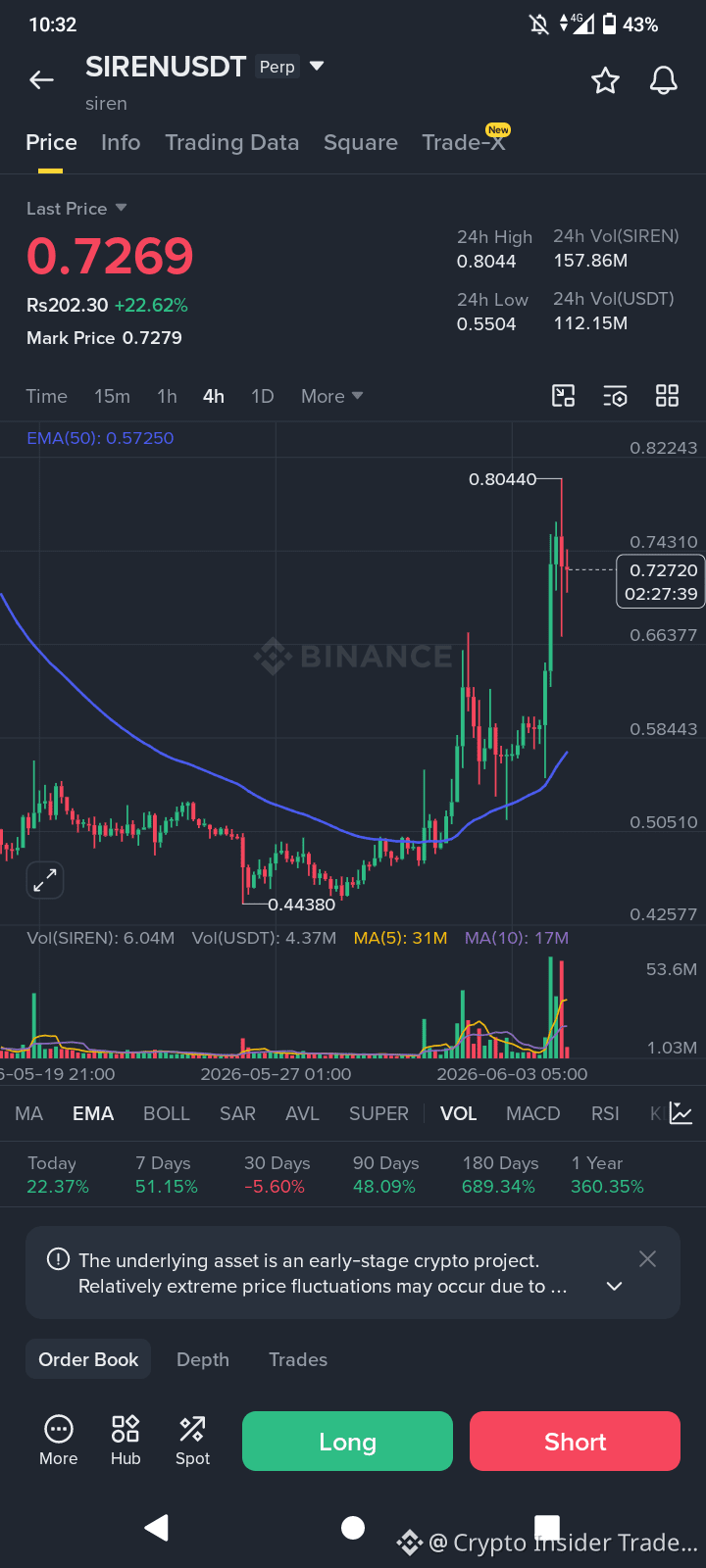
$SIREN /USDT — هل هي دفعة زخم أم قمة ممتدة؟
═══════════════════════════
◆ $SIREN هو أحد أقوى العروض اليوم، حيث ارتفع بنسبة +22.62%.
✔︎ السعر الحالي: 0.7269
✔︎ أعلى سعر خلال 24 ساعة: 0.8044
✔︎ EMA(50): 0.5725
✔︎ الاتجاه لا يزال صعوديًا
◆ الهيكل الفني
➤ ارتفاع قوي من 0.4438
➤ زيادة حجم التداول أكدت الانفصال
➤ رفض قصير المدى بالقرب من 0.80
➤ الهيكل لا يزال صعوديًا فوق 0.65
◆ المستويات الرئيسية
① R1: 0.8044
② R2: 0.8224
① S1: 0.6638
② S2: 0.5844 (منطقة EMA)
◆ السيناريوهات
🟢 الحالة الصعودية
➜ الاحتفاظ فوق 0.68
➜ إعادة اختبار 0.80
➜ أهداف الانفصال 0.85+
🔴 الحالة الهبوطية
➜ فقدان 0.65 عند الإغلاق
➜ سحب نحو 0.58
⚪ الحالة المحايدة
➜ توطيد بين 0.66–0.80
◆ التوقعات
✔︎ الاتجاه الصعودي لا يزال سليمًا.
✔︎ الرفض عند 0.80 هو إشارة حذر.
✔︎ يحتاج الثيران إلى إغلاق قوي فوق 0.74 للاستمرار.
ليس نصيحة مالية. قم ببحثك الخاص.
═══════════════════════════
#siren #sirean #USJoblessClaimsHit225K #IranStrikesKuwaitAirport #SpaceXRetailInvestorsInstitutionalPrice
{future}(SIRENUSDT)
$SIREN /USDT — هل هي دفعة زخم أم قمة ممتدة؟
═══════════════════════════
◆ $SIREN هو أحد أقوى العروض اليوم، حيث ارتفع بنسبة +22.62%.
✔︎ السعر الحالي: 0.7269
✔︎ أعلى سعر خلال 24 ساعة: 0.8044
✔︎ EMA(50): 0.5725
✔︎ الاتجاه لا يزال صعوديًا
◆ الهيكل الفني
➤ ارتفاع قوي من 0.4438
➤ زيادة حجم التداول أكدت الانفصال
➤ رفض قصير المدى بالقرب من 0.80
➤ الهيكل لا يزال صعوديًا فوق 0.65
◆ المستويات الرئيسية
① R1: 0.8044
② R2: 0.8224
① S1: 0.6638
② S2: 0.5844 (منطقة EMA)
◆ السيناريوهات
🟢 الحالة الصعودية
➜ الاحتفاظ فوق 0.68
➜ إعادة اختبار 0.80
➜ أهداف الانفصال 0.85+
🔴 الحالة الهبوطية
➜ فقدان 0.65 عند الإغلاق
➜ سحب نحو 0.58
⚪ الحالة المحايدة
➜ توطيد بين 0.66–0.80
◆ التوقعات
✔︎ الاتجاه الصعودي لا يزال سليمًا.
✔︎ الرفض عند 0.80 هو إشارة حذر.
✔︎ يحتاج الثيران إلى إغلاق قوي فوق 0.74 للاستمرار.
ليس نصيحة مالية. قم ببحثك الخاص.
═══════════════════════════
#siren #sirean #USJoblessClaimsHit225K #IranStrikesKuwaitAirport #SpaceXRetailInvestorsInstitutionalPrice
═══════════════════════════
◆ $SIREN هو أحد أقوى العروض اليوم، حيث ارتفع بنسبة +22.62%.
✔︎ السعر الحالي: 0.7269
✔︎ أعلى سعر خلال 24 ساعة: 0.8044
✔︎ EMA(50): 0.5725
✔︎ الاتجاه لا يزال صعوديًا
◆ الهيكل الفني
➤ ارتفاع قوي من 0.4438
➤ زيادة حجم التداول أكدت الانفصال
➤ رفض قصير المدى بالقرب من 0.80
➤ الهيكل لا يزال صعوديًا فوق 0.65
◆ المستويات الرئيسية
① R1: 0.8044
② R2: 0.8224
① S1: 0.6638
② S2: 0.5844 (منطقة EMA)
◆ السيناريوهات
🟢 الحالة الصعودية
➜ الاحتفاظ فوق 0.68
➜ إعادة اختبار 0.80
➜ أهداف الانفصال 0.85+
🔴 الحالة الهبوطية
➜ فقدان 0.65 عند الإغلاق
➜ سحب نحو 0.58
⚪ الحالة المحايدة
➜ توطيد بين 0.66–0.80
◆ التوقعات
✔︎ الاتجاه الصعودي لا يزال سليمًا.
✔︎ الرفض عند 0.80 هو إشارة حذر.
✔︎ يحتاج الثيران إلى إغلاق قوي فوق 0.74 للاستمرار.
ليس نصيحة مالية. قم ببحثك الخاص.
═══════════════════════════
#siren #sirean #USJoblessClaimsHit225K #IranStrikesKuwaitAirport #SpaceXRetailInvestorsInstitutionalPrice
33
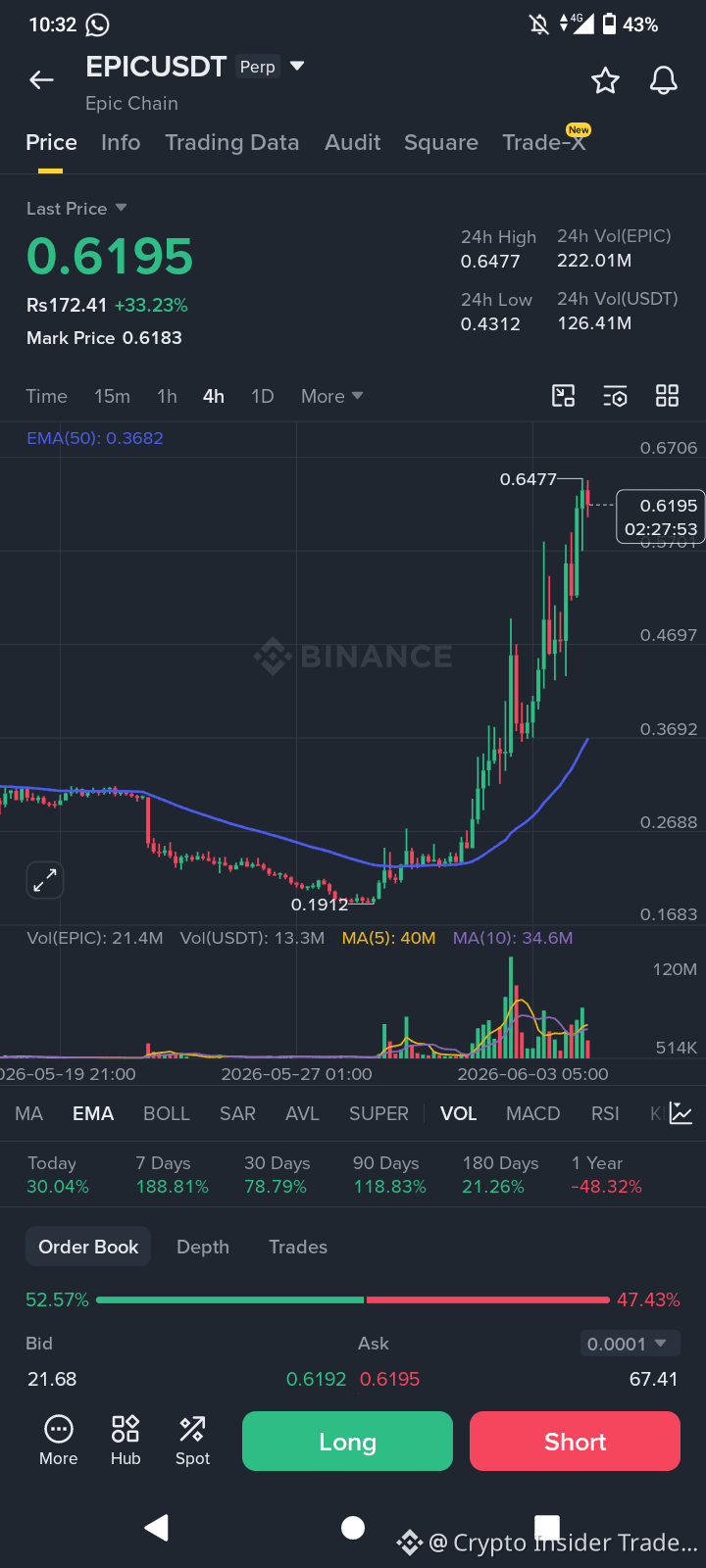
$EPIC /USDT — انطلاقة انفجارية، هل يمكن للدببة الحفاظ على الارتفاع؟
═══════════════════════════
◆ $EPIC انفجرت +30% في جلسة واحدة، من قاعدة قريبة من 0.19 وصولاً إلى أعلى مستوى خلال 24 ساعة عند 0.6477.
✔︎ السعر الحالي: 0.6195
✔︎ EMA(50): 0.3682
✔︎ زخم صعودي قوي مؤكد
✔︎ توسع ضخم في الحجم يدعم الانفجار
◆ الهيكل الفني
➤ مرحلة تجميع طويلة اكتملت
➤ حركة دفع عمودية تم تفعيلها
➤ السعر يتداول بعيداً جداً عن EMA(50)
➤ الزخم لا يزال قوياً، لكن خطر الإفراط في التمدد يزداد
◆ المستويات الرئيسية
① R1: 0.6477 (أعلى مستوى خلال 24 ساعة)
② R2: 0.6706 (سقف الرسم البياني)
① S1: 0.5700 (منطقة إعادة اختبار فورية) ② S2: 0.4697 (دعم منتصف الهيكل)
◆ السيناريوهات
🟢 الحالة الصعودية
➜ الحفاظ على مستوى فوق 0.58 عند الانسحابات
➜ الأهداف 0.67+
🔴 الحالة الهبوطية
➜ فقدان 0.55 مع حجم قوي
➜ تصحيح نحو 0.47
⚪ الحالة المحايدة
➜ دمج بين 0.55–0.65
◆ التوقعات
✔︎ EPIC في وضع اكتشاف الأسعار حالياً.
✔︎ دمج صحي حول 0.58–0.60 قد يخلق قاعدة استمرار جديدة.
✔︎ توقع تقلبات مرتفعة.
ليس نصيحة مالية. DYOR.
═══════════════════════════
#Epic #EpicBattle #USJoblessClaimsHit225K #IranStrikesKuwaitAirport #SpaceXInitiatesIPORoadshowWith555MShares
{future}(EPICUSDT)
$EPIC /USDT — انطلاقة انفجارية، هل يمكن للدببة الحفاظ على الارتفاع؟
═══════════════════════════
◆ $EPIC انفجرت +30% في جلسة واحدة، من قاعدة قريبة من 0.19 وصولاً إلى أعلى مستوى خلال 24 ساعة عند 0.6477.
✔︎ السعر الحالي: 0.6195
✔︎ EMA(50): 0.3682
✔︎ زخم صعودي قوي مؤكد
✔︎ توسع ضخم في الحجم يدعم الانفجار
◆ الهيكل الفني
➤ مرحلة تجميع طويلة اكتملت
➤ حركة دفع عمودية تم تفعيلها
➤ السعر يتداول بعيداً جداً عن EMA(50)
➤ الزخم لا يزال قوياً، لكن خطر الإفراط في التمدد يزداد
◆ المستويات الرئيسية
① R1: 0.6477 (أعلى مستوى خلال 24 ساعة)
② R2: 0.6706 (سقف الرسم البياني)
① S1: 0.5700 (منطقة إعادة اختبار فورية) ② S2: 0.4697 (دعم منتصف الهيكل)
◆ السيناريوهات
🟢 الحالة الصعودية
➜ الحفاظ على مستوى فوق 0.58 عند الانسحابات
➜ الأهداف 0.67+
🔴 الحالة الهبوطية
➜ فقدان 0.55 مع حجم قوي
➜ تصحيح نحو 0.47
⚪ الحالة المحايدة
➜ دمج بين 0.55–0.65
◆ التوقعات
✔︎ EPIC في وضع اكتشاف الأسعار حالياً.
✔︎ دمج صحي حول 0.58–0.60 قد يخلق قاعدة استمرار جديدة.
✔︎ توقع تقلبات مرتفعة.
ليس نصيحة مالية. DYOR.
═══════════════════════════
#Epic #EpicBattle #USJoblessClaimsHit225K #IranStrikesKuwaitAirport #SpaceXInitiatesIPORoadshowWith555MShares
═══════════════════════════
◆ $EPIC انفجرت +30% في جلسة واحدة، من قاعدة قريبة من 0.19 وصولاً إلى أعلى مستوى خلال 24 ساعة عند 0.6477.
✔︎ السعر الحالي: 0.6195
✔︎ EMA(50): 0.3682
✔︎ زخم صعودي قوي مؤكد
✔︎ توسع ضخم في الحجم يدعم الانفجار
◆ الهيكل الفني
➤ مرحلة تجميع طويلة اكتملت
➤ حركة دفع عمودية تم تفعيلها
➤ السعر يتداول بعيداً جداً عن EMA(50)
➤ الزخم لا يزال قوياً، لكن خطر الإفراط في التمدد يزداد
◆ المستويات الرئيسية
① R1: 0.6477 (أعلى مستوى خلال 24 ساعة)
② R2: 0.6706 (سقف الرسم البياني)
① S1: 0.5700 (منطقة إعادة اختبار فورية) ② S2: 0.4697 (دعم منتصف الهيكل)
◆ السيناريوهات
🟢 الحالة الصعودية
➜ الحفاظ على مستوى فوق 0.58 عند الانسحابات
➜ الأهداف 0.67+
🔴 الحالة الهبوطية
➜ فقدان 0.55 مع حجم قوي
➜ تصحيح نحو 0.47
⚪ الحالة المحايدة
➜ دمج بين 0.55–0.65
◆ التوقعات
✔︎ EPIC في وضع اكتشاف الأسعار حالياً.
✔︎ دمج صحي حول 0.58–0.60 قد يخلق قاعدة استمرار جديدة.
✔︎ توقع تقلبات مرتفعة.
ليس نصيحة مالية. DYOR.
═══════════════════════════
#Epic #EpicBattle #USJoblessClaimsHit225K #IranStrikesKuwaitAirport #SpaceXInitiatesIPORoadshowWith555MShares
76
سجّل الدخول لاستكشاف المزيد من المُحتوى
انضم إلى مُستخدمي العملات الرقمية حول العالم على Binance Square
⚡️ احصل على أحدث المعلومات المفيدة عن العملات الرقمية.
💬 موثوقة من قبل أكبر منصّة لتداول العملات الرقمية في العالم.
👍 اكتشف الرؤى الحقيقية من صنّاع المُحتوى الموثوقين.
البريد الإلكتروني / رقم الهاتف
المواضيع الرائجة
AnthropicCEOCallsForAISlowdown
81,950 مشاهدات
1,239 يقومون بالنقاش
#AnthropicCEOCallsForAISlowdown
🚨 أكبر المتنافسين في الذكاء الاصطناعي اتفقوا أخيرًا… على الضغط على الفرامل! 🤖
داريو أمودي، رئيس Anthropic، حذّر من أن قدرات الذكاء الاصطناعي تتطور أسرع من قدرتنا على مراقبتها والسيطرة عليها، ودعا الشركات إلى إبطاء سباق النماذج المتقدمة حتى تلحق بها إجراءات الأمان.
المفاجأة؟ سام ألتمان وإيلون ماسك أيدا الدعوة!
المقترح لا يعني إيقاف الذكاء الاصطناعي، بل يتضمن:
🔹 مقيّمين مستقلين داخل الشركات
🔹 معايير أمان مشتركة
🔹 تعاونًا دوليًا للحد من الاستخدامات الخطيرة
القصة لم تعد: من سيبني أقوى نموذج أولًا؟
بل: من سيبني ذكاءً أقوى… من دون أن يفقد السيطرة عليه؟
برأيكم: هل يجب إبطاء سباق الذكاء الاصطناعي، أم أن التباطؤ سيمنح المنافسين أفضلية خطيرة؟ 👀👇
#الذكاء_الاصطناعي_التوليدي #AI #Anthropic
Ward Nasser
·4 إعجاب
·203 مشاهدات
BitcoinThirdSingleBlockReorgInFourWeeks
10,645 مشاهدات
366 يقومون بالنقاش
EthereumFallsBelow$2500
702 مشاهدات
46 يقومون بالنقاش