

BELLA BIT
16.8k منشورات

BELLA BIT
 تحقُّق Binance Square الإضافي
إبلاغ
حظر المُستخدم
Posts are personal opinions
فتح تداول
مُتداول مُتكرر
2 سنوات
1.8K+ تتابع
31.3K+ المتابعون
41.6K+ إعجاب
منشورات
الحافظة الاستثمارية
الكل
اقتباسات
Live
·
--
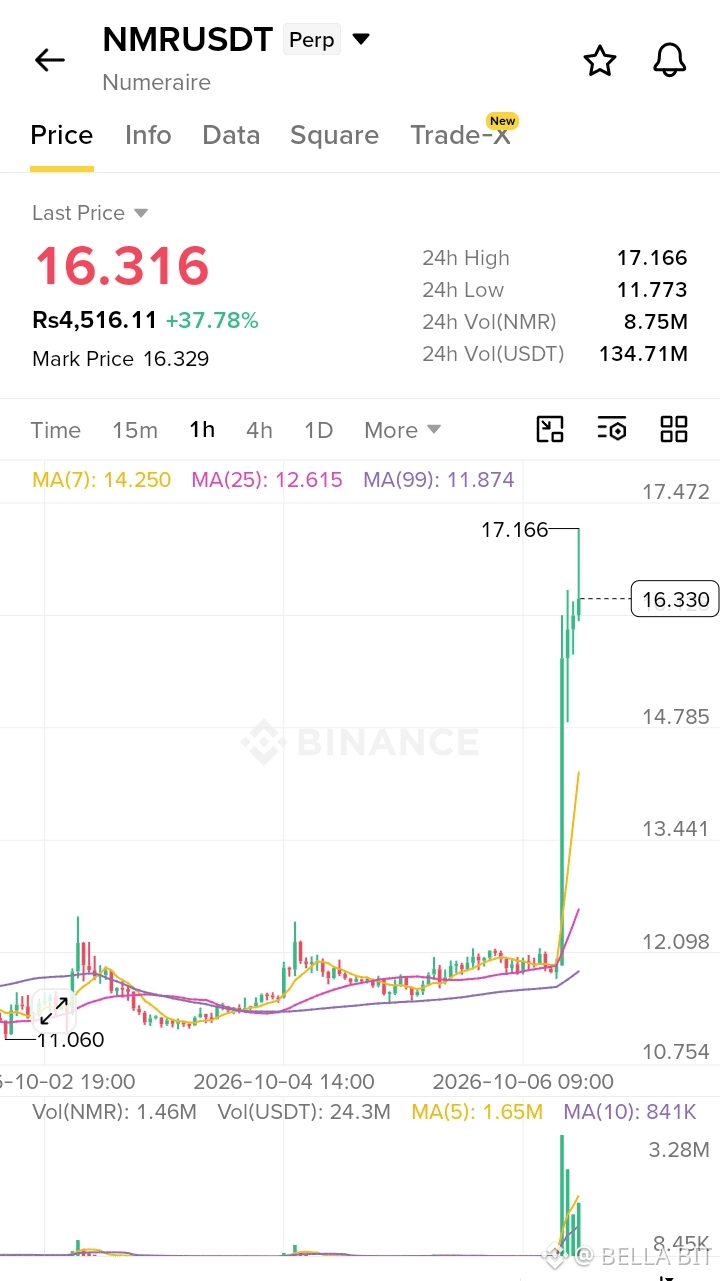
🚀 $NMR — توقّعته مبكرًا، والآن فوق 16 دولارًا!
في بداية الشهر، أشرتُ إلى أن مستوى الدعم عند 9 دولارات هو المستوى الأساسي الذي يحافظ على بقاء الهيكل الصعودي سليمًا. كان سعر NMR حينها نحو 10.75 دولارات، وقد ارتفع الآن متجاوزًا 16 دولارًا، محققًا مكاسب تقارب 50%.
ما يزال الاختراق قويًا، والزخم مستمرًا. ما دام الهيكل صامدًا، فسأحافظ على نظرتي الصعودية.
📈 قد تكون هناك مستويات أعلى في الأفق.
تداول $NMR بانضباط. هذه ليست نصيحة مالية.
{future}(NMRUSDT)
#nmrusdt
#NMR
#BinanceLaunchesBinanceIntelligence
#EvernorthXRPTreasuryCompletesSPACMerger
#ETHUp70%InQ3ButLiquidityFalls
🚀 $NMR — توقّعته مبكرًا، والآن فوق 16 دولارًا!
في بداية الشهر، أشرتُ إلى أن مستوى الدعم عند 9 دولارات هو المستوى الأساسي الذي يحافظ على بقاء الهيكل الصعودي سليمًا. كان سعر NMR حينها نحو 10.75 دولارات، وقد ارتفع الآن متجاوزًا 16 دولارًا، محققًا مكاسب تقارب 50%.
ما يزال الاختراق قويًا، والزخم مستمرًا. ما دام الهيكل صامدًا، فسأحافظ على نظرتي الصعودية.
📈 قد تكون هناك مستويات أعلى في الأفق.
تداول $NMR بانضباط. هذه ليست نصيحة مالية.
#nmrusdt
#NMR
#BinanceLaunchesBinanceIntelligence
#EvernorthXRPTreasuryCompletesSPACMerger
#ETHUp70%InQ3ButLiquidityFalls
في بداية الشهر، أشرتُ إلى أن مستوى الدعم عند 9 دولارات هو المستوى الأساسي الذي يحافظ على بقاء الهيكل الصعودي سليمًا. كان سعر NMR حينها نحو 10.75 دولارات، وقد ارتفع الآن متجاوزًا 16 دولارًا، محققًا مكاسب تقارب 50%.
ما يزال الاختراق قويًا، والزخم مستمرًا. ما دام الهيكل صامدًا، فسأحافظ على نظرتي الصعودية.
📈 قد تكون هناك مستويات أعلى في الأفق.
تداول $NMR بانضباط. هذه ليست نصيحة مالية.
#nmrusdt
#NMR
#BinanceLaunchesBinanceIntelligence
#EvernorthXRPTreasuryCompletesSPACMerger
#ETHUp70%InQ3ButLiquidityFalls
78
·
--
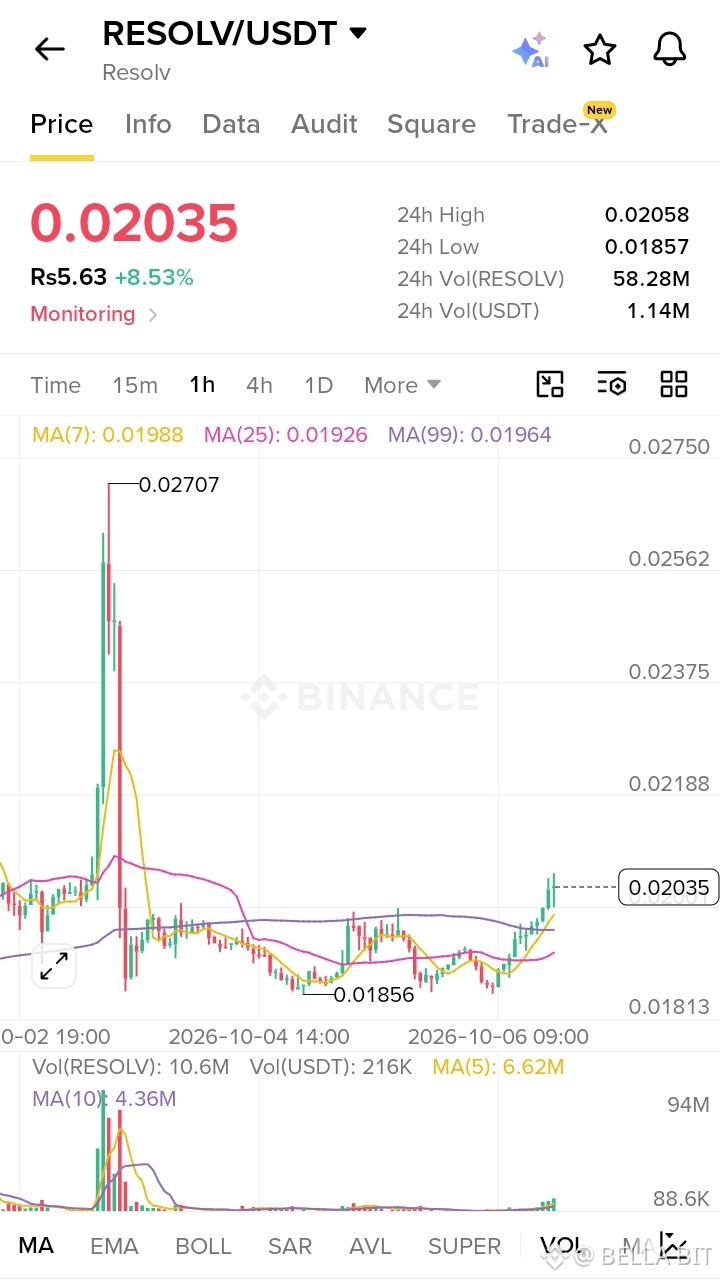
🚀 $RESOLV — إعداد شراء بعد الاختراق
تمكن $RESOLV من الاختراق بنجاح فوق مستوى $0.02000 بزخم قوي، مما يشير إلى احتمال مواصلة الصعود. يمكن للمتداولين مراقبة المنطقة الحالية بحثًا عن فرصة شراء.
📍 الدخول: $0.02000 – $0.02042
🎯 الأهداف: $0.02070 / $0.02100 / $0.02150
🛑 وقف الخسارة: $0.01955
تداول مع إدارة سليمة للمخاطر وتجنب الإفراط في التعرض.
{spot}(RESOLVUSDT)
#Resolv
#resolvusdt
#BinanceLaunchesBinanceIntelligence
#EvernorthXRPTreasuryCompletesSPACMerger
#ETHUp70%InQ3ButLiquidityFalls
🚀 $RESOLV — إعداد شراء بعد الاختراق
تمكن $RESOLV من الاختراق بنجاح فوق مستوى $0.02000 بزخم قوي، مما يشير إلى احتمال مواصلة الصعود. يمكن للمتداولين مراقبة المنطقة الحالية بحثًا عن فرصة شراء.
📍 الدخول: $0.02000 – $0.02042
🎯 الأهداف: $0.02070 / $0.02100 / $0.02150
🛑 وقف الخسارة: $0.01955
تداول مع إدارة سليمة للمخاطر وتجنب الإفراط في التعرض.
#Resolv
#resolvusdt
#BinanceLaunchesBinanceIntelligence
#EvernorthXRPTreasuryCompletesSPACMerger
#ETHUp70%InQ3ButLiquidityFalls
تمكن $RESOLV من الاختراق بنجاح فوق مستوى $0.02000 بزخم قوي، مما يشير إلى احتمال مواصلة الصعود. يمكن للمتداولين مراقبة المنطقة الحالية بحثًا عن فرصة شراء.
📍 الدخول: $0.02000 – $0.02042
🎯 الأهداف: $0.02070 / $0.02100 / $0.02150
🛑 وقف الخسارة: $0.01955
تداول مع إدارة سليمة للمخاطر وتجنب الإفراط في التعرض.
#Resolv
#resolvusdt
#BinanceLaunchesBinanceIntelligence
#EvernorthXRPTreasuryCompletesSPACMerger
#ETHUp70%InQ3ButLiquidityFalls
367
·
--
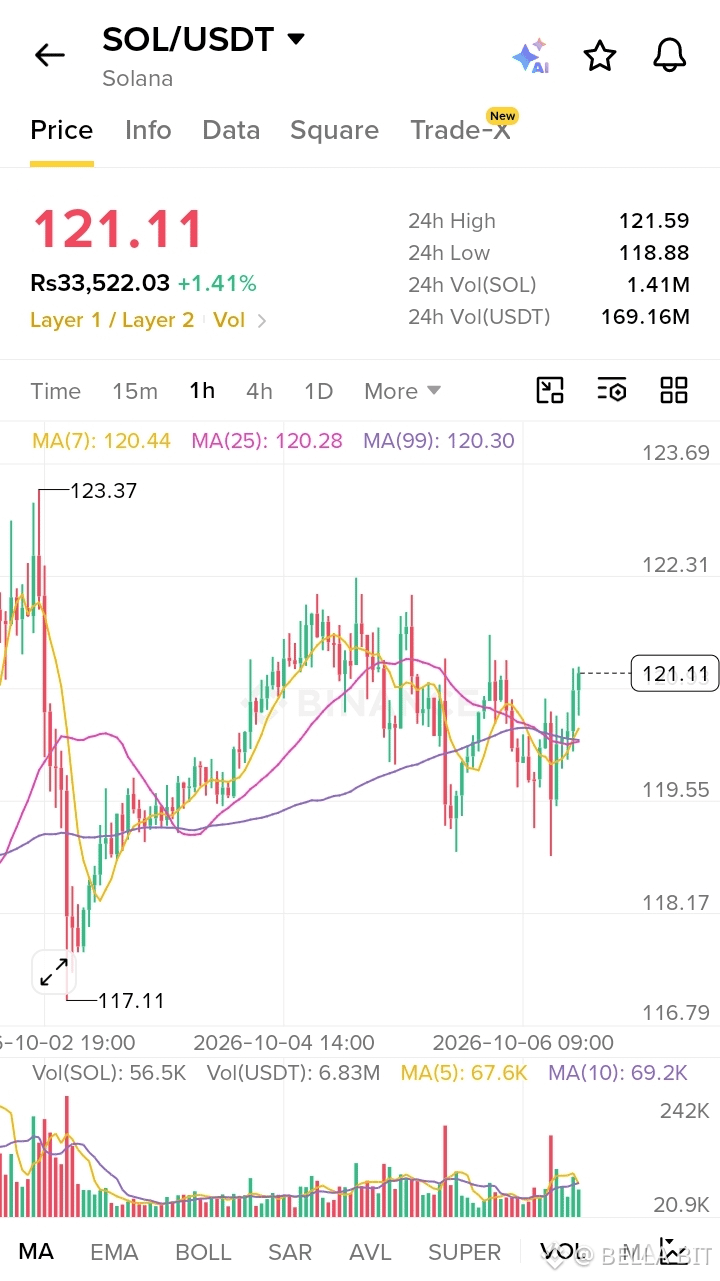
🚀 $SOL — فرصة شراء طويلة ثانية
يتمسك $SOL بثبات فوق مستوى الدعم الرئيسي عند $120.80، وتظهر عليه مؤشرات عودة الزخم الصاعد. يمكن التفكير في فتح صفقة شراء طويلة ثانية من منطقة الدخول الحالية.
📍 الدخول: $121.02 – $121.15
🎯 الأهداف: $121.40 / $121.70 / $121.99
🛑 وقف الخسارة: $120.50
التزم بالانضباط وأدر المخاطر بعناية.
{spot}(SOLUSDT)
#sol
#solana
#SOLUSDT
🚀 $SOL — فرصة شراء طويلة ثانية
يتمسك $SOL بثبات فوق مستوى الدعم الرئيسي عند $120.80، وتظهر عليه مؤشرات عودة الزخم الصاعد. يمكن التفكير في فتح صفقة شراء طويلة ثانية من منطقة الدخول الحالية.
📍 الدخول: $121.02 – $121.15
🎯 الأهداف: $121.40 / $121.70 / $121.99
🛑 وقف الخسارة: $120.50
التزم بالانضباط وأدر المخاطر بعناية.
#sol
#solana
#SOLUSDT
يتمسك $SOL بثبات فوق مستوى الدعم الرئيسي عند $120.80، وتظهر عليه مؤشرات عودة الزخم الصاعد. يمكن التفكير في فتح صفقة شراء طويلة ثانية من منطقة الدخول الحالية.
📍 الدخول: $121.02 – $121.15
🎯 الأهداف: $121.40 / $121.70 / $121.99
🛑 وقف الخسارة: $120.50
التزم بالانضباط وأدر المخاطر بعناية.
#sol
#solana
#SOLUSDT
194
·
--
هابط
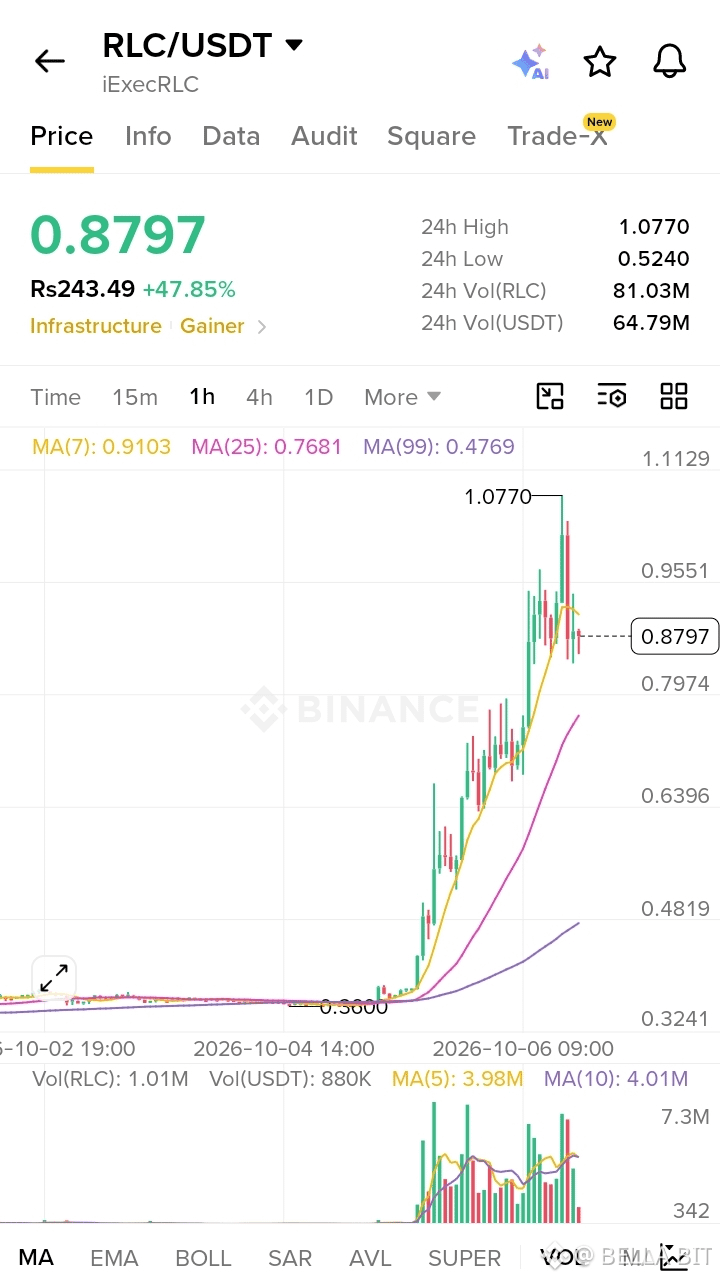
📉 $RLC إعداد صفقة البيع على المكشوف نشط
يقترب RLC من منطقة الدخول في صفقة بيع على المكشوف، وقد يستهدف البائعون حركة هبوطية أخرى. يمكن للمتداولين مراقبة المستويات التالية عن كثب:
الدخول: $0.8670 – $0.8772
الأهداف: $0.8000 / $0.7000 / $0.6000
وقف الخسارة: $1.0159
تداولوا مع إدارة مناسبة للمخاطر وتجنبوا التعرض المفرط.
{spot}(RLCUSDT)
#rlcusdt
#RLC
#RLC/USDT
📉 $RLC إعداد صفقة البيع على المكشوف نشط
يقترب RLC من منطقة الدخول في صفقة بيع على المكشوف، وقد يستهدف البائعون حركة هبوطية أخرى. يمكن للمتداولين مراقبة المستويات التالية عن كثب:
الدخول: $0.8670 – $0.8772
الأهداف: $0.8000 / $0.7000 / $0.6000
وقف الخسارة: $1.0159
تداولوا مع إدارة مناسبة للمخاطر وتجنبوا التعرض المفرط.
#rlcusdt
#RLC
#RLC/USDT
يقترب RLC من منطقة الدخول في صفقة بيع على المكشوف، وقد يستهدف البائعون حركة هبوطية أخرى. يمكن للمتداولين مراقبة المستويات التالية عن كثب:
الدخول: $0.8670 – $0.8772
الأهداف: $0.8000 / $0.7000 / $0.6000
وقف الخسارة: $1.0159
تداولوا مع إدارة مناسبة للمخاطر وتجنبوا التعرض المفرط.
#rlcusdt
#RLC
#RLC/USDT
309
·
--
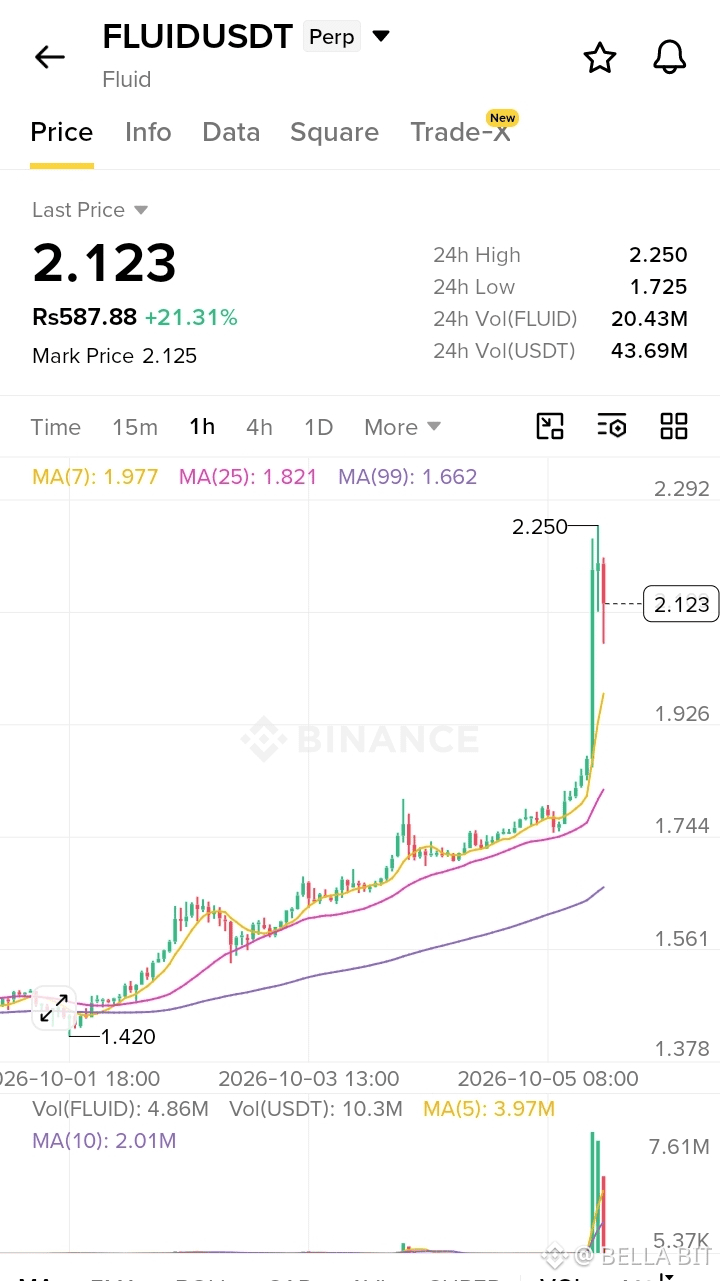
🚀 $FLUID اختراق قوي — لكن السعر ارتفع كثيرًا!
قفز $FLUID من نطاق 1.70–1.80 دولار، واندفع نحو قمة محلية جديدة قرب 2.23 دولار. لا يزال الزخم صعوديًا بقوة، لكن ملاحقة السعر بعد هذه الحركة العمودية تنطوي على مخاطر أكبر.
📍 السعر الحالي: نحو 2.21 دولار
🔴 المقاومة: 2.23–2.26 دولار
🟢 الدعم: 2.10–2.12 دولار
🎯 منطقة إعادة الاختبار: 1.95–2.00 دولار
🚀 الأهداف: 2.25 ← 2.35–2.40 دولار
قد يمهّد الاختراق الواضح فوق 2.23 دولار لمزيد من الصعود. وإذا هدأ الزخم، فقد يكون التراجع نحو 2.10 دولار أو حتى 2.00 دولار إعادة اختبار صحية قبل موجة صعود أخرى.
{future}(FLUIDUSDT)
#FLUIDUSDT
#fluid
#ETHUp70%InQ3ButLiquidityFalls
#EthStakingExitQueueHits2026High
🚀 $FLUID اختراق قوي — لكن السعر ارتفع كثيرًا!
قفز $FLUID من نطاق 1.70–1.80 دولار، واندفع نحو قمة محلية جديدة قرب 2.23 دولار. لا يزال الزخم صعوديًا بقوة، لكن ملاحقة السعر بعد هذه الحركة العمودية تنطوي على مخاطر أكبر.
📍 السعر الحالي: نحو 2.21 دولار
🔴 المقاومة: 2.23–2.26 دولار
🟢 الدعم: 2.10–2.12 دولار
🎯 منطقة إعادة الاختبار: 1.95–2.00 دولار
🚀 الأهداف: 2.25 ← 2.35–2.40 دولار
قد يمهّد الاختراق الواضح فوق 2.23 دولار لمزيد من الصعود. وإذا هدأ الزخم، فقد يكون التراجع نحو 2.10 دولار أو حتى 2.00 دولار إعادة اختبار صحية قبل موجة صعود أخرى.
#FLUIDUSDT
#fluid
#ETHUp70%InQ3ButLiquidityFalls
#EthStakingExitQueueHits2026High
قفز $FLUID من نطاق 1.70–1.80 دولار، واندفع نحو قمة محلية جديدة قرب 2.23 دولار. لا يزال الزخم صعوديًا بقوة، لكن ملاحقة السعر بعد هذه الحركة العمودية تنطوي على مخاطر أكبر.
📍 السعر الحالي: نحو 2.21 دولار
🔴 المقاومة: 2.23–2.26 دولار
🟢 الدعم: 2.10–2.12 دولار
🎯 منطقة إعادة الاختبار: 1.95–2.00 دولار
🚀 الأهداف: 2.25 ← 2.35–2.40 دولار
قد يمهّد الاختراق الواضح فوق 2.23 دولار لمزيد من الصعود. وإذا هدأ الزخم، فقد يكون التراجع نحو 2.10 دولار أو حتى 2.00 دولار إعادة اختبار صحية قبل موجة صعود أخرى.
#FLUIDUSDT
#fluid
#ETHUp70%InQ3ButLiquidityFalls
#EthStakingExitQueueHits2026High
220
·
--
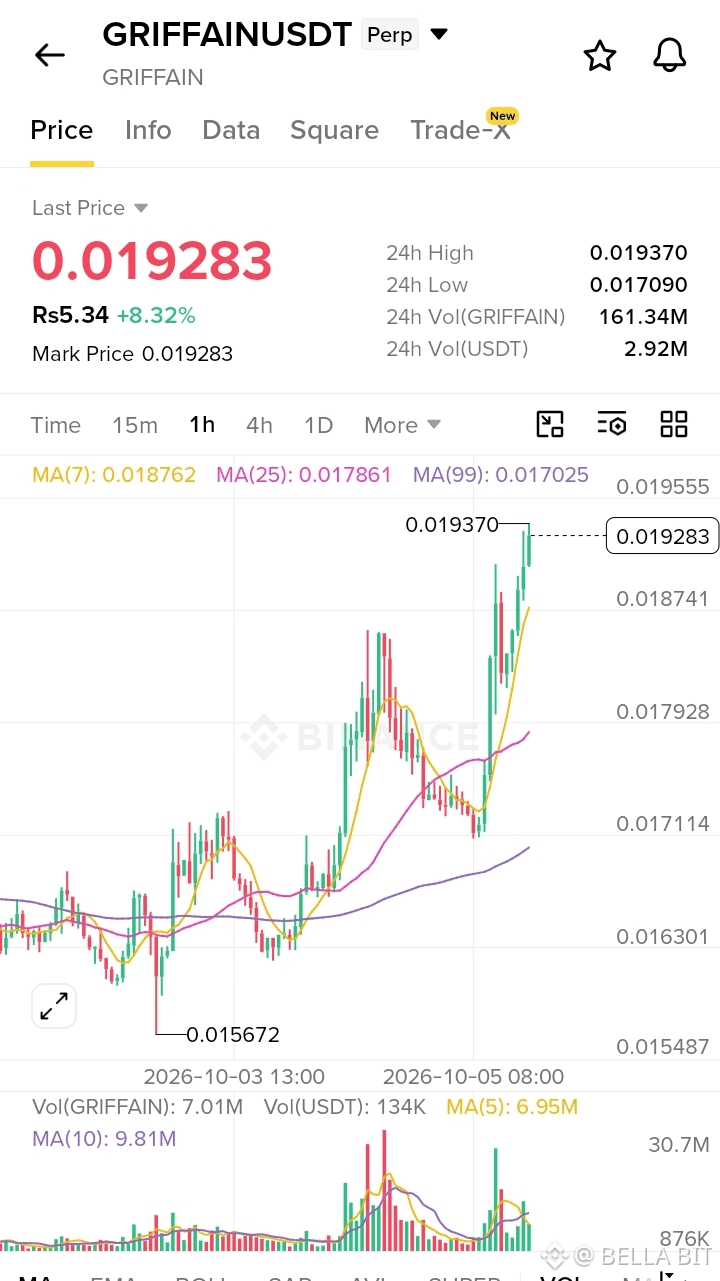
🚀 $GRIFFAIN يُظهر زخماً صعودياً قوياً ويقترب من منطقة اختراق رئيسية!
📍 الدخول: $0.0188 – $0.0192
🎯 الهدف 1: $0.0195 | الهدف 2: $0.0200 | الهدف 3: $0.0206
🛑 وقف الخسارة: $0.0182
ترقّب تأكيد الاختراق وأدر المخاطر بحذر.
#GRIFFAIN🔥🔥🔥
#GRIFFANUSDT
#ETHUp70%InQ3ButLiquidityFalls
#EthStakingExitQueueHits2026High
#FedOctoberHoldOdds82.3%
{future}(GRIFFAINUSDT)
🚀 $GRIFFAIN يُظهر زخماً صعودياً قوياً ويقترب من منطقة اختراق رئيسية!
📍 الدخول: $0.0188 – $0.0192
🎯 الهدف 1: $0.0195 | الهدف 2: $0.0200 | الهدف 3: $0.0206
🛑 وقف الخسارة: $0.0182
ترقّب تأكيد الاختراق وأدر المخاطر بحذر.
#GRIFFAIN🔥🔥🔥
#GRIFFANUSDT
#ETHUp70%InQ3ButLiquidityFalls
#EthStakingExitQueueHits2026High
#FedOctoberHoldOdds82.3%
📍 الدخول: $0.0188 – $0.0192
🎯 الهدف 1: $0.0195 | الهدف 2: $0.0200 | الهدف 3: $0.0206
🛑 وقف الخسارة: $0.0182
ترقّب تأكيد الاختراق وأدر المخاطر بحذر.
#GRIFFAIN🔥🔥🔥
#GRIFFANUSDT
#ETHUp70%InQ3ButLiquidityFalls
#EthStakingExitQueueHits2026High
#FedOctoberHoldOdds82.3%
441
·
--
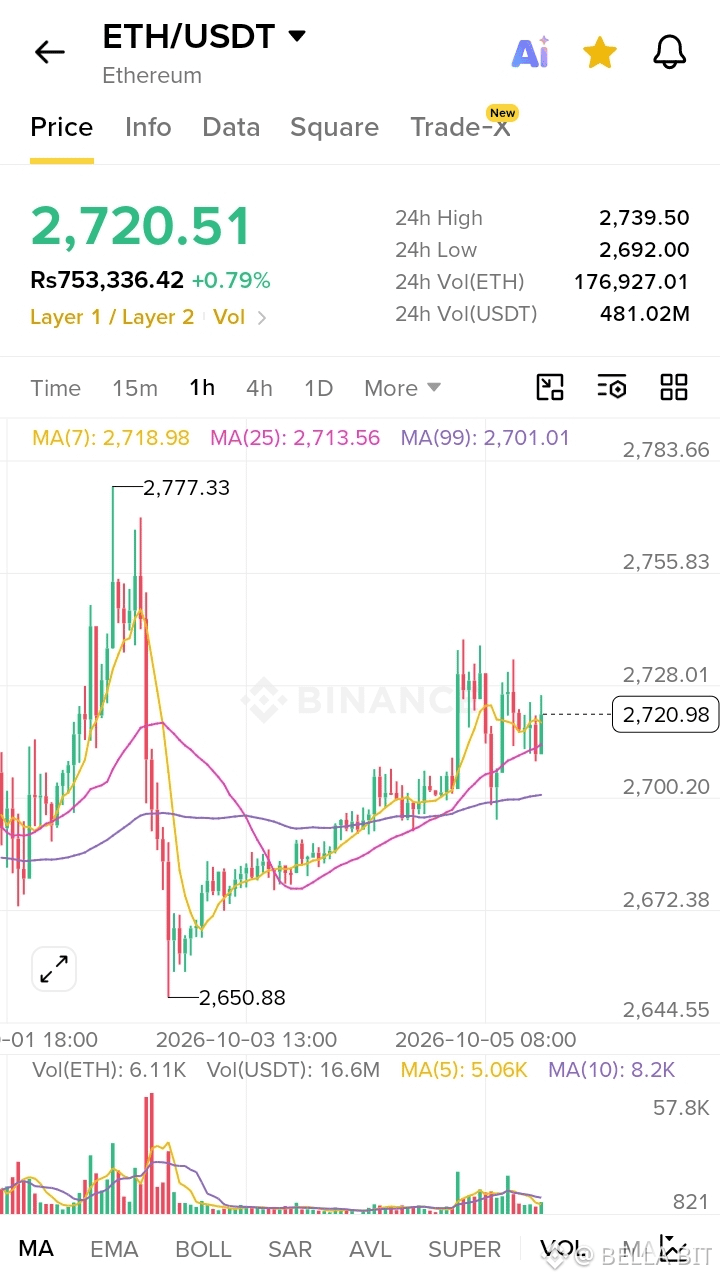
🚨 يا شباب، $ETH إعداد LONG الكبير أصبح مباشرًا! 🚨
📍 الدخول: $2,718 – $2,723
🎯 TP1: $2,740 | TP2: $2,755 | TP3: $2,768
🛑 SL: $2,693
تداول مع إدارة سليمة للمخاطر وتجنب الإفراط في الرافعة المالية. $ETH
{spot}(ETHUSDT)
#ETH
#Ethereum
#ETHUp70%InQ3ButLiquidityFalls
#EthStakingExitQueueHits2026High
#FedOctoberHoldOdds82.3%
🚨 يا شباب، $ETH إعداد LONG الكبير أصبح مباشرًا! 🚨
📍 الدخول: $2,718 – $2,723
🎯 TP1: $2,740 | TP2: $2,755 | TP3: $2,768
🛑 SL: $2,693
تداول مع إدارة سليمة للمخاطر وتجنب الإفراط في الرافعة المالية. $ETH
#ETH
#Ethereum
#ETHUp70%InQ3ButLiquidityFalls
#EthStakingExitQueueHits2026High
#FedOctoberHoldOdds82.3%
📍 الدخول: $2,718 – $2,723
🎯 TP1: $2,740 | TP2: $2,755 | TP3: $2,768
🛑 SL: $2,693
تداول مع إدارة سليمة للمخاطر وتجنب الإفراط في الرافعة المالية. $ETH
#ETH
#Ethereum
#ETHUp70%InQ3ButLiquidityFalls
#EthStakingExitQueueHits2026High
#FedOctoberHoldOdds82.3%
165
·
--
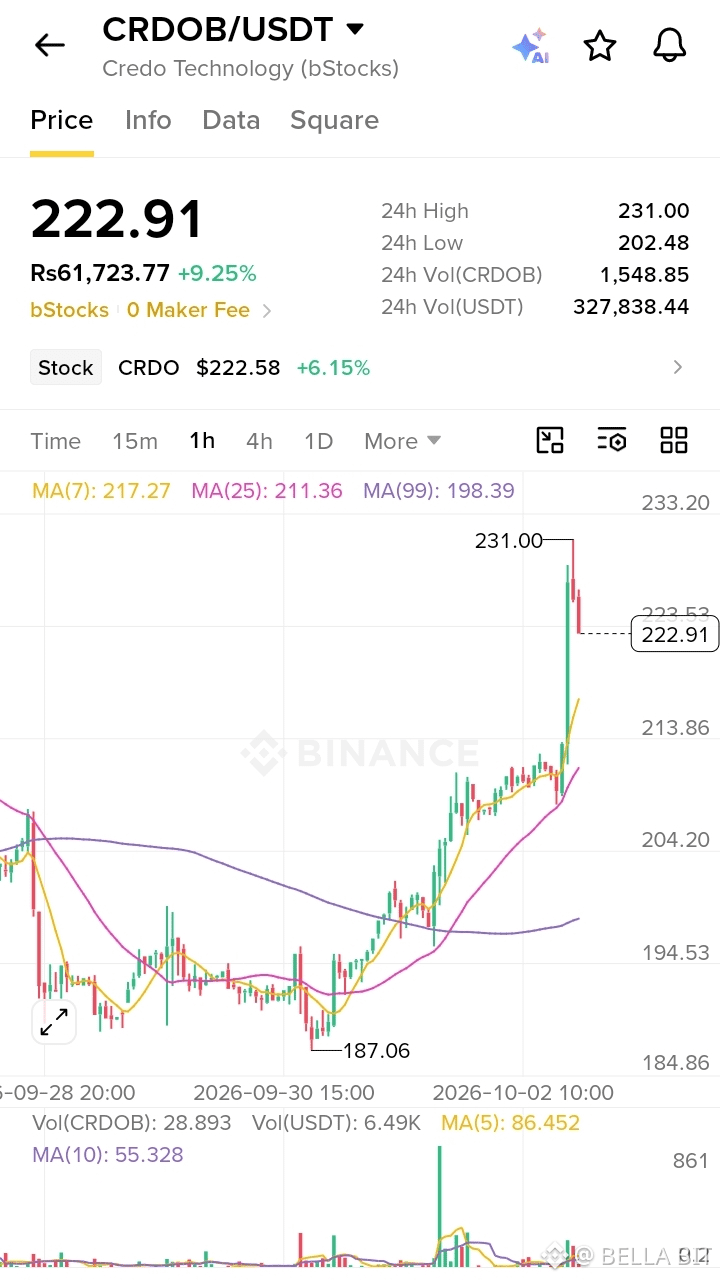
⚠️$CRDOB رفض بعد حركة صعودية حادة
$CRDOB يواجه رفضًا بعد الاندفاع الأخير للأعلى، مع بدء ظهور ضغوط هبوط.
🔻 دخول قصير: $223.90–$225.00
🎯 TP1: $220.00 | TP2: $217.00 | TP3: $214.26
🛑 SL: $231.19
راقب منطقة المقاومة عن كثب وادِر المخاطر بعناية
{spot}(CRDOBUSDT)
#CRDOUSDT
#NFPWatch #BitcoinFundingRateTriplesTo10%
#USSeptemberPayrollsAdd29KUnemploymentRises4.2%
⚠️$CRDOB رفض بعد حركة صعودية حادة
$CRDOB يواجه رفضًا بعد الاندفاع الأخير للأعلى، مع بدء ظهور ضغوط هبوط.
🔻 دخول قصير: $223.90–$225.00
🎯 TP1: $220.00 | TP2: $217.00 | TP3: $214.26
🛑 SL: $231.19
راقب منطقة المقاومة عن كثب وادِر المخاطر بعناية
#CRDOUSDT
#NFPWatch #BitcoinFundingRateTriplesTo10%
#USSeptemberPayrollsAdd29KUnemploymentRises4.2%
$CRDOB يواجه رفضًا بعد الاندفاع الأخير للأعلى، مع بدء ظهور ضغوط هبوط.
🔻 دخول قصير: $223.90–$225.00
🎯 TP1: $220.00 | TP2: $217.00 | TP3: $214.26
🛑 SL: $231.19
راقب منطقة المقاومة عن كثب وادِر المخاطر بعناية
#CRDOUSDT
#NFPWatch #BitcoinFundingRateTriplesTo10%
#USSeptemberPayrollsAdd29KUnemploymentRises4.2%
1
130
·
--
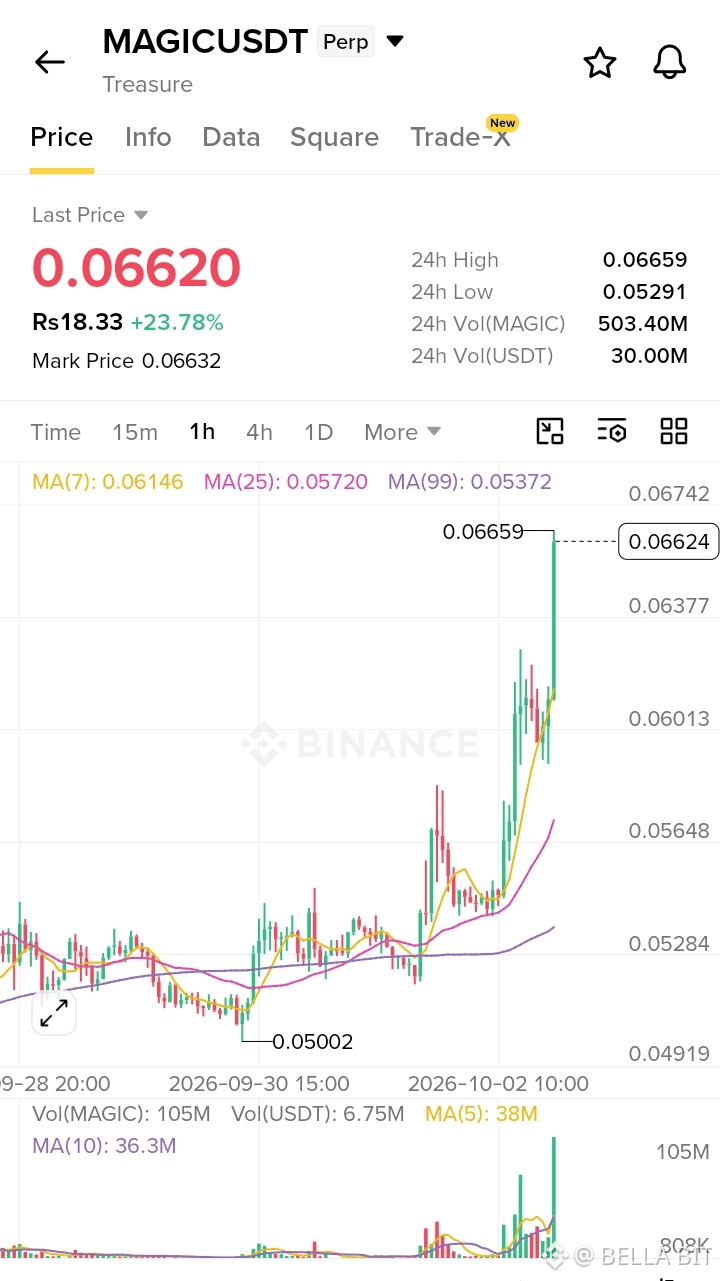
🚀 $MAGIC تم تأكيد الاختراق… الزخم الصاعد ما يزال قائمًا
$MAGIC اندفع من حوالي $0.0500 إلى $0.0648، مرتفعًا +23.72% خلال 24 ساعة بينما يستمر المشترون في السيطرة.
📈 أعلى مستوى حديث: $0.06482
💰 السعر الحالي: ~$0.0644
إذا ظل السعر فوق منطقة الاختراق، فقد يفتح ذلك الباب لحركة أعلى فوق $0.065 لبدء موجة جديدة.
{future}(MAGICUSDT)
#magicusdt
#MAGIC
#NFPWatch
#XRPPostsFirstThreeGreenMonthsInQ3
#MAGIC/USDT
🚀 $MAGIC تم تأكيد الاختراق… الزخم الصاعد ما يزال قائمًا
$MAGIC اندفع من حوالي $0.0500 إلى $0.0648، مرتفعًا +23.72% خلال 24 ساعة بينما يستمر المشترون في السيطرة.
📈 أعلى مستوى حديث: $0.06482
💰 السعر الحالي: ~$0.0644
إذا ظل السعر فوق منطقة الاختراق، فقد يفتح ذلك الباب لحركة أعلى فوق $0.065 لبدء موجة جديدة.
#magicusdt
#MAGIC
#NFPWatch
#XRPPostsFirstThreeGreenMonthsInQ3
#MAGIC/USDT
$MAGIC اندفع من حوالي $0.0500 إلى $0.0648، مرتفعًا +23.72% خلال 24 ساعة بينما يستمر المشترون في السيطرة.
📈 أعلى مستوى حديث: $0.06482
💰 السعر الحالي: ~$0.0644
إذا ظل السعر فوق منطقة الاختراق، فقد يفتح ذلك الباب لحركة أعلى فوق $0.065 لبدء موجة جديدة.
#magicusdt
#MAGIC
#NFPWatch
#XRPPostsFirstThreeGreenMonthsInQ3
#MAGIC/USDT
1
303
·
--
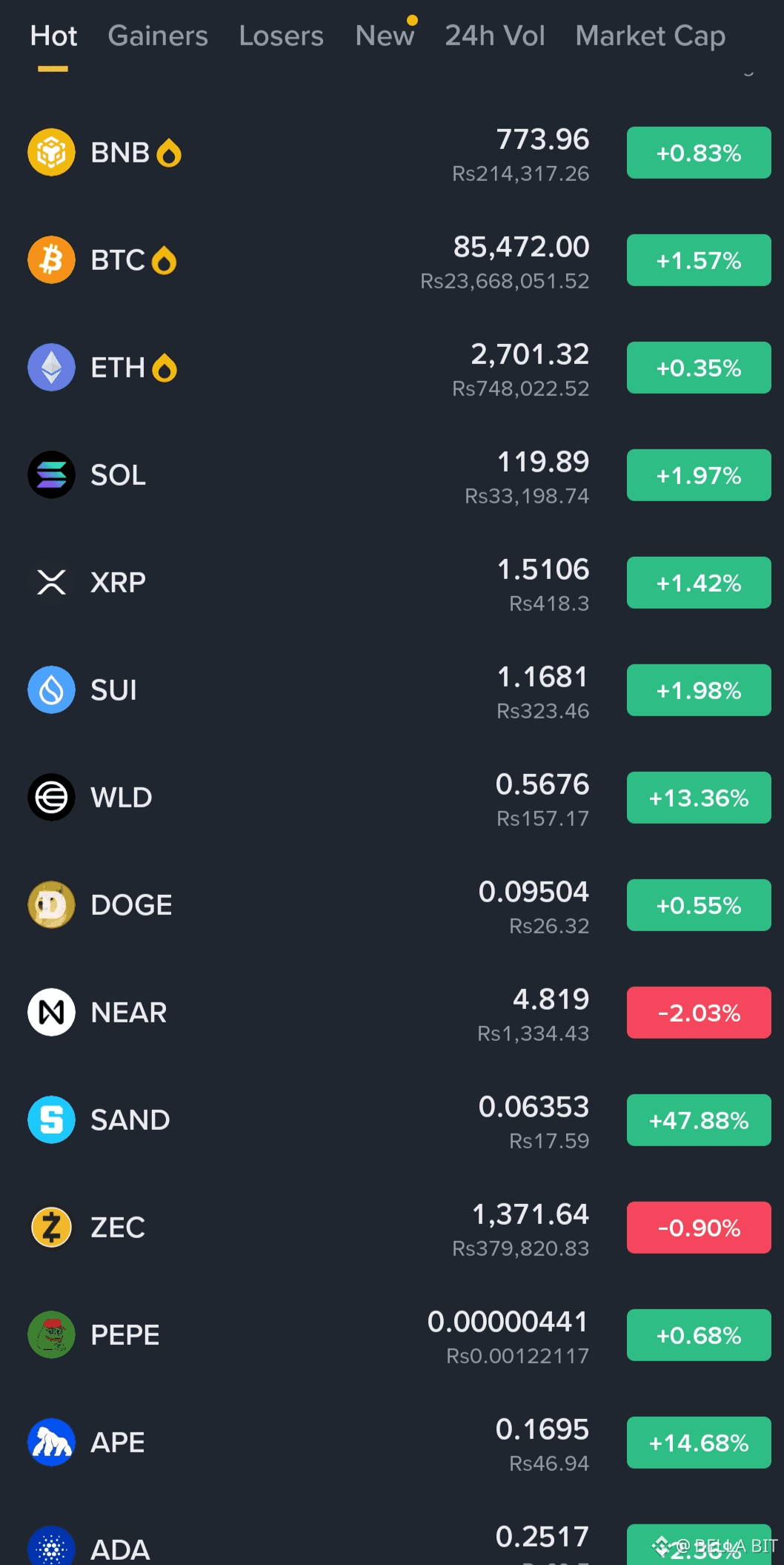
🔥 العملات الحارة مرفوضة مرة أخرى… عودة مرحلة إعادة الاختبار
كما كان متوقعًا، تعافى السوق بقوة لكنه واجه رفضًا آخر قرب مناطق مقاومة رئيسية.
$BTC , $ETH , $SOL , #XRP وغيرها من العملات الحارة تعود للوراء بعد اختبار المقاومة، مما يعيد مرحلة إعادة الاختبار والتصحيح إلى الواجهة.
حتى إذا تم كسر المقاومة بشكل واضح، يبقى خطر الرفض قائمًا. في الوقت الحالي، ما زال السوق يتحرك ضمن نطاق بين دعم أسفل ومقاومة أعلى.
#NFPWatch
#ALTCOİNS
#ZcashFalls21%FromSeptemberPeak
#BitcoinFundingRateTriplesTo10%
🔥 العملات الحارة مرفوضة مرة أخرى… عودة مرحلة إعادة الاختبار
كما كان متوقعًا، تعافى السوق بقوة لكنه واجه رفضًا آخر قرب مناطق مقاومة رئيسية.
$BTC , $ETH , $SOL , #XRP وغيرها من العملات الحارة تعود للوراء بعد اختبار المقاومة، مما يعيد مرحلة إعادة الاختبار والتصحيح إلى الواجهة.
حتى إذا تم كسر المقاومة بشكل واضح، يبقى خطر الرفض قائمًا. في الوقت الحالي، ما زال السوق يتحرك ضمن نطاق بين دعم أسفل ومقاومة أعلى.
#NFPWatch
#ALTCOİNS
#ZcashFalls21%FromSeptemberPeak
#BitcoinFundingRateTriplesTo10%
كما كان متوقعًا، تعافى السوق بقوة لكنه واجه رفضًا آخر قرب مناطق مقاومة رئيسية.
$BTC , $ETH , $SOL , #XRP وغيرها من العملات الحارة تعود للوراء بعد اختبار المقاومة، مما يعيد مرحلة إعادة الاختبار والتصحيح إلى الواجهة.
حتى إذا تم كسر المقاومة بشكل واضح، يبقى خطر الرفض قائمًا. في الوقت الحالي، ما زال السوق يتحرك ضمن نطاق بين دعم أسفل ومقاومة أعلى.
#NFPWatch
#ALTCOİNS
#ZcashFalls21%FromSeptemberPeak
#BitcoinFundingRateTriplesTo10%
112
·
--
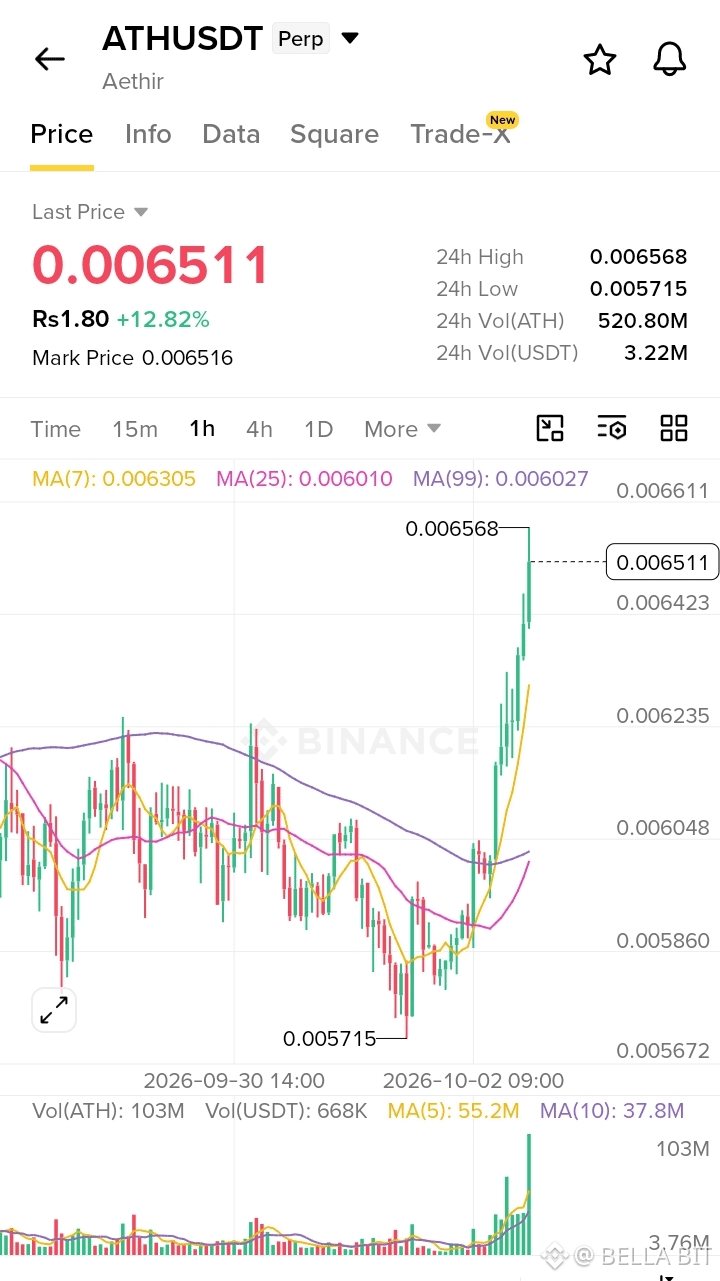
🚀 $ATH اندلاع — الدببة تدفع للأعلى!
$ATH تُظهر زخمًا صعوديًا قويًا بعد اختراقها لأعلى مستويات قصيرة الأجل جديدة.
📌 الدخول: $0.00638 – $0.00648
🎯 الهدف 1: $0.00660
🎯 الهدف 2: $0.00675
🎯 الهدف 3: $0.00690
🛑 وقف الخسارة: $0.00618
أدر إدارة المخاطر بعناية بعد الحركة الحادة وتجنب المطاردة. ليس نصيحة مالية (NFA).
{future}(ATHUSDT)
#ATHusdt
#ATH
#NFPWatch
#BitcoinFundingRateTriplesTo10%
#ZcashFalls21%FromSeptemberPeak
🚀 $ATH اندلاع — الدببة تدفع للأعلى!
$ATH تُظهر زخمًا صعوديًا قويًا بعد اختراقها لأعلى مستويات قصيرة الأجل جديدة.
📌 الدخول: $0.00638 – $0.00648
🎯 الهدف 1: $0.00660
🎯 الهدف 2: $0.00675
🎯 الهدف 3: $0.00690
🛑 وقف الخسارة: $0.00618
أدر إدارة المخاطر بعناية بعد الحركة الحادة وتجنب المطاردة. ليس نصيحة مالية (NFA).
#ATHusdt
#ATH
#NFPWatch
#BitcoinFundingRateTriplesTo10%
#ZcashFalls21%FromSeptemberPeak
$ATH تُظهر زخمًا صعوديًا قويًا بعد اختراقها لأعلى مستويات قصيرة الأجل جديدة.
📌 الدخول: $0.00638 – $0.00648
🎯 الهدف 1: $0.00660
🎯 الهدف 2: $0.00675
🎯 الهدف 3: $0.00690
🛑 وقف الخسارة: $0.00618
أدر إدارة المخاطر بعناية بعد الحركة الحادة وتجنب المطاردة. ليس نصيحة مالية (NFA).
#ATHusdt
#ATH
#NFPWatch
#BitcoinFundingRateTriplesTo10%
#ZcashFalls21%FromSeptemberPeak
1
94
·
--
🚀 $ATH BREAKOUT — الد bulls تدفع للأعلى!
$ATH يظهر زخمًا صعوديًا قويًا بعد اختراق قمم قصيرة الأجل جديدة.
📌 الدخول: $0.00638 – $0.00648
🎯 الهدف 1: $0.00660
🎯 الهدف 2: $0.00675
🎯 الهدف 3: $0.00690
🛑 وقف الخسارة: $0.00618
أدر إدارة المخاطر بحذر بعد الحركة الحادة وتجنب المطاردة.
{future}(ATHUSDT)
#ATHusdt
#ATH
#NFPWatch
#BitcoinFundingRateTriplesTo10%
🚀 $ATH BREAKOUT — الد bulls تدفع للأعلى!
$ATH يظهر زخمًا صعوديًا قويًا بعد اختراق قمم قصيرة الأجل جديدة.
📌 الدخول: $0.00638 – $0.00648
🎯 الهدف 1: $0.00660
🎯 الهدف 2: $0.00675
🎯 الهدف 3: $0.00690
🛑 وقف الخسارة: $0.00618
أدر إدارة المخاطر بحذر بعد الحركة الحادة وتجنب المطاردة.
#ATHusdt
#ATH
#NFPWatch
#BitcoinFundingRateTriplesTo10%
$ATH يظهر زخمًا صعوديًا قويًا بعد اختراق قمم قصيرة الأجل جديدة.
📌 الدخول: $0.00638 – $0.00648
🎯 الهدف 1: $0.00660
🎯 الهدف 2: $0.00675
🎯 الهدف 3: $0.00690
🛑 وقف الخسارة: $0.00618
أدر إدارة المخاطر بحذر بعد الحركة الحادة وتجنب المطاردة.
#ATHusdt
#ATH
#NFPWatch
#BitcoinFundingRateTriplesTo10%
387
·
--
🚀 $ATH اختراق — الدببة تدفع للأعلى!
$ATH تُظهر زخمًا صعوديًا قويًا بعد اختراق قمم جديدة قصيرة المدى.
📌 الدخول: $0.00638 – $0.00648
🎯 الهدف 1: $0.00660
🎯 الهدف 2: $0.00675
🎯 الهدف 3: $0.00690
🛑 وقف الخسارة: $0.00618
تحكّم في المخاطر بعناية بعد الحركة الحادة وتجنّب المطاردة.
{future}(ATHUSDT)
#ATHusdt
#ATH
#NFPWatch
#BitcoinFundingRateTriplesTo10%
🚀 $ATH اختراق — الدببة تدفع للأعلى!
$ATH تُظهر زخمًا صعوديًا قويًا بعد اختراق قمم جديدة قصيرة المدى.
📌 الدخول: $0.00638 – $0.00648
🎯 الهدف 1: $0.00660
🎯 الهدف 2: $0.00675
🎯 الهدف 3: $0.00690
🛑 وقف الخسارة: $0.00618
تحكّم في المخاطر بعناية بعد الحركة الحادة وتجنّب المطاردة.
#ATHusdt
#ATH
#NFPWatch
#BitcoinFundingRateTriplesTo10%
$ATH تُظهر زخمًا صعوديًا قويًا بعد اختراق قمم جديدة قصيرة المدى.
📌 الدخول: $0.00638 – $0.00648
🎯 الهدف 1: $0.00660
🎯 الهدف 2: $0.00675
🎯 الهدف 3: $0.00690
🛑 وقف الخسارة: $0.00618
تحكّم في المخاطر بعناية بعد الحركة الحادة وتجنّب المطاردة.
#ATHusdt
#ATH
#NFPWatch
#BitcoinFundingRateTriplesTo10%
258
·
--
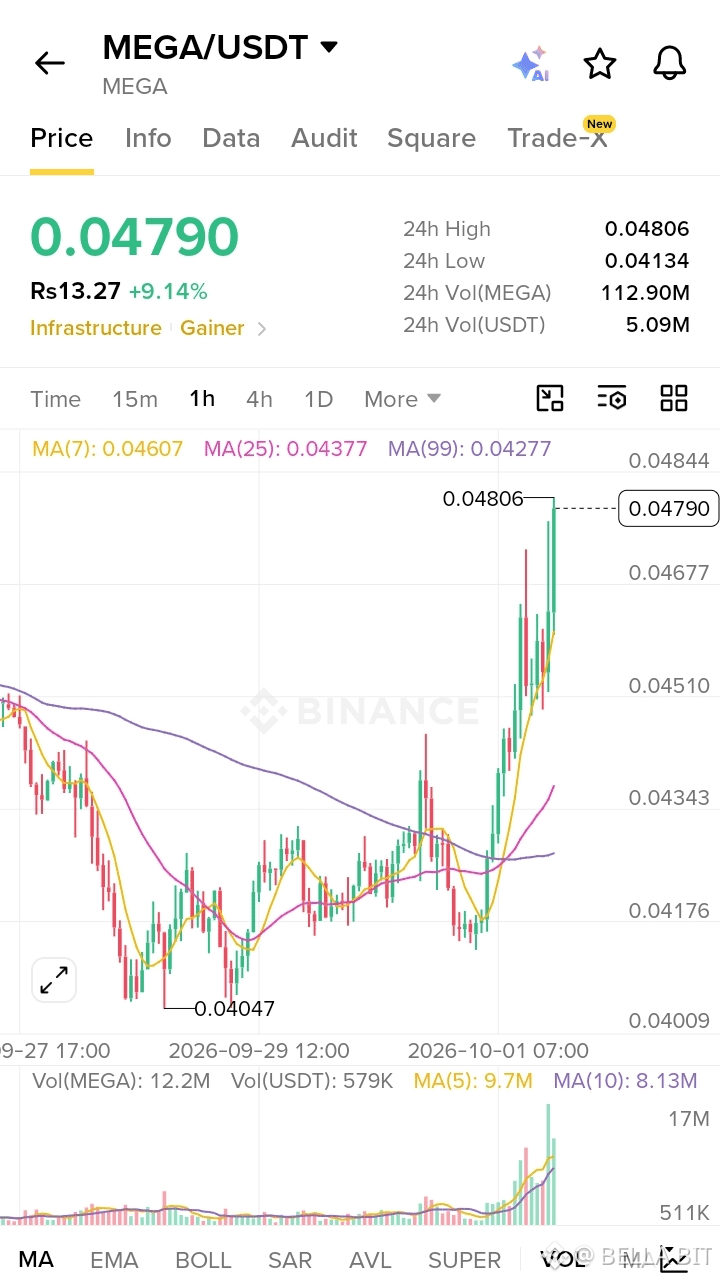
🚀 $MEGA إعداد اختراق جديد
$MEGA يتجه نحو قمم جديدة بعد اختراق قوي. الحفاظ فوق $0.0470 قد يدعم المزيد من الصعود باتجاه $0.0500 وما بعدها.
الدخول: $0.0470–$0.0478
TP1: $0.0488
TP2: $0.0500
TP3: $0.0520
SL: $0.0454
تداول مع إدارة مخاطر مناسبة. NFA.$MEGA
{spot}(MEGAUSDT)
#Mega
#MEGAUSDT
#USWeeklyJoblessClaimsFallTo197000
#AltcoinSeasonIndexHoldsAbove60For5Days
#AltcoinSeasonIndexHoldsAbove60For5Days
🚀 $MEGA إعداد اختراق جديد
$MEGA يتجه نحو قمم جديدة بعد اختراق قوي. الحفاظ فوق $0.0470 قد يدعم المزيد من الصعود باتجاه $0.0500 وما بعدها.
الدخول: $0.0470–$0.0478
TP1: $0.0488
TP2: $0.0500
TP3: $0.0520
SL: $0.0454
تداول مع إدارة مخاطر مناسبة. NFA.$MEGA
#Mega
#MEGAUSDT
#USWeeklyJoblessClaimsFallTo197000
#AltcoinSeasonIndexHoldsAbove60For5Days
#AltcoinSeasonIndexHoldsAbove60For5Days
$MEGA يتجه نحو قمم جديدة بعد اختراق قوي. الحفاظ فوق $0.0470 قد يدعم المزيد من الصعود باتجاه $0.0500 وما بعدها.
الدخول: $0.0470–$0.0478
TP1: $0.0488
TP2: $0.0500
TP3: $0.0520
SL: $0.0454
تداول مع إدارة مخاطر مناسبة. NFA.$MEGA
#Mega
#MEGAUSDT
#USWeeklyJoblessClaimsFallTo197000
#AltcoinSeasonIndexHoldsAbove60For5Days
#AltcoinSeasonIndexHoldsAbove60For5Days
424
·
--
تظل العملات البديلة تحت الضغط — يدعمها التركيز 📉
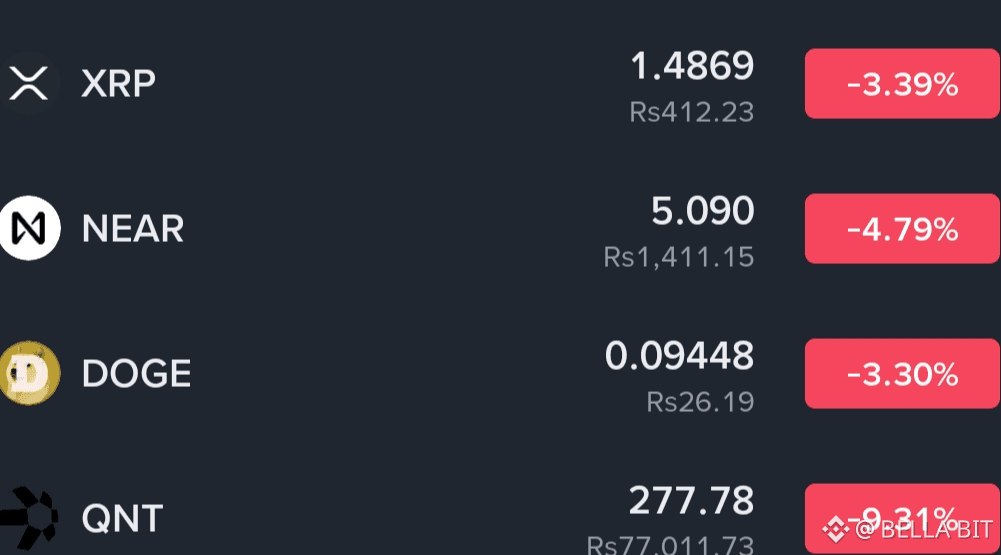
تواجه العملات البديلة ضغط بيع متجدد، مع
$XRP -3.39%،
$NEAR -4.79%
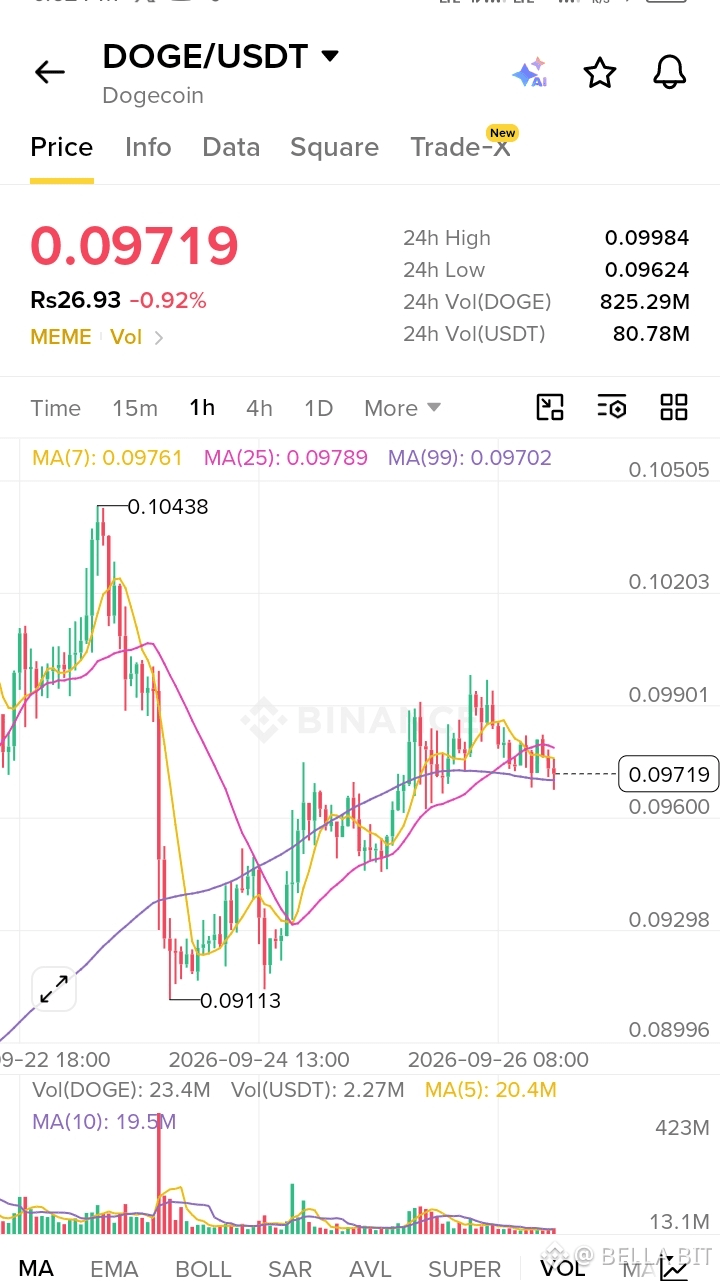
$DOGE -3.30%،
و
$QNT -9.31%.
لا يزال معظمها محافظًا فوق مناطق الدعم الرئيسية، مما يحافظ على البنية سليمة في الوقت الحالي. قد يؤدي ردّ فعل قوي من الدعم إلى حدوث ارتداد، بينما قد يؤدي كسر الدعم إلى مزيد من الهبوط.
في الوقت الحالي: تجنّب المطاردة، راقب الدعم عن كثب، وانتظر التأكيد.
#QNT/USDT
#Xrp🔥🔥
#NEAR🚀🚀🚀
#DOGE
#USADPAdds90000JobsInSeptember
تظل العملات البديلة تحت الضغط — يدعمها التركيز 📉
تواجه العملات البديلة ضغط بيع متجدد، مع
$XRP -3.39%،
$NEAR -4.79%
$DOGE -3.30%،
و
$QNT -9.31%.
لا يزال معظمها محافظًا فوق مناطق الدعم الرئيسية، مما يحافظ على البنية سليمة في الوقت الحالي. قد يؤدي ردّ فعل قوي من الدعم إلى حدوث ارتداد، بينما قد يؤدي كسر الدعم إلى مزيد من الهبوط.
في الوقت الحالي: تجنّب المطاردة، راقب الدعم عن كثب، وانتظر التأكيد.
#QNT/USDT
#Xrp🔥🔥
#NEAR🚀🚀🚀
#DOGE
#USADPAdds90000JobsInSeptember
تواجه العملات البديلة ضغط بيع متجدد، مع
$XRP -3.39%،
$NEAR -4.79%
$DOGE -3.30%،
و
$QNT -9.31%.
لا يزال معظمها محافظًا فوق مناطق الدعم الرئيسية، مما يحافظ على البنية سليمة في الوقت الحالي. قد يؤدي ردّ فعل قوي من الدعم إلى حدوث ارتداد، بينما قد يؤدي كسر الدعم إلى مزيد من الهبوط.
في الوقت الحالي: تجنّب المطاردة، راقب الدعم عن كثب، وانتظر التأكيد.
#QNT/USDT
#Xrp🔥🔥
#NEAR🚀🚀🚀
#DOGE
#USADPAdds90000JobsInSeptember
1
1.5k
·
--
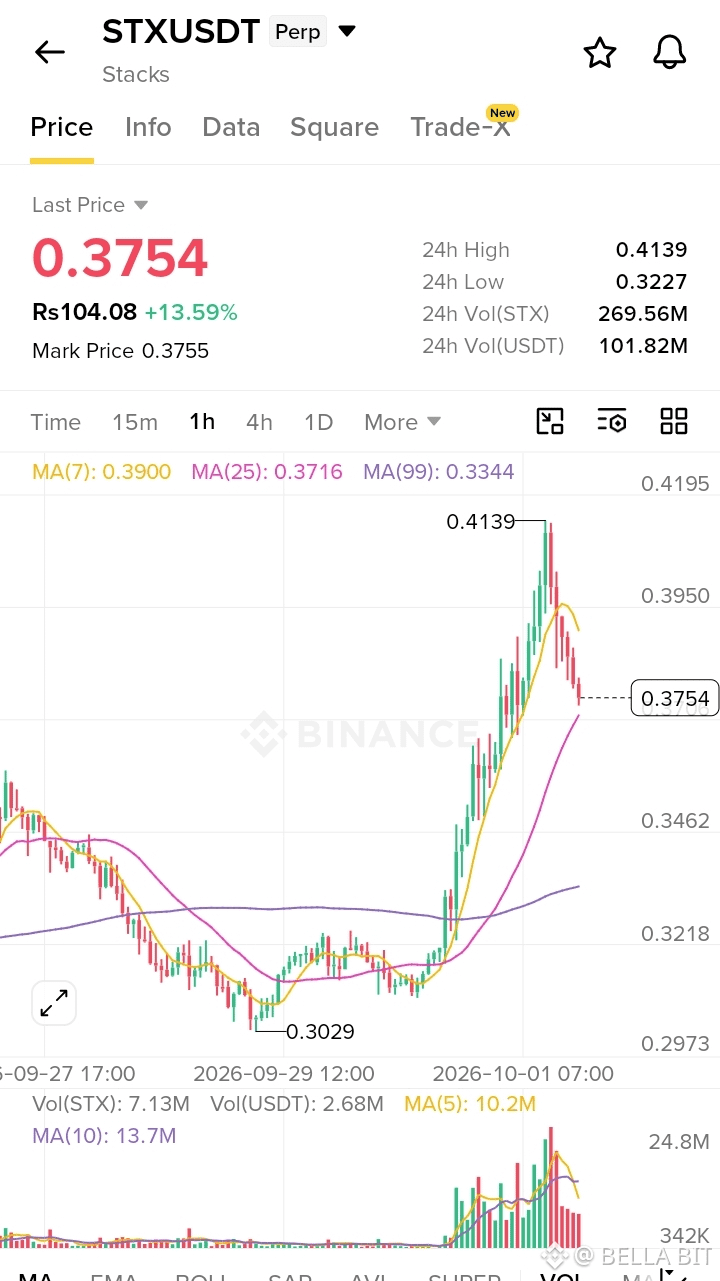
$STX يَسقط مرة أخرى — الدببة في السيطرة 📉
واجهت STX رفضًا قويًا عند $0.4139 وانزلقت مرة أخرى نحو $0.374. لا يزال الزخم قصير الأجل هبوطيًا.
🔻 الدعم: $0.370
🔻 الدعم التالي: $0.346
🔺 المقاومة: $0.395–$0.414
طالما تبقى STX أسفل $0.414، قد تظل هناك إمكانية لإعادة اختبار هبوطية أخرى.
تداول $STX مع إدارة مخاطر مناسبة.
{future}(STXUSDT)
#STXUSDT
#stx20
#US10YearYieldNears5.3%
#USWeeklyJoblessClaimsFallTo197000
#KoreaProposesTokenizingStocksAndBonds
$STX يَسقط مرة أخرى — الدببة في السيطرة 📉
واجهت STX رفضًا قويًا عند $0.4139 وانزلقت مرة أخرى نحو $0.374. لا يزال الزخم قصير الأجل هبوطيًا.
🔻 الدعم: $0.370
🔻 الدعم التالي: $0.346
🔺 المقاومة: $0.395–$0.414
طالما تبقى STX أسفل $0.414، قد تظل هناك إمكانية لإعادة اختبار هبوطية أخرى.
تداول $STX مع إدارة مخاطر مناسبة.
#STXUSDT
#stx20
#US10YearYieldNears5.3%
#USWeeklyJoblessClaimsFallTo197000
#KoreaProposesTokenizingStocksAndBonds
واجهت STX رفضًا قويًا عند $0.4139 وانزلقت مرة أخرى نحو $0.374. لا يزال الزخم قصير الأجل هبوطيًا.
🔻 الدعم: $0.370
🔻 الدعم التالي: $0.346
🔺 المقاومة: $0.395–$0.414
طالما تبقى STX أسفل $0.414، قد تظل هناك إمكانية لإعادة اختبار هبوطية أخرى.
تداول $STX مع إدارة مخاطر مناسبة.
#STXUSDT
#stx20
#US10YearYieldNears5.3%
#USWeeklyJoblessClaimsFallTo197000
#KoreaProposesTokenizingStocksAndBonds
119
·
--
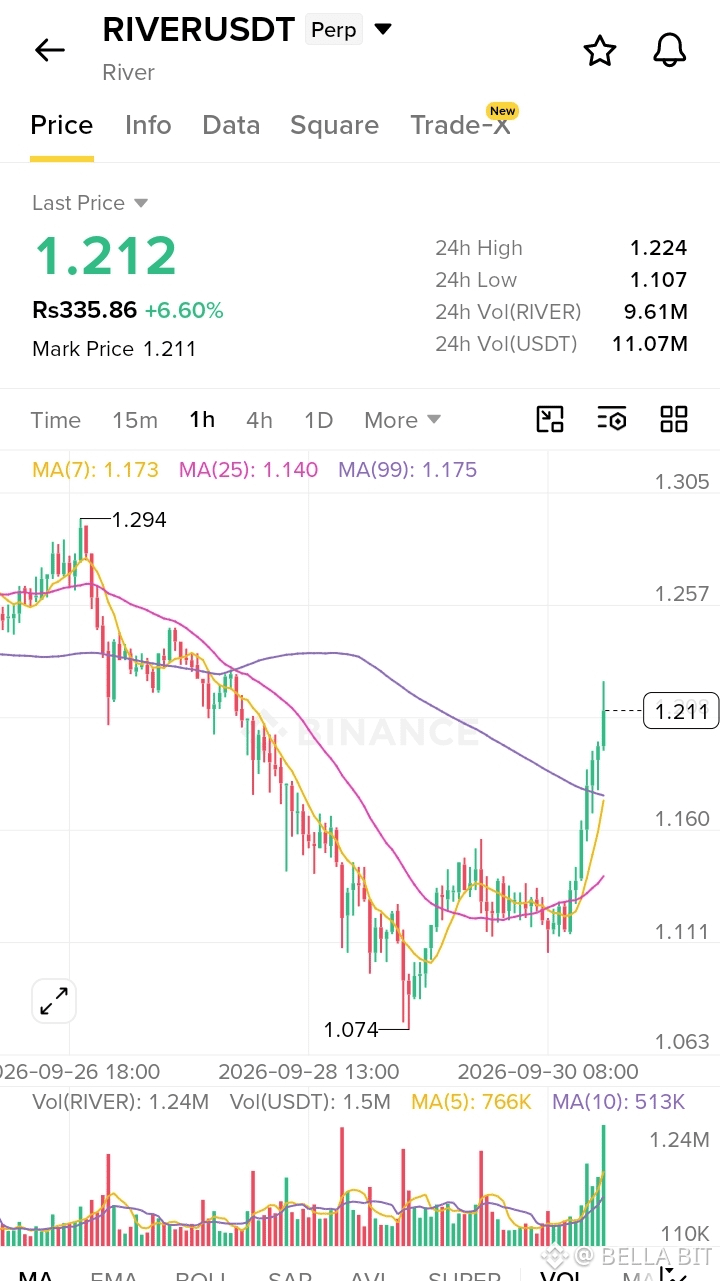
🚀 $RIVER يظهر علامات على استمرار صعودي.
السعر يحافظ على مستوى الدعم الرئيسي $1.01 ومنطقة التراكم، بينما يتراجع المشترون تدريجيًا للعودة بعد التصحيح الممتد.
يمكن أن يؤكد الاختراق فوق $1.57 زخمًا صعوديًا أقوى باتجاه مستويات مقاومة أعلى.
📈 إعداد طويل
الدخول: $1.15–$1.22
TP1: $1.57
TP2: $2.29
الهدف النهائي: $3.00
SL: $0.60
طالما أن RIVER يحافظ على هيكل دعمه الرئيسي، يبقى إعداد التعافي سليمًا.
NFA — تعامل مع المخاطر بعناية.
{future}(RIVERUSDT)
#RİVER
#RIVERUSDT
🚀 $RIVER يظهر علامات على استمرار صعودي.
السعر يحافظ على مستوى الدعم الرئيسي $1.01 ومنطقة التراكم، بينما يتراجع المشترون تدريجيًا للعودة بعد التصحيح الممتد.
يمكن أن يؤكد الاختراق فوق $1.57 زخمًا صعوديًا أقوى باتجاه مستويات مقاومة أعلى.
📈 إعداد طويل
الدخول: $1.15–$1.22
TP1: $1.57
TP2: $2.29
الهدف النهائي: $3.00
SL: $0.60
طالما أن RIVER يحافظ على هيكل دعمه الرئيسي، يبقى إعداد التعافي سليمًا.
NFA — تعامل مع المخاطر بعناية.
#RİVER
#RIVERUSDT
السعر يحافظ على مستوى الدعم الرئيسي $1.01 ومنطقة التراكم، بينما يتراجع المشترون تدريجيًا للعودة بعد التصحيح الممتد.
يمكن أن يؤكد الاختراق فوق $1.57 زخمًا صعوديًا أقوى باتجاه مستويات مقاومة أعلى.
📈 إعداد طويل
الدخول: $1.15–$1.22
TP1: $1.57
TP2: $2.29
الهدف النهائي: $3.00
SL: $0.60
طالما أن RIVER يحافظ على هيكل دعمه الرئيسي، يبقى إعداد التعافي سليمًا.
NFA — تعامل مع المخاطر بعناية.
#RİVER
#RIVERUSDT
1
633
·
--
🔥 عُملاتٌ رئيسية تعود إلى منطقة الدعم — هل سنشهد ارتدادًا تاليًا؟
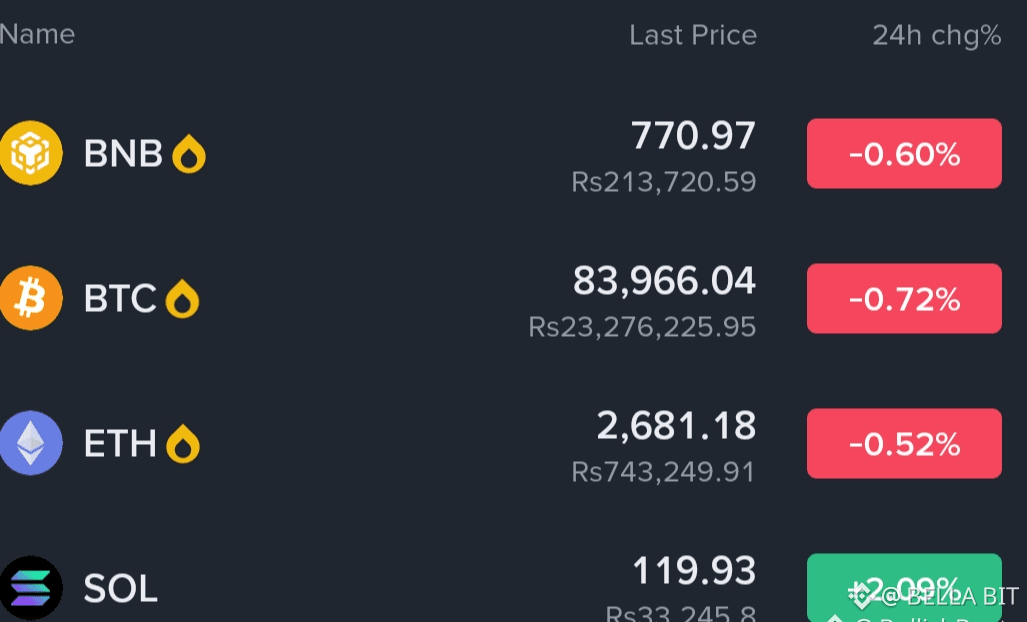
السوق تحت ضغطٍ متجدّد، حيث يبلغ $BTC قرب 84 ألف دولار، و$ETH حوالي 2,681 دولارًا، بينما $SOL يستقر بقوة حول 120 دولارًا.
يتم اختبار مناطق الدعم الرئيسية مجددًا. إذا دافع المشترون عن هذه المستويات، فقد تتطور محاولة تعافٍ أخرى.
في الوقت الحالي، الدعم هو العامل الأهم — فقد يؤدي كسر الدعم إلى ضغوط بيع جديدة. 📉
#bitcoin
#ETH🔥🔥🔥🔥🔥🔥
#sol
#QNTRises39%
#CoinMarketCapCompletesCoinglassAcquisition
🔥 عُملاتٌ رئيسية تعود إلى منطقة الدعم — هل سنشهد ارتدادًا تاليًا؟
السوق تحت ضغطٍ متجدّد، حيث يبلغ $BTC قرب 84 ألف دولار، و$ETH حوالي 2,681 دولارًا، بينما $SOL يستقر بقوة حول 120 دولارًا.
يتم اختبار مناطق الدعم الرئيسية مجددًا. إذا دافع المشترون عن هذه المستويات، فقد تتطور محاولة تعافٍ أخرى.
في الوقت الحالي، الدعم هو العامل الأهم — فقد يؤدي كسر الدعم إلى ضغوط بيع جديدة. 📉
#bitcoin
#ETH🔥🔥🔥🔥🔥🔥
#sol
#QNTRises39%
#CoinMarketCapCompletesCoinglassAcquisition
السوق تحت ضغطٍ متجدّد، حيث يبلغ $BTC قرب 84 ألف دولار، و$ETH حوالي 2,681 دولارًا، بينما $SOL يستقر بقوة حول 120 دولارًا.
يتم اختبار مناطق الدعم الرئيسية مجددًا. إذا دافع المشترون عن هذه المستويات، فقد تتطور محاولة تعافٍ أخرى.
في الوقت الحالي، الدعم هو العامل الأهم — فقد يؤدي كسر الدعم إلى ضغوط بيع جديدة. 📉
#bitcoin
#ETH🔥🔥🔥🔥🔥🔥
#sol
#QNTRises39%
#CoinMarketCapCompletesCoinglassAcquisition
198
سجّل الدخول لاستكشاف المزيد من المُحتوى
انضم إلى مُستخدمي العملات الرقمية حول العالم على Binance Square
⚡️ احصل على أحدث المعلومات المفيدة عن العملات الرقمية.
💬 موثوقة من قبل أكبر منصّة لتداول العملات الرقمية في العالم.
👍 اكتشف الرؤى الحقيقية من صنّاع المُحتوى الموثوقين.
البريد الإلكتروني / رقم الهاتف
المواضيع الرائجة
BinanceLaunchesBinanceIntelligence
383,634 مشاهدات
2,998 يقومون بالنقاش
#BinanceLaunchesBinanceIntelligence
ثورة الذكاء الاصطناعي تصل إلى عالم التداول الرقمي
أعلنت منصة Binance رسمياً عن إطلاق منظومتها الذكية الجديدة Binance Intelligence، في خطوة تمثل نقلة نوعية نحو دمج أدوات الذكاء الاصطناعي الاصطناعي في صلب تجربة التداول اليومية للمستخدمين. تهدف هذه المبادرة إلى سد الفجوة المعرفية في الأسواق المالية وتمكين المتداولين—من المبتدئين إلى المحترفين—من تحليل البيانات وتصميم استراتيجيات التداول بلغة طبيعية ودون الحاجة إلى خبرة برمجية.
الركائز الثلاث لمنظومة Binance Intelligence
تتكون المنظومة الجديدة من ثلاثة منتجات رئيسية صُممت لتغطي كافة احتياجات المستخدمين والمطورين:
Binance AI (مجاني للجميع):
يجمع إشارات السوق المشتتة (الرسوم البيانية، الأخبار، بيانات الأونشين On-Chain، والمؤشرات الاقتصادية) في واجهة واحدة موحدة.
يقدم موجزاً آلياً للسوق (Market Brief) يتحدث كل 4 ساعات بالصوت والنص، يغطي العملات الرقمية والأسواق العالمية.
Binance AI Pro (لبناء الاستراتيجيات):
يتيح للمستخدم كتابة فكرة التداول بلغة بسيطة، ليقوم الذكاء الاصطناعي بتحويلها إلى مسار عمل مرئي (Visual Flowchart).
يوفر ميزة التداول الافتراضي (Paper Trading) لاختبار الاستراتيجيات قبل تنفيذها بأموال حقيقية.
#BinanceLaunchesBinanceIntelligence
#BinanceSquareFamily #AI
Redouanecrypto
·8 إعجاب
·9.5k مشاهدات
BitcoinTargets2026OpenAt$87570
2,076 مشاهدات
68 يقومون بالنقاش
BitcoinRejectedAt$87KThirdTime
2,141 مشاهدات
58 يقومون بالنقاش