
Zartasha Gul
13.8k منشورات

Zartasha Gul
 تحقُّق Binance Square الإضافي
a little linguistics, a little market madness romanticising web3 charts @aashee7890
فتح تداول
مُتداول مُتكرر
2.7 سنوات
249 تتابع
40.9K+ المتابعون
37.6K+ إعجاب
منشورات
الحافظة الاستثمارية
الكل
اقتباسات
Live
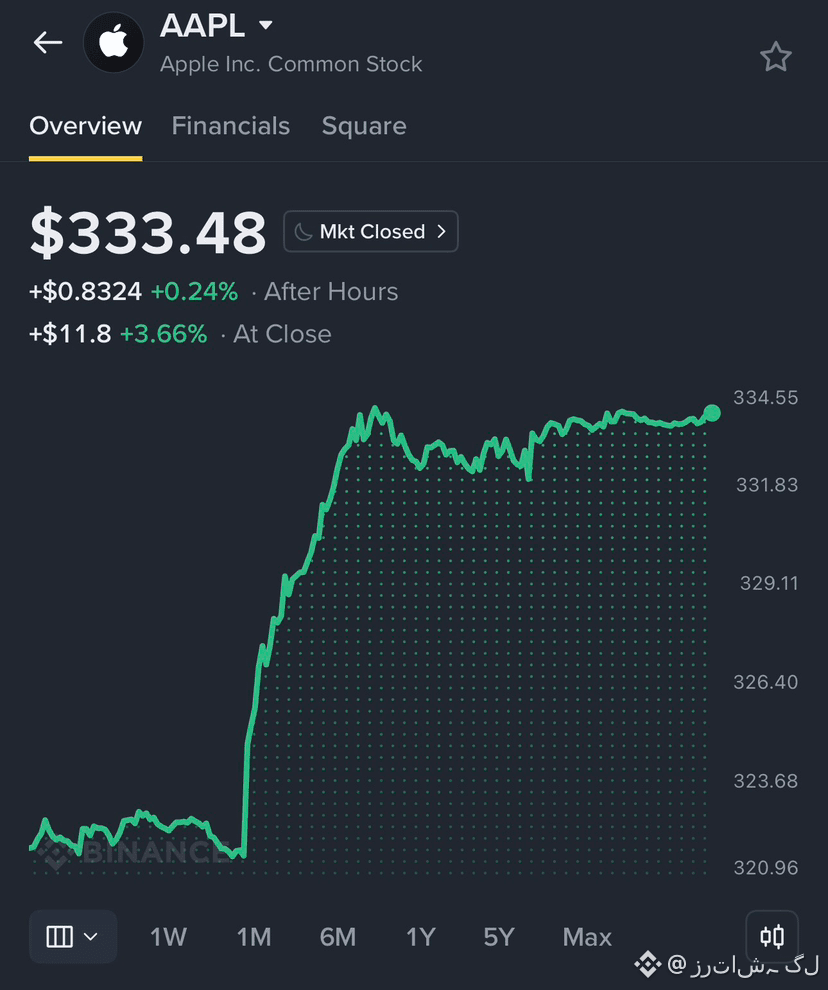
🍎 يدخل آبل ($AAPL ) أسبوعًا حاسمًا مع بدء موسم الأرباح التالي.
ارتفعت أسهم AAPL بنسبة 3.57% قبل اجتماع مجلس الاحتياطي الفيدرالي، ما يشير إلى تجدد اهتمام المستثمرين بينما تستعد الأسواق لأحد أكثر تقارير الأرباح مراقبة في الربع.
تُعد نتائج آبل مهمة بما يتجاوز شركة واحدة بكثير. يبحث المستثمرون عن إجابات لثلاثة أسئلة رئيسية:
• هل لا يزال الطلب الاستهلاكي على iPhones وMacs والخدمات قويًا؟
• هل يمكن لآبل الحفاظ على هوامش ربح صحية في ظل بيئة اقتصادية صعبة؟
• كيف ستُحدد آبل مكانتها في سباق الذكاء الاصطناعي المتنامي؟
مع إنفاق شركات التكنولوجيا الكبرى بالمليارات على البنية التحتية للذكاء الاصطناعي، تريد الأسواق رؤية عوائد حقيقية، لا مجرد وعود مستقبلية. إن نظام آبل البيئي القوي، وأعمال الخدمات، وقاعدة العملاء المخلصة تجعلها مؤشرًا مهمًا على القطاع التكنولوجي الأوسع.
قد تؤثر أيضًا قرارات هذا الأسبوع لمجلس الاحتياطي الفيدرالي والأحداث العالمية، بما في ذلك تطورات أسواق الطاقة، في مزاج المستثمرين وتقييمات السوق.
ترتسم الآن الأعين على تقرير أرباح آبل ومكالمة المستثمرين يوم الخميس. نمو الإيرادات، وأداء الخدمات، وعمليات إعادة شراء الأسهم، والتحديثات حول المنتجات المدعومة بالذكاء الاصطناعي ستكون أبرز محاور المتابعة.
قد يعزز تقرير قوي الثقة في قدرة قادة التكنولوجيا من فئة “mega-cap” على الاستمرار في دفع الأسواق، حتى مع إعادة تقييم المستثمرين لإنفاق الذكاء الاصطناعي عبر القطاع.
#Apple #AAPL #stockmarket #TechStocks #AI
ارتفعت أسهم AAPL بنسبة 3.57% قبل اجتماع مجلس الاحتياطي الفيدرالي، ما يشير إلى تجدد اهتمام المستثمرين بينما تستعد الأسواق لأحد أكثر تقارير الأرباح مراقبة في الربع.
تُعد نتائج آبل مهمة بما يتجاوز شركة واحدة بكثير. يبحث المستثمرون عن إجابات لثلاثة أسئلة رئيسية:
• هل لا يزال الطلب الاستهلاكي على iPhones وMacs والخدمات قويًا؟
• هل يمكن لآبل الحفاظ على هوامش ربح صحية في ظل بيئة اقتصادية صعبة؟
• كيف ستُحدد آبل مكانتها في سباق الذكاء الاصطناعي المتنامي؟
مع إنفاق شركات التكنولوجيا الكبرى بالمليارات على البنية التحتية للذكاء الاصطناعي، تريد الأسواق رؤية عوائد حقيقية، لا مجرد وعود مستقبلية. إن نظام آبل البيئي القوي، وأعمال الخدمات، وقاعدة العملاء المخلصة تجعلها مؤشرًا مهمًا على القطاع التكنولوجي الأوسع.
قد تؤثر أيضًا قرارات هذا الأسبوع لمجلس الاحتياطي الفيدرالي والأحداث العالمية، بما في ذلك تطورات أسواق الطاقة، في مزاج المستثمرين وتقييمات السوق.
ترتسم الآن الأعين على تقرير أرباح آبل ومكالمة المستثمرين يوم الخميس. نمو الإيرادات، وأداء الخدمات، وعمليات إعادة شراء الأسهم، والتحديثات حول المنتجات المدعومة بالذكاء الاصطناعي ستكون أبرز محاور المتابعة.
قد يعزز تقرير قوي الثقة في قدرة قادة التكنولوجيا من فئة “mega-cap” على الاستمرار في دفع الأسواق، حتى مع إعادة تقييم المستثمرين لإنفاق الذكاء الاصطناعي عبر القطاع.
#Apple #AAPL #stockmarket #TechStocks #AI
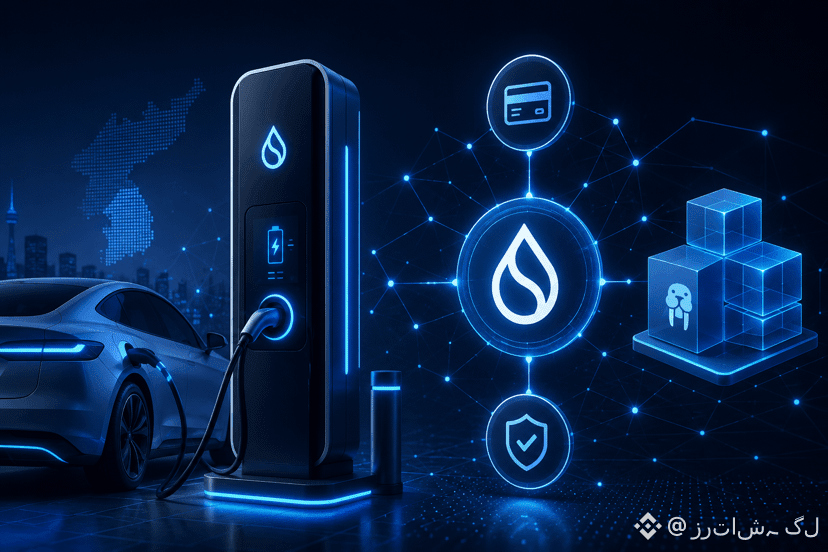
$SUI توسّع البنية التحتية الواقعية حيث يربط Gorae شحن المركبات الكهربائية بالبلوكشين
يبتعد البلوكشين عن نطاق التمويل ويمتد إلى البنية التحتية اليومية.
أعلن Gorae عن خطط لربط أكثر من 50,000 محطة شحن للمركبات الكهربائية (EV) في كوريا الجنوبية بشبكة Sui، مع توفير Walrus تخزينًا لا مركزيًا لسجلات الشحن. ومن المقرر أن تبدأ عملية الإطلاق في النصف الثاني من عام 2026، مع خطط للتوسع مستقبلًا عبر منطقة آسيا والمحيط الهادئ وأوروبا وأمريكا الشمالية.
إليك لماذا يهم هذا:
⚡ مدفوعات شحن ذكية: تُمكّن شبكة Sui عالية الإنتاجية من إجراء مدفوعات سريعة ومنخفضة التكلفة وتسوية شبه فورية بين المستخدمين ومشغلي محطات الشحن ومقدمي الخدمات.
📊 بيانات شحن قابلة للتحقق: يمكن تسجيل كل جلسة شحن بشكل آمن وتخزينها عبر Walrus، مما ينشئ سجل تدقيق غير قابل للتغيير لاستخدام الطاقة والفوترة والبيانات التشغيلية.
🌍 تبنٍ واقعي للبلوكشين: هذا ليس مجرد شراكة Web3 أخرى. بل يوضح كيف يمكن للبلوكشين دعم البنية التحتية الحيوية عبر تعزيز الشفافية والأتمتة والثقة في منظومة EV المتنامية.
ومع تسارع اعتماد المركبات الكهربائية عالميًا، قد يعيد الجمع بين البلوكشين وIoT والتخزين اللامركزي تشكيل طريقة إدارة شبكات الشحن للمدفوعات وتقارير الكربون وسجلات الصيانة وقابلية التشغيل البيني عبر الحدود.
إذا نُفّذ بنجاح، فقد تصبح هذه المبادرة واحدة من أقوى الأمثلة على أن البلوكشين يقدّم قيمة خارج الأسواق التقليدية للعملات الرقمية.
ما رأيك: هل أصبحت تقنية البلوكشين جاهزة لتكون العمود الفقري للبنية التحتية الذكية والتنقل من الجيل التالي؟
هذا المنشور لأغراض معلوماتية فقط ولا ينبغي اعتباره نصيحة مالية أو استثمارية. قم دائمًا بإجراء بحثك الخاص قبل اتخاذ قرارات الاستثمار.
$WAL
$DEXE
@Sui #sui #SUI🔥
يبتعد البلوكشين عن نطاق التمويل ويمتد إلى البنية التحتية اليومية.
أعلن Gorae عن خطط لربط أكثر من 50,000 محطة شحن للمركبات الكهربائية (EV) في كوريا الجنوبية بشبكة Sui، مع توفير Walrus تخزينًا لا مركزيًا لسجلات الشحن. ومن المقرر أن تبدأ عملية الإطلاق في النصف الثاني من عام 2026، مع خطط للتوسع مستقبلًا عبر منطقة آسيا والمحيط الهادئ وأوروبا وأمريكا الشمالية.
إليك لماذا يهم هذا:
⚡ مدفوعات شحن ذكية: تُمكّن شبكة Sui عالية الإنتاجية من إجراء مدفوعات سريعة ومنخفضة التكلفة وتسوية شبه فورية بين المستخدمين ومشغلي محطات الشحن ومقدمي الخدمات.
📊 بيانات شحن قابلة للتحقق: يمكن تسجيل كل جلسة شحن بشكل آمن وتخزينها عبر Walrus، مما ينشئ سجل تدقيق غير قابل للتغيير لاستخدام الطاقة والفوترة والبيانات التشغيلية.
🌍 تبنٍ واقعي للبلوكشين: هذا ليس مجرد شراكة Web3 أخرى. بل يوضح كيف يمكن للبلوكشين دعم البنية التحتية الحيوية عبر تعزيز الشفافية والأتمتة والثقة في منظومة EV المتنامية.
ومع تسارع اعتماد المركبات الكهربائية عالميًا، قد يعيد الجمع بين البلوكشين وIoT والتخزين اللامركزي تشكيل طريقة إدارة شبكات الشحن للمدفوعات وتقارير الكربون وسجلات الصيانة وقابلية التشغيل البيني عبر الحدود.
إذا نُفّذ بنجاح، فقد تصبح هذه المبادرة واحدة من أقوى الأمثلة على أن البلوكشين يقدّم قيمة خارج الأسواق التقليدية للعملات الرقمية.
ما رأيك: هل أصبحت تقنية البلوكشين جاهزة لتكون العمود الفقري للبنية التحتية الذكية والتنقل من الجيل التالي؟
هذا المنشور لأغراض معلوماتية فقط ولا ينبغي اعتباره نصيحة مالية أو استثمارية. قم دائمًا بإجراء بحثك الخاص قبل اتخاذ قرارات الاستثمار.
$WAL
$DEXE
@Sui #sui #SUI🔥
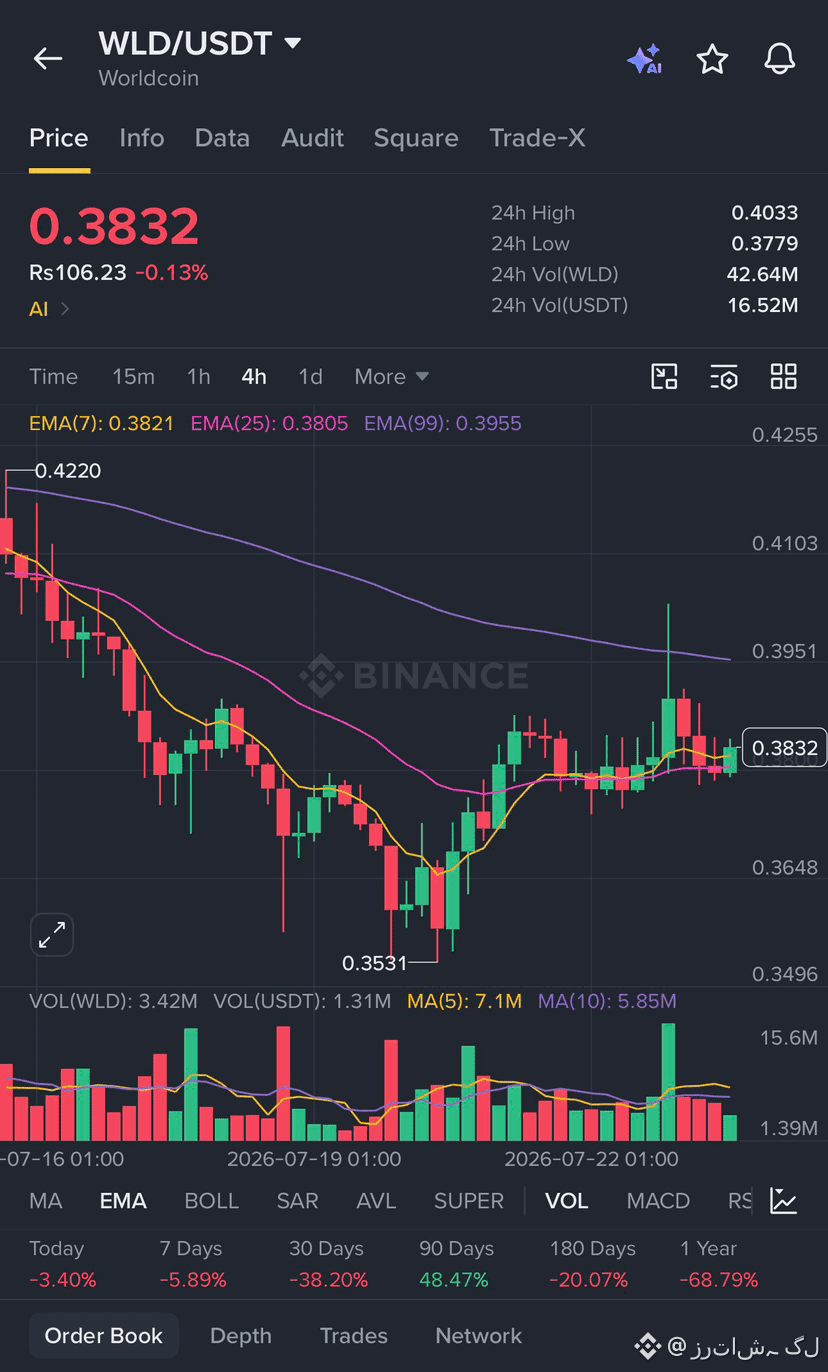
🚨 Worldcoin تحت الأضواء
تكشف أحدث إفادة من هيئة الأوراق المالية والبورصات الأمريكية (SEC) لدى Grayscale أن حوالي 90% من المعروض المتداول من WLD مملوك لحوالي 100 محفظة فقط، ما يثير مخاوف جديدة بشأن تركّز التوكنات.
وبالنسبة لمشروع بُني حول فكرة «عملة لكل إنسان»، فقد أدى هذا المستوى من المركزية إلى اندلاع نقاش. كما تشير الإفادة إلى أن أجزاء رئيسية من الشبكة، بما في ذلك الحوكمة والبنية التحتية، ما تزال تعتمد على إشراف مركزي بينما لا يزال تحقيق اللامركزية قيد العمل.
وفي ظل استمرار تداول $WLD بعيدًا جدًا عن أعلى مستوى له على الإطلاق، يتساءل المستثمرون عما إذا كانت الرؤية طويلة المدى للمشروع يمكن أن تواكب بنيته الحالية.
ما الذي يهمك أكثر: تقنية هوية مبتكرة أم ملكية توكنات لامركزية حقًا؟ 👇
قم دائمًا بإجراء بحثك الخاص. هذا ليس نصيحة مالية.
#WLD #WLD #WorldToken
تكشف أحدث إفادة من هيئة الأوراق المالية والبورصات الأمريكية (SEC) لدى Grayscale أن حوالي 90% من المعروض المتداول من WLD مملوك لحوالي 100 محفظة فقط، ما يثير مخاوف جديدة بشأن تركّز التوكنات.
وبالنسبة لمشروع بُني حول فكرة «عملة لكل إنسان»، فقد أدى هذا المستوى من المركزية إلى اندلاع نقاش. كما تشير الإفادة إلى أن أجزاء رئيسية من الشبكة، بما في ذلك الحوكمة والبنية التحتية، ما تزال تعتمد على إشراف مركزي بينما لا يزال تحقيق اللامركزية قيد العمل.
وفي ظل استمرار تداول $WLD بعيدًا جدًا عن أعلى مستوى له على الإطلاق، يتساءل المستثمرون عما إذا كانت الرؤية طويلة المدى للمشروع يمكن أن تواكب بنيته الحالية.
ما الذي يهمك أكثر: تقنية هوية مبتكرة أم ملكية توكنات لامركزية حقًا؟ 👇
قم دائمًا بإجراء بحثك الخاص. هذا ليس نصيحة مالية.
#WLD #WLD #WorldToken

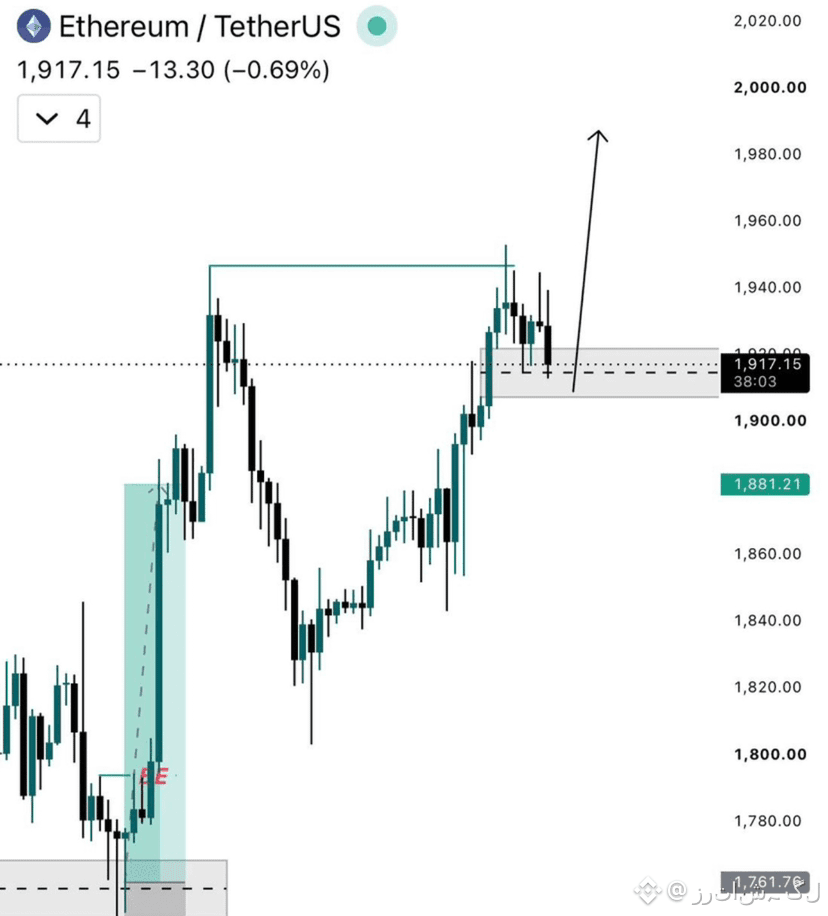
$ETH تحديث
الارتداد إلى منطقة الطلب التي قمت بتحديدها يبدو أنه يتطور تمامًا كما كنت أتوقع.
الآن أنا أنتظر لمعرفة ما إذا كان المشترون سيقومون بالدفاع عن هذه المنطقة. إذا ظهرت تأكيدات على إطار زمني أقل، فسأبحث عن إعداد طويل يكون هدفه الأول $2,000.
لا استعجال، صبر، ثم تأكيد، وبعدها تنفيذ.
مساء الخير 🌷💗
#ETH #GulGains
الارتداد إلى منطقة الطلب التي قمت بتحديدها يبدو أنه يتطور تمامًا كما كنت أتوقع.
الآن أنا أنتظر لمعرفة ما إذا كان المشترون سيقومون بالدفاع عن هذه المنطقة. إذا ظهرت تأكيدات على إطار زمني أقل، فسأبحث عن إعداد طويل يكون هدفه الأول $2,000.
لا استعجال، صبر، ثم تأكيد، وبعدها تنفيذ.
مساء الخير 🌷💗
#ETH #GulGains

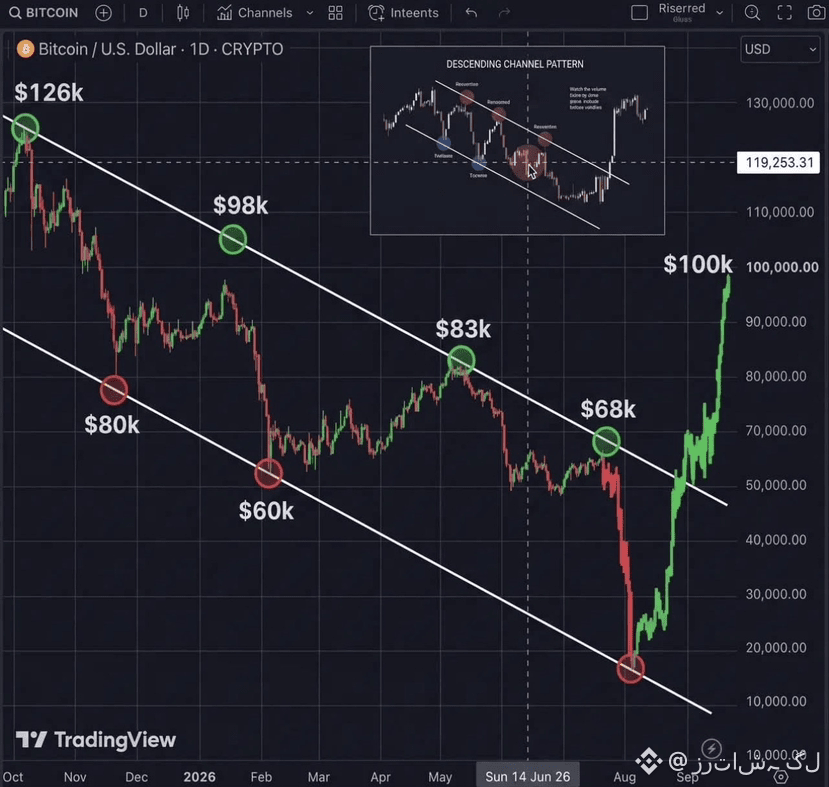
🚨 تنتشر توقعات جريئة بشأن البيتكوين وتُحدّي السرد السائد في السوق.
يعتقد أحد المحللين أن $BTC قد يشهد عدة تقلبات حادة قبل أن يصل الدورة إلى ذروتها، مع مسار من:
$83K → $58K → $68K → $40K → $70K → $108K
تتمثل الفكرة في أن التقلبات ستُربك كلاً من المتفائلين والاتجاهات الهبوطية قبل أن تأتي الخطوة الرئيسية التالية.
لا أحد يعرف ما إذا كان هذا السيناريو سيتحقق، لذا اعتبره مجرد وجهة نظر وليس يقينًا. دائمًا أدر مخاطرَك وقم بإجراء بحثك الخاص.
$BTC #bitcoin #Crypto
$DEXE
يعتقد أحد المحللين أن $BTC قد يشهد عدة تقلبات حادة قبل أن يصل الدورة إلى ذروتها، مع مسار من:
$83K → $58K → $68K → $40K → $70K → $108K
تتمثل الفكرة في أن التقلبات ستُربك كلاً من المتفائلين والاتجاهات الهبوطية قبل أن تأتي الخطوة الرئيسية التالية.
لا أحد يعرف ما إذا كان هذا السيناريو سيتحقق، لذا اعتبره مجرد وجهة نظر وليس يقينًا. دائمًا أدر مخاطرَك وقم بإجراء بحثك الخاص.
$BTC #bitcoin #Crypto
$DEXE
صحيح جزئيًا
🚨 من تقييم بقيمة 3 مليارات دولار إلى الإفلاس خلال 18 شهرًا فقط.
قدّمت Movement Labs، التي كانت تُعدّ ذات يوم واحدة من أكثر مشاريع الطبقة الثانية (Layer 2) حديثًا، طلبًا للإفلاس وفق الفصل 11، تُظهر فيه مستندات المحكمة أن التزاماتها تتجاوز أصولها المتبقية. وفي الوقت نفسه، فقدت $MOVE حوالي 94% من قيمتها مقارنةً بالعام الماضي.
أكبر نقطة تحوّل لم تكن التقنية؛ بل كانت توزيع الرموز. إذ إن تخصيصًا كبيرًا تم إطلاقه إلى صانع سوق أدى إلى ضغط بيع شديد في وقت مبكر، ما أضرّ بالثقة وجعل التعافي صعبًا.
توجد عبرة واحدة واضحة: عليك دائمًا دراسة اقتصاديات الرموز (tokenomics) قبل الاستثمار. راقب من يتحكم في المعروض، ومتى تُفتح (تُطلق) الرموز، وما إذا كان المساهمون الأوائل قادرين على إغراق السوق. إن التكنولوجيا القوية وحدها لا تضمن نجاح الرمز.
ما مشروع التشفير الذي غيّر طريقة تقييمك للاستثمارات الجديدة؟ 👇
#crypto $BTC $ETH
قدّمت Movement Labs، التي كانت تُعدّ ذات يوم واحدة من أكثر مشاريع الطبقة الثانية (Layer 2) حديثًا، طلبًا للإفلاس وفق الفصل 11، تُظهر فيه مستندات المحكمة أن التزاماتها تتجاوز أصولها المتبقية. وفي الوقت نفسه، فقدت $MOVE حوالي 94% من قيمتها مقارنةً بالعام الماضي.
أكبر نقطة تحوّل لم تكن التقنية؛ بل كانت توزيع الرموز. إذ إن تخصيصًا كبيرًا تم إطلاقه إلى صانع سوق أدى إلى ضغط بيع شديد في وقت مبكر، ما أضرّ بالثقة وجعل التعافي صعبًا.
توجد عبرة واحدة واضحة: عليك دائمًا دراسة اقتصاديات الرموز (tokenomics) قبل الاستثمار. راقب من يتحكم في المعروض، ومتى تُفتح (تُطلق) الرموز، وما إذا كان المساهمون الأوائل قادرين على إغراق السوق. إن التكنولوجيا القوية وحدها لا تضمن نجاح الرمز.
ما مشروع التشفير الذي غيّر طريقة تقييمك للاستثمارات الجديدة؟ 👇
#crypto $BTC $ETH
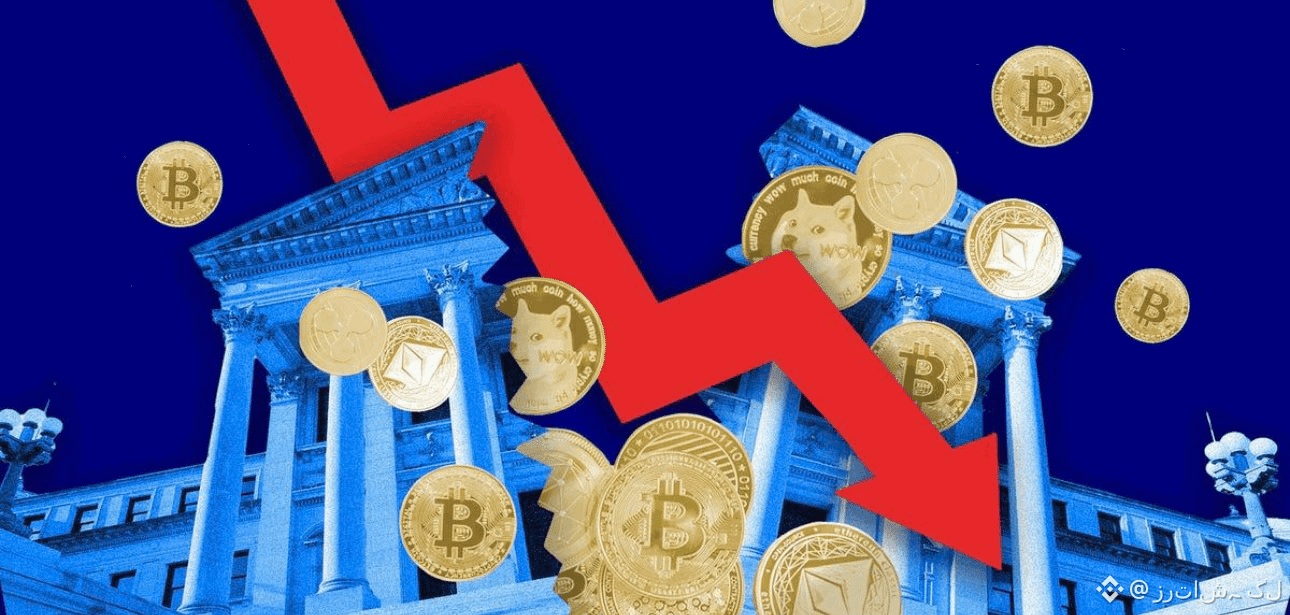
🇺🇸 أول رموز المعجبين (Fan Tokens) على الإطلاق لرياضات كليات الولايات المتحدة موجودة الآن، ويشعر هذا وكأنه لحظة مُحدِّدة حقيقية لـ SportFi.
تقوم Chiliz بتحويل رؤيتها طويلة المدى إلى اعتماد فعلي، مما يقرب تقنية البلوك تشين من ملايين مشجعي الرياضة المتحمسين عبر برامج جامعية كبرى. إذا استمر هذا الطرح كما هو مخطط له، فقد يصبح أحد أكبر حالات الاستخدام السائدة لرموز المعجبين حتى الآن.
#Chiliz #CHZ #SportFi $CHZ
@Chiliz
تقوم Chiliz بتحويل رؤيتها طويلة المدى إلى اعتماد فعلي، مما يقرب تقنية البلوك تشين من ملايين مشجعي الرياضة المتحمسين عبر برامج جامعية كبرى. إذا استمر هذا الطرح كما هو مخطط له، فقد يصبح أحد أكبر حالات الاستخدام السائدة لرموز المعجبين حتى الآن.
#Chiliz #CHZ #SportFi $CHZ
@Chiliz

Chiliz
·
--
صاعدحصلت الولايات المتحدة للتو على أول رموز جماهير. كيف يحوّل Chiliz رؤية 2030 إلى واقع.
قبل بضعة أشهر، عرضت Chiliz بيانًا مرحليًا للمرحلة التالية من رموز الجماهير – العمل عبر شبكات متعددة (omnichain)، وفتح سوق الولايات المتحدة، وتحويل وعود SportFi إلى منتجات مُنجزة.
هذا الأسبوع، وصلت إحدى أكبر مكوّنات هذه الخطة إلى أرض الواقع.
تعاونت Socios.com، عبر Fan Token Management (FTM) US (وهي جزء من The Chiliz Group)، مع Playfly Sports لإطلاق أول رموز جماهير على الإطلاق في رياضات الجامعات في الولايات المتحدة. البرامج المشاركة في الإطلاق هي خمسة: LSU، وMaryland، وMichigan State، وPenn State، وTexas A&M.
يُستهدف ثلاثون قسمًا رياضيًا جامعيًا خلال الـ 12 شهرًا المقبلة. إنها خطوة أولى كبيرة لرياضات الولايات المتحدة، وأوضح دليل حتى الآن على أن خارطة طريق Chiliz لعام 2030 ليست مجرد عرض شرائح.
إنها لحظة إنجاز كبرى تحمل إمكانات هائلة.
اقرأ المزيد 👇
chiliz.com/chiliz-2030-vision-us-fan-tokens-launch/
$CHZ
قبل بضعة أشهر، عرضت Chiliz بيانًا مرحليًا للمرحلة التالية من رموز الجماهير – العمل عبر شبكات متعددة (omnichain)، وفتح سوق الولايات المتحدة، وتحويل وعود SportFi إلى منتجات مُنجزة.
هذا الأسبوع، وصلت إحدى أكبر مكوّنات هذه الخطة إلى أرض الواقع.
تعاونت Socios.com، عبر Fan Token Management (FTM) US (وهي جزء من The Chiliz Group)، مع Playfly Sports لإطلاق أول رموز جماهير على الإطلاق في رياضات الجامعات في الولايات المتحدة. البرامج المشاركة في الإطلاق هي خمسة: LSU، وMaryland، وMichigan State، وPenn State، وTexas A&M.
يُستهدف ثلاثون قسمًا رياضيًا جامعيًا خلال الـ 12 شهرًا المقبلة. إنها خطوة أولى كبيرة لرياضات الولايات المتحدة، وأوضح دليل حتى الآن على أن خارطة طريق Chiliz لعام 2030 ليست مجرد عرض شرائح.
إنها لحظة إنجاز كبرى تحمل إمكانات هائلة.
اقرأ المزيد 👇
chiliz.com/chiliz-2030-vision-us-fan-tokens-launch/
$CHZ

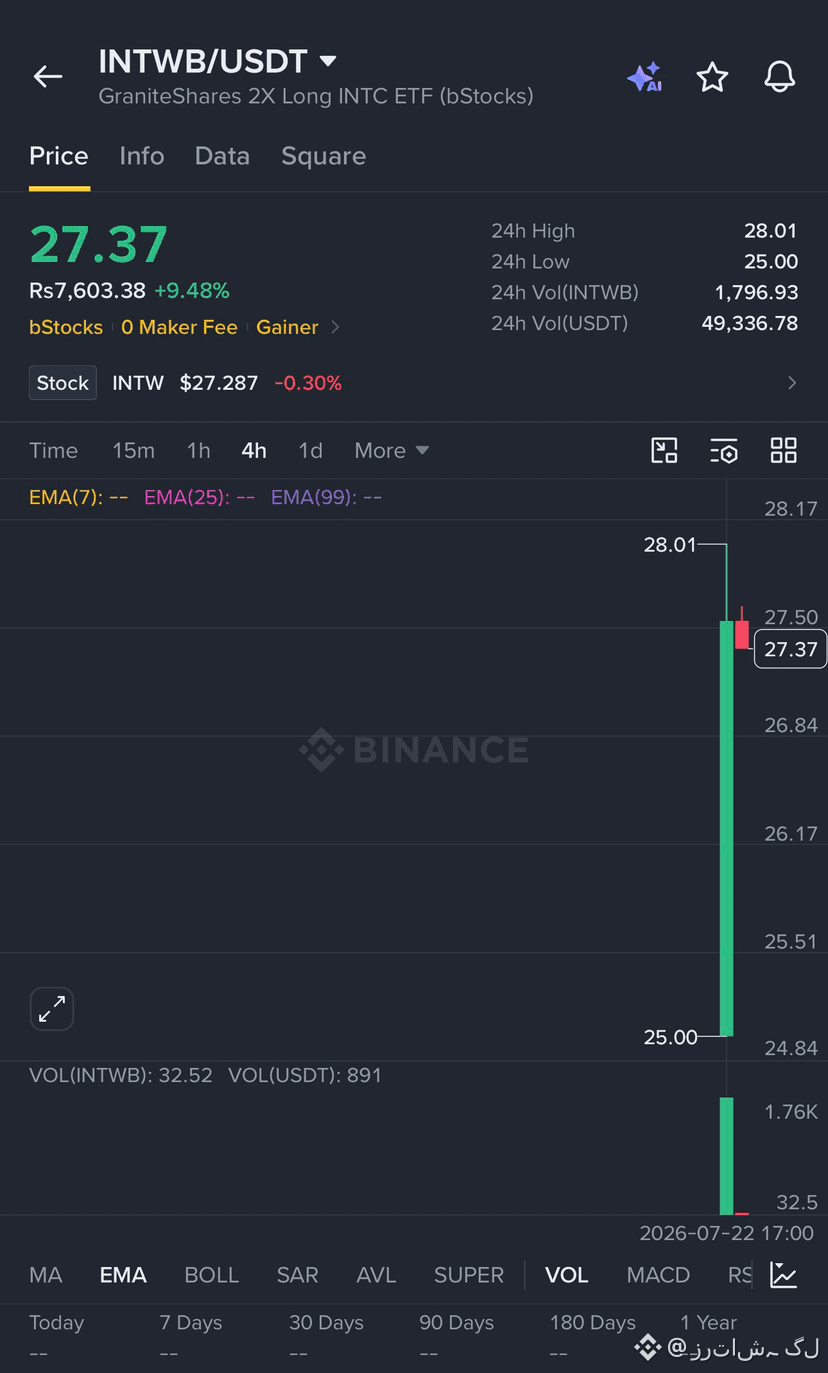
🚨$INTWB يظهر زخمًا قويًا بعد اختراق حاد، مرتفعًا بنحو 10% واختبار $28.01 قبل أن يتراجع قليلًا إلى $27.37.
المستويات الرئيسية
🟢 الدعم: $27.00 / $25.00
🔴 المقاومة: $28.00 / $28.20
قد يؤدي استمرار الحركة فوق $28.00 إلى فتح المجال لمزيد من الصعود، بينما الحفاظ على مستوى أعلى من $27.00 يبقي هيكل الاتجاه الصعودي على المدى القصير سليمًا. وبسبب انخفاض نسبي في حجم التداول، تظل إدارة المخاطر ضرورية حيث قد يستمر التذبذب مرتفعًا.
#GulGains 🌷
المستويات الرئيسية
🟢 الدعم: $27.00 / $25.00
🔴 المقاومة: $28.00 / $28.20
قد يؤدي استمرار الحركة فوق $28.00 إلى فتح المجال لمزيد من الصعود، بينما الحفاظ على مستوى أعلى من $27.00 يبقي هيكل الاتجاه الصعودي على المدى القصير سليمًا. وبسبب انخفاض نسبي في حجم التداول، تظل إدارة المخاطر ضرورية حيث قد يستمر التذبذب مرتفعًا.
#GulGains 🌷
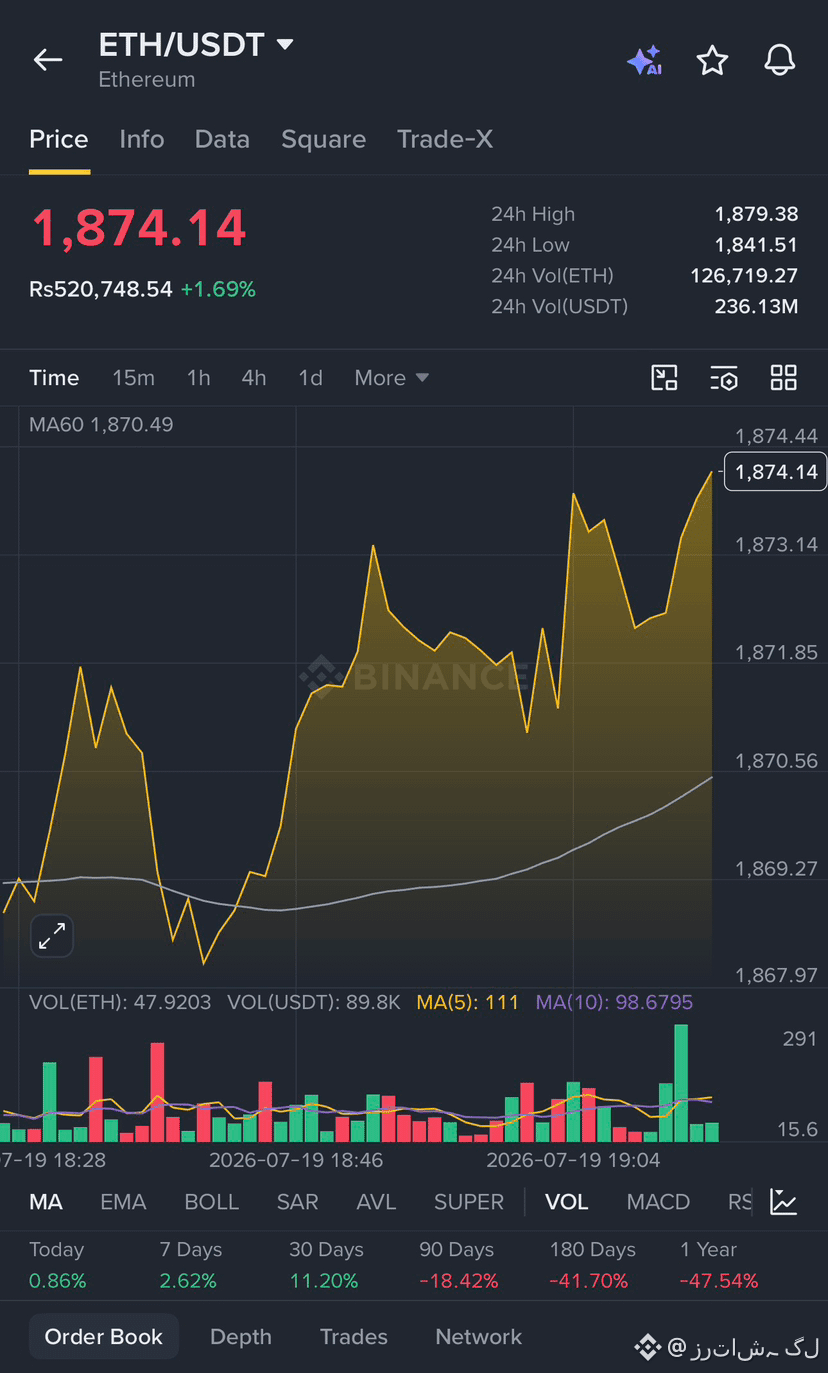
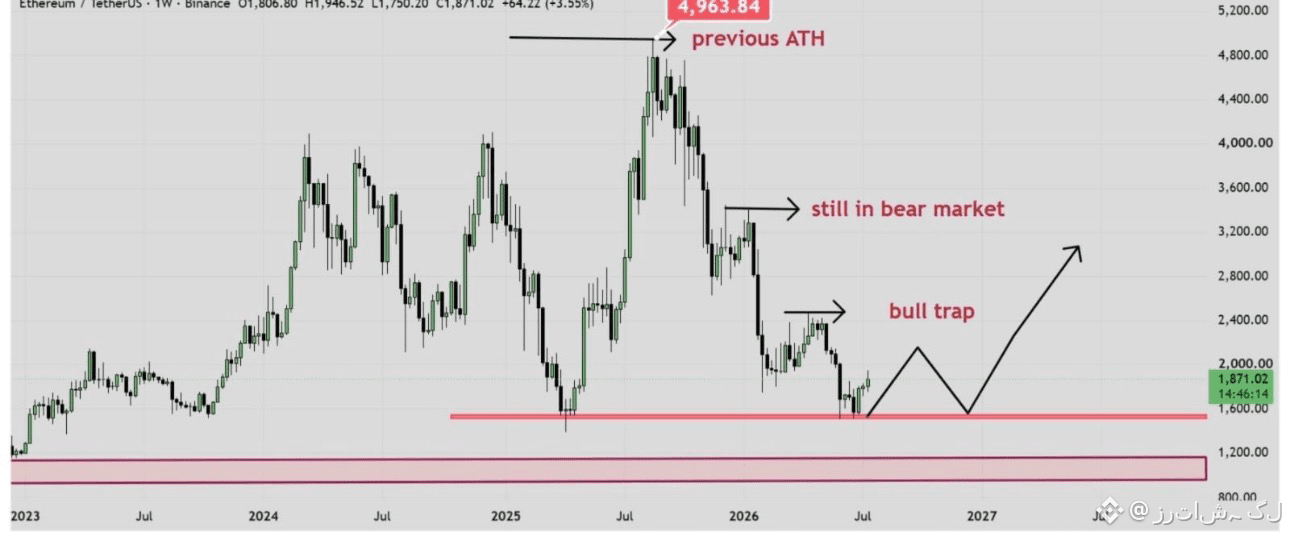
لا تكن سريعًا جدًا إلى الإغلاق القصير $ETH .
بعد تصحيح قوي، يبدو أن إيثيريوم يجلس في منطقة دعم رئيسية طويلة الأجل. قد نرى بعد ذلك بعض الارتداد/الهزّة الصغيرة، لكن هذه المنطقة تبدو كأنها قد تصبح أساس الحركة الصعودية الرئيسية القادمة.
أراقب نطاق 2,800–3,200 دولار باعتباره الهدف الأول للتعافي. إذا استمر زخم الشراء في البناء، فقد تمتد الزيادة بشكل يتجاوز ذلك بكثير.
ما رأيك؟
هل يبدأ سباق الثور التالي لإيثيريوم من هنا، أم نحصل على هبوط أخير قبل الاختراق الحقيقي؟ 🚀
#Ethereum #ETH
بعد تصحيح قوي، يبدو أن إيثيريوم يجلس في منطقة دعم رئيسية طويلة الأجل. قد نرى بعد ذلك بعض الارتداد/الهزّة الصغيرة، لكن هذه المنطقة تبدو كأنها قد تصبح أساس الحركة الصعودية الرئيسية القادمة.
أراقب نطاق 2,800–3,200 دولار باعتباره الهدف الأول للتعافي. إذا استمر زخم الشراء في البناء، فقد تمتد الزيادة بشكل يتجاوز ذلك بكثير.
ما رأيك؟
هل يبدأ سباق الثور التالي لإيثيريوم من هنا، أم نحصل على هبوط أخير قبل الاختراق الحقيقي؟ 🚀
#Ethereum #ETH
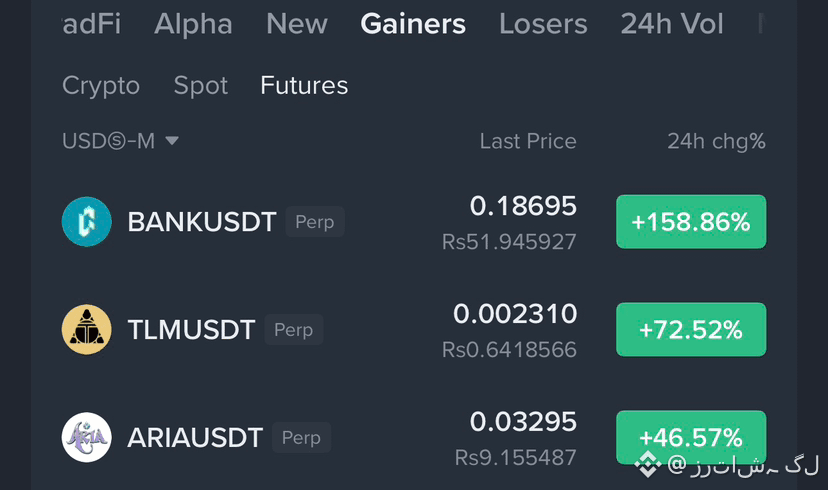
هذا هو أفضل 3 صفقات ساخنة ضمن قائمة الرابحين الآن 🔥
- $BANK USDT : $0.18695 | +158.86% خلال 24 ساعة ضخمة
- $TLM USDT : $0.002310 | +72.52% خلال 24 ساعة
- $ARIA USDT : $0.03295 | +46.57% خلال 24 ساعة
كل الثلاثة على عقود Futures الدائمة USDⓈ-M، لذا هذه تحركات مدعومة بالرافعة.
1. تحركات كبيرة = مخاطرة كبيرة . +150% في أيام كثيرة تأتي مع أخبار، إدراجات، أو سيولة منخفضة.
2. العقود الآجلة : تبدو المكاسب جميلة لكن تمويل + مخاطر التصفية حقيقية على perps.
3. DYOR : تحقّق مما الذي يدفع BANK/TLM/ARIA اليوم من إعلانات أو حجم تداول، أو مجرد دوران في السوق.
هل تتابع أيًا من هذه، أم مجرد الاستمتاع بالشموع الخضراء؟ 👀
- $BANK USDT : $0.18695 | +158.86% خلال 24 ساعة ضخمة
- $TLM USDT : $0.002310 | +72.52% خلال 24 ساعة
- $ARIA USDT : $0.03295 | +46.57% خلال 24 ساعة
كل الثلاثة على عقود Futures الدائمة USDⓈ-M، لذا هذه تحركات مدعومة بالرافعة.
1. تحركات كبيرة = مخاطرة كبيرة . +150% في أيام كثيرة تأتي مع أخبار، إدراجات، أو سيولة منخفضة.
2. العقود الآجلة : تبدو المكاسب جميلة لكن تمويل + مخاطر التصفية حقيقية على perps.
3. DYOR : تحقّق مما الذي يدفع BANK/TLM/ARIA اليوم من إعلانات أو حجم تداول، أو مجرد دوران في السوق.
هل تتابع أيًا من هذه، أم مجرد الاستمتاع بالشموع الخضراء؟ 👀
تدخل سولانا مرحلة جديدة بالكامل.
لفترة طويلة، ارتبط معظم الناس بسولانا بالـ memecoins وNFTs والمعاملات السريعة منخفضة التكلفة.
لكنني أعتقد أن القصة تتغير.
بدأت الأصول الواقعية في أن تصبح جزءًا كبيرًا من النظام البيئي.
في الربع الثاني من عام 2026، قامت سولانا بمعالجة نحو 5.77 مليار دولار في تداول الأسهم المُمَثَّلة عبر الرموز، وهو ما يشكل ما يقارب 95% من حجم الأسهم على السلسلة. وهذه قفزة هائلة مقارنةً بالعام الماضي.
من بين ما لفت انتباهي رؤية الأسهم المُمَثَّلة عبر الرموز تصبح متاحة على سولانا بمجرد طرح $SPCXB للاكتتاب العام. هذا يُظهر كيف يمكن للبلوك تشين أن يجعل الوصول إلى الأسواق التقليدية أسرع وأكثر انفتاحًا.
كما أننا نتجاوز الأصول الاصطناعية.
اليوم، تقدم المزيد من المشاريع أسهمًا مُرمّزة ممولة بالكامل ومدعومة فعليًا، ما يمنح المستخدمين تعرضًا لأصول حقيقية كامنة بدلًا من مجرد تتبع السعر.
ومع انخفاض الرسوم وسرعة المعاملات، من السهل فهم سبب قيام أكثر من 90,000 محفظة بالفعل بتداول الأسهم المُمَثَّلة عبر الرموز على سولانا.
بالنسبة لي، هذا ليس مجرد أرقام أكبر.
إنه دليل على أن البلوك تشين ببطء يصبح جزءًا من التمويل اليومي.
إذا استمر ذلك، فقد تُذكر سولانا ليس فقط بسبب memecoins، بل باعتبارها إحدى الشبكات التي تساعد على نقل الأسواق المالية التقليدية إلى السلسلة.
#solana #sol #spcxb #SpaceXShortInterestHits29%OfFloat
لفترة طويلة، ارتبط معظم الناس بسولانا بالـ memecoins وNFTs والمعاملات السريعة منخفضة التكلفة.
لكنني أعتقد أن القصة تتغير.
بدأت الأصول الواقعية في أن تصبح جزءًا كبيرًا من النظام البيئي.
في الربع الثاني من عام 2026، قامت سولانا بمعالجة نحو 5.77 مليار دولار في تداول الأسهم المُمَثَّلة عبر الرموز، وهو ما يشكل ما يقارب 95% من حجم الأسهم على السلسلة. وهذه قفزة هائلة مقارنةً بالعام الماضي.
من بين ما لفت انتباهي رؤية الأسهم المُمَثَّلة عبر الرموز تصبح متاحة على سولانا بمجرد طرح $SPCXB للاكتتاب العام. هذا يُظهر كيف يمكن للبلوك تشين أن يجعل الوصول إلى الأسواق التقليدية أسرع وأكثر انفتاحًا.
كما أننا نتجاوز الأصول الاصطناعية.
اليوم، تقدم المزيد من المشاريع أسهمًا مُرمّزة ممولة بالكامل ومدعومة فعليًا، ما يمنح المستخدمين تعرضًا لأصول حقيقية كامنة بدلًا من مجرد تتبع السعر.
ومع انخفاض الرسوم وسرعة المعاملات، من السهل فهم سبب قيام أكثر من 90,000 محفظة بالفعل بتداول الأسهم المُمَثَّلة عبر الرموز على سولانا.
بالنسبة لي، هذا ليس مجرد أرقام أكبر.
إنه دليل على أن البلوك تشين ببطء يصبح جزءًا من التمويل اليومي.
إذا استمر ذلك، فقد تُذكر سولانا ليس فقط بسبب memecoins، بل باعتبارها إحدى الشبكات التي تساعد على نقل الأسواق المالية التقليدية إلى السلسلة.
#solana #sol #spcxb #SpaceXShortInterestHits29%OfFloat
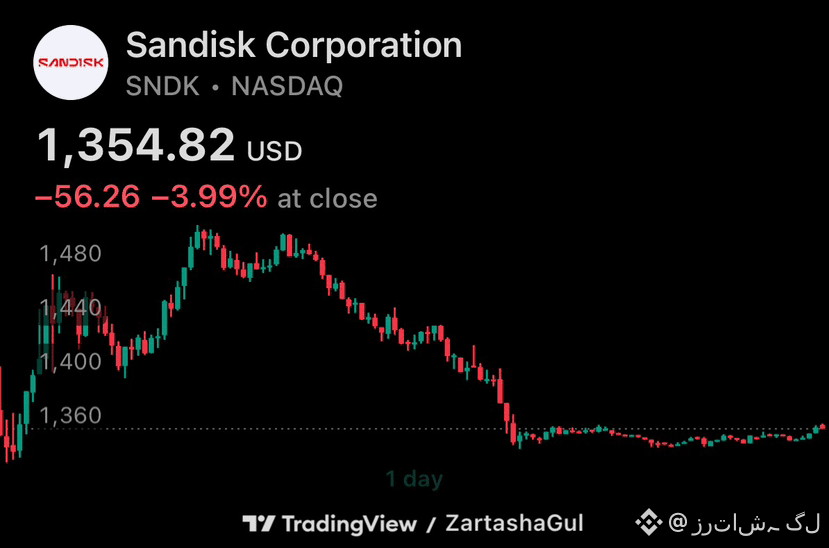
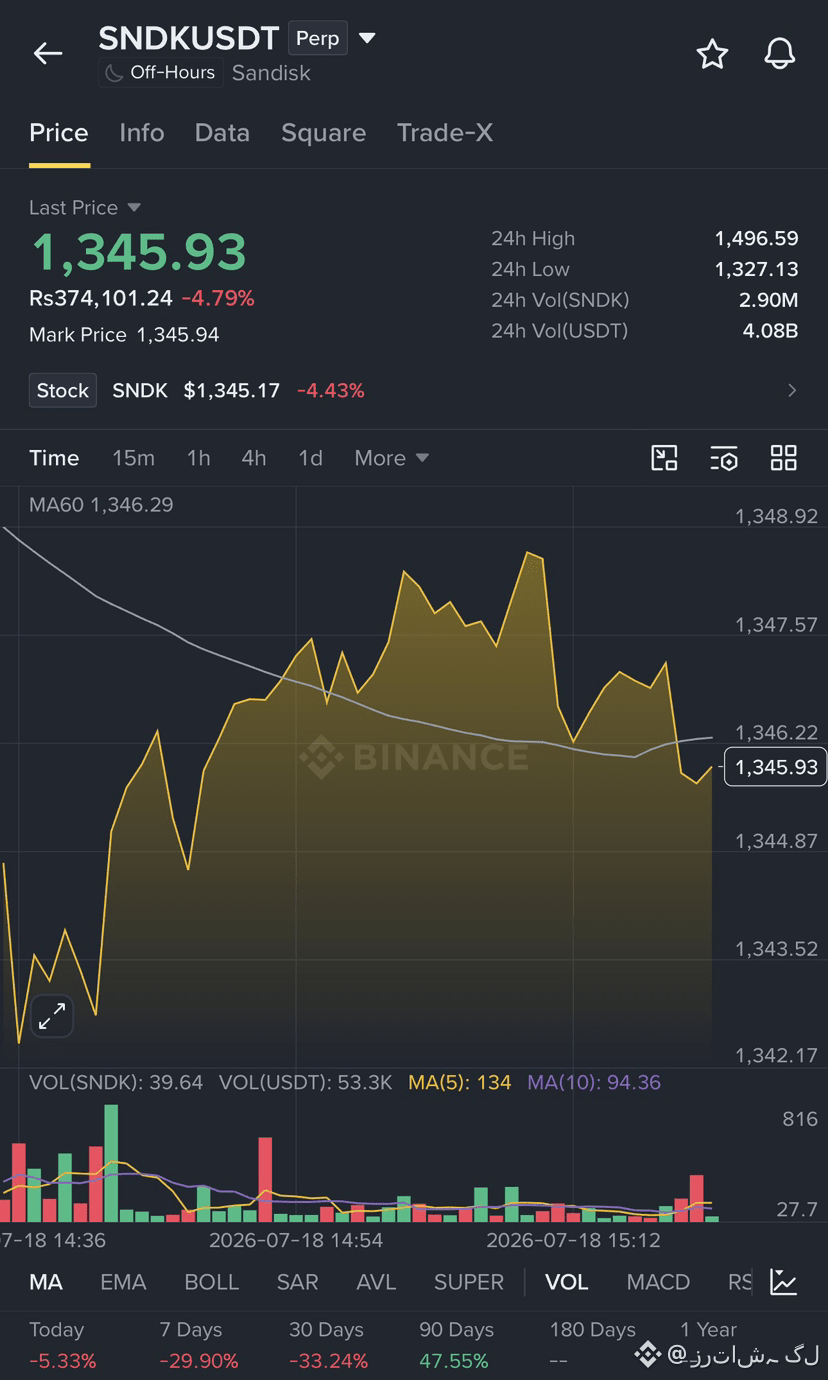
$SNDK اختبر صبري حقًا اليوم. 🥲
فقط عندما بدا أن الثيران تتولى السيطرة، انخفض السعر مباشرة إلى حيث بدأ. الآن أنا عالق وأتساءل… هل أشتري الانخفاض، أم أبقى صبورًا، أم أتراجع وأنتظر تأكيدًا؟
هل هناك أي شخص آخر يراقب $SNDK ؟ يسعدني أن أعرف كيف تتعاملون مع هذا السيناريو. شاركونا أفكاركم قبل أن أُقدم على خطوتي التالية. 👇
#SNDK #NASDAQ
فقط عندما بدا أن الثيران تتولى السيطرة، انخفض السعر مباشرة إلى حيث بدأ. الآن أنا عالق وأتساءل… هل أشتري الانخفاض، أم أبقى صبورًا، أم أتراجع وأنتظر تأكيدًا؟
هل هناك أي شخص آخر يراقب $SNDK ؟ يسعدني أن أعرف كيف تتعاملون مع هذا السيناريو. شاركونا أفكاركم قبل أن أُقدم على خطوتي التالية. 👇
#SNDK #NASDAQ
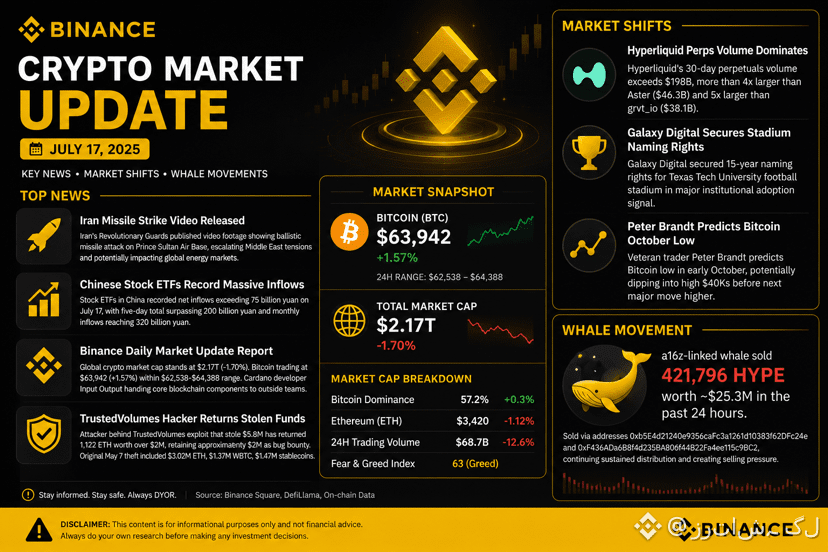
تحديث سوق العملات المشفرة | ما أراقبه اليوم
لا تزال الأسواق حذرة مع استمرار تأثير العناوين الاقتصادية الكلية على المعنويات.
يتم تداول البيتكوين قرب 63.9 ألف دولار، مع الحفاظ على مستوى دعم رئيسي بعد جلسة شديدة التقلب. تبلغ القيمة السوقية الإجمالية للعملات المشفرة نحو 2.17 تريليون دولار، ما يشير إلى أن شهية المخاطرة ما تزال هشة رغم صمود البيتكوين.
التطورات:
• أطلقت إيران لقطات تُظهر هجومها الصاروخي على قاعدة الأمير سلطان الجوية، ما يبقي المخاطر الجيوسياسية مرتفعة. أي تصعيد إضافي قد يؤثر في أسعار النفط والأسواق المالية الأوسع.
• اجتذبت صناديق مؤشرات الأسهم الصينية المتداولة (ETFs) تدفقات صافية تجاوزت 75 مليار يوان في 17 يوليو، ما دفع إجمالي الخمسة أيام إلى ما فوق 200 مليار يوان. تدفقات رأس المال القوية إلى الأسواق التقليدية تستحق المتابعة إلى جانب العملات المشفرة.
• ما زالت Hyperliquid تهيمن على سوق العقود الدائمة على السلسلة (on-chain) بحوالي 198 مليار دولار في حجم تداول خلال 30 يومًا، ما يبرز استمرار الطلب على المشتقات اللامركزية.
• عاد المهاجم وراء استغلال TrustedVolumes إلى إرجاع جزء من الأموال المسروقة، لكنه احتفظ بجزء منها باعتباره “مكافأة اكتشاف” — تذكير آخر بأن أمن التمويل اللامركزي (DeFi) ما زال محور اهتمام رئيسي.
🐋 مراقبة الحيتان
قام عنوان مرتبط بـ a16z ببيع حوالي 421,796 وحدة HYPE (نحو 25.3 مليون دولار) خلال الـ 24 ساعة الماضية. لا تعني التحويلات الكبيرة المرتبطة بعلامات رأس المال الاستثماري (VC) دائمًا اتجاهًا هبوطيًا، لكنها قد تزيد ضغط البيع على المدى القصير والتقلبات.
يتوازن السوق حاليًا بين ثلاث قوى رئيسية: عدم اليقين الجيوسياسي، والمشاركة المؤسسية المتزايدة، ونشاط قوي على السلسلة (on-chain). من المرجح أن يستمر التقلب على المدى القصير، لكن رأس المال ما يزال يتدفق إلى كل من التمويل التقليدي وبنية العملات المشفرة التحتية.
اتبع دائمًا إدارة المخاطر وتجنب اتخاذ قرارات بناءً على عنوان واحد.
#bitcoin #crypto #Hyperliquid #hype #MarketUpdate
لا تزال الأسواق حذرة مع استمرار تأثير العناوين الاقتصادية الكلية على المعنويات.
يتم تداول البيتكوين قرب 63.9 ألف دولار، مع الحفاظ على مستوى دعم رئيسي بعد جلسة شديدة التقلب. تبلغ القيمة السوقية الإجمالية للعملات المشفرة نحو 2.17 تريليون دولار، ما يشير إلى أن شهية المخاطرة ما تزال هشة رغم صمود البيتكوين.
التطورات:
• أطلقت إيران لقطات تُظهر هجومها الصاروخي على قاعدة الأمير سلطان الجوية، ما يبقي المخاطر الجيوسياسية مرتفعة. أي تصعيد إضافي قد يؤثر في أسعار النفط والأسواق المالية الأوسع.
• اجتذبت صناديق مؤشرات الأسهم الصينية المتداولة (ETFs) تدفقات صافية تجاوزت 75 مليار يوان في 17 يوليو، ما دفع إجمالي الخمسة أيام إلى ما فوق 200 مليار يوان. تدفقات رأس المال القوية إلى الأسواق التقليدية تستحق المتابعة إلى جانب العملات المشفرة.
• ما زالت Hyperliquid تهيمن على سوق العقود الدائمة على السلسلة (on-chain) بحوالي 198 مليار دولار في حجم تداول خلال 30 يومًا، ما يبرز استمرار الطلب على المشتقات اللامركزية.
• عاد المهاجم وراء استغلال TrustedVolumes إلى إرجاع جزء من الأموال المسروقة، لكنه احتفظ بجزء منها باعتباره “مكافأة اكتشاف” — تذكير آخر بأن أمن التمويل اللامركزي (DeFi) ما زال محور اهتمام رئيسي.
🐋 مراقبة الحيتان
قام عنوان مرتبط بـ a16z ببيع حوالي 421,796 وحدة HYPE (نحو 25.3 مليون دولار) خلال الـ 24 ساعة الماضية. لا تعني التحويلات الكبيرة المرتبطة بعلامات رأس المال الاستثماري (VC) دائمًا اتجاهًا هبوطيًا، لكنها قد تزيد ضغط البيع على المدى القصير والتقلبات.
يتوازن السوق حاليًا بين ثلاث قوى رئيسية: عدم اليقين الجيوسياسي، والمشاركة المؤسسية المتزايدة، ونشاط قوي على السلسلة (on-chain). من المرجح أن يستمر التقلب على المدى القصير، لكن رأس المال ما يزال يتدفق إلى كل من التمويل التقليدي وبنية العملات المشفرة التحتية.
اتبع دائمًا إدارة المخاطر وتجنب اتخاذ قرارات بناءً على عنوان واحد.
#bitcoin #crypto #Hyperliquid #hype #MarketUpdate
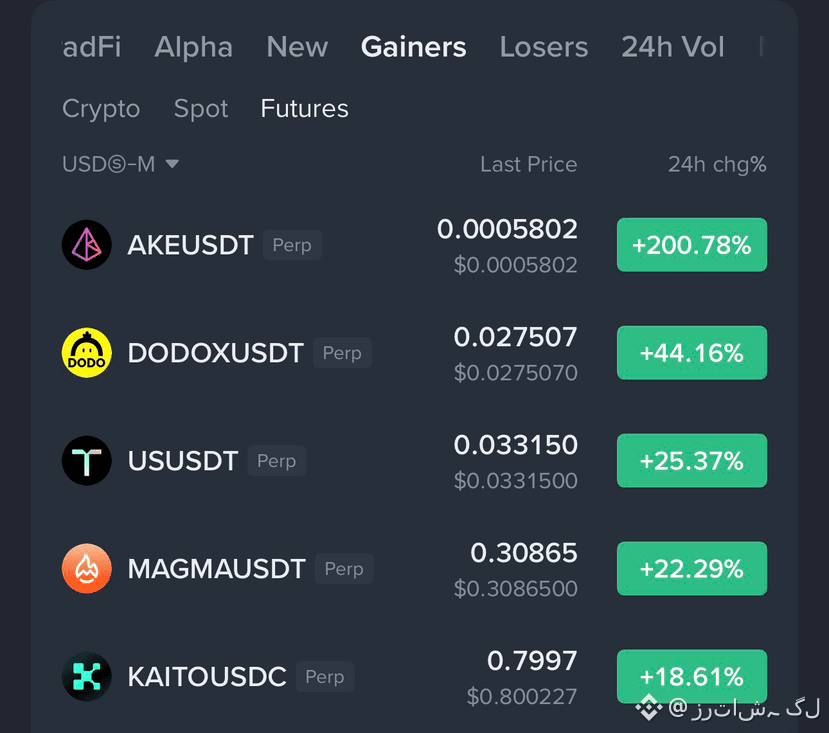
متصدّرو اليوم في عقود Futures بالدولار (USDⓈ-M) يظهرون تقلبًا منخفضًا + دورانًا (Rotation):
- $AKE USDT +200.78% — ارتفاع/قفزة هائلة. على الأرجح مدفوع بأخبار/محفّز. مخاطرة عالية، راقب احتمال الانخفاض.
- $DODOX USDT +44.16% — منظومة DODO تكتسب زخمًا. متابعة قوية.
- $US USDT +25.37% و MAGMAUSDT +22.29% — تحركات من فئة متوسطة. دوران نحو رموز مرتبطة بسرد/ثيم محدد.
- #KAITO USDC +18.61% — قطاع الذكاء الاصطناعي/البيانات ما زال يجذب التدفقات.
مشاعر «الميل للمخاطرة» في العقود الدائمة (perps). الحجم يتناوب باتجاه الشركات الصغيرة (small caps).
الرافعة المالية تُضخّم هذه التحركات في الاتجاهين، لذا أدِر المخاطر.
محتوى تعليمي فقط. لا يُعد نصيحة مالية. افعل بحثك الخاص (DYOR).
- $AKE USDT +200.78% — ارتفاع/قفزة هائلة. على الأرجح مدفوع بأخبار/محفّز. مخاطرة عالية، راقب احتمال الانخفاض.
- $DODOX USDT +44.16% — منظومة DODO تكتسب زخمًا. متابعة قوية.
- $US USDT +25.37% و MAGMAUSDT +22.29% — تحركات من فئة متوسطة. دوران نحو رموز مرتبطة بسرد/ثيم محدد.
- #KAITO USDC +18.61% — قطاع الذكاء الاصطناعي/البيانات ما زال يجذب التدفقات.
مشاعر «الميل للمخاطرة» في العقود الدائمة (perps). الحجم يتناوب باتجاه الشركات الصغيرة (small caps).
الرافعة المالية تُضخّم هذه التحركات في الاتجاهين، لذا أدِر المخاطر.
محتوى تعليمي فقط. لا يُعد نصيحة مالية. افعل بحثك الخاص (DYOR).
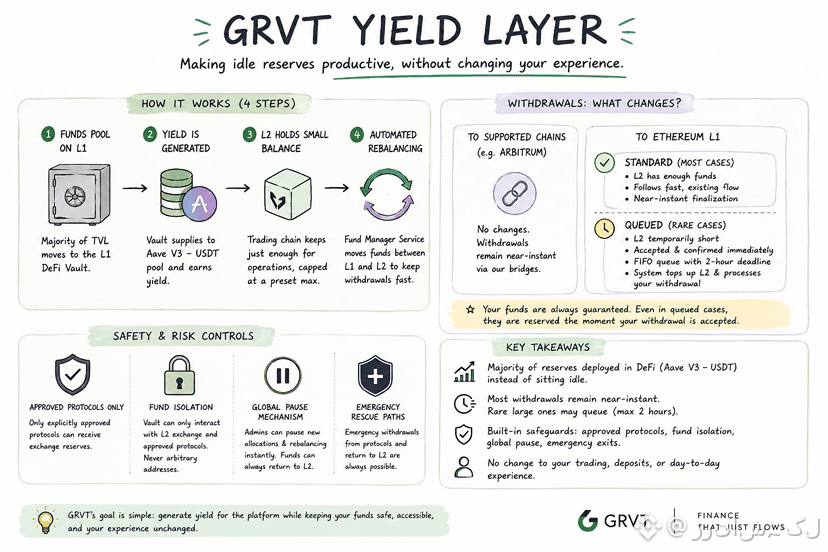
@grvt_io لقد أمسكت نفسي اليوم في حفرة أرنب أخرى. فتحت مستندات Yield Layer الجديدة متوقعًا تحديثًا بسيطًا مثل "كسب عائد على الأصول الخاملة". لكن بدلًا من ذلك، لفت انتباهي خيار تصميم واحد ظل يعيدني للتفكير: GRVT تنقل غالبية احتياطيات البورصة إلى Ethereum DeFi بينما تحافظ عمدًا على رصيد تشغيلي صغير فقط على L2.
يبدو الأمر محفوفًا بالمخاطر في البداية.
لكن الجزء المثير للاهتمام ليس العائد نفسه. بل الطريقة التي صمموا بها عمليات السحب حوله.
الآن، معظم الاحتياطيات موجودة داخل L1 DeFi Vault، وتكسب عائدًا عبر حوض USDT الخاص بـ Aave V3، بينما يدير Fund Manager آليٌّ باستمرار إعادة توازن السيولة بين Ethereum وسلسلة Validium التابعة لـ GRVT. التداول لا يتغير، والإيداعات لا تتغير، وبقيت معظم عمليات السحب قريبة جدًا من الفورية.
والاستثناء؟
عمليات السحب الكبيرة جدًا قد تدخل أحيانًا في قائمة FIFO مع نافذة معالجة قصوى مضمونة تبلغ ساعتين، إذا احتاجت موازنة L2 إلى ضخ رصيد إضافي.
هذا تحول دقيق.
معظم البورصات تترك احتياطيات خاملة فقط لضمان سيولة فورية. #grvt تحاول جعل تلك الأصول مُنتِجة بدلًا من ذلك، ثم هندسة مسار السحب بحيث لا يلاحظ المستخدمون غالبًا أي فرق.
نموذج الأمان شد انتباهي أكثر حتى من العائد.
لا يمكن لـ DeFi Vault التفاعل إلا مع بروتوكولات معتمدة، بدءًا من Aave V3. ولا يمكنه إرسال الأموال إلى محافظ عشوائية. كما توجد آلية إيقاف عالمية توقف تخصيصات جديدة بينما تسمح في الوقت نفسه بتدفق الأموال مرة أخرى إلى البورصة إذا لزم الأمر.
أمسكت فنجان قهوة أثناء القراءة وتساءلت: هل هذه هي الطريقة التي تتجه بها البنية التحتية للبورصات بهدوء؟ بدلًا من ترك مليارات بدون عمل من أجل السيولة، يستمر رأس المال في العمل داخل DeFi بينما تتولى الأتمتة موازنة كل شيء في الخلفية.
لا أقول إن كل بورصة يجب أن تنسخ النموذج.
فقط لاحظت أن الحديث يبدو أنه ينتقل من "هل يمكن للبورصات توليد عائد؟" إلى "هل يمكنها توليد عائد دون تغيير تجربة المستخدم؟"
هذا يبدو السؤال الأكثر إثارة للاهتمام.
$BSB #grvt
$ALCH
يبدو الأمر محفوفًا بالمخاطر في البداية.
لكن الجزء المثير للاهتمام ليس العائد نفسه. بل الطريقة التي صمموا بها عمليات السحب حوله.
الآن، معظم الاحتياطيات موجودة داخل L1 DeFi Vault، وتكسب عائدًا عبر حوض USDT الخاص بـ Aave V3، بينما يدير Fund Manager آليٌّ باستمرار إعادة توازن السيولة بين Ethereum وسلسلة Validium التابعة لـ GRVT. التداول لا يتغير، والإيداعات لا تتغير، وبقيت معظم عمليات السحب قريبة جدًا من الفورية.
والاستثناء؟
عمليات السحب الكبيرة جدًا قد تدخل أحيانًا في قائمة FIFO مع نافذة معالجة قصوى مضمونة تبلغ ساعتين، إذا احتاجت موازنة L2 إلى ضخ رصيد إضافي.
هذا تحول دقيق.
معظم البورصات تترك احتياطيات خاملة فقط لضمان سيولة فورية. #grvt تحاول جعل تلك الأصول مُنتِجة بدلًا من ذلك، ثم هندسة مسار السحب بحيث لا يلاحظ المستخدمون غالبًا أي فرق.
نموذج الأمان شد انتباهي أكثر حتى من العائد.
لا يمكن لـ DeFi Vault التفاعل إلا مع بروتوكولات معتمدة، بدءًا من Aave V3. ولا يمكنه إرسال الأموال إلى محافظ عشوائية. كما توجد آلية إيقاف عالمية توقف تخصيصات جديدة بينما تسمح في الوقت نفسه بتدفق الأموال مرة أخرى إلى البورصة إذا لزم الأمر.
أمسكت فنجان قهوة أثناء القراءة وتساءلت: هل هذه هي الطريقة التي تتجه بها البنية التحتية للبورصات بهدوء؟ بدلًا من ترك مليارات بدون عمل من أجل السيولة، يستمر رأس المال في العمل داخل DeFi بينما تتولى الأتمتة موازنة كل شيء في الخلفية.
لا أقول إن كل بورصة يجب أن تنسخ النموذج.
فقط لاحظت أن الحديث يبدو أنه ينتقل من "هل يمكن للبورصات توليد عائد؟" إلى "هل يمكنها توليد عائد دون تغيير تجربة المستخدم؟"
هذا يبدو السؤال الأكثر إثارة للاهتمام.
$BSB #grvt
$ALCH
@NewtonProtocol ملاحظات سريعة. انتهى بي الأمر إلى قراءة مستندات VaultKit بدلًا من الاكتفاء بتصفح نظرة عامة، وشيء واحد كان يتكرر.
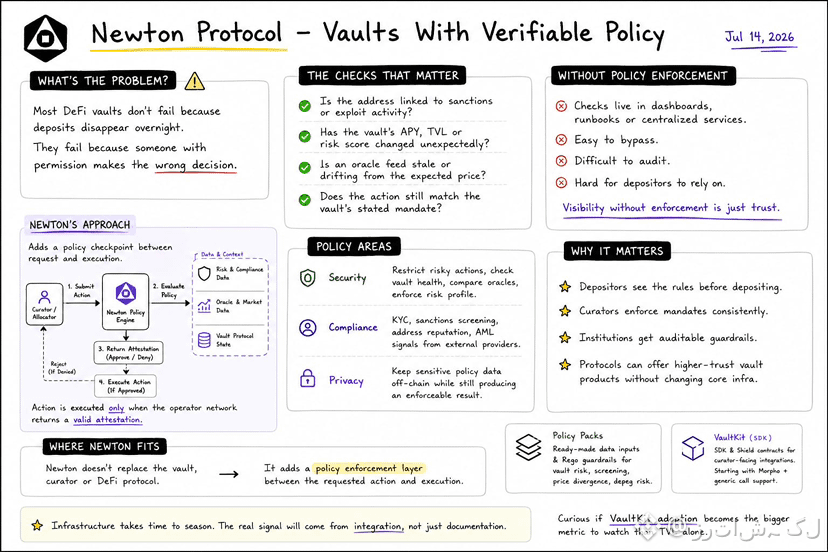
لا تفشل معظم خزائن DeFi فعليًا لأن الإيداعات تختفي بين عشية وضحاها. تفشل لأن شخصًا لديه صلاحية يتخذ قرارًا خاطئًا.
نهج نيوتن يتمثل في وضع نقطة تحقق للسياسات بين الطلب والتنفيذ. يبدو الأمر بسيطًا، لكنه يقدّم نموذج أمان مختلفًا.
تسرد المستندات أنواع الفحوص التي يمكن أن تحدث قبل أن تمر أي عملية على الخزينة:
• هل عنوان الإيداع مرتبط بكيانات خاضعة للعقوبات أو نشاط اختراق؟
• هل تغيرت APY الخزينة أو TVL أو درجة المخاطر بشكل غير متوقع؟
• هل تغذية أوراكل قديمة أو تنحرف عن السعر المتوقع؟
• هل لا تزال العملية تتوافق مع التفويض المعلن عن الخزينة؟
بدون هذه الطبقة، تعيش معظم هذه القرارات داخل لوحات المعلومات أو أدلة التشغيل الداخلية أو الخدمات المركزية. يمكن تجاوزها، وغالبًا لا يمتلك المودعون أي رؤية لكيفية تطبيقها.
الجزء المثير للاهتمام هو أن نيوتن لا يحاول استبدال البنية التحتية الحالية للخزائن.
إنه يقع بين طلب الإجراء والتنفيذ، ويقيّم السياسة، ويجمع بيانات المخاطر أو الامتثال من خارج السلسلة، ولا يُرجع سوى شهادة (attestation) إذا كانت القواعد مستوفاة.
كما تقسم المستندات السياسة إلى فئات عملية بدلًا من ميزة عامة واحدة بعنوان "الأمان":
• الأمان → تقييد إجراءات الخزائن عالية الخطورة.
• الامتثال → التحقق من KYC وAML وفحص العقوبات.
• الخصوصية → إبقاء منطق السياسات الحسّاس خارج السلسلة مع الاستمرار في إنتاج نتيجة تفويض قابلة للتنفيذ.
يبدو الأمر أقل كونه منتج عائد آخر وأكثر كونه بنية تحتية لاتخاذ قرارات الخزائن بحيث يمكن تدقيقها.
لكن ما يزال مبكرًا.
تكون محرك السياسات مفيدًا بقدر ما تتكامل معه البروتوكولات فعليًا. أتساءل إذا كان اعتماد VaultKit سيصبح المقياس الأكبر لمتابعته بدل TVL وحده.
#Newt #NewtonProtocol $NEWT
$ALCH
$BILL
لا تفشل معظم خزائن DeFi فعليًا لأن الإيداعات تختفي بين عشية وضحاها. تفشل لأن شخصًا لديه صلاحية يتخذ قرارًا خاطئًا.
نهج نيوتن يتمثل في وضع نقطة تحقق للسياسات بين الطلب والتنفيذ. يبدو الأمر بسيطًا، لكنه يقدّم نموذج أمان مختلفًا.
تسرد المستندات أنواع الفحوص التي يمكن أن تحدث قبل أن تمر أي عملية على الخزينة:
• هل عنوان الإيداع مرتبط بكيانات خاضعة للعقوبات أو نشاط اختراق؟
• هل تغيرت APY الخزينة أو TVL أو درجة المخاطر بشكل غير متوقع؟
• هل تغذية أوراكل قديمة أو تنحرف عن السعر المتوقع؟
• هل لا تزال العملية تتوافق مع التفويض المعلن عن الخزينة؟
بدون هذه الطبقة، تعيش معظم هذه القرارات داخل لوحات المعلومات أو أدلة التشغيل الداخلية أو الخدمات المركزية. يمكن تجاوزها، وغالبًا لا يمتلك المودعون أي رؤية لكيفية تطبيقها.
الجزء المثير للاهتمام هو أن نيوتن لا يحاول استبدال البنية التحتية الحالية للخزائن.
إنه يقع بين طلب الإجراء والتنفيذ، ويقيّم السياسة، ويجمع بيانات المخاطر أو الامتثال من خارج السلسلة، ولا يُرجع سوى شهادة (attestation) إذا كانت القواعد مستوفاة.
كما تقسم المستندات السياسة إلى فئات عملية بدلًا من ميزة عامة واحدة بعنوان "الأمان":
• الأمان → تقييد إجراءات الخزائن عالية الخطورة.
• الامتثال → التحقق من KYC وAML وفحص العقوبات.
• الخصوصية → إبقاء منطق السياسات الحسّاس خارج السلسلة مع الاستمرار في إنتاج نتيجة تفويض قابلة للتنفيذ.
يبدو الأمر أقل كونه منتج عائد آخر وأكثر كونه بنية تحتية لاتخاذ قرارات الخزائن بحيث يمكن تدقيقها.
لكن ما يزال مبكرًا.
تكون محرك السياسات مفيدًا بقدر ما تتكامل معه البروتوكولات فعليًا. أتساءل إذا كان اعتماد VaultKit سيصبح المقياس الأكبر لمتابعته بدل TVL وحده.
#Newt #NewtonProtocol $NEWT
$ALCH
$BILL
عندما نظرت عن قرب، تغيّر هذا في فهمي لـ GRVT
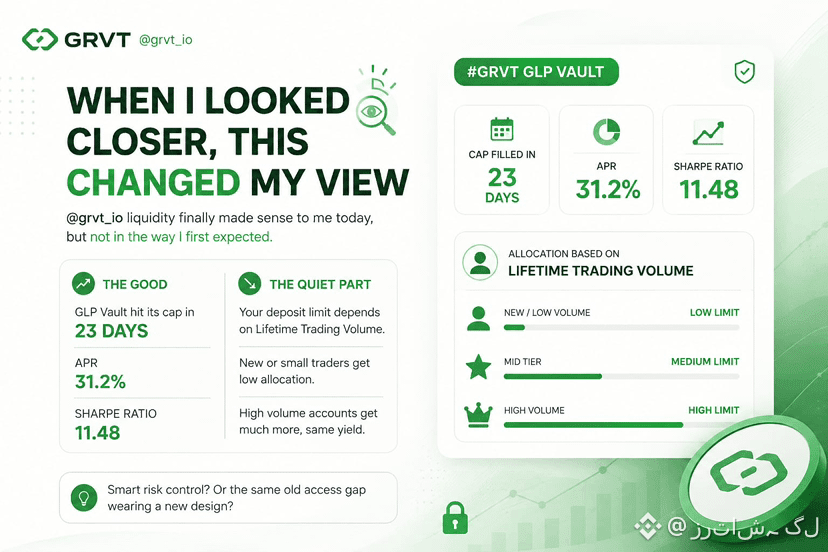
@grvt_io liquidity أخيرًا أصبح واضحًا بالنسبة لي اليوم، لكن ليس بالطريقة التي توقعتها أولاً.
كنت أراجع محفظة #grvt GLP أثناء أداء مهمة أخرى. بدا أن كل شيء ممتاز في البداية. وصلت المحفظة إلى حدّها الأقصى خلال 23 يومًا، وتعرض عائدًا سنويًا بنسبة 31.2%، ونسبة شارب تبلغ 11.48. يبدو الأمر وكأن بإمكان أي شخص الانضمام.
ثم لاحظت شيئًا.
المبلغ الذي يمكنك إيداعه يعتمد على حجم تداولك مدى الحياة. إذا كنت مستخدمًا جديدًا أو تتداول أقل، يظل حد الإيداع صغيرًا. جرّبت ذلك بنفسي، وكان التخصيص أقل بكثير مما كنت أتوقع.
حاصلون على تاريخ تداول طويل يحصلون من البداية على حدود أكبر. نفس المحفظة. نفس العائد. فقط مساحة أكبر لتحقيق الأرباح.
انتهيت من شرب الشاي هنا...
النظام نفسه بسيط. إنه يكافئ المستخدمين الذين كانوا نشطين بالفعل. وهذا على الأرجح يساعد في الحفاظ على السيولة أكثر استقرارًا ويقلل من الزراعة قصيرة الأجل. لكن مشاهدة عمله عمليًا أعطتني نظرة مختلفة.
ربما هذه طريقة ذكية لإدارة المخاطر. أو ربما هي طريقة أخرى لتقديم فرص أكبر للمتداولين الذين كانوا بالفعل متقدمين. ما زلت أفكر في ذلك.
#grvt
@grvt_io liquidity أخيرًا أصبح واضحًا بالنسبة لي اليوم، لكن ليس بالطريقة التي توقعتها أولاً.
كنت أراجع محفظة #grvt GLP أثناء أداء مهمة أخرى. بدا أن كل شيء ممتاز في البداية. وصلت المحفظة إلى حدّها الأقصى خلال 23 يومًا، وتعرض عائدًا سنويًا بنسبة 31.2%، ونسبة شارب تبلغ 11.48. يبدو الأمر وكأن بإمكان أي شخص الانضمام.
ثم لاحظت شيئًا.
المبلغ الذي يمكنك إيداعه يعتمد على حجم تداولك مدى الحياة. إذا كنت مستخدمًا جديدًا أو تتداول أقل، يظل حد الإيداع صغيرًا. جرّبت ذلك بنفسي، وكان التخصيص أقل بكثير مما كنت أتوقع.
حاصلون على تاريخ تداول طويل يحصلون من البداية على حدود أكبر. نفس المحفظة. نفس العائد. فقط مساحة أكبر لتحقيق الأرباح.
انتهيت من شرب الشاي هنا...
النظام نفسه بسيط. إنه يكافئ المستخدمين الذين كانوا نشطين بالفعل. وهذا على الأرجح يساعد في الحفاظ على السيولة أكثر استقرارًا ويقلل من الزراعة قصيرة الأجل. لكن مشاهدة عمله عمليًا أعطتني نظرة مختلفة.
ربما هذه طريقة ذكية لإدارة المخاطر. أو ربما هي طريقة أخرى لتقديم فرص أكبر للمتداولين الذين كانوا بالفعل متقدمين. ما زلت أفكر في ذلك.
#grvt
سجّل الدخول لاستكشاف المزيد من المُحتوى