
#depin
depin
3.7M مشاهدات
13,170 يقومون بالنقاش
رائج
جديد

🚨 السرد بقيمة 1 تريليون دولار: لماذا تقوم الحيتان بخفيّة بتجميع رموز DePIN! 🌐🔌
في الوقت الذي يتجادل فيه المتداولون الأفراد حول العملات الميمية، يقوم عمالقة الصناعة وحيتان العملات المشفرة بهدوء ببناء بنية تحتية مادية حقيقية على البلوك تشين.
مرحبًا بك في ثورة DePIN (البنية التحتية المادية اللامركزية). لم يعد الأمر مجرد أرقام رقمية على شاشة؛ بل يتعلق بربط العتاد في العالم الحقيقي—حوسبة وحدات GPU، والتخزين اللامركزي، والشبكات اللاسلكية، وشبكات الطاقة—بشكل مباشر مع Web3.
إذا كنت تريد التقاط الموجة التالية من نمو محفظات ضخم ومستدام، فإليك لماذا تُعد DePIN مهيّأة لتصبح القطاع المهيمن في هذه الدورة:
🤖 1. الطلب الهائل والمجنون على حوسبة GPU الخاصة بالذكاء الاصطناعي
تتطلب نماذج الذكاء الاصطناعي قدرات حوسبة هائلة. تتيح بروتوكولات Web3 DePIN للأفراد ومراكز البيانات استئجار قدرات GPU غير المستخدمة عالميًا بجزء بسيط من تكلفة مزودي الخدمات السحابية التقليديين. الإيرادات الناتجة هنا حقيقية ومستمرّة.
📡 2. الاتصالات المتحوّلة واللاسلكية اللامركزية
من نقاط اتصال 5G العالمية إلى رسم الخرائط اللامركزية، يكسب المستخدمون العاديون مكافآت تشفيرية ببساطة عبر تشغيل عقد ومعدات فعلية. هذا يَجسر الفجوة بين بروتوكولات Web3 والمنفعة اليومية للمستهلكين.
💸 3. إيرادات بروتوكولات حقيقية مقابل مجرد ضجة
على عكس الرموز المضارِبية قليلة الاستخدام، تُولّد أبرز بروتوكولات DePIN إيرادات فعلية بالدولار من شركات غير تشفيرية تدفع مقابل التخزين وعرض النطاق والمعالجة الحوسبية. وهذا يخلق نموذجًا مستدامًا لإعادة شراء وحرق الرموز الأصلية.
💡 التموضع الاستراتيجي:
توقّف عن وضع 100% من رأس مالك في المضاربة البحتة. إن تخصيص جزء من محفظتك لبروتوكولات DePIN والبنية التحتية للذكاء الاصطناعي التي اجتازت اختبار الزمن هو ما يفعله المستثمرون الأذكياء لبناء ثروة طويلة الأجل محمية من المخاطر.
👇 لِنُناقش:
هل تحتفظ حاليًا بأي رموز DePIN أو بنية تحتية للذكاء الاصطناعي؟ اترك أفضل اختيار لديك في التعليقات أدناه، ولنقيّم نموذج إيراداته في العالم الحقيقي معًا! 📊👇
#DePIN #AIcrypto #SmartMoney #BinanceSquare #CryptoTrends #Web3Utility #AltcoinGems
🚨 السرد بقيمة 1 تريليون دولار: لماذا تقوم الحيتان بخفيّة بتجميع رموز DePIN! 🌐🔌
في الوقت الذي يتجادل فيه المتداولون الأفراد حول العملات الميمية، يقوم عمالقة الصناعة وحيتان العملات المشفرة بهدوء ببناء بنية تحتية مادية حقيقية على البلوك تشين.
مرحبًا بك في ثورة DePIN (البنية التحتية المادية اللامركزية). لم يعد الأمر مجرد أرقام رقمية على شاشة؛ بل يتعلق بربط العتاد في العالم الحقيقي—حوسبة وحدات GPU، والتخزين اللامركزي، والشبكات اللاسلكية، وشبكات الطاقة—بشكل مباشر مع Web3.
إذا كنت تريد التقاط الموجة التالية من نمو محفظات ضخم ومستدام، فإليك لماذا تُعد DePIN مهيّأة لتصبح القطاع المهيمن في هذه الدورة:
🤖 1. الطلب الهائل والمجنون على حوسبة GPU الخاصة بالذكاء الاصطناعي
تتطلب نماذج الذكاء الاصطناعي قدرات حوسبة هائلة. تتيح بروتوكولات Web3 DePIN للأفراد ومراكز البيانات استئجار قدرات GPU غير المستخدمة عالميًا بجزء بسيط من تكلفة مزودي الخدمات السحابية التقليديين. الإيرادات الناتجة هنا حقيقية ومستمرّة.
📡 2. الاتصالات المتحوّلة واللاسلكية اللامركزية
من نقاط اتصال 5G العالمية إلى رسم الخرائط اللامركزية، يكسب المستخدمون العاديون مكافآت تشفيرية ببساطة عبر تشغيل عقد ومعدات فعلية. هذا يَجسر الفجوة بين بروتوكولات Web3 والمنفعة اليومية للمستهلكين.
💸 3. إيرادات بروتوكولات حقيقية مقابل مجرد ضجة
على عكس الرموز المضارِبية قليلة الاستخدام، تُولّد أبرز بروتوكولات DePIN إيرادات فعلية بالدولار من شركات غير تشفيرية تدفع مقابل التخزين وعرض النطاق والمعالجة الحوسبية. وهذا يخلق نموذجًا مستدامًا لإعادة شراء وحرق الرموز الأصلية.
💡 التموضع الاستراتيجي:
توقّف عن وضع 100% من رأس مالك في المضاربة البحتة. إن تخصيص جزء من محفظتك لبروتوكولات DePIN والبنية التحتية للذكاء الاصطناعي التي اجتازت اختبار الزمن هو ما يفعله المستثمرون الأذكياء لبناء ثروة طويلة الأجل محمية من المخاطر.
👇 لِنُناقش:
هل تحتفظ حاليًا بأي رموز DePIN أو بنية تحتية للذكاء الاصطناعي؟ اترك أفضل اختيار لديك في التعليقات أدناه، ولنقيّم نموذج إيراداته في العالم الحقيقي معًا! 📊👇
#DePIN #AIcrypto #SmartMoney #BinanceSquare #CryptoTrends #Web3Utility #AltcoinGems
في الوقت الذي يتجادل فيه المتداولون الأفراد حول العملات الميمية، يقوم عمالقة الصناعة وحيتان العملات المشفرة بهدوء ببناء بنية تحتية مادية حقيقية على البلوك تشين.
مرحبًا بك في ثورة DePIN (البنية التحتية المادية اللامركزية). لم يعد الأمر مجرد أرقام رقمية على شاشة؛ بل يتعلق بربط العتاد في العالم الحقيقي—حوسبة وحدات GPU، والتخزين اللامركزي، والشبكات اللاسلكية، وشبكات الطاقة—بشكل مباشر مع Web3.
إذا كنت تريد التقاط الموجة التالية من نمو محفظات ضخم ومستدام، فإليك لماذا تُعد DePIN مهيّأة لتصبح القطاع المهيمن في هذه الدورة:
🤖 1. الطلب الهائل والمجنون على حوسبة GPU الخاصة بالذكاء الاصطناعي
تتطلب نماذج الذكاء الاصطناعي قدرات حوسبة هائلة. تتيح بروتوكولات Web3 DePIN للأفراد ومراكز البيانات استئجار قدرات GPU غير المستخدمة عالميًا بجزء بسيط من تكلفة مزودي الخدمات السحابية التقليديين. الإيرادات الناتجة هنا حقيقية ومستمرّة.
📡 2. الاتصالات المتحوّلة واللاسلكية اللامركزية
من نقاط اتصال 5G العالمية إلى رسم الخرائط اللامركزية، يكسب المستخدمون العاديون مكافآت تشفيرية ببساطة عبر تشغيل عقد ومعدات فعلية. هذا يَجسر الفجوة بين بروتوكولات Web3 والمنفعة اليومية للمستهلكين.
💸 3. إيرادات بروتوكولات حقيقية مقابل مجرد ضجة
على عكس الرموز المضارِبية قليلة الاستخدام، تُولّد أبرز بروتوكولات DePIN إيرادات فعلية بالدولار من شركات غير تشفيرية تدفع مقابل التخزين وعرض النطاق والمعالجة الحوسبية. وهذا يخلق نموذجًا مستدامًا لإعادة شراء وحرق الرموز الأصلية.
💡 التموضع الاستراتيجي:
توقّف عن وضع 100% من رأس مالك في المضاربة البحتة. إن تخصيص جزء من محفظتك لبروتوكولات DePIN والبنية التحتية للذكاء الاصطناعي التي اجتازت اختبار الزمن هو ما يفعله المستثمرون الأذكياء لبناء ثروة طويلة الأجل محمية من المخاطر.
👇 لِنُناقش:
هل تحتفظ حاليًا بأي رموز DePIN أو بنية تحتية للذكاء الاصطناعي؟ اترك أفضل اختيار لديك في التعليقات أدناه، ولنقيّم نموذج إيراداته في العالم الحقيقي معًا! 📊👇
#DePIN #AIcrypto #SmartMoney #BinanceSquare #CryptoTrends #Web3Utility #AltcoinGems
1
43

عرض الترجمة
🚀 Las 3 Narrativas Cripto que Dominarán el Mercado en 2026 (Y cómo prepararte)El mercado cripto ha cambiado de reglas. Ya no basta con seguir el impulso efímero de las memecoins o esperar a que el ciclo del Halving haga todo el trabajo pesado. Para construir un portafolio sólido y capturar las mayores oportunidades este año, la clave está en identificar hacia dónde se está moviendo el capital institucional y el desarrollo tecnológico real.
Si quieres posicionarte antes que la mayoría, estas son las tres narrativas que están definiendo el flujo de dinero:
1. Agentes de IA y DeAI (Inteligencia Artificial Descentralizada)
La convergencia entre IA y Web3 es una realidad operativa. Los agentes autónomos en cadena (on-chain) están ejecutando estrategias de trading, gestionando protocolos DeFi y optimizando liquidez en tiempo real. Los proyectos que proveen infraestructura para cómputo descentralizado y procesamiento de datos para modelos de IA están capturando gran parte del interés del mercado.
2. Tokenización de Activos del Mundo Real (RWA)
Los gigantes financieros tradicionales continúan digitalizando bonos, bienes raíces y fondos de inversión en la cadena de bloques. La tokenización de RWA está atrayendo miles de millones de dólares en liquidez institucional porque ofrece rendimientos reales sustentables (real yield), aportando estabilidad y madurez al ecosistema.
3. Infraestructura DePIN (Redes de Infraestructura Física Descentralizada)
Desde redes de telecomunicaciones hasta servidores de procesamiento gráfico (GPU) compartidos, DePIN demuestra la utilidad práctica de los incentivos tokenizados en el mundo físico. Es uno de los puentes más claros para la adopción masiva fuera del nicho cripto.
💡 Consejos clave para tu estrategia
Evalúa métricas reales: Prioriza proyectos con ingresos comprobables y usuarios activos sobre simple publicidad.Diversificación ponderada: Mantén una base en los activos de mayor capitalización y asigna un porcentaje controlado a las narrativas emergentes.Asegura ganancias: Define metas de salida claras; en mercados acelerados, proteger el capital es fundamental.
¿Cuál de estas tres tendencias crees que tendrá el mayor impacto en los próximos meses? Déjame tu análisis en los comentarios. 👇
#crypto2024 26 #BinanceSquareTalks uare #DeAI #RWA板块涨势强劲 A #DePIN PIN #tradingStrategy
🚀 Las 3 Narrativas Cripto que Dominarán el Mercado en 2026 (Y cómo prepararte)
El mercado cripto ha cambiado de reglas. Ya no basta con seguir el impulso efímero de las memecoins o esperar a que el ciclo del Halving haga todo el trabajo pesado. Para construir un portafolio sólido y capturar las mayores oportunidades este año, la clave está en identificar hacia dónde se está moviendo el capital institucional y el desarrollo tecnológico real.
Si quieres posicionarte antes que la mayoría, estas son las tres narrativas que están definiendo el flujo de dinero:
1. Agentes de IA y DeAI (Inteligencia Artificial Descentralizada)
La convergencia entre IA y Web3 es una realidad operativa. Los agentes autónomos en cadena (on-chain) están ejecutando estrategias de trading, gestionando protocolos DeFi y optimizando liquidez en tiempo real. Los proyectos que proveen infraestructura para cómputo descentralizado y procesamiento de datos para modelos de IA están capturando gran parte del interés del mercado.
2. Tokenización de Activos del Mundo Real (RWA)
Los gigantes financieros tradicionales continúan digitalizando bonos, bienes raíces y fondos de inversión en la cadena de bloques. La tokenización de RWA está atrayendo miles de millones de dólares en liquidez institucional porque ofrece rendimientos reales sustentables (real yield), aportando estabilidad y madurez al ecosistema.
3. Infraestructura DePIN (Redes de Infraestructura Física Descentralizada)
Desde redes de telecomunicaciones hasta servidores de procesamiento gráfico (GPU) compartidos, DePIN demuestra la utilidad práctica de los incentivos tokenizados en el mundo físico. Es uno de los puentes más claros para la adopción masiva fuera del nicho cripto.
💡 Consejos clave para tu estrategia
Evalúa métricas reales: Prioriza proyectos con ingresos comprobables y usuarios activos sobre simple publicidad.Diversificación ponderada: Mantén una base en los activos de mayor capitalización y asigna un porcentaje controlado a las narrativas emergentes.Asegura ganancias: Define metas de salida claras; en mercados acelerados, proteger el capital es fundamental.
¿Cuál de estas tres tendencias crees que tendrá el mayor impacto en los próximos meses? Déjame tu análisis en los comentarios. 👇
#crypto2024 26 #BinanceSquareTalks uare #DeAI #RWA板块涨势强劲 A #DePIN PIN #tradingStrategy
Si quieres posicionarte antes que la mayoría, estas son las tres narrativas que están definiendo el flujo de dinero:
1. Agentes de IA y DeAI (Inteligencia Artificial Descentralizada)
La convergencia entre IA y Web3 es una realidad operativa. Los agentes autónomos en cadena (on-chain) están ejecutando estrategias de trading, gestionando protocolos DeFi y optimizando liquidez en tiempo real. Los proyectos que proveen infraestructura para cómputo descentralizado y procesamiento de datos para modelos de IA están capturando gran parte del interés del mercado.
2. Tokenización de Activos del Mundo Real (RWA)
Los gigantes financieros tradicionales continúan digitalizando bonos, bienes raíces y fondos de inversión en la cadena de bloques. La tokenización de RWA está atrayendo miles de millones de dólares en liquidez institucional porque ofrece rendimientos reales sustentables (real yield), aportando estabilidad y madurez al ecosistema.
3. Infraestructura DePIN (Redes de Infraestructura Física Descentralizada)
Desde redes de telecomunicaciones hasta servidores de procesamiento gráfico (GPU) compartidos, DePIN demuestra la utilidad práctica de los incentivos tokenizados en el mundo físico. Es uno de los puentes más claros para la adopción masiva fuera del nicho cripto.
💡 Consejos clave para tu estrategia
Evalúa métricas reales: Prioriza proyectos con ingresos comprobables y usuarios activos sobre simple publicidad.Diversificación ponderada: Mantén una base en los activos de mayor capitalización y asigna un porcentaje controlado a las narrativas emergentes.Asegura ganancias: Define metas de salida claras; en mercados acelerados, proteger el capital es fundamental.
¿Cuál de estas tres tendencias crees que tendrá el mayor impacto en los próximos meses? Déjame tu análisis en los comentarios. 👇
#crypto2024 26 #BinanceSquareTalks uare #DeAI #RWA板块涨势强劲 A #DePIN PIN #tradingStrategy
109

·
--
مقالة
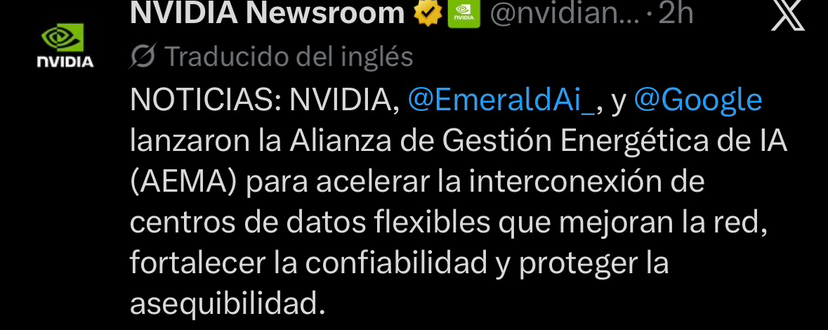
ألفا وول ستريت: نوكيا وإنفيديا والاتصال عبر DePIN الذي يتجاهله الجميع 🧠🌐مرحبًا يا عائلة باينانس! اليوم سنوصل النقاط التي لا يرى معظم مستثمري وول ستريت أنها موجودة.
إذا كنت تتابع الأخبار، فمن المؤكد أنك شاهدت الإعلان الأخير من Wall St Engine حول كيفية قيام نوكيا ($NOK) وإنفيديا ($NVDA) بتسريع اعتماد AI-RAN (الذكاء الاصطناعي في شبكات الراديو) لمستقبل 6G. يذكر الإعلان شركاء عالميين رئيسيين مثل NTT DOCOMO وT-Mobile.
للـوهلة الأولى، تبدو كأنها مجرد خبر آخر عن الاتصالات. لكن بالنسبة للعين المُدربة على Web3 وDePIN (شبكات البنية التحتية المادية اللامركزية)، يوجد "ألفا" عملاق مخبّأ للعلن.
ألفا وول ستريت: نوكيا وإنفيديا والاتصال عبر DePIN الذي يتجاهله الجميع 🧠🌐
مرحبًا يا عائلة باينانس! اليوم سنوصل النقاط التي لا يرى معظم مستثمري وول ستريت أنها موجودة.
إذا كنت تتابع الأخبار، فمن المؤكد أنك شاهدت الإعلان الأخير من Wall St Engine حول كيفية قيام نوكيا ($NOK) وإنفيديا ($NVDA ) بتسريع اعتماد AI-RAN (الذكاء الاصطناعي في شبكات الراديو) لمستقبل 6G. يذكر الإعلان شركاء عالميين رئيسيين مثل NTT DOCOMO وT-Mobile.
للـوهلة الأولى، تبدو كأنها مجرد خبر آخر عن الاتصالات. لكن بالنسبة للعين المُدربة على Web3 وDePIN (شبكات البنية التحتية المادية اللامركزية)، يوجد "ألفا" عملاق مخبّأ للعلن.
إذا كنت تتابع الأخبار، فمن المؤكد أنك شاهدت الإعلان الأخير من Wall St Engine حول كيفية قيام نوكيا ($NOK) وإنفيديا ($NVDA ) بتسريع اعتماد AI-RAN (الذكاء الاصطناعي في شبكات الراديو) لمستقبل 6G. يذكر الإعلان شركاء عالميين رئيسيين مثل NTT DOCOMO وT-Mobile.
للـوهلة الأولى، تبدو كأنها مجرد خبر آخر عن الاتصالات. لكن بالنسبة للعين المُدربة على Web3 وDePIN (شبكات البنية التحتية المادية اللامركزية)، يوجد "ألفا" عملاق مخبّأ للعلن.
111

·
--
$GLM DePIN و الحوسبة بالذكاء الاصطناعي: ما الآفاق التي يحملها $GLM ؟
في حين يطارد المتداولون الأفراد ضجيج التداول اليومي للـ meme coins، يتشكل تدريجيًا أساس عالمي لتحول جوهري داخل قطاع البنية التحتية الحوسبية اللامركزية (DePIN).
محركات رئيسية للنمو:
نقص عالمي في GPU/CPU: أدى ازدهار الشبكات العصبية ونماذج الذكاء الاصطناعي إلى خلق نقص هائل في قدرات الحوسبة. تمثل الشبكات اللامركزية البديل الوحيد الرخيص والقابل للتوسع أمام عمالقة السحابة المركزيين.
إشارة على الطلب المؤسسي: القفزات اليومية في العائد (Earn) (التي تتجاوز أحيانًا 40% APR) هي علامة واضحة على أن اللاعبين الكبار يفتقرون إلى سيولة حرة في العملة.
تراكم على إطار زمني أعلى: على الرسم البياني الأسبوعي، توجد العملة قرب قاعدة تاريخية ($0.0850–$0.1000). لقد أنهك البائعون أنفسهم، وانخفض حجم المعروض في البورصات.
تبدأ الدورات الصعودية الحقيقية لا في ذروة FOMO العامة، بل في مرحلة توطيد هادئة وطويلة. يظل قطاع DePIN أحد أبرز السرديات لمرحلة altseason القادمة.
ما رأيكم: هل سيصبح DePIN هو الاتجاه الرئيسي لهذه الدورة أم سيفسح المجال لقطاعات أخرى؟ 👇
#GLM #DePIN #BinanceSquare #CryptoAnalysis
$GLM DePIN و الحوسبة بالذكاء الاصطناعي: ما الآفاق التي يحملها $GLM ؟
في حين يطارد المتداولون الأفراد ضجيج التداول اليومي للـ meme coins، يتشكل تدريجيًا أساس عالمي لتحول جوهري داخل قطاع البنية التحتية الحوسبية اللامركزية (DePIN).
محركات رئيسية للنمو:
نقص عالمي في GPU/CPU: أدى ازدهار الشبكات العصبية ونماذج الذكاء الاصطناعي إلى خلق نقص هائل في قدرات الحوسبة. تمثل الشبكات اللامركزية البديل الوحيد الرخيص والقابل للتوسع أمام عمالقة السحابة المركزيين.
إشارة على الطلب المؤسسي: القفزات اليومية في العائد (Earn) (التي تتجاوز أحيانًا 40% APR) هي علامة واضحة على أن اللاعبين الكبار يفتقرون إلى سيولة حرة في العملة.
تراكم على إطار زمني أعلى: على الرسم البياني الأسبوعي، توجد العملة قرب قاعدة تاريخية ($0.0850–$0.1000). لقد أنهك البائعون أنفسهم، وانخفض حجم المعروض في البورصات.
تبدأ الدورات الصعودية الحقيقية لا في ذروة FOMO العامة، بل في مرحلة توطيد هادئة وطويلة. يظل قطاع DePIN أحد أبرز السرديات لمرحلة altseason القادمة.
ما رأيكم: هل سيصبح DePIN هو الاتجاه الرئيسي لهذه الدورة أم سيفسح المجال لقطاعات أخرى؟ 👇
#GLM #DePIN #BinanceSquare #CryptoAnalysis
في حين يطارد المتداولون الأفراد ضجيج التداول اليومي للـ meme coins، يتشكل تدريجيًا أساس عالمي لتحول جوهري داخل قطاع البنية التحتية الحوسبية اللامركزية (DePIN).
محركات رئيسية للنمو:
نقص عالمي في GPU/CPU: أدى ازدهار الشبكات العصبية ونماذج الذكاء الاصطناعي إلى خلق نقص هائل في قدرات الحوسبة. تمثل الشبكات اللامركزية البديل الوحيد الرخيص والقابل للتوسع أمام عمالقة السحابة المركزيين.
إشارة على الطلب المؤسسي: القفزات اليومية في العائد (Earn) (التي تتجاوز أحيانًا 40% APR) هي علامة واضحة على أن اللاعبين الكبار يفتقرون إلى سيولة حرة في العملة.
تراكم على إطار زمني أعلى: على الرسم البياني الأسبوعي، توجد العملة قرب قاعدة تاريخية ($0.0850–$0.1000). لقد أنهك البائعون أنفسهم، وانخفض حجم المعروض في البورصات.
تبدأ الدورات الصعودية الحقيقية لا في ذروة FOMO العامة، بل في مرحلة توطيد هادئة وطويلة. يظل قطاع DePIN أحد أبرز السرديات لمرحلة altseason القادمة.
ما رأيكم: هل سيصبح DePIN هو الاتجاه الرئيسي لهذه الدورة أم سيفسح المجال لقطاعات أخرى؟ 👇
#GLM #DePIN #BinanceSquare #CryptoAnalysis
1
127
$CP (CP) قصة البنية التحتية اللامركزية للذكاء الاصطناعي. وافد جديد يخلق ضجة على Binance Alpha. Cluster Protocol (CP) ليس توكنًا ميمّيًا. يركز Cluster Protocol (CP) على البنية التحتية اللامركزية للذكاء الاصطناعي وإثبات الحوسبة. يحاول Cluster Protocol (CP) الجمع بين تقنية البلوك تشين والحوسبة ونماذج الذكاء الاصطناعي. يدفع الذكاء الاصطناعي الطلب على قوة الحوسبة. والسؤال المليون دولار هو: هل يمكن للشبكات اللامركزية أن تستحوذ على جزء من هذا الطلب؟
لدى Cluster Protocol (CP) قيمة سوقية تبلغ 18.15 مليون دولار. يتداول حاليًا 1.376 مليار توكن CP. الحد الأقصى للمعروض هو 5 مليارات توكن CP.
أعلى سعر وصل إليه Cluster Protocol (CP) على الإطلاق كان حوالي 0.199 دولار. وهذا يترك مجالًا كبيرًا لتحقيق مكاسب.. قد تكون الأصول في المراحل المبكرة شديدة التذبذب. فيما يلي سيناريوهات تقييم. عند 0.05 دولار لكل توكن يكون التقييم المخفف حوالي 250 مليون دولار. عند 0.10 دولار لكل توكن يكون 500 مليون دولار. عند 0.20 دولار لكل توكن يكون 1 مليار دولار. عند 0.50 دولار لكل توكن يكون حوالي 2.5 مليار دولار. عند 1.00 دولار لكل توكن يكون 5 مليارات دولار. هذه الأرقام هي سيناريوهات وليست أهدافًا للسعر. للحفاظ على تقييمات مرتفعة يجب أن يمتلك Cluster Protocol (CP) نشاطًا قويًا لدى المطورين، وتطويرًا مفيدًا، واستخدامًا فعّالًا للشبكة، وسيولة جيدة، ونظامًا بيئيًا نشطًا.
أسهل القضايا لمعالجتها واضحة. Cluster Protocol (CP) هو أصل تشفيري في مرحلة مبكرة. الذكاء الاصطناعي اللامركزي مجال تنافسي. إجمالي المعروض من توكنات CP أكبر بكثير من التوكنات التي تتداول حاليًا.. #Binance Alpha لا يعني تلقائيًا إدراجًا مستقبليًا في Binance Spot.
السبب البسيط هو أن الذكاء الاصطناعي يحتاج إلى قوة حوسبة. اللامركزية خيار واحد. يريد Cluster Protocol (CP) أن يفعل كلا الأمرين.. التكنولوجيا وحدها لا تكفي. الاعتماد مهم.
#CP #Cluster #Binance #DePIN
$CP (CP) قصة البنية التحتية اللامركزية للذكاء الاصطناعي. وافد جديد يخلق ضجة على Binance Alpha. Cluster Protocol (CP) ليس توكنًا ميمّيًا. يركز Cluster Protocol (CP) على البنية التحتية اللامركزية للذكاء الاصطناعي وإثبات الحوسبة. يحاول Cluster Protocol (CP) الجمع بين تقنية البلوك تشين والحوسبة ونماذج الذكاء الاصطناعي. يدفع الذكاء الاصطناعي الطلب على قوة الحوسبة. والسؤال المليون دولار هو: هل يمكن للشبكات اللامركزية أن تستحوذ على جزء من هذا الطلب؟
لدى Cluster Protocol (CP) قيمة سوقية تبلغ 18.15 مليون دولار. يتداول حاليًا 1.376 مليار توكن CP. الحد الأقصى للمعروض هو 5 مليارات توكن CP.
أعلى سعر وصل إليه Cluster Protocol (CP) على الإطلاق كان حوالي 0.199 دولار. وهذا يترك مجالًا كبيرًا لتحقيق مكاسب.. قد تكون الأصول في المراحل المبكرة شديدة التذبذب. فيما يلي سيناريوهات تقييم. عند 0.05 دولار لكل توكن يكون التقييم المخفف حوالي 250 مليون دولار. عند 0.10 دولار لكل توكن يكون 500 مليون دولار. عند 0.20 دولار لكل توكن يكون 1 مليار دولار. عند 0.50 دولار لكل توكن يكون حوالي 2.5 مليار دولار. عند 1.00 دولار لكل توكن يكون 5 مليارات دولار. هذه الأرقام هي سيناريوهات وليست أهدافًا للسعر. للحفاظ على تقييمات مرتفعة يجب أن يمتلك Cluster Protocol (CP) نشاطًا قويًا لدى المطورين، وتطويرًا مفيدًا، واستخدامًا فعّالًا للشبكة، وسيولة جيدة، ونظامًا بيئيًا نشطًا.
أسهل القضايا لمعالجتها واضحة. Cluster Protocol (CP) هو أصل تشفيري في مرحلة مبكرة. الذكاء الاصطناعي اللامركزي مجال تنافسي. إجمالي المعروض من توكنات CP أكبر بكثير من التوكنات التي تتداول حاليًا.. #Binance Alpha لا يعني تلقائيًا إدراجًا مستقبليًا في Binance Spot.
السبب البسيط هو أن الذكاء الاصطناعي يحتاج إلى قوة حوسبة. اللامركزية خيار واحد. يريد Cluster Protocol (CP) أن يفعل كلا الأمرين.. التكنولوجيا وحدها لا تكفي. الاعتماد مهم.
#CP #Cluster #Binance #DePIN
لدى Cluster Protocol (CP) قيمة سوقية تبلغ 18.15 مليون دولار. يتداول حاليًا 1.376 مليار توكن CP. الحد الأقصى للمعروض هو 5 مليارات توكن CP.
أعلى سعر وصل إليه Cluster Protocol (CP) على الإطلاق كان حوالي 0.199 دولار. وهذا يترك مجالًا كبيرًا لتحقيق مكاسب.. قد تكون الأصول في المراحل المبكرة شديدة التذبذب. فيما يلي سيناريوهات تقييم. عند 0.05 دولار لكل توكن يكون التقييم المخفف حوالي 250 مليون دولار. عند 0.10 دولار لكل توكن يكون 500 مليون دولار. عند 0.20 دولار لكل توكن يكون 1 مليار دولار. عند 0.50 دولار لكل توكن يكون حوالي 2.5 مليار دولار. عند 1.00 دولار لكل توكن يكون 5 مليارات دولار. هذه الأرقام هي سيناريوهات وليست أهدافًا للسعر. للحفاظ على تقييمات مرتفعة يجب أن يمتلك Cluster Protocol (CP) نشاطًا قويًا لدى المطورين، وتطويرًا مفيدًا، واستخدامًا فعّالًا للشبكة، وسيولة جيدة، ونظامًا بيئيًا نشطًا.
أسهل القضايا لمعالجتها واضحة. Cluster Protocol (CP) هو أصل تشفيري في مرحلة مبكرة. الذكاء الاصطناعي اللامركزي مجال تنافسي. إجمالي المعروض من توكنات CP أكبر بكثير من التوكنات التي تتداول حاليًا.. #Binance Alpha لا يعني تلقائيًا إدراجًا مستقبليًا في Binance Spot.
السبب البسيط هو أن الذكاء الاصطناعي يحتاج إلى قوة حوسبة. اللامركزية خيار واحد. يريد Cluster Protocol (CP) أن يفعل كلا الأمرين.. التكنولوجيا وحدها لا تكفي. الاعتماد مهم.
#CP #Cluster #Binance #DePIN
353
·
--
صاعد
$GLM DePIN و الحوسبة بالذكاء الاصطناعي: ماذا يظهر على الإطار الزمني الأكبر $GLM؟
في حين أن الشريط المحلي مزدحم بالضجيج حول الاهتزازات الدقيقة، تُظهر الرسوم البيانية الأكبر صورة مختلفة تمامًا.
حقائق من الإطار الزمني الأكبر:
القاعدة العالمية: يتم تداول العملة قرب $0.1160، مباشرة عند كتلة القاع التاريخي ($0.0850–$0.1000).
اختبار المتوسطات الرئيسية: اقترب السعر بشدة من 1D EMA 21 ($0.1160)، مع انضغاط تدريجي قبل 1D EMA 50 ($0.1520).
RSI محايد: على الفاصل الأسبوعي، أعاد المؤشر ضبط كل حالة التشبع الشرائي الناتجة عن الاندفاعات السابقة، مُشكّلًا منصة لتراكم طويل الأمد جديد.
انضغاط التقلبات: بعد الهبوط من القمم المحلية، انخفض المعروض في السوق وتقلص الحجم إلى أدنى المستويات.
الحركات الحقيقية في العملات البديلة ذات الأساس القوي (قطاع DePIN/AI) لا تُحضَّر بيوم واحد. التراكم عند القاع — دائمًا عملية هادئة وبطيئة ومتشعبة.
ما رأيكم: هل سنرى خروجًا من هذه القاعدة هذا الخريف أم سيتأخر التراكم؟ 👇
#GLMUSDT #DePIN #BinanceSquareTalks #CryptoAnalysis #Trading #AI
$GLM DePIN و الحوسبة بالذكاء الاصطناعي: ماذا يظهر على الإطار الزمني الأكبر $GLM ؟
في حين أن الشريط المحلي مزدحم بالضجيج حول الاهتزازات الدقيقة، تُظهر الرسوم البيانية الأكبر صورة مختلفة تمامًا.
حقائق من الإطار الزمني الأكبر:
القاعدة العالمية: يتم تداول العملة قرب $0.1160، مباشرة عند كتلة القاع التاريخي ($0.0850–$0.1000).
اختبار المتوسطات الرئيسية: اقترب السعر بشدة من 1D EMA 21 ($0.1160)، مع انضغاط تدريجي قبل 1D EMA 50 ($0.1520).
RSI محايد: على الفاصل الأسبوعي، أعاد المؤشر ضبط كل حالة التشبع الشرائي الناتجة عن الاندفاعات السابقة، مُشكّلًا منصة لتراكم طويل الأمد جديد.
انضغاط التقلبات: بعد الهبوط من القمم المحلية، انخفض المعروض في السوق وتقلص الحجم إلى أدنى المستويات.
الحركات الحقيقية في العملات البديلة ذات الأساس القوي (قطاع DePIN/AI) لا تُحضَّر بيوم واحد. التراكم عند القاع — دائمًا عملية هادئة وبطيئة ومتشعبة.
ما رأيكم: هل سنرى خروجًا من هذه القاعدة هذا الخريف أم سيتأخر التراكم؟ 👇
#GLMUSDT #DePIN #BinanceSquareTalks #CryptoAnalysis #Trading #AI
في حين أن الشريط المحلي مزدحم بالضجيج حول الاهتزازات الدقيقة، تُظهر الرسوم البيانية الأكبر صورة مختلفة تمامًا.
حقائق من الإطار الزمني الأكبر:
القاعدة العالمية: يتم تداول العملة قرب $0.1160، مباشرة عند كتلة القاع التاريخي ($0.0850–$0.1000).
اختبار المتوسطات الرئيسية: اقترب السعر بشدة من 1D EMA 21 ($0.1160)، مع انضغاط تدريجي قبل 1D EMA 50 ($0.1520).
RSI محايد: على الفاصل الأسبوعي، أعاد المؤشر ضبط كل حالة التشبع الشرائي الناتجة عن الاندفاعات السابقة، مُشكّلًا منصة لتراكم طويل الأمد جديد.
انضغاط التقلبات: بعد الهبوط من القمم المحلية، انخفض المعروض في السوق وتقلص الحجم إلى أدنى المستويات.
الحركات الحقيقية في العملات البديلة ذات الأساس القوي (قطاع DePIN/AI) لا تُحضَّر بيوم واحد. التراكم عند القاع — دائمًا عملية هادئة وبطيئة ومتشعبة.
ما رأيكم: هل سنرى خروجًا من هذه القاعدة هذا الخريف أم سيتأخر التراكم؟ 👇
#GLMUSDT #DePIN #BinanceSquareTalks #CryptoAnalysis #Trading #AI
1
134

·
--
سوق العملات المشفرة في تطور مستمر، ويظل المستثمرون الأذكياء دائمًا على أهبة الاستعداد بحثًا عن المشاريع التي ترسّخ التمويل اللامركزي بالمنفعة الواقعية. ومن بين هذه المشاريع التي تبني أساسها بهدوء هو Standard Protocol، ويمثّله الرمز STND. دعونا نتعمق في ما يجعل هذا المشروع مميزًا في المشهد الحالي للسوق.
يضع Standard Protocol نفسه عند تقاطع شبكات البنية التحتية المادية اللامركزية (DePIN) ومعايير بيانات الويب3. كان معروفًا في الأصل بأسلوبه الابتكاري تجاه العملات المستقرة المضمونة وآليات إعادة التوزيع (rebase)، وقد وسّع المشروع رؤيته. والآن يهدف إلى معالجة عنق زجاجة رئيسي في Web3: افتقار البيانات المعيارية والموثوقة وبنية السيولة إلى التوحيد عبر النظم البيئية متعددة السلاسل.
لماذا يكتسب STND زخمًا الآن؟ تكمن الإجابة في التحول السردي الضخم نحو DePIN والأصول الواقعية (RWA). يتحرك المستثمرون بعيدًا عن المضاربة البحتة ويطالبون بمشاريع تمتلك منفعة ملموسة. يوفر Standard Protocol إطارًا للتطبيقات اللامركزية لتأمين أصول البيانات وقابليتها للمشاركة وقيمتها. ومن خلال ذلك، يسهل تنفيذ العمليات بين السلاسل بسلاسة ويقلل من التفتت الذي غالبًا ما يبتلي أسواق DeFi.
من منظور السوق، يمثل STND أصلًا منخفض القيمة السوقية (low-cap) بإمكانات صعودية غير متناظرة وعالية، خصوصًا مع سعي السوق الأوسع إلى الاستثمارات البنيوية ذات التقييم غير المبالغ فيه. يوفّر تكامله مع منظومات كبرى مثل Polkadot وEthereum ممرًا تقنيًا قويًا للاستمرارية. بالإضافة إلى ذلك، تضمن تركيزه على الحوكمة بقيادة المجتمع أن تتكيف الشبكة مباشرة مع احتياجات المستخدمين.
بينما نتجه إلى مرحلة سوق انتقائية للغاية، تستحق بروتوكولات البنية التحتية مثل Standard أن تبقى ضمن قائمة المراقبة. قد لا تلتقط عناوين يومية مثل عملات الميم، لكنها تبني الطرق السريعة التي ستسير عليها دورة الصعود التالية.
ما رأيك في STND؟ هل تمثل DePIN السردية السائدة في هذه الدورة؟ أخبرنا في التعليقات أدناه.
#STND #DePIN #CryptoAnalysis
سوق العملات المشفرة في تطور مستمر، ويظل المستثمرون الأذكياء دائمًا على أهبة الاستعداد بحثًا عن المشاريع التي ترسّخ التمويل اللامركزي بالمنفعة الواقعية. ومن بين هذه المشاريع التي تبني أساسها بهدوء هو Standard Protocol، ويمثّله الرمز STND. دعونا نتعمق في ما يجعل هذا المشروع مميزًا في المشهد الحالي للسوق.
يضع Standard Protocol نفسه عند تقاطع شبكات البنية التحتية المادية اللامركزية (DePIN) ومعايير بيانات الويب3. كان معروفًا في الأصل بأسلوبه الابتكاري تجاه العملات المستقرة المضمونة وآليات إعادة التوزيع (rebase)، وقد وسّع المشروع رؤيته. والآن يهدف إلى معالجة عنق زجاجة رئيسي في Web3: افتقار البيانات المعيارية والموثوقة وبنية السيولة إلى التوحيد عبر النظم البيئية متعددة السلاسل.
لماذا يكتسب STND زخمًا الآن؟ تكمن الإجابة في التحول السردي الضخم نحو DePIN والأصول الواقعية (RWA). يتحرك المستثمرون بعيدًا عن المضاربة البحتة ويطالبون بمشاريع تمتلك منفعة ملموسة. يوفر Standard Protocol إطارًا للتطبيقات اللامركزية لتأمين أصول البيانات وقابليتها للمشاركة وقيمتها. ومن خلال ذلك، يسهل تنفيذ العمليات بين السلاسل بسلاسة ويقلل من التفتت الذي غالبًا ما يبتلي أسواق DeFi.
من منظور السوق، يمثل STND أصلًا منخفض القيمة السوقية (low-cap) بإمكانات صعودية غير متناظرة وعالية، خصوصًا مع سعي السوق الأوسع إلى الاستثمارات البنيوية ذات التقييم غير المبالغ فيه. يوفّر تكامله مع منظومات كبرى مثل Polkadot وEthereum ممرًا تقنيًا قويًا للاستمرارية. بالإضافة إلى ذلك، تضمن تركيزه على الحوكمة بقيادة المجتمع أن تتكيف الشبكة مباشرة مع احتياجات المستخدمين.
بينما نتجه إلى مرحلة سوق انتقائية للغاية، تستحق بروتوكولات البنية التحتية مثل Standard أن تبقى ضمن قائمة المراقبة. قد لا تلتقط عناوين يومية مثل عملات الميم، لكنها تبني الطرق السريعة التي ستسير عليها دورة الصعود التالية.
ما رأيك في STND؟ هل تمثل DePIN السردية السائدة في هذه الدورة؟ أخبرنا في التعليقات أدناه.
#STND #DePIN #CryptoAnalysis
يضع Standard Protocol نفسه عند تقاطع شبكات البنية التحتية المادية اللامركزية (DePIN) ومعايير بيانات الويب3. كان معروفًا في الأصل بأسلوبه الابتكاري تجاه العملات المستقرة المضمونة وآليات إعادة التوزيع (rebase)، وقد وسّع المشروع رؤيته. والآن يهدف إلى معالجة عنق زجاجة رئيسي في Web3: افتقار البيانات المعيارية والموثوقة وبنية السيولة إلى التوحيد عبر النظم البيئية متعددة السلاسل.
لماذا يكتسب STND زخمًا الآن؟ تكمن الإجابة في التحول السردي الضخم نحو DePIN والأصول الواقعية (RWA). يتحرك المستثمرون بعيدًا عن المضاربة البحتة ويطالبون بمشاريع تمتلك منفعة ملموسة. يوفر Standard Protocol إطارًا للتطبيقات اللامركزية لتأمين أصول البيانات وقابليتها للمشاركة وقيمتها. ومن خلال ذلك، يسهل تنفيذ العمليات بين السلاسل بسلاسة ويقلل من التفتت الذي غالبًا ما يبتلي أسواق DeFi.
من منظور السوق، يمثل STND أصلًا منخفض القيمة السوقية (low-cap) بإمكانات صعودية غير متناظرة وعالية، خصوصًا مع سعي السوق الأوسع إلى الاستثمارات البنيوية ذات التقييم غير المبالغ فيه. يوفّر تكامله مع منظومات كبرى مثل Polkadot وEthereum ممرًا تقنيًا قويًا للاستمرارية. بالإضافة إلى ذلك، تضمن تركيزه على الحوكمة بقيادة المجتمع أن تتكيف الشبكة مباشرة مع احتياجات المستخدمين.
بينما نتجه إلى مرحلة سوق انتقائية للغاية، تستحق بروتوكولات البنية التحتية مثل Standard أن تبقى ضمن قائمة المراقبة. قد لا تلتقط عناوين يومية مثل عملات الميم، لكنها تبني الطرق السريعة التي ستسير عليها دورة الصعود التالية.
ما رأيك في STND؟ هل تمثل DePIN السردية السائدة في هذه الدورة؟ أخبرنا في التعليقات أدناه.
#STND #DePIN #CryptoAnalysis
59
·
--
$GLM DePIN و الحوسبة بالذكاء الاصطناعي: لماذا يتجاهل السوق عجز $GLM ؟
بينما يتسابق التجزئة خلف الميمكوينز، يحدث تحول جوهري في البنية التحتية اللامركزية (DePIN).
الحقائق:
اربح أكثر من 40% APR: ارتفاعات يومية متسارعة في العوائد — علامة على أن صناع السوق يفتقرون بشدة إلى السيولة.
الطلب على القدرة: في ظل طفرة الذكاء الاصطناعي، تصبح وحدات GPU/CPU اللامركزية بديلاً أرخص للسحابة.
التقنية: بعد الزخم، لا ينخفض السعر، بل يخفف ضغط RSI عند الـ EMA الرئيسية (50/200).
تتكوّن التحركات الحقيقية بهدوء، بينما تُضغط دفاتر الأسعار قبل الموجة الثانية. وأولئك الذين يثبتون الأرباح وفقاً للنظام ينتظرون بهدوء لحظة الحسم مع النقد.
شارك رأيك: سكون قبل الانطلاقة أم نطاق جانبي؟ 👇
#GLM #DePIN #BinanceSquare #Crypto
$GLM DePIN و الحوسبة بالذكاء الاصطناعي: لماذا يتجاهل السوق عجز $GLM ؟
بينما يتسابق التجزئة خلف الميمكوينز، يحدث تحول جوهري في البنية التحتية اللامركزية (DePIN).
الحقائق:
اربح أكثر من 40% APR: ارتفاعات يومية متسارعة في العوائد — علامة على أن صناع السوق يفتقرون بشدة إلى السيولة.
الطلب على القدرة: في ظل طفرة الذكاء الاصطناعي، تصبح وحدات GPU/CPU اللامركزية بديلاً أرخص للسحابة.
التقنية: بعد الزخم، لا ينخفض السعر، بل يخفف ضغط RSI عند الـ EMA الرئيسية (50/200).
تتكوّن التحركات الحقيقية بهدوء، بينما تُضغط دفاتر الأسعار قبل الموجة الثانية. وأولئك الذين يثبتون الأرباح وفقاً للنظام ينتظرون بهدوء لحظة الحسم مع النقد.
شارك رأيك: سكون قبل الانطلاقة أم نطاق جانبي؟ 👇
#GLM #DePIN #BinanceSquare #Crypto
بينما يتسابق التجزئة خلف الميمكوينز، يحدث تحول جوهري في البنية التحتية اللامركزية (DePIN).
الحقائق:
اربح أكثر من 40% APR: ارتفاعات يومية متسارعة في العوائد — علامة على أن صناع السوق يفتقرون بشدة إلى السيولة.
الطلب على القدرة: في ظل طفرة الذكاء الاصطناعي، تصبح وحدات GPU/CPU اللامركزية بديلاً أرخص للسحابة.
التقنية: بعد الزخم، لا ينخفض السعر، بل يخفف ضغط RSI عند الـ EMA الرئيسية (50/200).
تتكوّن التحركات الحقيقية بهدوء، بينما تُضغط دفاتر الأسعار قبل الموجة الثانية. وأولئك الذين يثبتون الأرباح وفقاً للنظام ينتظرون بهدوء لحظة الحسم مع النقد.
شارك رأيك: سكون قبل الانطلاقة أم نطاق جانبي؟ 👇
#GLM #DePIN #BinanceSquare #Crypto
1
359

·
--
$RENDER
{future}(RENDERUSDT)
يربط RENDER تقنية البلوك تشين بالحوسبة بتقنية وحدات معالجة رسومية (GPU) لا مركزية. تم تصميم الشبكة لتساعد في توفير موارد حوسبة موزعة للأعباء الرقمية المتطلبة.
مع تزايد بروز الذكاء الاصطناعي والحوسبة عالية الأداء كموضوعات تقنية رئيسية، حازت البنية التحتية لوحدات معالجة رسومية لا مركزية اهتمامًا متزايدًا عبر Web3.
#RENDER #AI #DePIN #BinanceSquare
$RENDER
يربط RENDER تقنية البلوك تشين بالحوسبة بتقنية وحدات معالجة رسومية (GPU) لا مركزية. تم تصميم الشبكة لتساعد في توفير موارد حوسبة موزعة للأعباء الرقمية المتطلبة.
مع تزايد بروز الذكاء الاصطناعي والحوسبة عالية الأداء كموضوعات تقنية رئيسية، حازت البنية التحتية لوحدات معالجة رسومية لا مركزية اهتمامًا متزايدًا عبر Web3.
#RENDER #AI #DePIN #BinanceSquare
يربط RENDER تقنية البلوك تشين بالحوسبة بتقنية وحدات معالجة رسومية (GPU) لا مركزية. تم تصميم الشبكة لتساعد في توفير موارد حوسبة موزعة للأعباء الرقمية المتطلبة.
مع تزايد بروز الذكاء الاصطناعي والحوسبة عالية الأداء كموضوعات تقنية رئيسية، حازت البنية التحتية لوحدات معالجة رسومية لا مركزية اهتمامًا متزايدًا عبر Web3.
#RENDER #AI #DePIN #BinanceSquare
66


·
--
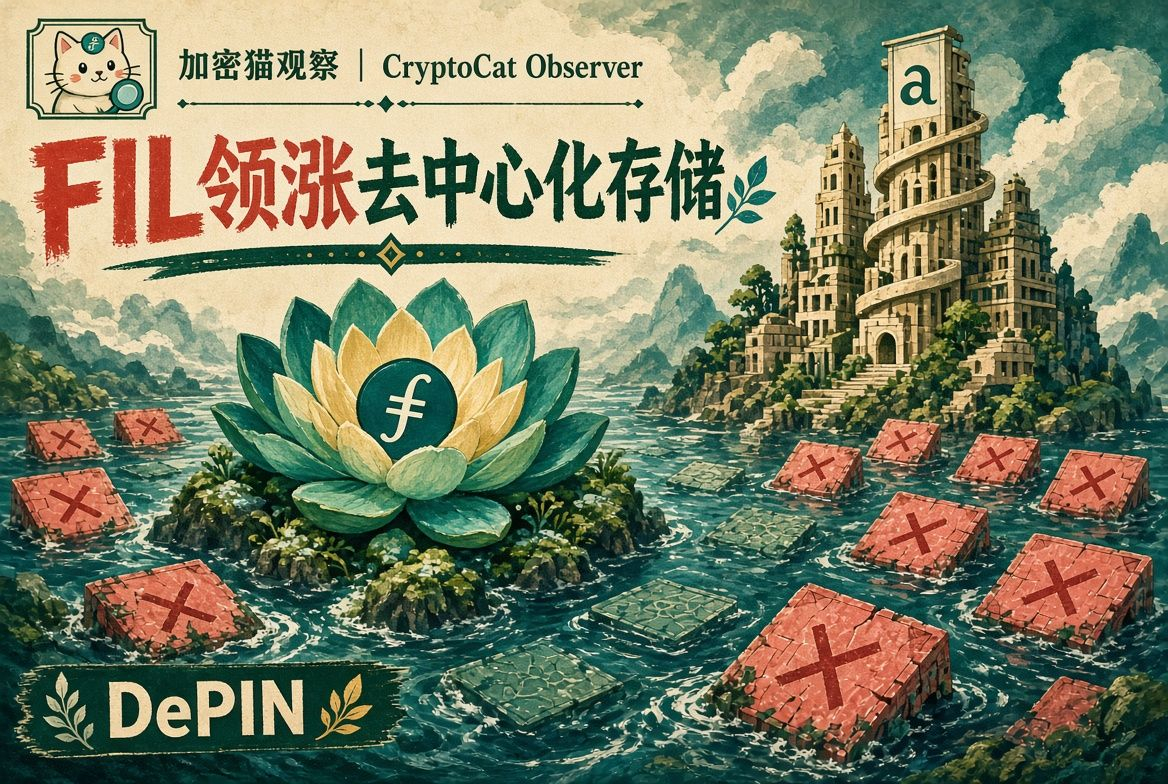
$FIL领涨DePIN،存储板块逆势走强
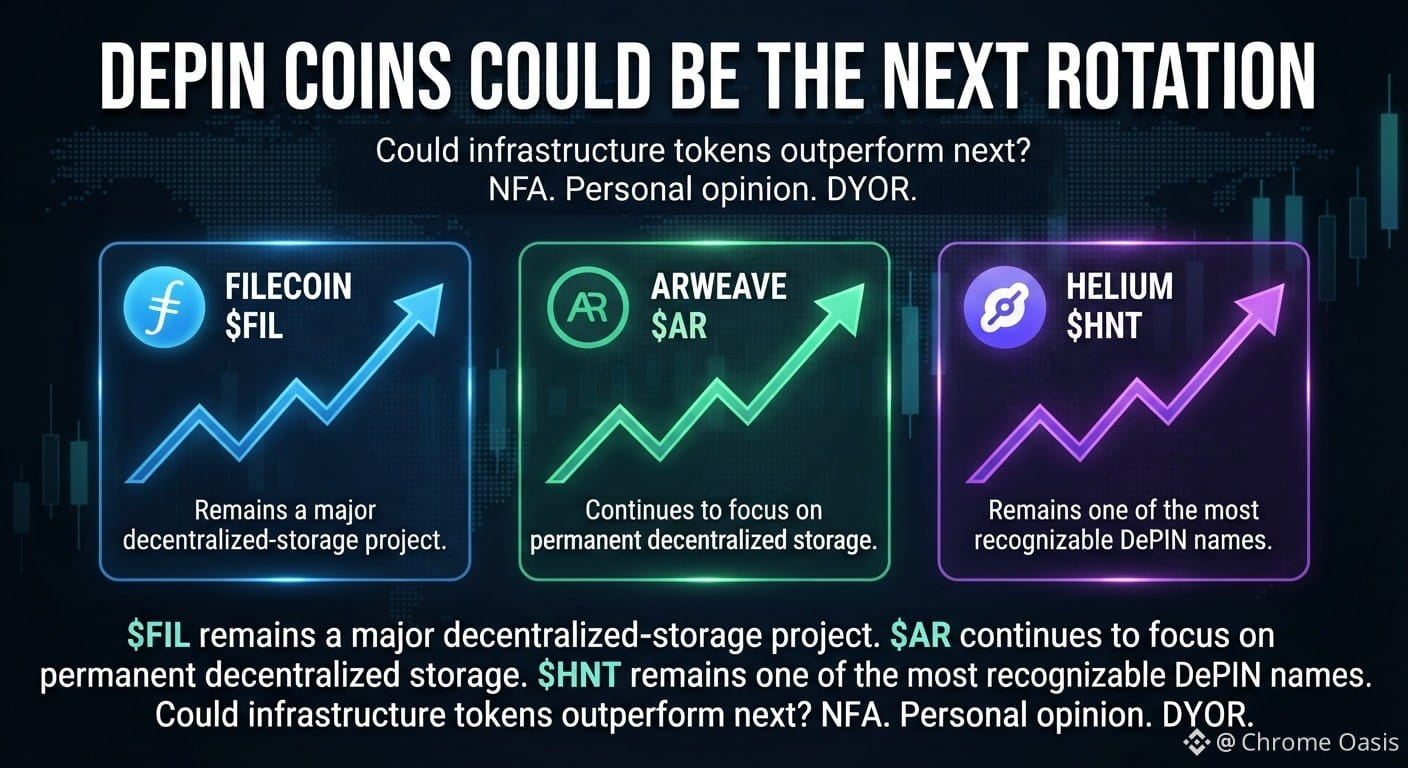
في 14 سبتمبر، تراجعت أغلب القطاعات في مجال التشفير، بينما استثنيت DePIN وبعض Layer2 بشكل عكسي. سجلت مجموعة DePIN ارتفاعًا خلال 24 ساعة بنحو 3.49%؛ من ضمنها ارتفع $FIL بنحو 21.43%، وارتفع $AR بنحو 9.41%. بلغت القيمة السوقية لقطاع التخزين اللامركزي حوالي 287 مليون دولار أمريكي، مع ارتفاع خلال 24 ساعة بنحو +5.6%. كما تشير نشرة السوق إلى أن $FIL و$AR و$SKL تصدروا الارتفاعات، مع تزايد حجم التداول في $FIL.
وعلى مستوى السردية، يركز السوق على أن تغيّر وتيرة إطلاق الاستحقاق المرتبطة بـ Filecoin بعد 15 أكتوبر قد يؤدي إلى إصدار جديد أو تباطؤ ملحوظ (تشير بعض التحليلات إلى أن سرعة الإصدار قد تنخفض بنحو 75%). كما أن توقعات أرشفة بيانات الذكاء الاصطناعي والتخزين الدائم تدفع الأموال إلى التحول من العملات الرئيسية التي تواجه ضغوطًا إلى مراهنات بيتا على التخزين وDePIN.
يُلاحظ أن بعض الإحصاءات تُظهر أن حجم التداول ما زال أقل من متوسط 30 يومًا، وأن التقلبات على المدى القصير مرتفعة. كما أن تجاوز مستويات مقاومة محورية والثبات فوقها ما يزال يتطلب التحقق من حجم التداول والبيئة الكلية؛ لذا لا يُنصح باعتماد الاستقراء اعتمادًا على ارتفاع يوم واحد فقط.
$FIL $AR
{spot}(FILUSDT)
#DePIN #Filecoin. #去中心化存储
لا يُشكل ذلك نصيحة استثمارية
$FIL 领涨DePIN،存储板块逆势走强
في 14 سبتمبر، تراجعت أغلب القطاعات في مجال التشفير، بينما استثنيت DePIN وبعض Layer2 بشكل عكسي. سجلت مجموعة DePIN ارتفاعًا خلال 24 ساعة بنحو 3.49%؛ من ضمنها ارتفع $FIL بنحو 21.43%، وارتفع $AR بنحو 9.41%. بلغت القيمة السوقية لقطاع التخزين اللامركزي حوالي 287 مليون دولار أمريكي، مع ارتفاع خلال 24 ساعة بنحو +5.6%. كما تشير نشرة السوق إلى أن $FIL و$AR و$SKL تصدروا الارتفاعات، مع تزايد حجم التداول في $FIL .
وعلى مستوى السردية، يركز السوق على أن تغيّر وتيرة إطلاق الاستحقاق المرتبطة بـ Filecoin بعد 15 أكتوبر قد يؤدي إلى إصدار جديد أو تباطؤ ملحوظ (تشير بعض التحليلات إلى أن سرعة الإصدار قد تنخفض بنحو 75%). كما أن توقعات أرشفة بيانات الذكاء الاصطناعي والتخزين الدائم تدفع الأموال إلى التحول من العملات الرئيسية التي تواجه ضغوطًا إلى مراهنات بيتا على التخزين وDePIN.
يُلاحظ أن بعض الإحصاءات تُظهر أن حجم التداول ما زال أقل من متوسط 30 يومًا، وأن التقلبات على المدى القصير مرتفعة. كما أن تجاوز مستويات مقاومة محورية والثبات فوقها ما يزال يتطلب التحقق من حجم التداول والبيئة الكلية؛ لذا لا يُنصح باعتماد الاستقراء اعتمادًا على ارتفاع يوم واحد فقط.
$FIL $AR
#DePIN #Filecoin. #去中心化存储
لا يُشكل ذلك نصيحة استثمارية
في 14 سبتمبر، تراجعت أغلب القطاعات في مجال التشفير، بينما استثنيت DePIN وبعض Layer2 بشكل عكسي. سجلت مجموعة DePIN ارتفاعًا خلال 24 ساعة بنحو 3.49%؛ من ضمنها ارتفع $FIL بنحو 21.43%، وارتفع $AR بنحو 9.41%. بلغت القيمة السوقية لقطاع التخزين اللامركزي حوالي 287 مليون دولار أمريكي، مع ارتفاع خلال 24 ساعة بنحو +5.6%. كما تشير نشرة السوق إلى أن $FIL و$AR و$SKL تصدروا الارتفاعات، مع تزايد حجم التداول في $FIL .
وعلى مستوى السردية، يركز السوق على أن تغيّر وتيرة إطلاق الاستحقاق المرتبطة بـ Filecoin بعد 15 أكتوبر قد يؤدي إلى إصدار جديد أو تباطؤ ملحوظ (تشير بعض التحليلات إلى أن سرعة الإصدار قد تنخفض بنحو 75%). كما أن توقعات أرشفة بيانات الذكاء الاصطناعي والتخزين الدائم تدفع الأموال إلى التحول من العملات الرئيسية التي تواجه ضغوطًا إلى مراهنات بيتا على التخزين وDePIN.
يُلاحظ أن بعض الإحصاءات تُظهر أن حجم التداول ما زال أقل من متوسط 30 يومًا، وأن التقلبات على المدى القصير مرتفعة. كما أن تجاوز مستويات مقاومة محورية والثبات فوقها ما يزال يتطلب التحقق من حجم التداول والبيئة الكلية؛ لذا لا يُنصح باعتماد الاستقراء اعتمادًا على ارتفاع يوم واحد فقط.
$FIL $AR
#DePIN #Filecoin. #去中心化存储
لا يُشكل ذلك نصيحة استثمارية
1
377

{alpha}(560xd955c9ba56fb1ab30e34766e252a97ccce3d31a6)
👀 لماذا لا يتحدث أحد عن $XPIN ؟
تعمل شبكة XPIN على بناء قصة DePIN + AI، وهذا المزيج أصبح أكثر صعوبة في تجاهله. 🔥
لكن إليك السؤال:
هل يمكن لـ XPIN تحويل الضجة إلى تبنٍ حقيقي ومنفعة حقيقية؟ 🤔
أنا أتابع:
🌐 نمو الشبكة
🤖 التكامل مع الذكاء الاصطناعي
📈 نشاط المجتمع
🚀 تطوير النظام البيئي
أنا لا أقول إن $XPIN سيتعرض لضخ.
أنا أقول إن هذا مشروع يستحق المتابعة عن كثب. 👀
هل بحثت عن XPIN بالفعل، أم أنه ما زال خارج نطاق اهتمامك؟
#XPIN #XPINNetwork #DePIN #AImodel #crypto
👀 لماذا لا يتحدث أحد عن $XPIN ؟
تعمل شبكة XPIN على بناء قصة DePIN + AI، وهذا المزيج أصبح أكثر صعوبة في تجاهله. 🔥
لكن إليك السؤال:
هل يمكن لـ XPIN تحويل الضجة إلى تبنٍ حقيقي ومنفعة حقيقية؟ 🤔
أنا أتابع:
🌐 نمو الشبكة
🤖 التكامل مع الذكاء الاصطناعي
📈 نشاط المجتمع
🚀 تطوير النظام البيئي
أنا لا أقول إن $XPIN سيتعرض لضخ.
أنا أقول إن هذا مشروع يستحق المتابعة عن كثب. 👀
هل بحثت عن XPIN بالفعل، أم أنه ما زال خارج نطاق اهتمامك؟
#XPIN #XPINNetwork #DePIN #AImodel #crypto
تعمل شبكة XPIN على بناء قصة DePIN + AI، وهذا المزيج أصبح أكثر صعوبة في تجاهله. 🔥
لكن إليك السؤال:
هل يمكن لـ XPIN تحويل الضجة إلى تبنٍ حقيقي ومنفعة حقيقية؟ 🤔
أنا أتابع:
🌐 نمو الشبكة
🤖 التكامل مع الذكاء الاصطناعي
📈 نشاط المجتمع
🚀 تطوير النظام البيئي
أنا لا أقول إن $XPIN سيتعرض لضخ.
أنا أقول إن هذا مشروع يستحق المتابعة عن كثب. 👀
هل بحثت عن XPIN بالفعل، أم أنه ما زال خارج نطاق اهتمامك؟
#XPIN #XPINNetwork #DePIN #AImodel #crypto
1
279
·
--
مقالة
أين يتم تخزين البيانات التي تُدرِّب الذكاء الاصطناعي؟في كل مرة نتفاعل فيها مع نموذج ذكاء اصطناعي، فإنه يقوم بمعالجة المعلومات وتوليدها ويُنتج غيغابايت من البيانات في الوقت الحقيقي. $بحلول عام 2026، وصلت كتلة البيانات المطلوبة لتدريب النماذج اللغوية الكبيرة والأنظمة التوليدية إلى أحجام هائلة. ومع ذلك، توجد مسألة حاسمة لا يسأل عنها سوى القليل:
أين يتم حفظ كل تلك المعلومات فعليًا ومن يتحكم في هذه البنية التحتية؟
حاليًا، يتمركز الجزء الأكبر بكثير من سعة التخزين والحوسبة في العالم لدى حفنة من عمالقة التكنولوجيا. وإذا ظلت البنية التحتية التي تدعم الذكاء الاصطناعي تحت سيطرة ثلاث أو أربع شركات، فإننا نواجه مخاطر جسيمة تتمثل في انقطاعات واسعة النطاق بسبب أعطال مركزية، ومخاطر الرقابة على المعلومات، وتكاليف توسّع غير مستدامة بالنسبة للمطوّرين المستقلين.
أين يتم تخزين البيانات التي تُدرِّب الذكاء الاصطناعي؟
في كل مرة نتفاعل فيها مع نموذج ذكاء اصطناعي، فإنه يقوم بمعالجة المعلومات وتوليدها ويُنتج غيغابايت من البيانات في الوقت الحقيقي. $بحلول عام 2026، وصلت كتلة البيانات المطلوبة لتدريب النماذج اللغوية الكبيرة والأنظمة التوليدية إلى أحجام هائلة. ومع ذلك، توجد مسألة حاسمة لا يسأل عنها سوى القليل:
أين يتم حفظ كل تلك المعلومات فعليًا ومن يتحكم في هذه البنية التحتية؟
حاليًا، يتمركز الجزء الأكبر بكثير من سعة التخزين والحوسبة في العالم لدى حفنة من عمالقة التكنولوجيا. وإذا ظلت البنية التحتية التي تدعم الذكاء الاصطناعي تحت سيطرة ثلاث أو أربع شركات، فإننا نواجه مخاطر جسيمة تتمثل في انقطاعات واسعة النطاق بسبب أعطال مركزية، ومخاطر الرقابة على المعلومات، وتكاليف توسّع غير مستدامة بالنسبة للمطوّرين المستقلين.
أين يتم حفظ كل تلك المعلومات فعليًا ومن يتحكم في هذه البنية التحتية؟
حاليًا، يتمركز الجزء الأكبر بكثير من سعة التخزين والحوسبة في العالم لدى حفنة من عمالقة التكنولوجيا. وإذا ظلت البنية التحتية التي تدعم الذكاء الاصطناعي تحت سيطرة ثلاث أو أربع شركات، فإننا نواجه مخاطر جسيمة تتمثل في انقطاعات واسعة النطاق بسبب أعطال مركزية، ومخاطر الرقابة على المعلومات، وتكاليف توسّع غير مستدامة بالنسبة للمطوّرين المستقلين.
1
79

·
--
من يدعم الذكاء الاصطناعي من وراء الكواليس؟ @fluence
أمرٌ واحد أراه مثيرًا للاهتمام حول وكلاء الذكاء الاصطناعي هو أن التأخير لا يكون دائمًا سببه النموذج نفسه.
يمكن للوكيل إجراء عدة استدعاءات لأدوات، واسترجاع الحالة، وتشغيل عمليات التحقق، وتحديث الذاكرة، ثم تكرار الحلقة عدة مرات. قد تبدو عدة أجزاء من الملي ثانية من تأخير المعالج في كل خطوة غير مهمة بحد ذاتها، لكن مع مرورها عبر سير العمل كاملًا، يمكن أن تتراكم تلك التأخيرات وتدفع الطلب إلى ما بعد موعده النهائي.
هنا تصبح البنية التحتية أكثر أهمية مما قد يبدو في البداية.
بالنسبة لأحمال عمل الذكاء الاصطناعي، فإن متوسط الأداء ليس دائمًا كافيًا. قد يظهر التحدي الحقيقي عندما يتسبب التنافس على وحدة المعالجة المركزية في تأخيرات صغيرة عبر مراحل كثيرة.
وهذا يجعل تخصيص موارد حسابية مخصصة خيارًا مثيرًا للاهتمام للأحمال التي تهمها إمكانية الحصول على أداء يمكن التنبؤ به.
تعمل Fluence على معالجة هذا من جانب الحوسبة اللامركزية، ما يتيح للمطورين الوصول إلى موارد CPU مخصصة للأحمال التي تحتاج إلى سعة أكثر اتساقًا.
أعتقد أن هذا سيصبح أكثر أهمية مع انتقال وكلاء الذكاء الاصطناعي من التجارب البسيطة إلى بيئات الإنتاج. عندما يتولى الوكيل عشرات الخطوات، فإن تقليل التباين في كل مرحلة يمكن أن يحدث أثرًا أكبر بكثير على تجربة المستخدم النهائية.
السؤال الذي أراقبه بسيط: مع تعقُّد أحمال عمل الوكلاء، هل ستصبح الحوسبة القابلة للتنبؤ بنفس أهمية القدرة الخام على الحوسبة؟
https://fluence.ai/
#Fluence #AI #DePIN
من يدعم الذكاء الاصطناعي من وراء الكواليس؟ @Fluence
أمرٌ واحد أراه مثيرًا للاهتمام حول وكلاء الذكاء الاصطناعي هو أن التأخير لا يكون دائمًا سببه النموذج نفسه.
يمكن للوكيل إجراء عدة استدعاءات لأدوات، واسترجاع الحالة، وتشغيل عمليات التحقق، وتحديث الذاكرة، ثم تكرار الحلقة عدة مرات. قد تبدو عدة أجزاء من الملي ثانية من تأخير المعالج في كل خطوة غير مهمة بحد ذاتها، لكن مع مرورها عبر سير العمل كاملًا، يمكن أن تتراكم تلك التأخيرات وتدفع الطلب إلى ما بعد موعده النهائي.
هنا تصبح البنية التحتية أكثر أهمية مما قد يبدو في البداية.
بالنسبة لأحمال عمل الذكاء الاصطناعي، فإن متوسط الأداء ليس دائمًا كافيًا. قد يظهر التحدي الحقيقي عندما يتسبب التنافس على وحدة المعالجة المركزية في تأخيرات صغيرة عبر مراحل كثيرة.
وهذا يجعل تخصيص موارد حسابية مخصصة خيارًا مثيرًا للاهتمام للأحمال التي تهمها إمكانية الحصول على أداء يمكن التنبؤ به.
تعمل Fluence على معالجة هذا من جانب الحوسبة اللامركزية، ما يتيح للمطورين الوصول إلى موارد CPU مخصصة للأحمال التي تحتاج إلى سعة أكثر اتساقًا.
أعتقد أن هذا سيصبح أكثر أهمية مع انتقال وكلاء الذكاء الاصطناعي من التجارب البسيطة إلى بيئات الإنتاج. عندما يتولى الوكيل عشرات الخطوات، فإن تقليل التباين في كل مرحلة يمكن أن يحدث أثرًا أكبر بكثير على تجربة المستخدم النهائية.
السؤال الذي أراقبه بسيط: مع تعقُّد أحمال عمل الوكلاء، هل ستصبح الحوسبة القابلة للتنبؤ بنفس أهمية القدرة الخام على الحوسبة؟
https://fluence.ai/
#Fluence #AI #DePIN
أمرٌ واحد أراه مثيرًا للاهتمام حول وكلاء الذكاء الاصطناعي هو أن التأخير لا يكون دائمًا سببه النموذج نفسه.
يمكن للوكيل إجراء عدة استدعاءات لأدوات، واسترجاع الحالة، وتشغيل عمليات التحقق، وتحديث الذاكرة، ثم تكرار الحلقة عدة مرات. قد تبدو عدة أجزاء من الملي ثانية من تأخير المعالج في كل خطوة غير مهمة بحد ذاتها، لكن مع مرورها عبر سير العمل كاملًا، يمكن أن تتراكم تلك التأخيرات وتدفع الطلب إلى ما بعد موعده النهائي.
هنا تصبح البنية التحتية أكثر أهمية مما قد يبدو في البداية.
بالنسبة لأحمال عمل الذكاء الاصطناعي، فإن متوسط الأداء ليس دائمًا كافيًا. قد يظهر التحدي الحقيقي عندما يتسبب التنافس على وحدة المعالجة المركزية في تأخيرات صغيرة عبر مراحل كثيرة.
وهذا يجعل تخصيص موارد حسابية مخصصة خيارًا مثيرًا للاهتمام للأحمال التي تهمها إمكانية الحصول على أداء يمكن التنبؤ به.
تعمل Fluence على معالجة هذا من جانب الحوسبة اللامركزية، ما يتيح للمطورين الوصول إلى موارد CPU مخصصة للأحمال التي تحتاج إلى سعة أكثر اتساقًا.
أعتقد أن هذا سيصبح أكثر أهمية مع انتقال وكلاء الذكاء الاصطناعي من التجارب البسيطة إلى بيئات الإنتاج. عندما يتولى الوكيل عشرات الخطوات، فإن تقليل التباين في كل مرحلة يمكن أن يحدث أثرًا أكبر بكثير على تجربة المستخدم النهائية.
السؤال الذي أراقبه بسيط: مع تعقُّد أحمال عمل الوكلاء، هل ستصبح الحوسبة القابلة للتنبؤ بنفس أهمية القدرة الخام على الحوسبة؟
https://fluence.ai/
#Fluence #AI #DePIN

33
·
--
@fluence VPC سيعني الإطلاق المباشر خطوة مهمة في نظام Fluence البيئي.
https://fluence.ai/
تتيح بنية VPC الجديدة للمطوّرين تشغيل عدة أجهزة افتراضية (VMs) مع شبكة خاصة ومجموعات أمان وتحكّم في الخروج (egress) وعناوين IP عامة اختيارية وcloud-init. وبعبارة بسيطة، تجعل Fluence أكثر ملاءمة لتشغيل تطبيقات حقيقية مع عمل خدمات مختلفة معًا بشكل آمن.
ومن منظور $FLT، أرى أن الأمور تصبح مثيرة للاهتمام هنا.
ميزة بنية تحتية جديدة لا تعني تلقائيًا أن سعر FLT سيرتفع. السؤال الأكبر هو ما إذا كانت VPC ستساعد Fluence على جذب المزيد من المطوّرين والأحمال (workloads) والشركات.
إذا زاد التبنّي، فقد يتم نشر المزيد من الحوسبة عبر الشبكة، ما يخلق طلبًا أساسيًا أقوى وربما يحسّن الأساسيات التي تدعم FLT.
لذا أنا أراقب الاستخدام أكثر من الإعلان نفسه. إذا استمرت Fluence في إضافة بنية تحتية عملية وتحولت هذه الميزات إلى نشاط شبكي فعلي، فأعتقد أن ذلك قد يصبح محفزًا إيجابيًا لـ FLT مع مرور الوقت.
بالنسبة لي، الفرضية بسيطة: بنية تحتية أفضل → مزيد من حالات الاستخدام → مزيد من نشاط الشبكة → وربما أساسيات أقوى لـ FLT.
#DePIN #AI #Web3
@Fluence VPC سيعني الإطلاق المباشر خطوة مهمة في نظام Fluence البيئي.
https://fluence.ai/
تتيح بنية VPC الجديدة للمطوّرين تشغيل عدة أجهزة افتراضية (VMs) مع شبكة خاصة ومجموعات أمان وتحكّم في الخروج (egress) وعناوين IP عامة اختيارية وcloud-init. وبعبارة بسيطة، تجعل Fluence أكثر ملاءمة لتشغيل تطبيقات حقيقية مع عمل خدمات مختلفة معًا بشكل آمن.
ومن منظور $FLT، أرى أن الأمور تصبح مثيرة للاهتمام هنا.
ميزة بنية تحتية جديدة لا تعني تلقائيًا أن سعر FLT سيرتفع. السؤال الأكبر هو ما إذا كانت VPC ستساعد Fluence على جذب المزيد من المطوّرين والأحمال (workloads) والشركات.
إذا زاد التبنّي، فقد يتم نشر المزيد من الحوسبة عبر الشبكة، ما يخلق طلبًا أساسيًا أقوى وربما يحسّن الأساسيات التي تدعم FLT.
لذا أنا أراقب الاستخدام أكثر من الإعلان نفسه. إذا استمرت Fluence في إضافة بنية تحتية عملية وتحولت هذه الميزات إلى نشاط شبكي فعلي، فأعتقد أن ذلك قد يصبح محفزًا إيجابيًا لـ FLT مع مرور الوقت.
بالنسبة لي، الفرضية بسيطة: بنية تحتية أفضل → مزيد من حالات الاستخدام → مزيد من نشاط الشبكة → وربما أساسيات أقوى لـ FLT.
#DePIN #AI #Web3
https://fluence.ai/
تتيح بنية VPC الجديدة للمطوّرين تشغيل عدة أجهزة افتراضية (VMs) مع شبكة خاصة ومجموعات أمان وتحكّم في الخروج (egress) وعناوين IP عامة اختيارية وcloud-init. وبعبارة بسيطة، تجعل Fluence أكثر ملاءمة لتشغيل تطبيقات حقيقية مع عمل خدمات مختلفة معًا بشكل آمن.
ومن منظور $FLT، أرى أن الأمور تصبح مثيرة للاهتمام هنا.
ميزة بنية تحتية جديدة لا تعني تلقائيًا أن سعر FLT سيرتفع. السؤال الأكبر هو ما إذا كانت VPC ستساعد Fluence على جذب المزيد من المطوّرين والأحمال (workloads) والشركات.
إذا زاد التبنّي، فقد يتم نشر المزيد من الحوسبة عبر الشبكة، ما يخلق طلبًا أساسيًا أقوى وربما يحسّن الأساسيات التي تدعم FLT.
لذا أنا أراقب الاستخدام أكثر من الإعلان نفسه. إذا استمرت Fluence في إضافة بنية تحتية عملية وتحولت هذه الميزات إلى نشاط شبكي فعلي، فأعتقد أن ذلك قد يصبح محفزًا إيجابيًا لـ FLT مع مرور الوقت.
بالنسبة لي، الفرضية بسيطة: بنية تحتية أفضل → مزيد من حالات الاستخدام → مزيد من نشاط الشبكة → وربما أساسيات أقوى لـ FLT.
#DePIN #AI #Web3

67

·
--
🎯 شبكة أقمار صناعية بقيمة 10 مليارات دولار، سيشتعل حماس DePIN من جديد
📰 Space42 تتعاون مع Viasat لتأسيس Equatys، حيث يساهم كل طرف بـ 400 مليون دولار لبناء منصة اتصالات فضاء-أرض، ثم يتم دعوة طرف ثالث للاستثمار بـ 200 مليون دولار لاحقًا، مع خطط لـ 60 مدارًا و2800 قمر صناعي
💬 مشاركة البنية التحتية هي المثال الحي لـ DePIN. عندما تكون إشارات الأرض غير كافية للوصول إلى البحر أو الصحاري، فهذه بالضبط هي ساحة المعركة الحقيقية التي يمكن لعُقد السلسلة (on-chain) أن تقاسم فيها الكعكة
🏷️ #DePIN #卫星互联网 #Space42 #Viasat #Web3基建
🎯 شبكة أقمار صناعية بقيمة 10 مليارات دولار، سيشتعل حماس DePIN من جديد
📰 Space42 تتعاون مع Viasat لتأسيس Equatys، حيث يساهم كل طرف بـ 400 مليون دولار لبناء منصة اتصالات فضاء-أرض، ثم يتم دعوة طرف ثالث للاستثمار بـ 200 مليون دولار لاحقًا، مع خطط لـ 60 مدارًا و2800 قمر صناعي
💬 مشاركة البنية التحتية هي المثال الحي لـ DePIN. عندما تكون إشارات الأرض غير كافية للوصول إلى البحر أو الصحاري، فهذه بالضبط هي ساحة المعركة الحقيقية التي يمكن لعُقد السلسلة (on-chain) أن تقاسم فيها الكعكة
🏷️ #DePIN #卫星互联网 #Space42 #Viasat #Web3基建
📰 Space42 تتعاون مع Viasat لتأسيس Equatys، حيث يساهم كل طرف بـ 400 مليون دولار لبناء منصة اتصالات فضاء-أرض، ثم يتم دعوة طرف ثالث للاستثمار بـ 200 مليون دولار لاحقًا، مع خطط لـ 60 مدارًا و2800 قمر صناعي
💬 مشاركة البنية التحتية هي المثال الحي لـ DePIN. عندما تكون إشارات الأرض غير كافية للوصول إلى البحر أو الصحاري، فهذه بالضبط هي ساحة المعركة الحقيقية التي يمكن لعُقد السلسلة (on-chain) أن تقاسم فيها الكعكة
🏷️ #DePIN #卫星互联网 #Space42 #Viasat #Web3基建
5


·
--
تمت الإضافة للتو $FIL حوالي 0.812 دولار. أنا أتابع هذا المستوى لأن سرد شبكة Filecoin الخاصة بالتخزين اللامركزي لا يزال ذا صلة قوية، مع استمرار نمو الطلب على البنية التحتية للبيانات.
ما يثير اهتمامي أكثر هو دور الشبكة في تخزين البيانات واسترجاعها عبر سوق لا مركزي، مع تزايد التقاطع بين التخزين وWeb3 وبنية تحتية للذكاء الاصطناعي.
إذا بدأ المشترون في الدخول بحجم تداول أقوى، فقد يكون لدى FIL مجال لحركة تعافٍ قوية.
TP: 0.92–1.05
#fil #Filecoin #DecentralizedStorage #DePIN
$FIL
{future}(FILUSDT)
تمت الإضافة للتو $FIL حوالي 0.812 دولار. أنا أتابع هذا المستوى لأن سرد شبكة Filecoin الخاصة بالتخزين اللامركزي لا يزال ذا صلة قوية، مع استمرار نمو الطلب على البنية التحتية للبيانات.
ما يثير اهتمامي أكثر هو دور الشبكة في تخزين البيانات واسترجاعها عبر سوق لا مركزي، مع تزايد التقاطع بين التخزين وWeb3 وبنية تحتية للذكاء الاصطناعي.
إذا بدأ المشترون في الدخول بحجم تداول أقوى، فقد يكون لدى FIL مجال لحركة تعافٍ قوية.
TP: 0.92–1.05
#fil #Filecoin #DecentralizedStorage #DePIN
$FIL
ما يثير اهتمامي أكثر هو دور الشبكة في تخزين البيانات واسترجاعها عبر سوق لا مركزي، مع تزايد التقاطع بين التخزين وWeb3 وبنية تحتية للذكاء الاصطناعي.
إذا بدأ المشترون في الدخول بحجم تداول أقوى، فقد يكون لدى FIL مجال لحركة تعافٍ قوية.
TP: 0.92–1.05
#fil #Filecoin #DecentralizedStorage #DePIN
$FIL
3
214

#opticalcommsstocksrallyover3%
عصب ثورة الذكاء الاصطناعي ليس مجرد السيليكون—بل الزجاج. 🌐
ارتفعت أسهم الاتصالات الضوئية مثل Corning وCoherent وCiena مؤخرًا بأكثر من 3%، ما يشير إلى تحول كبير في قطاع البنية التحتية. يُعزى هذا الارتفاع إلى موجة ضخمة من استثمارات مراكز بيانات الذكاء الاصطناعي وتحديثات توقعات مؤسساتية حديثة لوحدات الاتصالات البصرية عالية السرعة. للتعامل مع أحمال حوسبة الذكاء الاصطناعي الهائلة، تحتاج الشبكات إلى نطاق ترددي لا يمكن أن توفره إلا الألياف.
بالنسبة لسوق العملات المشفرة، فإن هذا الارتفاع التقليدي في العتاد يؤكد أطروحة محورية: طبقة البنية التحتية المادية بالغة الأهمية. فهي تعكس مباشرة الزخم الذي نتابعه في DePIN (الشبكات اللامركزية للبنية التحتية المادية)، إذ يتسابق قطاعا Web2 وWeb3 على وضع الأسس العتادية للذكاء الاصطناعي اللامركزي.
كيف تموضع نفسك للاستفادة من طفرة البنية التحتية للذكاء الاصطناعي؟
👇 أخبرني عبر التصويت أدناه!
#DePIN #AIInfrastructure #CryptoMacro
$NEAR
{future}(NEARUSDT)
$TAO
{future}(TAOUSDT)
$RENDER
{future}(RENDERUSDT)
#opticalcommsstocksrallyover3%
عصب ثورة الذكاء الاصطناعي ليس مجرد السيليكون—بل الزجاج. 🌐
ارتفعت أسهم الاتصالات الضوئية مثل Corning وCoherent وCiena مؤخرًا بأكثر من 3%، ما يشير إلى تحول كبير في قطاع البنية التحتية. يُعزى هذا الارتفاع إلى موجة ضخمة من استثمارات مراكز بيانات الذكاء الاصطناعي وتحديثات توقعات مؤسساتية حديثة لوحدات الاتصالات البصرية عالية السرعة. للتعامل مع أحمال حوسبة الذكاء الاصطناعي الهائلة، تحتاج الشبكات إلى نطاق ترددي لا يمكن أن توفره إلا الألياف.
بالنسبة لسوق العملات المشفرة، فإن هذا الارتفاع التقليدي في العتاد يؤكد أطروحة محورية: طبقة البنية التحتية المادية بالغة الأهمية. فهي تعكس مباشرة الزخم الذي نتابعه في DePIN (الشبكات اللامركزية للبنية التحتية المادية)، إذ يتسابق قطاعا Web2 وWeb3 على وضع الأسس العتادية للذكاء الاصطناعي اللامركزي.
كيف تموضع نفسك للاستفادة من طفرة البنية التحتية للذكاء الاصطناعي؟
👇 أخبرني عبر التصويت أدناه!
#DePIN #AIInfrastructure #CryptoMacro
$NEAR
$TAO
$RENDER
عصب ثورة الذكاء الاصطناعي ليس مجرد السيليكون—بل الزجاج. 🌐
ارتفعت أسهم الاتصالات الضوئية مثل Corning وCoherent وCiena مؤخرًا بأكثر من 3%، ما يشير إلى تحول كبير في قطاع البنية التحتية. يُعزى هذا الارتفاع إلى موجة ضخمة من استثمارات مراكز بيانات الذكاء الاصطناعي وتحديثات توقعات مؤسساتية حديثة لوحدات الاتصالات البصرية عالية السرعة. للتعامل مع أحمال حوسبة الذكاء الاصطناعي الهائلة، تحتاج الشبكات إلى نطاق ترددي لا يمكن أن توفره إلا الألياف.
بالنسبة لسوق العملات المشفرة، فإن هذا الارتفاع التقليدي في العتاد يؤكد أطروحة محورية: طبقة البنية التحتية المادية بالغة الأهمية. فهي تعكس مباشرة الزخم الذي نتابعه في DePIN (الشبكات اللامركزية للبنية التحتية المادية)، إذ يتسابق قطاعا Web2 وWeb3 على وضع الأسس العتادية للذكاء الاصطناعي اللامركزي.
كيف تموضع نفسك للاستفادة من طفرة البنية التحتية للذكاء الاصطناعي؟
👇 أخبرني عبر التصويت أدناه!
#DePIN #AIInfrastructure #CryptoMacro
$NEAR
$TAO
$RENDER

246

·
--
في المشهد المتطور للبنية التحتية المادية اللامركزية، ما تزال الشبكات التي تنسق الموارد في العالم الحقيقي تُظهر فائدة ملموسة تتجاوز السرد. إذما تتولى الحساسات وعرض النطاق والحوسبة تنسيقًا على السلسلة، يبدأ رأس المال في الاعتراف بقيمة تتجسد على أرض الواقع. وإذ يتردد صدى موجات البنية التحتية لعام 2021 التي كافأت التنفيذ العملي، يحمل هذا الفصل احتمالًا بنسبة 64% بنموٍ مستقر خلال الموسم إذا استمرت مؤشرات التبنّي وتكاملات الشراكات في التضاعف.
$FIL $RENDER #RadaRI106 #CoinVahini #DePIN #Infrastructure
في المشهد المتطور للبنية التحتية المادية اللامركزية، ما تزال الشبكات التي تنسق الموارد في العالم الحقيقي تُظهر فائدة ملموسة تتجاوز السرد. إذما تتولى الحساسات وعرض النطاق والحوسبة تنسيقًا على السلسلة، يبدأ رأس المال في الاعتراف بقيمة تتجسد على أرض الواقع. وإذ يتردد صدى موجات البنية التحتية لعام 2021 التي كافأت التنفيذ العملي، يحمل هذا الفصل احتمالًا بنسبة 64% بنموٍ مستقر خلال الموسم إذا استمرت مؤشرات التبنّي وتكاملات الشراكات في التضاعف.
$FIL $RENDER #RadaRI106 #CoinVahini #DePIN #Infrastructure
$FIL $RENDER #RadaRI106 #CoinVahini #DePIN #Infrastructure
1
378

·
--
عندما تكون السوق مزدحمة بالحركة، أتمنى في المقابل أن أتحدث عن مشروع من مسار قديم شبه غير مطروح للنقاش.
يعمل $STORJ في مجال التخزين السحابي اللامركزي: تُشفَّر الملفات، ثم تُقسَّم إلى شرائح وتنتشر عبر عقد حول العالم. جوهر الفكرة هو تحويل سعة القرص ومساحة التخزين غير المستخدمة إلى قيمة اقتصادية، وهو ضمن فئة DePIN ومن أوائل المشاركين في قطاع التخزين.
هناك عدة بيانات تستحق الانتباه: السعر الحالي يقارب 0.067 دولار، والقيمة السوقية أقل من 29 مليون دولار، بينما تبلغ قيمة التداول خلال 24 ساعة نحو 18 مليون دولار. معدل الدوران ليس منخفضًا، ما يشير إلى أن السيولة والتداولات ما زالت تتحرك، وأن المشروع ليس منسيًا بالكامل؛ لكن من الواضح أن حماس السرد/الخطاب التسويقي قد تراجع بشكل ملحوظ.
يُعد التخزين اتجاهًا من بين القلائل في عالم التشفير التي لديها احتياج حقيقي—فكمية البيانات تنمو على المدى الطويل، وتكاليف خدمات السحابة المركزية تبقى مرتفعة، والمنطق ظل صحيحًا دائمًا. لكن الواقع هو أن المنافسة في هذا المسار شديدة، مع ضغط كبير من قبل الشركات الرائدة. تسعى Storj إلى إعادة تسعير نفسها، وفي النهاية لا بد أن يعتمد ذلك على نمو حجم التخزين، وعدد العملاء المدفوعين، والإيرادات الفعلية—وليس مجرد تكرار القصة القديمة مرة أخرى.
تعني القيمة السوقية الصغيرة وجود مرونة، لكنها تعني أيضًا وجود مخاطر. ففي مرحلة لا يناقش فيها أحد تقريبًا، يكون الأنسب إدراج المشروع ضمن قائمة المراقبة وتتبع صبرًا، بدلًا من التسرع في اتخاذ قرار شراء/بيع. الانتظار حتى تظهر إشارات قوية من الأساسيات أو حتى تؤكد المؤشرات/تبدلات القطاعات (دوران رؤوس الأموال بين القطاعات)، ليس متأخرًا أبدًا.
#DePIN #去中心化存储 #Storj
عندما تكون السوق مزدحمة بالحركة، أتمنى في المقابل أن أتحدث عن مشروع من مسار قديم شبه غير مطروح للنقاش.
يعمل $STORJ في مجال التخزين السحابي اللامركزي: تُشفَّر الملفات، ثم تُقسَّم إلى شرائح وتنتشر عبر عقد حول العالم. جوهر الفكرة هو تحويل سعة القرص ومساحة التخزين غير المستخدمة إلى قيمة اقتصادية، وهو ضمن فئة DePIN ومن أوائل المشاركين في قطاع التخزين.
هناك عدة بيانات تستحق الانتباه: السعر الحالي يقارب 0.067 دولار، والقيمة السوقية أقل من 29 مليون دولار، بينما تبلغ قيمة التداول خلال 24 ساعة نحو 18 مليون دولار. معدل الدوران ليس منخفضًا، ما يشير إلى أن السيولة والتداولات ما زالت تتحرك، وأن المشروع ليس منسيًا بالكامل؛ لكن من الواضح أن حماس السرد/الخطاب التسويقي قد تراجع بشكل ملحوظ.
يُعد التخزين اتجاهًا من بين القلائل في عالم التشفير التي لديها احتياج حقيقي—فكمية البيانات تنمو على المدى الطويل، وتكاليف خدمات السحابة المركزية تبقى مرتفعة، والمنطق ظل صحيحًا دائمًا. لكن الواقع هو أن المنافسة في هذا المسار شديدة، مع ضغط كبير من قبل الشركات الرائدة. تسعى Storj إلى إعادة تسعير نفسها، وفي النهاية لا بد أن يعتمد ذلك على نمو حجم التخزين، وعدد العملاء المدفوعين، والإيرادات الفعلية—وليس مجرد تكرار القصة القديمة مرة أخرى.
تعني القيمة السوقية الصغيرة وجود مرونة، لكنها تعني أيضًا وجود مخاطر. ففي مرحلة لا يناقش فيها أحد تقريبًا، يكون الأنسب إدراج المشروع ضمن قائمة المراقبة وتتبع صبرًا، بدلًا من التسرع في اتخاذ قرار شراء/بيع. الانتظار حتى تظهر إشارات قوية من الأساسيات أو حتى تؤكد المؤشرات/تبدلات القطاعات (دوران رؤوس الأموال بين القطاعات)، ليس متأخرًا أبدًا.
#DePIN #去中心化存储 #Storj
يعمل $STORJ في مجال التخزين السحابي اللامركزي: تُشفَّر الملفات، ثم تُقسَّم إلى شرائح وتنتشر عبر عقد حول العالم. جوهر الفكرة هو تحويل سعة القرص ومساحة التخزين غير المستخدمة إلى قيمة اقتصادية، وهو ضمن فئة DePIN ومن أوائل المشاركين في قطاع التخزين.
هناك عدة بيانات تستحق الانتباه: السعر الحالي يقارب 0.067 دولار، والقيمة السوقية أقل من 29 مليون دولار، بينما تبلغ قيمة التداول خلال 24 ساعة نحو 18 مليون دولار. معدل الدوران ليس منخفضًا، ما يشير إلى أن السيولة والتداولات ما زالت تتحرك، وأن المشروع ليس منسيًا بالكامل؛ لكن من الواضح أن حماس السرد/الخطاب التسويقي قد تراجع بشكل ملحوظ.
يُعد التخزين اتجاهًا من بين القلائل في عالم التشفير التي لديها احتياج حقيقي—فكمية البيانات تنمو على المدى الطويل، وتكاليف خدمات السحابة المركزية تبقى مرتفعة، والمنطق ظل صحيحًا دائمًا. لكن الواقع هو أن المنافسة في هذا المسار شديدة، مع ضغط كبير من قبل الشركات الرائدة. تسعى Storj إلى إعادة تسعير نفسها، وفي النهاية لا بد أن يعتمد ذلك على نمو حجم التخزين، وعدد العملاء المدفوعين، والإيرادات الفعلية—وليس مجرد تكرار القصة القديمة مرة أخرى.
تعني القيمة السوقية الصغيرة وجود مرونة، لكنها تعني أيضًا وجود مخاطر. ففي مرحلة لا يناقش فيها أحد تقريبًا، يكون الأنسب إدراج المشروع ضمن قائمة المراقبة وتتبع صبرًا، بدلًا من التسرع في اتخاذ قرار شراء/بيع. الانتظار حتى تظهر إشارات قوية من الأساسيات أو حتى تؤكد المؤشرات/تبدلات القطاعات (دوران رؤوس الأموال بين القطاعات)، ليس متأخرًا أبدًا.
#DePIN #去中心化存储 #Storj
60
سجّل الدخول لاستكشاف المزيد من المُحتوى
انضم إلى مُستخدمي العملات الرقمية حول العالم على Binance Square
⚡️ احصل على أحدث المعلومات المفيدة عن العملات الرقمية.
💬 موثوقة من قبل أكبر منصّة لتداول العملات الرقمية في العالم.
👍 اكتشف الرؤى الحقيقية من صنّاع المُحتوى الموثوقين.
البريد الإلكتروني / رقم الهاتف
المواضيع الرائجة
1
#FedRateWatch
1.4M مشاهدات
6,554 يقومون بالنقاش
2
#ZcashRises6%
41,039 مشاهدات
571 يقومون بالنقاش
3
#XRPSinks10%
27,691 مشاهدات
381 يقومون بالنقاش
4
#BitcoinETFsShed$450M
4,658 مشاهدات
76 يقومون بالنقاش
5
#CircleOpensArcMainnet
13,288 مشاهدات
258 يقومون بالنقاش
6
#ZcashHoldersBackNU7Upgrade
24,163 مشاهدات
428 يقومون بالنقاش
7
#MSTRTradingVolumeSurpassesMorganStanley
23,996 مشاهدات
580 يقومون بالنقاش
8
#BitcoinFalls4%
49,382 مشاهدات
896 يقومون بالنقاش
9
#SKHynixInTalksToMakeMemoryChipsInUS
20,084 مشاهدات
358 يقومون بالنقاش
10
#OpenAIDiscussesNewFundingAt$1.2TValuation
4,871 مشاهدات
57 يقومون بالنقاش