
@Lorenzo Protocol
#lorenzoProtocol
$BANK
Why does it feel like Lorenzo Protocol is only getting started, even though it already made headlines with its listings and explosive early attention? That’s the question that kept circling in anya’s mind as anya watched BANK move through the market. Some projects peak early, but Lorenzo feels like a foundation being laid — not a finish line crossed. It gives the sense of a protocol preparing for a much larger role in the crypto economy.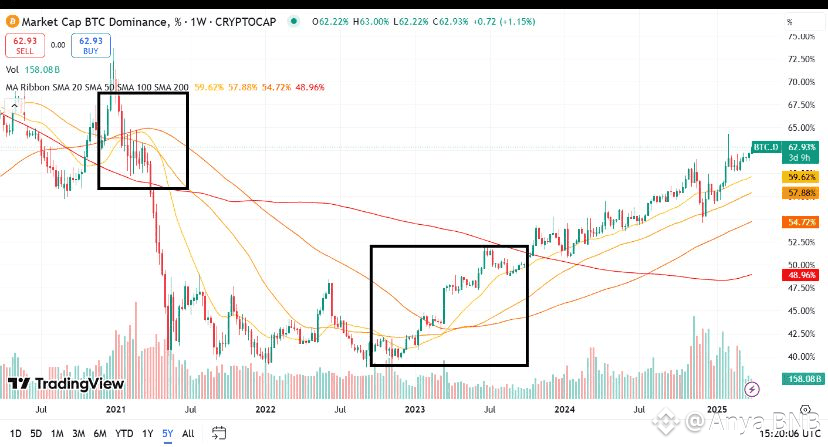
Lorenzo Protocol is built around a transformative idea: turning idle Bitcoin into yield-generating, liquid, functional assets. Most BTC globally does nothing — it just sits, cold, silent, and unproductive. Lorenzo changes this by introducing Bitcoin liquid staking models, yield wrappers like enzoBTC, and on-chain asset management structures. News reports and exchange listings emphasize the same message: the world’s largest crypto asset is finally becoming usable inside DeFi without sacrificing ownership. For a market as large as Bitcoin’s, the growth potential is enormous.
When BANK listed on major exchanges such as Binance, it wasn’t just another small altcoin entering the big stage. It was a signal that institutional-grade, Bitcoin-centric DeFi was becoming mainstream. Trading platforms highlighted Lorenzo Protocol’s rapid rise in visibility, and volume spikes showed real curiosity from retail and professional traders alike. But anyone who looked deeper understood the truth — the listing was only step one. Lorenzo’s design allows continuous expansion through new strategies, cross-chain integrations, and wider yield adoption.
But no matter how revolutionary a protocol is, Bitcoin still moves the entire ecosystem. BTC pumps energize altcoins. BTC corrections tighten liquidity everywhere. Yet Lorenzo Protocol benefits from Bitcoin’s dominance instead of competing with it. When BTC grows stronger, its yield models become more attractive. When BTC stabilizes, its liquidity becomes a fortress for the protocol. That unique alignment makes BANK feel less like a speculative coin and more like a structural extension of Bitcoin itself.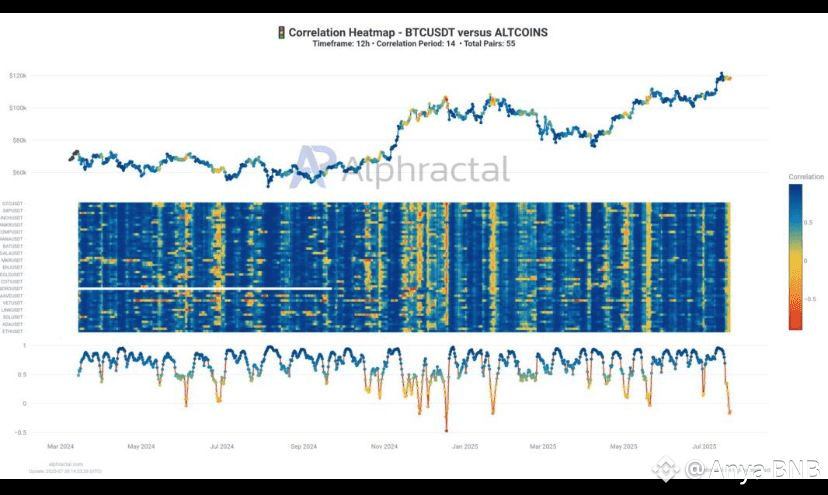
Plasma networks and cross-chain bridges also add fuel to Lorenzo’s expansion. High-speed settlement, low fees, and more efficient BTC bridging make liquid staking derivatives easier to mint, move, and use. Other ecosystems — from Ethereum to Solana to BNB Chain — are aggressively improving their ability to interact with Bitcoin-based assets. These advancements directly expand Lorenzo’s playground. Anya sees Plasma technology as the invisible engine powering LZO’s future utility, even if most traders don’t talk about it yet.
Across the wider crypto market, rates and behaviors vary wildly. Ethereum pushes forward with restaking narratives. Solana thrives on speed and memecoin culture. BNB Chain remains a retail giant. Stablecoins rise with real-world adoption. Meanwhile, Bitcoin retains its crown. In this mixed landscape, Lorenzo’s role becomes clearer: it sits at the intersection of safety (BTC), yield (DeFi), and liquidity (cross-chain growth). That trio gives the ecosystem space to grow vertically and horizontally at the same time.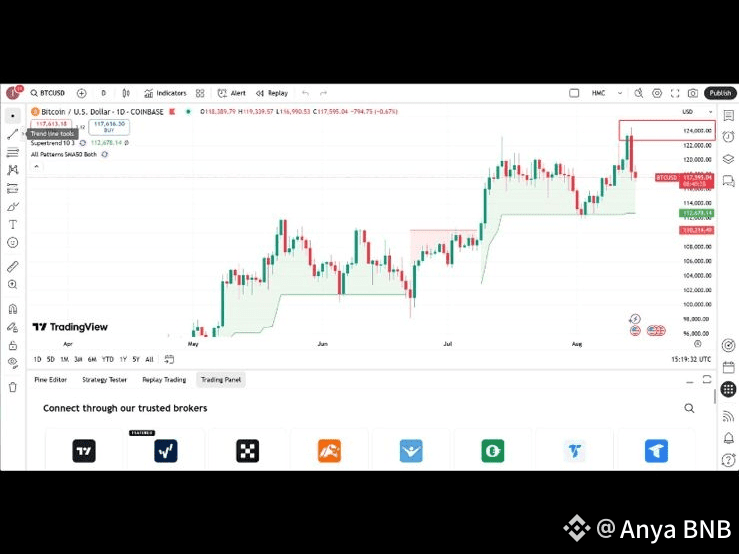
The emotional appeal also drives long-term expansion. Many BANK holders see Lorenzo as more than a protocol — they see it as a bridge to a future where Bitcoin is finally active capital instead of dormant wealth. So holders stay. They hold through dips. They hold through volatility. Not out of blind loyalty, but because the vision resonates. It feels less like chasing hype and more like owning a piece of infrastructure for the next era of Bitcoin-powered finance.
Maybe that’s the real reason the ecosystem has so much room to grow: it’s built on a narrative big enough to carry years of development, not weeks of hype. Lorenzo Protocol isn’t just introducing new tokens — it’s reimagining Bitcoin’s purpose. And for anya, that’s the kind of vision that doesn’t just attract investors. It attracts believers.



