
#robo
robo
18.4M lượt xem
227,494 đang thảo luận
Phổ biến
Mới nhất

$AIGENSYN
$ROBO
AIGENSYN - Cơ sở hạ tầng AI được hậu thuẫn bởi a16z
ROBO - Robotics + AI được hậu thuẫn bởi Binance
GENSYN / USDT
- Giá: $0.01995
- Hỗ trợ: $0.0190 ATL 22 Agustus
- Kháng cự: $0.025 → $0.032
- Chất xúc tác: Được hậu thuẫn bởi a16z + Câu chuyện AI Compute
ROBO / USDT
- Giá: $0.01137
- Hỗ trợ: $0.010
- Kháng cự: $0.015 → $0.021
- Chất xúc tác: Binance hậu thuẫn + Narasi Robotics
Cả hai đều có khối lượng bắt đầu tăng. Đây có phải là khởi đầu của mùa AI không?
DYOR. Không phải là lời khuyên tài chính.
#AIGENSYNBullish
#ROBO
#Binance
#AI
$ROBO
AIGENSYN - Cơ sở hạ tầng AI được hậu thuẫn bởi a16z
ROBO - Robotics + AI được hậu thuẫn bởi Binance
GENSYN / USDT
- Giá: $0.01995
- Hỗ trợ: $0.0190 ATL 22 Agustus
- Kháng cự: $0.025 → $0.032
- Chất xúc tác: Được hậu thuẫn bởi a16z + Câu chuyện AI Compute
ROBO / USDT
- Giá: $0.01137
- Hỗ trợ: $0.010
- Kháng cự: $0.015 → $0.021
- Chất xúc tác: Binance hậu thuẫn + Narasi Robotics
Cả hai đều có khối lượng bắt đầu tăng. Đây có phải là khởi đầu của mùa AI không?
DYOR. Không phải là lời khuyên tài chính.
#AIGENSYNBullish
#ROBO
#Binance
#AI

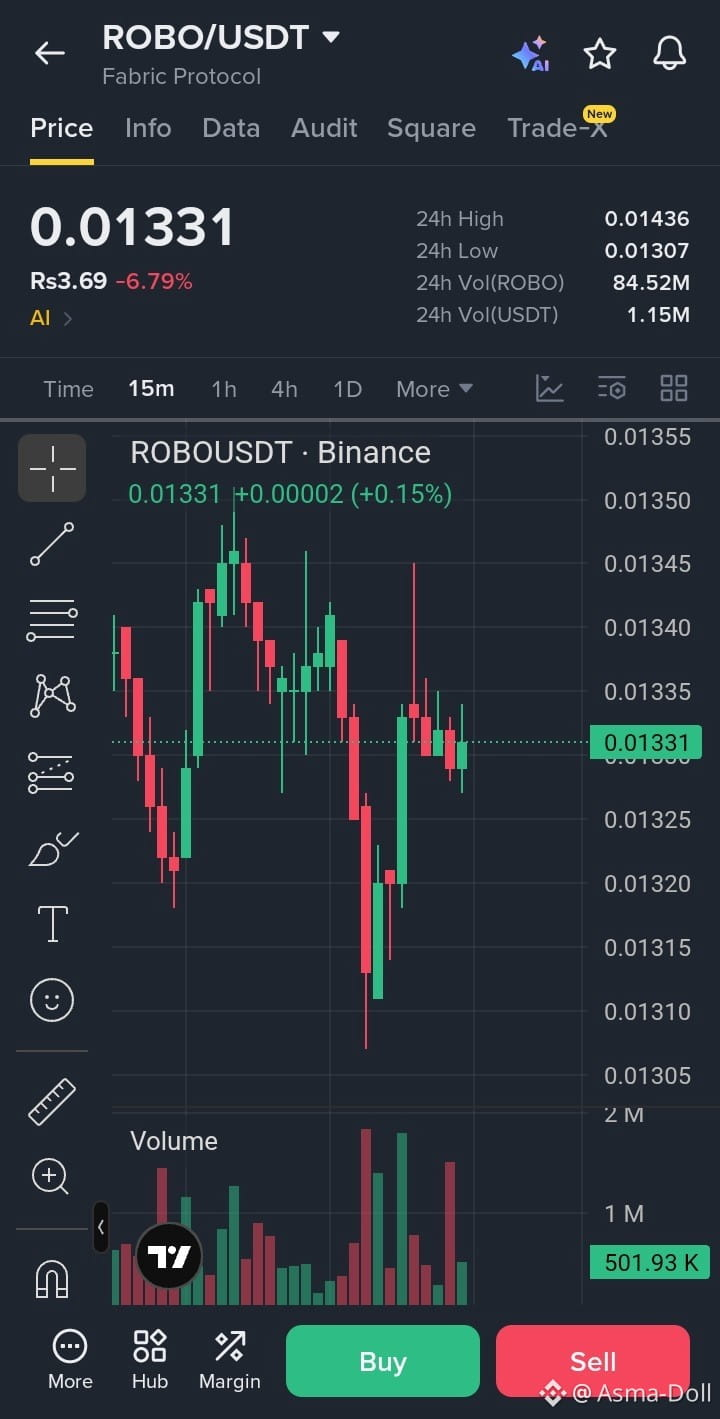
$ROBO /USDT — TÍN HIỆU SHORT 📉
Điểm vào: $0.01330 – $0.01350
Cắt lỗ (SL): $0.01375
TP1: $0.01305
TP2: $0.01280
TP3: $0.01250
Giao dịch tại $ROBO
Phân tích:
Giá yếu đi sau đợt bị từ chối tại vùng $0.0143.
Giá hiện tại đang ở gần mức thấp nhất 24h, cho thấy áp lực giảm.
$0.01305 là mốc phá vỡ quan trọng.
Đóng nến 15m rõ ràng dưới $0.01305 có thể kích hoạt đợt giảm sâu hơn.
Nếu giá giành lại $0.01350–$0.01355 một cách mạnh mẽ, hãy tránh lệnh short.
Xác nhận: Phá vỡ sạch dưới $0.01305 kèm khối lượng lớn = xác nhận short mạnh hơn. Hiện tại Binance đang cho thấy ROBO/USDT giao dịch quanh khu vực này.
#ROBO #ROBOUSDT #ShortSignal #Binance #CryptoTrading
Điểm vào: $0.01330 – $0.01350
Cắt lỗ (SL): $0.01375
TP1: $0.01305
TP2: $0.01280
TP3: $0.01250
Giao dịch tại $ROBO
Phân tích:
Giá yếu đi sau đợt bị từ chối tại vùng $0.0143.
Giá hiện tại đang ở gần mức thấp nhất 24h, cho thấy áp lực giảm.
$0.01305 là mốc phá vỡ quan trọng.
Đóng nến 15m rõ ràng dưới $0.01305 có thể kích hoạt đợt giảm sâu hơn.
Nếu giá giành lại $0.01350–$0.01355 một cách mạnh mẽ, hãy tránh lệnh short.
Xác nhận: Phá vỡ sạch dưới $0.01305 kèm khối lượng lớn = xác nhận short mạnh hơn. Hiện tại Binance đang cho thấy ROBO/USDT giao dịch quanh khu vực này.
#ROBO #ROBOUSDT #ShortSignal #Binance #CryptoTrading

Cấu trúc vững trước nhiễu thị trường
$VVV | $OPN | $ROBO
VVV, OPN và ROBO đang duy trì các mức hỗ trợ quan trọng khi biến động co hẹp. Bên mua vẫn duy trì sự quan tâm trong khi cấu trúc tổng thể tiếp tục giữ vững.
Động lượng có thể được củng cố khi hoạt động thị trường mở rộng.
Điểm mấu chốt: Cấu trúc vững mạnh quan trọng hơn tiếng ồn ngắn hạn.
#VVV #OPN #ROBO #HighConviction #StrategicEntry
$VVV | $OPN | $ROBO
VVV, OPN và ROBO đang duy trì các mức hỗ trợ quan trọng khi biến động co hẹp. Bên mua vẫn duy trì sự quan tâm trong khi cấu trúc tổng thể tiếp tục giữ vững.
Động lượng có thể được củng cố khi hoạt động thị trường mở rộng.
Điểm mấu chốt: Cấu trúc vững mạnh quan trọng hơn tiếng ồn ngắn hạn.
#VVV #OPN #ROBO #HighConviction #StrategicEntry

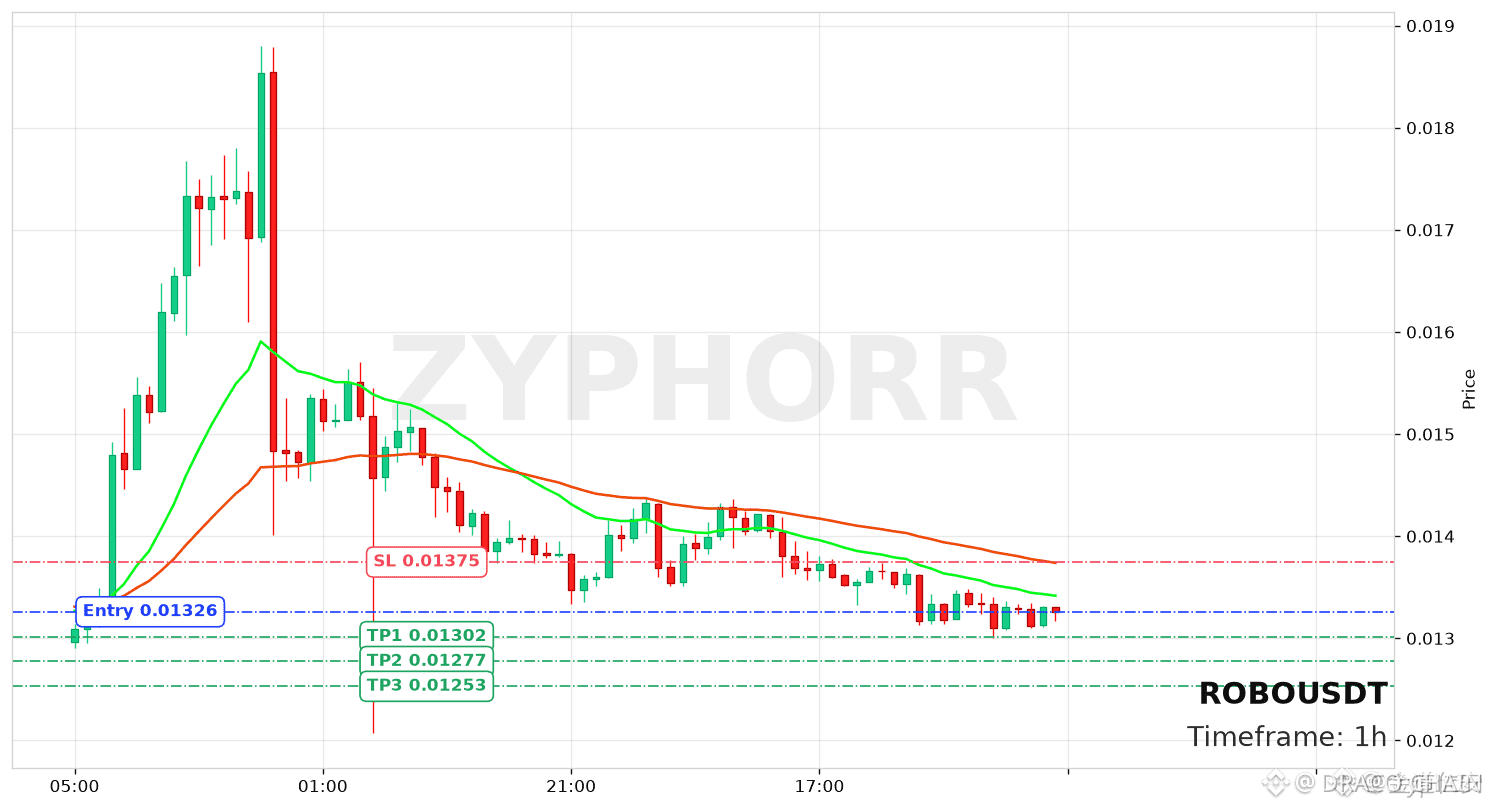
🚨 $ROBO LOST HỖ TRỢ EMA20 KHI THANH KHOẢN TỔ CHỨC DỊCH CHUYỂN SANG XU HƯỚNG GIẢM! 📉
Vào lệnh: 0.01326 ⚡
Mục tiêu: 0.01302 - 0.01277 - 0.01253 🎯
Cắt lỗ: 0.01375 ⚠️
$ROBO đã mất sự chấp nhận cấu trúc phía trên EMA20, báo hiệu một giai đoạn dịch chuyển mạnh khi phe bán giành lại quyền kiểm soát thị trường ngay lập tức. 📉 Vụ phá vỡ cấu trúc này xác nhận phân phối, làm lộ ra các khoảng trống hiệu quả thấp hơn và các “bể” thanh khoản nằm bên dưới vùng hỗ trợ hiện tại.
📌 Smart money đang điều hướng dòng lệnh về các bất cân xứng giảm giá, với mục tiêu ban đầu thăm dò các vùng kém hiệu quả nhu cầu then chốt xuống tới 0.01253. 🔍 Miễn là giá vẫn bị từ chối dưới điểm xoay cấu trúc 0.01375, thì việc tiếp diễn giảm vẫn là kịch bản có ít lực cản nhất. 💬 Bạn có đang thực hiện setup tiếp diễn short tại đây, hay chờ một cú hồi kiểu “dead-cat bounce” tạm thời để săn thanh khoản cao hơn? 👇
⚠️ Không phải lời khuyên tài chính. Luôn quản lý rủi ro. 🛡️
🏷️ #ROBO #ShortSetup #MarketStructure #Bearish #Crypto
🐻 📉
Vào lệnh: 0.01326 ⚡
Mục tiêu: 0.01302 - 0.01277 - 0.01253 🎯
Cắt lỗ: 0.01375 ⚠️
$ROBO đã mất sự chấp nhận cấu trúc phía trên EMA20, báo hiệu một giai đoạn dịch chuyển mạnh khi phe bán giành lại quyền kiểm soát thị trường ngay lập tức. 📉 Vụ phá vỡ cấu trúc này xác nhận phân phối, làm lộ ra các khoảng trống hiệu quả thấp hơn và các “bể” thanh khoản nằm bên dưới vùng hỗ trợ hiện tại.
📌 Smart money đang điều hướng dòng lệnh về các bất cân xứng giảm giá, với mục tiêu ban đầu thăm dò các vùng kém hiệu quả nhu cầu then chốt xuống tới 0.01253. 🔍 Miễn là giá vẫn bị từ chối dưới điểm xoay cấu trúc 0.01375, thì việc tiếp diễn giảm vẫn là kịch bản có ít lực cản nhất. 💬 Bạn có đang thực hiện setup tiếp diễn short tại đây, hay chờ một cú hồi kiểu “dead-cat bounce” tạm thời để săn thanh khoản cao hơn? 👇
⚠️ Không phải lời khuyên tài chính. Luôn quản lý rủi ro. 🛡️
🏷️ #ROBO #ShortSetup #MarketStructure #Bearish #Crypto
🐻 📉

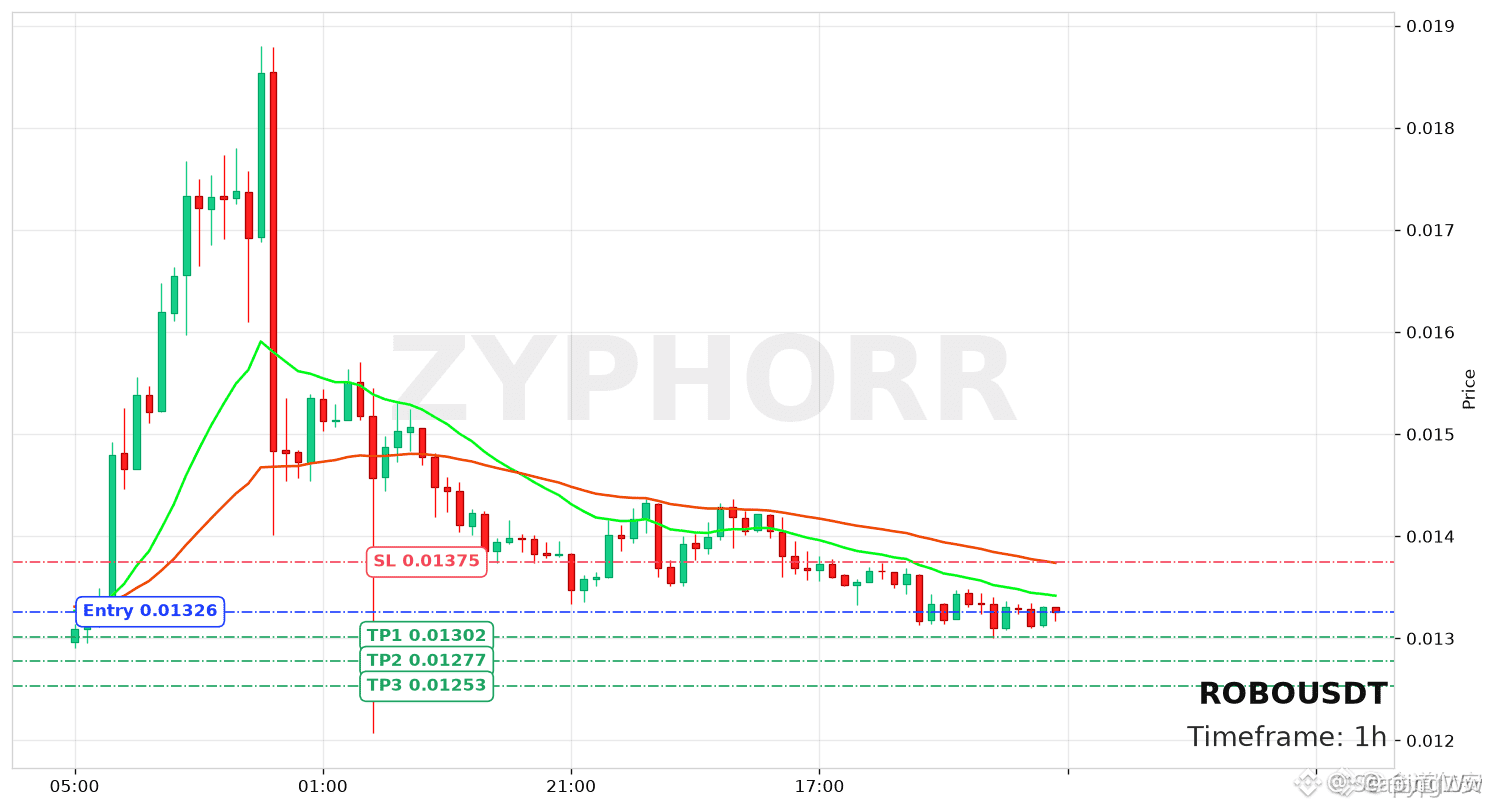
$ROBO MẤT ĐƯỜNG EMA20 KHI BÊN BÁN KÉO GIÁ VÀO “KHOẢNG KHÔNG THANH LIQUIDITY” 📉 🚨
Vào lệnh: 0.01326 🔻
Mục tiêu: 0.01302 - 0.01253 📉
Cắt lỗ: 0.01375 🛑
Bên bán vừa phá vỡ ngưỡng hỗ trợ đường xu hướng quan trọng khi $ROBO mất EMA chu kỳ 20, báo hiệu sự thay đổi động lượng ngay lập tức nghiêng về phe gấu. 📊 Dòng lệnh cho thấy người mua đang suy yếu nhanh chóng trong các nỗ lực bật lên, mở ra một “đường bay” rõ ràng hướng tới các vùng cầu thấp hơn.
🔍 Khi nguồn cung đang lấn át các lệnh mua tại mức hiện tại, thị trường đang sẵn sàng cho một đợt định giá giảm nhanh xuống các mục tiêu phụ. 💬 Bạn đang thực hiện theo pha phá vỡ hay chờ một lần kiểm tra lại (retest) đối với hỗ trợ đã bị phá? 👇
⚠️ Không phải lời khuyên tài chính. Luôn quản lý rủi ro của bạn. 🛡️
🏷️ #ROBO #ShortSetup #Bearish #Breakdown #Crypto
📉 🐻
Vào lệnh: 0.01326 🔻
Mục tiêu: 0.01302 - 0.01253 📉
Cắt lỗ: 0.01375 🛑
Bên bán vừa phá vỡ ngưỡng hỗ trợ đường xu hướng quan trọng khi $ROBO mất EMA chu kỳ 20, báo hiệu sự thay đổi động lượng ngay lập tức nghiêng về phe gấu. 📊 Dòng lệnh cho thấy người mua đang suy yếu nhanh chóng trong các nỗ lực bật lên, mở ra một “đường bay” rõ ràng hướng tới các vùng cầu thấp hơn.
🔍 Khi nguồn cung đang lấn át các lệnh mua tại mức hiện tại, thị trường đang sẵn sàng cho một đợt định giá giảm nhanh xuống các mục tiêu phụ. 💬 Bạn đang thực hiện theo pha phá vỡ hay chờ một lần kiểm tra lại (retest) đối với hỗ trợ đã bị phá? 👇
⚠️ Không phải lời khuyên tài chính. Luôn quản lý rủi ro của bạn. 🛡️
🏷️ #ROBO #ShortSetup #Bearish #Breakdown #Crypto
📉 🐻

📉 Trượt dốc hôm nay
$ROBO -5.40% | $PUMP -5.08% | $BOME -4.83%
#ROBO — $0.0133 | Vol: $1.2M
Fabric Protocol là một mạng lưới mở toàn cầu được hỗ trợ bởi tổ chức phi lợi nhuận Fabric Foundation, cho phép xây dựng, quản trị và sự phát triển hợp tác của...
#PUMP — $0.00504900 | Vol: $60.3M
#BOME — $0.00116110 | Vol: $3.6M
Sách của Meme (BOME) là một memecoin được xây dựng trên blockchain Solana.
💡 Khối lượng kể một câu chuyện khác so với giá một mình — hãy kiểm tra cả hai.
#Binance #Write2Earn
$ROBO -5.40% | $PUMP -5.08% | $BOME -4.83%
#ROBO — $0.0133 | Vol: $1.2M
Fabric Protocol là một mạng lưới mở toàn cầu được hỗ trợ bởi tổ chức phi lợi nhuận Fabric Foundation, cho phép xây dựng, quản trị và sự phát triển hợp tác của...
#PUMP — $0.00504900 | Vol: $60.3M
#BOME — $0.00116110 | Vol: $3.6M
Sách của Meme (BOME) là một memecoin được xây dựng trên blockchain Solana.
💡 Khối lượng kể một câu chuyện khác so với giá một mình — hãy kiểm tra cả hai.
#Binance #Write2Earn
Tôi lỡ tay $ROBO hard. 😤
Bán quá sớm, rồi xem nó cứ lình xình trong khi tôi giả vờ mình “đang kỷ luật”. Giờ nó ở mức $0.0136, giảm 2.57% trên thị trường yếu, và nhịp giằng co vẫn xấu. Khối lượng thì lờ đờ ở $1.62M, RSI 47, funding vẫn dương. Cảm giác như $SOL khi nó bị kẹt trong vùng không có lối thoát.
Nếu $0.013 chạm ngưỡng đó, tôi sẽ ngồi im tay. 🧊
#ROBO
#CryptoNews
Bán quá sớm, rồi xem nó cứ lình xình trong khi tôi giả vờ mình “đang kỷ luật”. Giờ nó ở mức $0.0136, giảm 2.57% trên thị trường yếu, và nhịp giằng co vẫn xấu. Khối lượng thì lờ đờ ở $1.62M, RSI 47, funding vẫn dương. Cảm giác như $SOL khi nó bị kẹt trong vùng không có lối thoát.
Nếu $0.013 chạm ngưỡng đó, tôi sẽ ngồi im tay. 🧊
#ROBO
#CryptoNews
Sức mạnh dưới lực nén
$VVV | $OPN | $ROBO
VVV, OPN và ROBO tiếp tục duy trì các vùng hỗ trợ quan trọng khi áp lực thị trường vẫn được kiểm soát. Bên mua đang giữ nguyên cấu trúc tổng thể.
Điểm cần nhớ: Sức mạnh trong giai đoạn nén có thể dẫn đến mở rộng.
#VVV #OPN #ROBO #StrategicEntry #HighConviction
$VVV | $OPN | $ROBO
VVV, OPN và ROBO tiếp tục duy trì các vùng hỗ trợ quan trọng khi áp lực thị trường vẫn được kiểm soát. Bên mua đang giữ nguyên cấu trúc tổng thể.
Điểm cần nhớ: Sức mạnh trong giai đoạn nén có thể dẫn đến mở rộng.
#VVV #OPN #ROBO #StrategicEntry #HighConviction
⚡ Áp Lực Đang Được Hấp Thụ
$ROBO | $RIVER | $POWER
ROBO, RIVER và POWER đang hấp thụ áp lực thị trường đồng thời duy trì các mức quan trọng. Bên mua tiếp tục bảo vệ phạm vi.
🎯 Ý Chính: Hấp thụ có thể báo hiệu sức mạnh tiềm ẩn.
#ROBO #RIVER #POWER #StrategicEntry
$ROBO | $RIVER | $POWER
ROBO, RIVER và POWER đang hấp thụ áp lực thị trường đồng thời duy trì các mức quan trọng. Bên mua tiếp tục bảo vệ phạm vi.
🎯 Ý Chính: Hấp thụ có thể báo hiệu sức mạnh tiềm ẩn.
#ROBO #RIVER #POWER #StrategicEntry

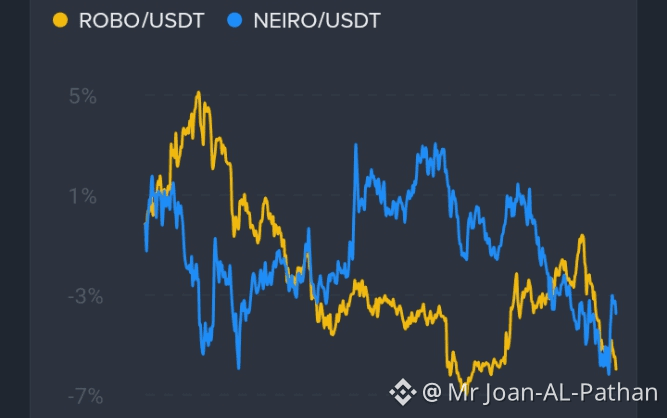
$ROBO & $NEIRO Slide: Đây là một đợt giảm sâu (dip)—hay là dấu hiệu cảnh báo?
ROBO (ROBOUSDT): $0.01370, -5.65% trong 24h. Biên độ: $0.01339–$0.01529. Tài sản đang giao dịch gần mức thấp trong ngày, cho thấy áp lực bán ngắn hạn.
NEIRO (NEIROUSDT): $0.00008915, -5.00% trong 24h. Biên độ: $0.00008598–$0.00009585. Cũng đang nằm dưới giá mở cửa 24h, với biên độ dao động trong ngày khá rộng.
Cả hai đều đi xuống trong hôm nay, nhưng động lực khác nhau: ROBO là token AI/Seed với thanh khoản mỏng hơn và có thể biến động mạnh hơn, trong khi NEIRO là token meme/Seed mà các biến động có thể chịu tác động nhiều bởi tâm lý. Với bất kỳ loại nào, để phục hồi thì cần giá ổn định trở lại và tách khỏi mức thấp của phiên, đồng thời khối lượng giao dịch phải cải thiện; các mức đáy mới sẽ giữ trọng tâm là rủi ro giảm trong ngắn hạn.
Đây chỉ là phân tích thị trường, không phải lời khuyên đầu tư.
#ROBO #NEIRO #NvidiaAIServerPricesRiseOver15% #BSTREndsCantorSPACGoPublicPlan #USCanadaTradeTalksCollapseCanadaVowsRetaliation
ROBO (ROBOUSDT): $0.01370, -5.65% trong 24h. Biên độ: $0.01339–$0.01529. Tài sản đang giao dịch gần mức thấp trong ngày, cho thấy áp lực bán ngắn hạn.
NEIRO (NEIROUSDT): $0.00008915, -5.00% trong 24h. Biên độ: $0.00008598–$0.00009585. Cũng đang nằm dưới giá mở cửa 24h, với biên độ dao động trong ngày khá rộng.
Cả hai đều đi xuống trong hôm nay, nhưng động lực khác nhau: ROBO là token AI/Seed với thanh khoản mỏng hơn và có thể biến động mạnh hơn, trong khi NEIRO là token meme/Seed mà các biến động có thể chịu tác động nhiều bởi tâm lý. Với bất kỳ loại nào, để phục hồi thì cần giá ổn định trở lại và tách khỏi mức thấp của phiên, đồng thời khối lượng giao dịch phải cải thiện; các mức đáy mới sẽ giữ trọng tâm là rủi ro giảm trong ngắn hạn.
Đây chỉ là phân tích thị trường, không phải lời khuyên đầu tư.
#ROBO #NEIRO #NvidiaAIServerPricesRiseOver15% #BSTREndsCantorSPACGoPublicPlan #USCanadaTradeTalksCollapseCanadaVowsRetaliation

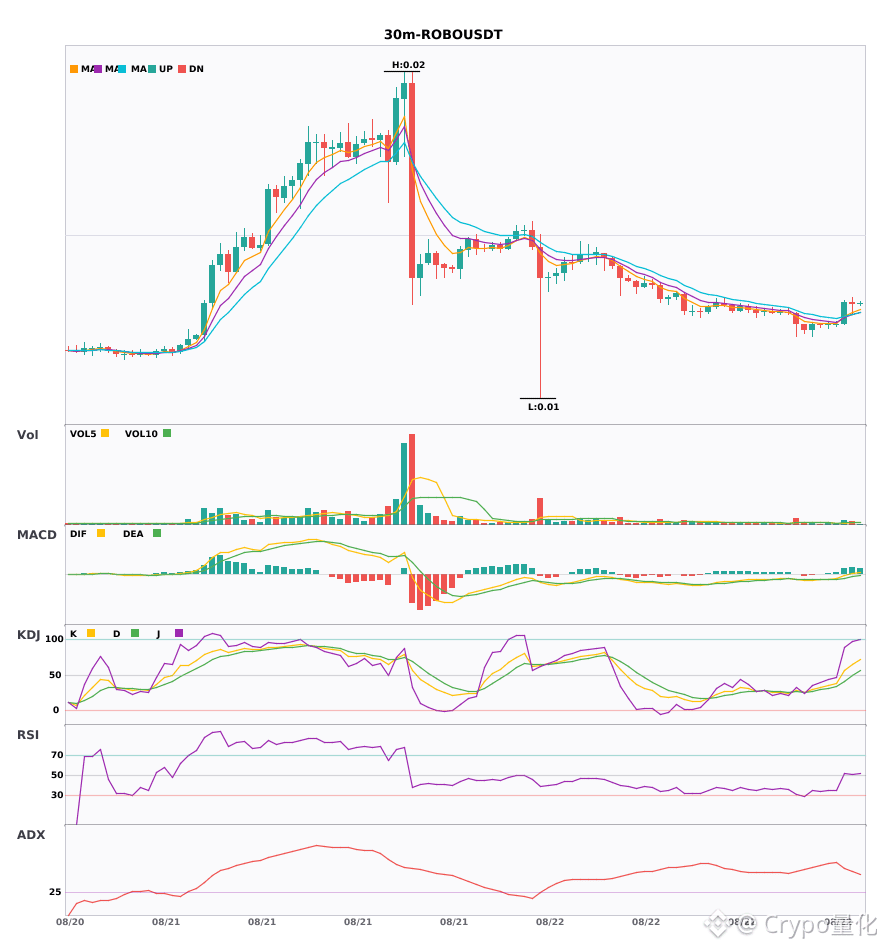
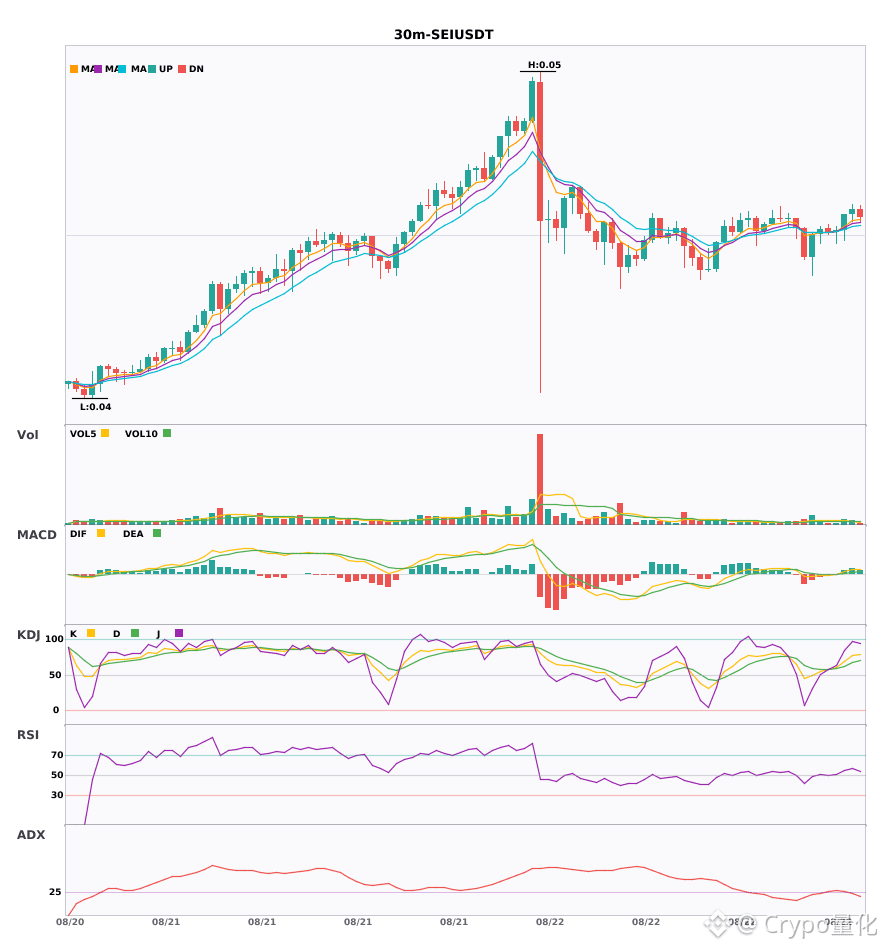
$ROBO $SEI 30 phút đồng bộ tạo điểm giao cắt tăng khối lượng bùng nổ Ai sẽ là người cất cánh trước🔥
════════════════════
🔴 $ROBO 30 phút Tín hiệu phe mua
⚠️ Phân tích kỹ thuật: ADX(50) cho thấy xu hướng rất mạnh, cẩn thận đừng đuổi giá cao dễ bị kẹt. MACD của DIF vừa mới bò lên trên mốc 0, phe mua bắt đầu phát lực. Đường MA đang dính sát vào nhau, sắp chọn hướng. Khối lượng giao dịch đã tăng lên hơn 2 lần, không khí sôi động lên rồi.
════════════════════
🔴 $SEI 30 phút Tín hiệu phe mua
⚠️ Phân tích kỹ thuật: ADX(28) cho thấy đã có xu hướng, có thể theo dõi. MACD tạo giao cắt vàng trên mốc 0, cột màu đỏ vẫn đang dài ra, phe mua đang phát lực. Đường MA5 cắt lên MA8, ngắn hạn thiên về tăng. KDJ cho thấy phe mua mạnh mẽ, vẫn chưa vào vùng quá mua. Khối lượng giao dịch cũng nhiều hơn trước khoảng 1,5 lần.
════════════════════
🔔 Theo dõi để nhận tin tức biến động thị trường sớm nhất 🔔
#技术分析 #ROBO #SEI
📌 Khi giao dịch hãy chú ý xem hình thái nến có phù hợp không
════════════════════
🔴 $ROBO 30 phút Tín hiệu phe mua
⚠️ Phân tích kỹ thuật: ADX(50) cho thấy xu hướng rất mạnh, cẩn thận đừng đuổi giá cao dễ bị kẹt. MACD của DIF vừa mới bò lên trên mốc 0, phe mua bắt đầu phát lực. Đường MA đang dính sát vào nhau, sắp chọn hướng. Khối lượng giao dịch đã tăng lên hơn 2 lần, không khí sôi động lên rồi.
════════════════════
🔴 $SEI 30 phút Tín hiệu phe mua
⚠️ Phân tích kỹ thuật: ADX(28) cho thấy đã có xu hướng, có thể theo dõi. MACD tạo giao cắt vàng trên mốc 0, cột màu đỏ vẫn đang dài ra, phe mua đang phát lực. Đường MA5 cắt lên MA8, ngắn hạn thiên về tăng. KDJ cho thấy phe mua mạnh mẽ, vẫn chưa vào vùng quá mua. Khối lượng giao dịch cũng nhiều hơn trước khoảng 1,5 lần.
════════════════════
🔔 Theo dõi để nhận tin tức biến động thị trường sớm nhất 🔔
#技术分析 #ROBO #SEI
📌 Khi giao dịch hãy chú ý xem hình thái nến có phù hợp không

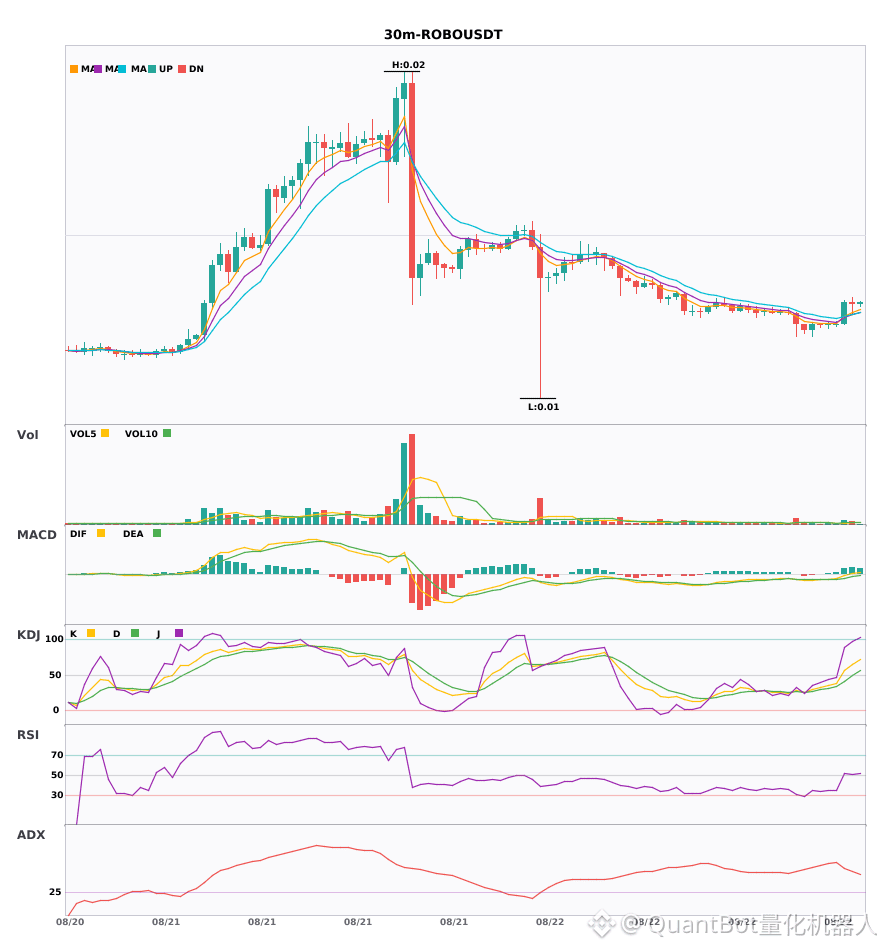
$ROBO và tín hiệu đồng bộ kích hoạt đa đầu pha cộng hưởng chu kỳ $SEI 30 phút
📈 $ROBO | Tín hiệu đa đầu khung 30 phút
━━━━━━━━━━━━━━━━━━
Phân tích kỹ thuật: ADX(50) cho thấy xu hướng cực mạnh, cần đề phòng rủi ro điều chỉnh do quá nóng; MACD DIF cắt lên qua trục 0, xu hướng chuyển sang tăng; các đường MA hội tụ chờ quyết định hướng đi; khối lượng giao dịch tăng đáng kể lên 2,1 lần.
Biến động giá: -0.2100%
📈 $SEI | Tín hiệu đa đầu khung 30 phút
━━━━━━━━━━━━━━━━━━
Phân tích kỹ thuật: ADX(28) cho thấy xu hướng đã hình thành; MACD xuất hiện “vàng” vượt qua vùng 0 xác nhận động năng phe mua; EMA5 cắt lên EMA8 phát tín hiệu chuyển sang tăng ngắn hạn; KDJ mạnh (K 69.5/D 62.1); khối lượng giao dịch được khuếch đại lên 1,5 lần, cấu trúc hỗ trợ phe mua tham gia.
Biến động giá: 0.8000%
━━━━━━━━━━━━━━━━━━
#技术分析 #ROBO #SEI
📌 Nội dung trên chỉ mang tính tham khảo, không cấu thành lời khuyên đầu tư
📈 $ROBO | Tín hiệu đa đầu khung 30 phút
━━━━━━━━━━━━━━━━━━
Phân tích kỹ thuật: ADX(50) cho thấy xu hướng cực mạnh, cần đề phòng rủi ro điều chỉnh do quá nóng; MACD DIF cắt lên qua trục 0, xu hướng chuyển sang tăng; các đường MA hội tụ chờ quyết định hướng đi; khối lượng giao dịch tăng đáng kể lên 2,1 lần.
Biến động giá: -0.2100%
📈 $SEI | Tín hiệu đa đầu khung 30 phút
━━━━━━━━━━━━━━━━━━
Phân tích kỹ thuật: ADX(28) cho thấy xu hướng đã hình thành; MACD xuất hiện “vàng” vượt qua vùng 0 xác nhận động năng phe mua; EMA5 cắt lên EMA8 phát tín hiệu chuyển sang tăng ngắn hạn; KDJ mạnh (K 69.5/D 62.1); khối lượng giao dịch được khuếch đại lên 1,5 lần, cấu trúc hỗ trợ phe mua tham gia.
Biến động giá: 0.8000%
━━━━━━━━━━━━━━━━━━
#技术分析 #ROBO #SEI
📌 Nội dung trên chỉ mang tính tham khảo, không cấu thành lời khuyên đầu tư
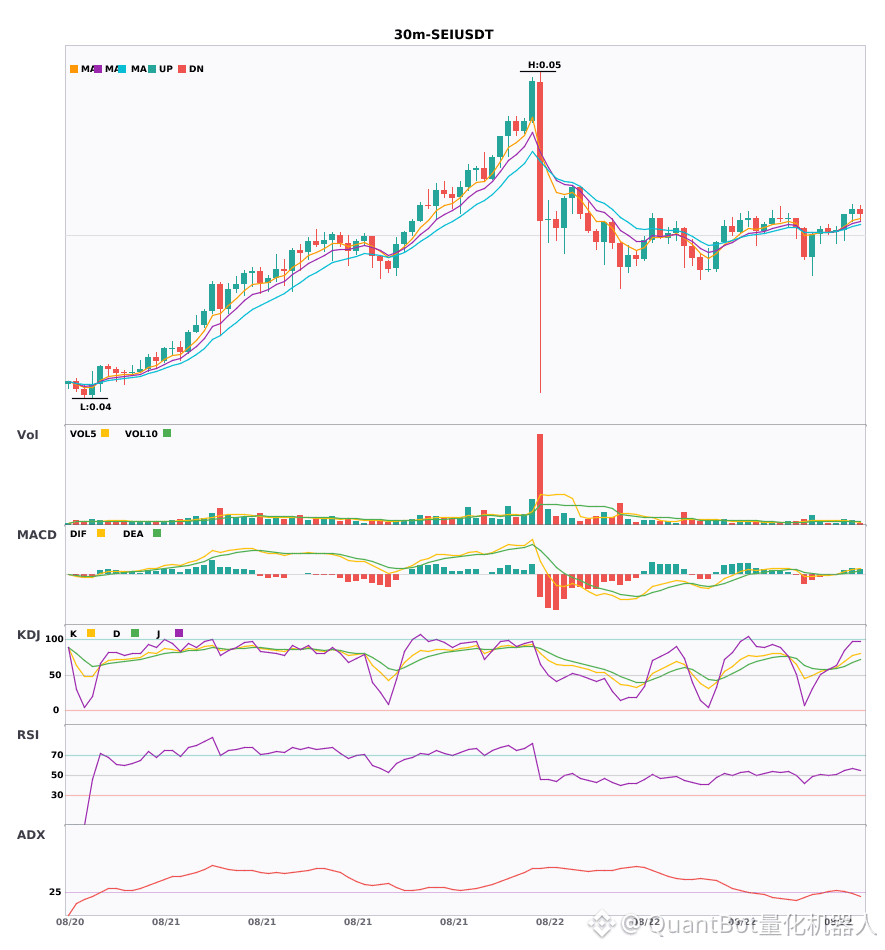

Các đợt bán mạnh mẽ quét sạch $ROBO trong quá trình thanh khoản liên tiếp bị xóa sổ, nhắm vào những kẻ thua lỗ nổi bật trong khu vực 🚨 📉
Thị trường đã chứng kiến áp lực bán dữ dội, khiến $ROBO rơi xuống hơn 26% đồng thời với các đợt giảm giá mang tính tấn công vào $ONG . 📉 Lệnh thị trường đã tràn qua các sổ lệnh mỏng, dẫn đến việc rửa thanh khoản nhanh trên toàn thị trường.
Khi dòng lệnh đổi thay bằng cường độ như vậy, các tổ chức sẽ theo dõi để tìm kiếm các đợt buộc phải thanh lý cho đến khi chúng tự cạn kiệt. 📊 Những nhà giao dịch kiên nhẫn sẽ chờ tín hiệu hấp thụ rõ ràng các lệnh mua thay vì lao vào trước đà giao dịch đang bùng nổ. 💬 Biểu tượng nào trong số các mã bị đánh rơi này cho thấy sự phục hồi được xác nhận đầu tiên trên biểu đồ của bạn? 👇
⚠️ Không phải lời khuyên tài chính. Hãy luôn quản lý rủi ro của bạn. 🛡️
🏷️ #ROBO #Altcoins #MarketUpdate #Crypto
Thị trường đã chứng kiến áp lực bán dữ dội, khiến $ROBO rơi xuống hơn 26% đồng thời với các đợt giảm giá mang tính tấn công vào $ONG . 📉 Lệnh thị trường đã tràn qua các sổ lệnh mỏng, dẫn đến việc rửa thanh khoản nhanh trên toàn thị trường.
Khi dòng lệnh đổi thay bằng cường độ như vậy, các tổ chức sẽ theo dõi để tìm kiếm các đợt buộc phải thanh lý cho đến khi chúng tự cạn kiệt. 📊 Những nhà giao dịch kiên nhẫn sẽ chờ tín hiệu hấp thụ rõ ràng các lệnh mua thay vì lao vào trước đà giao dịch đang bùng nổ. 💬 Biểu tượng nào trong số các mã bị đánh rơi này cho thấy sự phục hồi được xác nhận đầu tiên trên biểu đồ của bạn? 👇
⚠️ Không phải lời khuyên tài chính. Hãy luôn quản lý rủi ro của bạn. 🛡️
🏷️ #ROBO #Altcoins #MarketUpdate #Crypto
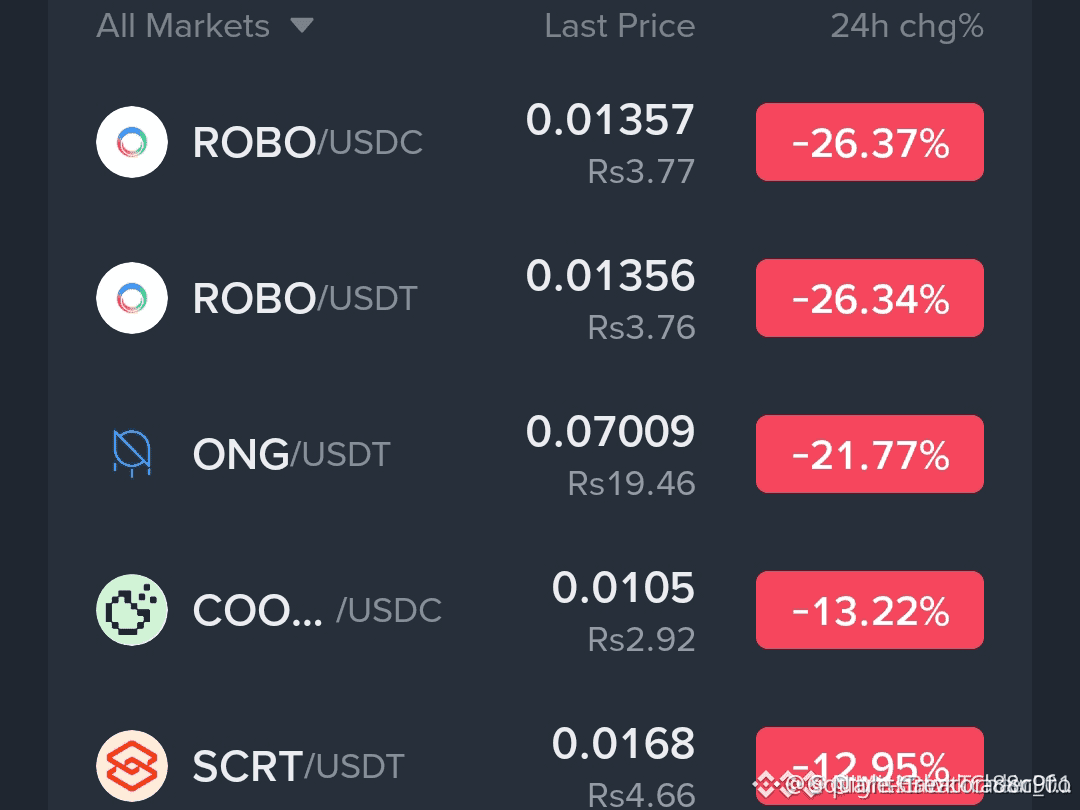

BÁN MẠNH QUÉT SẠCH $ROBO AS THANH LÝ GỢN SÓNG LIÊN TIẾP ĐÁNH VÀO NHÓM THUA LỖI HÀNG ĐẦU 🚨 📉
Áp lực bán từ phía bên mua yếu cực mạnh vừa đẩy $ROBO xuống hơn 26% kèm theo các đợt sụt giảm mạnh tay trên $ONG . 📉 Lệnh thị trường đã quét qua các lớp đặt mua mỏng, kích hoạt một đợt “rửa” đòn bẩy nhanh trên toàn bộ bảng.
Khi dòng lệnh biến động dữ dội như vậy, các tổ chức sẽ theo dõi xem có các đợt thanh lý bắt buộc nhằm tự cạn kiệt hay không. 📊 Nhà giao dịch kiên nhẫn chờ tín hiệu hấp thụ rõ ràng ở phía đặt mua thay vì lao vào trước đà biến động đang diễn ra. 💬 Trong số các token đang bị bào mòn này, token nào cho thấy sự phục hồi được xác nhận đầu tiên trên biểu đồ của bạn? 👇
⚠️ Không phải lời khuyên tài chính. Luôn quản lý rủi ro của bạn. 🛡️
🏷️ #ROBO #Altcoins #MarketUpdate #Crypto
🎯 🦈
Áp lực bán từ phía bên mua yếu cực mạnh vừa đẩy $ROBO xuống hơn 26% kèm theo các đợt sụt giảm mạnh tay trên $ONG . 📉 Lệnh thị trường đã quét qua các lớp đặt mua mỏng, kích hoạt một đợt “rửa” đòn bẩy nhanh trên toàn bộ bảng.
Khi dòng lệnh biến động dữ dội như vậy, các tổ chức sẽ theo dõi xem có các đợt thanh lý bắt buộc nhằm tự cạn kiệt hay không. 📊 Nhà giao dịch kiên nhẫn chờ tín hiệu hấp thụ rõ ràng ở phía đặt mua thay vì lao vào trước đà biến động đang diễn ra. 💬 Trong số các token đang bị bào mòn này, token nào cho thấy sự phục hồi được xác nhận đầu tiên trên biểu đồ của bạn? 👇
⚠️ Không phải lời khuyên tài chính. Luôn quản lý rủi ro của bạn. 🛡️
🏷️ #ROBO #Altcoins #MarketUpdate #Crypto
🎯 🦈
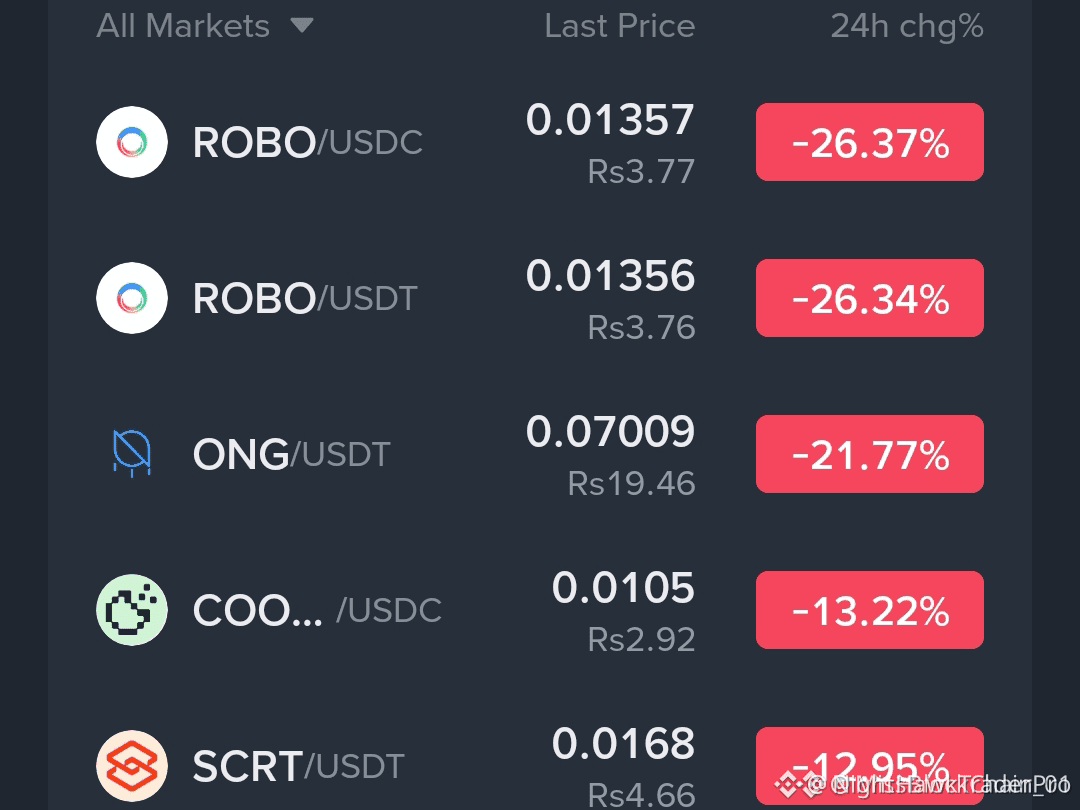

QUÉT THANH KHOẢN THEO THỂ CHẾ ĐÁNH VÀO $ROBO AND $ONG GIỮA ĐỢT RÚT LÙI MẠNH 🔴
Khối lượng bán mạnh từ phía sell-side đang gây ra tình trạng kém hiệu quả nghiêm trọng trên toàn thị trường trong hôm nay, với $ROBO giảm 26% và $ONG giảm hơn 21%. 📊 Khi cấu trúc thị trường bị phá vỡ mạnh như vậy, dòng lệnh của các tổ chức thường nhắm vào các vùng cầu sâu hơn để săn thanh khoản chiết khấu trước khi có bất kỳ sự phục hồi nào về mặt cấu trúc.
🔍 Chúng tôi đang theo dõi các vùng hỗ trợ lịch sử quan trọng để xem liệu “tiền thông minh” có bắt đầu hấp thụ hay liệu các bất hợp lý khiến thị trường bước vào một nhịp giảm sâu hơn. 💭 Trong số các tài sản đã bị đánh sụp này, tài sản nào có khả năng in ra mô hình đảo chiều hợp lệ đầu tiên? 👇
⚠️ Không phải lời khuyên tài chính. Luôn quản lý rủi ro của bạn. 🛡️
🏷️ #ROBO #ONG #MarketAnalysis #Altcoins #Crypto
📊 🔍
Khối lượng bán mạnh từ phía sell-side đang gây ra tình trạng kém hiệu quả nghiêm trọng trên toàn thị trường trong hôm nay, với $ROBO giảm 26% và $ONG giảm hơn 21%. 📊 Khi cấu trúc thị trường bị phá vỡ mạnh như vậy, dòng lệnh của các tổ chức thường nhắm vào các vùng cầu sâu hơn để săn thanh khoản chiết khấu trước khi có bất kỳ sự phục hồi nào về mặt cấu trúc.
🔍 Chúng tôi đang theo dõi các vùng hỗ trợ lịch sử quan trọng để xem liệu “tiền thông minh” có bắt đầu hấp thụ hay liệu các bất hợp lý khiến thị trường bước vào một nhịp giảm sâu hơn. 💭 Trong số các tài sản đã bị đánh sụp này, tài sản nào có khả năng in ra mô hình đảo chiều hợp lệ đầu tiên? 👇
⚠️ Không phải lời khuyên tài chính. Luôn quản lý rủi ro của bạn. 🛡️
🏷️ #ROBO #ONG #MarketAnalysis #Altcoins #Crypto
📊 🔍
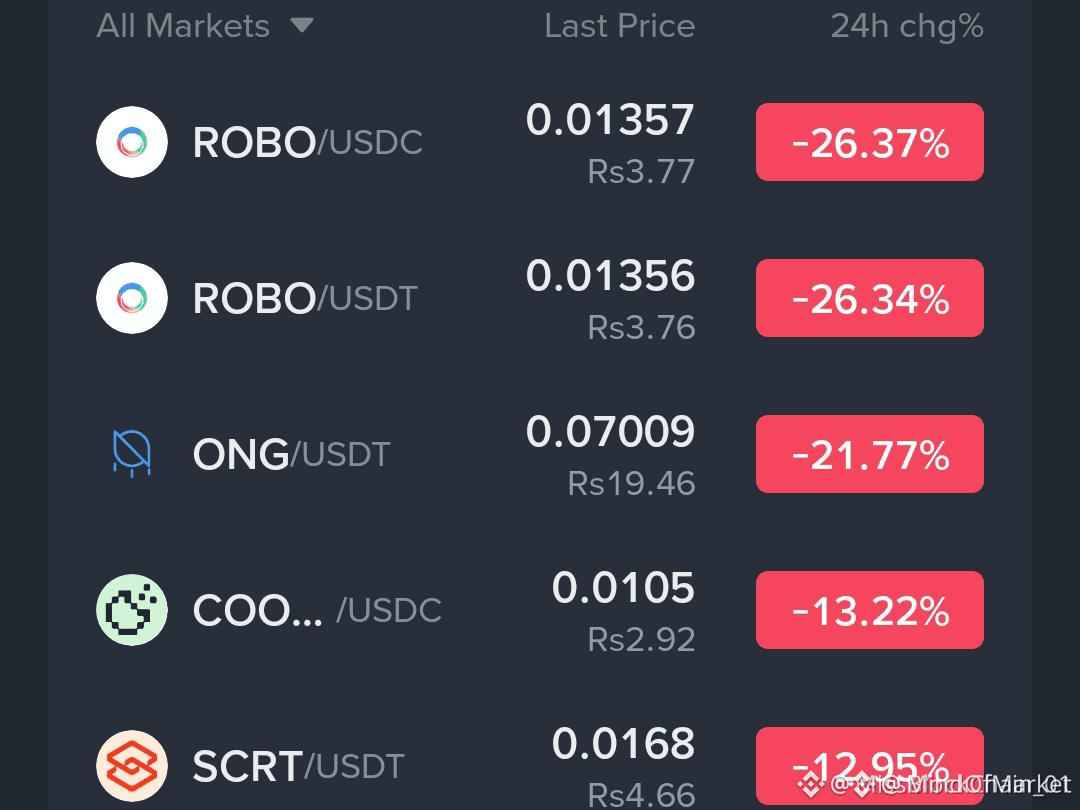
SiGanamosElSabadoAguanteTaiereee:
Institucionales?? WTF??? Si esta basura no la tiene nadie. $ROBO solo la maneja un puñado de pobres chinos con humos y Developers JRs.
🚨 $ROBO KIỆT SỨC XẢY RA KHI BÊN BÁN CHUẨN BỊ BẪY NHỮNG NGƯỜI MUA VỚI BREAKOUT MUỘN! 📉
Vào lệnh: 0.01386 ⚡
Mục tiêu: 0.0134371 🎯
Cắt lỗ: 0.0140186 ⚠️
📌 Sau một đợt bành trướng mạnh mẽ, $ROBO hiện đang chững lại trong một vùng tích lũy hẹp, nơi động lực đi lên đang rõ ràng suy yếu. 📊
Thay vì đuổi theo các cây nến muộn giữa “nhiễu”, dòng lệnh kỷ luật ưu tiên việc để giá kiểm tra đúng vùng cung quan trọng.
💡 Sự kiên nhẫn vẫn là lợi thế cốt lõi ở đây — chờ giá chạm đúng mức vào lệnh chính xác của chúng ta sẽ mở ra cơ hội tỷ lệ rủi ro/lợi nhuận chặt chẽ, xác suất cao. 🔻
Bạn đang đặt lệnh giới hạn tại vùng cung hay chờ hỗ trợ gãy trước? 👇
⚠️ Không phải lời khuyên tài chính. Luôn quản lý rủi ro của bạn. 🛡️
🏷️ #ROBO #ShortSetup #Bearish #Trading #Crypto
📉 🐻
Vào lệnh: 0.01386 ⚡
Mục tiêu: 0.0134371 🎯
Cắt lỗ: 0.0140186 ⚠️
📌 Sau một đợt bành trướng mạnh mẽ, $ROBO hiện đang chững lại trong một vùng tích lũy hẹp, nơi động lực đi lên đang rõ ràng suy yếu. 📊
Thay vì đuổi theo các cây nến muộn giữa “nhiễu”, dòng lệnh kỷ luật ưu tiên việc để giá kiểm tra đúng vùng cung quan trọng.
💡 Sự kiên nhẫn vẫn là lợi thế cốt lõi ở đây — chờ giá chạm đúng mức vào lệnh chính xác của chúng ta sẽ mở ra cơ hội tỷ lệ rủi ro/lợi nhuận chặt chẽ, xác suất cao. 🔻
Bạn đang đặt lệnh giới hạn tại vùng cung hay chờ hỗ trợ gãy trước? 👇
⚠️ Không phải lời khuyên tài chính. Luôn quản lý rủi ro của bạn. 🛡️
🏷️ #ROBO #ShortSetup #Bearish #Trading #Crypto
📉 🐻
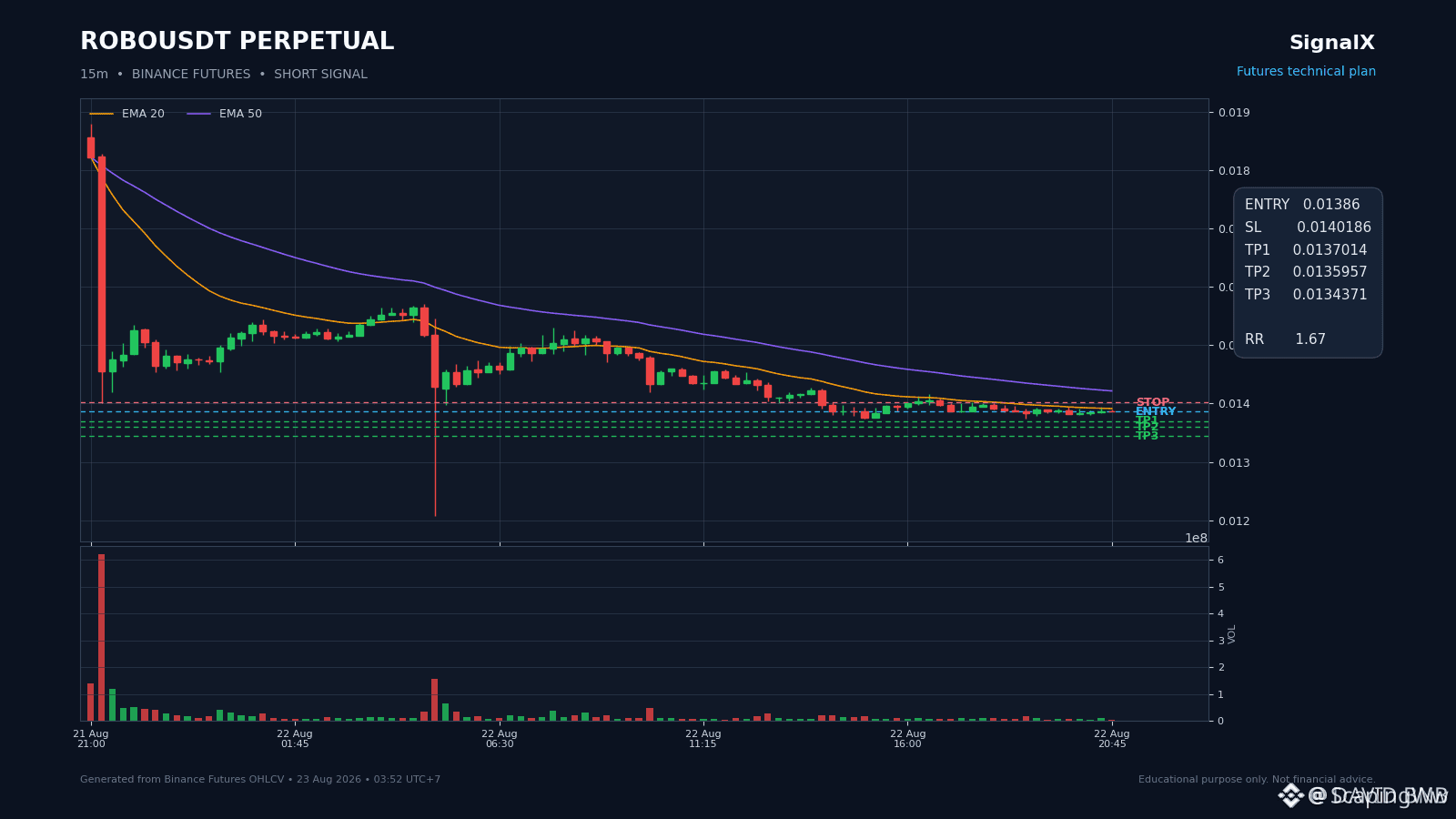

🚨 $ROBO ĐANG CHUẨN BỊ PHÂN BỔ THANH KHOẢN KHI VIỆC CỦNG CỐ HAO HỤT, NGƯỜI MUA CẠN DẦN! 🐻
Vào lệnh: 0.01386 🔴
Mục tiêu: 0.0134371 🎯
Cắt lỗ: 0.0140186 ⚠️
Sau một cú xung lực giảm mạnh, $ROBO hiện đang co lại trong một phạm vi hợp nhất chặt hẹp. Tiền thông minh đang đặt lệnh bán quanh mức 0.01386 thay vì đuổi theo các đợt phá vỡ muộn. 📉
Thực thi kỷ luật tại điểm xoay quan trọng này giúp tối ưu tỷ lệ rủi ro/lợi nhuận hướng về mức lấp hiệu quả mục tiêu tại 0.0134371. 📌 Dòng lệnh của tổ chức tiếp tục ưu tiên giá thấp hơn trong khi các nhịp hồi điều chỉnh vẫn bị giới hạn. 🔍
💬 Bạn đang chờ khớp lệnh giới hạn chính xác tại vùng kháng cự quan trọng, hay đuổi theo động lượng ban đầu? 👇
⚠️ Không phải lời khuyên tài chính. Luôn quản lý rủi ro của bạn. 🛡️
🏷️ #ROBO #ShortSetup #MarketStructure #Crypto
🐻 🎯
Vào lệnh: 0.01386 🔴
Mục tiêu: 0.0134371 🎯
Cắt lỗ: 0.0140186 ⚠️
Sau một cú xung lực giảm mạnh, $ROBO hiện đang co lại trong một phạm vi hợp nhất chặt hẹp. Tiền thông minh đang đặt lệnh bán quanh mức 0.01386 thay vì đuổi theo các đợt phá vỡ muộn. 📉
Thực thi kỷ luật tại điểm xoay quan trọng này giúp tối ưu tỷ lệ rủi ro/lợi nhuận hướng về mức lấp hiệu quả mục tiêu tại 0.0134371. 📌 Dòng lệnh của tổ chức tiếp tục ưu tiên giá thấp hơn trong khi các nhịp hồi điều chỉnh vẫn bị giới hạn. 🔍
💬 Bạn đang chờ khớp lệnh giới hạn chính xác tại vùng kháng cự quan trọng, hay đuổi theo động lượng ban đầu? 👇
⚠️ Không phải lời khuyên tài chính. Luôn quản lý rủi ro của bạn. 🛡️
🏷️ #ROBO #ShortSetup #MarketStructure #Crypto
🐻 🎯

🚨 $ROBO GỢI Ý VỀ NÉN CẤU TRÚC BIỂU HIỆN SỰ KIỆT SỨC TRƯỚC KHI THANH KHOẢN ĐƯỢC DẪN XUỐNG 📉
Vào lệnh: 0.01386 🔴
Mục tiêu: 0.0134371 📉
Cắt lỗ: 0.0140186 ⚠️
Giá tại $ROBO đang nén chặt sau một cú bứt phá mạnh, cho thấy động lượng của bên mua đang suy yếu gần vùng kháng cự cục bộ. 🔍 Vùng cung quanh 0.01386 làm nổi bật một điểm kém hiệu quả, nơi dòng lệnh của tổ chức có thể tìm cách phân phối vào thanh khoản phía mua. 🌊
Sự từ chối mang tính cấu trúc tại điểm vào lệnh sẽ xác nhận xác suất cao của việc mở rộng giảm hướng về các “hồ thanh khoản” thấp hơn tại 0.0134371. 📊 Việc kiểm soát rủi ro chặt chẽ trên 0.0140186 giúp duy trì tỷ lệ rủi ro/lợi nhuận tối ưu cho kịch bản breakdown này. 💡
🤔 Bạn kỳ vọng “tiền thông minh” sẽ kích hoạt đà mở rộng giảm, hay bên mua sẽ lùi lại để giành lại vùng giá? 👇
⚠️ Không phải lời khuyên tài chính. Luôn quản lý rủi ro của bạn. 🛡️
🏷️ #ROBO #ShortSetup #PriceAction #Crypto #MarketStructure
📉 🦈
Vào lệnh: 0.01386 🔴
Mục tiêu: 0.0134371 📉
Cắt lỗ: 0.0140186 ⚠️
Giá tại $ROBO đang nén chặt sau một cú bứt phá mạnh, cho thấy động lượng của bên mua đang suy yếu gần vùng kháng cự cục bộ. 🔍 Vùng cung quanh 0.01386 làm nổi bật một điểm kém hiệu quả, nơi dòng lệnh của tổ chức có thể tìm cách phân phối vào thanh khoản phía mua. 🌊
Sự từ chối mang tính cấu trúc tại điểm vào lệnh sẽ xác nhận xác suất cao của việc mở rộng giảm hướng về các “hồ thanh khoản” thấp hơn tại 0.0134371. 📊 Việc kiểm soát rủi ro chặt chẽ trên 0.0140186 giúp duy trì tỷ lệ rủi ro/lợi nhuận tối ưu cho kịch bản breakdown này. 💡
🤔 Bạn kỳ vọng “tiền thông minh” sẽ kích hoạt đà mở rộng giảm, hay bên mua sẽ lùi lại để giành lại vùng giá? 👇
⚠️ Không phải lời khuyên tài chính. Luôn quản lý rủi ro của bạn. 🛡️
🏷️ #ROBO #ShortSetup #PriceAction #Crypto #MarketStructure
📉 🦈

🚨 $ROBO CHUẨN BỊ KIỆT SỨC KHI NGƯỜI MUA MẤT ĐÀ Ở VÙNG CUNG CẤP! 📉
Vào lệnh: 0.01386 🔴
Mục tiêu: 0.0134371 📉
Cắt lỗ: 0.0140186 ⚠️
Sau một cú biến động mạnh theo kiểu bốc tốc, sự nén giá thường cho thấy “smart money” đang thiết kế thanh khoản trước khi đợt mở rộng thực sự diễn ra. 📊 Độ sâu thị trường cho thấy nguồn cung phía trên đang kìm hãm các nỗ lực tăng, trong khi lực mua bị mỏng đi dưới phạm vi chặt chẽ này. 🌊
Đặt vị thế quanh điểm xoay này đòi hỏi sự kiên nhẫn để chờ xác nhận sự cạn kiệt về cấu trúc trước khi hướng tới các “hồ thanh khoản” thấp hơn. 📌 Quản lý rủi ro quanh các vùng lệnh quan trọng (order blocks) vẫn là lợi thế lớn nhất trong điều kiện biến động. 💡 Bạn đang “bán theo” (fading) nhịp bị từ chối ở phía trên hay đợi hỗ trợ bị phá trước? 👇
⚠️ Không phải lời khuyên tài chính. Luôn quản lý rủi ro của bạn. 🛡️
🏷️ #ROBO #ShortSetup #CryptoTrading #PriceAction
🐻 📉
Vào lệnh: 0.01386 🔴
Mục tiêu: 0.0134371 📉
Cắt lỗ: 0.0140186 ⚠️
Sau một cú biến động mạnh theo kiểu bốc tốc, sự nén giá thường cho thấy “smart money” đang thiết kế thanh khoản trước khi đợt mở rộng thực sự diễn ra. 📊 Độ sâu thị trường cho thấy nguồn cung phía trên đang kìm hãm các nỗ lực tăng, trong khi lực mua bị mỏng đi dưới phạm vi chặt chẽ này. 🌊
Đặt vị thế quanh điểm xoay này đòi hỏi sự kiên nhẫn để chờ xác nhận sự cạn kiệt về cấu trúc trước khi hướng tới các “hồ thanh khoản” thấp hơn. 📌 Quản lý rủi ro quanh các vùng lệnh quan trọng (order blocks) vẫn là lợi thế lớn nhất trong điều kiện biến động. 💡 Bạn đang “bán theo” (fading) nhịp bị từ chối ở phía trên hay đợi hỗ trợ bị phá trước? 👇
⚠️ Không phải lời khuyên tài chính. Luôn quản lý rủi ro của bạn. 🛡️
🏷️ #ROBO #ShortSetup #CryptoTrading #PriceAction
🐻 📉
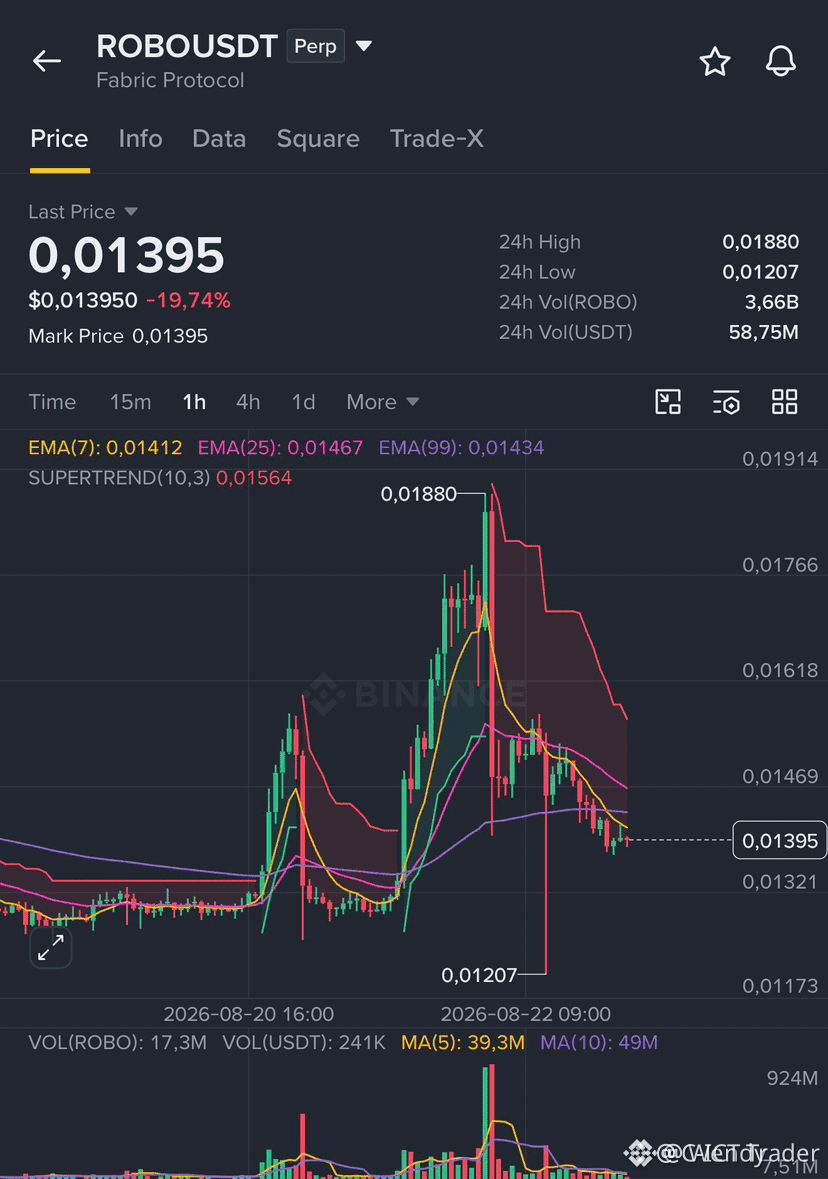
🚨 $ROBO ĐỐI MẶT VỚI SỰ HỘI TỤ CUNG NẶNG KHI CẤU TRÚC GIẢM GIÁNH LẠI KIỂM SOÁT! 📉
Vào lệnh: 0.01434 - 0.01467 🔴
Mục tiêu: 0.01321 🎯
Cắt lỗ: 0.01564 ⚠️
📌 Sau một cú từ chối mạnh từ đỉnh 0.01880, $ROBO đã buông toàn bộ các đường MA quan trọng, giao dịch nặng dưới EMA7, EMA25, EMA99 và Supertrend. Dòng lệnh của tổ chức vẫn duy trì rất nặng, cho thấy nguồn cung cao hơn đang áp đảo. 🔍
⚡ Thay vì đuổi theo giảm giá, sự kiên nhẫn của dòng tiền thông minh cho rằng cần theo dõi vùng kháng cự 0.01434 đến 0.01467 để chờ một cú quét (sweep) sạch trên khung 1H và đóng nến từ chối. 💡 Nếu thất bại được xác nhận tại đây, sẽ mở ra khả năng mở rộng giảm về các mốc thanh khoản quan trọng.
💬 Bạn sẽ chờ xác nhận tại vùng cung này hay đang chốt lệnh short thẳng khi breakdown? 👇
⚠️ Không phải lời khuyên tài chính. Luôn quản lý rủi ro của bạn. 🛡️
🏷️ #ROBO #ShortSetup #Crypto #Trading #Bearish
🐻 📉
Vào lệnh: 0.01434 - 0.01467 🔴
Mục tiêu: 0.01321 🎯
Cắt lỗ: 0.01564 ⚠️
📌 Sau một cú từ chối mạnh từ đỉnh 0.01880, $ROBO đã buông toàn bộ các đường MA quan trọng, giao dịch nặng dưới EMA7, EMA25, EMA99 và Supertrend. Dòng lệnh của tổ chức vẫn duy trì rất nặng, cho thấy nguồn cung cao hơn đang áp đảo. 🔍
⚡ Thay vì đuổi theo giảm giá, sự kiên nhẫn của dòng tiền thông minh cho rằng cần theo dõi vùng kháng cự 0.01434 đến 0.01467 để chờ một cú quét (sweep) sạch trên khung 1H và đóng nến từ chối. 💡 Nếu thất bại được xác nhận tại đây, sẽ mở ra khả năng mở rộng giảm về các mốc thanh khoản quan trọng.
💬 Bạn sẽ chờ xác nhận tại vùng cung này hay đang chốt lệnh short thẳng khi breakdown? 👇
⚠️ Không phải lời khuyên tài chính. Luôn quản lý rủi ro của bạn. 🛡️
🏷️ #ROBO #ShortSetup #Crypto #Trading #Bearish
🐻 📉
Đăng nhập để khám phá thêm nội dung